L’Épopée de Gilgamesh Chapitre 1
Le roi et l’homme sauvage
La force sans frein de Gilgamesh soulève la plainte d’Uruk. Hors de la ville, Shamhat fait entrer Enkidu dans la vie des hommes. Les deux hommes luttent sur un seuil disputé, puis deviennent amis. Au loin, la forêt des Cèdres annonce la suite.
Voir le filmSourcesTournez les pages avec les flèches, le clavier ou en balayant l’écran.
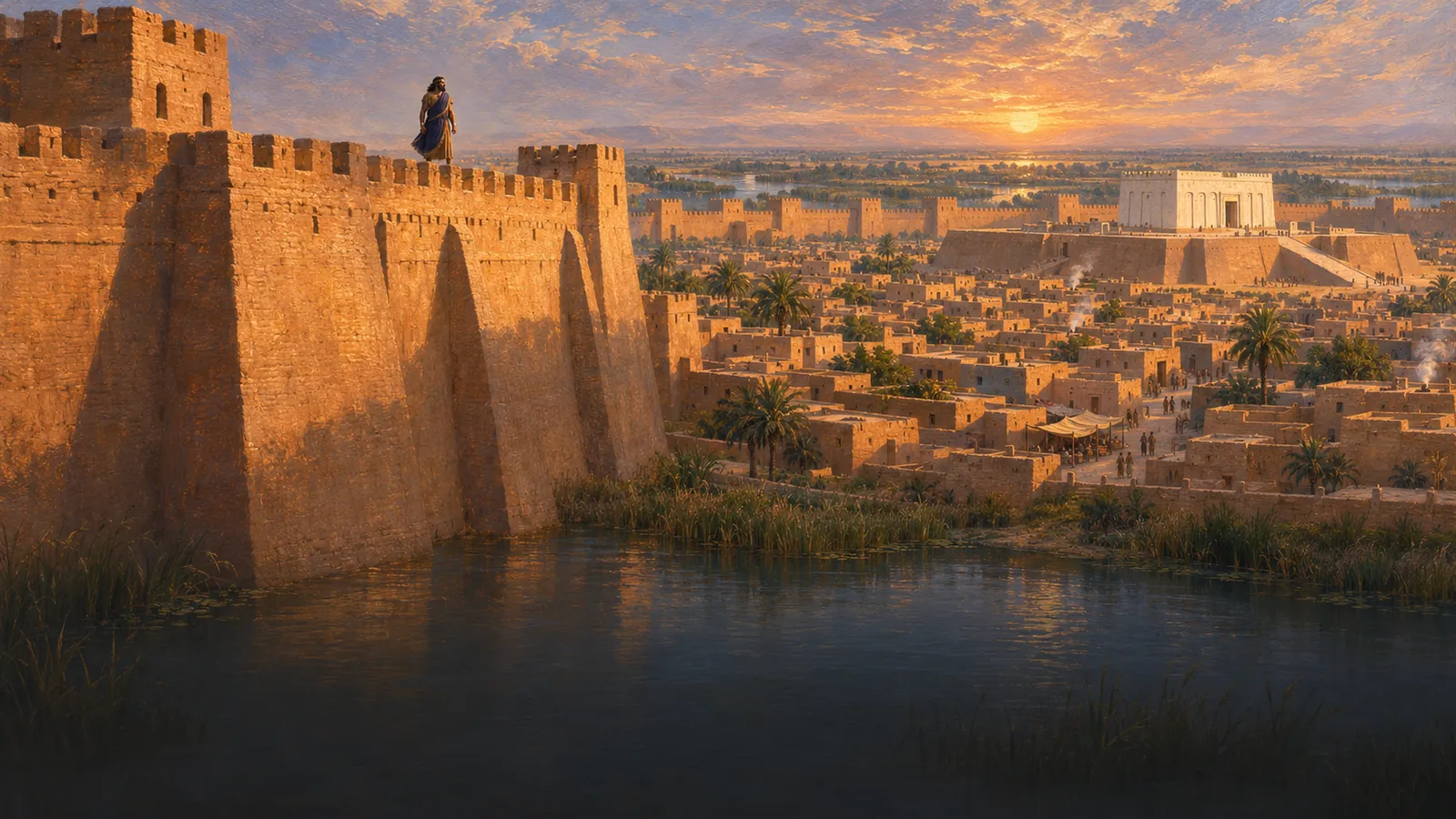
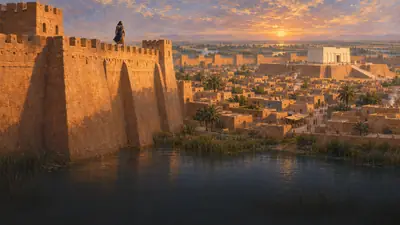
URUK
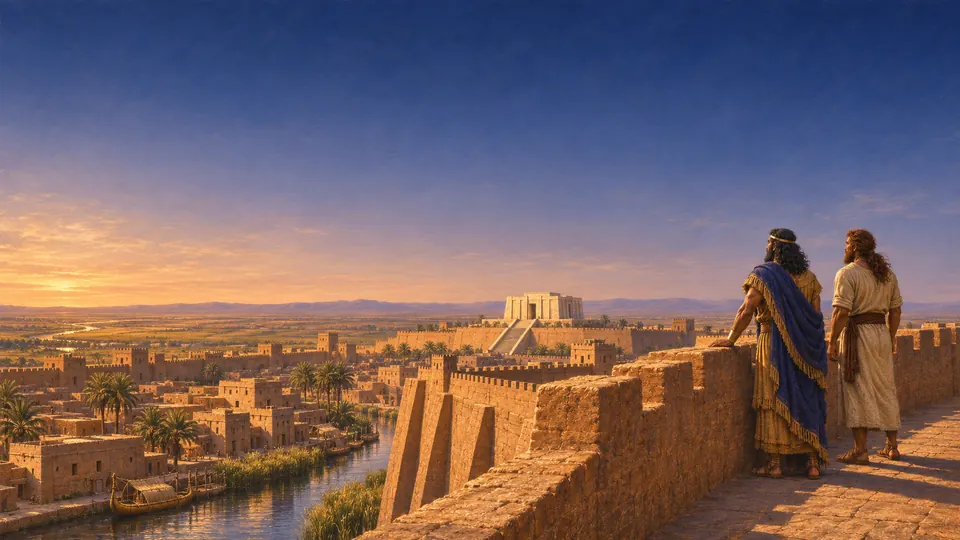
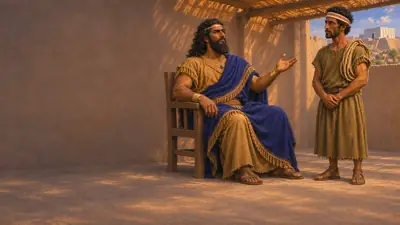
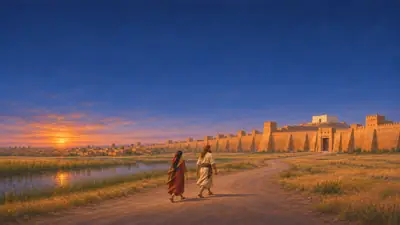
Il y a bien longtemps, derrière les grandes murailles d’Uruk, vivait un roi nommé Gilgamesh. Sa force était célèbre. Mais dans sa ville, les habitants ne connaissaient guère la paix.
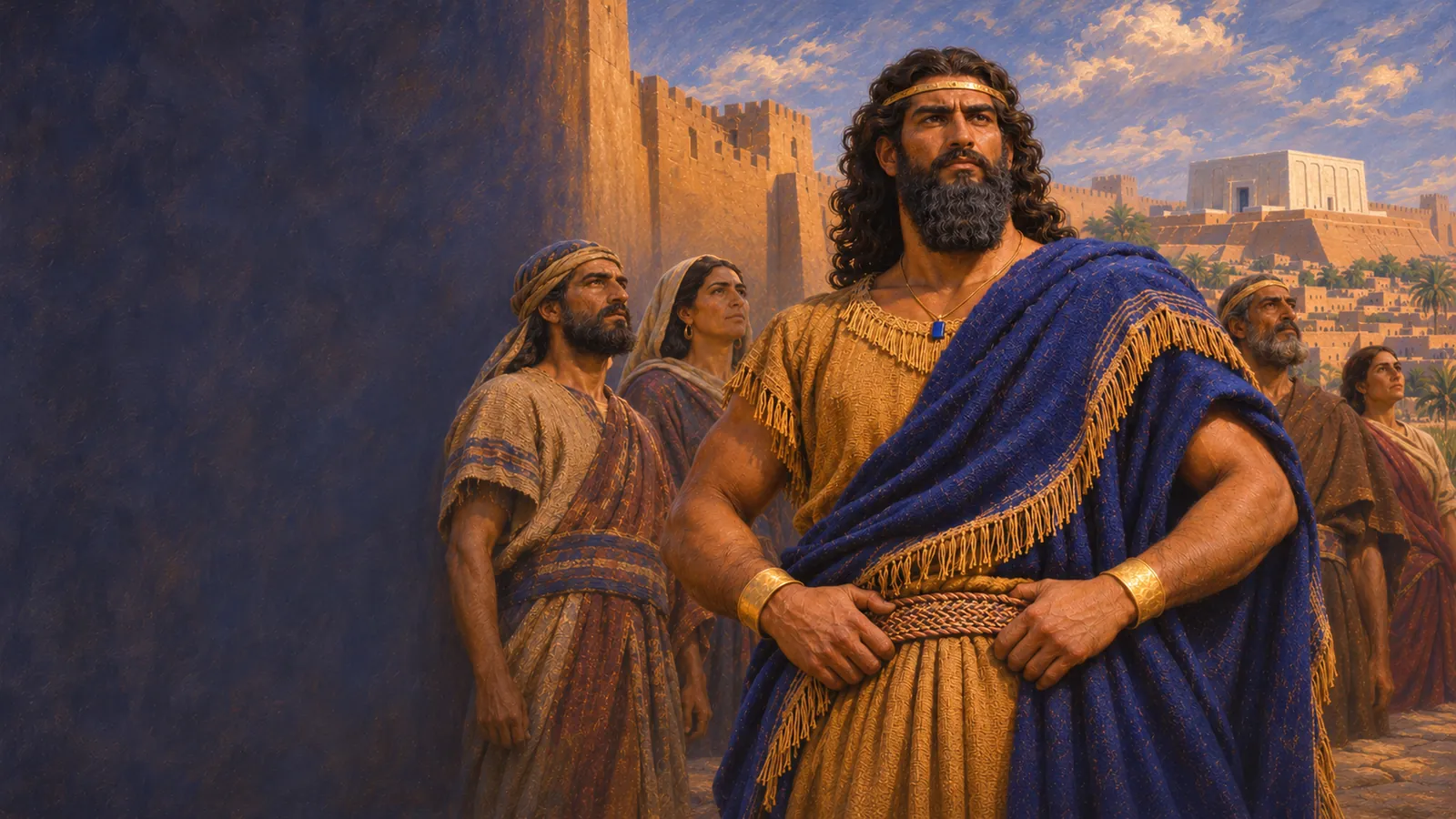
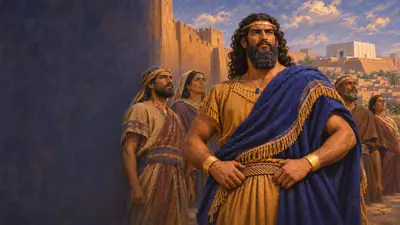
Gilgamesh surpassait les autres rois par sa puissance et son allure. À Uruk, nul ne pouvait l’égaler. Il avait la prestance d’un taureau sauvage que personne ne pouvait retenir.
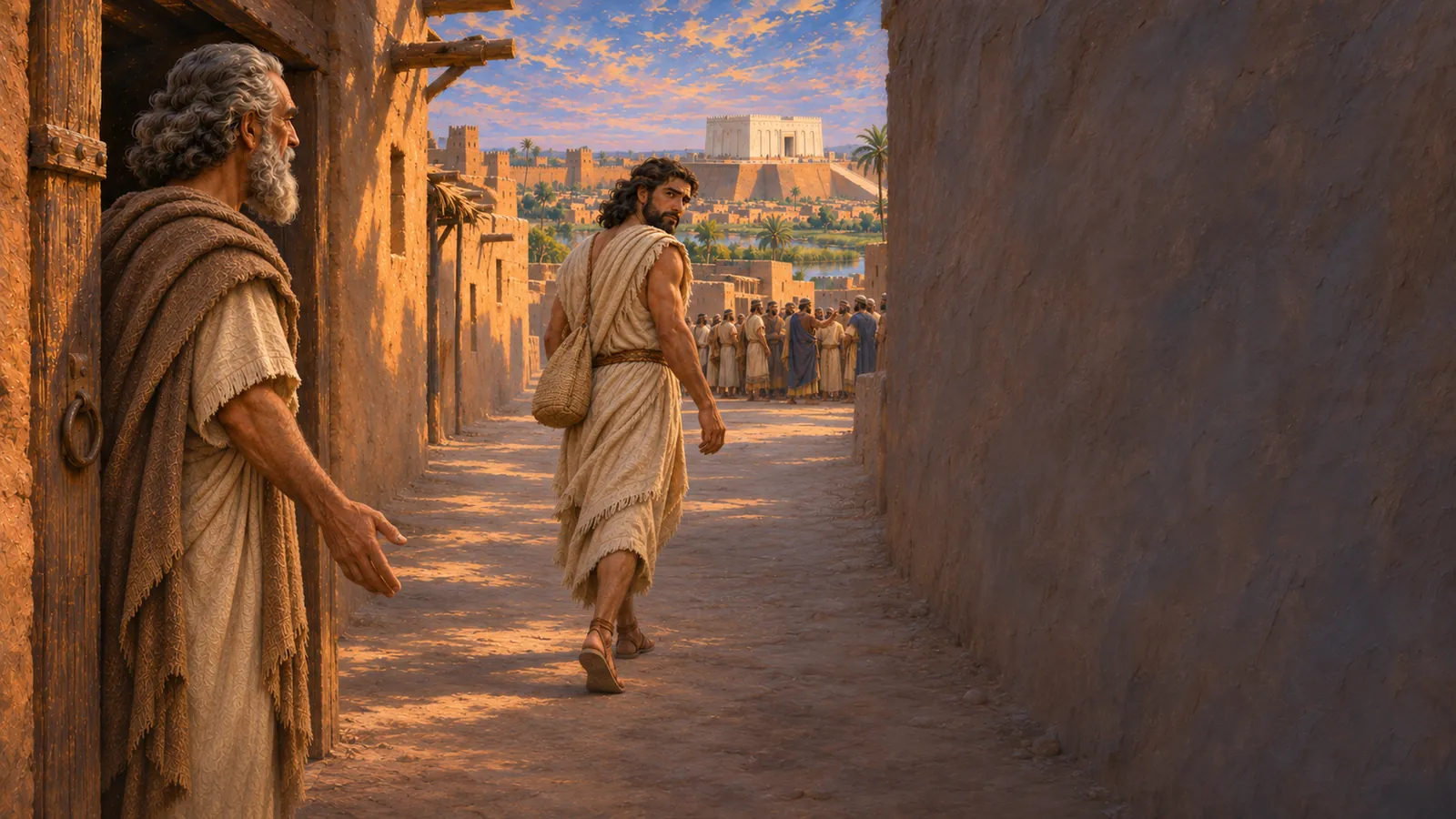
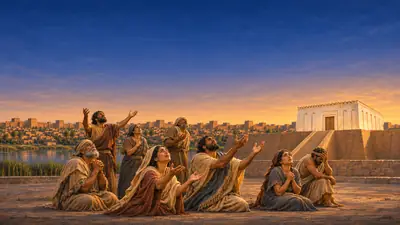
Jour et nuit, l’arrogance du roi pesait sur la ville. Les jeunes hommes n’avaient aucun répit, et les fils n’étaient pas libres de rentrer auprès de leurs pères.
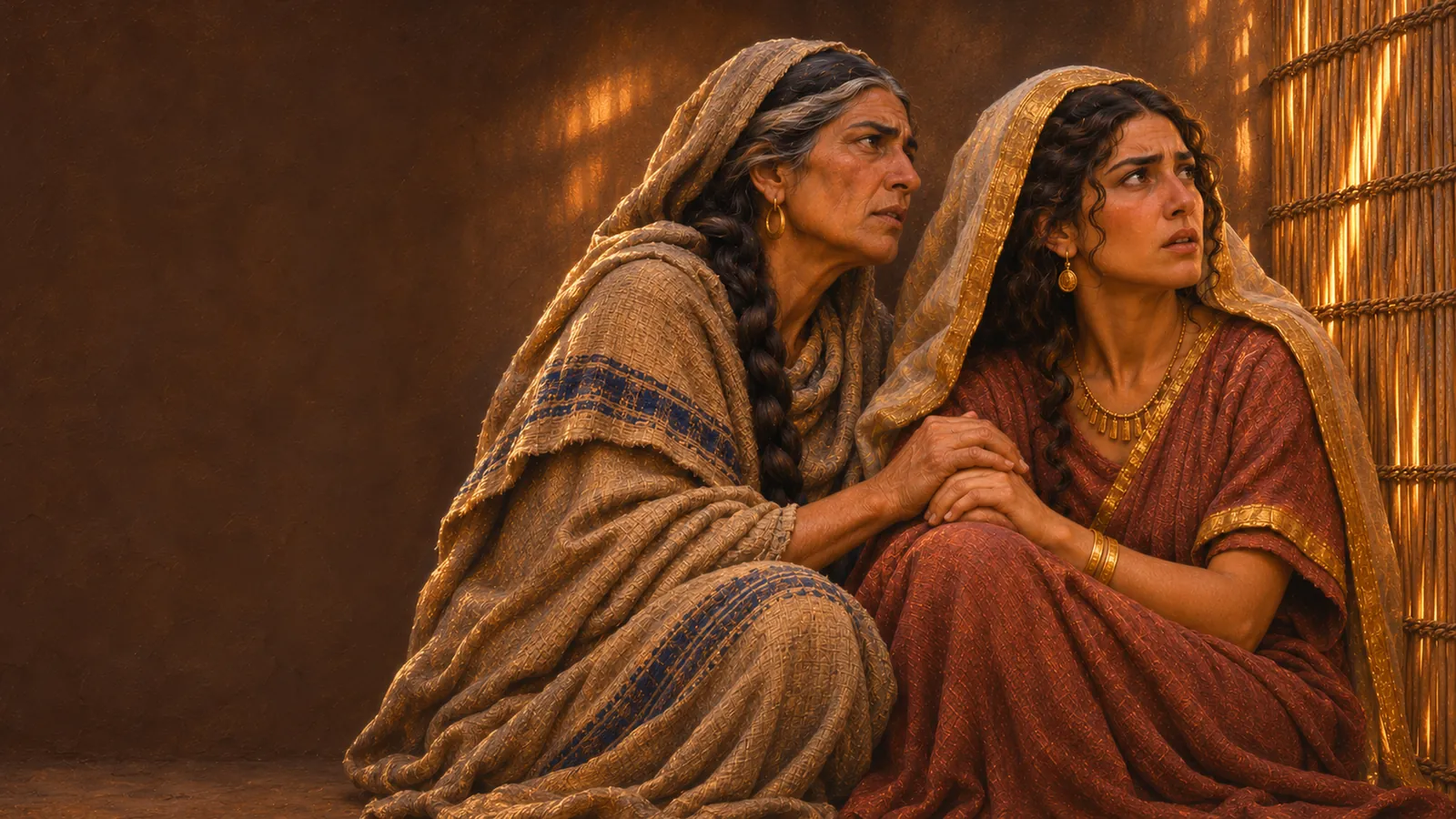
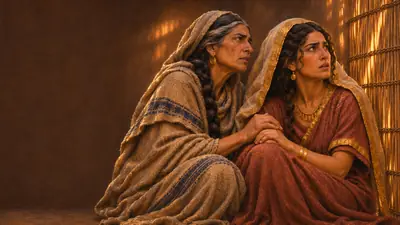
La plainte gagna les foyers d’Uruk. Les filles n’étaient pas laissées à leurs mères, ni les jeunes mariées à leurs époux. Le pouvoir du roi semait la souffrance là où la paix aurait dû régner.
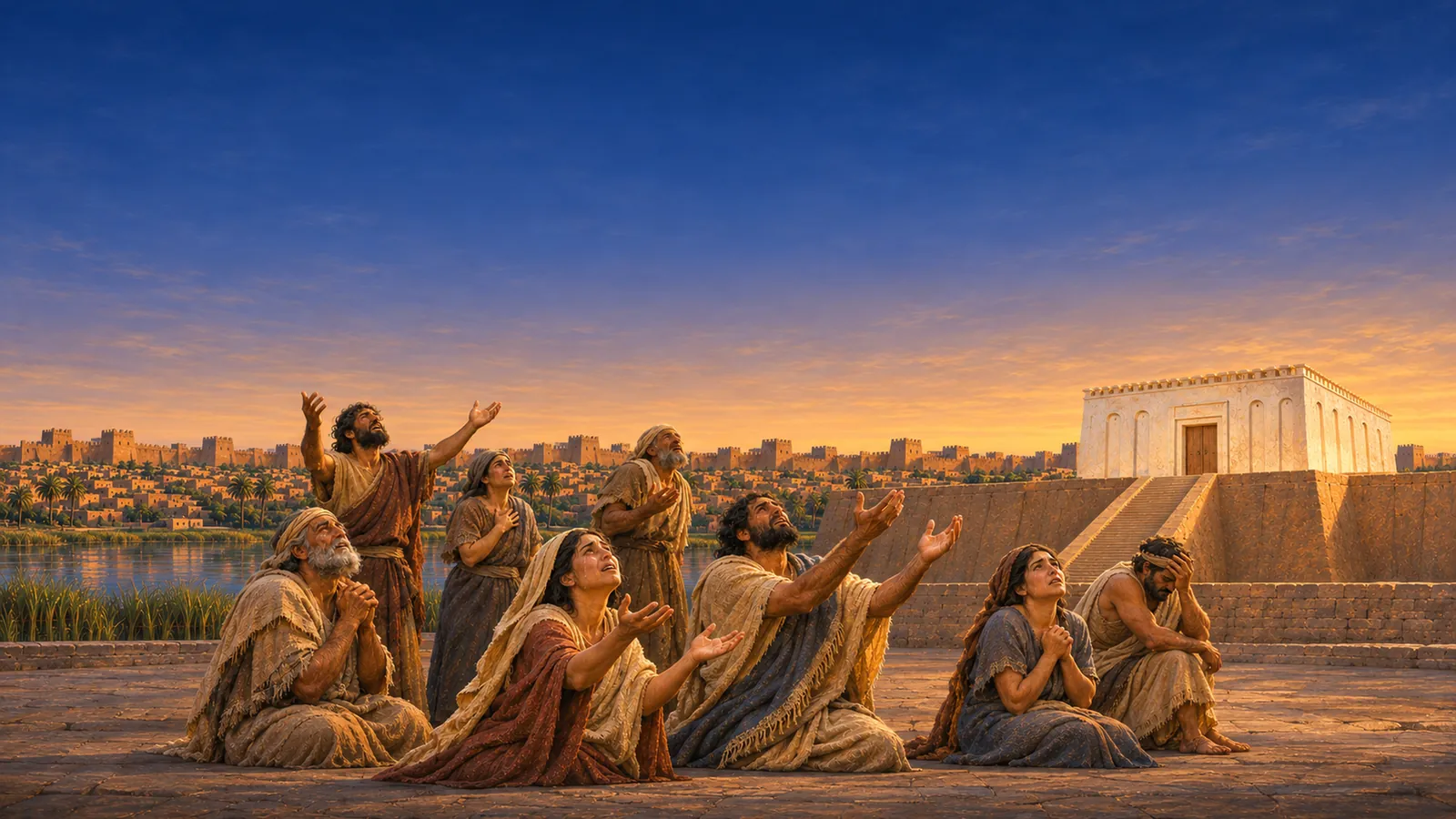
LE CRI
Enfin, la plainte du peuple monta jusqu’aux dieux. Ils apprirent ce qui se passait à Uruk. Un roi puissant était devenu un fardeau pour ceux-là mêmes dont il avait la charge.
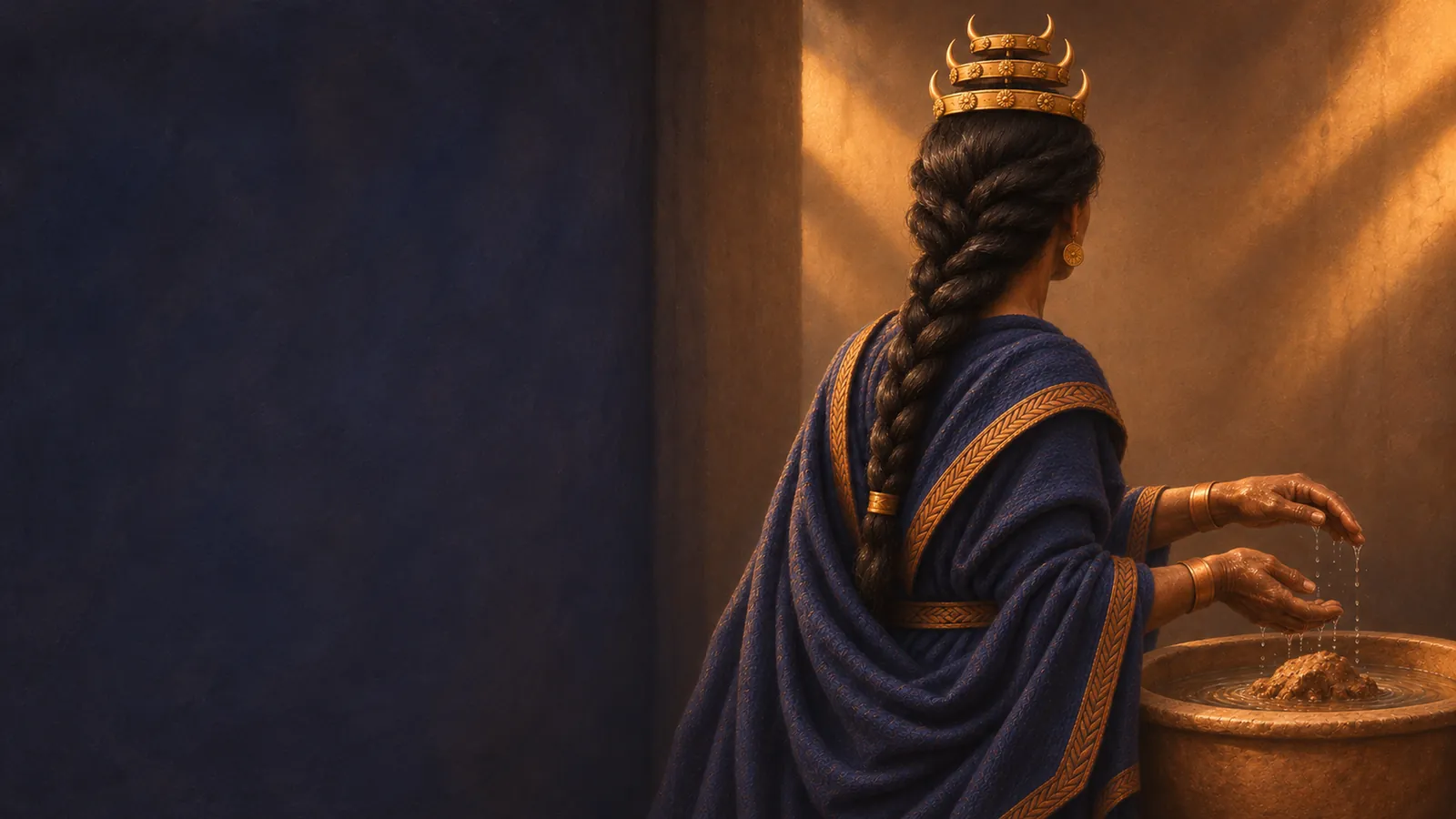
On fit donc venir Aruru. Elle devait créer quelqu’un dont la force pourrait tenir tête à celle de Gilgamesh. Qu’ils s’affrontent, et que la ville trouve le repos.
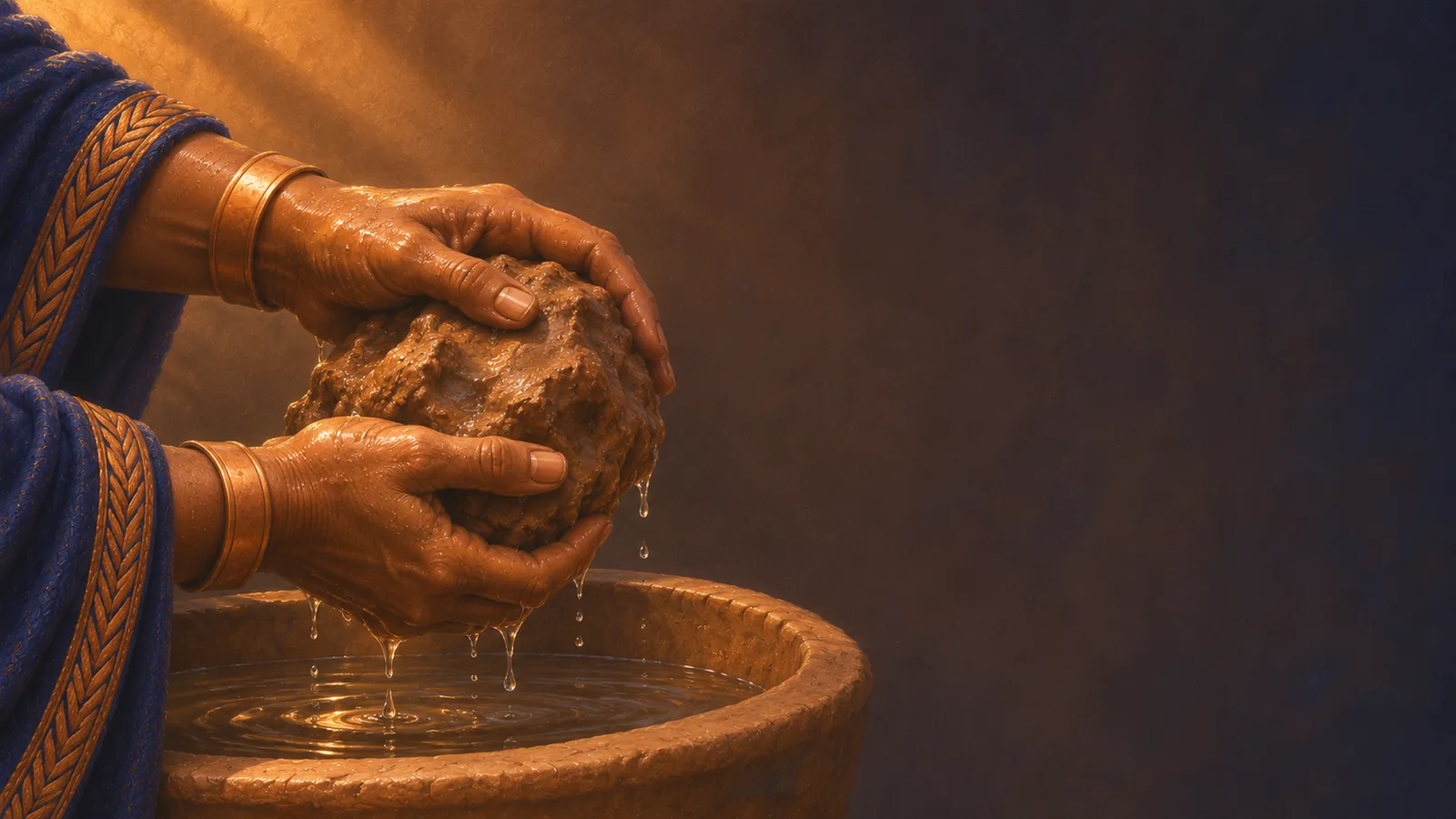
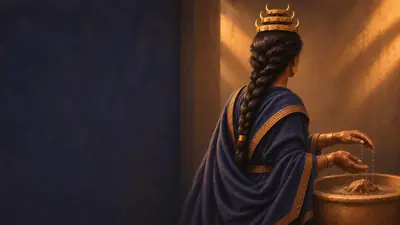
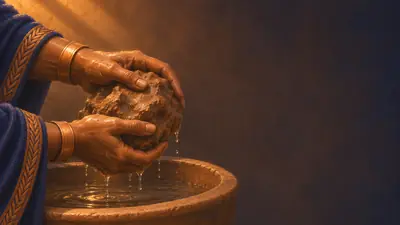
Aruru se lava les mains et prit un peu d’argile. Elle la jeta dans les terres sauvages. C’est là, loin des rues et des maisons de la ville, qu’elle commença son œuvre.
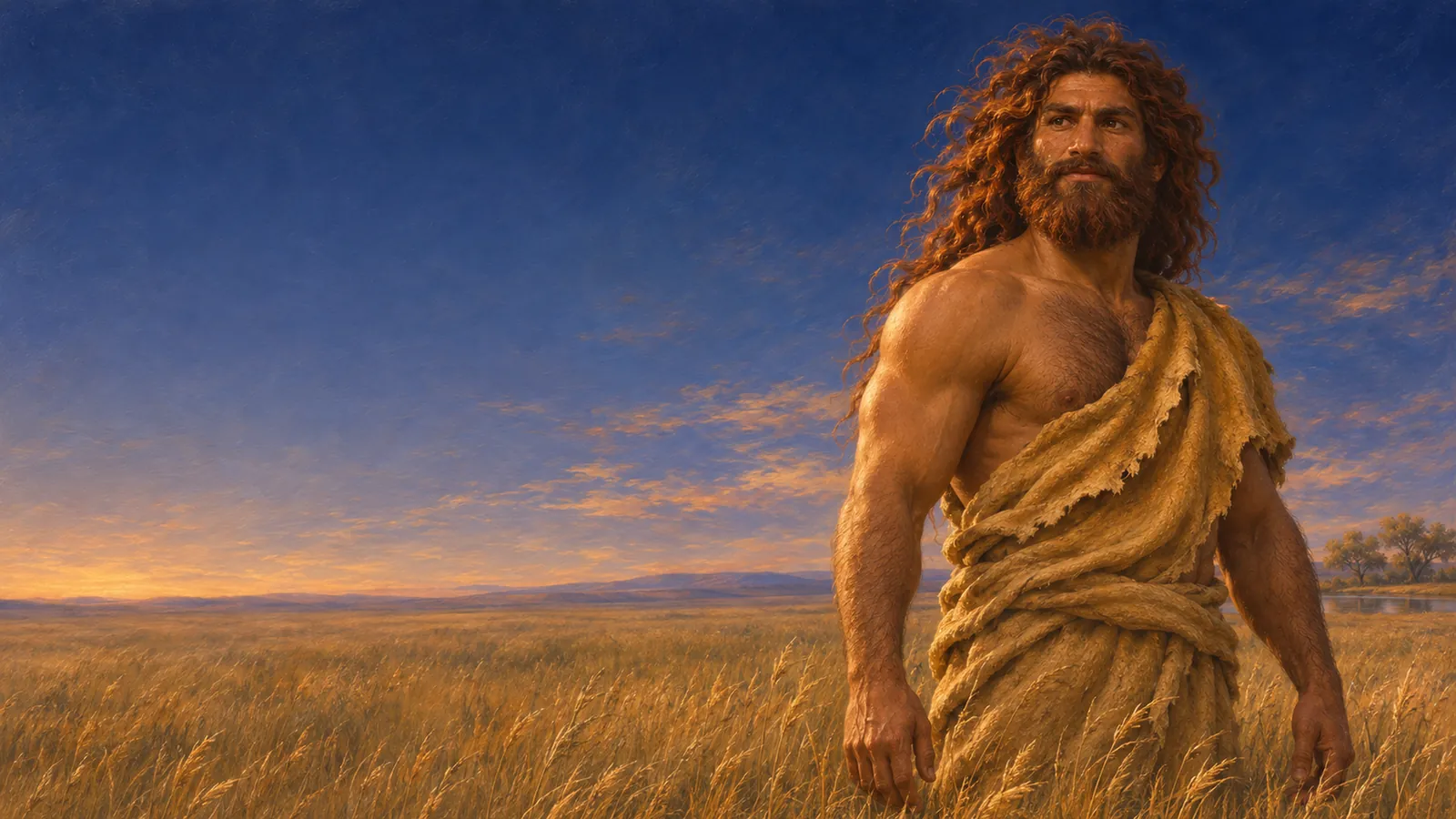
ENKIDU
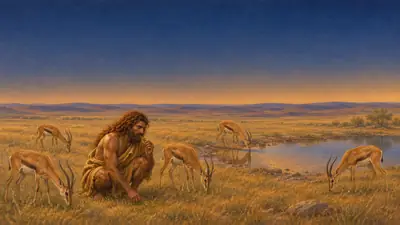
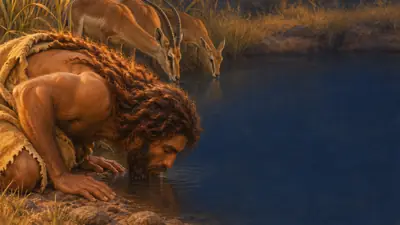
Dans les terres sauvages, Aruru créa Enkidu. Son corps était puissant et couvert de poils, et de longues mèches retombaient autour de lui. Il ne connaissait encore ni les villes ni les usages de leurs habitants.
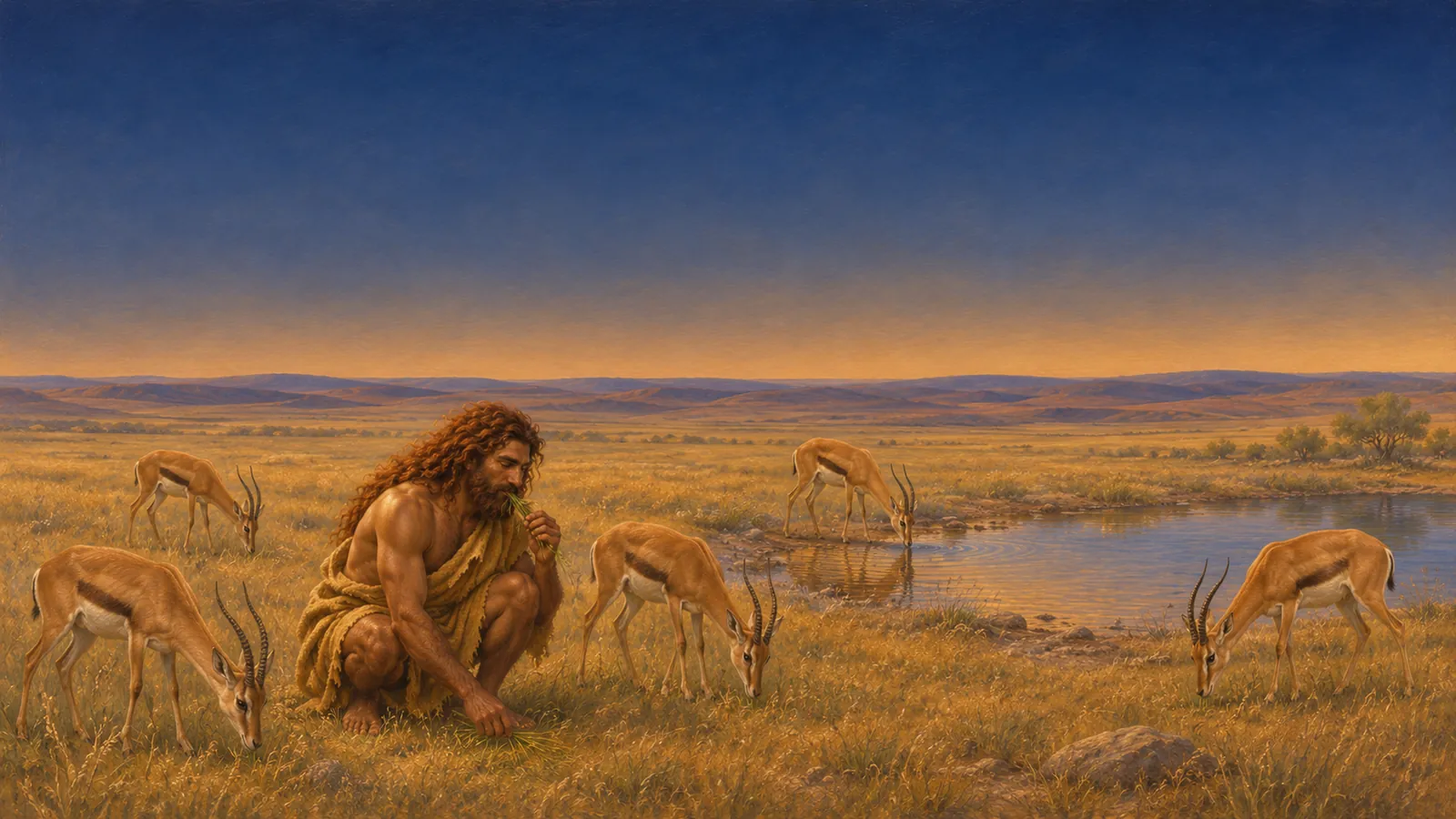
Enkidu vivait parmi les animaux. Il broutait avec les gazelles et allait partout où allaient les troupeaux. La steppe ouverte était le monde qu’il connaissait.
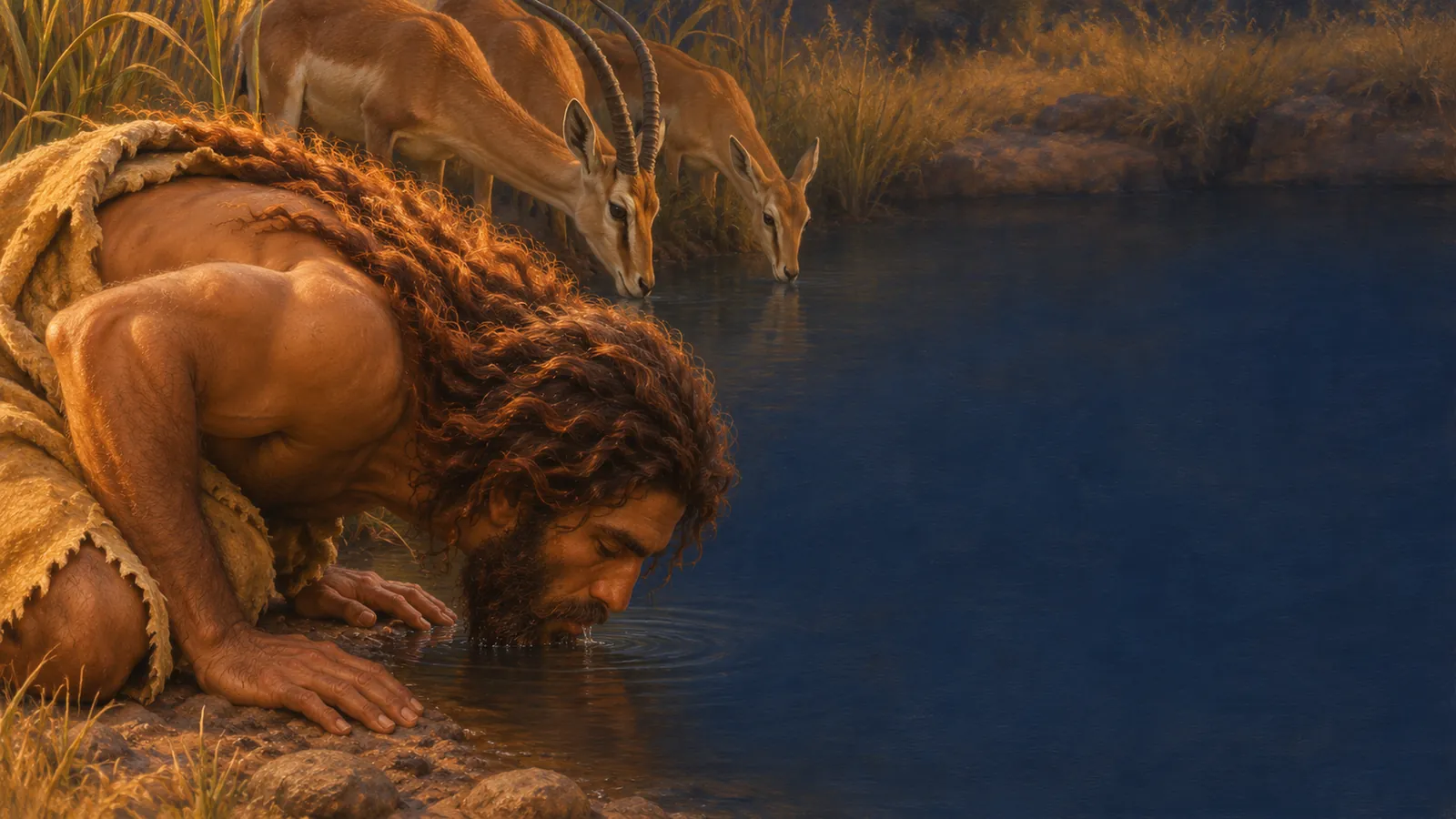
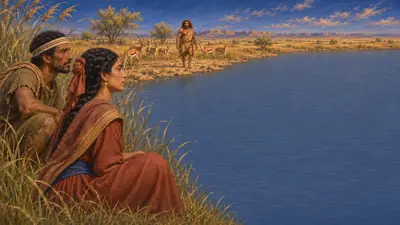
Quand les animaux venaient boire, Enkidu venait avec eux. Au point d’eau, il se mêlait à leur rassemblement, tout près du troupeau, et savourait l’eau.
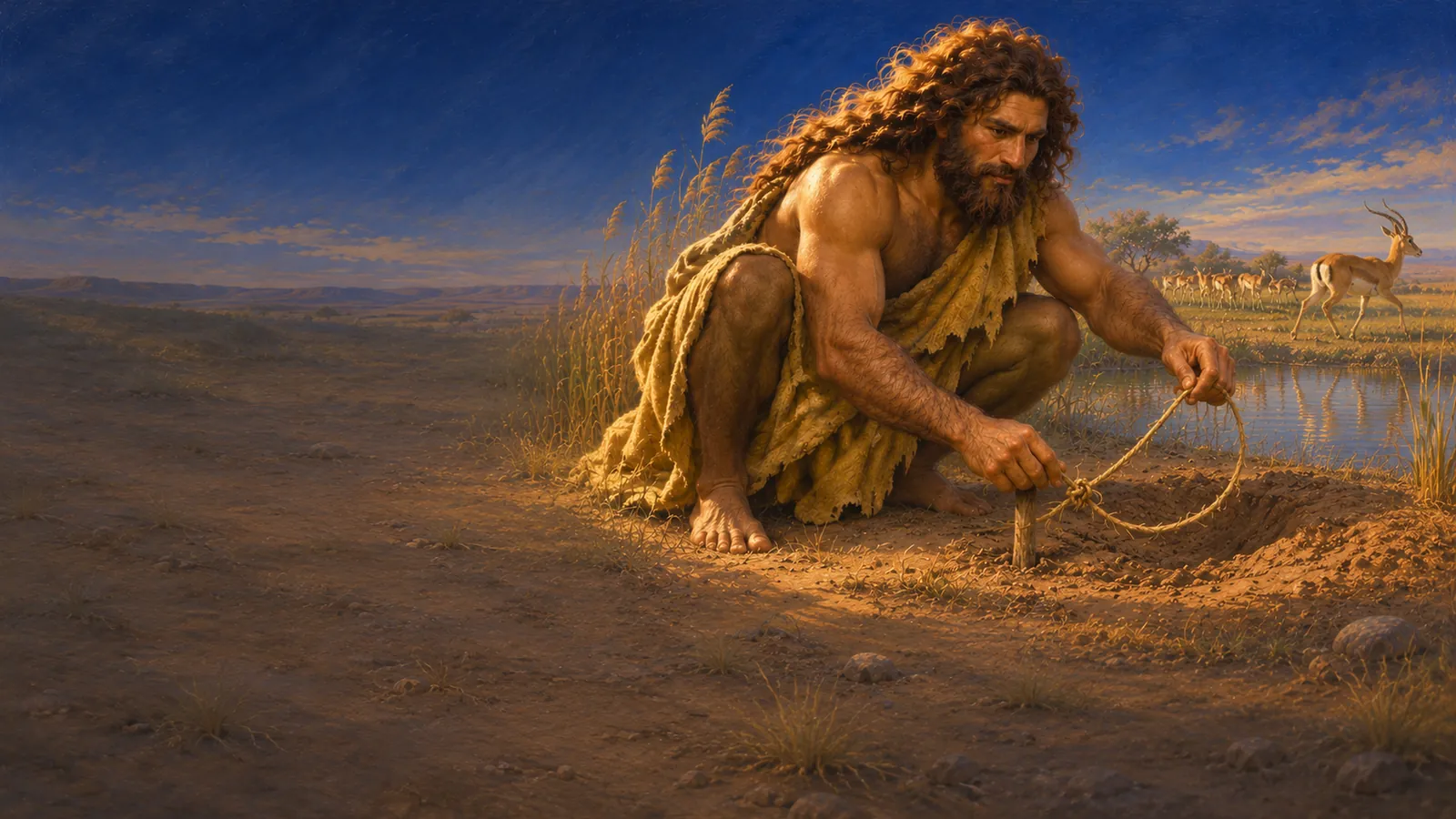
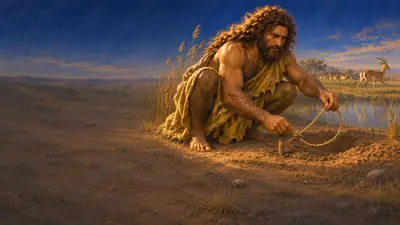
Pourtant, le travail d’un trappeur était réduit à néant. Enkidu comblait les fosses et arrachait les collets, libérant ainsi les bêtes que le chasseur espérait prendre.
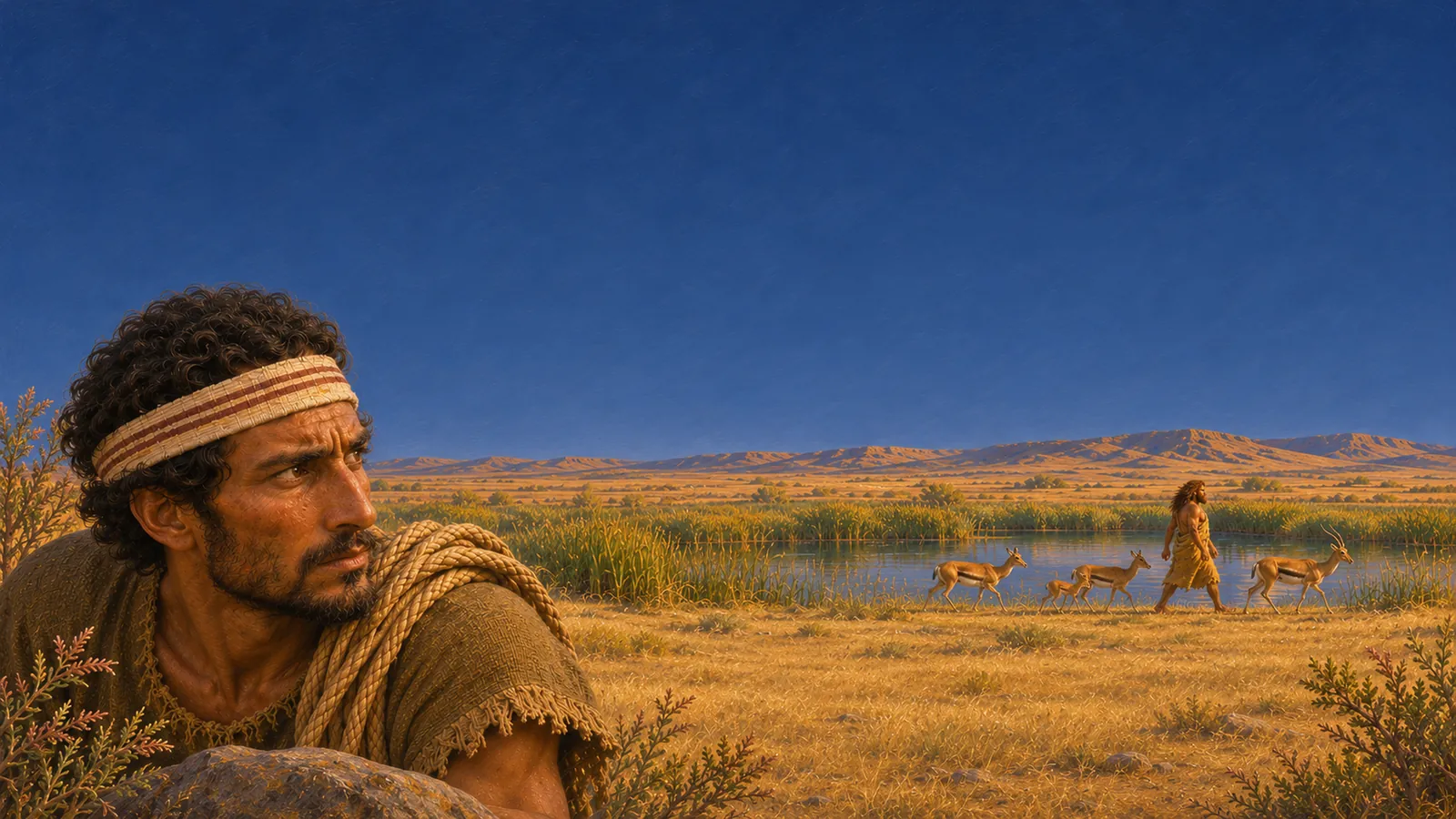
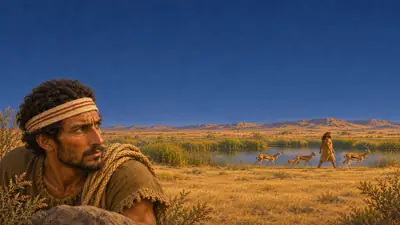
Puis le trappeur se trouva face à face avec Enkidu au point d’eau. Ce qu’il vit le troubla profondément. Il rentra chez lui, silencieux et inquiet, incapable de poursuivre comme avant.
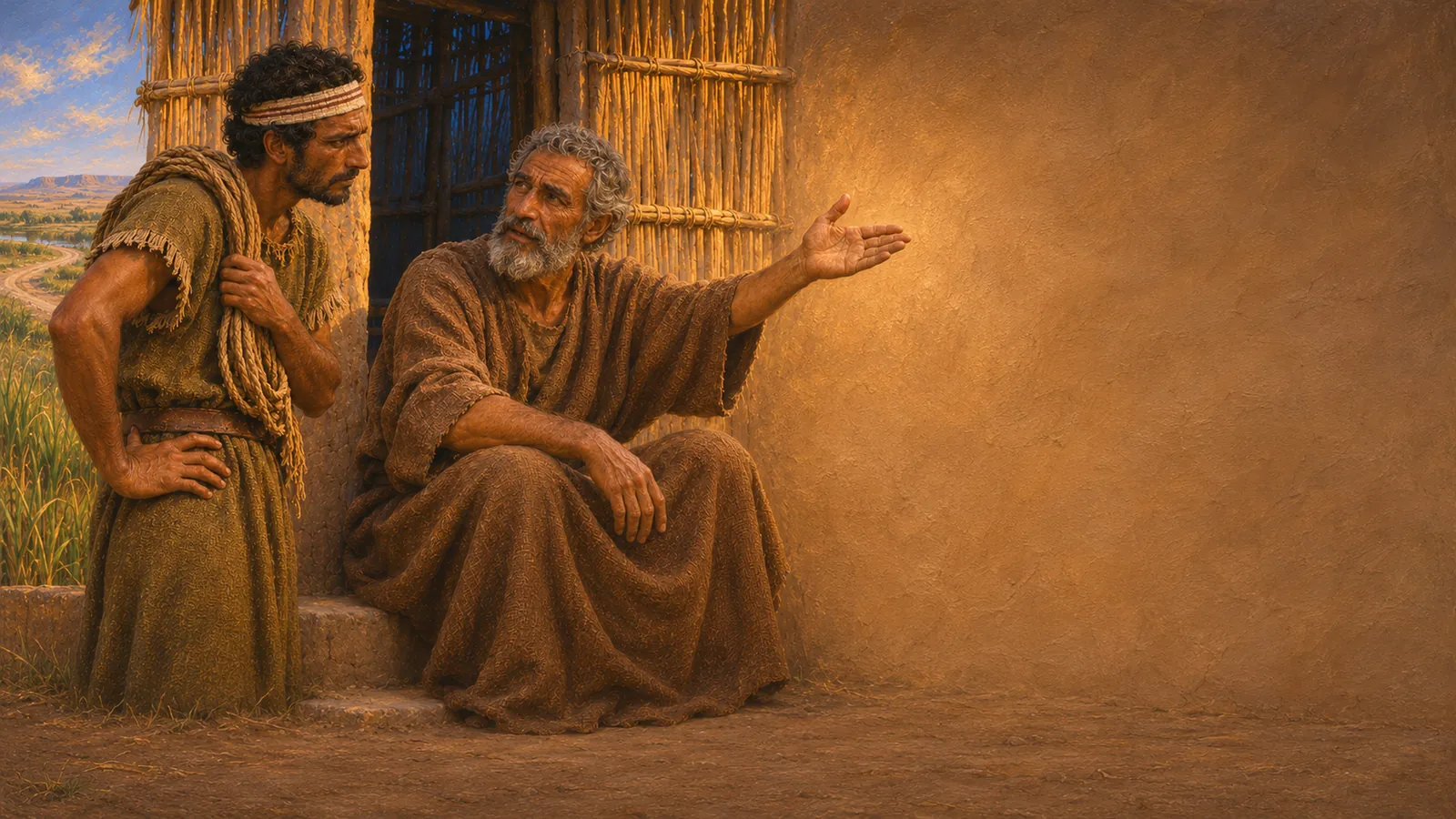
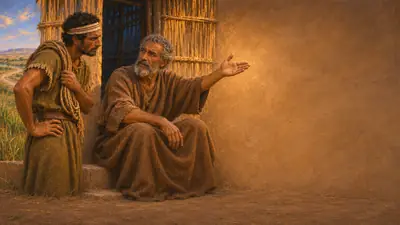
Le trappeur parla à son père de l’étranger puissant et des pièges détruits. Son père l’envoya trouver Gilgamesh à Uruk, pour qu’il demande de l’aide au roi.
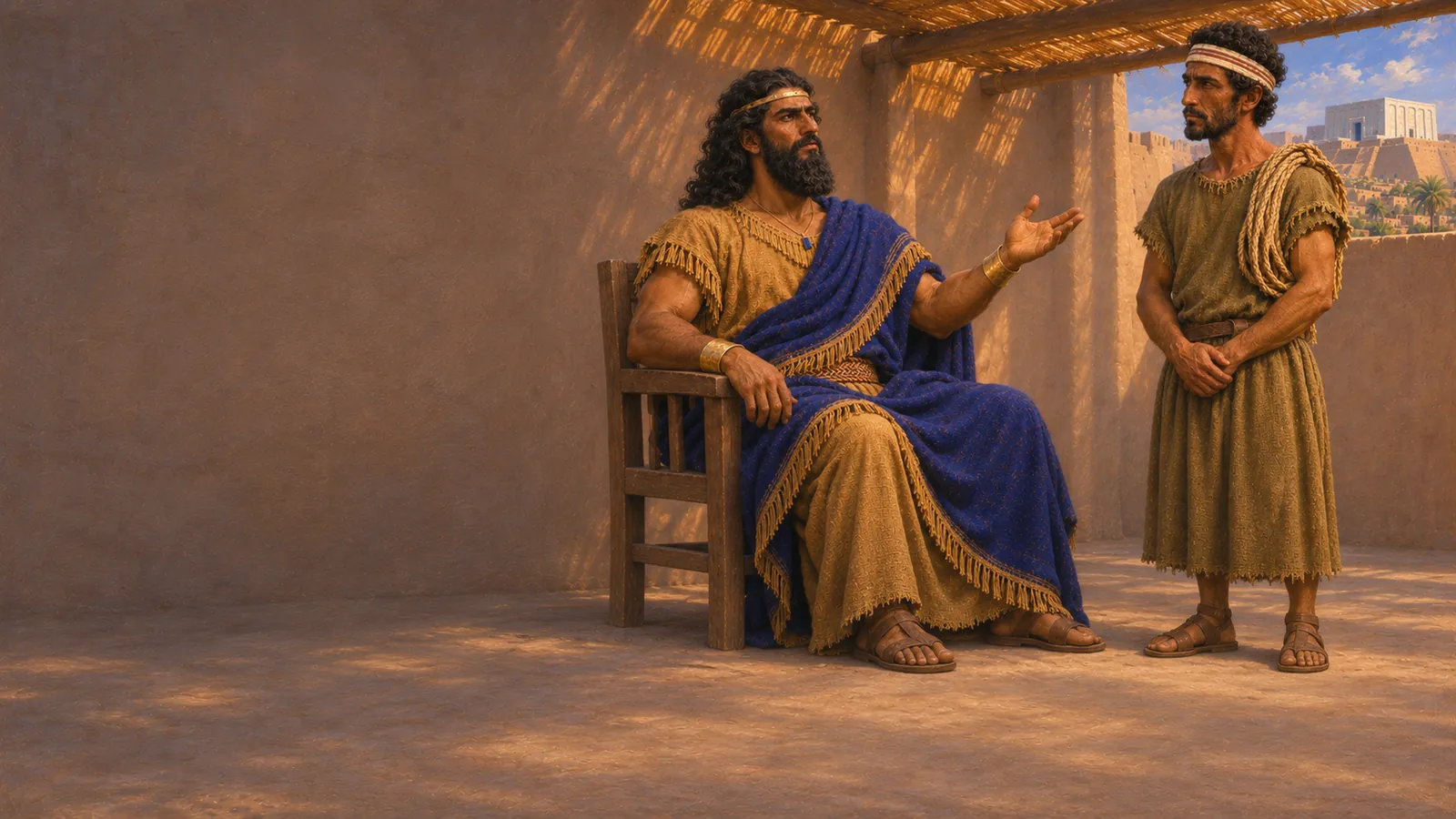
Le roi écouta le récit du trappeur. Il lui dit d’emmener Shamhat, une prostituée, au point d’eau. L’étranger s’approcherait d’elle, et le troupeau se détournerait de lui.
SHAMHAT
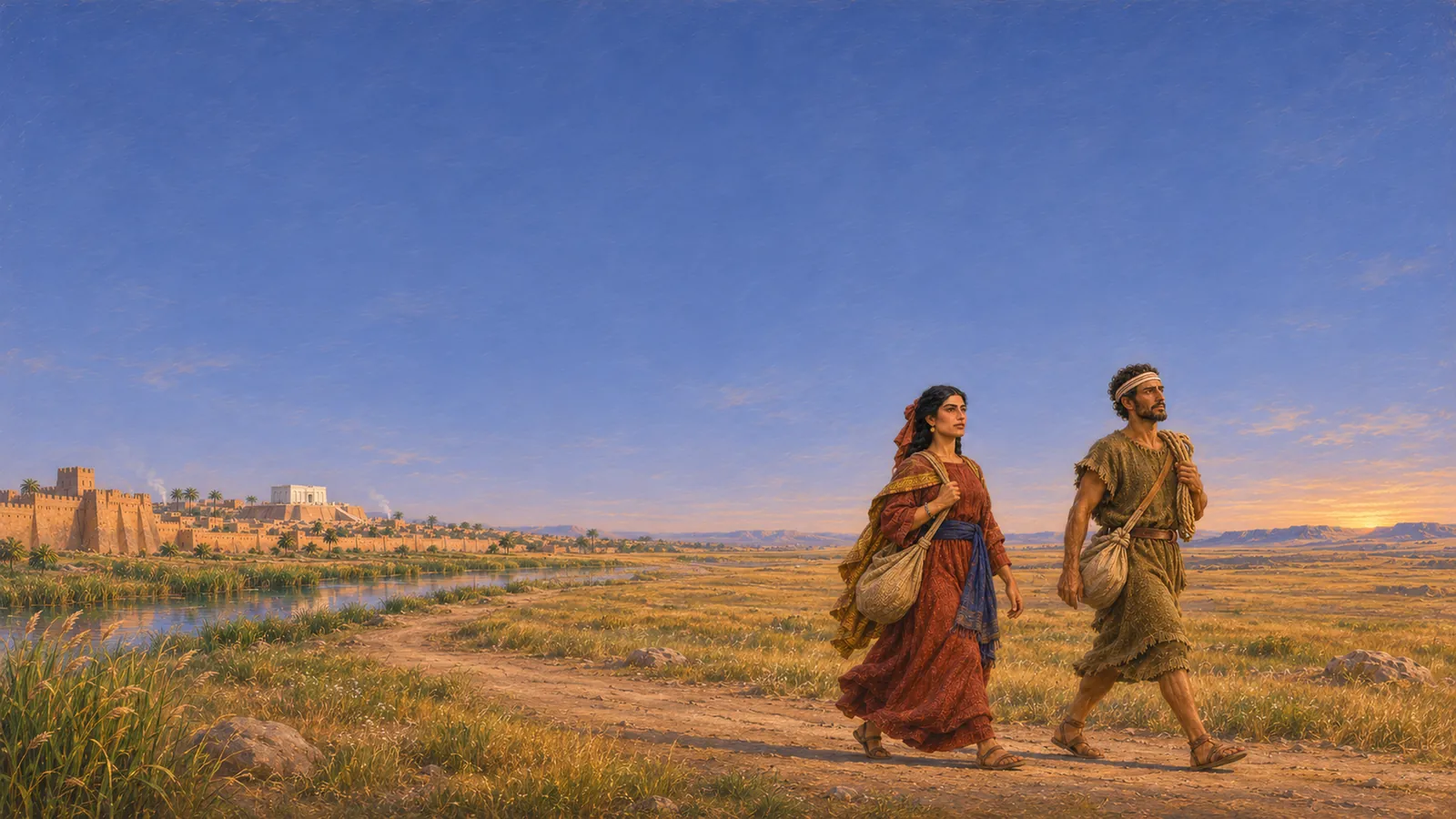
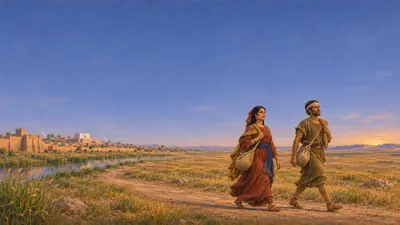
Le trappeur reprit donc la route, cette fois avec Shamhat. Ils traversèrent les terres ouvertes en direction du point d’eau où se retrouvaient Enkidu et les animaux.
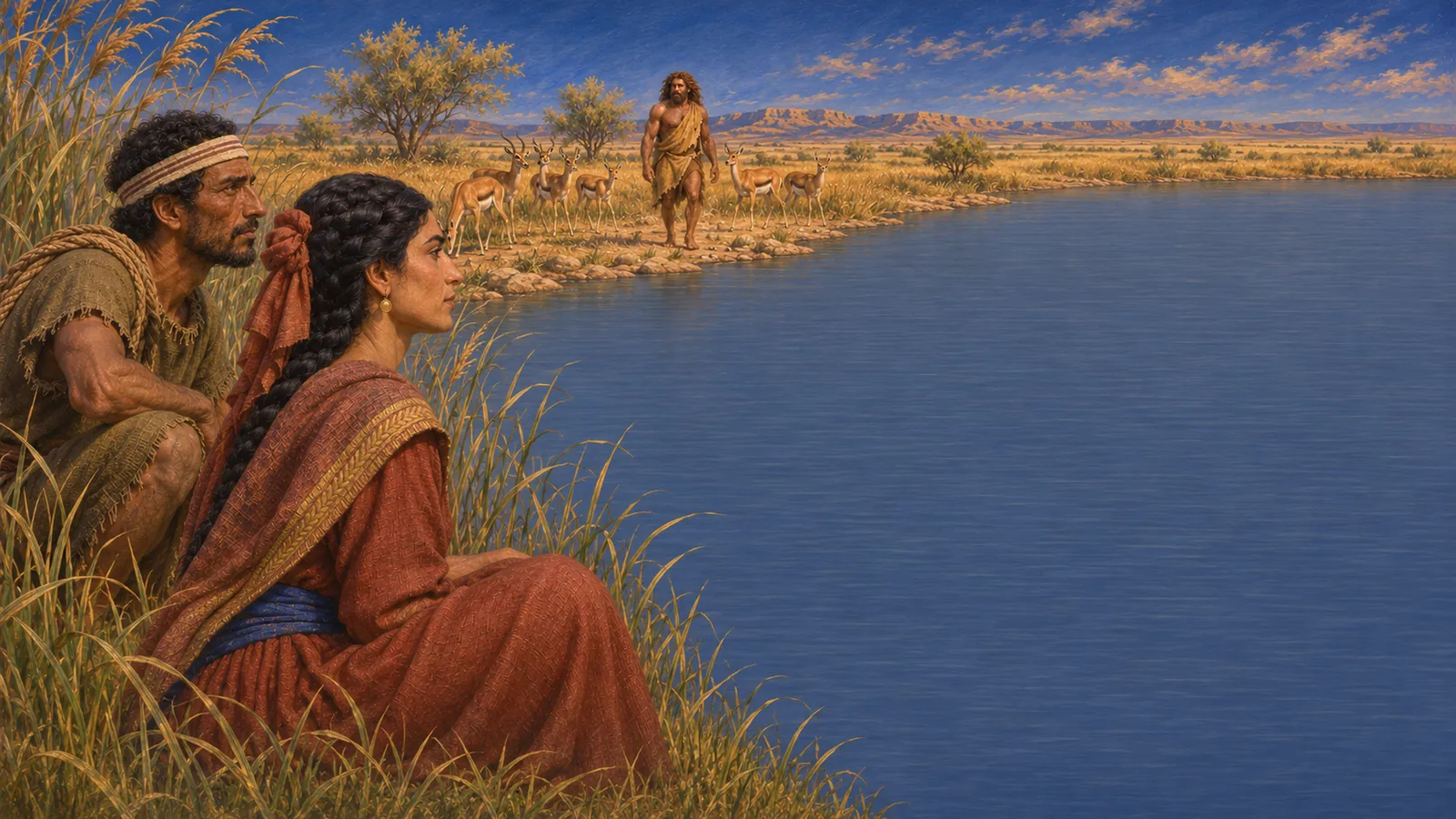
Au bord de l’eau, ils s’assirent pour attendre. Un jour passa, puis un autre. Enfin, les animaux vinrent boire, et Enkidu était parmi eux.
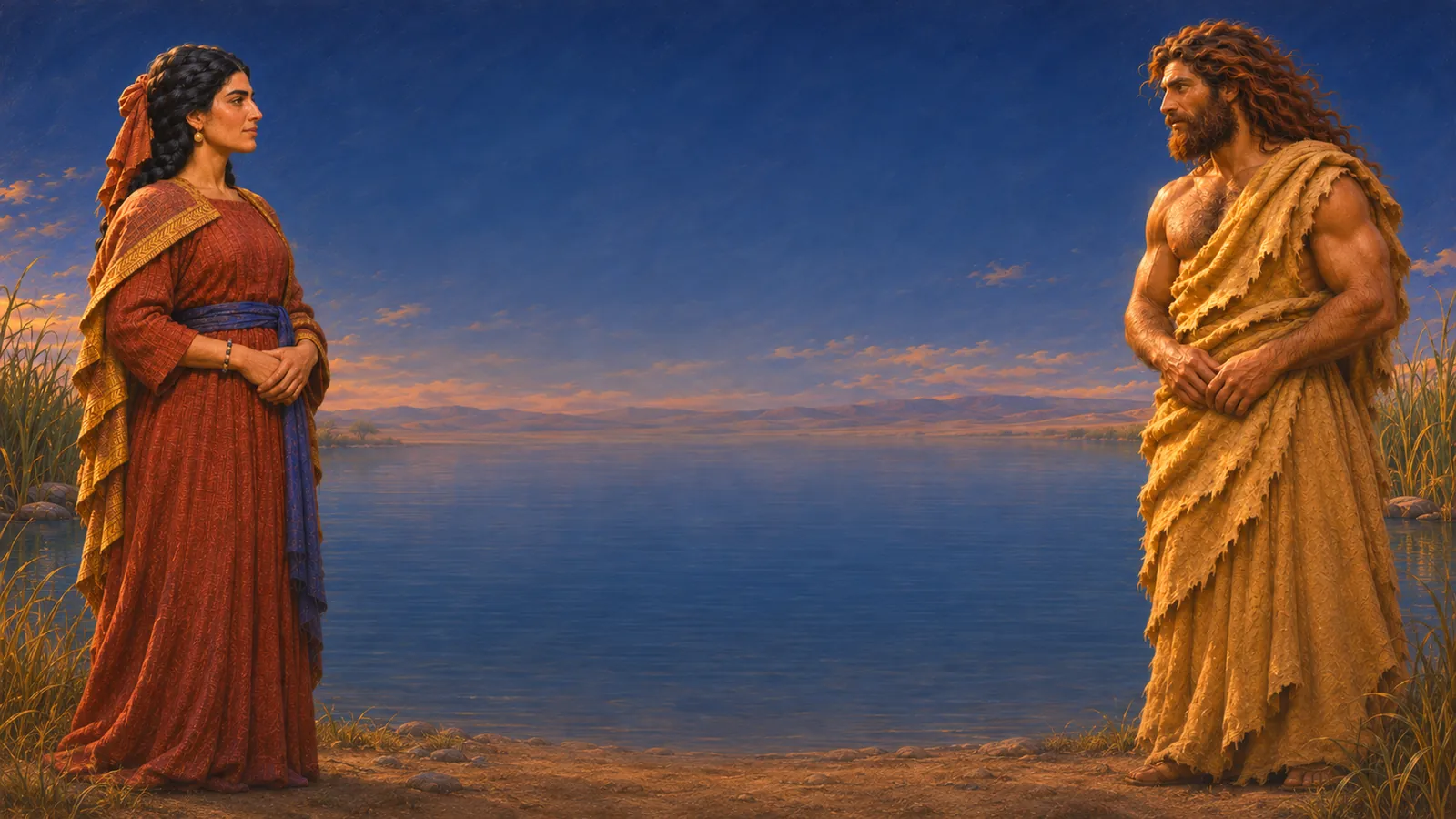
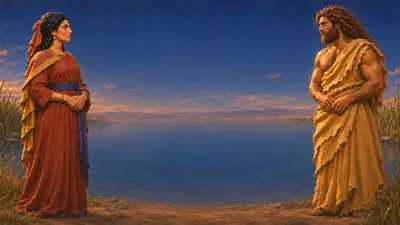
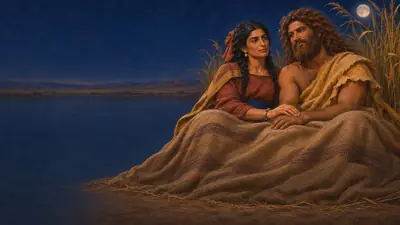
Shamhat vit l’homme qui avait grandi dans les terres sauvages. Elle ne montra aucune crainte. Enkidu s’approcha, attiré par une intimité différente de la compagnie du troupeau.
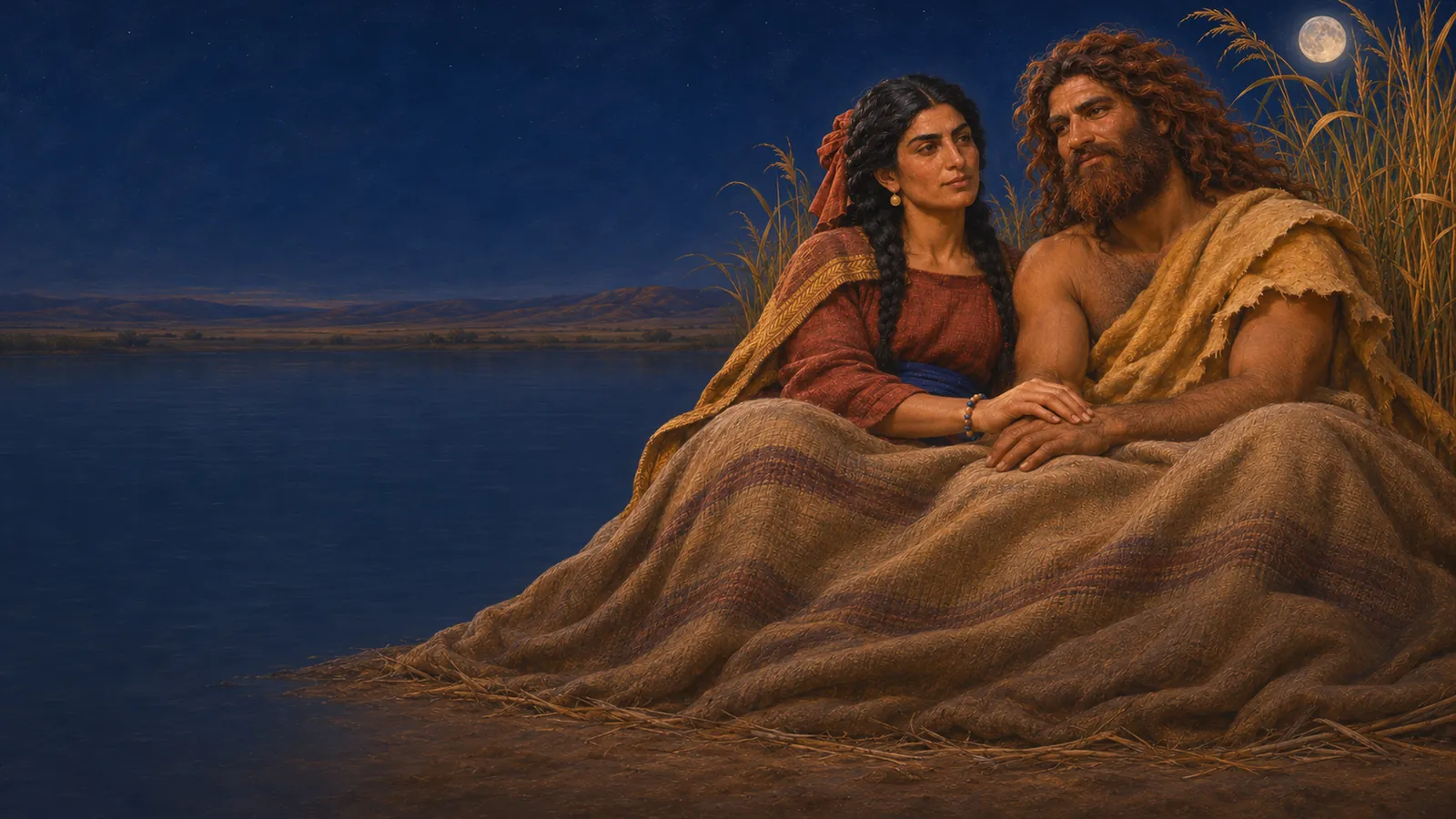
Pendant six jours et sept nuits, Enkidu et Shamhat partagèrent leur intimité. Enfin, il se tourna de nouveau vers les animaux, vers le troupeau avec lequel il avait vécu.
LA SÉPARATION
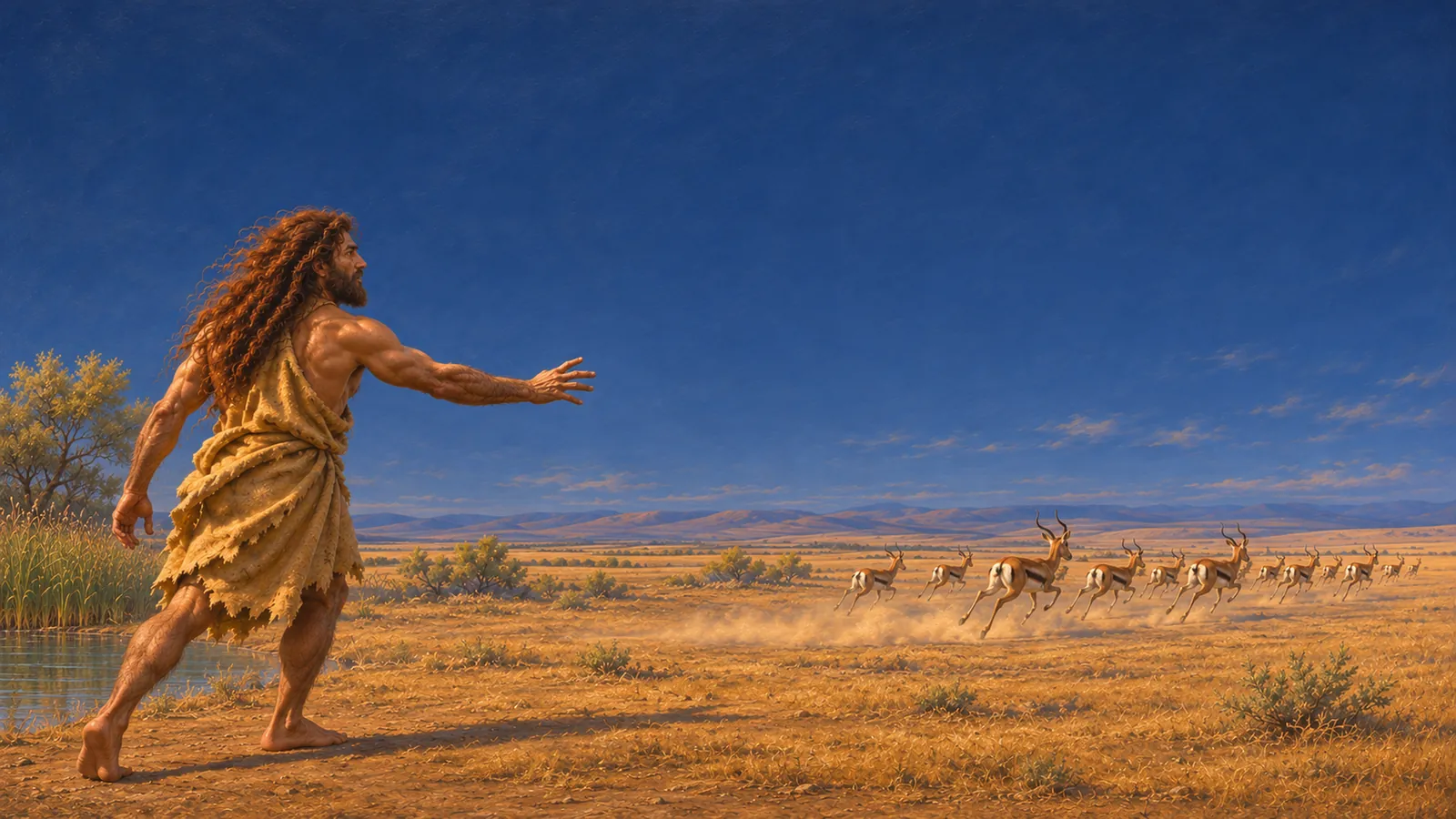
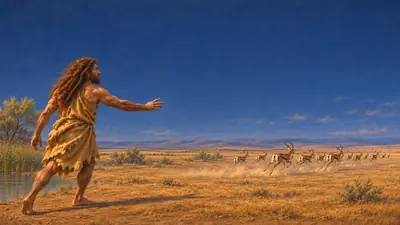
Mais les gazelles s’enfuirent à la vue d’Enkidu. Les bêtes sauvages s’écartèrent de lui. Le troupeau avec lequel il avait vécu ne restait plus auprès de lui.
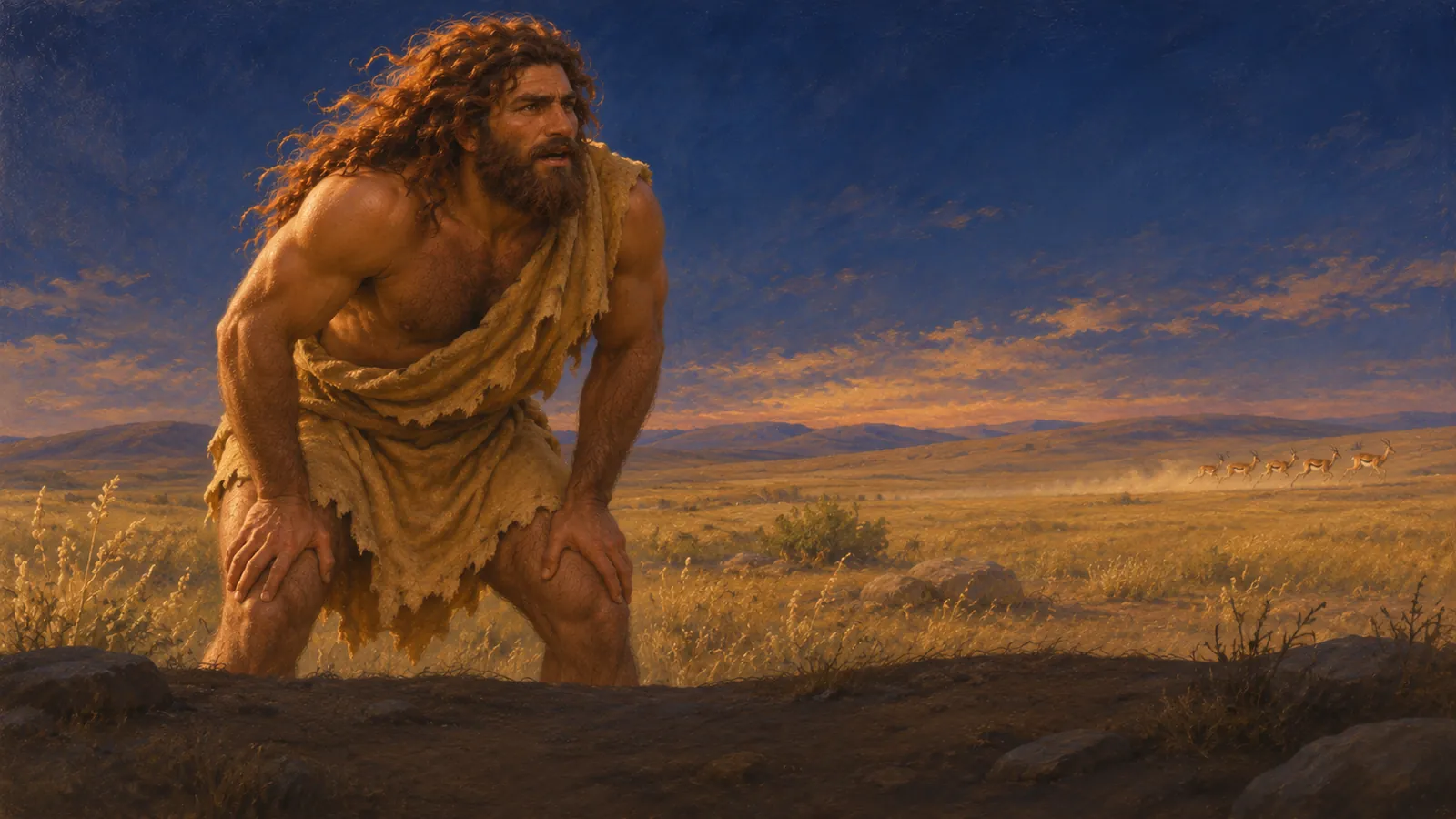
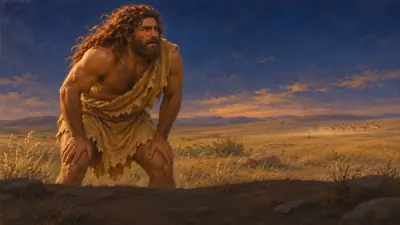
Il essaya de les suivre, mais ses jambes ne le portaient plus comme avant. Les animaux poursuivirent leur route sans lui. Il avait perdu sa rapidité d’autrefois.
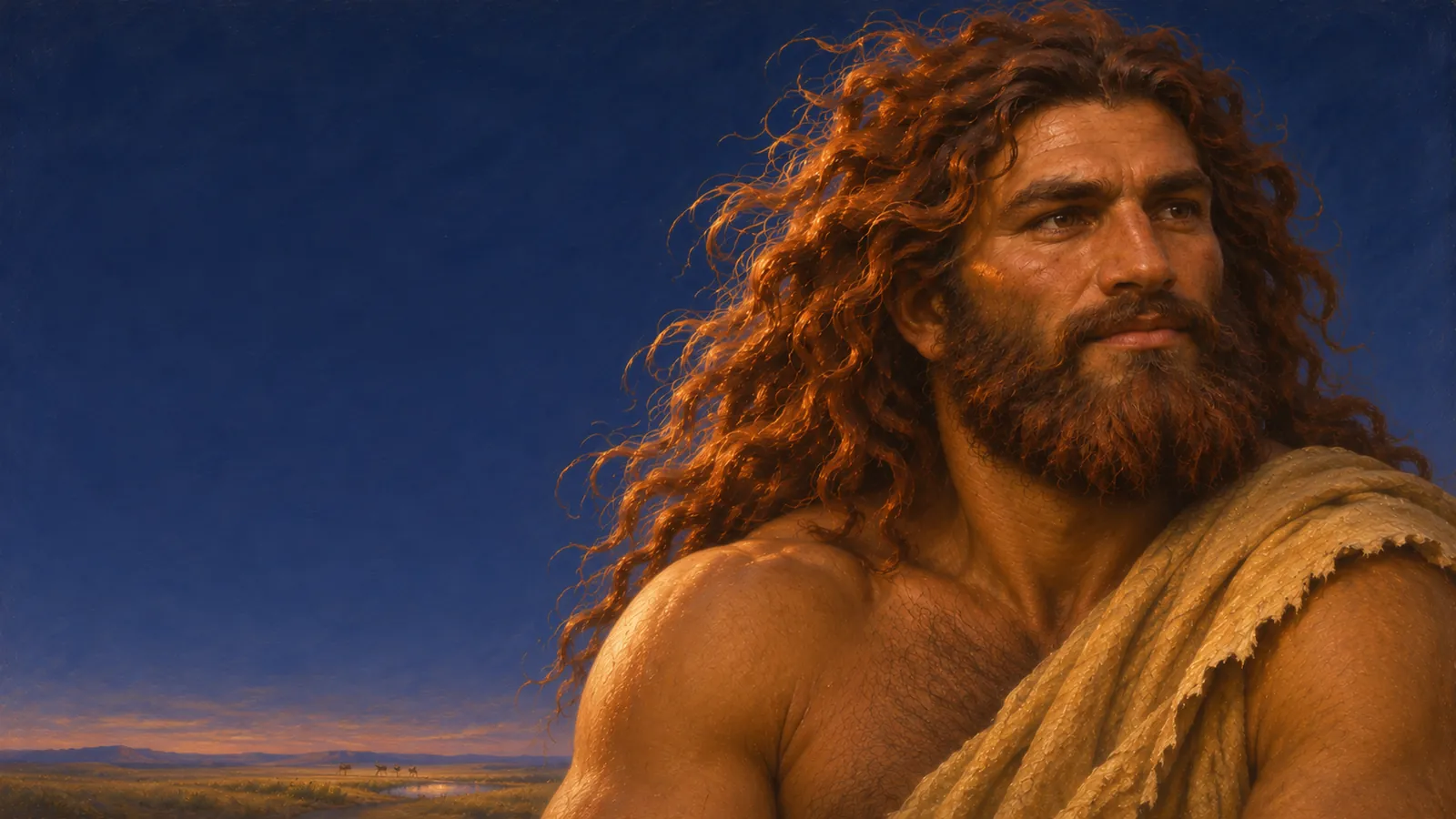
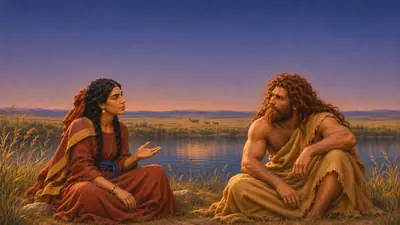
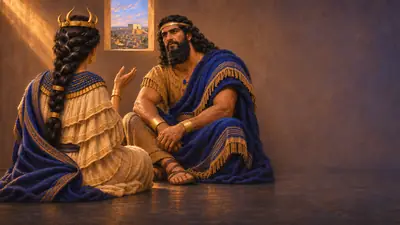
Pourtant, autre chose avait grandi en lui, la faculté de comprendre. Enkidu retourna auprès de Shamhat et s’assit devant elle, le regard posé sur son visage. À présent, il écoutait attentivement ce qu’elle avait à lui dire.
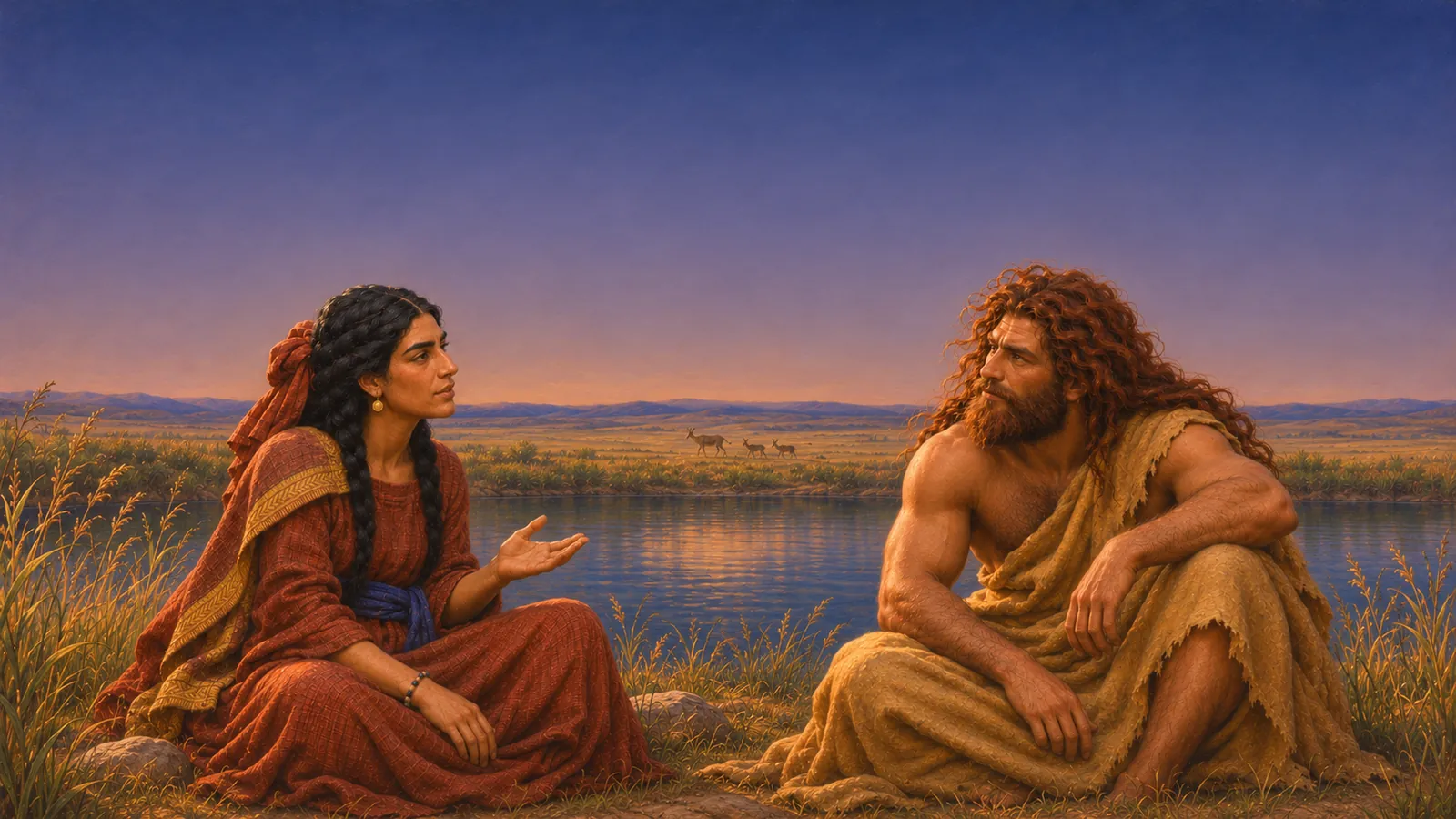
Shamhat lui parla d’Uruk et de son roi puissant. Enkidu voulait s’y rendre, mais il parlait de défier Gilgamesh. Il croyait que sa propre force pourrait changer les choses dans la ville.
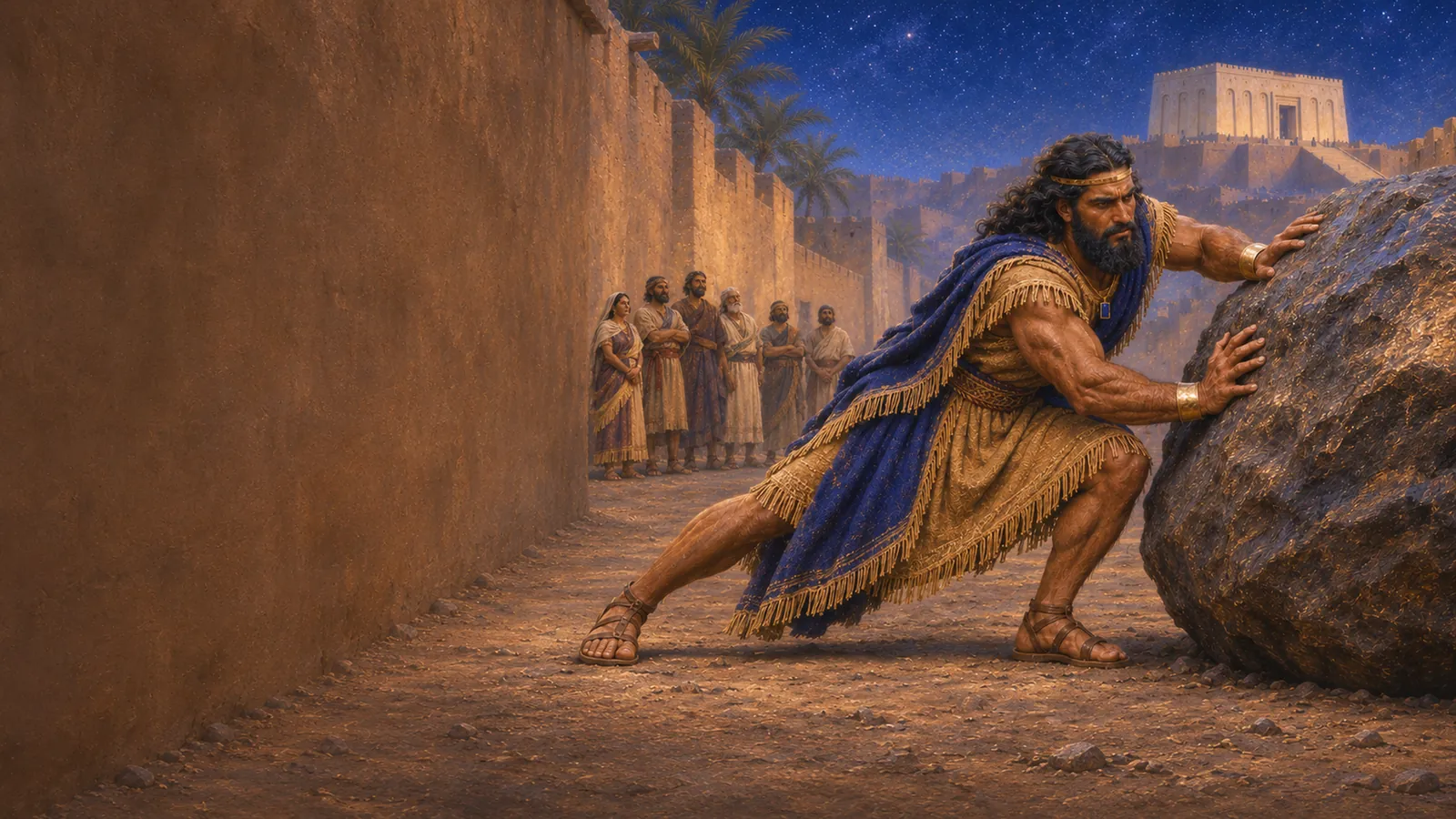
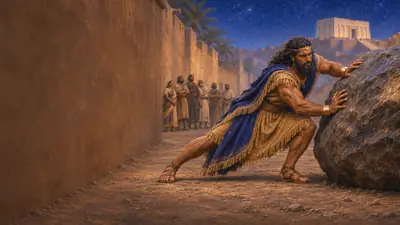
Shamhat lui dit que Gilgamesh avait déjà rêvé de lui. Dans l’un de ses rêves, une pierre tomba du ciel. Le roi peinait à la déplacer tandis que les gens d’Uruk se rassemblaient autour de lui.
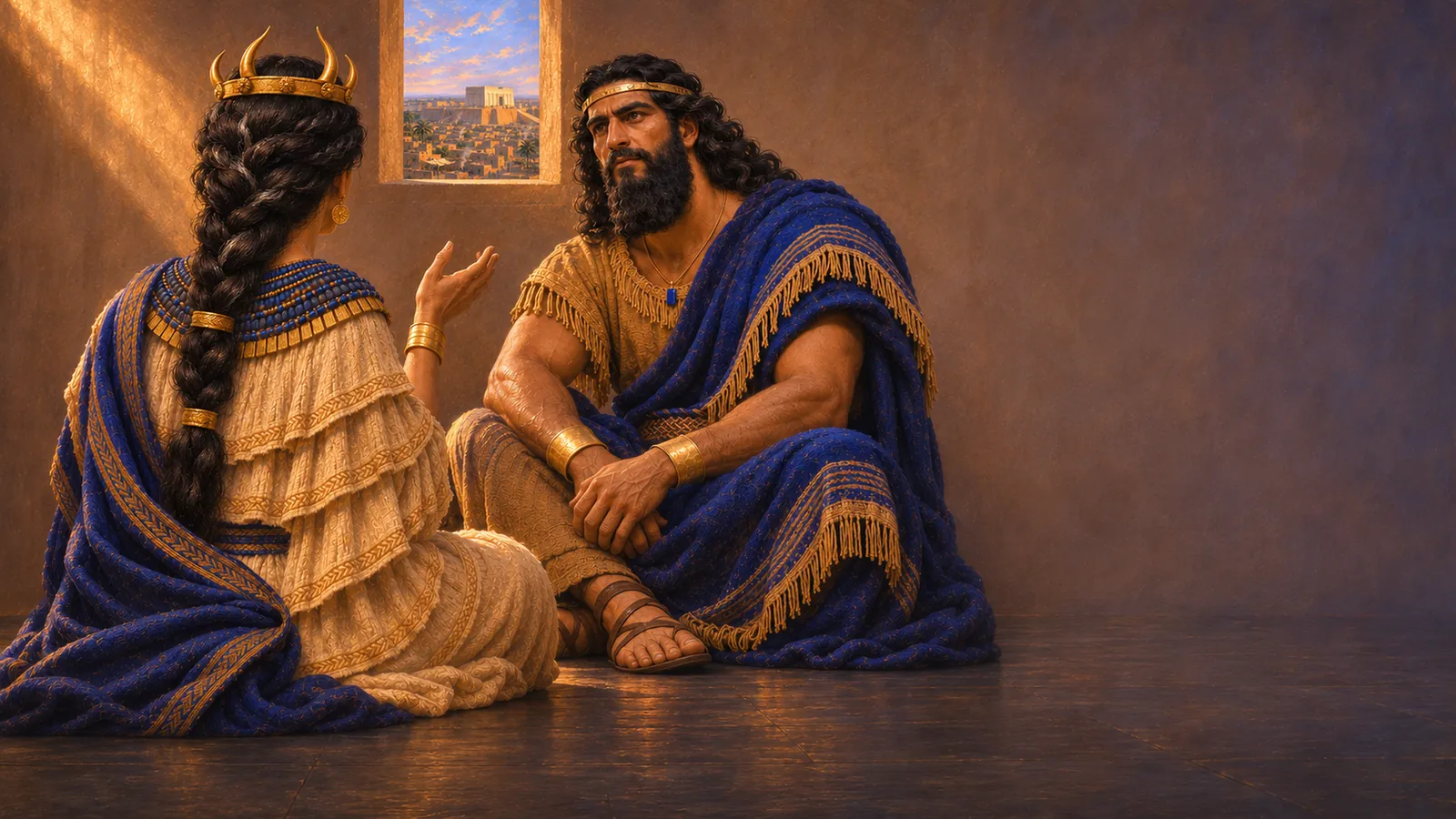
Gilgamesh avait raconté le rêve à sa mère, Ninsun. Elle en comprit le sens. Un compagnon puissant viendrait à lui, quelqu’un qu’il aimerait et qui l’aiderait à rester hors de danger.
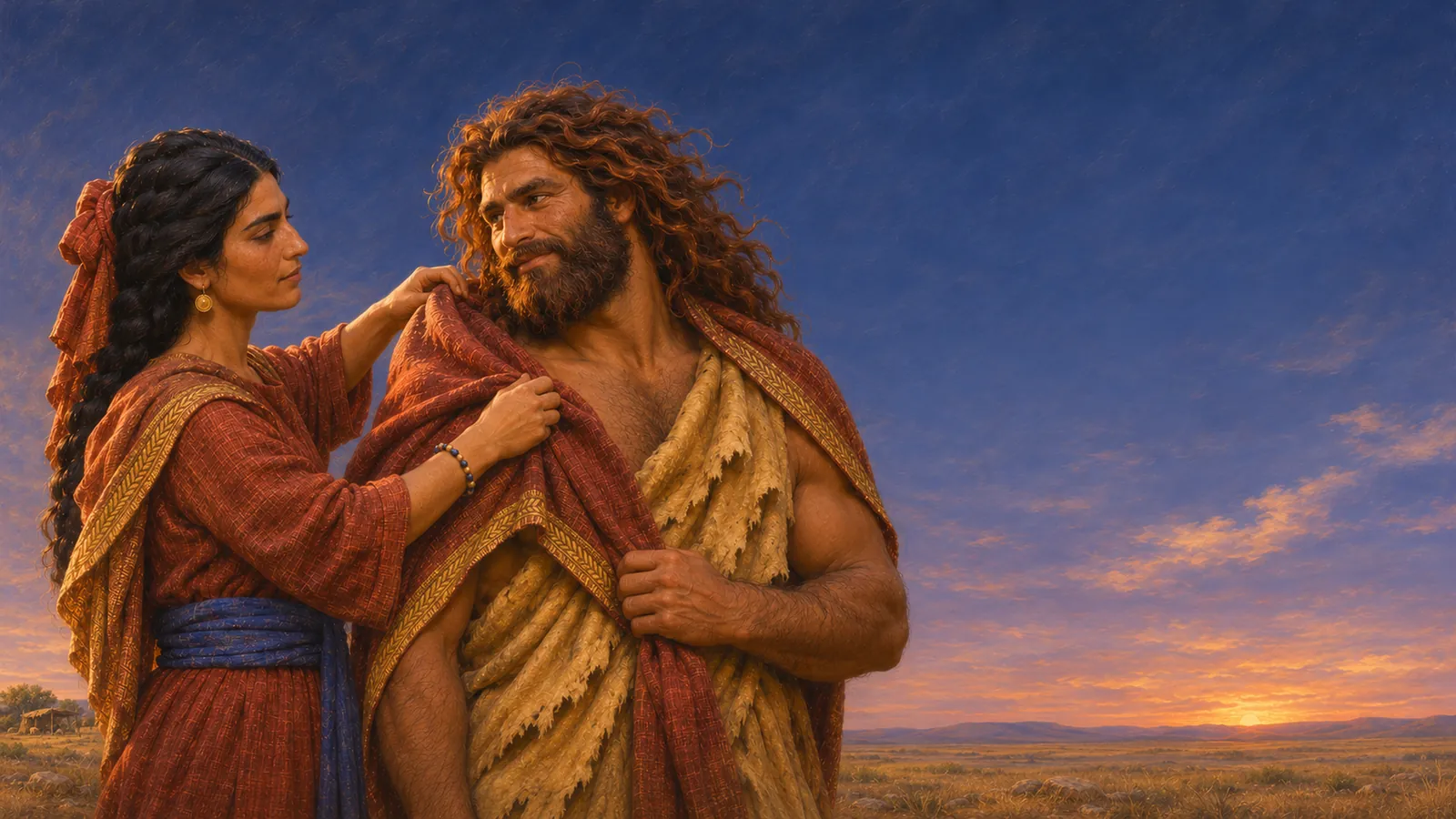
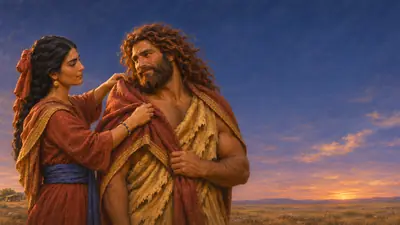
Shamhat partagea ses vêtements avec Enkidu. Puis elle le prit par la main et le guida loin du troupeau sauvage, vers le camp où vivaient les bergers.
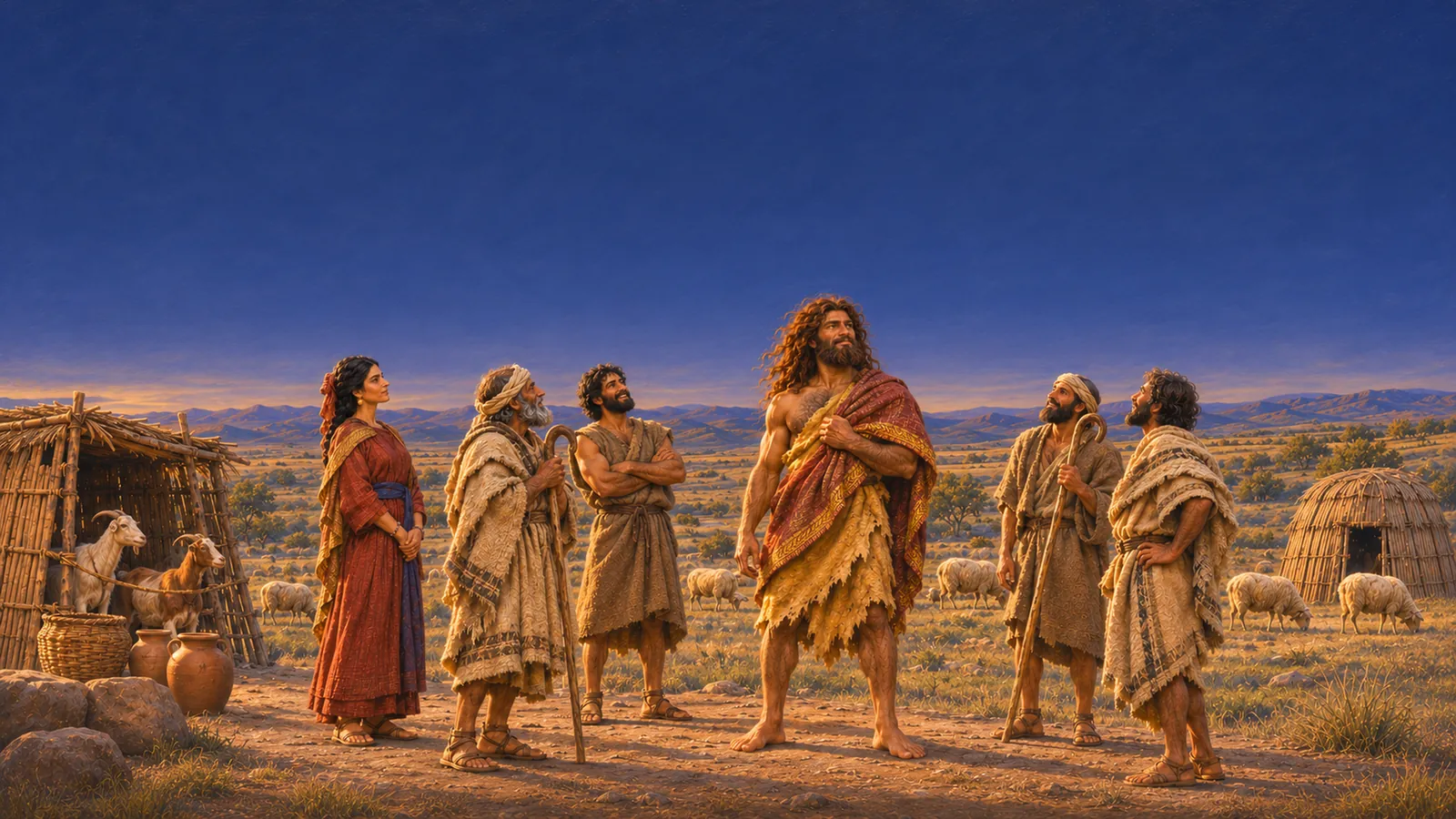
LES BERGERS
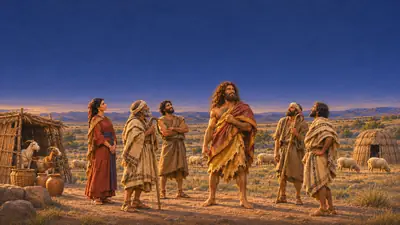
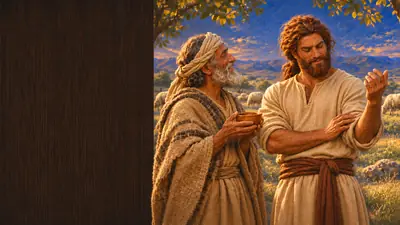
Les bergers se rassemblèrent autour de leur visiteur. Ils s’étonnèrent de la puissante carrure d’Enkidu et parlèrent de sa ressemblance avec Gilgamesh. Une telle force ne pouvait passer inaperçue.
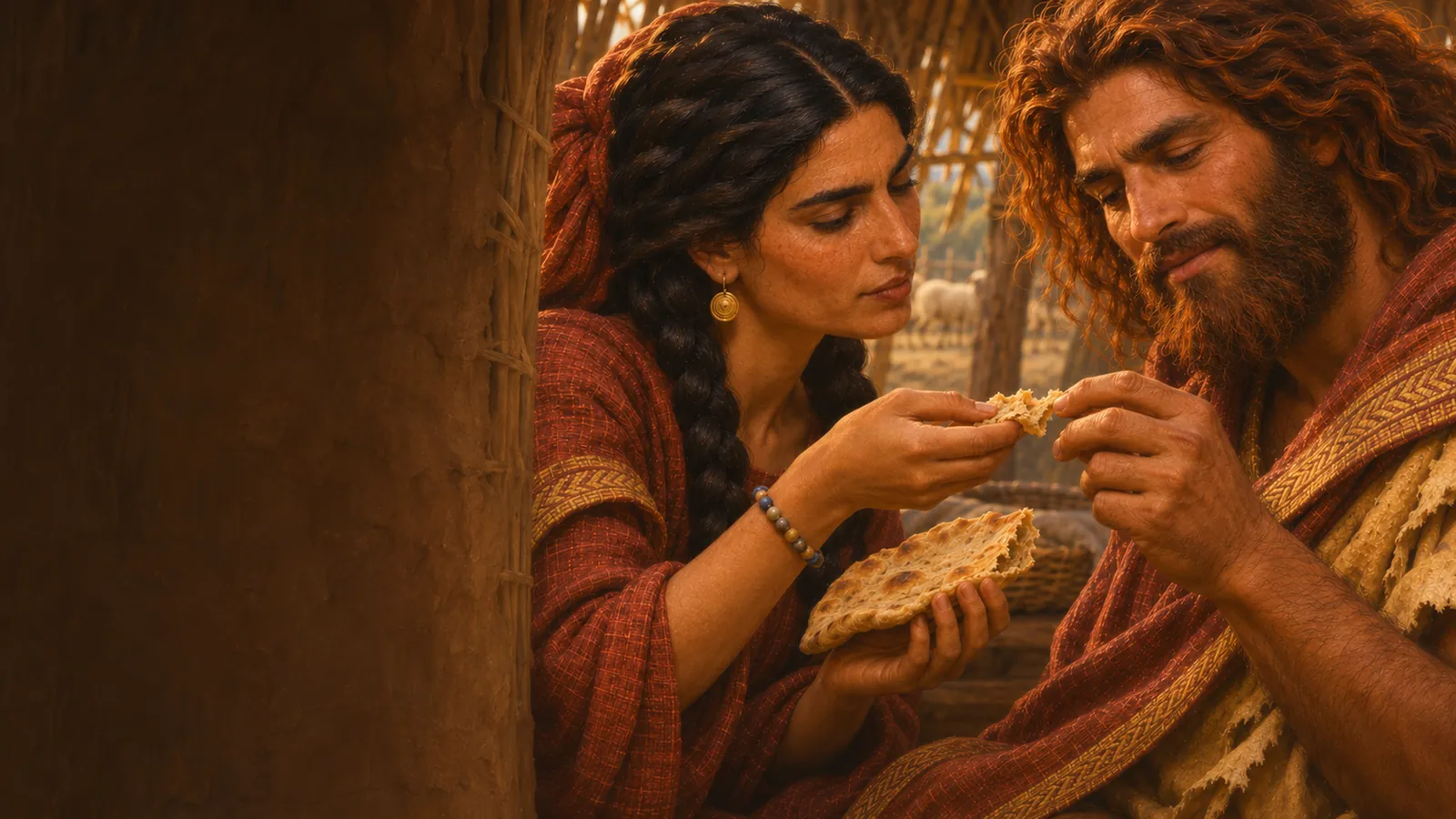
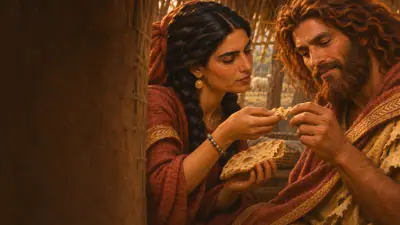
Ils déposèrent du pain devant Enkidu, mais il ne savait pas comment le manger. Shamhat l’encouragea à goûter la nourriture dont vivaient les gens, lui faisant découvrir un autre usage qui lui était étranger.
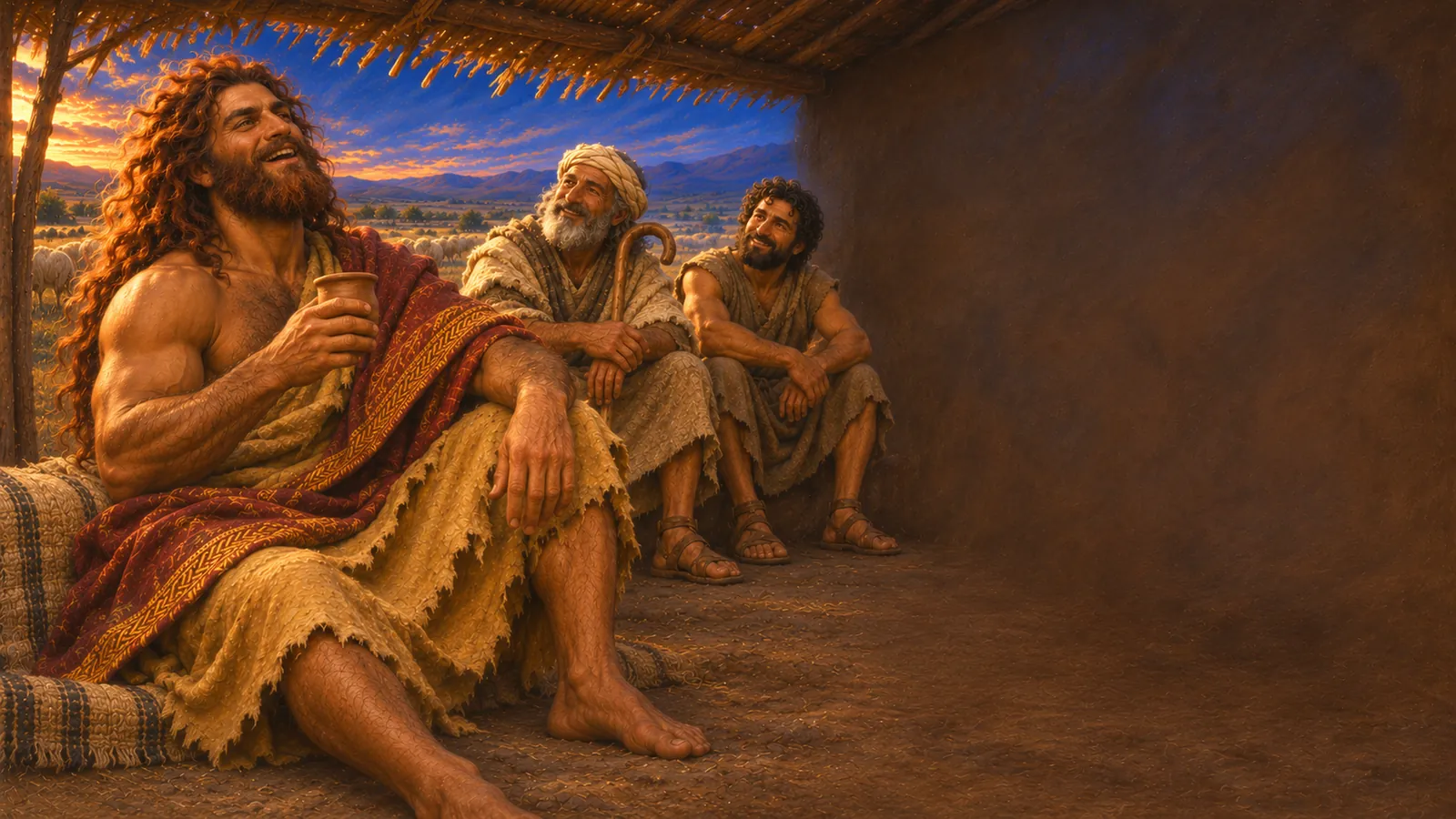
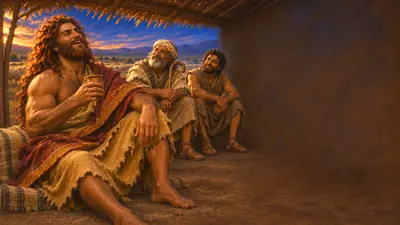
Enkidu mangea à sa faim, puis but de la bière. Il se réjouit et son visage s’éclaira. Bientôt, il chantait parmi les gens du camp.
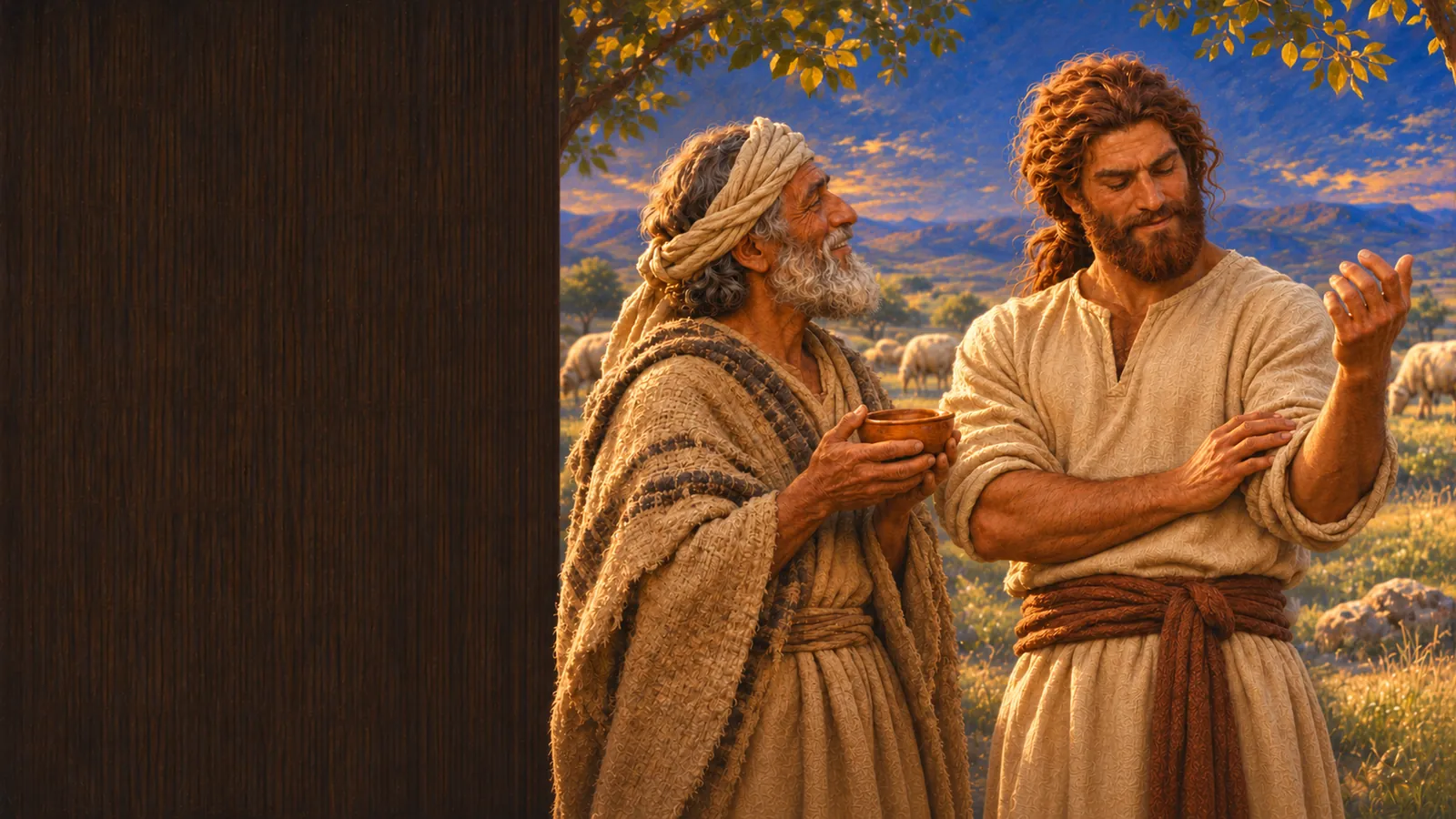
On lui arrangea les cheveux, il s’enduisit d’huile et mit des vêtements. Enkidu se montrait désormais sous un jour nouveau parmi les bergers, prêt à prendre place à leurs côtés.
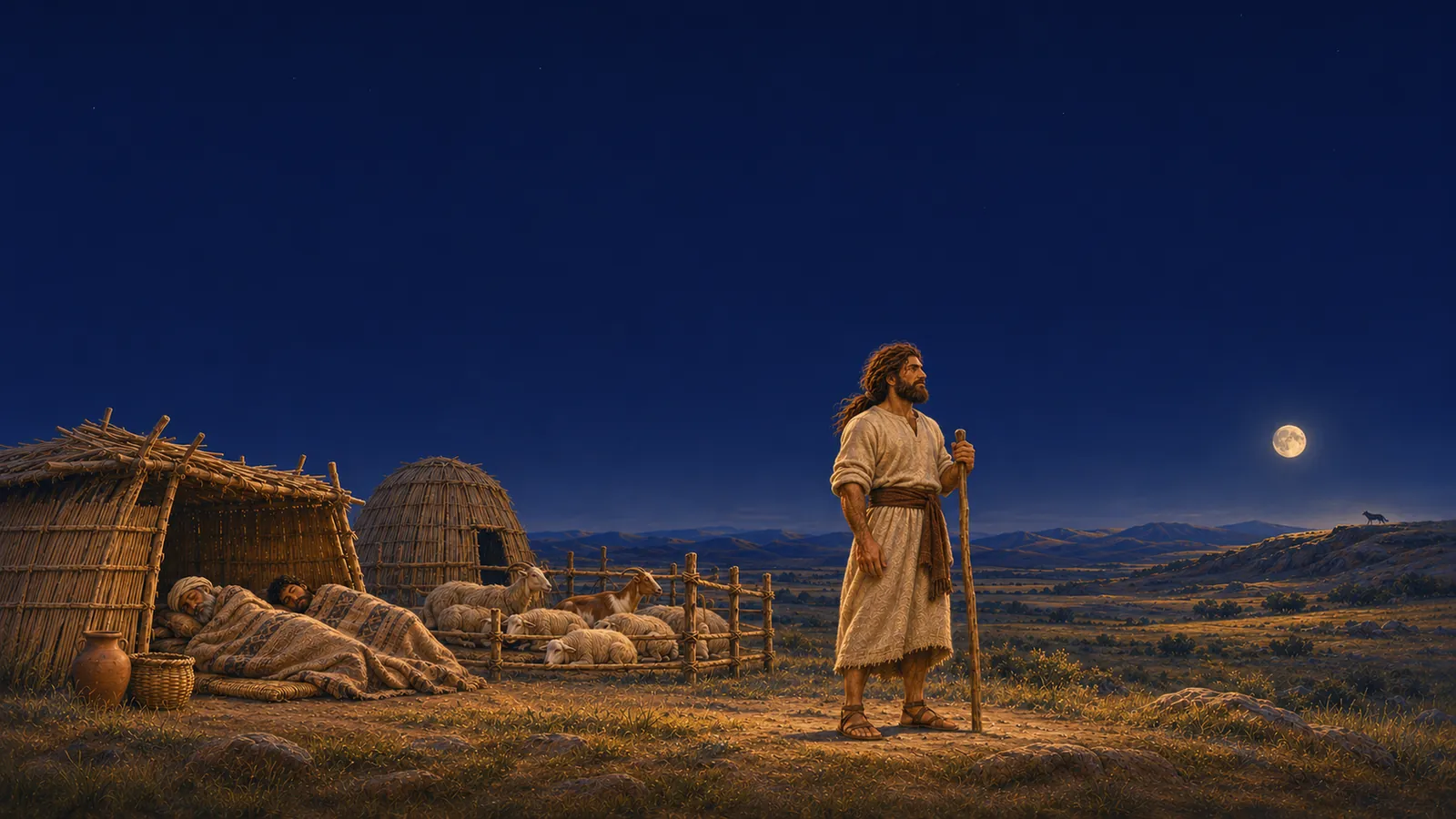
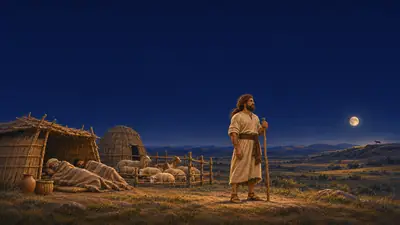
La nuit, Enkidu veillait pendant que les bergers dormaient. Il protégeait leurs bêtes des loups et des lions. La force qui avait gardé le troupeau sauvage veillait désormais sur leurs troupeaux.
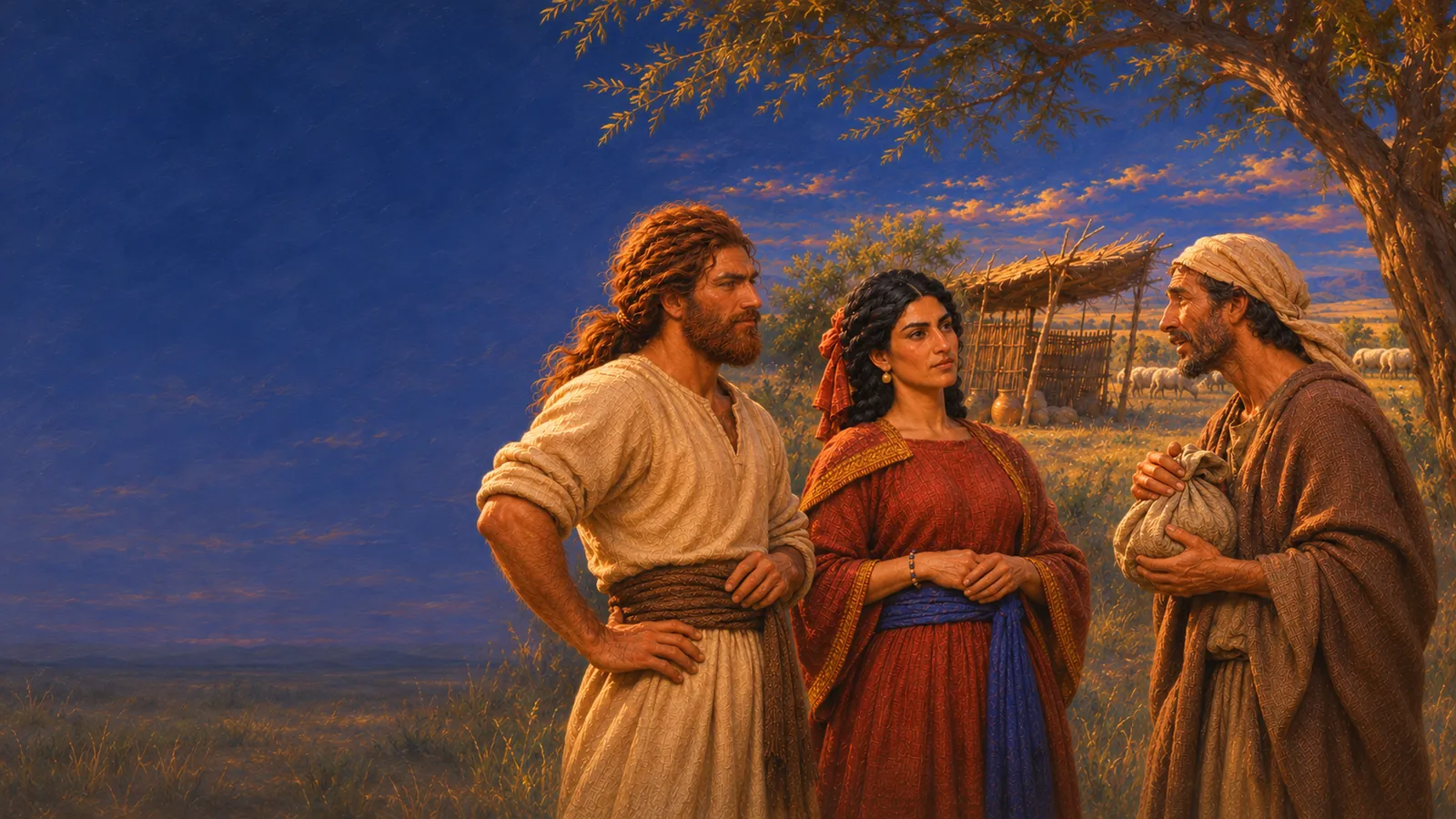
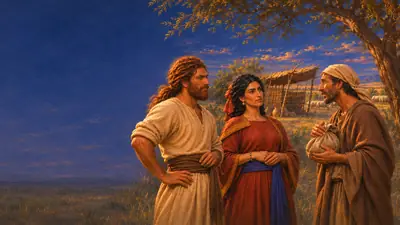
Un jour, Enkidu aperçut un homme qui passait et demanda à Shamhat de l’appeler. Le voyageur leur expliqua où il allait. Il se rendait à un repas de noces.
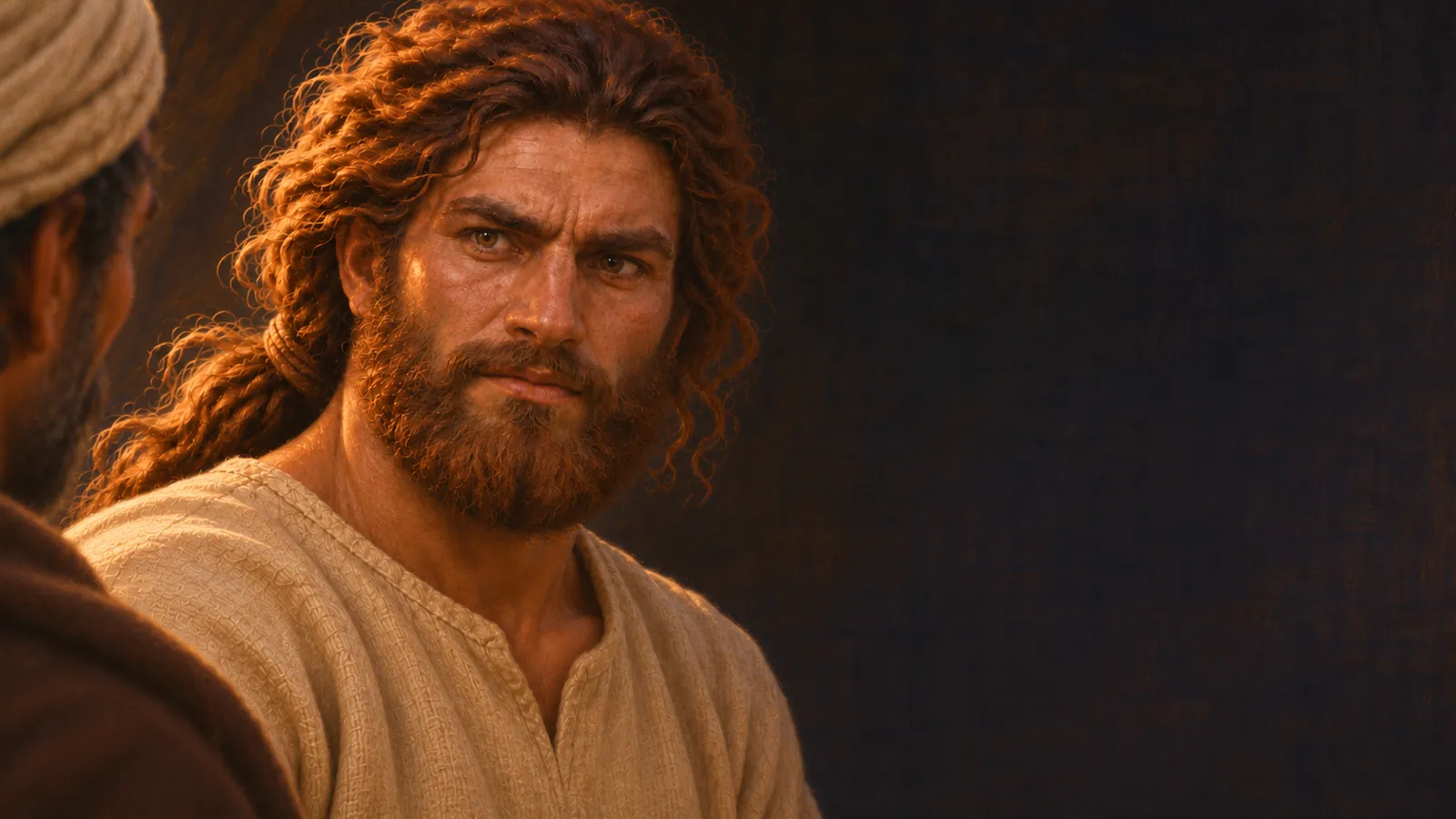
Mais le récit ne s’arrêtait pas là. D’après le voyageur, Gilgamesh coucherait avec la mariée avant son époux. À ces mots, Enkidu pâlit.
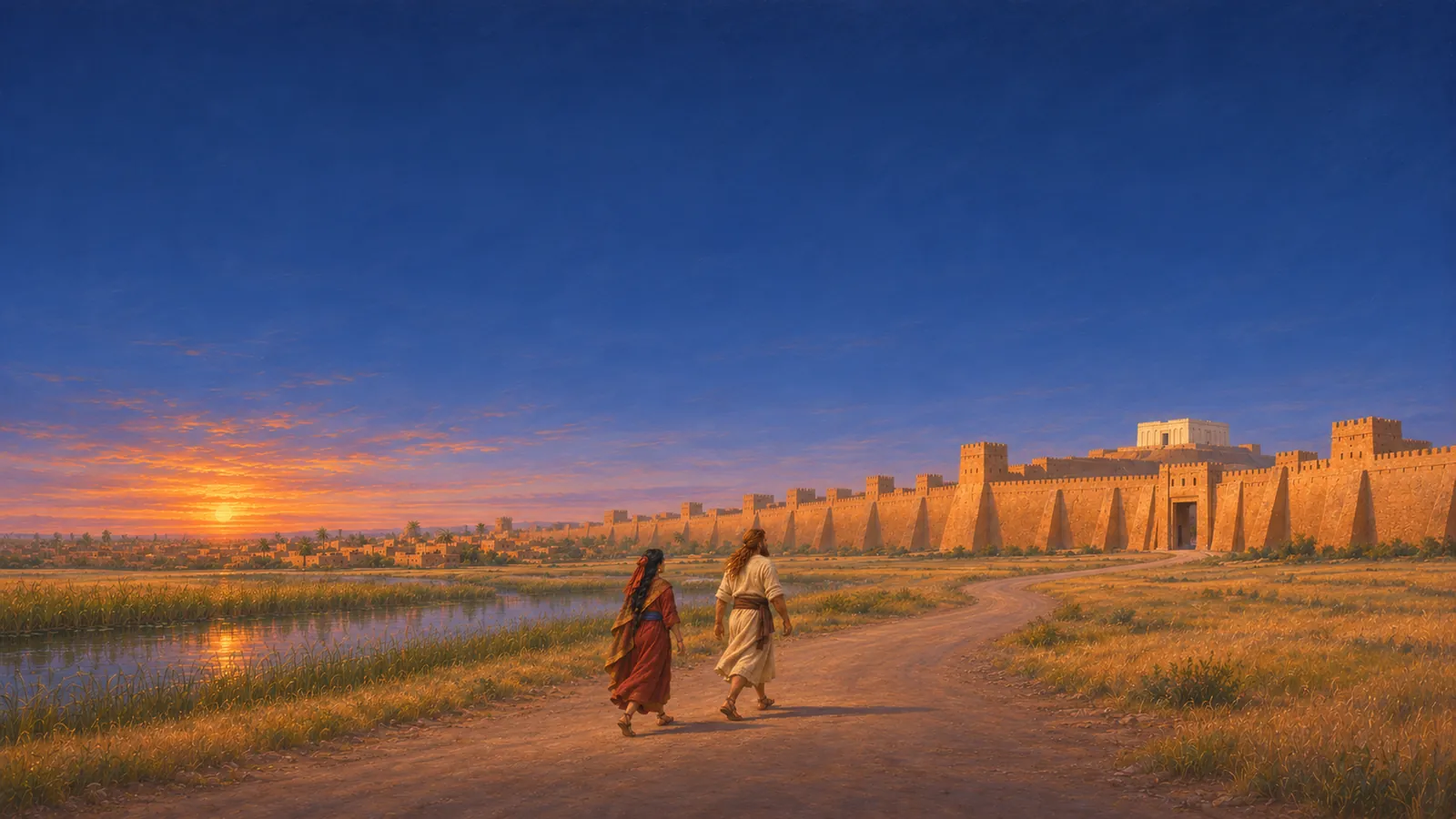
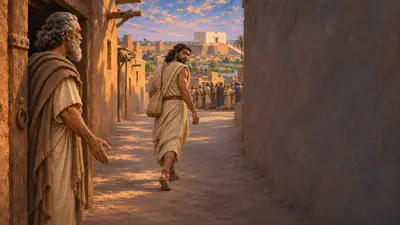
Enkidu alla voir ce que le voyageur avait décrit. Il prit la route d’Uruk, suivi de Shamhat. L’étranger venu de la steppe était sur le point d’entrer dans la ville du roi.
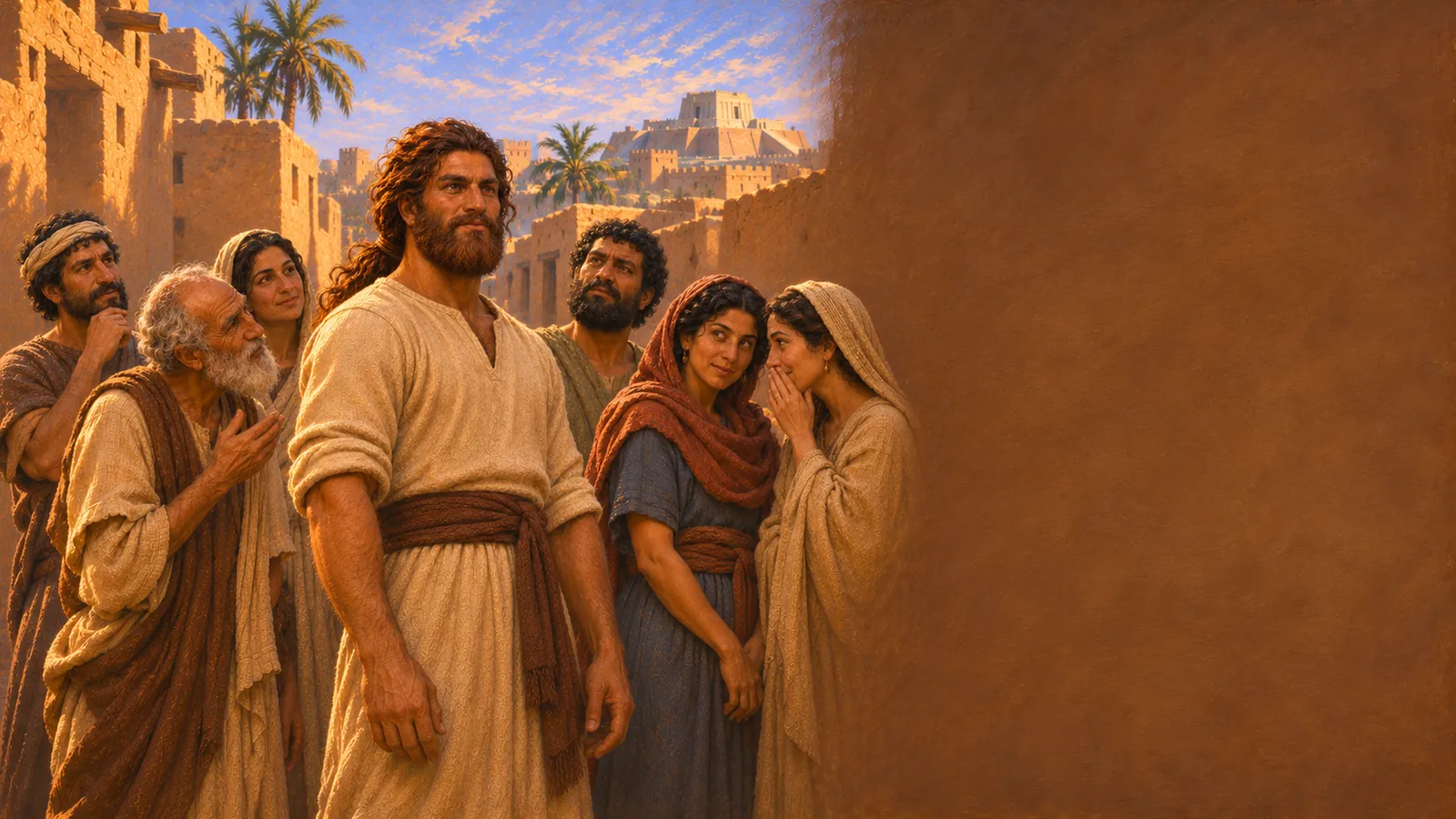
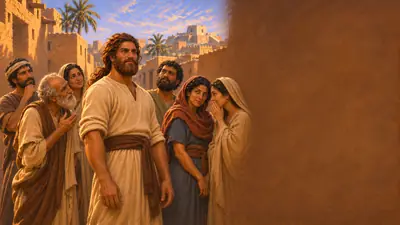
Quand Enkidu arriva, les gens se rassemblèrent autour de lui dans la rue. Ils observèrent sa puissante carrure et le comparèrent à Gilgamesh. Voilà quelqu’un qui pouvait se tenir aux côtés de leur roi.
LE SEUIL
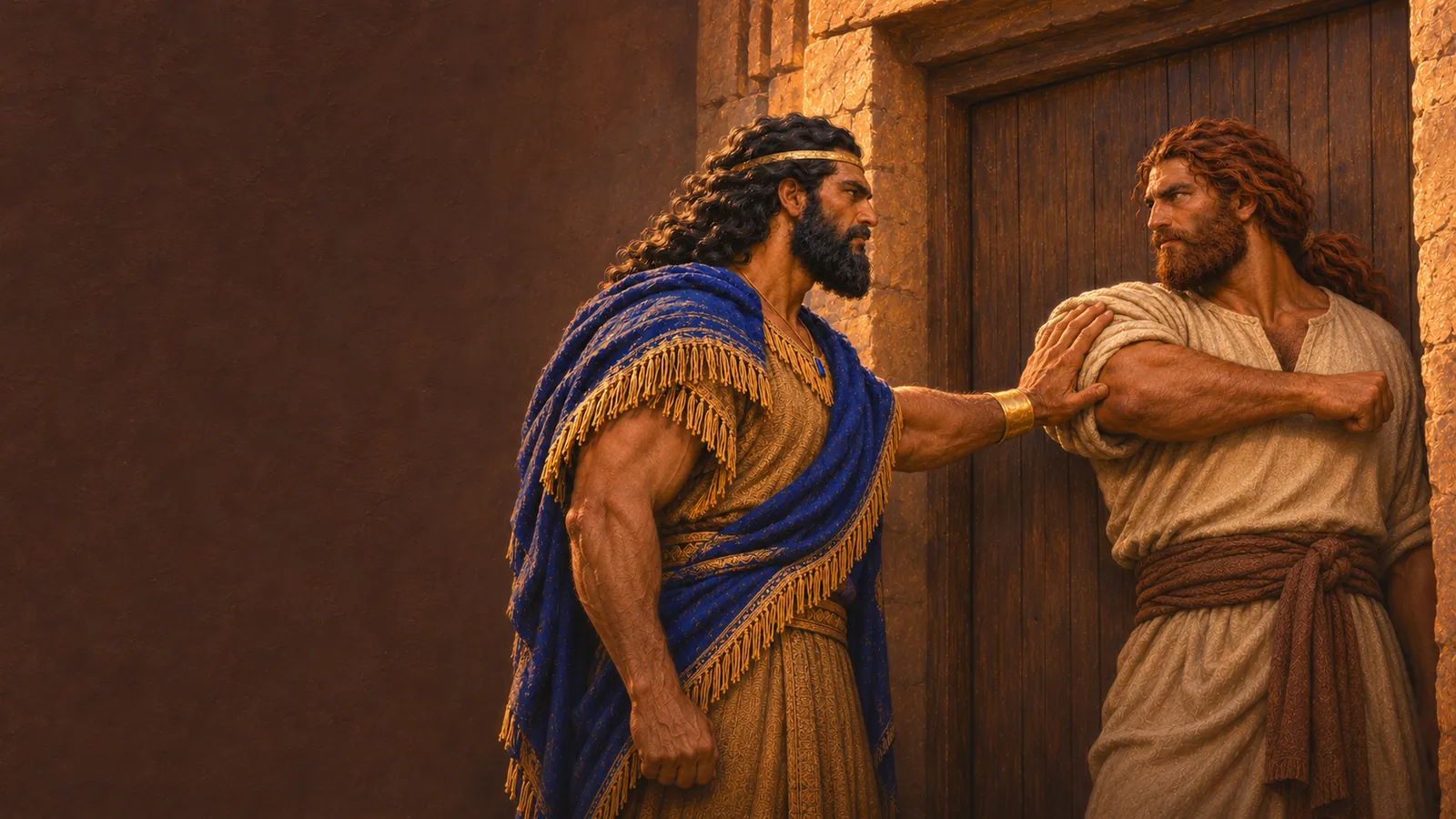
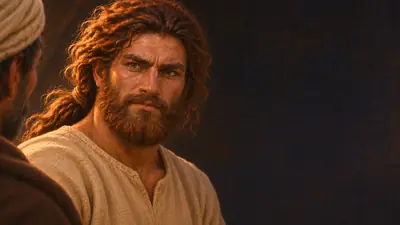
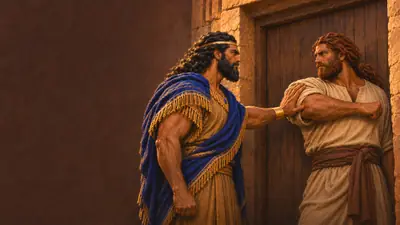
Sur le seuil de la maison des noces, Enkidu barra le passage. Il planta le pied au sol et refusa de laisser entrer Gilgamesh. La voie était barrée au roi.
LA LUTTE
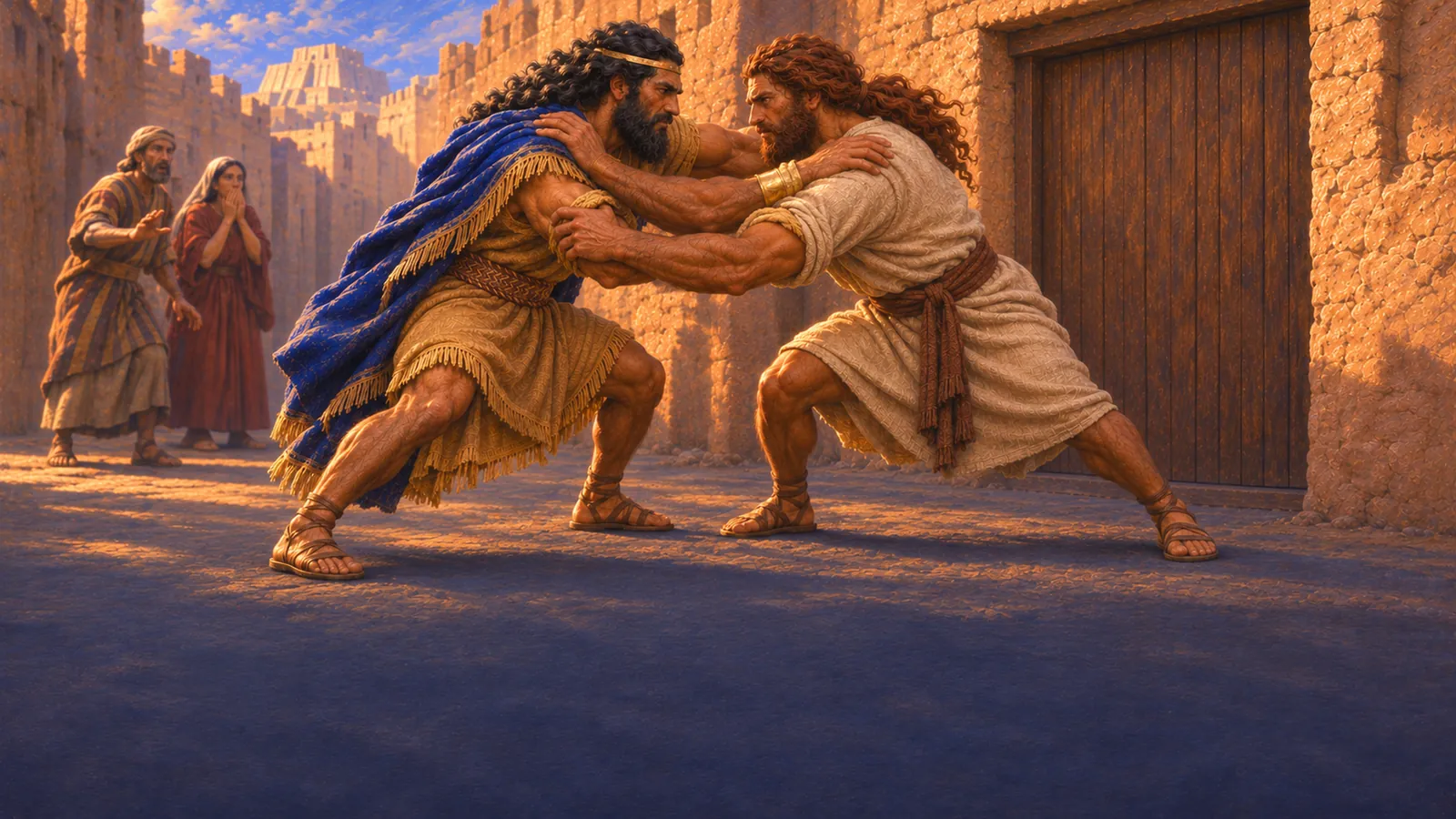
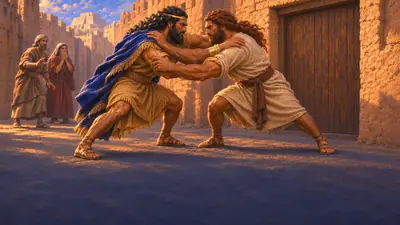
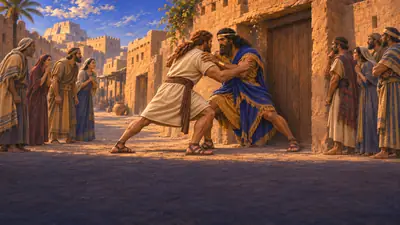
Ils se saisirent l’un l’autre et commencèrent à lutter corps à corps. La lutte se déplaça dans la rue, chacun arc-bouté contre la force de l’autre. Gilgamesh avait rencontré l’homme créé pour être son égal.
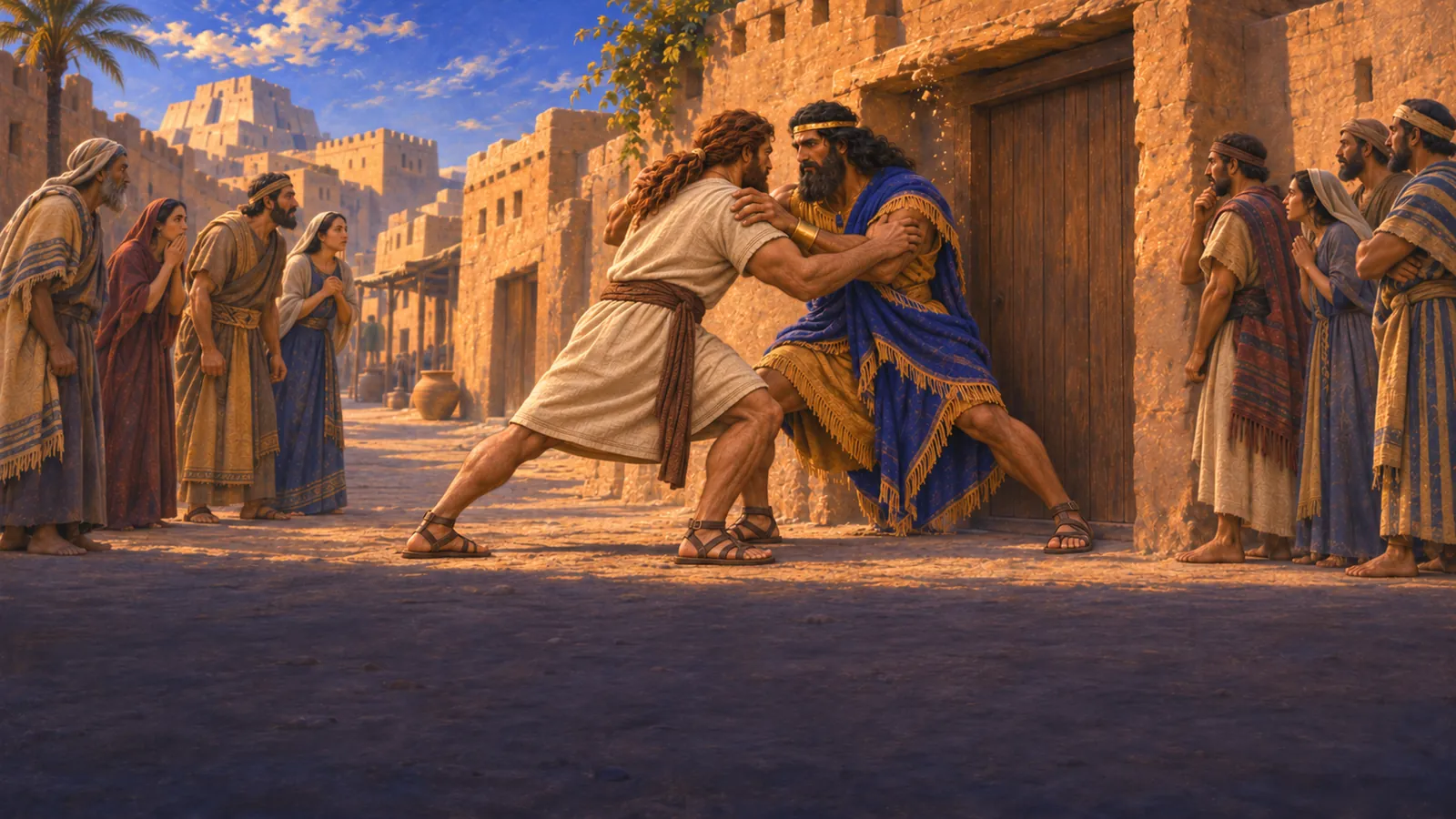
La force de leur lutte fit trembler les montants de la porte et le mur. Devant la maison des noces, leurs corps se tendaient l’un contre l’autre, et l’entrée elle-même tremblait sous l’effort.
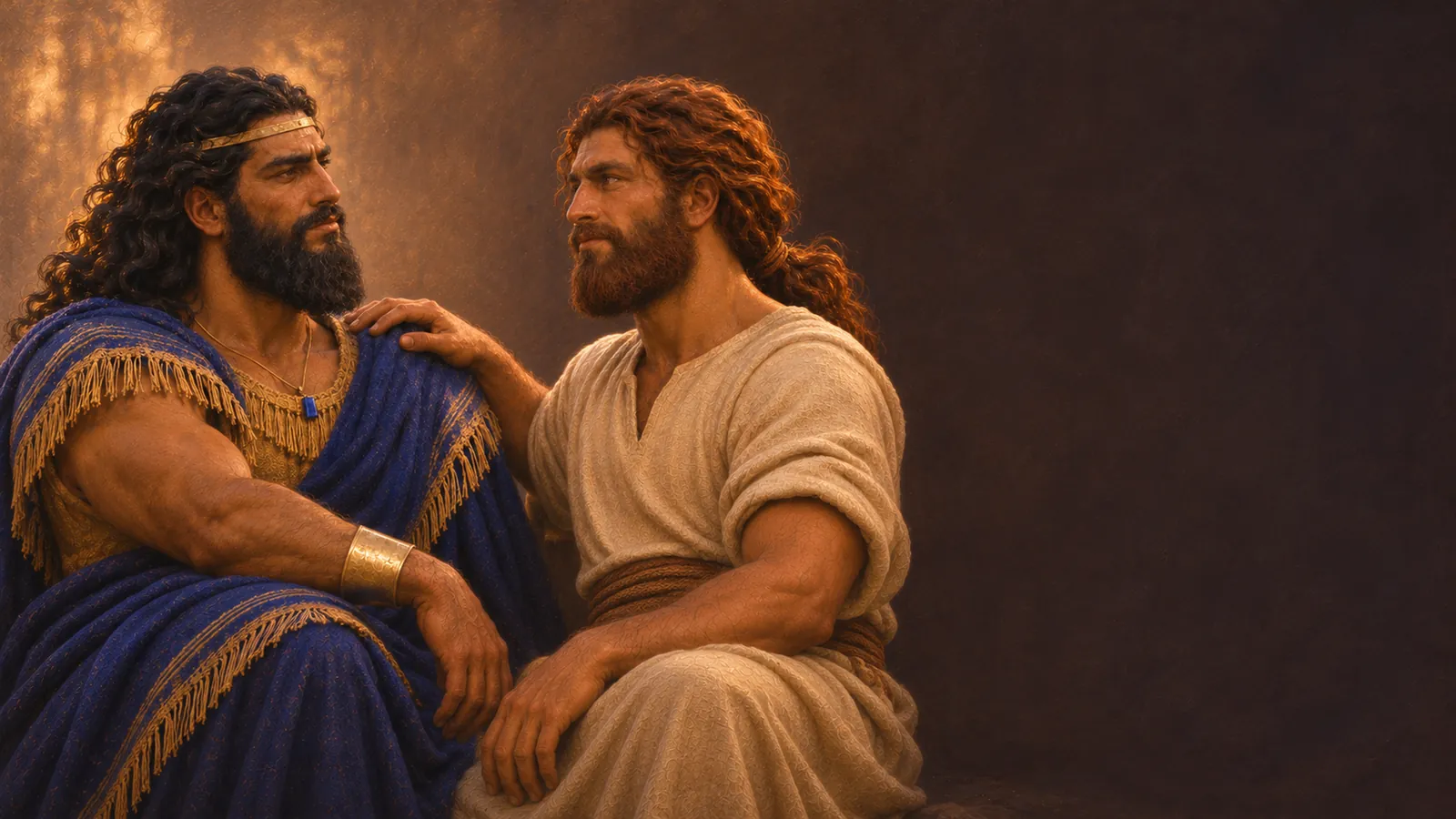
Alors Gilgamesh mit fin à la lutte. Sa colère retomba et le combat s’acheva. L’homme qui lui avait barré le passage était toujours là, devant lui.
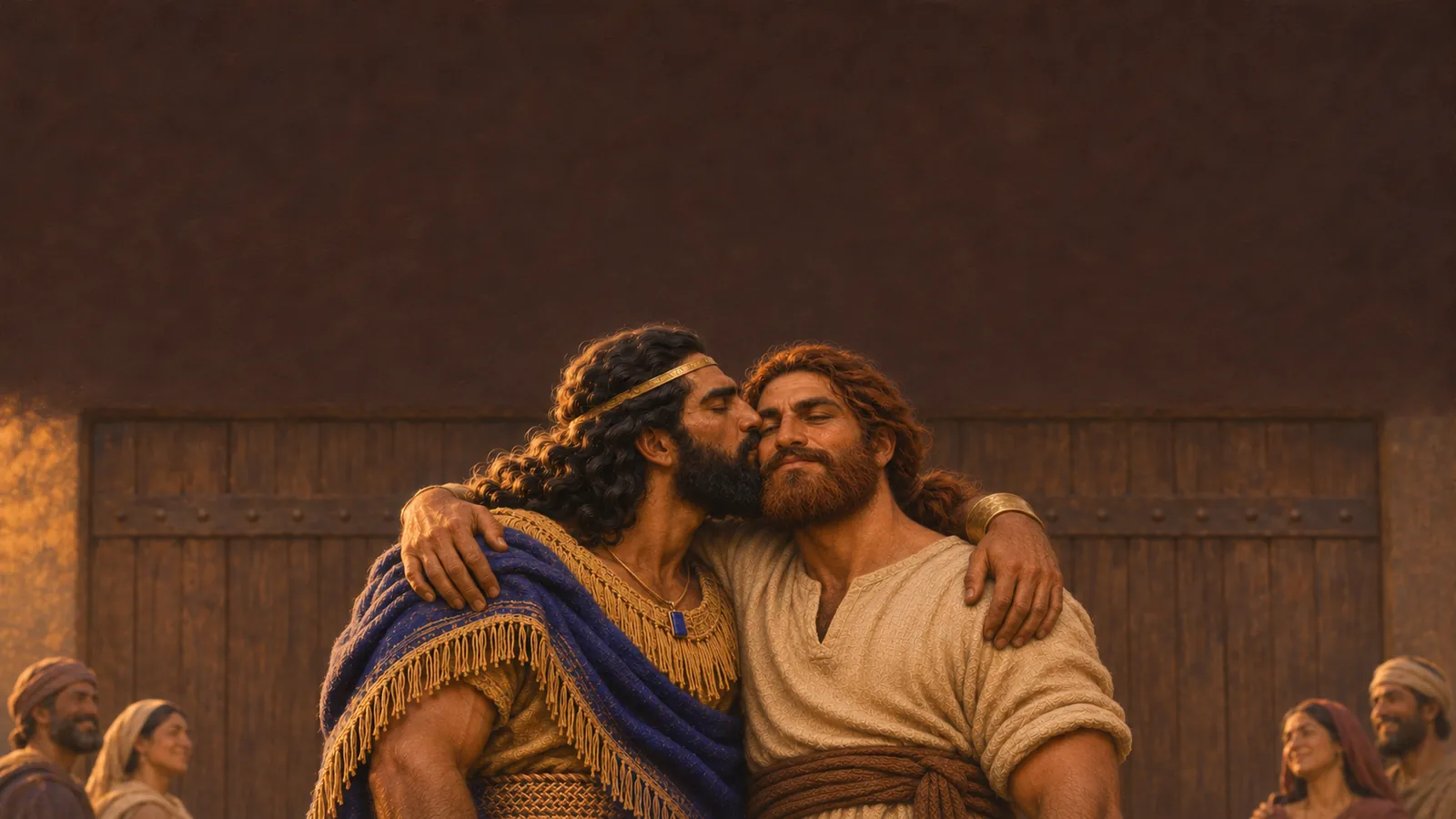
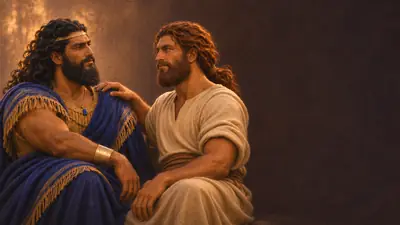
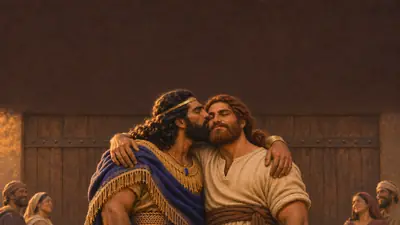
L’ancien récit nous dit qu’ils s’embrassèrent et devinrent amis. La rivalité fit place à la camaraderie. Gilgamesh avait trouvé l’ami dont son rêve avait annoncé la venue.

Mais l’amitié n’était que le début. Gilgamesh voulait accomplir un exploit qui laisserait son nom dans les mémoires. Au loin se dressait la forêt des Cèdres, et ses dangers l’attiraient déjà.
Fin du chapitre 1
Toutes les pages



Sources
The following official primary composite editions were checked on 15 November 2026.
Éditions consultées
- eBL Standard Babylonian Tablet I: Uruk, the complaint, creation, life in the steppe, the trapper, Shamhat, withdrawal of the animals and the narrated dream.
- eBL Standard Babylonian Tablet II: surviving humanization and arrival material, the confrontation, and the later forest proposal used as the closing hook.
- eBL Old Babylonian Pennsylvania Tablet II, CBS.7771: explicitly labelled supplements for camp details, the wedding report and the end of the struggle.
- eBL Old Babylonian Yale Tablet III, YBC.2178: the kiss and friendship transition, and comparison for the forest proposal.
- eBL Gilgamesh corpus: edition context and related witnesses.
Notes sur ce récit
SB II's damaged transition is not silently repaired as though every line survives. The friendship kiss belongs to the Yale witness rather than the Pennsylvania tablet. Enkidu's singing and grooming details are marked where the older witness supplies them.
The first encounter follows SB I's six days and seven nights; variant or repeated intimacy is compressed and remains non-explicit. The wedding-abuse report belongs to the poem and does not establish a historical legal institution.
Modern translations and scholarly editions retain their own rights; no long translated passage is reproduced or claimed as our own. The edition name and line anchors identify evidence, not endorsement by its editors.
On page 14, the king calls Shamhat a ḫarimtu, rendered “harlot” in George’s eBL translation, and says that she should undress at the waterhole so the stranger will approach her (SB Gilgamesh I 159–164). The retelling gives her occupation and the purpose of the meeting.
On pages 17 and 18, Shamhat undresses and lies with Enkidu. The poem says he stayed erect during the six days and seven nights of their union (SB Gilgamesh I 186–194, George’s eBL translation). The retelling gives their union and its duration.
On page 30, Enkidu takes up a weapon, kills the wolves and drives off the lions (OB Gilgamesh II, Pennsylvania 112–119, eBL). The retelling condenses these actions to his protection of the flocks.
Les vers antiques de chaque page
- Page 1: SB I 11–23, 61–67; official eBL composite edition, reviewed 2026-11-15
- Page 2: SB I 29–37, 61–65; official eBL composite edition, reviewed 2026-11-15
- Page 3: SB I 65–69, 82–85; official eBL composite edition, reviewed 2026-11-15
The complaint is poetically compressed. - Page 4: SB I 70–76, 89–91; official eBL composite edition, reviewed 2026-11-15
The text's accusation is retained without normalizing it as historical law. - Page 5: SB I 72–91; official eBL composite edition, reviewed 2026-11-15
- Page 6: SB I 92–98; official eBL composite edition, reviewed 2026-11-15
- Page 7: SB I 99–102; official eBL composite edition, reviewed 2026-11-15
- Page 8: SB I 101–107; official eBL composite edition, reviewed 2026-11-15
- Page 9: SB I 108–110; official eBL composite edition, reviewed 2026-11-15
- Page 10: SB I 109–110; official eBL composite edition, reviewed 2026-11-15
- Page 11: SB I 128–131, 155–158; official eBL composite edition, reviewed 2026-11-15
- Page 12: SB I 111–119; official eBL composite edition, reviewed 2026-11-15
- Page 13: SB I 132–143; official eBL composite edition, reviewed 2026-11-15
- Page 14: SB Gilgamesh I 159–164, Andrew R. George’s eBL translation
- Page 15: SB I 165–167; official eBL composite edition, reviewed 2026-11-15
- Page 16: SB I 168–175; official eBL composite edition, reviewed 2026-11-15
- Page 17: SB I 176–191; official eBL composite edition, reviewed 2026-11-15
- Page 18: SB I 192–194; official eBL composite edition, reviewed 2026-11-15
Later/variant repeated intimacy is compressed. - Page 19: SB I 194–196; official eBL composite edition, reviewed 2026-11-15
- Page 20: SB I 198–199; official eBL composite edition, reviewed 2026-11-15
- Page 21: SB I 199–203; official eBL composite edition, reviewed 2026-11-15
- Page 22: SB I 207–221; official eBL composite edition, reviewed 2026-11-15
- Page 23: SB I 241–256, 297; official eBL composite edition, reviewed 2026-11-15
Heavenly object often translated as a meteorite/boulder. - Page 24: SB I 257–270; official eBL composite edition, reviewed 2026-11-15
- Page 25: SB II 34–37; OB II (Pennsylvania) 69–76; official eBL composite edition, reviewed 2026-11-15
This version distinction is deliberate. - Page 26: SB II 38–43; OB II (Pennsylvania) 77–86; official eBL composite edition, reviewed 2026-11-15
SB II38–43 preserves the shepherds' admiration. OB Pennsylvania77–86 supplies a parallel, partly restored description. - Page 27: SB II 44–51; OB II (Pennsylvania) 87–100; official eBL composite edition, reviewed 2026-11-15
Bread/ale instruction exists in the current SB II44–51 composite, with editorial restorations. - Page 28: OB II (Pennsylvania) 101–105; SB II 52–59 damaged; official eBL composite edition, reviewed 2026-11-15
Drinking and singing are explicit in OB Pennsylvania101–105; the corresponding SB passage is damaged. - Page 29: OB II (Pennsylvania) 106–111; SB II 52–59 damaged; official eBL composite edition, reviewed 2026-11-15
- Page 30: SB II 60–62; OB II (Pennsylvania) 112–119; official eBL composite edition, reviewed 2026-11-15
Text includes killing wolves and chasing lions. - Page 31: SB II 63–66 damaged; OB II (Pennsylvania) 137–153; official eBL composite edition, reviewed 2026-11-15
- Page 32: OB Gilgamesh II (Pennsylvania) 154–166, eBL, especially 159–161 and 165–166
- Page 33: OB II (Pennsylvania) 174–177; official eBL composite edition, reviewed 2026-11-15
- Page 34: SB II 100–108; OB II (Pennsylvania) 177–189; official eBL composite edition, reviewed 2026-11-15
- Page 35: SB II 111–112; OB II (Pennsylvania) 215–217; official eBL composite edition, reviewed 2026-11-15
- Page 36: SB II 113–114; OB II (Pennsylvania) 218–224; official eBL composite edition, reviewed 2026-11-15
- Page 37: SB II 115; OB II (Pennsylvania) 220–226; official eBL composite edition, reviewed 2026-11-15
- Page 38: OB II (Pennsylvania) 227–230; corresponding SB II transition missing; official eBL composite edition, reviewed 2026-11-15
OB Pennsylvania227–230 explicitly names Gilgamesh and his subsiding anger. The comparable SB II116–161 stretch is missing from the present composite. - Page 39: OB III (Yale) 18–25; compare fragmentary SB II 182–186; official eBL composite edition, reviewed 2026-11-15
Kiss and friendship are explicit in OB Yale18–19, with the dream companion connection in24–25 partly restored. This supplements the fragmentary SB transition. Intervening damaged dialogue is omitted. - Page 40: SB II 193–229, 234–241, 260–267; OB III (Yale) 97–103, 140–160; official eBL composite edition, reviewed 2026-11-15
Illustrations réalisées par IL Archive avec des outils d’IA ; le texte s’appuie sur les sources antiques (voir les sources à la fin de chaque chapitre).