Isis et Osiris Chapitre 1
Les cinq jours ajoutés
Le récit de Plutarque commence par cinq jours ajoutés à l’année et les naissances que l’on y célèbre. Osiris devient roi et enseigne à cultiver la terre. Après qu’un complot de Seth a emporté un coffre vers la mer, Isis se met à sa recherche.
SourcesTournez les pages avec les flèches, le clavier ou en balayant l’écran.
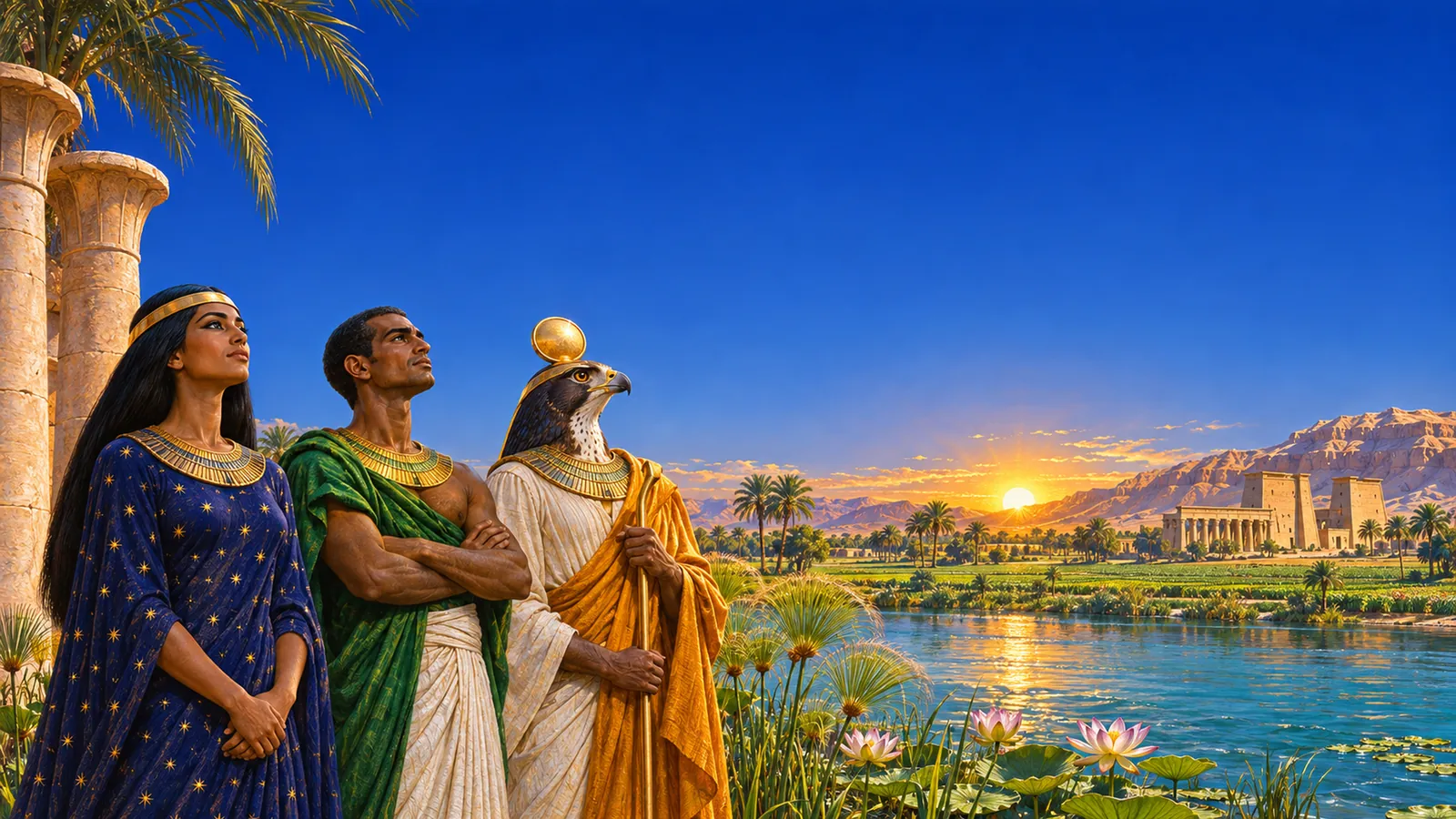
CINQ JOURS
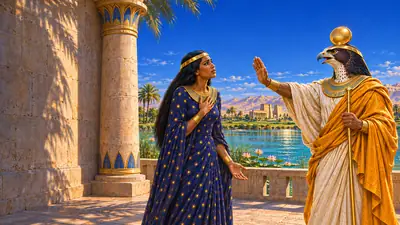
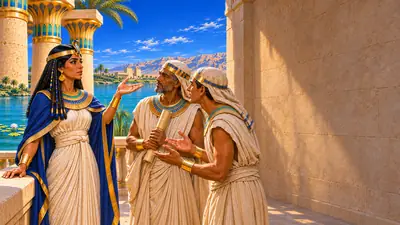
Dans le récit que Plutarque donne d’un mythe égyptien, cinq jours furent ajoutés à l’année. L’histoire qui les explique commence avec Nout, Geb et Rê, le dieu du soleil.
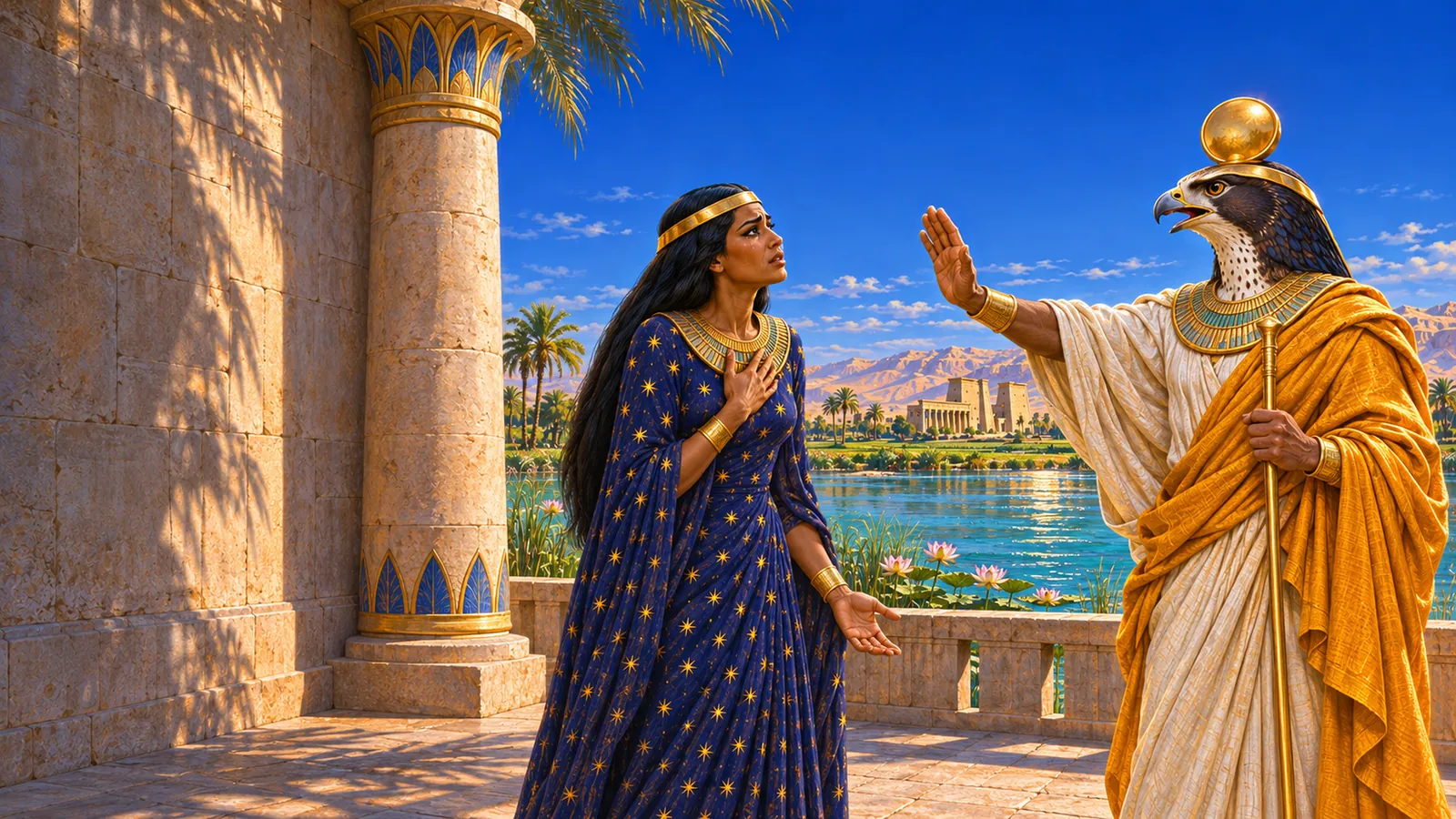
Rê découvrit que Nout et Geb s’étaient retrouvés en secret. Il maudit Nout pour qu’elle ne puisse accoucher dans aucun mois ni dans aucune année.
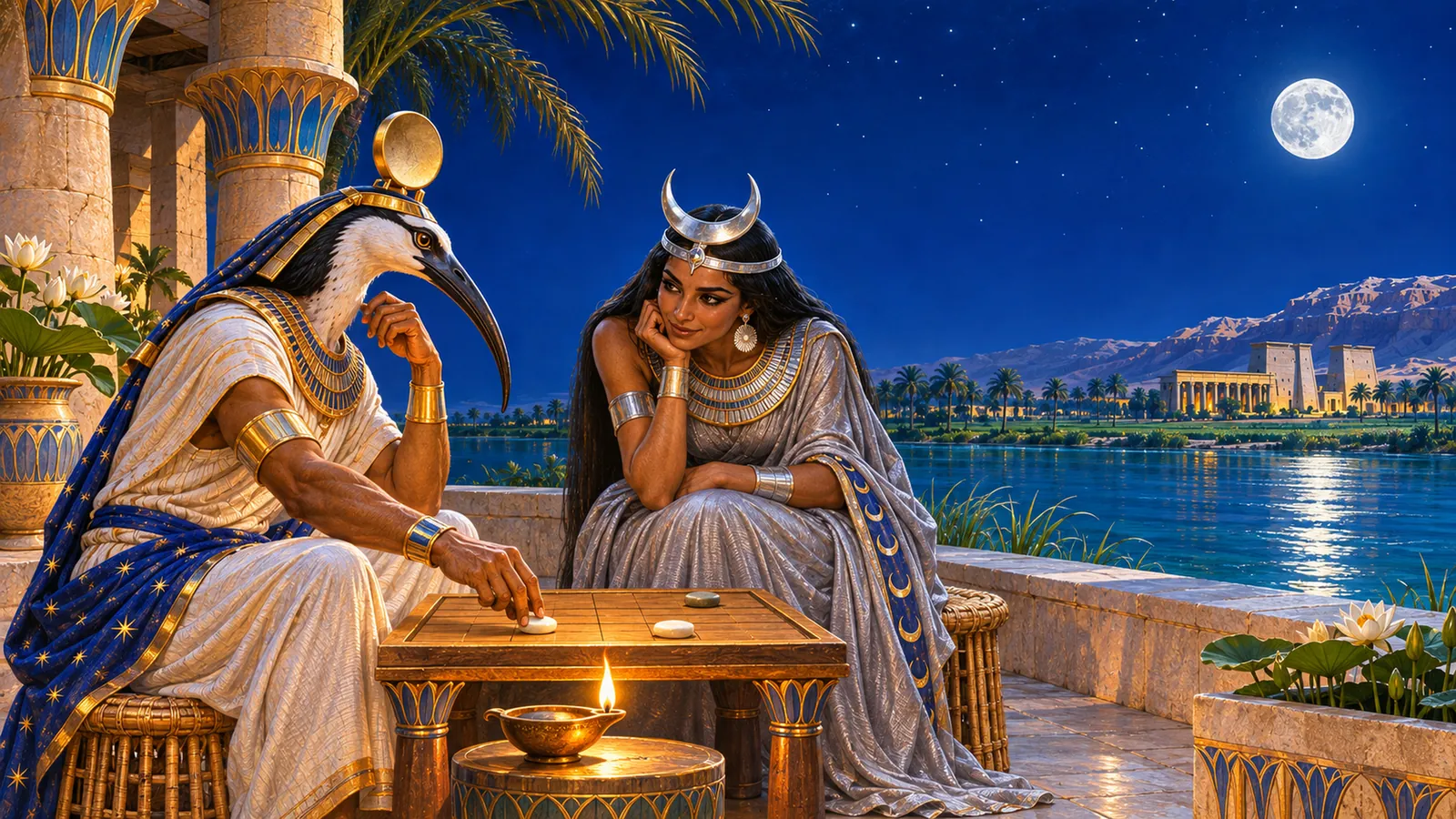
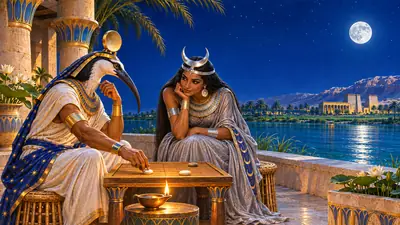
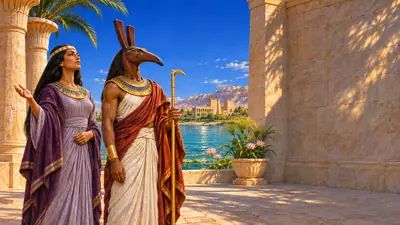
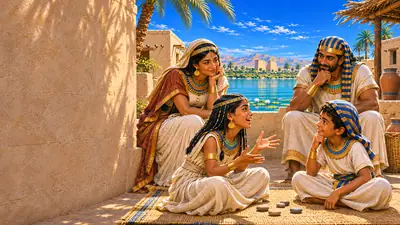
Thot, qui aimait Nout, vint à son aide. Il joua avec la Lune à un jeu de plateau.
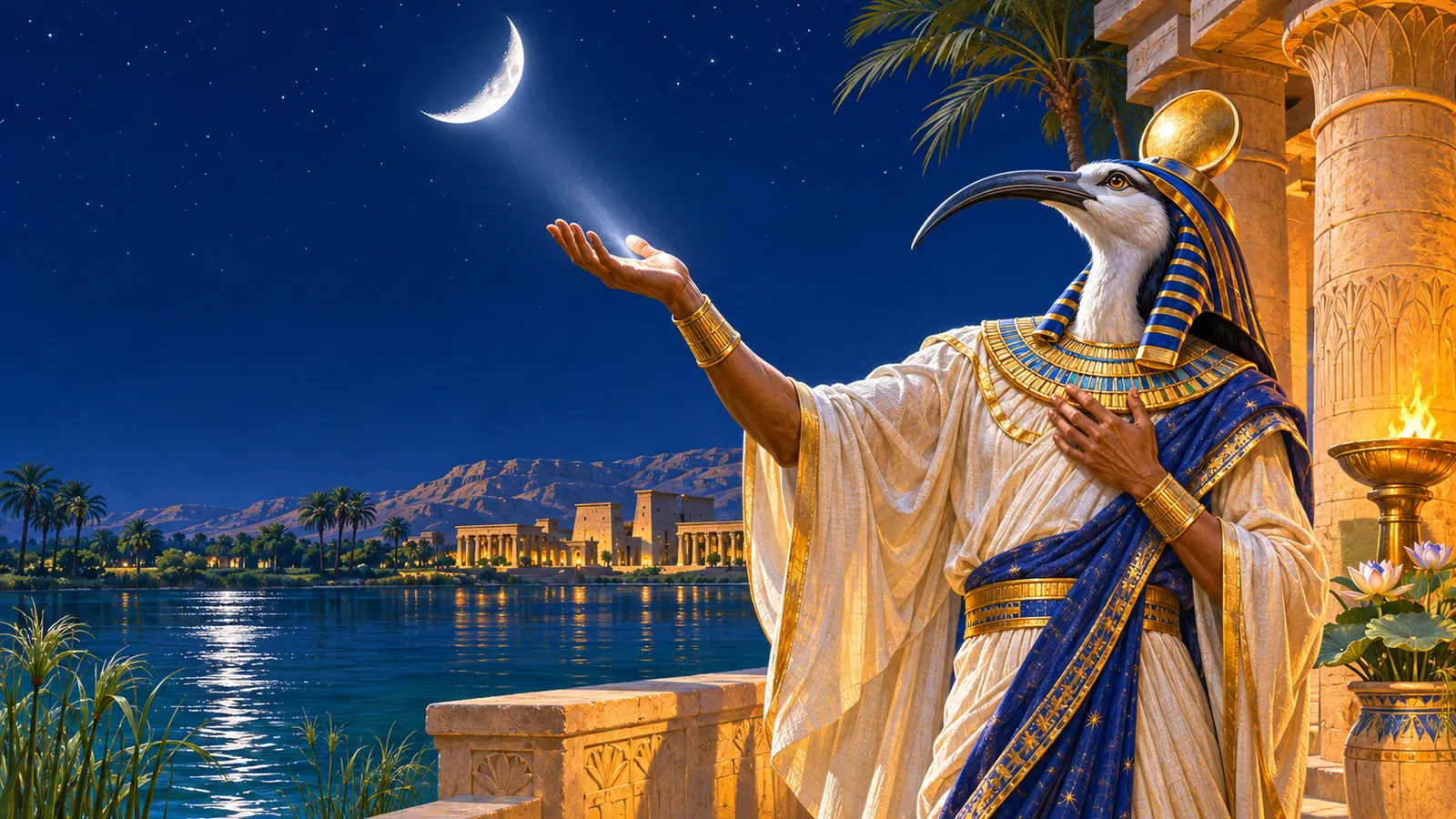
Le récit dit que Thot remporta un soixante-dixième de chacune des périodes où la Lune brillait.
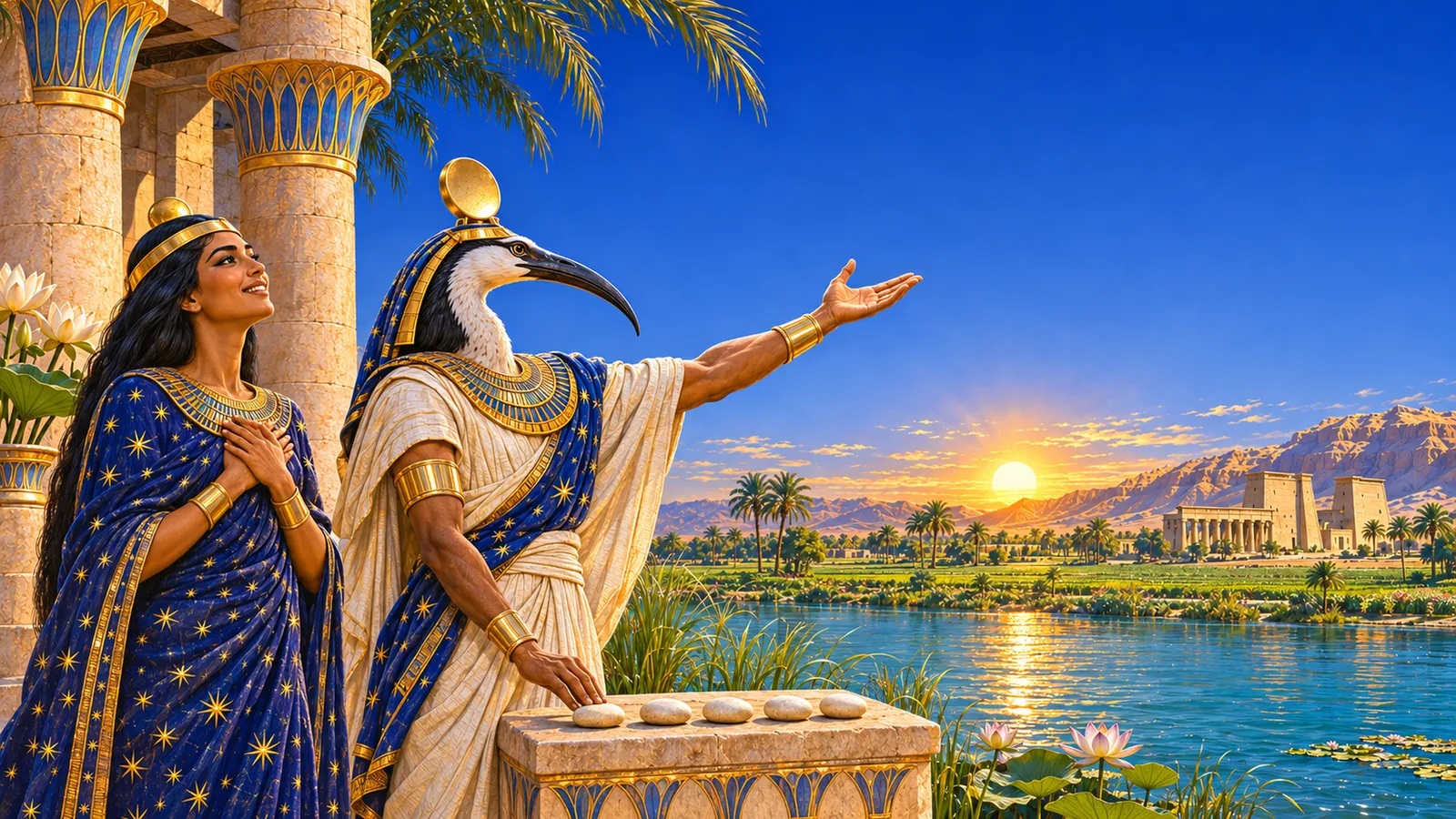
Thot réunit ces parts en cinq jours et les ajouta à l’année. Selon le récit, celle-ci comptait auparavant trois cent soixante jours.
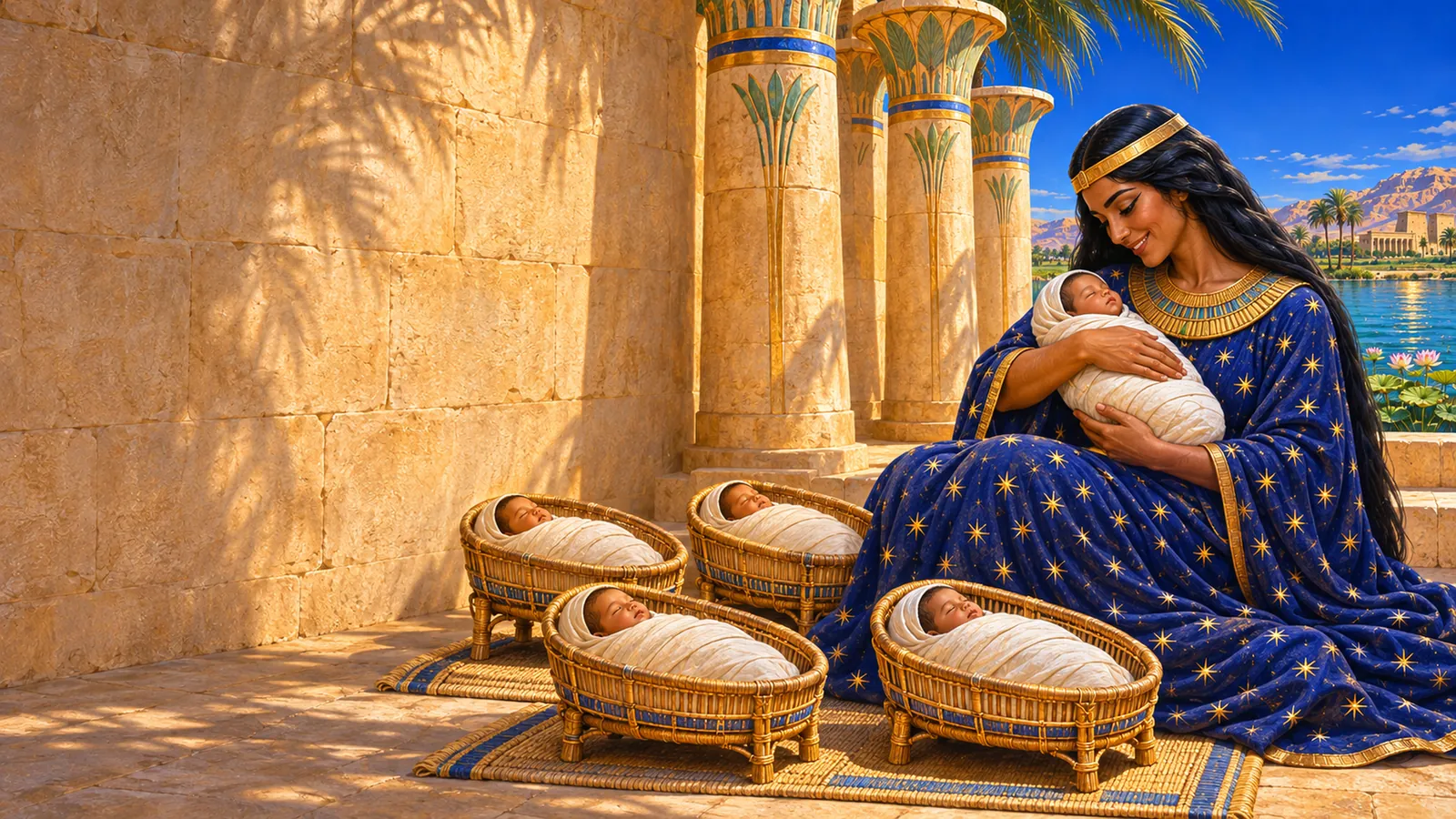
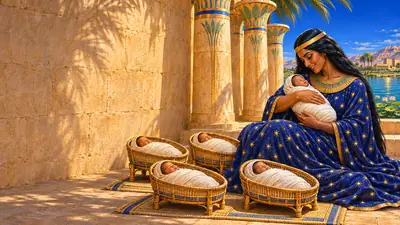
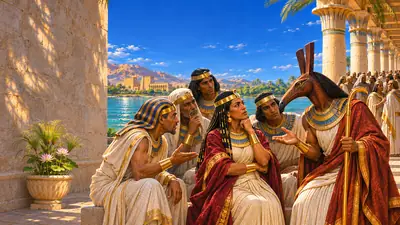
Dans le récit de Plutarque, les Égyptiens célébraient ces cinq jours supplémentaires comme les anniversaires de leurs dieux. Il raconte les naissances dans l’ordre.
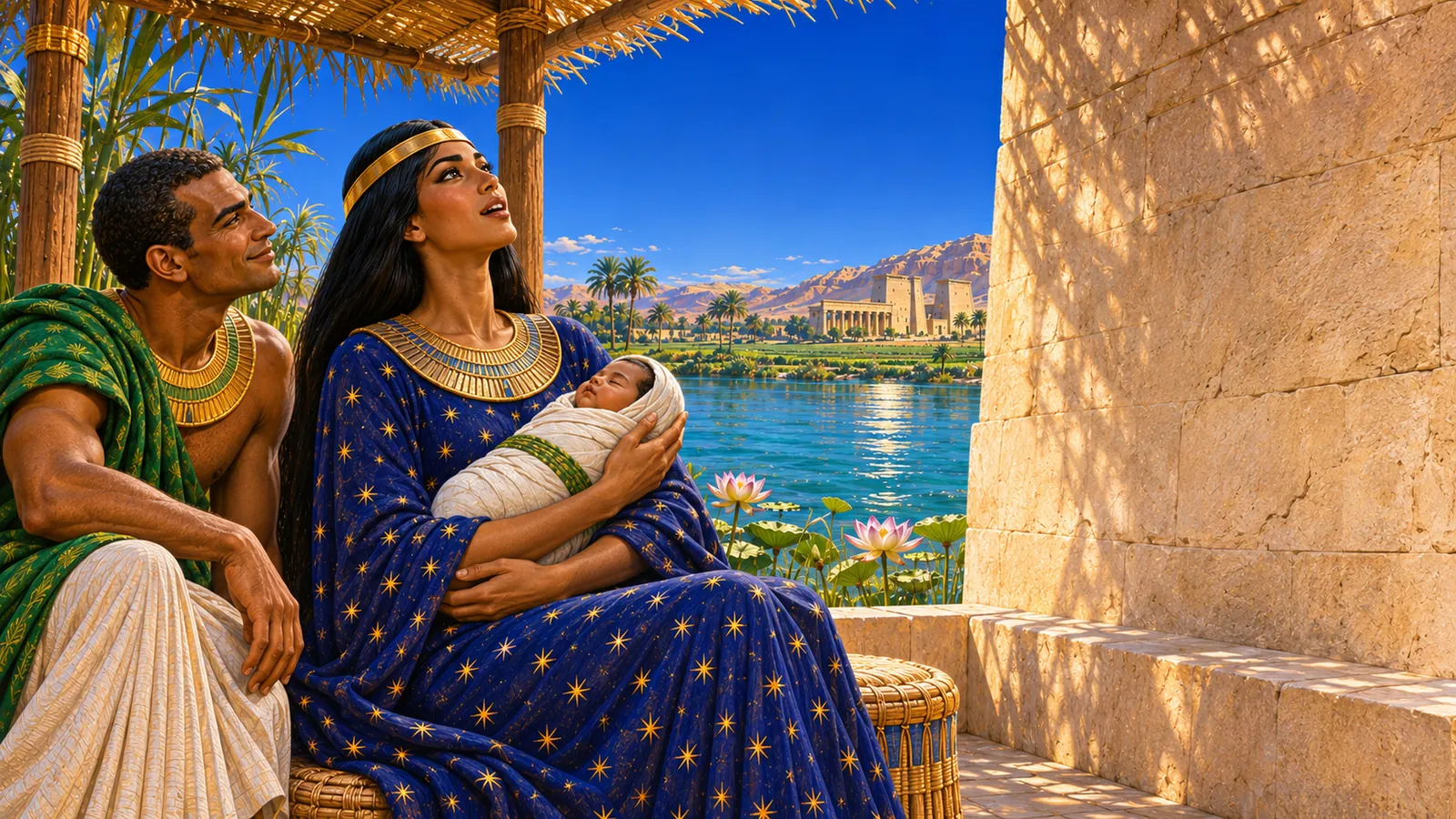
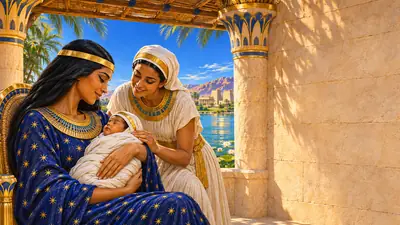
Le premier jour ajouté, Osiris naquit. Lorsqu’il vint au monde, une voix annonça la naissance du seigneur de toute la terre.
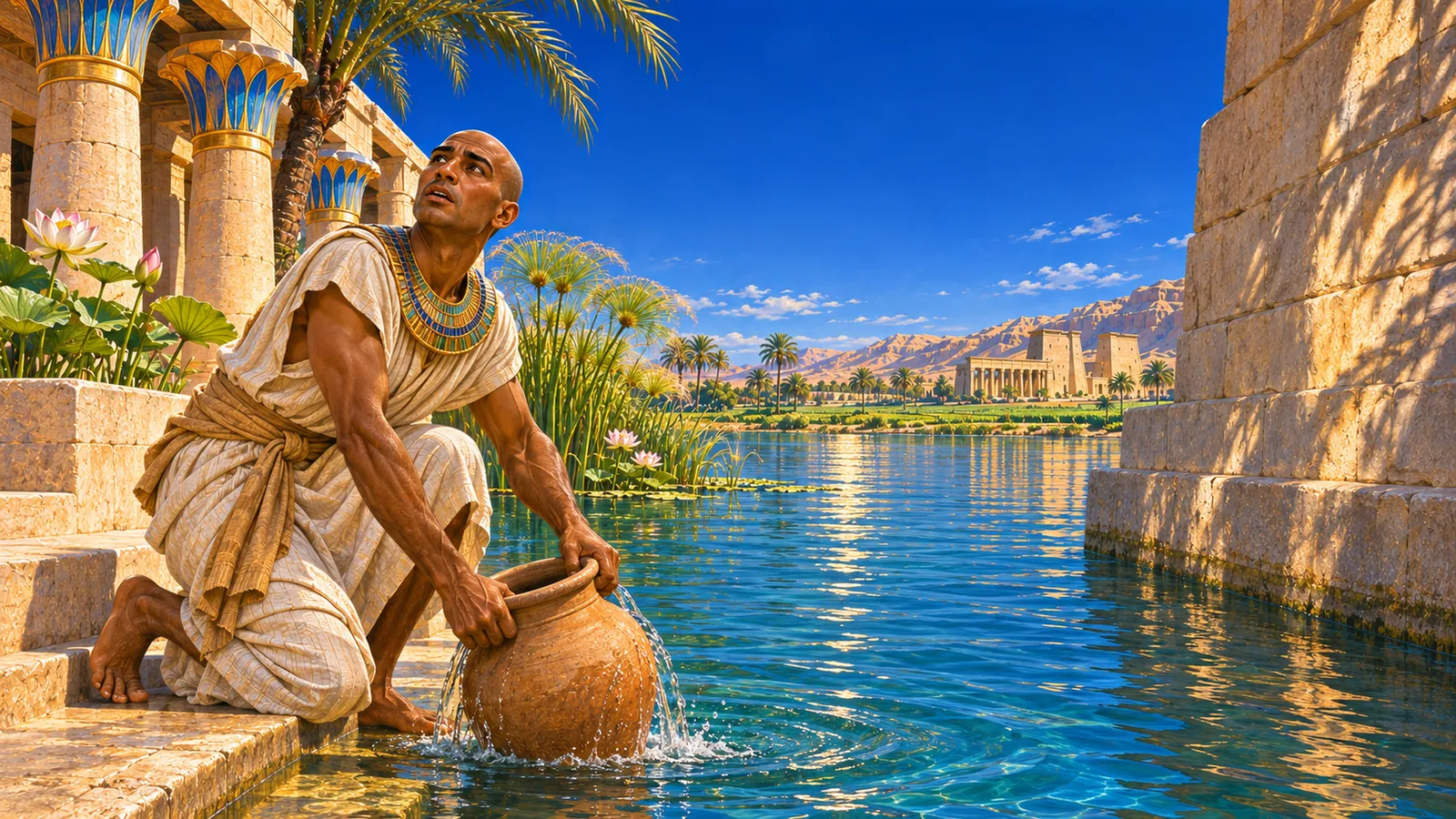
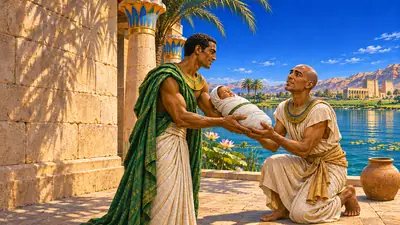
Dans une autre version de l’annonce, un homme du nom de Pamylès allait chercher de l’eau dans un temple à Thèbes. Il y entendit une voix.
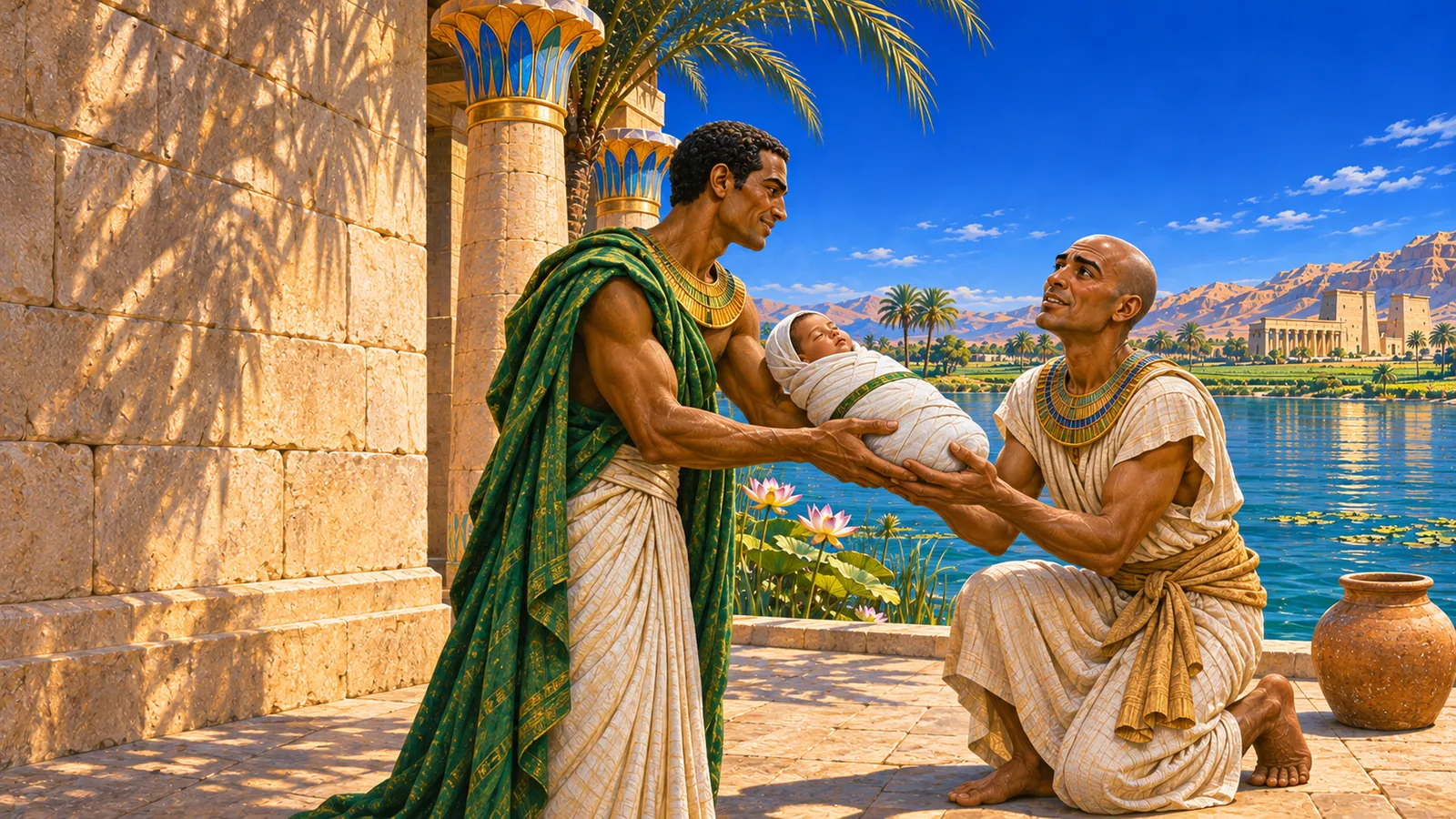
La voix dit à Pamylès d’annoncer qu’Osiris était né. Geb lui confia le soin d’élever l’enfant, et une fête appelée les Pamylies commémora l’événement.
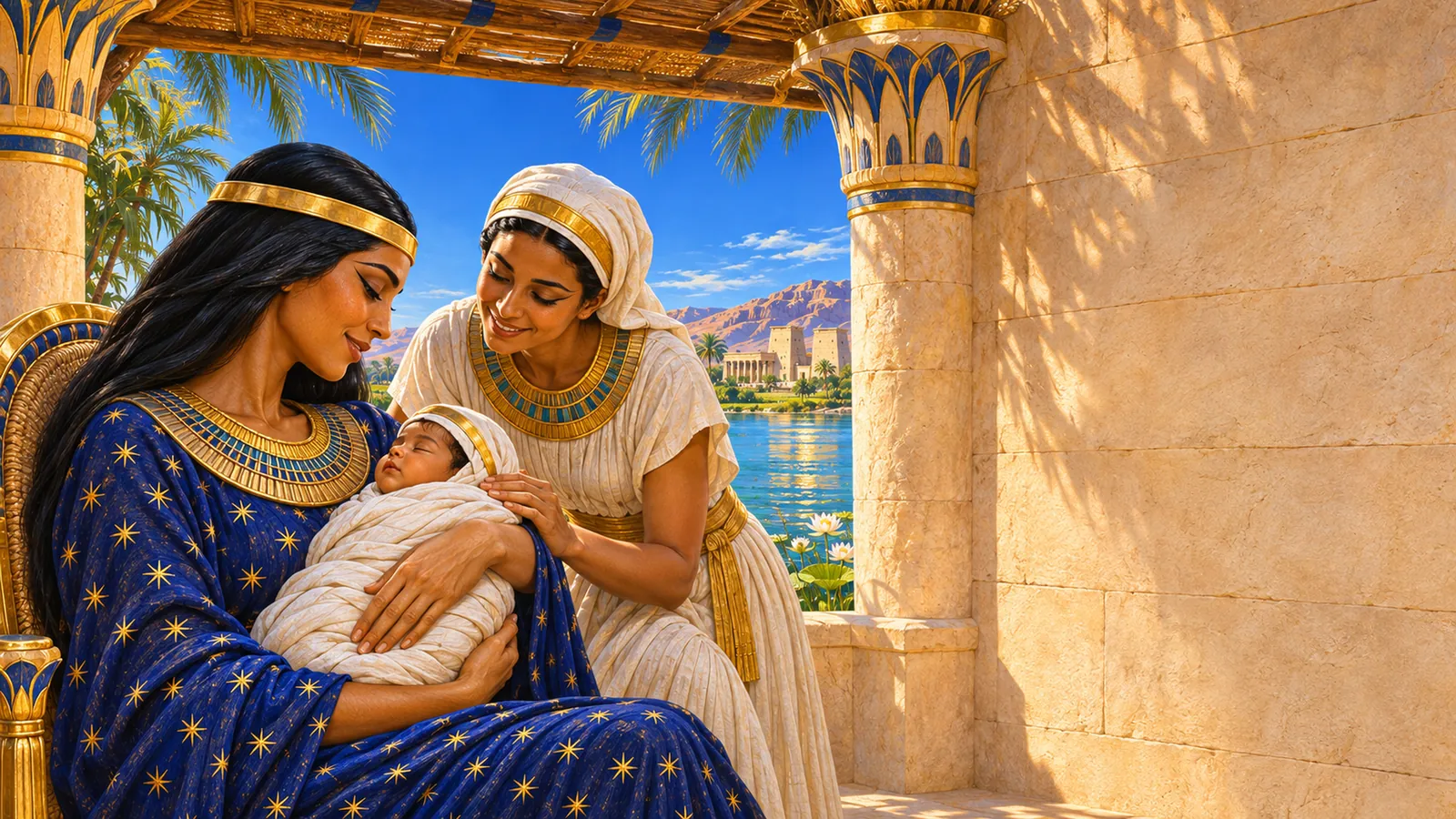
Le deuxième jour ajouté, Arouéris naquit. Parmi les noms que lui donne Plutarque figure celui d’Horus l’Ancien.
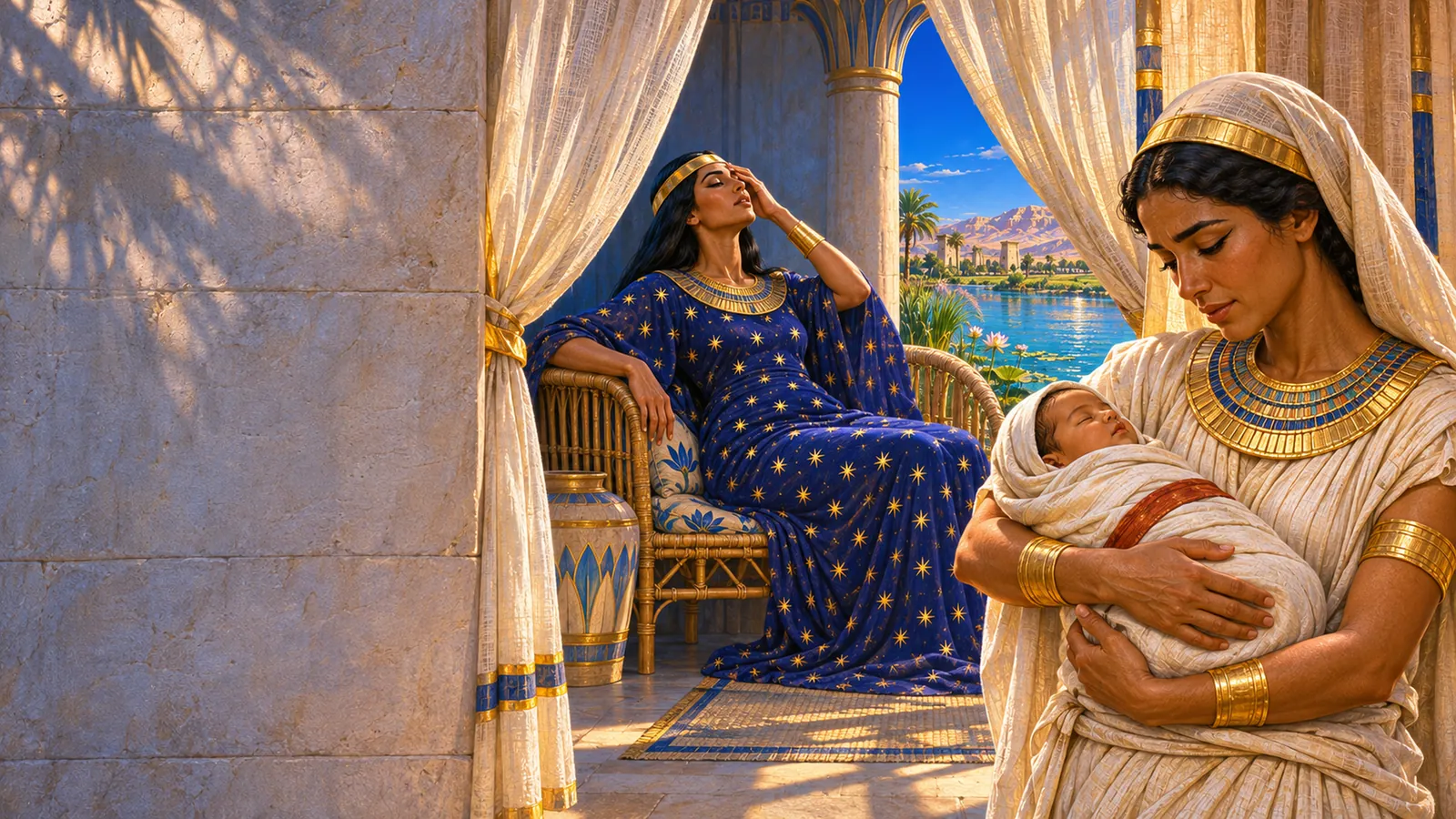
Le troisième jour ajouté, Seth naquit. Plutarque dit qu’il se fraya un passage par une blessure qu’il avait faite au flanc de sa mère.
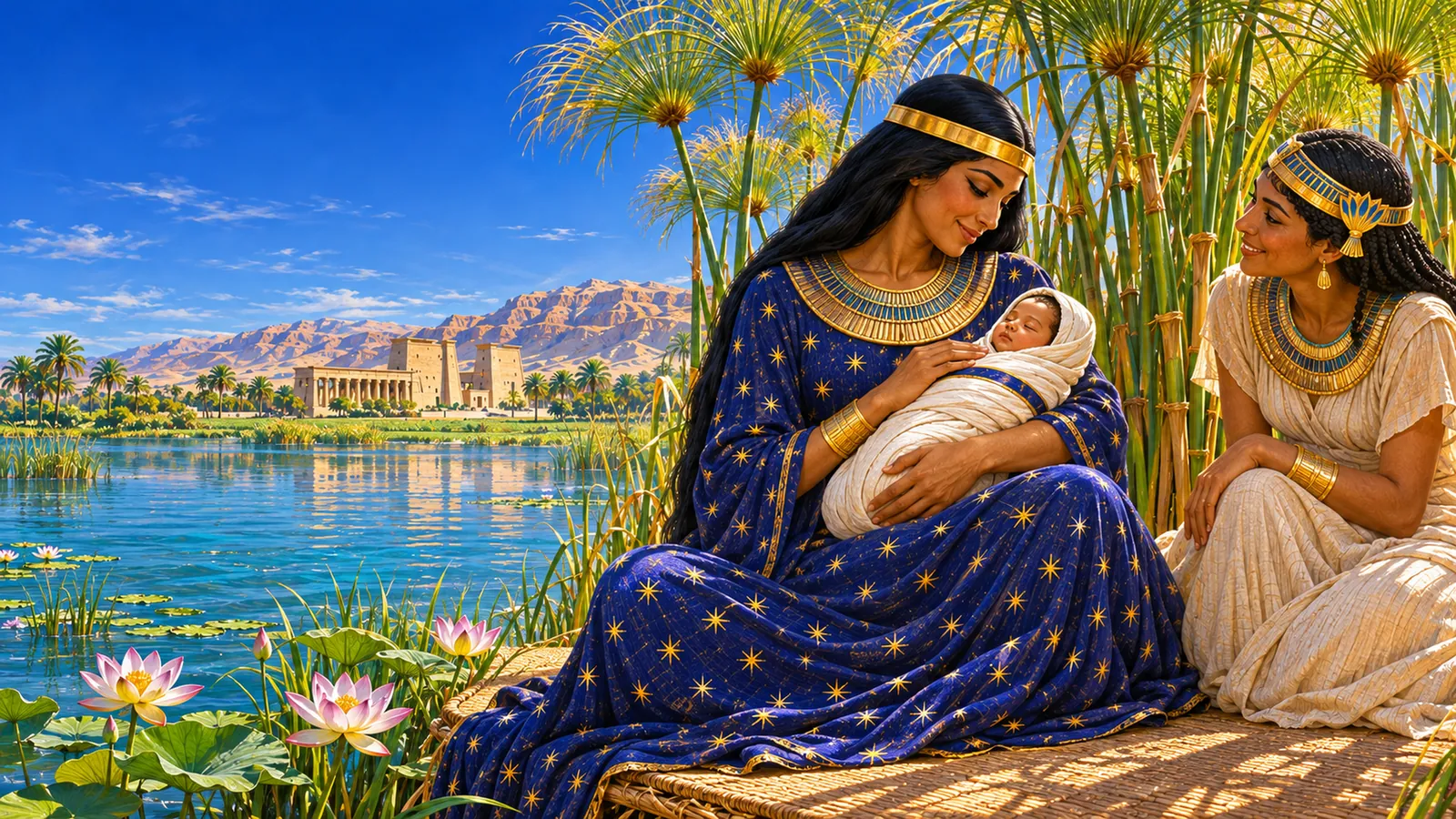
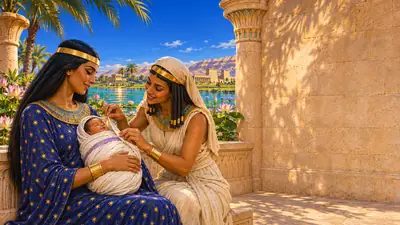
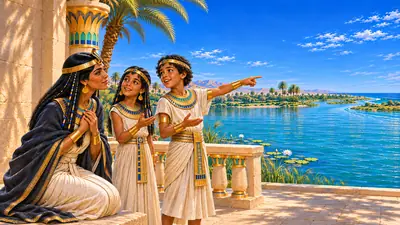
Le quatrième des cinq jours ajoutés à l’année, Isis naquit dans les marais d’Égypte.
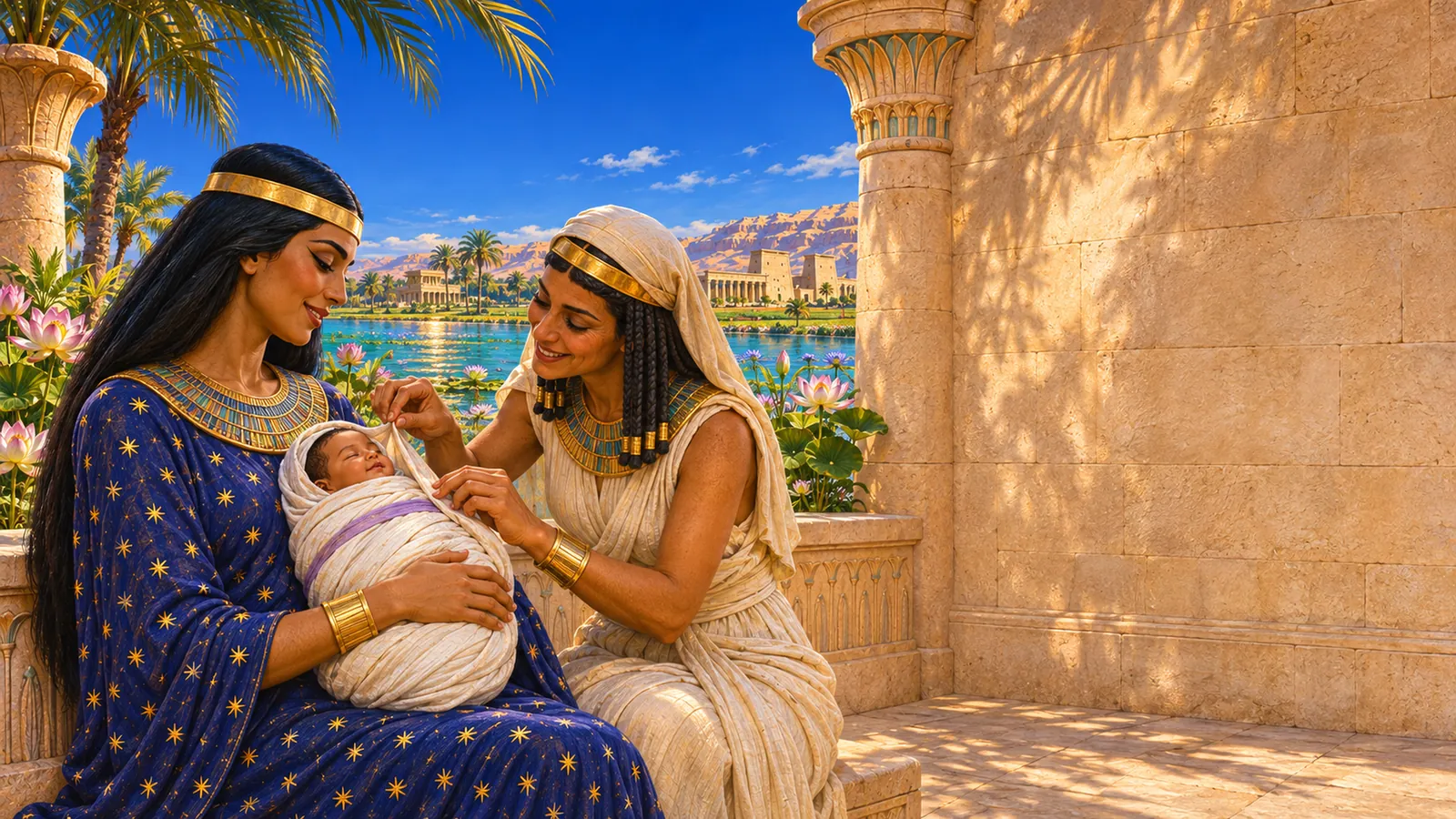
Nephtys naquit le cinquième et dernier jour ajouté, achevant la série des naissances dans le récit de Plutarque.
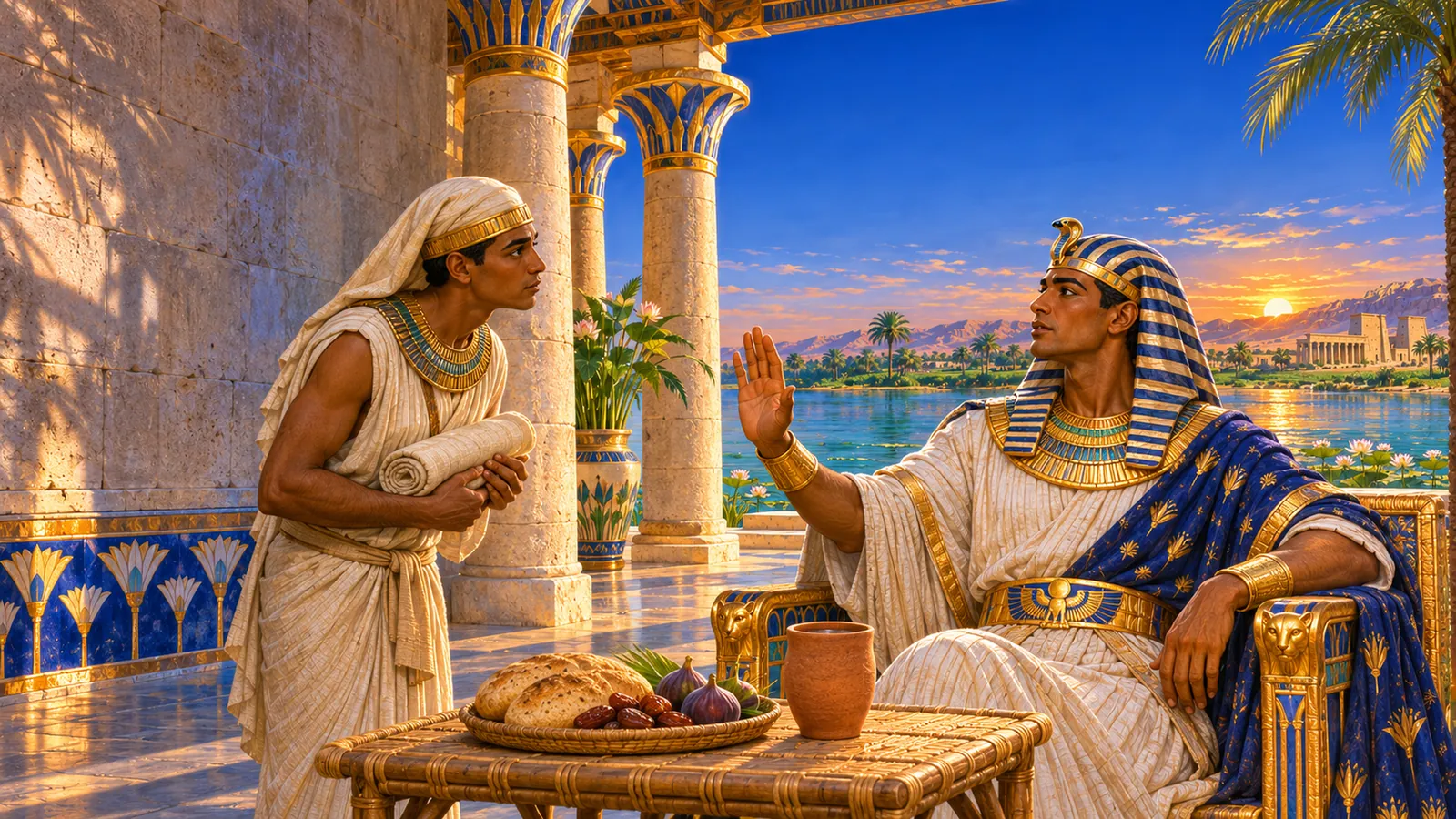
Dans une généalogie, Rê est le père d’Osiris et d’Horus l’Ancien, Thot celui d’Isis, et Geb celui de Seth et de Nephtys. Les rois jugeaient le jour de Seth funeste et s’abstenaient d’affaires et de toute nourriture ou boisson jusqu’au soir.
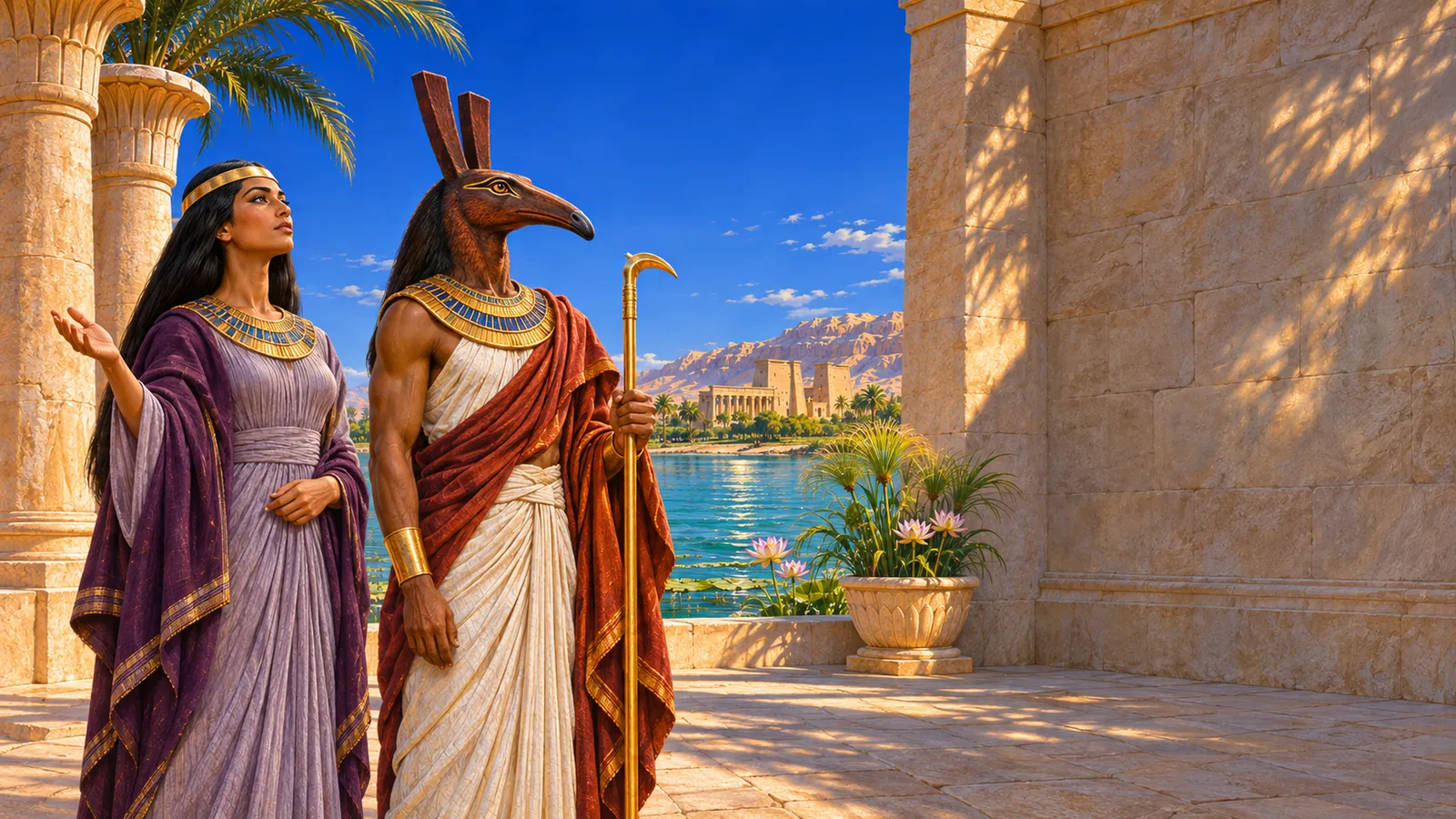
Plutarque dit que Seth épousa Nephtys. Il rapporte aussi une version selon laquelle Isis et Osiris s’unirent avant leur naissance et eurent pour enfant Horus l’Ancien.
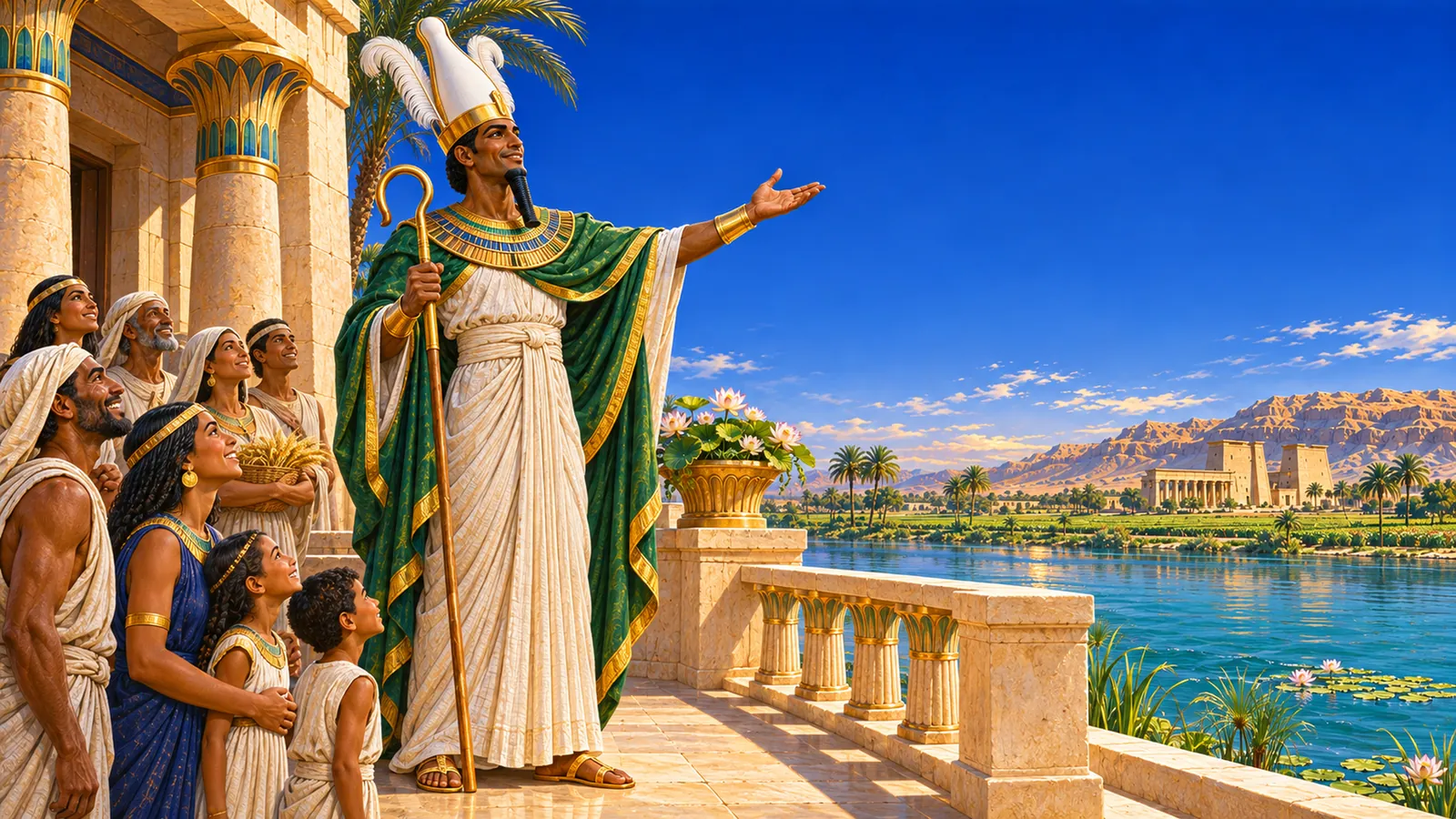
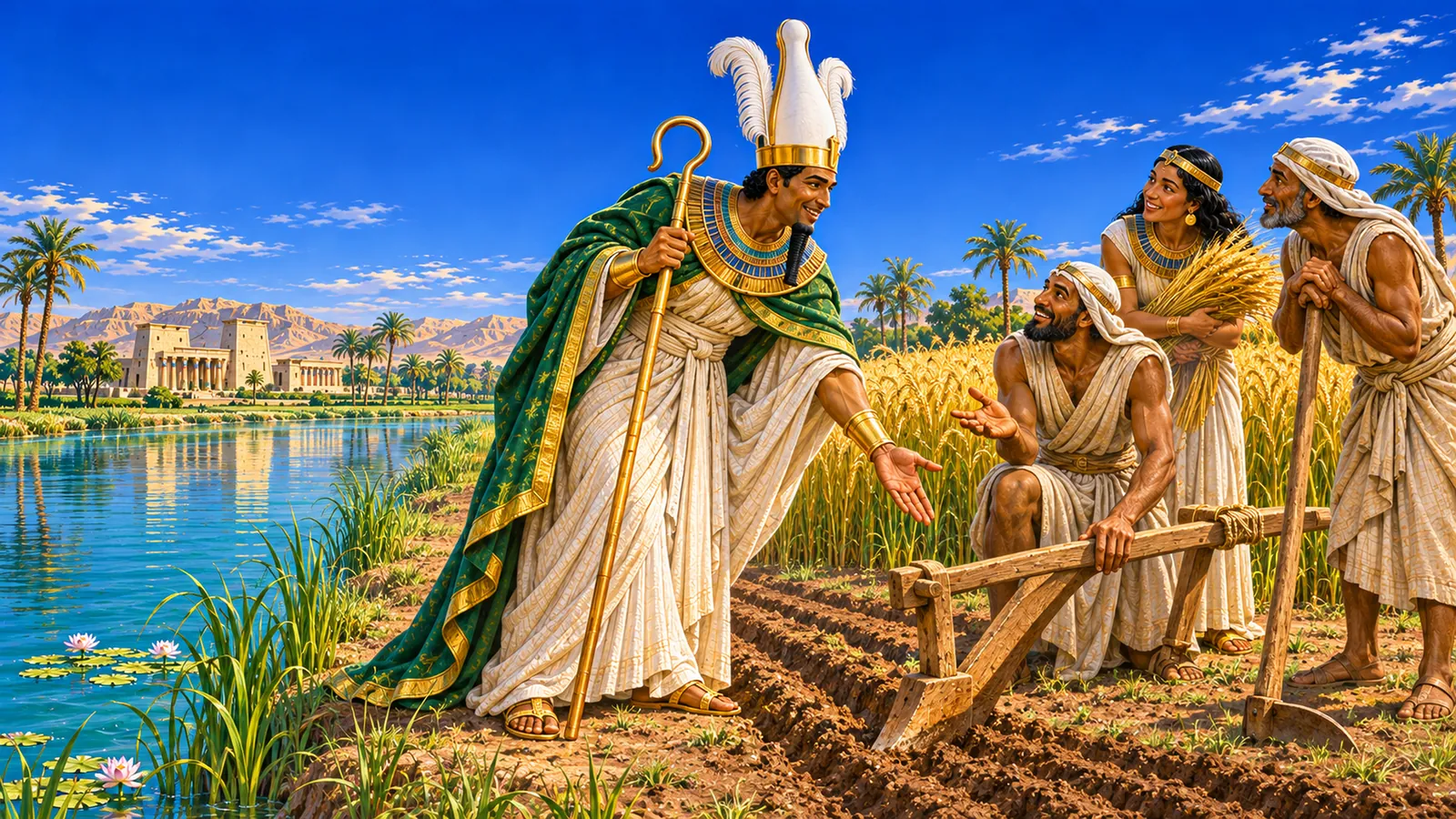
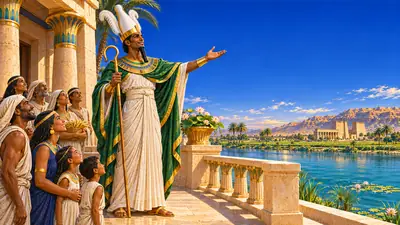
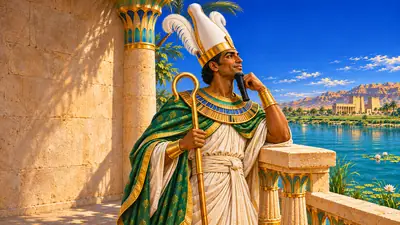
Dans le récit de Plutarque, Osiris devint roi d’Égypte. L’histoire raconte qu’il entreprit de changer la façon de vivre de son peuple.
ÉGYPTE
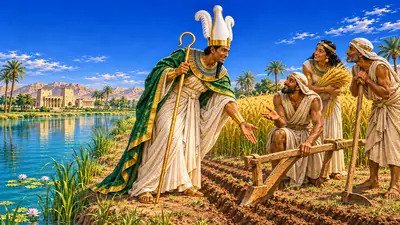
L’histoire dit qu’Osiris apprit à son peuple à cultiver la terre et à améliorer ses récoltes. Il lui donna des lois et lui enseigna comment honorer les dieux.
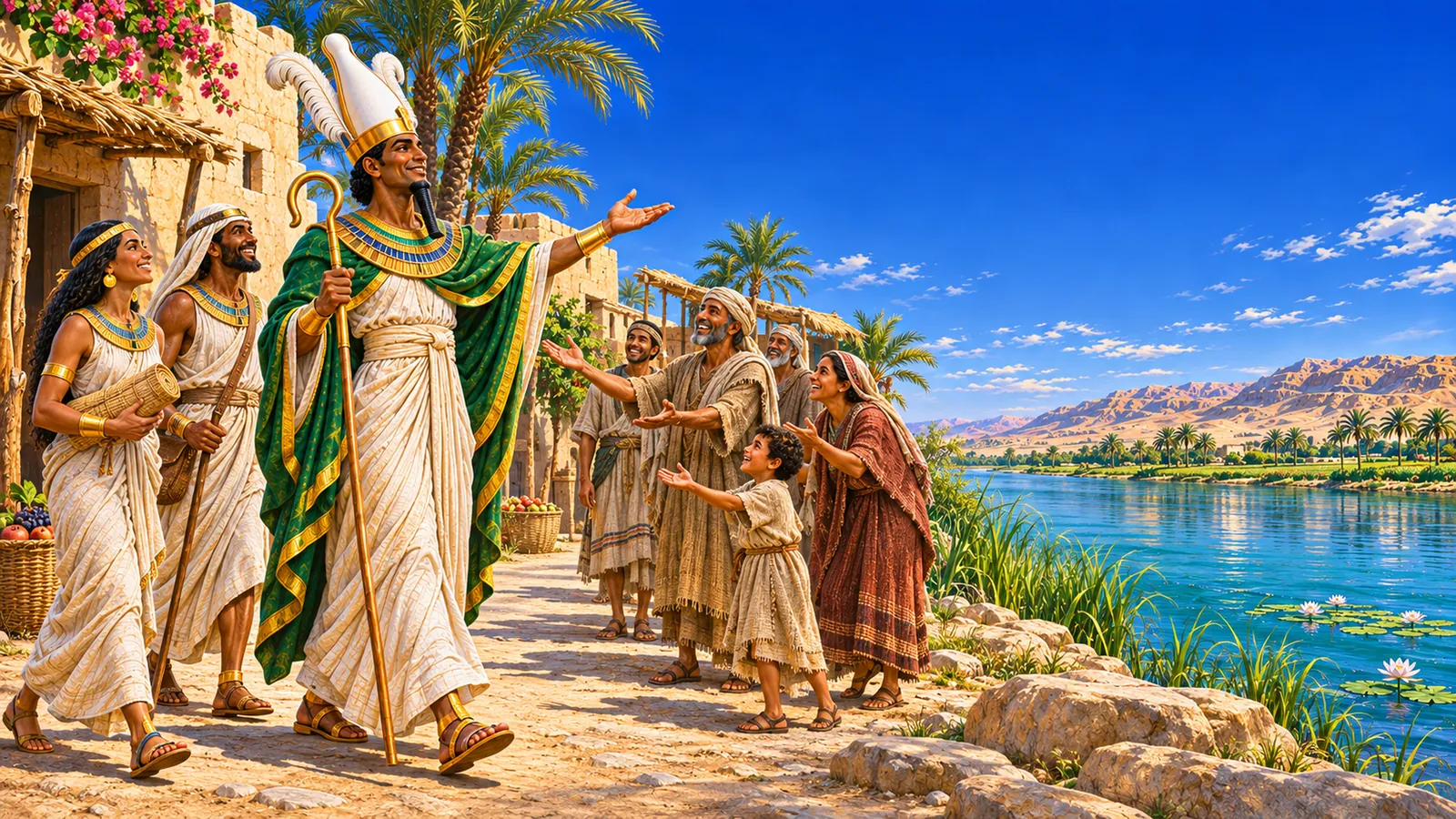
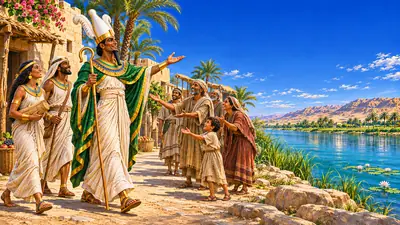
Dans le récit, Osiris voyagea au-delà de l’Égypte. Il souhaitait que les habitants des pays visités suivent les usages qu’il avait enseignés chez lui.
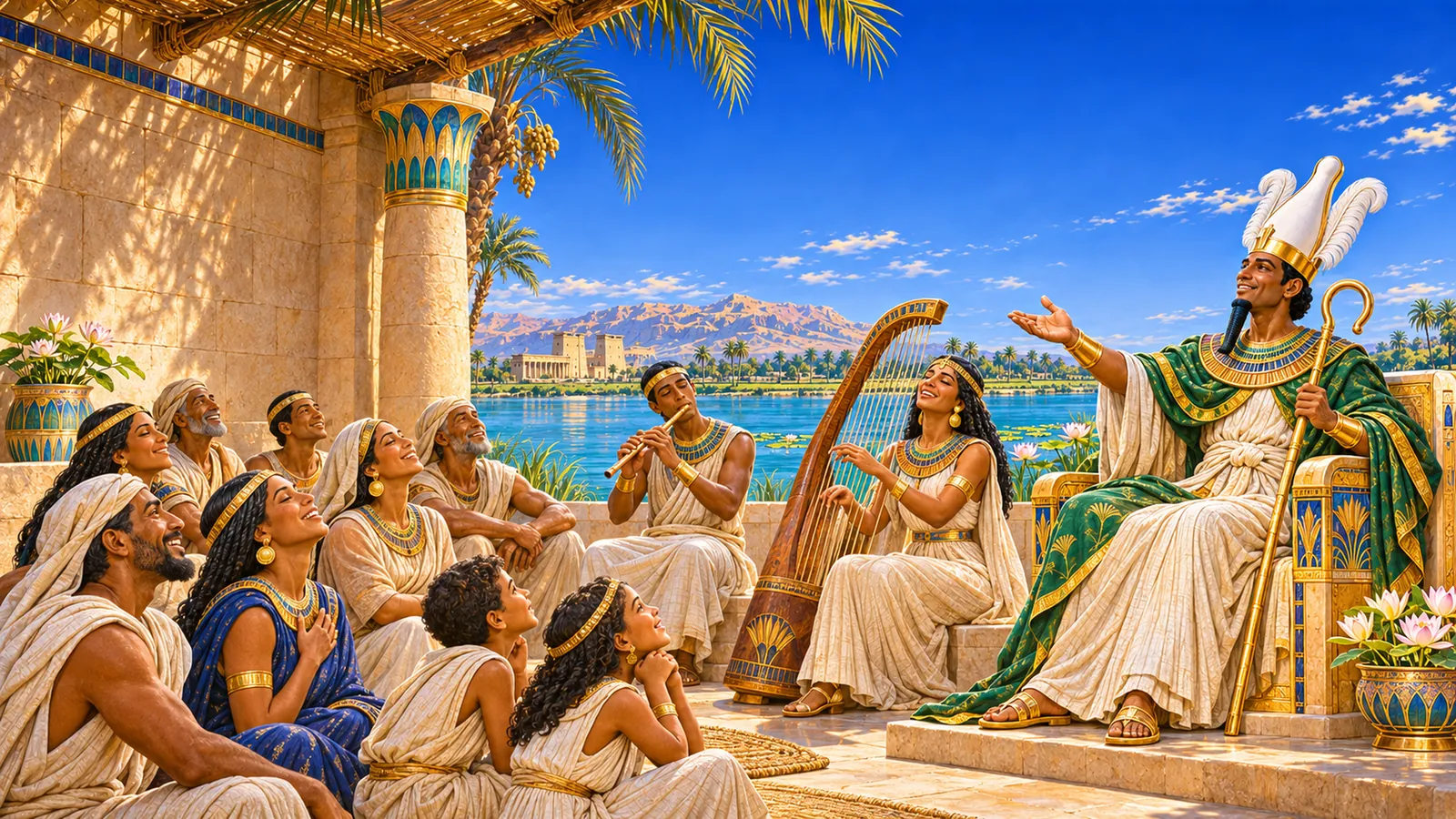
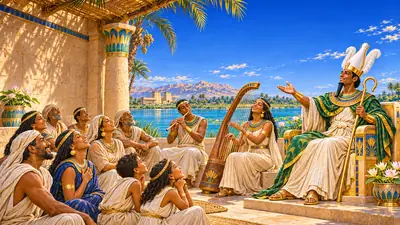
Plutarque dit qu’Osiris persuada les gens en leur exposant ses raisons dans des hymnes et des chants accompagnés de musique. Il ne les contraignit pas par les armes.
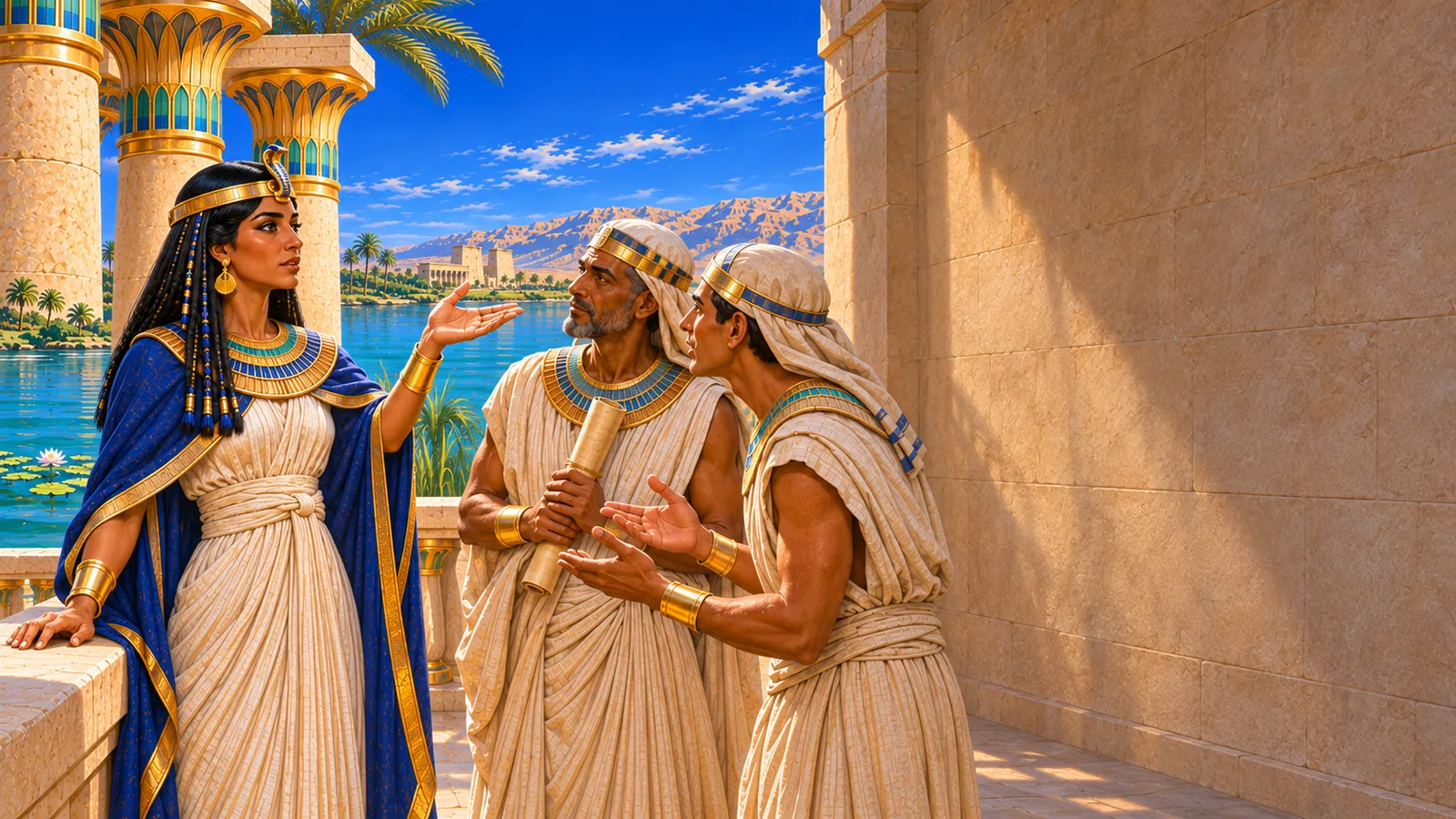
Pendant l’absence d’Osiris, Isis gouverna et resta sur ses gardes. Seth ne trouva aucune occasion d’agir tant qu’elle veillait.
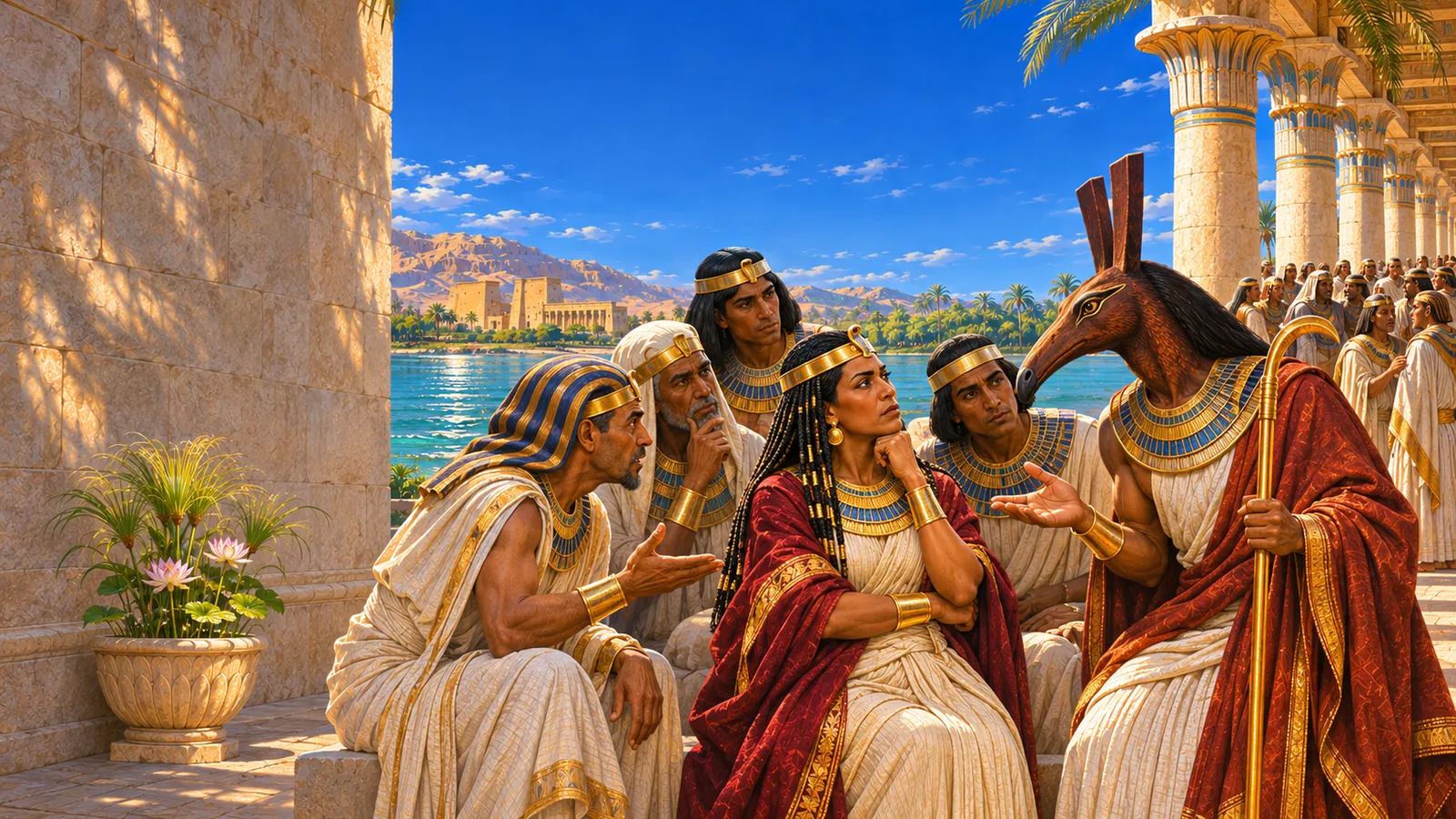
Après le retour d’Osiris, Seth persuada soixante-douze autres personnes de se joindre à son complot. Une reine appelée Aso, qui se trouvait alors en Égypte, se joignit également à eux.
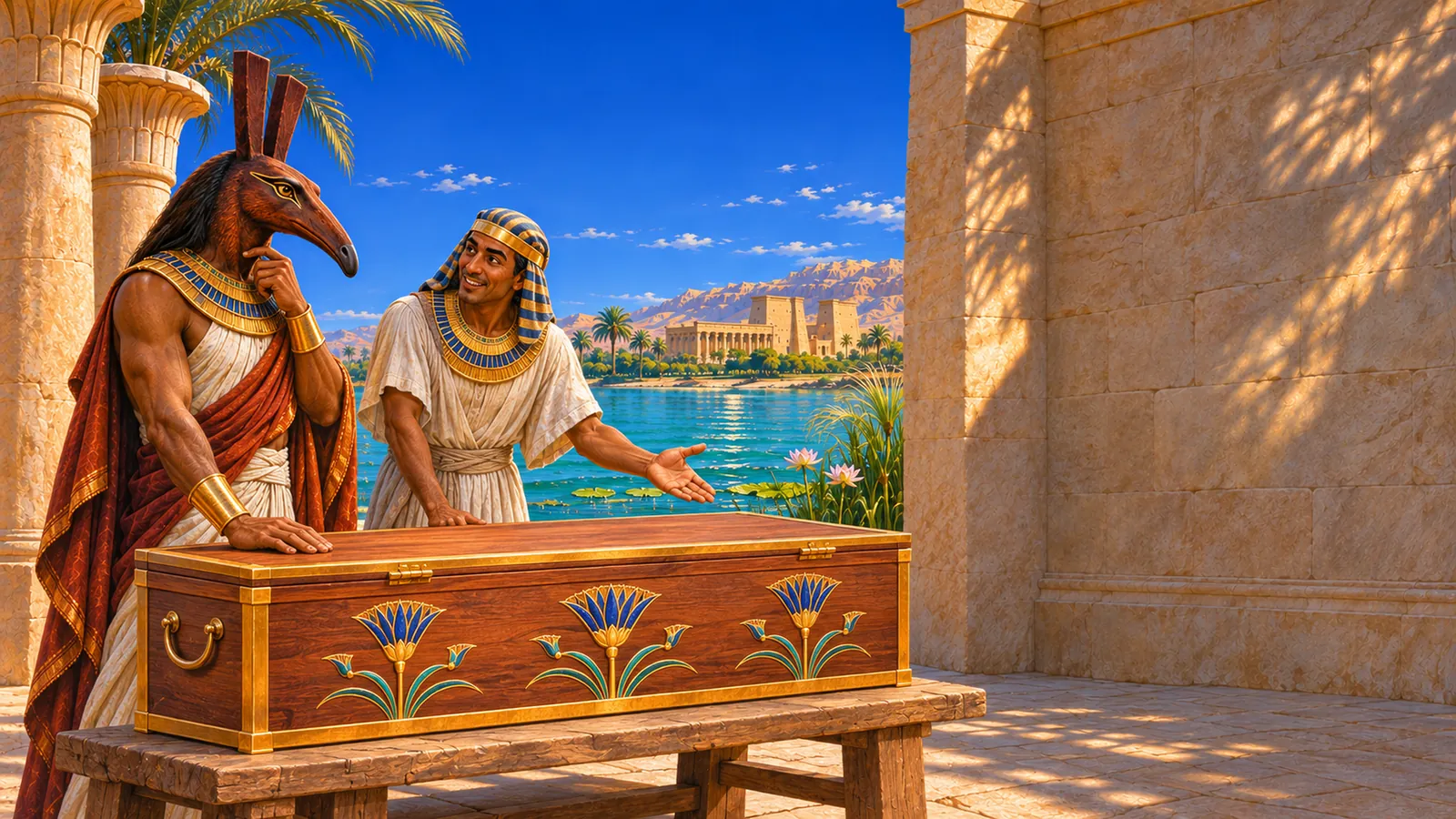
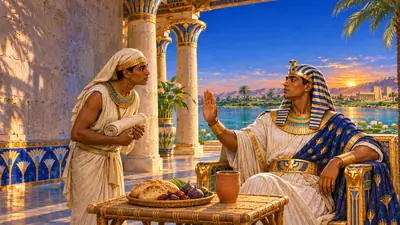
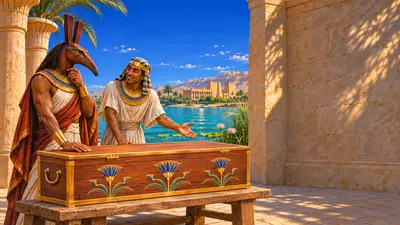
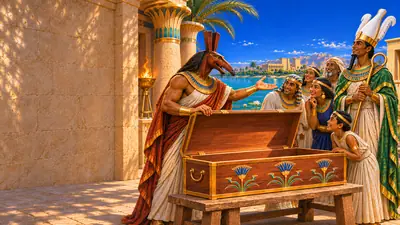
Le complot de Seth reposait sur un coffre finement décoré. D’après le récit de Plutarque, Seth le fit fabriquer aux dimensions d’Osiris.
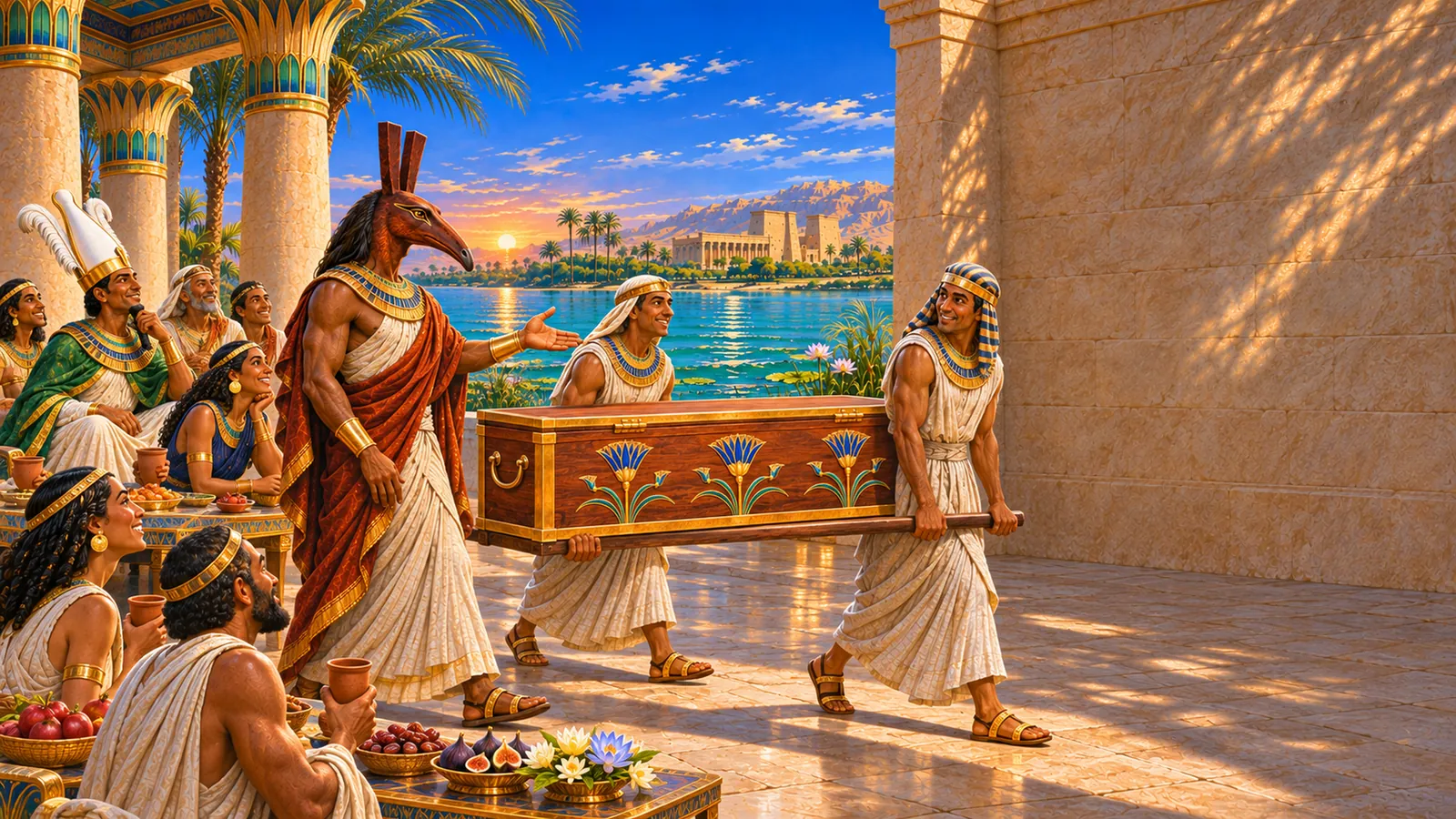
LE COFFRE
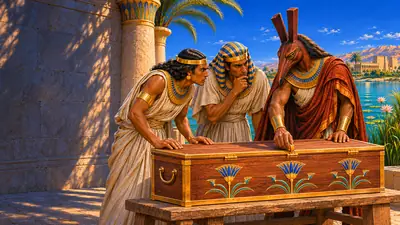
Seth apporta le coffre dans la salle où il donnait son banquet. Les invités l’admirèrent quand ils l’y virent.
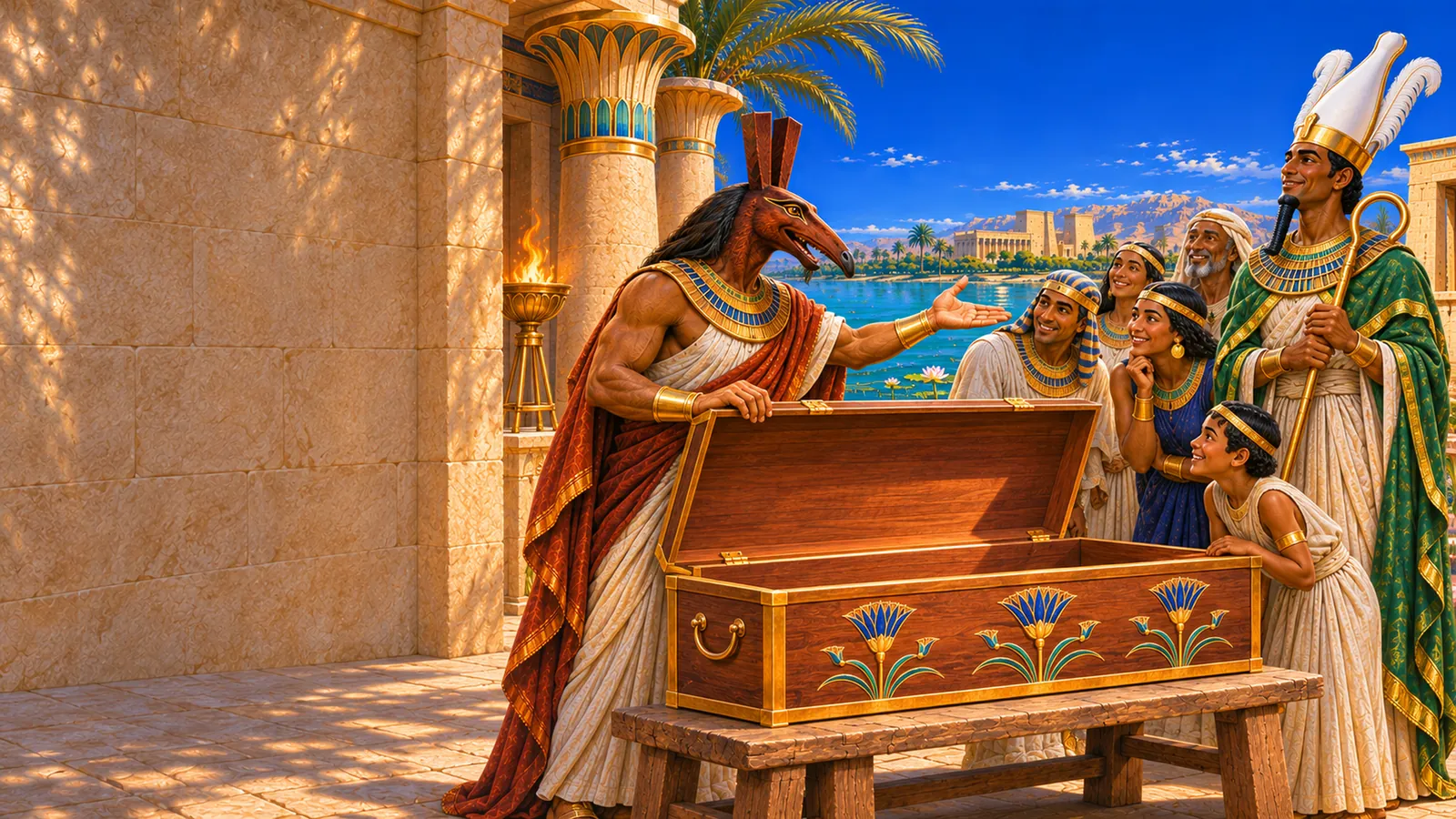
Seth parla comme s’il plaisantait. Il promit le coffre à l’invité à qui il conviendrait.
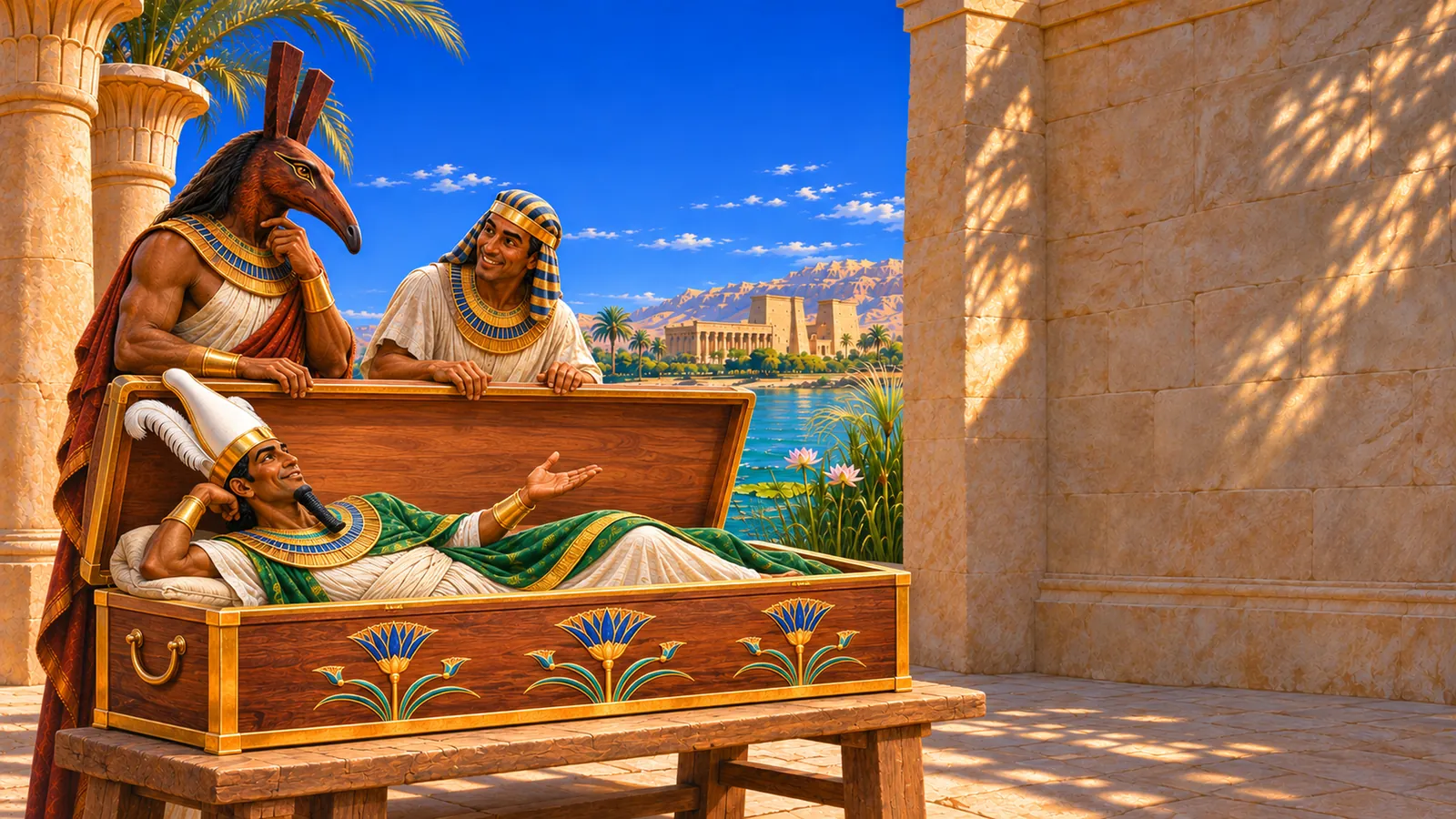
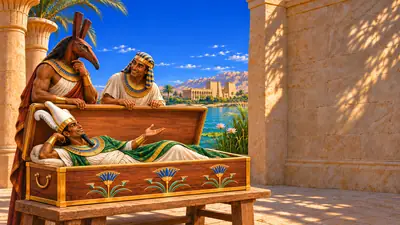
Les invités essayèrent le coffre l’un après l’autre, mais il ne convenait à aucun d’eux. Quand vint son tour, Osiris s’y allongea.
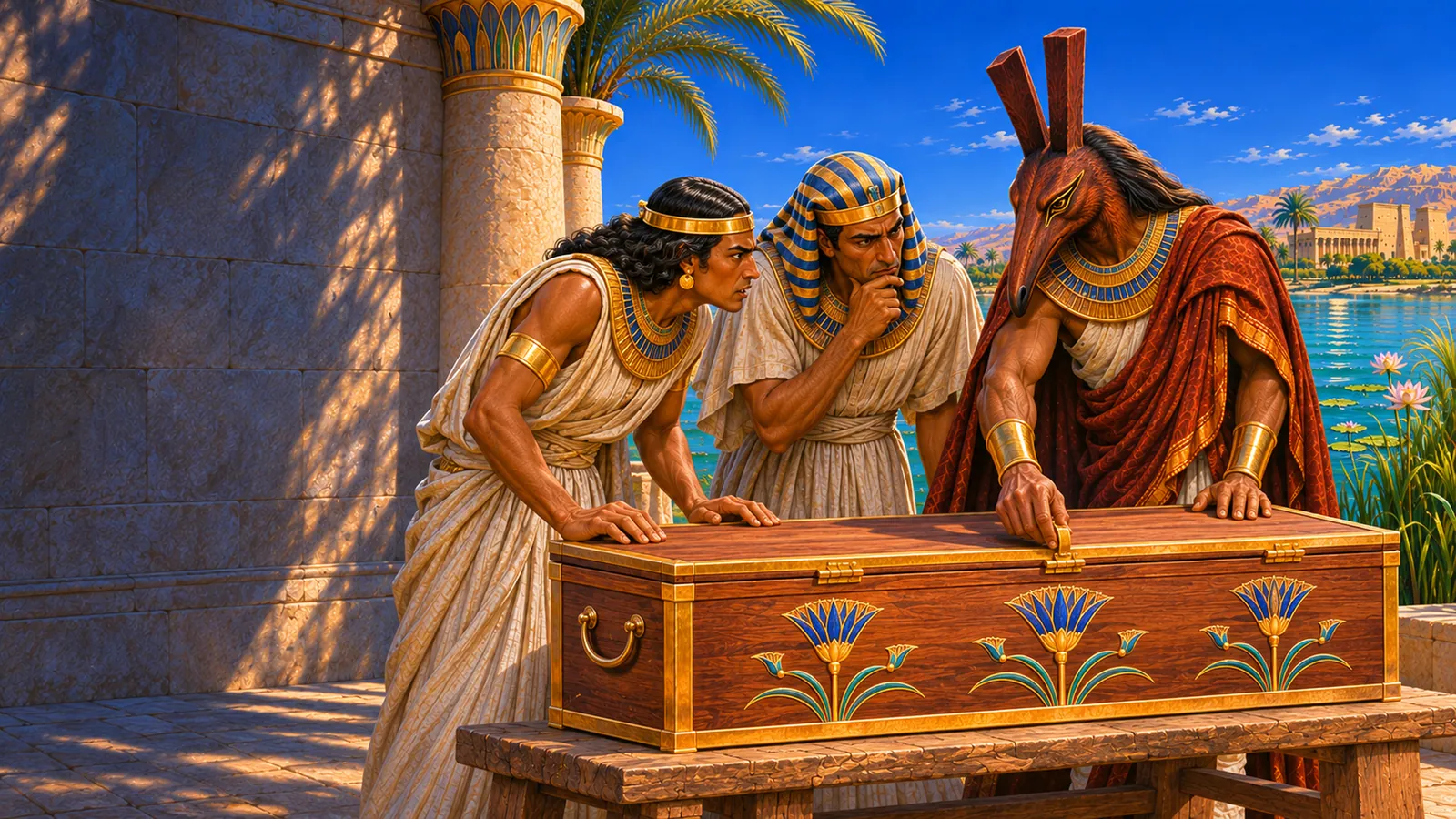
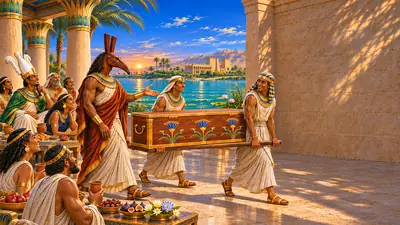
Dans le récit de Plutarque, ceux qui avaient pris part au complot fermèrent le coffre avec Osiris à l’intérieur. Il y fut pris au piège.
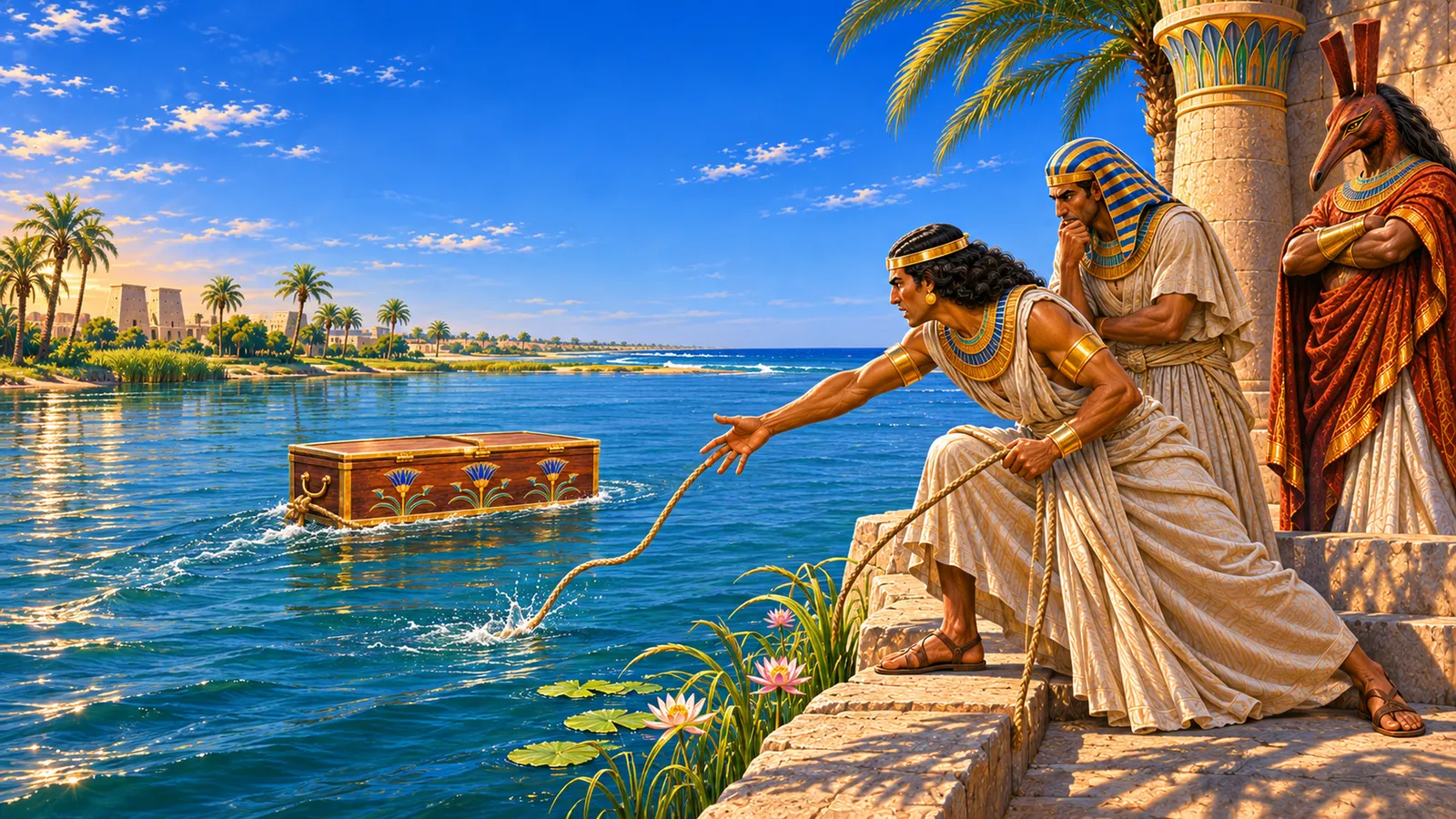
Ils portèrent le coffre fermé jusqu’au Nil. Dans le récit, il fut emporté vers la mer par l’embouchure tanitique du fleuve.
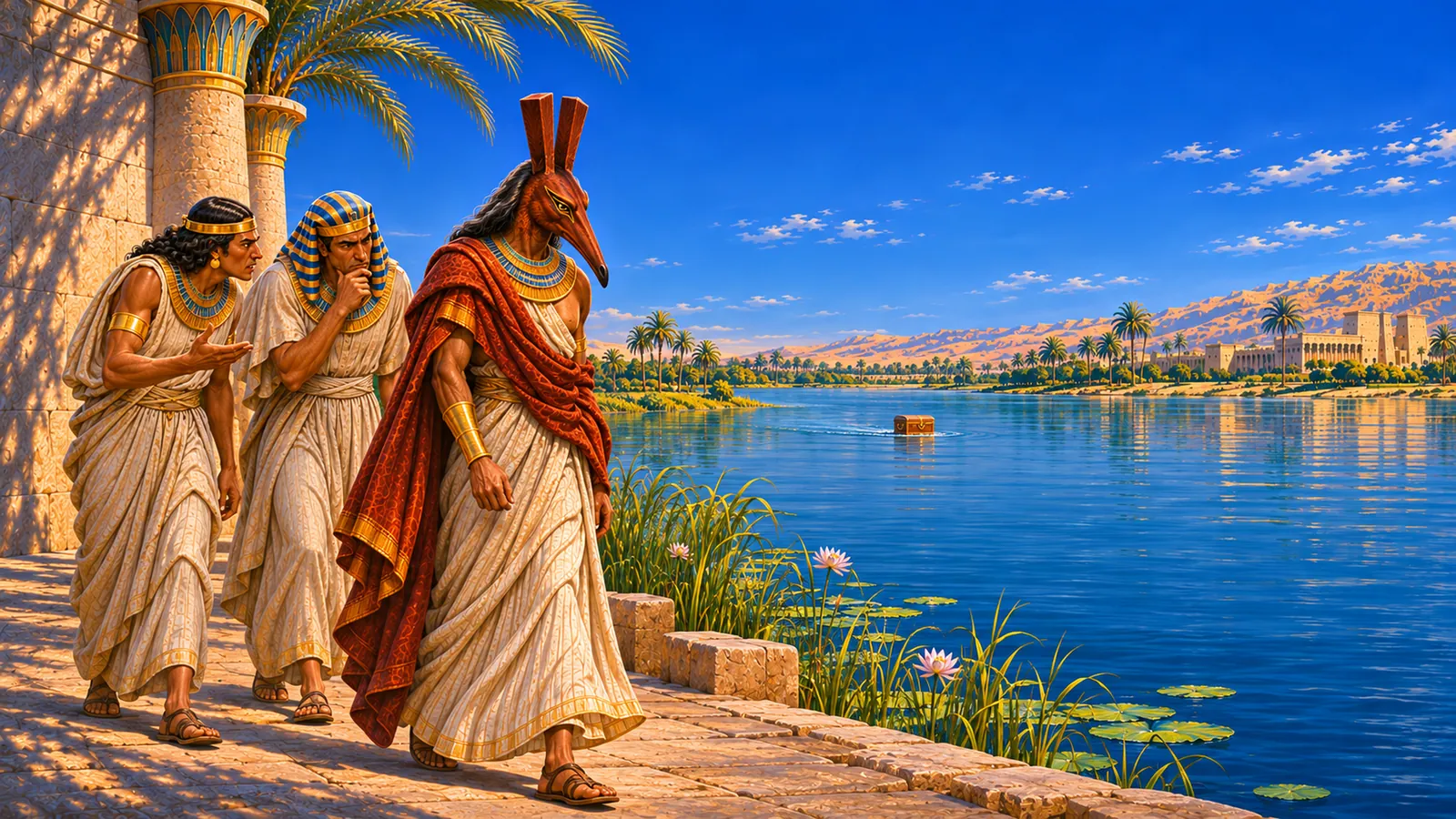
Plutarque relie l’histoire à l’aversion que cette embouchure du Nil inspirait, selon lui. Il situe l’événement le dix-septième jour du mois d’Athyr.
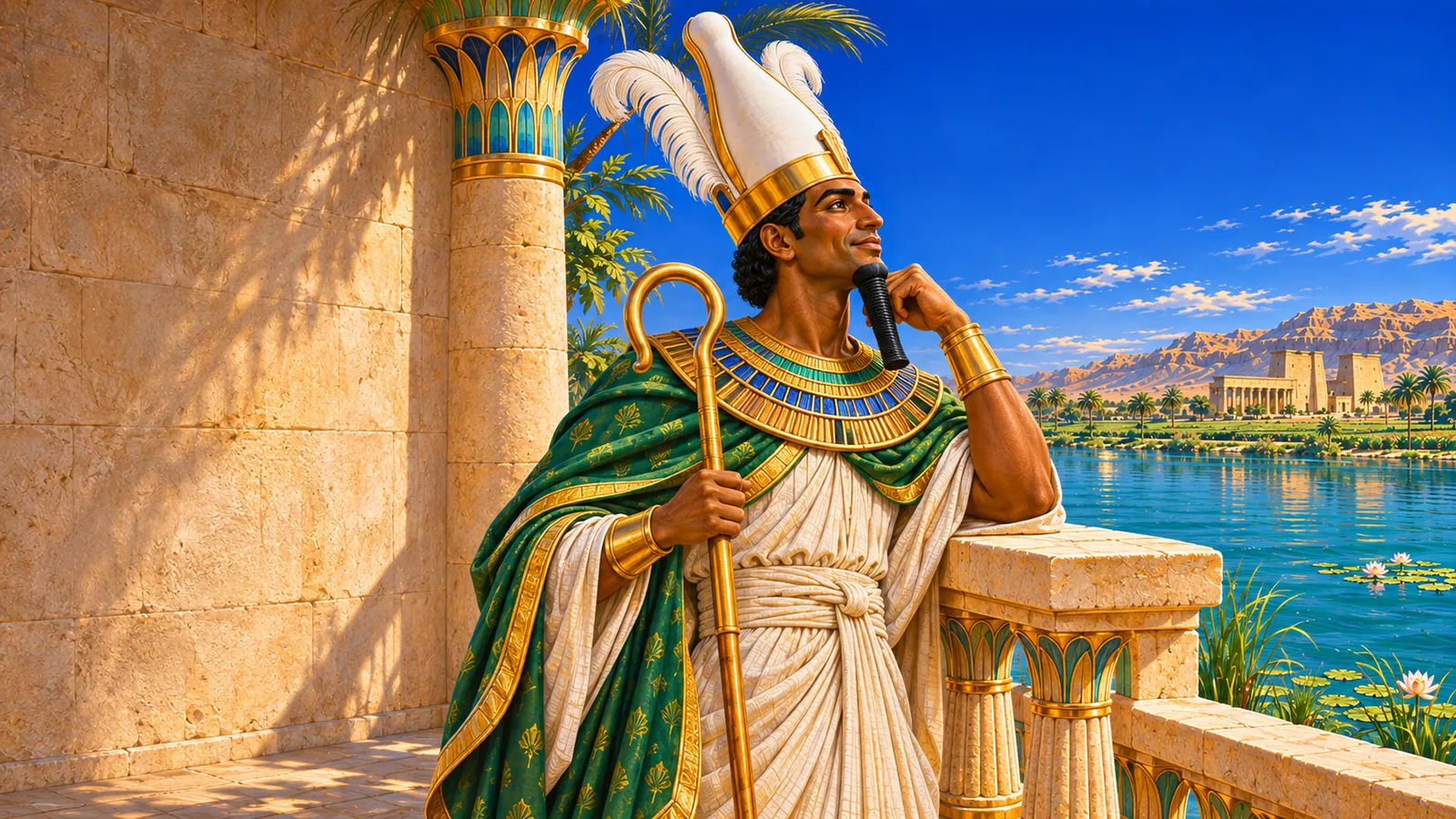
Certains plaçaient l’événement dans la vingt-huitième année du règne d’Osiris. D’autres disaient qu’il avait lui-même vingt-huit ans quand cela s’était passé.
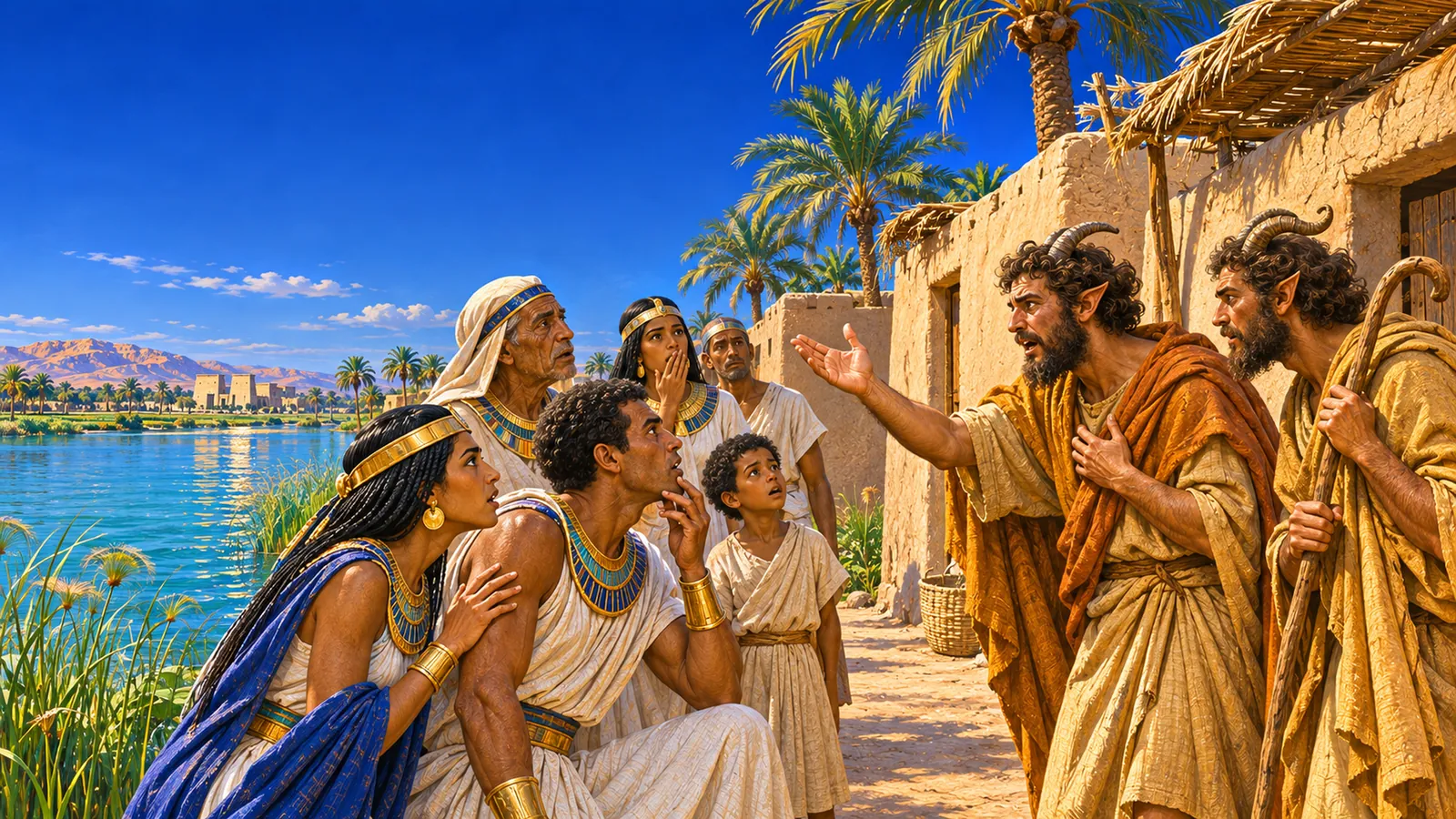
Aux environs de Chemmis, les êtres que Plutarque appelle Pans et Satyres apprirent les premiers ce qui était arrivé à Osiris. Puis ils en informèrent la population.
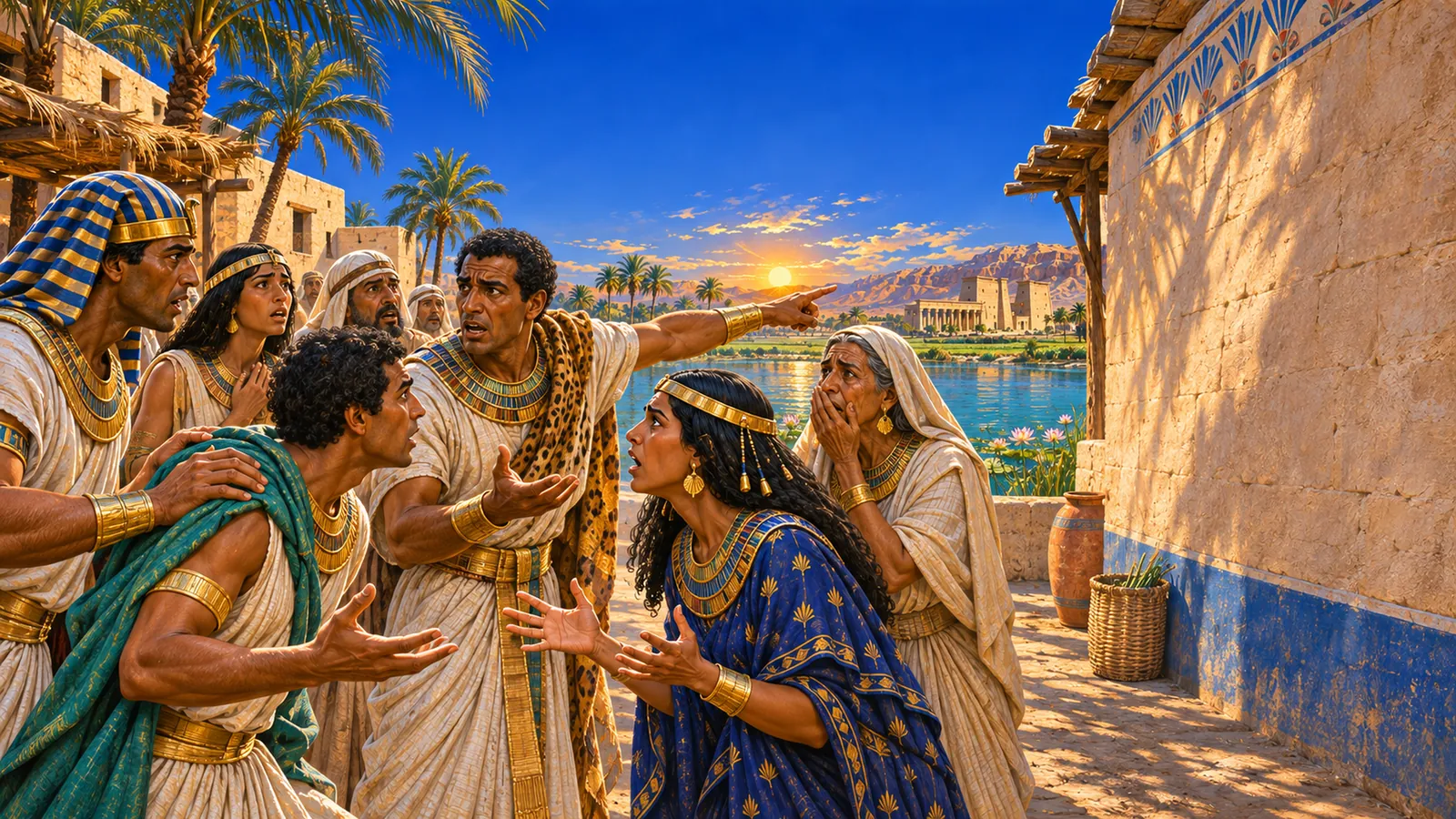
LA NOUVELLE
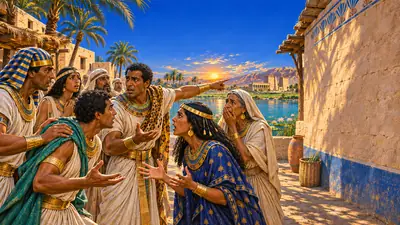
Quand la nouvelle atteignit la population, l’effroi se répandit soudain. Plutarque raconte cet épisode pour expliquer le nom que l’on donne à une panique soudaine.
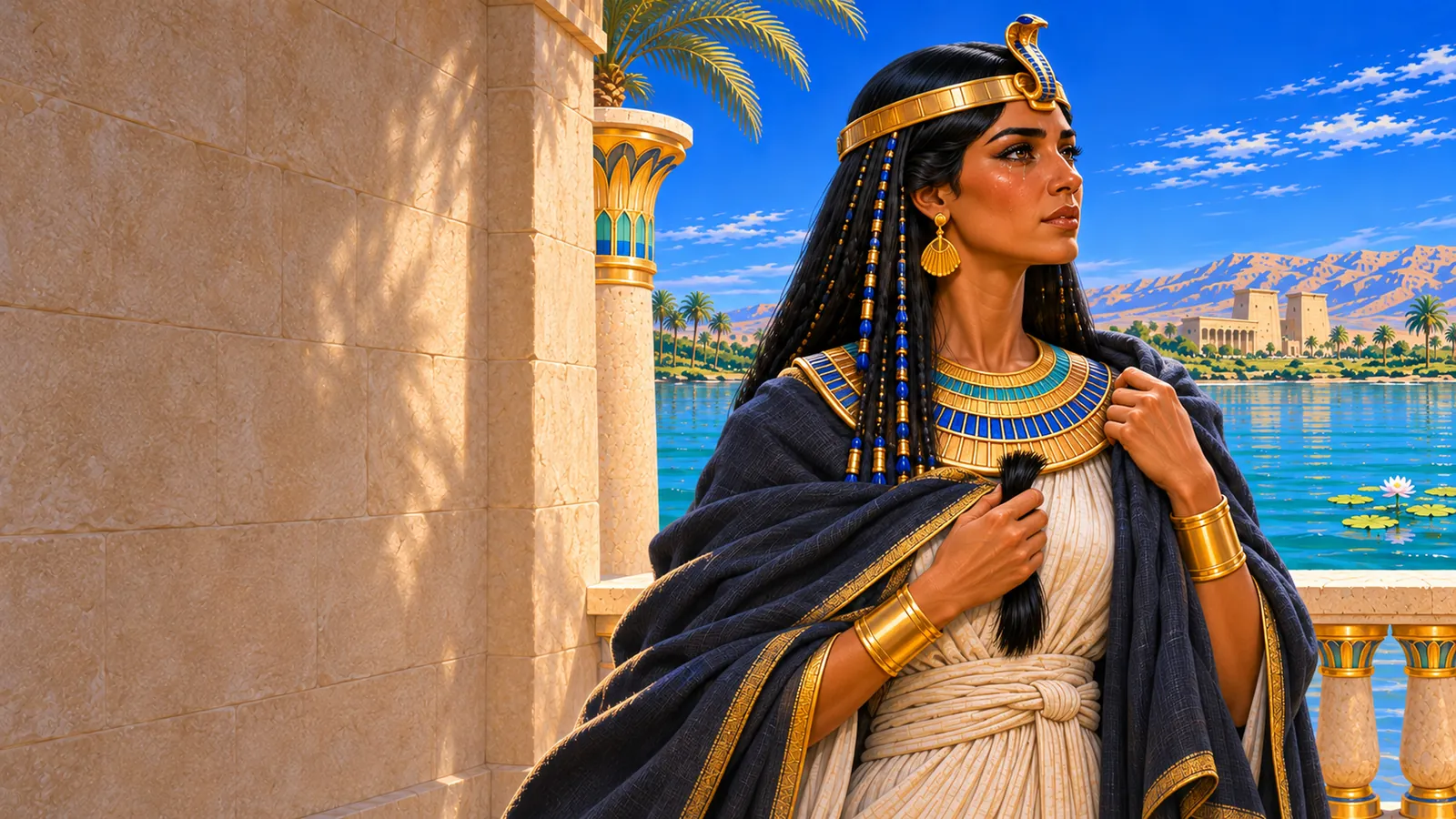
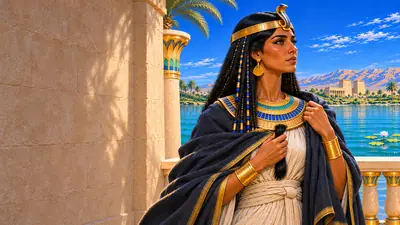
Dès qu’Isis entendit la nouvelle, elle se coupa une mèche de cheveux. Là même, elle revêtit ses habits de deuil.
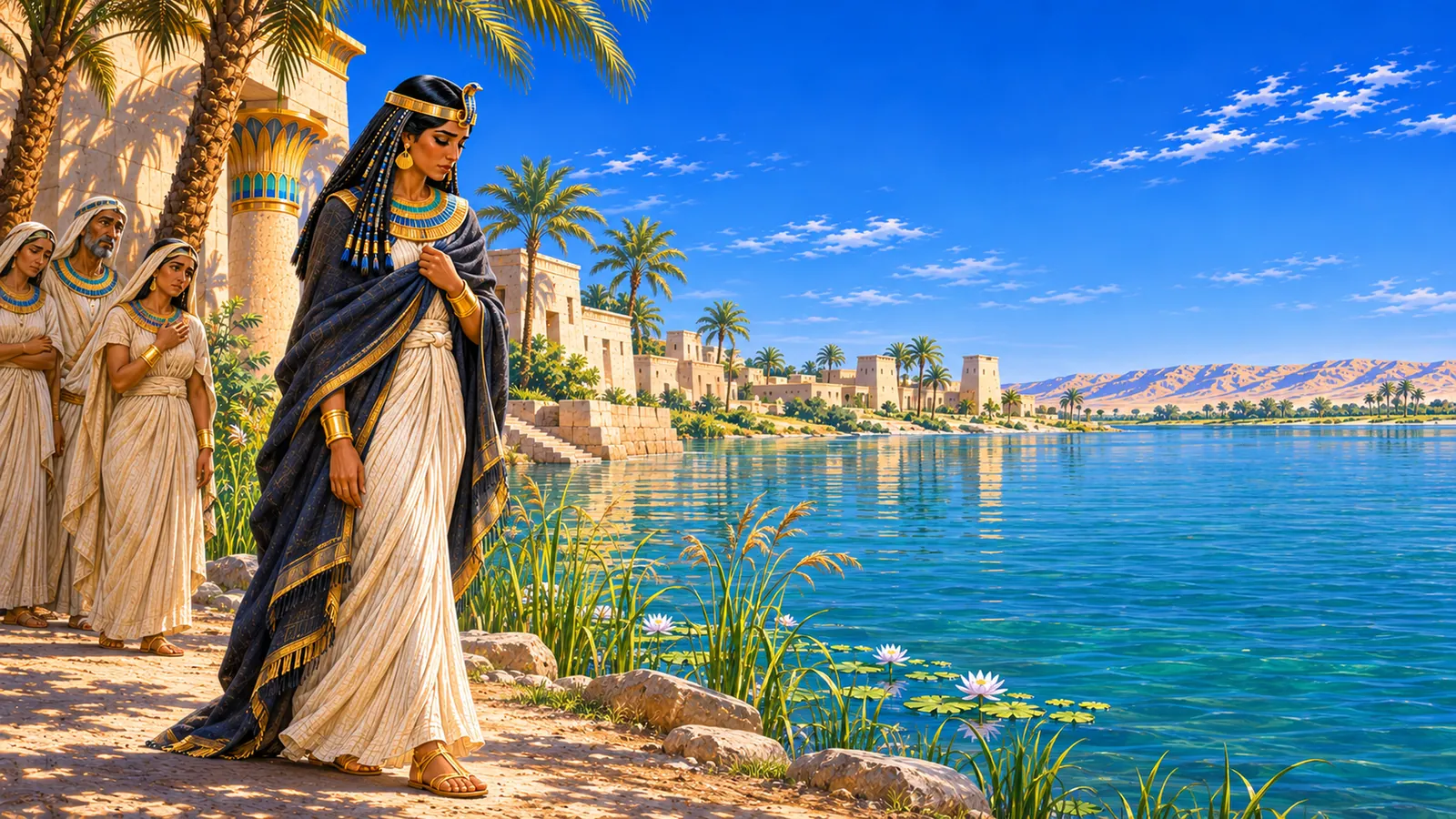
L’histoire associe le lieu où Isis prit le deuil au nom de Coptos. Certains comprenaient ce nom comme le deuil, d’autres comme la privation.
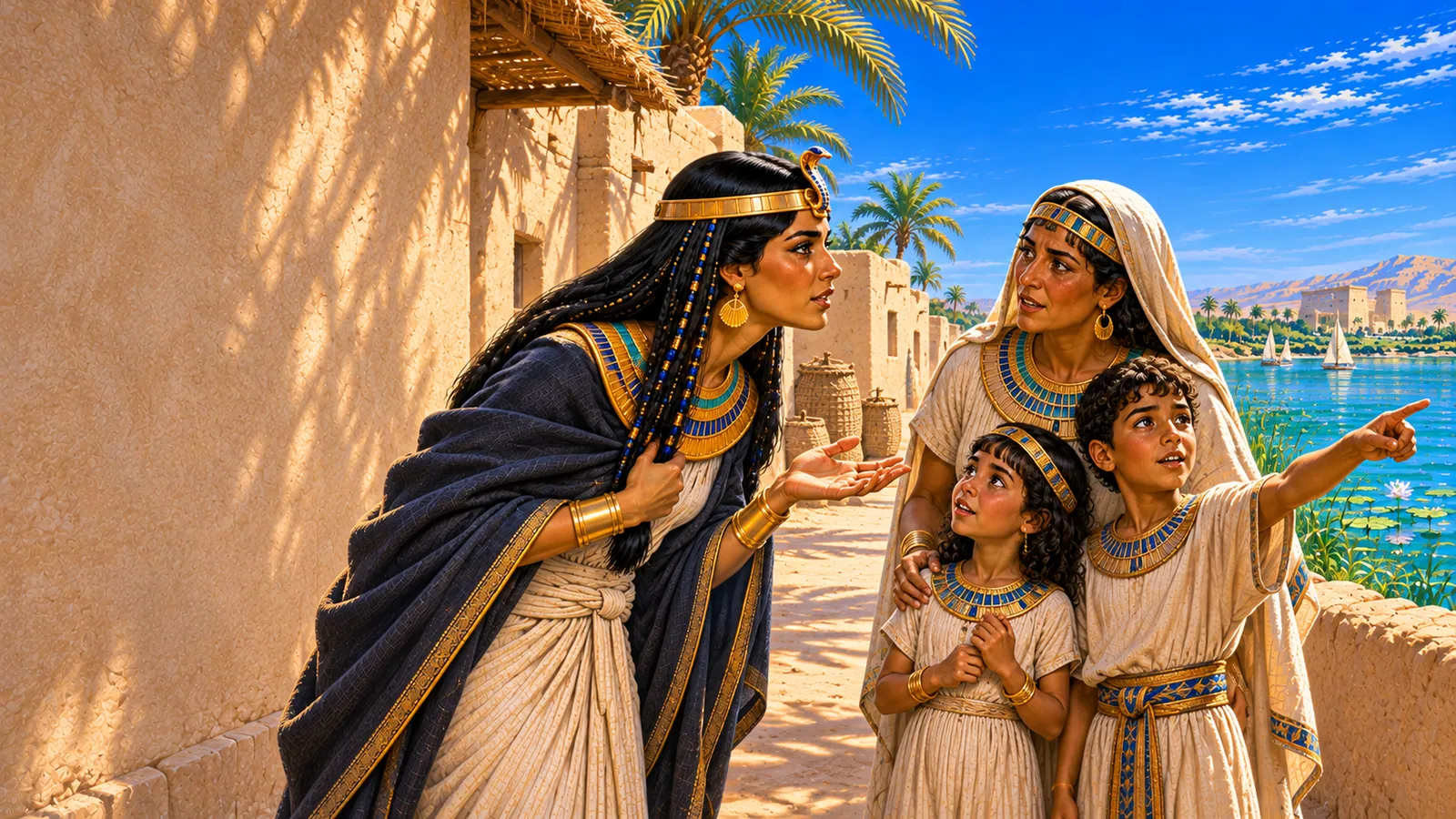
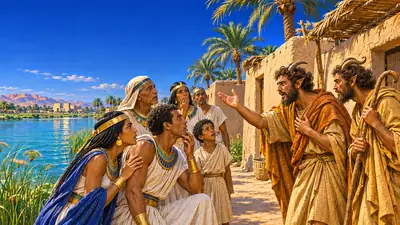
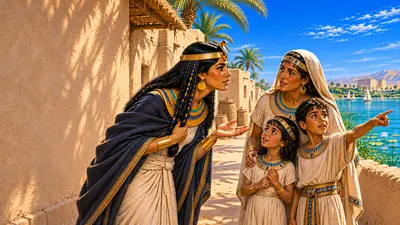
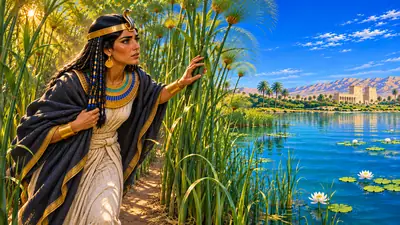
Isis parcourut le pays, inquiète et à l’affût du moindre indice sur le coffre. Elle demanda à toutes les personnes qu’elle rencontrait, y compris à des enfants, si elles l’avaient vu.
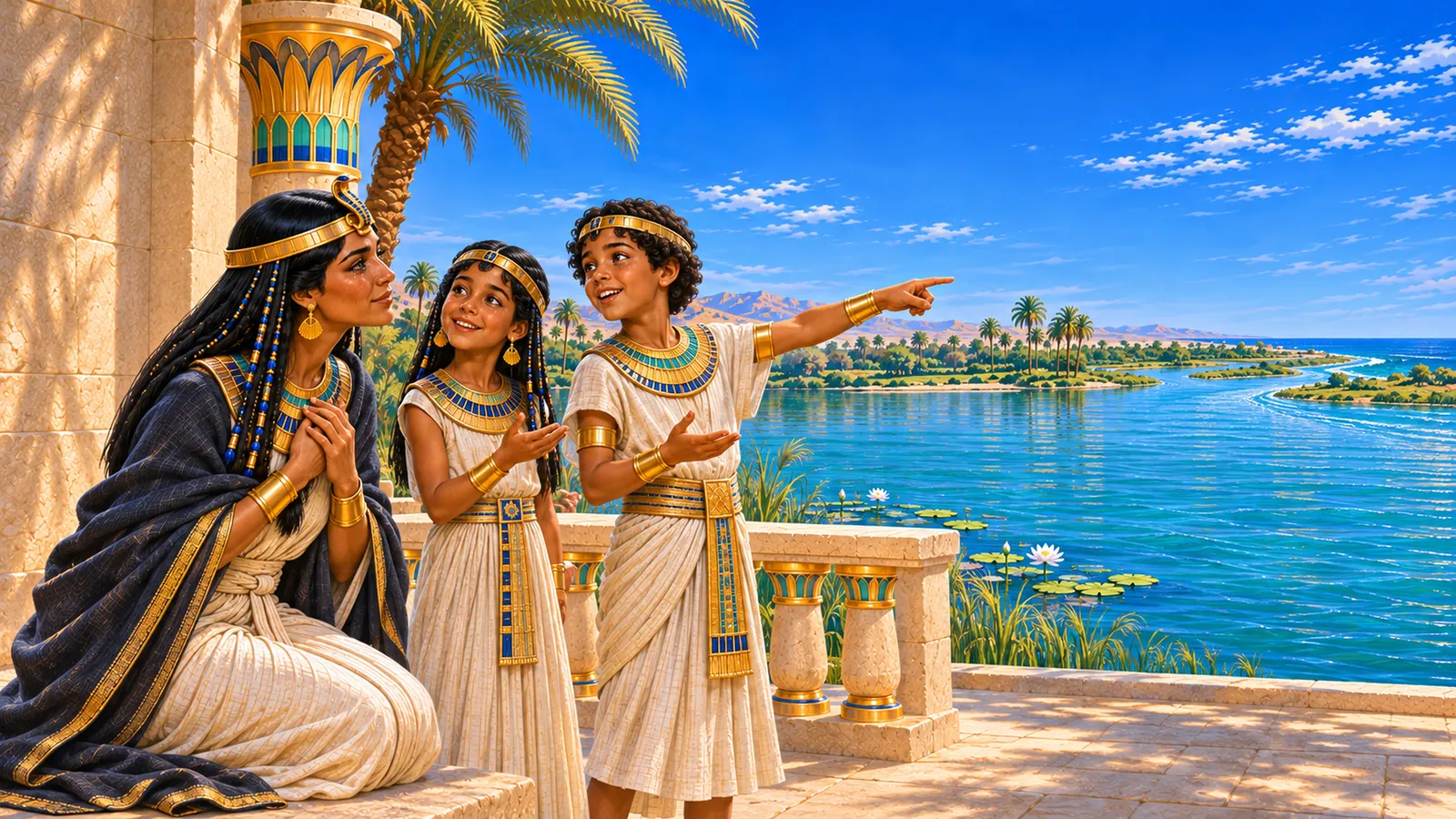
Les enfants avaient vu comment le coffre avait été emporté. Ils dirent à Isis par quelle embouchure du Nil on l’avait porté jusqu’à la mer.
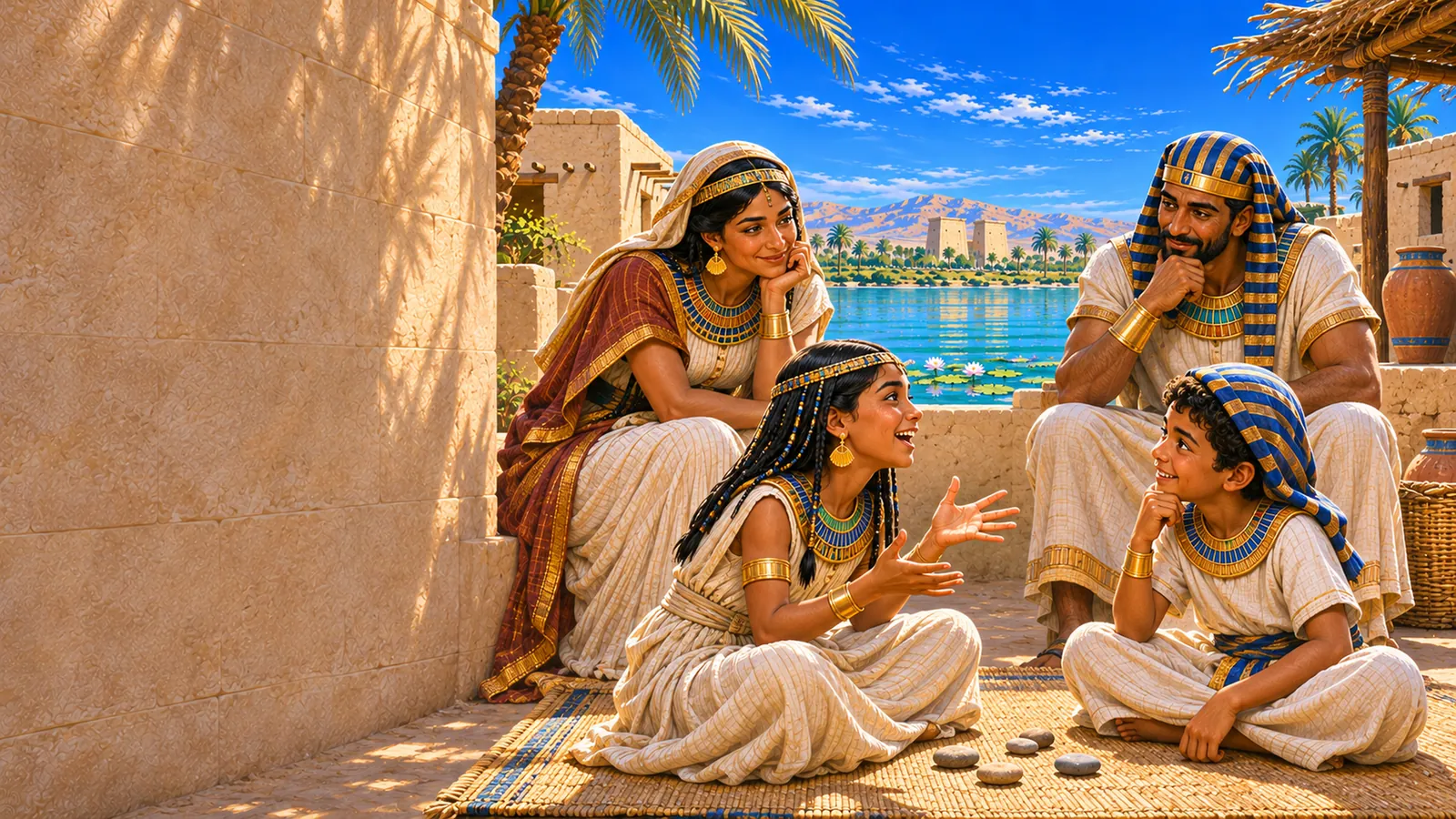
Le récit explique une coutume par la réponse des enfants. Il dit que l’on cherchait des présages dans les paroles qu’ils prononçaient par hasard en jouant.
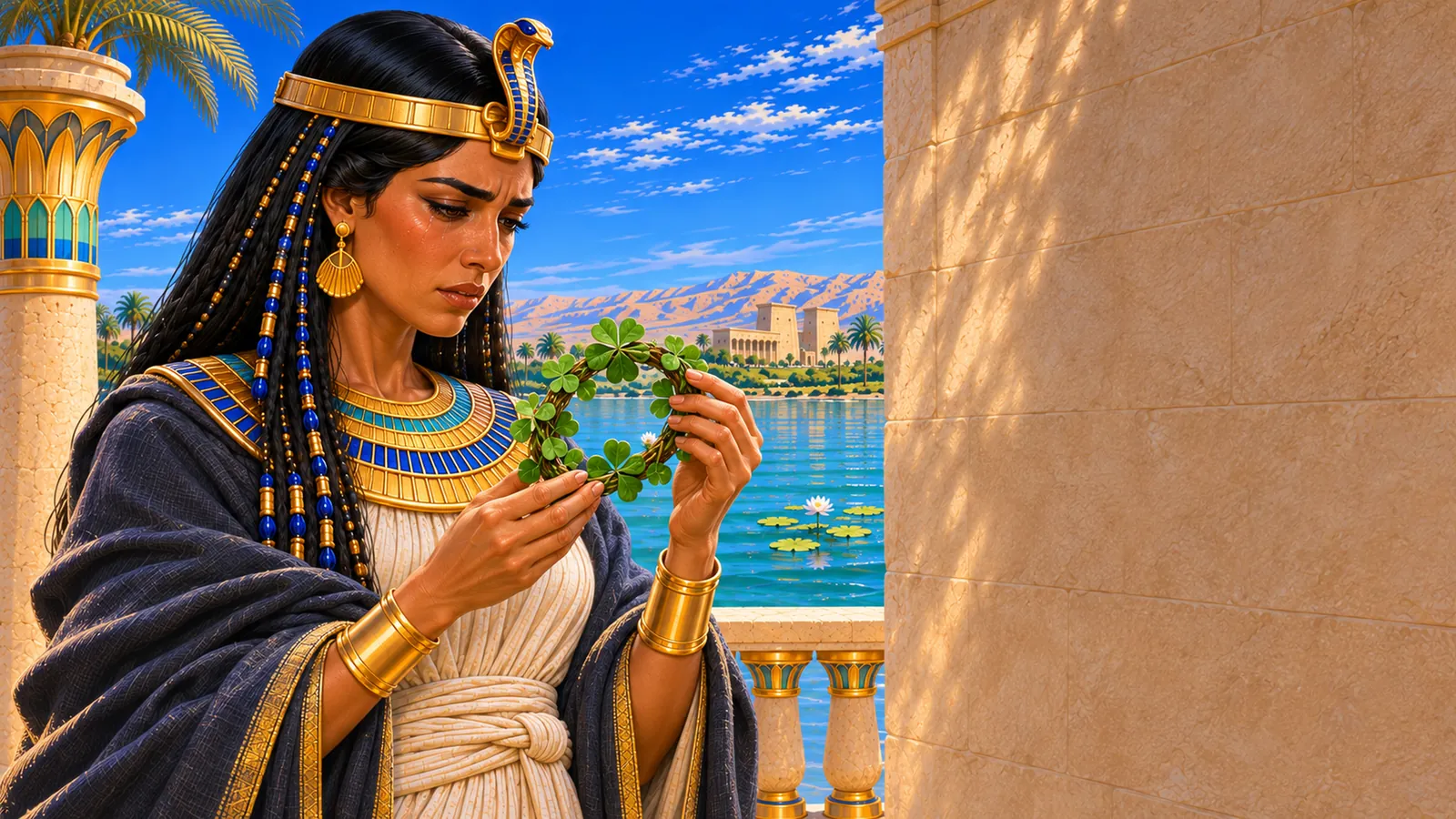
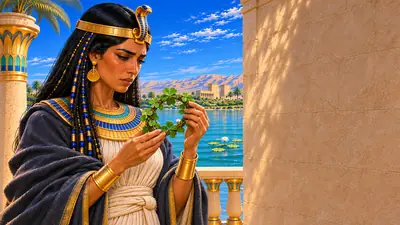
Isis apprit que Nephtys avait trompé Osiris, qui avait couché avec elle en la prenant pour Isis. Une couronne de mélilot qu’il avait laissée à Nephtys aida Isis à comprendre ce qui s’était passé.
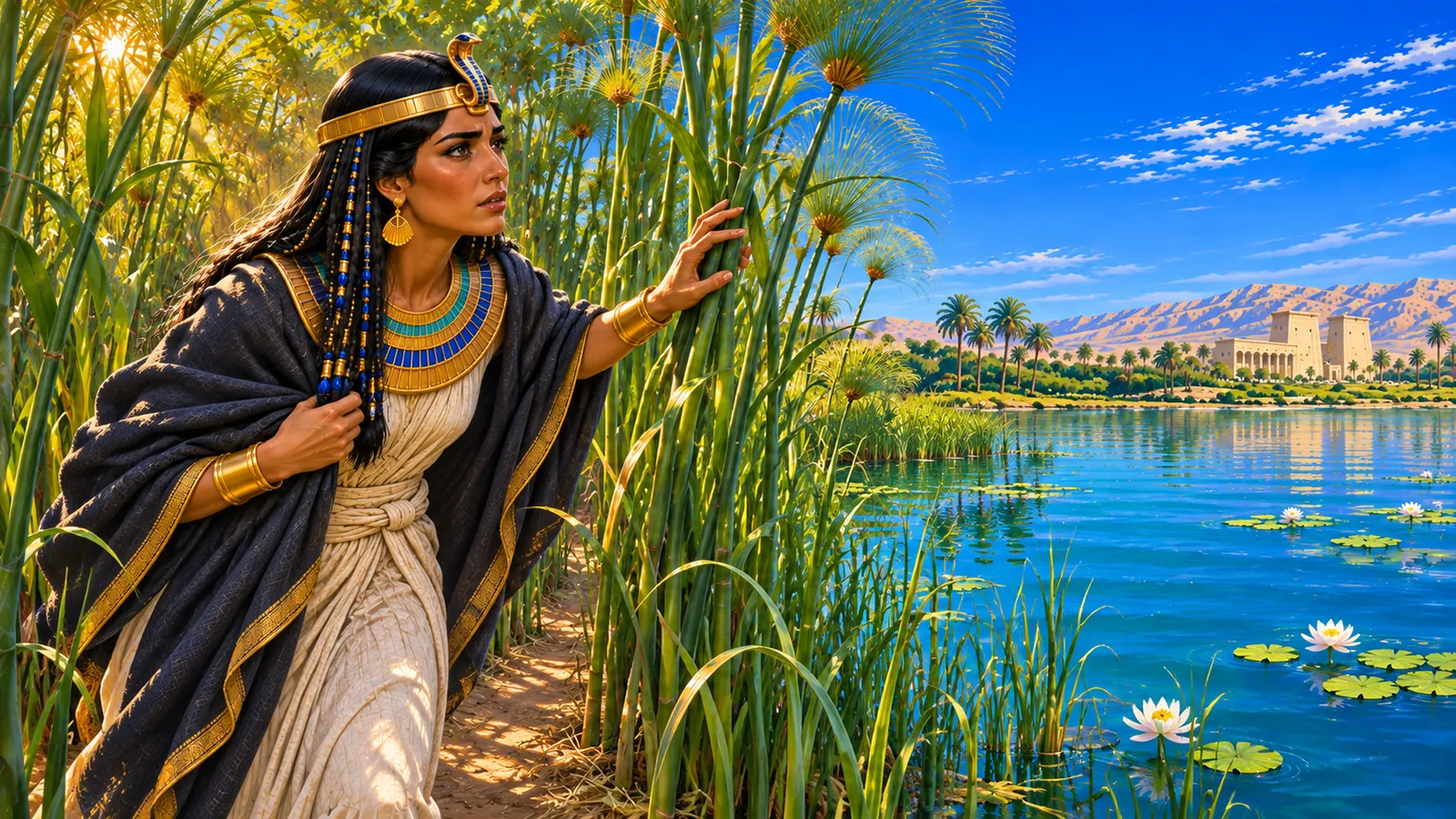
Nephtys craignait la colère de Seth et avait abandonné l’enfant dès sa naissance. Isis se mit alors à sa recherche.
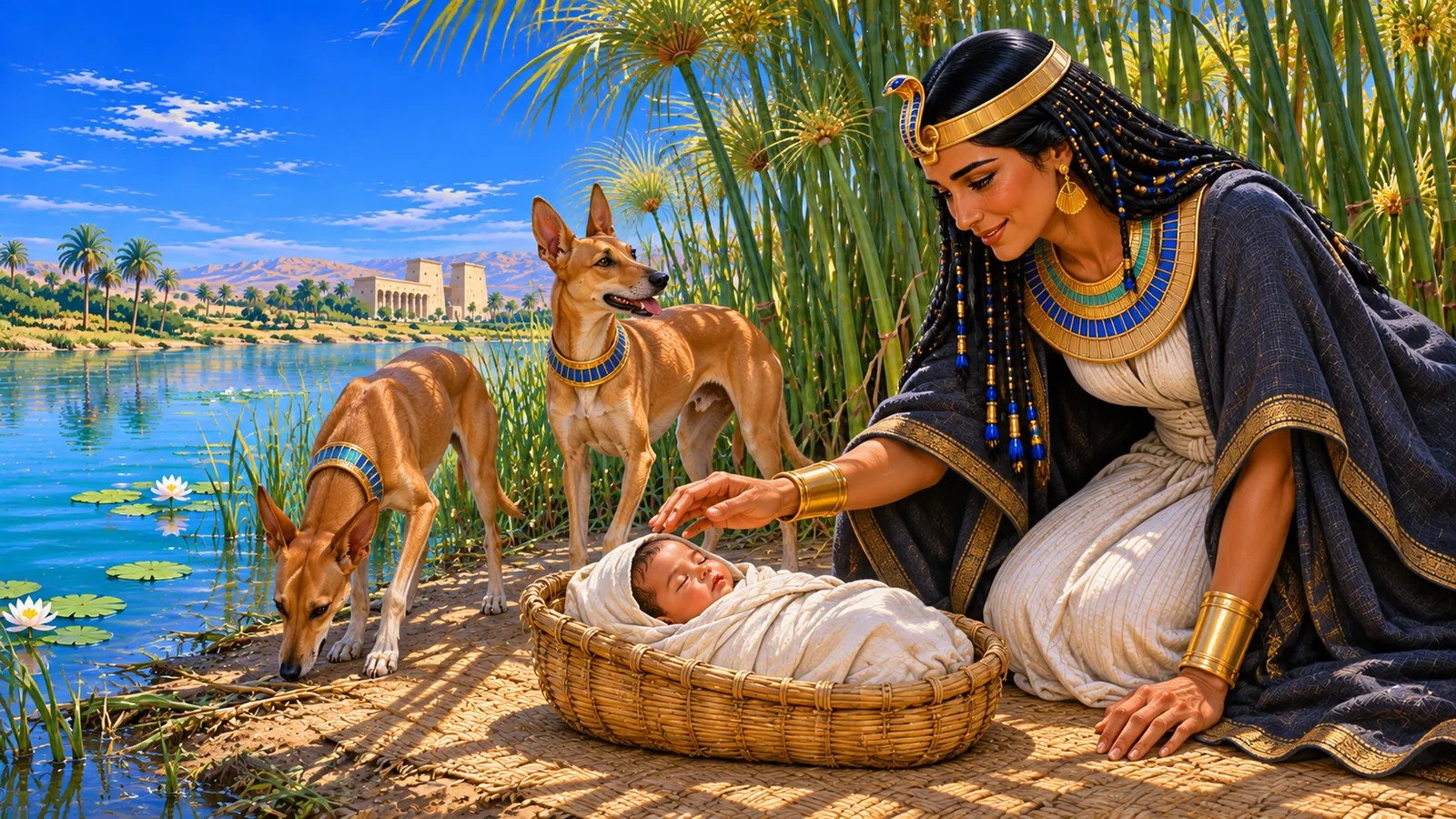
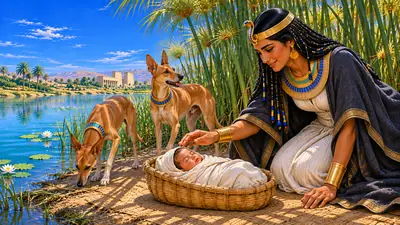
La recherche fut difficile. Des chiens finirent par conduire Isis là où l’enfant avait été laissé, et elle l’y trouva.
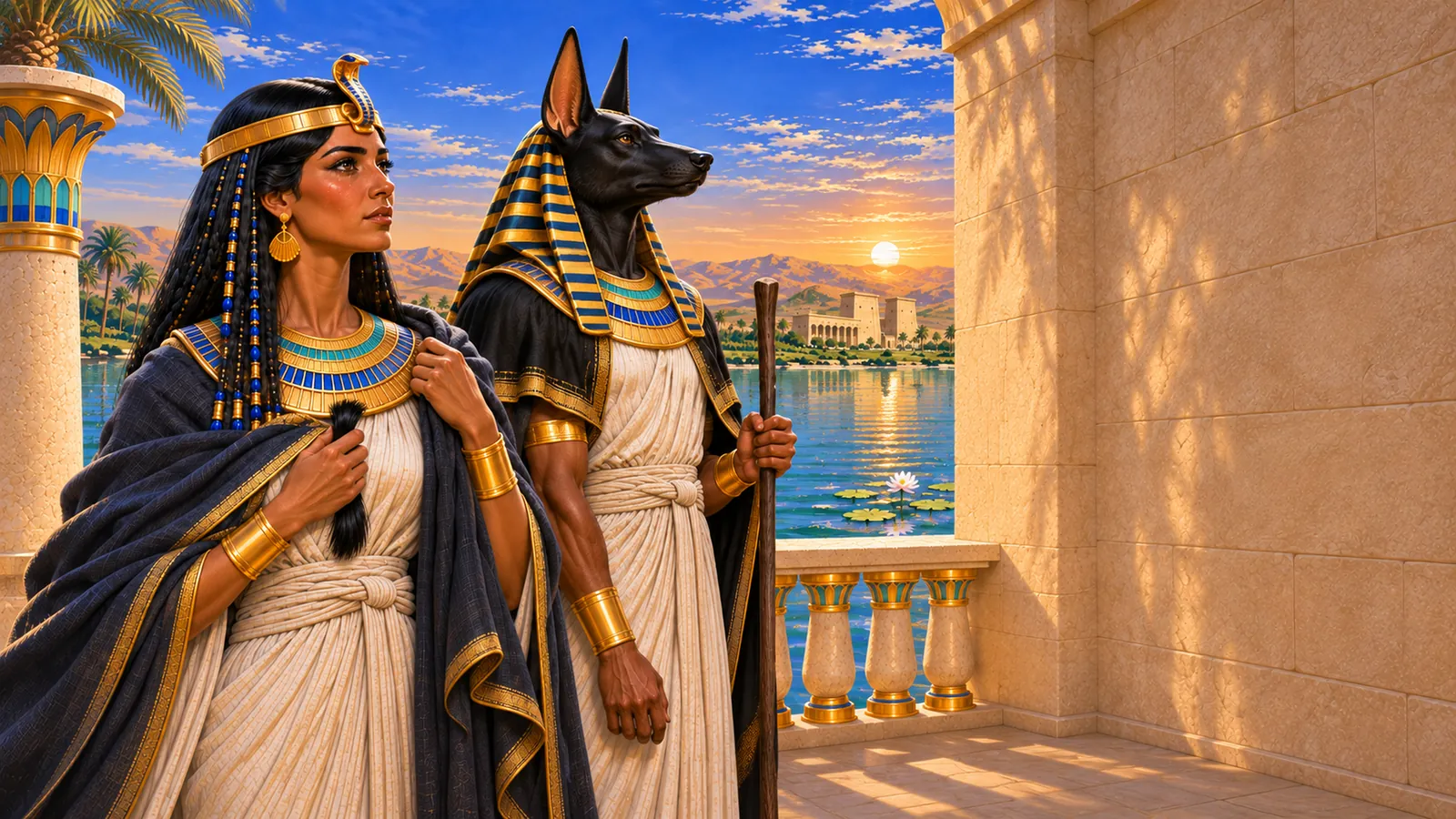
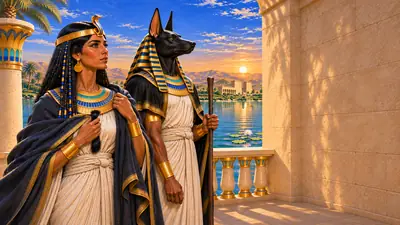
Isis recueillit l’enfant et l’éleva. Avec le temps, il resta auprès d’elle comme gardien et compagnon fidèle.

Le récit appelle ce gardien Anubis. Il dit qu’il veille sur les dieux comme un chien veille sur les personnes qu’il garde.

EN MER
La recherche du coffre mena Isis loin de son point de départ. La mer l’avait déjà porté vers une côte que le narrateur appelle Byblos.
Fin du chapitre 1

Toutes les pages












Sources
Page notes give line positions in the published Project Gutenberg HTML. The name Byblos follows the narrative. The location remains uncertain in these sources.
Éditions consultées
- E. A. Wallis Budge, Egyptian Ideas of the Future Life, third edition, 1908, Chapter II
- Plutarch’s narrative in Samuel Squire’s translation as quoted in Chapter II
- Budge’s footnote for Samuel Squire’s Cambridge edition, 1744
- Budge’s note on the name Byblos
Notes sur ce récit
**Edition.** Plutarch’s *On Isis and Osiris*, Samuel Squire’s Cambridge translation (1744), as quoted in E. A. Wallis Budge’s *Egyptian Ideas of the Future Life*, third edition (1908), chapter II. The introduction at raw HTML 1148–1158 identifies Plutarch and Squire, whose edition is specified in note 42. The local raw HTML lines below are verification locators. [Budge 1908, Project Gutenberg ebook 11277](https://www.gutenberg.org/ebooks/11277)
**P01, 1148–1158 and 1162–1167.** The opening frames the events as Plutarch’s retelling. The five days are the result of the game at 1171–1175. This page introduces the story’s premise in advance of those events.
**P02, 1162–1168.** Squire says that Rhea was with Saturn in secret, that the Sun discovered her, and that he cursed her to give birth in no month or year. Budge’s notes 43–45 identify Rhea with Nut, Saturn with Seb (Geb), and the Sun with Ra.
**P03, 1168–1171.** Squire’s Mercury loves Nut and plays with the Moon in return for favors she has granted him. Squire’s “plays at tables” is presented as a board game. The story gives no board design or rules in this passage.
This is what Plutarch reports about the custom.
**P07, 1176–1178.** Osiris is born on the first day.
**P08, 1179–1182.** An explicitly different account says that Pamyles heard the announcement while fetching water from the temple of Jupiter at Thebes. The spoken version names the city and leaves the Greek temple designation in this note.
Geb entrusts the child’s upbringing to him. Plutarch says the Pamylia commemorated this event and compares it to the Greek Phalliphoria or Priapeia.
**P10, 1186–1188.** Aroueris is born on day two. Budge’s note 46 gives Hera-ur, Horus the Elder. Squire also records Apollo as a name some give him.
**P11, 1188–1192 and note 47.** Squire calls the third child Typho, whom Budge identifies as Set.
**P12, 1192–1194.** Isis is born on the fourth added day in the marshes of Egypt.
**P13, 1193–1194.** Squire says Nepthys is born on the last day. The edition gives Teleute and Aphrodite as names used by some and Nike as one used by others. Those names remain in this note.
**P14, 1195–1201.** One reported genealogy assigns the first two children to the Sun (Ra), Isis to Mercury (Thoth), and Typho (Set) and Nephthys to Saturn (Geb). The next page retains the reported variant fatherhood of Horus the Elder without joining it to this genealogy.
Page 15 (Budge 1908, chapter II, raw HTML 1201–1205). Squire writes Typho and Nepthys for Set and Nephthys. He says they married. He then recounts the pre-birth union of Isis and Osiris, naming Aroueris, or the elder Orus, as their child. This is a different genealogy from the account in lines 1195–1197. Horus the Elder is the presentation name here.
Page 16 (1207–1209). Osiris has become king of Egypt and undertakes to change the way his people live. Squire’s English describes their previous way of life as “indigent and barbarous.” Those terms belong to the older account.
Page 17 (1209–1212). Osiris teaches cultivation and improving crops, gives laws to govern conduct, and instructs his people about reverence and worship due to the gods.
Pages 18–19 (1212–1218). Osiris travels beyond Egypt in the story. Squire says he persuades people through reasoning communicated in hymns and songs with musical instruments. The text expressly distinguishes his persuasion from compulsion by force of arms.
Page 20 (1219–1222). Isis governs vigilantly while Osiris is absent. Squire says this leaves Typho no opportunity to change anything in the state.
Page 21 (1222–1225). After Osiris returns, Typho persuades seventy-two other people to join the plot and also has the help of Aso, a queen then in Egypt. Squire calls her “a certain queen of Ethiopia.” The place label belongs to the older rendering.
Page 22 (1225–1229). Squire describes its fine appearance and ornament.
Page 23 (1229–1230). In his banqueting room Set presents the chest, and those present admire it.
Pages 24–25 (1230–1234). The guests try one after another. Osiris lies down last.
Page 26 (1234–1236). The conspirators close the chest with Osiris inside and trap him.
Page 27 (1236–1238). This retelling uses Tanaitic.
Page 28 (1238–1242). The date in the narrative is the seventeenth of Athyr. The ordinal is on line 1241 and the month starts line 1242. The following page gives the two accounts involving the number twenty-eight.
### Pages 29–42 · The news and the search
Les vers antiques de chaque page
- Page 1: Plutarch, Squire 1744 in Budge 1908, chapter II, HTML 1148–1158, 1162–1167
The whole upper text field is calm deep blue-violet morning sky, still one continuous soft tone. - Page 2: Plutarch, Squire 1744 in Budge 1908, chapter II, HTML 1162–1168
- Page 3: Plutarch, Squire 1744 in Budge 1908, chapter II, HTML 1168–1171
- Page 4: Plutarch, Squire 1744 in Budge 1908, chapter II, HTML 1170–1173
- Page 5: Plutarch, Squire 1744 in Budge 1908, chapter II, HTML 1172–1175
- Page 6: Plutarch, Squire 1744 in Budge 1908, chapter II, HTML 1174–1176
- Page 7: Plutarch, Squire 1744 in Budge 1908, chapter II, HTML 1176–1178
- Page 8: Plutarch, Squire 1744 in Budge 1908, chapter II, HTML 1179–1182
- Page 9: Plutarch, Squire 1744 in Budge 1908, chapter II, HTML 1182–1185
- Page 10: Plutarch, Squire 1744 in Budge 1908, chapter II, HTML 1186–1188
- Page 11: Plutarch, Squire 1744 in Budge 1908, chapter II, HTML 1188–1192
- Page 12: Plutarch, Squire 1744 in Budge 1908, chapter II, HTML 1192–1194
- Page 13: Plutarch, Squire 1744 in Budge 1908, chapter II, HTML 1193–1194
- Page 14: Plutarch, Squire 1744 in Budge 1908, chapter II, HTML 1195–1201
- Page 15: Plutarch, Squire 1744 in Budge 1908, chapter II, HTML 1201–1205
The entire right text field is unbroken blue-brown shade on bare plaster. - Page 16: Plutarch, Squire 1744 in Budge 1908, chapter II, HTML 1207–1209
- Page 17: Plutarch, Squire 1744 in Budge 1908, chapter II, HTML 1209–1212
- Page 18: Plutarch, Squire 1744 in Budge 1908, chapter II, HTML 1212–1214
- Page 19: Plutarch, Squire 1744 in Budge 1908, chapter II, HTML 1214–1218
- Page 20: Plutarch, Squire 1744 in Budge 1908, chapter II, HTML 1219–1222
- Page 21: Plutarch, Squire 1744 in Budge 1908, chapter II, HTML 1222–1225
- Page 22: Plutarch, Squire 1744 in Budge 1908, chapter II, HTML 1225–1229
Treat it as a close still-life fragment. - Page 23: Plutarch, Squire 1744 in Budge 1908, chapter II, HTML 1229–1230
- Page 24: Plutarch, Squire 1744 in Budge 1908, chapter II, HTML 1230–1232
- Page 25: Plutarch, Squire 1744 in Budge 1908, chapter II, HTML 1232–1234
- Page 26: Plutarch, Squire 1744 in Budge 1908, chapter II, HTML 1234–1236
- Page 27: Plutarch, Squire 1744 in Budge 1908, chapter II, HTML 1236–1238
The whole right text rectangle is soft uniform slate-teal water and air with no distinct horizon or foam. - Page 28: Plutarch, Squire 1744 in Budge 1908, chapter II, HTML 1238–1242
- Page 29: Plutarch, Squire 1744 as printed by Budge 1908, Chapter II, HTML lines 1241–1244
- Page 30: Plutarch, Squire 1744 as printed by Budge 1908, Chapter II, HTML lines 1246–1249
- Page 31: Plutarch, Squire 1744 as printed by Budge 1908, Chapter II, HTML lines 1248–1251
- Page 32: Plutarch, Squire 1744 as printed by Budge 1908, Chapter II, HTML lines 1251–1255
- Page 33: Plutarch, Squire 1744 as printed by Budge 1908, Chapter II, HTML lines 1254–1257
- Page 34: Plutarch, Squire 1744 as printed by Budge 1908, Chapter II, HTML lines 1256–1260
- Page 35: Plutarch, Squire 1744 as printed by Budge 1908, Chapter II, HTML lines 1260–1262
The entire right half is smooth water in softly graded blue dusk, with no hard horizon line or reflections there. - Page 36: Plutarch, Squire 1744 as printed by Budge 1908, Chapter II, HTML lines 1263–1267
- Page 37: Plutarch, Squire 1744 as printed by Budge 1908, Chapter II, HTML lines 1267–1272
- Page 38: Plutarch, Squire 1744 as printed by Budge 1908, Chapter II, HTML lines 1272–1276
- Page 39: Plutarch, Squire 1744 as printed by Budge 1908, Chapter II, HTML lines 1275–1278
- Page 40: Plutarch, Squire 1744 as printed by Budge 1908, Chapter II, HTML lines 1277–1279
- Page 41: Plutarch, Squire 1744 as printed by Budge 1908, Chapter II, HTML lines 1278–1279
- Page 42: Plutarch, Squire 1744 as printed by Budge 1908, Chapter II, HTML lines 1257–1262, 1282–1285
Illustrations réalisées par IL Archive avec des outils d’IA ; le texte s’appuie sur les sources antiques (voir les sources à la fin de chaque chapitre).