Quand un devint trois Chapitre 1
Le premier devenir
Neb-er-tcher se donne l’existence sous la forme de Khépera, prononce son propre nom et établit un fondement là où il ne trouvait aucun endroit où se tenir. Il fait naître Shou et Tefnout et devient trois. Les dernières lignes nomment les générations suivantes et les enfants nés de Nout.
SourcesTournez les pages avec les flèches, le clavier ou en balayant l’écran.
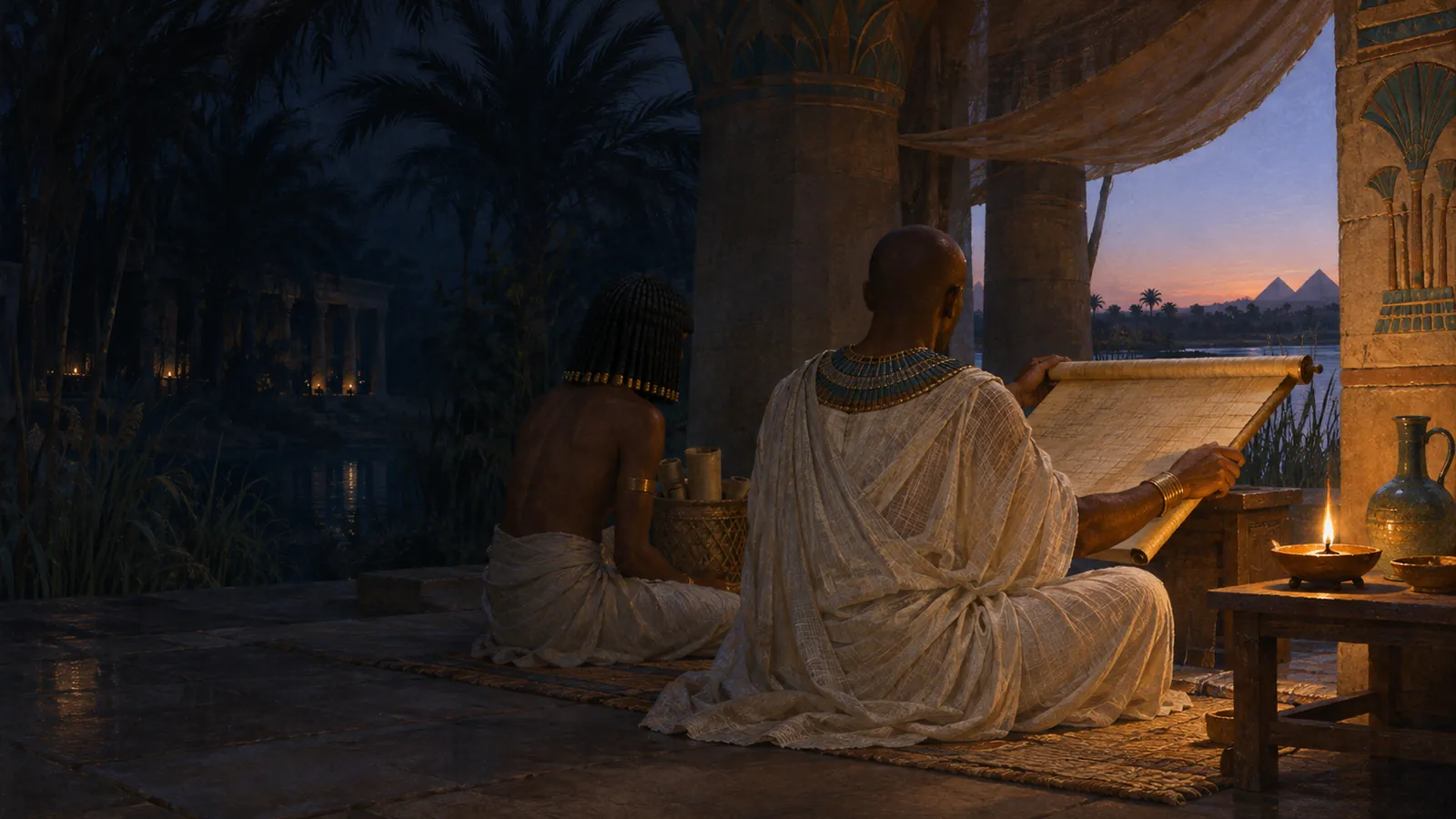
LE PREMIER DEVENIR
Le récitant commence en disant qu’il a fait naître le processus même par lequel les choses sont venues à l’existence.
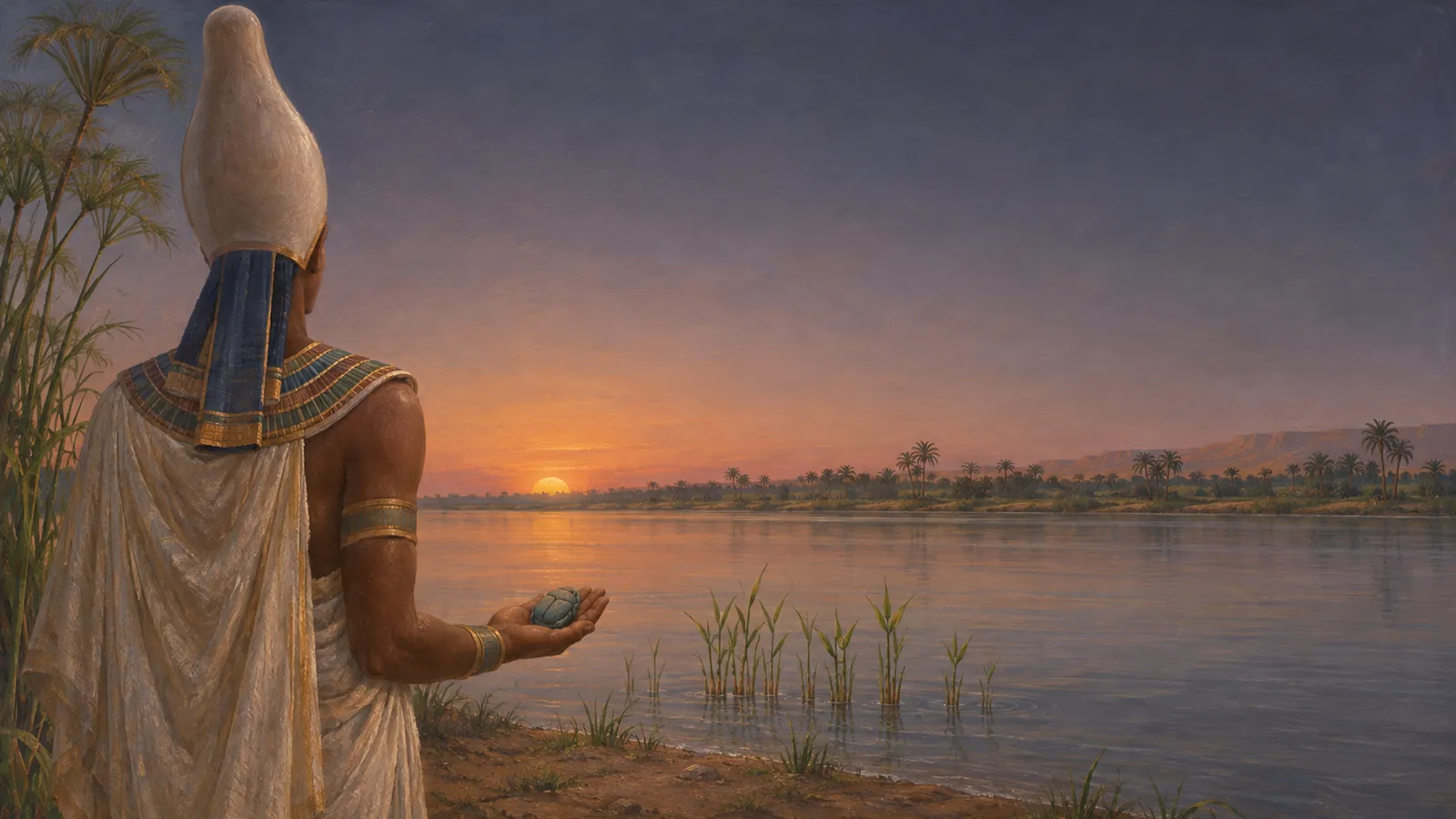
Le récitant dit qu’il a pris la forme des transformations de Khépera, apparues au commencement de tous les temps. Il dit qu’il est venu à l’existence avec elles.
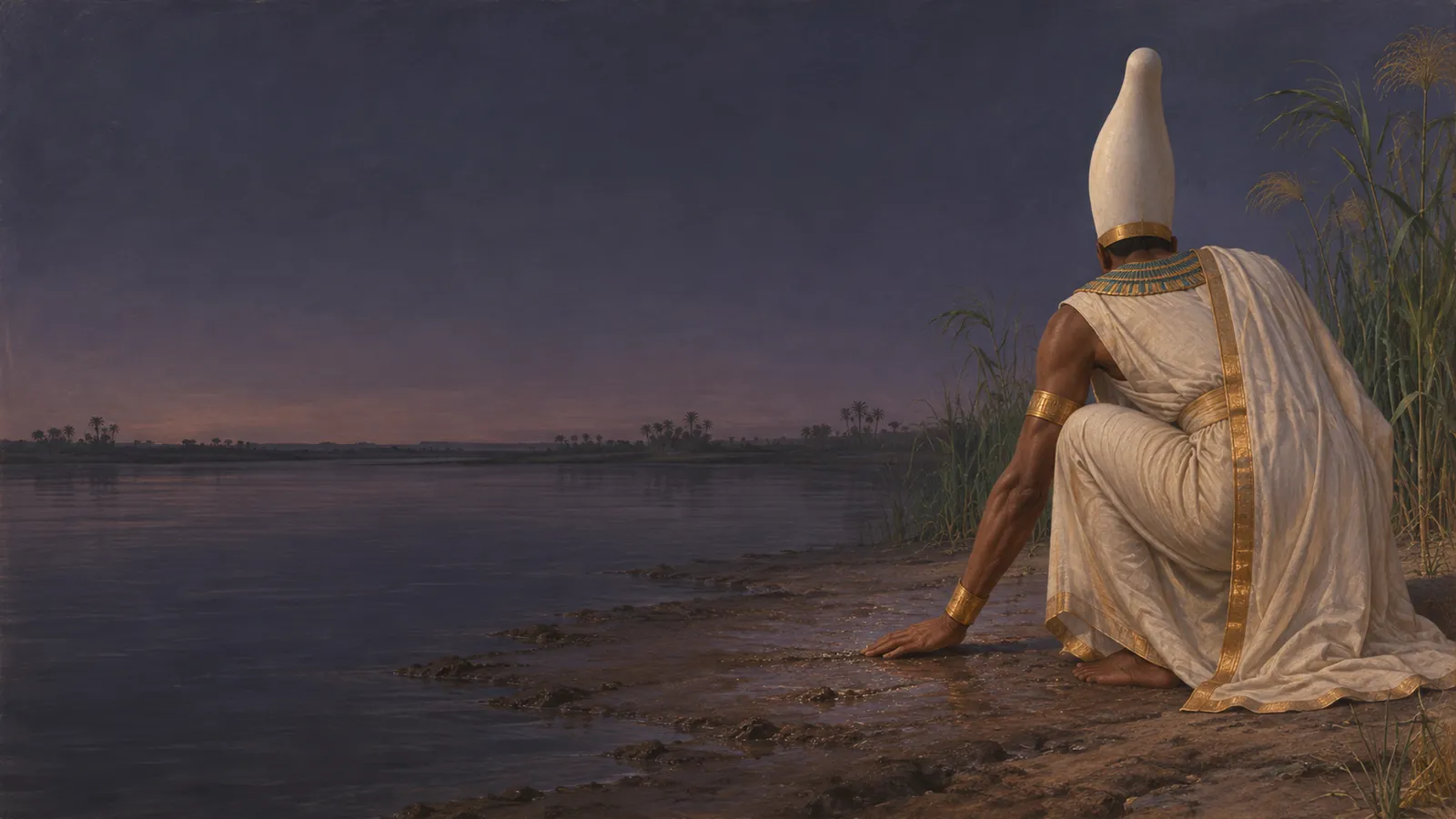
Le récitant dit qu’il s’est formé à partir de la matière primordiale et que c’est lui qui l’a créée.
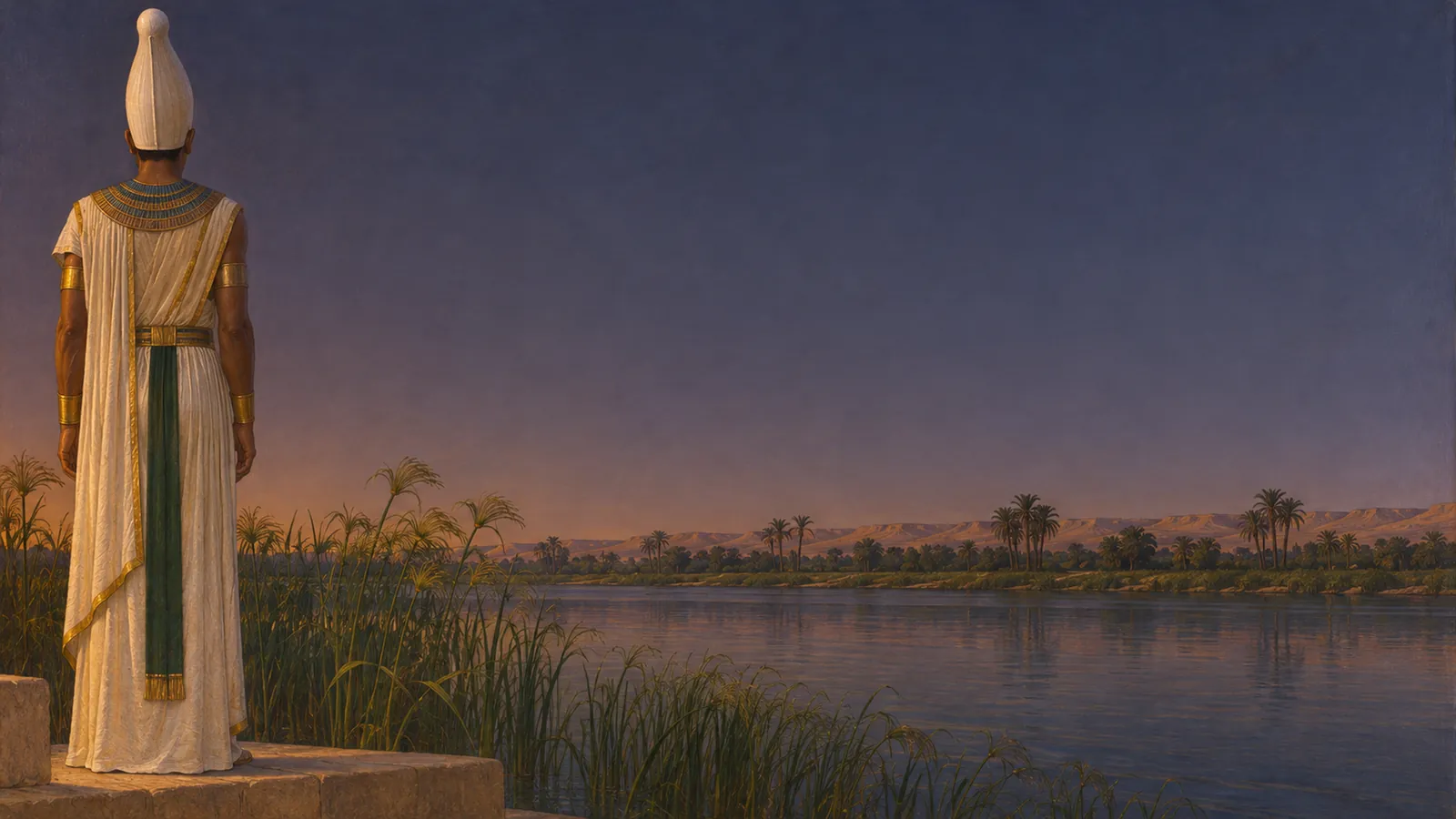
Le récitant donne son nom, Ausares, que Budge identifie à Osiris. Il se dit le germe de la matière primordiale.
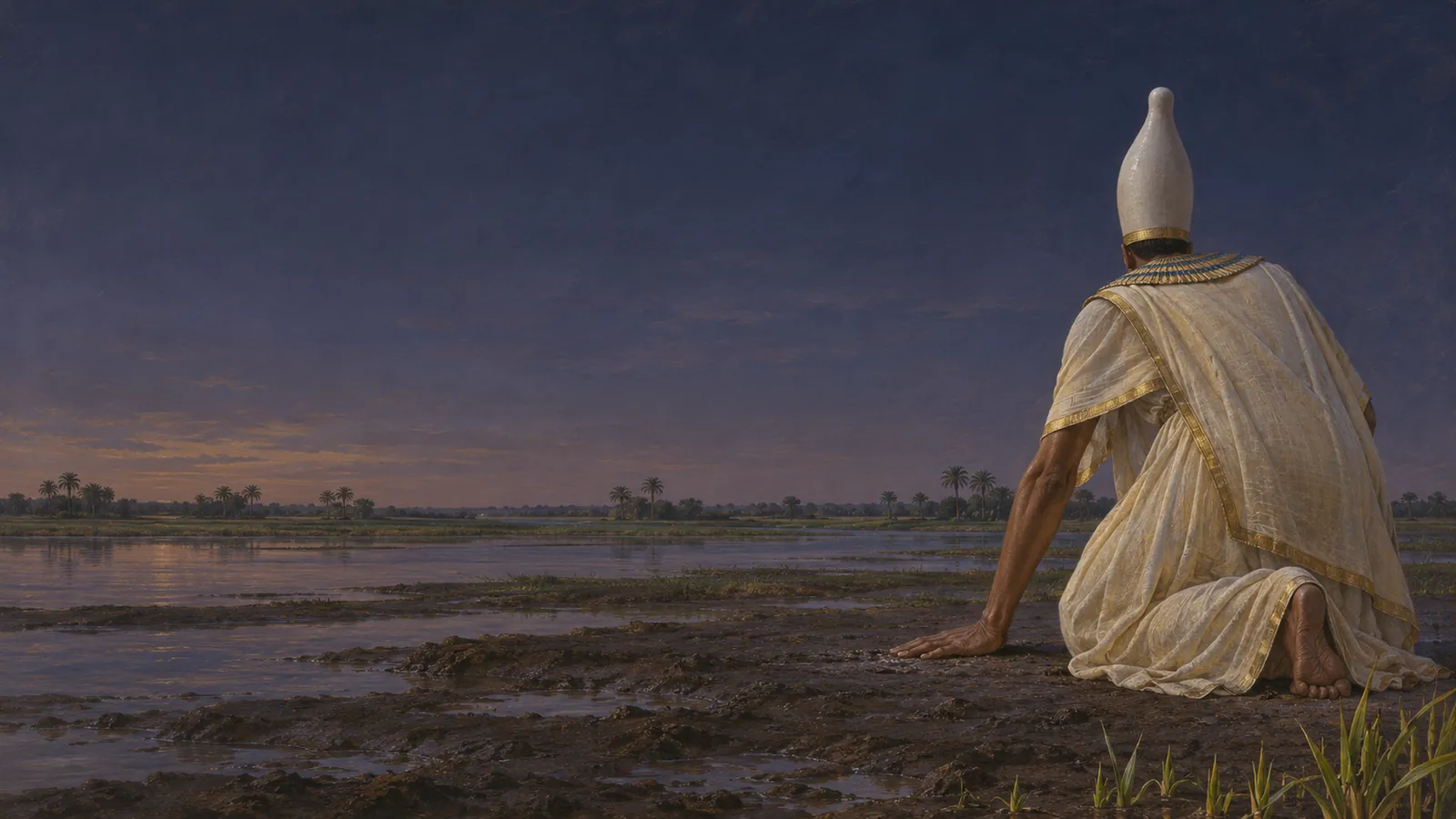
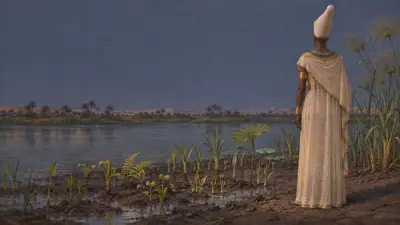
Le récitant dit qu’il a accompli sa volonté sur la terre, s’est répandu et l’a remplie. Il dit qu’il a fortifié la terre de sa main.
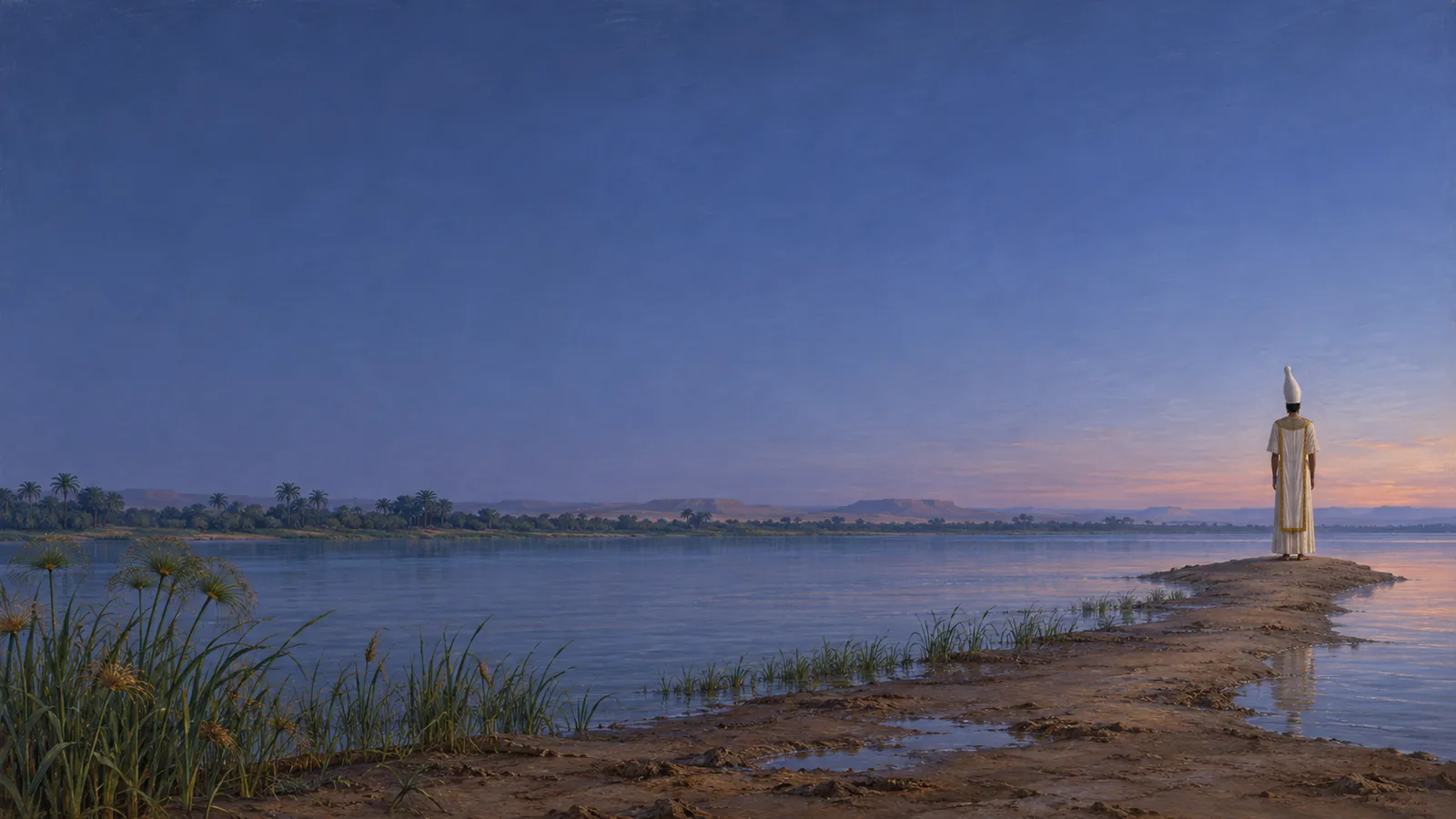
Le récitant dit qu’il était seul parce que rien n’avait encore été créé. Il n’avait encore fait sortir de lui ni Shou ni Tefnout.
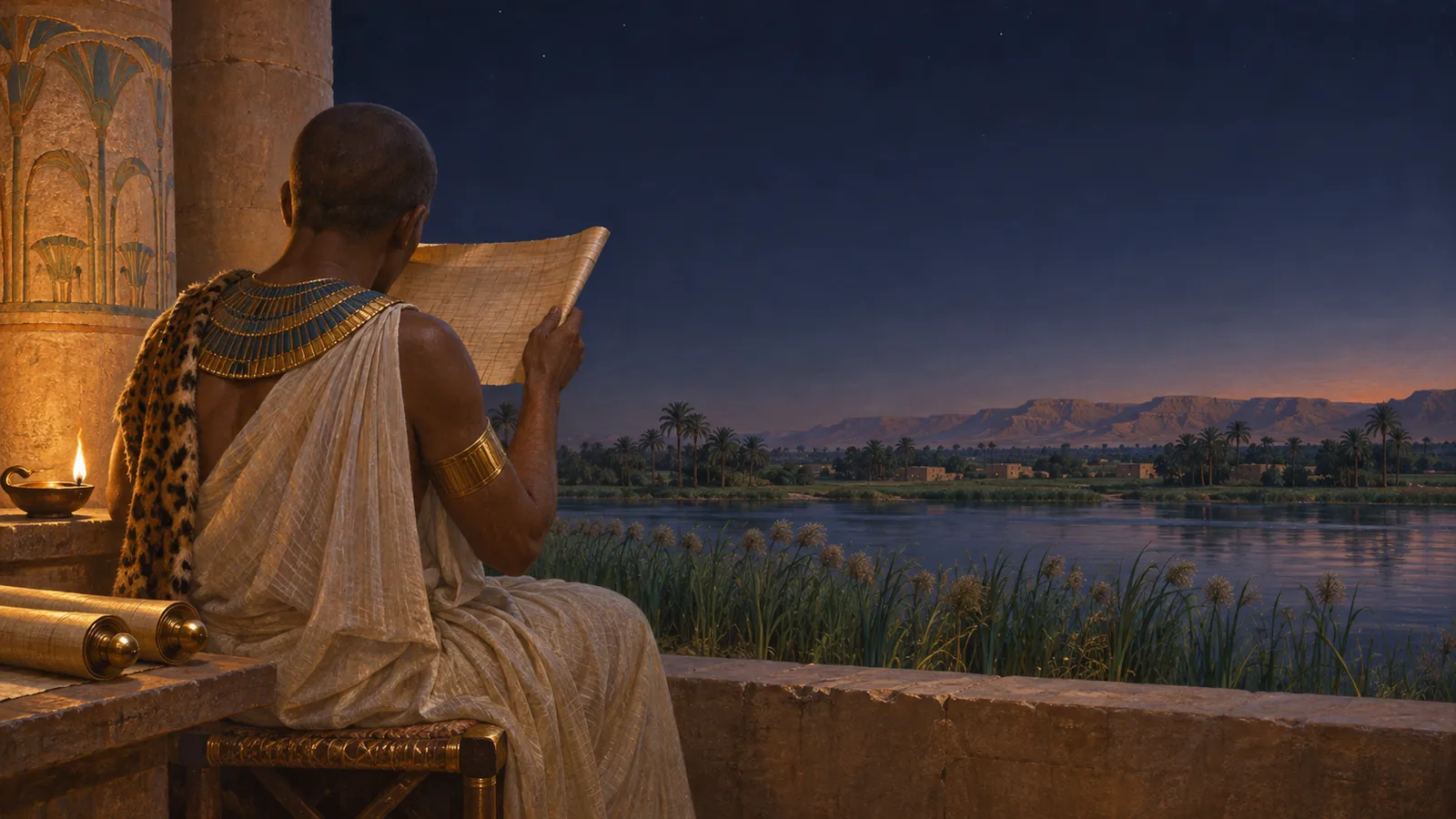
Le récitant dit qu’il a prononcé de sa bouche son propre nom comme une parole de puissance et s’est aussitôt fait exister.
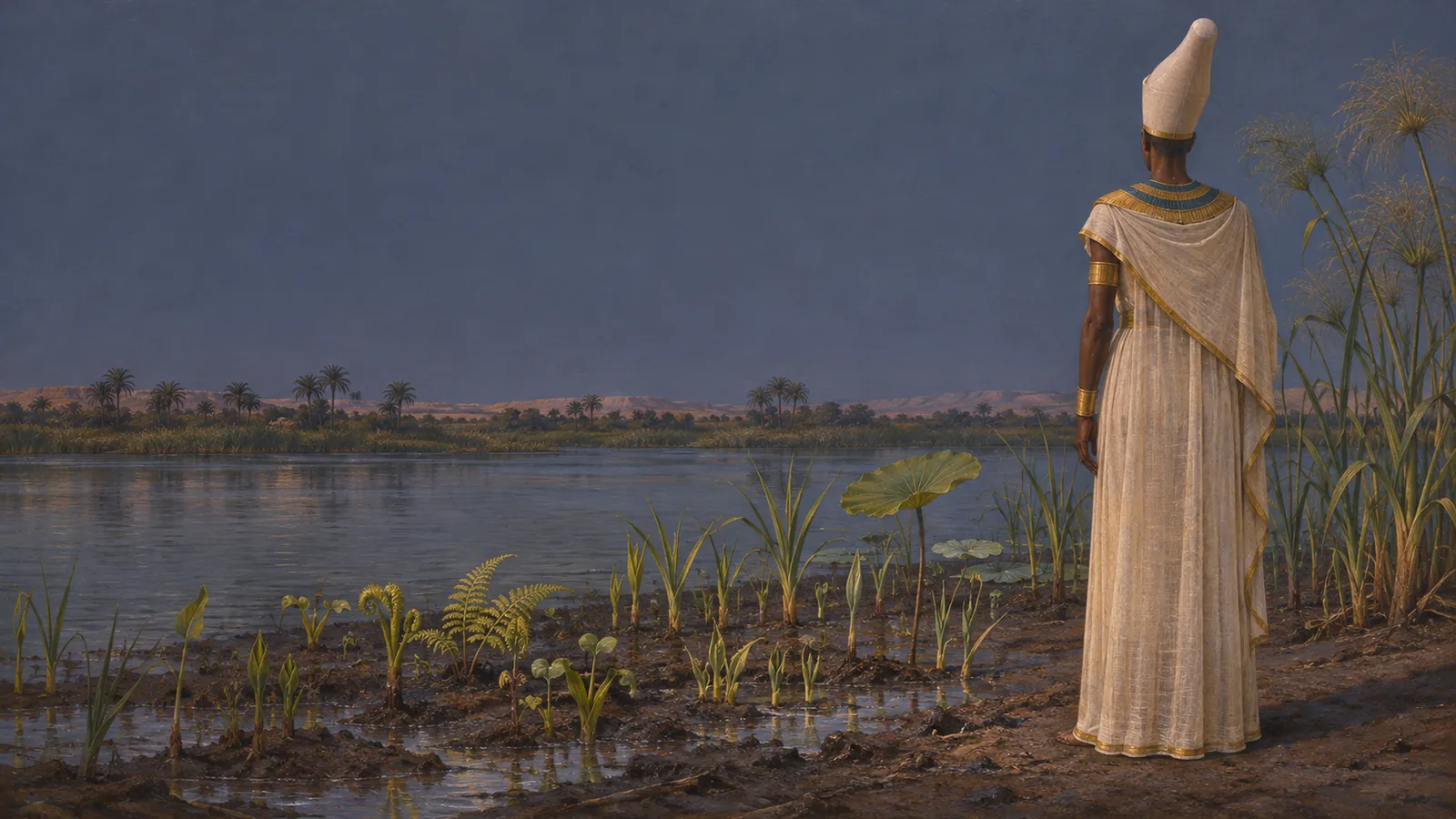
Le récitant dit de nouveau qu’il est venu à l’existence sous la forme des transformations de Khépera. Il s’est formé à partir de la matière primordiale, qui a fait naître de nombreuses formes depuis le commencement des temps.
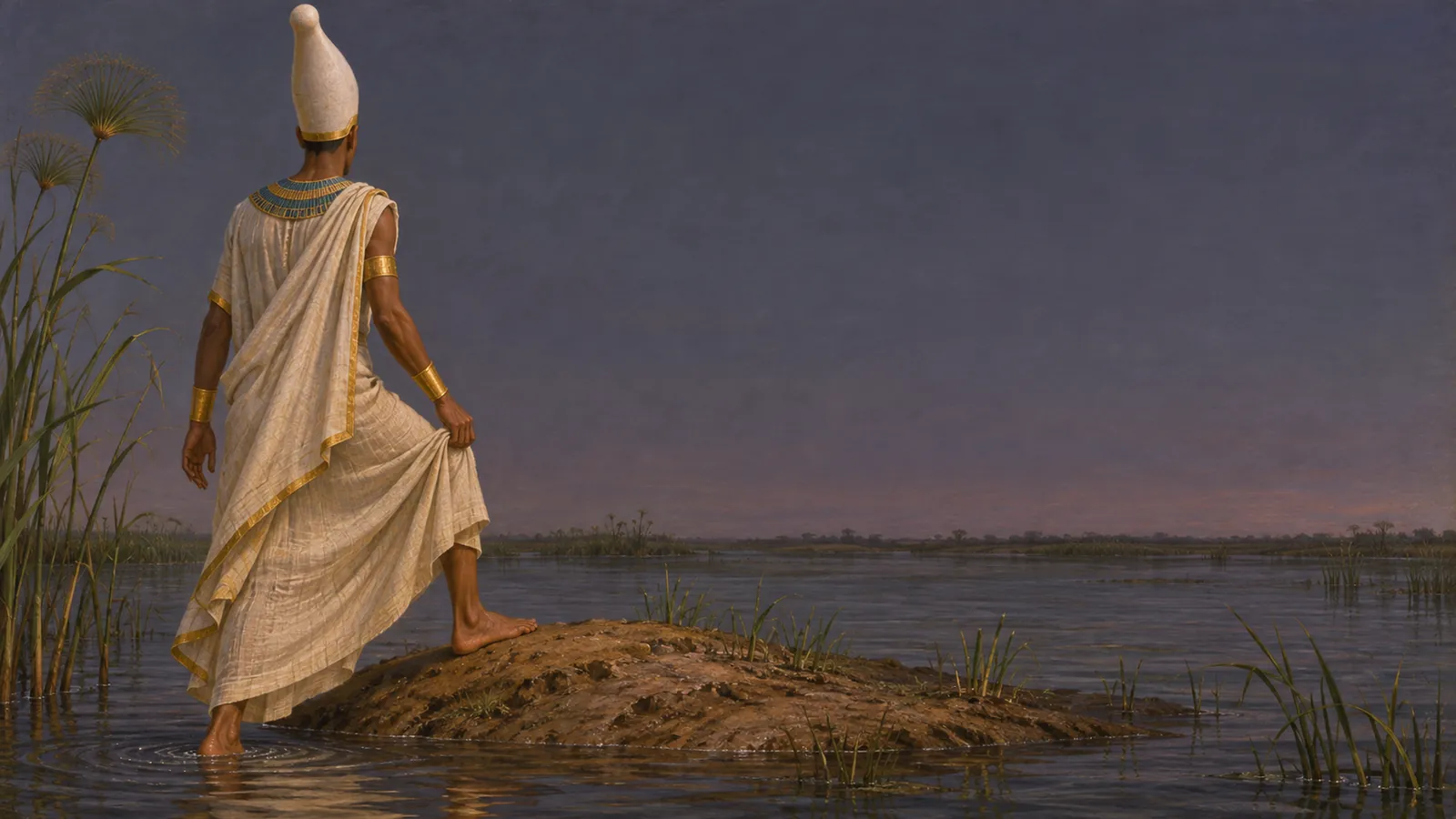
Le récitant dit que rien n’existait sur terre. Il dit qu’il a tout fait et que personne d’autre n’a travaillé avec lui à ce moment-là.
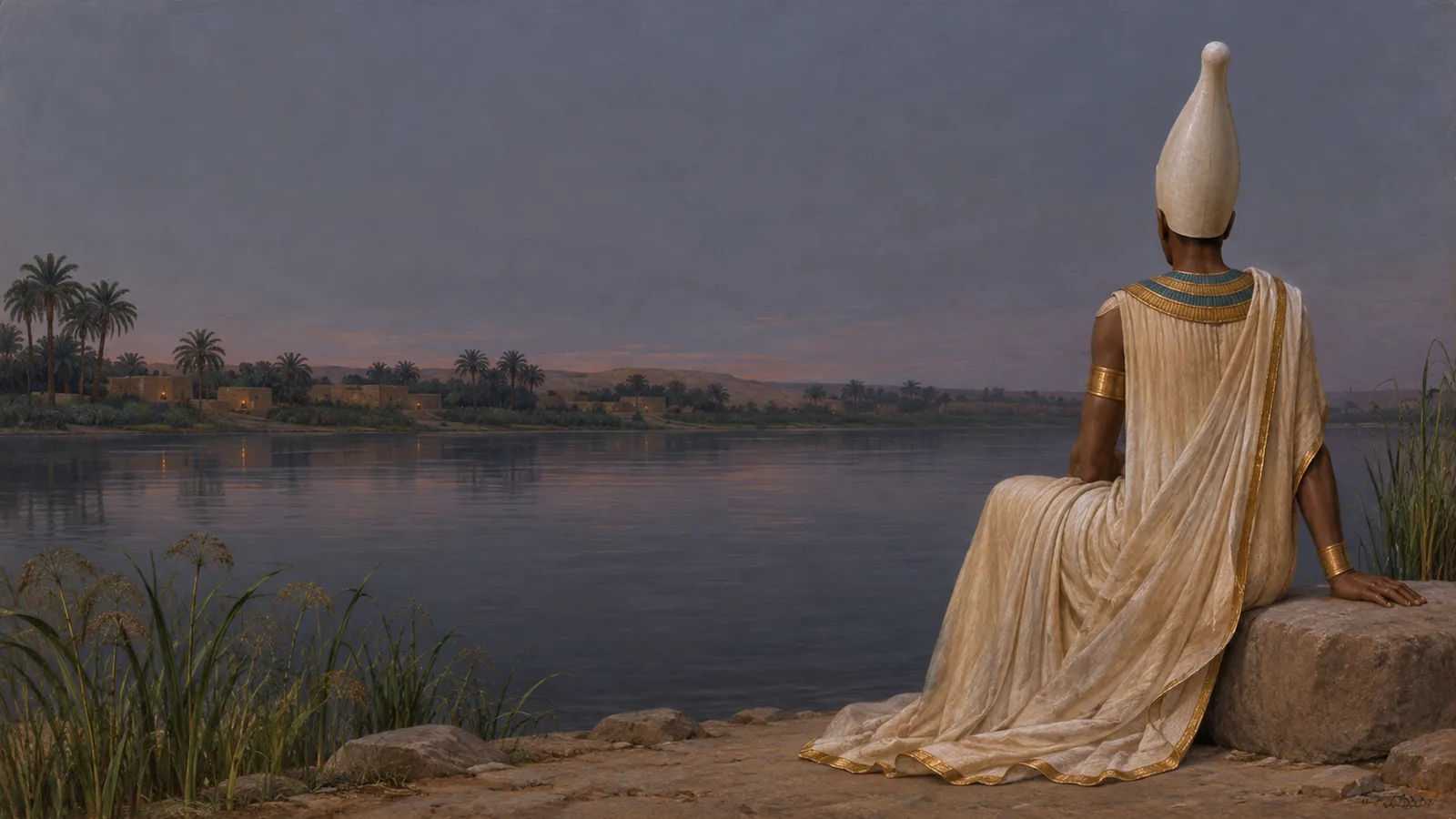
Le récitant dit qu’il a fait advenir toutes choses par l’Âme divine qu’il a façonnée. Il dit qu’elle était restée inactive dans l’abîme des eaux.
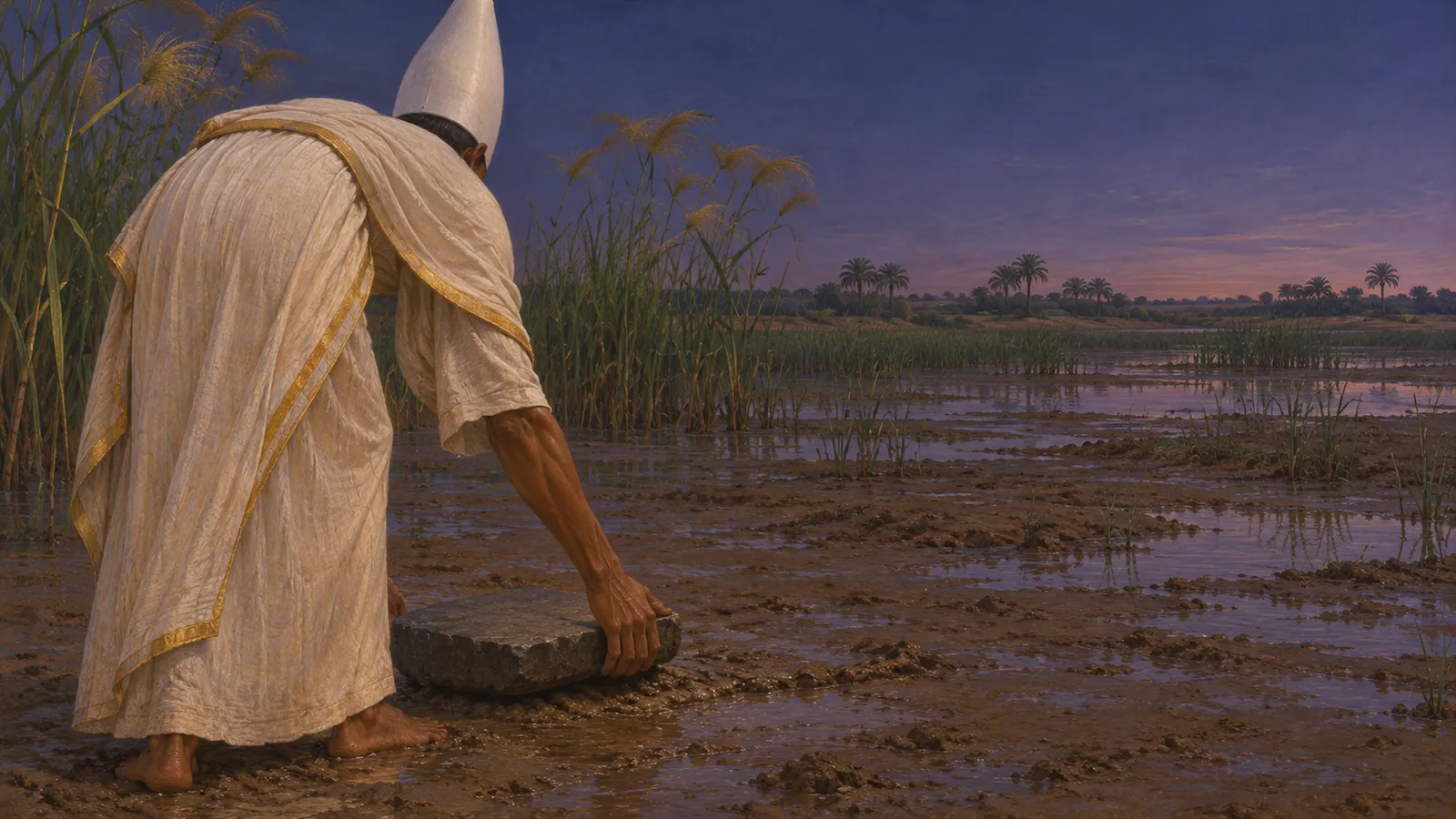
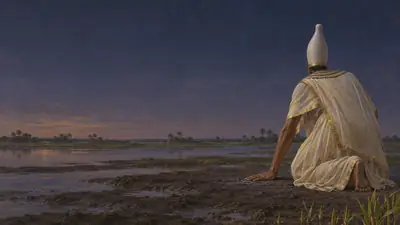
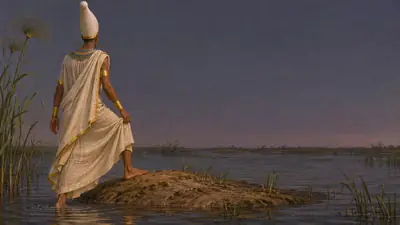
Le récitant dit qu’il n’a trouvé aucun endroit où se tenir. Fort en son cœur, il se donne un fondement et dit avoir fait tout ce qui a été fait.
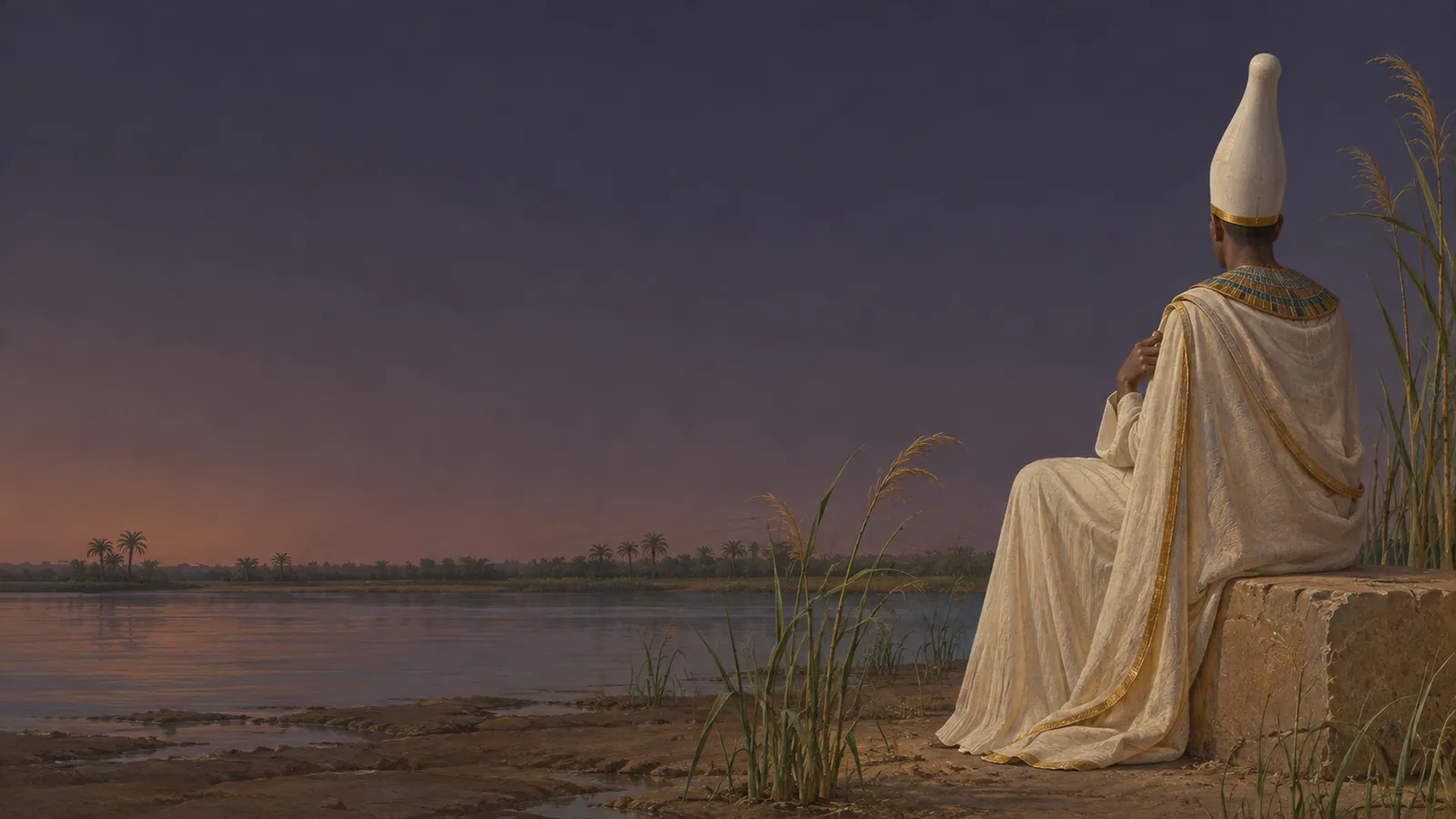
Le récitant dit qu’il était seul et qu’il a donné un fondement à son cœur. Budge propose aussi de lire volonté. Le récitant dit ensuite qu’il a créé une multitude de choses.
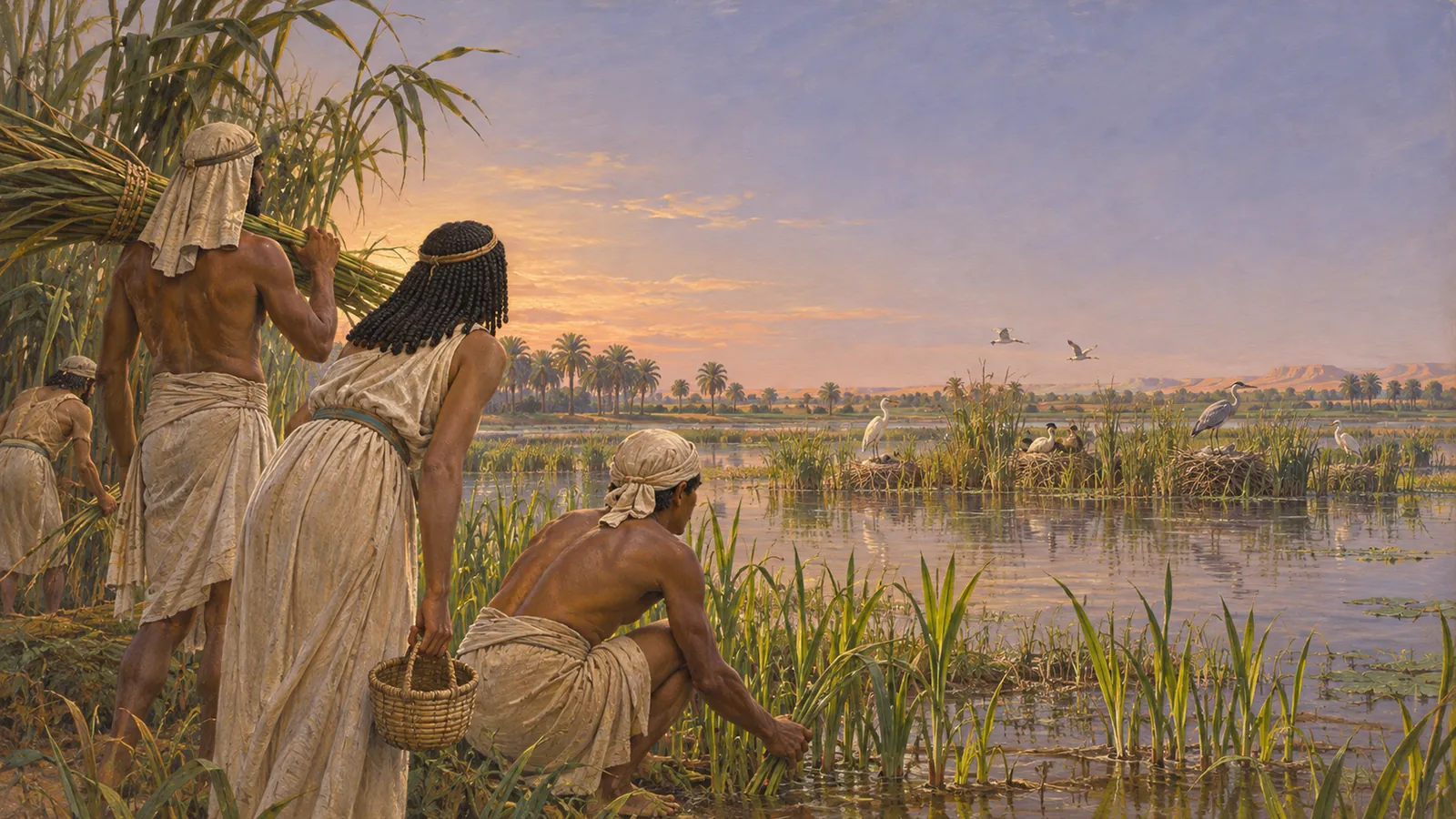
Le récitant dit que les choses qu’il a créées se sont développées d’elles-mêmes, comme les formes prises par Khépera. Il dit que leur descendance est venue à l’existence par leurs naissances.
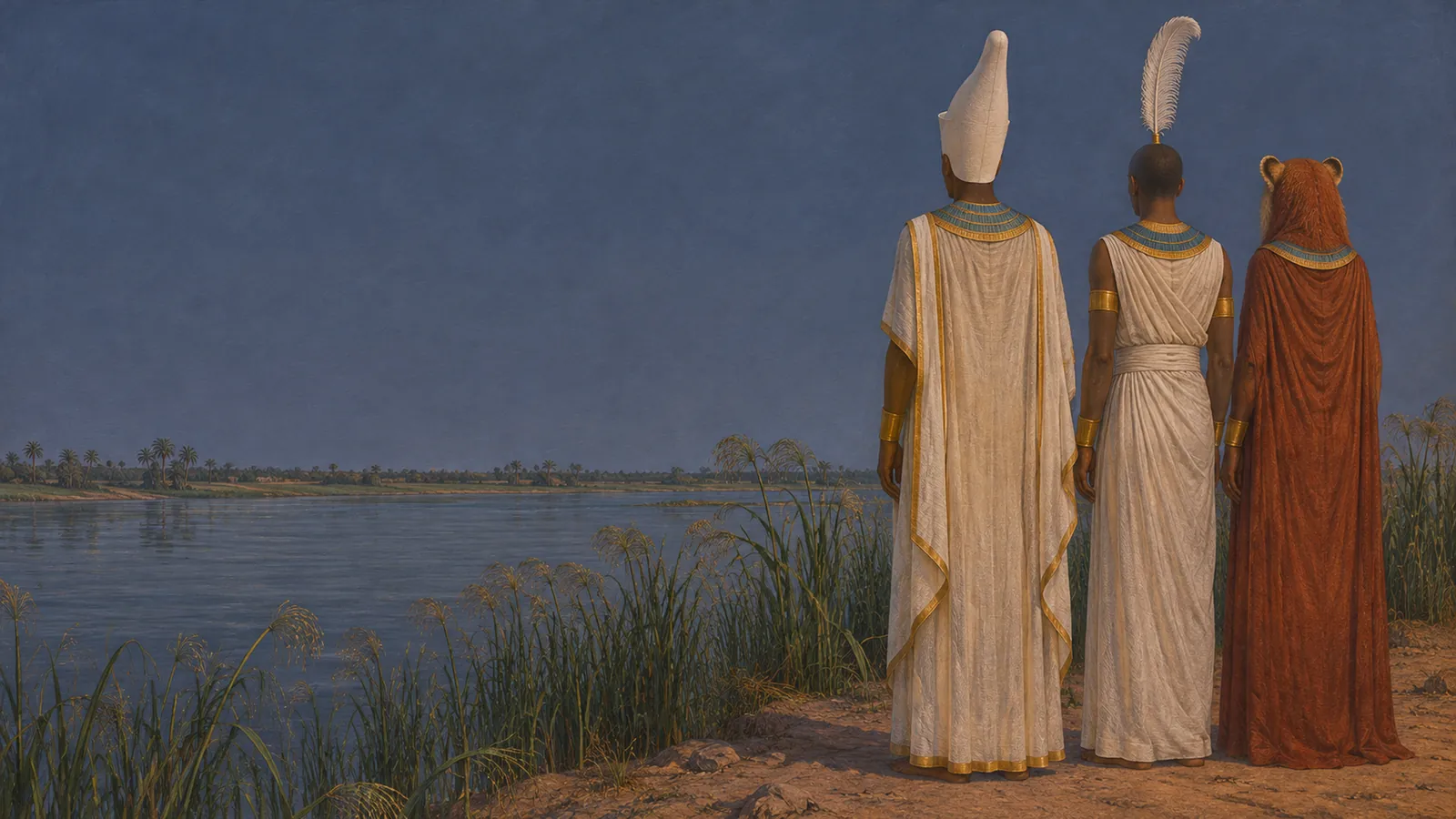
D’UN À TROIS
Le récitant dit qu’il a fait naître Shou et Tefnout de lui-même et que d’un il est devenu trois. Ils sont issus de lui et sont venus à l’existence sur terre.
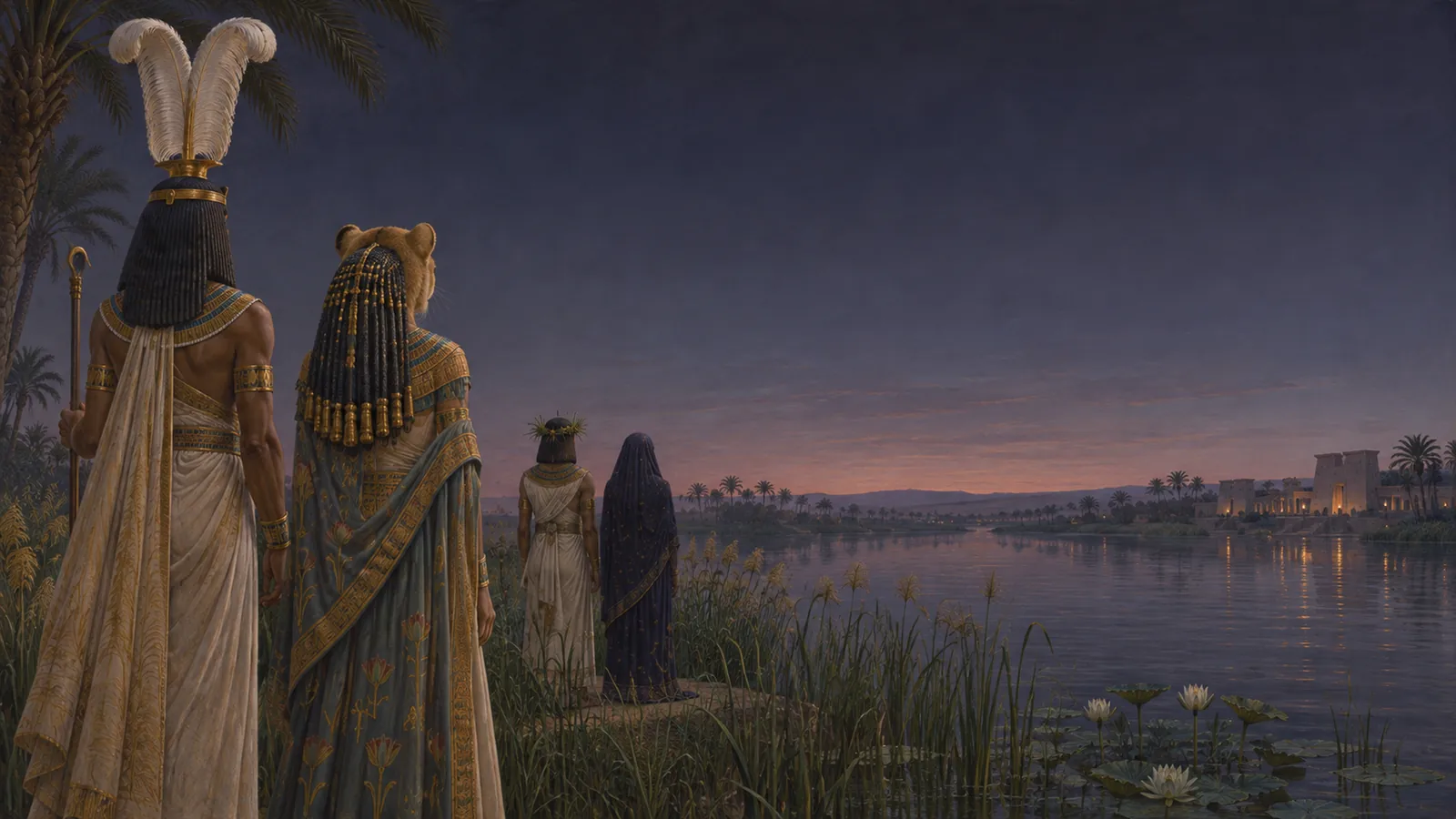
Le texte imprimé marque ici une ellipse. Il dit ensuite que Shou et Tefnout ont donné naissance à Seb et Nout.
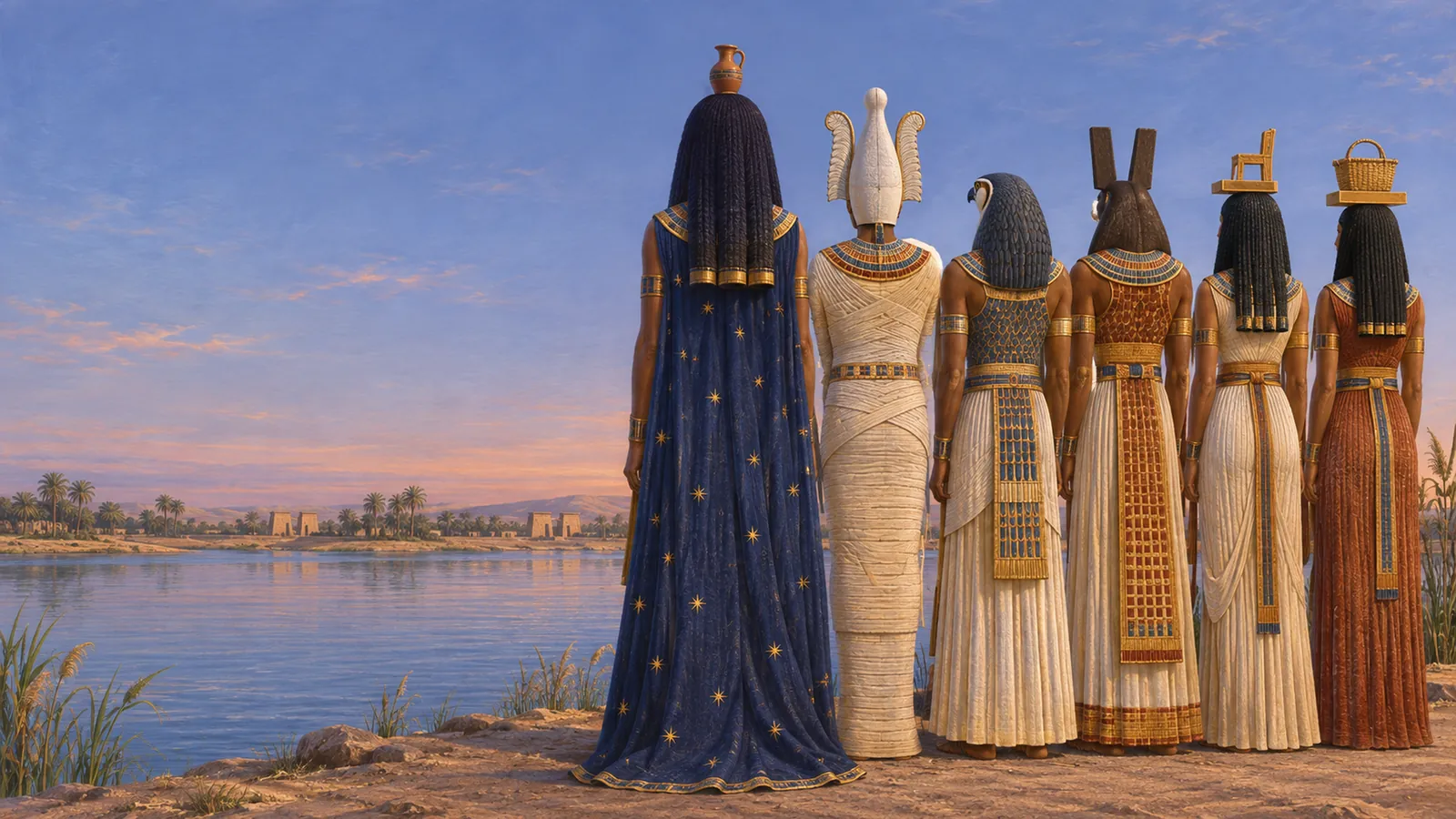
La récitation se termine en disant que Nut a donné naissance à Osiris, Horus-khent-an-maa, Sut, Isis et Nephthya en un seul accouchement.
Fin du chapitre 1
Toutes les pages



Sources
A. Wallis Budge assigns to section III of the Papyrus of Nesi Amsu in Egyptian Ideas of the Future Life, third edition, 1908. The quoted text begins and ends at transcription lines 749–779. Budge’s introduction identifies the speaker and the papyrus.
Éditions consultées
- Egyptian Ideas of the Future Life, publication record
- Budge’s creation quotation, Chapter I
- Budge’s note 20 identifying British Museum No. 10188
- Budge’s note 21 on the papyrus
Notes sur ce récit
The speaker’s opening uses Budge’s repeated language of evolving and evolutions. The next clauses say that he assumes the form of Khepera’s transformations, which came into being at the beginning of time, and that he comes into being with them. The paraphrase keeps the opening statement about becoming and both roles of the transformations.
The speaker says twice that he developed from primeval matter, which he says he himself made. He names himself Ausares and calls himself the germ of primeval matter. Budge prints “Osiris” in parentheses after Ausares.
The speaker says he carried out his will in the earth, spread abroad, filled the earth and strengthened it with his hand. Budge brackets “with,” which connects the action to the hand.
The speaker says that he was alone because nothing had yet been brought forth, and that Shu and Tefnut had yet to come from him.
The speaker utters his own name from his own mouth as a word of power. He says he comes into being immediately.
The quotation again names the form of Khepera’s evolutions. It now describes the primeval matter as that which brought forth many forms from the beginning of time.
The speaker says that nothing existed on earth, that he made all things and that no other worked with him. He credits his making of all “evolutions” to the divine Soul he fashioned. This Soul had remained inactive in the watery abyss.
Finding no place to stand, the speaker says he is strong in his heart and makes a foundation for himself. He again claims to have made everything that was made. He then says he was alone and makes a foundation for his heart, where Budge gives “(or will)” as an alternative. The first mention of heart on line 768 has no alternative. The speaker then creates a multitude of things.
The things created develop themselves in the manner of the “evolutions” of Khepera and their offspring come into being through their births. The speaker brings forth Shu and Tefnut from himself, says that from One he became Three, and says that both sprang from him and came into existence on earth.
It resumes with the statement that Shu and Tefnut brought forth Seb and Nut.
Budge prints the names Osiris, Horus-khent-an-maa, Sut, Isis, and Nephthya in that order and says Nut brought them forth at one birth. This is the end of the printed quotation.
Les vers antiques de chaque page
- Page 1: Budge 1908, Egyptian Ideas of the Future Life, ch. I, Papyrus of Nesi Amsu, creation quotation (local)
- Page 2: Budge 1908, Egyptian Ideas of the Future Life, ch. I, Papyrus of Nesi Amsu, creation quotation (local)
- Page 3: Budge 1908, Egyptian Ideas of the Future Life, ch. I, Papyrus of Nesi Amsu, creation quotation (local)
- Page 4: Budge 1908, Egyptian Ideas of the Future Life, ch. I, Papyrus of Nesi Amsu, creation quotation (local)
- Page 5: Budge 1908, Egyptian Ideas of the Future Life, ch. I, Papyrus of Nesi Amsu, creation quotation (local)
- Page 6: Budge 1908, Egyptian Ideas of the Future Life, ch. I, Papyrus of Nesi Amsu, creation quotation (local)
- Page 7: Budge 1908, Egyptian Ideas of the Future Life, ch. I, Papyrus of Nesi Amsu, creation quotation (local)
- Page 8: Budge 1908, Egyptian Ideas of the Future Life, ch. I, Papyrus of Nesi Amsu, creation quotation (local)
- Page 9: Budge 1908, Egyptian Ideas of the Future Life, ch. I, Papyrus of Nesi Amsu, creation quotation (local)
- Page 10: Budge 1908, Egyptian Ideas of the Future Life, ch. I, Papyrus of Nesi Amsu, creation quotation (local)
- Page 11: Budge 1908, Egyptian Ideas of the Future Life, ch. I, Papyrus of Nesi Amsu, creation quotation (local)
- Page 12: Budge 1908, Egyptian Ideas of the Future Life, ch. I, Papyrus of Nesi Amsu, creation quotation (local)
- Page 13: Budge 1908, Egyptian Ideas of the Future Life, ch. I, Papyrus of Nesi Amsu, creation quotation (local)
- Page 14: Budge 1908, Egyptian Ideas of the Future Life, ch. I, Papyrus of Nesi Amsu, creation quotation (local)
- Page 15: Budge 1908, Egyptian Ideas of the Future Life, ch. I, Papyrus of Nesi Amsu, creation quotation (local)
- Page 16: Budge 1908, Egyptian Ideas of the Future Life, ch. I, Papyrus of Nesi Amsu, creation quotation (local)
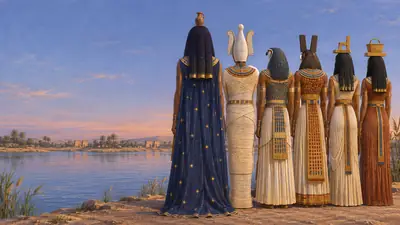
Illustrations réalisées par IL Archive avec des outils d’IA ; le texte s’appuie sur les sources antiques (voir les sources à la fin de chaque chapitre).