Entity · Concept
Ritual
A reference page linking a name, group, or concept to the materials that discuss it.
An organised or distinguished practice meaningful to a community; it may leave traces, but its form alone does not reveal an associated doctrine.
Text
Depending on context, ritual practices may include burial, feasting, deposition and treatment of objects. Unusual form or limited apparent usefulness cannot identify ritual alone; ritual practice may overlap with daily work.[3]
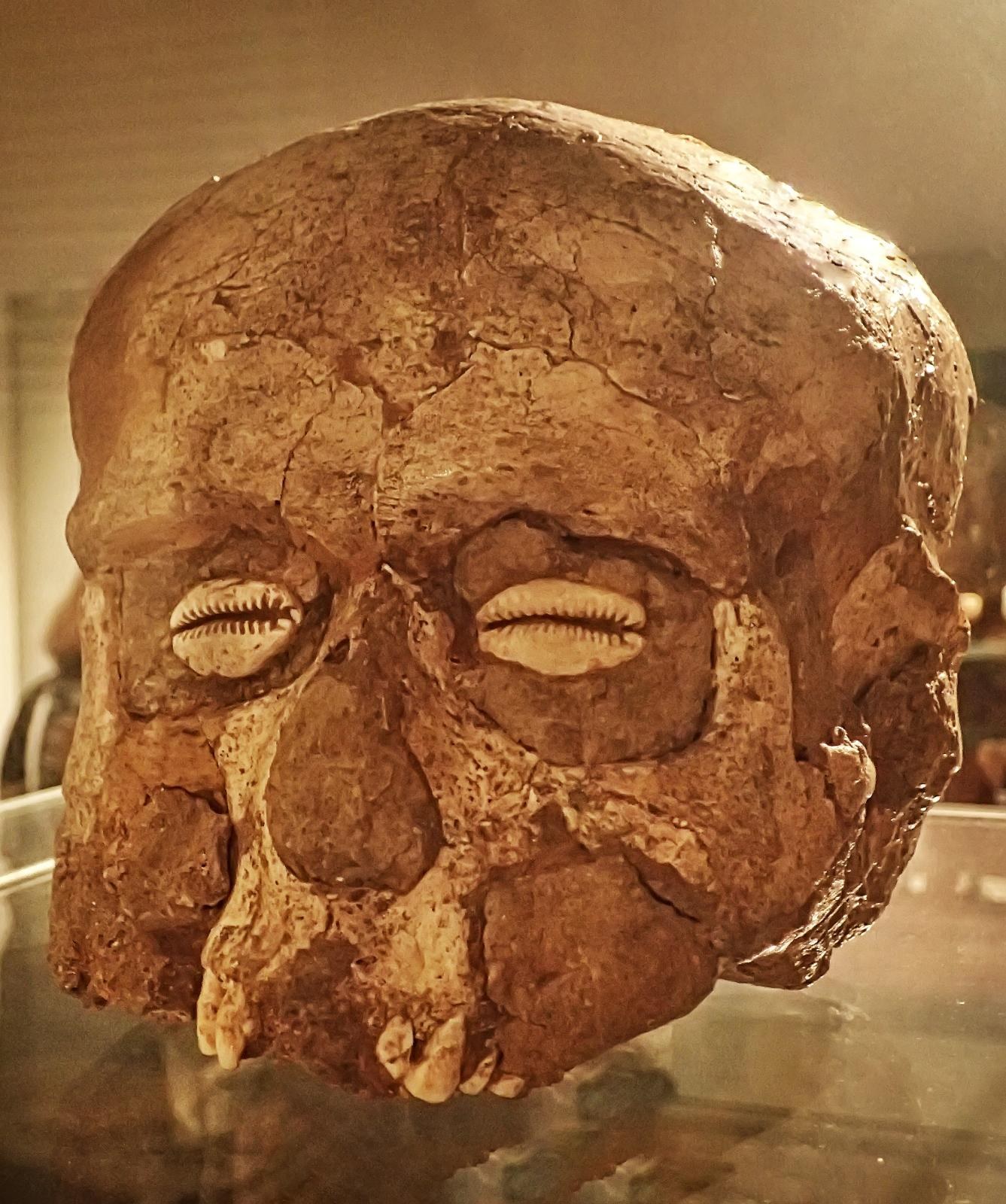
The treatment of Jericho skulls offers a material example for discussing care for the dead and remembrance. It neither represents all rituals nor establishes a single belief.[12]
References and notes
- Joanna Brück (1999). Ritual and Rationality: Some Problems of Interpretation in European Archaeology. European Journal of Archaeology 2(3), 313–344. Abstract; critique of imposing a modern separation between ritual and practical action. Return to the text ↑
- Ashmolean Museum, University of Oxford. Jericho Skull, AN1955.565. Object description and interpretation of its treatment; the museum dates it approximately around 7000 BCE. Return to the text ↑
Research history
Substantive changes are retained here. Minor copy edits remain in the internal operational log.
-
Substantive record update
Suggest a correction · Suggest a source for this record
Cite this record
IL Archive, «Ritual», Edition 2, https://ilarchive.com/en/entities/ritual