Site · City
Qazvin
Iranian city that served as a Safavid capital in the later sixteenth century and was associated with manuscript arts.
Text
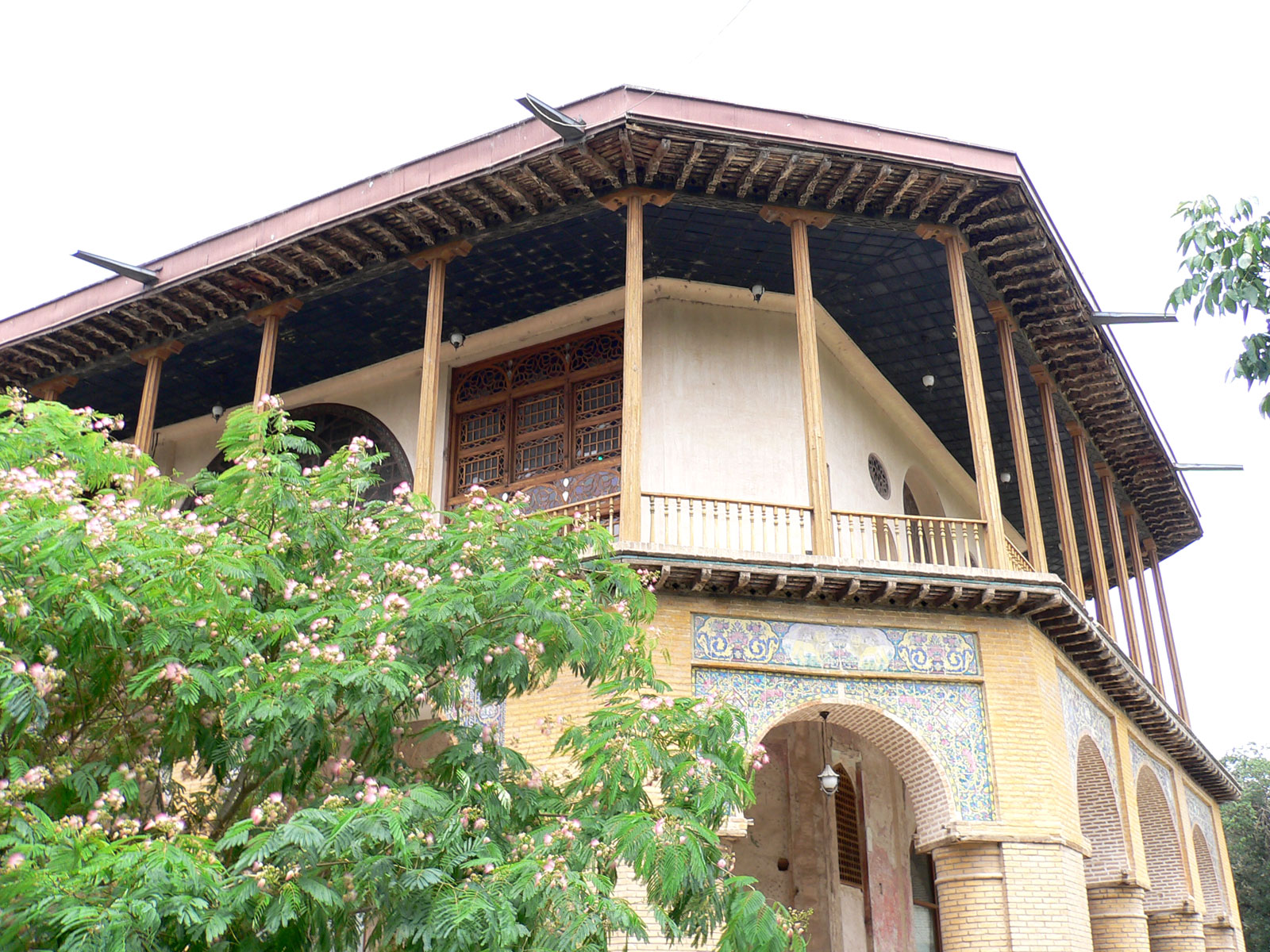
Qazvin is a city in IranIranIran is the modern country containing Shush, ancient SusaGlossary · Click to read the explanation, northwest of Tehran. It became a Safavid capital in the mid-sixteenth century, before the court moved to Isfahan near that century's end. It appears in the Seven Sleepers study because the Metropolitan Museum attributes a Falnama leaf depicting the Sleepers, dated to the 1550s, to Qazvin. This is a tentative museum attribution of the artwork's place of production, not a location for the narrative's cave. A photograph of the Chehel Sotun pavilion shows part of the city's heritage as seen today. [1] [2]
References and notes
- The page or portions specified in the reference statement were read; this does not claim a reading of the entire book or manuscript. Capital Cities, Safavid-to-Qajar subsection, Qazvin/Isfahan paragraphs read; not the whole article or cited books. Broad mid/late sixteenth-century dates used to avoid false precision in court relocation. Return to the text ↑
- The page or portions specified in the reference statement were read; this does not claim a reading of the entire book or manuscript. Complete museum object metadata read: Falnama 35.64.3, 1550s, attributed Qazvin, public-domain image. Attribution retained as qualified. Return to the text ↑
Research history
Substantive changes are retained here. Minor copy edits remain in the internal operational log.
-
Substantive record update
-
Substantive record update
Suggest a correction · Suggest a source for this record
Cite this record
IL Archive, «Qazvin», Edition 3, https://ilarchive.com/en/sites/qazvin