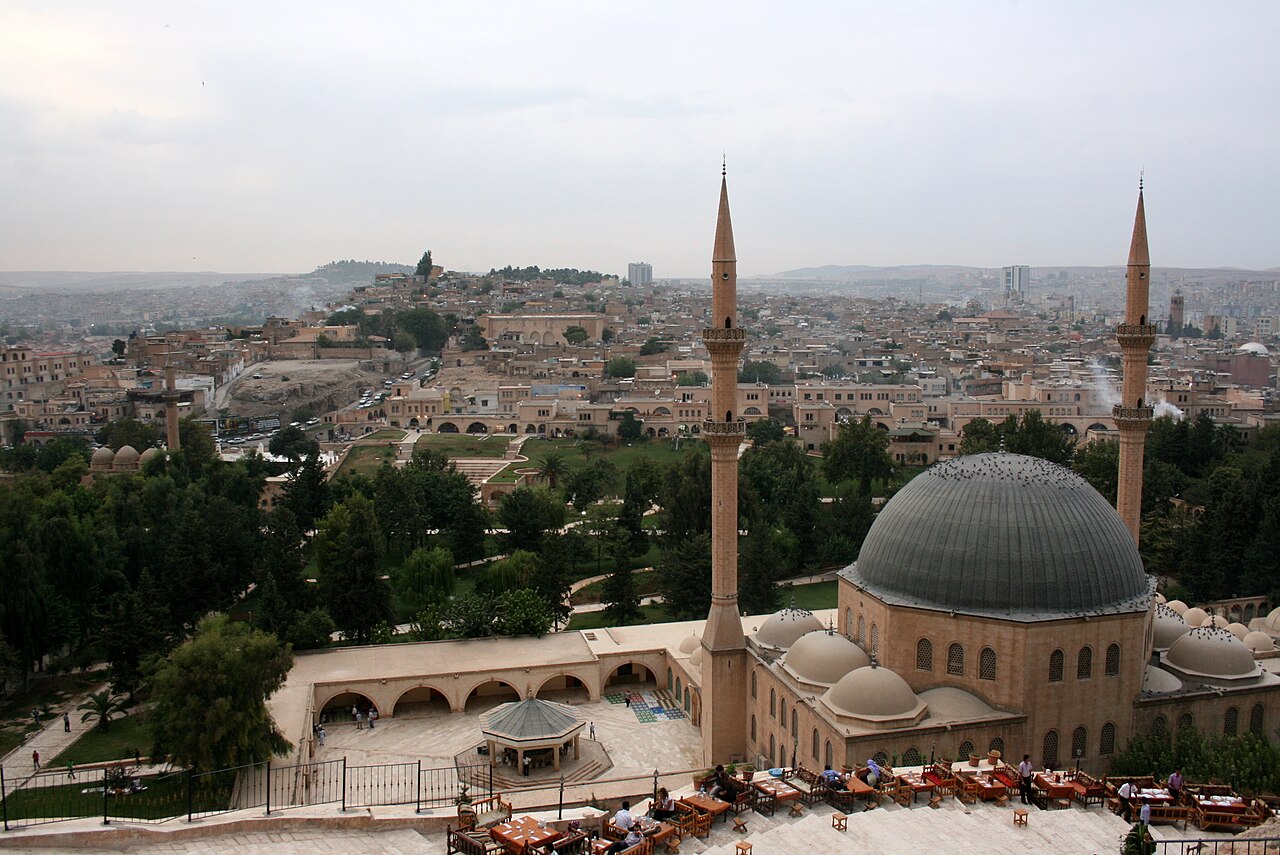
A modern view of Şanlıurfa from Urfa Castle, 5 July 2006, including a mosque and minarets of the later city. It shows the contemporary city, not Göbekli Tepe or the Neolithic period
Site
A modern city in southeastern Turkey, near Göbekli Tepe, whose museum displays Urfa Man.
Name variants: Şanlıurfa, Sanliurfa, Urfa
Context and sources →
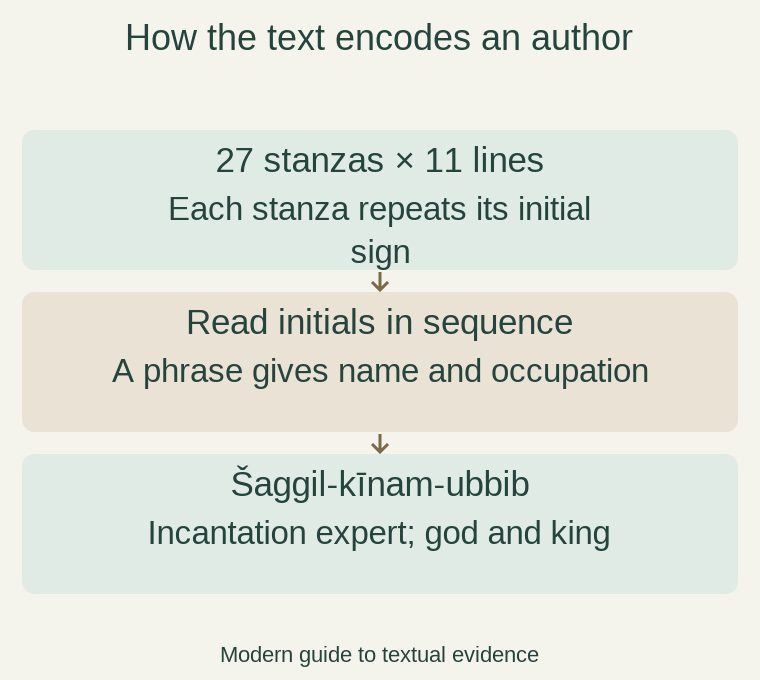
Modern explanation of the Theodicy’s acrostic: 27 stanzas of 11 lines, whose initials encode authorial attribution and occupation. It explains the reading principle, not a manuscript facsimile or every sign
Person
Šaggil-kīnam-ubbib is the name to which the Babylonian Theodicy’s acrostic attributes the dialogue.
Name variants: Šaggil-kīnam-ubbib
Context and sources →
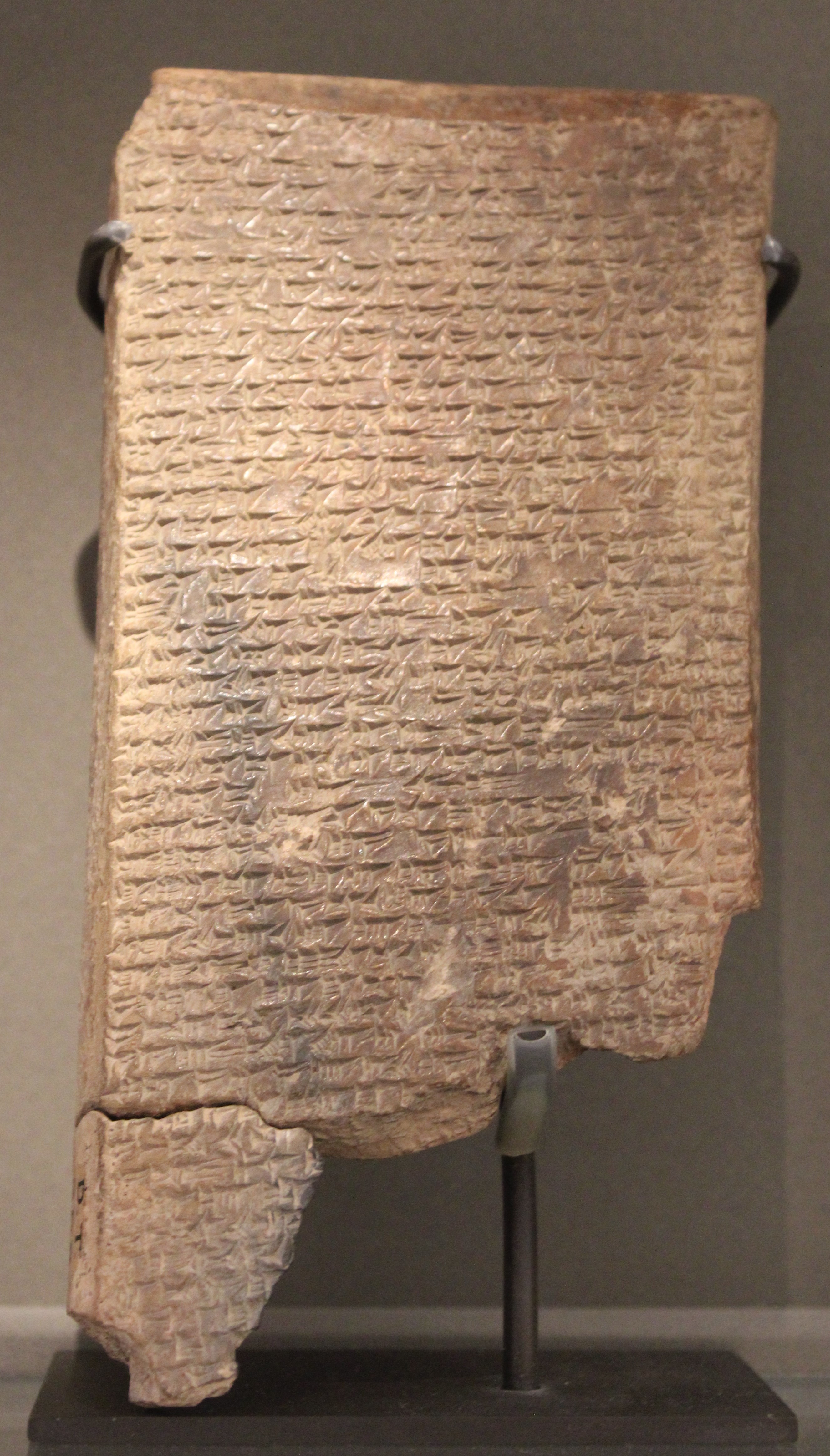
Nineveh witness to Ludlul tablet II, K.2518+DT.358, seventh century BCE, British Museum collection, on loan at the Louvre. Part of the work telling Šubši’s story, not his likeness or the tablet III passage naming him
Person
Šubši-mešrê-Šakkan is the protagonist of Ludlul bēl nēmeqi, the Babylonian poem moving from loss of standing and illness to healing and praise of Marduk.
Name variants: Šubši-mešrê-Šakkan
Context and sources →
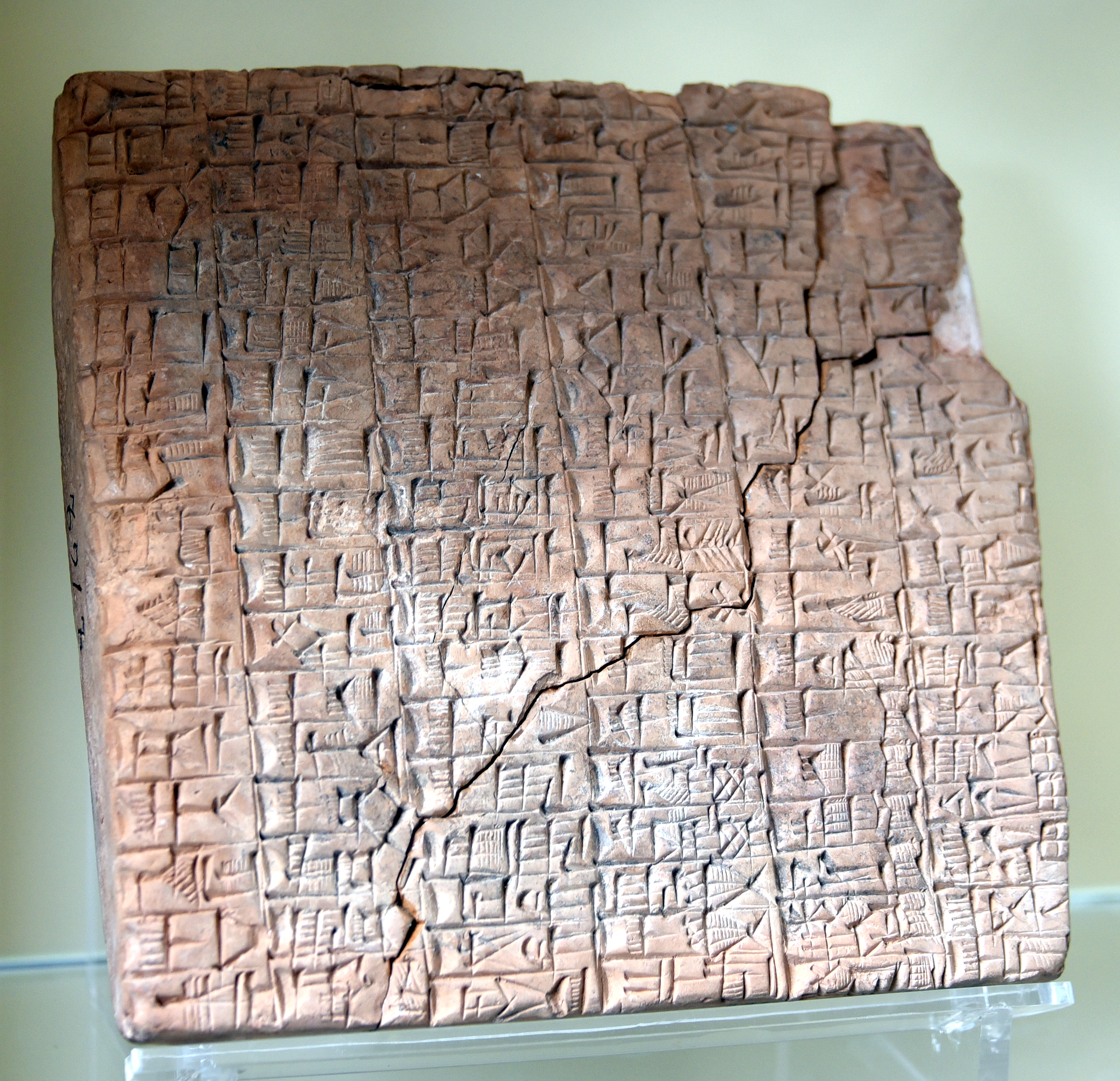
Professions-list tablet from Šuruppak (Tell Fara), c. 2600–2500 BCE, Pergamon Museum. Evidence of the city’s written culture, not a view of Sud’s temple
Site
Sumerian city at Tell Fara, Iraq, associated with Sud; distinct from Ereš in Enlil and Sud.
Name variants: Šuruppak, Shuruppak, Tell Fara
Context and sources →

Modern generated symbolic cover evoking Mesopotamian counting: imagined clay tokens, not an artifact or an attested depiction of the ŠAR₂ sign or 3,600 objects
Entity
Sumerian numeral meaning 3,600 = 60×60. Its use for years or other quantities depends on the text; Akkadian šar “king” is distinct. No orbital period follows from the number alone.
Name variants: šar₂, Sumerian shar 3600
Context and sources →
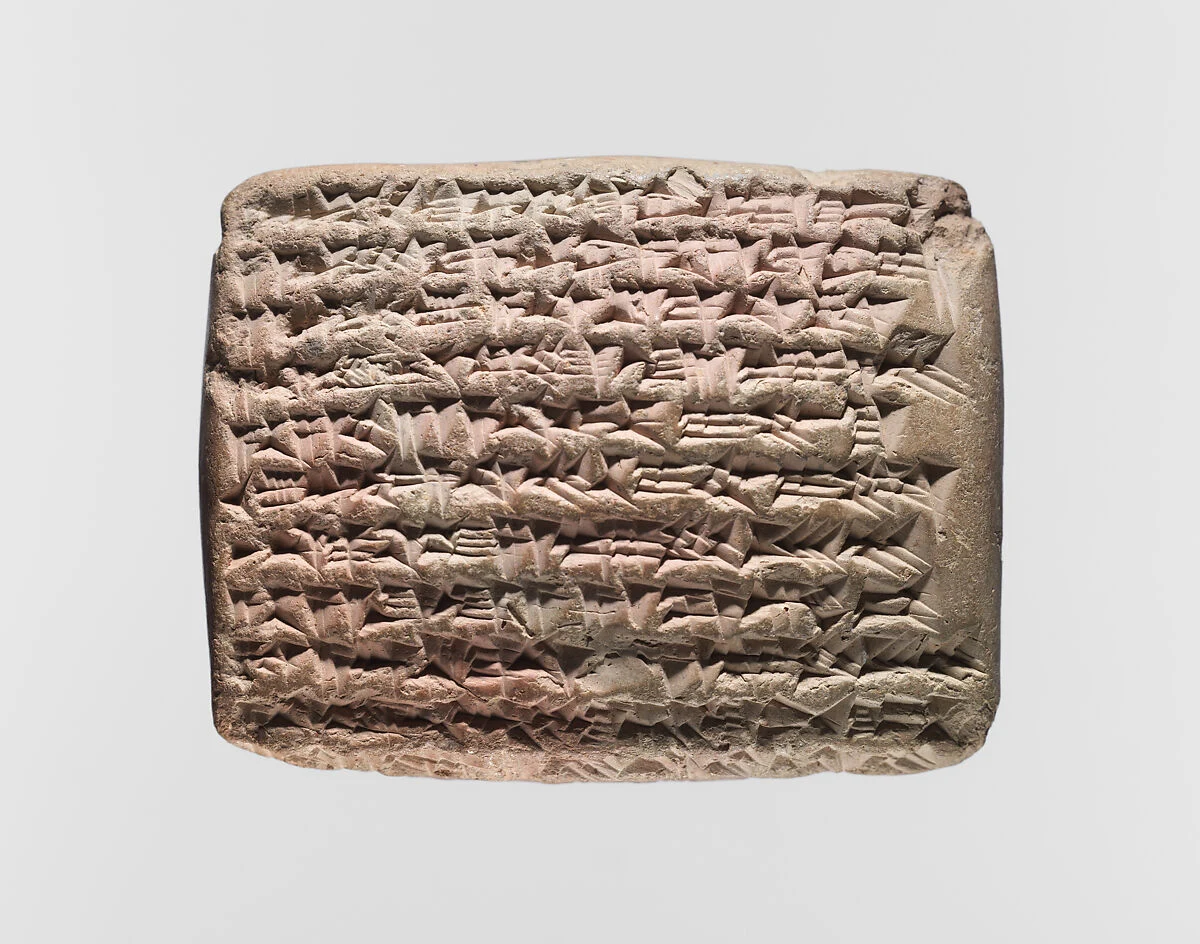
Cuneiform tablet from Babylon, ca. 554 BCE, Met 79.7.11. The museum records a proxy purchase of an enslaved person; NaBuCCo summarizes the sale of a woman and her son. This later Babylonian document is neither a Hebrew biblical text nor evidence that Torah provisions were enforced
Entity
Hebrew עֶבֶד (*ʿeved*): an enslaved person, servant, subject or official according to context; the word alone does not specify legal status or service length.
Name variants: ʿeved, ʿeḇeḏ, Hebrew ʿeved
Context and sources →

Modern AI-generated conceptual image of a path toward the horizon, suggesting religious orientation; not a photograph of an archaeological site, Abraham, or a historical ḥanīf community
Entity
A Qur’anic description of Abraham and those devoted to God rather than association; its etymology and the history of pre-Islamic “ḥanīfs” remain debated.
Name variants: hanif, ḥanīf, ḥanīfiyya, hunafa
Context and sources →