Person · Literary figure
Gimil-Ninurta, the Poor Man of Nippur
- Names
- Gimil-Ninurta · Gimil-Ninurta of Nippur
- Region
- Mesopotamia
Gimil-Ninurta brings a goat to the mayor of Nippur and is given scraps in return. The Akkadian tale follows three acts of revenge, each of which changes the terms on which he approaches the mayor.
Estimated reading time: 5 min Published Last reviewed:
Share article
Text
Introduction
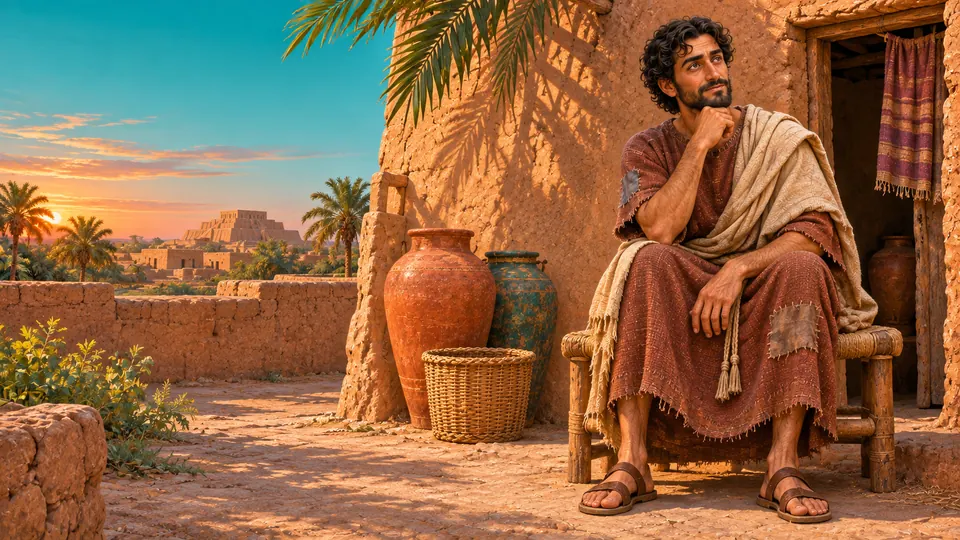
Gimil-Ninurta is the central figure of the AkkadianAkkadianAn ancient East Semitic language written in cuneiform from the third millennium BCE; its varieties include Babylonian and Assyrian, and it served in international diplomacy.Glossary · Click to read the explanation tale known as The Poor Man of Nippur. He buys a goat and brings it to the mayor of his city. The mayor takes the goat and has Gimil-Ninurta given scraps and poor beer. On leaving, the poor man vows to take revenge three times. The plot follows his return to the mayor as someone the official believes he ought to receive, and finally a meeting outside the city. [1][2]
The narrative gives the audience several views of the same man. He starts as a citizen whose need makes him dependent on the mayor’s response. He then takes on the appearance of a man connected to the king and the role of a physician. The repetition of his promise lets the audience keep count as the mayor’s judgment repeatedly fails him. [1][2]
A goat brought to the mayor’s gate
The opening describes Gimil-Ninurta in need of food and proper clothing. He buys a three-year-old she-goat in the city square and considers slaughtering it at home. The surviving lines have him think about the possibility of a feast and decide to take the animal to the mayor. At the gate, a doorman reports that a citizen of Nippur is waiting. The mayor initially objects to letting such a man stand outside and orders him admitted. [1][3]
The reception that follows falls short of that greeting. Gimil-Ninurta has brought a valuable animal, while the meal he is given consists of bones and sinew and a small quantity of poor beer. Raymond Westbrook explains that the mayor takes the visitor for a petitioner: it was customary to bring an official a gift before he heard a complaint, and such a gift was in effect a fee, so the mayor asks what wrong has been done to him. Gimil-Ninurta states no complaint and simply repeats his story, and Westbrook finds his motive for bringing the goat unclear. The tale makes clear what he offers and what he receives, while leaving his full expectations open. [1][2][3]
A chariot and a royal claim
After the first visit Gimil-Ninurta obtains the temporary use of a chariot from the king. In the tale the vehicle is suited to people of high standing. He arrives in it with a container and has the mayor understand that he is responsible for royal property. This time the mayor comes out to receive him and arranges a substantial meal. The second welcome depends on what the visitor appears to represent. [1][2]
The claimed property is gold. The audience knows of two birds Gimil-Ninurta has placed in the container and sees them escape. The mayor believes the gold has been taken while the object was under his care. In the encounter that follows, Gimil-Ninurta beats him and receives gold as compensation. He announces that one part of his revenge is over. A man who had received scraps at this house now leaves with an amount the mayor believes he has had to pay to make good a loss. [1][2]
The physician and the bridge
For his next visit, Gimil-Ninurta goes to a barber and then presents himself as a physician. The mayor shows him the injuries he received during the encounter over the supposed gold. Believing the visitor can treat him, he allows him access again. The treatment is a pretext for the second retaliation. The injuries from the first meeting are the reason the mayor welcomes the man responsible for them back into his house. [1][2]
In the third encounter, as Shana Zaia summarises it, Gimil-Ninurta bribes someone to impersonate him and lead the mayor’s household away on a chase, which leaves the mayor unprotected outside. The Akkadian text places the final confrontation near a bridge. At the end the mayor crawls back into the city, and the third retaliation has been carried out. The story has taken the mayor from directing access at his gate to returning to the city in a humiliating condition. [1][2]
Shana Zaia emphasizes the changing situations within the repeated pattern of revenge. The mayor has been warned, and the audience can anticipate what he fails to prevent. In her reading, the countdown and the different roles Gimil-Ninurta adopts can be understood as humor that makes social expectations available for discussion. The uneven reception of the two visitors at the same gate, first the man with the goat and then the man in a chariot, is one of the places those expectations become visible. [1][2]
The surviving tablets and the city
A Neo-Assyrian clay witness was excavated at Sultantepe, ancient Huzirina, and is held in the Museum of Anatolian Civilizations in Ankara. The CuneiformCuneiformWriting with wedge-shaped signs, developed from Mesopotamian recording traditions and used for several languages from the third millennium BCE.Glossary · Click to read the explanation Digital Library Initiative registers another fragment from Nippur itself as a Neo-Babylonian tablet. The two sides served different purposes. The front carries part of the tale and the back contains part of a lexical list. Evidence for the story’s circulation comes from tablets with different findspots and formats. [1][4][5]
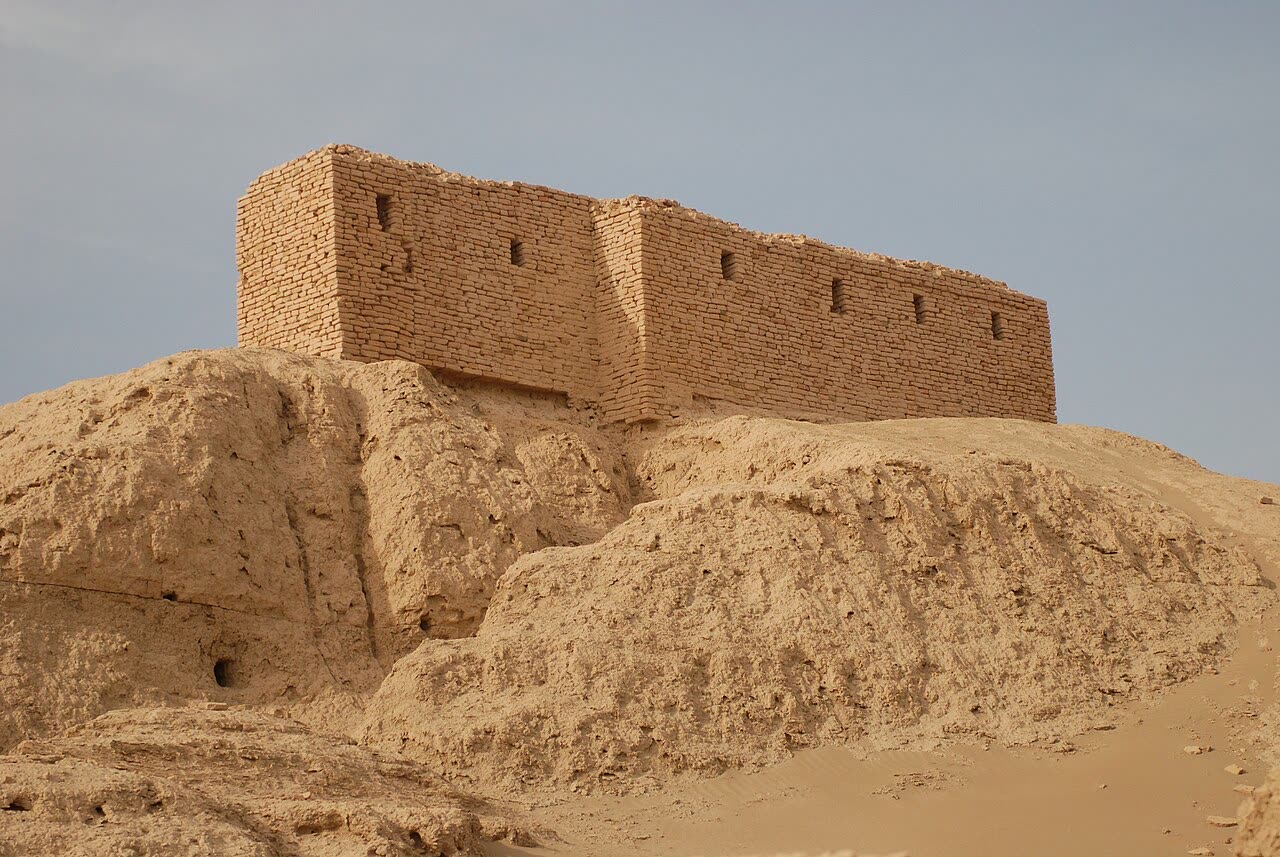
The photograph shows the archaeological remains at Naffur, the site of ancient Nippur. The tale uses its own smaller geography within the city, beginning with the square where Gimil-Ninurta buys the goat and moving through the gate of the mayor’s house to a bridge. The city’s name and those settings are part of how the story makes its dealings between a citizen and an official intelligible. [1][5][6]
References and notes (6)
- Cuneiform Digital Library Initiative, Poor Man of Nippur, composite P499186 Read the English rendering and Akkadian transcription of the opening, gift, chariot and box episode, physician episode, bridge encounter and closing, and the witness register. Return to the text ↑
- Shana Zaia, Humor as Pedagogy: Cases from Mesopotamia in the First Millennium BCE Read pages 145–147 on the witnesses, synopsis of all three episodes, progress of the countdown and the interpretation of repetition and status. Return to the text ↑
- Raymond Westbrook, Patronage in the Ancient Near East Read pages 218–220 on the mayor’s initial reception, his reading of the goat as a petitioner’s gift or fee, and the unclear motive for the gift. Return to the text ↑
- Cuneiform Digital Library Initiative, Poor Man of Nippur, witness P338355 Read the Sultantepe provenance, Neo-Assyrian date, collection and identification of the tablet as a copy of the tale. Return to the text ↑
- Cuneiform Digital Library Initiative, Poor Man of Nippur, witness P278950 Read the Nippur provenance, Neo-Babylonian date, museum and separate identifications of the obverse and reverse contents. Return to the text ↑
- Wikimedia Commons, Ruins from a temple in Naffur Read the Naffur identification, photographer and public-domain status of the United States Army photograph. Return to the text ↑
Suggest a correction · Suggest a source for this record
Cite this record
IL Archive, «Gimil-Ninurta, the Poor Man of Nippur», https://ilarchive.com/en/people/gimil-ninurta