The Poor Man of Nippur Chapter 1
Threefold Revenge
Gimil-Ninurta gives the mayor a goat and leaves with scraps and an insult. Borrowed rank, a false physician and a decoy bring the threefold revenge he promised.
SourcesTurn the pages with the arrows, the arrow keys or a swipe.
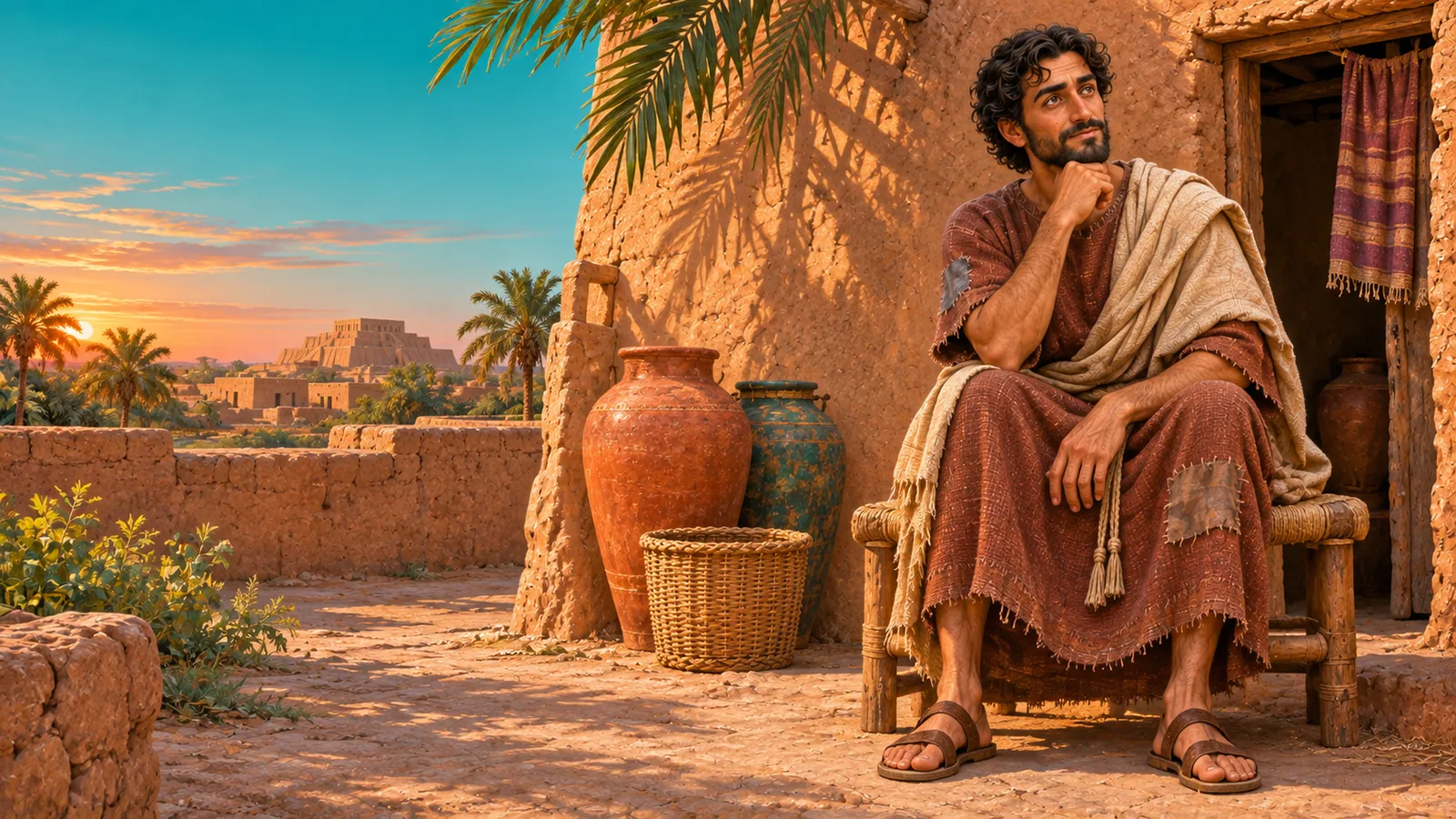
HUNGER
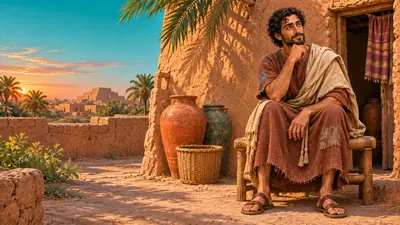
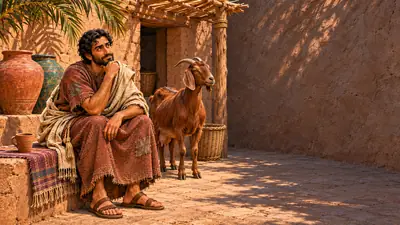
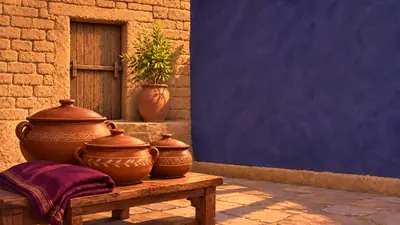
In Nippur lived Gimil-Ninurta, a poor citizen. Hunger and want filled his days, and he had little with which to improve them.
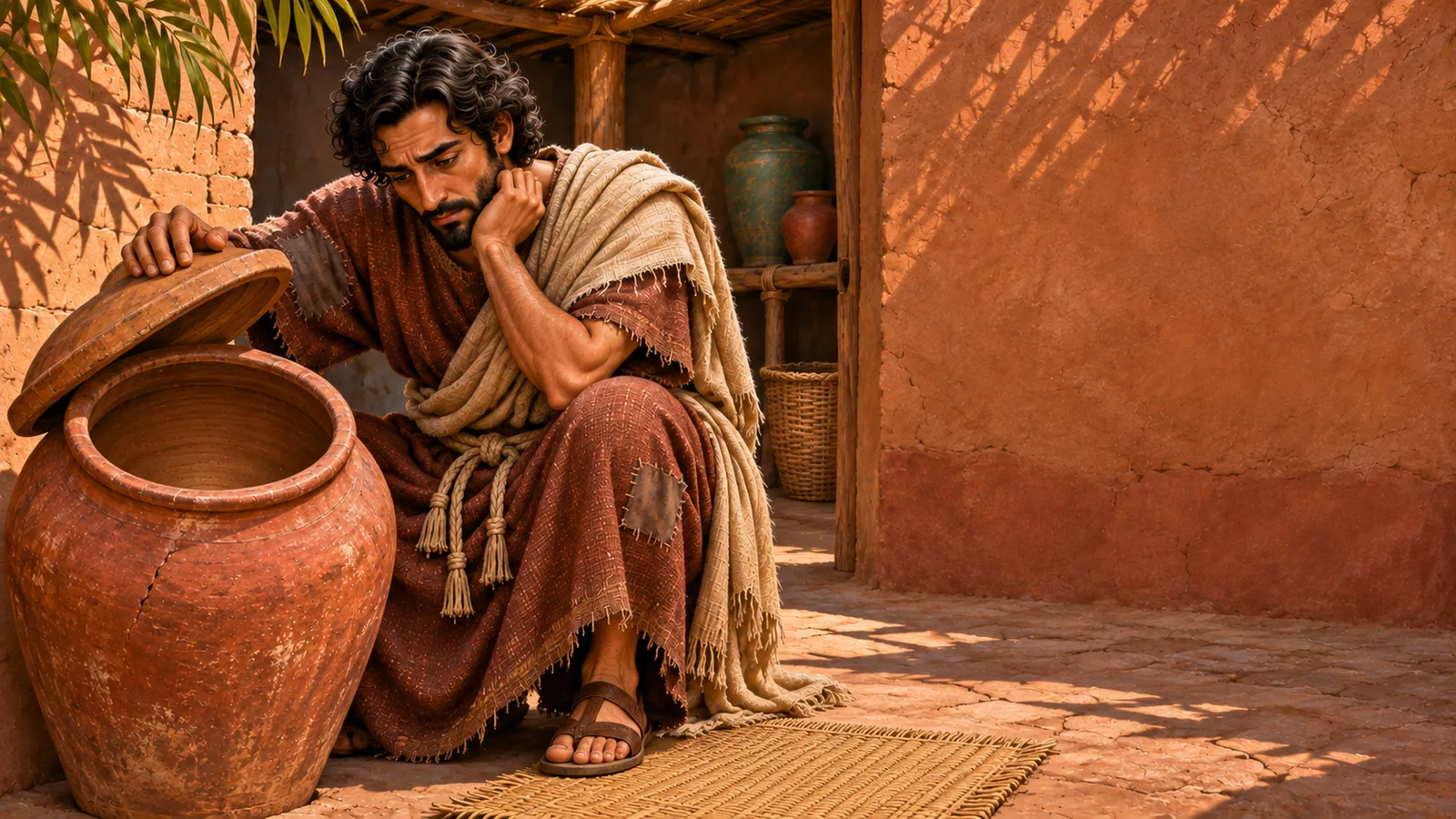
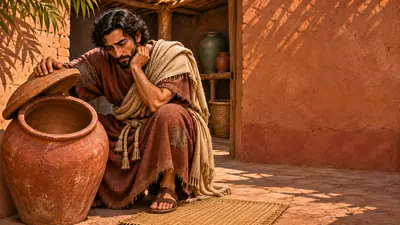
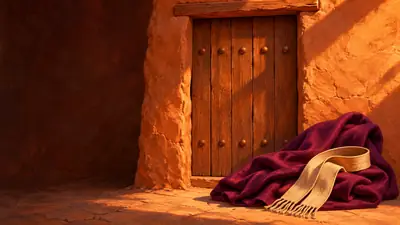
He had neither silver nor gold, and his store held no grain. He longed for bread, meat and good drink, with no change of clothes.
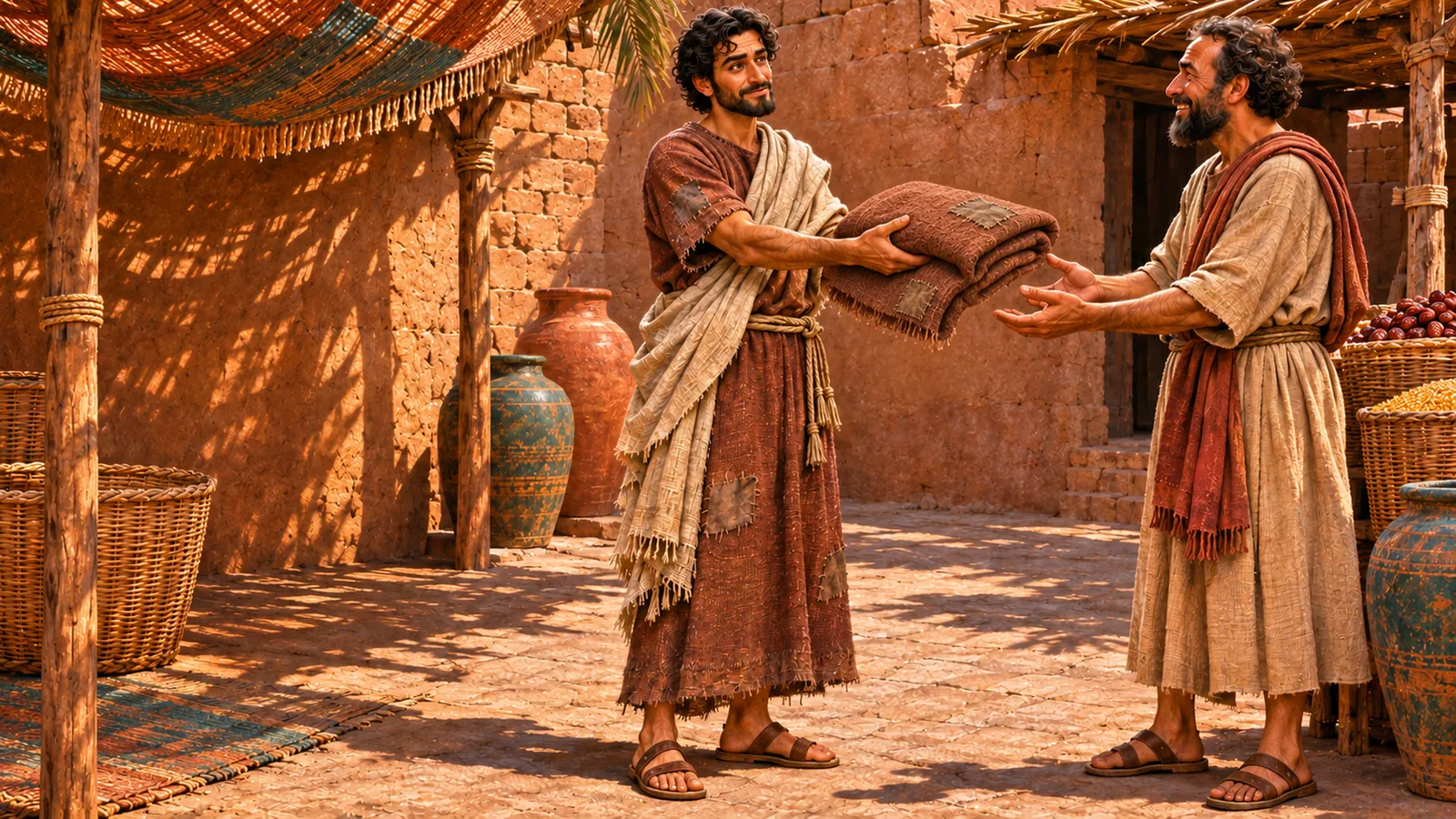
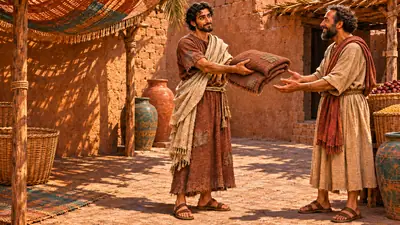
Gimil-Ninurta considered what remained to him. He decided to give up the garment he could not replace and buy an animal in Nippur’s market.
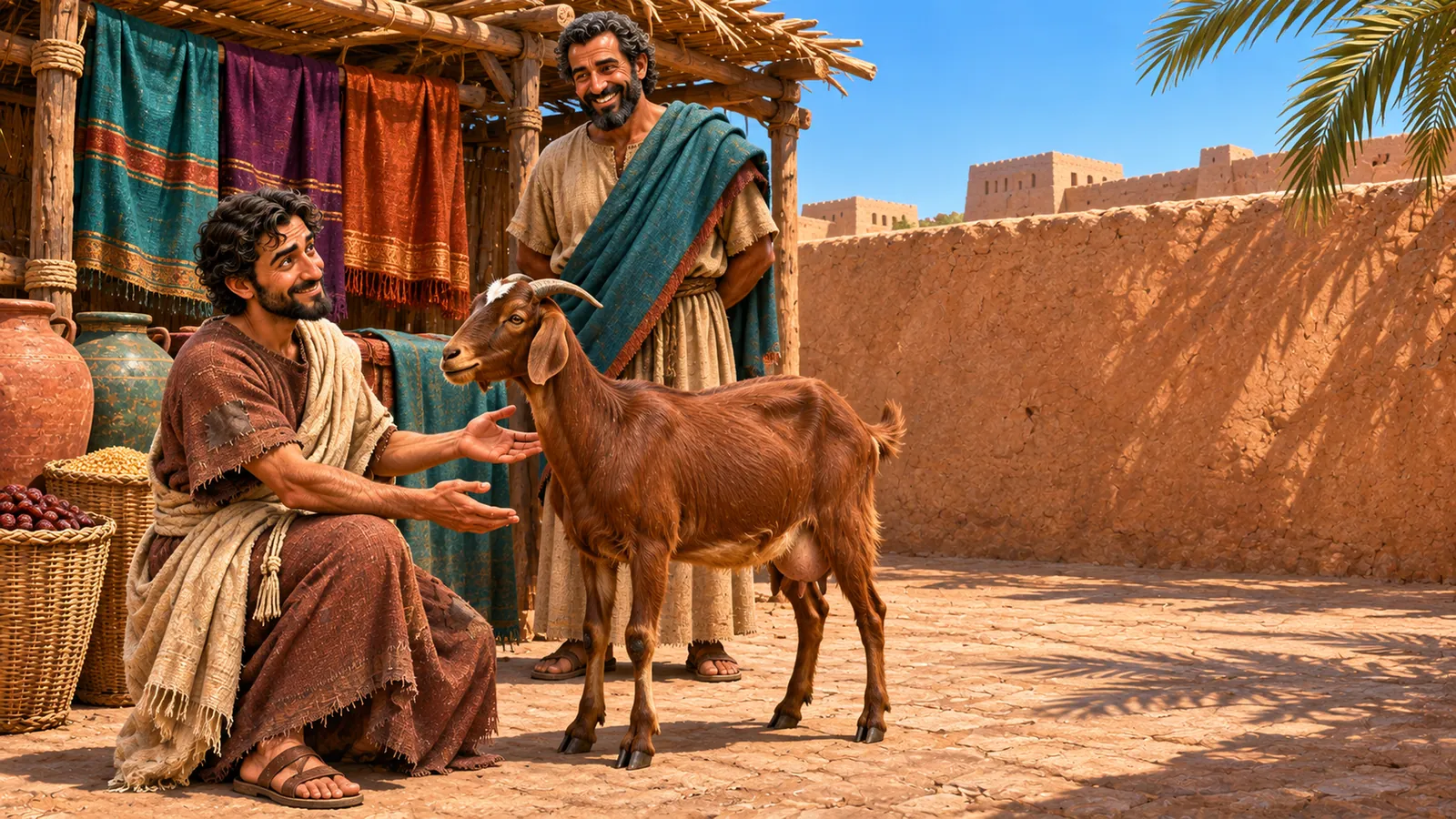
He had spoken of buying a ram, but the purchase was a three-year-old nanny goat. Now he had another decision to make.
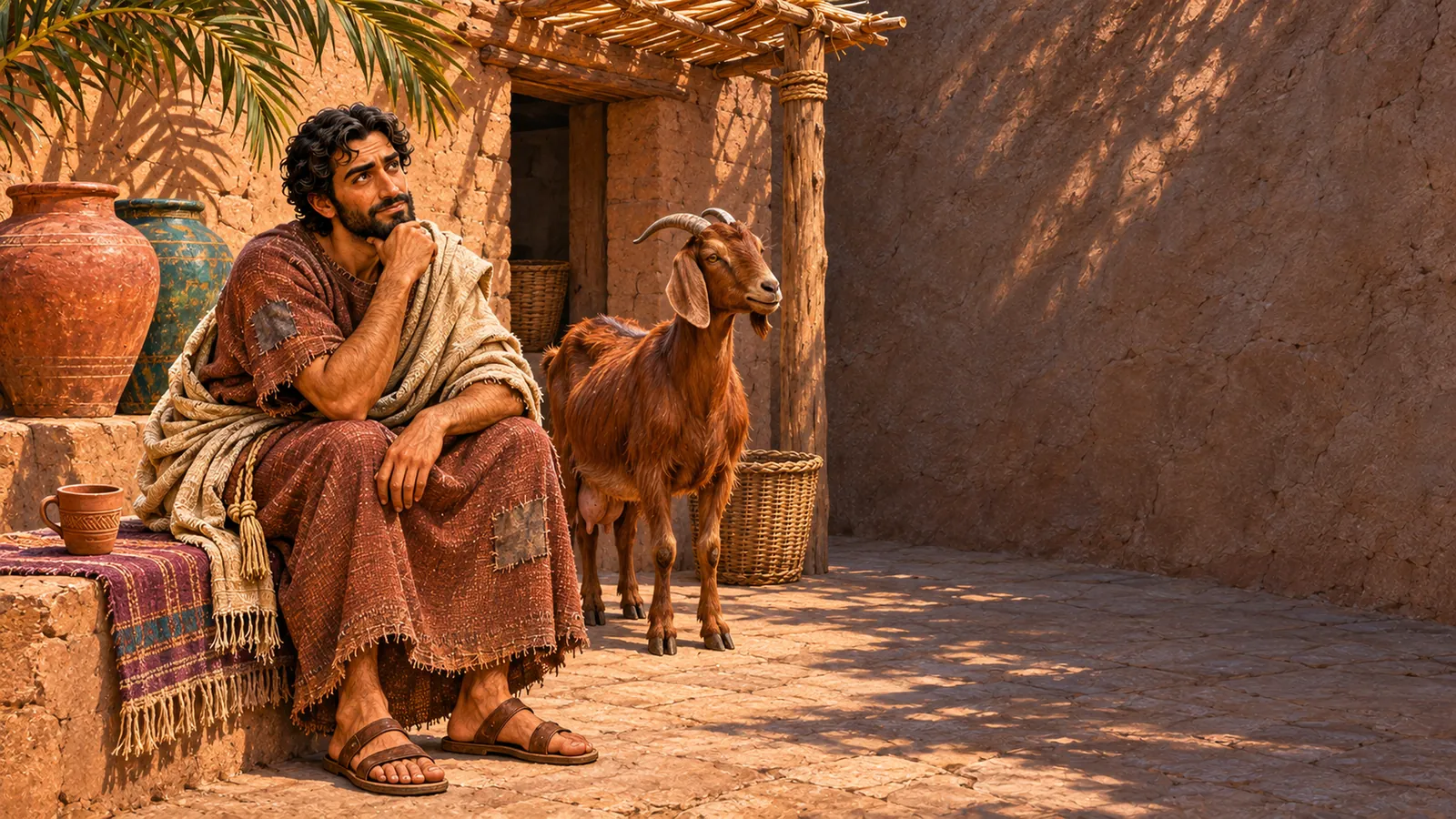
He considered slaughtering the goat at home. But there was no beer for a proper meal, and his neighbors and relatives would be angry.
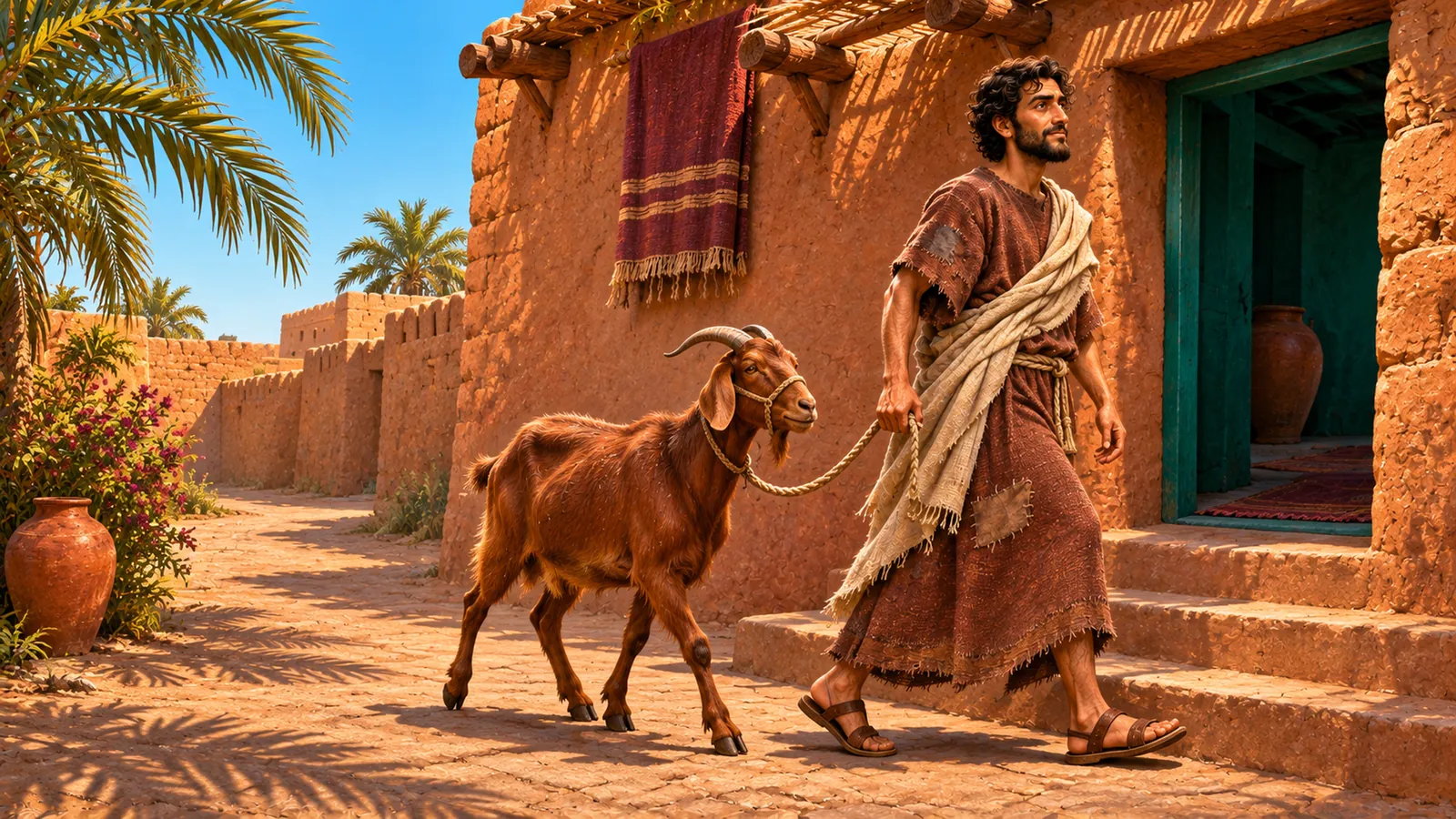
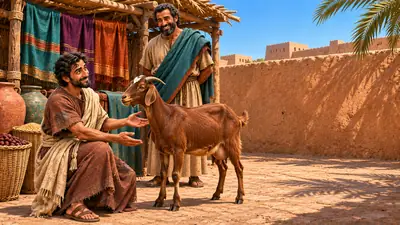
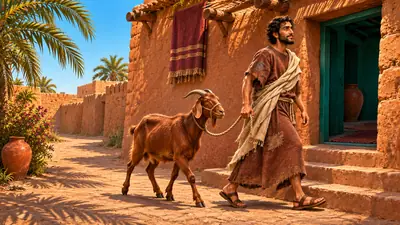
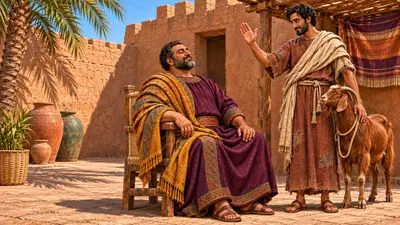
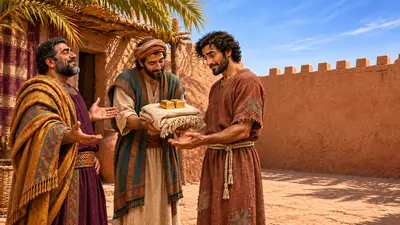
Instead he would bring the goat to the mayor, offering something fine for his table. Gimil-Ninurta set out with his living gift.
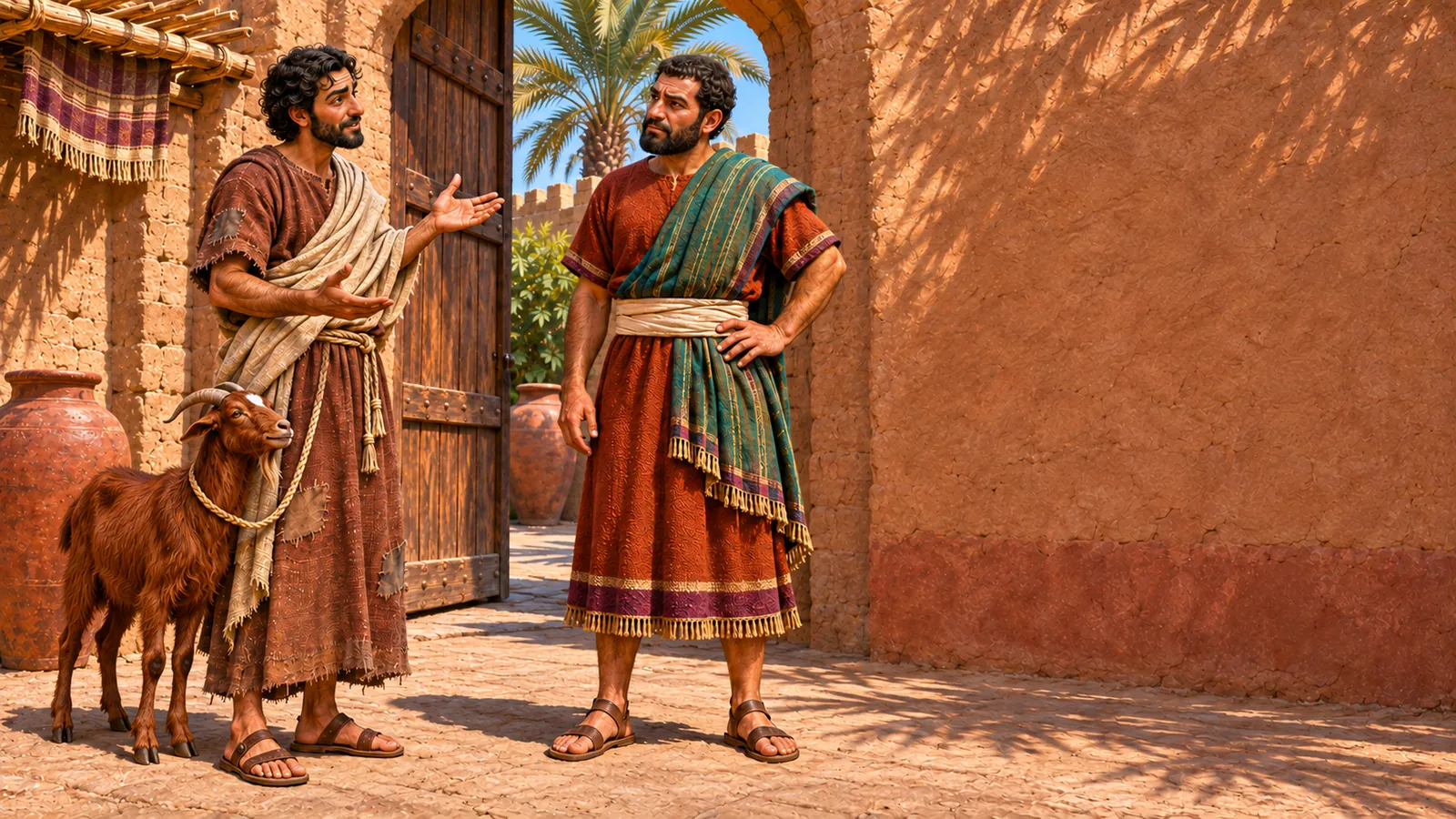
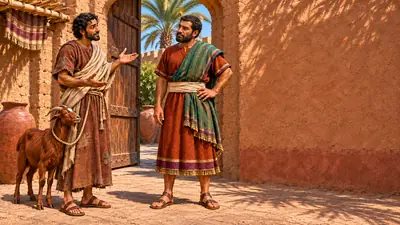
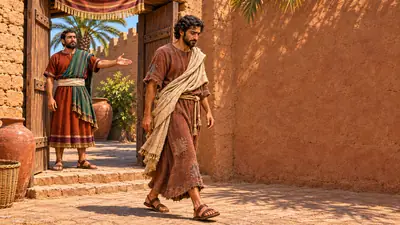
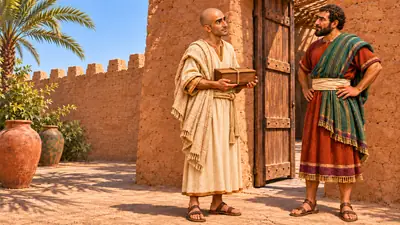
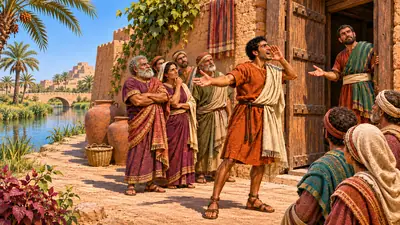
At the mayor’s gate he spoke to Tukulti-Enlil, the doorkeeper. He asked to enter, and the doorkeeper reported the citizen and his goat.
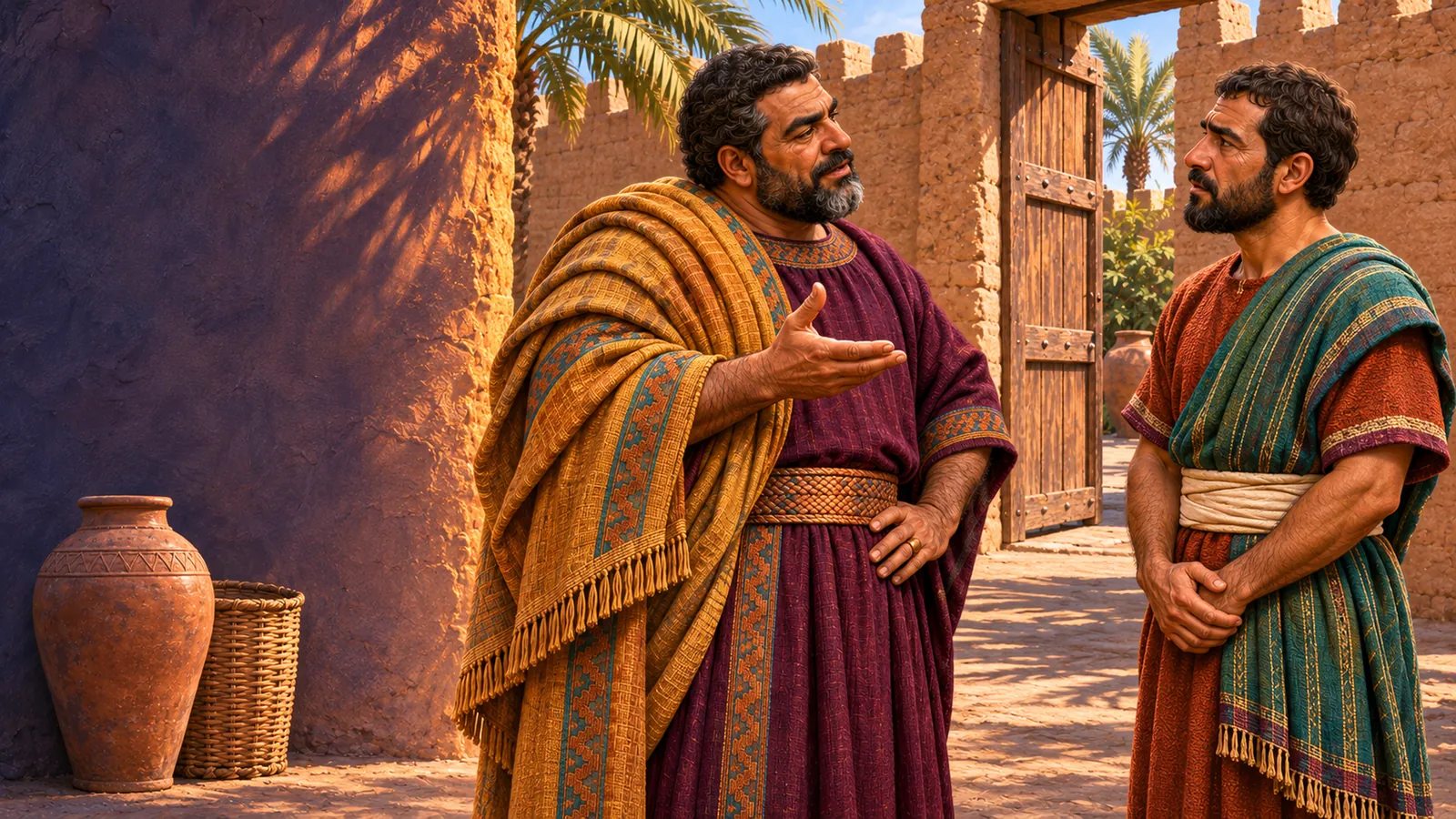
The mayor angrily asked why a citizen of Nippur was waiting at his gate. A damaged line follows; then Gimil-Ninurta entered happily.
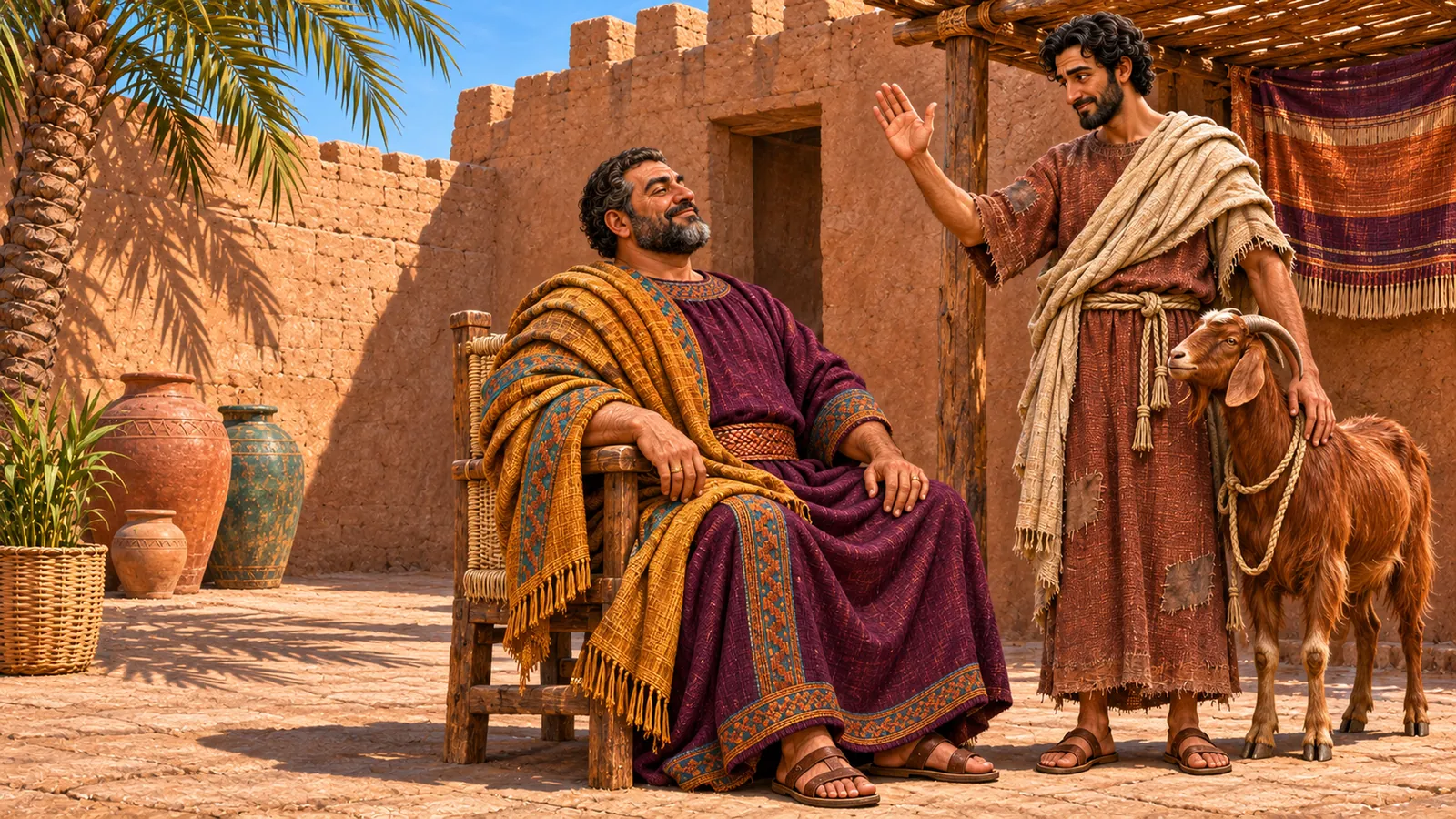
Holding the goat with his left hand, he raised his right in greeting. He invoked Enlil, Nippur, Ninurta and Nusku in blessings upon the mayor.
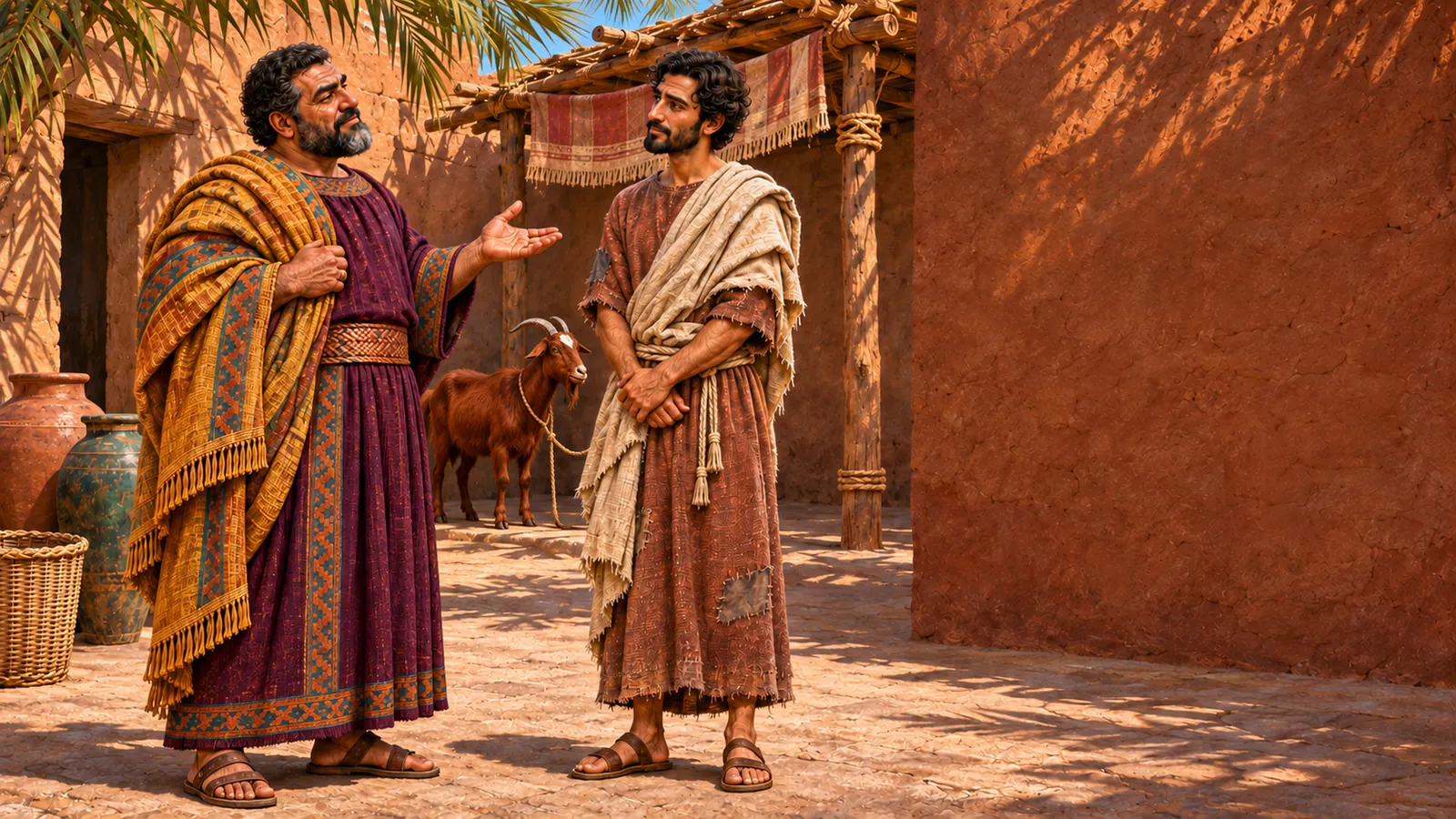
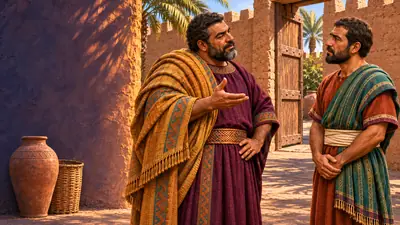
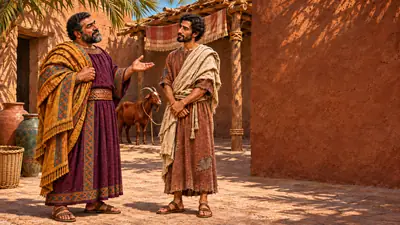
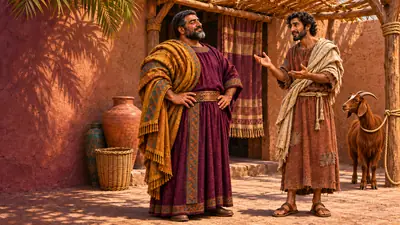
The mayor asked what wrong had brought him there with a gift. Gimil-Ninurta answered by explaining his hunger and the thought behind the goat.
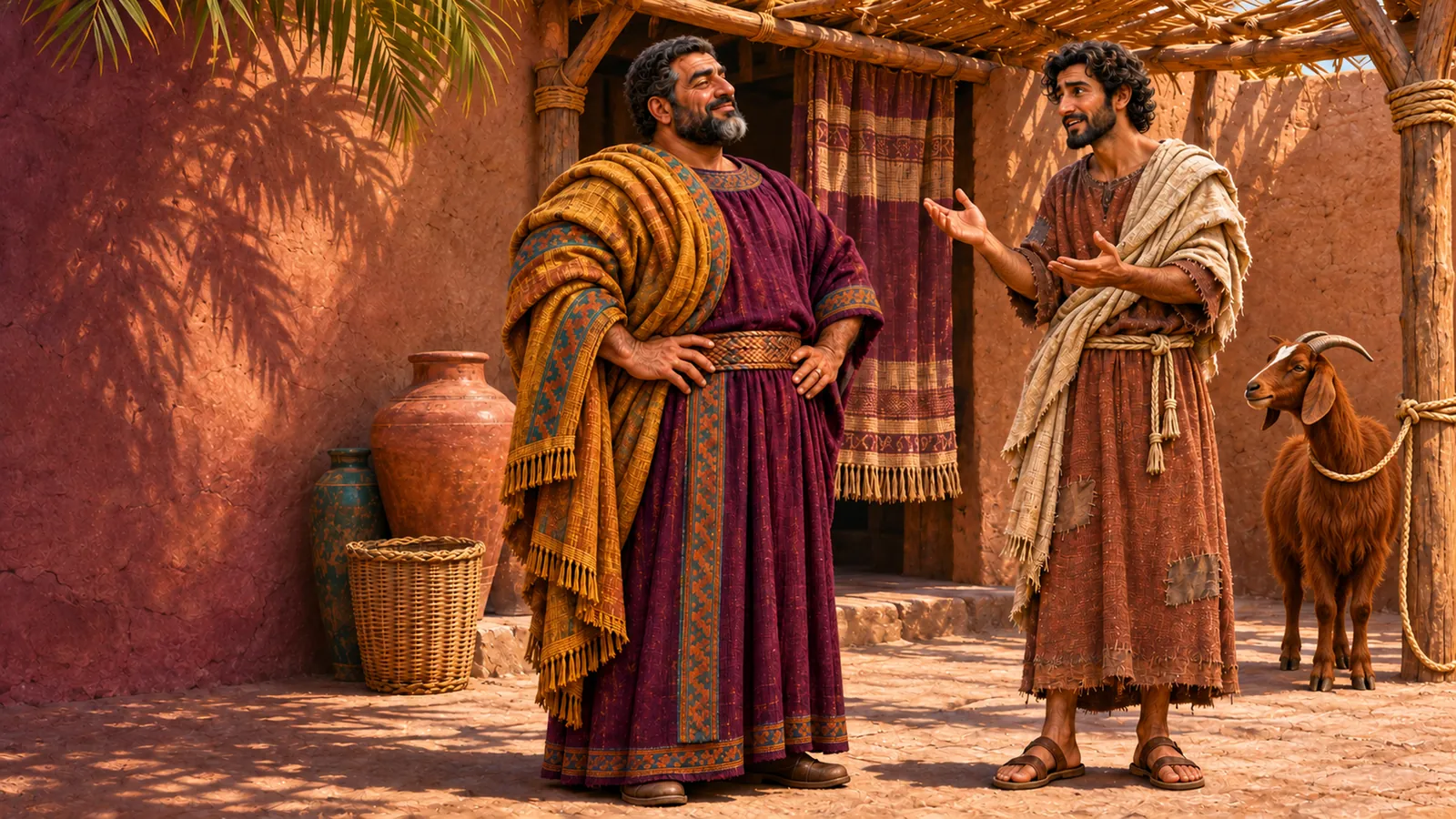
He told of his garment, his purchase, the missing beer and the anger he feared at home. So he had brought the goat here instead.

That evening the mayor called to the slaughterer. His following commands are fragmentary, although a richly laid table appears among the surviving words.
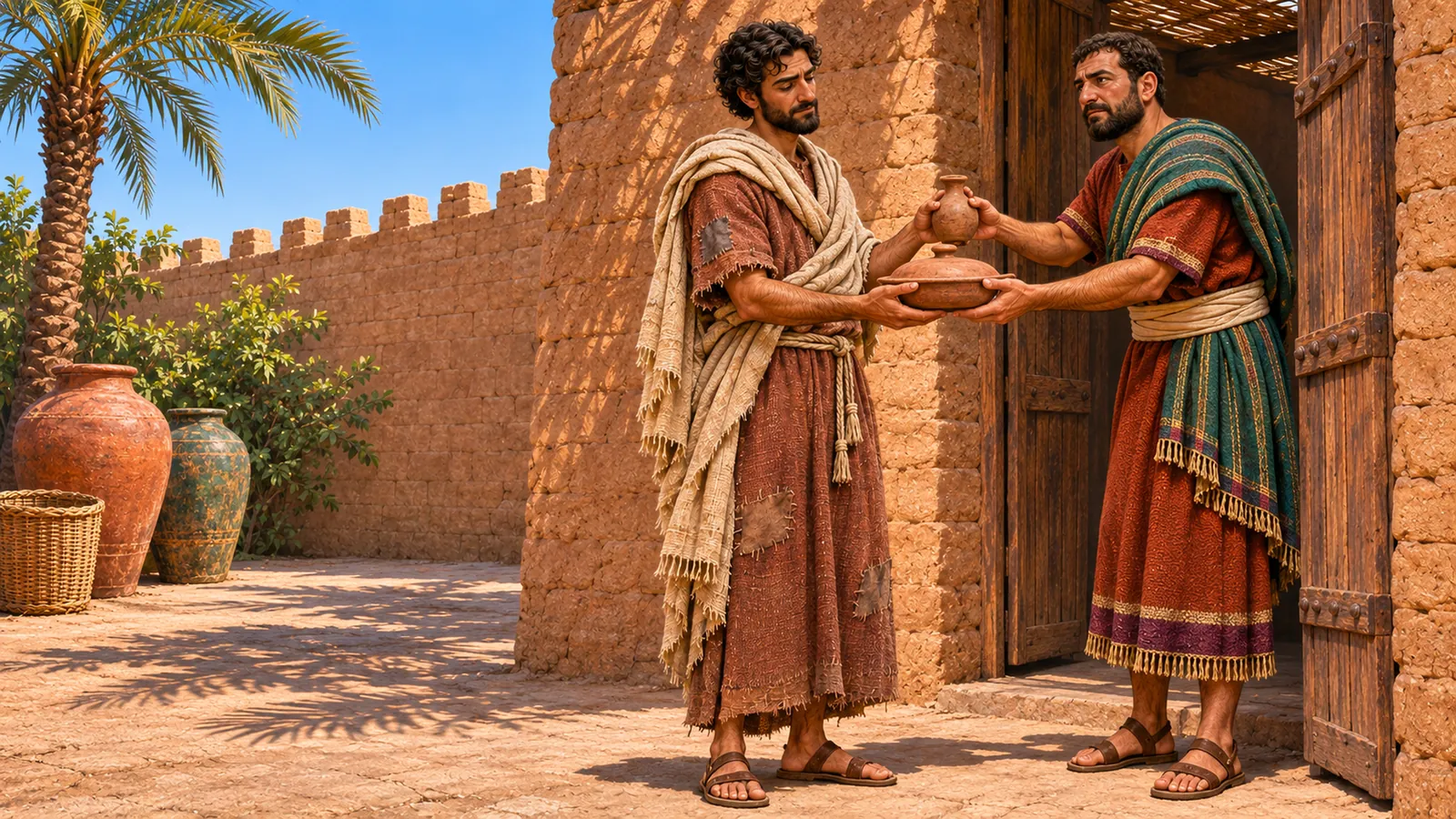
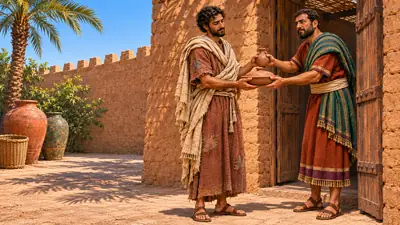
The mayor ordered that Gimil-Ninurta receive only bone and gristle, with third-rate beer from the doorkeeper’s flask. That was the return for his gift.
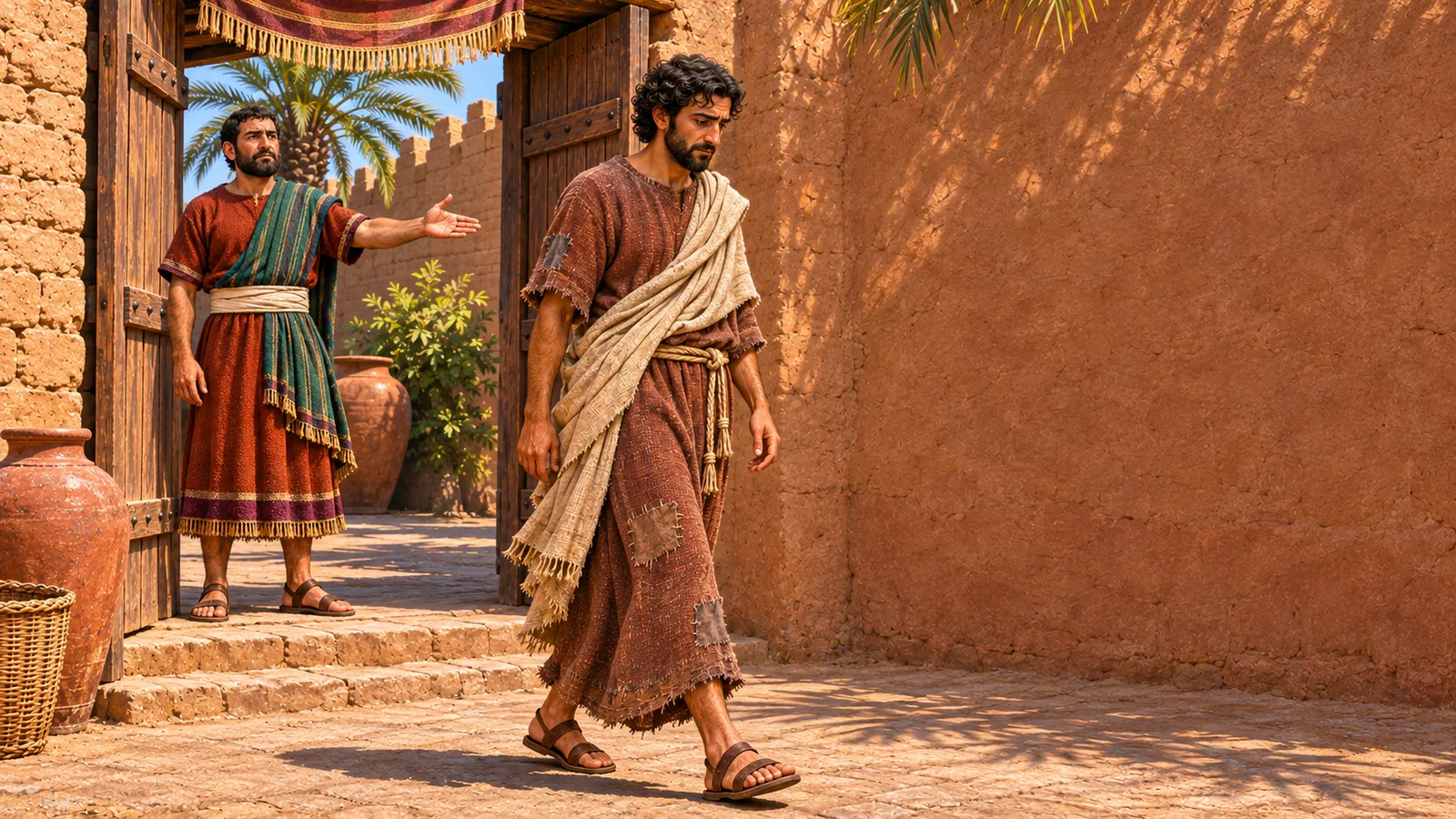
The doorkeeper carried out the order and drove Gimil-Ninurta out through the gate. The citizen left with his hope of hospitality disappointed.
THREE FOR ONE
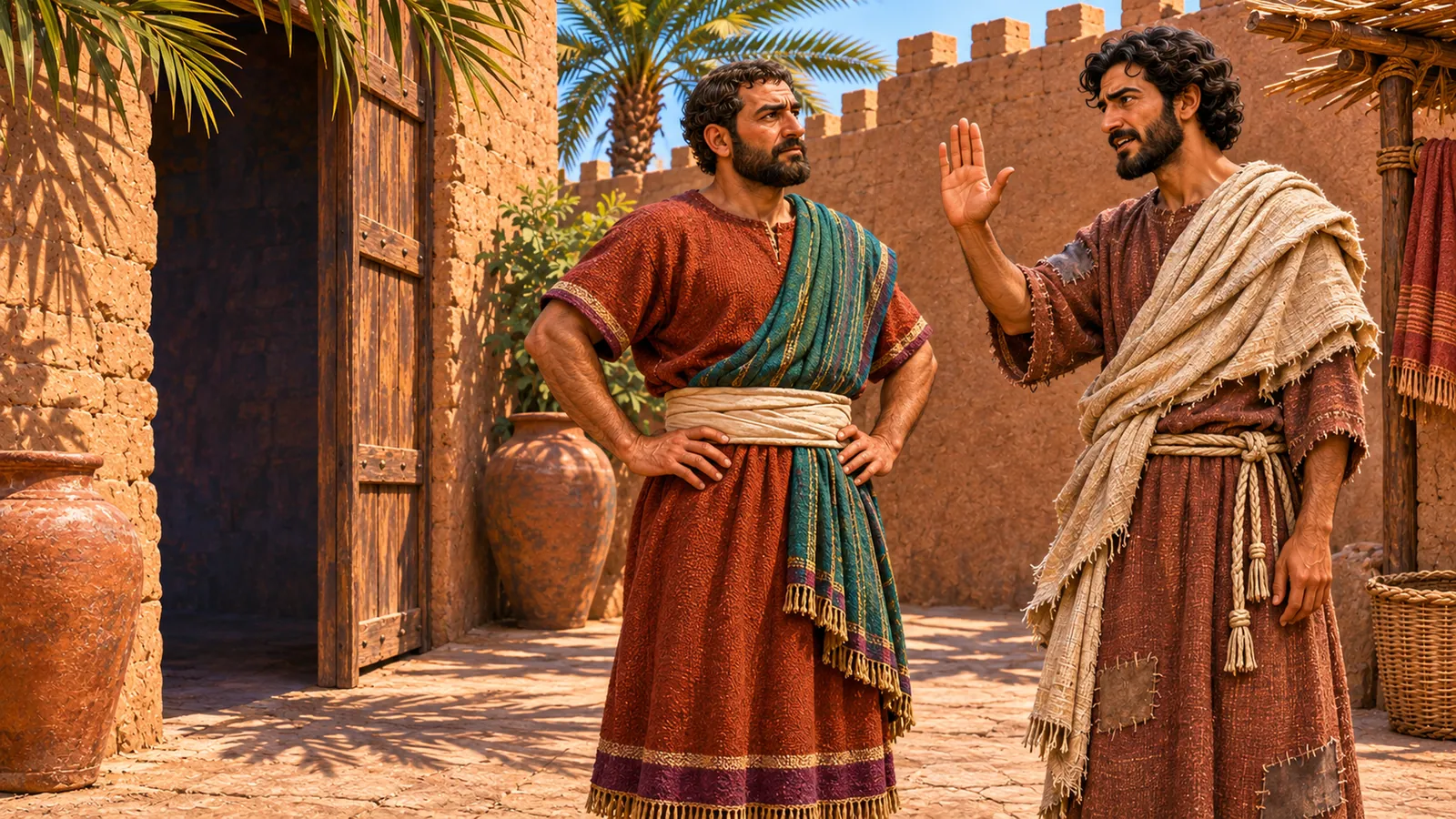
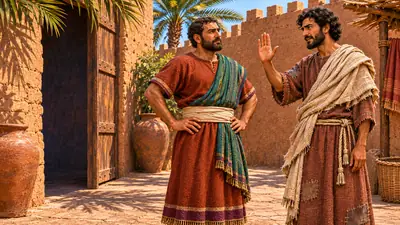
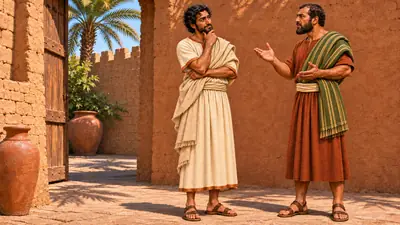
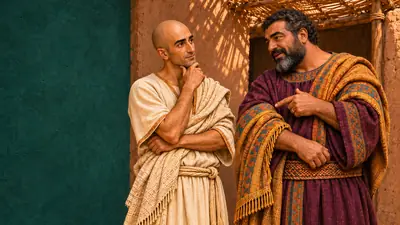
At the gate, Gimil-Ninurta gave the doorkeeper a message for his master. For this single wrong, he would repay the mayor three times.
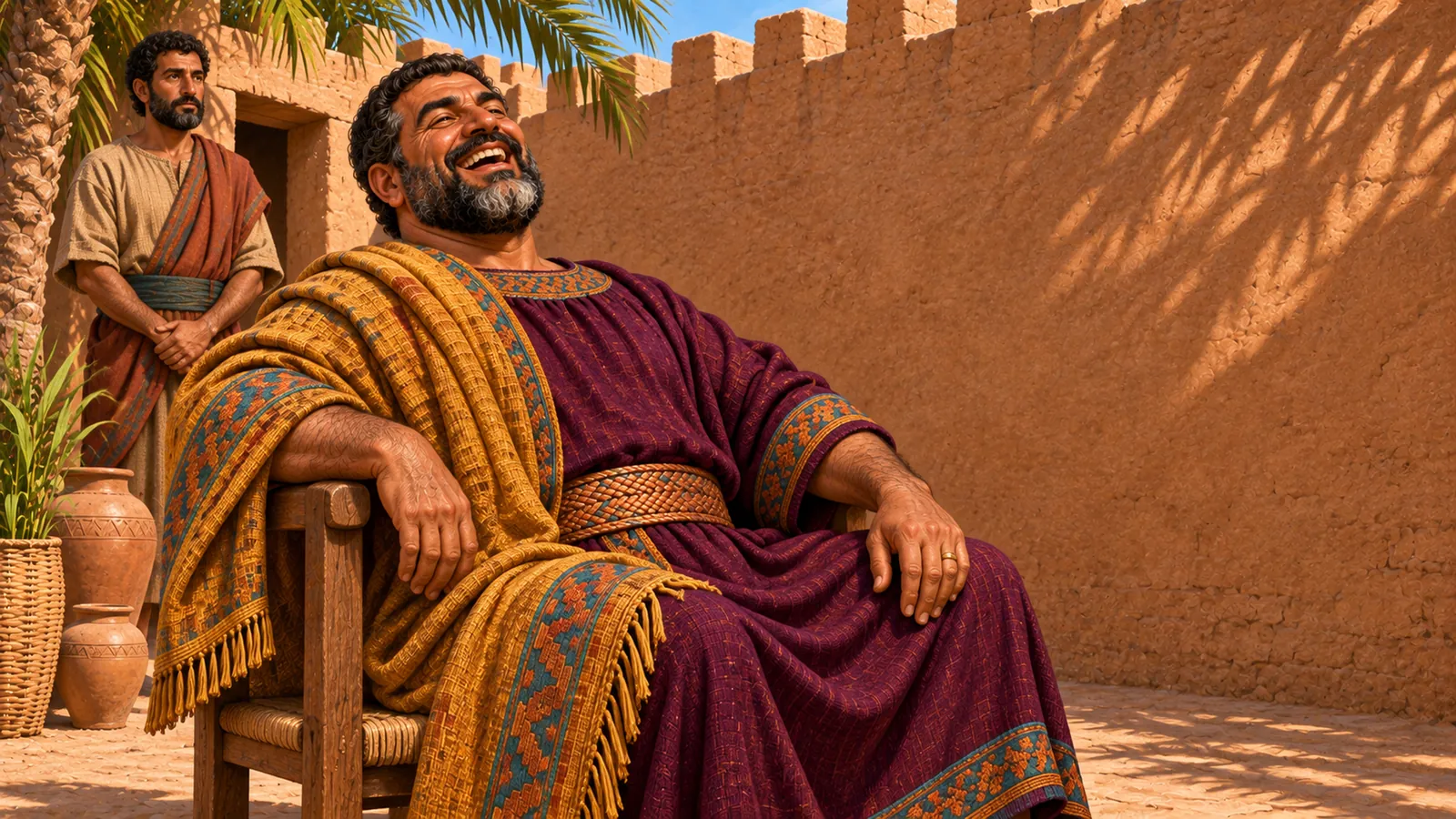
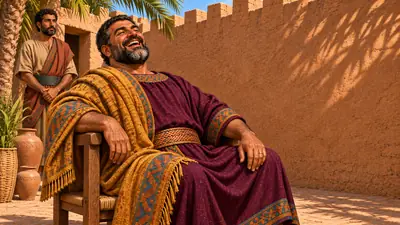
The mayor heard the message and laughed all day. He did not yet know how the hungry citizen would carry out his promise.
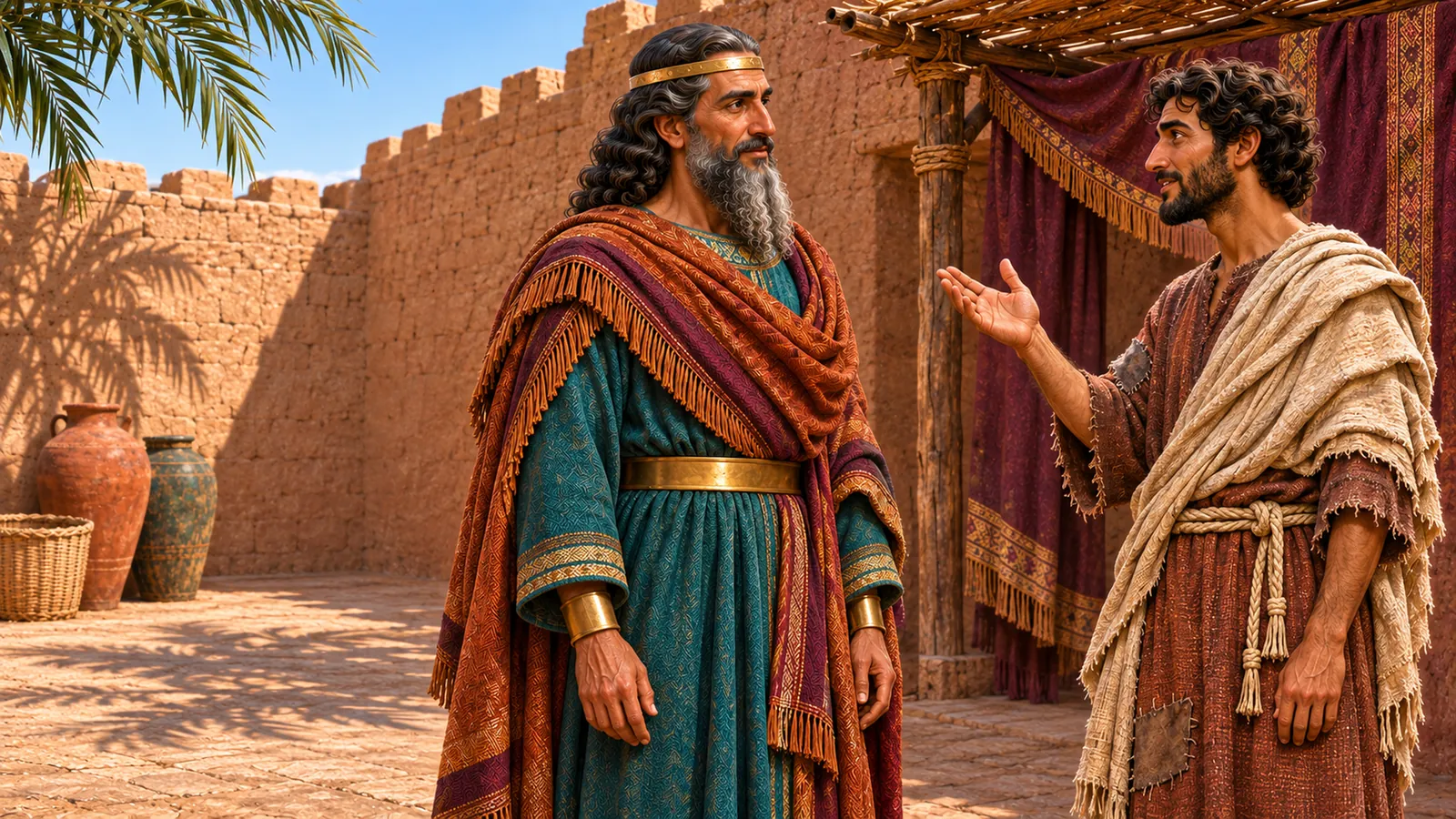
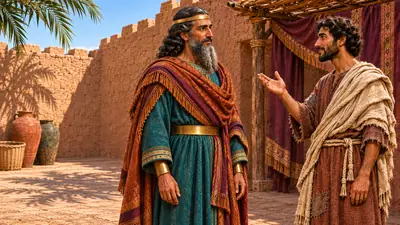
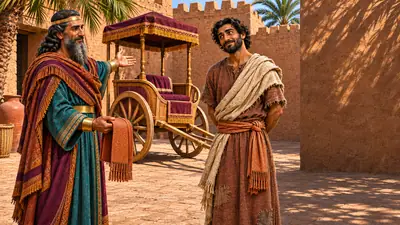
Gimil-Ninurta went to the king’s palace, invoking the royal duty of just judgment. He paid homage and addressed the king with lofty praise.
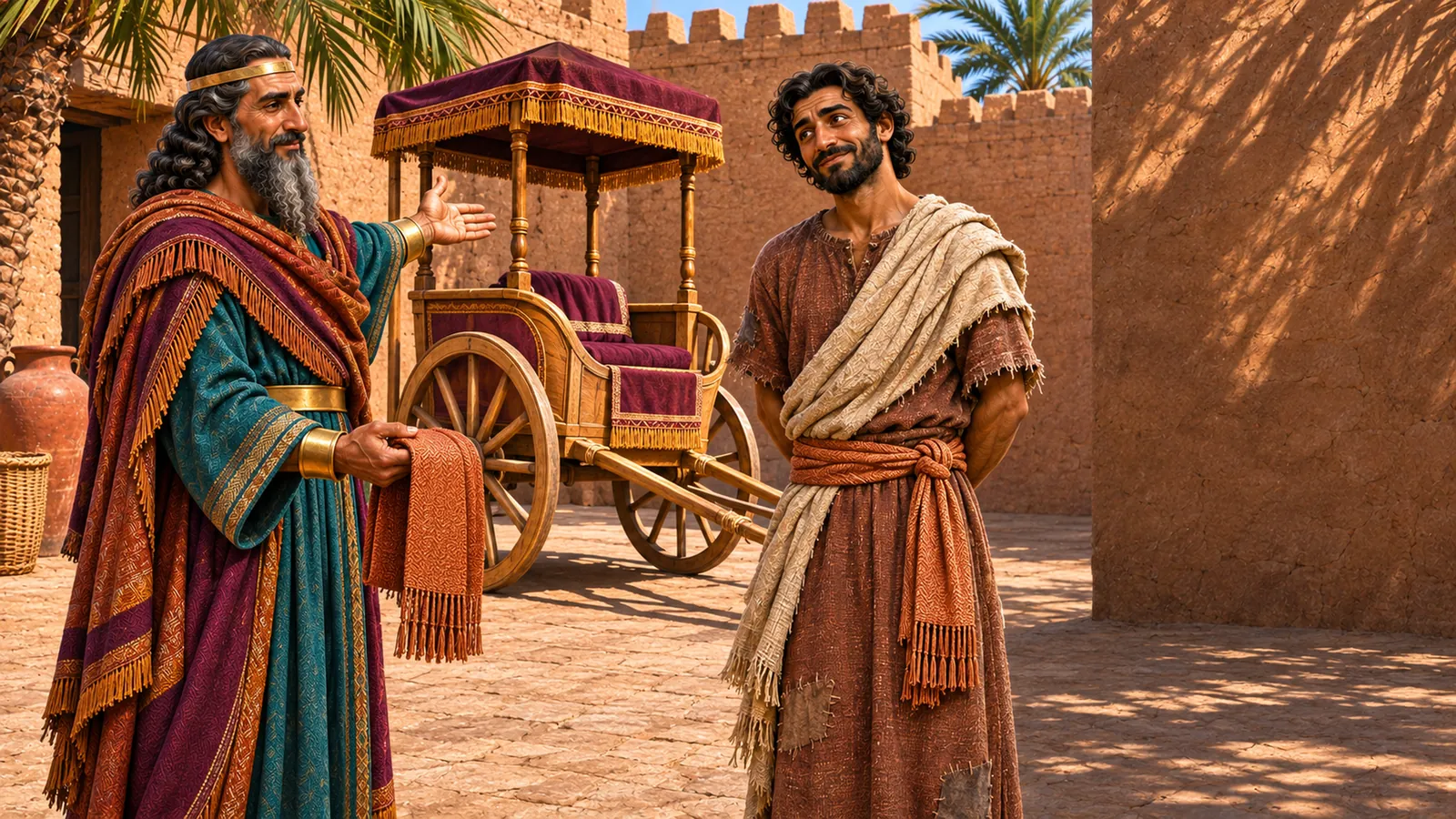
He requested a chariot for one day, promising a mina of red gold. The king asked no purpose; they supplied a new chariot and sash.
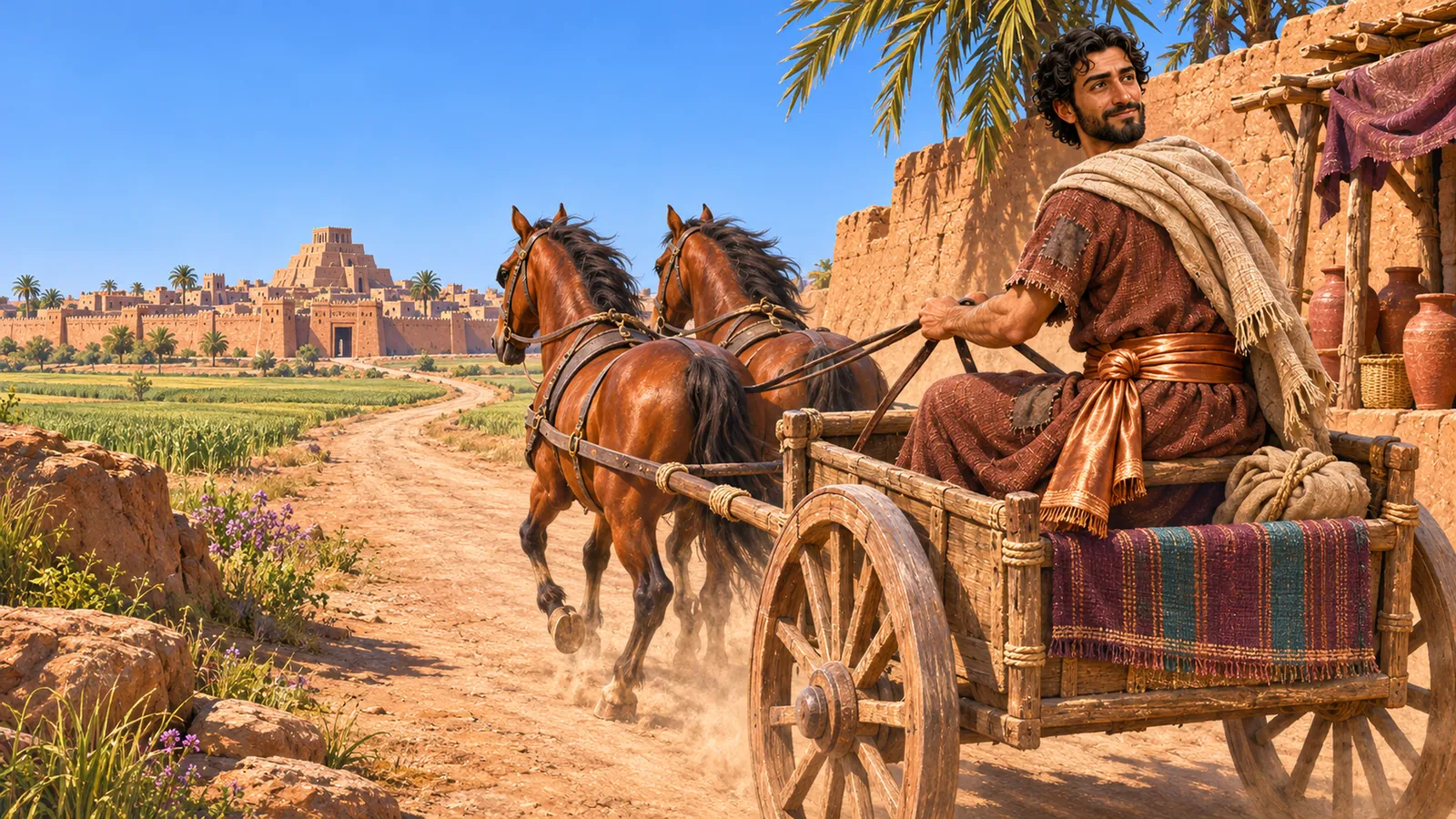
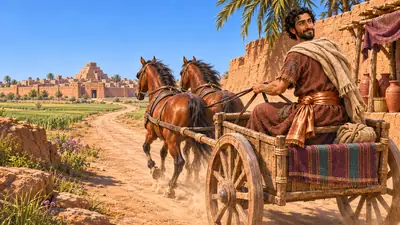
Gimil-Ninurta mounted the splendid new chariot and set out for Duranki, his city Nippur. The trappings of rank would help his first deception.
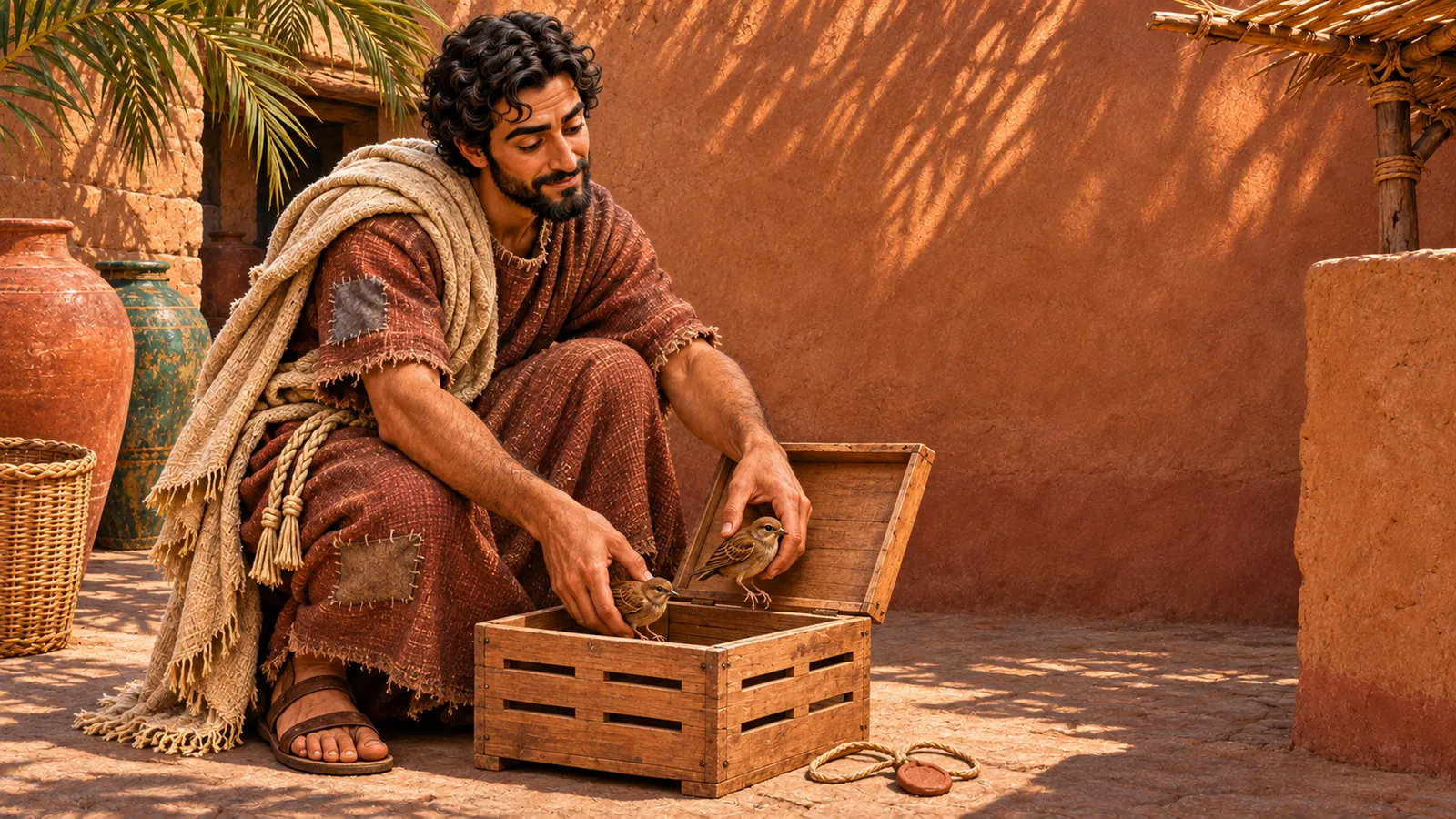
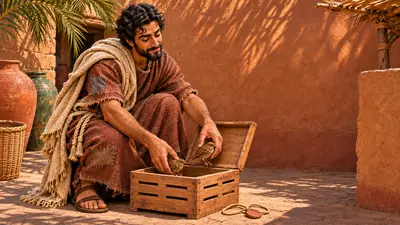
He caught two birds, put them in a box and sealed it. The container held living birds, despite the valuable cargo he would claim for it.
ROYAL GOLD
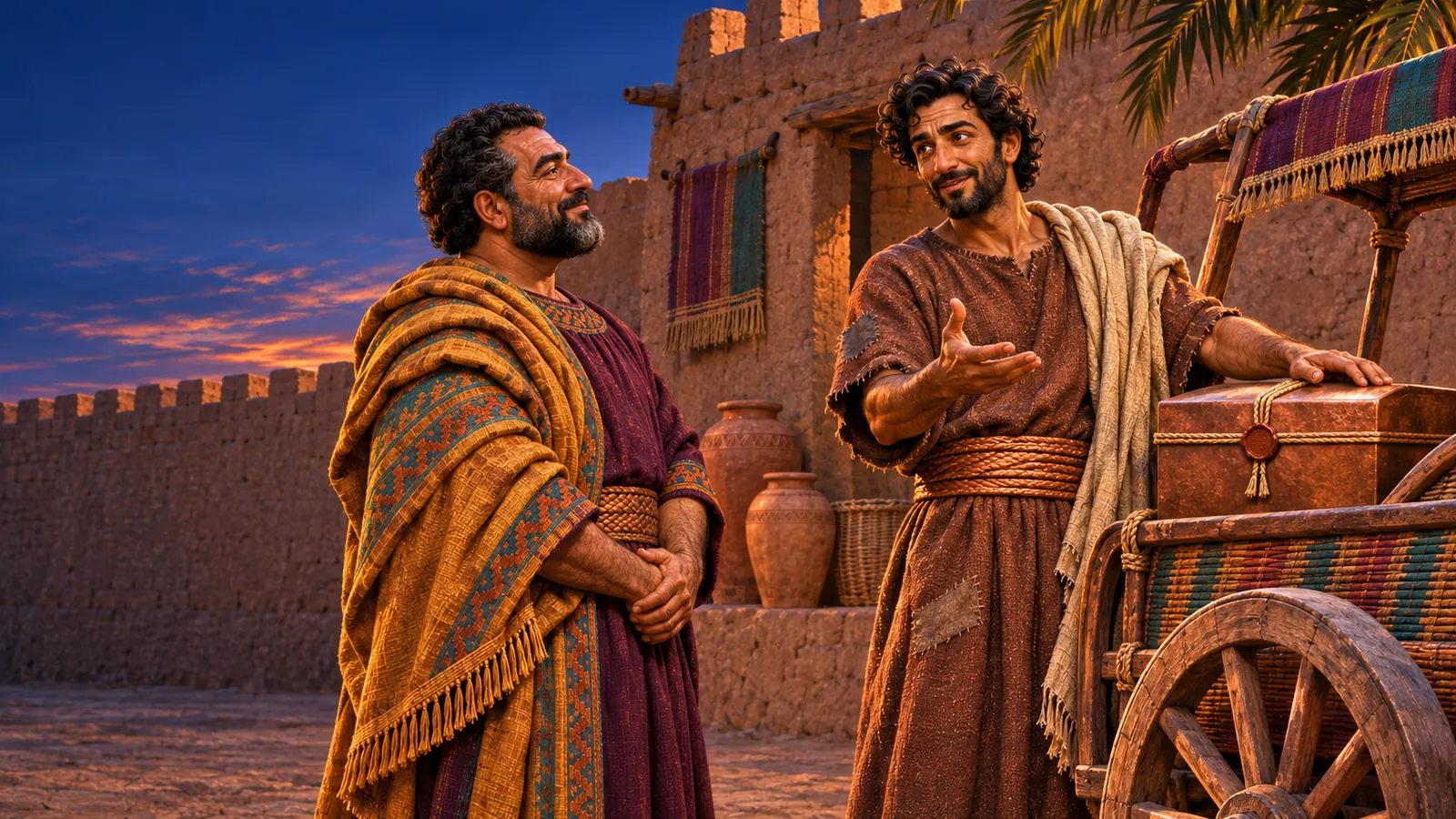
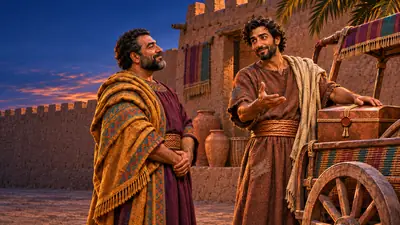
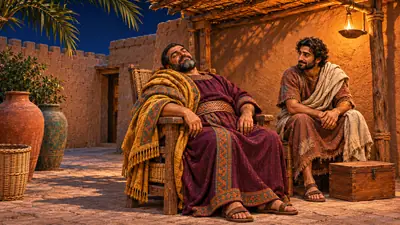
At dusk the mayor came out to welcome the impressive visitor. Gimil-Ninurta claimed that the king had sent him with gold for Ekur, Enlil’s temple.

For this supposed royal messenger, the mayor slaughtered a fine sheep and prepared an elaborate meal. His welcome had changed with the visitor’s apparent rank.
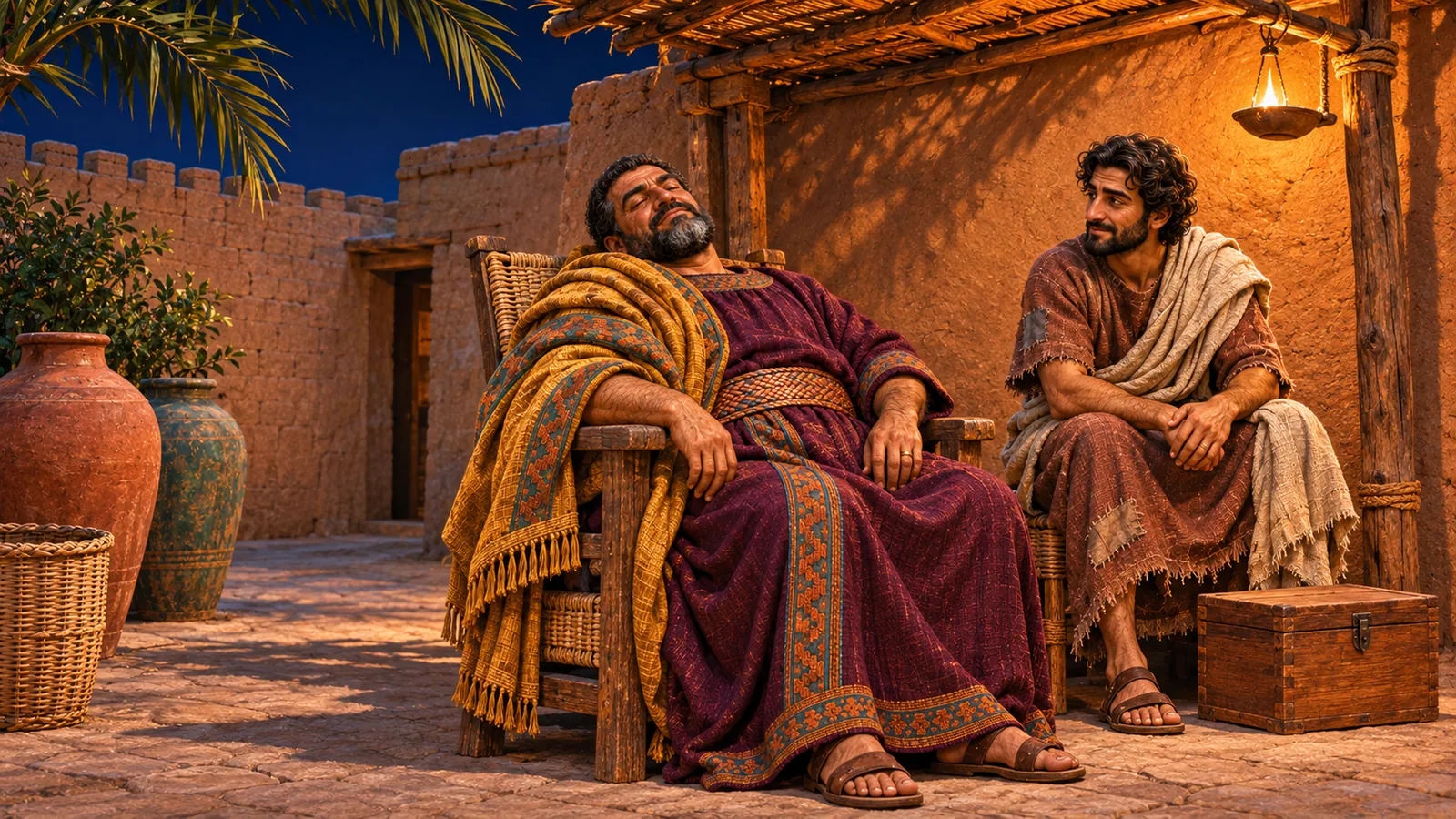
The mayor complained of weariness, but Gimil-Ninurta stayed up with him through a watch of the night. At last fatigue overcame the mayor.
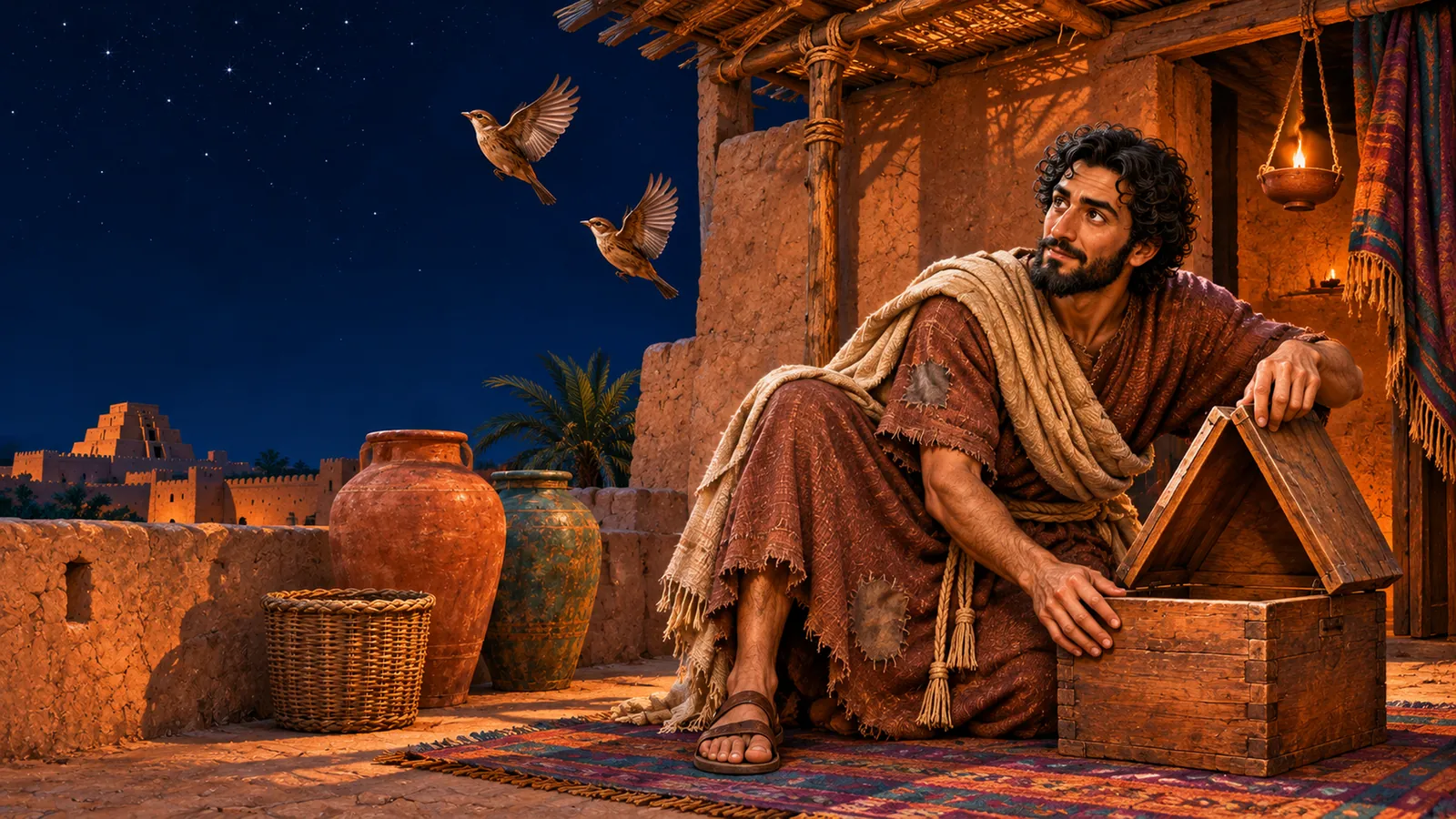
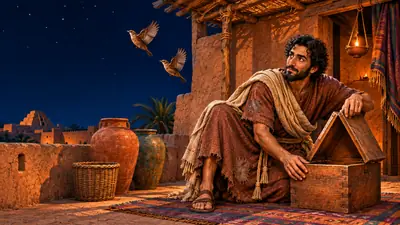
While the mayor slept, Gimil-Ninurta rose quietly in the night. He opened the box, and the two birds flew away into the sky.
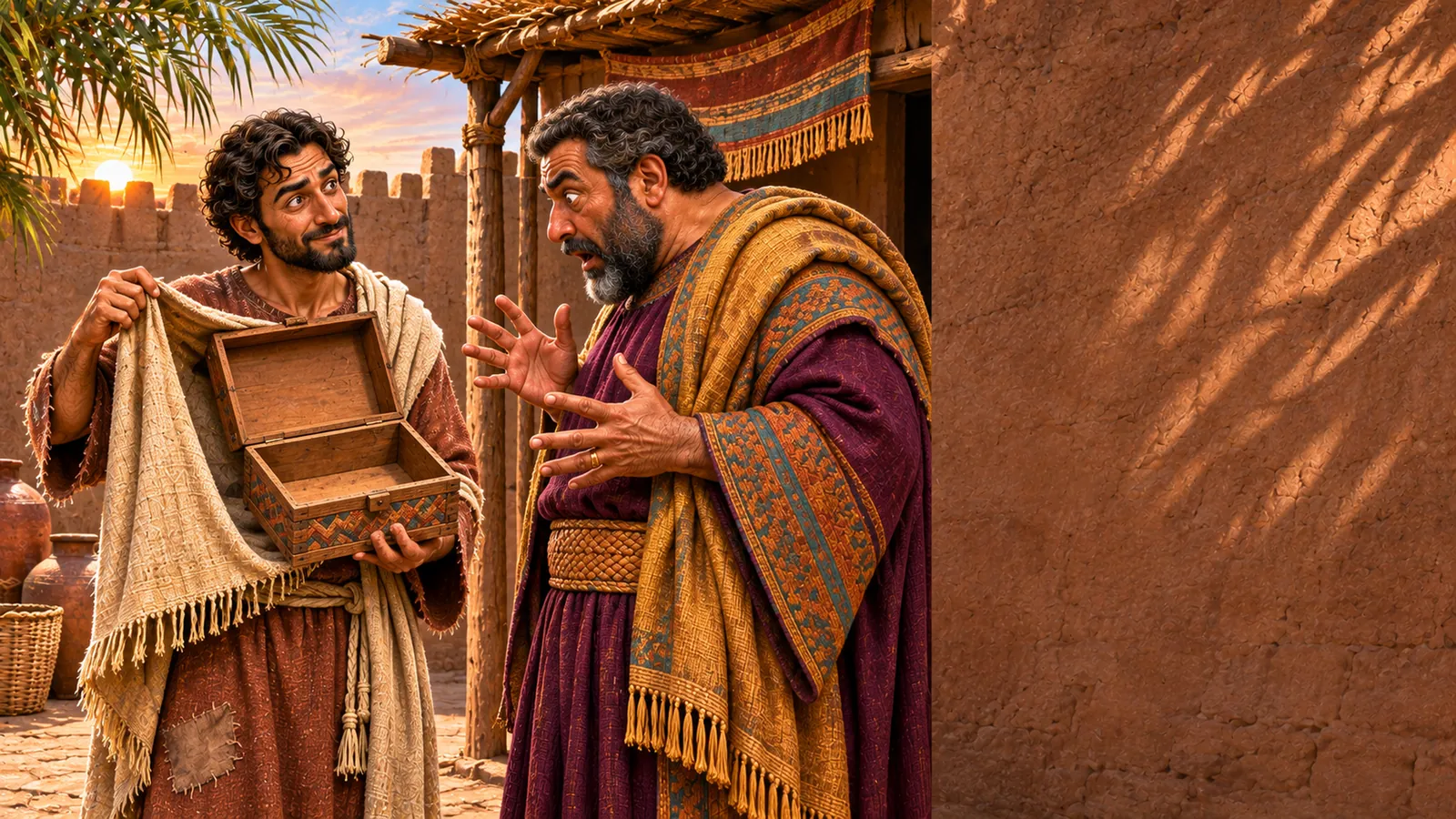
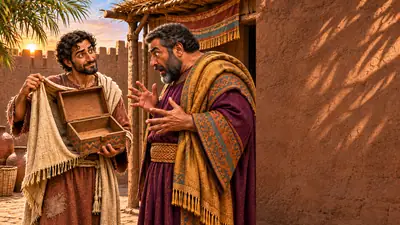
At daybreak the open box appeared to reveal stolen gold. Gimil-Ninurta tore his clothing in pretended distress; the treasure had never been inside.

Gimil-Ninurta attacked the mayor and beat him from head to foot, making him plead for mercy. This was the first of his promised retaliations.
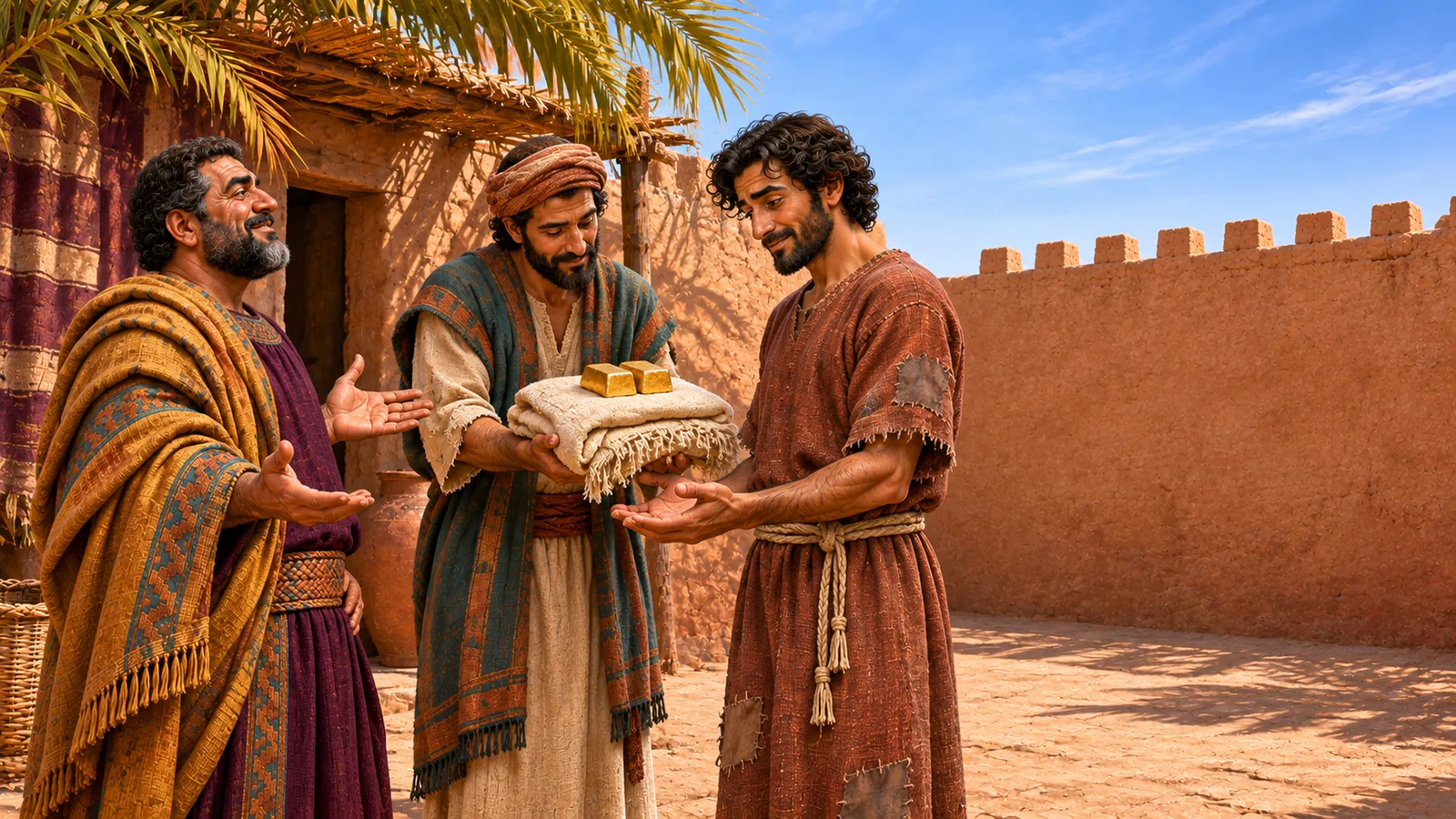
The mayor pleaded his protected status as a Nippur citizen sacred to Enlil. Gimil-Ninurta received two minas of red gold and clothing to replace what he had torn.
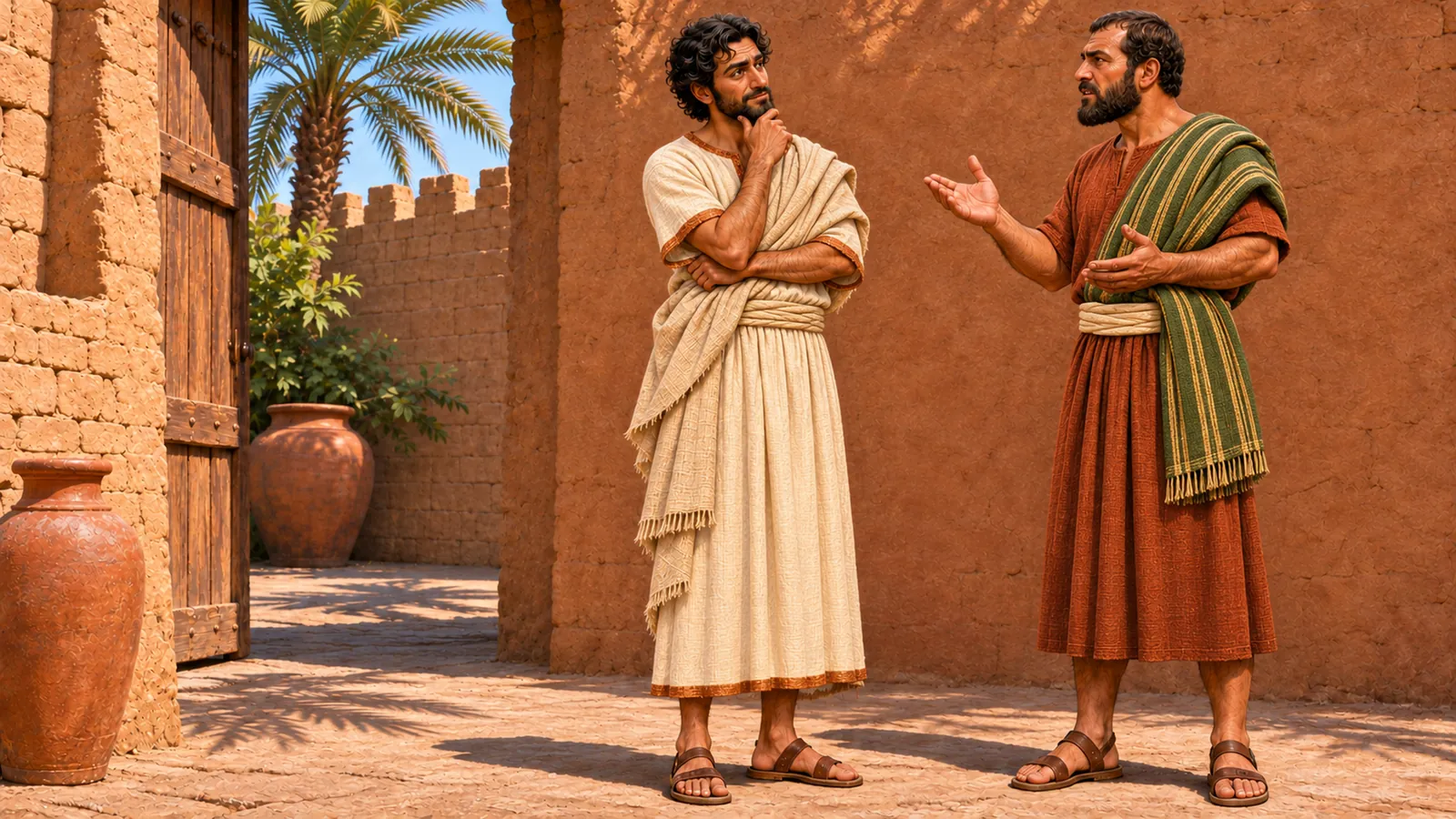
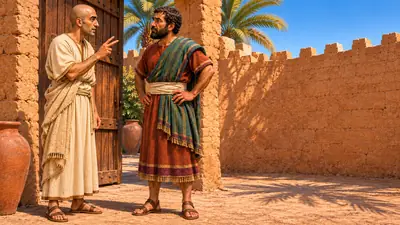
Leaving, Gimil-Ninurta told Tukulti-Enlil that one repayment was complete and two remained. This time the message left the mayor uneasy throughout the day.
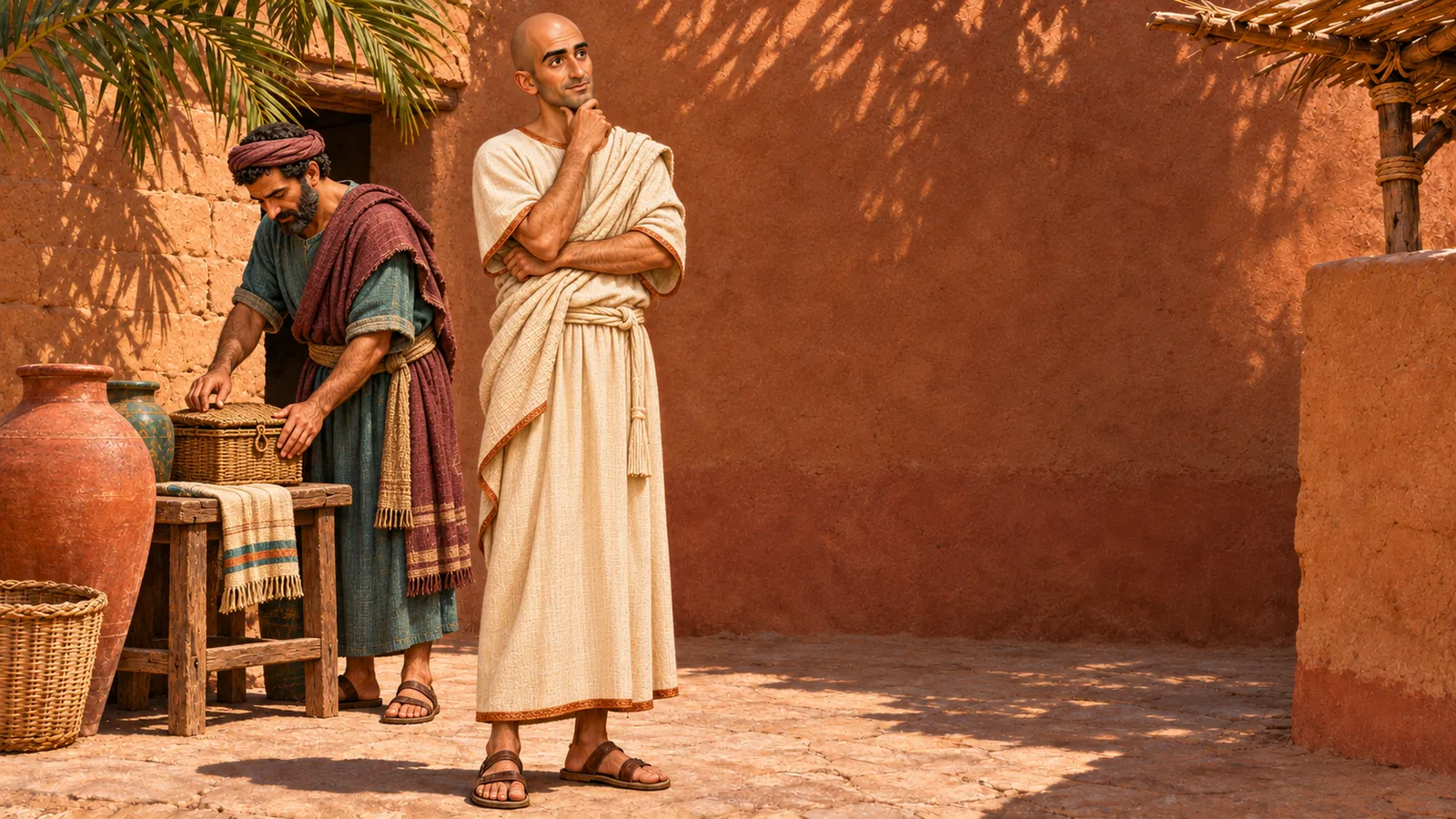
THE DISGUISE
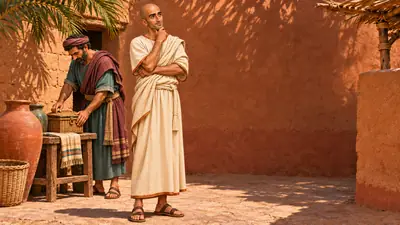
Gimil-Ninurta went to the barber and had all his hair shaved off. With an imposing appearance, he prepared to return in another role.
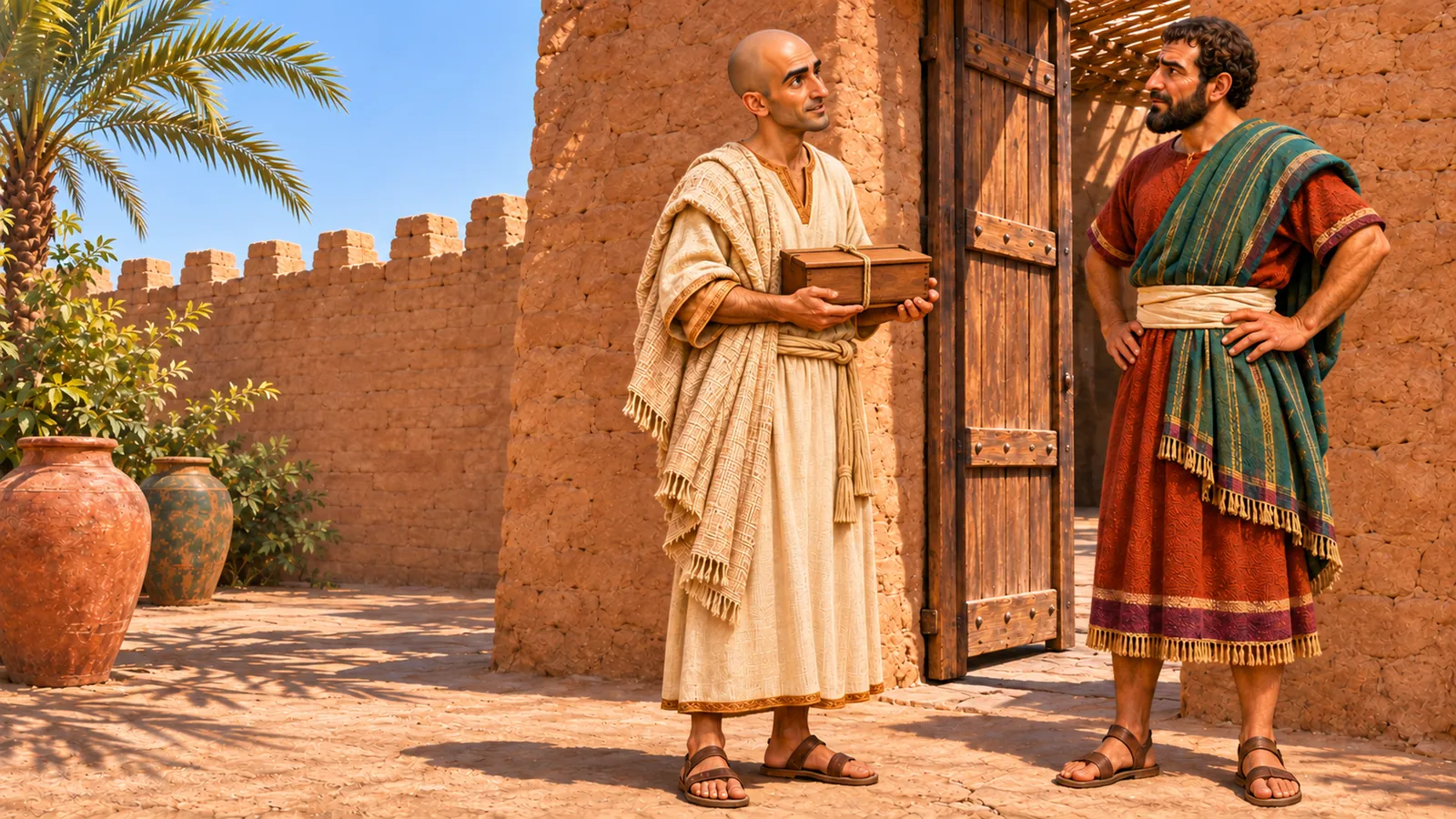
He prepared a cauterizing tool with tinder and returned to the gate. This time he claimed to be a physician from Isin, able to treat injuries.
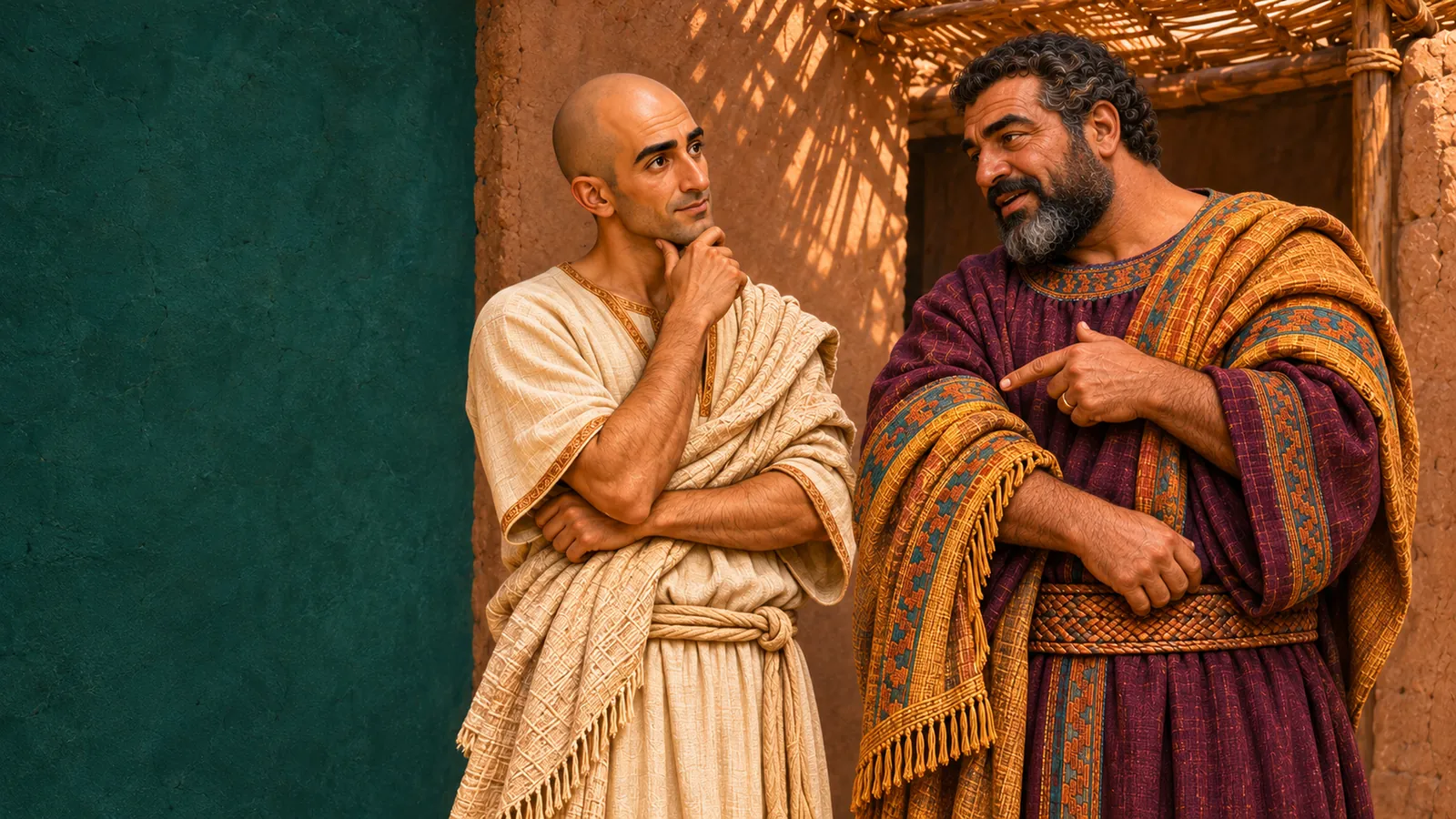
The mayor showed his bruises and called the supposed physician skillful. Gimil-Ninurta said his remedies required darkness and a place of privacy.

In the secluded chamber, Gimil-Ninurta bound the mayor and beat him a second time. The account describes cruel preparations, detailed in the source notes.
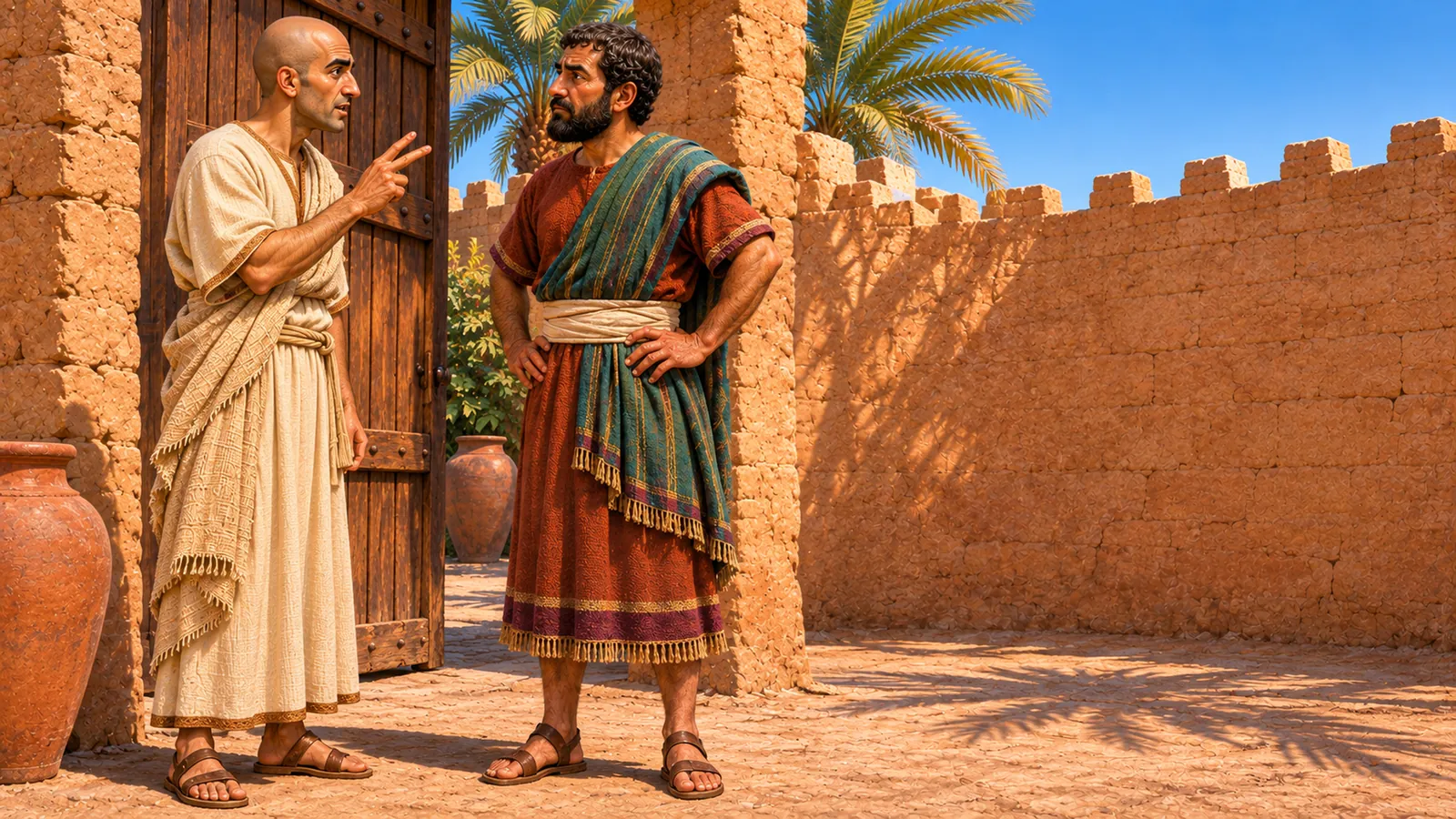
On leaving, he again gave Tukulti-Enlil a message for the mayor. Two repayments were now complete, and there was still one to come.
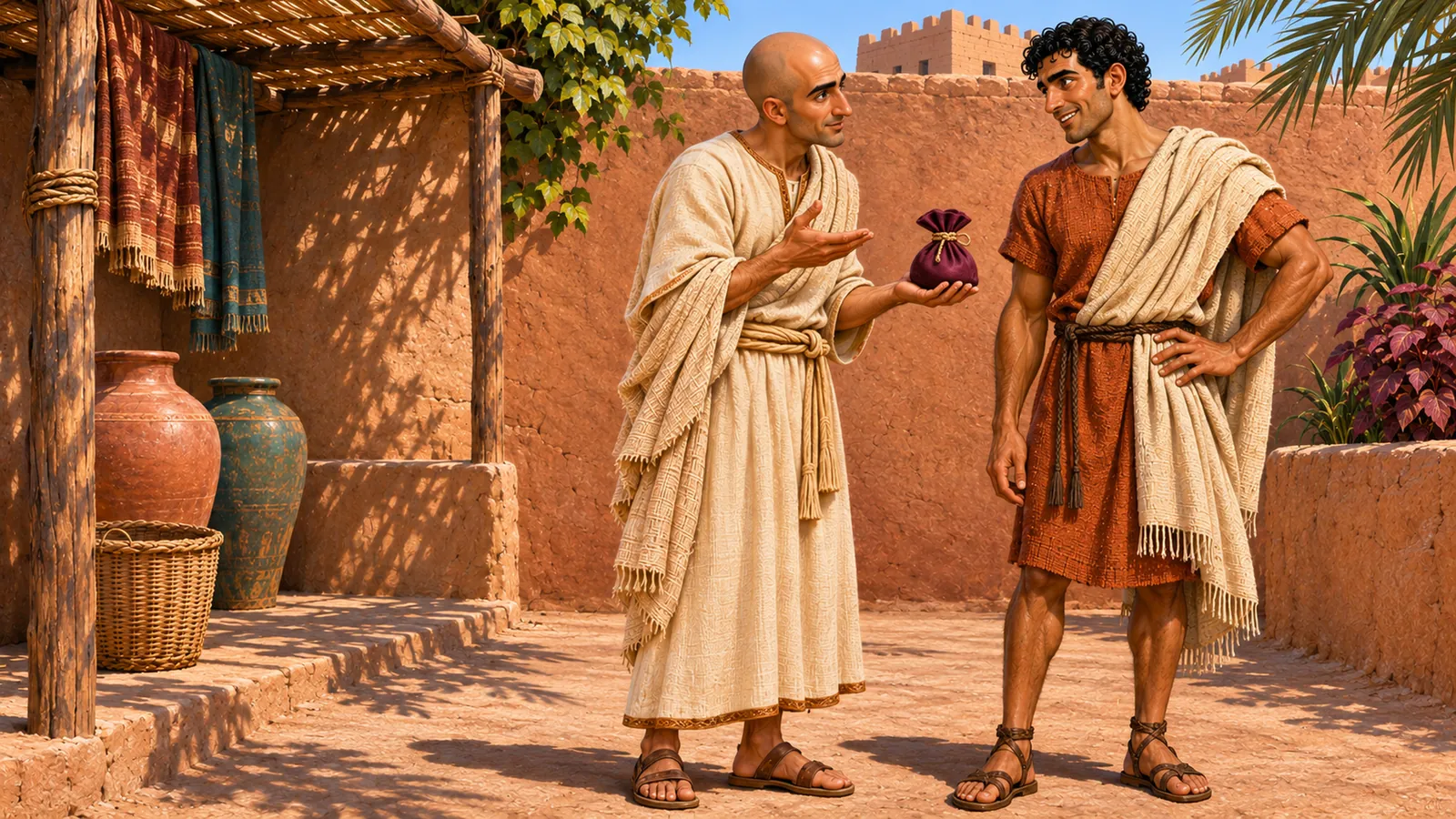
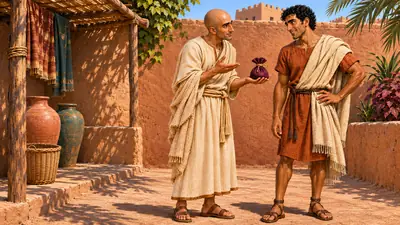
Gimil-Ninurta searched among the people and selected a young man. He gave him a gift, but the damaged text does not securely preserve what it was.
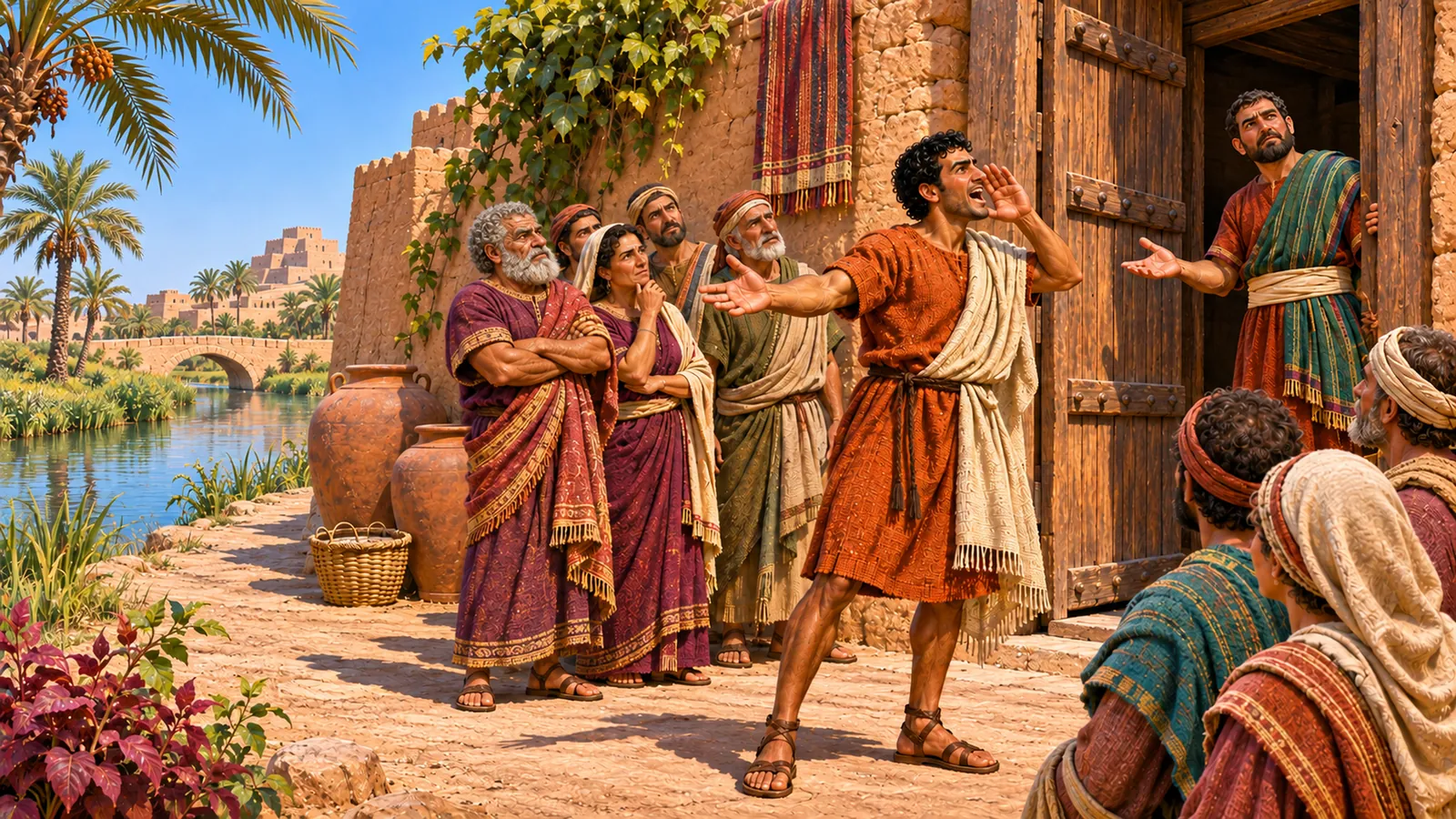
He instructed the young man to shout at the mayor’s gate and draw a crowd. The decoy would claim to be the man with the goat.

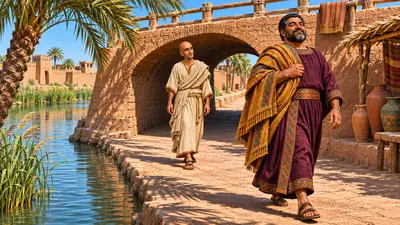
Gimil-Ninurta crouched beneath a bridge while the decoy went to work. The poem compares his watchfulness to a dog, without changing him into one.

The shouting brought the mayor outside. He sent the women and men of his household after the young man, and they all rushed into pursuit.
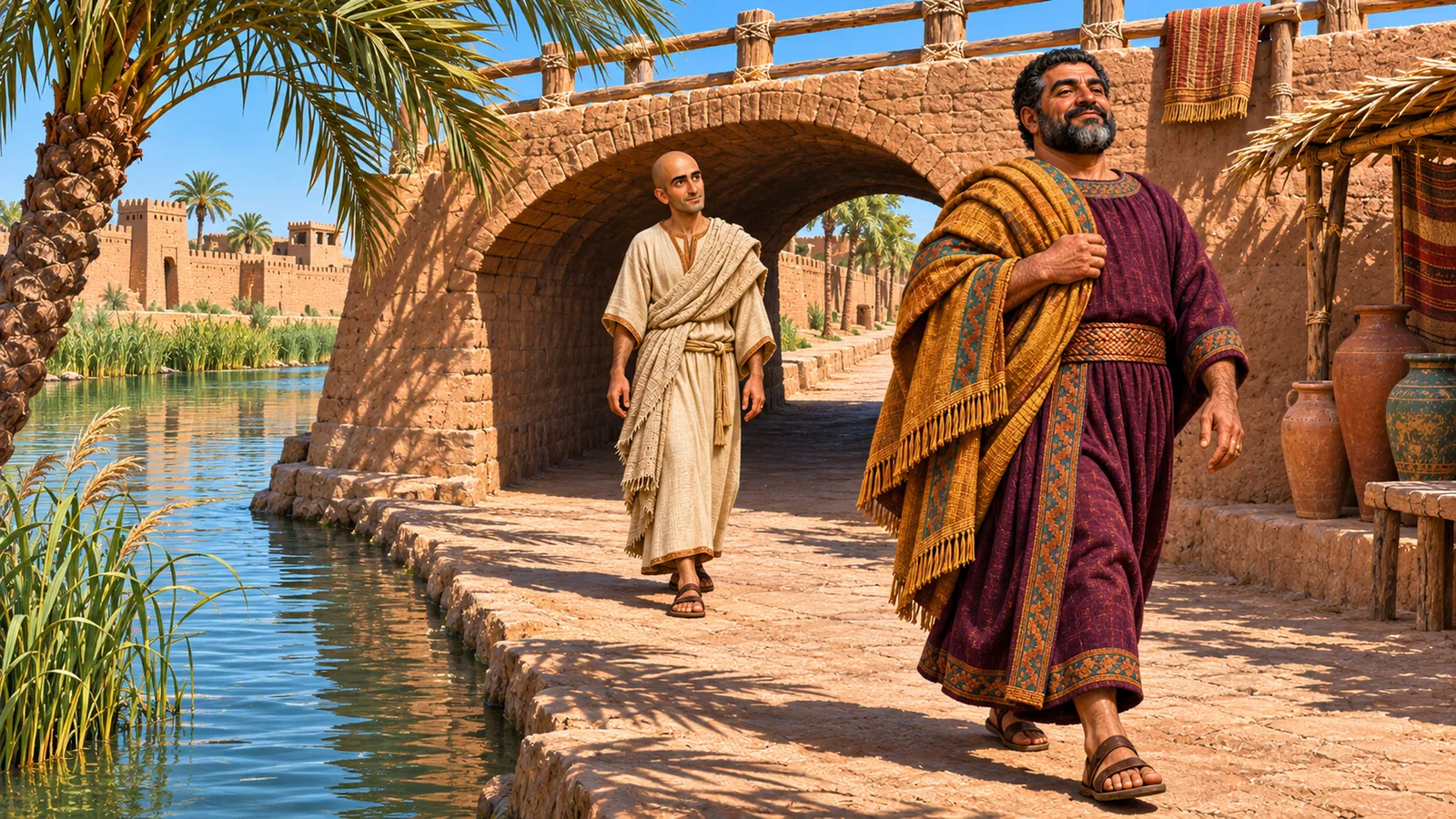
While his household chased the decoy, the mayor came alone to the edge of town. Gimil-Ninurta sprang from beneath the bridge and seized him.

REPAID
Gimil-Ninurta beat the mayor from head to foot again, making him plead for mercy. He declared that the third repayment for the original wrong was complete.

Gimil-Ninurta left the mayor and went out into the open country. The mayor crawled back into town; there the surviving story ends.
End of chapter 1
All pages






Sources
The spine is the complete electronic Babylonian Library L I.11, Standard Babylonian chapter -, all160 numbered verses including the split134a/b, with B. R. Foster’s adapted translation, consulted18 November2026 UTC. The full CDLI P499186 composite, all160 lines, was read as a separate comparison. The retelling is concise original prose of the ancient story, not a replacement of lacunae or a historical account of a named ruler. In the eBL spine the mayor is uneasy at114, all hair is shaved at116, the gift at143 is unspecified because damaged, and Ninurta is named at38. Older CDLI renderings differ at those points; they are not silently fused. The opening rejection does not narrate an additional beating of Gimil-Ninurta. The conclusion preserves both departure into open country and the mayor’s crawling return, without adding a future fate.
Editions consulted
- Electronic Babylonian Library L I.11, introduction and edition history
- eBL L I.11, Standard Babylonian chapter -, complete text and Foster translation
- CDLI P499186, full composite, separate older comparison
- University of Cambridge, The Poor Man of Nippur, manuscript context
- IL Archive, Enlil
- IL Archive, Akkadian
Ancient lines behind each page
- Page 1: eBL L I.11, Standard Babylonian, lines 1–3
- Page 2: eBL L I.11, Standard Babylonian, lines 4–10
- Page 3: eBL L I.11, Standard Babylonian, lines 11–14
- Page 4: eBL L I.11, Standard Babylonian, lines 15
- Page 5: eBL L I.11, Standard Babylonian, lines 16–20
- Page 6: eBL L I.11, Standard Babylonian, lines 21–24
- Page 7: eBL L I.11, Standard Babylonian, lines 25–29
- Page 8: eBL L I.11, Standard Babylonian, lines 30–33; line32 damaged
Line32 is damaged. - Page 9: eBL L I.11, Standard Babylonian, lines 34–38
The current eBL reading38 names Ninurta and Nusku, while the older CDLI rendering names Adad and Nusku; the eBL spine is followed. - Page 10: eBL L I.11, Standard Babylonian, lines 39–40
- Page 11: eBL L I.11, Standard Babylonian, lines 41–51
- Page 12: eBL L I.11, Standard Babylonian, lines 52–57; fragmentary orders to slaughterer
The mayor addresses the slaughterer at52;53–55 preserve broken commands and a richly provisioned table. - Page 13: eBL L I.11, Standard Babylonian, lines 58–62
- Page 14: eBL L I.11, Standard Babylonian, lines 63–65
- Page 15: eBL L I.11, Standard Babylonian, lines 66–68
- Page 16: eBL L I.11, Standard Babylonian, lines 69
- Page 17: eBL L I.11, Standard Babylonian, lines 70–75
The related fortune/guardian wording at75 varies and is condensed as lofty praise without a bodily guardian spirit. - Page 18: eBL L I.11, Standard Babylonian, lines 76–82
The text does not explain how an impoverished man finances the fee. - Page 19: eBL L I.11, Standard Babylonian, lines 83–84
- Page 20: eBL L I.11, Standard Babylonian, lines 85–86
- Page 21: eBL L I.11, Standard Babylonian, lines 87–91
- Page 22: eBL L I.11, Standard Babylonian, lines 92
- Page 23: eBL L I.11, Standard Babylonian, lines 93–95
- Page 24: eBL L I.11, Standard Babylonian, lines 96–97
- Page 25: eBL L I.11, Standard Babylonian, lines 98–100
- Page 26: eBL L I.11, Standard Babylonian, lines 101–103
- Page 27: eBL L I.11, Standard Babylonian, lines 104–108
- Page 28: eBL L I.11, Standard Babylonian, lines 109–114; eBL uneasy reading
- Page 29: eBL L I.11, Standard Babylonian, lines 115–116; all hair in eBL
The current all-hair reading is followed without mixing a half-shaved disguise into it. - Page 30: eBL L I.11, Standard Babylonian, lines 117–123
The retelling preserves the disguise and claim, without modern clinical credentials, a diagnosis or medical instruction. - Page 31: eBL L I.11, Standard Babylonian, lines 124–128
- Page 32: eBL L I.11, Standard Babylonian, lines 129–134b
The source does not explicitly narrate applying the heated tool to skin. - Page 33: eBL L I.11, Standard Babylonian, lines 135–139
- Page 34: eBL L I.11, Standard Babylonian, lines 140–143; gift damaged
Lines140–143 compare vigilance to a dog, scan the people, choose a young man with partly restored swiftness wording, and give a gift whose object is damaged. The older CDLI version restores a nanny goat; the eBL spine leaves it unspecified. - Page 35: eBL L I.11, Standard Babylonian, lines 144–146
- Page 36: eBL L I.11, Standard Babylonian, lines 147
It is a simile, with no literal animal transformation. - Page 37: eBL L I.11, Standard Babylonian, lines 148–151
- Page 38: eBL L I.11, Standard Babylonian, lines 152–153
- Page 39: eBL L I.11, Standard Babylonian, lines 154–158
- Page 40: eBL L I.11, Standard Babylonian, lines 159–160
Illustrations made with AI tools by IL Archive; the text is based on the ancient sources (see the sources at the end of each chapter).