Person · Literary figure
Heracles, Greek hero
A hero of Greek traditions, also known as Hercules; rescues Alcestis in Euripides’ play, while other witnesses depict his apotheosis.
Last reviewed:
Text
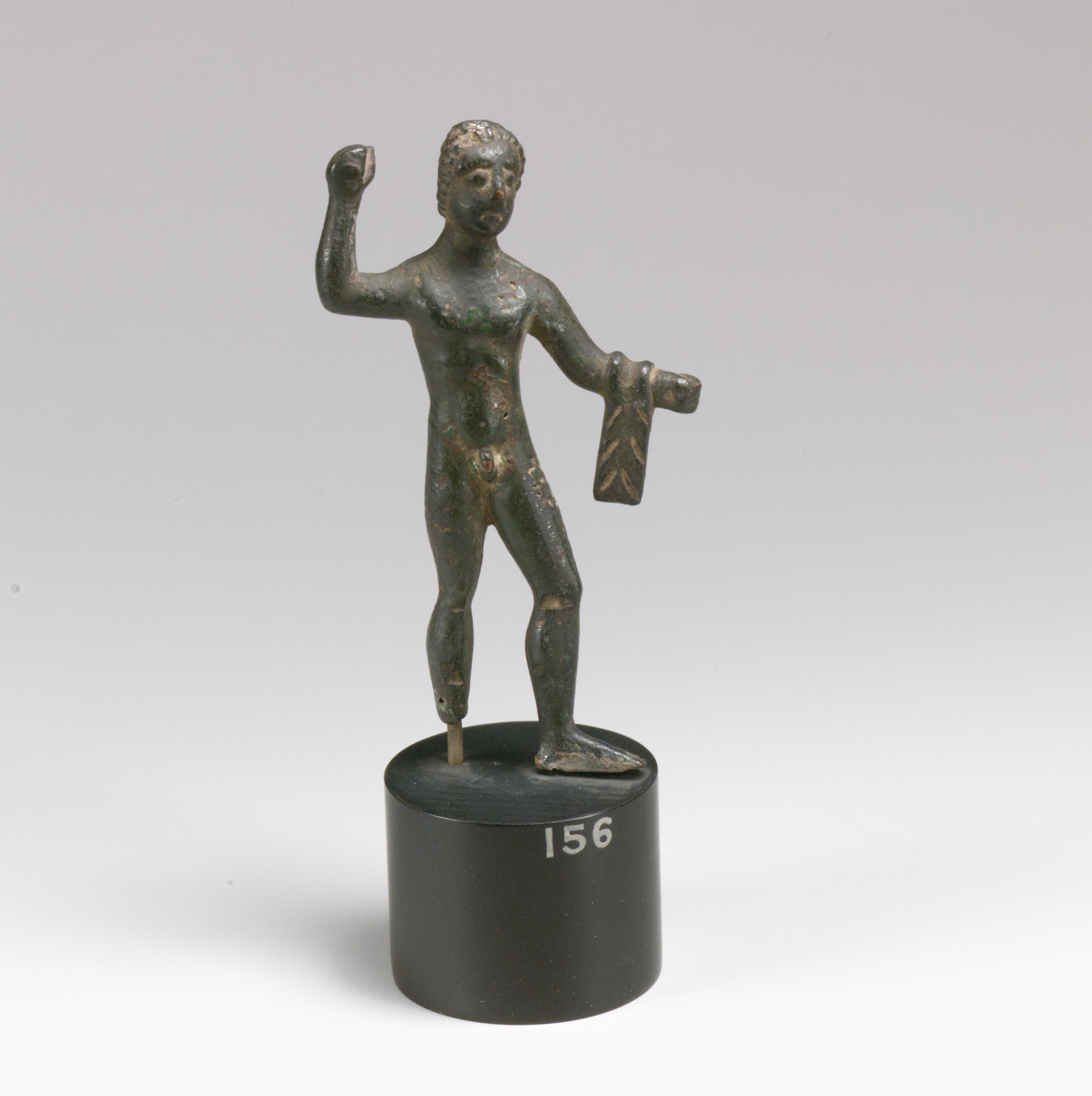
Heracles, also known as Hercules, is a hero of Greek traditions and a son of ZeusZeusZeus is the sky god and leading deity in many Greek traditions. In the Iliad he presides over divine gatherings while others can still speak and object.Glossary · Click to read the explanation in their narratives. In Euripides’ Alcestis, performed in 438 BCE, he repays Admetus’s hospitality by rescuing his wife: he plans to wrestle Death beside the tomb and confirms this action in the final dialogue. [1]
Other traditions relate his death and apotheosisApotheosis: acquiring divine statusAttribution of divine standing to a hero, person or ruler in narrative, worship or official recognition; distinct from mere immortality, hero cult or return to life.Glossary · Click to read the explanation. Met’s Attic vase 52.11.18 depicts that transformation, separately from Alcestis’s rescue. This is a mythological figure with multiple accounts, distinct from the Byzantine emperor Heraclius. [1]
References and notes
- Lloyd 2025, Heracles’s plan and 837–860,1139–1142; Met 52.11.18 for apotheosis. Lloyd 2025, Heracles’s plan and 837–860,1139–1142; Met 52.11.18 for apotheosis. Return to the text ↑
Suggest a correction · Suggest a source for this record
Cite this record
IL Archive, «Heracles, Greek hero», https://ilarchive.com/en/people/heracles-greek-hero