Person · Contextual definition
Shabaka
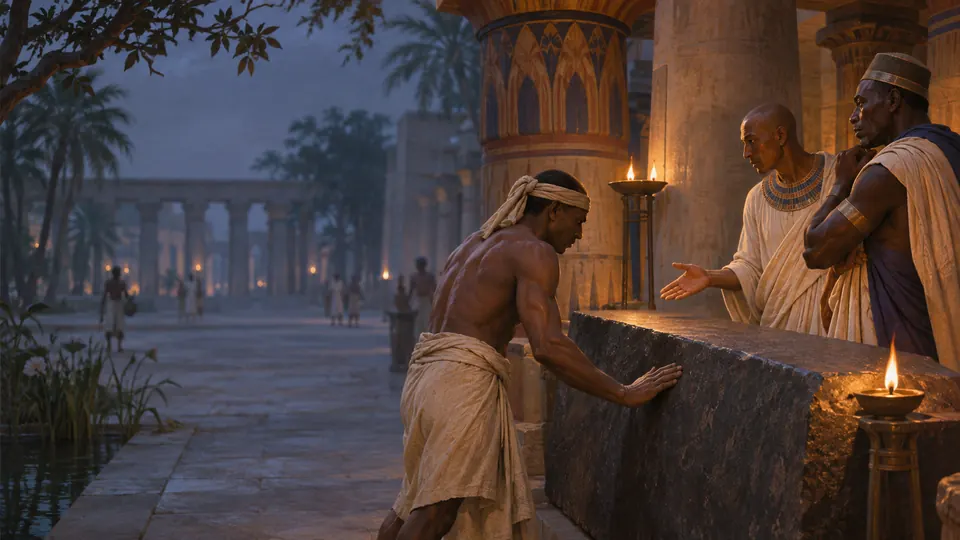
The Kushite pharaoh Shabaka commissioned the inscription called the Shabaka Stone. It preserves a text about Ptah and creation at Memphis.
Estimated reading time: 2 min Published Last reviewed:
Share article
Text
Introduction
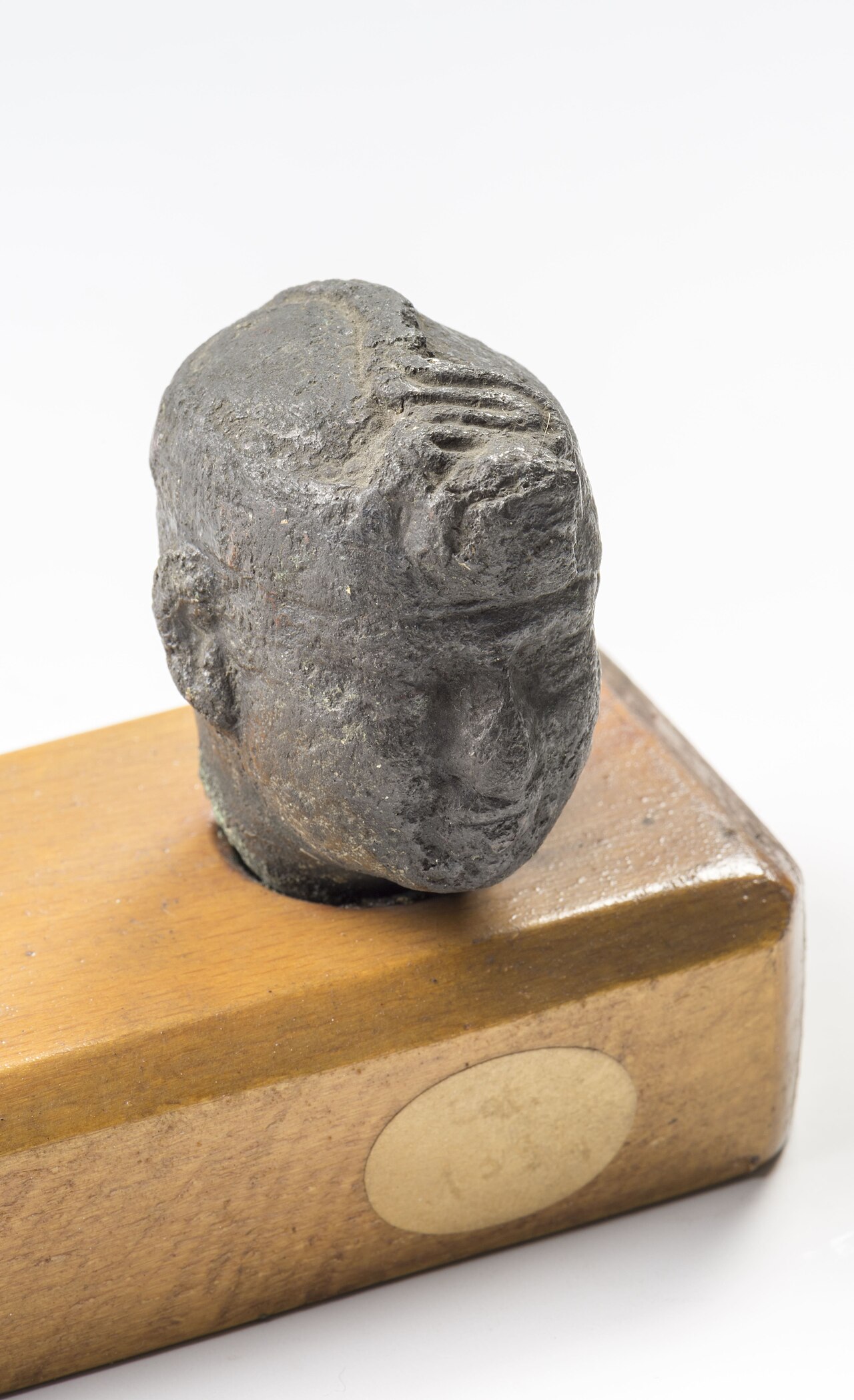
Shabaka, also written Shabako, was a Kushite king who ruled Egypt in the Twenty-fifth Dynasty. The British Museum places his reign at about 716–702 BCE and dates the stone bearing his name to about 710 BCE. The inscription preserves a text about PtahPtahPtah is an Egyptian god associated with Memphis, craftsmanship and creationGlossary · Click to read the explanation, the god of Memphis, and gives the king a role in preserving it. The date of the monument is more firmly anchored than the age of all the traditions in the text. [1]
A royal copying notice
According to the inscription, Shabaka found an older document at the temple of Ptah in a condition that made it difficult to read. The British Museum describes the claimed source as a papyrus being eaten by worms. The king orders its surviving content to be copied in stone. In the account told by the monument, the order is an act of care for a temple and its writings. The surviving inscription dates to his reign, while the source it describes has to be considered through what the inscription says about it. [1][2]
The museum observes that the compiler copied the layout of early documents and used archaic language to give the text an air of age. It regards the surviving work as clearly later than the period it claims to come from. That assessment gives two reasons to be cautious about assigning all the material one date. A royal work could preserve older stories, and a scribe could choose old forms when putting those stories into a new composition. [1]
Ptah, thought and speech
The creation passage links Ptah with the heart and tongue. The heart is where what the senses take in is understood, and the tongue gives expression to what the heart has conceived. The account applies this pair to the creation and ordering of the world, including the making of things through crafts and speech. It also gives a place to the ordering of rule in Egypt in passages about Horus and the Two Lands. The museum situates this among Egyptian accounts that describe creation from the perspective of a particular sanctuary and deity. [1][2]
The stone was later reused as a millstone, which damaged the hieroglyphs, and the translation used here notes that some columns are worn away. Surviving lines and gaps therefore enter any reading of it. The monument bears Shabaka’s name and gives his own reign a connection to the temple of Ptah. The ideas recorded in the surviving columns can be studied separately from the question of when their earlier forms first circulated. [1][2]
References and notes (2)
- British Museum, The Shabako Stone, EA498, museum collection record on Google Arts & Culture Description and catalogue details: date about 710 BCE, Shabako about 716–702 BCE in the museum account, 25th Dynasty and “expansionist Nubian dynasty” wording, inscription’s claim about its predecessor, Ptah and secondary use. Object date and text date treated separately. Return to the text ↑
- The Shabaka Stone: The Memphite Theology, English translation hosted by Attalus Opening copying notice, selected descriptions of Horus and the unification of the Two Lands, and the section on Ptah, heart and tongue. Read the translated passages, rather than the sources listed in its commentary. Return to the text ↑
Suggest a correction · Suggest a source for this record
Cite this record
IL Archive, «Shabaka», https://ilarchive.com/en/people/shabaka
Continue reading