Site
Persepolis
Achaemenid royal center in southwestern Iran, begun by Darius I around 518 BCE.
Last reviewed:
Text
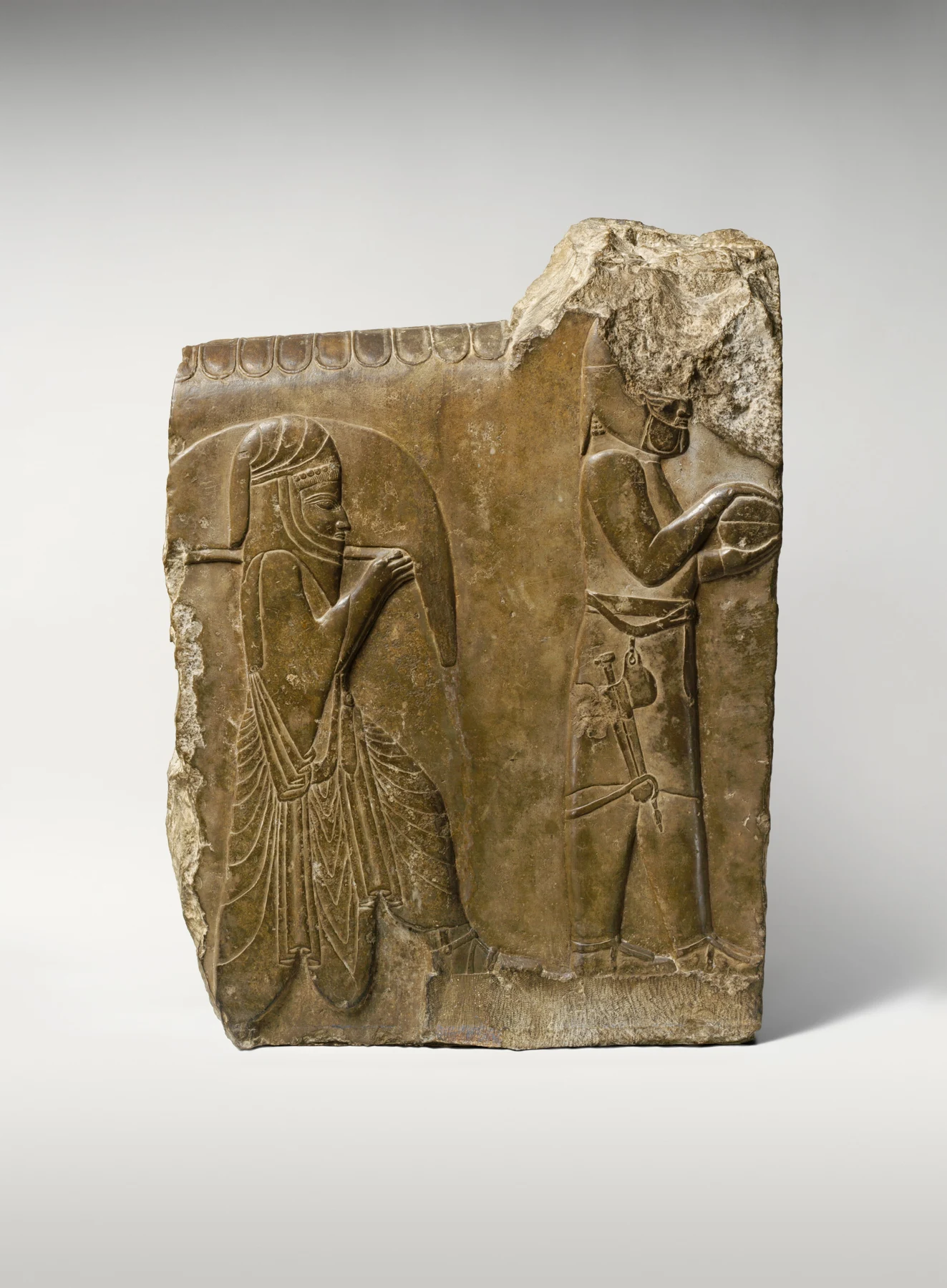
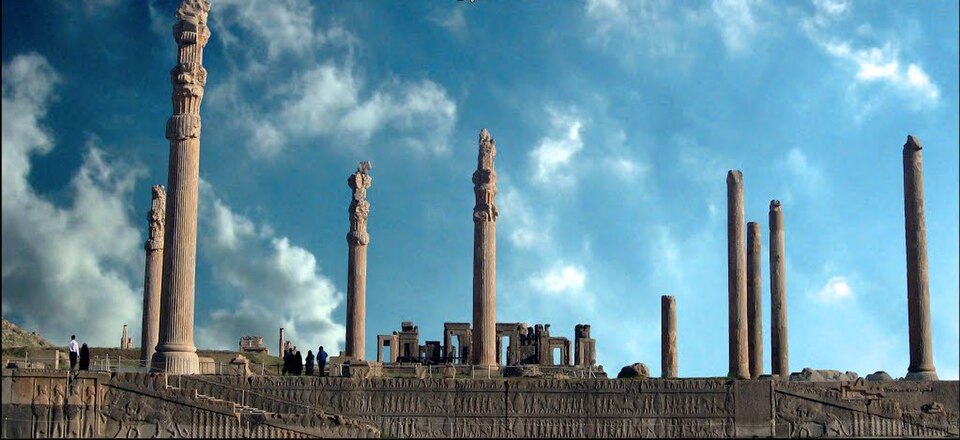
Persepolis, also called Takht-e Jamshid, is a complex of royal palaces and terraces beside Kuh-e Rahmat in southwestern IranIranIran is the modern country containing Shush, ancient SusaGlossary · Click to read the explanation. Darius I began construction around 518 BCE, and successors enlarged it. Its Apadana hall and reliefs of delegations and servants express royal ideas about kingship and empire. [1]
It was a royal and ceremonial center within a network of Achaemenid residences, rather than the court’s only location. It is distinct from SusaSusa, ancient ShushSusa is an archaeological city at Shush in southwestern present-day IranGlossary · Click to read the explanation, where many Esther scenes are set. [1][2]
References and notes
- UNESCO, Persepolis: description, foundation and royal complex. UNESCO, Persepolis: description, foundation and royal complex. Return to the text ↑
- Dandamaev: itinerant court and royal centers. Dandamaev: itinerant court and royal centers. Return to the text ↑
Suggest a correction · Suggest a source for this record
Cite this record
IL Archive, «Persepolis», https://ilarchive.com/en/sites/persepolis-iran
Continue reading