Darius at Behistun Chapter 1
The Words on the Cliff
A Persian king speaks from stone. Travelers, scribes and later readers carry his story beyond the cliff, where other versions complicate its claims.
SourcesTurn the pages with the arrows, the arrow keys or a swipe.
WORDS ON THE CLIFF
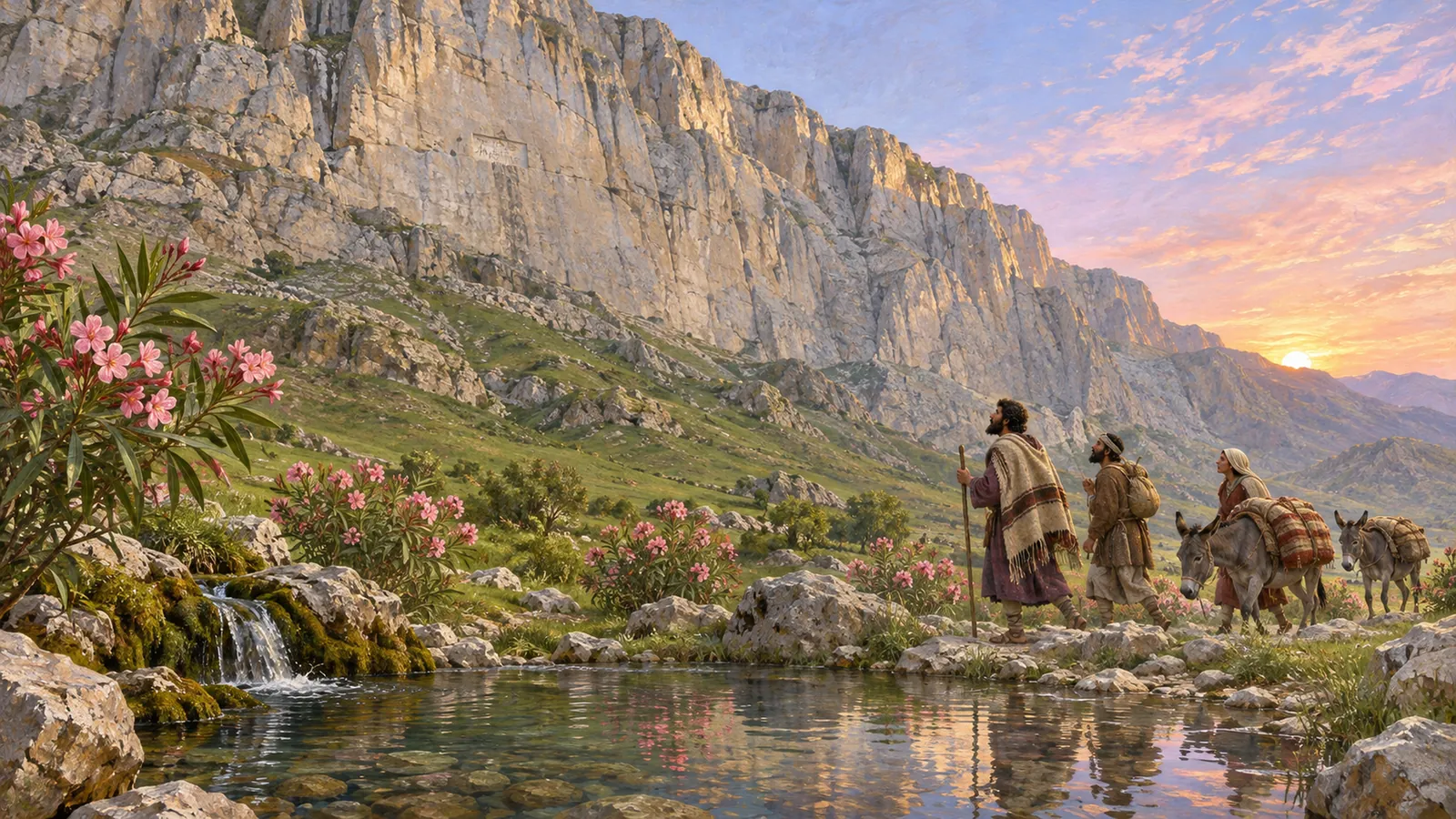
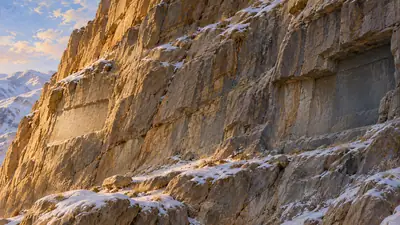
On a limestone cliff in the Zagros, a king set his story above the road. Travelers could look up from the plain and see where the stone had been cut.
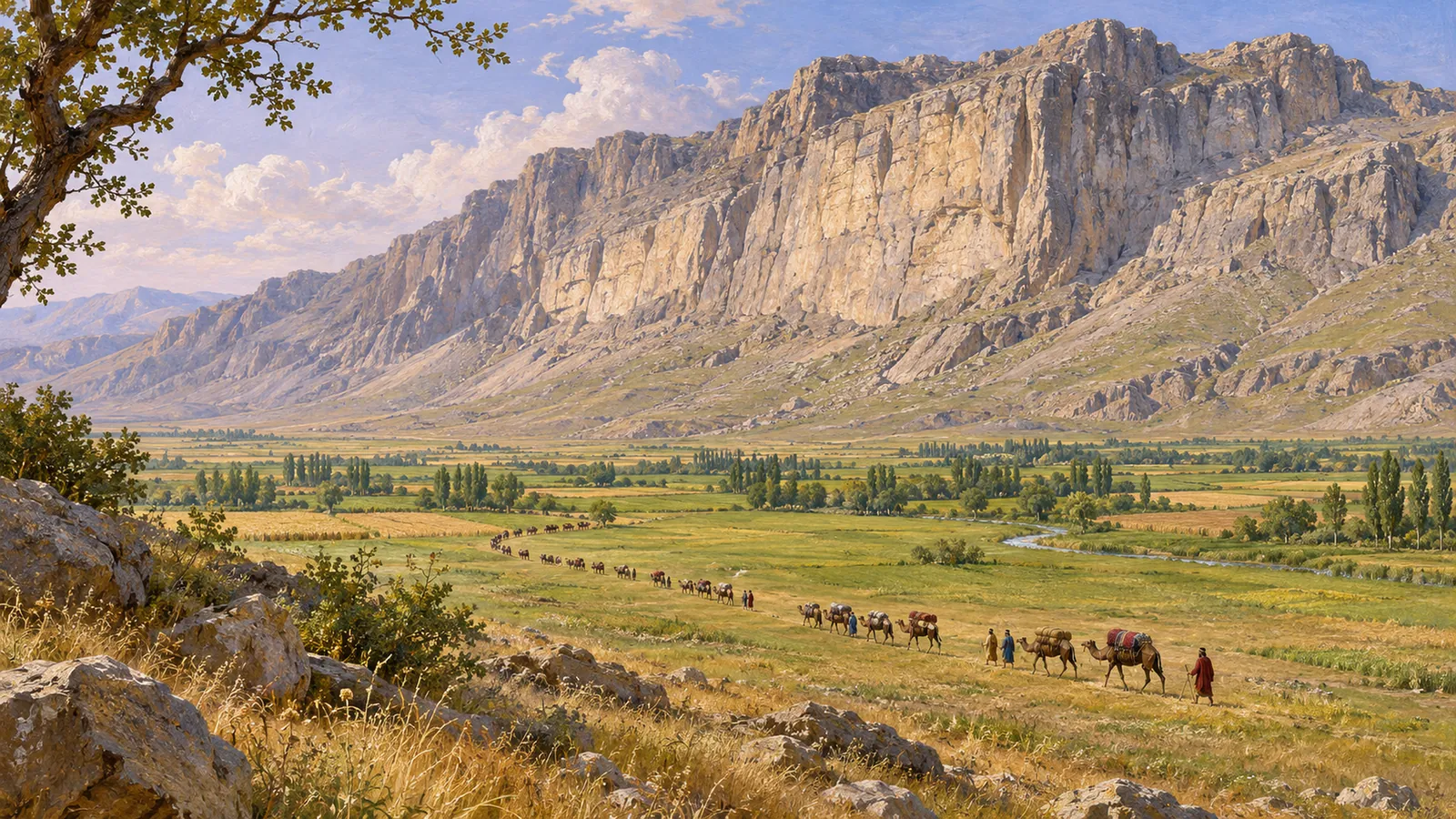
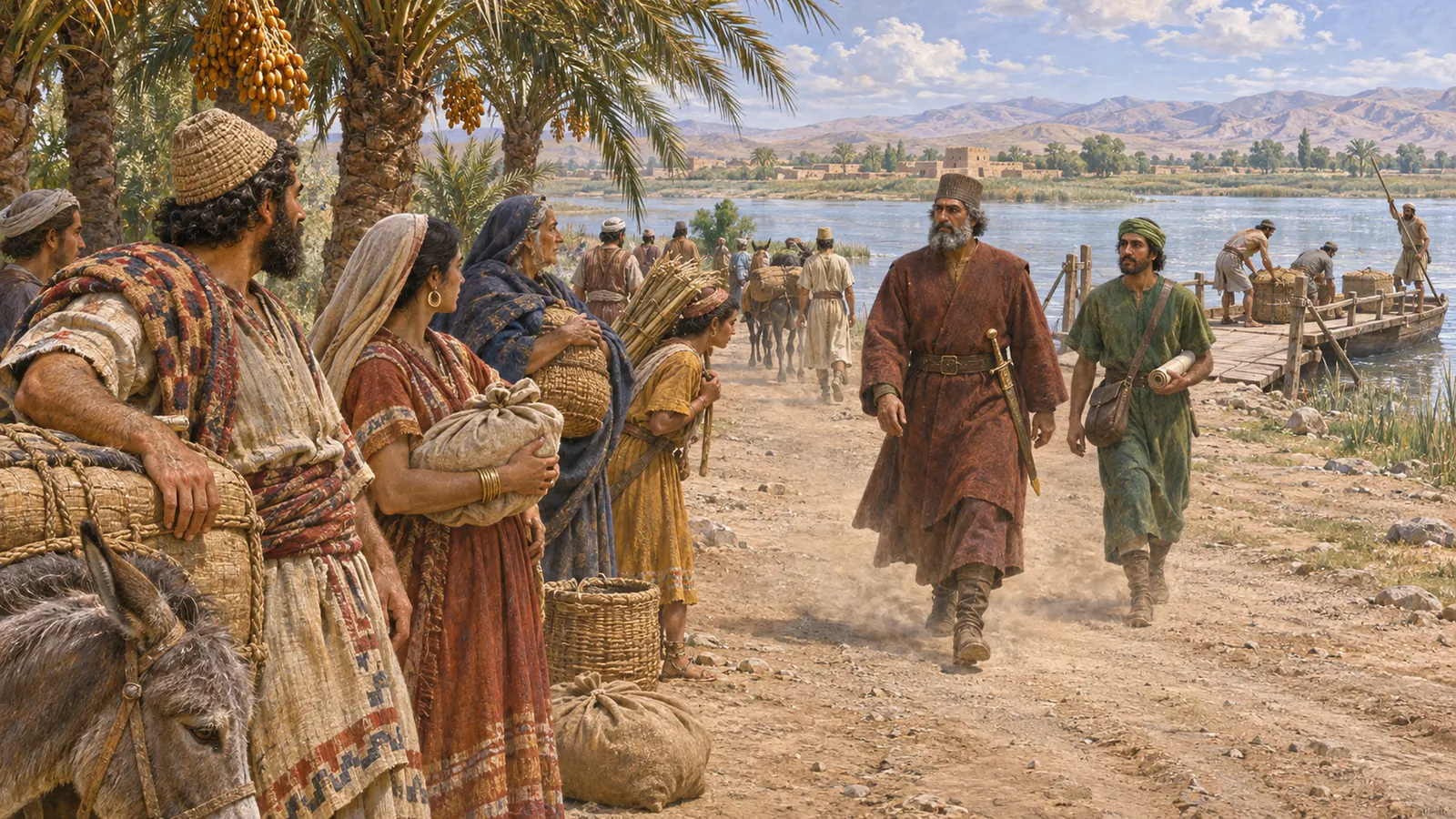
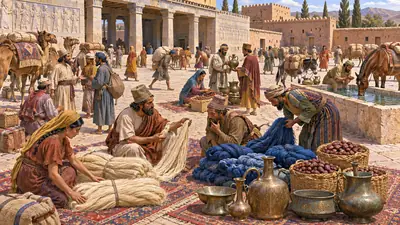
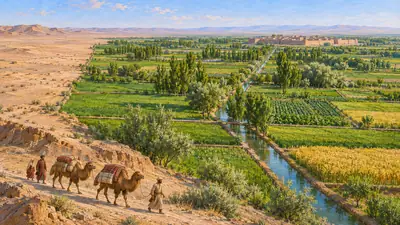
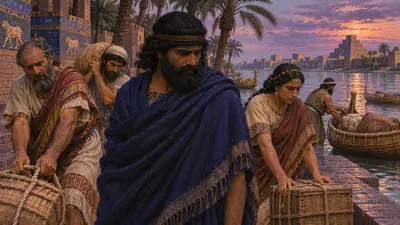
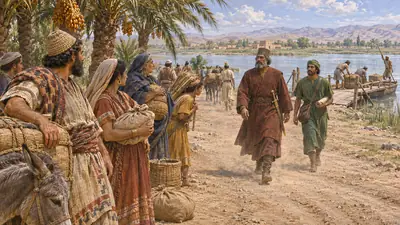
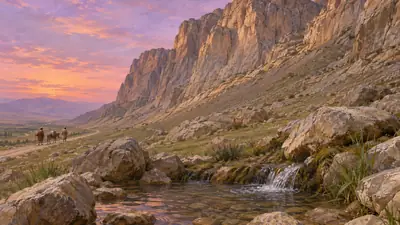
The road at Behistun linked the Iranian plateau with Mesopotamia. People passed below the cliff on their way to and from Media. The writing was too high to read from the road.
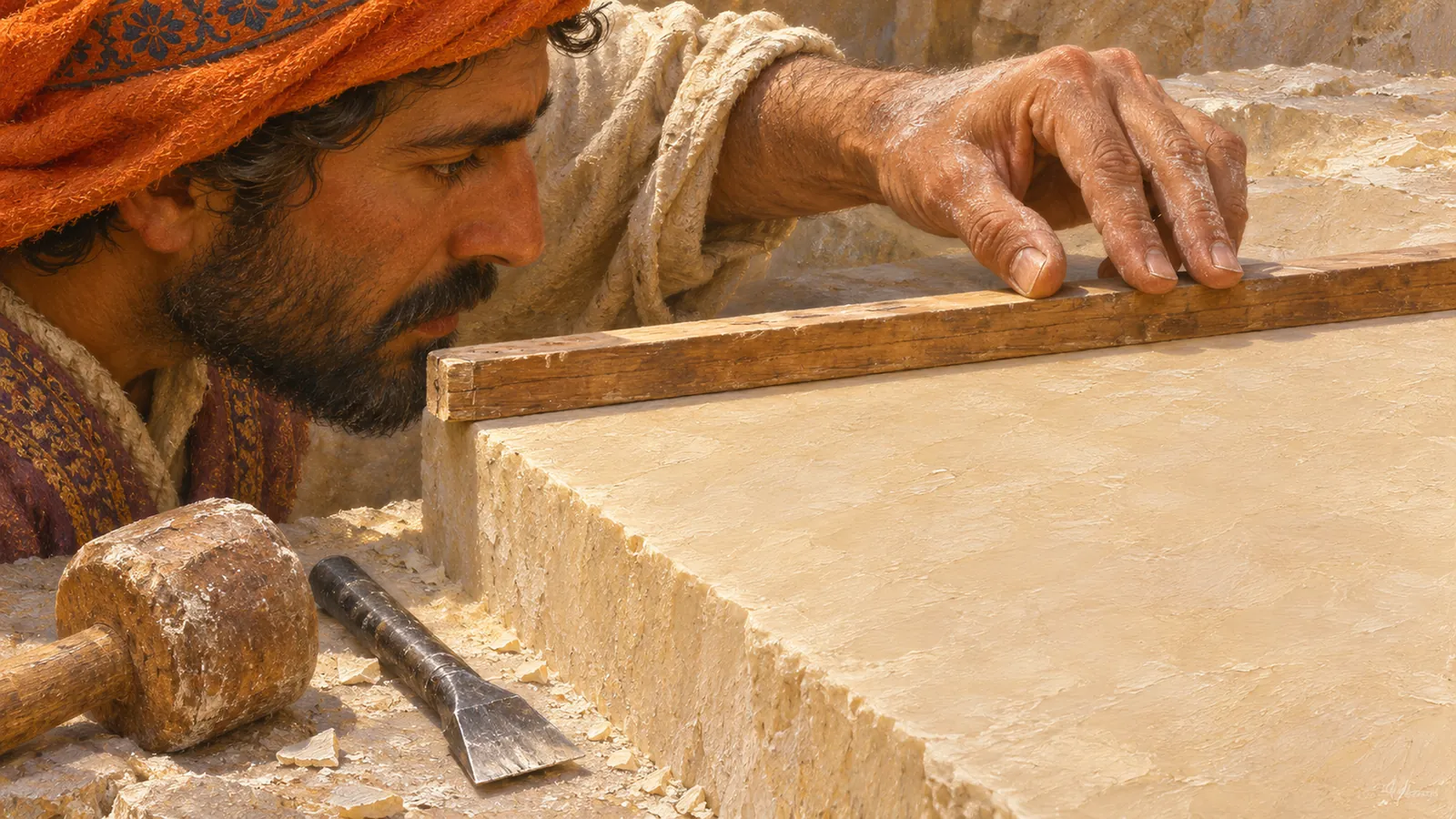
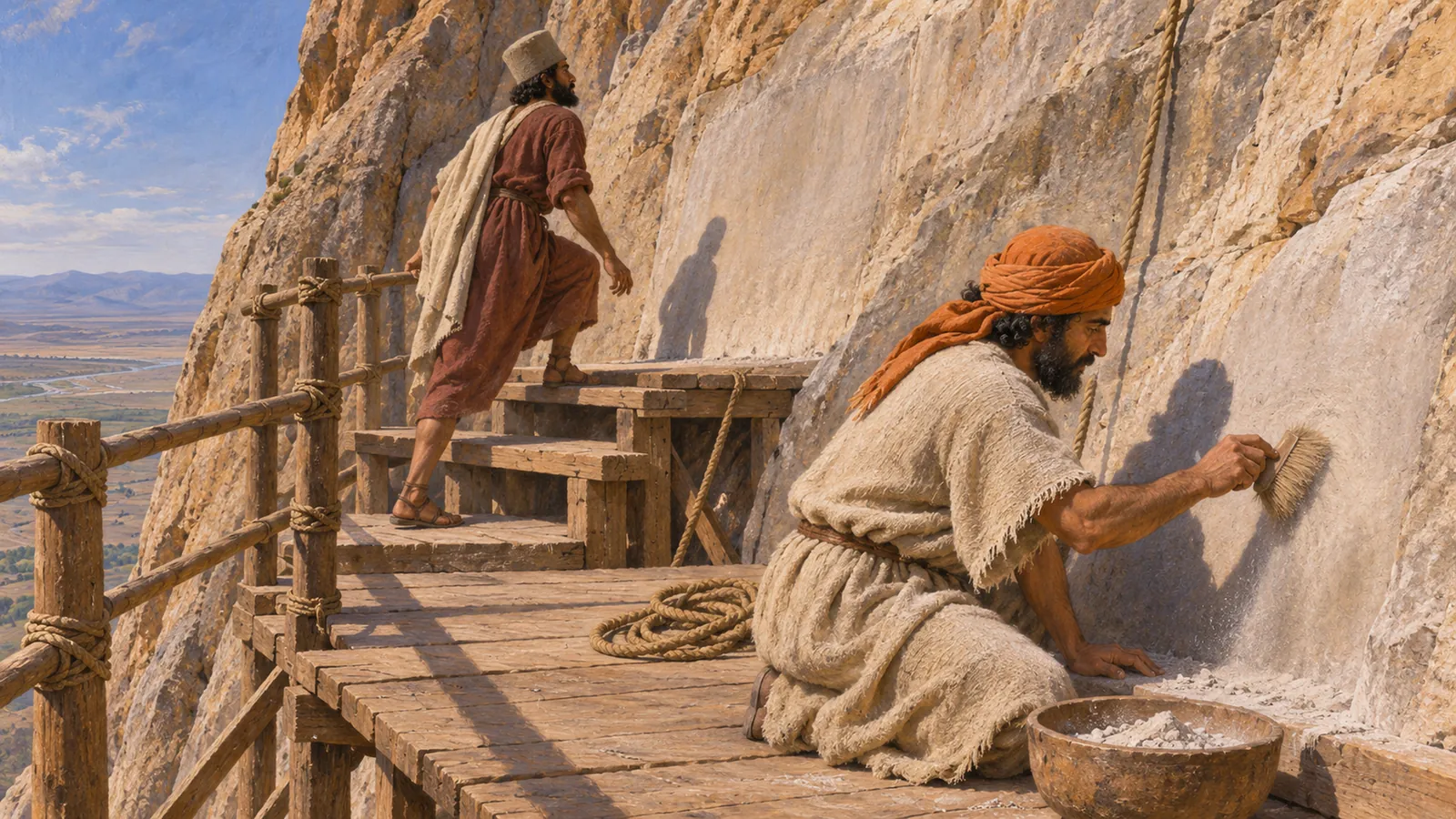
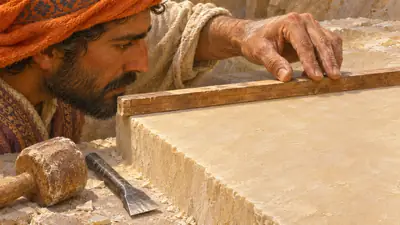
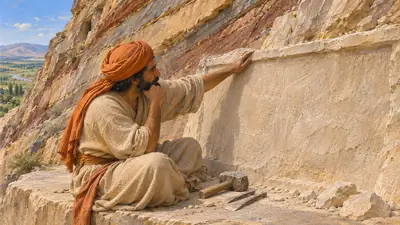
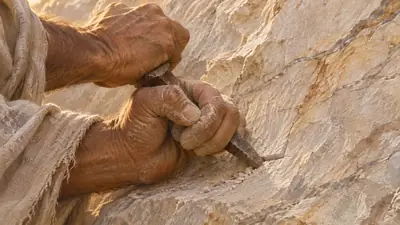
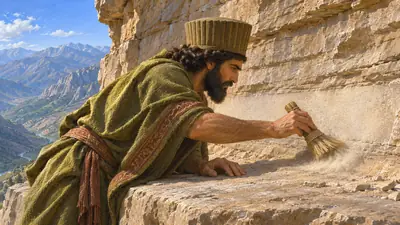
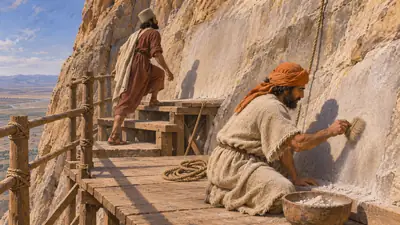
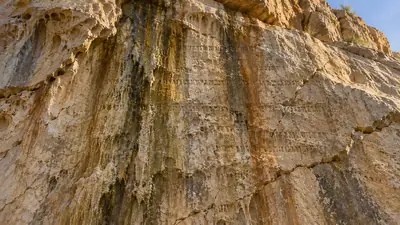
The workers needed a smooth surface on uneven rock. Above the valley they made room for a relief and many lines of writing. The cliff itself became the record.
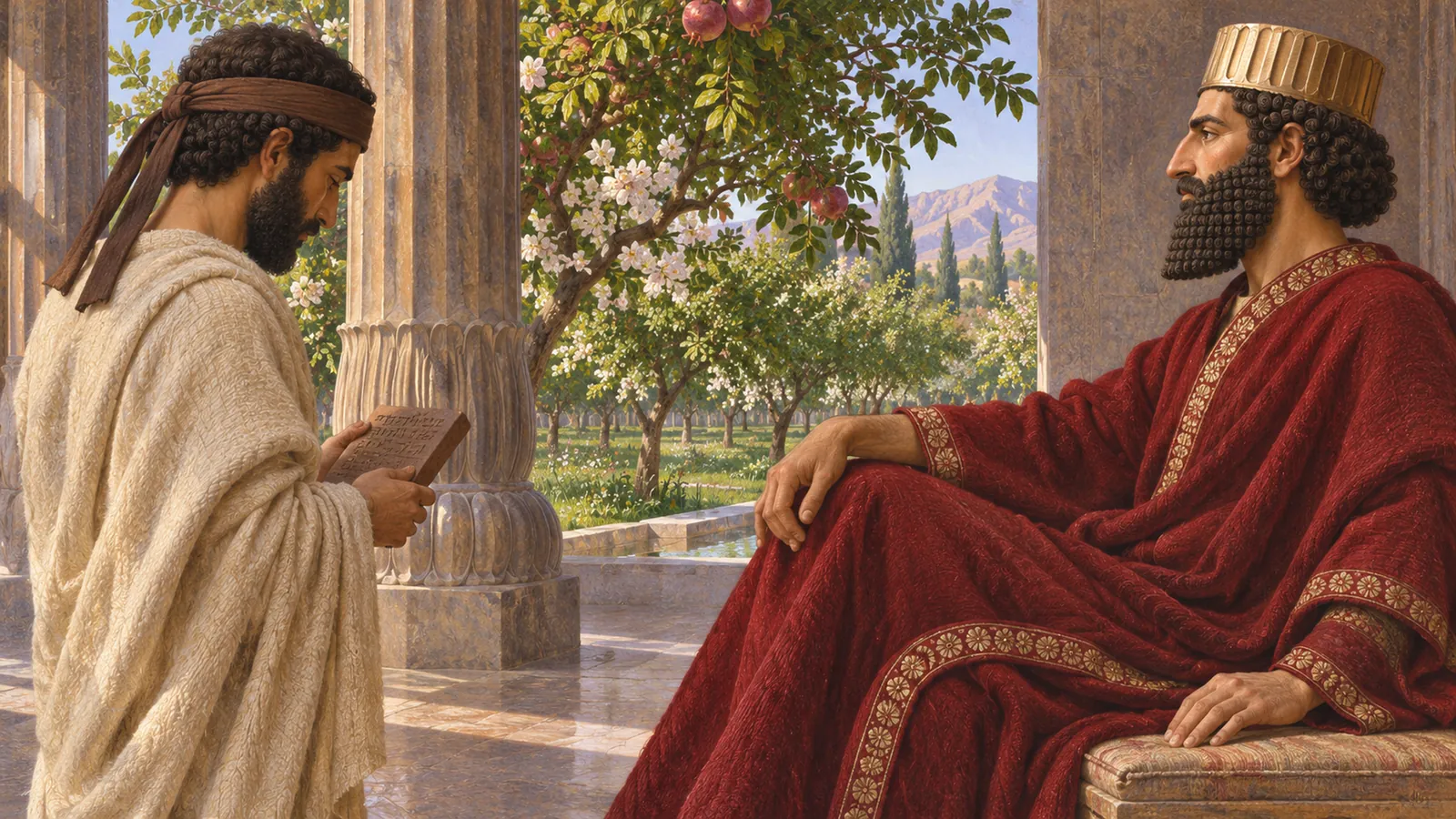
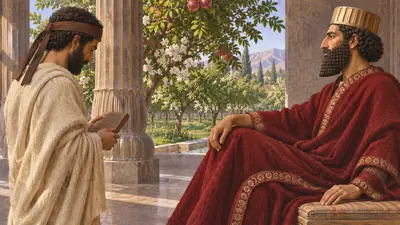
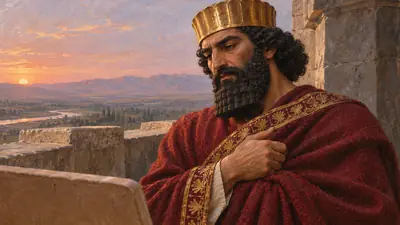
The first name in the Old Persian account is Darius. He names his father, Hystaspes, and claims the title King of Kings. The account asks us to hear him speak.
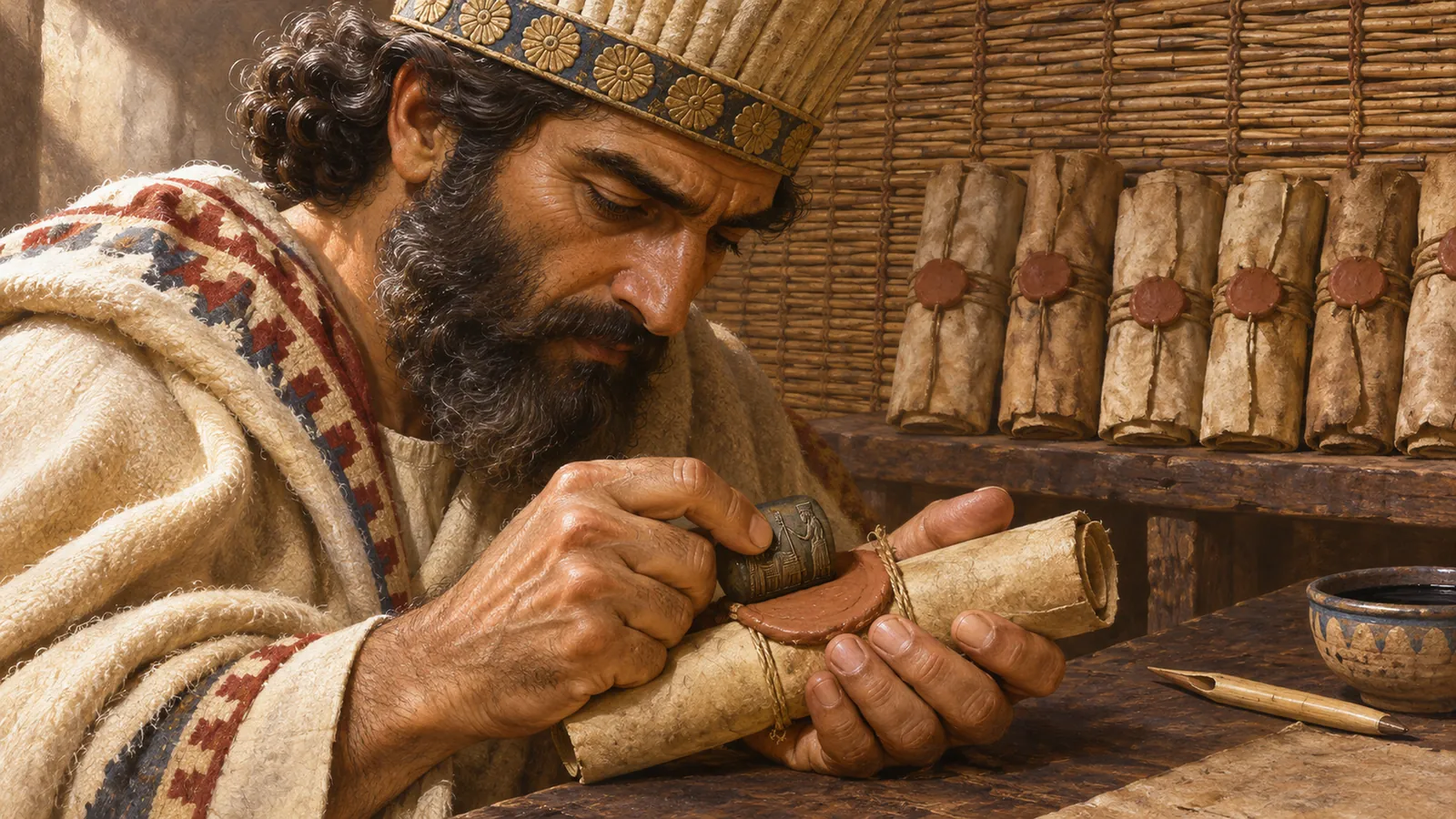
Darius names his ancestors, going back through several generations to Achaemenes. He counts eight kings of his family before himself. He wants his own reign to look like the continuation of theirs.
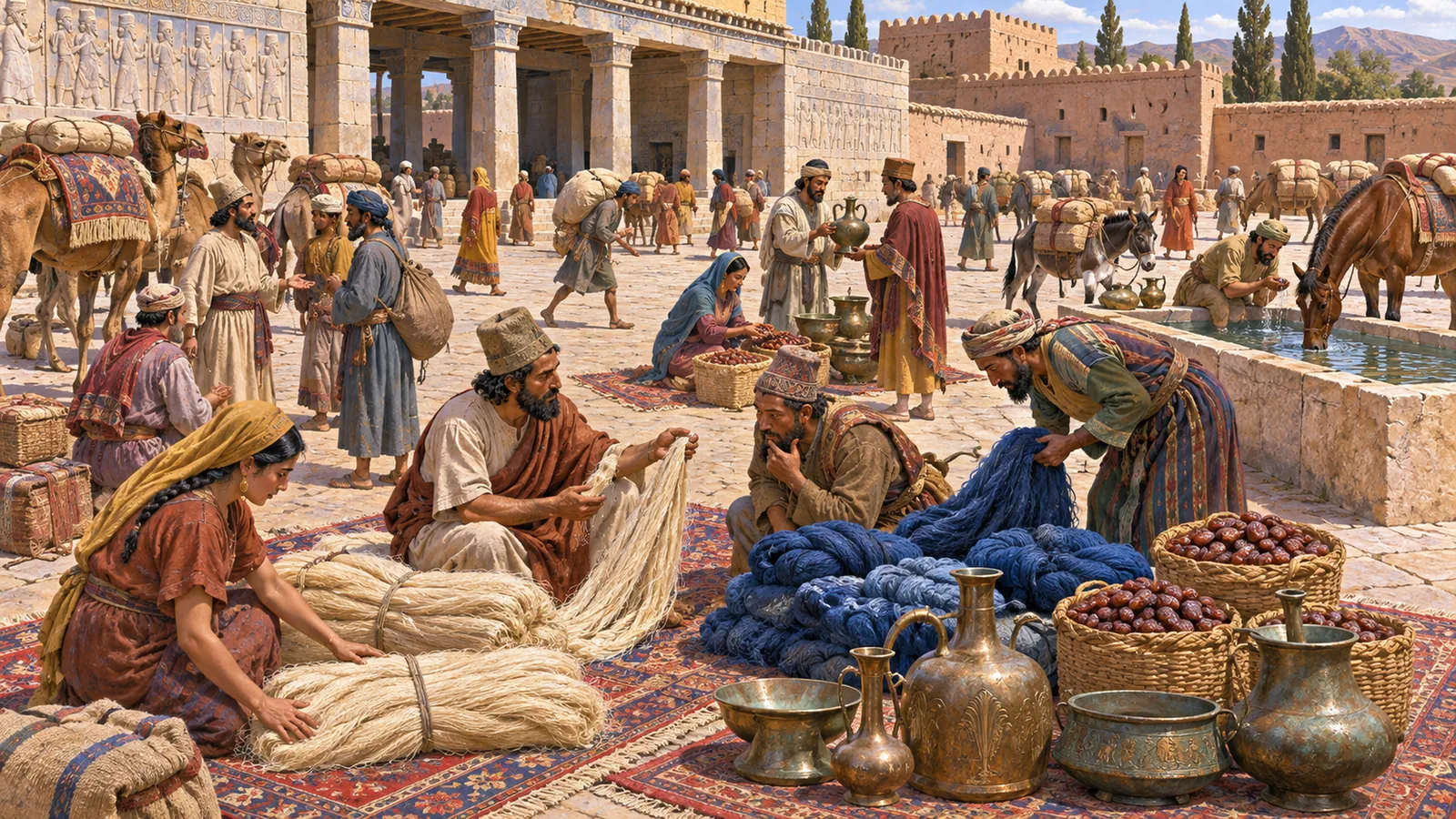
Darius names twenty-three lands under his rule. Persia and Media are there, as are Elam, Babylonia and Egypt. The list sets out how far he says his authority reaches.
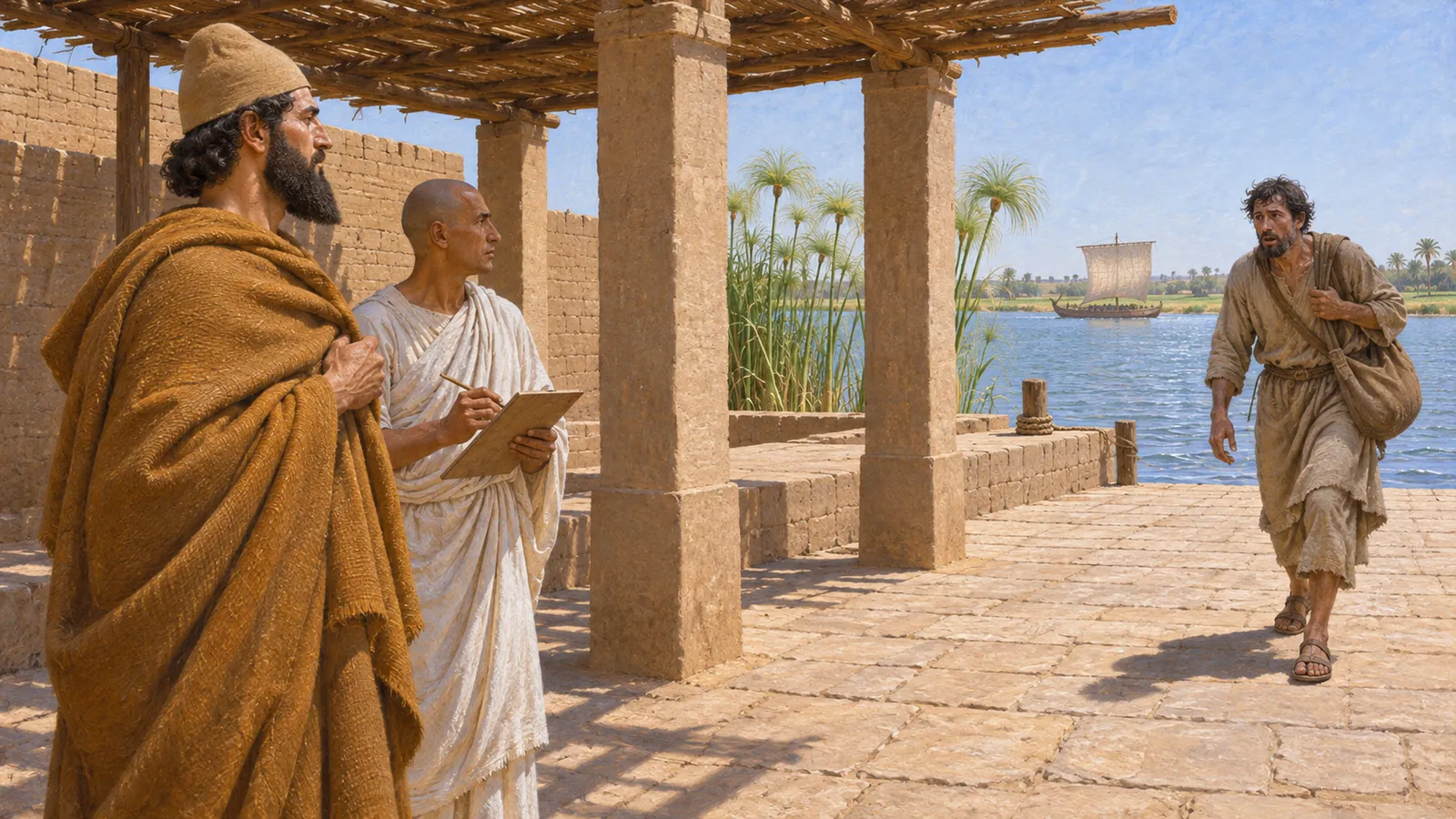
THE DISPUTED THRONE
Before Darius, Cyrus’s son Cambyses ruled this empire. He went to Egypt, far from his Persian home. In the inscription, Cambyses’s absence is the moment when the throne becomes vulnerable.
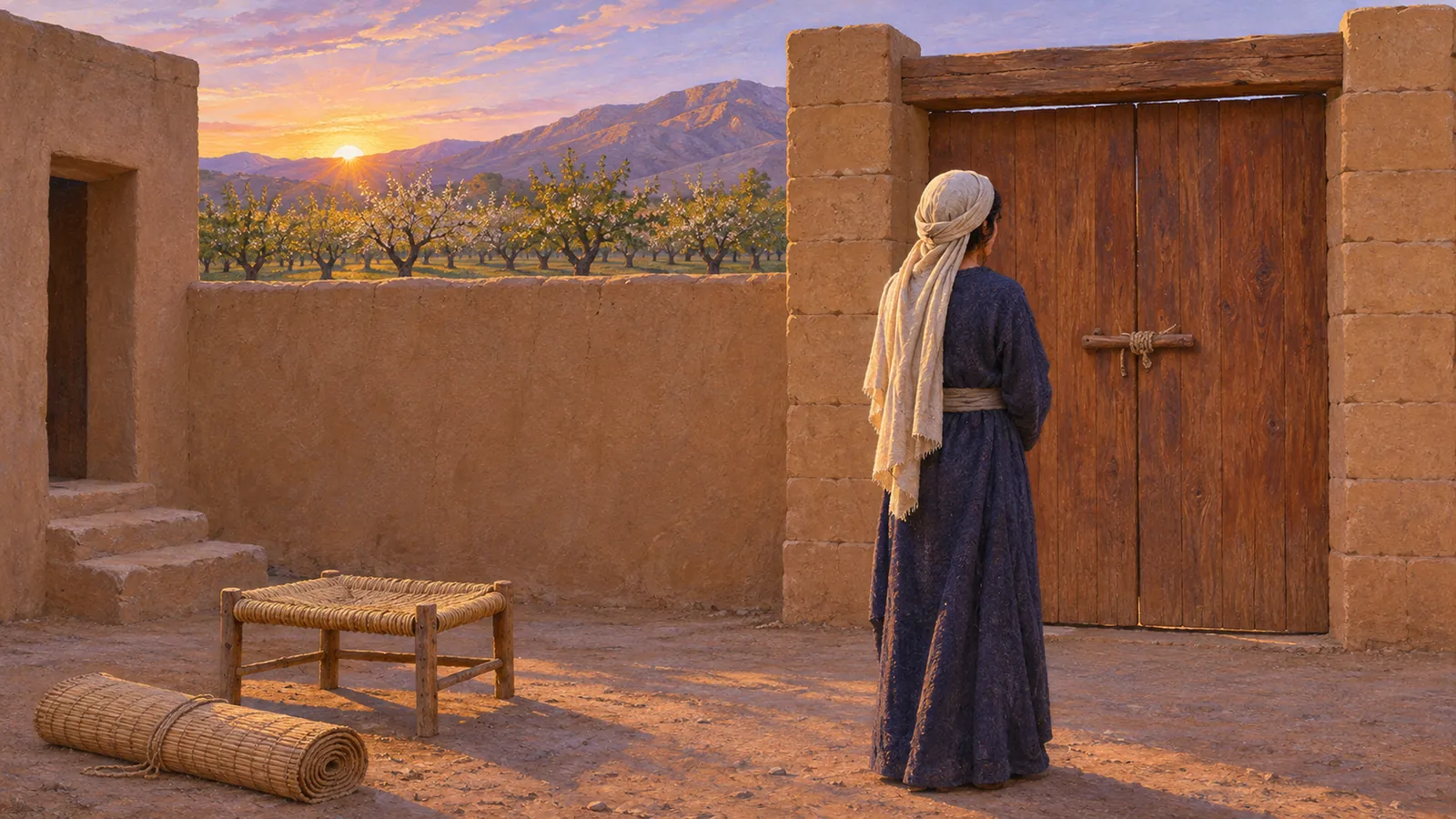
Cambyses had a brother named Bardiya, born to the same father and mother. Darius says Cambyses killed him in secret. People still believed Cyrus’s younger son was alive.
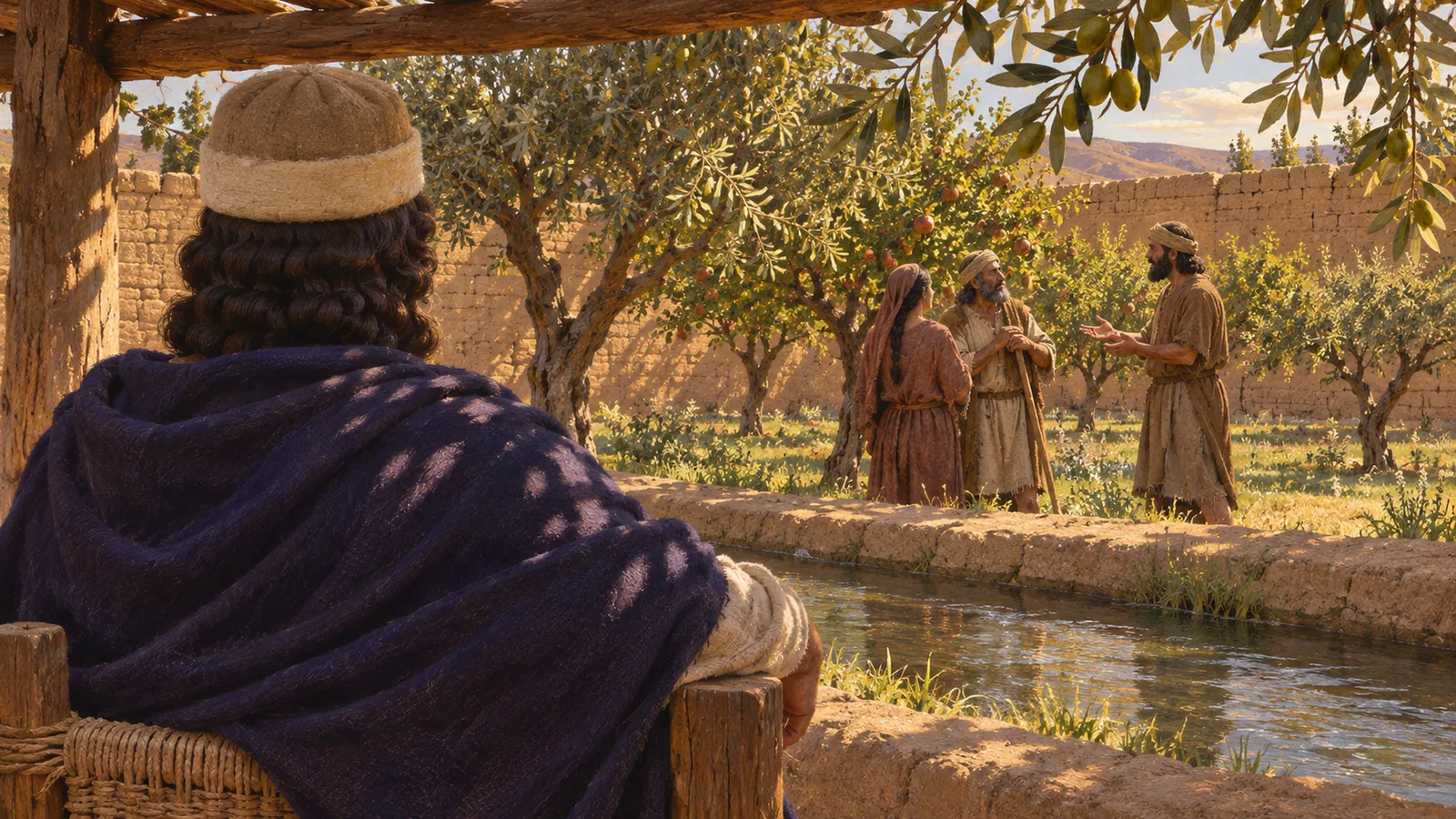
Darius says a man named Gaumata rose in Persia and announced that he was Bardiya. Gaumata, he says, belonged to the Magi. That is the identification Darius carved on the cliff.
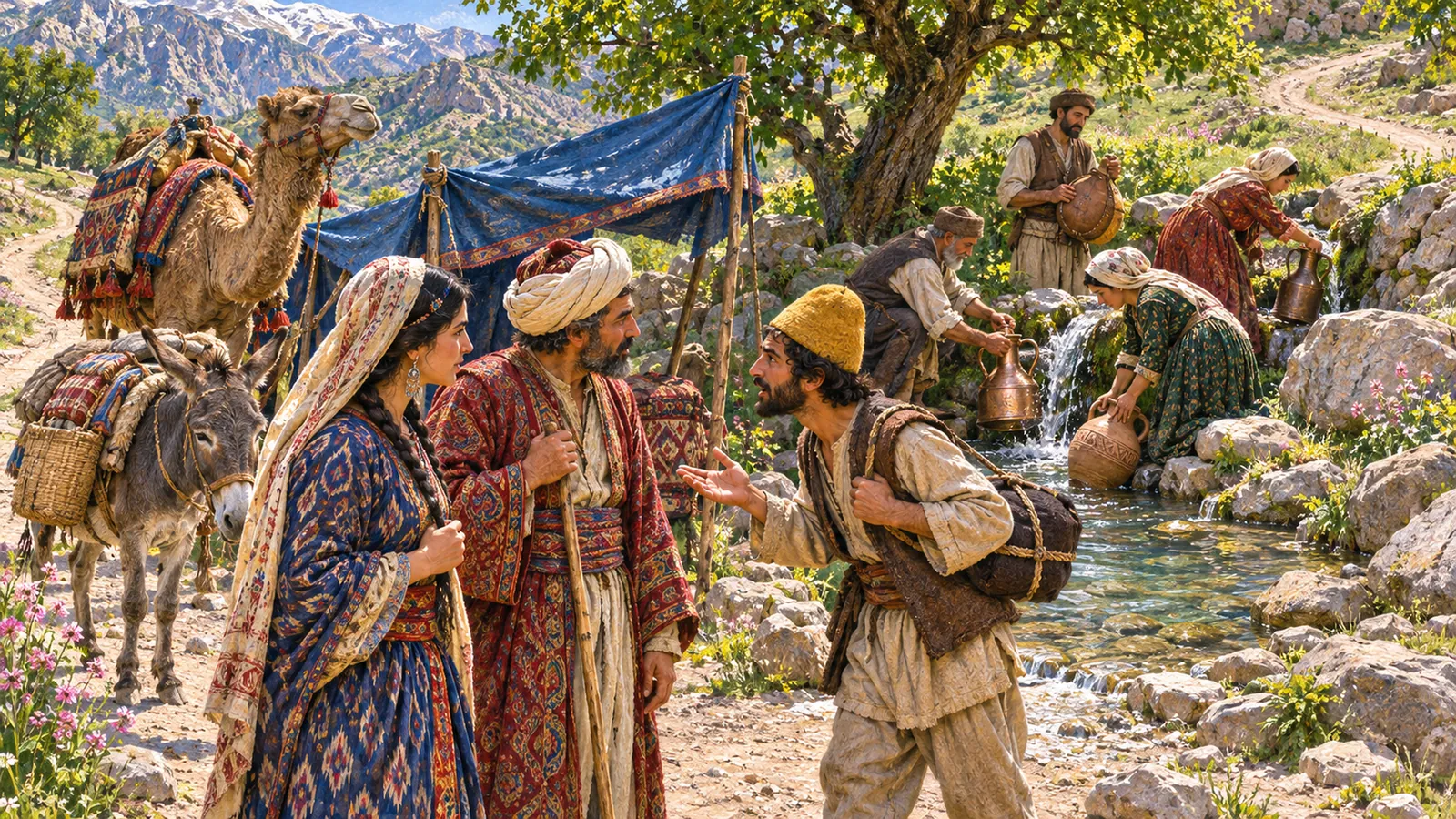
The account says Persia, Media and other lands went over to the man who called himself Bardiya. Cambyses died. The few Old Persian words about his death have been read in different ways.
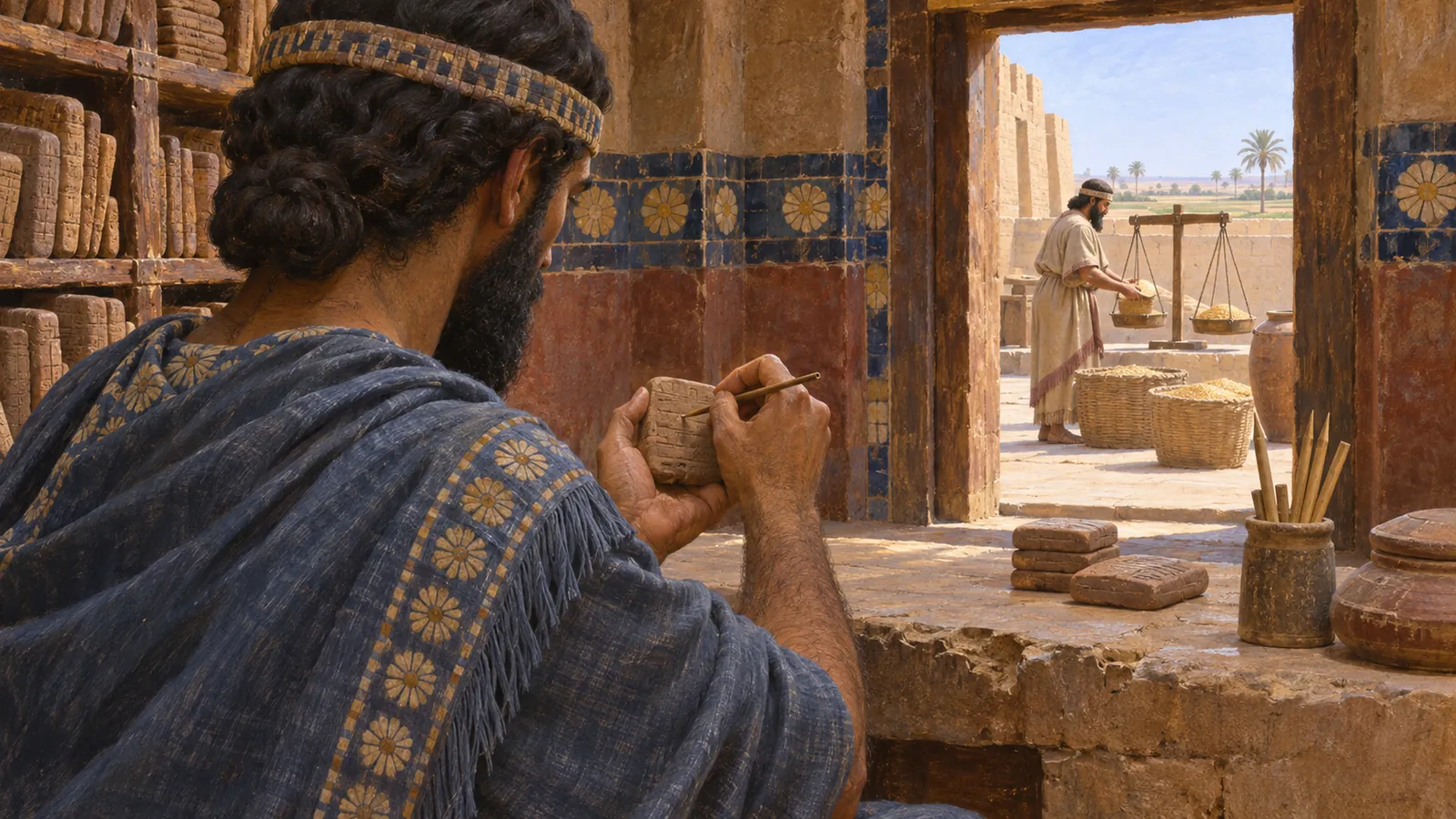
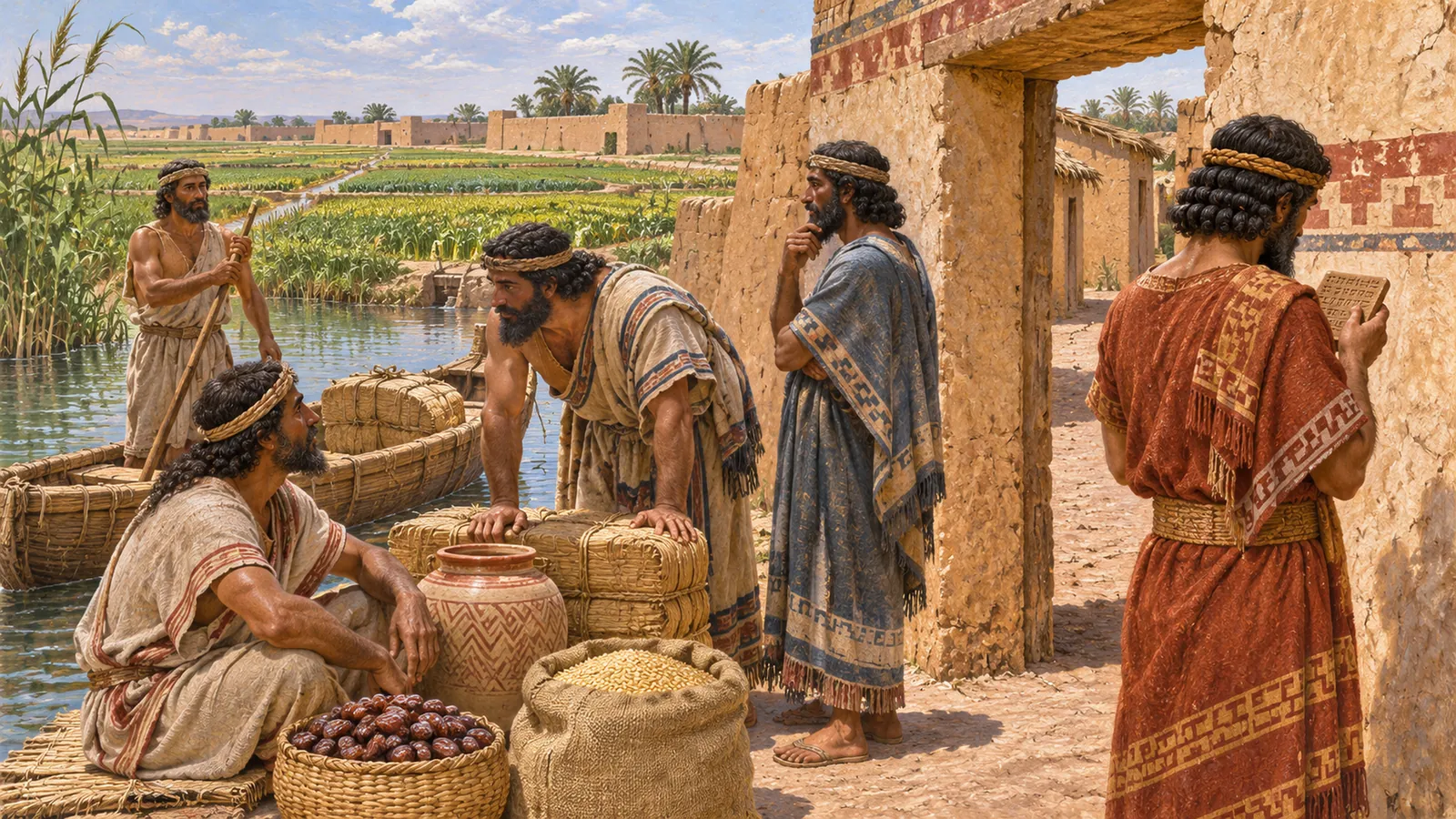
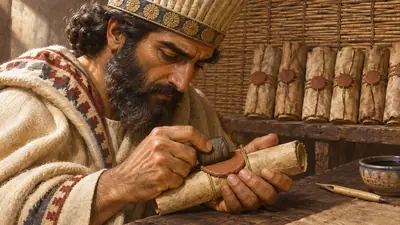
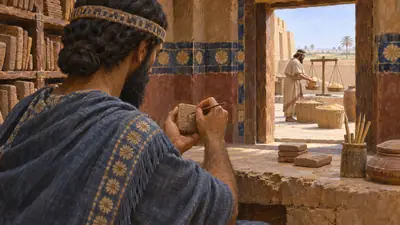
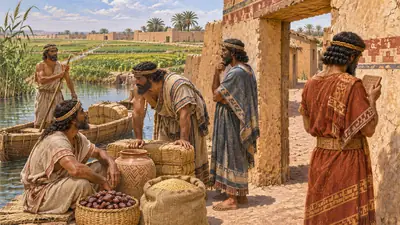
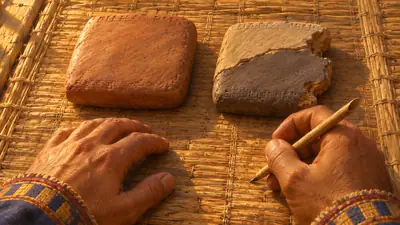
While Darius’s story comes from stone, other records were made on clay. At Uruk, even a tablet about temple expenses counts time by Bardiya’s reign. The name leaves his identity open.
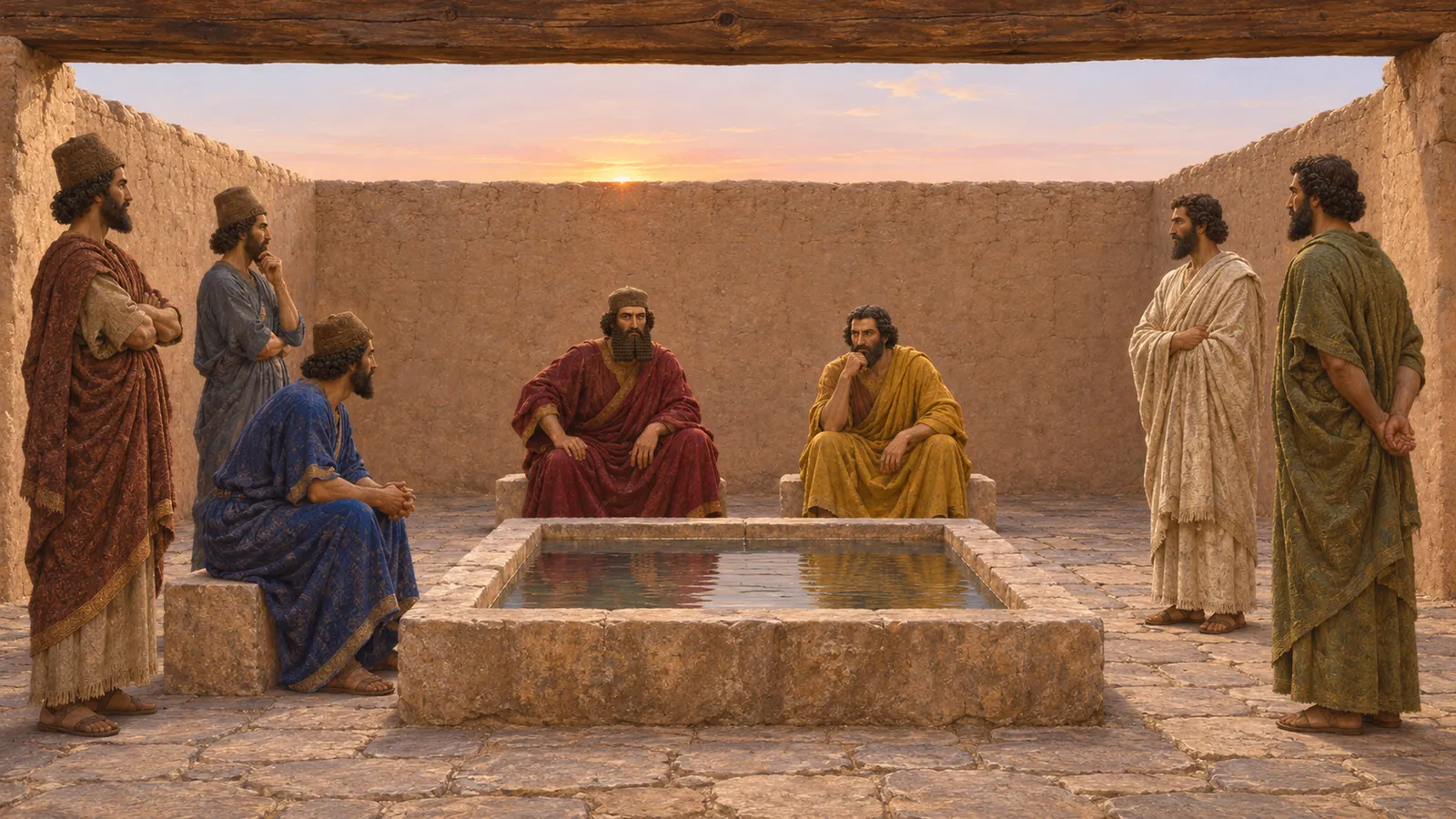
Darius says no one dared challenge the man he calls Gaumata until he arrived. Six men are later named as his helpers. The record gives his companions a place beside him in the story.
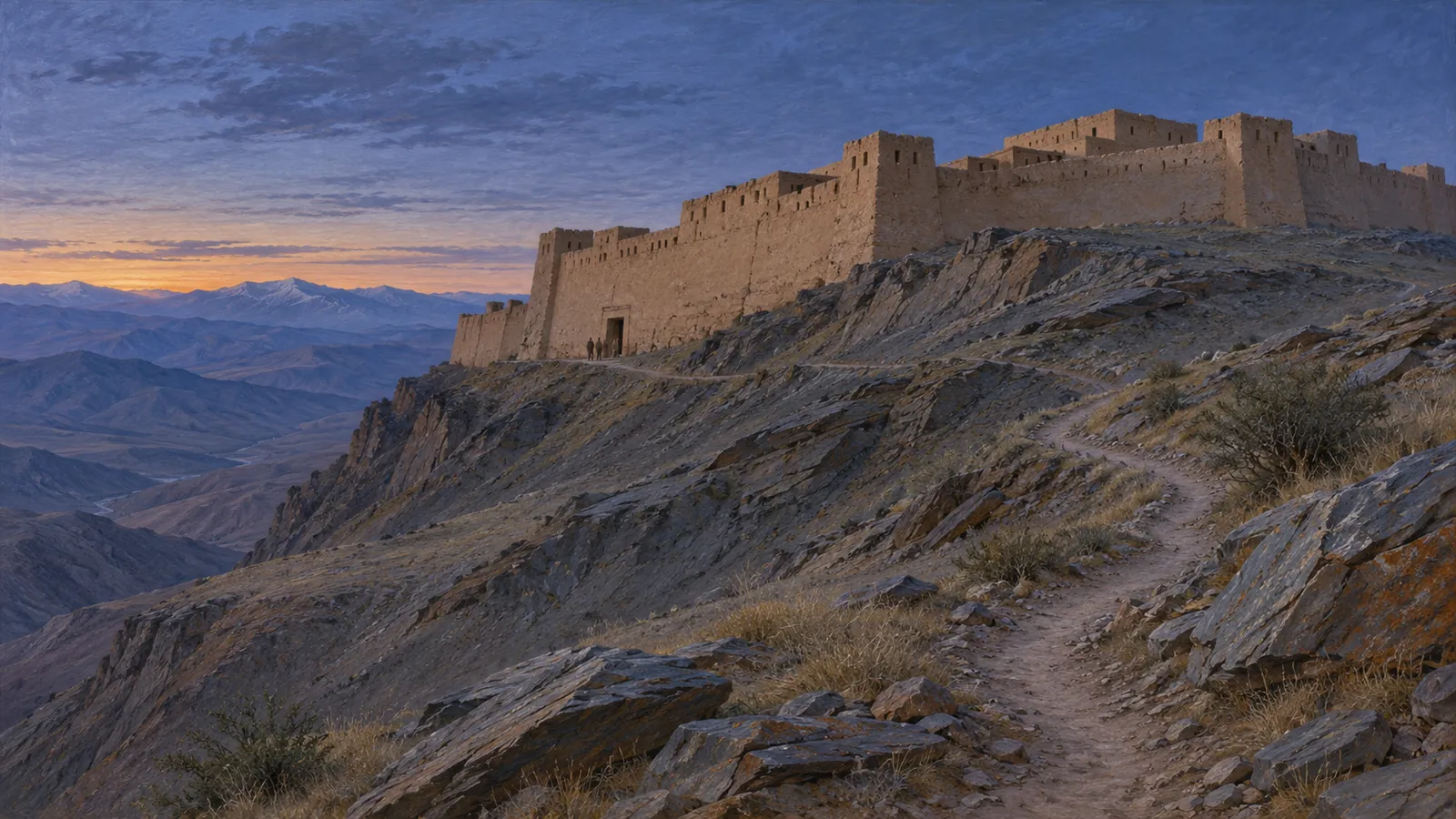
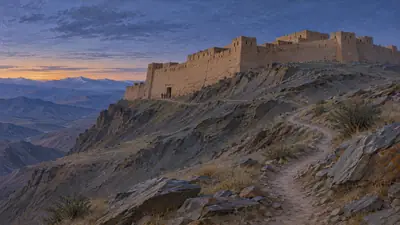
Darius locates the killing in a stronghold called Sikayuvatiš, in a part of Media called Nisaya. He dates it to a day that falls in September 522 BCE.
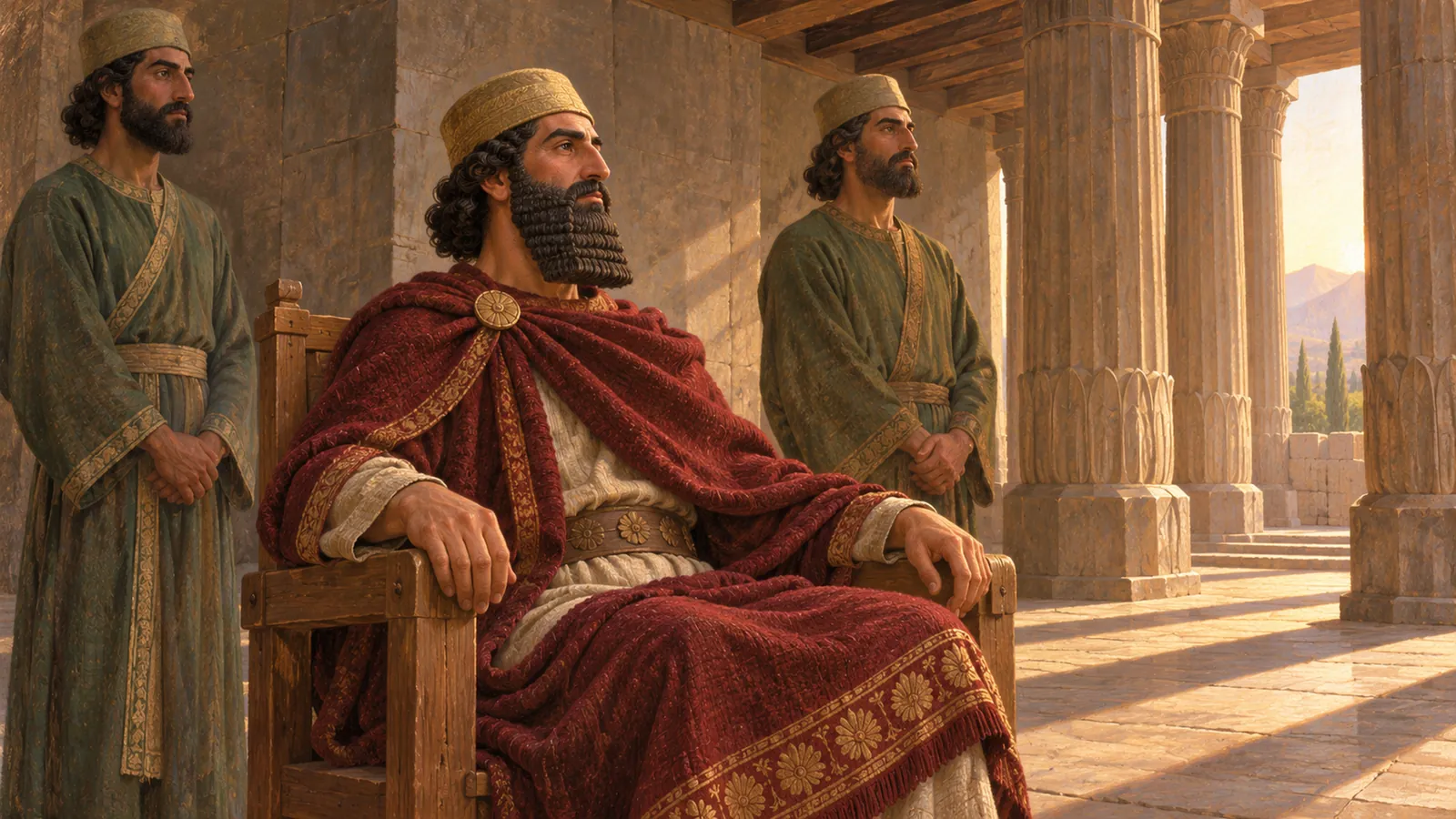
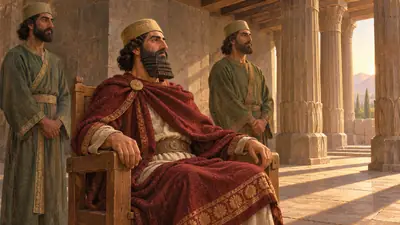
Darius takes the throne and credits Ahuramazda with granting him power. His claim depends on the fall of an impostor. The possibility that he overthrew Cyrus’s son remains open.
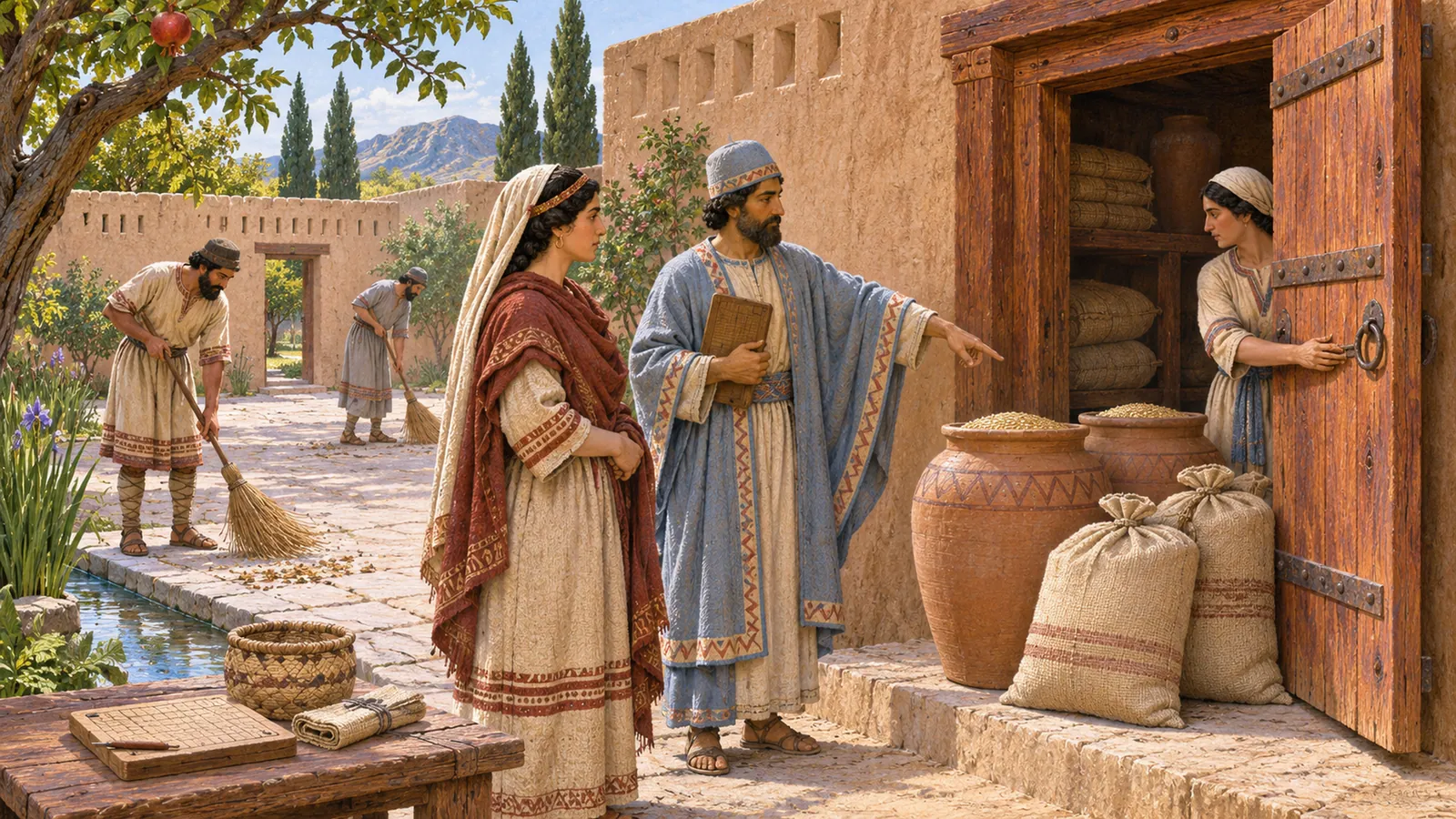
Darius says he restored places of worship and returned herds, pastures and homes. In his telling the transfer of power also returns possessions, families and communities to their former places.
OTHER VOICES
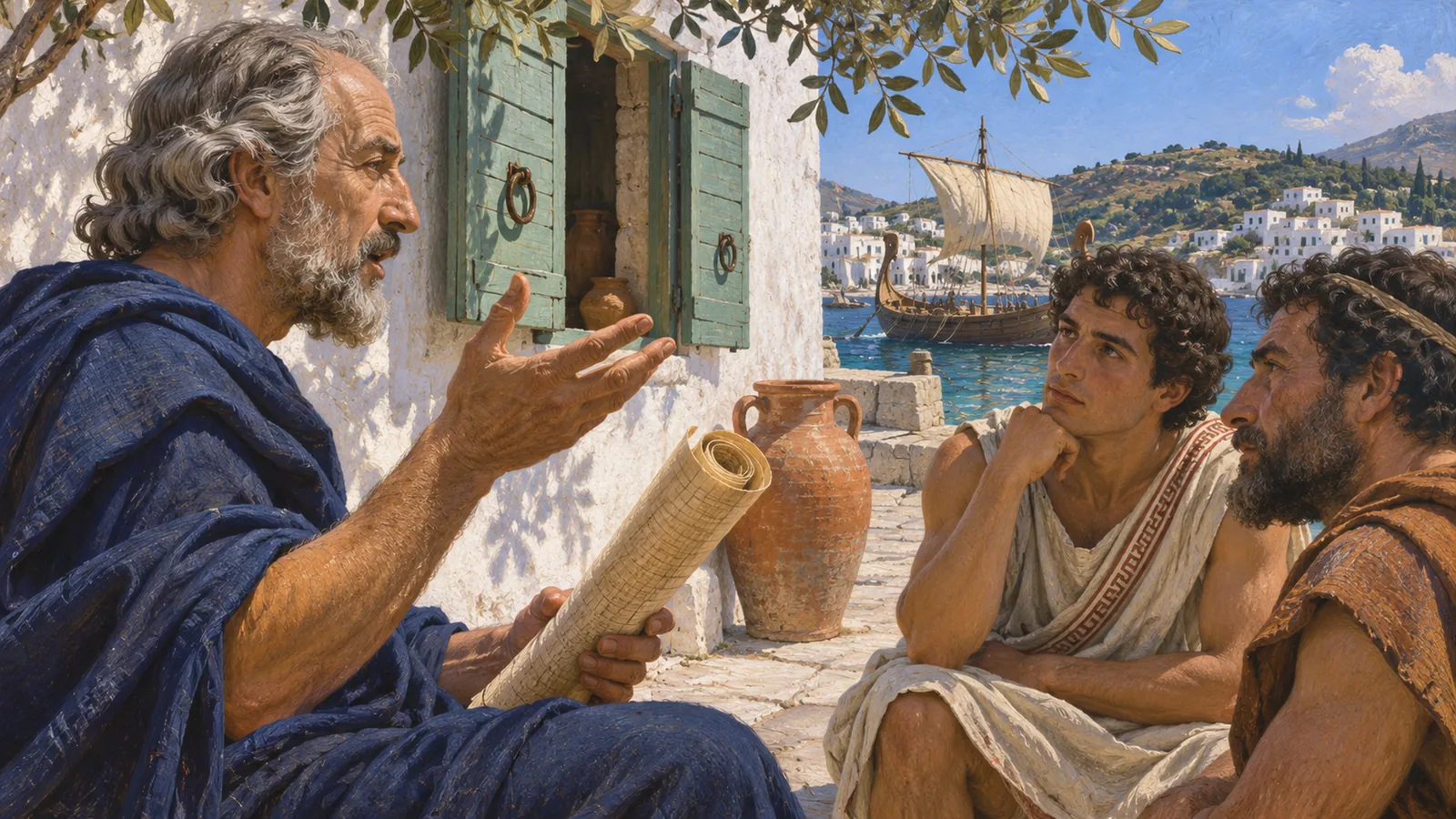
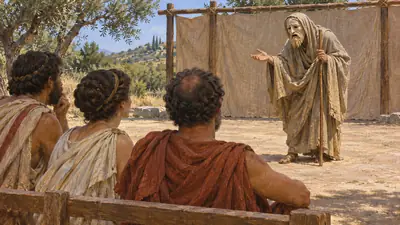
Herodotus tells a version in Greek, generations later. He calls Cyrus’s son Smerdis. The story has brothers among the Magi, and it is Otanes who first grows suspicious.
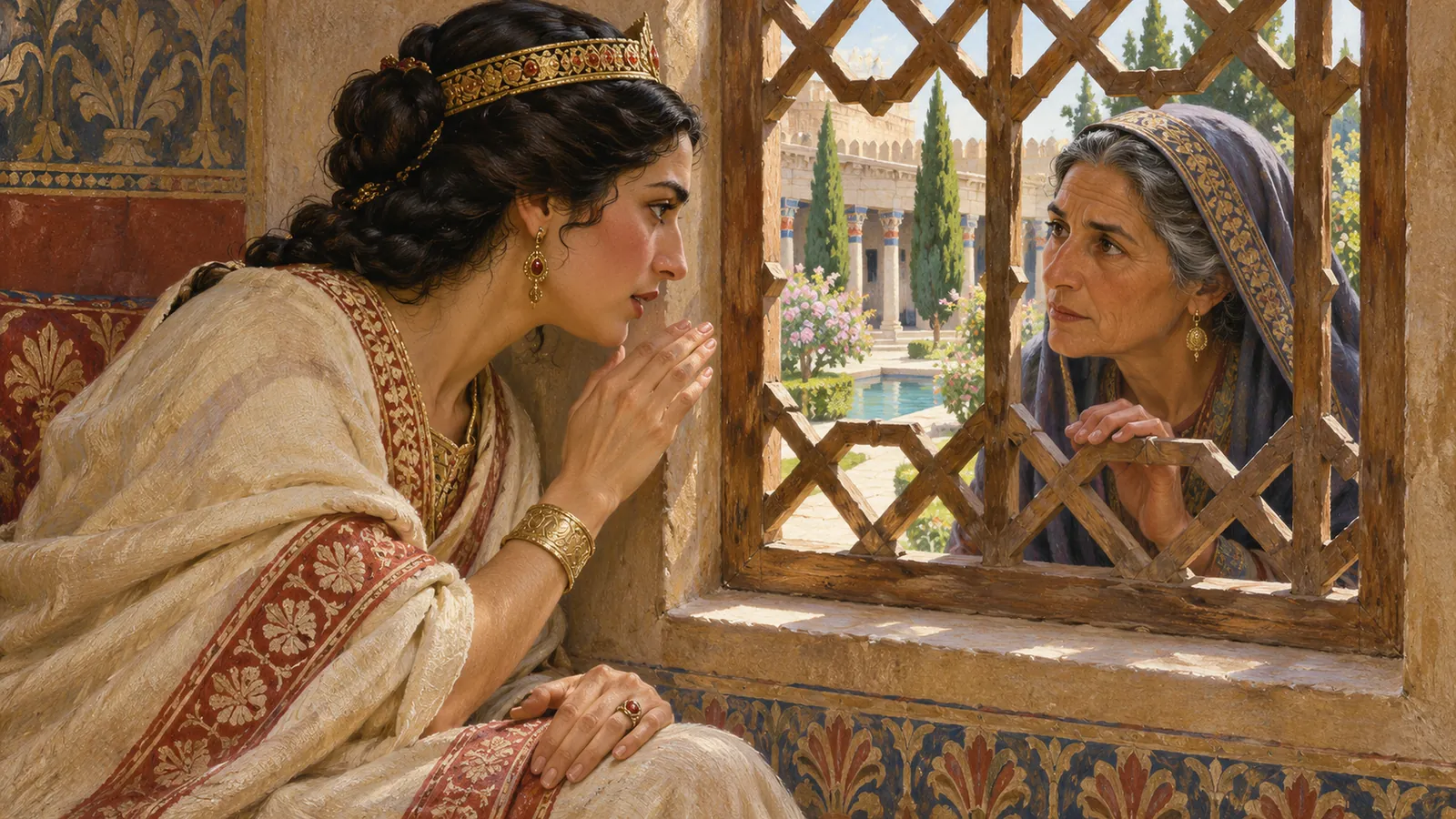
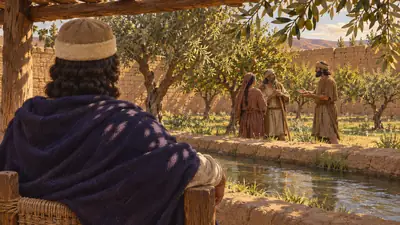
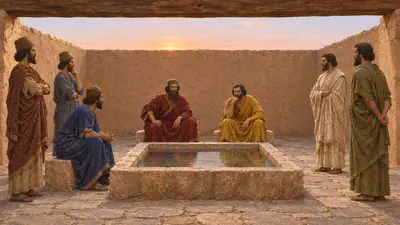
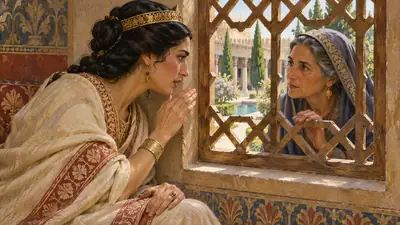
In Herodotus, Otanes asks his daughter Phaidyme to find out who is in the palace. She reports that the man has no ears, a detail her father recognizes from the past.
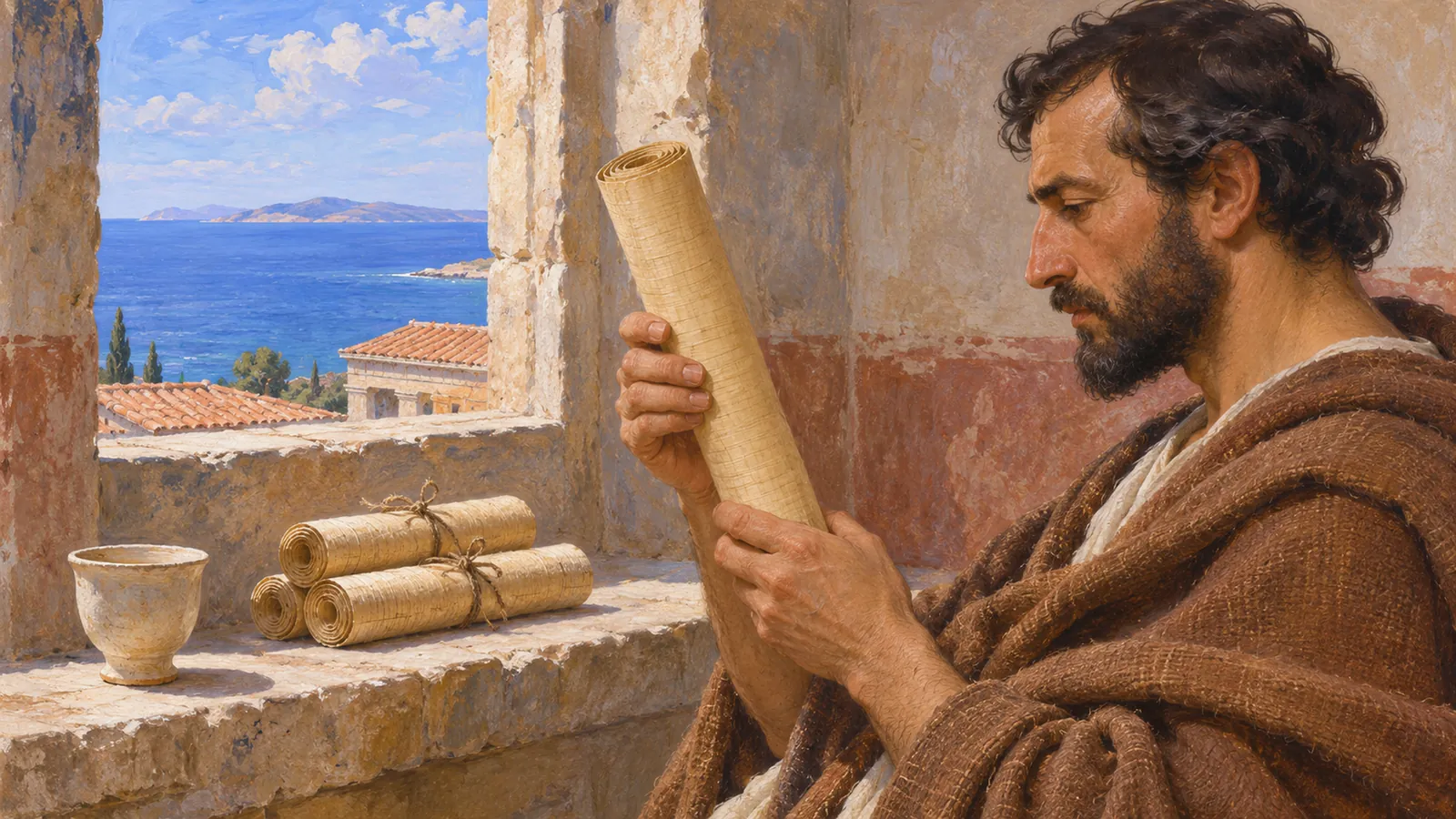
Ctesias offers another Greek account. He calls the prince Tanyoxarces and his replacement Sphendadates. His story changes how the substitution happens and the names of some of the men involved.
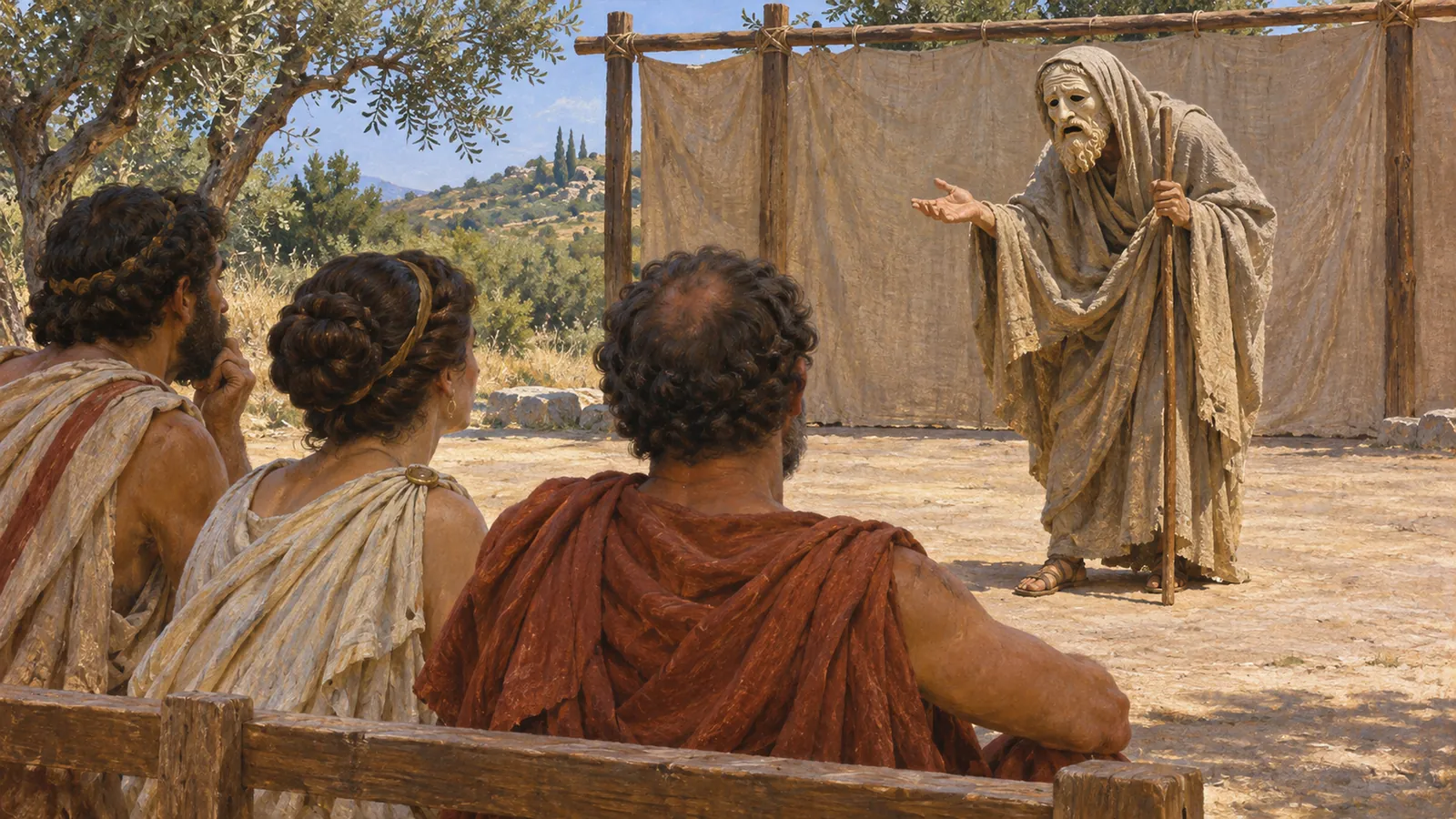
The Athenian playwright Aeschylus had already put another account on stage. In it, Darius returns as a ghost and recalls a king called Mardos, whom Artaphrenes helped bring down.
NEWS FROM THE LANDS
Back on the cliff, Darius turns to what happened after he took the throne. He says Ashina claimed Elam first. Soon he names a second Elamite claimant, Martiya.
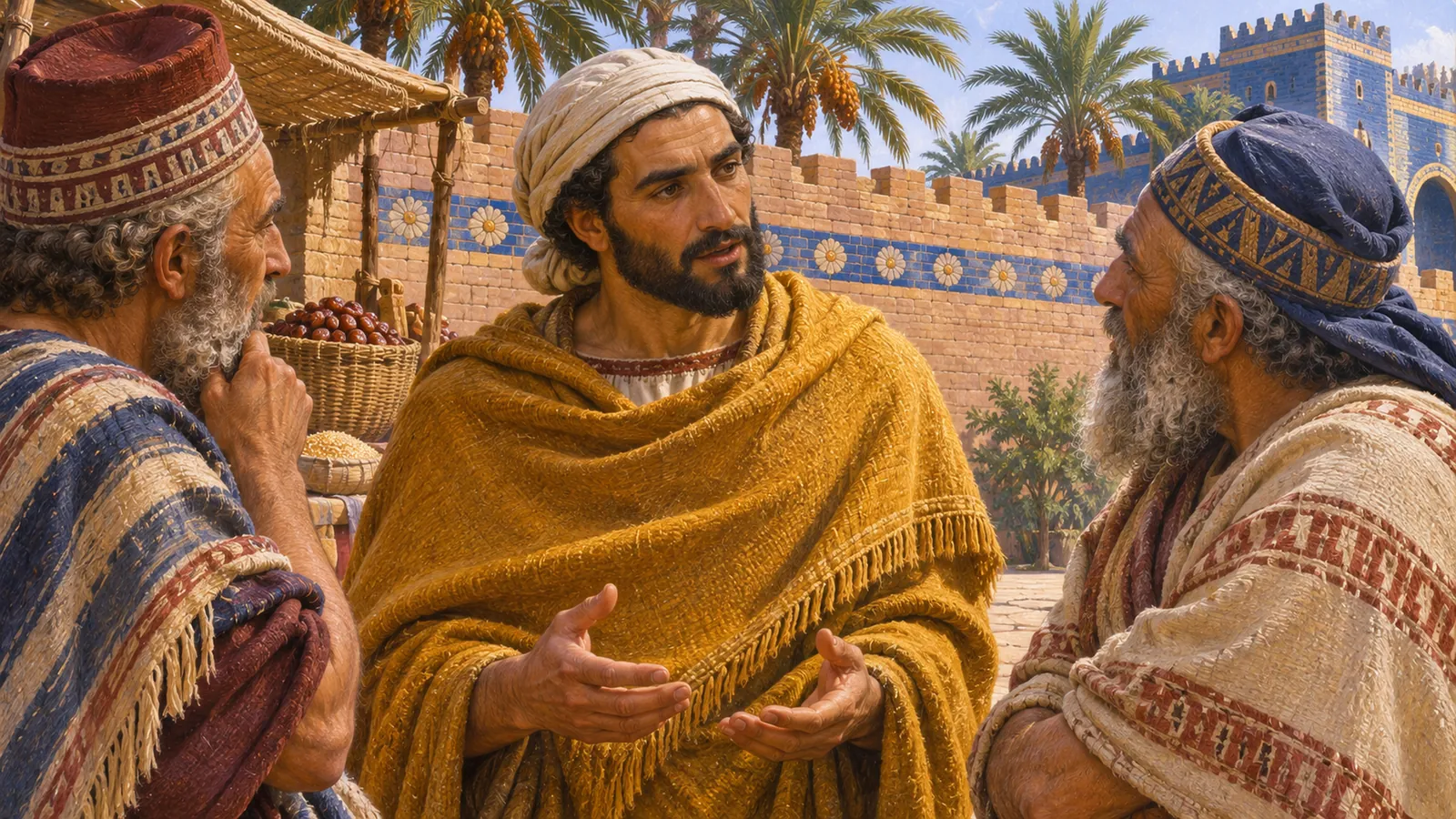
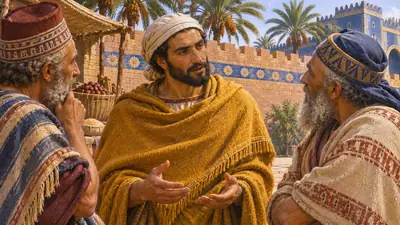
In Babylon one man used a name people knew from the city’s past. Darius calls him Nidintu-Bel and says he presented himself as Nebuchadnezzar, a son of Nabonidus.
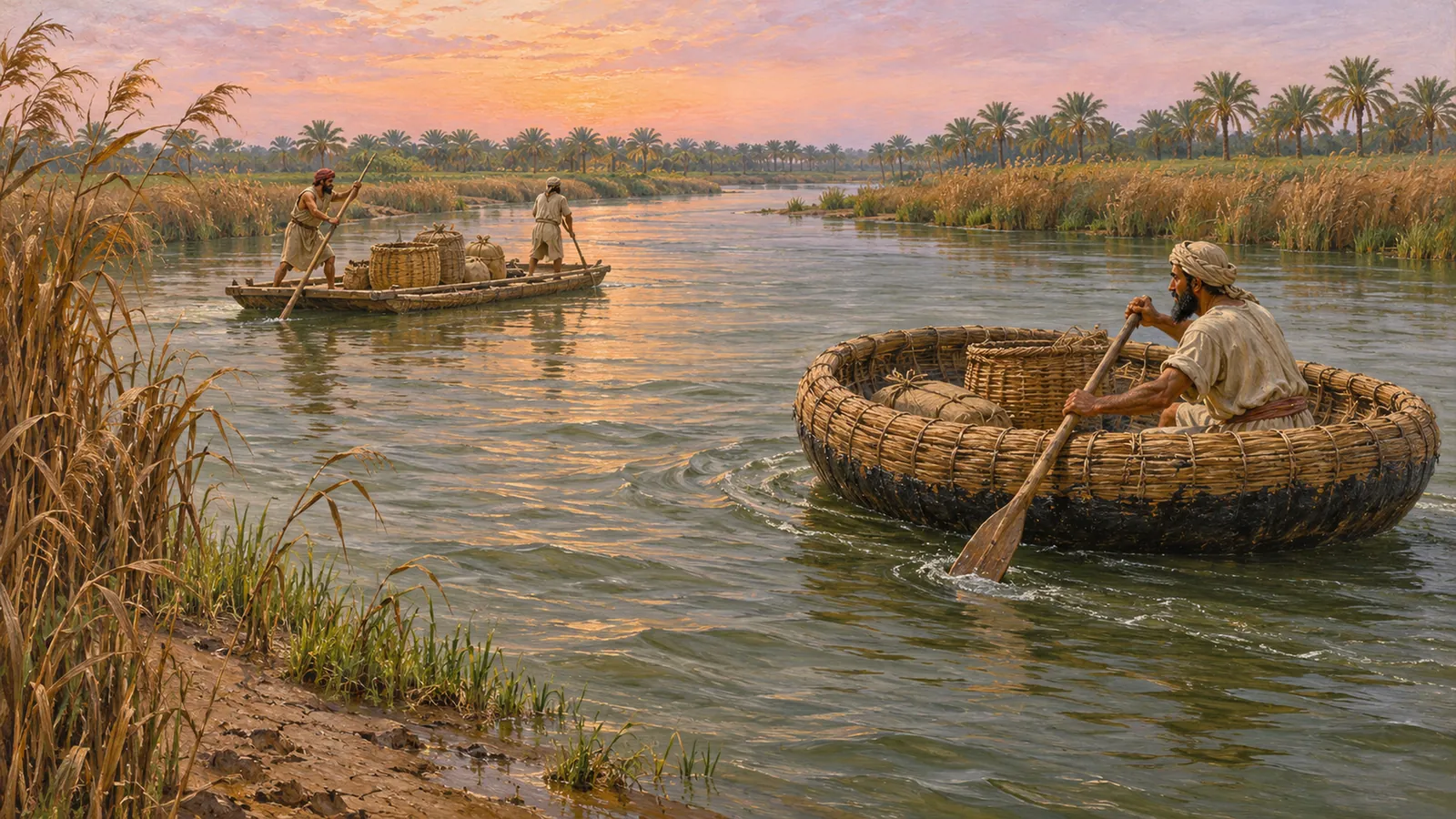
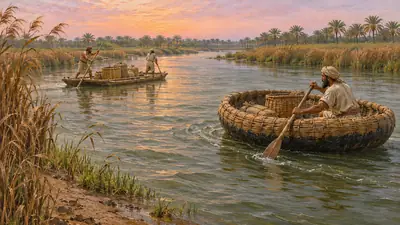
The Tigris was the first river named in Darius’s campaign against Nidintu-Bel. In the king’s account, the men with him found a way across and the force waiting there gave way.
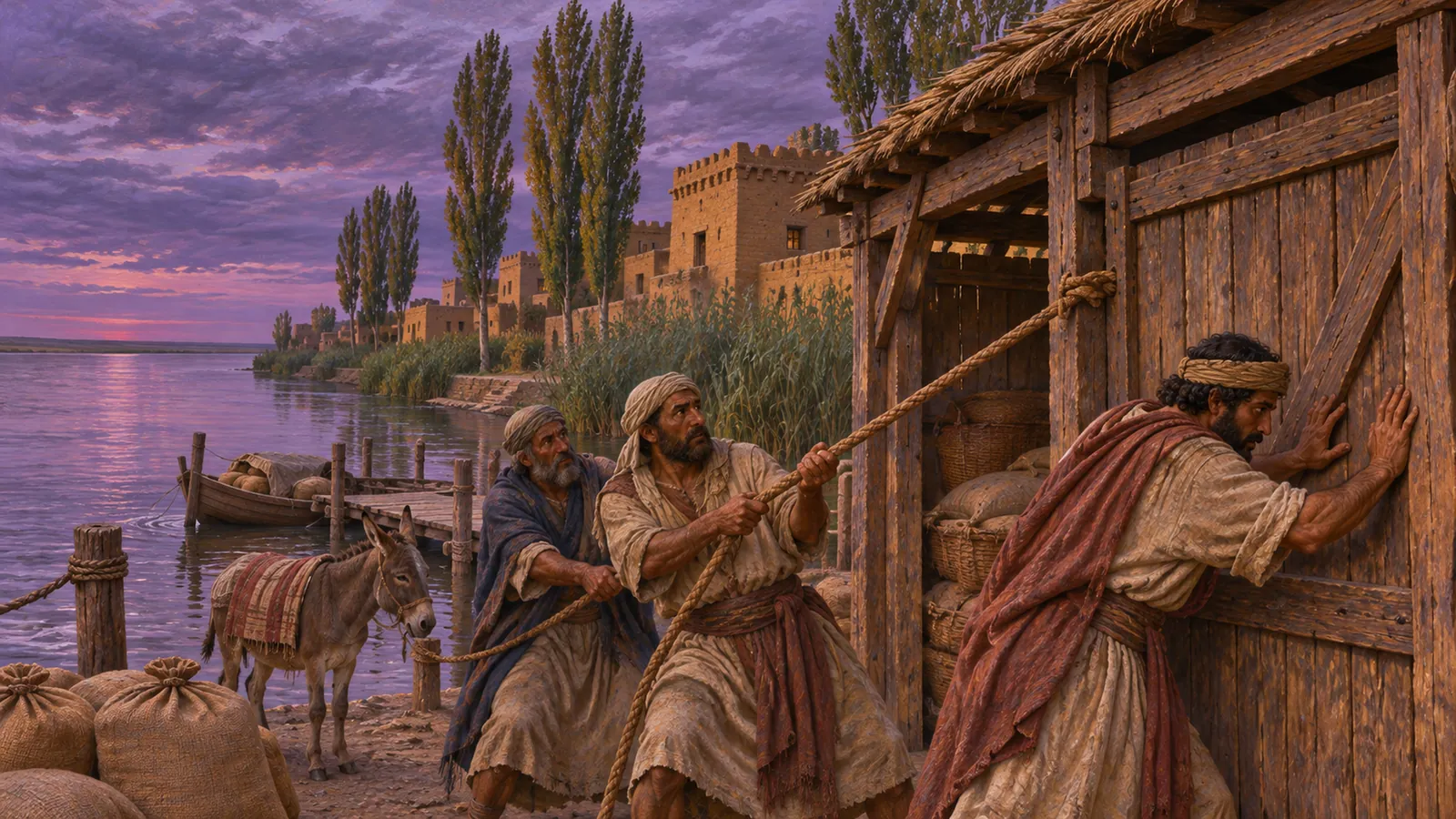
The story moves from the Tigris to the Euphrates. Darius names a town called Zazana on that river. He dates the encounter there to later in the same year.
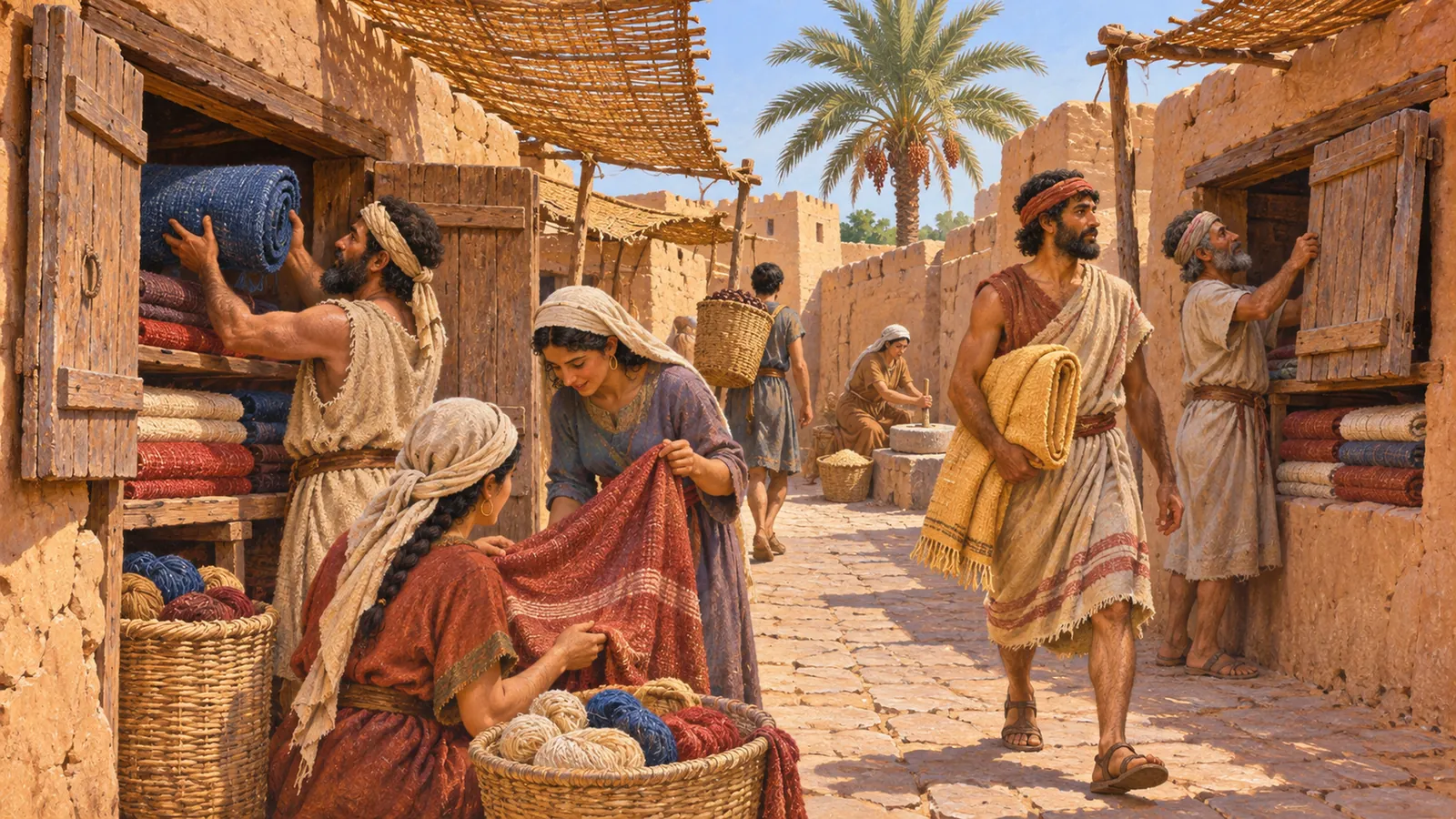
Nidintu-Bel withdrew to Babylon. Darius says he took the city and captured his rival. The next lines show how quickly the king had to deal with news from elsewhere.
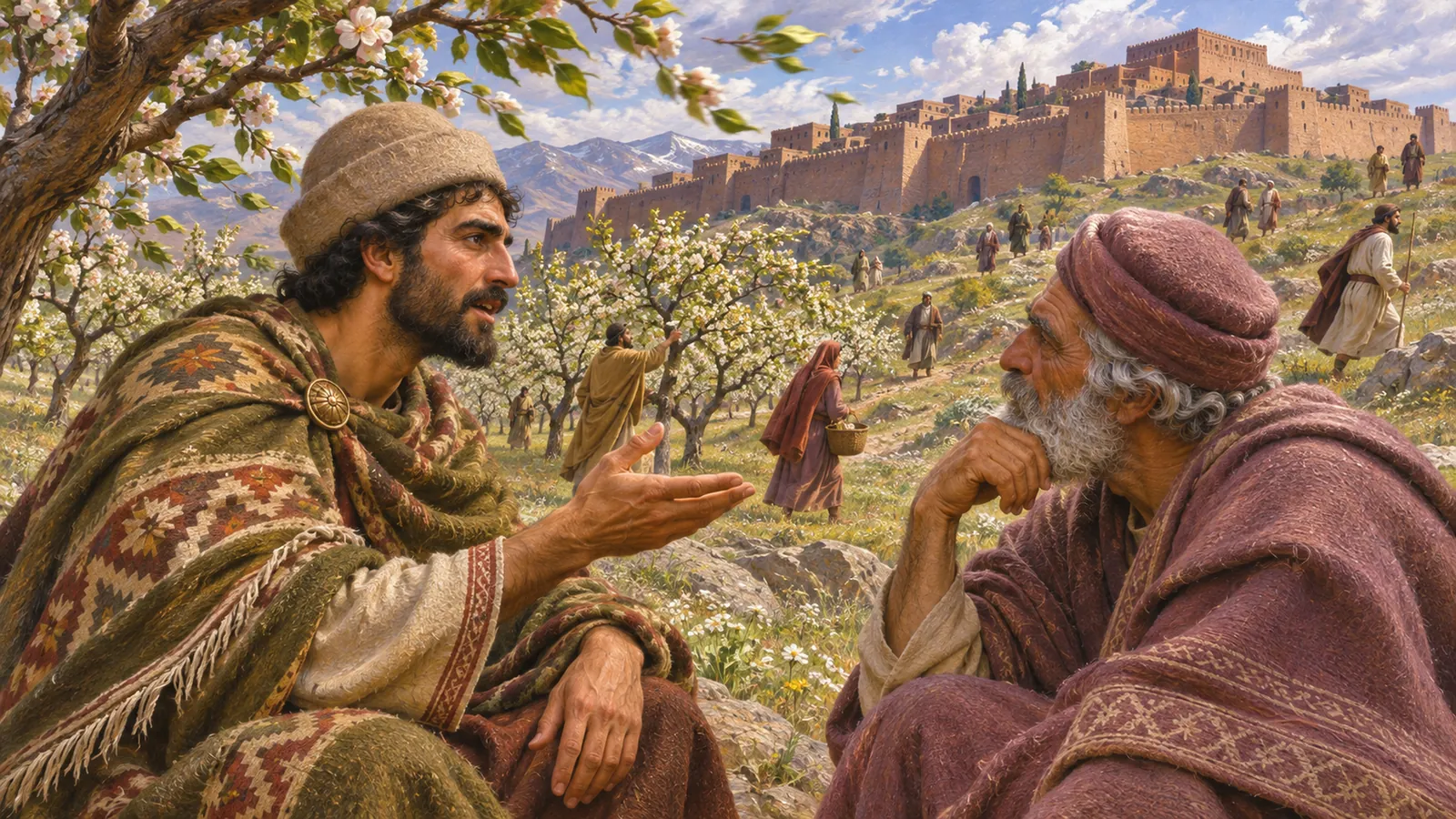
In Media, a man Darius calls Fravartish took the name Khshathrita and claimed the family of Cyaxares. Darius records the challenge as reaching Ecbatana, the old royal city of the Medes.
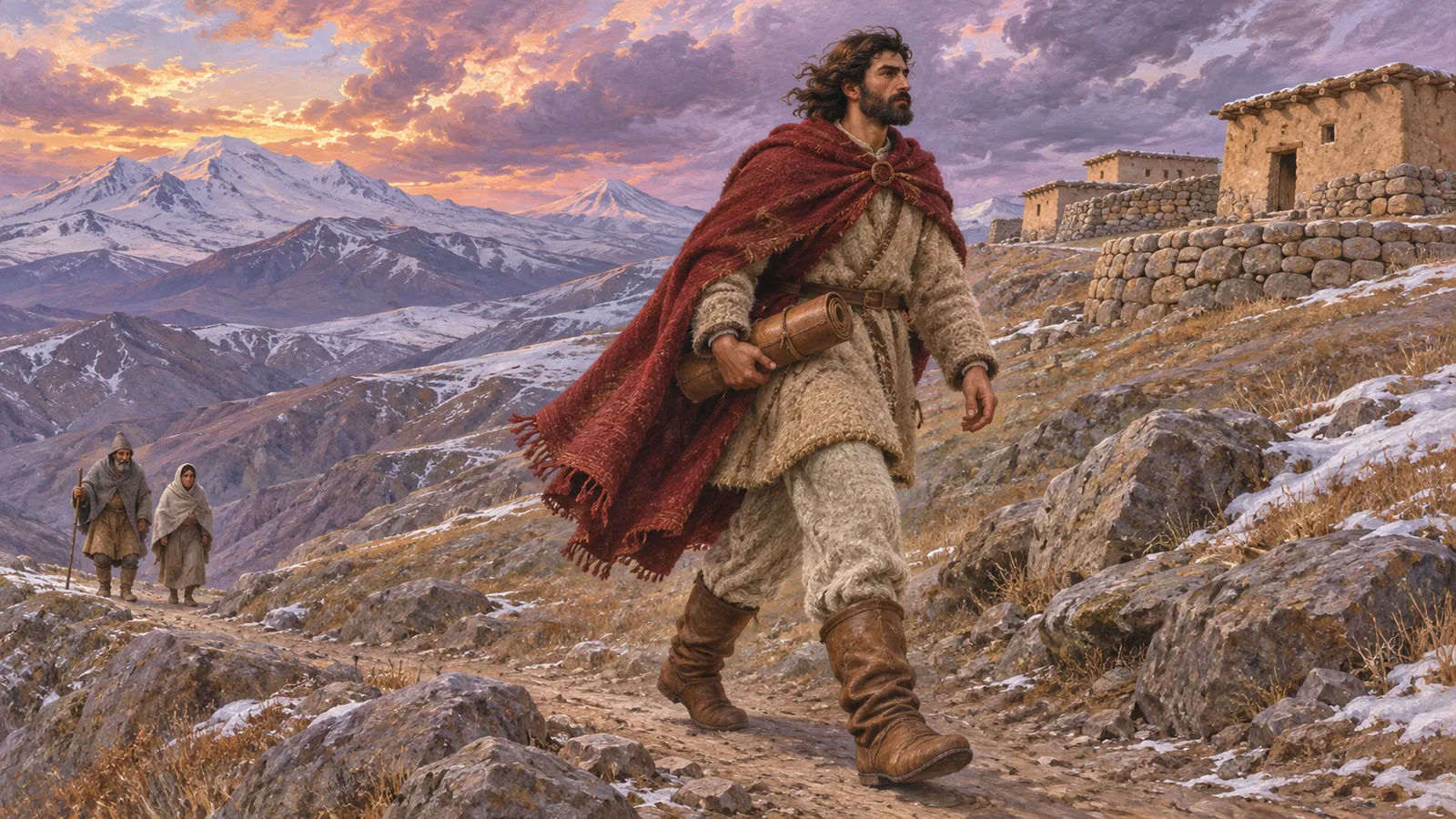
The same column turns north to Armenia. Darius names Dadarshish, an Armenian commander in his service, and Vaumisa, a Persian. Both encounters belong to a time when several regions were in unrest.
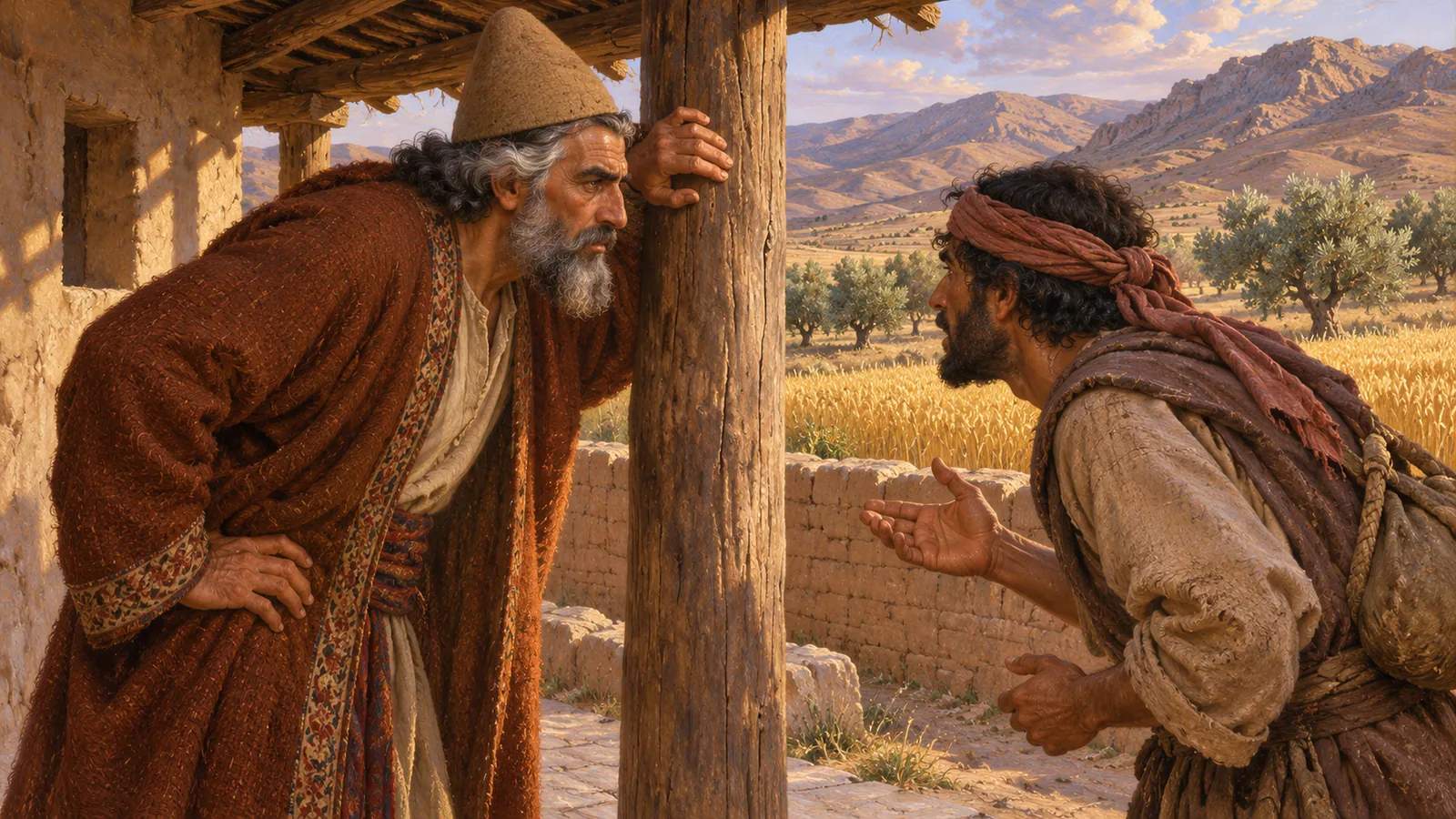
Parthia and Hyrcania joined the Median challenge, says Darius. He gives his father Hystaspes a part in the response. The father named at the opening now appears within the events.
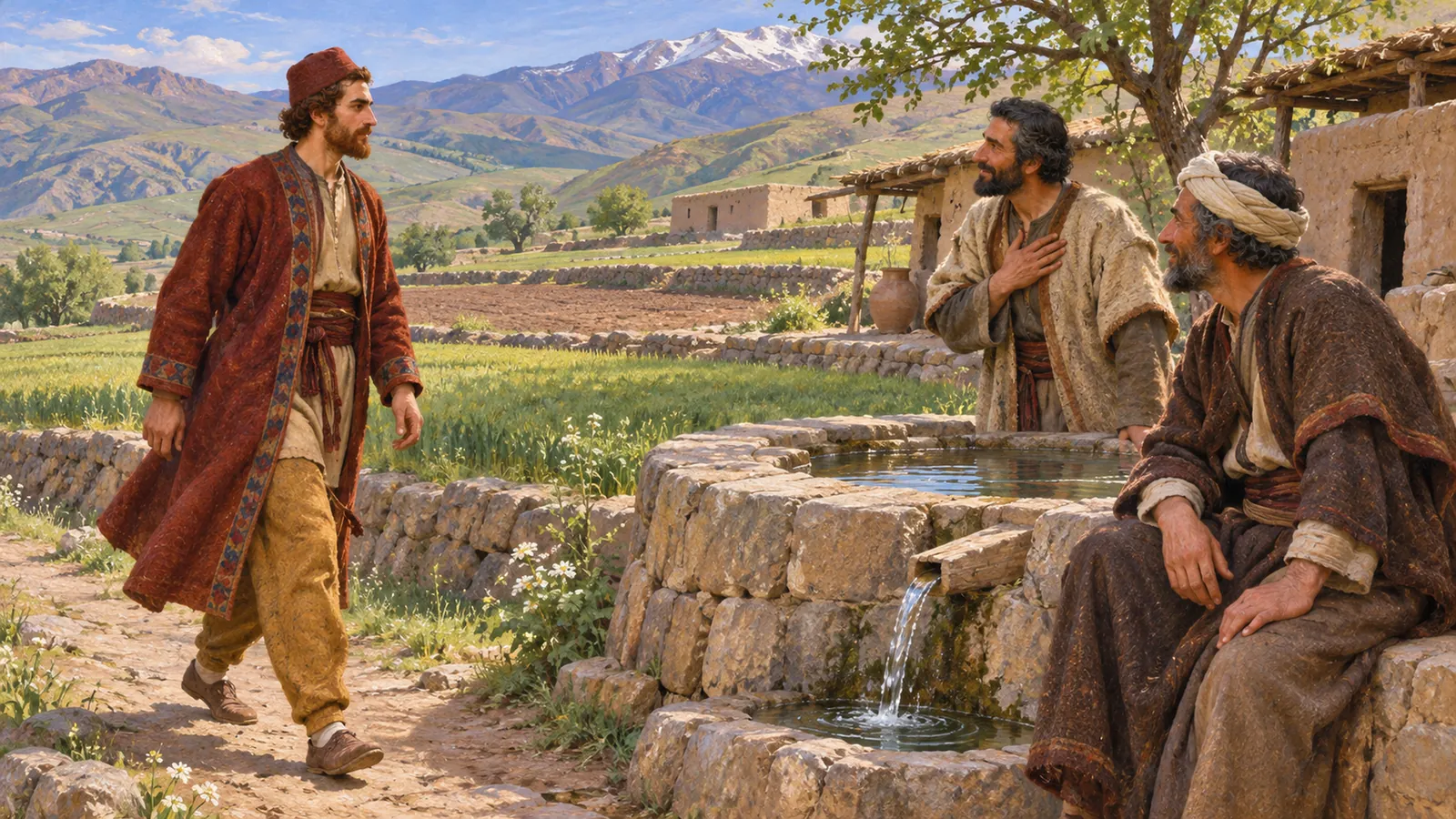
Cyrus’s son returns to the account as a name another man uses. Darius calls this claimant Vahyazdata and says he won followers in Persia, where Darius himself claimed the throne.
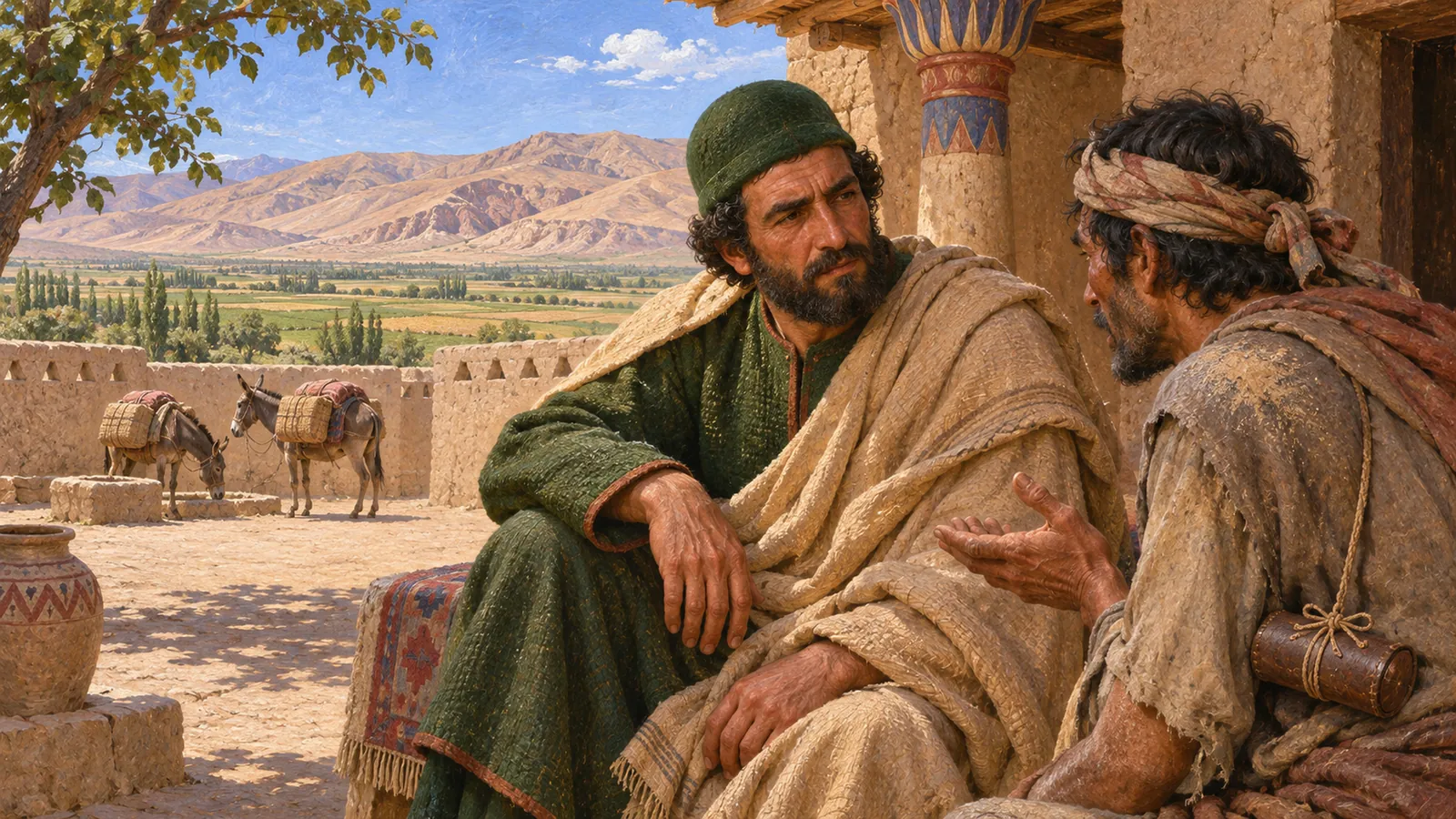
Vahyazdata’s challenge reached farther east. The inscription names Arachosia, a region around what is now southern Afghanistan, and gives Darius’s governor Vivana credit for holding it against the claimant’s men.
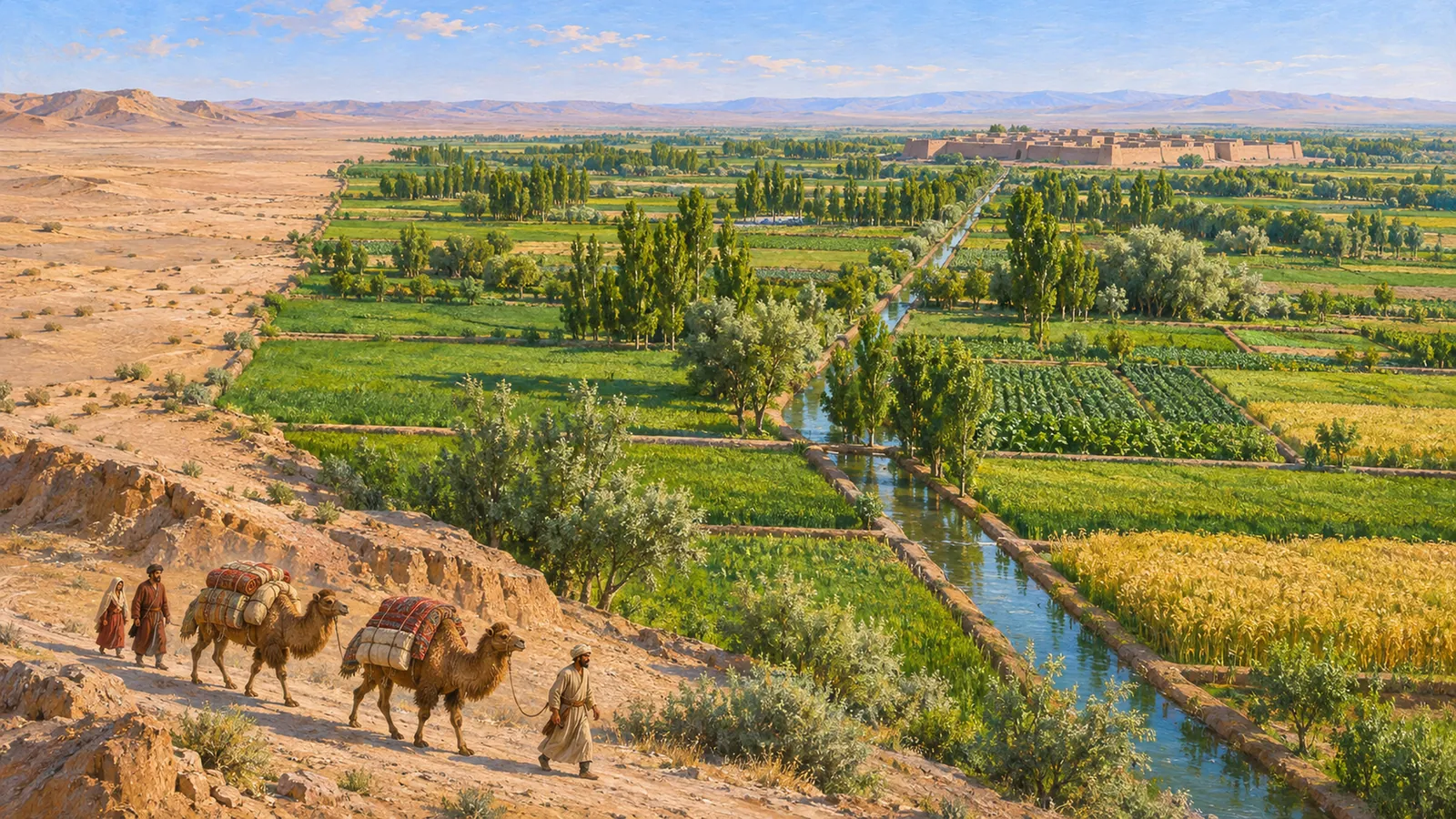
In Margiana, a watered oasis region far to the northeast, the account names a man called Frada. Darius gives credit to his governor of Bactria for defeating him.
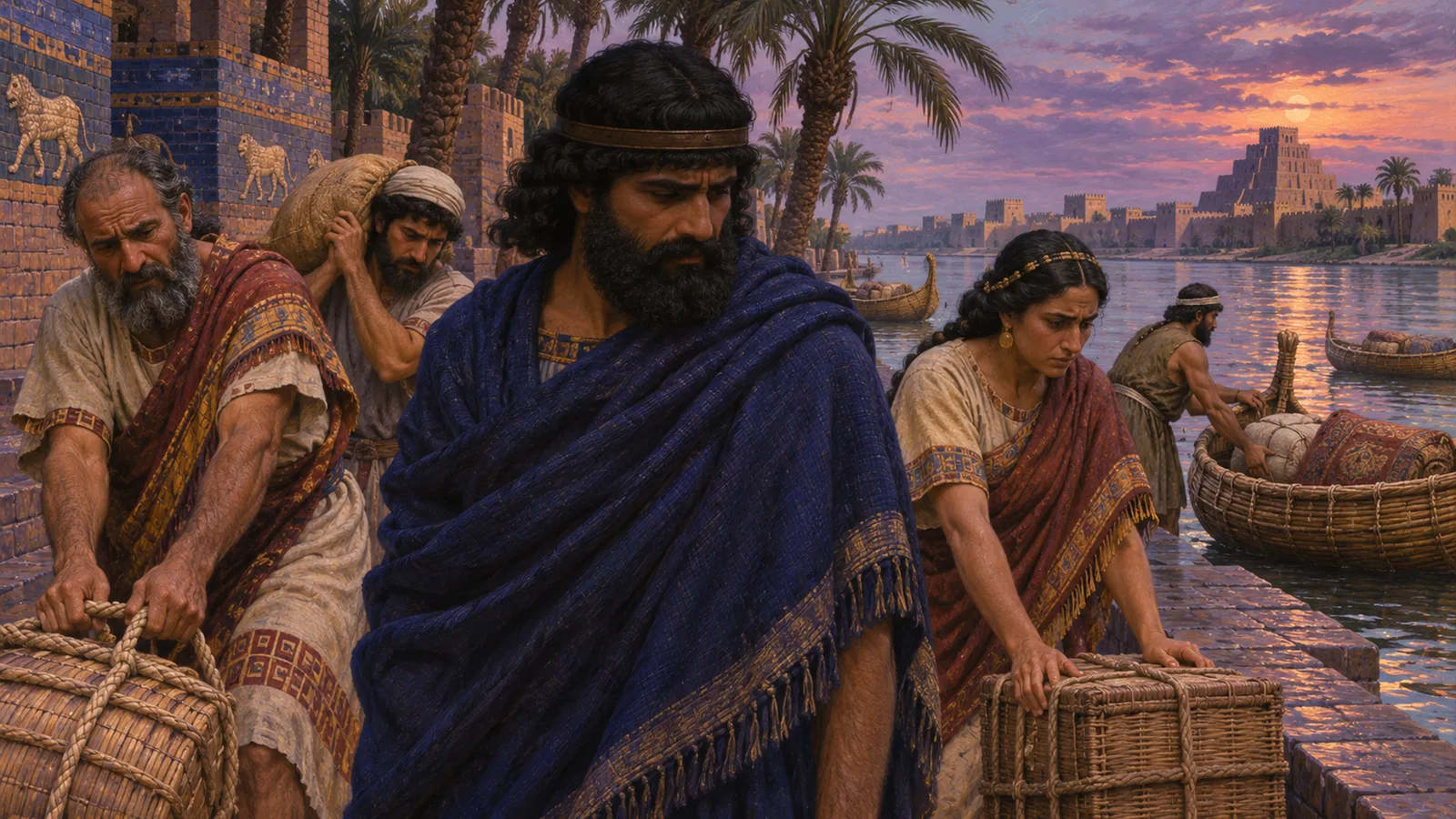
Babylon appears again when Arakha claims its throne. According to Darius, he also called himself Nebuchadnezzar, son of Nabonidus. The second use of the name shows how much authority it carried.
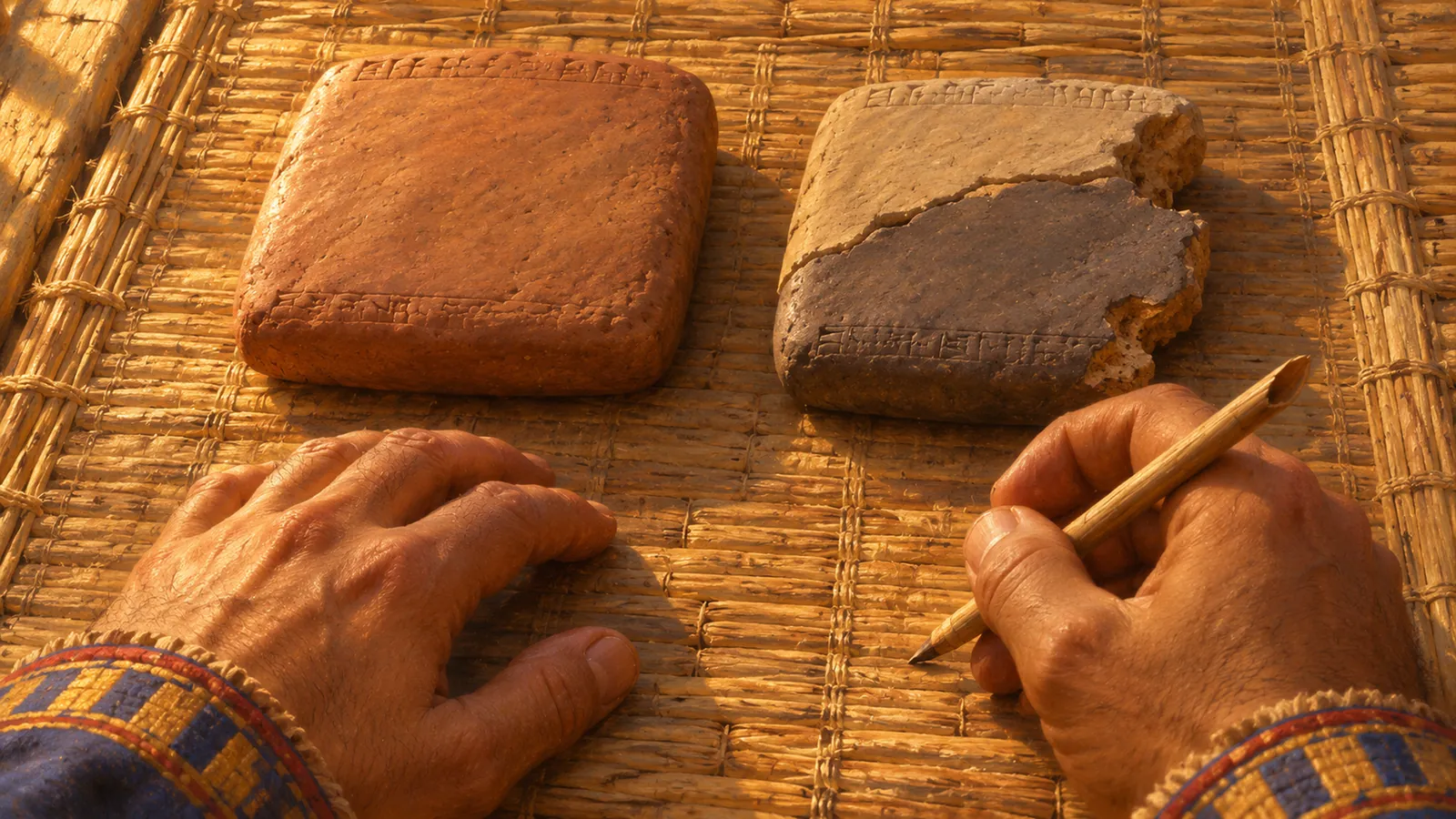
Clay records let us follow some of these changes outside the cliff. On one stretch of the calendar, documents in different Babylonian towns were dated under Darius and under the second Nebuchadnezzar.
DARIUS TALLIES THE YEAR
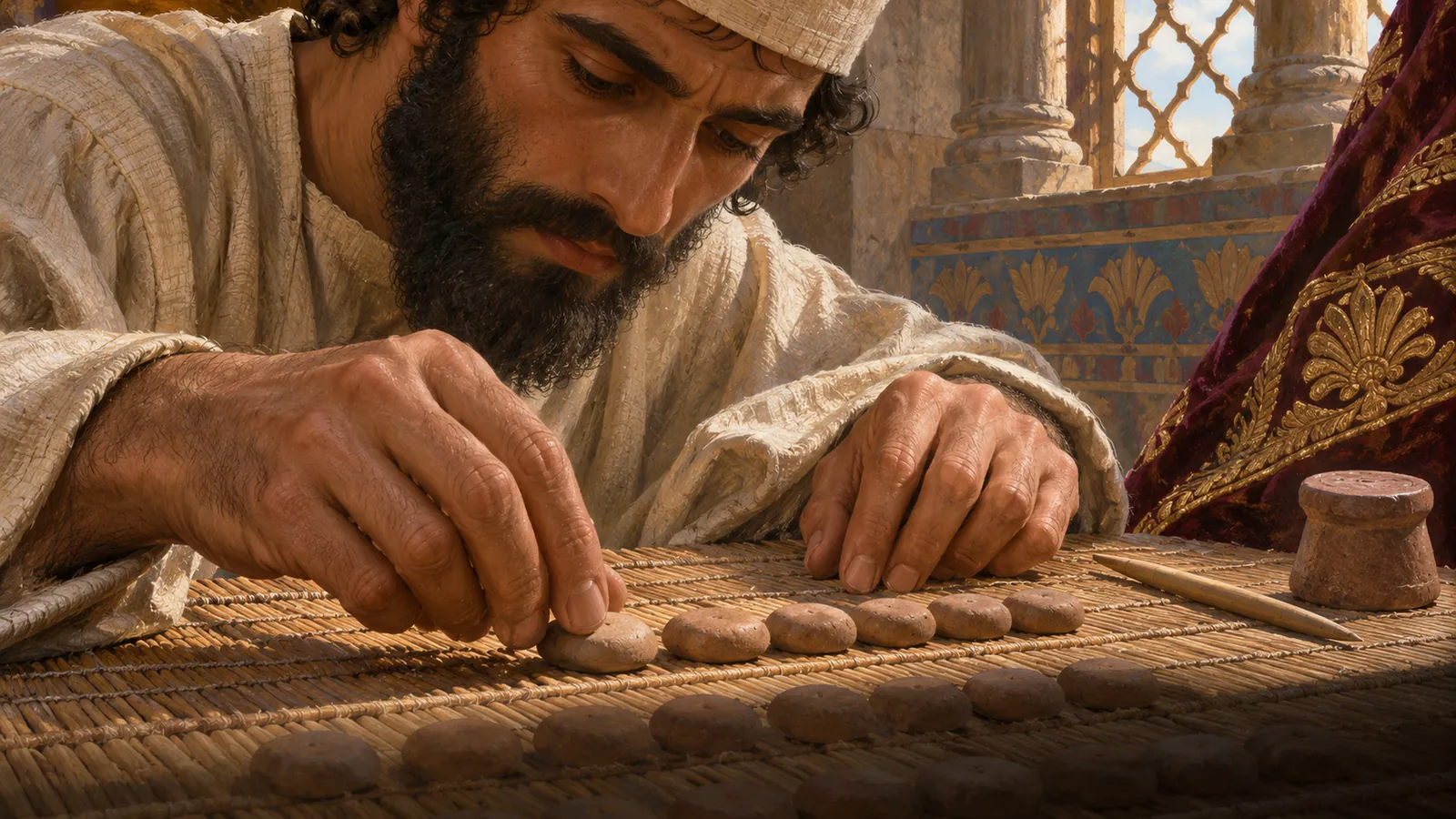
After the separate campaigns Darius gives a tally. He counts nineteen battles and nine captured kings. The totals turn events across many regions into the account of a single victorious year.
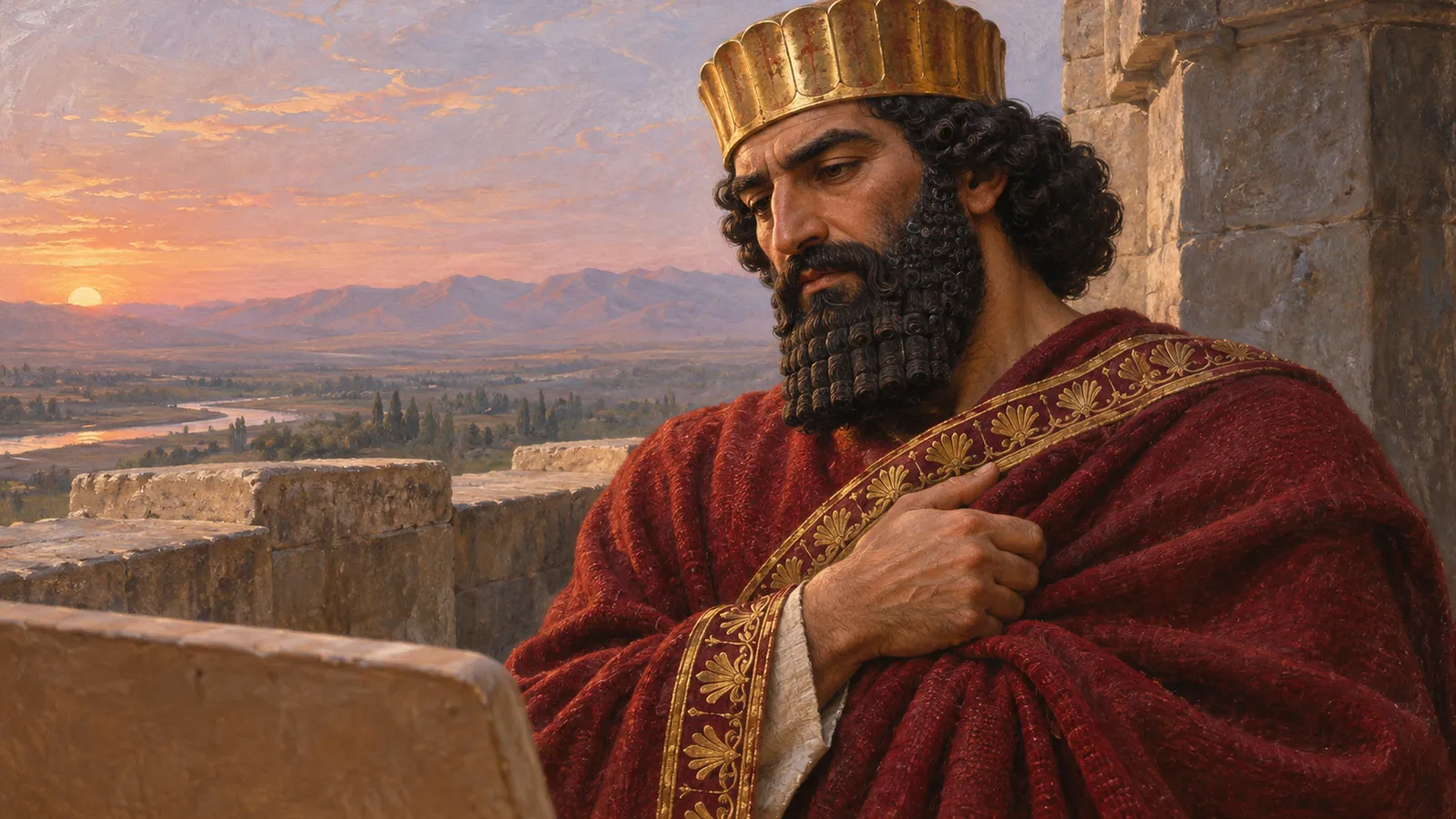
The king calls the unrest the work of the Lie. In his account Ahuramazda helped him because he had acted justly. That is the explanation he asks future rulers to accept.
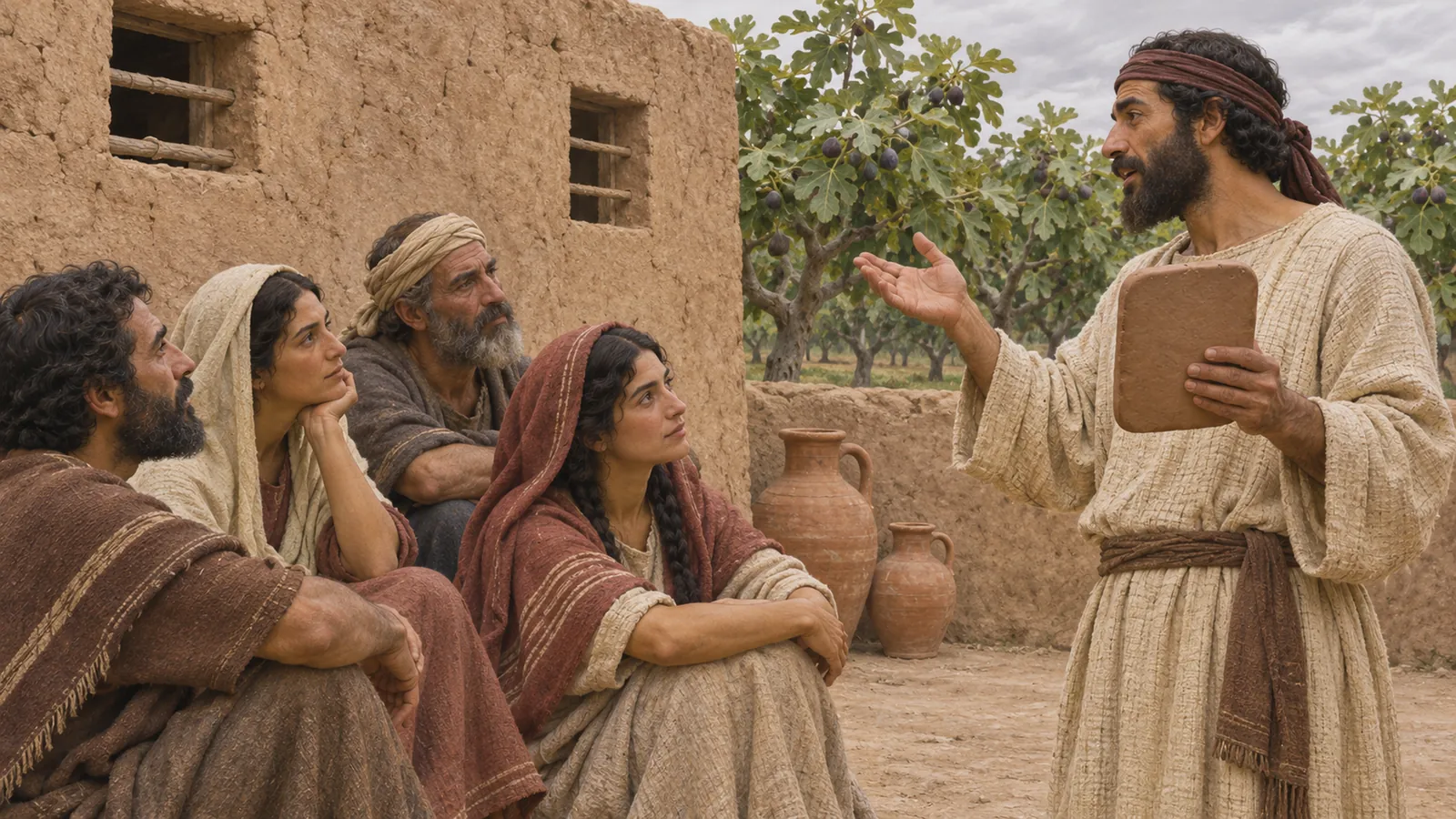
Near the end of the account Darius names his companions. The list includes Utana and Gaubaruva, known in Greek as Otanes and Gobryas. He asks future kings to protect their families.
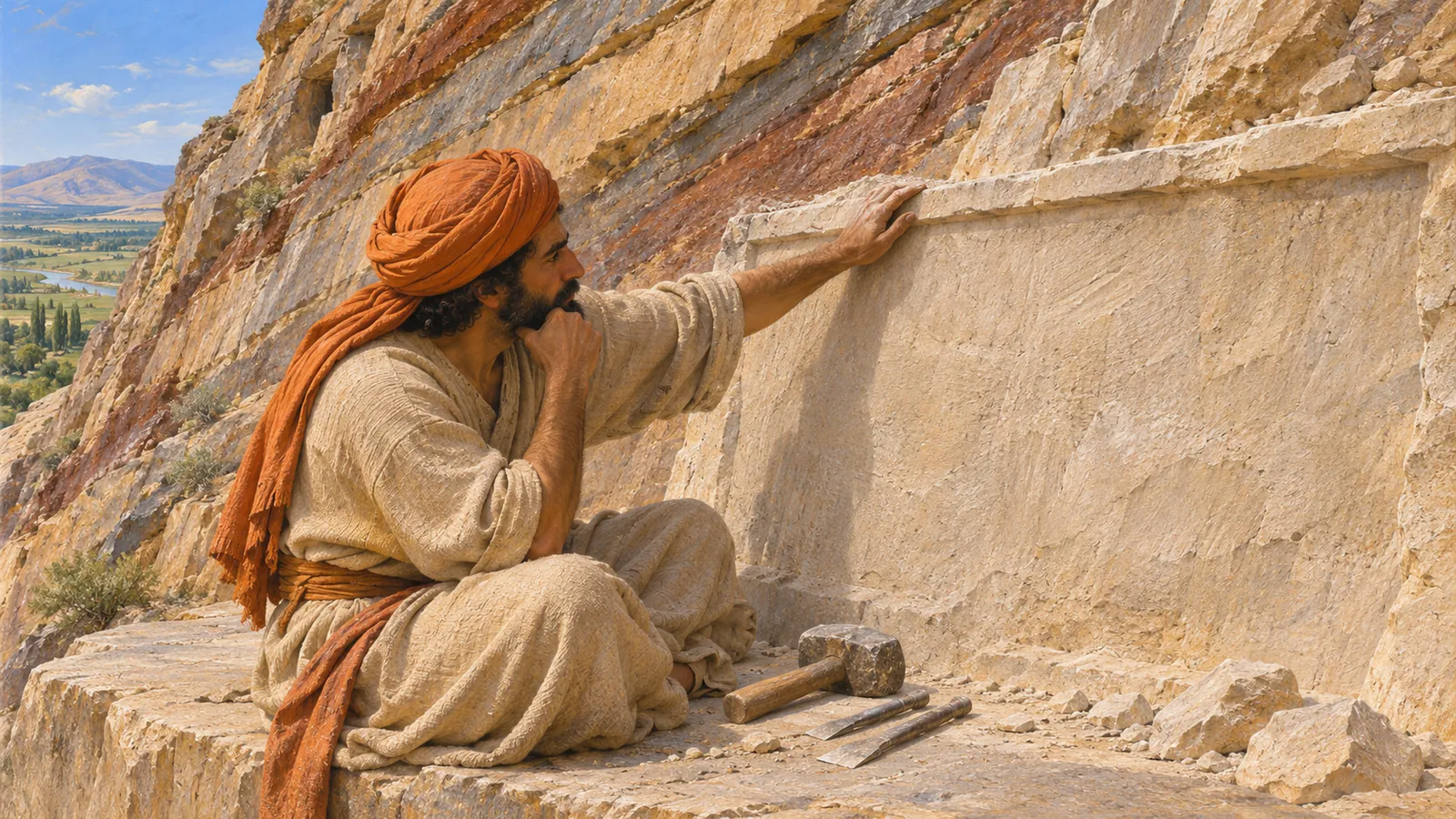
Darius speaks directly to a future reader. He wants the account repeated. He asks that the figures and the words be spared and protected for as long as the next ruler lives.
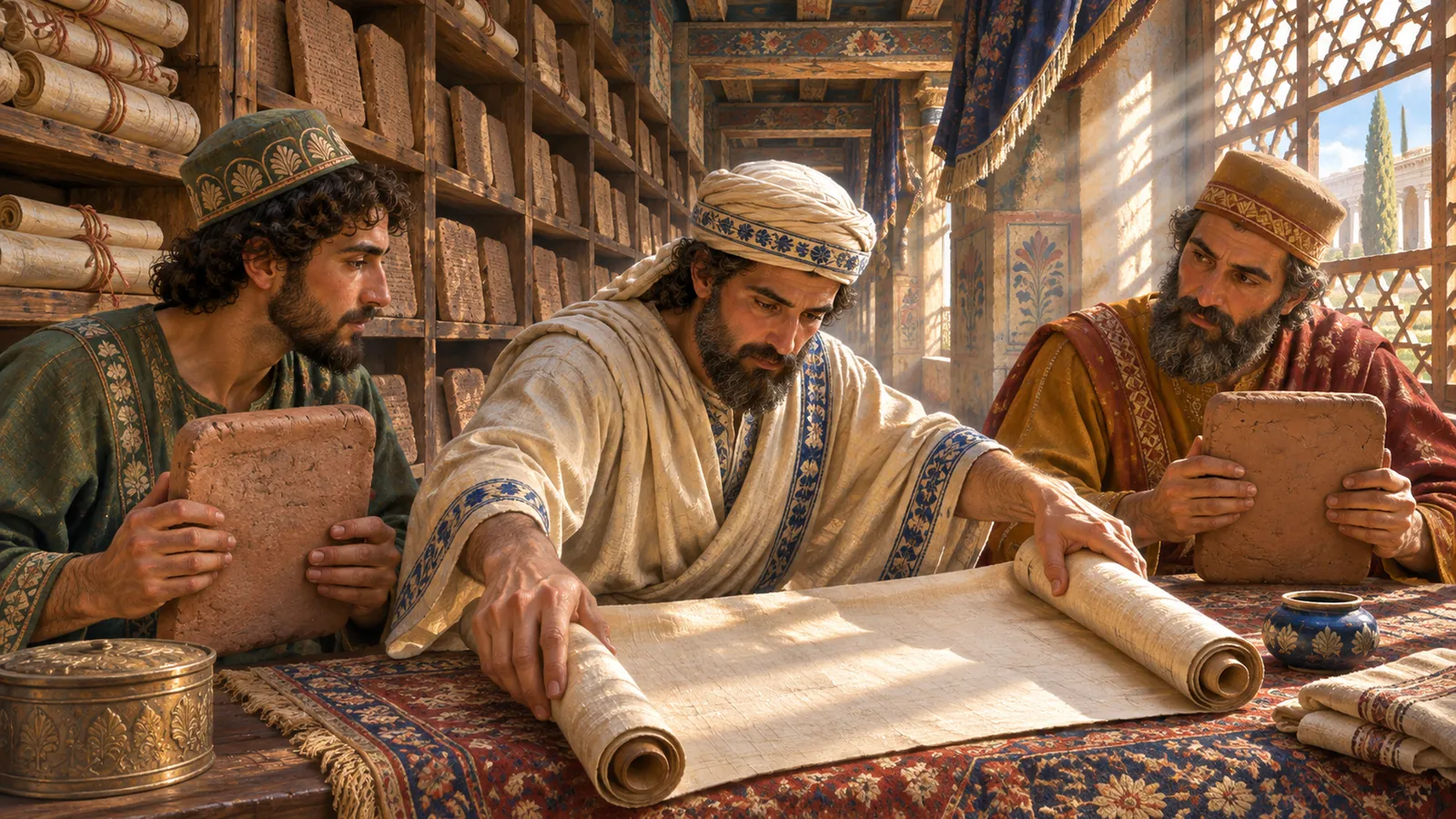
THREE LANGUAGES
The words were cut into the cliff in Old Persian, Elamite and Babylonian Akkadian. All three use wedge-shaped signs, with differences in what the signs mean and how they are arranged.
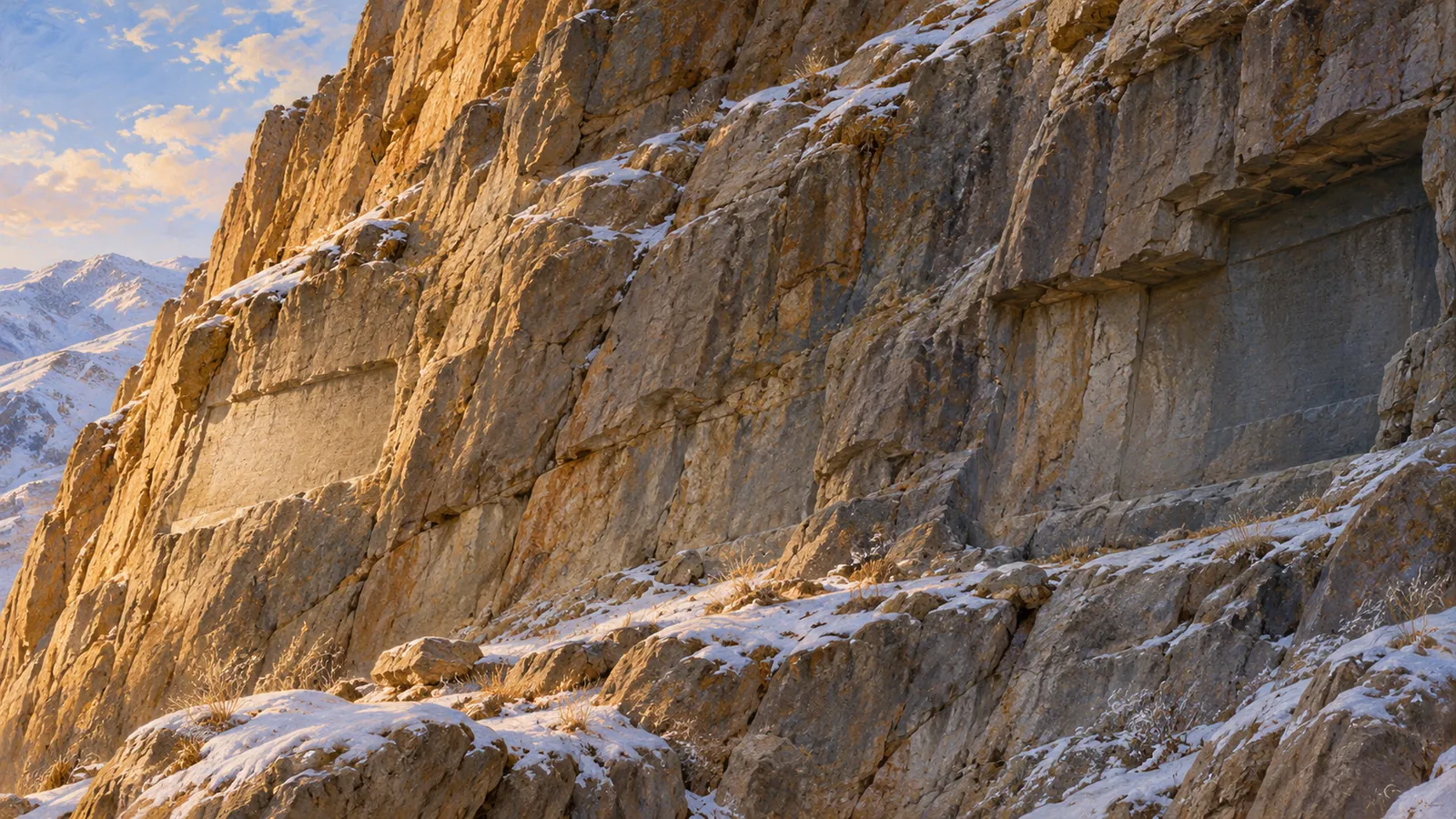
The Old Persian columns sit below the relief. The Babylonian writing flanks it on the left. The Elamite text we read most fully today was cut across another area of the rock.
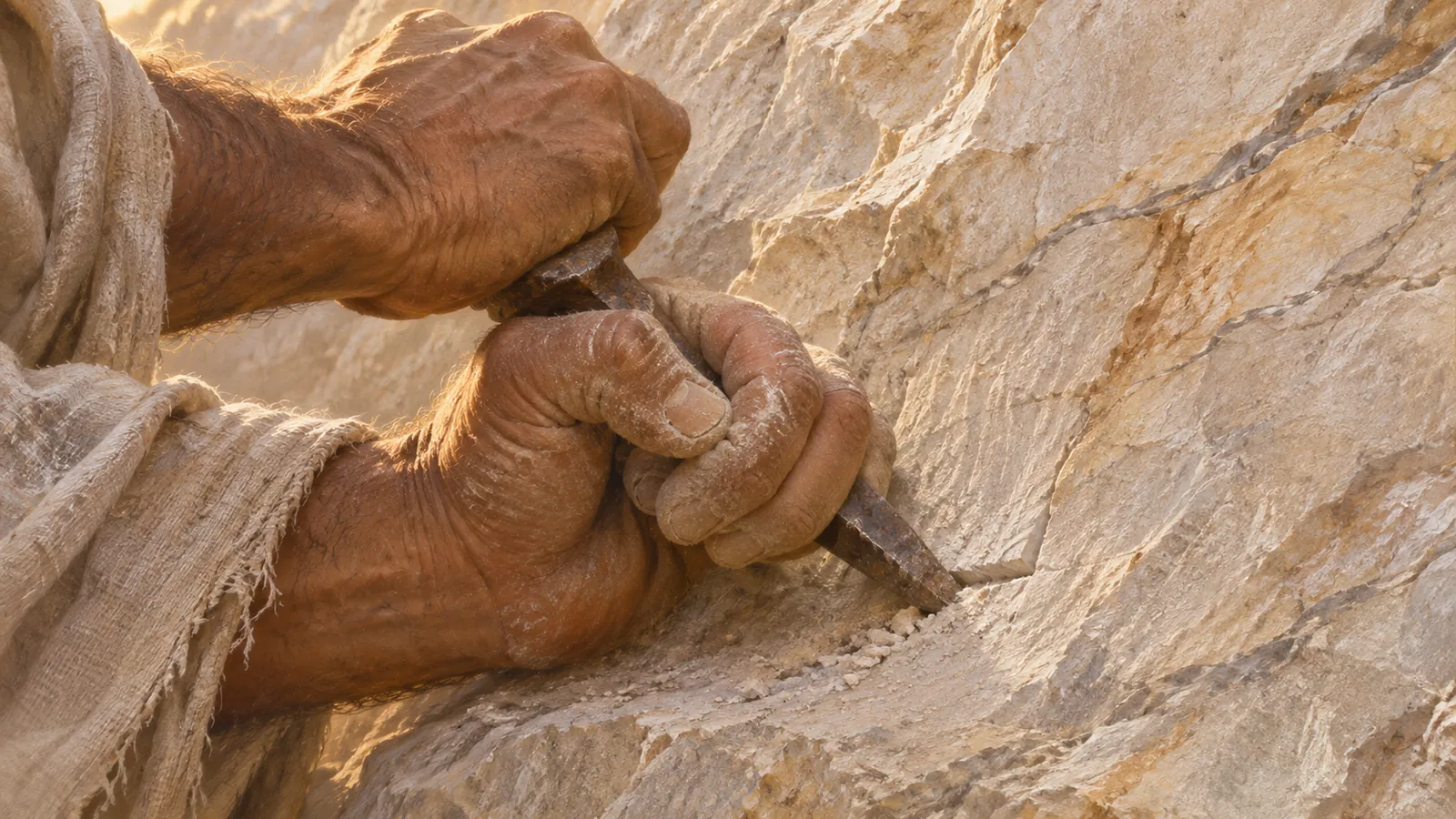
The versions recount much of the same story, with differences in wording and what they include. Their lines are different lengths, so the same account takes up different shapes on the cliff.
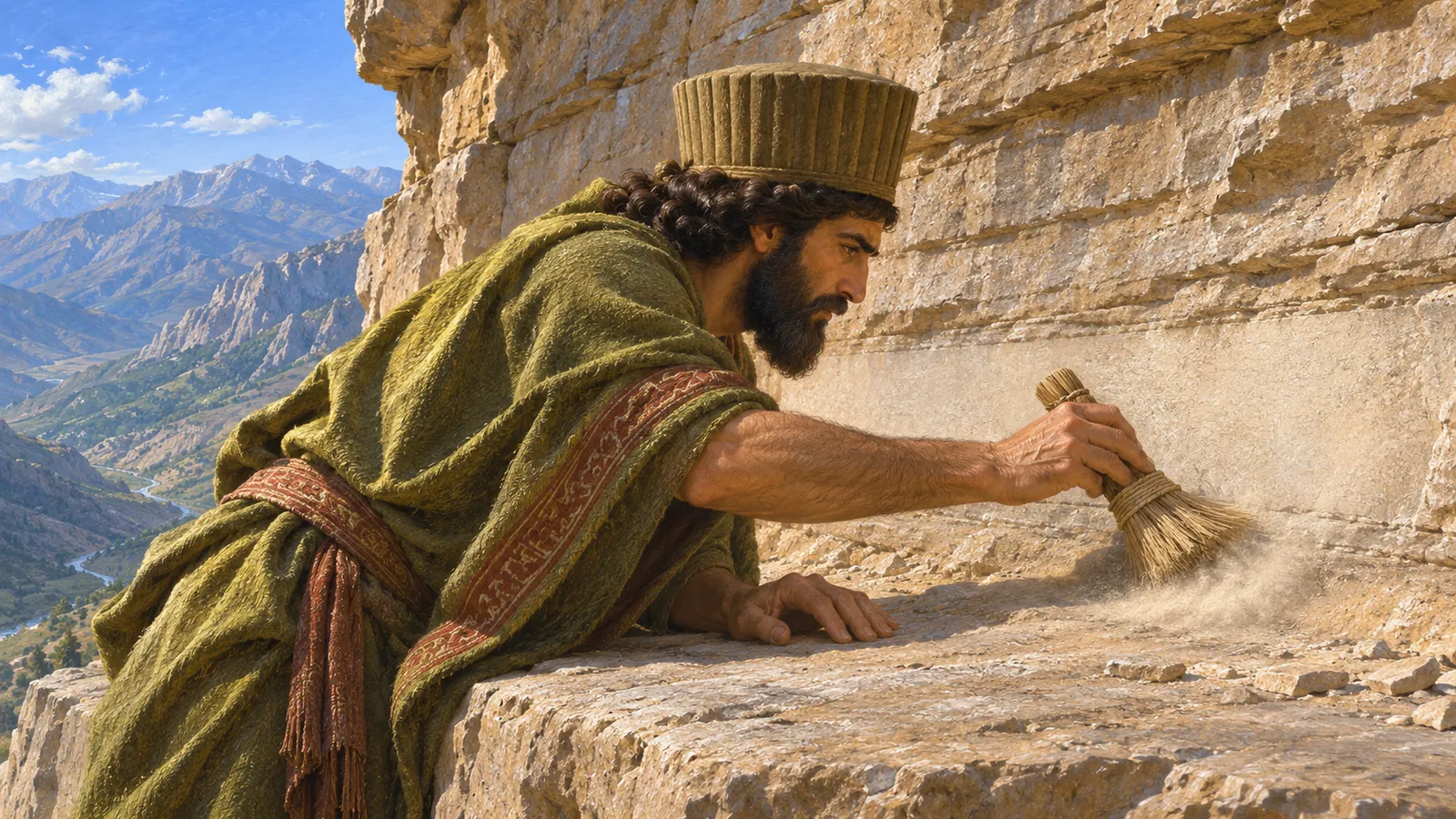
The Old Persian text eventually gained a fifth column. The new lines report events after the campaigns already told. There was still more to add after the first account was cut.
In the added column the king names Atamaita, another Elamite challenger. He credits an official called Gobryas with bringing the revolt to an end. Atamaita’s figure was never cut into the relief.
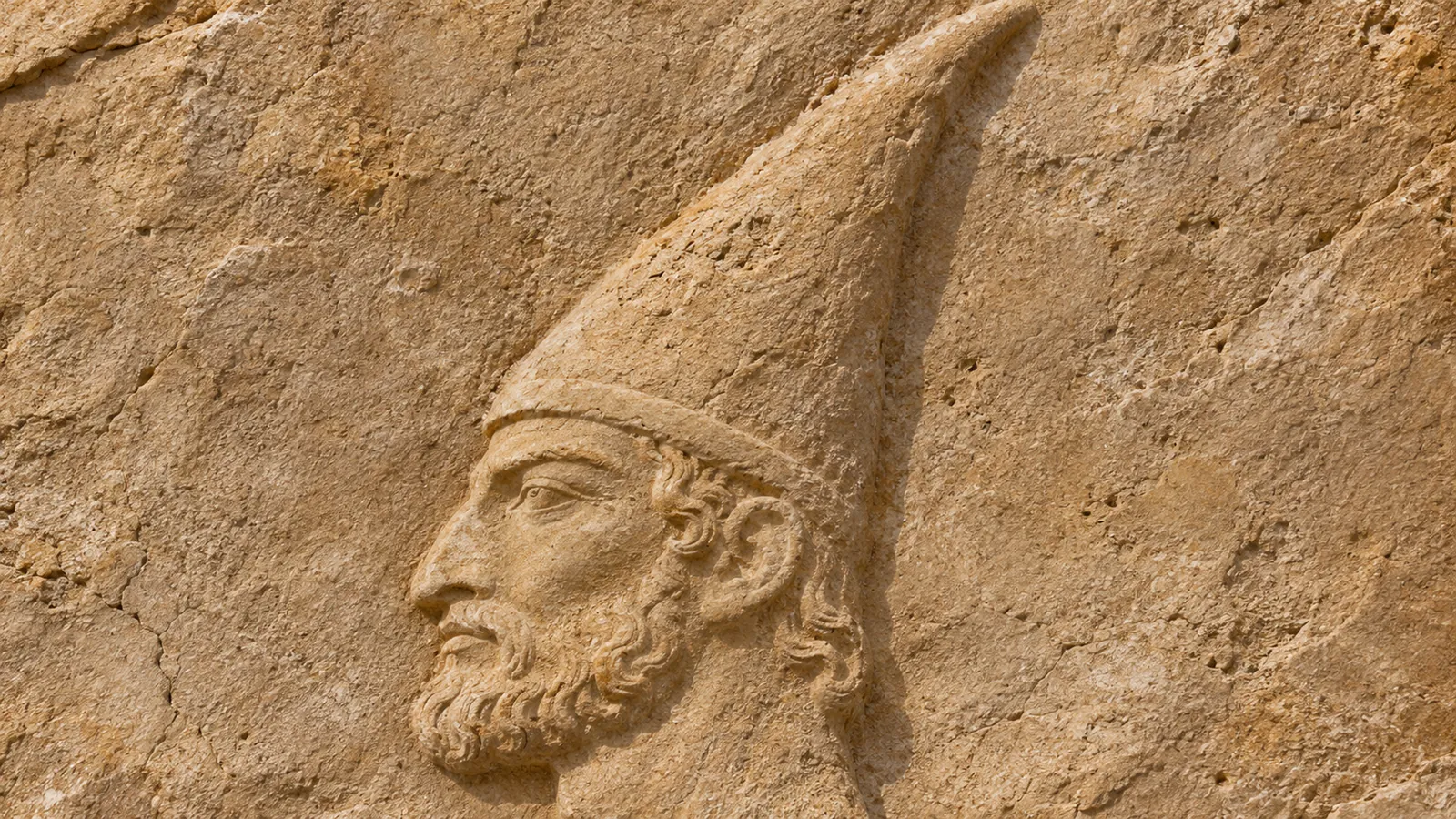
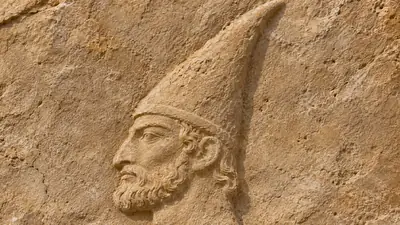
Darius also records a campaign against the Saka. He names their leader Skunkha, whose figure was added at the far end of the relief. The tall pointed cap makes his profile distinct.
The added figure took space that Elamite writing already occupied. The workers cut the Elamite account again on another surface. The places where the words sit still show the sequence of the work.
BEYOND THE CLIFF
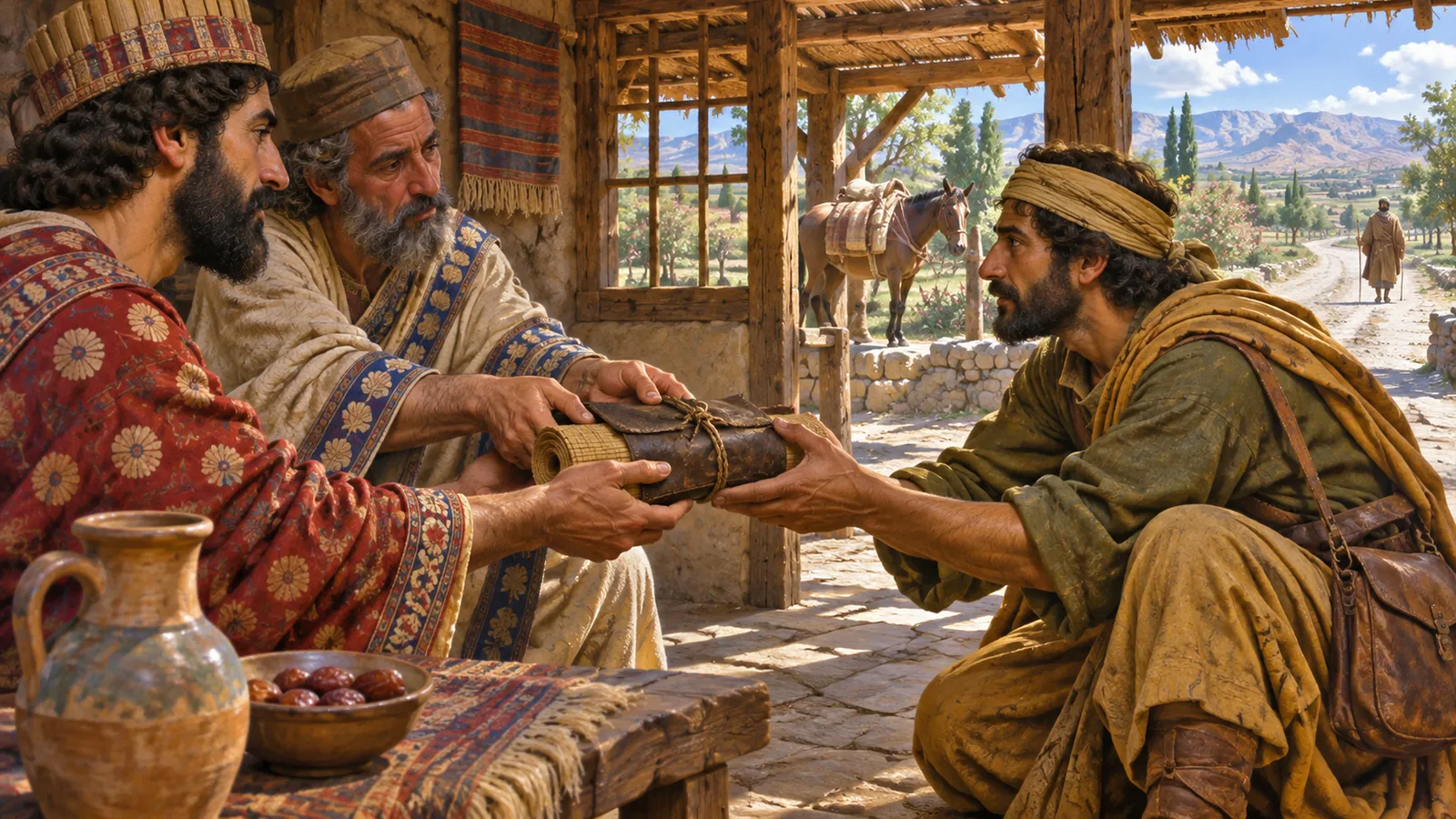
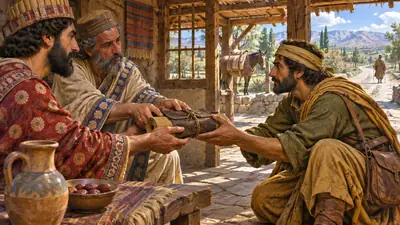
In a badly worn paragraph, Darius says the account was read before him and sent to the lands. Some details about the making of the written version remain hard to read.
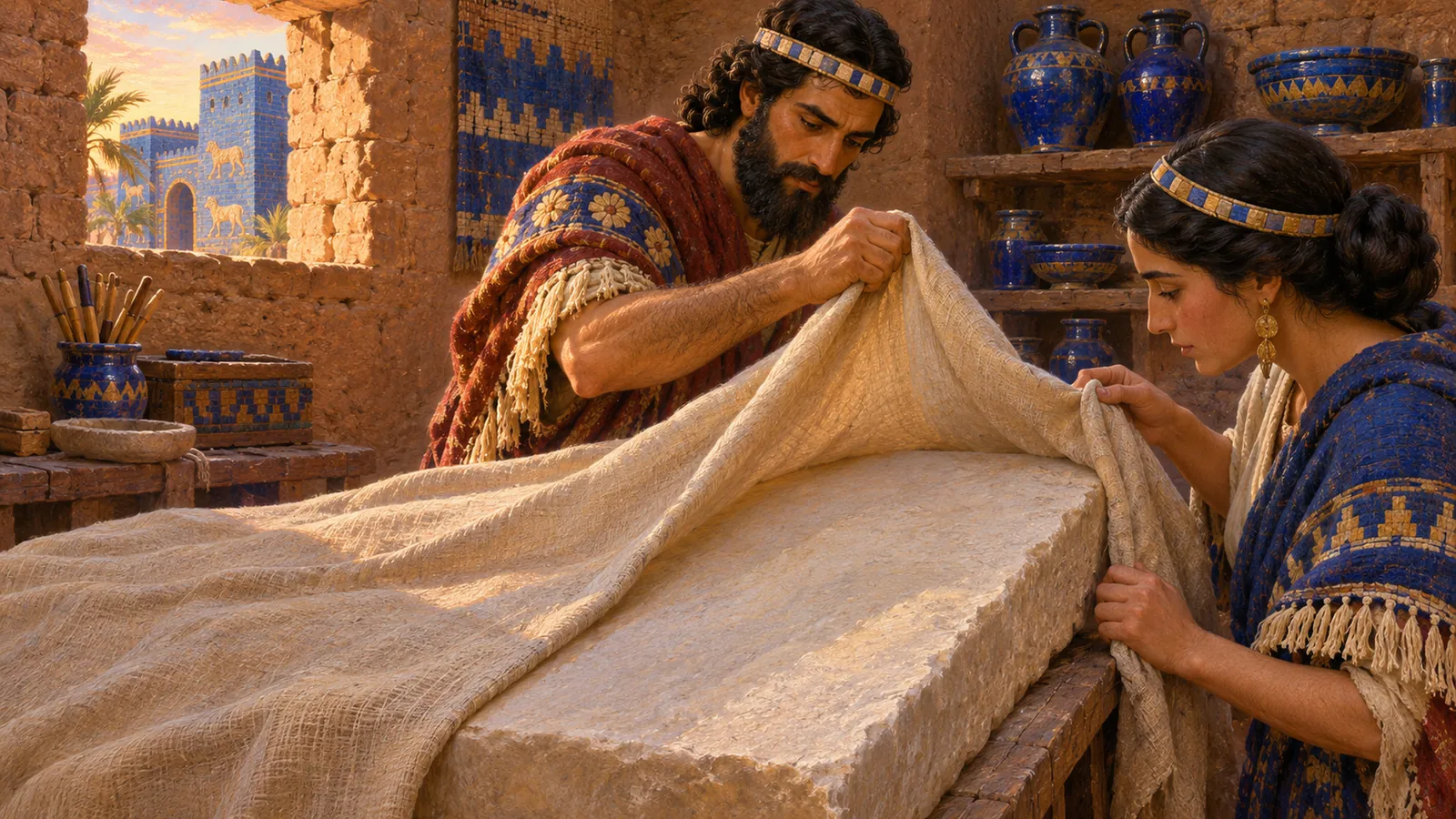
Pieces of inscribed stone from Babylon preserve a related Babylonian version. Its wording differs in places from the version on the cliff. The fragments carry the same royal account in a local form.
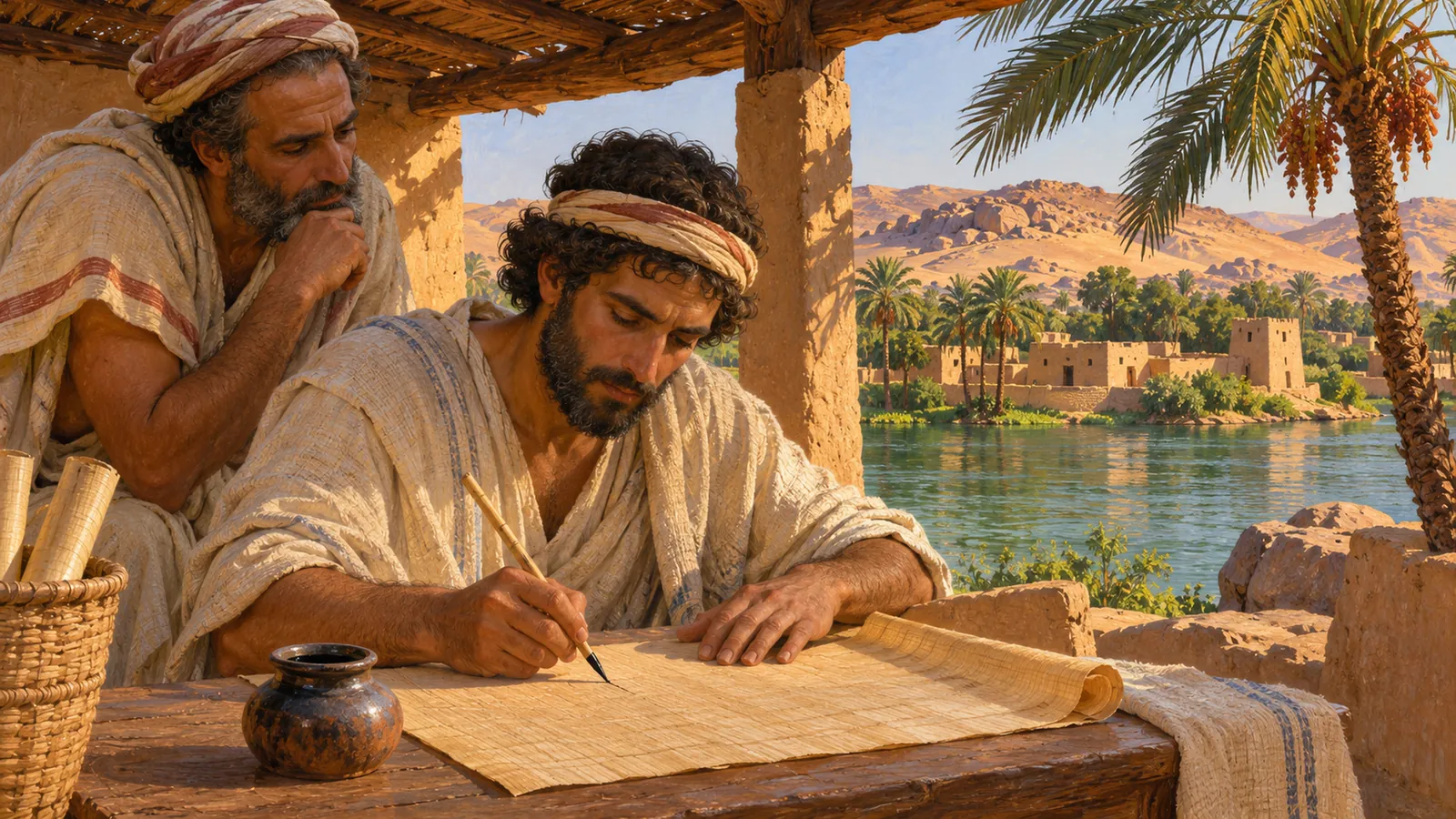
Far to the west, an Aramaic version survives in fragments from Elephantine, an island in the Nile. The museum dates this copy to around 421 BCE, about a century after Darius took power.
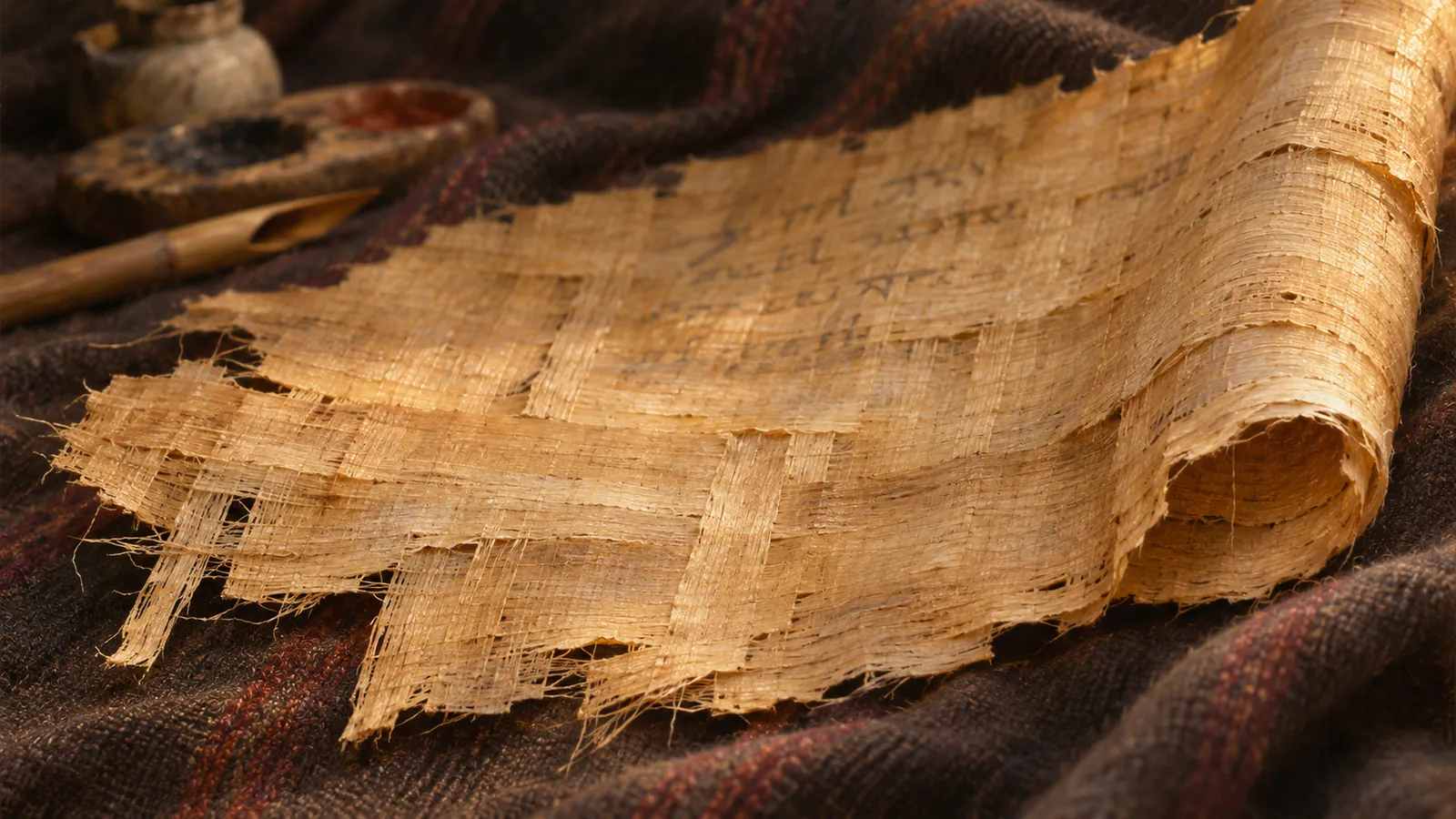
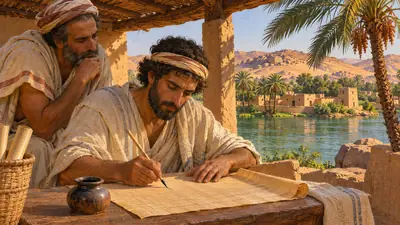
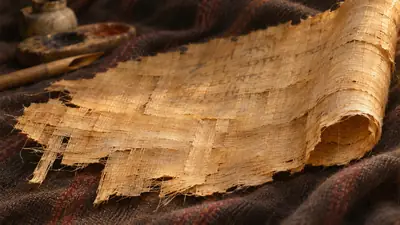
Ink on papyrus carried the words in Egypt. Someone also used space on the back of the roll for a different text. That scrap of writing belongs to the copy’s later life.
READING THE STONE
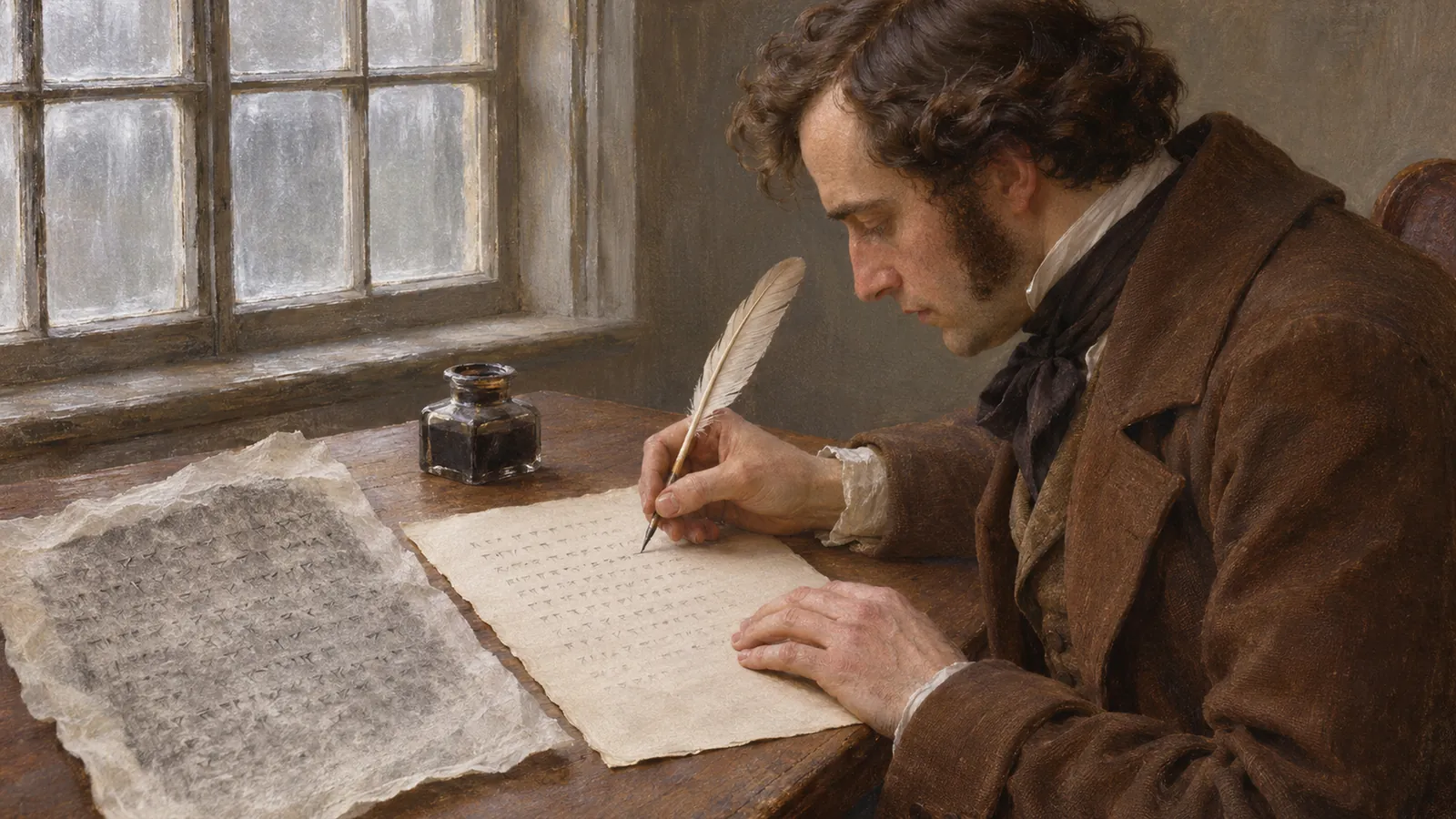
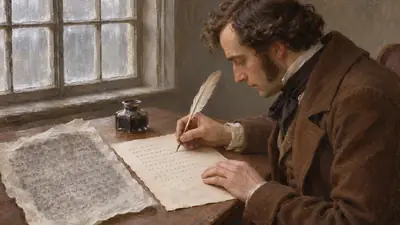
Much later, scholars made copies of the signs and worked to read them. Progress with Old Persian helped open the way to reading other cuneiform scripts that once puzzled those readers.
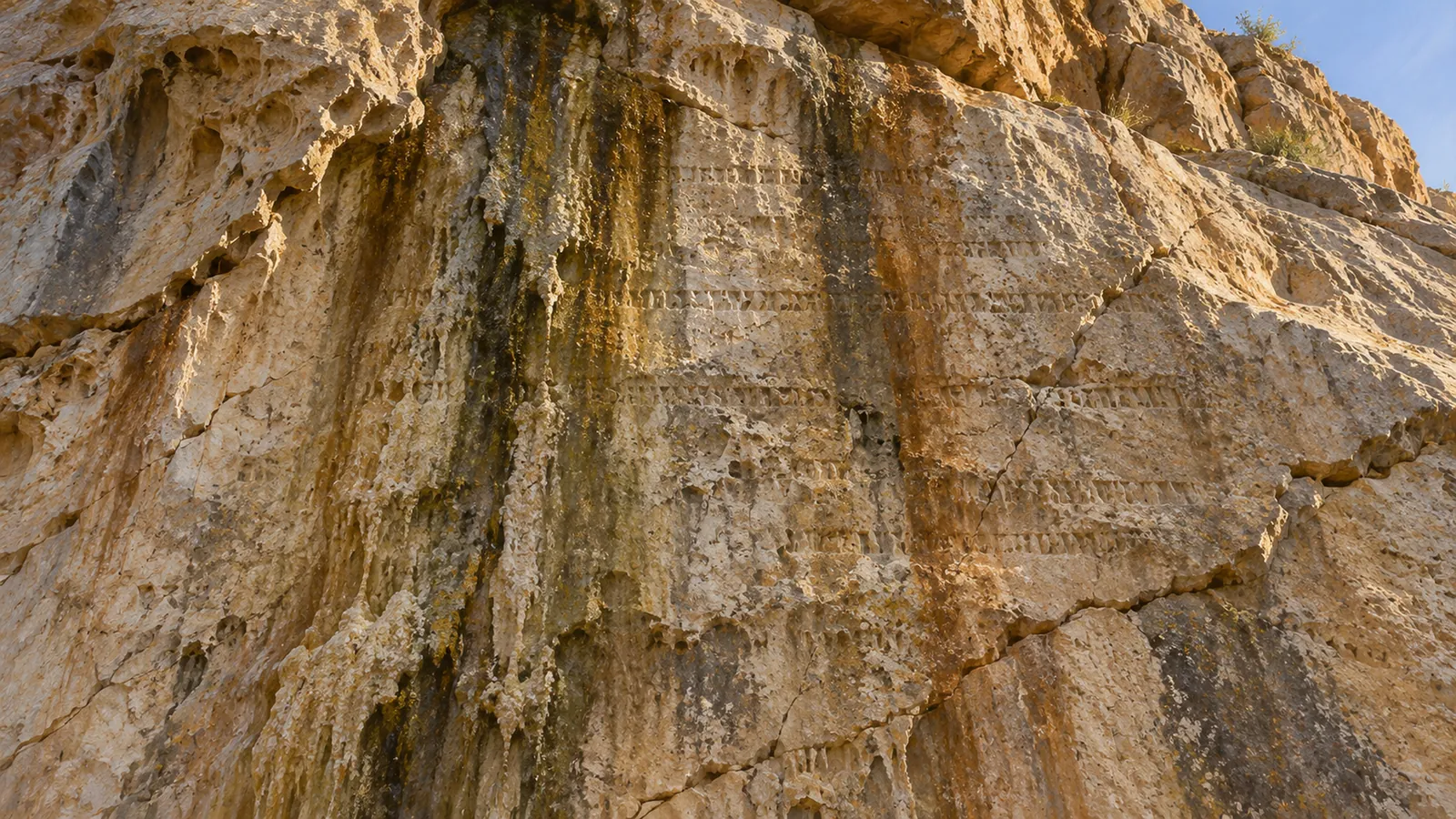
Rain and wind wore the face of the cliff. Water left deposits in some of the grooves. Today's readings draw on what survived on the rock and what was kept in other copies.
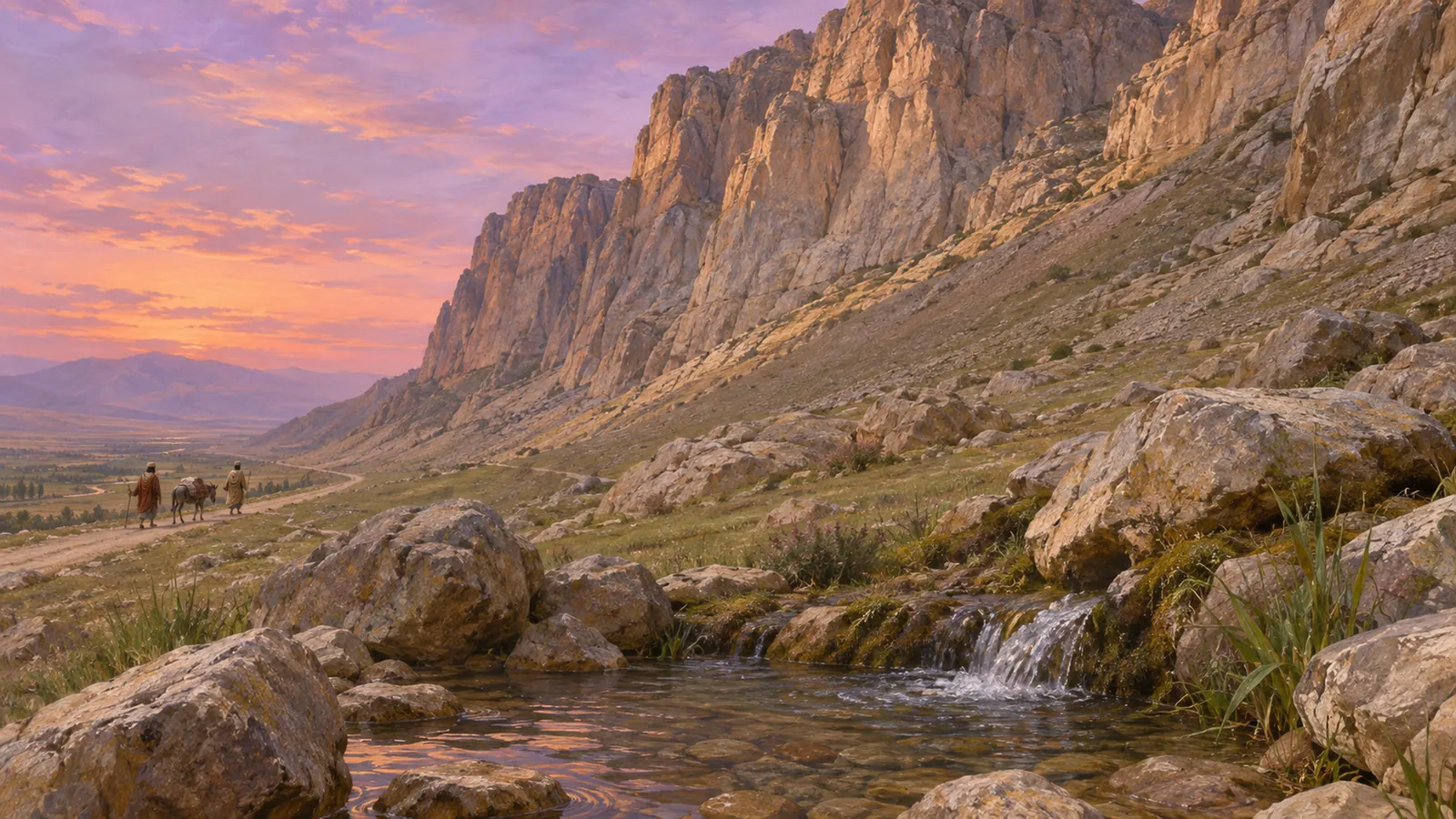
The road still passes below Behistun. Darius arranged the story to carry his voice into the future. The rock, the clay documents, the Greek accounts and the papyrus each let us hear something different.
End of chapter 1
All pages
Sources
Editions consulted
- UNESCO World Heritage Centre, Bisotun
- Yigal Bloch, The Contribution of Babylonian Tablets in the Collection of David Sofer to the Chronology of the Revolts against Darius I
- Staatliche Museen zu Berlin, Aramaic Behistun papyrus, P 13447/II
- James D. Moore, New Aramaic Papyri from Elephantine in Berlin
- Behistun inscription DB I–V, Old Persian text and English translation
- Matheus Treuk Medeiros de Araujo, direct translation of Old Persian DB I–V and notes
- Rüdiger Schmitt, Darius’s inscriptions at Bisotun
- Saber Amiri Parian, Elamite edition, part I
- Saber Amiri Parian, Elamite edition, part II
- Saber Amiri Parian and Keyvan Mahmoudi, new reading of DB §70
- Johannes Hackl, the Babylonian version on the rock and the Babylon fragments
- Aramaic text on Papyrus Berlin P. 13447, Elephantine project
- Herodotus, Histories III.61–88
- Ctesias, Persica F9, translated by Andrew Nichols
- Matthew W. Stolper, the disputed expression about Cambyses’s death
- Muhammad A. Dandamayev, Bardiya and the accession dispute
- Leonard W. King and R. Campbell Thompson, original edition of all three inscriptions
- Xenophon, Cyropaedia VIII
- University of Oslo Bibliotheca Polyglotta, aligned Behistun texts
- Amélie Kuhrt, The Persian Empire, chapter 5 primary translations and commentary
- Aeschylus, The Persians, lines 765–779
Ancient lines behind each page
- Page 1: UNESCO, Bisotun; Rüdiger Schmitt, Bisotun iii
- Page 2: UNESCO, Bisotun; Schmitt, Bisotun iii
- Page 3: Schmitt, Bisotun iii, Fig. 21
- Page 4: Behistun, DB I §§1–2
- Page 5: DB I §§2–4
- Page 6: DB I §§5–8
- Page 7: DB I §10; Herodotus, Histories III.61–63
- Page 8: DB I §10
- Page 9: DB I §11
- Page 10: DB I §§11–12; Matthew W. Stolper, His Own Death
- Page 11: Yigal Bloch, Babylonian tablets and chronology, Table 1; YOS 21, 197
- Page 12: DB I §13; DB IV §§68–69
- Page 13: DB I §13; Schmitt, Bisotun iii
- Page 14: DB I §§13–14; Muhammad A. Dandamayev, Bardiya
- Page 15: DB I §14
- Page 16: Herodotus, Histories III.61–70
- Page 17: Herodotus, Histories III.68–69
- Page 18: Ctesias, Persica F9 §§8–16, preserved in Photius
- Page 19: Aeschylus, Persians 765–779
- Page 20: DB I §§15–17; DB II §§22–23
- Page 21: DB I §16; Yigal Bloch, Babylonian tablets and chronology, Table 1
- Page 22: DB I §18
- Page 23: DB I §19
- Page 24: DB II §§20–21
- Page 25: DB II §§24, 31–32
- Page 26: DB II §§26–30
- Page 27: DB II §35; DB III §§36–37
- Page 28: DB III §§40–44
- Page 29: DB III §§45–48
- Page 30: DB III §§38–39
- Page 31: DB III §§49–50
- Page 32: Yigal Bloch, Babylonian tablets and chronology, Table 1
- Page 33: DB IV §§52–53
- Page 34: DB IV §§54–59, 62–63
- Page 35: DB IV §§68–69; Herodotus, Histories III.70
- Page 36: DB IV §§60–67
- Page 37: Schmitt, Bisotun iii; Saber Amiri Parian, Elamite edition I
- Page 38: Schmitt, Bisotun iii, Fig. 21
- Page 39: Schmitt, Bisotun iii; Johannes Hackl, On the Rocks
- Page 40: DB V §§71–76; Schmitt, Bisotun iii
- Page 41: DB V §§71–73; Schmitt, Bisotun iii
- Page 42: DB V §§74–76; DBk; Schmitt, Bisotun iii
- Page 43: Schmitt, Bisotun iii, Fig. 21; Saber Amiri Parian, Elamite edition I
- Page 44: DB IV §70; Saber Amiri Parian and Keyvan Mahmoudi, A New Reading
- Page 45: Johannes Hackl, On the Rocks, Babylon witnesses; Berlin VA Bab. 1502
- Page 46: Berlin P. 13447, TAD C2.1; Staatliche Museen zu Berlin
- Page 47: Berlin P. 13447; James D. Moore, New Aramaic Papyri from Elephantine in Berlin
- Page 48: Schmitt, Bisotun iii; King and Thompson, Sculptures and Inscription of Darius
- Page 49: Schmitt, Bisotun iii; Johannes Hackl, On the Rocks
- Page 50: DB IV §§60–70; Herodotus III.61–88; Berlin P. 13447
Illustrations made with AI tools by IL Archive; the text is based on the ancient sources (see the sources at the end of each chapter).