The Doomed Prince Chapter 1
Three Fates
An Egyptian prince leaves the house built to protect him, taking his hound north to Naharin. After a feat at a high window, the ruler’s daughter refuses to let him face the dangers of his birth alone.
SourcesTurn the pages with the arrows, the arrow keys or a swipe.
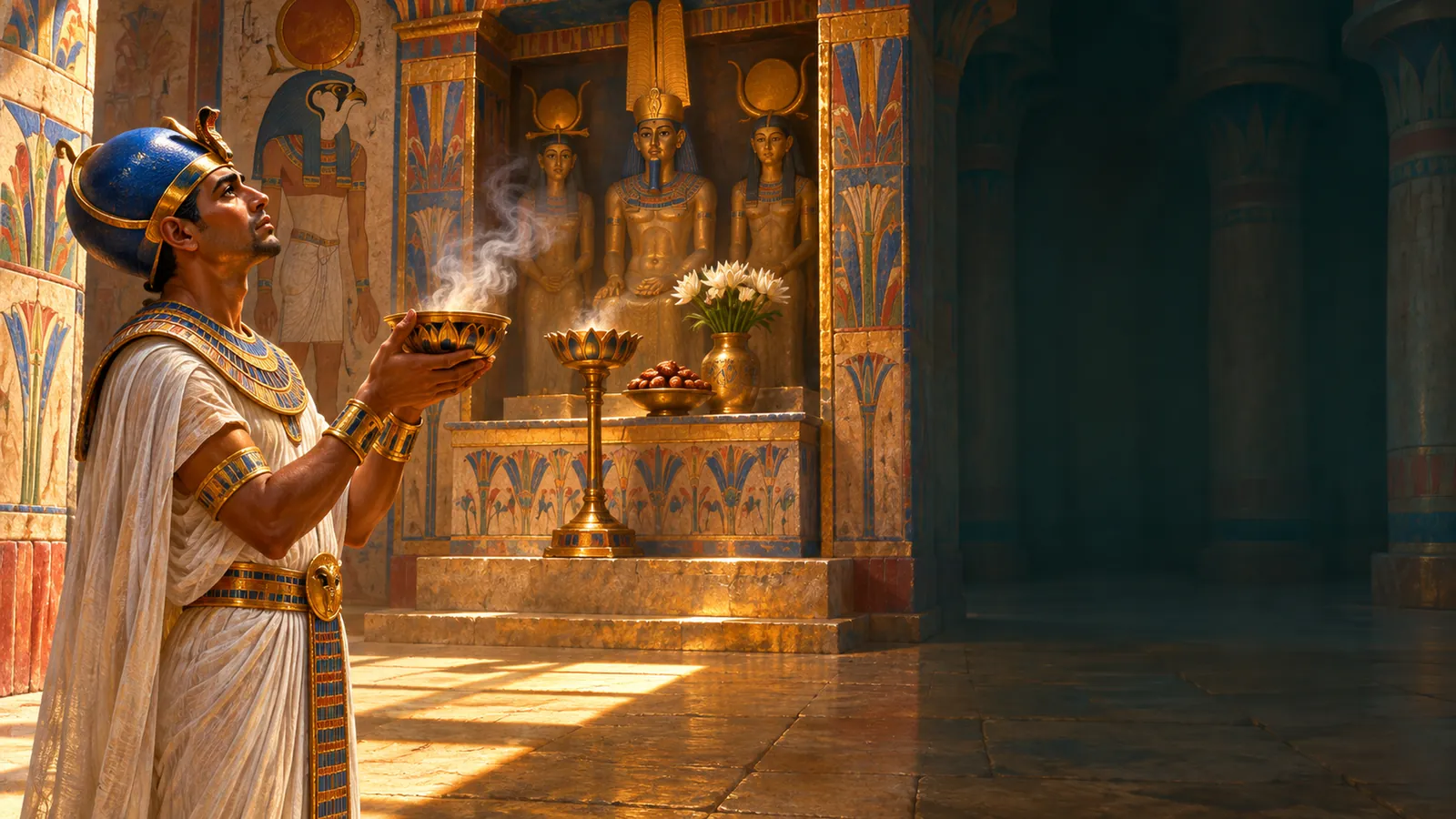
A SON
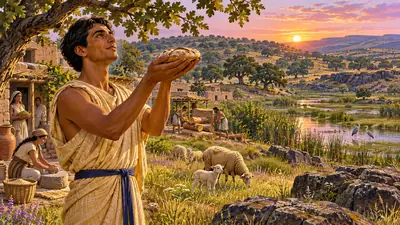
Once there was a king of Egypt who had no son. He asked the gods of his land to give him a child, and they granted his request.
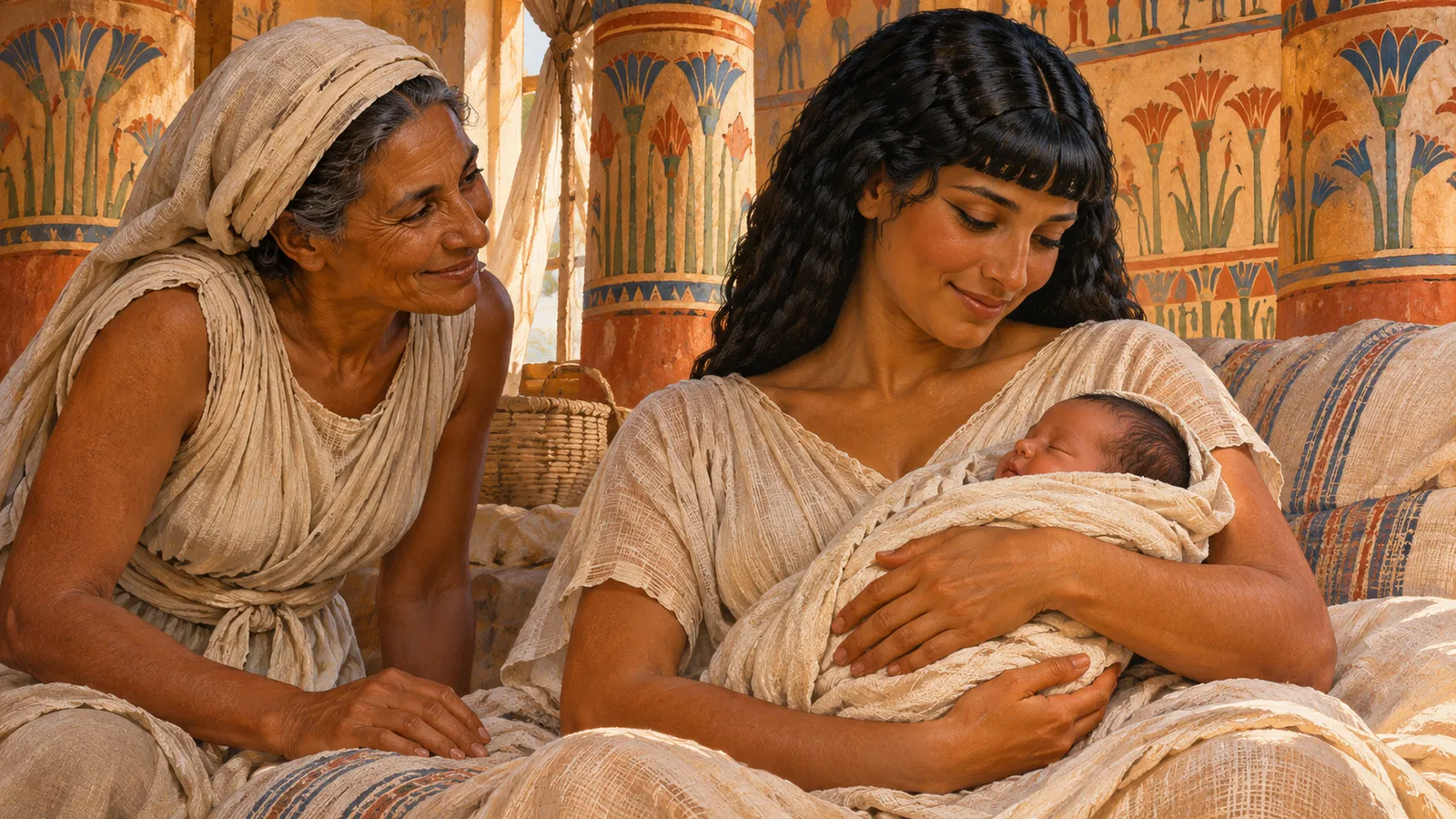
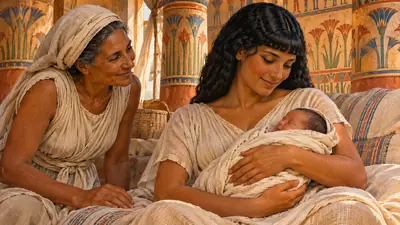
In time the king’s wife was expecting a child. The months of waiting came to an end, and she gave birth to the son the king had hoped for.
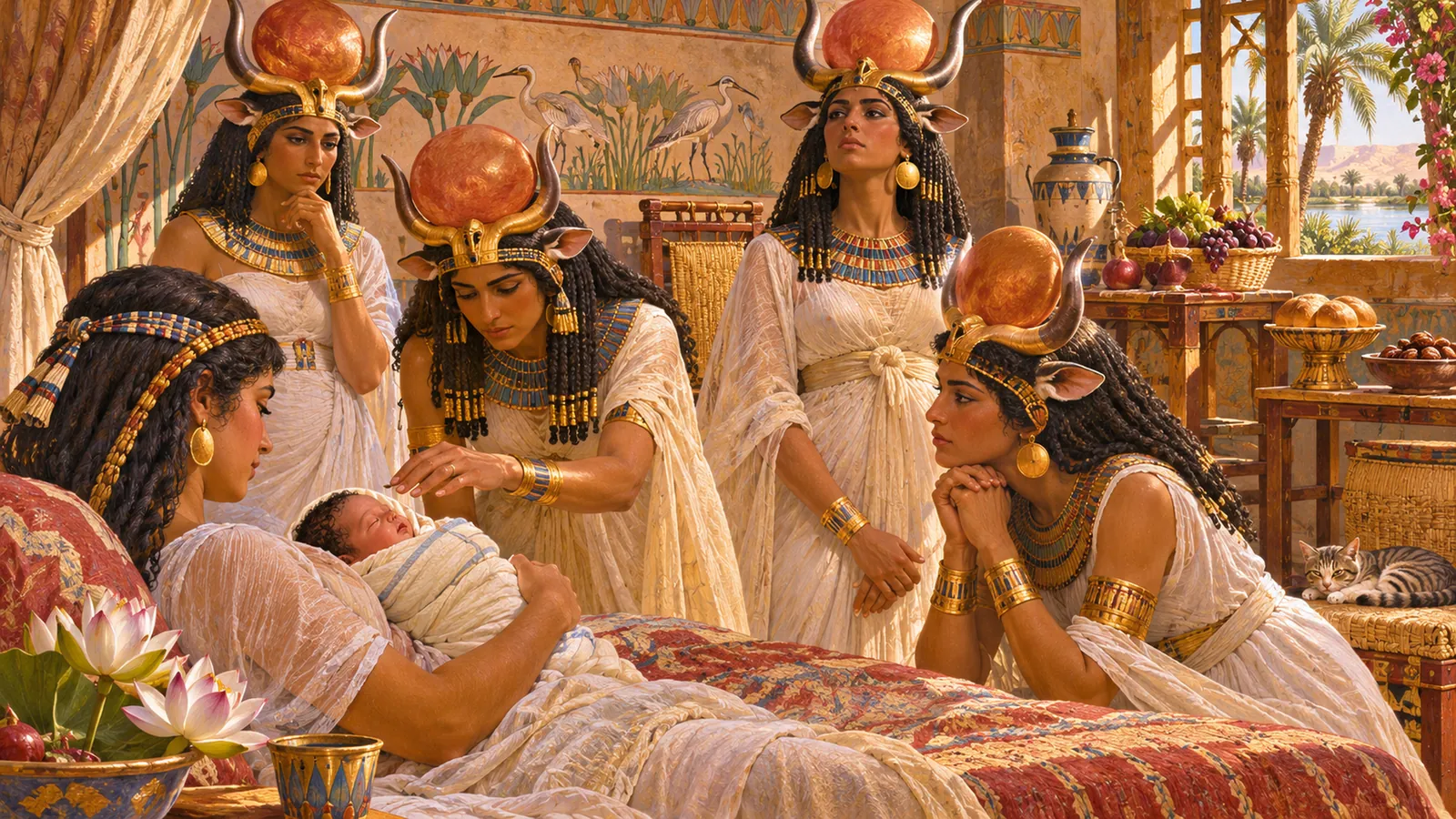
FATE
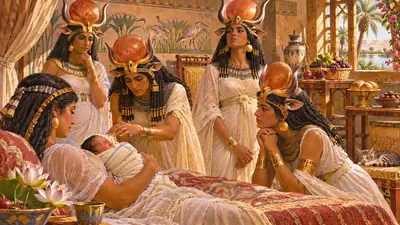
The Hathors came to pronounce the newborn’s fate. His death would come through one of three creatures, they said. It could be a crocodile, a snake or a dog.
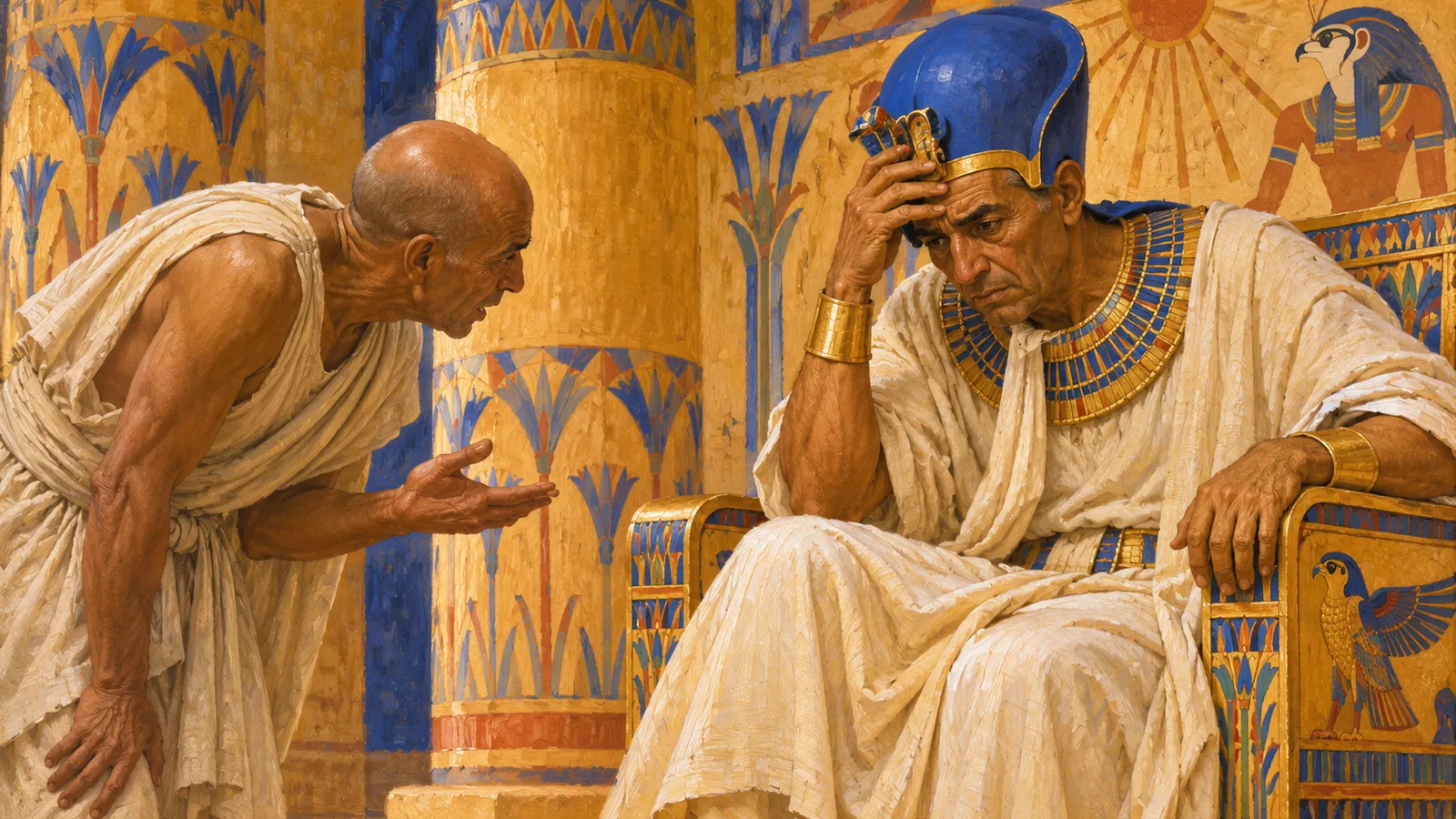
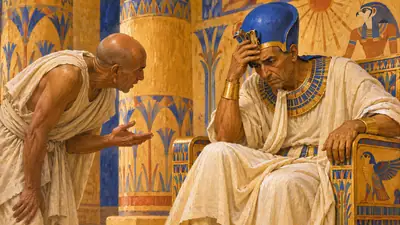
The people who had been with the child heard every word. They went to the king and told him what the Hathors had said. The news grieved him deeply.
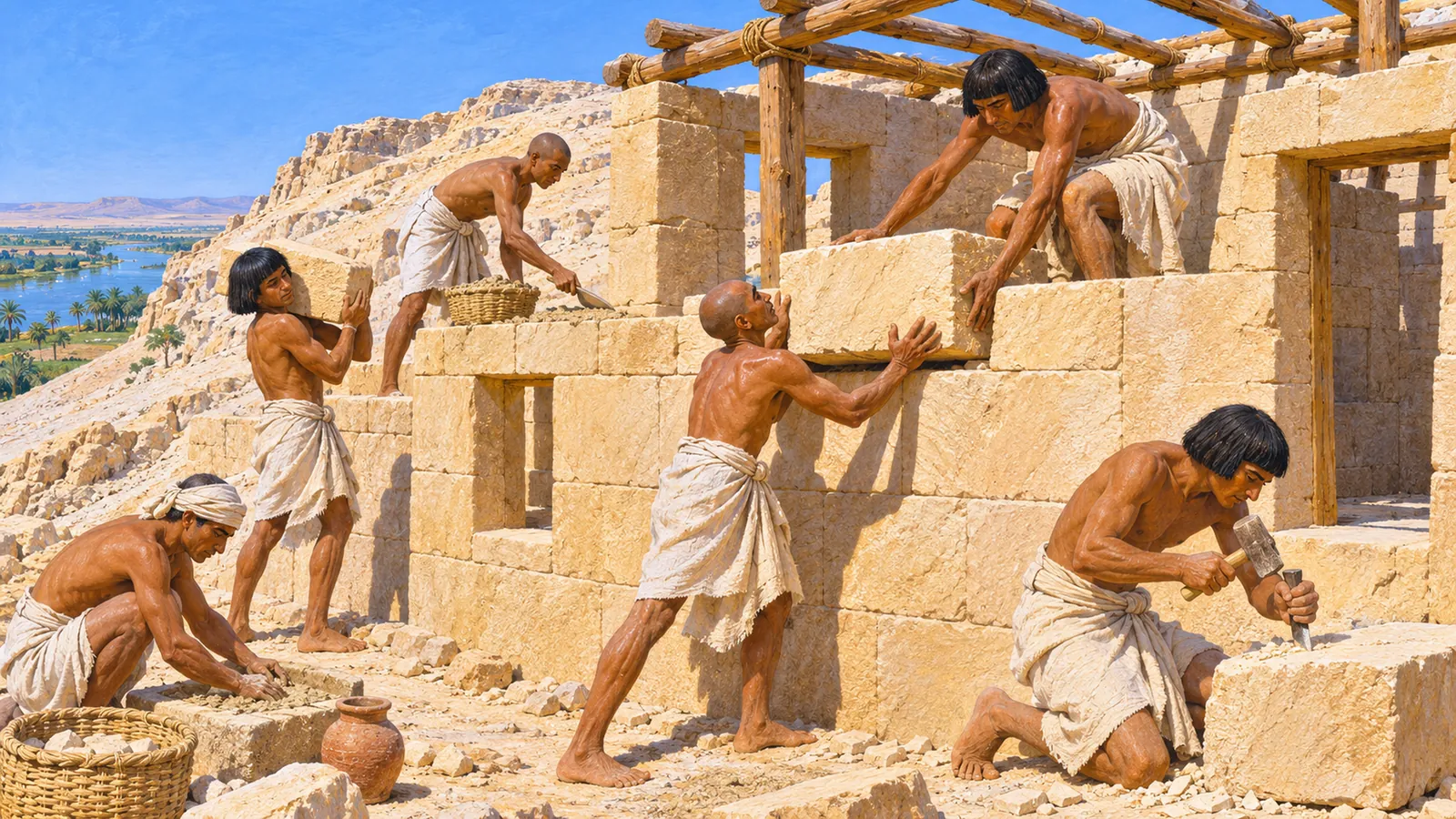
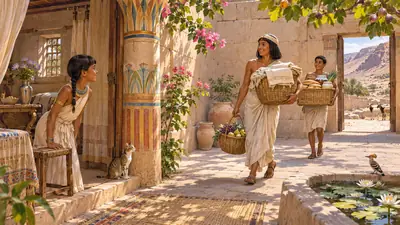
The king had a stone house built for the boy in the desert. Within those walls he meant to keep his little son beyond the reach of danger.
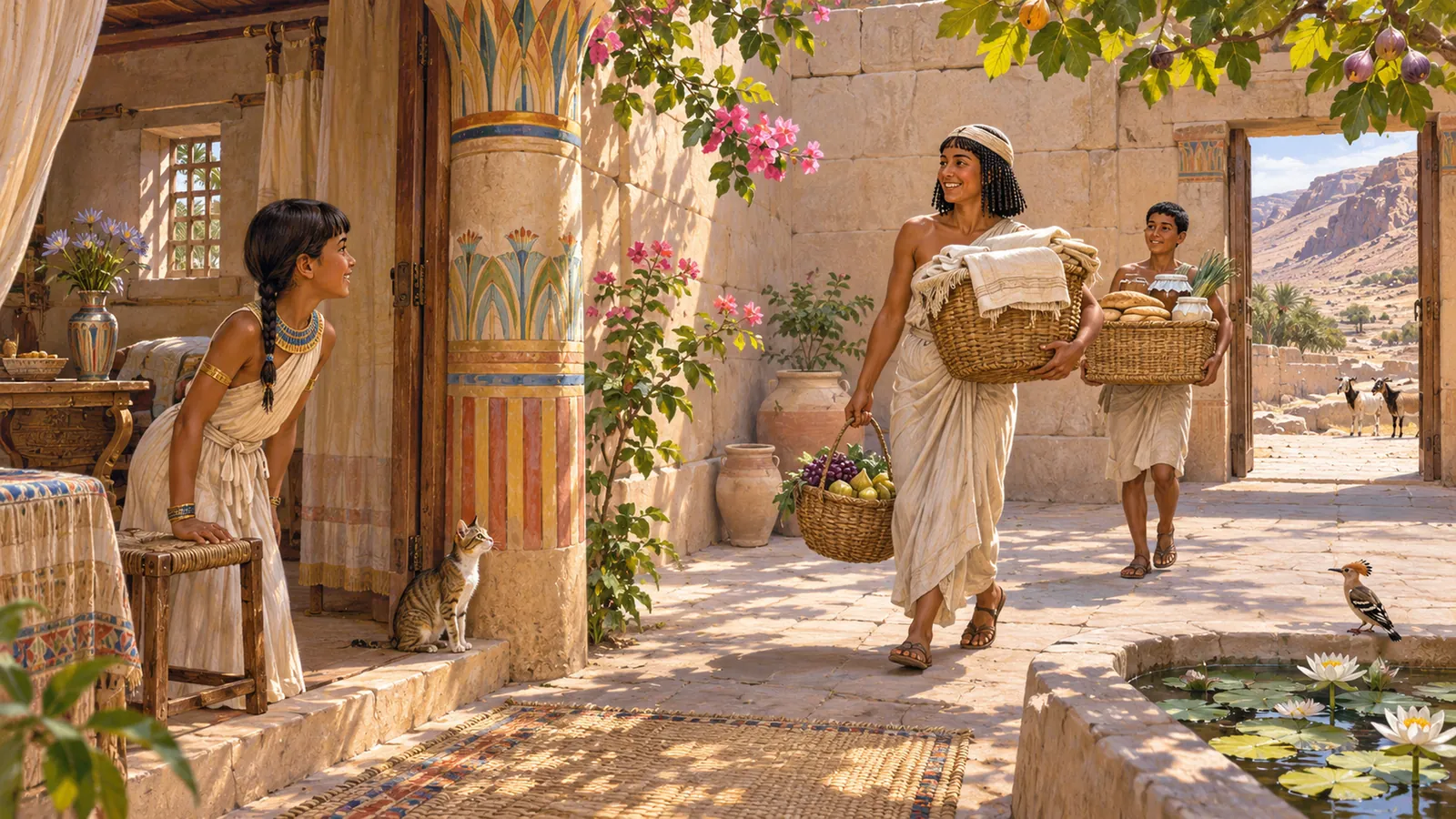
The house had attendants and all the good things the palace could provide. There was just one rule for the boy. He was to stay inside.
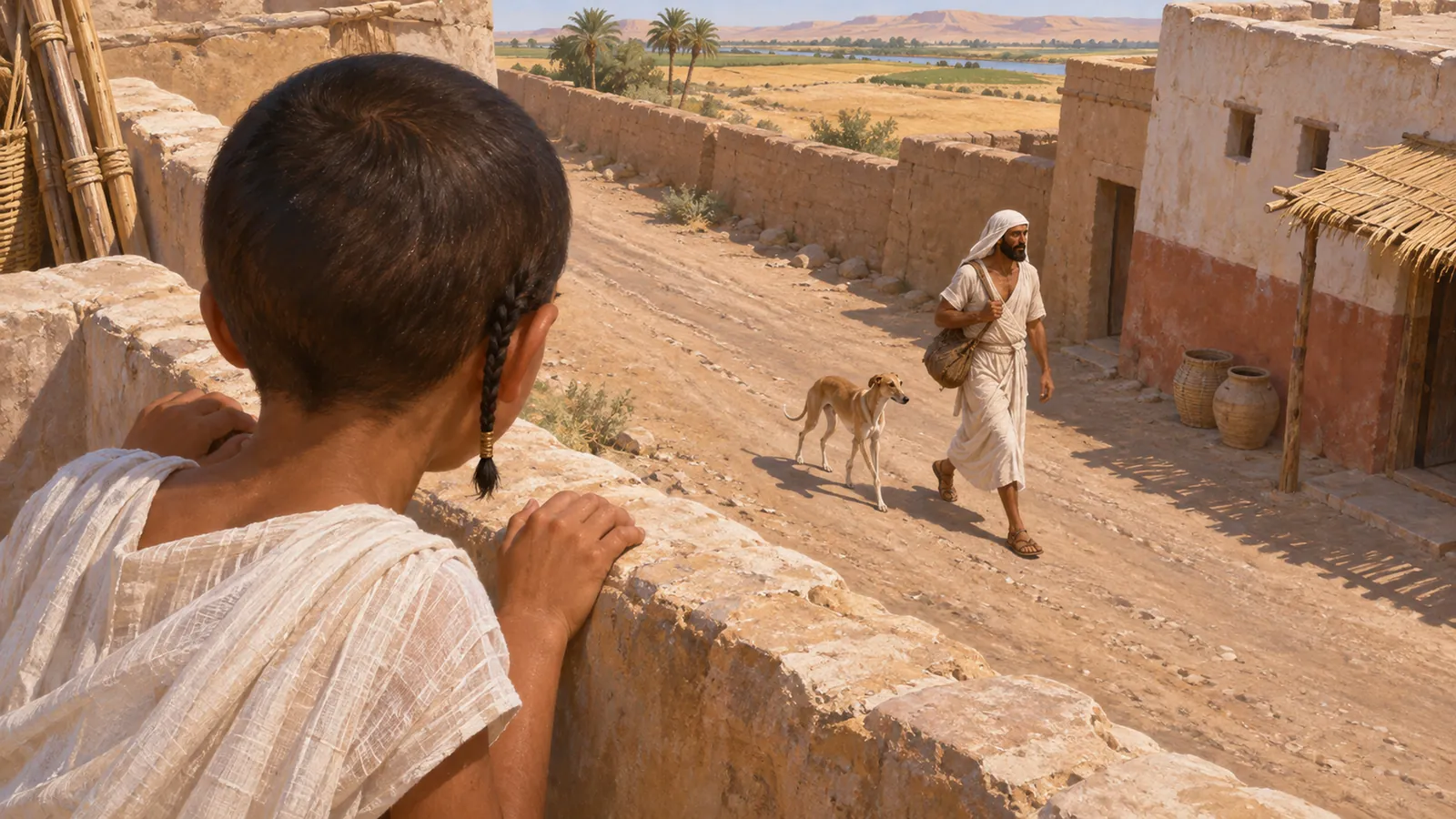
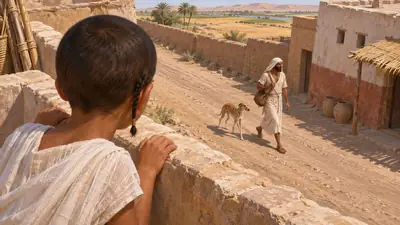
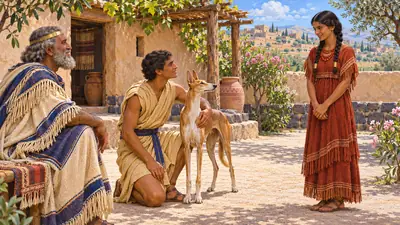
When the boy was older, he climbed onto the roof. There he saw a man walking along the road with a long-legged hound trotting at his heels.
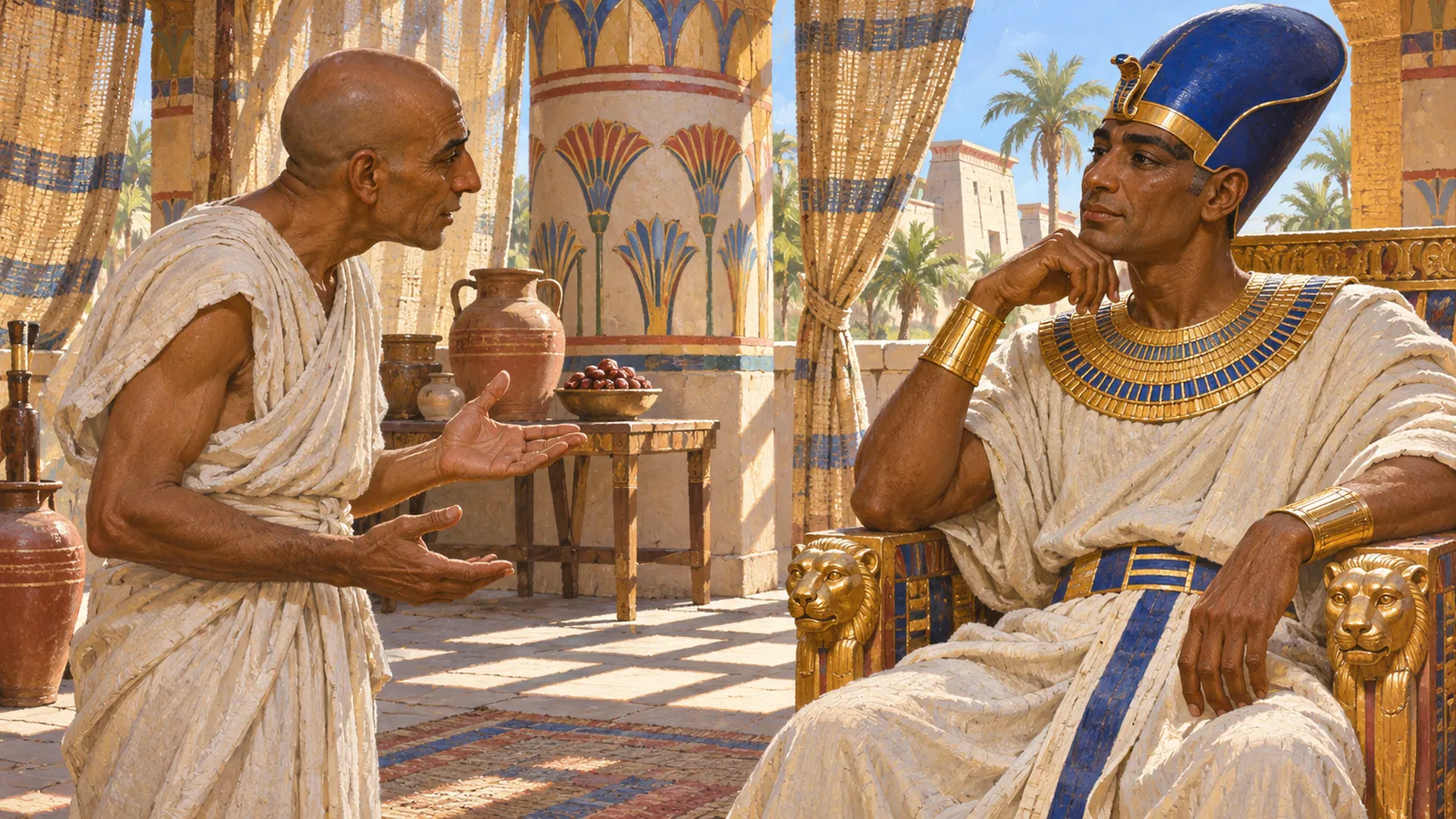
What is that animal, the boy asked his attendant. It is a hound, he said. The boy asked for one, and the attendant carried his wish to Pharaoh.
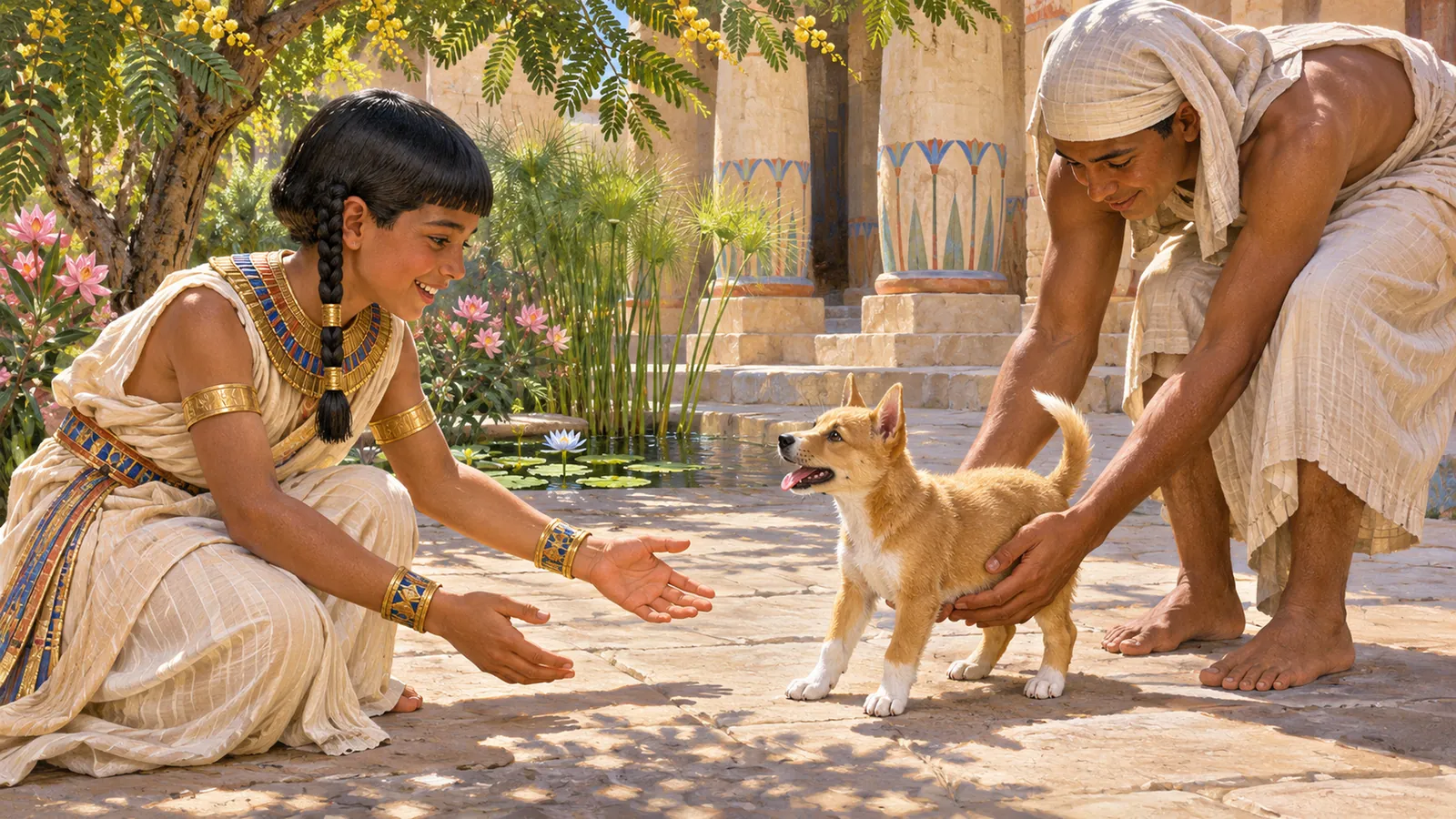
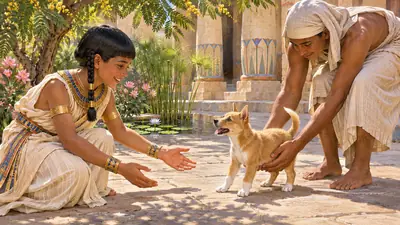
The king did not want the boy to be unhappy. He told the attendant to bring a little puppy, and so one of the creatures named by the Hathors entered the house.
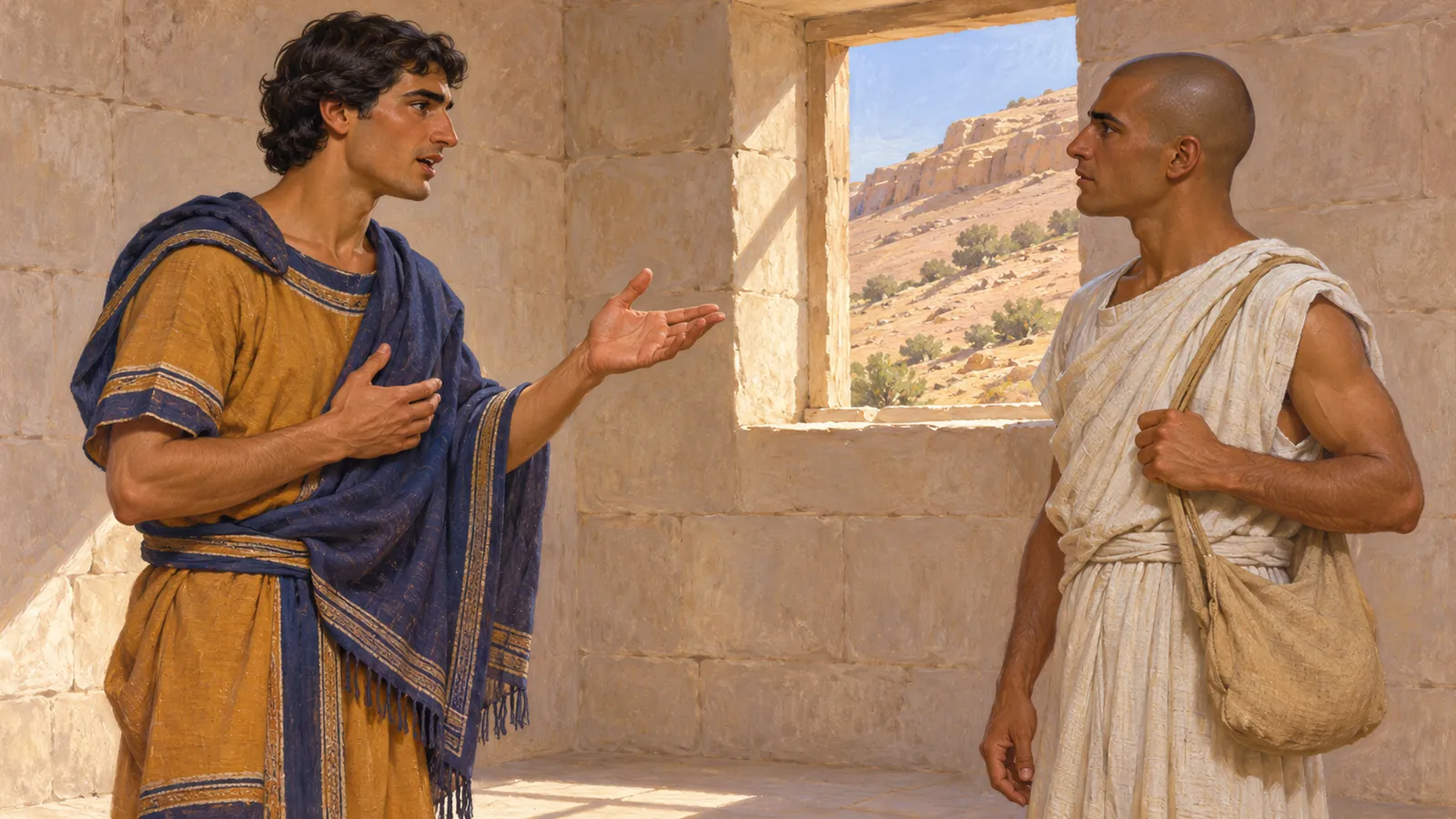
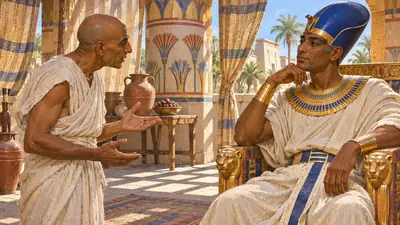
Once the boy was grown, he sent a message to his father. Why should I stay here if my fate is already assigned? Let me go and follow my heart.
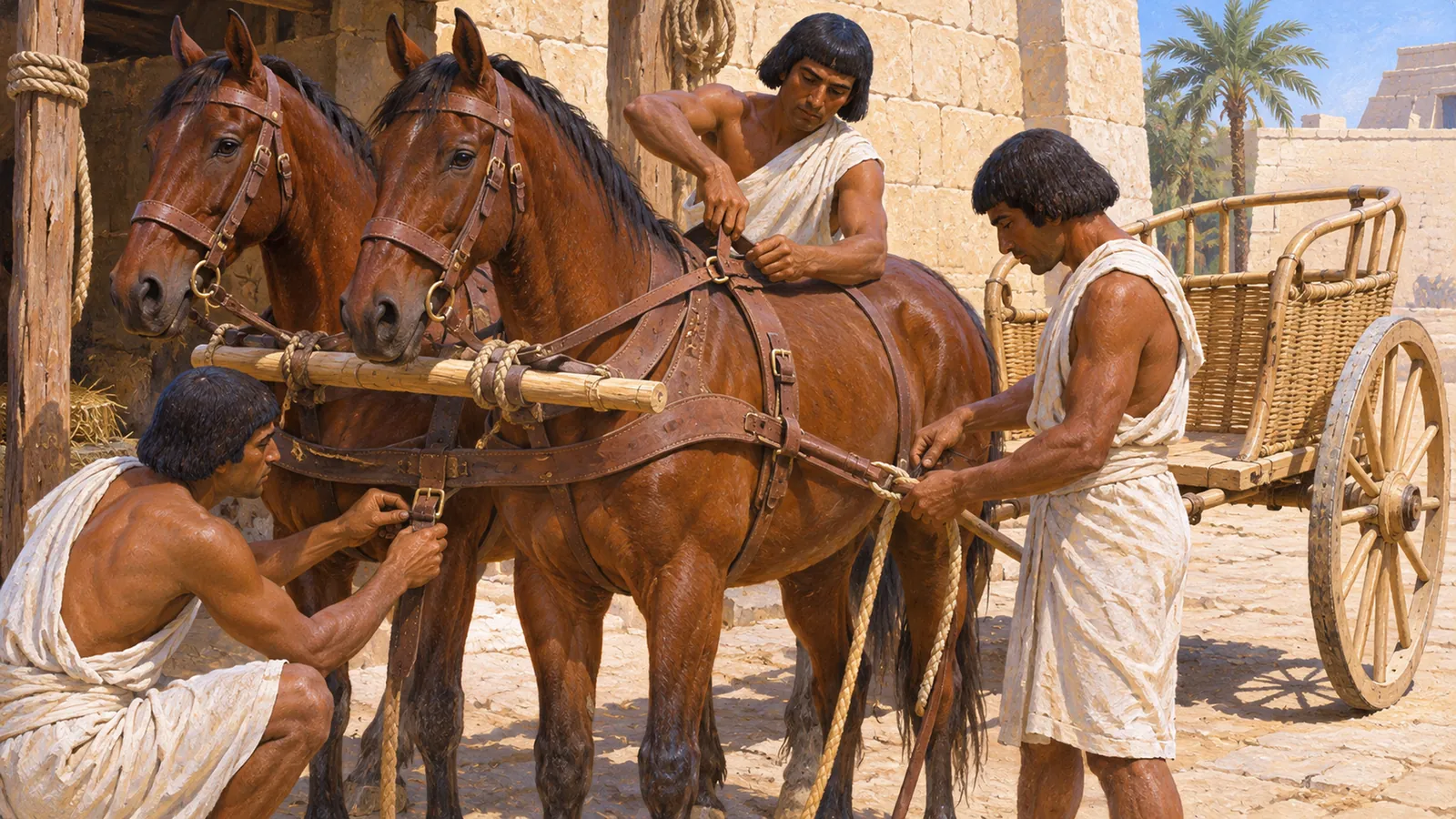
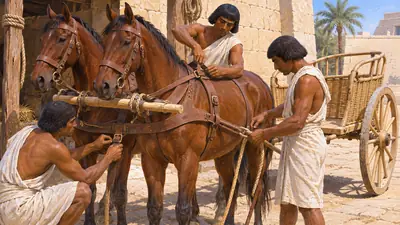
He asked to live as he chose until the god did as he wished. His father yielded. A chariot was harnessed, and an attendant was to travel with him.
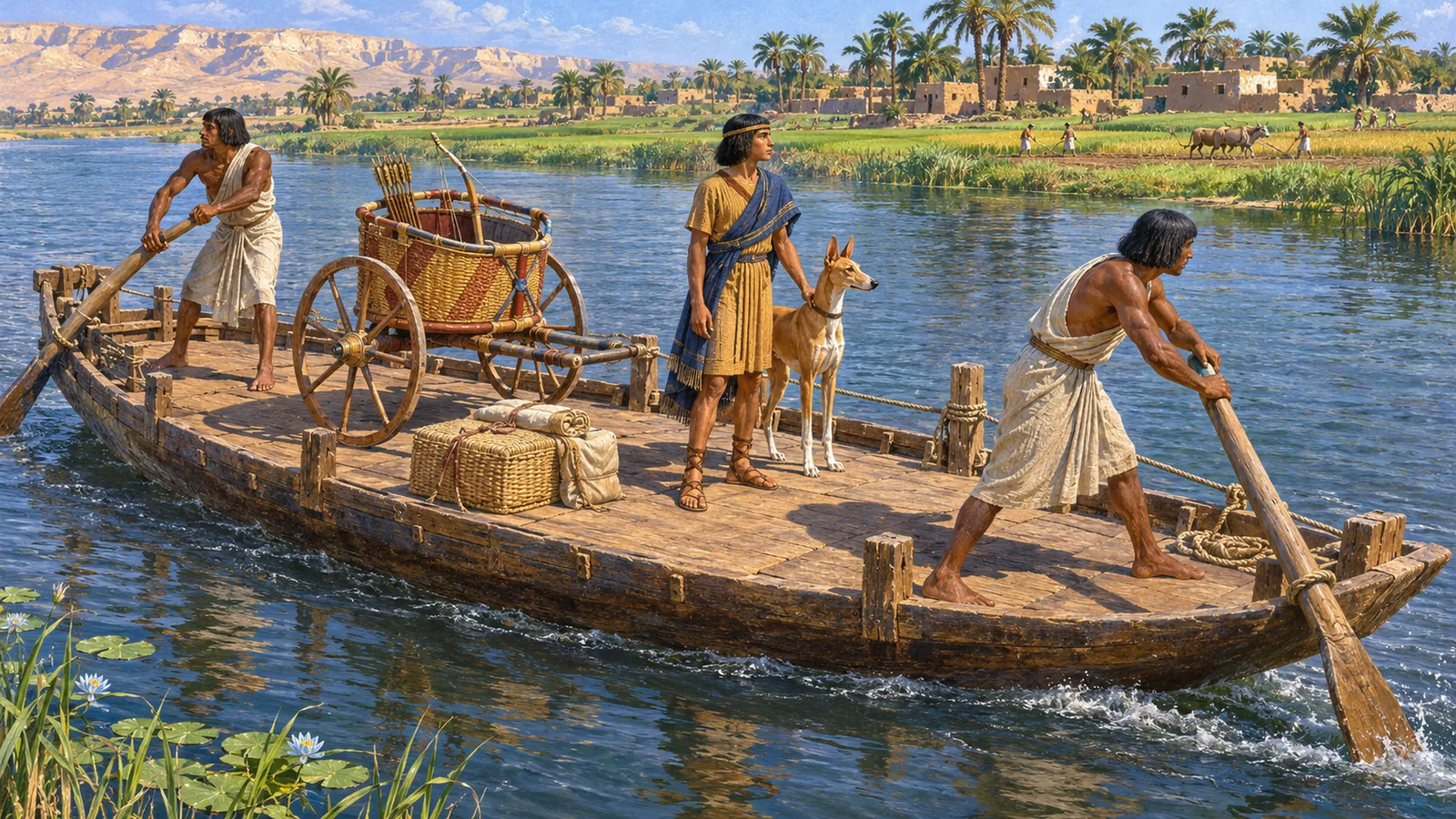
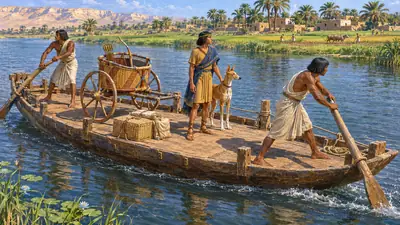
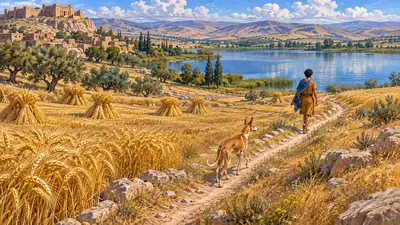
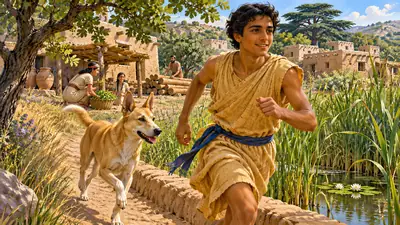
They ferried the young man across to the eastern bank. He could go wherever he wished now. The dog he had raised went with him when he left.
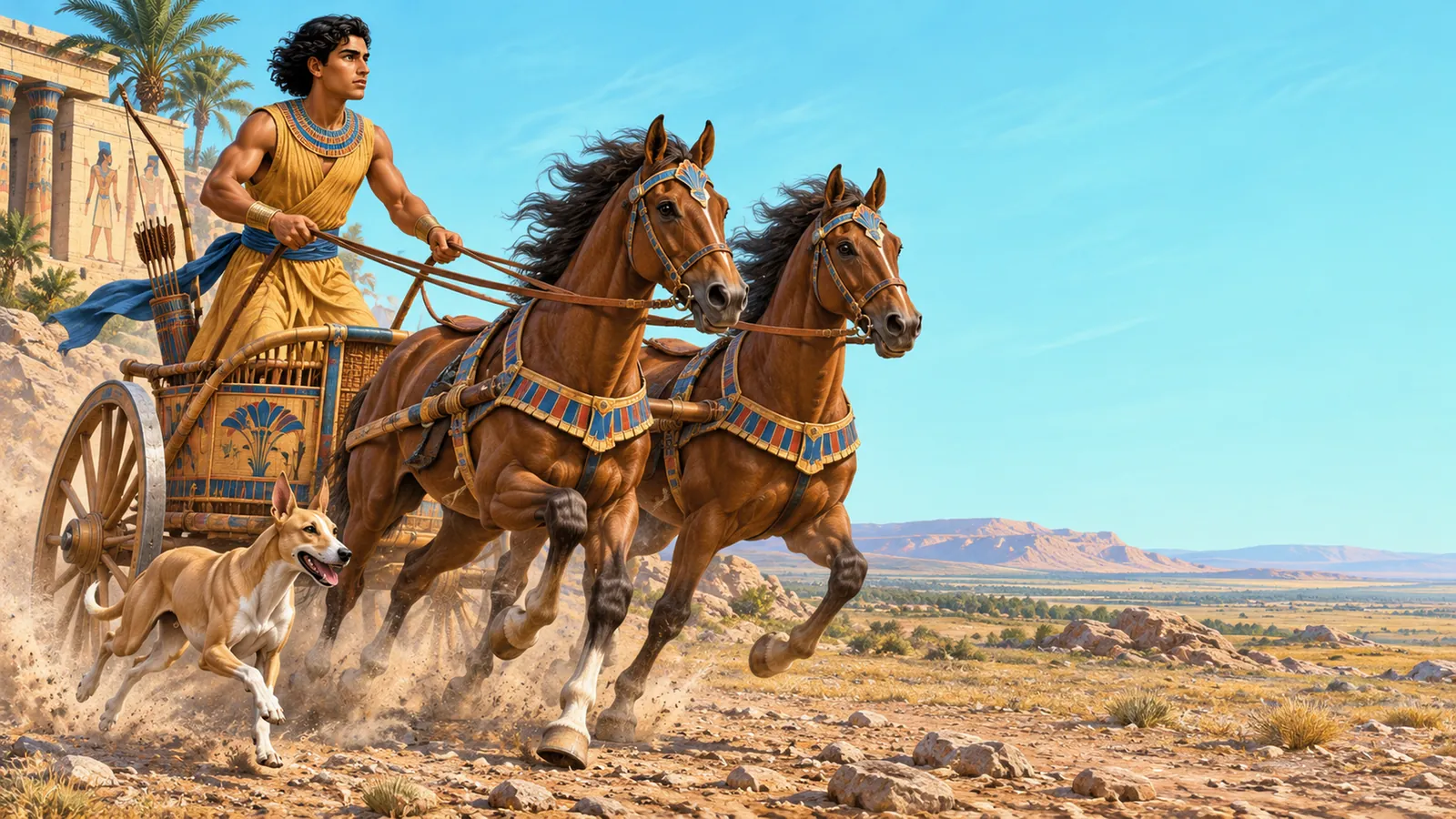
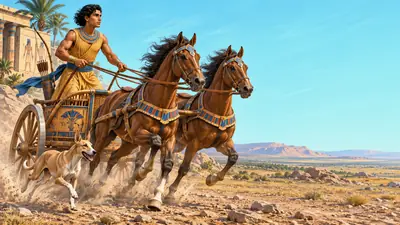
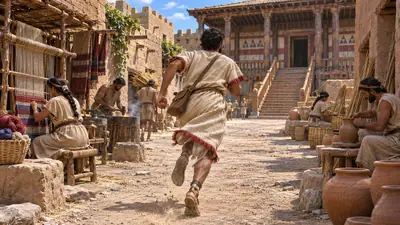
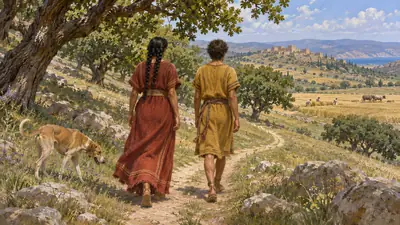
The young man headed north across the desert. He chose his own road and lived on the game he found there. In time he came to Naharin.
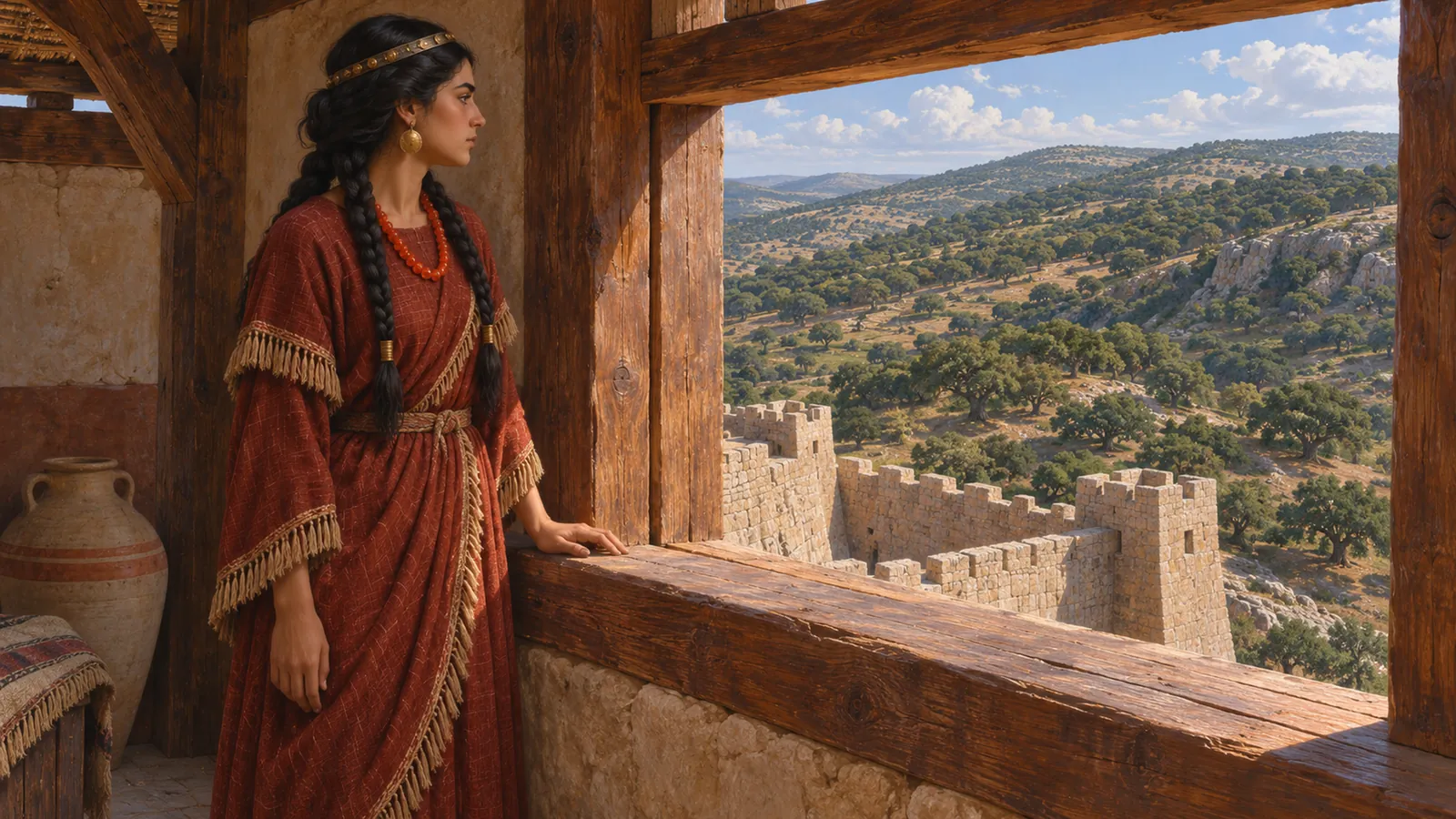
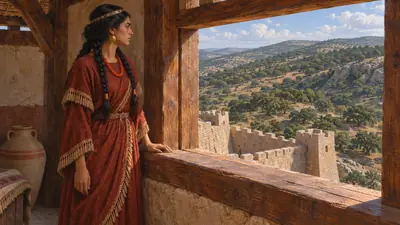
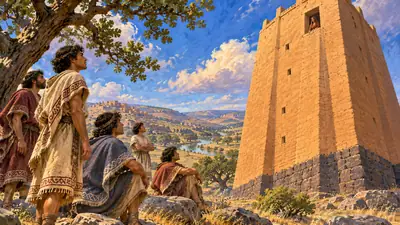
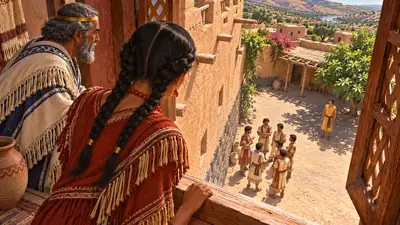
The ruler of Naharin had one child, a daughter. He had a house built for her with a window set so high that it could be seen from far below.
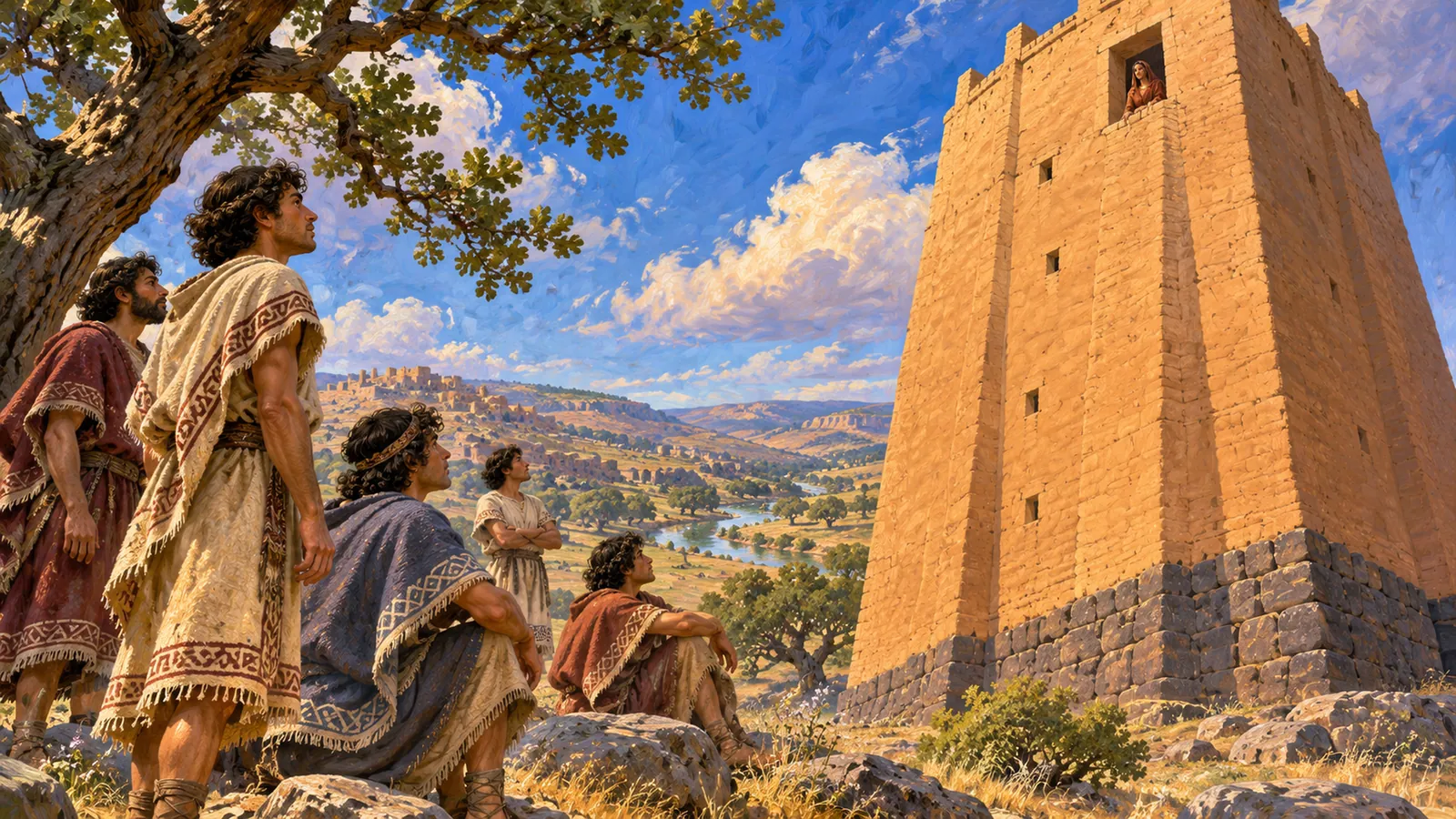
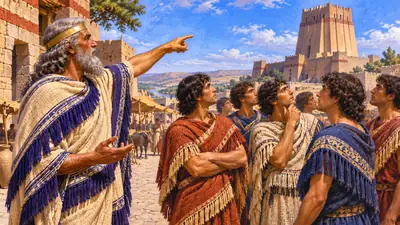
The story places her window seventy cubits above the ground. The ruler of Naharin summoned the sons of the chiefs of Khor, a land in the Levant.
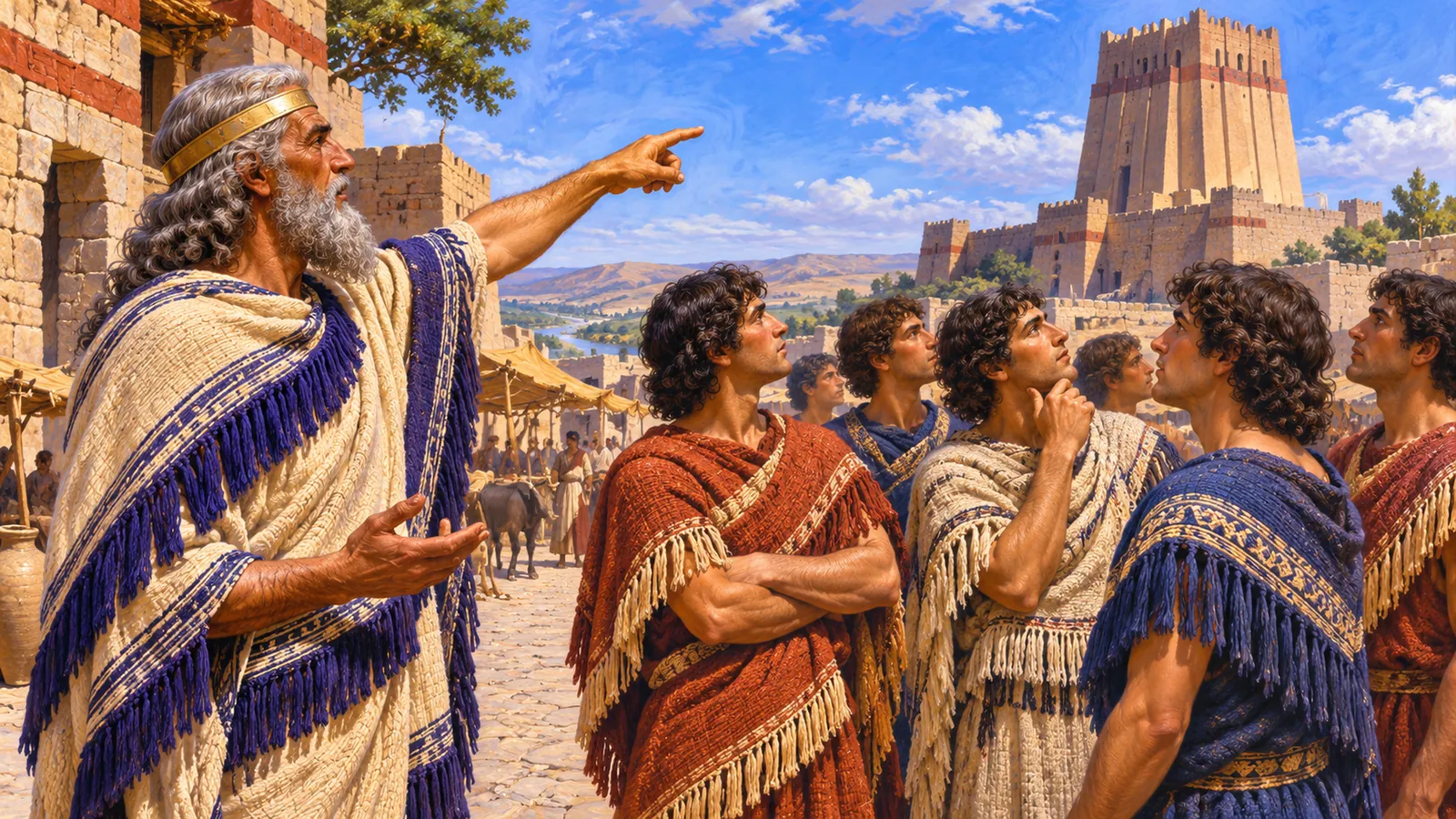
Whoever reached his daughter’s window would marry her, the ruler declared. The young men came to try their luck, and the Egyptian passed by while they were at it.
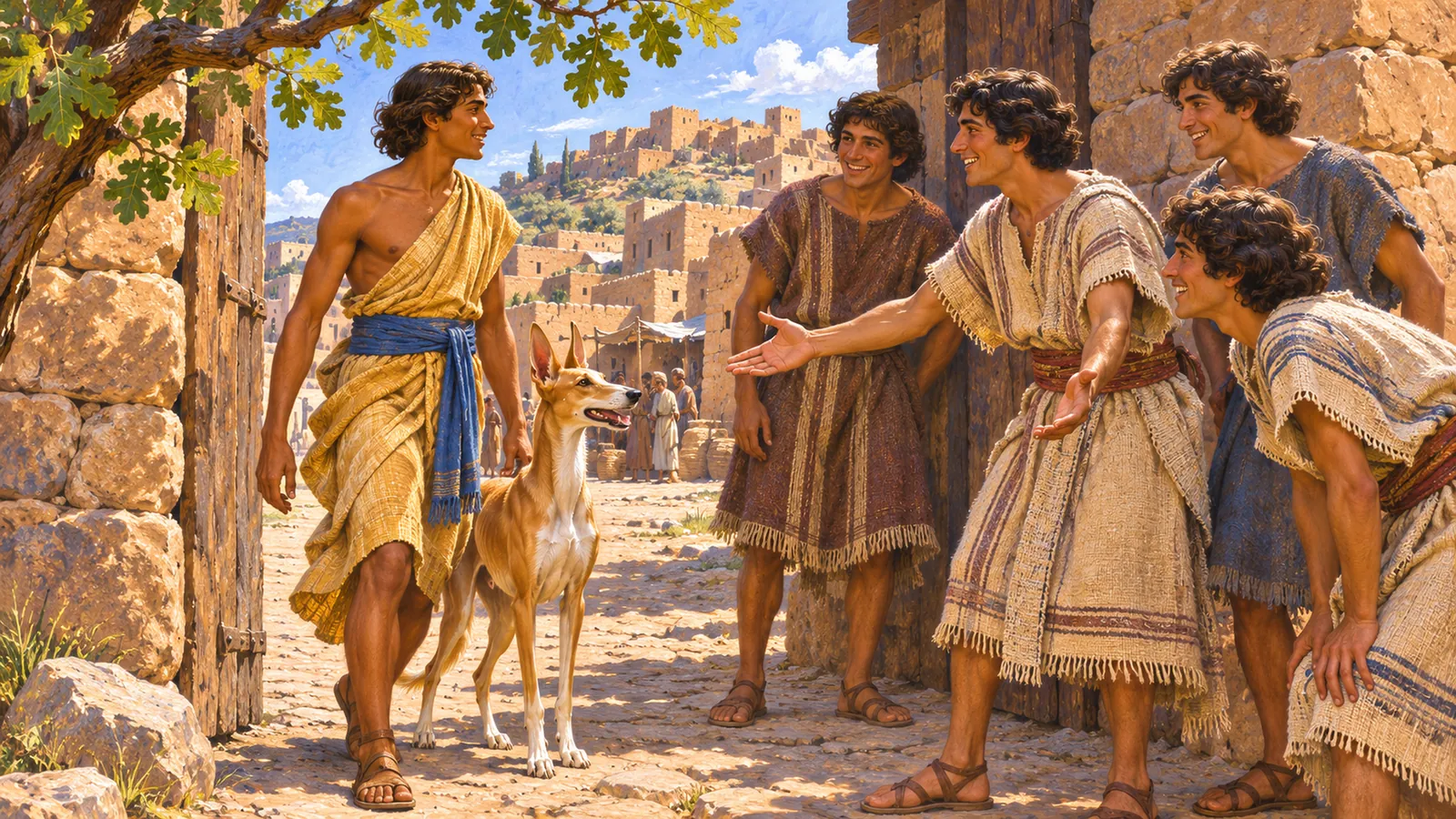
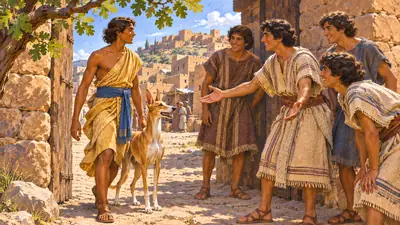
The sons of the chiefs took the stranger to their lodging. They washed the dust from him and saw that his horses had something to eat.
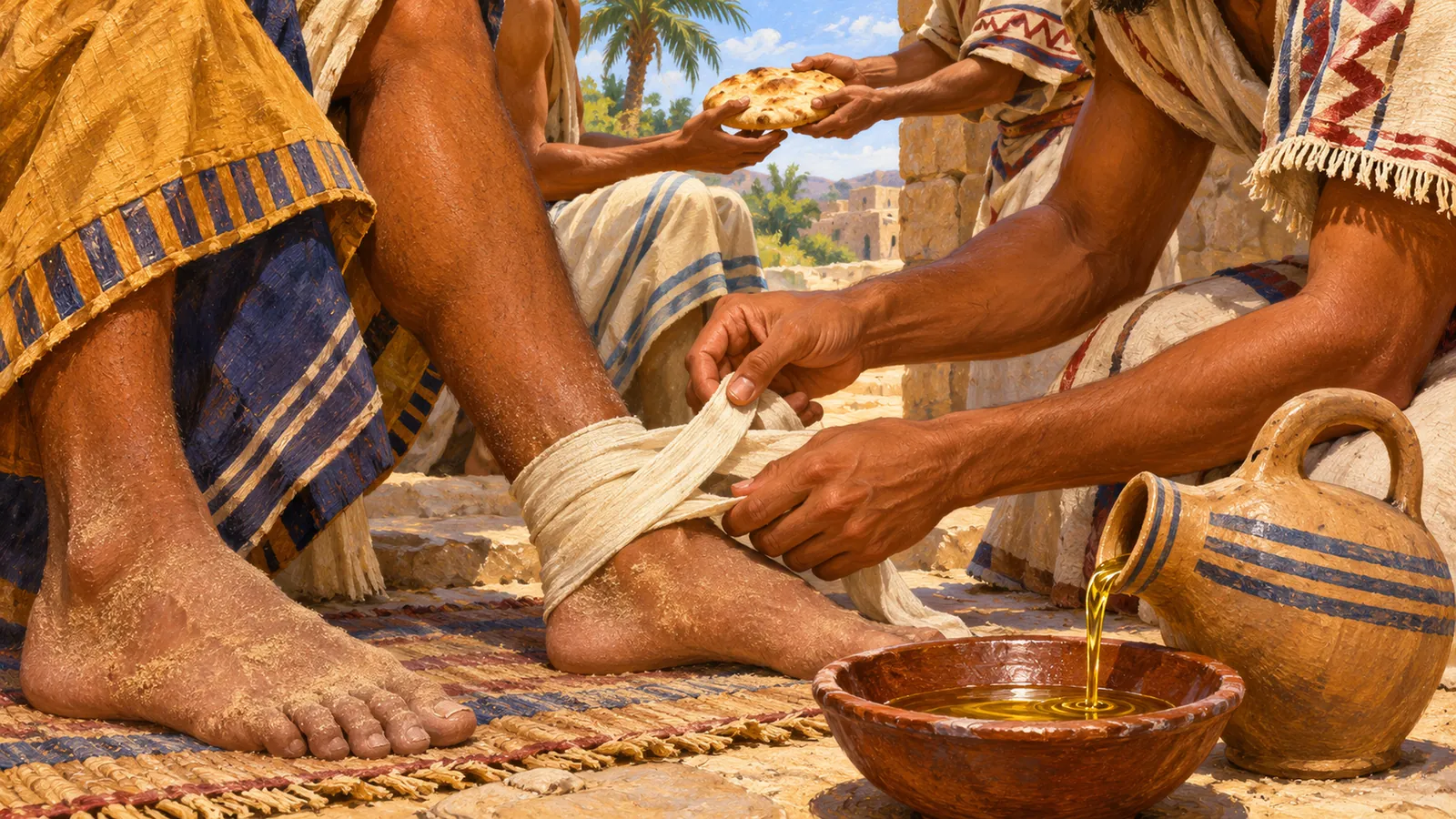
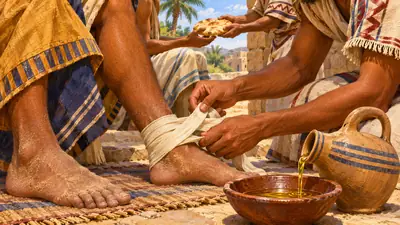
His hosts rubbed him with oil and bound his sore feet. They fed his attendant too. Only after tending to them did they ask the young man where he came from.
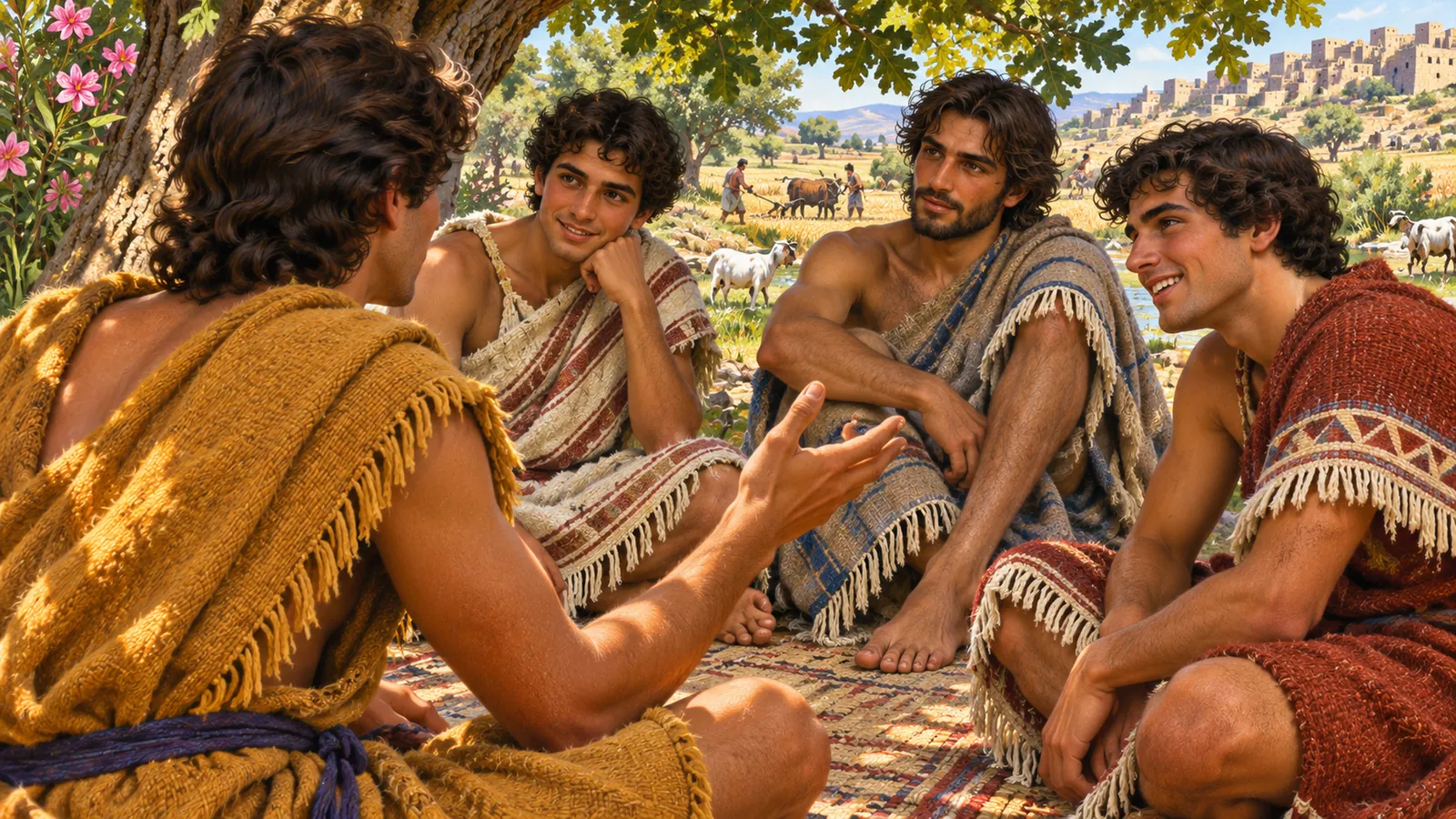
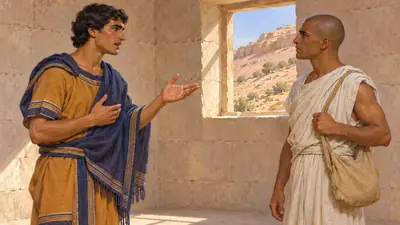
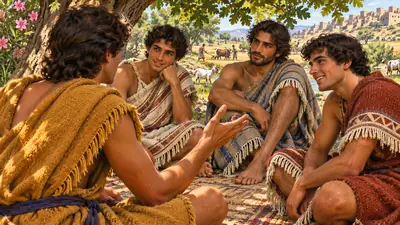
He told them that he was the son of an Egyptian charioteer. His mother had died, he said, and his father’s new wife hated him. That was why he had fled.
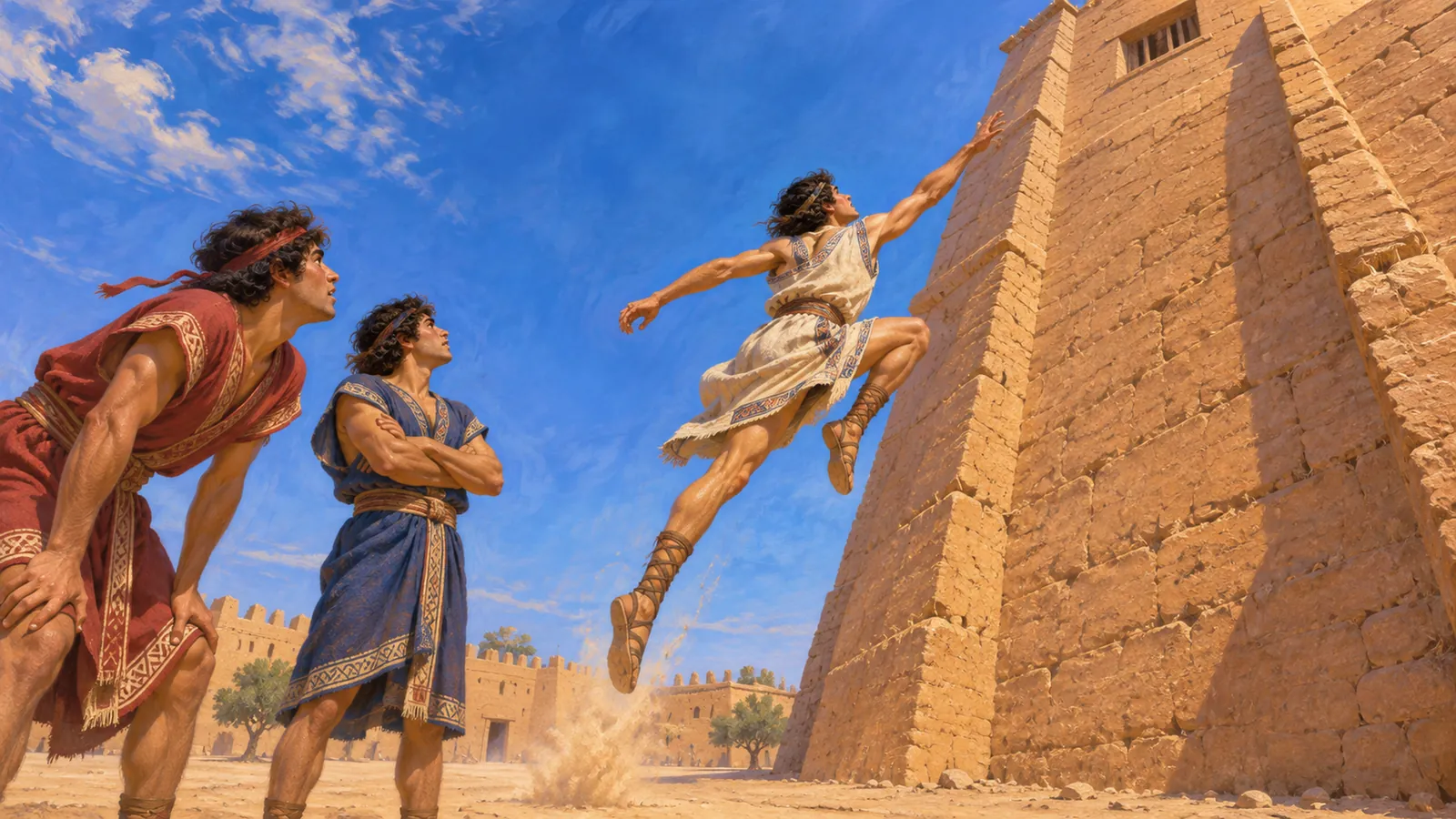
They welcomed him warmly. Later he asked what kept them there. They said they had spent three months leaping towards the window, each hoping to reach it first.
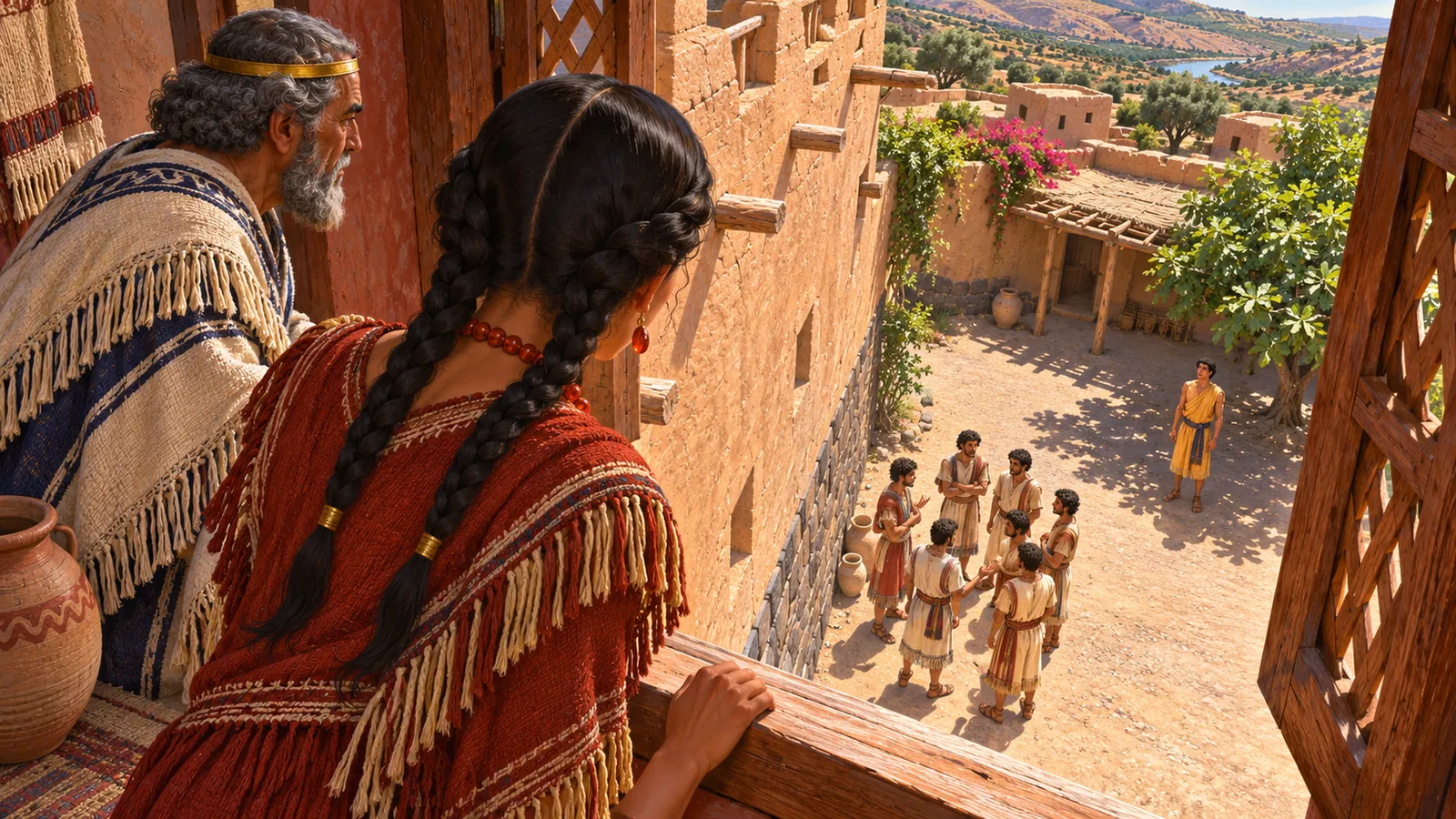
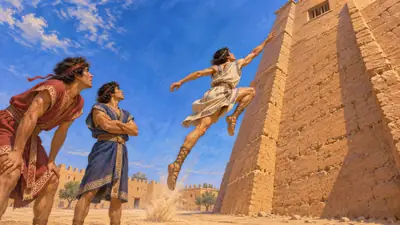
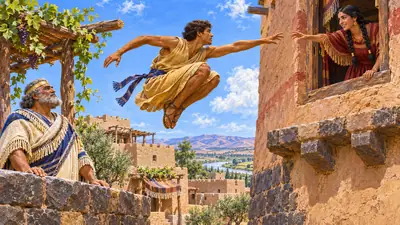
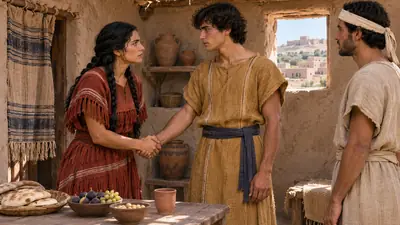
I would try with you if my feet did not hurt, said the Egyptian. He stood apart and watched them leap. From above, the ruler’s daughter watched him.
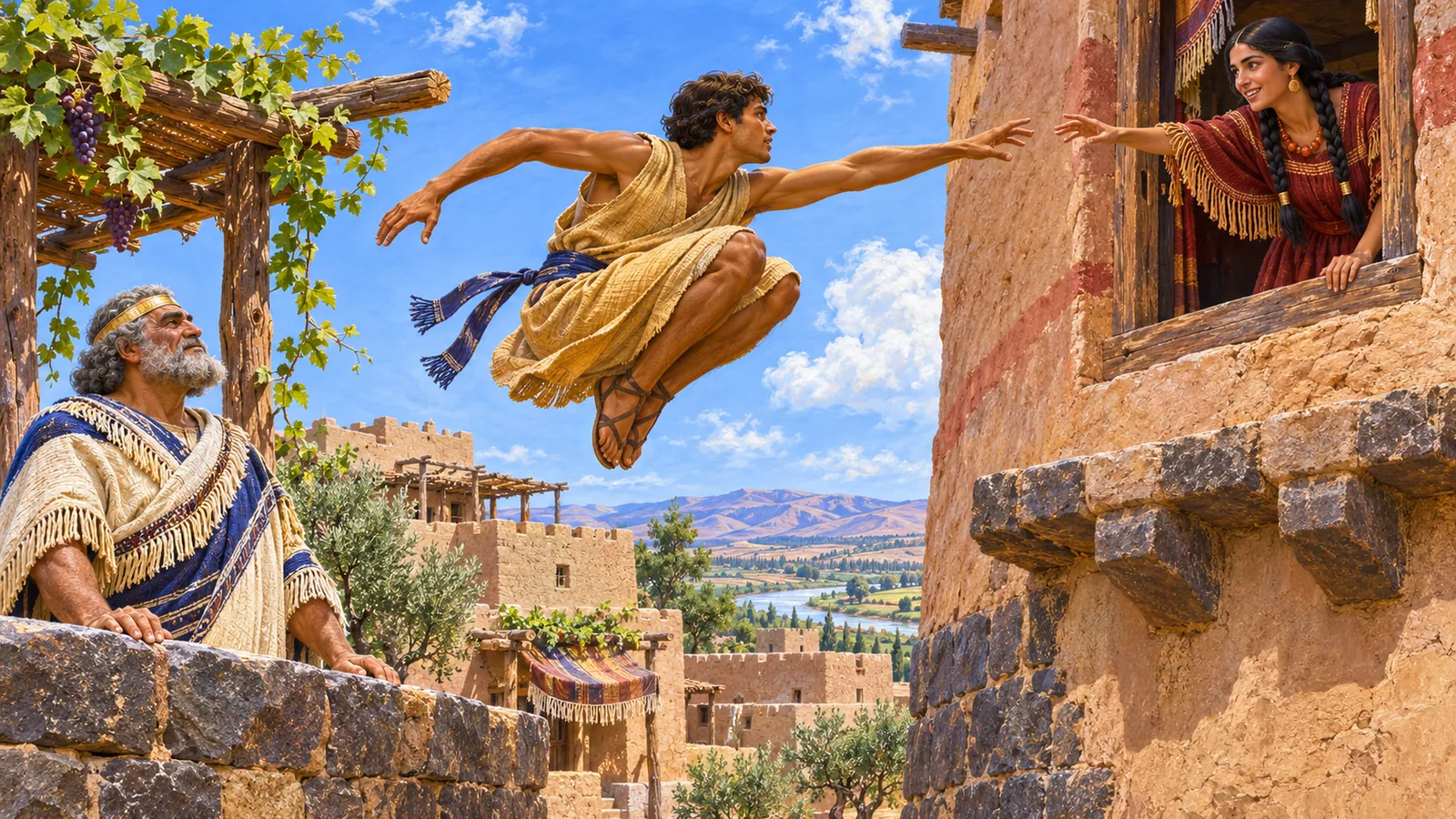
After many days the Egyptian joined the sons of the chiefs. He took his turn at the tower and leapt higher than any of them had managed.
WINDOW
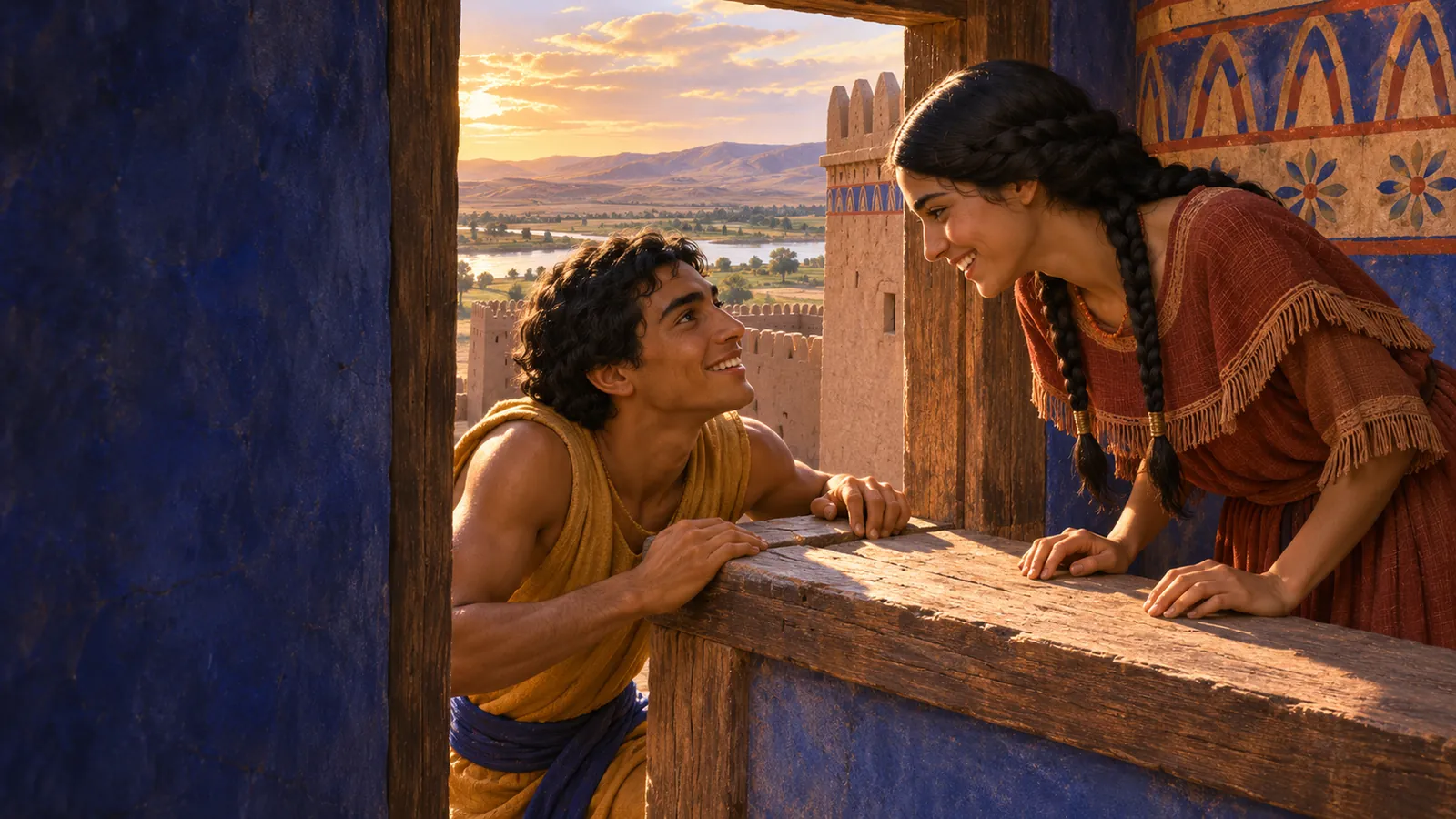
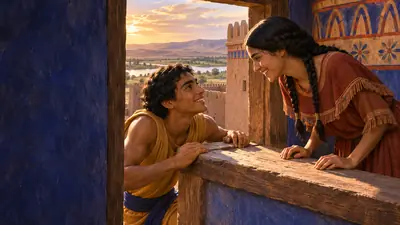
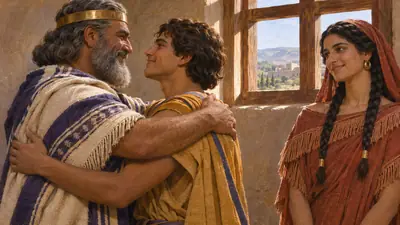
The young man reached the high window. The ruler’s daughter kissed him and drew him into an embrace. Someone went straight away to tell her father.
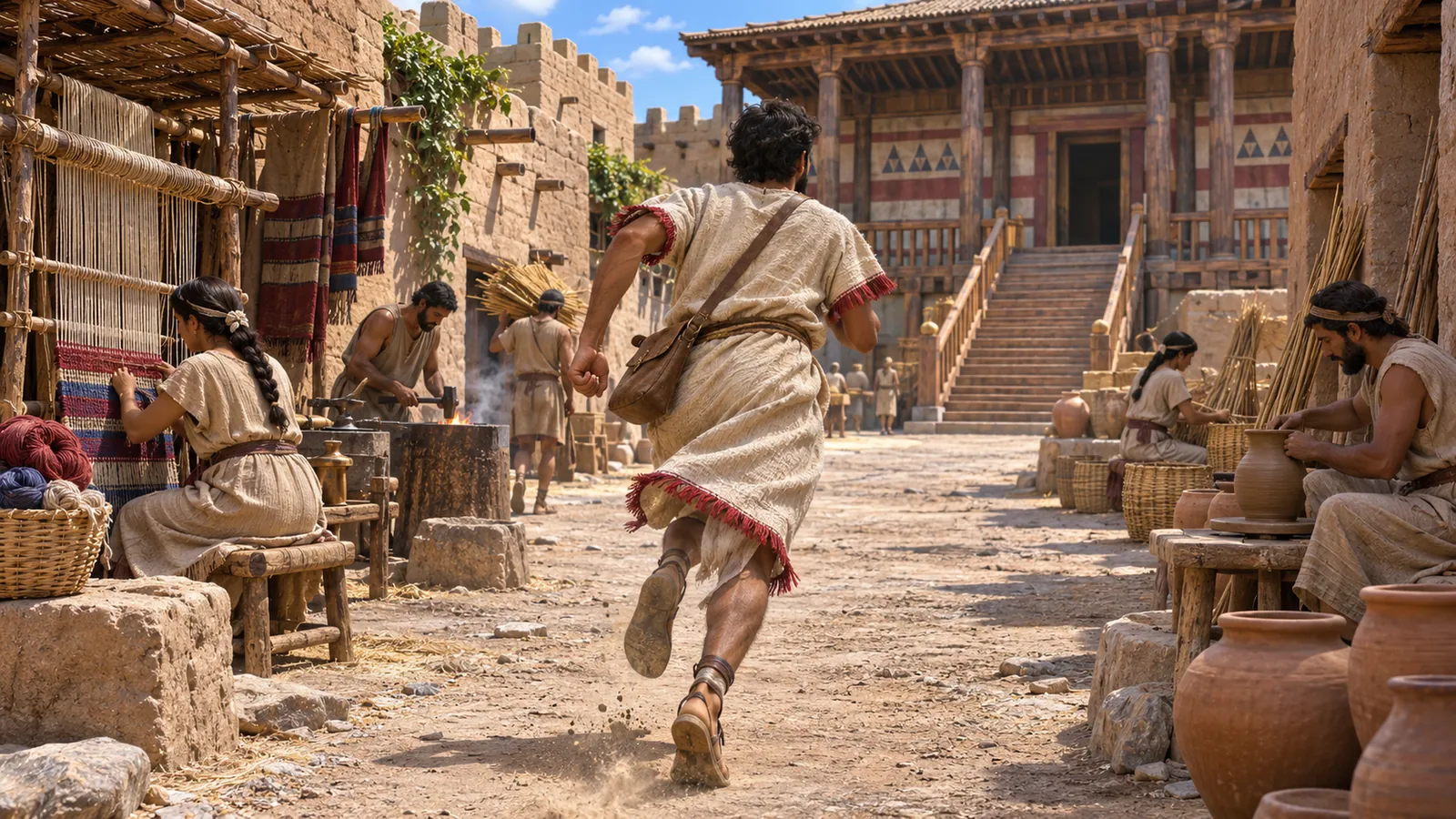
A man has reached the window, the messenger reported. The ruler asked which prince was his father. The messenger could only repeat the story the stranger had told.
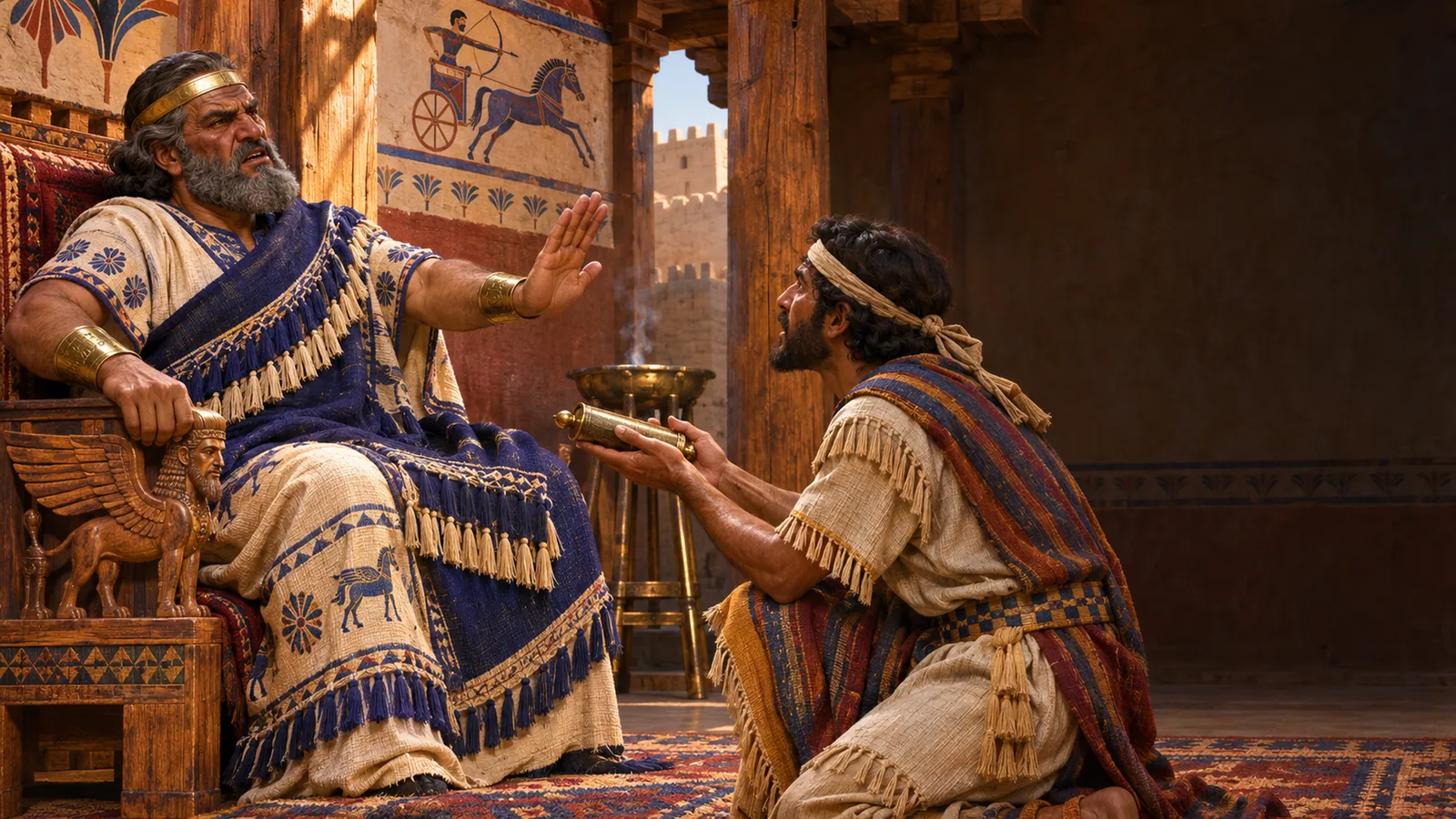
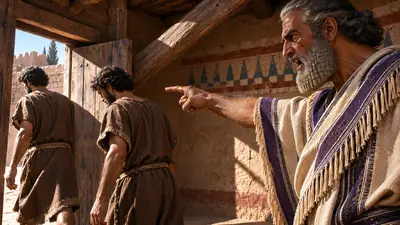
So the ruler heard that the winner was the son of a charioteer who had fled from Egypt. He grew angry and ordered him sent back.
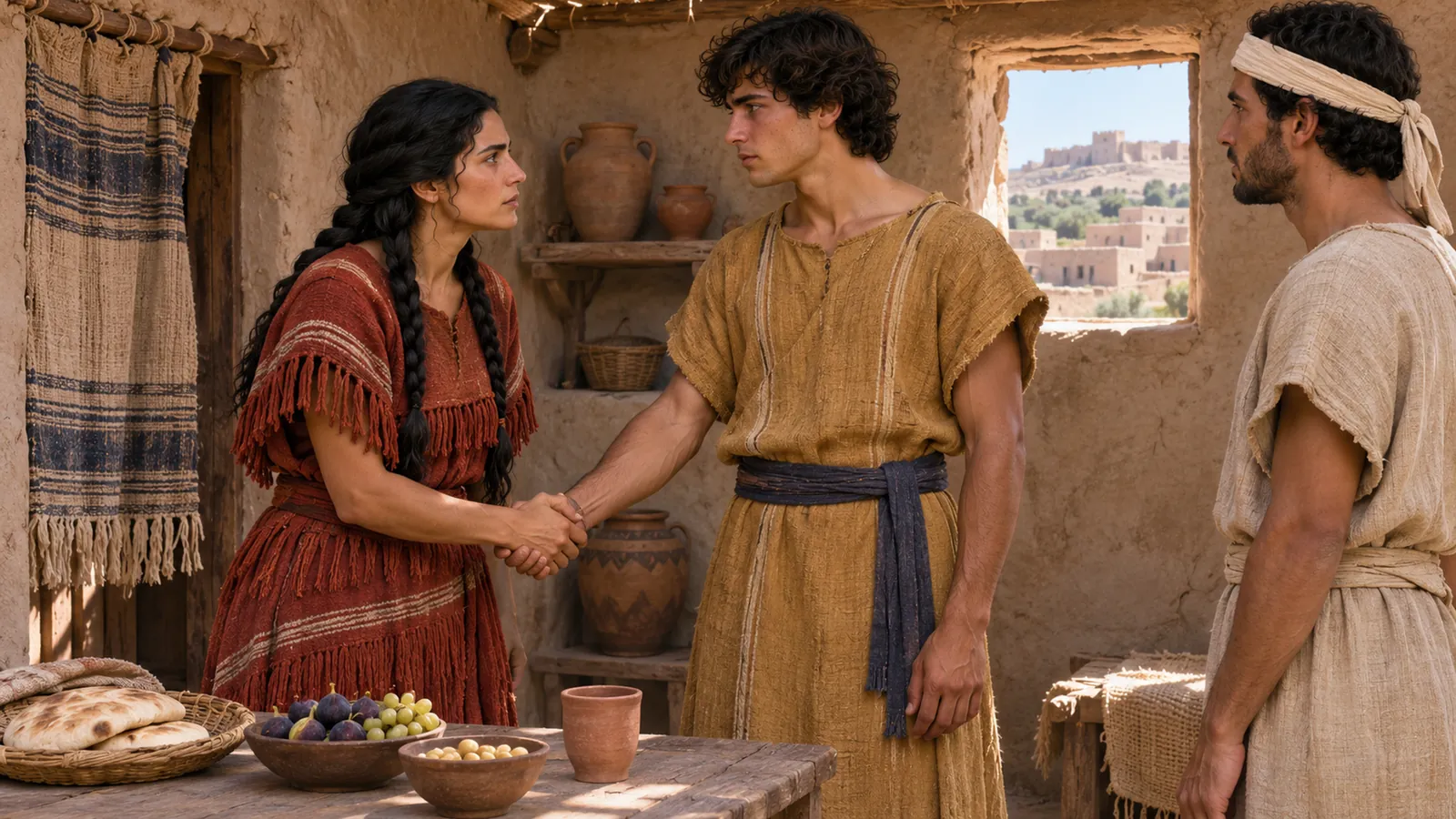
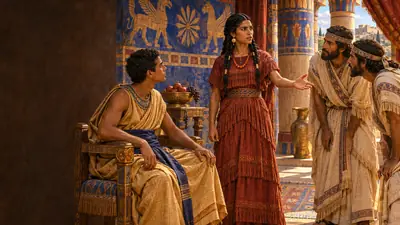
The men told the young Egyptian to go back. The ruler’s daughter held him and swore by Ra-Horakhty that she would take neither food nor drink if they separated them.
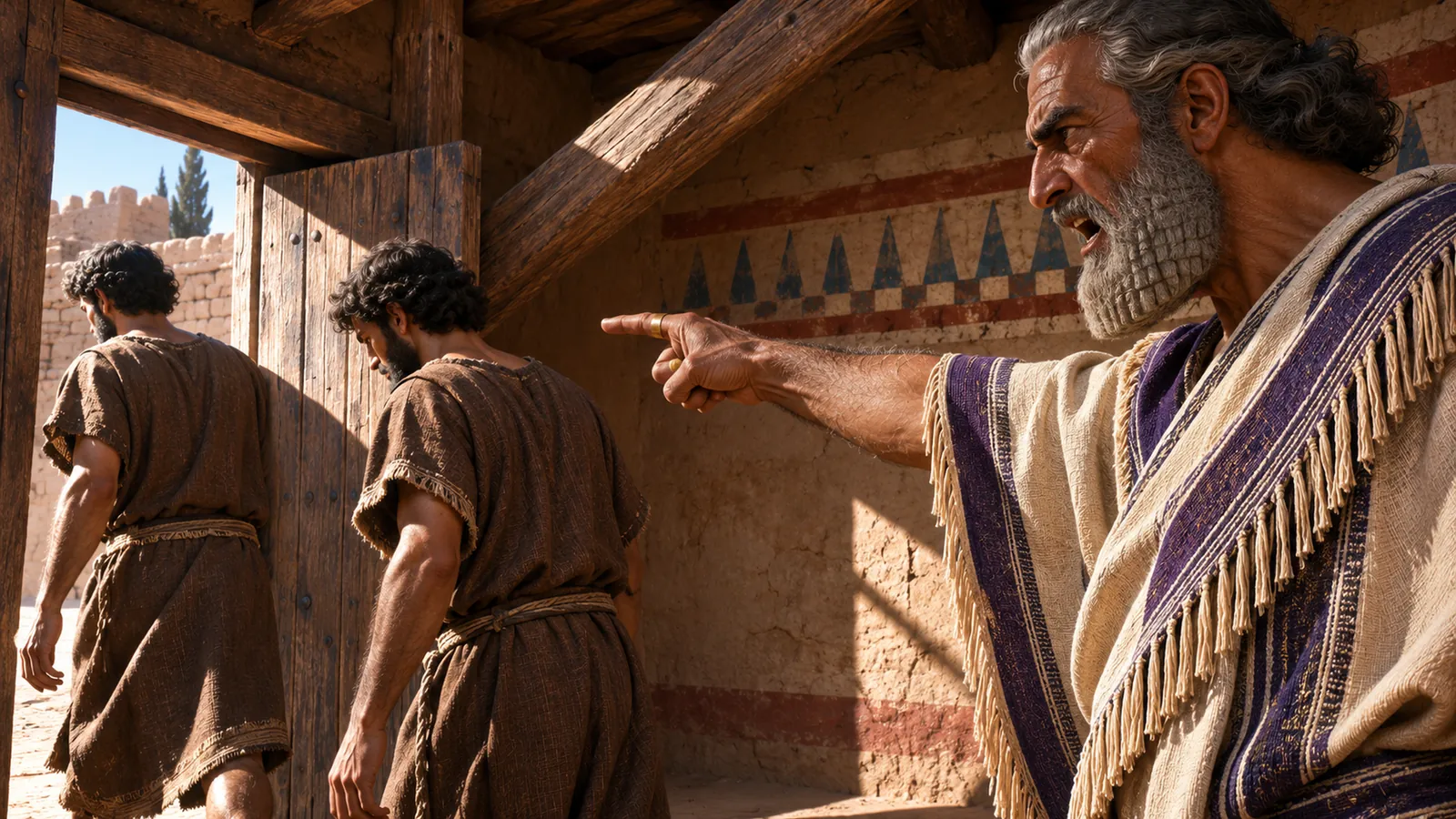
The ruler’s messenger went back and repeated every word of her oath. Her father now sent men with a harsher order. They were to kill the young man.
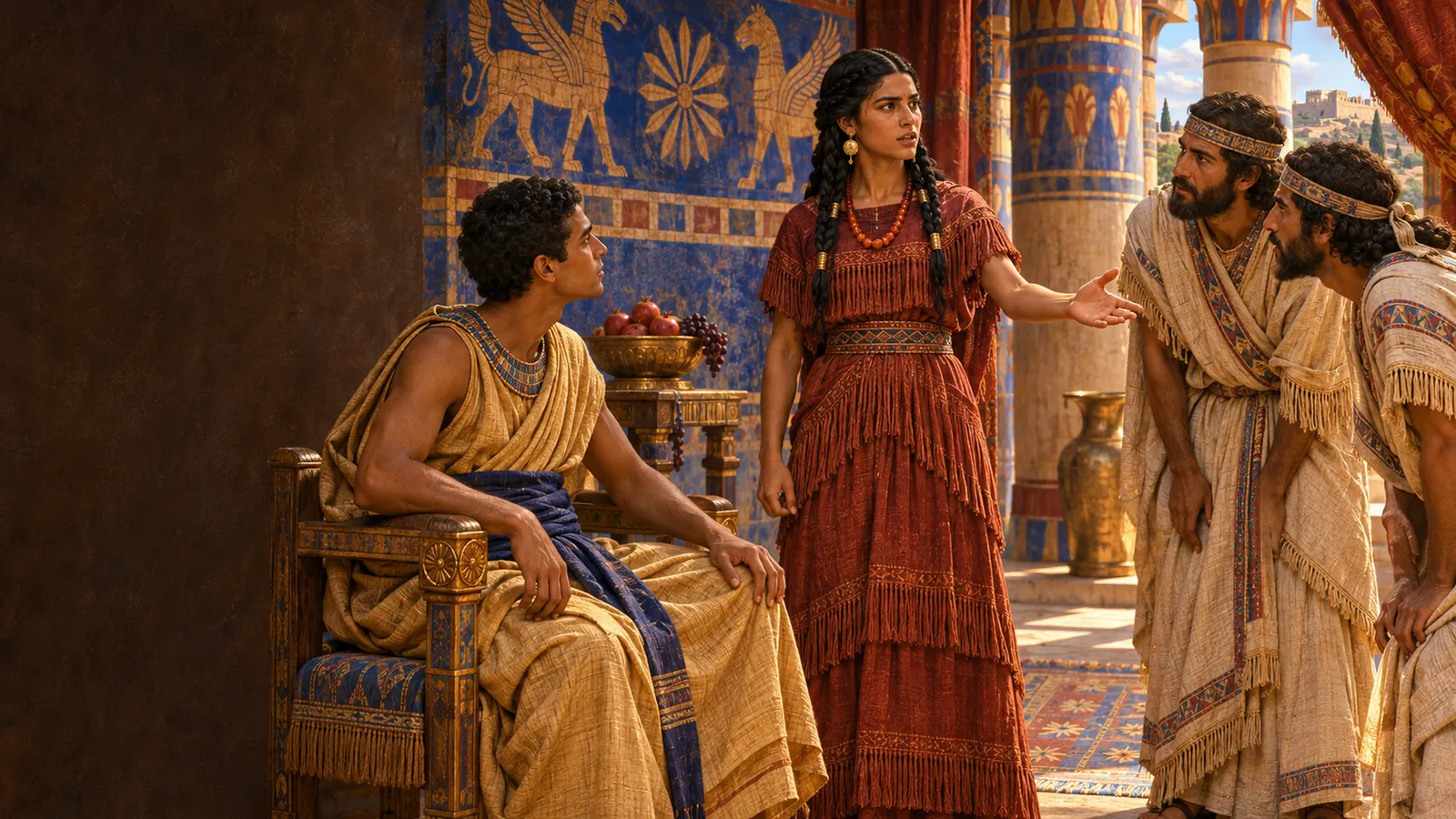
She swore again when the men arrived. If they killed the young man, she would die before the sun set. She would outlive him by less than an hour.
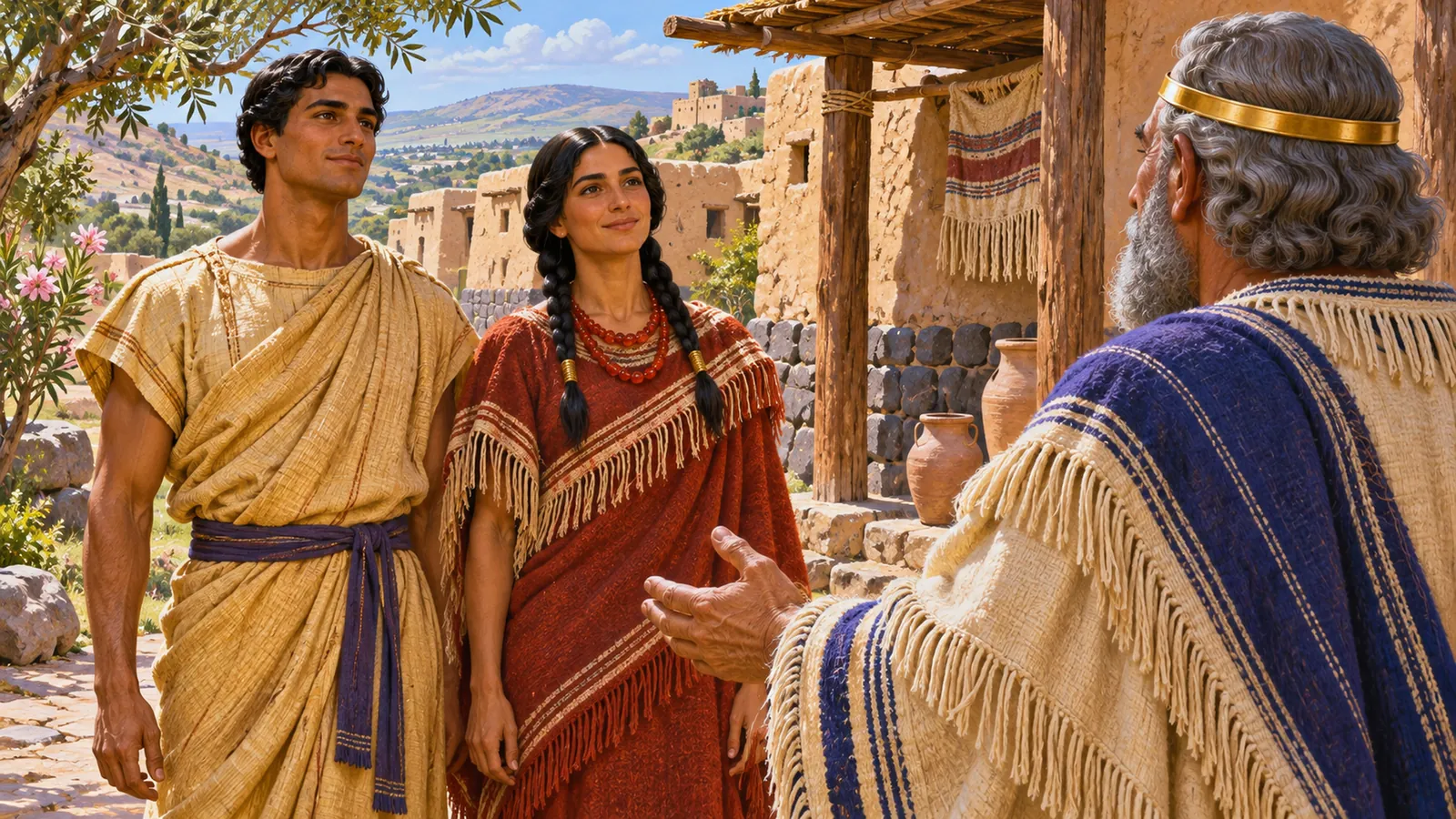
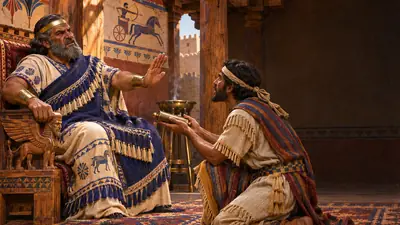
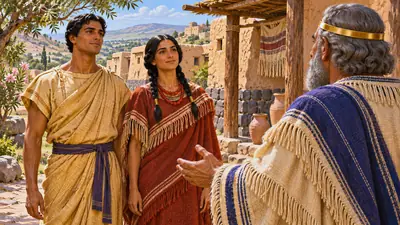
Her words were carried back to her father. This time he called for the young man and his daughter together. The young Egyptian stood before him with dignity.
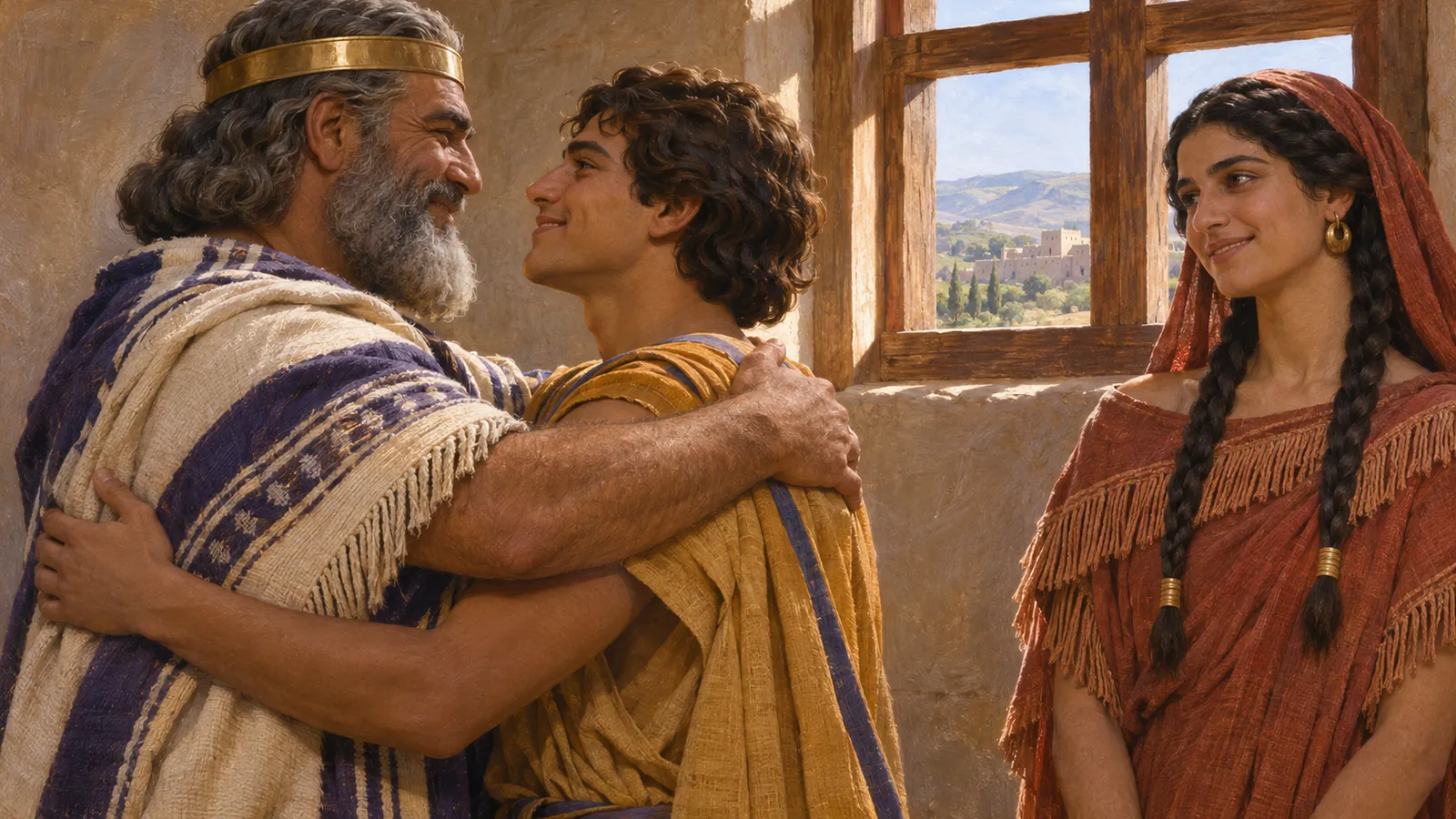
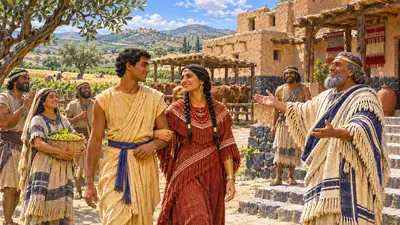
The man’s bearing won over the ruler. He embraced him and asked to hear his story. The Egyptian told it again, and the ruler gave him his daughter in marriage.
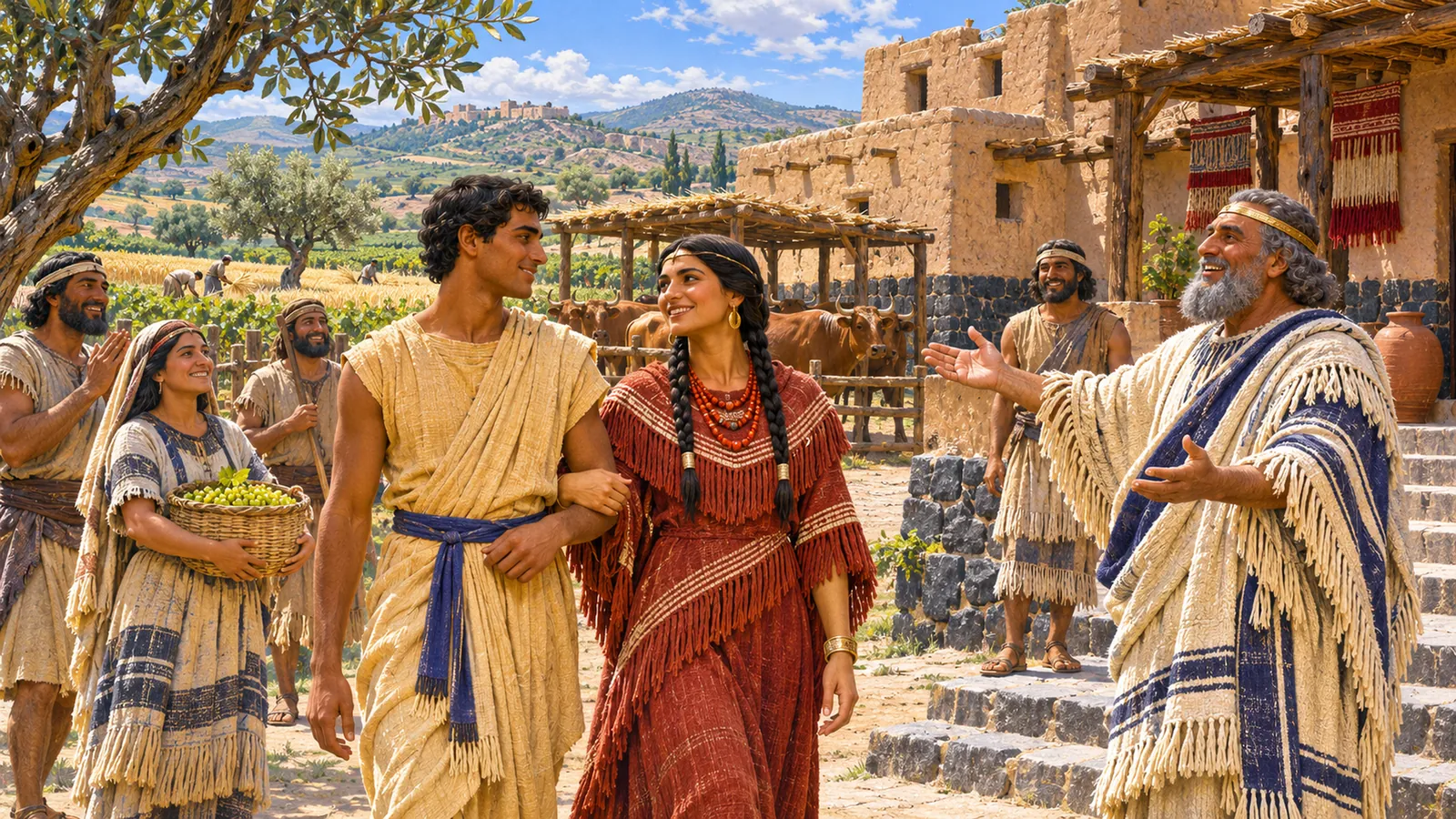
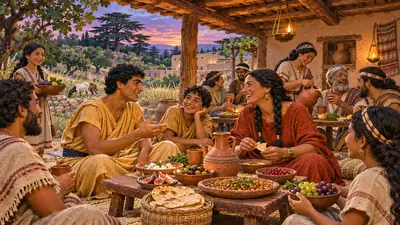
The ruler gave the couple a house and fields, cattle and everything they needed to live there. The stranger who had arrived sore-footed now had a home.
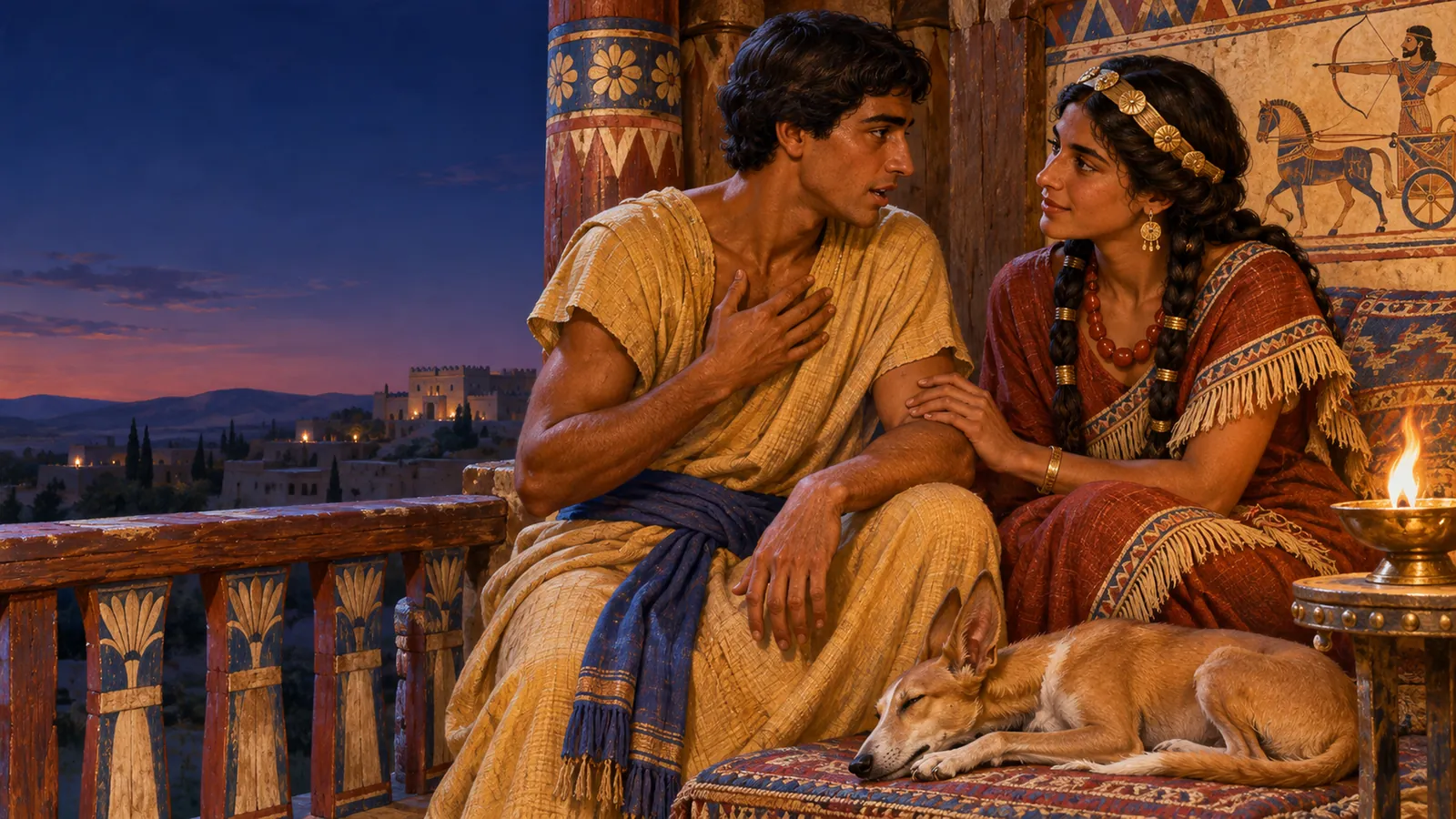
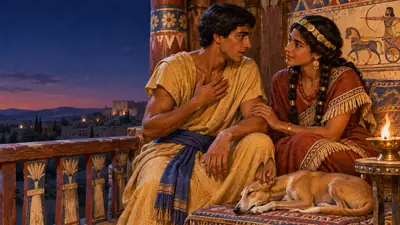
When they had been married some time, the young man told his wife about his three fates. He named them in turn, the crocodile, the snake and the dog.
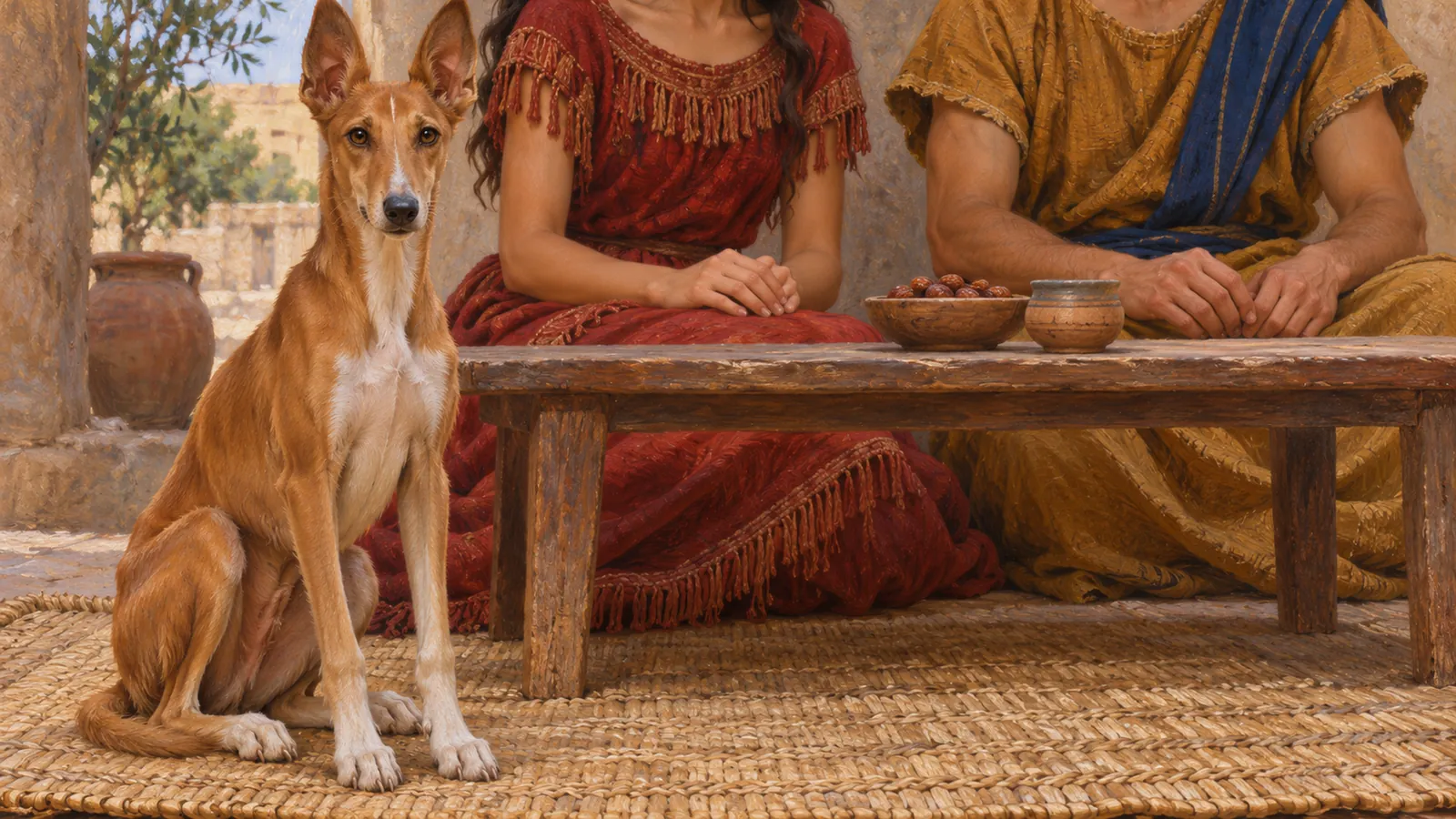
His wife thought at once of the hound that followed him everywhere. Of the three animals, it was the one she knew best. She urged him to have it killed.
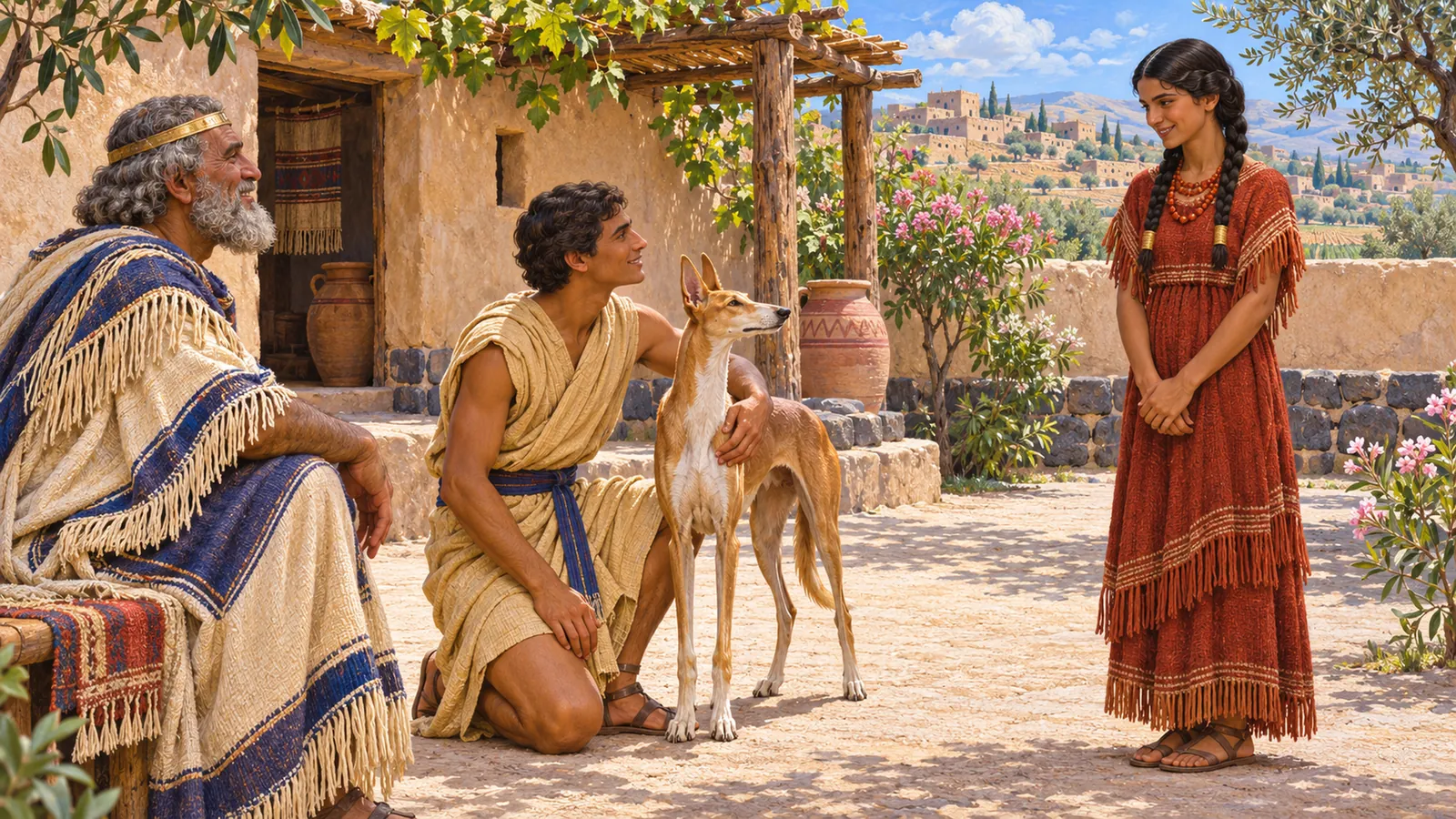
Why would I do such a thing, he said. I have raised this dog since he was little. He refused to let anyone take his life.
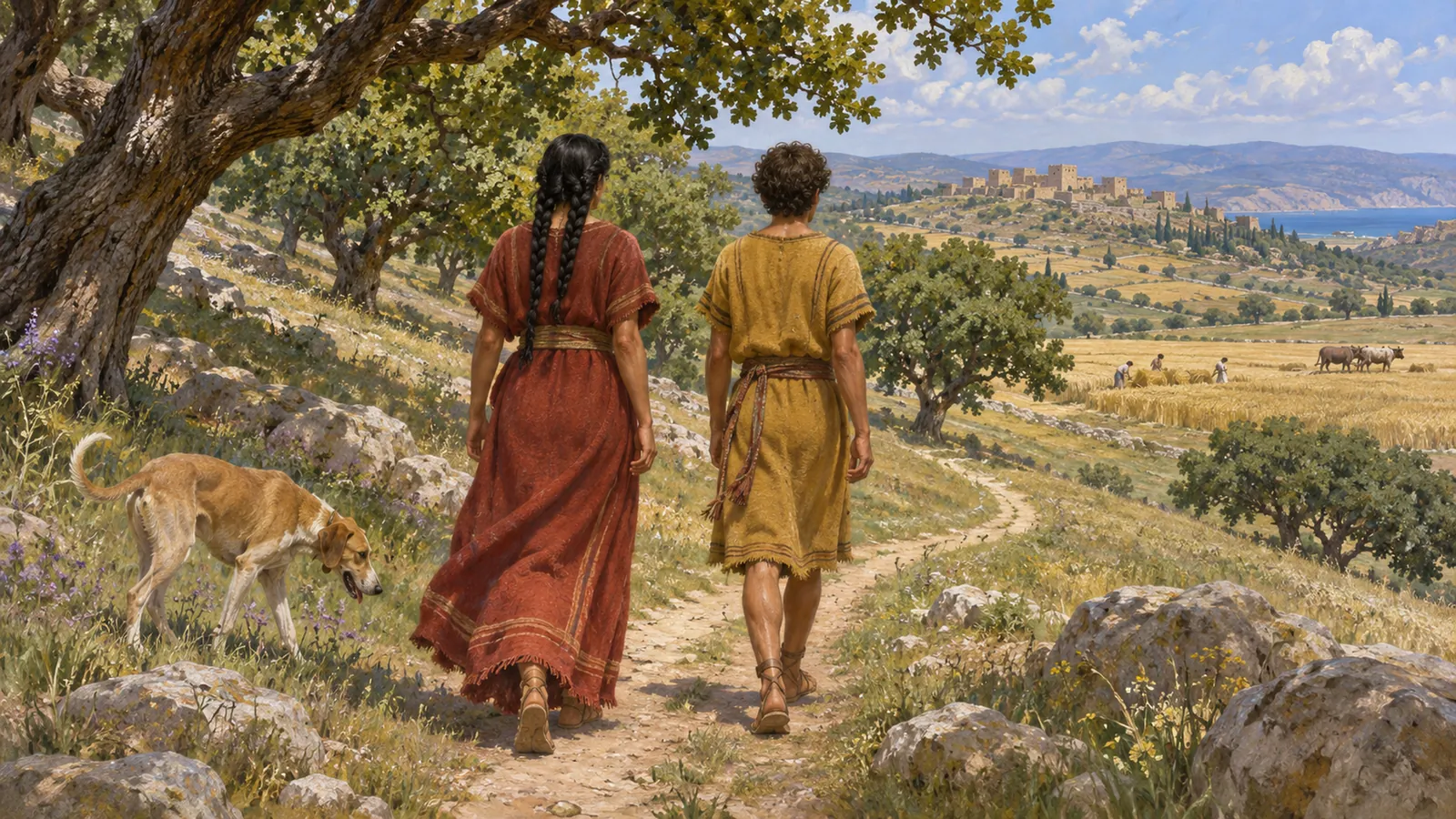
From then on his wife watched over him closely. She would not let him go out alone. When he went away from home, she meant to be with him.
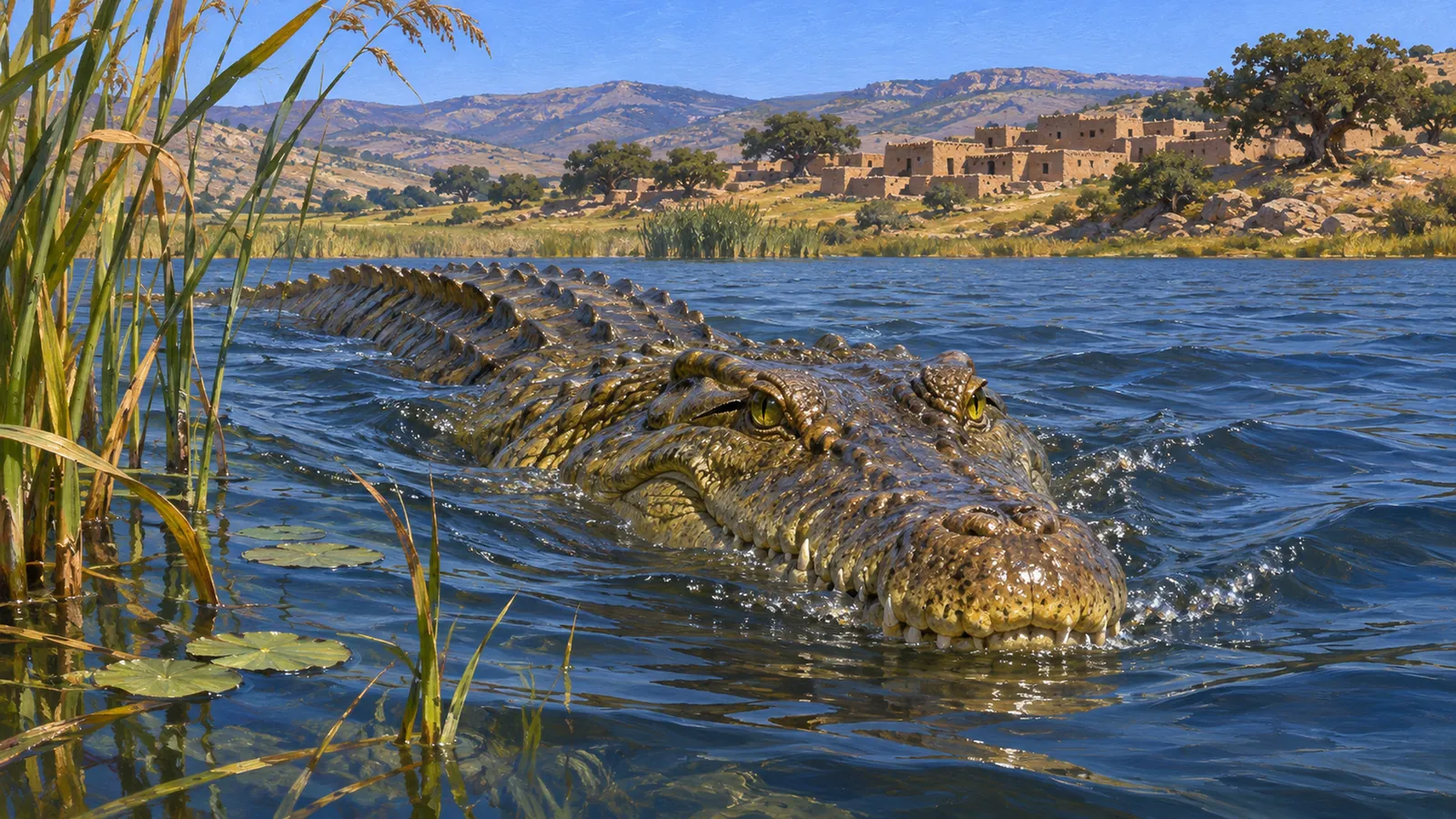
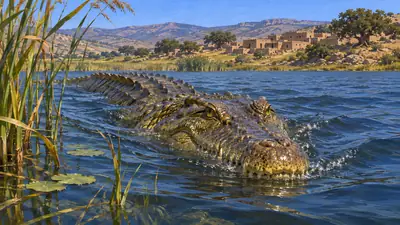
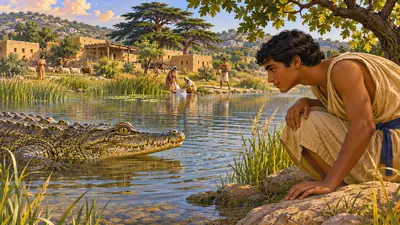
While the young man was making a home in Naharin, the first of his fates had followed him from Egypt. The crocodile came to a lake near his village.

A powerful being already lived in the lake. It kept the crocodile from getting out, and the crocodile in turn kept its rival from coming onto land.
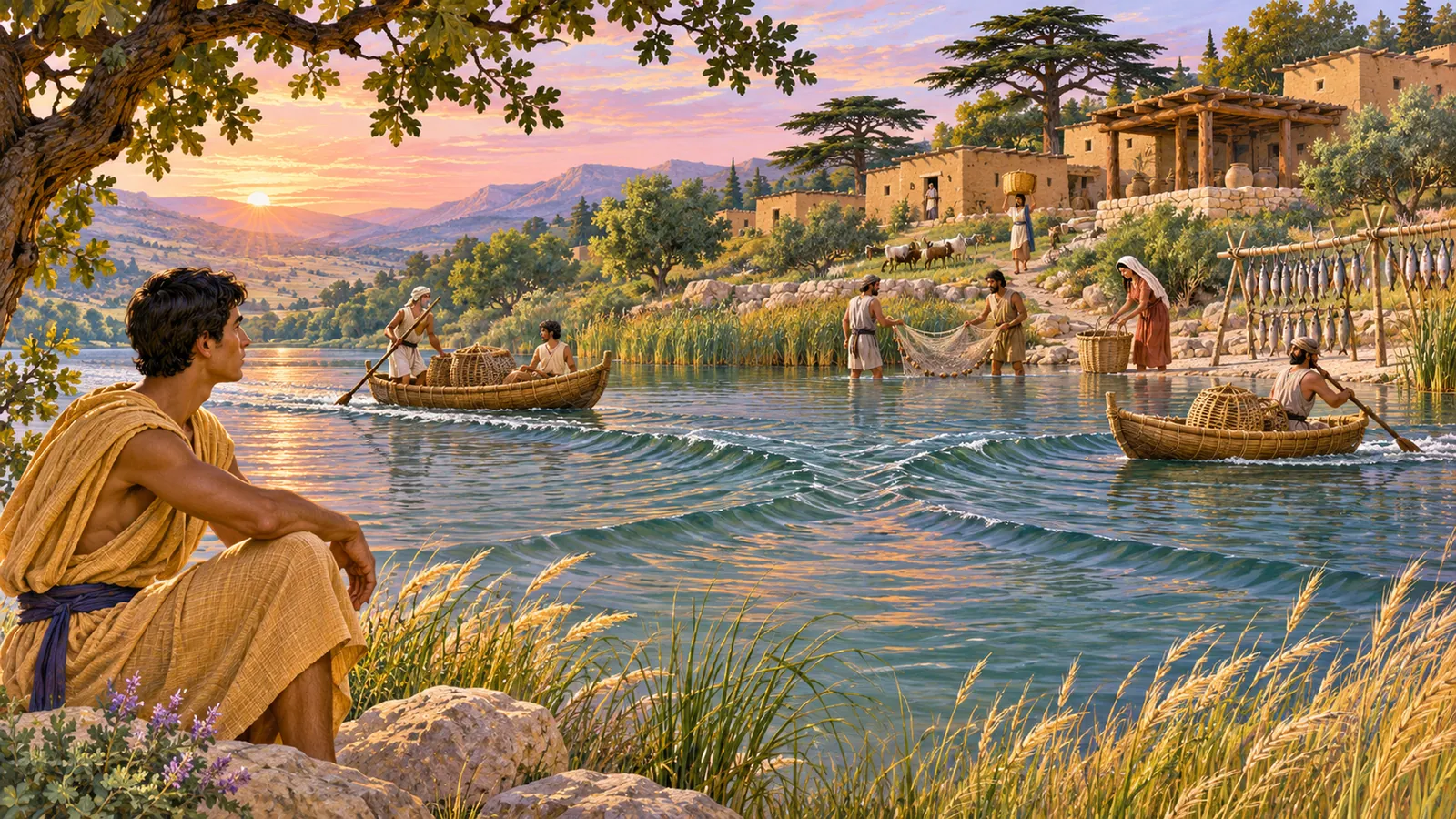
Each morning, as soon as the sun rose, the two came out to fight again. Three months went by, and neither could get free of the other.
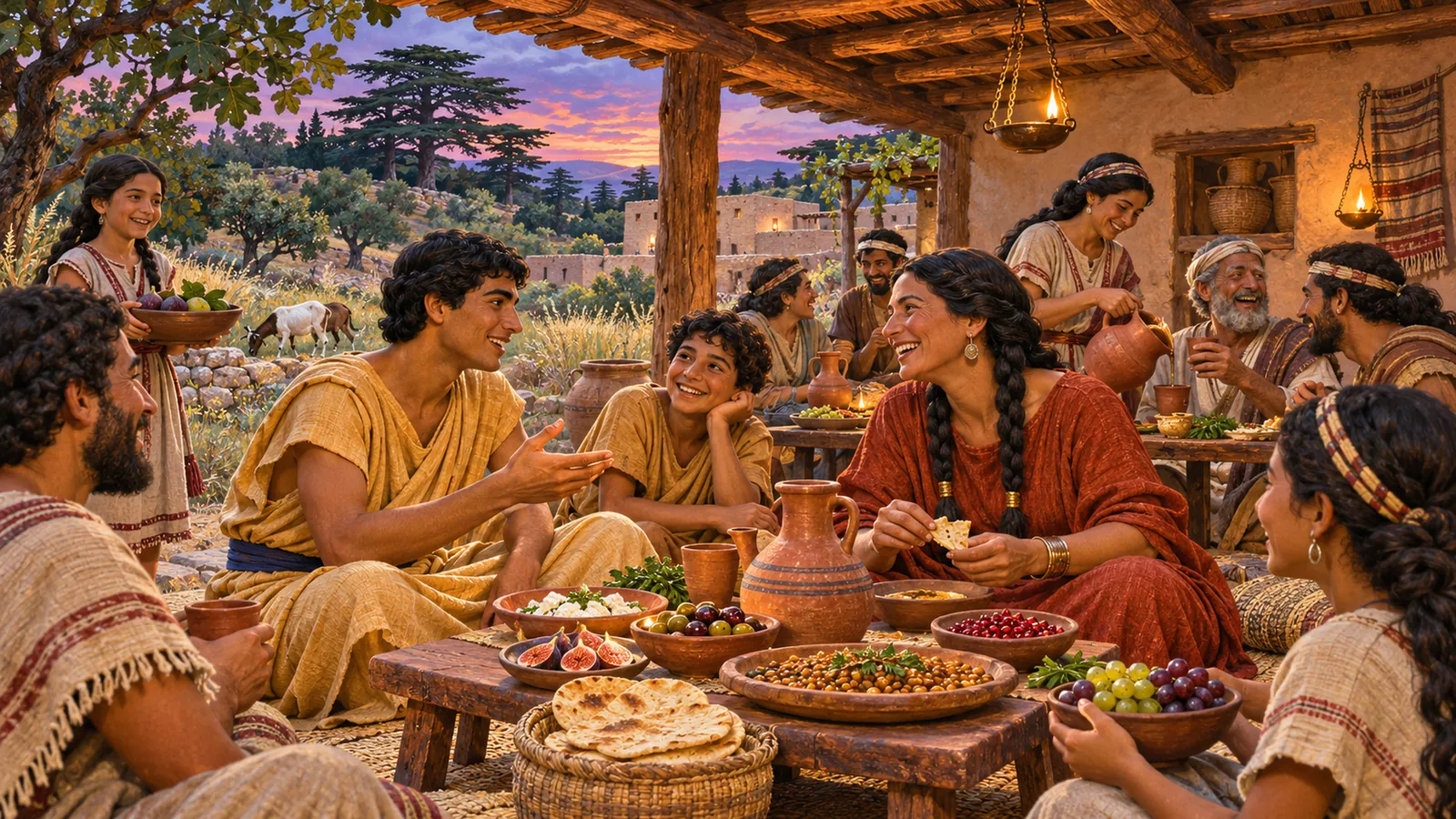
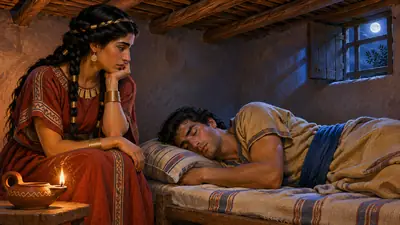
More days passed. One day the prince sat down to a feast in his own house. After nightfall he went to bed and sank into a deep sleep.
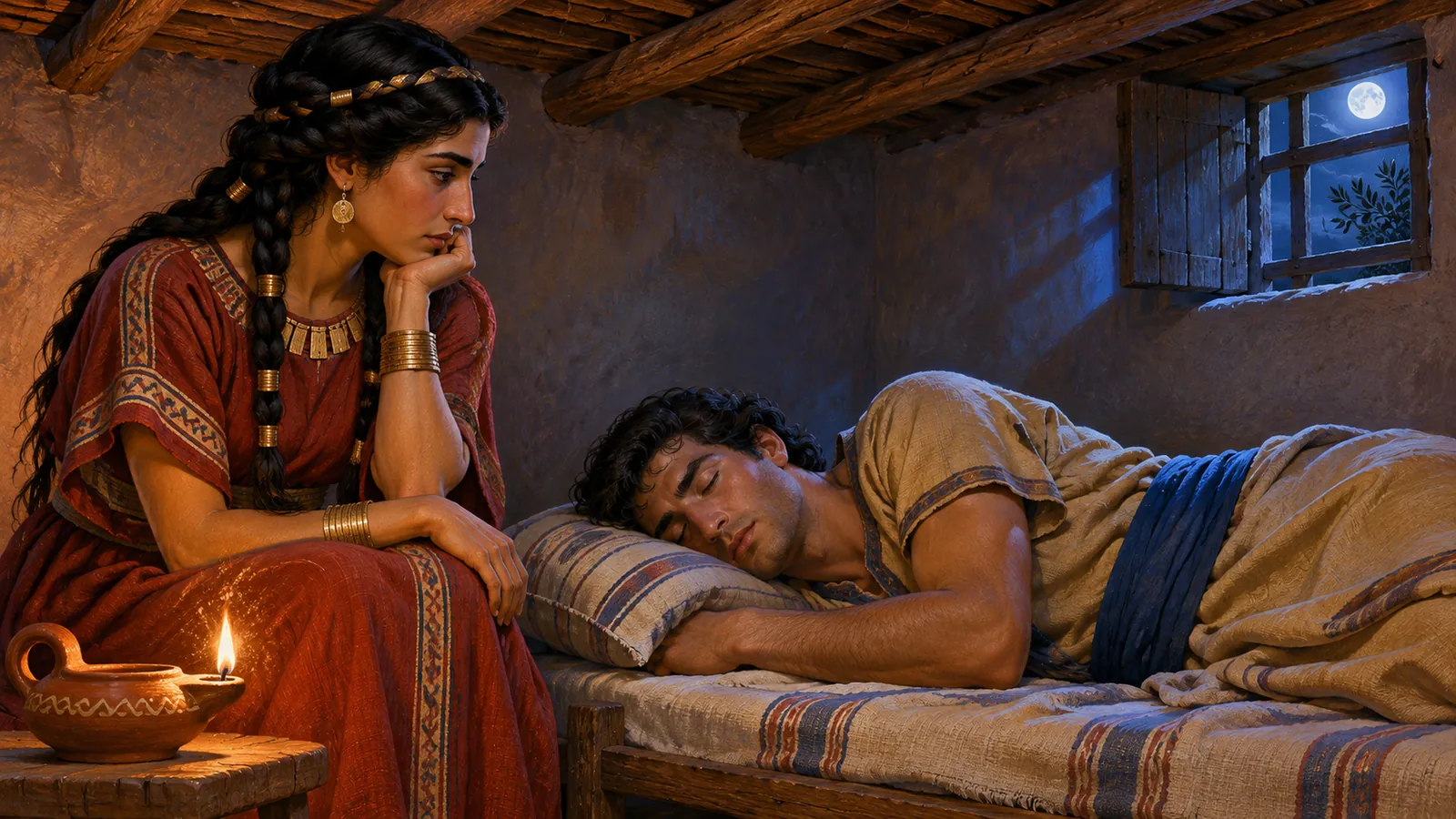
His wife sat beside him while he slept. She stayed awake in the room with him. In that house, his second fate was closer than he knew.

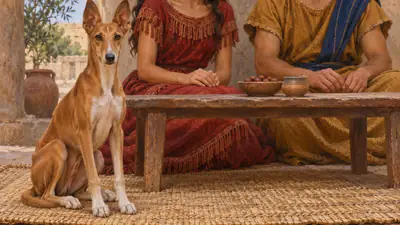
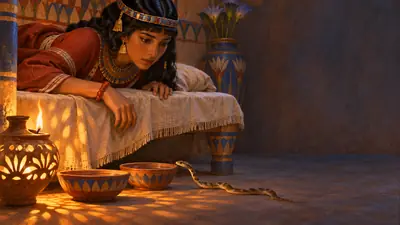
She set out two bowls while the prince slept. One is generally understood to have held wine and the other beer, though part of the line is damaged.
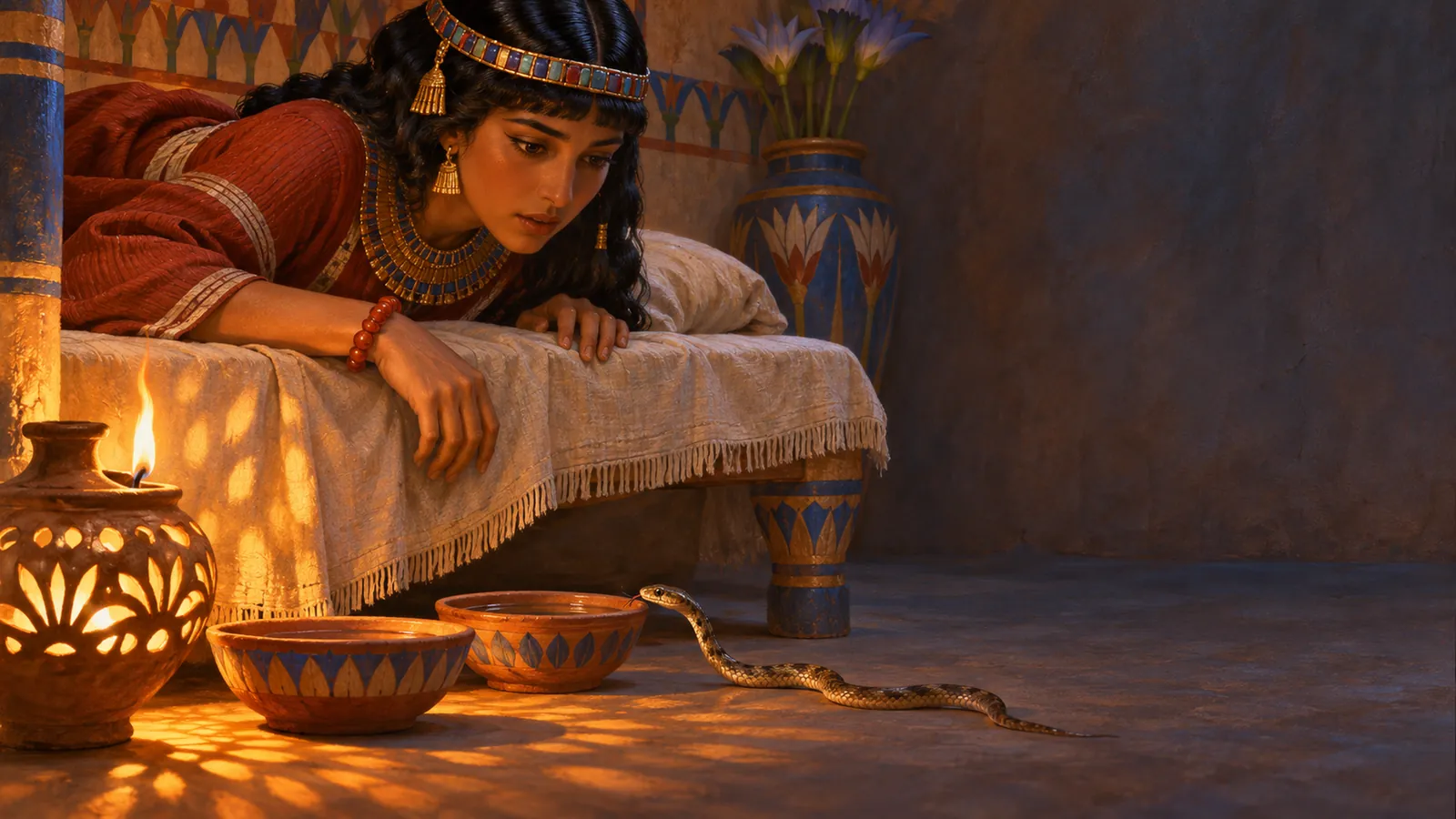
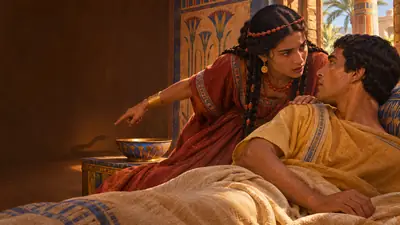
A snake came from its hiding place to bite the sleeping man. It drank from the bowls instead. While the prince still slept, his wife killed it.
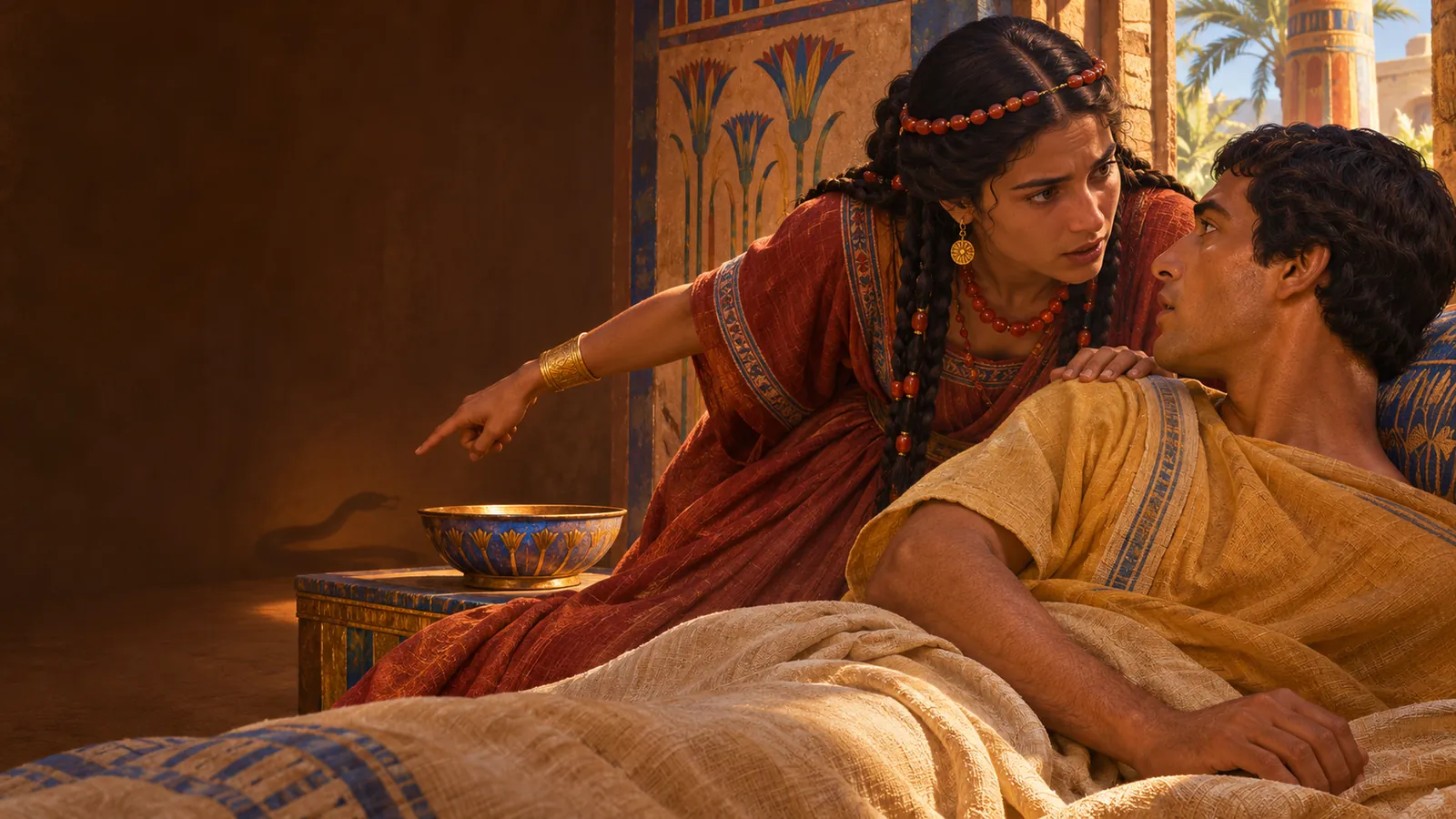
They woke the prince, and his wife told him what had happened. She said his god had put one fate into his hands and might protect him from the others.
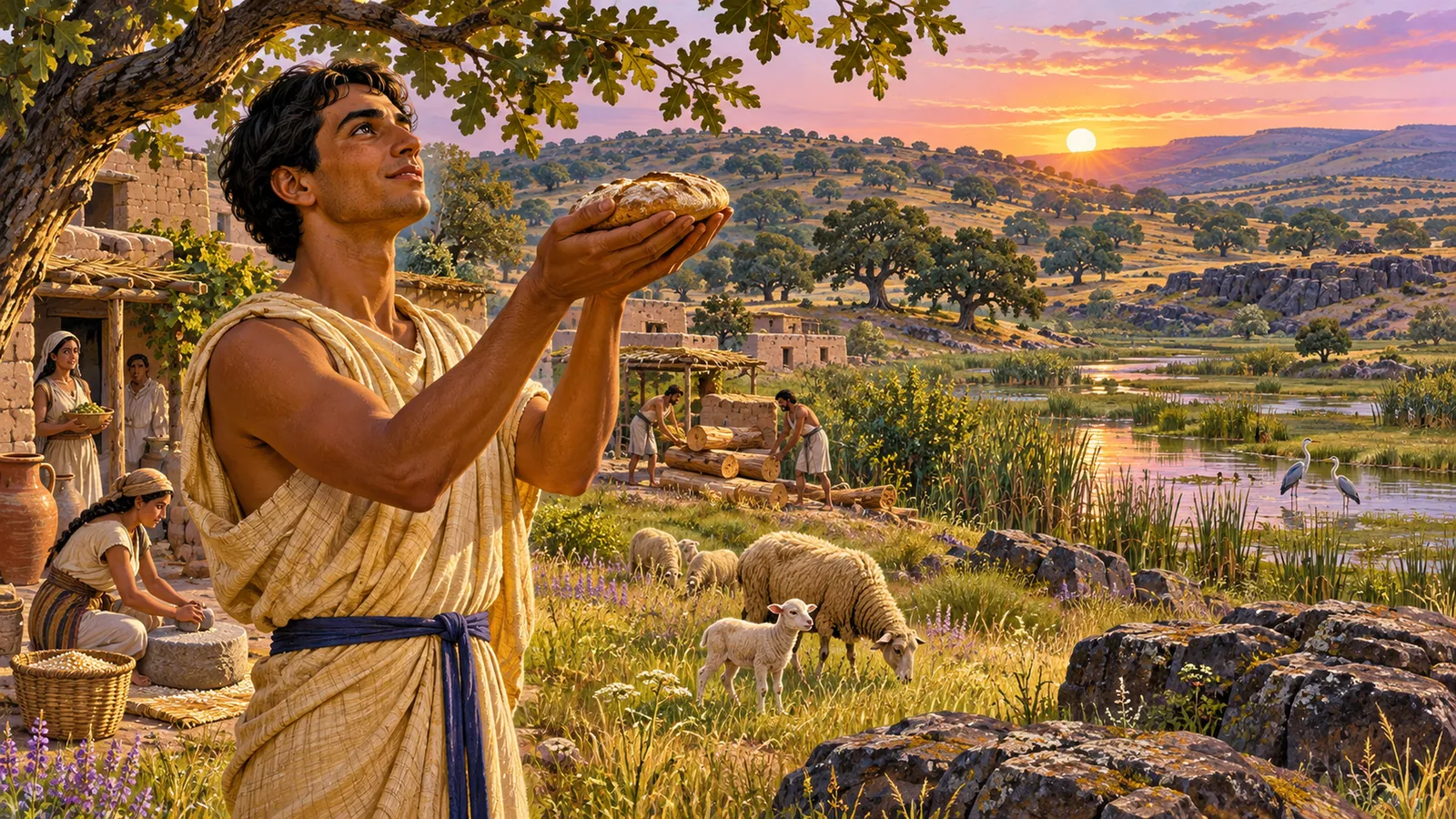
After that the prince brought an offering to Ra, the Egyptian sun god. Every day he gave praise for the power that had helped him overcome the snake.
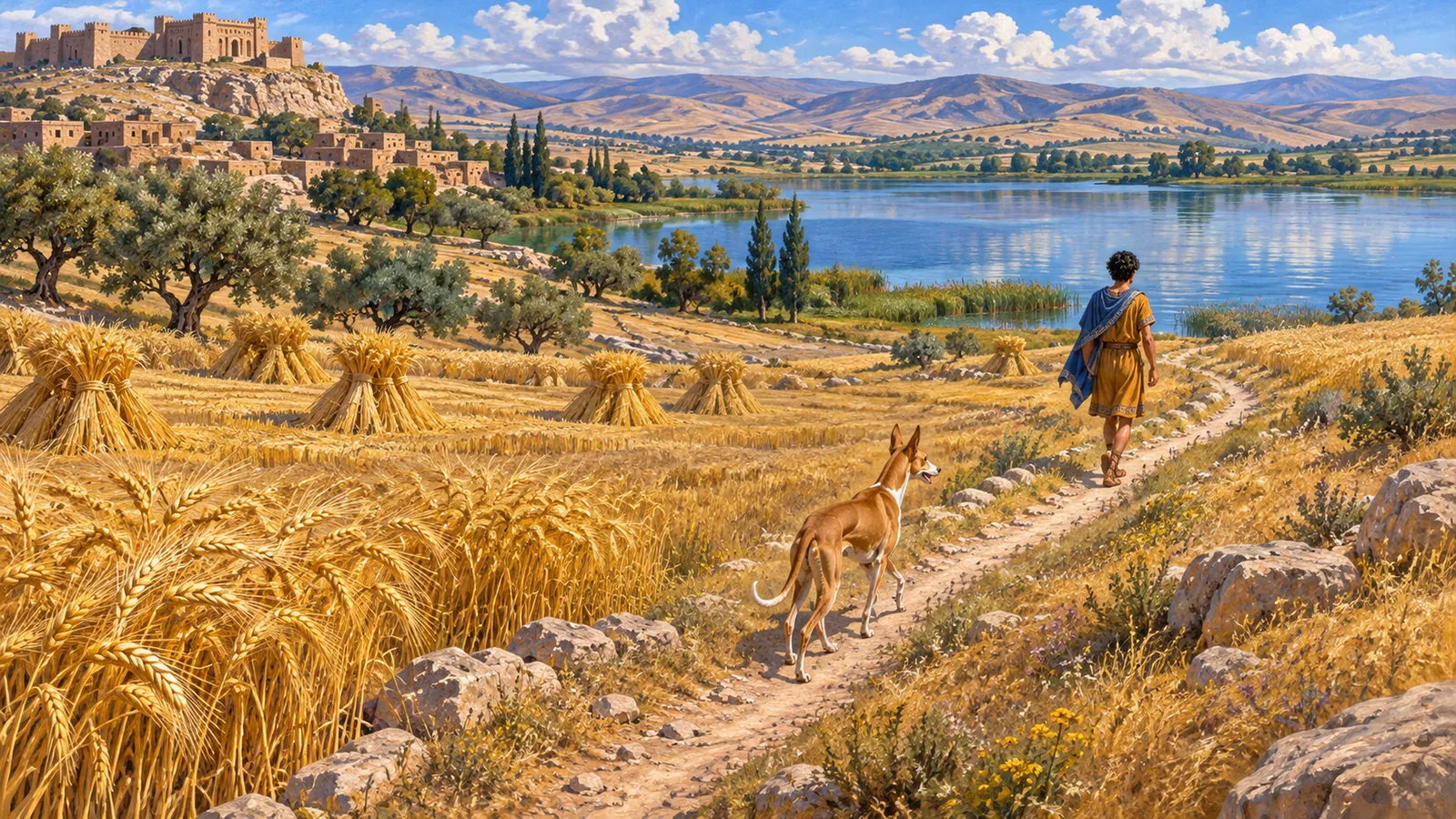
Many days later the prince went for a walk on his estate. The damaged lines suggest that his wife stayed behind. The dog followed him as usual.
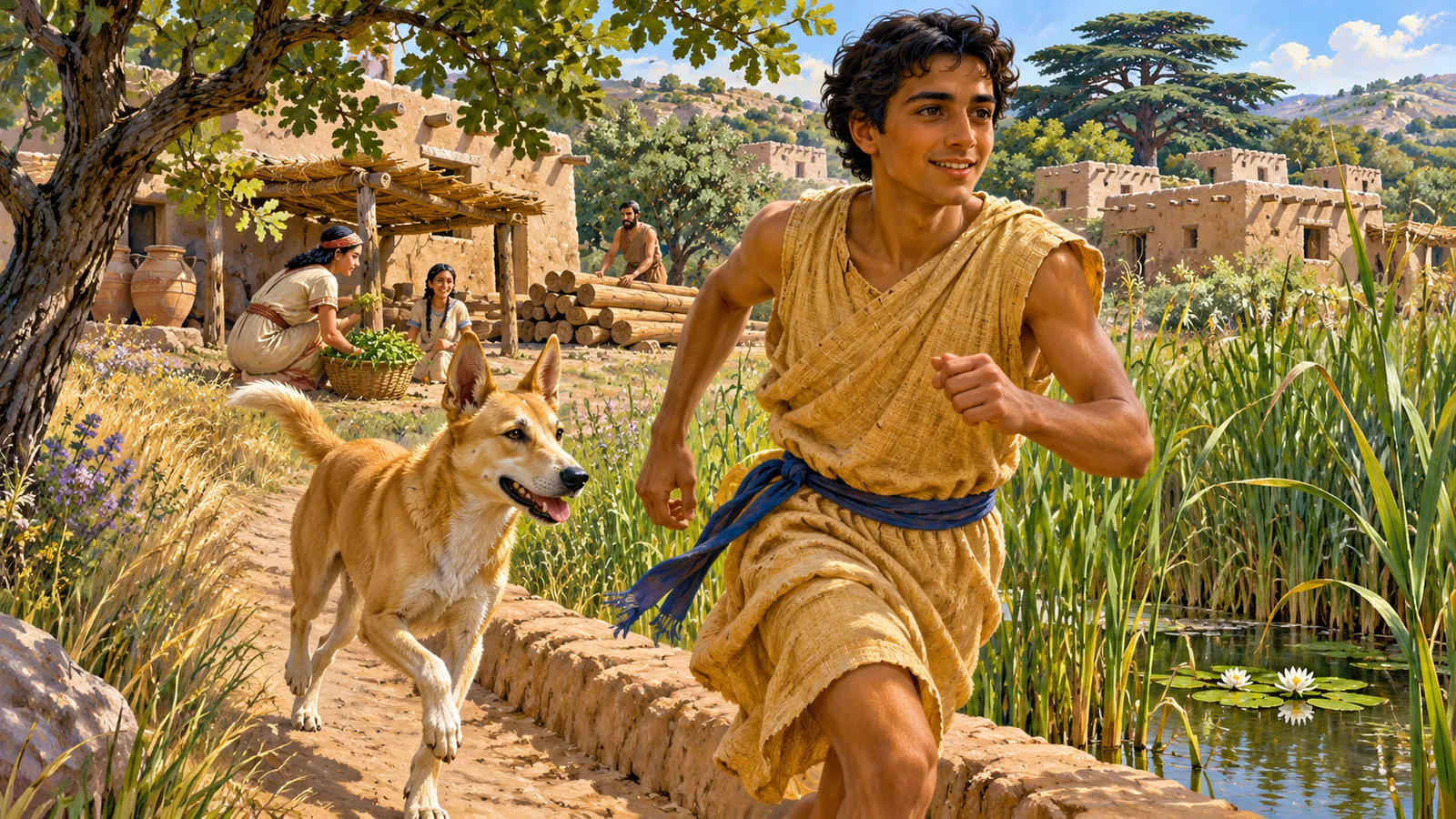
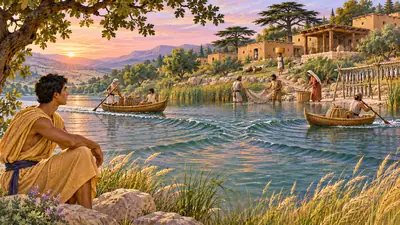
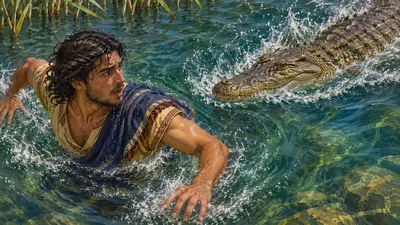
Here the words about the dog are damaged. In one reading it declares itself the prince’s fate. The prince reached the lake and went into the water.
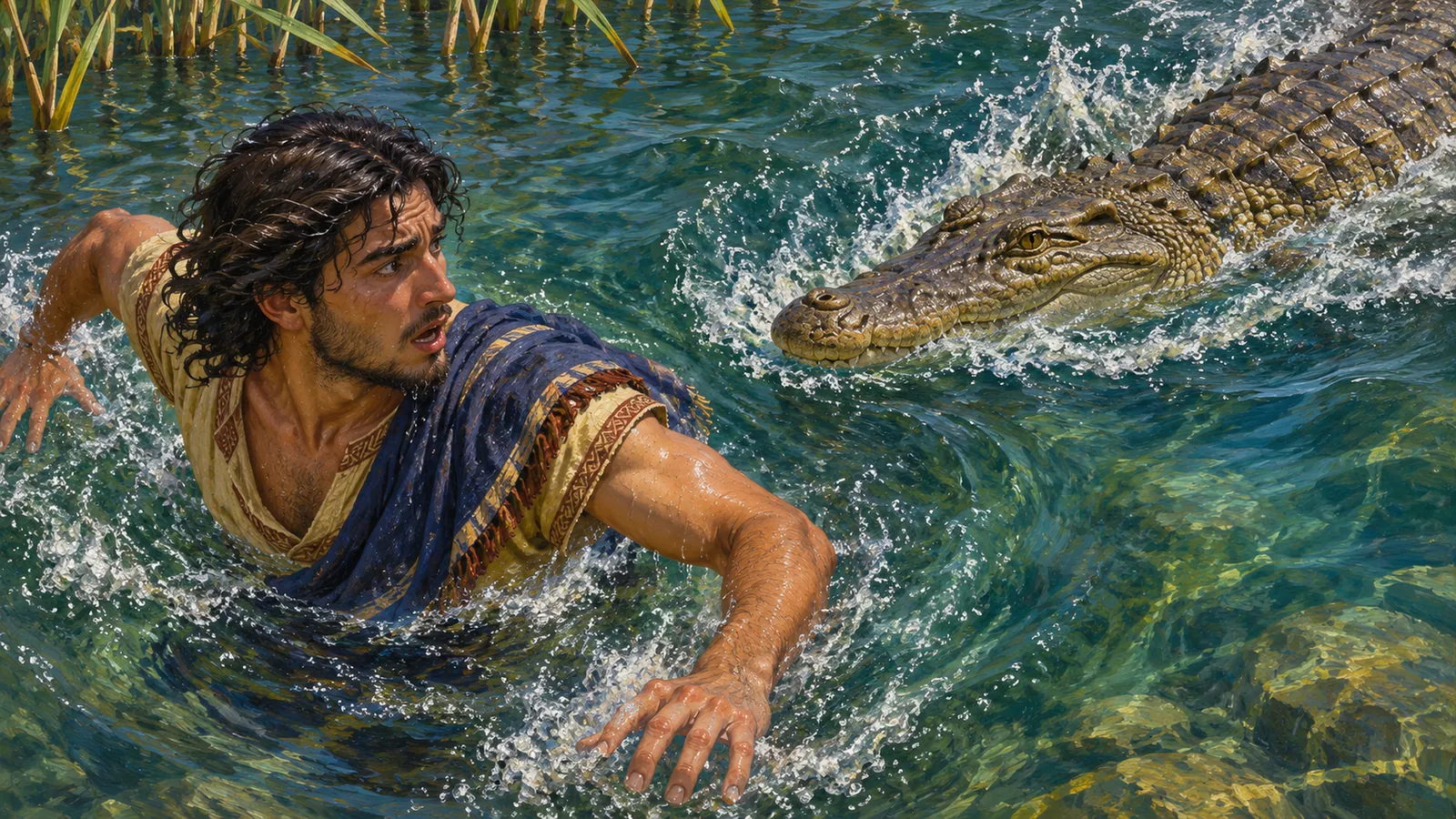
The crocodile seized the young man and carried him towards the being in the lake. It spoke to him, saying that it was the fate that had gone before him.
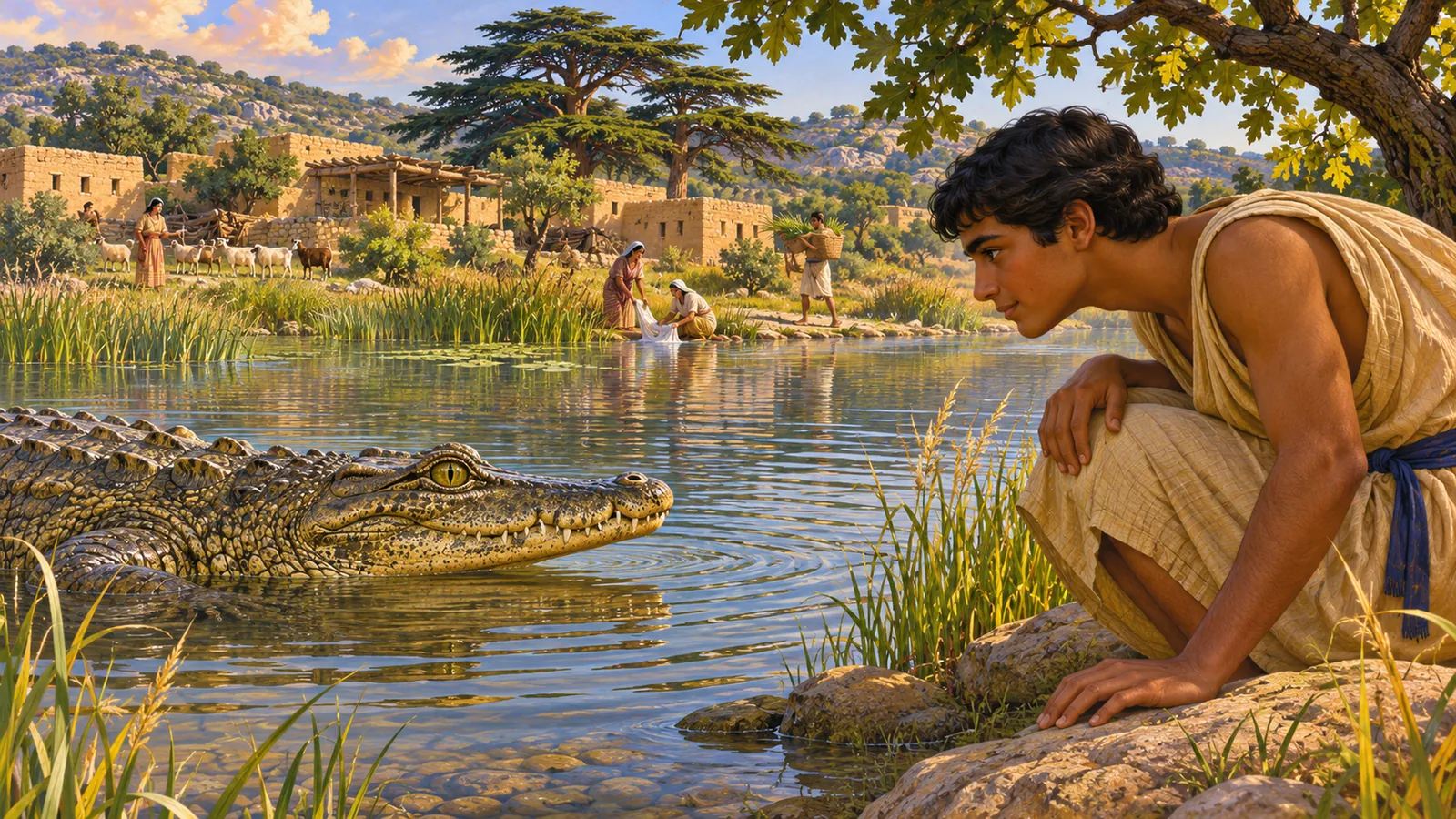
The crocodile recalled its long fight. In the damaged passage it seems to offer the young man his freedom if he will help overcome the being when it returns.

The last surviving words take us to the next morning. The sun rises, and the broken line may say that the crocodile’s adversary came back to the lake.
THE BREAK
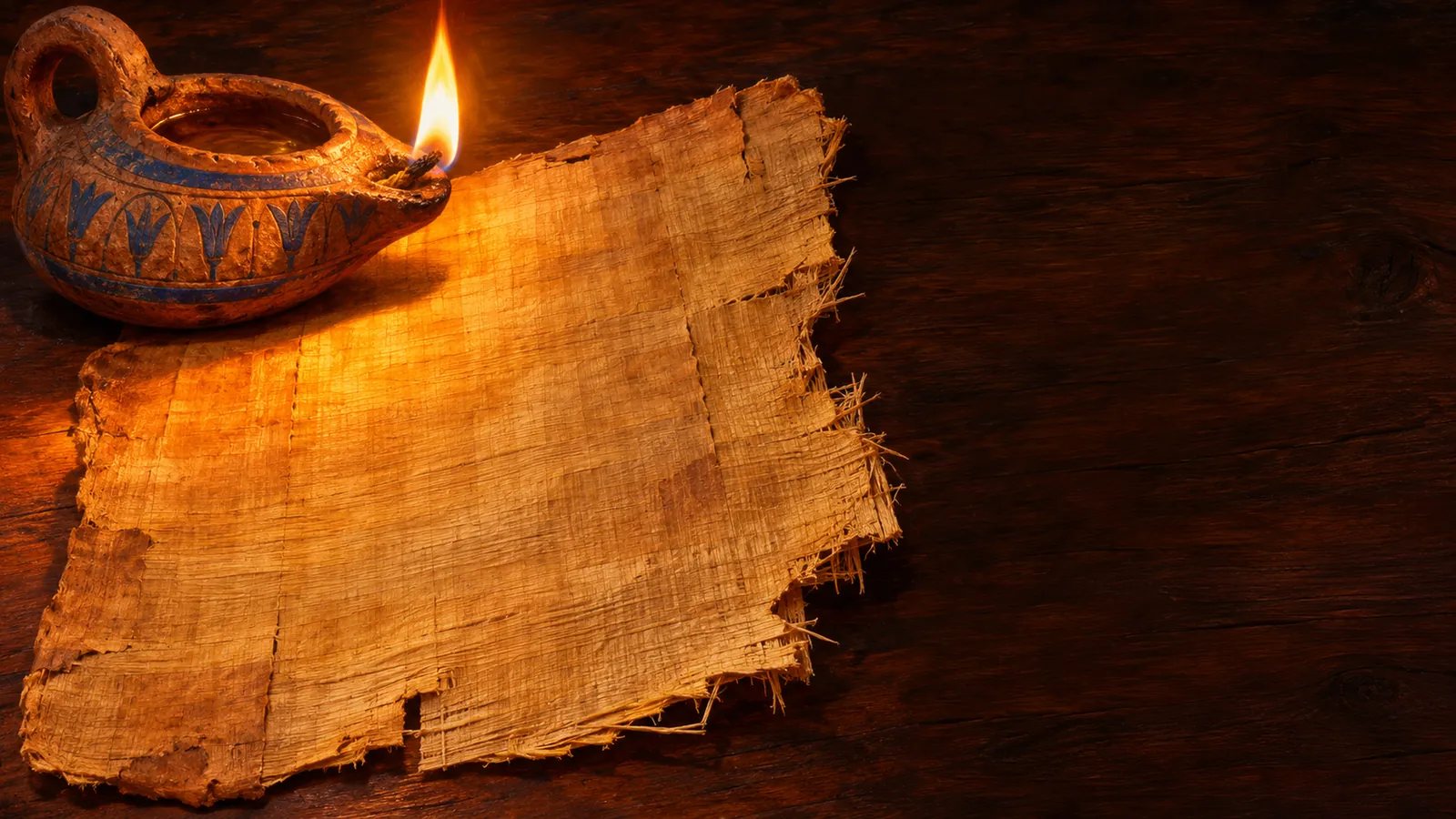
Here the surviving papyrus breaks off. We never learn whether the prince helped the crocodile, what became of his dog, or whether he escaped the fate foretold at his birth.
End of chapter 1
All pages



Sources
Editions consulted
- Papyrus Harris 500, British Museum EA10060
- Thesaurus Linguae Aegyptiae, Papyrus Harris 500
- Miriam Lichtheim, Ancient Egyptian Literature II, “The Doomed Prince”
- Edward F. Wente, “The Tale of the Doomed Prince,” in William Kelly Simpson, ed., The Literature of Ancient Egypt
- Paul John Frandsen, “Aspects of Kingship in Ancient Egypt,” pp. 54–55
- Uroš Matić, discussion of the Doomed Prince in Challenging Dichotomies and Biases in the Study of the Ancient Southern Levant, pp. 117–120
Ancient lines behind each page
- Page 1: Papyrus Harris 500, verso 4,1–3
- Page 2: Papyrus Harris 500, verso 4,1–3
- Page 3: Papyrus Harris 500, verso 4,3–5
- Page 4: Papyrus Harris 500, verso 4,4–5
- Page 5: Papyrus Harris 500, verso 4,5–7
- Page 6: Papyrus Harris 500, verso 4,5–7
- Page 7: Papyrus Harris 500, verso 4,7–9
- Page 8: Papyrus Harris 500, verso 4,9–11
- Page 9: Papyrus Harris 500, verso 4,10–12
- Page 10: Papyrus Harris 500, verso 4,12–5,1
- Page 11: Papyrus Harris 500, verso 4,12–5,1
- Page 12: Papyrus Harris 500, verso 5,1–2
- Page 13: Papyrus Harris 500, verso 5,1–3
- Page 14: Papyrus Harris 500, verso 5,3–5
- Page 15: Papyrus Harris 500, verso 5,3–7
- Page 16: Papyrus Harris 500, verso 5,4–7
- Page 17: Papyrus Harris 500, verso 5,7–9
- Page 18: Papyrus Harris 500, verso 5,8–11
- Page 19: Papyrus Harris 500, verso 5,10–13
- Page 20: Papyrus Harris 500, verso 5,14–6,2
- Page 21: Papyrus Harris 500, verso 6,1–4
- Page 22: Papyrus Harris 500, verso 6,3–6
- Page 23: Papyrus Harris 500, verso 6,5–8
- Page 24: Papyrus Harris 500, verso 6,7–10
- Page 25: Papyrus Harris 500, verso 6,8–11
- Page 26: Papyrus Harris 500, verso 6,10–13
- Page 27: Papyrus Harris 500, verso 6,12–7,1
- Page 28: Papyrus Harris 500, verso 6,13–7,1
- Page 29: Papyrus Harris 500, verso 7,1–3
- Page 30: Papyrus Harris 500, verso 7,1–5
- Page 31: Papyrus Harris 500, verso 7,4–5
- Page 32: Papyrus Harris 500, verso 7,5–7
- Page 33: Papyrus Harris 500, verso 7,7–8
- Page 34: Papyrus Harris 500, verso 7,7–9
- Page 35: Papyrus Harris 500, verso 7,8–9
- Page 36: Papyrus Harris 500, verso 7,9–11
- Page 37: Papyrus Harris 500, verso 7,9–13
- Page 38: Papyrus Harris 500, verso 7,11–13
- Page 39: Papyrus Harris 500, verso 7,13–8,1
- Page 40: Papyrus Harris 500, verso 7,13–8,2
- Page 41: Papyrus Harris 500, verso 8,1–3
The wording for the first bowl is partly restored. - Page 42: Papyrus Harris 500, verso 8,1–5
- Page 43: Papyrus Harris 500, verso 8,4–6
- Page 44: Papyrus Harris 500, verso 8,6
- Page 45: Papyrus Harris 500, verso 8,6–8
- Page 46: Papyrus Harris 500, verso 8,6–10
Lichtheim's restoration makes the dog speak. Other editions construe the damaged words differently. - Page 47: Papyrus Harris 500, verso 8,9–12
- Page 48: Papyrus Harris 500, verso 8,11–14
- Page 49: Papyrus Harris 500, verso 8,14
The action after the broken line is lost. - Page 50: Papyrus Harris 500, verso 8,14
Illustrations made with AI tools by IL Archive; the text is based on the ancient sources (see the sources at the end of each chapter).