The Eloquent Peasant Chapter 1
Nine Appeals for Justice
Robbed of his donkeys and goods, Khunanup brings nine petitions to Rensi while the king delays judgment to collect his speeches. The final inventory leads to a damaged judgment whose reconstructed wording transfers people and property to the peasant.
SourcesTurn the pages with the arrows, the arrow keys or a swipe.
THE PEASANT
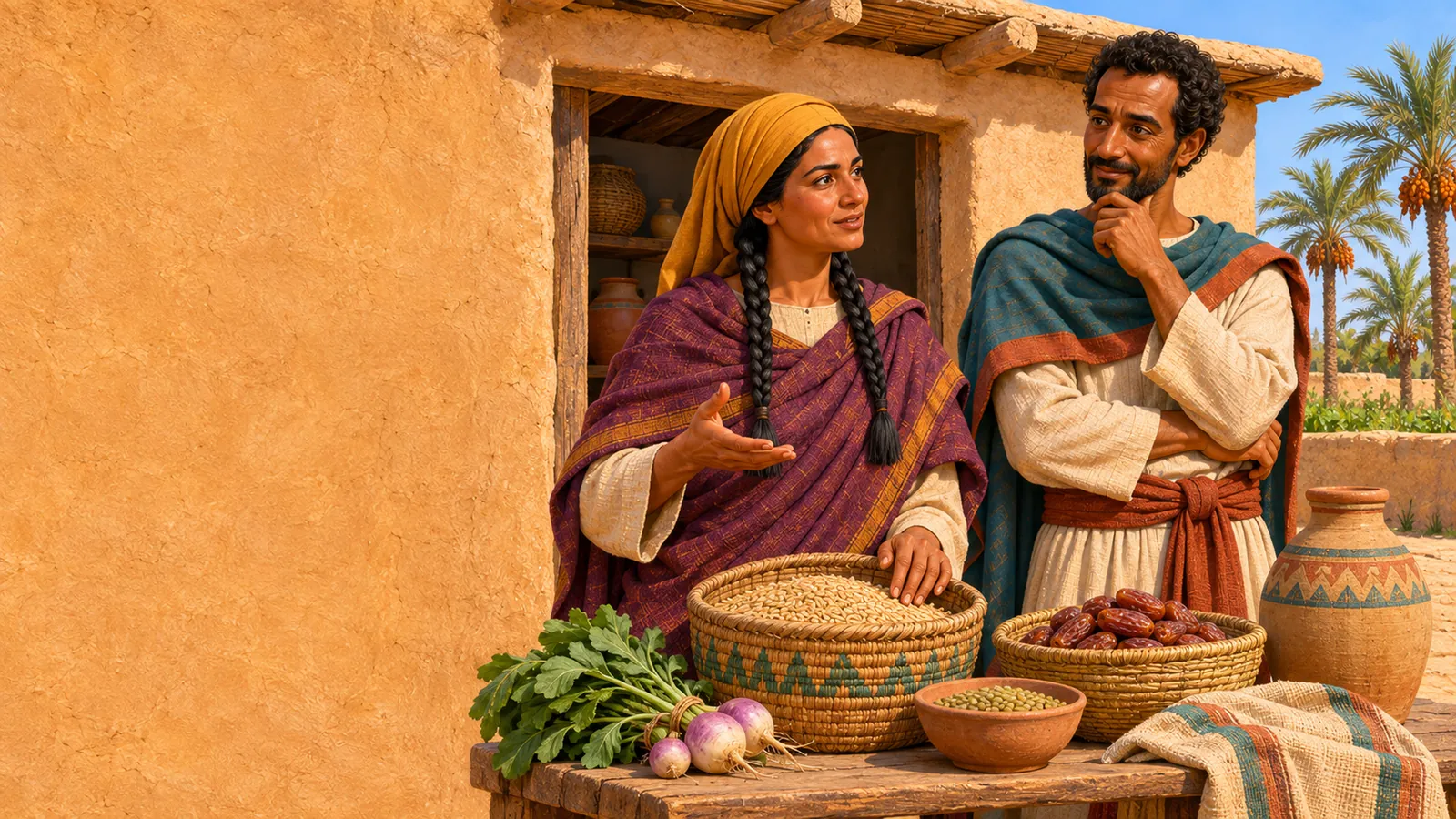
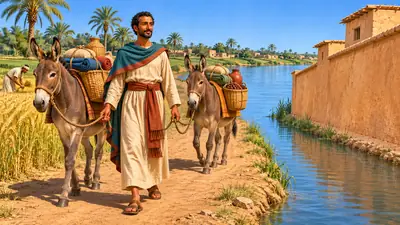
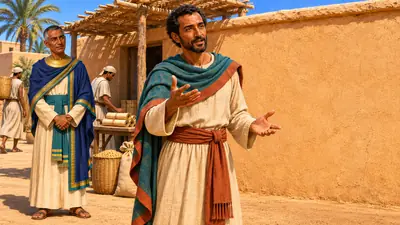
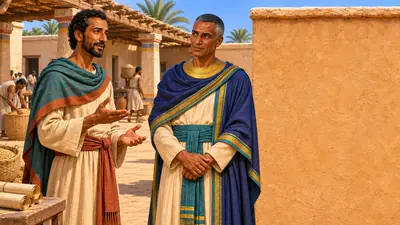
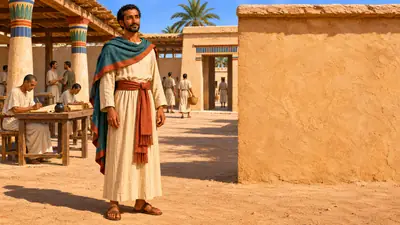
In Egypt’s Salt Valley lived Khunanup, a peasant who traded the produce of his region. Meret was his wife, and they had children to feed.
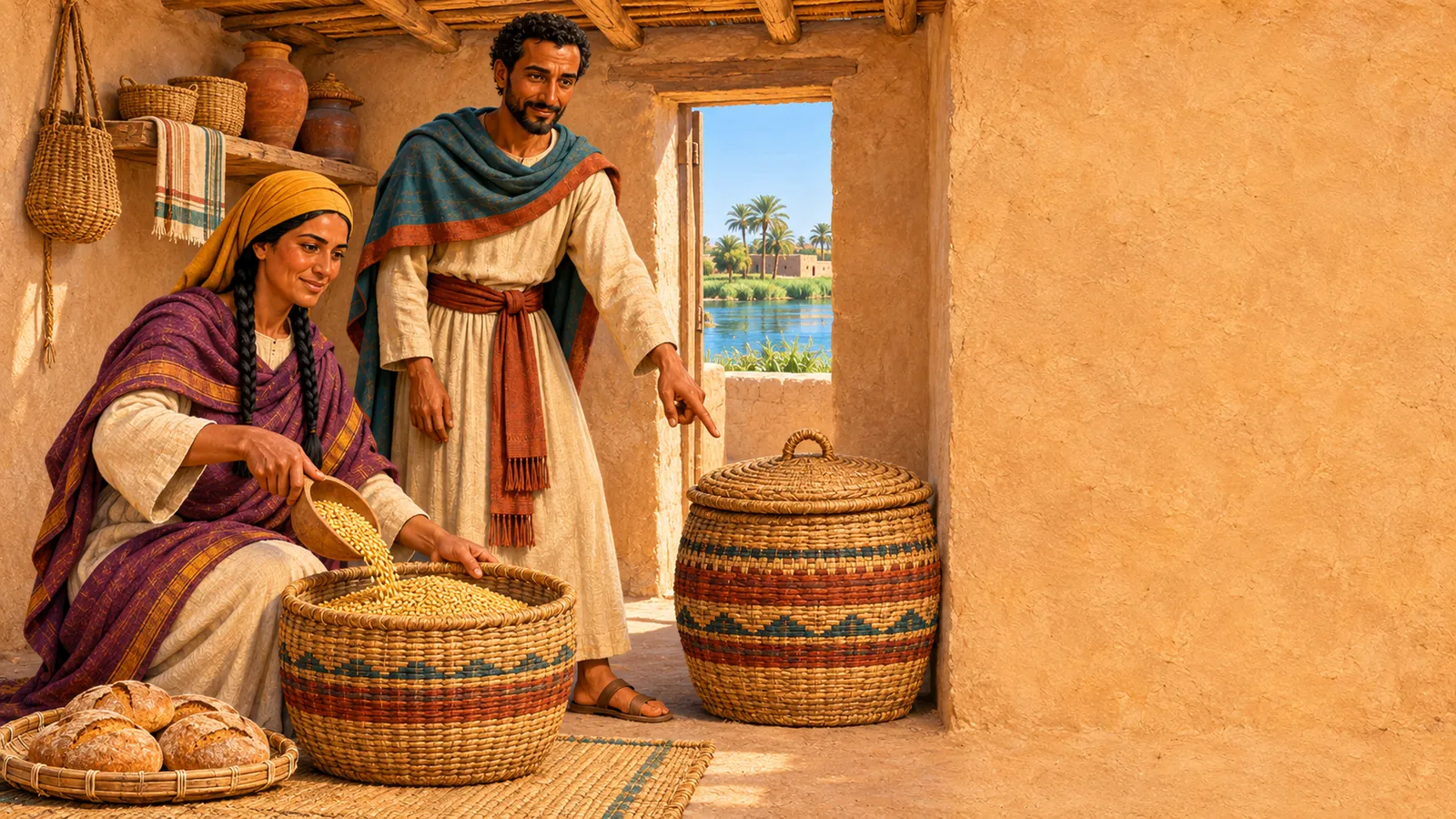
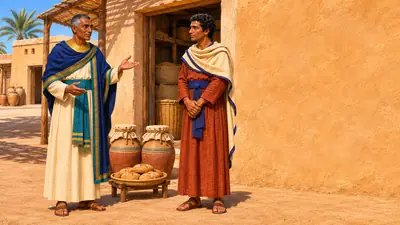
Before travelling to the cultivated Nile valley, Khunanup arranged grain for his household. He asked Meret to prepare bread and beer for his journey.
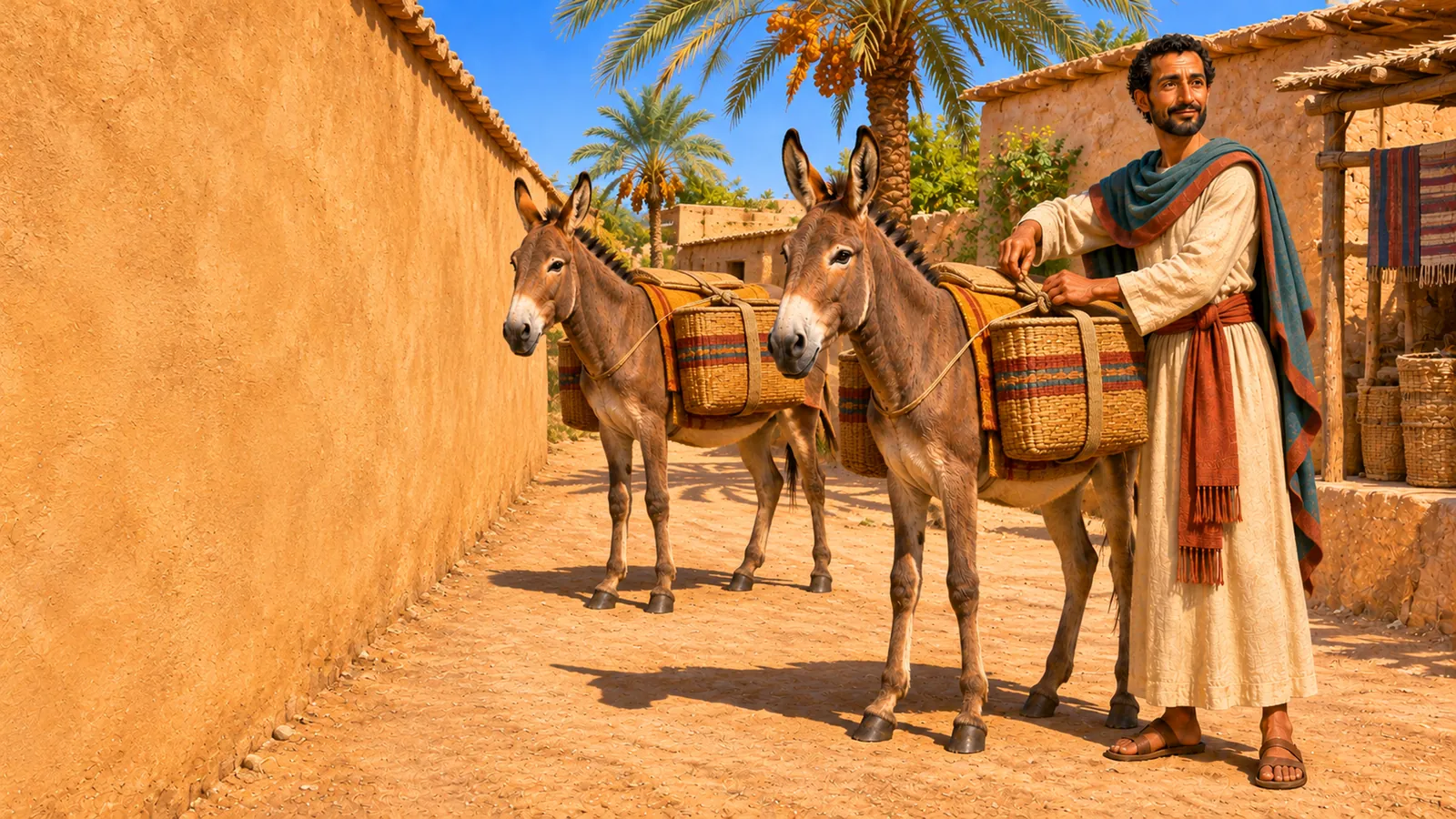
He loaded his donkeys with salt, natron and other goods of the oasis country. Their sale would help him obtain provisions for his family.
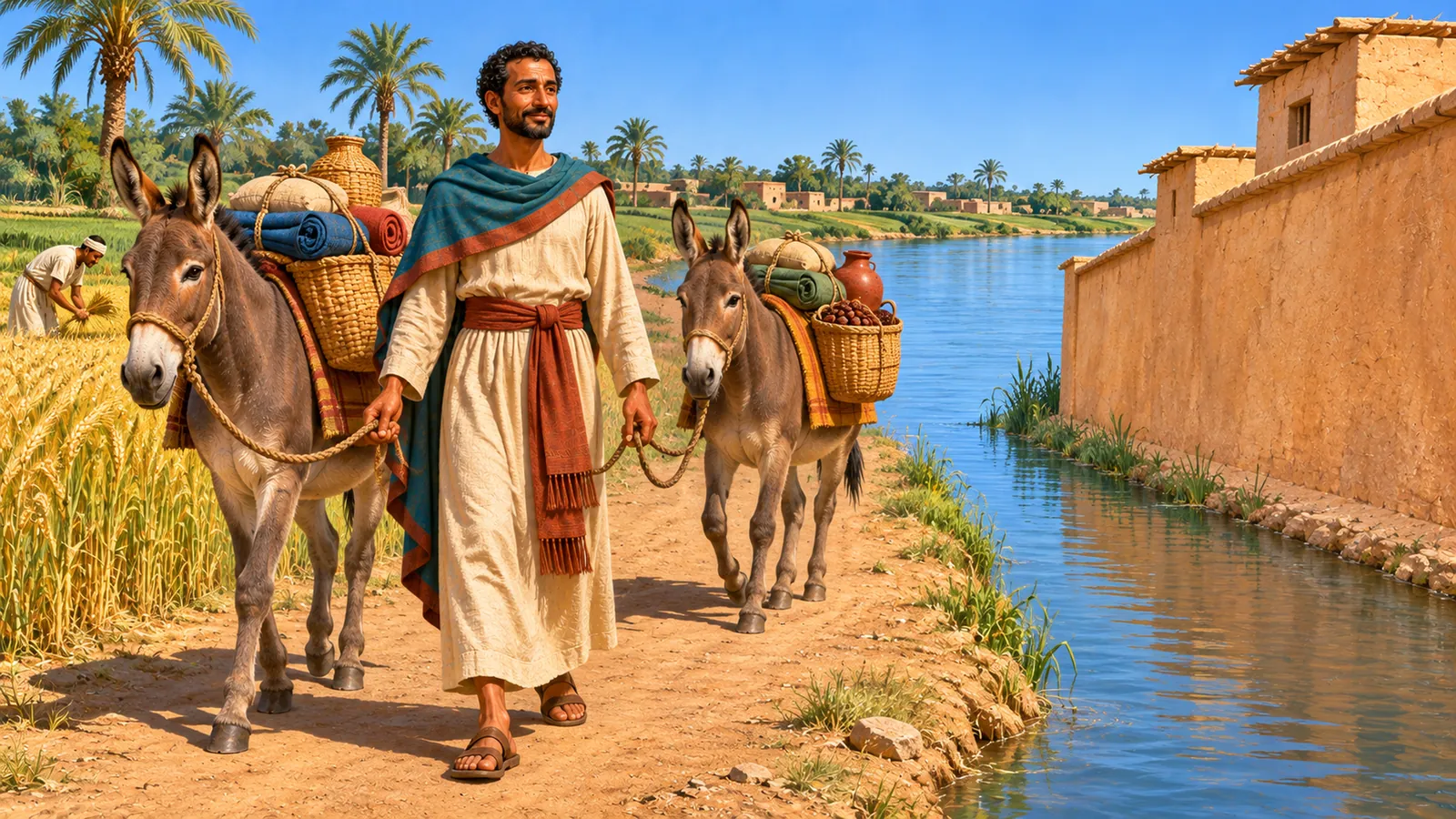
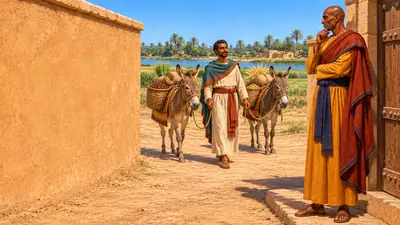
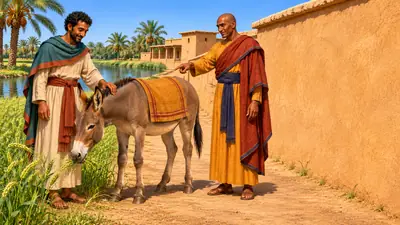
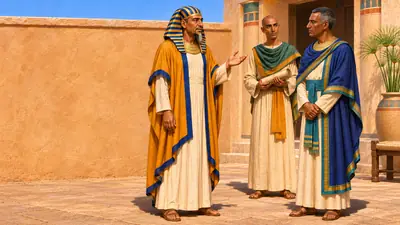
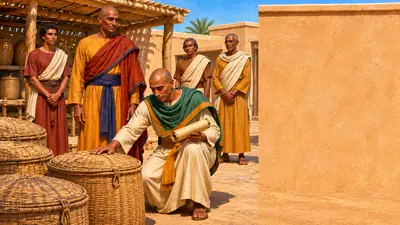
South of Heracleopolis, his route passed the estate where Nemtinakht lived. This retainer belonged to the household of Rensi, the high steward, son of Meru.
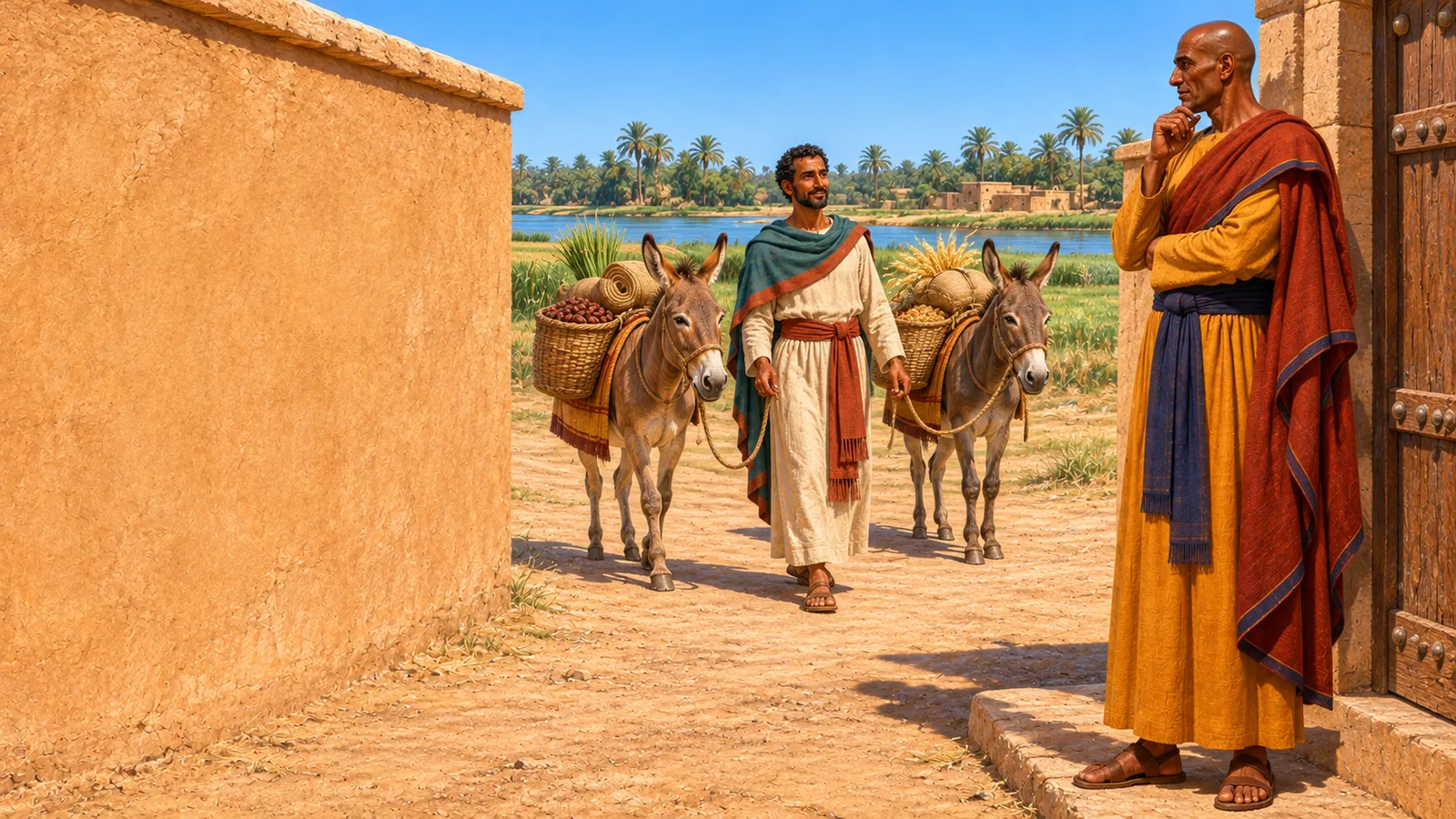
Nemtinakht noticed the approaching donkeys and coveted their loads. Instead of letting the traveller pass, he looked for a way to take the animals and goods.
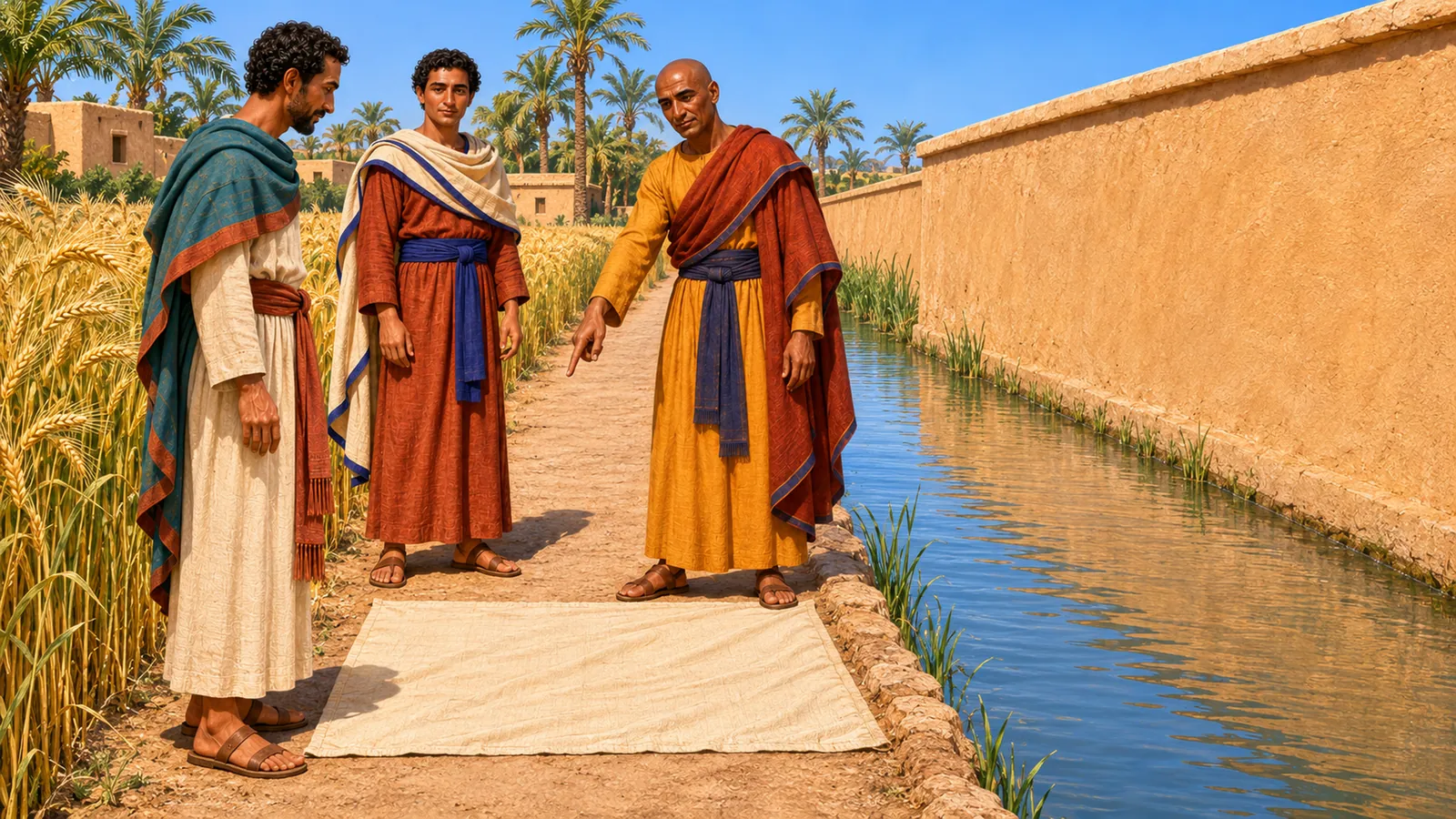
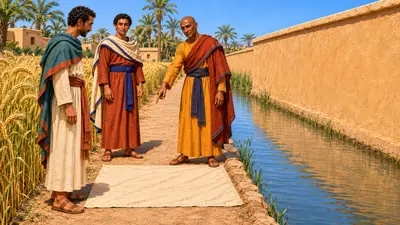
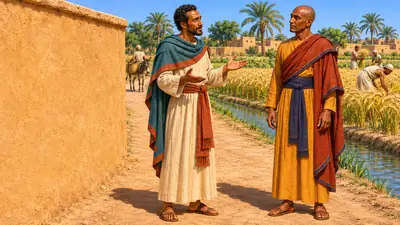
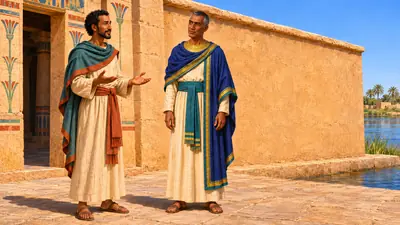
The public path ran between water and a barley field. Nemtinakht ordered a cloth spread across it, then warned Khunanup against stepping on his cloth.
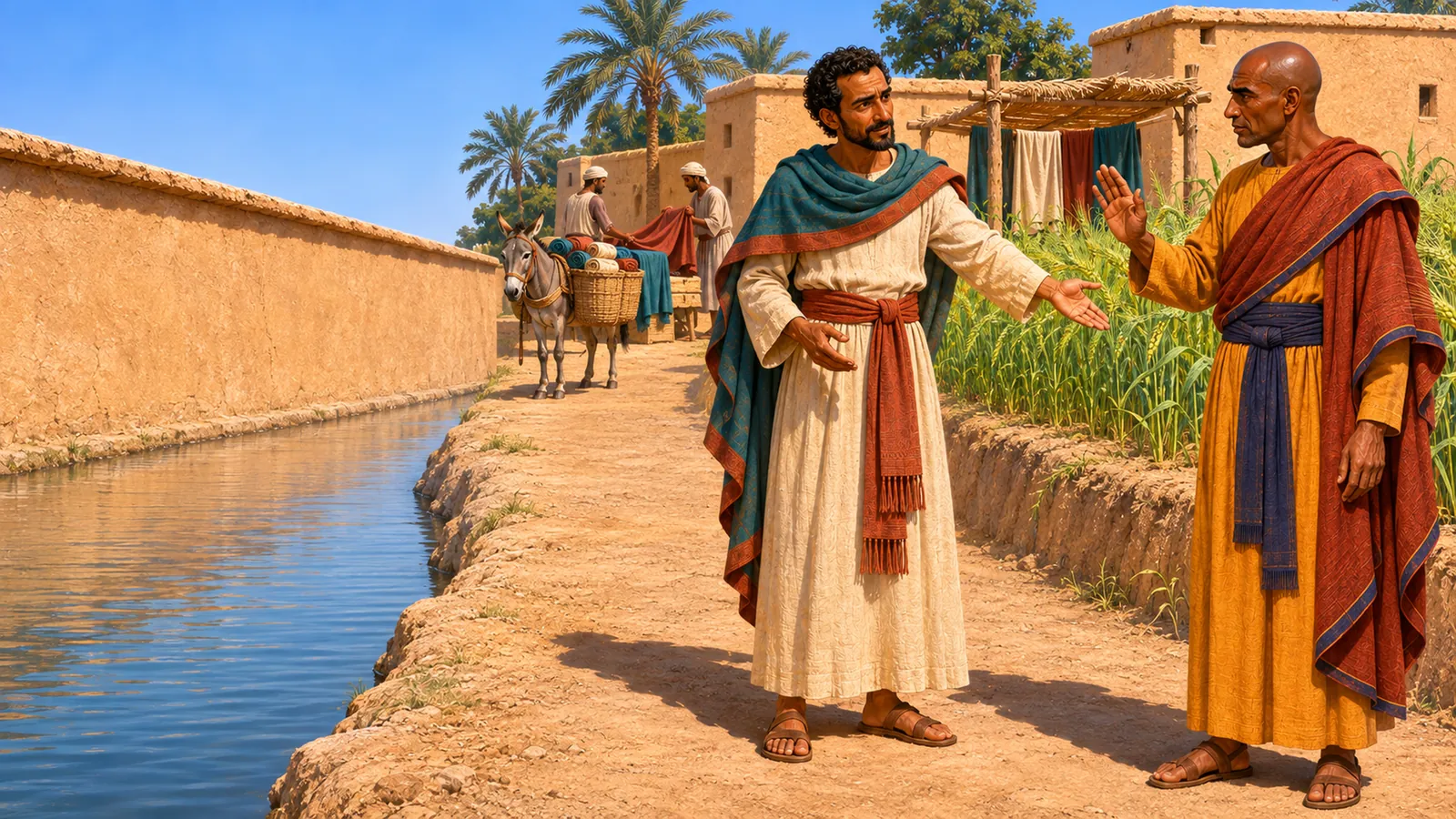
Khunanup tried to move onto the higher edge of the field. Nemtinakht protested again: would the peasant now use his barley instead of the road?
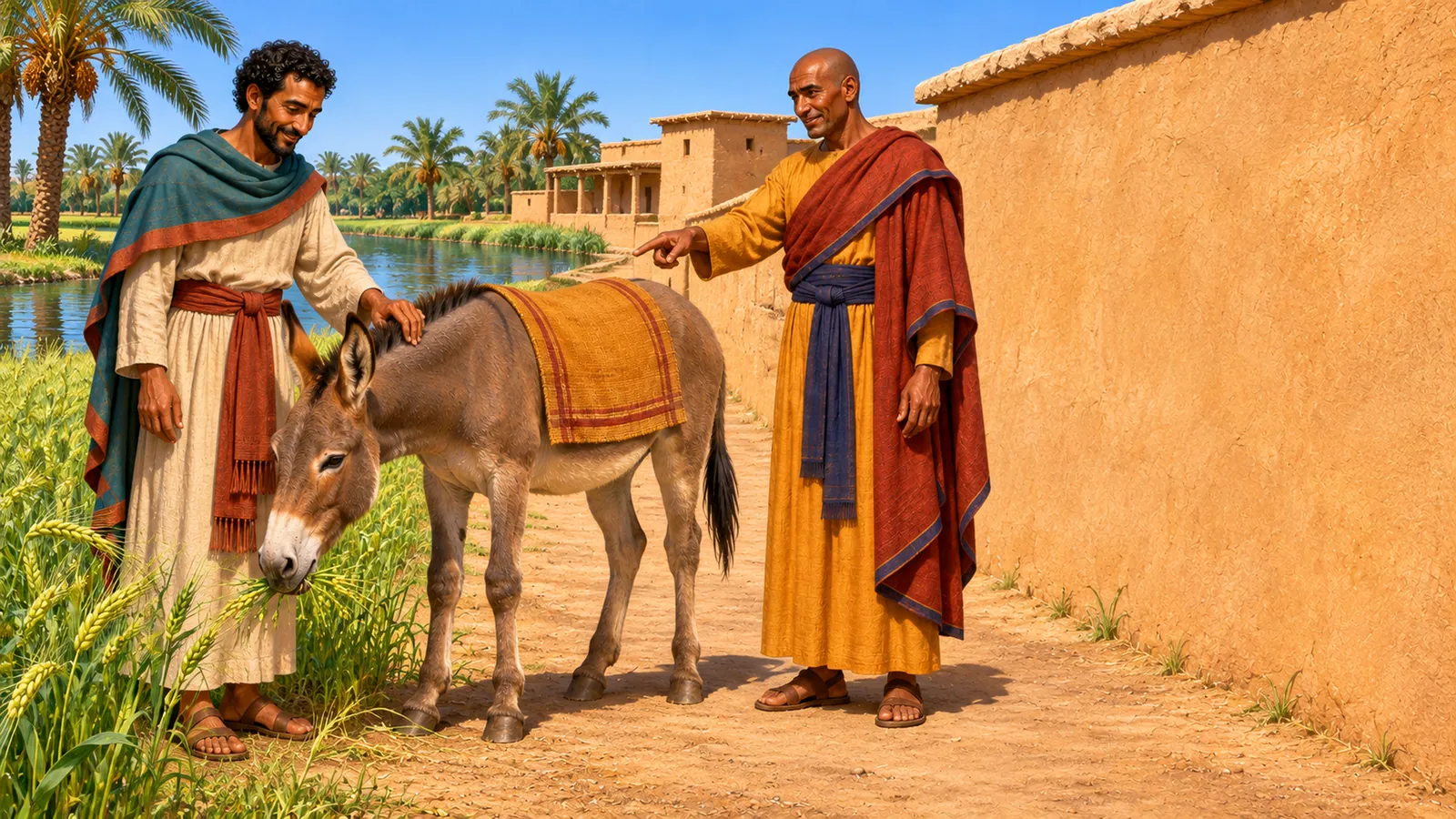
One donkey took a mouthful of barley. Nemtinakht seized upon it as his excuse and announced that he would take the animal in payment.
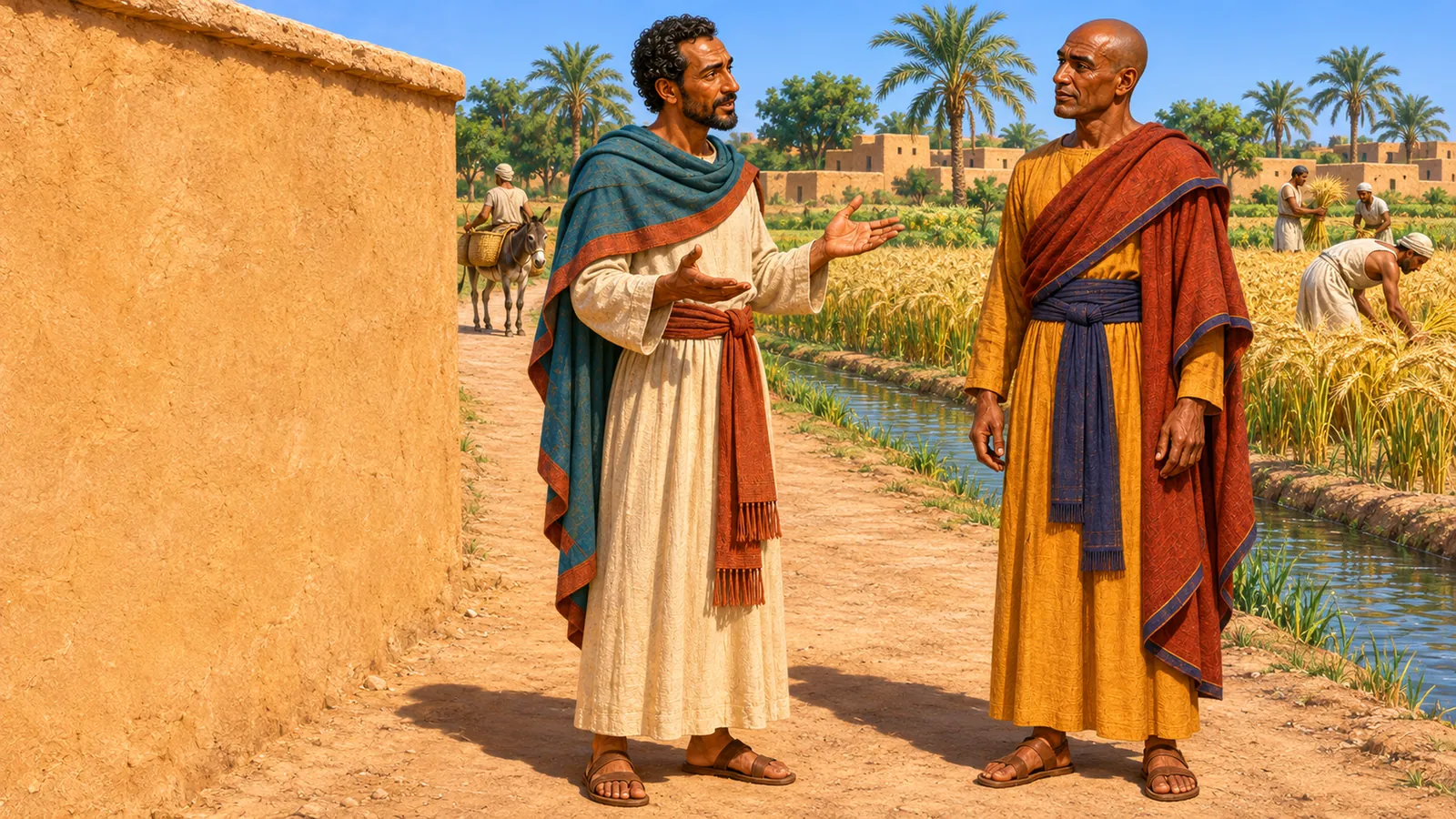
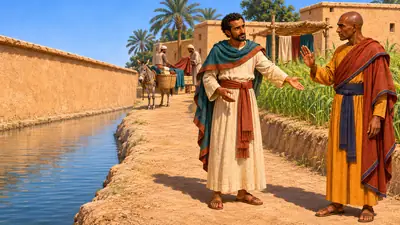
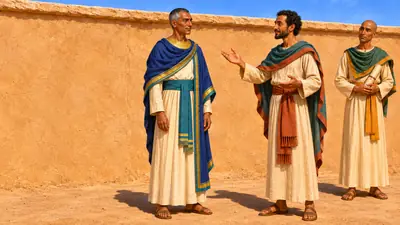
Khunanup challenged this outrageous exchange of a donkey for a little grain. He invoked Rensi’s duty to restrain robbers, without yet knowing how power would answer.

Nemtinakht beat Khunanup with a fresh tamarisk rod and took his donkeys and goods into the estate. The narrow road had become a trap for robbery.
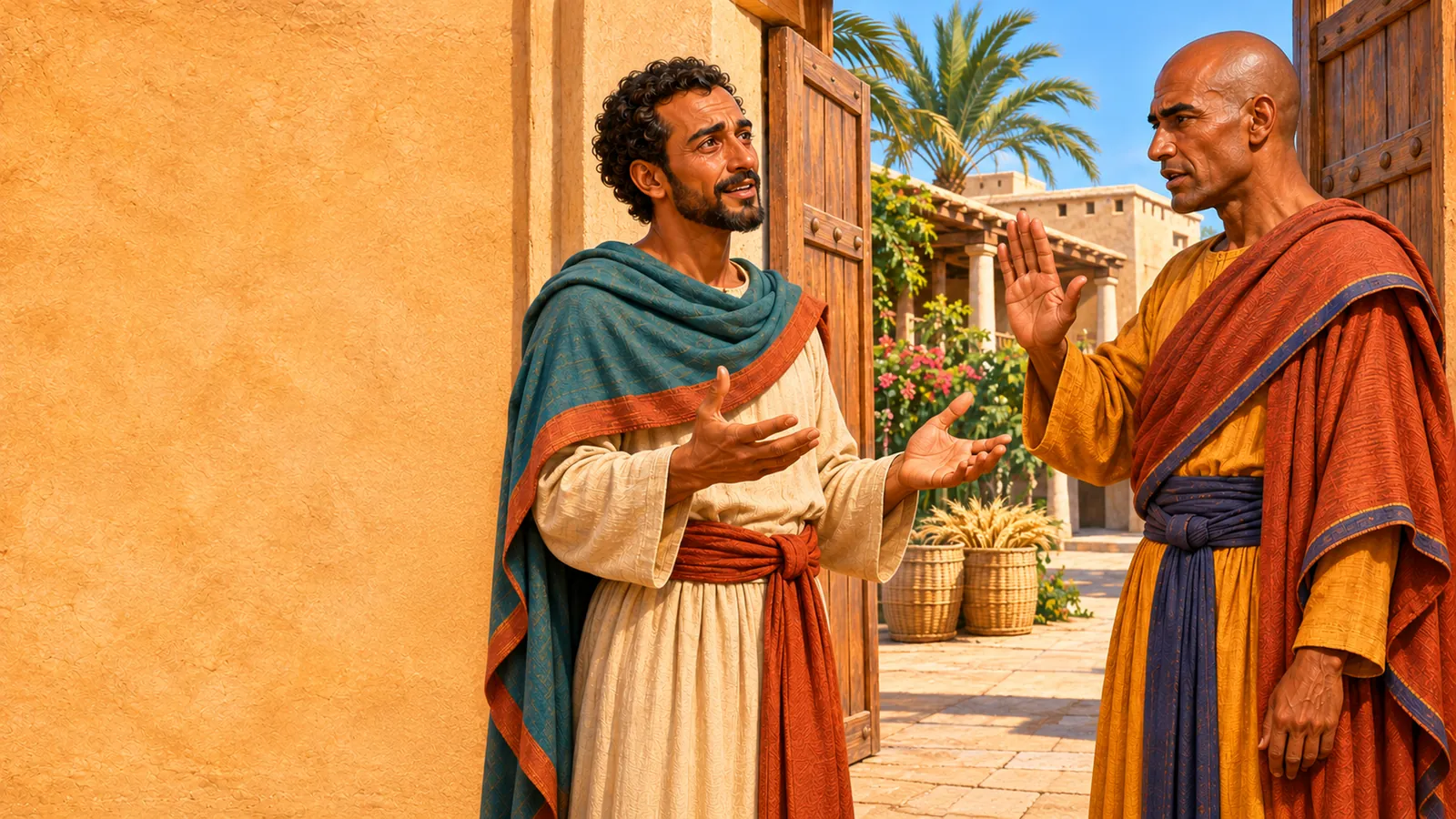
As Khunanup wept, Nemtinakht threatened him with death if he kept complaining. The peasant answered that losing his goods should not also cost him his voice.
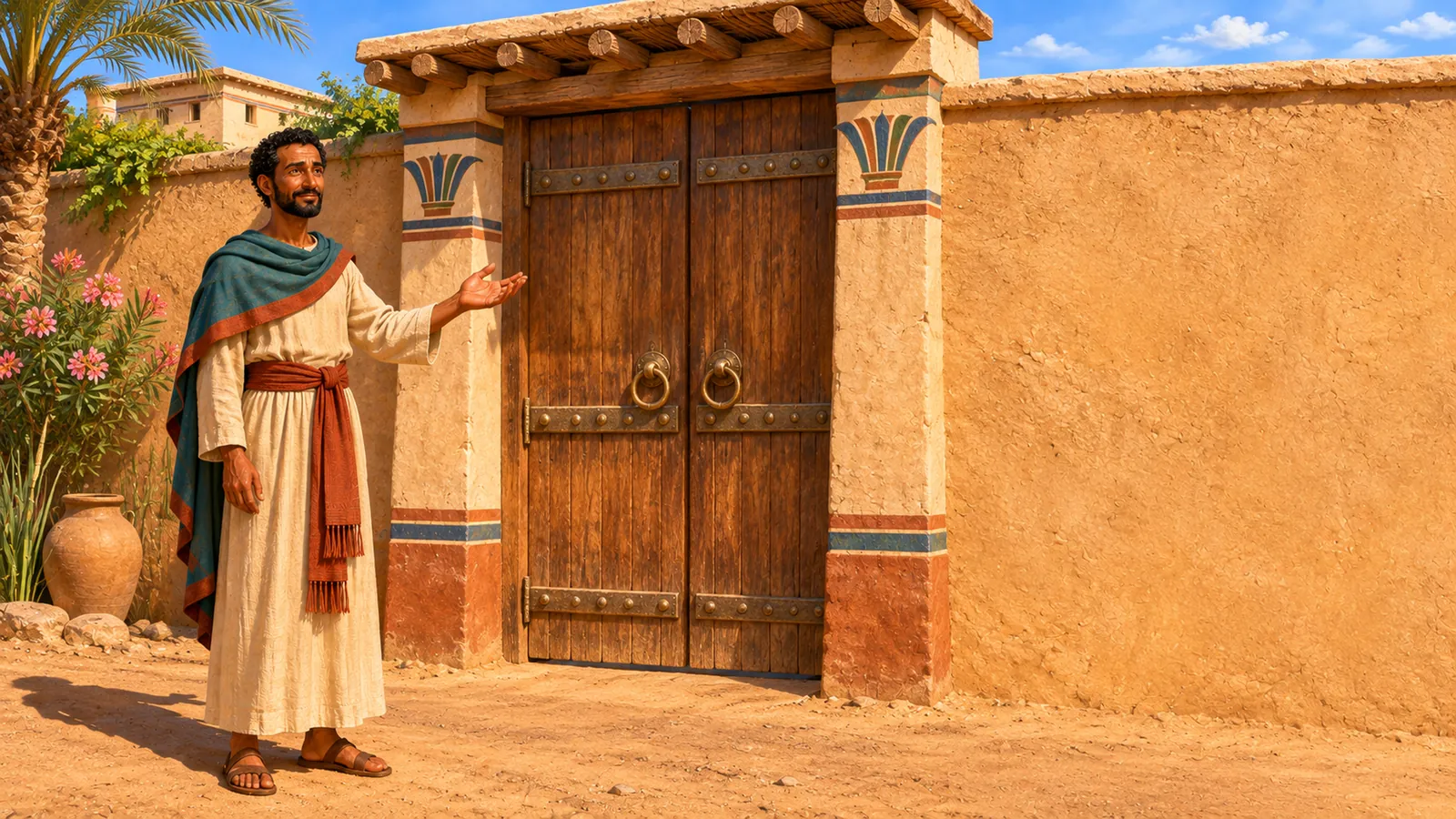
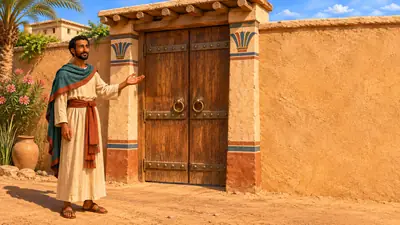
For ten days Khunanup pleaded with Nemtinakht, but gained nothing. He then went to seek a hearing from the high steward whose household included his robber.
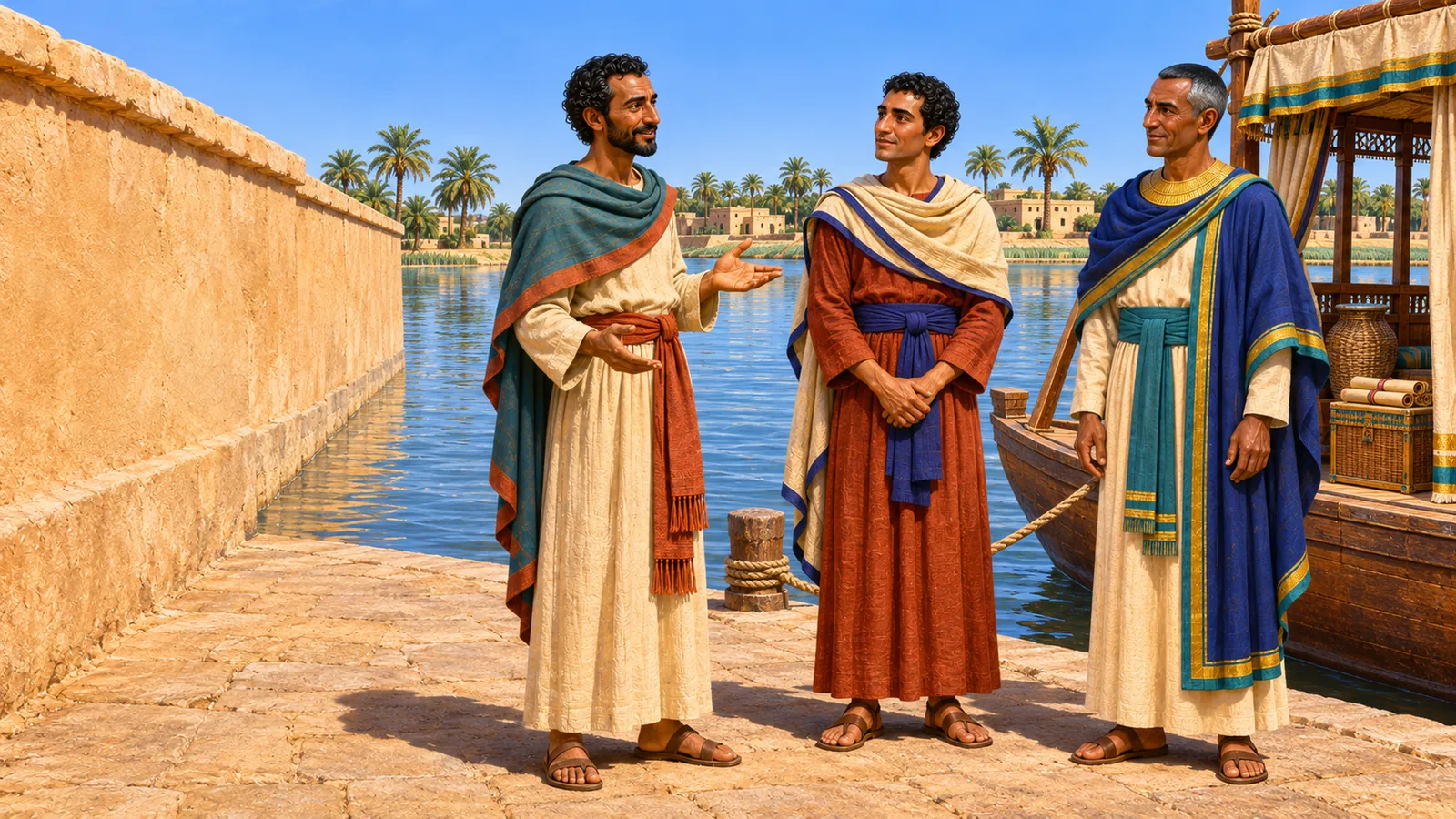
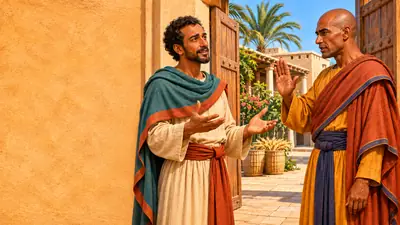
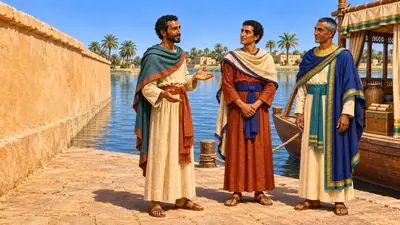
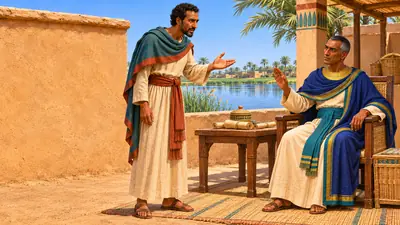
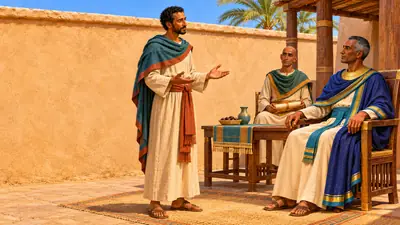
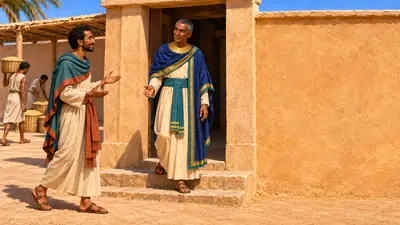
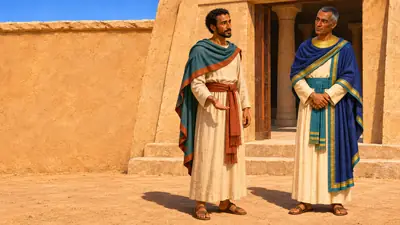
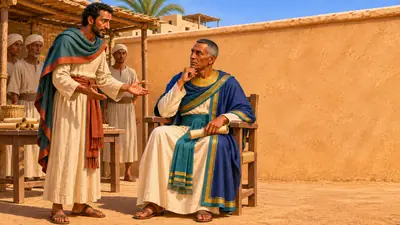
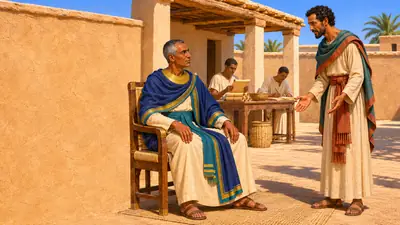
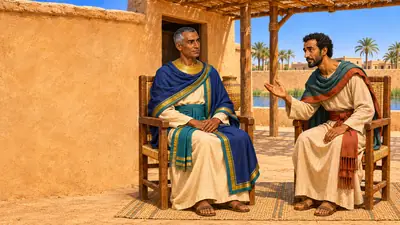
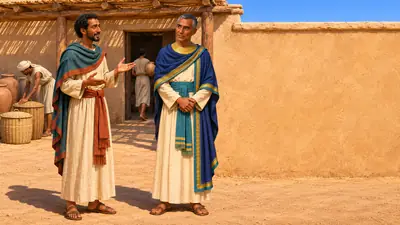
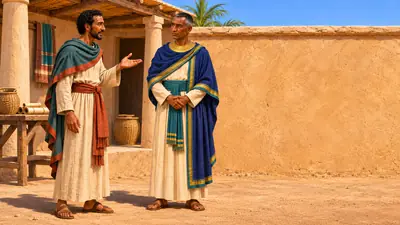
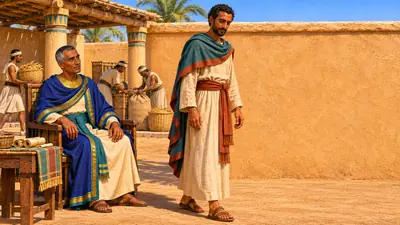
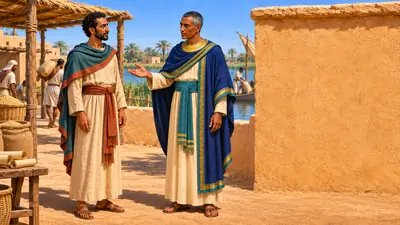
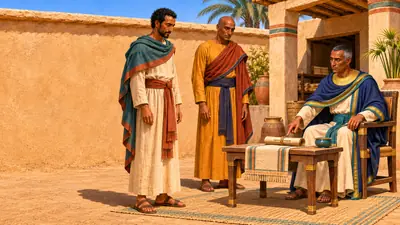
Khunanup found Rensi as he was about to board his official boat. He asked to tell his case through a trusted servant chosen to hear him.
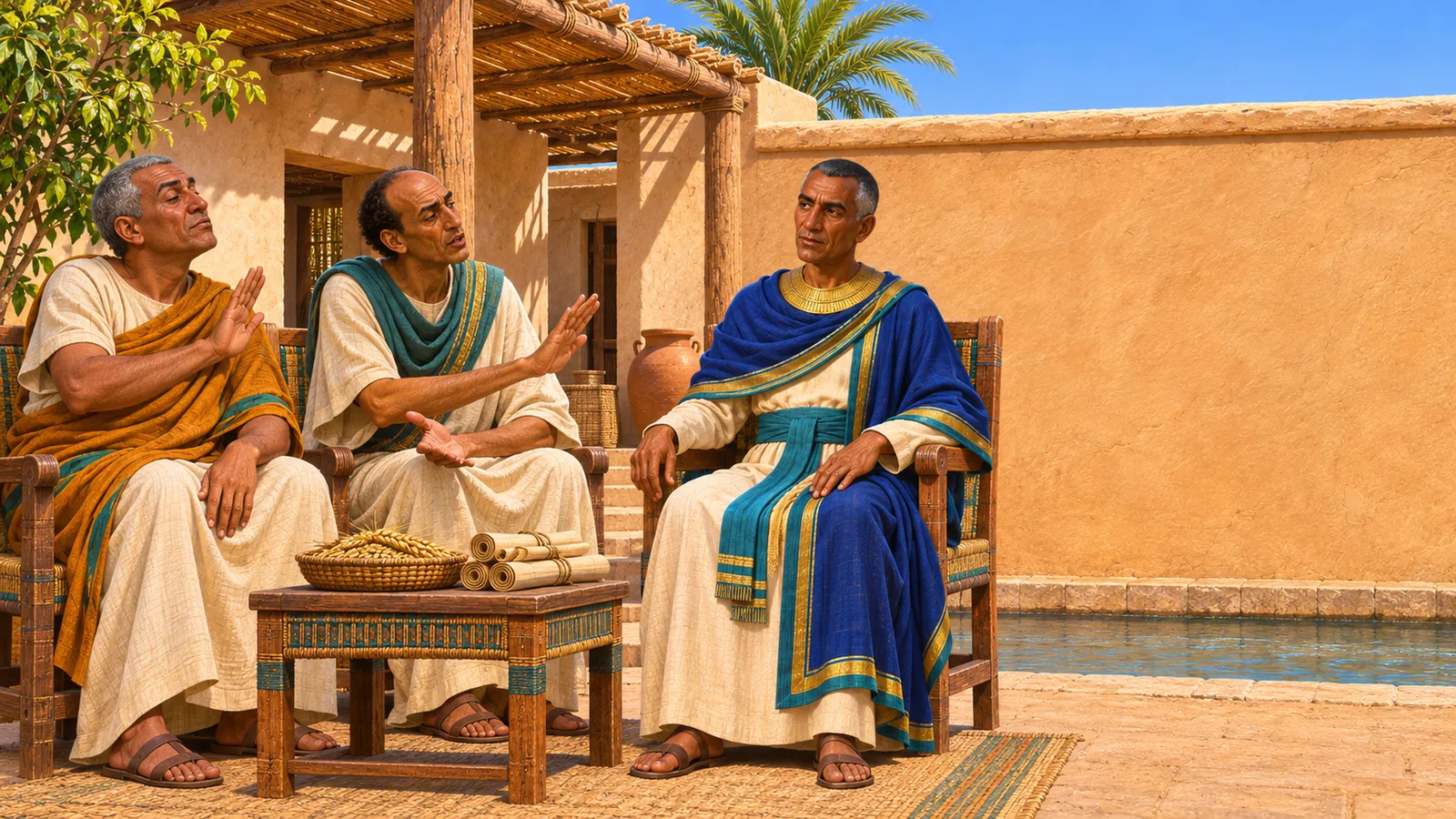
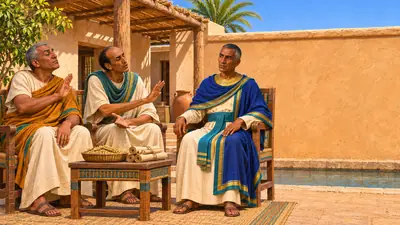
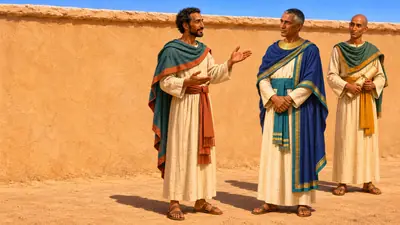
Rensi reported the complaint to other officials. They dismissed it as a dispute over a little salt and natron; Rensi gave neither them nor Khunanup an answer.
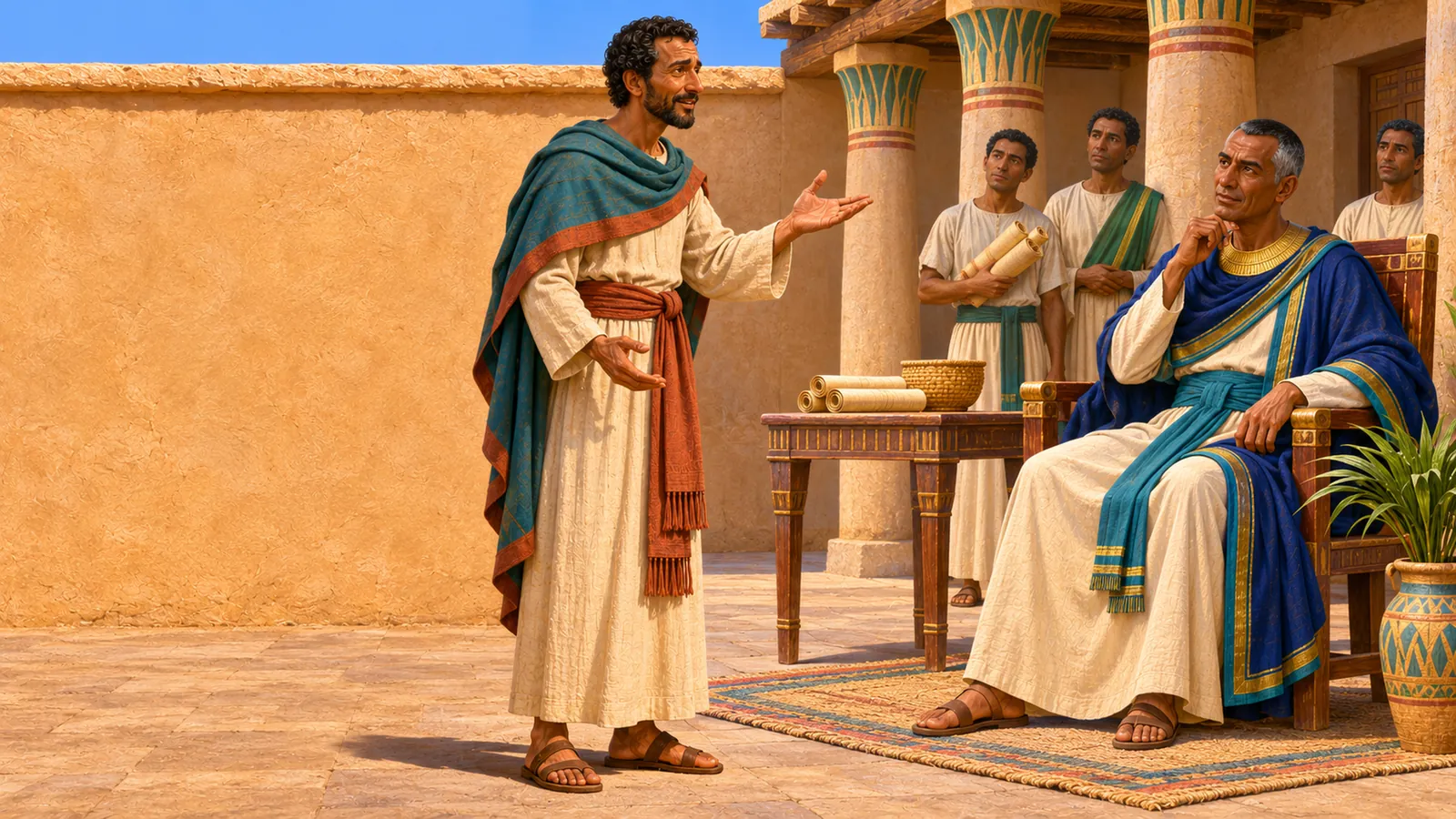
THE FIRST APPEAL
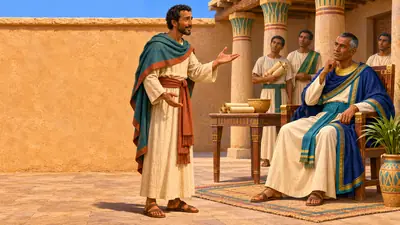
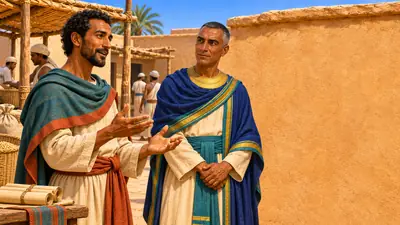
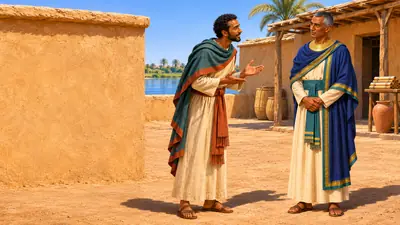
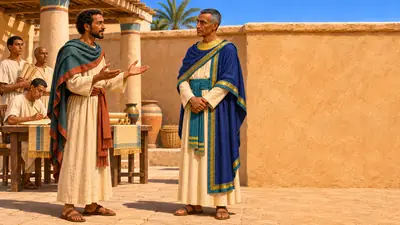
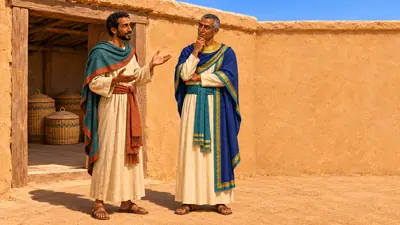
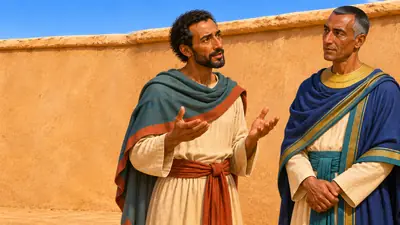
In his first petition, Khunanup praised the justice a great official should provide. He pictured a guardian of the vulnerable and asked Rensi to hear his wrong.
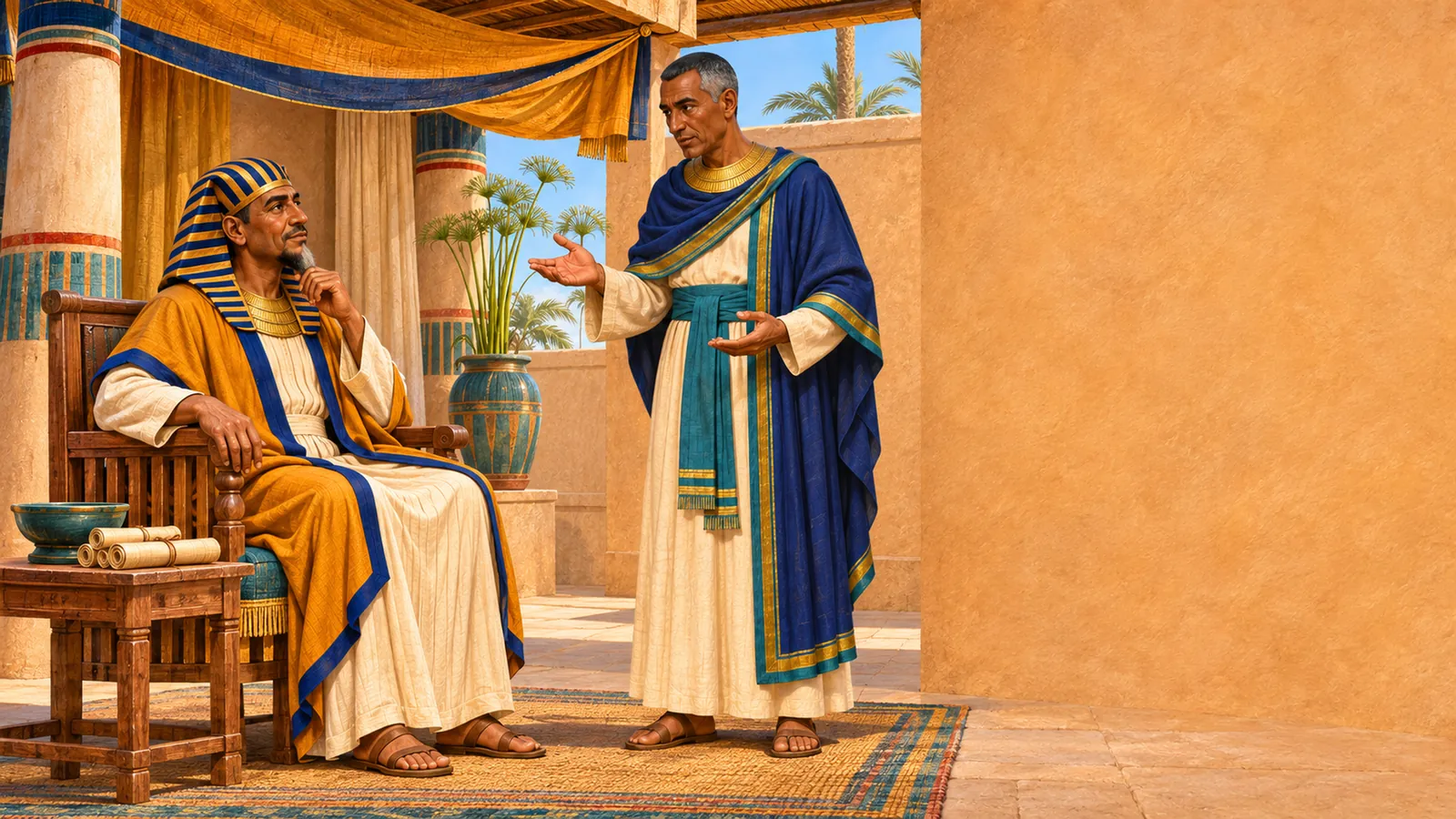
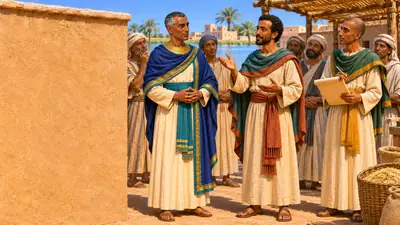
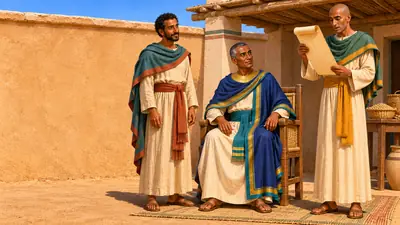
The force of these words impressed Rensi. He went before King Nebkaure and described the eloquent peasant who had come to complain of stolen belongings.
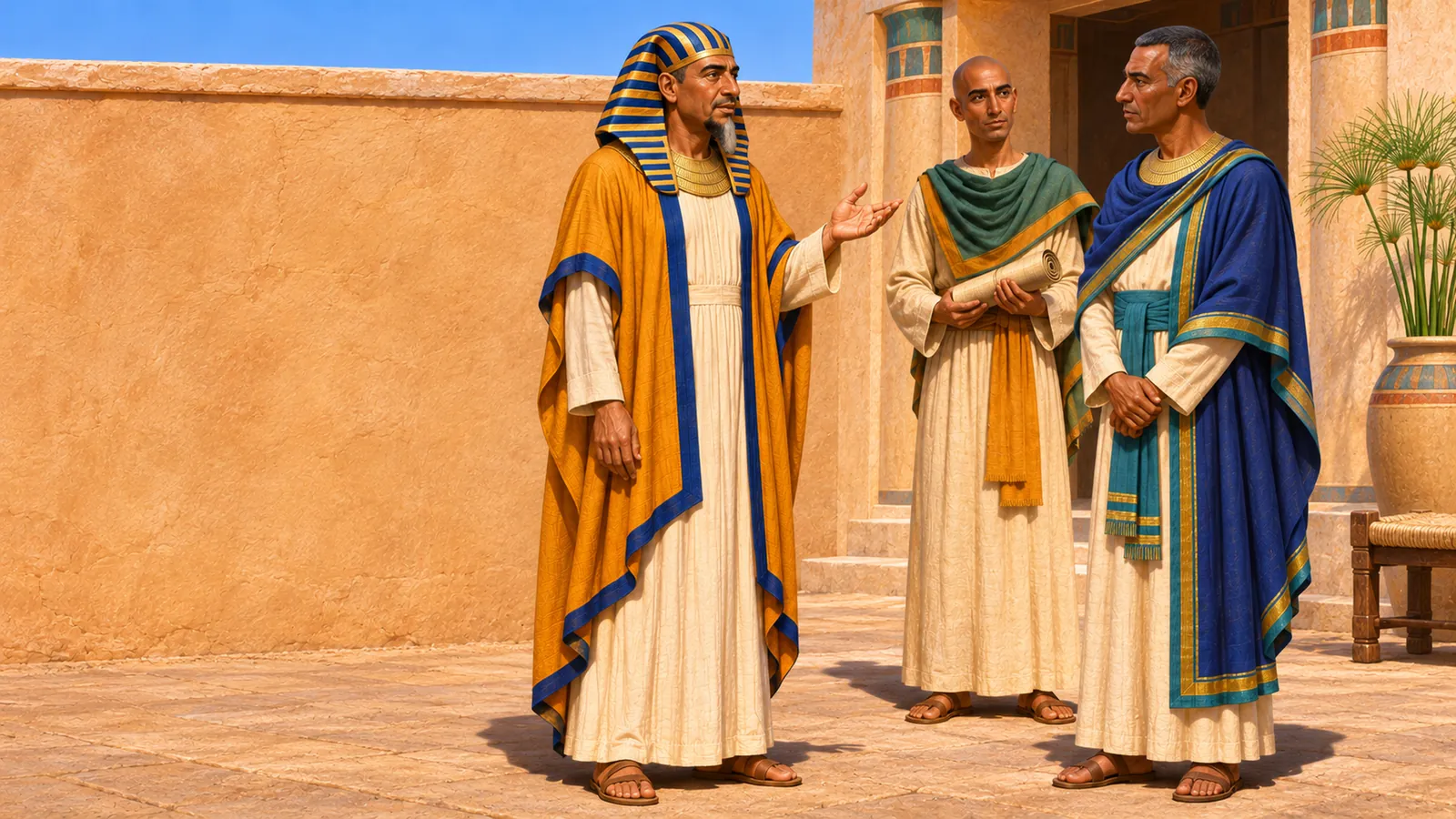
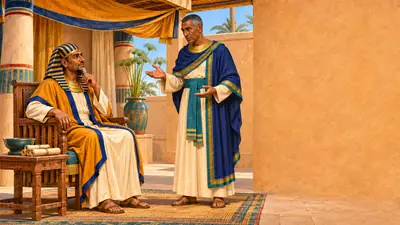
Nebkaure ordered Rensi to leave the peasant unanswered so that he would speak again. His petitions were to be written down and brought for the king to enjoy.
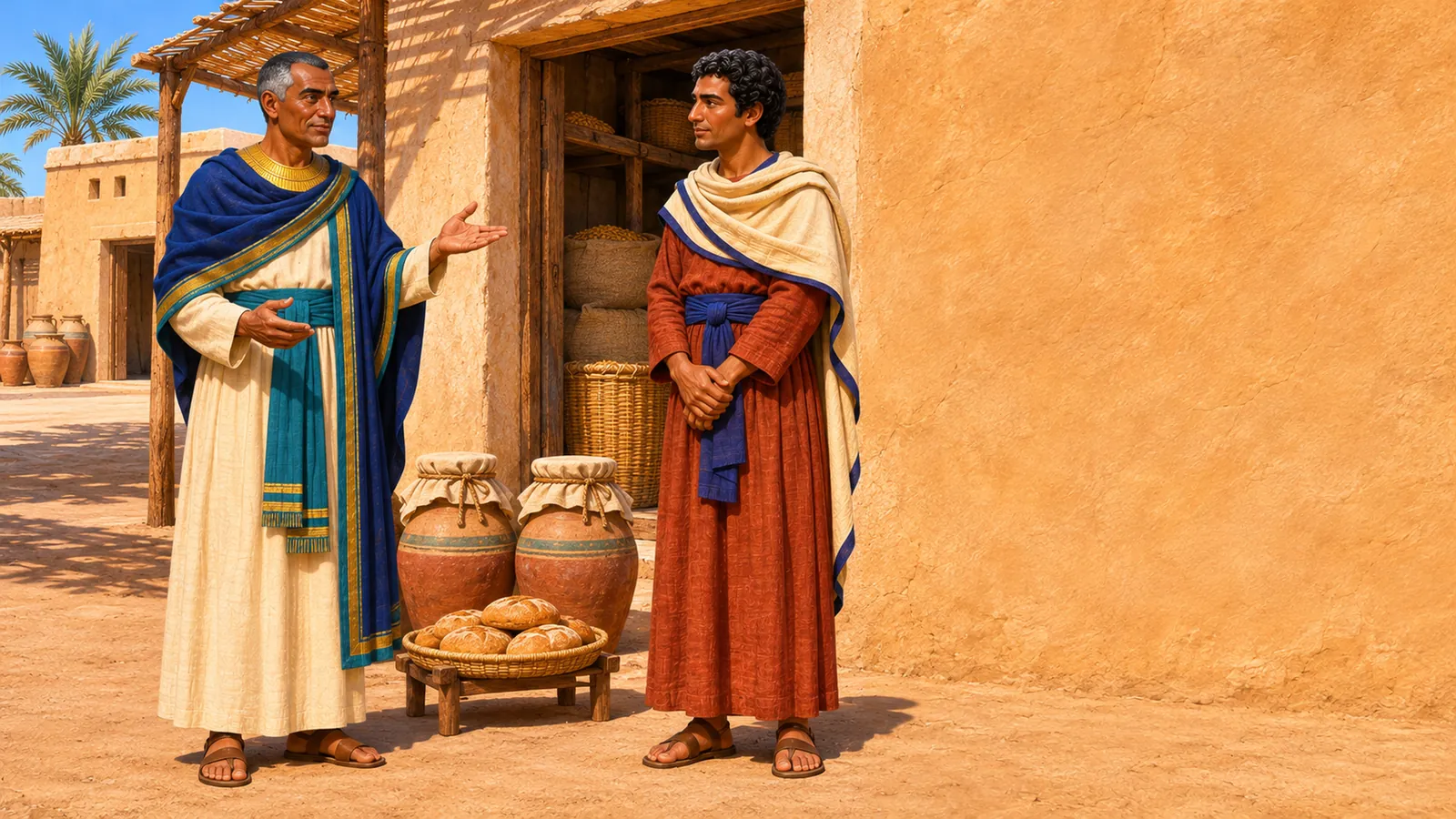
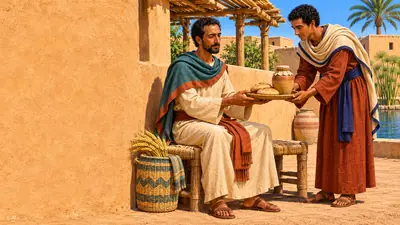
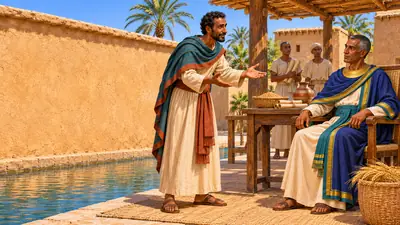
The king also ordered food for Khunanup and his distant household, without revealing its source. Rensi arranged the provisions while continuing to withhold an answer to the complaint.
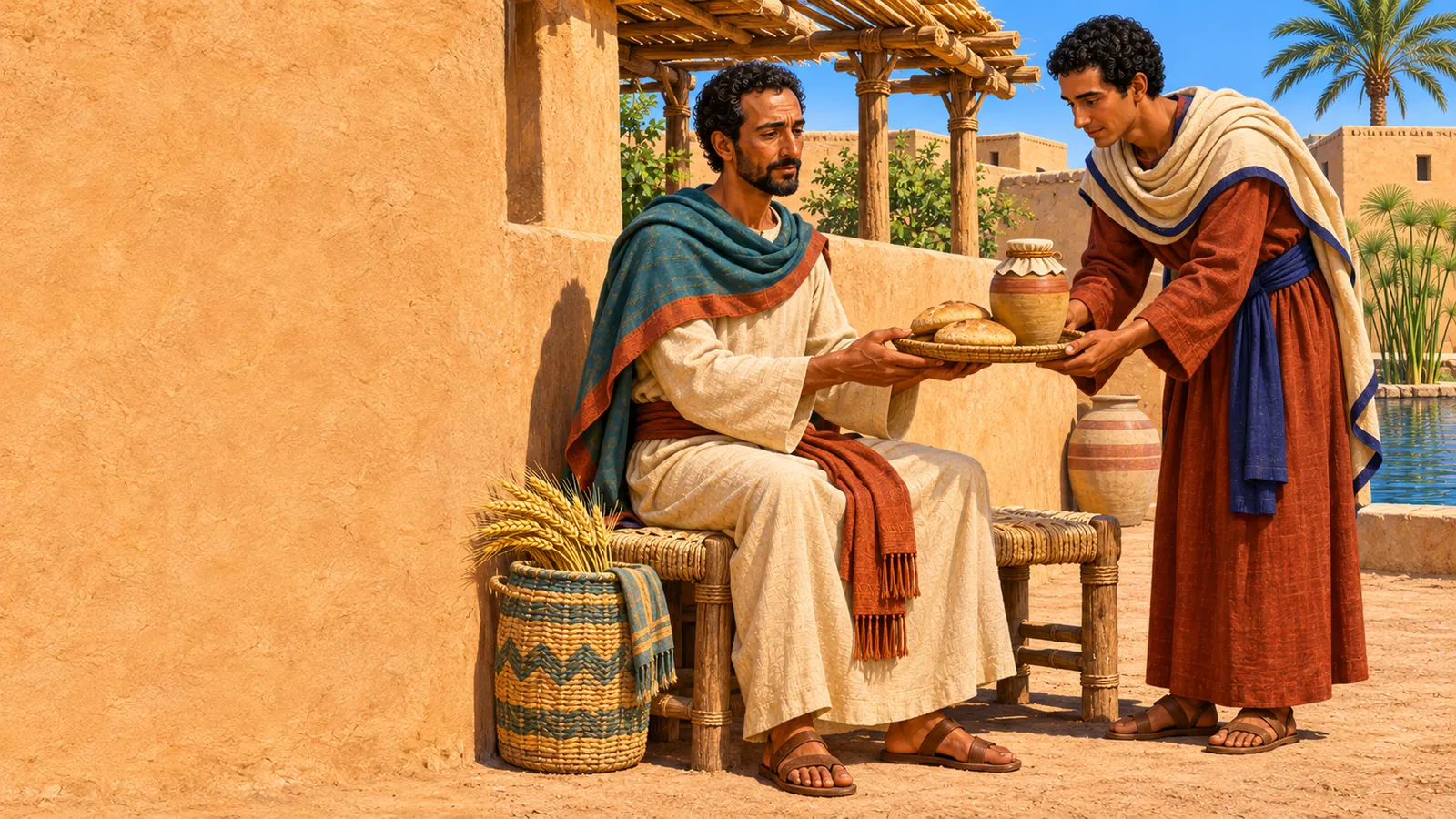
Bread and beer sustained Khunanup while he waited. His family received support as well, but neither hidden generosity nor an audience restored the donkeys and goods taken from him.
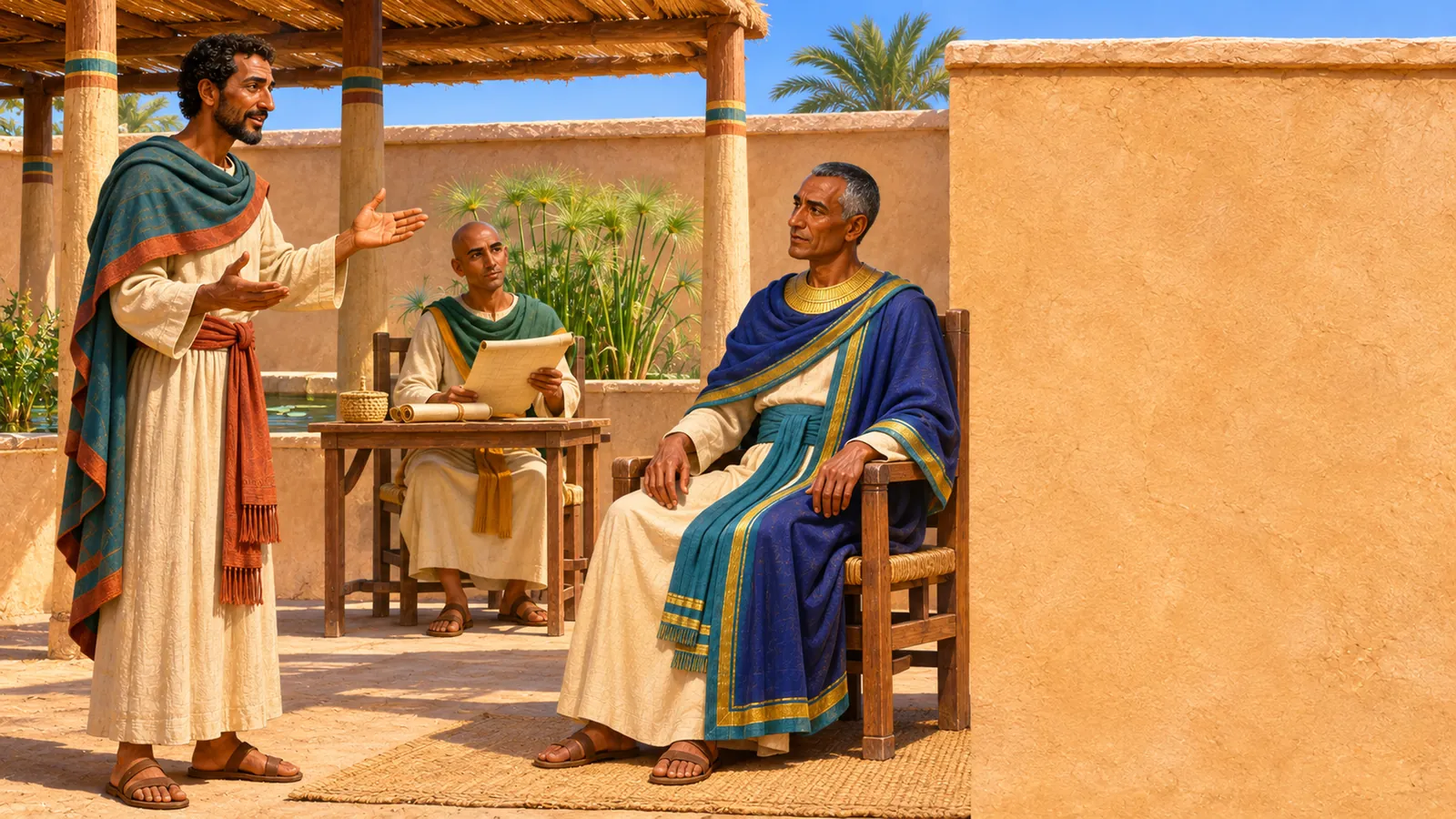
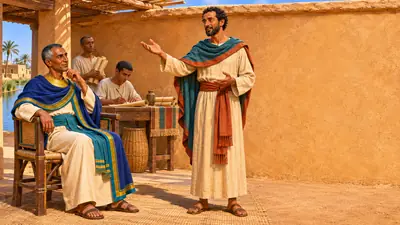
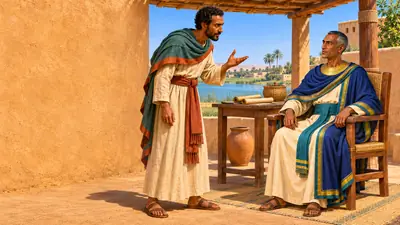
In his second petition, Khunanup accused the officers of abandoning justice. Those appointed to guide and protect had become the very danger from which people needed protection.
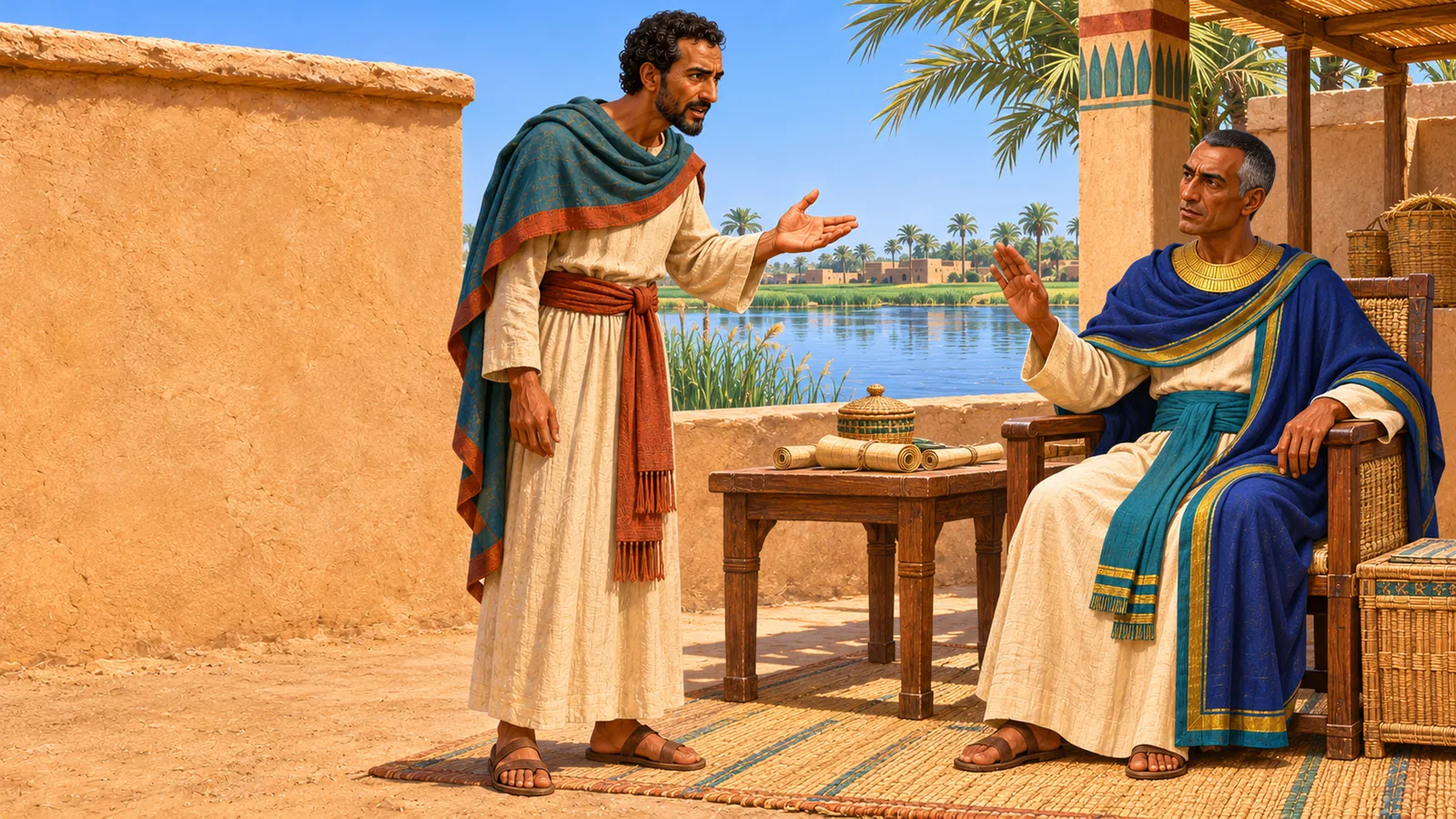
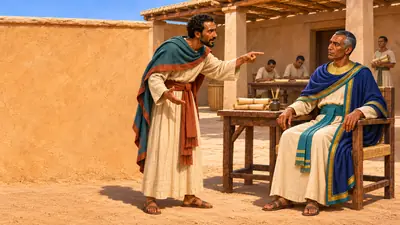
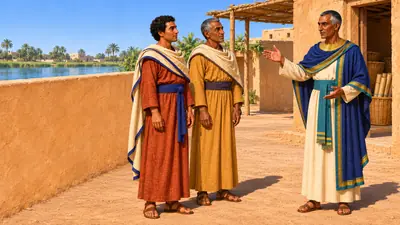
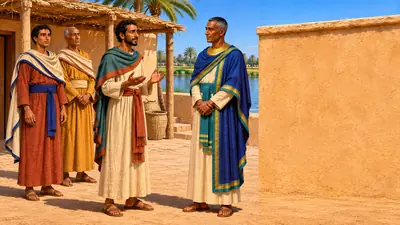
Rensi threatened to have his servants seize the peasant for speaking so boldly. Khunanup continued, insisting that rank could not make wrongdoing right or silence the injured party.
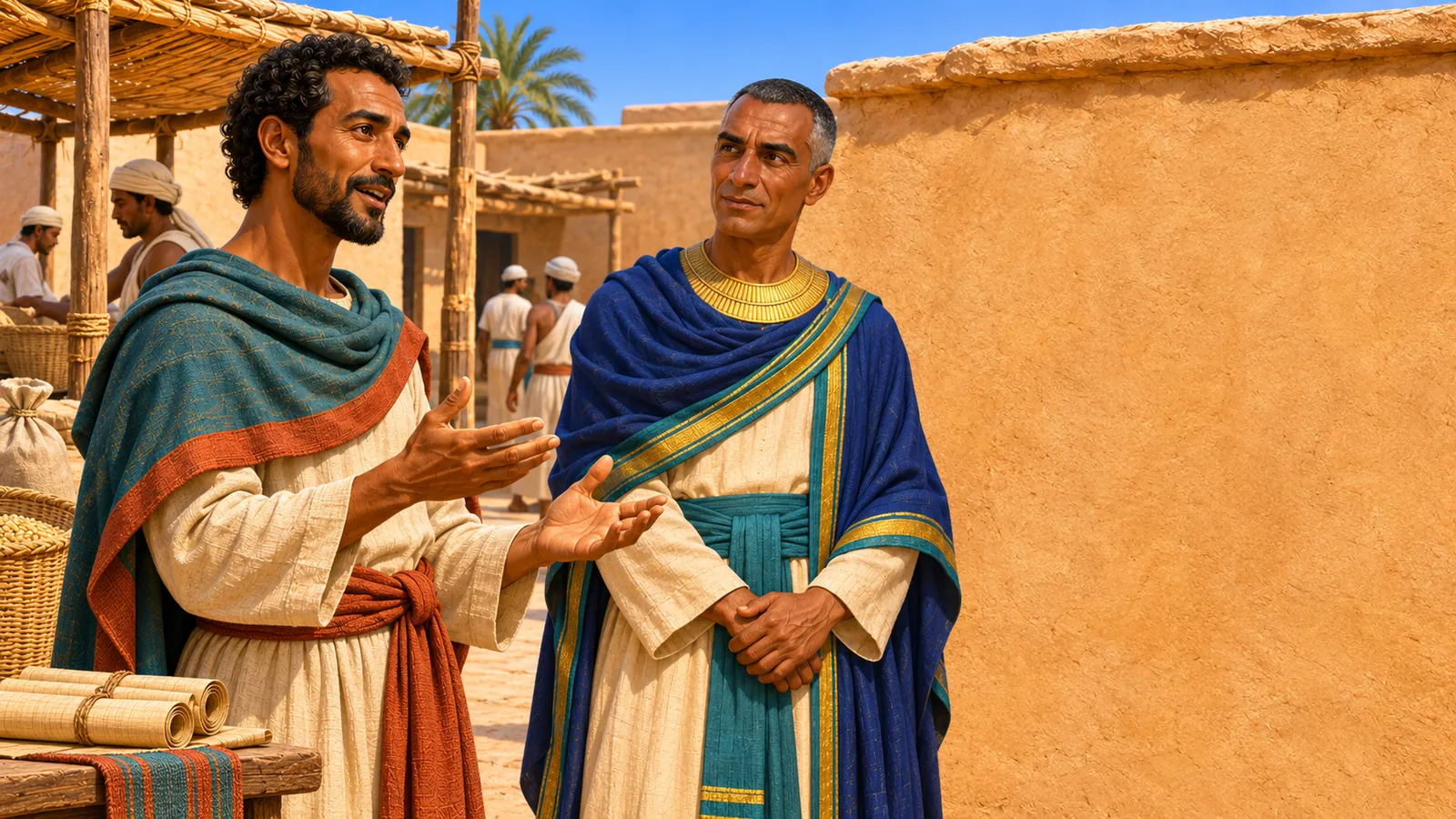
Khunanup compared an official to the instruments that keep work straight and measures true. A judge who bent his own standards could not demand honesty from others.
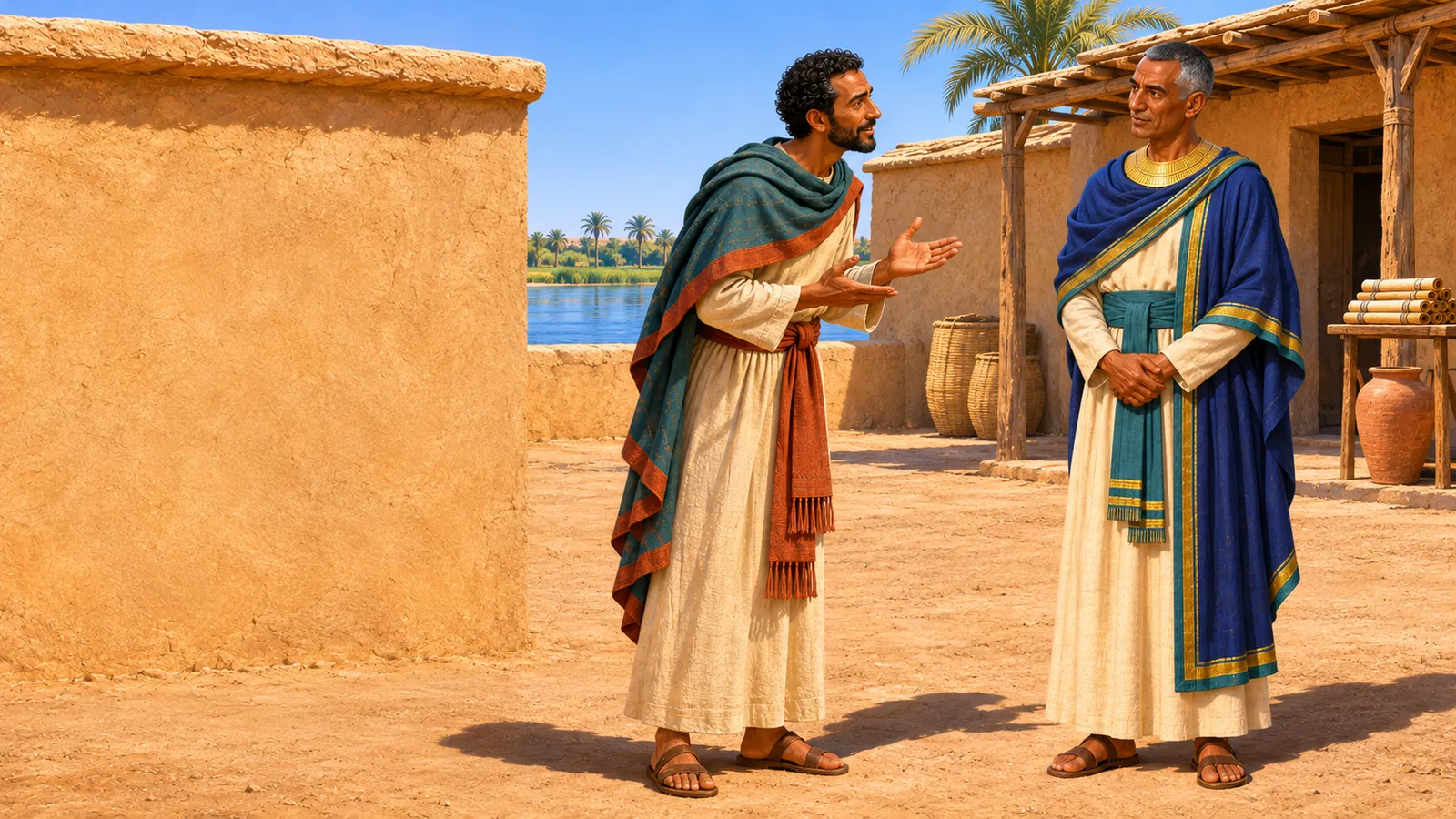
He challenged the greed that took from those who already lacked enough. Authority should relieve need, he argued, rather than use another person’s distress as an opportunity for gain.
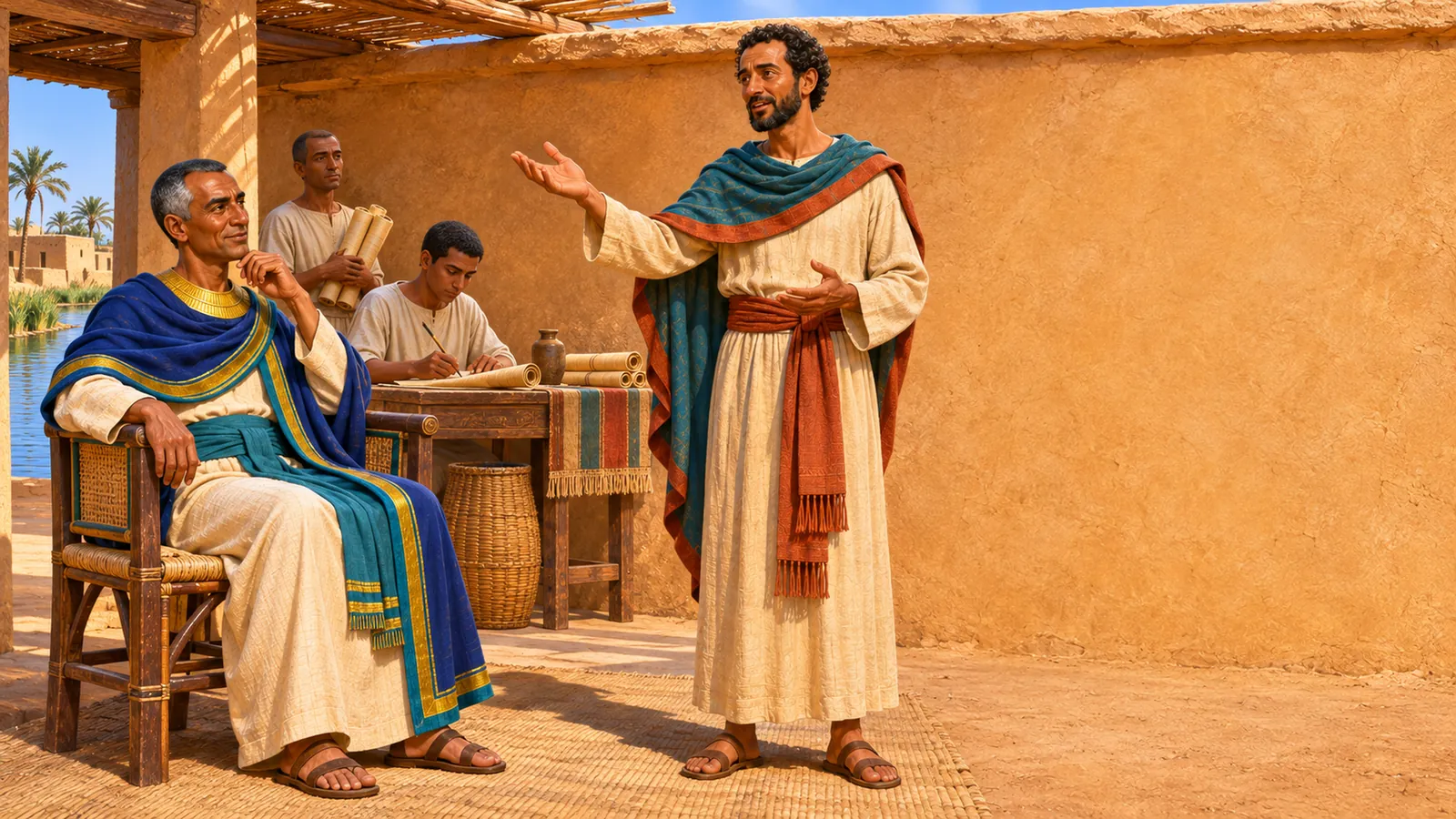
Khunanup pictured himself boatless in dangerous waters and called on Rensi to bring him ashore. His desperate comparison demanded protection from the very officer withholding it.
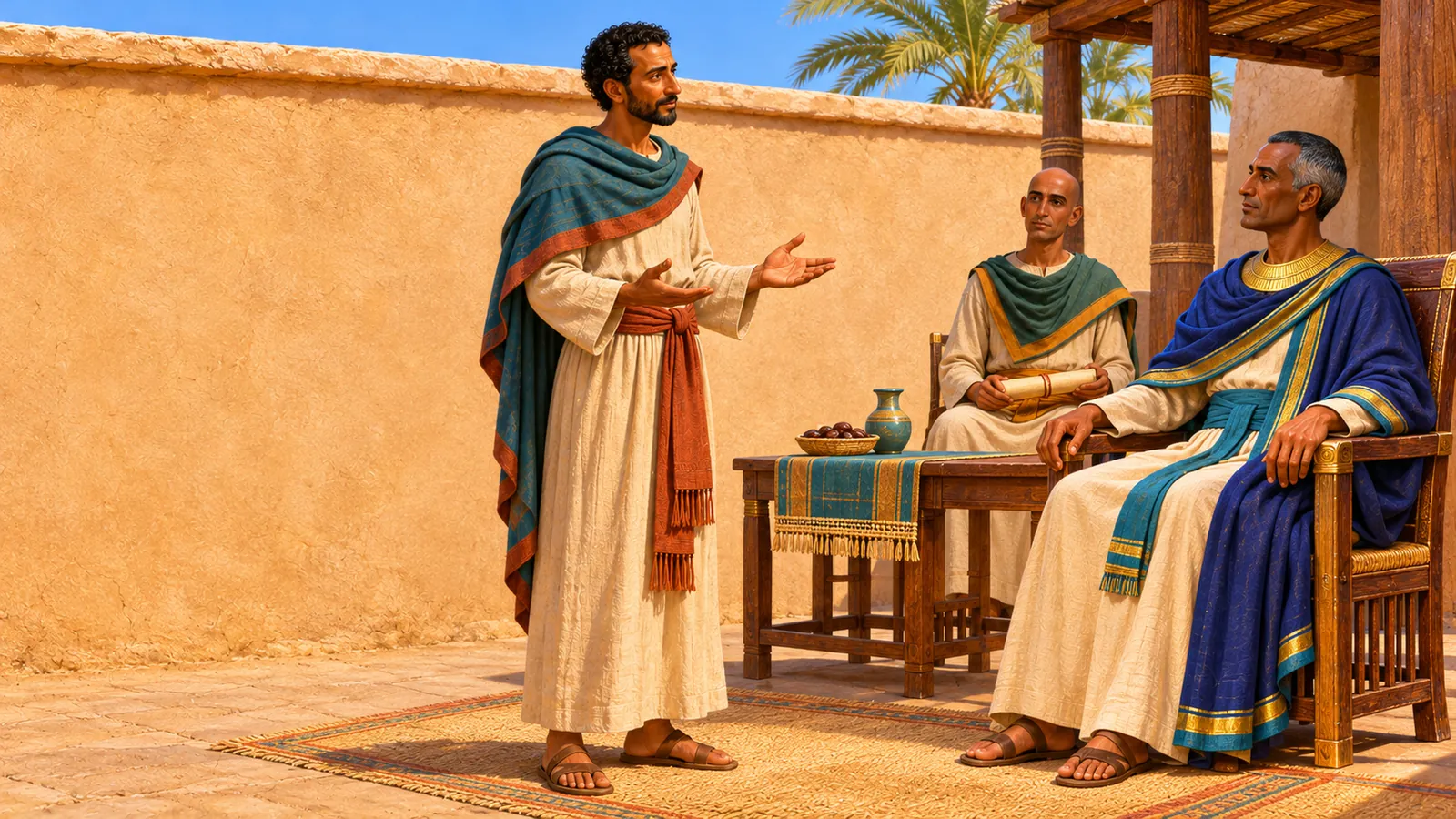
Khunanup kept pressing the distance between the office Rensi held and the justice he refused. The hearing continued, while the stolen property remained beyond the peasant’s reach.
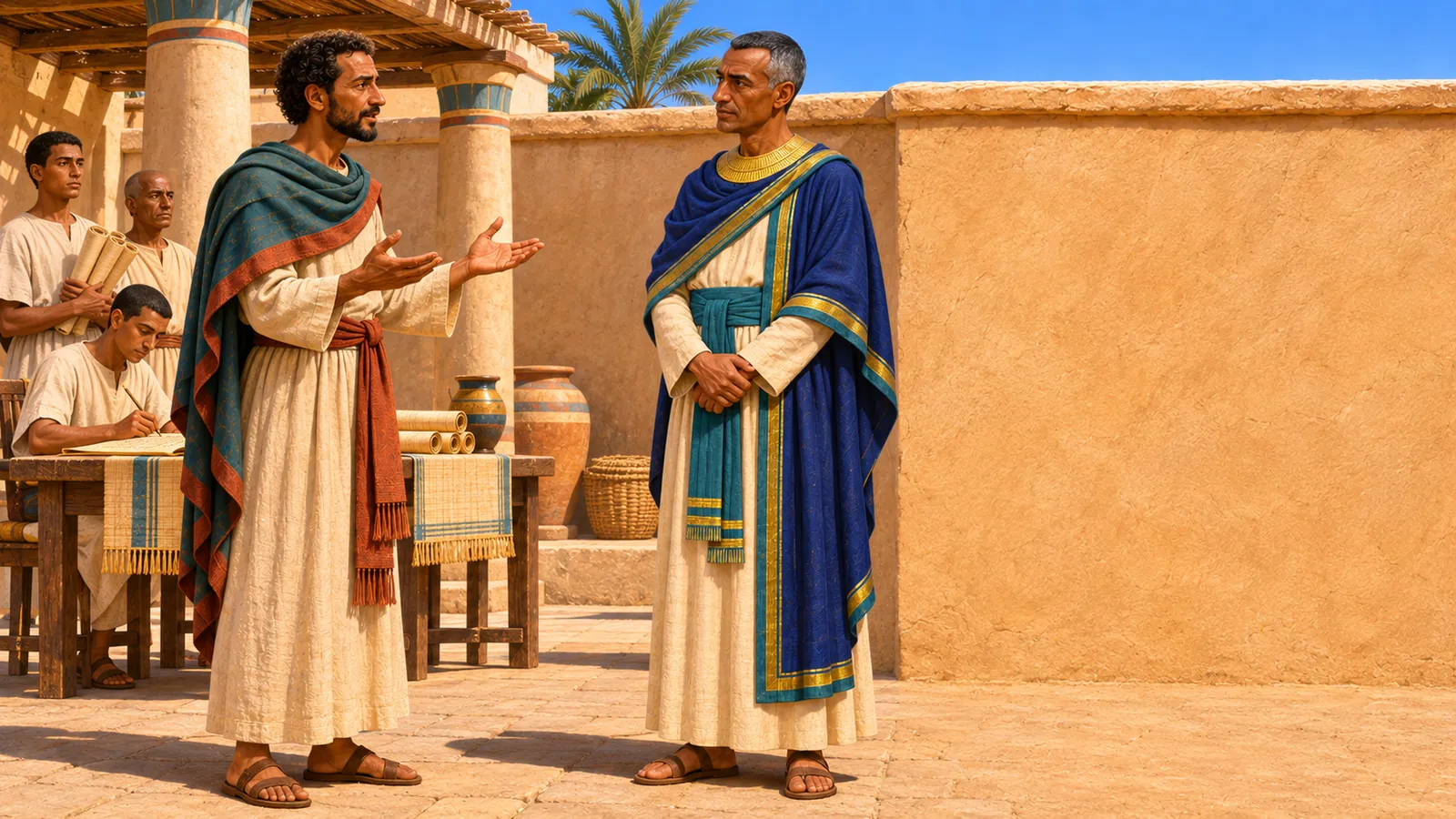
In his third petition, Khunanup praised the life-giving work an official ought to do. Invoking Re, the Nile and Thoth, he demanded truthful judgment and proper punishment.
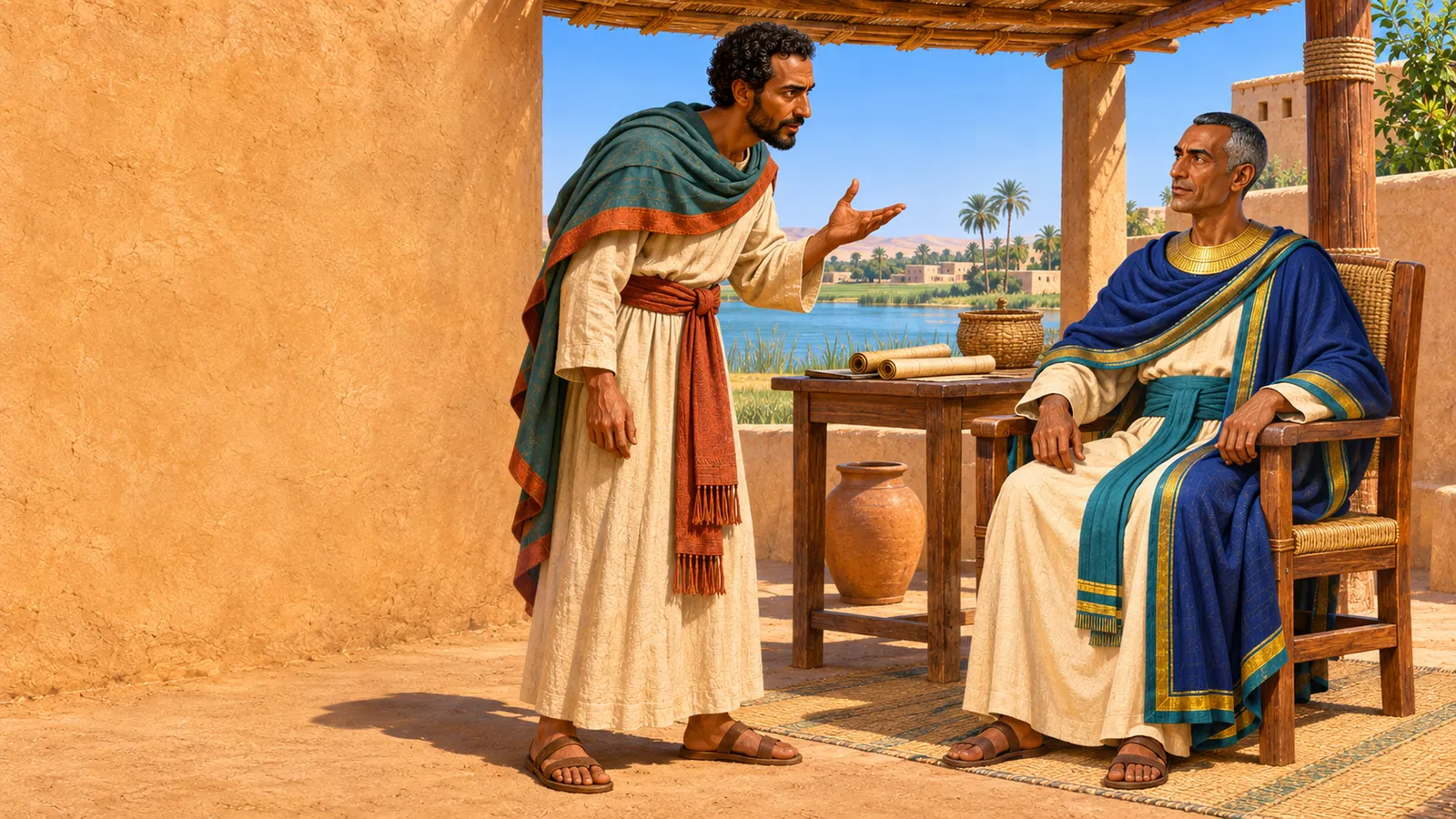
He condemned a protector who cared only for those able to pay. His sharp comparisons exposed an official who should defend the weak but instead preyed upon them.

Rensi ordered two attendants to whip Khunanup at the portico. The peasant had asked for justice, but the official answered the third petition with another act of violence.
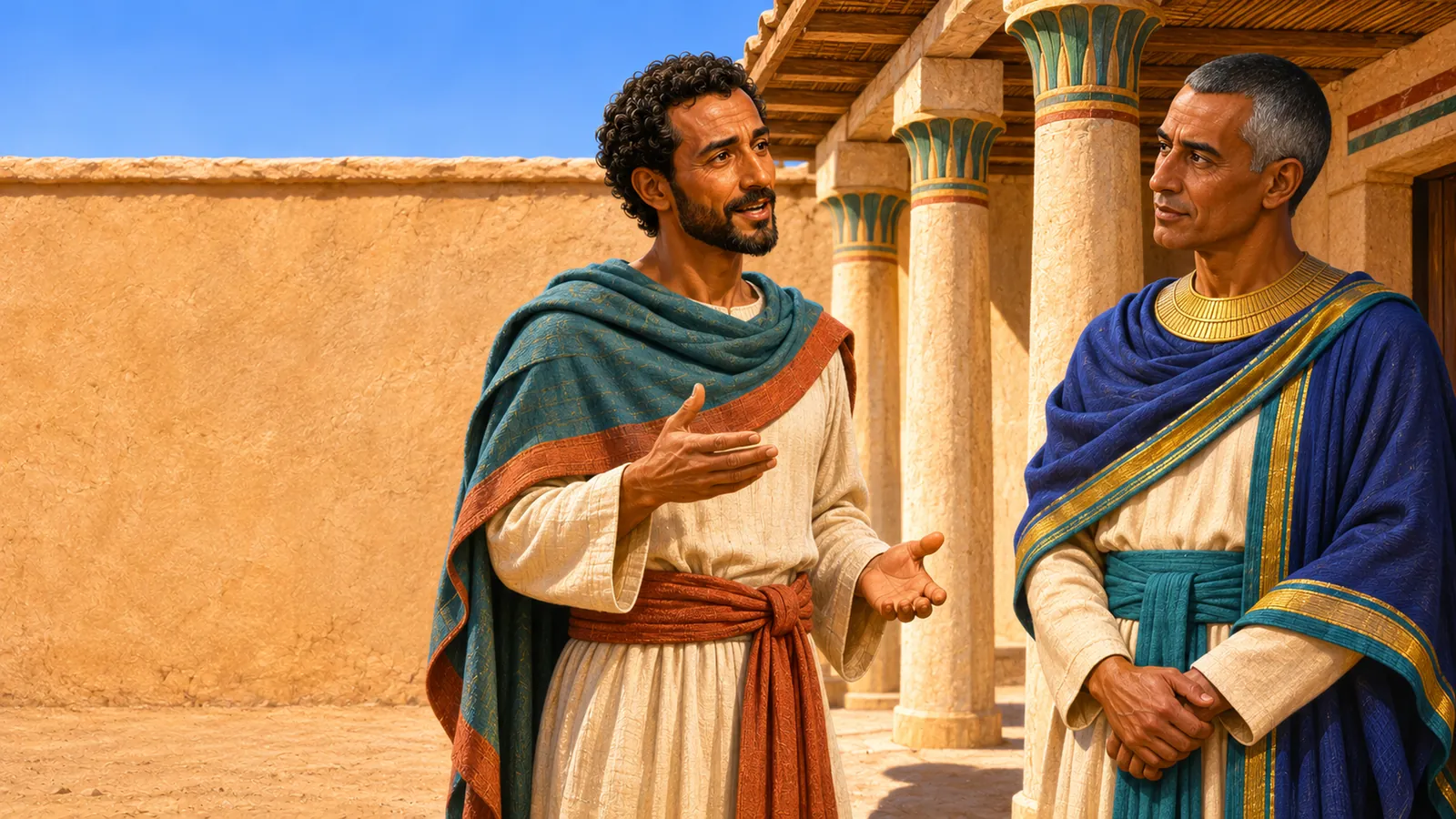
Khunanup accused the steward of refusing to see or hear what his office required. His comparisons challenged Rensi’s conduct; the blows had not ended his demand for judgment.
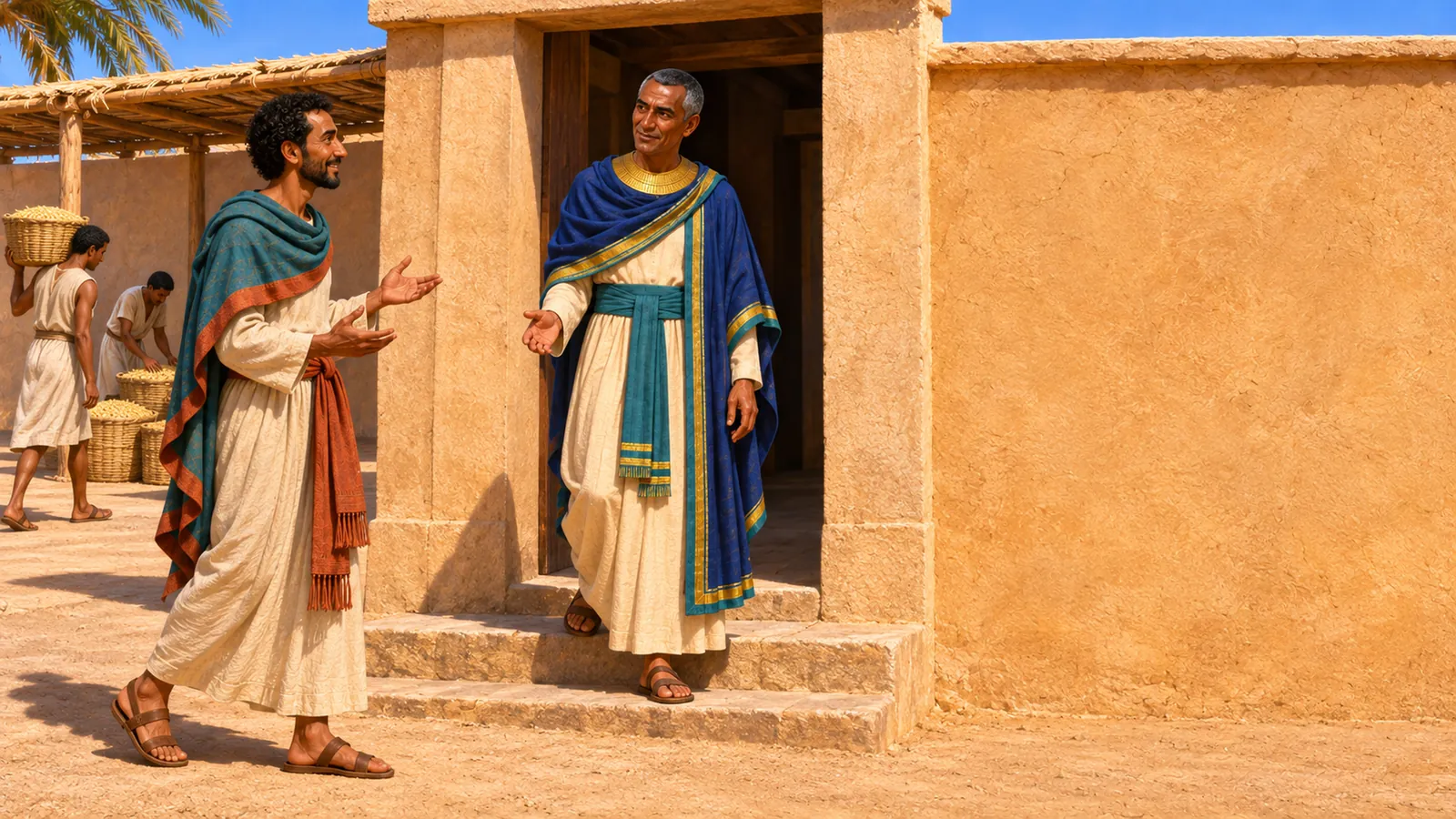
For the fourth petition, Khunanup met Rensi coming out of the temple of Heryshef. He again appealed to the official’s proper duty, now beside the city god’s sanctuary.
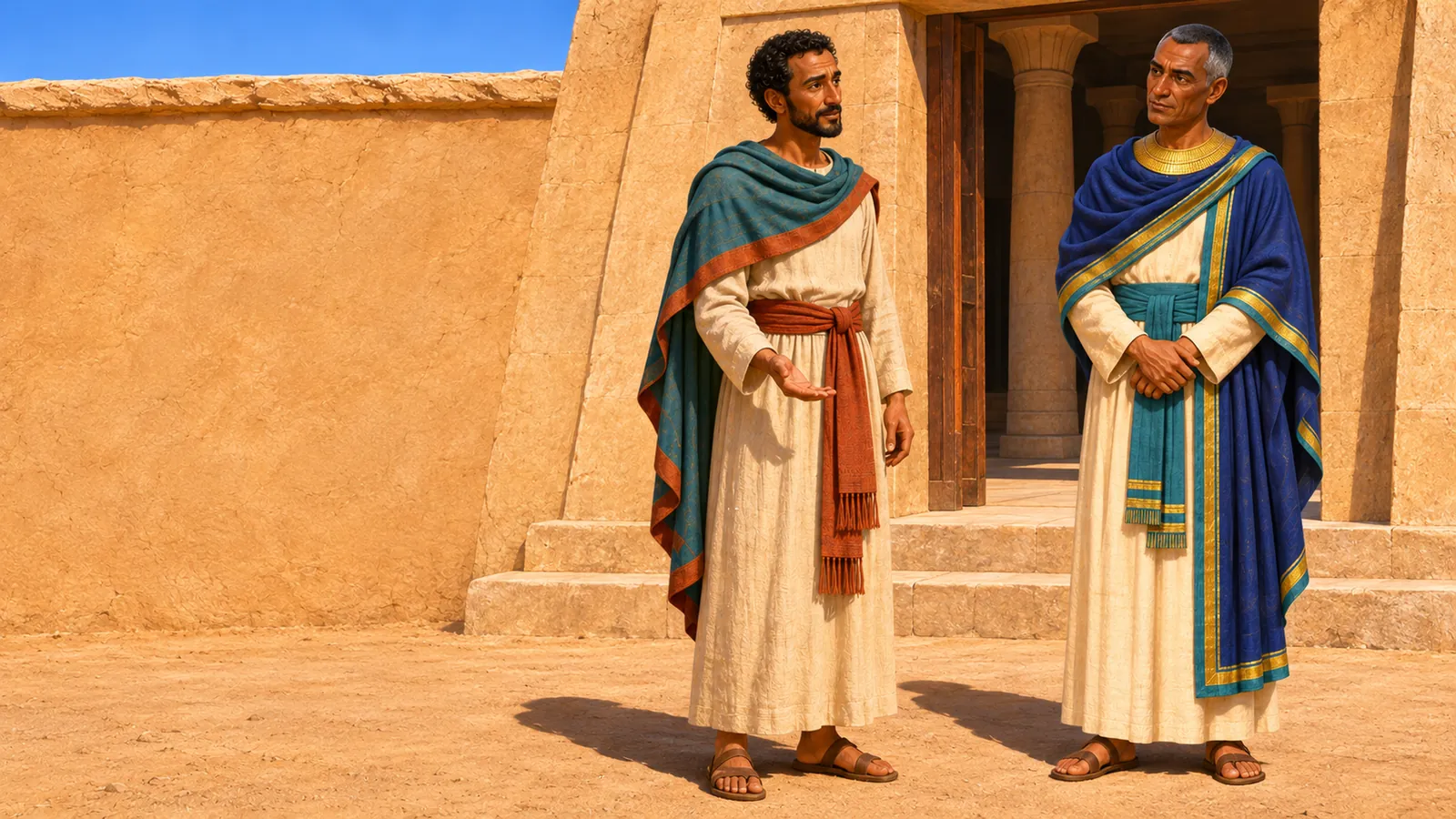
Khunanup urged patience and careful speech in those who judged others. Authority lost its purpose when the person trusted to rescue the helpless became another source of danger.
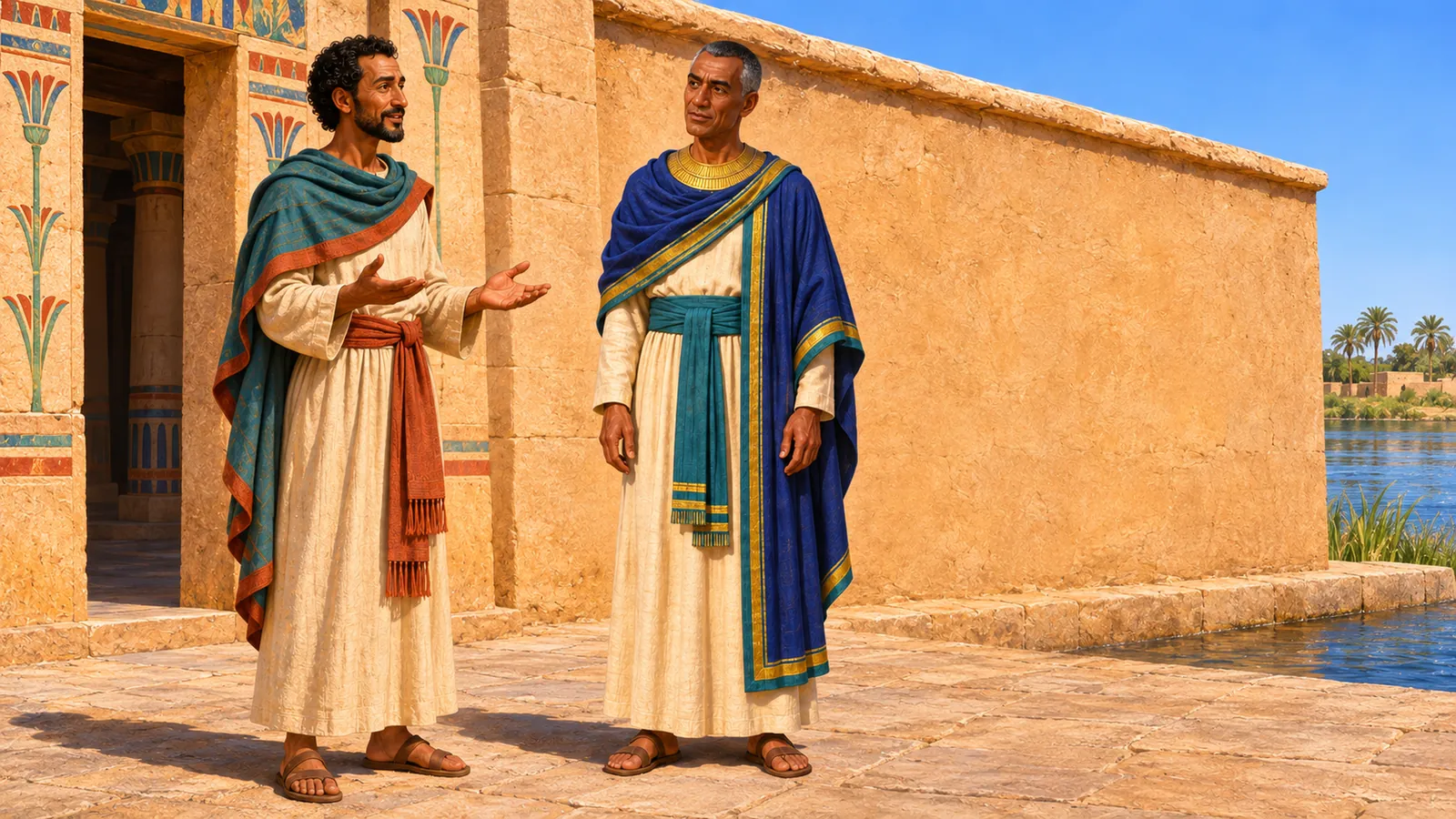
He argued that ignoring a wrongful act added a second wrong to the first. Rensi could not claim justice while allowing the complaint before him to remain unanswered.
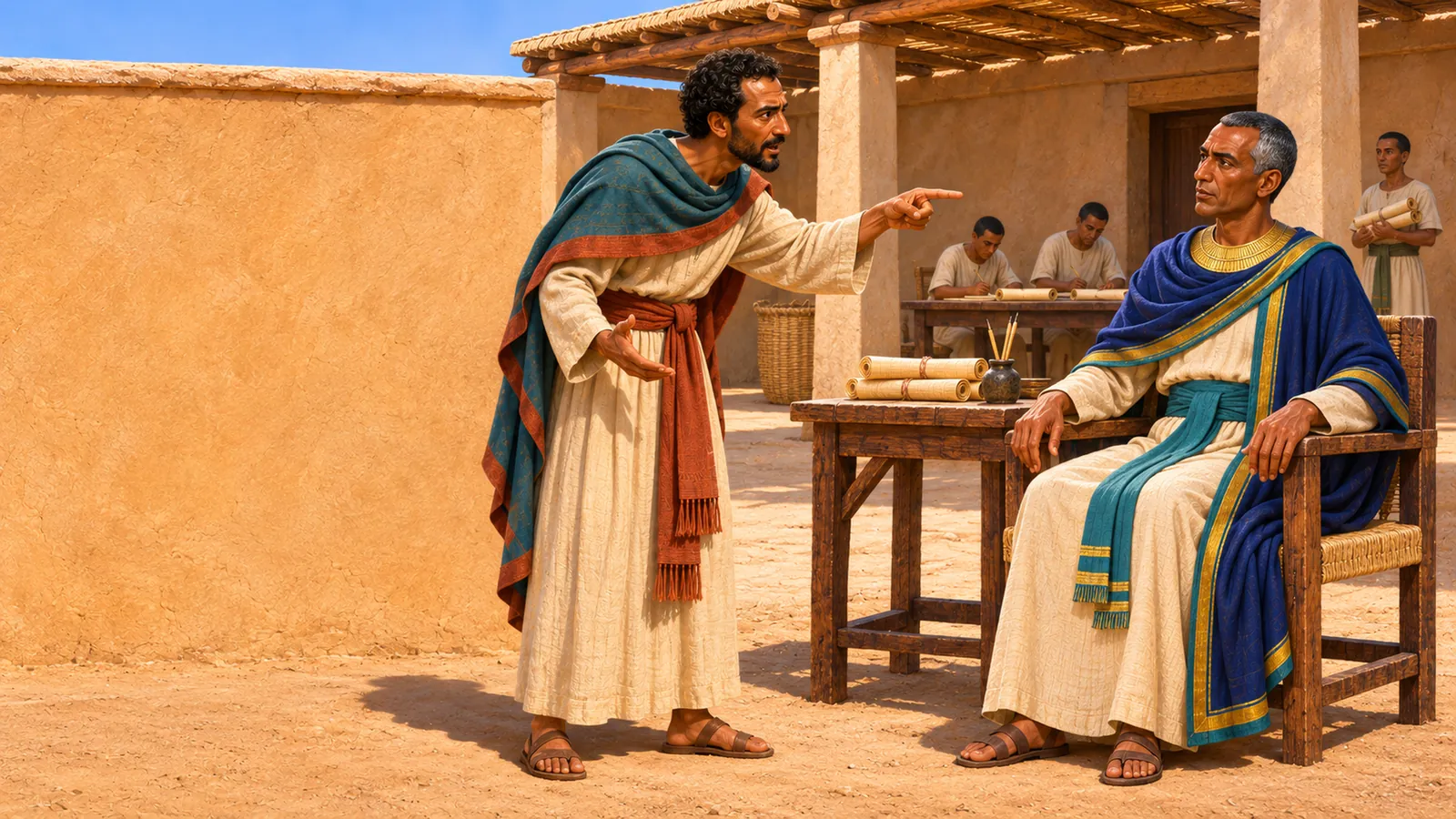
In his fifth petition, Khunanup returned to the central betrayal. The official appointed to punish a robber was helping the robber instead, leaving the injured man without protection.
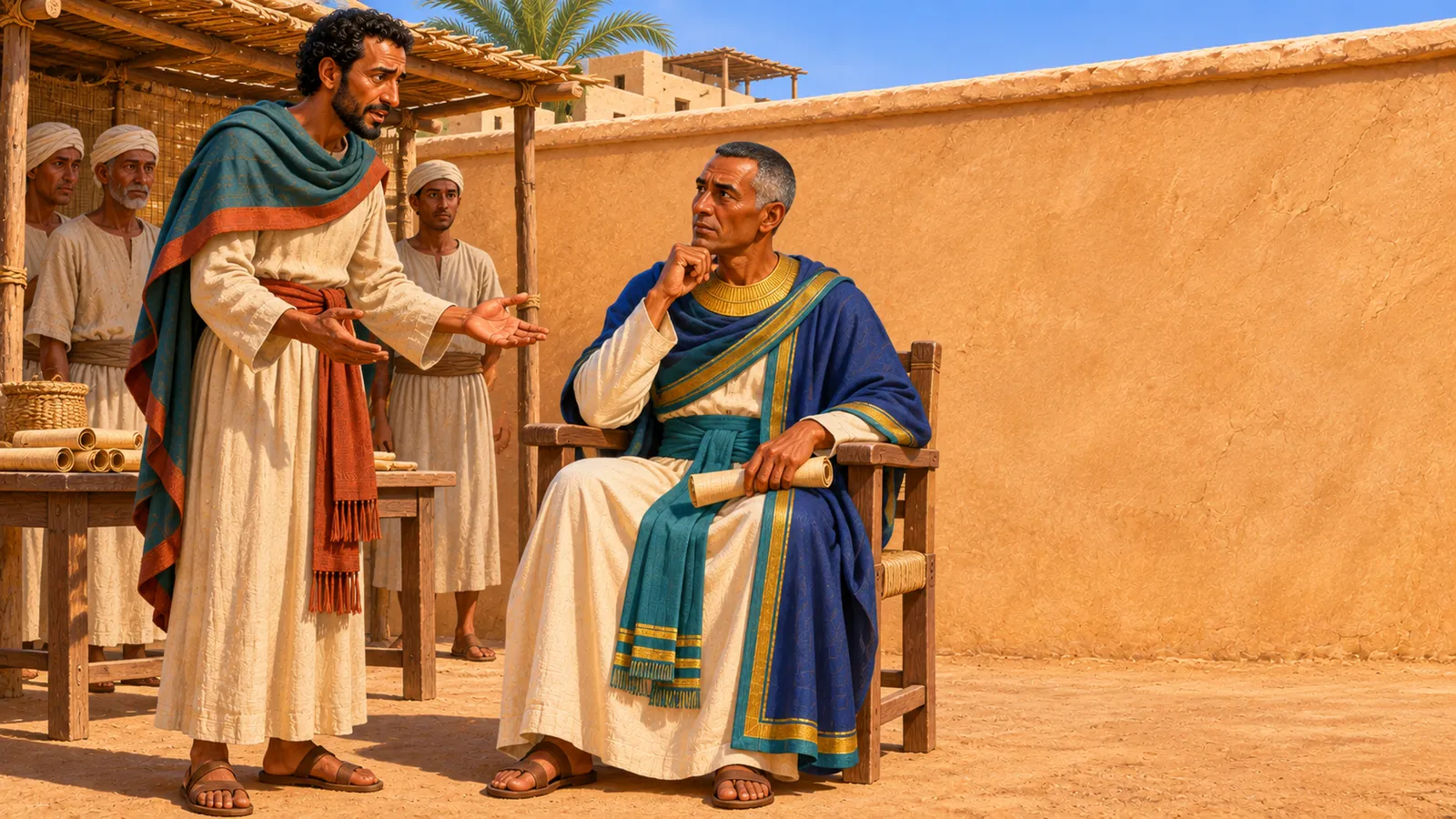
He spoke of the poor person’s property as essential to life itself. To consume that livelihood while claiming to protect it made the official’s responsibility still more urgent.
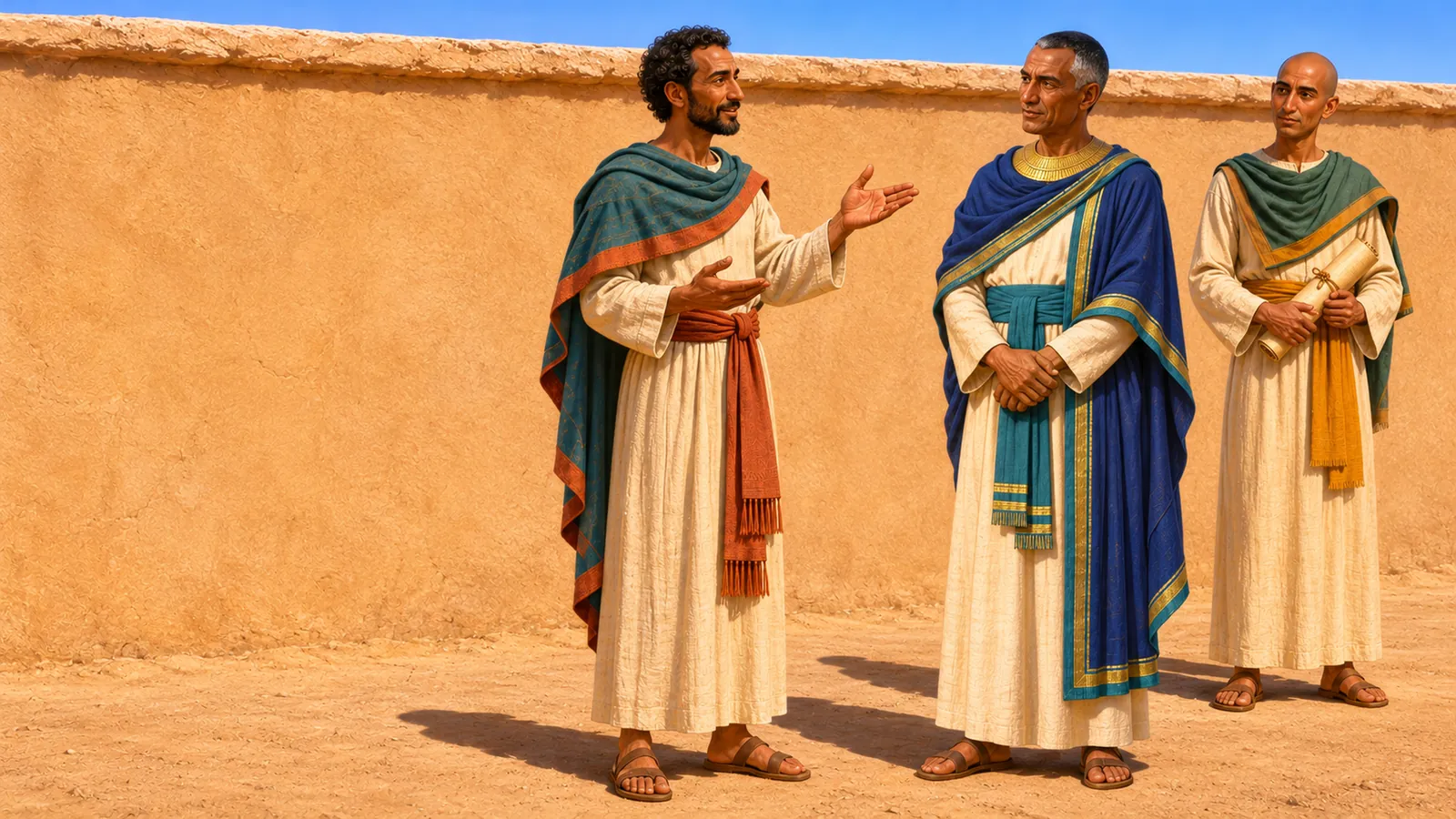
In the sixth petition, Khunanup contrasted truth with the falsehood that had gained authority. He called for fair dealing from the man entrusted with dividing and measuring rightly.
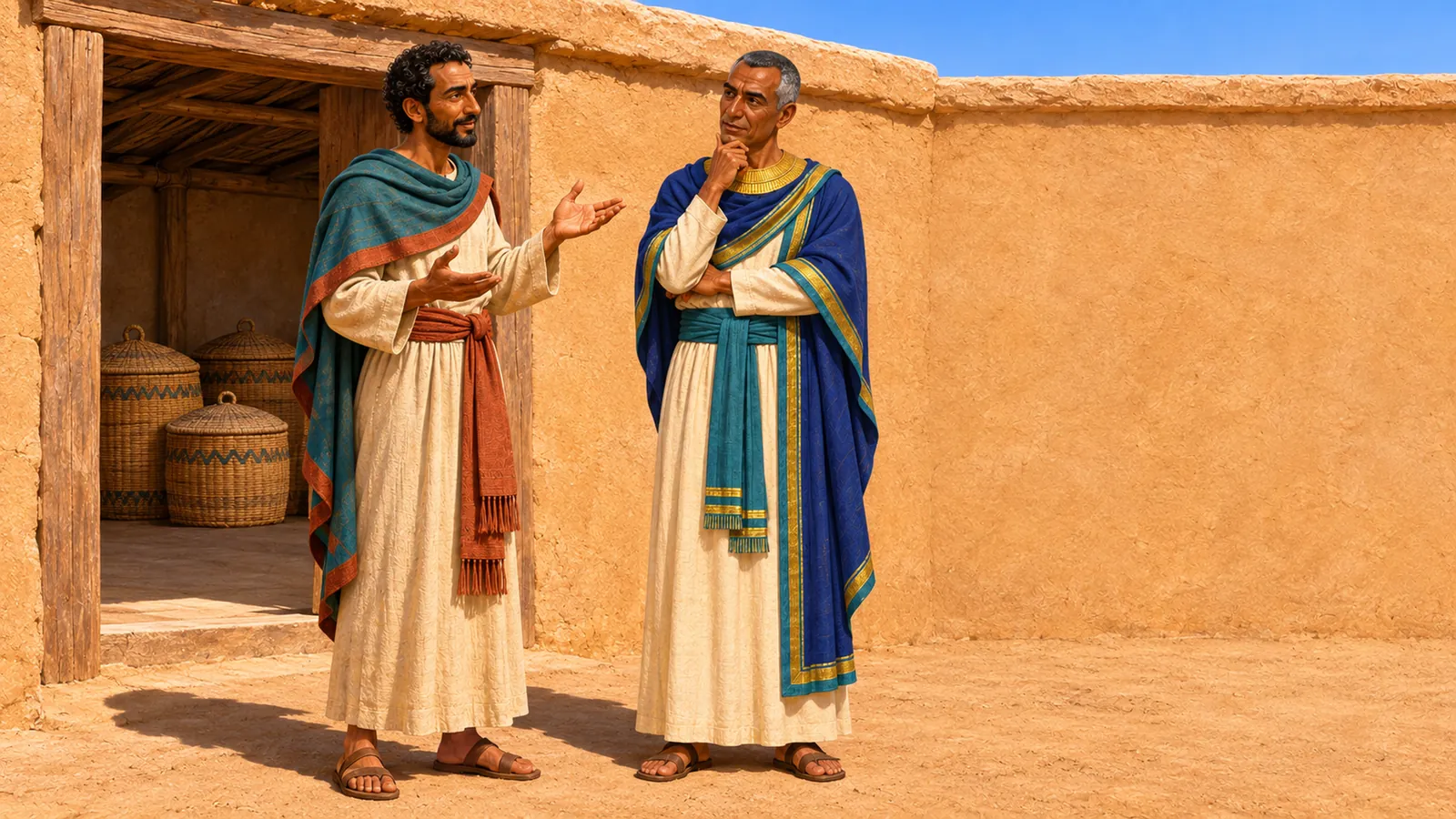
His images of warmth, food and useful work exposed the failure of care. A steward could not fulfil his task by possessing resources while neglecting those who needed judgment.
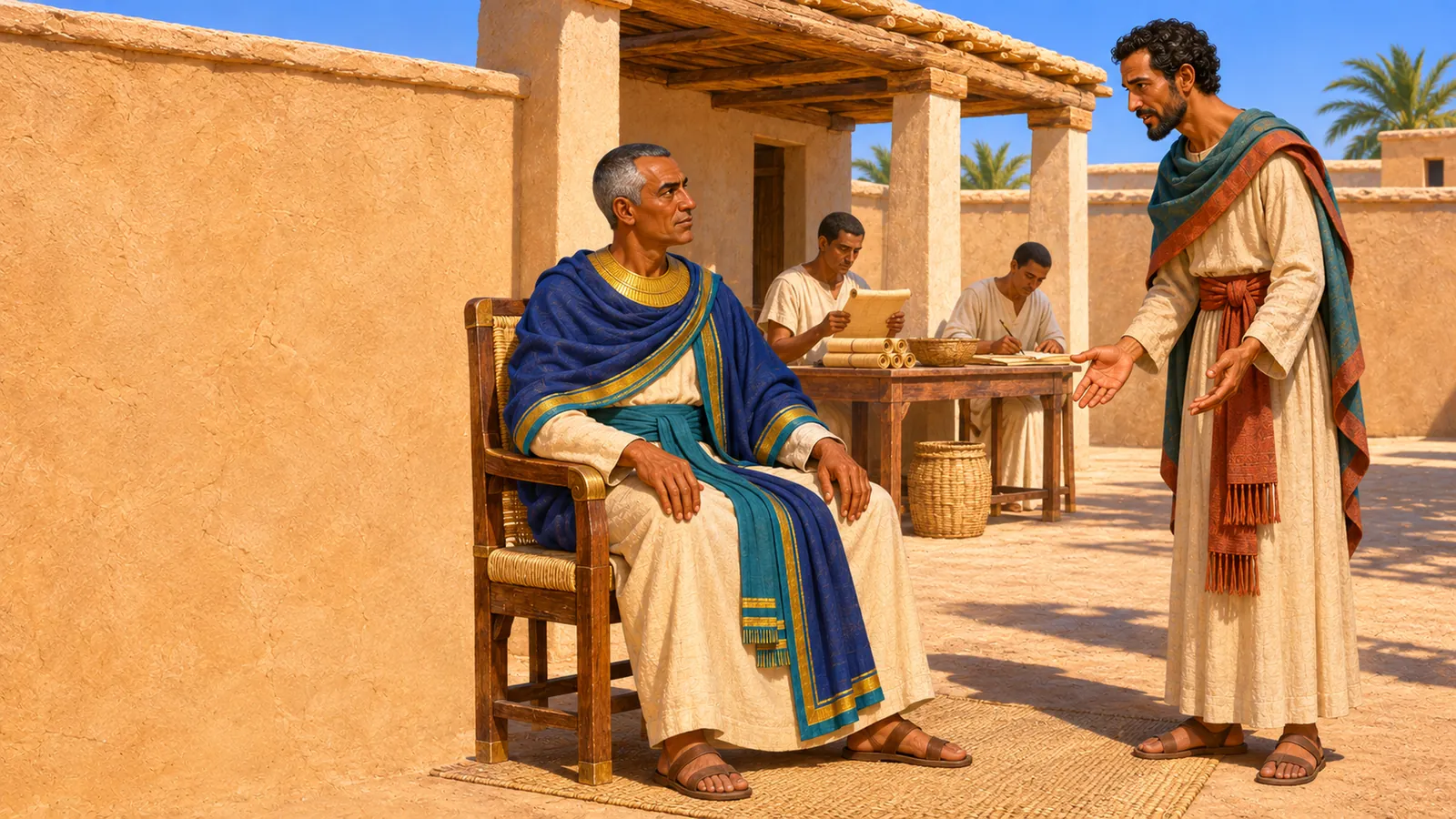
In his seventh petition, Khunanup invoked Thoth as an image of impartial judgment. He called on the steward to hear patiently instead of celebrating an outcome before justice was done.
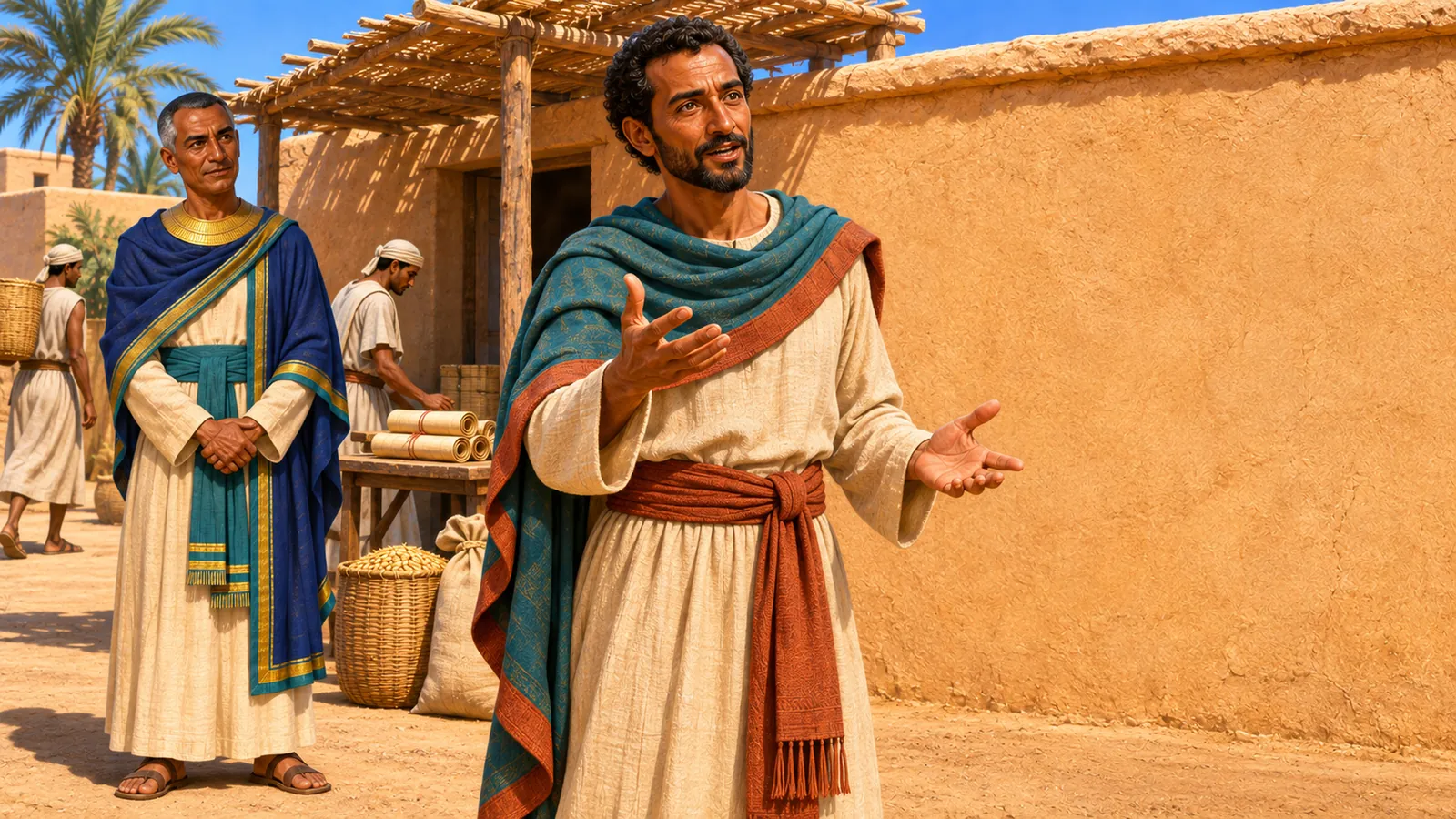
Khunanup compared his overflowing speech to water pressing against a barrier. The force came from a grievance still unresolved, while Rensi’s continuing silence left the demand without release.
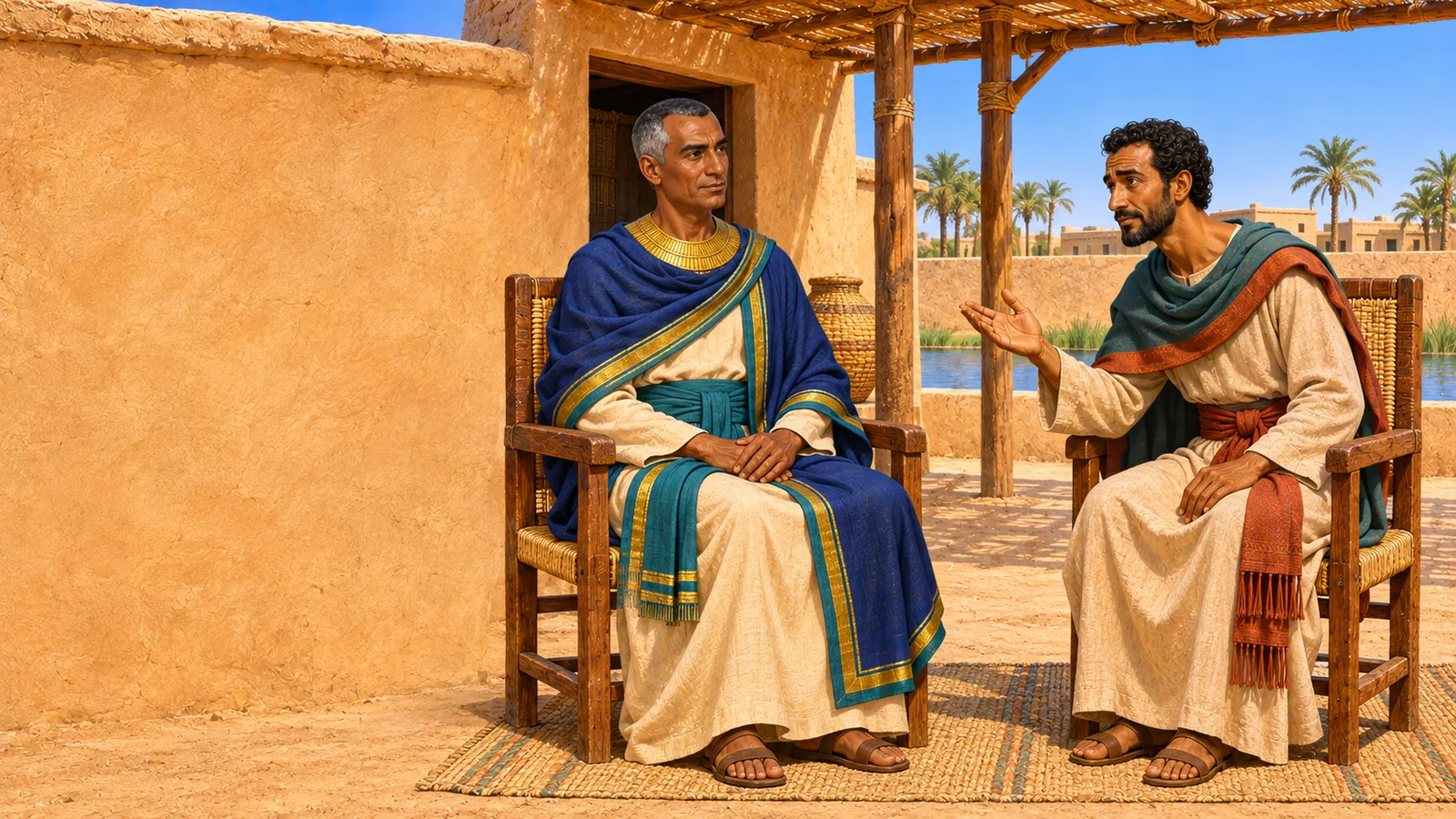
He challenged officials to mend what had been damaged rather than make another’s suffering worse. His bold images questioned their ability to perform the repair that their office promised.
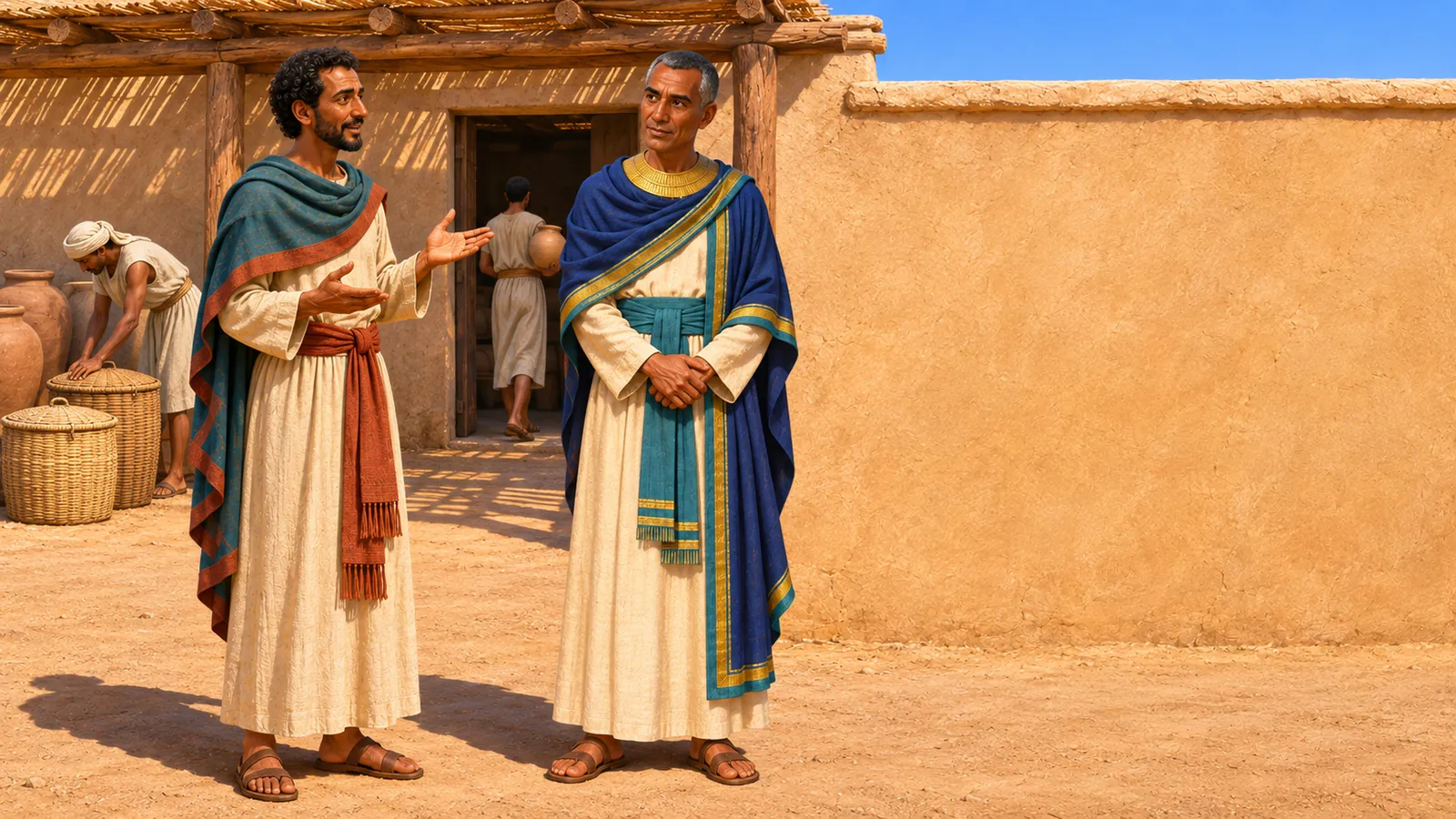
In the eighth petition, Khunanup attacked greed that persisted amid abundance. Rensi had stores, lands and gifts, yet the wrong against a poor man still waited for redress.
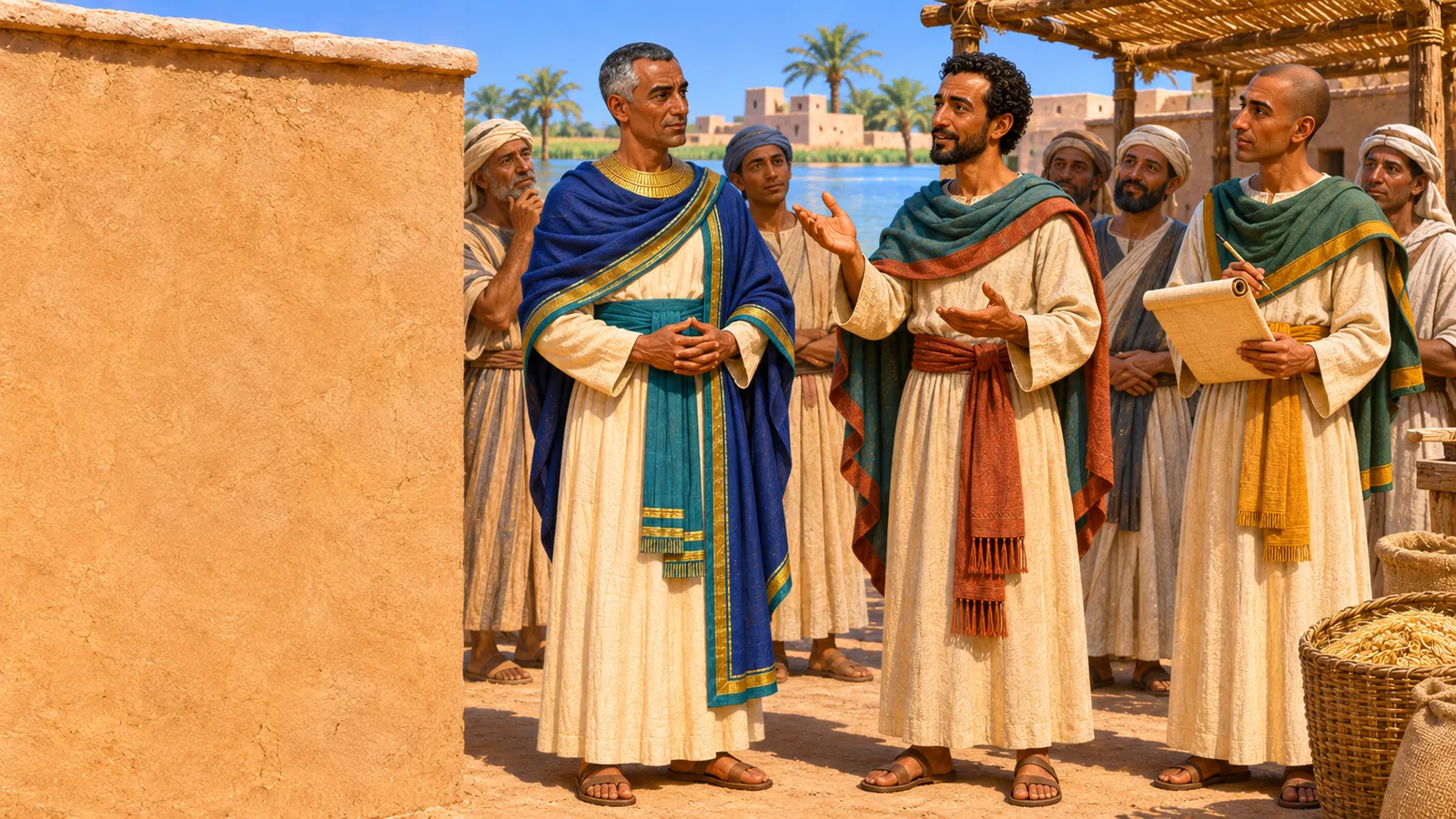
Khunanup invoked Thoth’s writing tools and the enduring worth of truth. A record could preserve fine words, but those words also measured the conduct of the man who heard them.
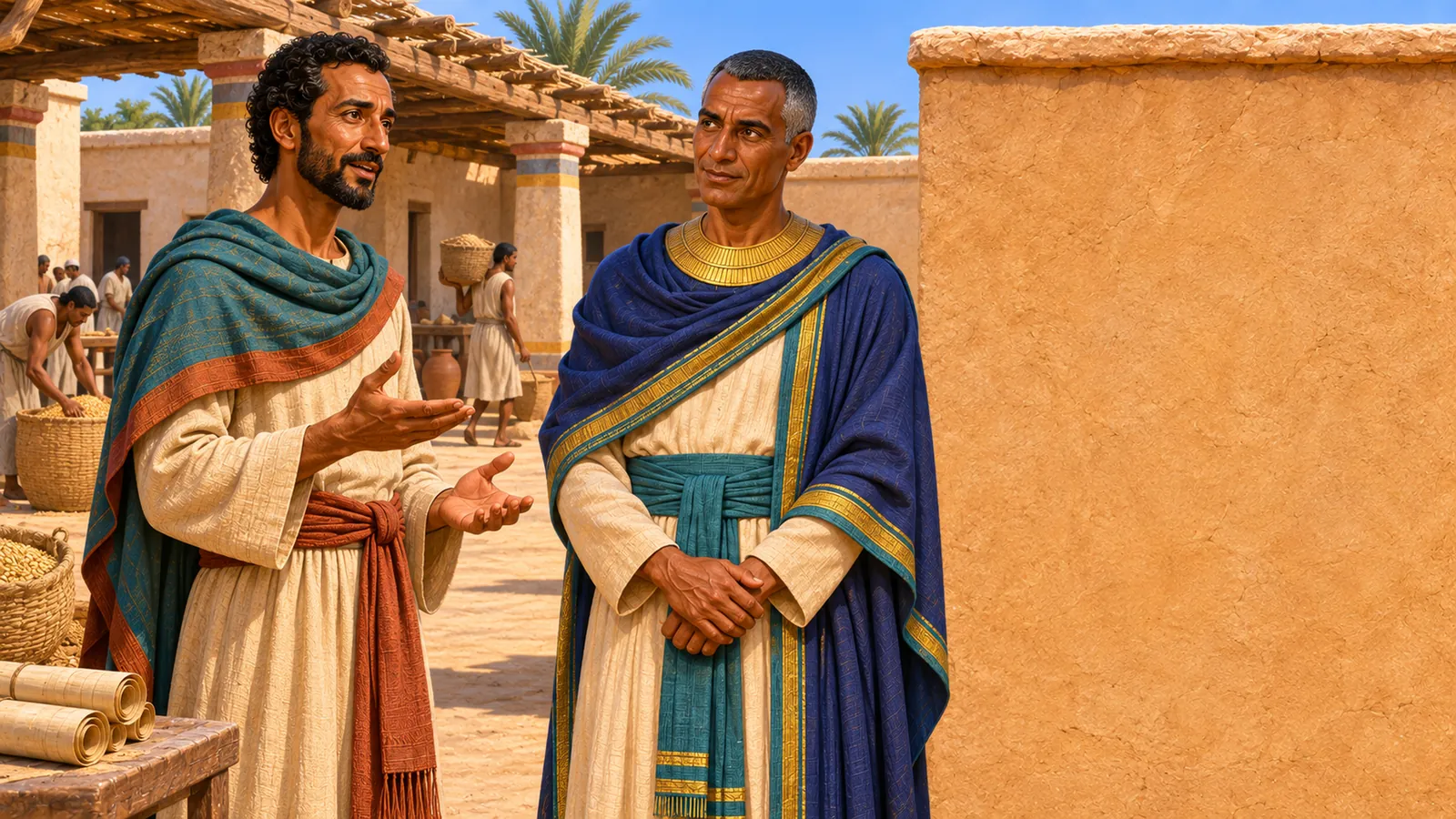
He argued that truth endured beyond wealth and the grave, preserving a worthy name. Possession alone could not secure what a just life gave to those who practised it.
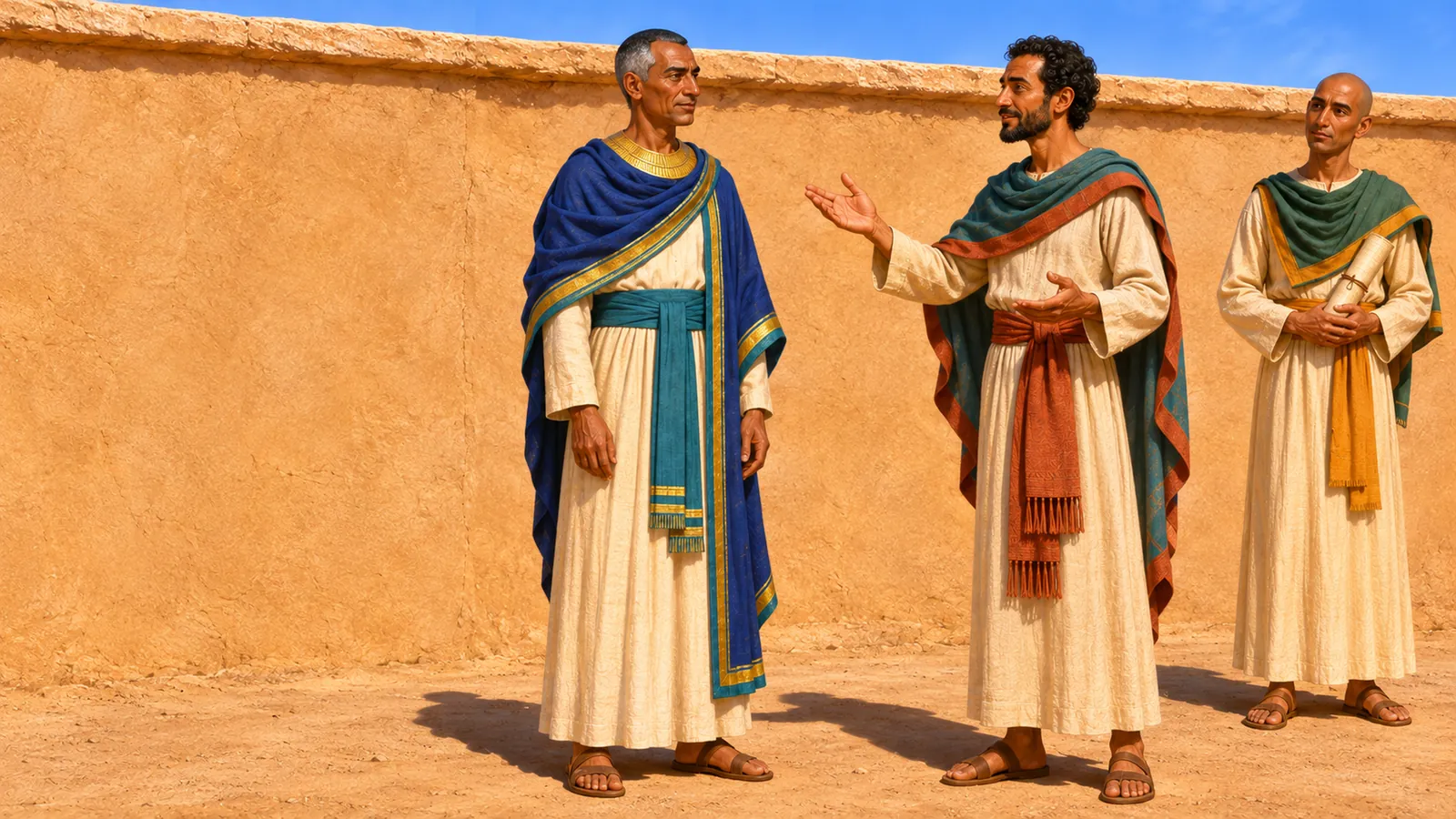
THE NINTH APPEAL
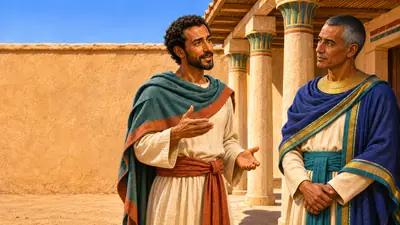
For the ninth time, Khunanup addressed the steward. He returned to truthful judgment, urging the man who set standards for others to correct falsehood in his own decisions.
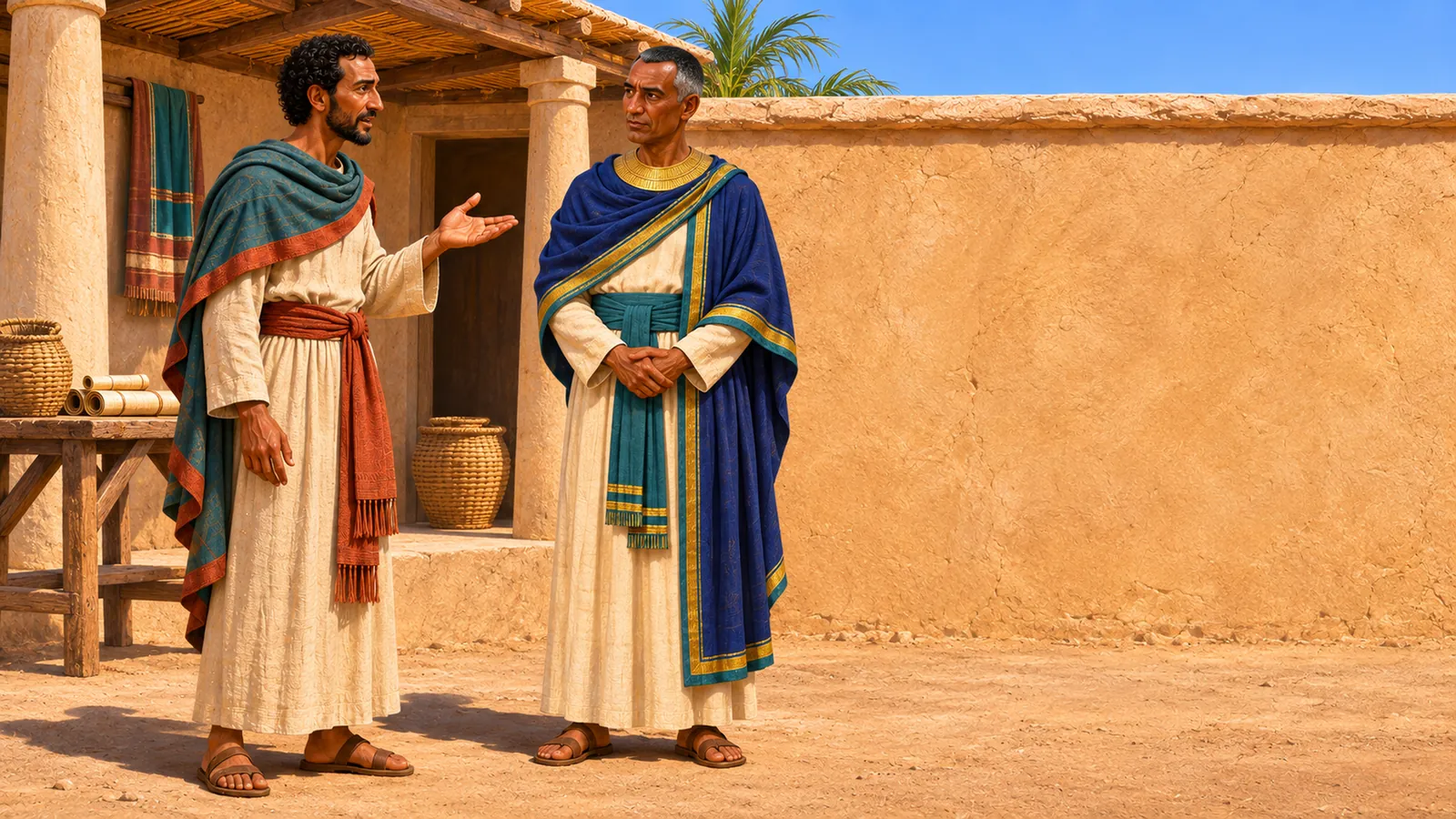
He pictured falsehood as a traveller unable to cross or moor safely. Wealth gained through it offered no lasting security; the images warned against the course of injustice.
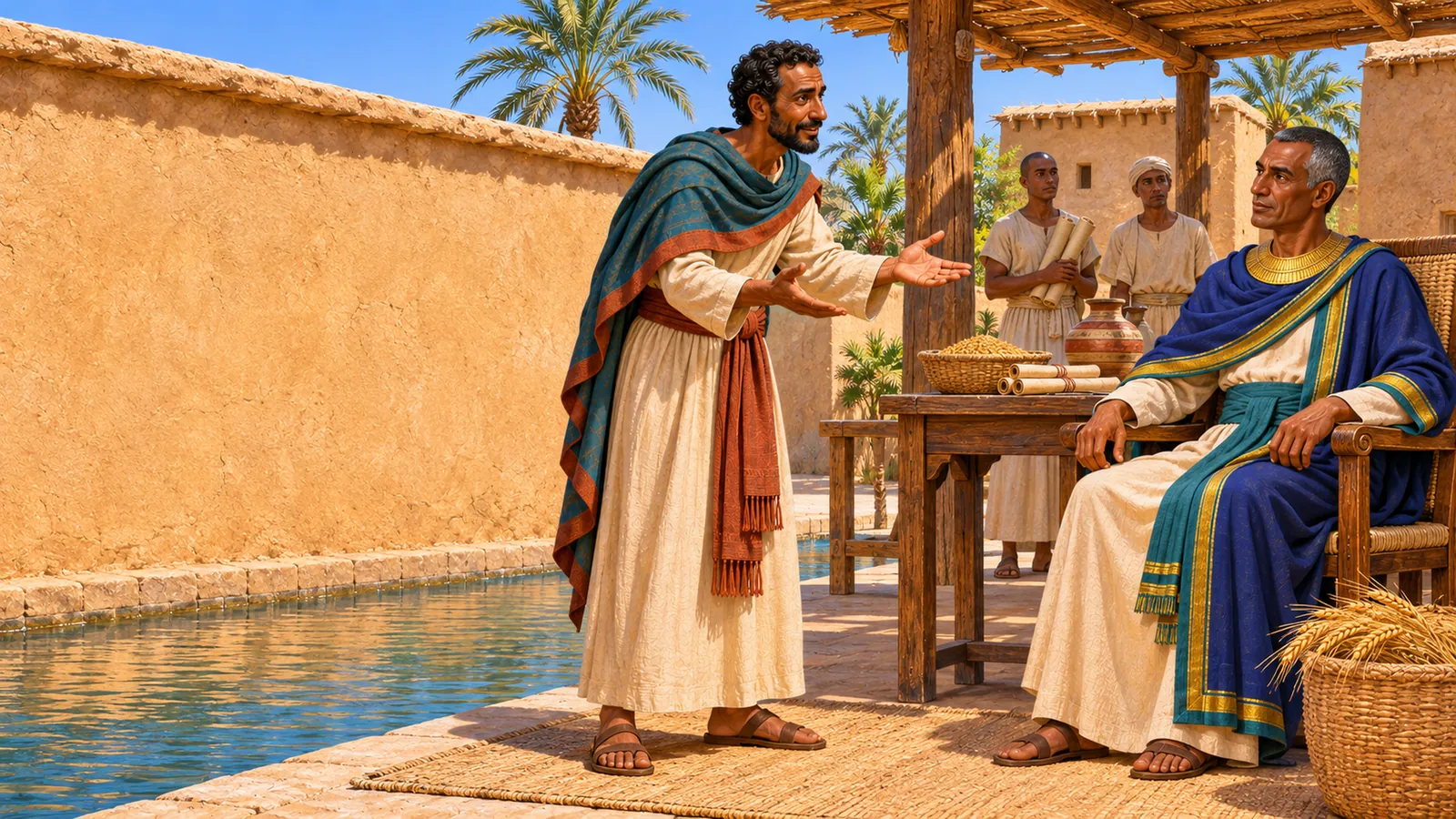
Khunanup urged Rensi to stop delaying, abandon partiality and announce a verdict. The person who appealed deserved a hearing, not another excuse from the man entrusted with justice.
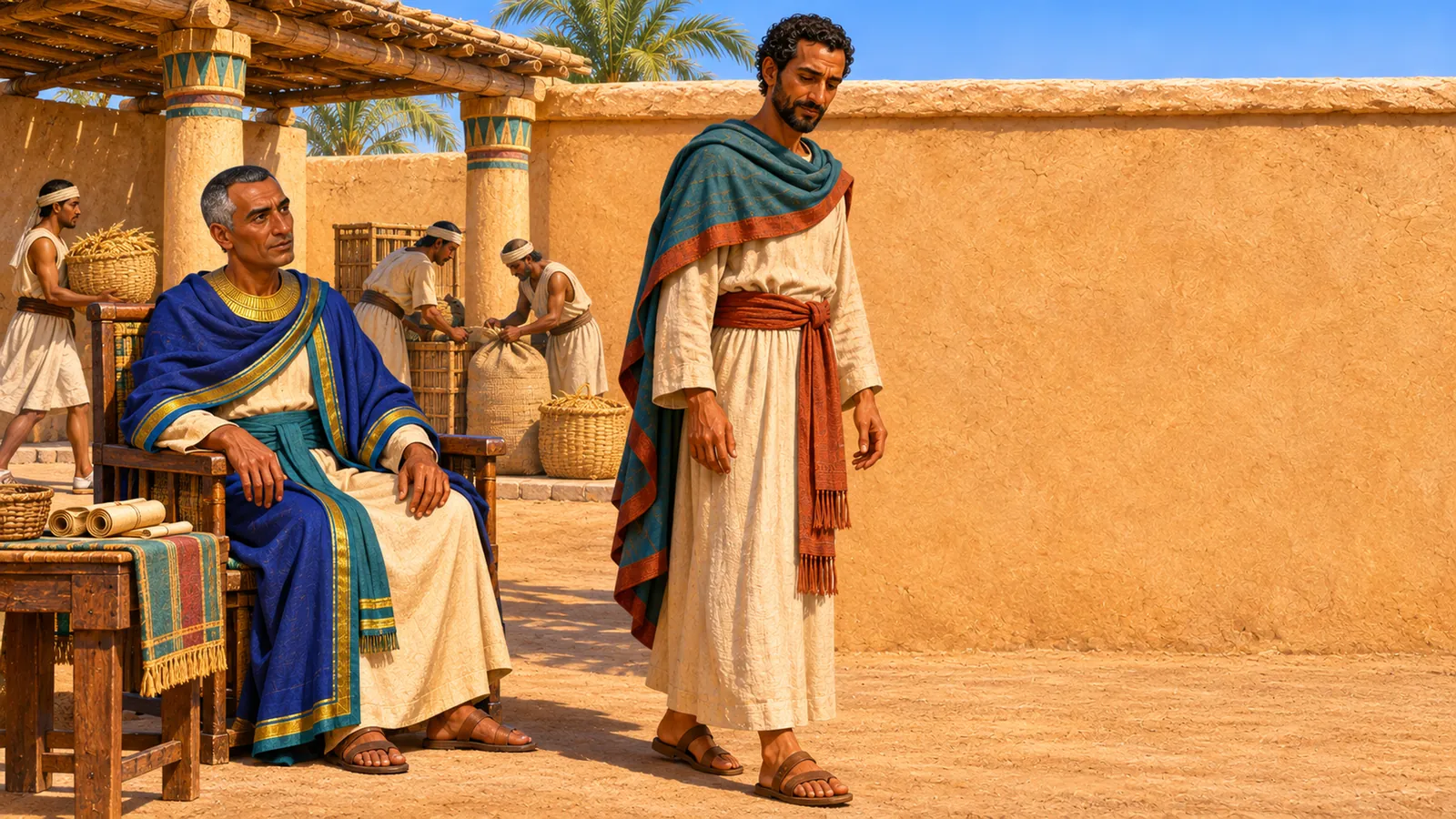
At last Khunanup threatened to take his complaint against Rensi to Anubis, god of the dead. These were desperate words seeking judgment; the tale records no act of self-harm.
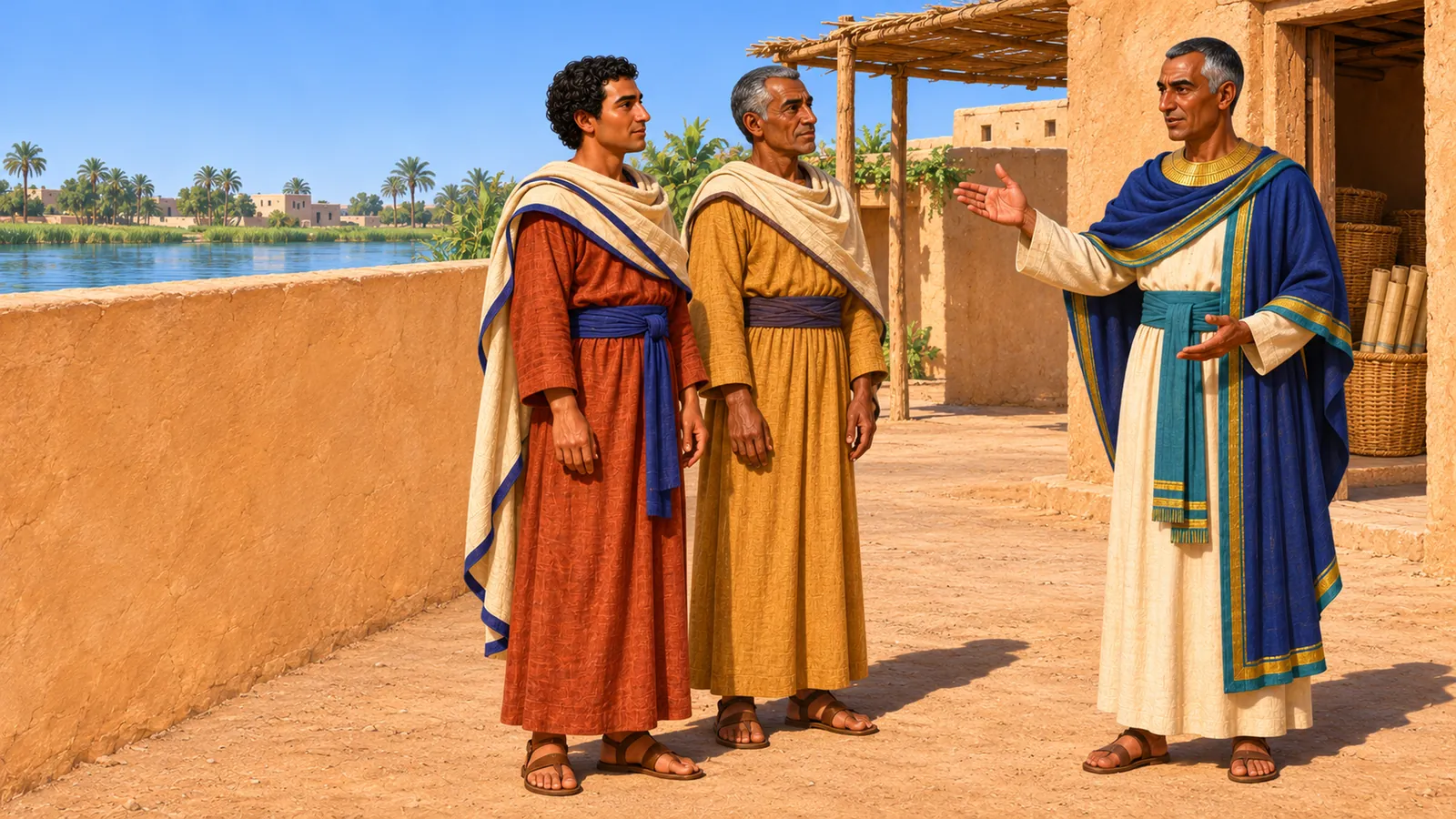
Rensi sent two guards to bring Khunanup back. The peasant feared that his final words had brought a new punishment, after all the silence and violence he had endured.
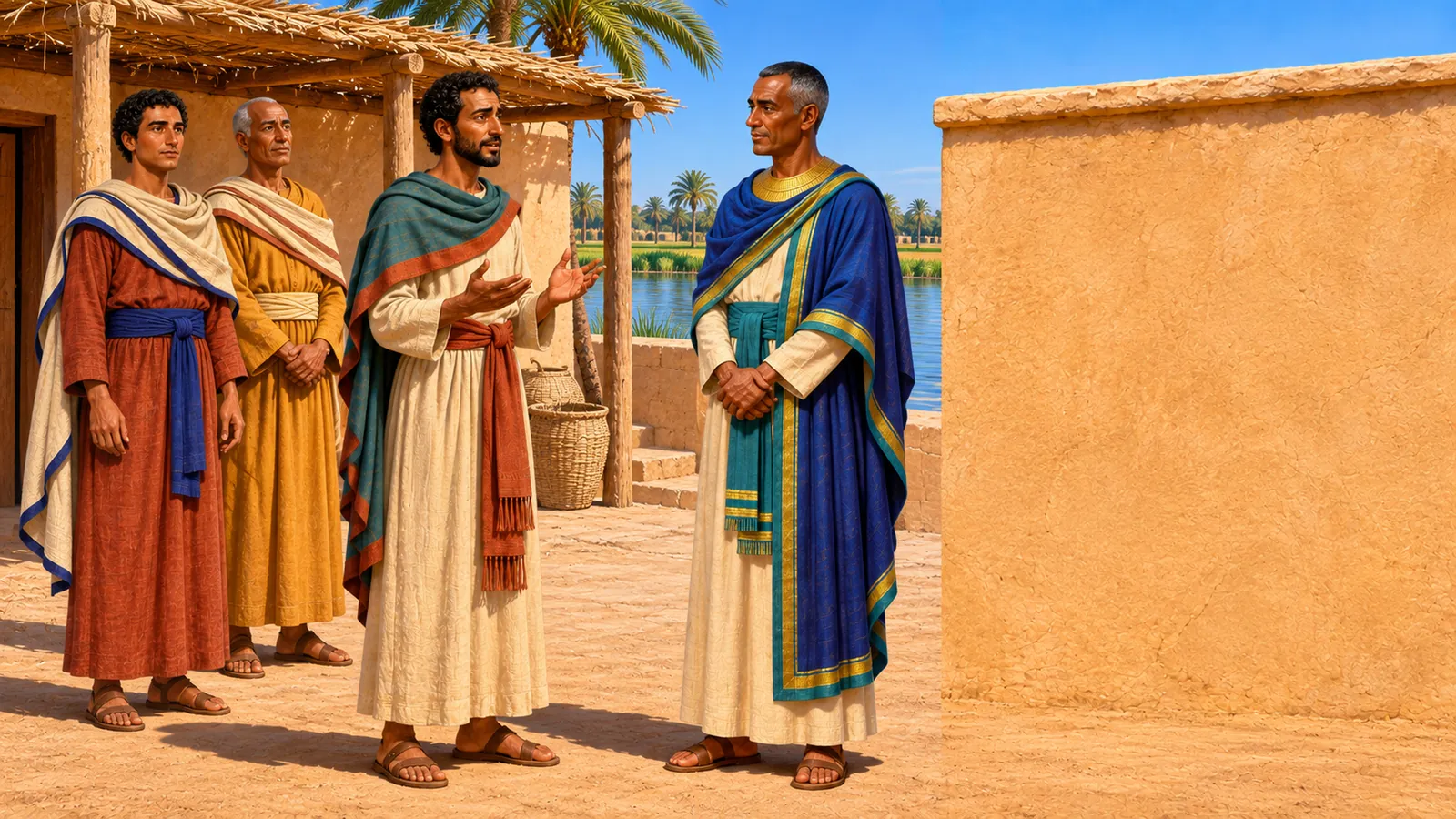
Brought back before Rensi, Khunanup expected retaliation for his speech. His fear belonged to the encounter, but the punishment he anticipated was not carried out.
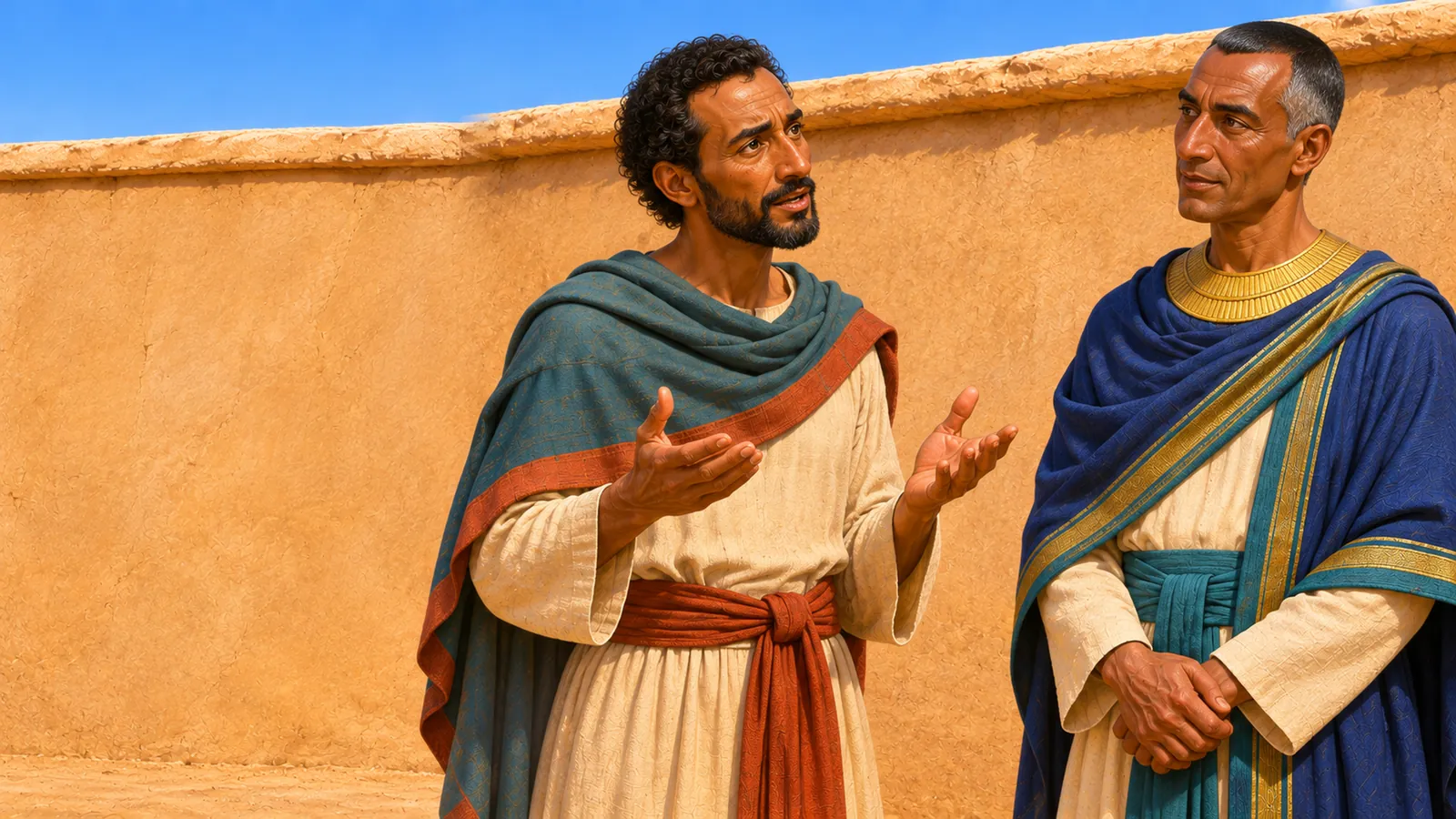
He compared his longing for an end to a thirsty person’s need for water and a nursing child’s need for milk. The speech expressed how unbearable waiting had become.
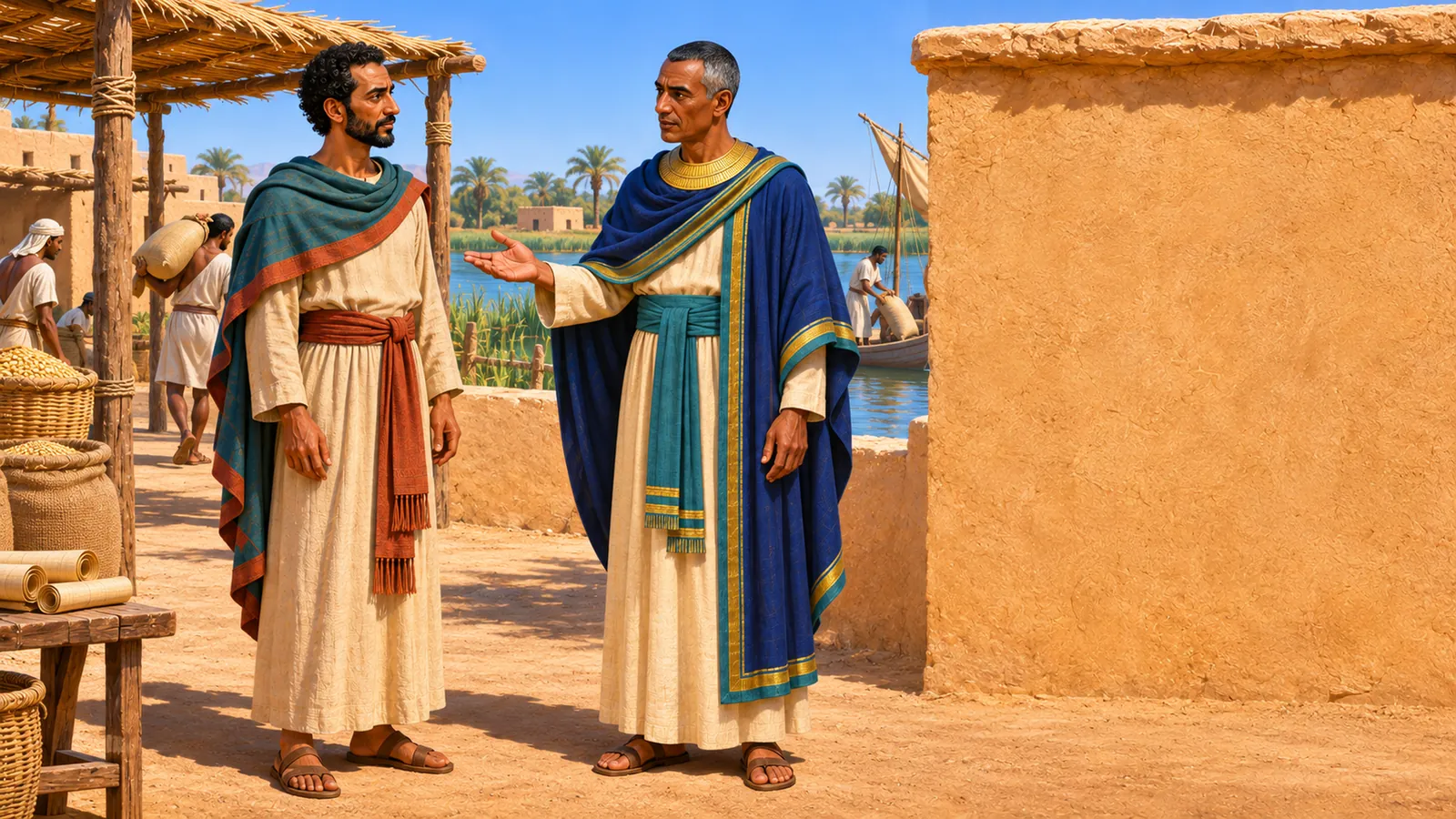
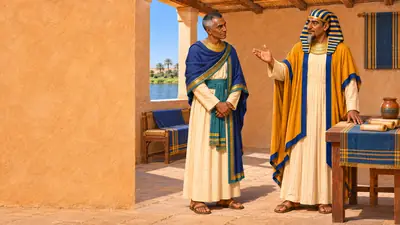
Rensi told Khunanup not to fear and said the matter would be dealt with between them. The peasant questioned whether bread and beer could sustain this waiting forever.
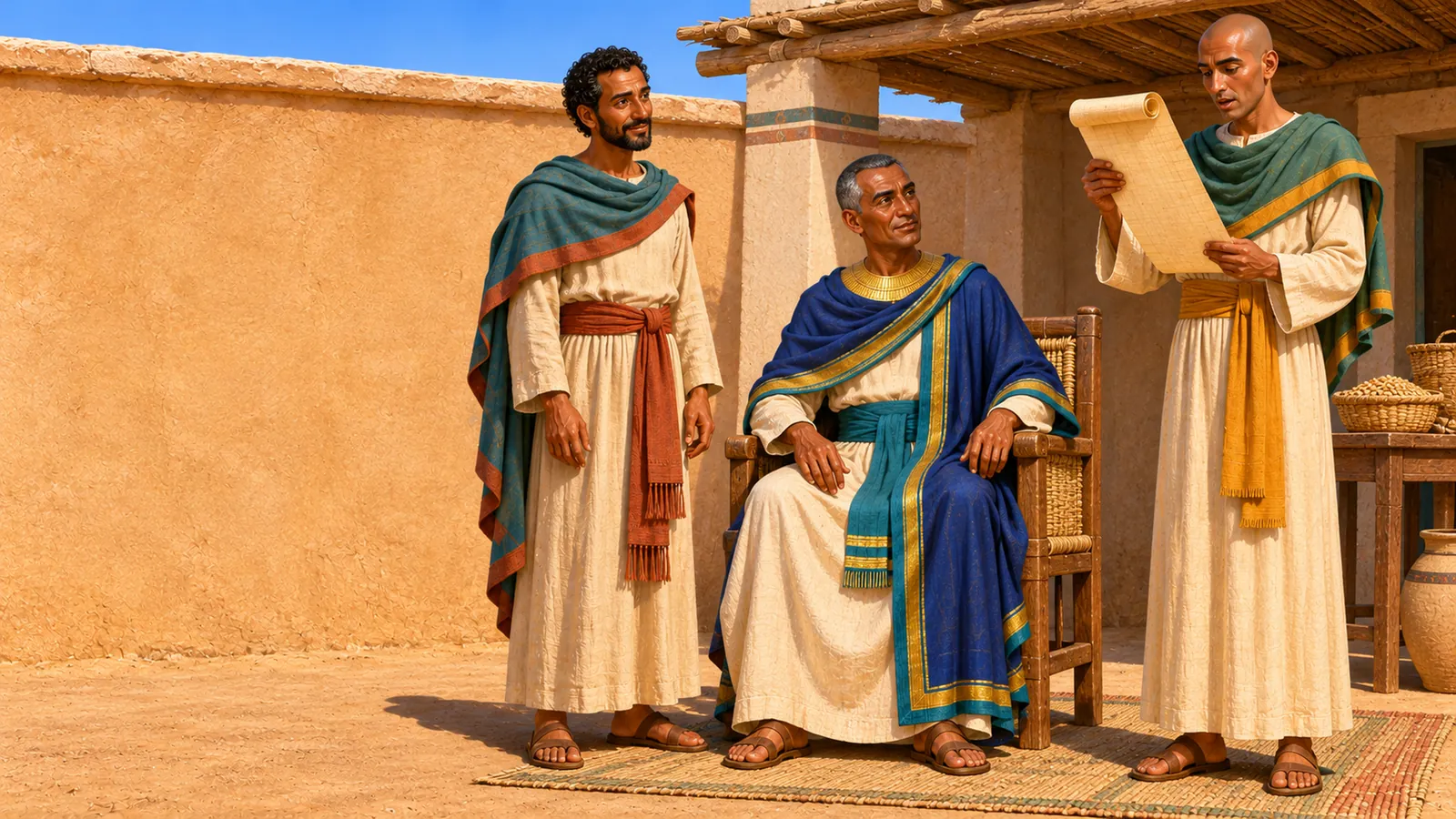
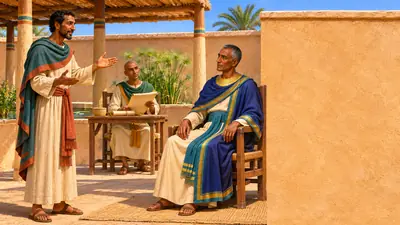
Rensi had every petition read aloud to Khunanup from a fresh papyrus roll. The words spoken during his long struggle had become a written record for him to hear.
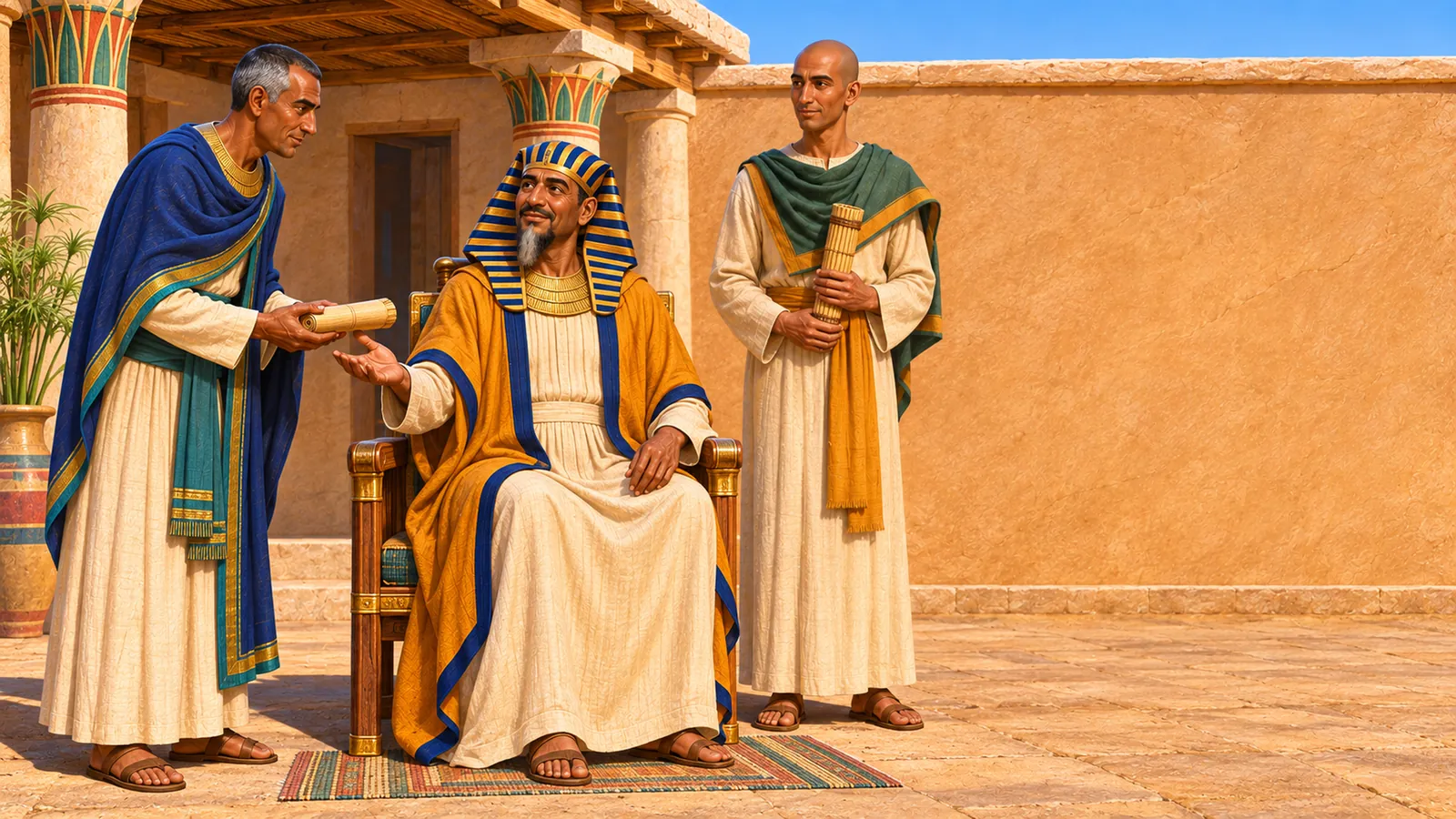
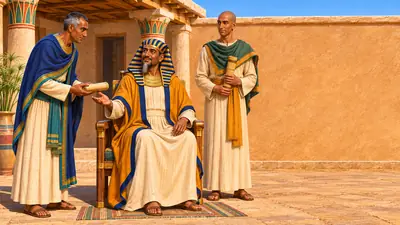
The high steward then presented the petitions to Nebkaure. The king admired them above everything else in the land, just as he had hoped to enjoy the peasant’s eloquence.
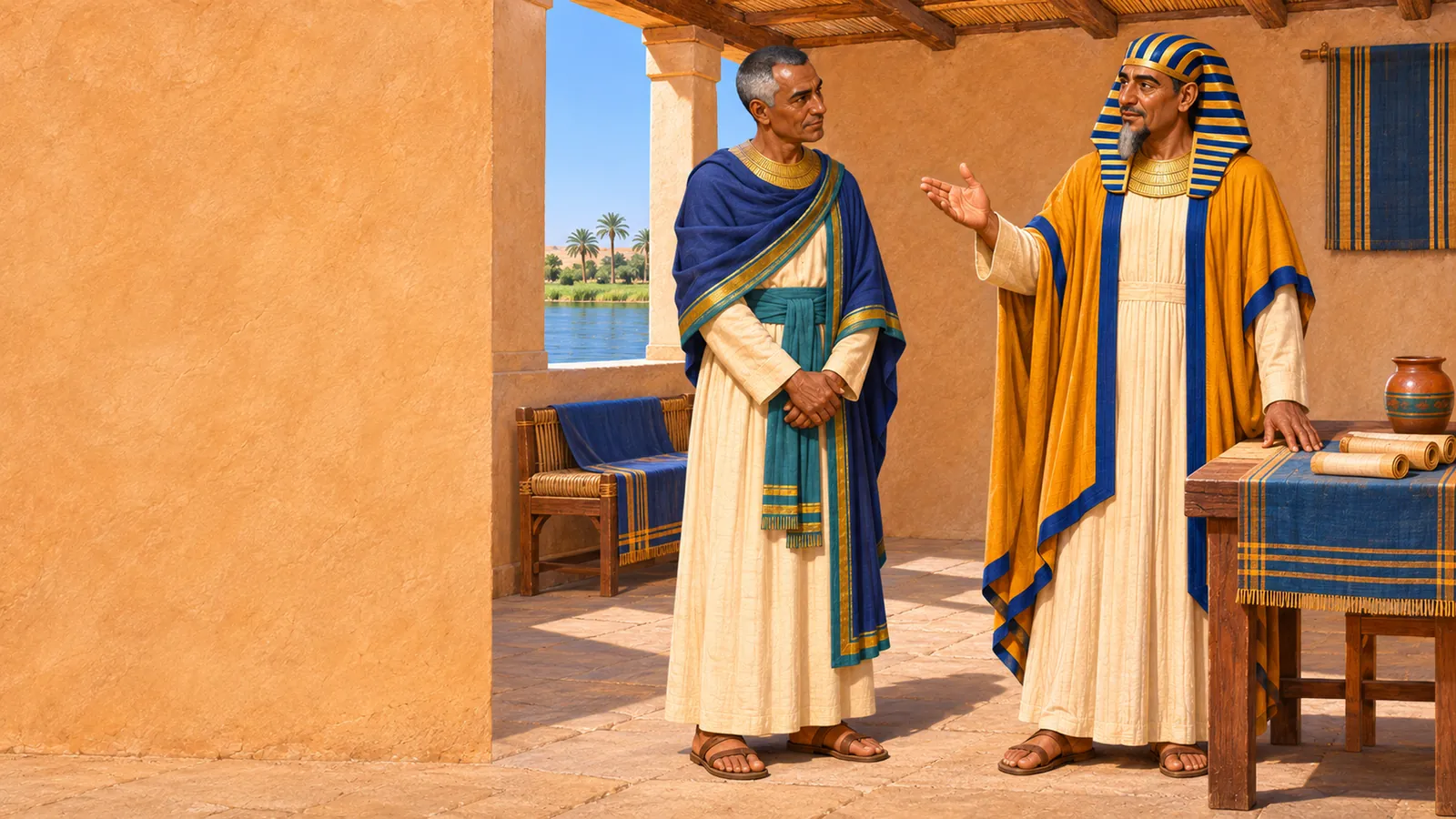
Nebkaure instructed Rensi, son of Meru, to give judgment himself. After the speeches had satisfied the king, the complaint was finally to receive an official decision.
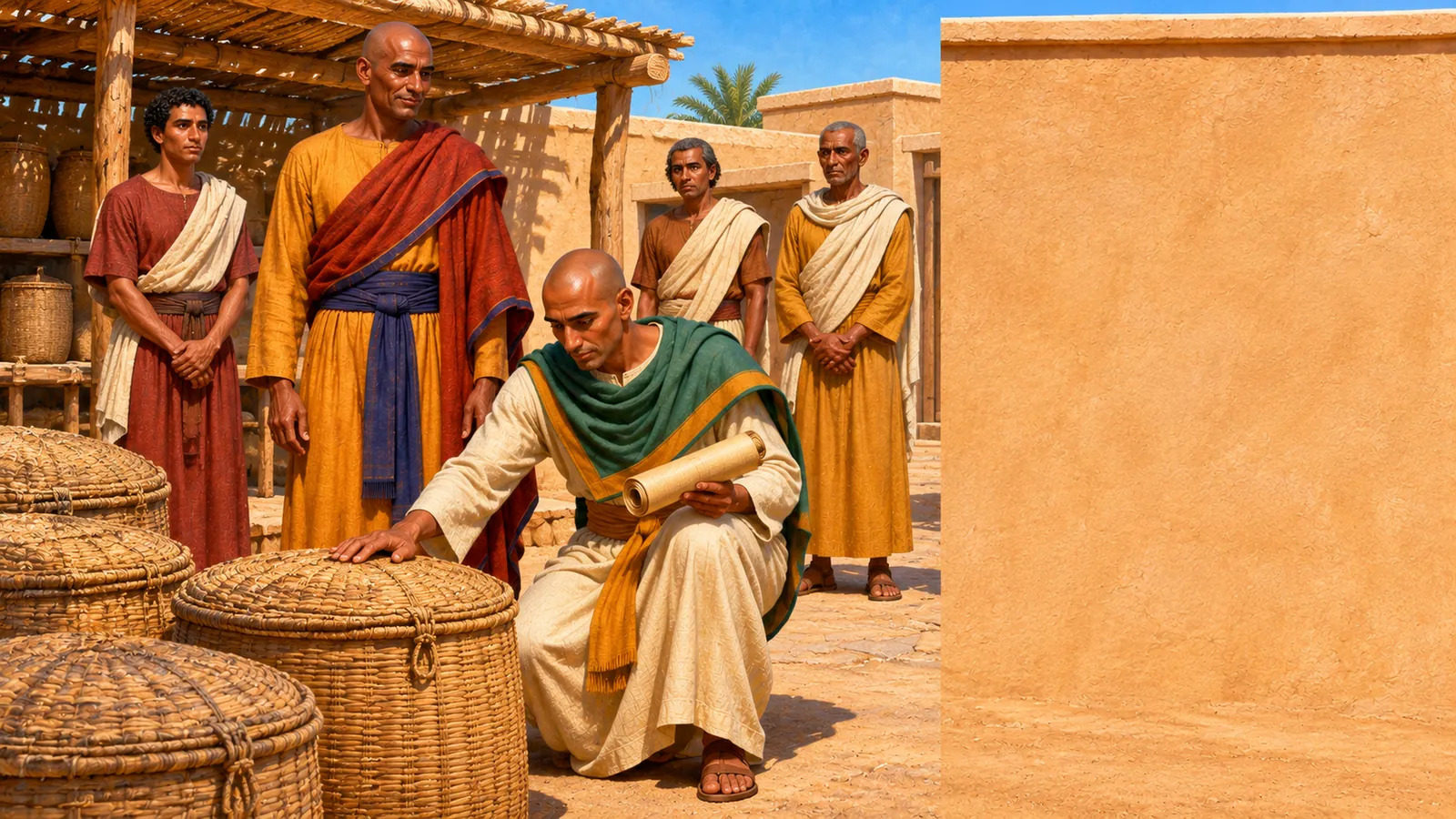
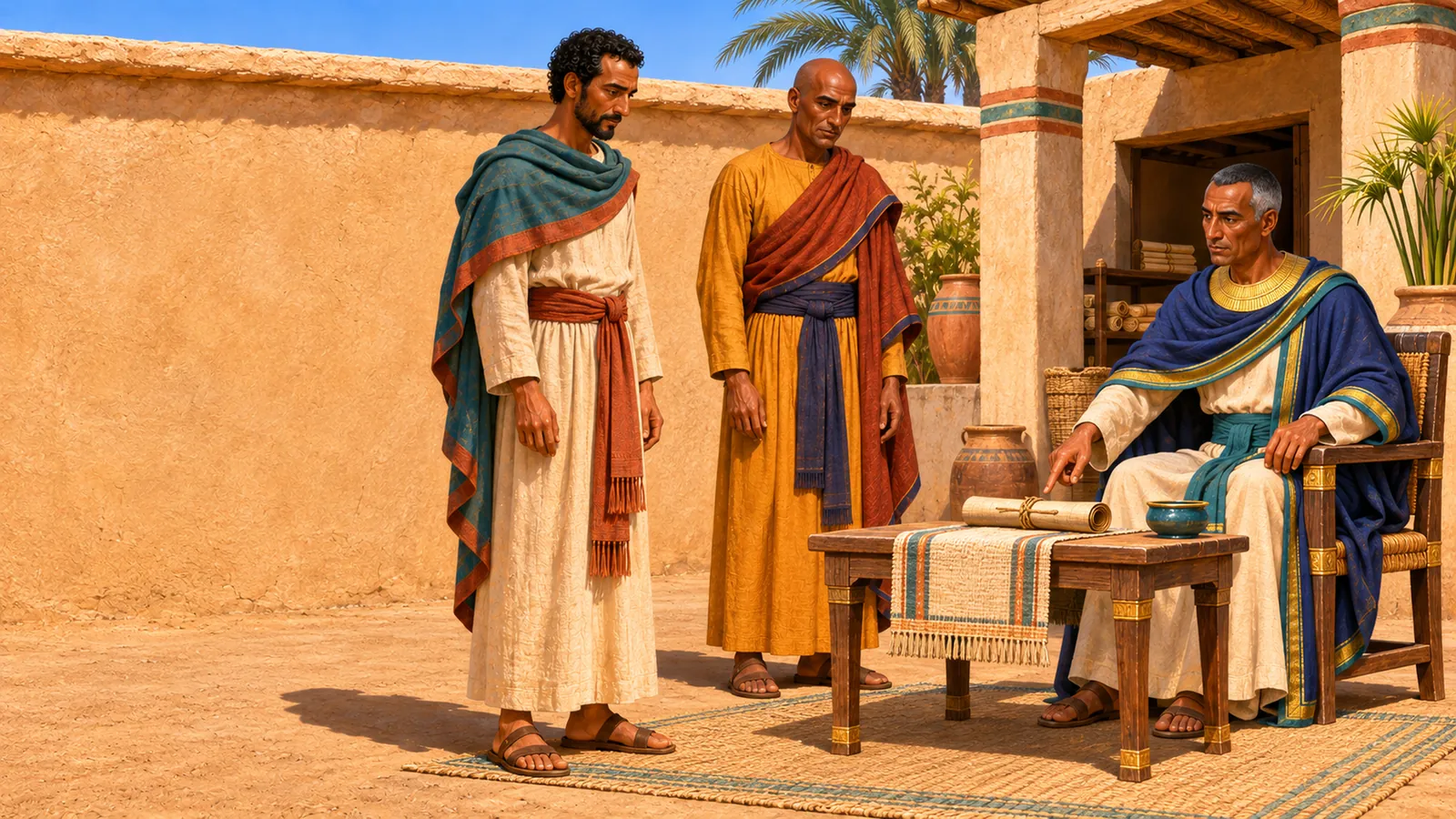
Two guards were sent for Nemtinakht, and an inventory was made. The damaged passage counts people, grain and animals among his holdings, bringing the original robber’s household under scrutiny.
THE JUDGMENT
The closing lines are damaged. In the reconstructed reading, Nemtinakht, his servants and his property are handed over to Khunanup: the peasant’s redress includes the transfer of people.
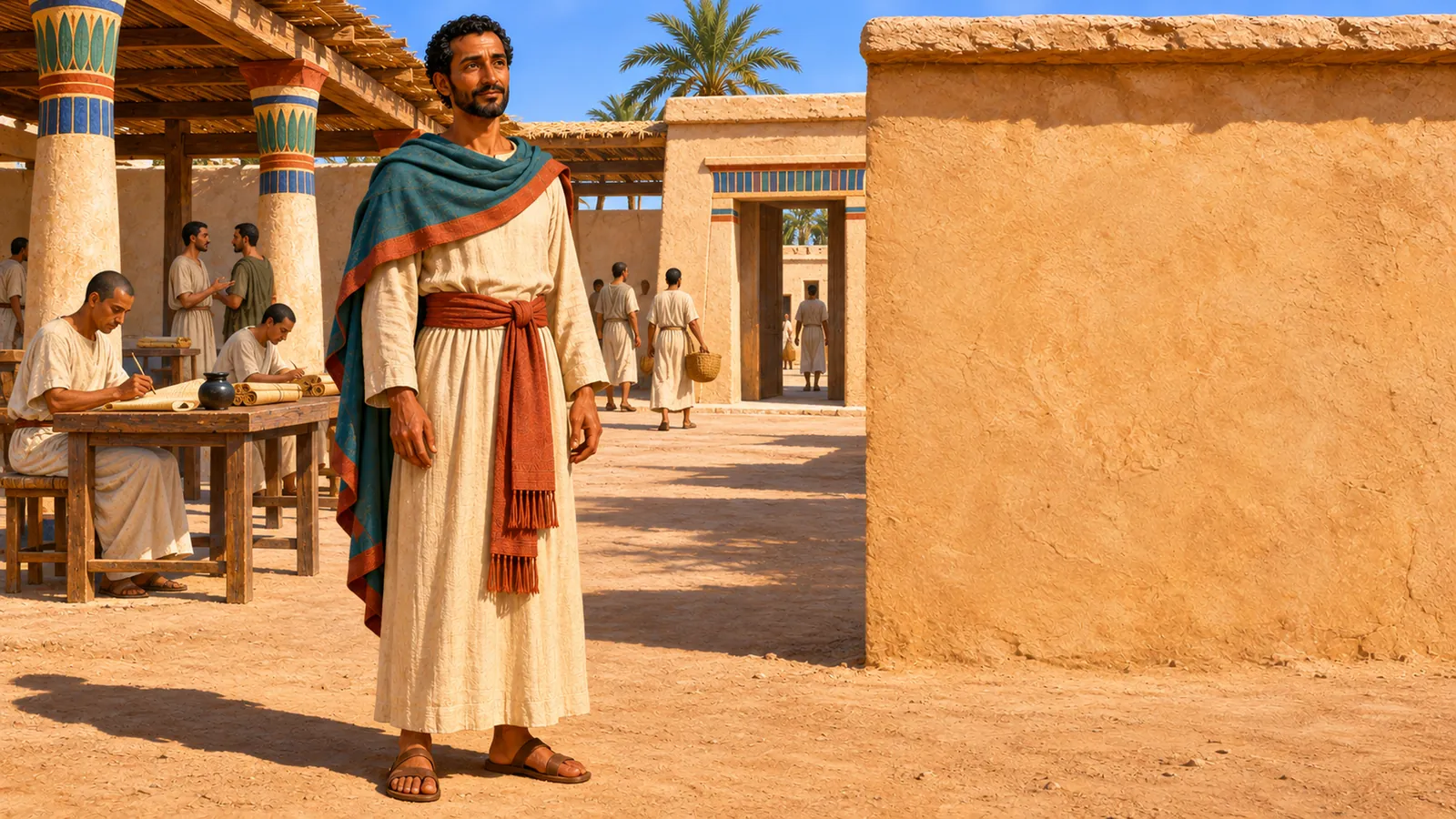
Khunanup’s nine appeals survive beside a damaged judgment and a closing scribal formula. His eloquence won a hearing, while the tale leaves the conduct of powerful listeners open to scrutiny.
End of chapter 1
All pages



Sources
The Eloquent Peasant, an Egyptian Middle Kingdom literary work, is preserved through R (Berlin 10499), B1 (Berlin 3023), B2 (Berlin 3025 with Amherst fragments) and Butler (British Museum EA 10274). Read fully: R. B. Parkinson 1997 complete poem, printed 58–75, reproduced by the British Museum as a 17-page PDF; and Mark-Jan Nederhof’s 82-page university parallel edition, including English, transliteration and notes, following Parkinson’s 1991 transcription (B1/R revision 2015; B2 2009). Rensi belongs to the king’s scheme of withholding answers for literary enjoyment, not an immediate rescue plot. Two actual beatings are explicit; the late feared punishment is not performed. B2.139–142 is damaged: the inventory preserves people, grain and animals, while surviving closing words connect Nemtinakht and his holdings to the peasant. Parkinson’s continuous translation restores the full transfer of Nemtinakht, servants, property and belongings; this expanded wording is expressly labelled reconstructed, not claimed intact. This is an original concise retelling of ancient subject matter, not a reproduction of a modern translation.
Editions consulted
- R. B. Parkinson 1997, complete poem, printed 58–75, British Museum reproduction, PDF 1–17
- Mark-Jan Nederhof, complete parallel edition and notes, 82 pages, B1/R revised 2015 and B2 2009
- TLA, pButler EA 10274, manuscript metadata only
- Griffith Institute, publication bibliography for Parkinson’s 1991 edition
- IL Archive, maat
- IL Archive, egypt
- IL Archive, ra egyptian sun
- IL Archive, thoth egyptian god
- IL Archive, anubis egyptian god
Ancient lines behind each page
- Page 1: Parkinson 1997 complete poem, British Museum PDF 1; Nederhof parallel edition, narrative frame or named petition as specified
- Page 2: Parkinson 1997 complete poem, British Museum PDF 1; Nederhof parallel edition, narrative frame or named petition as specified
Grain allocations and units differ or are partly lost across readings. - Page 3: Parkinson 1997 complete poem, British Museum PDF 1; Nederhof parallel edition, narrative frame or named petition as specified
Trade goods include salt/natron and assorted oasis products, with several plant/stone names uncertain. The text gives plural donkeys, not an exact two-animal count. - Page 4: Parkinson 1997 complete poem, British Museum PDF 1; Nederhof parallel edition, narrative frame or named petition as specified
The donkey/grain value or repurchase wording differs in translation. - Page 5: Parkinson 1997 complete poem, British Museum PDF 2; Nederhof parallel edition, narrative frame or named petition as specified
The donkey/grain value or repurchase wording differs in translation. - Page 6: Parkinson 1997 complete poem, British Museum PDF 2; Nederhof parallel edition, narrative frame or named petition as specified
The donkey/grain value or repurchase wording differs in translation. - Page 7: Parkinson 1997 complete poem, British Museum PDF 2; Nederhof parallel edition, narrative frame or named petition as specified
The donkey/grain value or repurchase wording differs in translation. - Page 8: Parkinson 1997 complete poem, British Museum PDF 2; Nederhof parallel edition, narrative frame or named petition as specified
The donkey/grain value or repurchase wording differs in translation. - Page 9: Parkinson 1997 complete poem, British Museum PDF 2; Nederhof parallel edition, narrative frame or named petition as specified
The donkey/grain value or repurchase wording differs in translation. - Page 10: Parkinson 1997 complete poem, British Museum PDF 3; Nederhof parallel edition, narrative frame or named petition as specified
First actual beating: fresh tamarisk rod, all limbs in the source; donkeys and goods actually seized. - Page 11: Parkinson 1997 complete poem, British Museum PDF 3; Nederhof parallel edition, narrative frame or named petition as specified
- Page 12: Parkinson 1997 complete poem, British Museum PDF 3; B1.62; Nederhof parallel edition, narrative frame or named petition as specified
The concise retelling follows the explicit ten-day reading, then his appeal to Rensi. - Page 13: Parkinson 1997 complete poem, British Museum PDF 3; Nederhof parallel edition, narrative frame or named petition as specified
- Page 14: Parkinson 1997 complete poem, British Museum PDF 3–4; Nederhof parallel edition, narrative frame or named petition as specified
- Page 15: Parkinson 1997 complete poem, British Museum PDF 4; Nederhof parallel edition, narrative frame or named petition as specified
- Page 16: Parkinson 1997 complete poem, British Museum PDF 4–5; Nederhof parallel edition, narrative frame or named petition as specified
King Nebkaure orders deliberate silence to obtain further eloquent petitions for recording and reading, while concealed provisions support the peasant and household. B1 gives ten loaves and two beer jars daily; R bread count differs and beer quantity is damaged. - Page 17: Parkinson 1997 complete poem, British Museum PDF 5; Nederhof parallel edition, narrative frame or named petition as specified
King Nebkaure orders deliberate silence to obtain further eloquent petitions for recording and reading, while concealed provisions support the peasant and household. B1 gives ten loaves and two beer jars daily; R bread count differs and beer quantity is damaged. - Page 18: Parkinson 1997 complete poem, British Museum PDF 5; Nederhof parallel edition, narrative frame or named petition as specified
King Nebkaure orders deliberate silence to obtain further eloquent petitions for recording and reading, while concealed provisions support the peasant and household. B1 gives ten loaves and two beer jars daily; R bread count differs and beer quantity is damaged. - Page 19: Parkinson 1997 complete poem, British Museum PDF 5; Nederhof parallel edition, narrative frame or named petition as specified
King Nebkaure orders deliberate silence to obtain further eloquent petitions for recording and reading, while concealed provisions support the peasant and household. B1 gives ten loaves and two beer jars daily; R bread count differs and beer quantity is damaged. - Page 20: Parkinson 1997 complete poem, British Museum PDF 5–8; petition 2; Nederhof parallel edition, narrative frame or named petition as specified
Steering, beams, plumb line, scales, hungry/greedy officials, bird-nets, crocodile, plague messenger and boatless appeal are rhetoric, warnings or comparisons, not separate events. - Page 21: Parkinson 1997 complete poem, British Museum PDF 6; petition 2; Nederhof parallel edition, narrative frame or named petition as specified
Steering, beams, plumb line, scales, hungry/greedy officials, bird-nets, crocodile, plague messenger and boatless appeal are rhetoric, warnings or comparisons, not separate events. - Page 22: Parkinson 1997 complete poem, British Museum PDF 6; petition 2; Nederhof parallel edition, narrative frame or named petition as specified
Steering, beams, plumb line, scales, hungry/greedy officials, bird-nets, crocodile, plague messenger and boatless appeal are rhetoric, warnings or comparisons, not separate events. - Page 23: Parkinson 1997 complete poem, British Museum PDF 6–7; petition 2; Nederhof parallel edition, narrative frame or named petition as specified
Steering, beams, plumb line, scales, hungry/greedy officials, bird-nets, crocodile, plague messenger and boatless appeal are rhetoric, warnings or comparisons, not separate events. - Page 24: Parkinson 1997 complete poem, British Museum PDF 7–8; petition 2; Nederhof parallel edition, narrative frame or named petition as specified
Steering, beams, plumb line, scales, hungry/greedy officials, bird-nets, crocodile, plague messenger and boatless appeal are rhetoric, warnings or comparisons, not separate events. - Page 25: Parkinson 1997 complete poem, British Museum PDF 8; close of petition 2; Nederhof parallel edition, narrative frame or named petition as specified
Steering, beams, plumb line, scales, hungry/greedy officials, bird-nets, crocodile, plague messenger and boatless appeal are rhetoric, warnings or comparisons, not separate events. - Page 26: Parkinson 1997 complete poem, British Museum PDF 8–9; petition 3; Nederhof parallel edition, narrative frame or named petition as specified
Ferryman, washerman, hawk, butcher and crocodile expose mercenary protection through metaphor. - Page 27: Parkinson 1997 complete poem, British Museum PDF 9; petition 3; Nederhof parallel edition, narrative frame or named petition as specified
Ferryman, washerman, hawk, butcher and crocodile expose mercenary protection through metaphor. - Page 28: Parkinson 1997 complete poem, British Museum PDF 9; Nederhof parallel edition, narrative frame or named petition as specified
Rensi actually orders two attendants to whip the peasant at the portico, all limbs in the source. - Page 29: Parkinson 1997 complete poem, British Museum PDF 9–10; after petition 3; Nederhof parallel edition, narrative frame or named petition as specified
Blind/deaf, leaderless town/ship and bribed officer language criticizes conduct metaphorically. - Page 30: Parkinson 1997 complete poem, British Museum PDF 10; petition 4; Nederhof parallel edition, narrative frame or named petition as specified
- Page 31: Parkinson 1997 complete poem, British Museum PDF 10; petition 4; Nederhof parallel edition, narrative frame or named petition as specified
- Page 32: Parkinson 1997 complete poem, British Museum PDF 11; petition 4; Nederhof parallel edition, narrative frame or named petition as specified
- Page 33: Parkinson 1997 complete poem, British Museum PDF 11; petition 5; Nederhof parallel edition, narrative frame or named petition as specified
- Page 34: Parkinson 1997 complete poem, British Museum PDF 11; petition 5; Nederhof parallel edition, narrative frame or named petition as specified
- Page 35: Parkinson 1997 complete poem, British Museum PDF 12; petition 6; Nederhof parallel edition, narrative frame or named petition as specified
- Page 36: Parkinson 1997 complete poem, British Museum PDF 12; petition 6; Nederhof parallel edition, narrative frame or named petition as specified
- Page 37: Parkinson 1997 complete poem, British Museum PDF 12–13; petition 7; Nederhof parallel edition, narrative frame or named petition as specified
- Page 38: Parkinson 1997 complete poem, British Museum PDF 13; petition 7; Nederhof parallel edition, narrative frame or named petition as specified
- Page 39: Parkinson 1997 complete poem, British Museum PDF 13; petition 7; Nederhof parallel edition, narrative frame or named petition as specified
- Page 40: Parkinson 1997 complete poem, British Museum PDF 14; petition 8; Nederhof parallel edition, narrative frame or named petition as specified
- Page 41: Parkinson 1997 complete poem, British Museum PDF 14; petition 8; Nederhof parallel edition, narrative frame or named petition as specified
- Page 42: Parkinson 1997 complete poem, British Museum PDF 14–15; petition 8; Nederhof parallel edition, narrative frame or named petition as specified
- Page 43: Parkinson 1997 complete poem, British Museum PDF 15; petition 9; Nederhof parallel edition, narrative frame or named petition as specified
Falsehood’s failed ferry/rowing/mooring and lack of heirs warn metaphorically. - Page 44: Parkinson 1997 complete poem, British Museum PDF 15; petition 9; Nederhof parallel edition, narrative frame or named petition as specified
Falsehood’s failed ferry/rowing/mooring and lack of heirs warn metaphorically. - Page 45: Parkinson 1997 complete poem, British Museum PDF 15–16; petition 9; Nederhof parallel edition, narrative frame or named petition as specified
Falsehood’s failed ferry/rowing/mooring and lack of heirs warn metaphorically. - Page 46: Parkinson 1997 complete poem, British Museum PDF 16; B2.115; Nederhof parallel edition, narrative frame or named petition as specified
Parkinson PDF 16; B2.115 explicitly names Anubis in Nederhof, while Parkinson renders the god of the dead. - Page 47: Parkinson 1997 complete poem, British Museum PDF 16; B2.116; Nederhof parallel edition, narrative frame or named petition as specified
- Page 48: Parkinson 1997 complete poem, British Museum PDF 16; B2.117–118; Nederhof parallel edition, narrative frame or named petition as specified
- Page 49: Parkinson 1997 complete poem, British Museum PDF 16; B2.119–123; Nederhof parallel edition, narrative frame or named petition as specified
- Page 50: Parkinson 1997 complete poem, British Museum PDF 16; B2.123–127; Nederhof parallel edition, narrative frame or named petition as specified
- Page 51: Parkinson 1997 complete poem, British Museum PDF 16; B2.127–130; Nederhof parallel edition, narrative frame or named petition as specified
- Page 52: Parkinson 1997 complete poem, British Museum PDF 16; B2.130–132; Nederhof parallel edition, narrative frame or named petition as specified
- Page 53: Parkinson 1997 complete poem, British Museum PDF 16; B2.132–134; Nederhof parallel edition, narrative frame or named petition as specified
- Page 54: Parkinson 1997 complete poem, British Museum PDF 16–17; B2.134–140; Nederhof parallel edition, narrative frame or named petition as specified
Parkinson PDF 16–17; B2.134–140 partly damaged. - Page 55: Parkinson 1997 complete poem, British Museum PDF 17; B2.140–142 damaged ending; Nederhof parallel edition, narrative frame or named petition as specified
Ending badly damaged in the parallel text: surviving words include Nemtinakht, the peasant and all his…; Parkinson’s continuous reconstruction supplies the transfer of Nemtinakht, property, servants and belongings. Expanded transfer is explicitly labelled a reconstructed reading in all six narrations, not presented as fully intact text. Final scribal copied-to-end formula is also partly restored. - Page 56: Parkinson 1997 complete poem, British Museum PDF 17; damaged close and colophon; Nederhof parallel edition, narrative frame or named petition as specified
Ending badly damaged in the parallel text: surviving words include Nemtinakht, the peasant and all his…; Parkinson’s continuous reconstruction supplies the transfer of Nemtinakht, property, servants and belongings. Expanded transfer is explicitly labelled a reconstructed reading in all six narrations, not presented as fully intact text. Final scribal copied-to-end formula is also partly restored.
Illustrations made with AI tools by IL Archive; the text is based on the ancient sources (see the sources at the end of each chapter).