Illuyanka Chapter 1
Two Tales of the Serpent
Inara’s feast and Hupasiya’s rope bring the first victory, followed by a broken account of the helper’s fate. A separate story follows the Storm-god’s adult son, the recovery of heart and eyes, a costly victory and the tablet’s ritual close.
SourcesTurn the pages with the arrows, the arrow keys or a swipe.
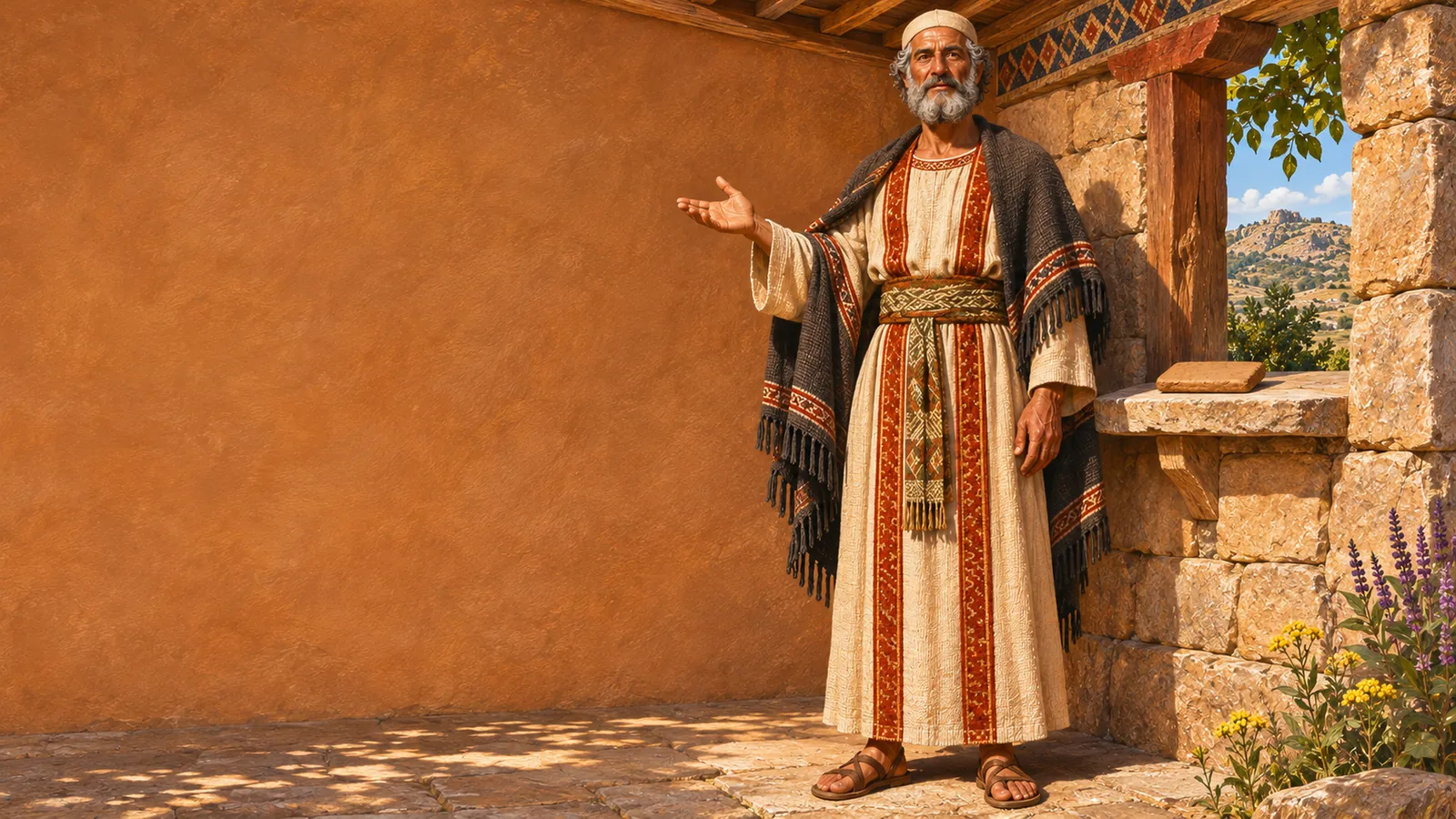
ILLUYANKA
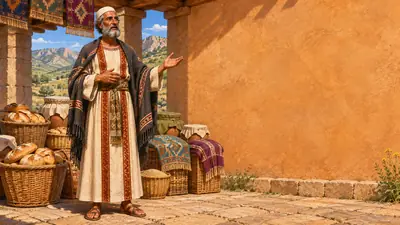
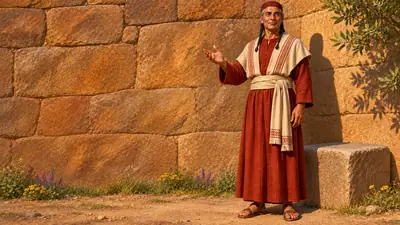
Kella, a priest of the Storm-god of Nerik, introduces words for the purulli festival. The tablet brings together two serpent stories and their ritual settings.
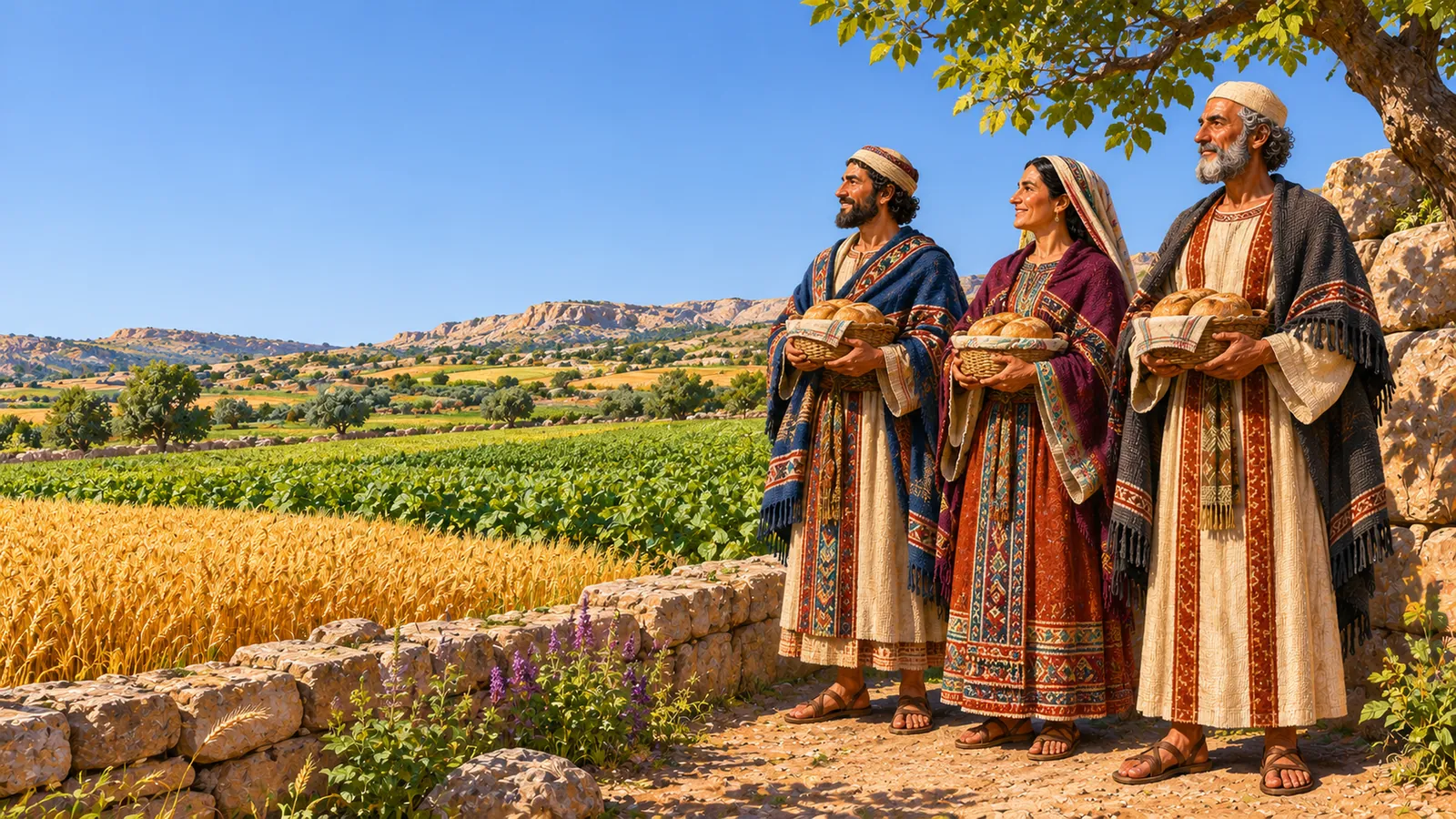
The opening wishes growth, prosperity and protection for the land. When the land flourishes, the purulli festival is celebrated; the story does not begin by describing a famine.
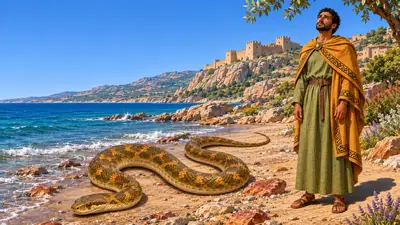
In the first account, the Storm-god fought the serpent at Kiskilussa. The serpent defeated him, and the god would need help to overcome his enemy.
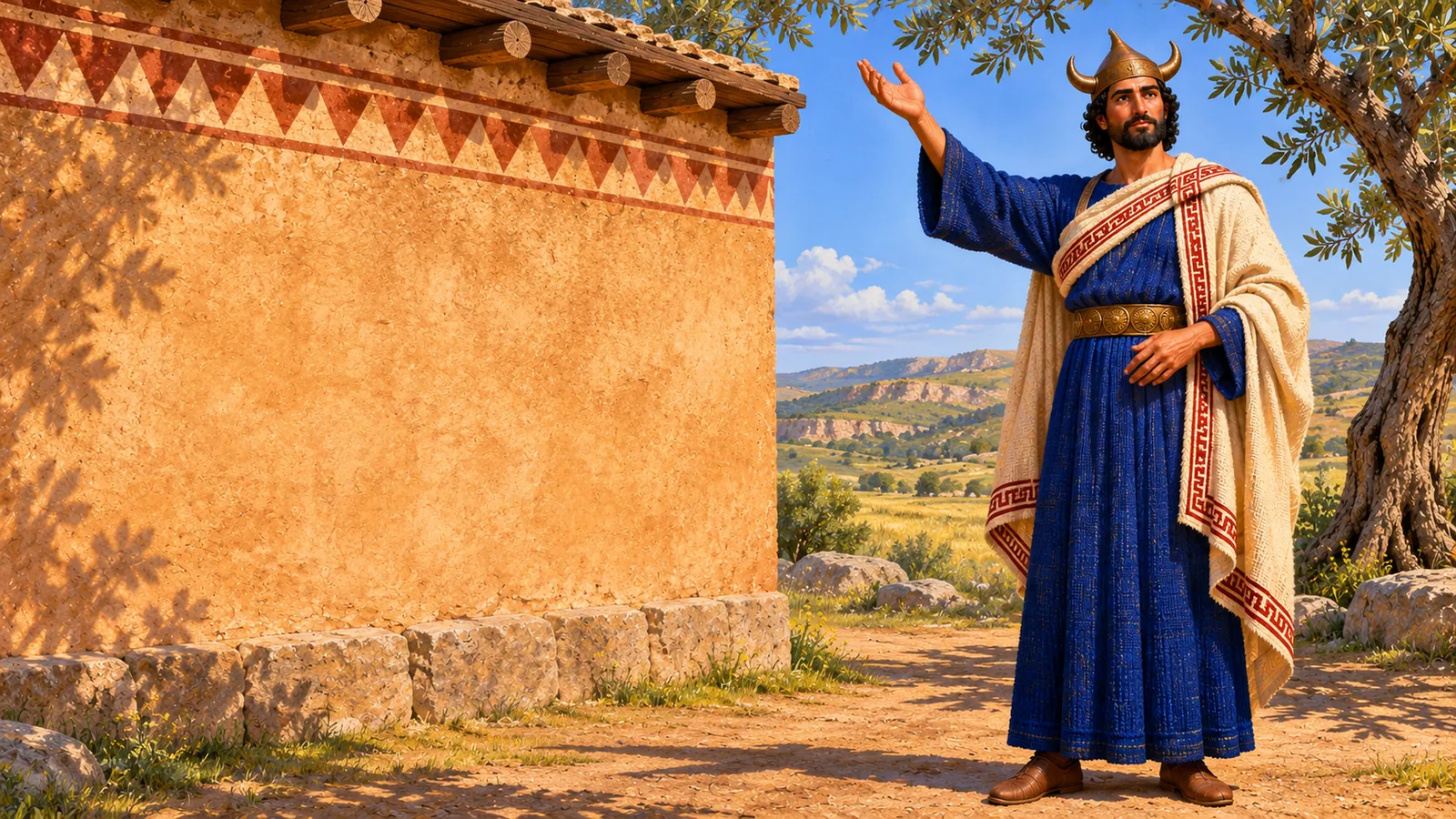
The defeated Storm-god called upon all the gods to join him. Inara answered the need with preparations for a feast, rather than another immediate battle.
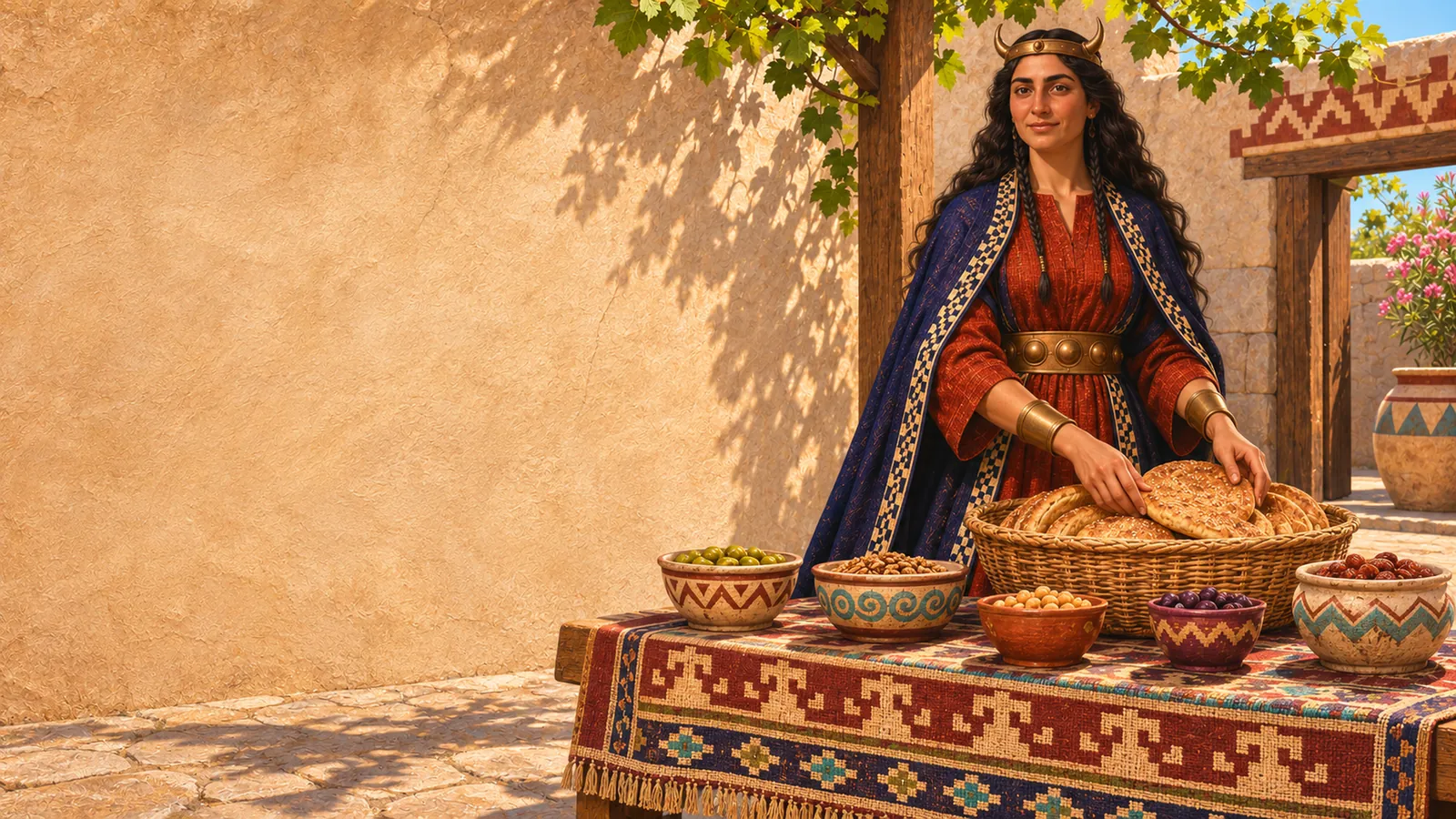
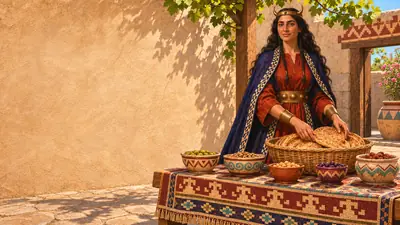
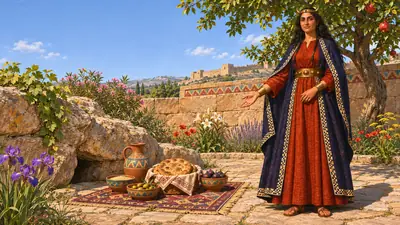
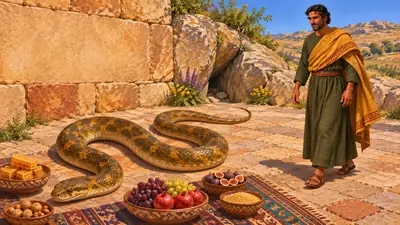
Inara prepared the feast on a generous scale. Her plan would bring the serpent out of its hole, but she also sought the help of a mortal.
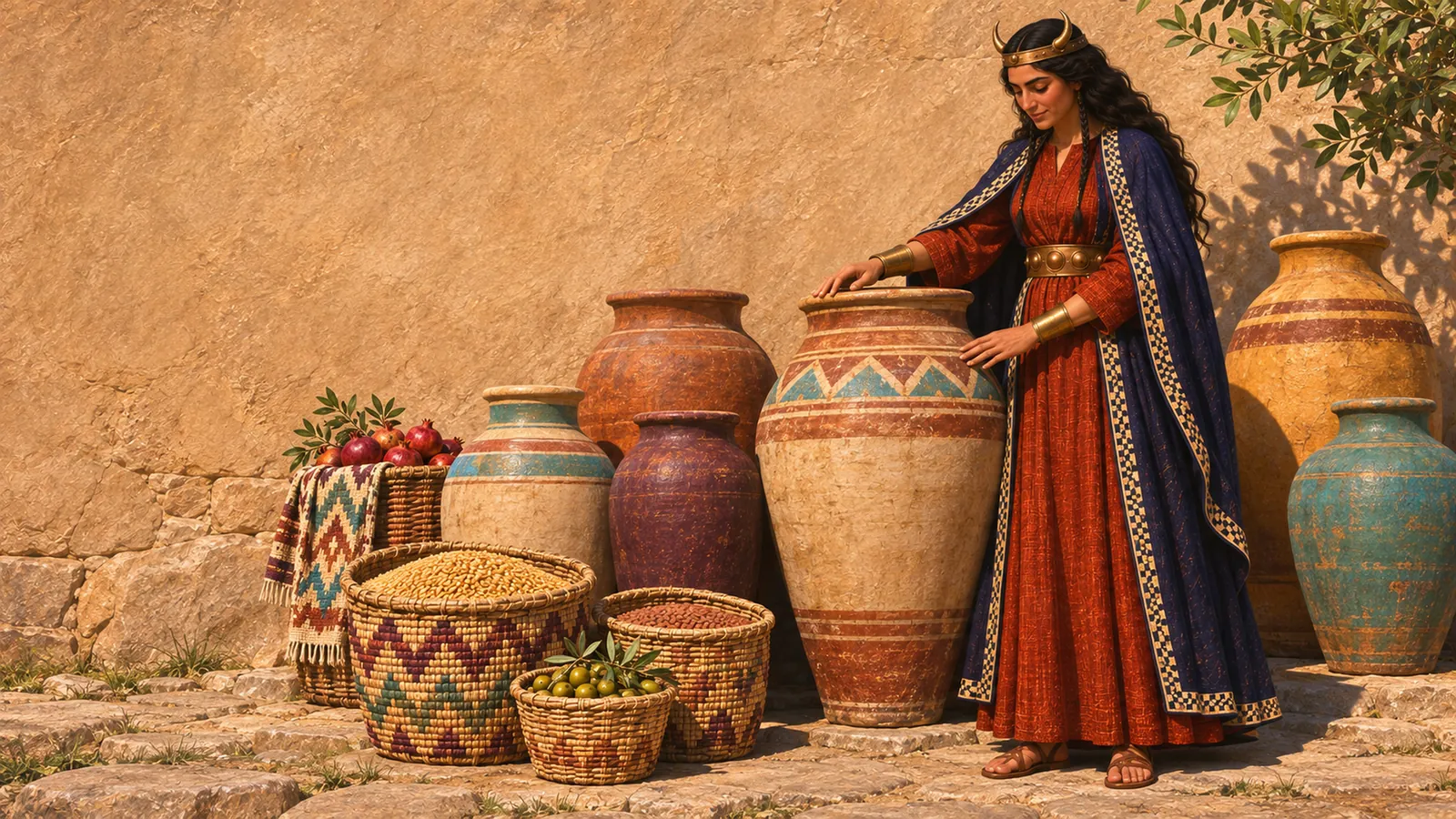
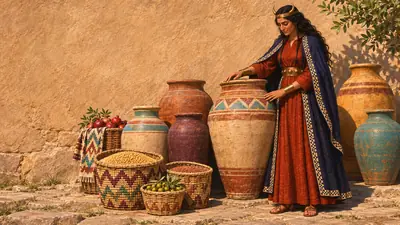
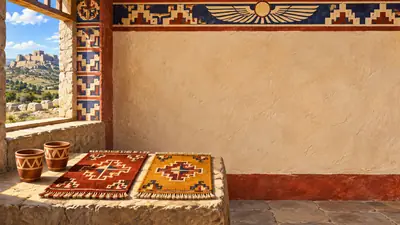
There were vessels of wine and vessels of marnuwant and walhi, drinks named in the text. Inara made the provisions plentiful for her coming guests.
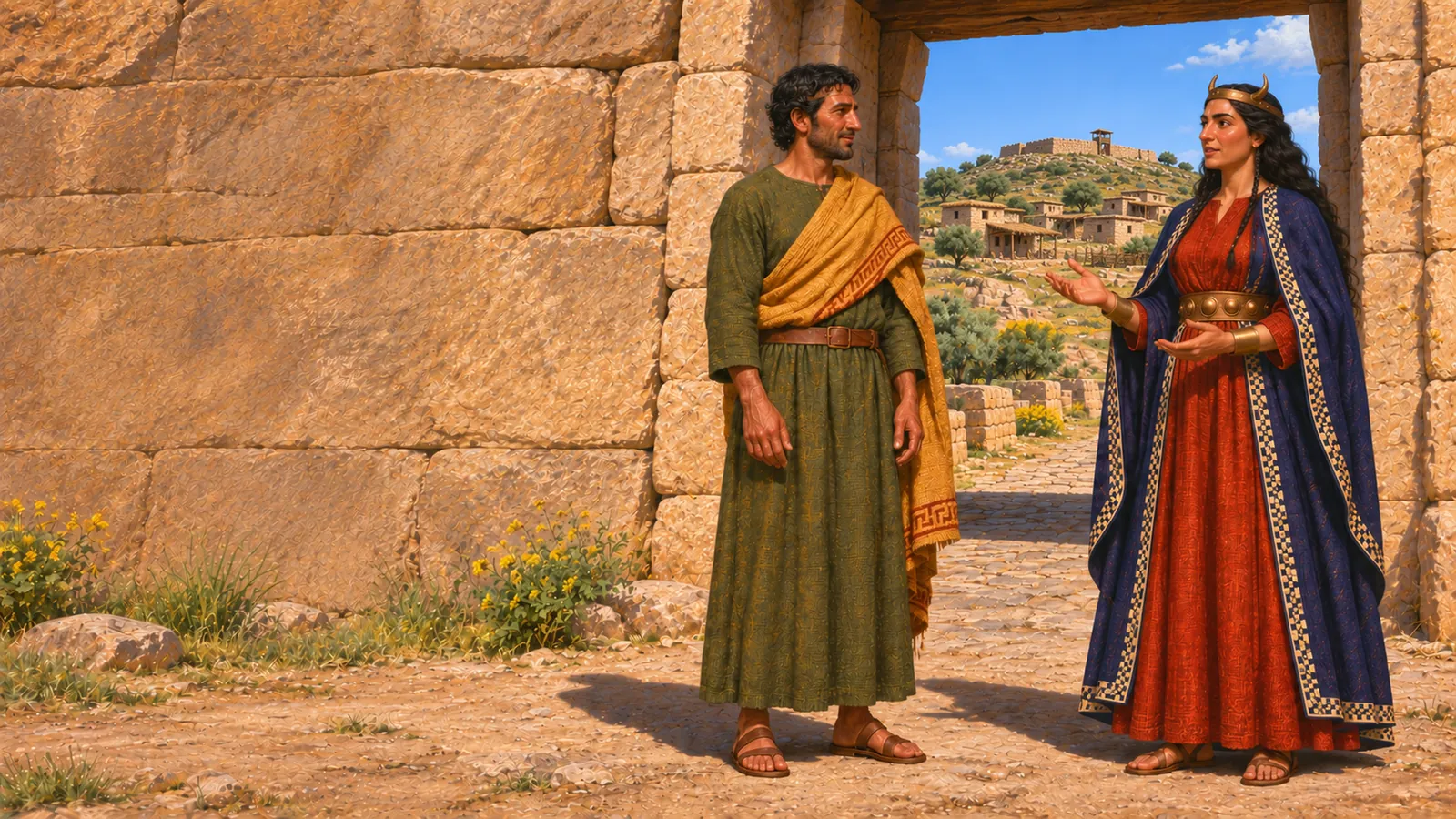
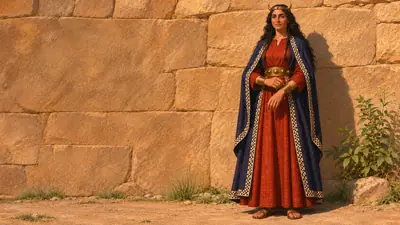
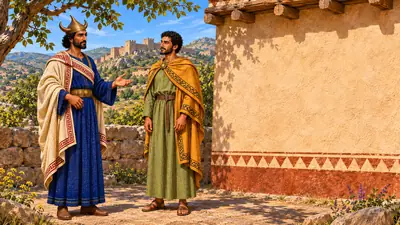
Inara went to Ziggaratta and found Hupasiya, a mortal man. The goddess’s preparations now depended on an agreement with someone outside the company of gods.
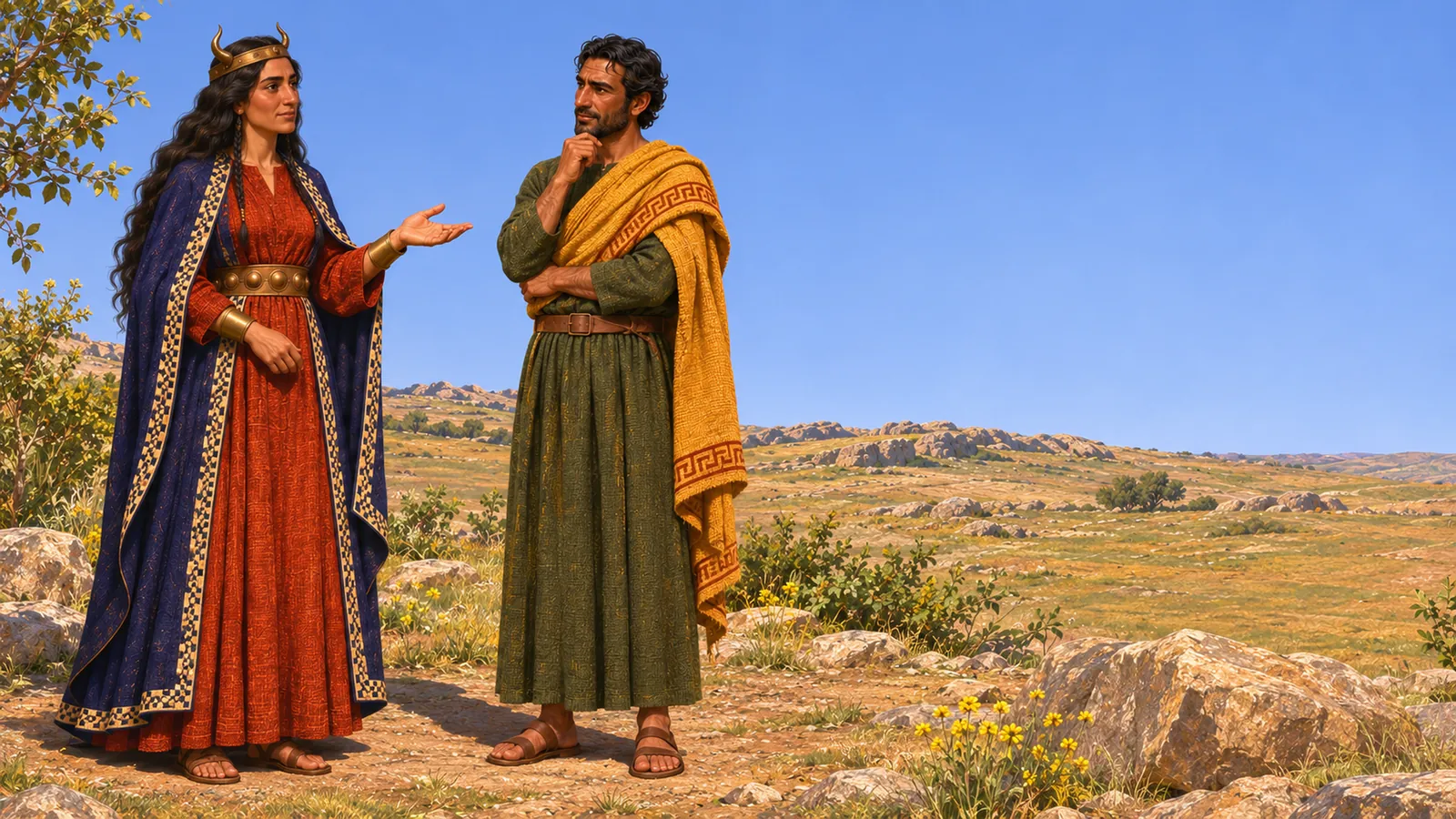
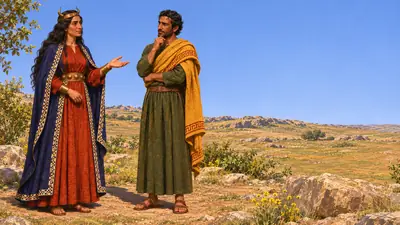
Inara told Hupasiya that she was undertaking a task and asked him to join her. The human helper did not agree without a condition.
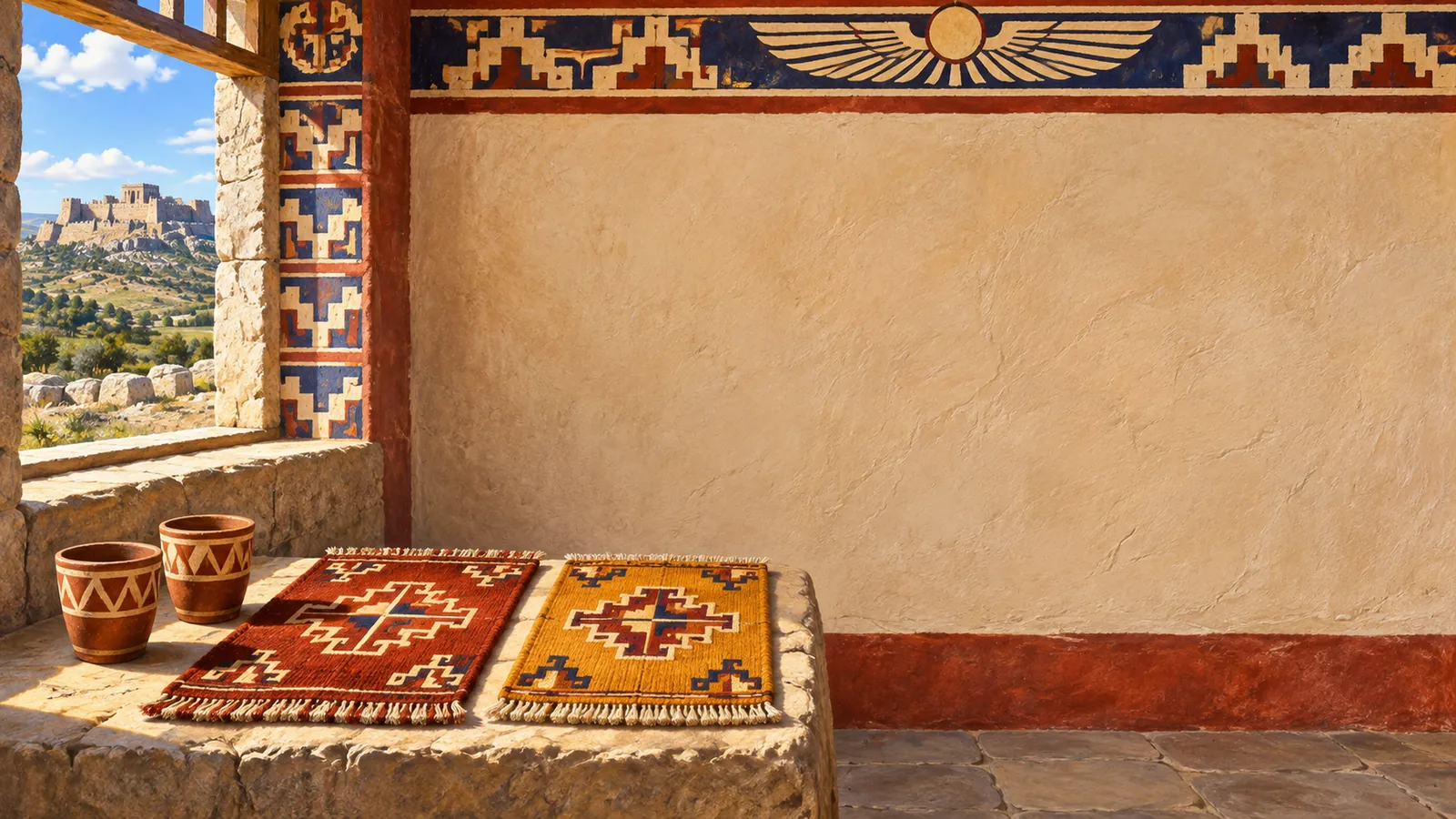
Hupasiya asked to sleep with Inara in return for his help. The story says that they slept together, without giving further details of their encounter.
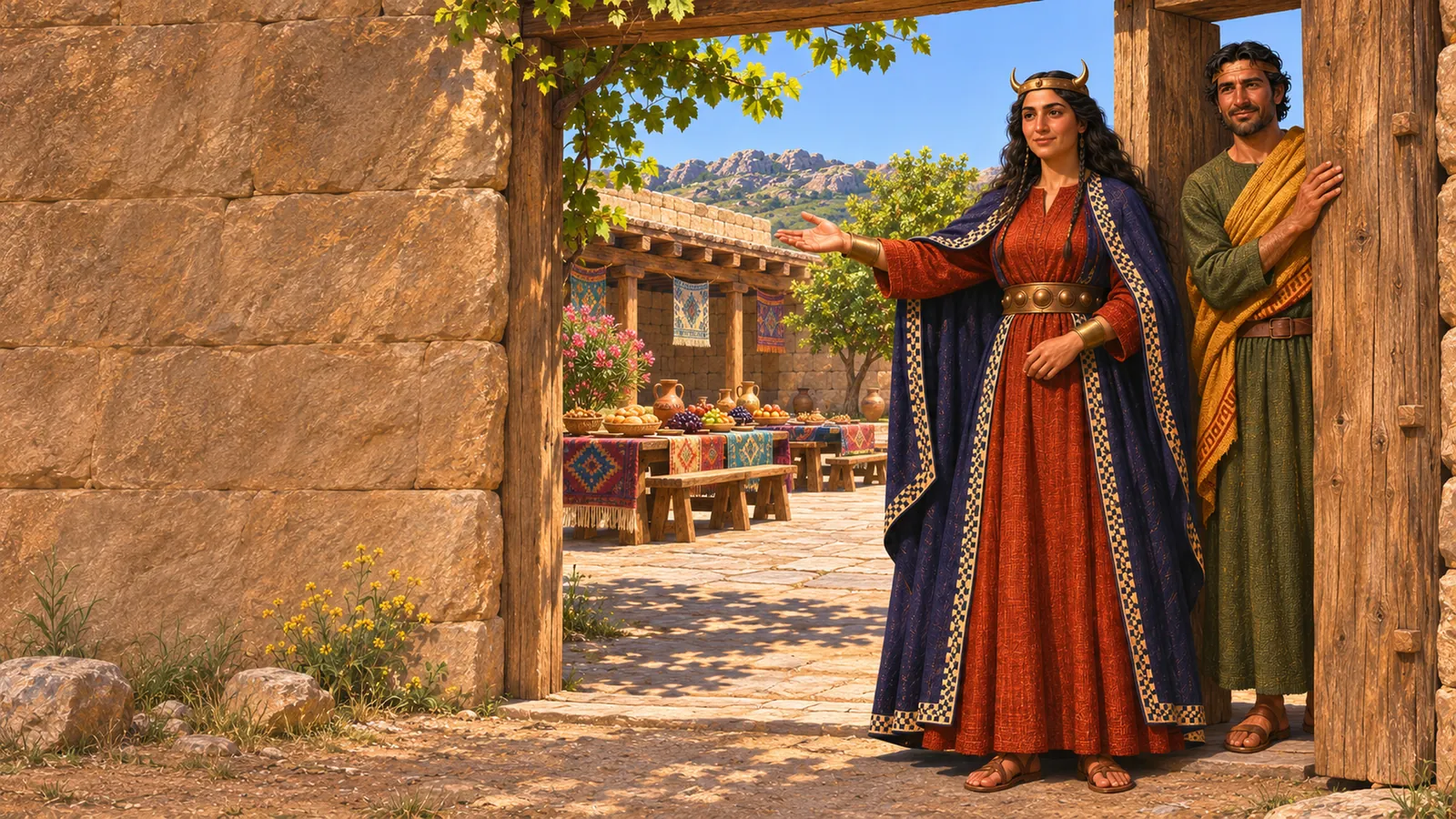
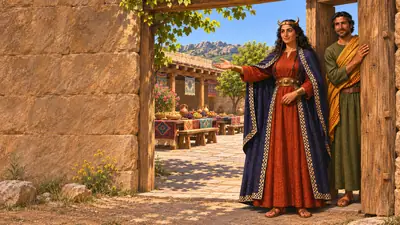
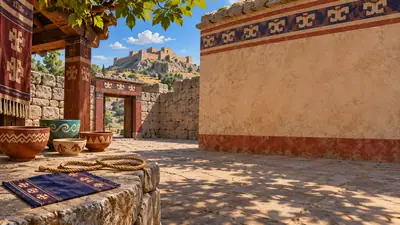
Inara brought Hupasiya away and hid him. He would remain out of sight while she called the serpent to the feast she had prepared.
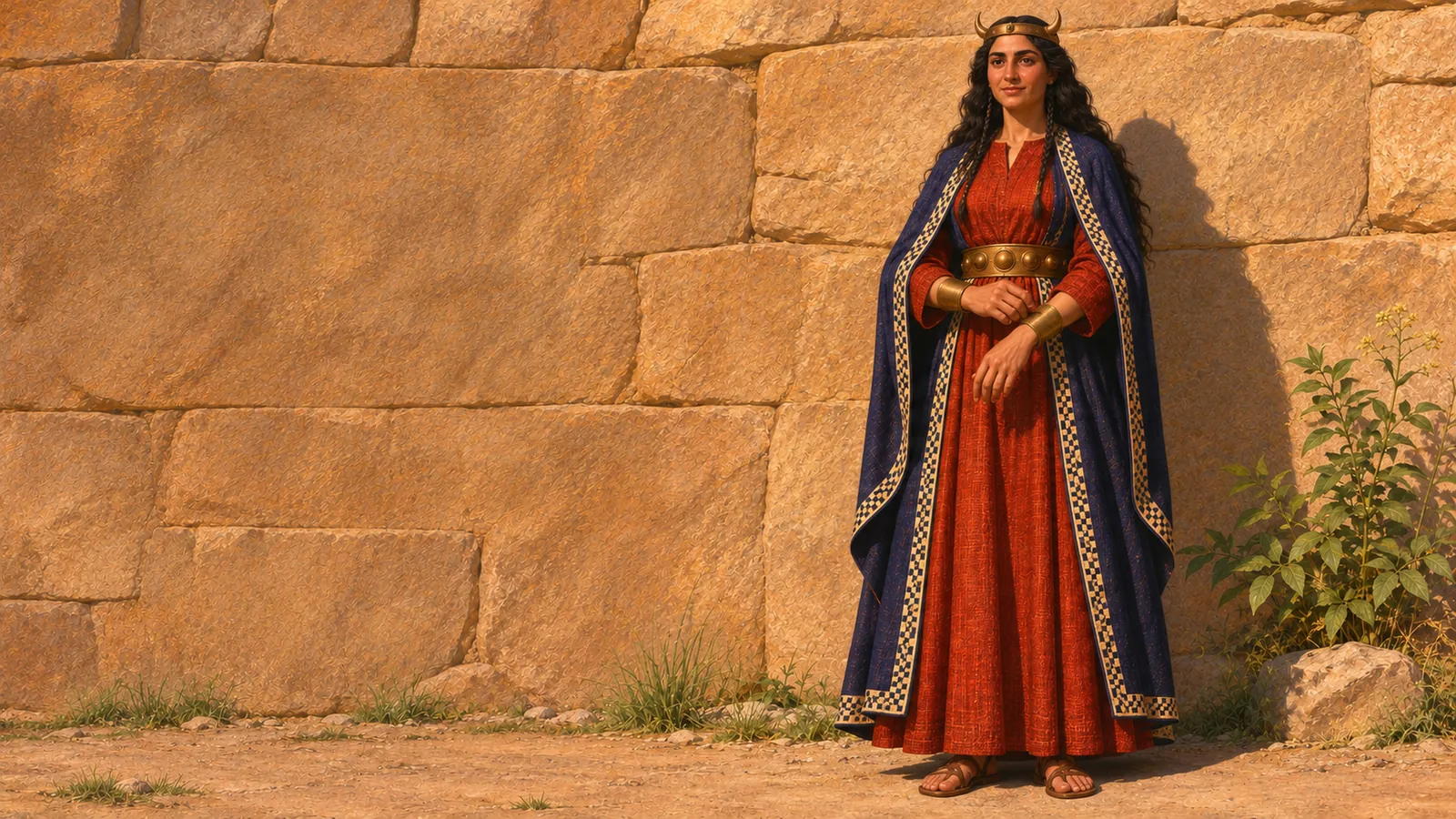
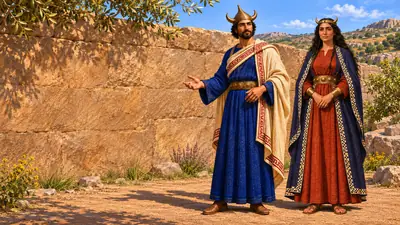
With Hupasiya hidden, Inara adorned herself for the occasion. Then she turned toward the serpent’s dwelling and prepared to summon her dangerous guest.
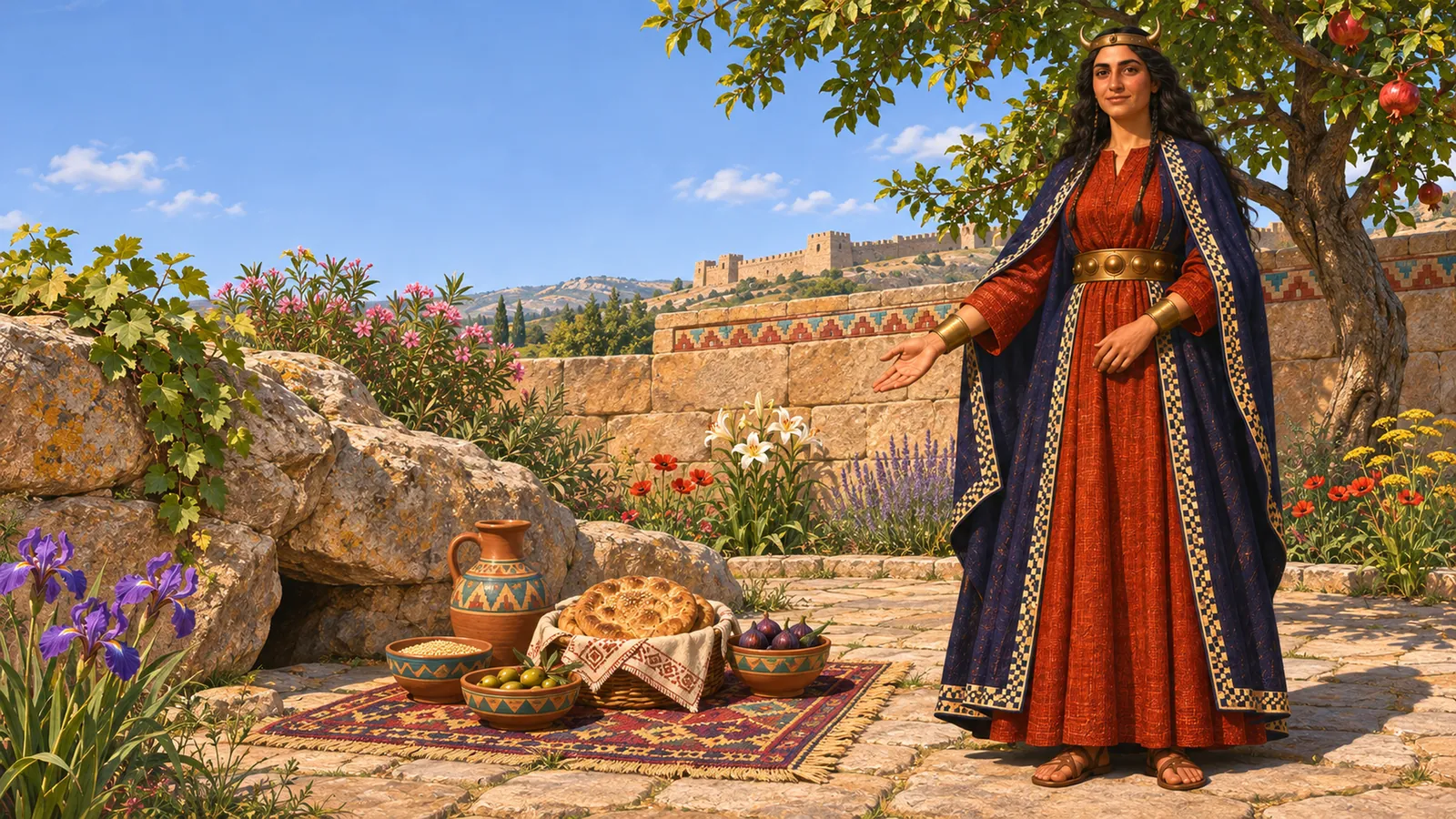
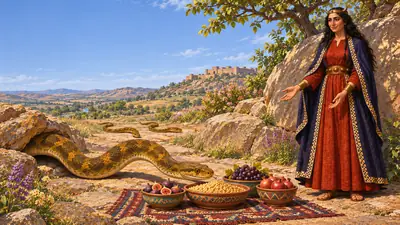
Inara called the serpent up from its hole and announced her feast. She invited it to eat and drink; the trap was concealed behind the welcome.
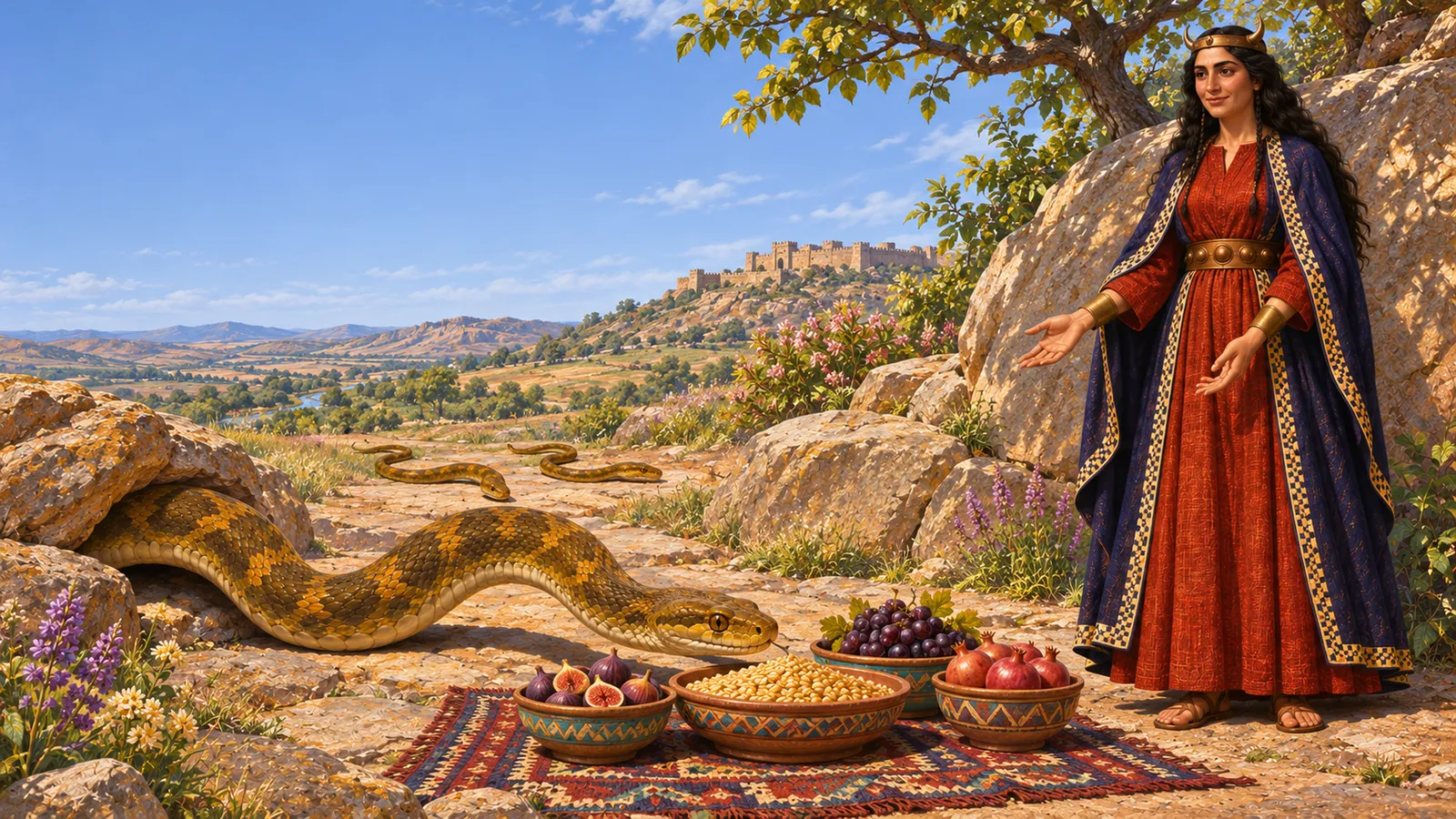
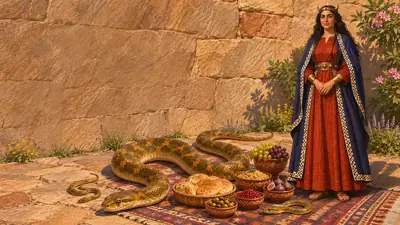
The serpent came up with its offspring, as the restored passage describes. The guests reached Inara’s provisions and began to eat and drink together.
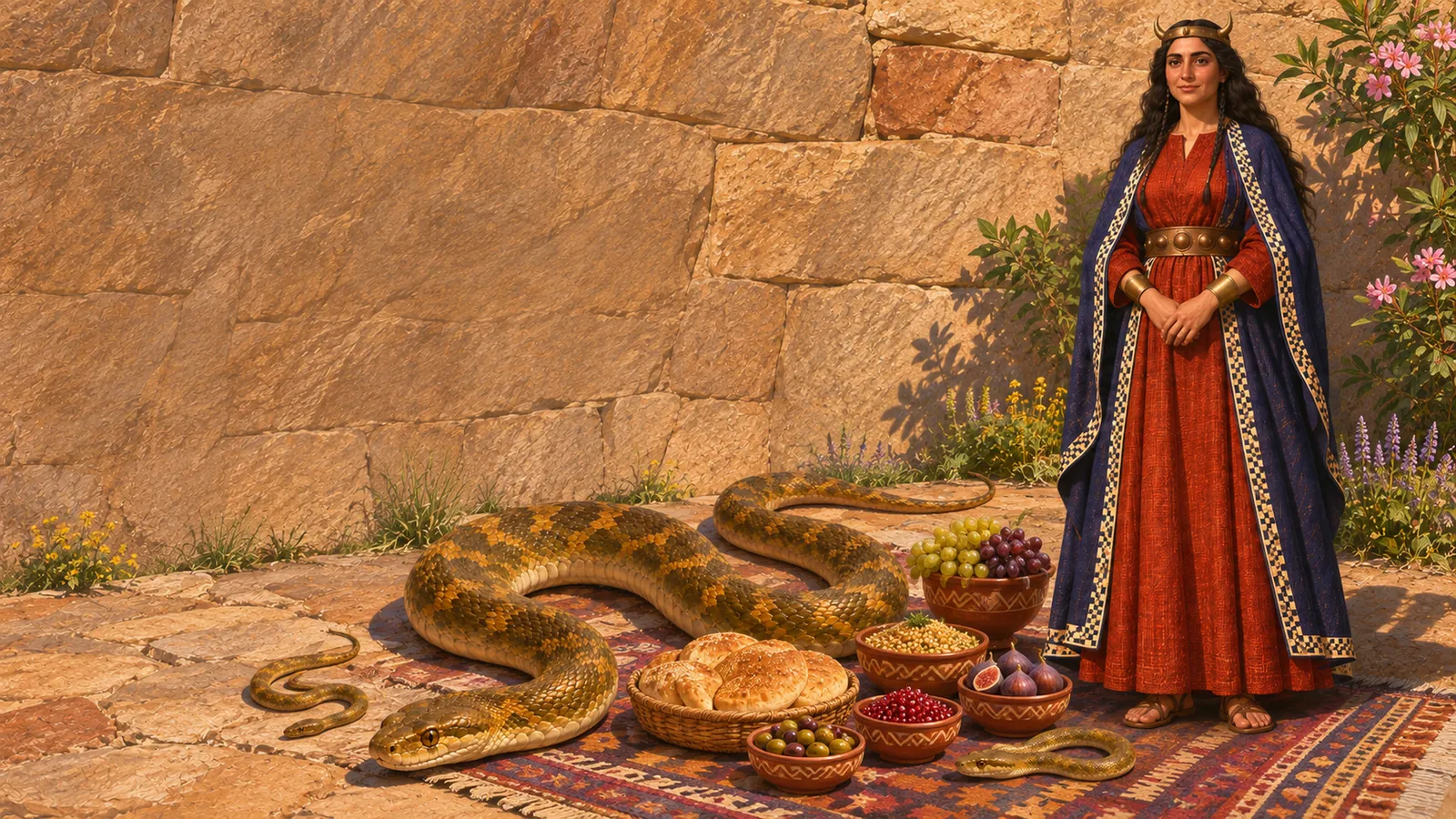
The serpent and its offspring ate and drank from the plentiful vessels until they were satisfied. Inara’s generous welcome had brought her enemy within reach.
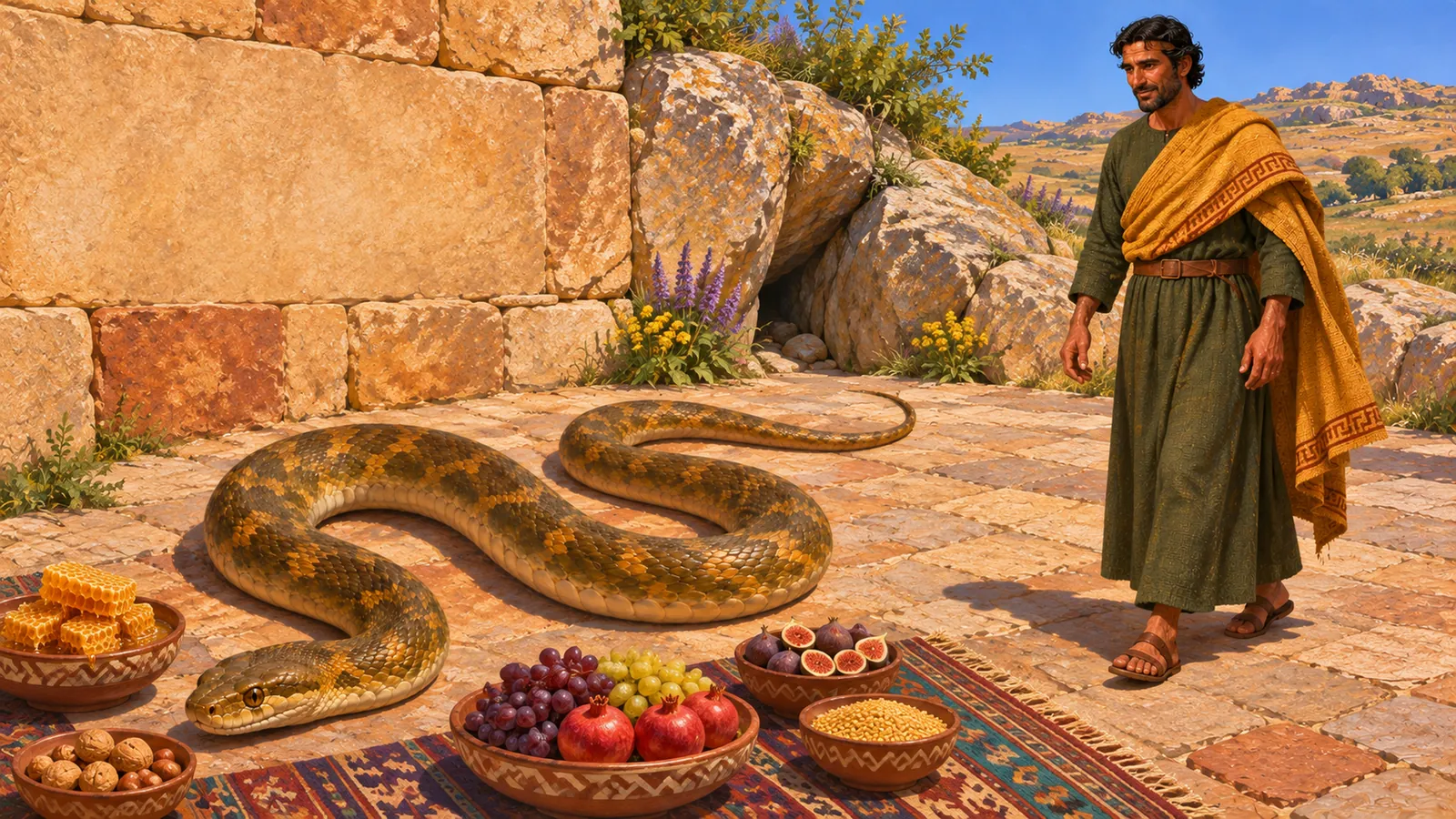
The guests did not return down into their holes. Whether they were unwilling or unable is debated; at this moment, Hupasiya emerged from hiding.
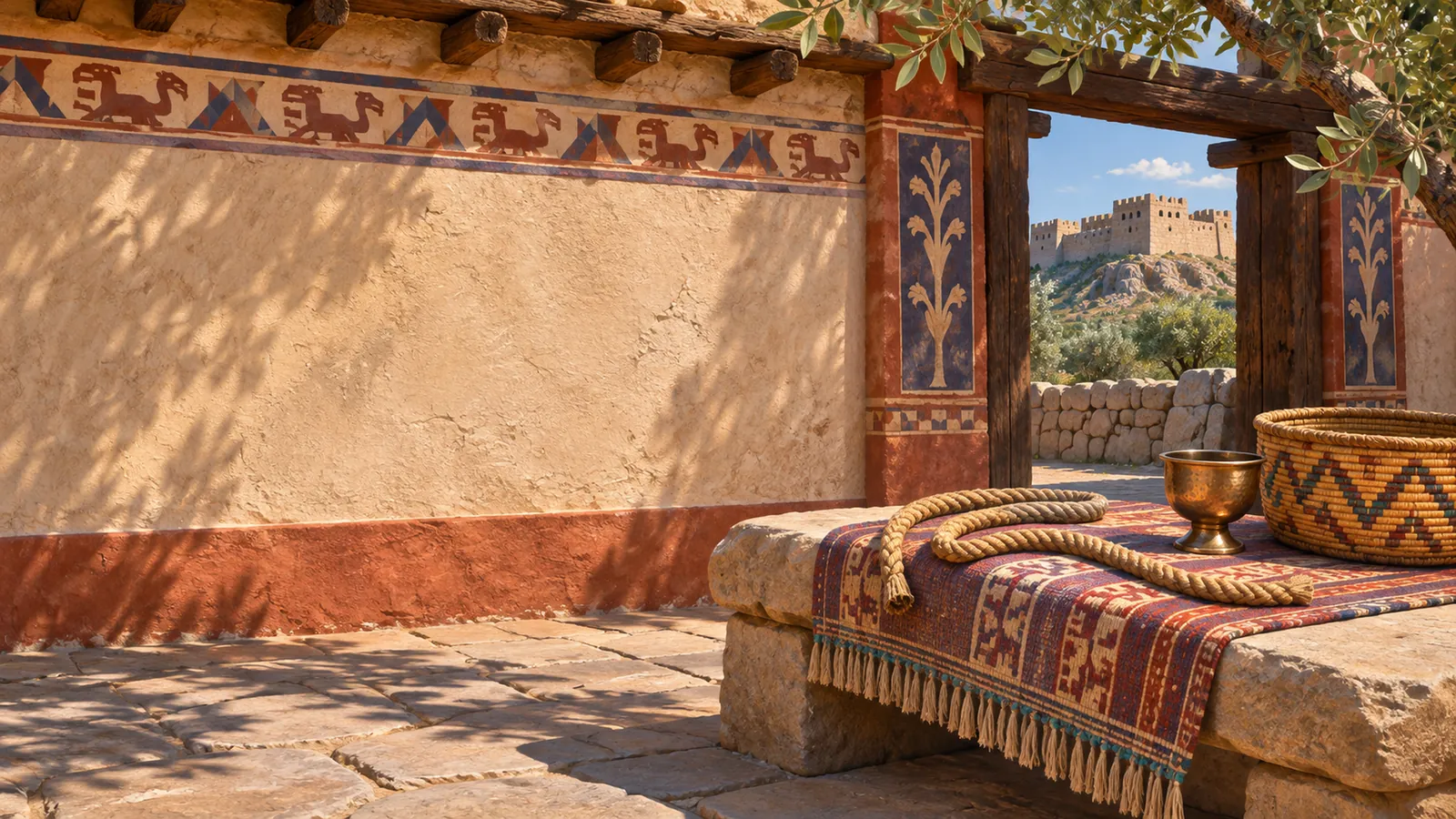
Hupasiya came forward and bound the serpent with a rope. The mortal’s action made possible the Storm-god’s return against the enemy who had defeated him.
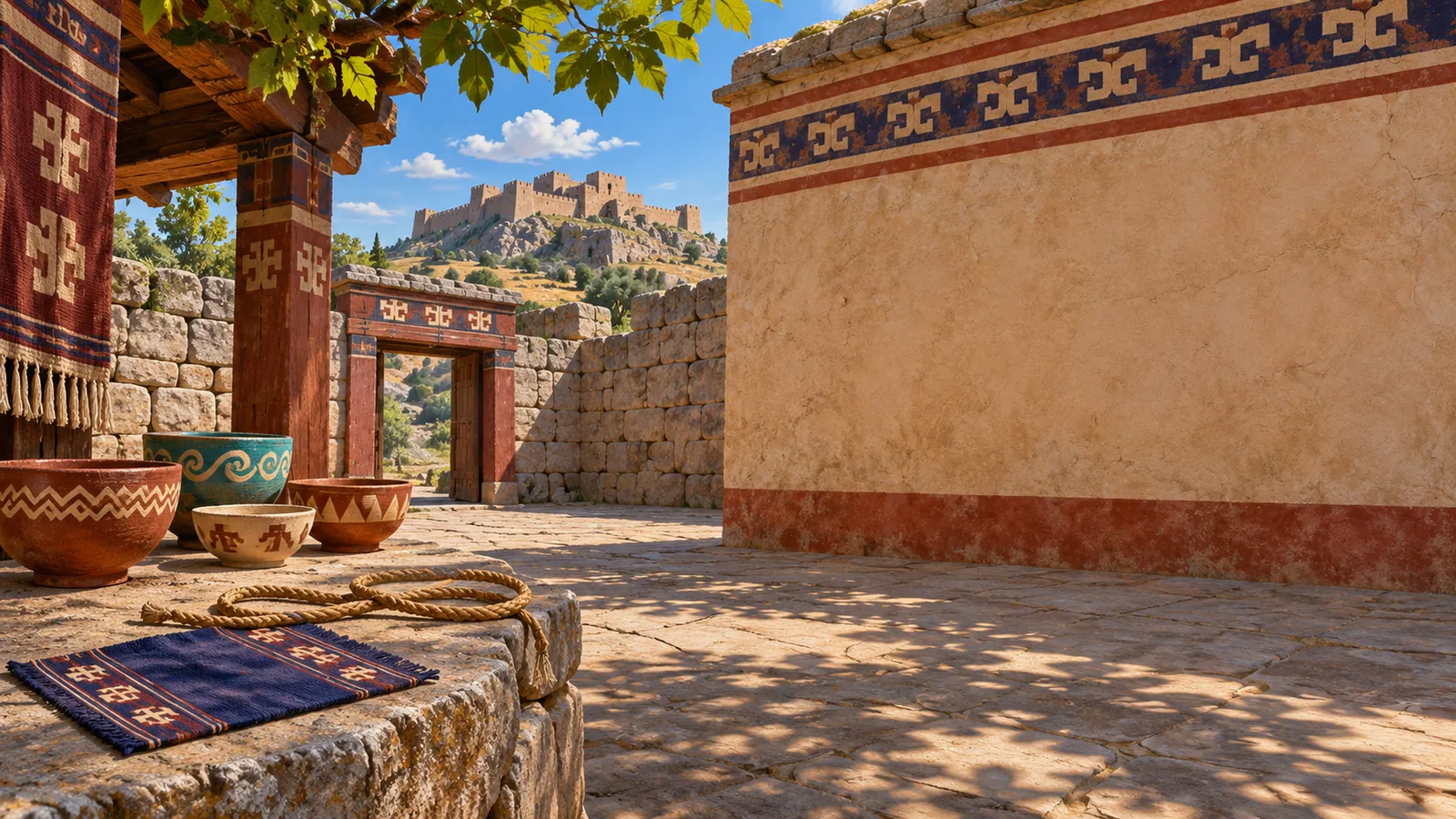
The Storm-god came and killed the bound serpent. The first victory followed Inara’s preparations and Hupasiya’s help; the text does not describe the offspring’s fate.
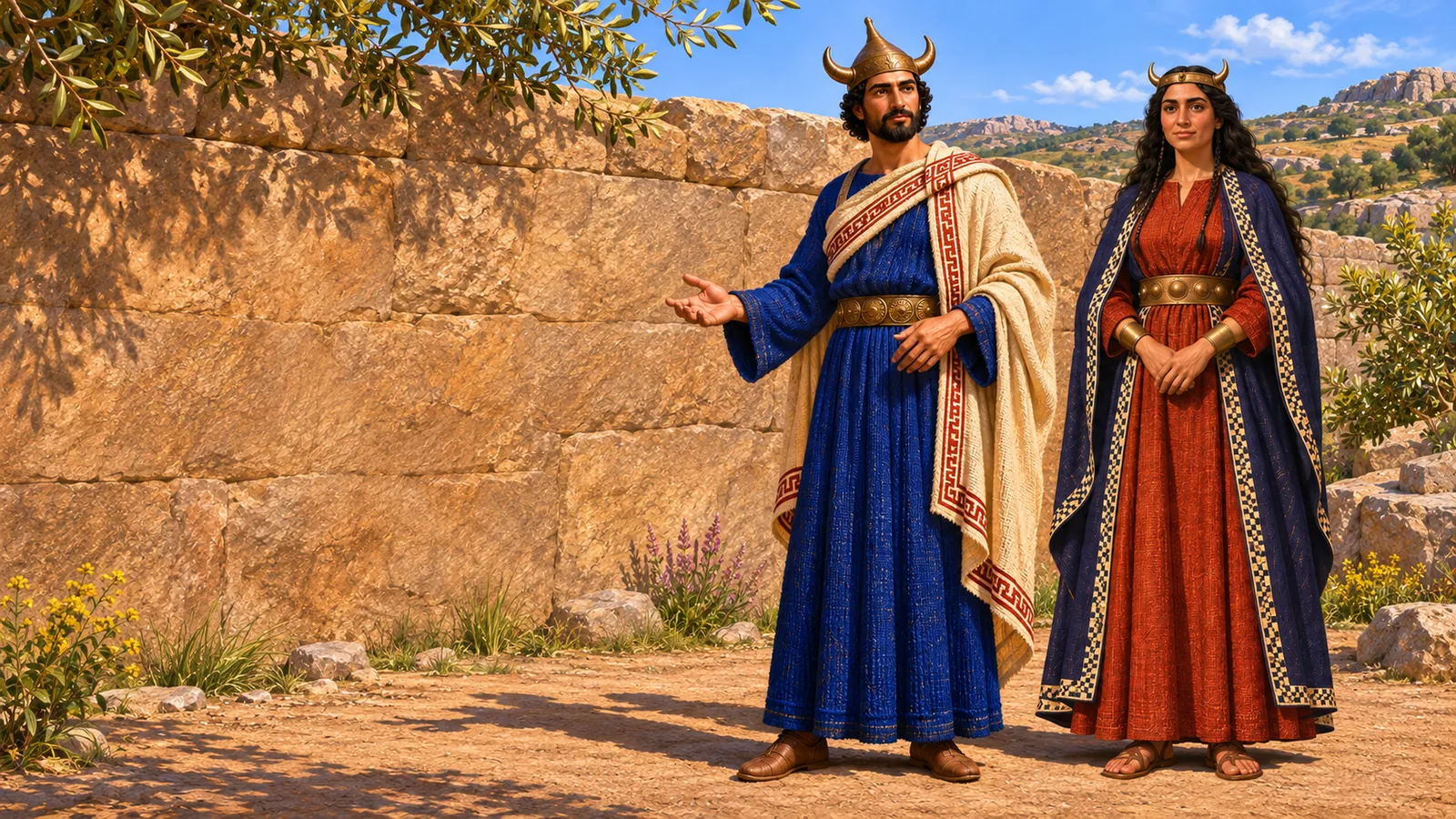
After the serpent’s killing, the account says that the gods were beside the Storm-god. It does not name each of those divine companions individually.
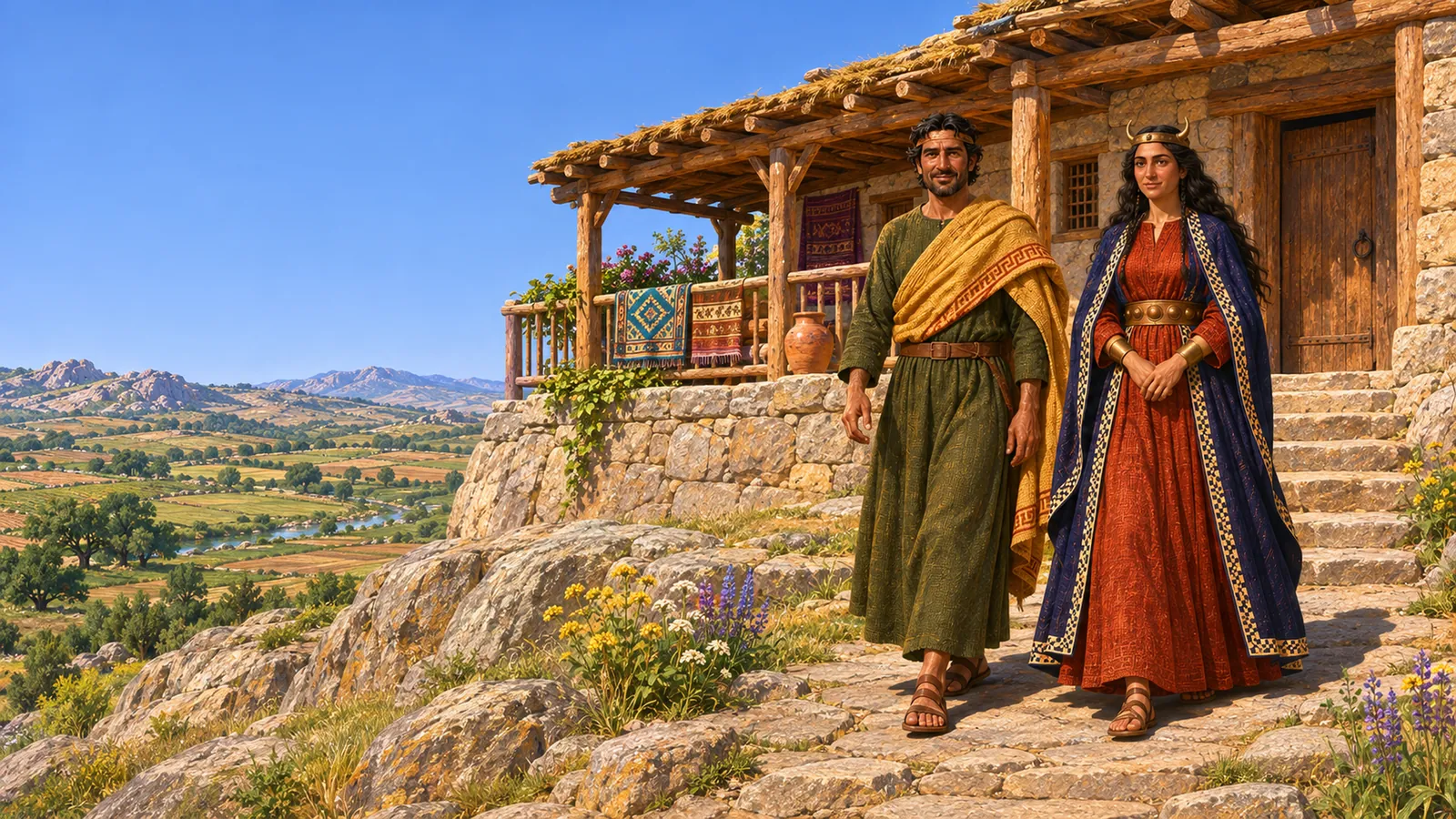
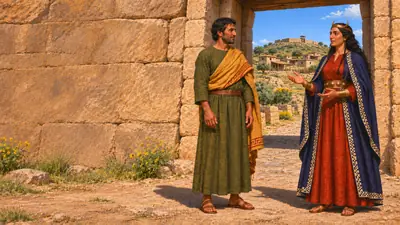
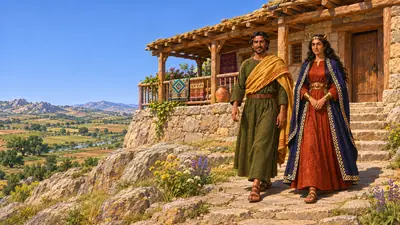
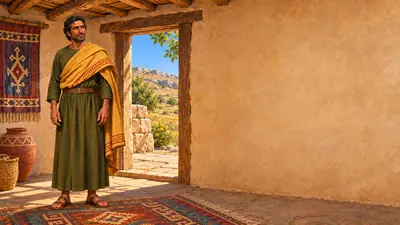
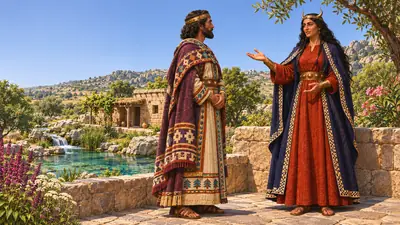
Inara built herself a house on a rock in the land of Tarukki. She settled Hupasiya there, placing her human helper within a new household.
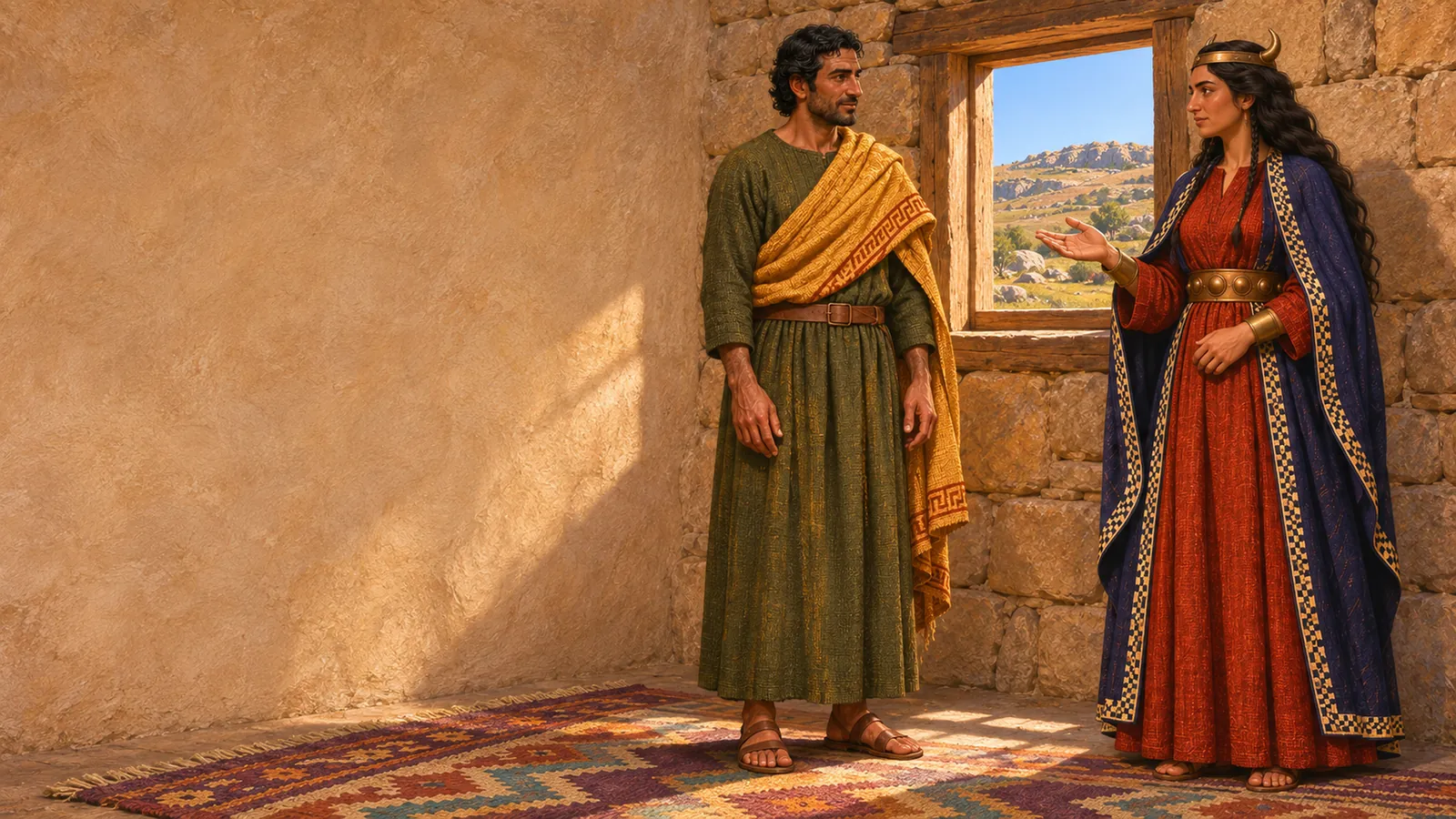
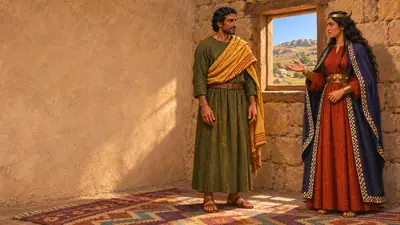
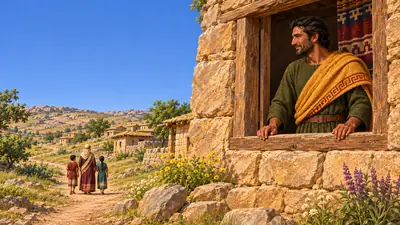
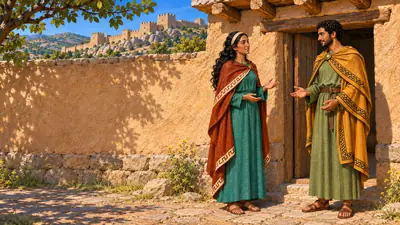
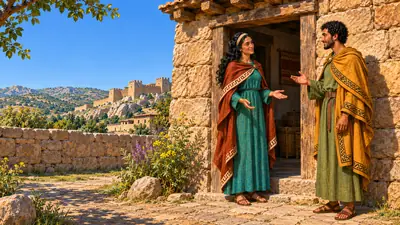
Inara told Hupasiya not to look out while she went into the fields. If he looked, she warned, he would see his wife and children.
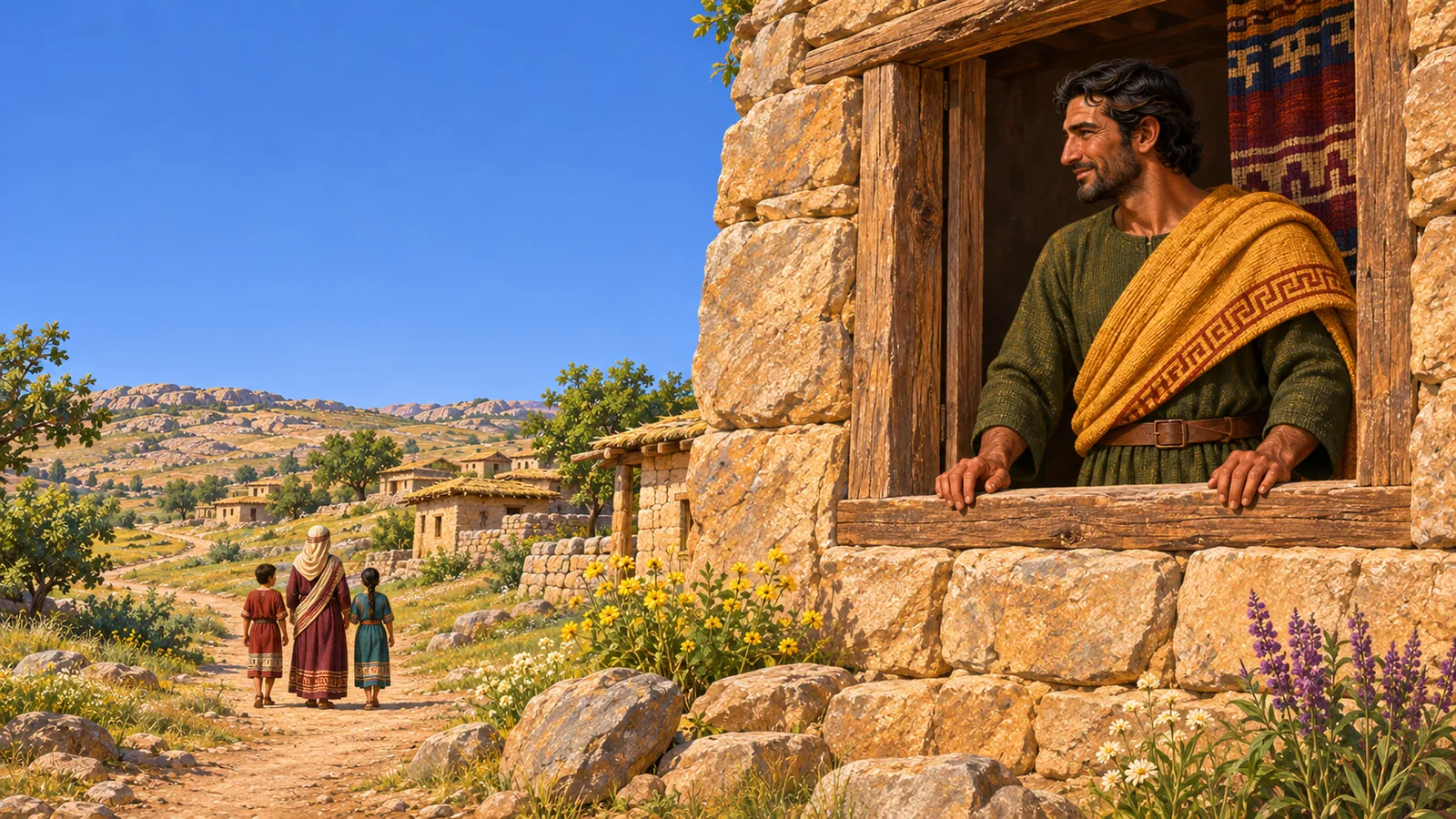
Twenty days passed, and Hupasiya looked out of the window. He saw his wife and children, just as Inara had warned him that he would.
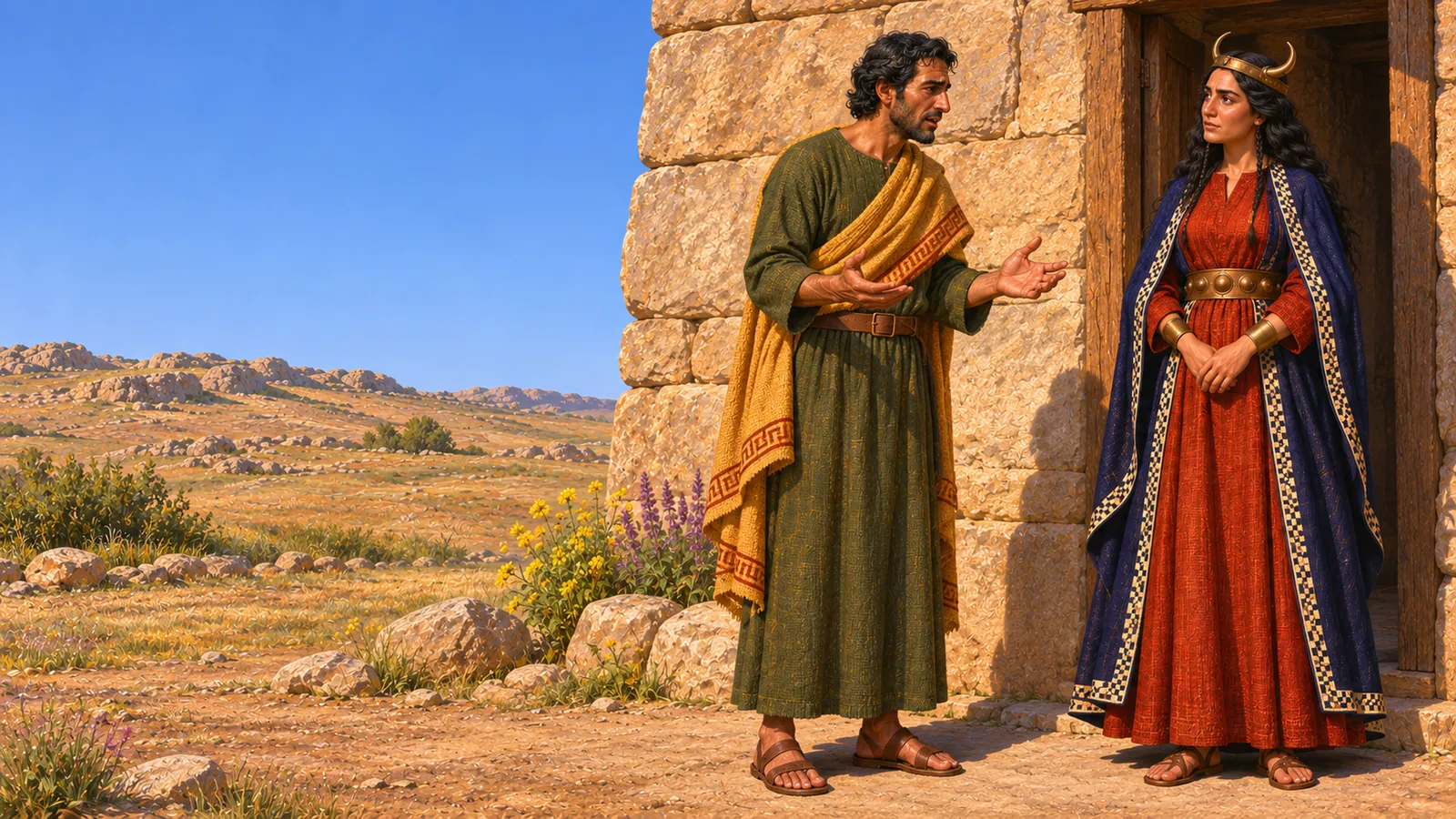
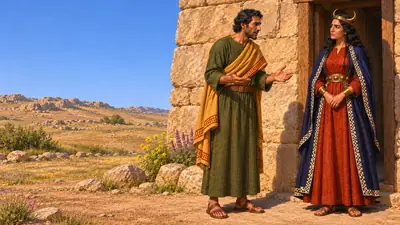
When Inara returned from the fields, Hupasiya began to lament. He asked her to let him return home, drawn back toward the family he had seen.
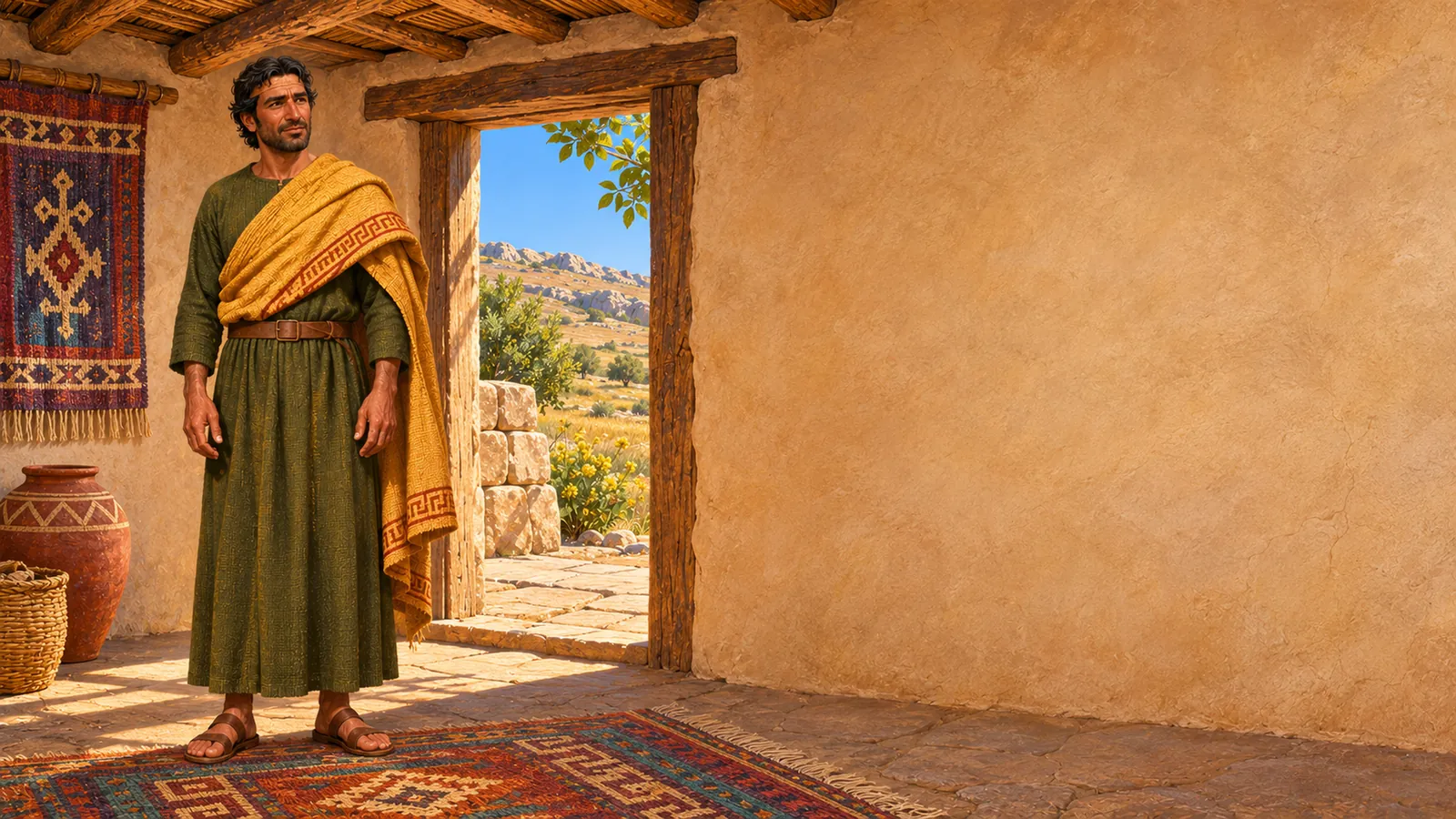
Inara’s reply survives only in broken words. We cannot turn them into a certain killing, a destroyed house, a dismissal or a happy return to Hupasiya’s family.
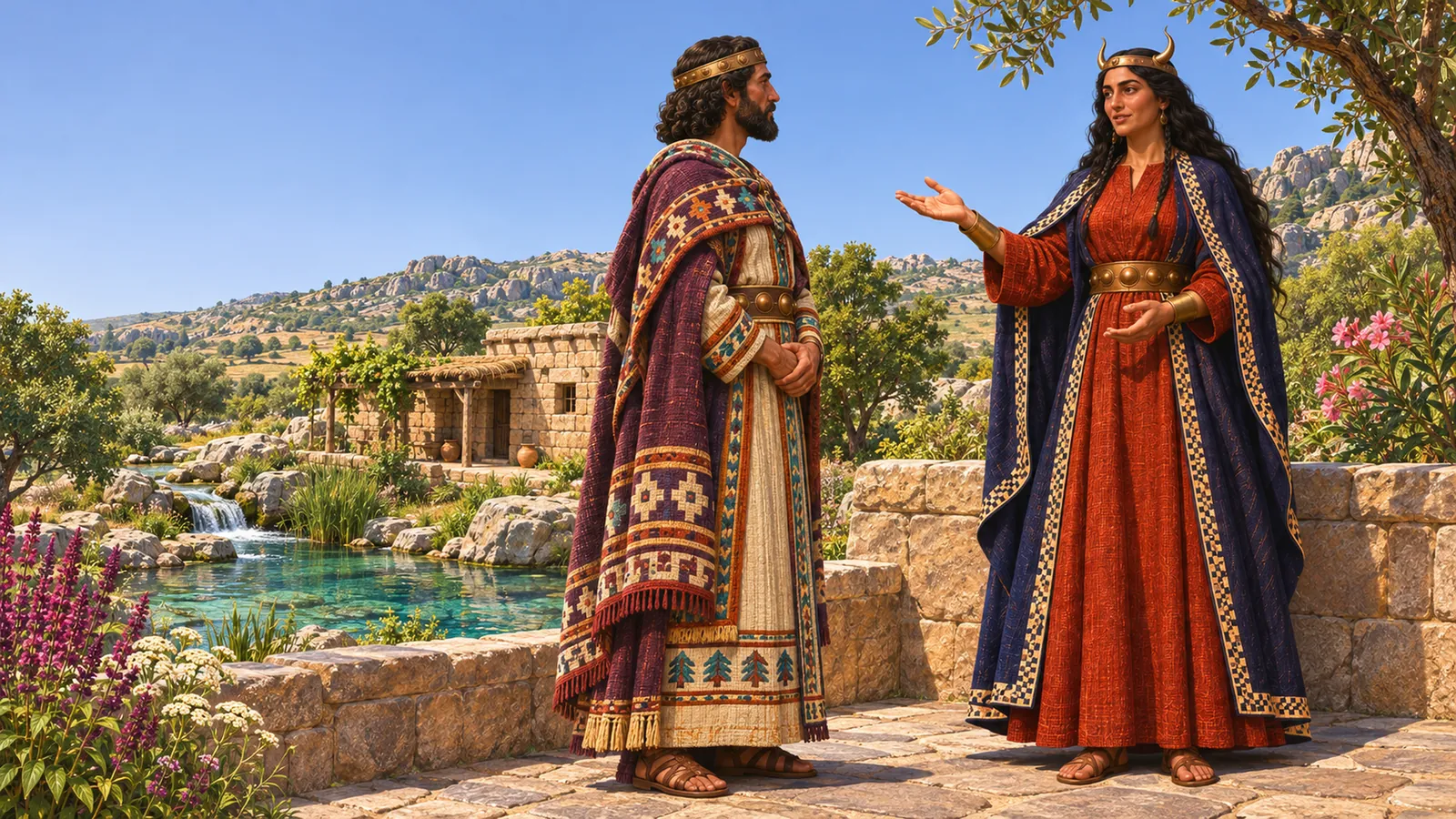
The damaged ritual passage links Inara’s house and waters with the king’s hand and the celebration of purulli. Its broken wording leaves the precise arrangement uncertain.
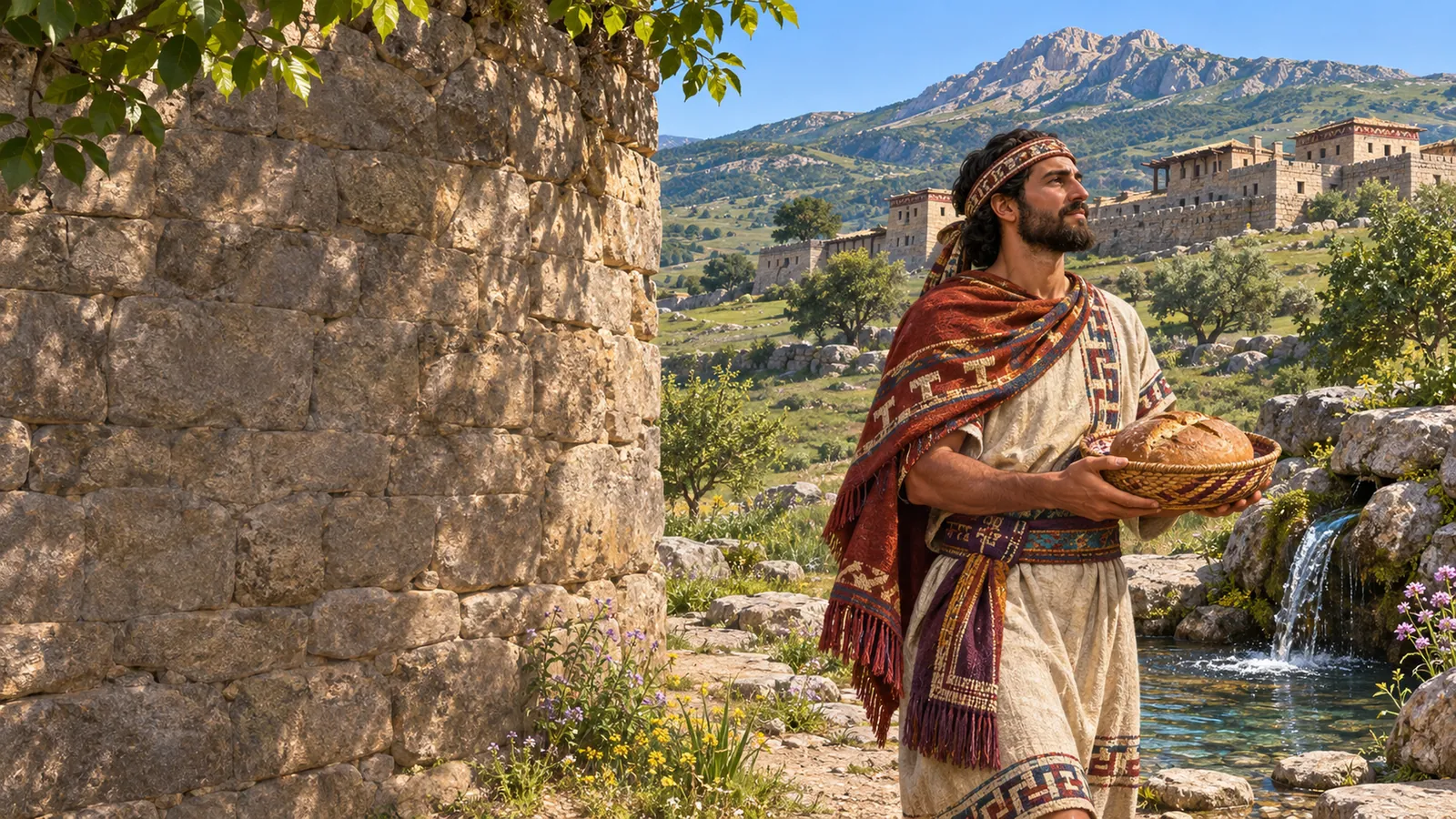
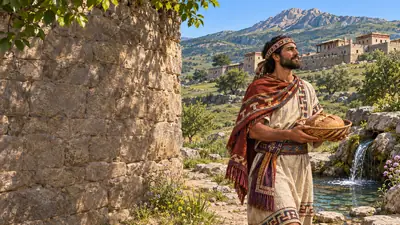
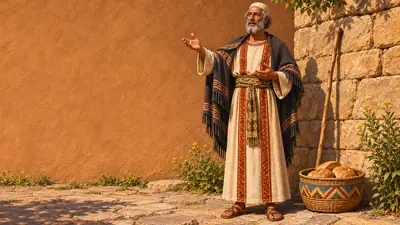
The mountain Zaliyanu is called foremost, and the ritual connects him with rain at Nerik. A herald brings bread; the following instructions become damaged and incomplete.

ANOTHER TELLING
After a large gap, the tablet presents another serpent story. This is a separate account of defeat and recovery, not the next adventure of Inara and Hupasiya.

In the second account, the serpent defeated the Storm-god and took his heart and eyes. The god continued to live, but he had not recovered his former bodily strength.
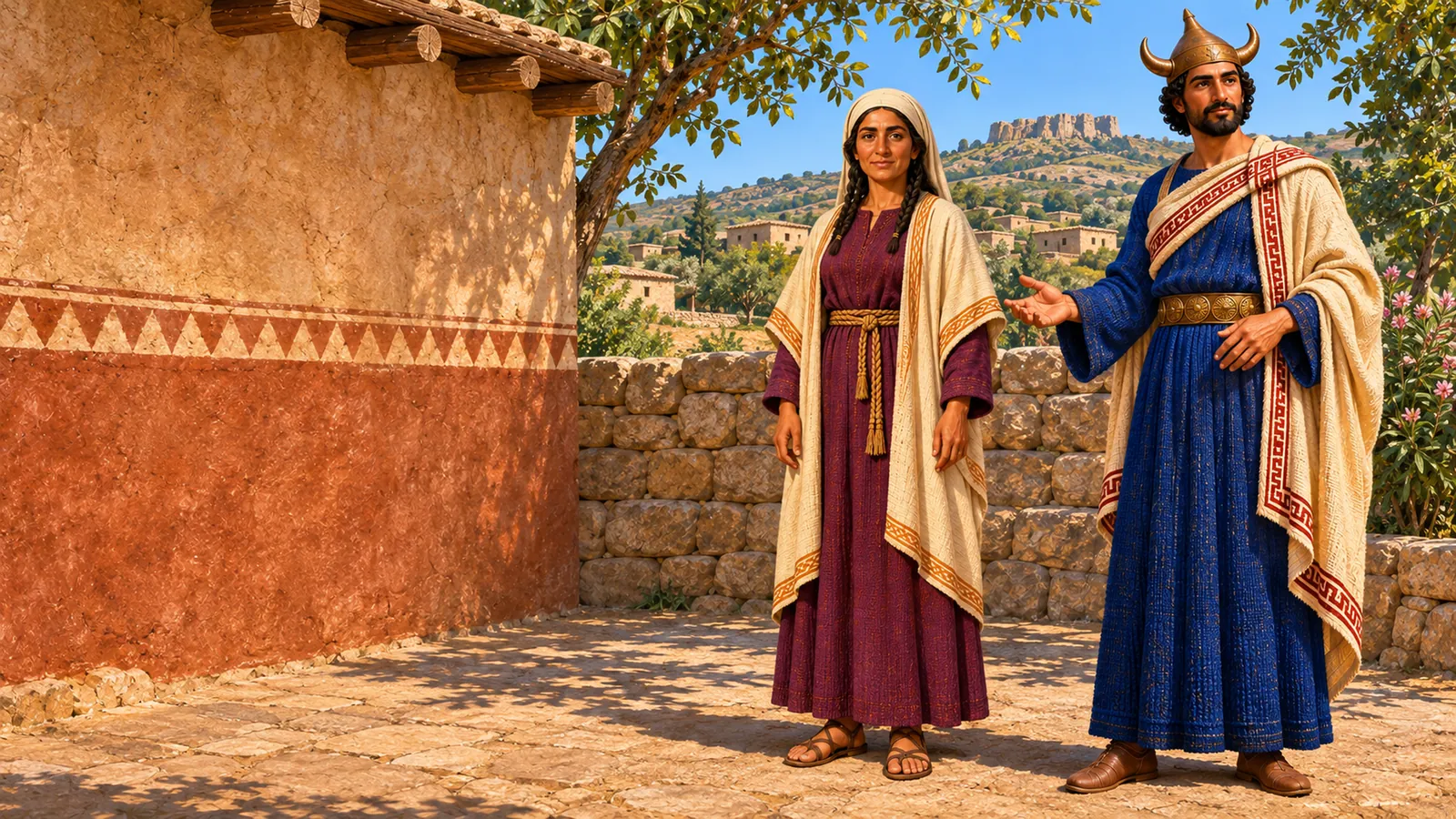
The Storm-god married the daughter of a poor man. The account does not give her name, but her marriage begins the human family on which the god’s recovery will depend.
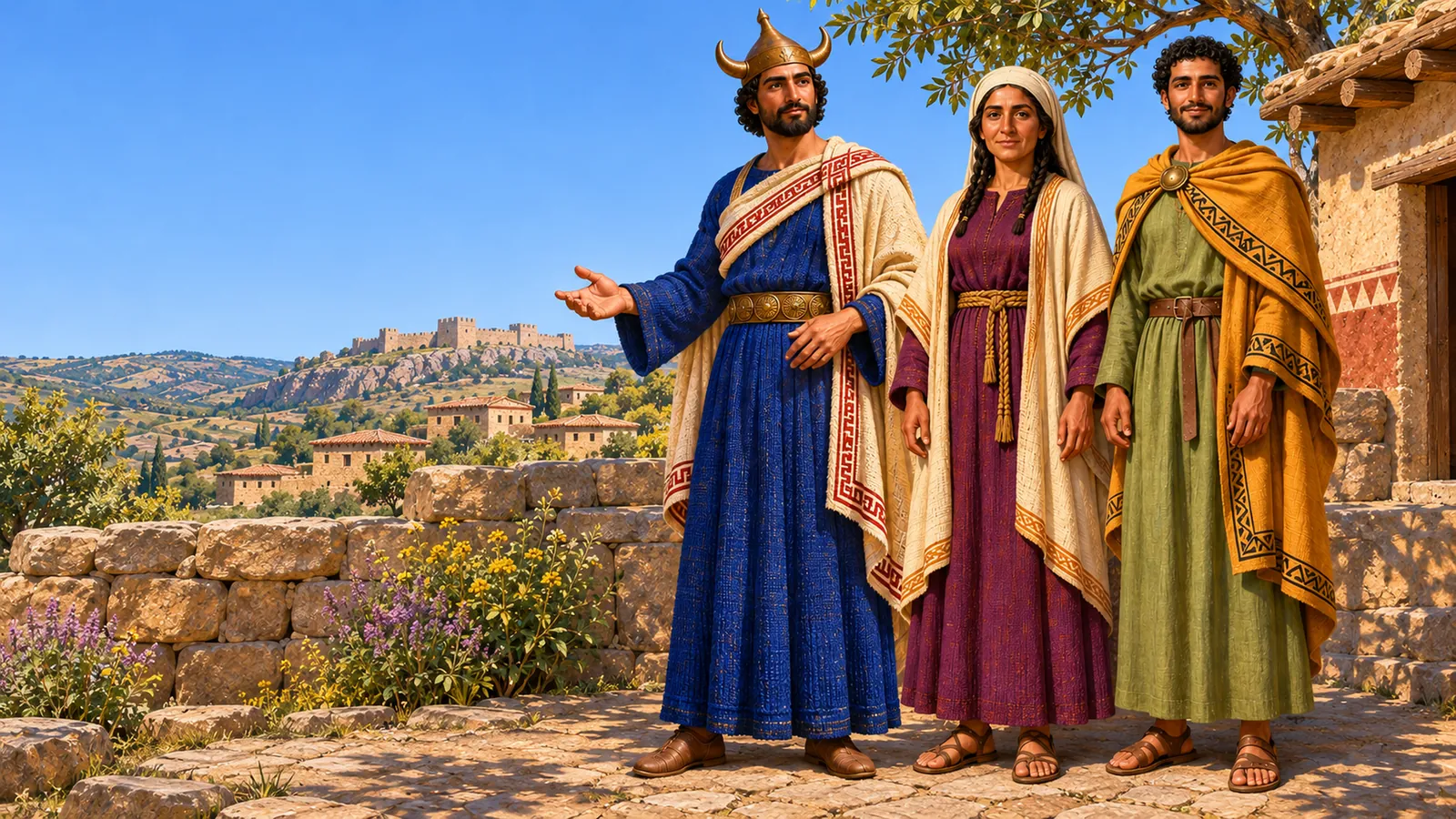
A son was born to the marriage and grew to adulthood. The surviving account passes over his childhood and follows the marriage he would make for himself.
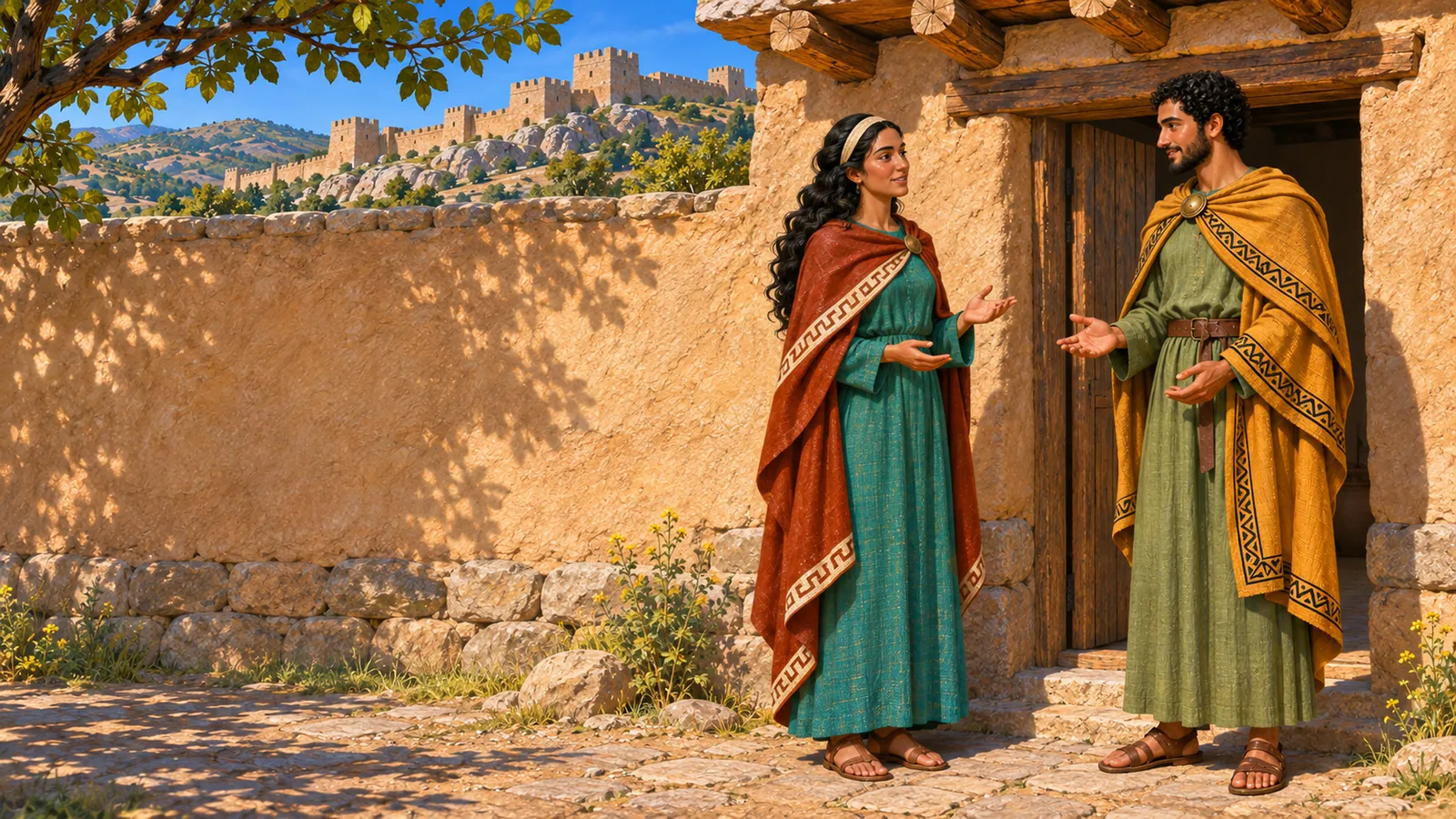
When he had grown, the Storm-god’s son married a daughter of the serpent. The two households were now linked through the young man’s marriage.
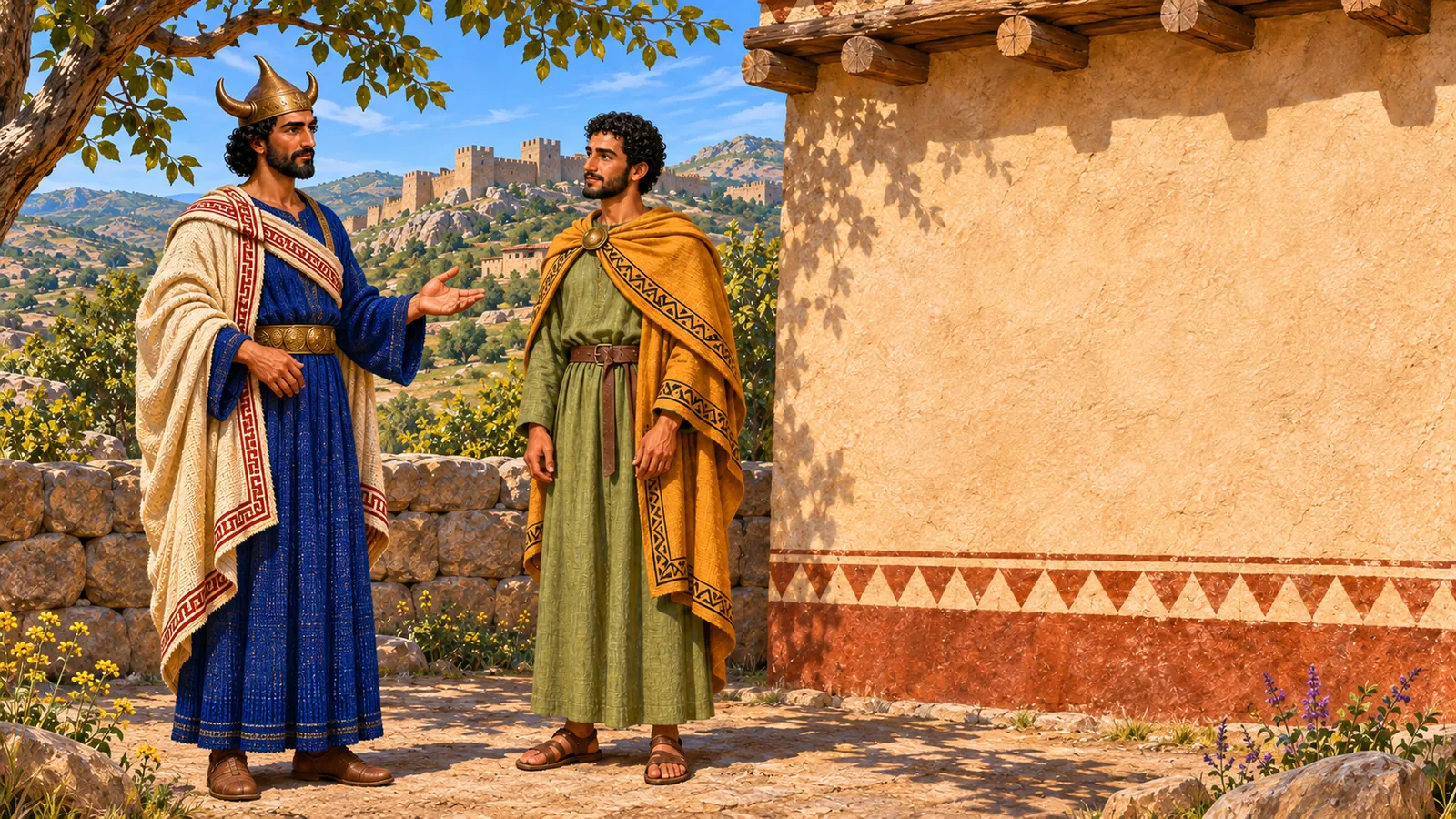
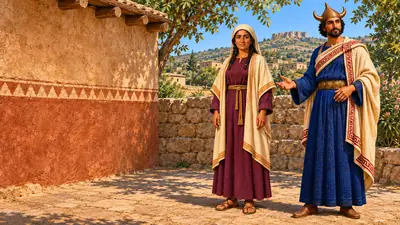
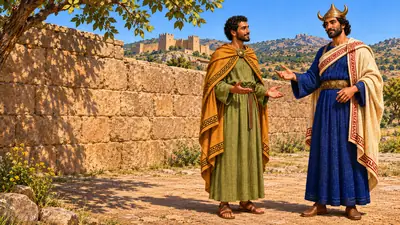
The Storm-god instructed his son before he entered his wife’s house. He was to ask that household for the heart and eyes his father had lost.
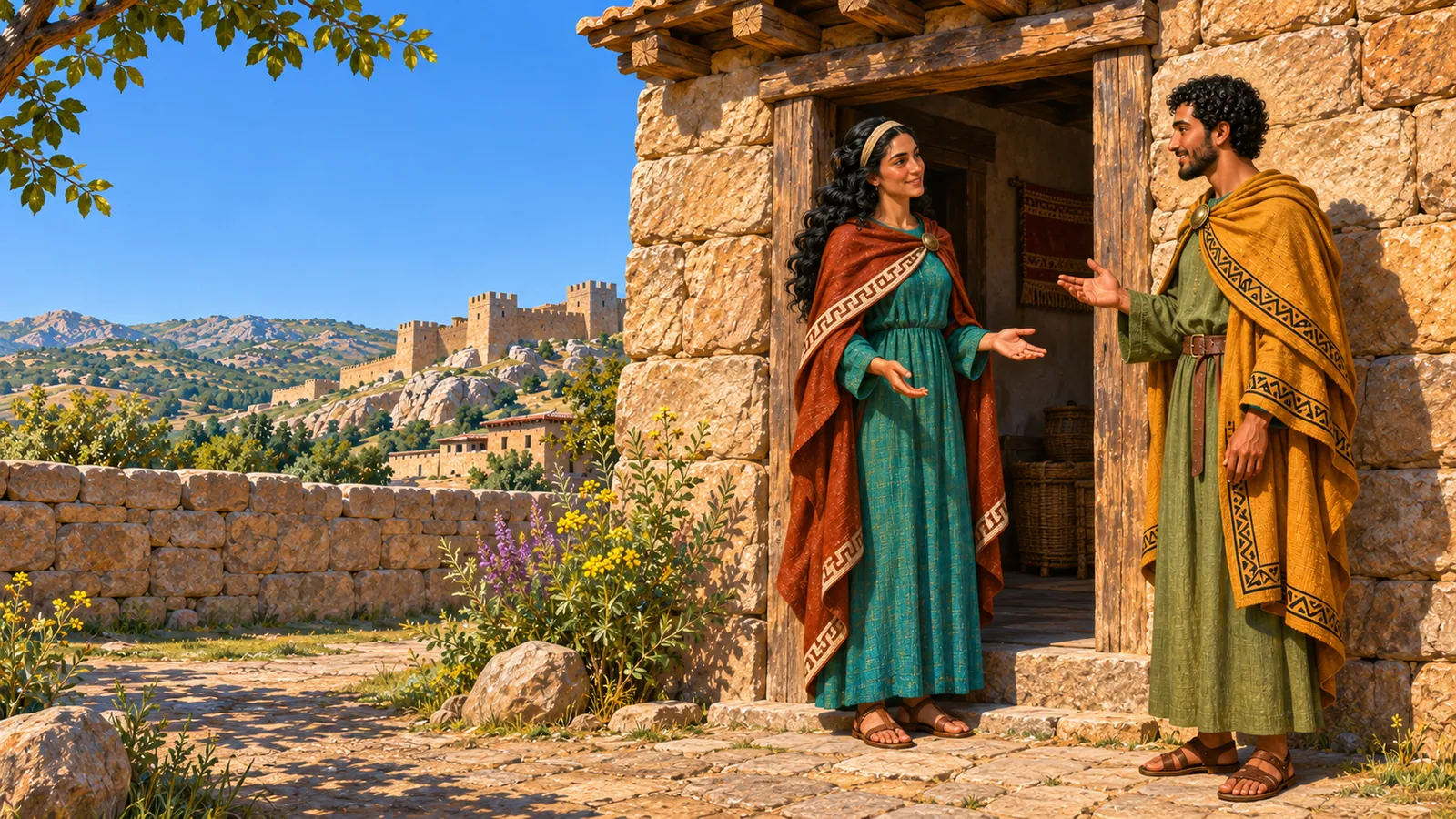
The son went to his wife’s household with his father’s request. His marriage gave him a way to ask for what the serpent had taken.
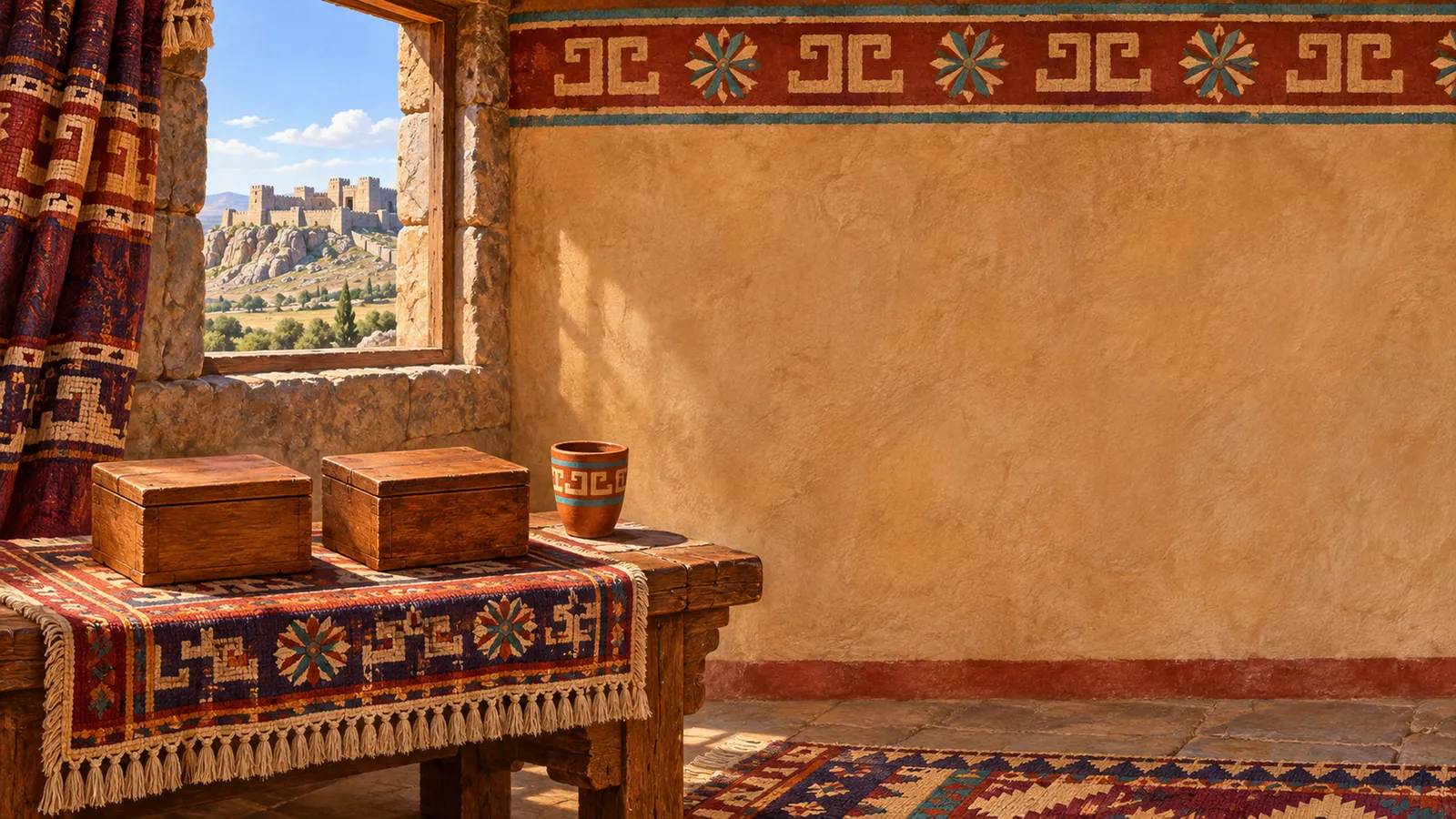
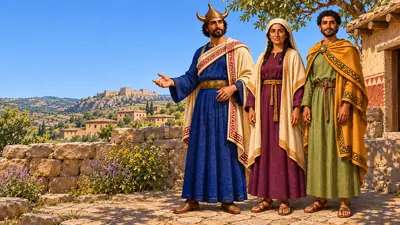
The son asked for the heart, and they gave it to him. Afterwards he asked for the eyes, and the household gave him those as well.
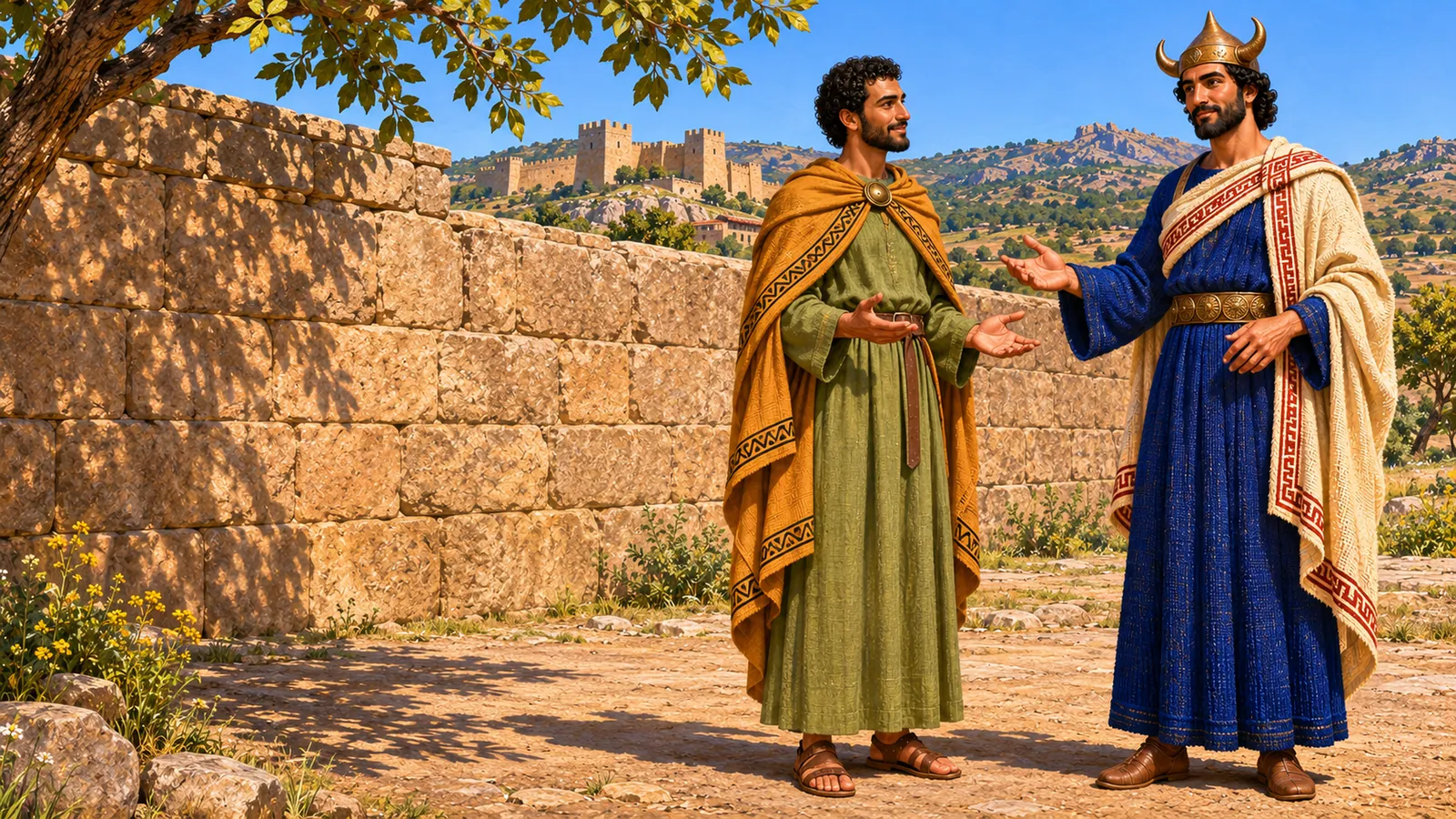
The son carried the heart and eyes back to his father. The Storm-god received them again and recovered the bodily health he had possessed before his defeat.

Sound in body once more, the Storm-god went to the sea to fight. The account brings him back against the serpent after his son’s successful intervention.

The Storm-god fought the serpent and began to overcome it. But the son who had restored his strength was now beside the serpent during the struggle.
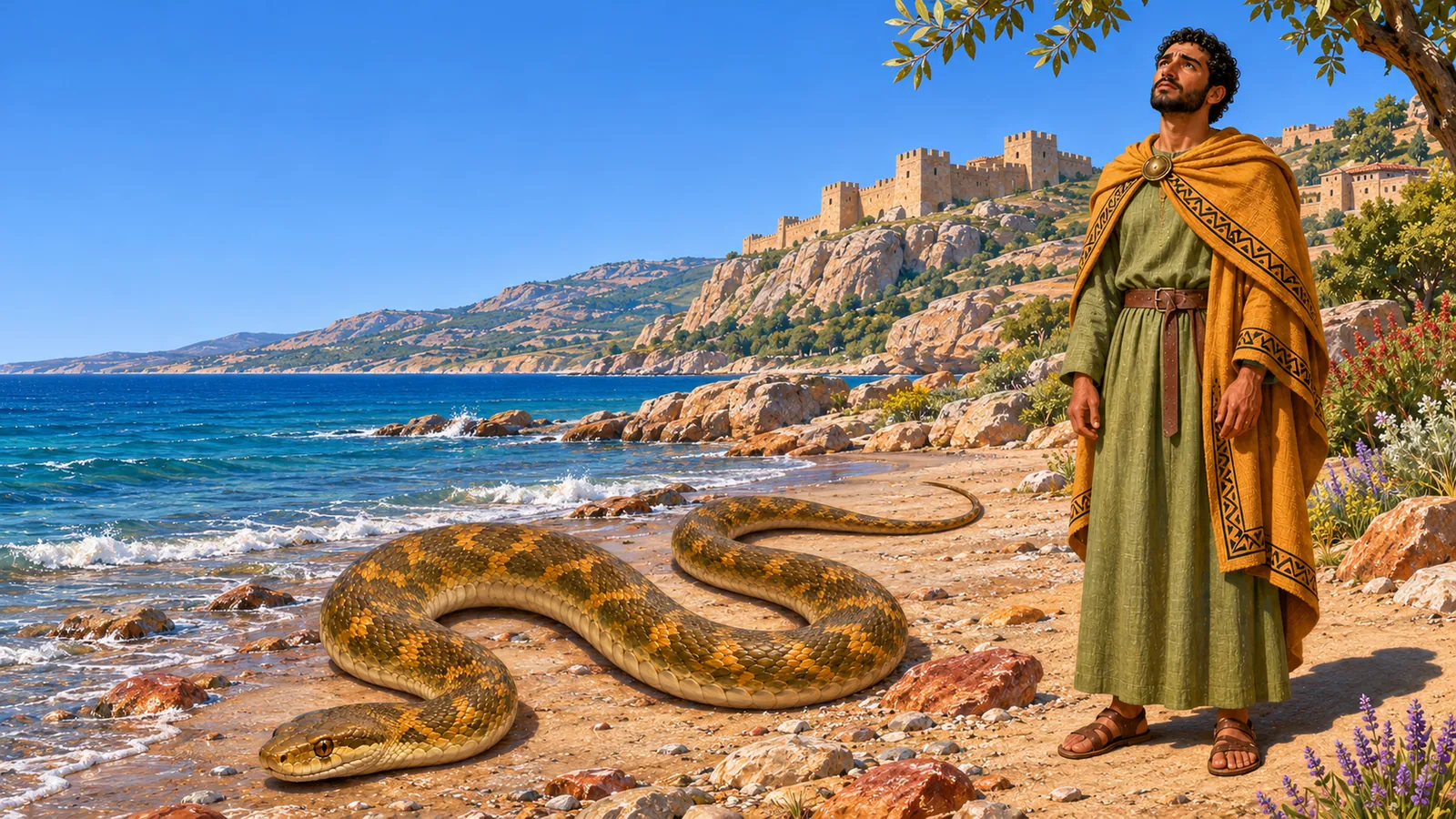
The Storm-god’s son was with the serpent as his father gained the advantage. From that place, the young man called upward toward his father in heaven.

The son asked his father to include him in the serpent’s fate and not to spare him. His words survive clearly, even though the surrounding explanation is limited.

The Storm-god killed the serpent and the young man, his own son by birth. The victory did not spare the human helper whose marriage had enabled it.

The words following the killing are damaged. They do not preserve a family reunion or the mother’s response, and no such ending can be supplied here.
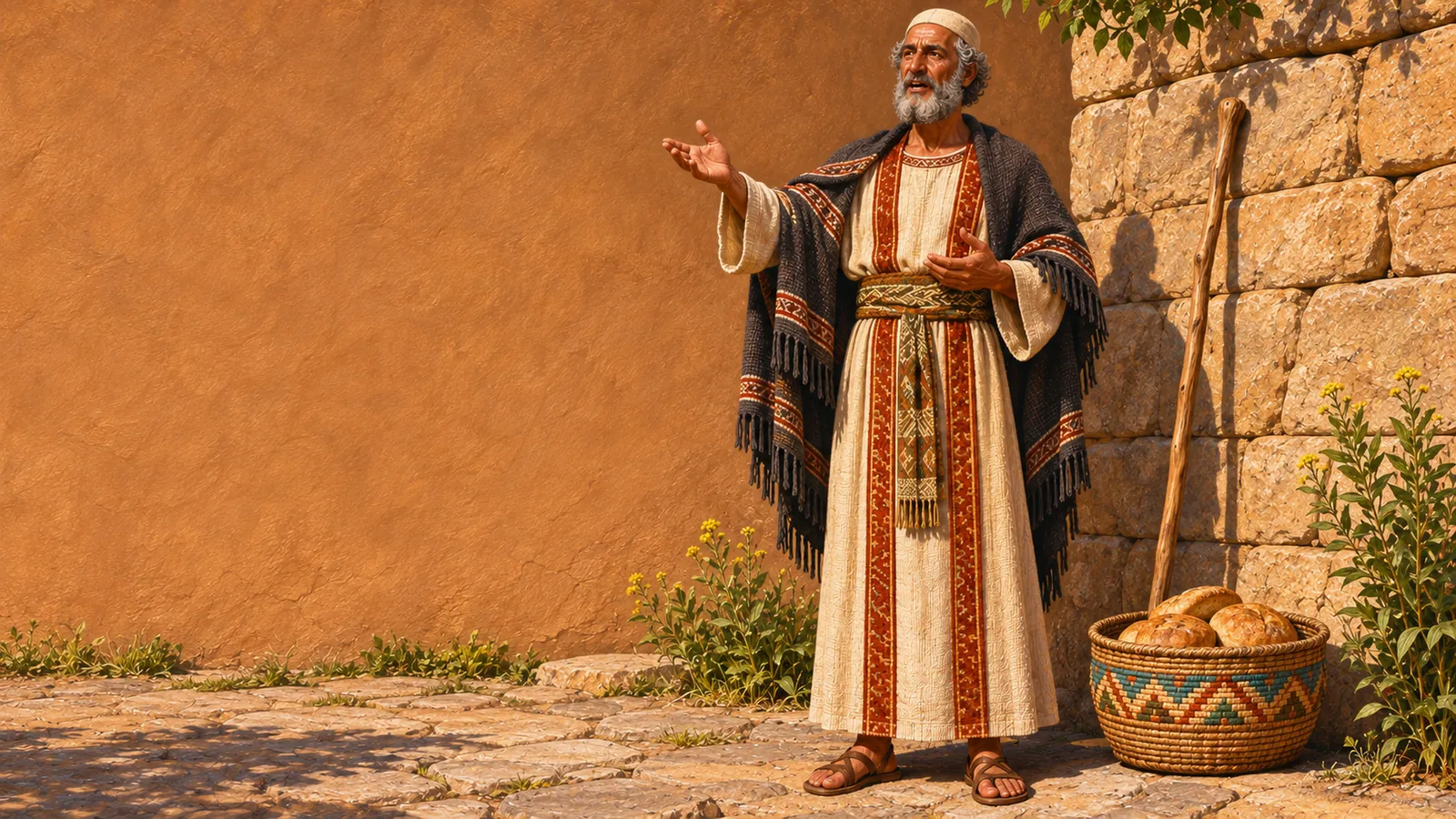
Kella’s name introduces another ritual passage after the second story. Damaged lines separate the battle’s outcome from instructions concerning the gods and their places.
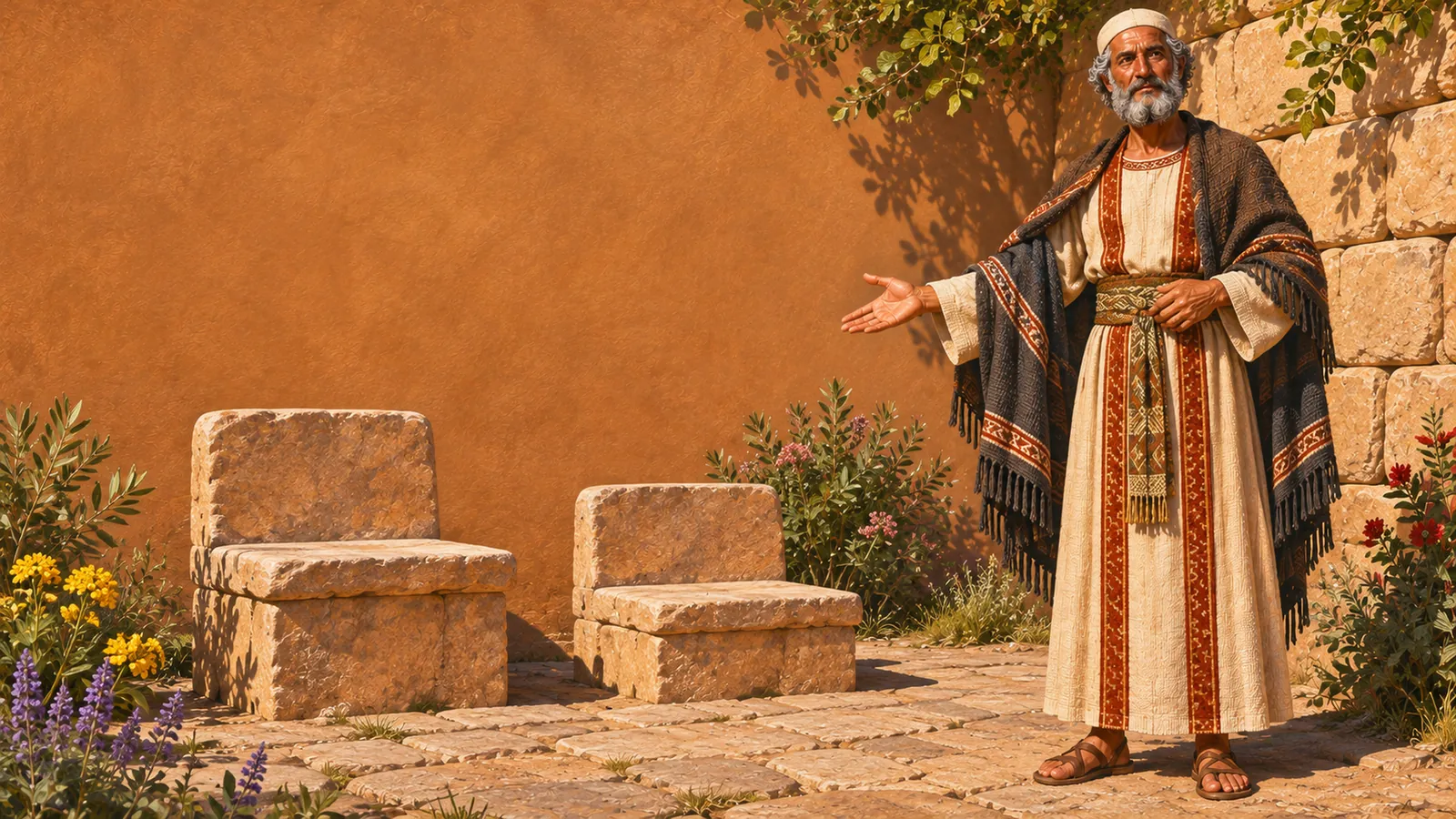
The ritual says that, for the priest, the foremost gods were made last and the last made foremost. It records a reversal without naming all the participants.
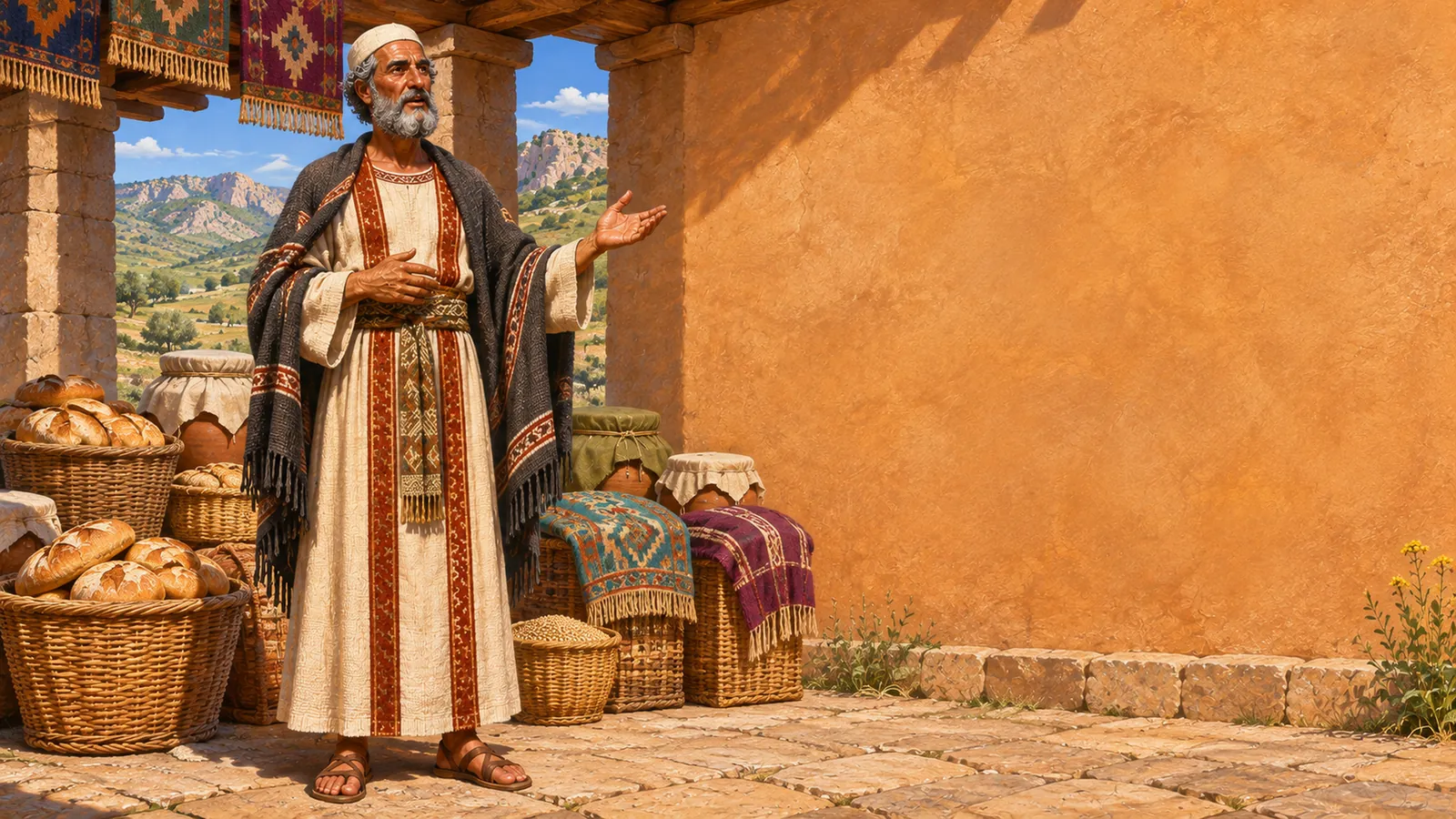
Zaliyanu’s cultic provision is called great. His wife Zashapuna is described as greater than the Storm-god of Nerik; these ranks belong to this particular ritual text.
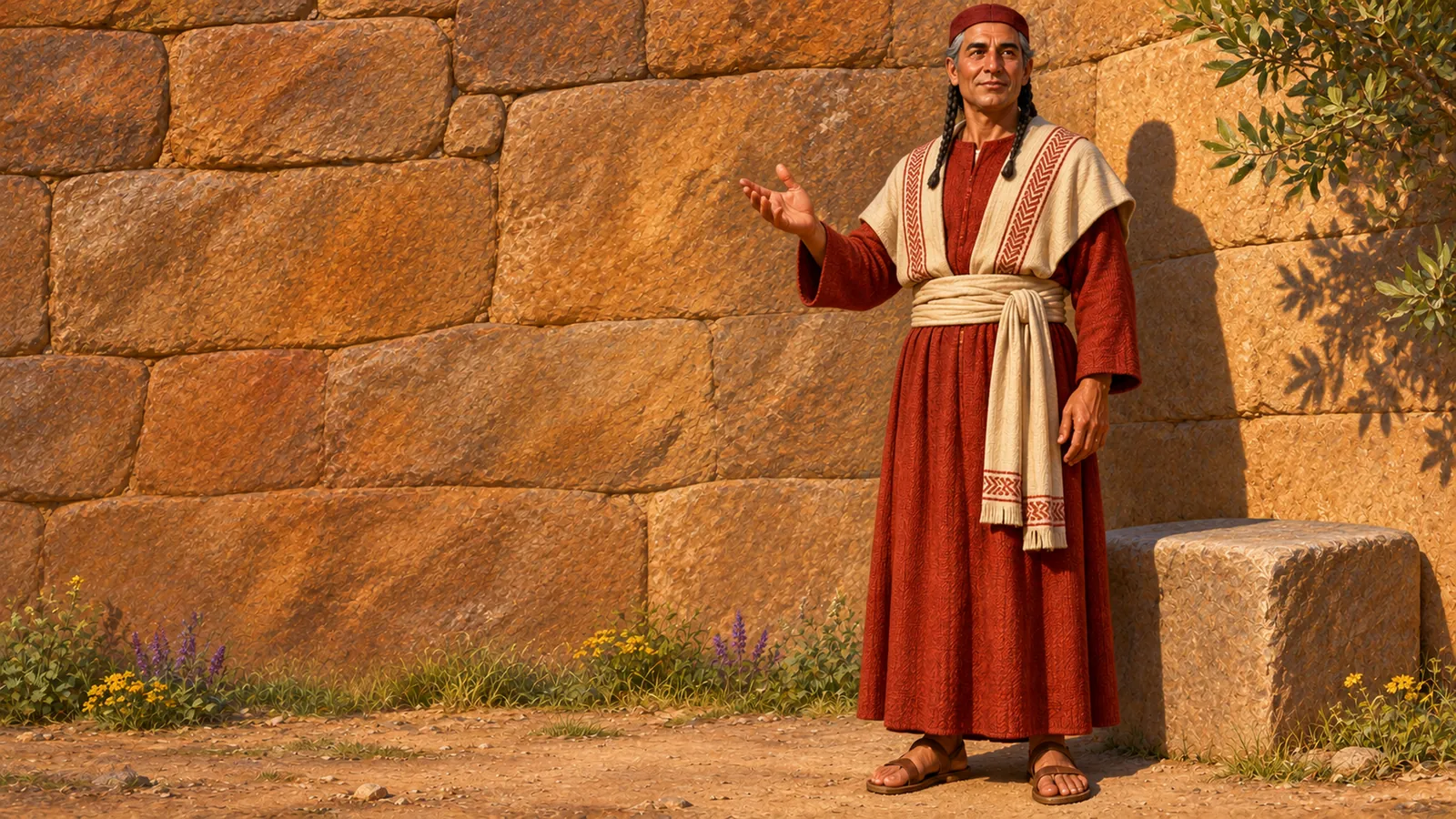
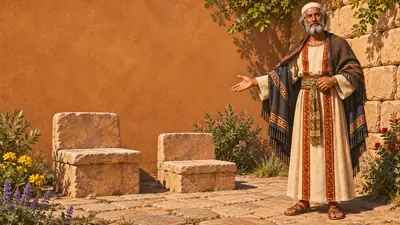
The gods asked the priest Tahpurili where they would sit when going to the Storm-god of Nerik. His answer concerned lots and a seat above a spring.
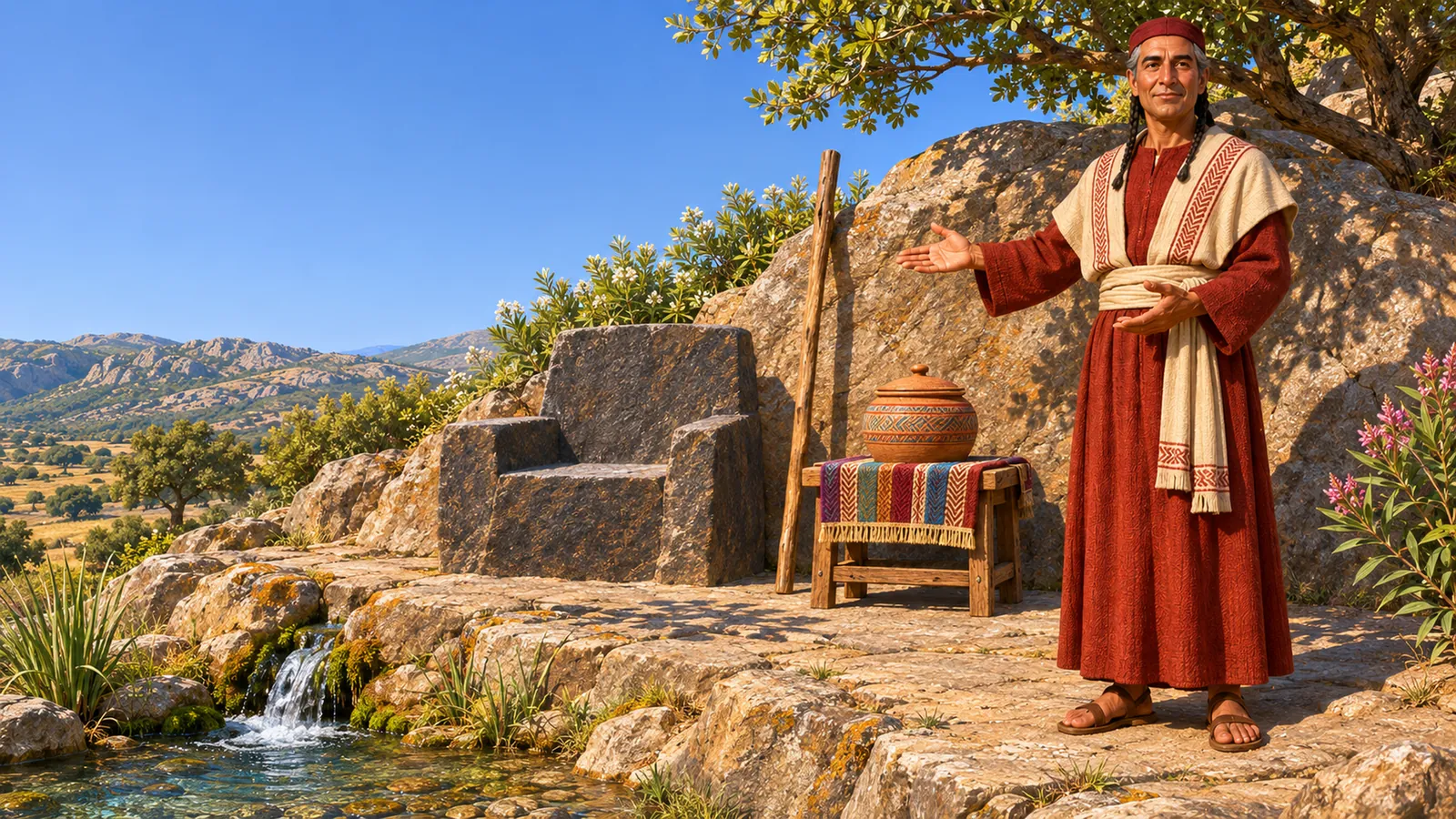
Tahpurili explained the casting of lots and the priest responsible for Zaliyanu. That priest would sit on a dark stone seat above the spring, according to this reading.
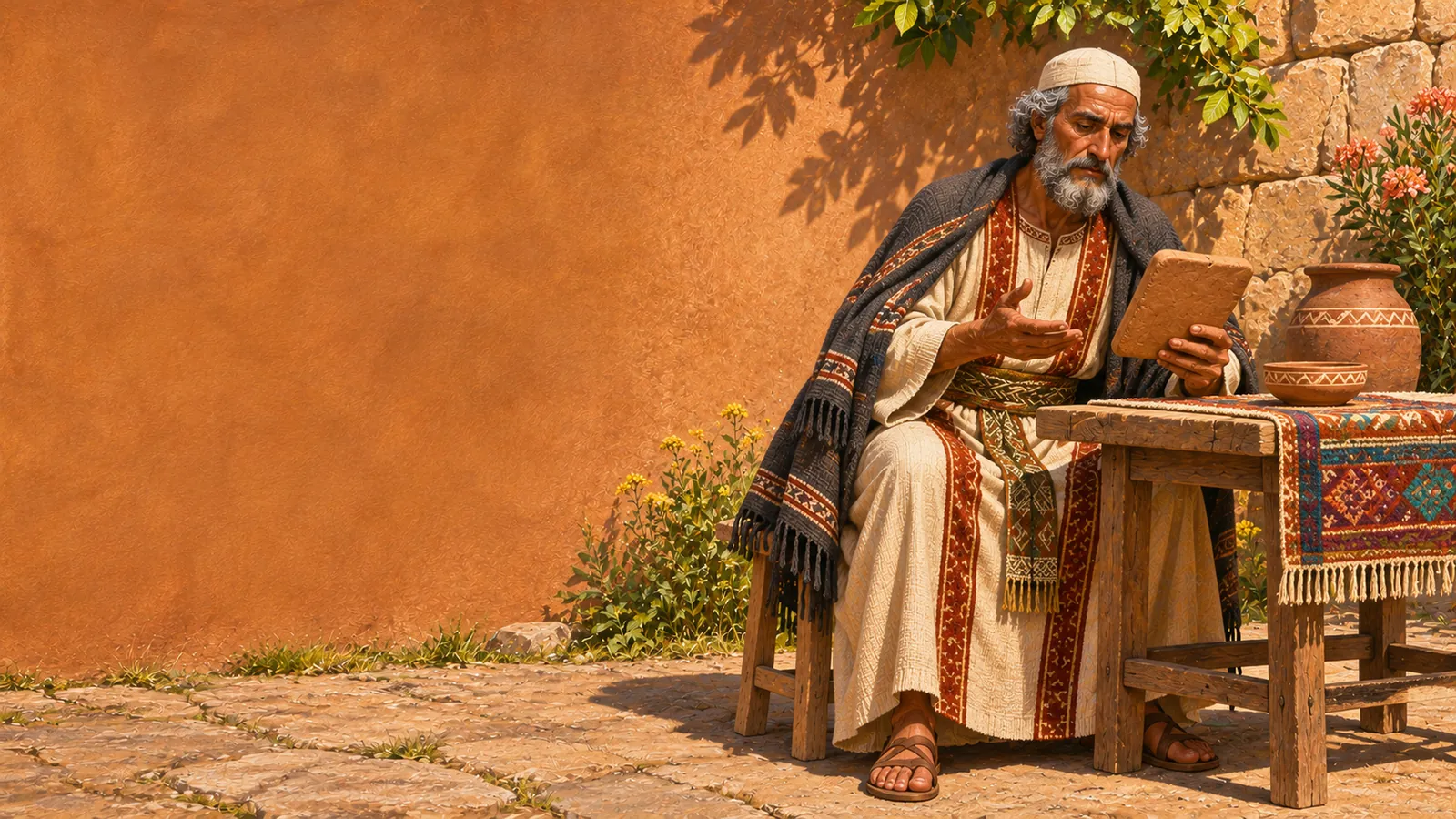
Zashapuna is foremost among Kastama’s gods. The text names Zaliyanu, his wife and his concubine Tazuwasi, then mentions three persons remaining in Tanipiya; precisely who is meant remains uncertain.
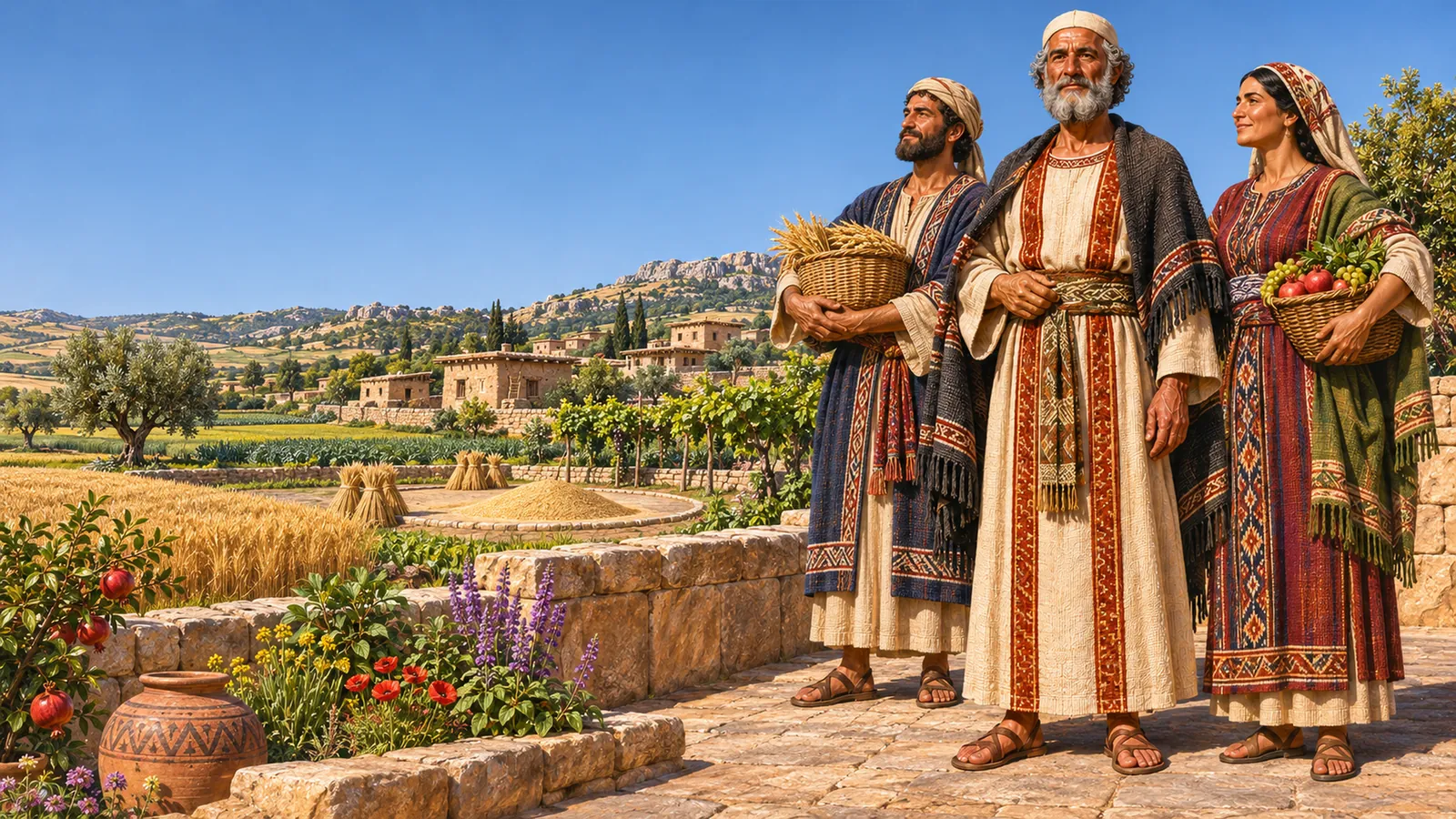
A royal grant at Tanipiya lists six kapunu of field, one of garden, a house with a threshing floor, and three houses for household staff. The ancient measure is not converted.
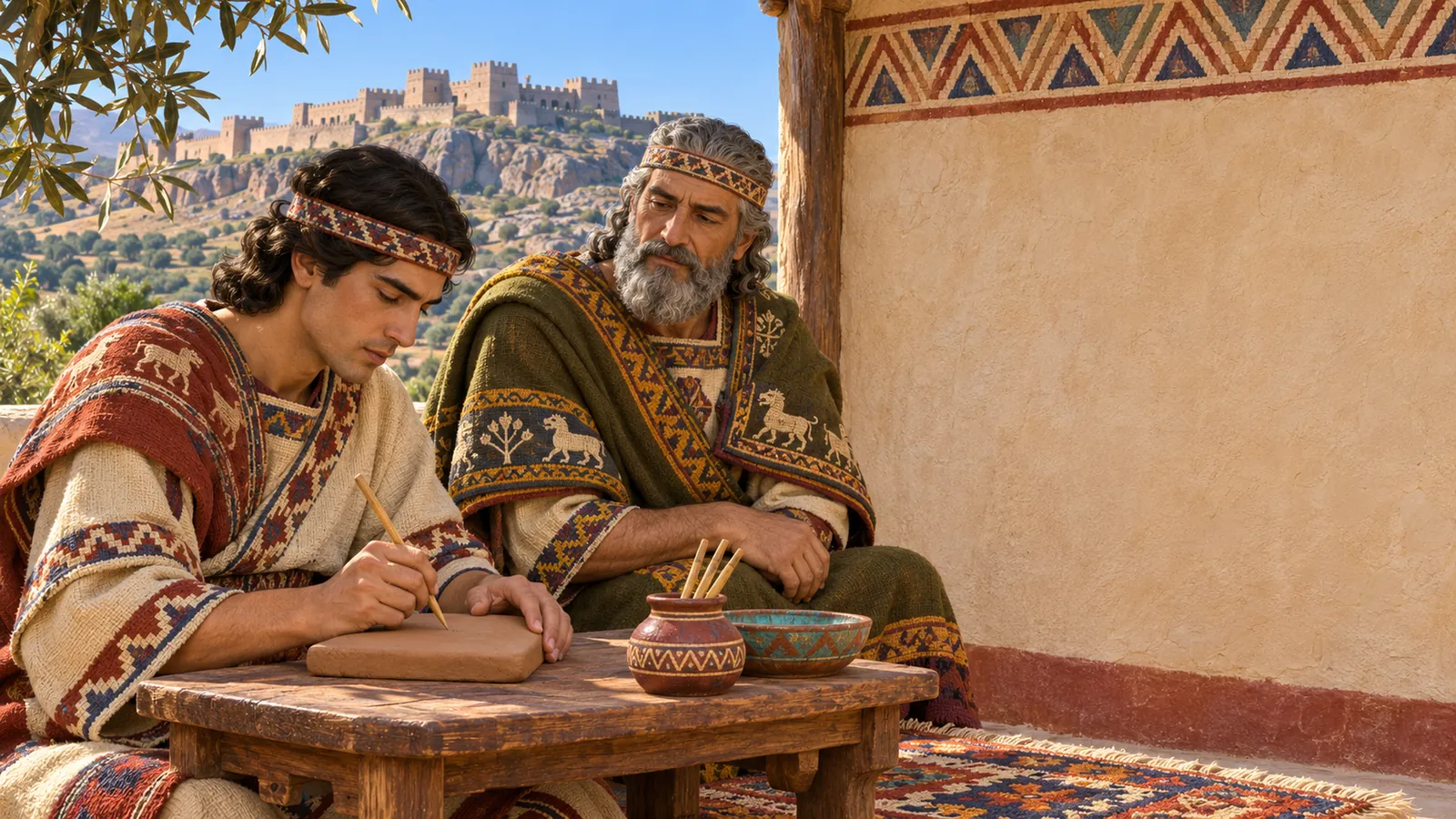
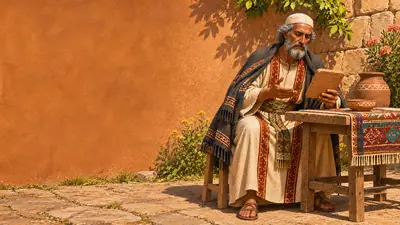
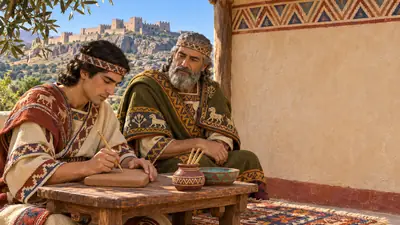
The colophon calls the first tablet of Kella’s words complete. It names Pihaziti as scribe and gives his supervising chief scribe a name restored as Walwaziti.
End of chapter 1
All pages













Sources
Base: complete TITUS CTH321 German edited translation, continuous entries1–128, witnesses A–H and all39notes, read in full; numbers below are translation entries, not physical tablet lines. Gary Beckman, JANES14(1982),11–25, author-posted full text including translation and commentary, independently read. Focused Harry A. Hoffner2007 discussion printed132–140 consulted, particularly134–140; no claim to read the whole volume. Own prose retells ancient subject matter; no modern translation is republished. The two stories are supplementary accounts on one tablet, not a single continuous biography. Illuyanka is the common noun serpent, not necessarily a proper name.
Editions consulted
- TITUS, complete CTH321 edited German translation and all39notes
- Gary Beckman, The Anatolian Myth of Illuyanka, JANES14(1982),11–25, author-posted full text
- Harry A. Hoffner, A Brief Commentary on the Hittite Illuyanka Myth,2007; focused discussion132–140
- Petra Goedegebuure, The Illuyanka Myth: A Hittite Saturnalia?, two-page ECIEC43 handout
- IL Archive, Illuyanka
- IL Archive, Inara
- IL Archive, Hittites
- IL Archive, Anatolia
- IL Archive, cuneiform
Ancient lines behind each page
- Page 1: TITUS CTH321, TITUS continuous entries1–7; precise notes in episode
TITUS continuous entries1–7; Opening GUDU12 title and dedication restored/differing translations; Kella/Killa spellings. - Page 2: TITUS CTH321, TITUS continuous entries3–7; precise notes in episode
Seasonal restoration theory is commentary. - Page 3: TITUS CTH321, TITUS continuous entries8–9; precise notes in episode
- Page 4: TITUS CTH321, TITUS continuous entries10–12; precise notes in episode
- Page 5: TITUS CTH321, TITUS continuous entries12–15; precise notes in episode
- Page 6: TITUS CTH321, TITUS continuous entries13–15; precise notes in episode
Marnuwant and walhi names retained. - Page 7: TITUS CTH321, TITUS continuous entries16–17; precise notes in episode
TITUS continuous entries16–17; Ziggaratta restored place and Hupasiya human. Intentional search versus chance encounter debated. - Page 8: TITUS CTH321, TITUS continuous entries18–20; precise notes in episode
- Page 9: TITUS CTH321, TITUS continuous entries21–24; precise notes in episode
- Page 10: TITUS CTH321, TITUS continuous entries25–26; precise notes in episode
- Page 11: TITUS CTH321, TITUS continuous entries27; precise notes in episode
- Page 12: TITUS CTH321, TITUS continuous entries28–30; precise notes in episode
- Page 13: TITUS CTH321, TITUS continuous entries31–32; precise notes in episode
- Page 14: TITUS CTH321, TITUS continuous entries32–34; precise notes in episode
- Page 15: TITUS CTH321, TITUS continuous entries35–36; precise notes in episode
- Page 16: TITUS CTH321, TITUS continuous entries36–37; precise notes in episode
- Page 17: TITUS CTH321, TITUS continuous entries38–39; precise notes in episode
Offspring not mentioned as killed: Hoffner infers whole brood, not added to preserved plot. - Page 18: TITUS CTH321, TITUS continuous entries40; precise notes in episode
Artwork representative companions only, no literal El or named extra god. - Page 19: TITUS CTH321, TITUS continuous entries41–42; precise notes in episode
- Page 20: TITUS CTH321, TITUS continuous entries43–47; precise notes in episode
- Page 21: TITUS CTH321, TITUS continuous entries48–50; precise notes in episode
- Page 22: TITUS CTH321, TITUS continuous entries51–53; precise notes in episode
- Page 23: TITUS CTH321, TITUS continuous entries54–59; precise notes in episode
TITUS continuous entries54–59; Broken first-story outcome. Dismissal is his inference too, not restored fact. - Page 24: TITUS CTH321, TITUS continuous entries60–63; precise notes in episode
TITUS continuous entries60–63; House/waters/king/purulli damaged. House possessive and watery abyss/flood/river wording debated. - Page 25: TITUS CTH321, TITUS continuous entries64–72; precise notes in episode
TITUS continuous entries64–72; Rain wording disputed, herald bread and damaged instructions. - Page 26: TITUS CTH321, TITUS continuous entries73–74; precise notes in episode
TITUS continuous entries73–74; damaged transition; Large lacuna separates accounts. - Page 27: TITUS CTH321, TITUS continuous entries75–77; precise notes in episode
TITUS continuous entries75–77; Second actual defeat and removed heart/eyes, restored wording; surviving alive even disabled. - Page 28: TITUS CTH321, TITUS continuous entries78; precise notes in episode
- Page 29: TITUS CTH321, TITUS continuous entries79–80; precise notes in episode
- Page 30: TITUS CTH321, TITUS continuous entries80–81; precise notes in episode
- Page 31: TITUS CTH321, TITUS continuous entries82–84; precise notes in episode
- Page 32: TITUS CTH321, TITUS continuous entries83–85; precise notes in episode
- Page 33: TITUS CTH321, TITUS continuous entries85–89; precise notes in episode
- Page 34: TITUS CTH321, TITUS continuous entries90–92; precise notes in episode
- Page 35: TITUS CTH321, TITUS continuous entries92–93; precise notes in episode
- Page 36: TITUS CTH321, TITUS continuous entries94–96; precise notes in episode
- Page 37: TITUS CTH321, TITUS continuous entries96–97; precise notes in episode
- Page 38: TITUS CTH321, TITUS continuous entries98–99; precise notes in episode
- Page 39: TITUS CTH321, TITUS continuous entries100; precise notes in episode
His own son bybirth secure; pronoun may express legal son ofserpent bymarriage, debated note29/Hoffner139. - Page 40: TITUS CTH321, TITUS continuous entries101; precise notes in episode
TITUS continuous entries101; Damaged aftermath, no spoken maternal response, reunion, funeral, realmreform or cheerful ending. - Page 41: TITUS CTH321, TITUS continuous entries102–103; precise notes in episode
TITUS continuous entries102–103; Kella ritual incipit and gap. Older Beckman places extraJfragment KUB36.53 uncertain here. - Page 42: TITUS CTH321, TITUS continuous entries104–105; precise notes in episode
- Page 43: TITUS CTH321, TITUS continuous entries106–107; precise notes in episode
- Page 44: TITUS CTH321, TITUS continuous entries108–111; precise notes in episode
- Page 45: TITUS CTH321, TITUS continuous entries112–118; precise notes in episode
TITUS continuous entries112–118; Lots and darkstone seat overspring; basalt/diorite mineral uncertain; TITUS/Pecchioli/Hoffner priestresponsibleforZaliyanu seated, Haas godstatue alternative not silently merged. - Page 46: TITUS CTH321, TITUS continuous entries119–121; precise notes in episode
- Page 47: TITUS CTH321, TITUS continuous entries122–126; precise notes in episode
- Page 48: TITUS CTH321, TITUS continuous entries127–128; precise notes in episode
TITUS continuous entries127–128; Colophon firsttabletcomplete ofKella words; Pihaziti and supervisingWalwaziti restoration.
Illustrations made with AI tools by IL Archive; the text is based on the ancient sources (see the sources at the end of each chapter).