Keshshi the Hunter Chapter 1
The seven dreams
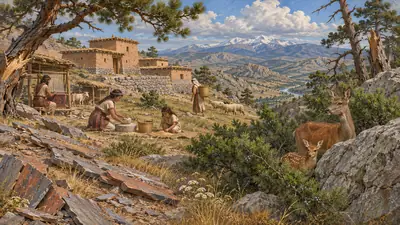
Up on Mount Natara, Keshshi cannot find a single animal to hunt. His troubling dreams bring him back to his mother with a question. The tablet breaks before we learn her full answer or the hunter’s fate. Surviving Hurrian passages describe marriage negotiations and an accusation before the elders. A small Akkadian tablet from Akhetaten names the hunter, his brother-in-law and a gatekeeper.
SourcesTurn the pages with the arrows, the arrow keys or a swipe.
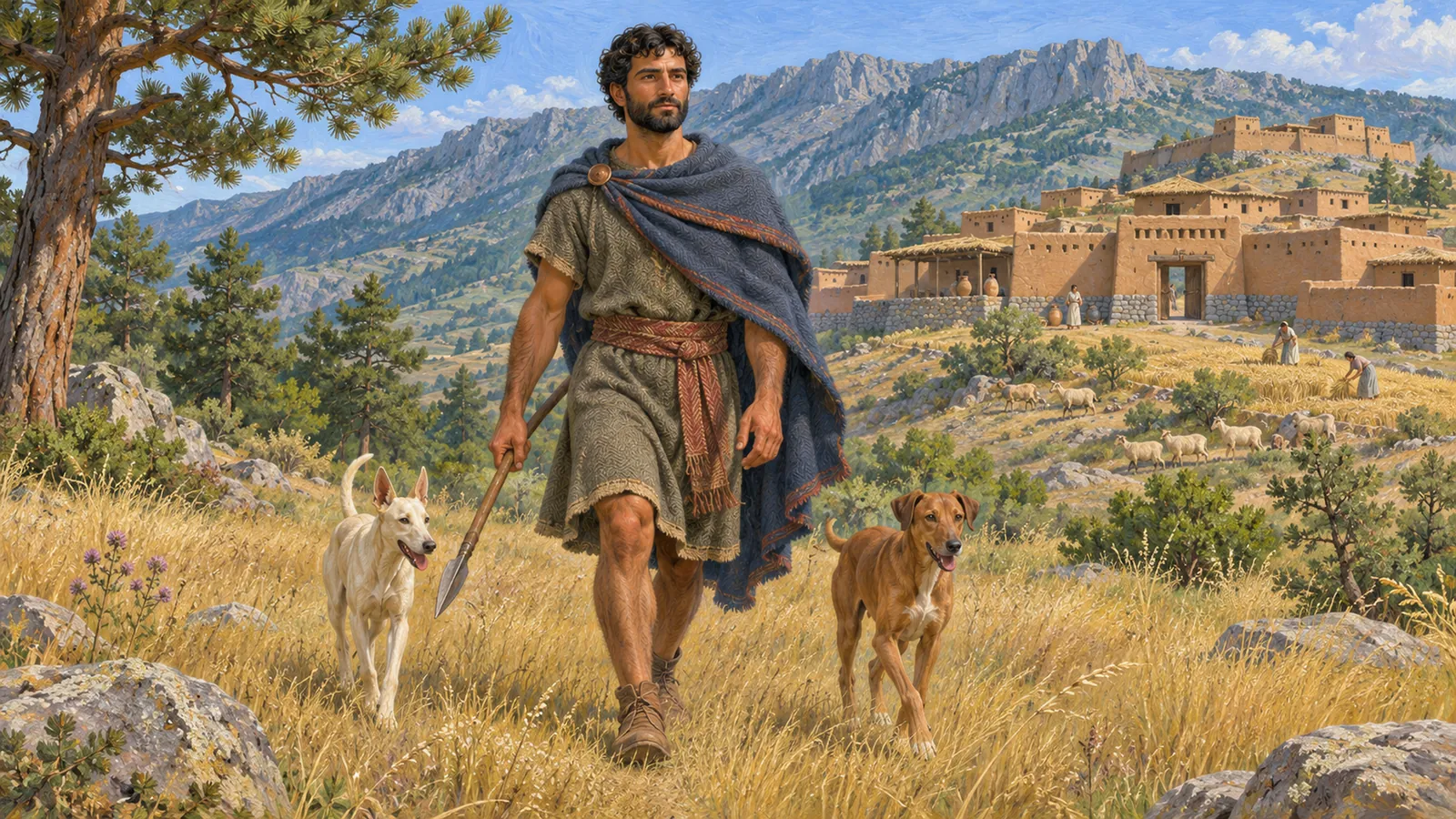
KESHSHI
The surviving Hittite story starts mid-sentence. When we first meet Keshshi, he has become a hunter. The broken opening seems to say that the gods gave him game.
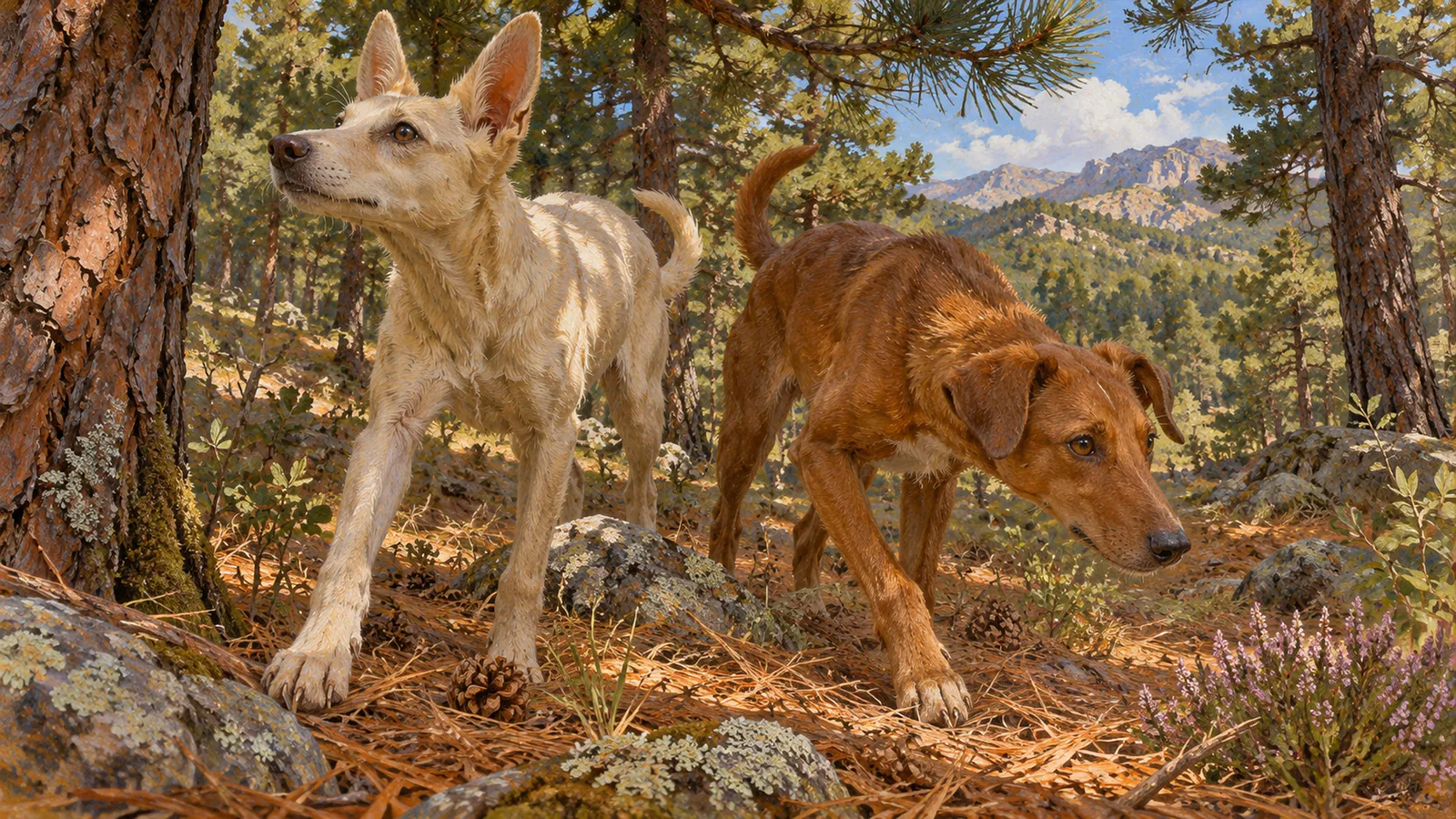
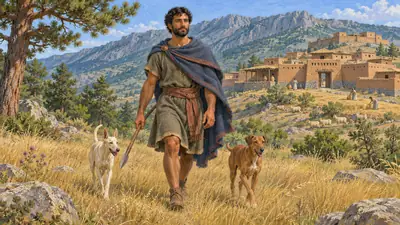
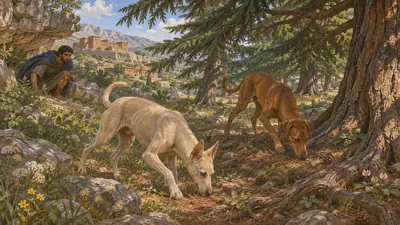
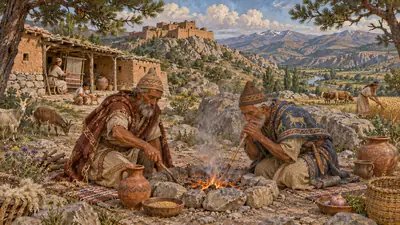
The ancient signs for his occupation can be read literally as “dog man.” In both the Hittite and the Hurrian versions, Keshshi goes hunting with dogs.
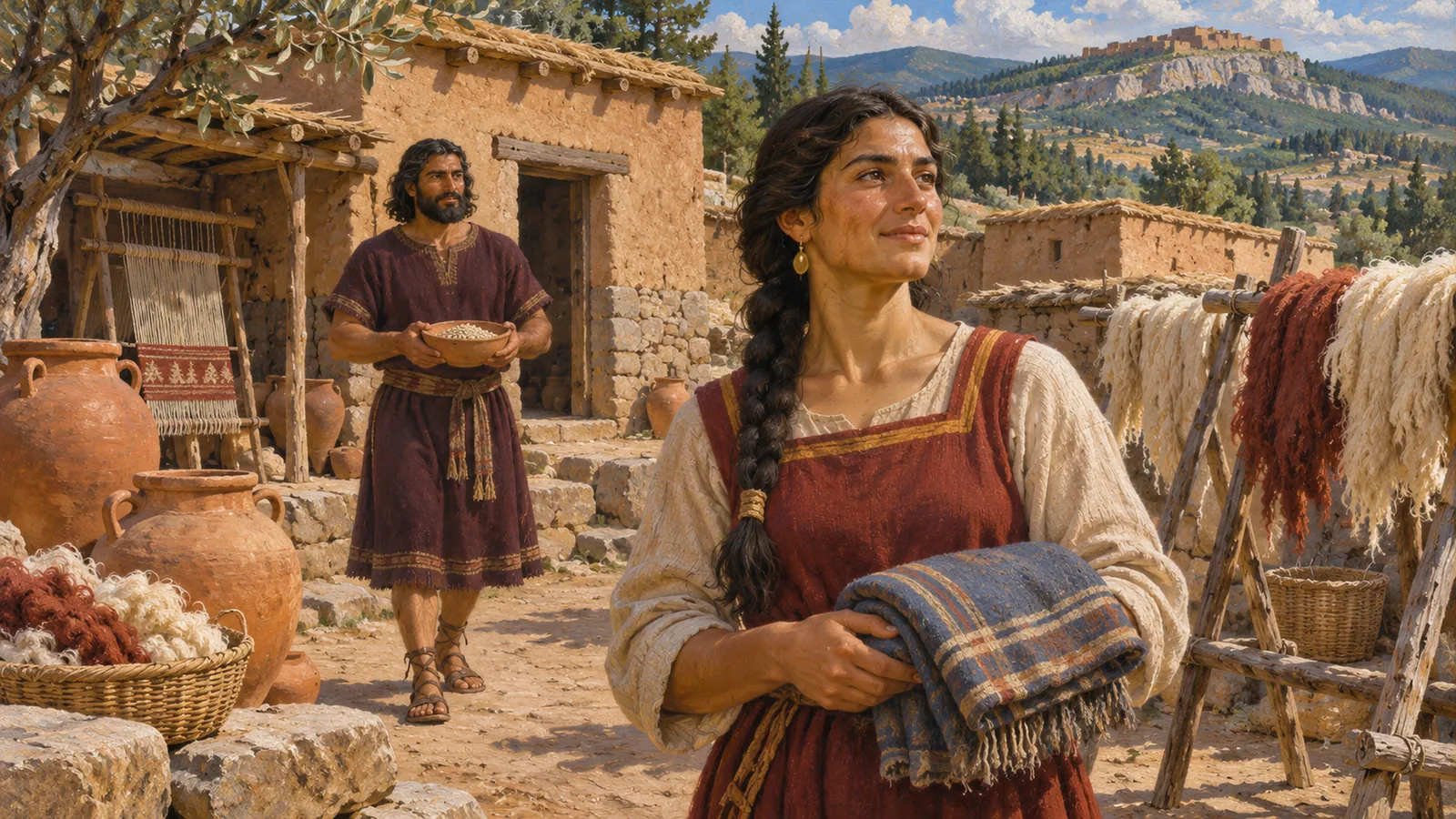
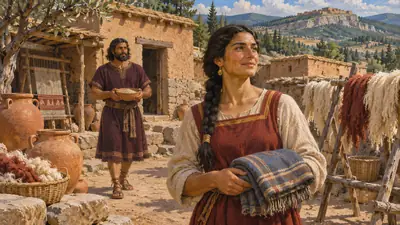
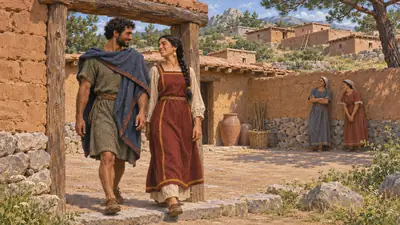
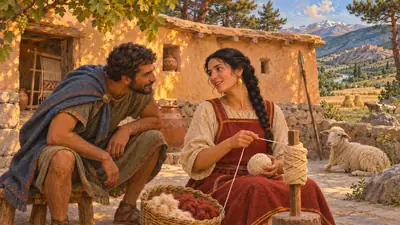
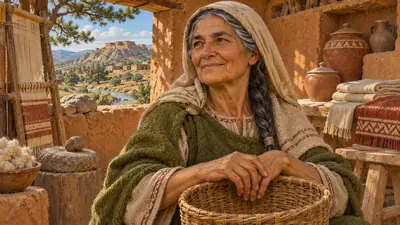
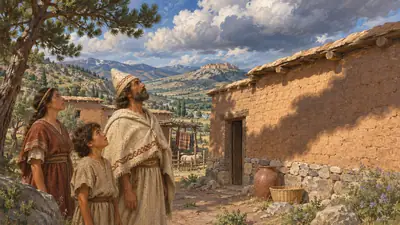
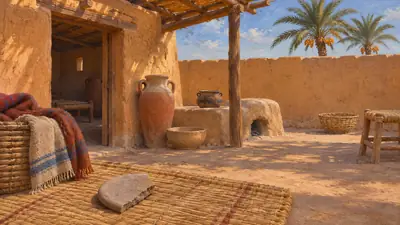
Keshshi marries Shintalimeni, the sister of Udubsharri. The storyteller calls her beautiful and says she has everything she needs. Her brother is described much less kindly.
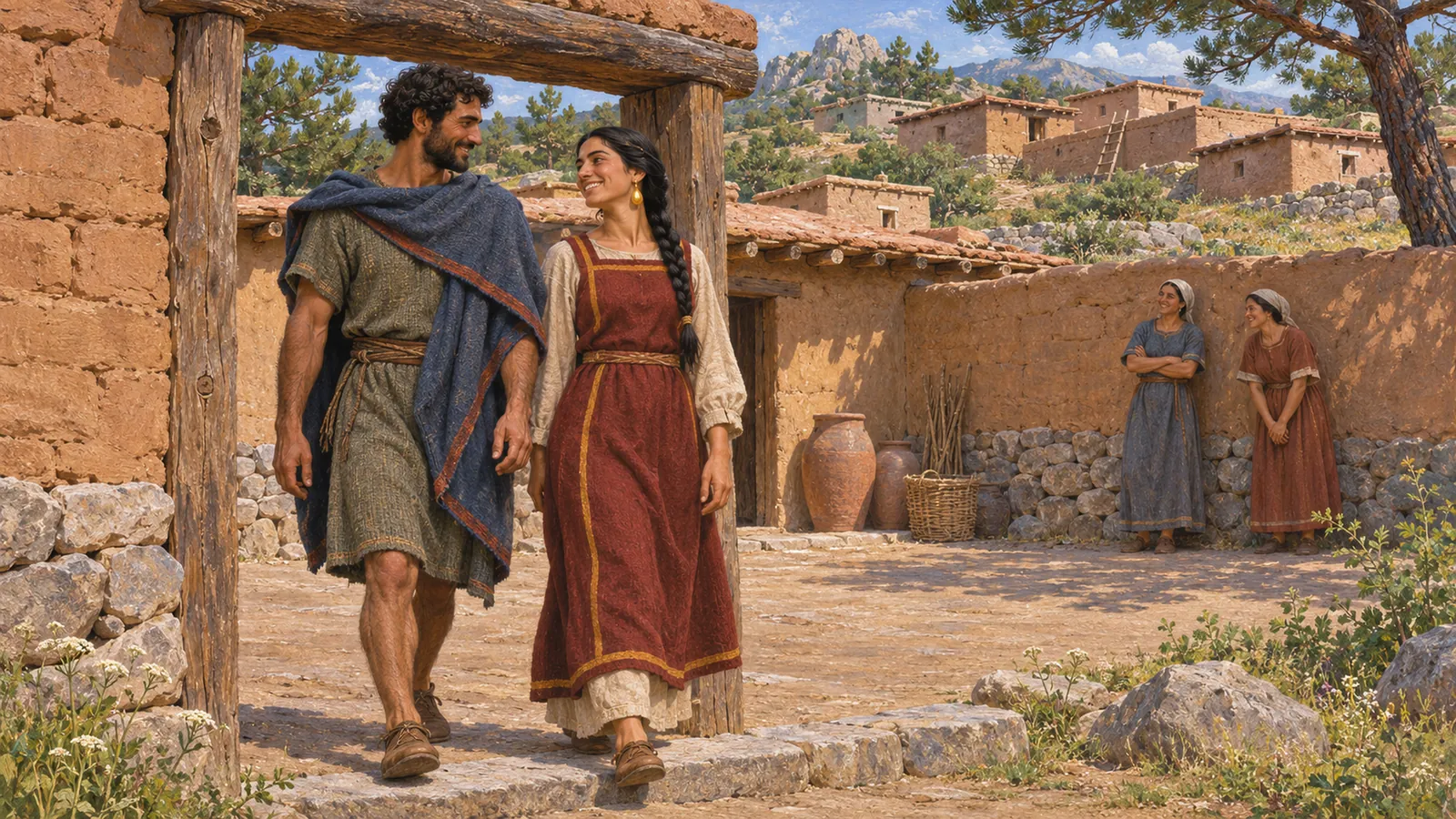
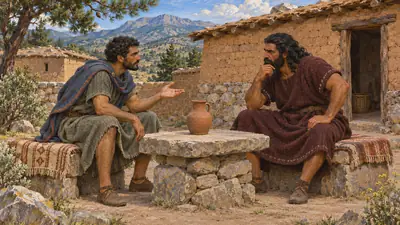
The Hittite passage moves straight to the marriage. Among the Hurrian fragments there is also talk between Keshshi and his future brother-in-law before the wedding.
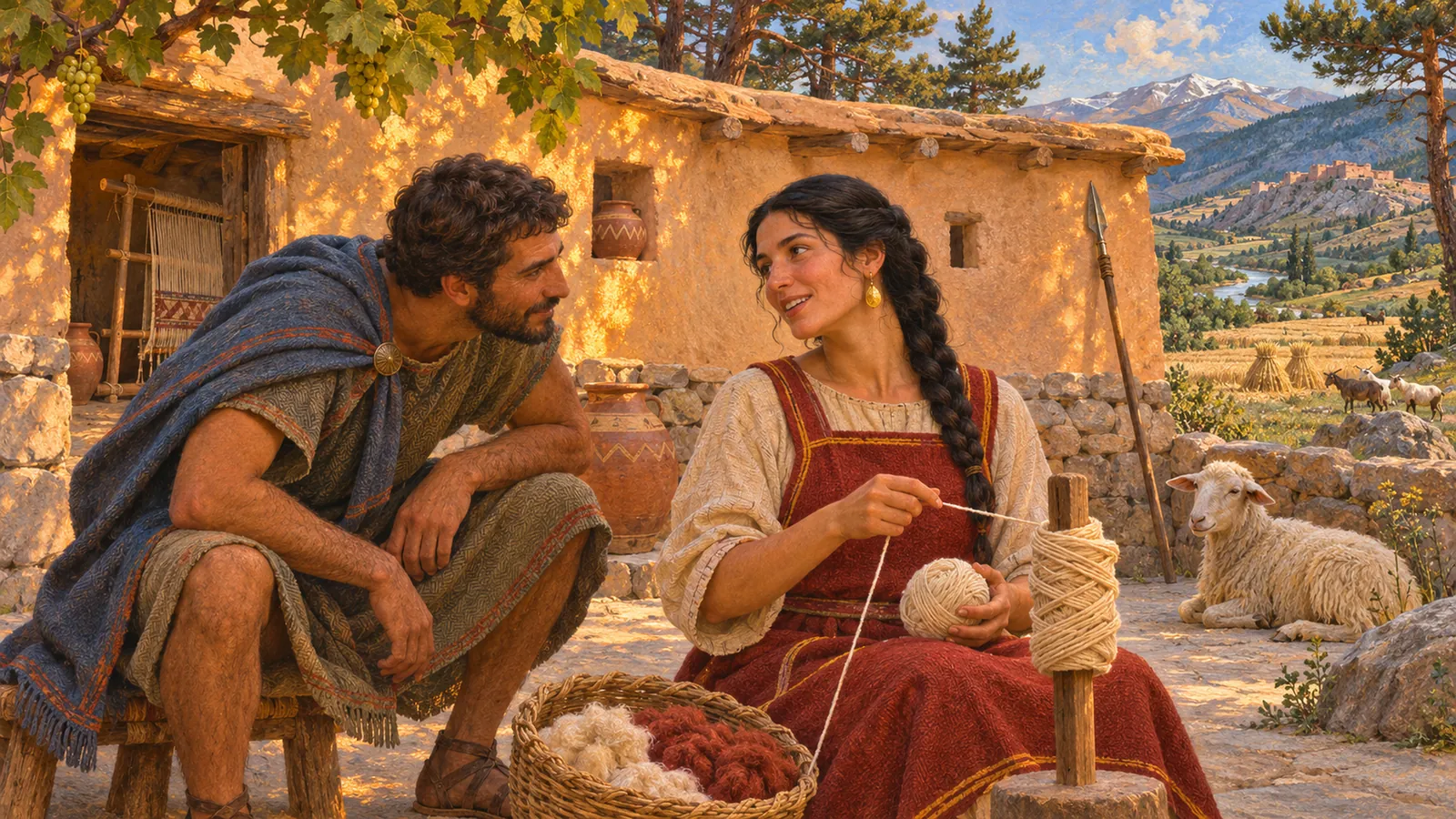
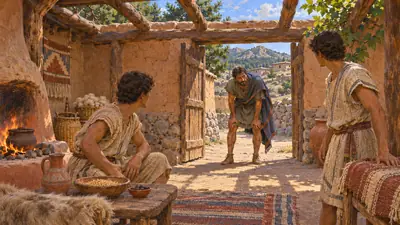
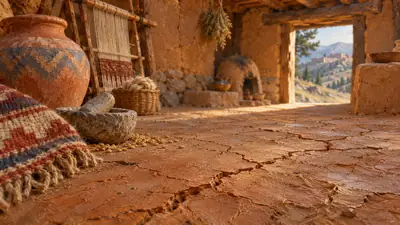
After his marriage, Keshshi pays attention only to his wife. He stops going up into the mountains to hunt, and his old duties begin to go undone.
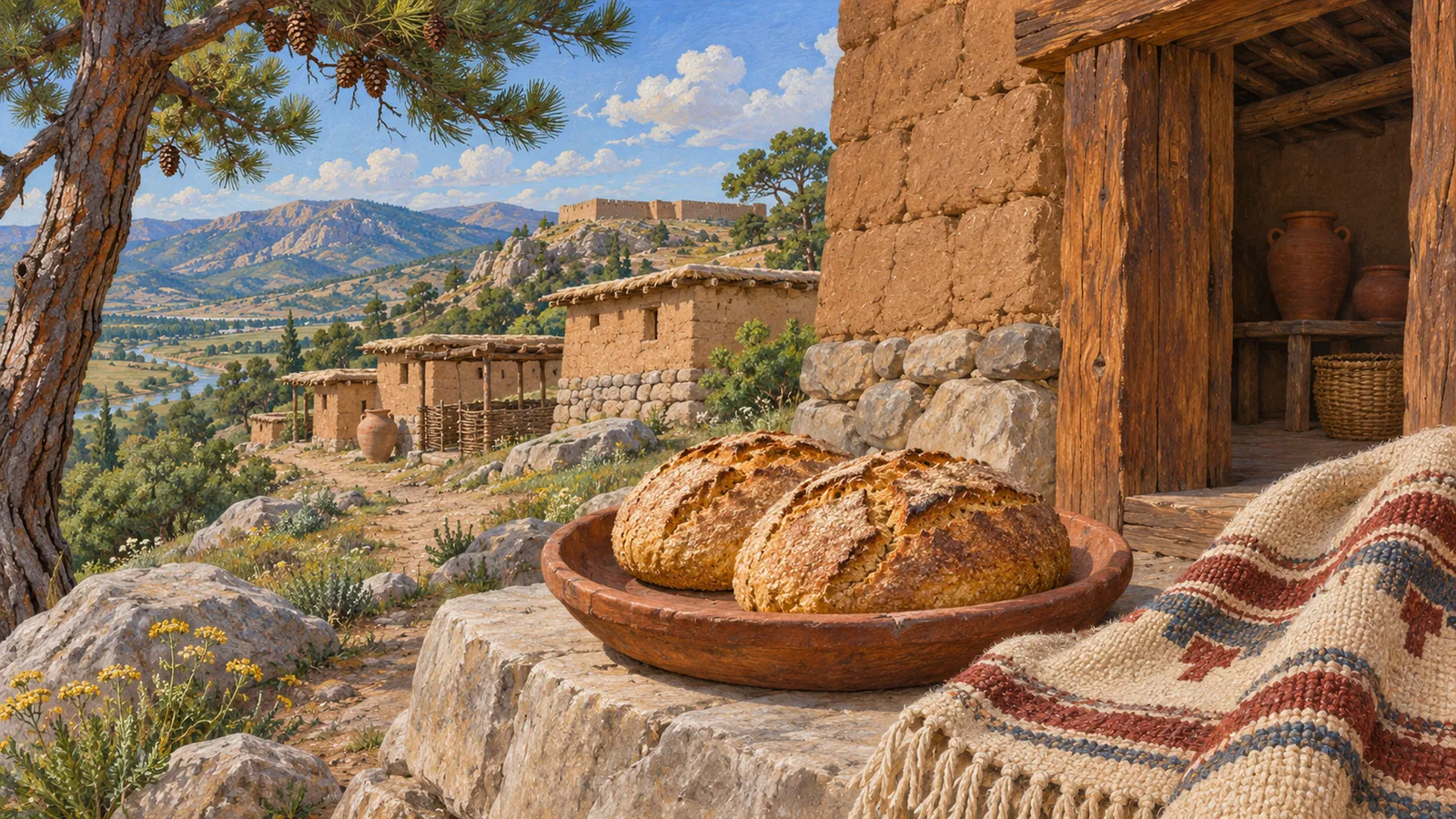
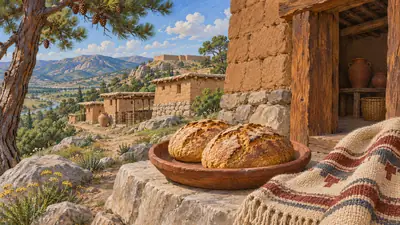
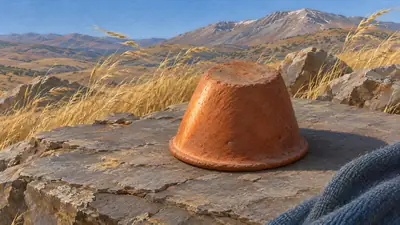
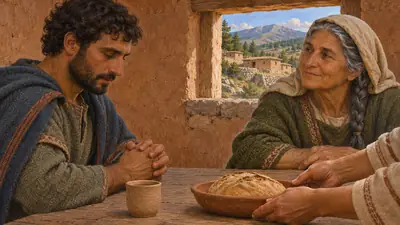
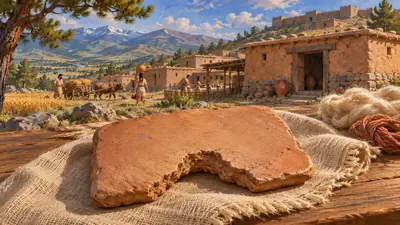
The gods used to receive thick loaves from Keshshi. Those offerings cease when he neglects his duties, and the story makes a point of what is missing.
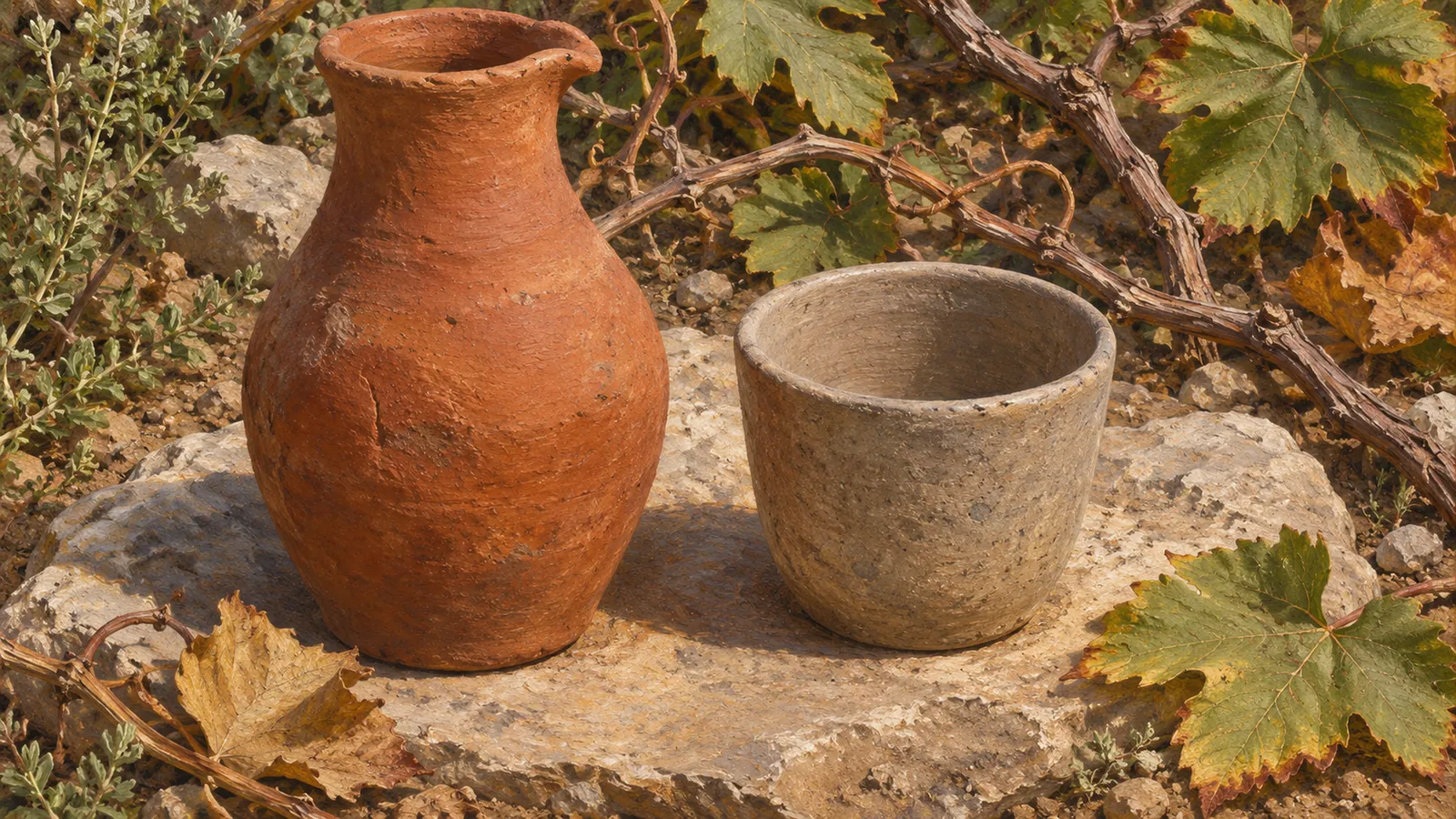
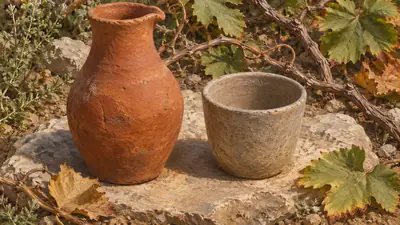
He also stops pouring their wine. Later, when he tries to hunt again, the tale singles out the missing drink offerings as the cause of the gods’ anger.
HIS MOTHER
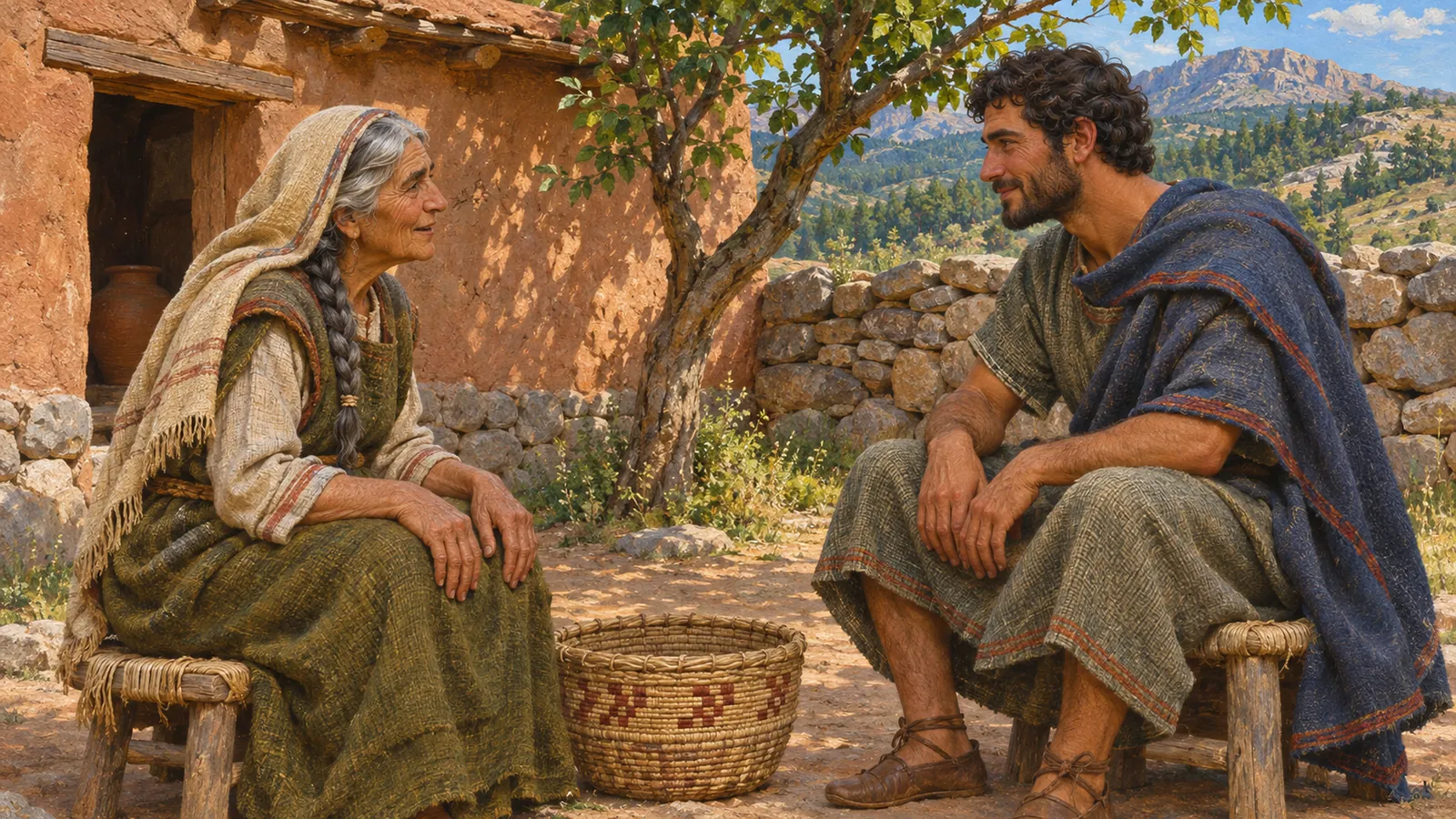
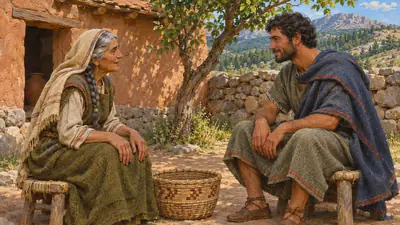
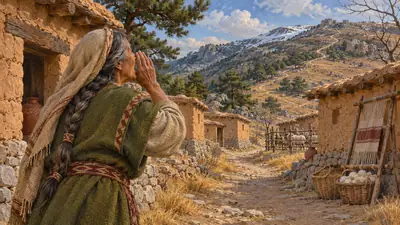
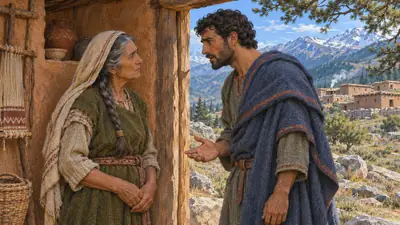
His mother speaks plainly. He cares only for his wife now, she tells him, and he no longer goes into the mountains to hunt for the household.
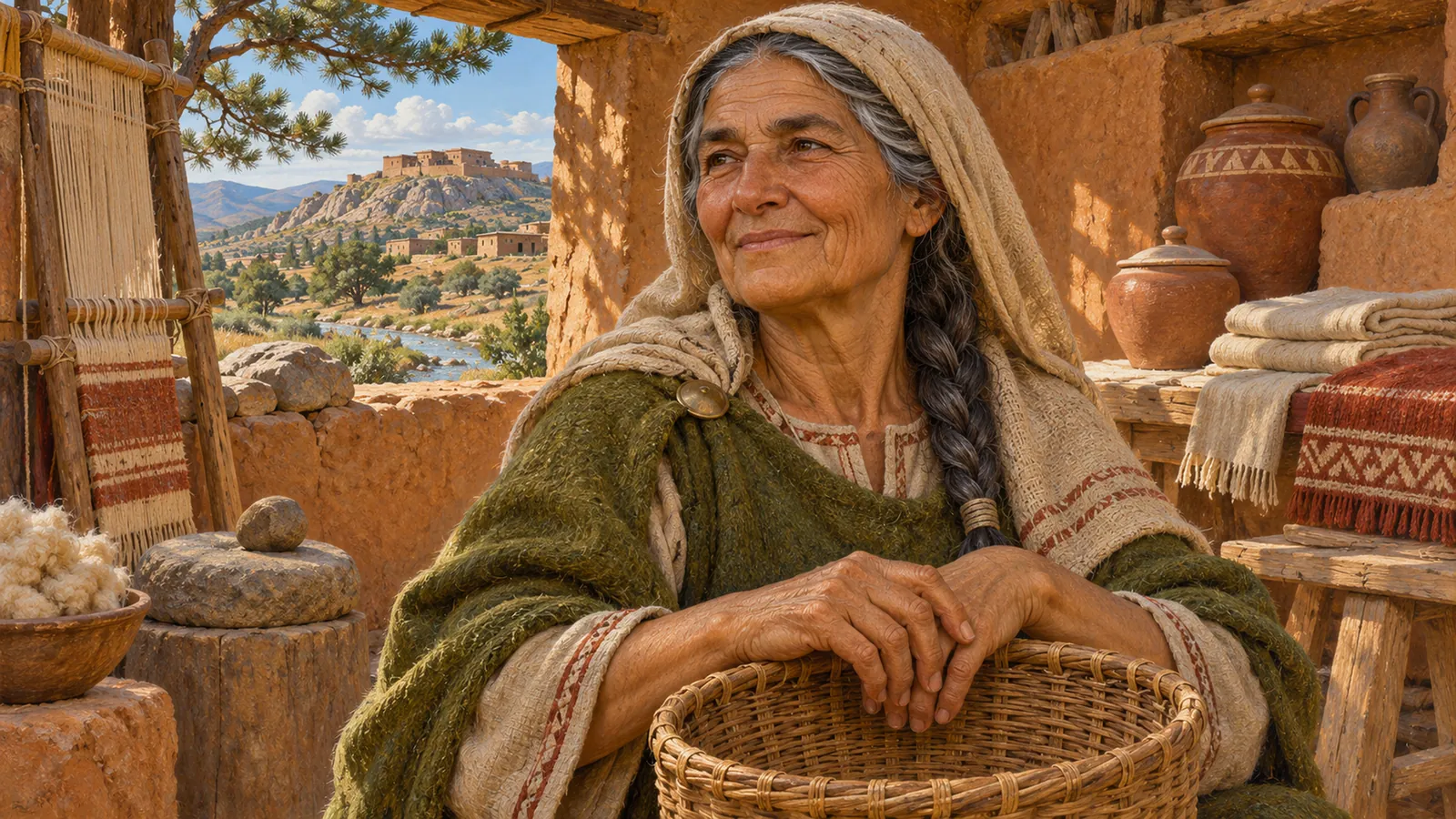
He brings them nothing home. What his mother wants is a return to the work that used to feed the household. Her words send him back outside.
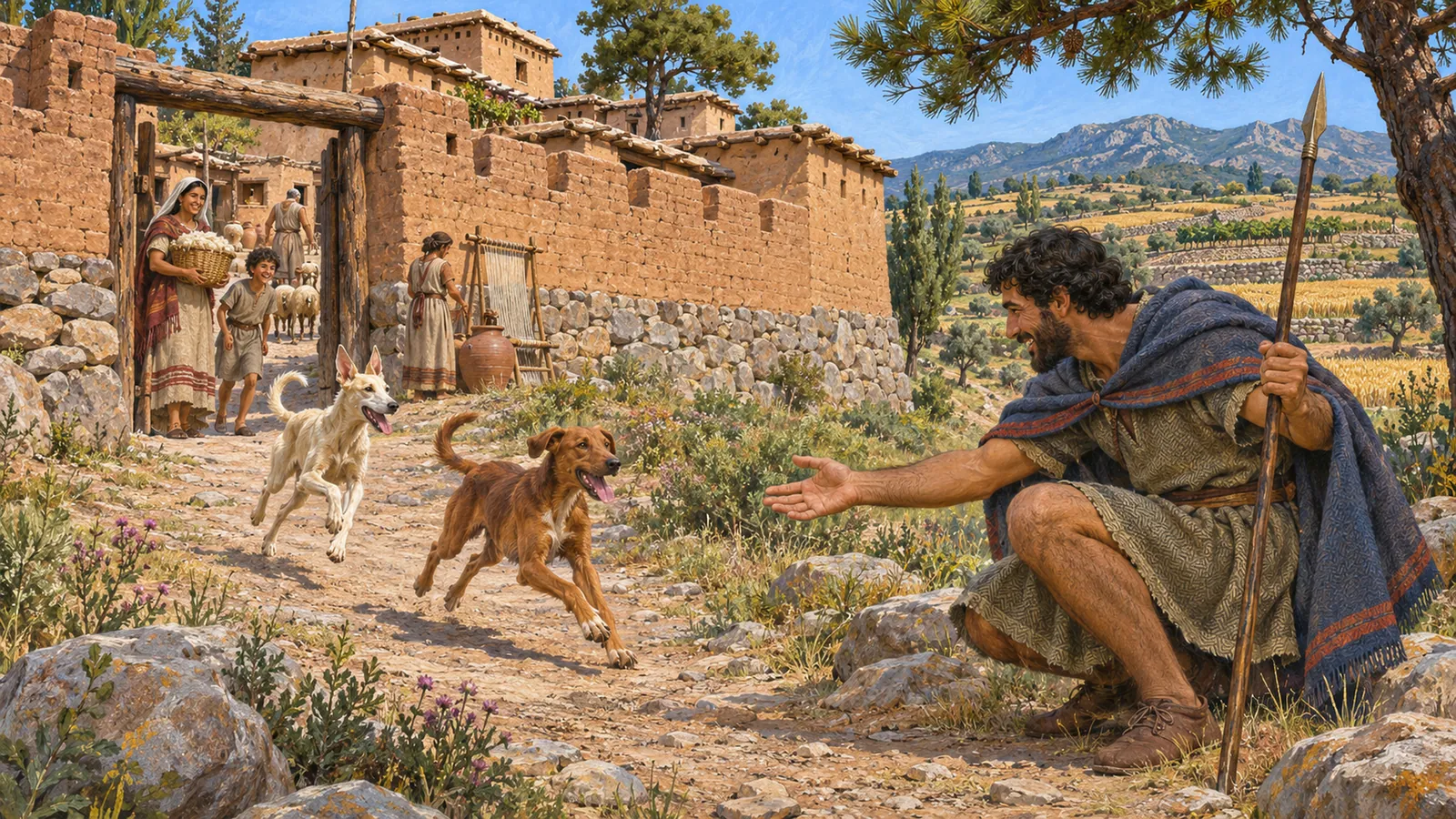
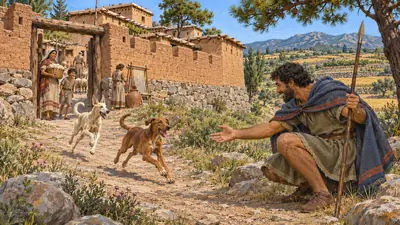
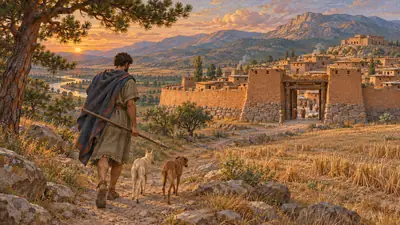
Keshshi picks up his spear and calls the little dogs to follow. The Hittite story takes them straight to Natara, the mountain where he means to hunt.
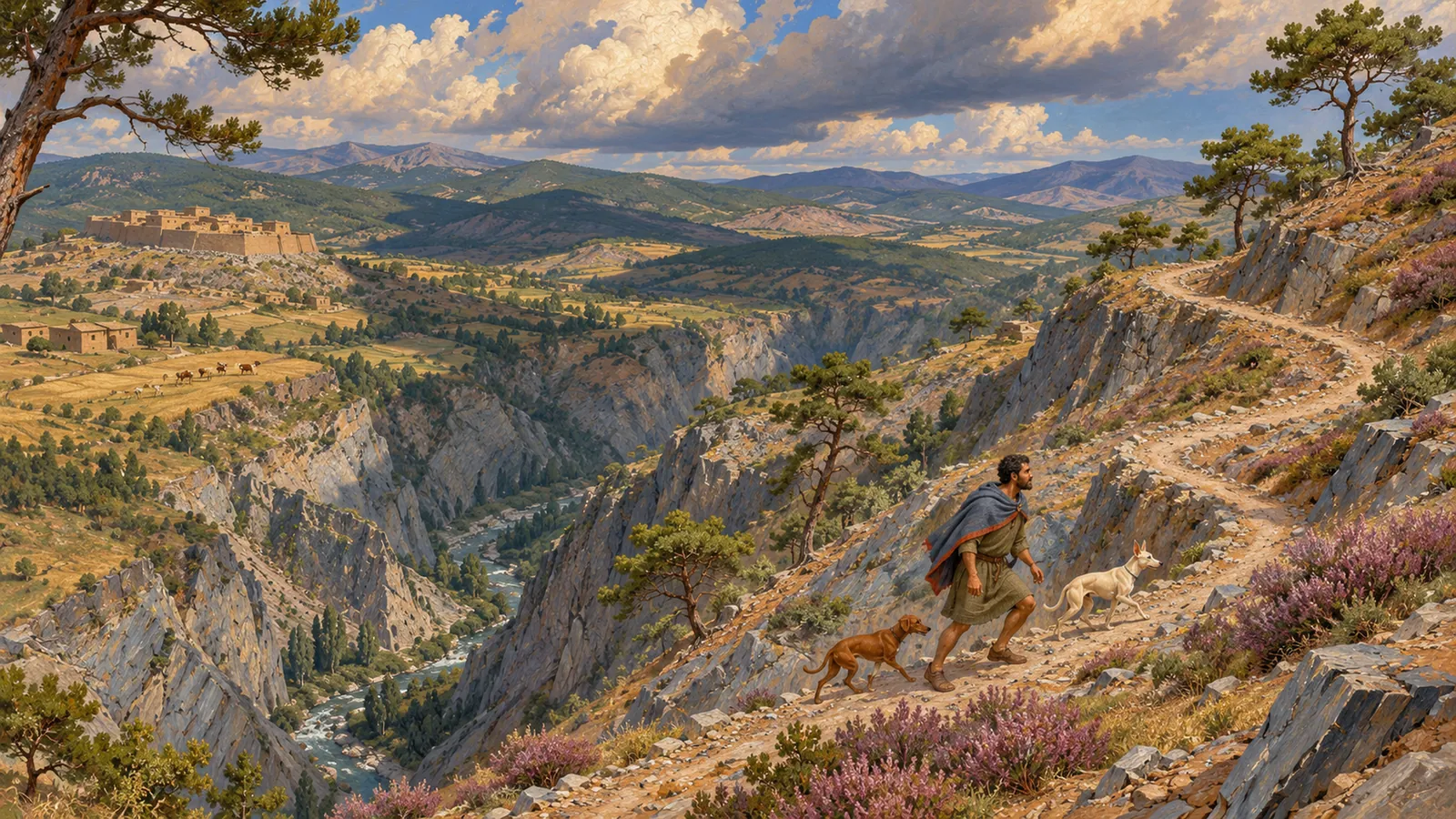
NATARA
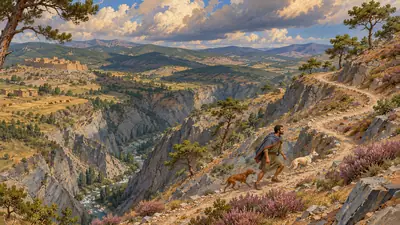
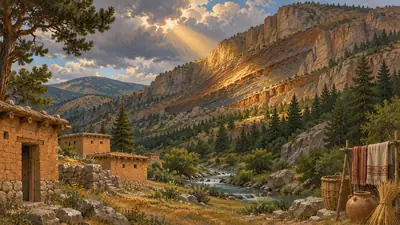
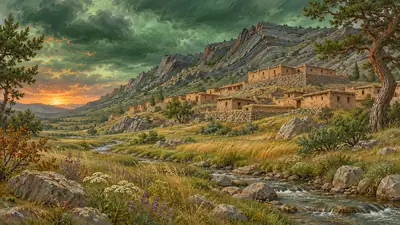
He reaches the hunting ground. Natara is named in the tablets and appears in the dreams as well. The mountain’s exact whereabouts are uncertain.
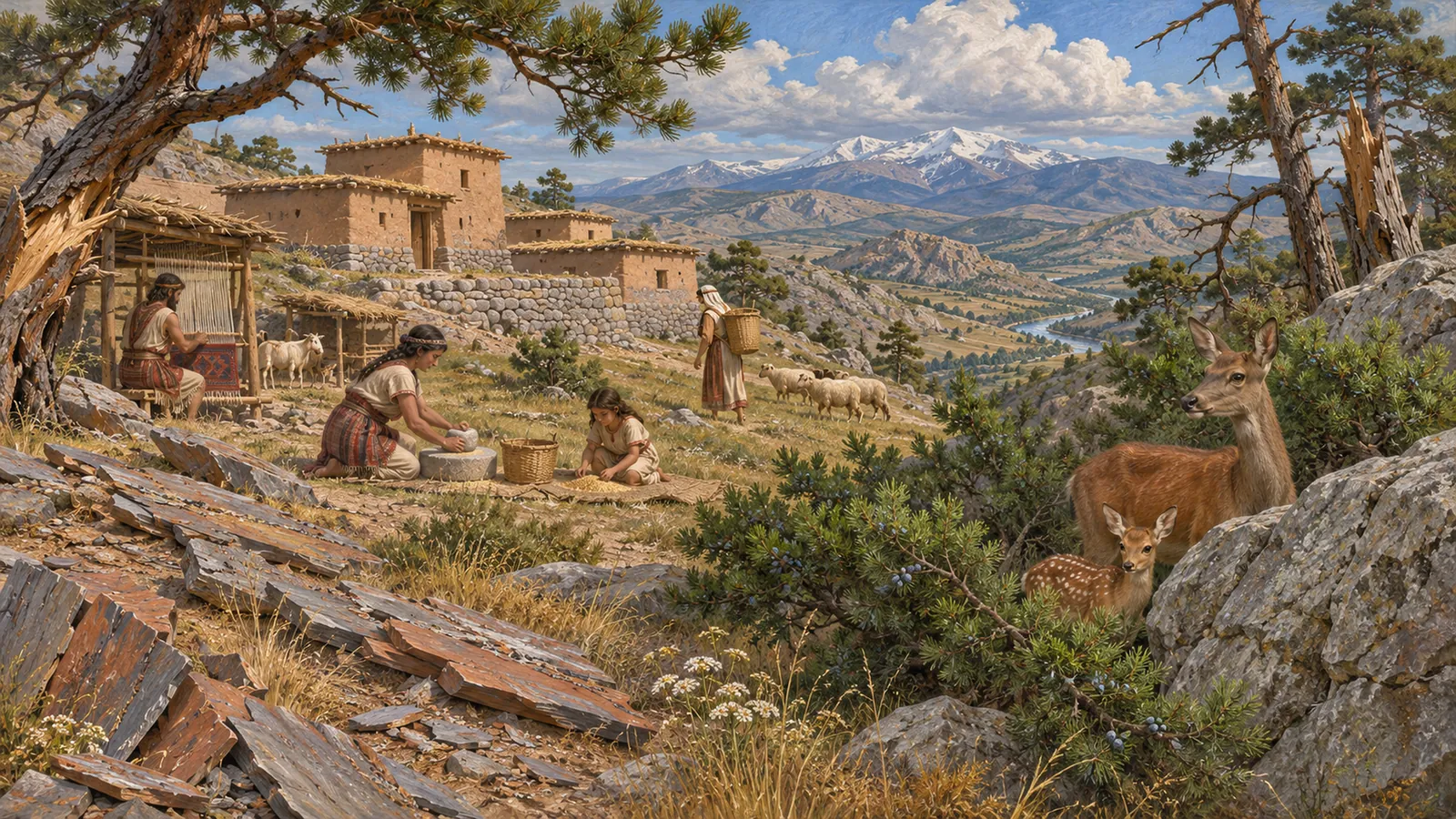
The gods remember the wine Keshshi failed to bring. Their punishment falls on his work. They hide the wild animals throughout the mountain so he cannot find them.
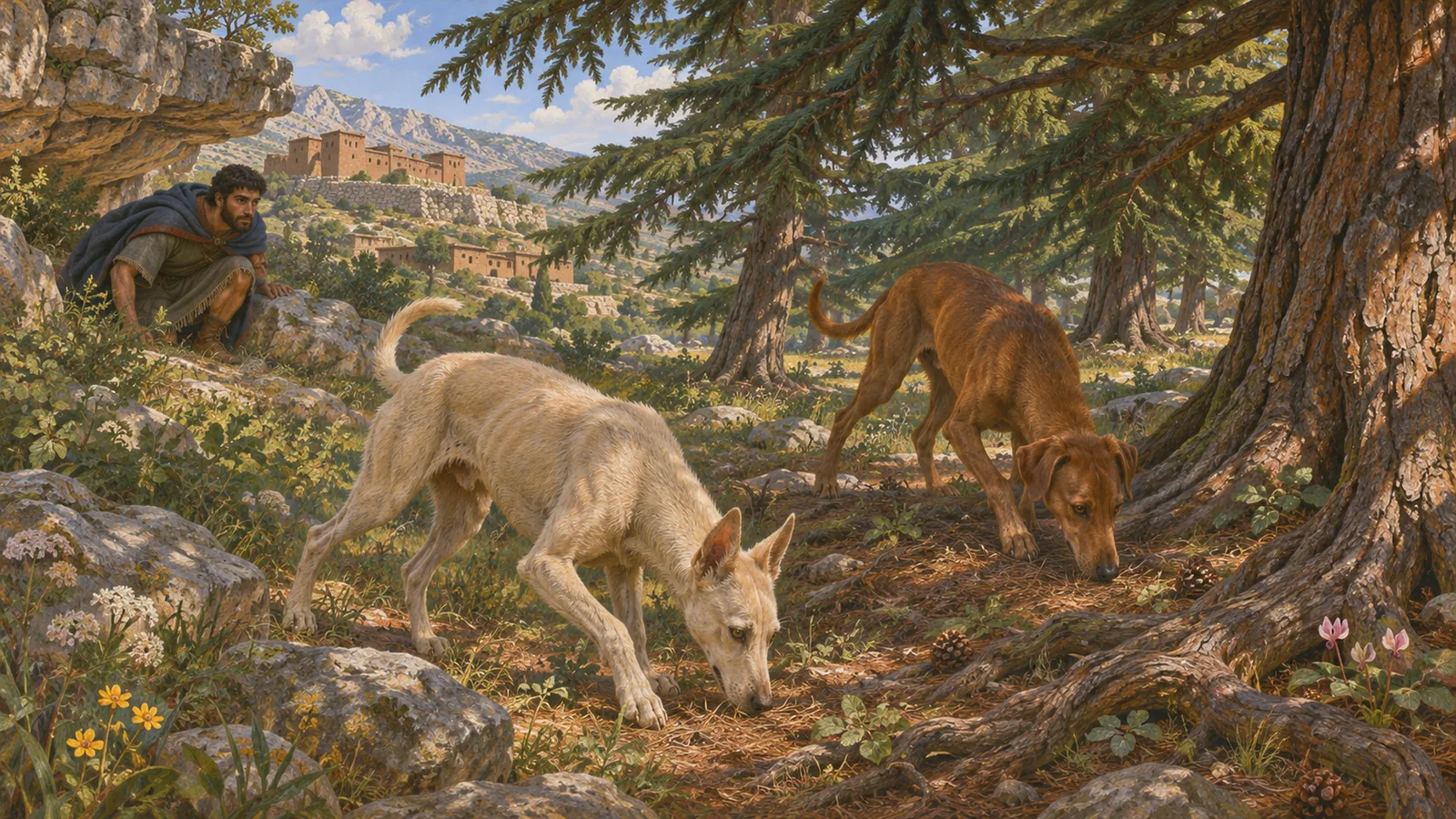
The hunter has his weapon, his dogs and the mountain he came to search. The hiding of the game makes all three useless to him.
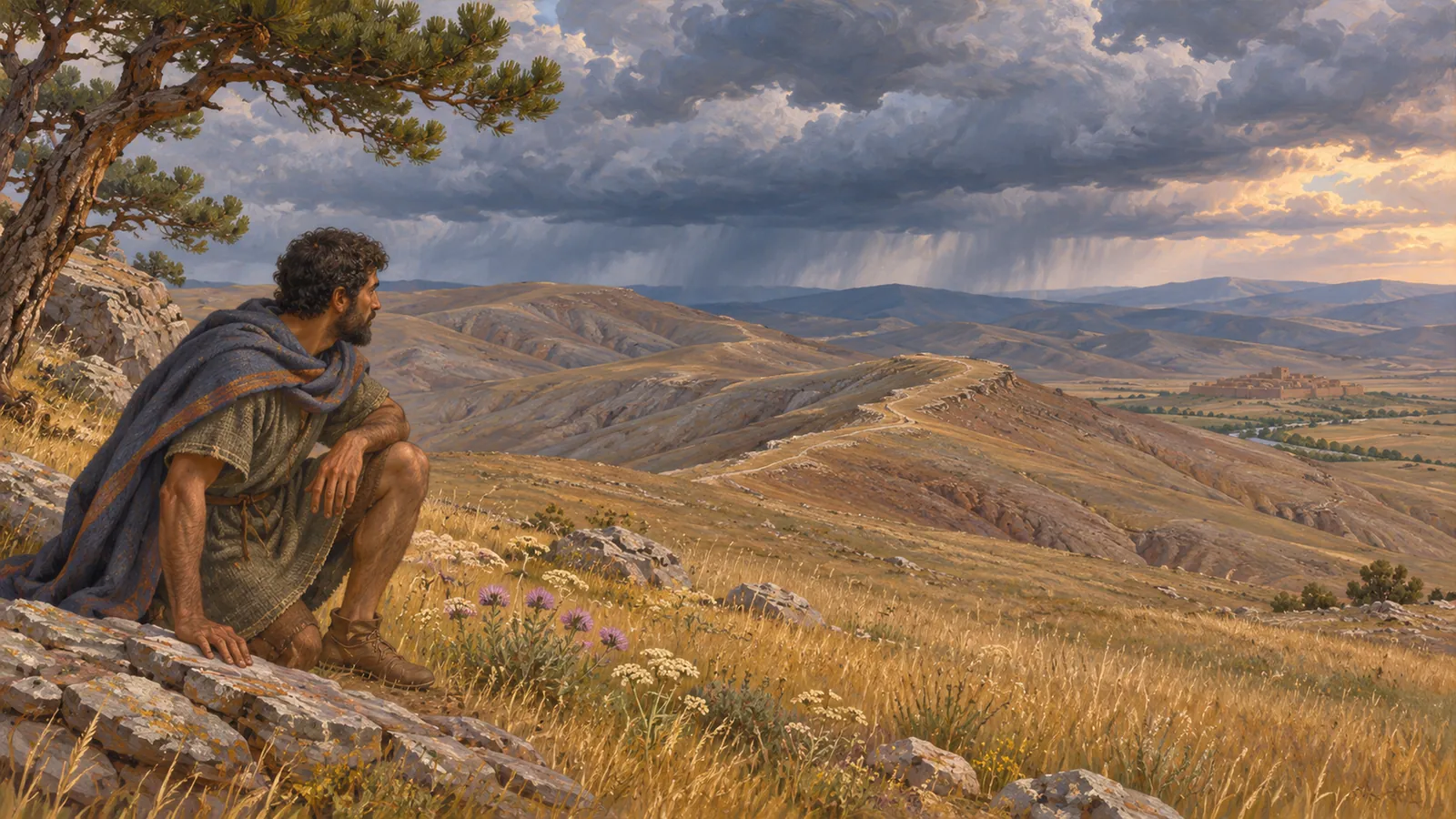
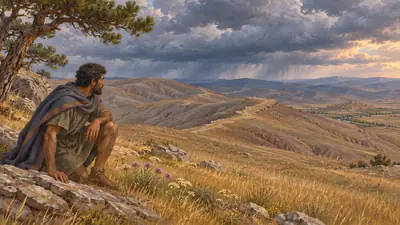
Keshshi roams the mountains for three months. He refuses to go back to the city empty-handed, even as the length of his absence leaves him hungry and thirsty.
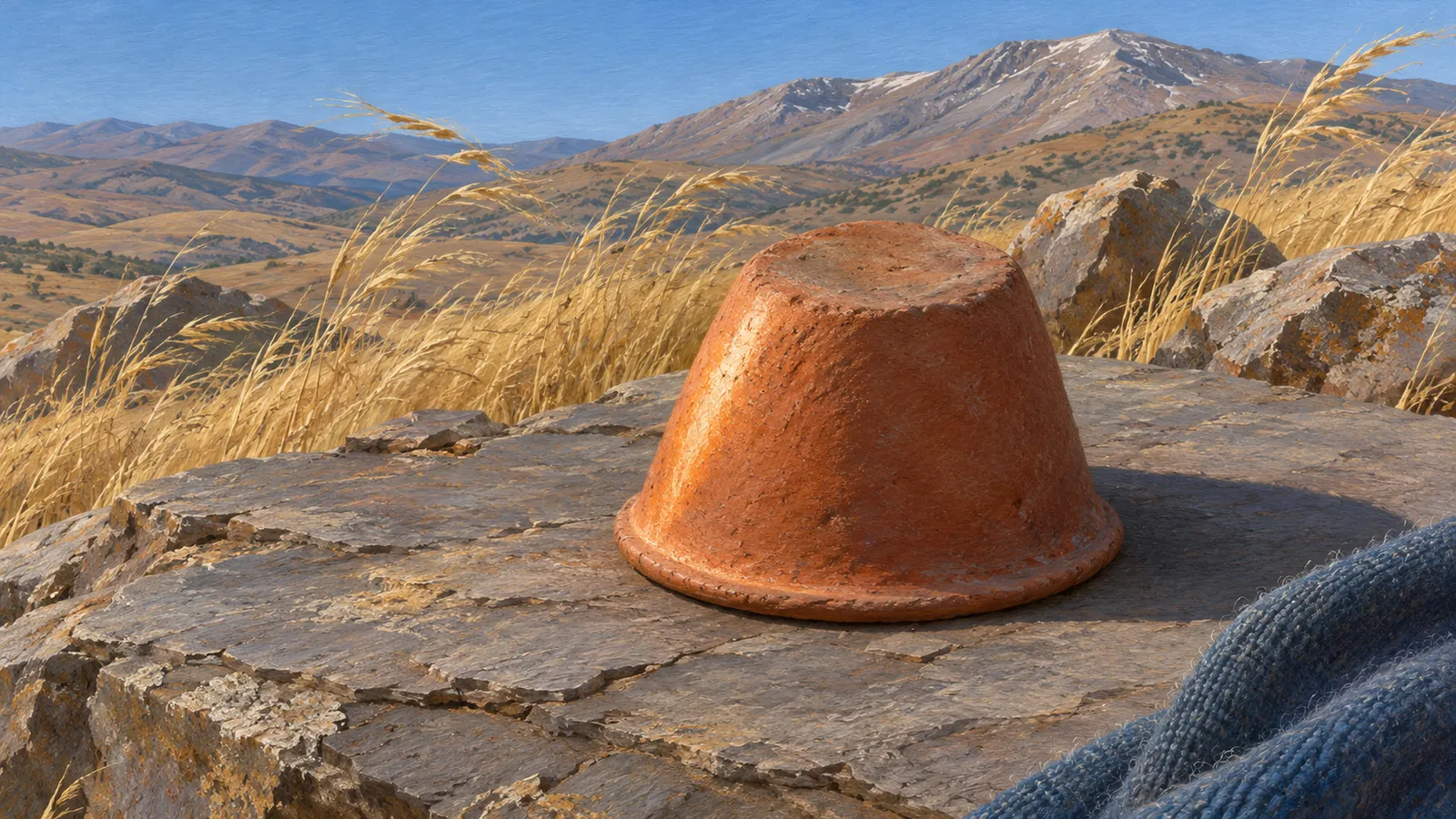
Hunger and thirst now beset the hunter himself. His mother’s complaint and the gods’ grievance both began with something he failed to bring to others.
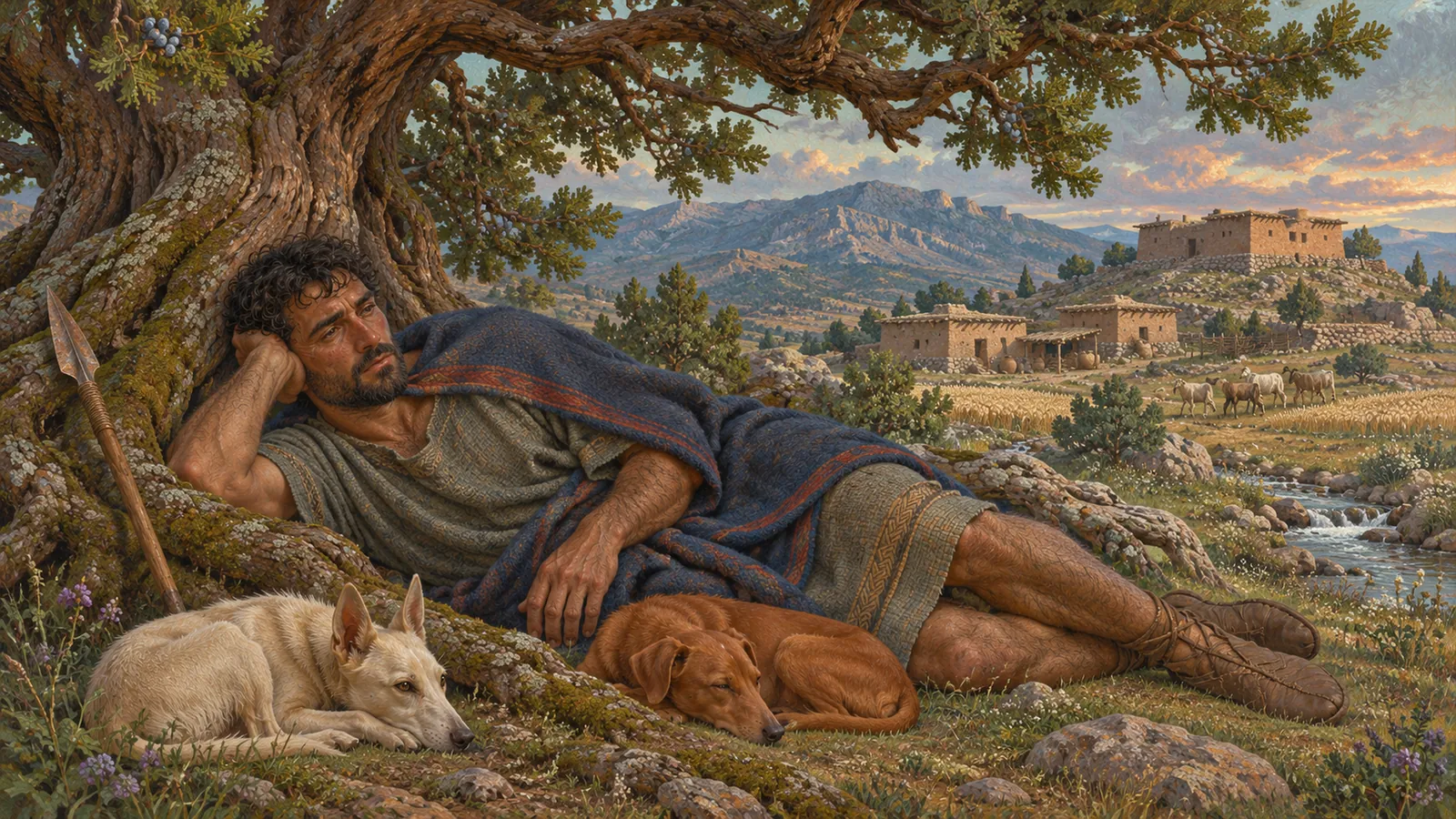
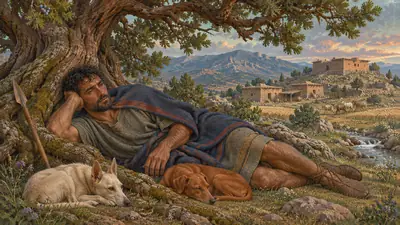
Keshshi falls seriously ill. There is a tree in the damaged line. The broken words make it hard to tell what was beside him or what he reached for there.
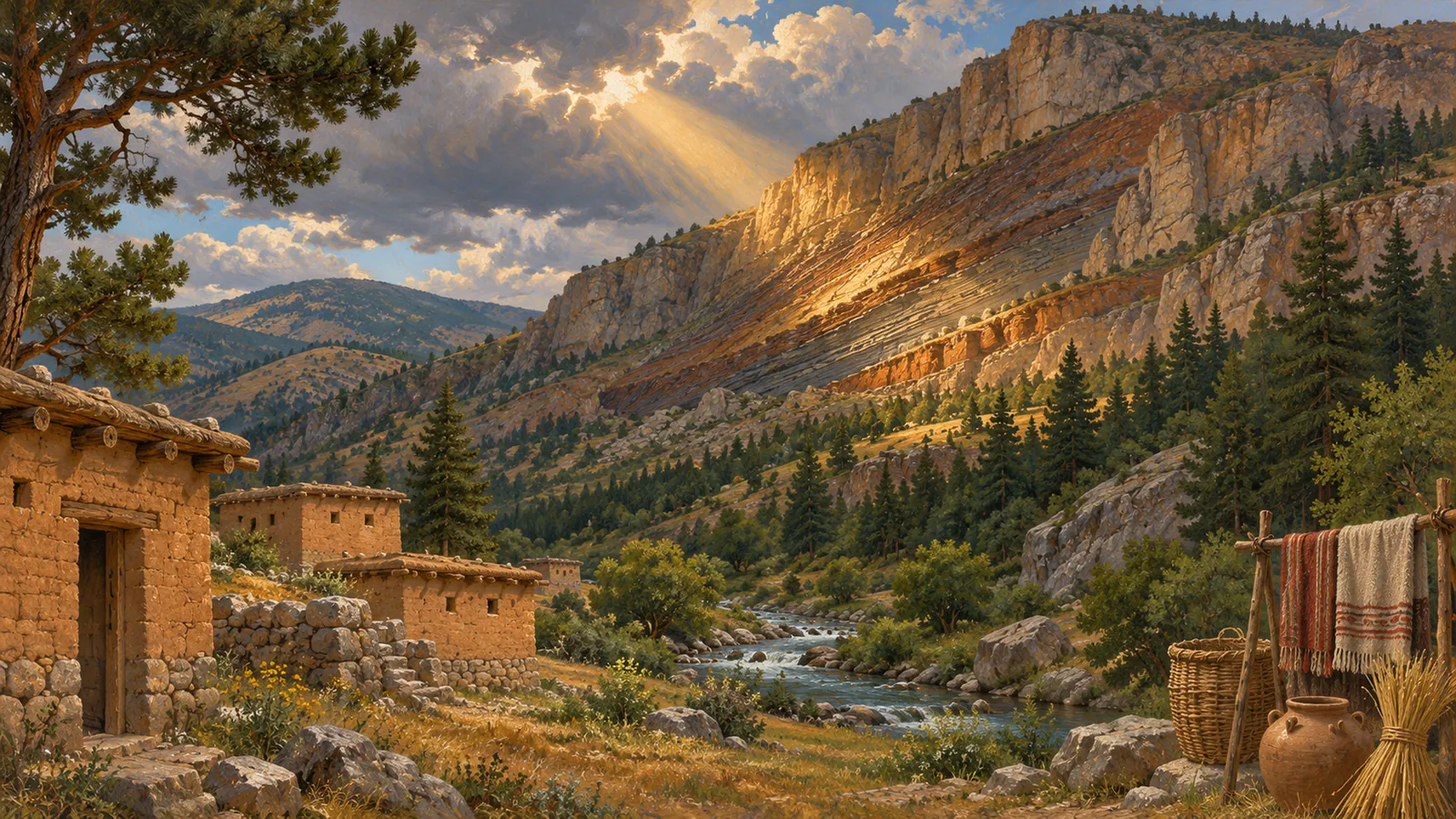
The sons of the gods appear in the broken passage. A divine father of Keshshi seems to speak from the mountain, asking why the hunter is being left to waste away.
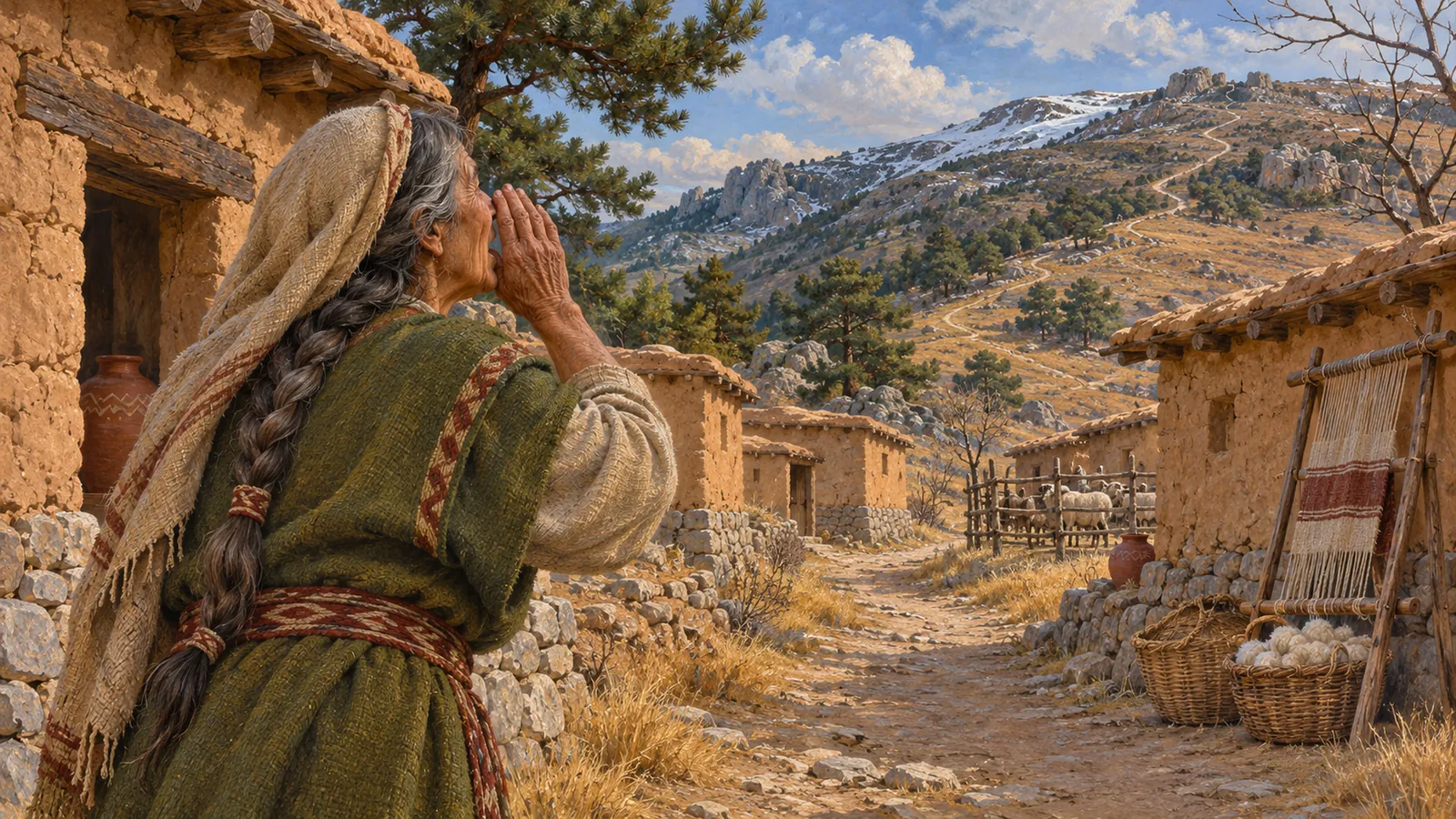
Another damaged fragment preserves his mother’s lament and mentions a spear. We can hear her seeking Keshshi through the gaps, though the people she is addressing are hard to identify.
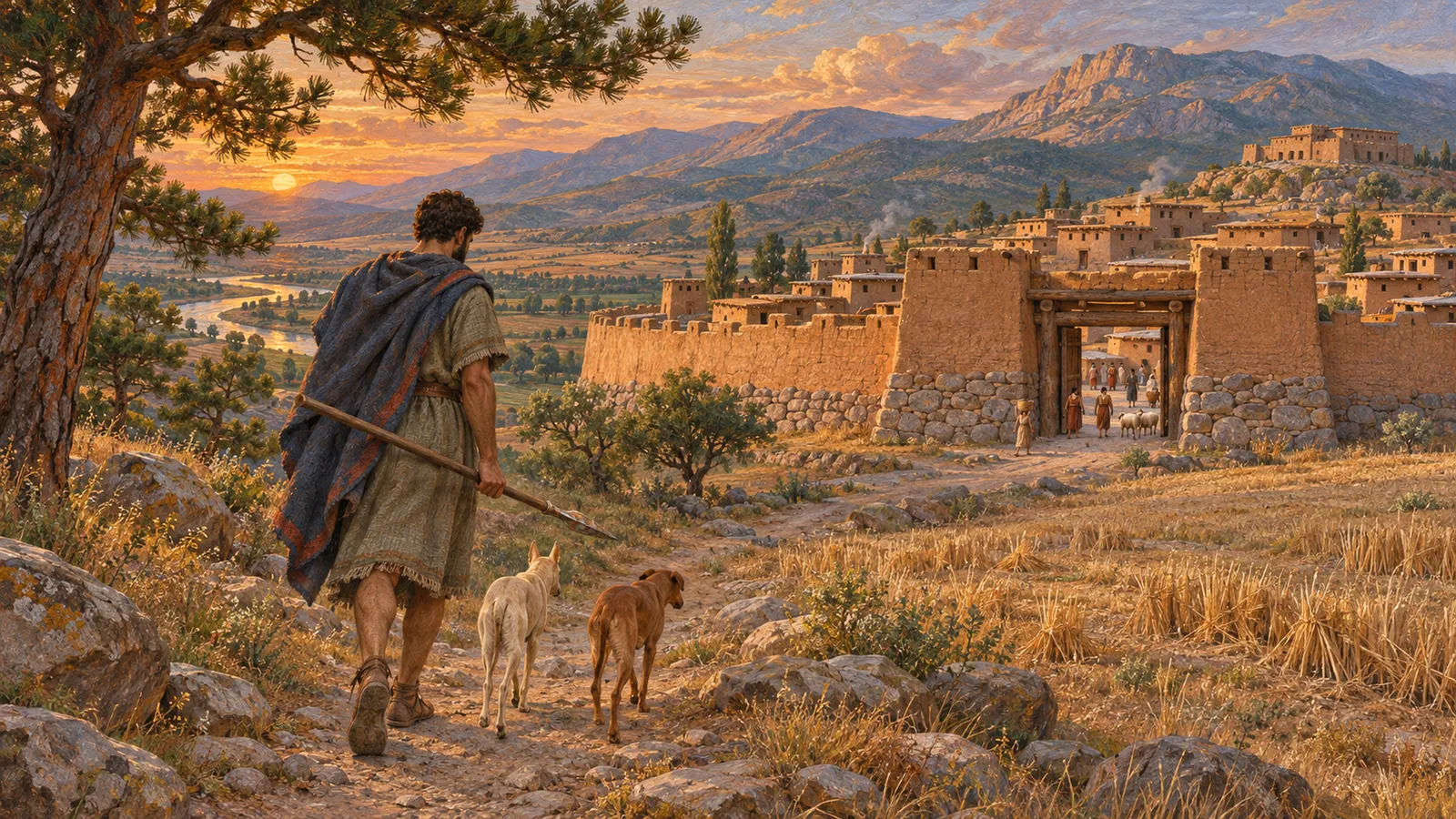
In one reconstruction of the broken tablets, Keshshi comes back with his spears and no game. The thing he most wanted to avoid is the condition in which he returns.
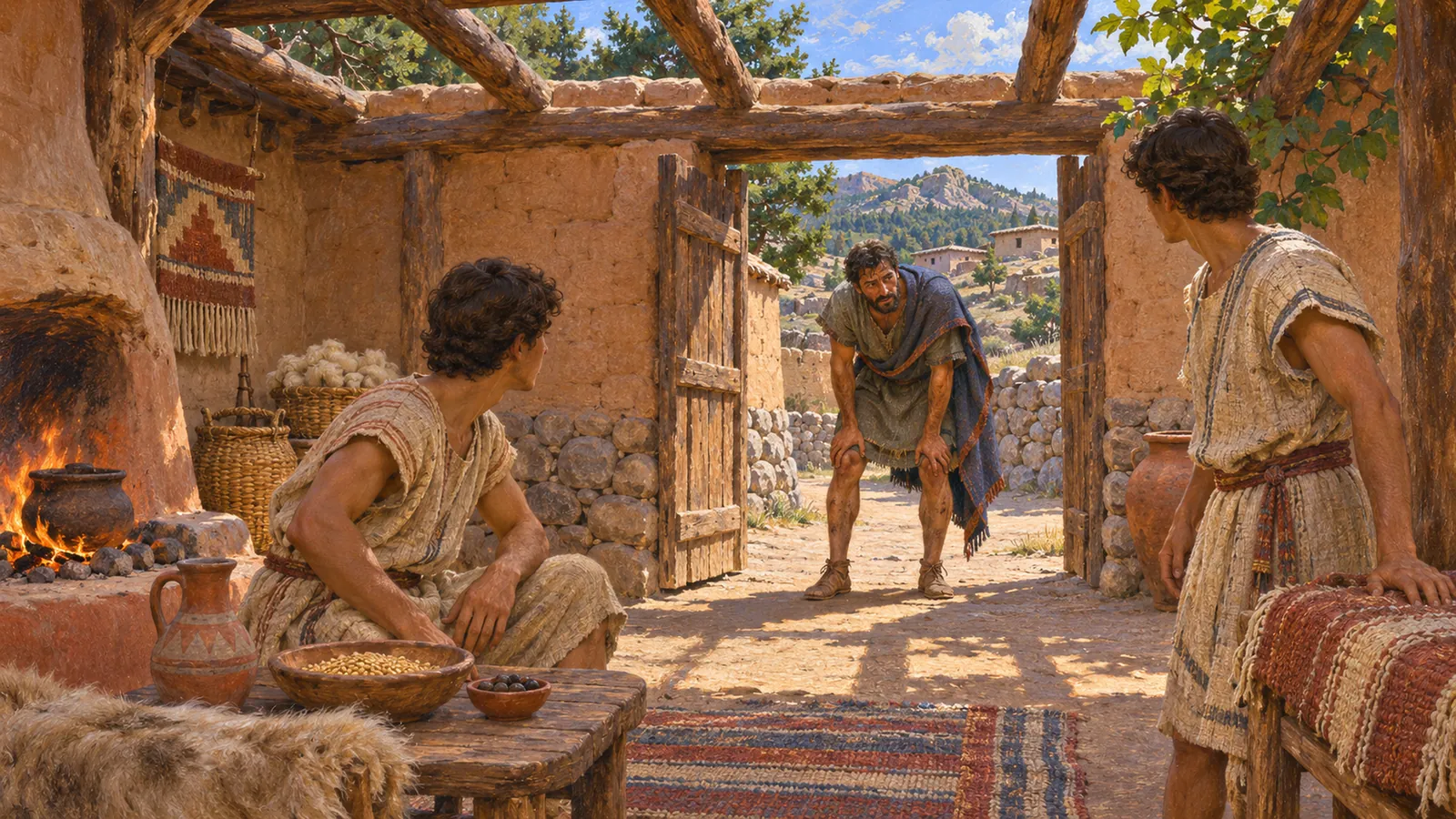
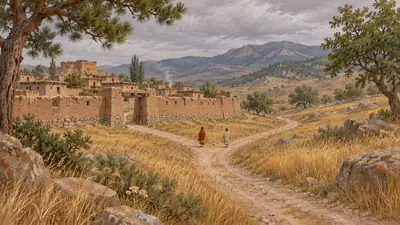
The same passage mentions young men meeting him at the city. The letters that might tell us whether they were mocking him are too uncertain to settle their intention.
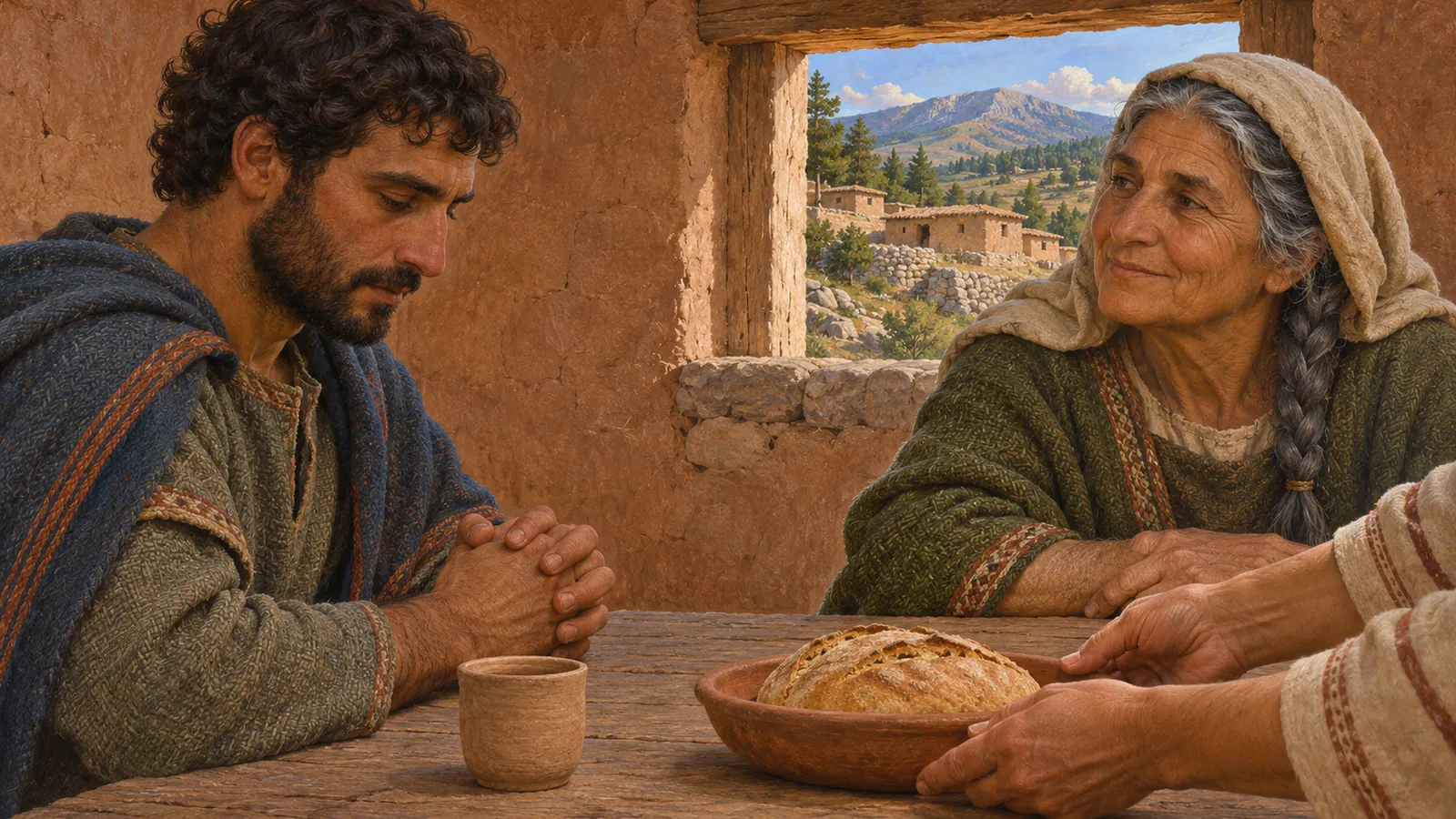
In the damaged scene that follows, his mother appears to summon a cook, who brings food and something to drink. Keshshi refuses them. The drink may be wine.
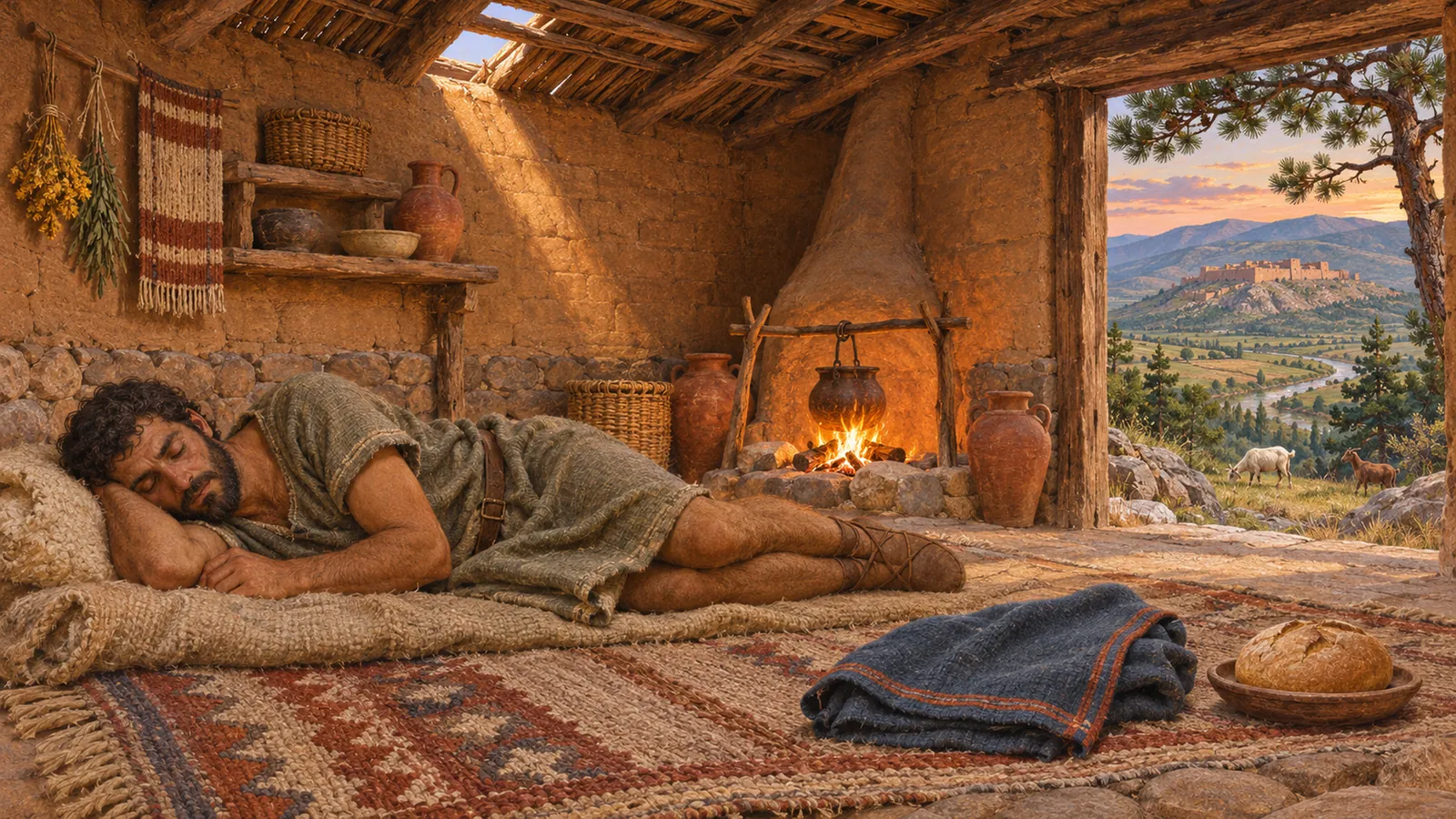
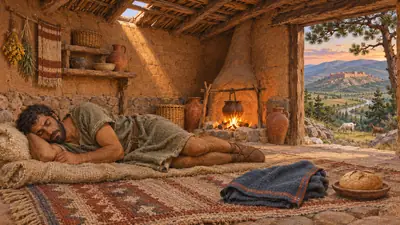
Sleep finally overcomes him. The spear hunt is over for now. The tablet begins numbering the dreams, each with its own image and its own place in the night.
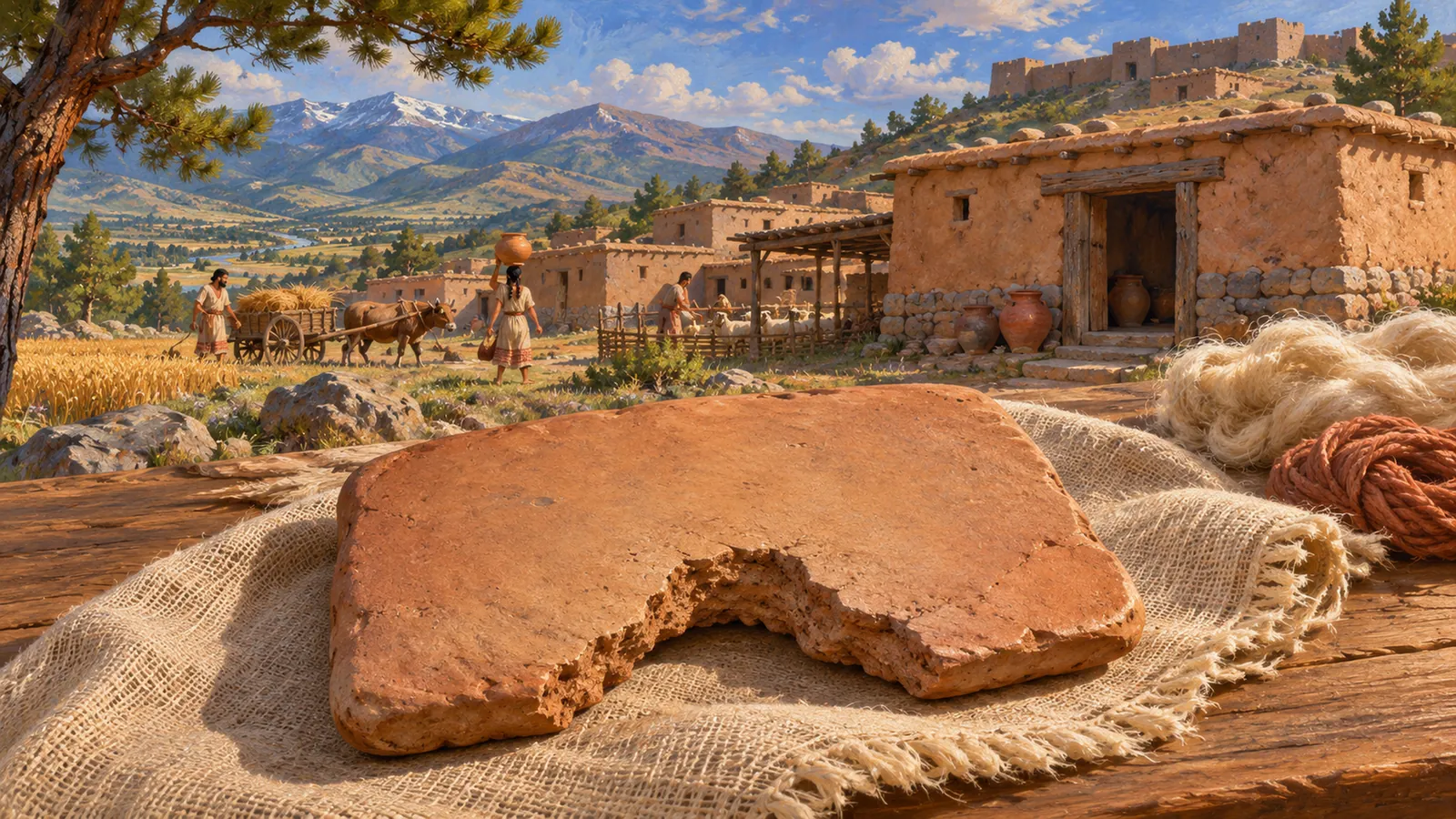
SEVEN DREAMS
The sequence counts seven dreams. The first is lost, leaving only a scrap of a line where the first vision would have been told.
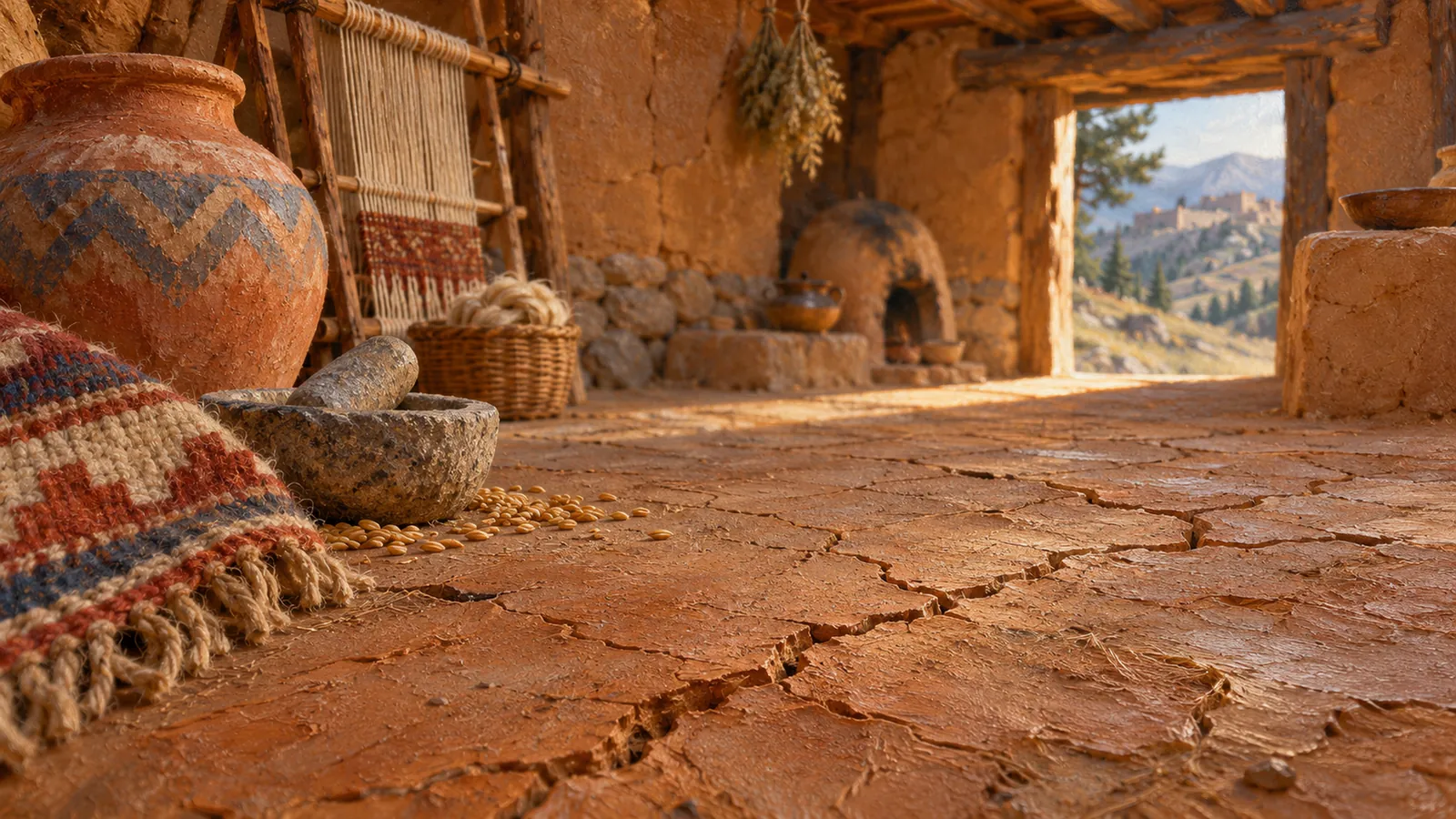
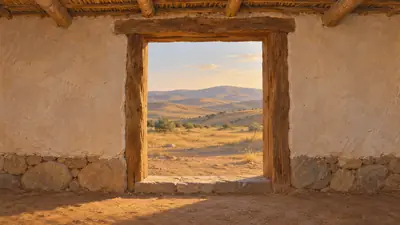
Little more survives of the second. An editor tentatively reads a heavy door in the damaged words. The fragment offers no clear picture of what Keshshi sees beyond it.
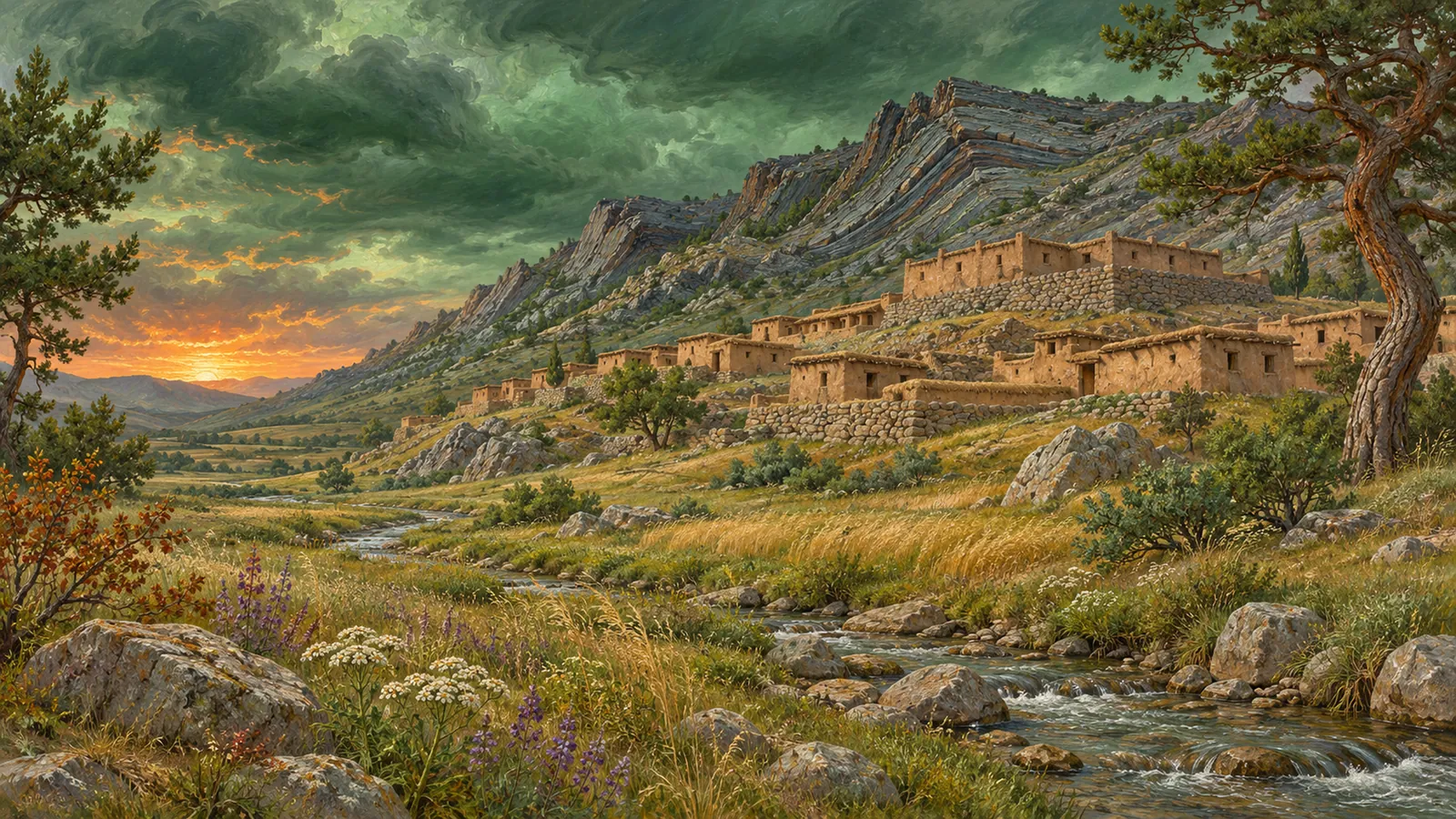
The mountain returns in the third dream. A few words place some action at or near a city often read as Piera. The action itself is mostly gone.
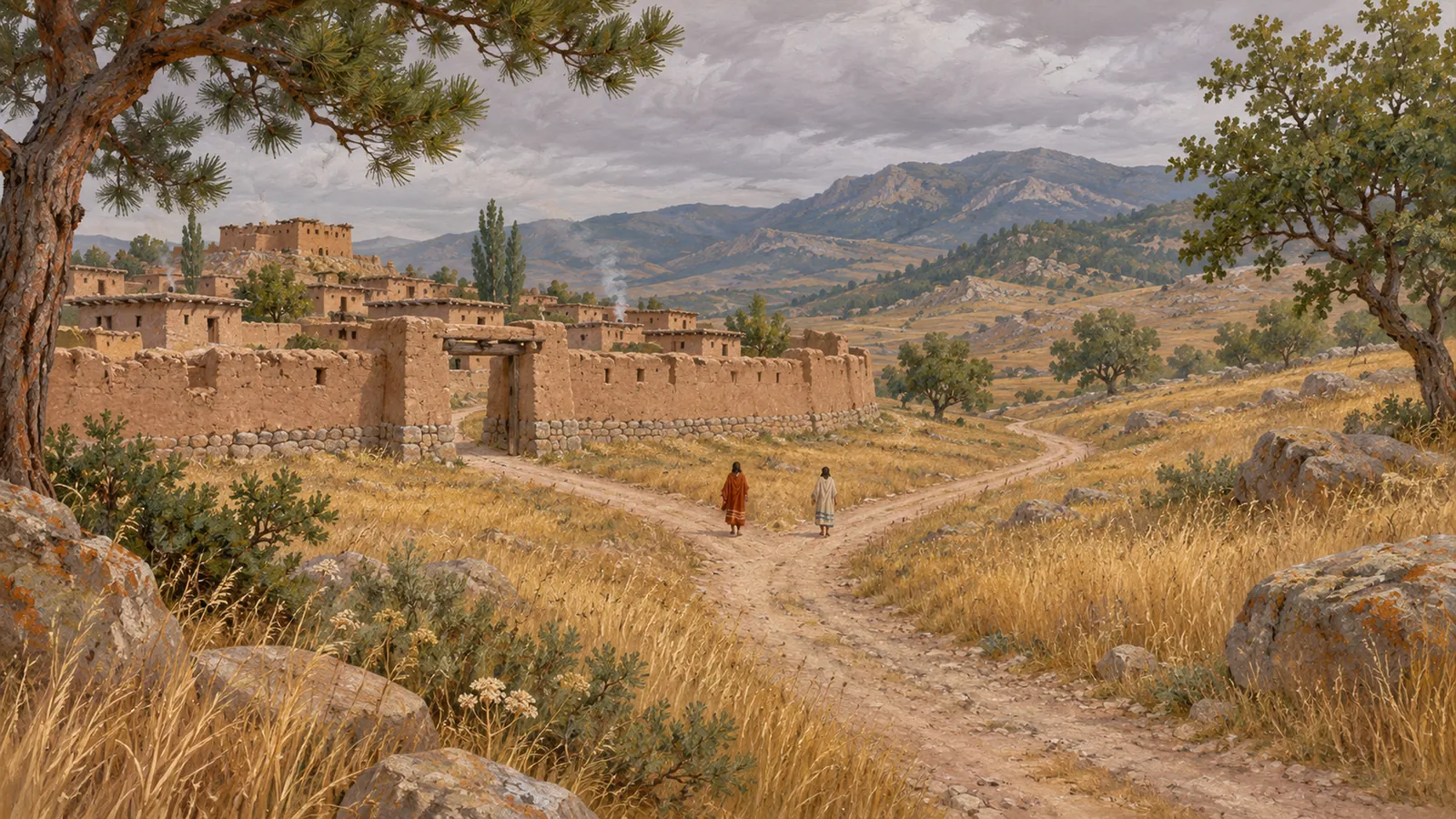
Servants appear in the same dream. The damaged lines leave open what, if anything, was carried and where they were going. The mountain and the city are the fixed points.
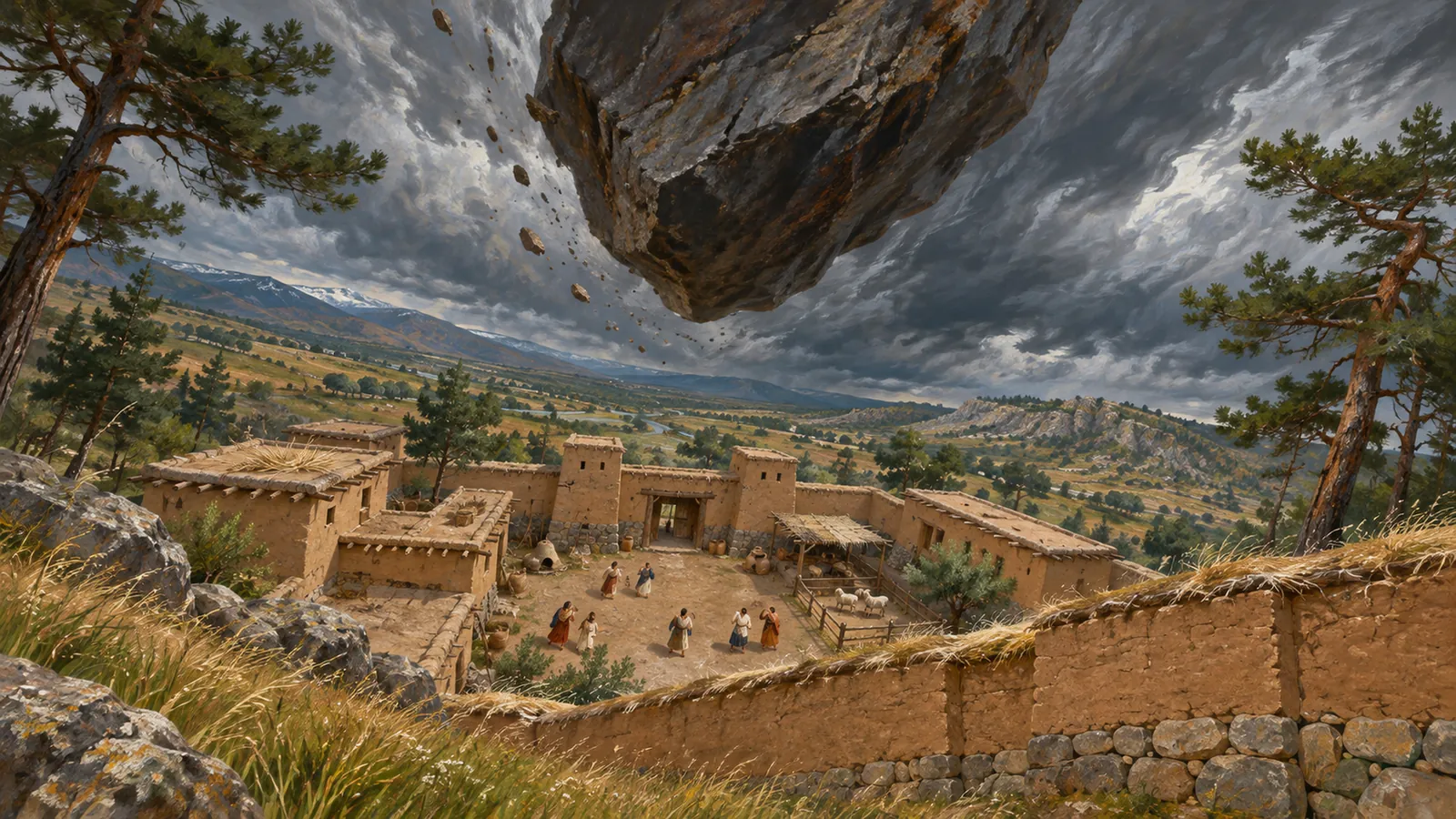
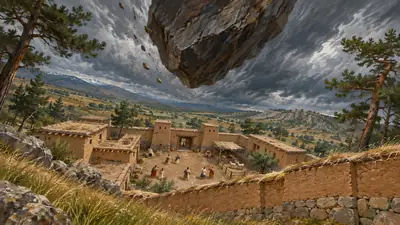
A great black stone falls out of the sky in the fourth dream. Its weight brings the threat to earth in one sudden moment.
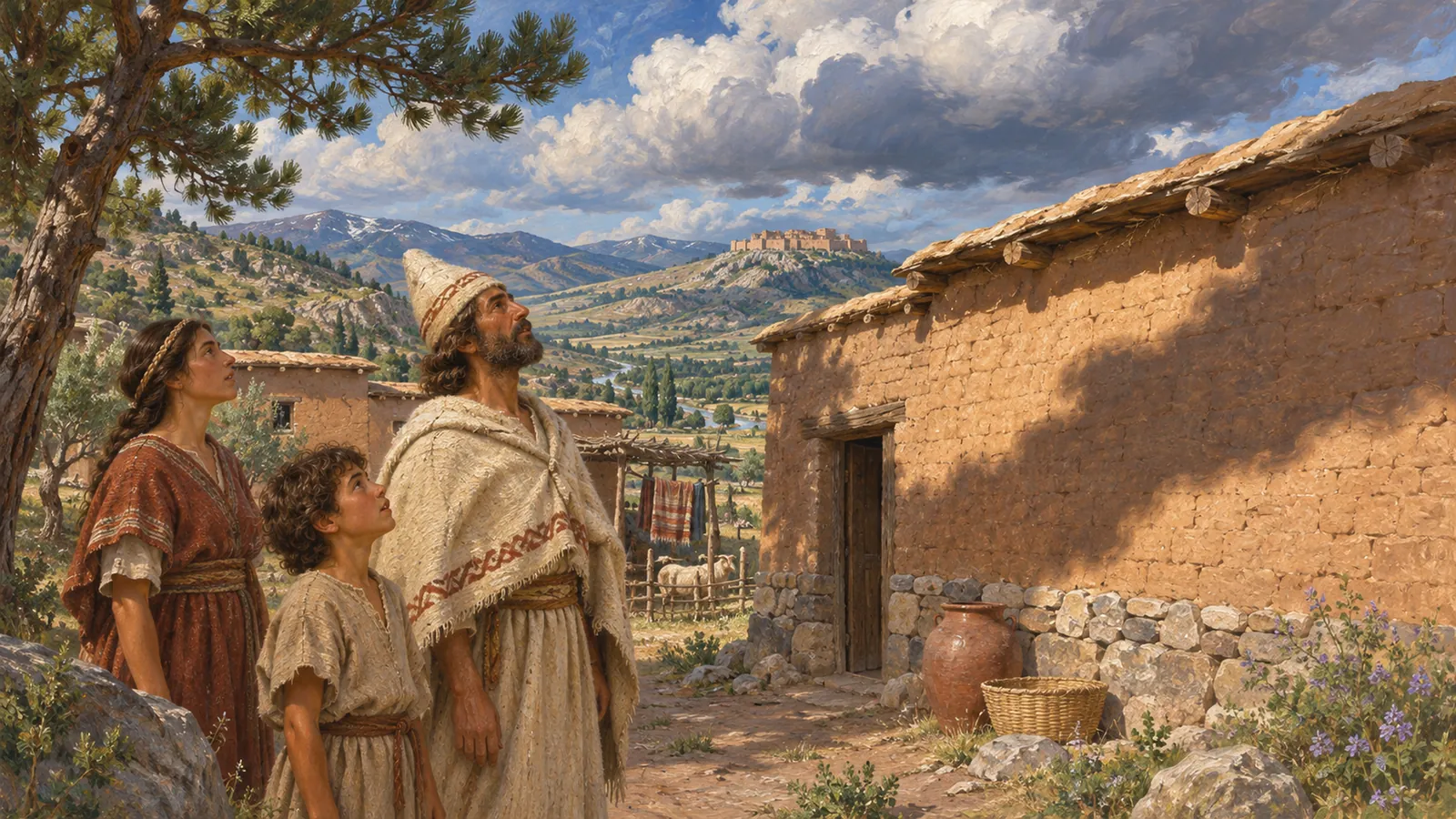
The falling stone crushes people below. One of them is called a man of a god, a title sometimes given to a religious specialist. His title offers him no protection.
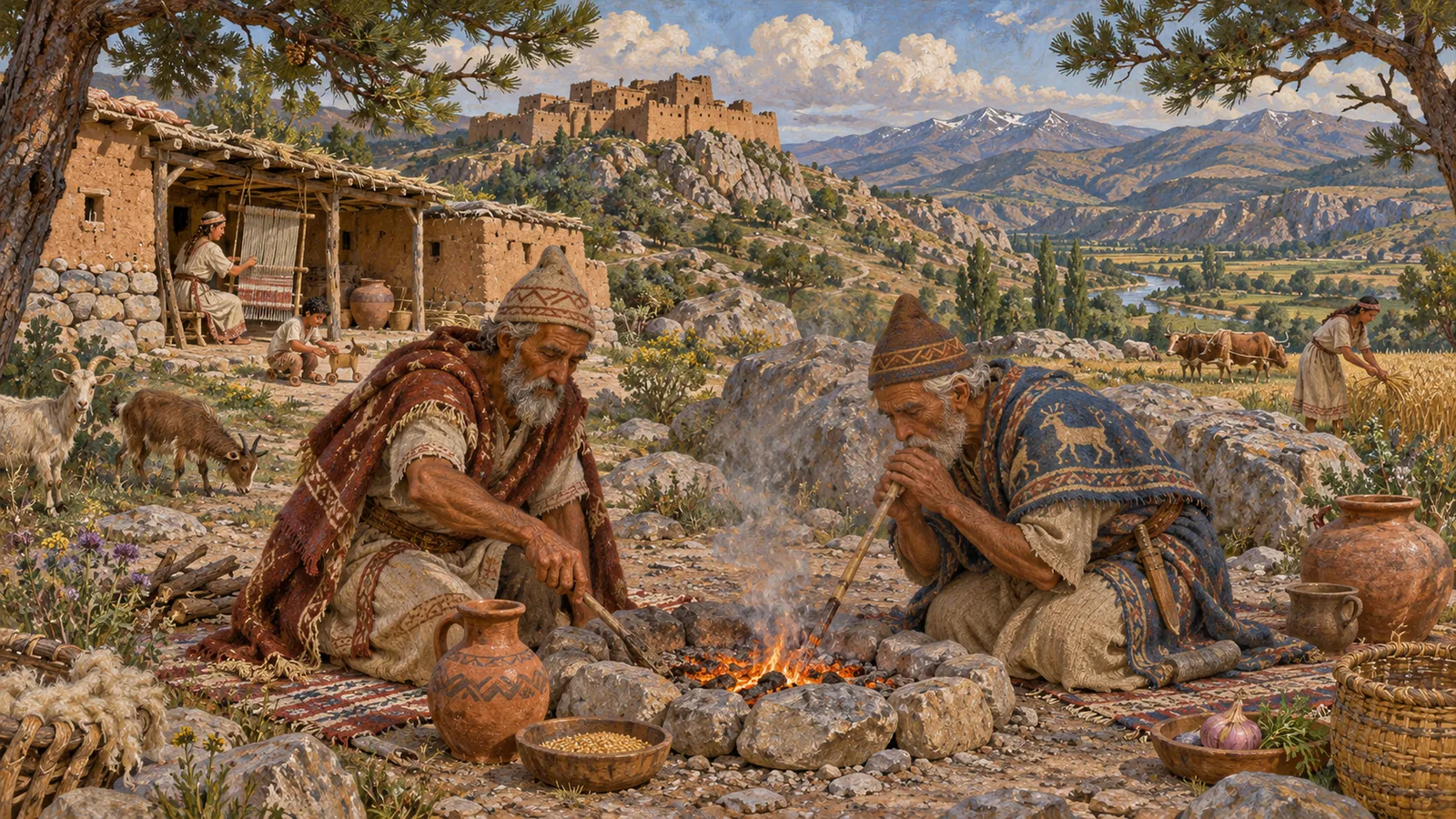
Keshshi sees his divine fathers tending a fire. The ancient phrase makes the fire sound like something they keep burning, a continuing task in the dream.
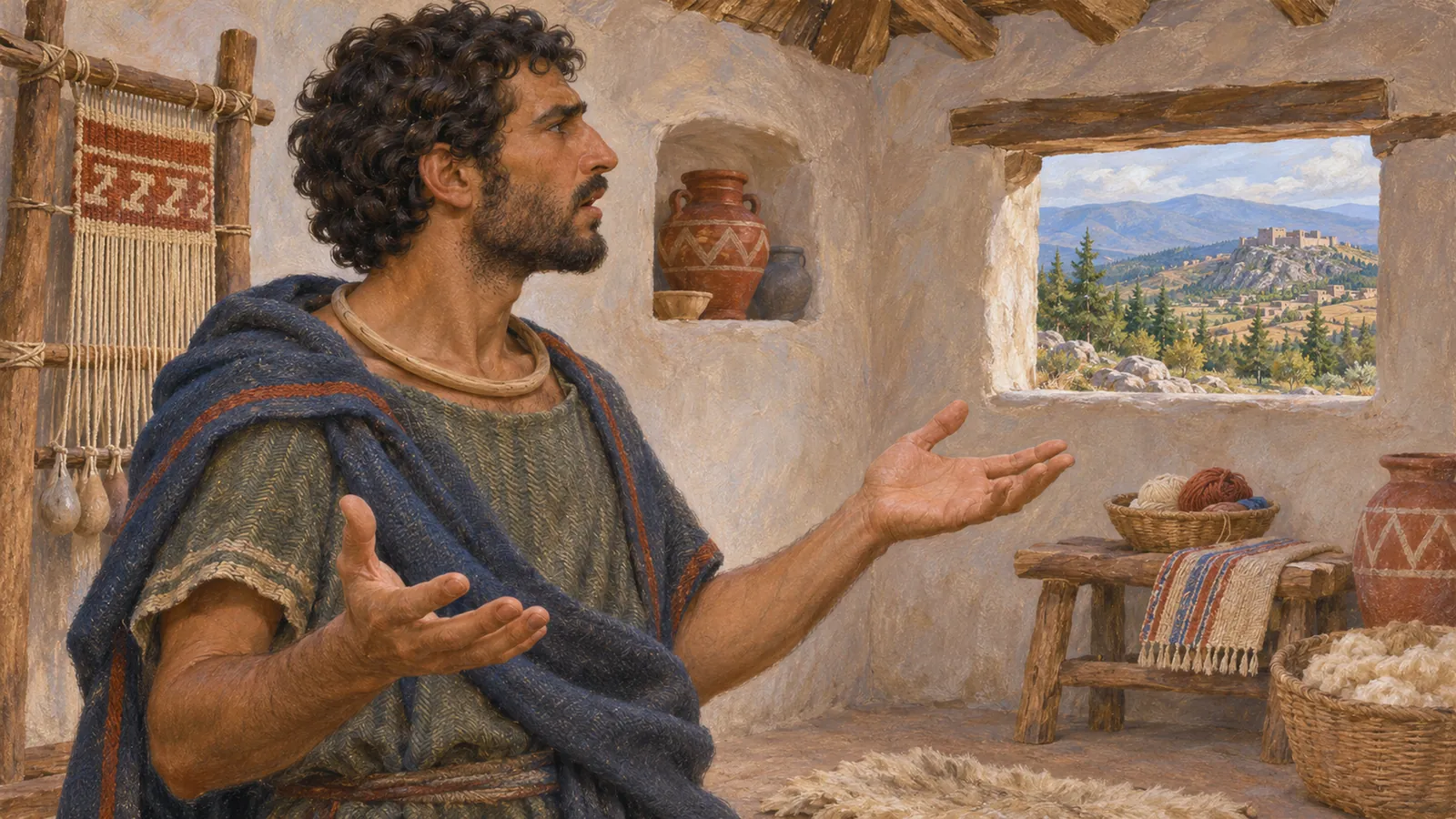
A wooden band rests on Keshshi’s neck. The sixth dream gives the band no clear explanation, and the shape pictured here is only one way to imagine it.
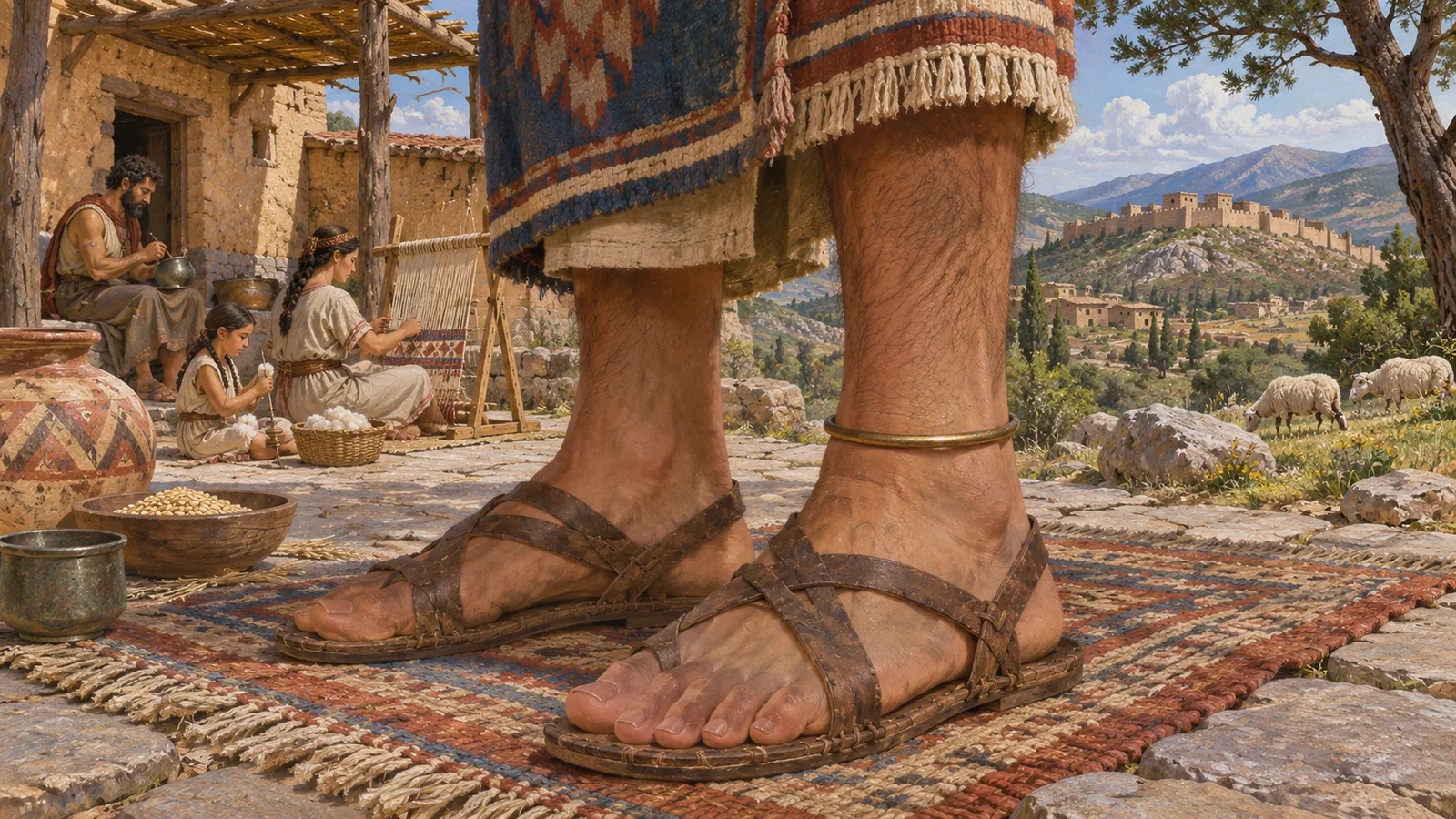
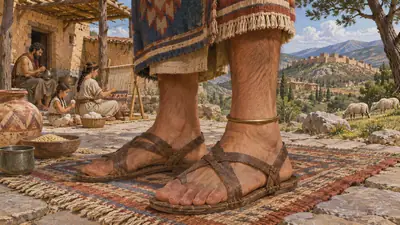
Below the wooden band is another object, perhaps a woman’s anklet. The two objects belong to the same dream. The fragment gives no certain reason for either.
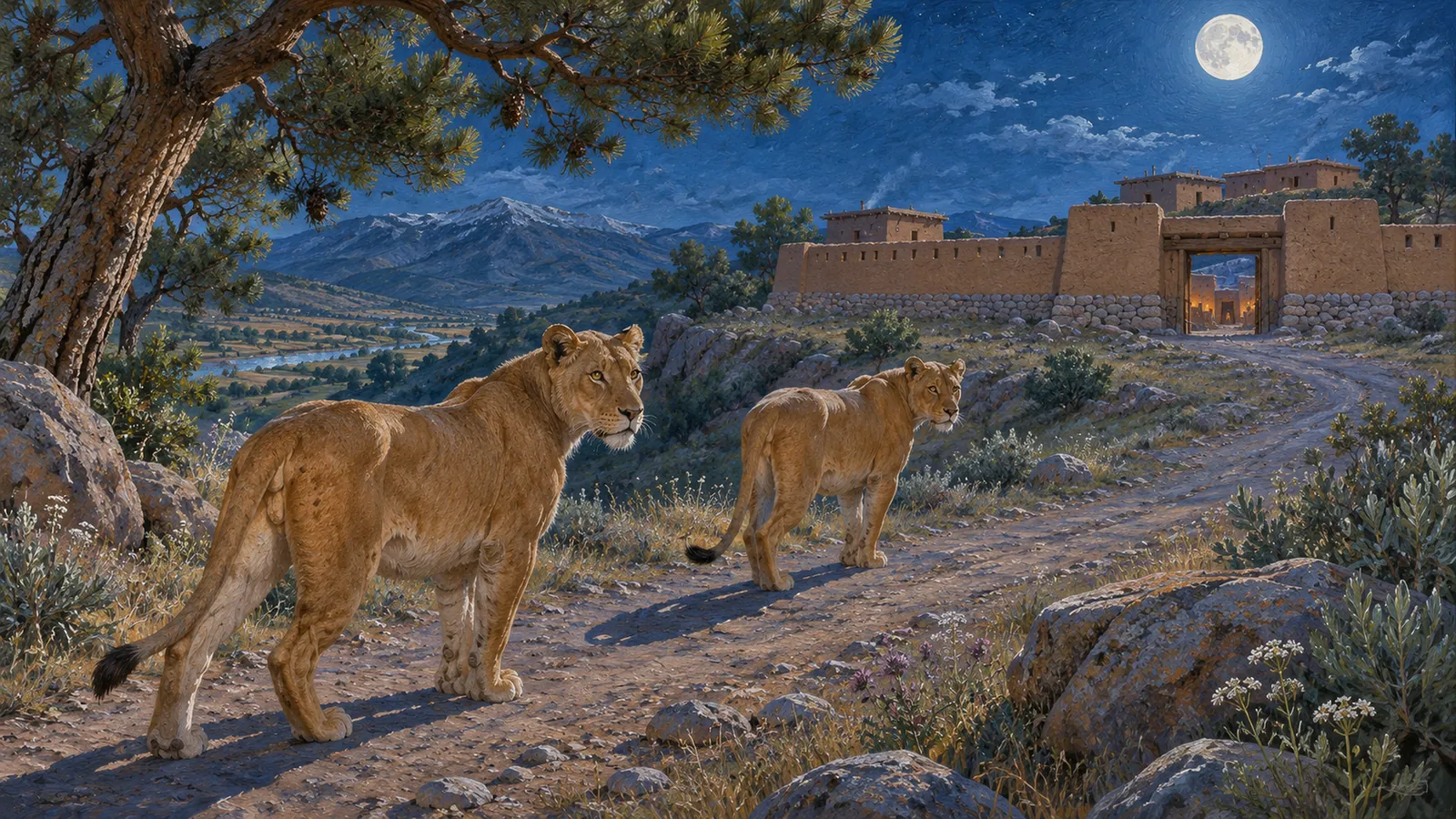
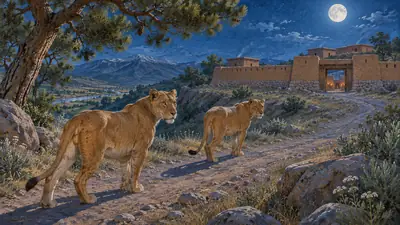
Lions come into view in the seventh dream. One reading has Keshshi pursuing them and another has him fleeing. Both readings bring him to a gate.
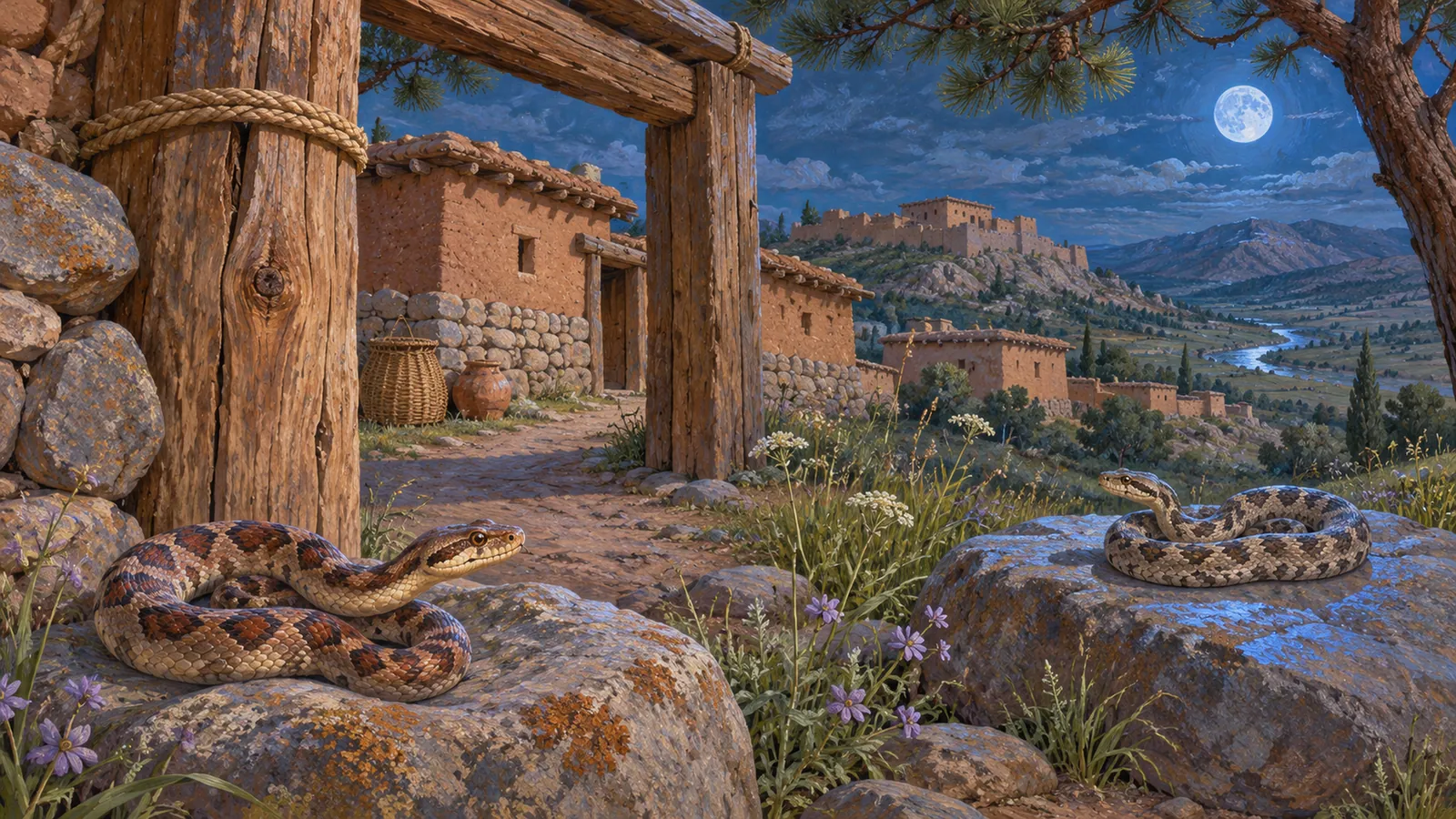
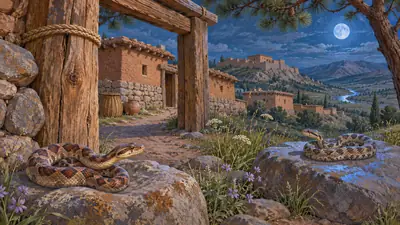
He finds serpents before the gate. On the mountain the gods kept all animals from him. In this dream they are suddenly close enough to block his way.
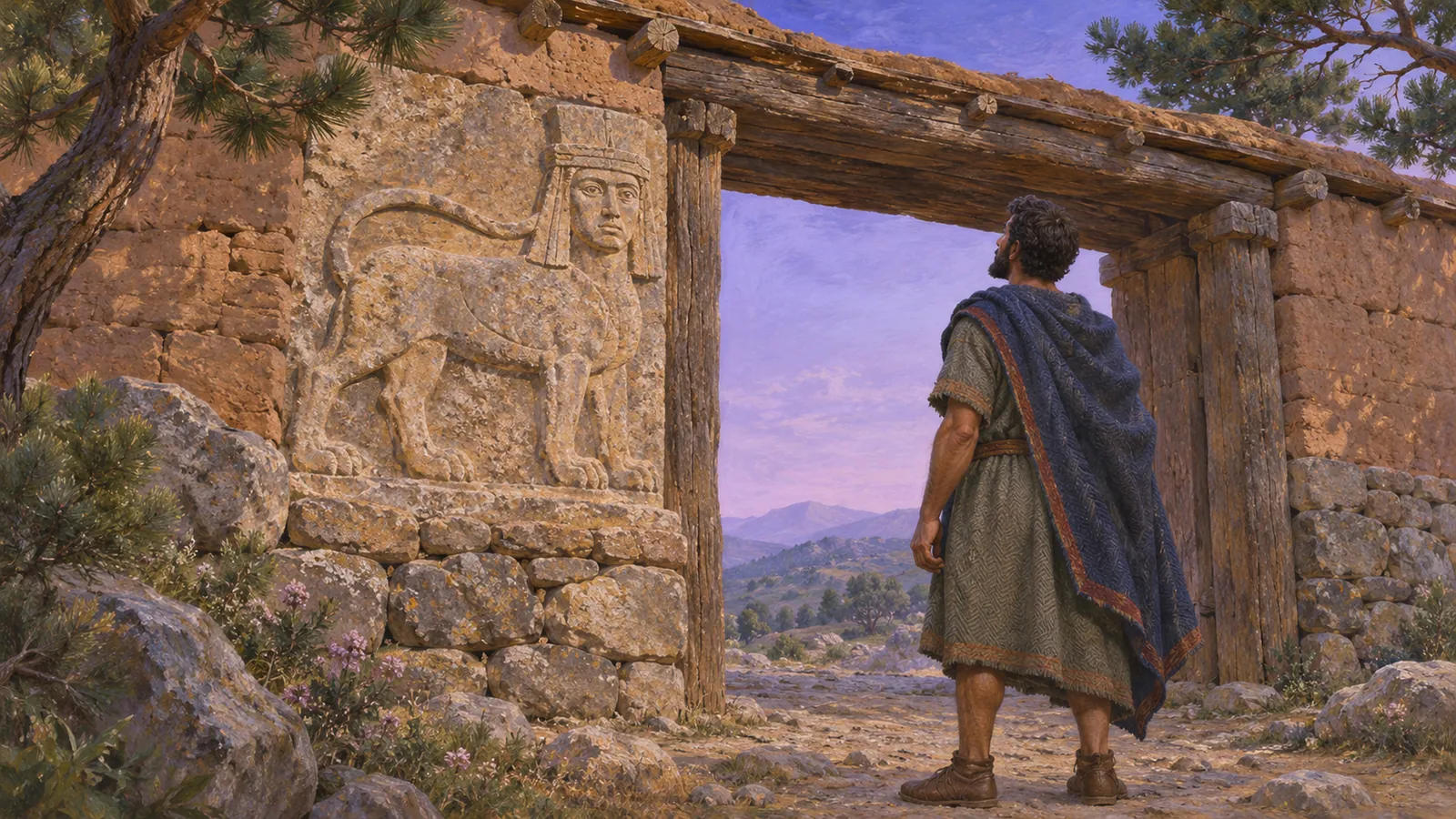
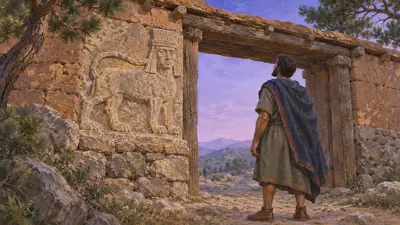
The passage also names creatures often translated as sphinxes. A stone guardian gives the dream a shape here. The scratched words alone leave their appearance open.
MORNING
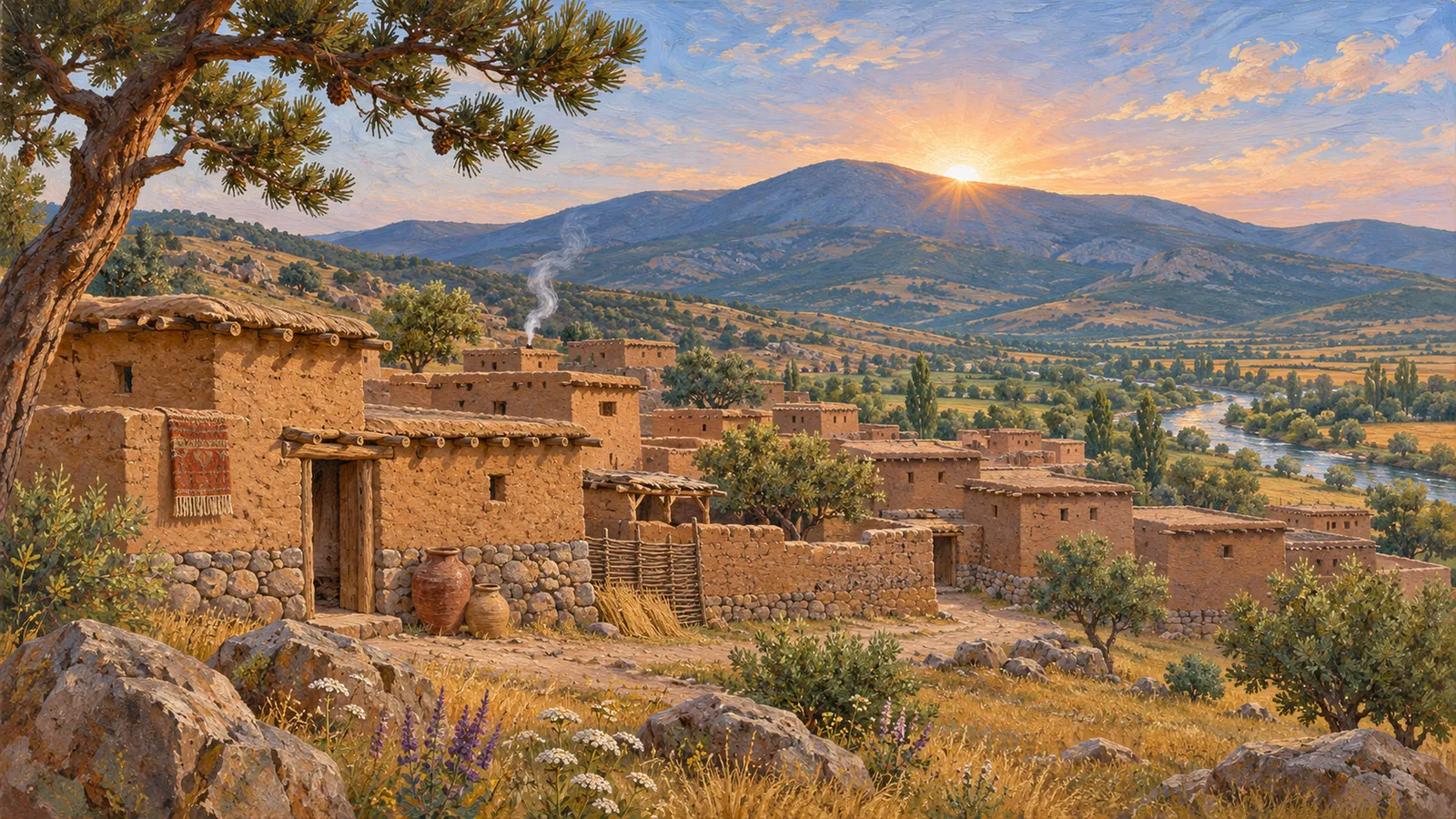
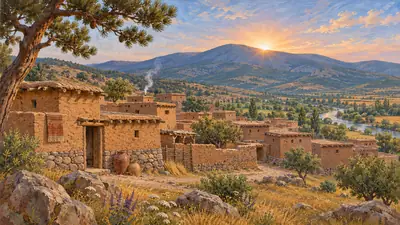
Morning begins with the Sun God emerging from Kalmara. The old expression gives sunrise a place and brings the story back out of the night.
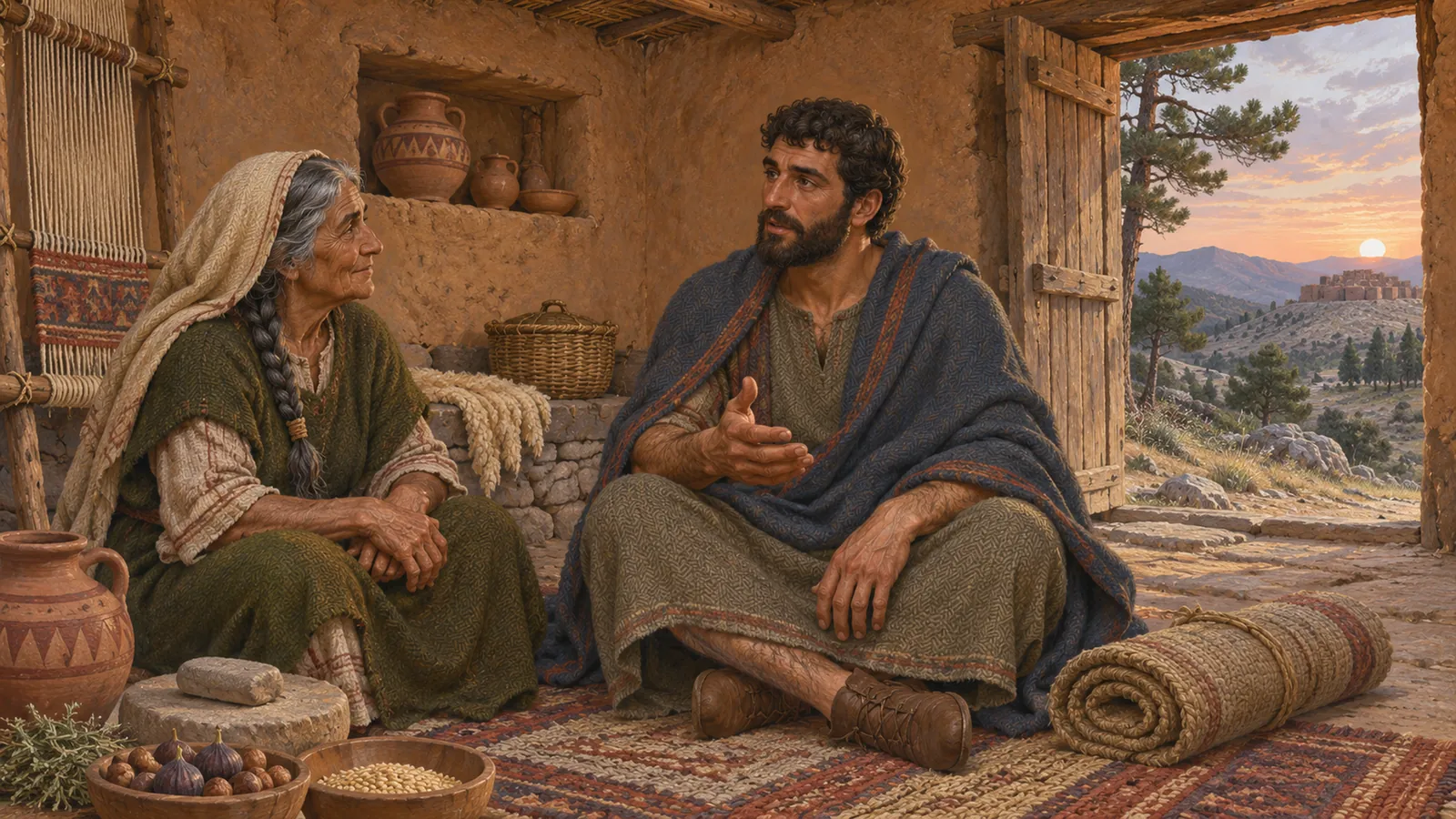
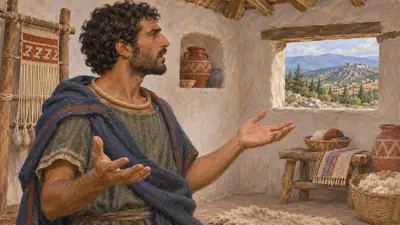
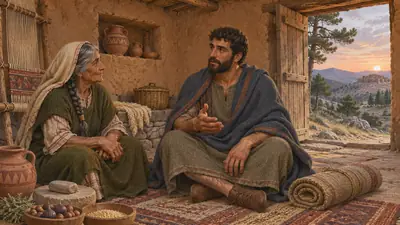
Keshshi rises from sleep and tells his mother what he saw. Earlier, she sent him to do something he knew well. Now he turns to her to understand something strange.
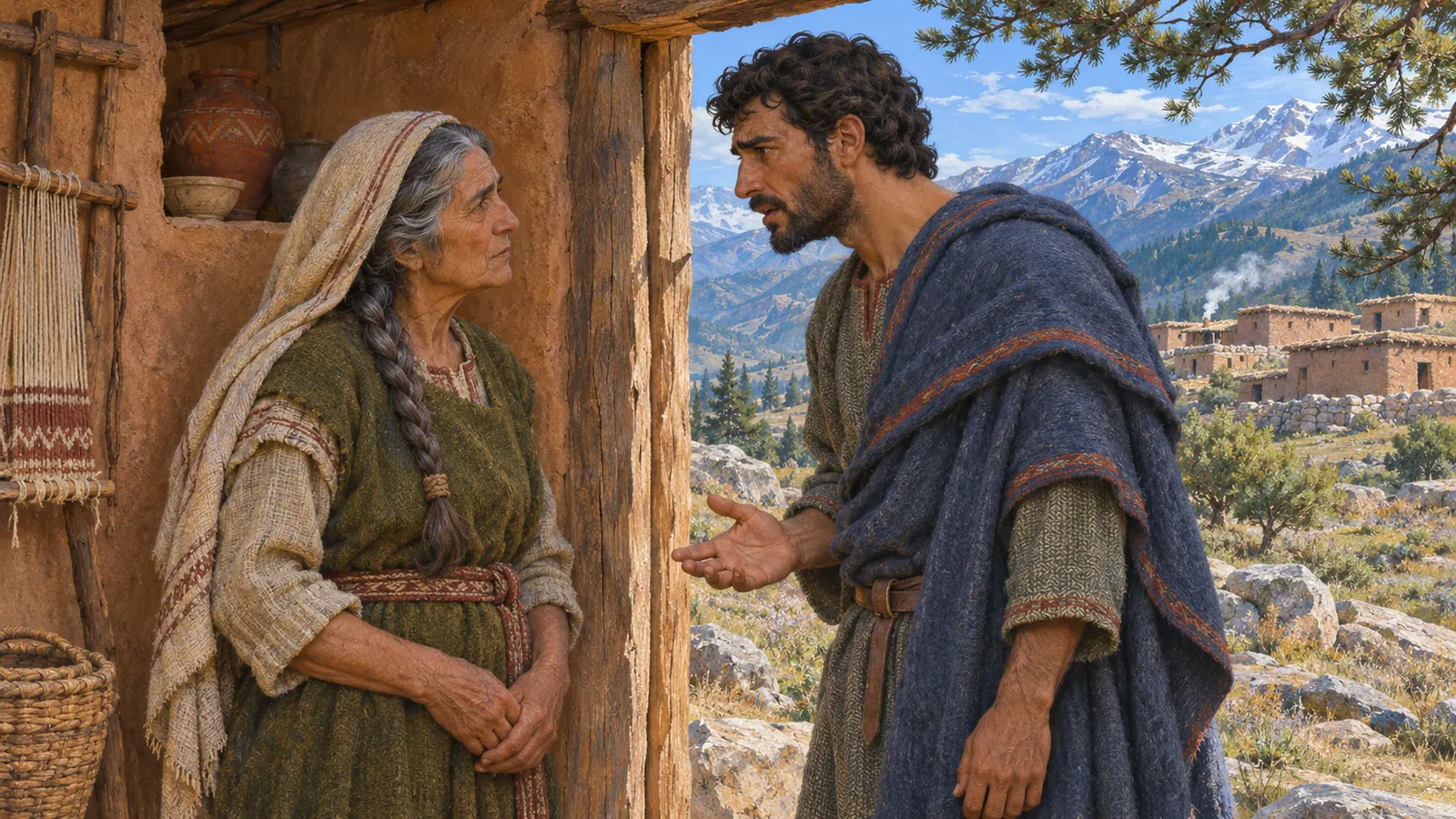
What are we to do, he asks her. Should we go into the mountains and die there? In one reading he fears the lions will eat him.
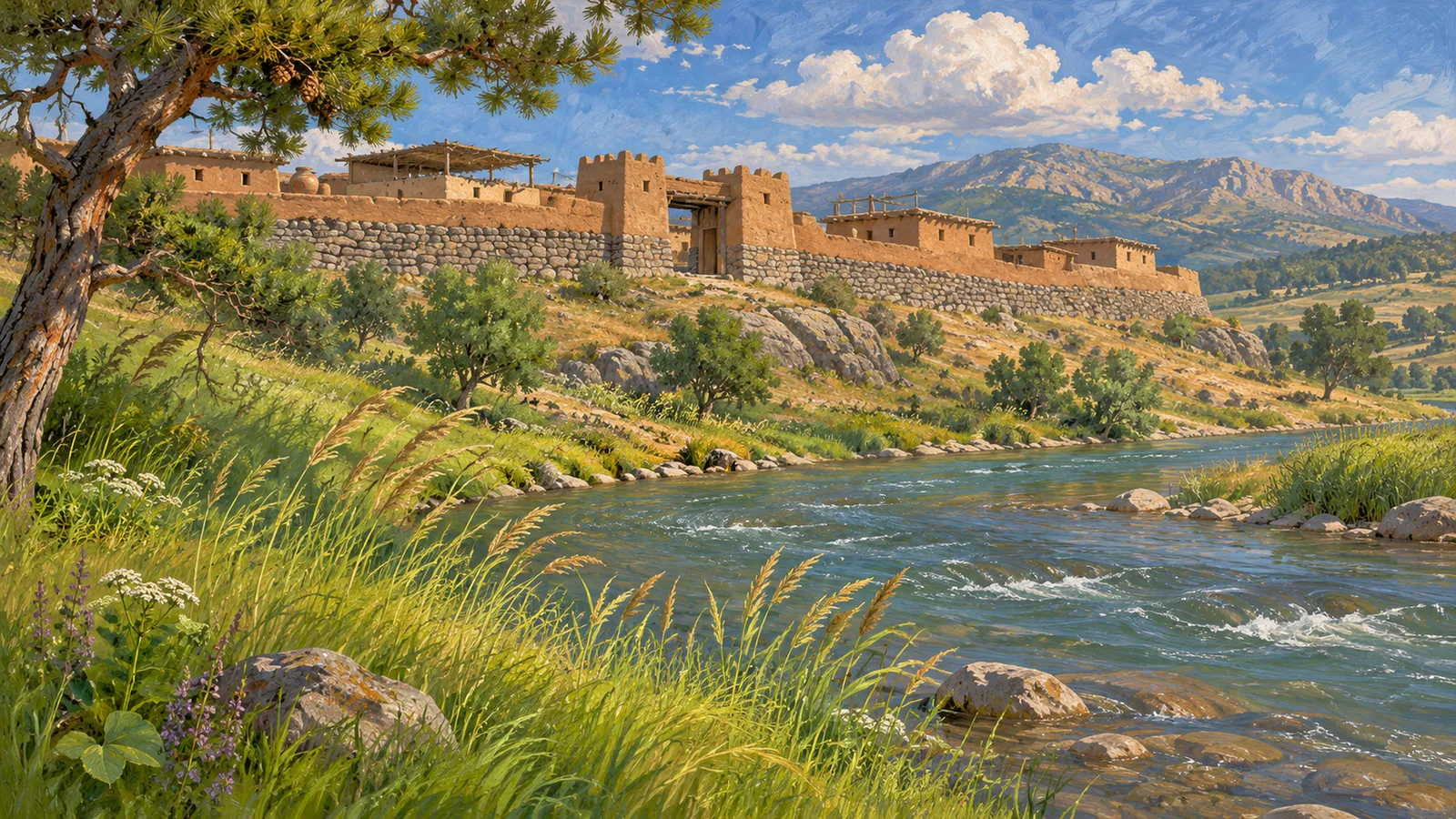
His mother begins to interpret the dreams. One of the first things she names is grass growing tall and green. The dreamer’s fear is met with an image of life.
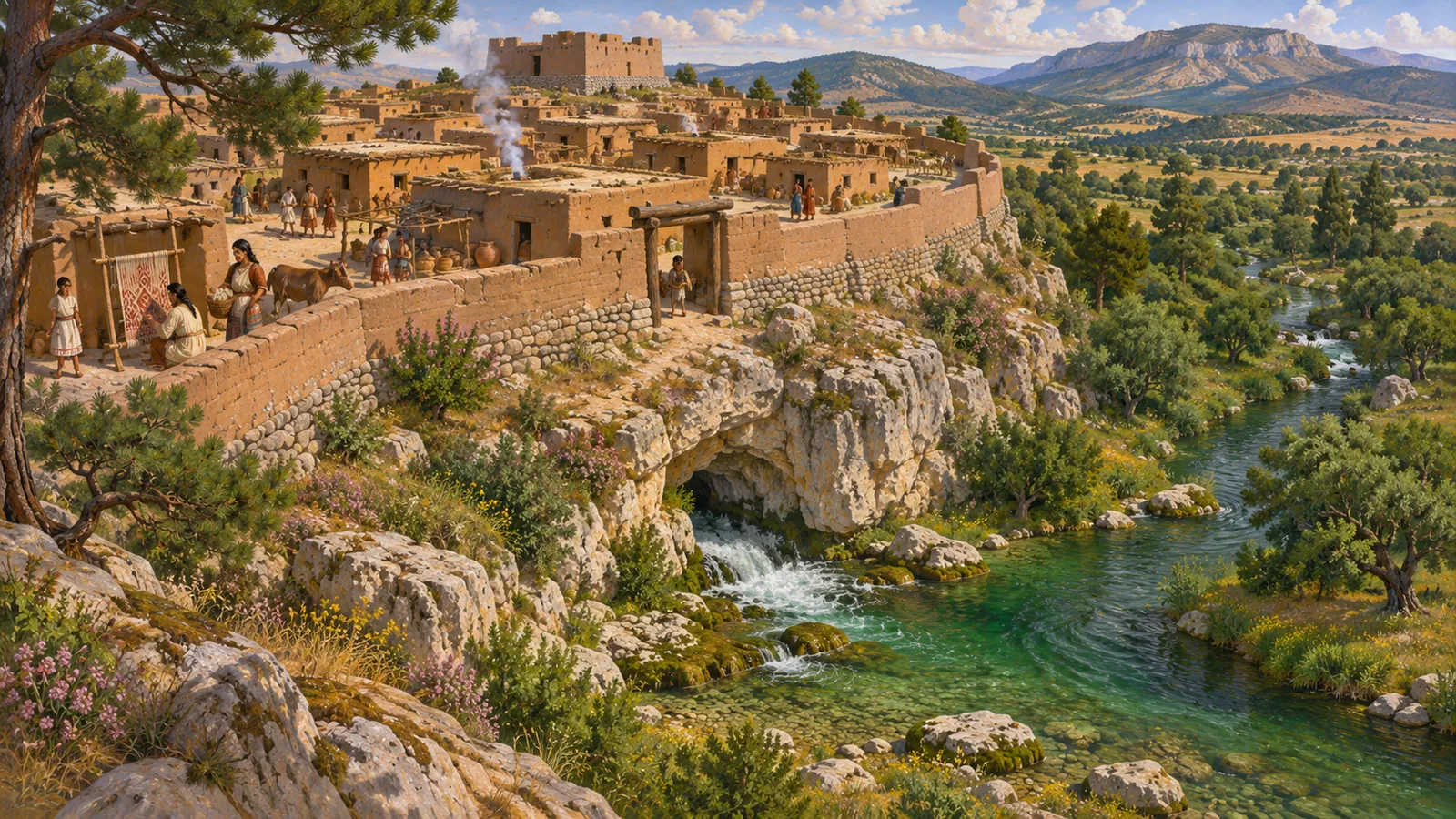
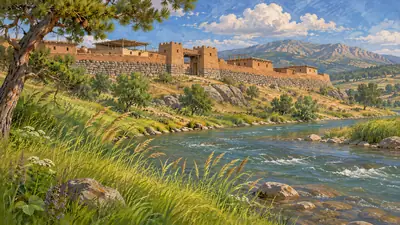
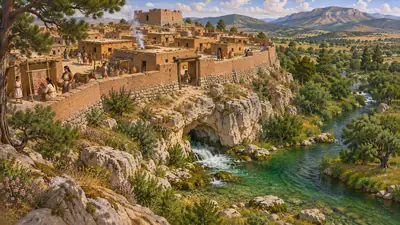
She also speaks of a city with a river flowing down from beneath it. The answer breaks up in places, and the link to particular dreams is hard to follow.
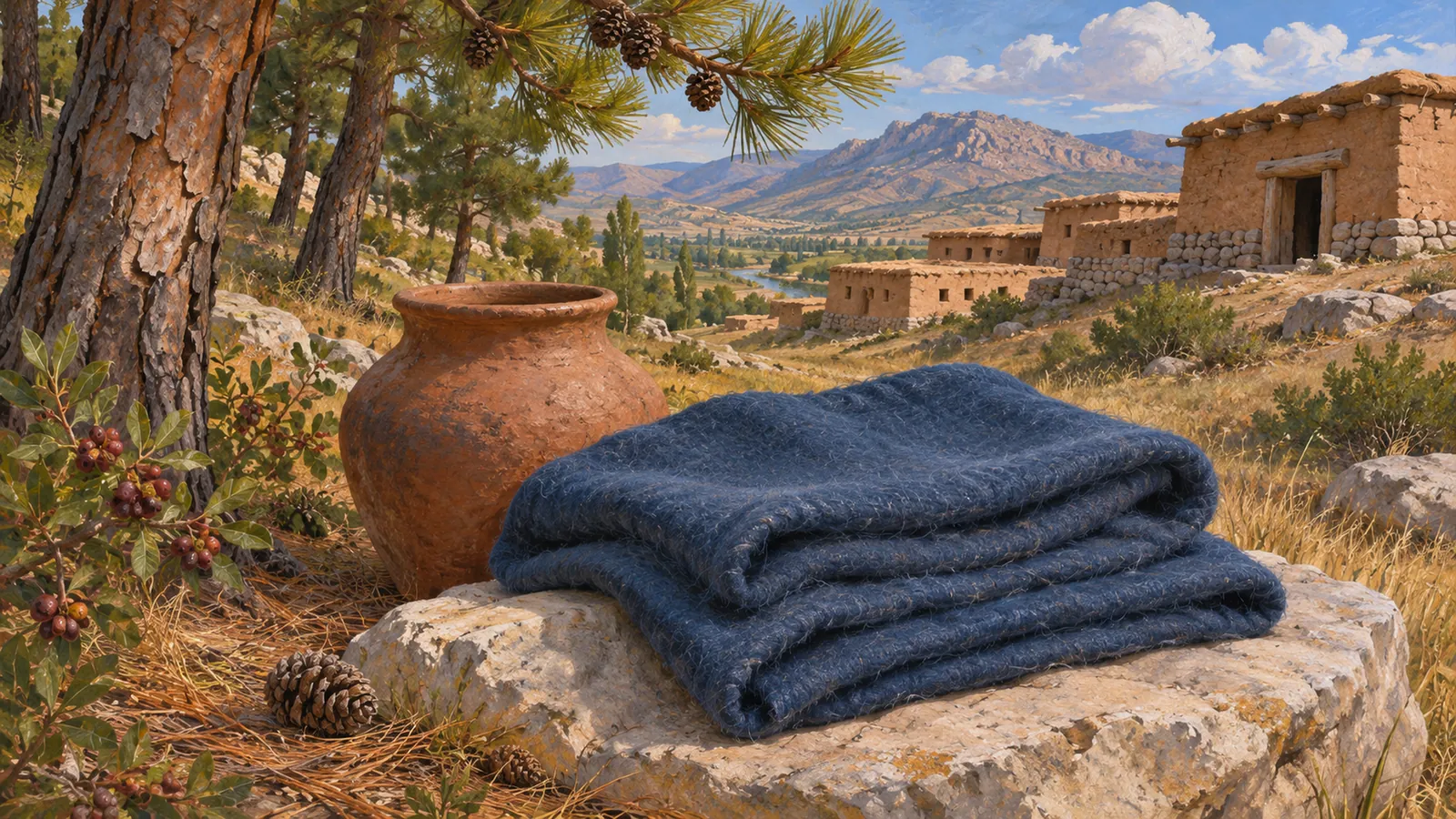
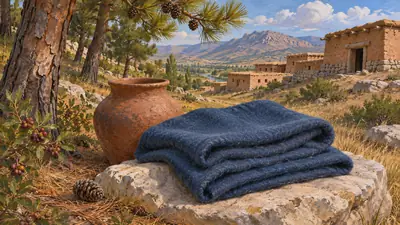
The remaining scraps mention the forest and perhaps the Alalamma River. There is also a word read as blue wool or lapis lazuli. Her interpretation breaks off.
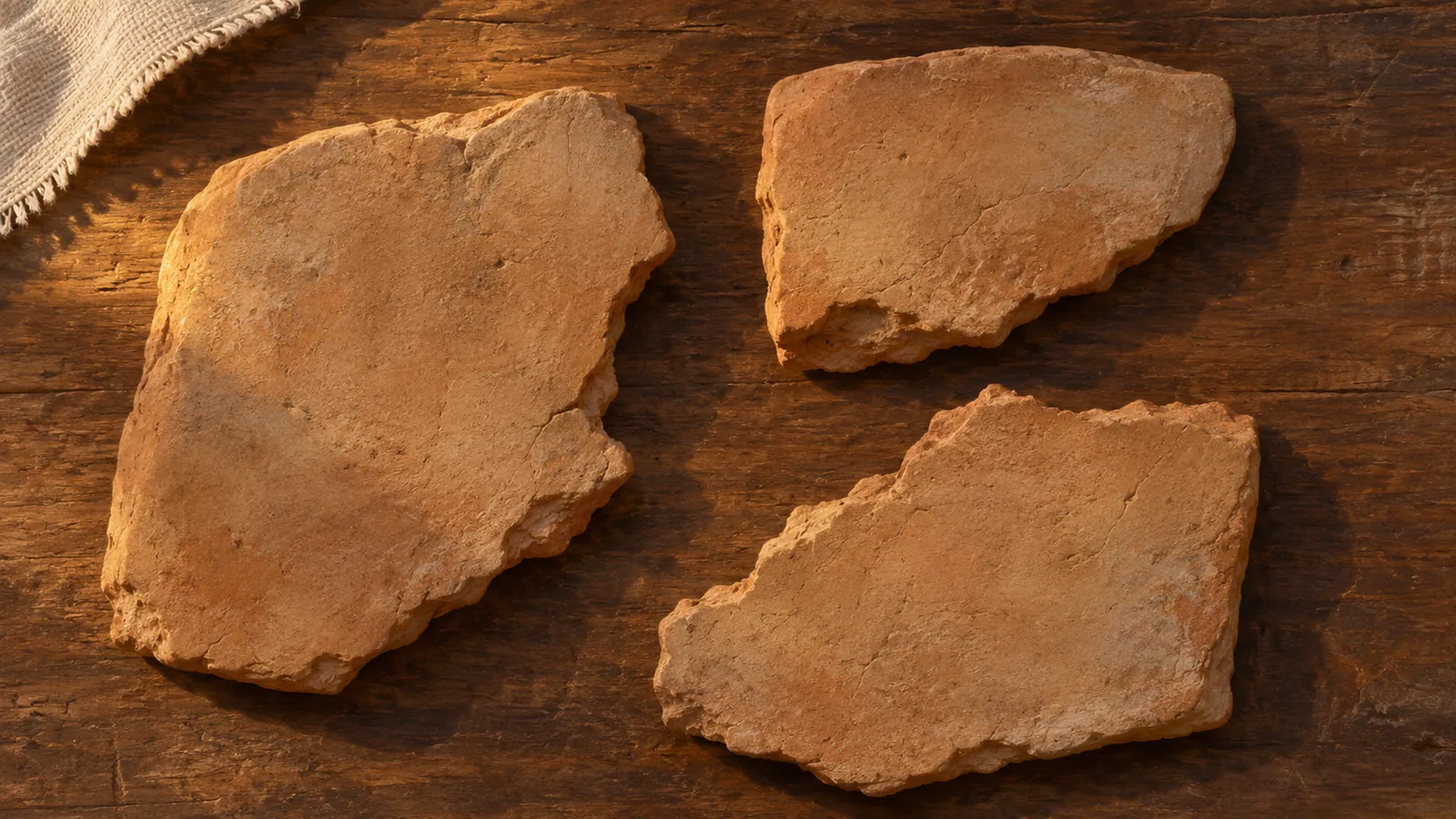
The Hittite copies preserve the clearest stretch from the marriage to the waking. They leave the mother’s interpretation unfinished. The other languages give different stretches of the tale.
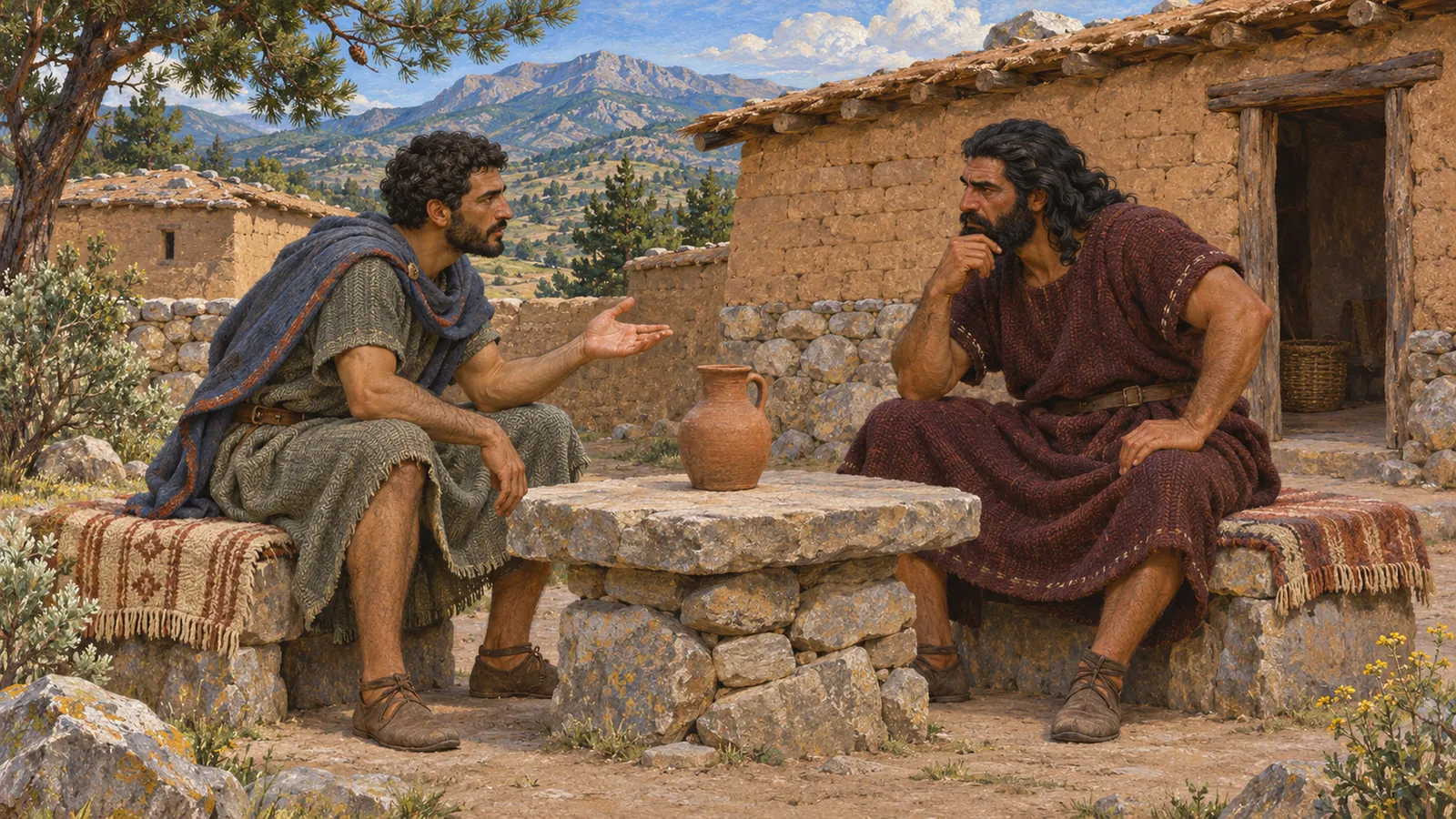
HURRIAN
Hurrian fragments preserve a longer tradition with passages about courtship and negotiations involving Udubsharri. A surviving tablet label calls it a song and indicates that the series continued.
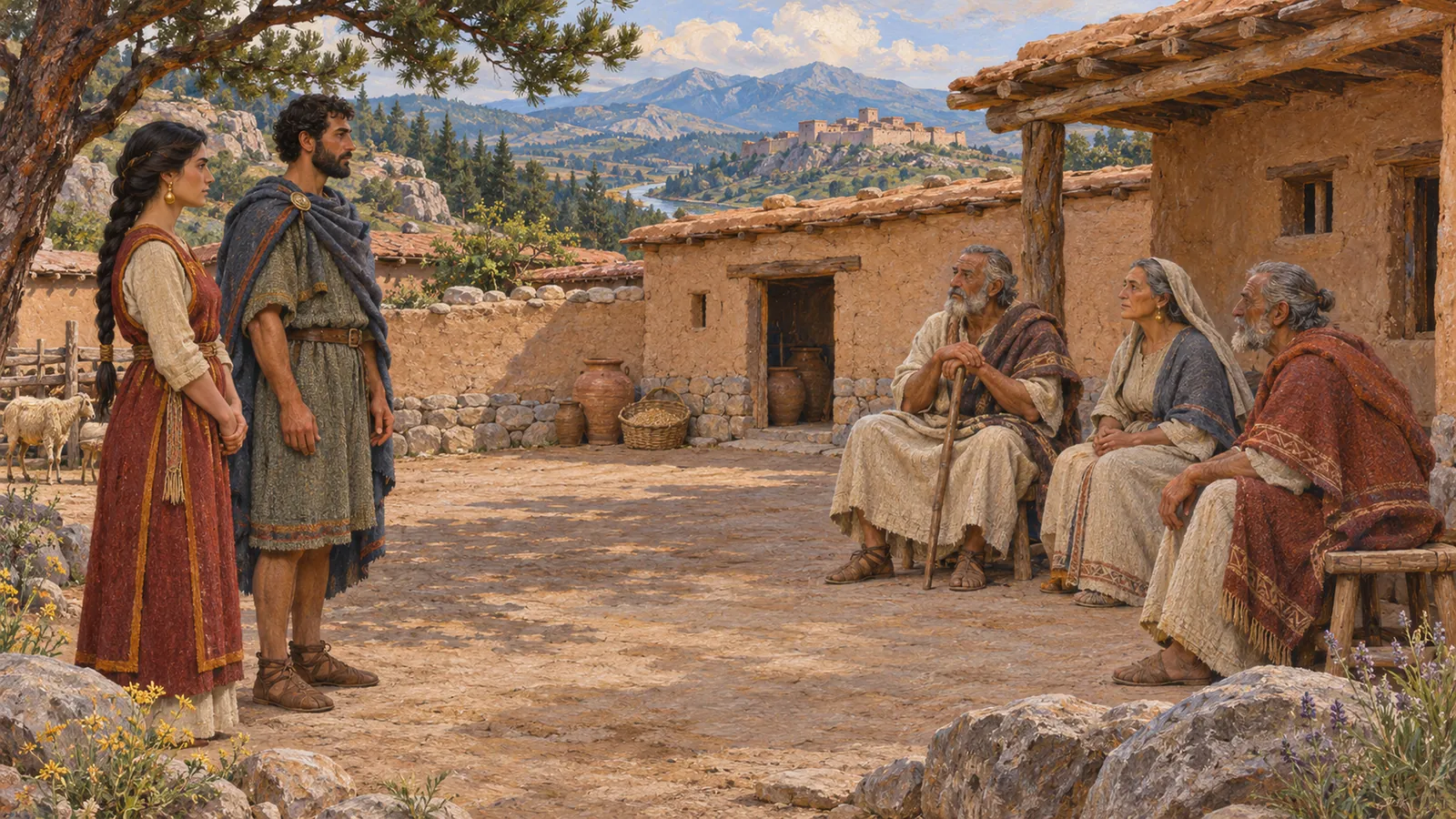
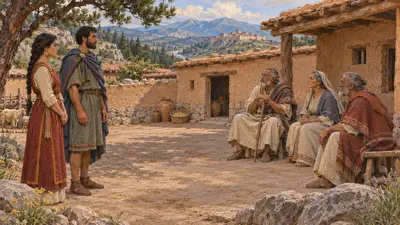
One Hurrian passage has Shintalimeni called before an assembly of elders to answer an accusation. The damage leaves her fate and the place of that hearing in the whole story uncertain.
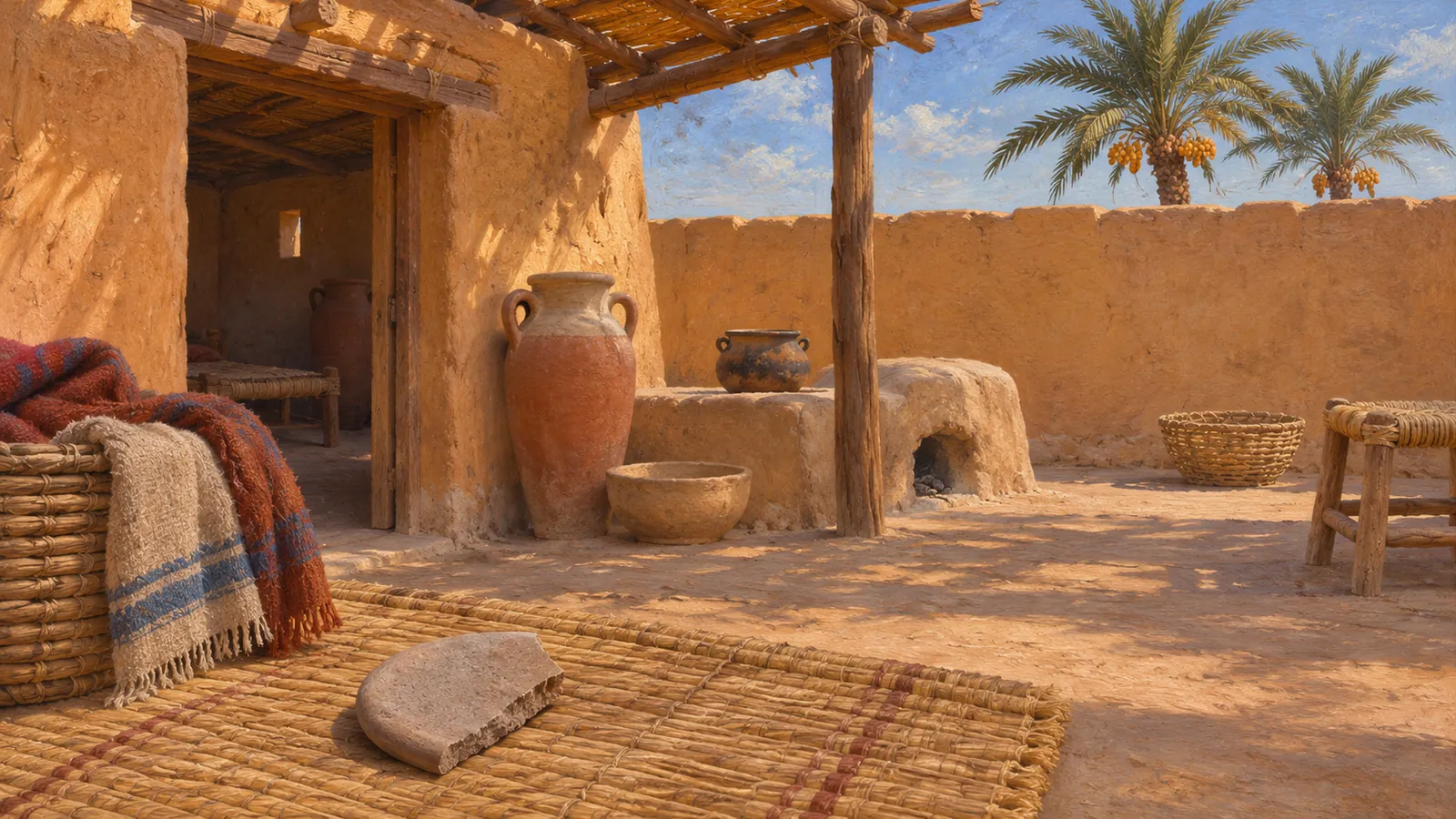
AKKADIAN
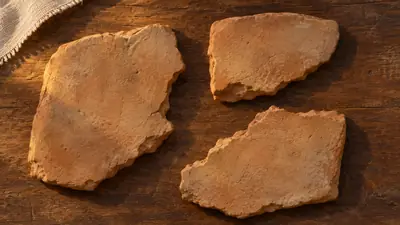
A small piece of an Akkadian version turned up at Akhetaten in Egypt. Keshshi and Udubsharri are both named on its face, beside the Sun God and other gods.
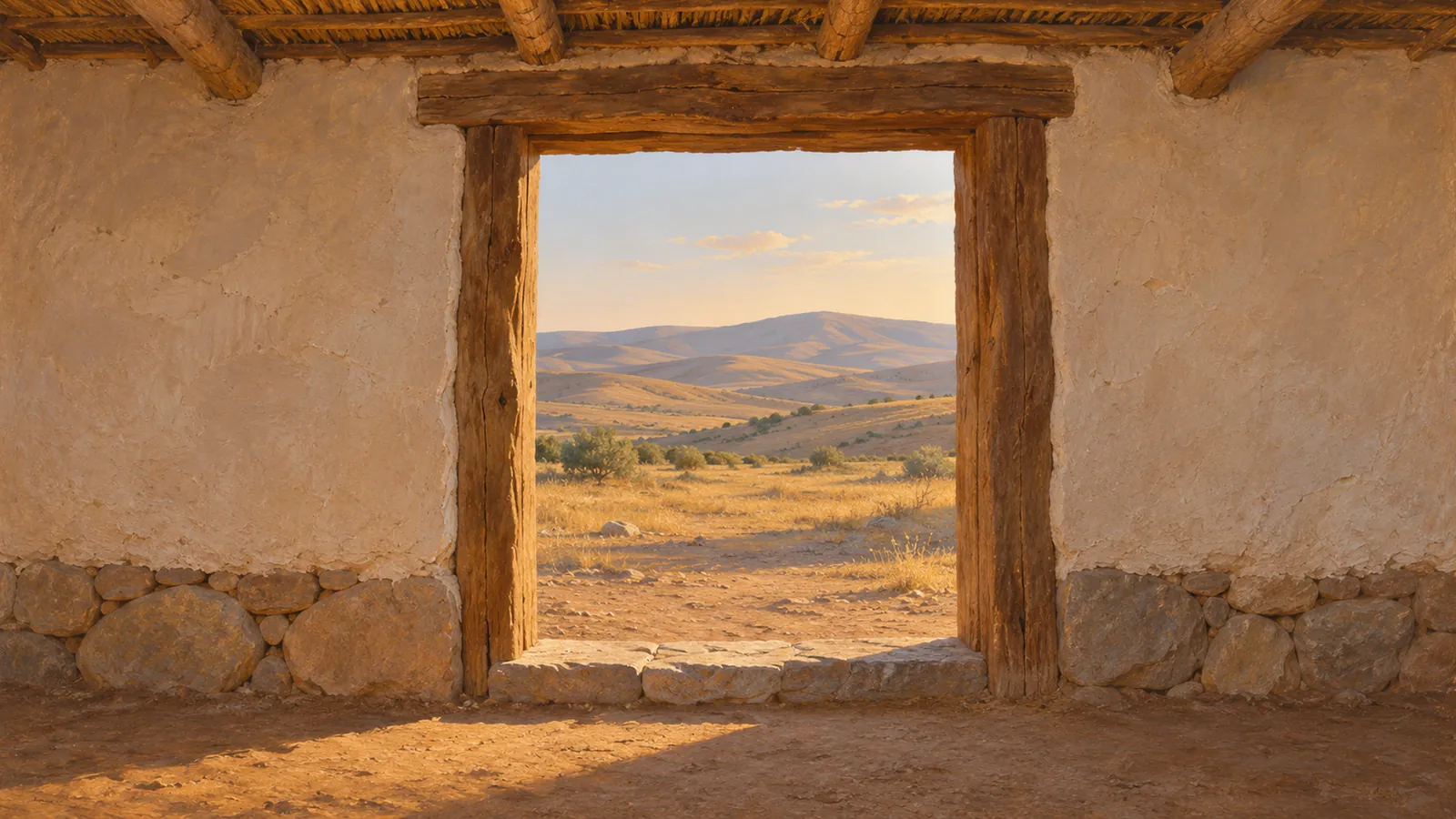
The Akkadian piece mentions a gatekeeper and an order that someone guard Keshshi. The place and outcome are lost where the lines break. None of the surviving versions supplies a secure ending.
End of chapter 1
All pages
Sources
Editions consulted
- Harry A. Hoffner Jr., Hittite Myths, 2nd ed., pp. 87–89: — translation of the Hittite version, with a note on the Hurrian witnesses.
- TITUS, Hittite mythological corpus, CTH 361: — text edition of the principal fragments.
- LAMAN, CTH 361: — names and tablet witnesses for the history of the tale in several languages.
- Meindert Dijkstra, Jachtverhalen bij de Hoerrieten, pp. 52–58: — Hittite text from several witnesses, including suggested joins, and a reconstruction of parts of the Hurrian narrative.
- Mary R. Bachvarova, From Hittite to Homer: — Hurrian passages and bibliography for the three languages.
- Shlomo Izre’el, The Amarna Scholarly Tablets, EA 341, pp. 16–17: — edition and translation of the Akkadian fragment.
- Cuneiform Digital Library Initiative, EA 341, VAT 01704: — tablet photograph, drawing and transliteration.
Ancient lines behind each page
- Page 1: CTH 361.I, Hittite A ii 1–3; Dijkstra §§1–2
The grant of game is reconstructed from damaged words. - Page 2: CTH 361.I A ii 9–14 and CTH 361.II; Dijkstra pp. 56–58
- Page 3: CTH 361.I, Hittite A ii 4–8; Dijkstra §2
- Page 4: CTH 361.II, Hurrian fragments; Dijkstra, Phoenix 60 p. 57
Separate Hurrian witness. - Page 5: CTH 361.I, Hittite A ii 4–14; Dijkstra §§2–3
- Page 6: CTH 361.I, Hittite A ii 4–14; Dijkstra §§2–3
- Page 7: CTH 361.I, Hittite A ii 4–14; Dijkstra §§2–3
- Page 8: CTH 361.I, Hittite A ii 9–11; Dijkstra §3
- Page 9: CTH 361.I, Hittite A ii 9–11; Dijkstra §3
- Page 10: CTH 361.I, Hittite A ii 12–14; Dijkstra §3
- Page 11: CTH 361.I, Hittite A ii 12–14; Dijkstra §3
- Page 12: CTH 361.I, Hittite A ii 12–14; Dijkstra §3
- Page 13: CTH 361.I, Hittite A ii 12–14; Dijkstra §3
- Page 14: CTH 361.I, Hittite A ii 15–23; Dijkstra §4
- Page 15: CTH 361.I, Hittite A ii 15–23; Dijkstra §4
- Page 16: CTH 361.I, Hittite A ii 15–23; Dijkstra §4
The details beside the tree are damaged. - Page 17: CTH 361.I, Dijkstra §§4–5
- Page 18: CTH 361.I and I.2 KUB 36.63, Dijkstra §6, proposed joins
- Page 19: CTH 361.I and I.2 KUB 36.63, Dijkstra §6, proposed joins
- Page 20: CTH 361.I and I.2 KUB 36.63, Dijkstra §6, proposed joins
The youths’ intention is uncertain. - Page 21: CTH 361.I, Dijkstra §7, proposed restoration
- Page 22: CTH 361.I, Dijkstra §7, proposed restoration
- Page 23: CTH 361.I, Dijkstra §8a
- Page 24: CTH 361.I, Dijkstra §8b, uncertain reading
The door is a tentative reading. - Page 25: CTH 361.I, Dijkstra §8c and Hoffner’s alternative
- Page 26: CTH 361.I, Dijkstra §8c and Hoffner’s alternative
- Page 27: CTH 361.I B ii 4–6, Dijkstra §8d
- Page 28: CTH 361.I B ii 4–6, Dijkstra §8d
- Page 29: CTH 361.I B ii 7–8, Dijkstra §8e
- Page 30: CTH 361.I B ii 9–10, Dijkstra §8f
- Page 31: CTH 361.I B ii 9–10, Dijkstra §8f
Anklet reading uncertain. - Page 32: CTH 361.I B ii 11–13, Hoffner and Dijkstra §8g
- Page 33: CTH 361.I B ii 11–13, Hoffner and Dijkstra §8g
- Page 34: CTH 361.I B ii 11–13, Hoffner and Dijkstra §8g
- Page 35: CTH 361.I B ii 14–17, Dijkstra §9
- Page 36: CTH 361.I B ii 14–17, Dijkstra §9
- Page 37: CTH 361.I B ii 17–25, Dijkstra §10
- Page 38: CTH 361.I B ii 17–25, Dijkstra §10
- Page 39: CTH 361.I B ii 17–25, Dijkstra §10
- Page 40: CTH 361.I B ii 17–25, Dijkstra §10
Alalamma and blue wool are tentative readings. - Page 41: CTH 361.I and parallels; LAMAN manuscript catalogue
- Page 42: CTH 361.II, Dijkstra, Phoenix 60, pp. 56–57
Separate Hurrian witness. - Page 43: CTH 361.II, Bachvarova, From Hittite to Homer; Dijkstra, Phoenix 60, p. 57
Accusation preserved, verdict unknown. - Page 44: EA 341, Izre’el pp. 16–17; CDLI P270840
Separate Akkadian witness. - Page 45: EA 341, Izre’el lines 5–8 and comments
Illustrations made with AI tools by IL Archive; the text is based on the ancient sources (see the sources at the end of each chapter).