Teti and the Ascent to Nut Chapter 1
The Sarcophagus and the Eastern Doors
The spells on Teti’s sarcophagus speak of his birth, the regions Nut grants him and his inheritance from Geb. The ascent spells move through opening doors and the Field of Reeds to a ladder, the Sun’s journey and a final lament.
SourcesTurn the pages with the arrows, the arrow keys or a swipe.
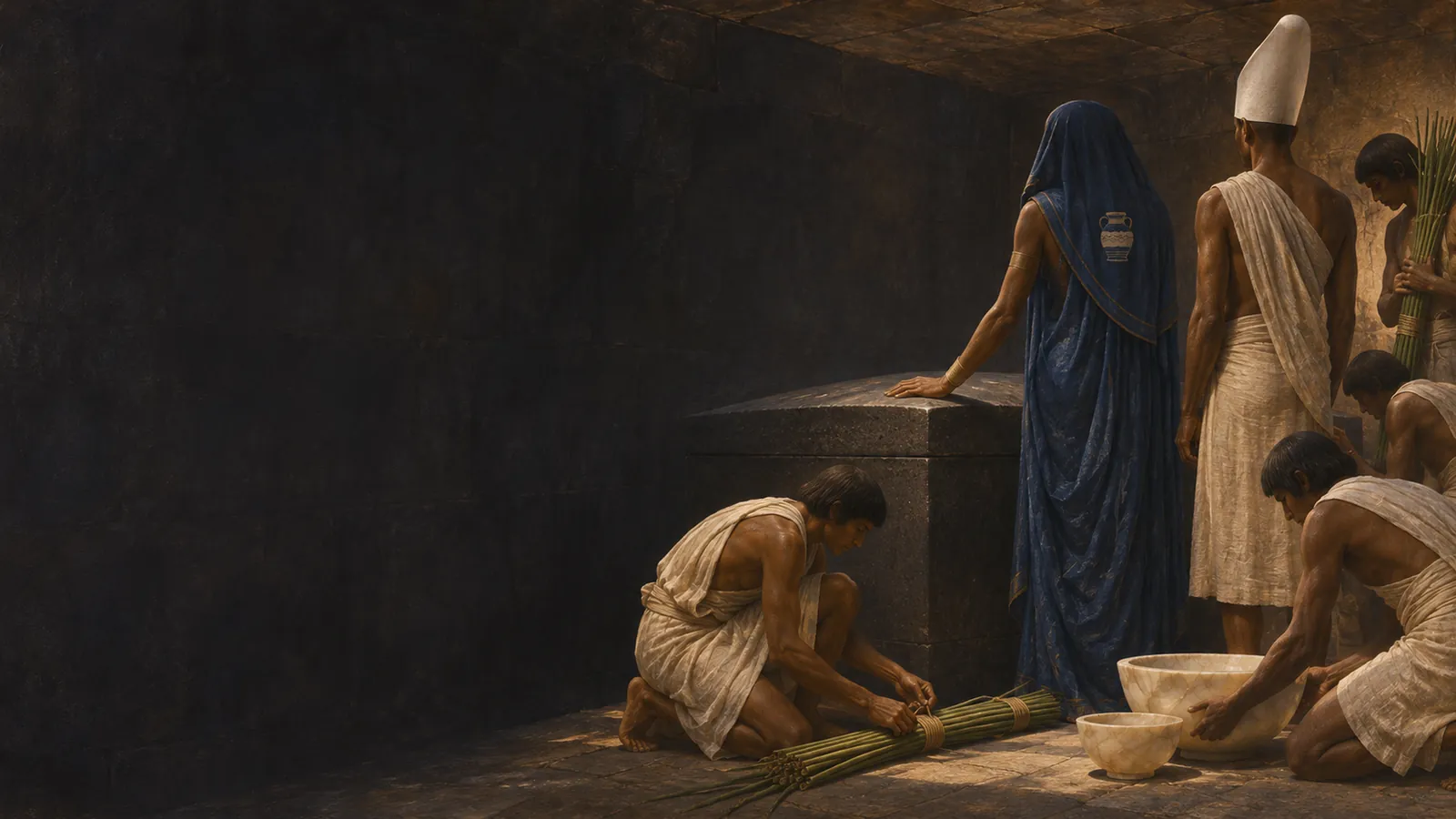
THE SARCOPHAGUS AND THE EASTERN DOORS
In James Allen’s translation, the recitations on the outside of Teti’s sarcophagus lid open with the voice of Nut. The inscription calls her the Elder Effective One, and she calls Teti her son.
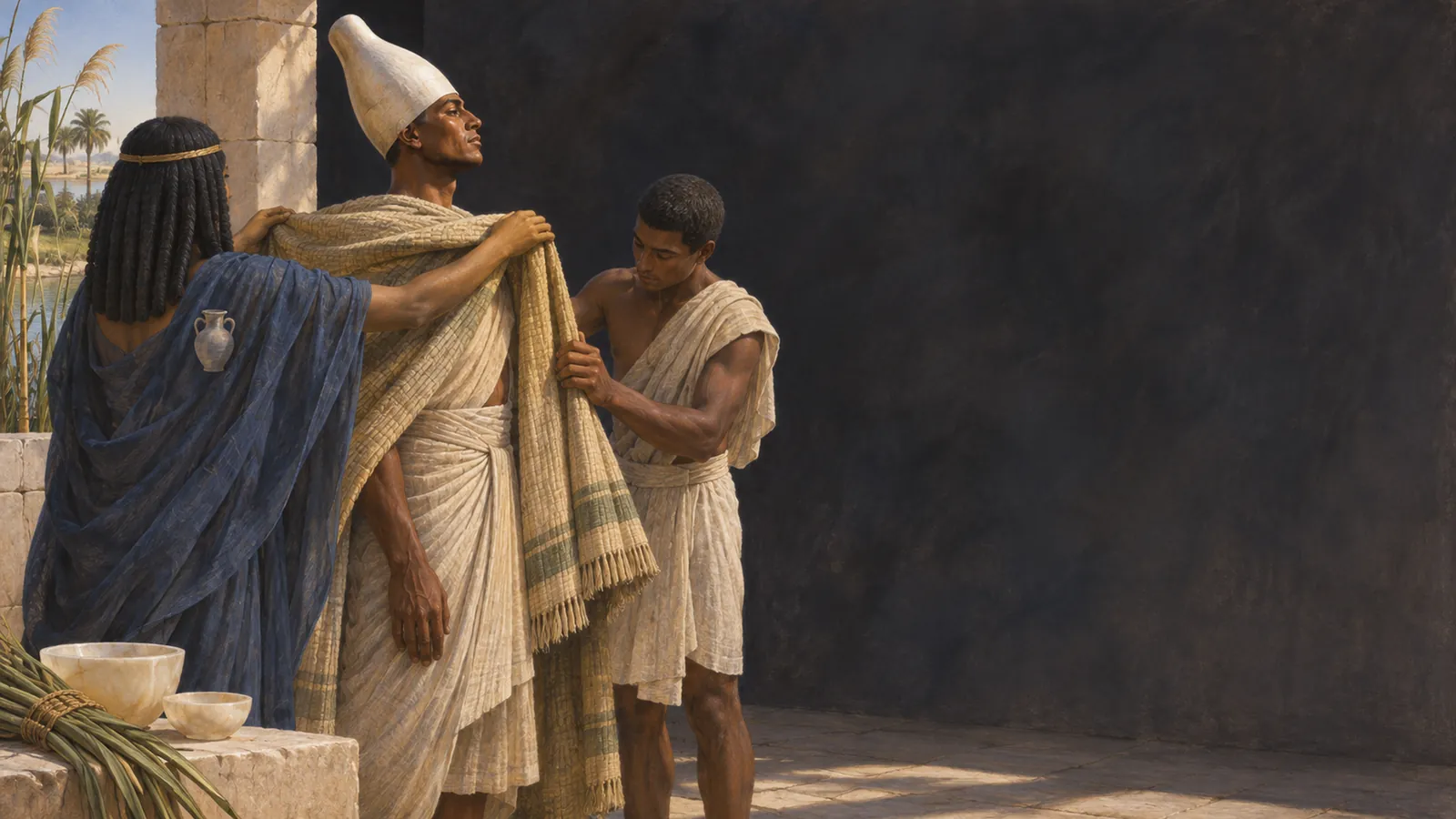
Nut says she gave birth to Teti and that he emerged from her body. She says he is the child she desired and the one in whom she takes satisfaction.
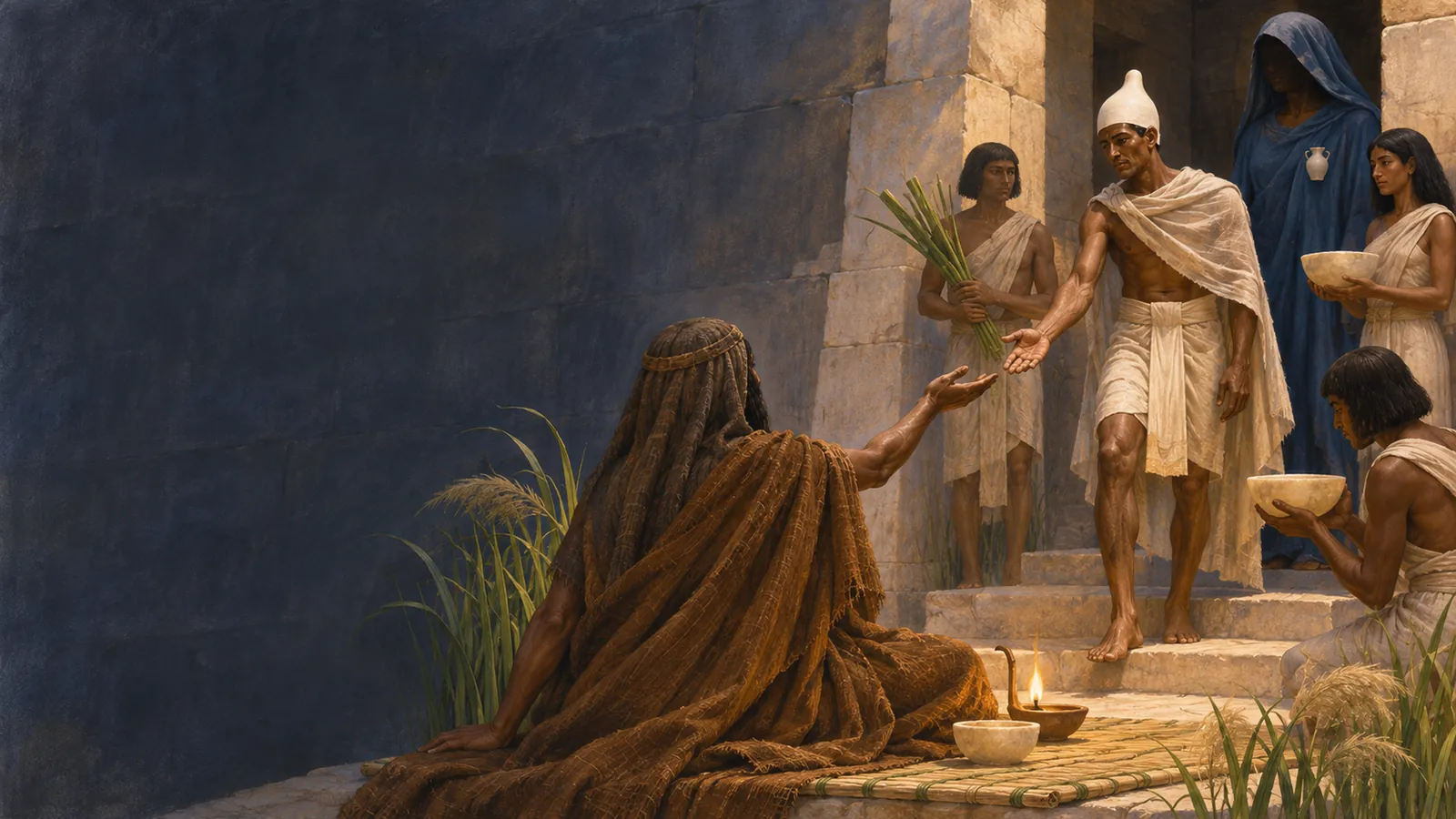
A second voice, Geb, calls Teti a son of his own body. The surviving text breaks off immediately after those words.
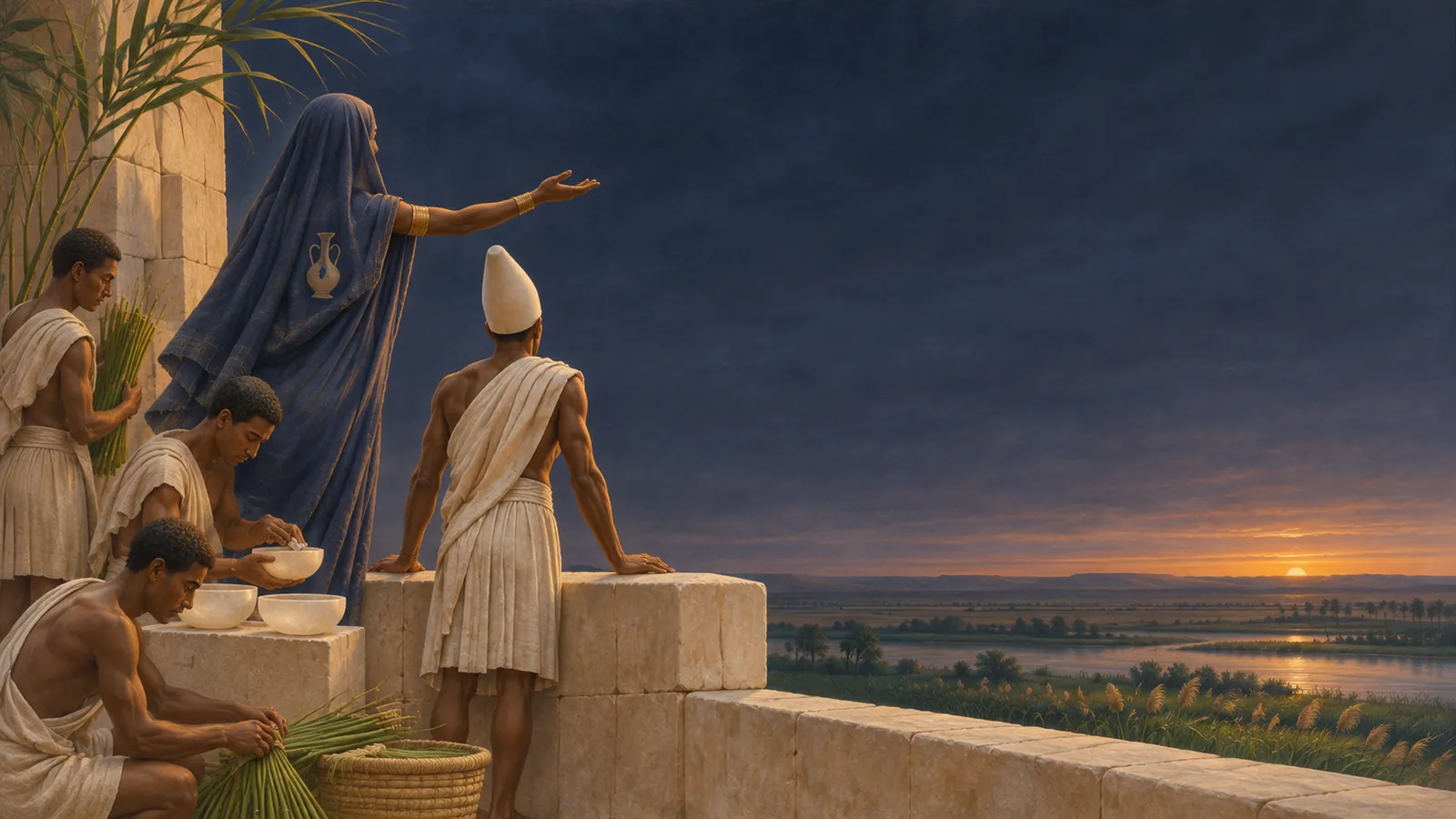
Nut, called the Elder Bud in this spell, says Teti is the son she desired. She says she has given him the Akhet so he may govern it as Horus of the Akhet.
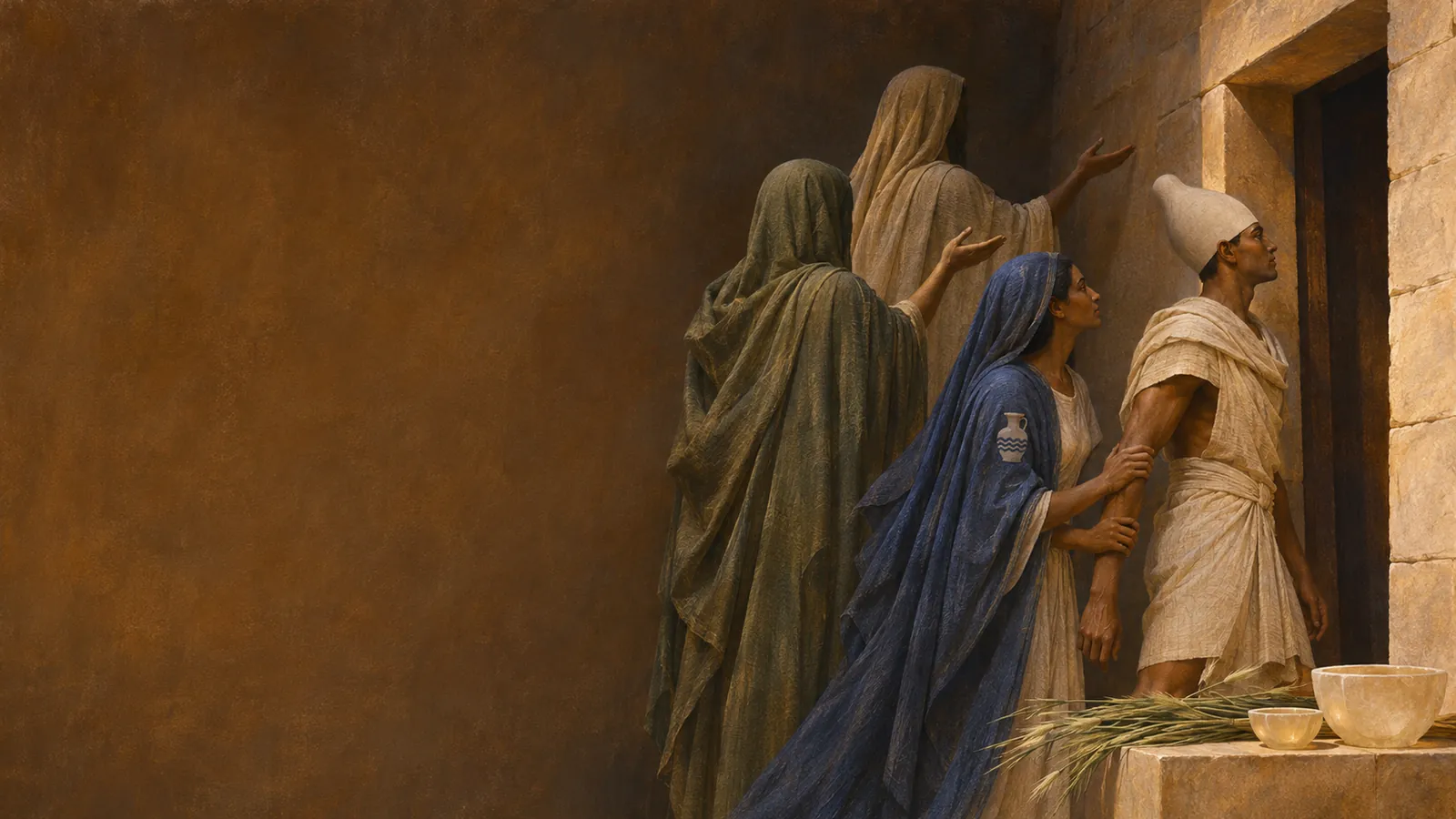
The gods in the recitation approve Nut’s choice and say that Teti is the child she desired from among her children. They ask her to escort him forever.
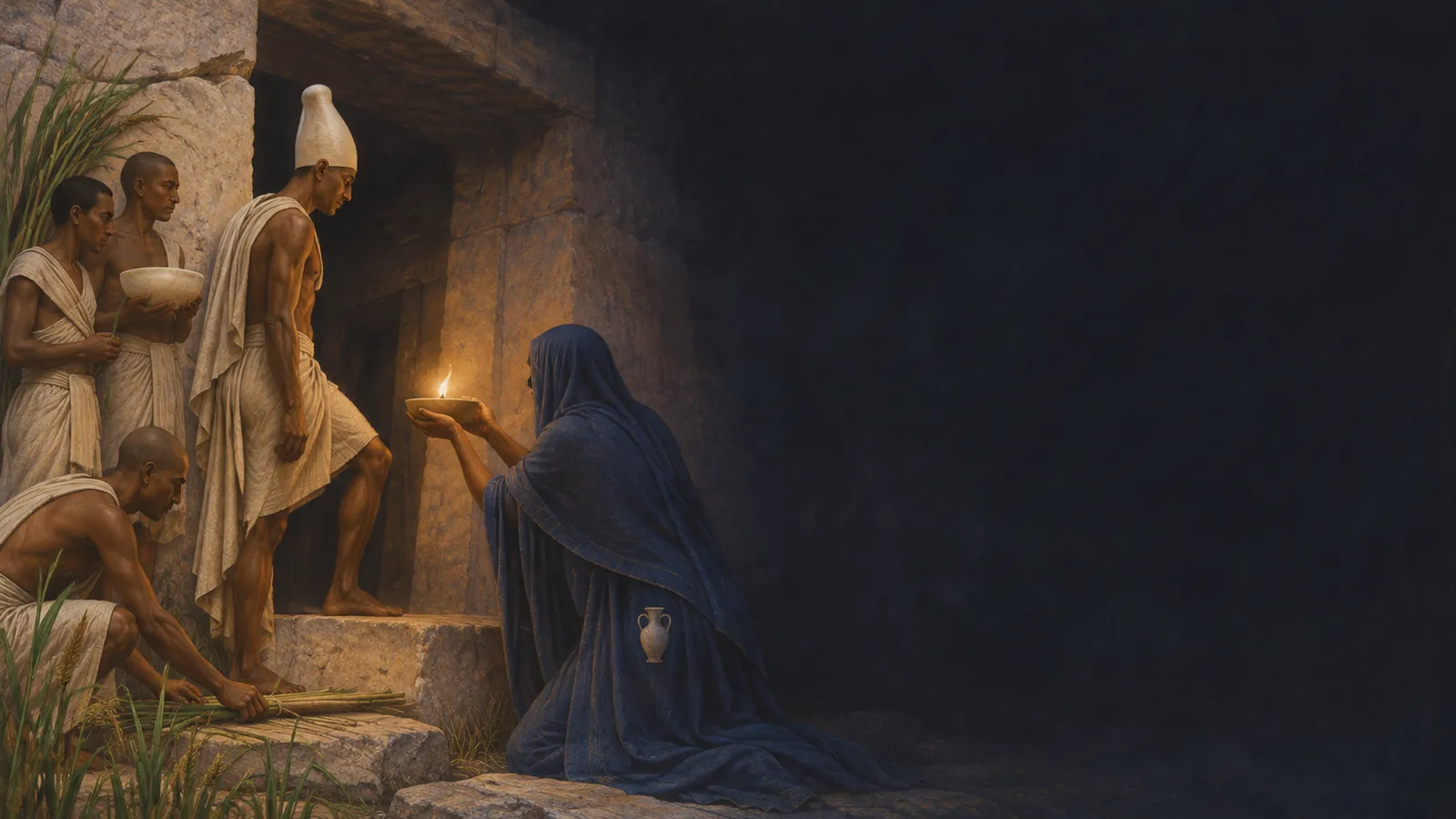
Nut, called the Elder One in the Compound of Shenit, calls Teti her son by her own will. She says she gave him the Duat so he might be foremost there as Horus.
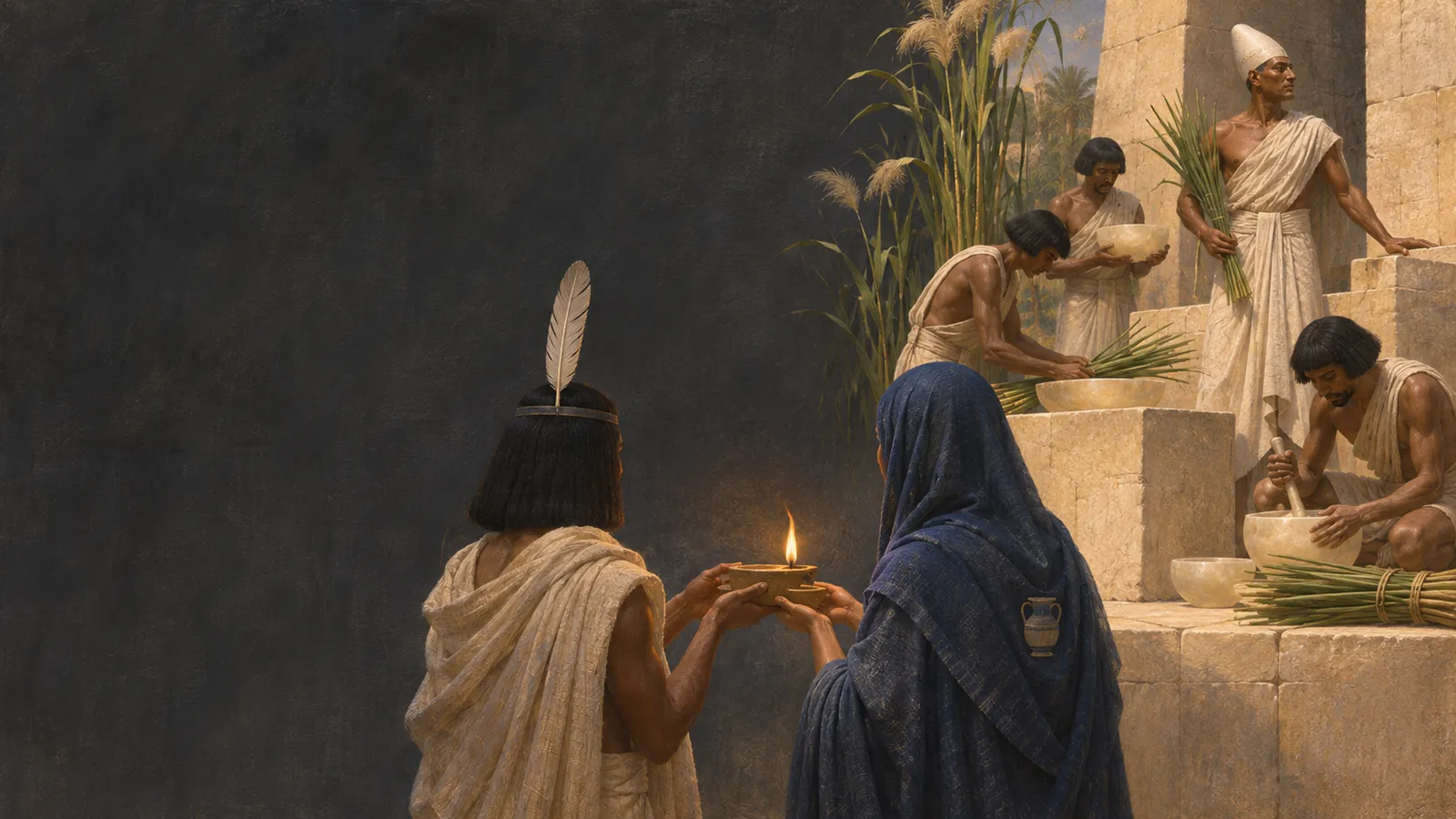
The gods say that Shu, whom they call Teti’s father, knows how much Nut loves Teti. They say that she loves him more than she loves her own mother, Tefnut.
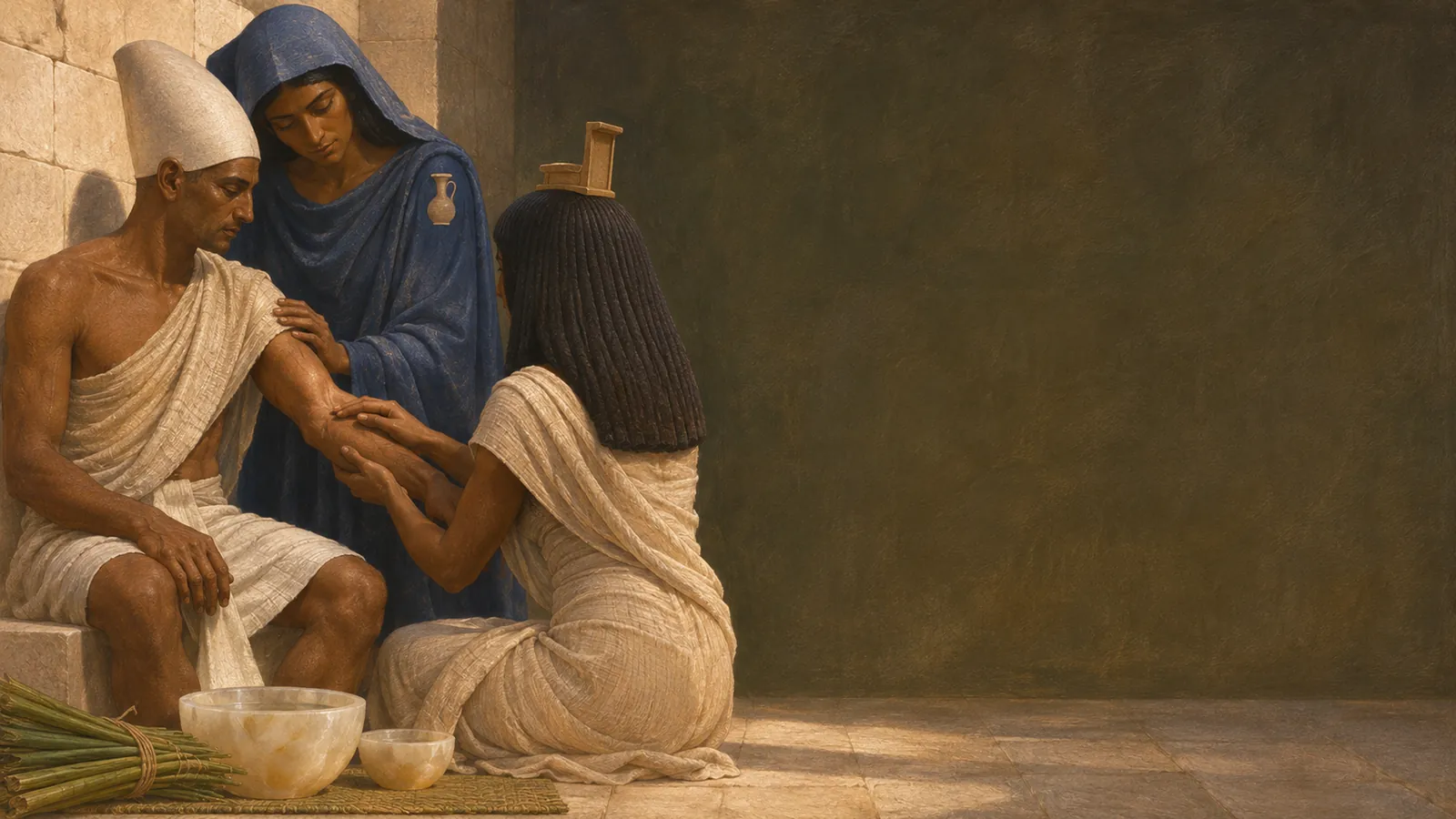
In the next spell, Nut tells Teti that she has given him his sister Isis. Isis is to take hold of him and give his mind to his body.
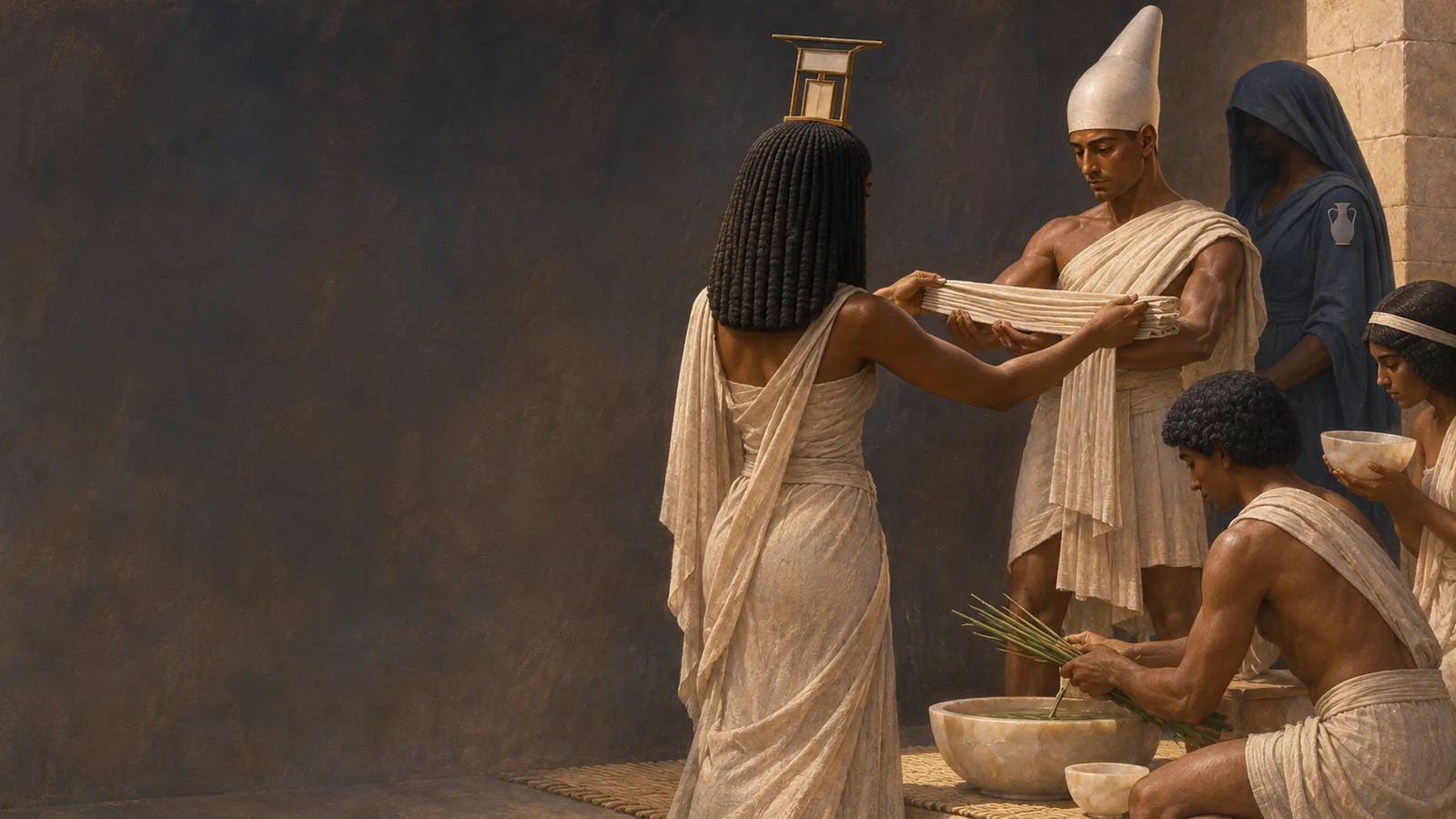
In a separate recitation, Nut gives Teti his sister Nephthys. Nut gives her the same purpose as Isis, to take hold of him and give his mind to his body.
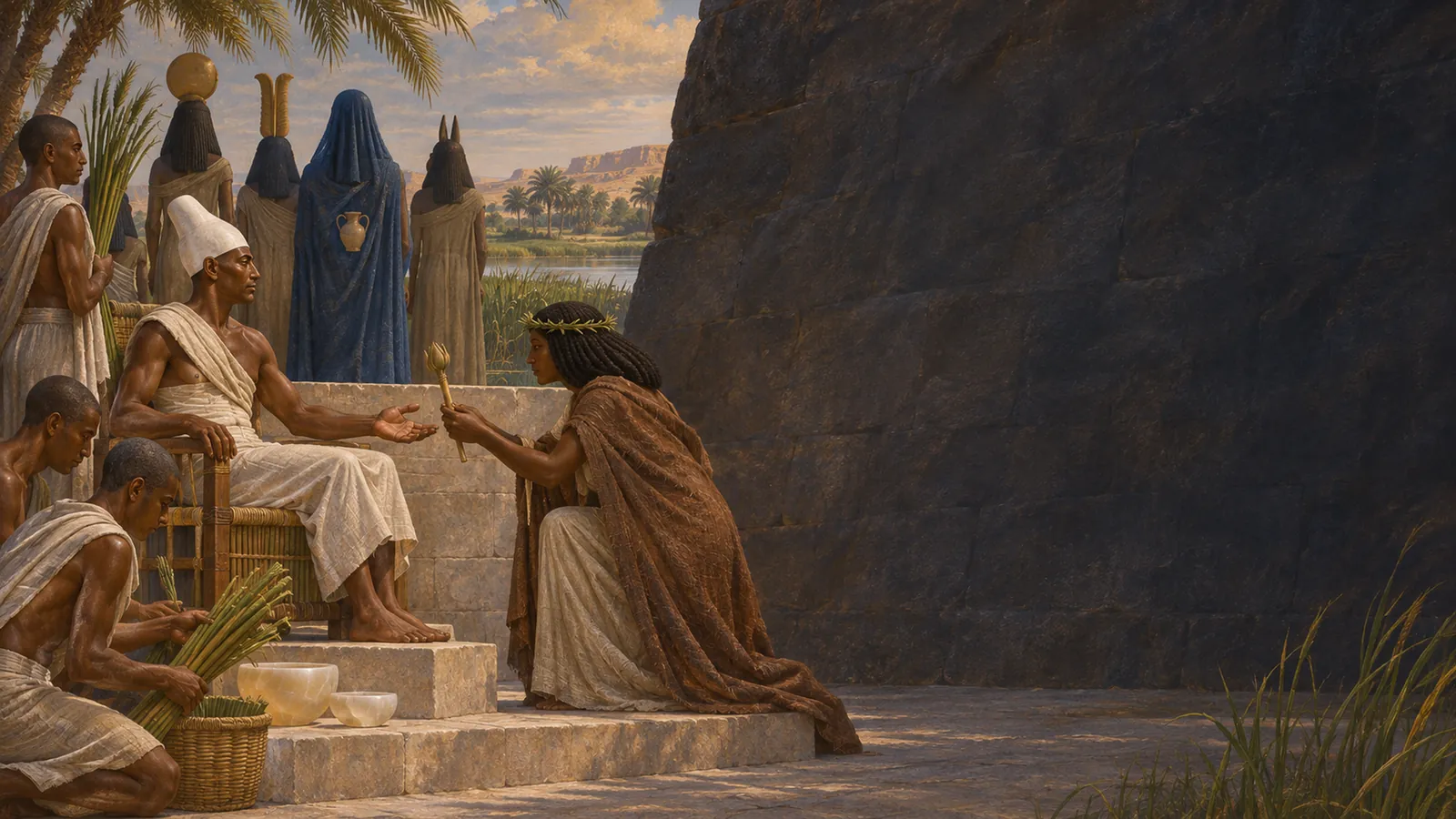
Nut, called the great one of the Lower Compound, names Teti her desired son and the firstborn on Geb’s throne. She says Geb is content with him and has given him his inheritance before the Big Ennead.
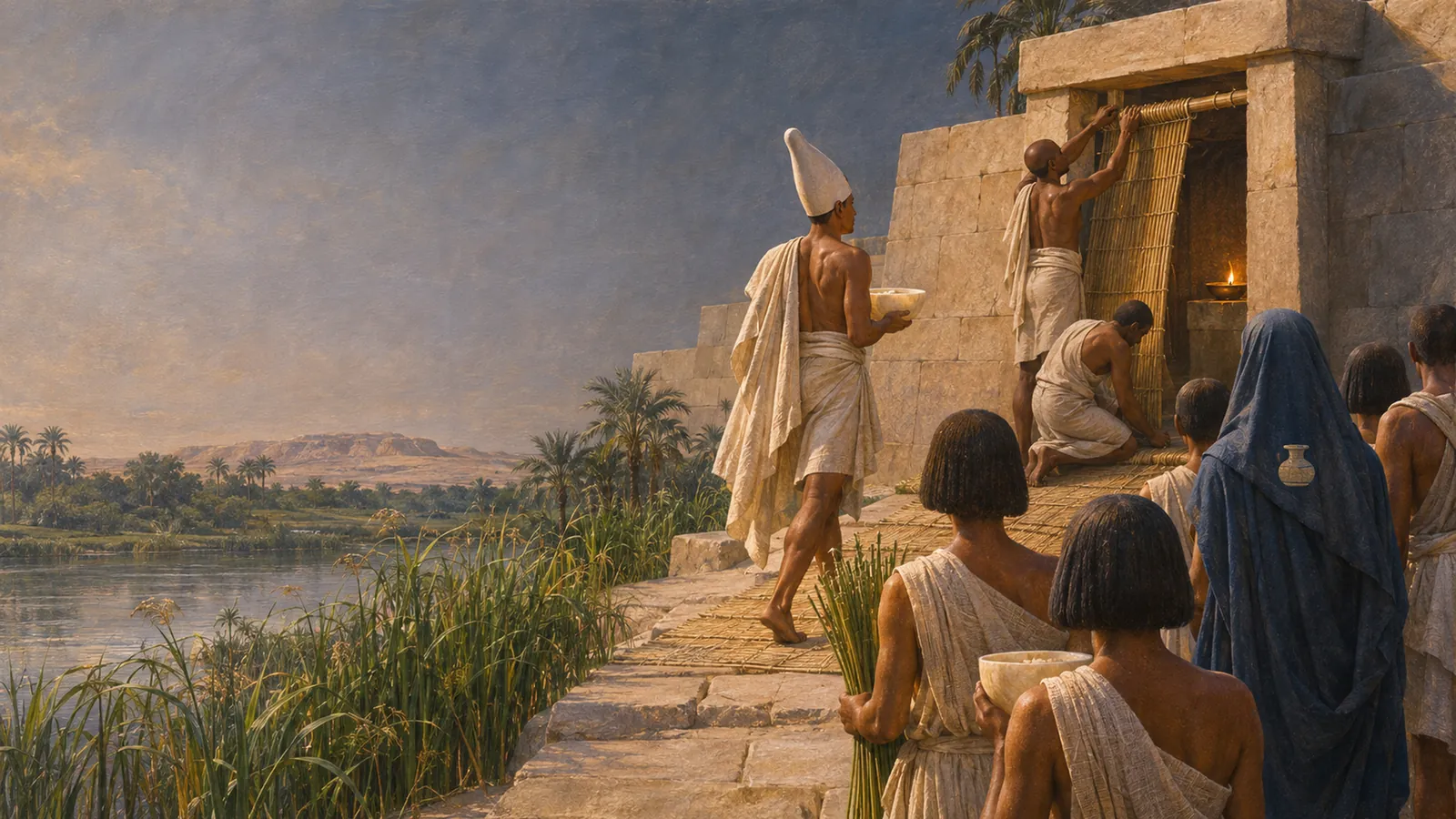
In the final words of the sarcophagus group, the gods speak with excitement. They exclaim that Teti is happy because his father Geb is content with him.
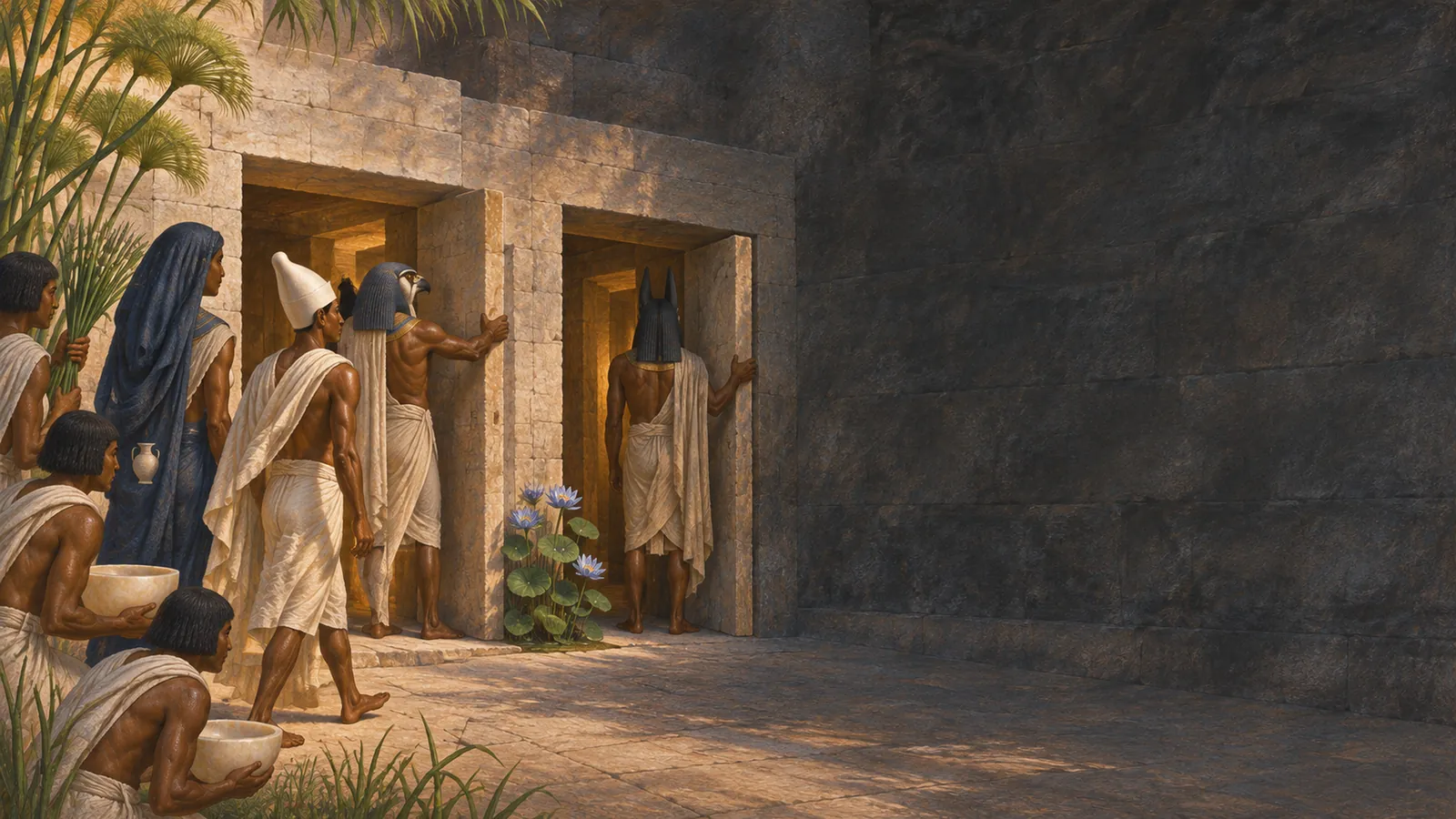
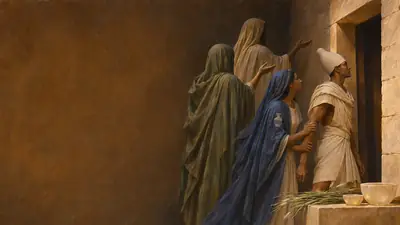
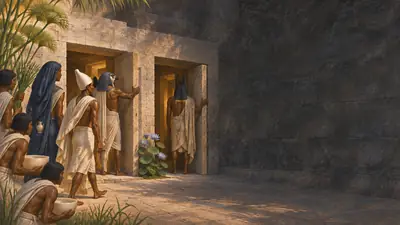
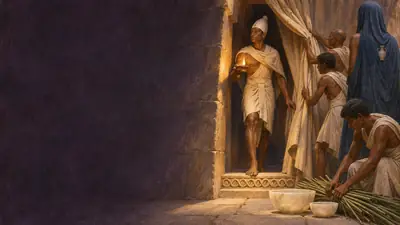
The ascent recitation calls for the sky and the earth to open. The door in the compound wall opens to Horus, and the door of the lotuses opens to Seth.
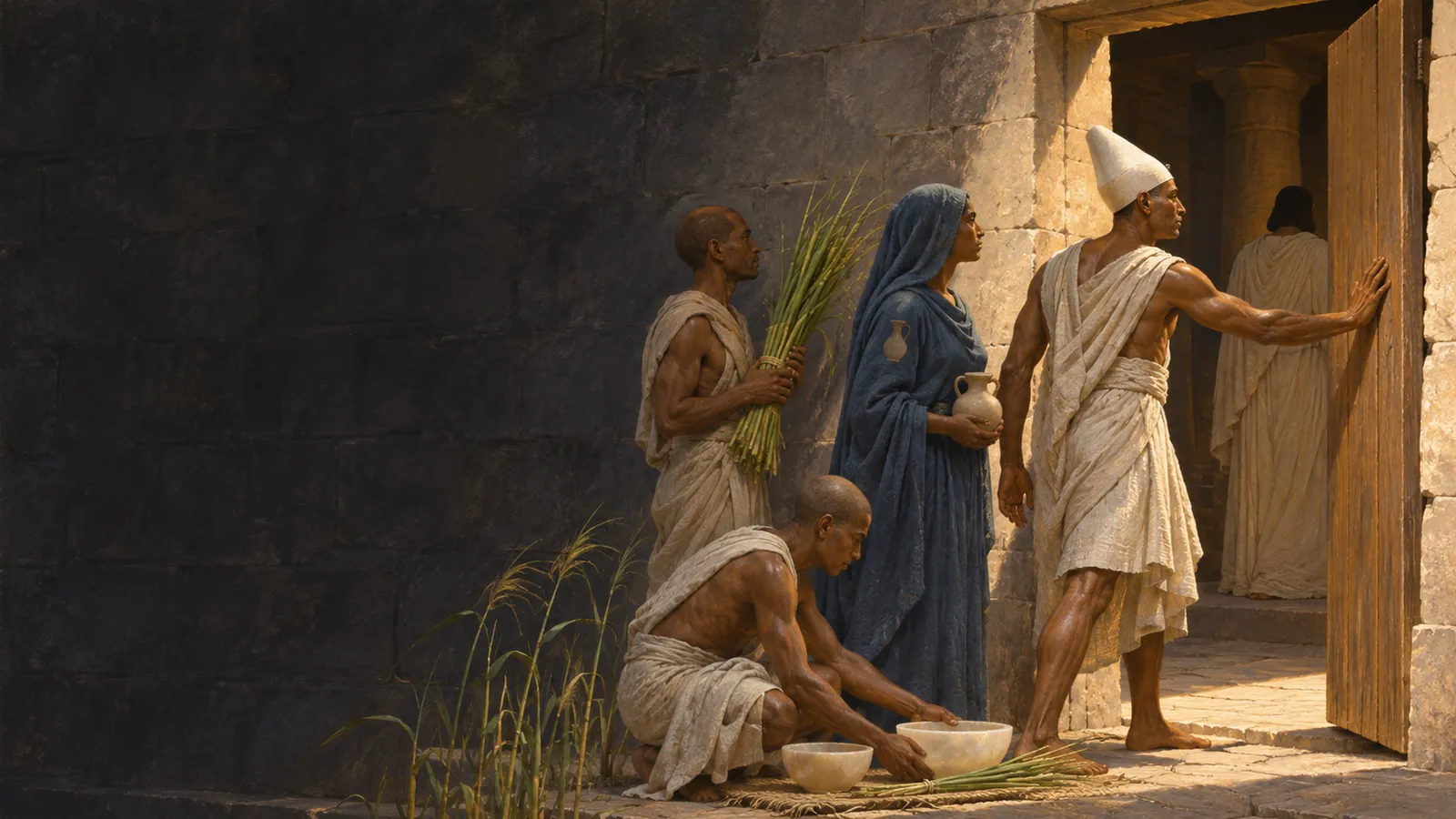
The speaker asks the door to turn over for him as the one at the front of his wall. He says he has passed by the door as Atum.
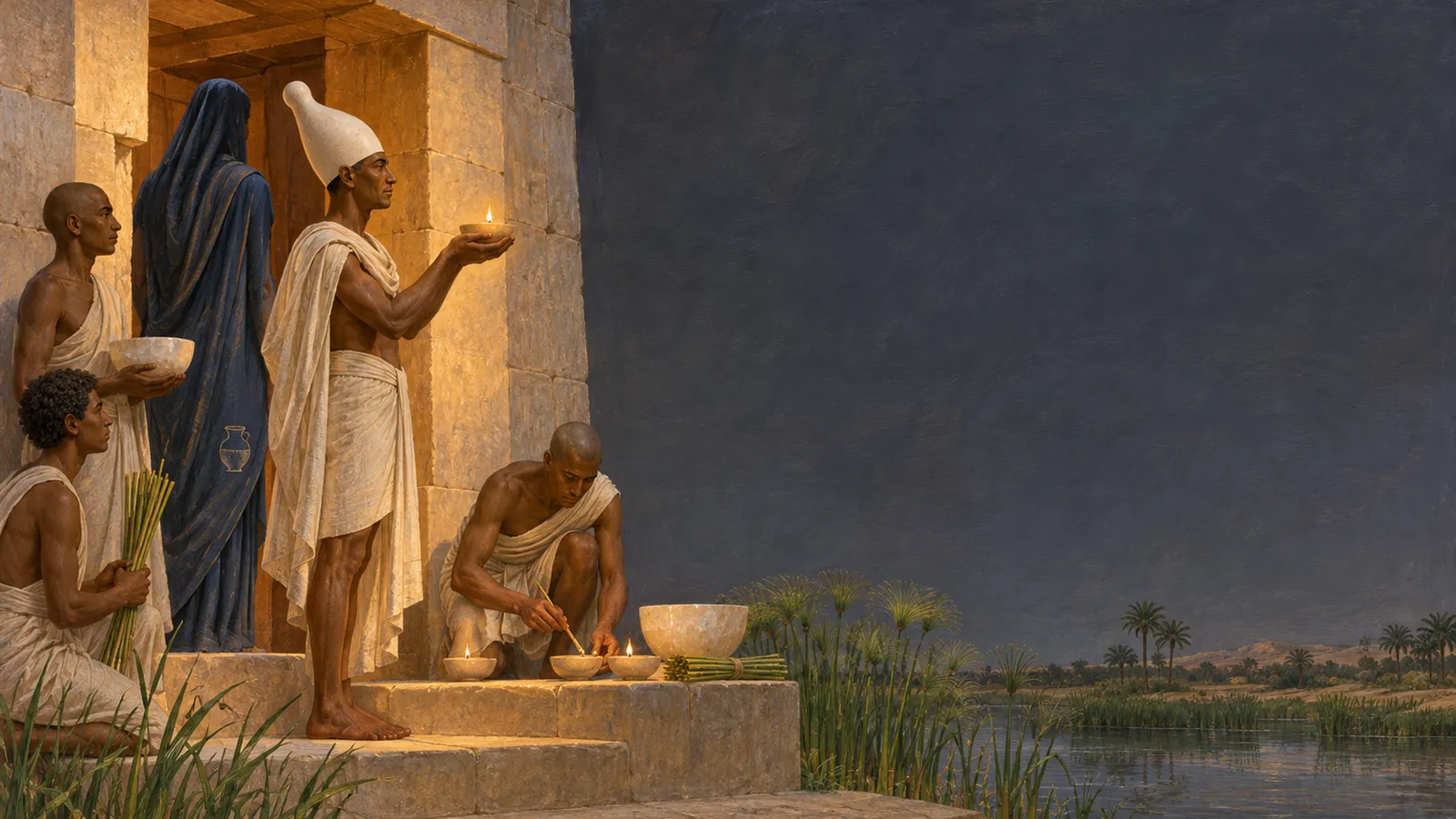
The closing words of this recitation call the speaker Apparent in Heat and place him in the midst of Negau.
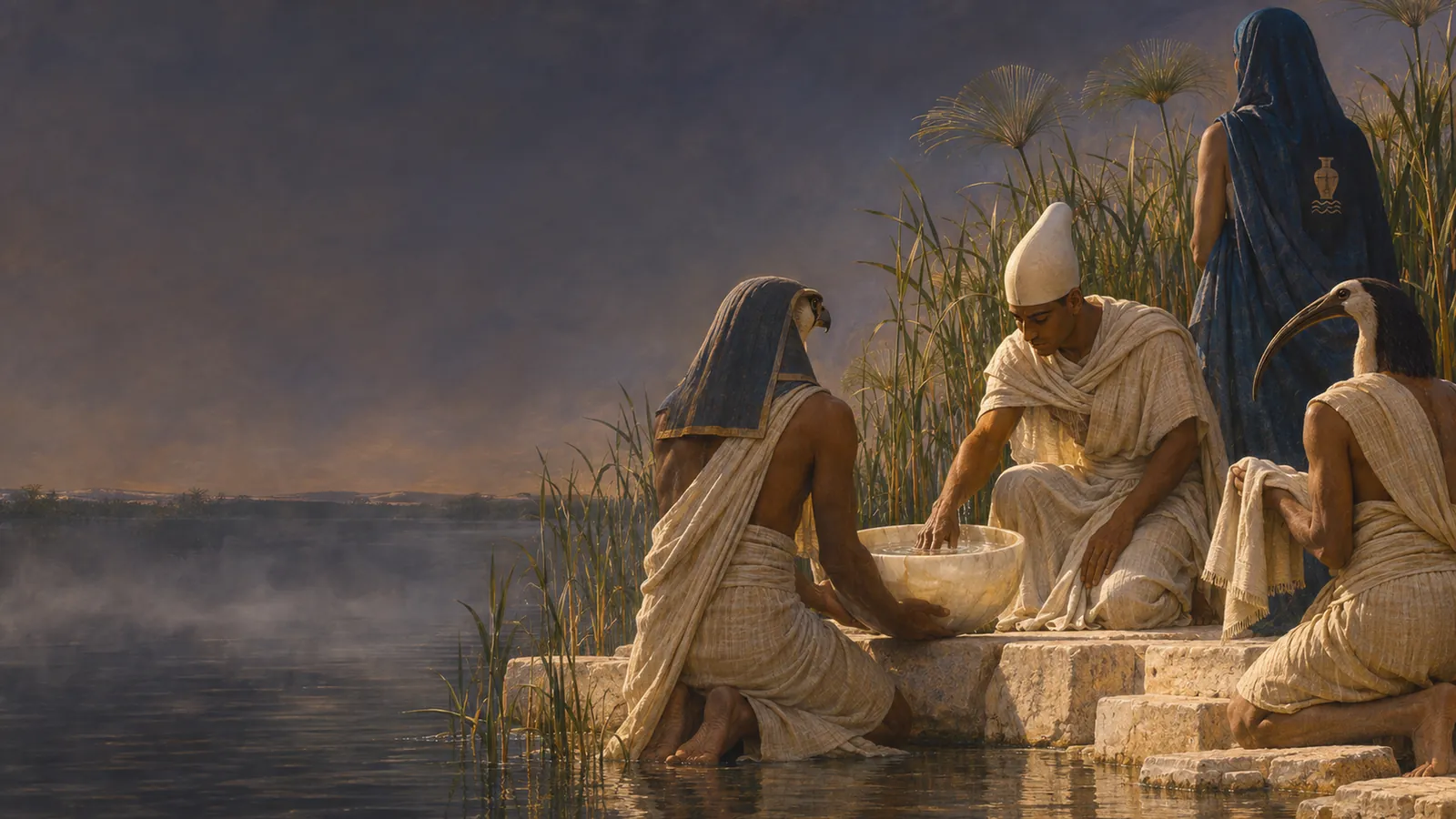
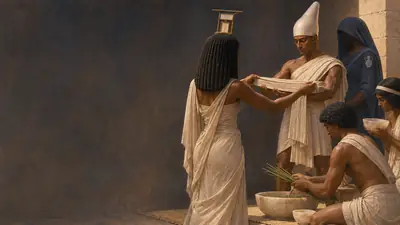
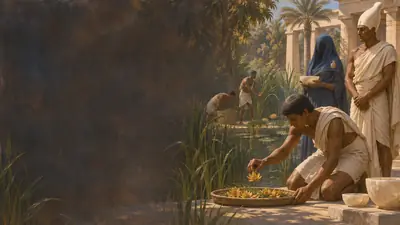
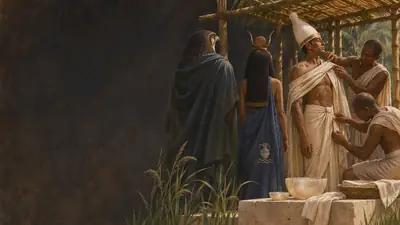
The speaker says he becomes clean with the Sun in the Lake of Reeds. A following voice says that Horus scrubs his flesh and Thoth scrubs his feet.
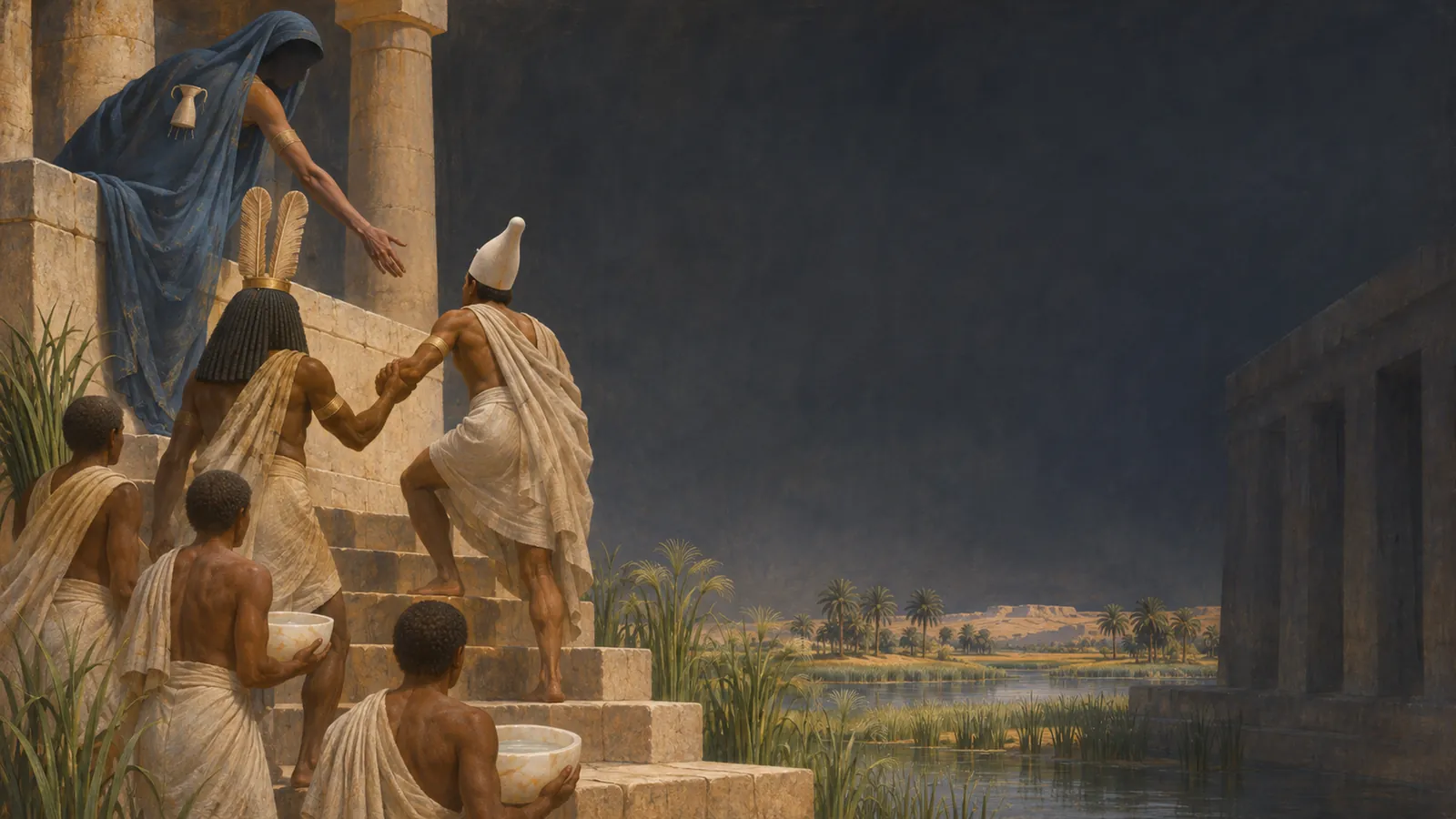
At the end of the recitation, the speaker asks Shu to lift him high. He asks Nut to hold out her arm to him.
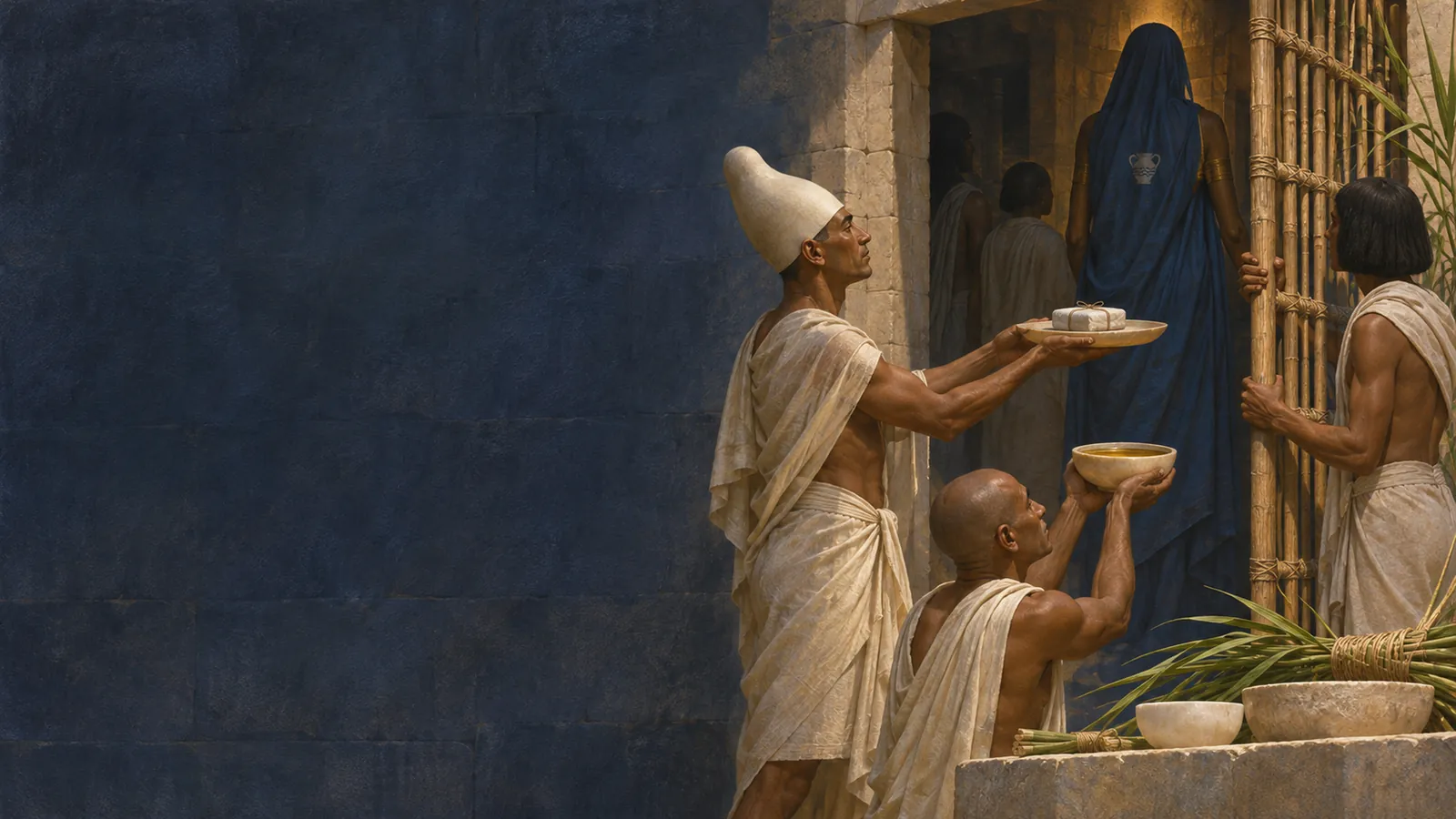
The speaker greets Horus’s doorkeeper and Osiris’s gatekeeper and asks that they tell Horus who he is. He says he has brought what Allen renders as hair-spit.
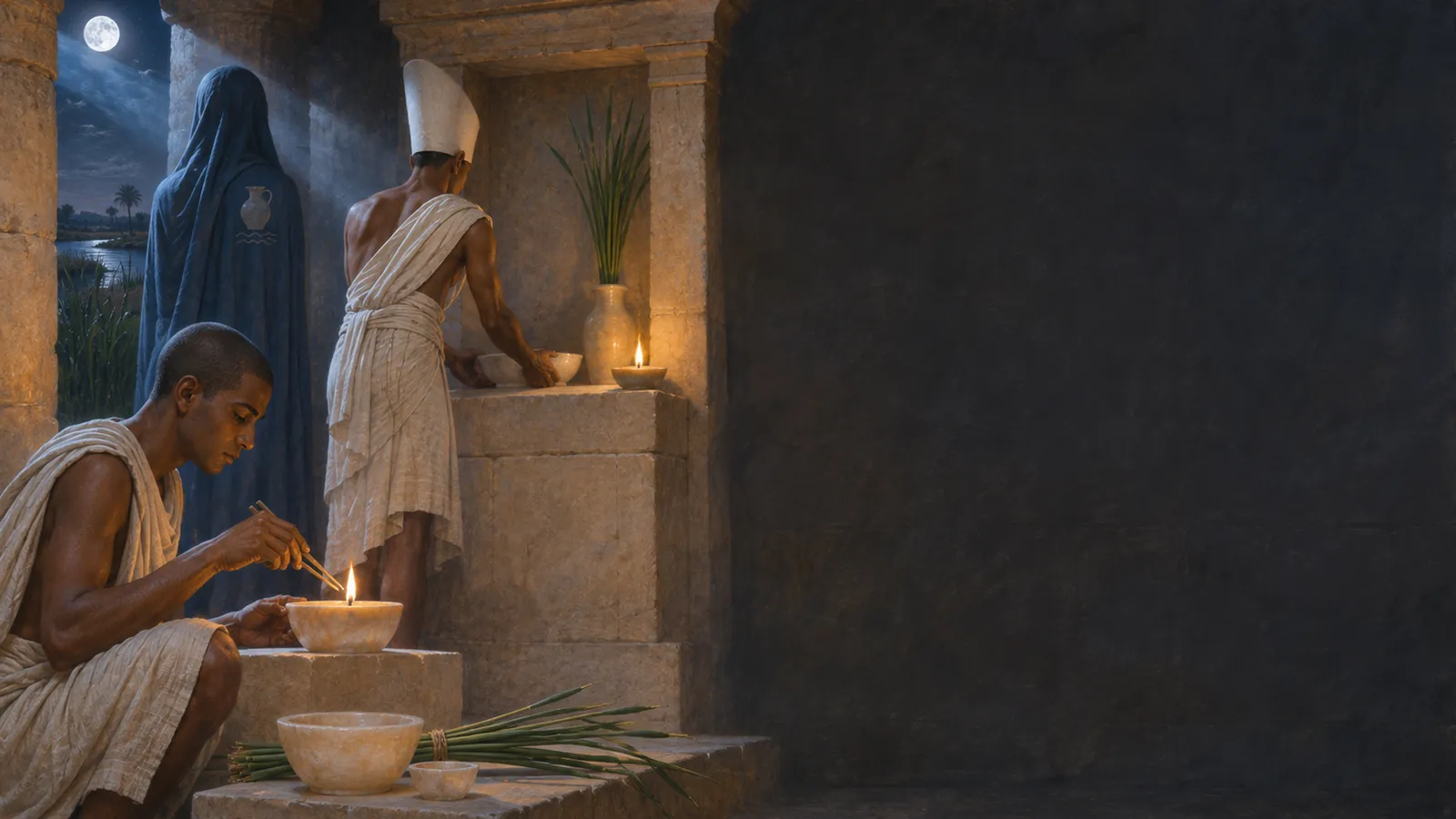
The spell says that Horus’s hair is unwell at the beginning of the month and bald at mid-month. A voice tells the speaker to soothe it with the magic of the gods when it first comes into being.
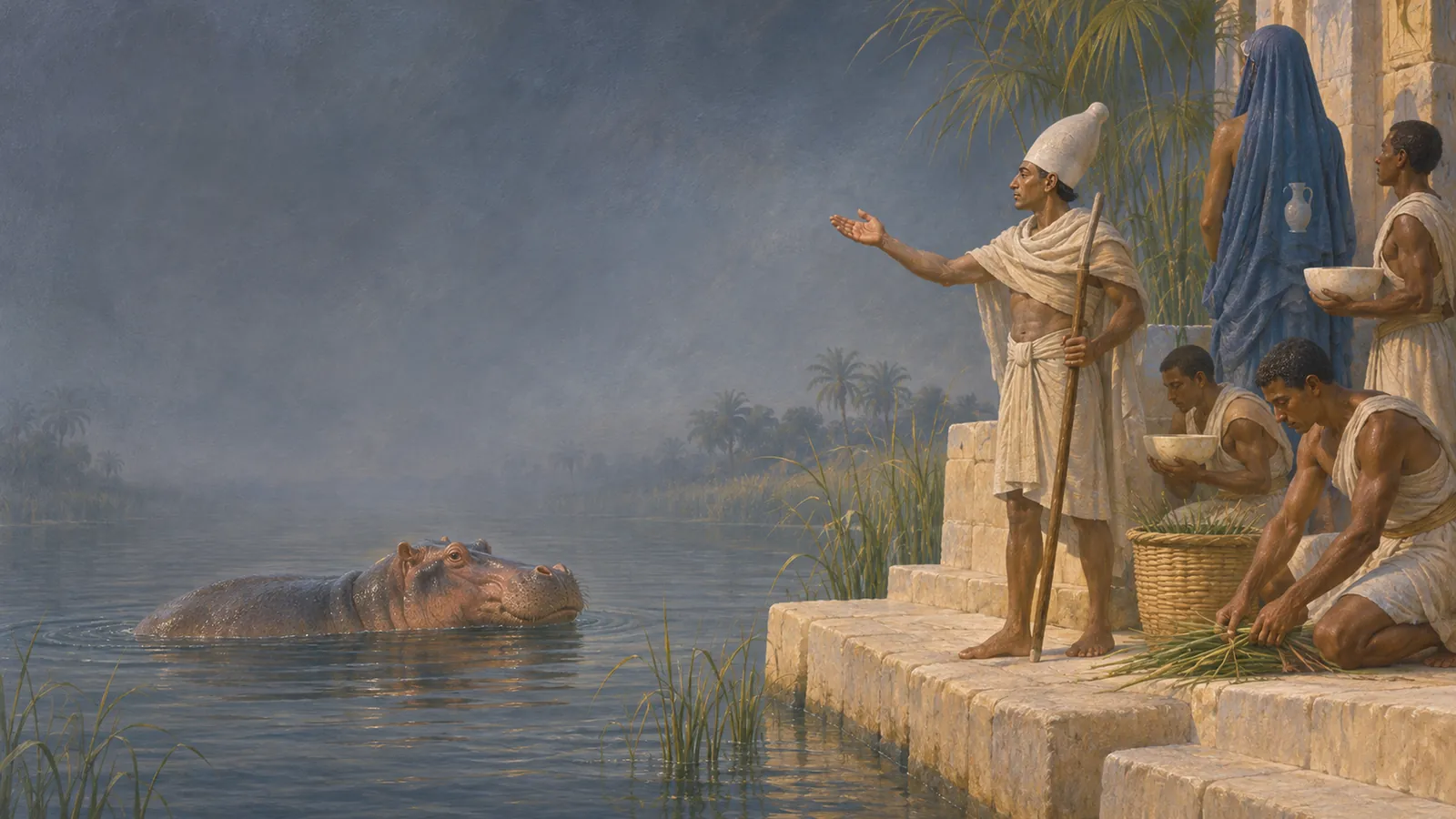
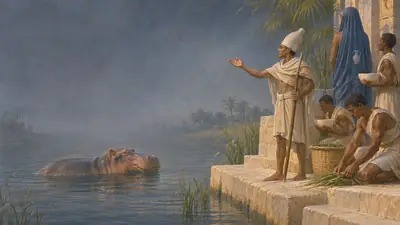
The speaker addresses the she-hippopotamus in supplication and says she came against him. He took one of Horus’s two scepters from her and struck her with it. Her reply greets him as he first comes into being.
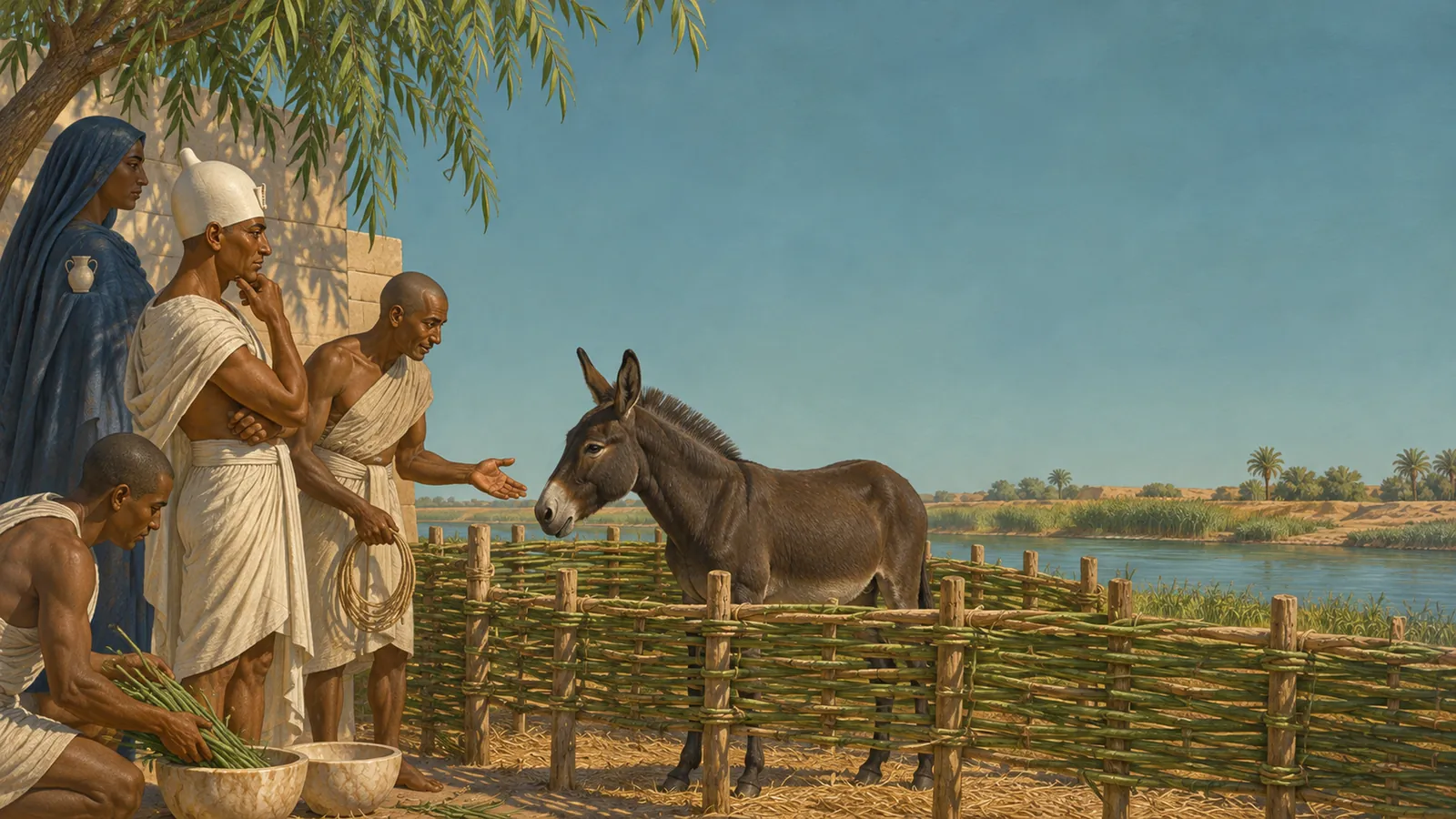
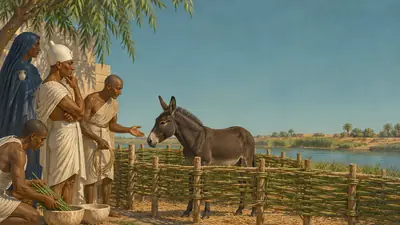
The speaker greets the monstrous she-donkey, then says she came against him. He says he struck her with a tail that grows in the lake of Osiris.
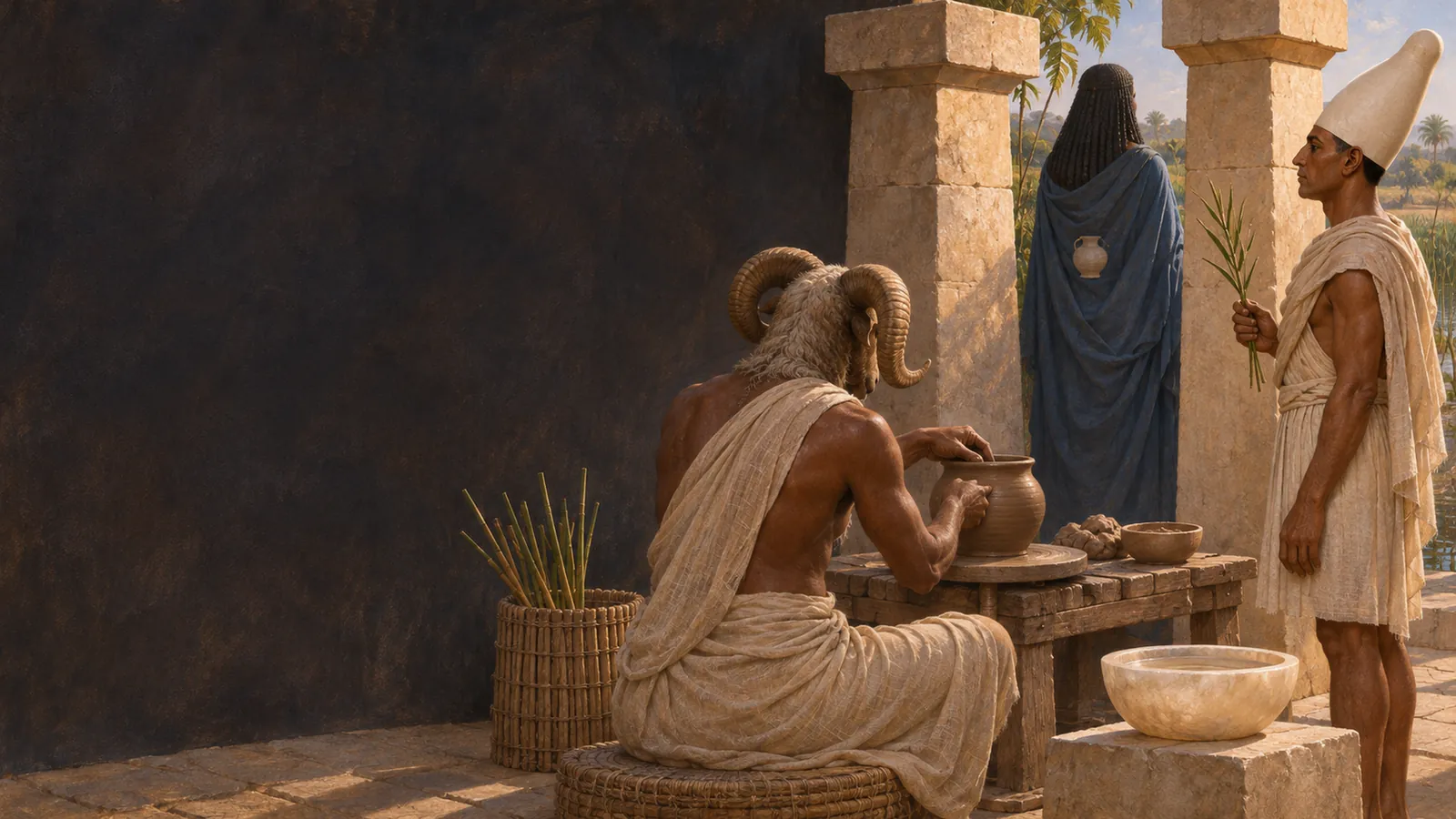
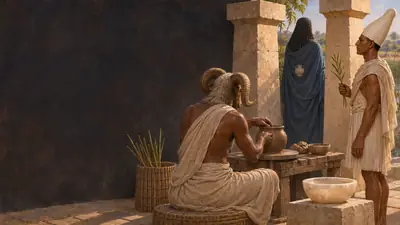
He addresses Khnum, who is constrained to build him, as an ëmë plant he treads on that cannot grow back between his toes. In the reply, the speaker is called one of the two pillars of the Big Compound.
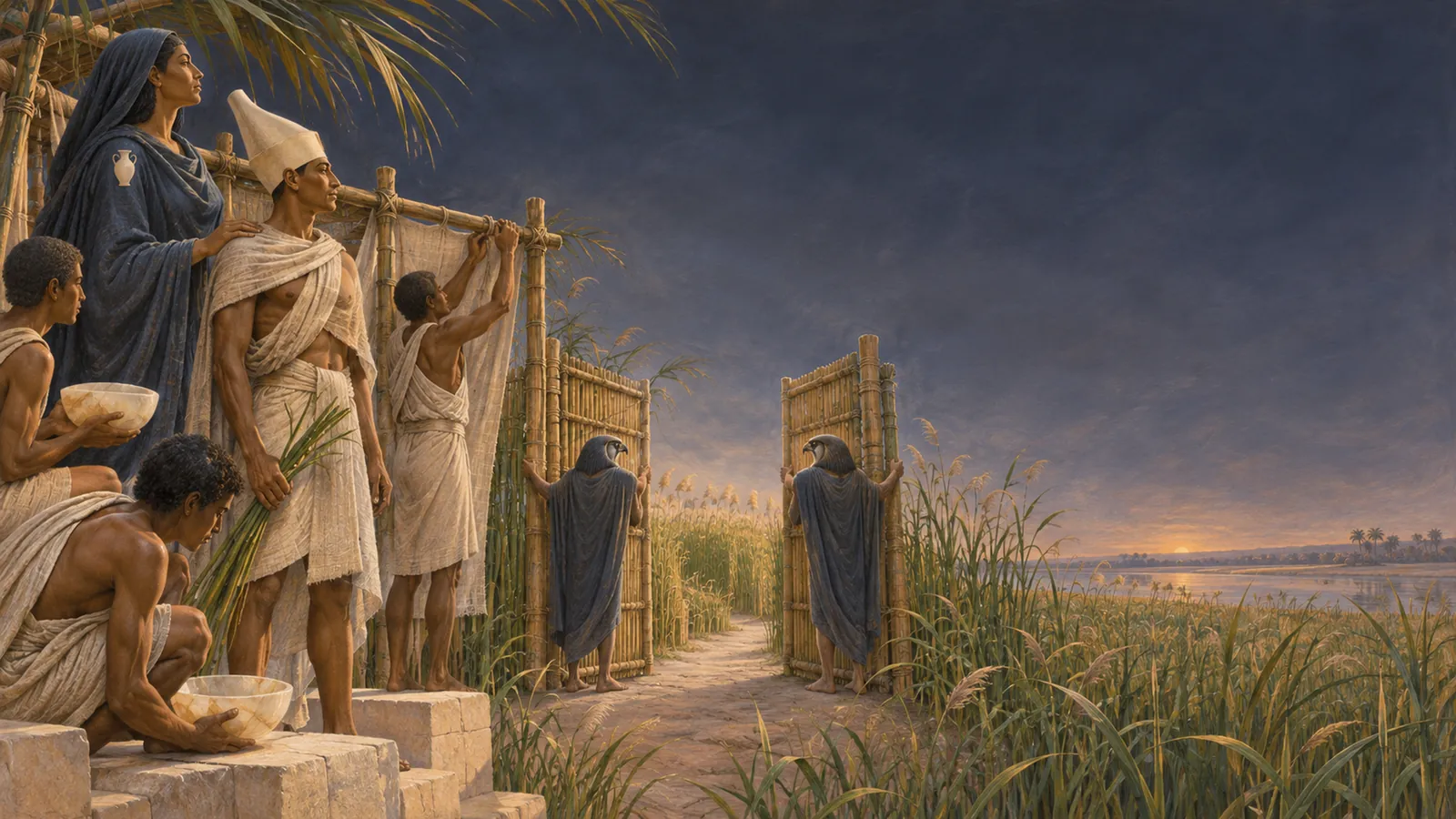
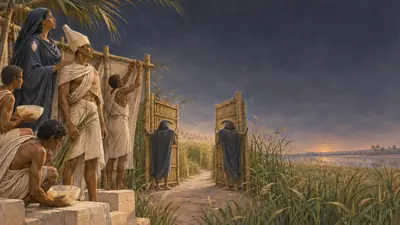
The recitation names Horus of the gods, Horus of the Akhet, eastern Horus and Horus of Shezmet. At dawn the sky’s doorway and the Cool Waters’ door open for each to emerge and become clean in the Field of Reeds.
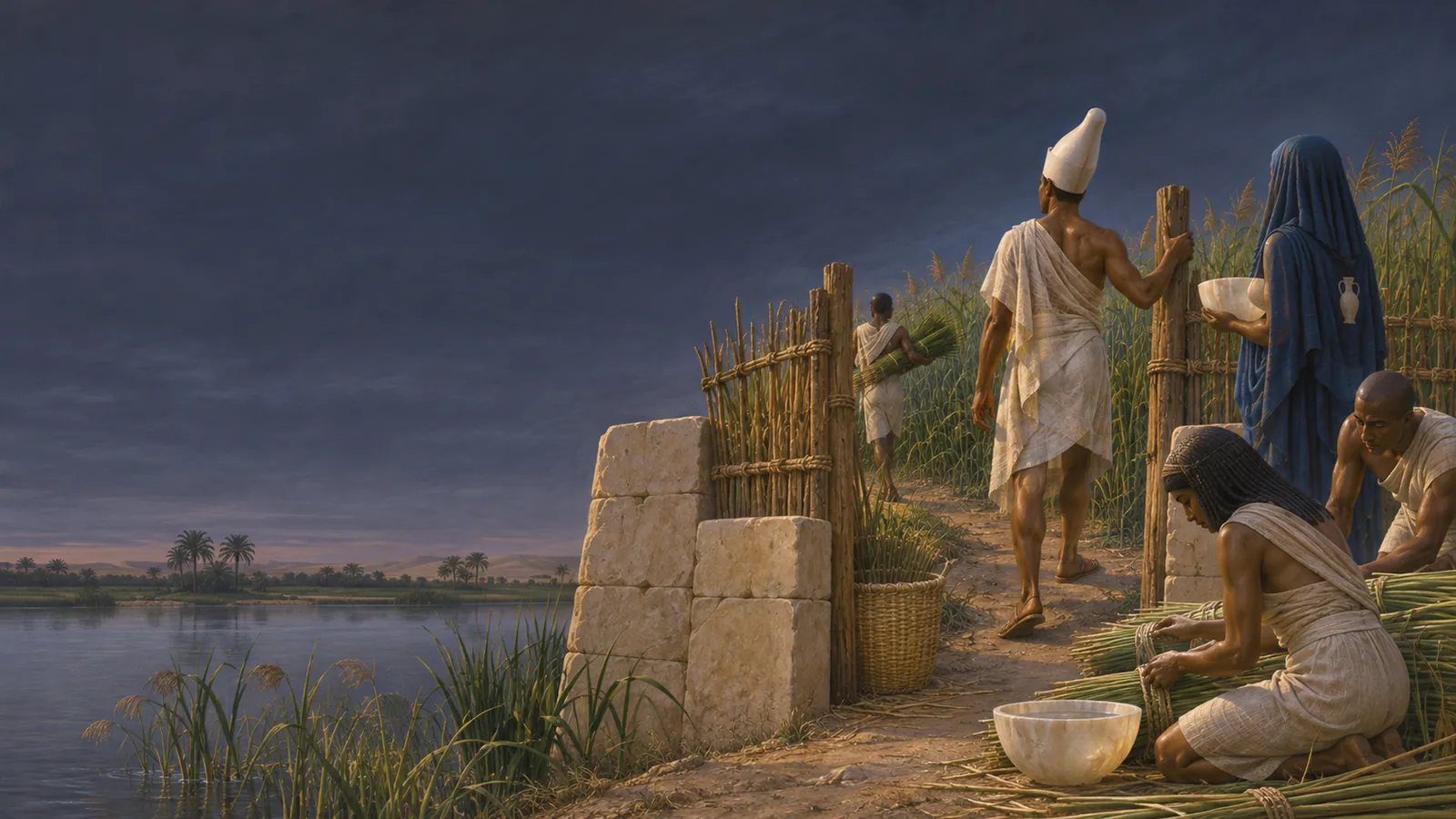
DAYBREAK
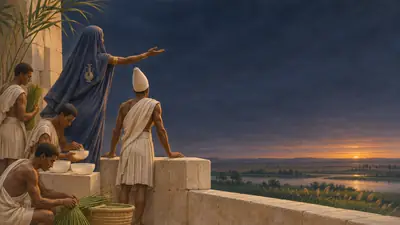
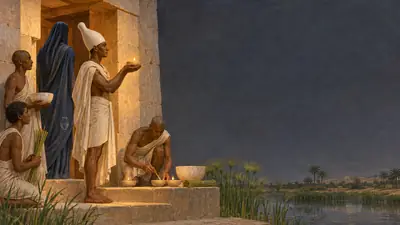
The speaker now says that the sky’s doorway and the Cool Waters’ door open for him at daybreak. He is to emerge and become clean in the Field of Reeds.
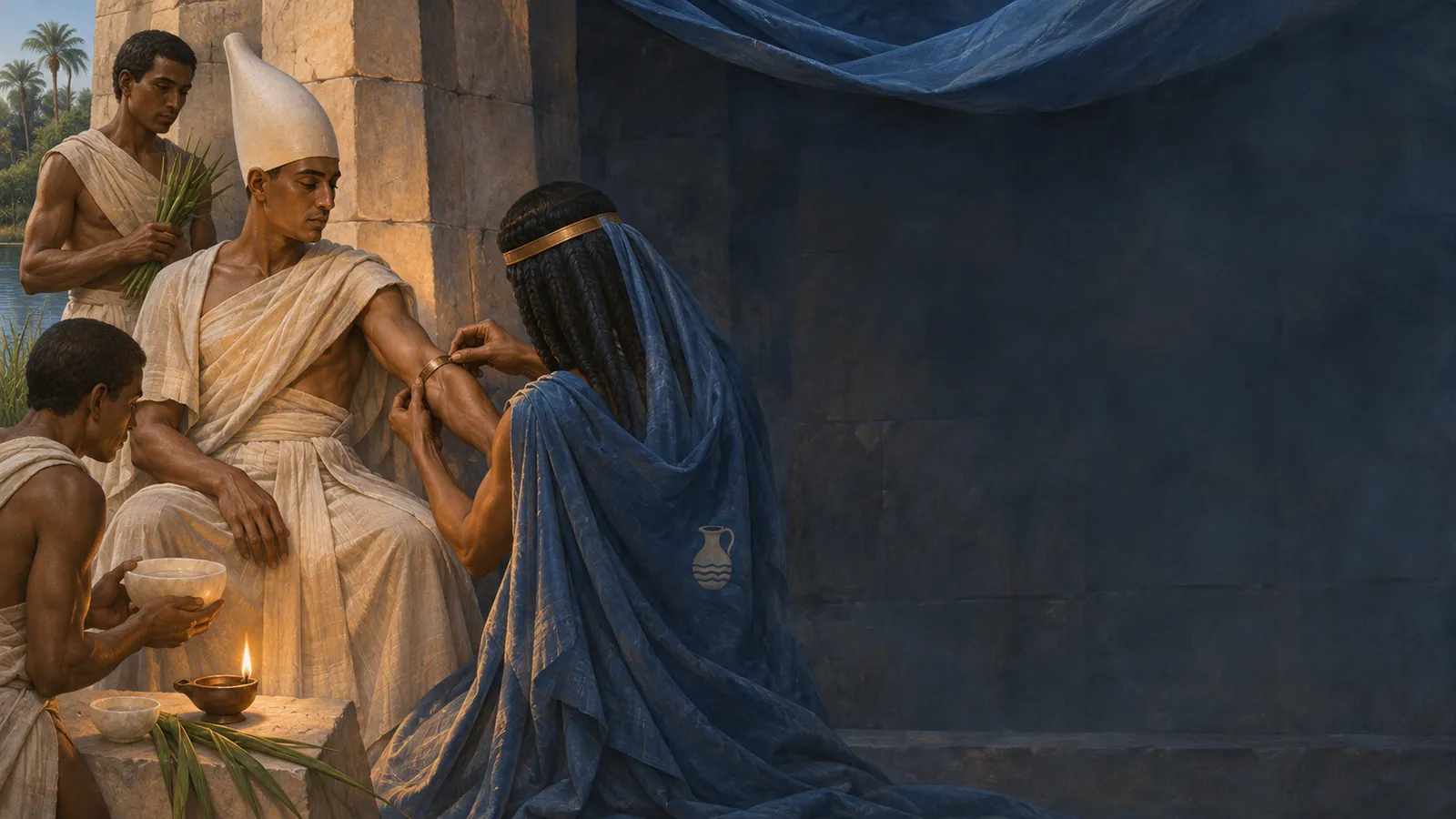
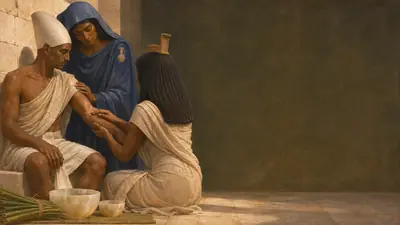
The speaker says he becomes clean and receives his metal bones. He says he stretches out his imperishable limbs in the womb of Nut, his mother.
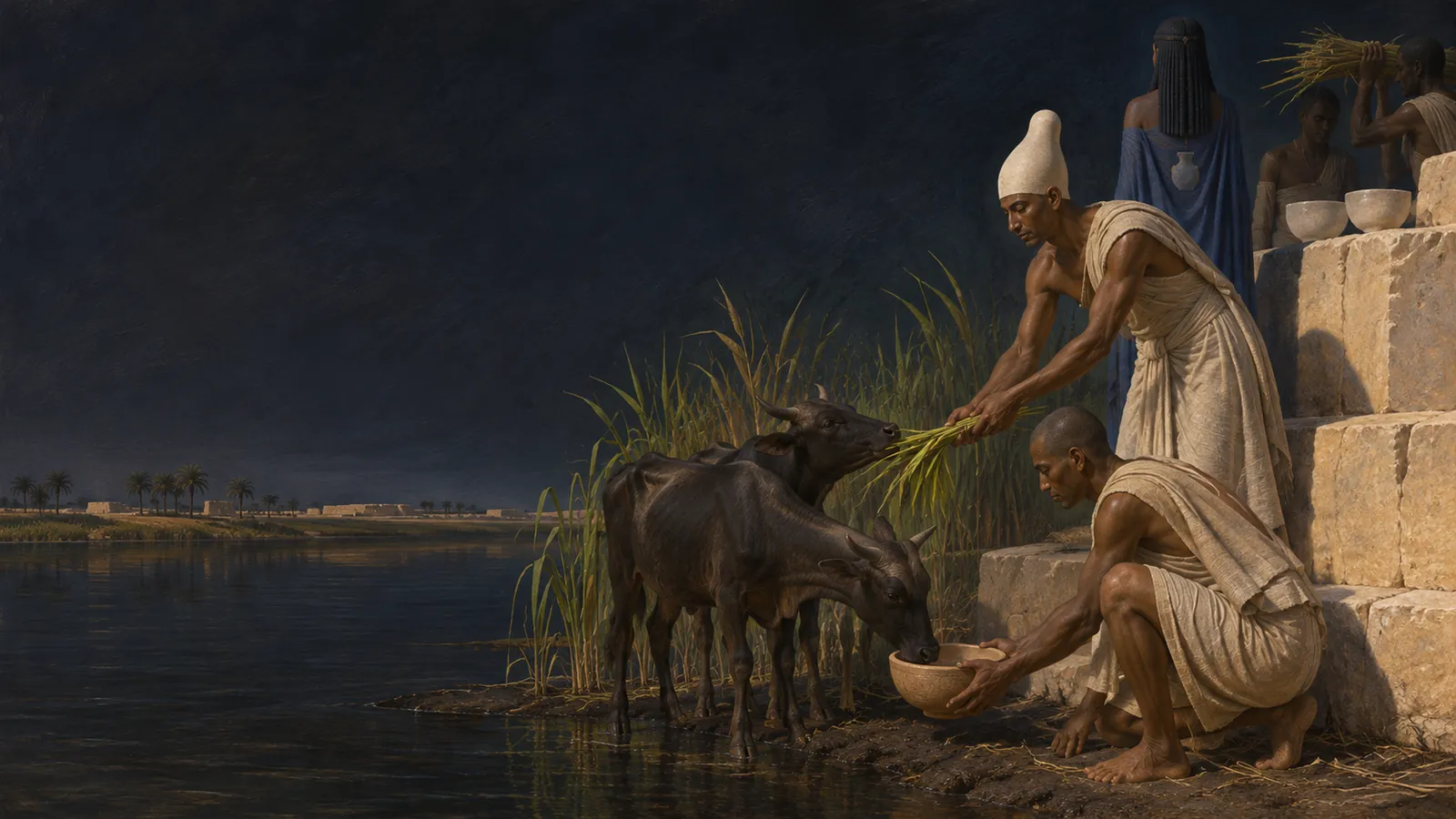
He asks the Sun for its arms so Shu might take him as a companion forever. He says he was suckled by the two black cows who nurse the bas of Heliopolis.
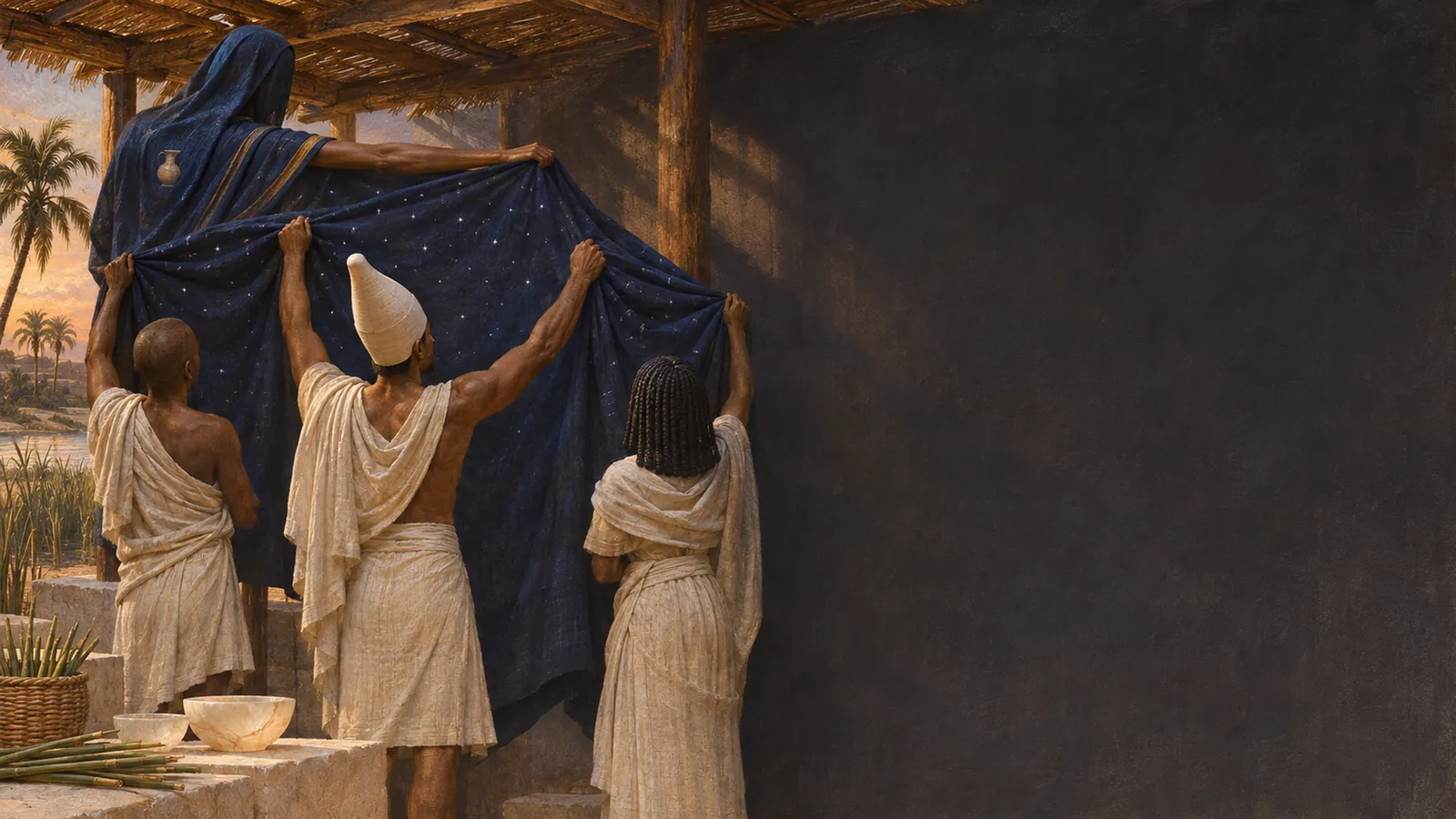
Speaking to Hepatj, the reciter says the sky’s womb has swollen with the force of the god’s seed. He identifies himself as the seed within it.
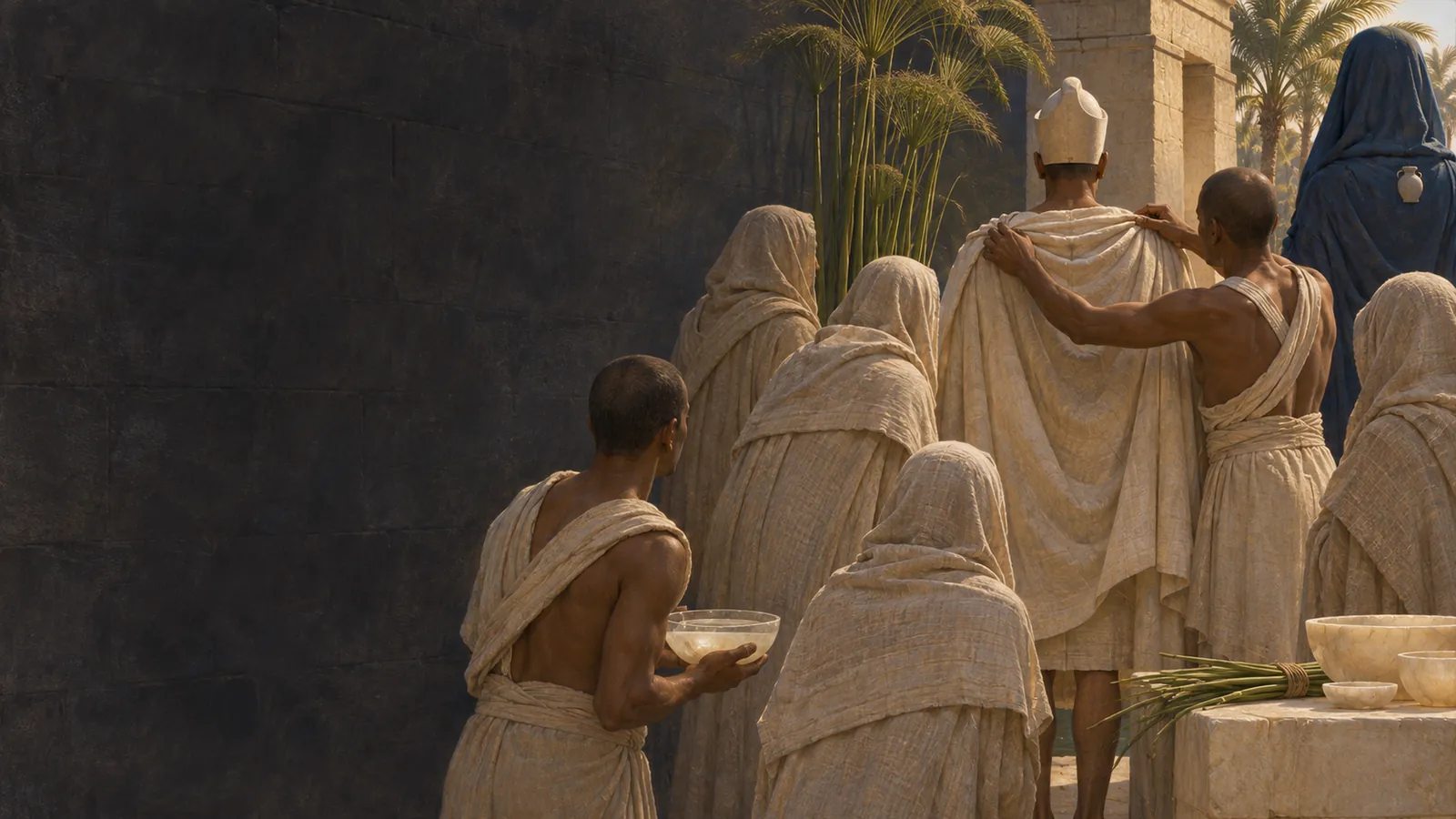
The speaker calls on Hepatj, Ululator and Zemnenu. He says the cloak he received has purified and established him as a god, and asks them to settle him among them.
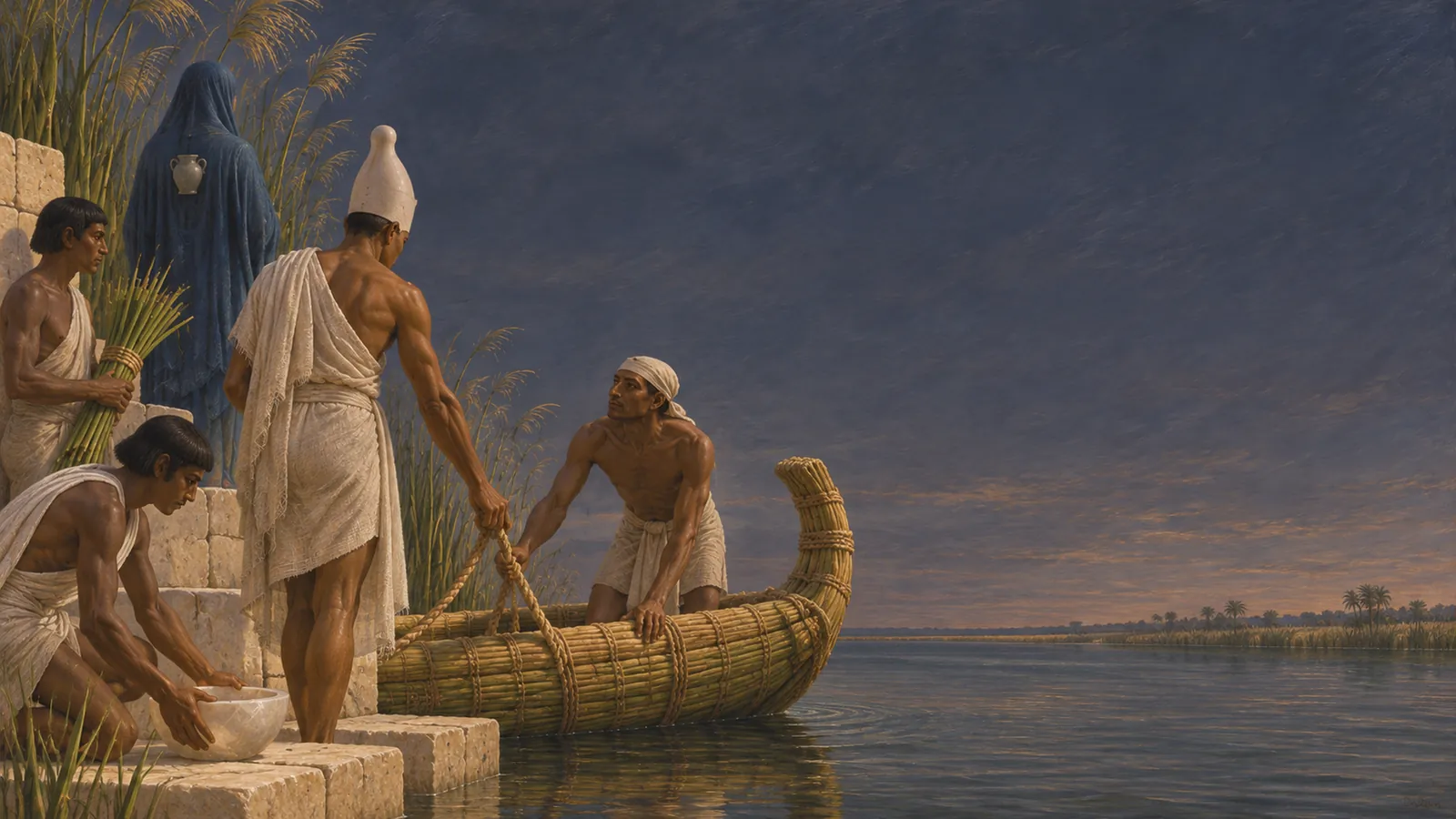
The speaker addresses the dark-fronted canal swimmer of Horus, whom the spell places at the Sun’s neck. He says that both of them are meant for the sky.
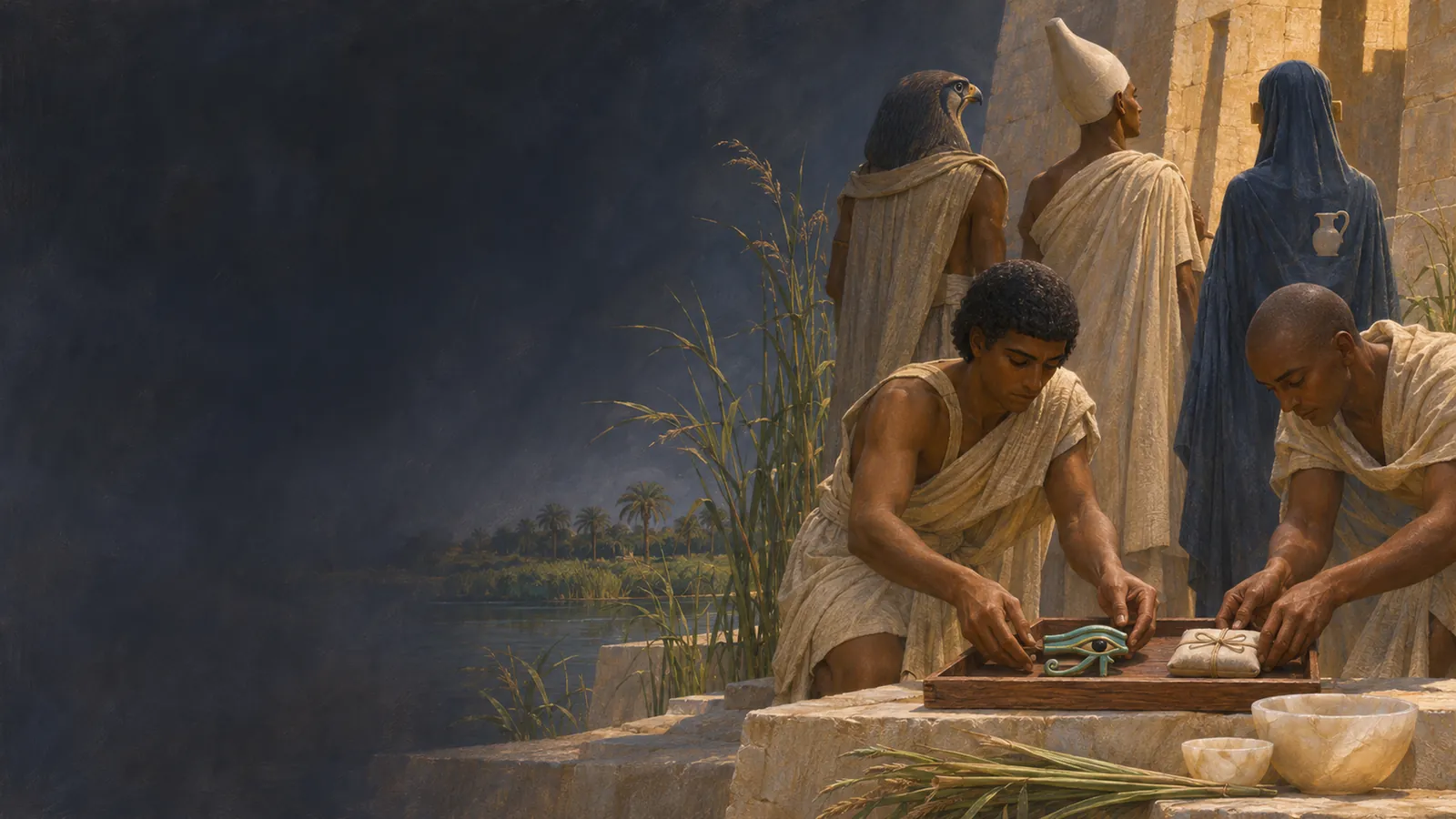
Horus and Seth seek the speaker for recovering Horus’s eye and Seth’s testicles. Thoth also seeks him, and Allen supplies the reason, the recovery of his arms, from Pepi II.
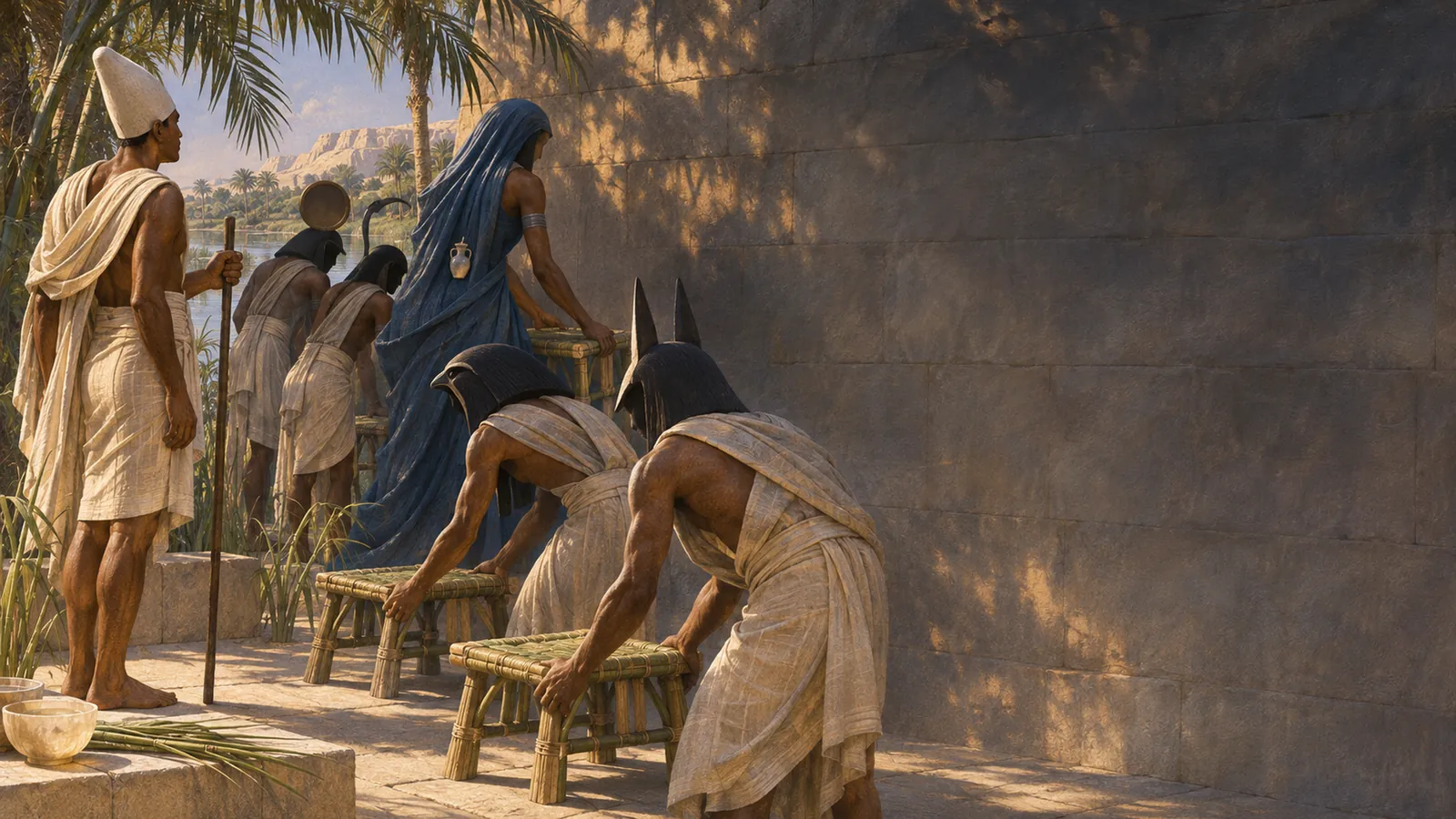
The two Enneads shake before those who come for the speaker. The recitation says they desire him and will bring him to a state of contentment.
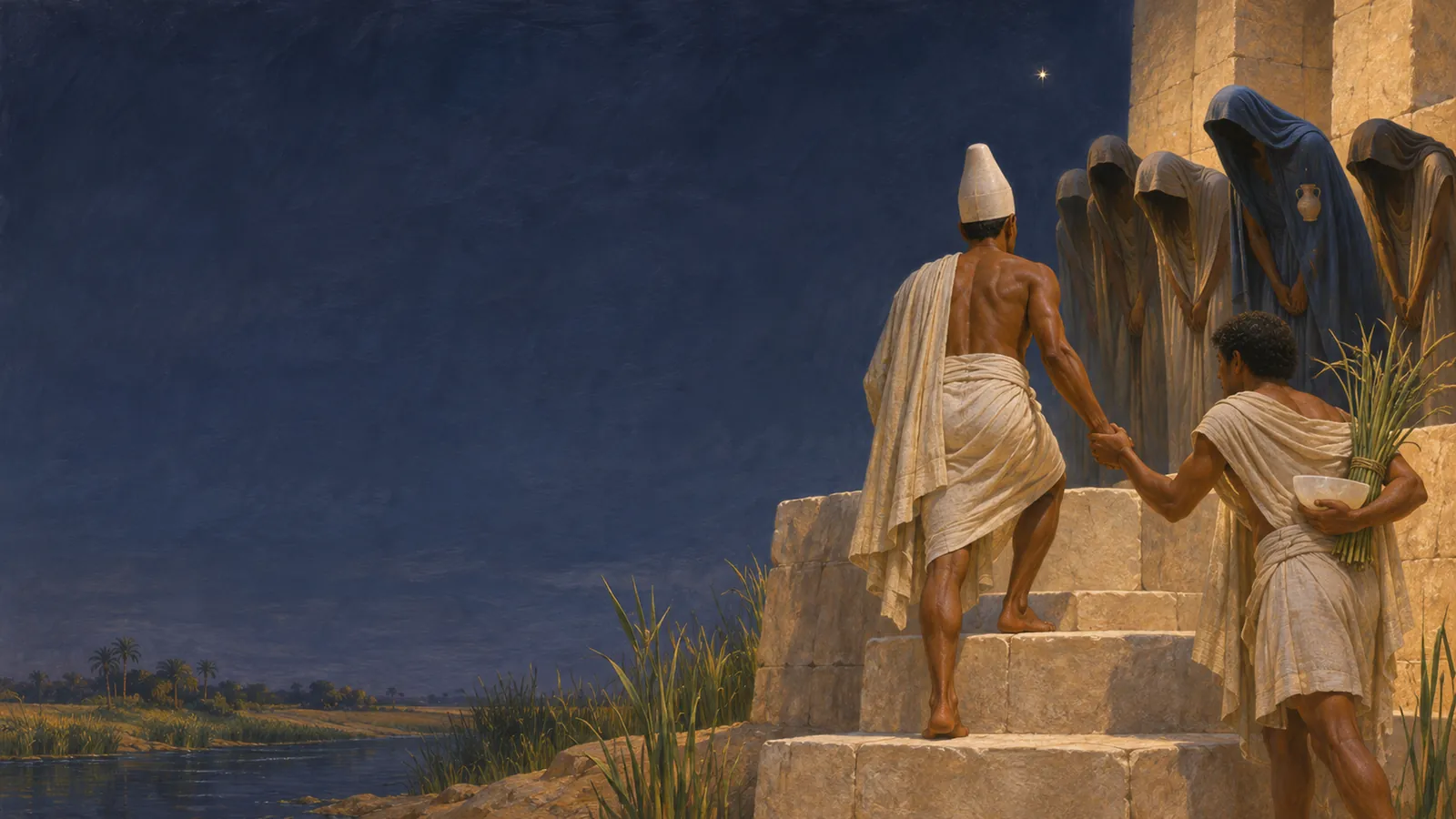
The speaker twice calls himself a star before which gods bow and the two Enneads shake. The first spell raises him by his hand. In the second he sees his ascent and breathes.
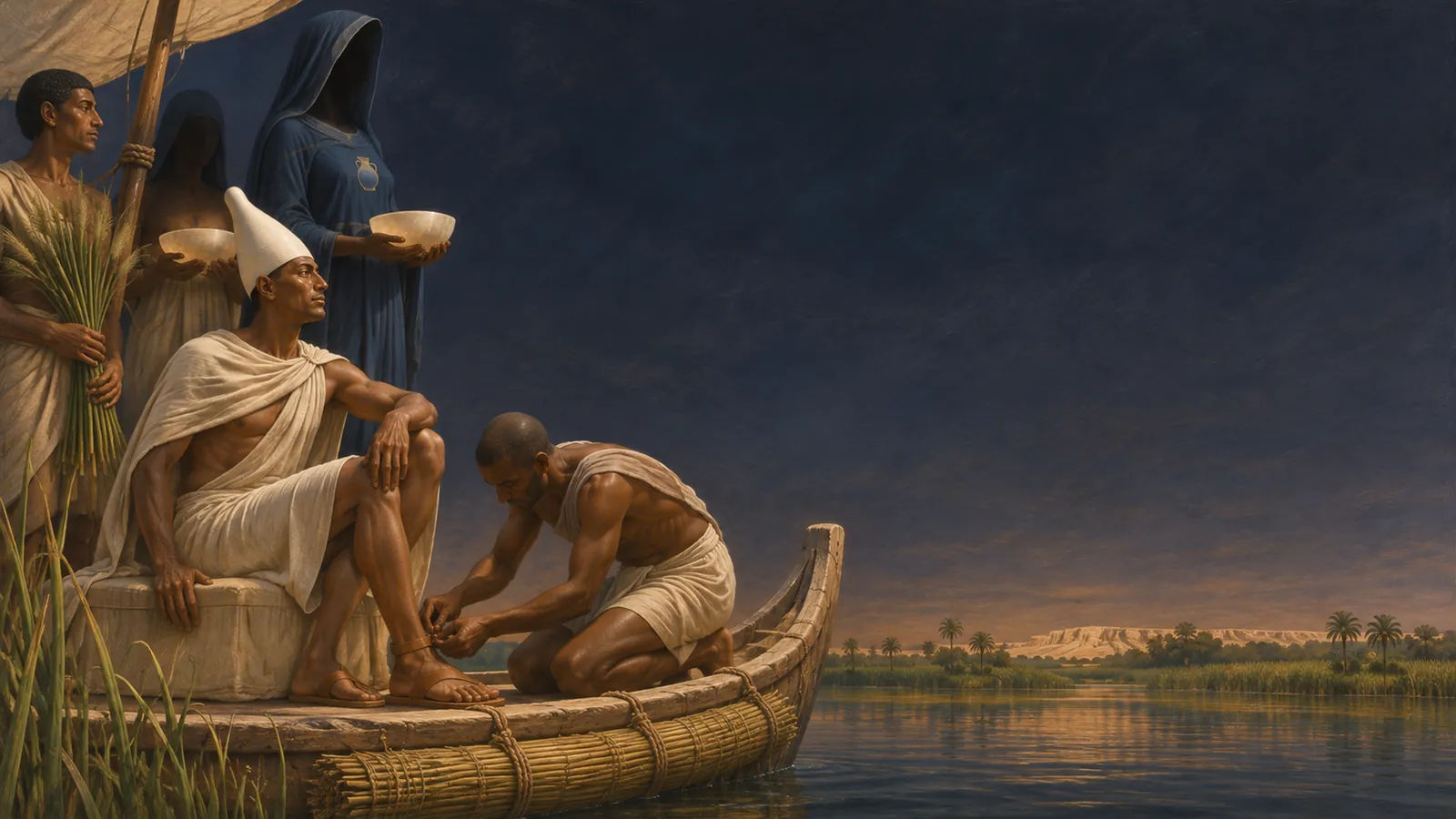
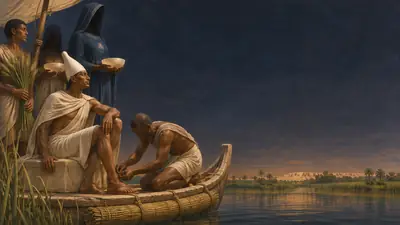
In two parallel spells the speaker goes to the sky on a cushion in the prow and grasps the sky’s sandal. The second spell returns to seeing his ascent and breathing.
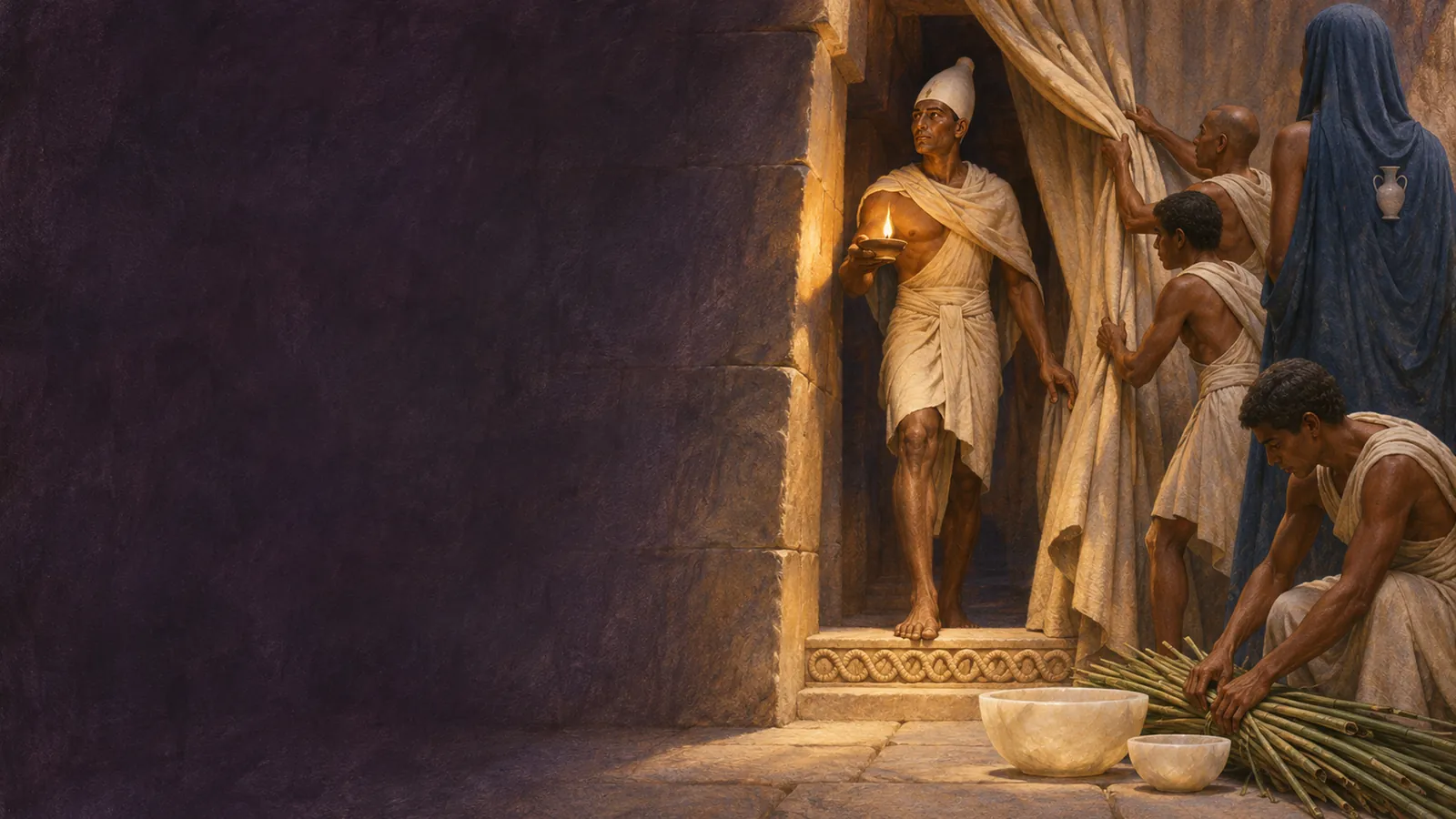
The speaker says he emerged from the one Allen calls the Coiled One. He says he came out with a fiery force that drives opponents away.
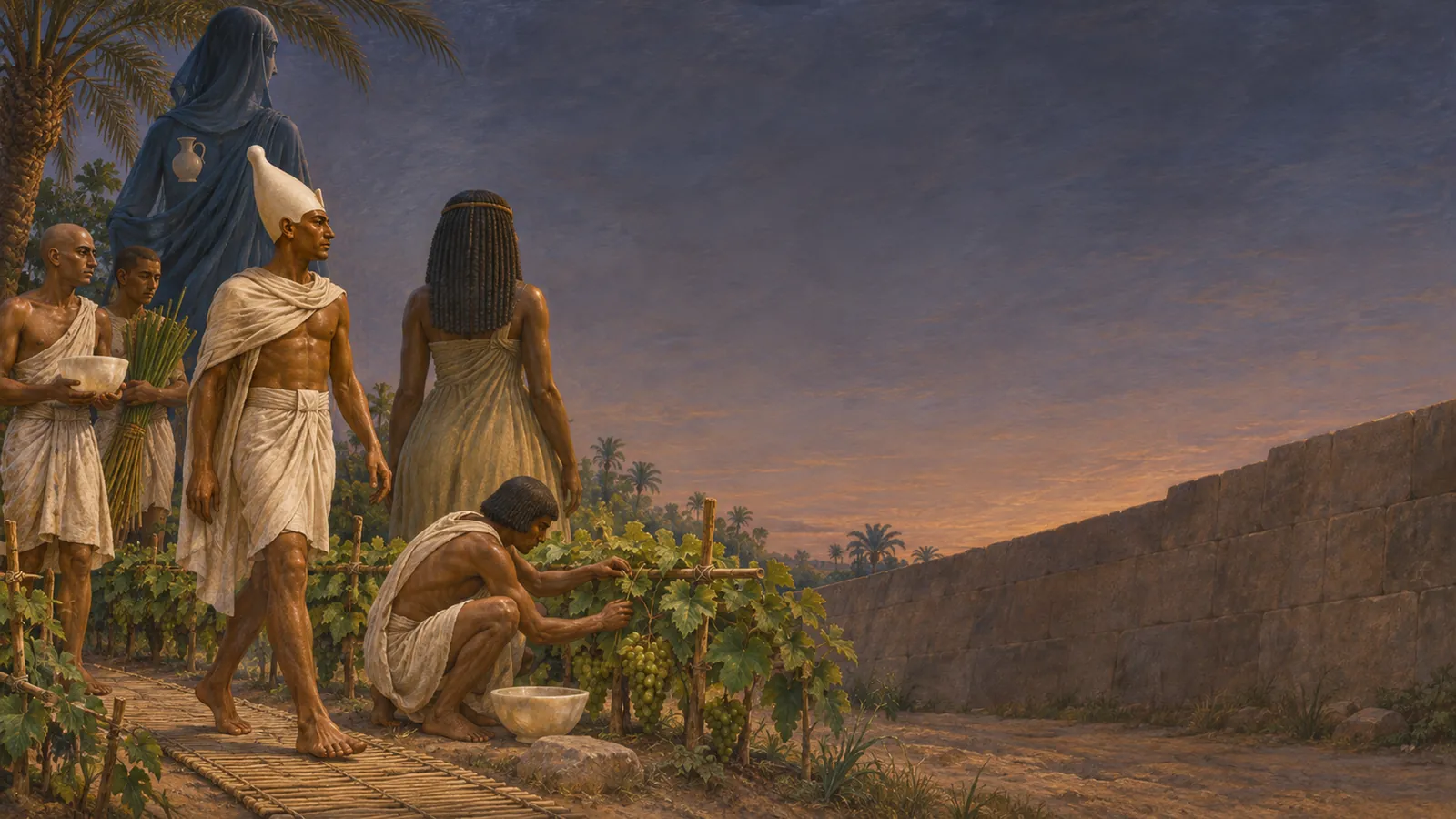
The recitation says that the two skies and the two lands came to him. He steps on the green vine under Geb’s feet and treads the paths of Nut.
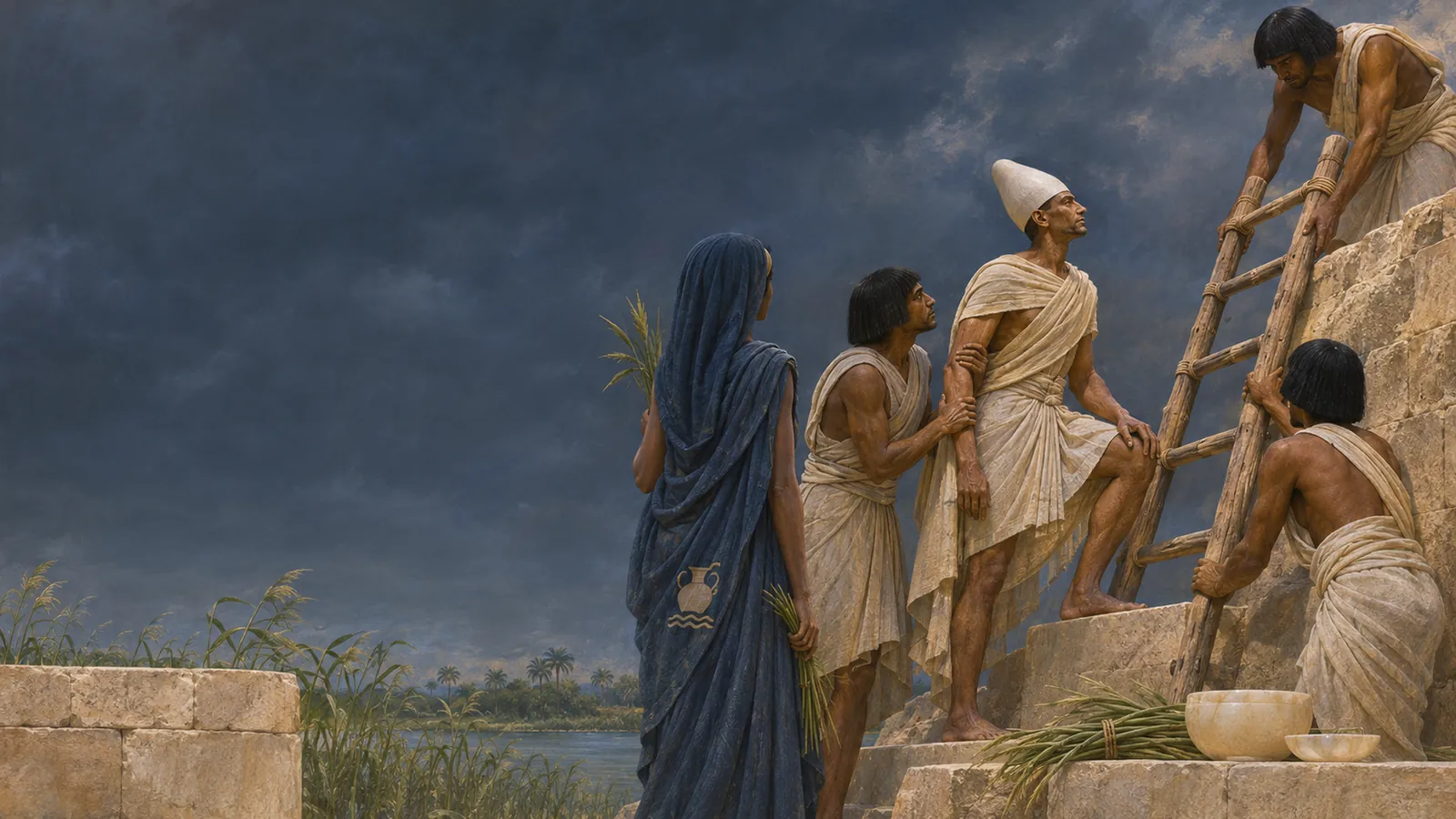
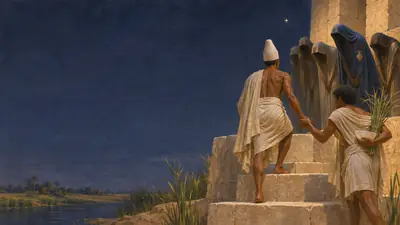
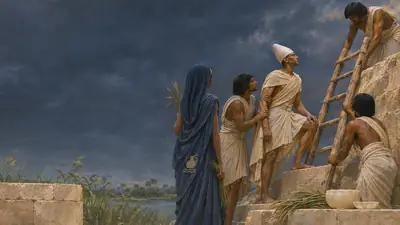
He becomes clean on the same hill where the Sun became clean. He sets a stepladder and raises a ladder while those of the west grasp his arm.
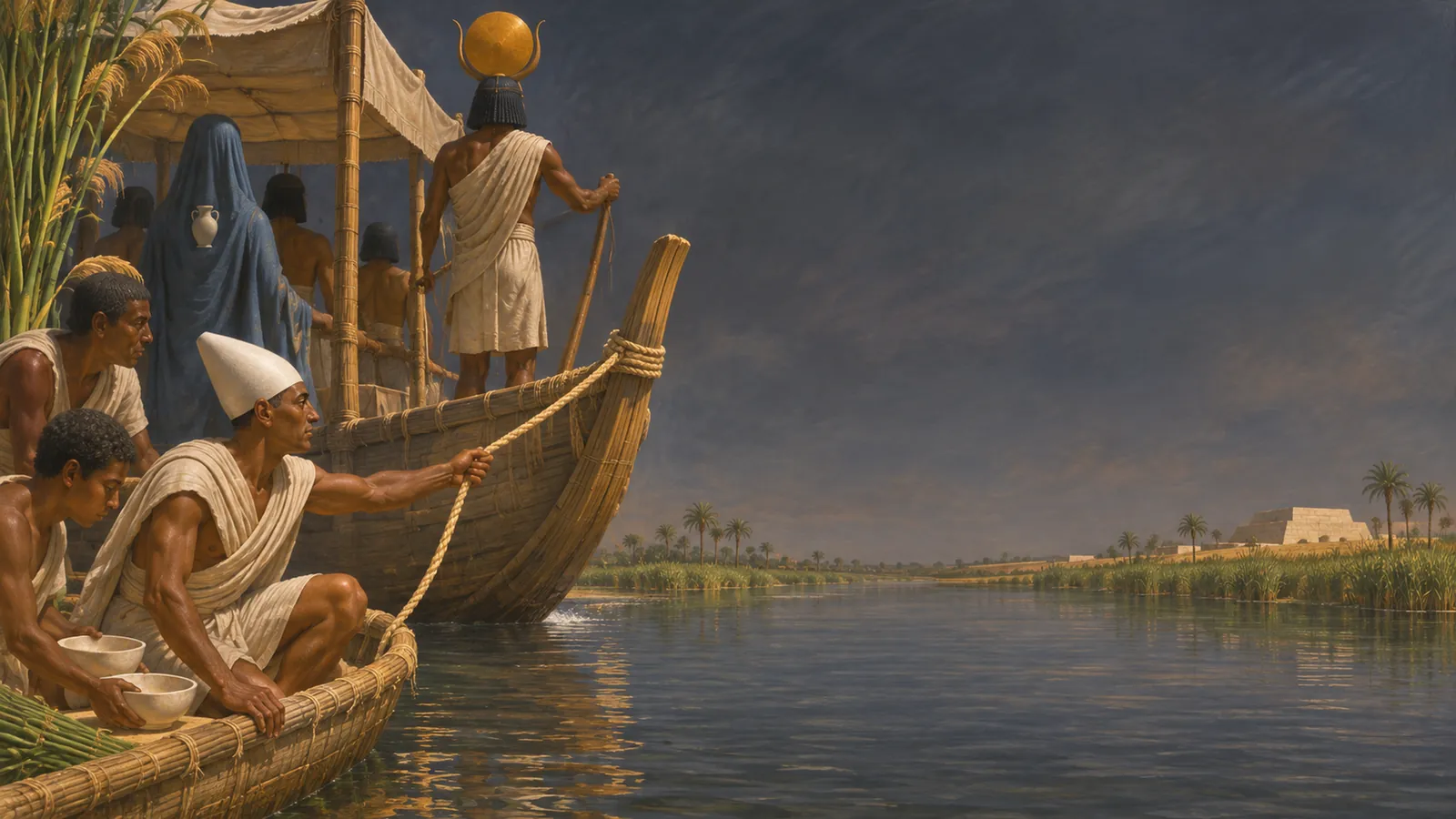
He greets the Sun as it crosses Nut and the Winding Canal. He says he grasped its tail, for he is a god and the child of a god.
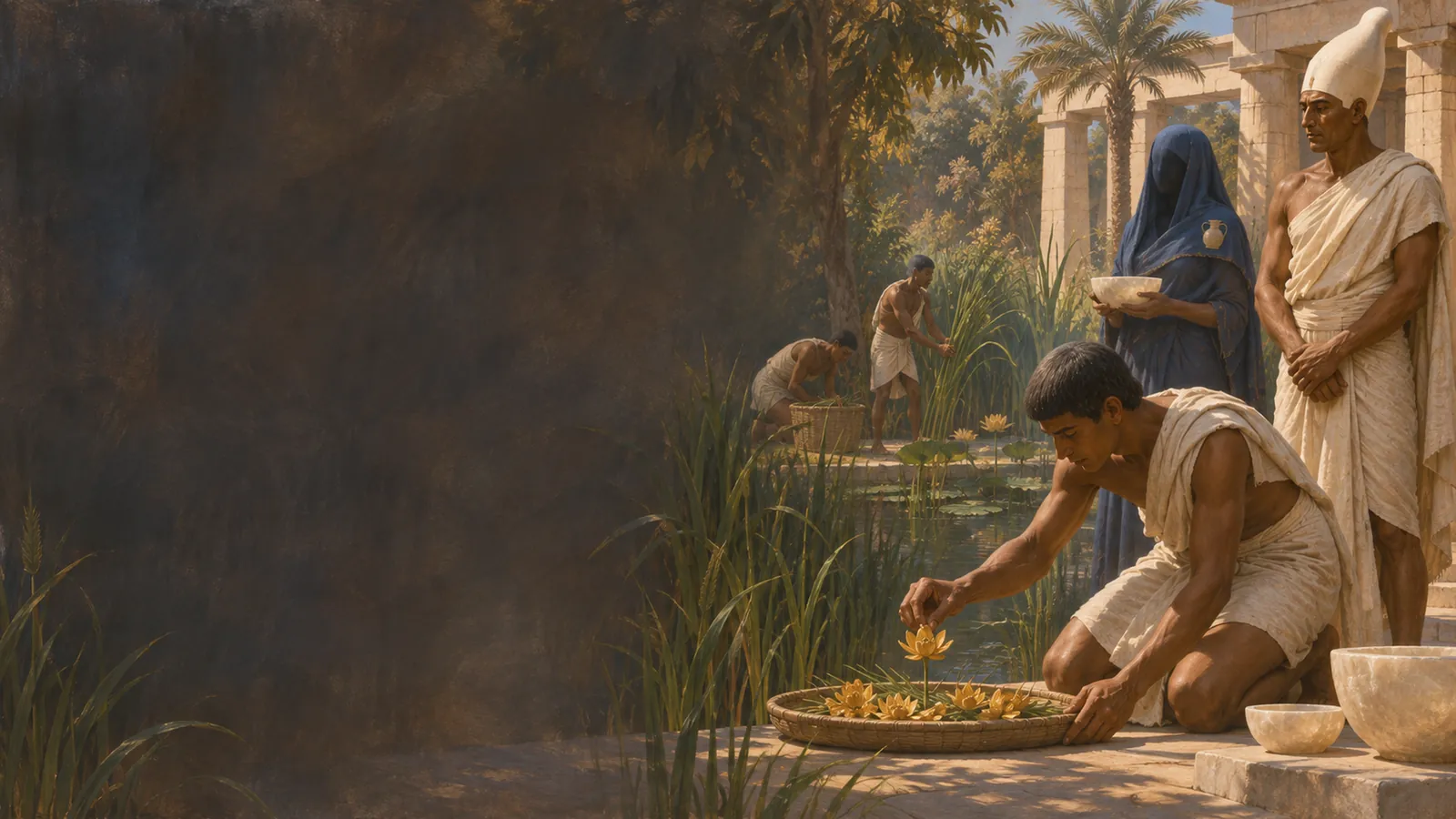
The speaker calls himself the blossom that came forth as a ka. He also names himself as the gilded blossom that came forth in Iseum.
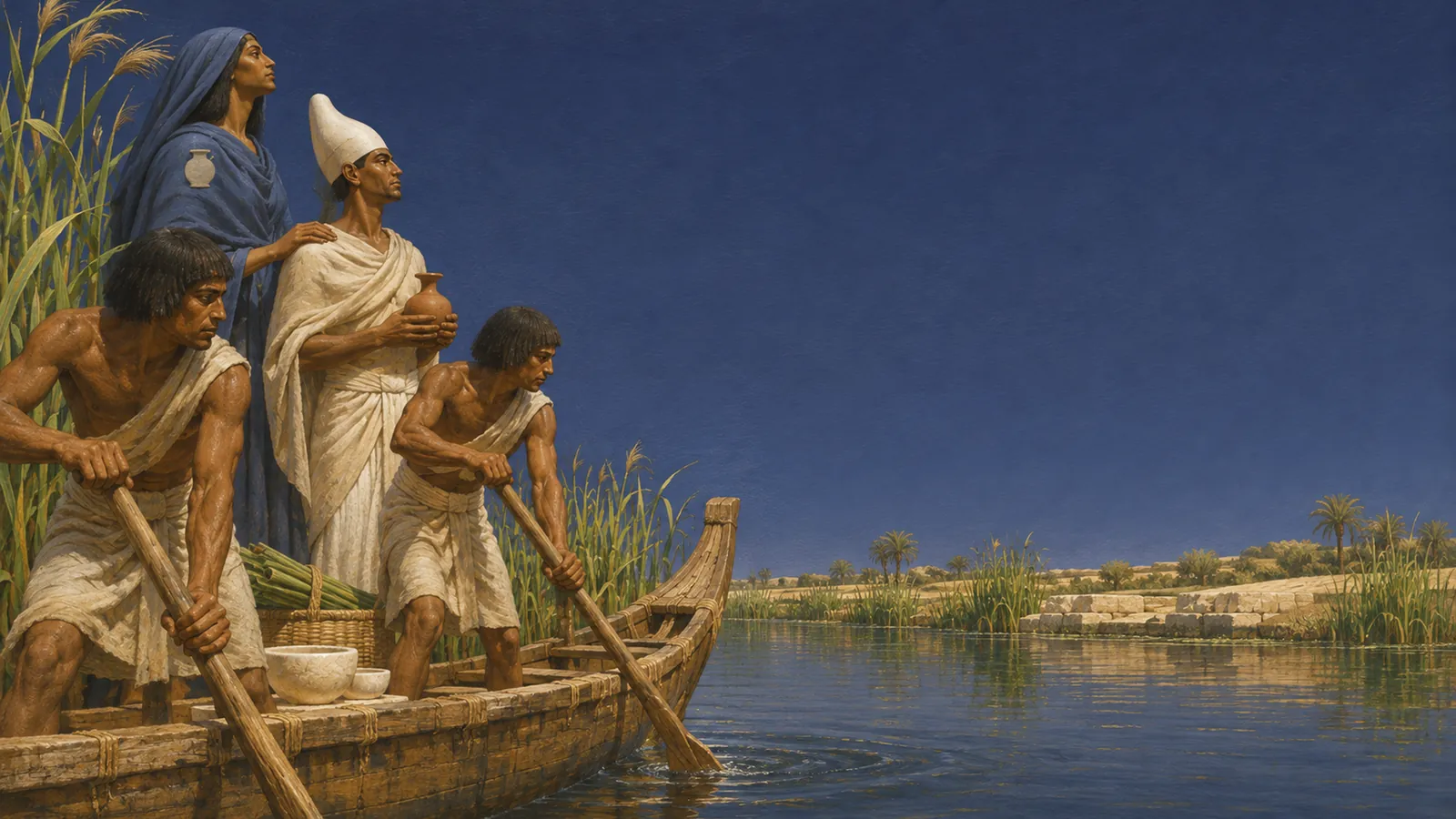
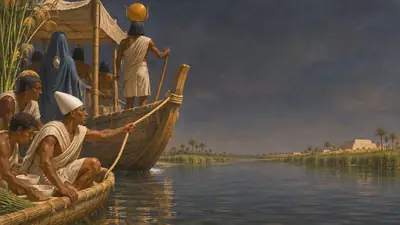
The speaker traverses Pe as the netherworlder foremost of Nezat and crosses Kenmut as Shezmu in his oil-press boat. He says the god desires his life more than Fetekte’s.
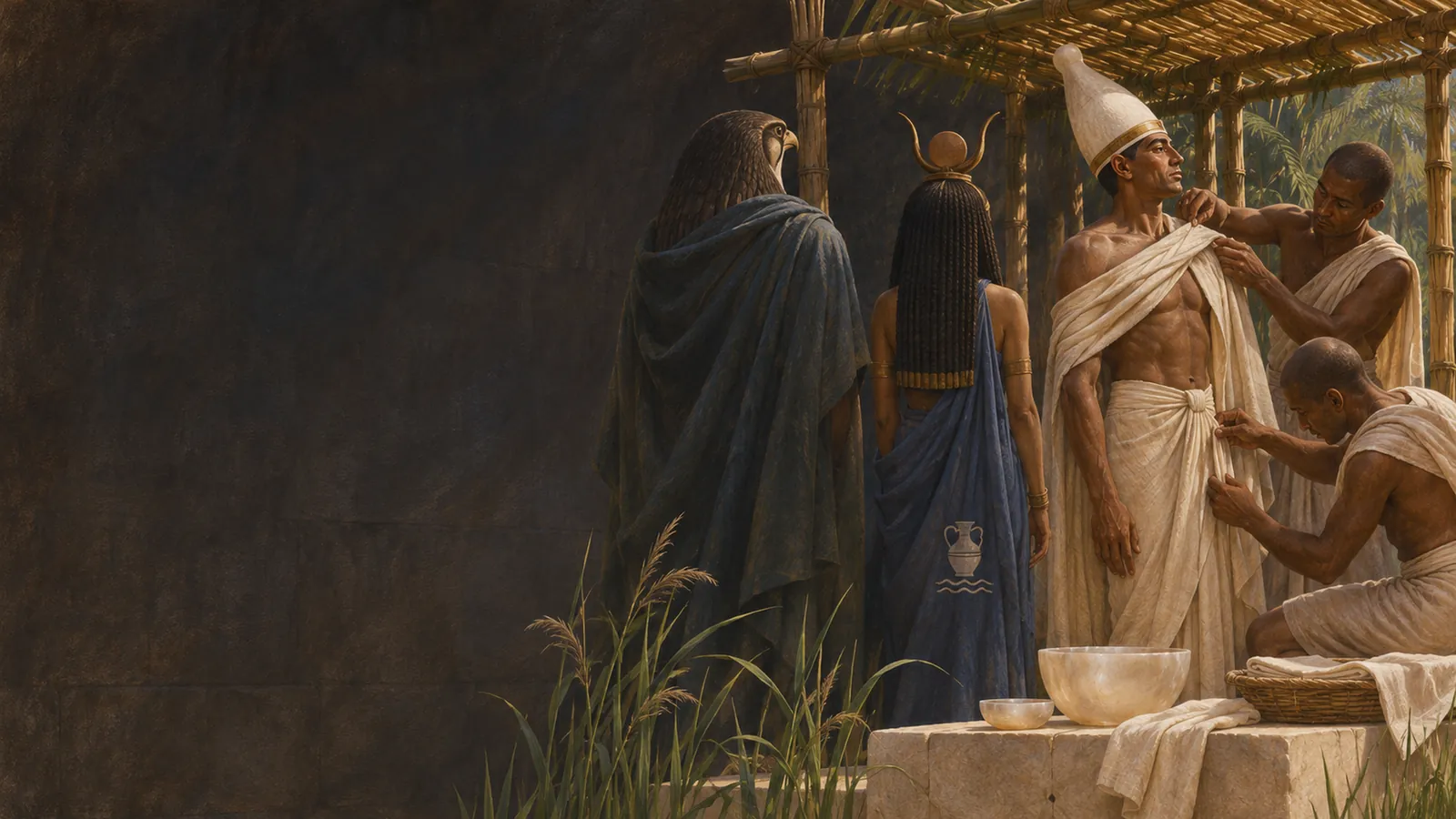
He marvels at his appearance with a headband from the Sun’s brow, a kilt from Hathor and a falcon’s plumage. He goes to the sky among the gods, his brothers.
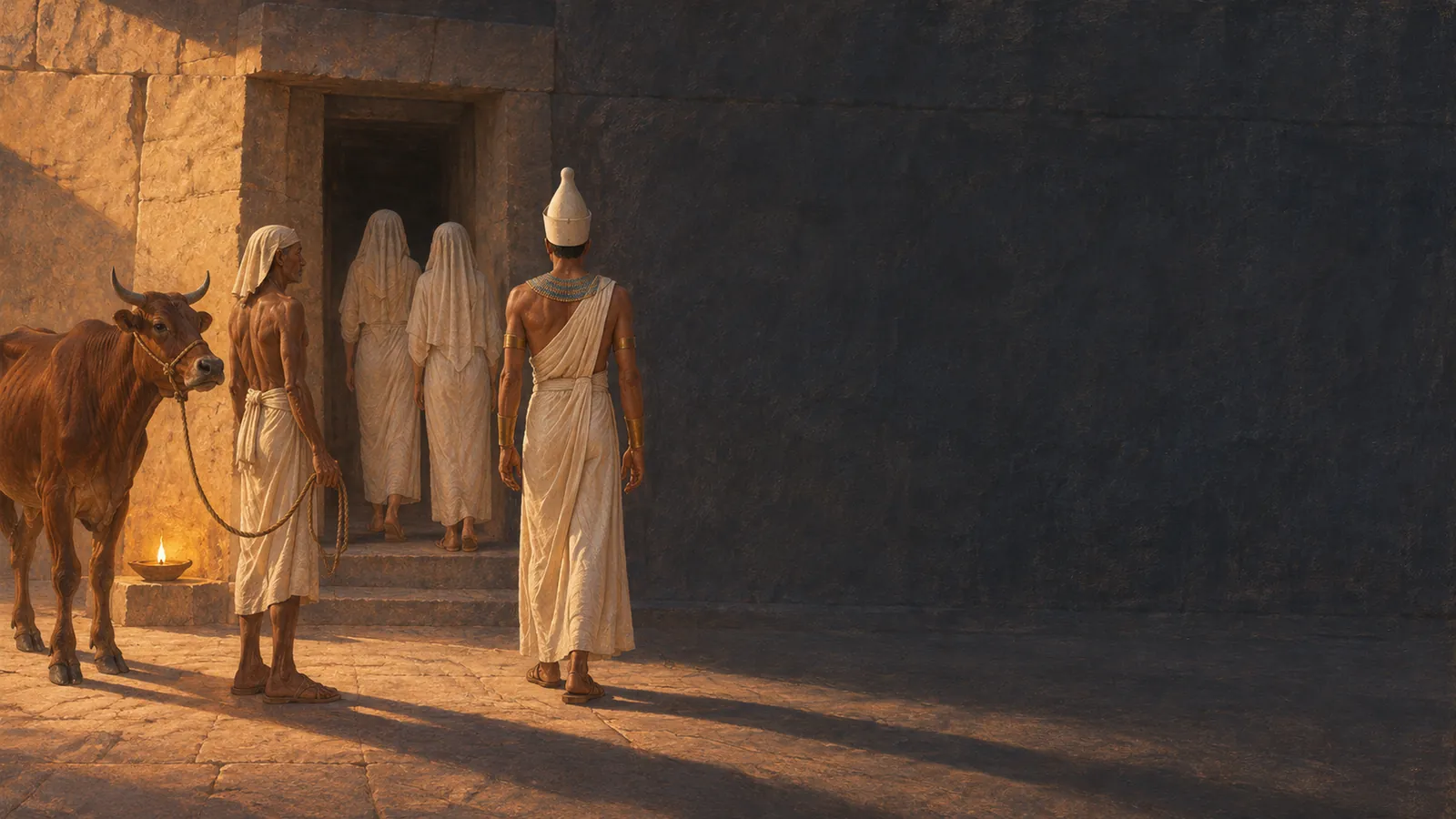
In this recitation the speaker greets the emerging steer and says he grasps it by the tail and the base of the spine. A great goddess is before it and another is behind it.
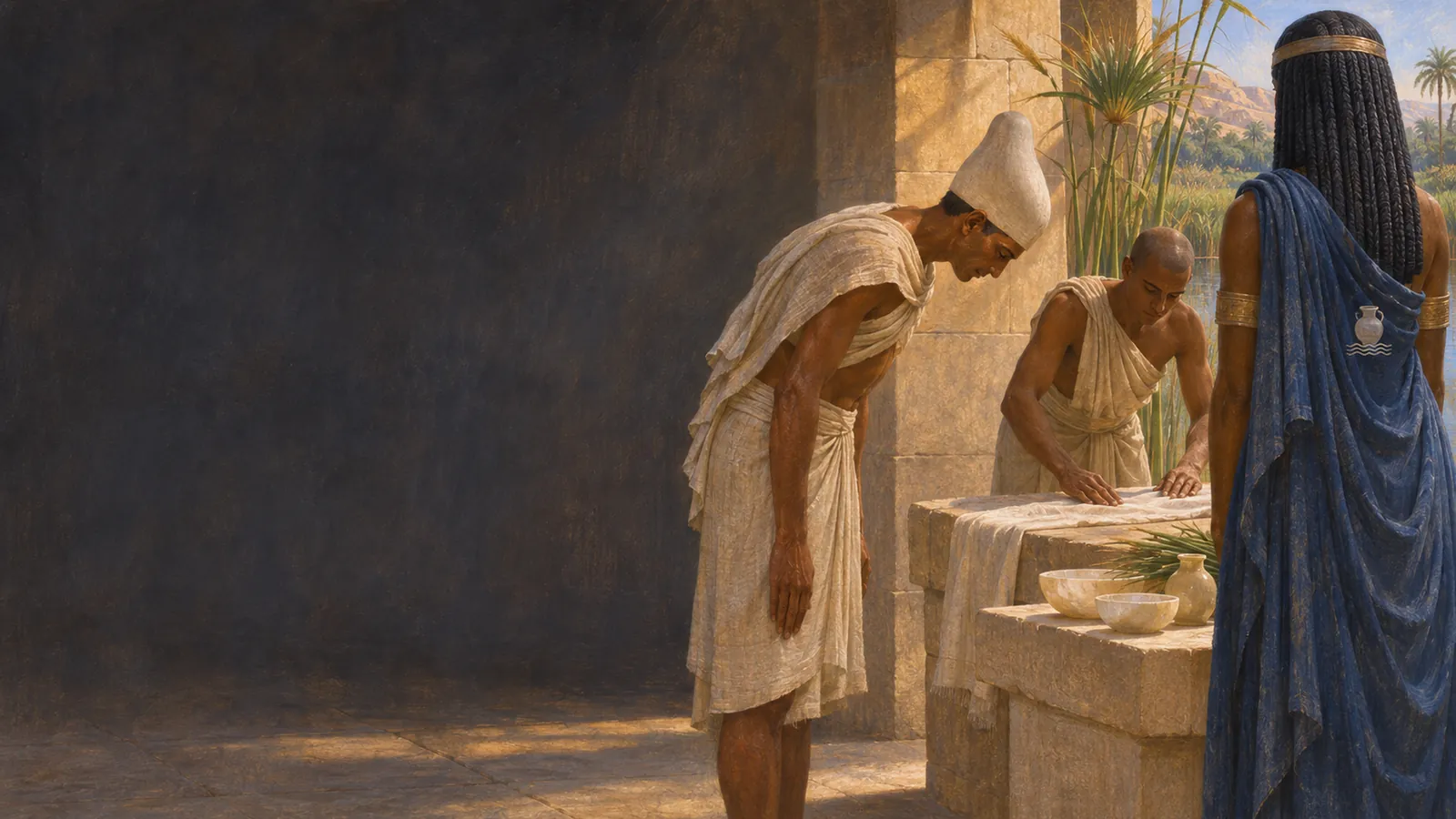
He asks the greatest god to receive him, because he belongs to that god. The recitation compares the parts of the speaker’s corpse to those of a child.
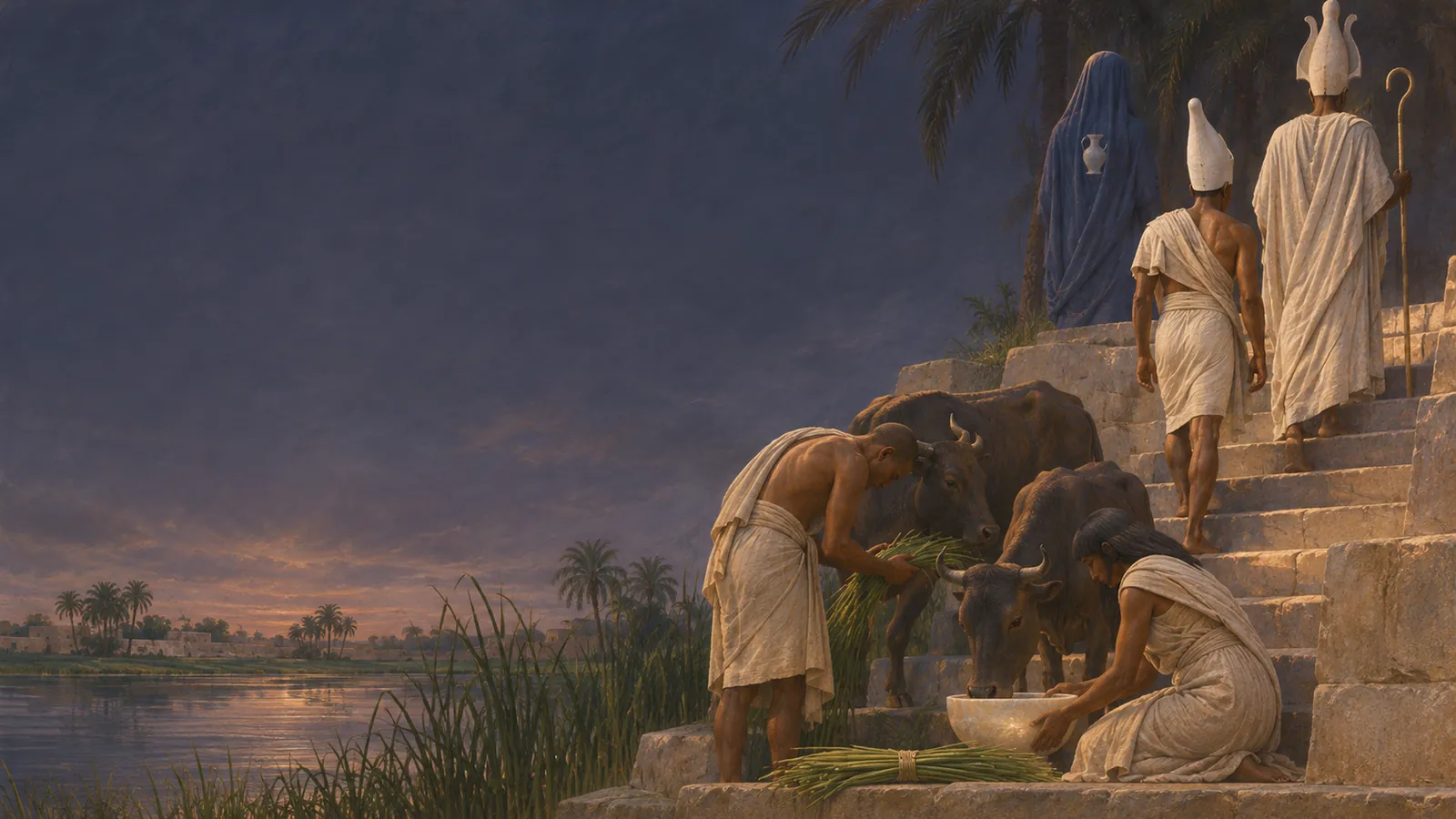
THE MOURNING AT ASCENT
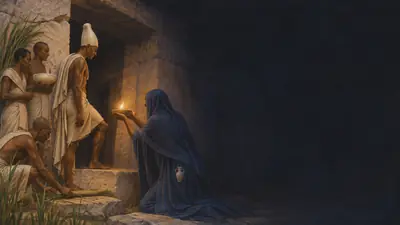
The sky speaks and the earth shakes as Osiris emerges. The spell calls the cows that nurse him to gather, beat their breasts and mourn him as he goes skyward among his divine brothers.
End of chapter 1
All pages
Sources
Allen’s Teti chapter, The Ancient Egyptian Pyramid Texts, second edition, SBL Press, 2015, pp. 70–74. The sarcophagus spells appear in Teti’s printed order, PT1–2, 6, 7, 4, 5, 3. The west gable runs PT322–337. The first sequence preserves the break after Geb’s opening words. In PT327, Allen takes the reason given for Thoth’s action from Pepi II and prints it in parentheses.
Editions consulted
- SBL Press, James P. Allen, The Ancient Egyptian Pyramid Texts, second edition
- Teti, printed pp. 70–74, sarcophagus and west gable
- Teti, printed p. 98, notes 2–7
Notes on this retelling
PT 1–2. Nut speaks first and identifies Teti as the son she bore. The phrase about his emerging from her body paraphrases the words about opening her belly. Geb calls Teti the son of his own body. The printed brackets mark a break immediately afterward. Allen’s note 2 on p. 98 places PT 1–2 on the exterior of the sarcophagus lid.
PT 6. Addressed as the Elder Bud, Nut says she has given the Akhet to her desired son Teti so he may control it as Horus of the Akhet. The gods tell Nut that her choice is proper and ask her to escort him forever. Note 2 places this spell on the east wall of the sarcophagus interior.
PT 7. Nut is styled the Elder One and associated with the Compound of Shenit. She gives Teti the Duat so that he may be foremost there as Horus. In their reply, the gods call Shu Teti’s father and say he knows Nut loves Teti more than she loves her mother Tefnut. Later in the printed sequence the gods call Geb his father. Note 2 places PT 7 on the west wall inside the sarcophagus.
PT 4 and PT 5. These closely parallel recitations name Isis and then Nephthys. In each, Nut gives a sister to Teti so that she may take hold of him and give his mind to his body. Note 2 places PT 4 on the north wall and PT 5 on the south wall inside the sarcophagus.
PT 3. Nut is associated with the Lower Compound. She calls Teti the firstborn on Geb’s throne and says Geb gives him his inheritance before the Big Ennead. The gods’ exclamation about Teti’s happiness concludes the group. Note 2 places this spell on the bottom inside the sarcophagus.
PT 322, opening. The call for sky and earth to open begins Spells for Ascending to Nut. The compound-wall door opens to Horus and the lotus door opens to Seth.
Pages 13–14, PT 322. Allen supplies “door” in parentheses in the address to it. The words refer to the one at the front of his wall and to passing as Atum. The closing designation “Apparent in Heat” and the location within Negau remain specific to Allen’s reading.
Pages 15–16, PT 323. The speaker says he becomes clean with the Sun in the Lake of Reeds. The final two requests go to Shu and Nut, respectively.
Pages 17–18, PT 324, opening. The speaker addresses the keeper of Horus and the keeper of Osiris. Allen’s rendering “hair-spit” is retained for the thing he says he has brought. The words about hair becoming ill and bald are followed by a response about the gods’ magic. Allen brackets the verb “say” in the attribution of that response.
Pages 19–20, PT 324, two encounters. The speaker addresses the beseeched she-hippopotamus and says that she came against him. Allen brackets the coming verb. The speaker says he took one of Horus’s two scepters from her and struck her. A greeting tied to first coming into being follows, with her speaking marked in parentheses. The second address is to the monstrous she-donkey and gives the tail from the lake of Osiris. The two actions belong to the speaker’s recitation.
Page 21, PT 324, Khnum. The act of stepping on it is bracketed. Allen supplies the identification of the reply’s speaker in parentheses. The reply calls the reciter one of the Big Compound’s two pillars.
Pages 22–23, PT 325, the five openings. The five printed formulas repeat the doors, daybreak, emergence and cleansing. The four forms of Horus appear in the same order as the source and the fifth formula turns to the reciter. Allen brackets the first opening verb and a small preposition in the first formula, the emergence phrase in the fourth, and the preposition before daybreak in the fifth.
Page 24, PT 325, purification. Allen brackets the linking conjunction and the words for extending the limbs to oneself.
Page 25, PT 325, the Sun, Shu and the nurses. Allen calls them the nurses of the bas of Heliopolis.
Page 26, PT 325, Hepatj. The first address to Hepatj links the sky’s swollen womb to the force of a god’s seed. The speaker identifies himself with that seed. This is the speaker’s metaphor within the recitation.
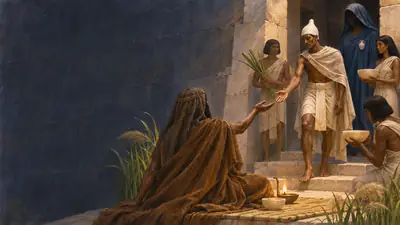
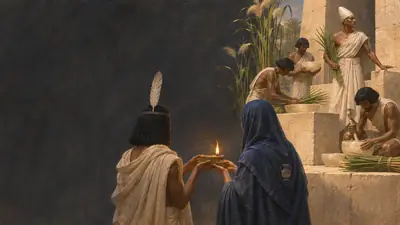
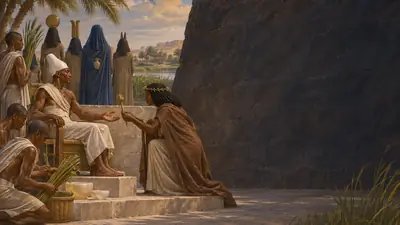
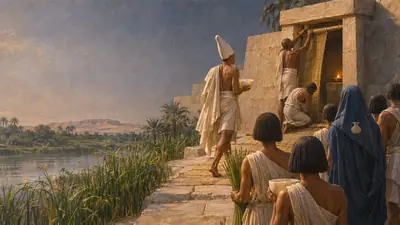
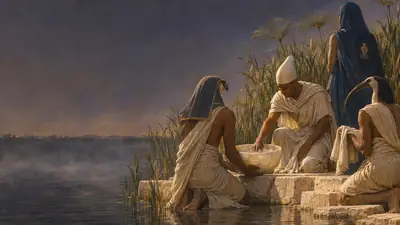
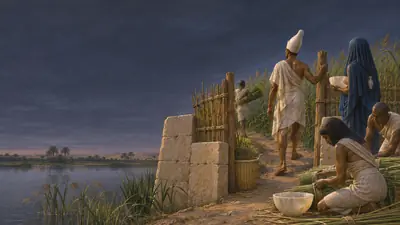
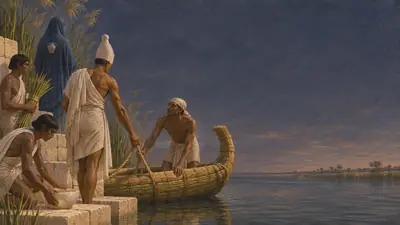
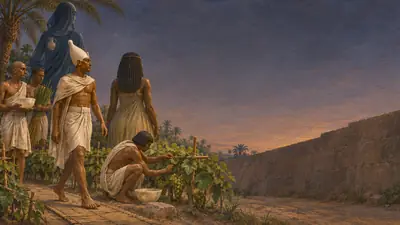
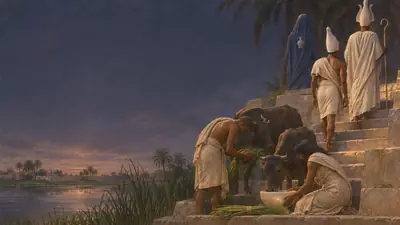
Purification takes place beside the Lake of Reeds.
Page 27, Allen 2015, Teti, p. 72, PT325. The final appeals of PT325 name Hepatj, Ululator and Zemnenu. The recipient attributes purification and divine establishment to the cloak and asks to be taken and settled as one of them.
Page 28, Allen 2015, Teti, p. 72, PT326. PT326 places the dark-fronted canal-swimmer at the Sun’s neck. Allen’s note 3 on p. 98 suggests a possible horizon reference.
Page 29, Allen 2015, Teti, p. 73, PT327, opening. PT327 names what was fetched for Horus and Seth. Allen’s p.
Page 30, Allen 2015, Teti, p. 73, PT327, conclusion. PT327 says the two Enneads shake. Allen supplies with fear in parentheses. The three seek, fetch and will fetch the speaker to contentment in the recitation.
Page 31, Allen 2015, Teti, p. 73, PT328–329. The divine bows and the Enneads shaking occur in both PT328 and PT329. Allen supplies a snake in parentheses in both. PT328 ends with the hand elevating the speaker.
Page 32, Allen 2015, Teti, p. 73, PT330–331. PT330 and PT331 both give the cushion in the prow and the grasping of the sandal. Allen supplies of the standard in PT330. In note 5 the possessor of the sandal is the sky. PT331 adds the repeated breath and sight formula.
Page 33, Allen 2015, Teti, p. 73, PT332, opening. The speaker says he emerged from the Coiled One with a fiery blast that drives opponents away. Allen supplies opponents in parentheses. Note 6 identifies a double reference in the written sign to completing a board game and overcoming the obstructing serpent.
Page 34, Allen 2015, Teti, p. 73, PT332, remainder. The speaker receives the two skies and lands, steps on the green vine under Geb’s feet and tramples Nut’s paths. Note 7 explains the skies north and south of the Winding Canal and the lands as the Nile Valley and Delta.
Page 35, Allen 2015, Teti, p. 73, PT333. PT333 locates the speaker’s purification on the Sun’s hill, distinguishes the stepladder and ladder, and says those of the west are grasping his arm.
Page 36, Allen 2015, Teti, p. 73, PT334, opening. The greeting in PT334 addresses the Sun crossing the sky and Nut. The speaker mentions the Sun’s journey on the Winding Canal, grasping its tail and his own divine parentage.
Page 37, Allen 2015, Teti, p. 73, PT334, blossom. The second movement of PT334 makes a paired claim about the blossom that comes forth as ka and the gilded blossom in Iseum.
Page 38, Allen 2015, Teti, p. 73, PT334, crossings. Pe, Nezat, Kenmut, Shezmu and Fetekte remain as printed. The speaker names his two crossings and the boat. This selection gives the stated preference for the speaker’s life without reporting any outcome for Fetekte.
Page 39, Allen 2015, Teti, p. 74, PT335. PT335 lists the headband from the Sun’s brow, the kilt from Hathor and the falcon’s plumage.
Page 40, Allen 2015, Teti, p. 74, PT336, first address. The first address of PT336 greets the steer at emergence and places two great goddesses around it.
Page 41, Allen 2015, Teti, p. 74, PT336, second address. The second address of PT336 asks the greatest god to receive the speaker. The description compares the parts of the speaker’s dead body to those of a child. The line does not describe harm to a child.
Page 42, Allen 2015, Teti, p. 74, PT337. PT337 gives the shaking of the earth and speech of the sky at Osiris’s emergence. The nurse-cows are called to gather and mourn as he goes to the sky.
Ancient lines behind each page
- Page 1: Allen 2015, The Ancient Egyptian Pyramid Texts, Teti, p. 70, PT 1–2, opening
- Page 2: Allen 2015, The Ancient Egyptian Pyramid Texts, Teti, p. 70, PT 1–2, Nut’s speech
- Page 3: Allen 2015, The Ancient Egyptian Pyramid Texts, Teti, p. 70, PT 1–2, Geb’s speech
- Page 4: Allen 2015, The Ancient Egyptian Pyramid Texts, Teti, p. 71, PT 6, Nut’s speech
- Page 5: Allen 2015, The Ancient Egyptian Pyramid Texts, Teti, p. 71, PT 6, gods’ reply
- Page 6: Allen 2015, The Ancient Egyptian Pyramid Texts, Teti, p. 71, PT 7, Nut’s speech
- Page 7: Allen 2015, The Ancient Egyptian Pyramid Texts, Teti, p. 71, PT 7, gods’ reply
- Page 8: Allen 2015, The Ancient Egyptian Pyramid Texts, Teti, p. 71, PT 4
- Page 9: Allen 2015, The Ancient Egyptian Pyramid Texts, Teti, p. 71, PT 5
- Page 10: Allen 2015, The Ancient Egyptian Pyramid Texts, Teti, p. 71, PT 3, Nut’s speech
- Page 11: Allen 2015, The Ancient Egyptian Pyramid Texts, Teti, p. 71, PT 3, gods’ reply
- Page 12: Allen 2015, The Ancient Egyptian Pyramid Texts, Teti, p. 71, PT 322, opening
- Page 13: Allen, The Ancient Egyptian Pyramid Texts, 2nd ed. (2015), Teti, p. 71, PT 322, middle
- Page 14: Allen, The Ancient Egyptian Pyramid Texts, 2nd ed. (2015), Teti, p. 71, PT 322, ending
- Page 15: Allen, The Ancient Egyptian Pyramid Texts, 2nd ed. (2015), Teti, p. 71, PT 323, opening
- Page 16: Allen, The Ancient Egyptian Pyramid Texts, 2nd ed. (2015), Teti, p. 71, PT 323, ending
- Page 17: Allen, The Ancient Egyptian Pyramid Texts, 2nd ed. (2015), Teti, p. 71, PT 324, errand
- Page 18: Allen, The Ancient Egyptian Pyramid Texts, 2nd ed. (2015), Teti, p. 71, PT 324, hair and reply
- Page 19: Allen, The Ancient Egyptian Pyramid Texts, 2nd ed. (2015), Teti, p. 72, PT 324, first encounter
- Page 20: Allen, The Ancient Egyptian Pyramid Texts, 2nd ed. (2015), Teti, p. 72, PT 324, second encounter
- Page 21: Allen, The Ancient Egyptian Pyramid Texts, 2nd ed. (2015), Teti, p. 72, PT 324, Khnum and reply
- Page 22: Allen, The Ancient Egyptian Pyramid Texts, 2nd ed. (2015), Teti, p. 72, PT 325, first four openings
- Page 23: Allen, The Ancient Egyptian Pyramid Texts, 2nd ed. (2015), Teti, p. 72, PT 325, first-person opening
- Page 24: Allen, The Ancient Egyptian Pyramid Texts, 2nd ed. (2015), Teti, p. 72, PT 325, purification and body
- Page 25: Allen, The Ancient Egyptian Pyramid Texts, 2nd ed. (2015), Teti, p. 72, PT 325, Sun, Shu and Heliopolis
- Page 26: Allen, The Ancient Egyptian Pyramid Texts, 2nd ed. (2015), Teti, p. 72, PT 325, Hepatj and the sky
- Page 27: Allen, The Ancient Egyptian Pyramid Texts, 2nd ed. (2015), Teti, p. 72, PT325
- Page 28: Allen, The Ancient Egyptian Pyramid Texts, 2nd ed. (2015), Teti, p. 72, PT326
- Page 29: Allen, The Ancient Egyptian Pyramid Texts, 2nd ed. (2015), Teti, p. 73, PT327, opening
- Page 30: Allen, The Ancient Egyptian Pyramid Texts, 2nd ed. (2015), Teti, p. 73, PT327, conclusion
- Page 31: Allen, The Ancient Egyptian Pyramid Texts, 2nd ed. (2015), Teti, p. 73, PT328–329
- Page 32: Allen, The Ancient Egyptian Pyramid Texts, 2nd ed. (2015), Teti, p. 73, PT330–331
- Page 33: Allen, The Ancient Egyptian Pyramid Texts, 2nd ed. (2015), Teti, p. 73, PT332, opening
- Page 34: Allen, The Ancient Egyptian Pyramid Texts, 2nd ed. (2015), Teti, p. 73, PT332, remainder
- Page 35: Allen, The Ancient Egyptian Pyramid Texts, 2nd ed. (2015), Teti, p. 73, PT333
- Page 36: Allen, The Ancient Egyptian Pyramid Texts, 2nd ed. (2015), Teti, p. 73, PT334, opening
- Page 37: Allen, The Ancient Egyptian Pyramid Texts, 2nd ed. (2015), Teti, p. 73, PT334, blossom
- Page 38: Allen, The Ancient Egyptian Pyramid Texts, 2nd ed. (2015), Teti, p. 73, PT334, crossings
- Page 39: Allen, The Ancient Egyptian Pyramid Texts, 2nd ed. (2015), Teti, p. 74, PT335
- Page 40: Allen, The Ancient Egyptian Pyramid Texts, 2nd ed. (2015), Teti, p. 74, PT336, first address
- Page 41: Allen, The Ancient Egyptian Pyramid Texts, 2nd ed. (2015), Teti, p. 74, PT336, second address
- Page 42: Allen, The Ancient Egyptian Pyramid Texts, 2nd ed. (2015), Teti, p. 74, PT337
Illustrations made with AI tools by IL Archive; the text is based on the ancient sources (see the sources at the end of each chapter).