Two Voices Before Osiris Chapter 1
Praise and Petition
The first reading praises Osiris and asks for passage, sustenance and a home in the Field of Reeds. In the separate petition from the Papyrus of Hunefer, the speaker asks to dwell in a land associated with right, truth and peace.
SourcesTurn the pages with the arrows, the arrow keys or a swipe.

HYMN TO OSIRIS
Budge prints this passage as a hymn to Osiris. It hails Osiris Un-nefer as the great god in Abydos, king of eternity and lord of everlastingness, whose life spans millions of years.
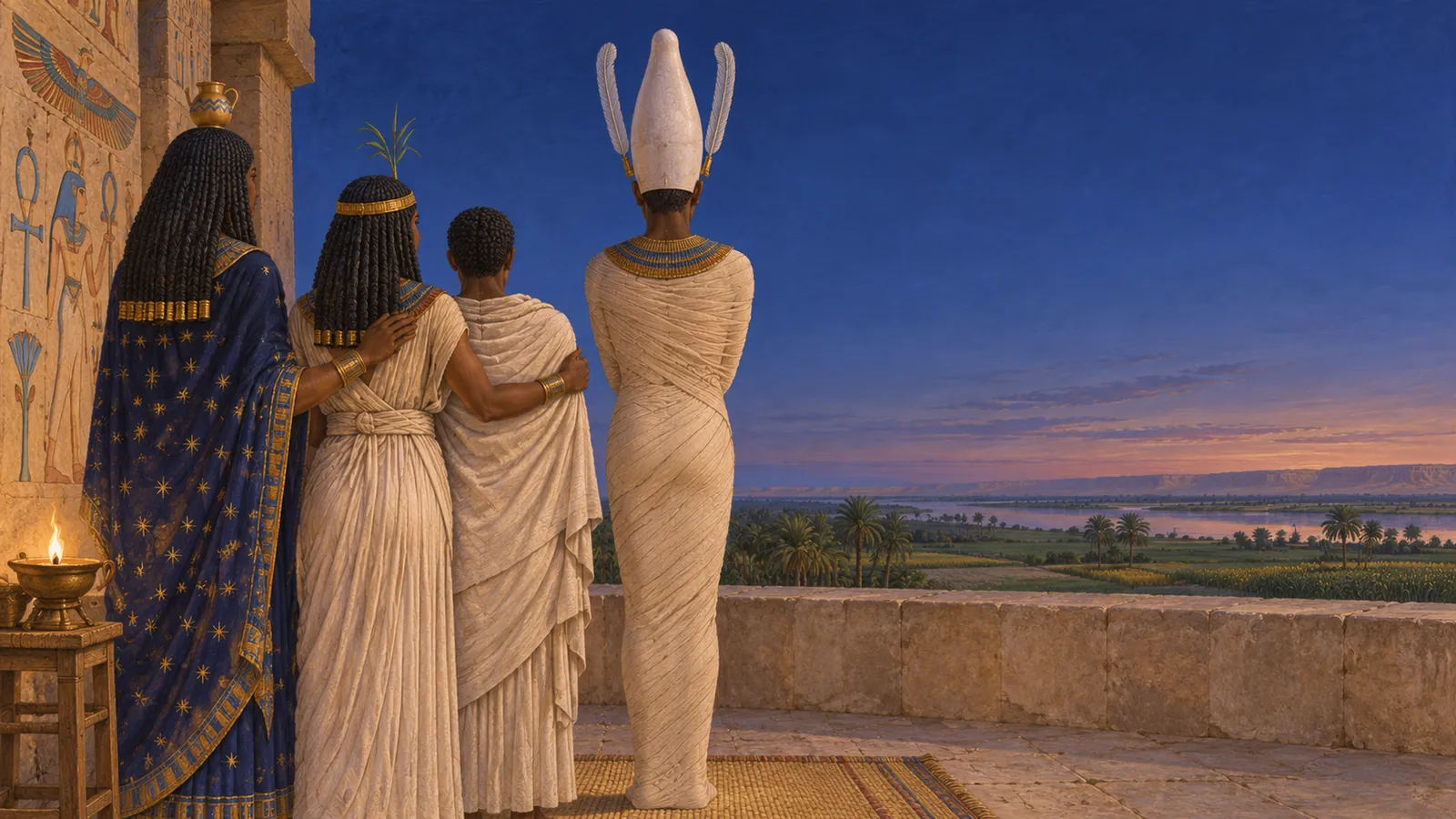
The hymn calls Osiris the eldest son of Nut. It says he was fathered by Seb, whom it calls the ancestor of the gods.
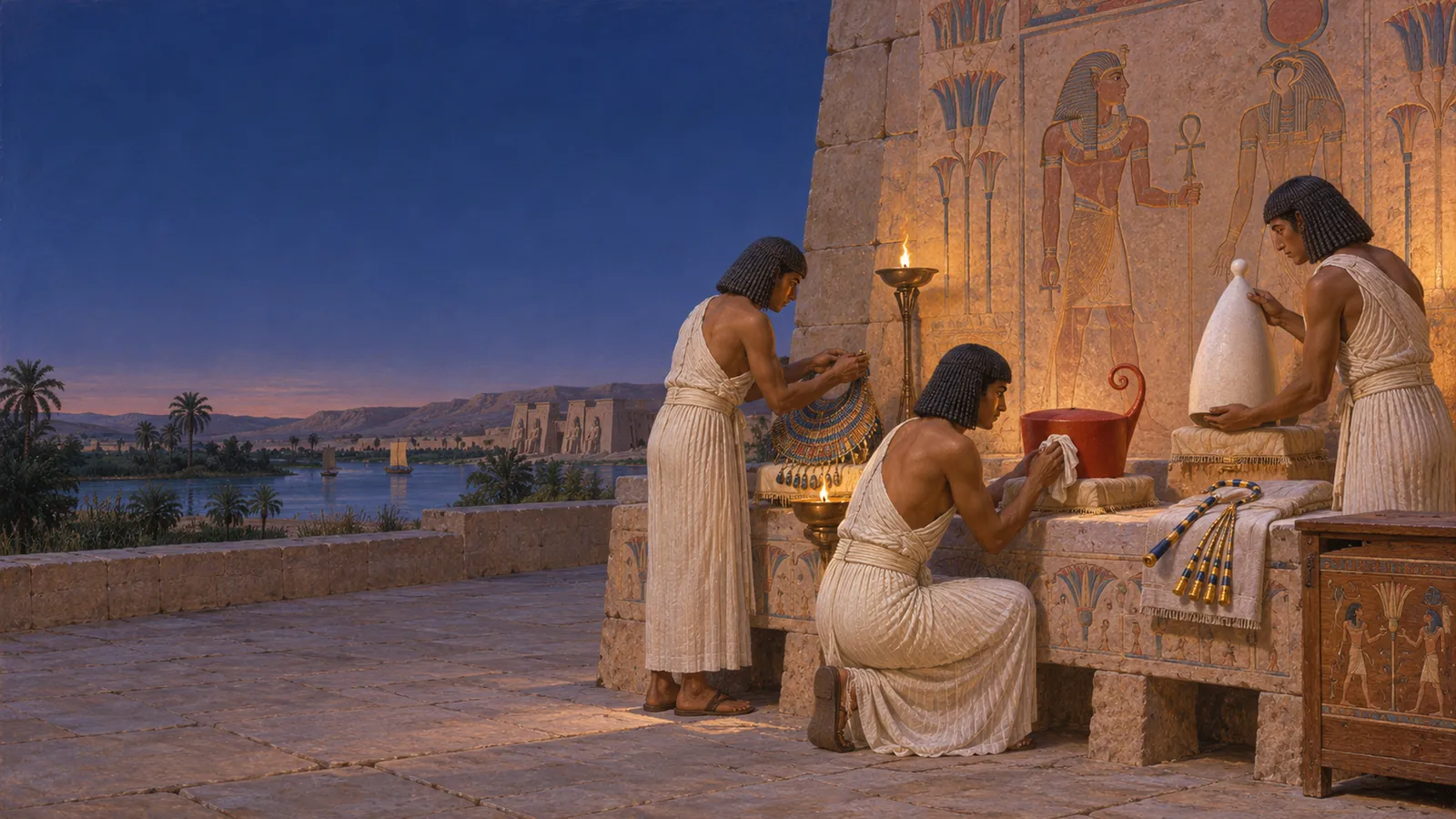
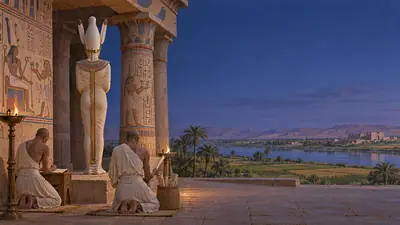
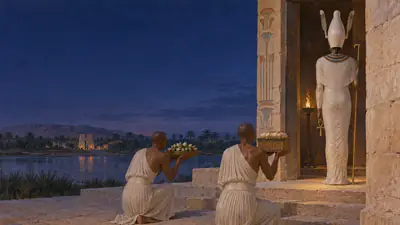
The hymn calls Osiris lord of the crowns of the North and of the South, and lord of the lofty white crown.
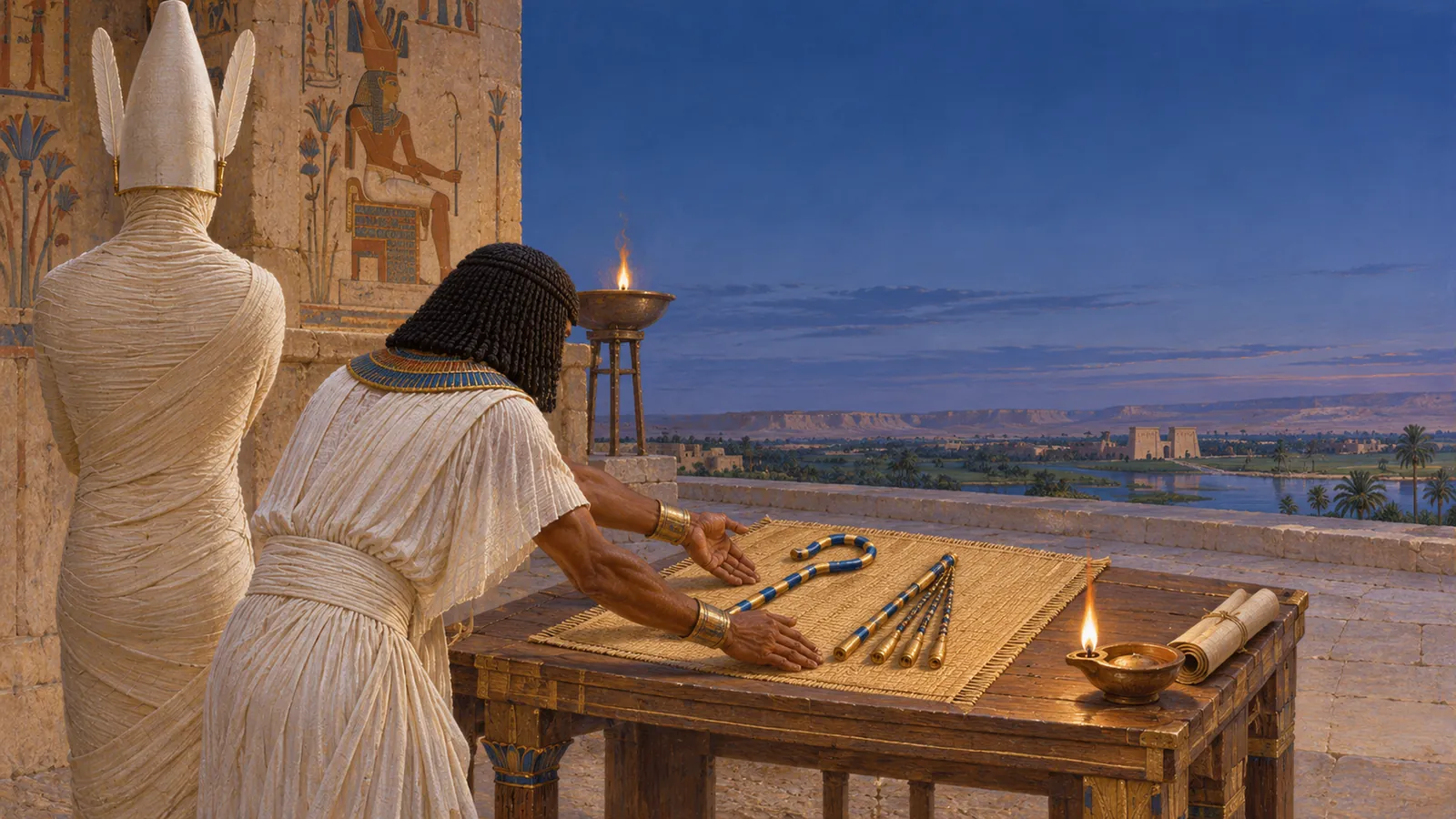
As prince of gods and people, Osiris is said to have received the crook, the whip and the dignity of his divine fathers.
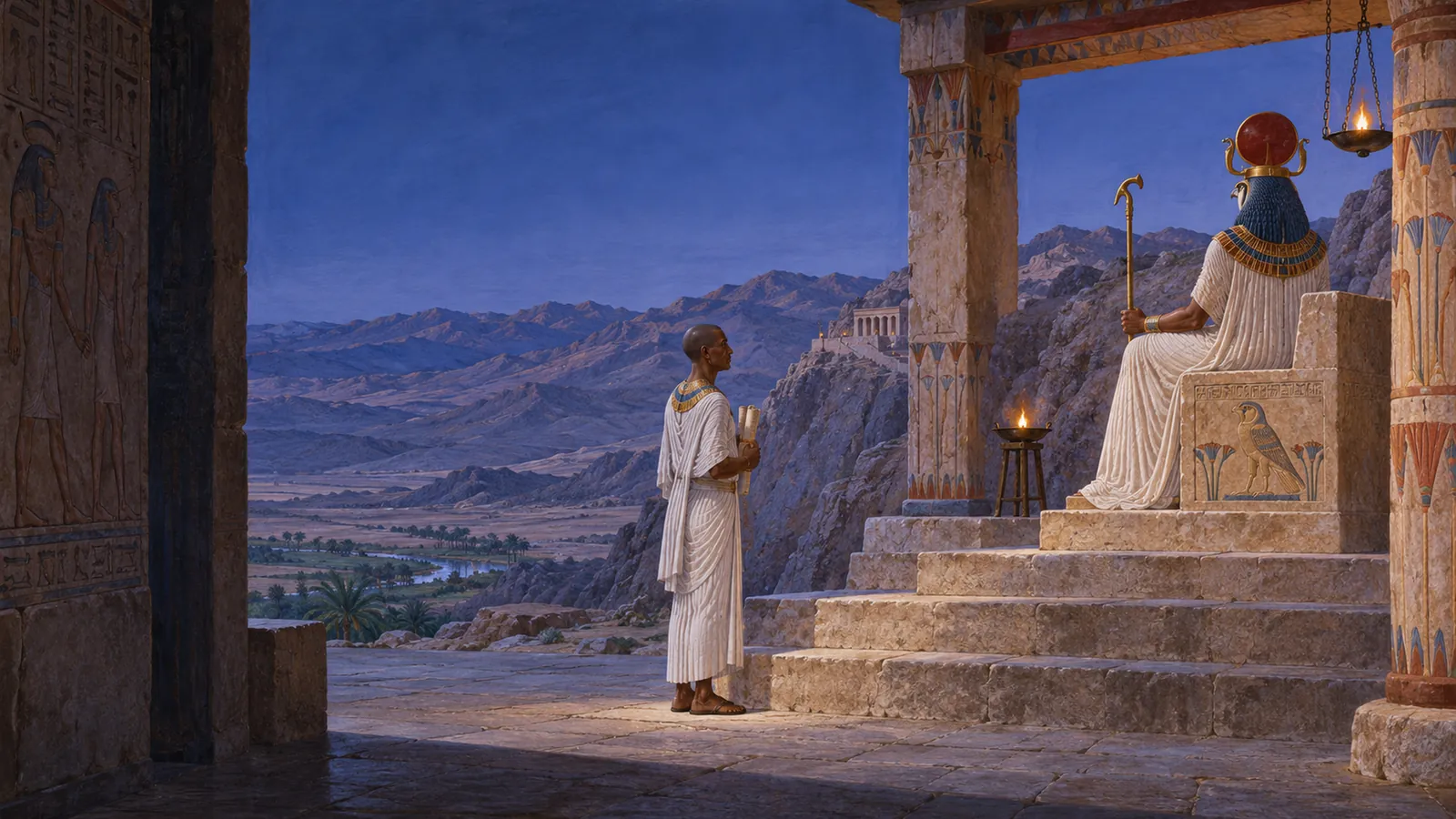
The hymn asks that Osiris’s heart in the mountain of Ament be content, for his son Horus is established on Osiris’s throne.
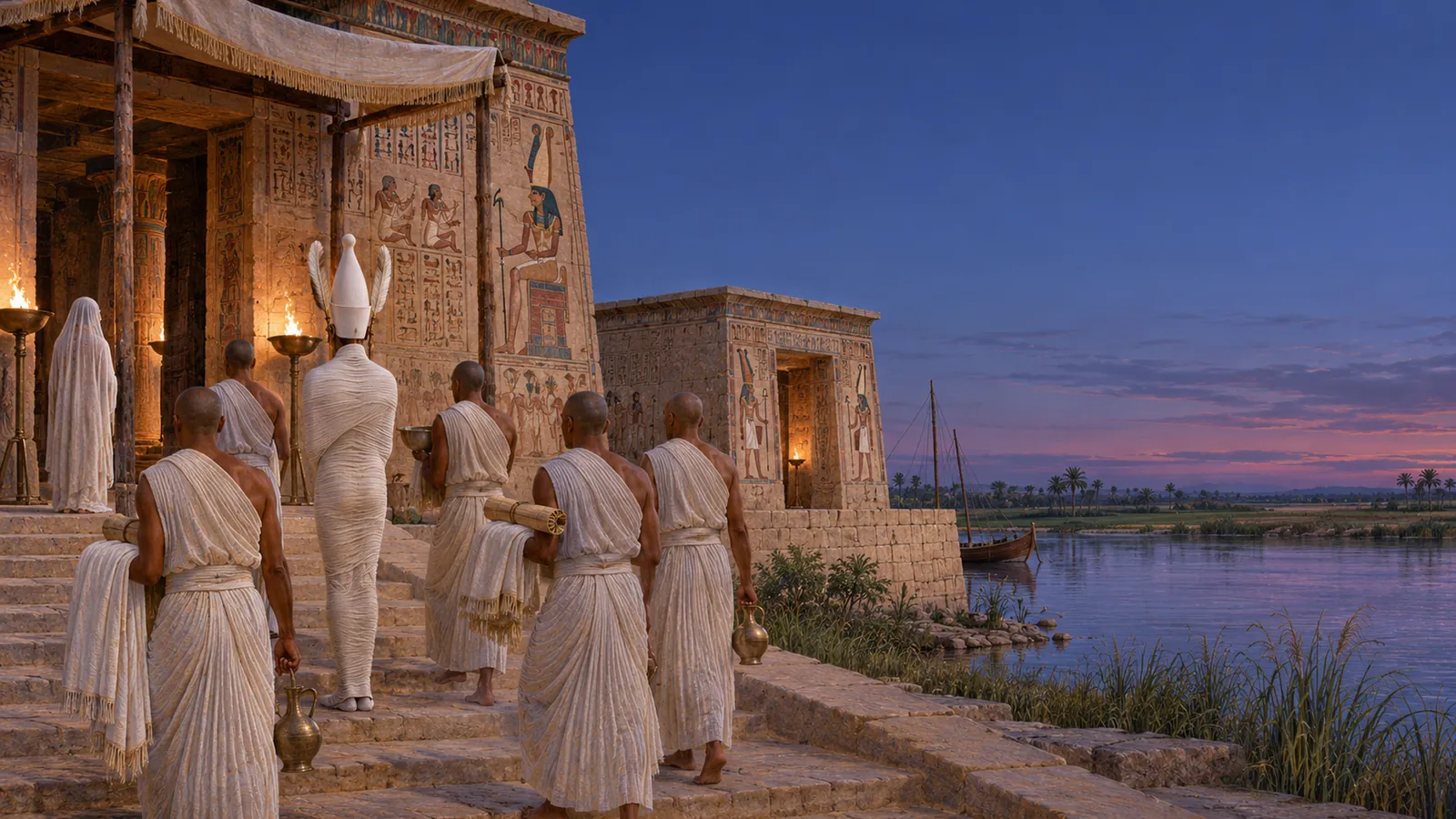
Osiris is crowned lord of Tattu, which Budge identifies as Mendes. The hymn says that he rules in Abtu, identified as Abydos.
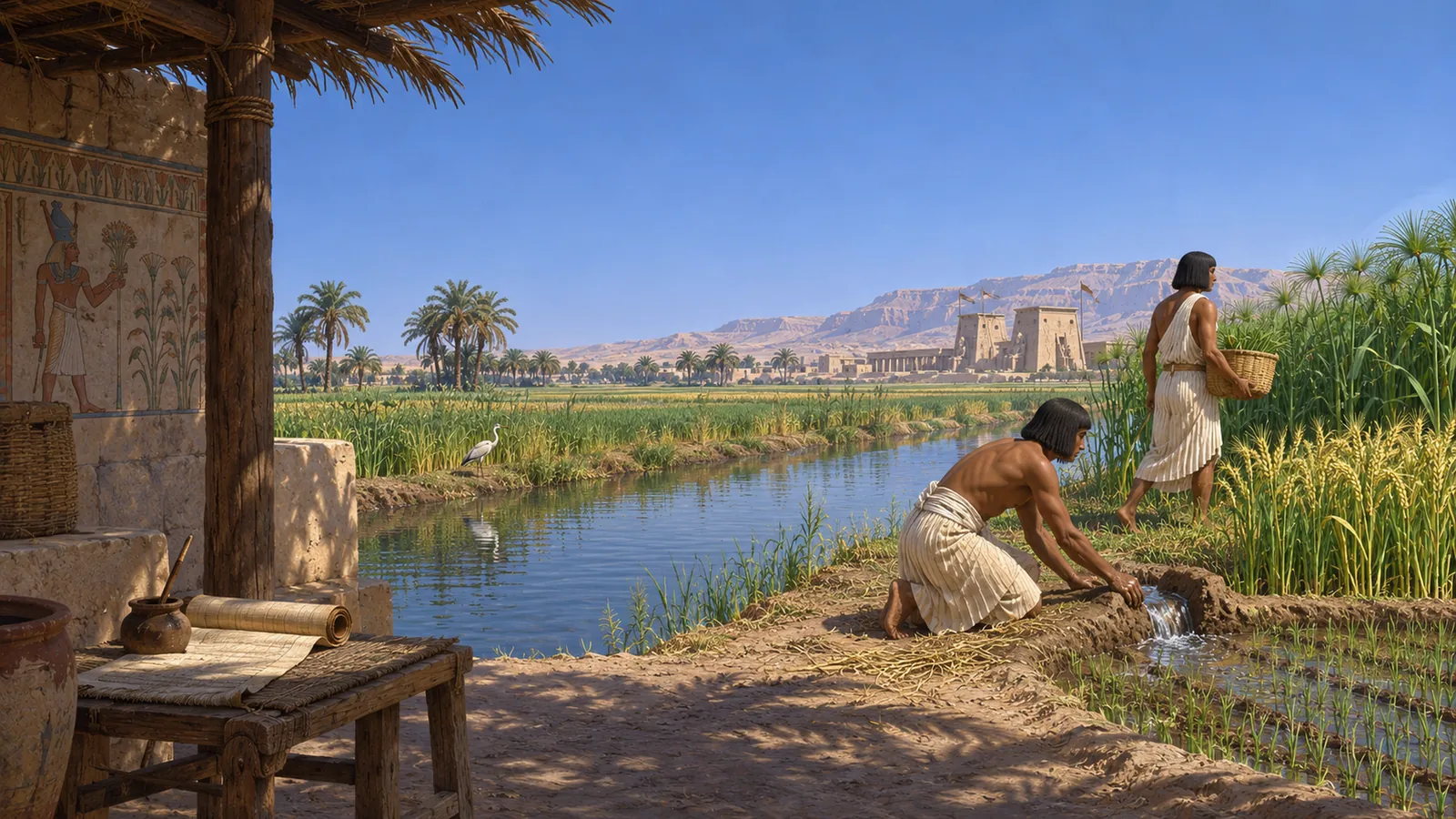
The hymn says the world grows green in triumph through Osiris, before the might of Neb-er-tcher. Budge identifies this as one of Osiris’s names.
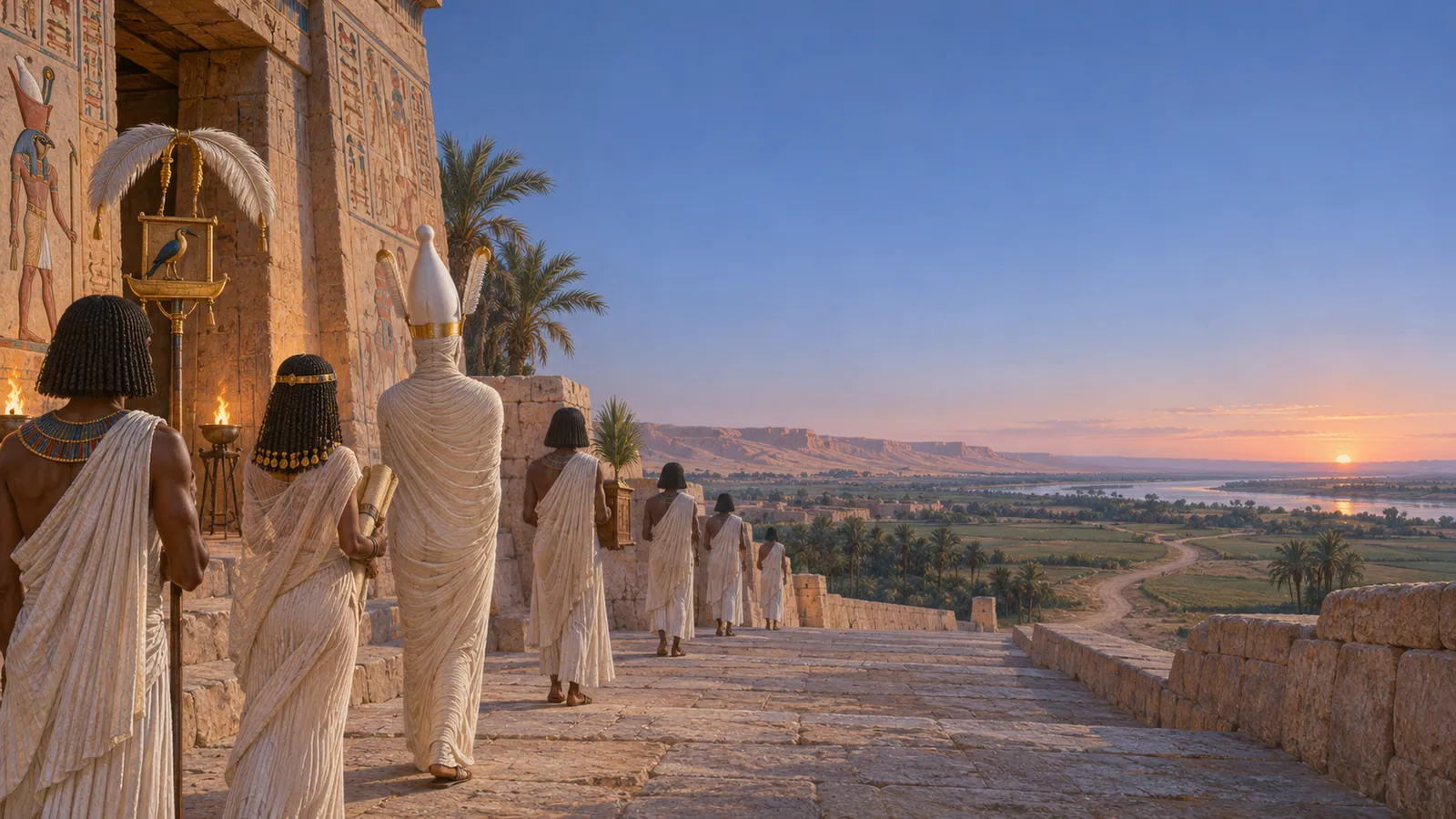
In his name Ta-her-sta-nef, Osiris leads both what exists and what does not yet exist in his train, the hymn says.
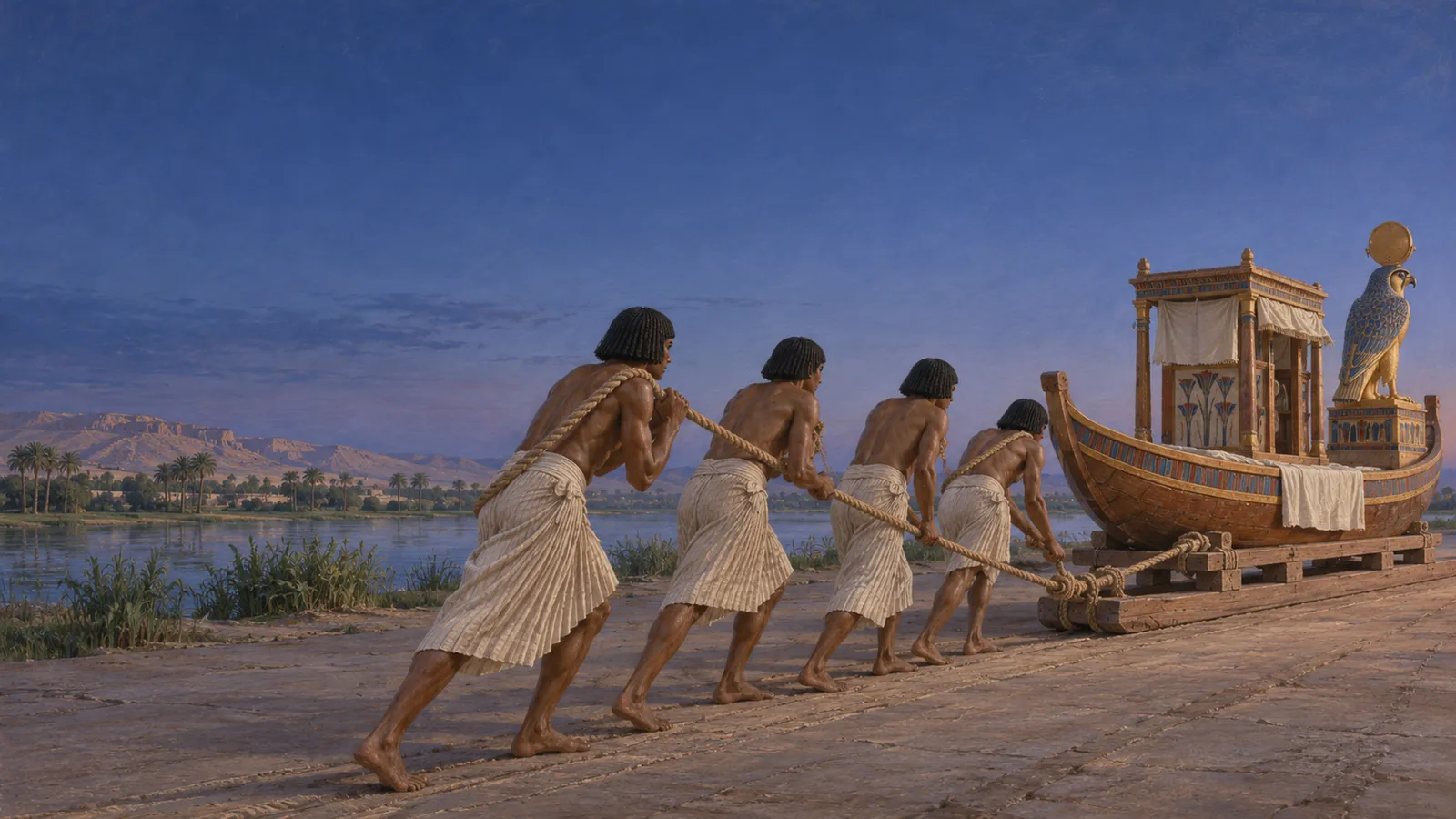
The hymn then names him Seker and says that under that name he tows along the earth.
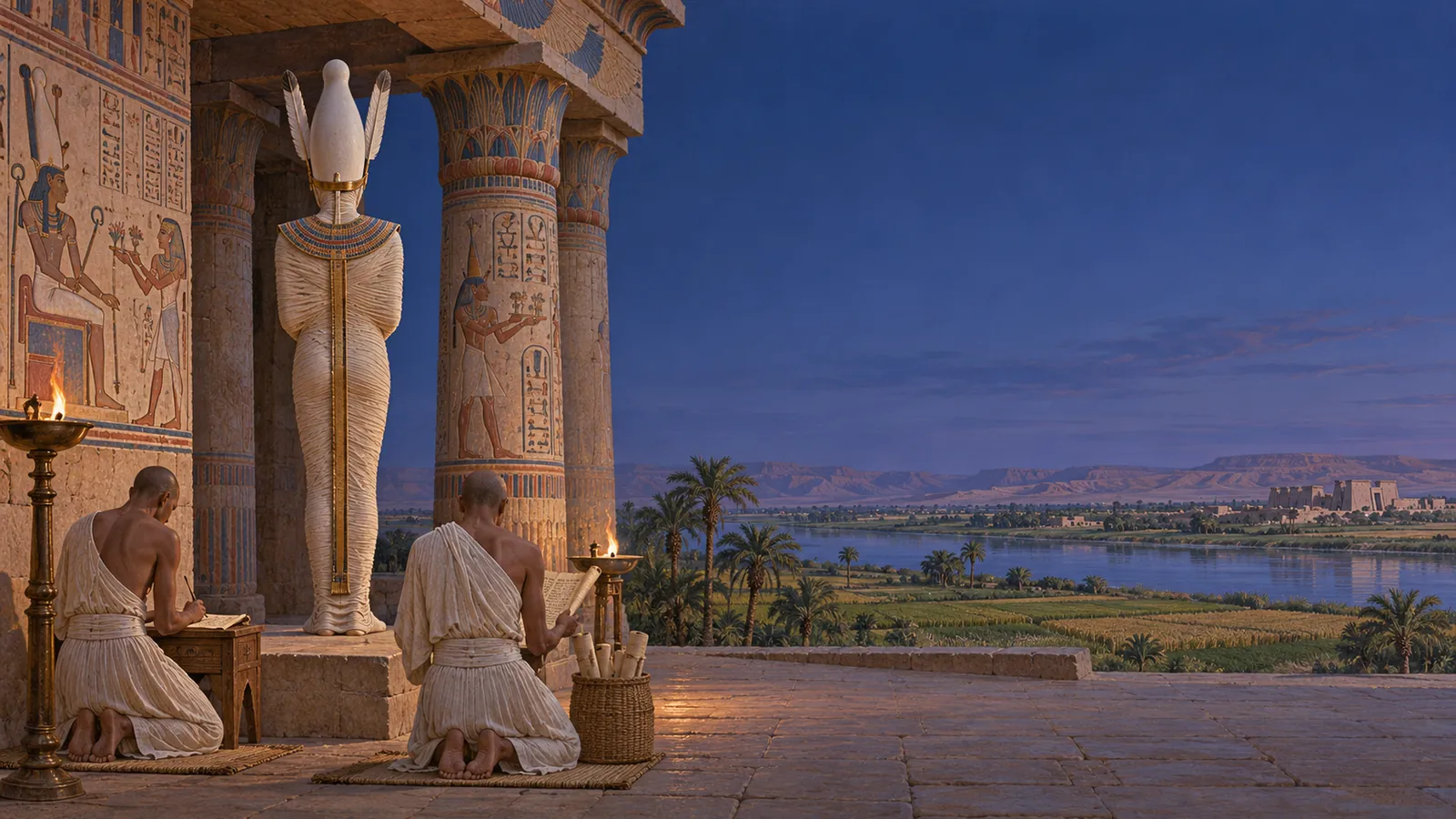
The hymn calls him exceedingly mighty and fearsome in his name Osiris. In his name Un-nefer, it says that he endures forever.
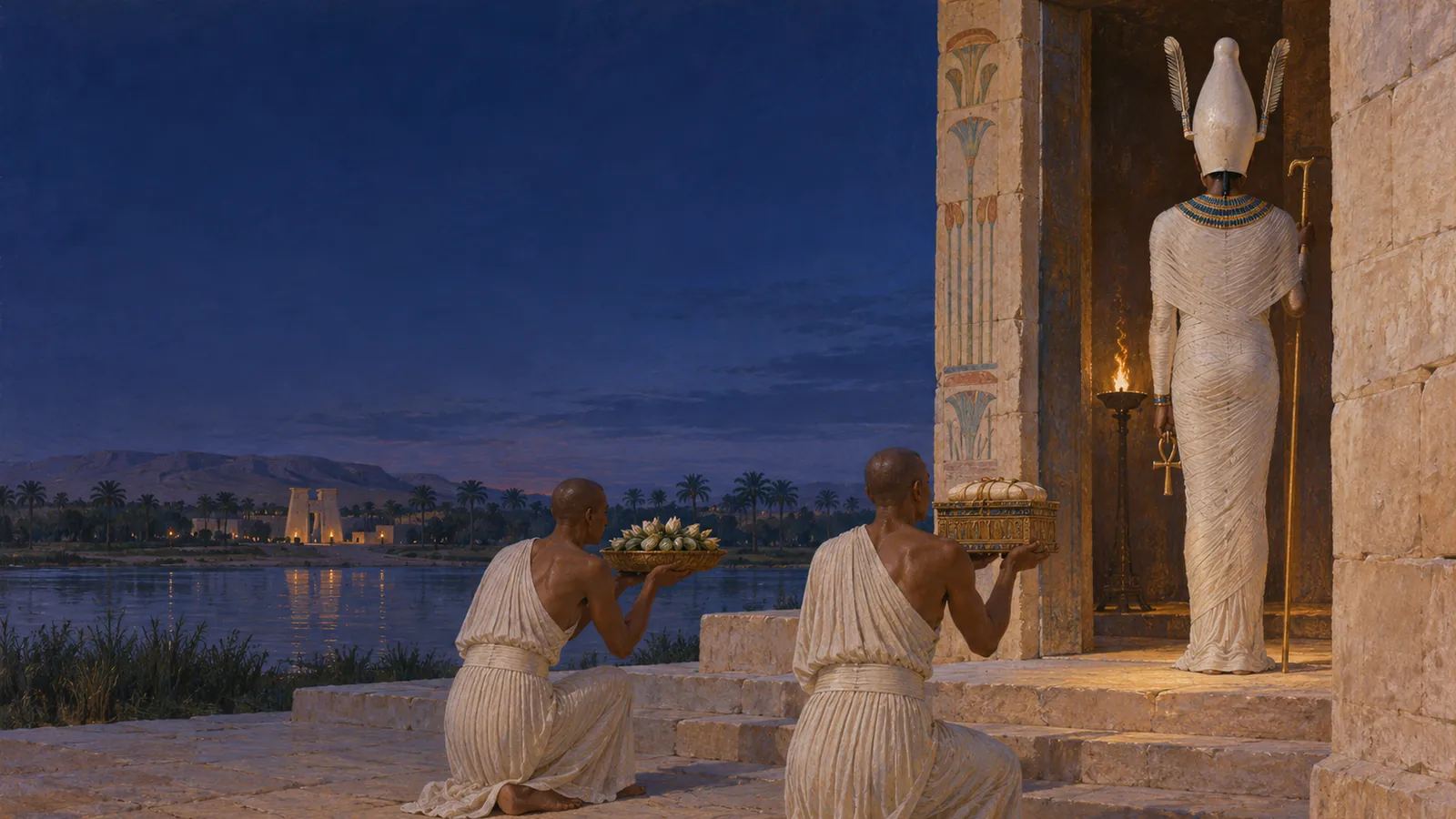
HOMAGE
The hymn renews its homage with the titles King of Kings, Lord of Lords and Prince of Princes. It says the one addressed has ruled the world and the underworld from Nut’s womb.
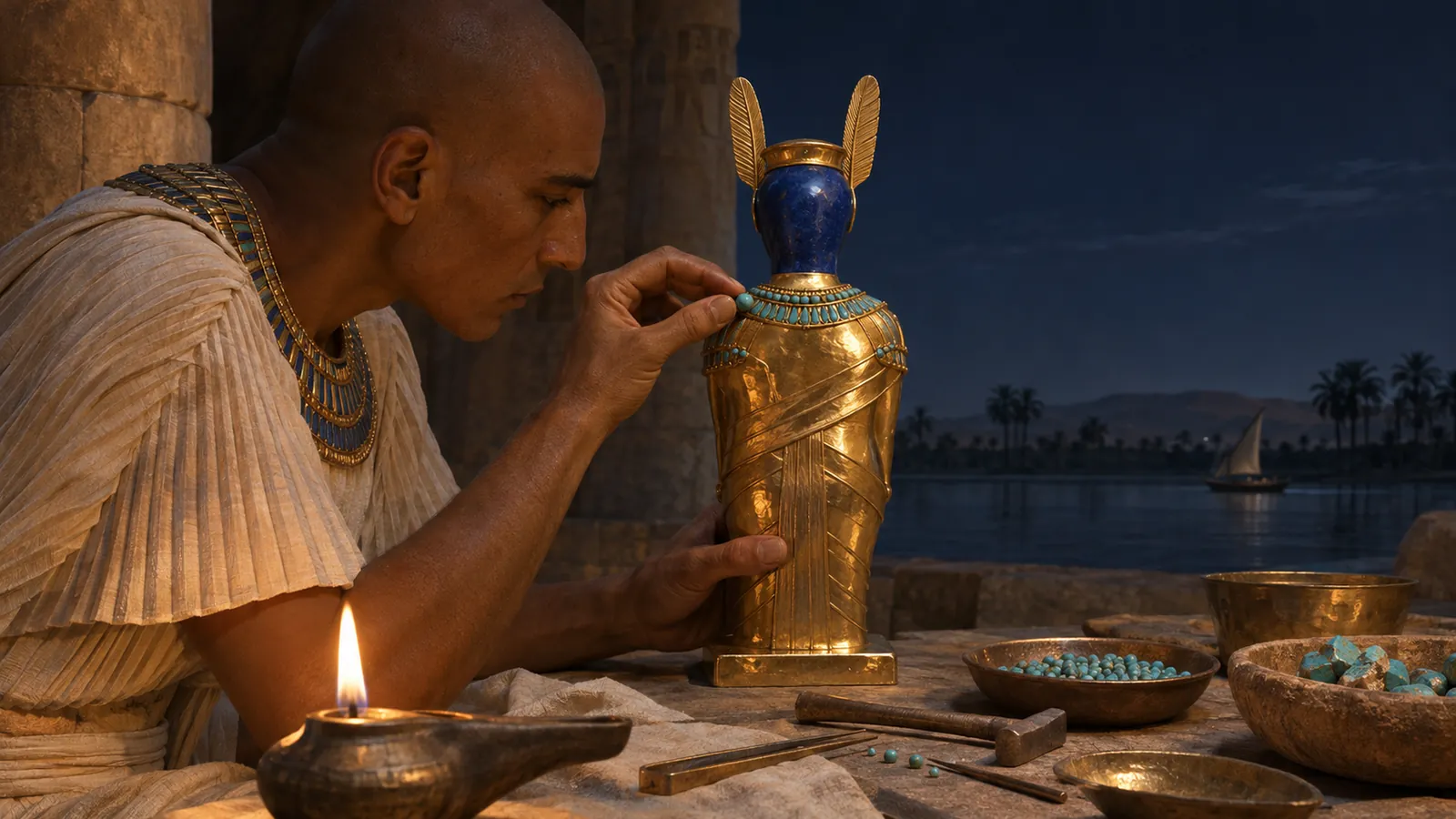
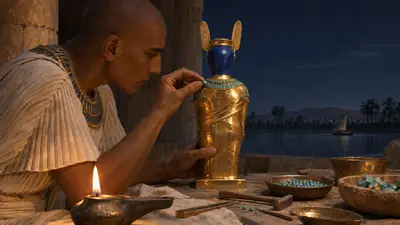
The hymn describes the one addressed as having a body of bright, shining metal and an azure-blue head. The brilliance of turquoise encircles him.
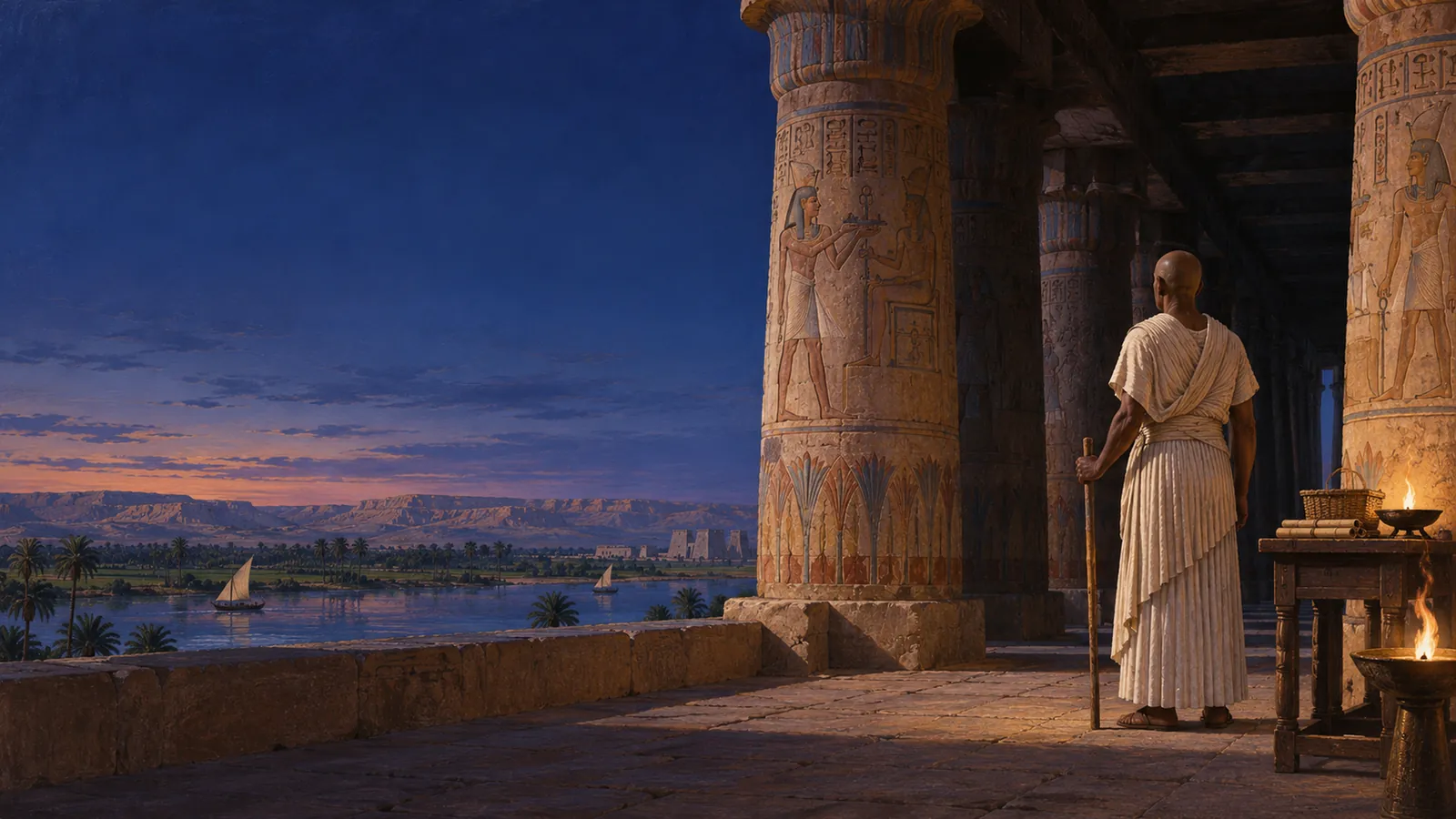
The hymn addresses the god An as one who has existed for millions of years, whose body pervades all things and whose face is beautiful in the Land of Holiness. Budge glosses that land as the underworld.

The hymn turns to petition. The speaker asks to be granted splendour in heaven, might on earth and triumph in the underworld.
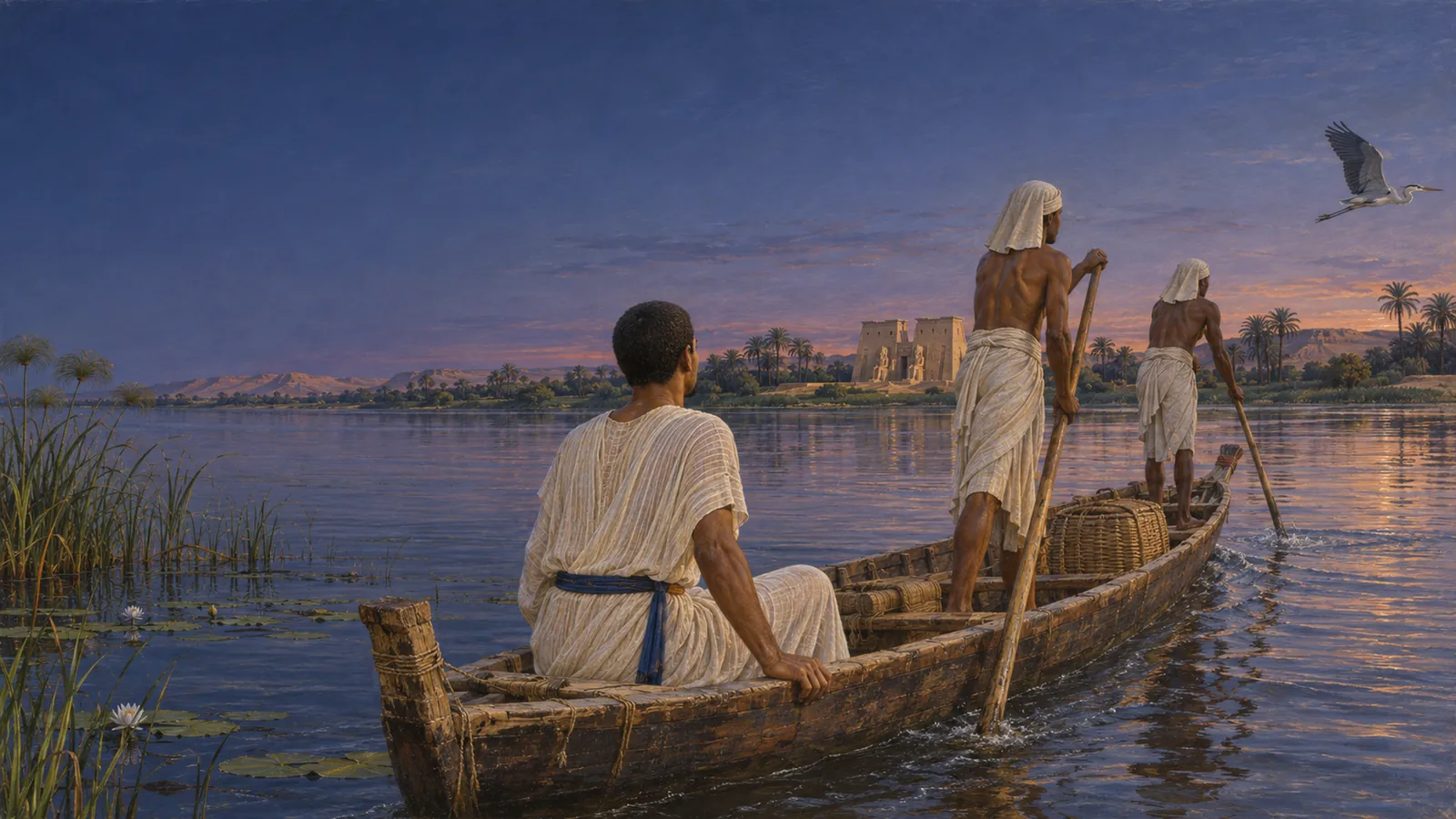
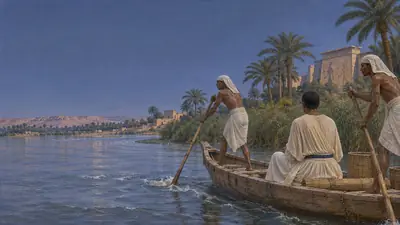
The speaker asks to sail downstream to Tattu like a living soul. He also asks to sail upstream to Abtu like the phoenix.
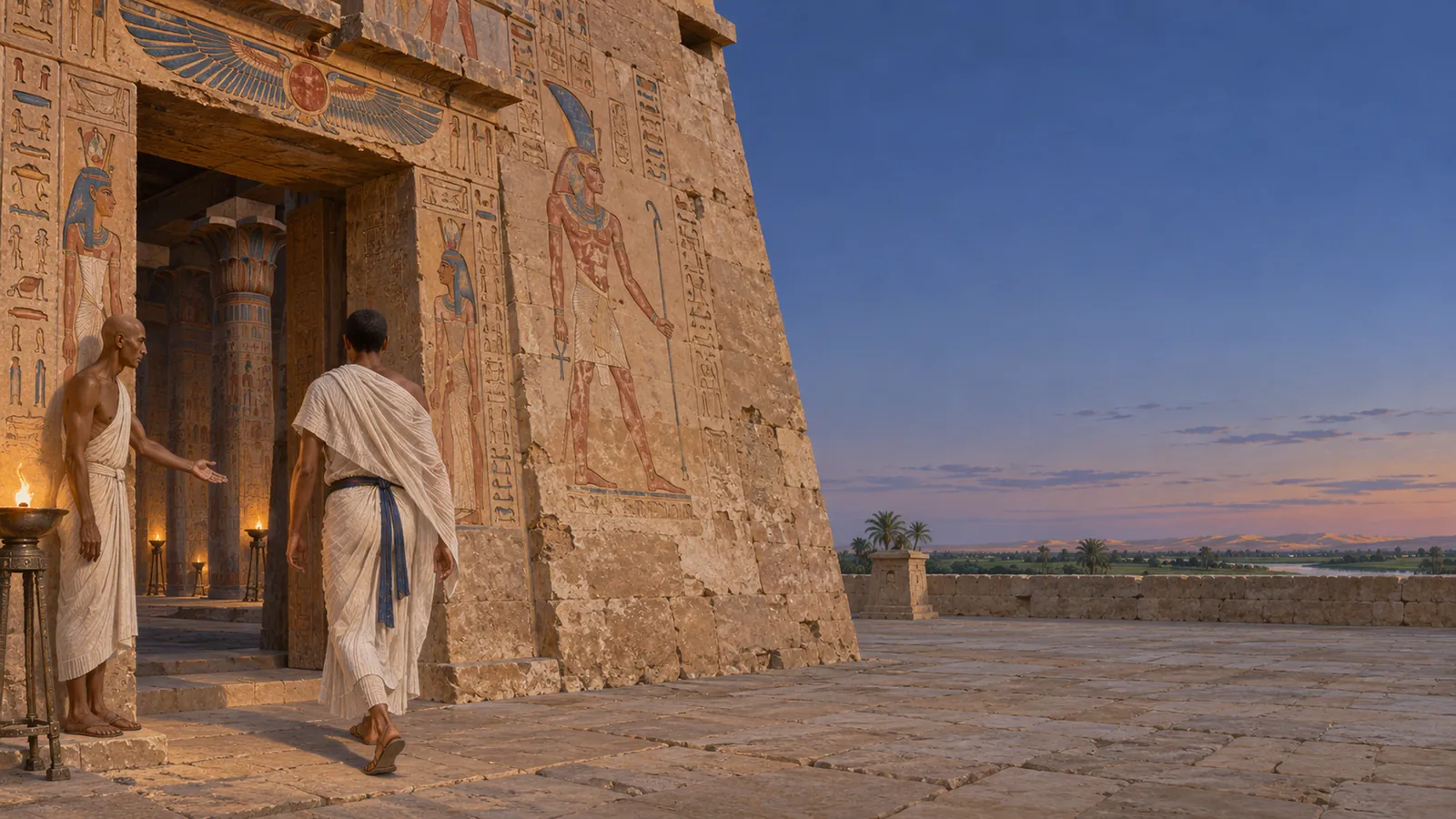
The speaker asks that he be able to enter and come out through the pylons of the lands of the underworld without hindrance.
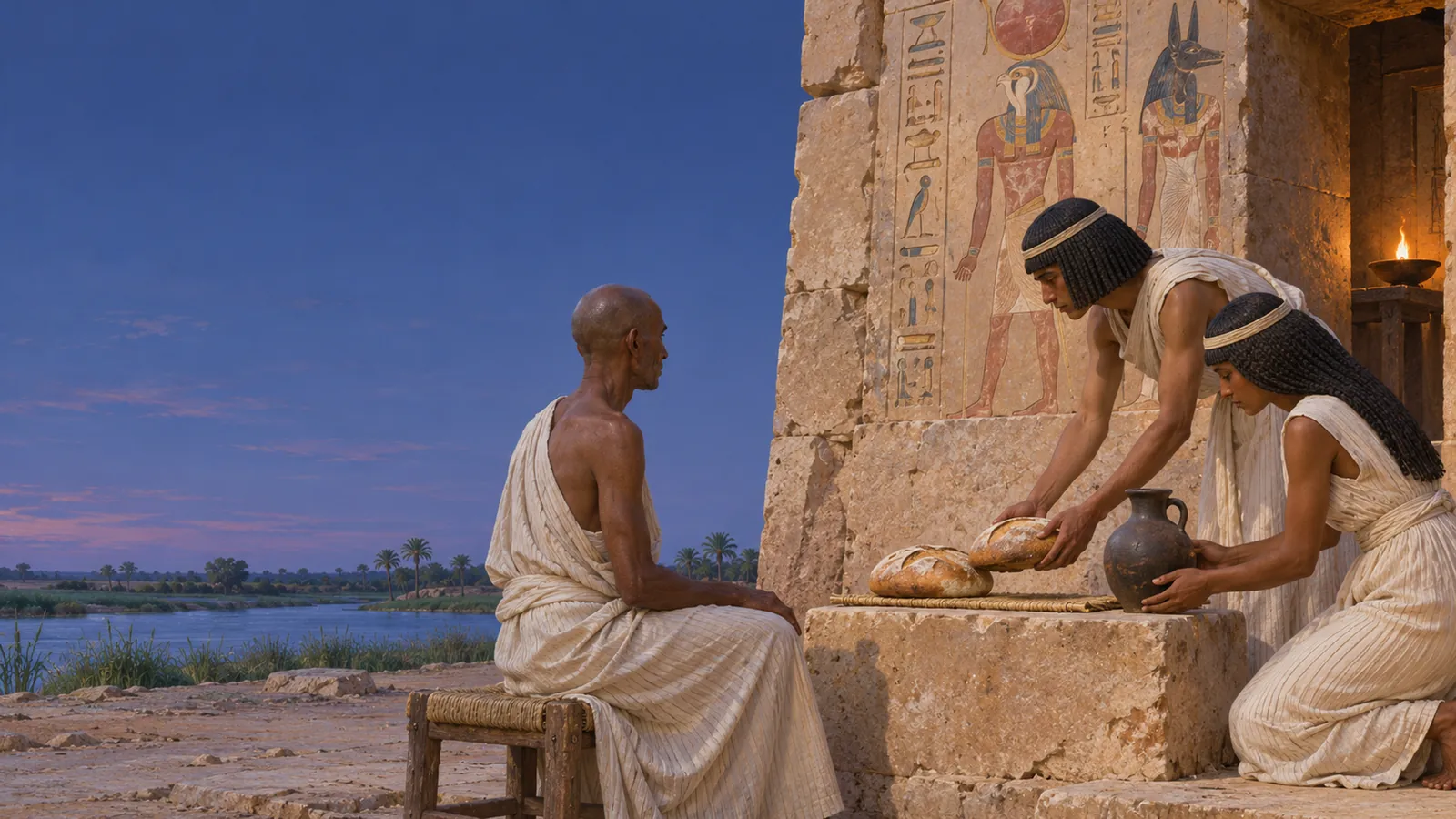
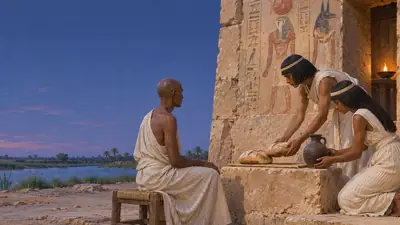
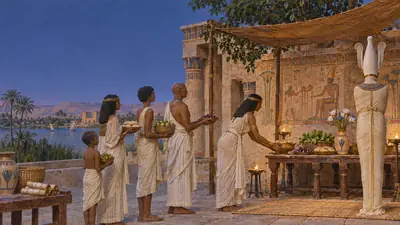
The speaker asks to be given loaves of bread in the house of coolness. He asks for offerings of food and drink in Annu, which Budge identifies as Heliopolis.
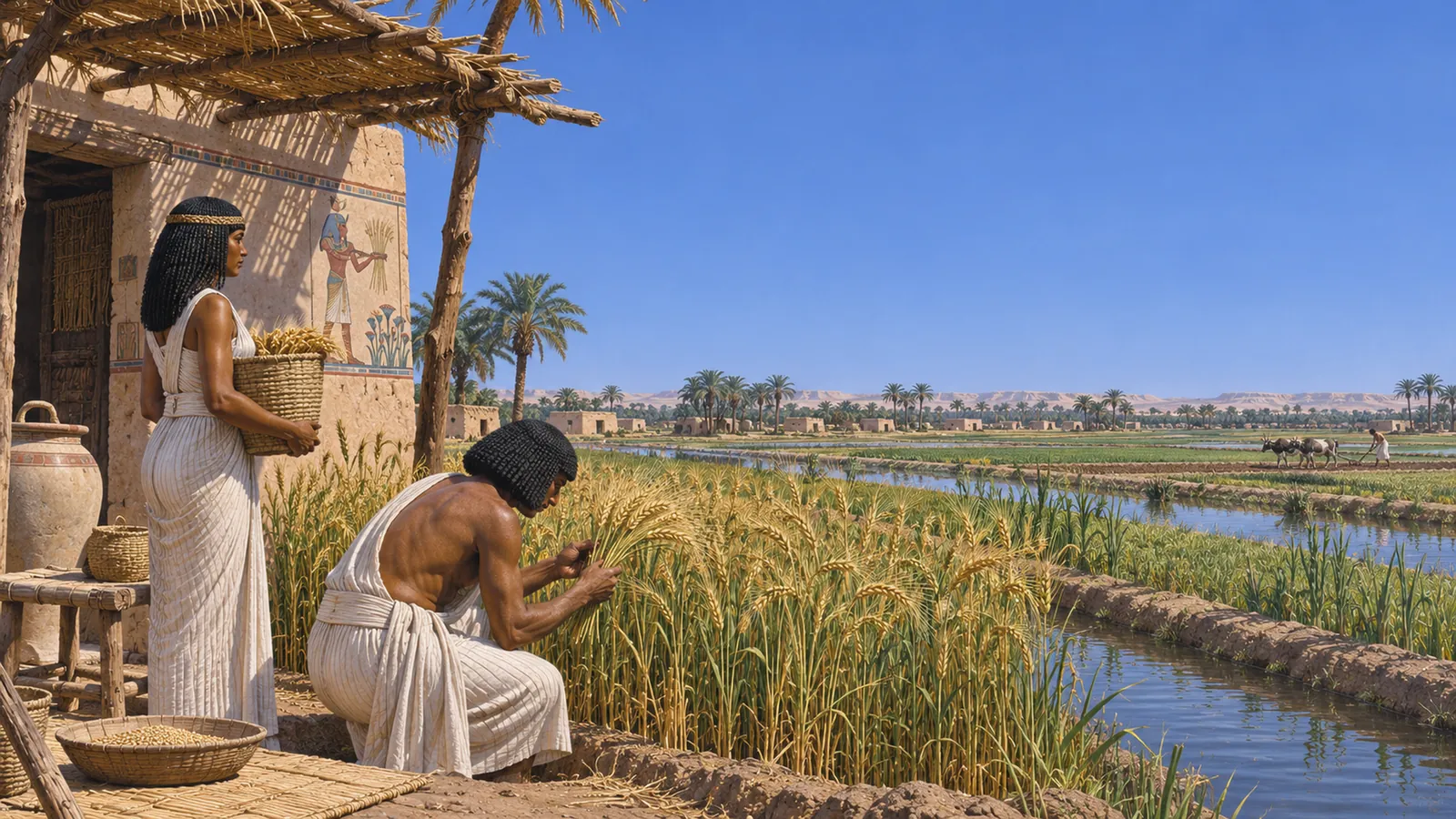
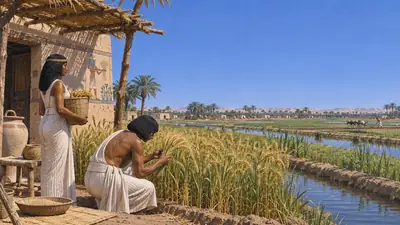
The speaker asks for a homestead in the Field of Reeds forever. The hymn closes with his request for wheat and barley for that home.
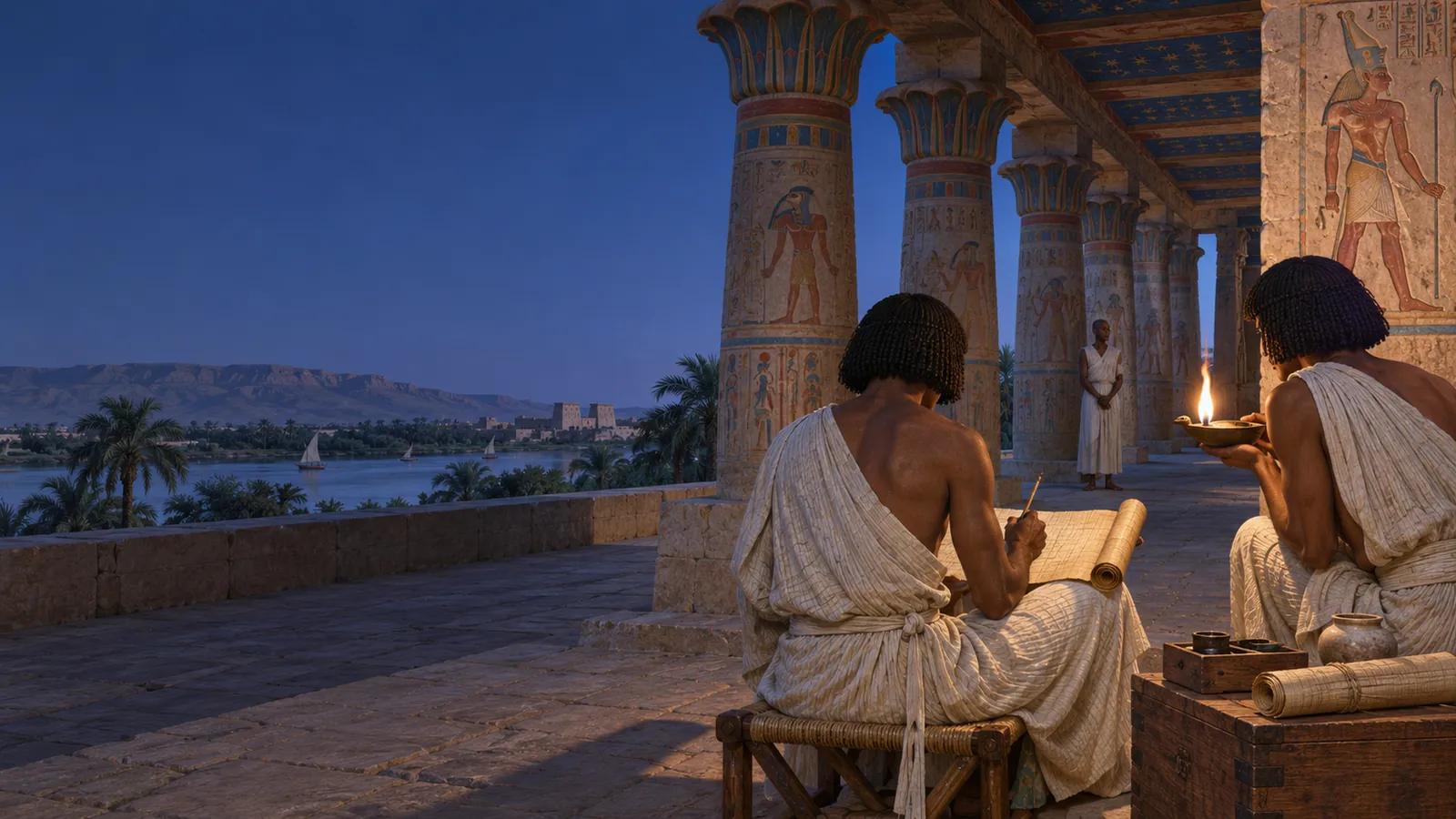
HUNEFER’S PETITION
Budge now prints a petition from a longer hymn in the Papyrus of Hunefer. The deceased asks to follow the addressee’s Majesty as he had done on earth.
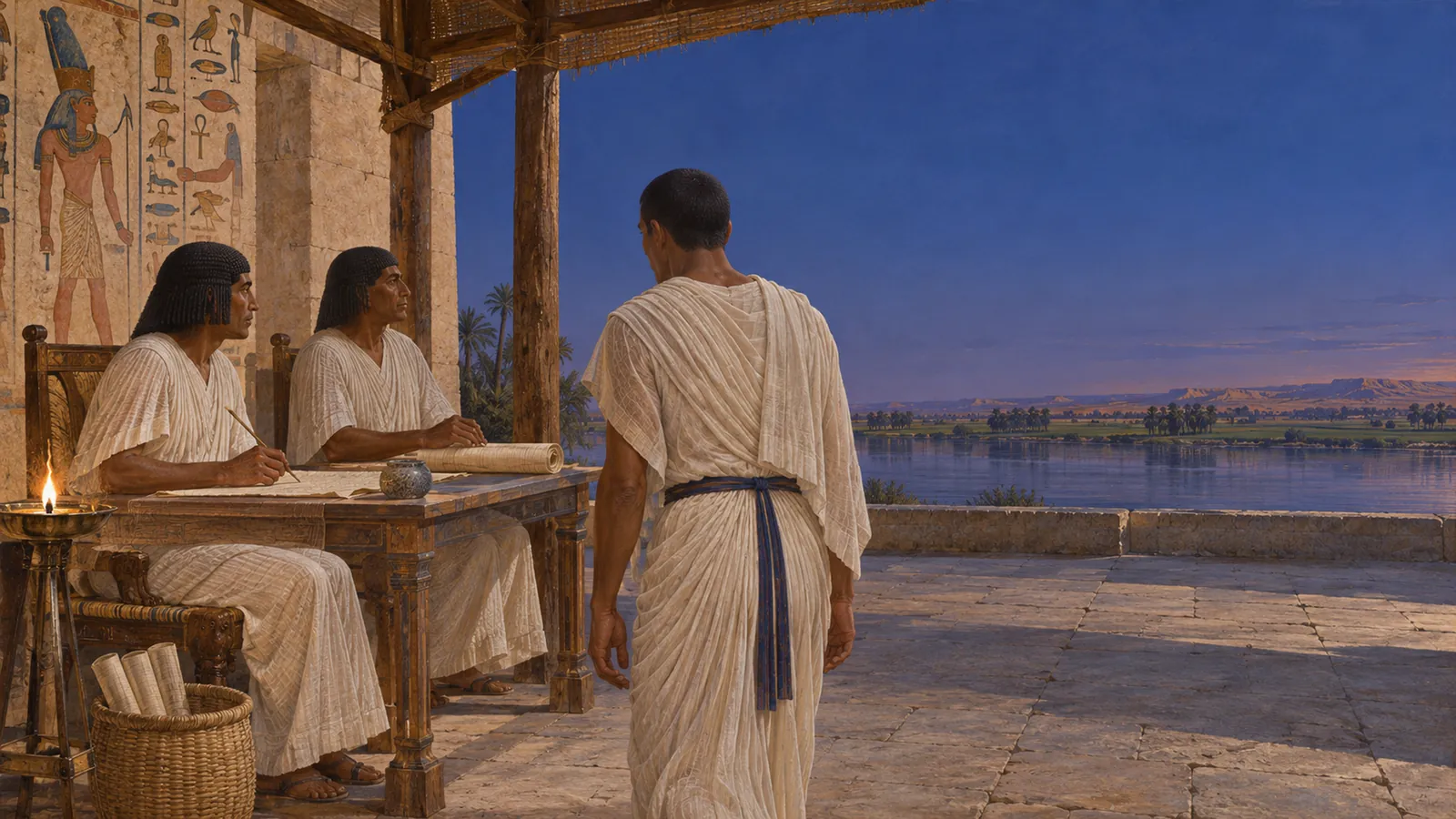
The speaker asks that his soul be called and found beside the lords of right and truth. Budge supplies the words into the presence in brackets.
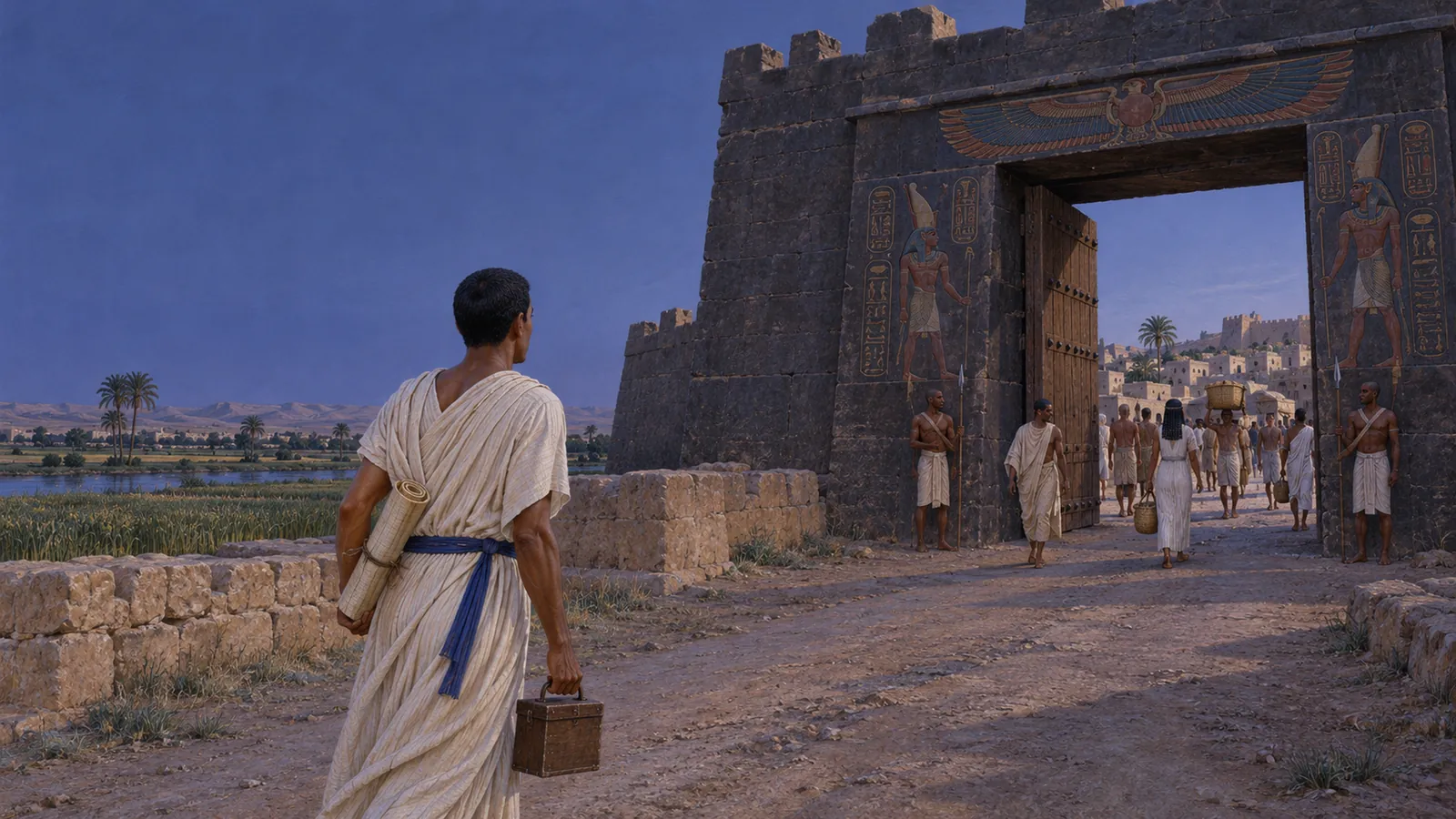
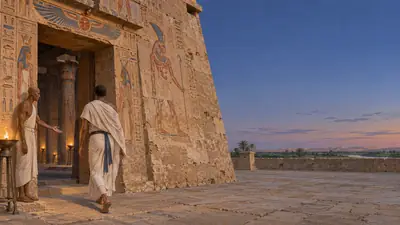
The speaker says he has come into the City of God. He describes it as a region that existed in primeval time.
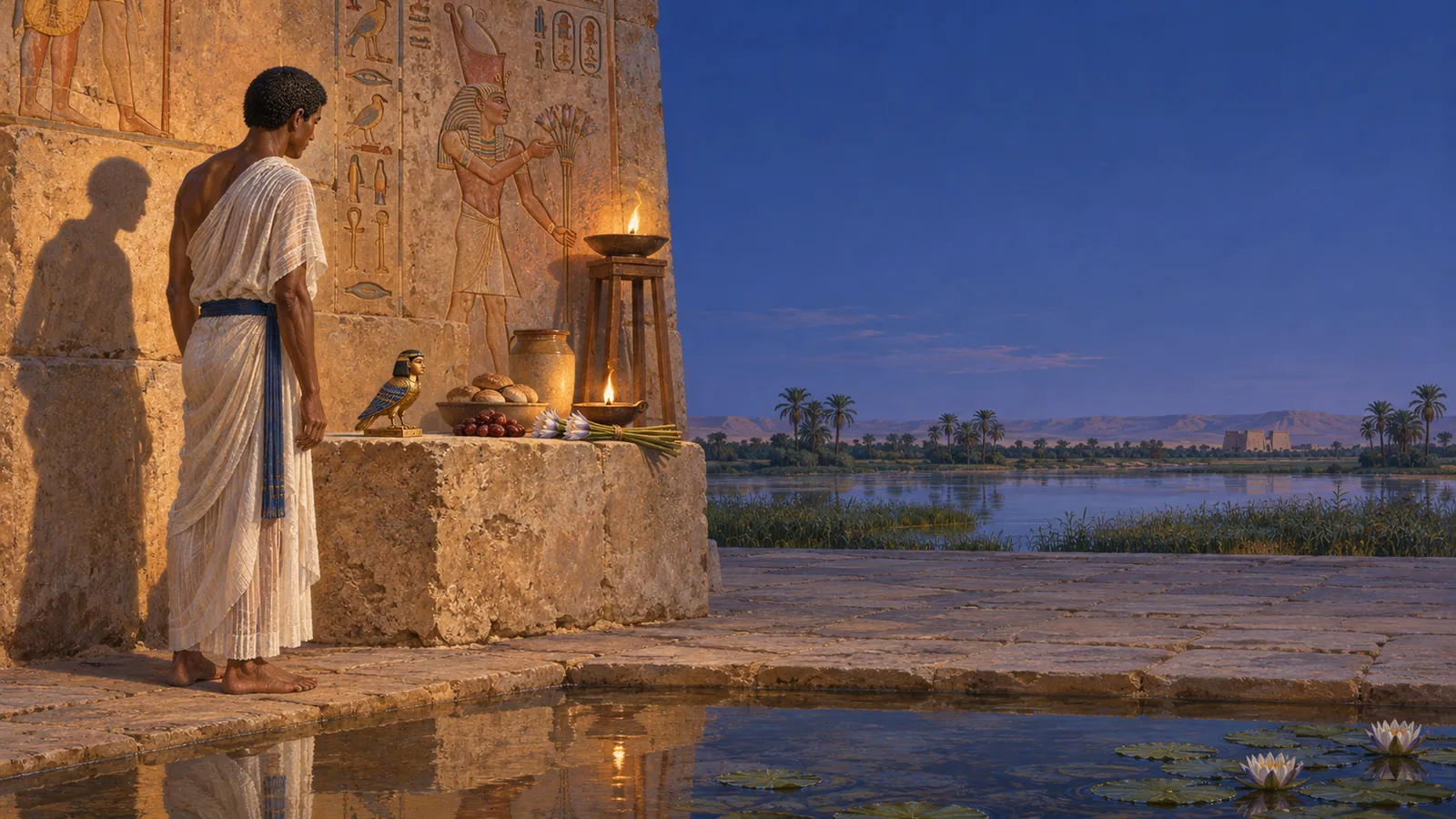
The petition names three forms that come with the speaker as he seeks to dwell in the land. They are his soul, his double and his translucent form.
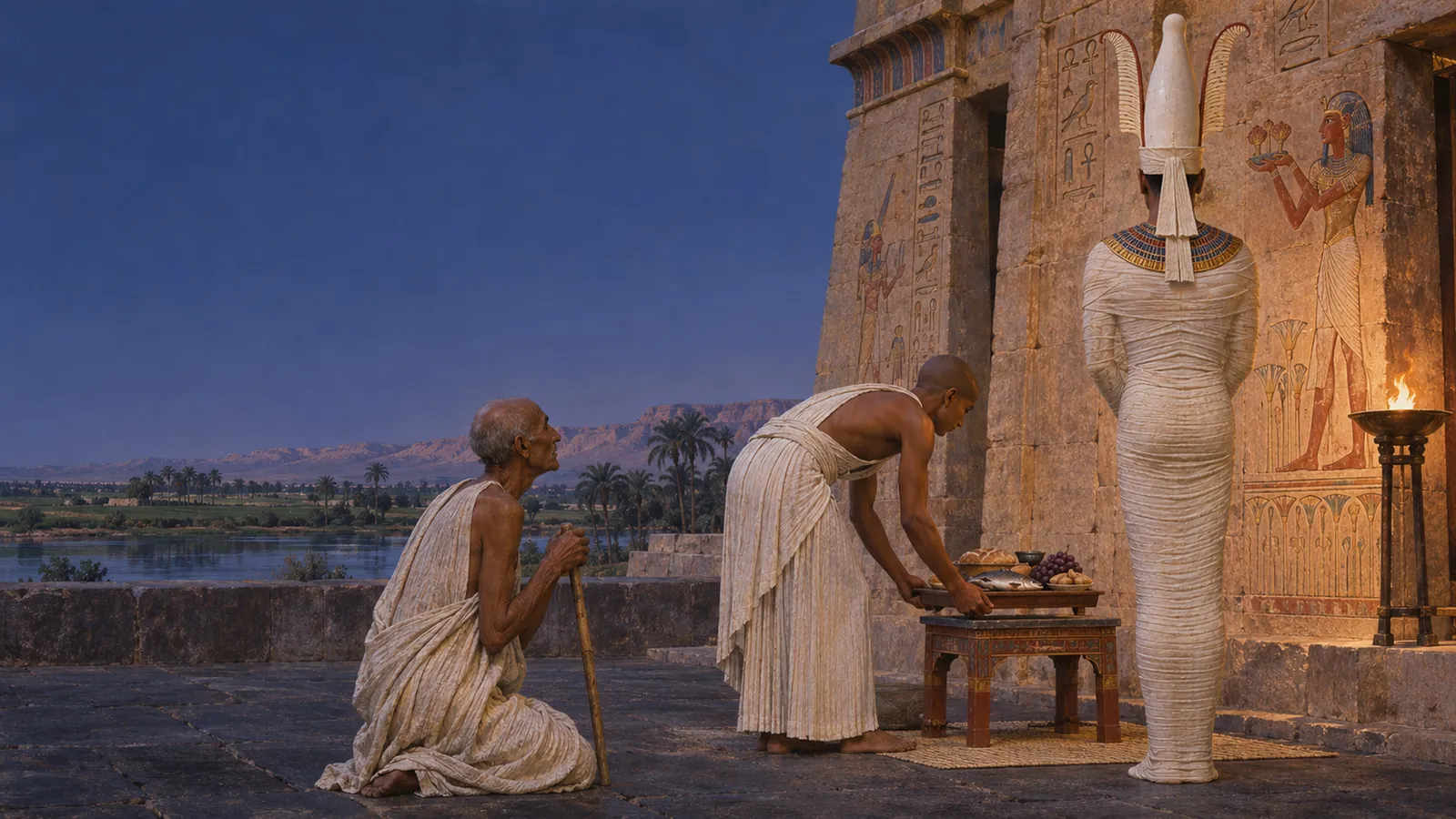
The petition calls the god of that land lord of right and truth. It calls him lord of the gods’ tchefau food and describes him as most holy.
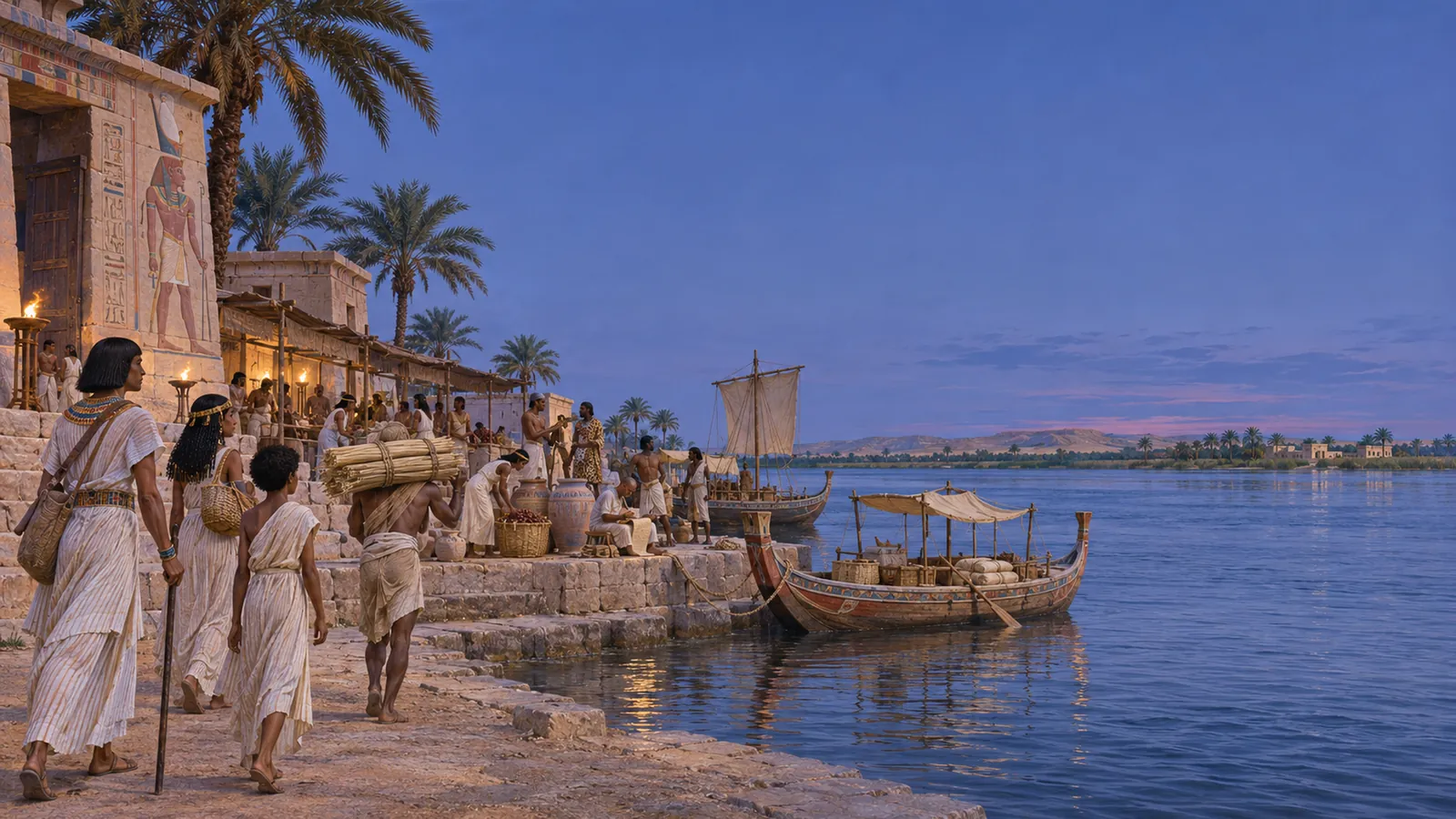
The focus shifts from the god to his land. The petition says that it draws every other land to itself.
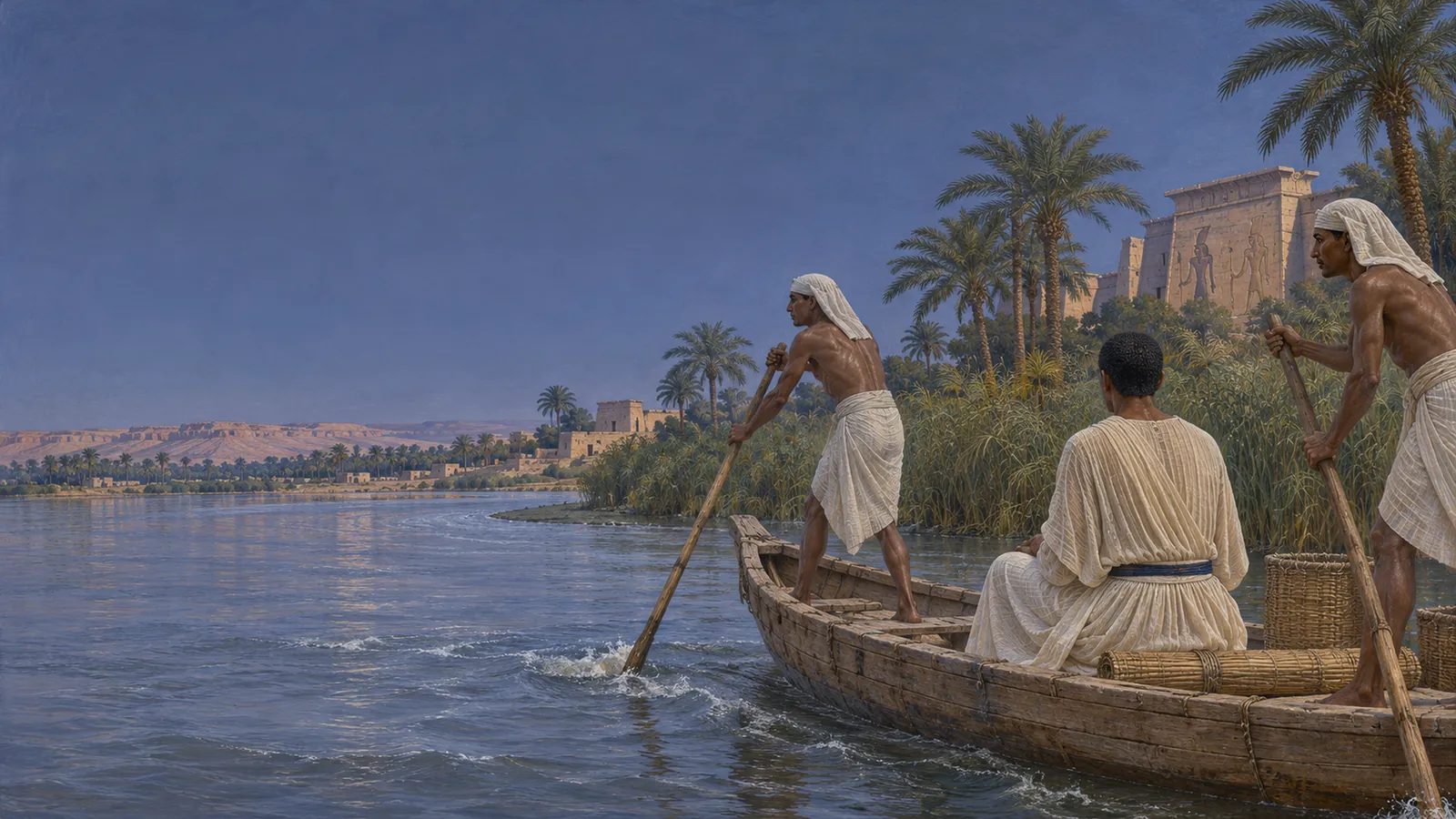
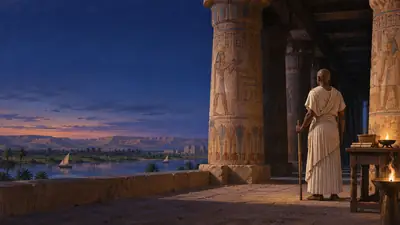
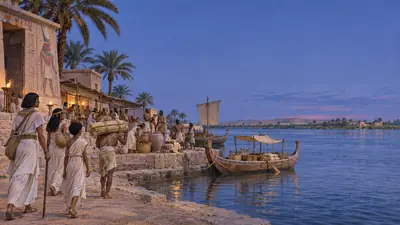
The first direction named is the South. The petition says its passage to that land is a voyage down the river.
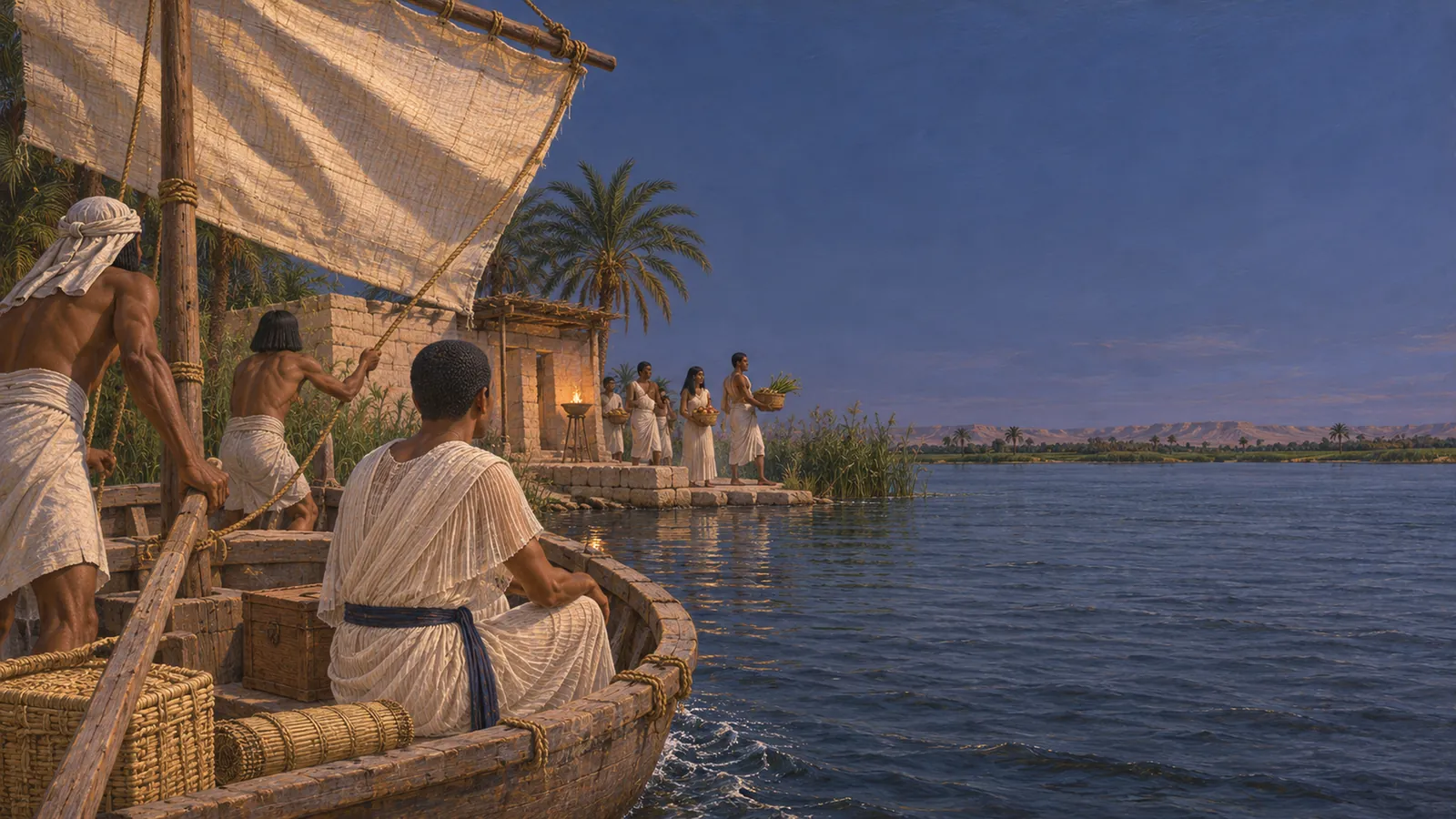
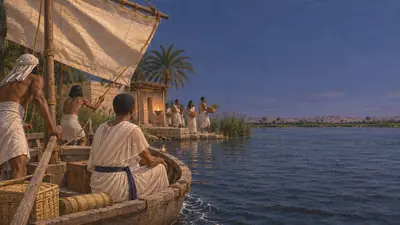
The petition turns to the North. It says the winds steer it to the land, where it comes daily to make festival.
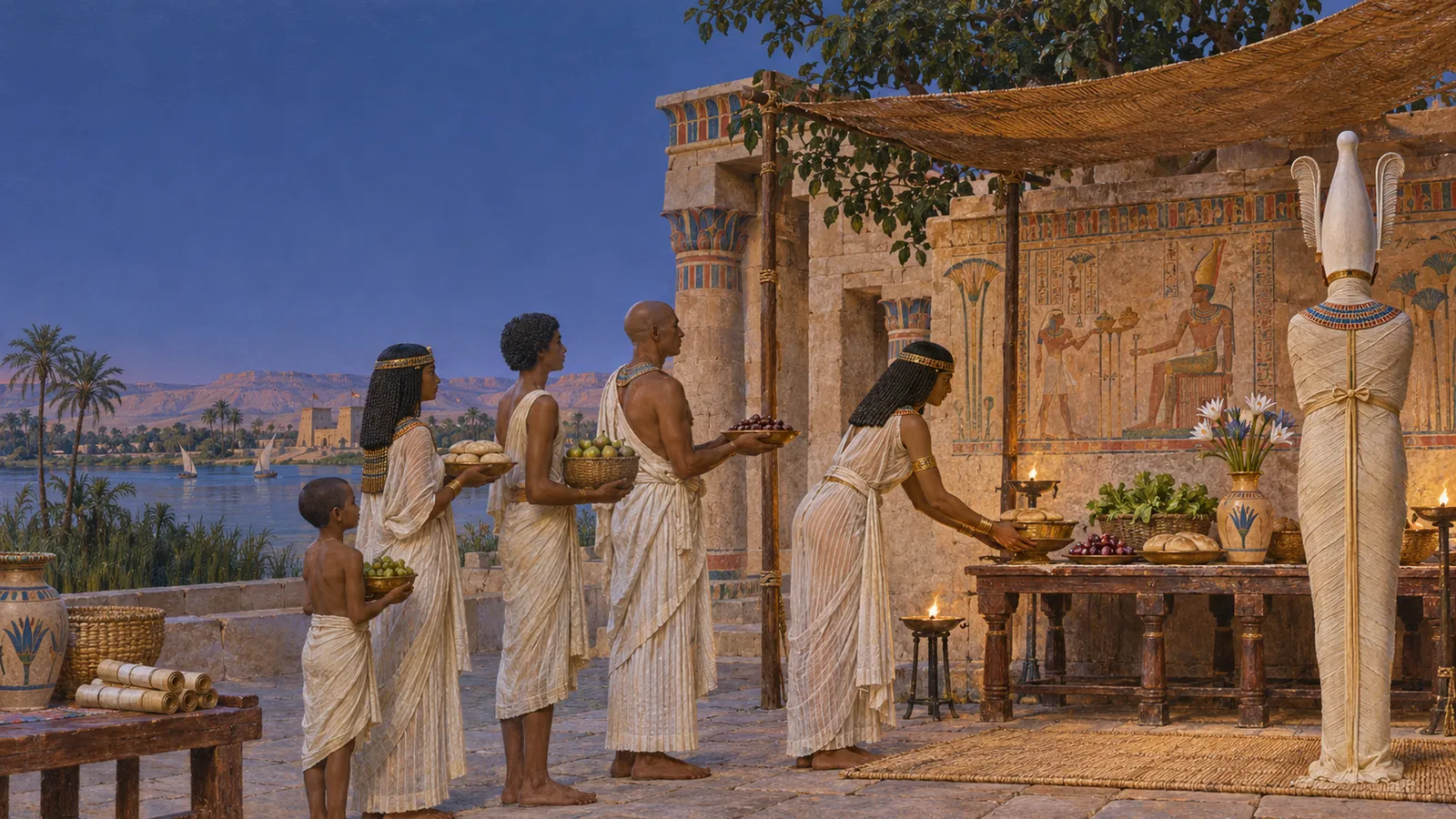
The daily festival follows the command of the god of that land. Here the voice gives him another title, the Lord of peace.
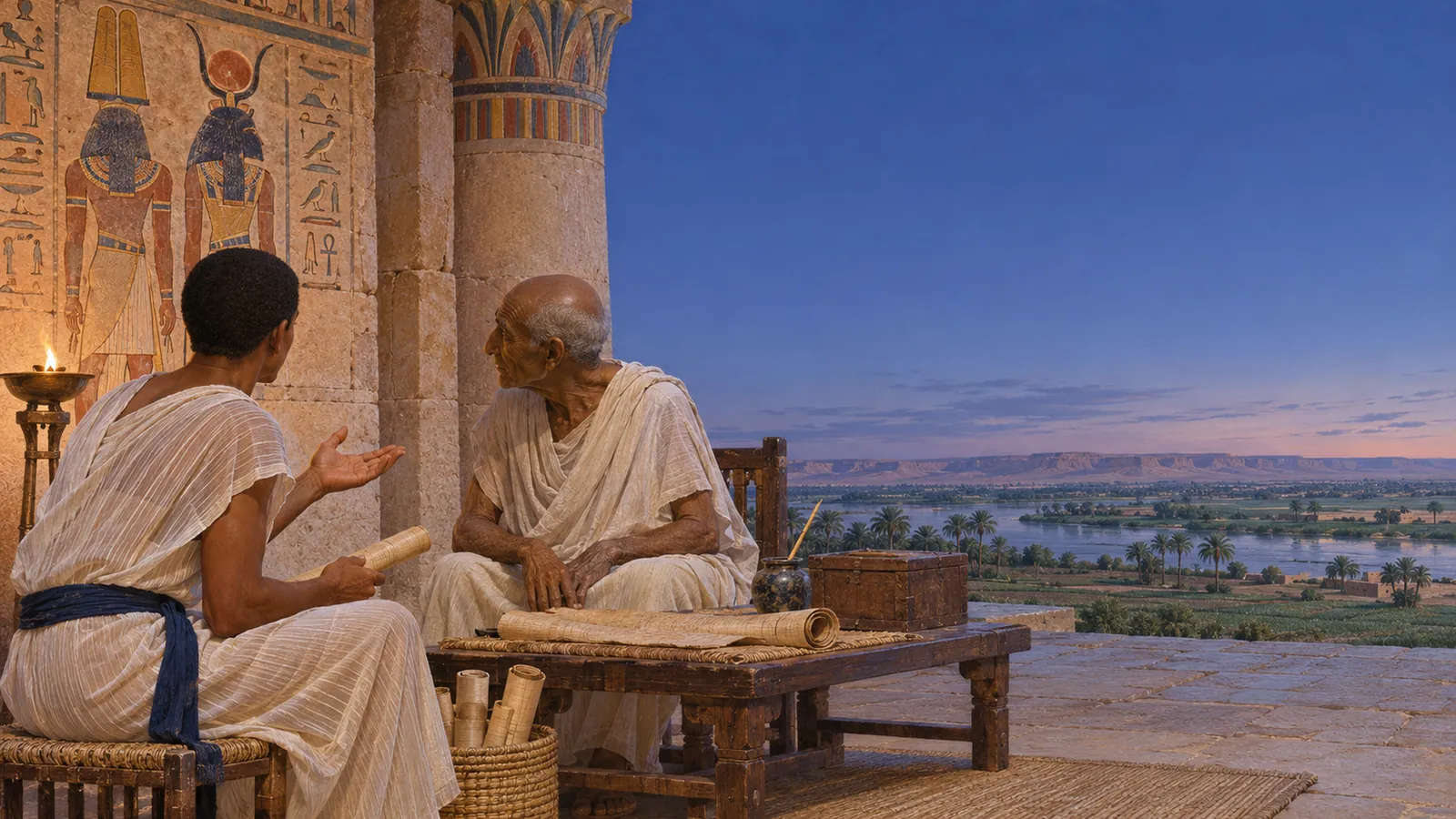
The speaker asks whether the god himself says that the happiness of that land is his concern. The petition puts the thought as a question.
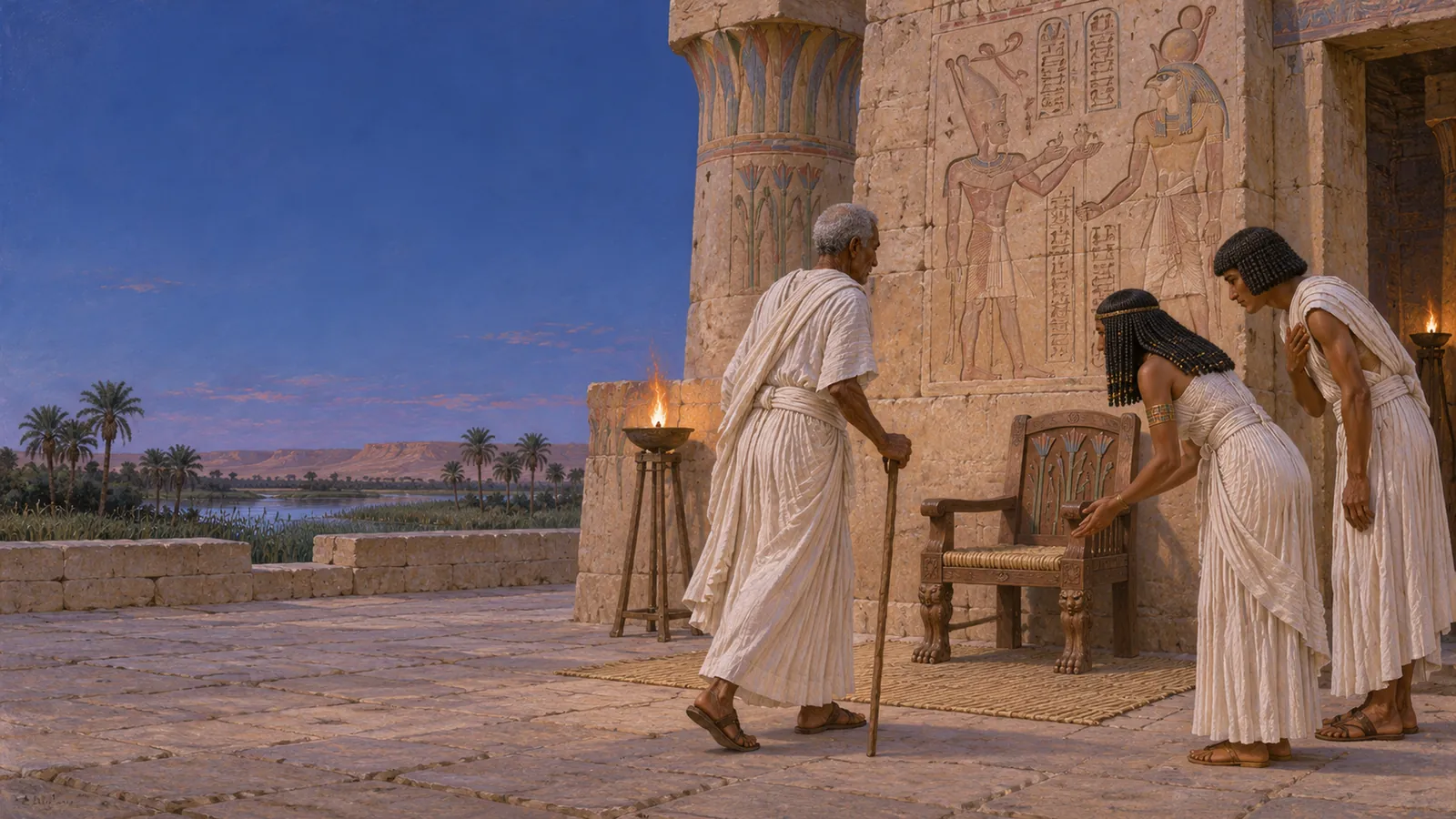
The god who dwells there does right and truth. The petition says he gives old age to whoever does those things, and rank and honour to whoever follows them.
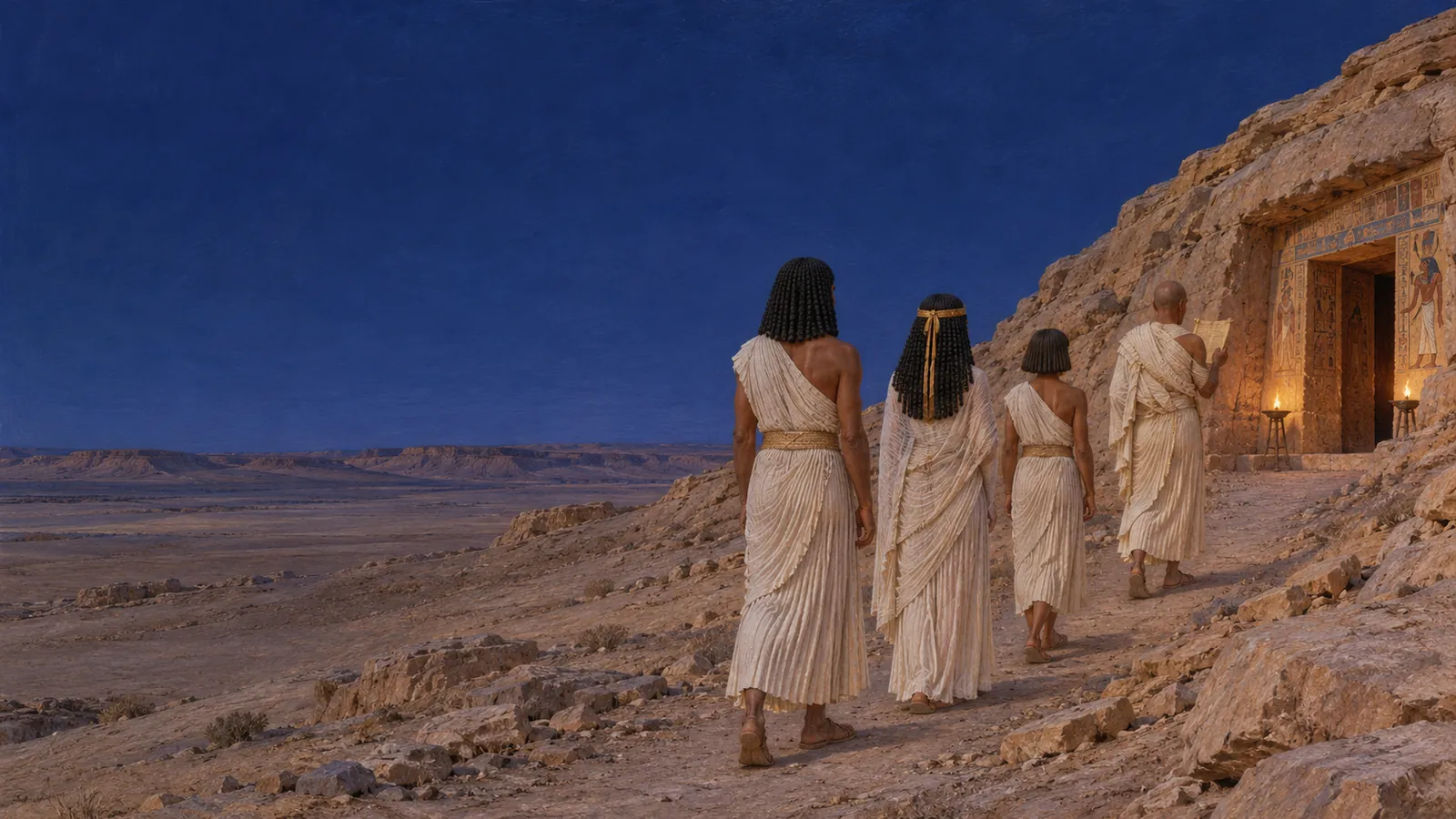
THE HOLY LAND
The petition ends with the hope of a happy funeral and burial in the Holy Land. After the quotation, Budge glosses that land as the underworld.
End of chapter 1
All pages



Sources
Its source references distinguish the two readings.
Editions consulted
- Publication record for Egyptian Ideas of the Future Life
- The 1908 edition, Chapter IV
- The displayed Hymn to Osiris
- Budge’s introduction to the Hunefer petition
- Budge note 104, the Hunefer publication citation
Ancient lines behind each page
- Page 1: Budge 1908, Egyptian Ideas of the Future Life, ch. IV, Hymn to Osiris, first printed quotation
- Page 2: Budge 1908, Egyptian Ideas of the Future Life, ch. IV, Hymn to Osiris, first printed quotation (local)
- Page 3: Budge 1908, Egyptian Ideas of the Future Life, ch. IV, Hymn to Osiris, first printed quotation (local)
- Page 4: Budge 1908, Egyptian Ideas of the Future Life, ch. IV, Hymn to Osiris, first printed quotation (local)
- Page 5: Budge 1908, Egyptian Ideas of the Future Life, ch. IV, Hymn to Osiris, first printed quotation (local)
- Page 6: Budge 1908, Egyptian Ideas of the Future Life, ch. IV, Hymn to Osiris, first printed quotation (local)
- Page 7: Budge 1908, Egyptian Ideas of the Future Life, ch. IV, Hymn to Osiris, first printed quotation (local)
- Page 8: Budge 1908, Egyptian Ideas of the Future Life, ch. IV, Hymn to Osiris, first printed quotation (local)
- Page 9: Budge 1908, Egyptian Ideas of the Future Life, ch. IV, Hymn to Osiris, first printed quotation (local)
- Page 10: Budge 1908, Egyptian Ideas of the Future Life, ch. IV, Hymn to Osiris, first printed quotation (local)
- Page 11: Budge 1908, Egyptian Ideas of the Future Life, 3rd ed., ch. IV, Hymn to Osiris, second block
- Page 12: Budge 1908, Egyptian Ideas of the Future Life, 3rd ed., ch. IV, Hymn to Osiris, second block
- Page 13: Budge 1908, Egyptian Ideas of the Future Life, 3rd ed., ch. IV, Hymn to Osiris, second block
- Page 14: Budge 1908, Egyptian Ideas of the Future Life, 3rd ed., ch. IV, Hymn to Osiris, second block
- Page 15: Budge 1908, Egyptian Ideas of the Future Life, 3rd ed., ch. IV, Hymn to Osiris, second block
- Page 16: Budge 1908, Egyptian Ideas of the Future Life, 3rd ed., ch. IV, Hymn to Osiris, second block
- Page 17: Budge 1908, Egyptian Ideas of the Future Life, 3rd ed., ch. IV, Hymn to Osiris, second block
- Page 18: Budge 1908, Egyptian Ideas of the Future Life, 3rd ed., ch. IV, Hymn to Osiris, second block
- Page 19: Budge 1908, Egyptian Ideas of the Future Life, ch. IV, Hunefer petition (local; 3041–3042)
- Page 20: Budge 1908, Egyptian Ideas of the Future Life, ch. IV, Hunefer petition (local)
- Page 21: Budge 1908, Egyptian Ideas of the Future Life, ch. IV, Hunefer petition (local)
- Page 22: Budge 1908, Egyptian Ideas of the Future Life, ch. IV, Hunefer petition (local)
- Page 23: Budge 1908, Egyptian Ideas of the Future Life, ch. IV, Hunefer petition (local)
- Page 24: Budge 1908, Egyptian Ideas of the Future Life, ch. IV, Hunefer petition (local)
- Page 25: Budge 1908, Egyptian Ideas of the Future Life, ch. IV, Hunefer petition (local)
- Page 26: Budge 1908, Egyptian Ideas of the Future Life, ch. IV, Hunefer petition (local)
- Page 27: Budge 1908, Egyptian Ideas of the Future Life, ch. IV, Hunefer petition (local)
- Page 28: Budge 1908, Egyptian Ideas of the Future Life, ch. IV, Hunefer petition (local)
- Page 29: Budge 1908, Egyptian Ideas of the Future Life, ch. IV, Hunefer petition (local)
- Page 30: Budge 1908, Egyptian Ideas of the Future Life, ch. IV, Hunefer petition (local)
Illustrations made with AI tools by IL Archive; the text is based on the ancient sources (see the sources at the end of each chapter).