Unis at the Door to the Sky Chapter 1
The Corridor Spells
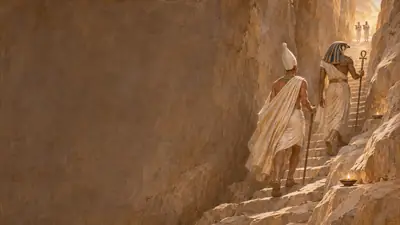
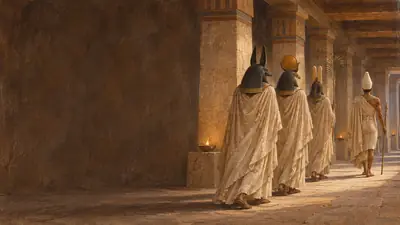
The closing corridor spells of the Pyramid of Unis call for the door to the sky to open. The voices take different forms and end with a request for a ladder to accompany the Sun.
SourcesTurn the pages with the arrows, the arrow keys or a swipe.
DOOR TO THE SKY
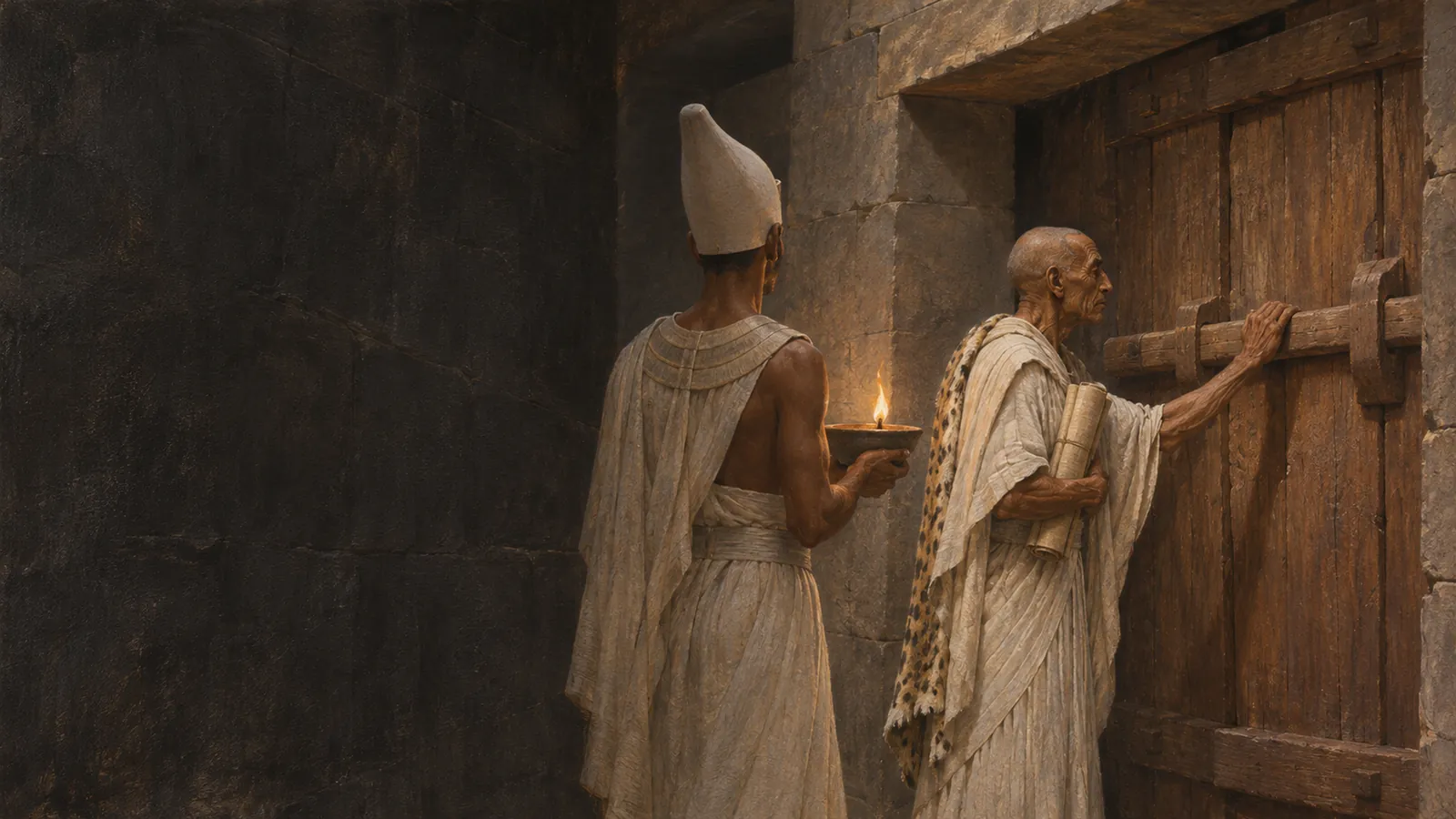
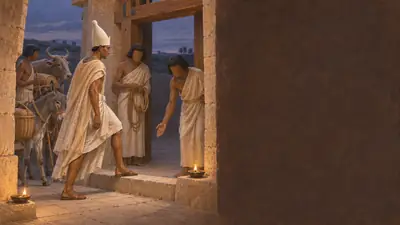
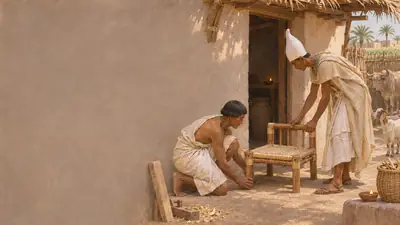
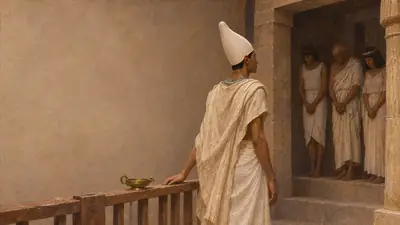
The corridor recitation begins by telling an object called Baboon’s penis to draw back. Allen identifies the object as the doorbolt.
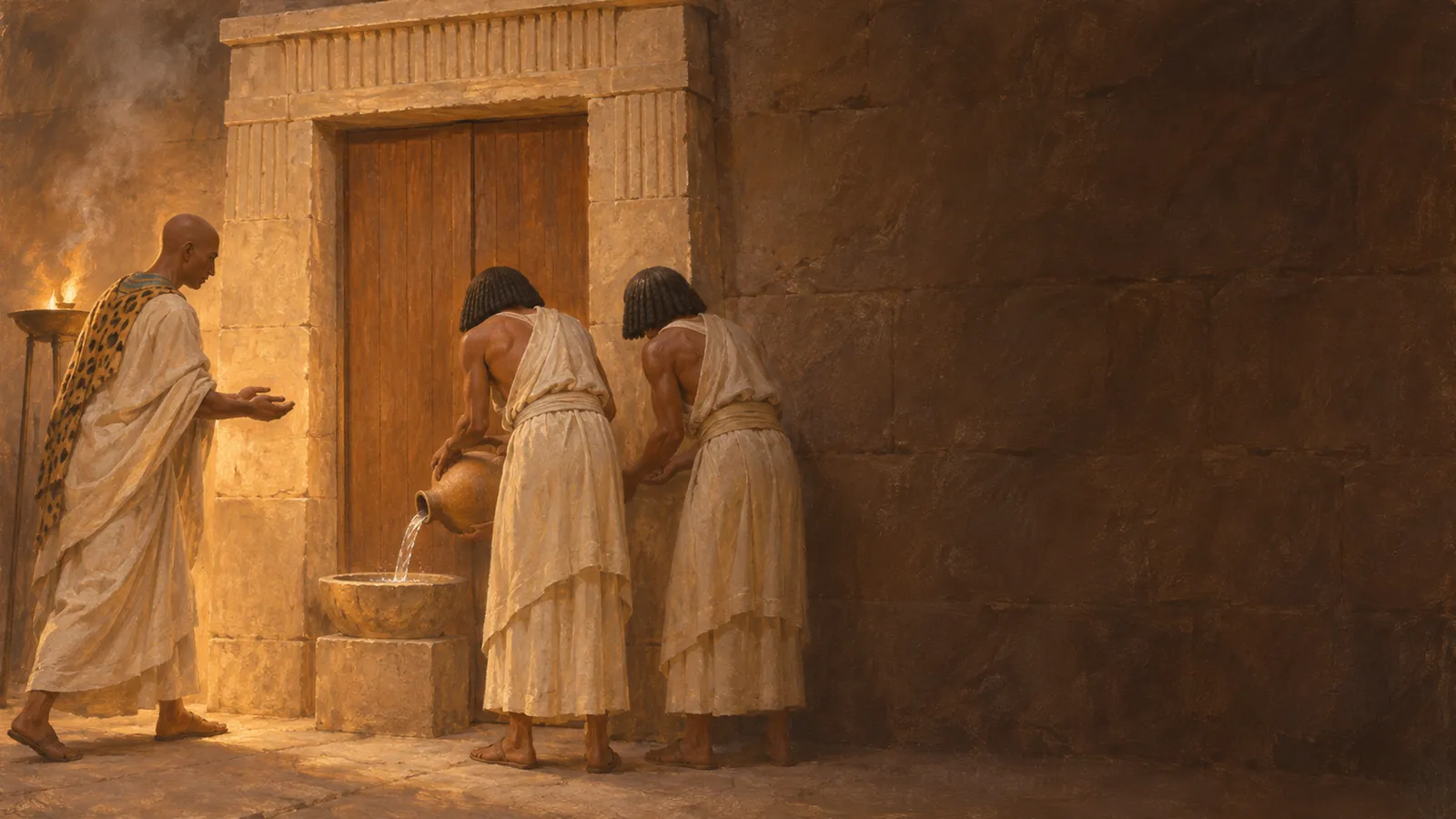
The command to open leads into words Allen restores from Middle Kingdom copies. They address the sky’s door and ask the sealed door for a path. The surviving words describe a blast of heat where the gods scoop water.
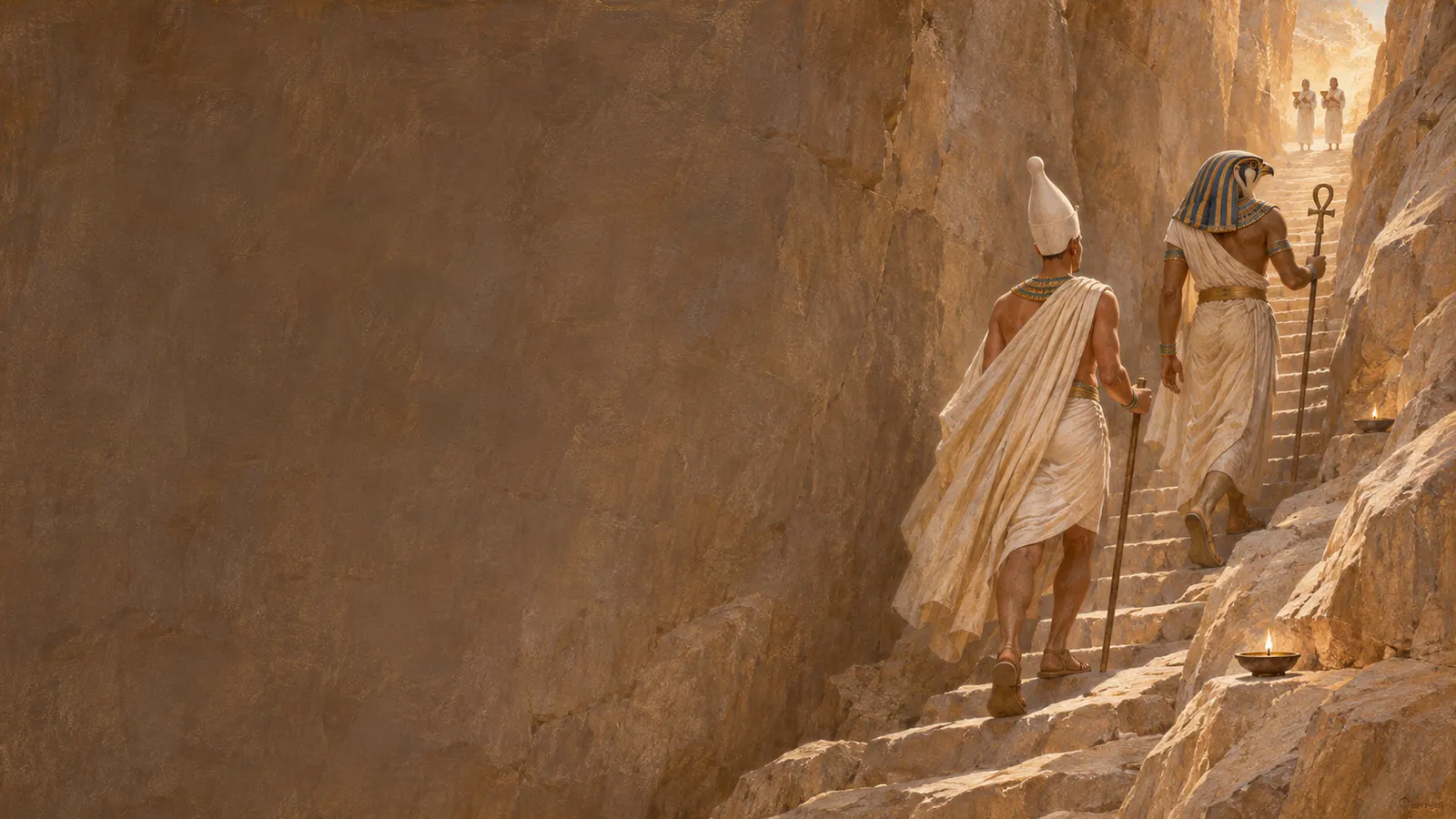
A rubric marks the words for Horus’s gliding path to be said twice. The speaker says he glides along it through the blast of heat where the gods scoop water.
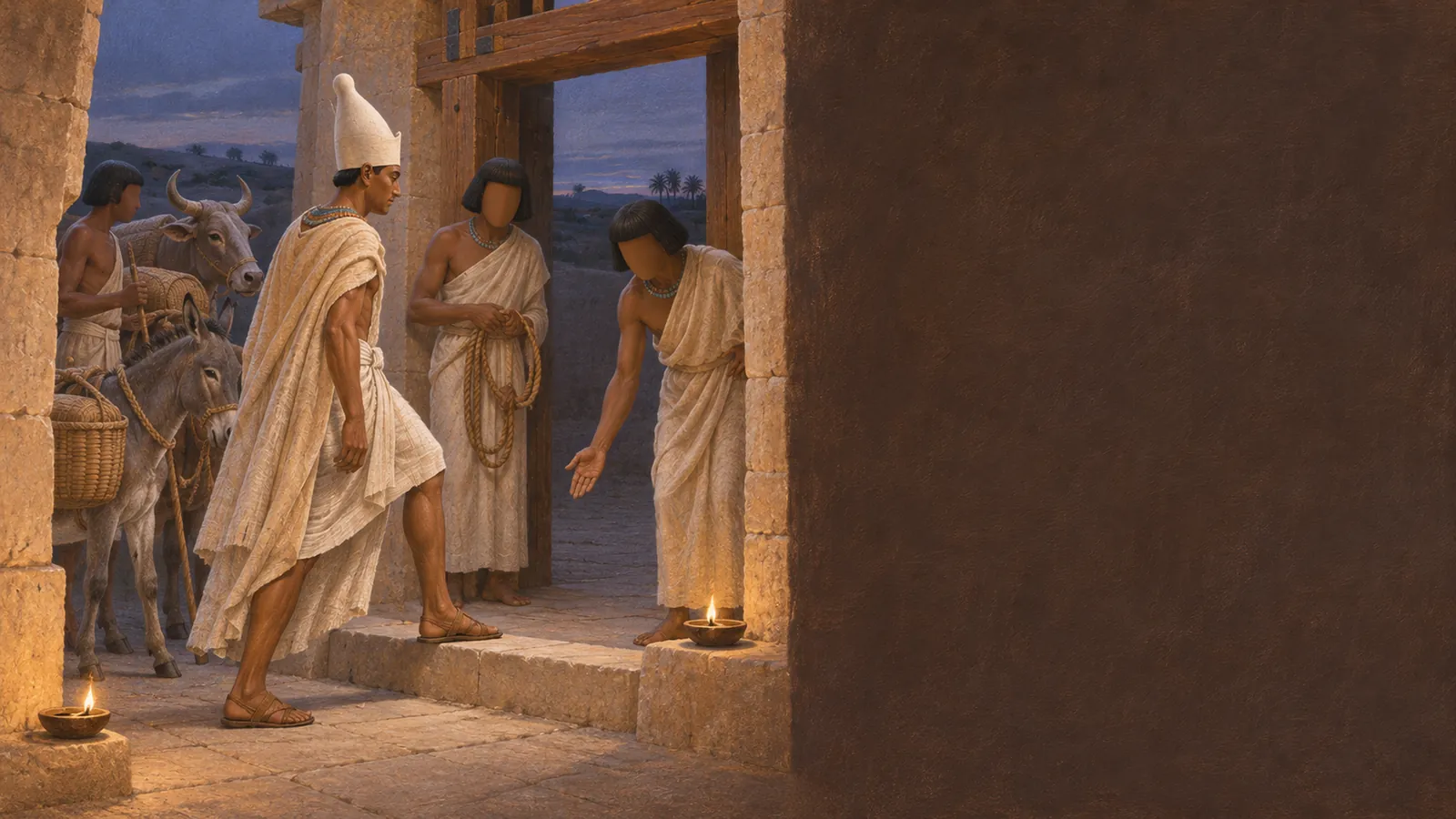
The speaker says that the gods make a path for him so that he can pass. The spell ends with his declaration that he is Horus.
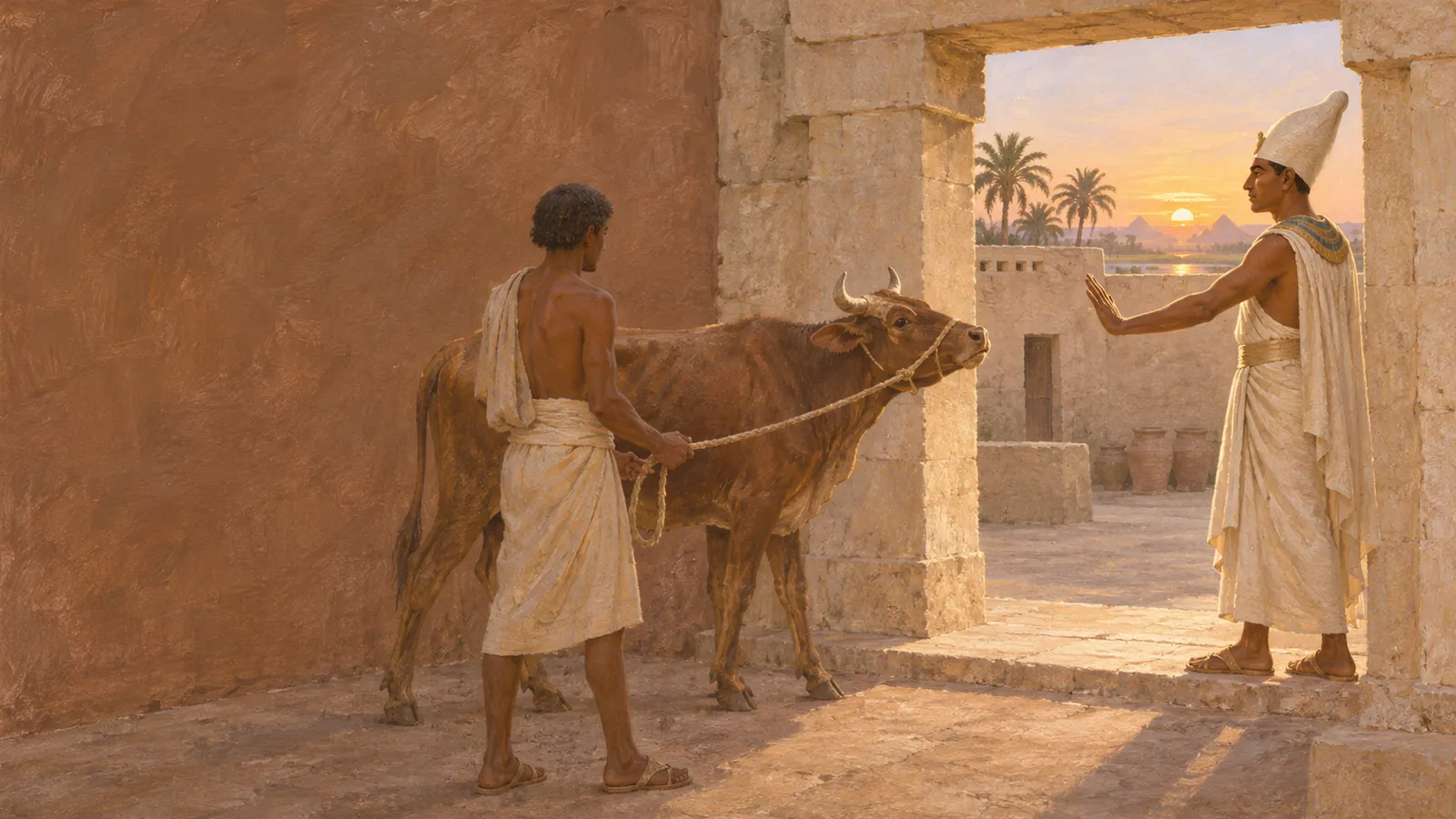
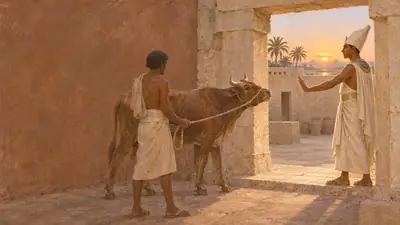
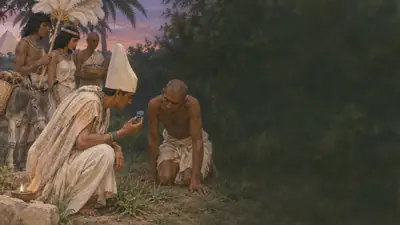
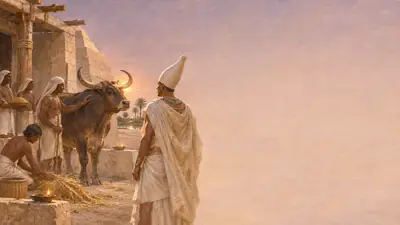
In the guardian spell, the speaker tells a gored steer with the horizon’s fingers on its horns to back away, fall down and crawl away.
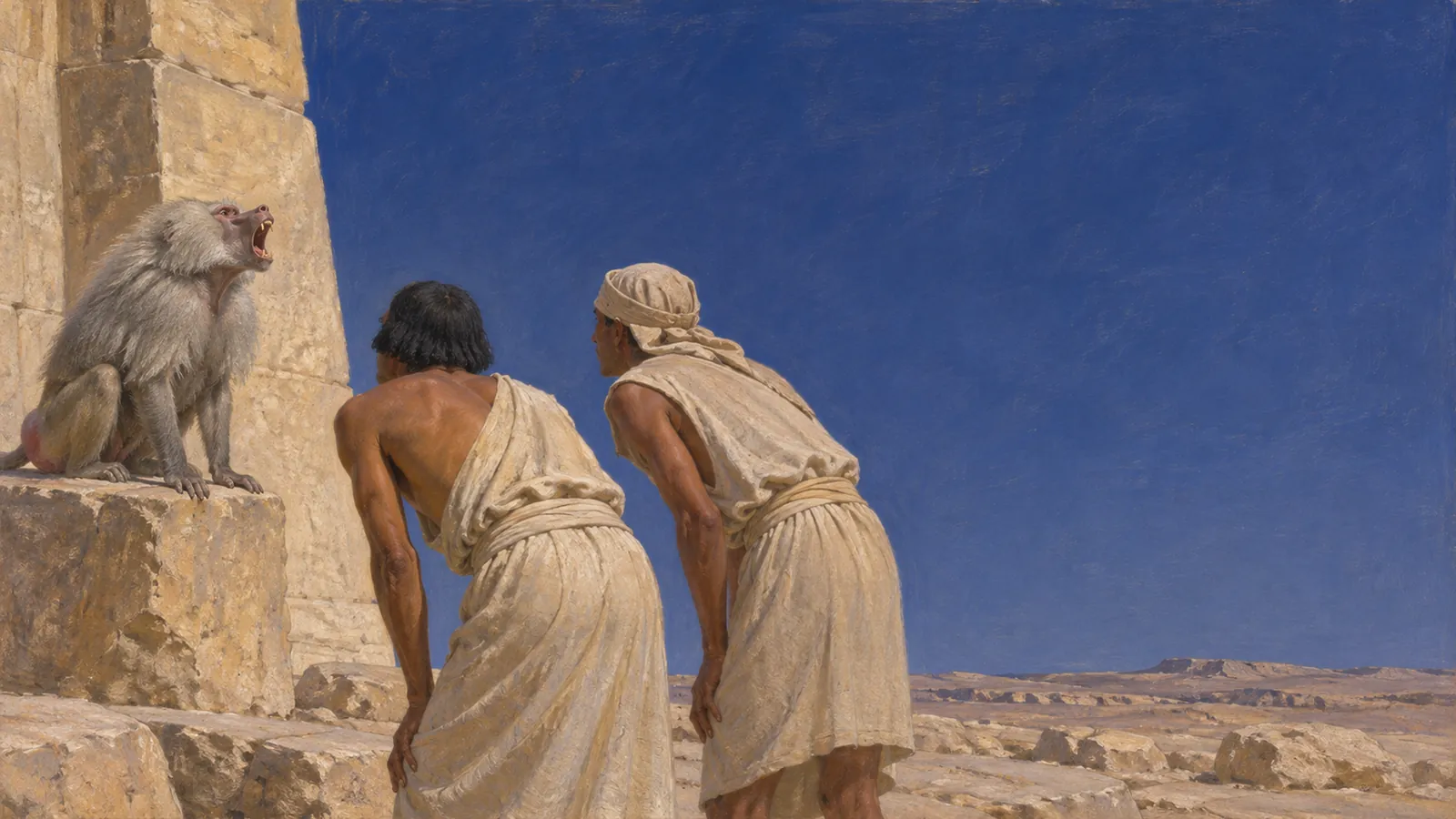
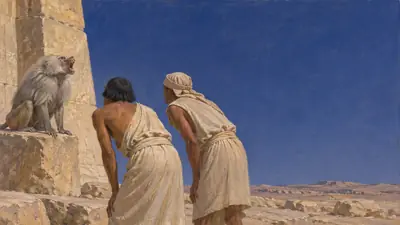
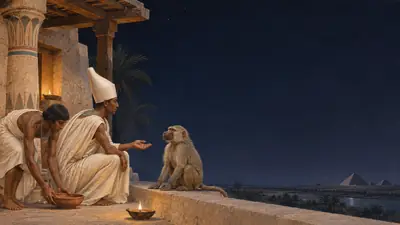
At the start of the next spell, the speaker calls himself a screeching, howling baboon whose anus is on his back and whose back ridge is on his head.
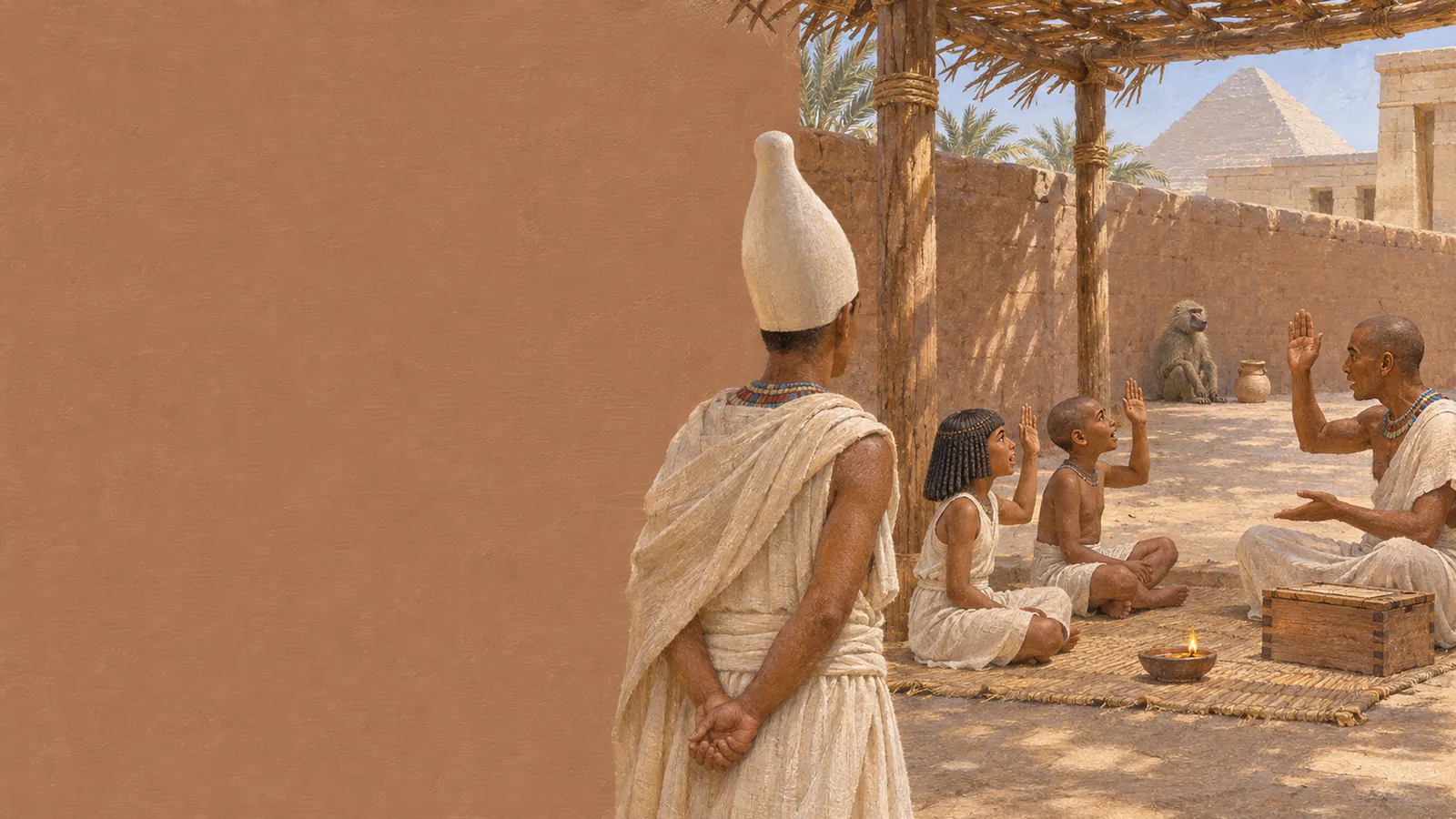
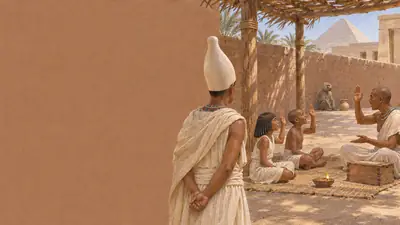
In the same spell, the speaker says he cries out in ululation and sits among the youngsters.
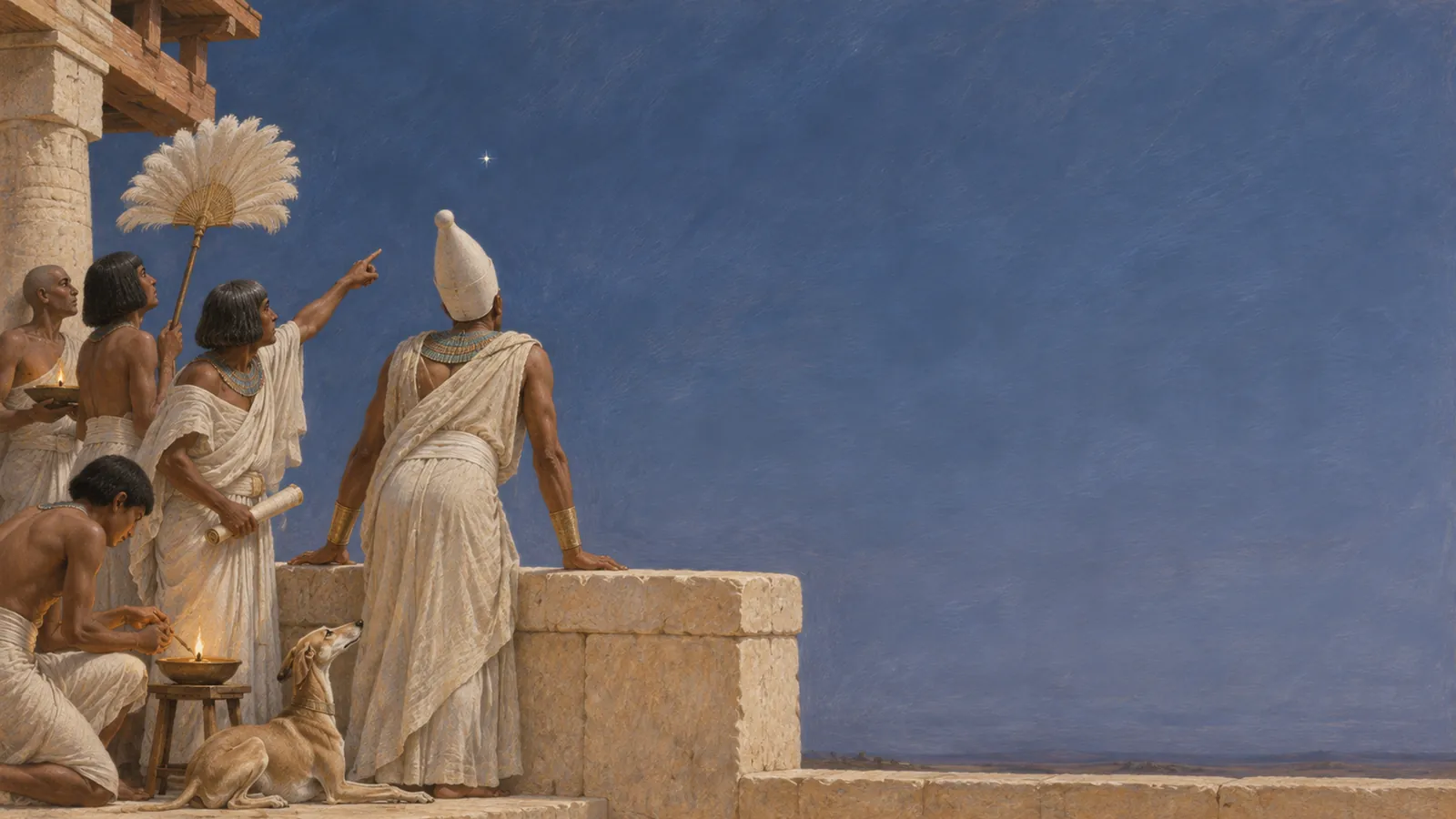
The speaker addresses the back-turning star and says that he does not have to give it his magic.
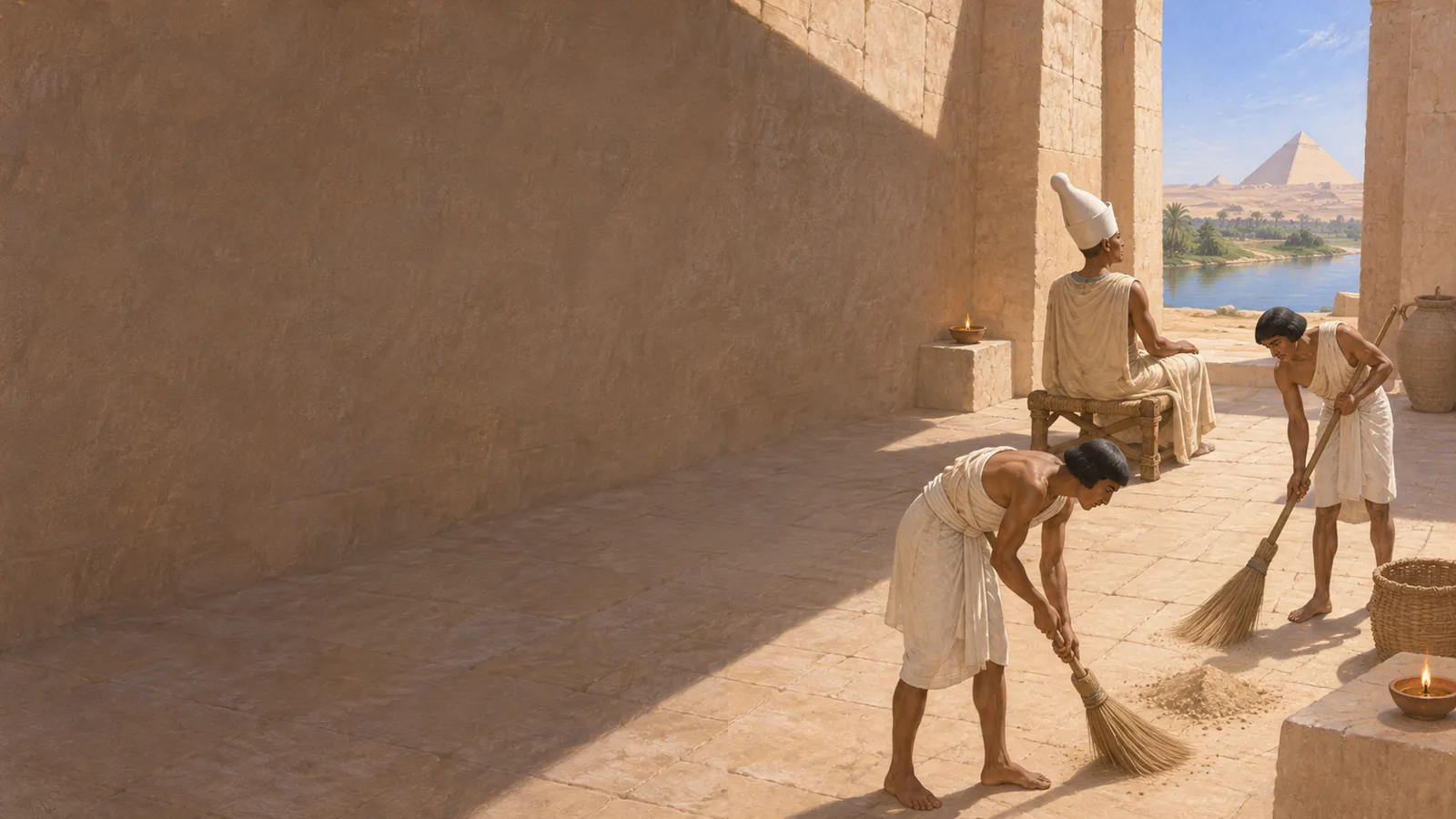
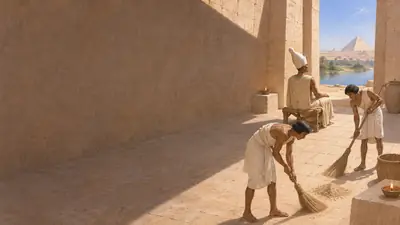
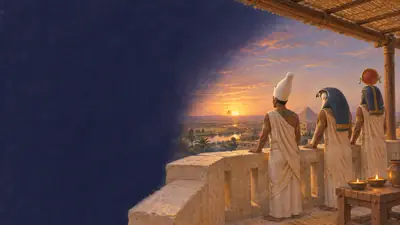
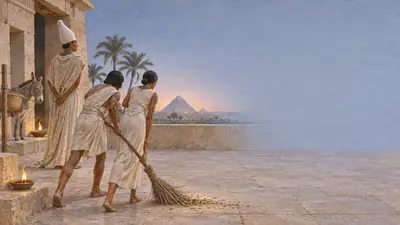
He says that he sits with his back to the swept area in Heliopolis and is taken up to the sky.
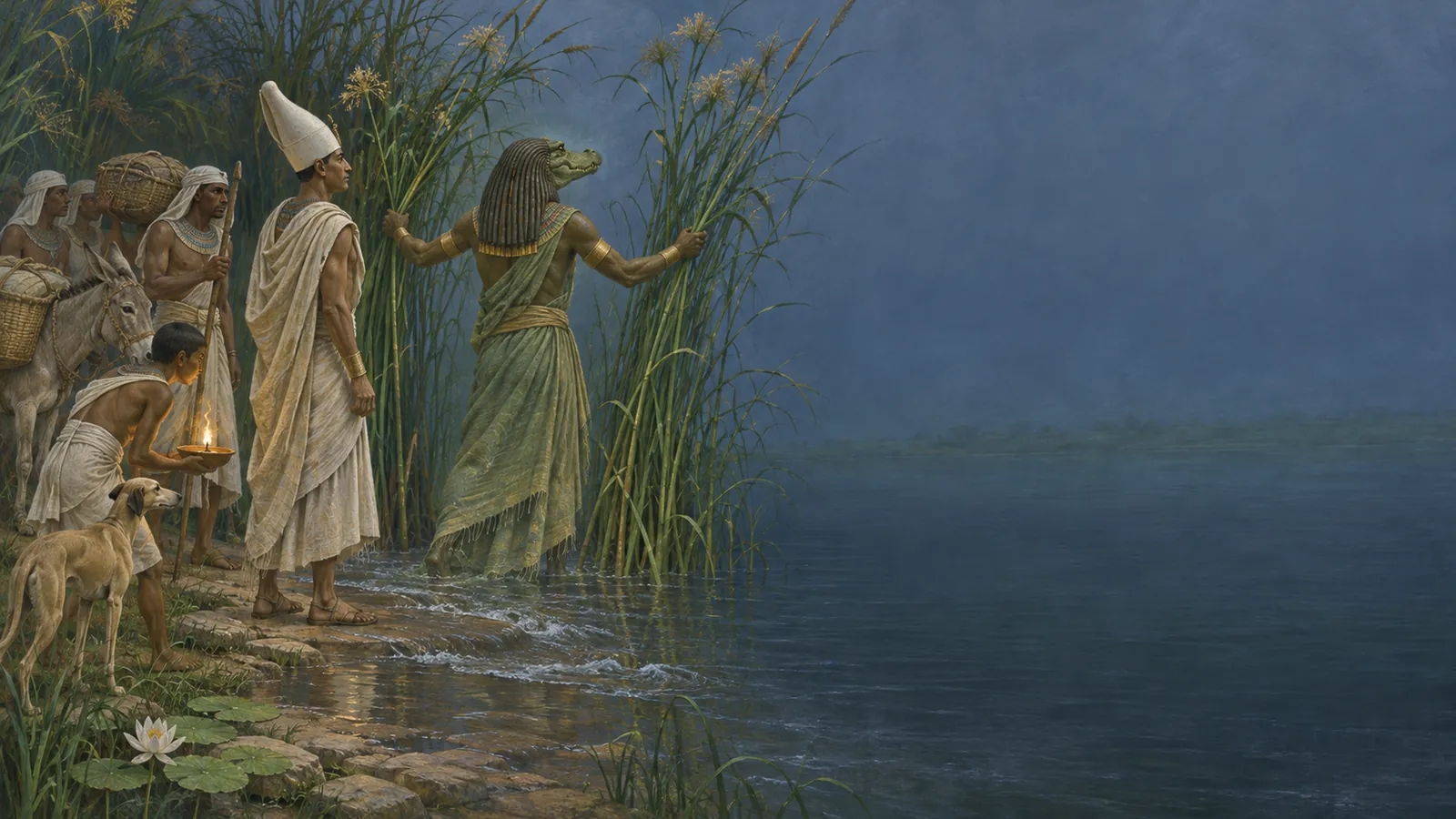
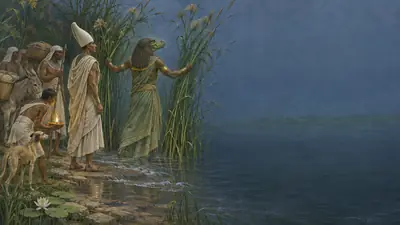
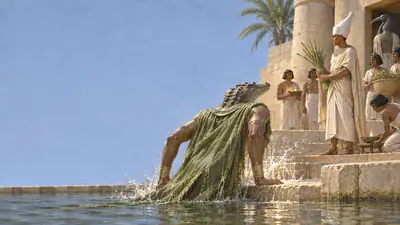
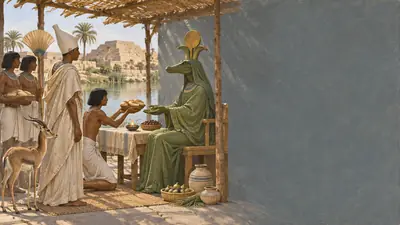
The speaker says he comes before the inundation. He identifies himself as Sobek, whom Allen’s translation describes as green of plumage.
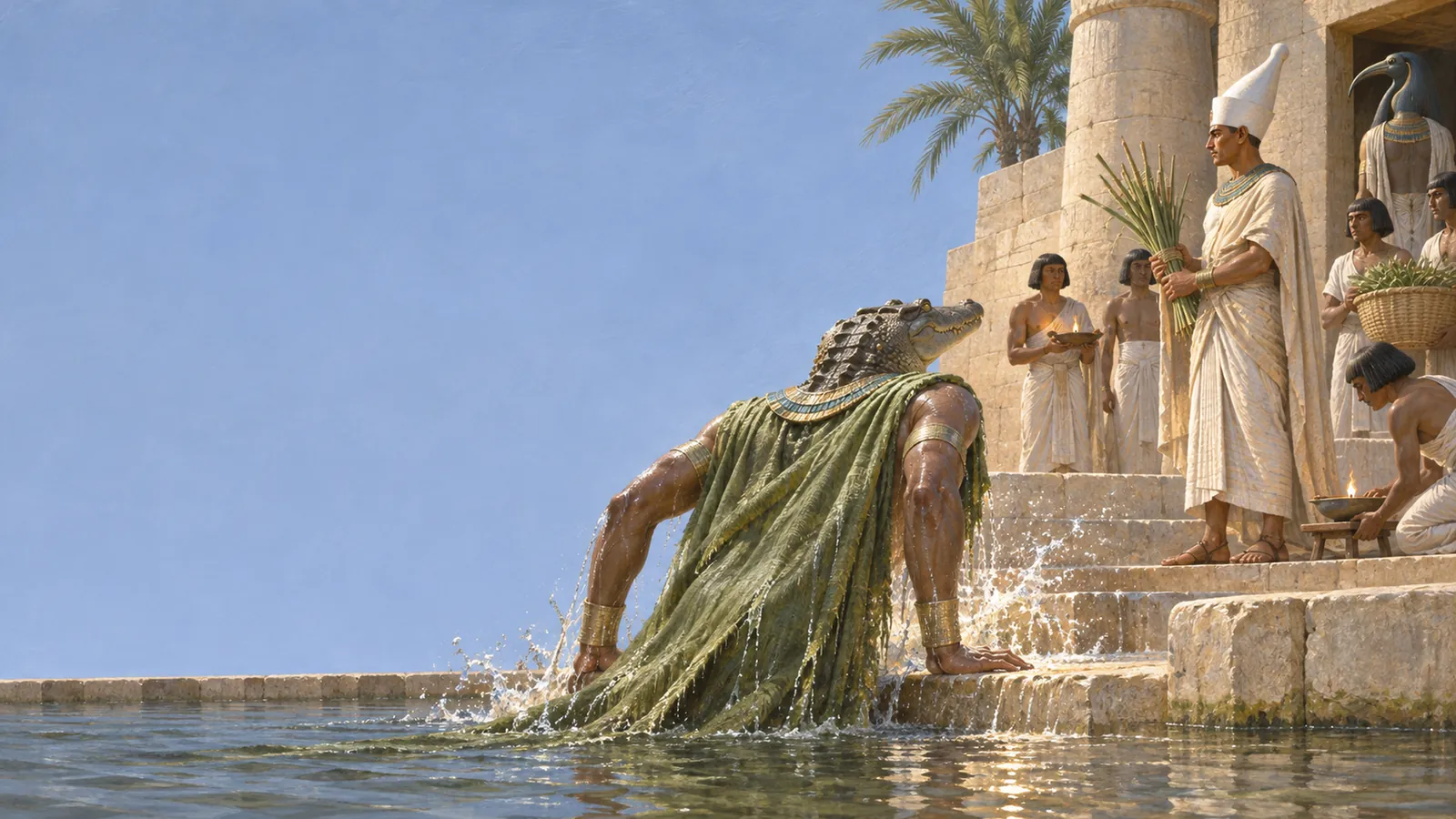
As Sobek, he describes his face as alert and his forepart as raised. He calls himself the splashing one who came in sunlight from the thigh and tail of the great goddess.
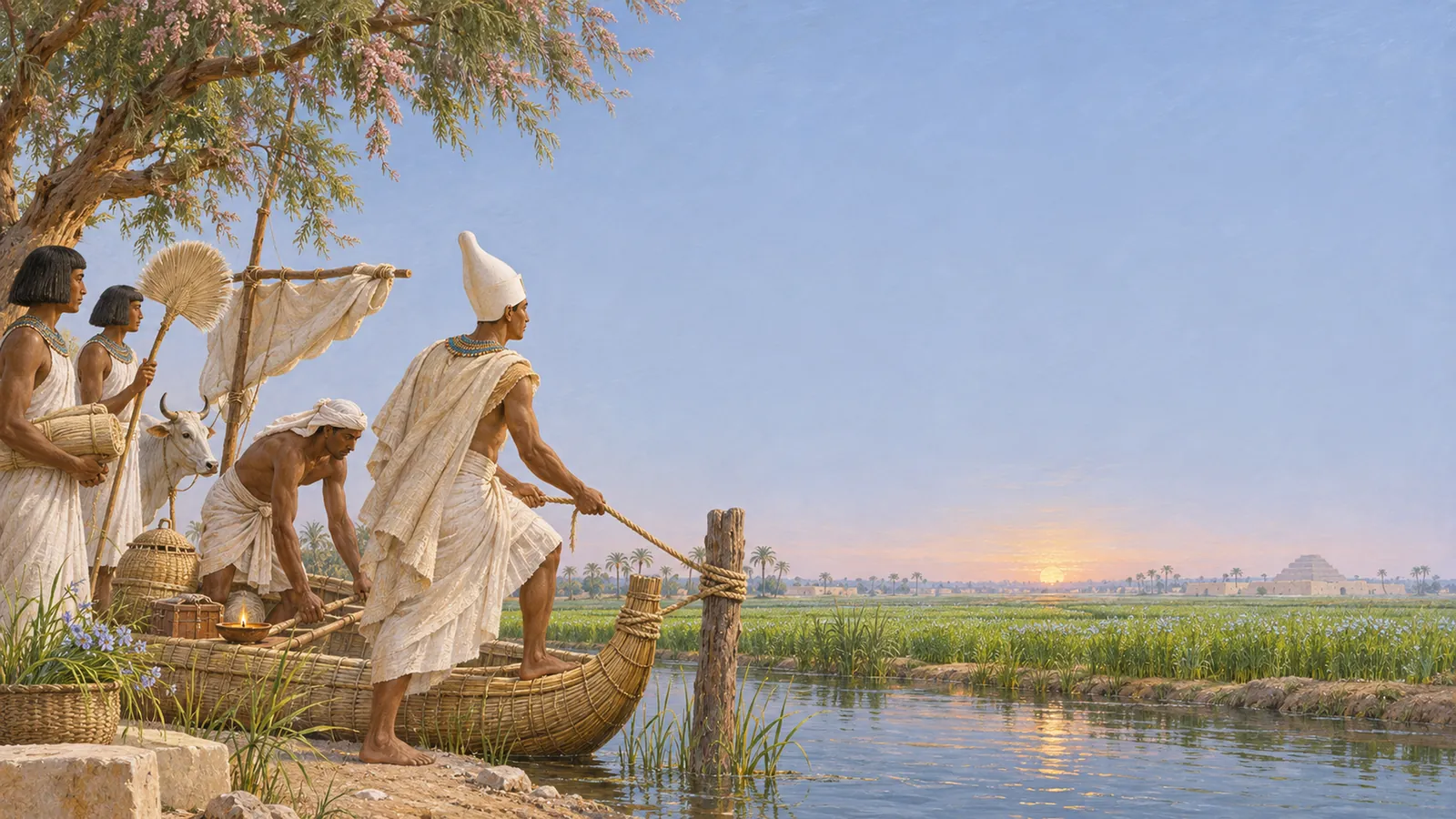
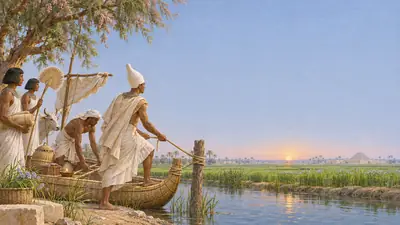
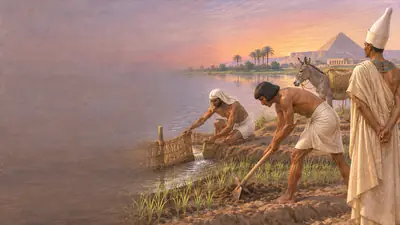
He says he comes to his canals along the flood’s shore in the Great Immersion. He comes to a place of rest with green fields in the Akhet.
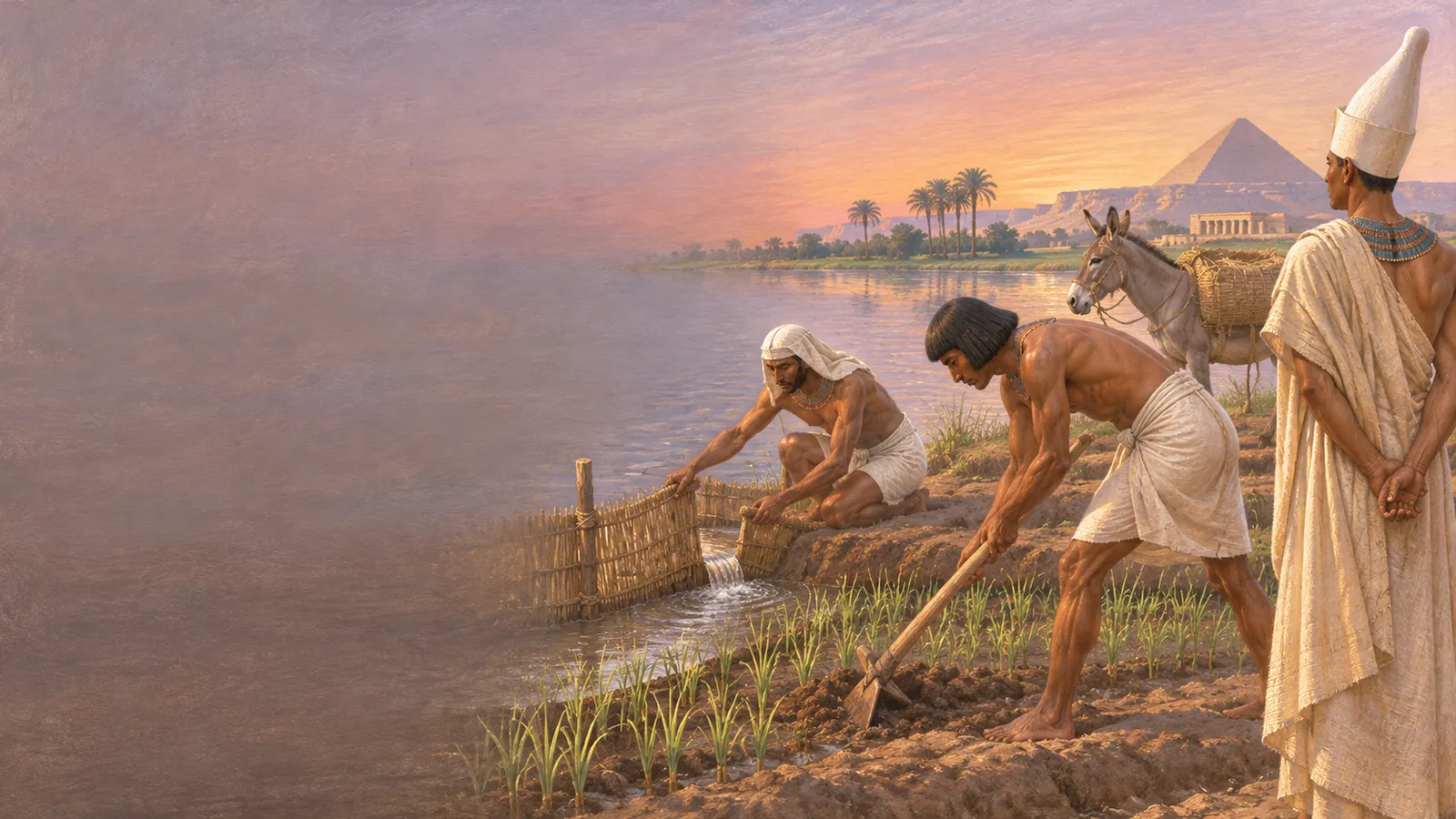
The speaker says he has come to a place of rest in the Akhet to make the vegetation on its shores green.
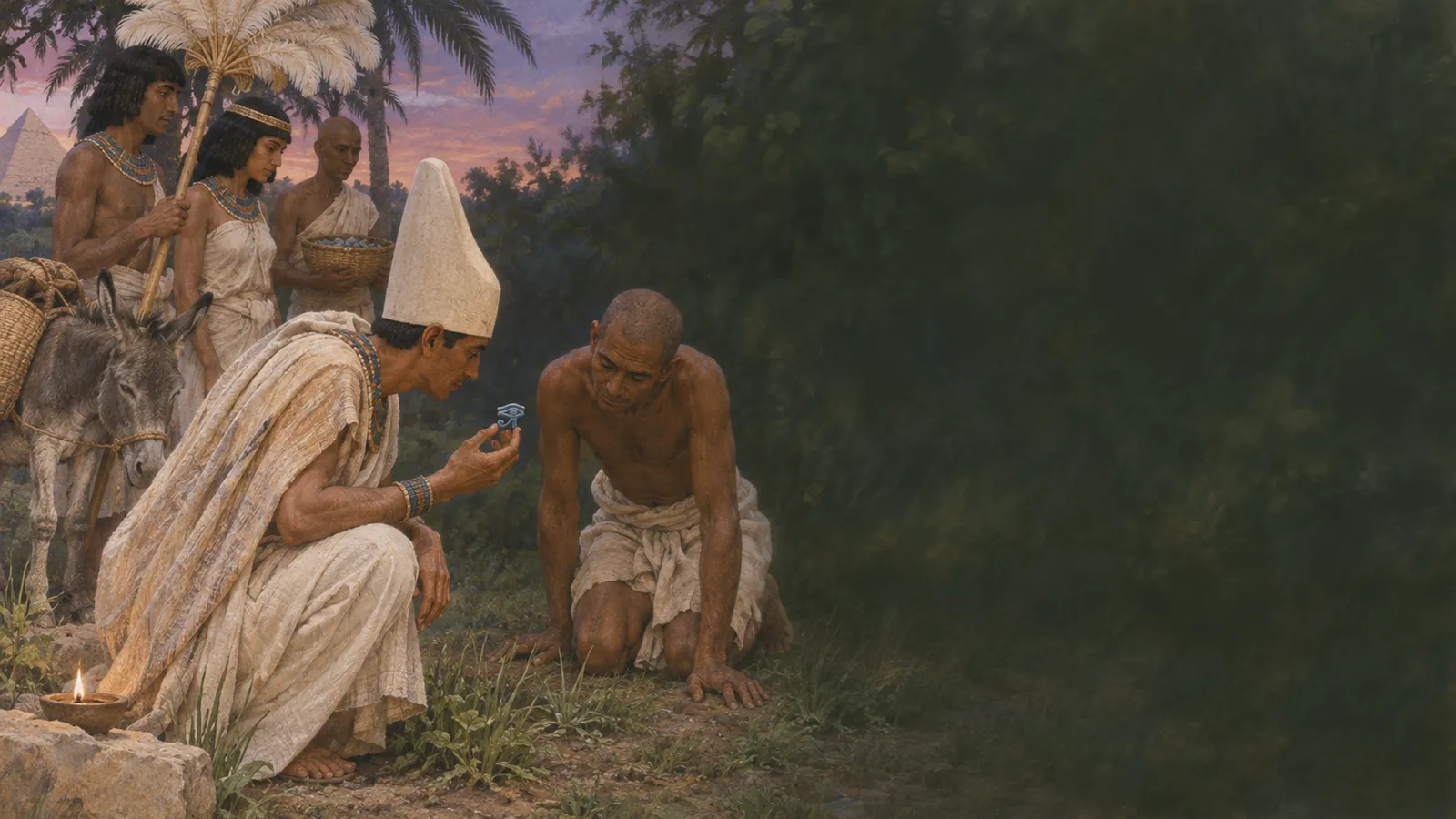
The speaker says he seeks the faience of the great eye in the middle of the field.
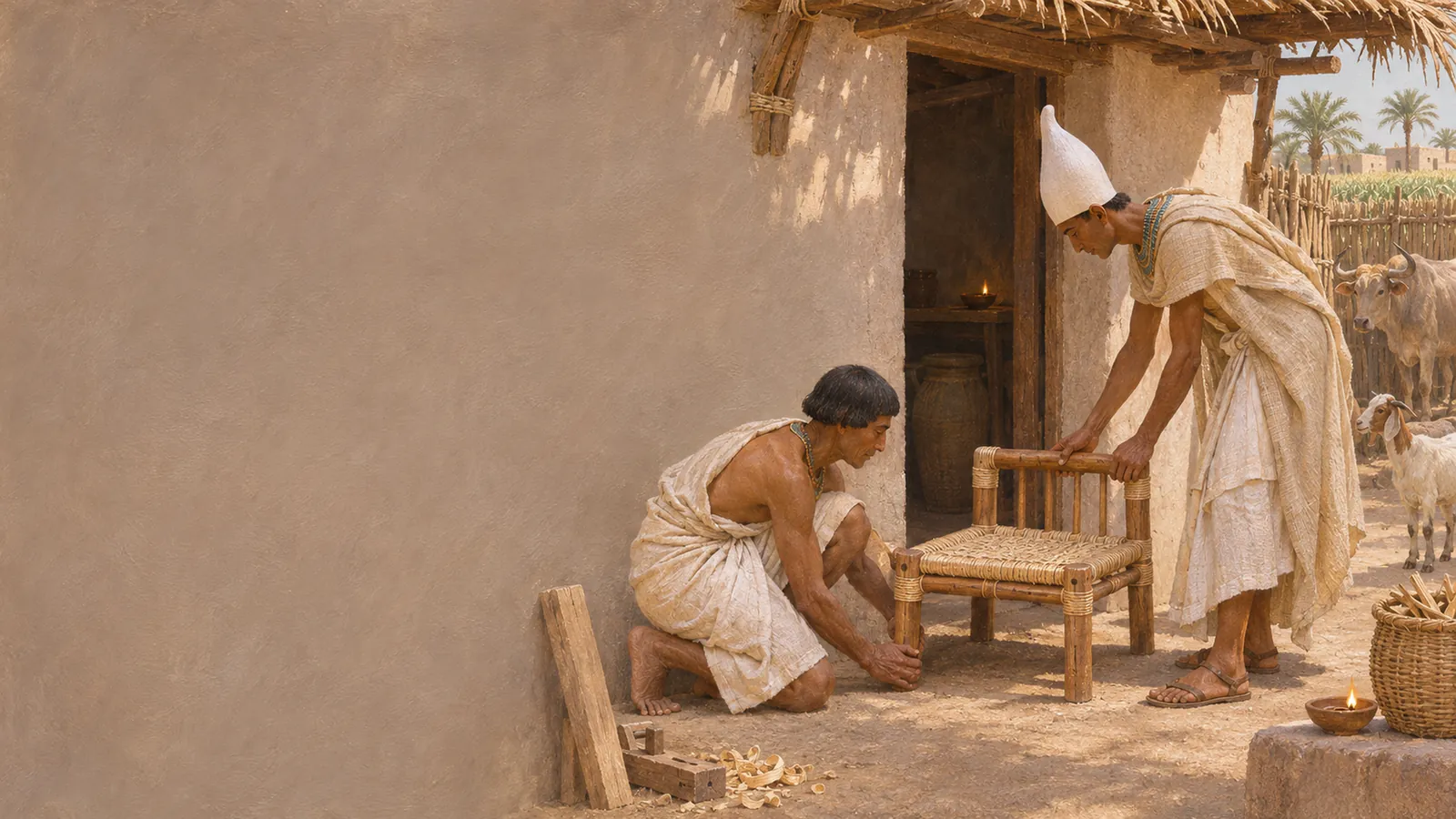
His last aim in coming to the place of rest is to receive his seat in the Akhet.
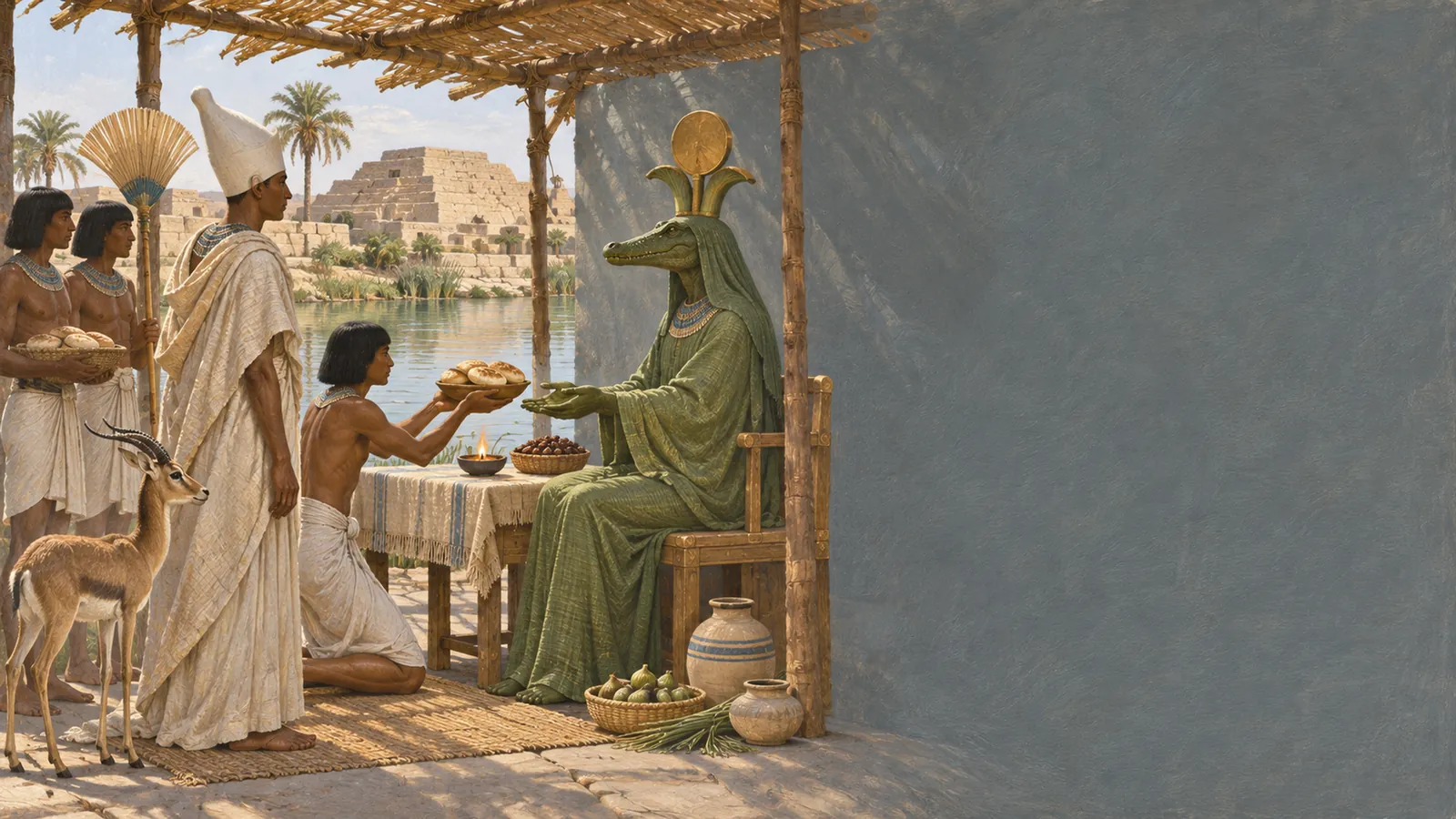
Appearing as Sobek, son of Neith, the speaker says he eats with his mouth and uses his penis to urinate and copulate.
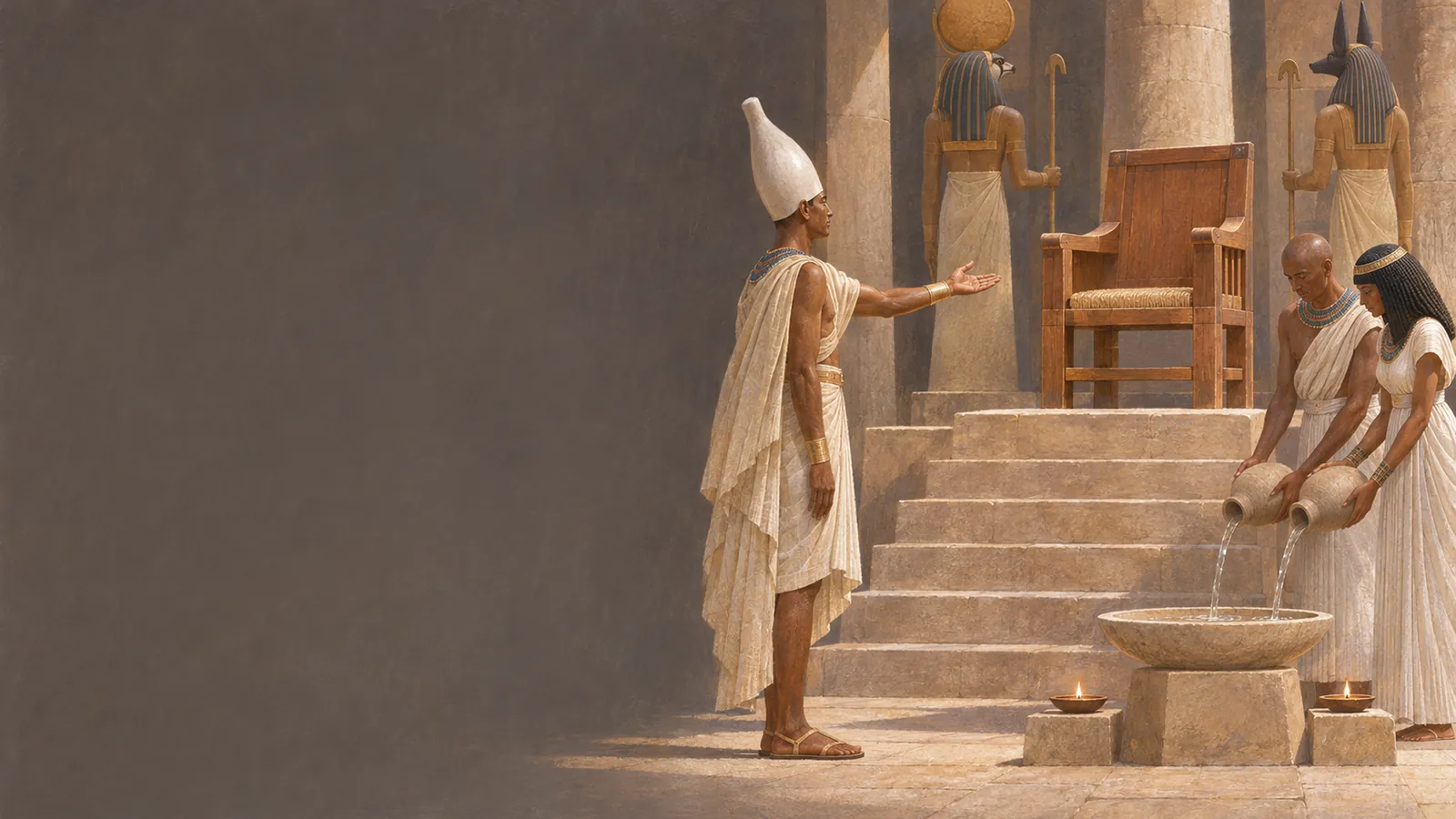
The speaker calls himself lord of semen and claims he takes women from their husbands to whatever place he chooses.
THE GLIDER
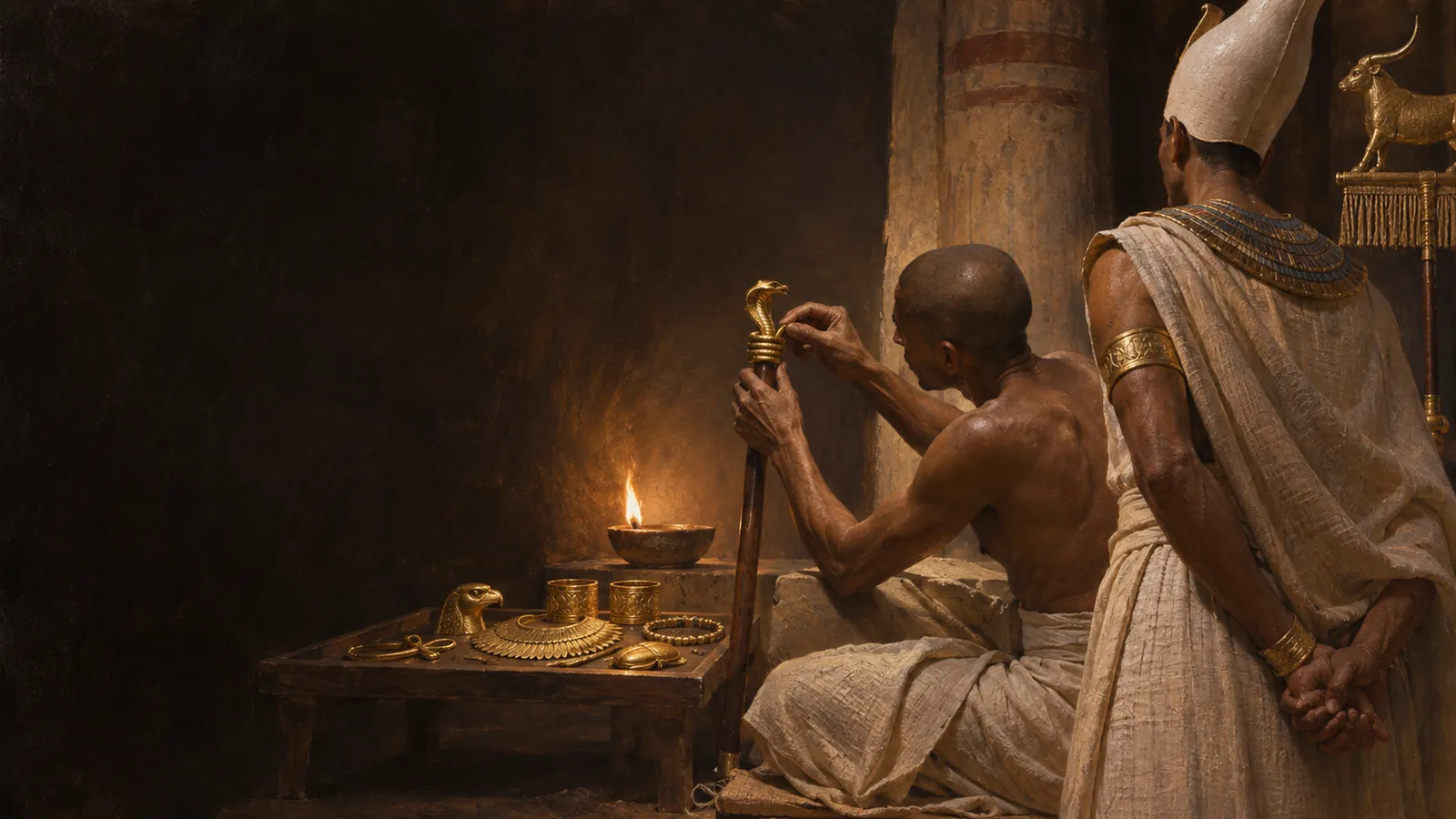
The speaker calls himself Glider-snake and lead bull. He says he swallowed his seven uraei and that his seven neckbones came into being.
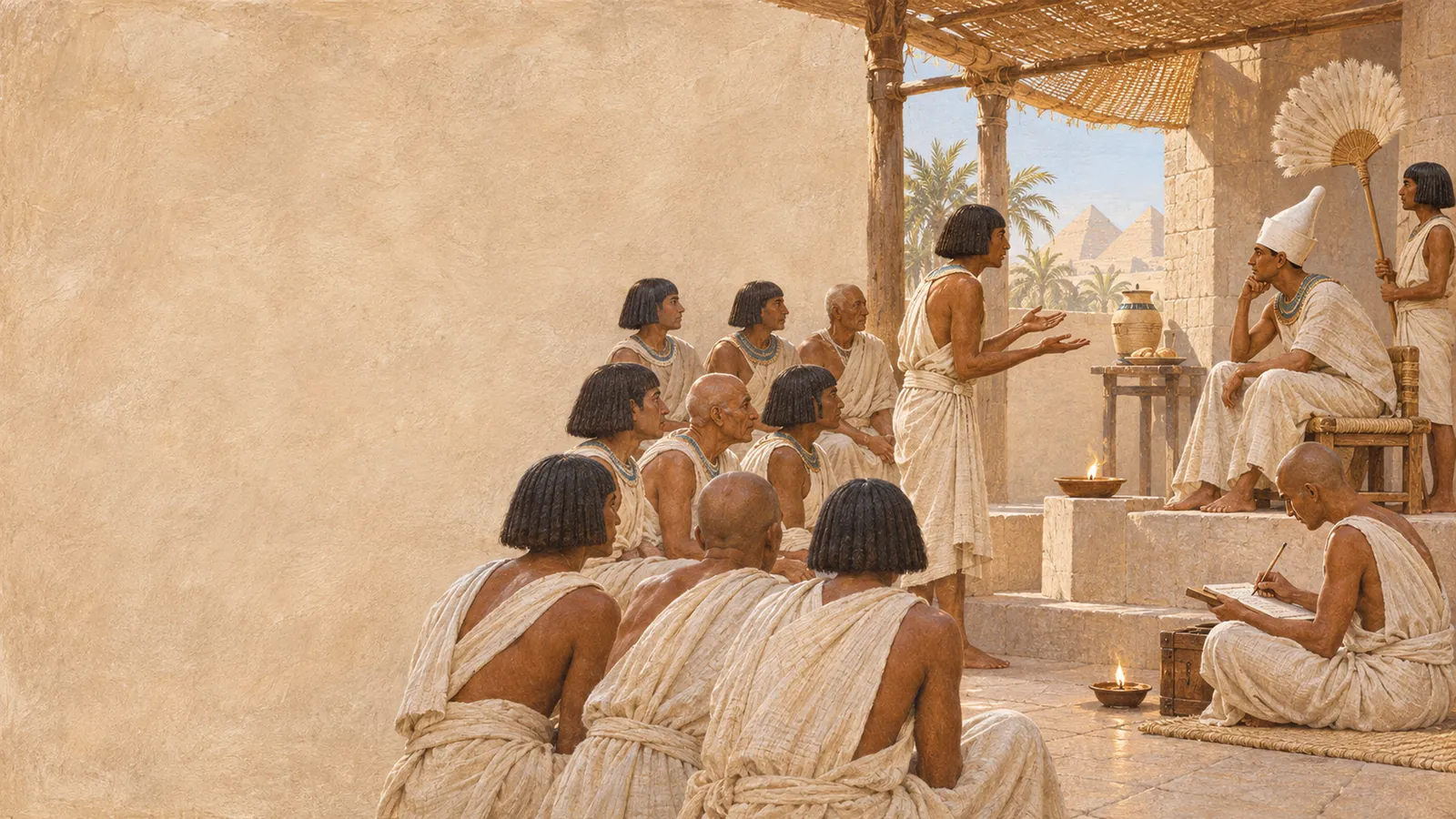
The speaker says he governs his seven Enneads and hears the sovereign’s case. These are further claims made as Glider-snake.
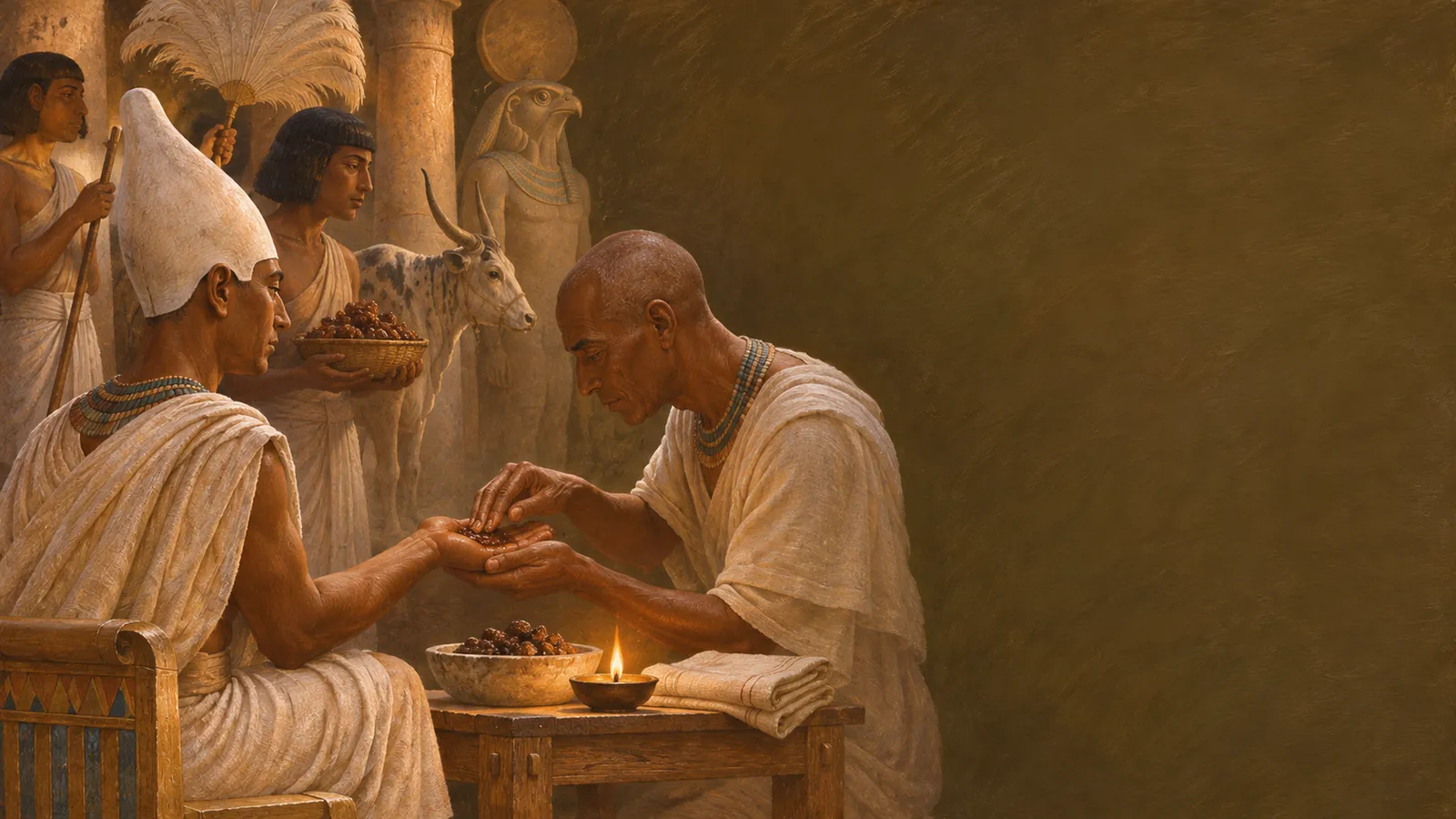
The speaker says he receives myrrh and is made beautiful with it. He says even his fingernail is full of myrrh.
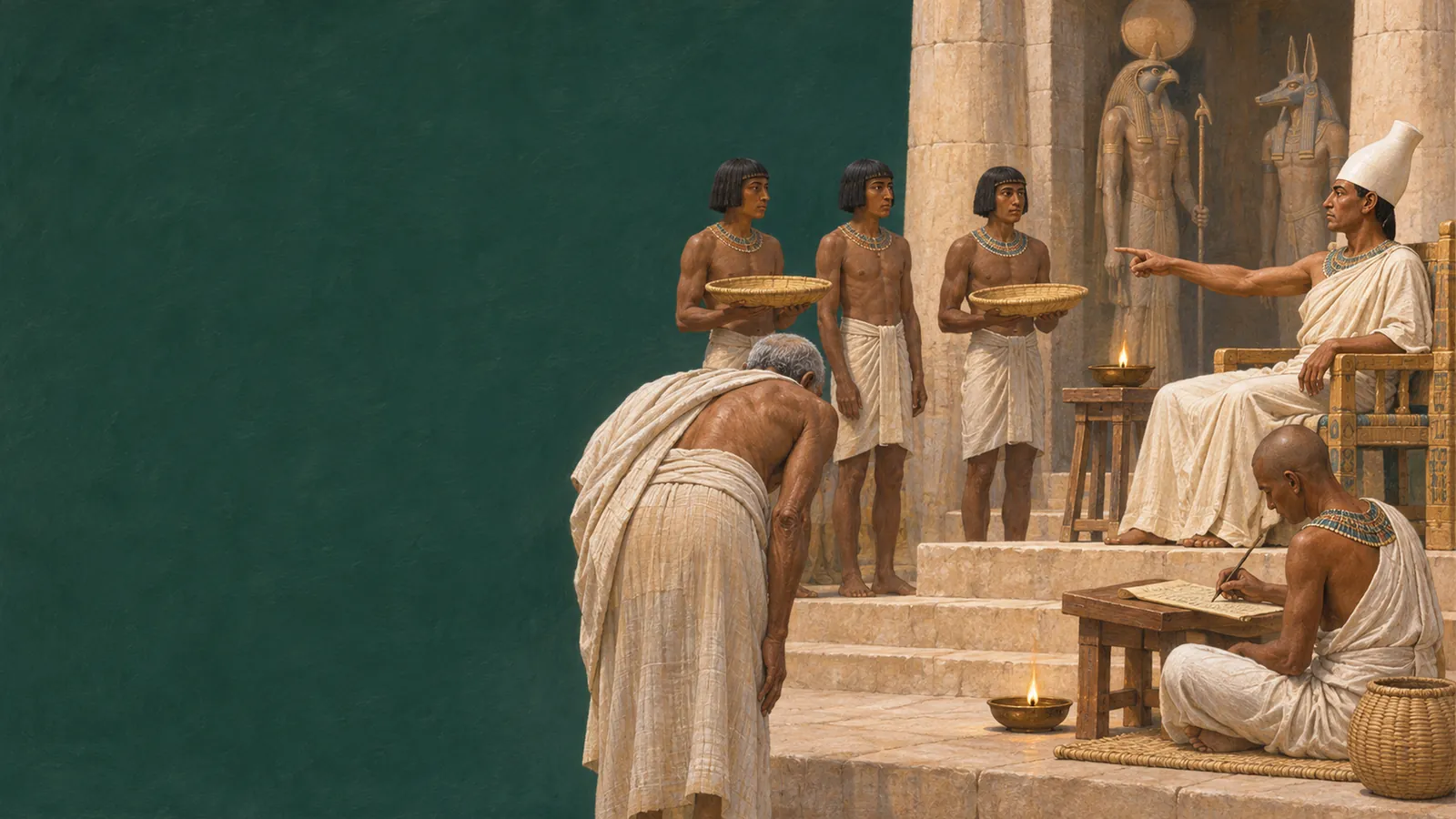
The speaker says he takes away the gods’ power. He orders them to serve him and says he will allocate their kas.
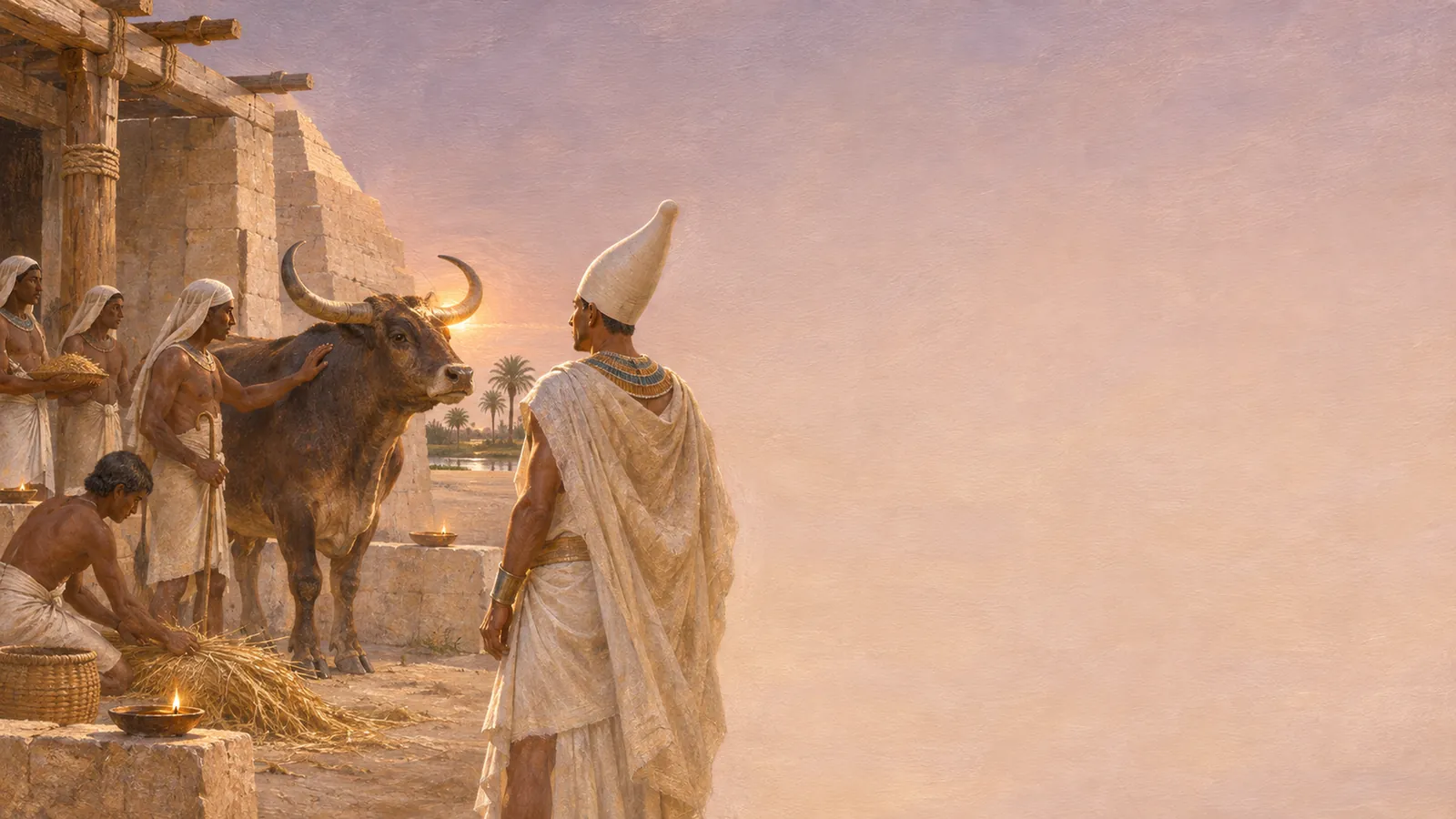
The speaker calls himself a bull with sunlight in the middle of his eyes. He says his mouth is sound with a fiery blast and he bears the horns of Horus, lord of the Nile Valley.
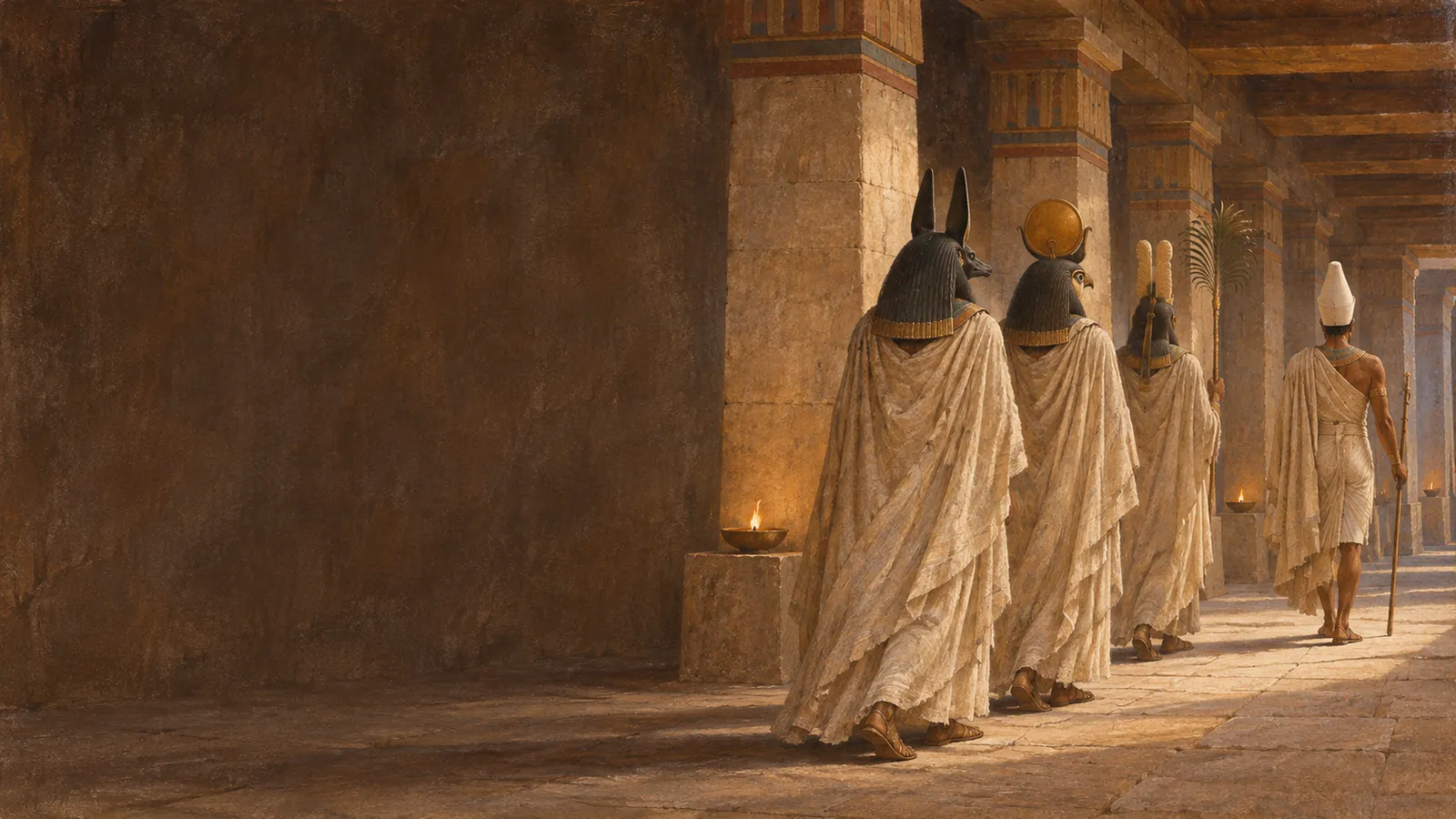
The voice turns from its imagery of the bull to its claim of authority. The speaker says he leads the god and controls the Ennead.
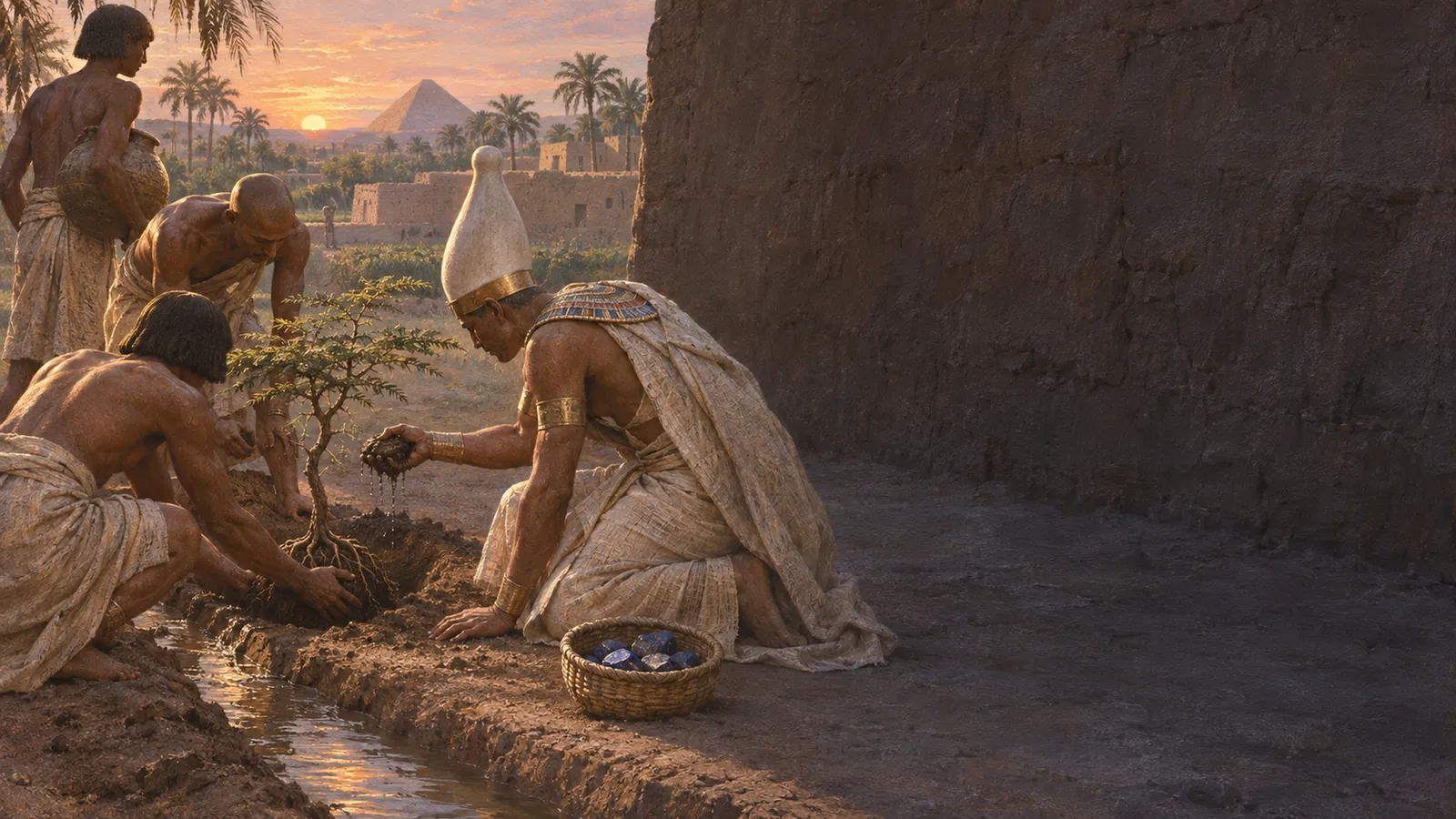
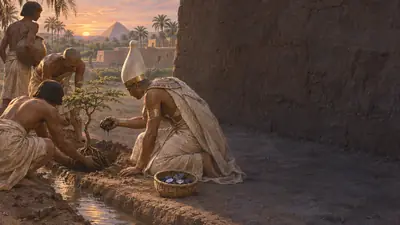
The recitation pairs two acts of cultivation. The speaker says he cultivates lapis lazuli and plants the acacia of the Nile Valley.
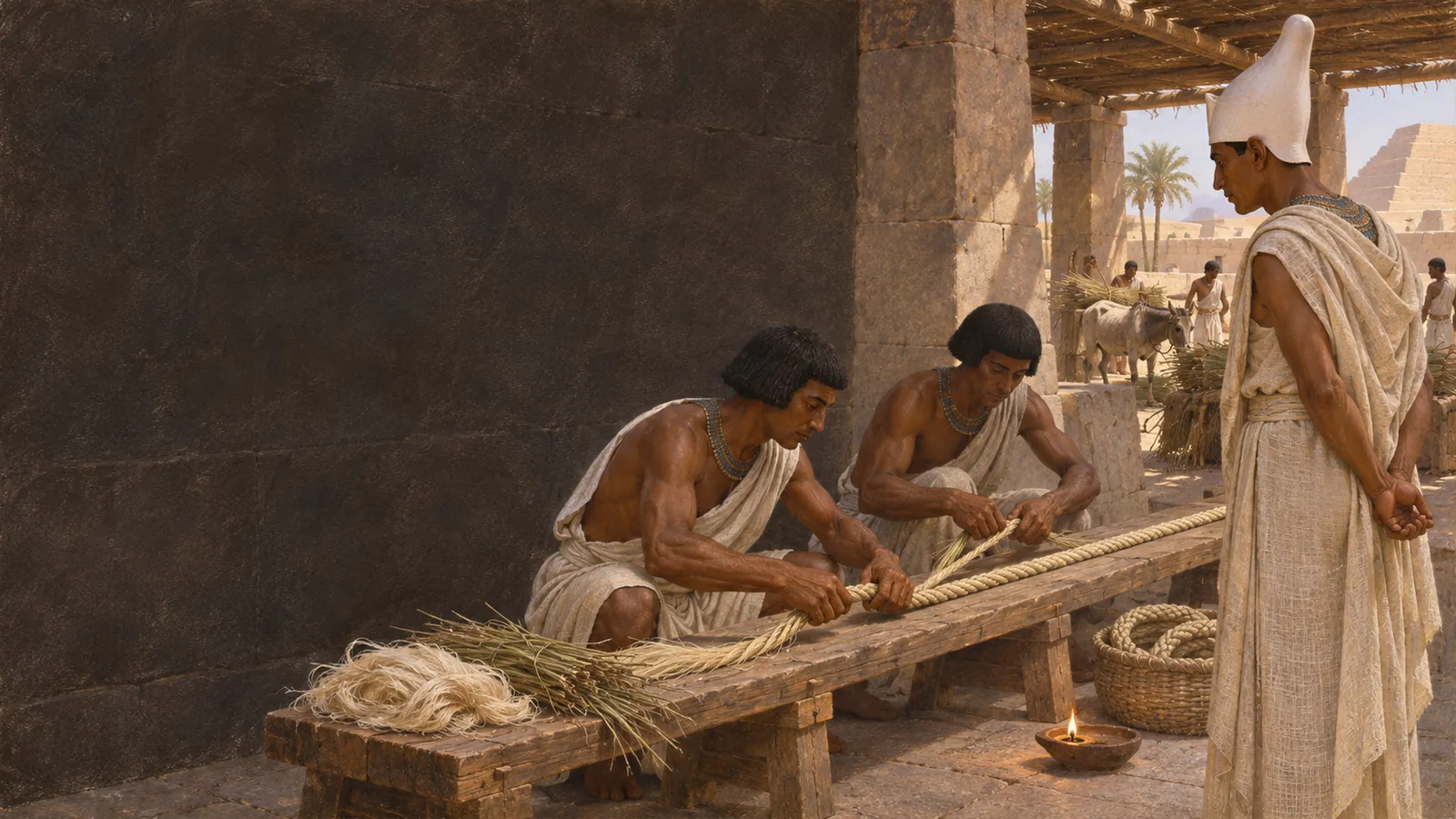
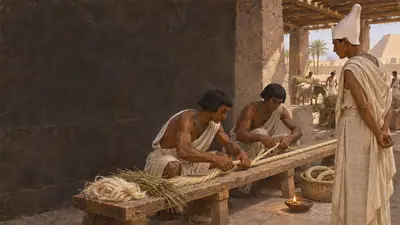
The speaker says he has tied together the cords made of peppergrass. In the next phrase he claims he has brought the skies together.
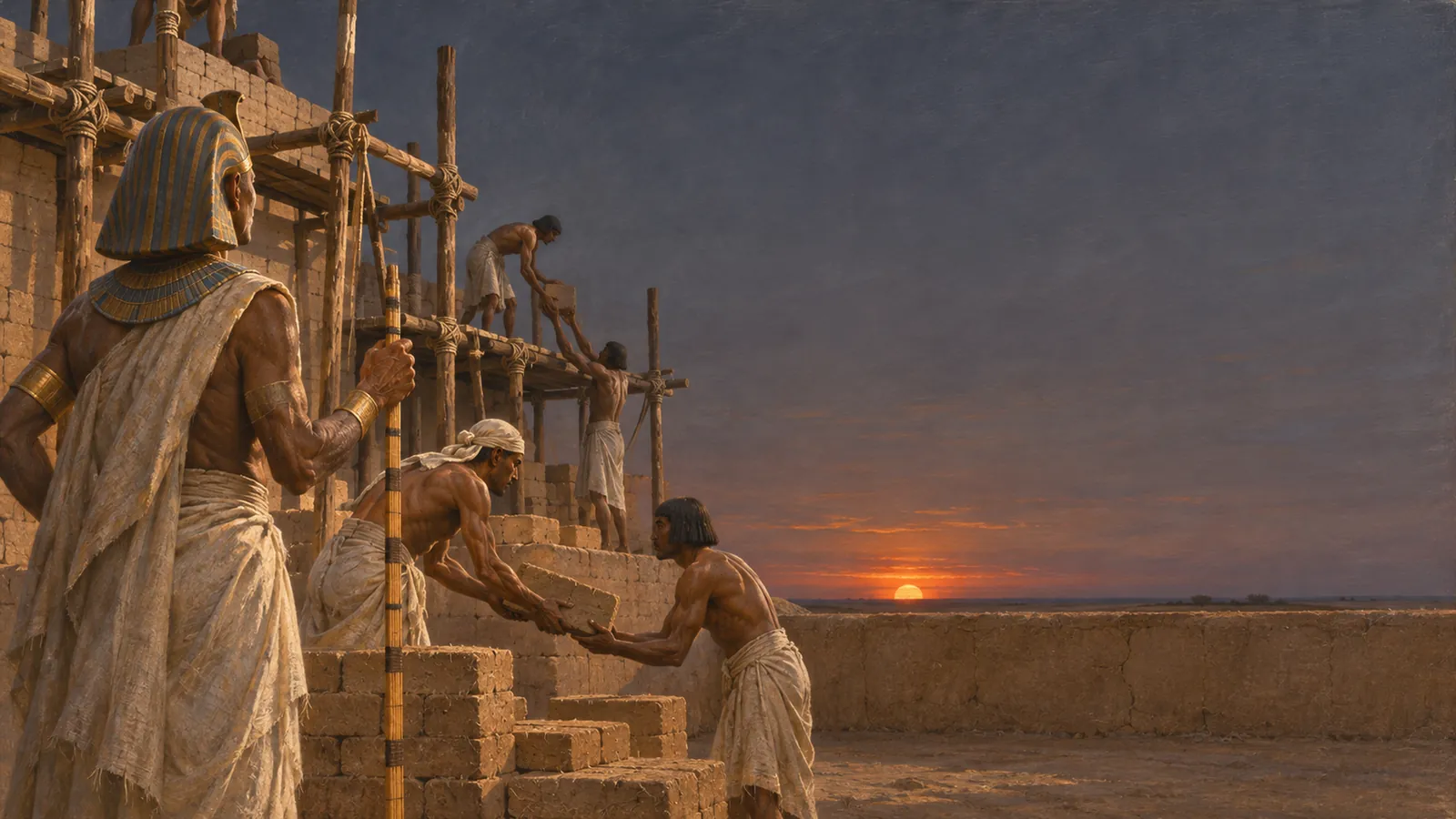
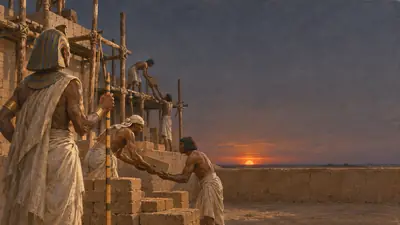
The speaker says he has taken control of the southern and northern lands. He calls himself the god of those in his presence and says that he built the god’s town soundly.
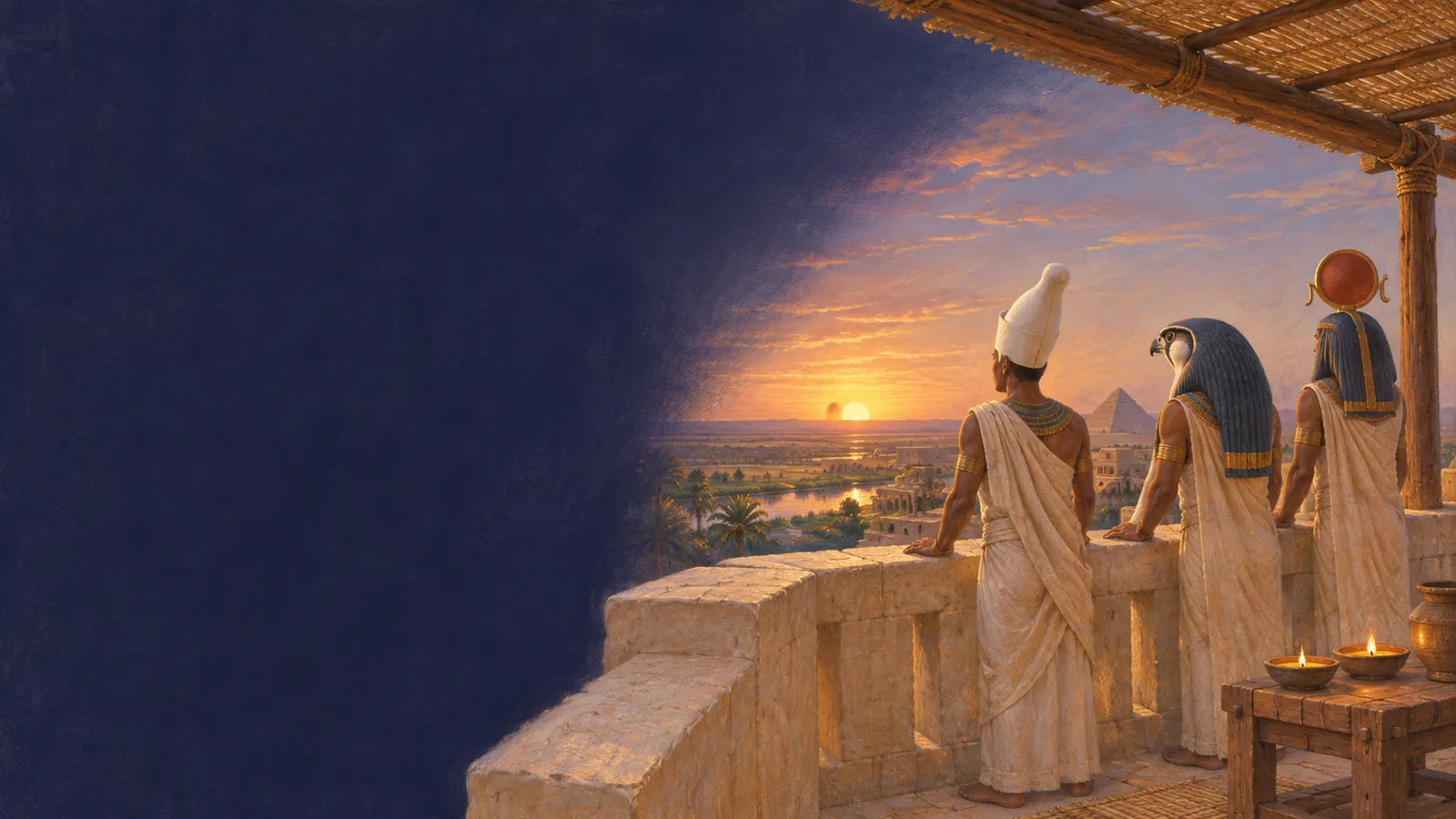
At the close of the recitation, the speaker says he is third in his appearance. Allen’s edition supplies Horus and the Sun as the others with him.
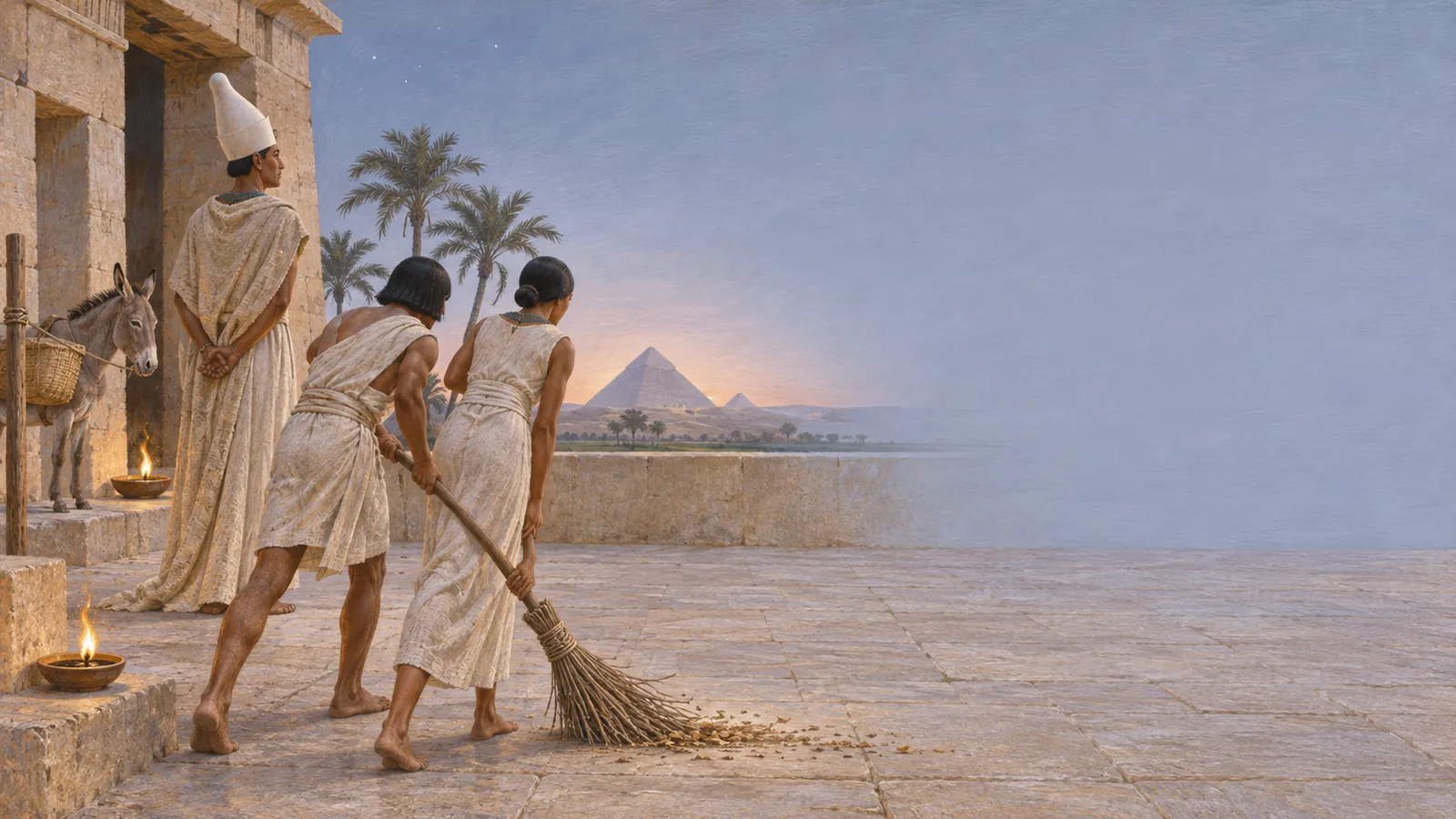
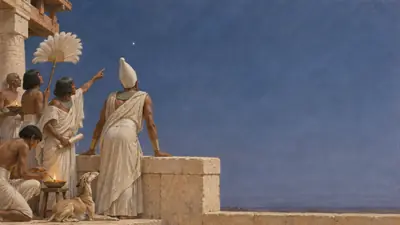
The next recitation opens as the night is swept away. The speaker claims that he swept it away himself and sent the hour-stars on their way.
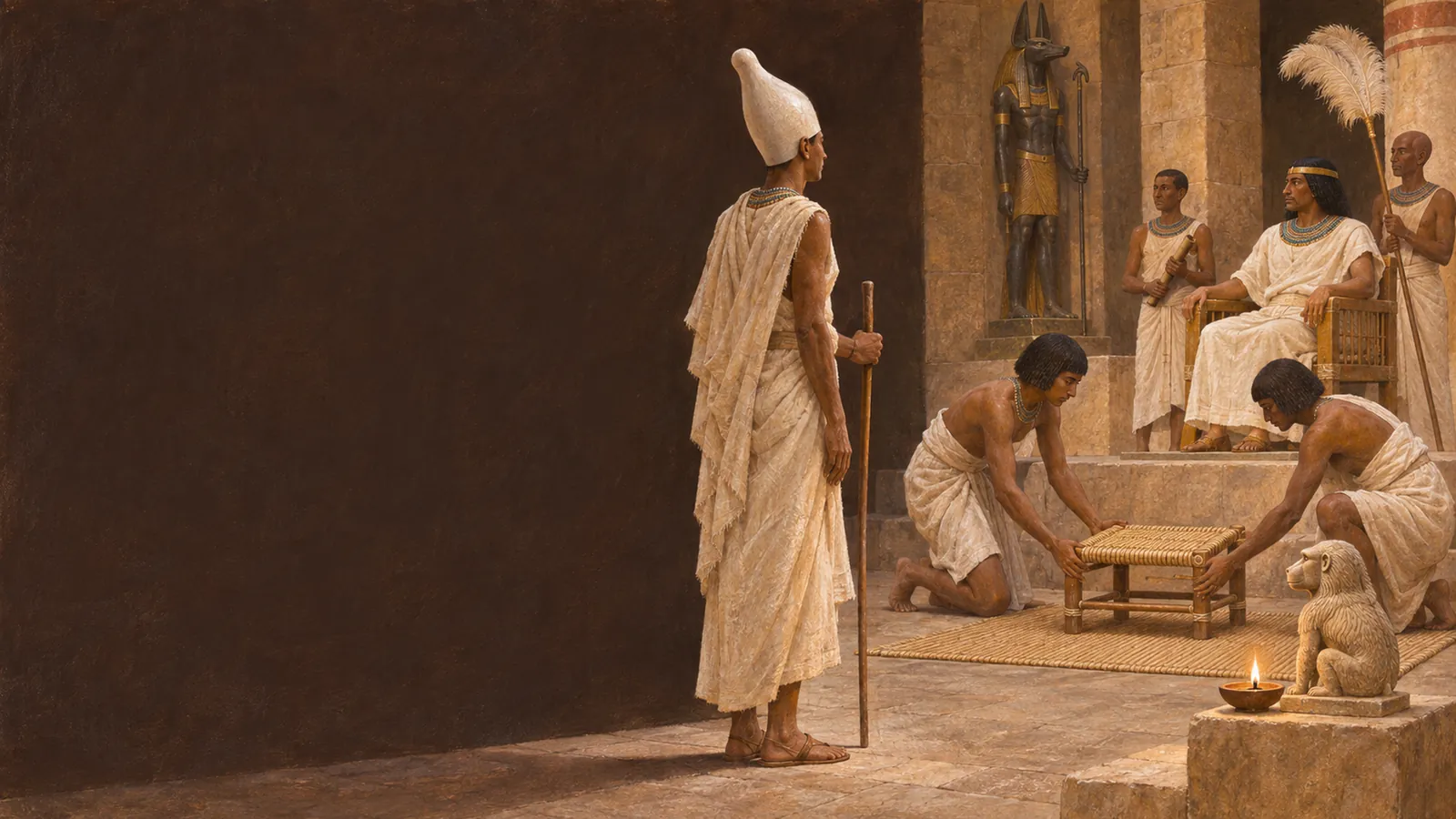
After the night is swept away, the controlling powers appear. The speaker says they give him a privileged place in the identity of Baboon.
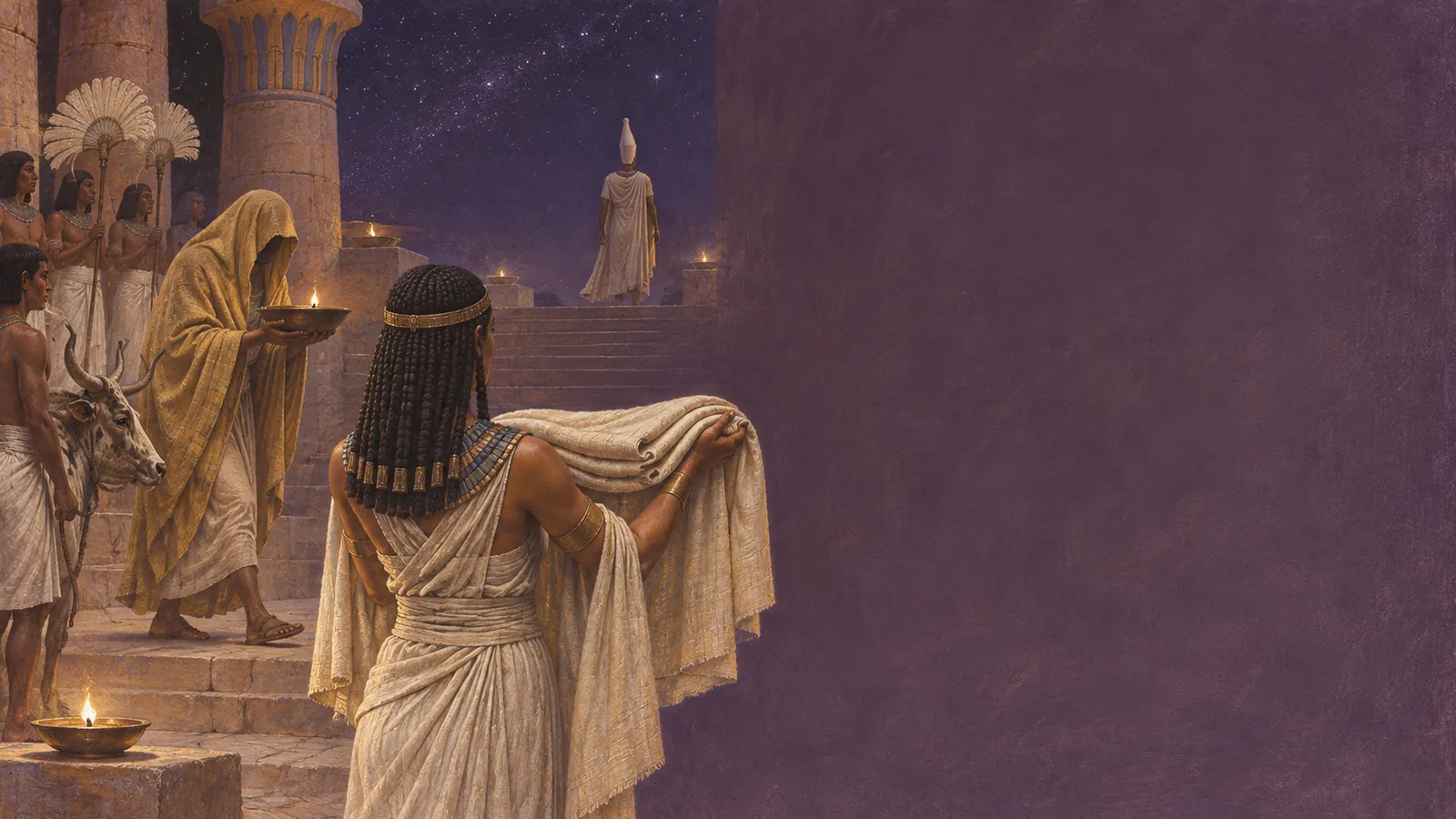
The speaker calls himself the son of a woman who does not know him. He says she bore him to Yellow-Face, lord of the night skies.
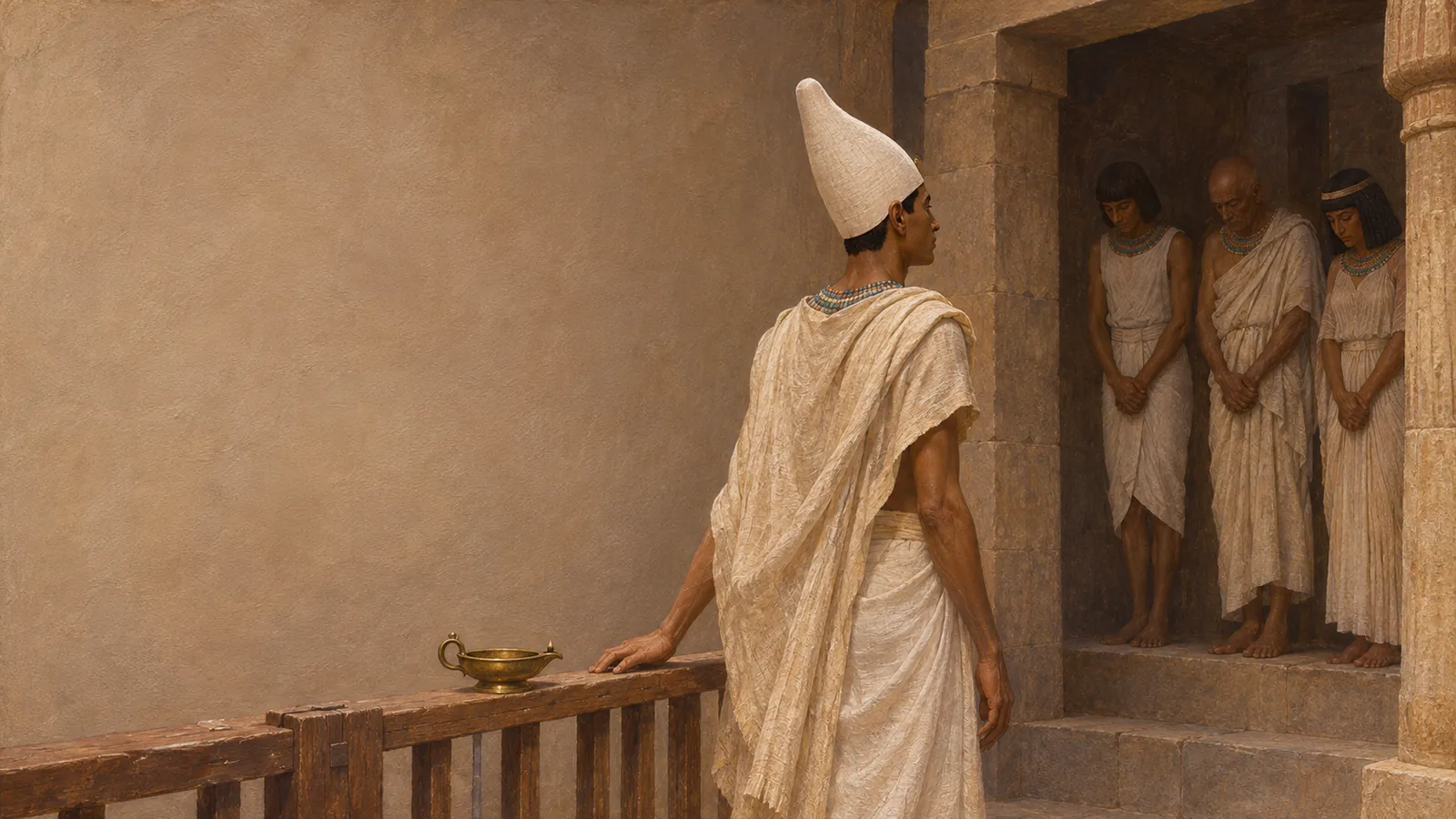
The voice addresses the lords and says that he is greater than they are. He orders those he calls subjects to hide before him.
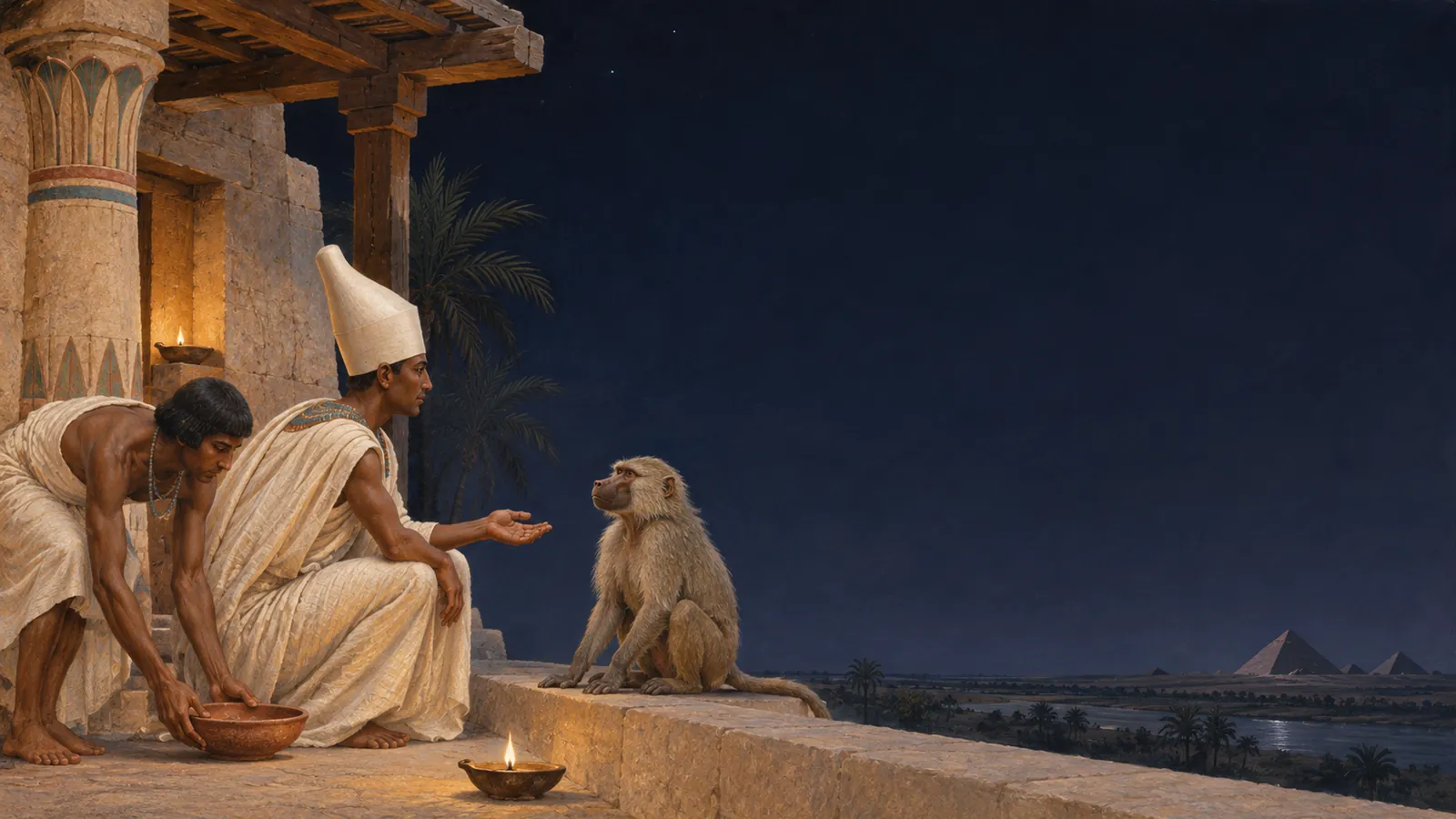
He calls himself Baboon, lord of the night sky and bull of baboons. The recitation says that one lives in his absence, which Allen reads as a claim that he can take life.
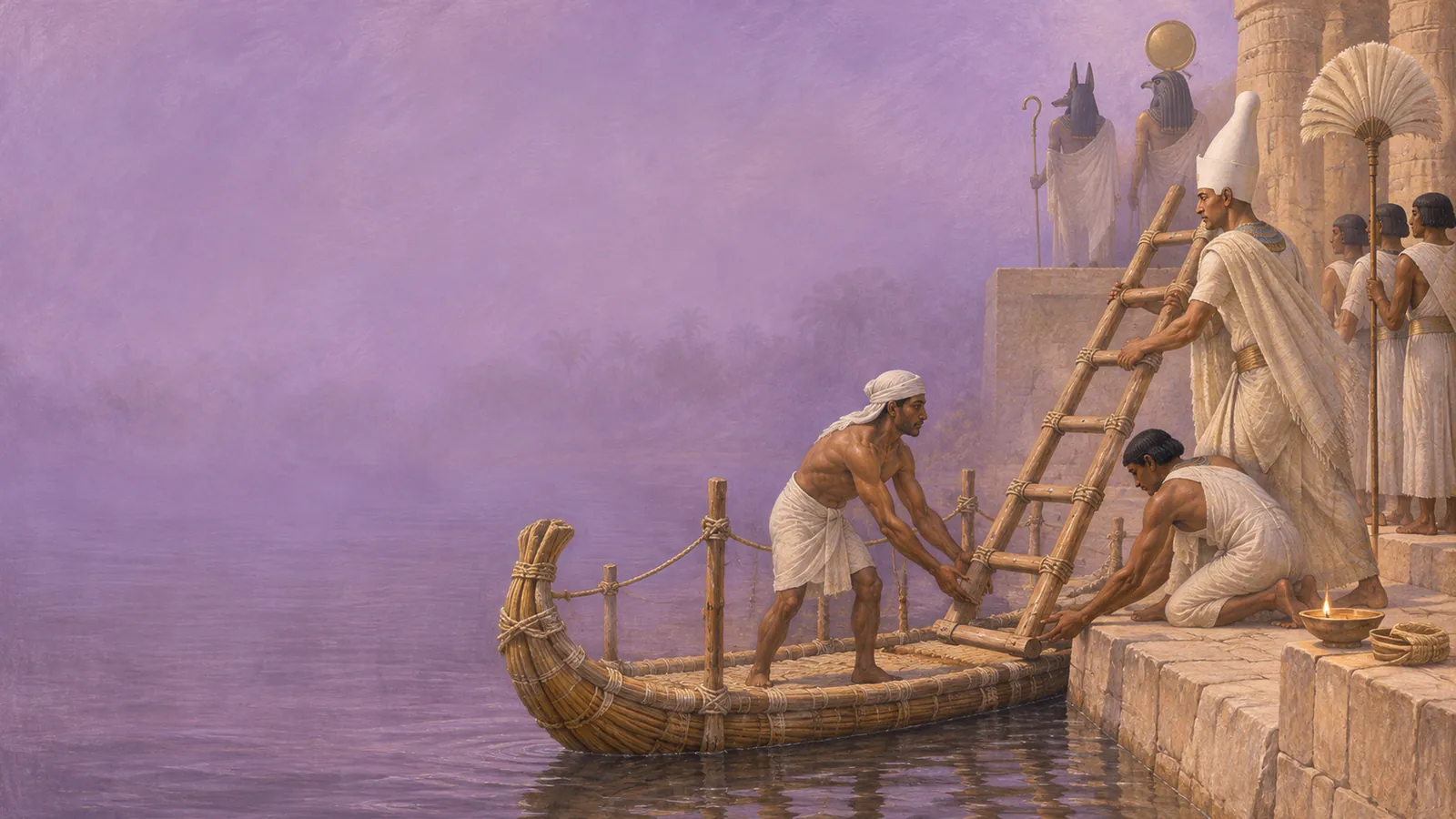
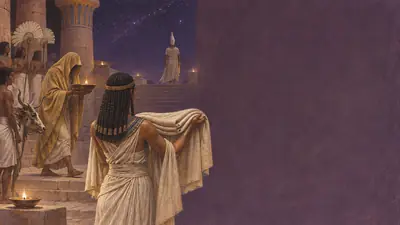
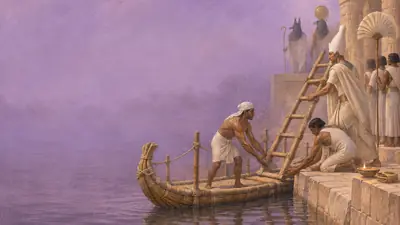
The speaker calls to someone Allen understands as a forward-facing ferryman. He asks for the Salve of Contentment on Osiris’s Back, the object that the edition explains as a ladder.
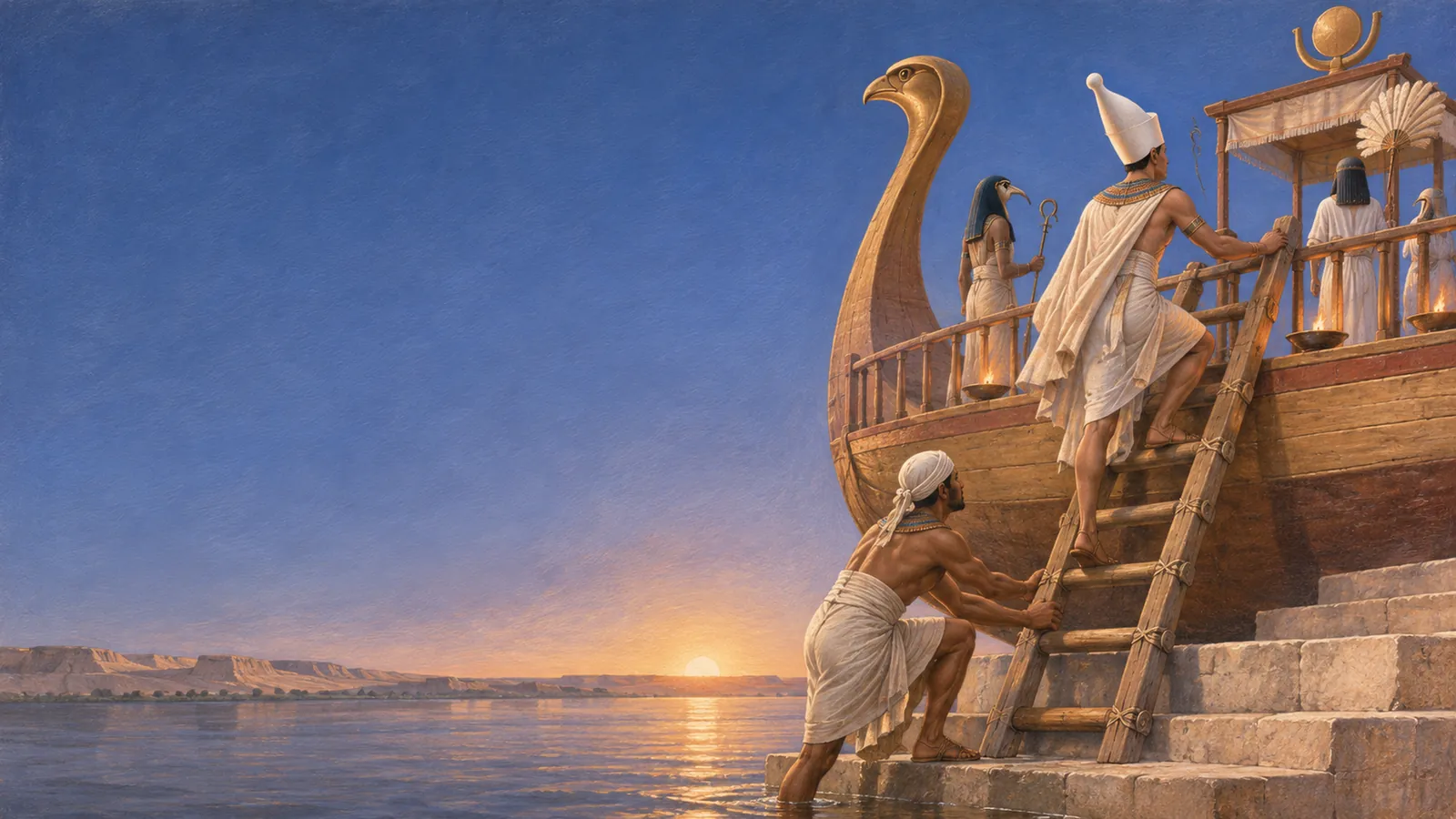
ACCOMPANY THE SUN
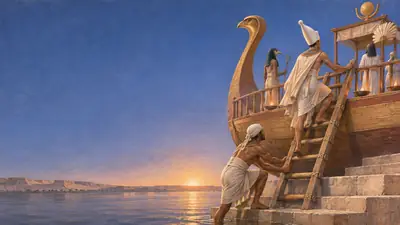
The speaker gives his reason for asking for the ladder. He wants to go up on it to the sky and accompany the Sun there.
End of chapter 1
All pages
Sources
The different voices and their claims follow the edition in original paraphrase. References use the printed page numbers.
Editions consulted
- James P. Allen, The Ancient Egyptian Pyramid Texts, second edition, SBL Press, 2015
- Opening the door to the sky and the address to the guardian, printed page 63
- The entrance recitations, printed page 64
- Last recitations and final ladder request, printed page 65
- Notes 79–84 on the restoration, wording and readings, printed page 67
Ancient lines behind each page
- Page 1: Allen 2015, The Ancient Egyptian Pyramid Texts, Unis PT 313, p. 63
- Page 2: Allen 2015, The Ancient Egyptian Pyramid Texts, Unis PT 313, p. 63
- Page 3: Allen 2015, The Ancient Egyptian Pyramid Texts, Unis PT 313, p. 63
- Page 4: Allen 2015, The Ancient Egyptian Pyramid Texts, Unis PT 313, p. 63
- Page 5: Allen 2015, The Ancient Egyptian Pyramid Texts, Unis PT 314, p. 64
- Page 6: Allen 2015, The Ancient Egyptian Pyramid Texts, Unis PT 315, p. 64
- Page 7: Allen 2015, The Ancient Egyptian Pyramid Texts, Unis PT 315, p. 64
- Page 8: Allen 2015, The Ancient Egyptian Pyramid Texts, Unis PT 316, p. 64
- Page 9: Allen 2015, The Ancient Egyptian Pyramid Texts, Unis PT 316, p. 64
- Page 10: Allen 2015, The Ancient Egyptian Pyramid Texts, Unis PT 317, p. 64
- Page 11: Allen 2015, The Ancient Egyptian Pyramid Texts, Unis PT 317, p. 64
- Page 12: Allen 2015, The Ancient Egyptian Pyramid Texts, Unis PT 317, p. 64
- Page 13: Allen 2015, The Ancient Egyptian Pyramid Texts, Unis PT 317, p. 64
- Page 14: Allen 2015, The Ancient Egyptian Pyramid Texts, Unis PT 317, p. 64
- Page 15: Allen 2015, The Ancient Egyptian Pyramid Texts, Unis PT 317, p. 64
- Page 16: Allen 2015, The Ancient Egyptian Pyramid Texts, Unis PT 317, p. 64
- Page 17: Allen 2015, The Ancient Egyptian Pyramid Texts, Unis PT 317, p. 64
- Page 18: Allen 2015, The Ancient Egyptian Pyramid Texts, Unis PT 318, p. 64
- Page 19: Allen 2015, The Ancient Egyptian Pyramid Texts, Unis PT 318, p. 64
- Page 20: Allen 2015, The Ancient Egyptian Pyramid Texts, Unis PT 318, p. 64
- Page 21: Allen 2015, The Ancient Egyptian Pyramid Texts, Unis PT 318, p. 64
- Page 22: Allen 2015, The Ancient Egyptian Pyramid Texts, Unis PT 319, p. 64
- Page 23: Allen 2015, The Ancient Egyptian Pyramid Texts, Unis PT 319, p. 64
- Page 24: Allen 2015, The Ancient Egyptian Pyramid Texts, Unis PT 319, p. 64
- Page 25: Allen 2015, The Ancient Egyptian Pyramid Texts, Unis PT 319, p. 64
- Page 26: Allen 2015, The Ancient Egyptian Pyramid Texts, Unis PT 319, p. 64
- Page 27: Allen 2015, The Ancient Egyptian Pyramid Texts, Unis PT 319, p. 64
- Page 28: Allen 2015, The Ancient Egyptian Pyramid Texts, Unis PT 320, p. 65
- Page 29: Allen 2015, The Ancient Egyptian Pyramid Texts, Unis PT 320, p. 65
- Page 30: Allen 2015, The Ancient Egyptian Pyramid Texts, Unis PT 320, p. 65
- Page 31: Allen 2015, The Ancient Egyptian Pyramid Texts, Unis PT 320, p. 65
- Page 32: Allen 2015, The Ancient Egyptian Pyramid Texts, Unis PT 320, p. 65
- Page 33: Allen 2015, The Ancient Egyptian Pyramid Texts, Unis PT 321, p. 65
- Page 34: Allen 2015, The Ancient Egyptian Pyramid Texts, Unis PT 321, p. 65
Illustrations made with AI tools by IL Archive; the text is based on the ancient sources (see the sources at the end of each chapter).