Unis at the Eastern Limit Chapter 1
Spells for the Spirit’s Rebirth
At the eastern limit of the Akhet, the reciting voice announces itself under dimming stars and claims power in the passage known as the Cannibal Hymn. Then short protective spells address hostile beings and bring the reading to the last warning before the appeal to the ferryman.
SourcesTurn the pages with the arrows, the arrow keys or a swipe.
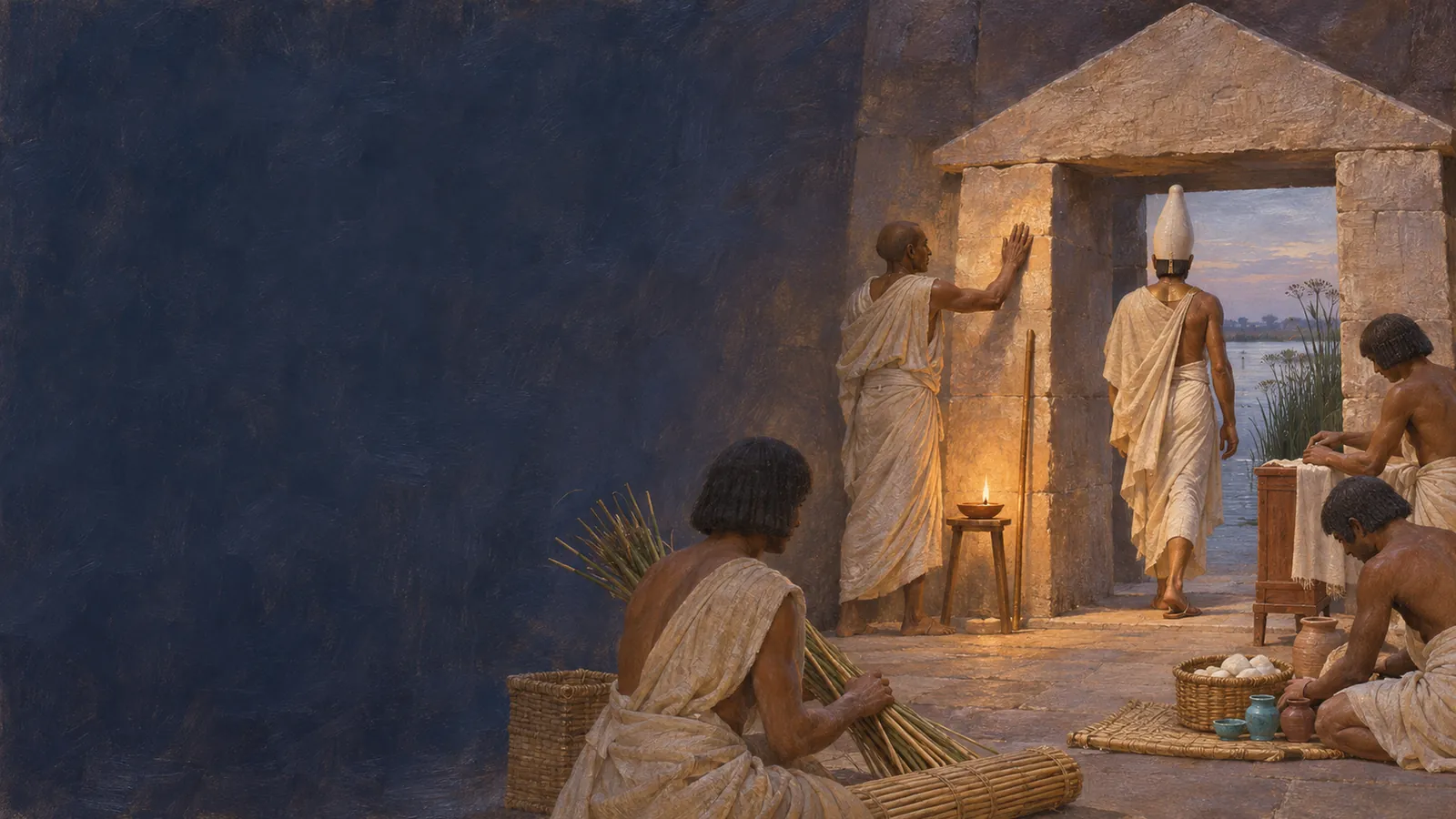
THE EASTERN LIMIT
The Pyramid Texts of Unis put these spells on the east gable and wall of the antechamber. The opening recitation speaks of entering the eastern limit of the Akhet.
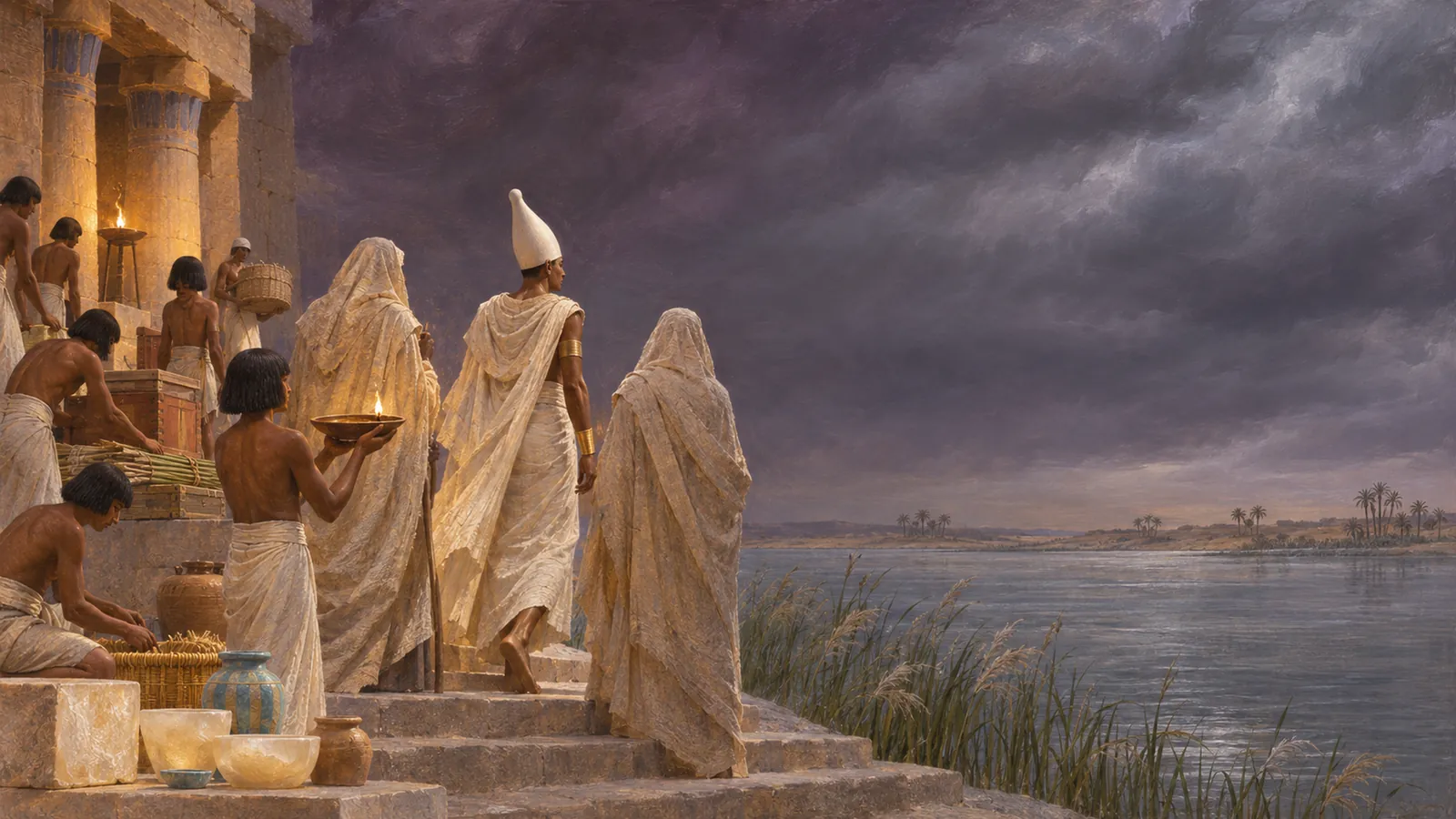
The speaker says the sky clouds over, the stars disappear and the horizons shake. All motion stops as he appears as a ba and a god who feeds on his parents.
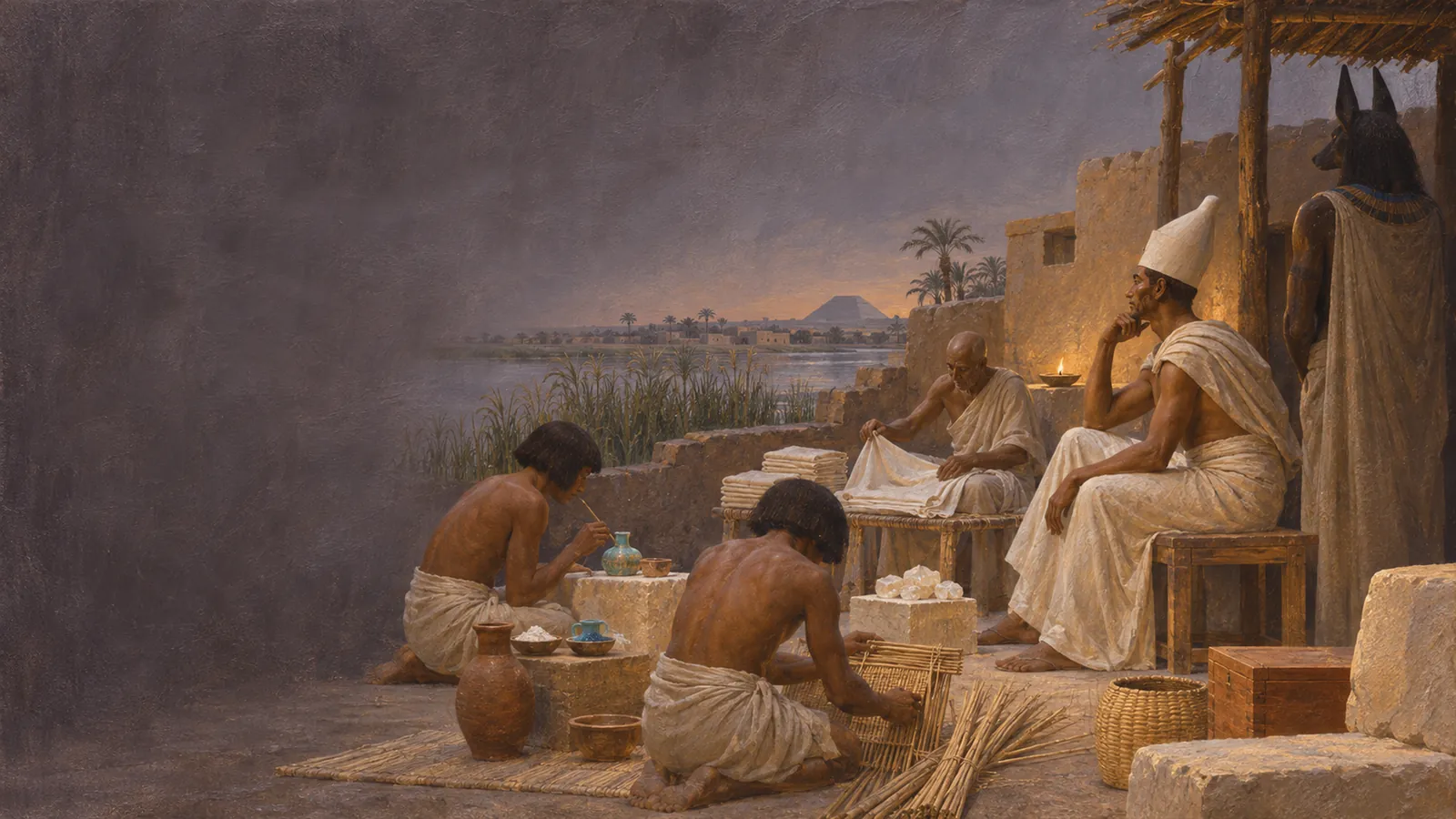
He calls himself lord of a city associated with a jackal and says even his mother does not know who he is. He claims rank in the sky and power in the Akhet beyond that of his father Atum.
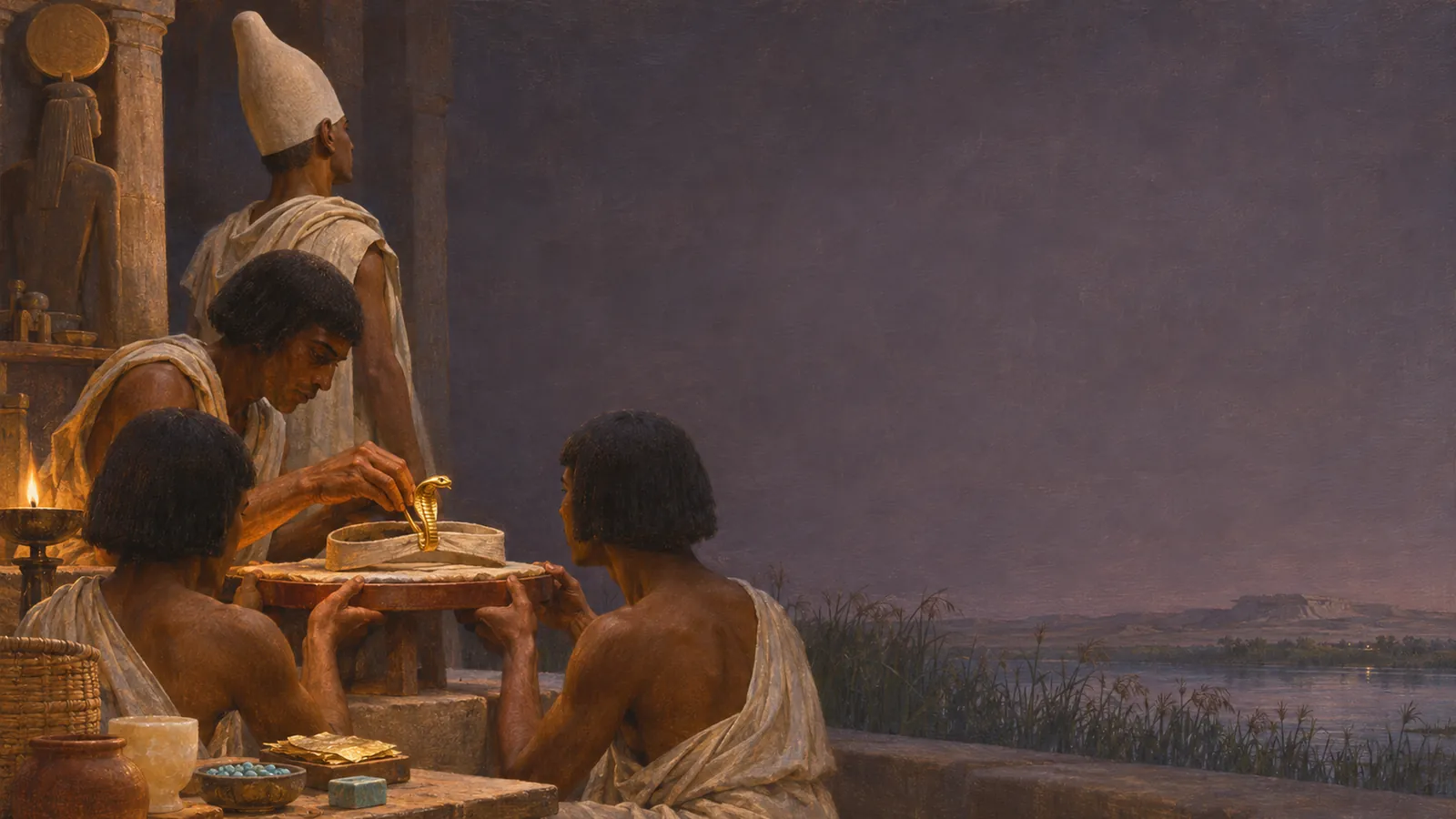
He says his kas, guardian forces, gods and uraei are around him. His leading uraeus, he says, has the power to shoot fire.
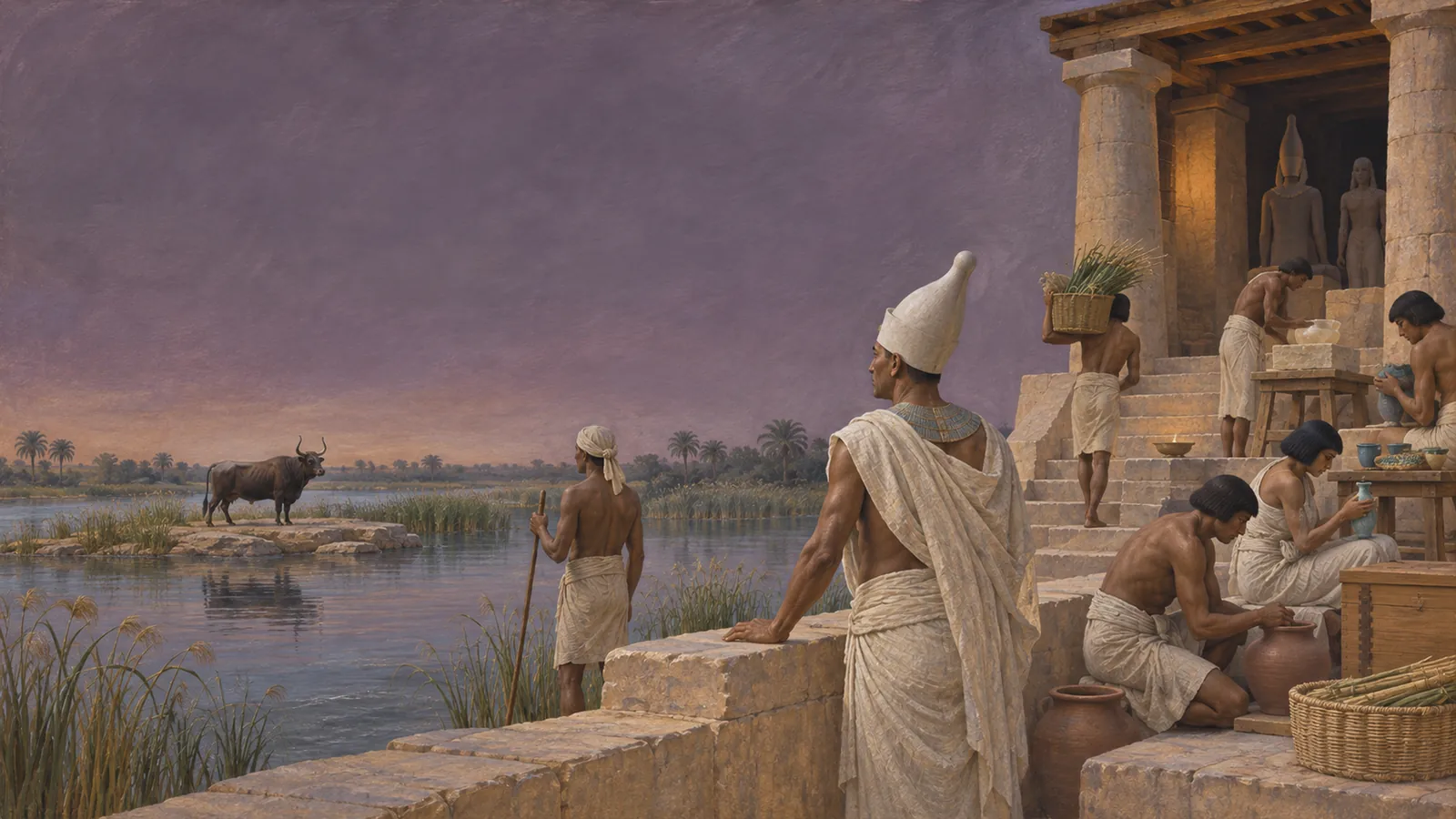
The speaker calls himself the sky’s terrifying bull. He claims to live on the gods as they come into being and to eat their entrails after they come from the Isle of Flame full of magic.
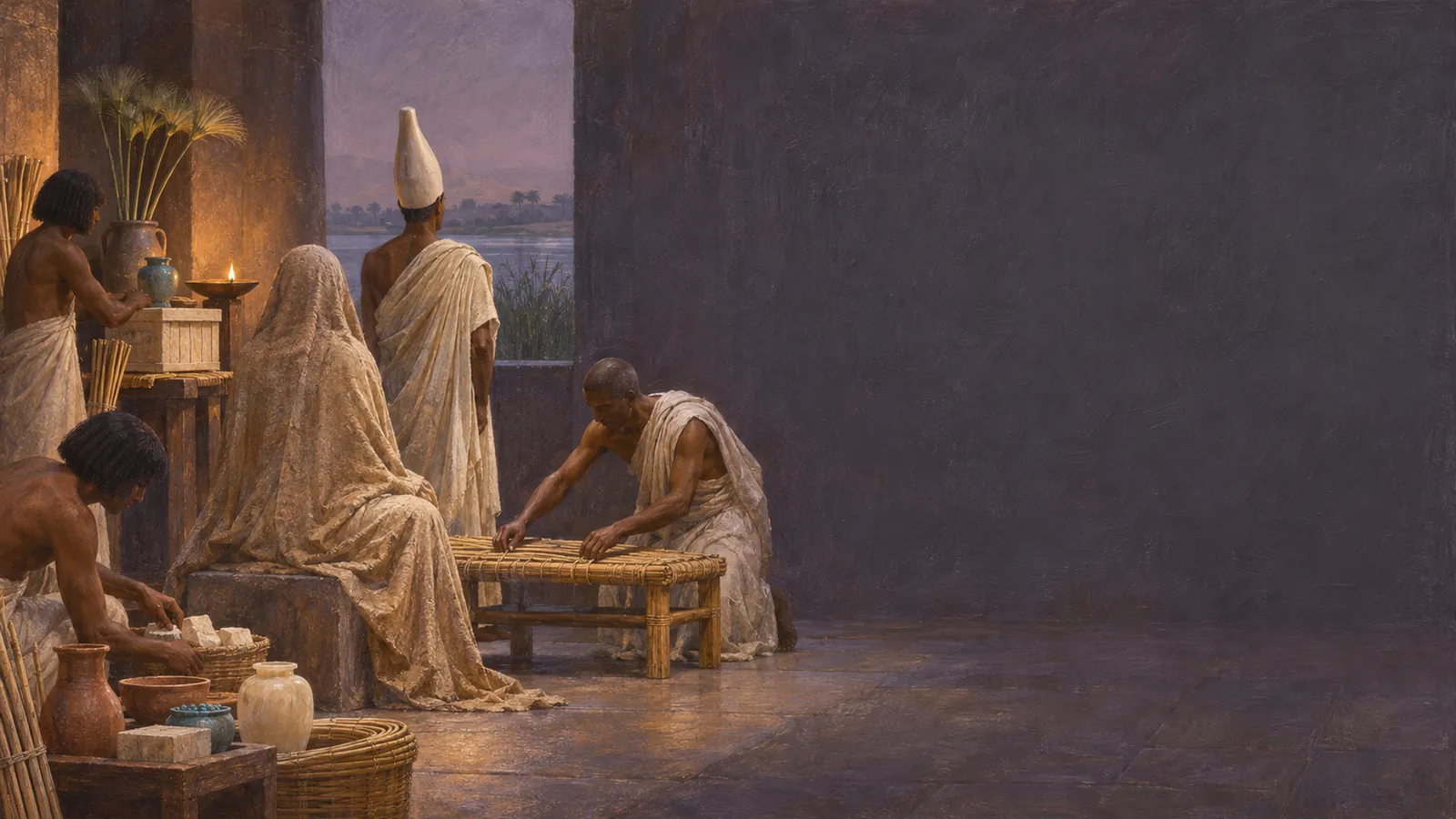
He says he gathers his powers, appears with his helpers and sits with his back to Geb. He says his case against a being whose identity is hidden was decided on the day the senior ones were killed.
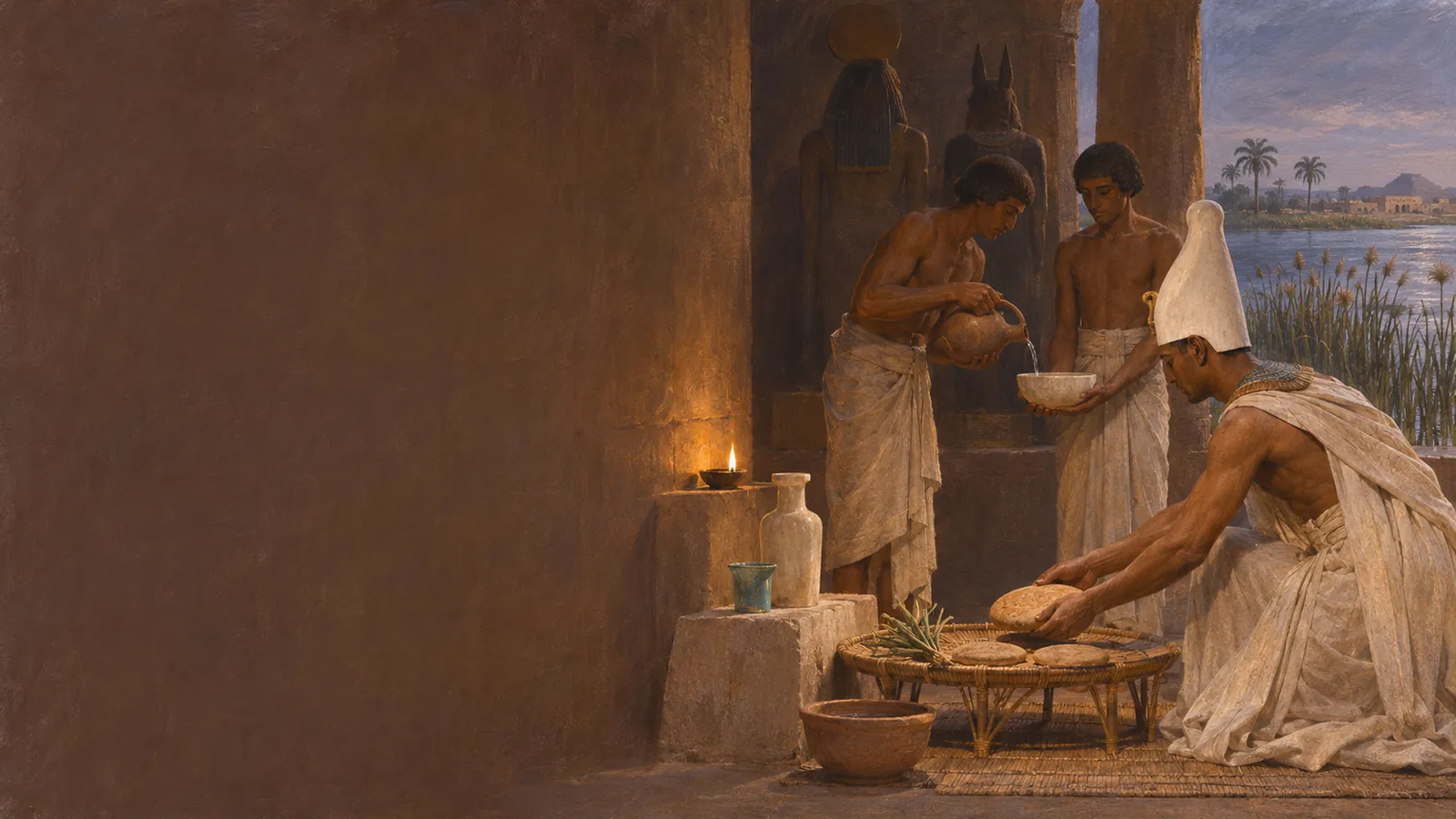
The speaker calls himself lord of offerings and says he presents them himself. He boasts that he eats people and lives on gods, with agents he can send to do his bidding.
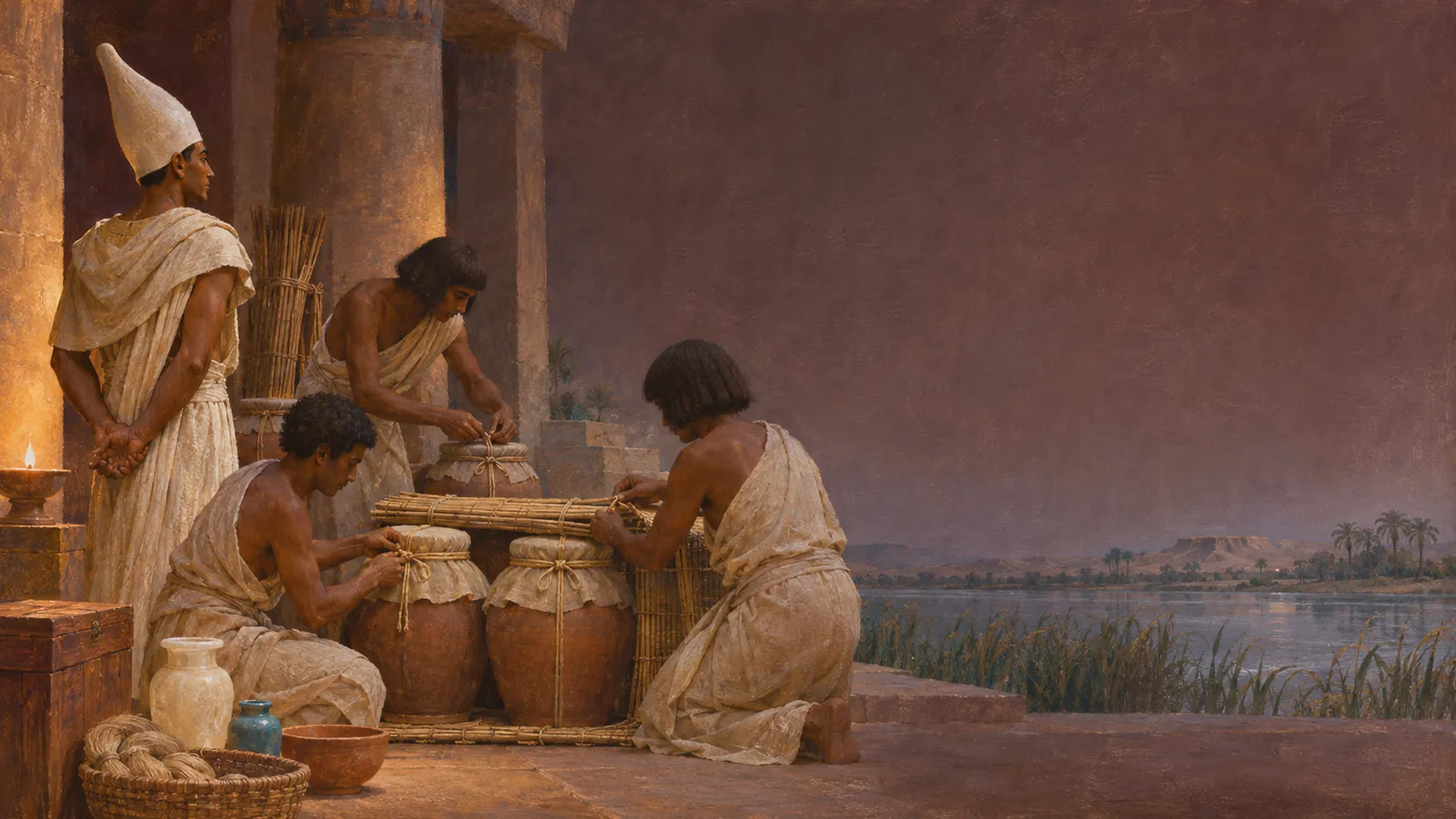
The recitation names three agents who seize, guard and bind those marked for the meal. One is named for grasping forelocks, one for a serpent’s sweeping head, and one for being covered in gore.
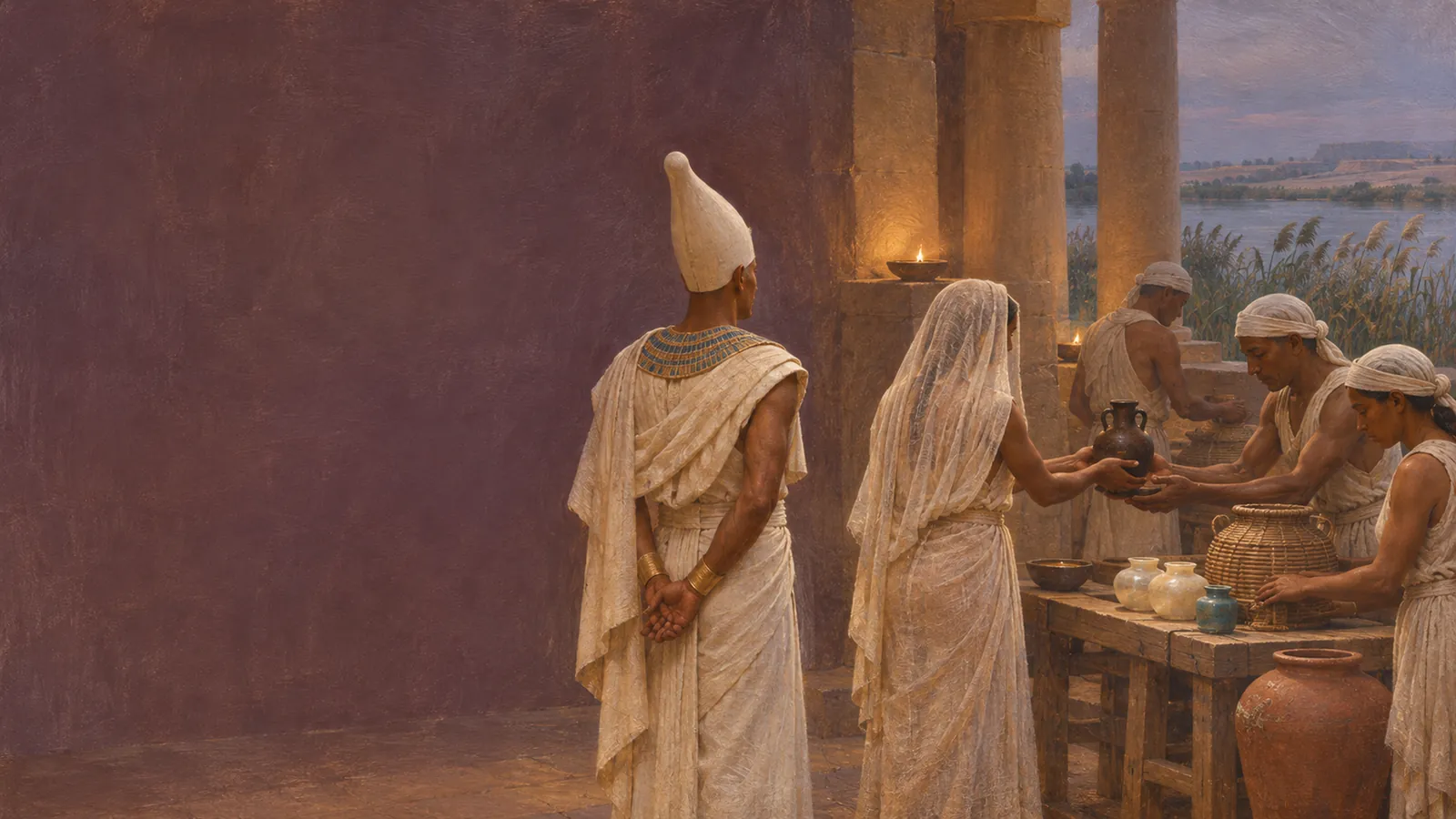
In the reciter’s account, the Courser kills those who have been seized, and Shezmu butchers them and prepares them for the evening meal.
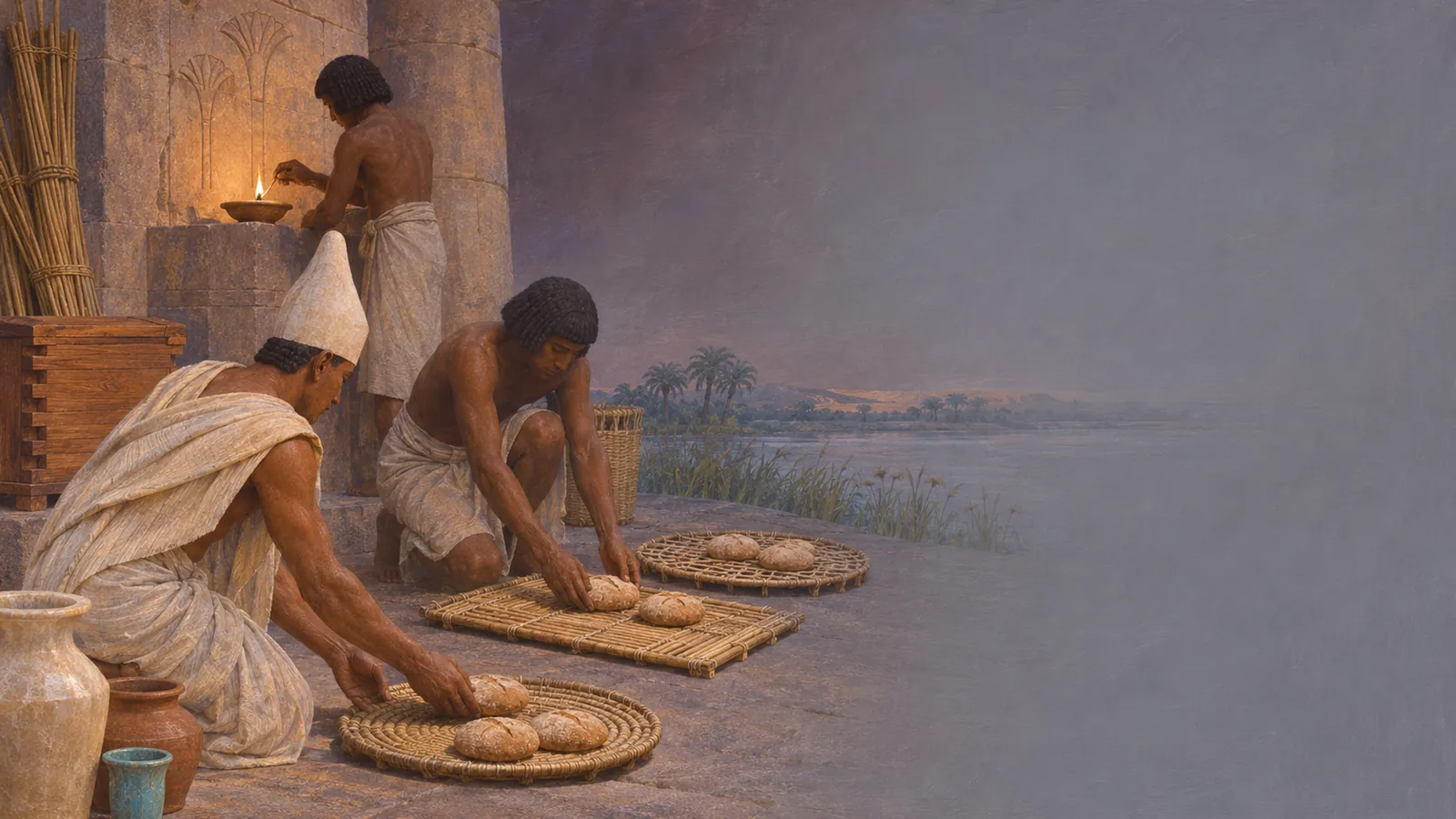
The speaker claims to eat their magic and swallow their akhs. He assigns those he consumes to the morning, evening and nighttime meals by age, and says the oldest fuel his ovens.
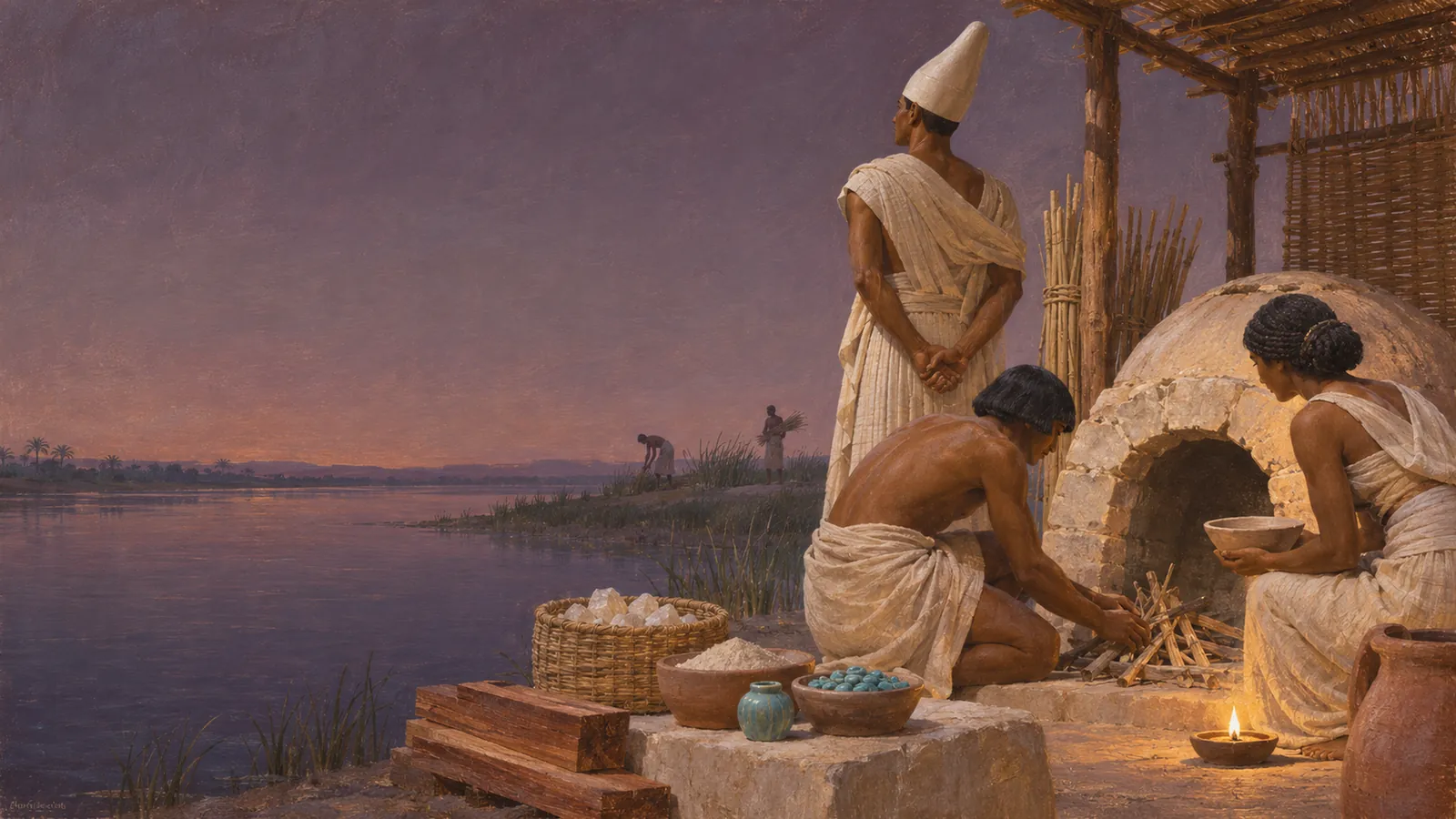
The poem describes bones and other body parts used to heat the meal. The great ones of the north and the dwellers in the sky serve the reciter, along with both parts of the sky and both banks of the Nile.
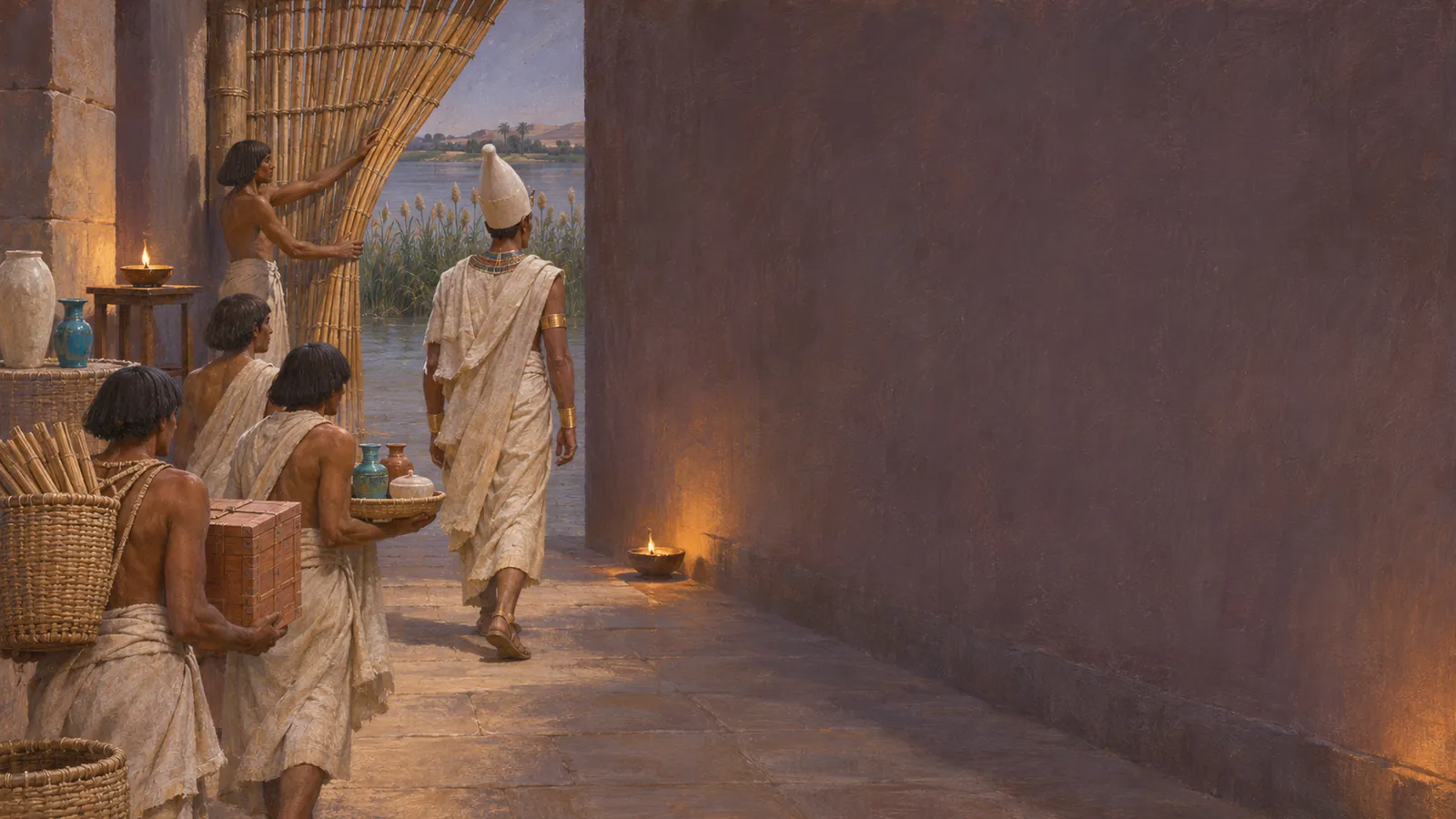
He claims to rule over all powers and to be the most sacred of sacred images. He says he stands ahead of the privileged in the Akhet and devours anyone who comes in his way.
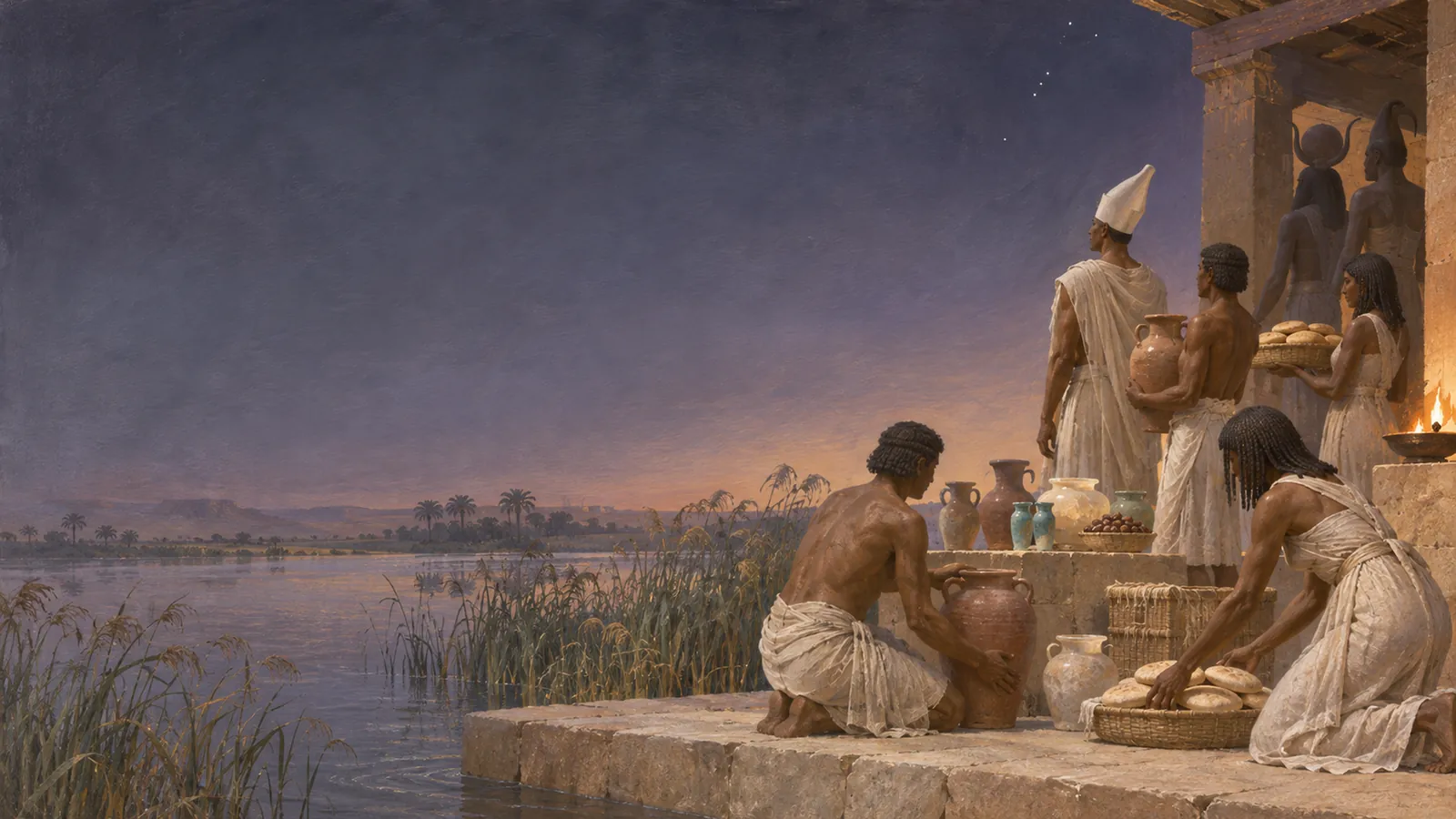
The speaker claims that thousands serve him and hundreds bring him offerings. Orion, whom the text calls father of the gods, grants him rank, and he appears again in the sky as lord of the Akhet.
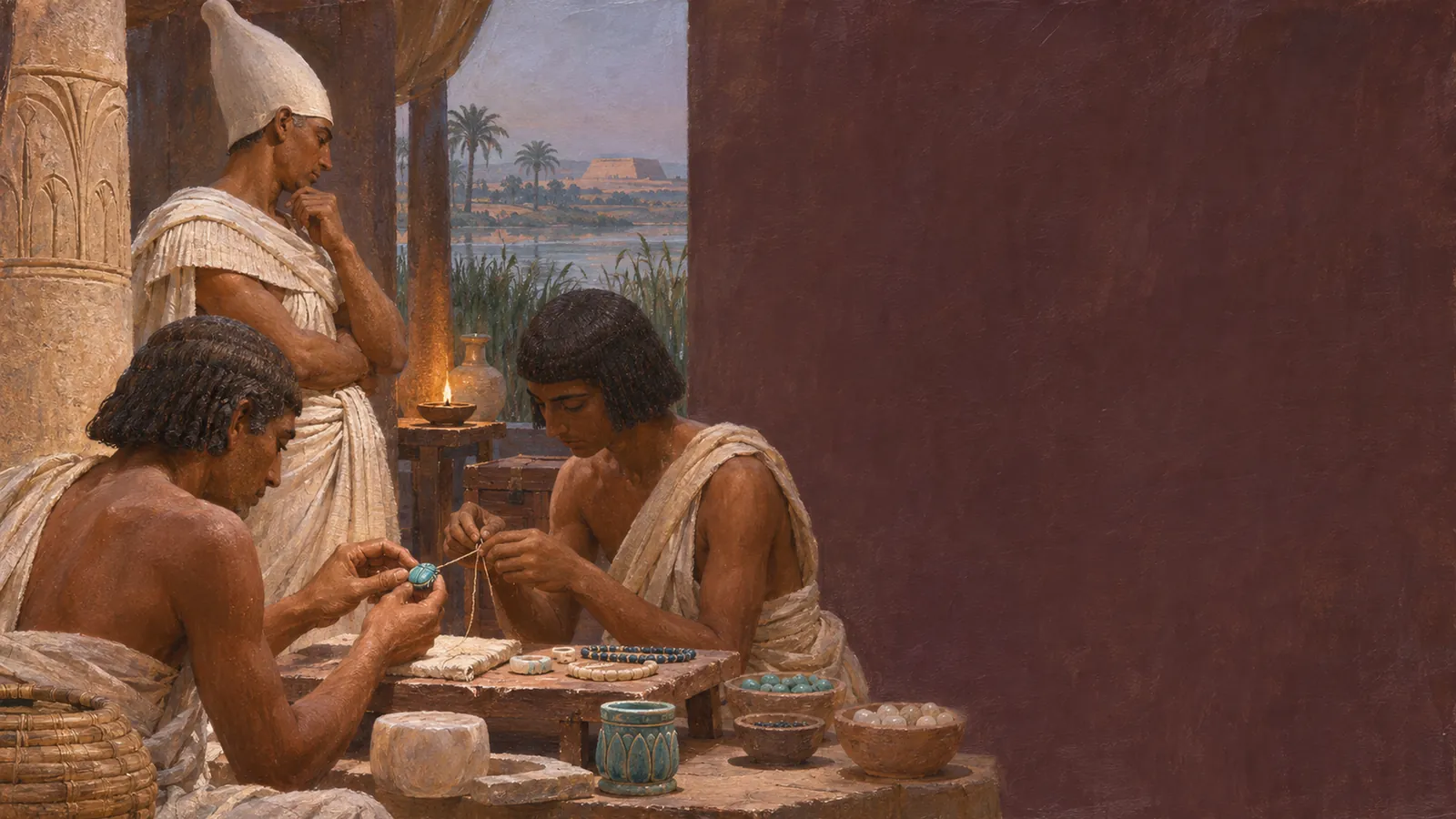
The recitation speaks of breaking vertebrae. The speaker says he took the gods’ hearts, fed on hearts and lungs, and was sated by their magic.
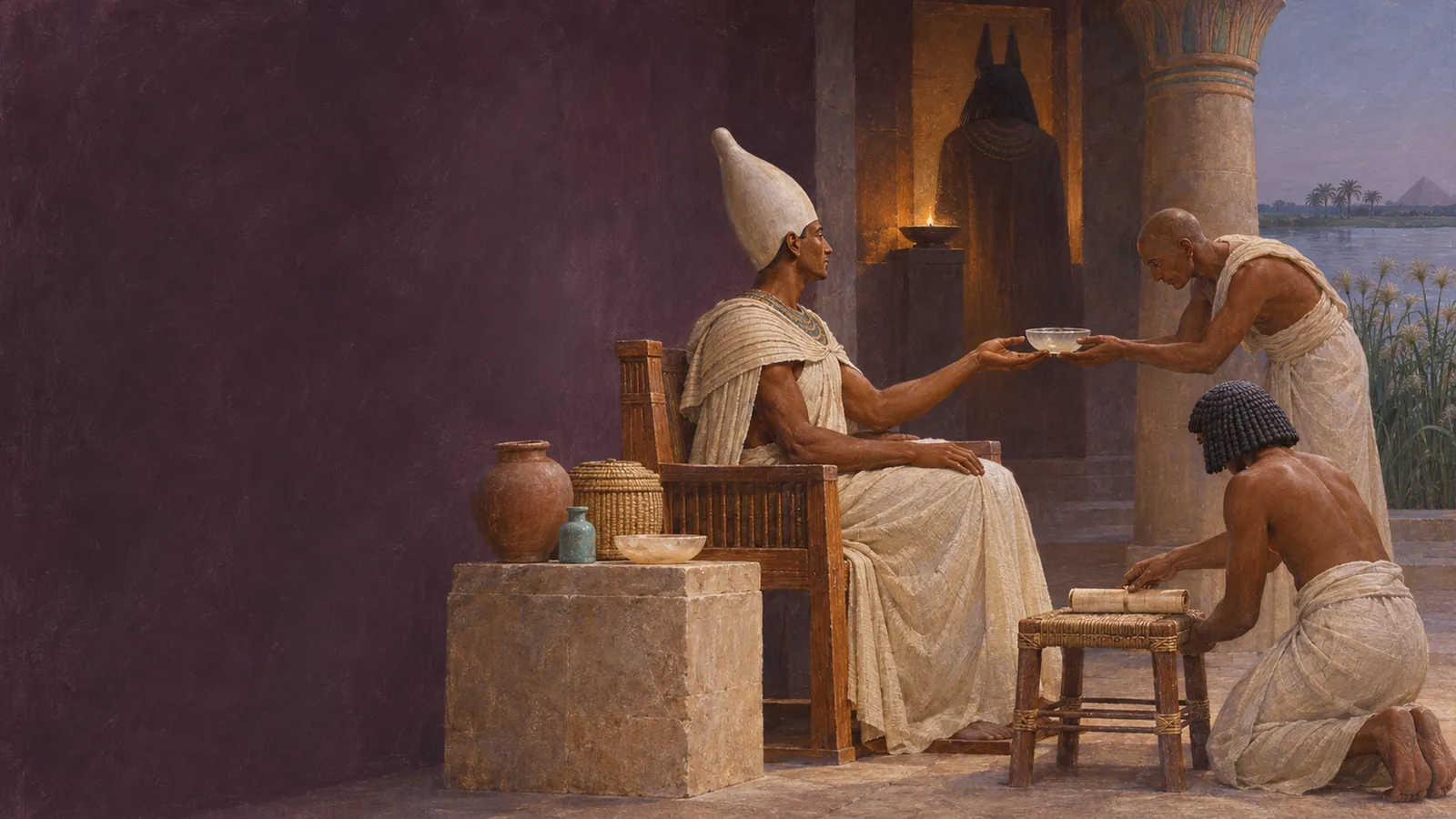
The speaker says he is full and spits out what would make him vomit. He claims that the magic he consumed and the perception of every god are now his, so his privileges remain.
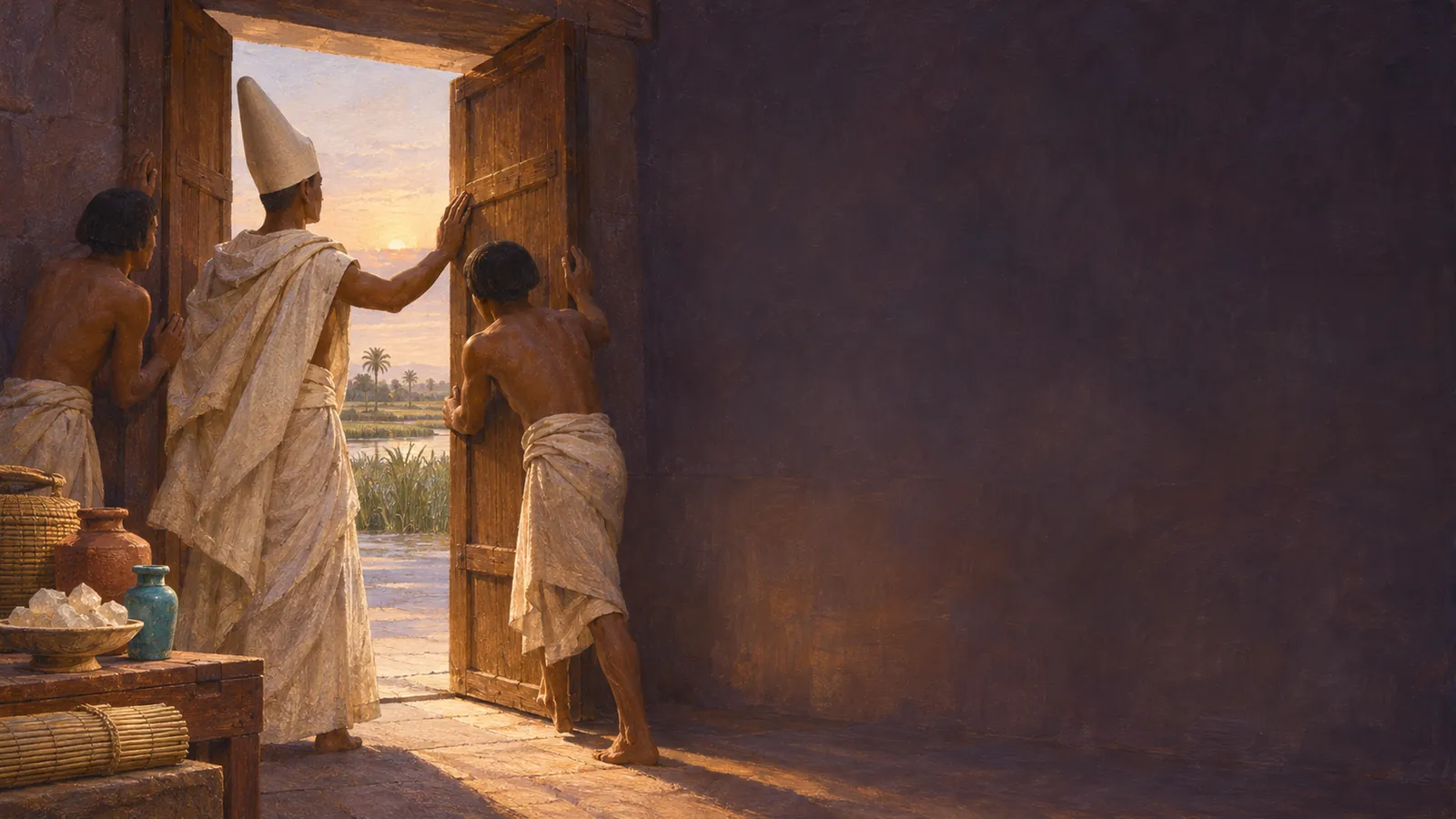
He claims a life without end in the Akhet. He says he has the lasting privilege of deciding for himself when to act and when to refrain.
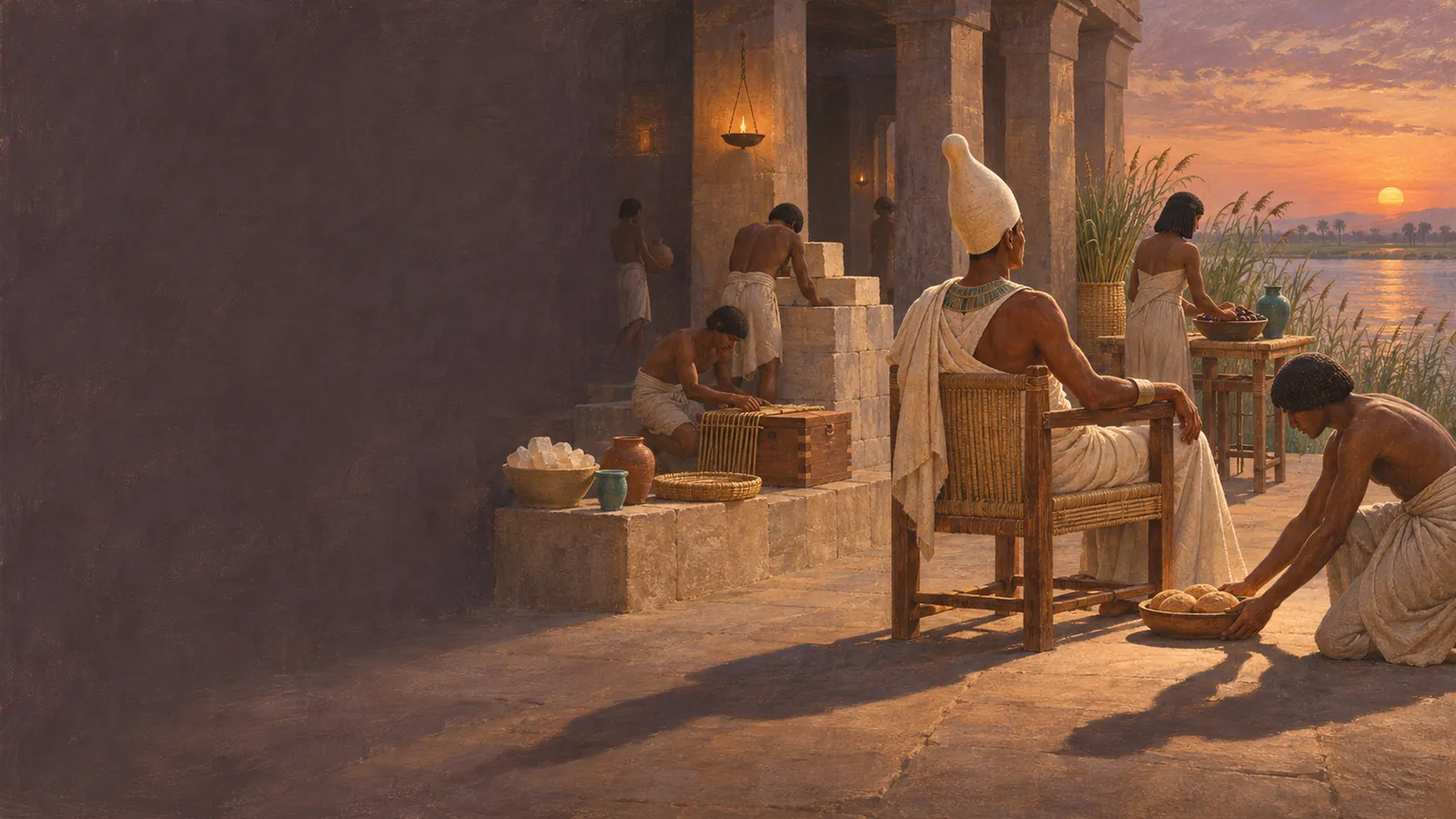
The speaker says he has their ba in his belly and that their akhs are with him. Only their shadows stay with their owners. He calls his meal greater than the gods’ meal and says no enemy can erase his place among the living.
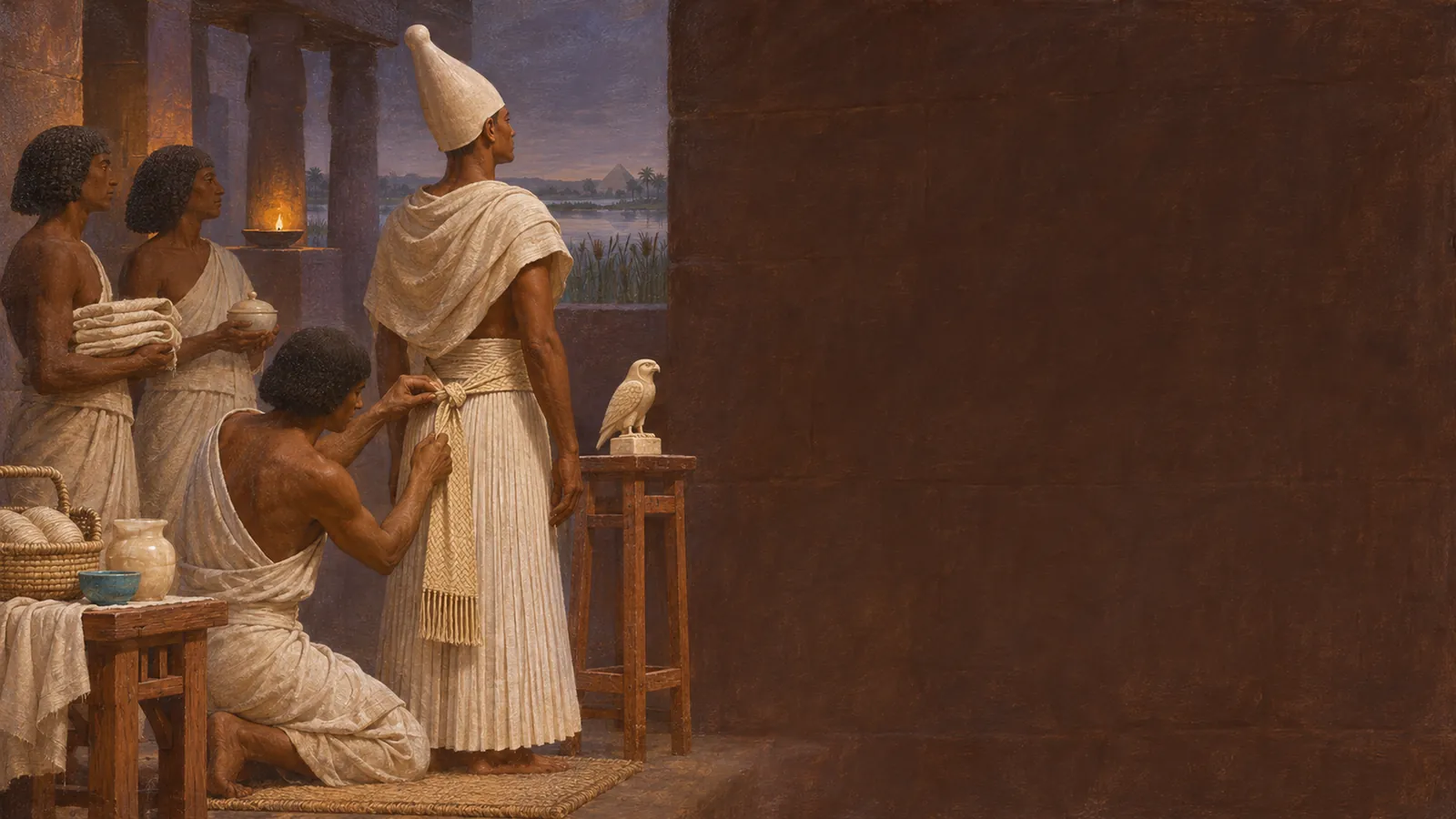
The speaker greets the falcons in their compounds and asks them to be calm. He says he wears a bent tail made from a baboon’s intestine.
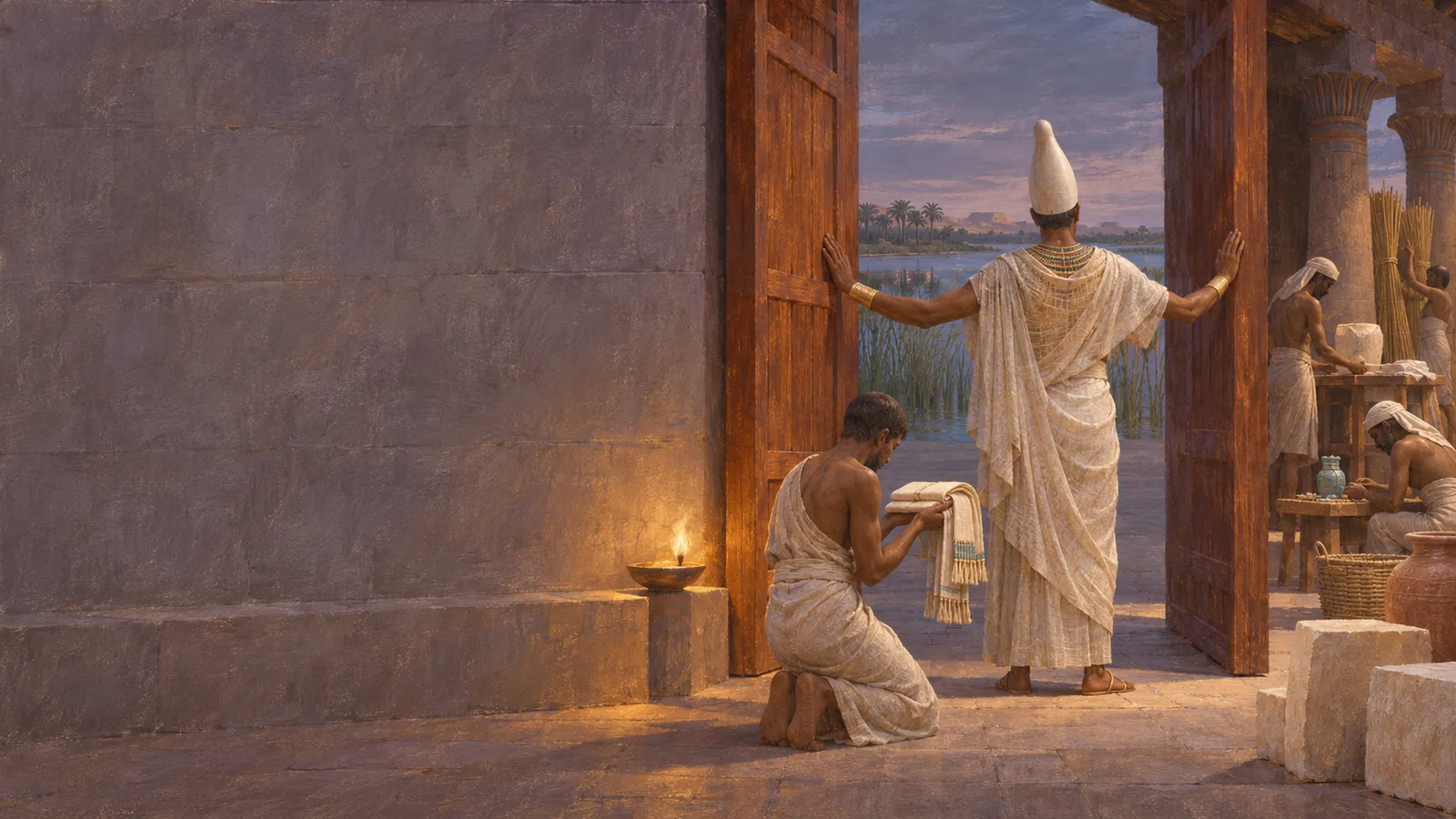
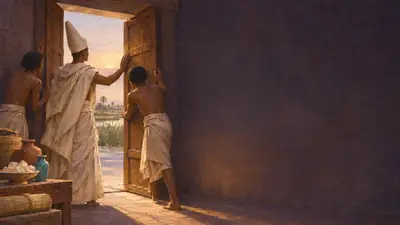
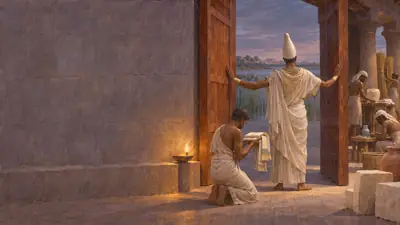
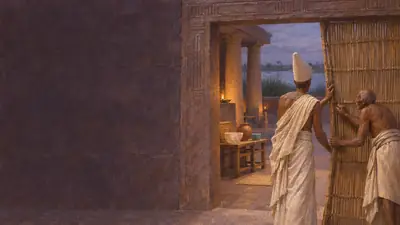
The speaker says he opens the two door leaves that face each other. He reaches the boundaries of the Akhet and leaves his tailed kilt there.
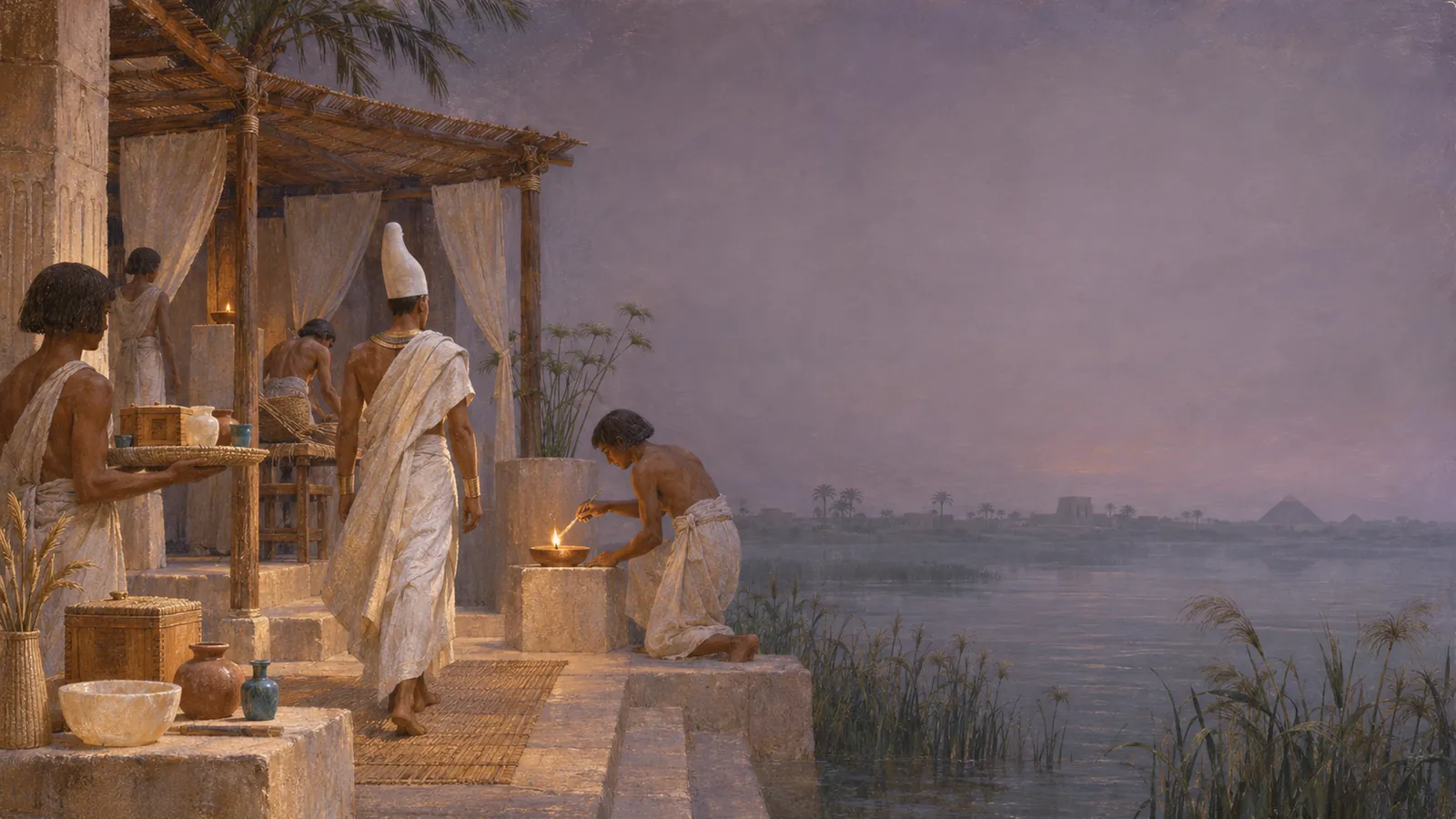
At the end of the spell, the speaker says he becomes the great one in Shedit. The collection now turns to words addressed to hostile beings.
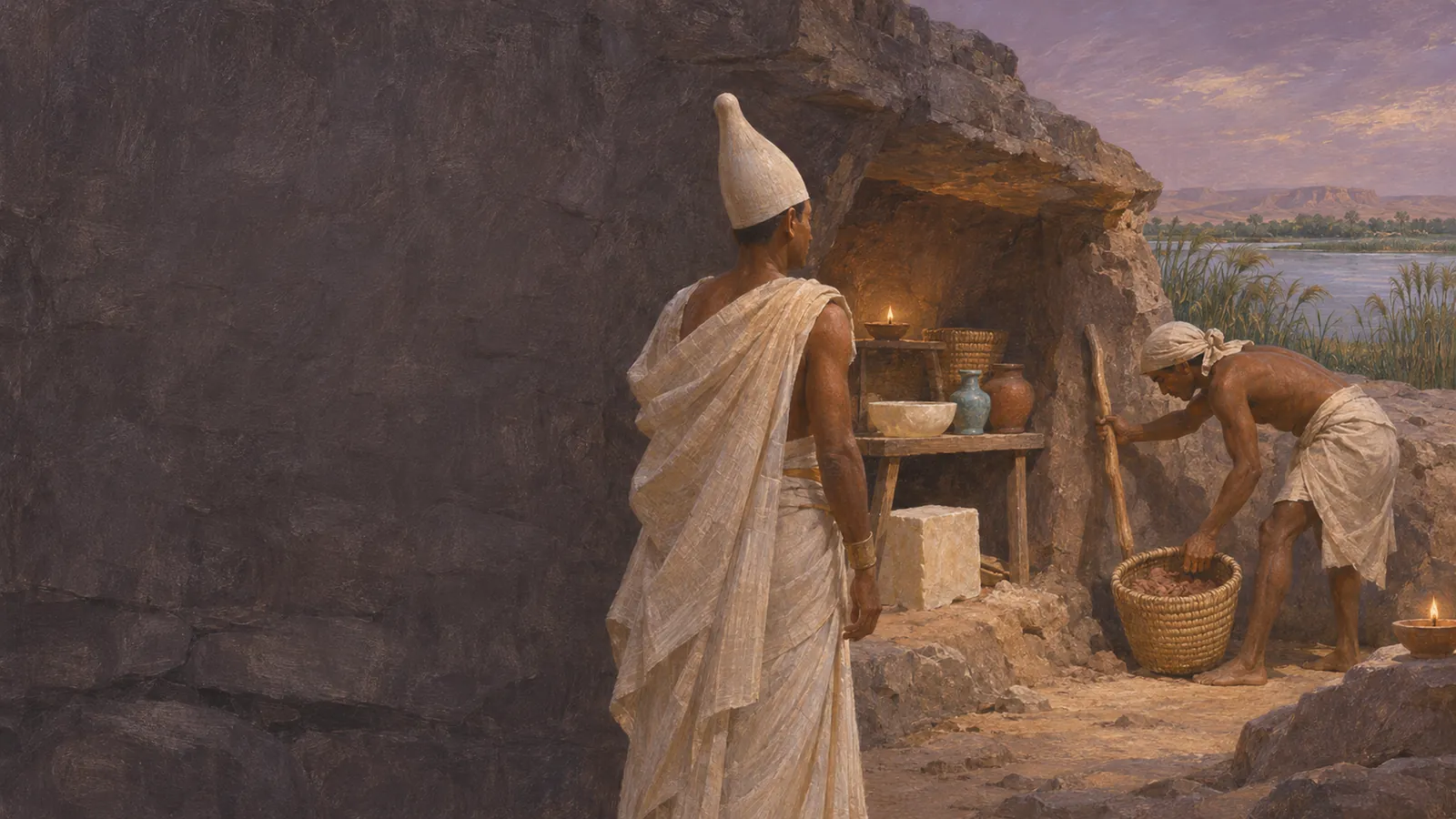
The speaker addresses a being called the Digger in its cavern. He declares that whatever it attempts will turn upon the Digger itself.
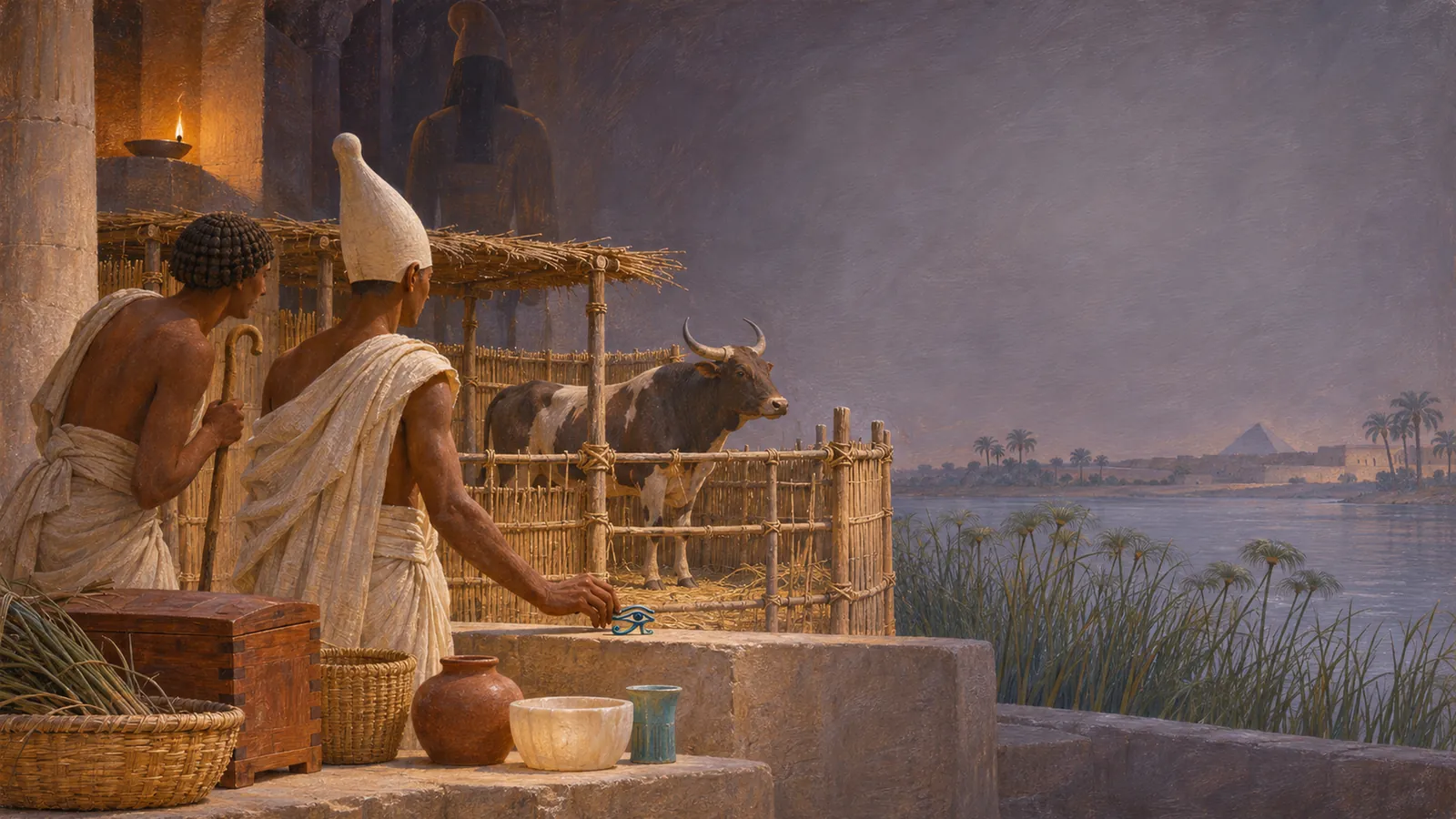
The spell says that Horus fell because of his eye and that a bull crawled away because of its testicles. It then commands the one addressed to fall and crawl away.
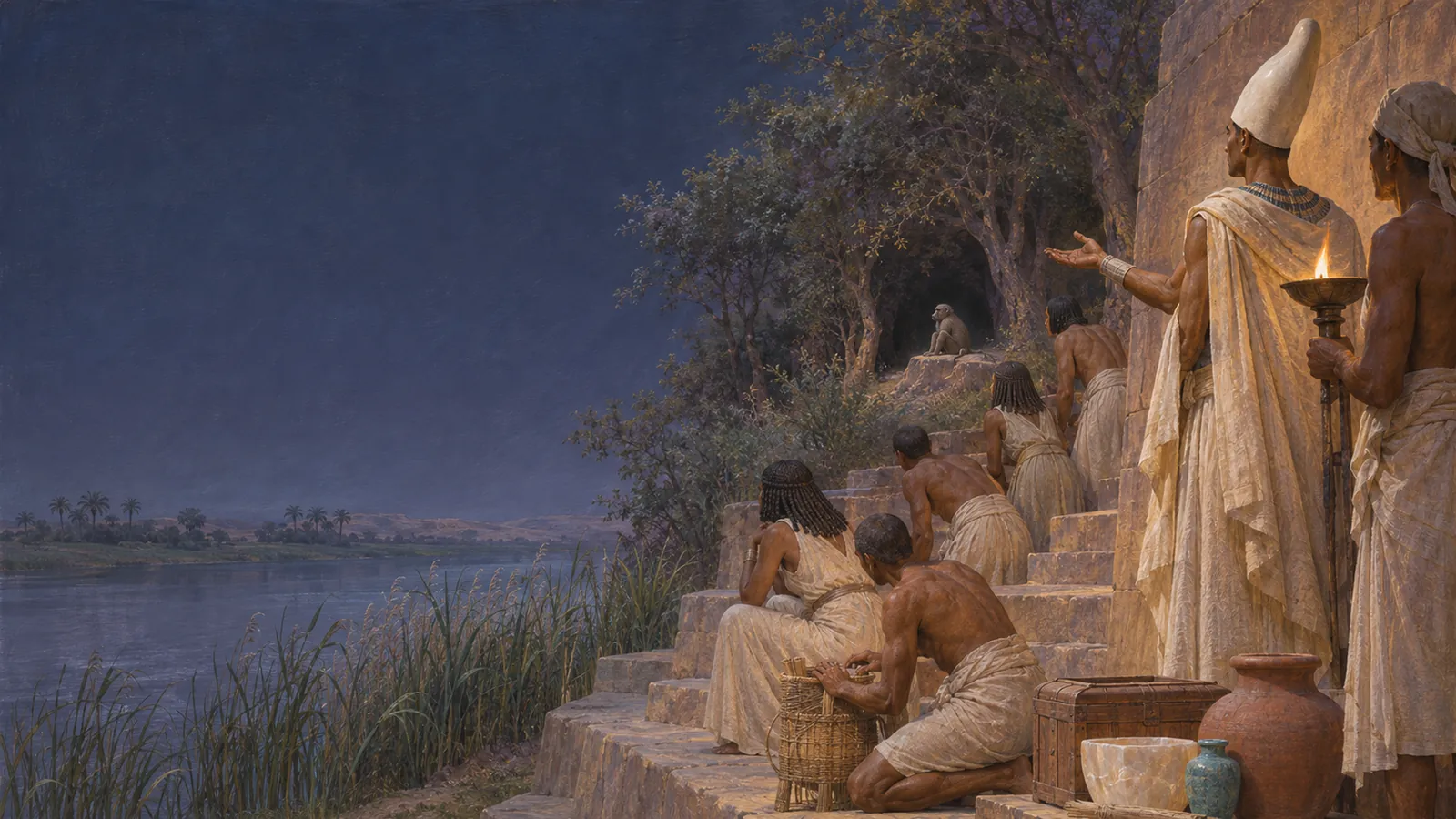
The recitation says Baboon rises to meet the Foremost of Letopolis. The speaker calls for the dangerous spit to stop, releases the snake named in the spell, and asks to be protected.
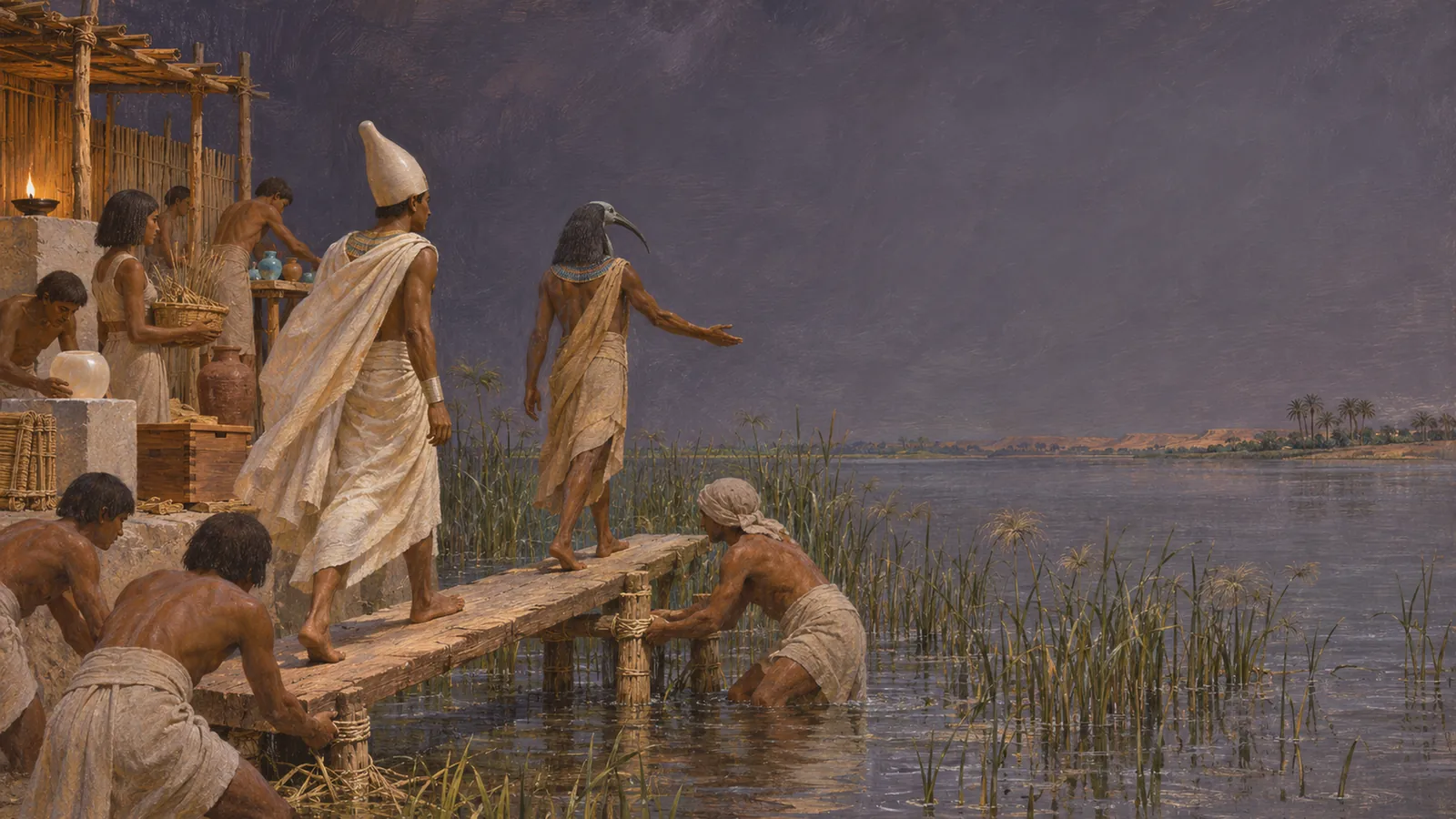
The speaker describes himself as one who tramples and cuts through the canals’ mud. He calls on Thoth to stand behind him and twice urges him to trample the one of darkness.
The recitation repeats its calls to the one of the deed and the one of the wall. The speaker orders the addressee to turn away and warns it of a great mouth.
The spell calls out to beings of a courtyard by a series of names. It speaks of heaping flesh and mentions a pot, then repeatedly commands the Glider to move away.
The recitation addresses a named snake with the image of a vulture’s mouth and titles of heat and rejoicing. It then names an esteemed bull in a phrase whose connection is unclear.
The speaker asks an obscure question about striking with his left nail and setting a blow for Min. He then says the attacker will fail to get what it expects.
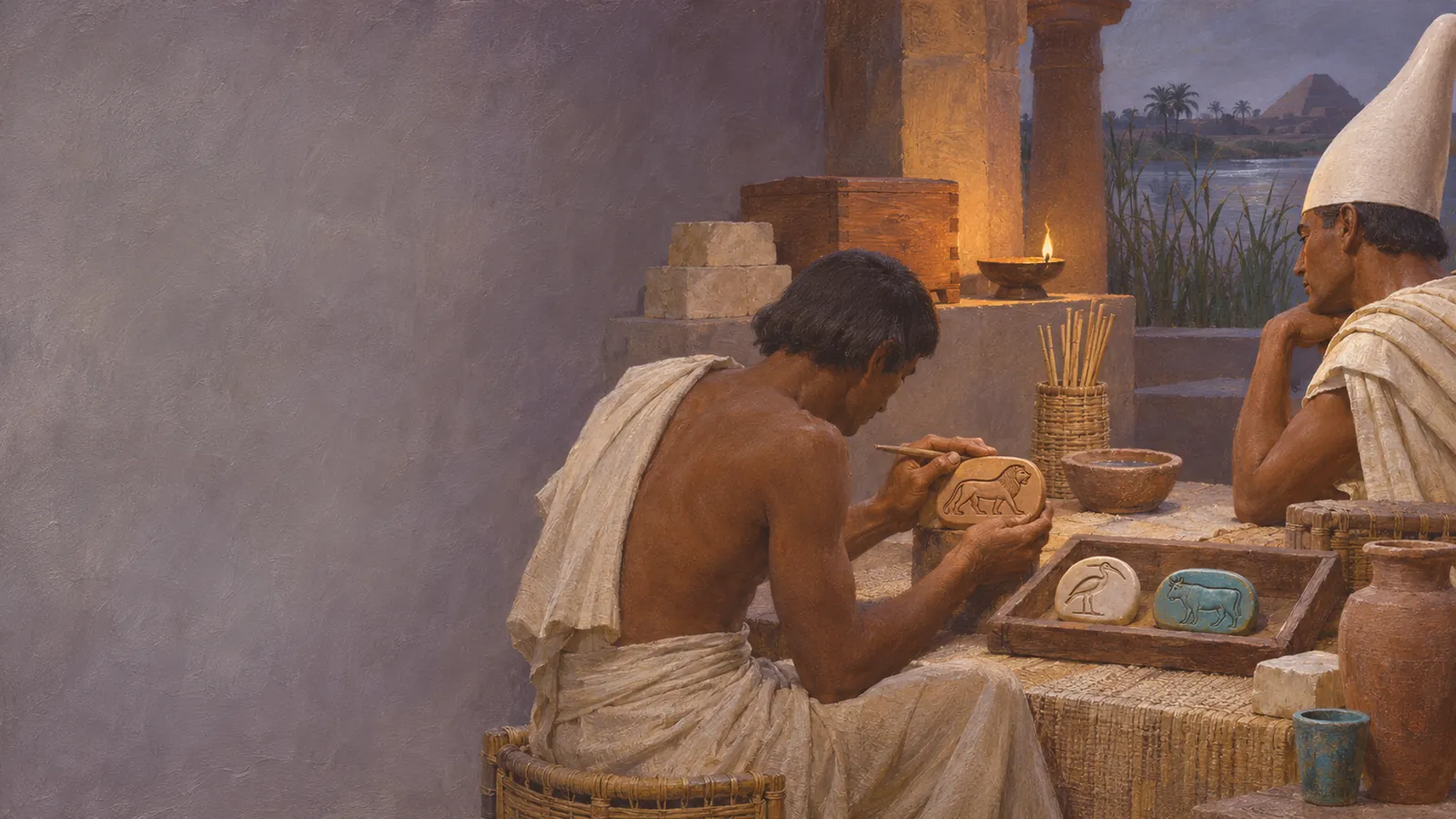
The spell describes a coiling creature bitten by Atum, then gives paired blows between a centipede and a being of the compound. It imagines a lion inside a lion and two bulls fighting inside an ibis.
The recitation mentions two drops of poison and two sacs. The speaker calls for the poison to be expelled and addresses a cobra, an injured eye and other figures in a string of brief appeals.
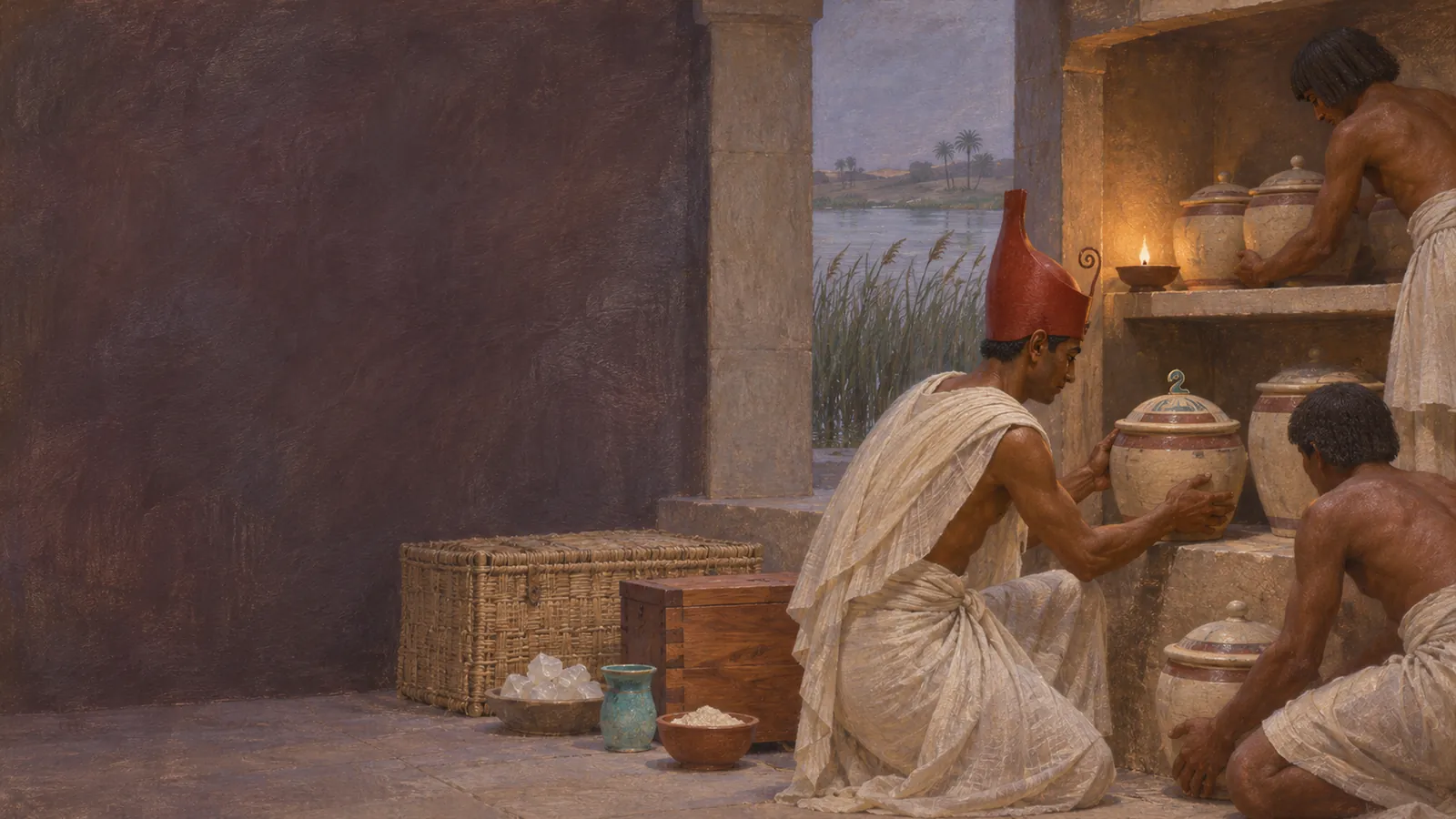
The speaker warns the snake of the jars against spraying and tells the Byblites to crawl away. He invokes the Red Crowns to bring the creature in and demands praise for his name.
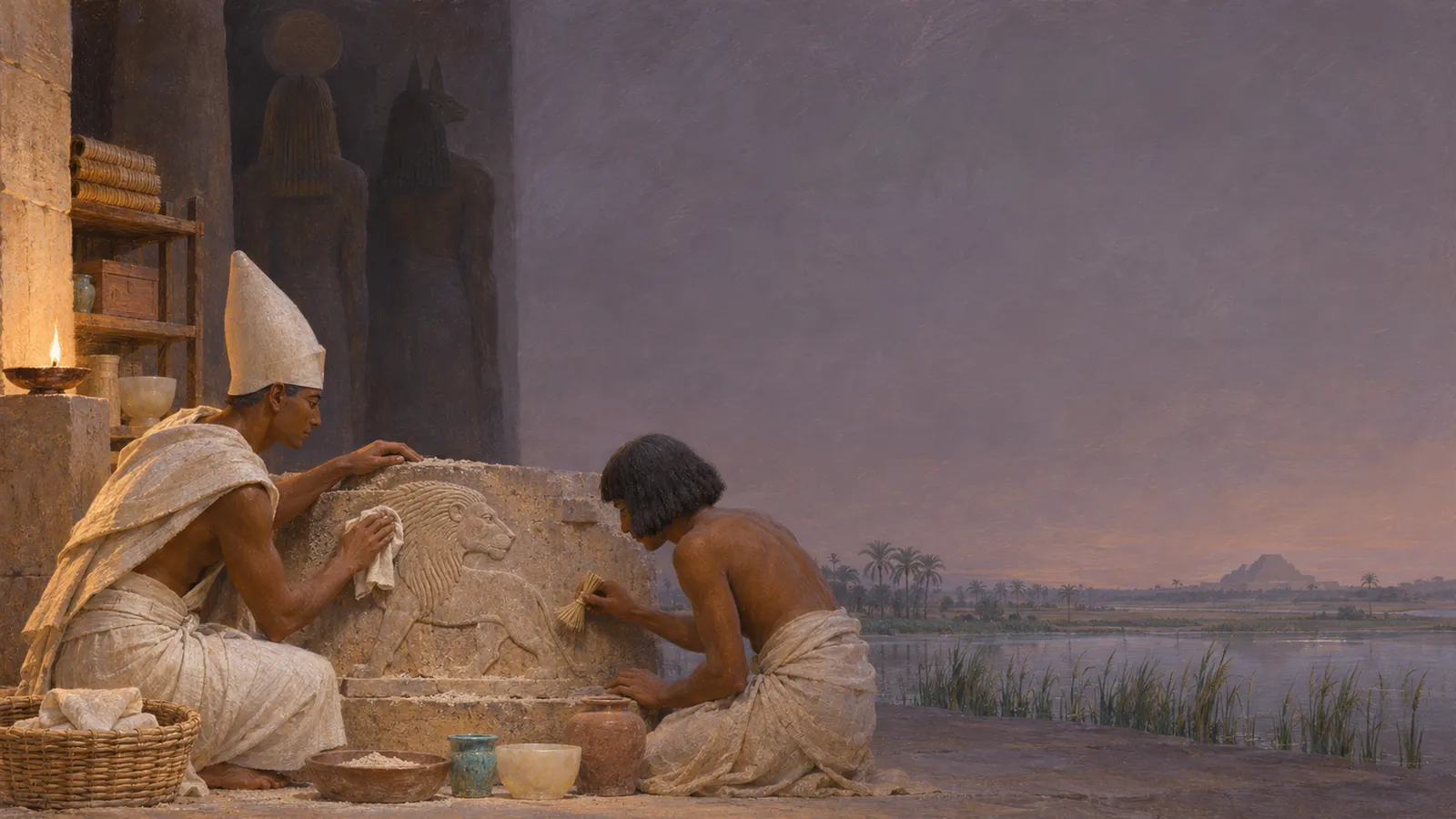
The recitation repeats a call to someone whose mother turned him away. The next words order a lion to spit out, and the connection between the two appeals remains unclear.
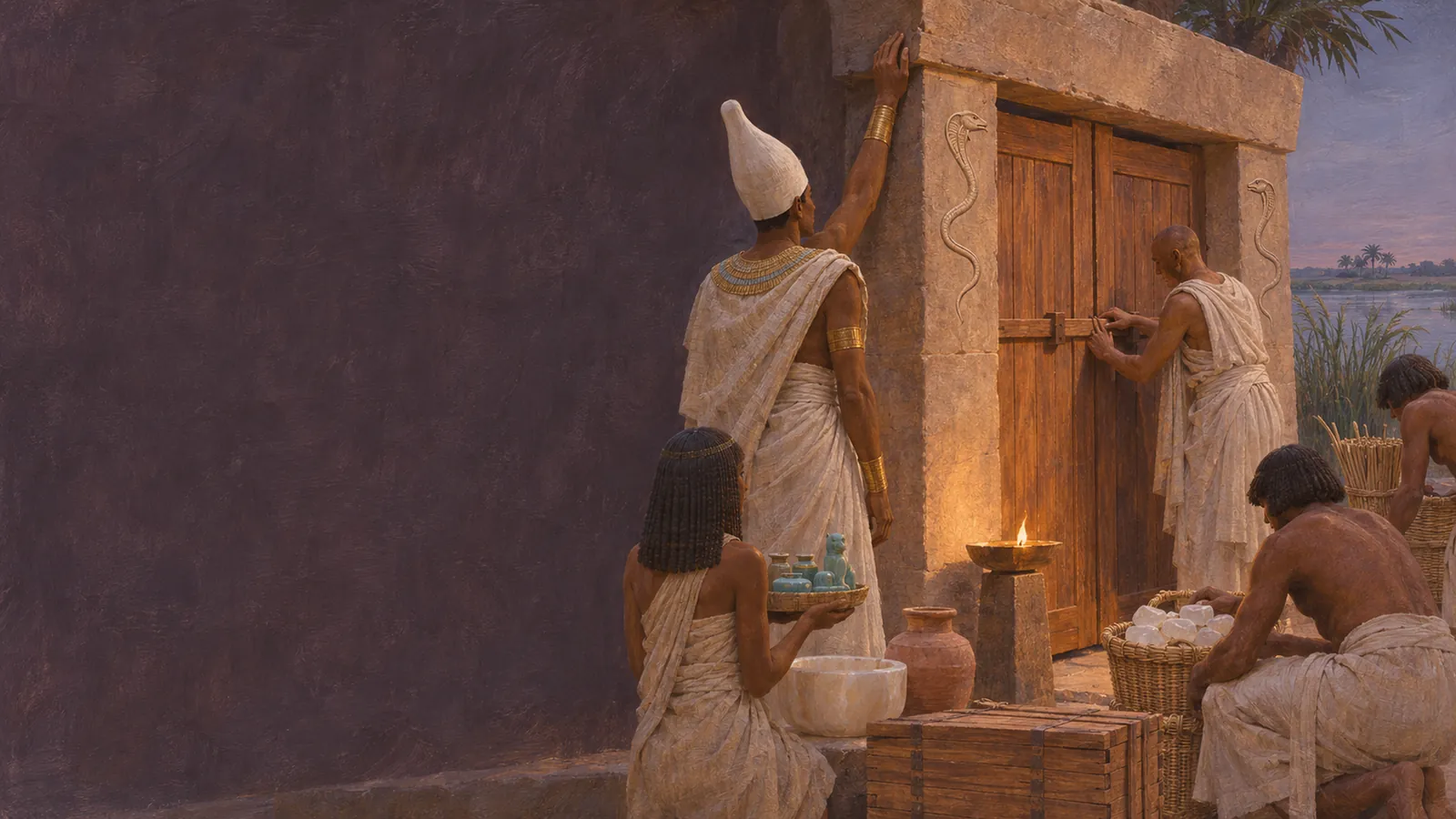
The speaker orders two named snakes to leave and tells his own eye to look away. He says their mission will fail and commands them to spit out and stay away.
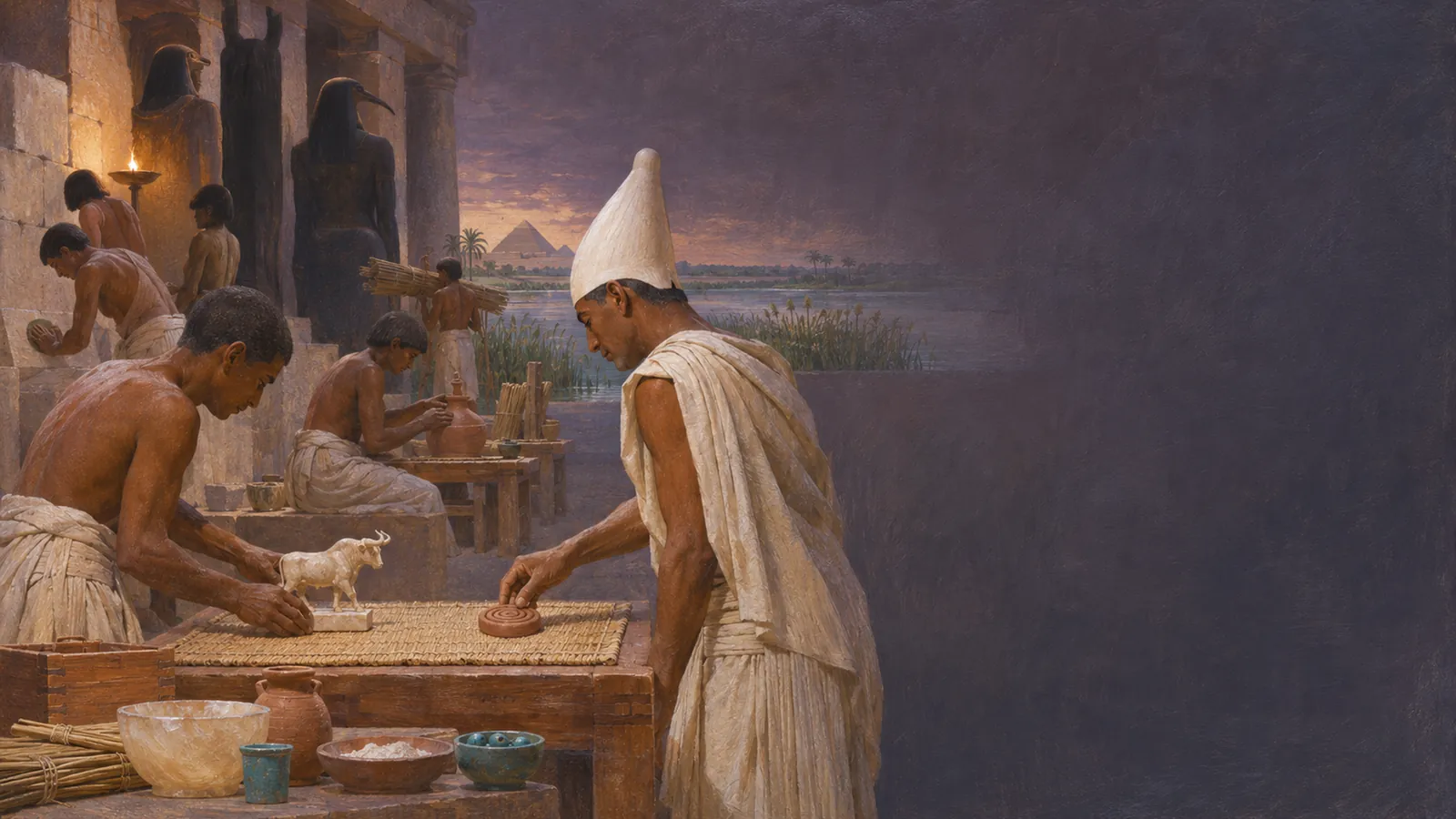
The spell describes each figure falling to the other, the bull to the shin-snake and the shin-snake to the bull. Another order to fall and crawl away follows.
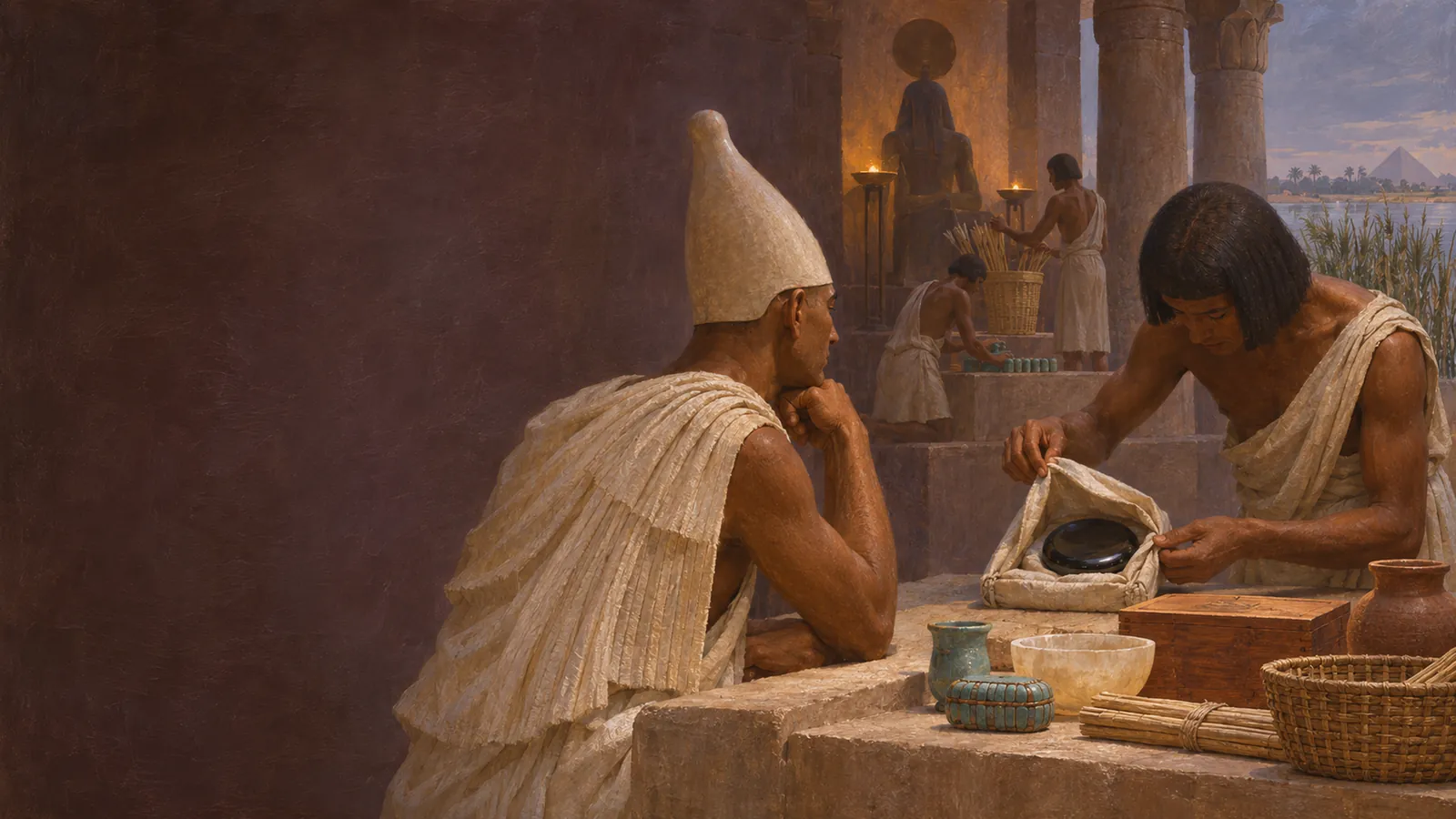
The spell says that one face has fallen against another. It then describes a mottled black knife coming out and swallowing something the recitation leaves unnamed.
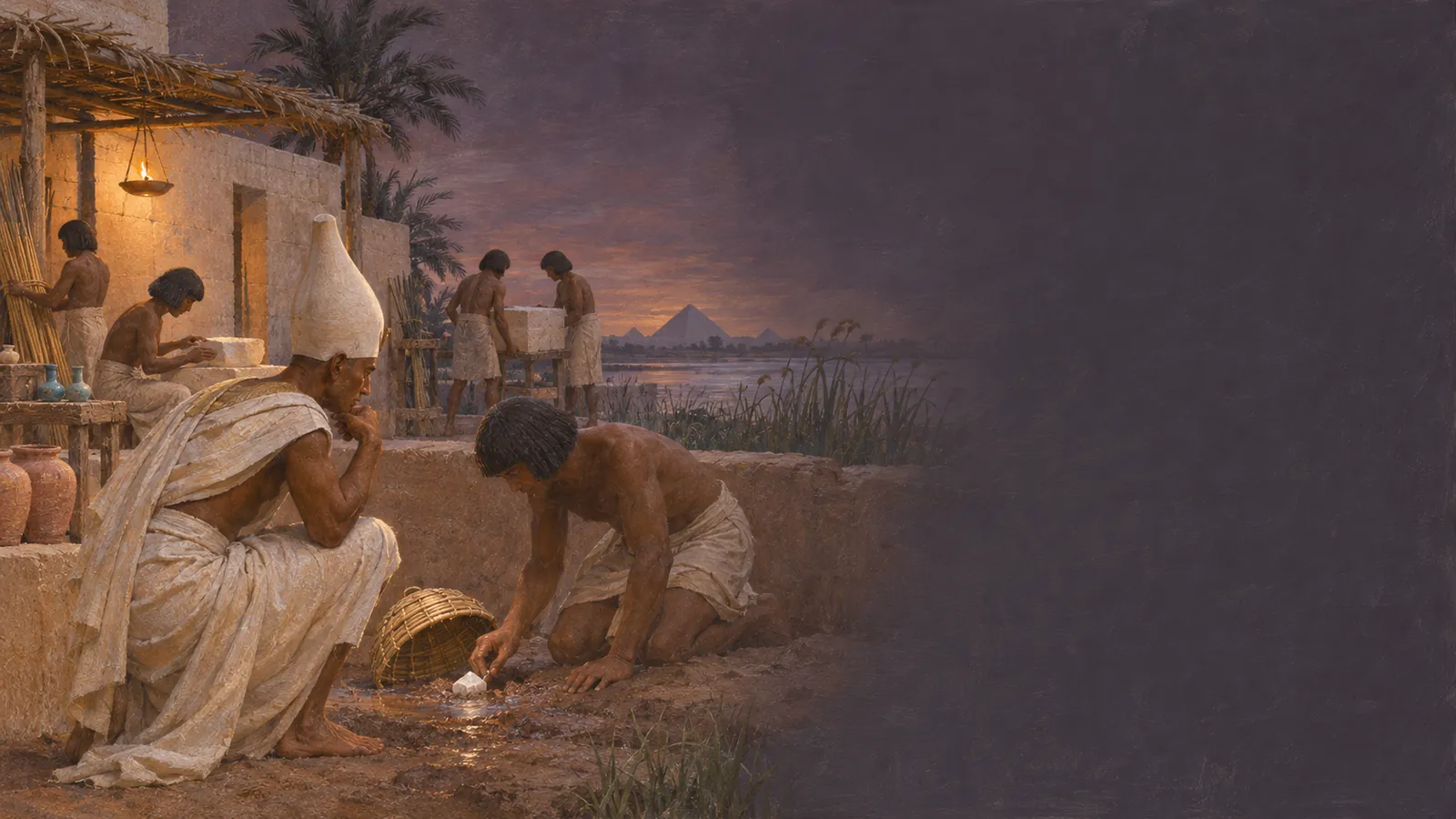
The speaker addresses the white one of the hole and says its jubilation has been beaten back by a being that emerged as a worm. A second line repeats the claim in different words.
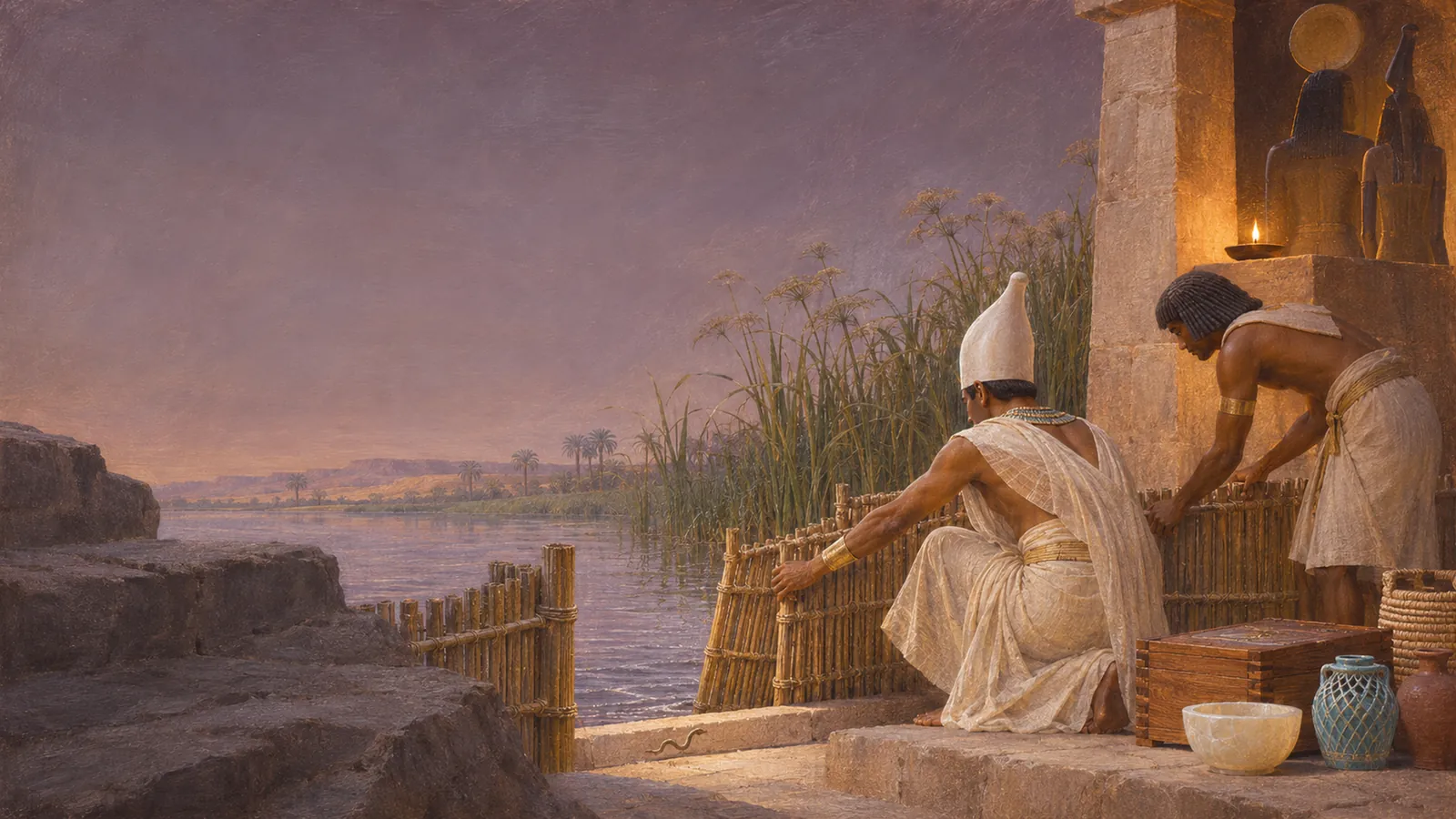
The speaker says the snake missed with its scratch. In two parallel lines, he declares that the renewed attack and the aggression will come back upon the attacker.
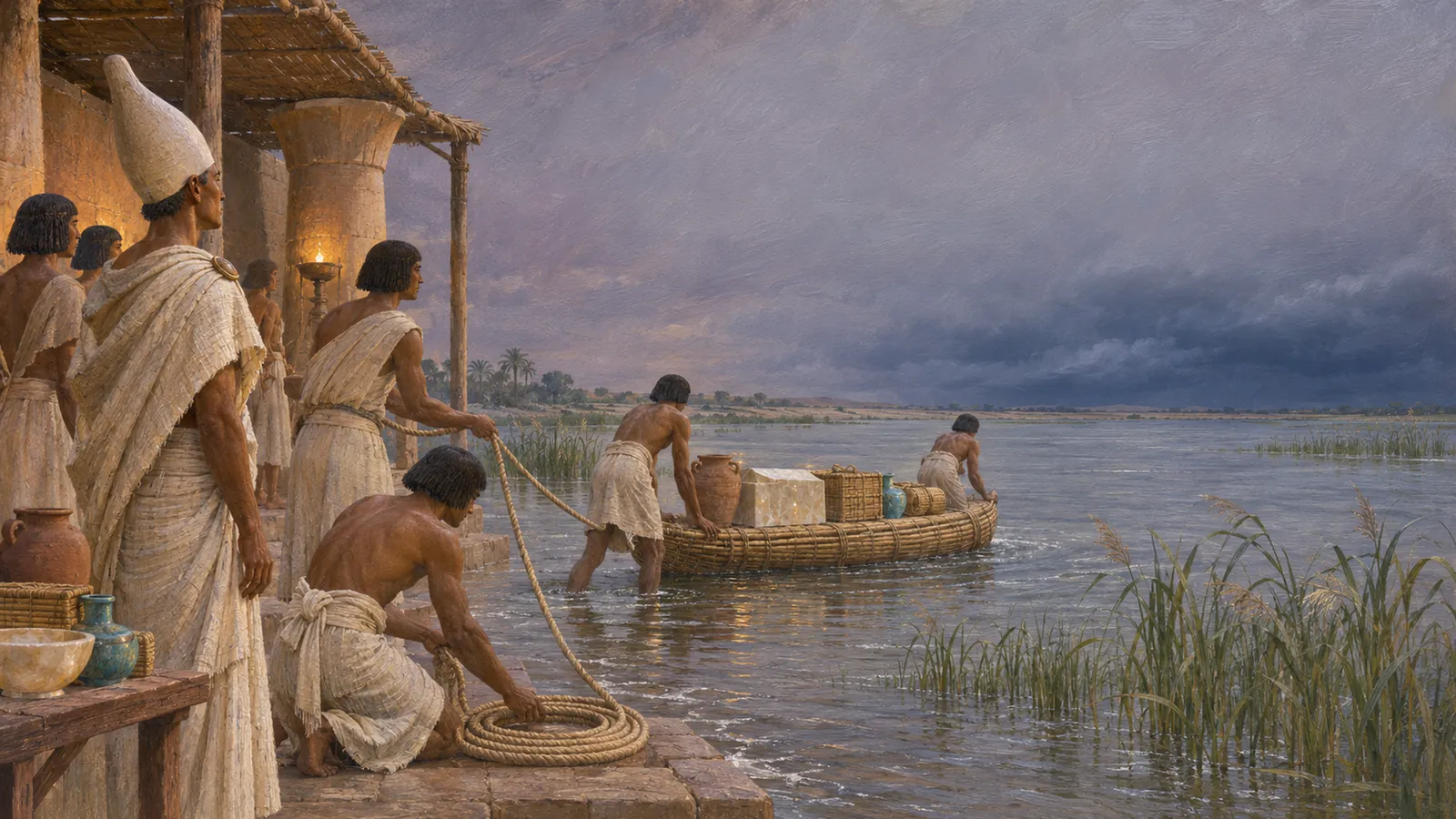
The speaker orders the hidden one to stay away and names it Traveler, child of a female Traveler. The recitation says the Sunshine’s Servant falls in the inundation and orders the creature to lie down.
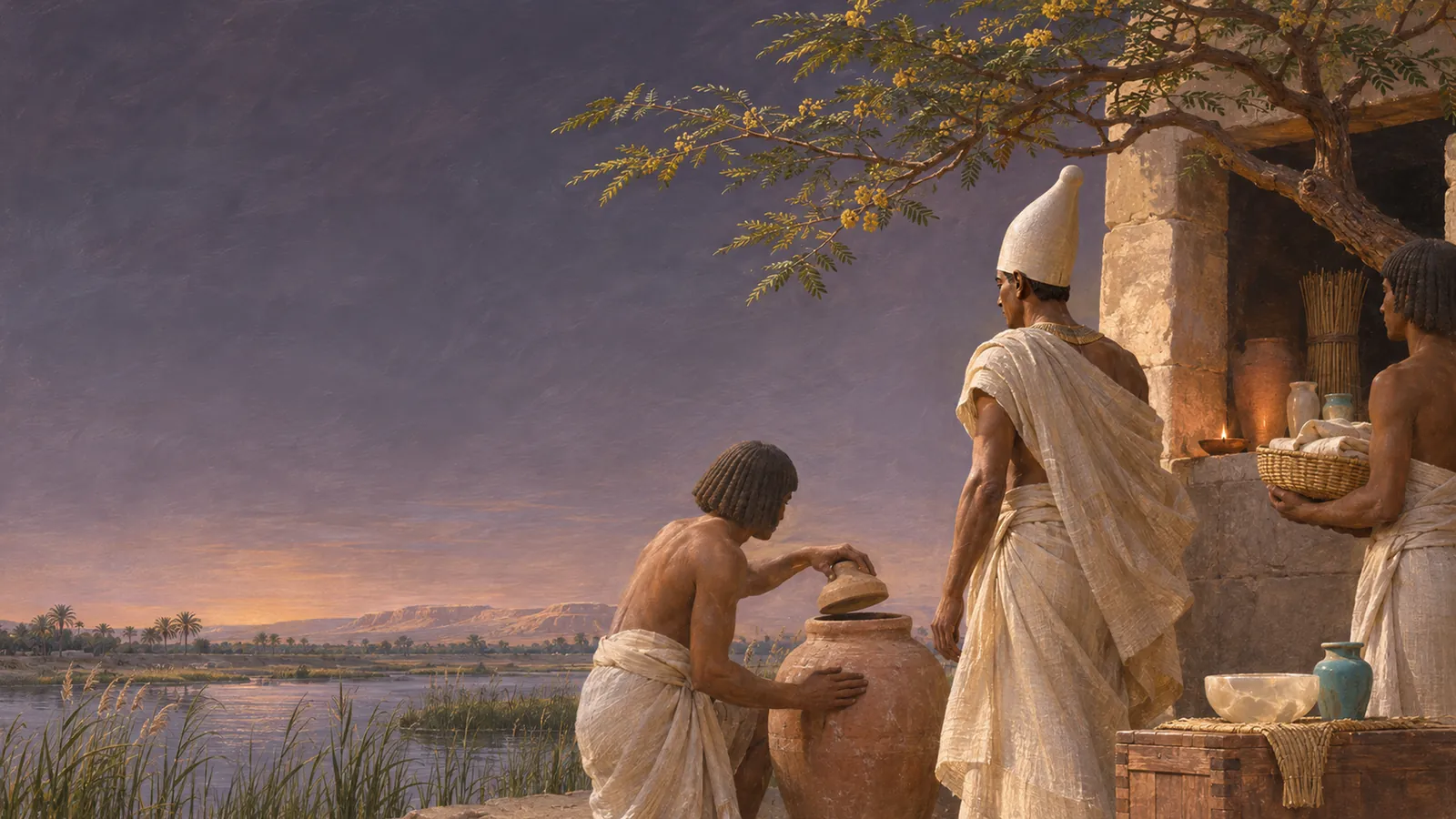
The speaker names himself as Horus who came from the acacia and recalls a warning about a lion. Twice he says he spent the night in his stoppered jar and came out at dawn.
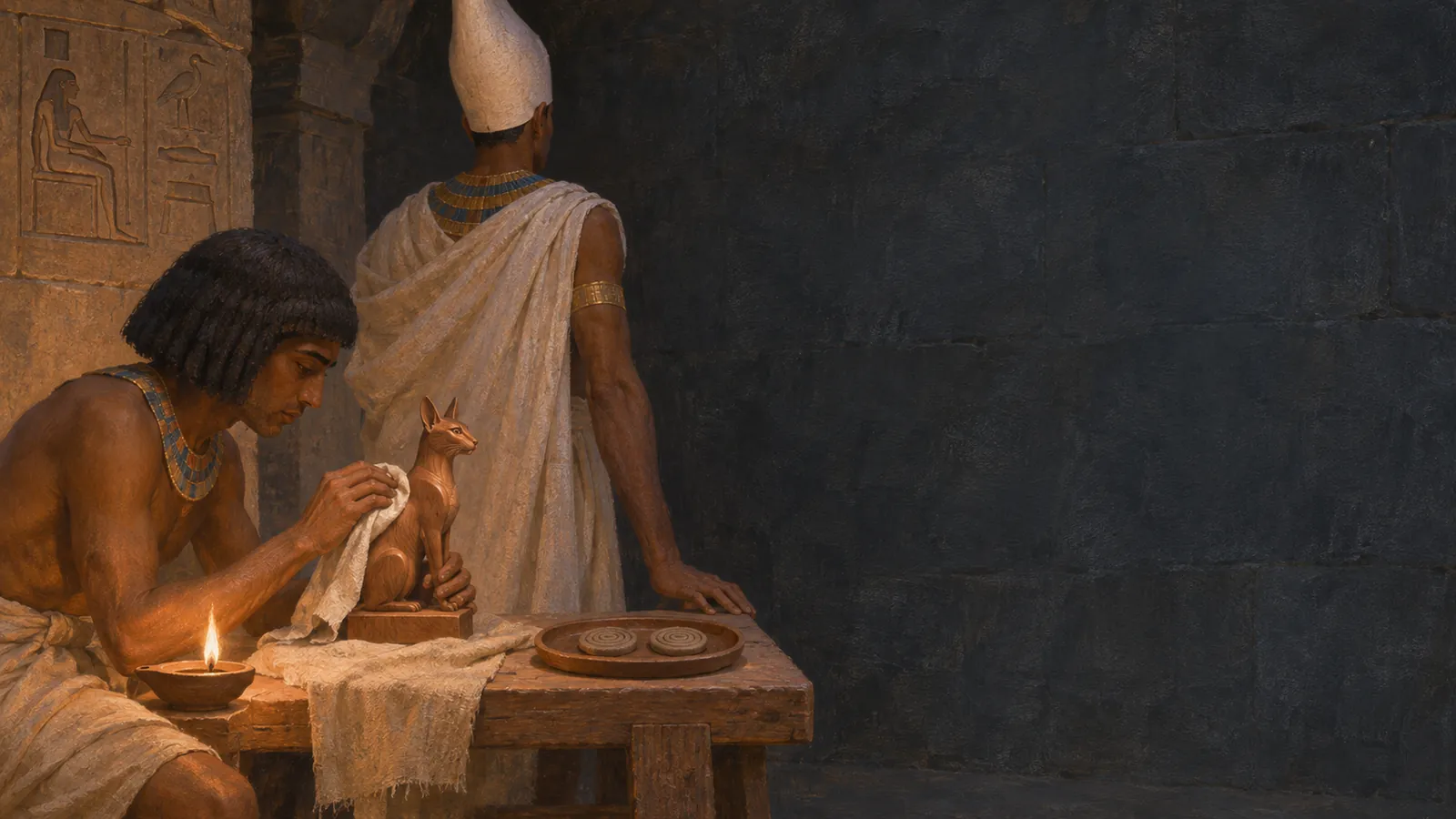
The recitation says Mafdet leaps on the necks of two snakes, one carrying a gift and one whose head sweeps. The speaker asks who will remain and says he himself will.
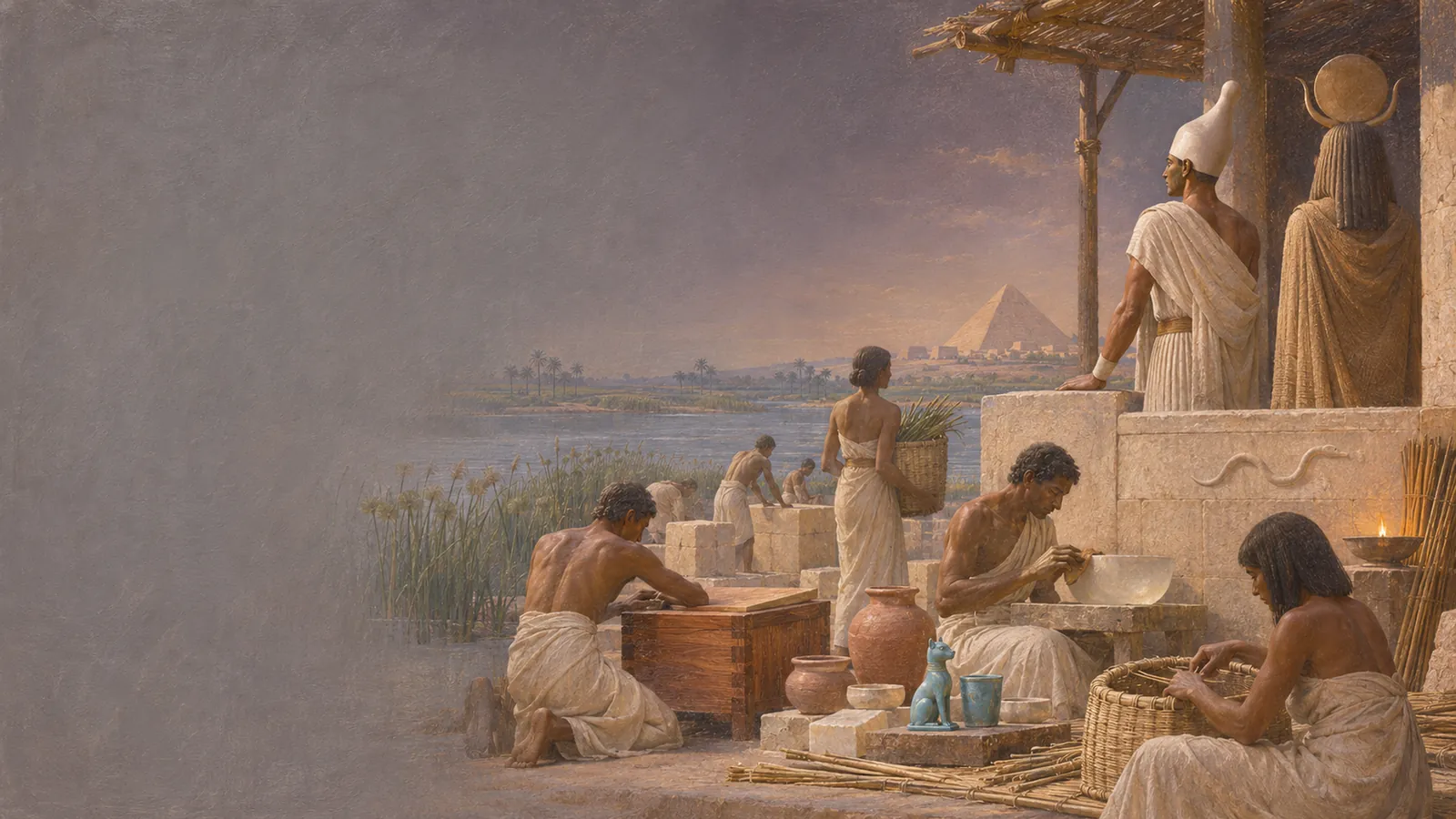
The speaker asks a named snake where it is going and tells it to wait because he is Geb. He addresses another snake and says its father has died.
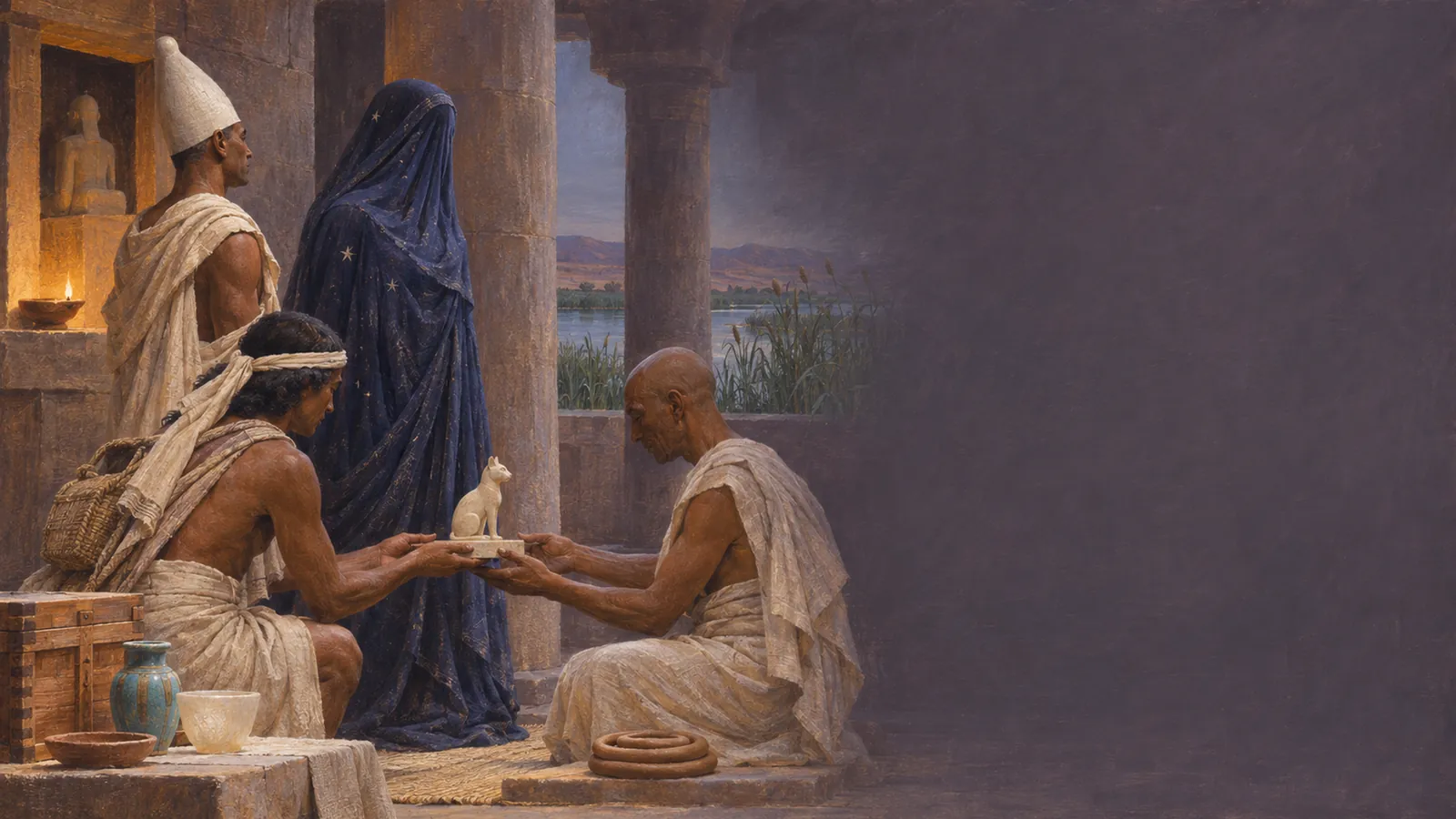
The speaker calls his hand the hand of Mafdet at the Compound of Life. She strikes the snake’s face and scratches its eyes. The spell tells the snake to fall and crawl away where its mother Nut can see it.
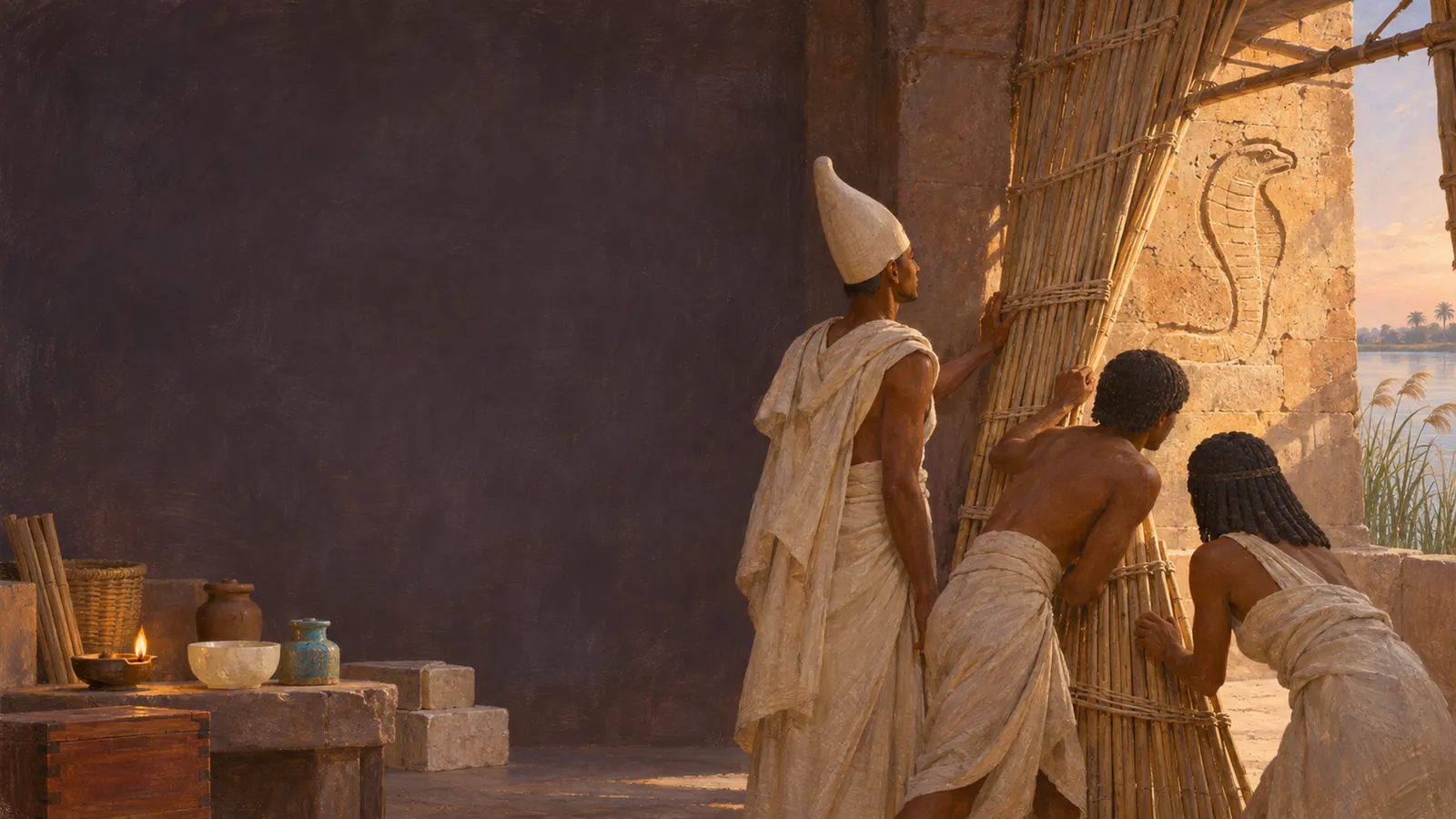
The Sun appears against a snake rising from the earth and cuts off its head. The recitation then describes removing its poison and ends with two abrupt commands to retreat.
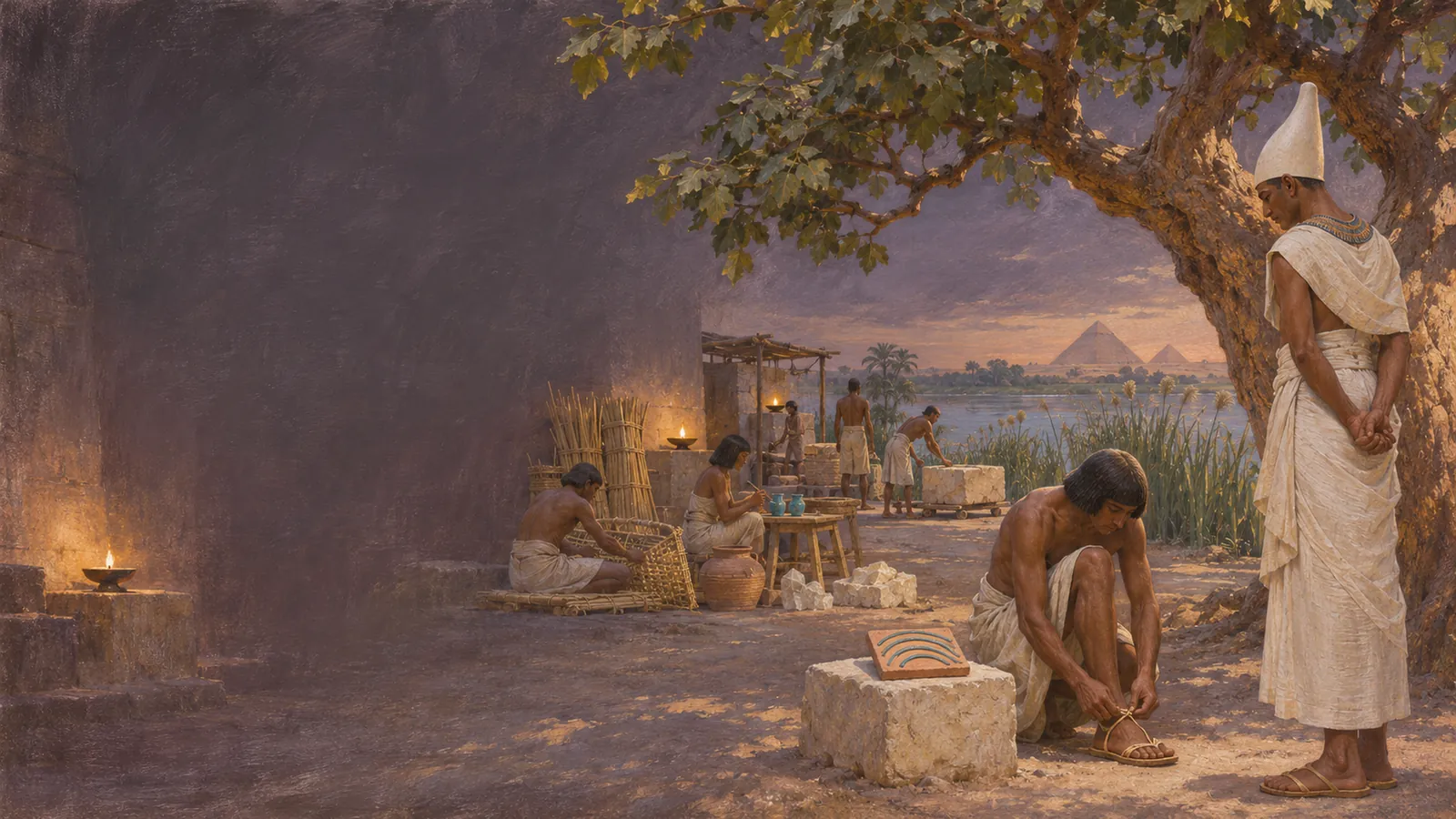
THE GROUND BEFORE ME
The speaker sends the cobra skyward and Horus’s centipede to earth. He says Horus’s sandal treads on two figures, claims his sycamore and surrounding land, and ends by threatening to devour anyone in his way.
End of chapter 1
All pages
Sources
Page references use printed page numbering. The spell voices address changing subjects and identify themselves in different ways. The text is read here in original paraphrase, following the printed sequence.
Editions consulted
- James P. Allen, The Ancient Egyptian Pyramid Texts, second edition, SBL Press, 2015
- At the eastern limit, start of PT 273, printed page 54
- Protective spells beginning PT 276, printed page 56
- PT 293–299 and the closing line, printed page 58
- Notes 64–71 on divisions and readings, printed page 67
Ancient lines behind each page
- Page 1: Allen, The Ancient Egyptian Pyramid Texts, 2nd ed. (2015), Unis, heading before PT 273, p. 54
- Page 2: Allen, The Ancient Egyptian Pyramid Texts, 2nd ed. (2015), Unis, PT 273, p. 54
- Page 3: Allen, The Ancient Egyptian Pyramid Texts, 2nd ed. (2015), Unis, PT 273, p. 54
- Page 4: Allen, The Ancient Egyptian Pyramid Texts, 2nd ed. (2015), Unis, PT 273, p. 54
- Page 5: Allen, The Ancient Egyptian Pyramid Texts, 2nd ed. (2015), Unis, PT 273, p. 54
- Page 6: Allen, The Ancient Egyptian Pyramid Texts, 2nd ed. (2015), Unis, PT 273, p. 54
- Page 7: Allen, The Ancient Egyptian Pyramid Texts, 2nd ed. (2015), Unis, PT 273, p. 54
- Page 8: Allen, The Ancient Egyptian Pyramid Texts, 2nd ed. (2015), Unis, PT 273, pp. 54–55
- Page 9: Allen, The Ancient Egyptian Pyramid Texts, 2nd ed. (2015), Unis, PT 273, p. 55
- Page 10: Allen, The Ancient Egyptian Pyramid Texts, 2nd ed. (2015), Unis, PT 274, p. 55
- Page 11: Allen, The Ancient Egyptian Pyramid Texts, 2nd ed. (2015), Unis, PT 274, p. 55
- Page 12: Allen, The Ancient Egyptian Pyramid Texts, 2nd ed. (2015), Unis, PT 274, p. 55
- Page 13: Allen, The Ancient Egyptian Pyramid Texts, 2nd ed. (2015), Unis, PT 274, p. 55
- Page 14: Allen, The Ancient Egyptian Pyramid Texts, 2nd ed. (2015), Unis, PT 274, p. 55
- Page 15: Allen, The Ancient Egyptian Pyramid Texts, 2nd ed. (2015), Unis, PT 274, p. 55
- Page 16: Allen, The Ancient Egyptian Pyramid Texts, 2nd ed. (2015), Unis, PT 274, p. 55
- Page 17: Allen, The Ancient Egyptian Pyramid Texts, 2nd ed. (2015), Unis, PT 274, p. 56
- Page 18: Allen, The Ancient Egyptian Pyramid Texts, 2nd ed. (2015), Unis, PT 275, p. 56
- Page 19: Allen 2015, The Ancient Egyptian Pyramid Texts, Unis PT 275, p. 56
- Page 20: Allen 2015, The Ancient Egyptian Pyramid Texts, Unis PT 275, p. 56
- Page 21: Allen 2015, The Ancient Egyptian Pyramid Texts, Unis PT 276, p. 56
- Page 22: Allen 2015, The Ancient Egyptian Pyramid Texts, Unis PT 277, p. 56
- Page 23: Allen 2015, The Ancient Egyptian Pyramid Texts, Unis PT 278, p. 56
- Page 24: Allen 2015, The Ancient Egyptian Pyramid Texts, Unis PT 279, p. 56
- Page 25: Allen 2015, The Ancient Egyptian Pyramid Texts, Unis PT 280, p. 56
- Page 26: Allen 2015, The Ancient Egyptian Pyramid Texts, Unis PT 281, p. 56
- Page 27: Allen 2015, The Ancient Egyptian Pyramid Texts, Unis PT 282, p. 56
- Page 28: Allen 2015, The Ancient Egyptian Pyramid Texts, Unis PT 283, p. 57
- Page 29: Allen 2015, The Ancient Egyptian Pyramid Texts, Unis PT 284, p. 57
- Page 30: Allen 2015, The Ancient Egyptian Pyramid Texts, Unis PT 285, p. 57
- Page 31: Allen 2015, The Ancient Egyptian Pyramid Texts, Unis PT 286, p. 57
- Page 32: Allen 2015, The Ancient Egyptian Pyramid Texts, Unis PT 287, p. 57
- Page 33: Allen 2015, The Ancient Egyptian Pyramid Texts, Unis PT 288, p. 57
- Page 34: Allen 2015, The Ancient Egyptian Pyramid Texts, Unis PT 289, p. 57
- Page 35: Allen 2015, The Ancient Egyptian Pyramid Texts, Unis PT 290, p. 57
- Page 36: Allen 2015, The Ancient Egyptian Pyramid Texts, Unis PT 291, p. 57
- Page 37: Allen 2015, The Ancient Egyptian Pyramid Texts, Unis PT 292, p. 57
- Page 38: Allen 2015, The Ancient Egyptian Pyramid Texts, Unis PT 293, p. 58
- Page 39: Allen 2015, The Ancient Egyptian Pyramid Texts, Unis PT 294, p. 58
- Page 40: Allen 2015, The Ancient Egyptian Pyramid Texts, Unis PT 295, p. 58
- Page 41: Allen 2015, The Ancient Egyptian Pyramid Texts, Unis PT 296, p. 58
- Page 42: Allen 2015, The Ancient Egyptian Pyramid Texts, Unis PT 297, p. 58
- Page 43: Allen 2015, The Ancient Egyptian Pyramid Texts, Unis PT 298, p. 58
- Page 44: Allen 2015, The Ancient Egyptian Pyramid Texts, Unis PT 299, p. 58
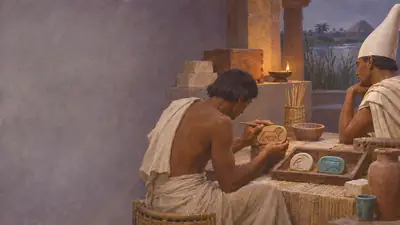
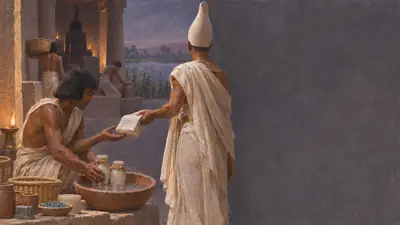
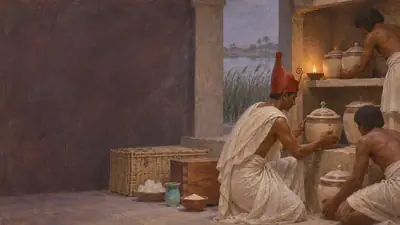
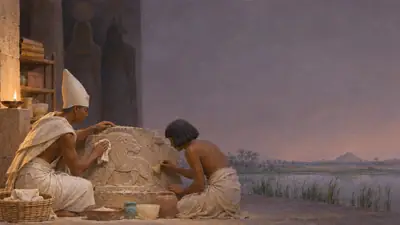
Illustrations made with AI tools by IL Archive; the text is based on the ancient sources (see the sources at the end of each chapter).