The Victory of Utu-hegal Chapter 1
The Road to Dabrum
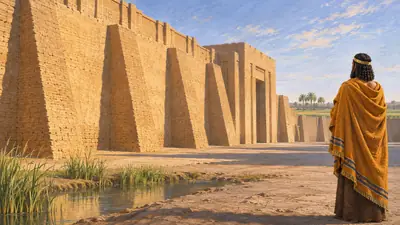
Utu-hegal leaves Uruk after invoking Inanna. The royal account follows his stops by a canal and at shrines, then the prayers near Karkara and Adab. With his generals defeated, Tirigan runs to Dabrum, where the account pauses over a town’s decision and the fate of a household.
SourcesTurn the pages with the arrows, the arrow keys or a swipe.
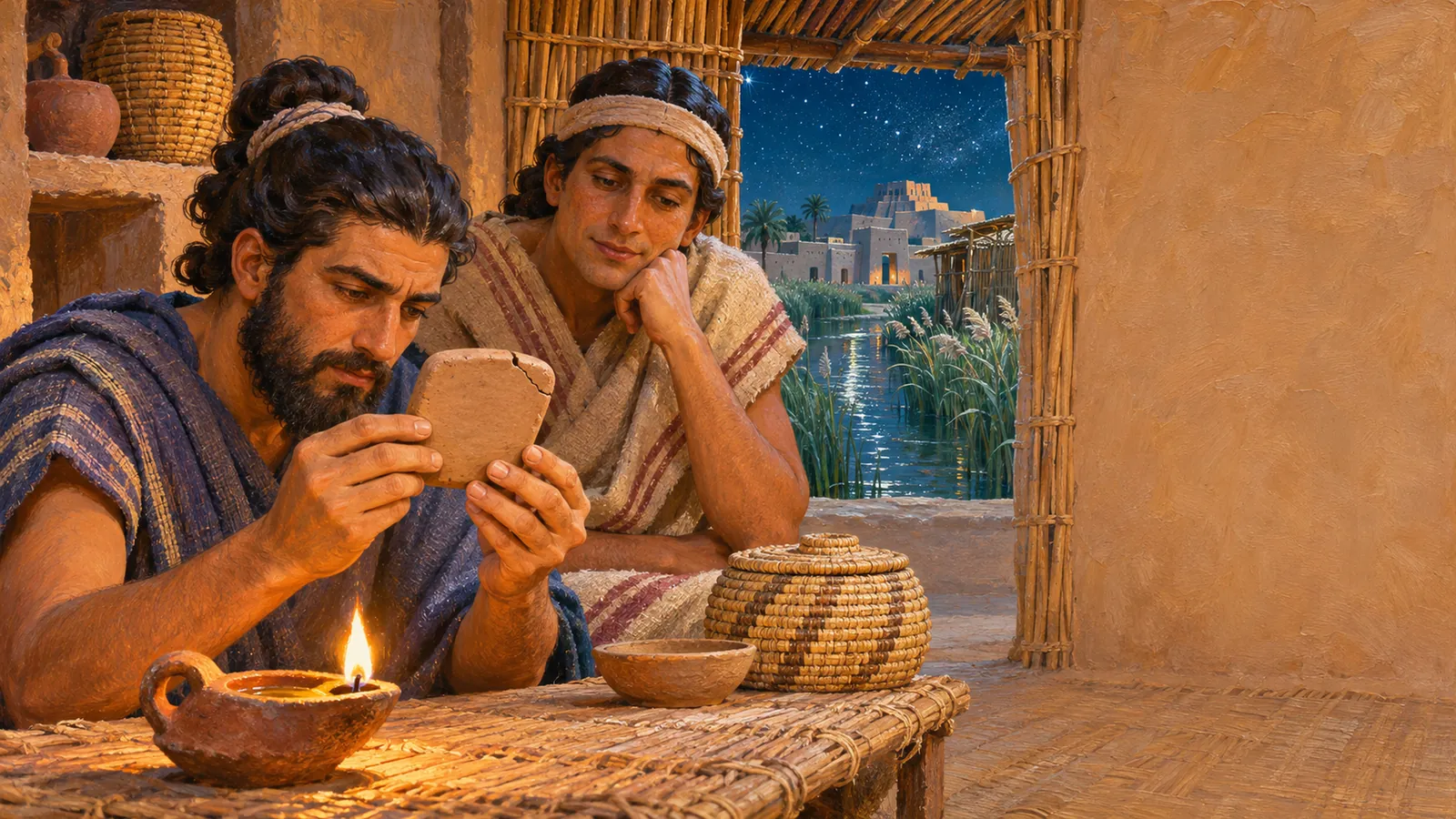
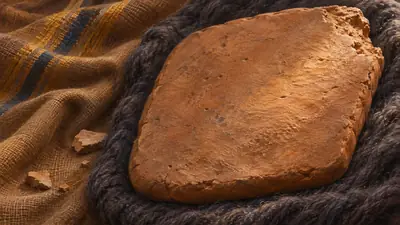
Three Old Babylonian tablets preserve the account of Utu-hegal and Tirigan. One copy, now in the Louvre, carries much of the king’s story on a clay tablet about thirteen centimeters tall.
URUK
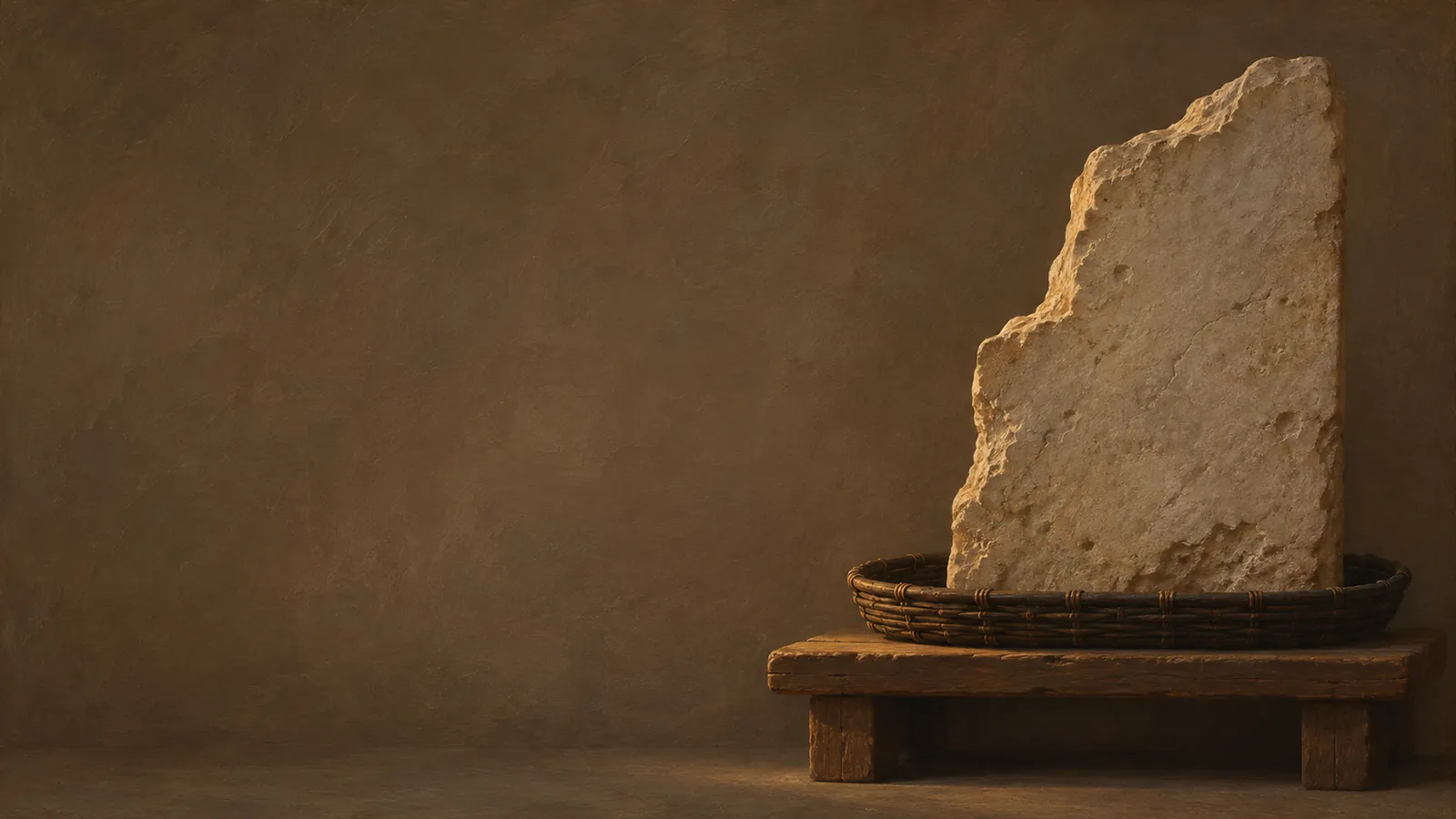
A separate dedication names Utu-hegal as king of Uruk. It gives us the ruler’s name and title. For the journey to Dabrum we turn to the tablets that tell of his victory.
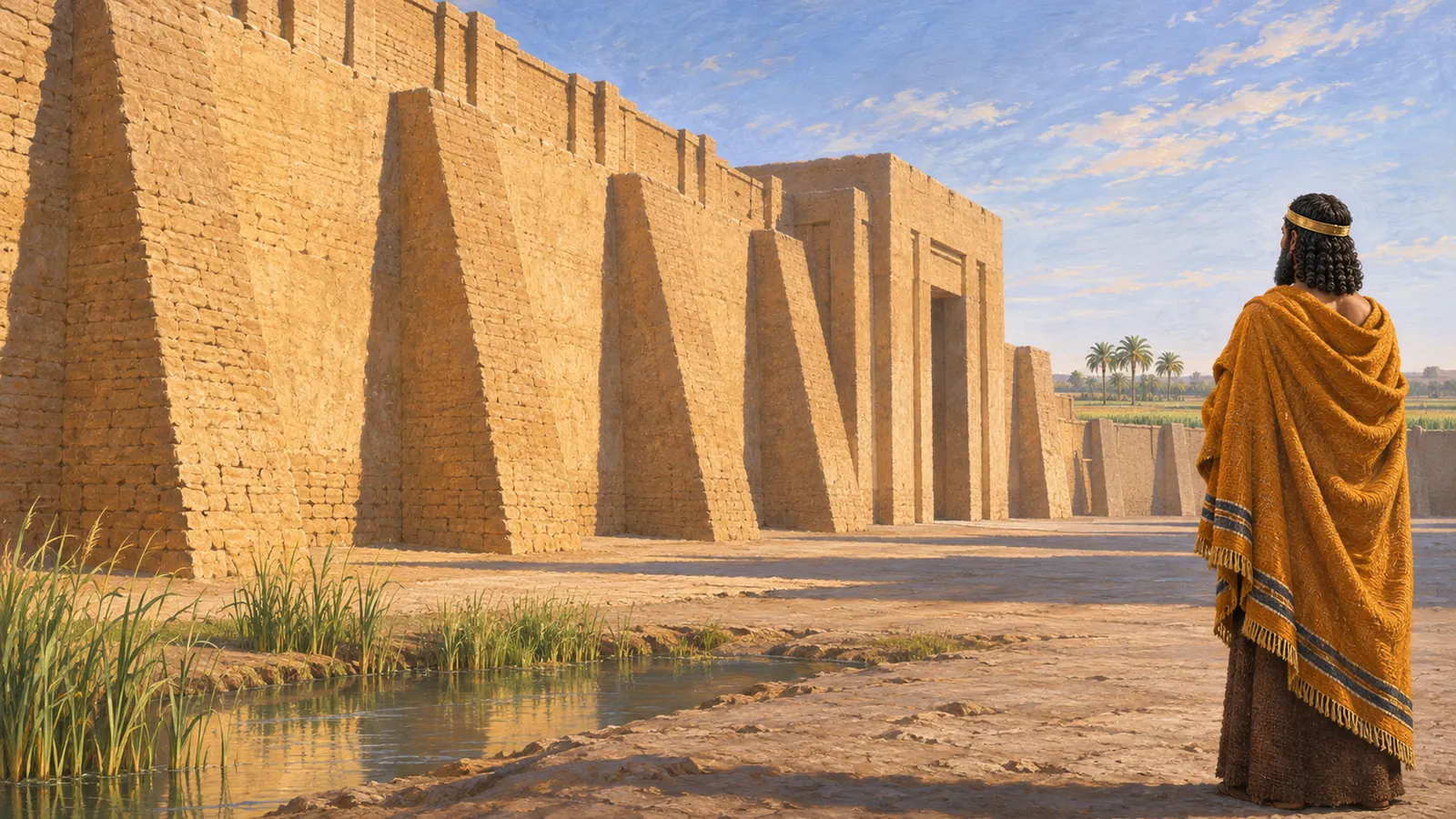
The victory account begins with Enlil. The god gives the king of Uruk the task of bringing kingship back to Sumer. The scribe describes Utu-hegal as a ruler whose orders stand.
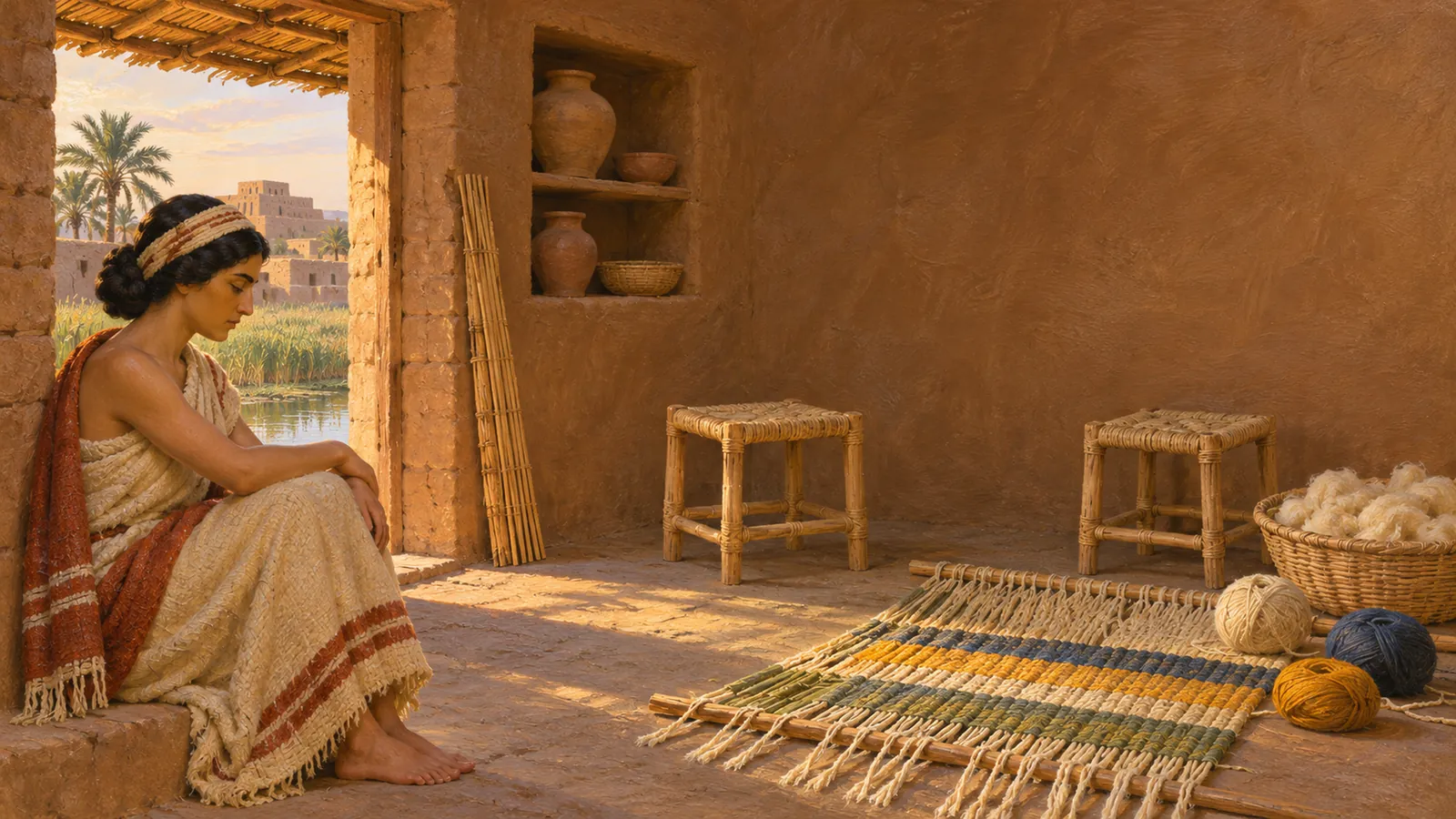
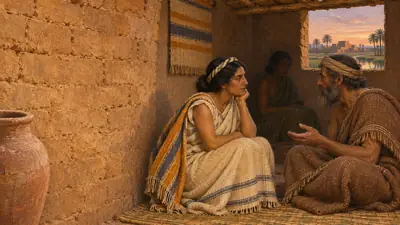
The royal account accuses Gutium of carrying kingship abroad. It adds that spouses were taken from one another and children from their parents. In the king’s telling, disorder had reached into people’s homes.
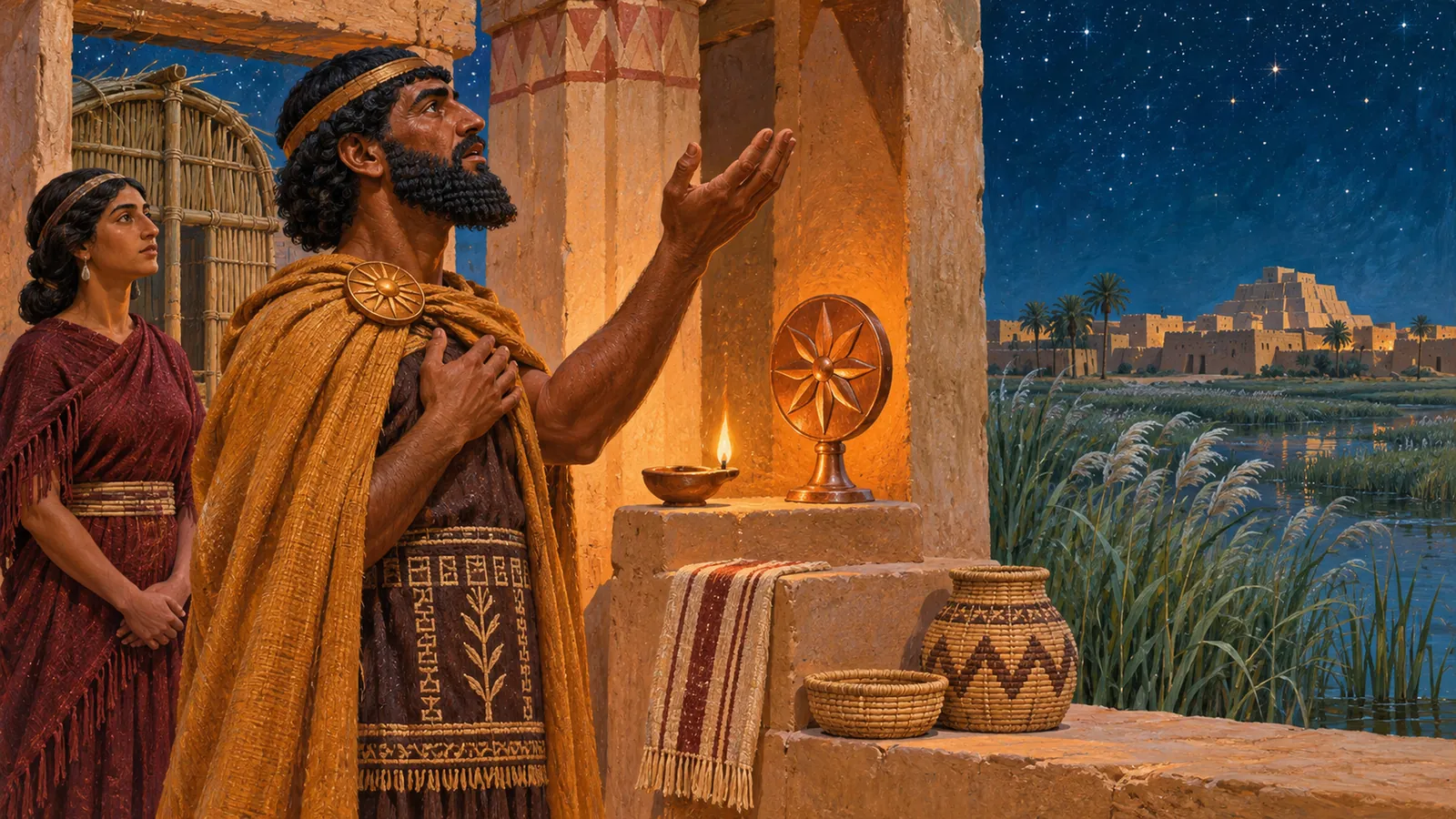
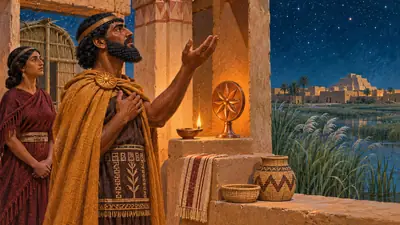
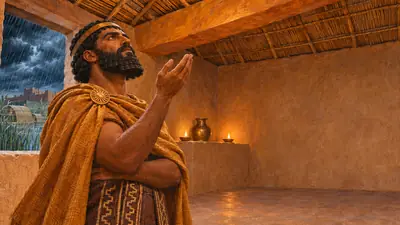
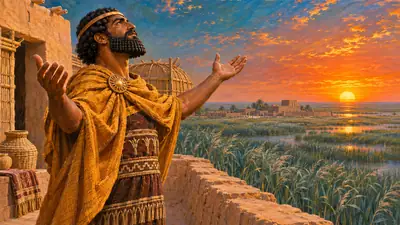
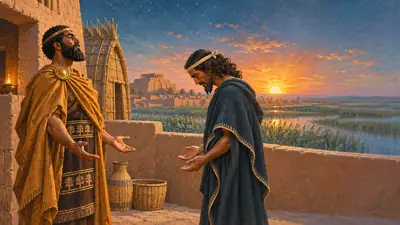
Utu-hegal goes to Inanna. He calls her a lioness in battle and says Enlil has given him the task. His prayer ends with a request that she stand beside him.
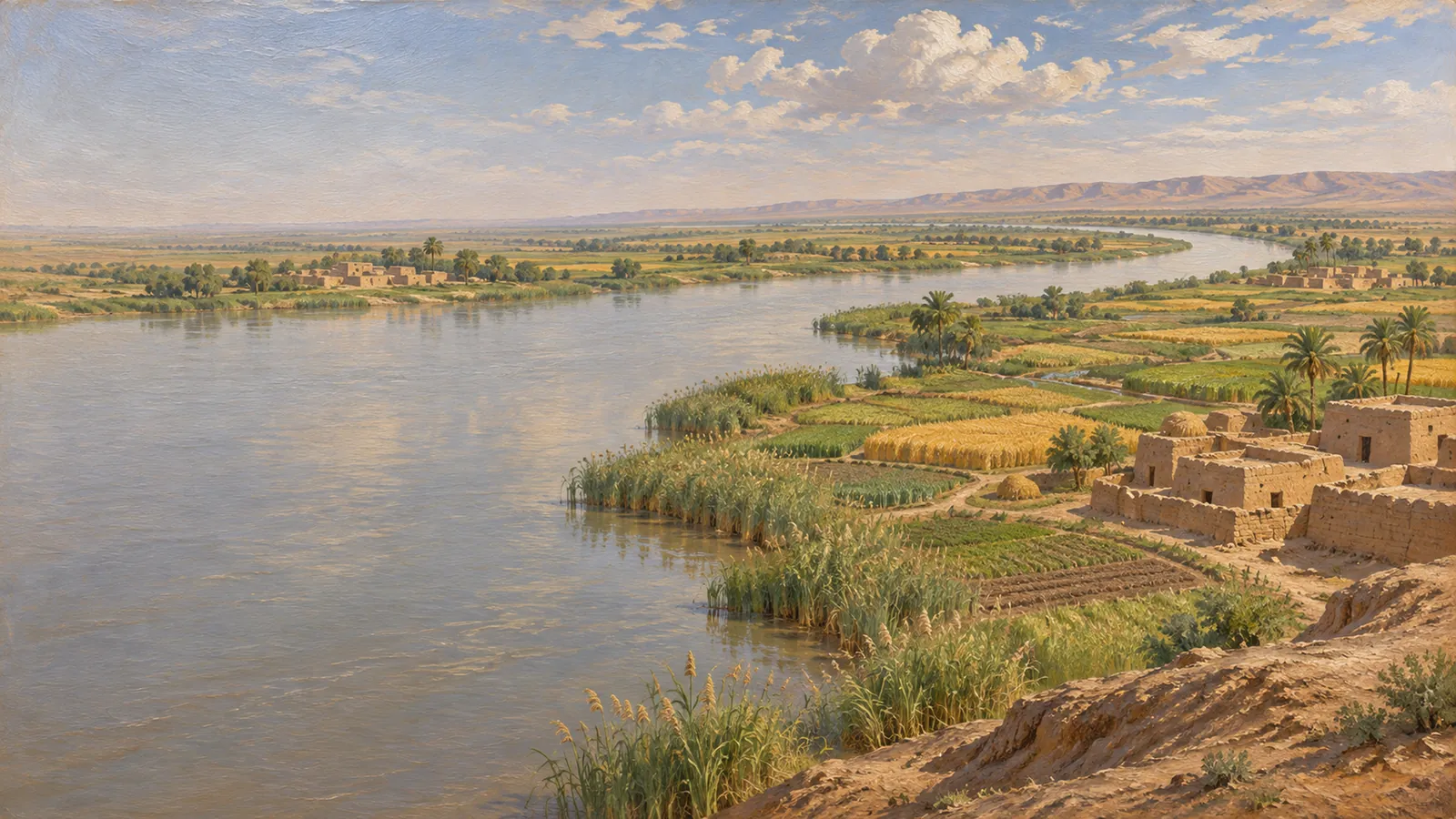
The account now names Tirigan, the king of Gutium. It puts him on both banks of the Tigris. It says nobody came out from the cities to face him.
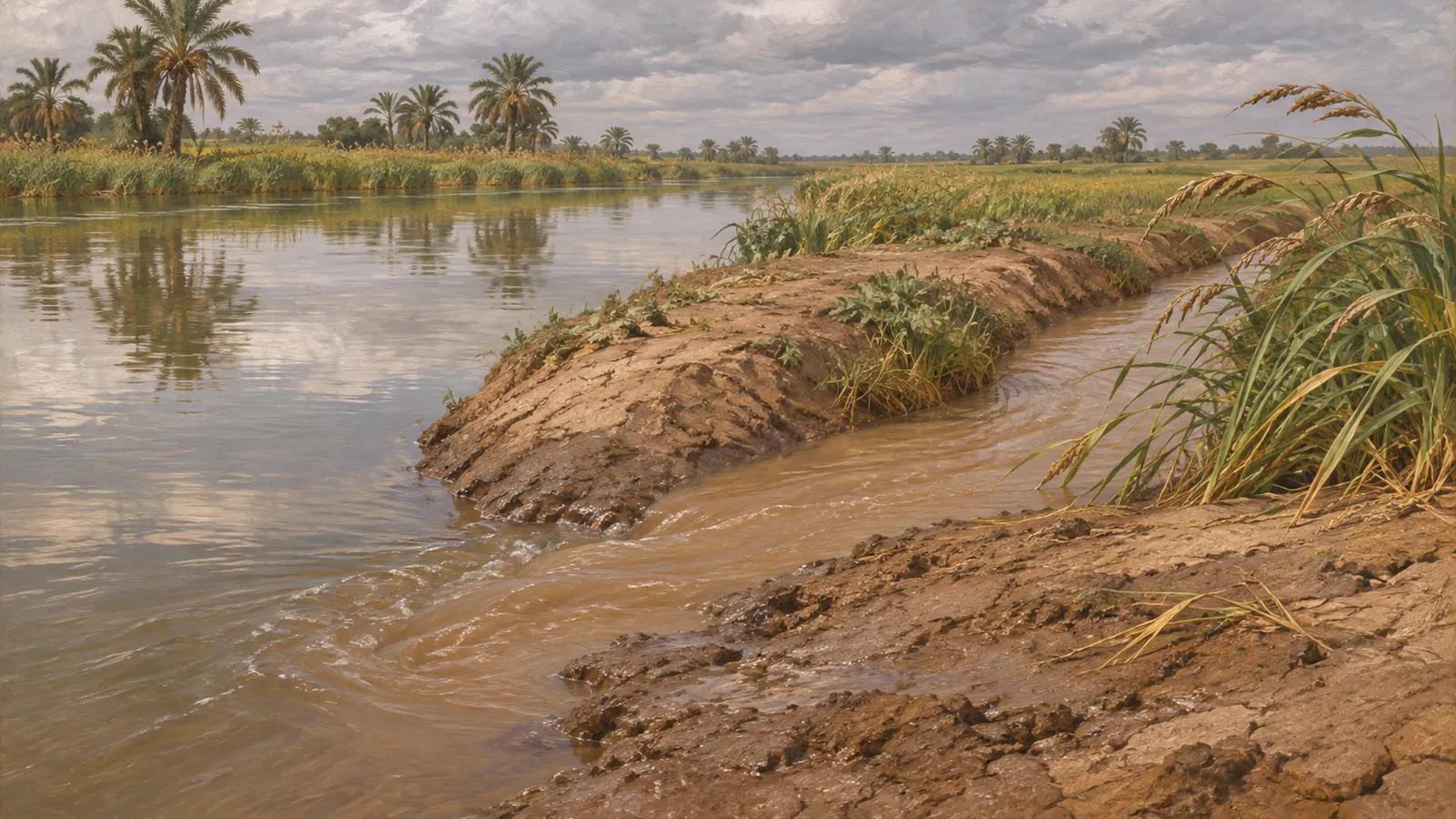
The next lines connect Tirigan’s hold on the river to the channels that led from it. The wording at their mouths is uncertain. The effects on fields and roads follow.
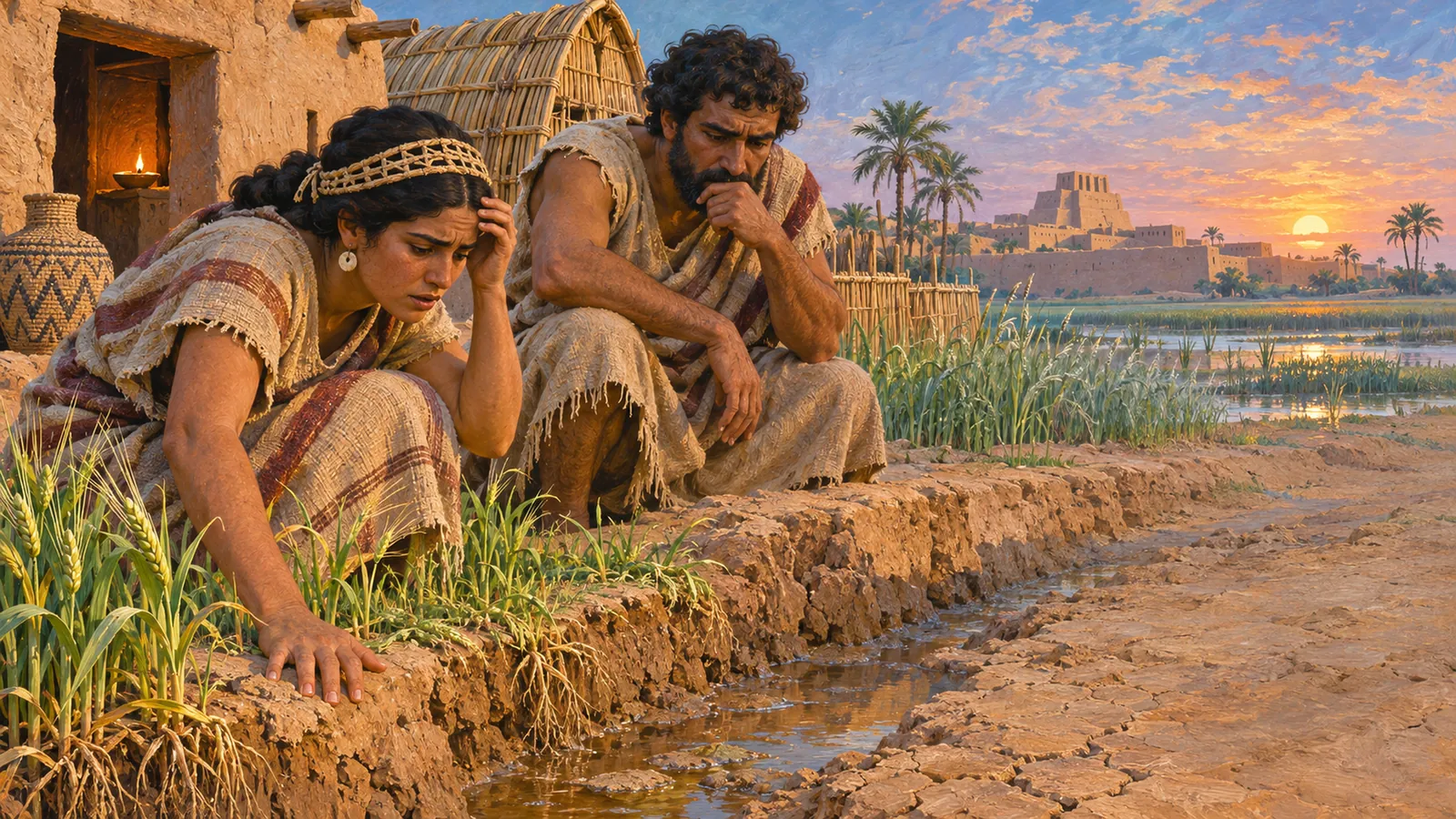
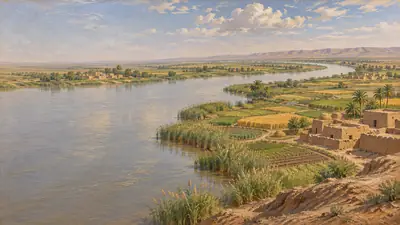
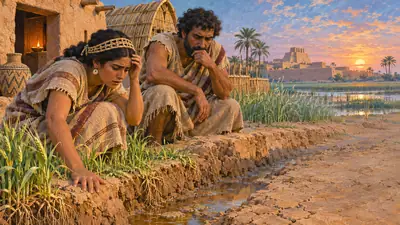
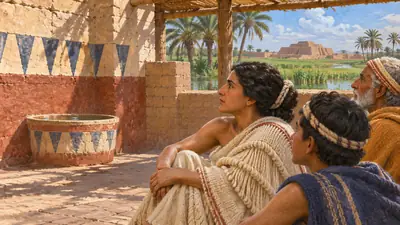
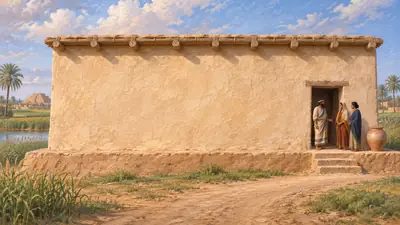
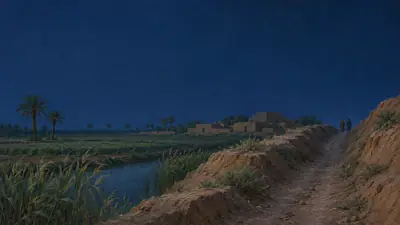
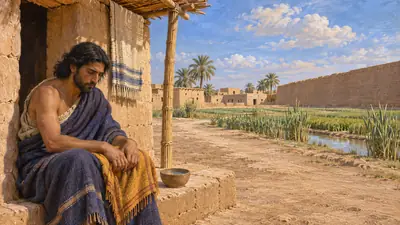
In the south the king’s account describes trouble in the fields. One reading says Tirigan withheld their water. Along a narrow channel, we can picture how far a shortfall might reach.
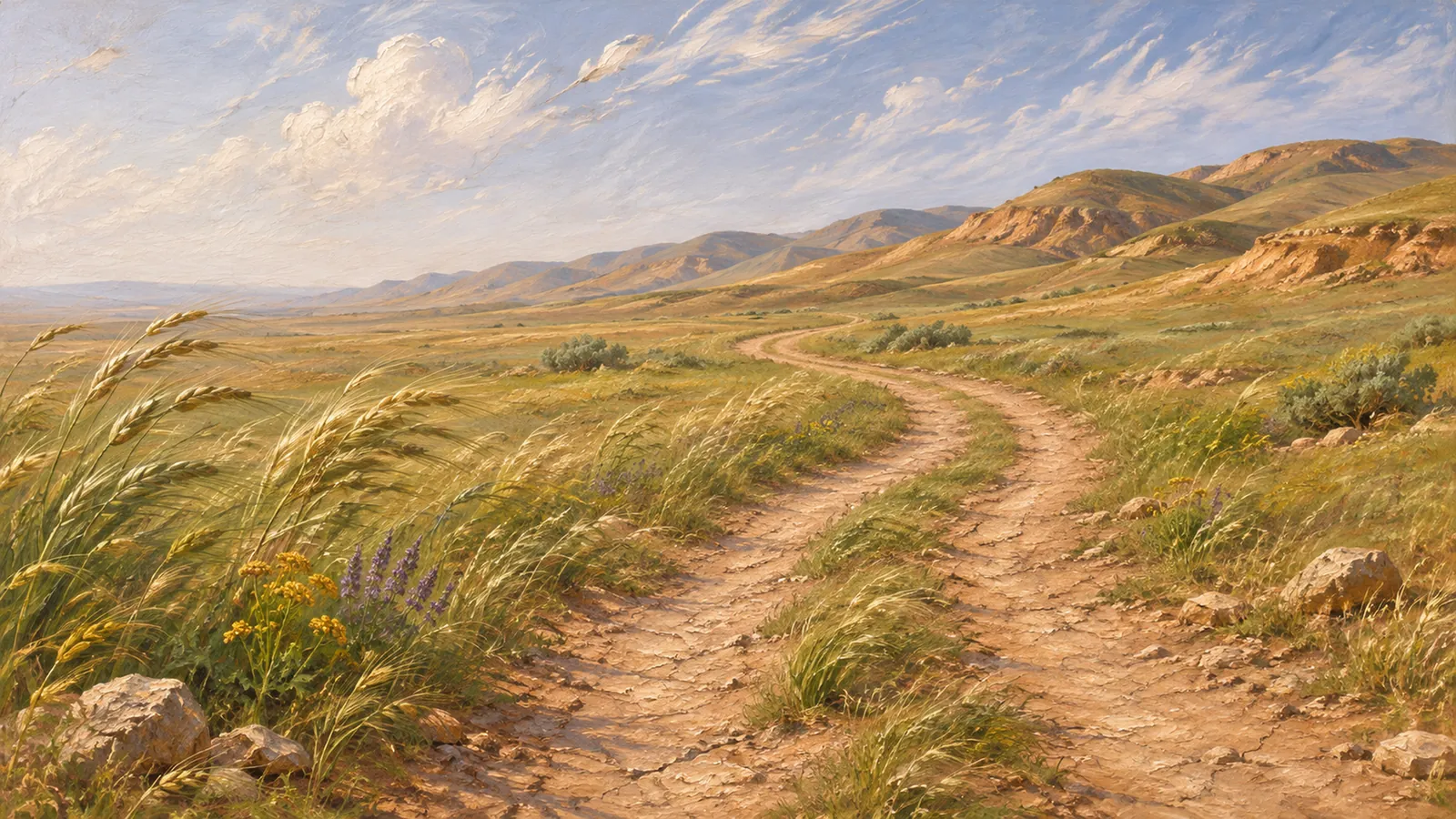
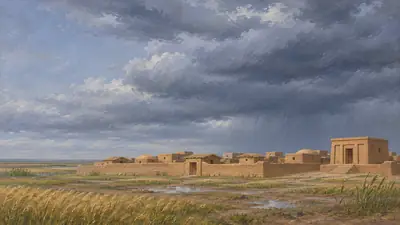
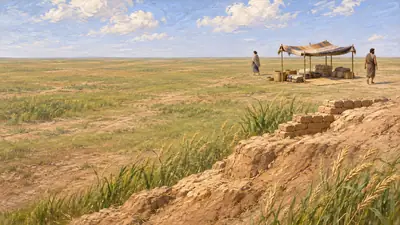
In the uplands, the text accuses Tirigan of closing the roads. Grass grows high on the highways in the scribe’s telling. That is the last image before Utu-hegal leaves Uruk.
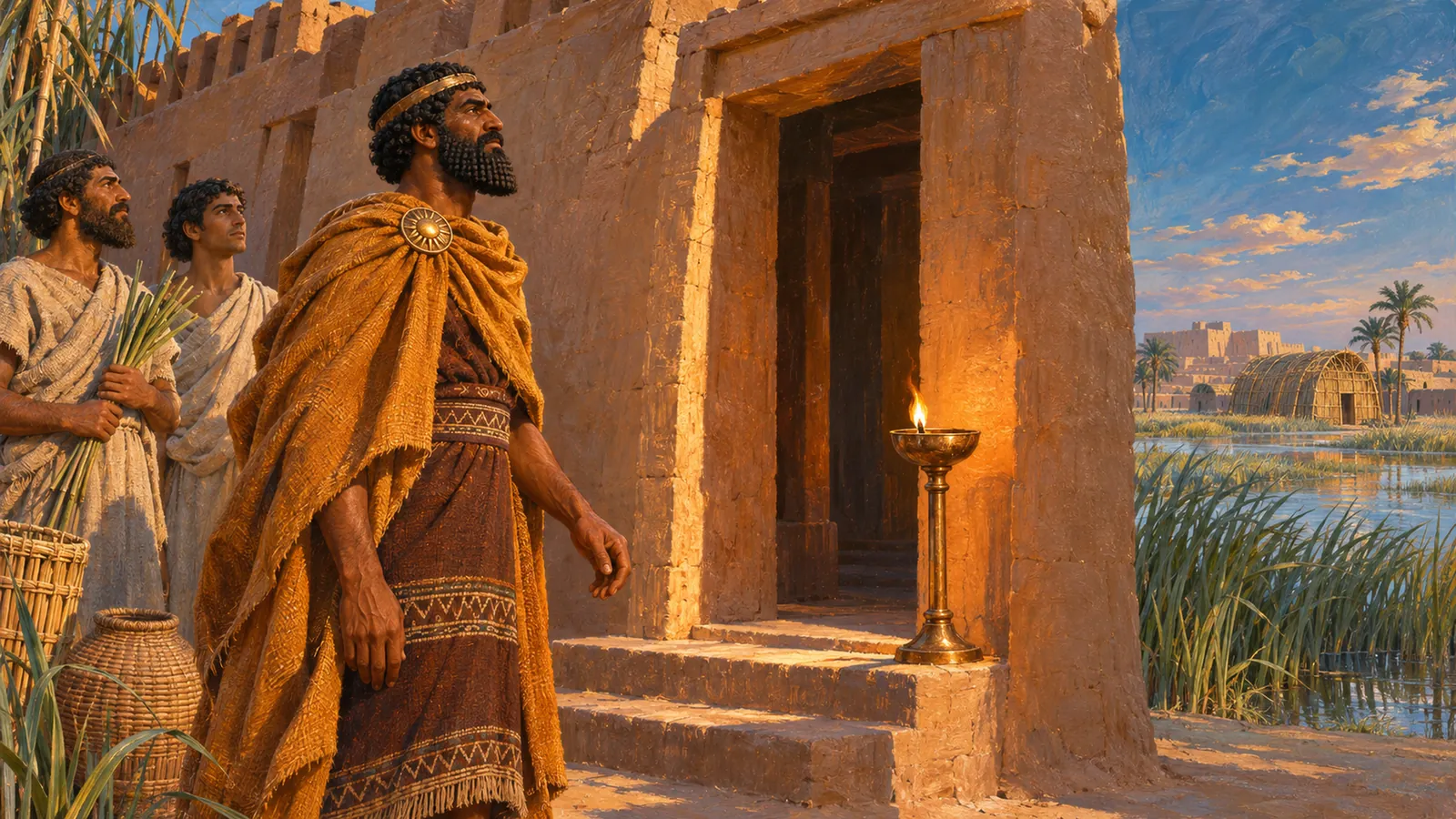
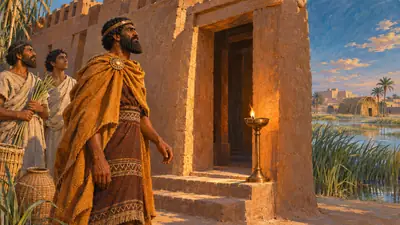
Utu-hegal goes out from Uruk and stops at the temple of Ishkur, the storm god. The inscription says Inanna herself chose the king who now goes to meet Tirigan.
The words for what Utu-hegal does at the temple return at later stops. One edition reads an offering. Another tentatively reads making camp. Both place him at the temple of Ishkur.
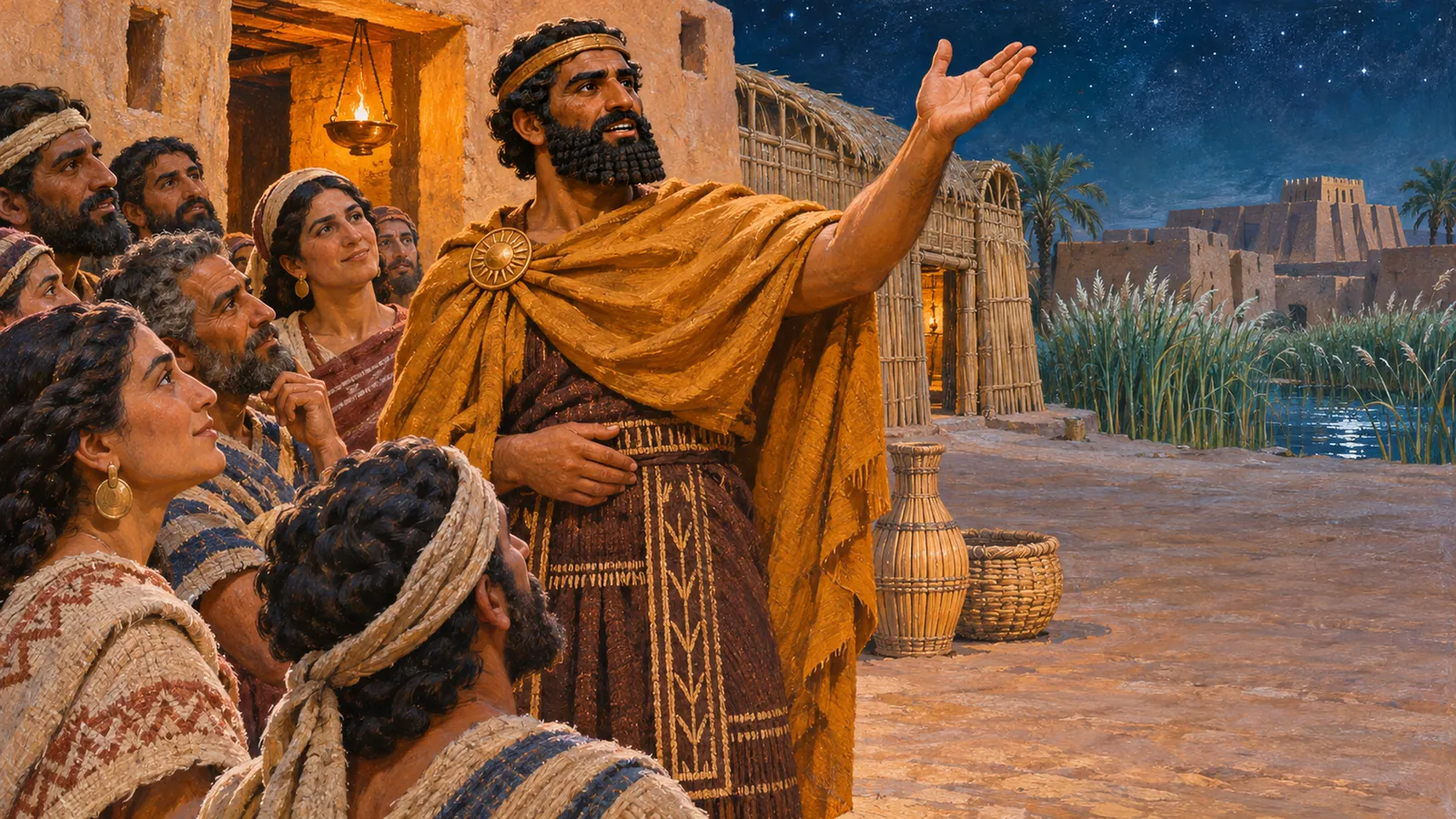
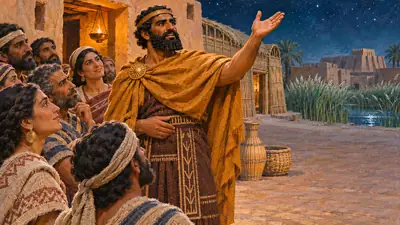
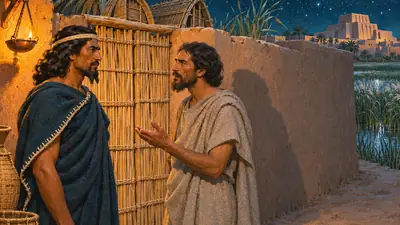
Utu-hegal addresses the people of his city. He tells them that he has Enlil’s charge and Inanna’s support. He gives Dumuzi a speaking part in his account of their help.
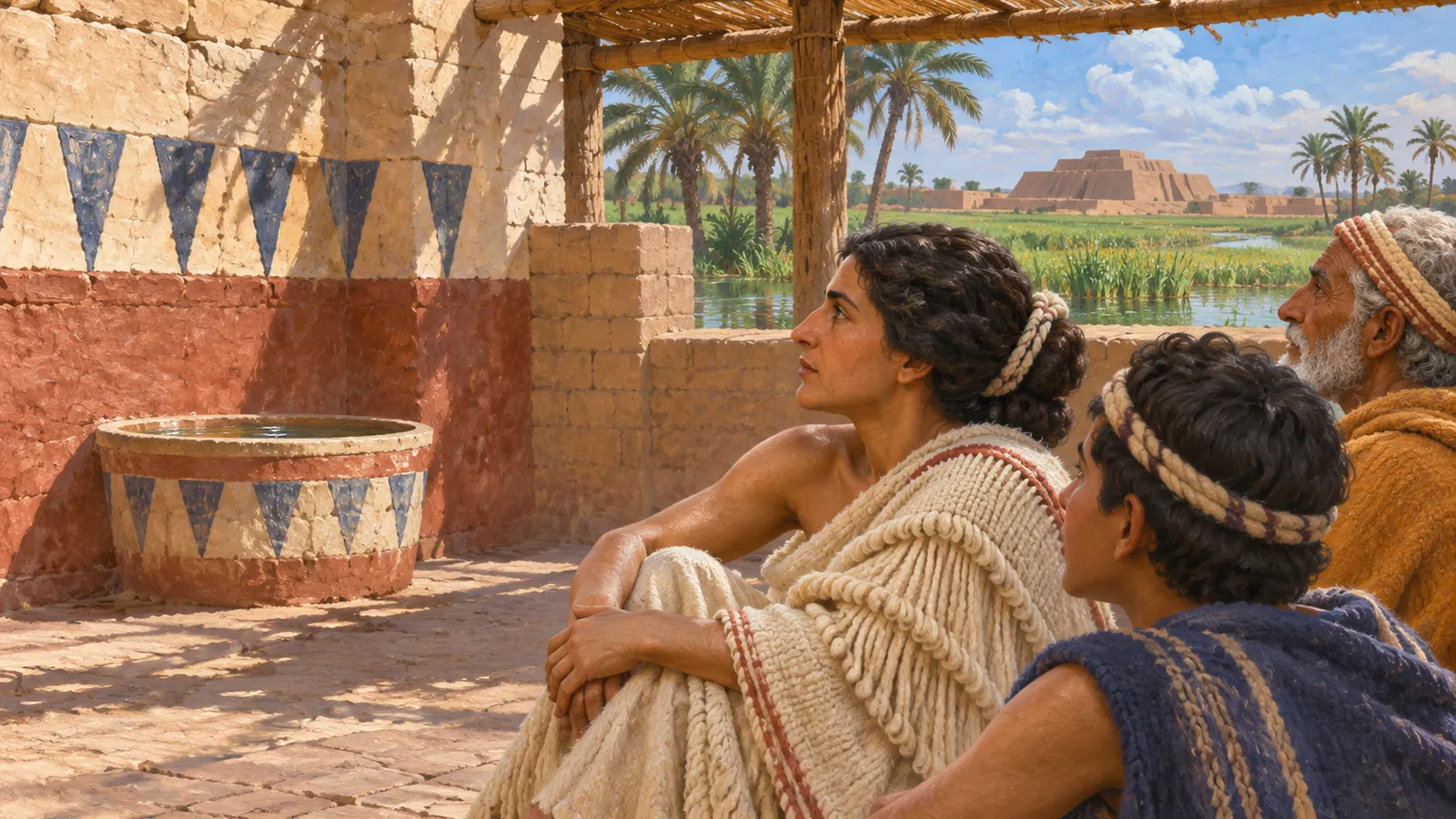
The next name in the king’s speech is Gilgamesh, son of Ninsun. He receives the role of an appointed officer. An old ruler of Uruk enters the story through Utu-hegal’s words.
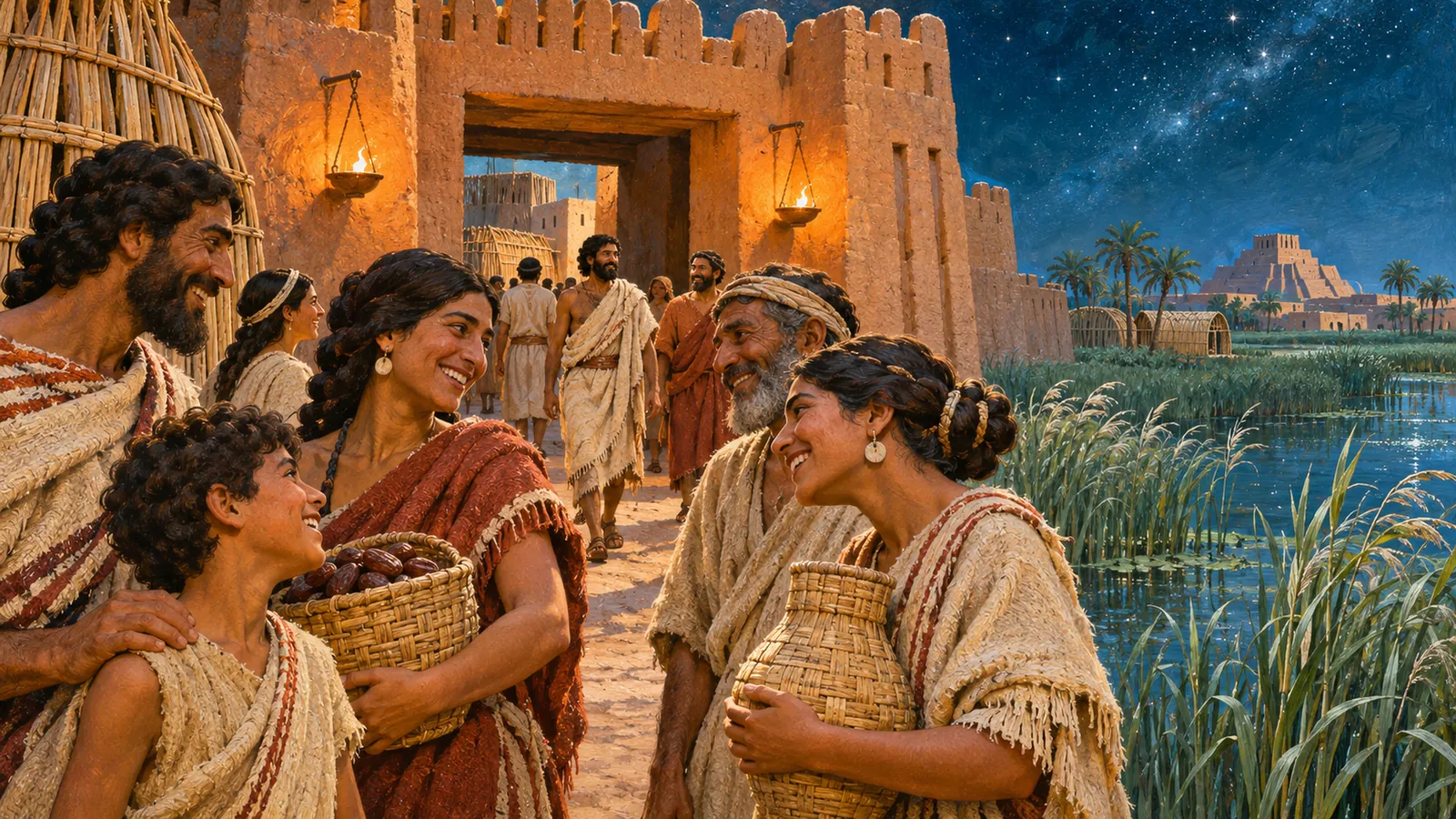
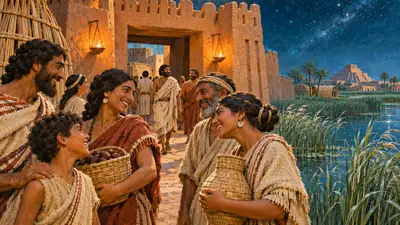
The inscription names the people of Uruk and Kulaba and says that both rejoice. It has the whole city follow together. Then the record turns from the people to successive landmarks and days.
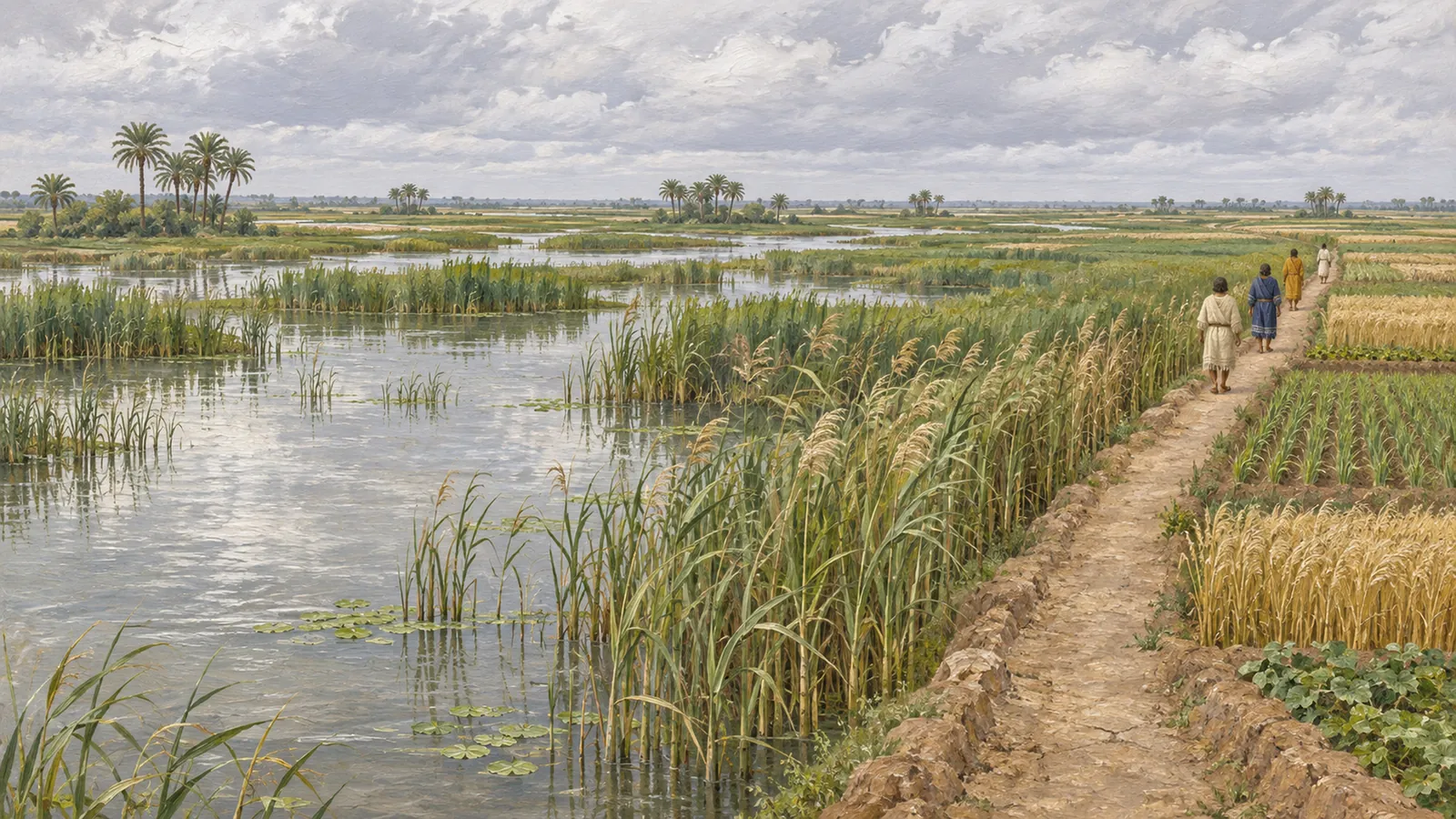
THE ROAD
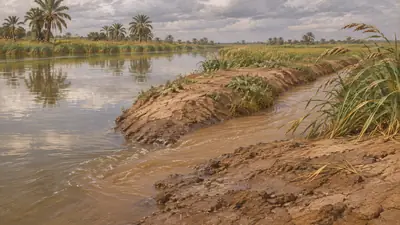
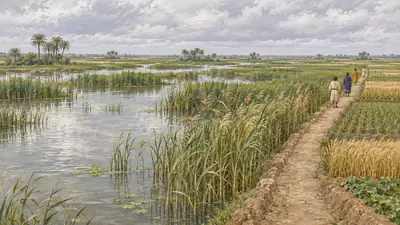
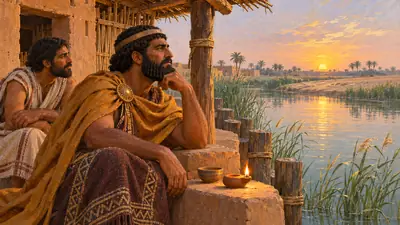
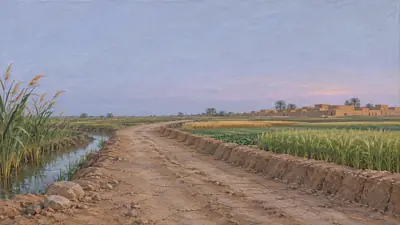
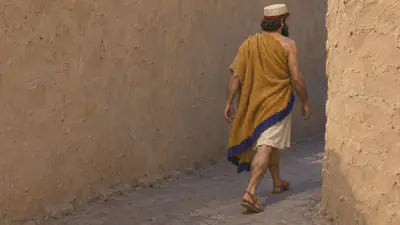
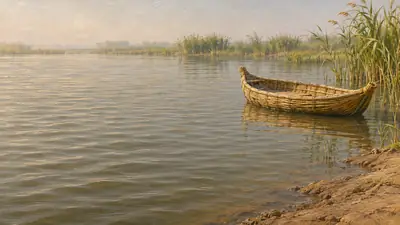
The itinerary takes up the departure from Ishkur’s temple and counts the days that follow. The banks and reeds here evoke the lowlands through which those named places have come down to us.
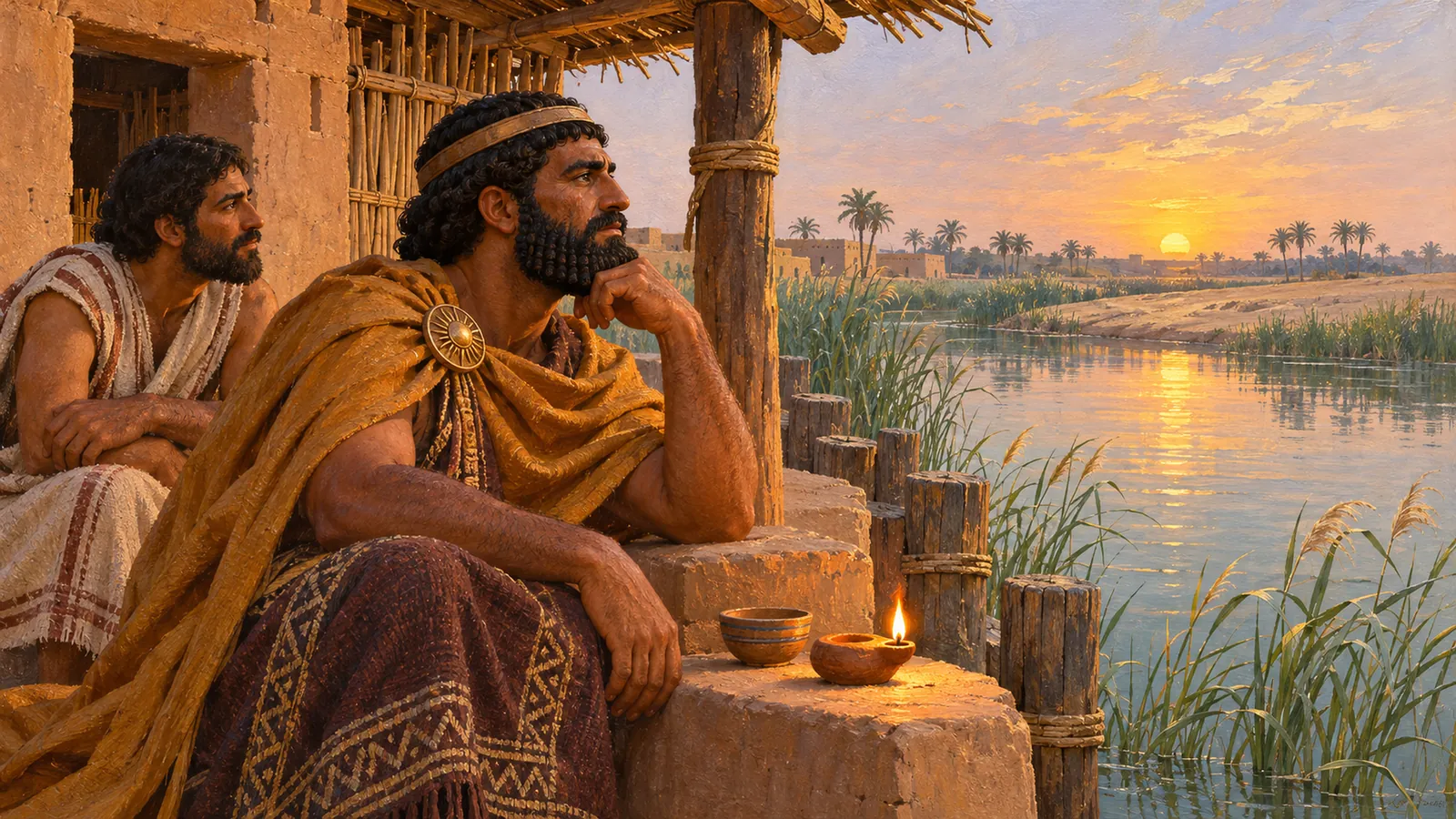
On the fourth day Utu-hegal stops at Nagsu. Its canal is called Surungal in one edition and Enurigal in another. In each reading the canal helps locate the stop.
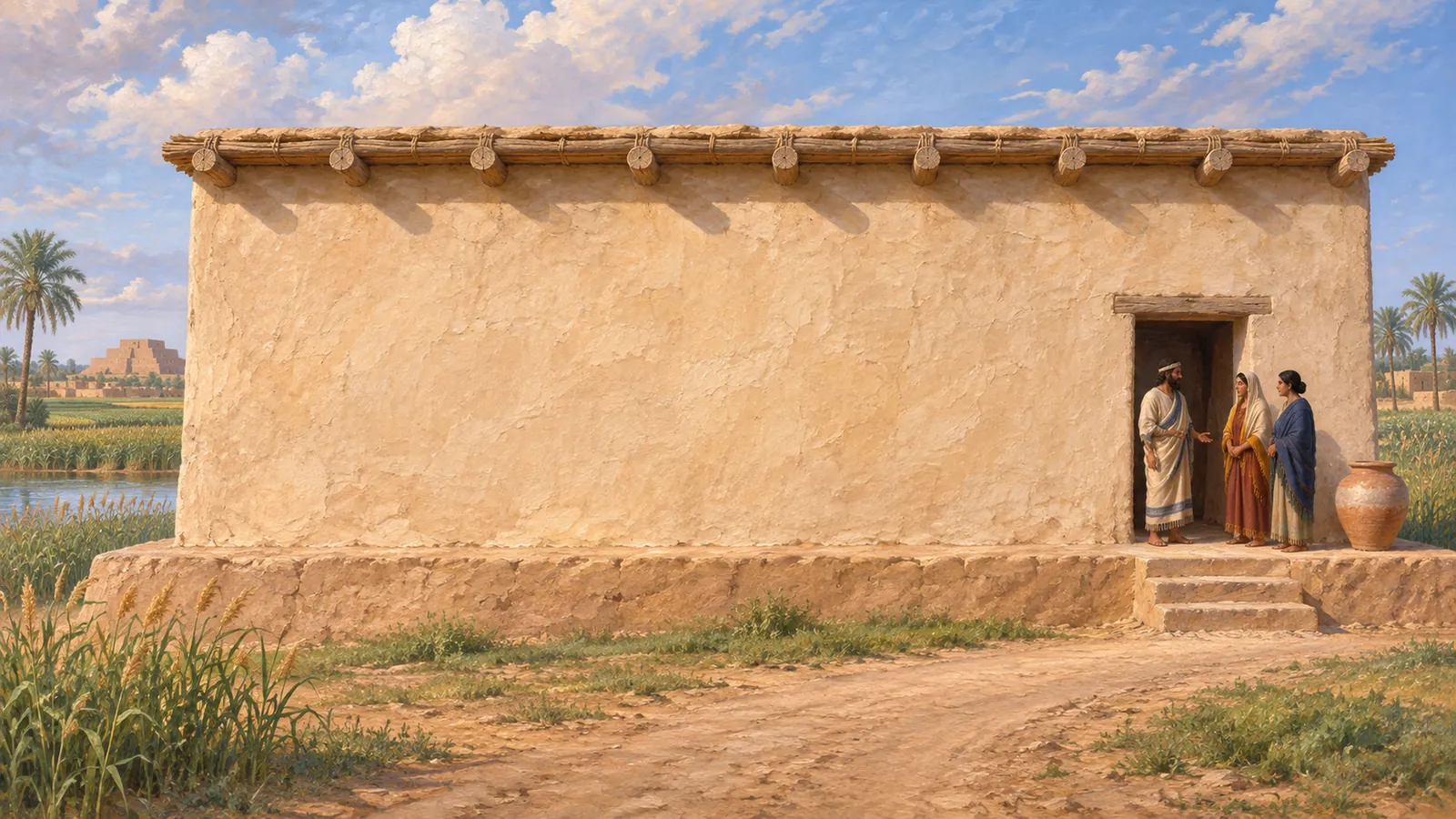
On the fifth day the text names a shrine at Ili-tappe. As at Nagsu, the same short action is recorded. Place and day are more certain than what he did there.
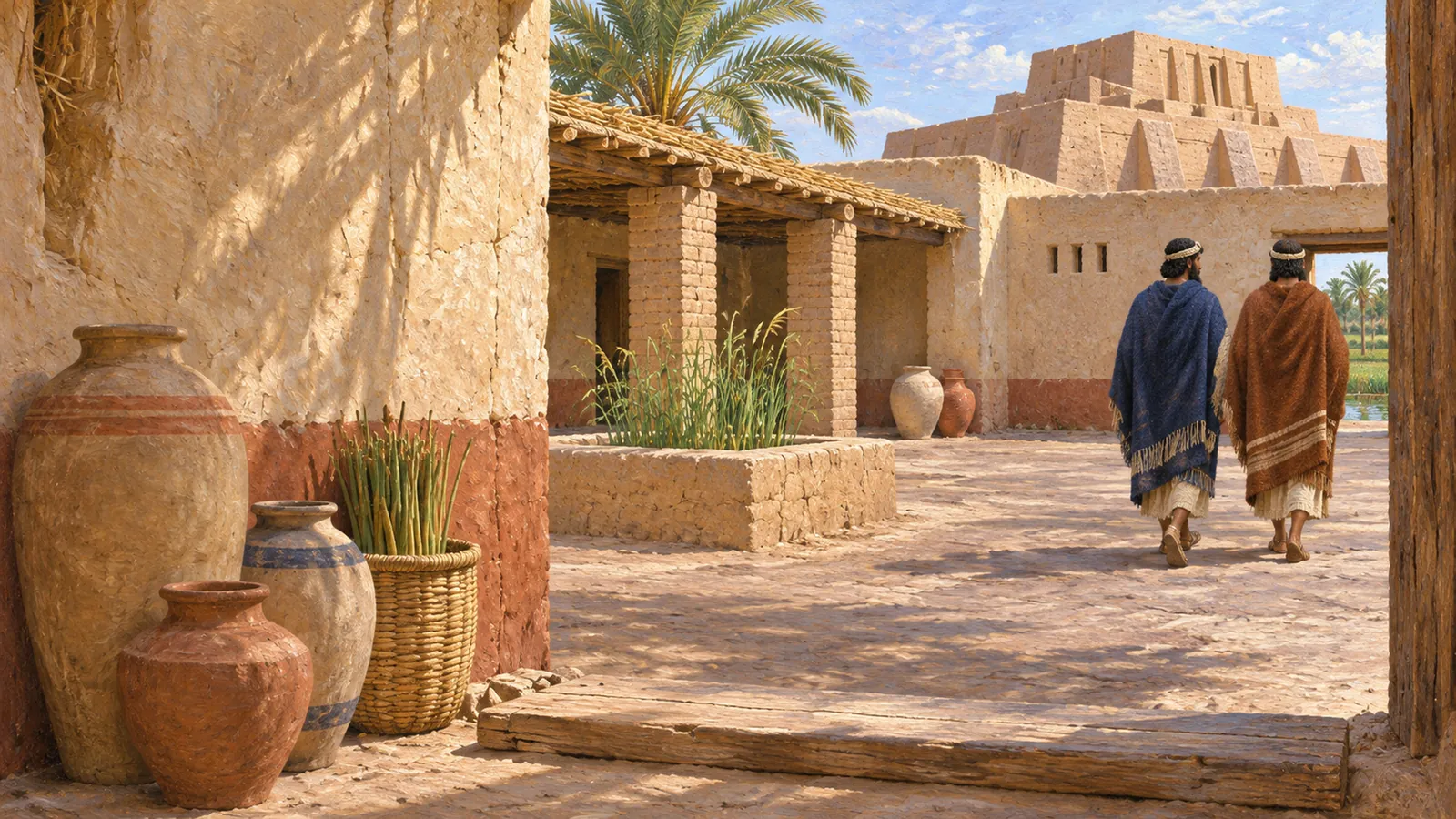
Tirigan appears again through two men he sends to Sumer. Their names are Ur-Ninazu and Nabi-Enlil. The inscription calls them generals and gives their reason for coming as an embassy.
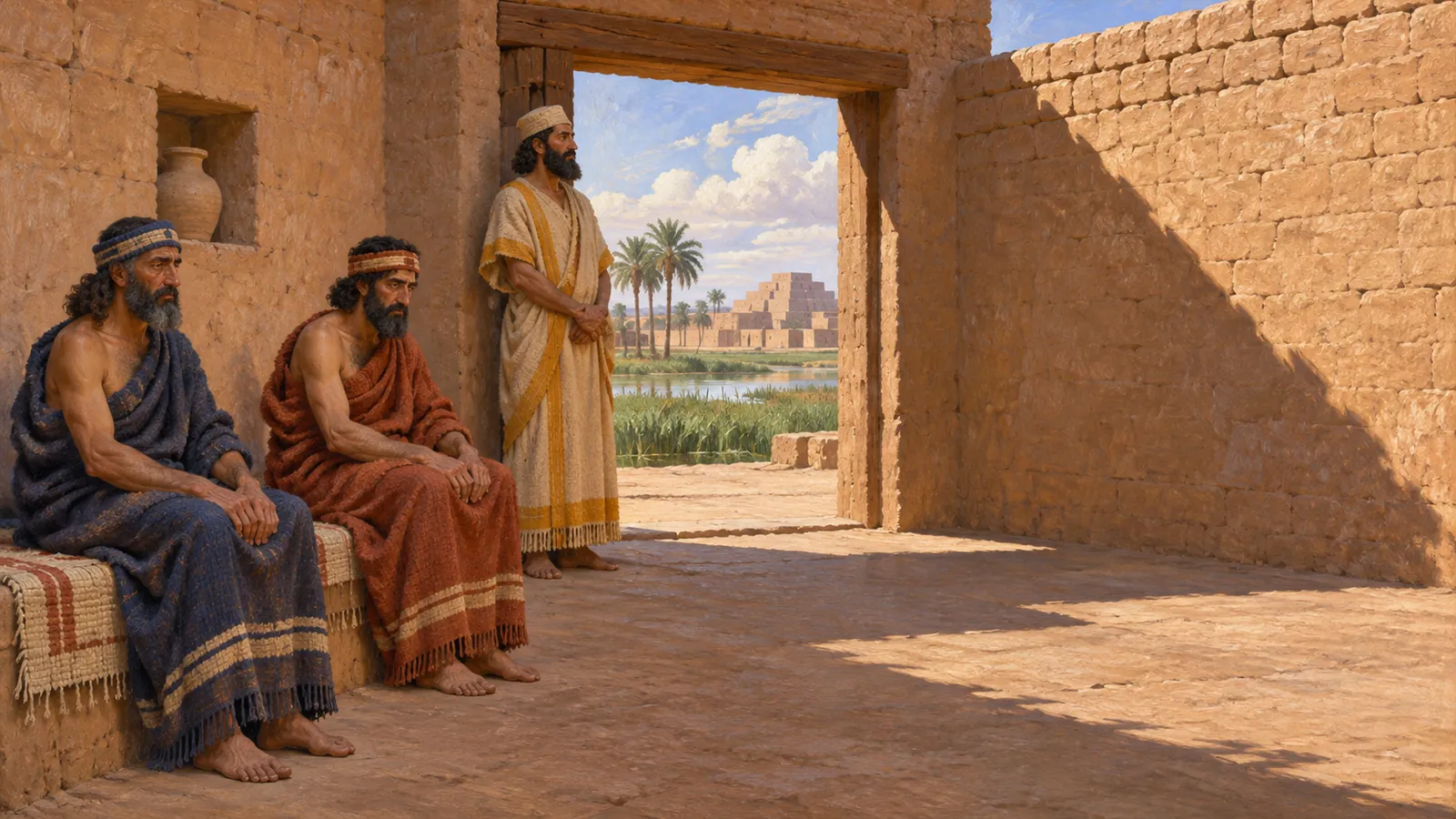
The two envoys are taken into custody by Utu-hegal. Their names are given, but the inscription passes on without preserving the message they were carrying or telling what became of them.
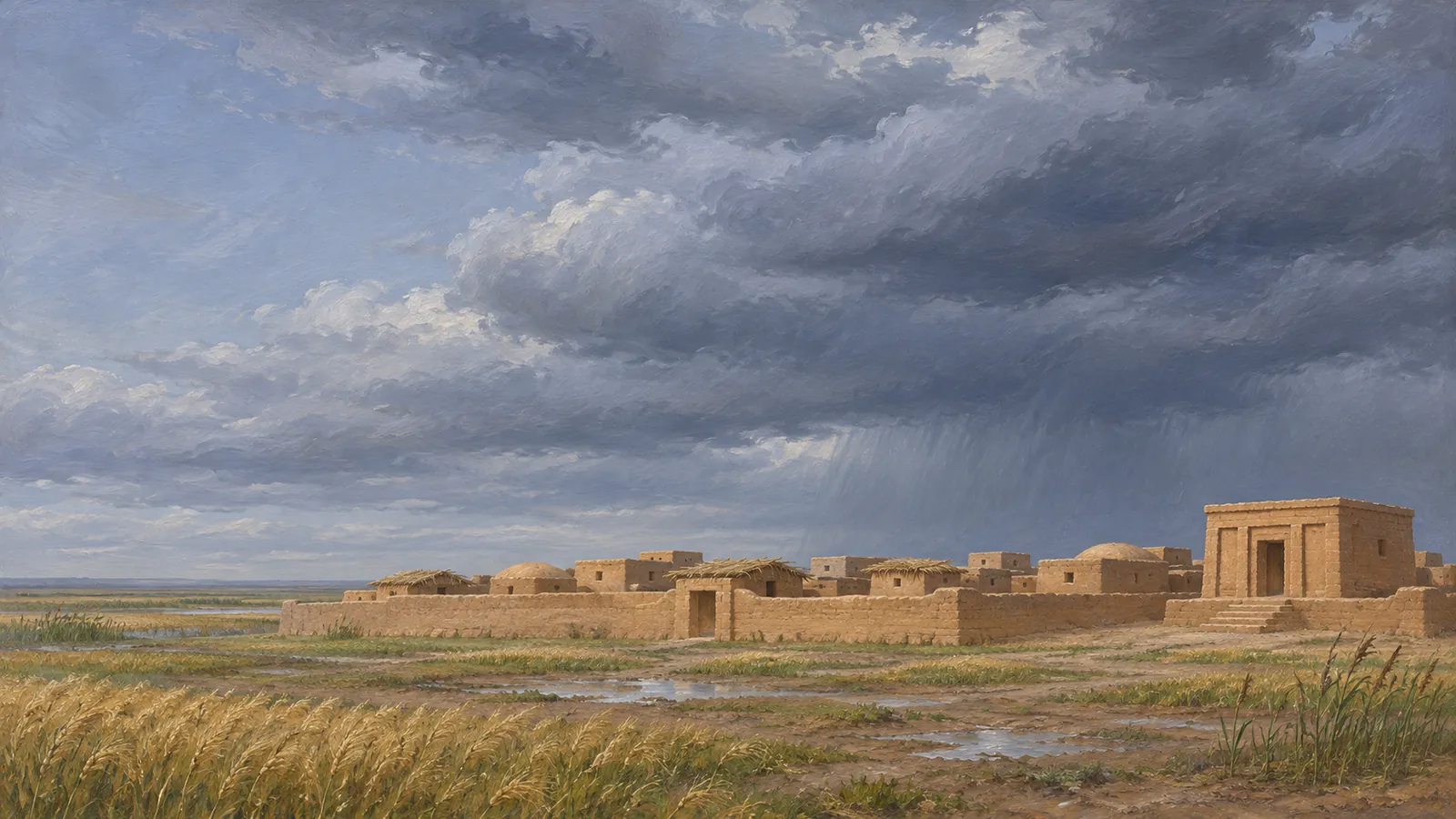
The account follows Utu-hegal away from Ili-tappe. On the sixth day he makes his next stop at Karkara. The list of days gives way to another prayer, this time to Ishkur.
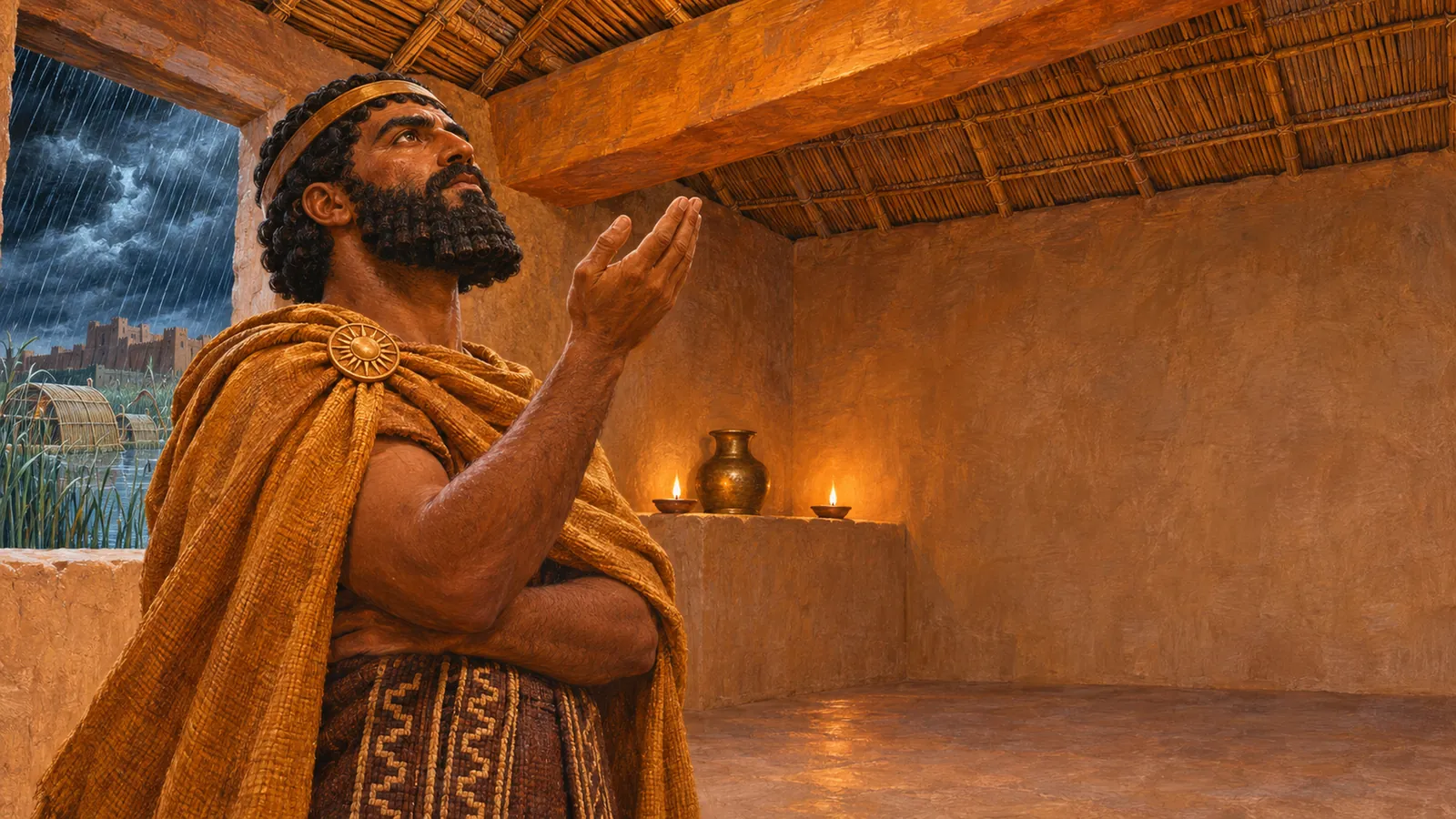
At Karkara, Utu-hegal says his commission still comes from Enlil. He asks Ishkur to help him. The god whose temple marked his departure now hears a prayer of his own.
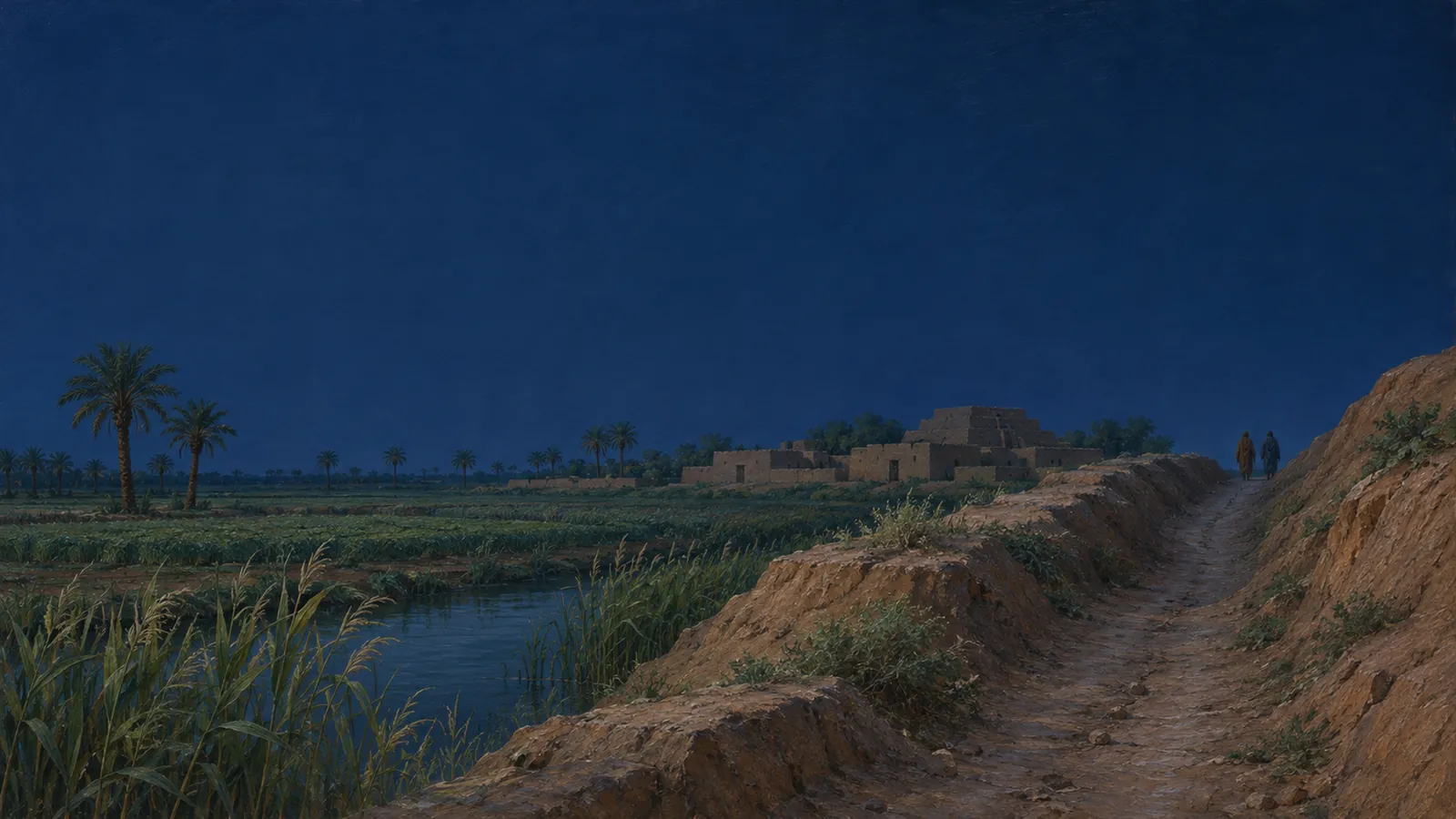
In the middle of that night the text picks up the king again. The words for his departure are difficult. The next place we can name with confidence is Adab.
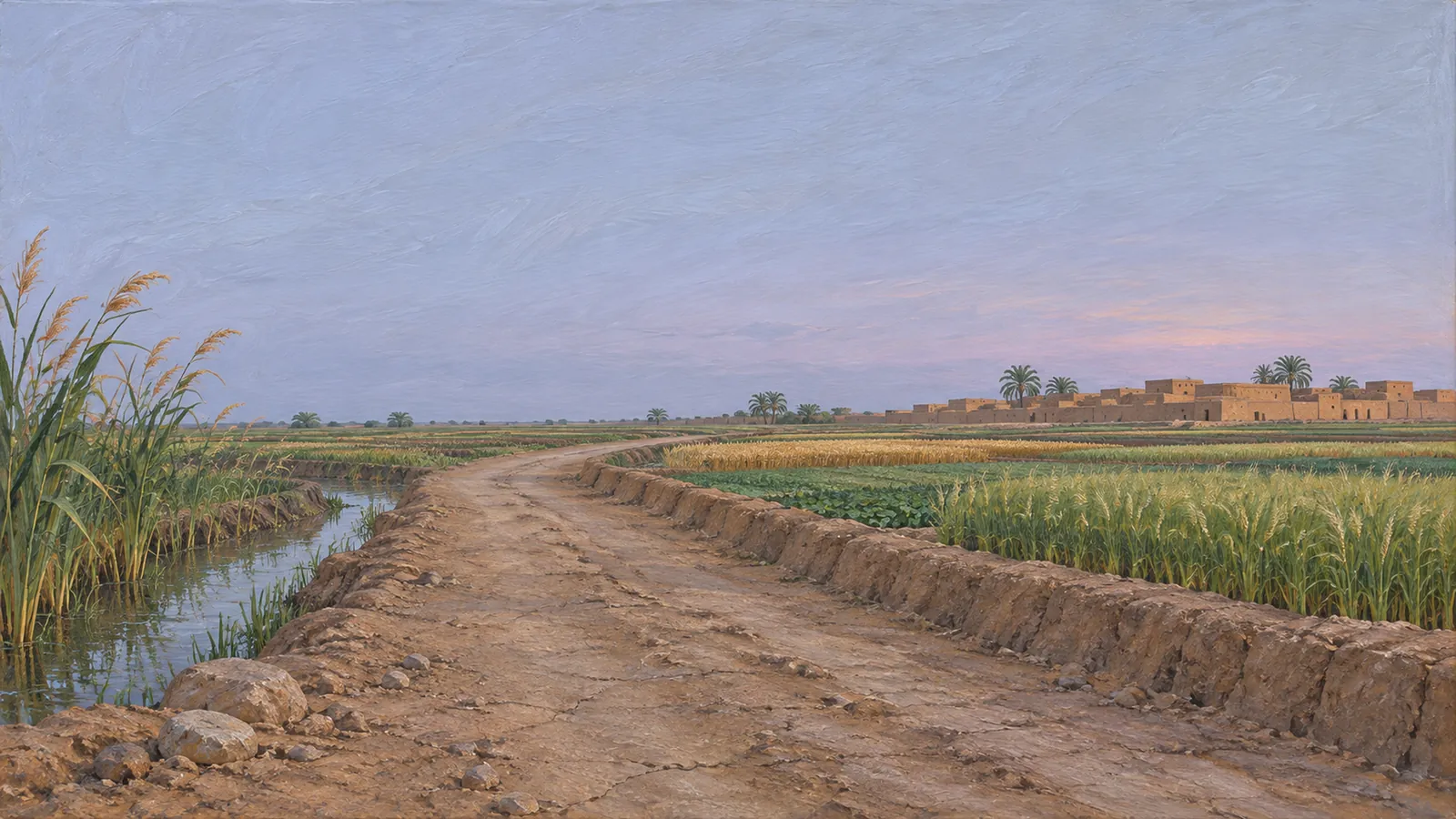
ADAB
The inscription locates the next prayer near Adab, in a line often read as north of the city. In the following line the light changes. The sun is rising.
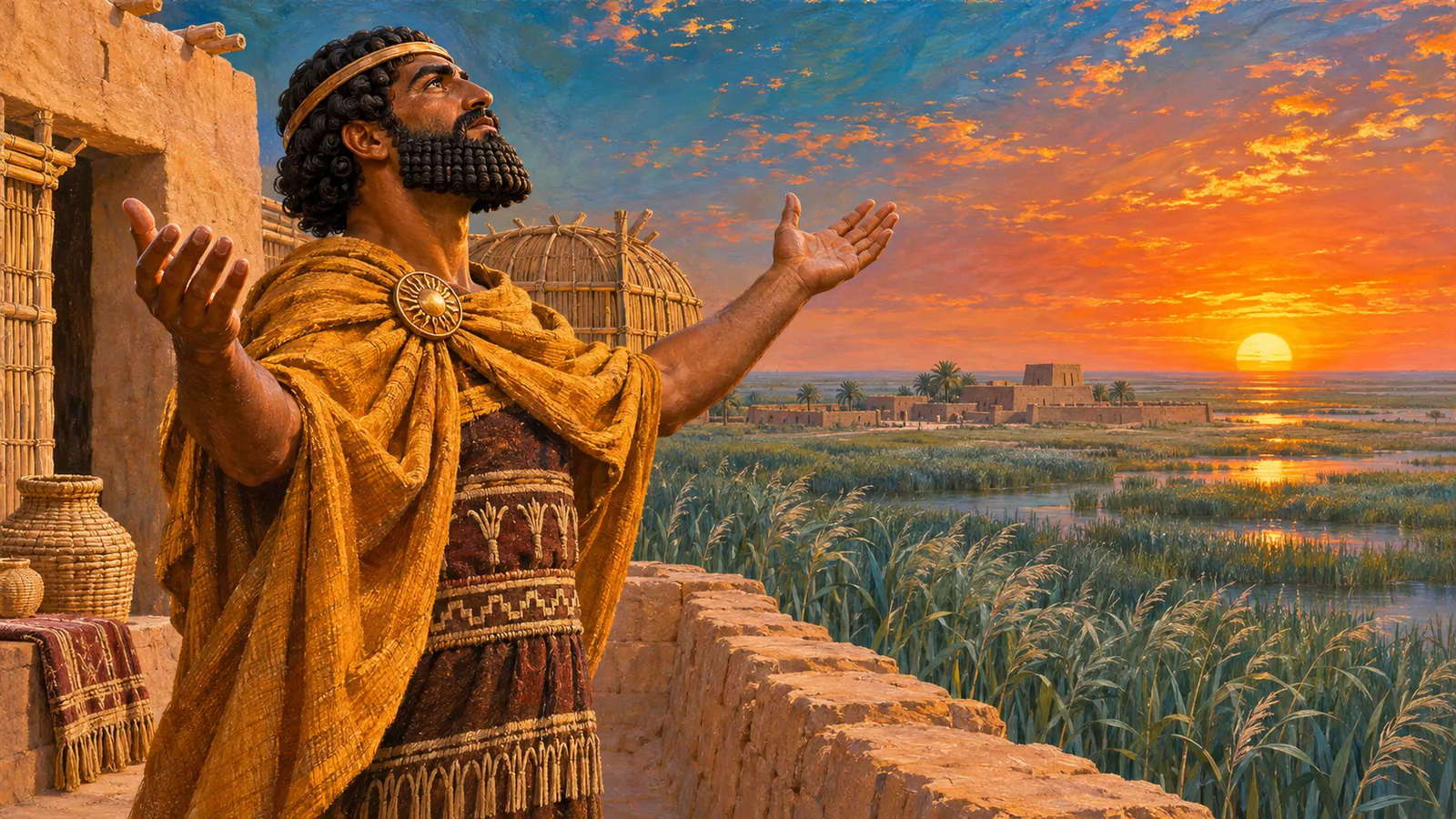
Utu-hegal goes before Utu, the sun god. He tells him what he told Inanna and Ishkur, that Enlil gave him the task. He asks for Utu’s help as the day begins.
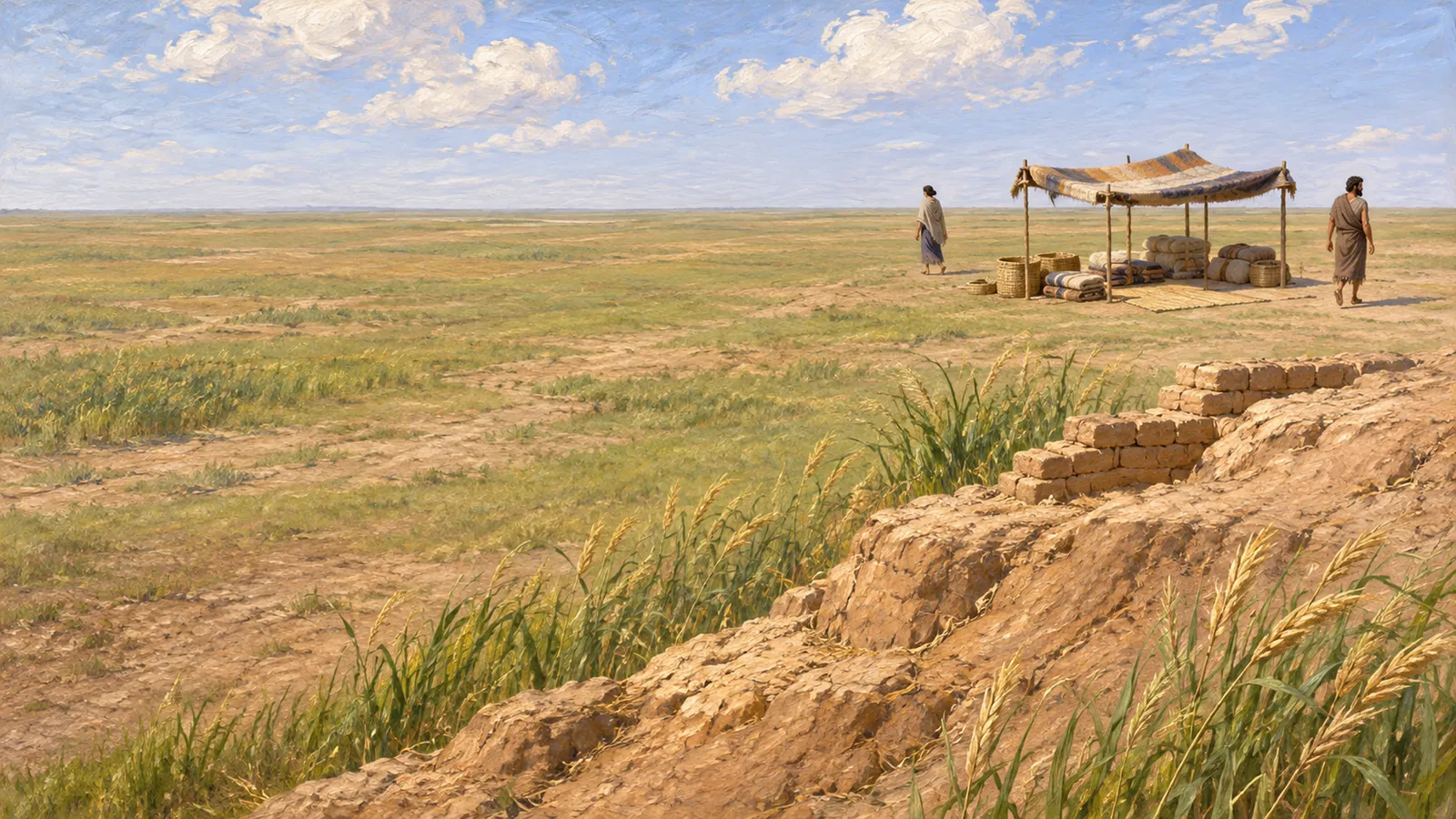
In a few difficult lines the inscription comes to the encounter itself. Whatever the earlier words describe, the outcome is clear in the king’s account. Tirigan’s generals are defeated.
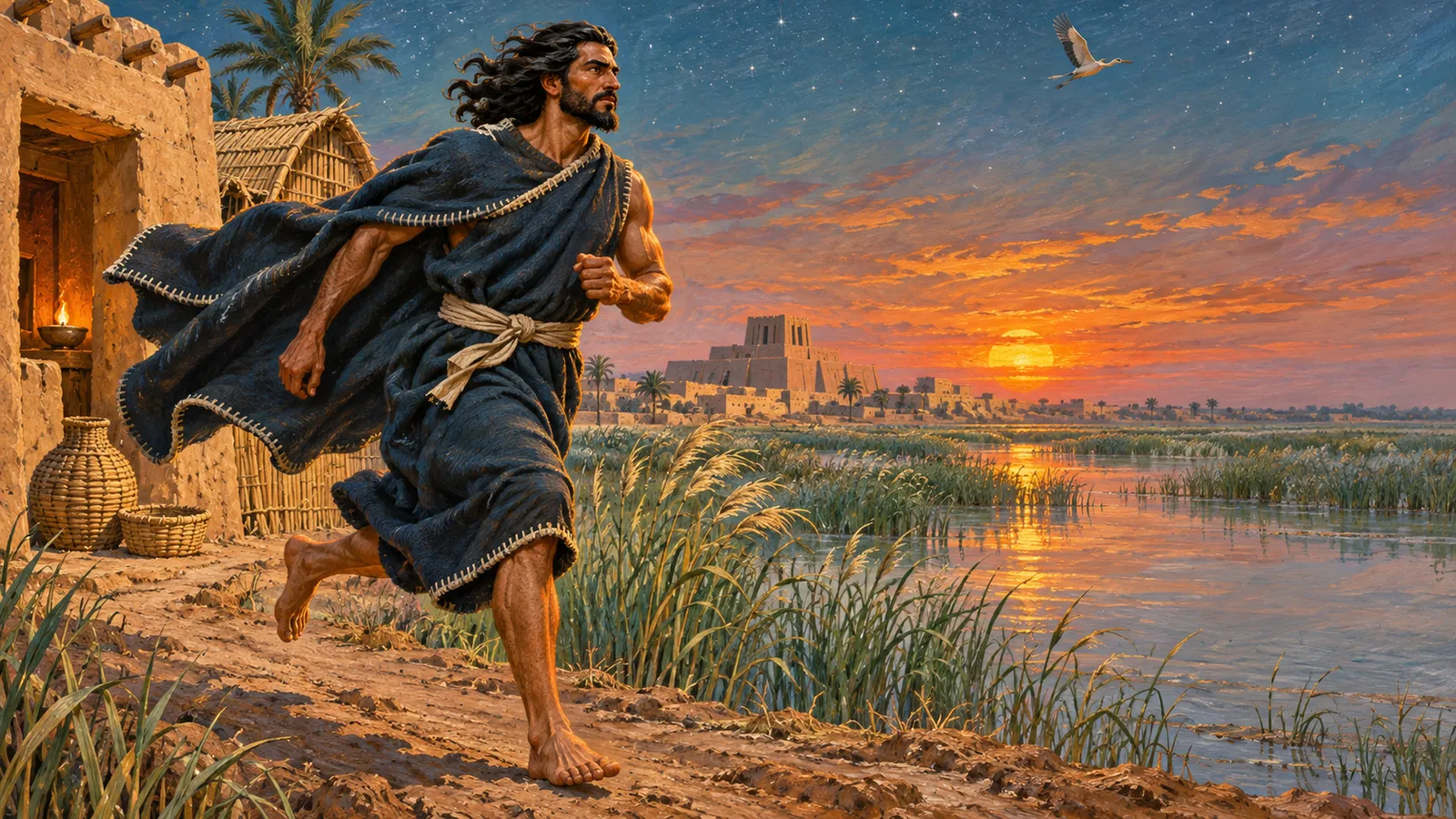
Tirigan leaves the others and flees alone on foot. Until this point the story mostly follows Utu-hegal. Now it follows the king of Gutium, who is trying to save his life.
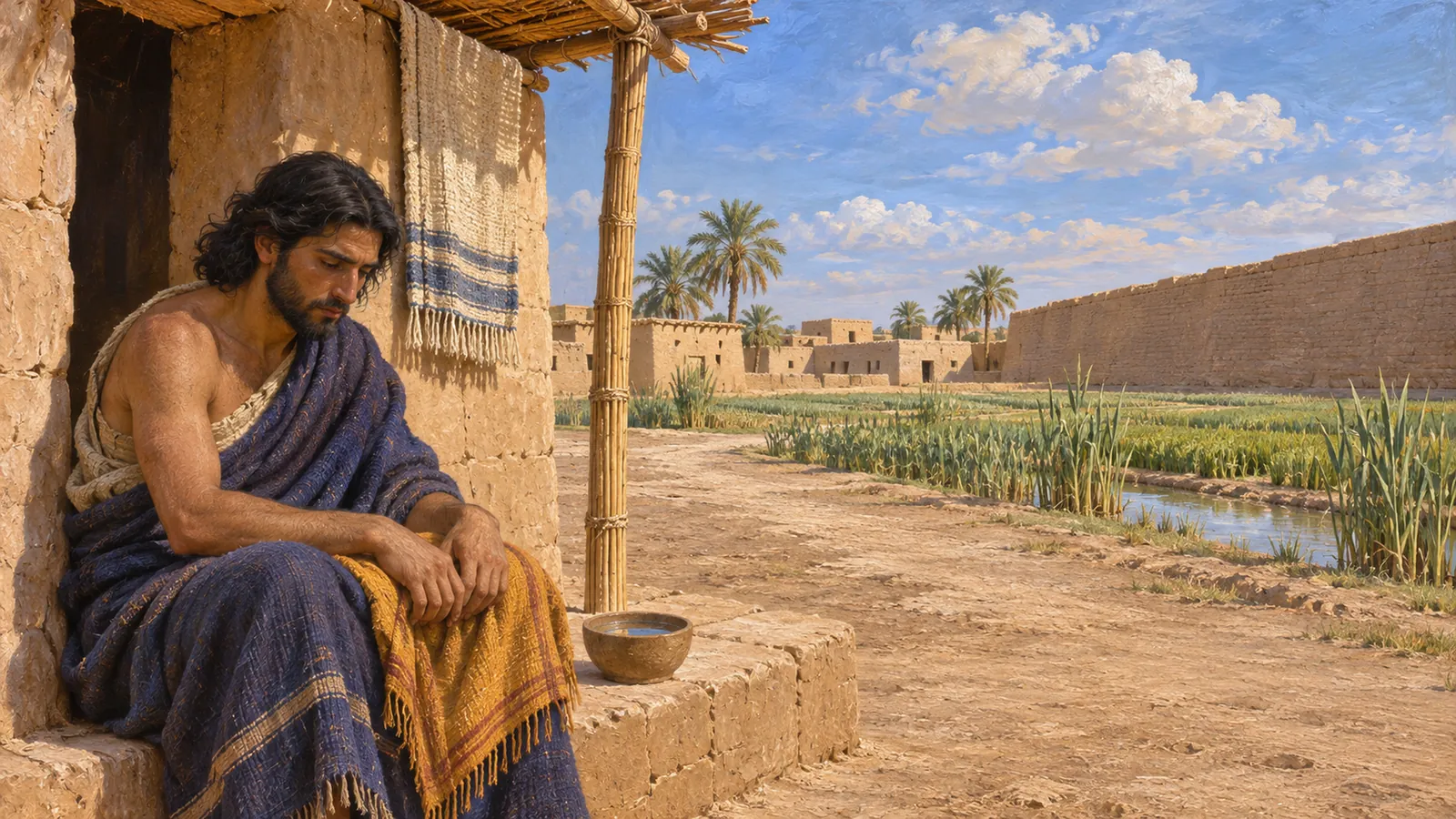
DABRUM
Tirigan reaches Dabrum. In one reading he finds a welcome there. In another he thinks the place will keep him safe. The hope of refuge holds for only a few lines.
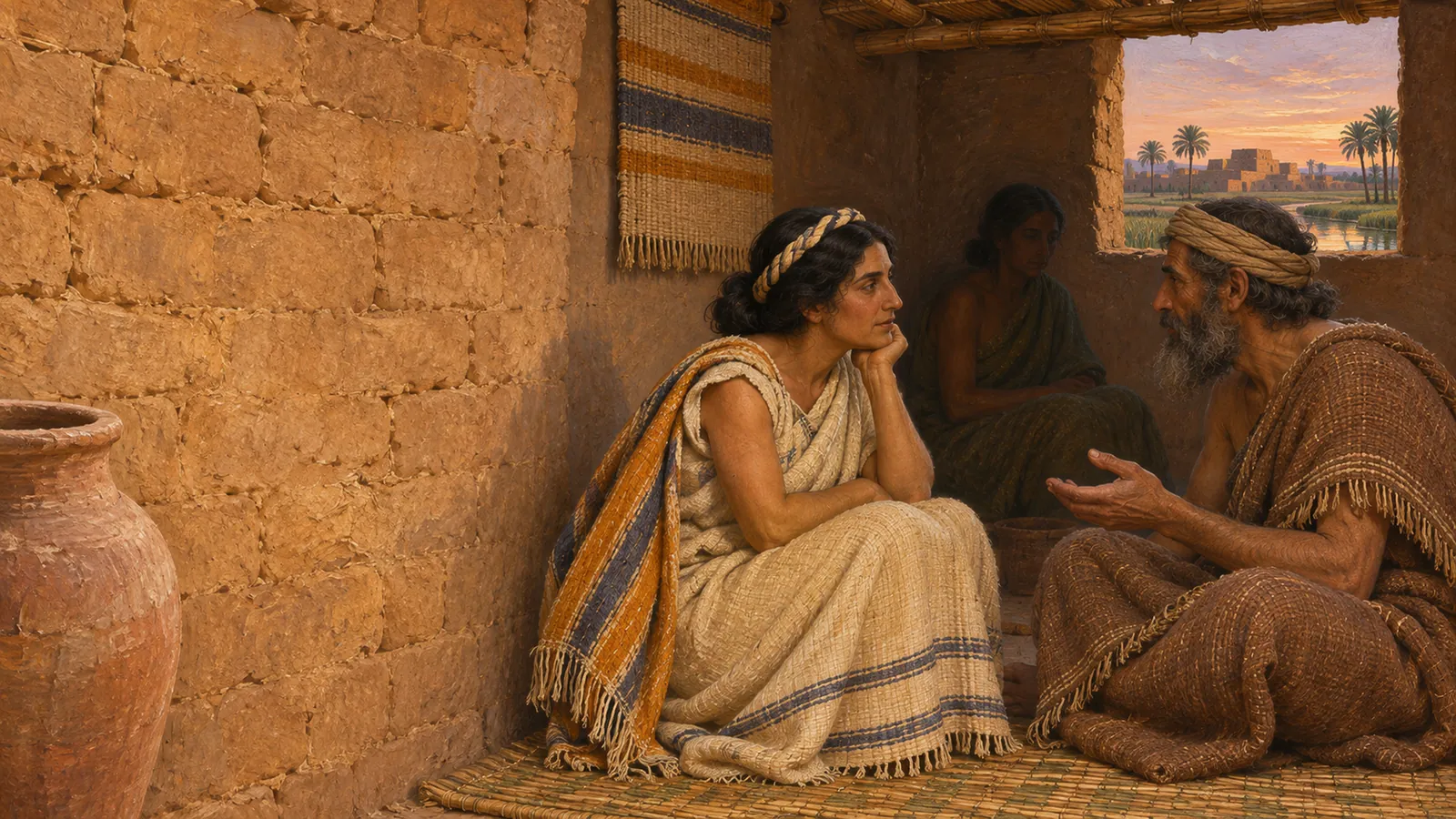
The people of Dabrum learn that Utu-hegal has power, the inscription says, because Enlil granted it to him. The story lets us hear the reason the victor gives for their decision.
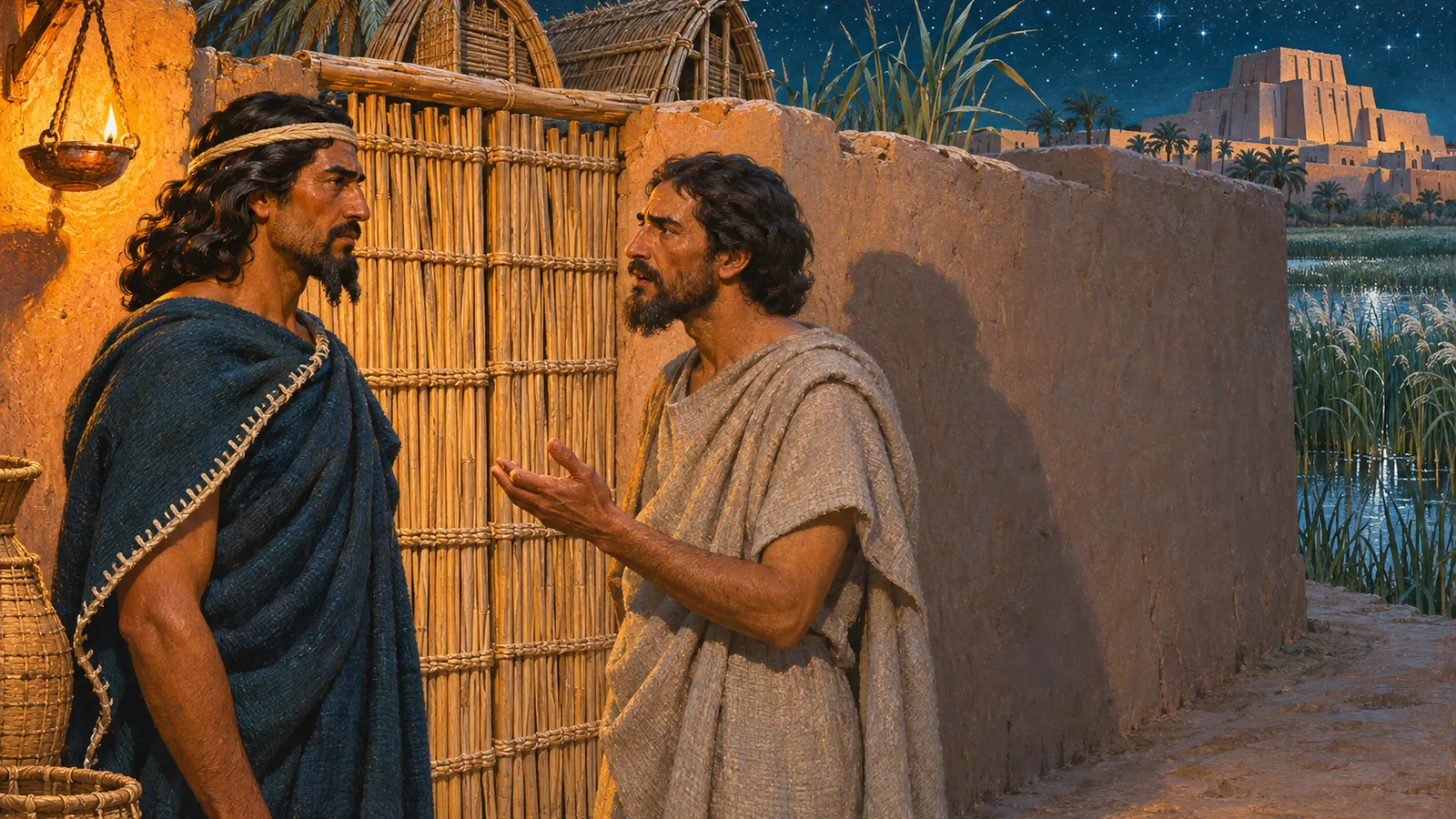
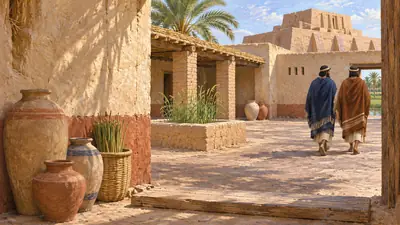
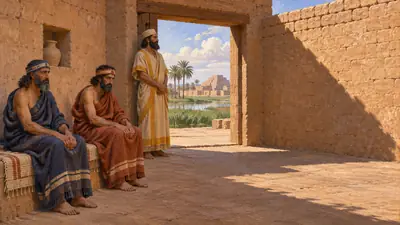
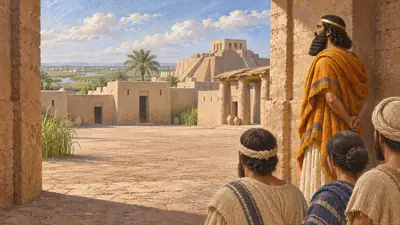
Dabrum’s people now refuse to let Tirigan go. The account gives them this one decision and no speech of their own. The king who came to save himself is still in their town.
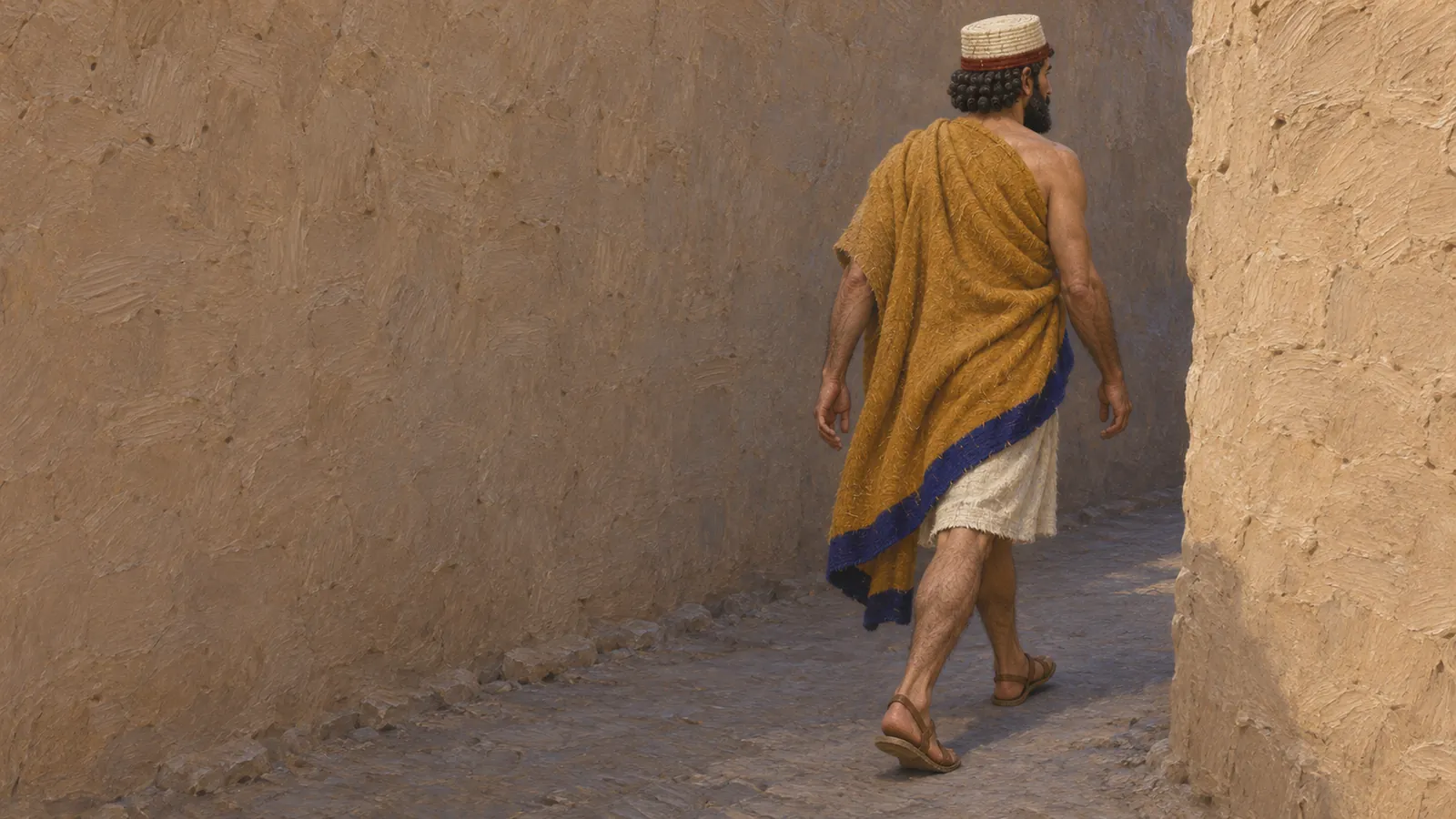
The account now introduces a messenger from the other side. The earlier envoys belonged to Tirigan. This messenger comes from Utu-hegal and finds Tirigan with his family.
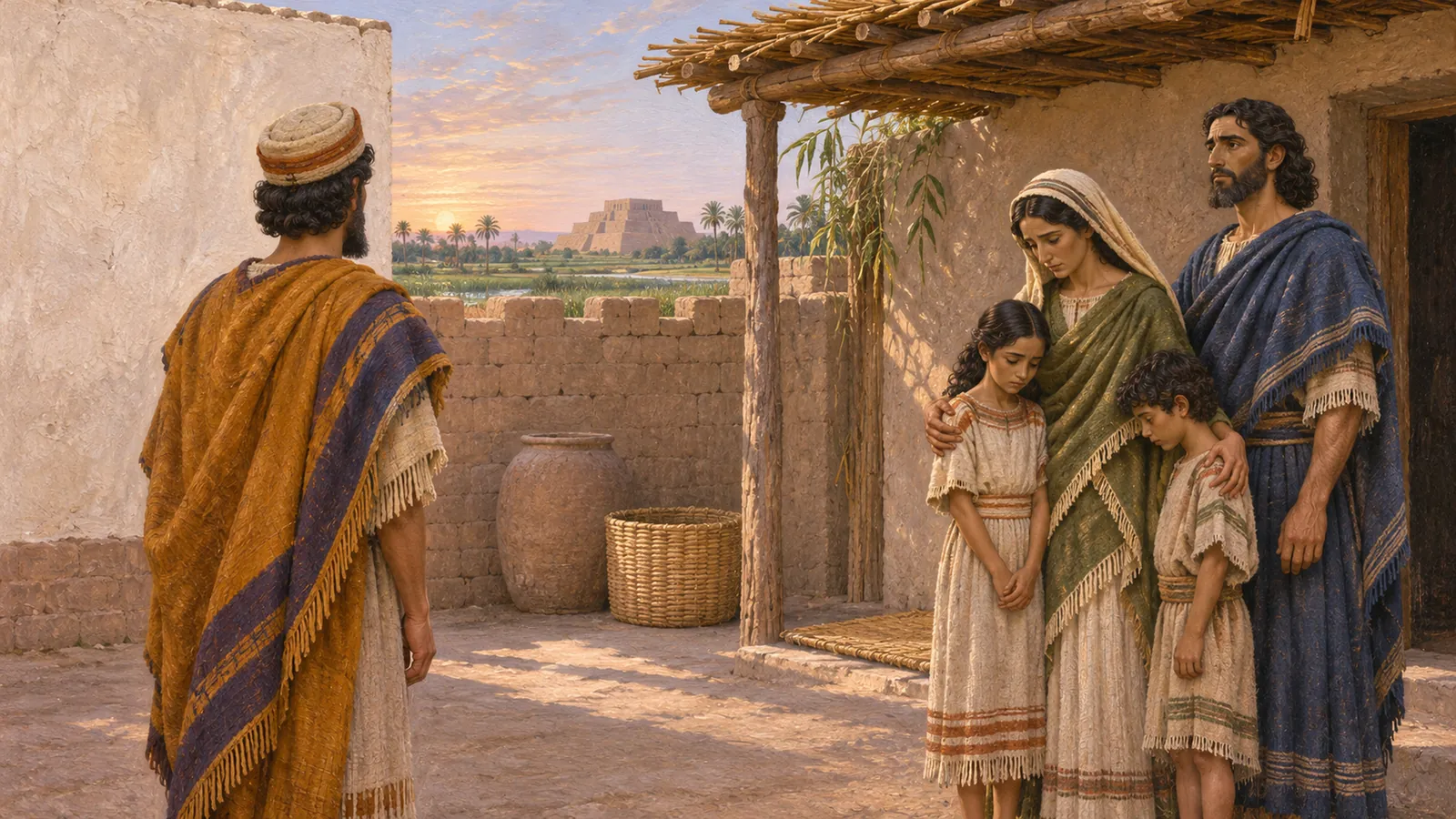
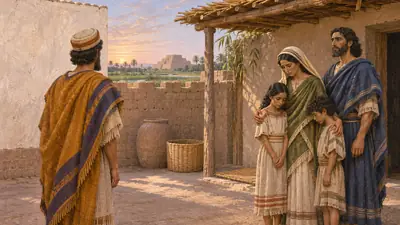
The envoy takes Tirigan, his wife and his children into custody in Dabrum. Tirigan’s family appears together in these few lines. The account follows the king from here and leaves the others unnamed.
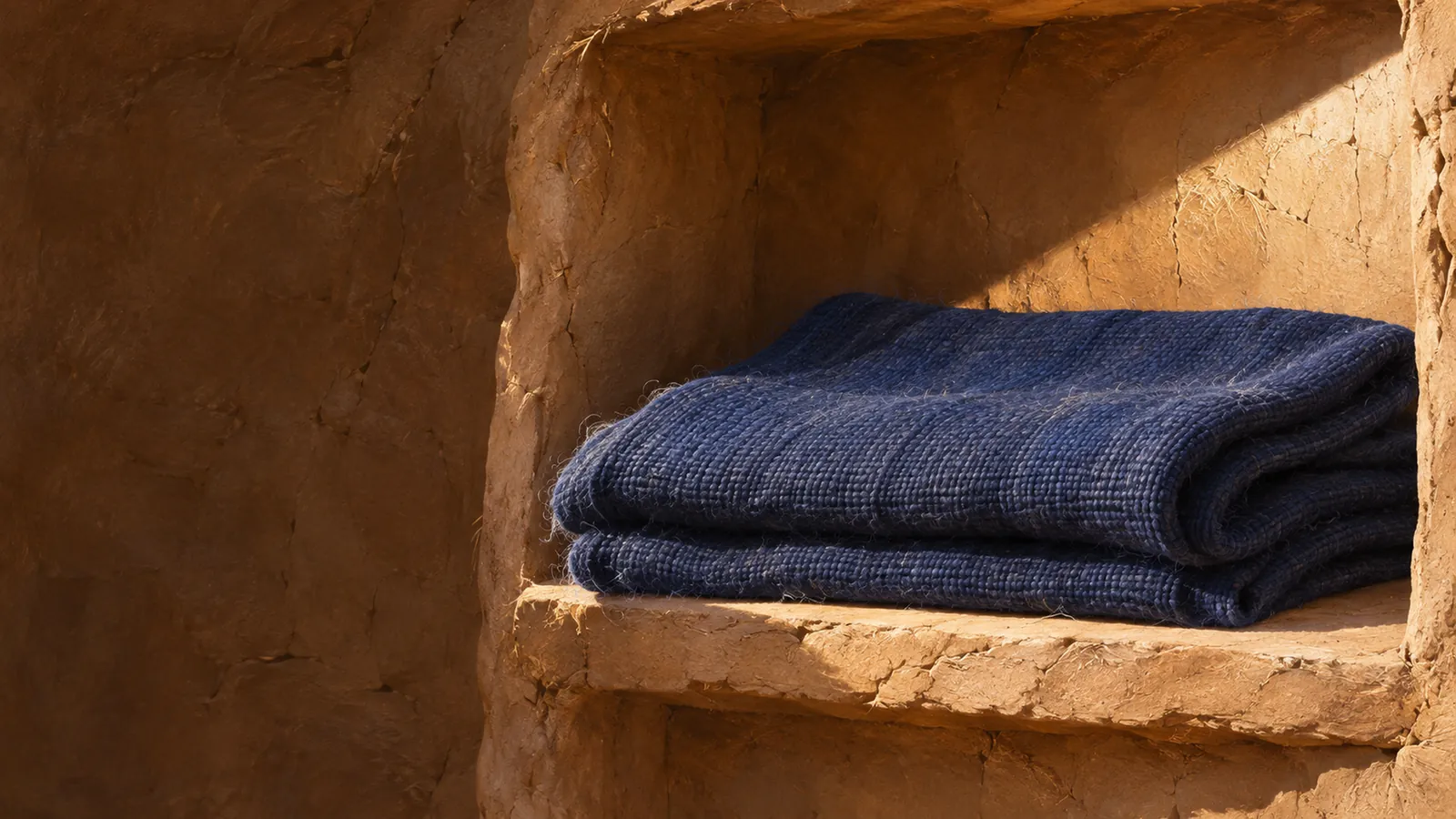
The text says Tirigan was restrained and a cloth was put across his eyes. A few lines after his flight on foot, he is being taken before the man who defeated him.
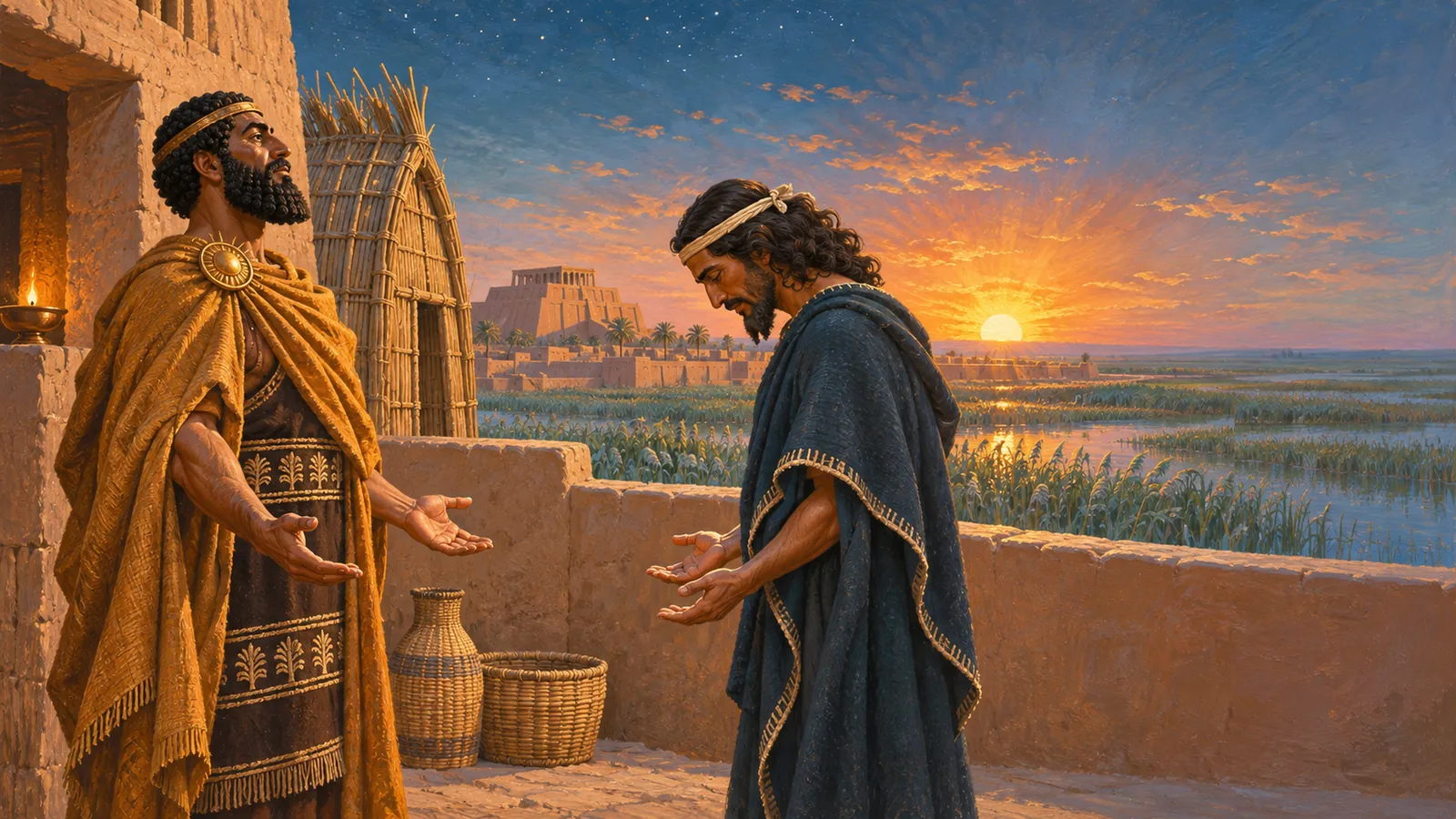
Tirigan is forced to submit before Utu. The god Utu-hegal asked to stand beside him at dawn now witnesses the outcome. The inscription gives the victor’s account of that moment.
Near the end, the scribe brings back the harsh comparison used at the beginning against Gutium. Its return links the defeat to Enlil’s first charge. The words belong to the victor’s version of events.
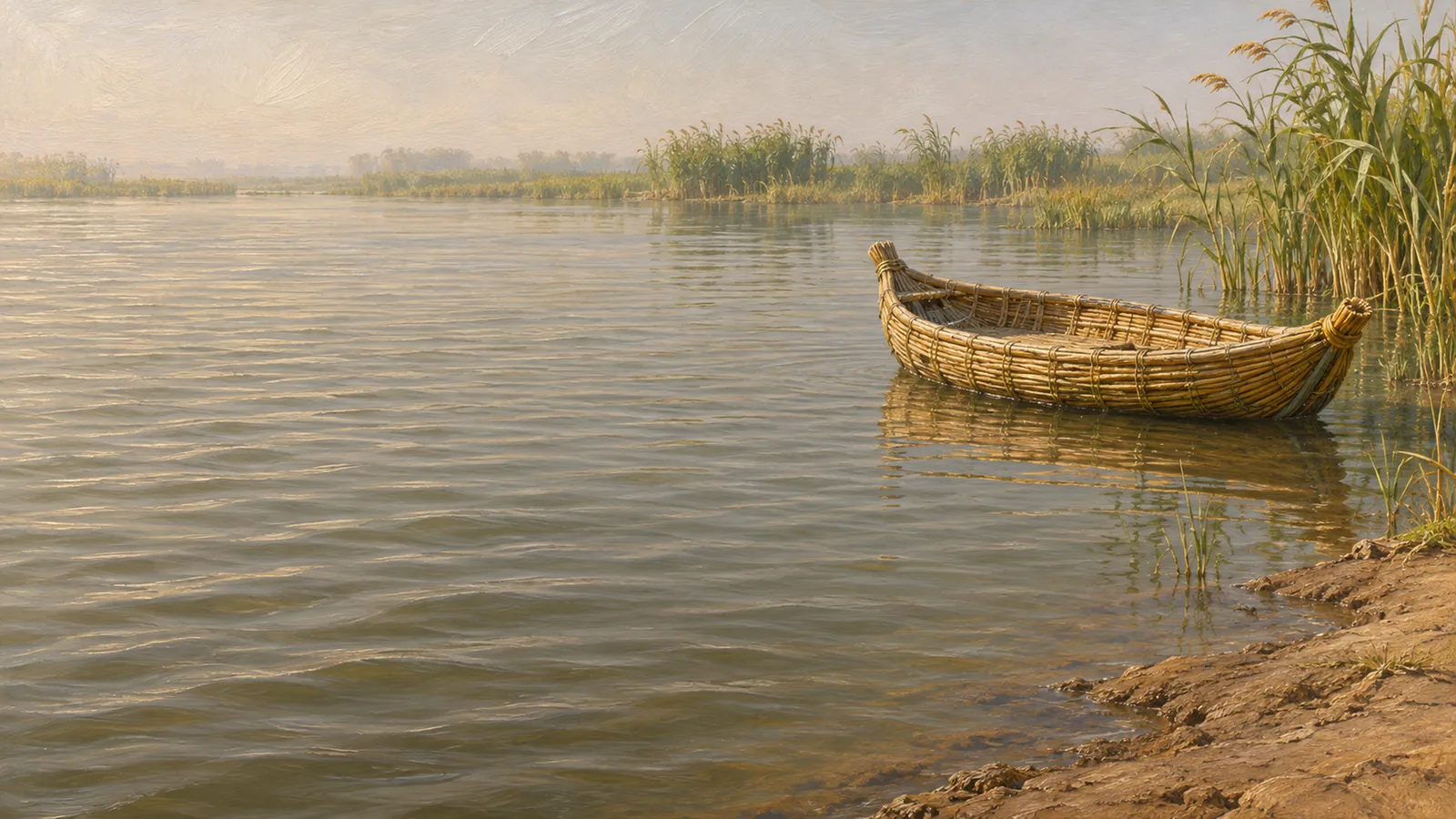
At the broken end there may be a reference to a boat. One edition reads towboats and a boundary. The missing words leave the place and the details uncertain.
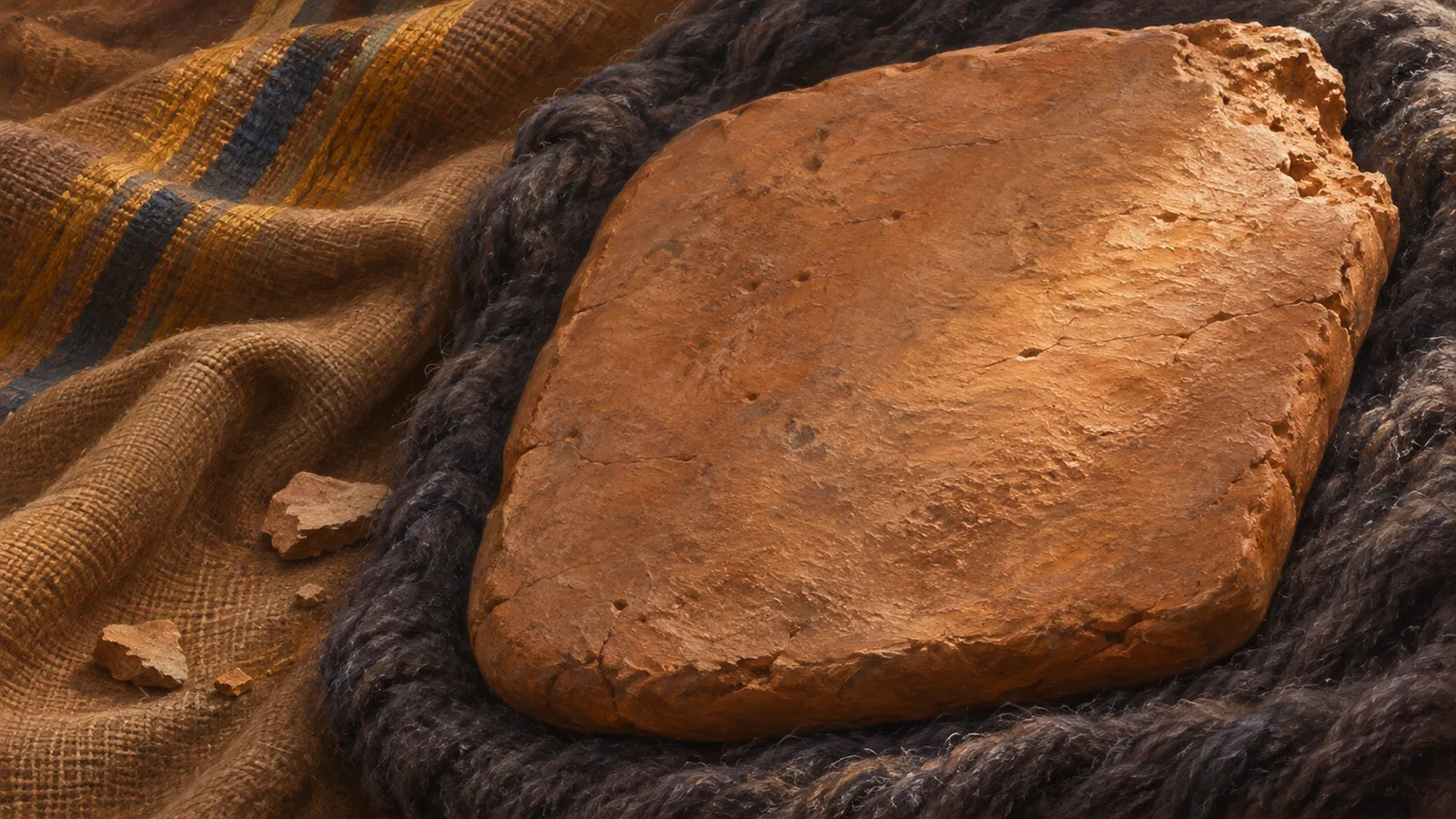
A few words beyond the gap, the copy is clear again. We can read the royal claim even though part of the sentence before it has fallen away from the story.
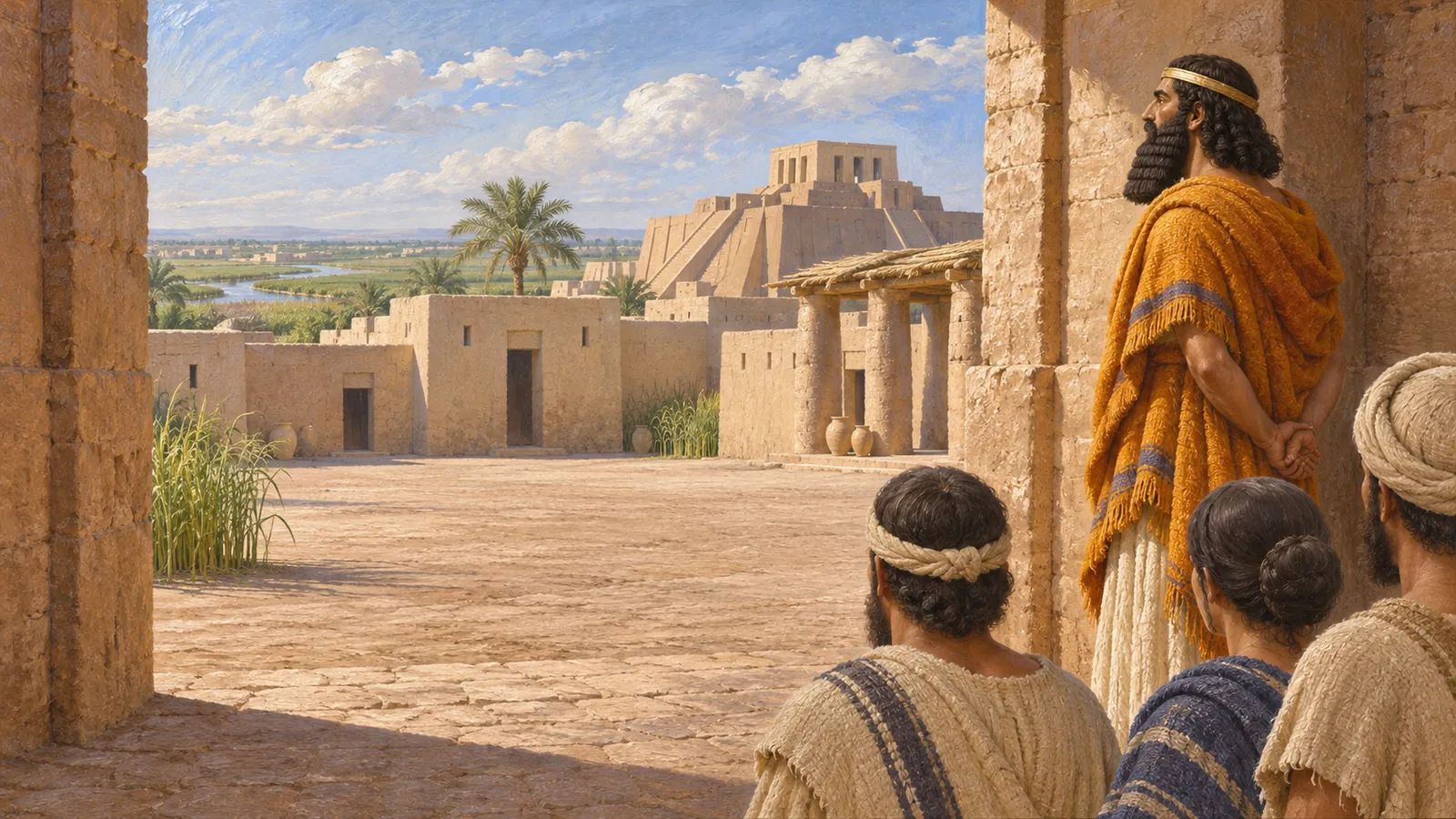
SUMER
Utu-hegal had said in his prayer to Inanna that Enlil wanted kingship returned to Sumer. In the last line, the scribe says the king has accomplished what he was asked to do.
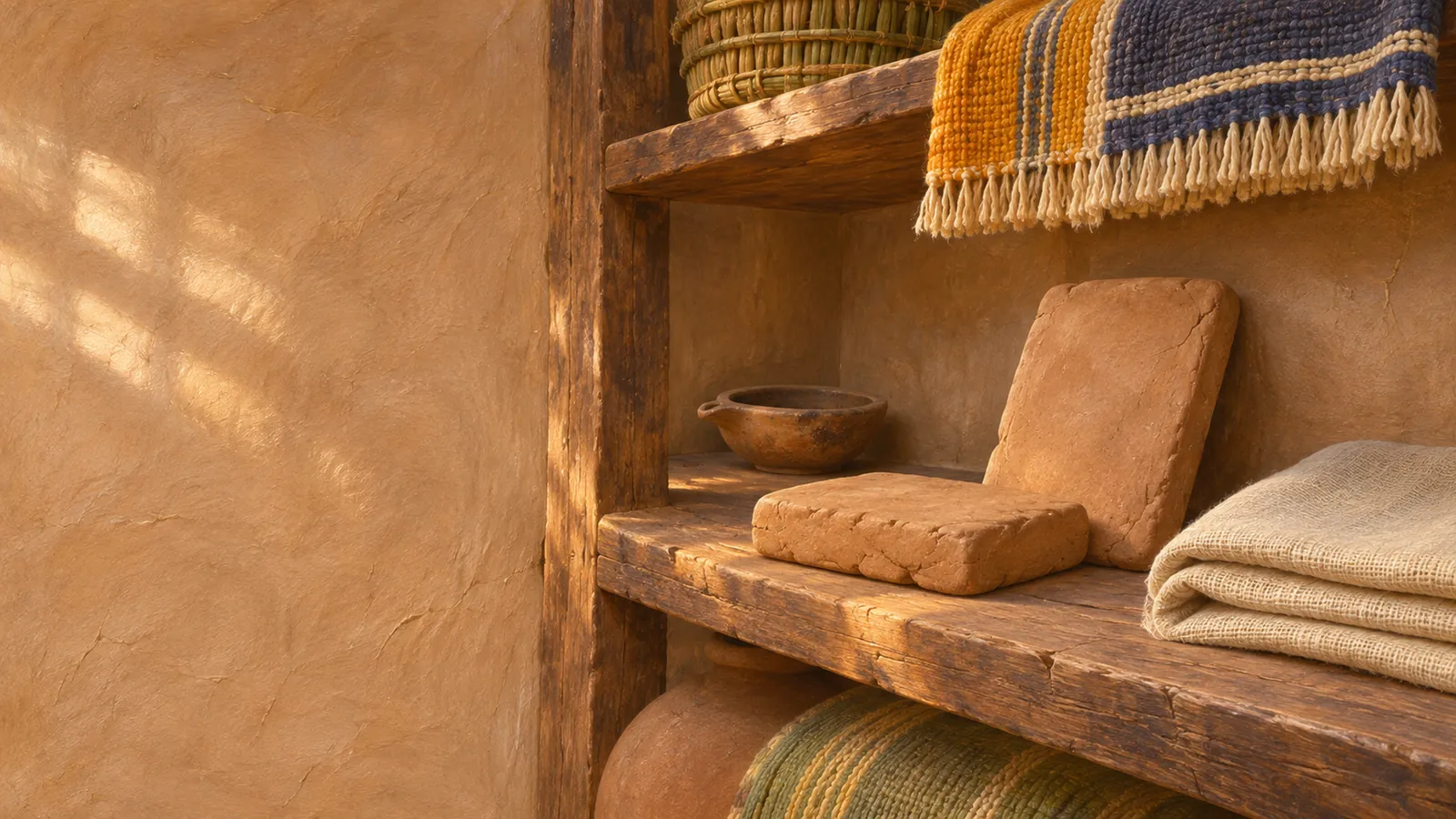
The clay copies preserve the king’s ending and the names of people met along the road. At Dabrum the last we hear of Tirigan’s family is that they were taken together.
End of chapter 1
All pages



Sources
Editions consulted
- Electronic Text Corpus of Sumerian Literature, The Victory of Utu-hegal, 2.1.6
- Cuneiform Digital Library Initiative, RIME 2.13.06.04 composite and tablet witnesses
- Louvre collection, AO 6018, copy of the victory inscription
- Louvre collection, variant copy AO 6314
- CDLI, RIME 2.13.06.2002, distinct dedication for Utu-hegal from Ur
- ORACC ETCSRI, catalogue and text of the dedication
Ancient lines behind each page
- Page 1: Witnesses CDLI P227538–40; Louvre AO 6018
- Page 2: RIME 2.13.06.2002; CDLI P216773
- Page 3: RIME 1–23
- Page 4: RIME 8–23
- Page 5: RIME 24–32
- Page 6: RIME 33–40; ETCSL 17–23
The canal-mouth phrase is uncertain. - Page 7: RIME 35–43; ETCSL 17–23
- Page 8: RIME 41–43; ETCSL 17–23
- Page 9: RIME 43–45
- Page 10: RIME 46–52
Stop common to both translations. - Page 11: RIME 51–52 and 71–75; ETCSL 24–39
- Page 12: RIME 53–60
- Page 13: RIME 59–63; ETCSL 24–34
- Page 14: RIME 64–70
- Page 15: RIME 71–75; illustrative terrain
- Page 16: RIME 71–73; ETCSL 35–39
- Page 17: RIME 74–75
- Page 18: RIME 76–80
- Page 19: RIME 76–81
- Page 20: RIME 82–85
- Page 21: RIME 85–88
- Page 22: RIME 89–91; ETCSL 40–50
- Page 23: RIME 90–93; ETCSL 40–50
- Page 24: RIME 91–96
- Page 25: RIME 97–104
- Page 26: RIME 103–107
- Page 27: RIME 105–107; ETCSL 51–62
- Page 28: RIME 108–111
- Page 29: RIME 108–113
- Page 30: RIME 114–117; ETCSL 51–62
- Page 31: RIME 114–119
- Page 32: RIME 118–119
- Page 33: RIME 120–124
- Page 34: RIME 9–23 and 123–124
- Page 35: RIME 125–128; ETCSL 51–62
Possible boats in damaged text, no route reconstructed. - Page 36: RIME 125–128; Louvre AO 6018
- Page 37: RIME 128
- Page 38: CDLI P433096 and witnesses; Louvre AO 6018 and AO 6314
Illustrations made with AI tools by IL Archive; the text is based on the ancient sources (see the sources at the end of each chapter).