Yima and the Great Winter Chapter 1
The Shelter of Yima
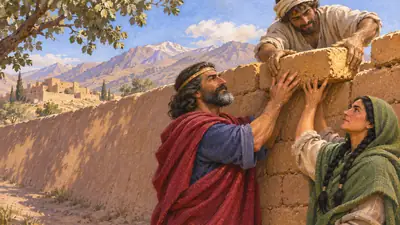
In the Avesta’s account, Yima makes the vara out of earth. Water runs through it, time passes differently within its walls, and an unexpected voice brings the teaching of Mazda to the people.
SourcesTurn the pages with the arrows, the arrow keys or a swipe.
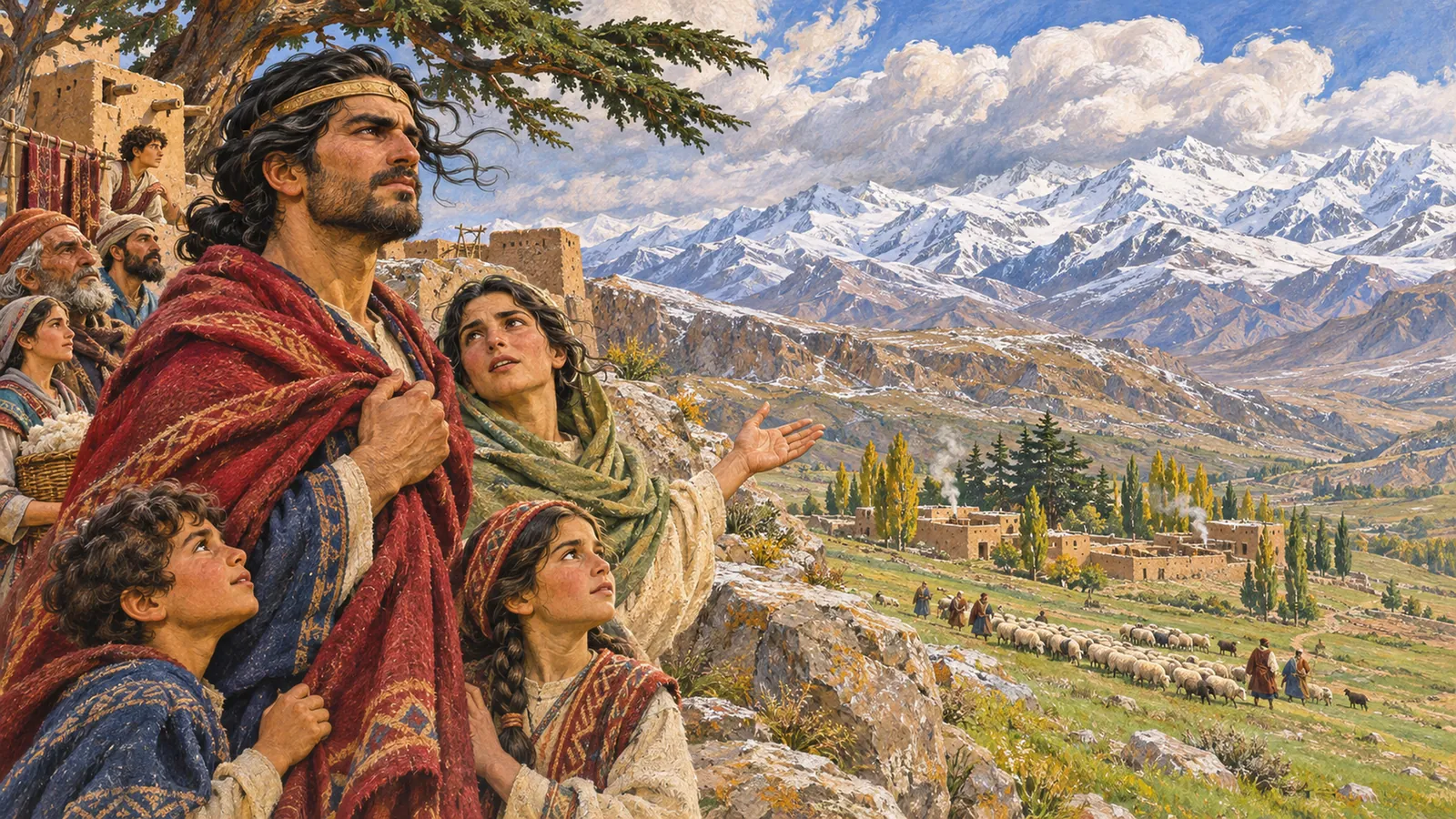
YIMA AND THE GREAT WINTER
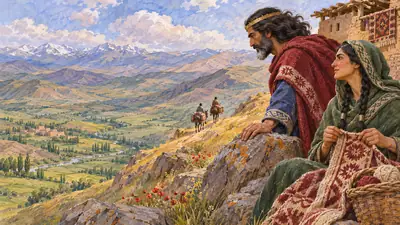
The Avesta tells of Yima, a shepherd entrusted with the living world. Long before the great winter, the land grew too crowded to hold its creatures.
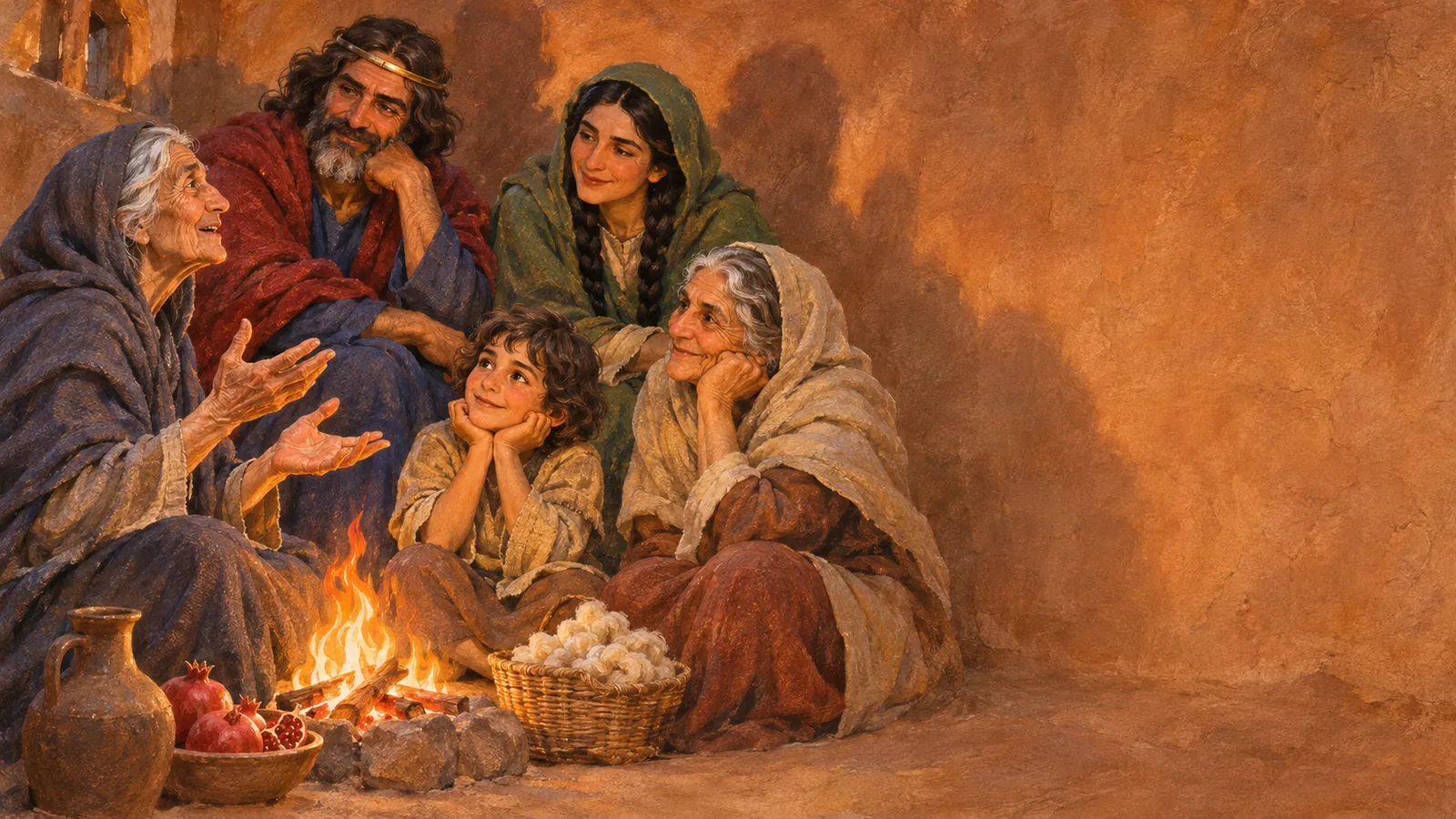
Zarathustra asks Ahura Mazda who among mortals first heard him speak. The answer looks back across the ages to the son of Vivanghat, whose herds the old story remembers with praise.
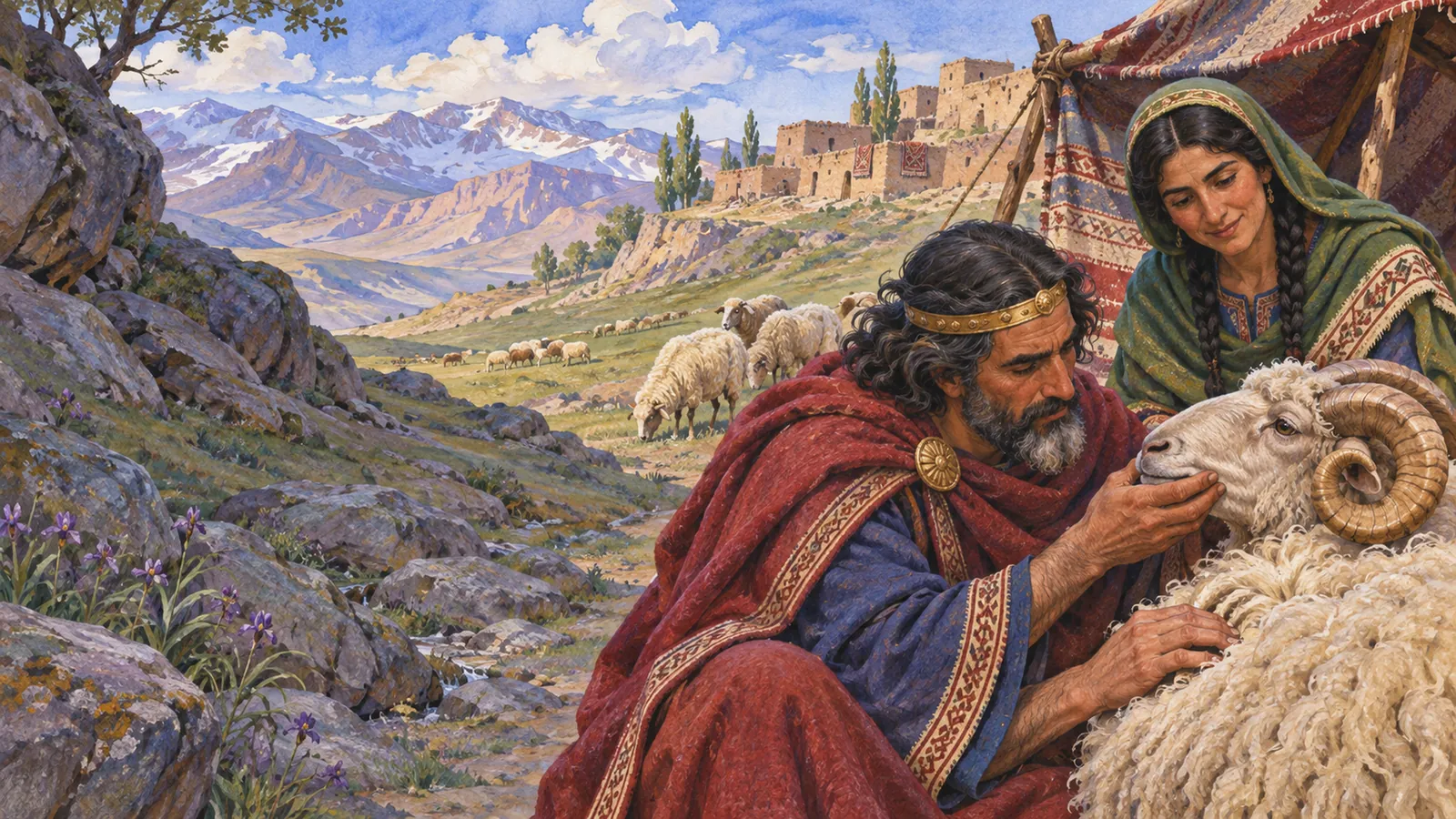
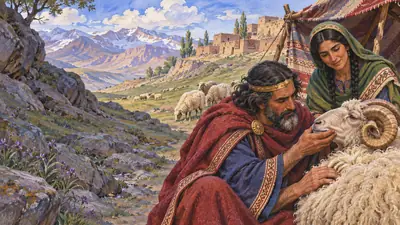
People knew Yima as a herdsman. The keeper of animals is the man Ahura Mazda calls upon to carry the faith and pass its teaching on to other people.
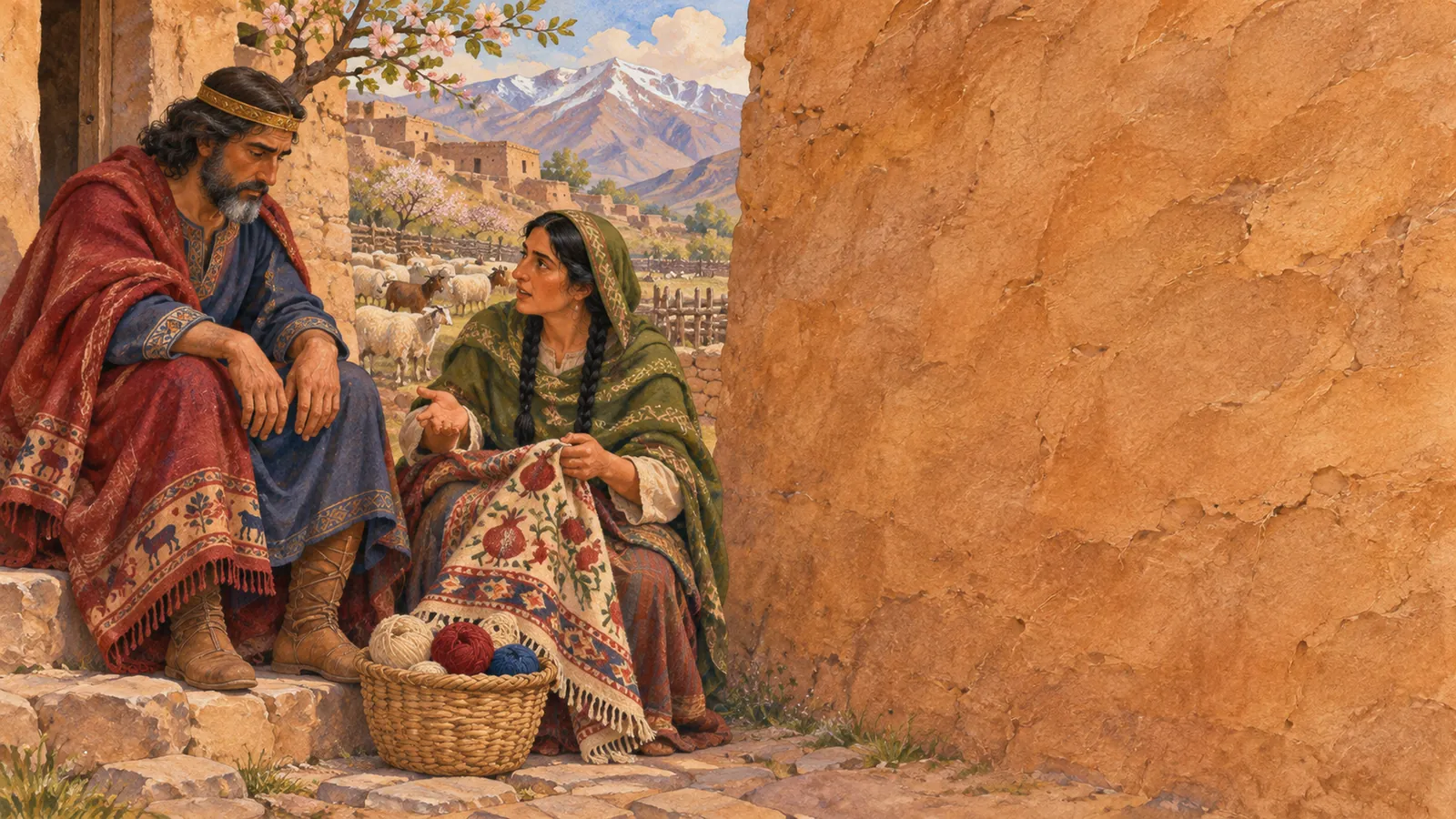
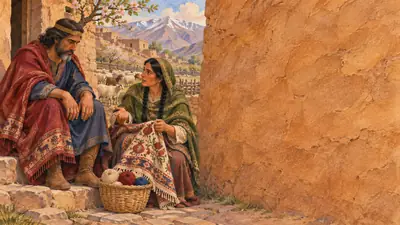
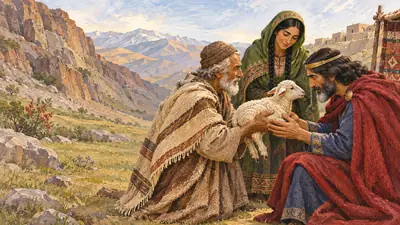
Yima answers that he was neither born nor trained for the work of teaching. He knows what it takes to tend a living thing, and he knows what he has yet to learn.
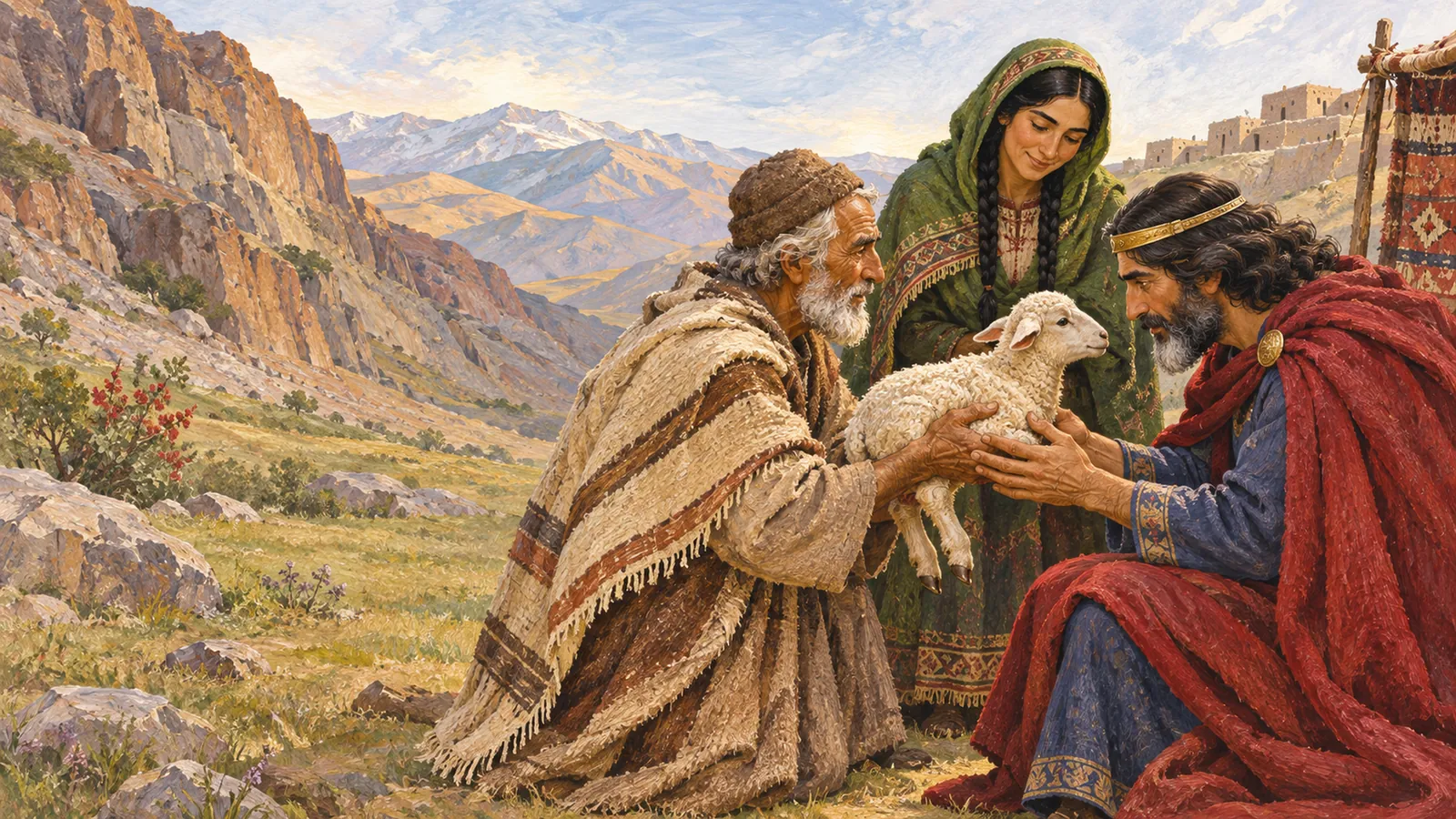
Ahura Mazda offers Yima a different charge. He can help the earth’s creatures multiply, keep their world flourishing, and watch over them as he watches over his own herds.
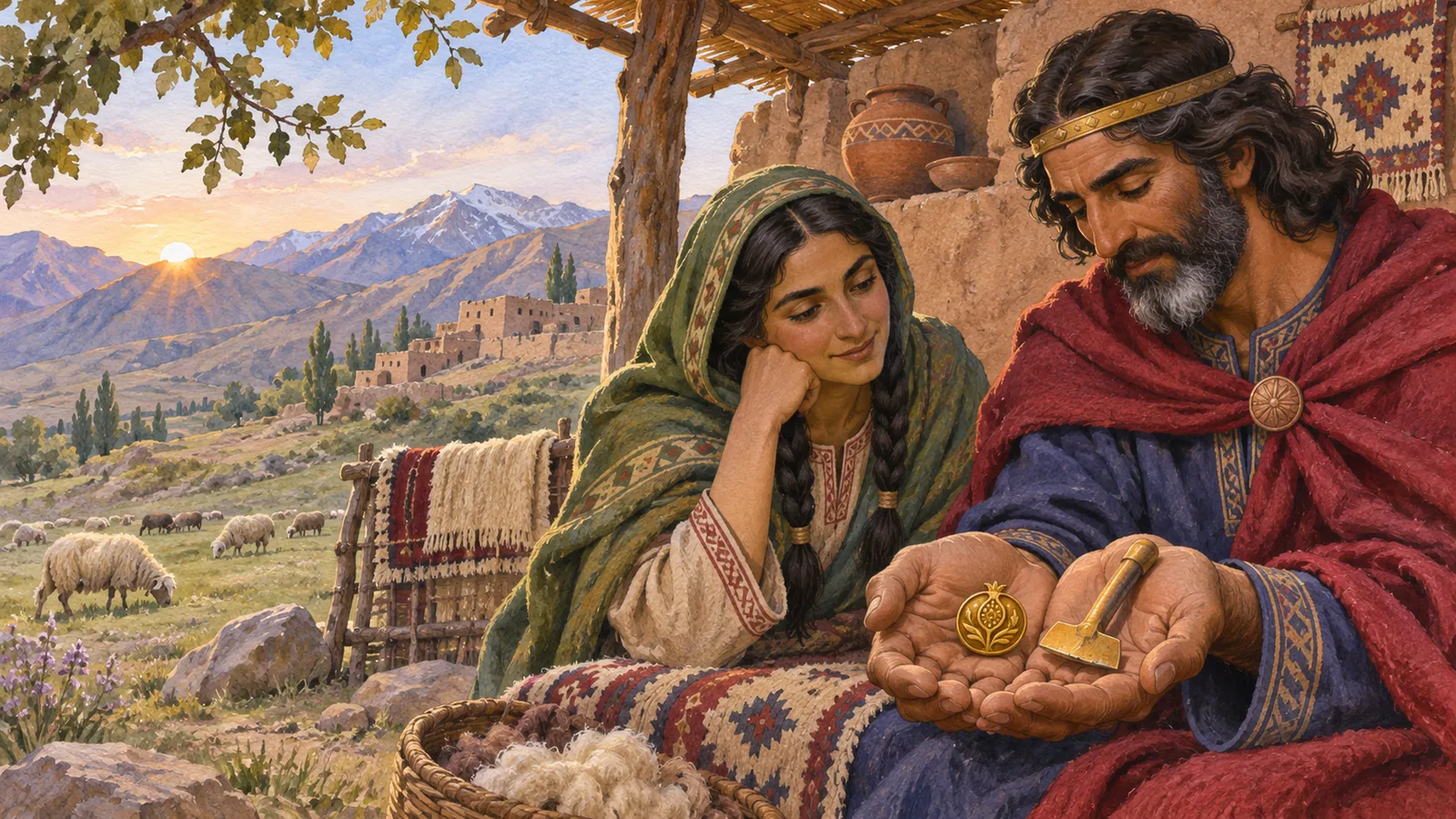
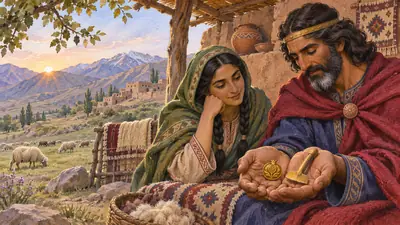
Yima agrees to rule and protect. The tale promises an age free of harsh heat, bitter cold, sickness and death. Ahura Mazda entrusts him with two golden implements for his work.
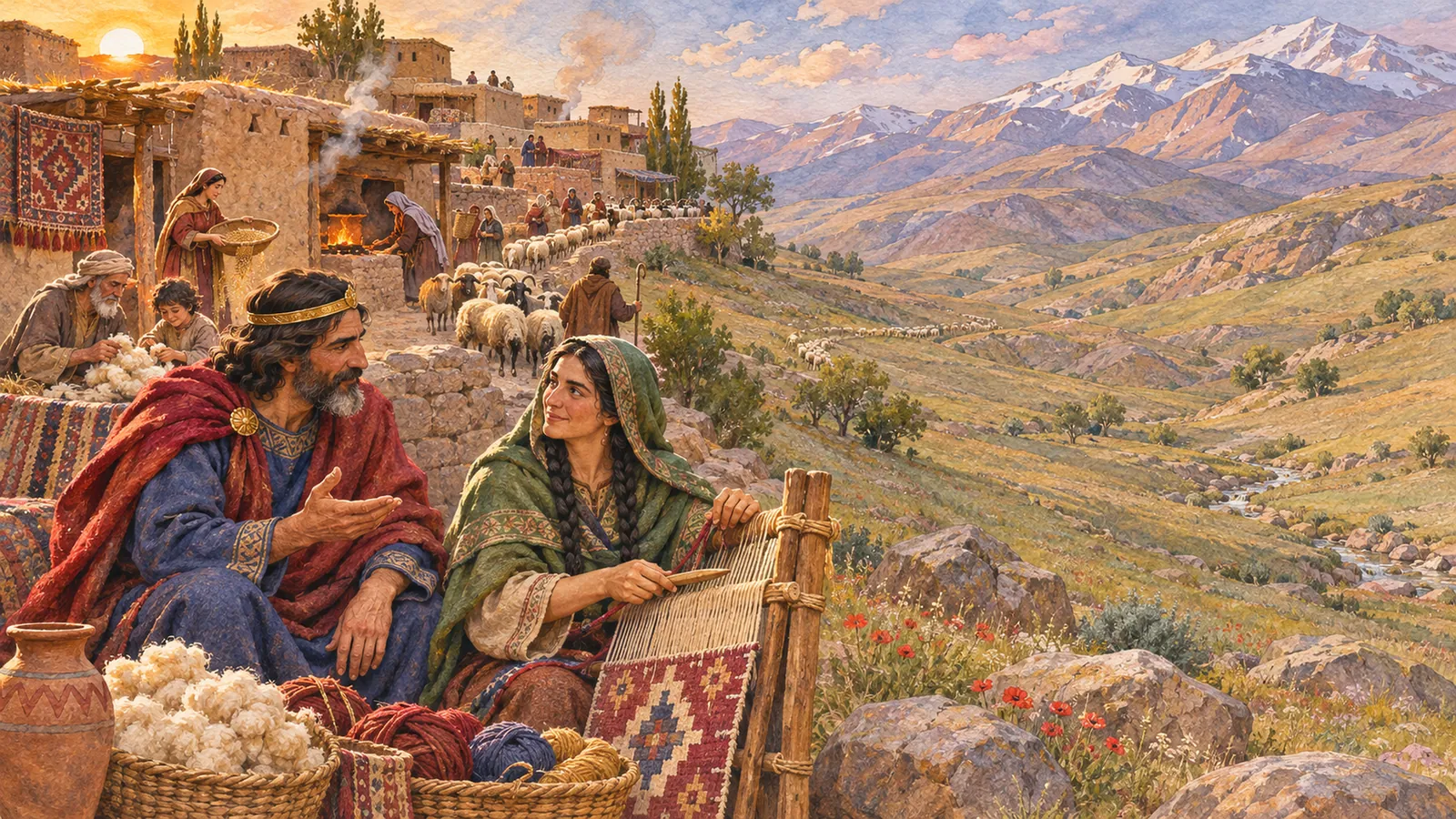
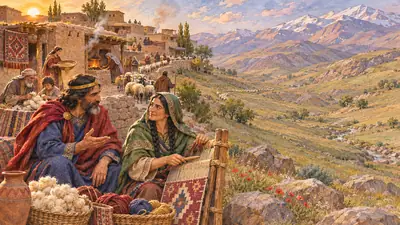
Three hundred winters go by. Flocks graze wherever they can find grass, hearths burn in crowded settlements, and the growing families and animals have less and less room to live.
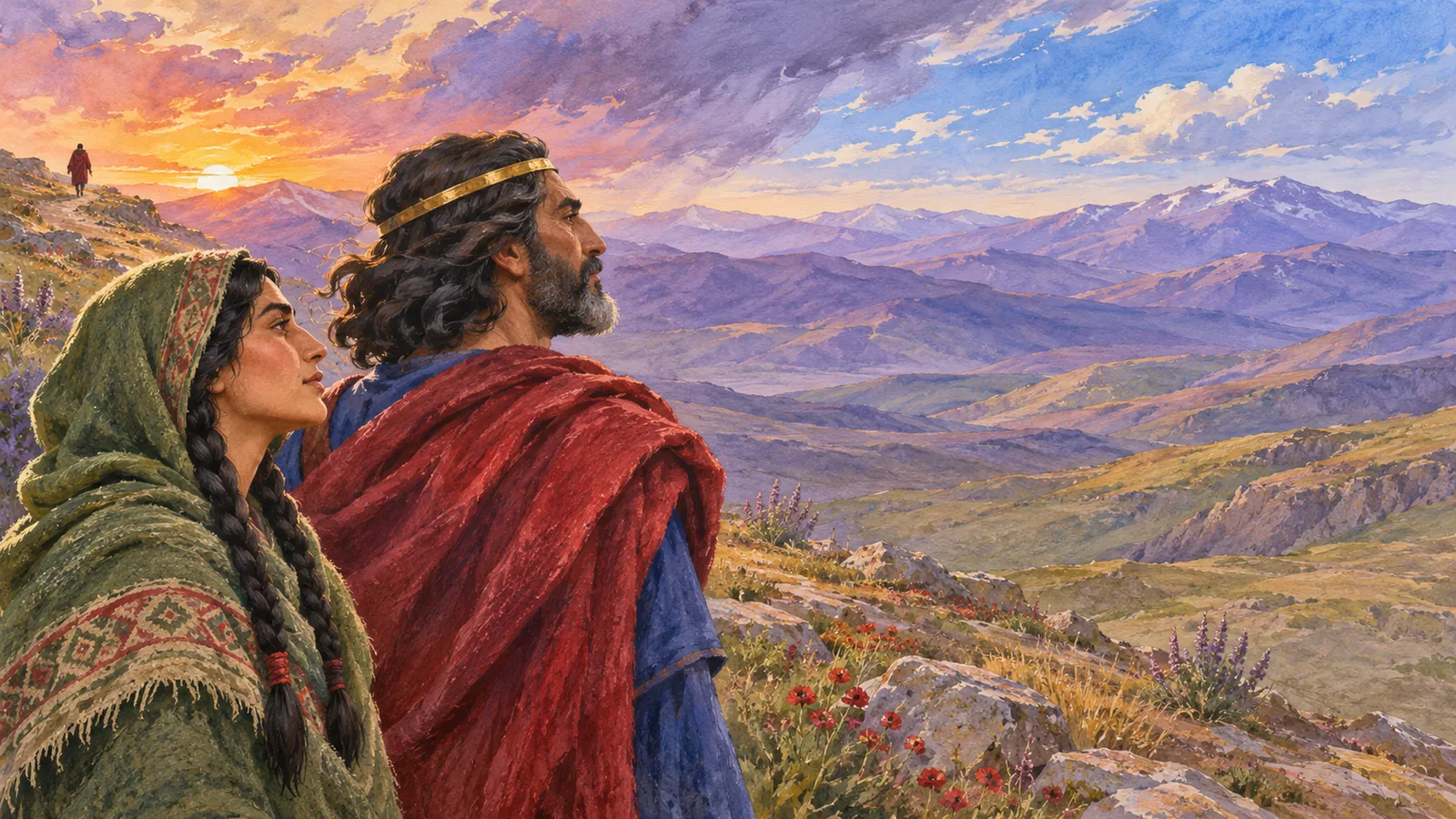
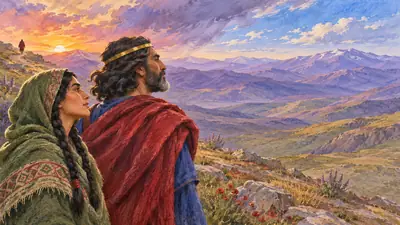
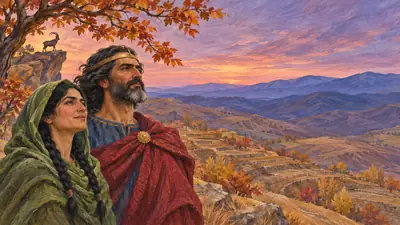
Ahura Mazda tells Yima the earth is full. Yima sets out with the golden implements and follows the path of the sun until he reaches the place where ground can open.
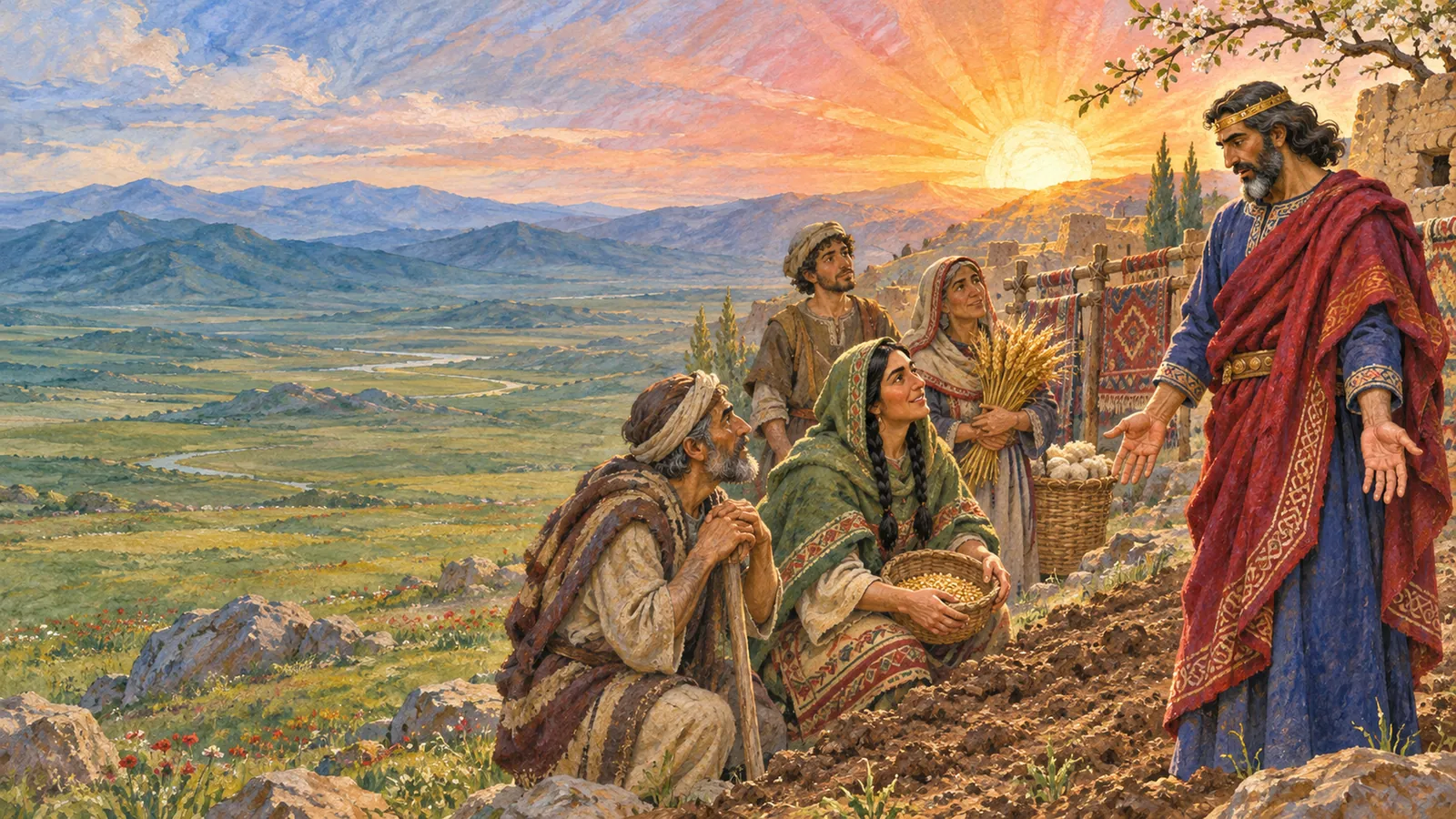
Yima appeals to Spenta Armaiti, whose name is bound to the earth. He asks for the ground to grow long and wide enough to carry herds and families once again.
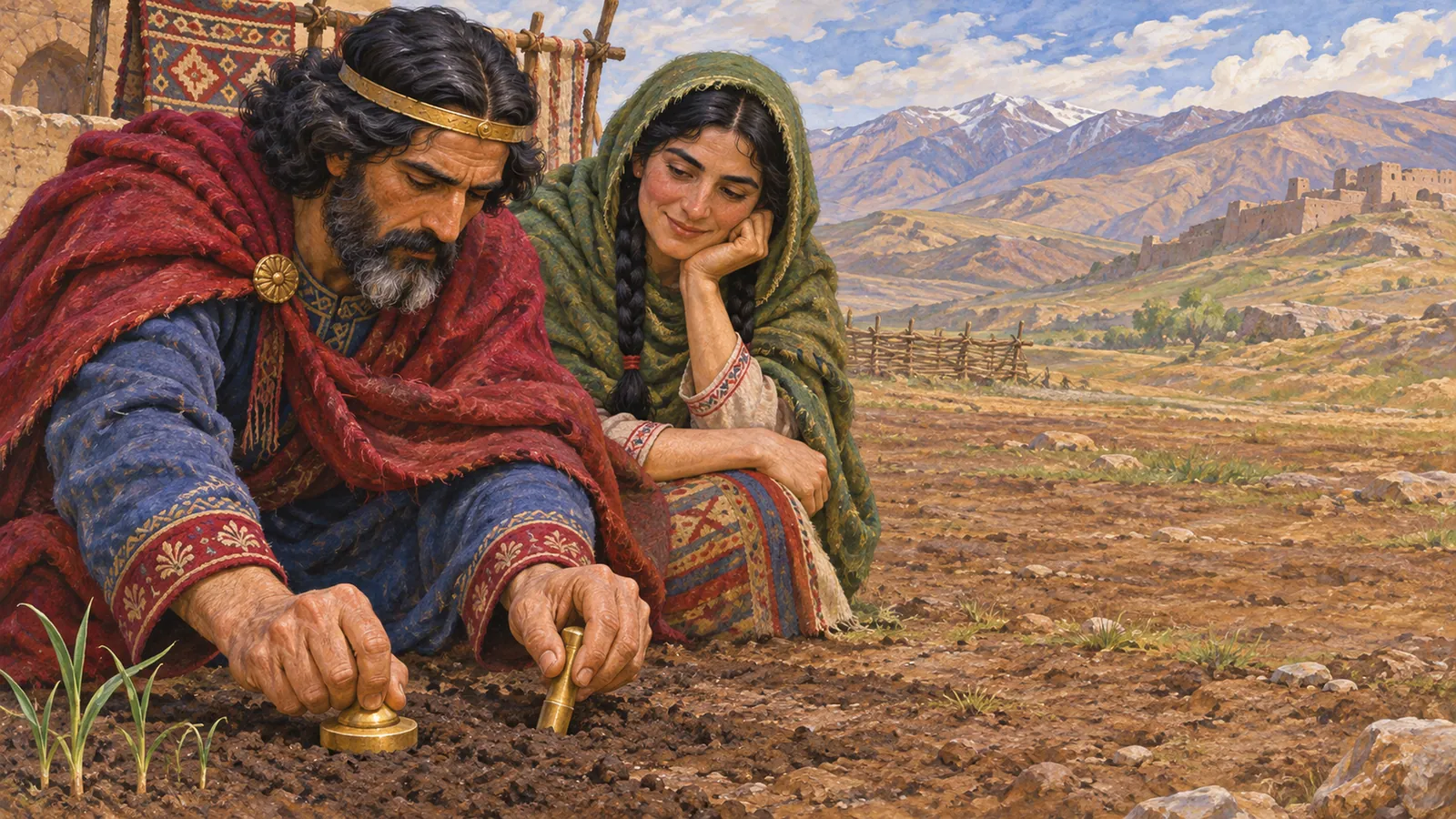
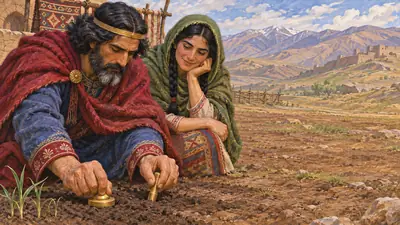
Yima brings the golden implements against the soil. The earth answers his appeal by growing a third larger. For the people on its crowded paths, a world that had seemed full now lies open.
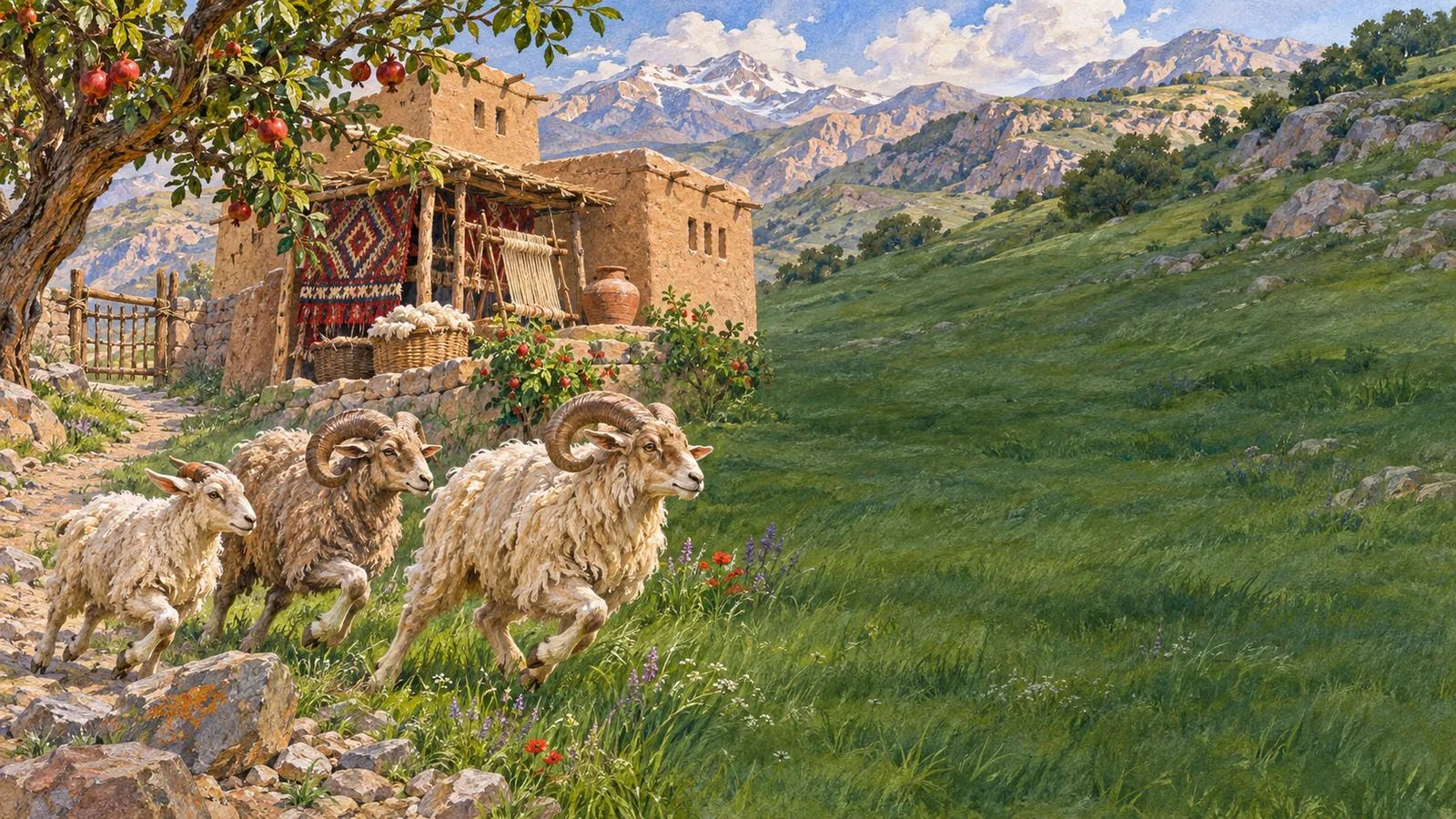
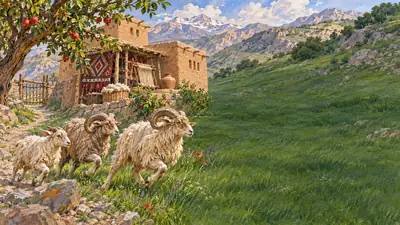
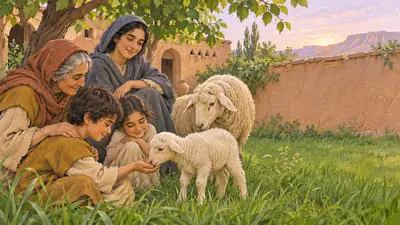
The flocks stream out into grass where they have room to spread. Every new patch of pasture means more food for the herd and more space for the families who tend it.
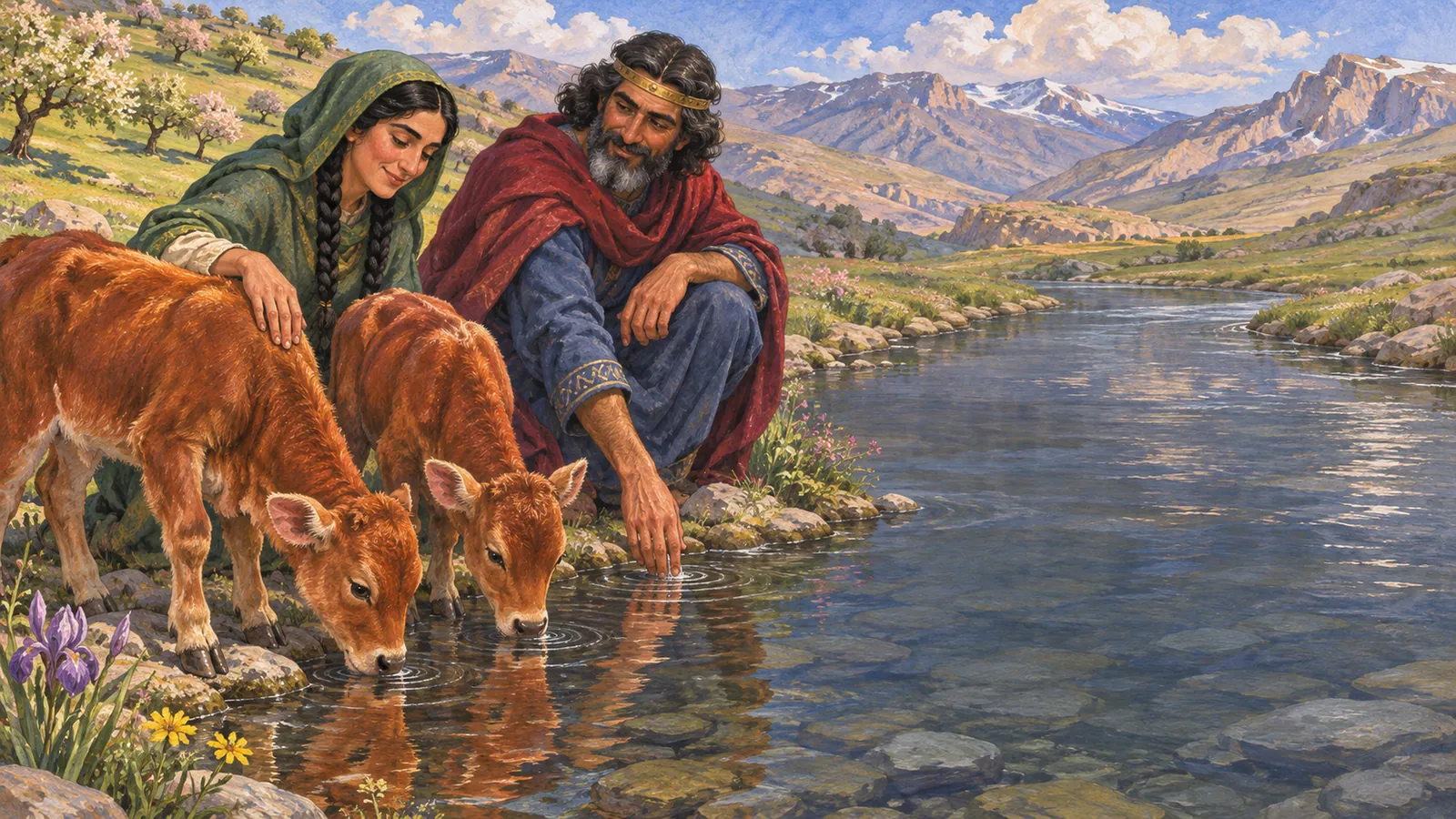
The sheep and cattle find fresh grazing, and houses have room for fresh hearths. As the second span of three hundred winters goes by, the places that once seemed wide begin to fill.
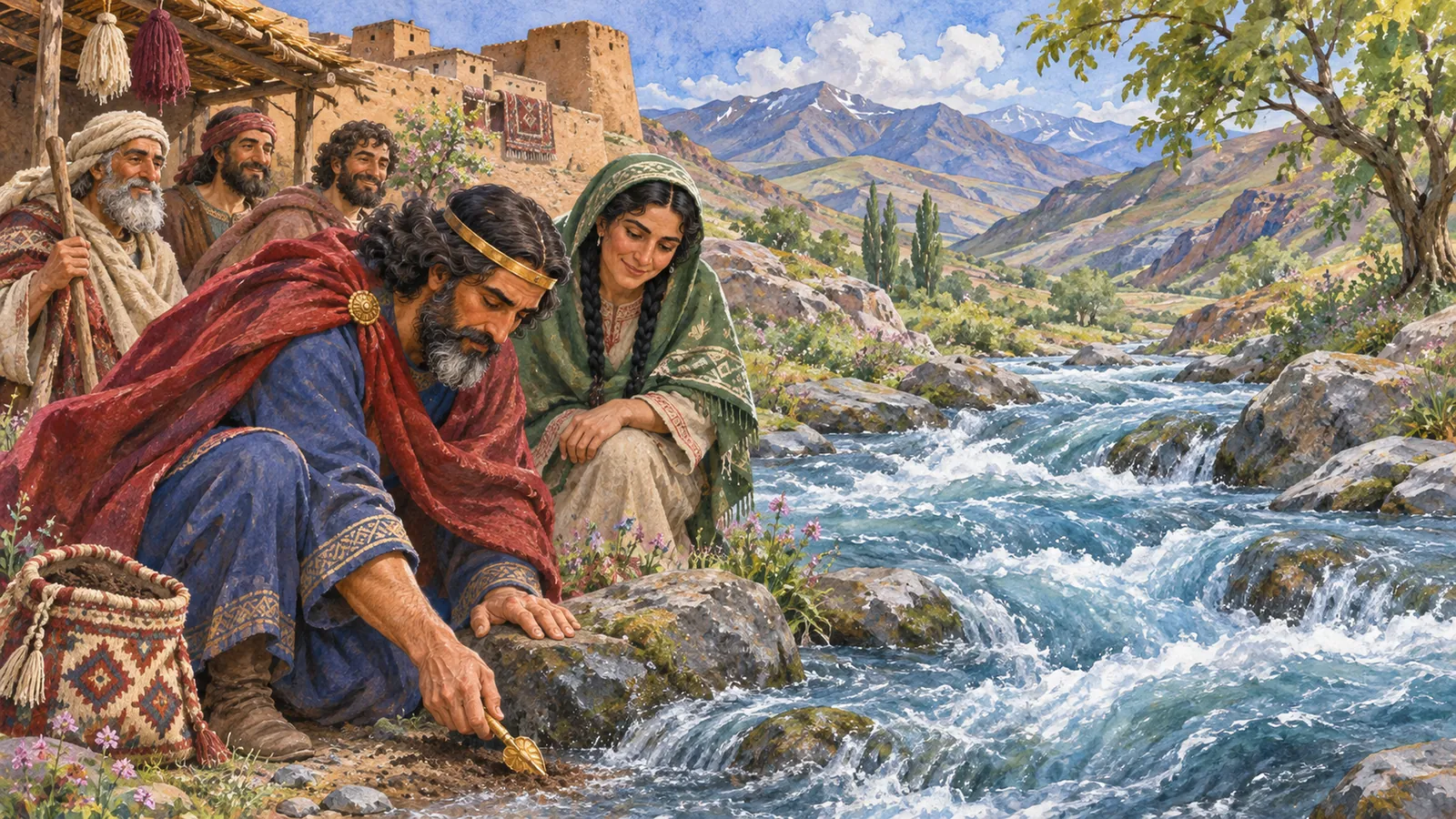
At six hundred winters, Ahura Mazda calls Yima’s attention to the crowding again. The herdsman goes into the light with his two golden tools and asks the earth for a second widening.
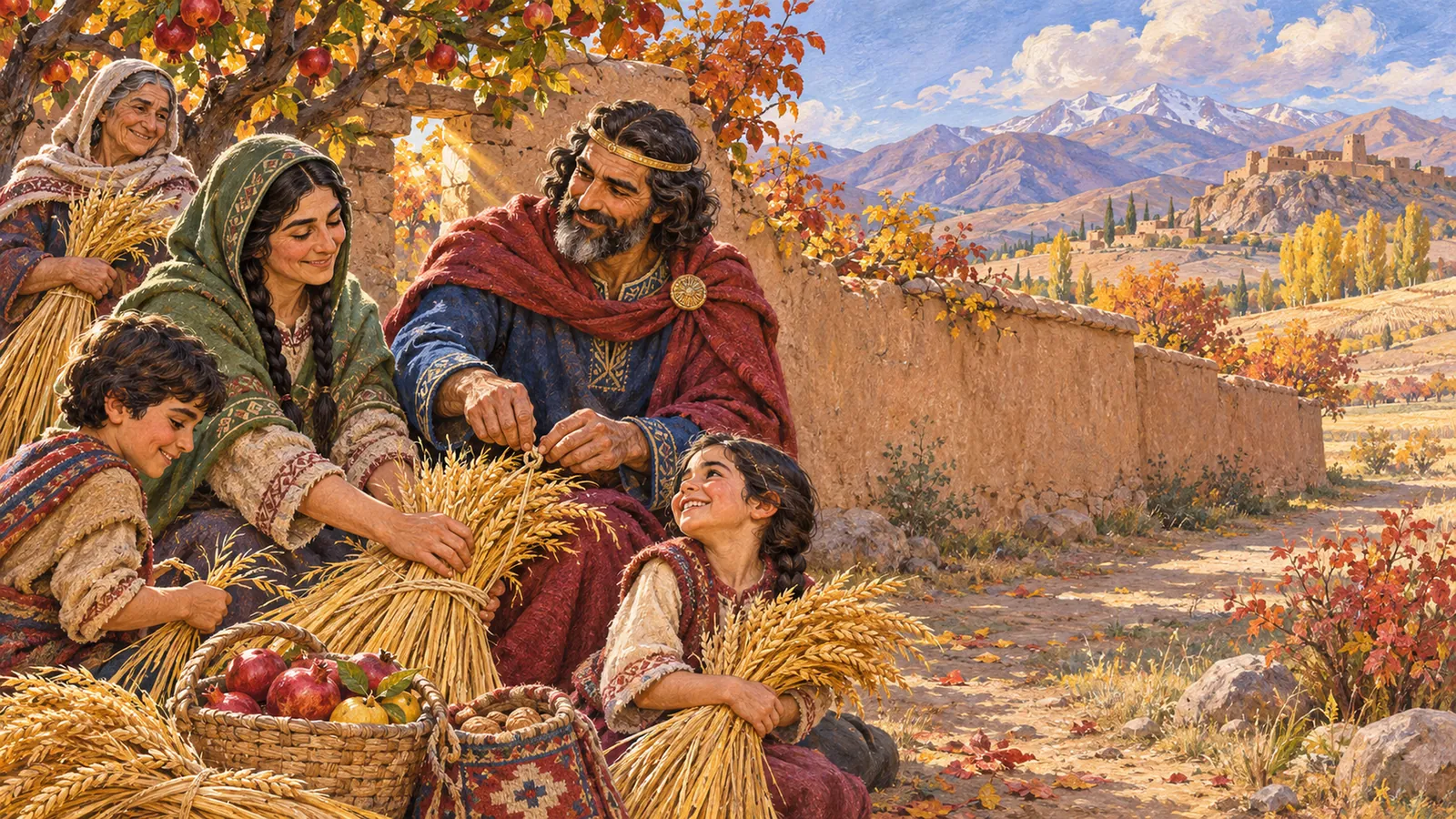
The second opening brings space for more living things. In the story this relief lasts another three hundred winters, until the fires and families and herds grow too many for the land again.
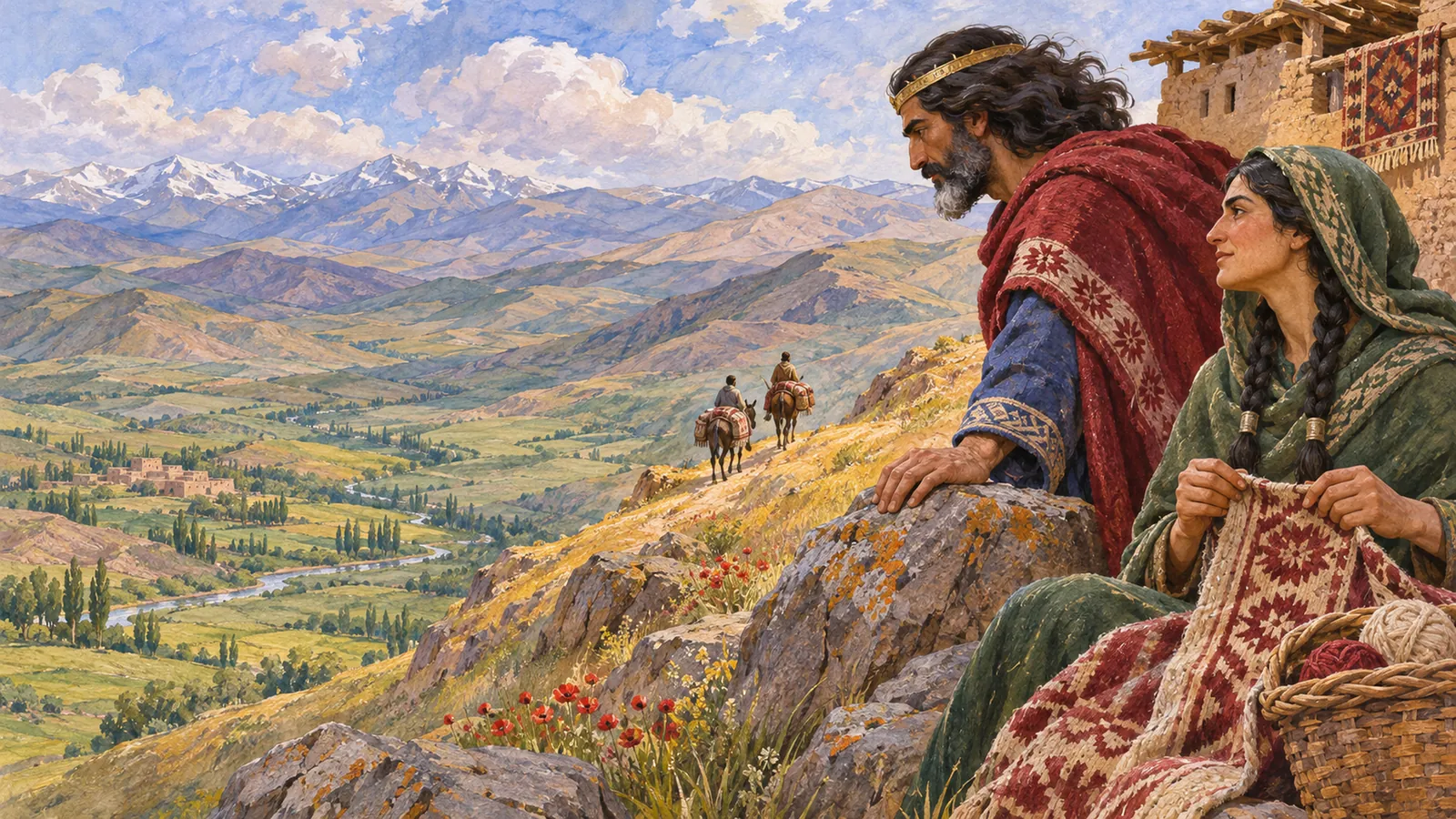
Nine hundred winters have passed when Yima walks the sun’s path a third time. Once again he touches the earth with his tools, and once again it gives the living world more room.
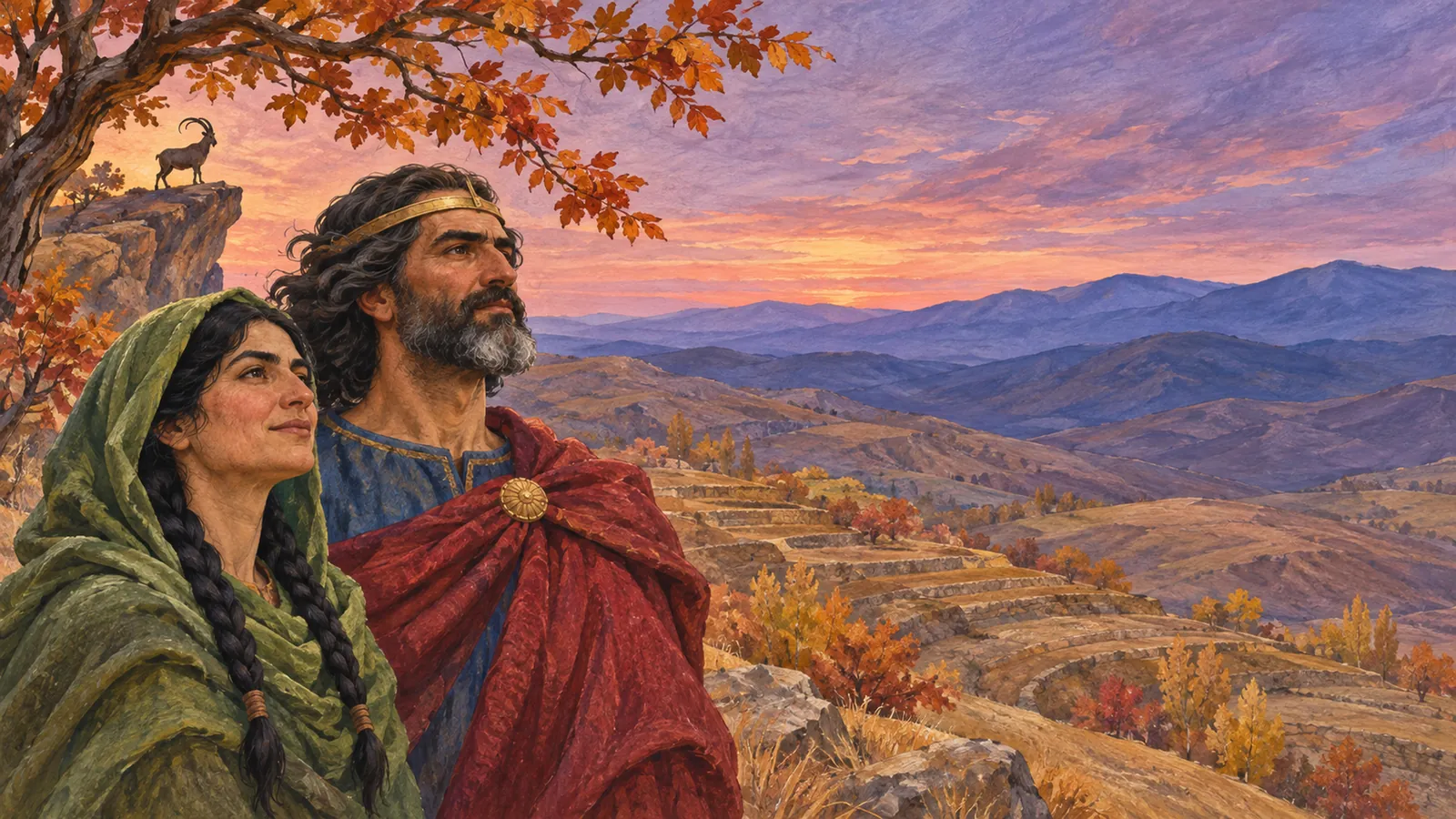
Three times the same appeal has brought more land. In the story that refrain is over. The danger ahead will leave grass and roads without the very creatures whose numbers once crowded them.
THE WARNING
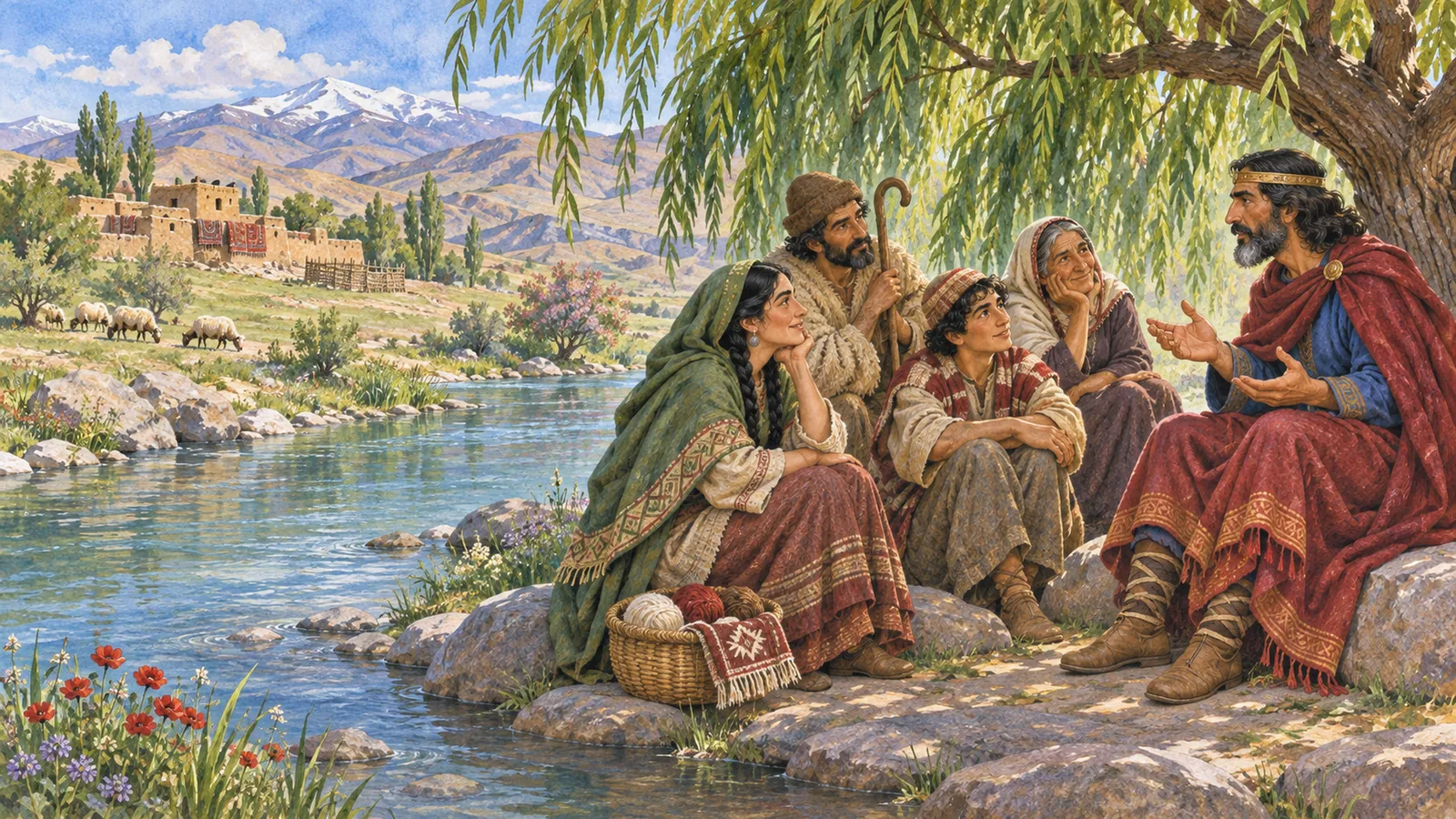
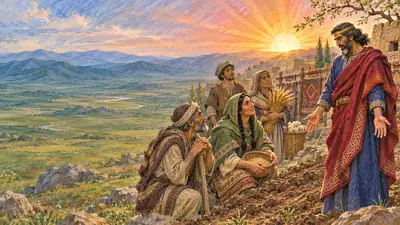
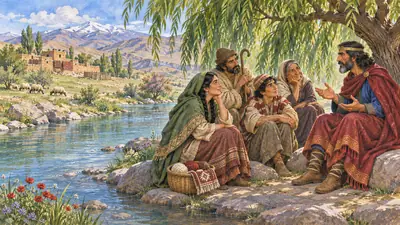
Ahura Mazda calls an assembly by the good Daitya River in Airyanem Vaejah, a land in the sacred geography of the Avesta. Yima comes with people of his own world.
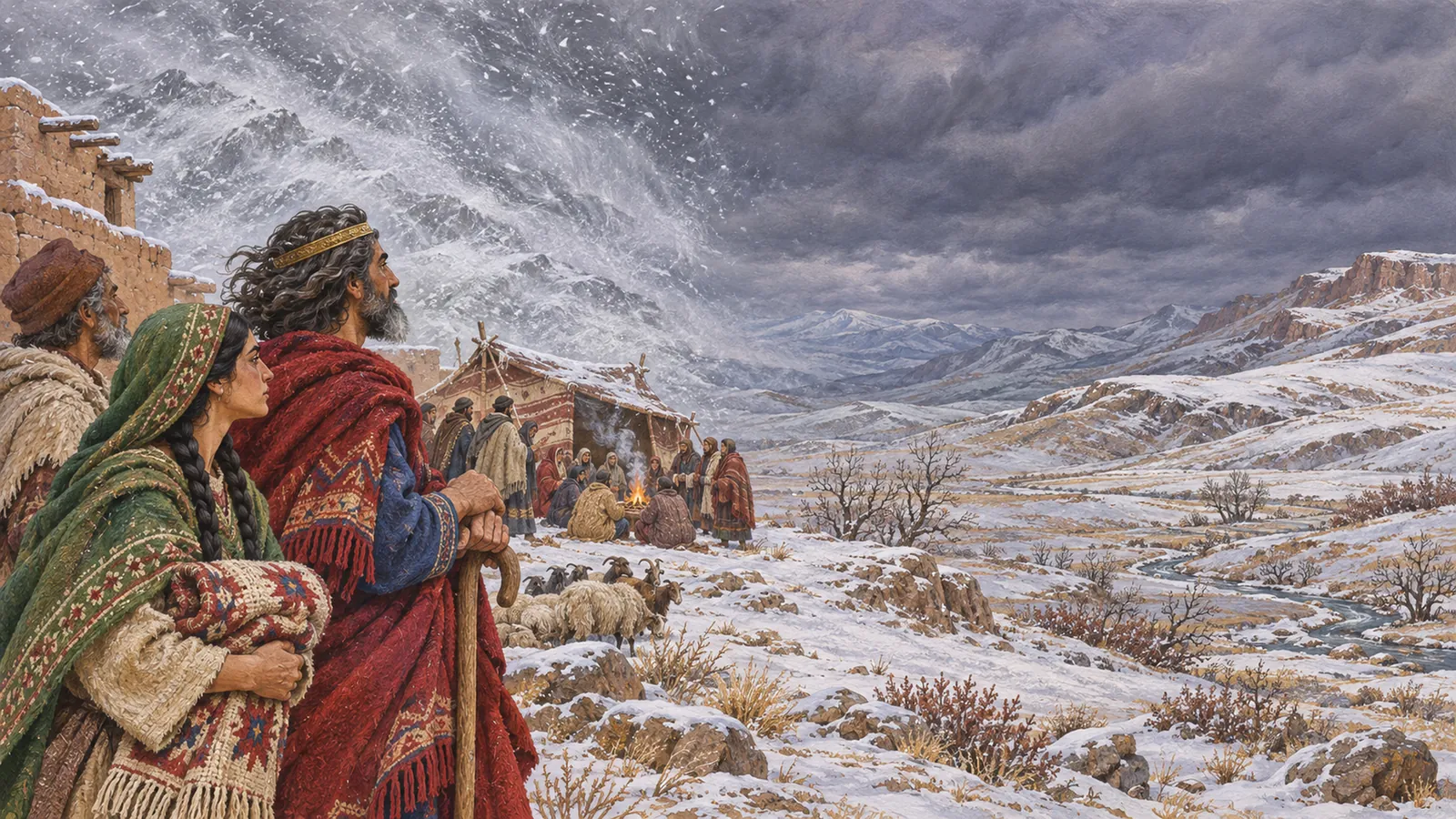
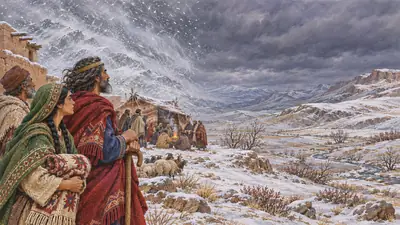
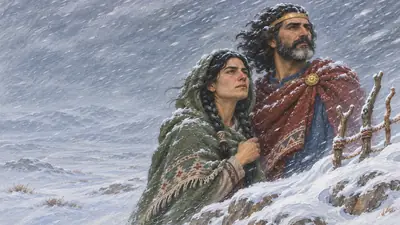
There will be terrible winters, Ahura Mazda tells Yima. Snow will fall deep enough to cover high mountains. The cold will reach the low ground where the flocks have grazed.
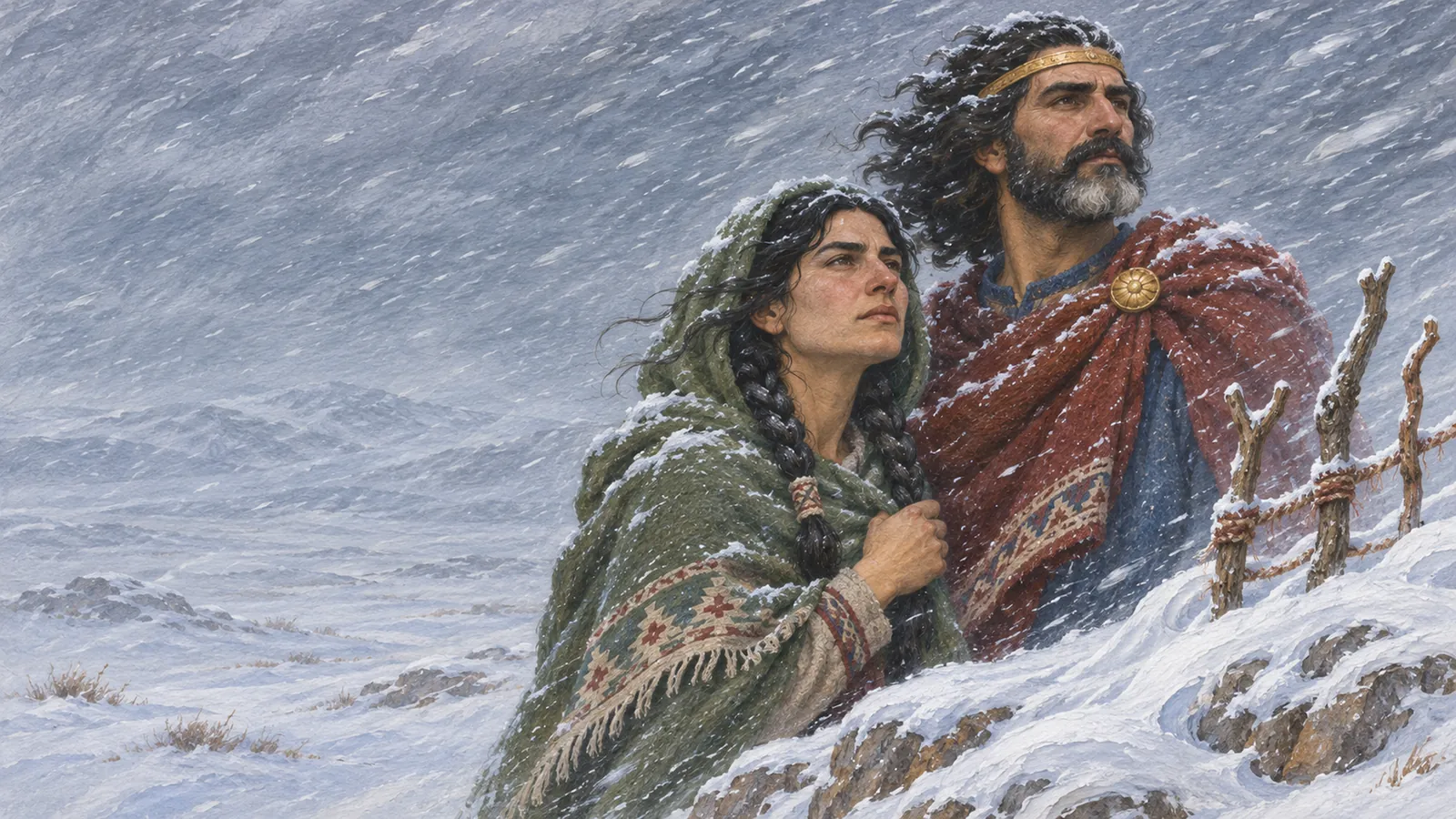
Before the winter the animals have mountains, valleys, and fenced pastures to graze. The warning makes Yima imagine that broad grazing land under snow, with hardly a living creature in sight.
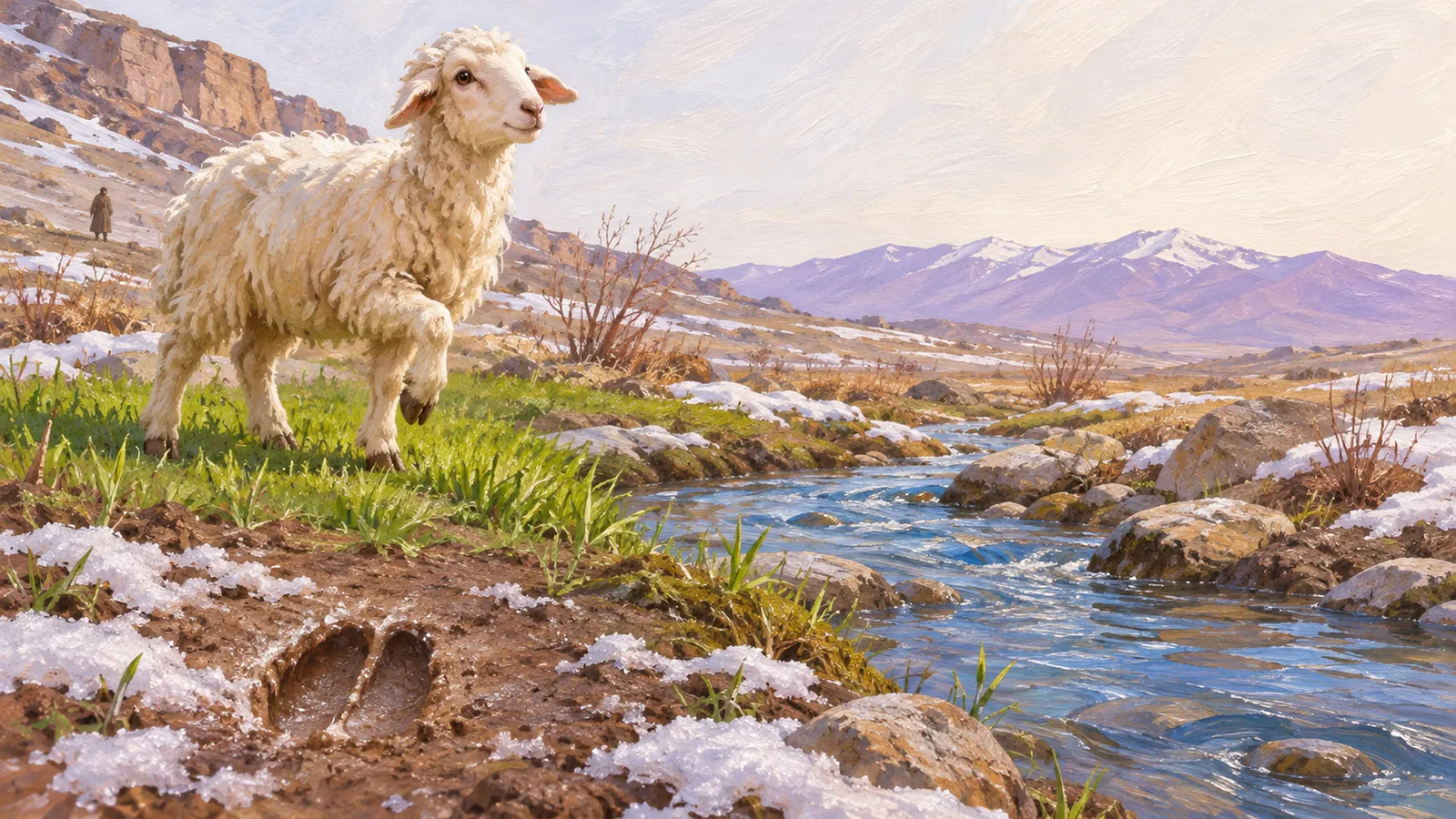
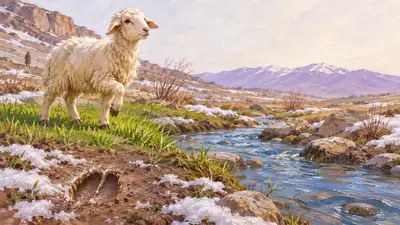
Ahura Mazda describes what the melt will leave behind. Anyone who comes upon a single sheep’s footprint will count it a wonder. One small mark will tell how much life is missing.
THE VARA
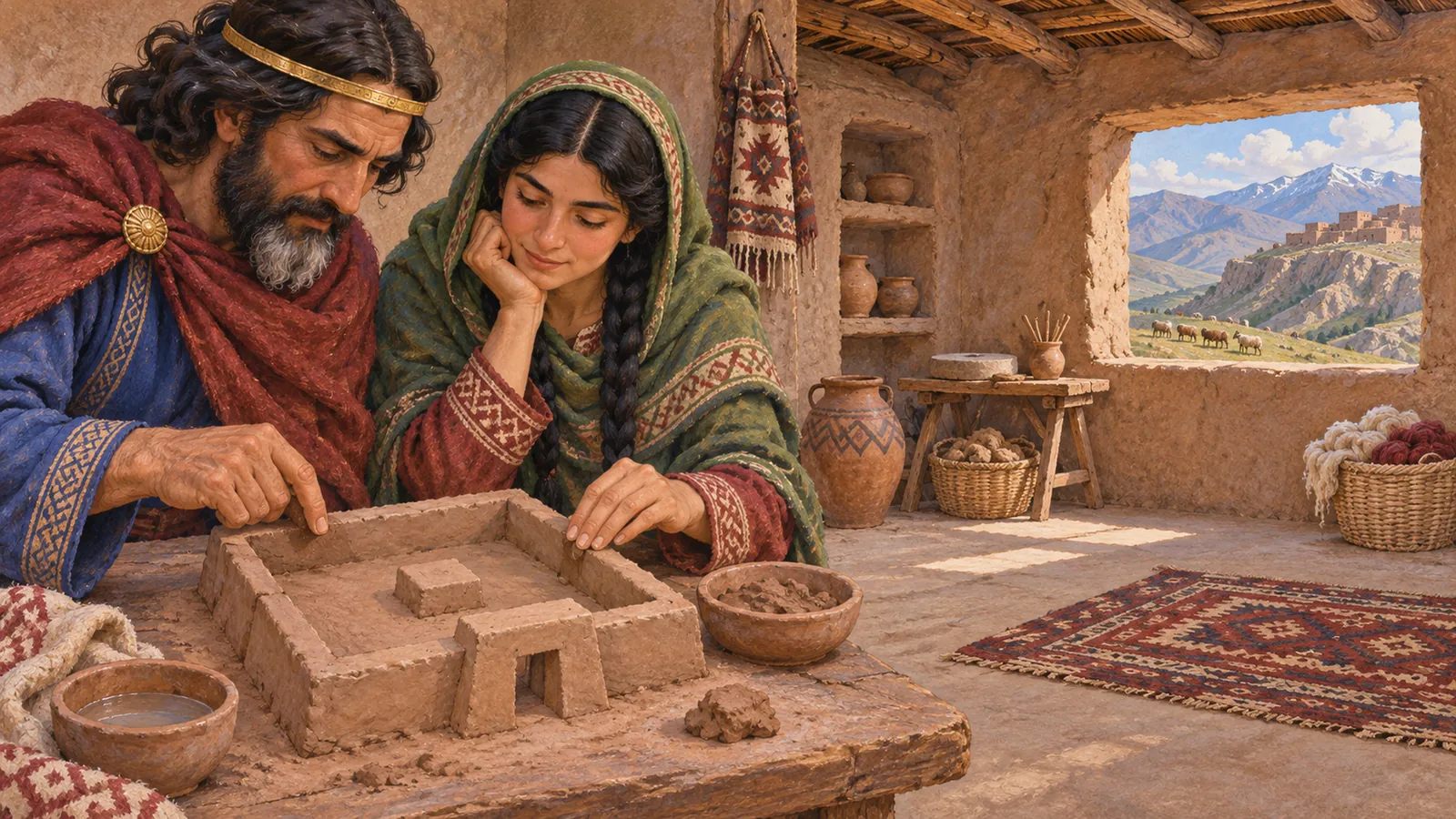
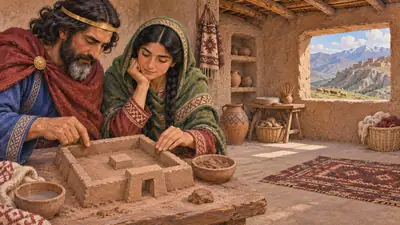
Yima is told to make a square enclosure called a vara. Within it he must preserve lives and living kinds: people, flocks, dogs, birds and trees, and fires that can be kept alight.
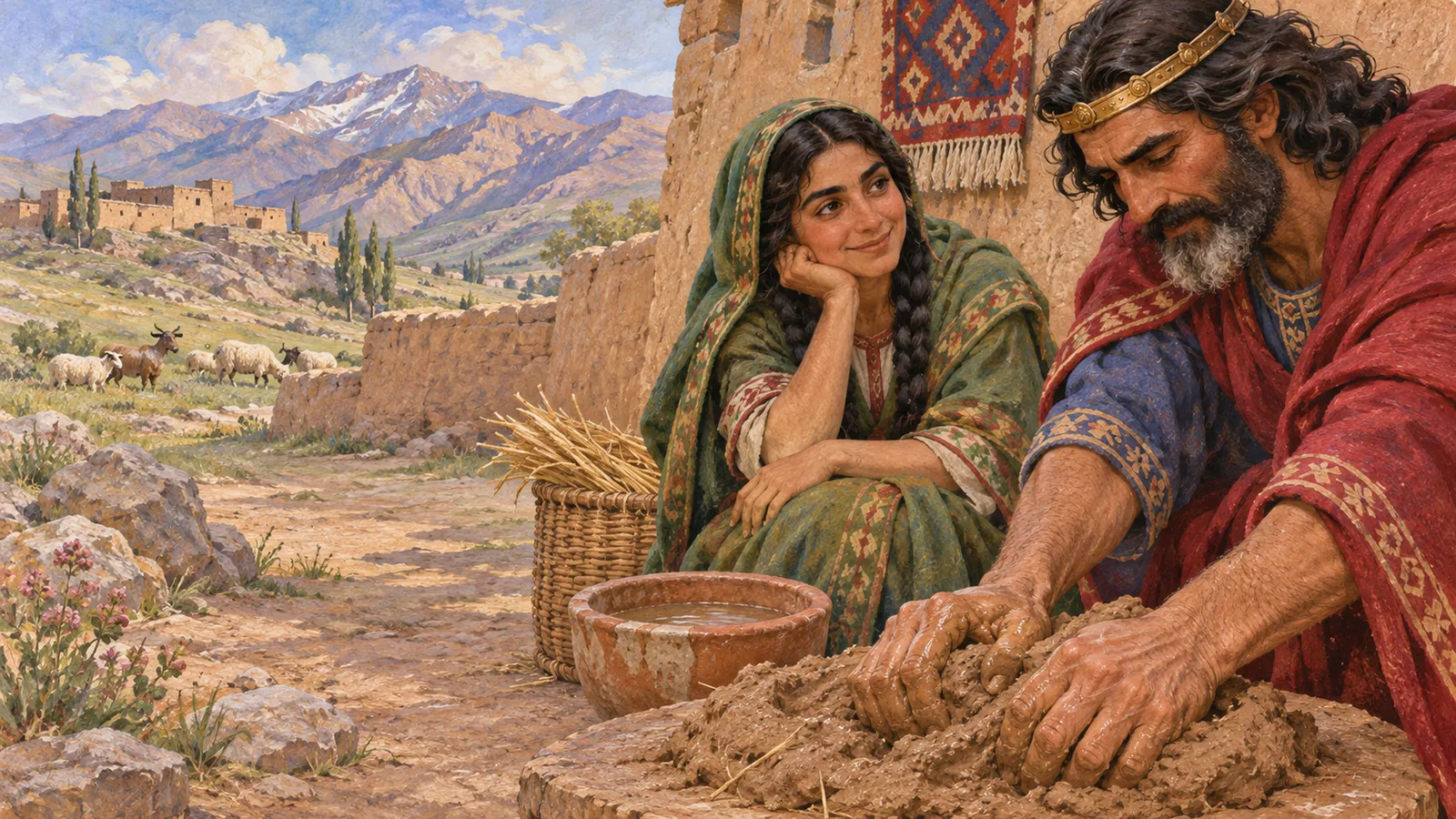
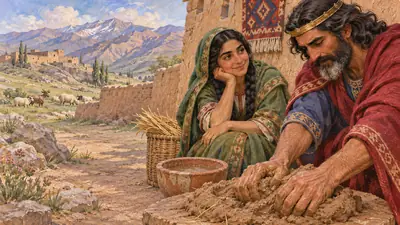
Yima wonders how he can make so large a shelter. Ahura Mazda tells him to press down with his heel, then knead the earth in his hands as a potter prepares clay.
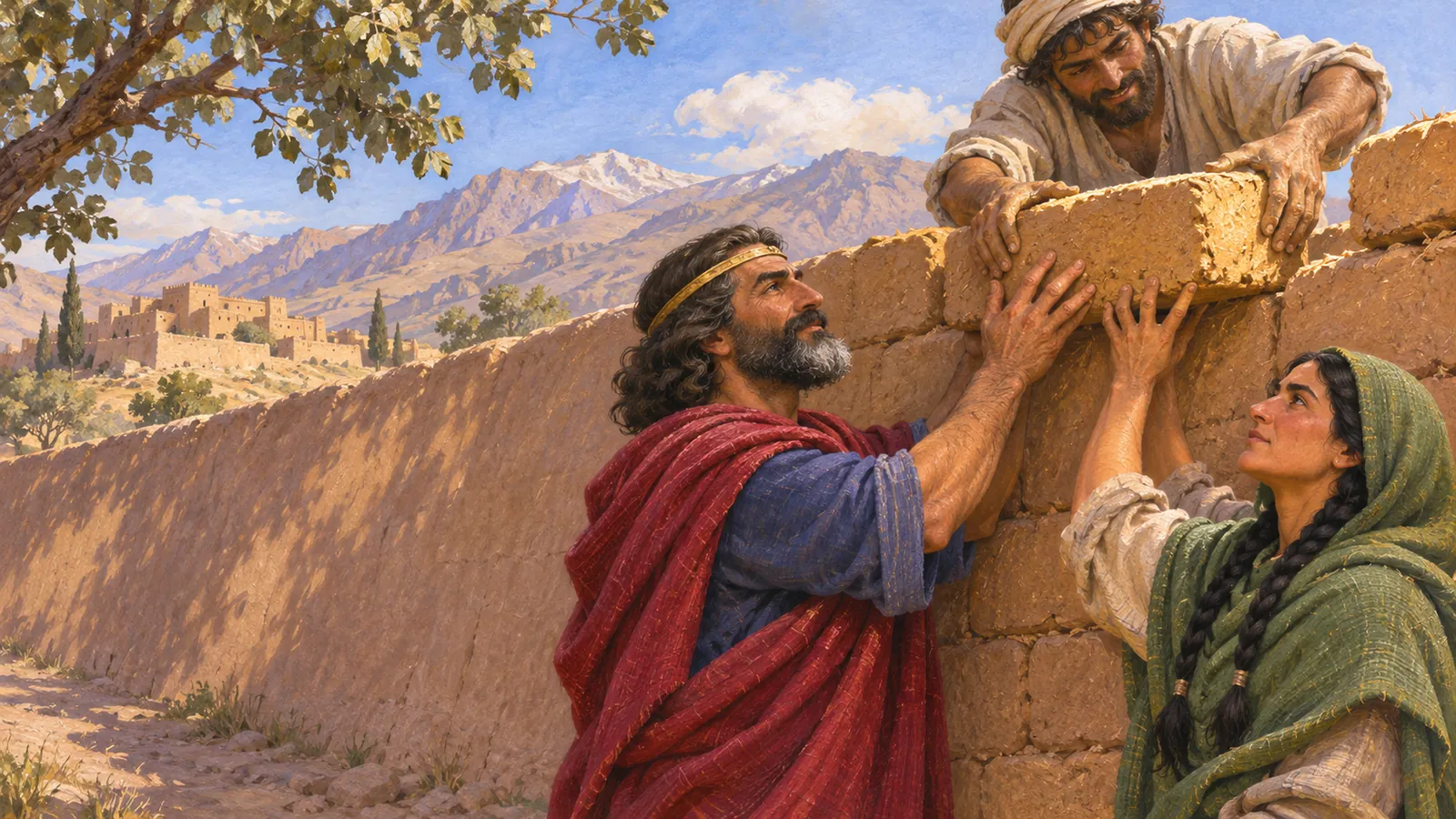
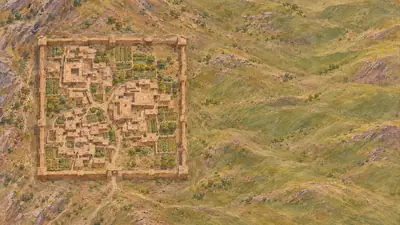
Yima makes the enclosure. The text compares the length of each side to a riding ground. Here there will be places for people to live and separate space for cattle and sheep.
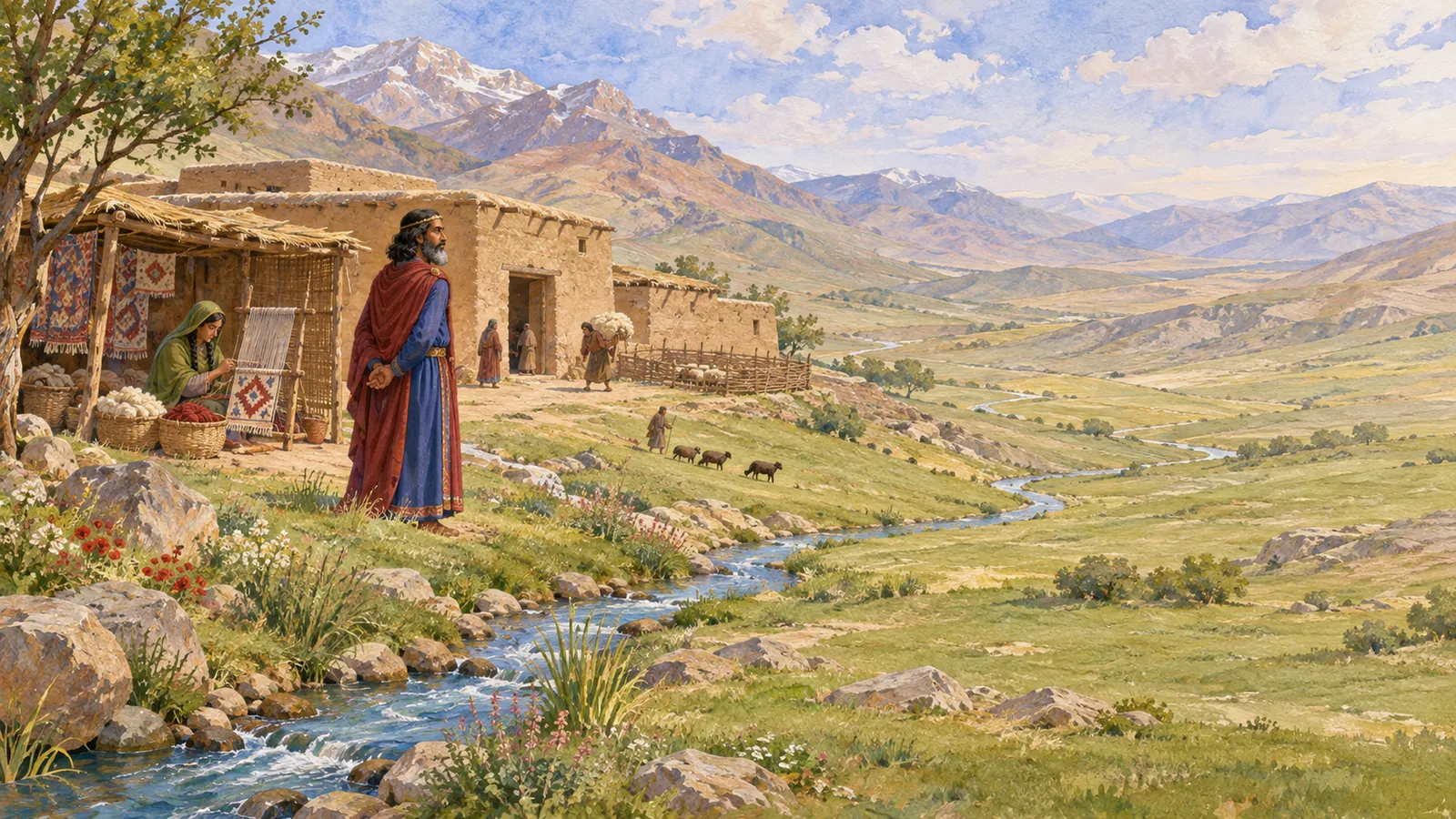
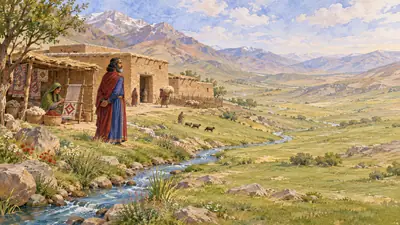
The vara has room for living things that need different kinds of care. The account gives the herds space of their own and sets fresh meadow and water beside the human dwellings.
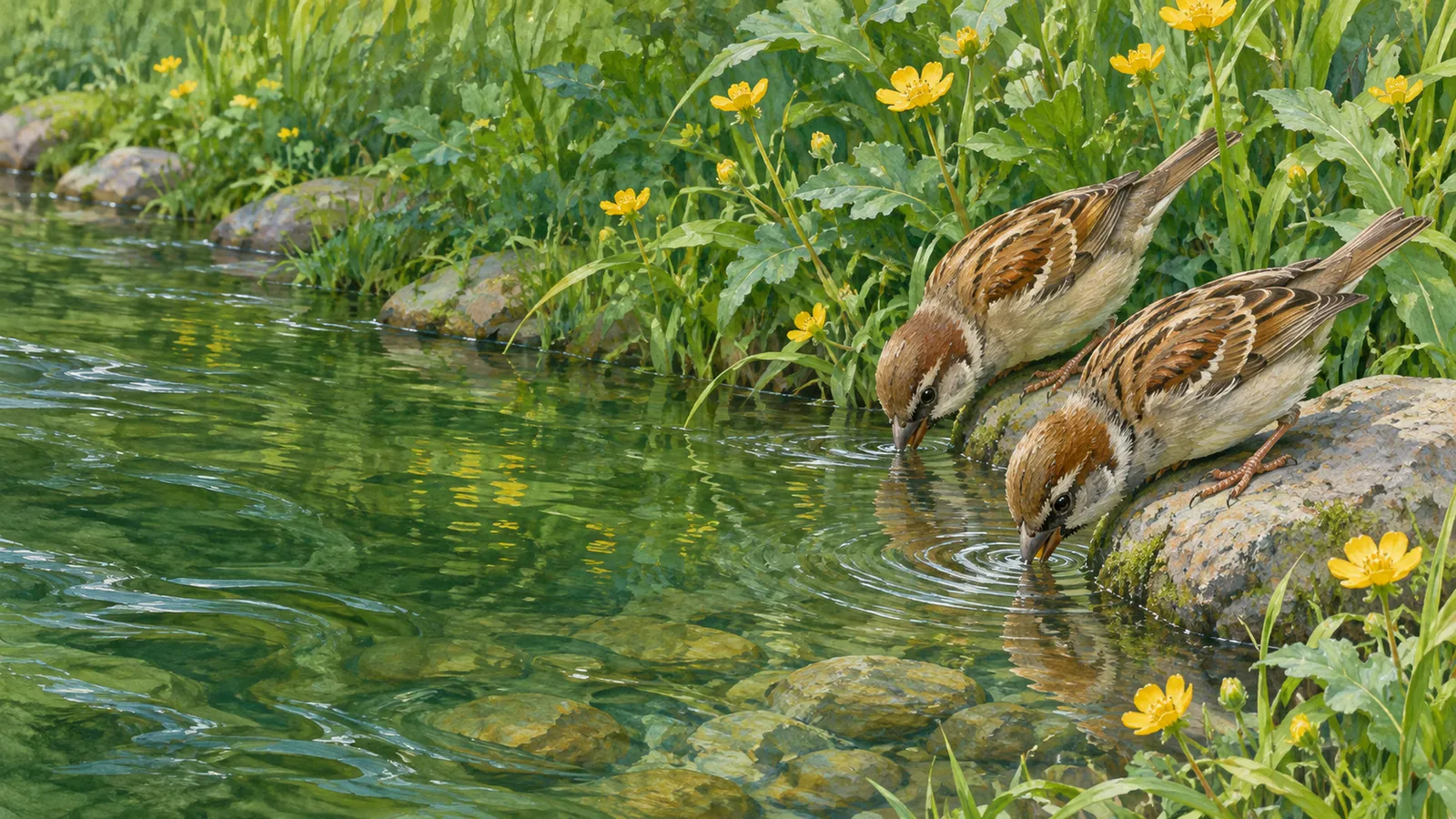
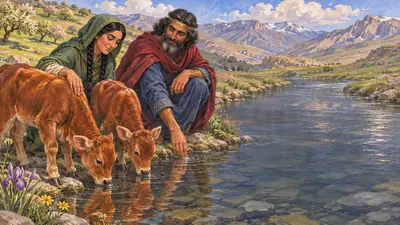
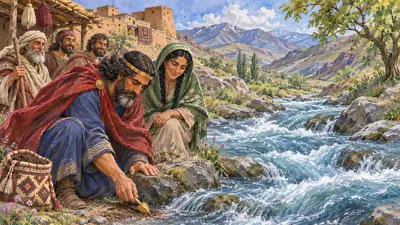
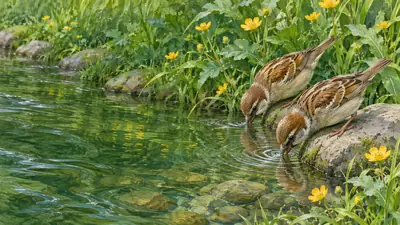
Yima leads water through the vara. The grass beside it stays green, the story says, and the birds Yima settles there find the food they need throughout their lives.
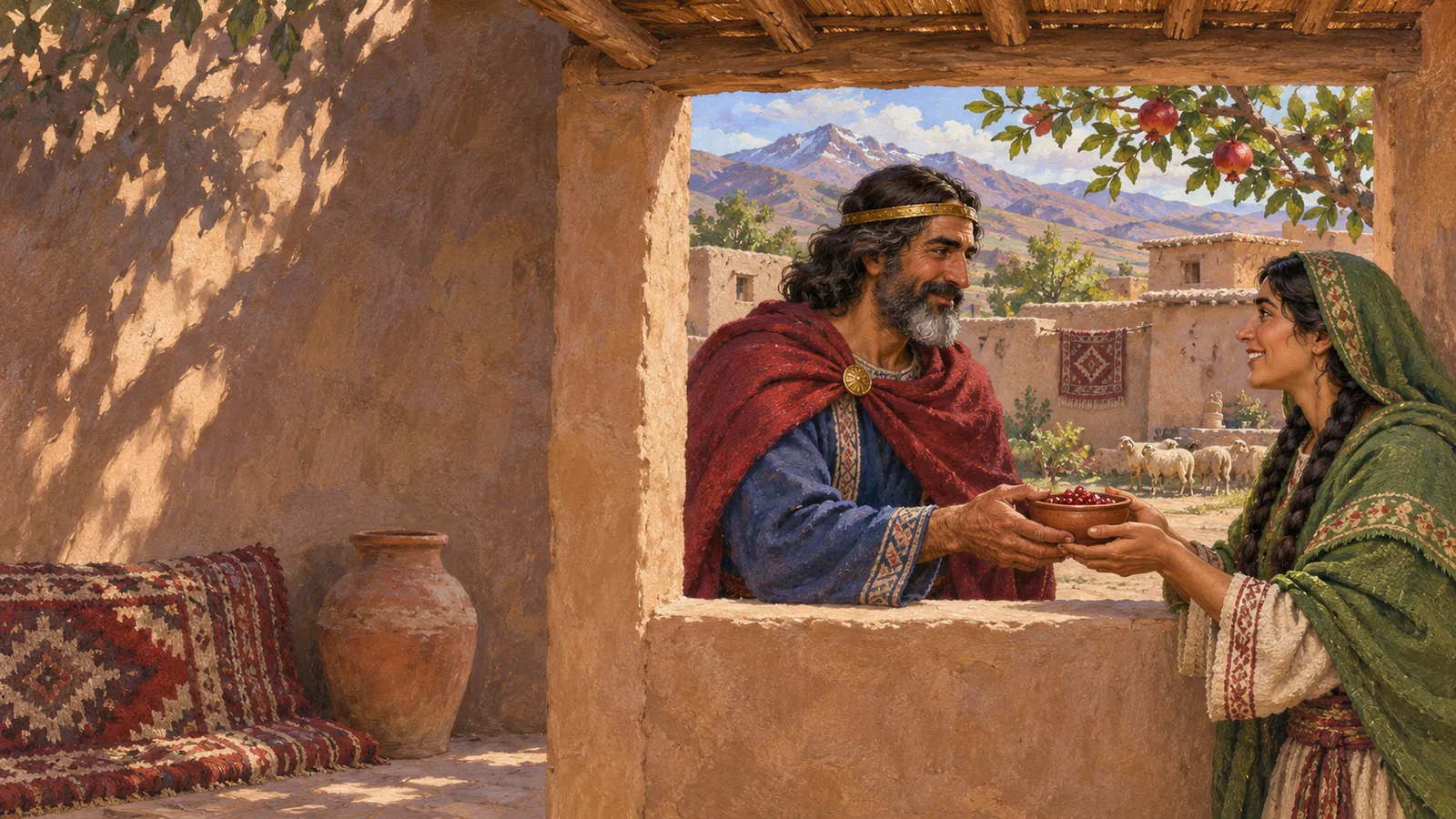
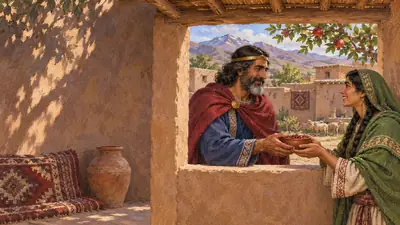
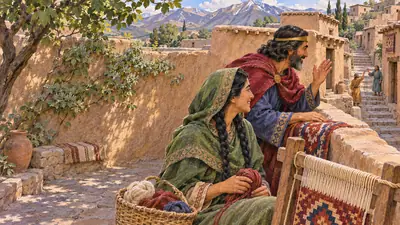
There are houses inside as well as places where their inhabitants can gather. In one reading there are courtyards and sheltered galleries, places where daily life can go on.
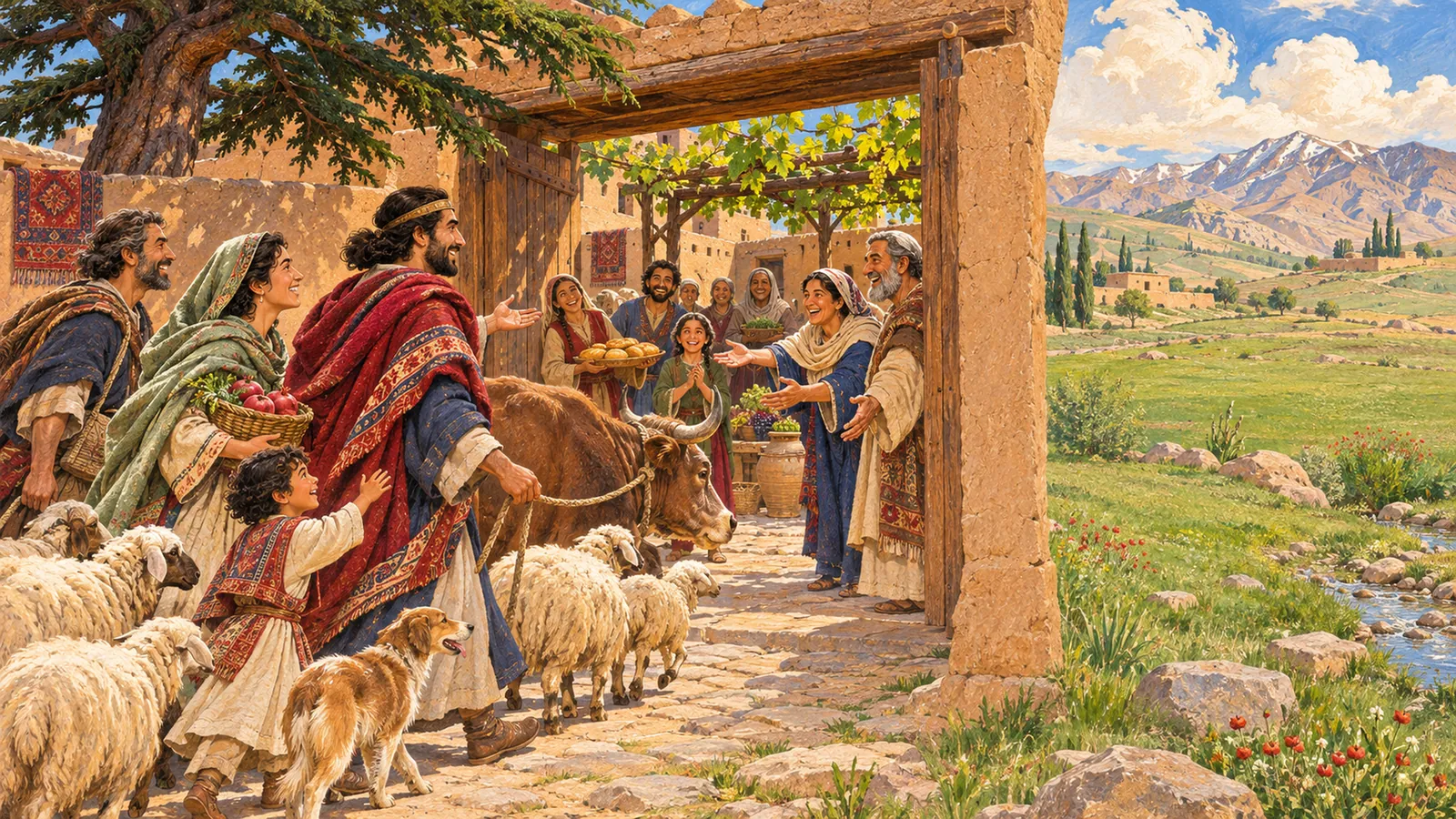
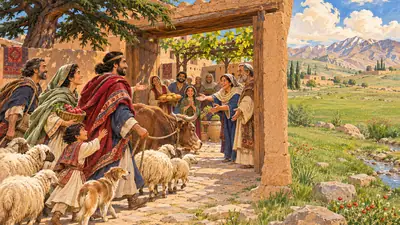
People and animals enter the enclosure. The text counts the lives that will continue there, including whole families, herds, dogs and birds.
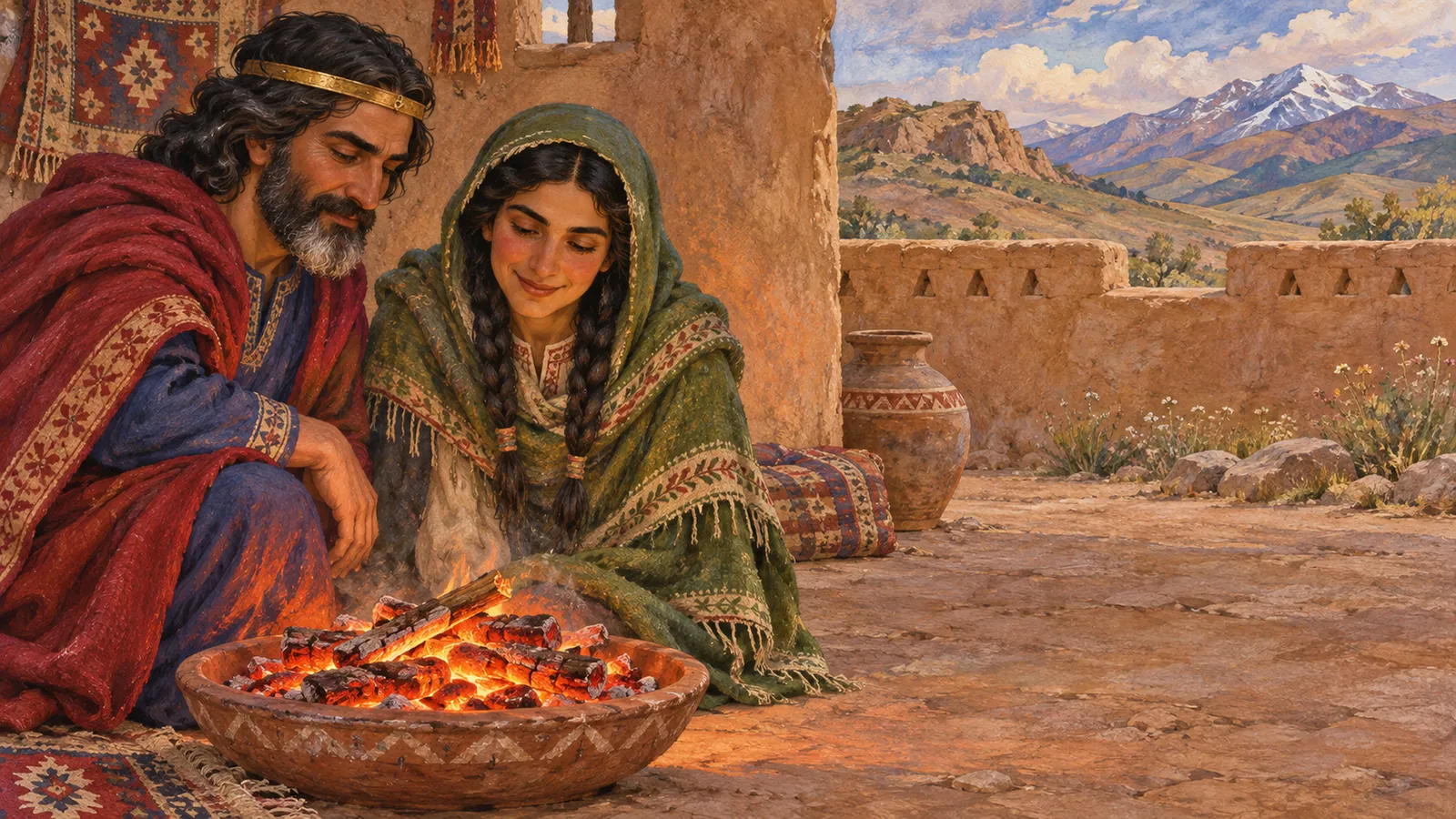
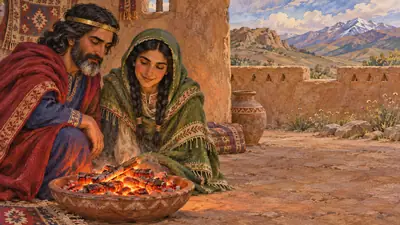
The list of things Yima brings in includes red, blazing fire. In a story that has counted hearths among the signs of a flourishing world, even the flames have a place of shelter.
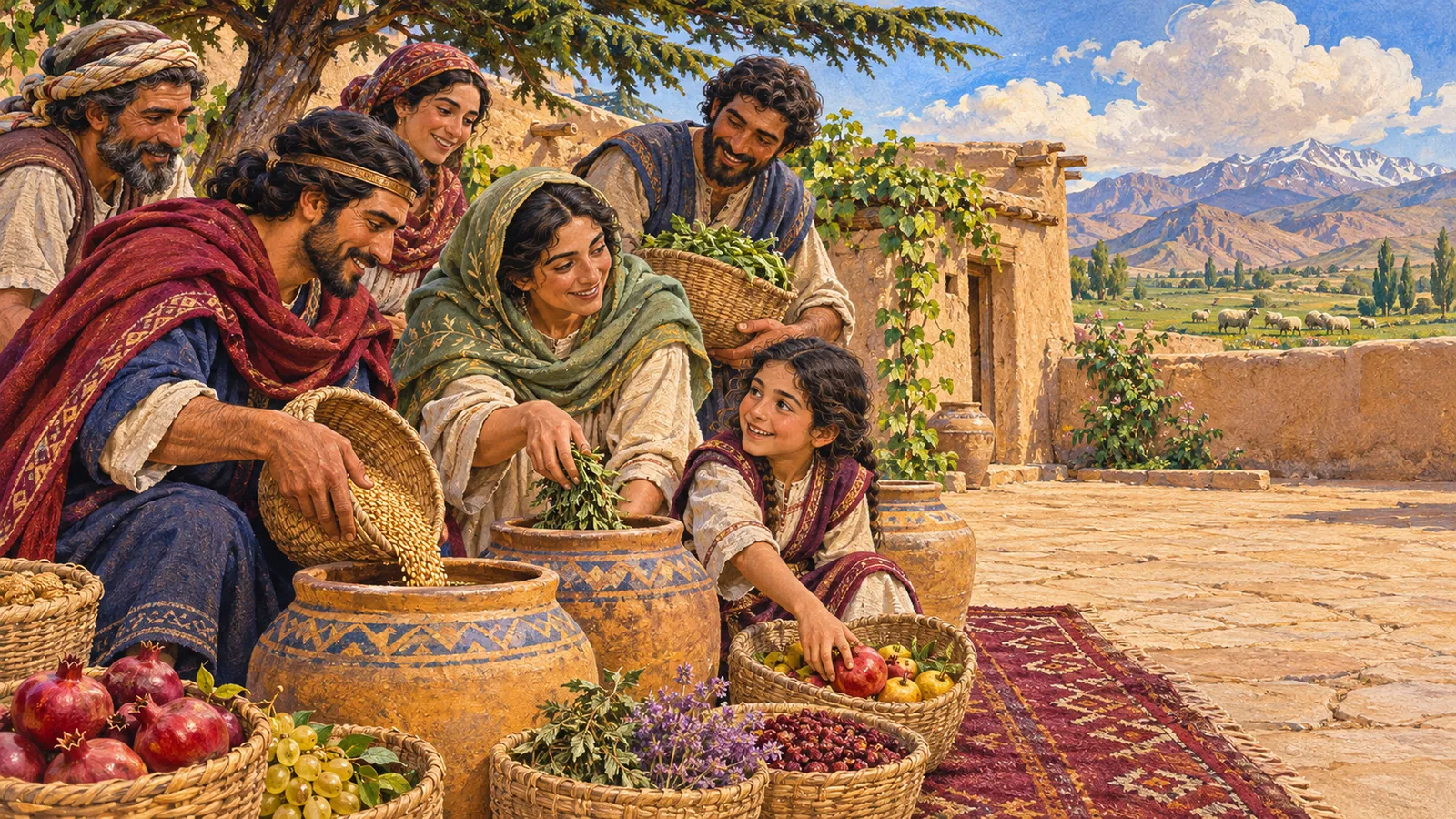
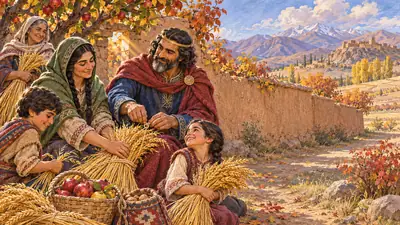
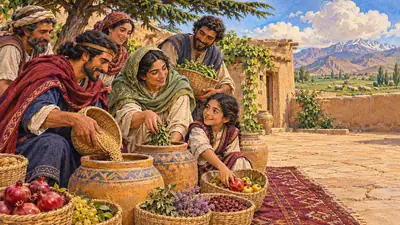
Yima brings seeds of trees and fruit remembered for their fragrance and flavor. He keeps two of each kind so they can continue in the vara.
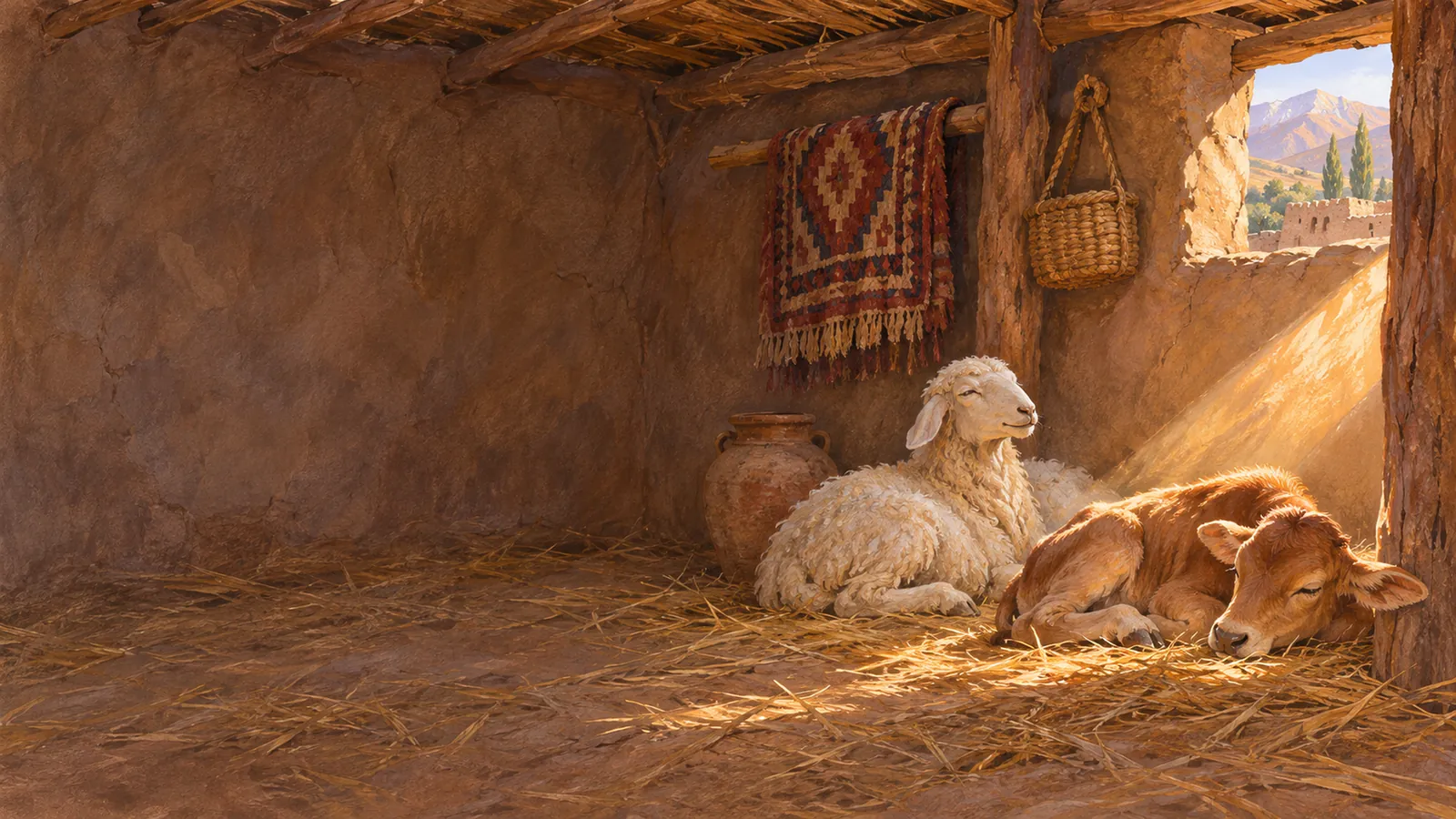
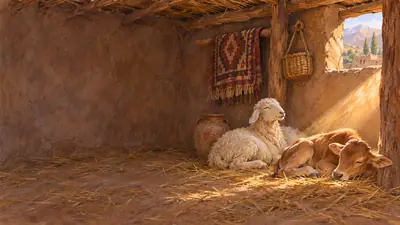
There is space for the cattle and the sheep. With people, water, and green land close by, the vara holds the kinds of life that have mattered through the whole story.
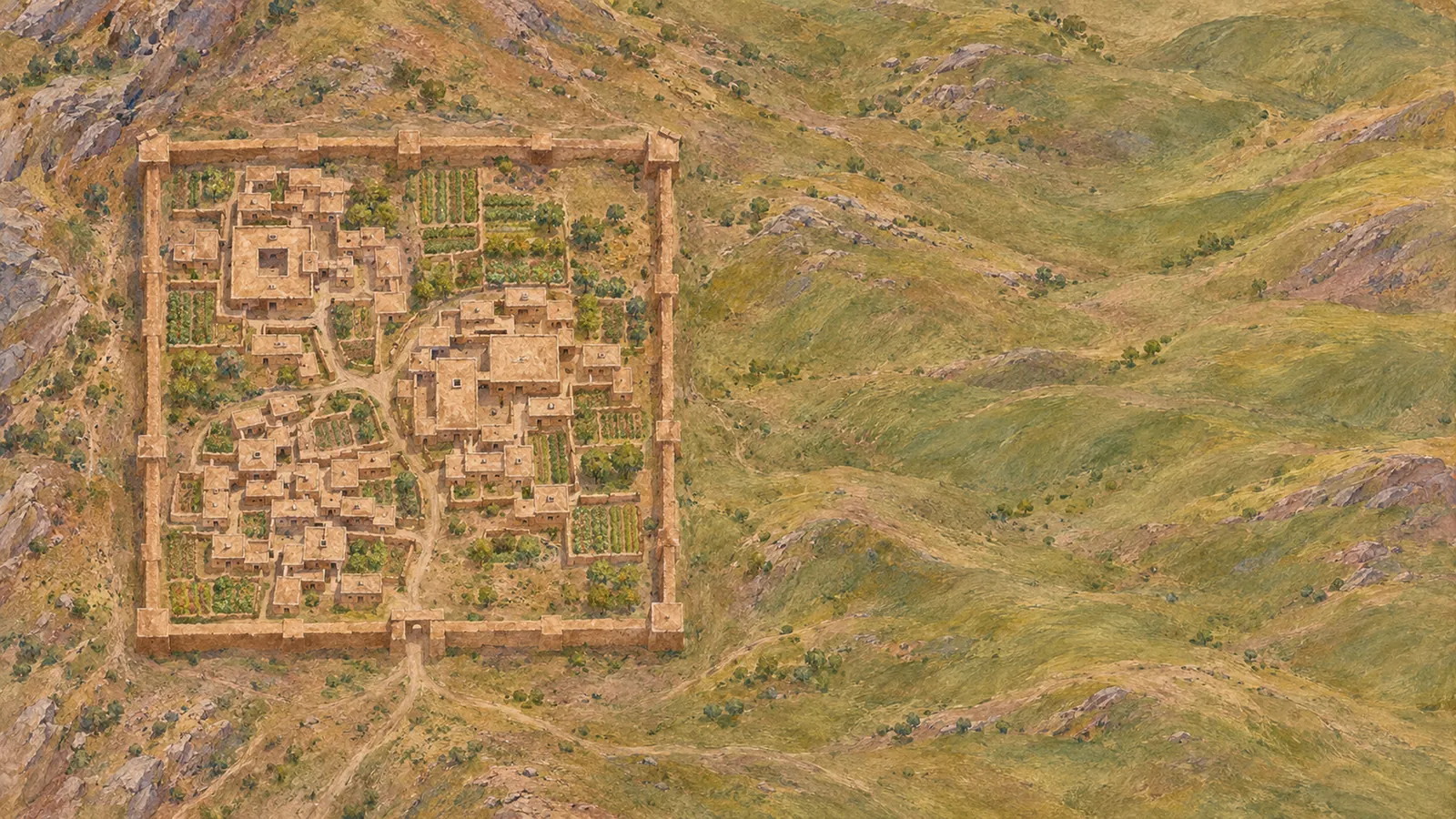
The account makes nine passages in the largest section, six in the middle, and three in the smallest. Yima settles people in all three, giving the sheltered community a shape of its own.
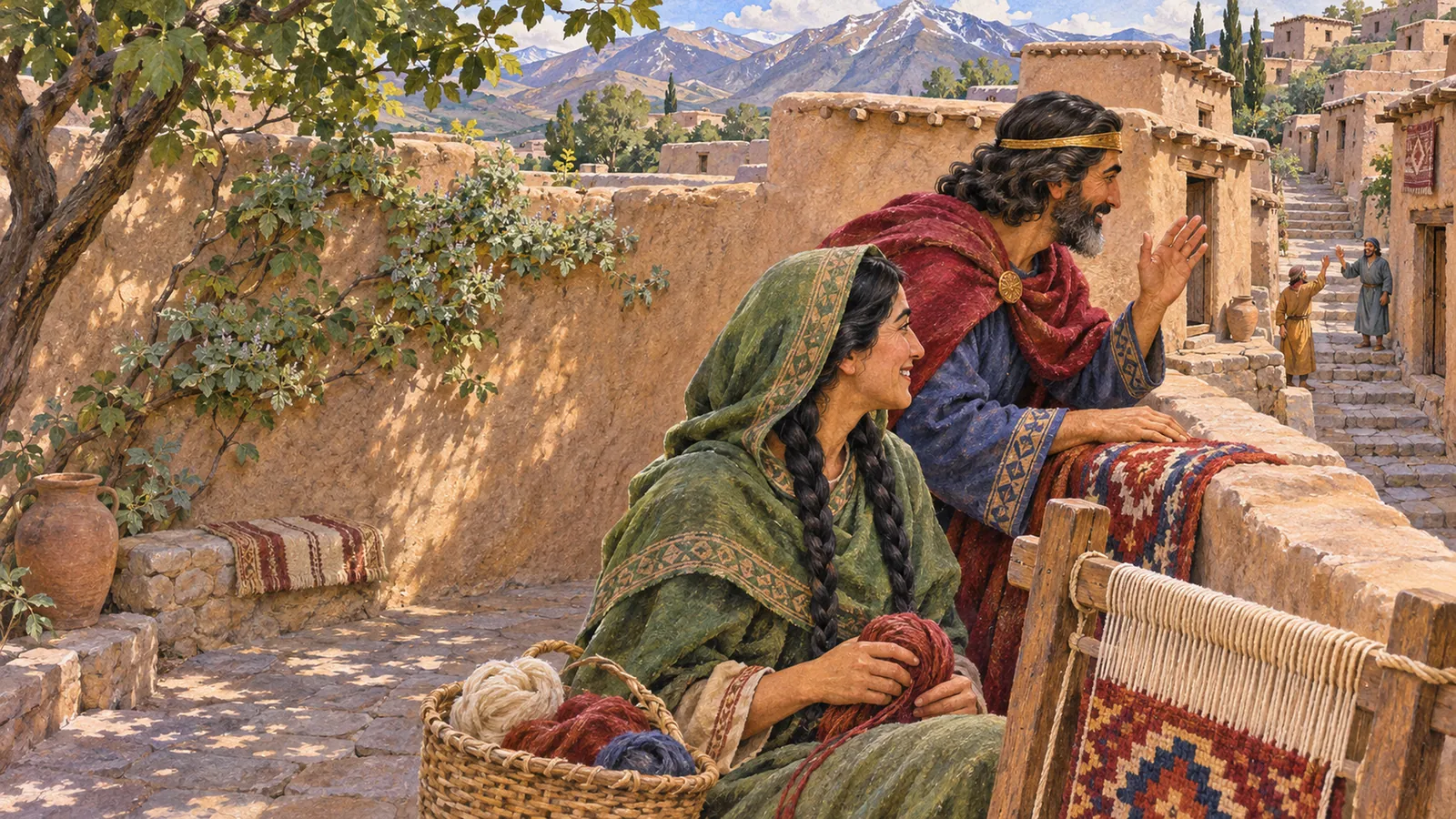
The old description counts the inhabitants alongside the passages and dwellings. Taken together, those details let us picture a place large enough for neighbors to live beside each other and meet along its lanes.
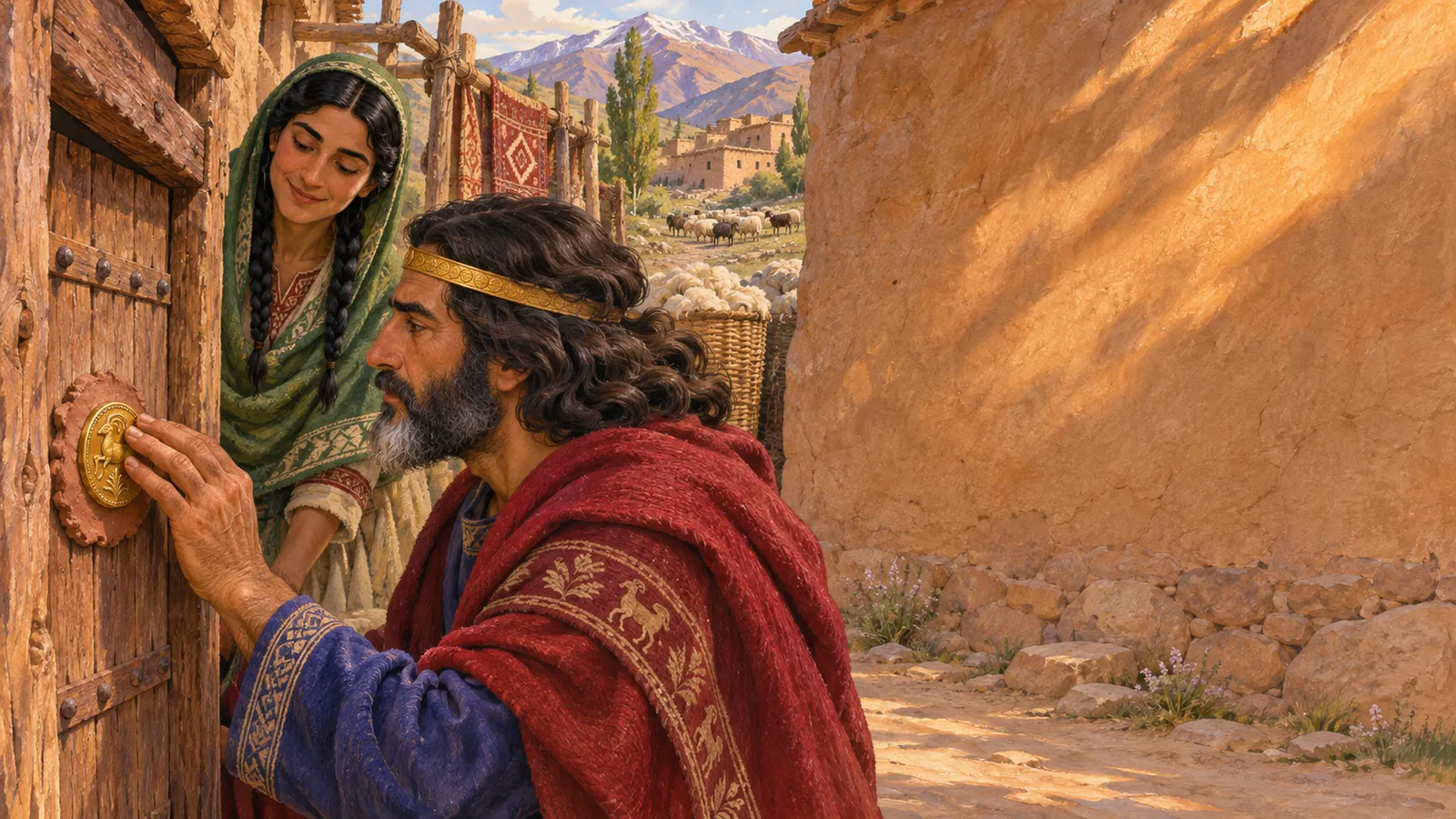
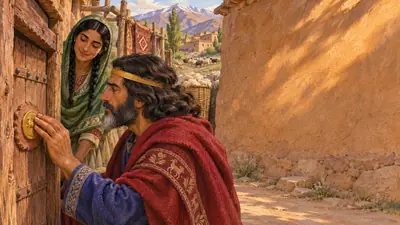
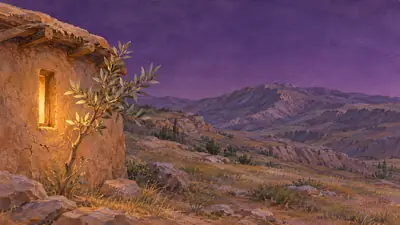
In one translation, Yima closes the enclosure with the golden seal. The door and an opening lit from within take the story from the work of building to a new question about light.
THE LAST QUESTIONS
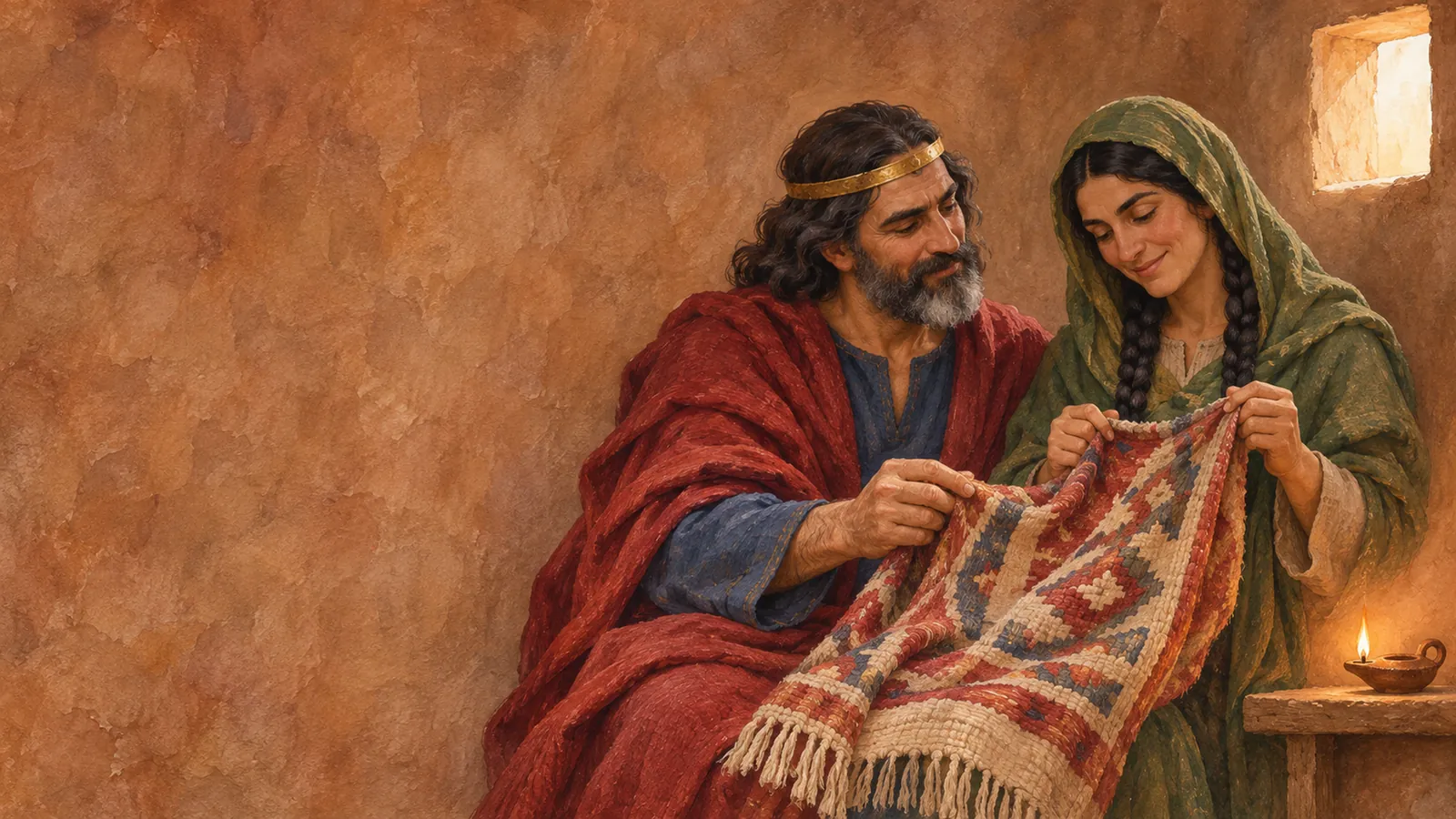
Zarathustra asks what lights shine in the vara. Ahura Mazda distinguishes lights that are made from lights that have always been. The question turns to time.
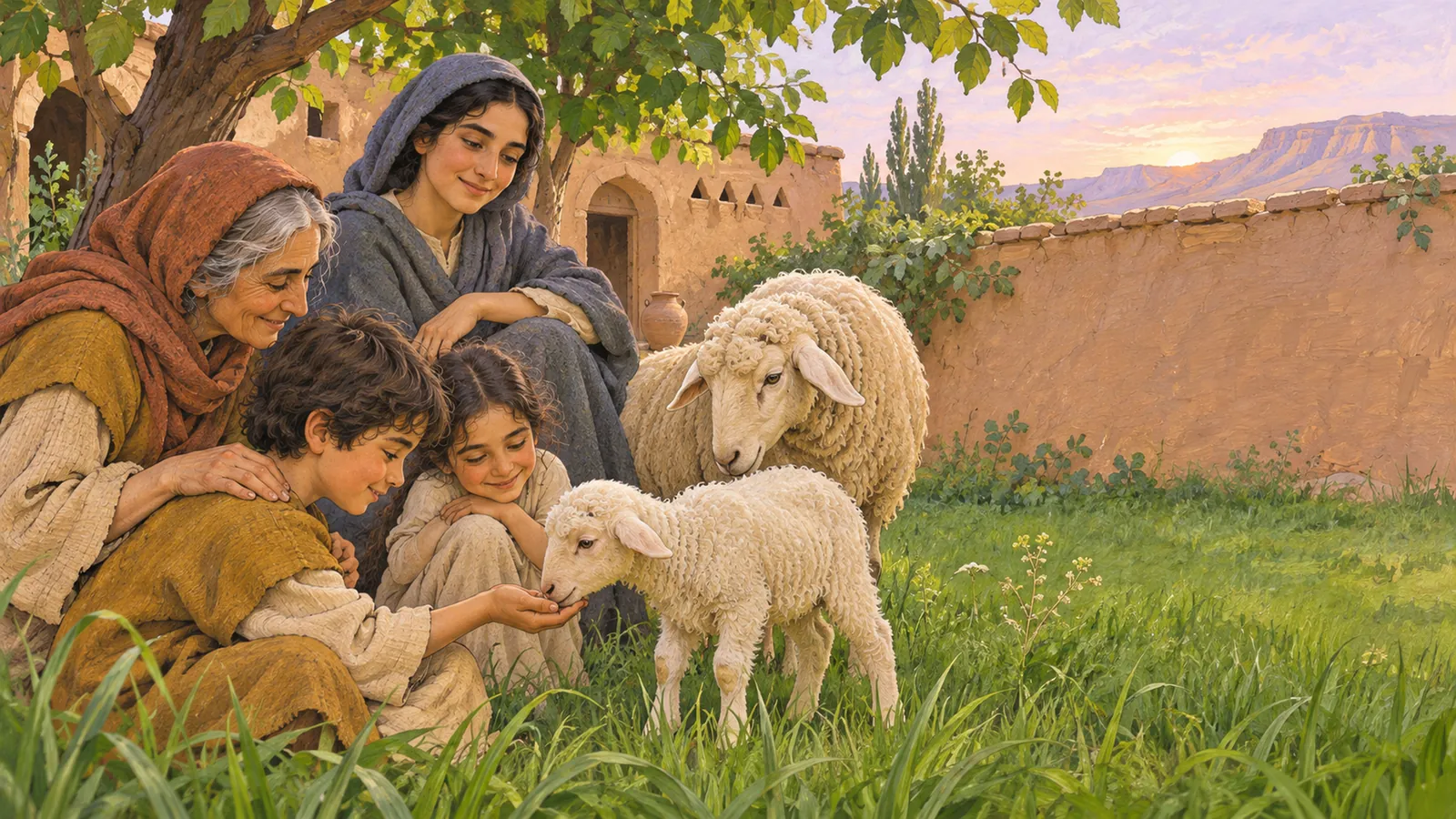
Inside the vara, a year seems as short as a day. The familiar lights in the sky cannot mark time as they do outside.
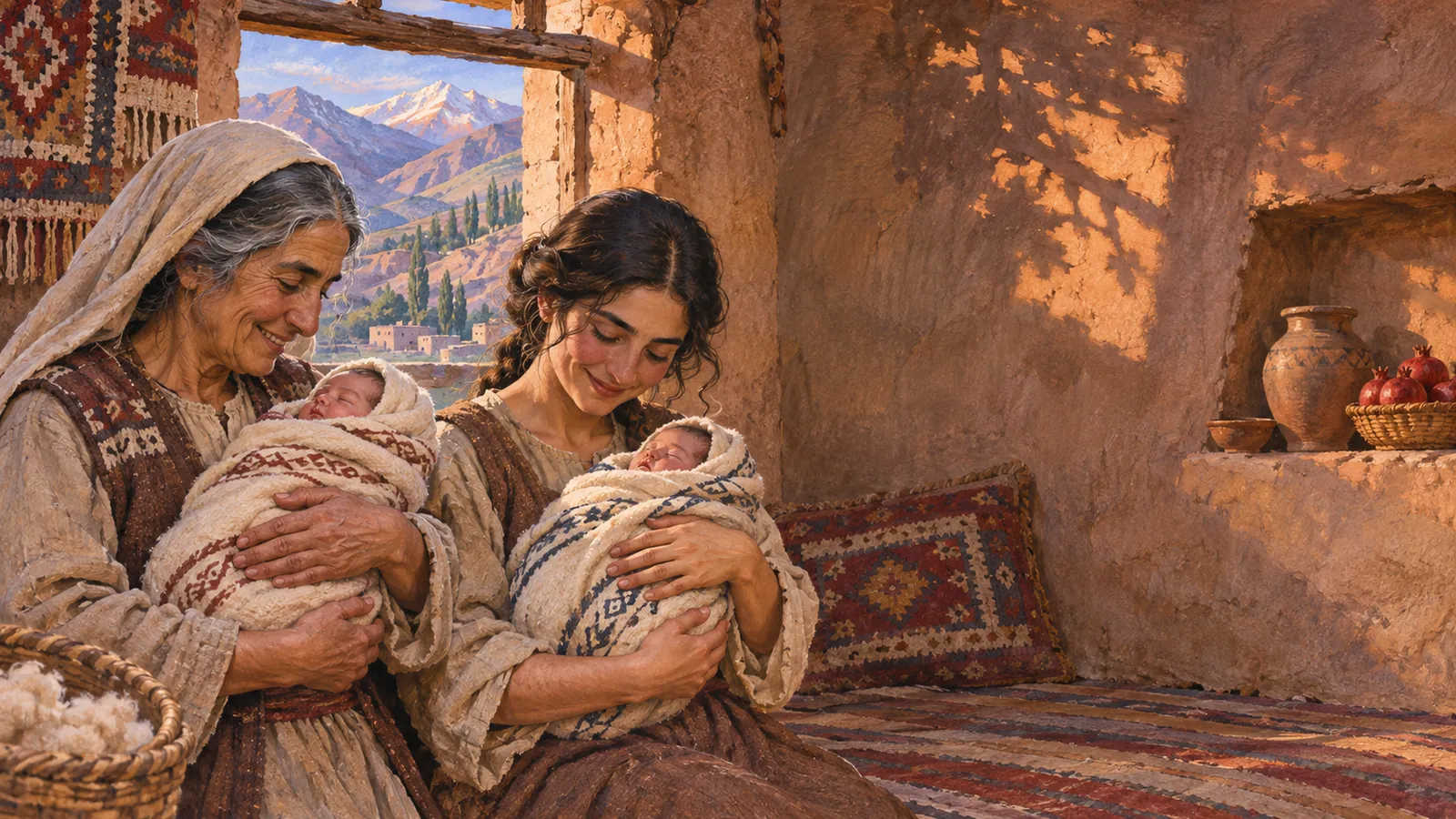
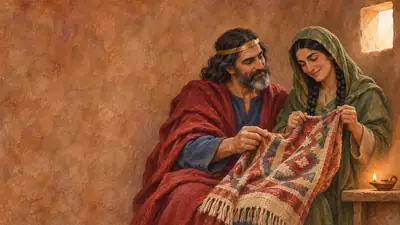
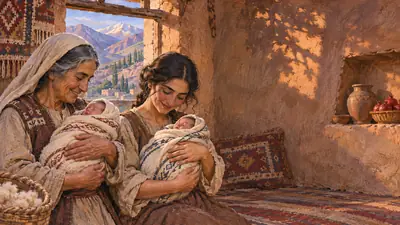
In the long measure of the story, after forty years two children are born to a pair of parents. The account gives a similar pattern for the herds and calls the life there happy.
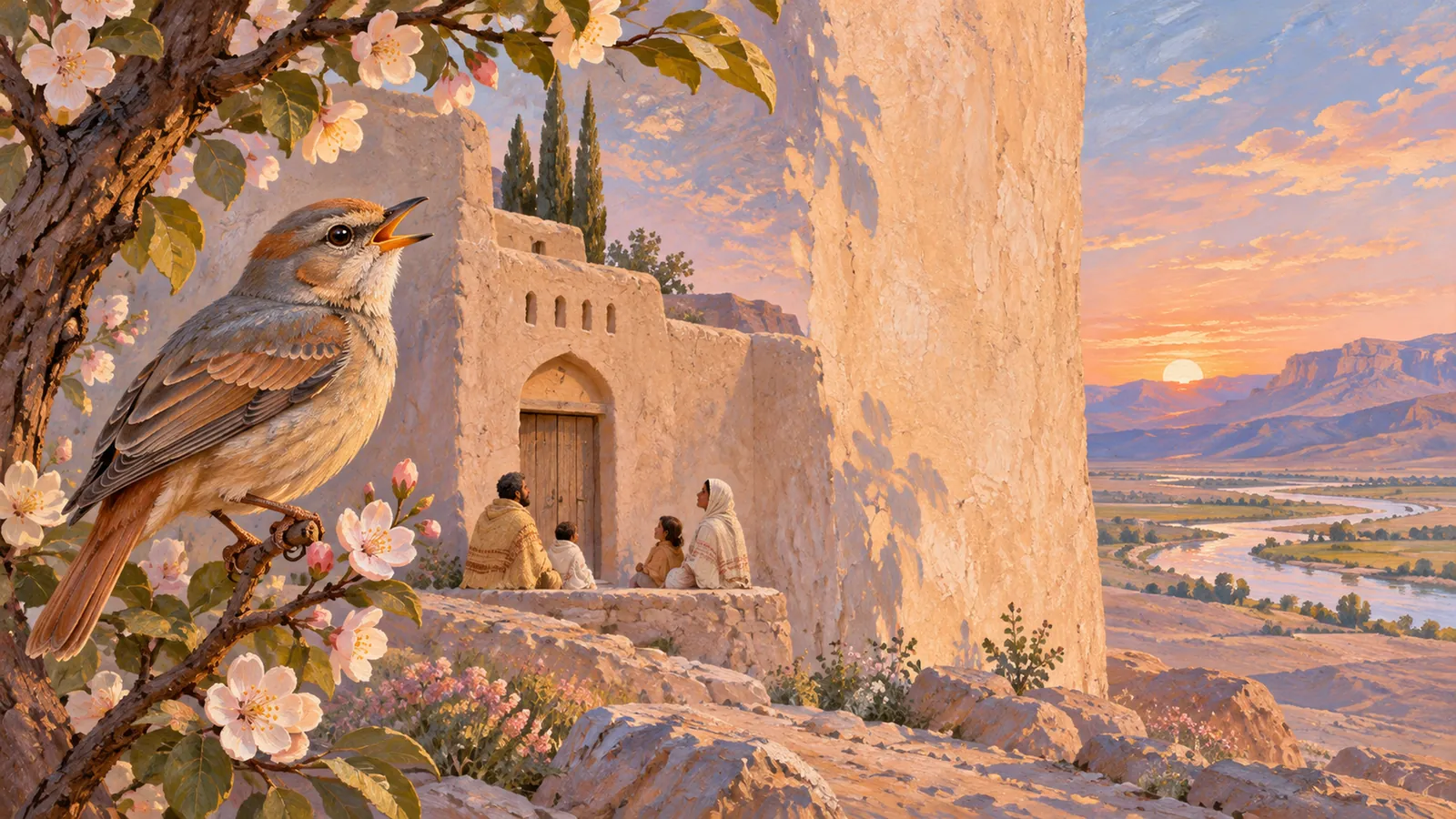
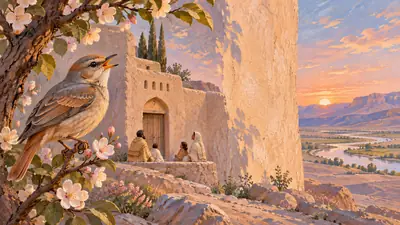
Who brought the religion of Mazda into the vara? That old question of teaching returns, with an unexpected answer: Karshipta, remembered as a bird.
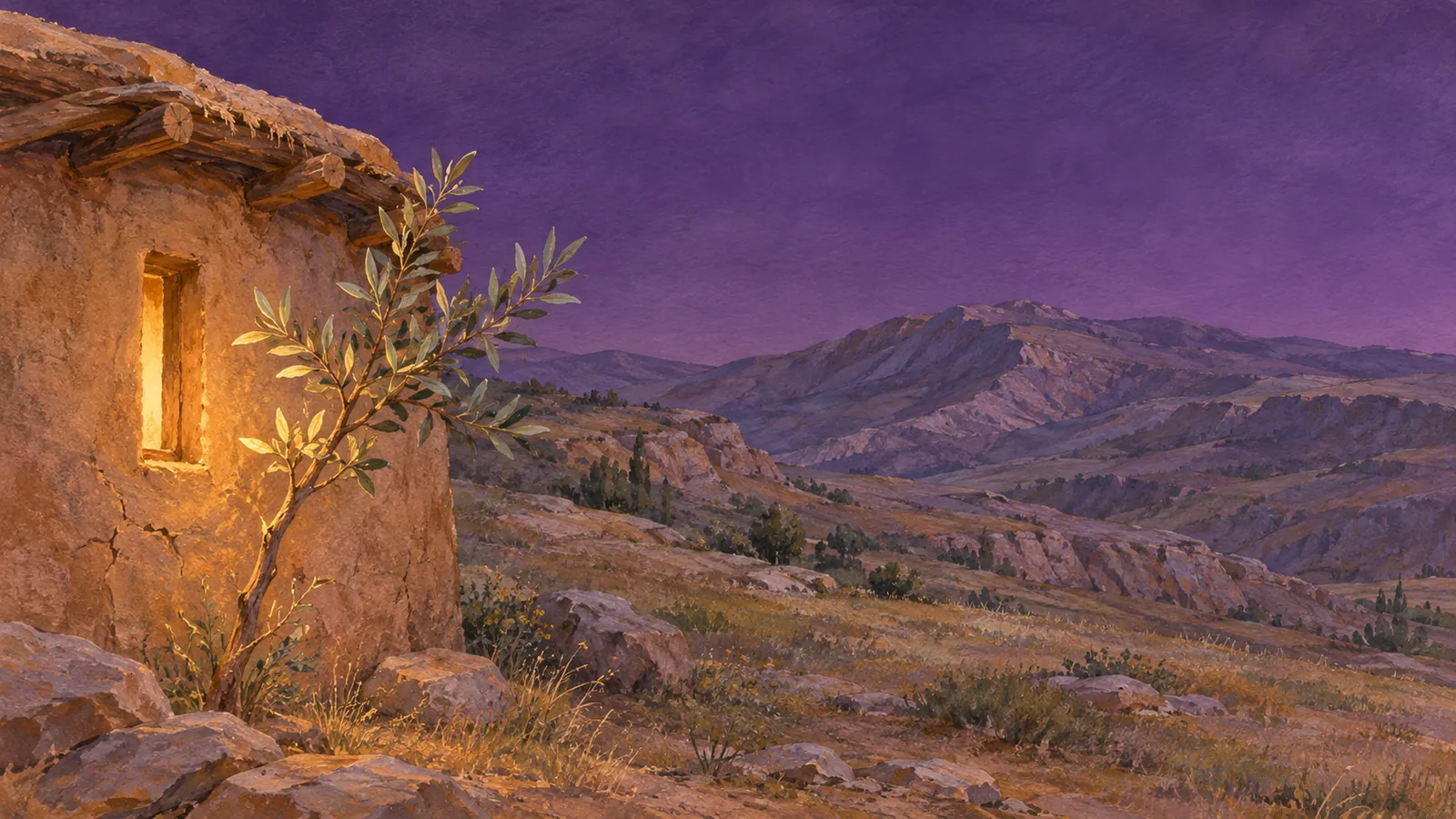
Zarathustra asks who guides the people. Ahura Mazda names Urvatat-nara and Zarathustra himself. At that answer this chapter closes, with the life of the vara still going on within its walls.
End of chapter 1
All pages
Sources
Editions consulted
- James Darmesteter, *The Zend-Avesta*, Vendidad, Fargard 2
- Avestan text of the Vendidad, Fargard 2
- Prods Oktor Skjærvø, *The Spirit of Zoroastrianism*, selection 18, pp. 71–75
- Prods Oktor Skjærvø, “Jamšid i. Myth of Jamšid,” *Encyclopaedia Iranica*
- Jean Kellens, “Avesta i. Survey of the history and contents of the book,” *Encyclopaedia Iranica*
- Avestan Digital Archive, Vīdēvdād Sāde facsimile publications
Ancient lines behind each page
- Page 1: Vendidad 2 §§1–2
See source notes for which details are attested. - Page 2: Vendidad 2 §§1–2
See source notes for which details are attested. - Page 3: Vendidad 2 §§2–3
See source notes for which details are attested. - Page 4: Vendidad 2 §§3
See source notes for which details are attested. - Page 5: Vendidad 2 §§4
See source notes for which details are attested. - Page 6: Vendidad 2 §§5–7
See source notes for which details are attested. - Page 7: Vendidad 2 §§8
See source notes for which details are attested. - Page 8: Vendidad 2 §§9–10
See source notes for which details are attested. - Page 9: Vendidad 2 §§10
See source notes for which details are attested. - Page 10: Vendidad 2 §§10–11
See source notes for which details are attested. - Page 11: Vendidad 2 §§11
See source notes for which details are attested. - Page 12: Vendidad 2 §§11–12
See source notes for which details are attested. - Page 13: Vendidad 2 §§12–15
See source notes for which details are attested. - Page 14: Vendidad 2 §§15–16
See source notes for which details are attested. - Page 15: Vendidad 2 §§16–19
See source notes for which details are attested. - Page 16: Vendidad 2 §§19–24
See source notes for which details are attested. - Page 17: Vendidad 2 §§20–21
See source notes for which details are attested. - Page 18: Vendidad 2 §§22–23
See source notes for which details are attested. - Page 19: Vendidad 2 §§22–24
See source notes for which details are attested. - Page 20: Vendidad 2 §§24
See source notes for which details are attested. - Page 21: Vendidad 2 §§25–30
See source notes for which details are attested. - Page 22: Vendidad 2 §§31–32
See source notes for which details are attested. - Page 23: Vendidad 2 §§33
See source notes for which details are attested. - Page 24: Vendidad 2 §§33–34
See source notes for which details are attested. - Page 25: Vendidad 2 §§34
See source notes for which details are attested. - Page 26: Vendidad 2 §§34
See source notes for which details are attested. - Page 27: Vendidad 2 §§33–35
See source notes for which details are attested. - Page 28: Vendidad 2 §§33, cf. 8
See source notes for which details are attested. - Page 29: Vendidad 2 §§35–36
See source notes for which details are attested. - Page 30: Vendidad 2 §§33–36
See source notes for which details are attested. - Page 31: Vendidad 2 §§38
See source notes for which details are attested. - Page 32: Vendidad 2 §§34, 38
See source notes for which details are attested. - Page 33: Vendidad 2 §§38–39
See source notes for which details are attested. - Page 34: Vendidad 2 §§39–40
See source notes for which details are attested. - Page 35: Vendidad 2 §§40
See source notes for which details are attested. - Page 36: Vendidad 2 §§41
See source notes for which details are attested. - Page 37: Vendidad 2 §§42, cf. 3
See source notes for which details are attested. - Page 38: Vendidad 2 §§43
See source notes for which details are attested.
Illustrations made with AI tools by IL Archive; the text is based on the ancient sources (see the sources at the end of each chapter).