Adapa Chapitre 1
Adapa et le vent du sud
Adapa, un sage d’Eridu, s’en prend au vent du sud et doit répondre de son geste au ciel. À la cour d’Anu, il reçoit une offre dont le sens diffère de ce qu’Ea lui avait laissé attendre.
SourcesTournez les pages avec les flèches, le clavier ou en balayant l’écran.
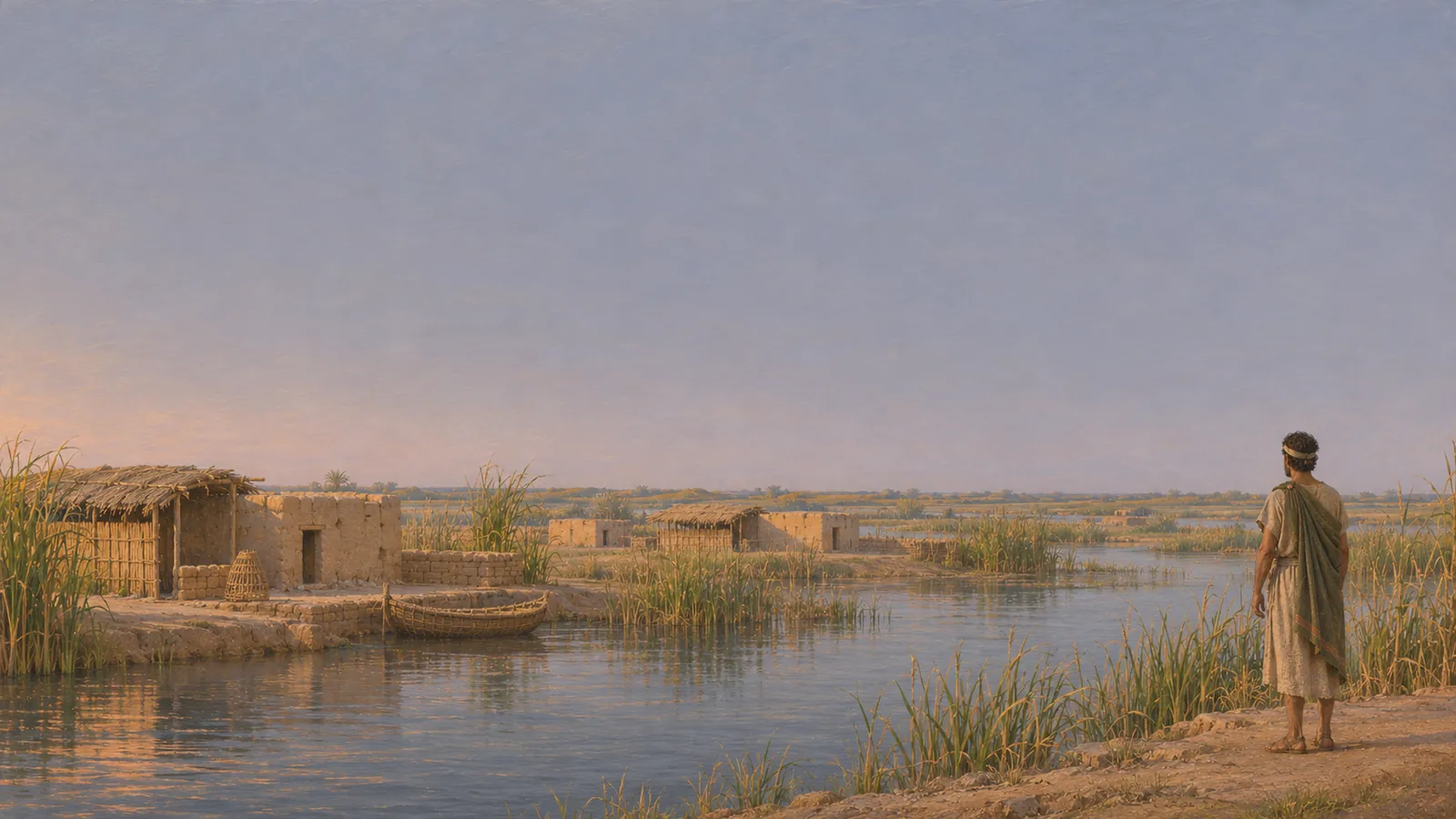
ADAPA
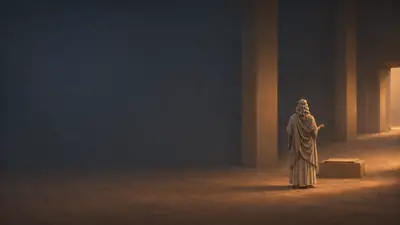
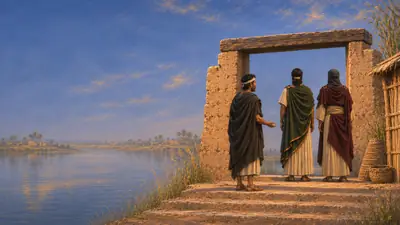
À Eridu, une cité au bord des eaux, vivait un sage nommé Adapa. Il faisait partie de la maison d’Ea.
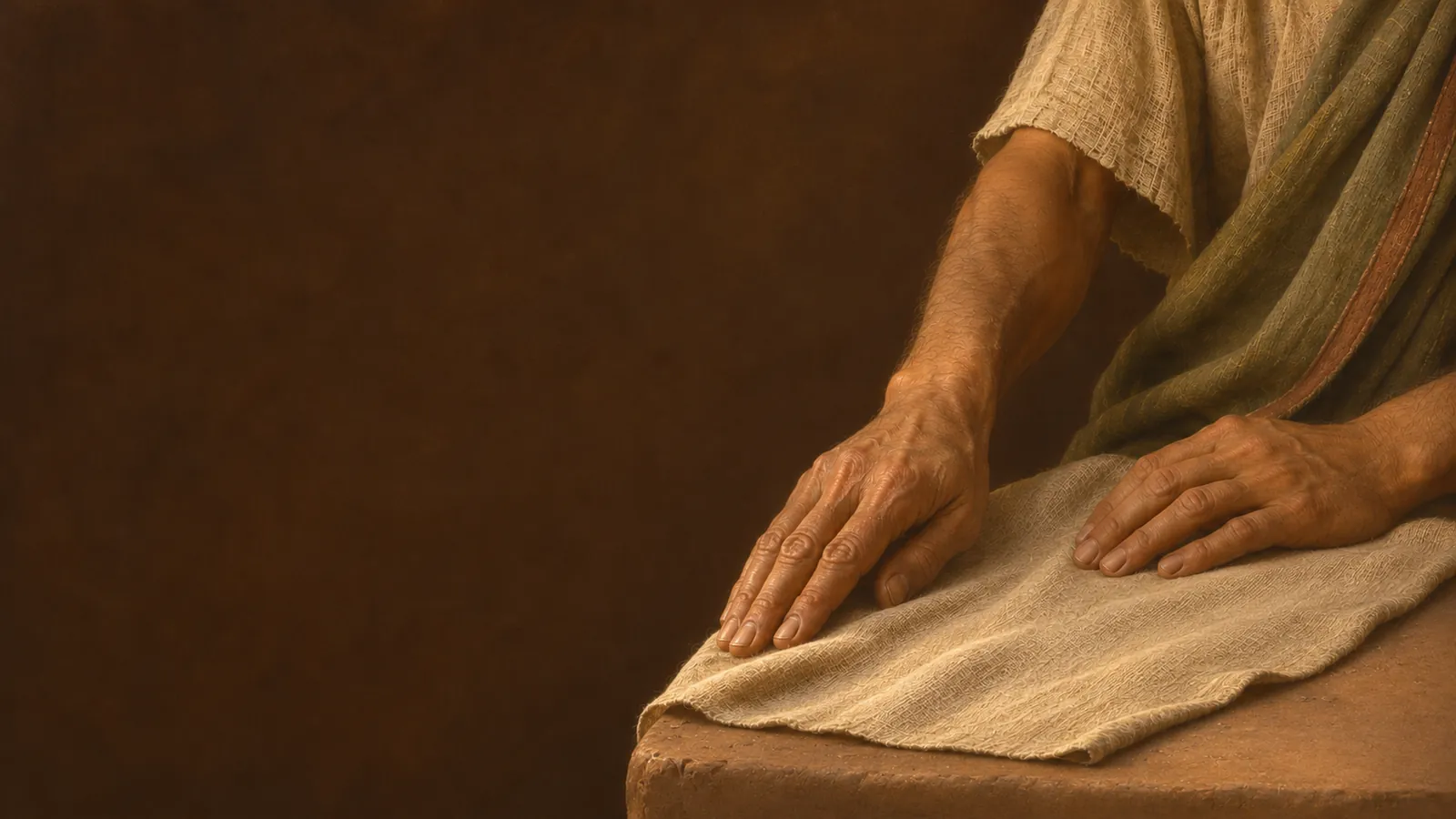
Ea donna au sage une grande intelligence. L’ancien poème dit que ce don de sagesse ne comprenait pas la vie sans fin.
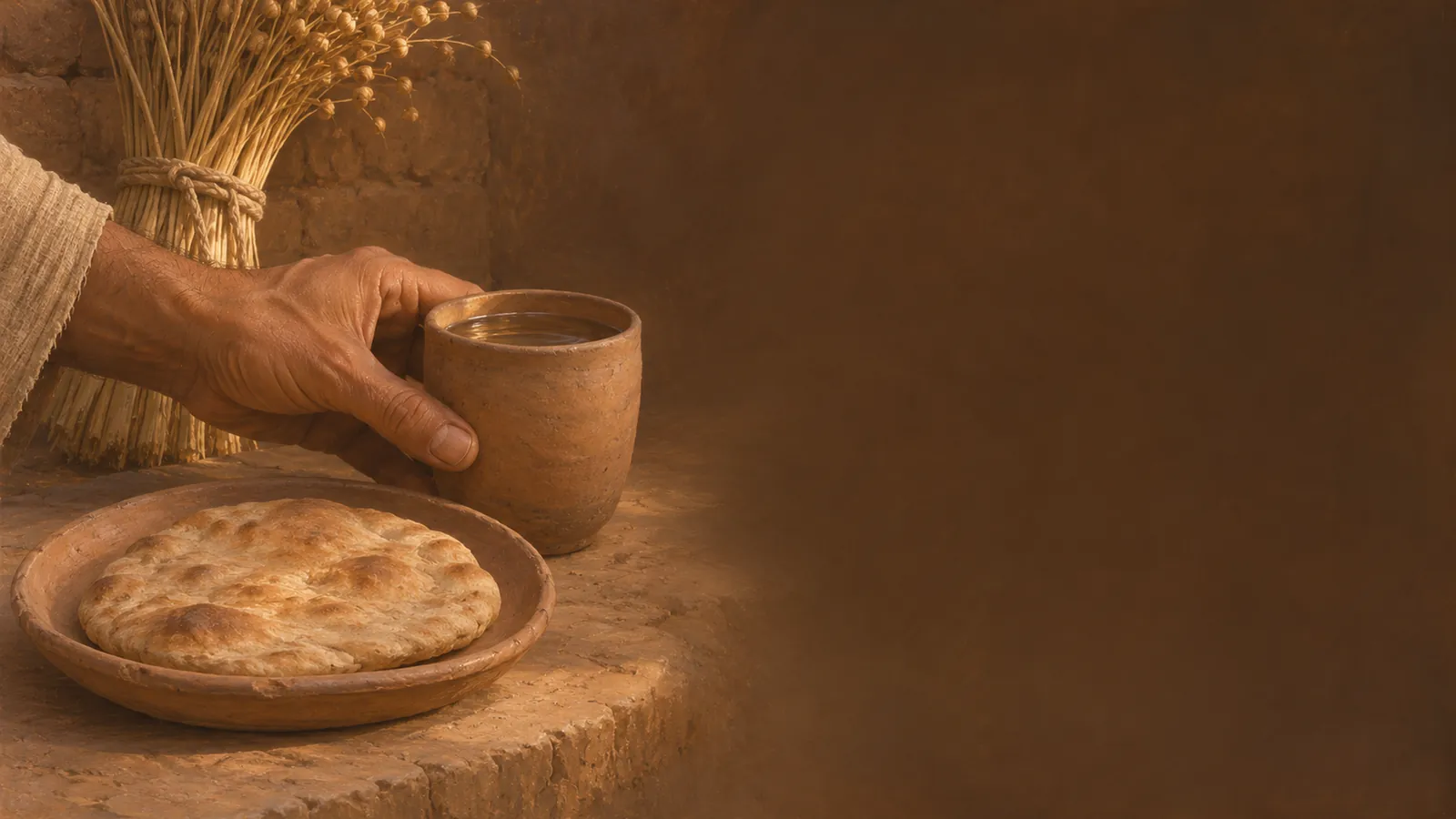
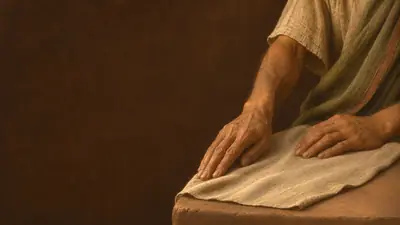
Adapa travaillait avec les boulangers d’Eridu. Chaque jour, il préparait la nourriture et l’eau et dressait la table de la maison d’Ea.
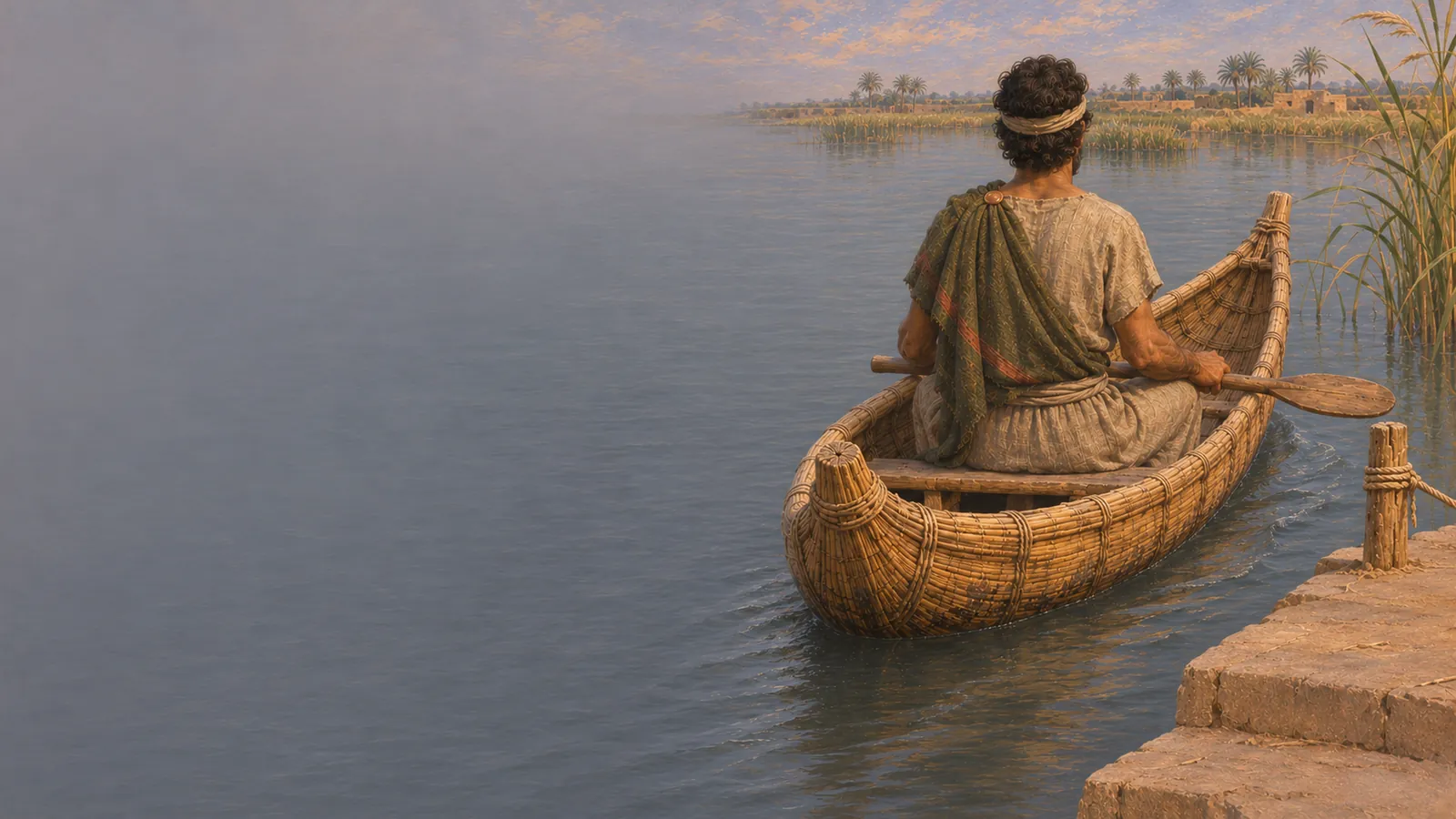
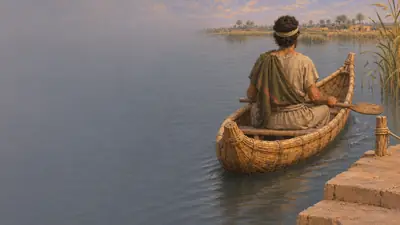
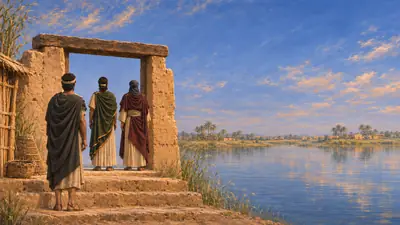
Adapa pêchait aussi pour Eridu. Il embarqua au quai et dirigea son bateau vers les eaux libres.
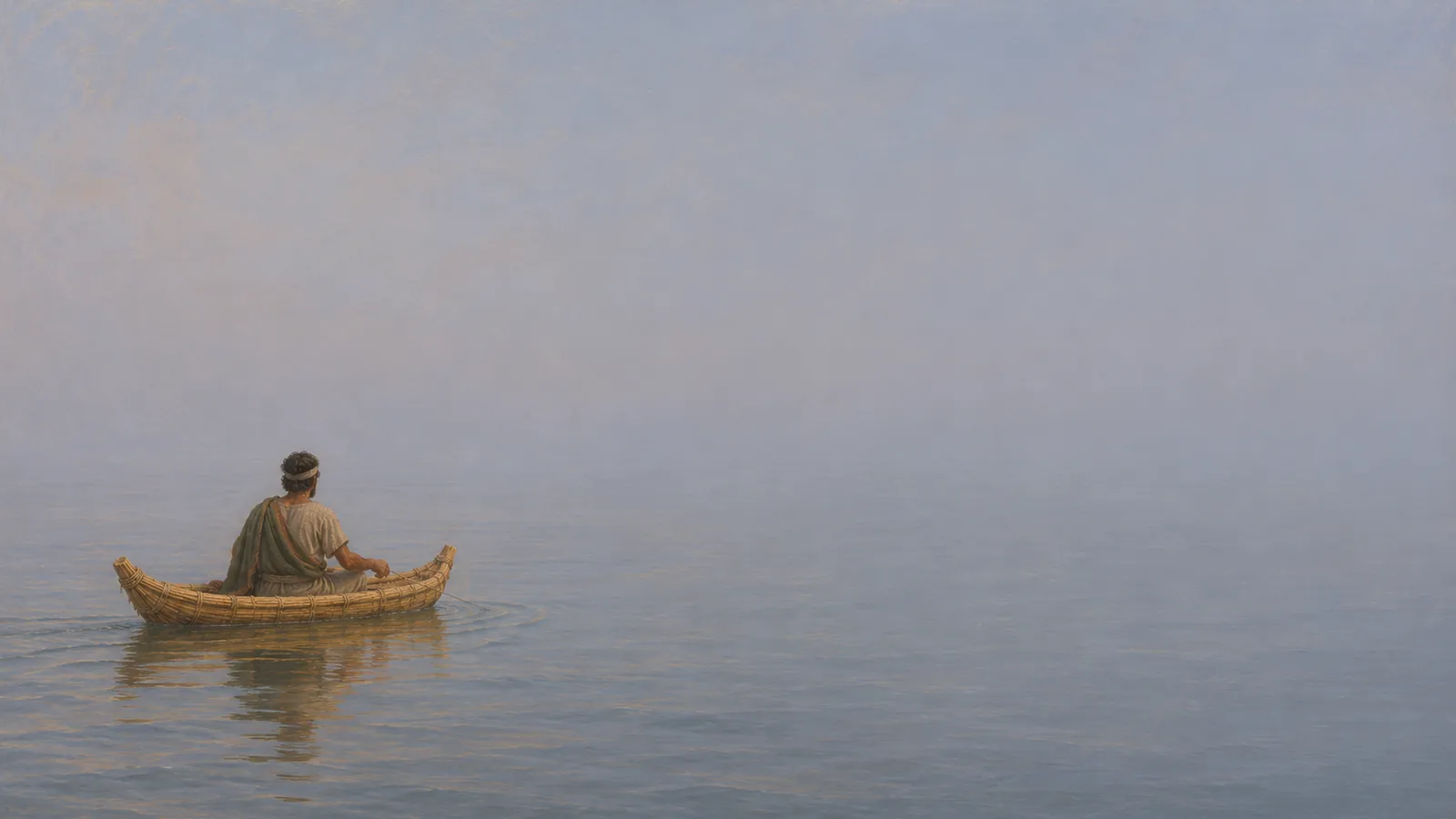
Adapa était loin de la rive et pêchait pour la maison de son seigneur. Plus tard, devant Anu, il commencerait son récit par cette tâche quotidienne.
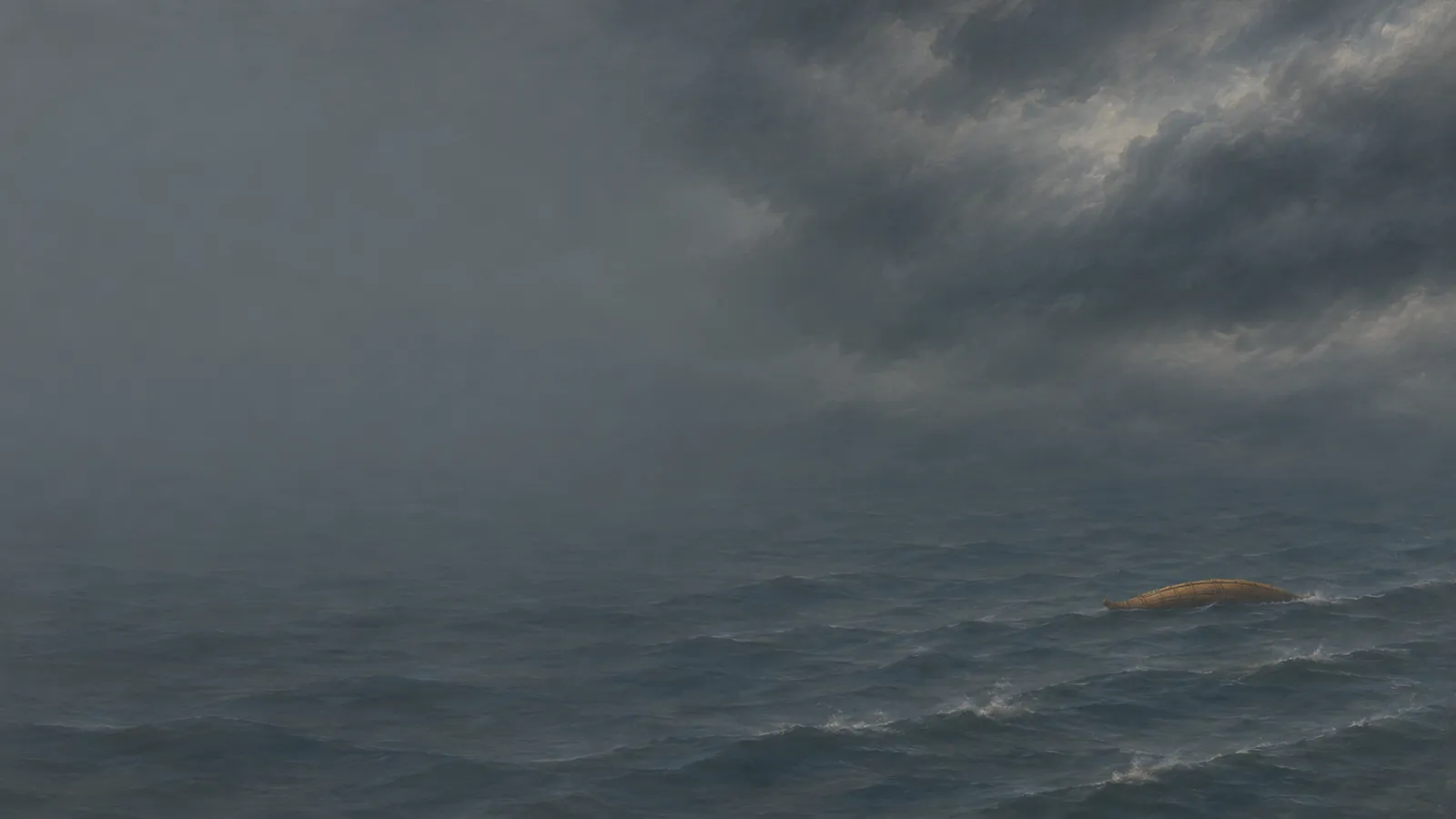
Le vent du sud fondit sur lui en pleine eau. Adapa raconterait à Anu qu’il l’avait précipité dans les profondeurs.

Adapa dit que l’eau l’avait entraîné jusqu’à la maison de son seigneur. Le vers ancien laisse ce lieu dans l’ombre.

La colère saisit Adapa. Il s’adressa au vent du sud et dit qu’il briserait l’aile qui le portait.

À peine Adapa eut-il parlé que l’aile du vent du sud se brisa. Une parole avait agi sans qu’aucune main intervienne.

LE SILENCE
Pendant sept jours, le vent du sud ne souffla pas vers le pays. Son absence dura assez longtemps pour qu’Anu s’en aperçoive.
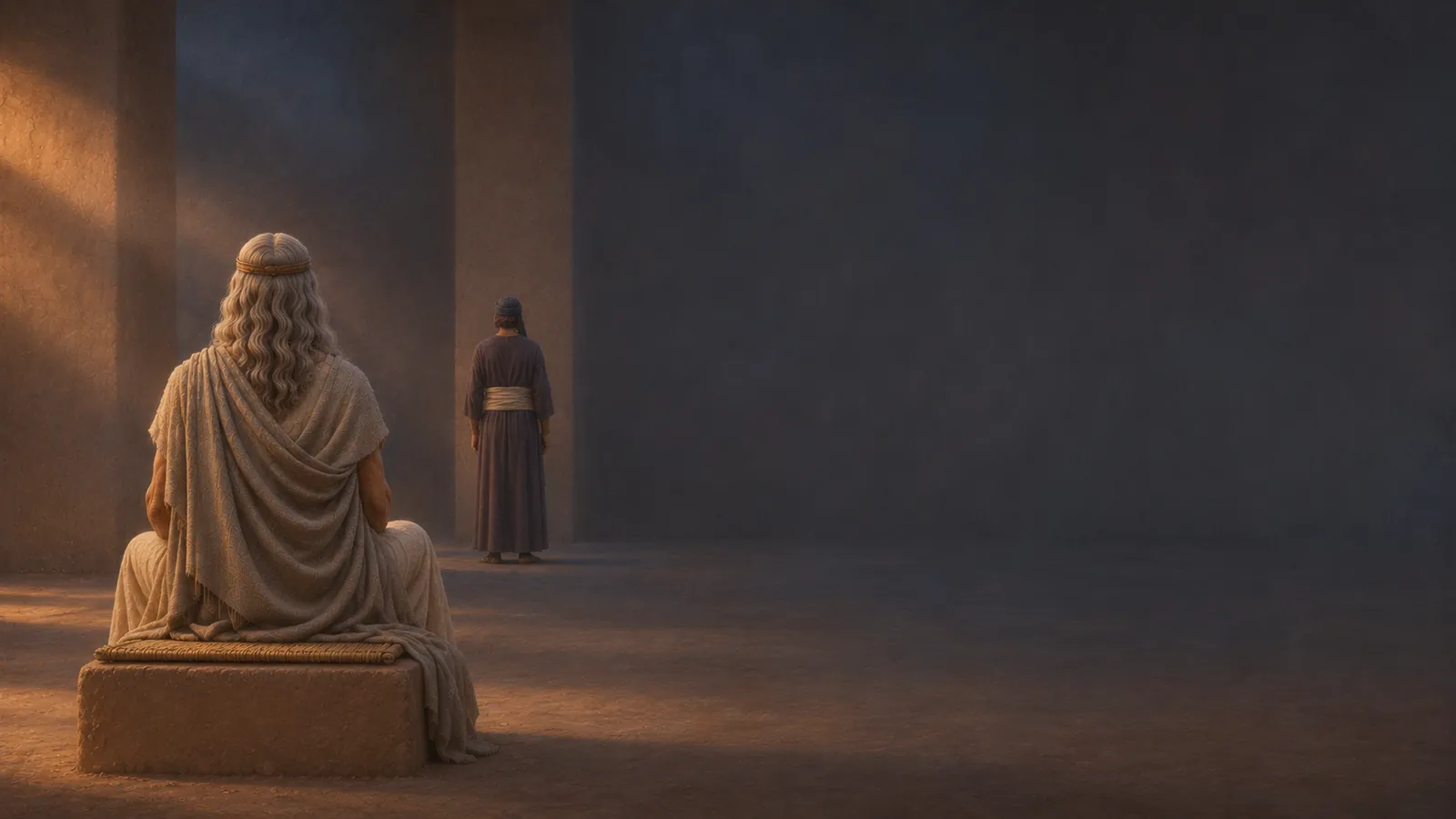
Au ciel, Anu appela son ministre Ilabrat. Il voulait savoir pourquoi le vent du sud n’atteignait plus le pays.

Anu avait remarqué que sept jours s’étaient écoulés. Il demanda à son ministre ce qui retenait le vent du sud depuis si longtemps.
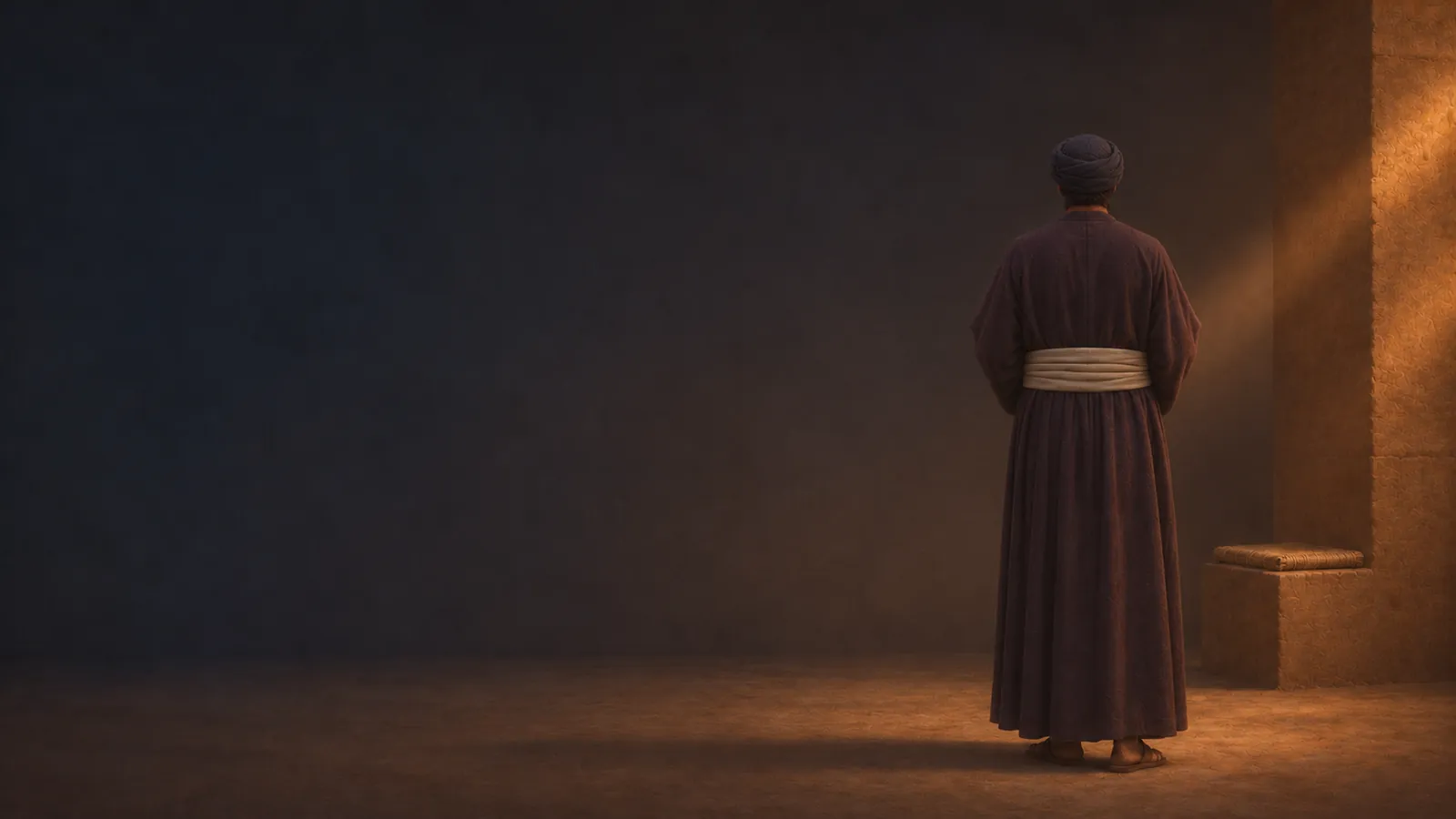
Ilabrat avait une réponse pour son seigneur. C’était Adapa, le fils d’Ea, qui avait brisé l’aile du vent du sud.

Anu entendit le rapport et s’écria. Le maître du ciel se leva de son siège en apprenant qui avait arrêté le vent.
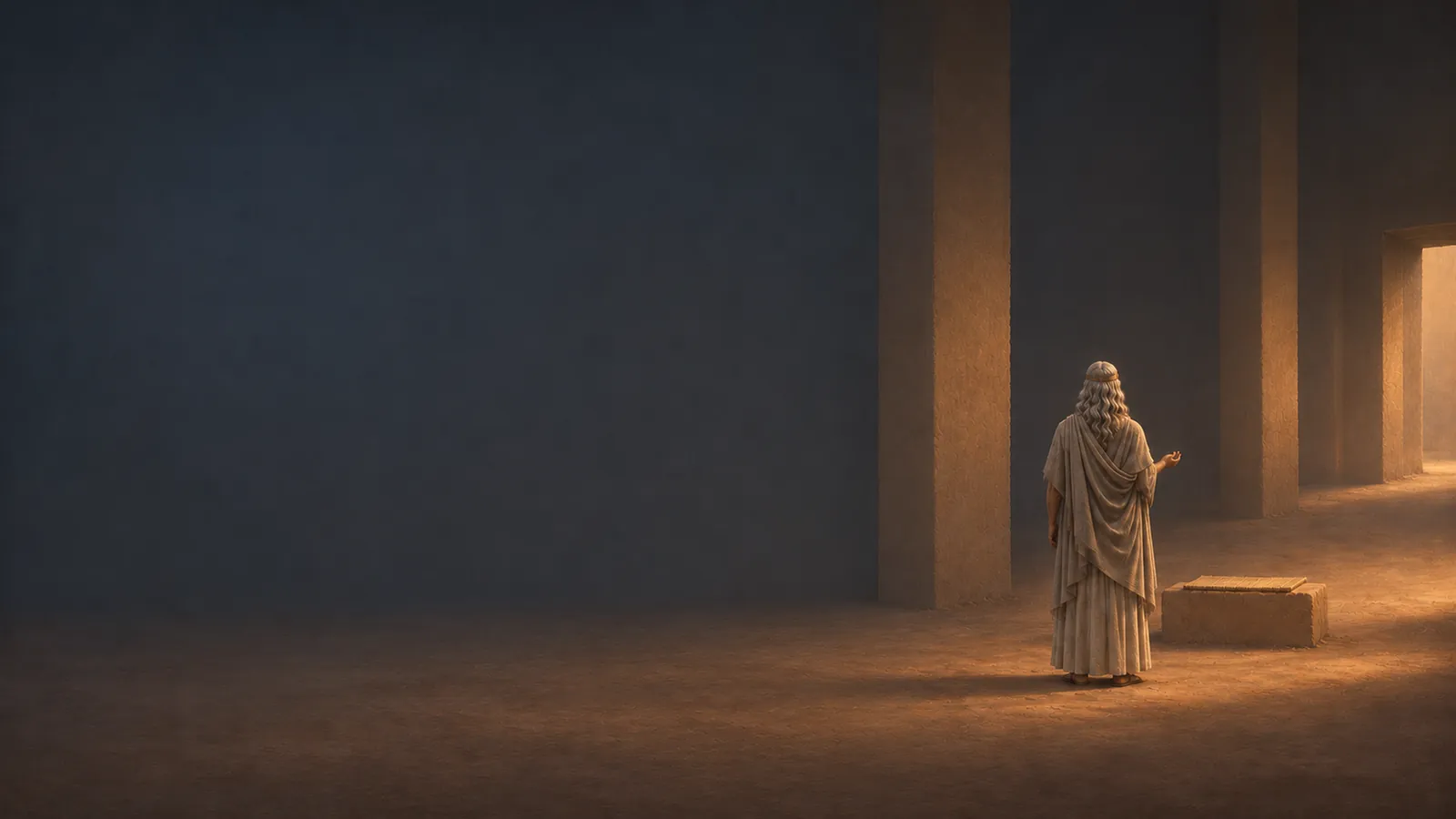
Anu voulut qu’on amène Adapa devant lui. Il faudrait désormais répondre au ciel de la disparition du vent.
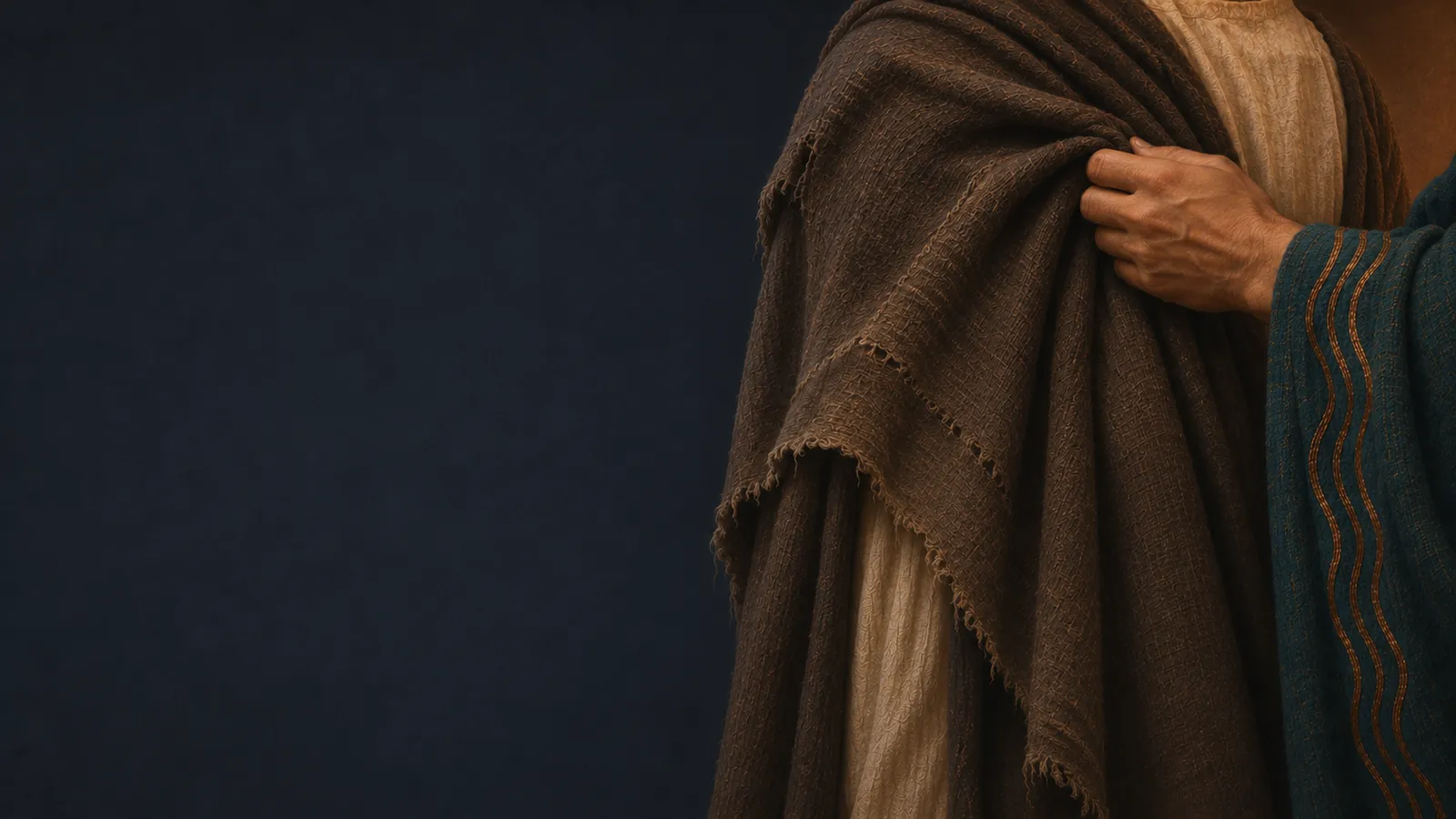
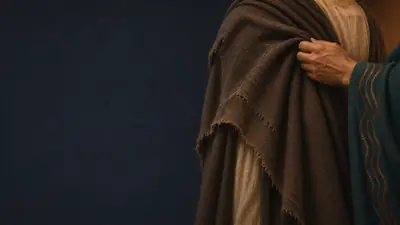
Ea prépara Adapa au départ. Il lui fit garder les cheveux en désordre et lui donna un vêtement qui le signalerait comme un homme en deuil.
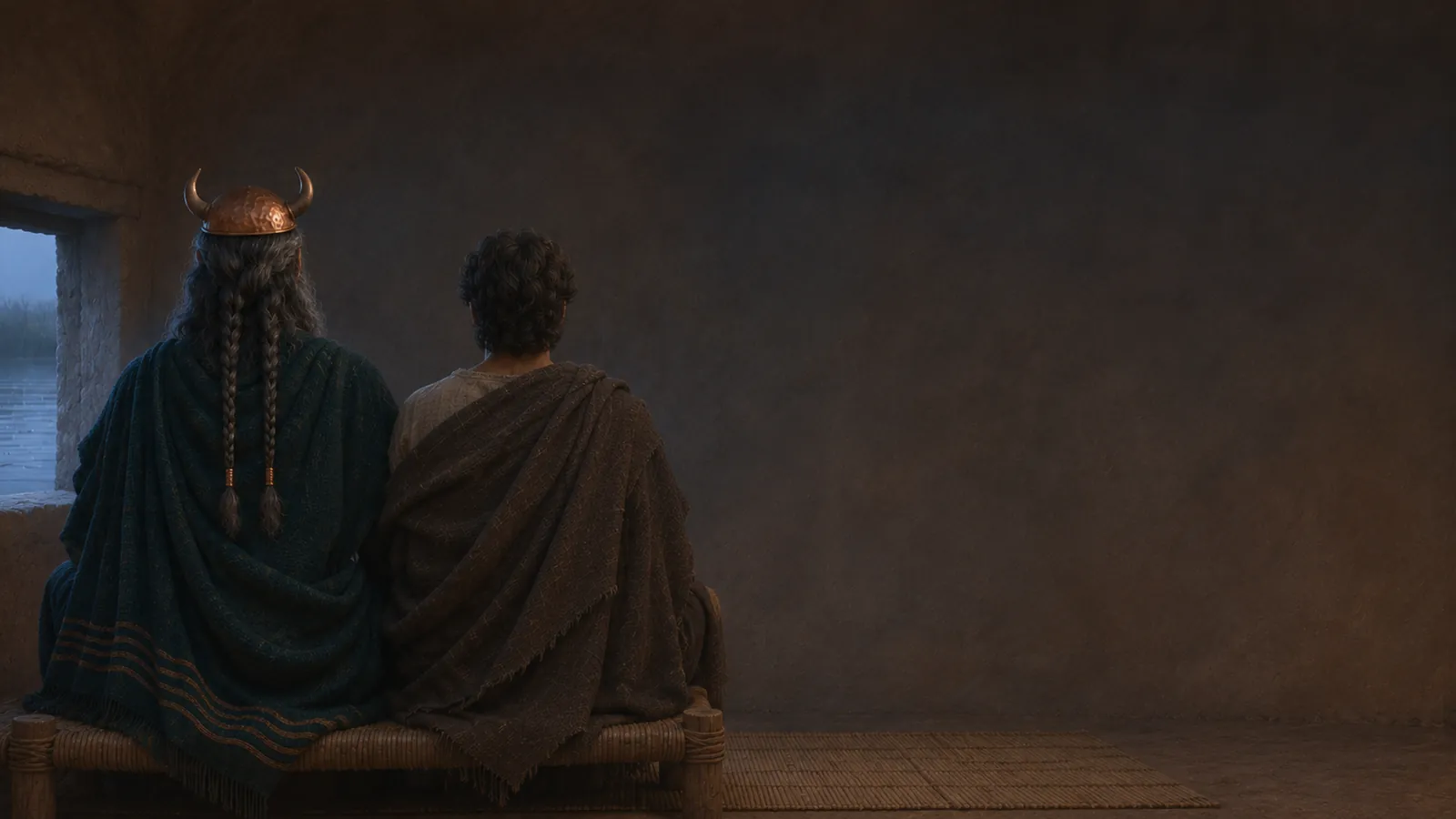
Ea dit à Adapa qu’il irait devant Anu. Avant d’atteindre le maître du ciel, il lui faudrait franchir la porte.
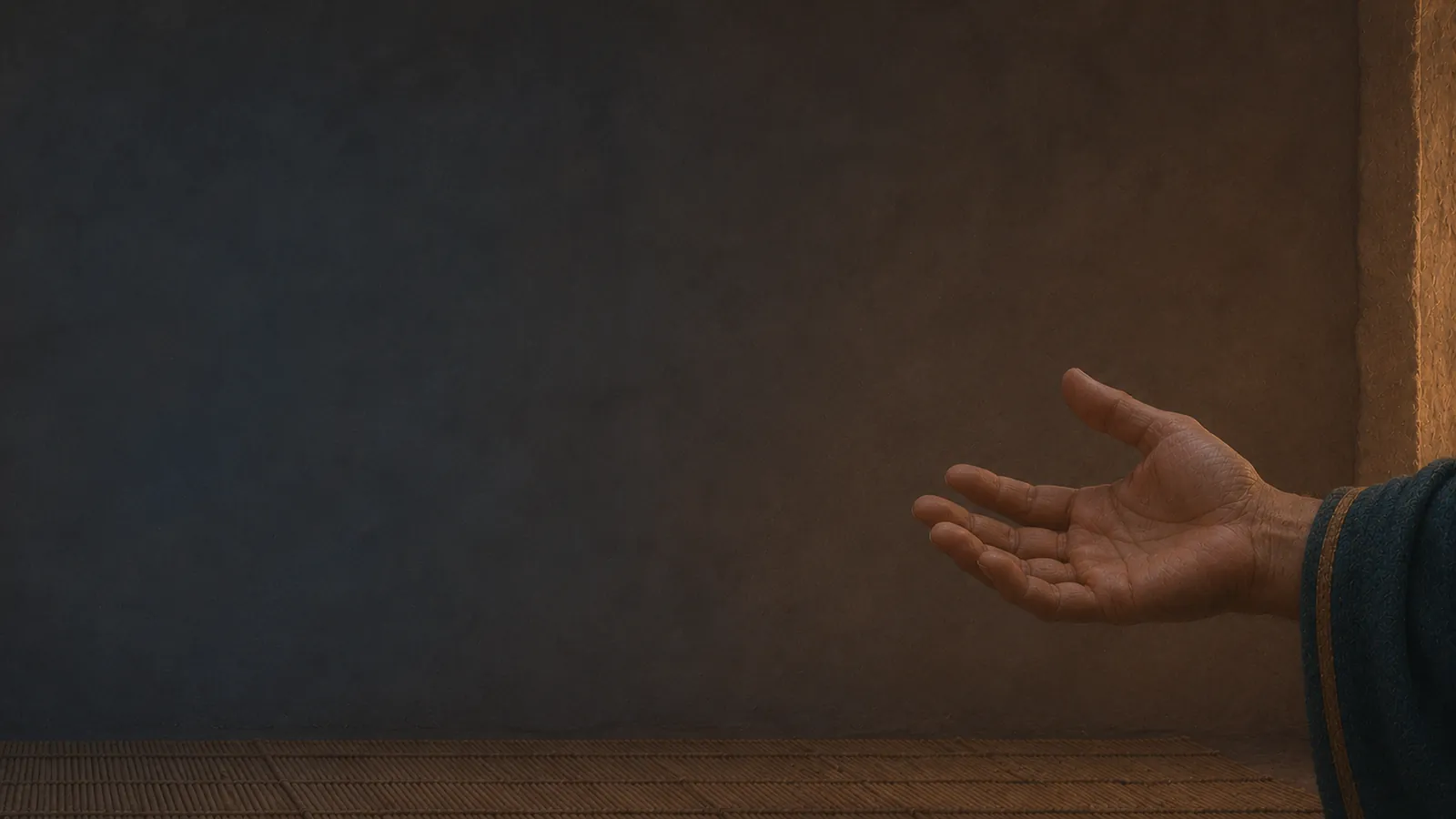
Deux dieux se tiendraient à la porte, lui dit Ea. Dumuzi et Gizzida verraient ses vêtements et lui demanderaient de qui il portait le deuil.
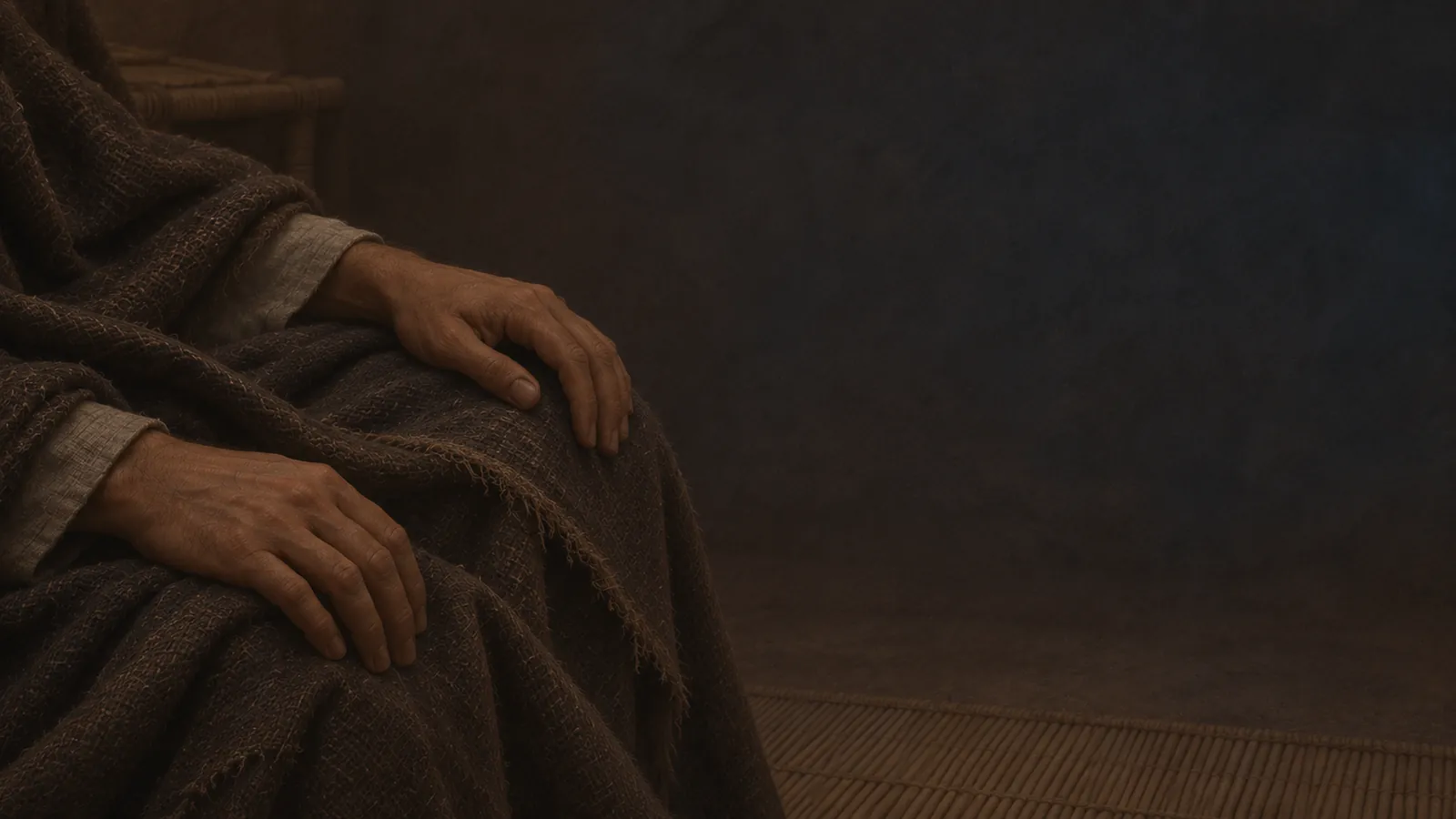
Ea lui dit comment répondre. Il devait expliquer que deux dieux manquaient au pays et nommer Dumuzi et Gizzida.
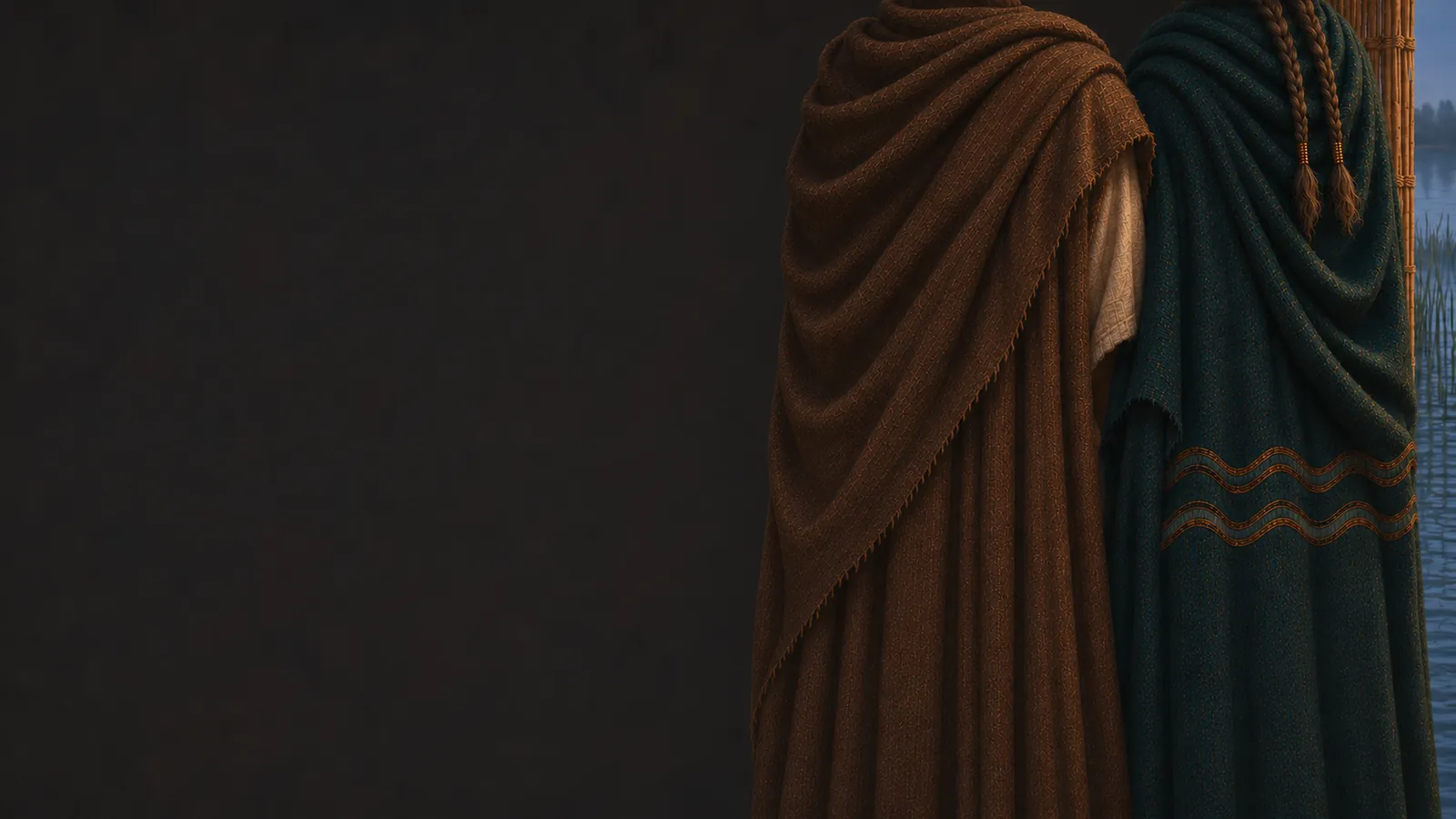
Ea dit que les deux dieux souriraient à cette réponse. Il comptait sur eux pour parler d’Adapa en bien devant Anu.
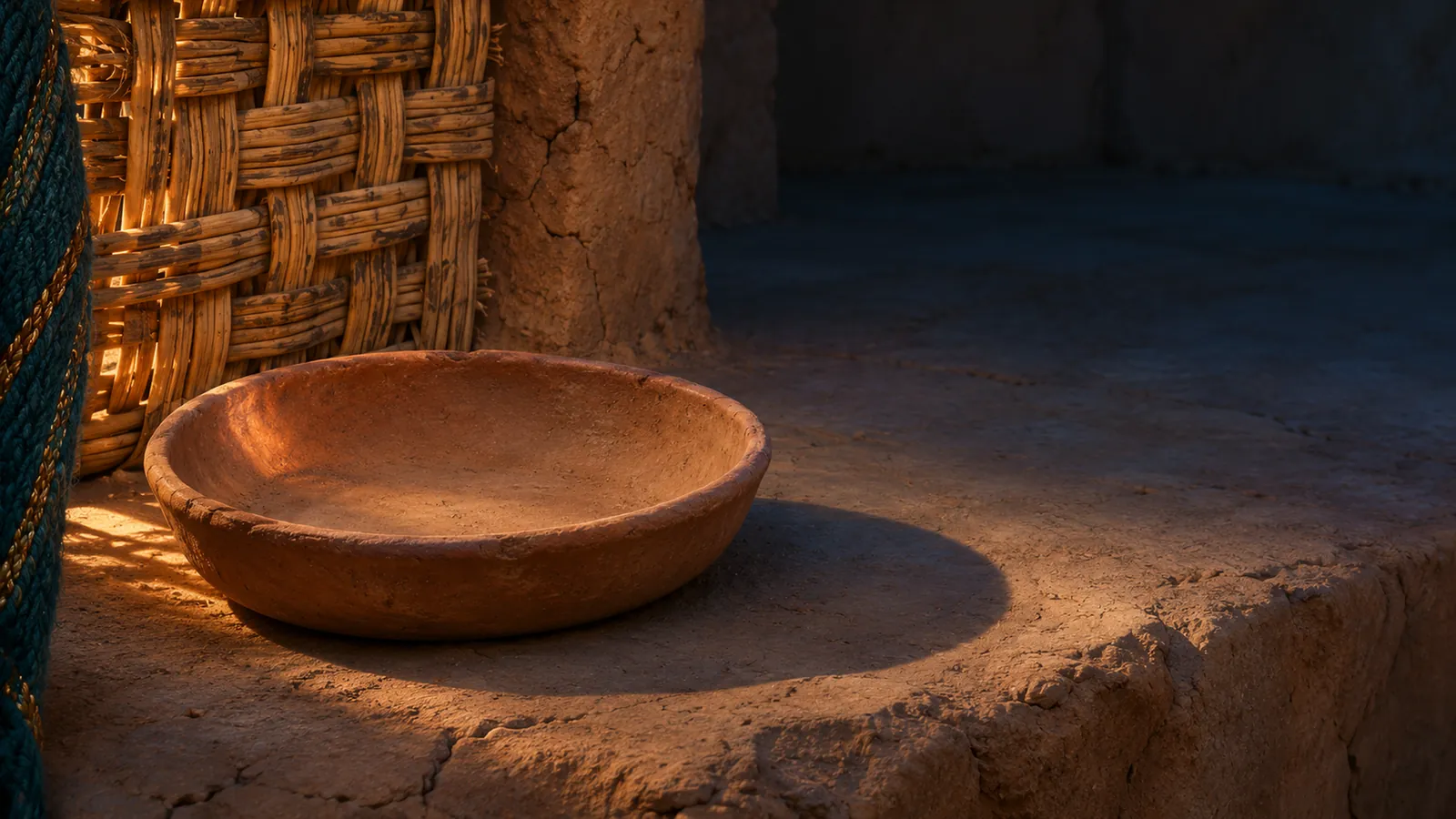
Quand Adapa se tiendrait devant Anu, dit Ea, on lui présenterait de la nourriture. Ea l’avertit que la manger signifierait la mort.
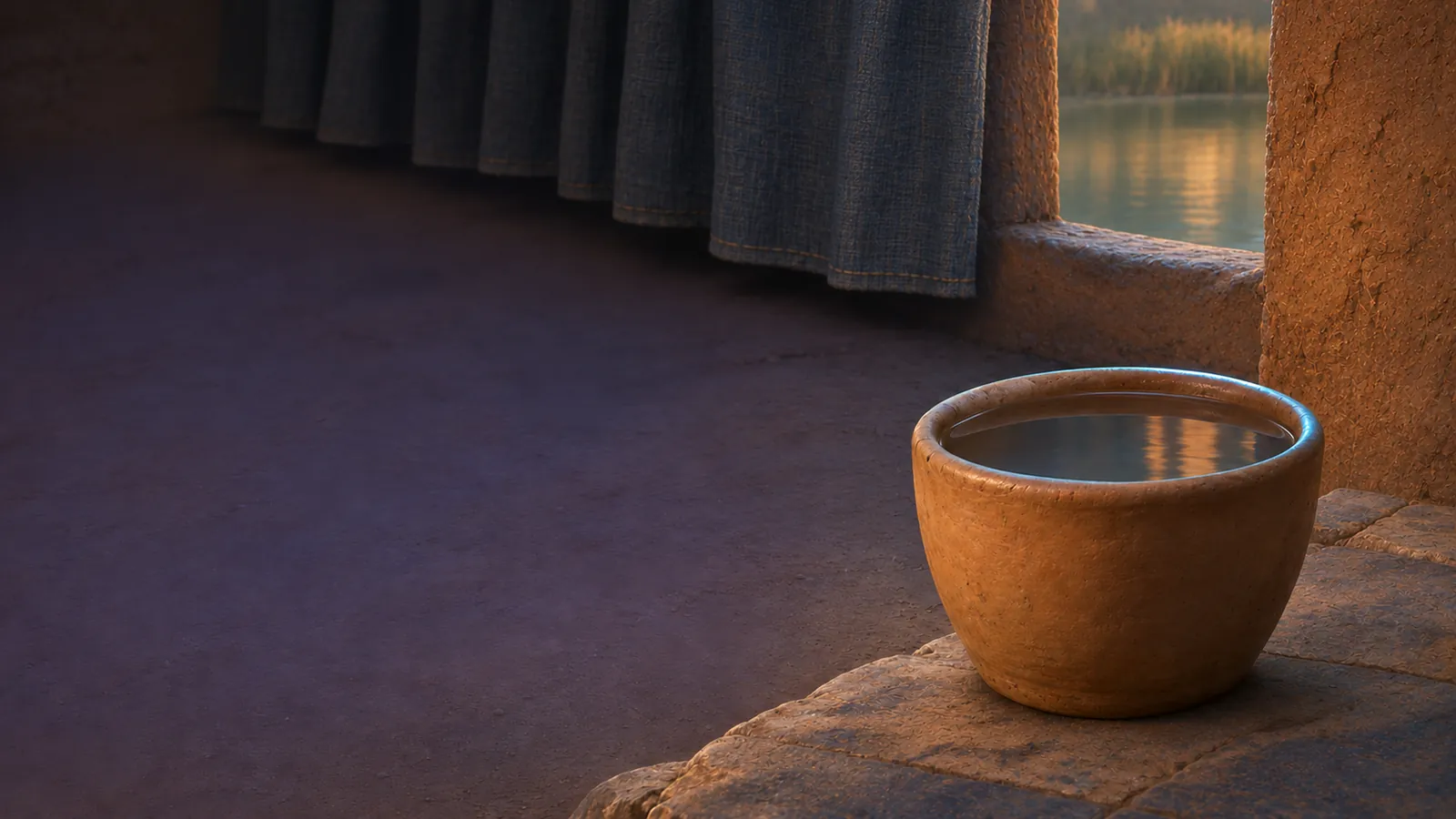
Ea lui donna le même avertissement au sujet de l’eau. Quoi qu’on lui verse au ciel, Adapa devait le laisser intact.
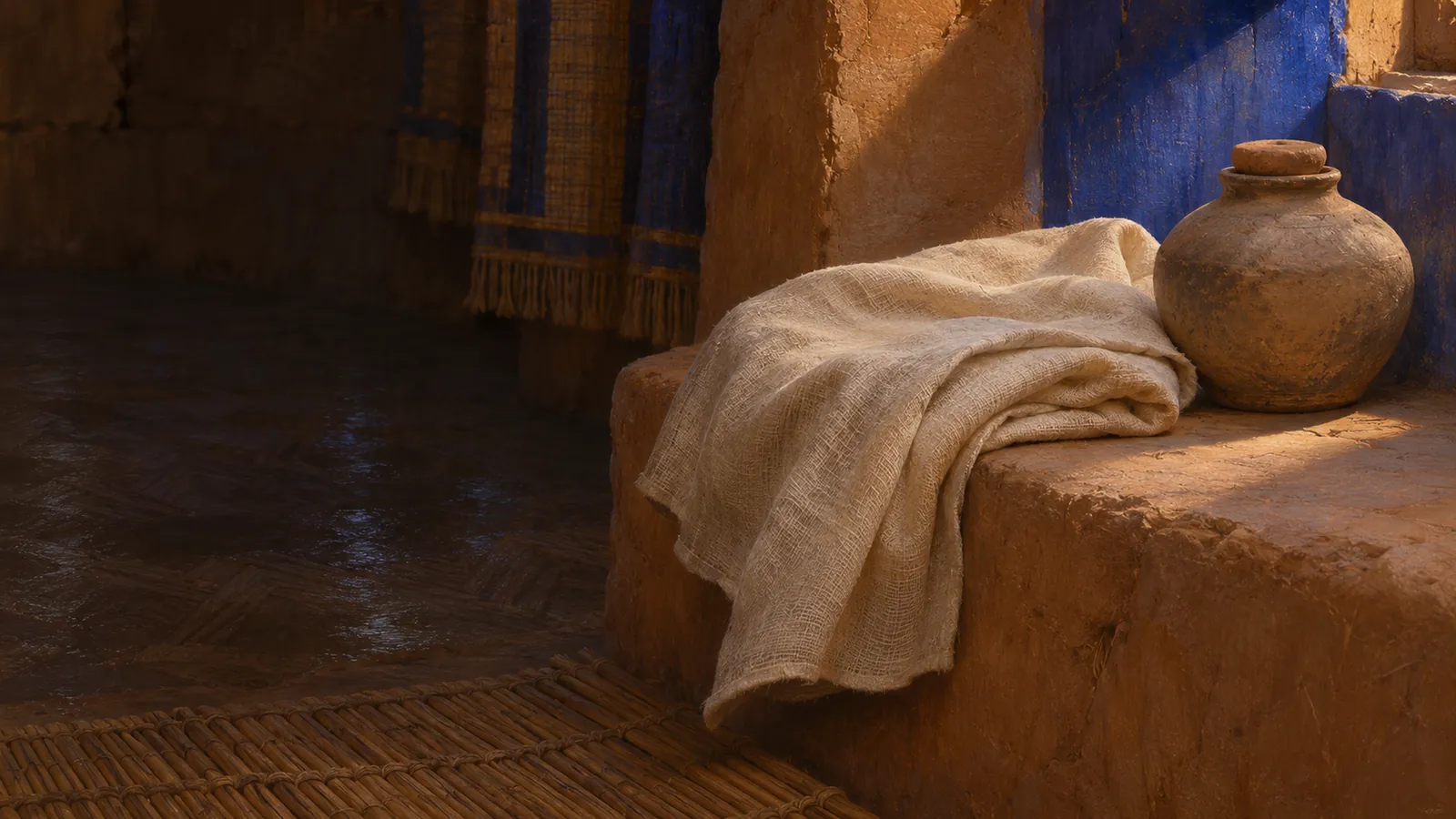
Si on lui offrait un vêtement, il devait le mettre. Si on lui offrait de l’huile, il pouvait s’en oindre. Ea le pressa de retenir chaque consigne.
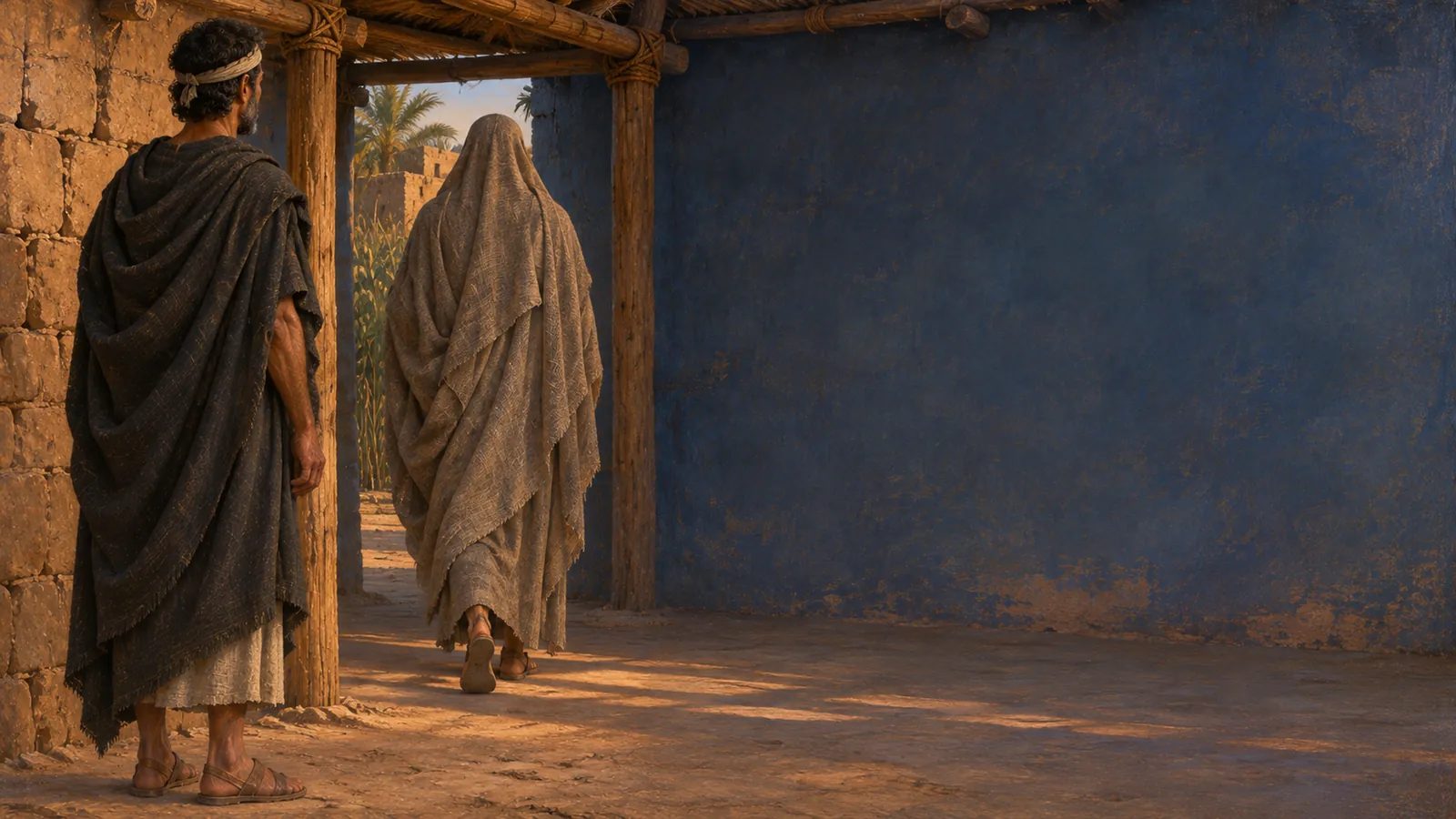
Le messager d’Anu arriva alors que les paroles d’Ea étaient encore fraîches. Adapa avait brisé l’aile du vent du sud et on le réclamait au ciel.
LE CIEL
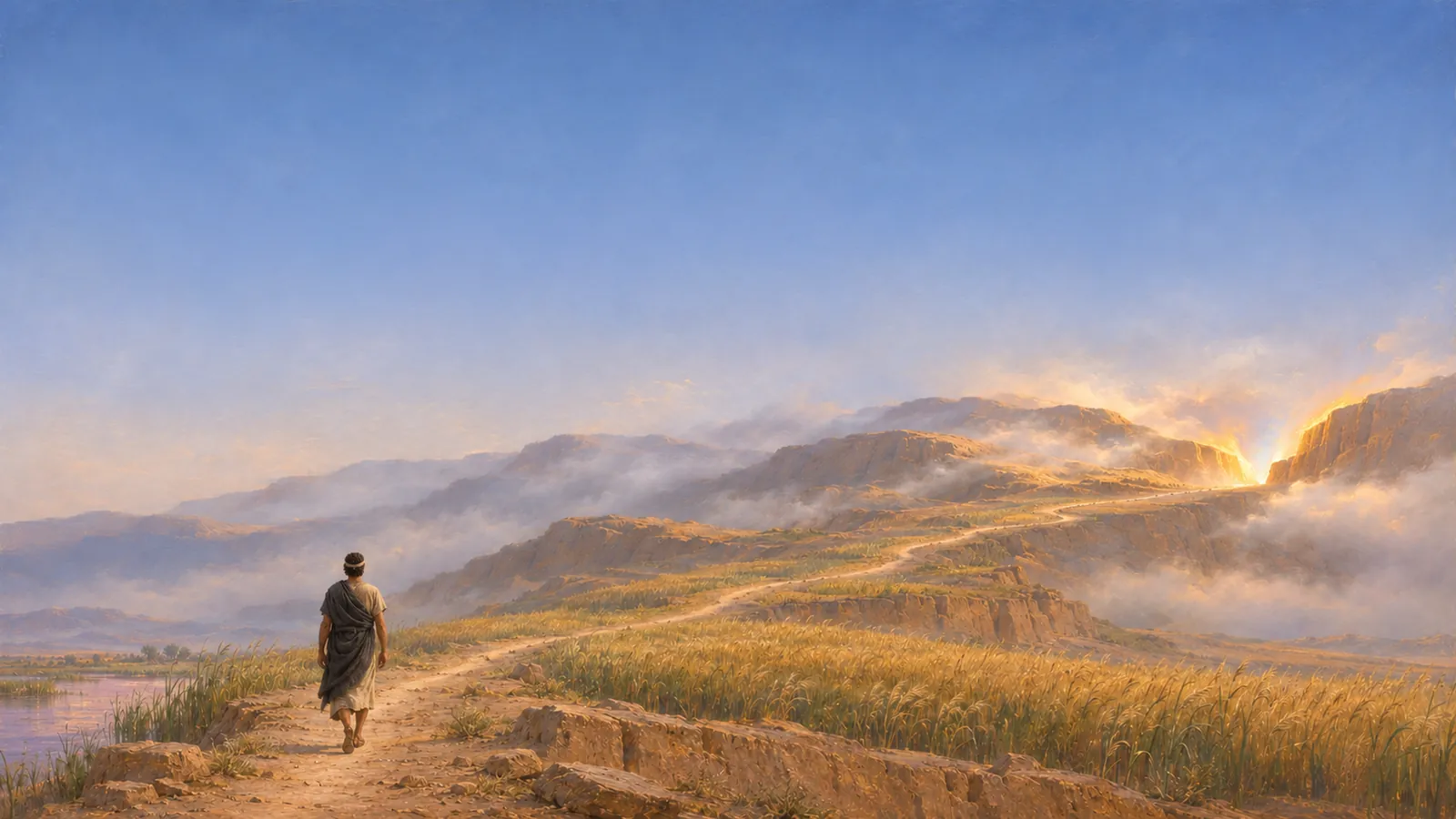
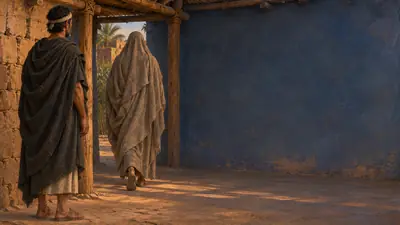
Adapa fut mis sur la route du ciel. Il monta comme Ea l’avait annoncé, jusqu’à approcher de la porte d’Anu.
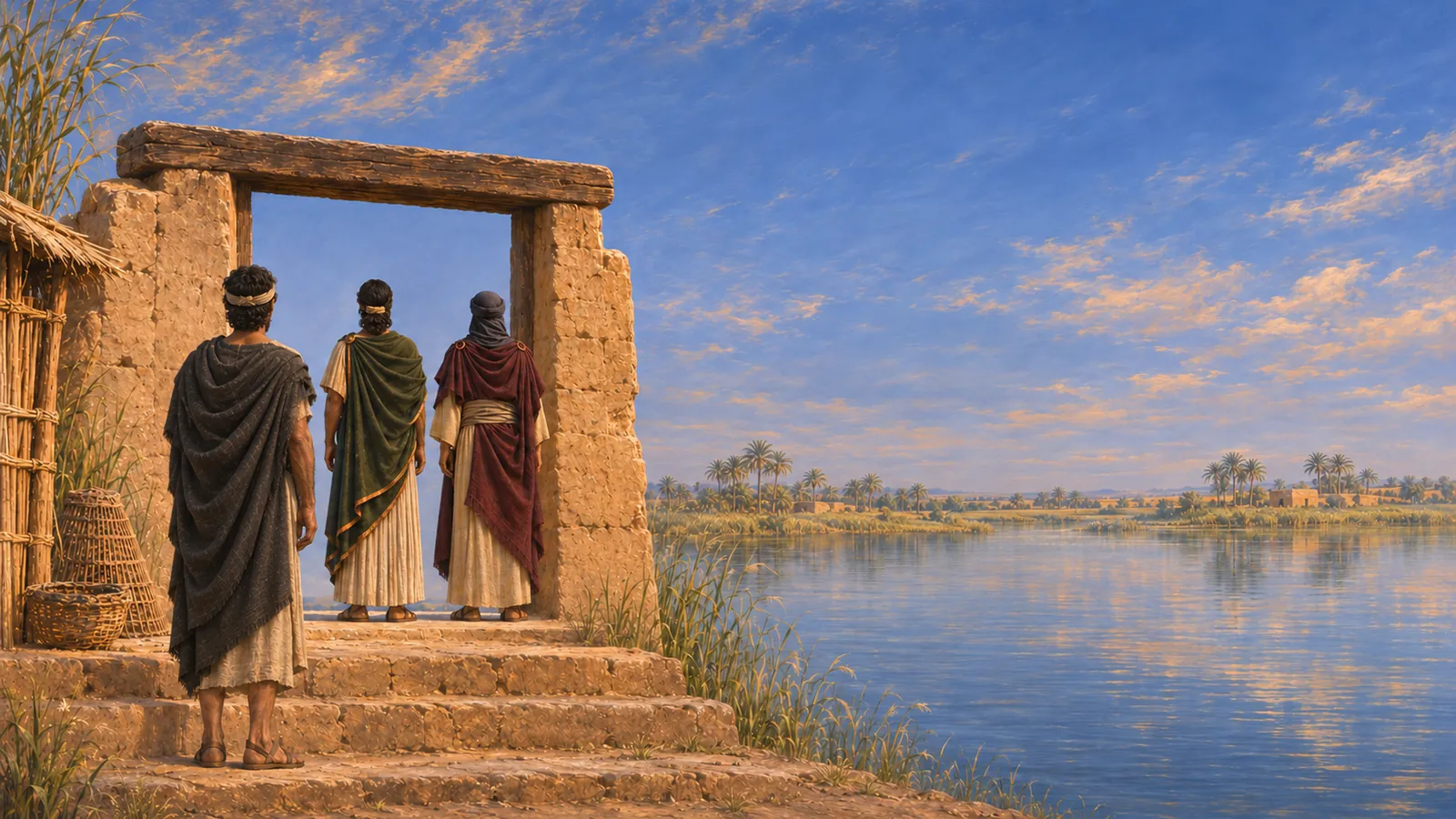
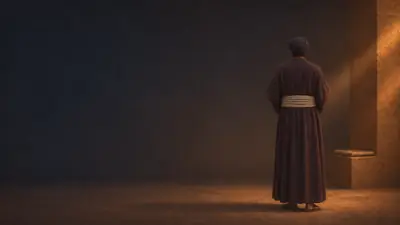
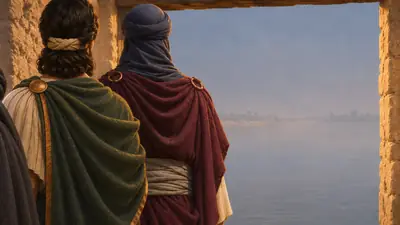
Dumuzi et Gizzida se tenaient à la porte, comme Ea l’avait dit. Ils aperçurent Adapa dans ses vêtements de deuil.
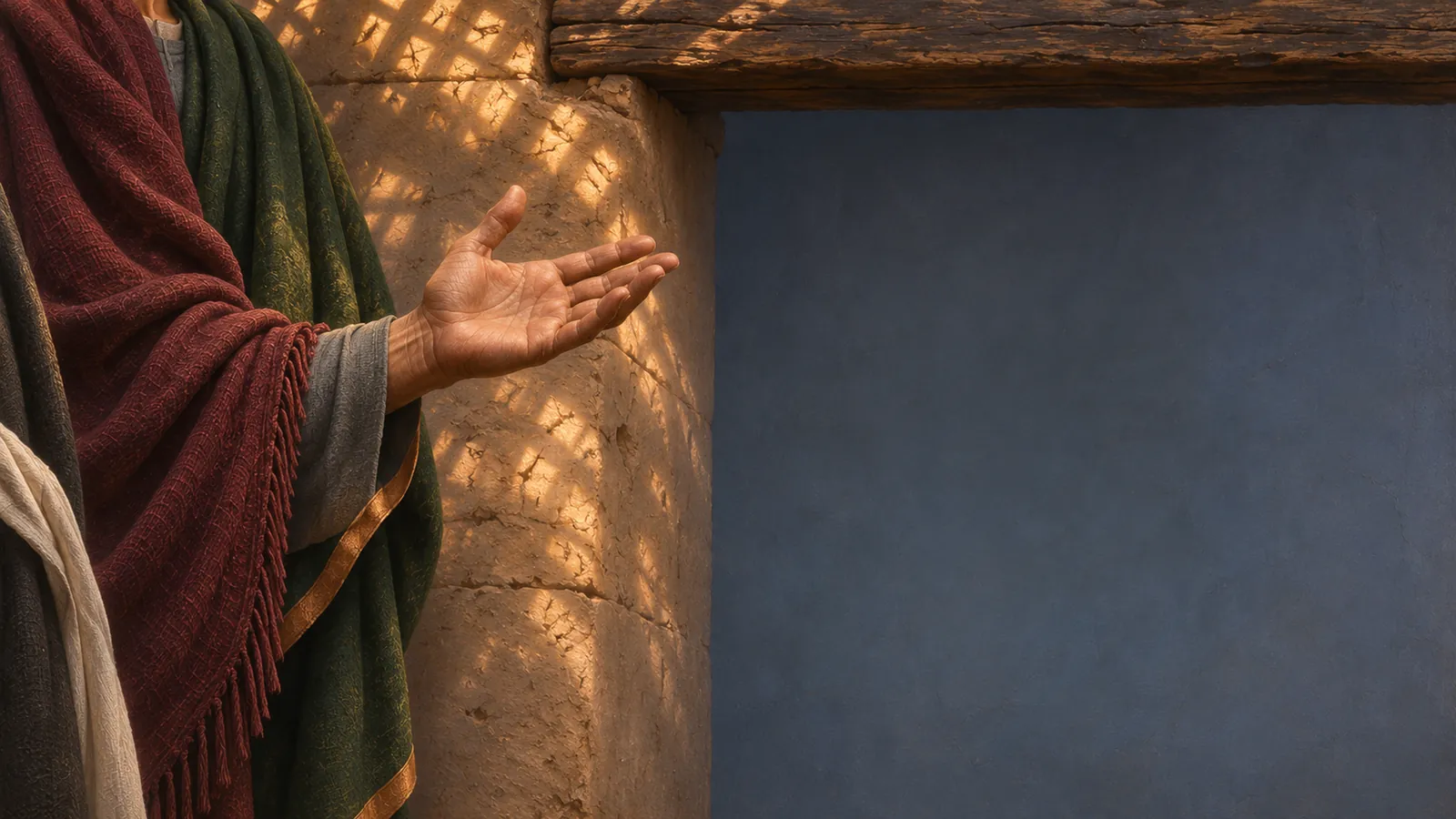
Les deux dieux l’appelèrent. Ils demandèrent à Adapa ce qui l’avait changé et pour qui il portait ces vêtements de deuil.
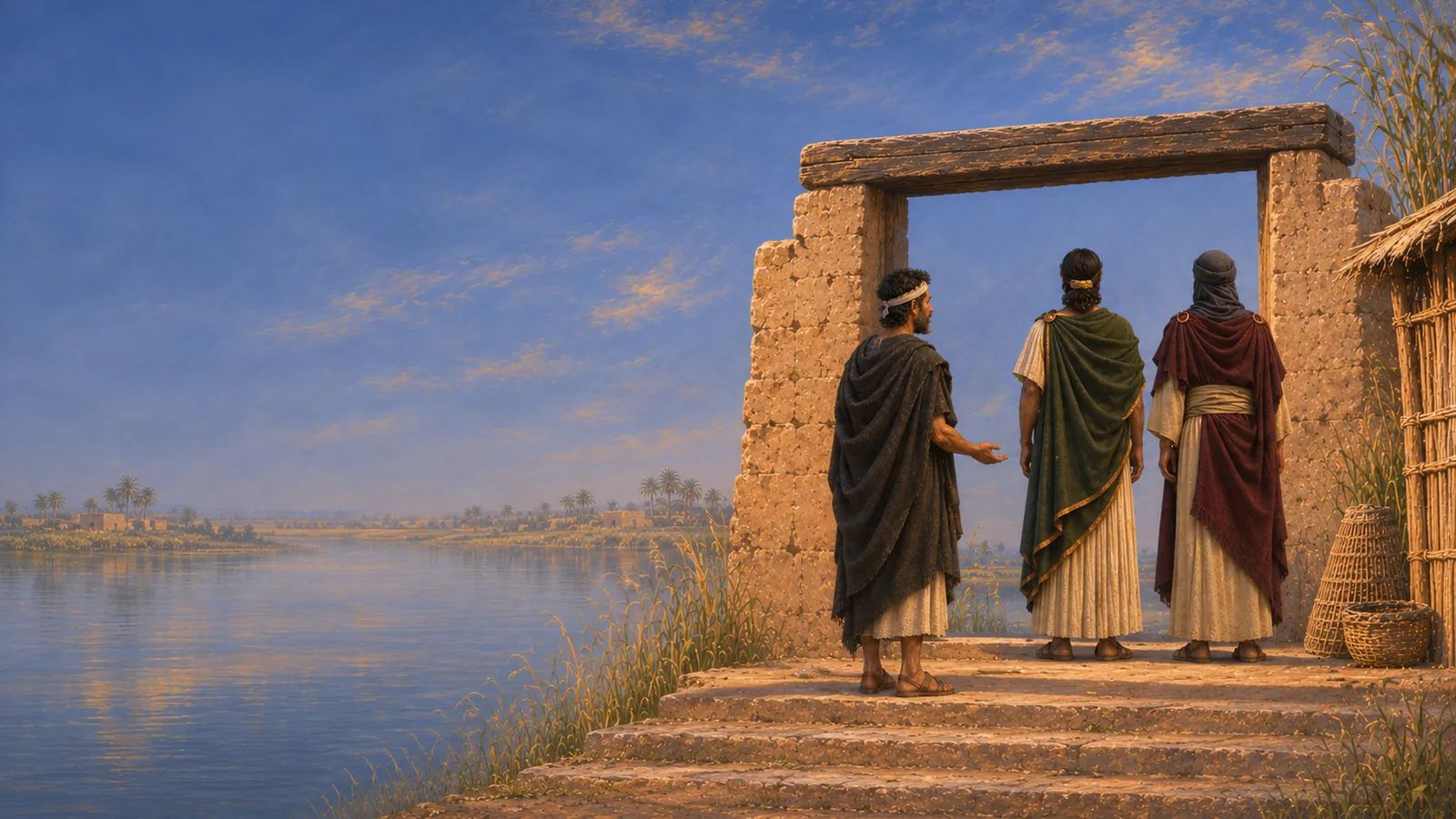
Adapa donna la réponse qu’Ea lui avait apprise. Deux dieux manquaient au pays, dit-il, et c’était pour eux qu’il portait le deuil.
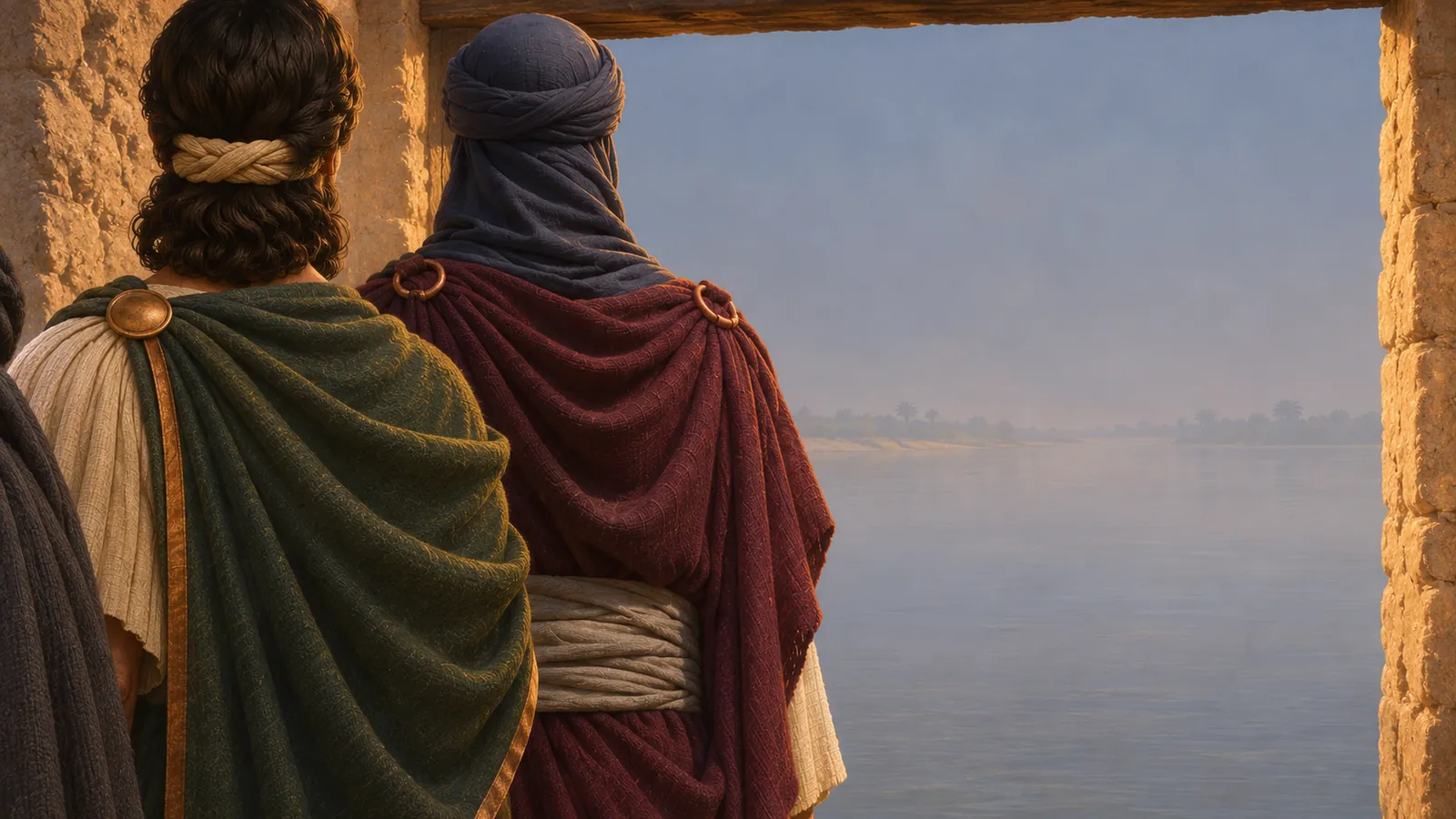
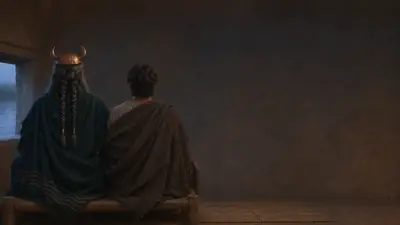
Ils lui demandèrent qui manquait. Quand Adapa nomma Dumuzi et Gizzida, les deux dieux se regardèrent et sourirent.
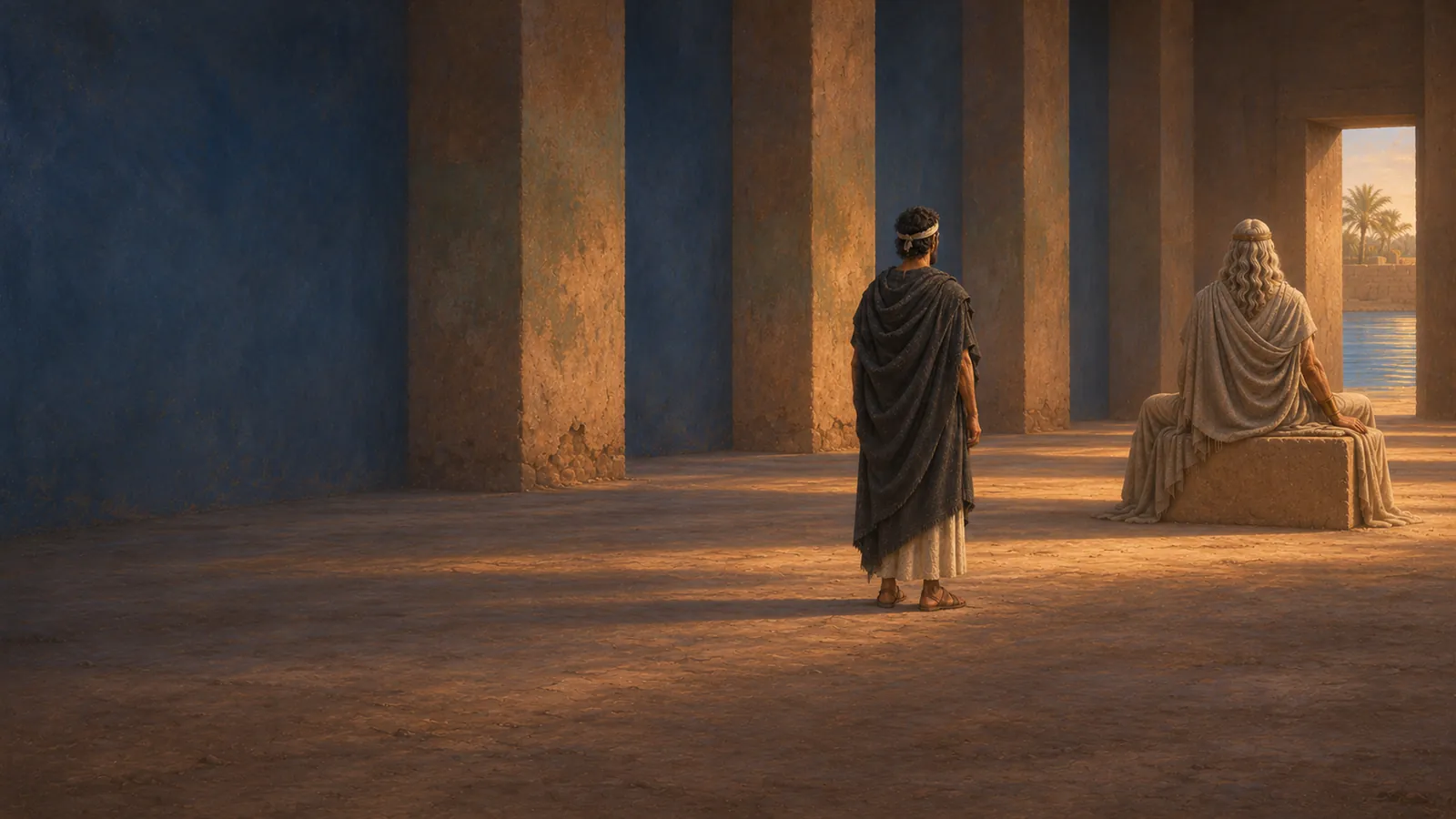
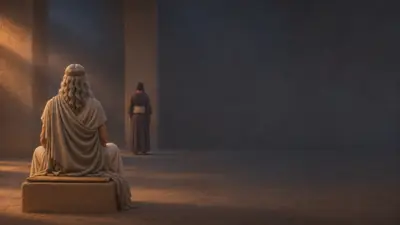
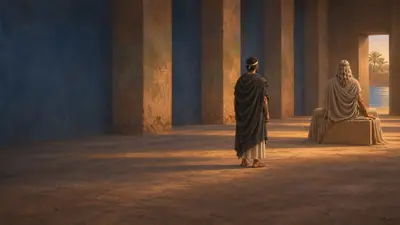
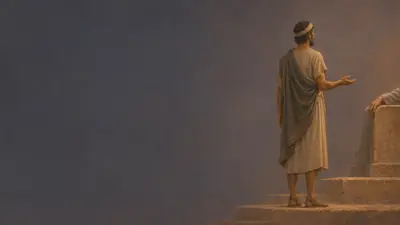
Adapa parut devant Anu. Le maître du ciel l’appela et lui demanda pourquoi il avait brisé l’aile du vent du sud.
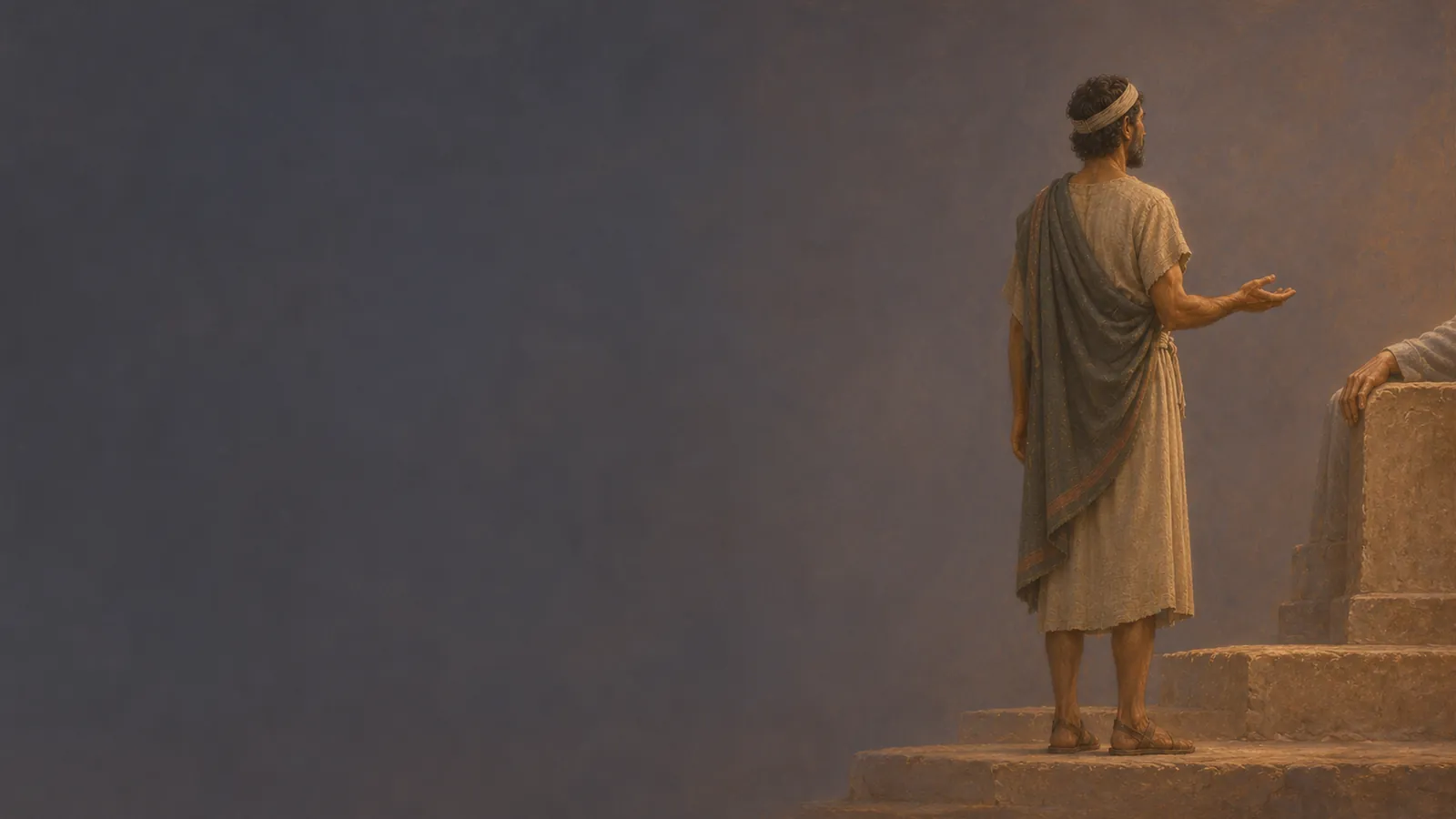
Adapa dit qu’il pêchait pour la maison de son seigneur. Le vent l’avait précipité dans l’eau, et sous le coup de la colère il l’avait maudit.
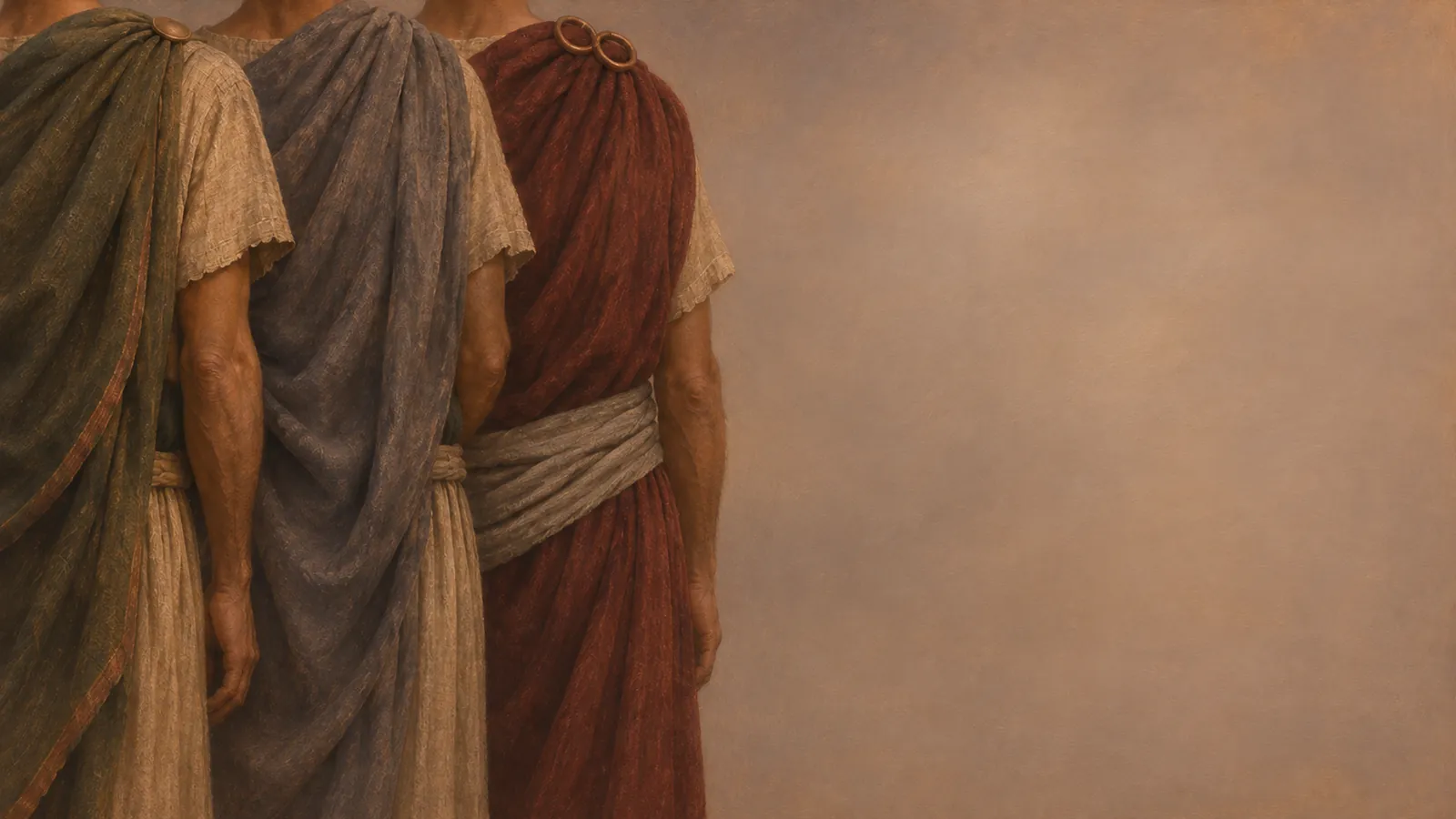
Dumuzi et Gizzida se tenaient de part et d’autre d’Adapa et parlèrent pour lui. Leurs paroles parvinrent à Anu, et la salle devint silencieuse.

Anu se demanda ce qu’Ea avait montré à un humain du ciel et de la terre. Puis il demanda ce que les dieux pouvaient faire pour Adapa.
LA VIE
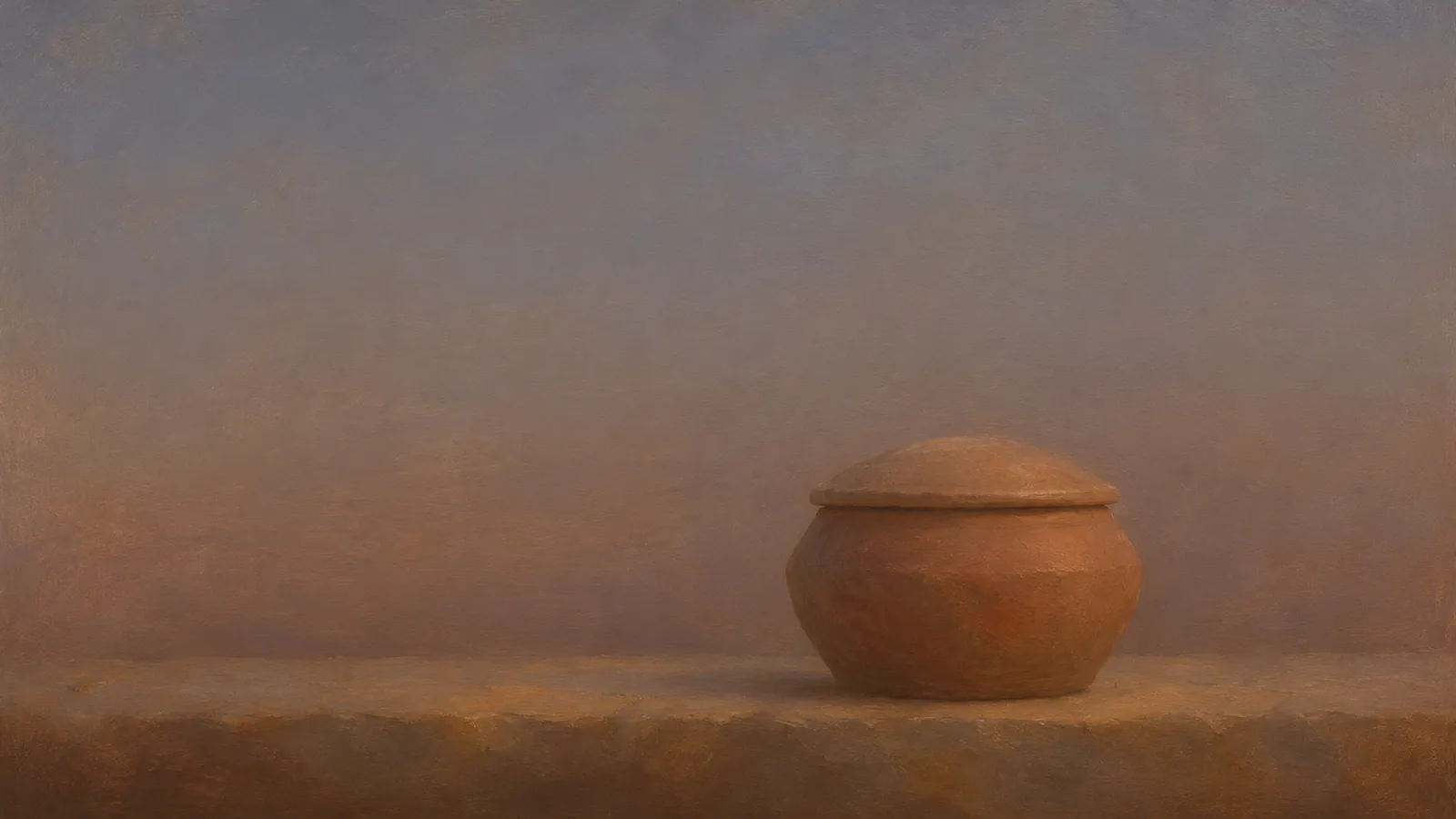
Anu donna un ordre à son tour. Il demanda qu’on apporte la nourriture qui donne la vie pour qu’Adapa puisse en manger.
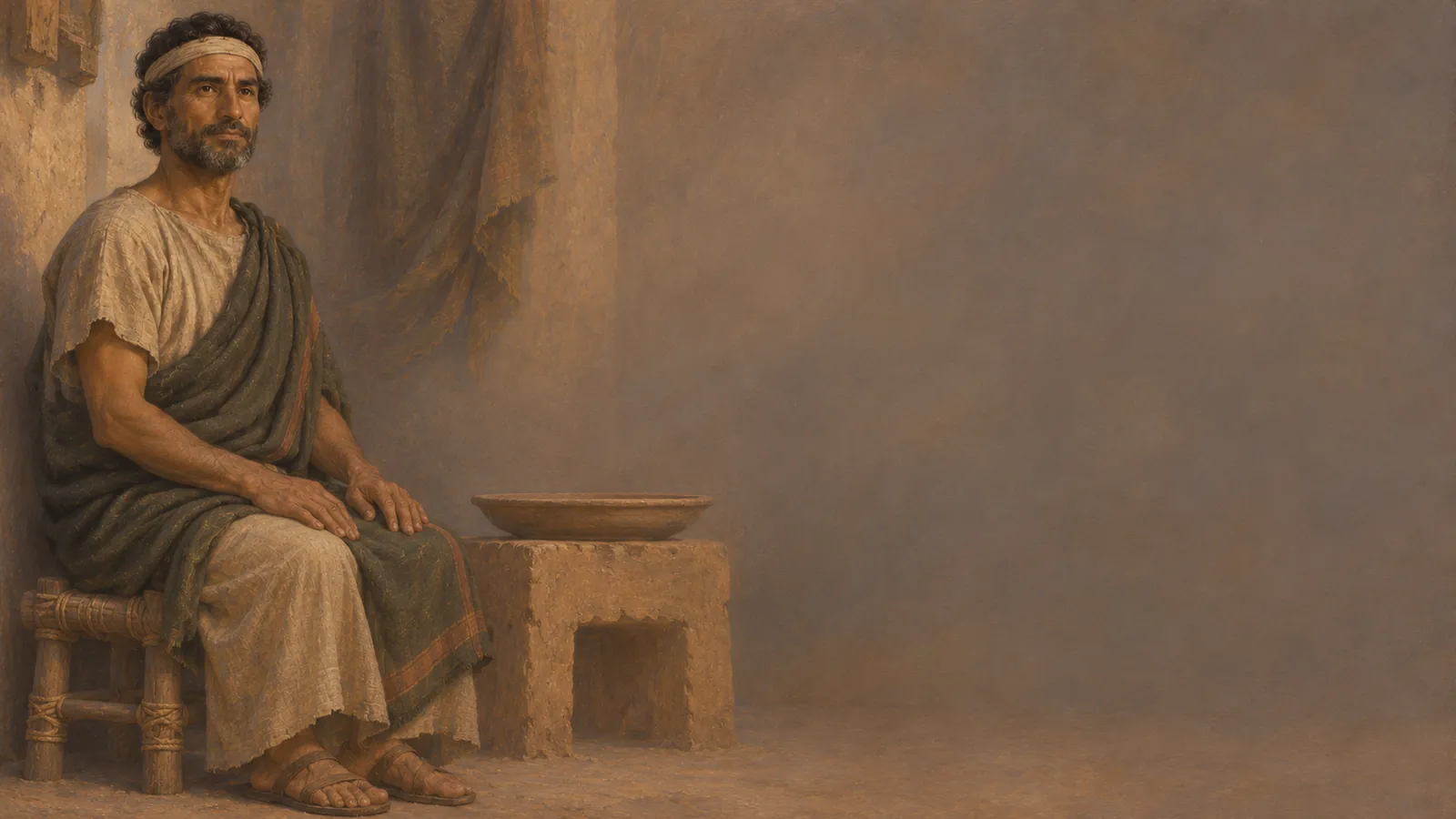
On déposa la nourriture qui donne la vie devant Adapa. Il se souvint de l’avertissement d’Ea et la laissa intacte.
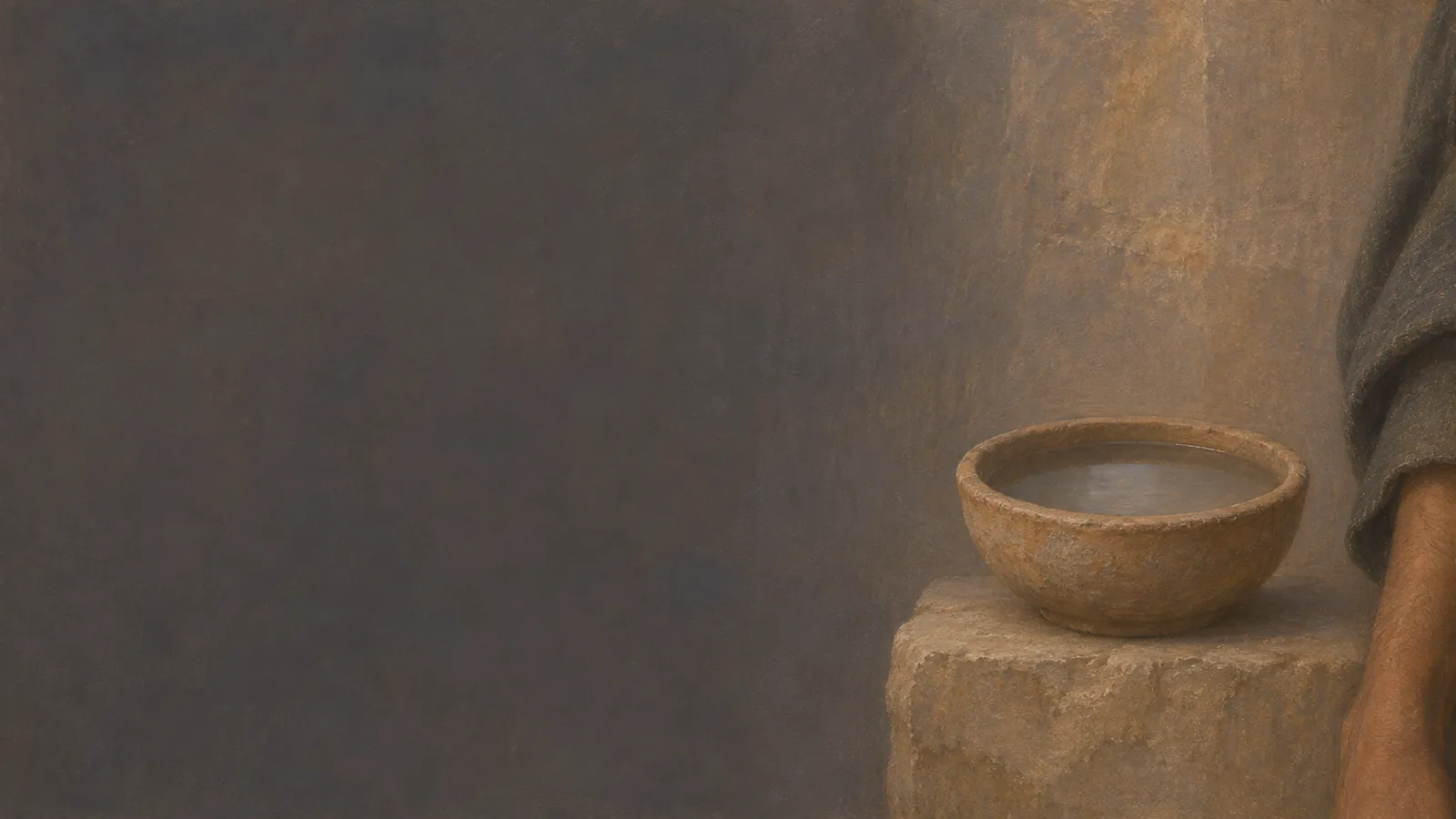
Ils lui apportèrent ensuite l’eau qui donne la vie. Il s’en tint à ce qu’Ea lui avait dit et ne but pas.
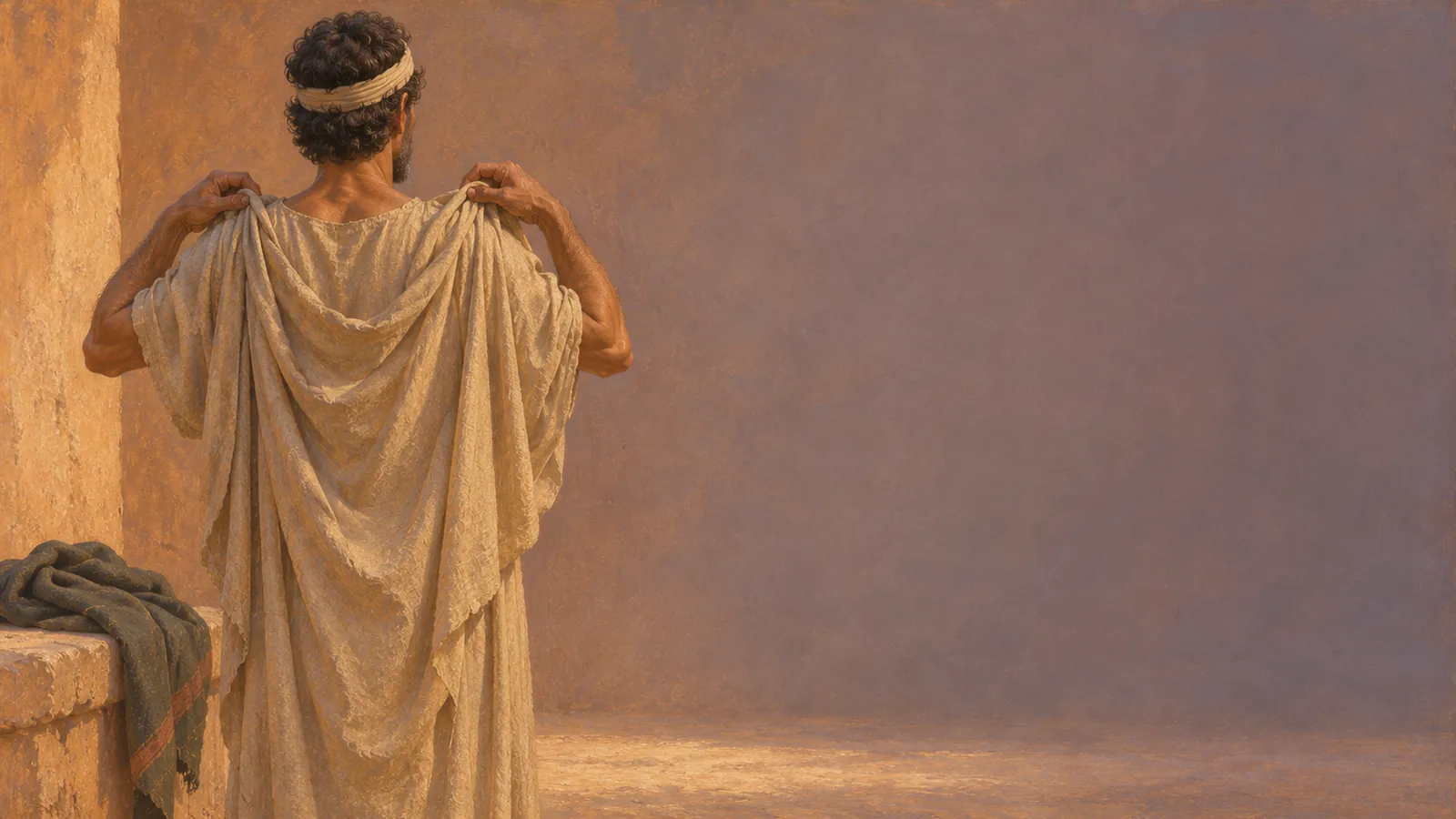
On apporta un vêtement à Adapa, et il le mit. C’était l’un des présents qu’Ea lui avait dit d’accepter.
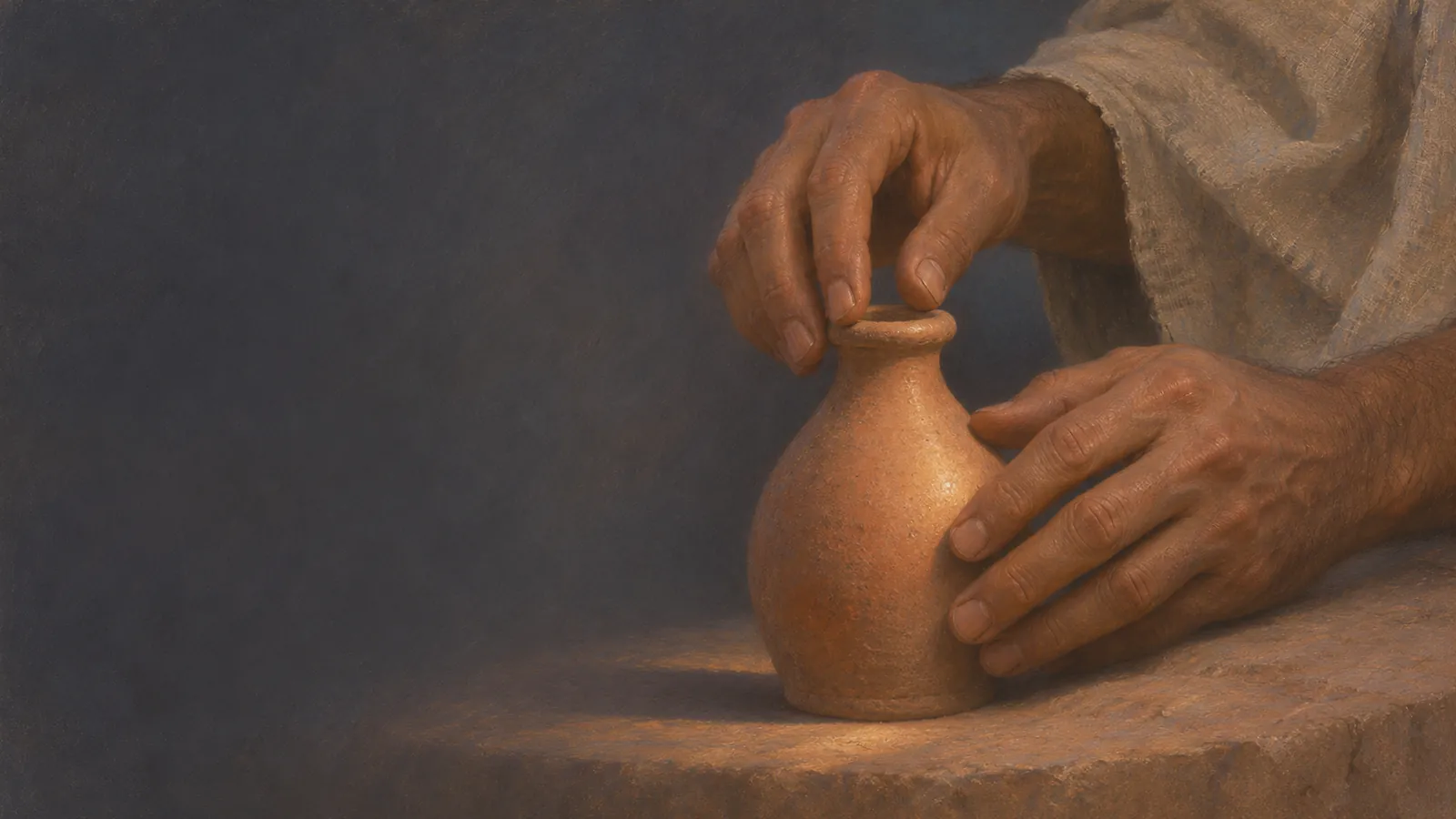
Après le vêtement, on apporta de l’huile. Adapa l’accepta et s’en oignit, comme Ea lui avait dit de le faire.
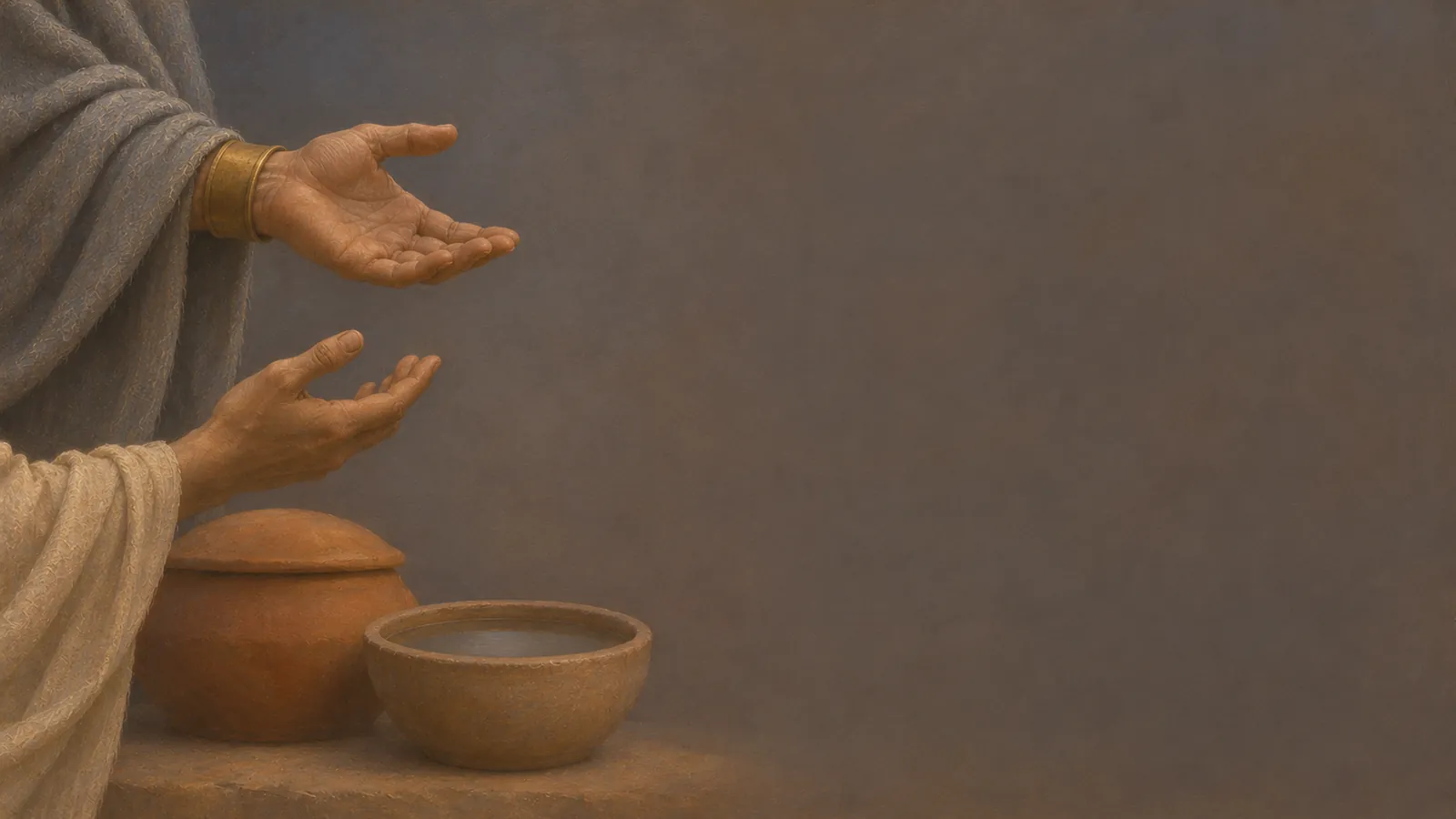
Anu rit et demanda pourquoi Adapa avait refusé de manger ou de boire. Adapa répondit que son seigneur Ea lui avait dit de refuser l’un et l’autre.
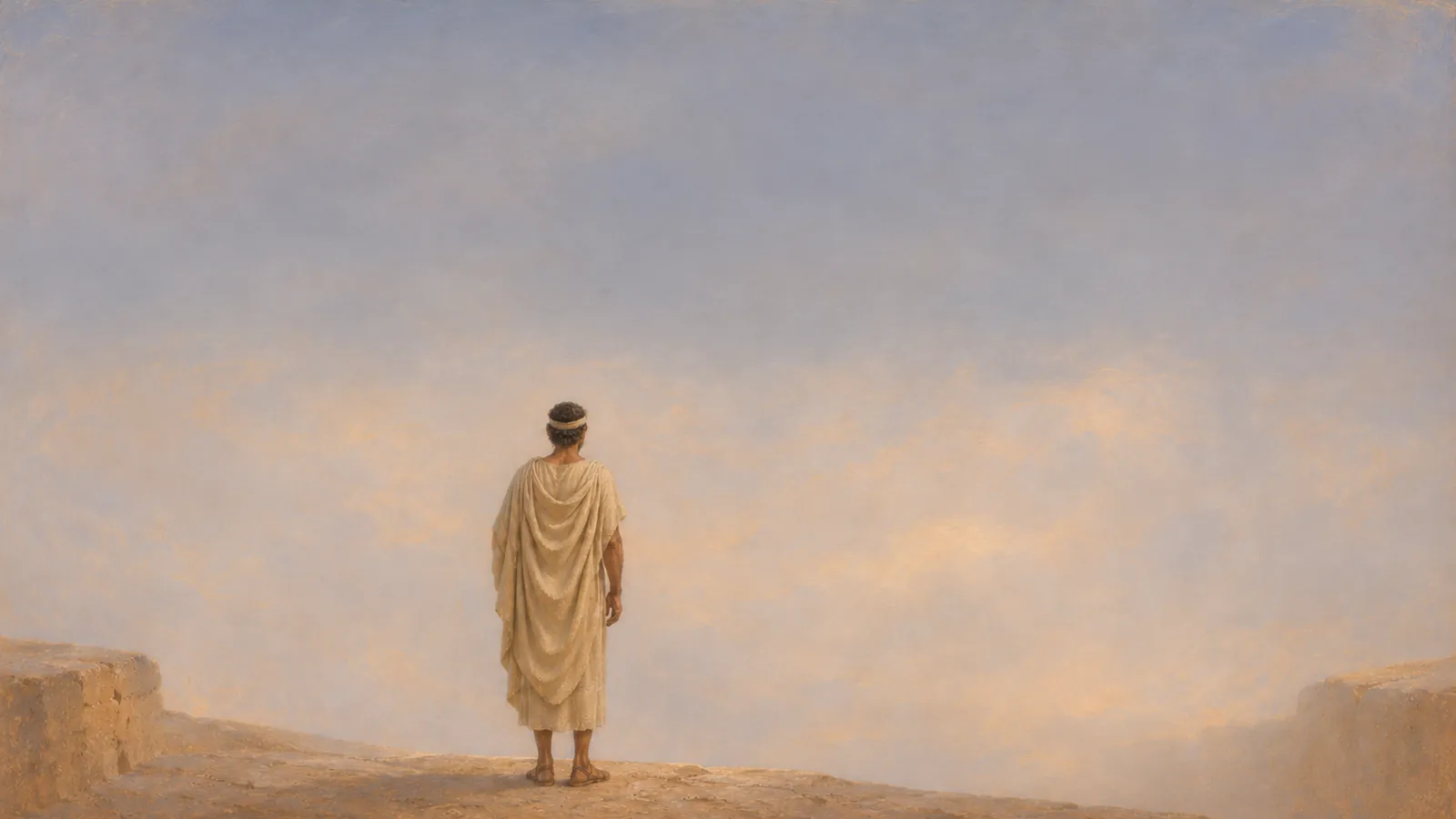
LA CASSURE
Le vers abîmé semble ordonner qu’on ramène Adapa en bas. La tablette d’Amarna se brise avant que nous sachions où il est allé.
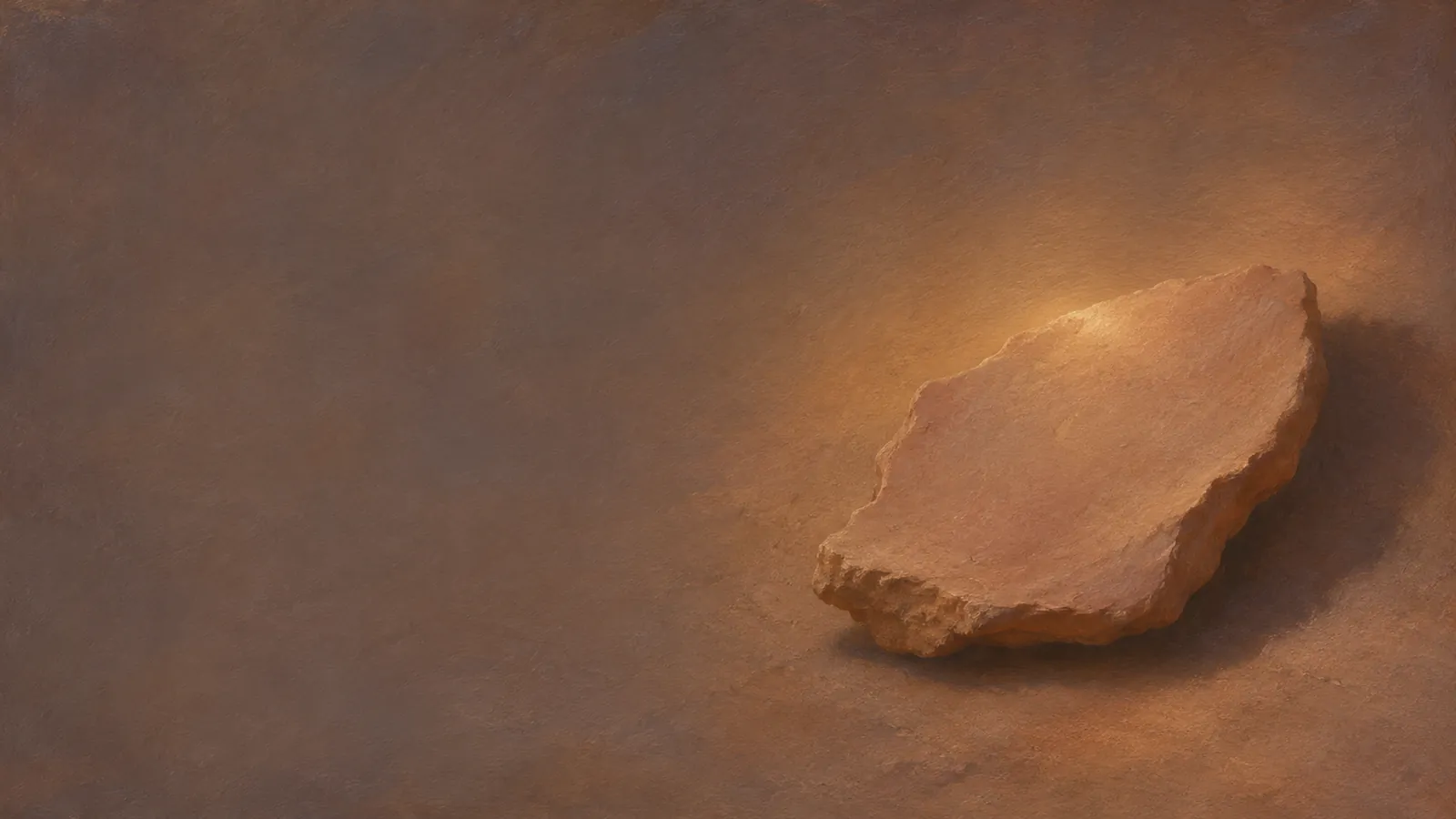
Un fragment de Ninive donne un autre tour à l’histoire. Il semble placer Adapa sous l’autorité d’Anu et lui promettre un honneur durable.
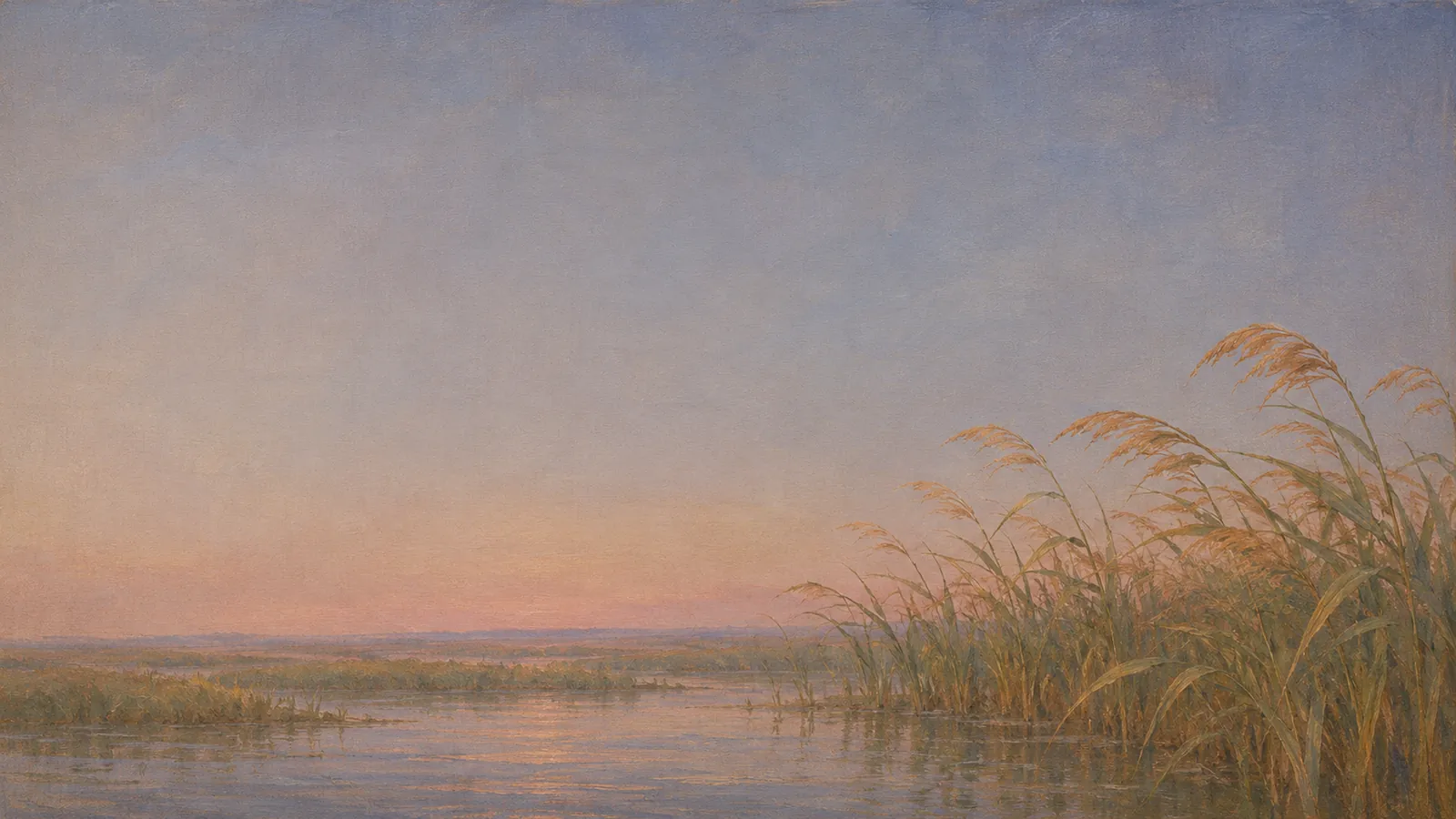
Dans le récit sumérien de Tell Haddad, les dieux parlent de remettre en état l’aile du vent. L’histoire s’achève sur des paroles qui lient le vent à la guérison.
Fin du chapitre 1
Toutes les pages



















Sources
Éditions consultées
- Shlomo Izre’el, The Amarna Scholarly Tablets, EA 356, pp. 43–50. Open edition hosted by NYU Libraries
- Hebrew University, Sources of Early Akkadian Literature. EA 356 transliteration and continuous line numbering
- Albert T. Clay, A Hebrew Deluge Story in Cuneiform, pp. 39–41. Edition of MLC 1296, digitized by ETANA
- Yale Babylonian Collection, Babylonian Records IV, no. 3. Cuneiform copy of MLC 1296
- Electronic Babylonian Library, Adapa, Standard Babylonian fragments
- Amar Annus, The Story of the Watchers as a Counter Narrative. Transliteration and discussion of K.8214 rev. 7′–14′
- Cuneiform Digital Library Initiative, Q002295. Sumerian composite with transliteration and line translations
- Antoine Cavigneaux, Une version sumérienne de la légende d’Adapa. Edition of the Tell Haddad tablets
- IL Archive, Adapa
Les vers antiques de chaque page
- Page 1: Nineveh A (MLC 1296) 5′–9′
The opening comes from the Nineveh fragment MLC 1296. The surviving opening at Amarna is broken. - Page 2: Nineveh A (MLC 1296) 2′–8′
- Page 3: Nineveh A (MLC 1296) 9′–14′
- Page 4: Nineveh A (MLC 1296) 15′–22′
The quay’s name is left aside because the wording is damaged. - Page 5: Amarna EA 356 rev. 49′–51′
The Amarna opening is broken. - Page 6: Amarna EA 356 rev. 51′–53′
- Page 7: Amarna EA 356 rev. 52′–53′
- Page 8: Amarna EA 356 obv. 1′–5′ and rev. 53′–54′
The first words of the curse are broken. The text does not narrate a rescue. - Page 9: Amarna EA 356 obv. 5′–6′
- Page 10: Amarna EA 356 obv. 6′–9′
- Page 11: Amarna EA 356 obv. 7′–8′
Ilabrat is named in Amarna. - Page 12: Amarna EA 356 obv. 8′–10′
- Page 13: Amarna EA 356 obv. 10′–12′
- Page 14: Amarna EA 356 obv. 12′–13′
The exclamation varies in translation. - Page 15: Amarna EA 356 obv. 13′–14′, 34′–36′
The command is partly restored. - Page 16: Amarna EA 356 obv. 14′–16′
The preparation is partly restored. - Page 17: Amarna EA 356 obv. 16′–19′
The instructions about the ascent have gaps, with a parallel in the later encounter. - Page 18: Amarna EA 356 obv. 19′–23′ and rev. 38′–42′
The names in the counsel are restored from the later encounter. - Page 19: Amarna EA 356 obv. 21′–25′
The planned answer names the two gods as absent. - Page 20: Amarna EA 356 obv. 25′–28′
Several words in the forecast are damaged. - Page 21: Amarna EA 356 obv. 28′–30′
The phrase naming death belongs to Ea’s warning. - Page 22: Amarna EA 356 obv. 30′–31′
- Page 23: Amarna EA 356 obv. 31′–34′
Tell Haddad uses different language for the third offer, and its reading is disputed. - Page 24: Amarna EA 356 obv. 34′–36′
- Page 25: Amarna EA 356 rev. 37′–38′
The word for the road is partly restored. - Page 26: Amarna EA 356 rev. 38′–40′
- Page 27: Amarna EA 356 rev. 40′–42′
The gods’ exclamation varies among translations. - Page 28: Amarna EA 356 rev. 42′–44′
The Tell Haddad composite uses stronger wording in its own dialogue. - Page 29: Amarna EA 356 rev. 44′–46′
- Page 30: Amarna EA 356 rev. 46′–49′
- Page 31: Amarna EA 356 rev. 49′–54′
- Page 32: Amarna EA 356 rev. 54′–56′
The wording of their speech is damaged. - Page 33: Amarna EA 356 rev. 57′–60′
- Page 34: Amarna EA 356 rev. 60′–61′
The text does not name a specific dish. - Page 35: Amarna EA 356 rev. 61′–62′
- Page 36: Amarna EA 356 rev. 62′–63′
Some wording in the two refusals is restored. - Page 37: Amarna EA 356 rev. 63′–64′
The corresponding words in Tell Haddad are disputed. - Page 38: Amarna EA 356 rev. 64′–65′
- Page 39: Amarna EA 356 rev. 66′–69′
The force of Anu’s remark about life is debated. - Page 40: Amarna EA 356 rev. 69′–71′
The verb of return is partly restored. A completed return is not preserved. - Page 41: Nineveh D (K.8214) rev. 7′–14′
The damaged fragment is read as service under Anu or as protection from him. This is a different witness. - Page 42: Tell Haddad Sumerian account, CDLI Q002295 173–190
These line numbers belong to the editorial composite. Its close concerns the wind’s restoration and healing.
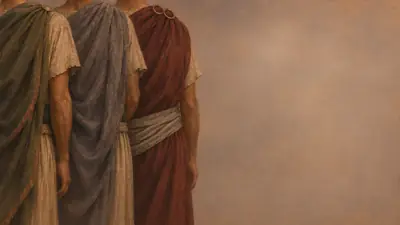
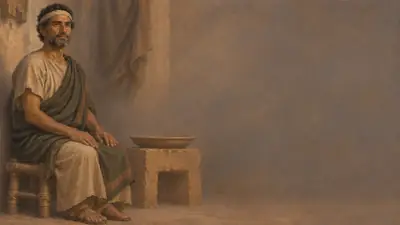
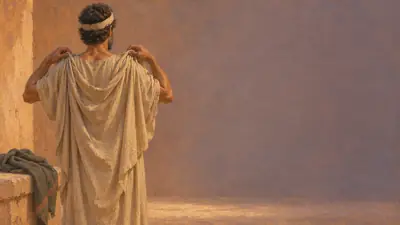
Illustrations réalisées par IL Archive avec des outils d’IA ; le texte s’appuie sur les sources antiques (voir les sources à la fin de chaque chapitre).