Le récit d’Aqhat Chapitre 1
Le récit d’Aqhat
Un fils est promis à Danel, et l’arc offert à Aqhat attire l’attention d’Anat. Après la mort d’Aqhat, Danel le pleure et Pughat se rend au camp de Yatipan, où le récit conservé s’interrompt.
SourcesTournez les pages avec les flèches, le clavier ou en balayant l’écran.
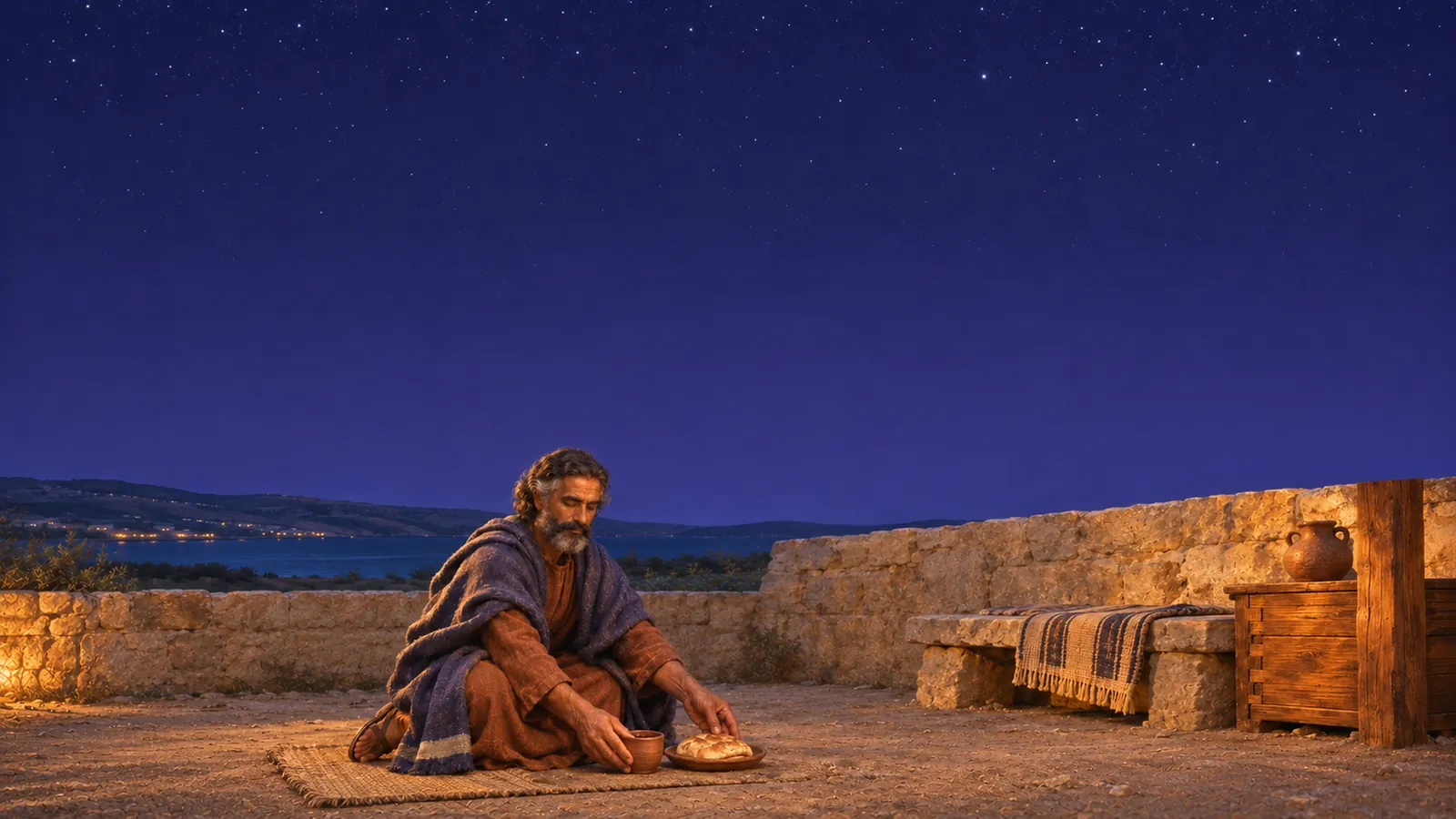
LE RÉCIT D’AQHAT
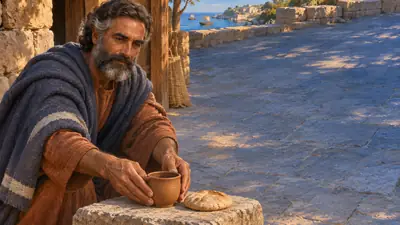
Le récit commence après une cassure de la tablette. Dans les premiers vers lisibles, Danel offre de la nourriture et de la boisson, puis s’allonge pour la nuit.
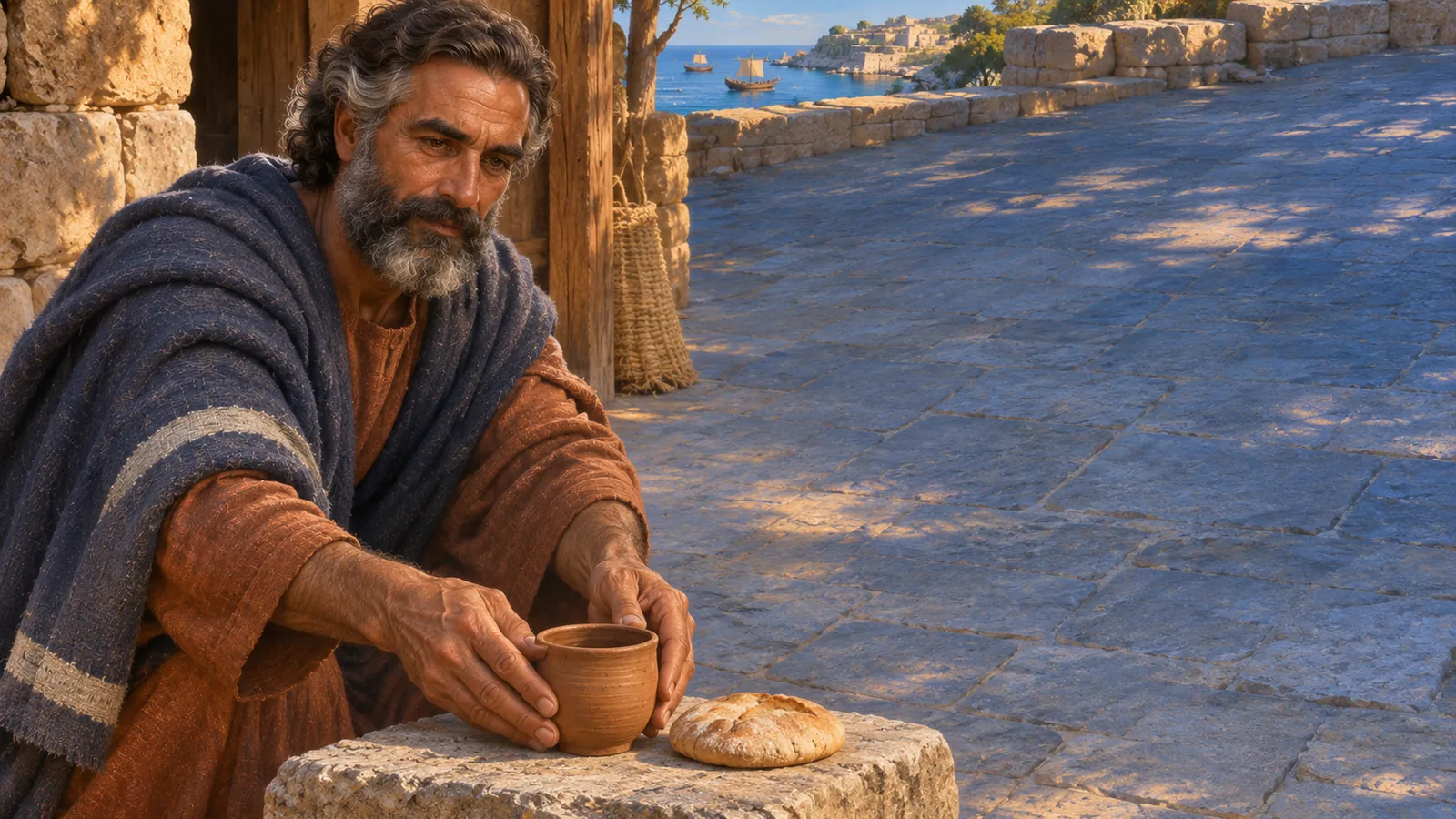
Le poème compte les jours deux par deux. À chaque paire de jours, Danel revient aux offrandes de nourriture et de boisson.
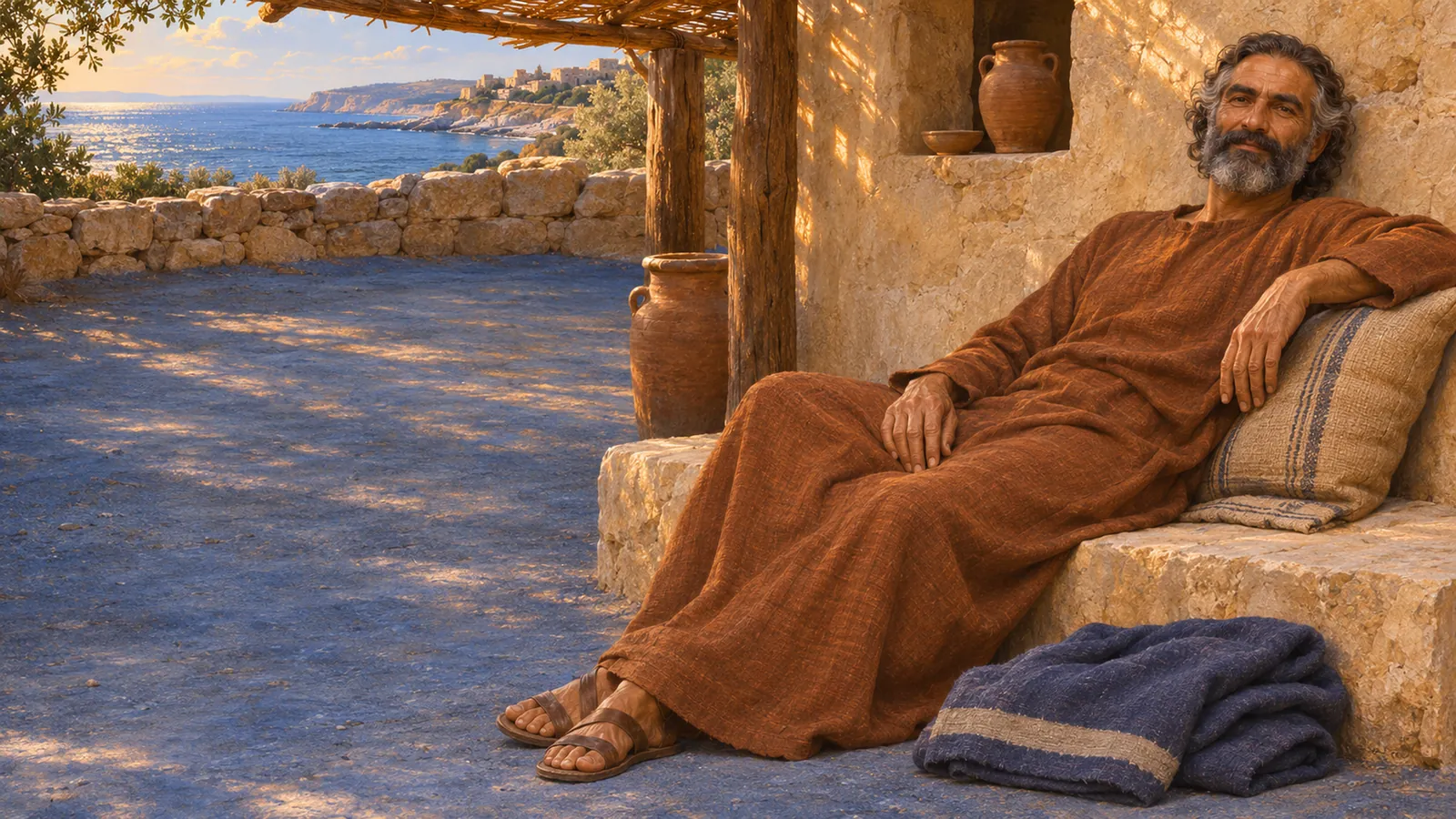
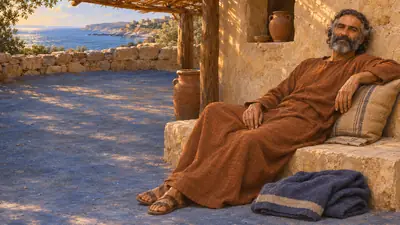
Les deux derniers jours du décompte s’écoulent. Danel met son vêtement de côté et s’allonge pour se reposer.
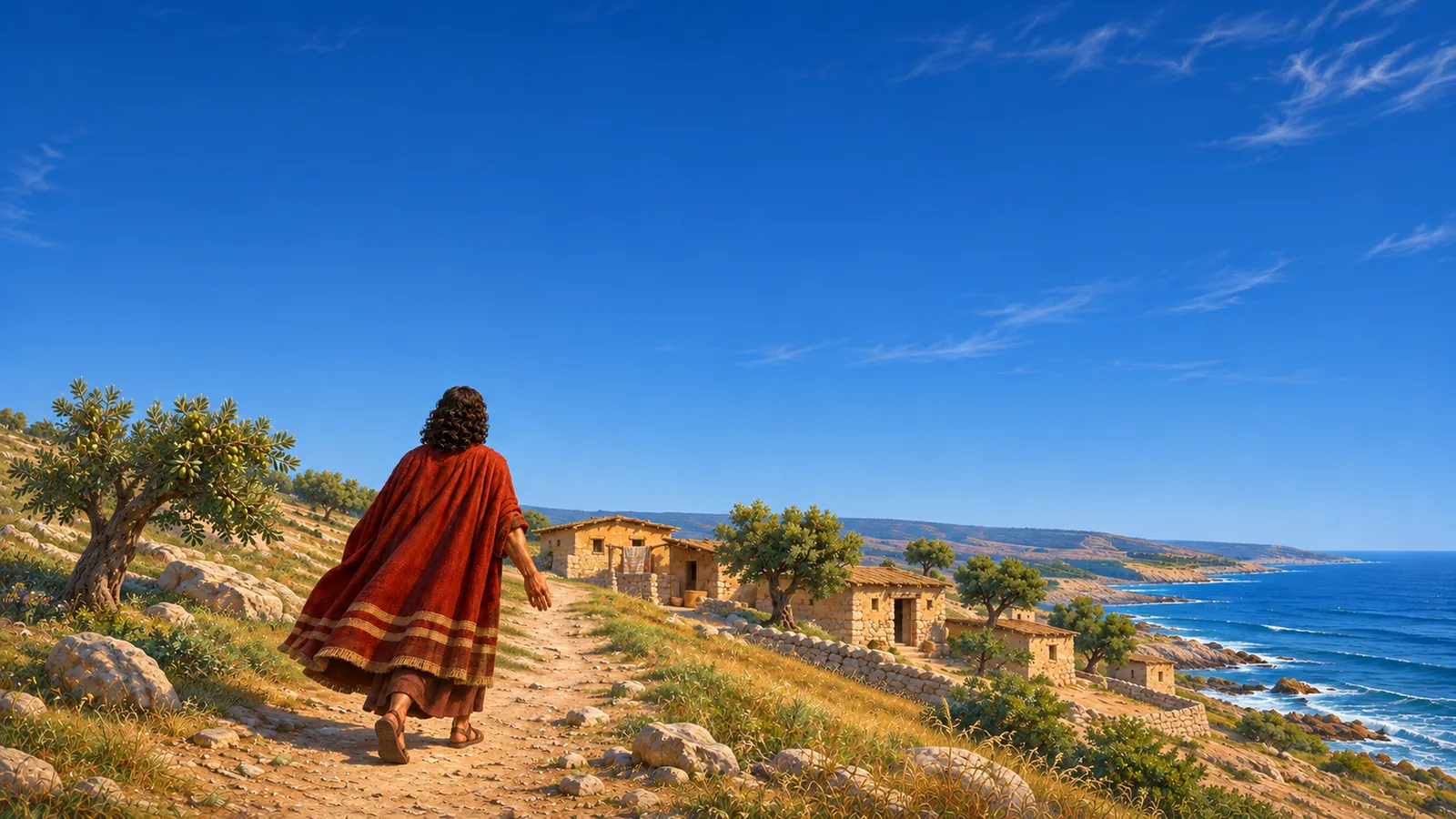
LE SEPTIÈME JOUR
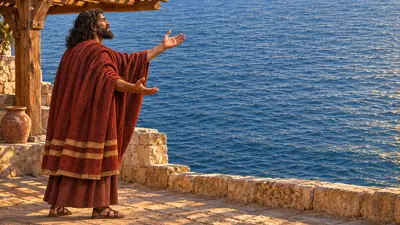
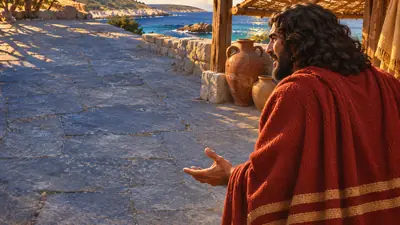
Le septième jour, Baal s’approche avec bienveillance. Le récit répété des journées de Danel laisse place aux paroles de Baal à El.

Baal dit à El que Danel n’a pas de fils. Il lui demande de le bénir pour qu’il puisse en avoir un.

Baal dit à El ce qu’un fils ferait pour son père et sa maisonnée. Il parle de mémoire, de soutien et de soins quotidiens.
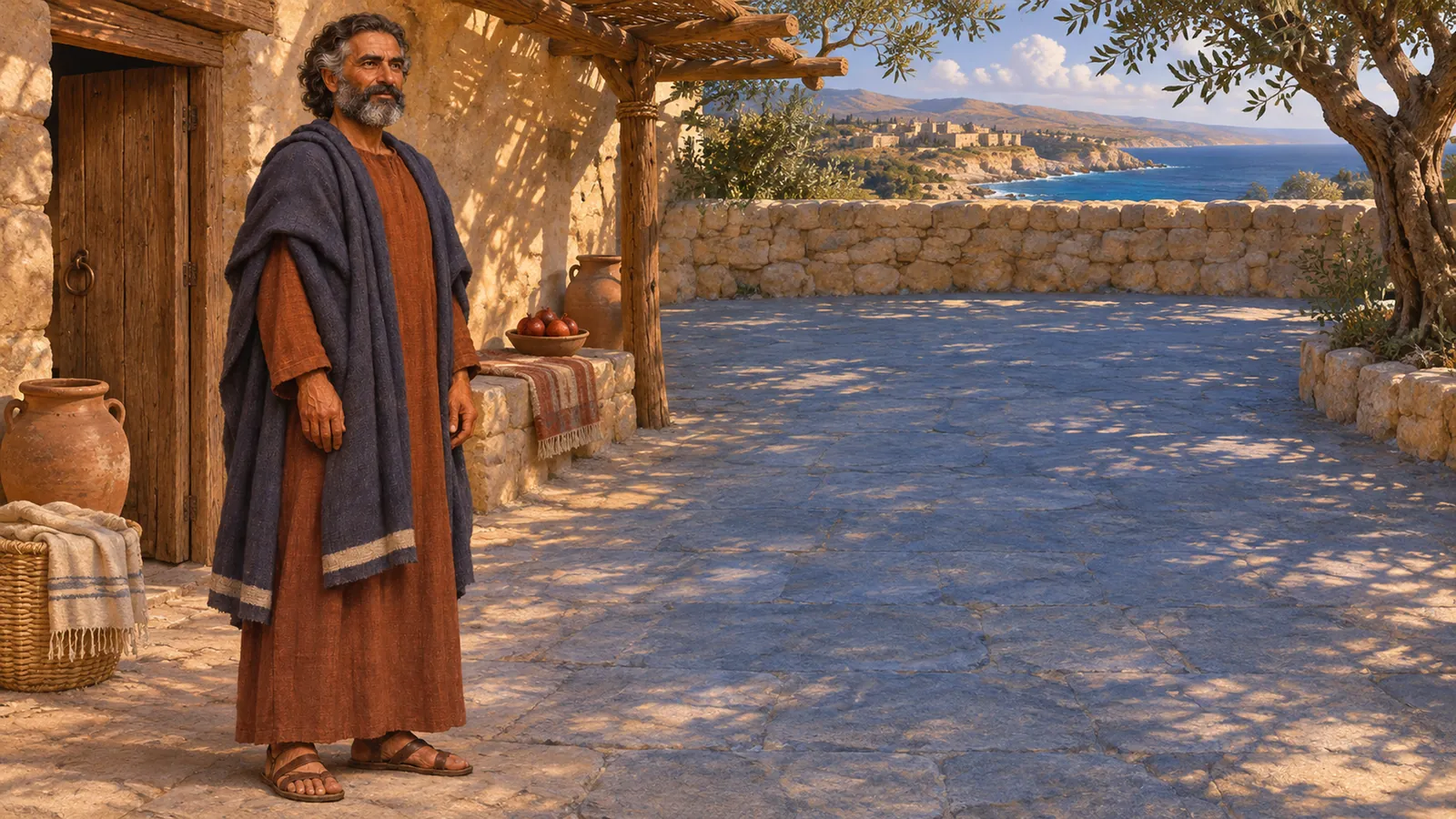
El bénit Danel. Il parle de la conception et de l’enfant que Danel espère, tandis que le premier geste du passage reste difficile à lire.
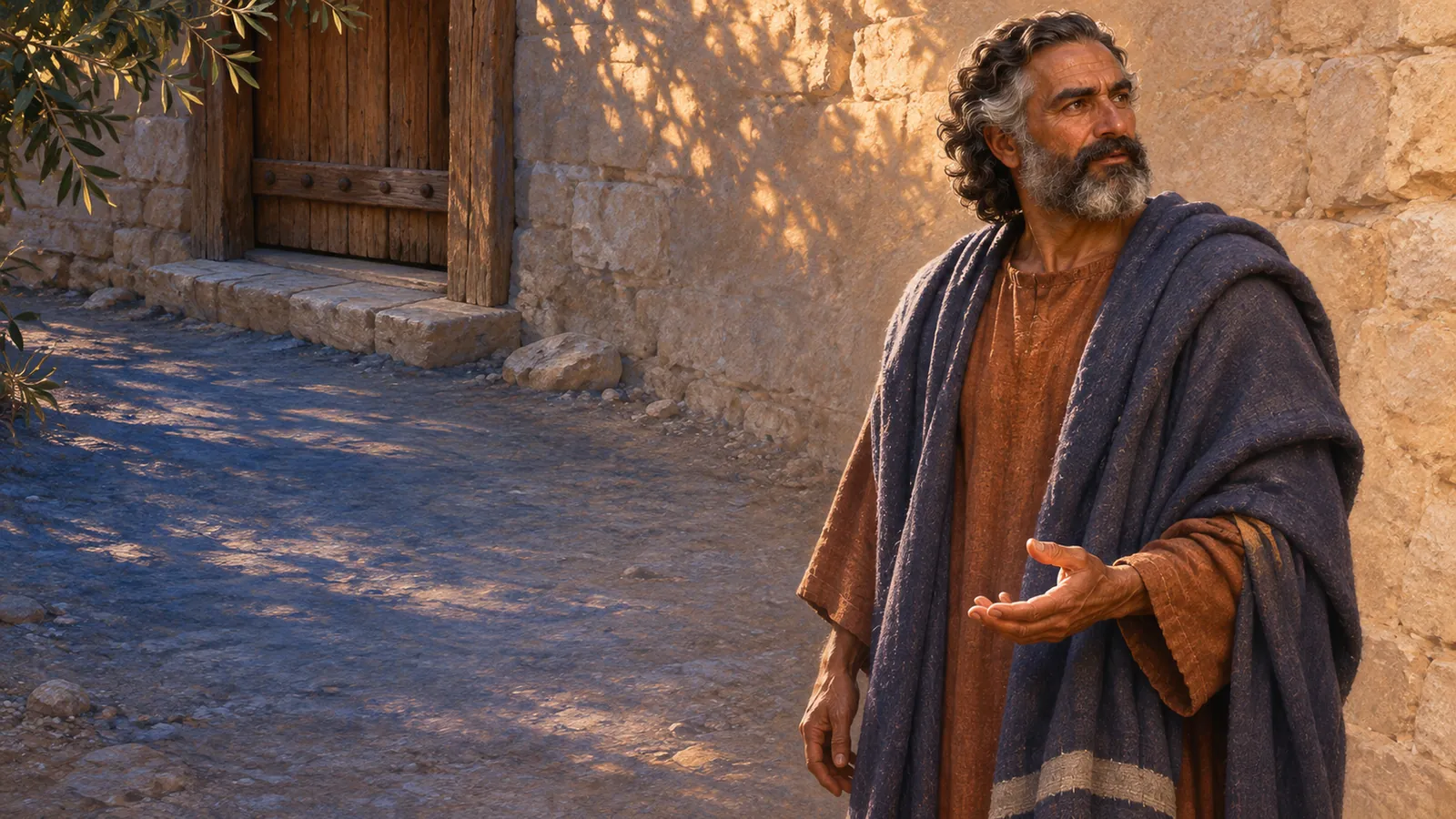
Les devoirs d’un fils sont repris dans la bénédiction, puis dans les paroles adressées à Danel. À travers le passage endommagé, Baal paraît être le porteur de la nouvelle.
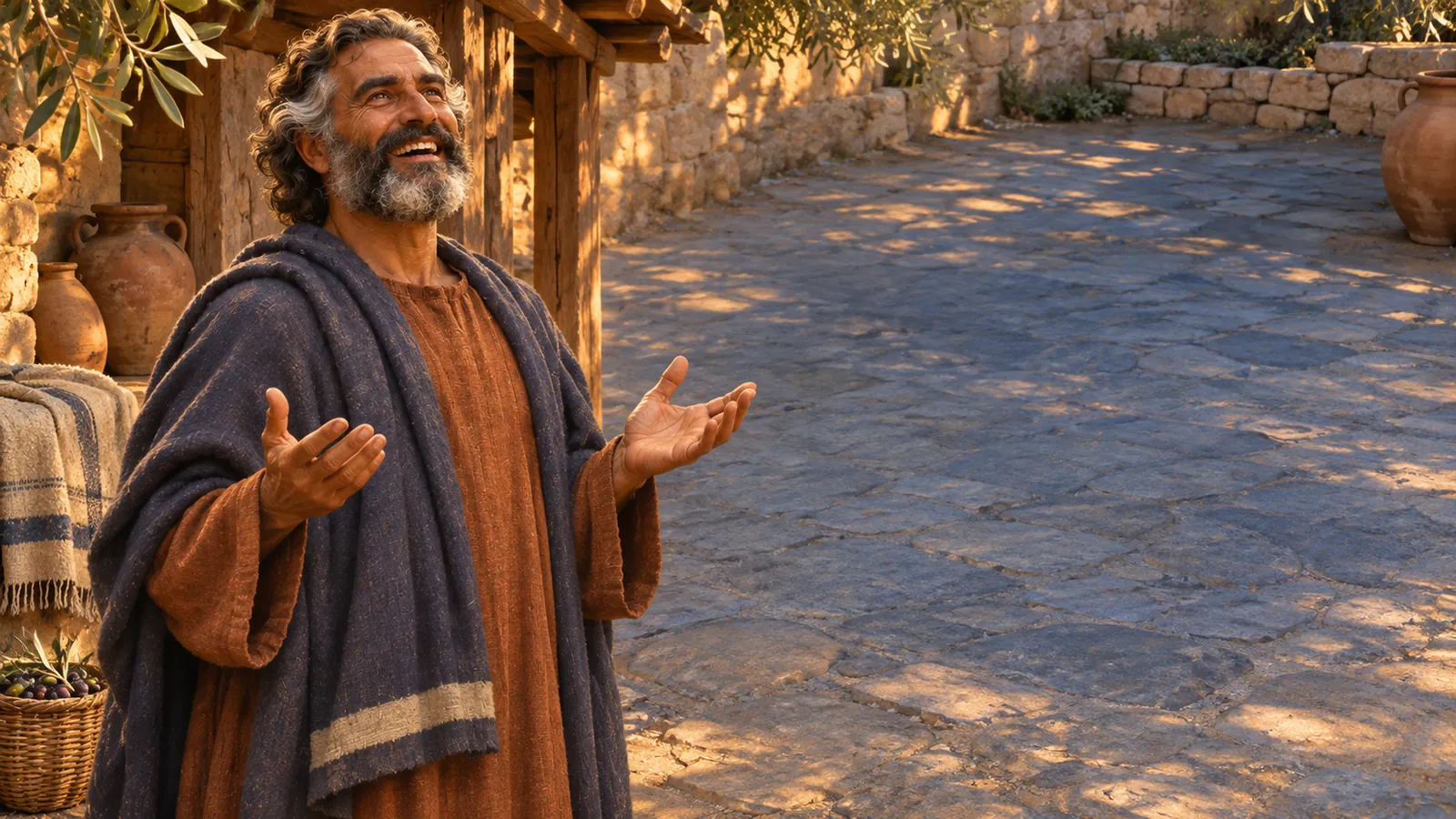
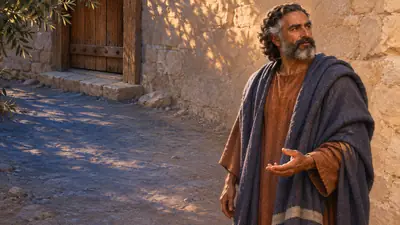
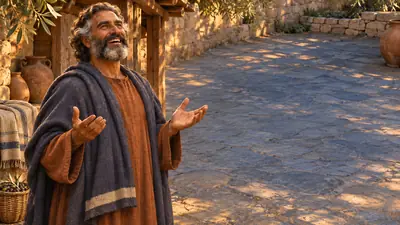
Danel se réjouit en entendant ces paroles. Il énumère lui-même les devoirs en pensant au fils qu’il espère avoir.
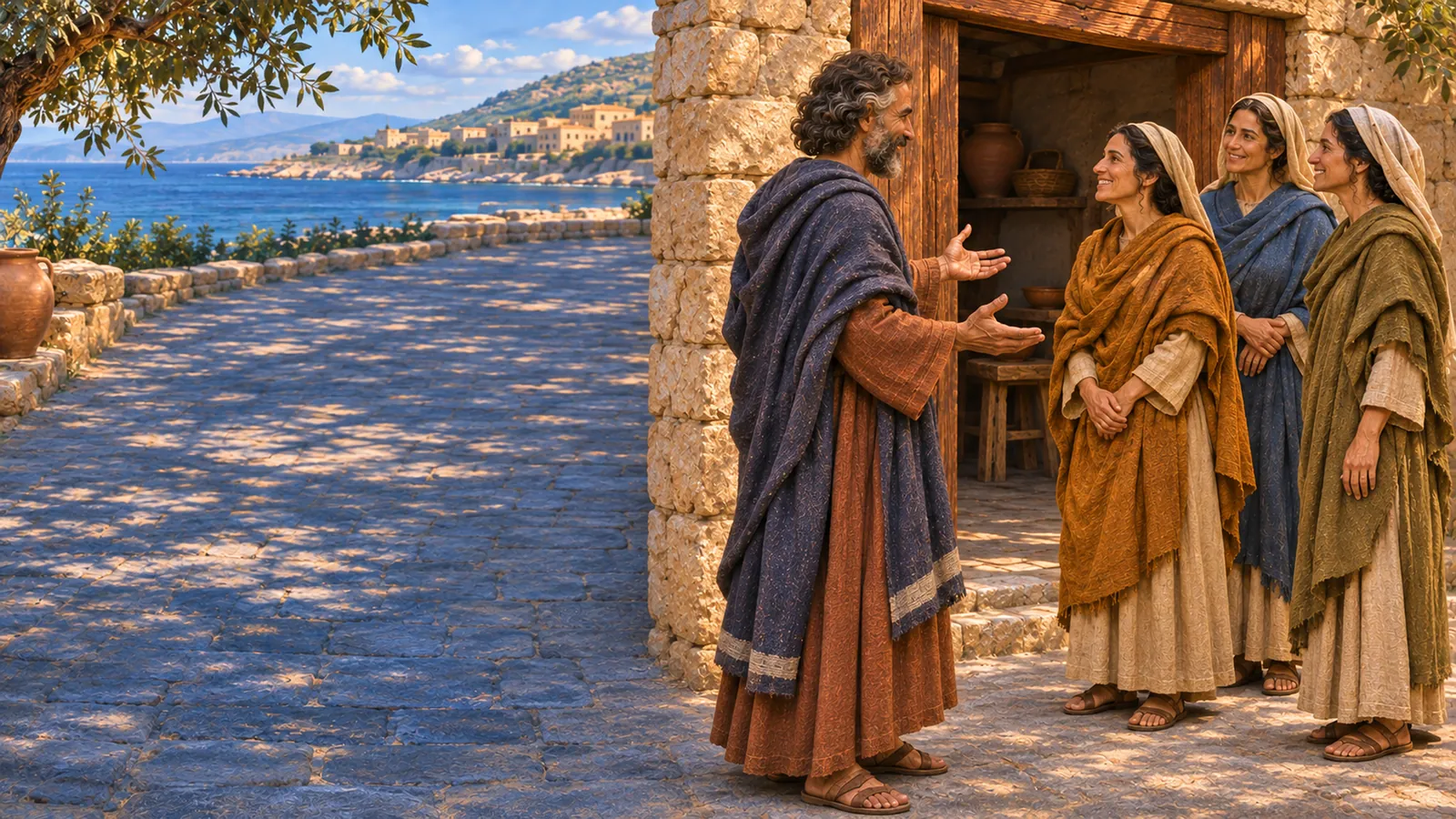
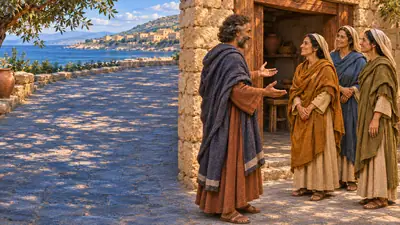
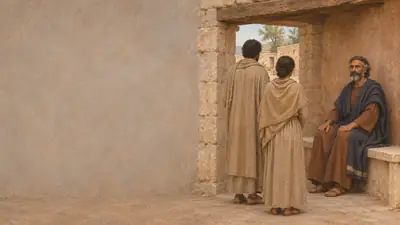
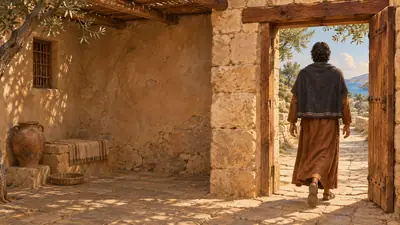
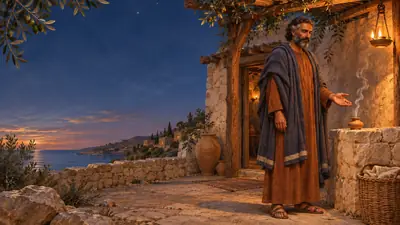
Danel rentre chez lui. Le poème raconte comment les Kotharat arrivent chez lui en invitées.
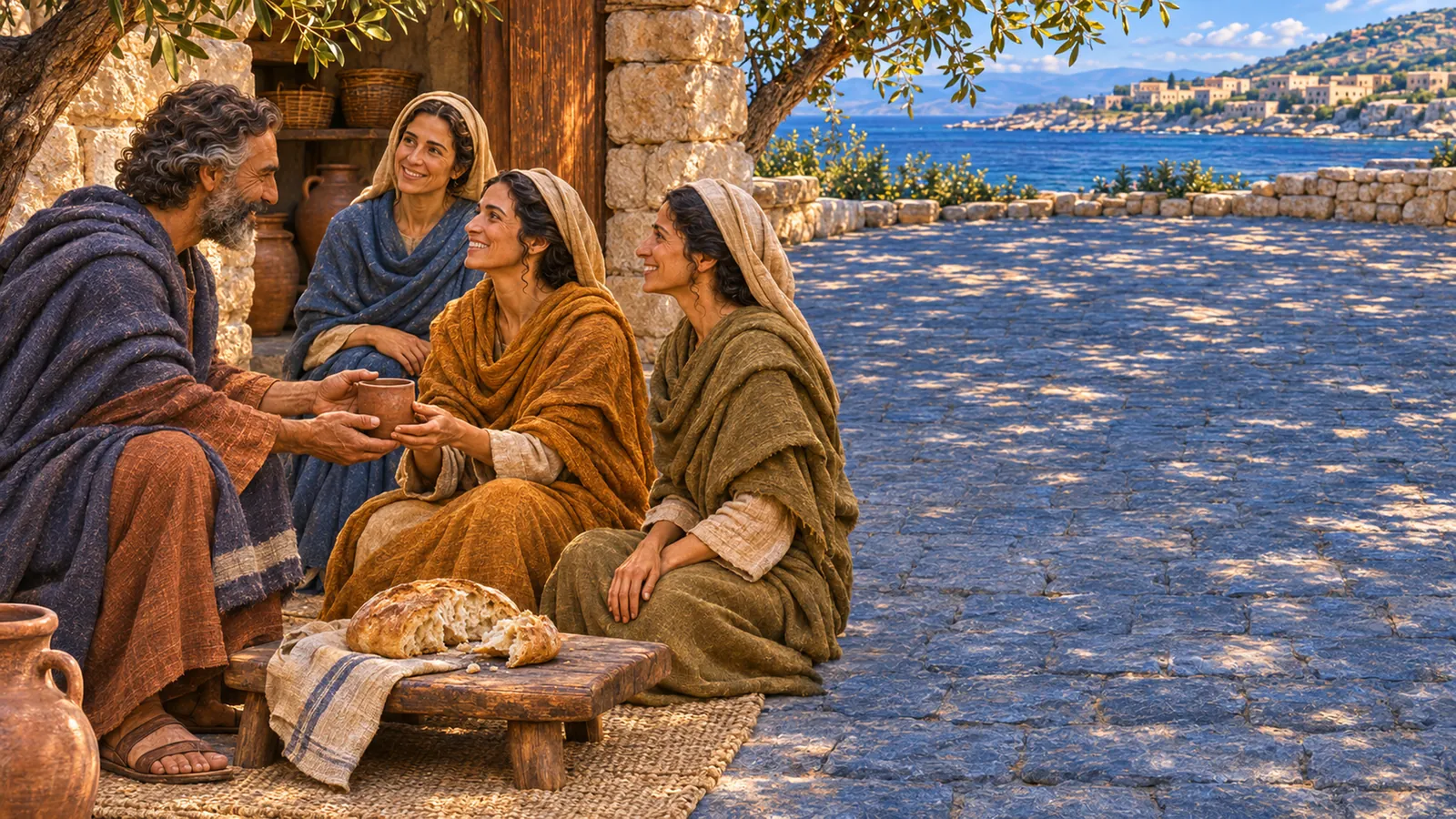
Danel accueille les Kotharat pendant six jours. Le septième, les invitées quittent sa maison.
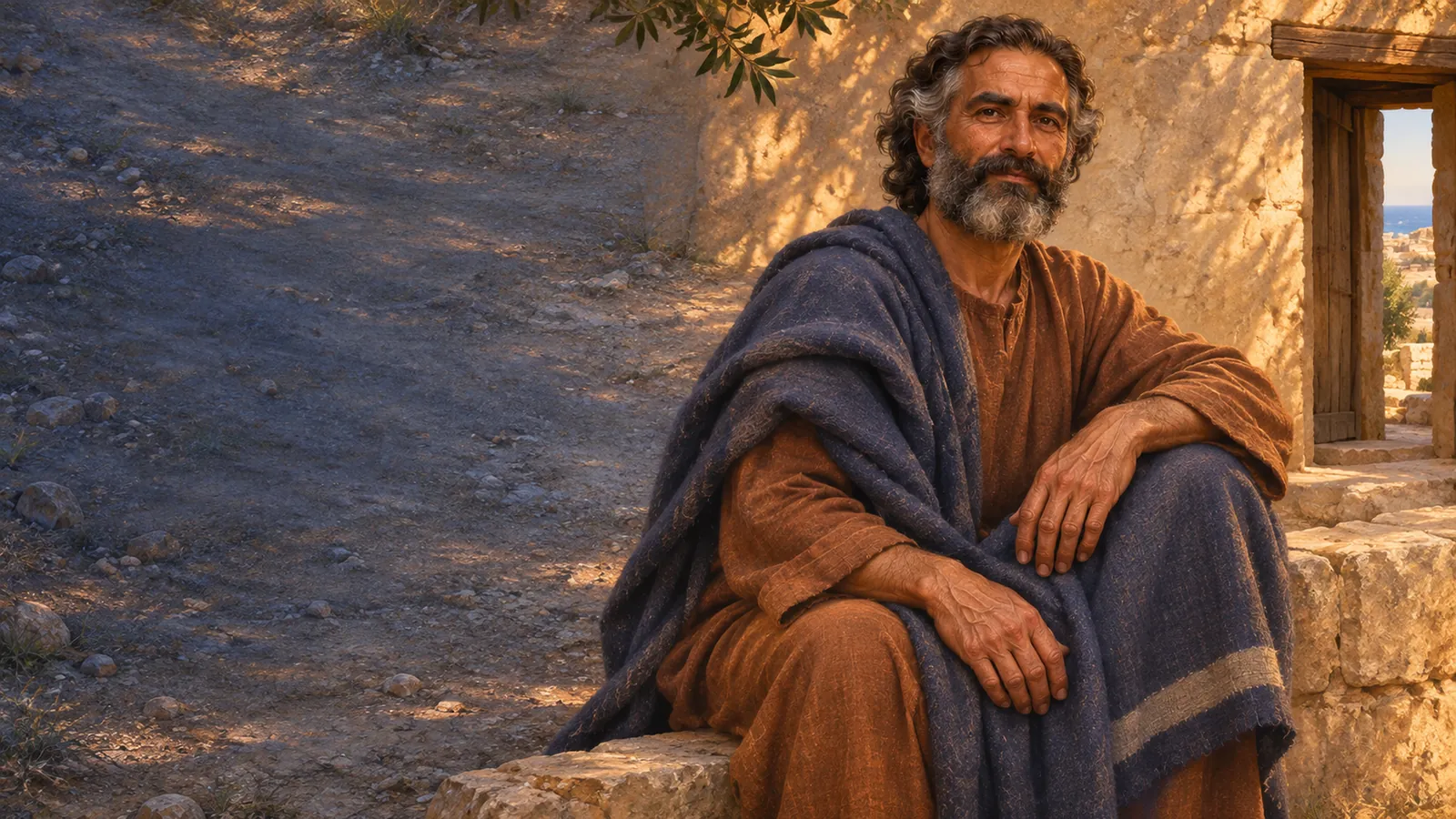
Danel compte les mois de la grossesse. Le récit s’interrompt ici et reprend plus tard, quand Aqhat a atteint l’âge de recevoir un cadeau.
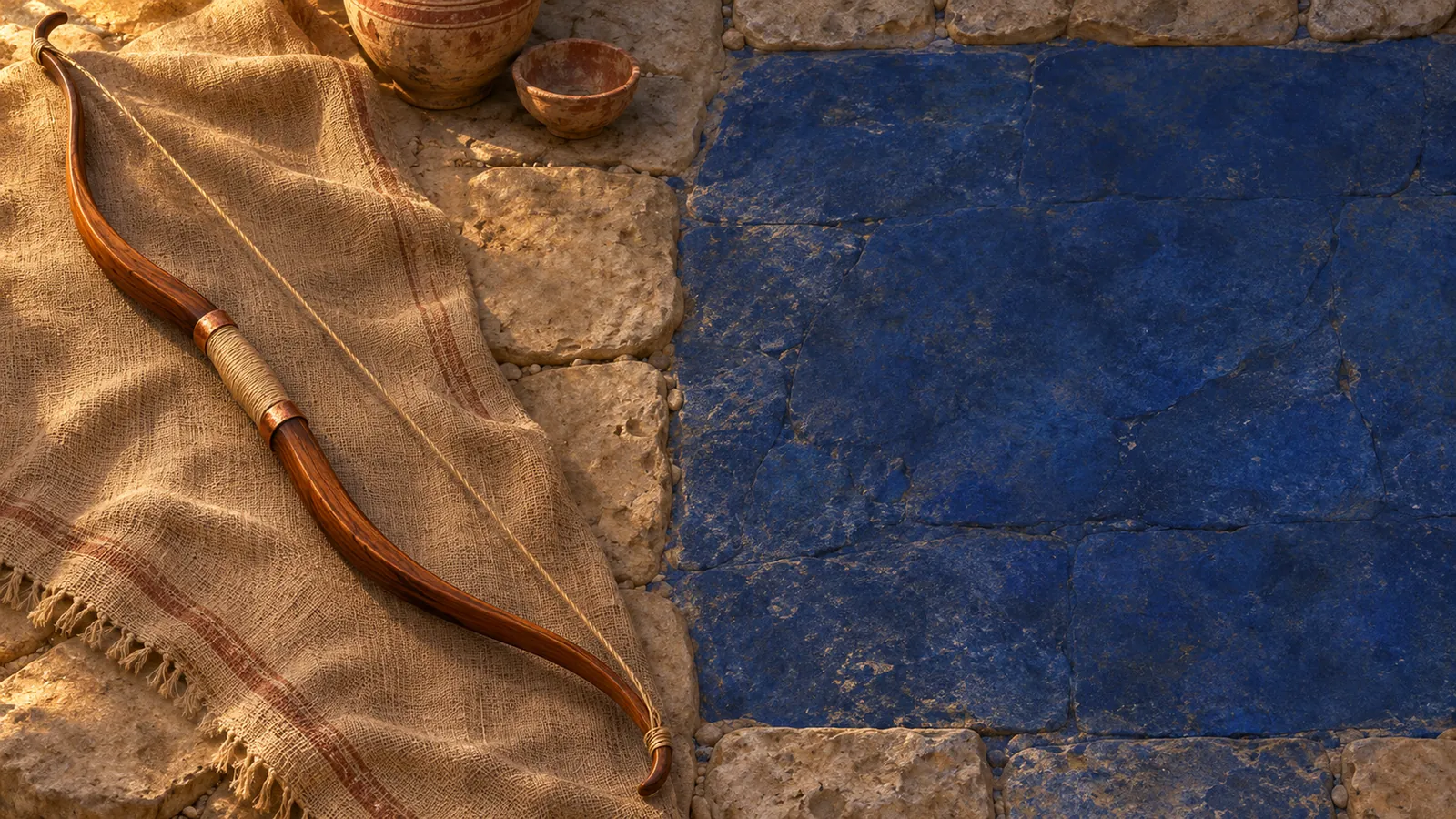
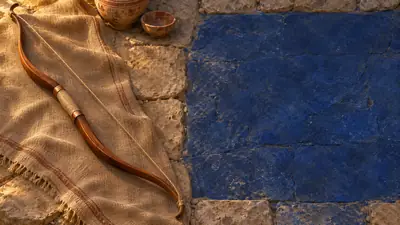
Quand le texte reprend, il mentionne un arc. Un autre septième jour est compté, tandis que les circonstances antérieures à ce cadeau sont perdues.
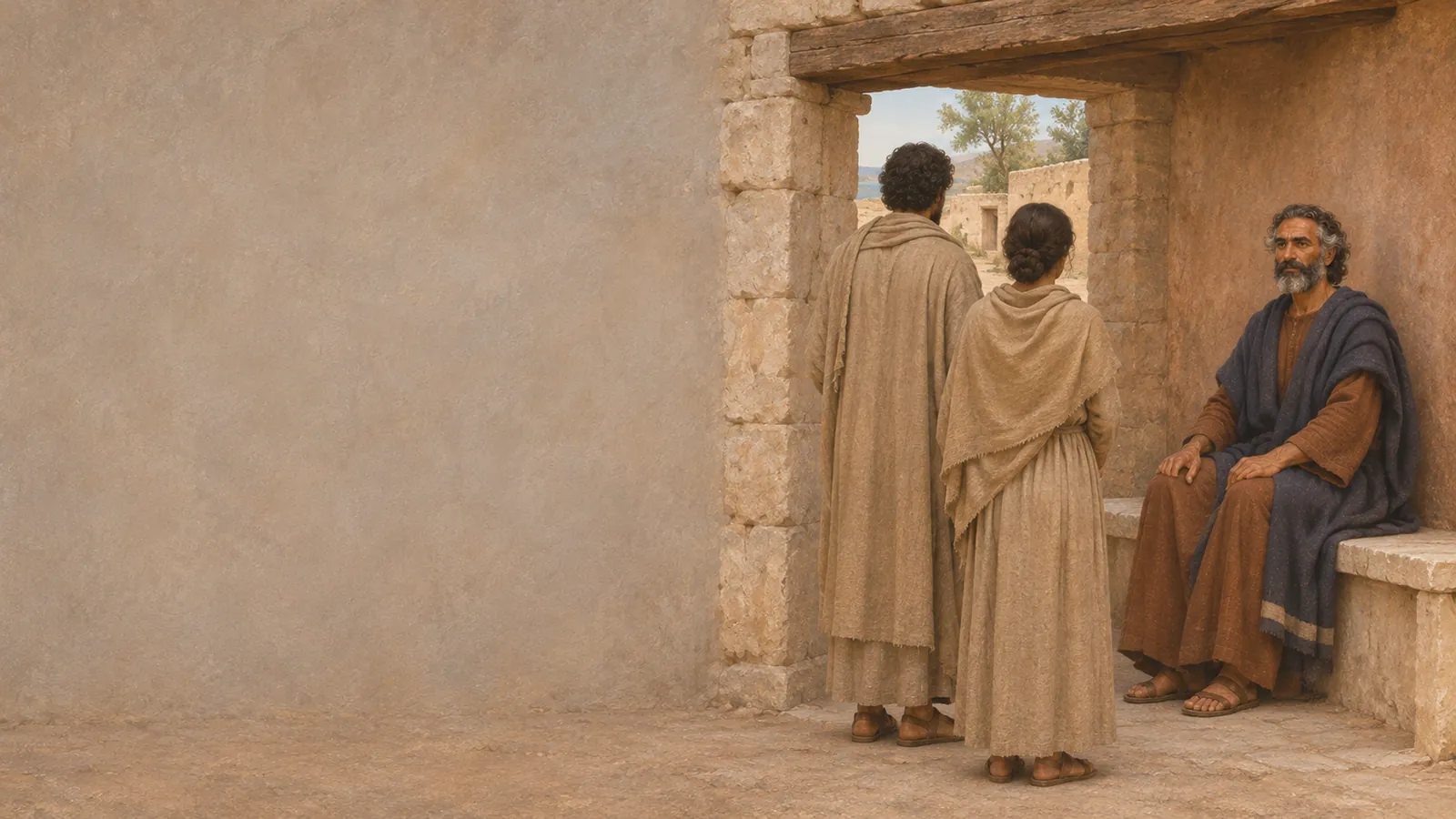
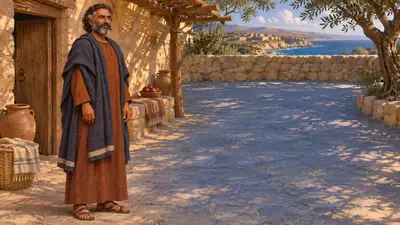
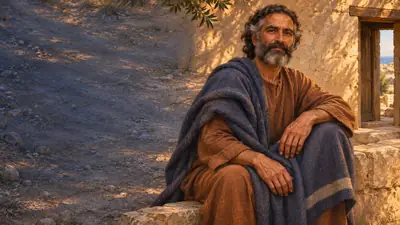
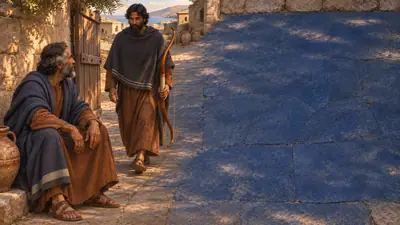
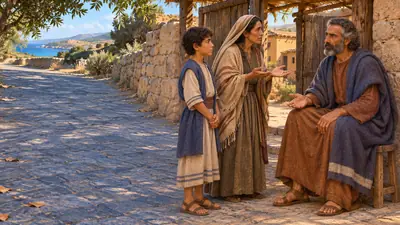
Danel siège à la porte pour entendre les affaires. Le poème nomme la veuve et l’orphelin parmi les personnes qu’il entend là.
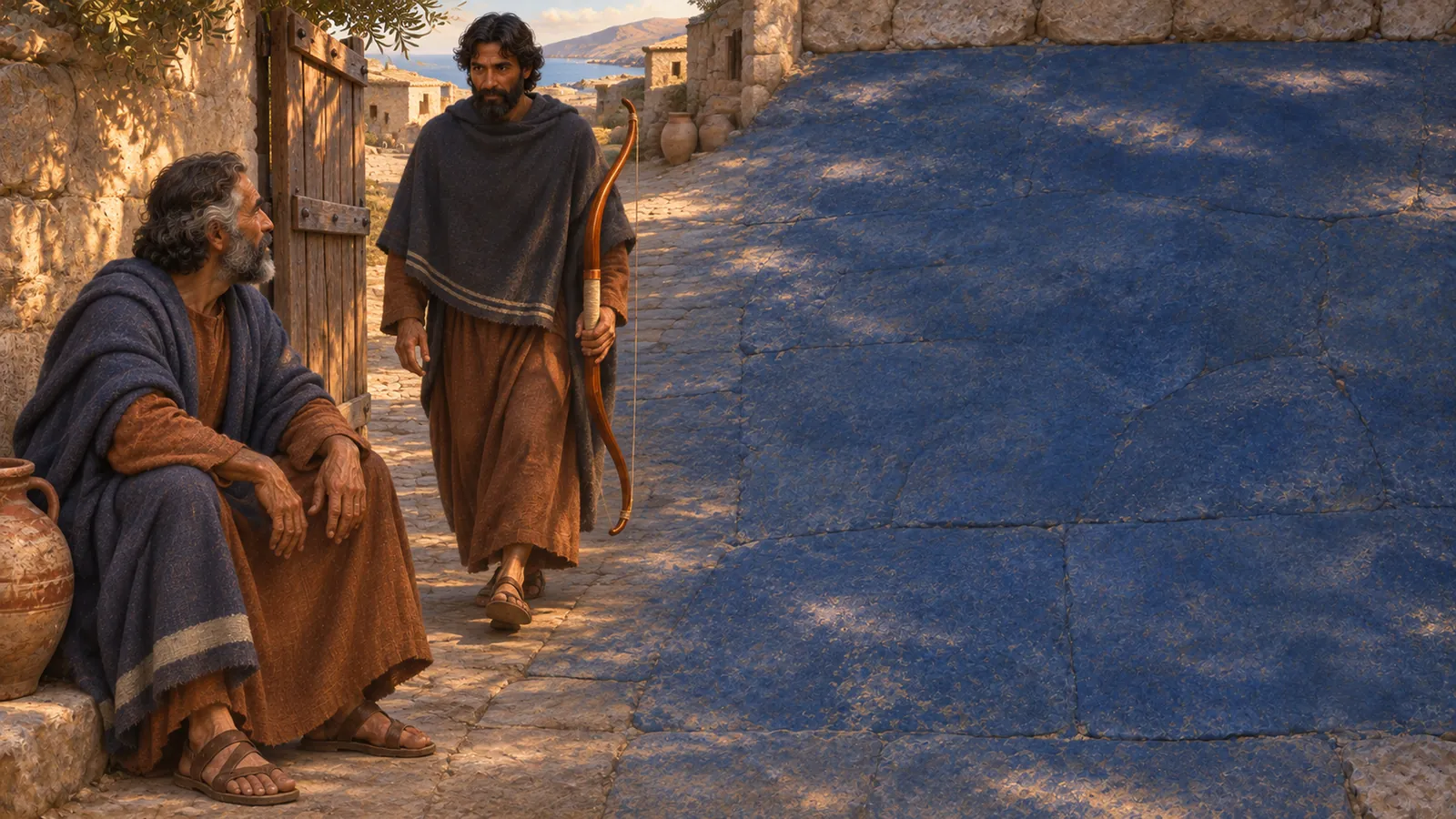
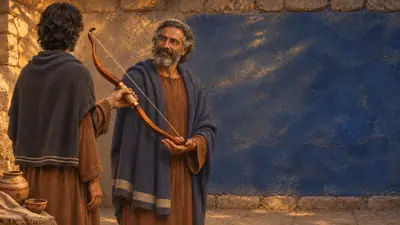
Tandis que Danel siège à la porte, il voit Kothar-wa-Hasis approcher. Le texte dit que l’artisan apporte l’arc.
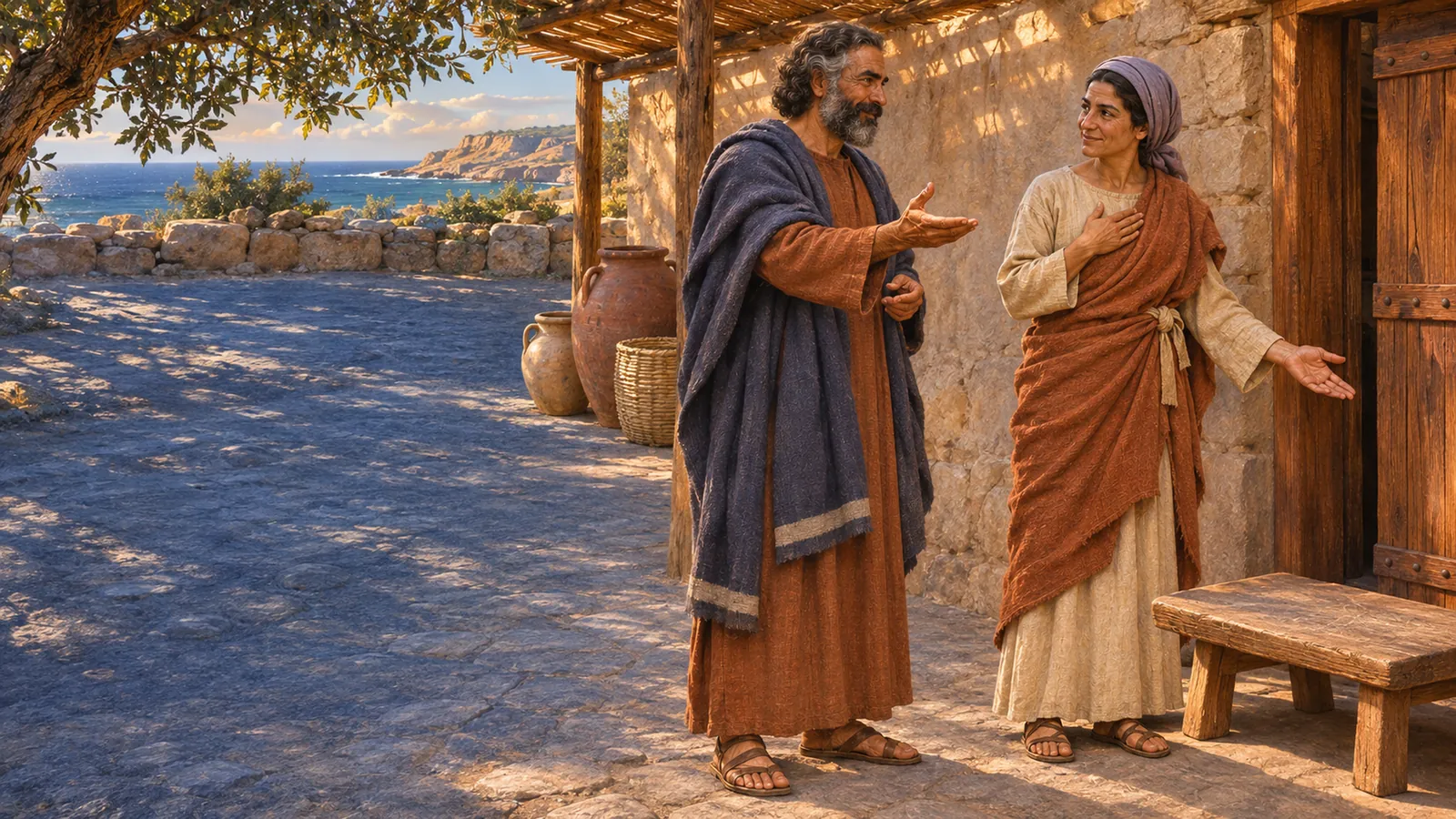
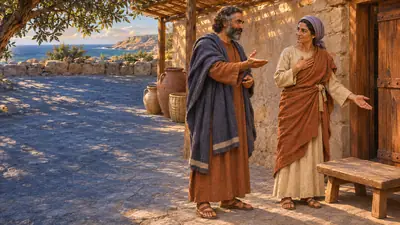
Danel demande à Danatiya de bien accueillir l’artisan. Le passage l’appelle aussi Hayyan, un autre nom donné ici à Kothar-wa-Hasis.
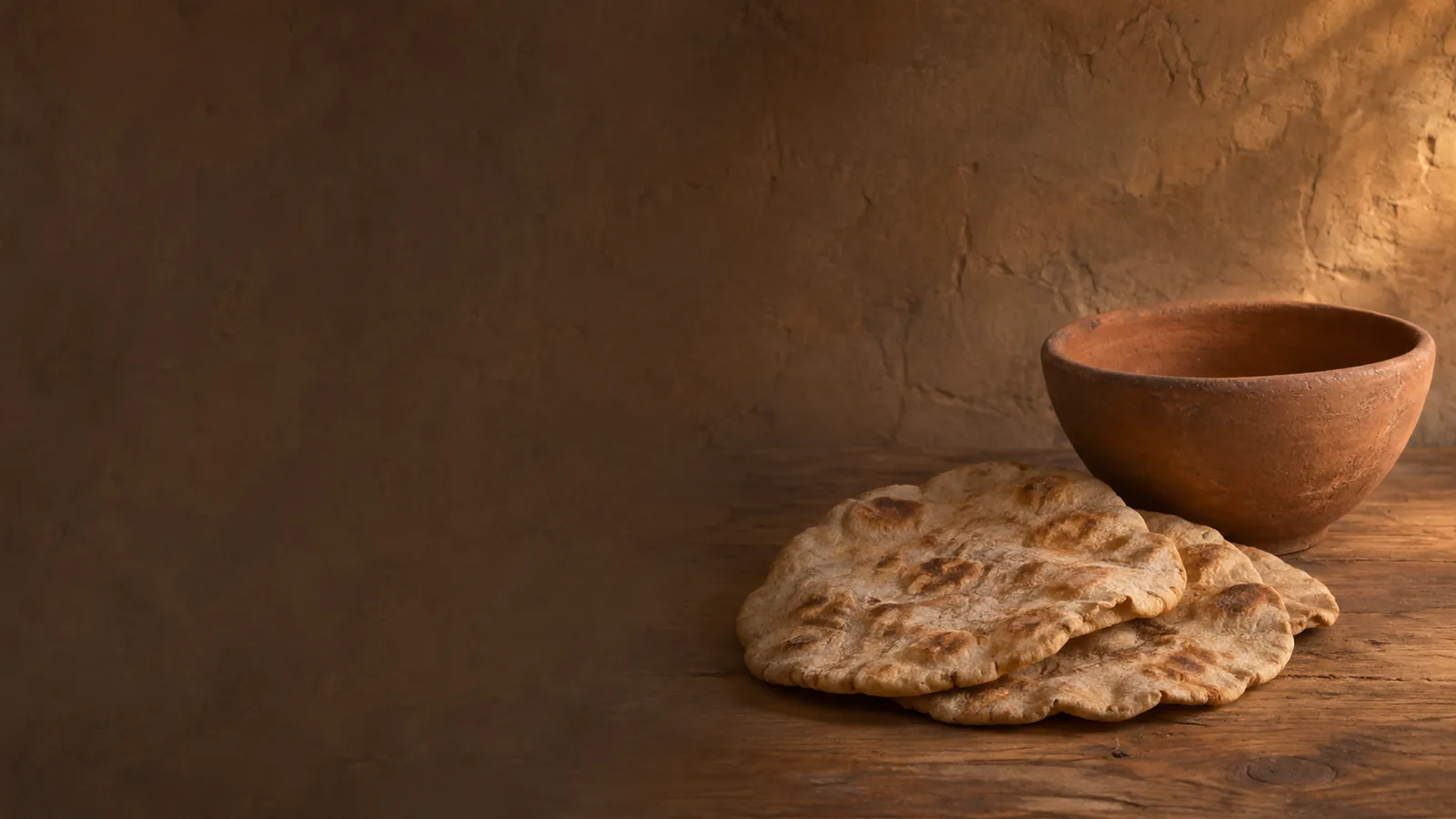
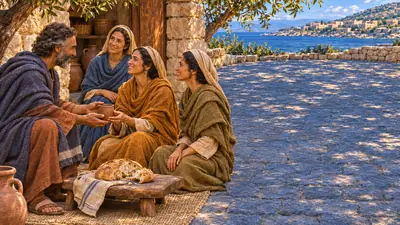
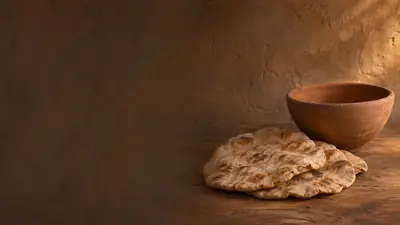
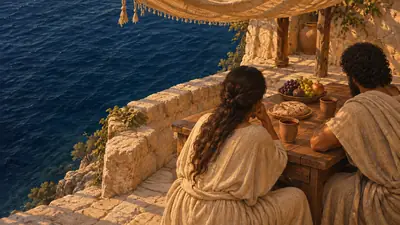
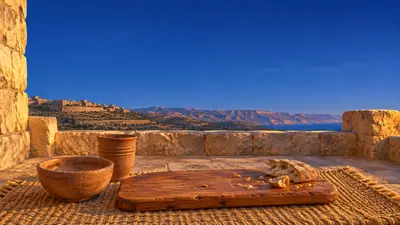
Danatiya prépare le repas de l’artisan. Le poème s’attarde sur la nourriture et le repas avant la présentation du cadeau.
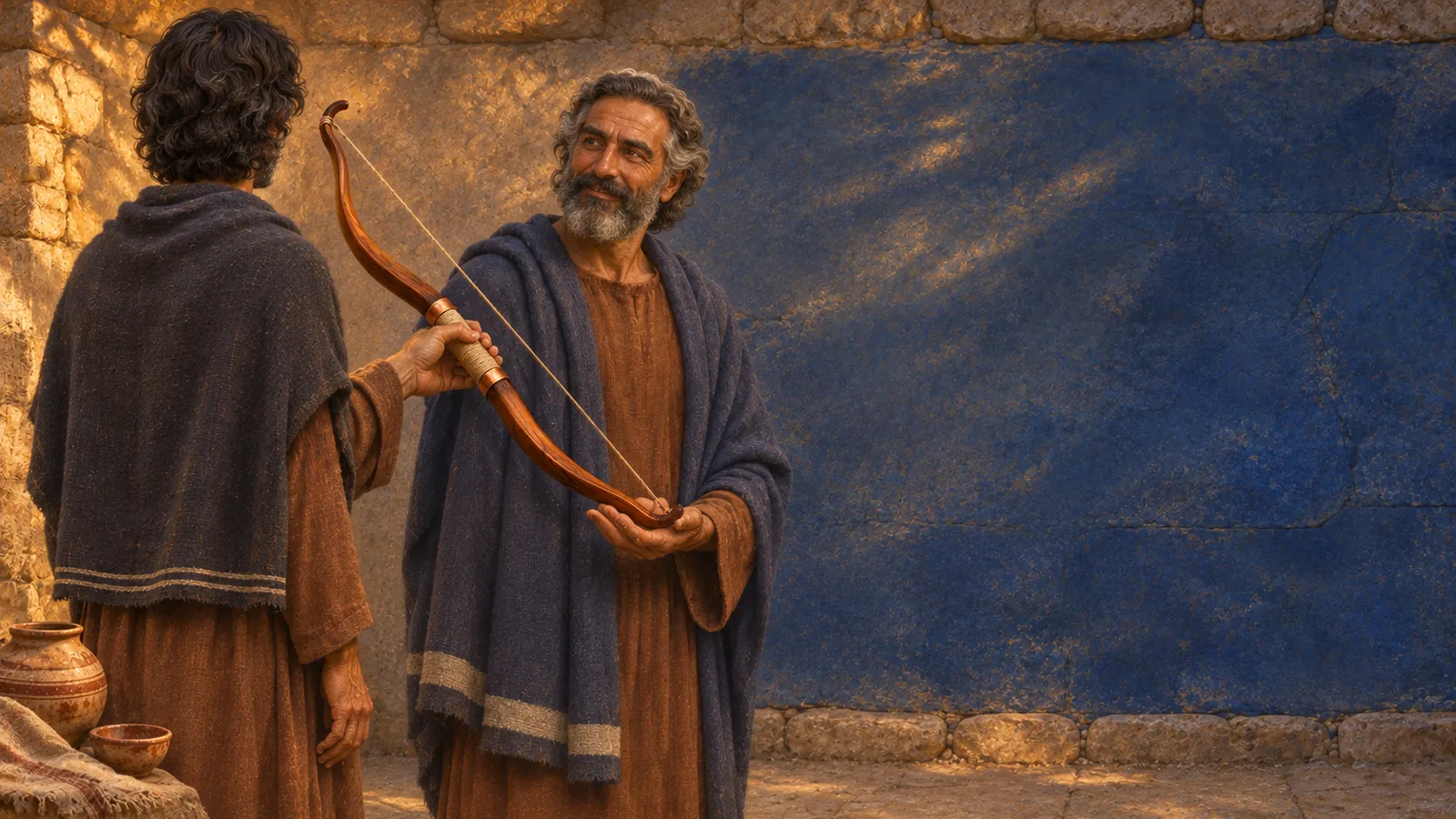
L’artisan présente l’arc à Danel. Le cadeau entre dans la maison au cours de la visite pour laquelle Danatiya a préparé le repas.
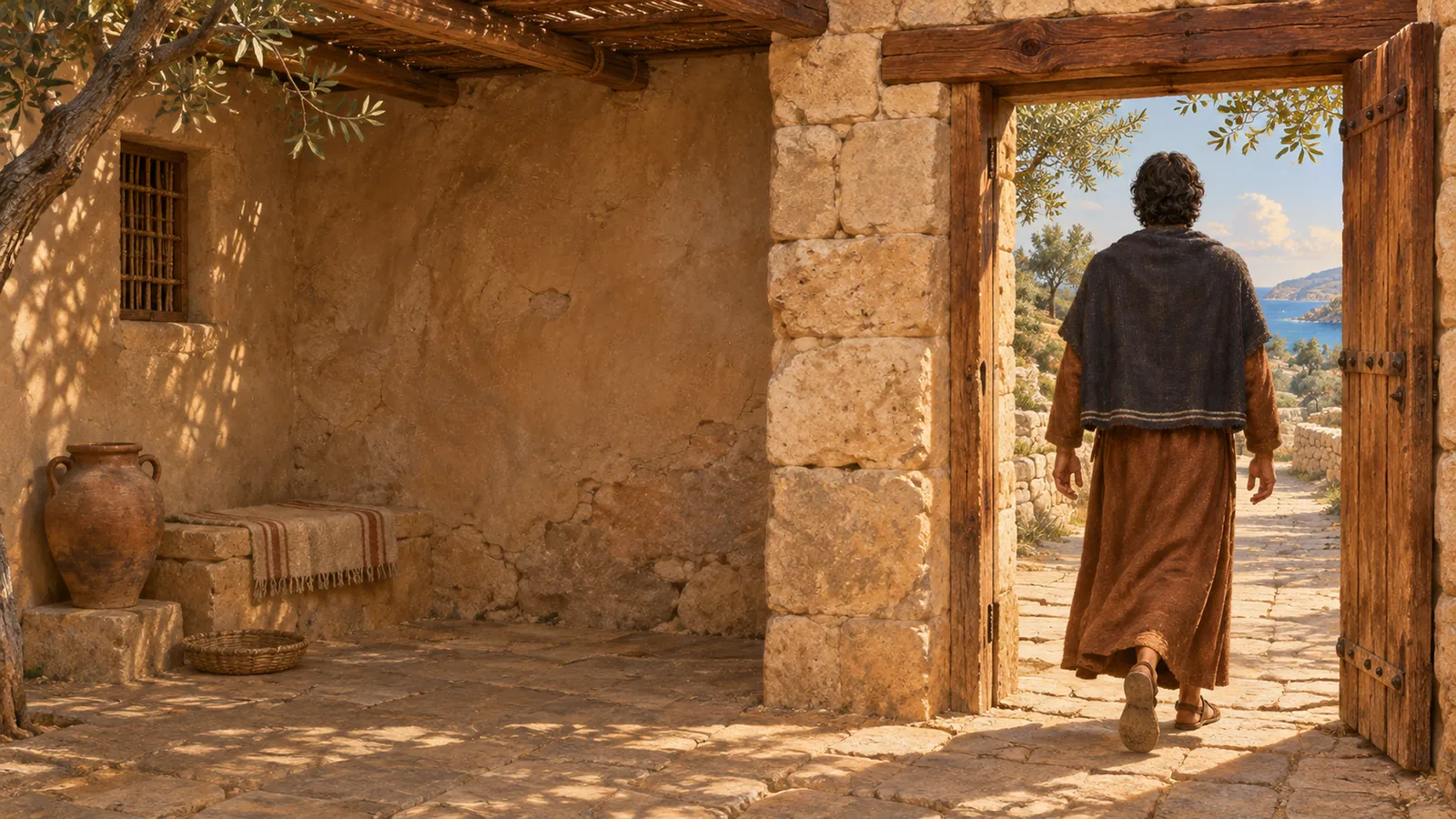
Danatiya reçoit l’artisan avec hospitalité. Le récit de la visite prend fin lorsque l’artisan quitte la maison de Danel.
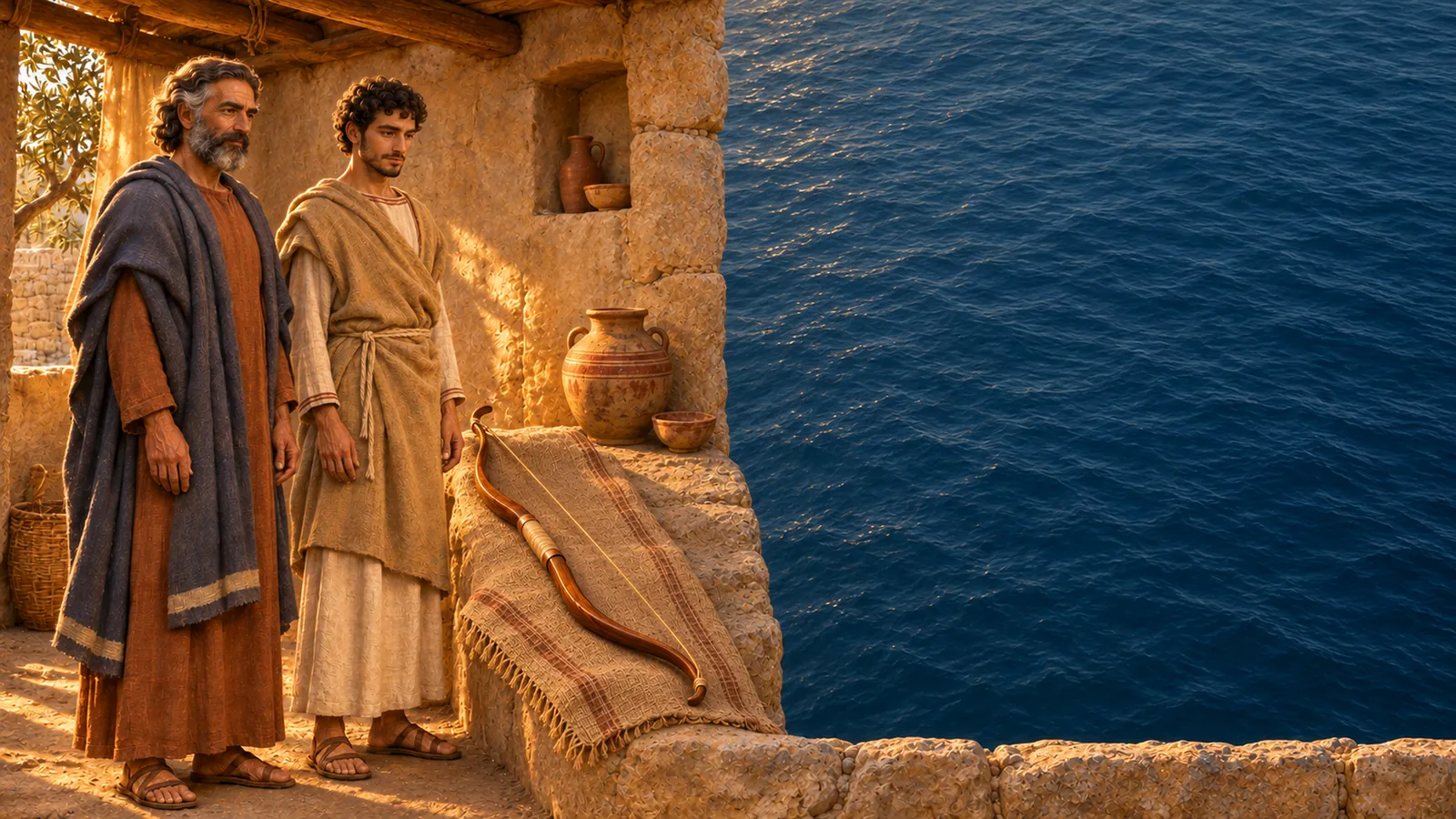
Le passage endommagé semble montrer Danel qui transmet le cadeau à Aqhat en le bénissant. Le geste exact et une partie de ses paroles sont perdus.
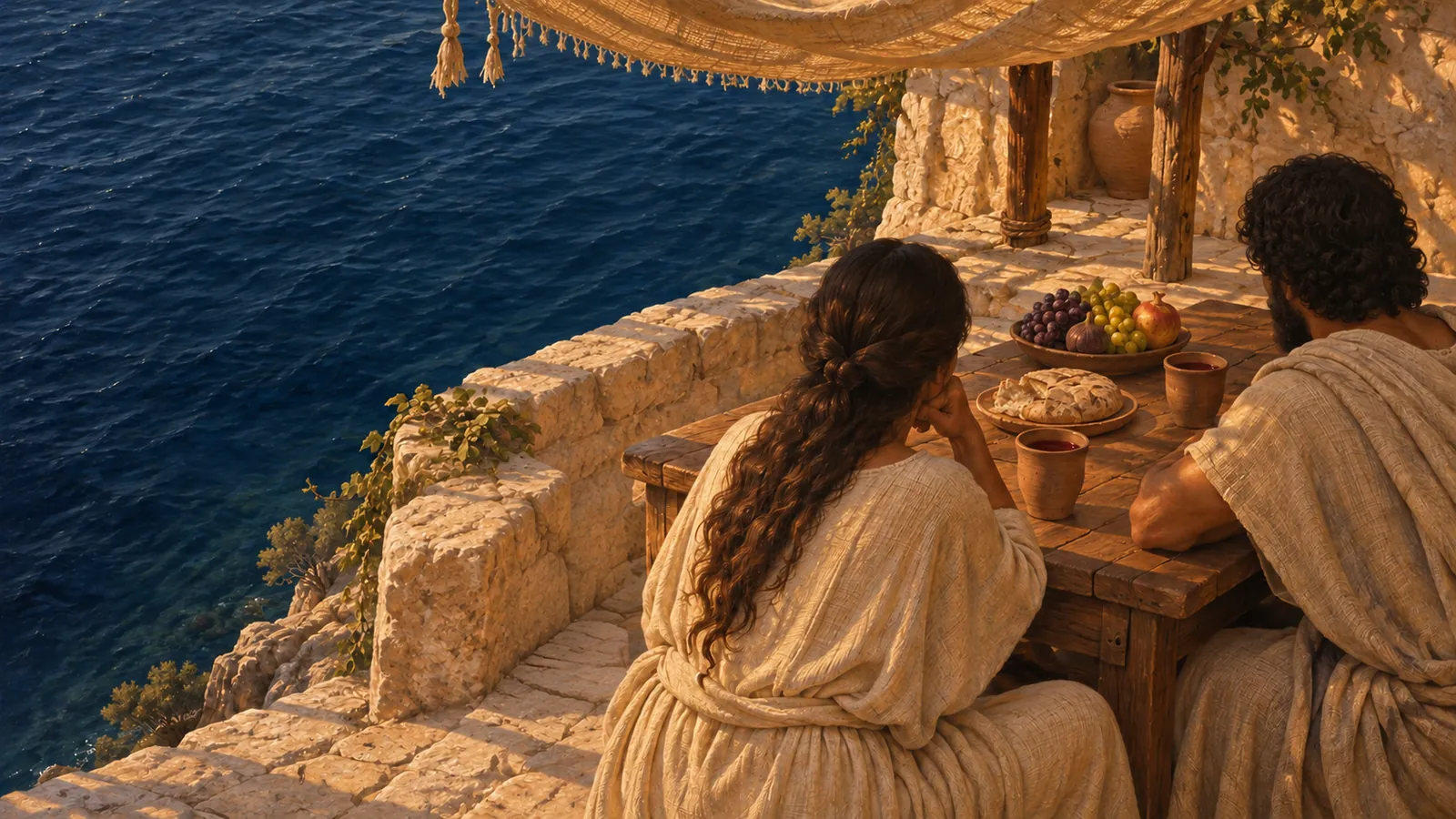
Après une cassure, le texte reprend avec de la nourriture et du vin à un banquet. Le lieu et les circonstances qui ont réuni les invités sont perdus.
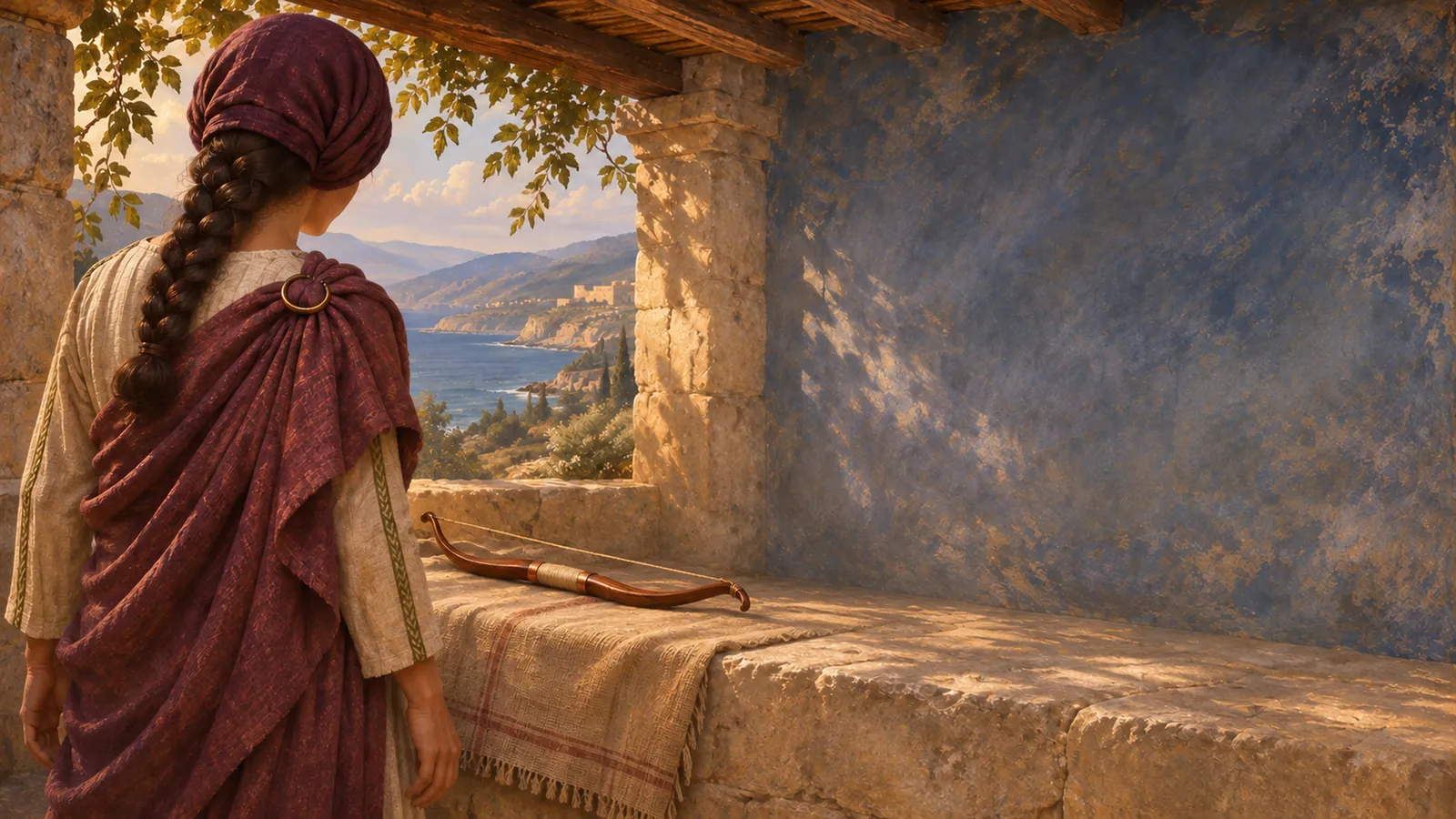
Anat remarque l’arc extraordinaire. Les lignes autour de ce moment sont endommagées et les éditions divergent sur l’identité de la personne qui le tient.
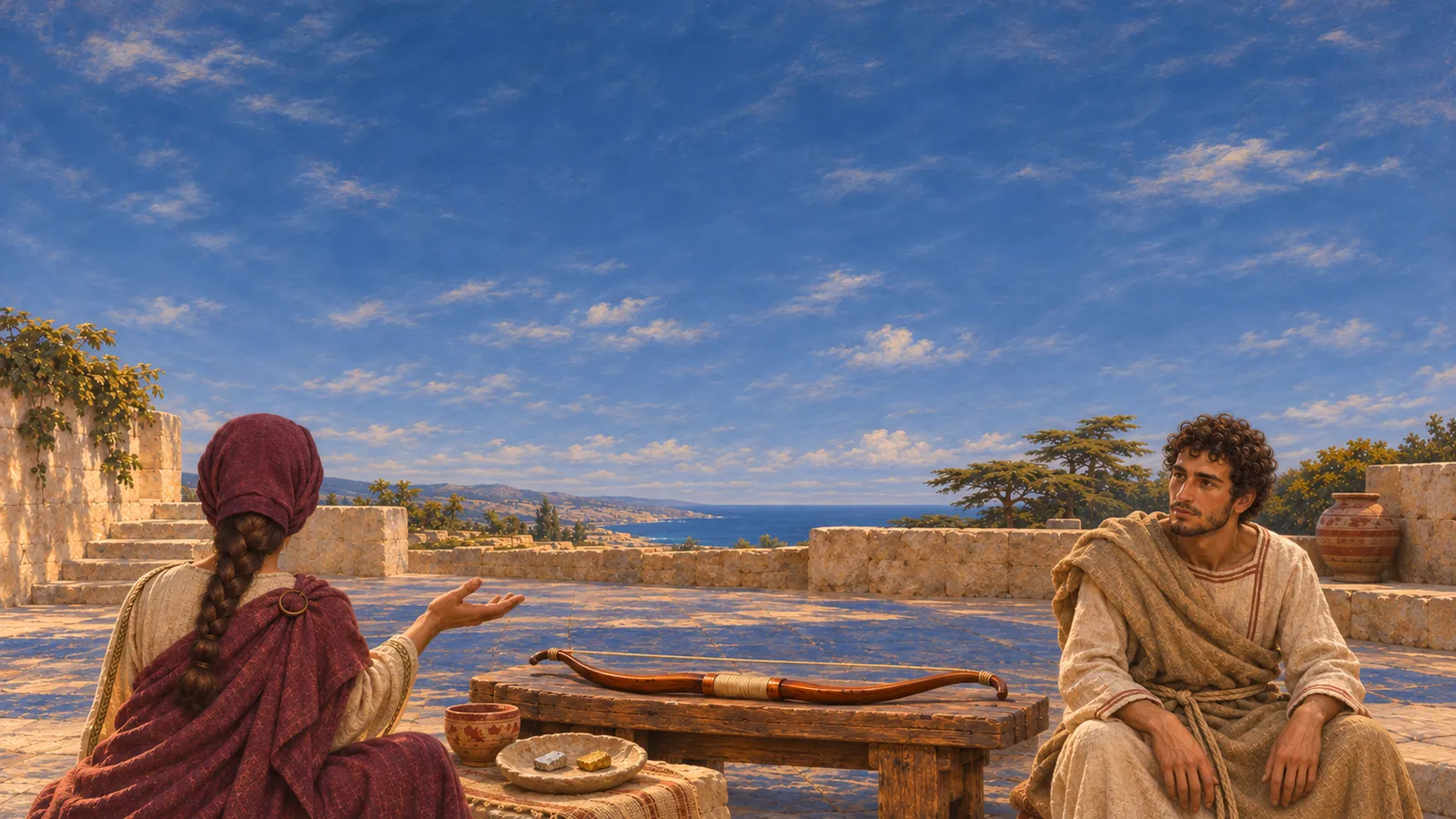
OR ET ARGENT
Anat offre à Aqhat de l’argent et de l’or en échange de l’arc. Elle nomme ce qu’elle lui donnerait pour l’obtenir.
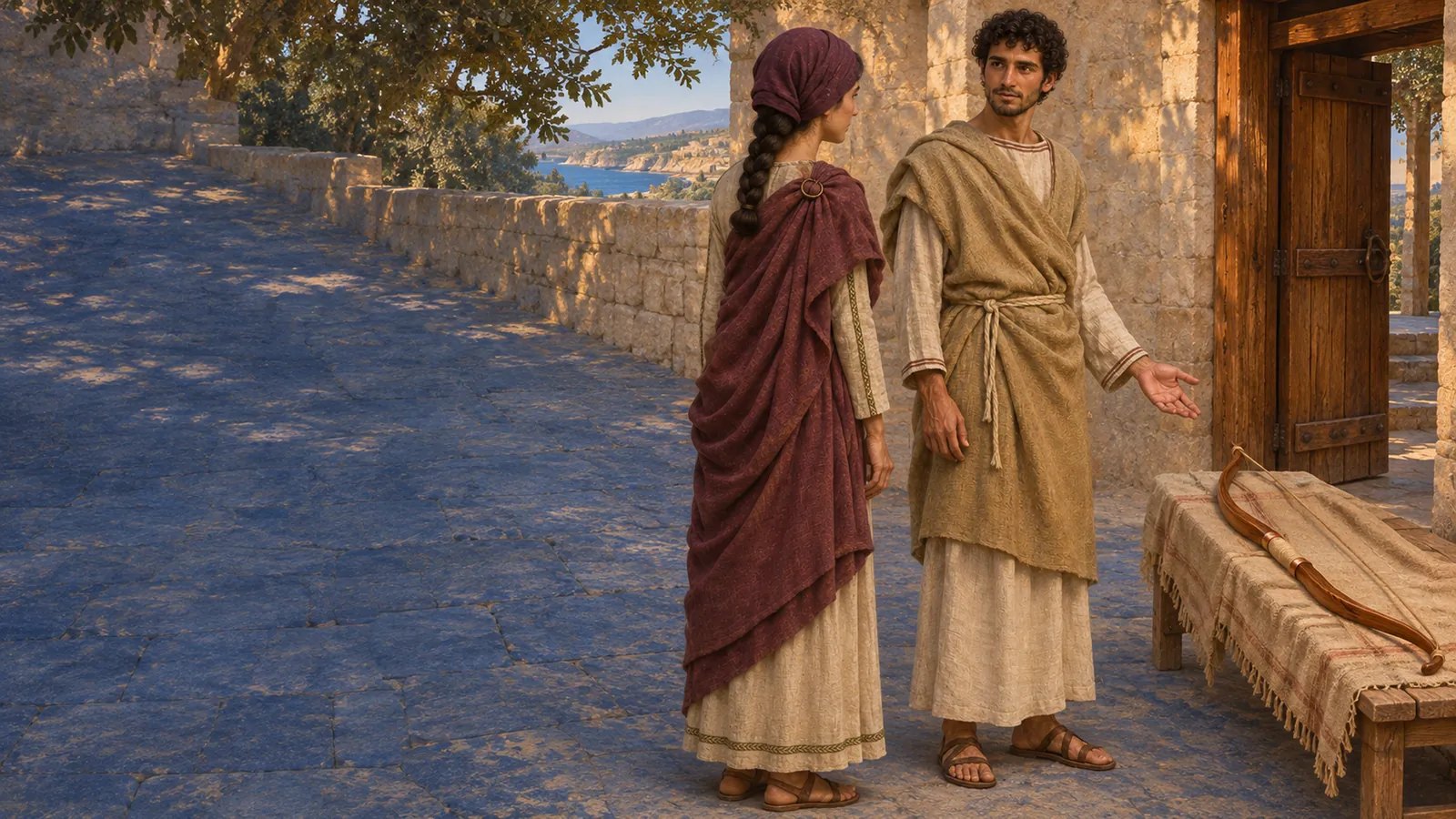
Aqhat renvoie Anat à l’artisan. Il dit qu’elle peut s’adresser à lui pour avoir son propre arc.
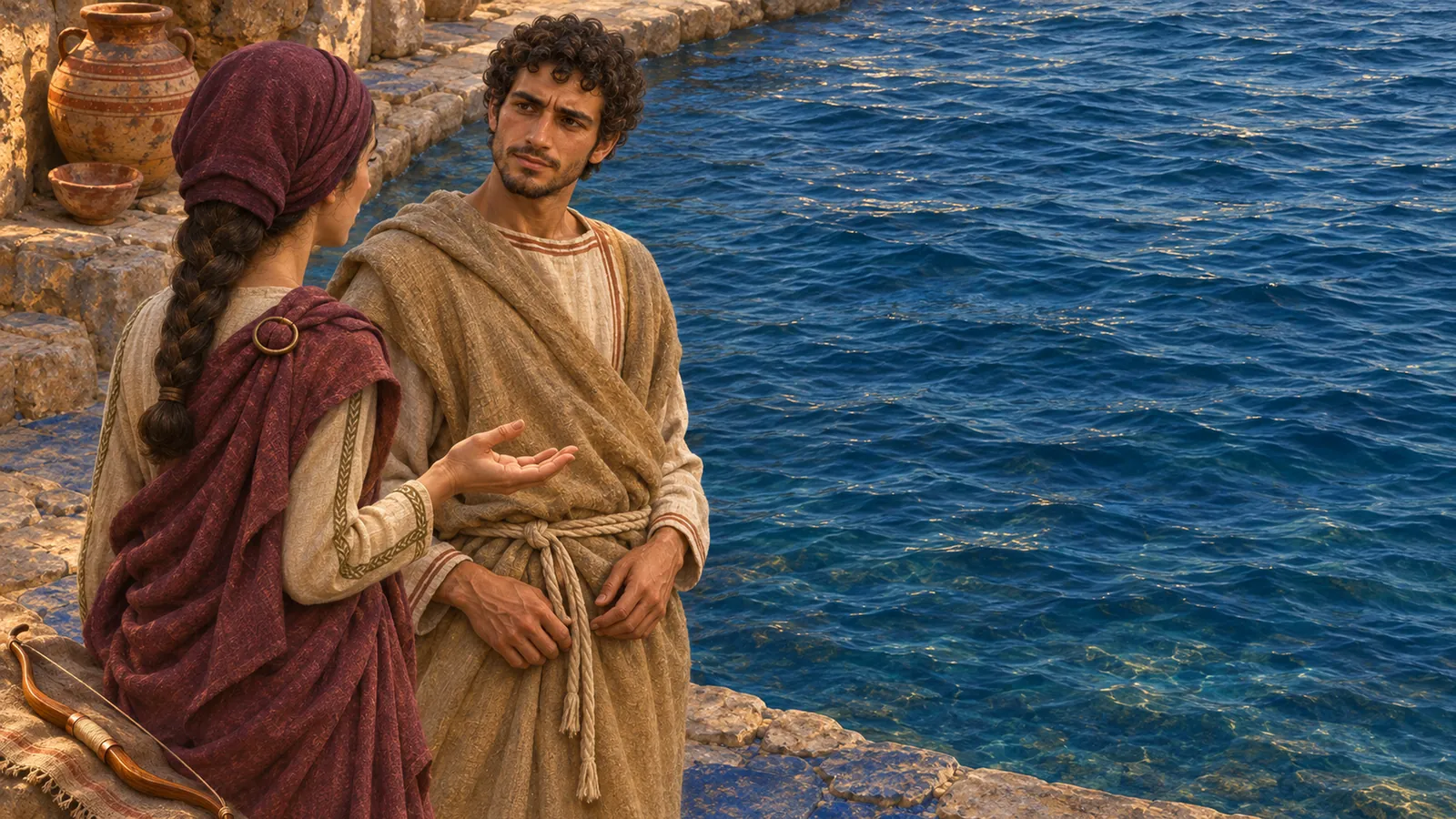
Toujours en quête de l’arc, Anat offre à Aqhat une vie sans mort. Elle parle des années qu’il compterait avec Baal.
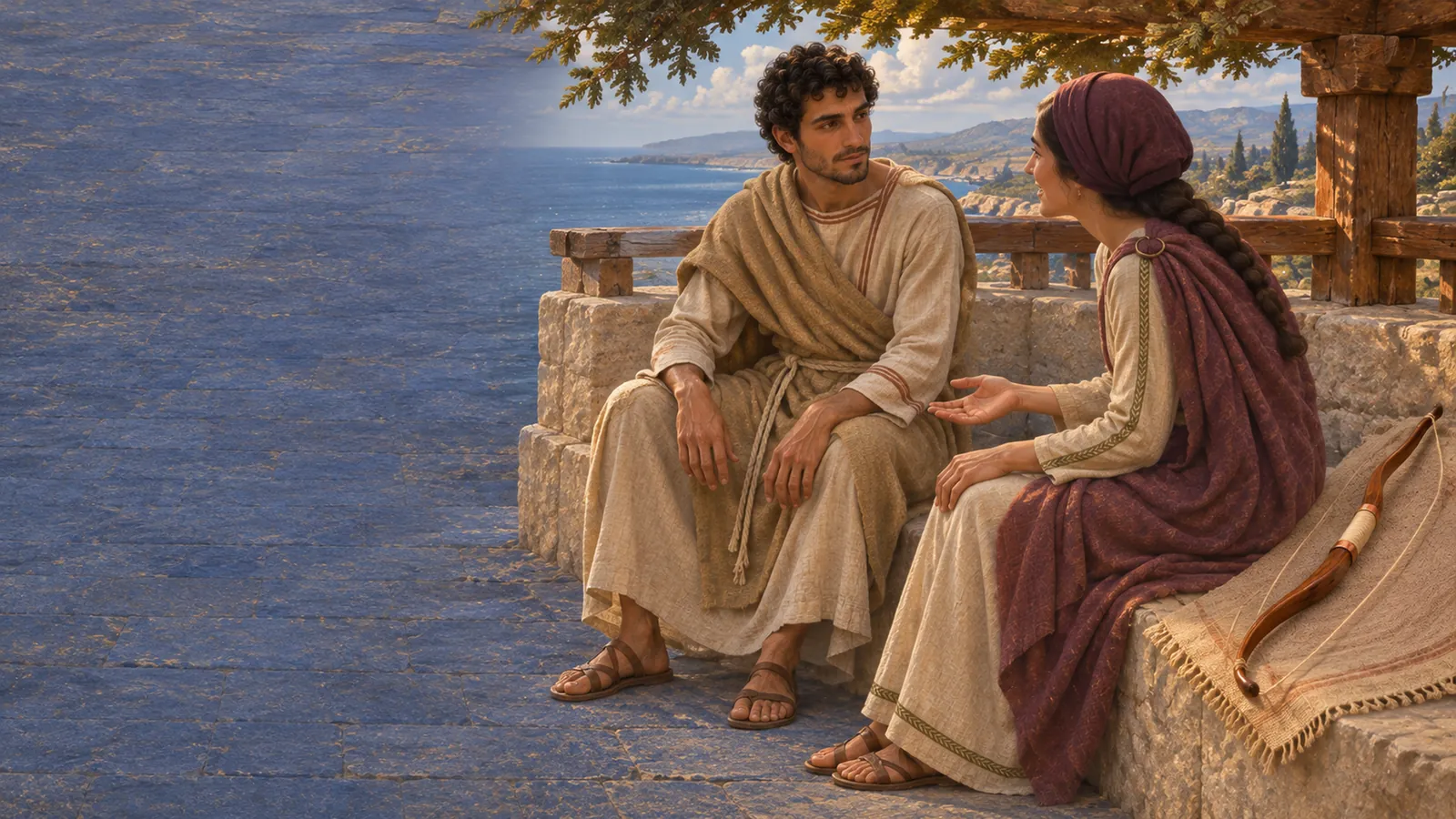
Anat prolonge sa promesse par des images d’hospitalité et de chant associées à Baal. Elles font partie de ce qu’elle dit à Aqhat.
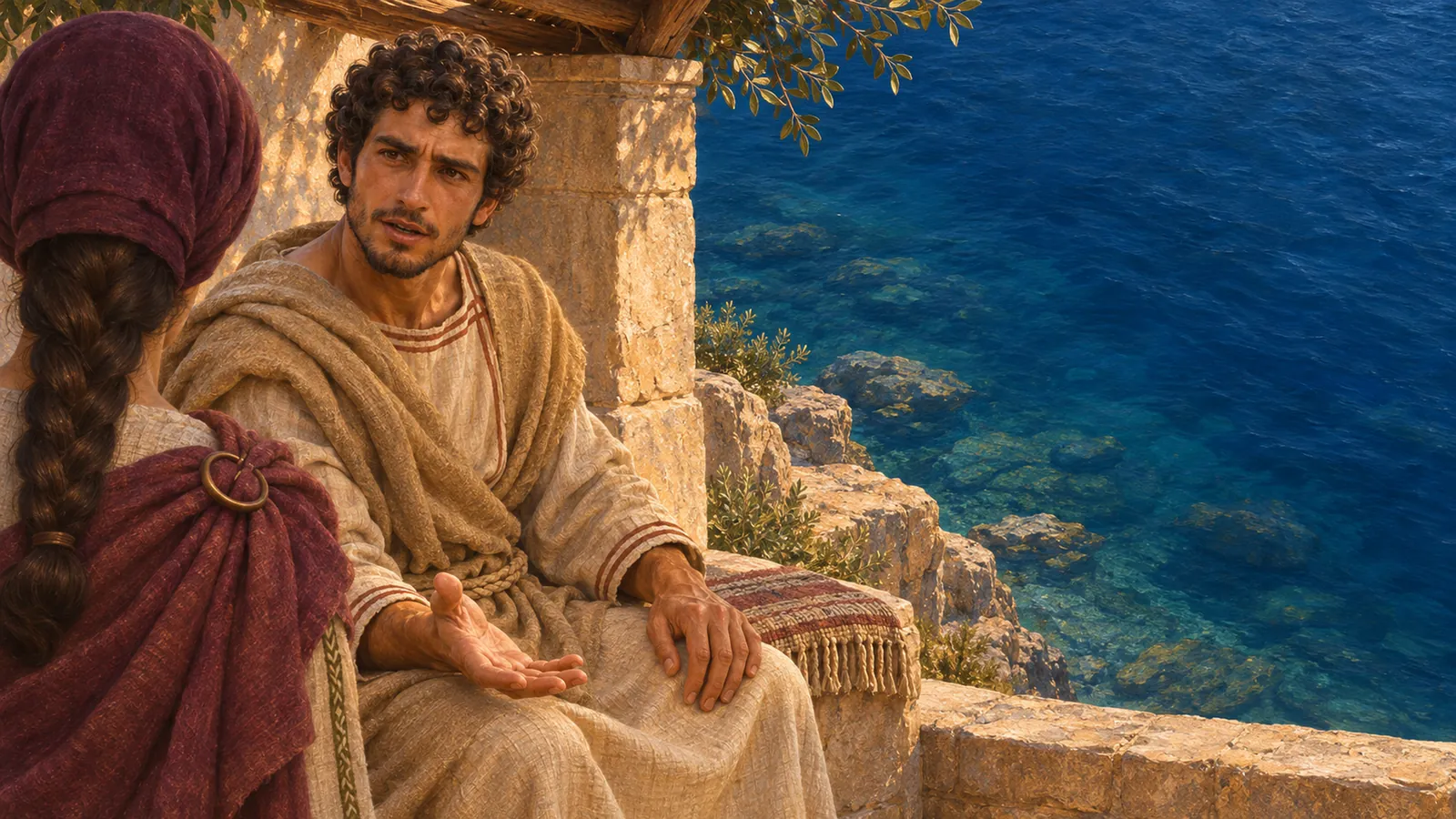
Aqhat dit que la promesse est fausse. Il répond à Anat qu’il mourra de la même mort que les autres êtres humains.
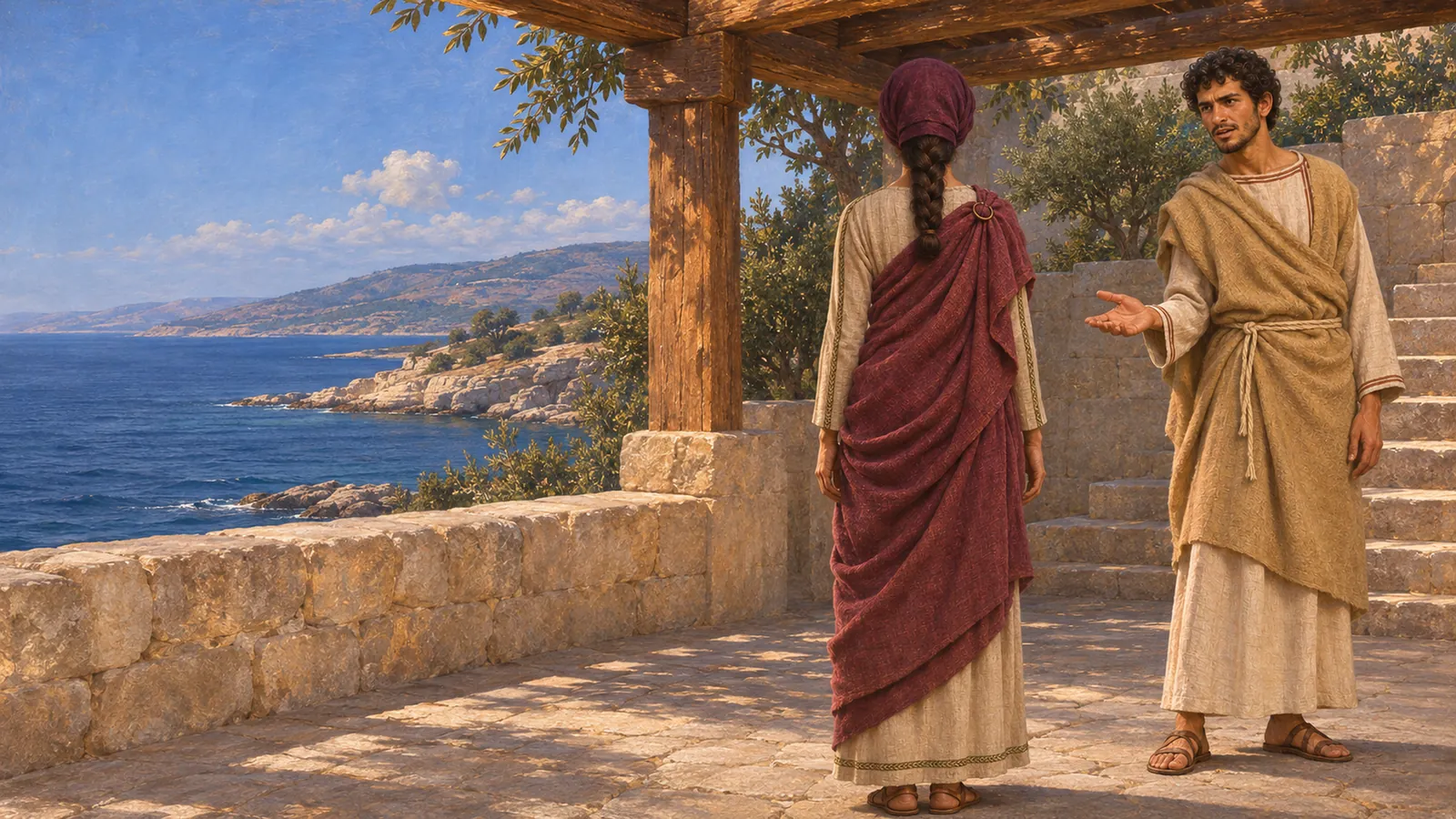
Aqhat conteste la prétention d’Anat à l’arc. Dans sa réponse, il demande, à sa manière, si la chasse revient aux femmes.

Anat éclate de rire et dissimule sa colère. Elle songe à des représailles alors que l’échange touche à sa fin.

Anat se rend auprès d’El aux sources des deux fleuves. Elle lui rend hommage et parle contre Aqhat.
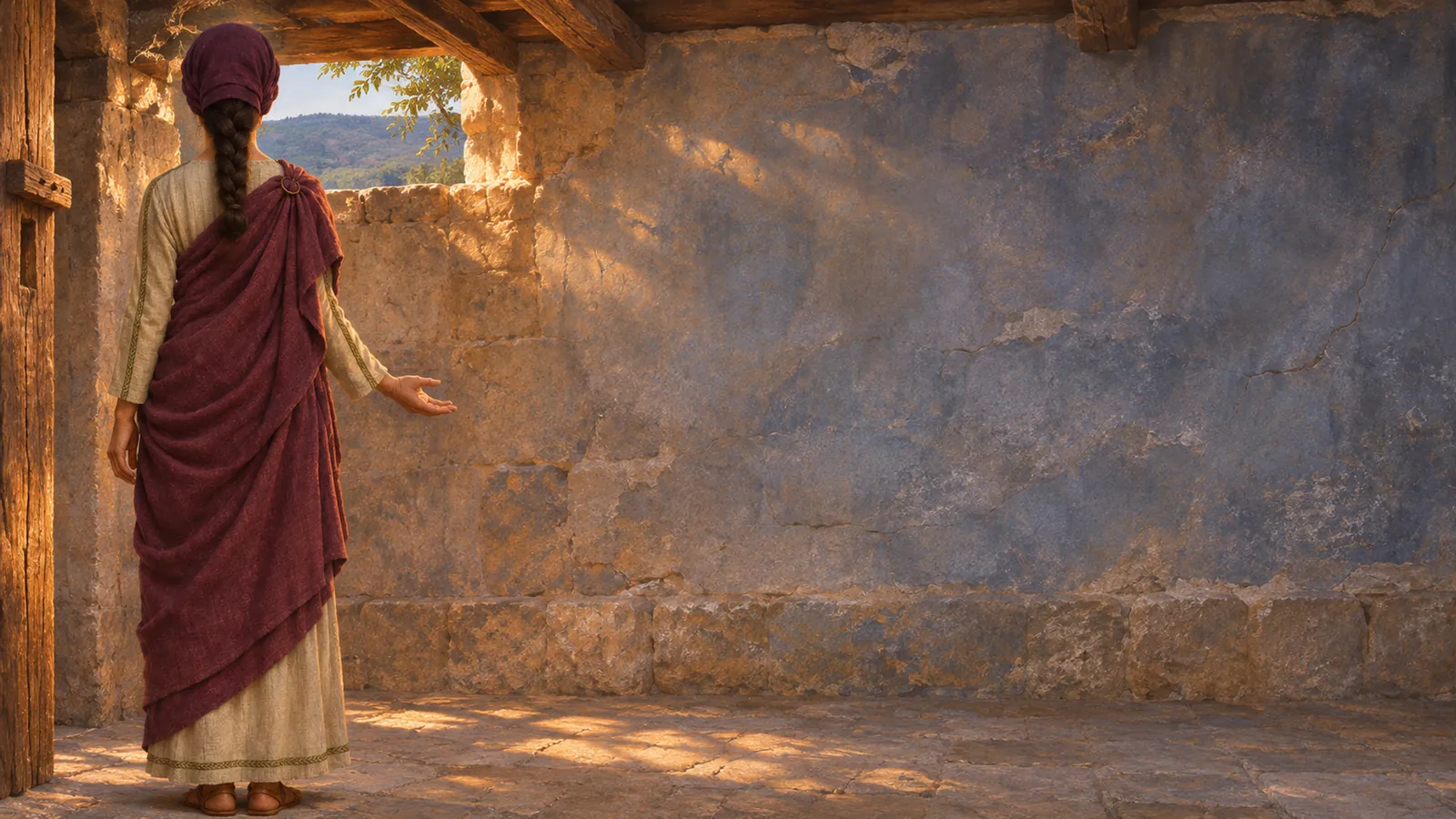
Anat commence à parler dans la demeure d’El. La fin d’une tablette et le début de la suivante rendent difficile la restitution d’une partie de leur échange.
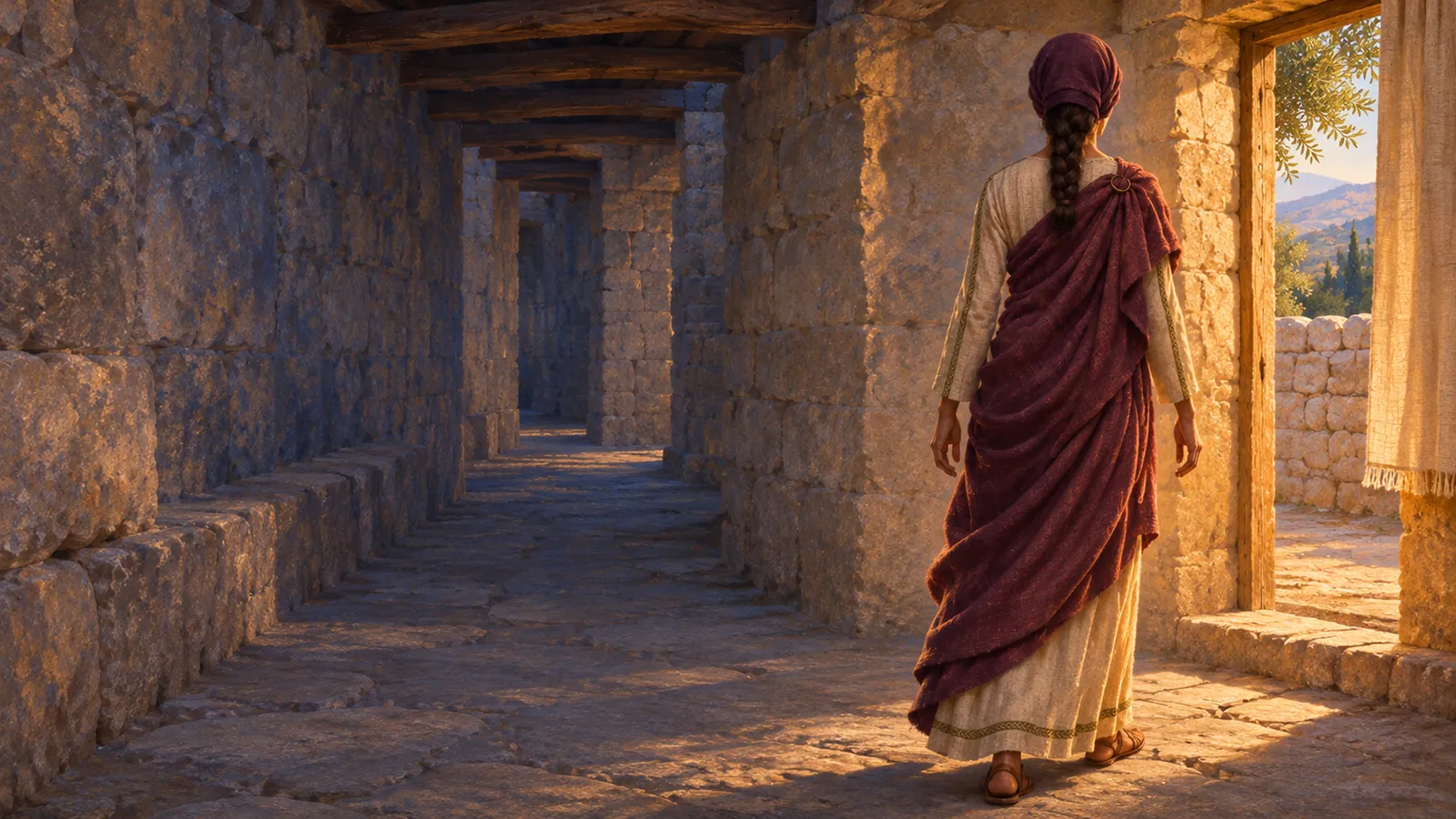
Anat menace El. Il la reprend pour ses paroles et la laisse aller où elle veut.
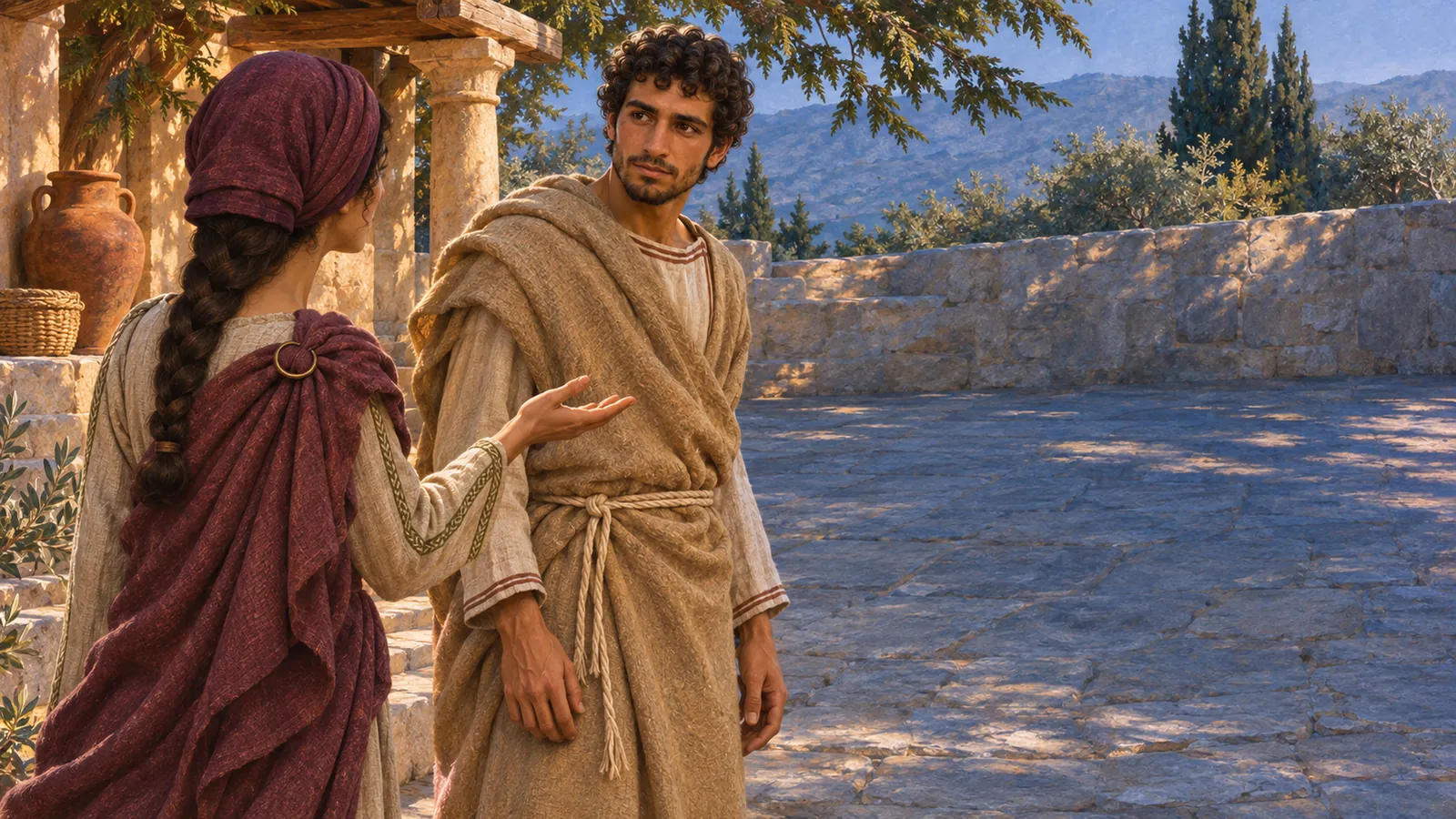
L’INVITATION
Anat s’adresse à Aqhat comme à un proche. Elle l’invite à chasser et nomme Abilum. Une partie de ses paroles s’est perdue.

Les deux colonnes suivantes de la tablette sont perdues. Ce qui s’est passé entre l’invitation d’Anat et la prochaine conversation conservée a disparu du récit que nous pouvons lire.
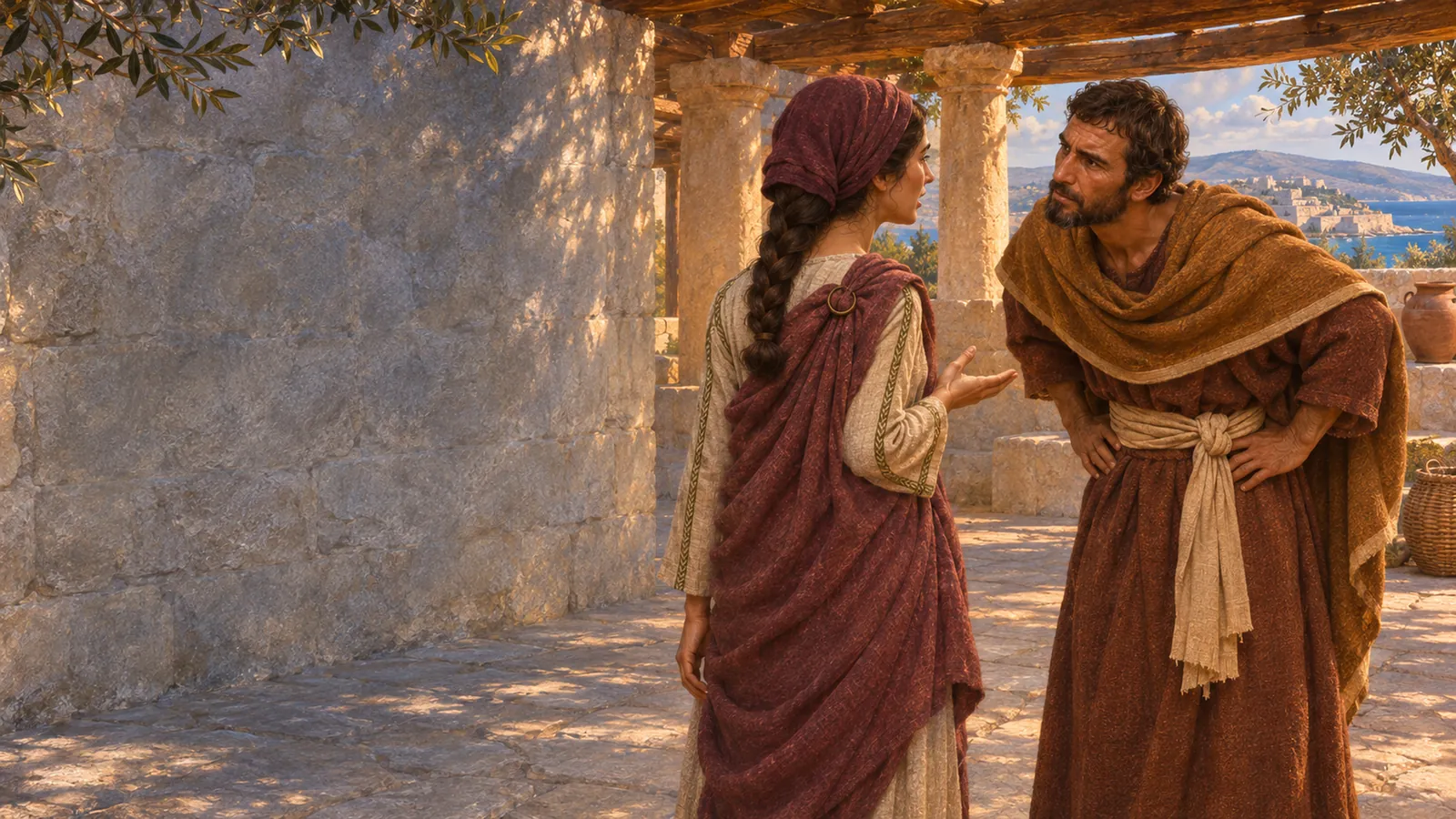
Quand le texte reprend, Anat parle à Yatipan. Abilum est de nouveau nommé. Selon une lecture, Yatipan demande à Anat si l’arc est la cause de sa colère.
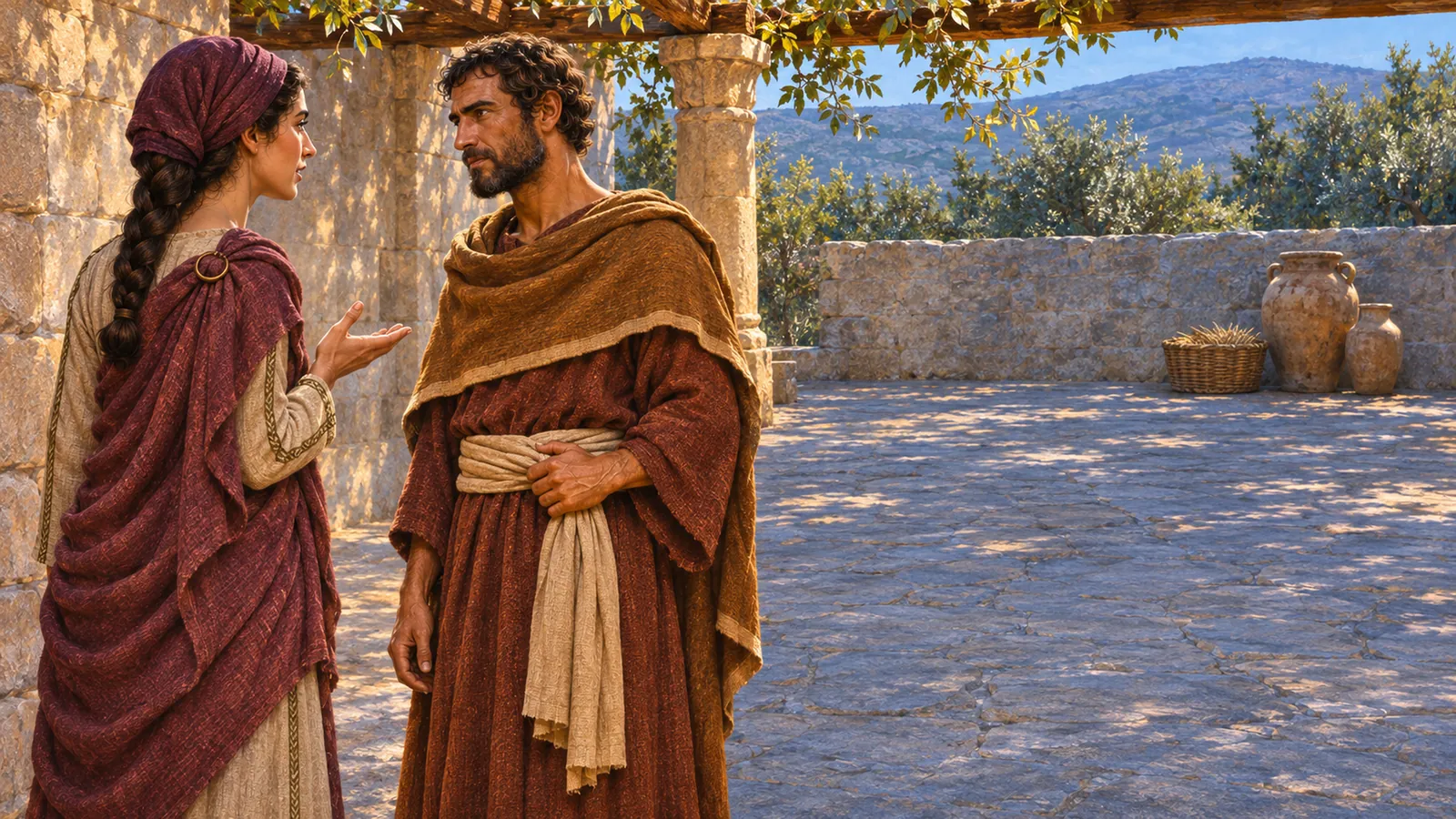
Anat dit à Yatipan qu’elle a l’intention de mettre fin à la vie d’Aqhat. Elle en vient au moment où il s’assiéra pour manger.
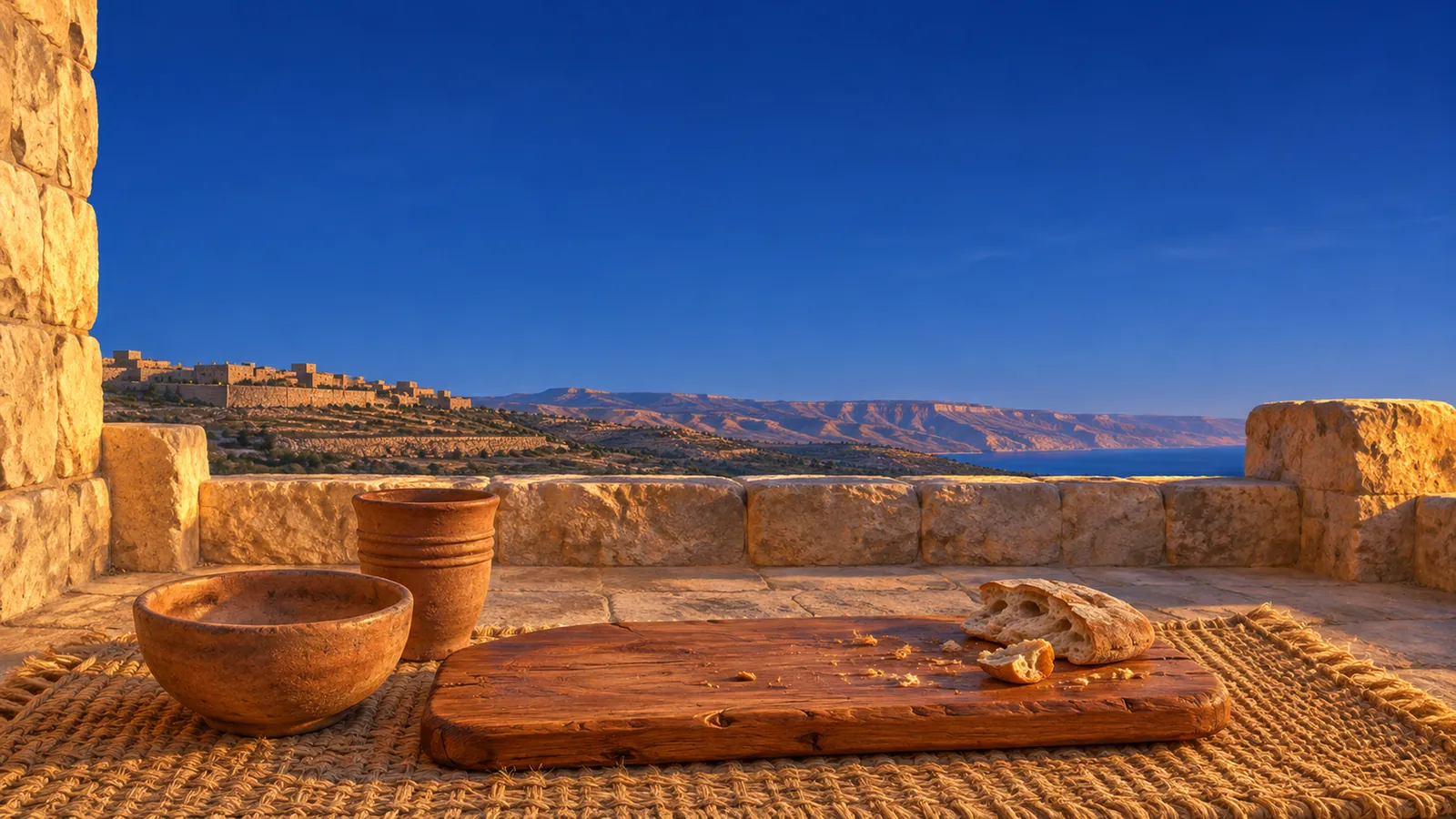
AQHAT
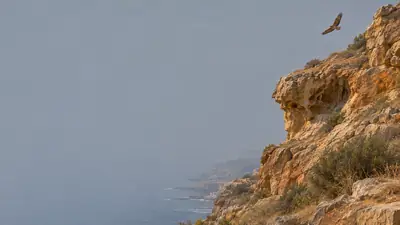
Pendant qu’Aqhat mange, Anat tourne au-dessus de lui parmi les rapaces. Yatipan frappe Aqhat à la tête et le tue.
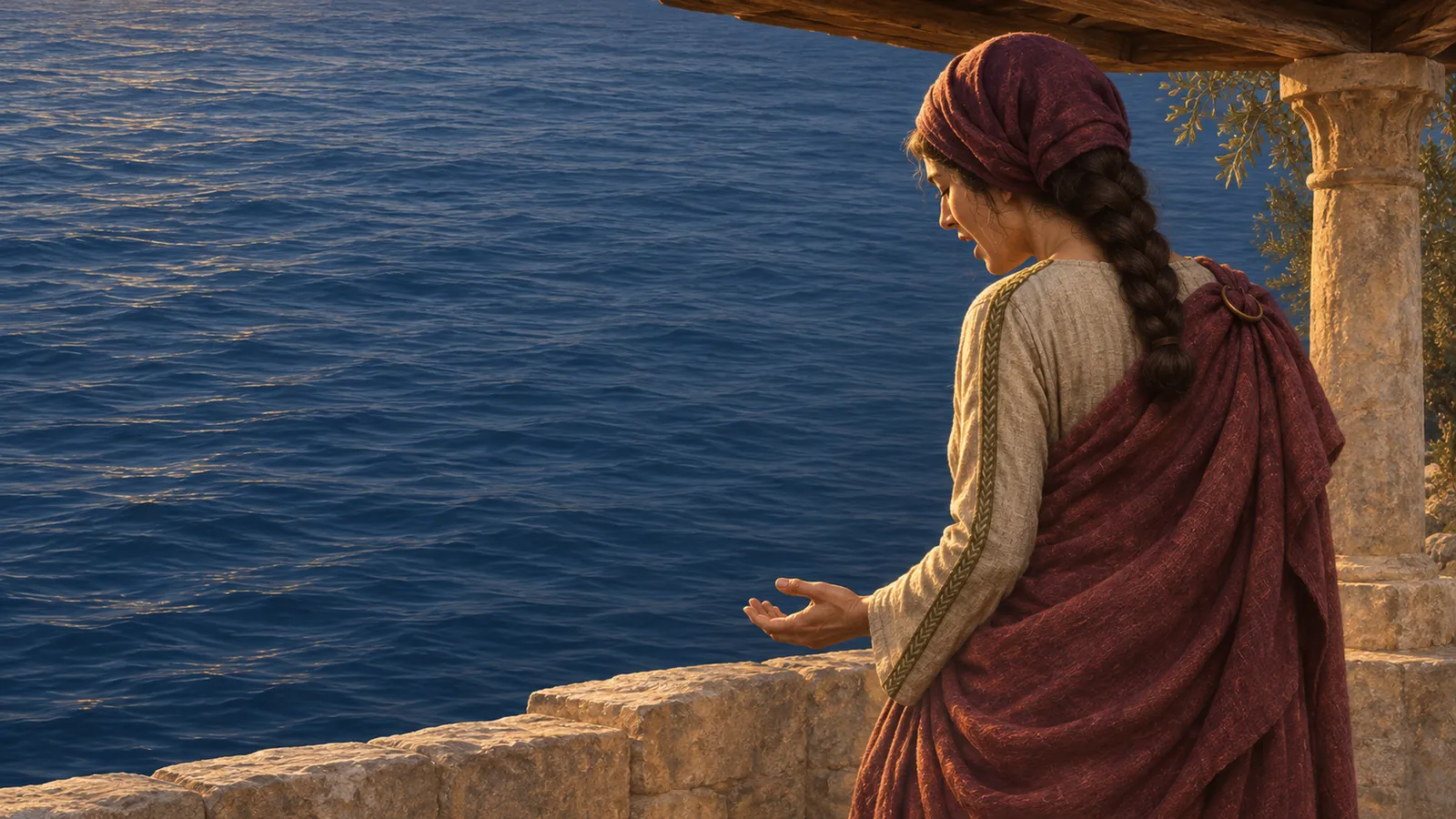
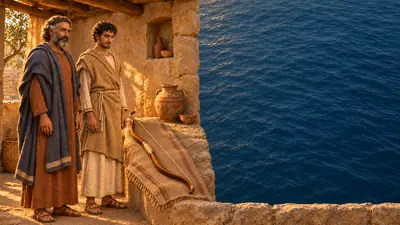
Anat commence à se lamenter. Au début de la tablette suivante, les lignes endommagées évoquent l’arc qui se brise et quelque chose qui tombe dans les eaux profondes.
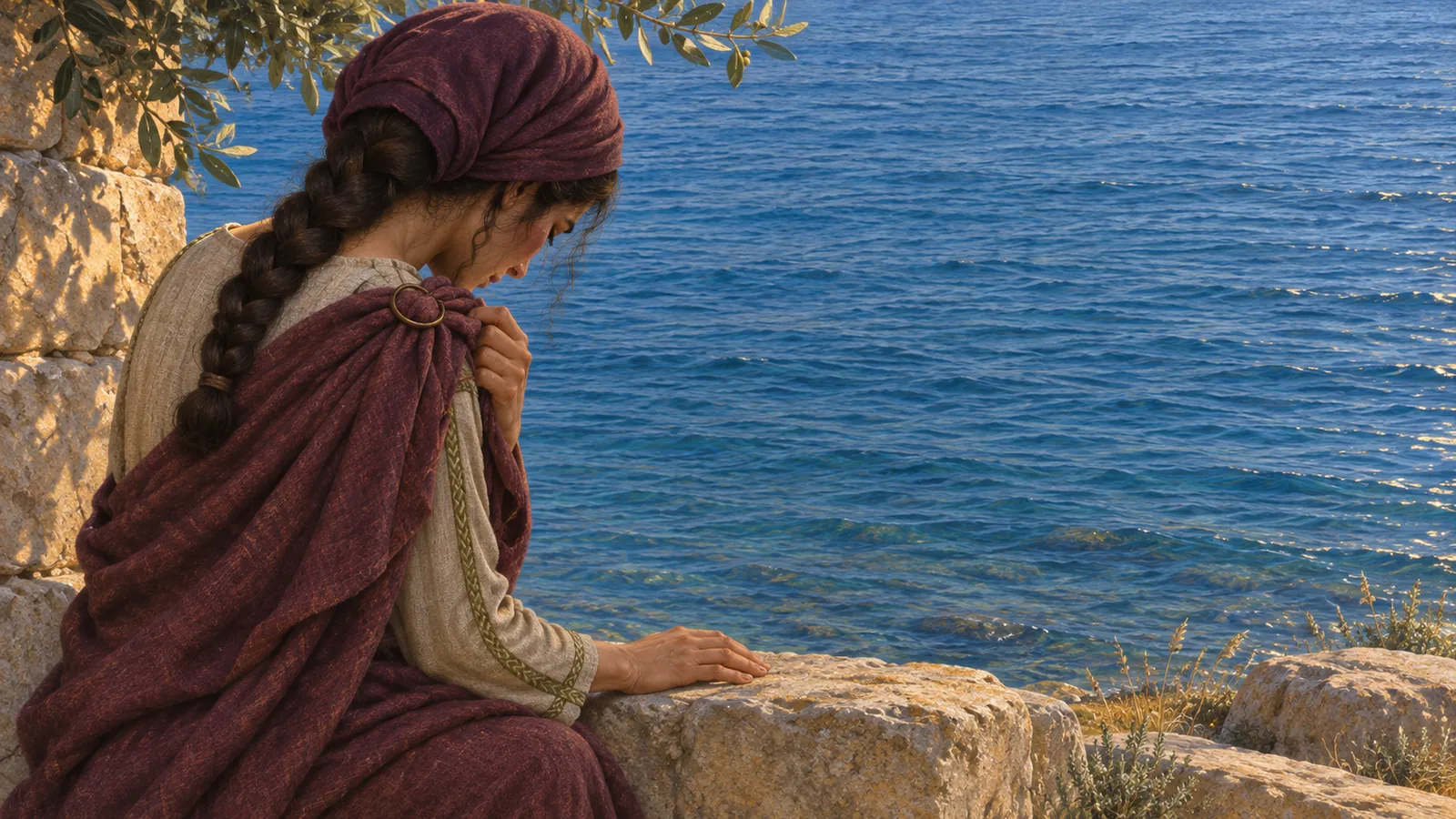
La voix d’Anat revient dans des lignes fragmentaires. Ses paroles évoquent Aqhat, puis l’arc qu’elle convoitait et qu’elle n’a pu obtenir.
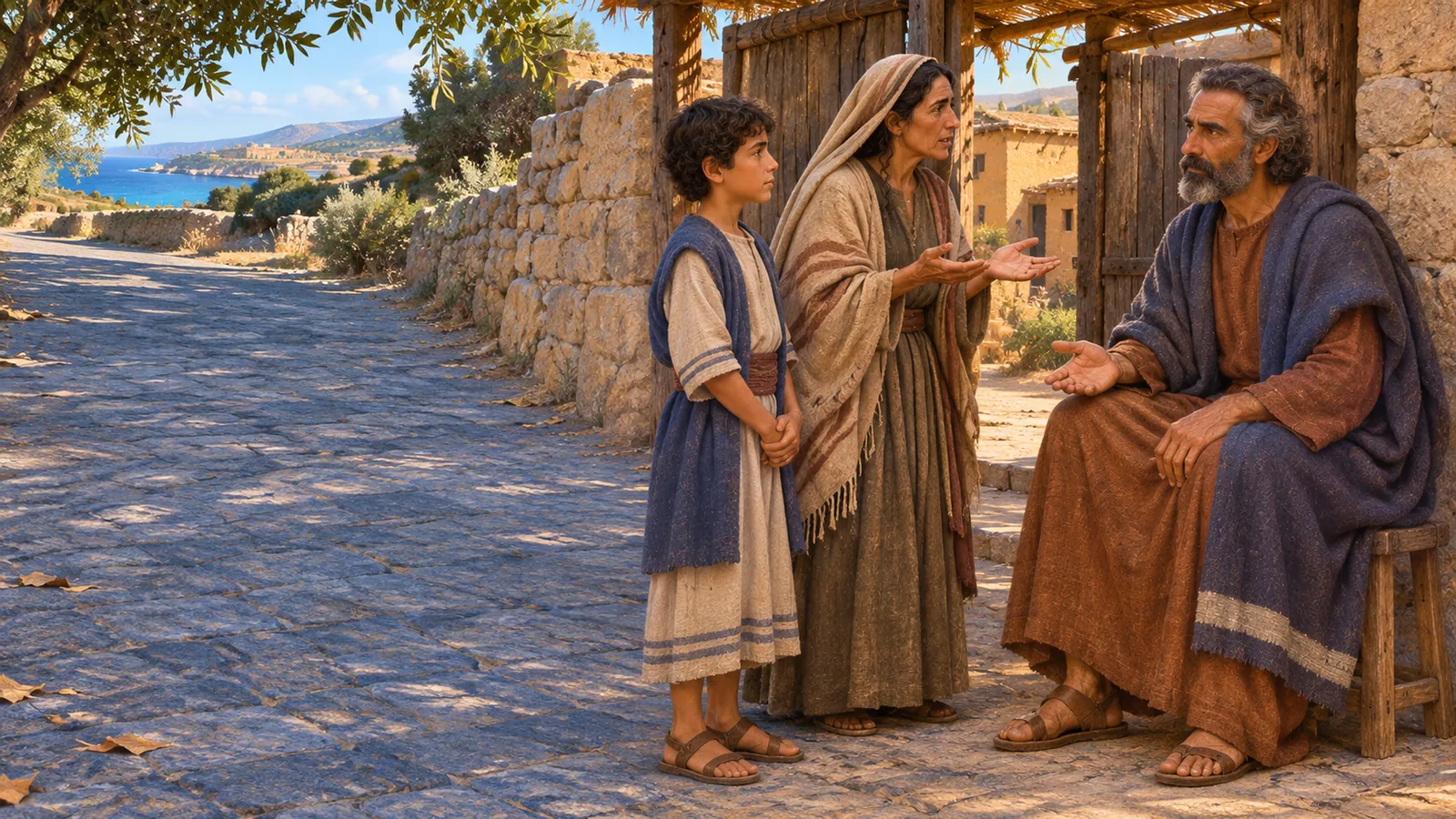
Le poème raconte que les cultures dépérissent après la mort d’Aqhat. Il revient à Danel, à la porte, où il entend les affaires de la veuve et de l’orphelin, sans savoir ce qui s’est passé.
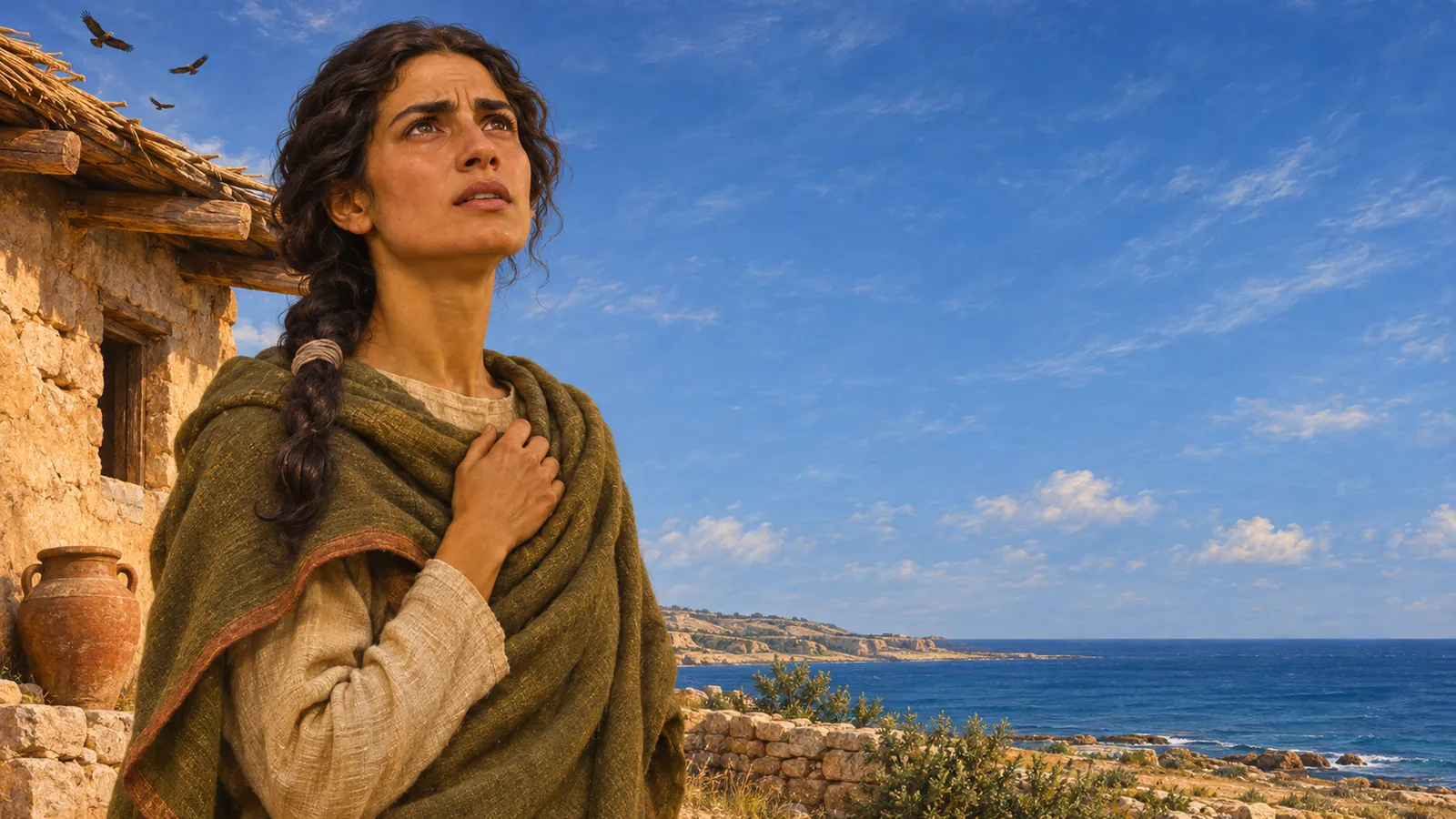
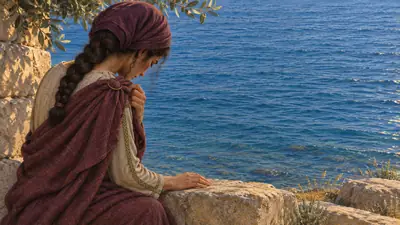
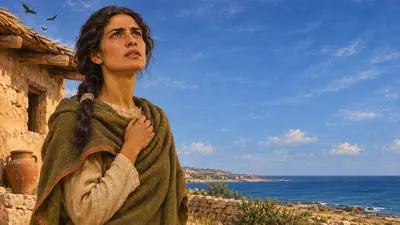
Pughat remarque les plantes flétries et voit des oiseaux tourner au-dessus de la maison de son père. Cette vue l’inquiète et elle se met à pleurer.
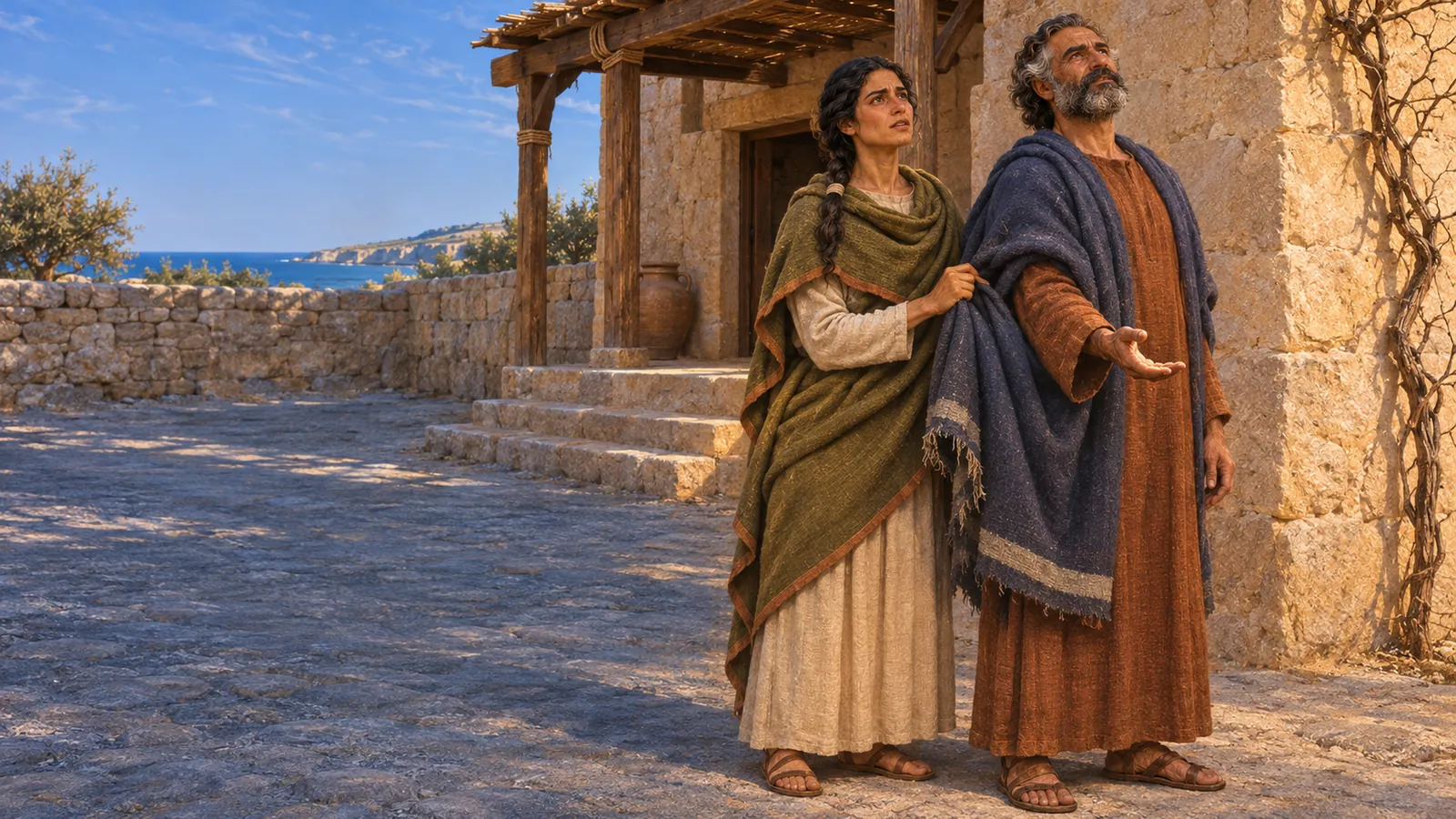
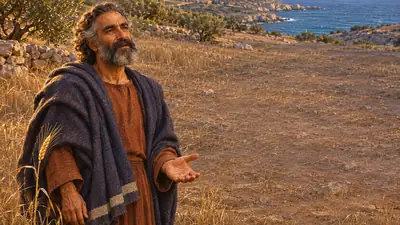
Dans son affliction, Pughat déchire le manteau de son père. Danel s’adresse aux nuages et leur demande la pluie d’été et la rosée pour les vignes.
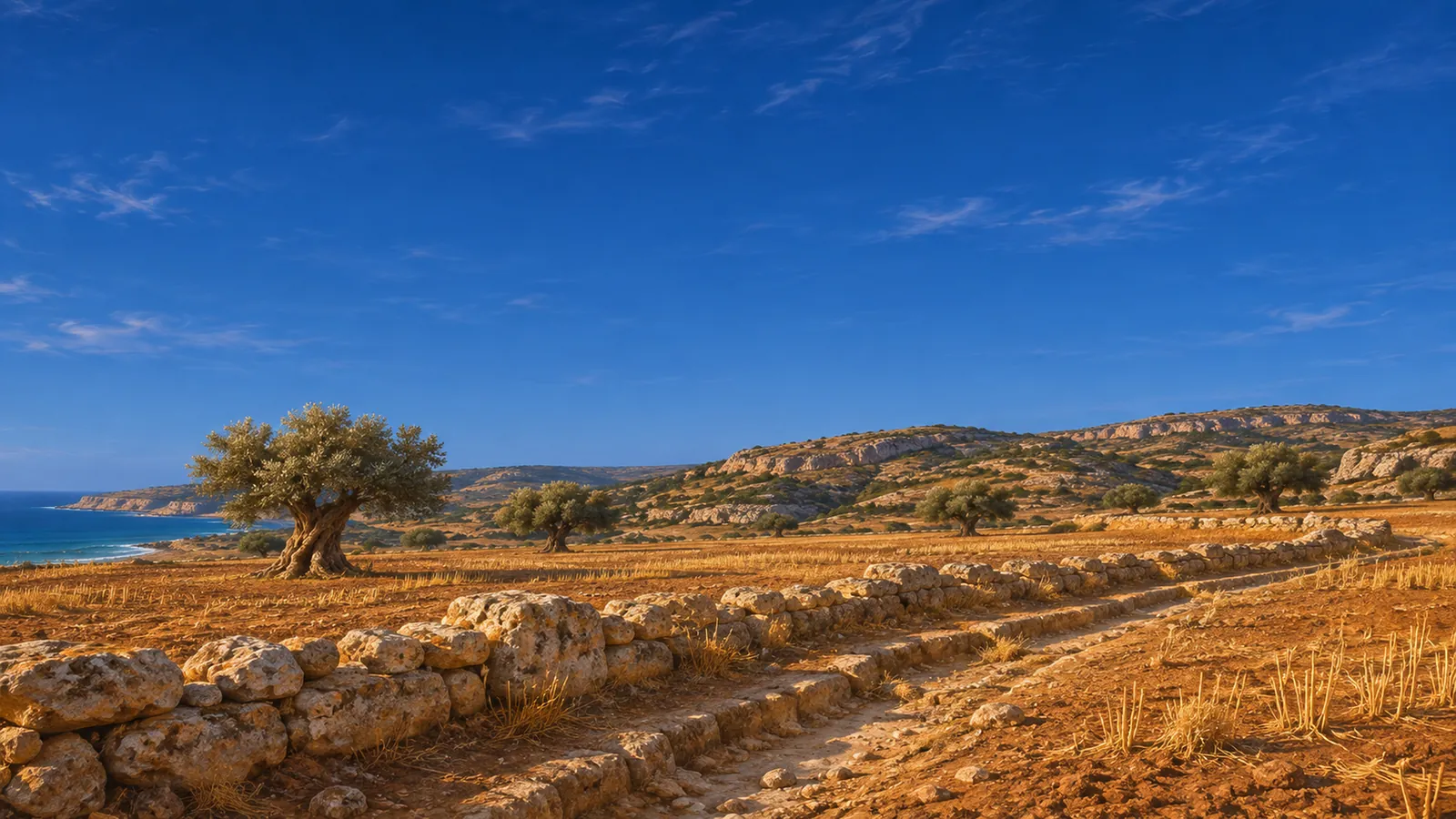
Le poème compte sept années, puis huit dans le vers qui lui fait écho. Il parle d’un ciel sans averse, d’une terre sans rosée et de la voix absente de Baal.
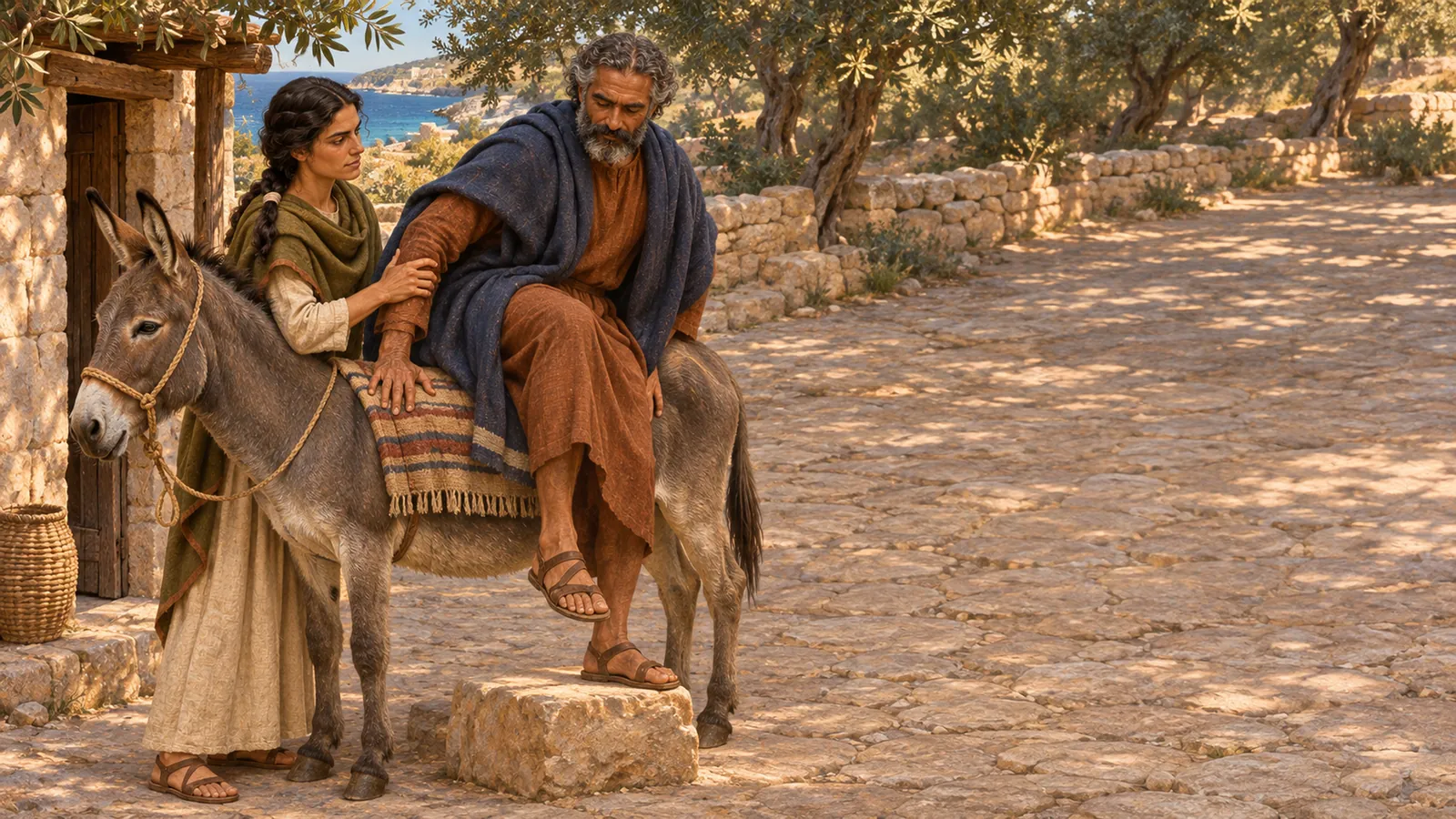
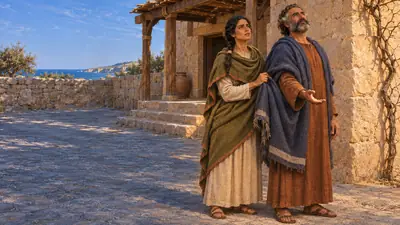
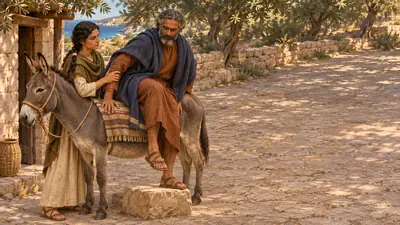
Danel appelle sa fille, la porteuse d’eau qui connaît la course des étoiles. Pughat amène un âne et aide son père à monter sur son dos.
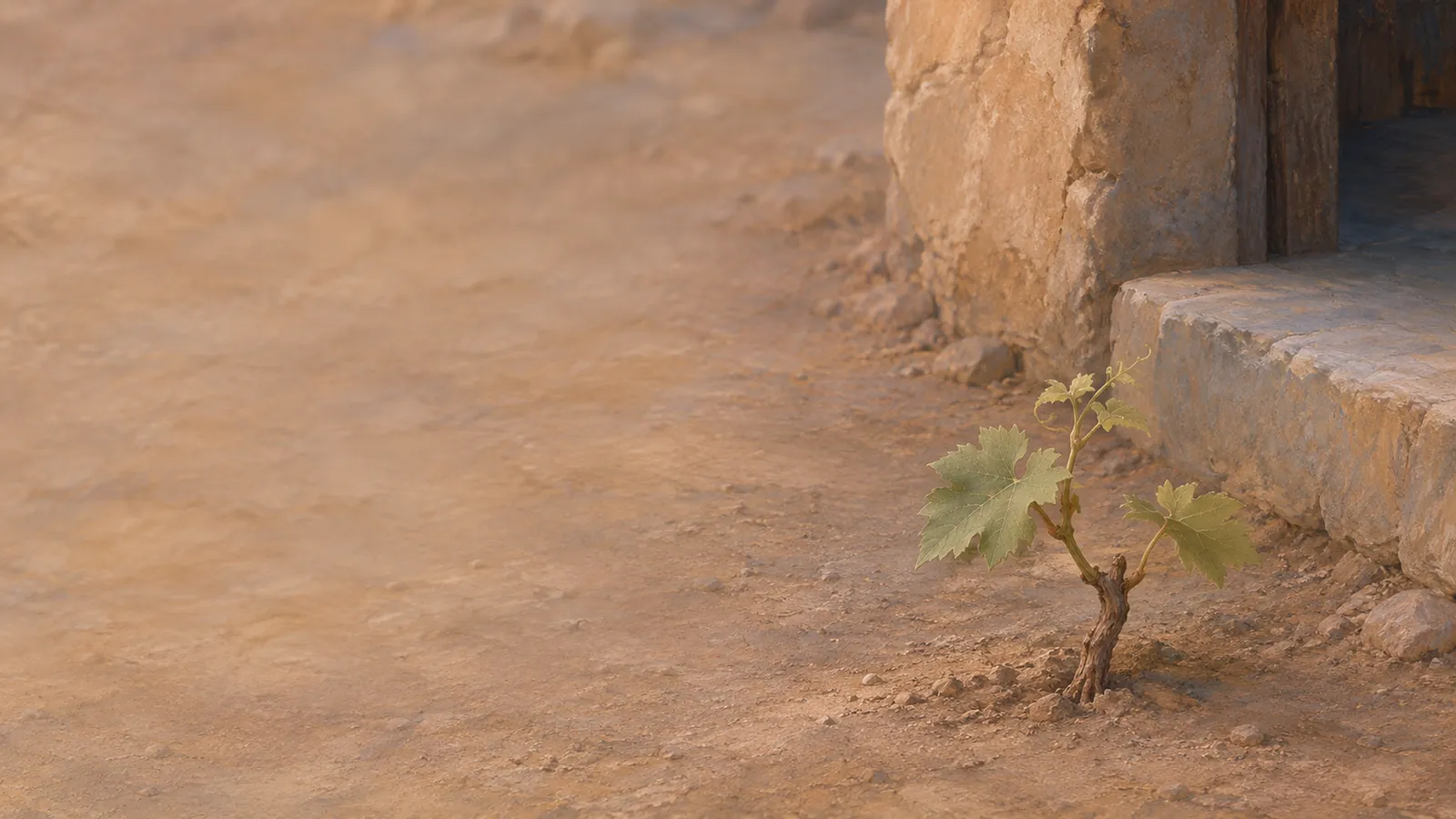
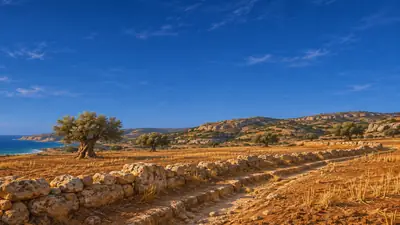
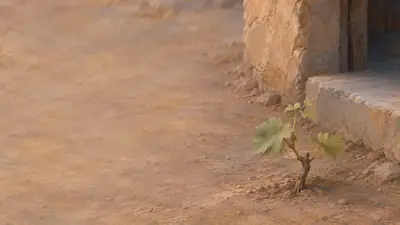
Danel arrive près d’un sarment, dans la terre sèche. Il souhaite qu’il pousse et qu’Aqhat en cueille les fruits pour les porter au grenier.
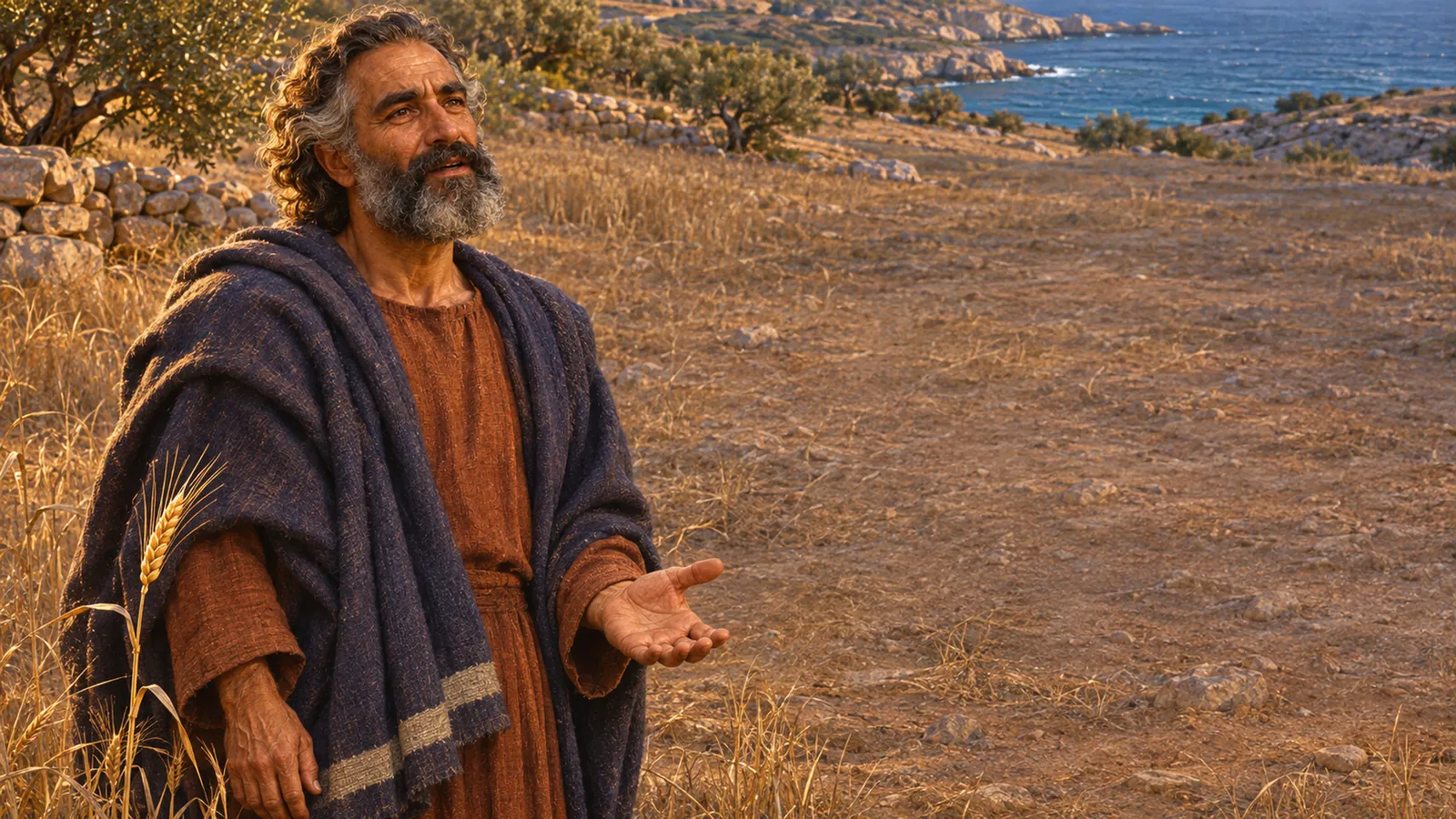
Dans un autre champ desséché, Danel trouve un épi. Il répète son souhait. Que l’épi pousse, dit-il, et qu’Aqhat le porte au grenier.
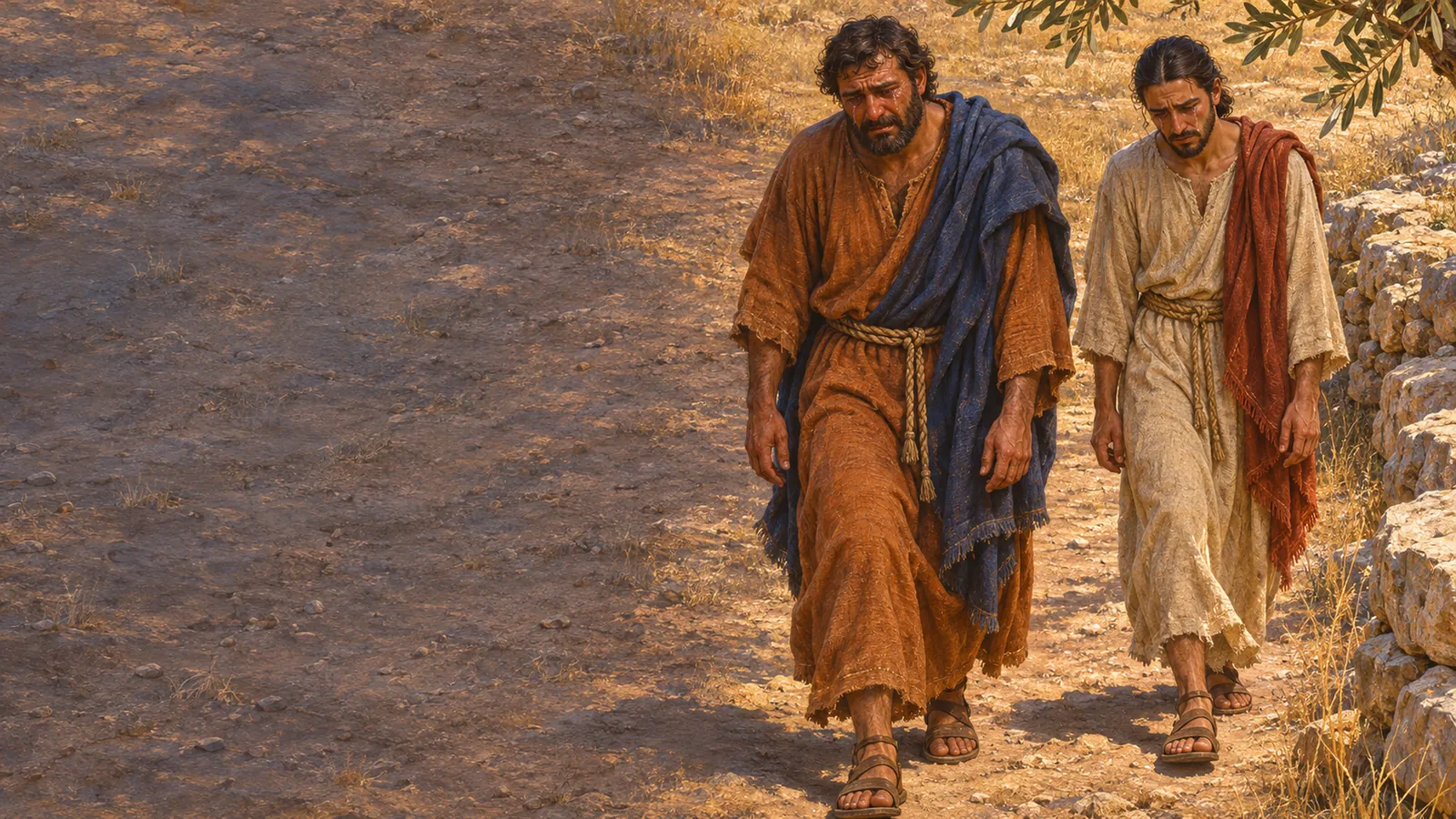
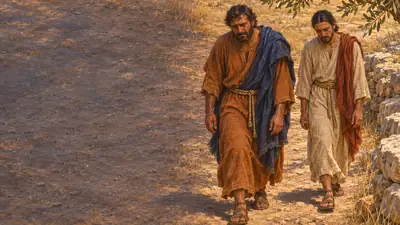
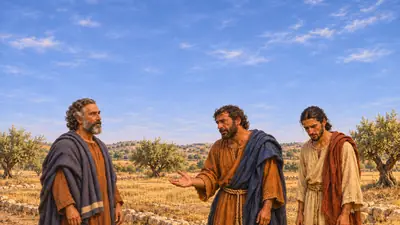
Danel parle encore quand deux messagers apparaissent. Leurs pas hésitants et leurs larmes laissent présager un malheur avant que l’un ou l’autre ait donné la nouvelle.
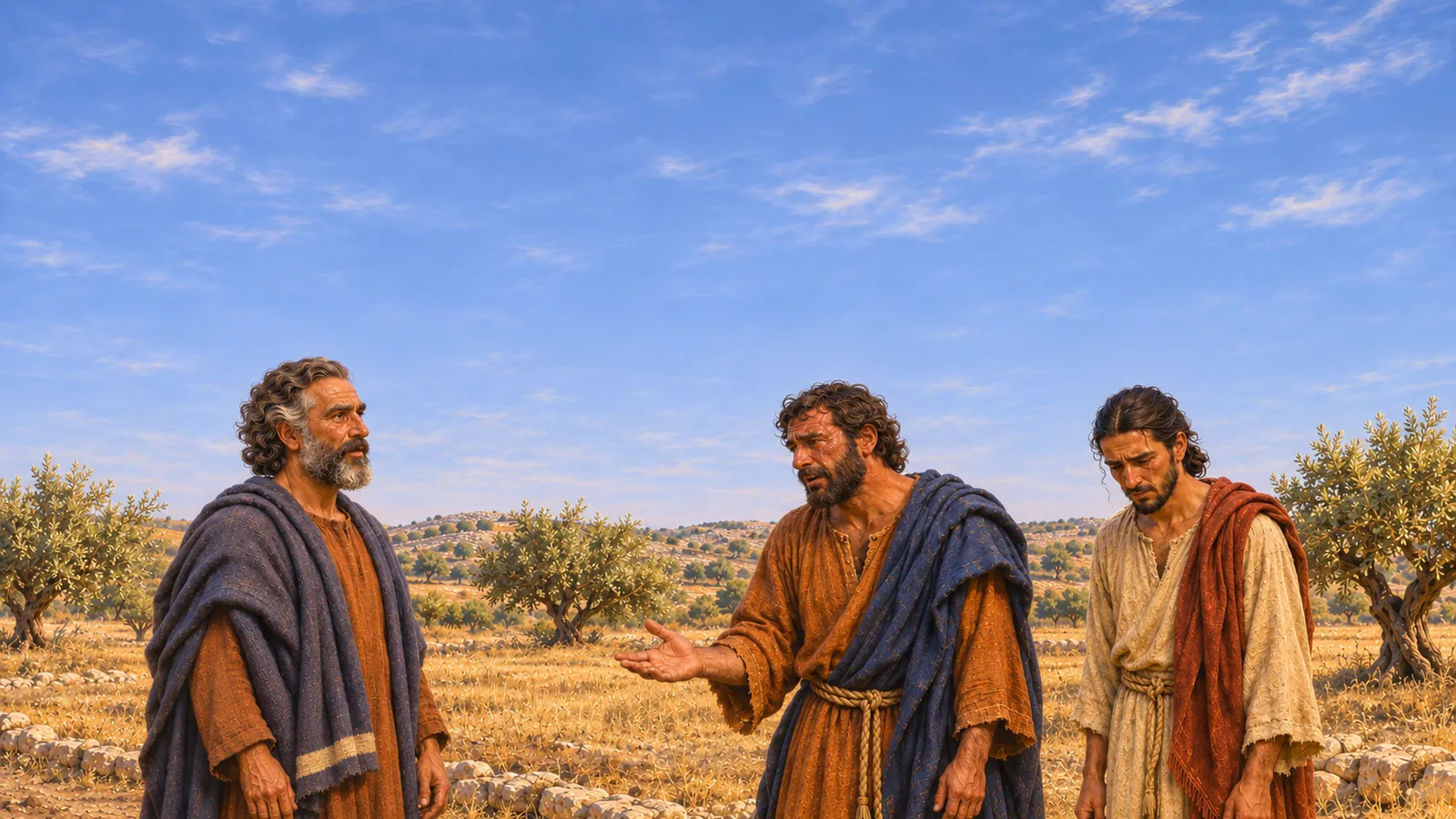
LA NOUVELLE
Les messagers disent à Danel qu’Aqhat est mort. Ils en tiennent Anat pour responsable. Jusqu’à leur annonce, Danel parlait encore de ce que son fils pourrait faire.
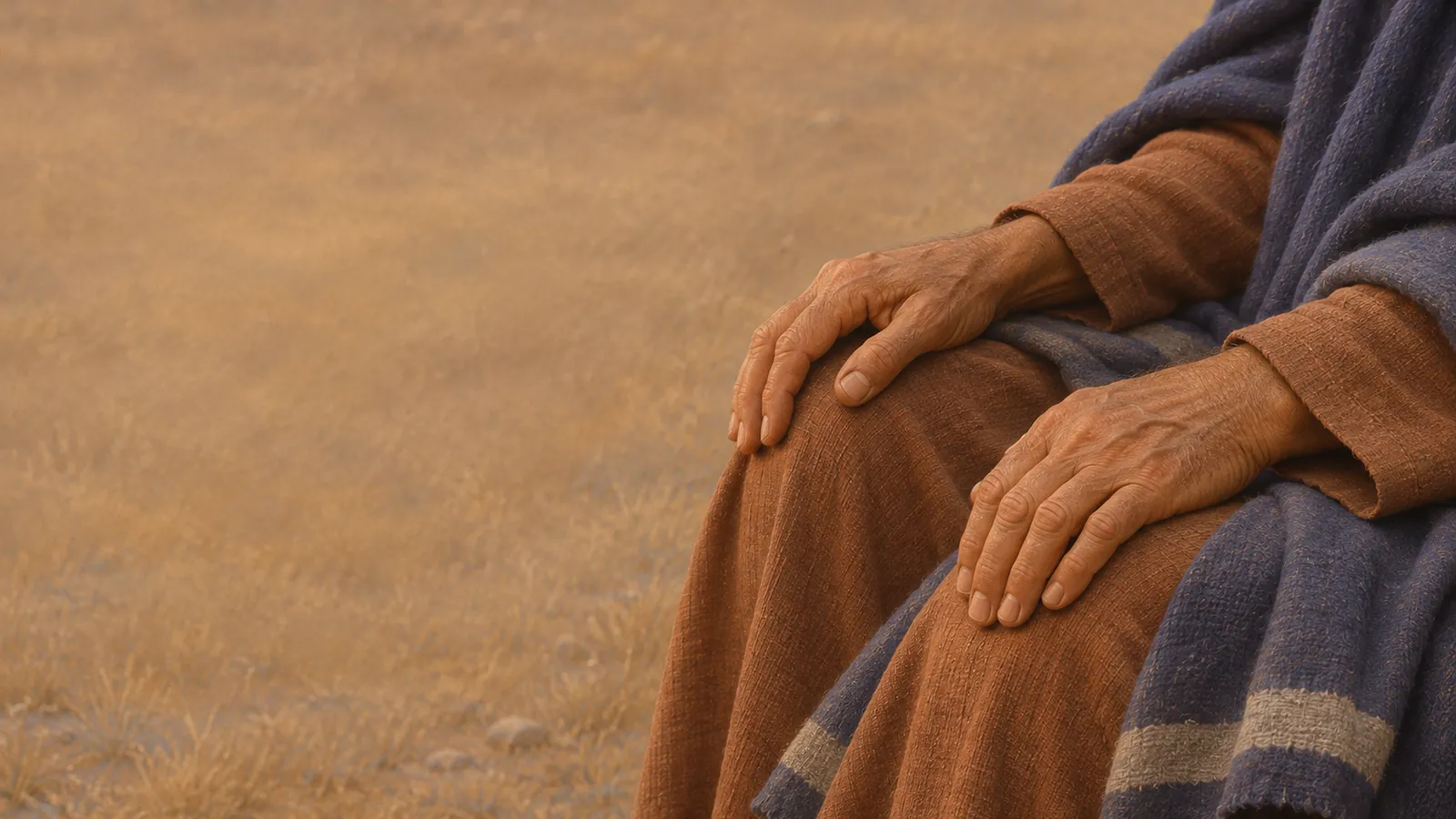
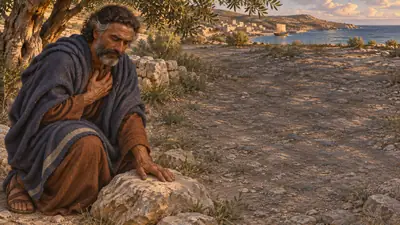
Les jambes de Danel tremblent et ses forces l’abandonnent quand il entend la nouvelle. Il essaie de parler, mais on ne peut plus lire que quelques mots de sa première réponse.

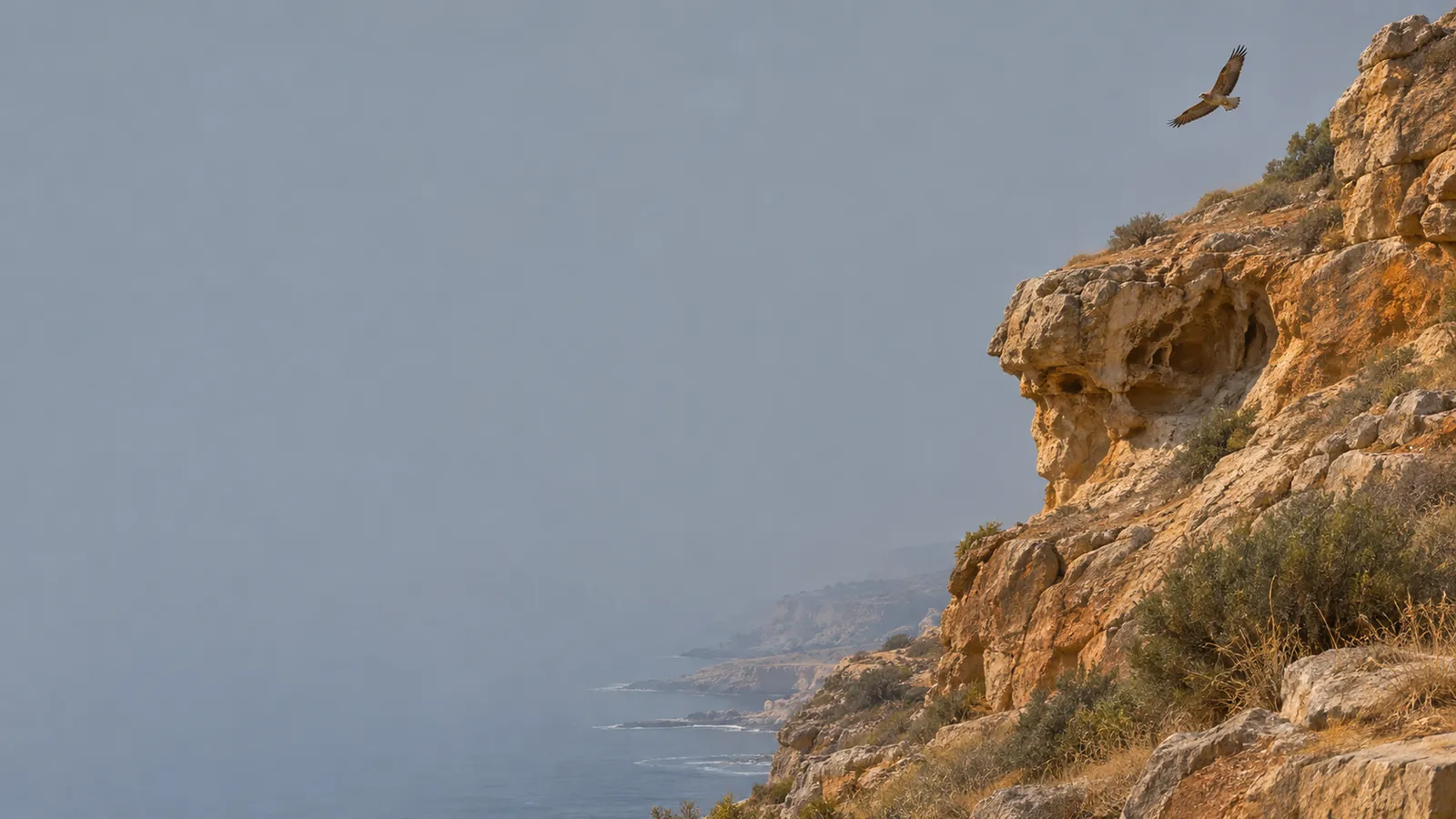
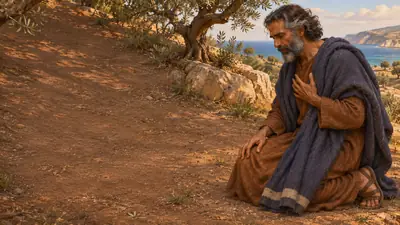
Danel voit des rapaces au-dessus de lui et demande à Baal de leur briser les ailes pour chercher dans leur corps les restes de son fils. Sa première recherche ne donne rien.
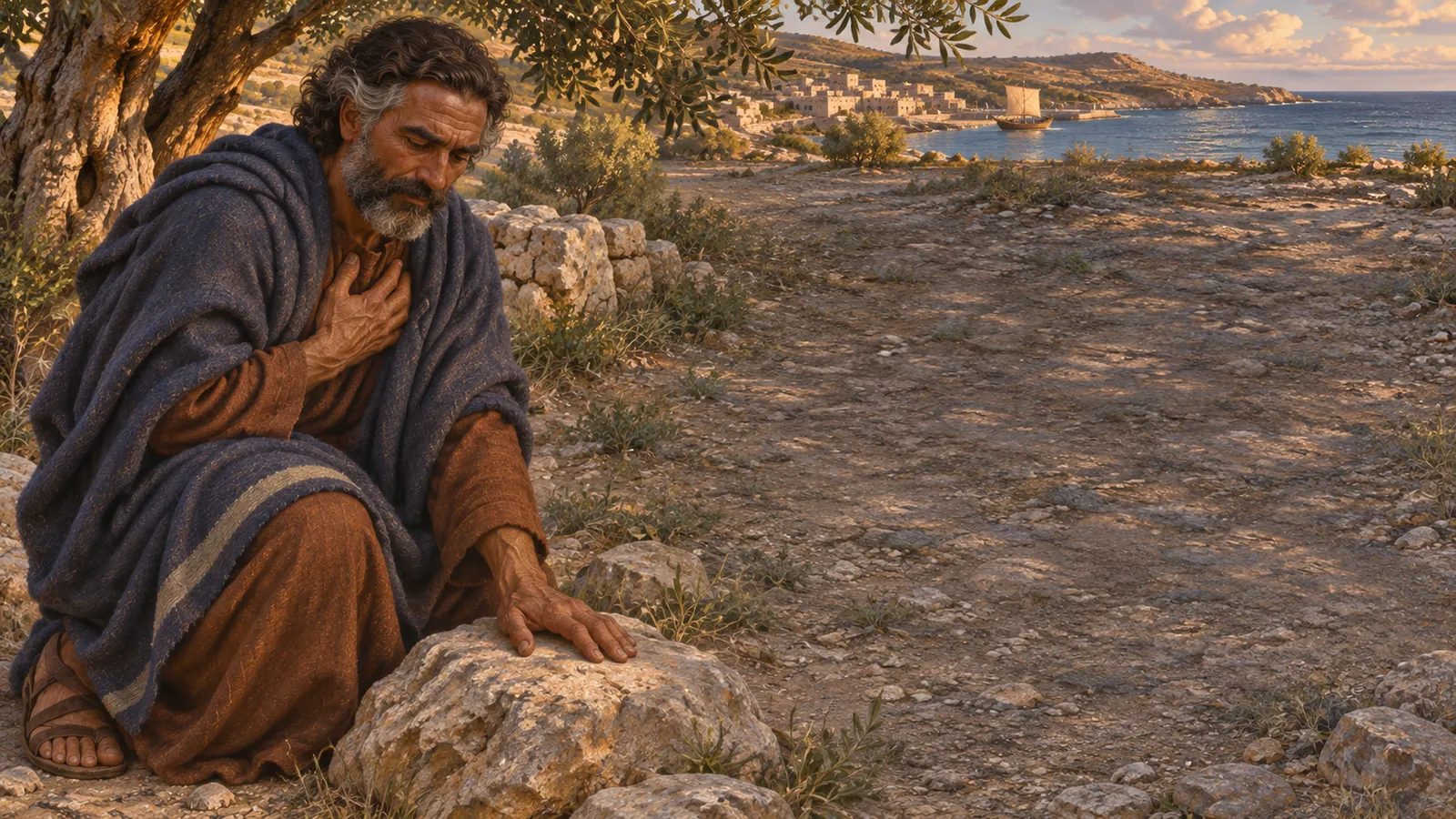
Danel appelle de nouveau Baal à l’aide. Cette fois, le poème nomme l’oiseau Hargubu. Danel ne trouve toujours aucune trace de son fils.
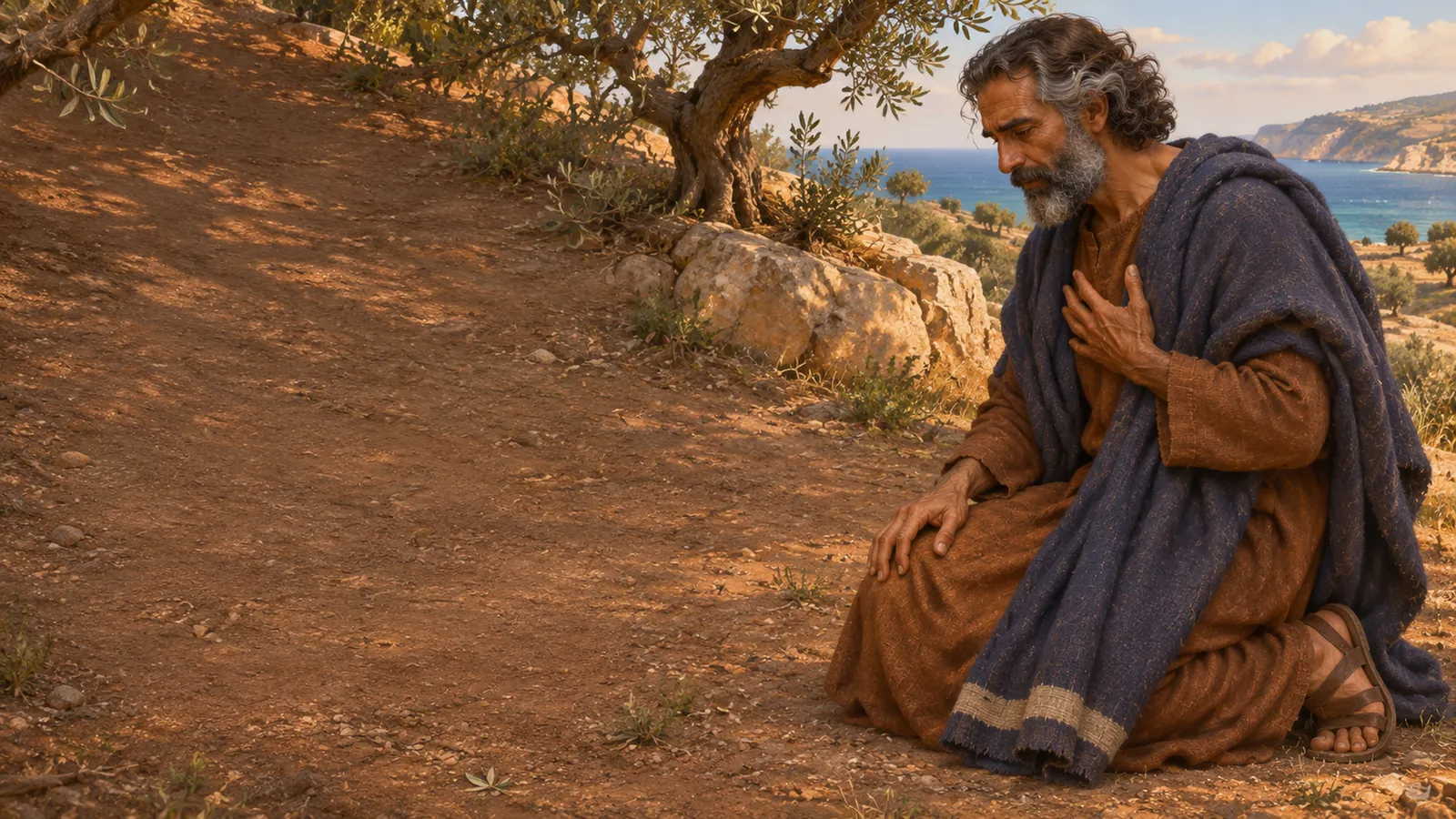
Baal brise les ailes de Ṣumalu, la mère des rapaces. Danel trouve en elle les restes de son fils et peut enfin l’enterrer.
Danel pleure en enterrant Aqhat. Il appelle Baal à protéger le lieu où repose son fils. Les mots qui désignent cet endroit restent difficiles à interpréter.
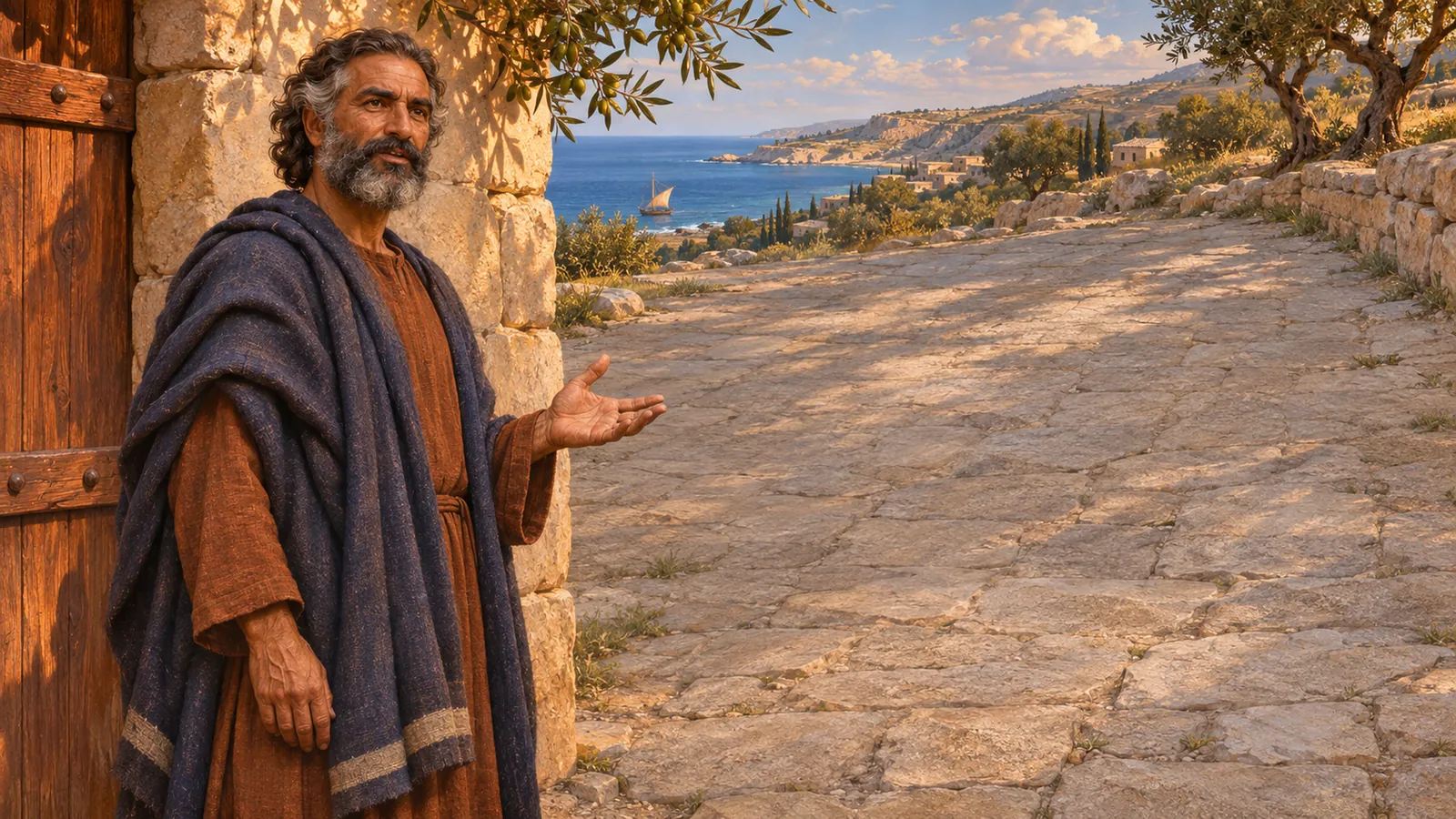
Danel maudit Qir-Mayim, puis le lieu dont le nom commence par Mararat. Dans chaque malédiction, il lie le lieu à la mort d’Aqhat.
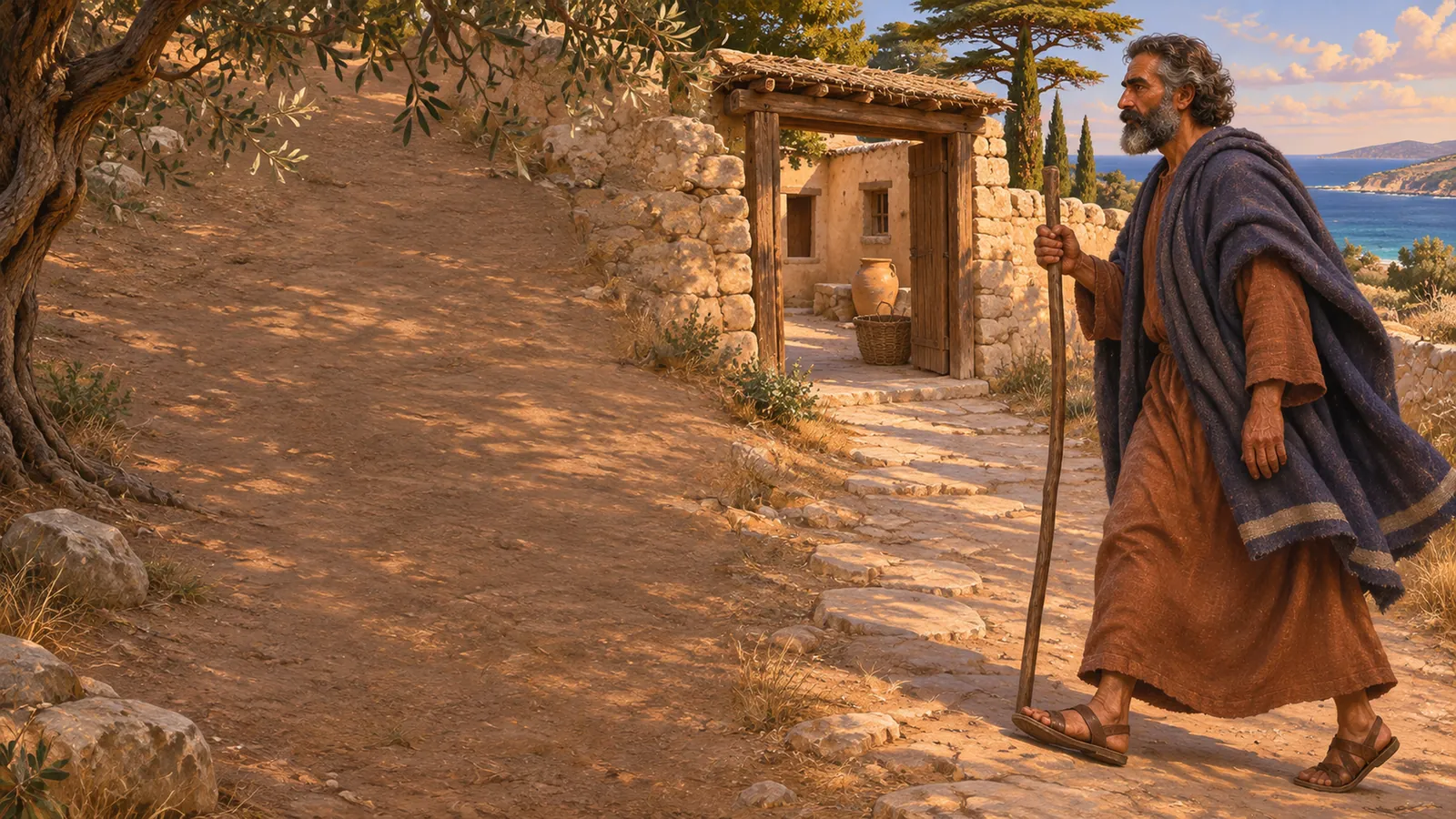
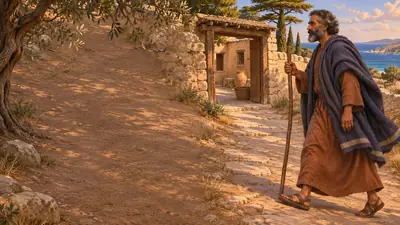
Danel se rend ensuite à Abilum et maudit aussi cette ville. Lorsqu’il a fini, il reprend son bâton et rentre chez lui.
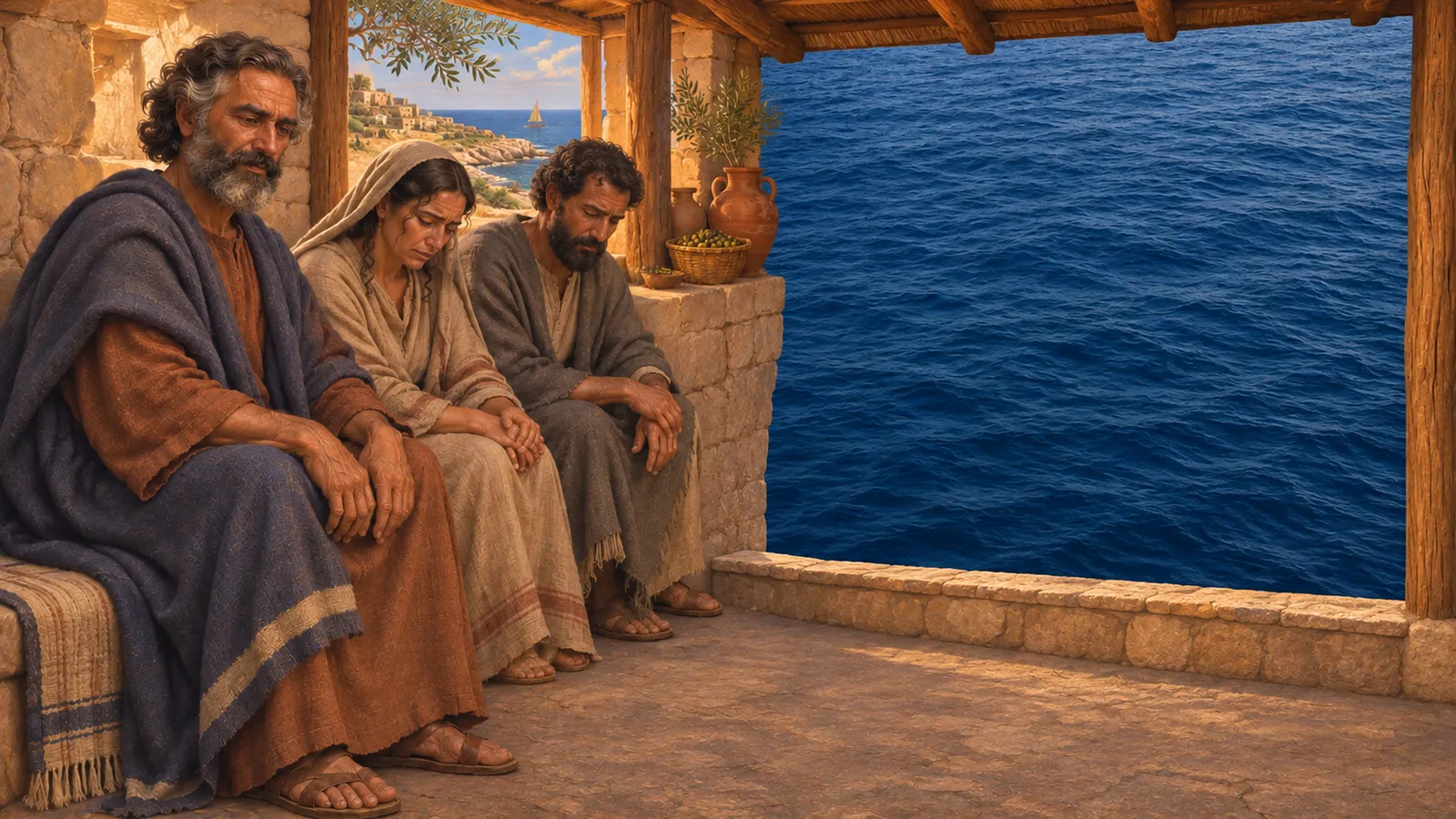
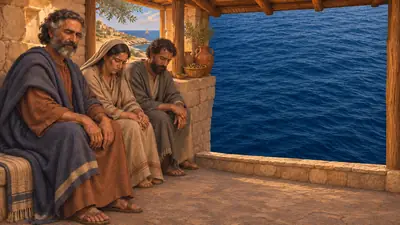
Les personnes en deuil viennent dans la maison de Danel pour pleurer Aqhat. Les jours deviennent des mois, et les mois des années. La septième année, le poème revient à Danel.
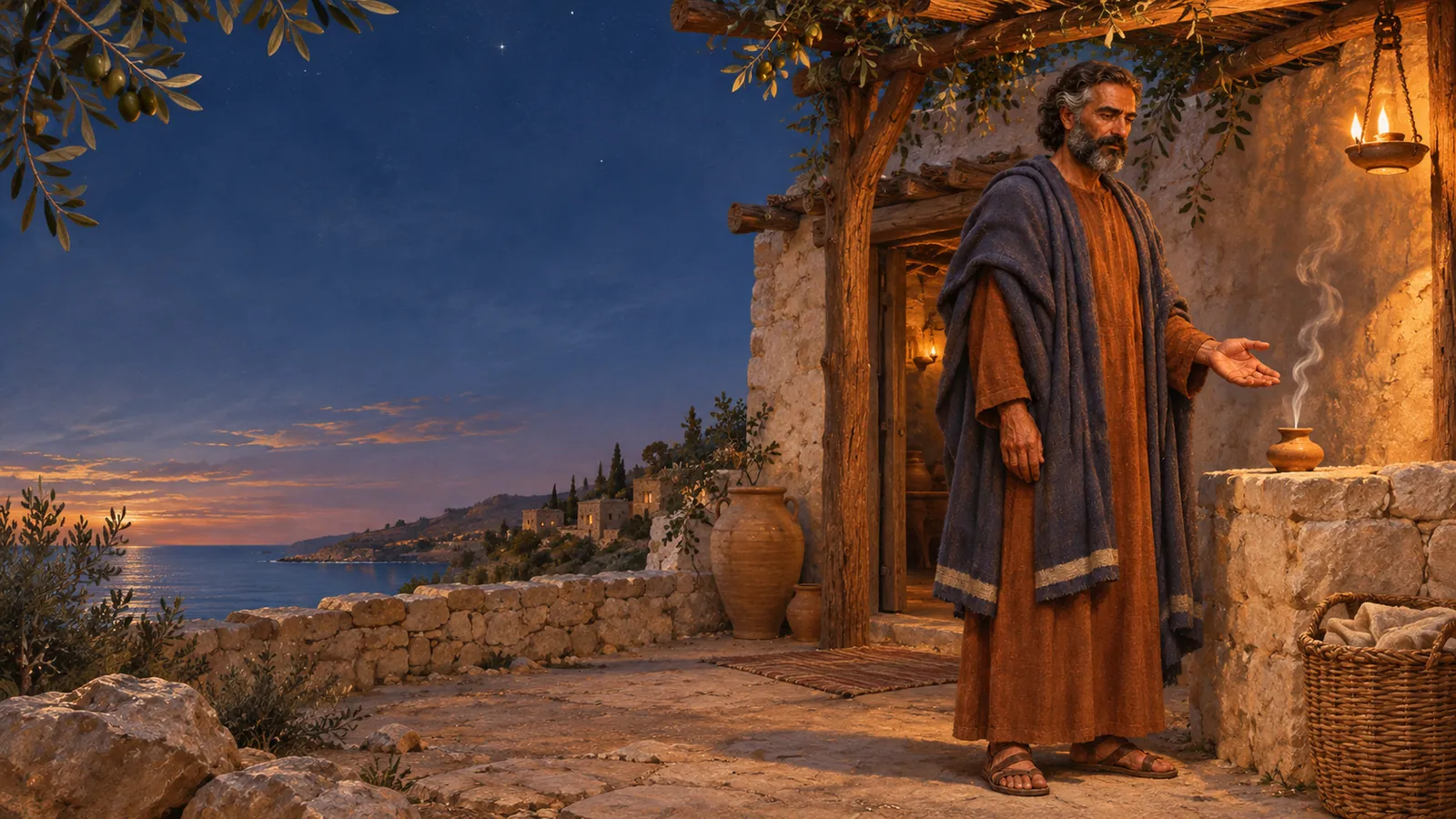
Danel demande aux personnes en deuil de quitter sa maison. Il reprend les offrandes aux dieux, et le poème évoque un encens qui monte jusqu’aux étoiles.
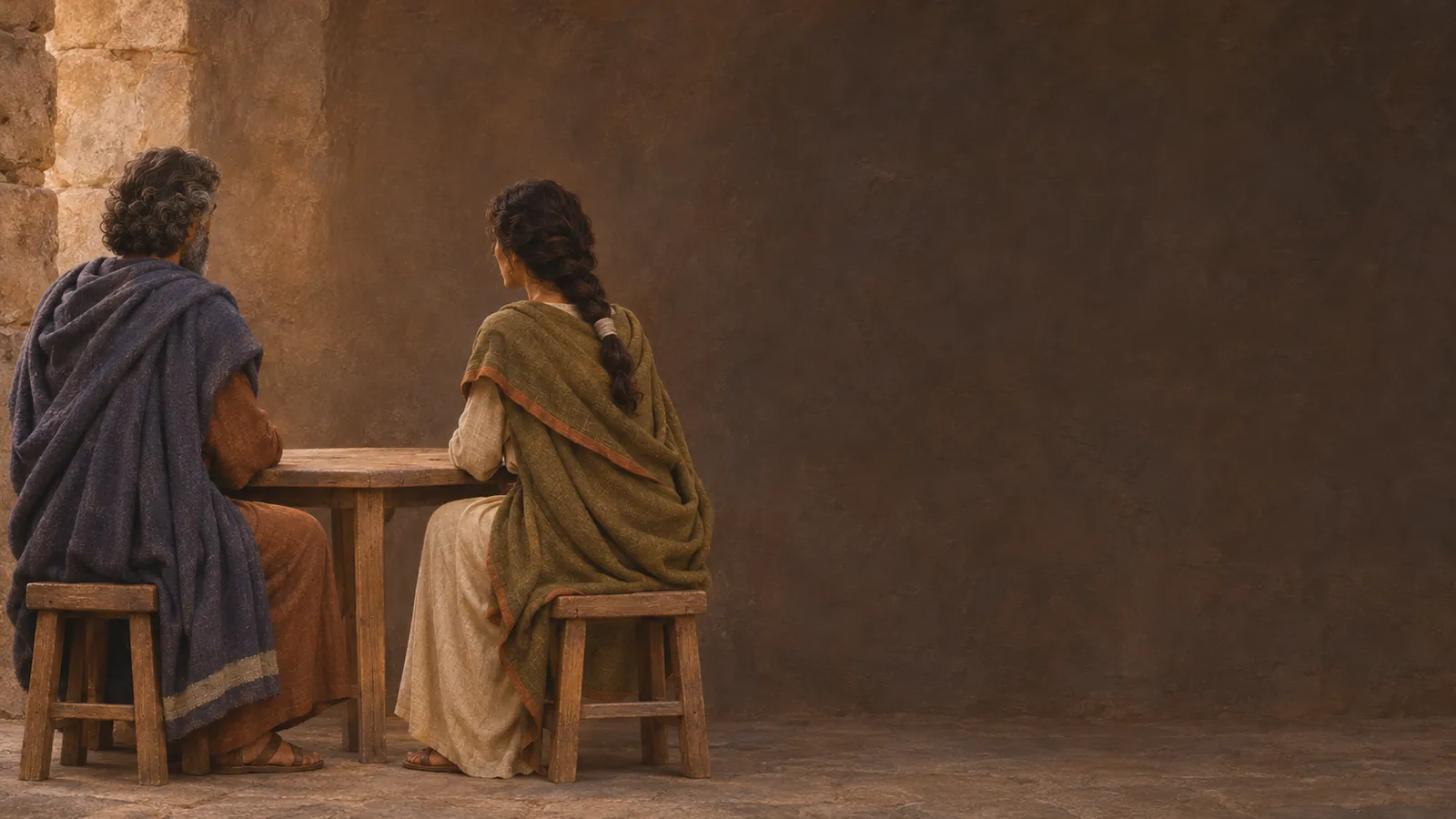
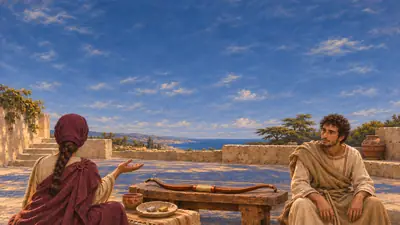
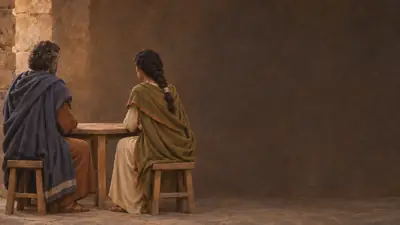
Pughat rappelle l’offrande de son père. Elle lui demande sa bénédiction pour avoir la force de tuer celui qui a tué son frère.

Danel répond à sa fille en l’appelant la porteuse d’eau qui connaît la course des étoiles. Sa bénédiction reprend le dessein qu’elle a exprimé.
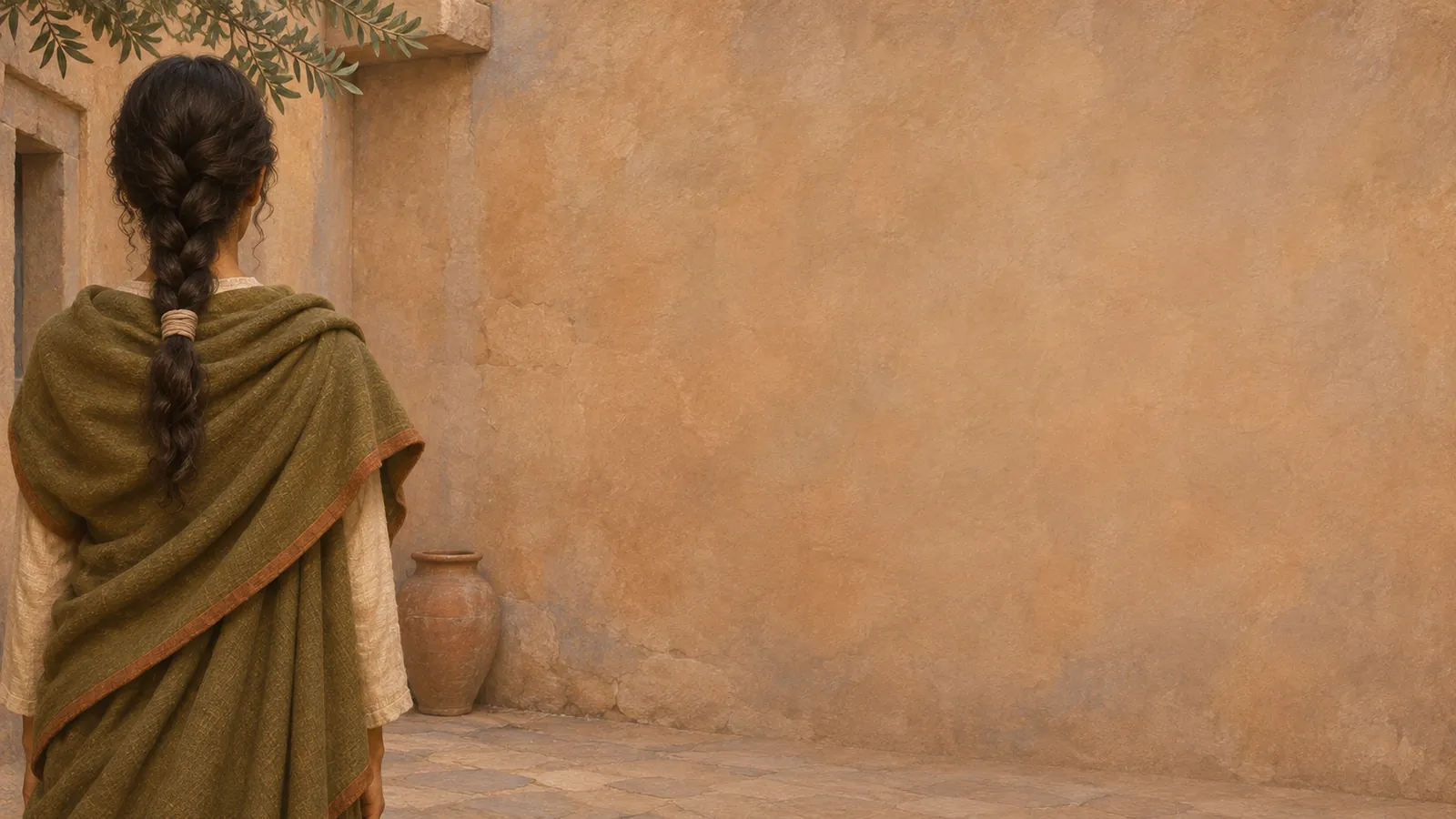
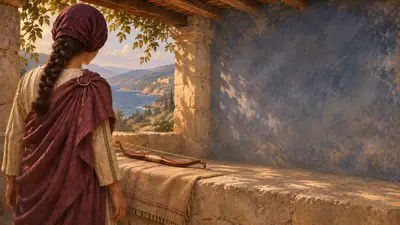
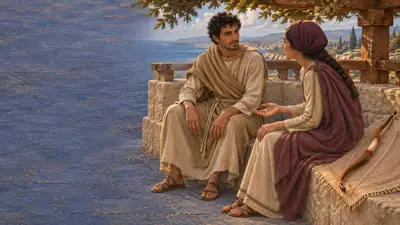
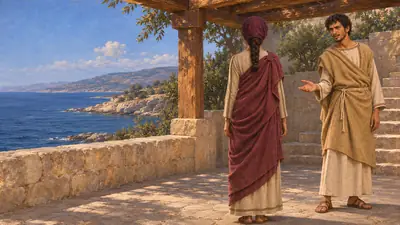
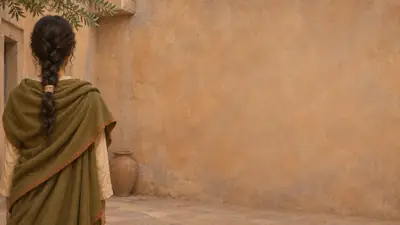
Pughat revêt des habits de guerrier et prend un poignard et une épée. Par-dessus ces habits, elle porte un vêtement de femme.
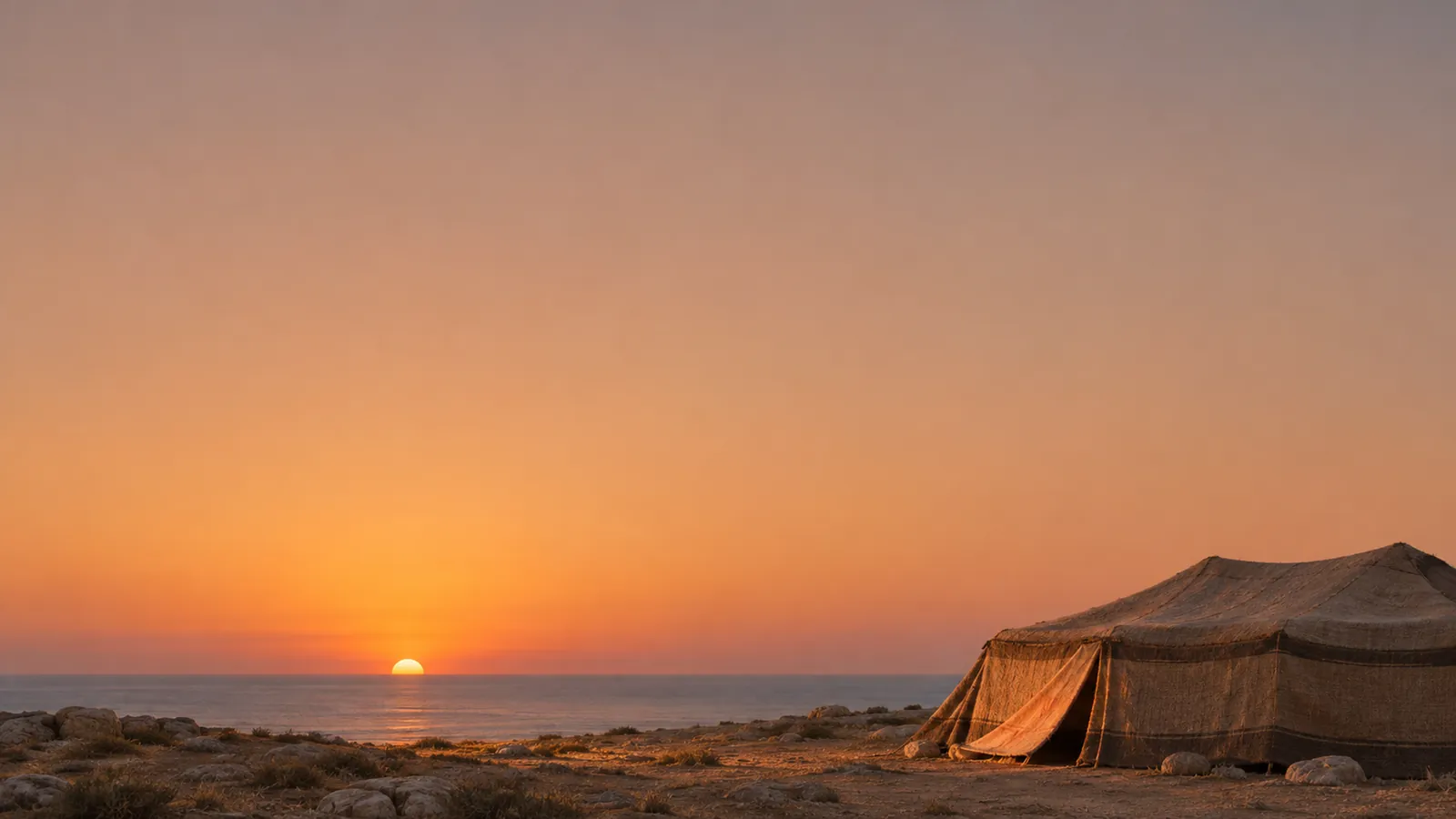
LES TENTES
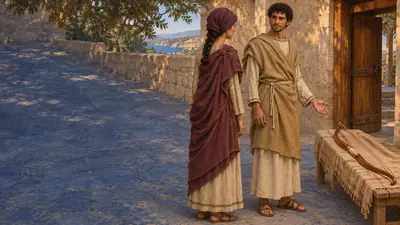
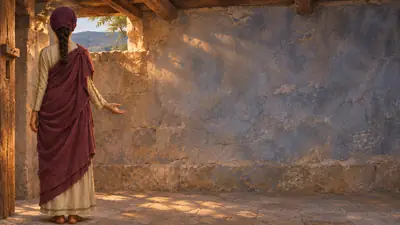
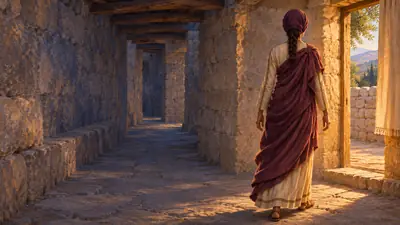
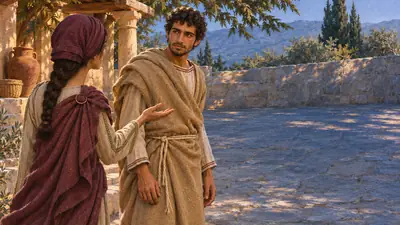
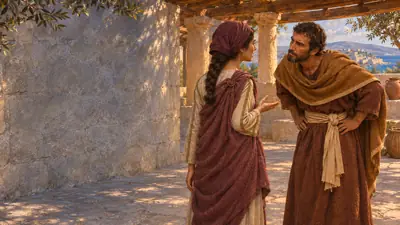
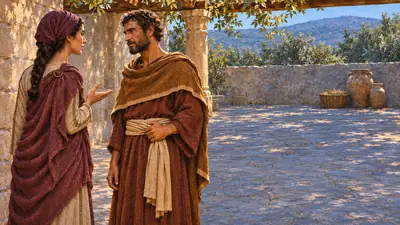
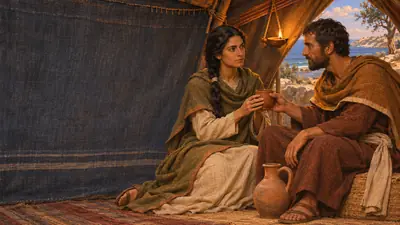
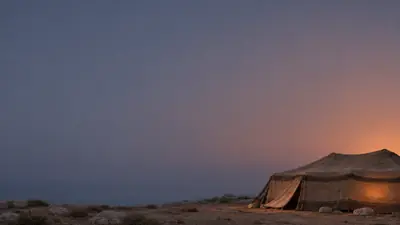
Au coucher du soleil, Pughat entre dans le camp. On annonce à Yatipan qu’une femme est arrivée. Les mots de l’annonce se lisent de plusieurs façons.
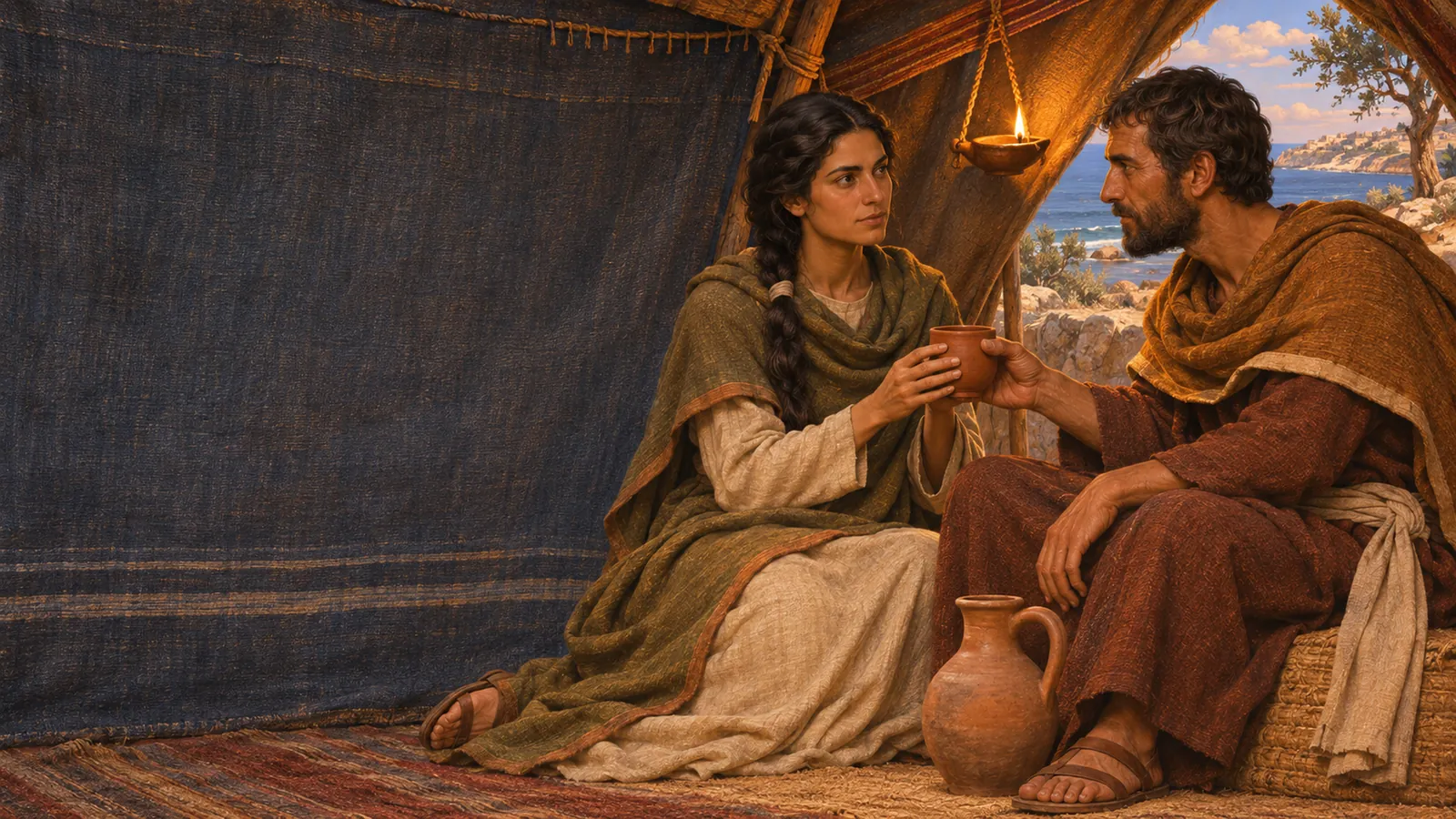
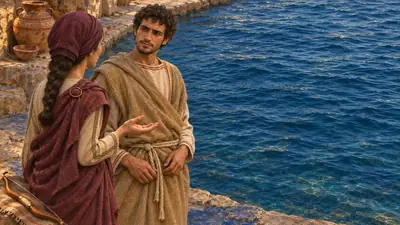
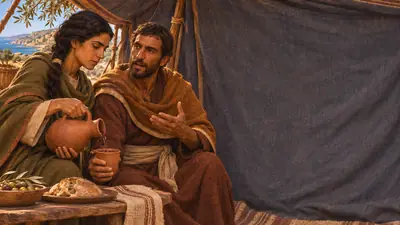
Yatipan demande du vin et prie Pughat de prendre la coupe de sa main. Elle prend la coupe et le sert comme il le lui a demandé.
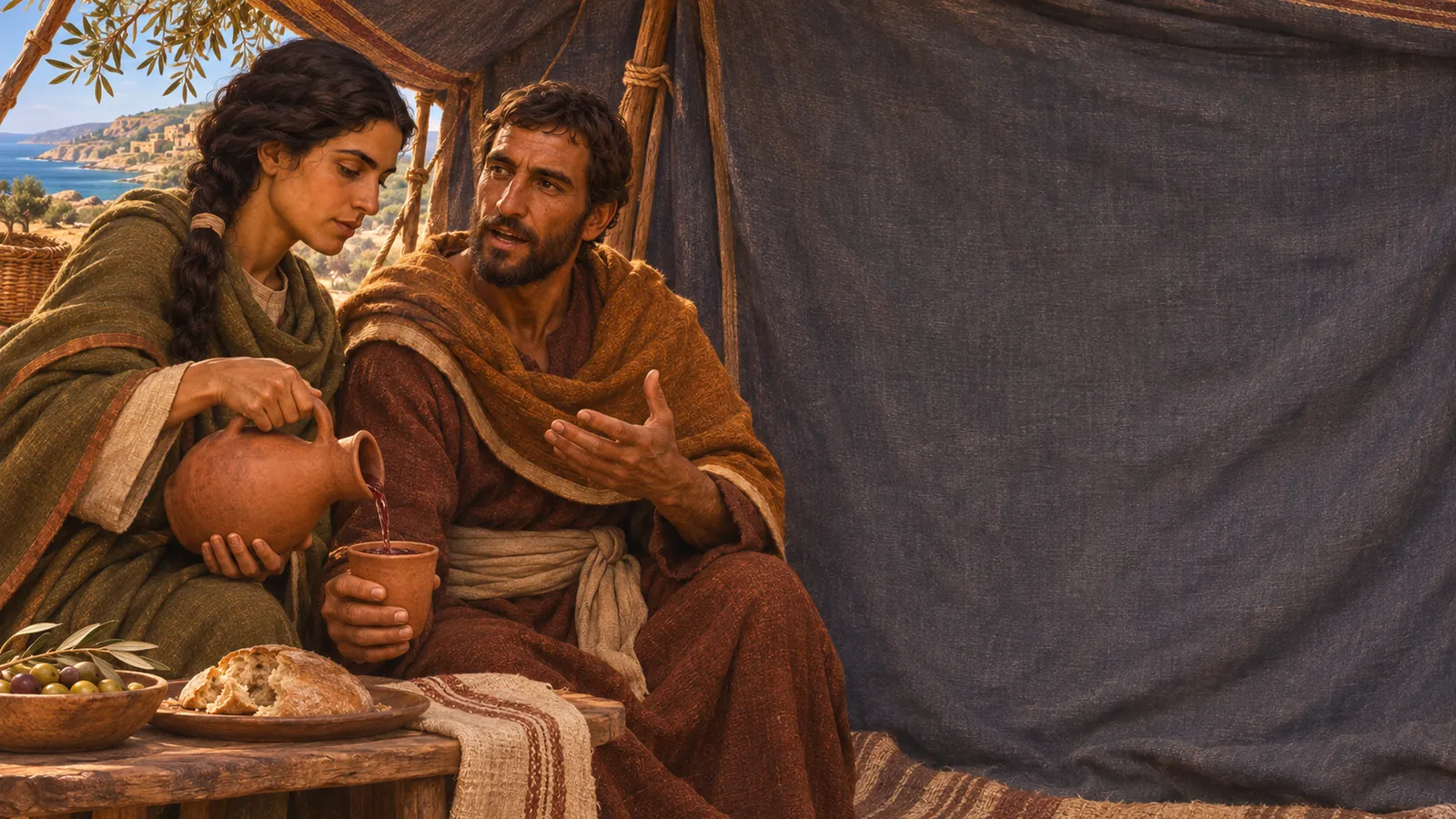
Yatipan vante la main qui a tué Aqhat. Les lignes deviennent plus difficiles à lire, mais un instant demeure clair. Pughat lui verse du vin une seconde fois.
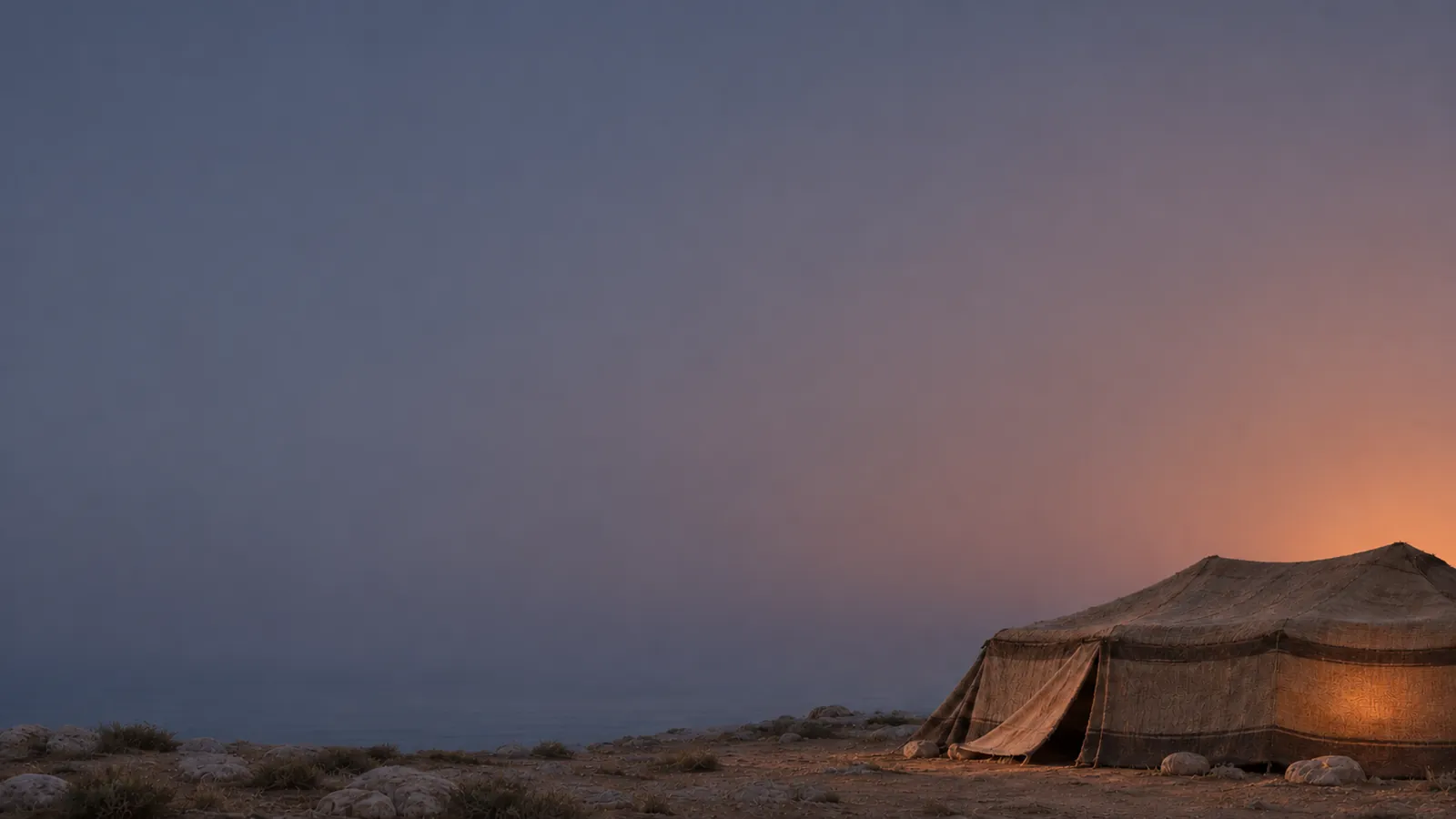
Les mots s’effacent alors que Pughat est encore avec Yatipan. La mort de son frère l’a conduite au camp. Les tablettes qui nous restent laissent son histoire là.
Fin du chapitre 1
Toutes les pages











Sources
Page 37. The poem describes two blows to Aqhat’s head and three over his ear and likens his departing life to breath and smoke. Some translations identify the circling birds as eagles, others as vultures (KTU 1.18 IV 27b–38; Majewski, p. 21; Husser, paras. 27–29; Natan-Yulzary, Measure for Measure).
Éditions consultées
- Marcin Majewski, Legenda o Danilu i Aqhacie, Teksty z Ugarit II, pp. 9–31
- Göttingen EUPT, table of Ugaritic tablets and concordance
- Louvre, Tablet I of the Tale of Aqhat, AO 17324
- Louvre, Tablet III of the Tale of Aqhat, AO 17323
- Reinhard Müller and Clemens Steinberger, edition and reading of KTU 1.17 VI
- Jean-Marie Husser, La mort d’Aqhat
- Shirly Natan-Yulzary, Suspense in the Epic of Aqhat
- Shirly Natan-Yulzary, Measure for Measure in the Aqhat Epic
- Wayne T. Pitard, The Reading of KTU 1.19:III:41, The Burial of Aqhat
- David P. Wright, Ritual in Narrative
- IL Archive, Tale of Aqhat
- IL Archive, Six Days, Then the Seventh
Notes sur ce récit
Pages 50–52. Danel asks Baal to break the birds’ wings and cuts open the fallen birds to look for his son’s fat and bones. In the third search he finds the remains inside Ṣumalu. 26–28; Wright, ch. 14; Natan-Yulzary, Measure for Measure, secs. 5.6 and 5.8).
Page 32. Anat threatens to make El’s grey hair run with blood.
Page 7. In El’s blessing Danel is told to go to bed, kiss and embrace his wife, who will conceive. 3).
Les vers antiques de chaque page
- Page 1: KTU 1.17 I before 1 and 1–5 (Majewski; Natan-Yulzary, Resumptive Repetition; Wright ch. 1)
- Page 2: KTU 1.17 I 5–11 (Majewski; Natan-Yulzary, Resumptive Repetition)
- Page 3: KTU 1.17 I 11–15 (Majewski; Natan-Yulzary, Resumptive Repetition)
- Page 4: KTU 1.17 I 15–16 (Majewski; Natan-Yulzary, Resumptive Repetition)
- Page 5: KTU 1.17 I 17–25 (Majewski; Kim, List of Filial Duties; Wright ch. 2)
- Page 6: KTU 1.17 I 25–33 (Majewski; Kim, List of Filial Duties; Wright ch. 2)
- Page 7: KTU 1.17 I 34–41 (Majewski; Wright ch. 3)
- Page 8: KTU 1.17 I 42–48 and II 1–9 (Majewski; Kim, List of Filial Duties; Wright chs. 2–3)
- Page 9: KTU 1.17 II 8b–24 (Majewski; Kim, List of Filial Duties; Wright ch. 3)
- Page 10: KTU 1.17 II 24–29 (Majewski; Wright ch. 4; Natan-Yulzary, Measure for Measure)
- Page 11: KTU 1.17 II 29–42 (Majewski; Natan-Yulzary, Resumptive Repetition; Wright ch. 4)
- Page 12: KTU 1.17 II 43–47 and gap before V (Majewski; Margalit; Natan-Yulzary, Resumptive Repetition; Wright ch. 4)
- Page 13: KTU 1.17 V 2–5 (Majewski; Natan-Yulzary, Resumptive Repetition)
- Page 14: KTU 1.17 V 6–8 (Majewski; Natan-Yulzary, Resumptive Repetition)
- Page 15: KTU 1.17 V 9–13 (Majewski; Natan-Yulzary, Resumptive Repetition)
- Page 16: KTU 1.17 V 13–21 (Majewski; Natan-Yulzary, Resumptive Repetition; Noegel)
- Page 17: KTU 1.17 V 21–25 (Majewski; Natan-Yulzary, Resumptive Repetition)
- Page 18: KTU 1.17 V 25–28 (Majewski; Natan-Yulzary, Resumptive Repetition)
- Page 19: KTU 1.17 V 28–33 (Majewski; Natan-Yulzary, Resumptive Repetition)
- Page 20: KTU 1.17 V 33b–39 and gap before VI (Majewski; Wright ch. 6; Müller and Steinberger)
- Page 21: KTU 1.17 VI 1–9a (Majewski; Müller and Steinberger)
- Page 22: KTU 1.17 VI 9b–16a (Majewski; Müller and Steinberger; Natan-Yulzary, Measure for Measure)
- Page 23: KTU 1.17 VI 16c–19 (Majewski; Müller and Steinberger)
- Page 24: KTU 1.17 VI 20–25a (Majewski; Müller and Steinberger)
- Page 25: KTU 1.17 VI 25b–29 (Majewski; Müller and Steinberger)
- Page 26: KTU 1.17 VI 30–33a (Majewski; Müller and Steinberger)
- Page 27: KTU 1.17 VI 33b–38 (Majewski; Müller and Steinberger; Budin)
- Page 28: KTU 1.17 VI 39–41a (Majewski; Müller and Steinberger; Budin)
- Page 29: KTU 1.17 VI 41b–45 (Majewski; Müller and Steinberger; Natan-Yulzary, Measure for Measure)
- Page 30: KTU 1.17 VI 46–52a (Majewski; Müller and Steinberger; Natan-Yulzary, Resumptive Repetition)
- Page 31: KTU 1.17 VI 52b–55 and 1.18 I 1–8 (Majewski; Müller and Steinberger; Natan-Yulzary, Measure for Measure)
- Page 32: KTU 1.18 I 9–20a (Majewski; Noegel; Natan-Yulzary, Measure for Measure)
- Page 33: KTU 1.18 I 20b–34 (Majewski, pp. 19–20; Husser, paras. 25–26)
The invitation survives in fragments. The wording and force of the kinship term are uncertain. - Page 34: KTU 1.18 II–III and opening of IV (Majewski, pp. 19–20)
- Page 35: KTU 1.18 IV 5b–15 (Majewski, p. 20; Noegel, CAT 1.18 IV 7 and 16)
This exchange is damaged. - Page 36: KTU 1.18 IV 16–27a (Majewski, pp. 20–21; Natan-Yulzary, sec. 5.6)
These are Anat’s words to Yatipan. - Page 37: KTU 1.18 IV 27b–38 (Majewski, p. 21; Husser, paras. 27–29)
The later report names Anat’s responsibility. - Page 38: KTU 1.18 IV 39–end and 1.19 I 1–7 (Majewski, pp. 21–22; Natan-Yulzary, sec. 5.2)
The damaged text associates the loss of the bow with water. - Page 39: KTU 1.19 I 8–17 (Majewski, p. 22; Wright, ch. 12)
The lament is damaged and several expressions are obscure. - Page 40: KTU 1.19 I 17–25a (Majewski, pp. 22–23; Natan-Yulzary, Suspense)
- Page 41: KTU 1.19 I 25b–35 (Majewski, p. 23; Natan-Yulzary, Suspense)
The poem records Pughat’s observations ahead of the messengers’ report. - Page 42: KTU 1.19 I 36–42 (Majewski, p. 23; Natan-Yulzary, Suspense)
Natan-Yulzary reads these words as an appeal for rain. - Page 43: KTU 1.19 I 42–48 (Majewski, p. 23; Natan-Yulzary, Suspense)
- Page 44: KTU 1.19 I 49–II 11 (Majewski, pp. 23–24; Budin, pp. 66–67)
- Page 45: KTU 1.19 II 12–18 (Majewski, p. 24; Noegel, Enallage, p. 189)
- Page 46: KTU 1.19 II 19–25 (Majewski, p. 24; Noegel, Enallage, p. 189)
Danel asks for growth and names Aqhat in the repeated wish. - Page 47: KTU 1.19 II 26–36 (Majewski, p. 25; Natan-Yulzary, Suspense)
- Page 48: KTU 1.19 II 37–44a (Majewski, pp. 25–26; Natan-Yulzary, Suspense)
- Page 49: KTU 1.19 II 44b–55 (Majewski, p. 26; Natan-Yulzary, Suspense)
Most of Danel’s reply is fragmentary. - Page 50: KTU 1.19 II 56–III 14a (Majewski, pp. 26–27; Wright, ch. 14)
The poem repeats Danel’s plea in the subsequent searches. - Page 51: KTU 1.19 III 14b–28a (Majewski, pp. 27–28; Natan-Yulzary, sec. 5.6)
The exact species varies by translation. - Page 52: KTU 1.19 III 28b–39b (Majewski, p. 28; Natan-Yulzary, secs. 5.6 and 5.8)
- Page 53: KTU 1.19 III 39b–45a (Majewski, p. 28; Pitard, pp. 31–38)
The location named in III 41 is disputed. - Page 54: KTU 1.19 III 45b–56 (Majewski, pp. 28–29; Natan-Yulzary, sec. 5.10)
The towns and imprecations belong to the poem. - Page 55: KTU 1.19 III end–IV 9a (Majewski, p. 29; Natan-Yulzary, sec. 5.10)
- Page 56: KTU 1.19 IV 9b–18 (Majewski, p. 29; Natan-Yulzary, Suspense)
- Page 57: KTU 1.19 IV 18–27 (Majewski, pp. 29–30; Budin and Noegel)
- Page 58: KTU 1.19 IV 28–35 (Majewski, p. 30; Noegel, Enallage, pp. 189–190)
- Page 59: KTU 1.19 IV 36–40 (Majewski, p. 30; Natan-Yulzary, sec. 5.1)
Some wording in Danel’s reply is restored. - Page 60: KTU 1.19 IV 41–46a (Majewski, p. 30; Budin, p. 67)
The text distinguishes two layers of clothing. - Page 61: KTU 1.19 IV 46b–53 (Majewski, p. 31; Natan-Yulzary, sec. 5.3)
Editions diverge on the announcement. - Page 62: KTU 1.19 IV 53–57 (Majewski, p. 31; Natan-Yulzary, sec. 5.3)
The text describes the first serving of wine. - Page 63: KTU 1.19 IV 57–62 (Majewski, p. 31; Natan-Yulzary, sec. 5.3; Margalit)
The closing comparison is damaged and disputed. - Page 64: KTU 1.19 IV after 62 in Majewski (pp. 31 and 263–270; Wright, ch. 18)
The surviving narrative breaks off here.
Illustrations réalisées par IL Archive avec des outils d’IA ; le texte s’appuie sur les sources antiques (voir les sources à la fin de chaque chapitre).