Le Rêve de Dumuzi Chapitre 1
Le Rêve et la Trahison
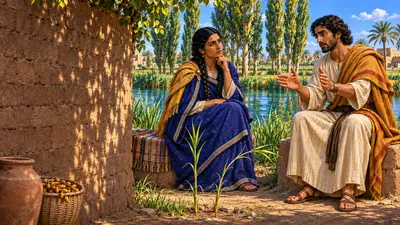
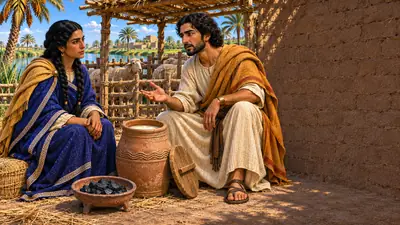
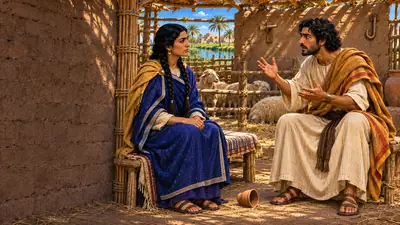
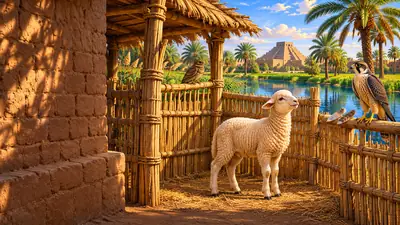
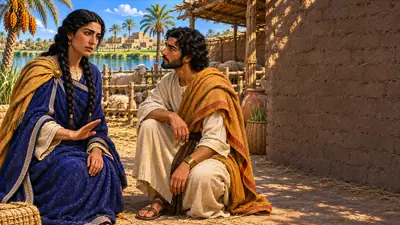
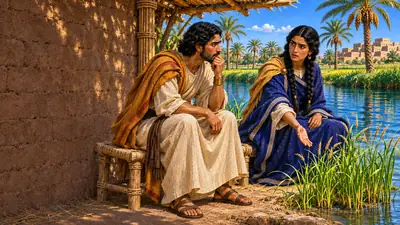
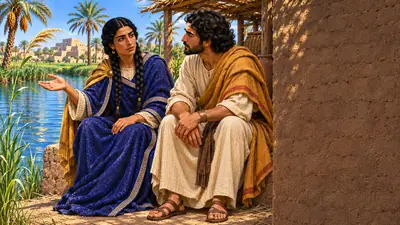
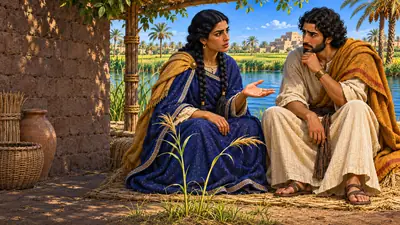
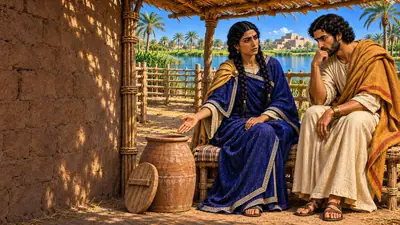
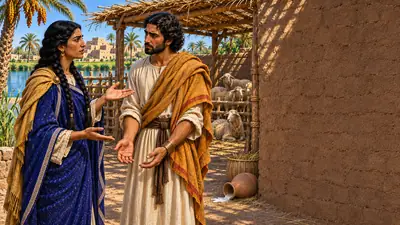
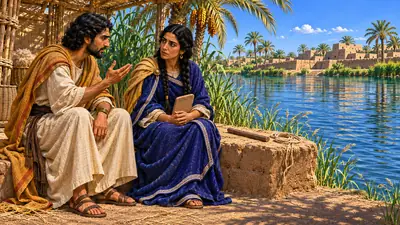
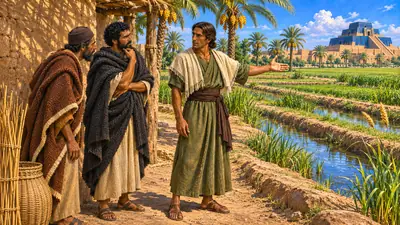
Effrayé, Dumuzi demande à Geštinanna d’interpréter son rêve. Elle voit des avertissements dans les roseaux, les arbres et les objets de la bergerie. Ceux qui le cherchent font les mêmes offres à sa sœur et à son ami. L’ami révèle ses cachettes, et ils saisissent Dumuzi dans les fossés d’Arali.
SourcesTournez les pages avec les flèches, le clavier ou en balayant l’écran.
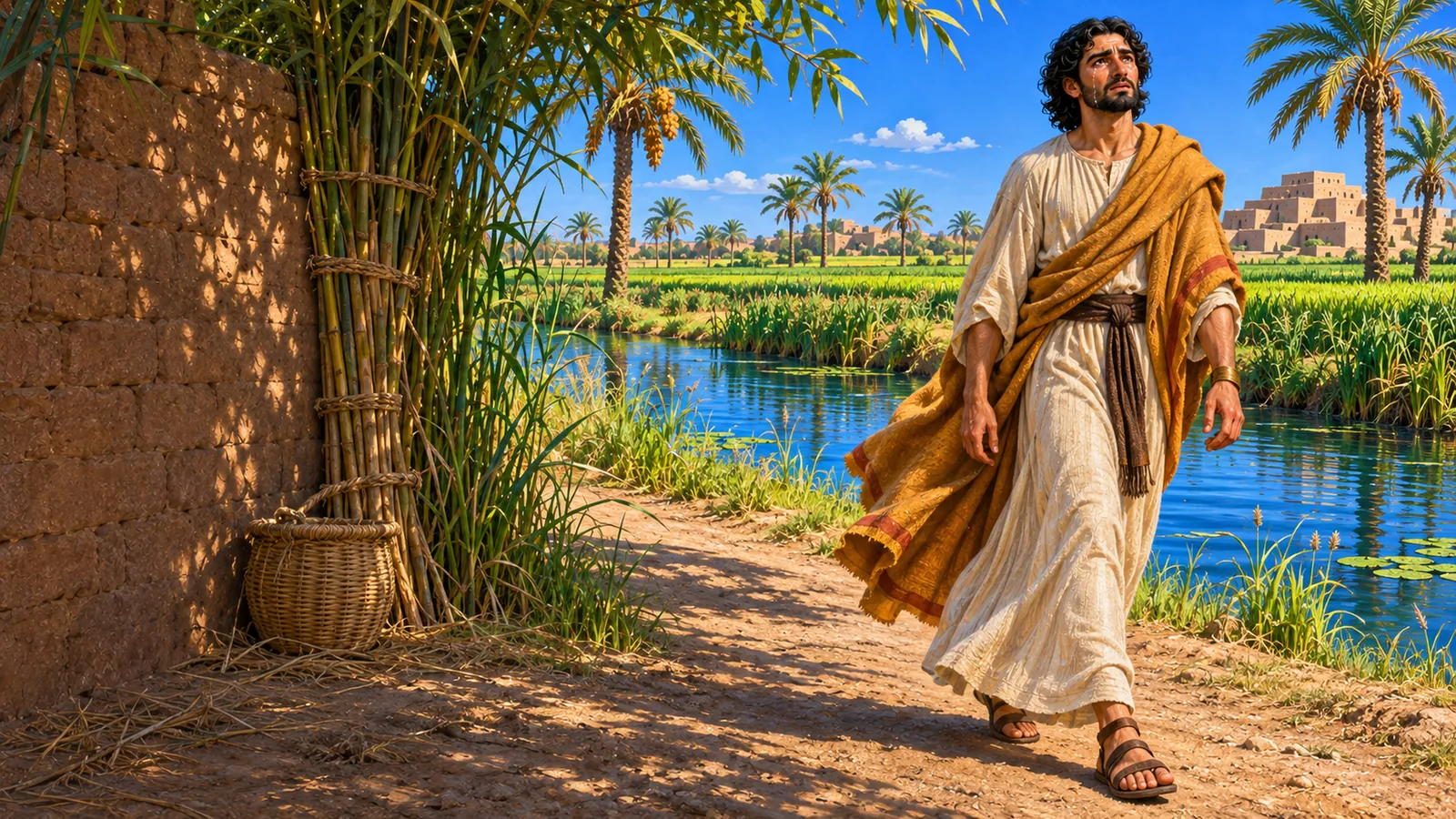
LE RÊVE DE DUMUZI
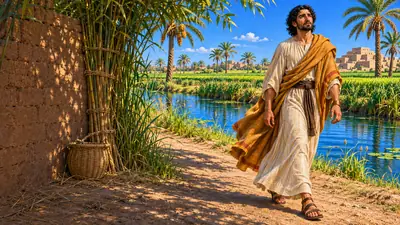
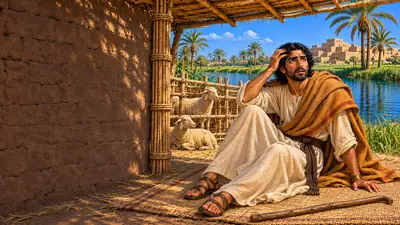
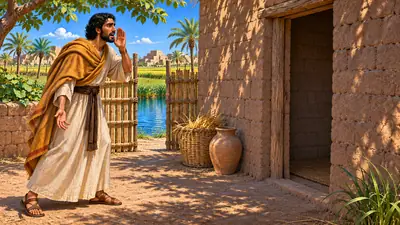
Dumuzi partit dans la campagne, le cœur plein de larmes. Le poème dit qu’il était jeune.
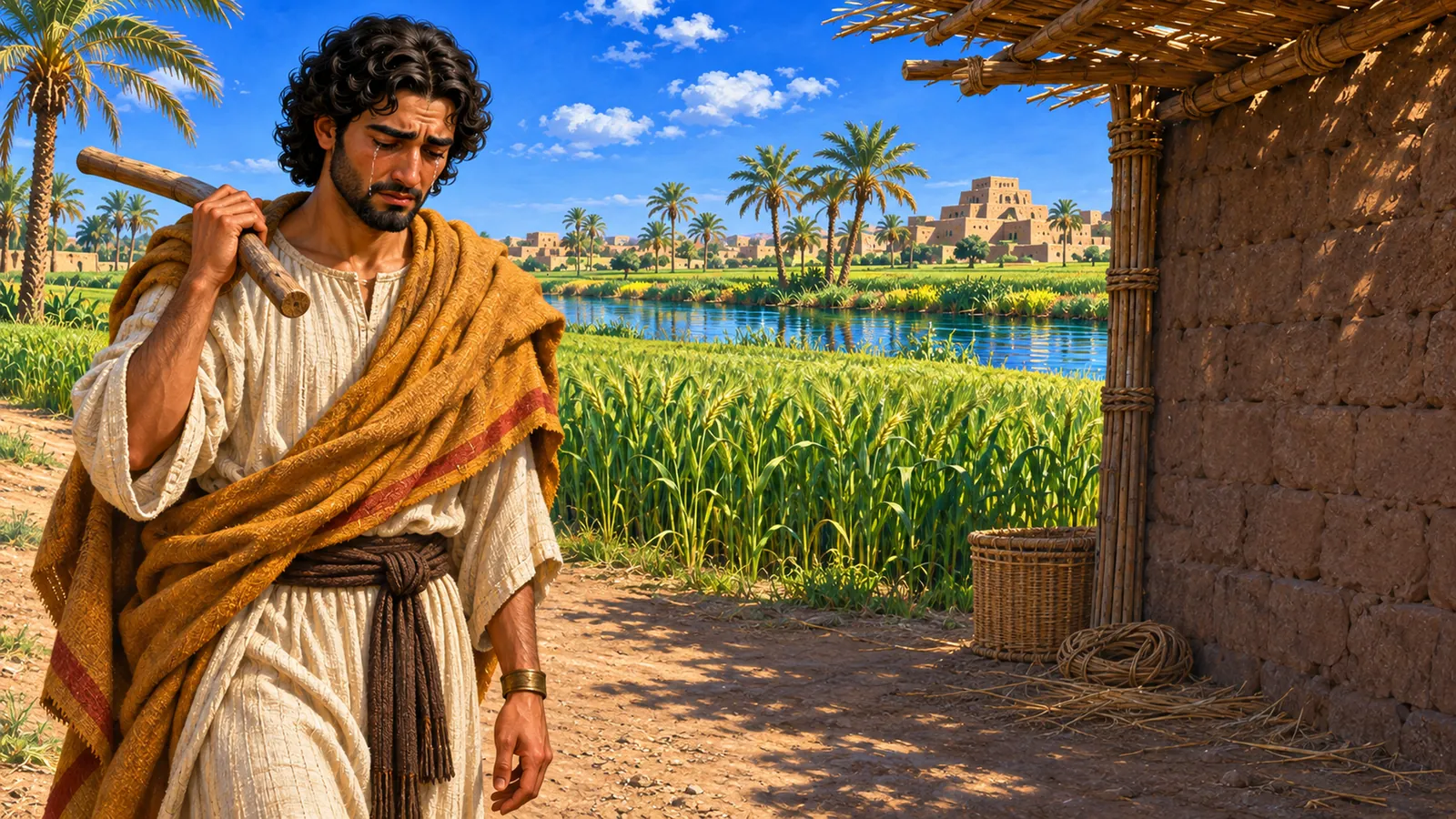
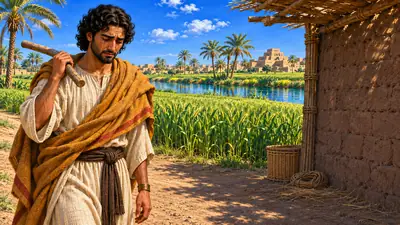
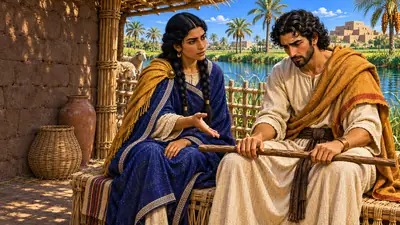
Le berger portait son bâton sur l’épaule et n’a cessé de sangloter tout le long du chemin vers la campagne.

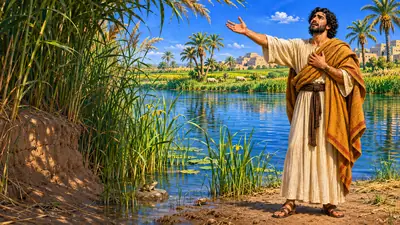
« Pleure, ô campagne, pleure ! » cria Dumuzi. Il appela les marais à crier, les crabes du fleuve à se lamenter et les grenouilles à donner de la voix.

« Ma mère m’appellera, ma mère Durtur. Elle m’appellera pour cinq choses, elle m’appellera pour dix. »

« Campagne, si ma mère n’apprend pas le jour de ma mort, dis-le-lui. Pleure sur moi comme le ferait ma petite sœur. »
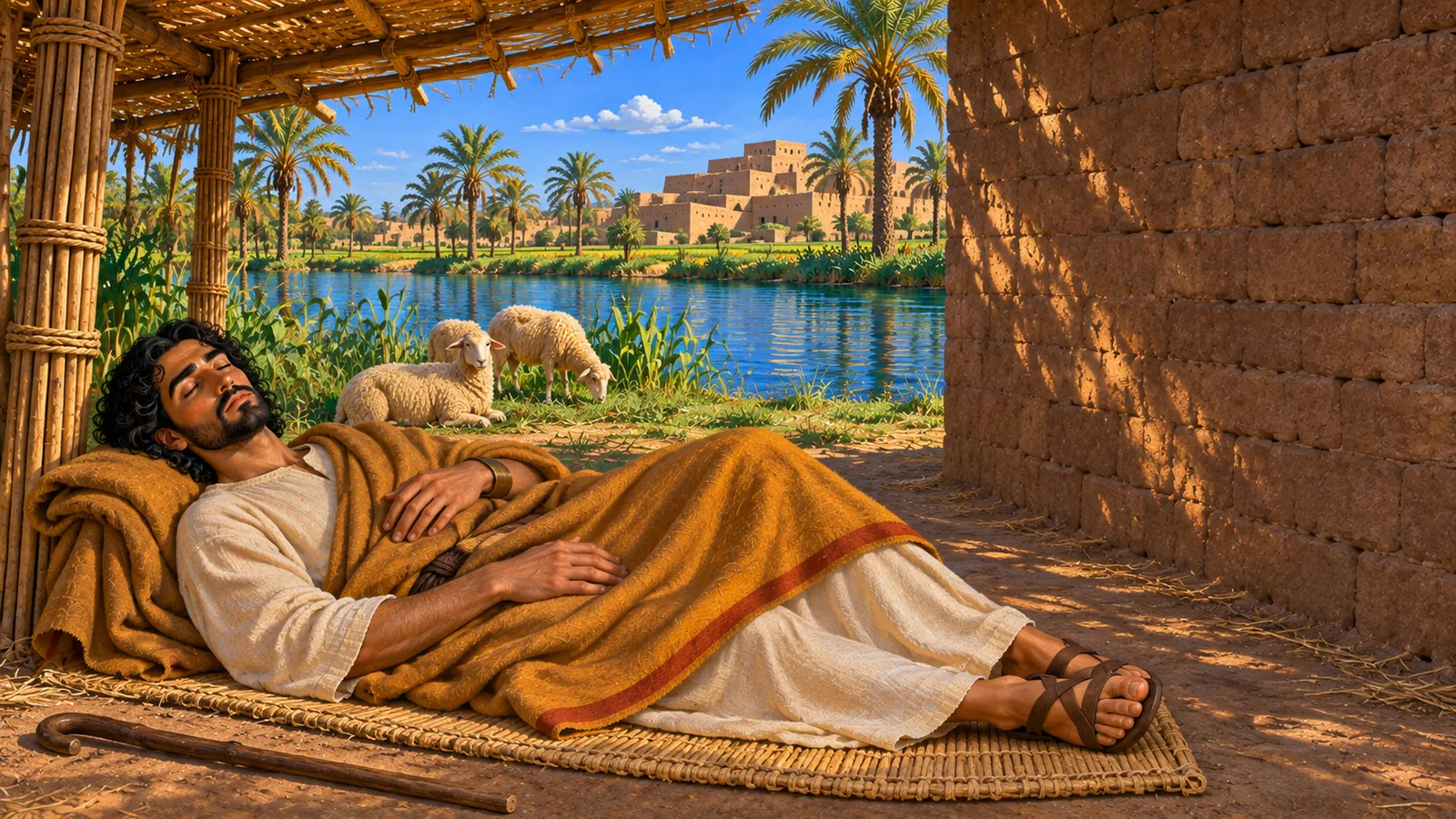
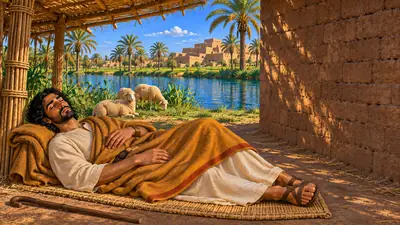
Jadis, le berger s’étendit pour dormir. Tandis qu’il était allongé, il commença à rêver.
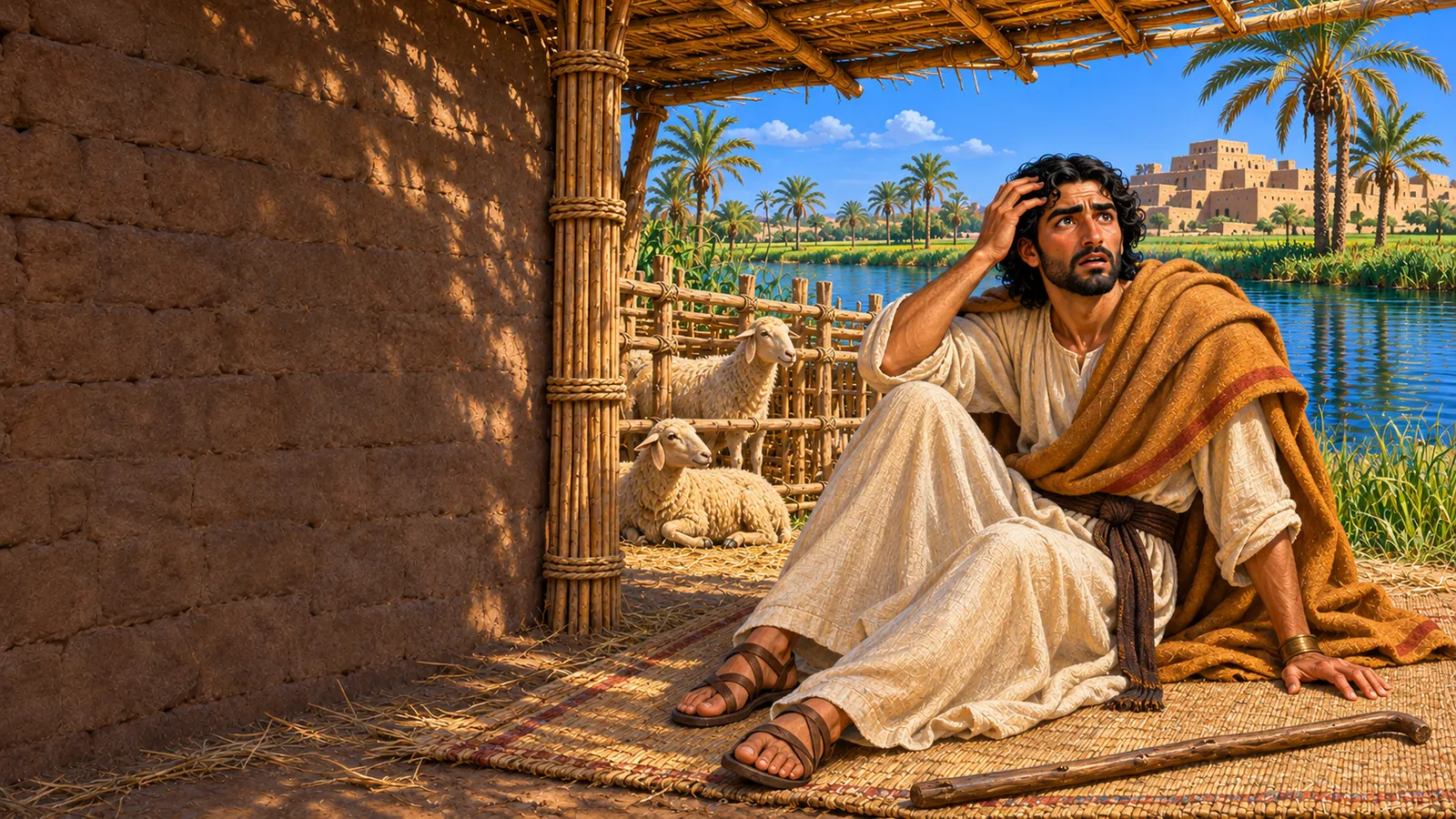
Il se réveilla en sursaut. C’était un rêve. Il trembla et se frotta les yeux, terrifié.
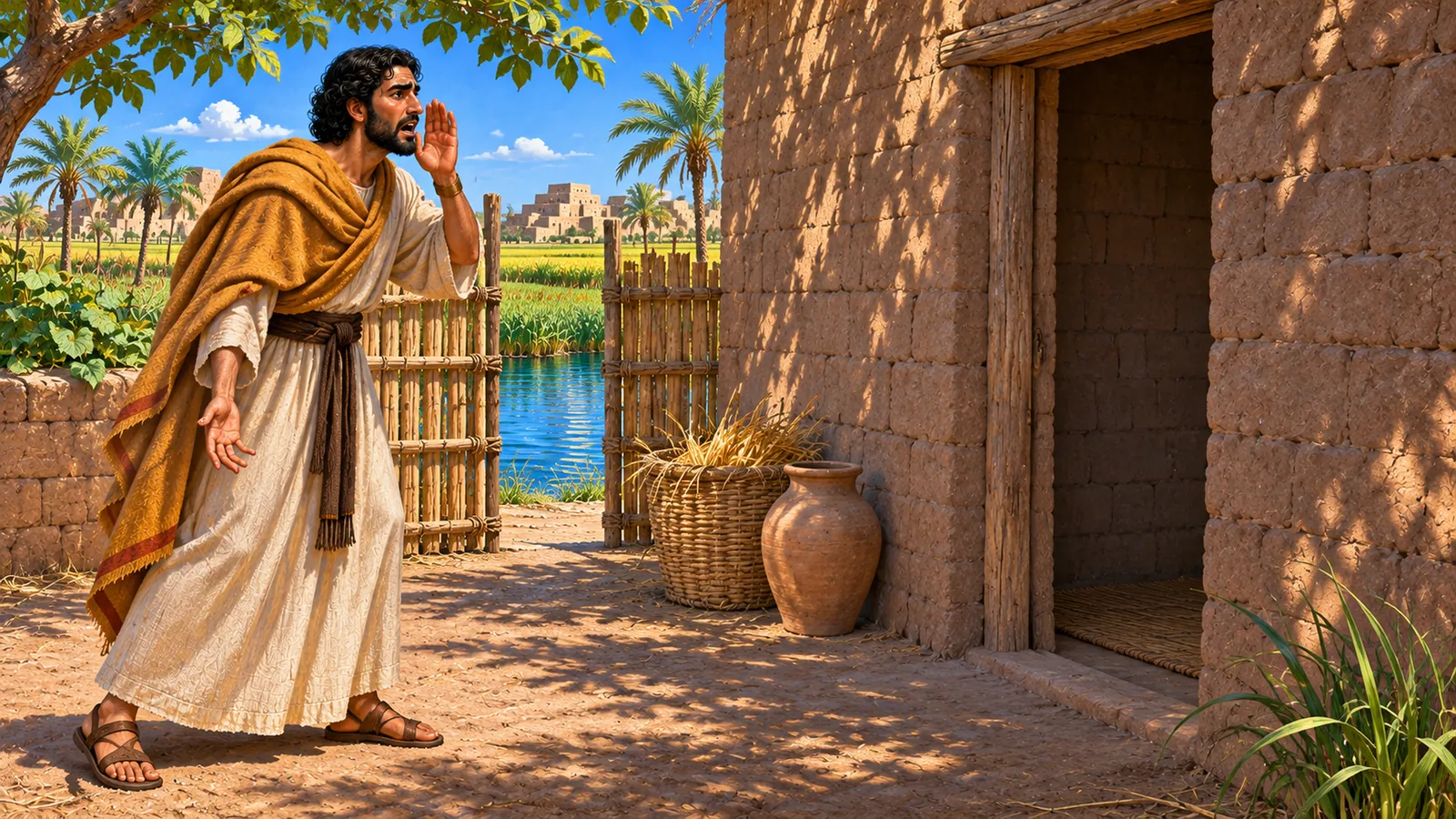
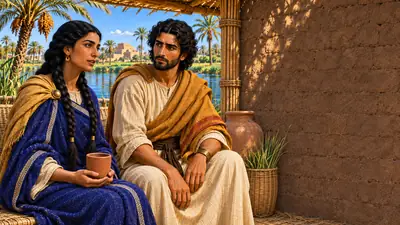
« Faites venir ma sœur ! Faites venir Geštinanna ! » appela-t-il. C’était une scribe habile avec les tablettes et une chanteuse qui connaissait ses chants.
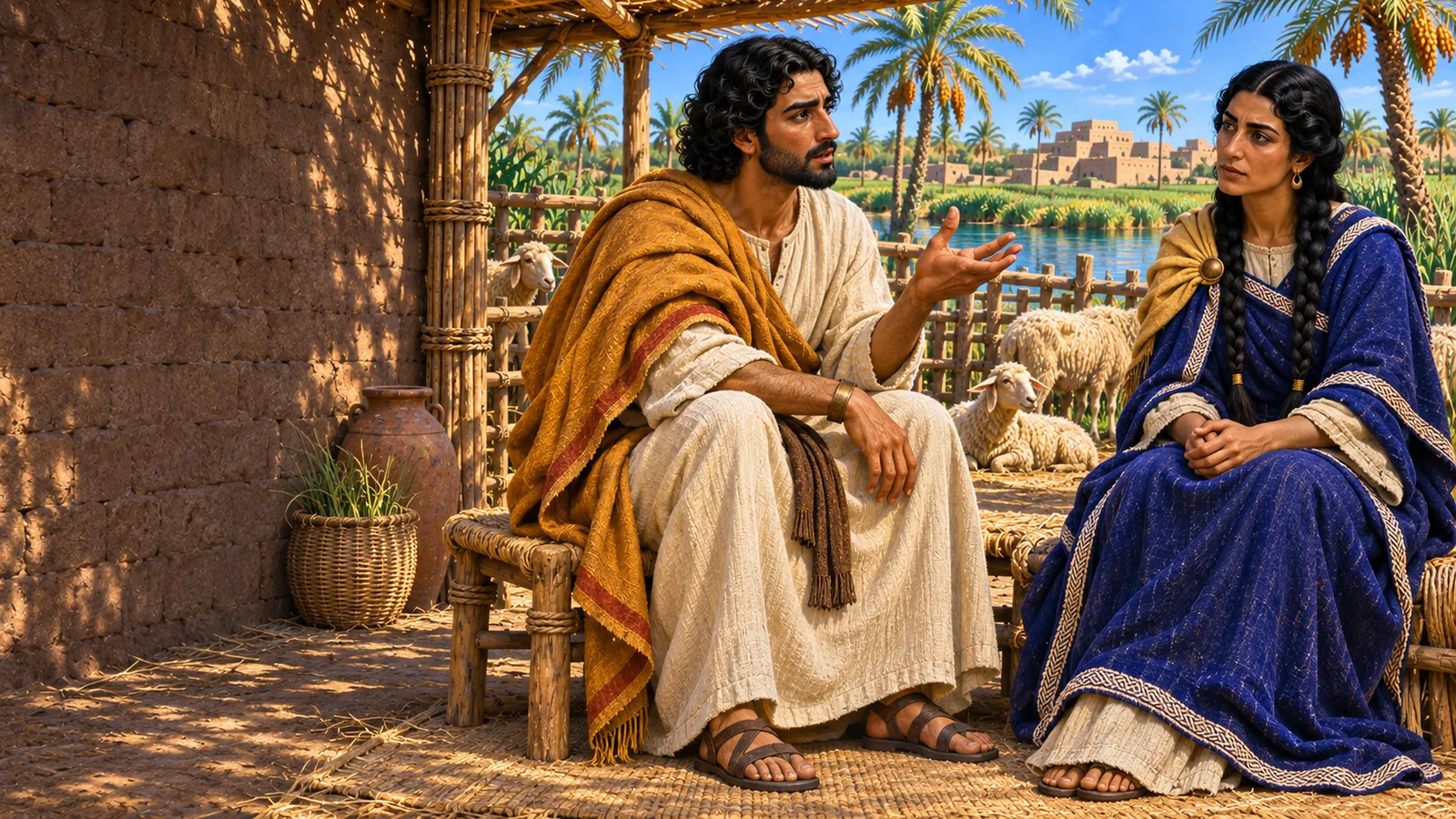
« Faites venir ma sœur, cette femme sage qui connaît le sens des rêves. Je lui raconterai ce que j’ai rêvé. »
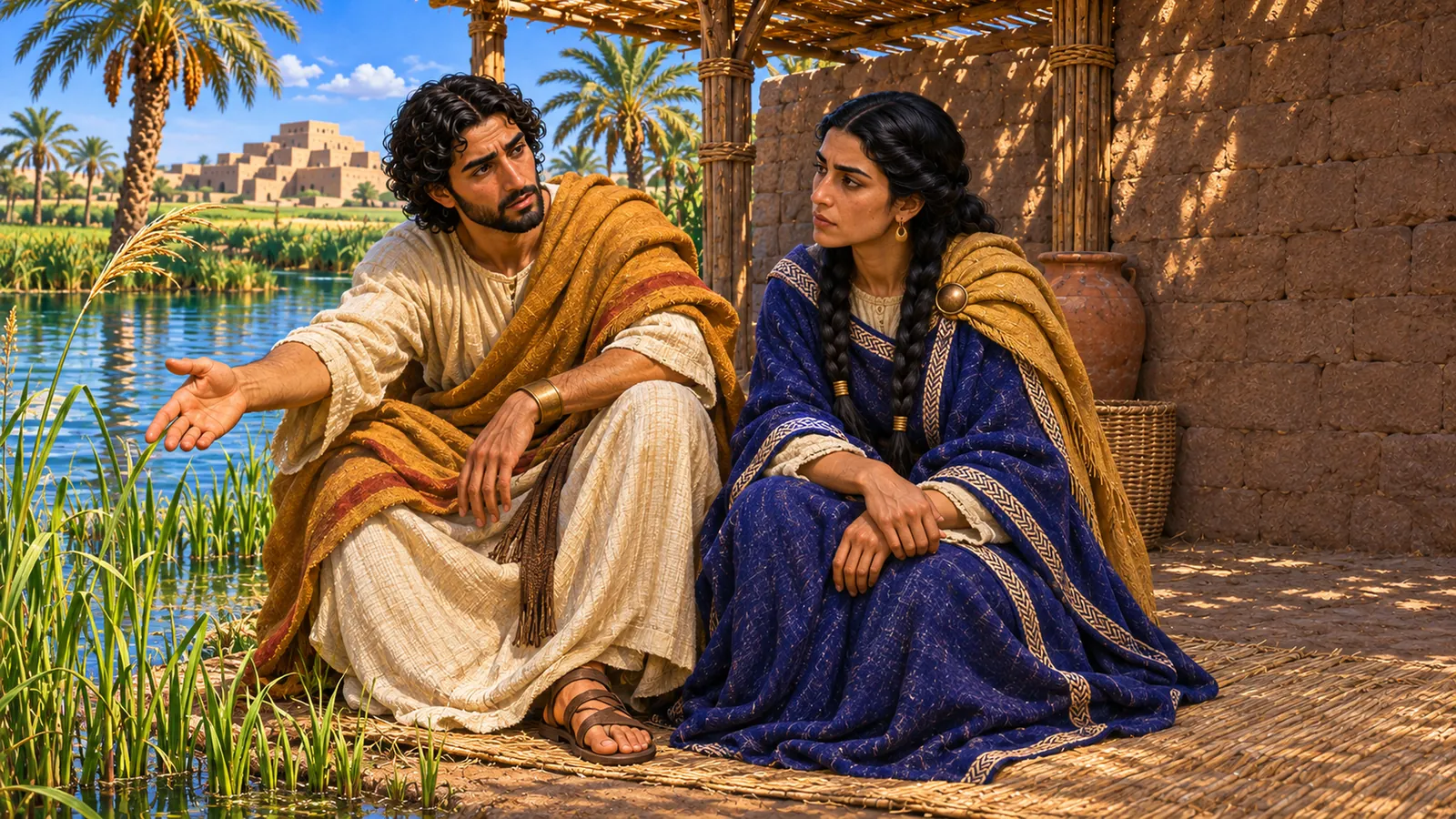
LE RÊVE
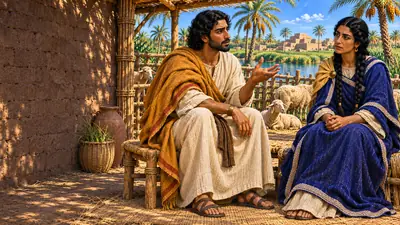
« Un rêve, ma sœur ! » dit Dumuzi. « Des joncs poussaient devant moi et ne cessaient de grandir. Un roseau solitaire agitait sa tête vers moi. »
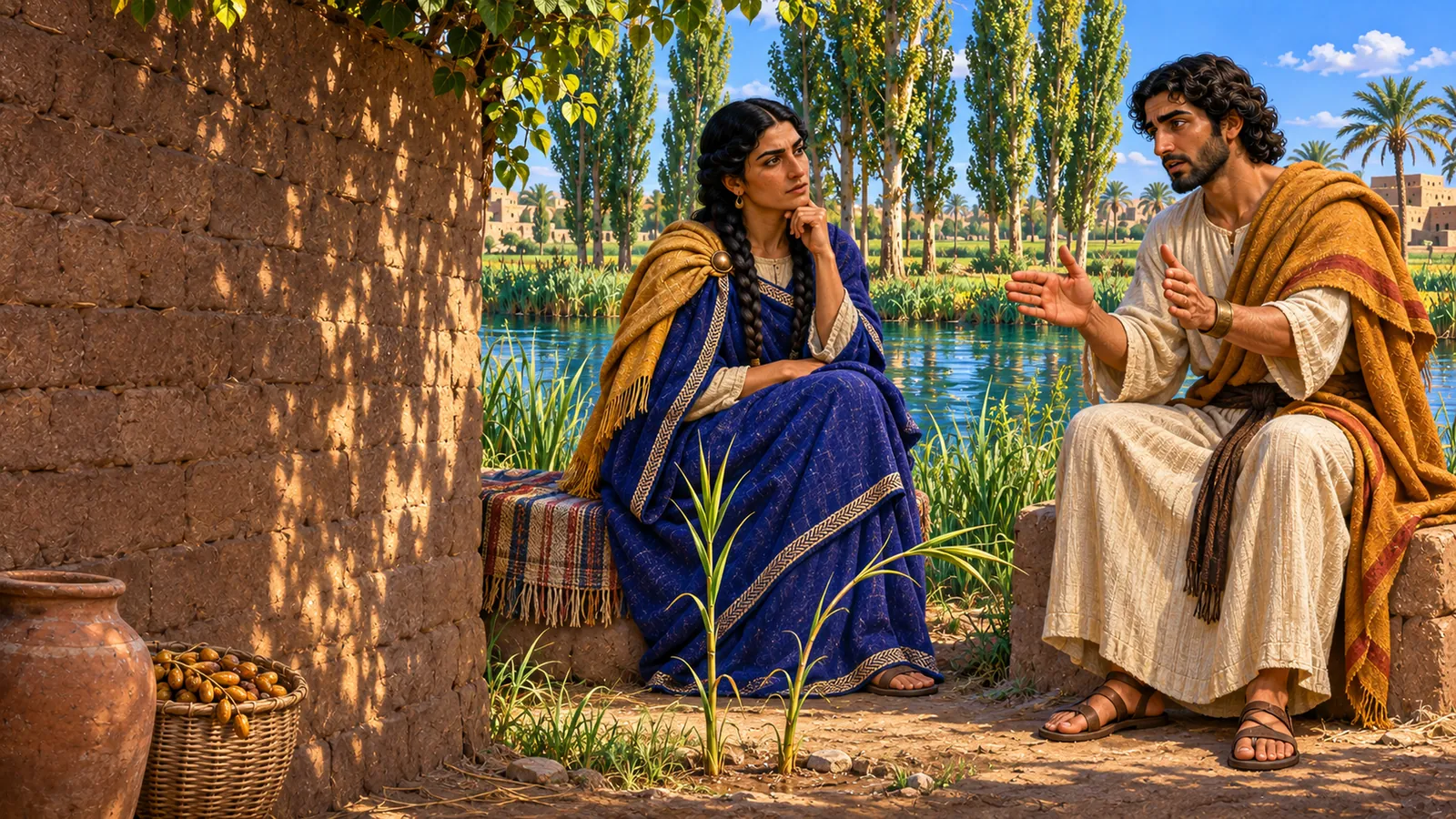
« De deux roseaux qui poussaient ensemble, l’un s’est séparé de moi. De grands arbres de la forêt se sont élevés ensemble au-dessus de moi. »
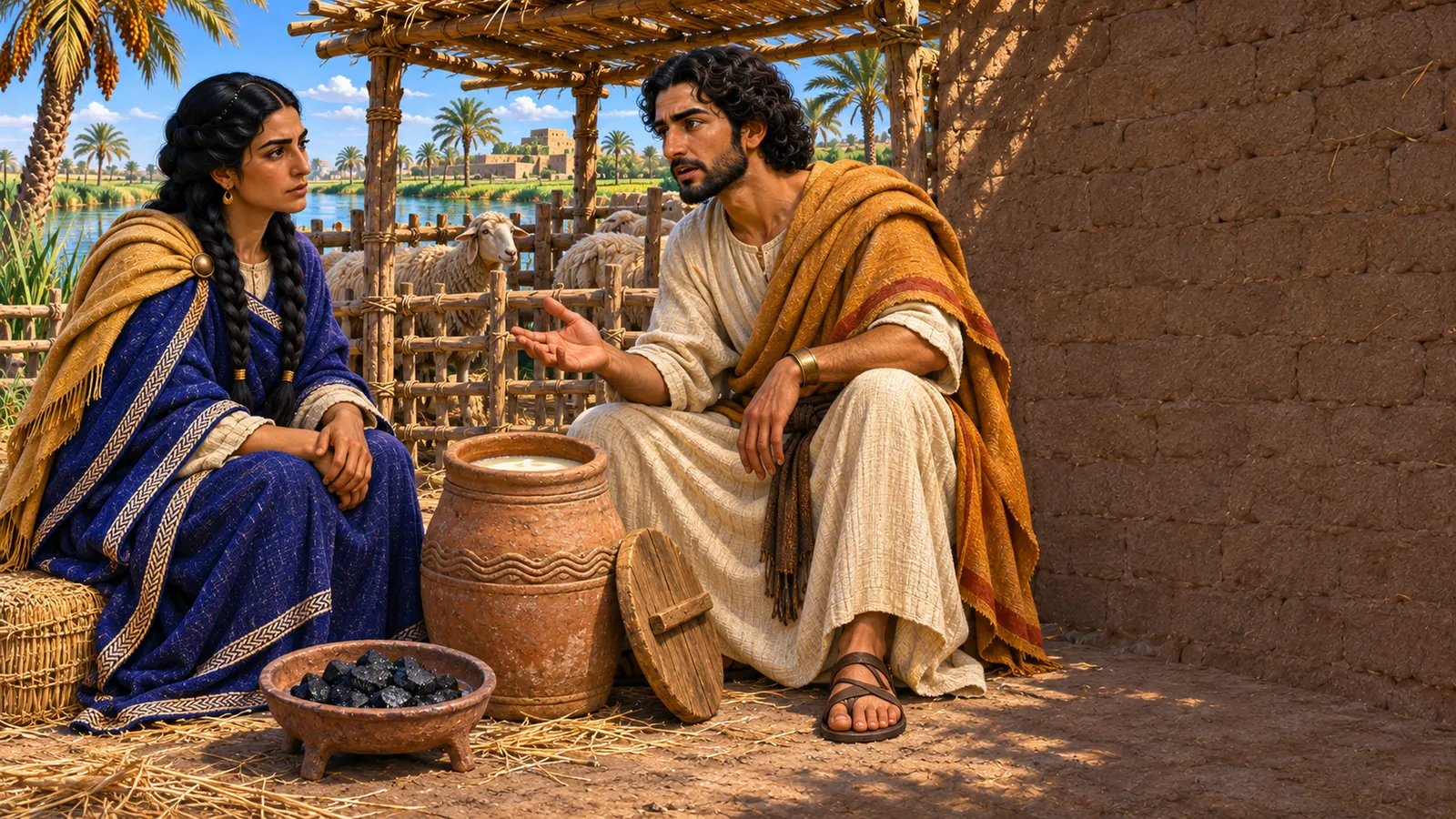
Dans mon rêve, on a versé de l’eau sur mes braises sacrées et on a retiré le couvercle de ma baratte sacrée.
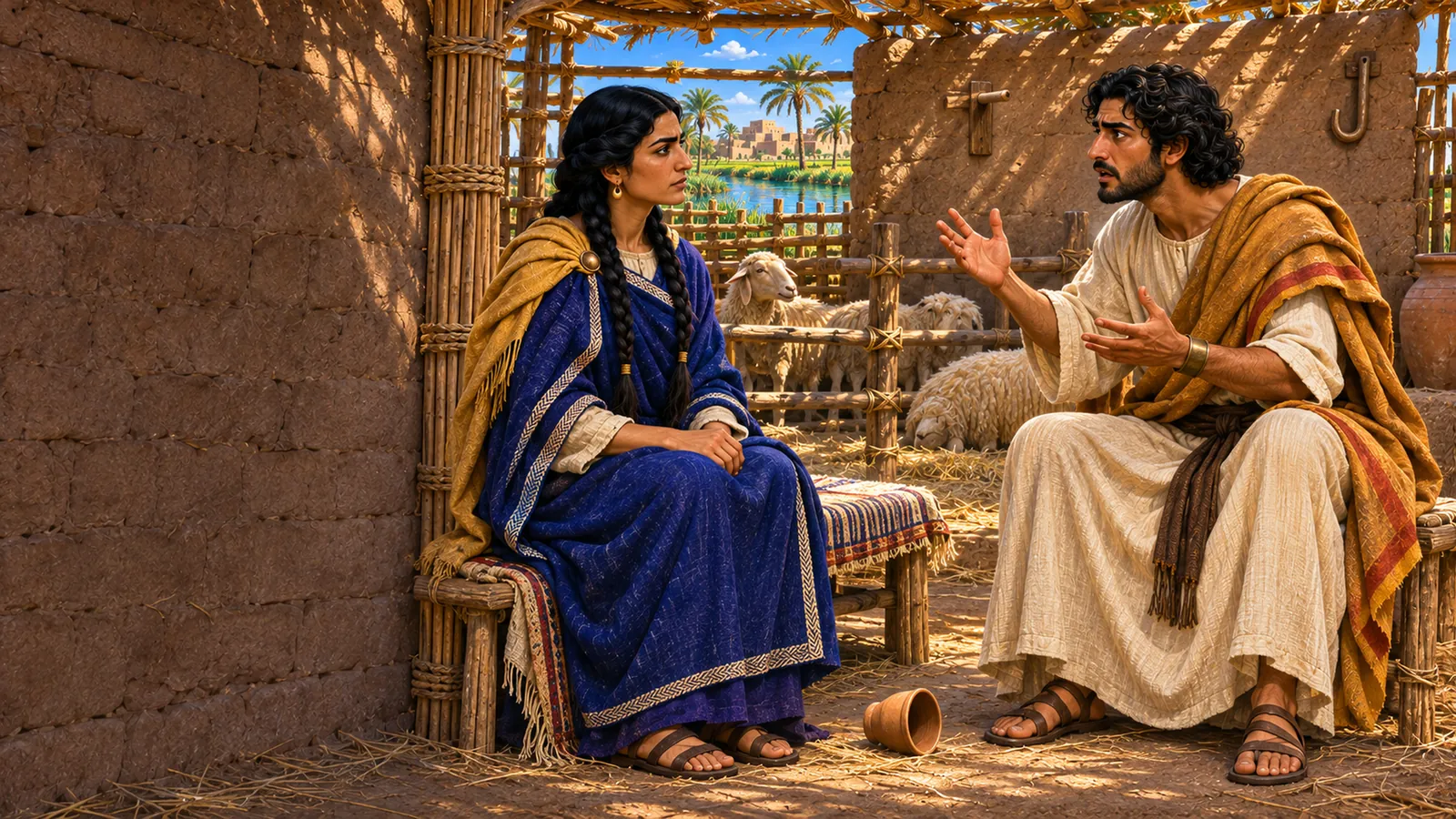
« On a arraché ma coupe sacrée de sa cheville. Puis mon bâton de berger a disparu. »
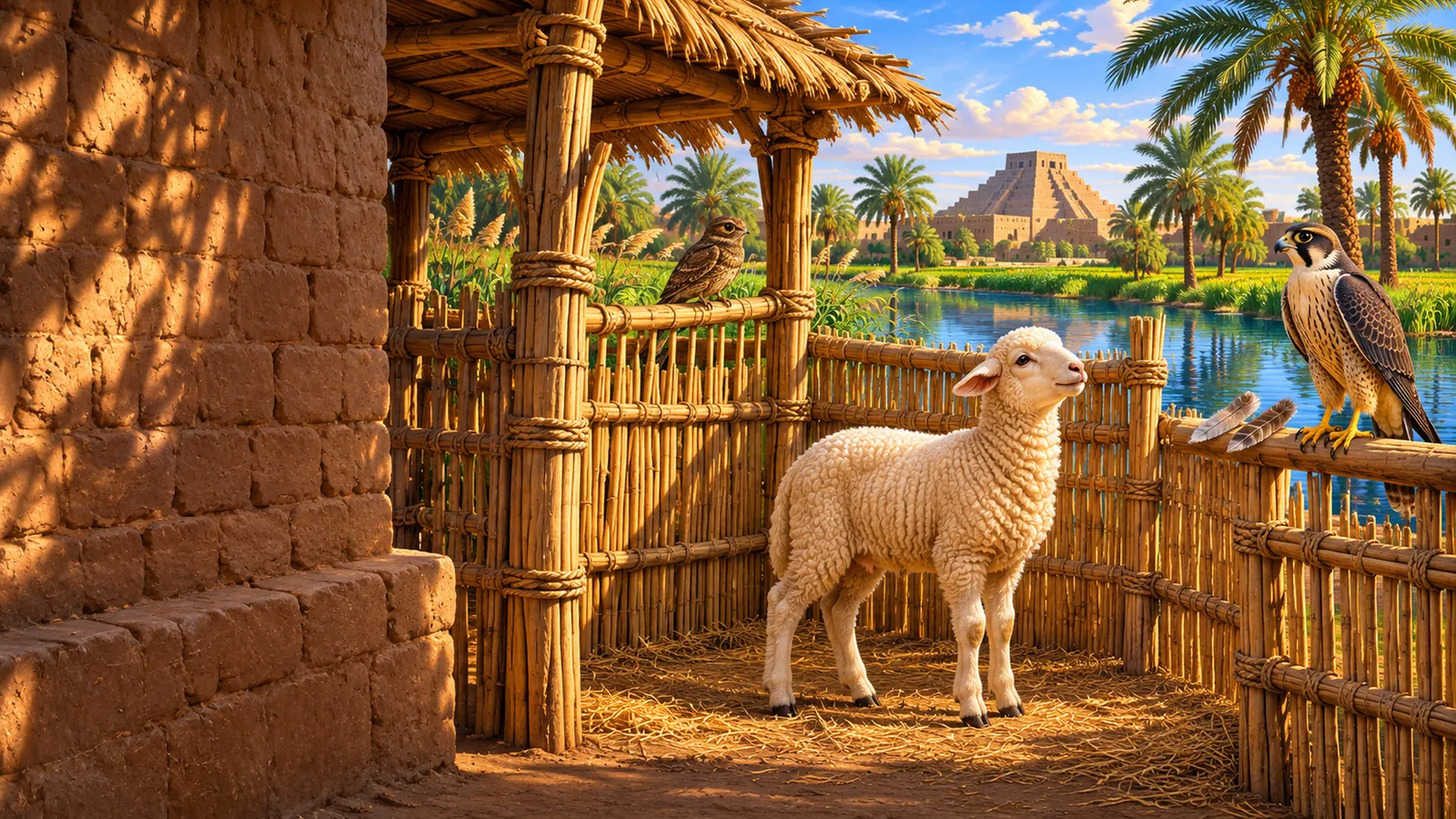
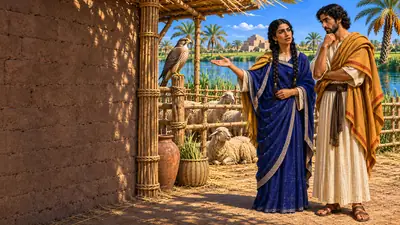
« Un oiseau, peut-être un hibou, a pris un agneau dans la bergerie. Un faucon a attrapé un moineau sur la clôture de roseaux. »
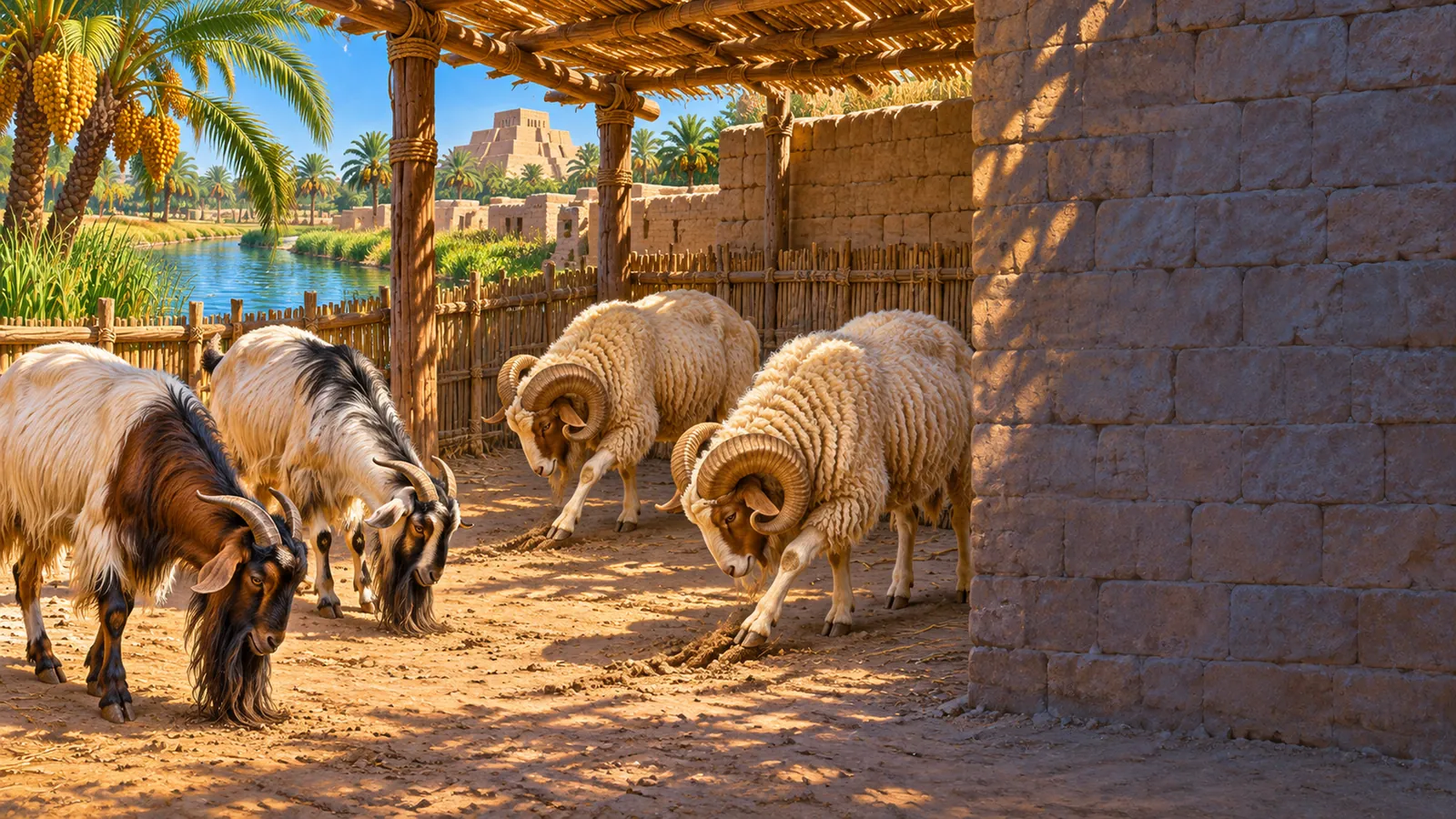
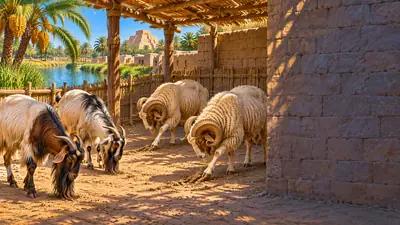
« Mes boucs traînaient leurs barbes sombres dans la poussière. Mes béliers grattaient la terre de leurs fortes pattes. »
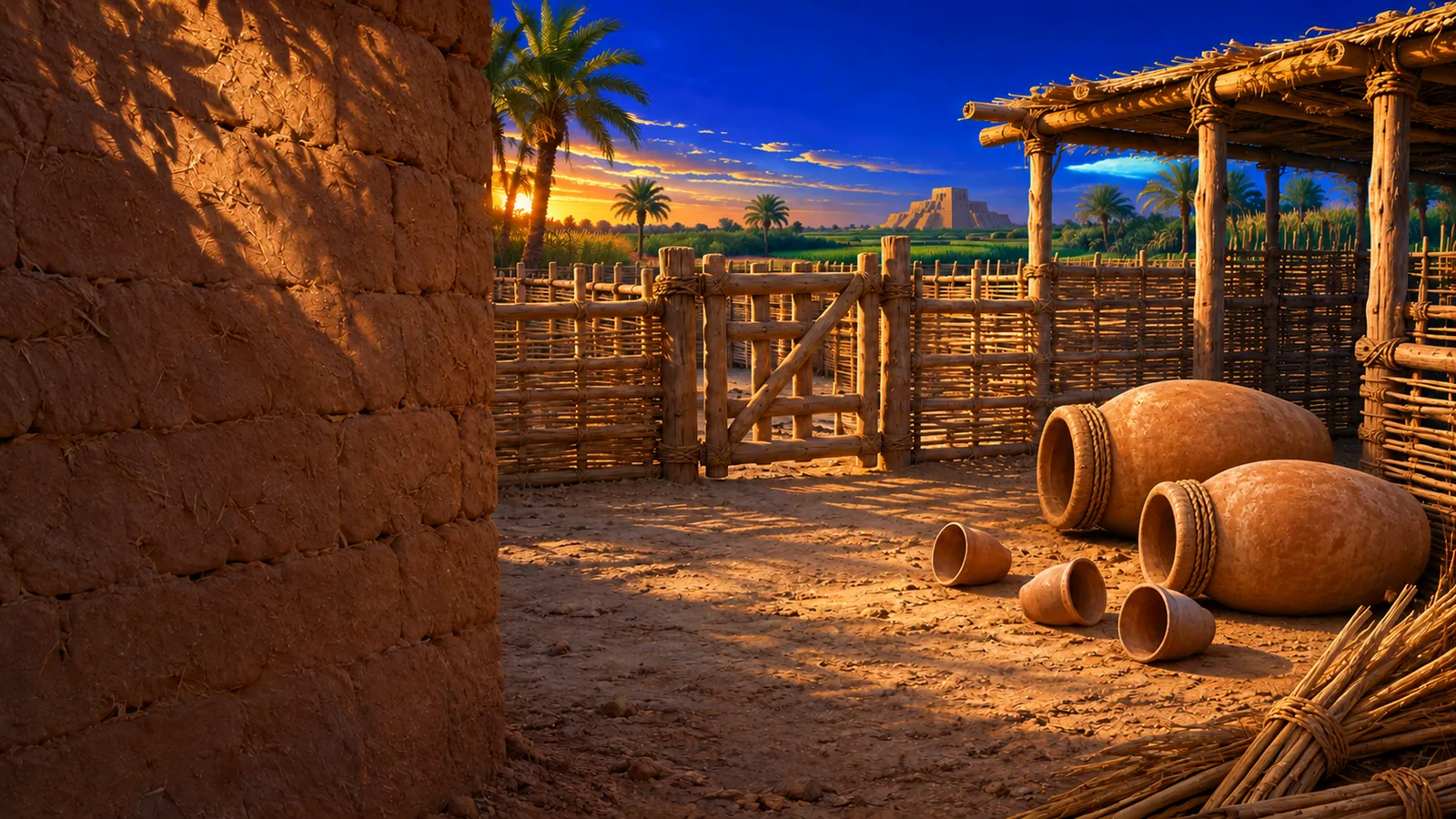
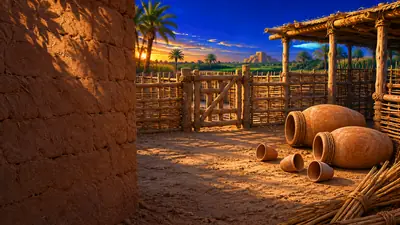
« Les barattes étaient couchées sur le côté. On ne versait pas de lait. Les coupes étaient couchées sur le côté. » Dans le rêve, Dumuzi était mort et la bergerie était hantée.
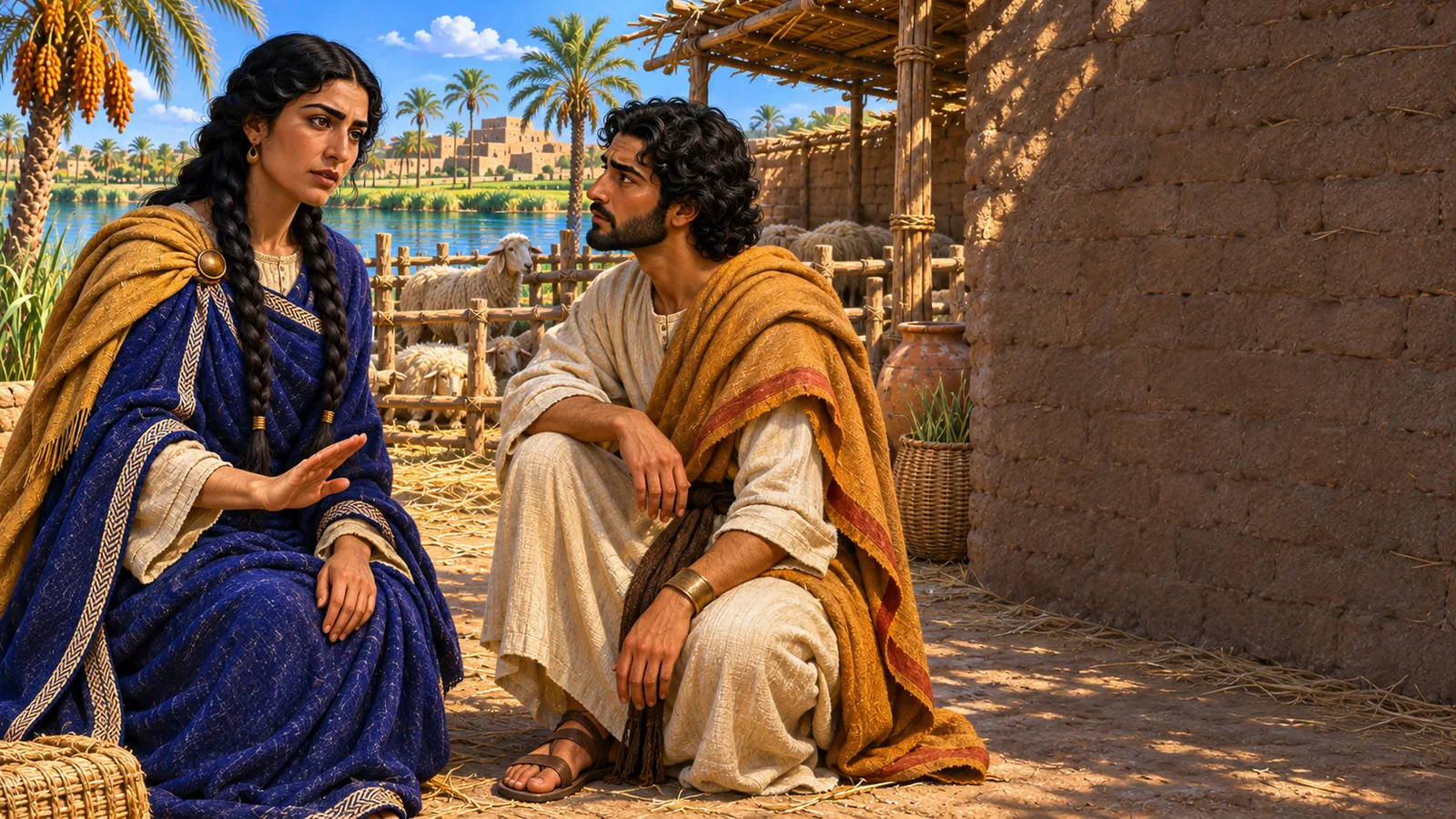
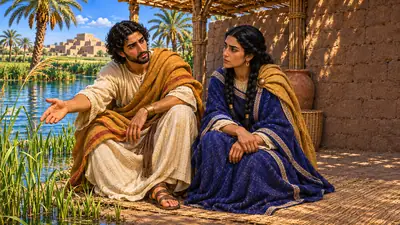
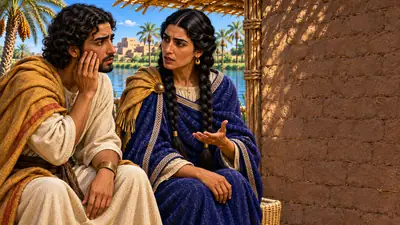
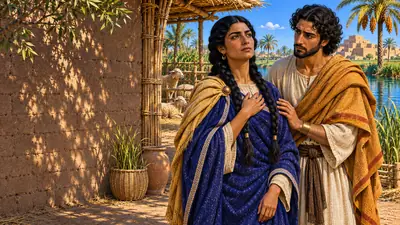
Geštinanna a répondu à Dumuzi : « Mon frère, ton rêve est de mauvais augure. » Par deux fois, elle lui a demandé de ne pas lui en dire davantage.
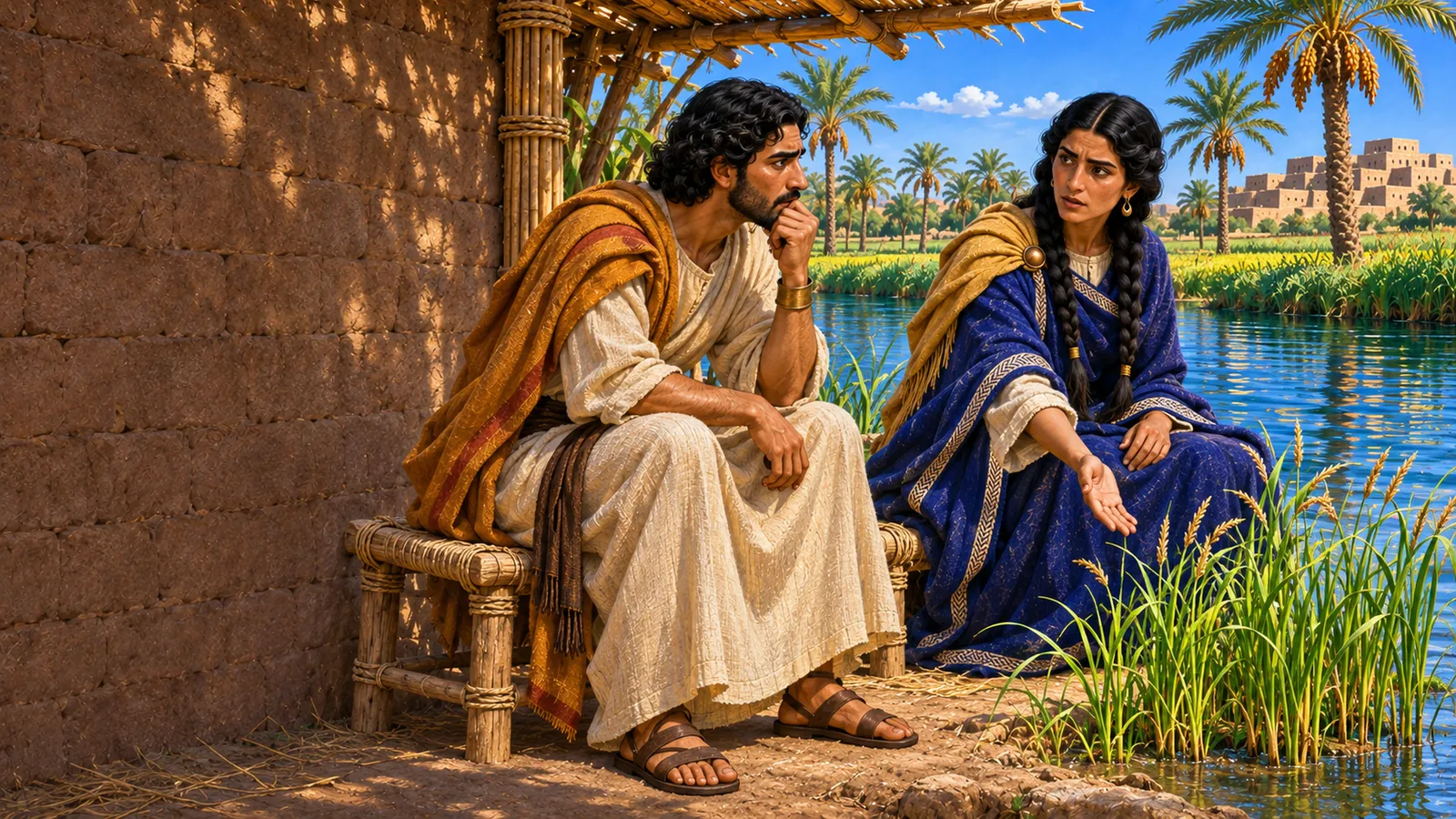
Elle a dit que les joncs qui n’en finissaient pas de pousser dans son rêve représentaient des bandits. Ils se dresseraient contre lui depuis leur embuscade.
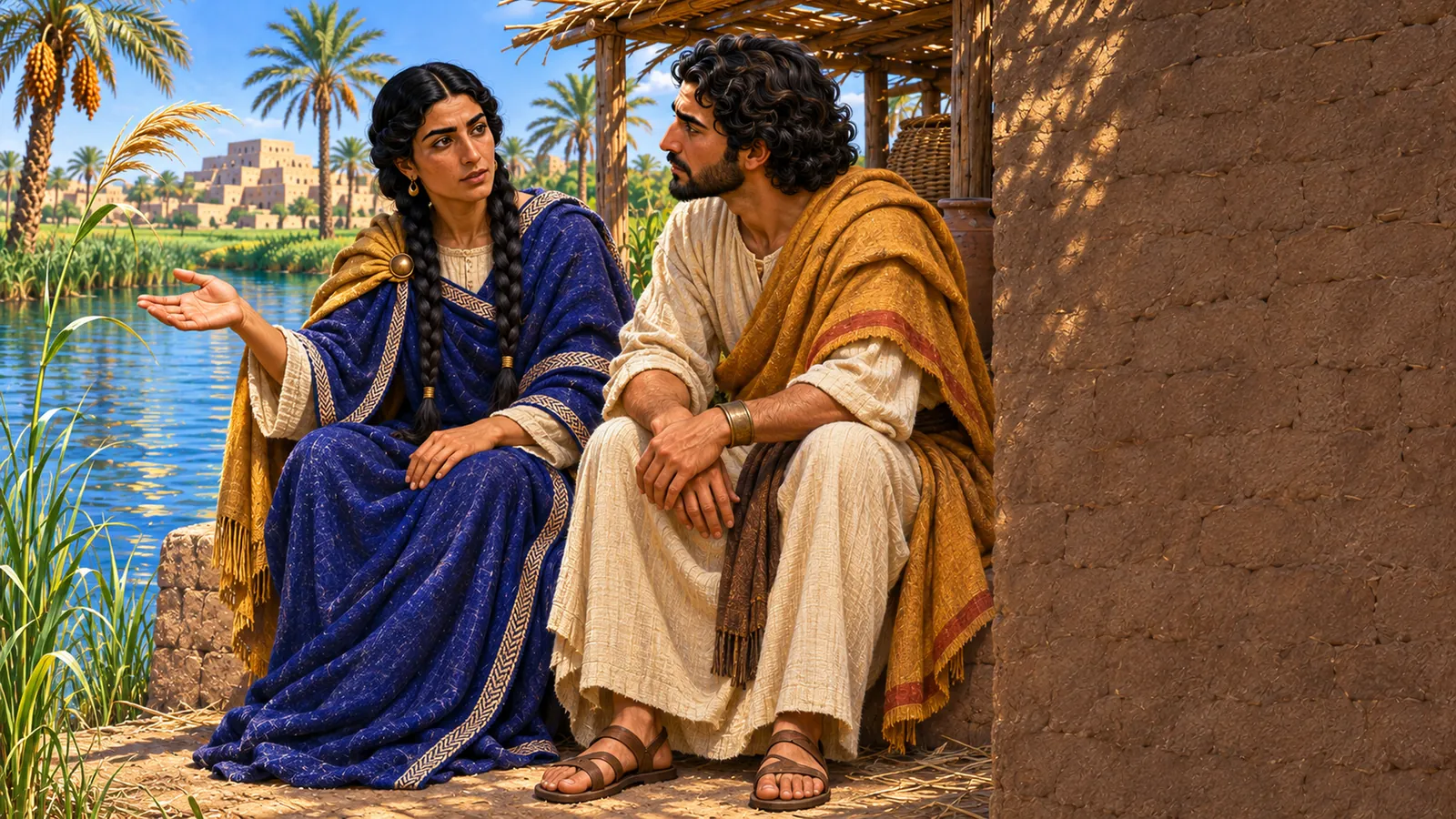
Elle a expliqué le roseau qui, dans le rêve, secouait la tête. C’était sa mère, celle qui l’avait mis au monde, qui secouait la tête pour lui.
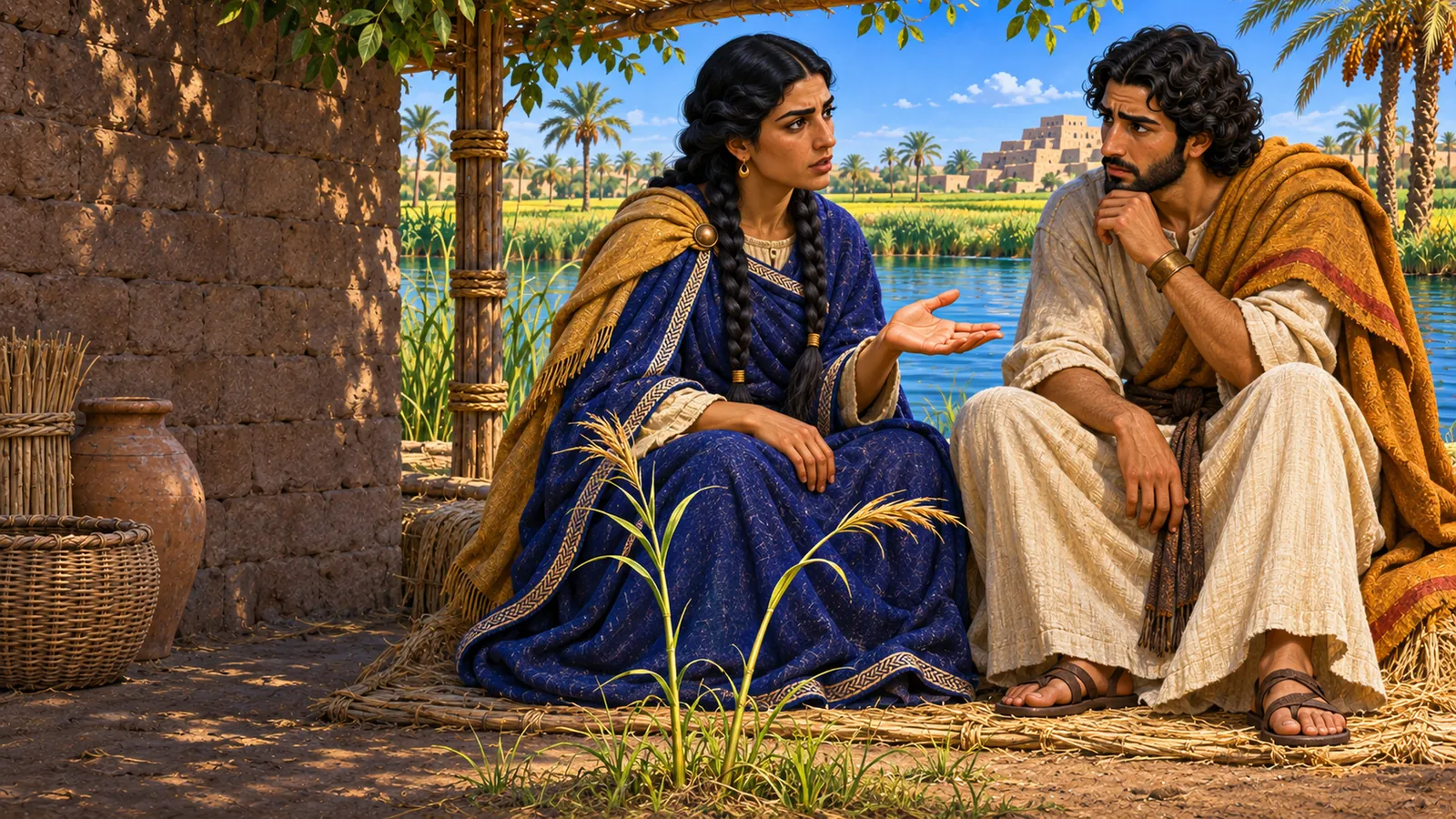
Dans le rêve, il y avait deux roseaux, et l’un avait été écarté de lui. Geštinanna a dit qu’ils représentaient son frère et elle. Ils seraient séparés.
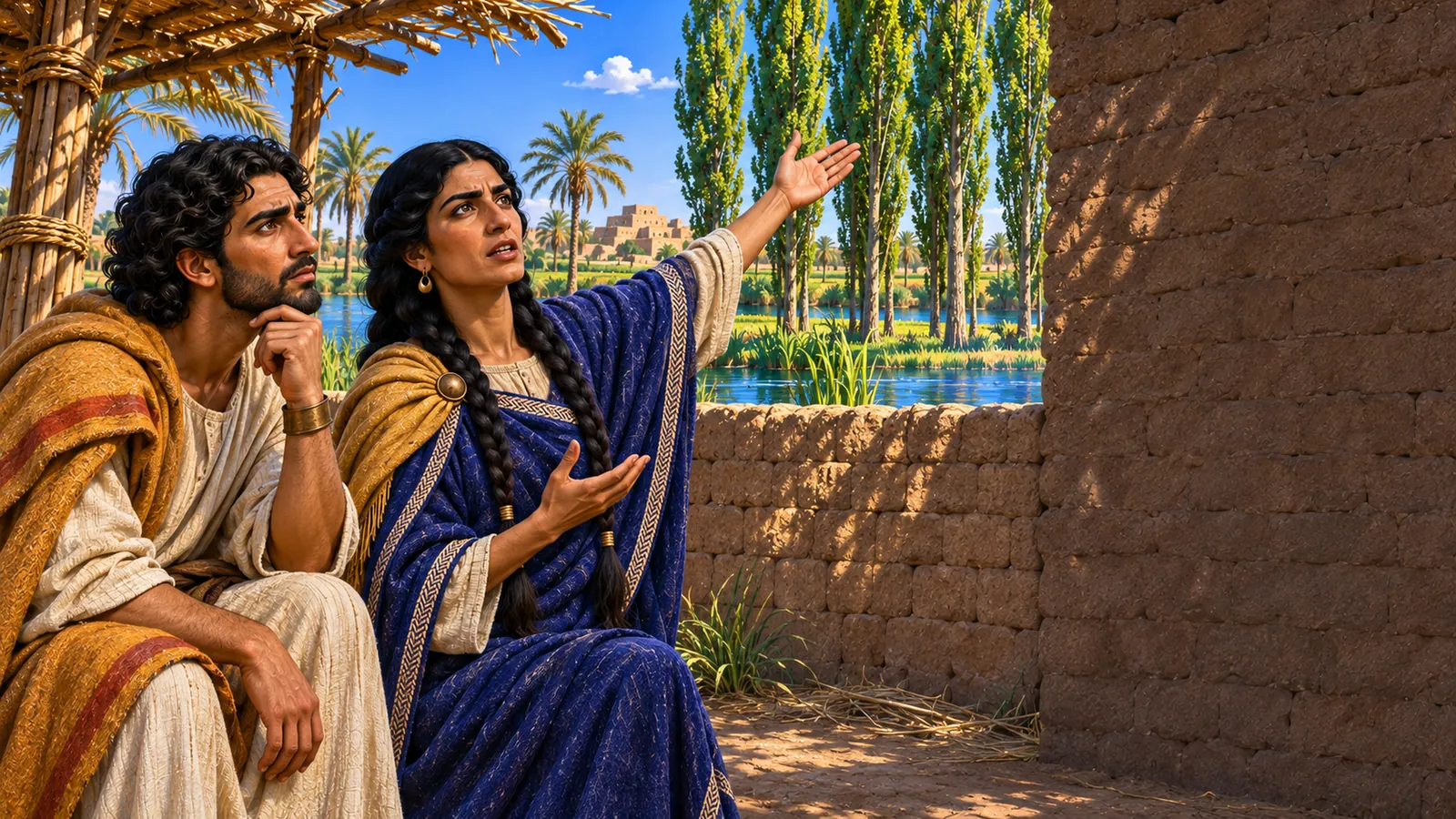
Geštinanna en est venue aux grands arbres qui s’étaient dressés autour de lui dans le rêve. Elle a dit que des hommes hostiles le prendraient à l’intérieur des murs.
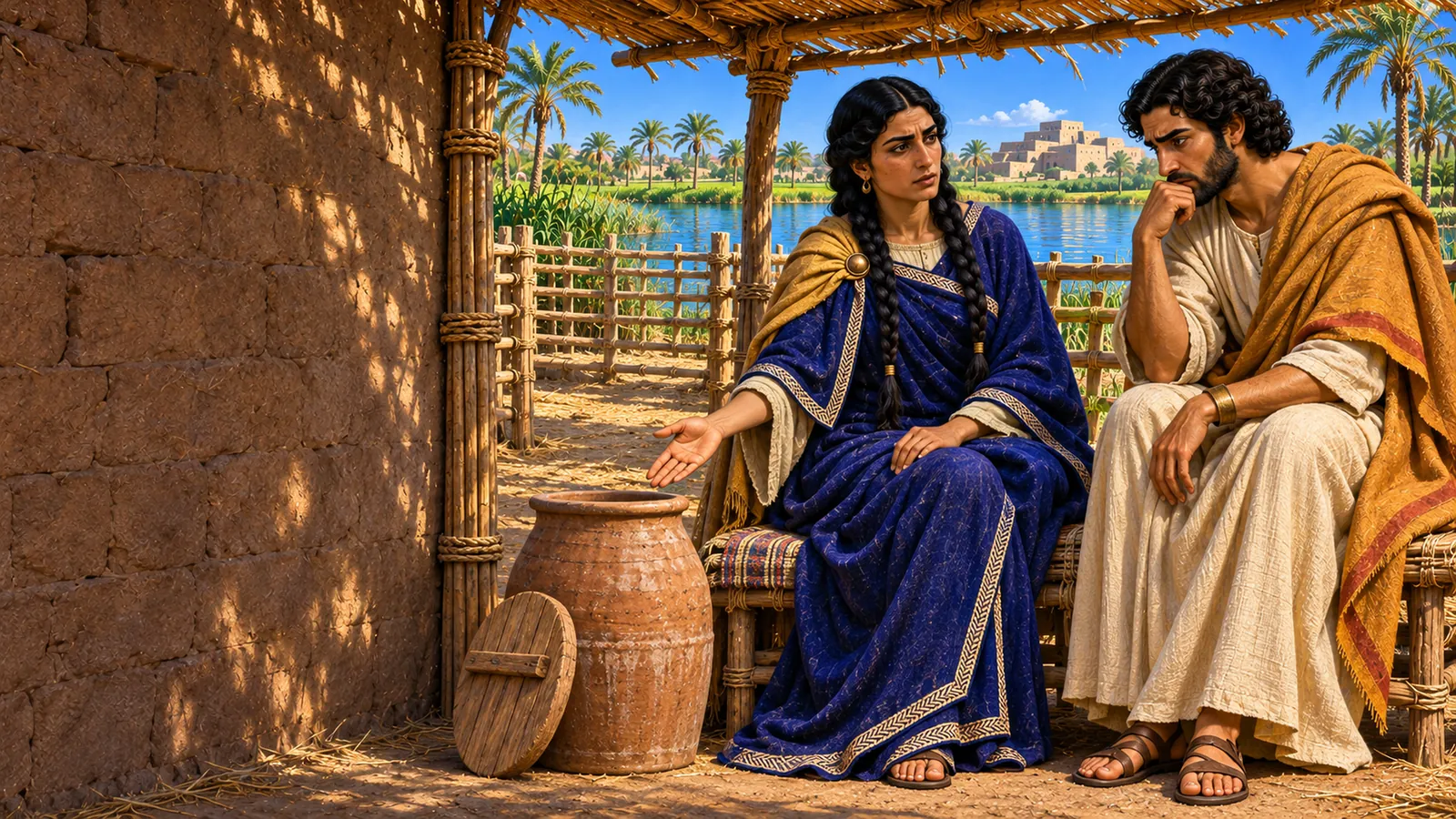
L’eau versée sur ses braises annonçait que le silence gagnerait la bergerie. Le couvercle retiré de sa baratte signifiait que l’un des hommes hostiles l’emporterait à l’intérieur dans ses mains.
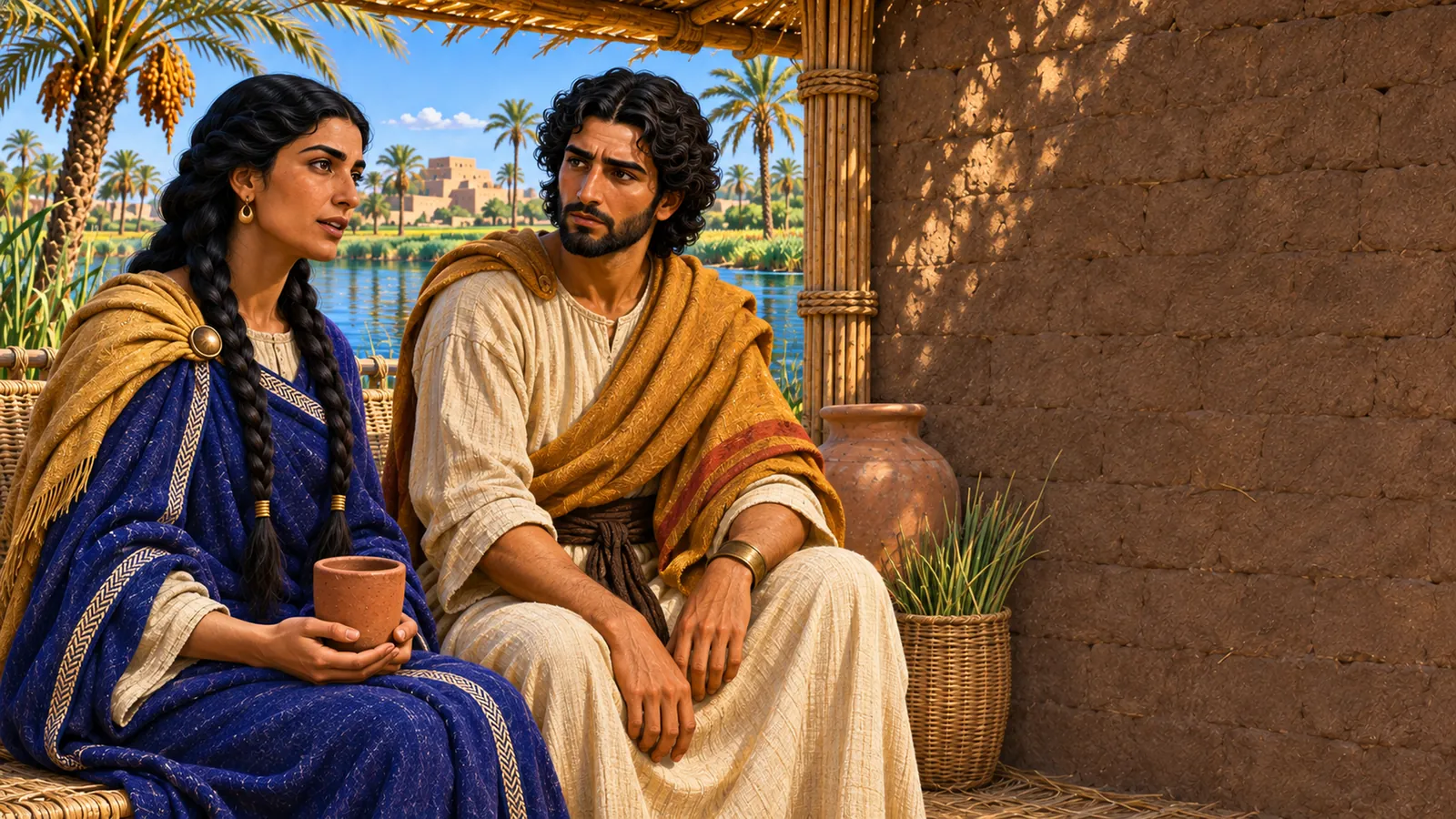
Elle a parlé de la coupe arrachée à la cheville où elle pendait dans le rêve. Geštinanna a dit que c’était Dumuzi tombant des genoux de sa mère, celle qui l’avait mis au monde.
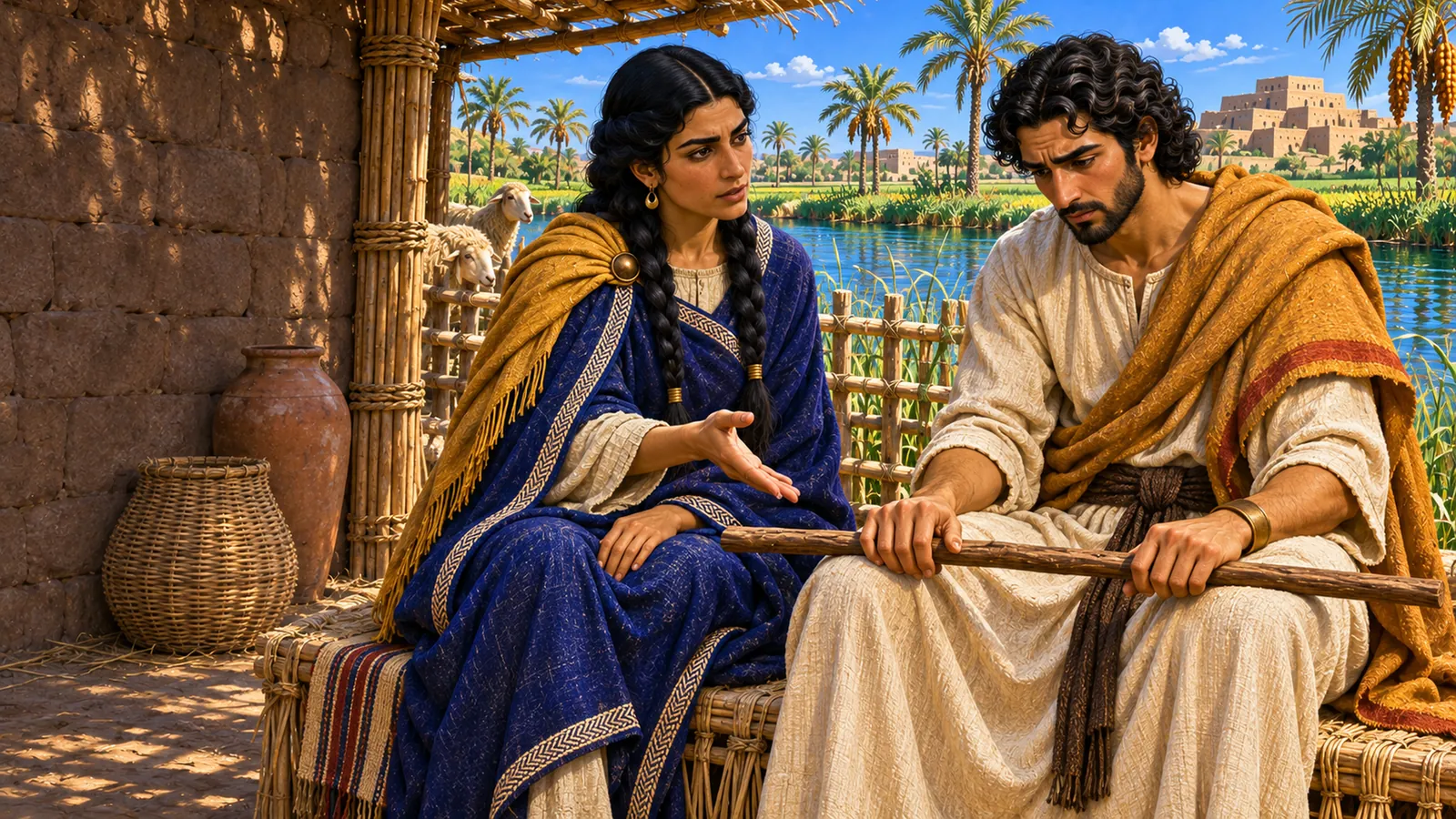
Dans le rêve, le bâton de berger de Dumuzi avait disparu. Geštinanna lui a dit que les démons y mettraient le feu.
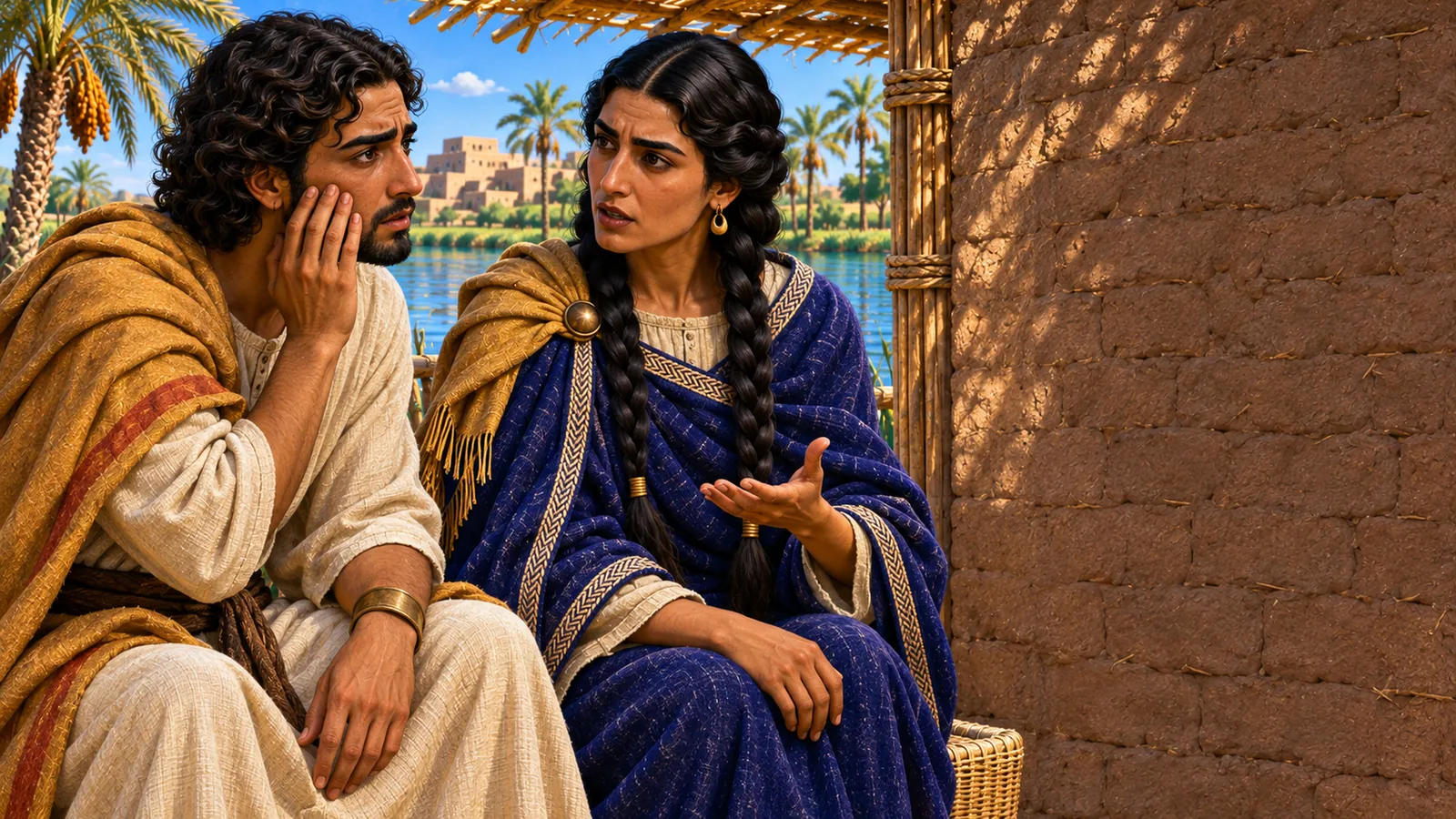
Dans le rêve, un oiseau, peut-être une chouette, avait emporté un agneau. Geštinanna a dit que cela signifiait qu’un homme hostile frapperait Dumuzi à la joue.
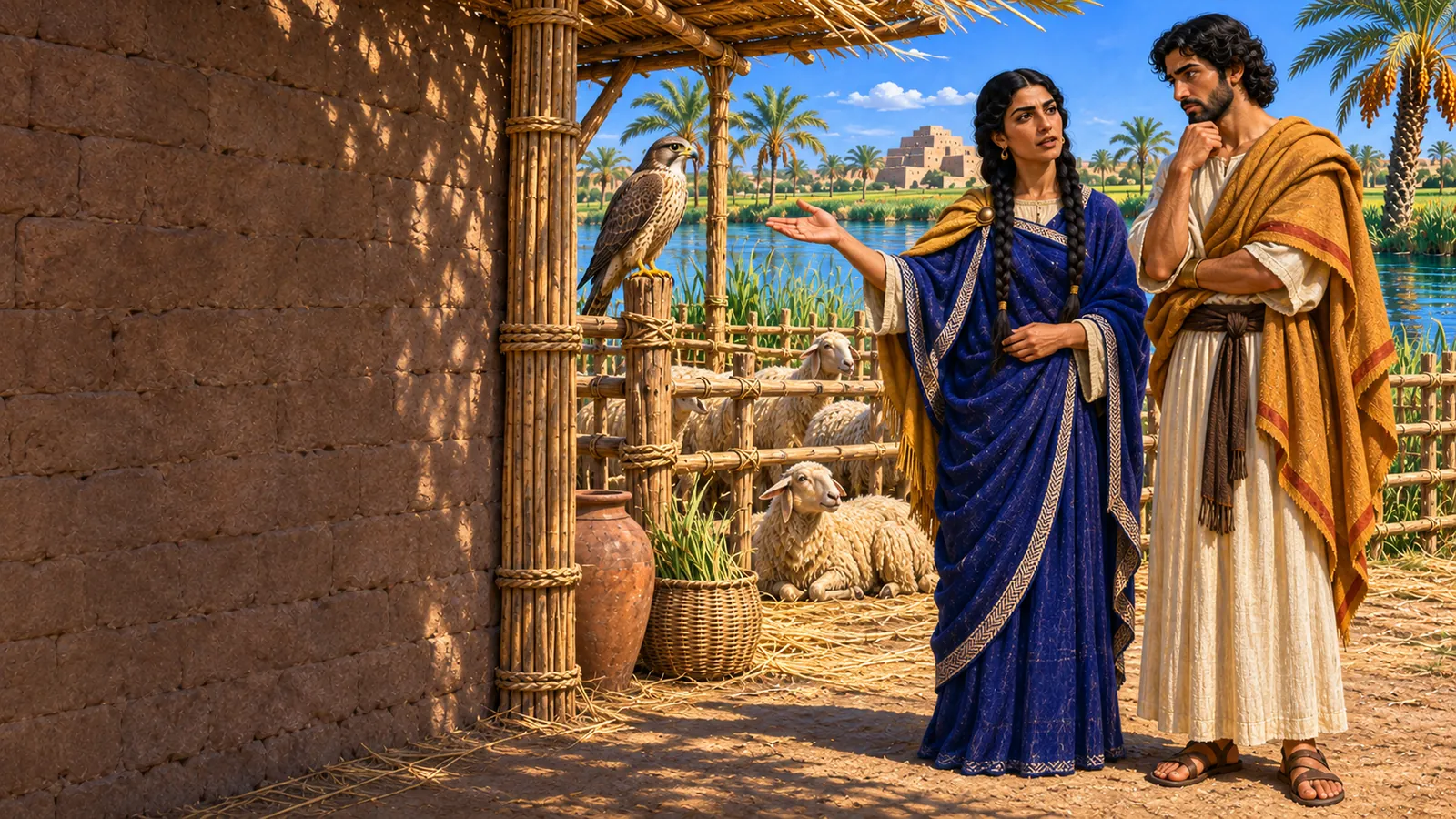
Dans le rêve de Dumuzi, le faucon avait saisi un moineau sur la clôture de roseaux. Pour Geštinanna, cette image signifiait qu’un grand démon descendrait de la bergerie.
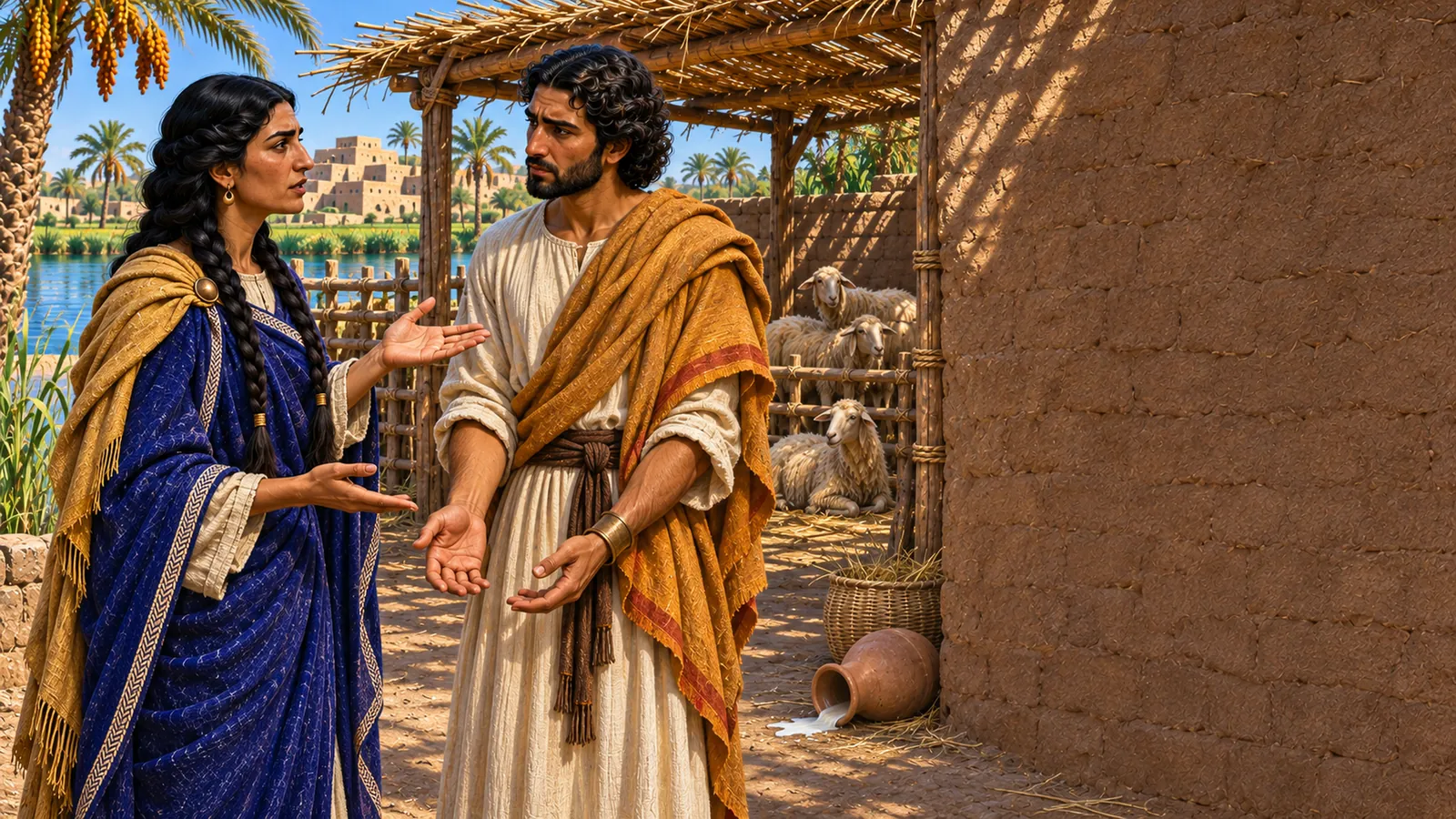
Dans le rêve, les barattes et les coupes étaient renversées, le lait n’était pas versé, Dumuzi était mort et la bergerie était hantée. Geštinanna a dit que ces images signifiaient qu’on lui attacherait les mains et les bras.
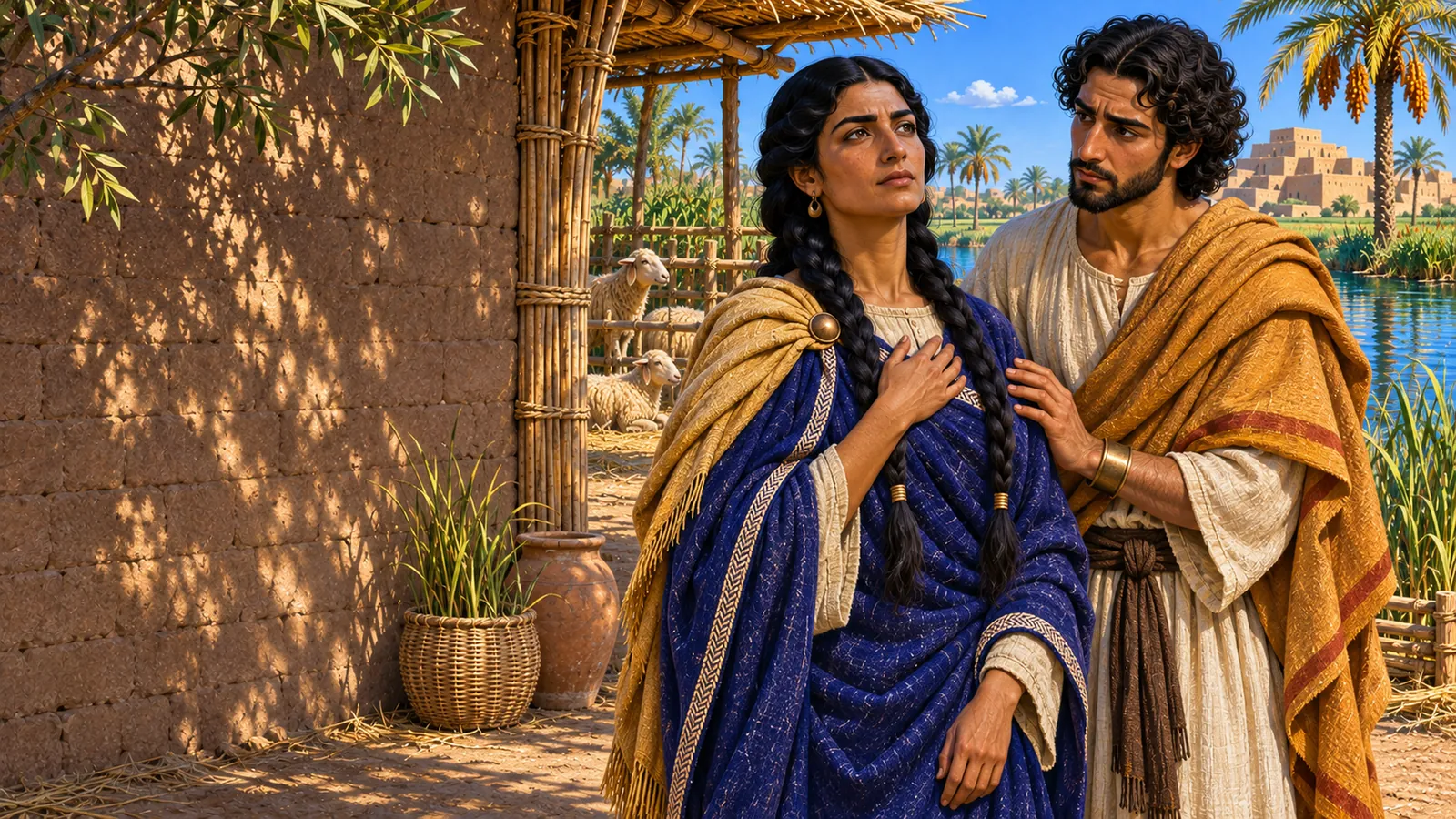
Les boucs qui traînaient leur barbe dans la poussière signifiaient que ses cheveux tourbillonneraient de douleur comme dans une tempête. Les béliers qui grattaient la terre signifiaient qu’elle se blesserait les joues avec ses ongles en le pleurant.
LA BUTTE
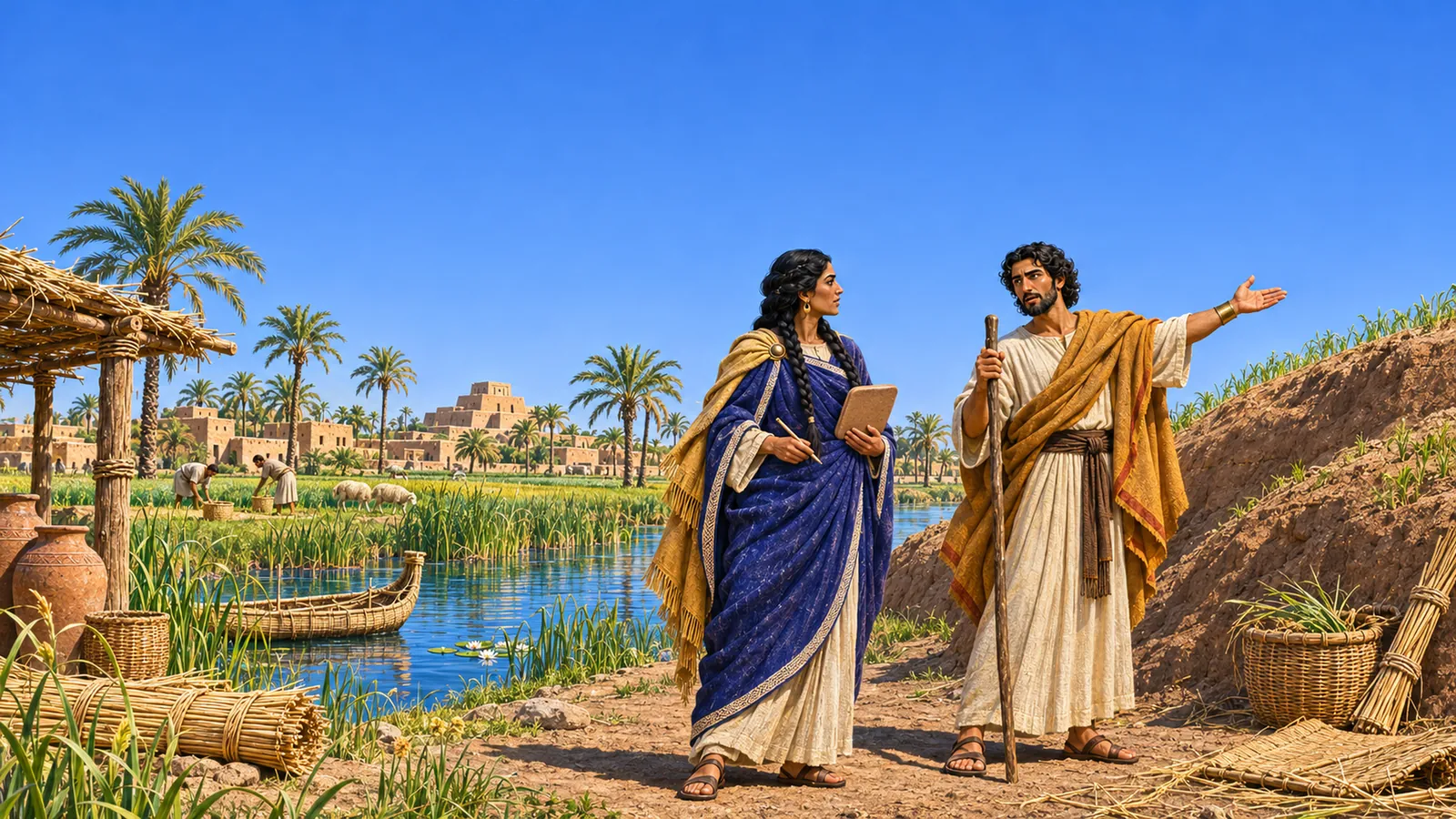
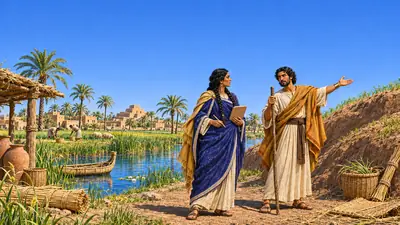
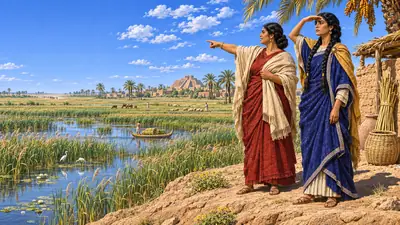
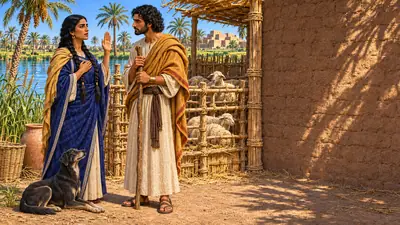
Dès qu’elle a eu fini, Dumuzi a demandé à sa sœur de monter sur le tertre et de regarder au loin. Il a répété qu’elle devait monter et lui a dit de le faire autrement que les gens ordinaires.
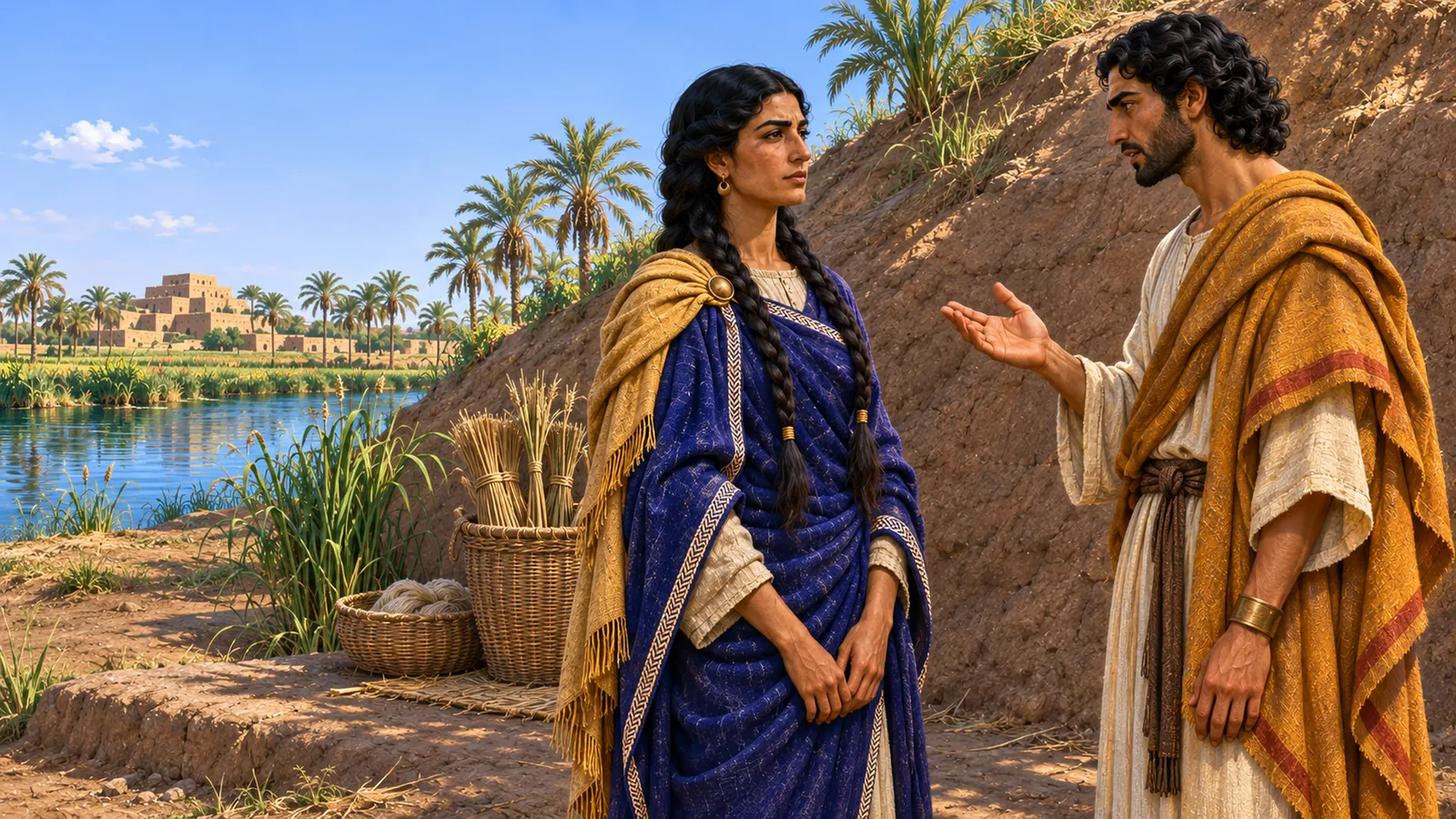
Il l’a pressée de monter en signe de deuil. Ses paroles appelaient à des blessures au cœur, au foie et à l’aine, et à des vêtements déchirés.
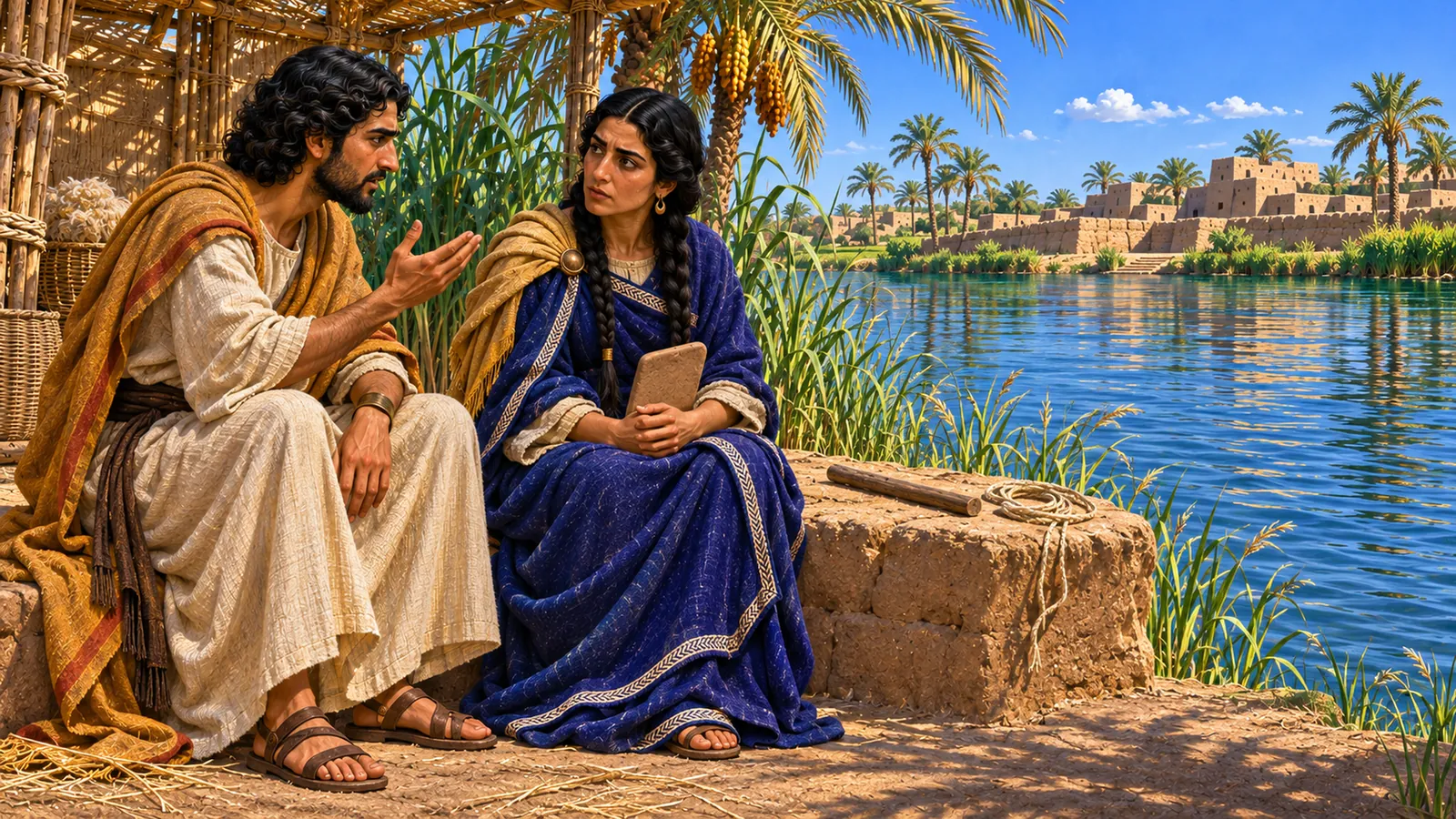
Dans son avertissement, il est question d’une barque fluviale dans une ligne endommagée. Il a parlé d’hommes portant du bois pour lier les mains et les cous, et a dit que personne ne savait défaire l’entrave du cou.
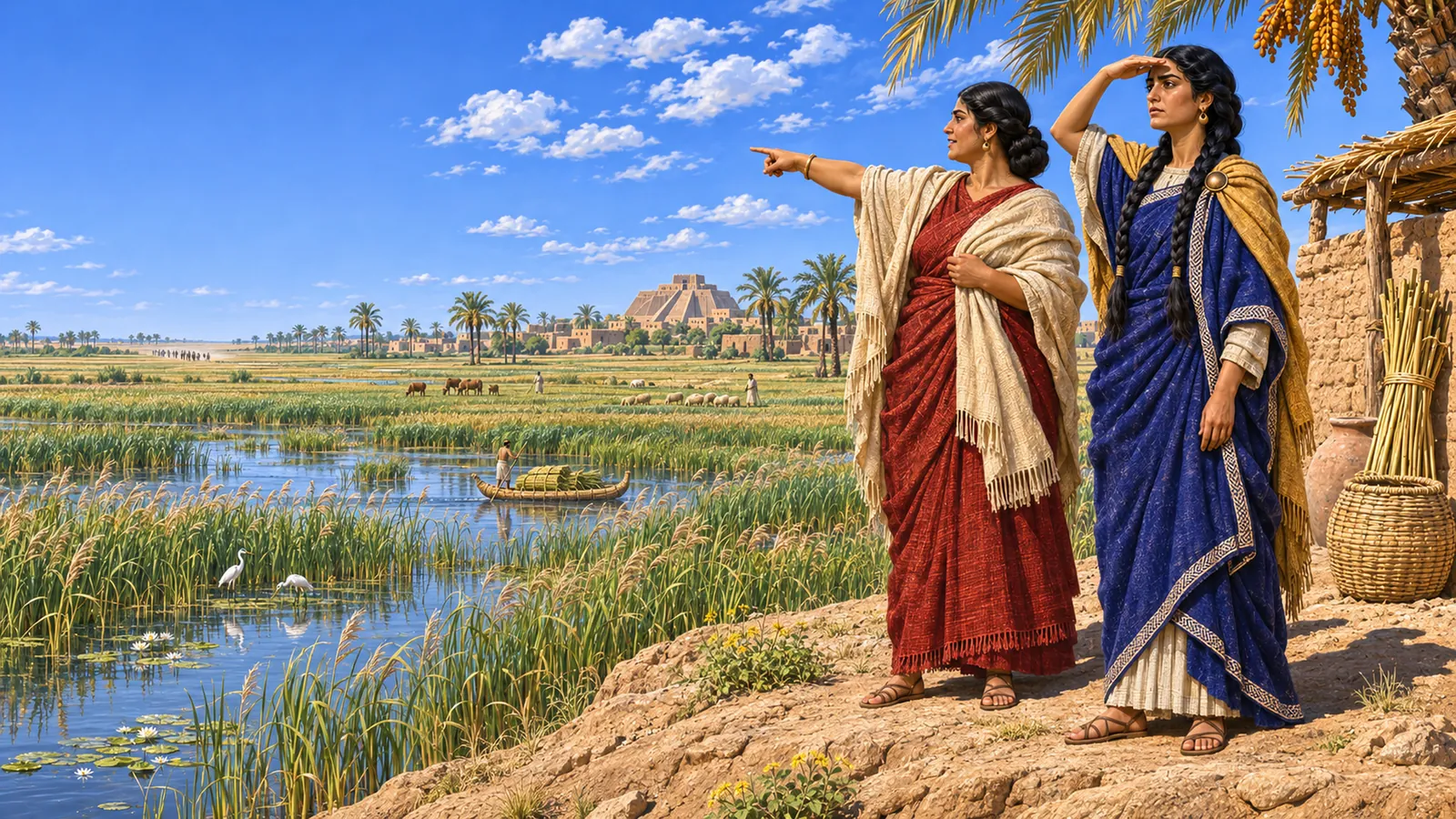
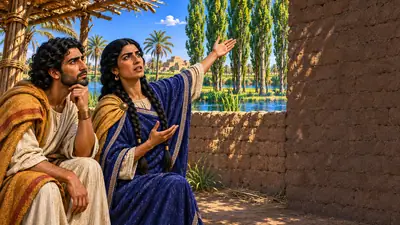
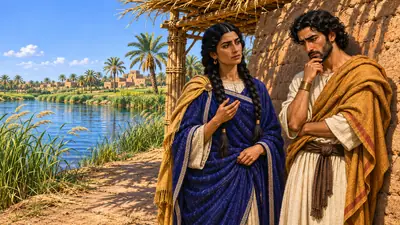
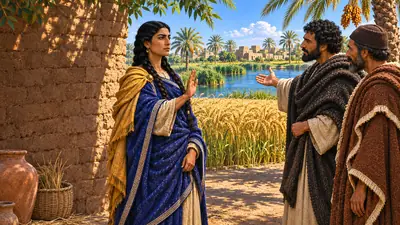
Geštinanna est montée sur le tertre, a tendu le cou et a regardé autour d’elle. Son amie Geštindudu lui a dit que les hommes qui liaient les cous venaient déjà chercher Dumuzi.
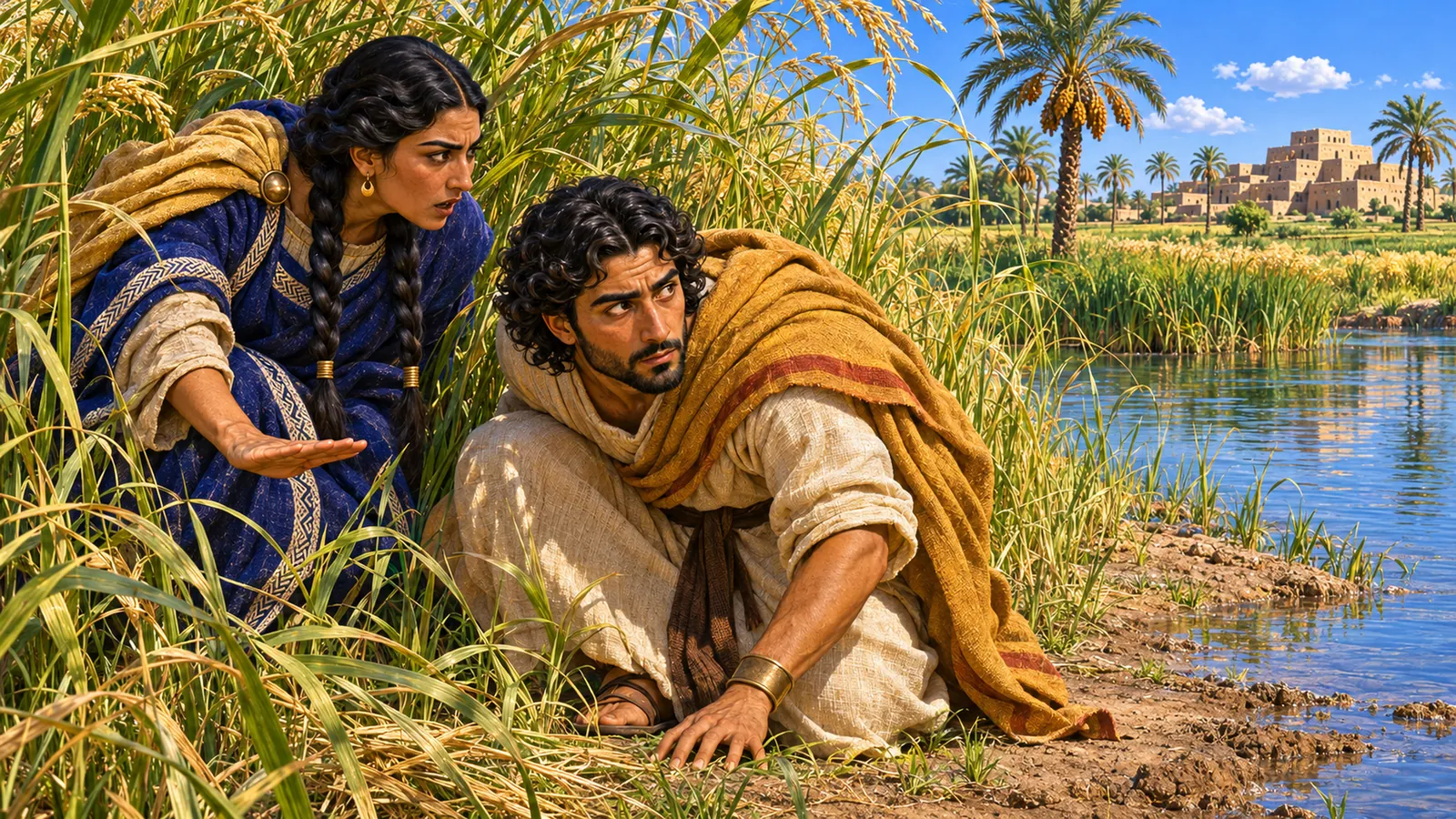
Geštinanna a demandé si les hommes arrivaient, et son amie a dit qu’elle les lui montrerait. Geštinanna a prévenu Dumuzi que les démons approchaient et l’a pressé par deux fois de baisser la tête dans l’herbe.
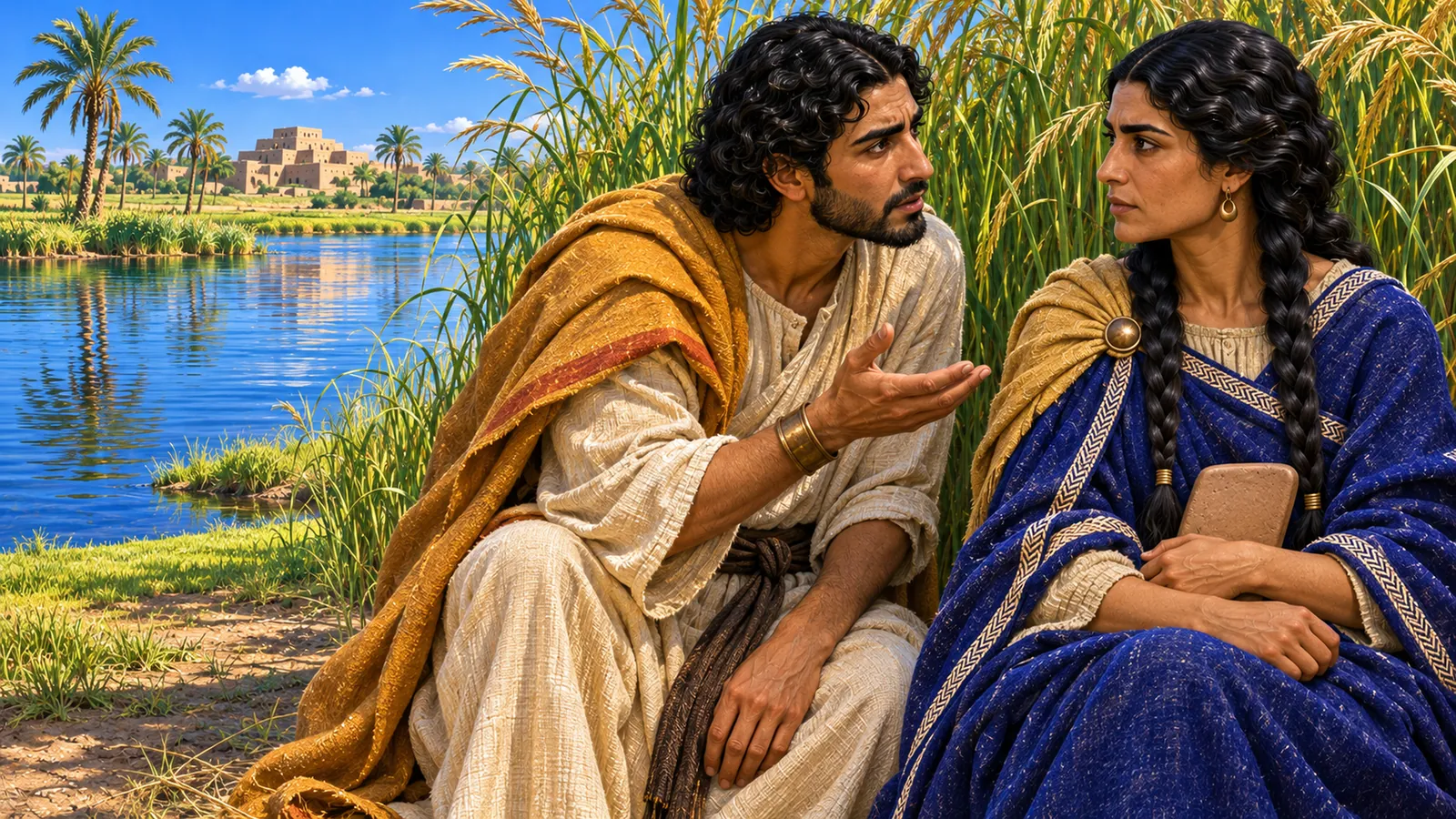
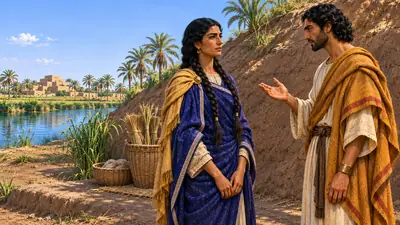
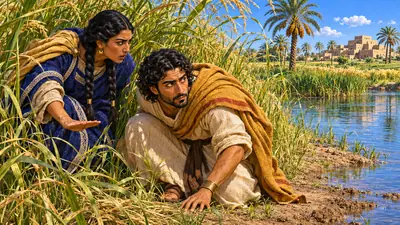
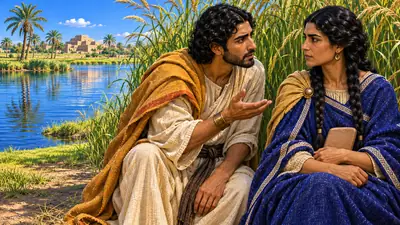
Dumuzi a dit qu’il se cacherait dans l’herbe courte, dans les hautes herbes et au fond des fossés d’Arali. Il a demandé plusieurs fois à sa sœur de ne pas dire où il était.
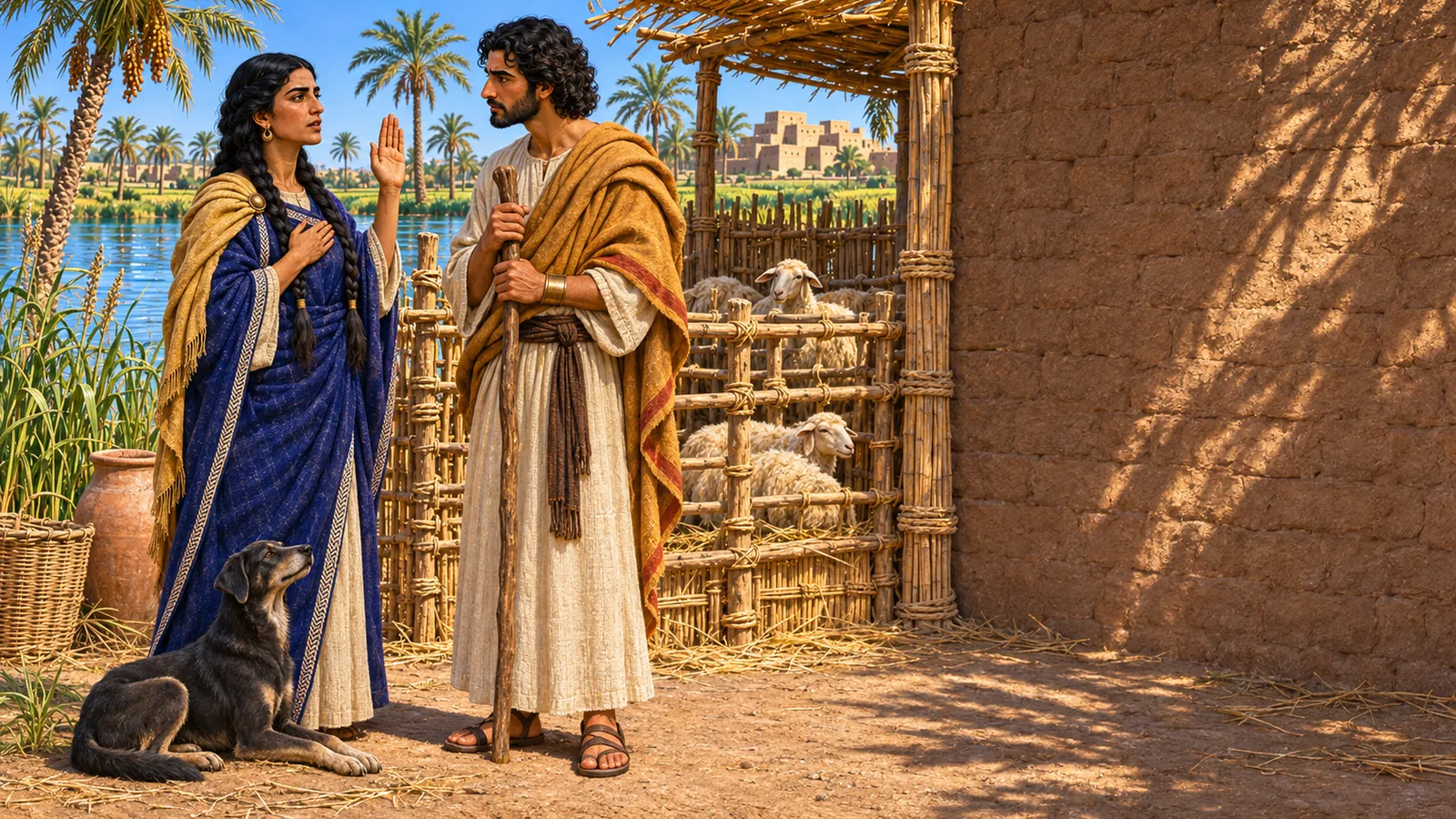
Geštinanna a juré de taire l’endroit où se trouvait son frère. Si elle les renseignait, disait-elle, que son chien de berger noir la dévore. Elle a dit que c’était un chien noble en répétant son serment.
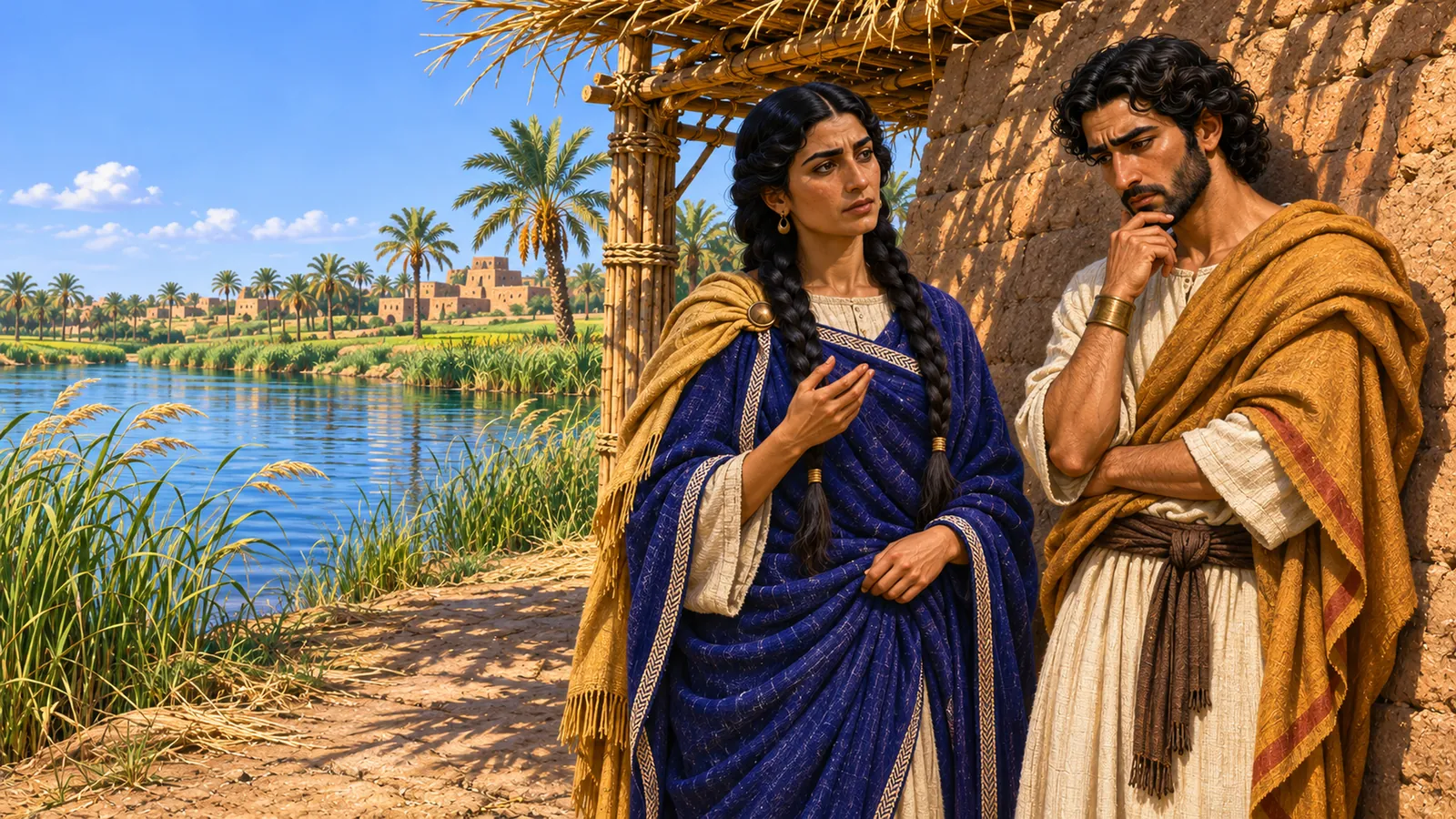
Le passage est endommagé. Geštinanna semble demander à Dumuzi de donner des consignes à son ami. Elle parle d’un compagnon et de recherches pour trouver Dumuzi, mais une grande partie de ses paroles est perdue.
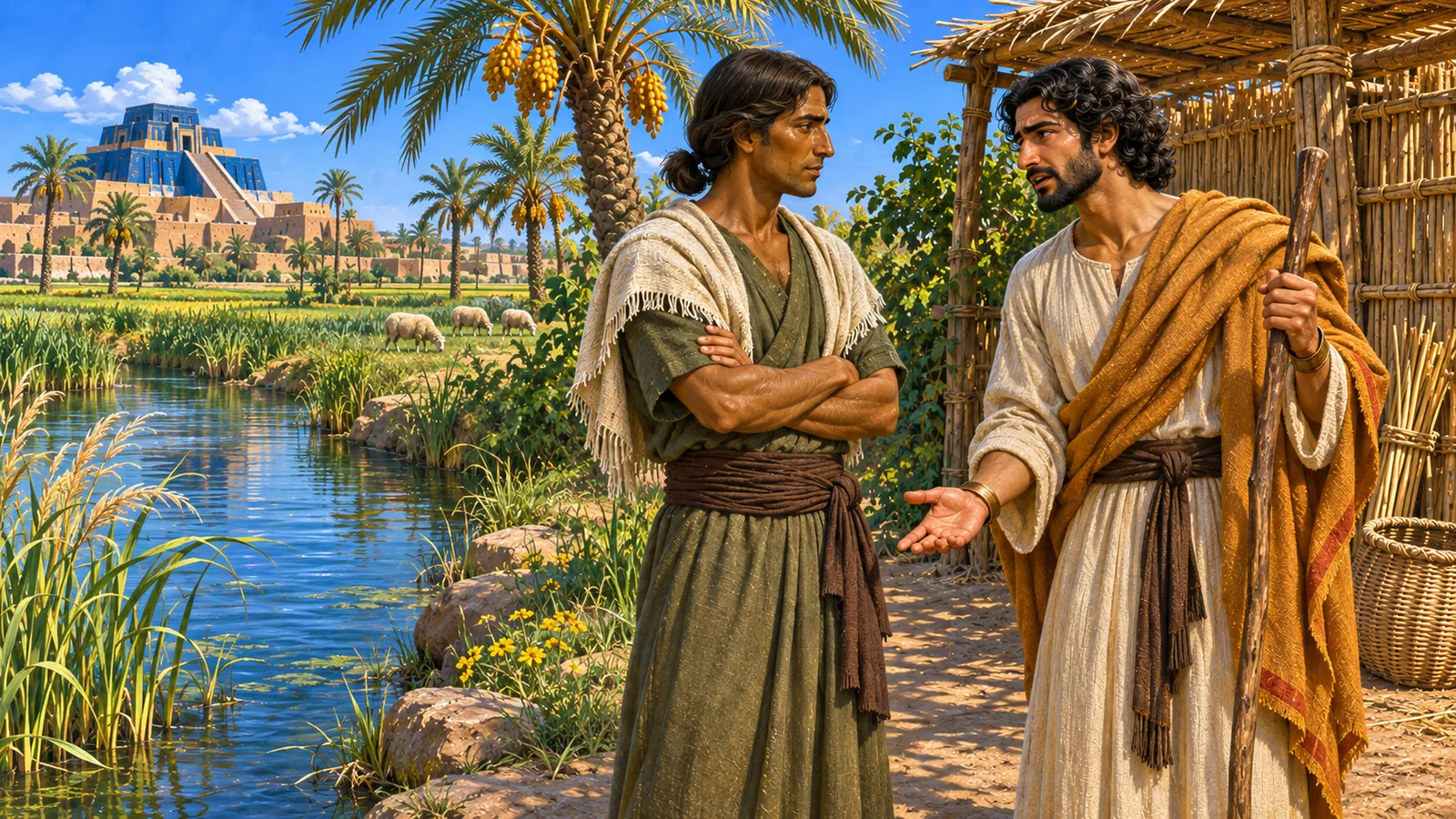
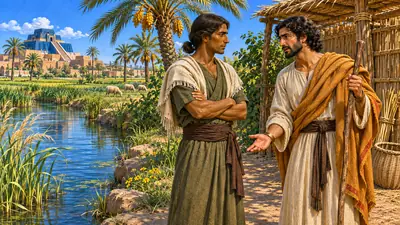
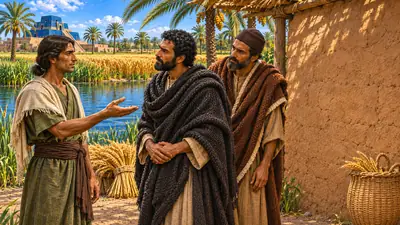
Dumuzi dit à son ami qu’il se cacherait dans l’herbe, puis dans l’herbe rase, dans les hautes herbes et dans les fossés d’Arali. À chaque lieu nommé, il lui demanda de garder le secret.
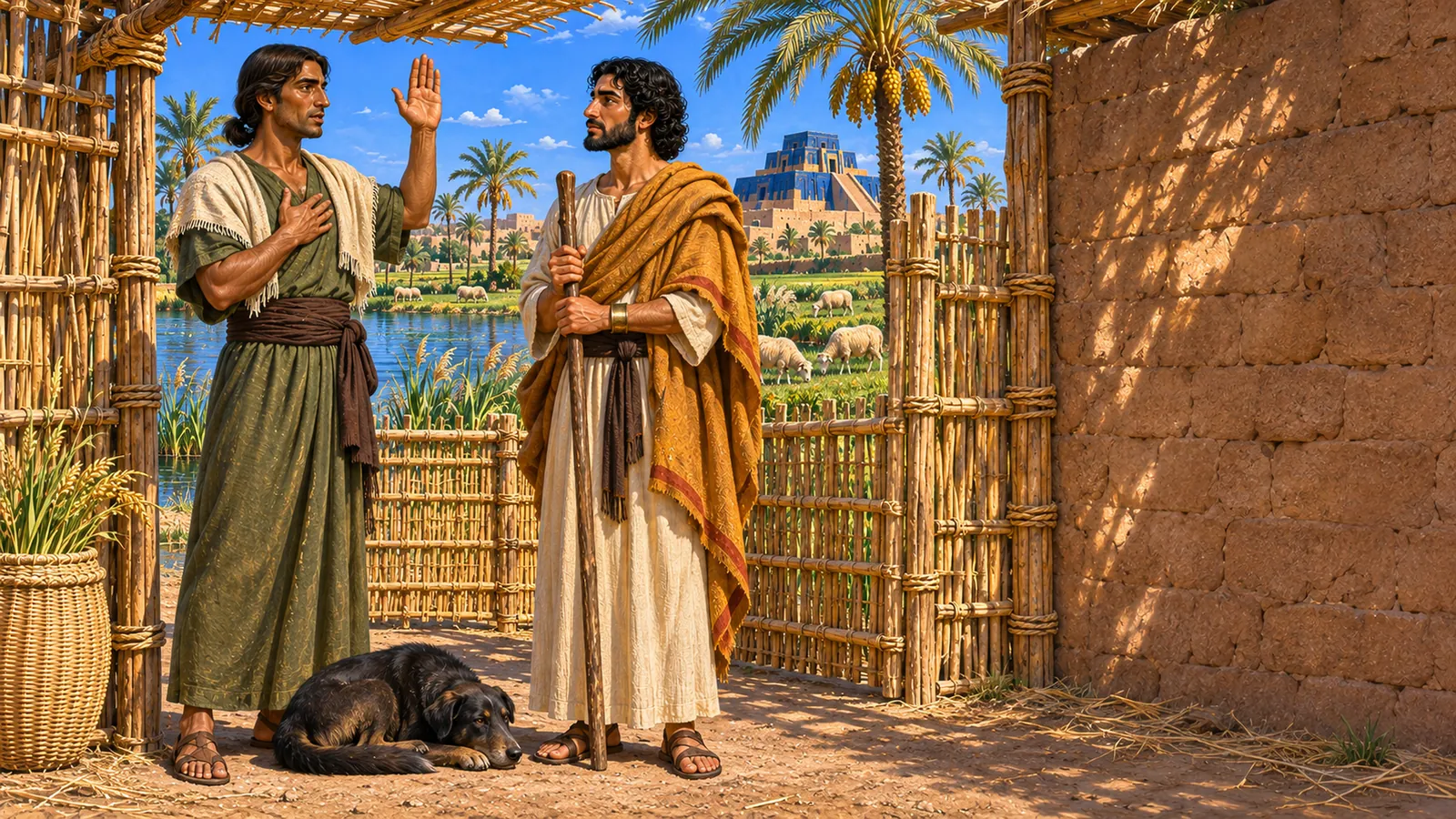
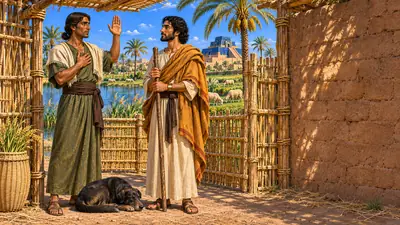
Son ami jura que, s’il révélait la cachette, le propre chien de berger noir de Dumuzi le dévorerait.
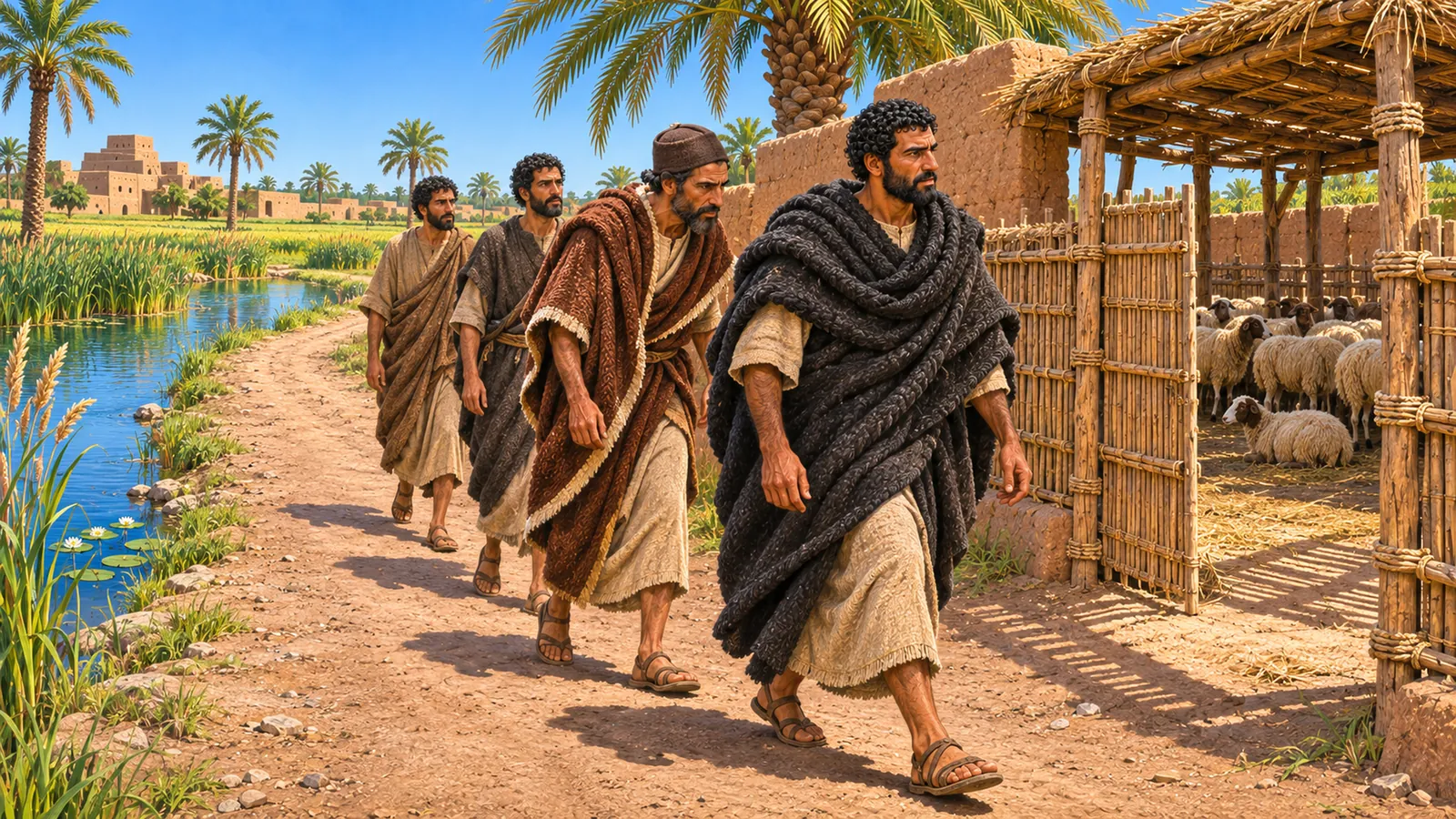
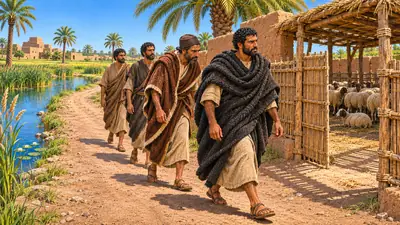
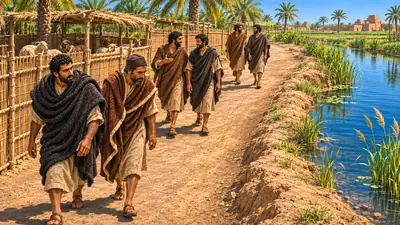
Une étrange troupe vint chercher le roi. Le poème dit qu’ils ne connaissaient ni la nourriture ni la boisson. Ils n’acceptaient aucun cadeau et ignoraient les étreintes des épouses et les baisers donnés aux enfants.
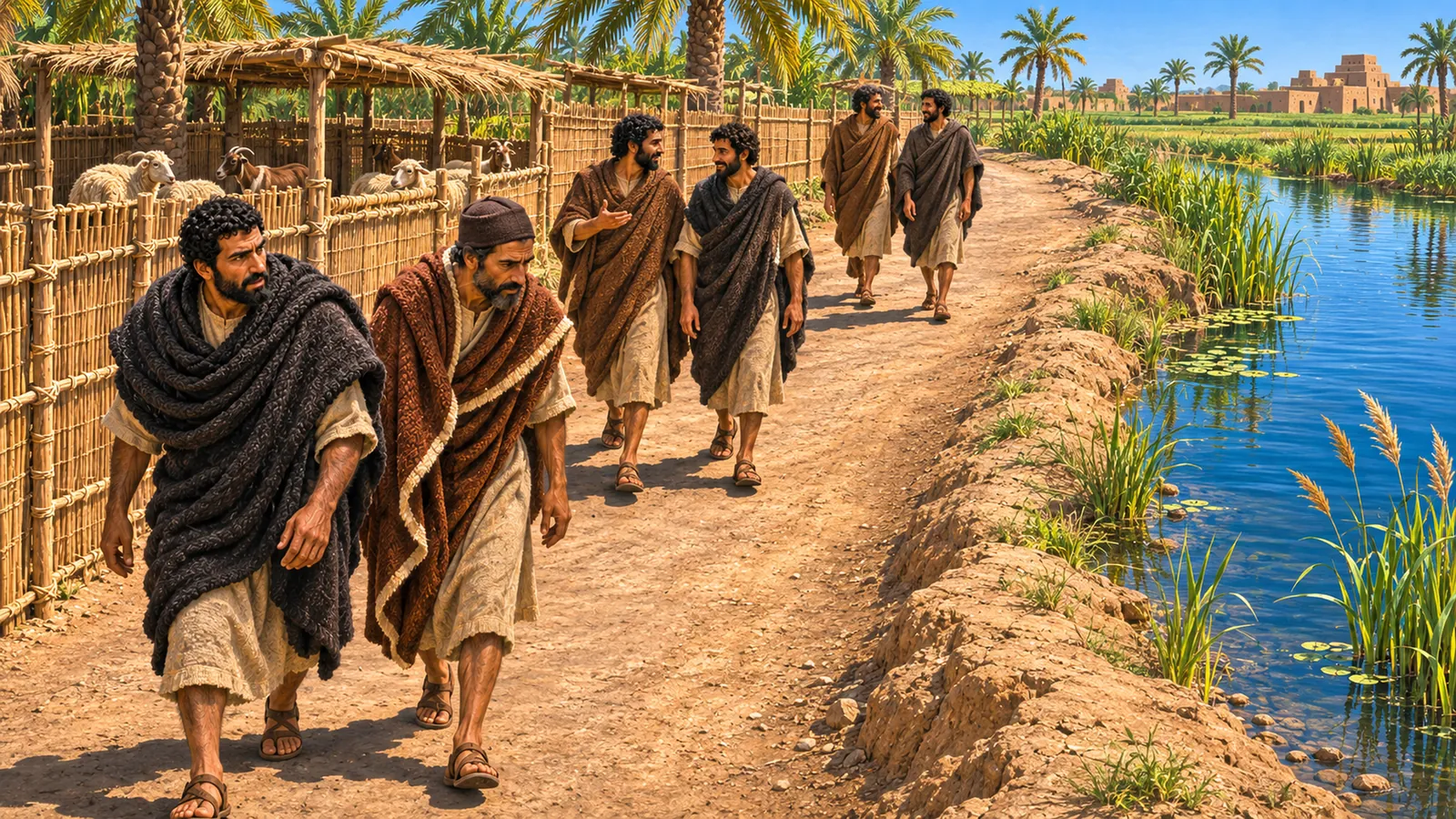
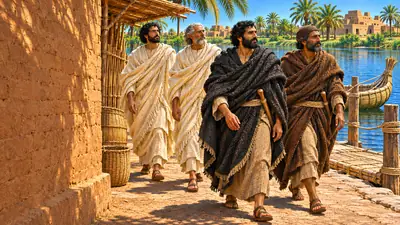
Deux hommes d’Adab vinrent chercher le roi. Le poème les compare à des chardons et à des épines. Deux hommes d’Akšak portaient un objet que le texte ne permet plus d’identifier, puis deux autres vinrent d’Uruk.
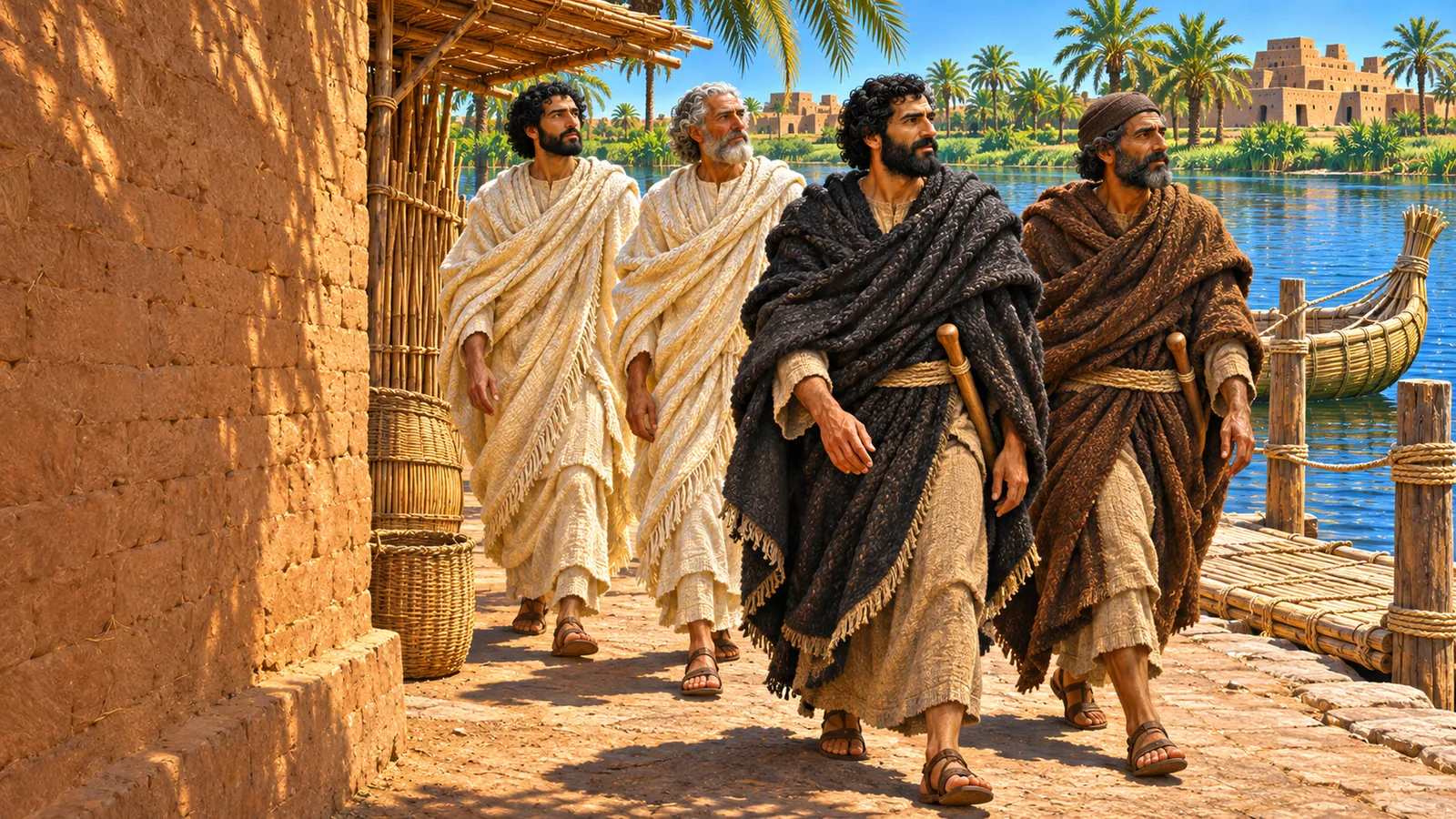
Deux hommes d’Ur vinrent avec des massues à la ceinture. Deux hommes de Nippur arrivèrent, leurs vêtements brillants sur le quai.
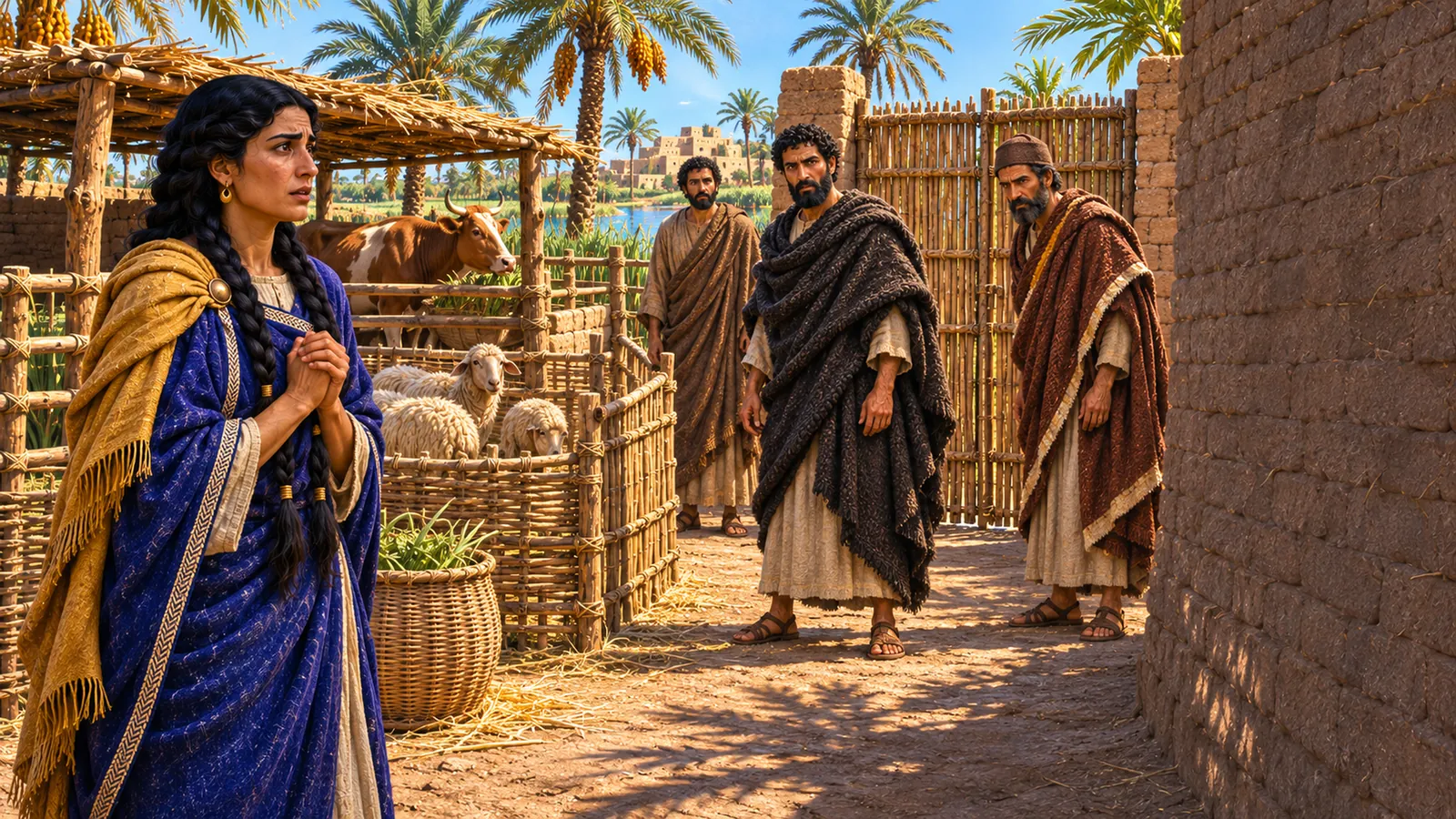
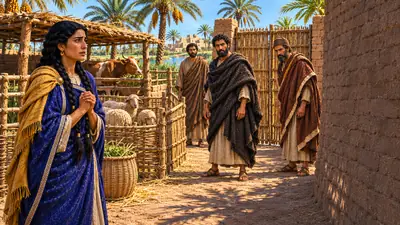
La troupe cria qu’un homme devait en poursuivre un autre. Ils gagnèrent la bergerie et l’enclos à bétail, où ils saisirent Geštinanna.
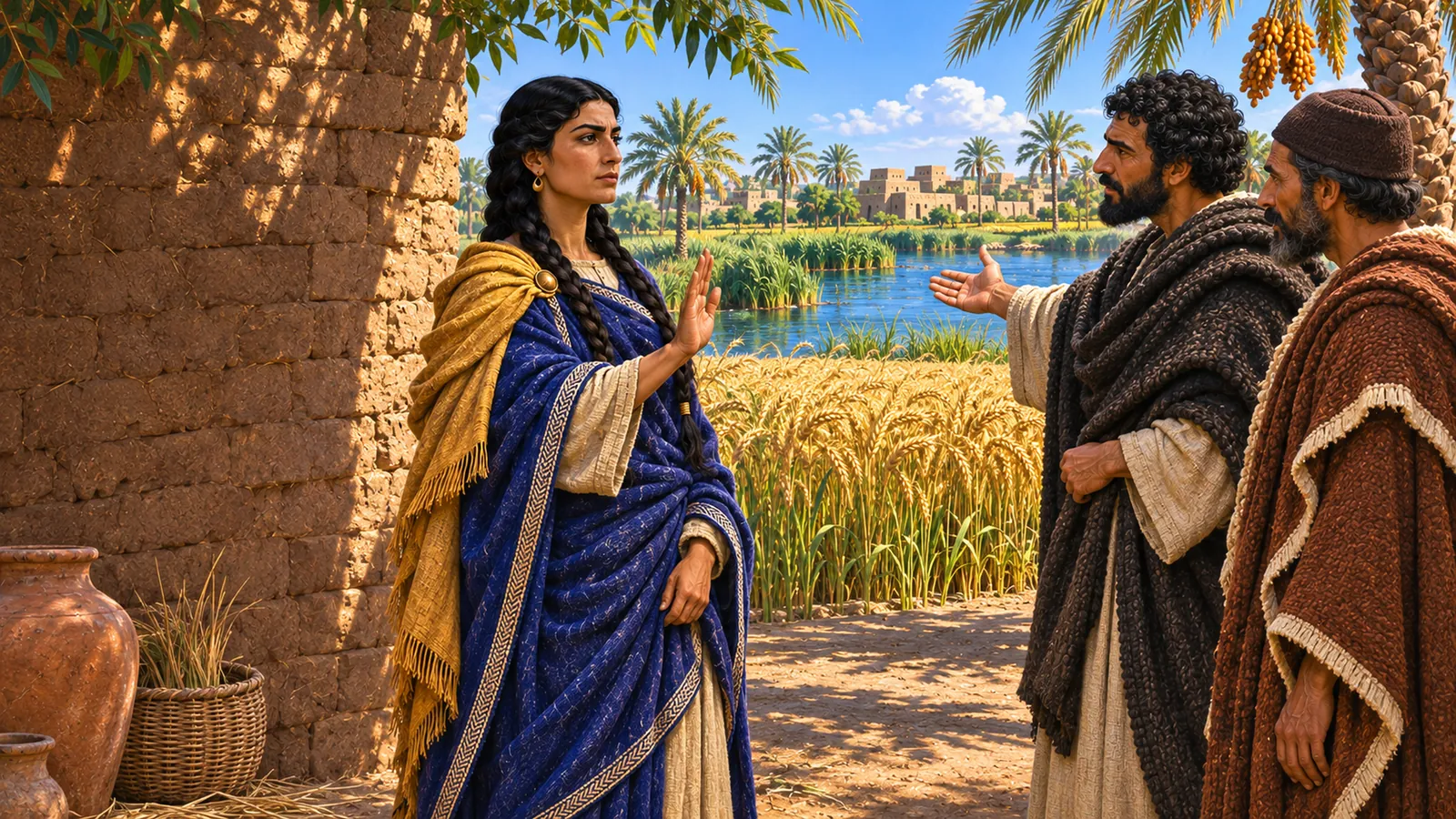
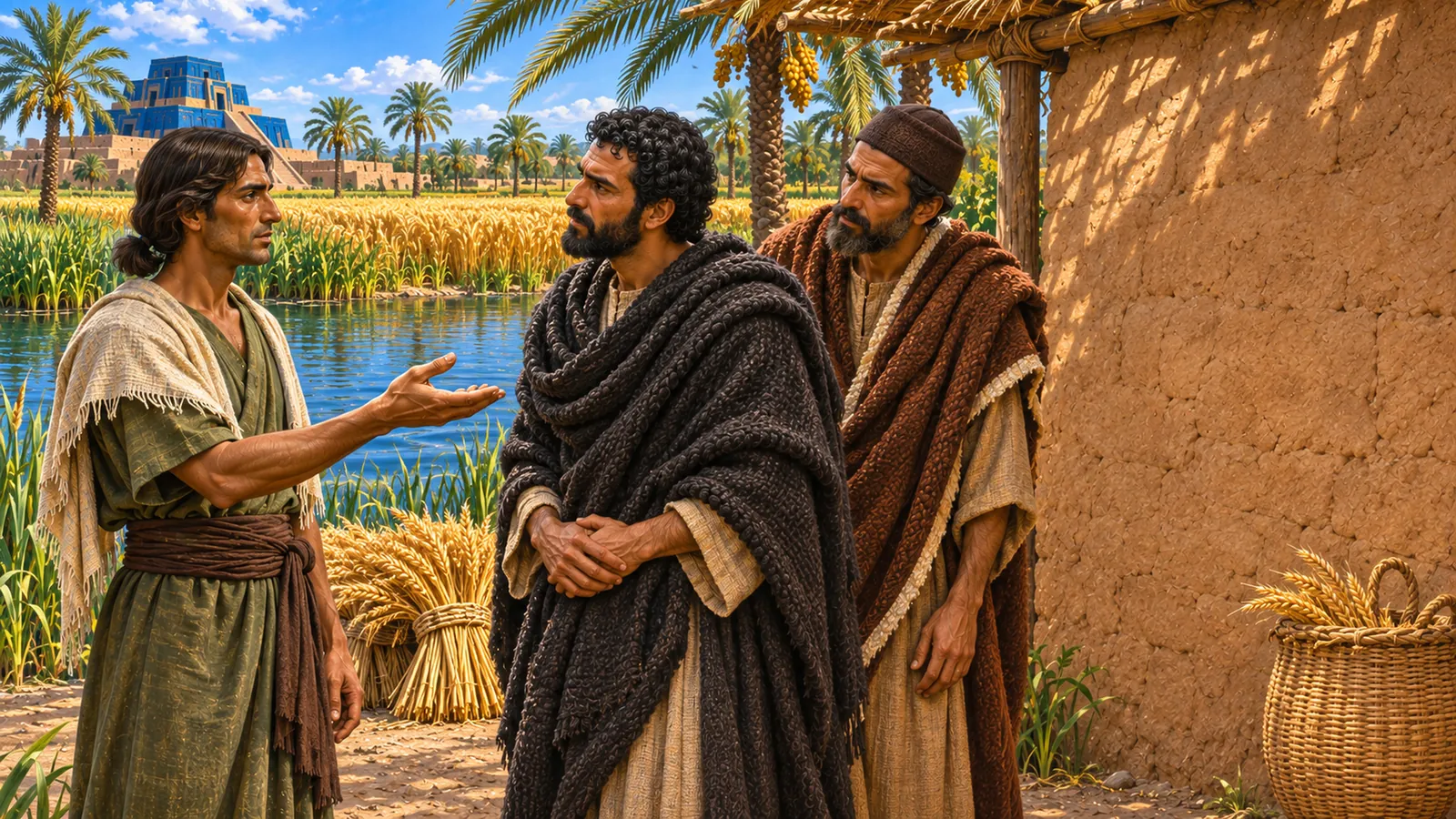
Ils offrirent à Geštinanna une rivière d’eau et un champ de céréales. Elle refusa les deux. Le poème décrit un échange entre les démons avant leurs paroles suivantes, mais une partie du passage est endommagée.
TRAHISON
Ils demandèrent si quelqu’un avait jamais vu une sœur révéler la cachette de son frère. Puis ils se tournèrent vers l’ami de Dumuzi. Quand ils lui offrirent la rivière et le champ de céréales, il accepta les deux.
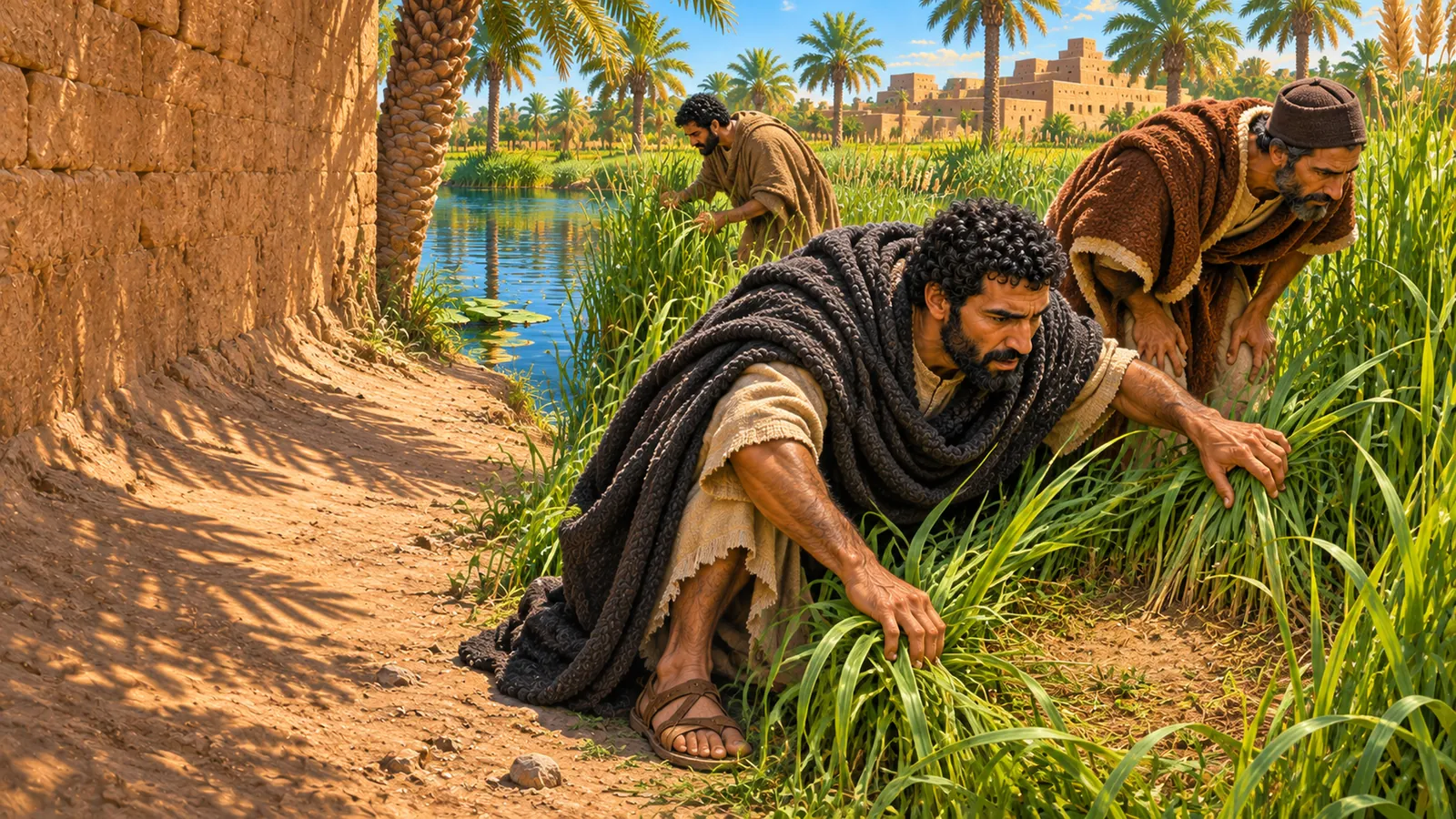
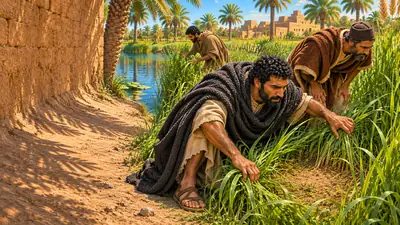
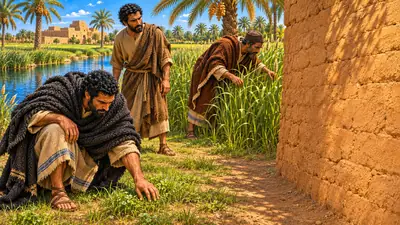
Son ami dit que Dumuzi s’était caché dans l’herbe, mais affirma qu’il ignorait à quel endroit. Ils fouillèrent l’herbe sans le trouver.
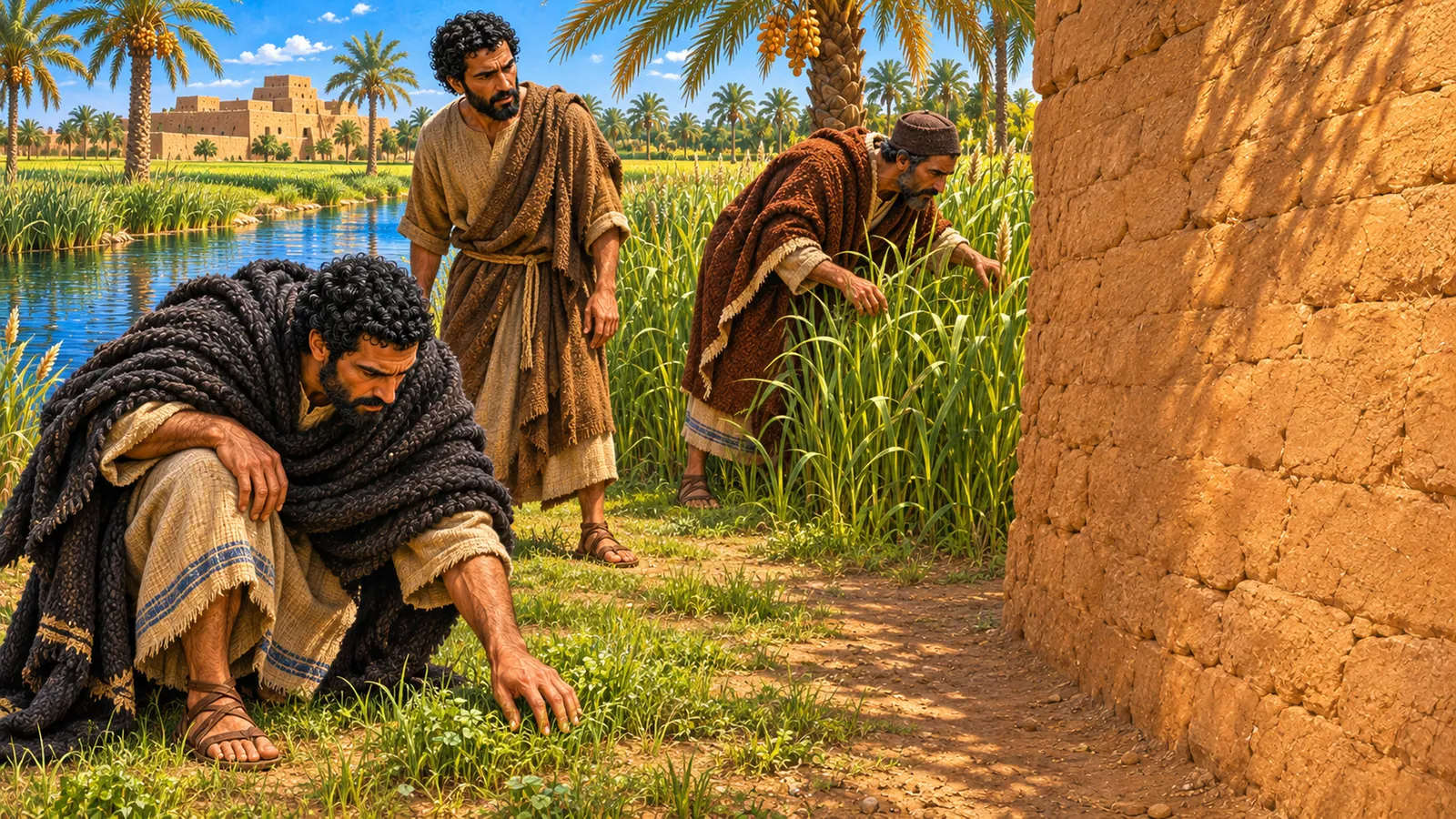
Il parla ensuite de l’herbe rase, puis des hautes herbes. Chaque fois, il dit qu’il ignorait où Dumuzi se trouvait exactement. Ils fouillèrent les deux endroits sans trouver personne.
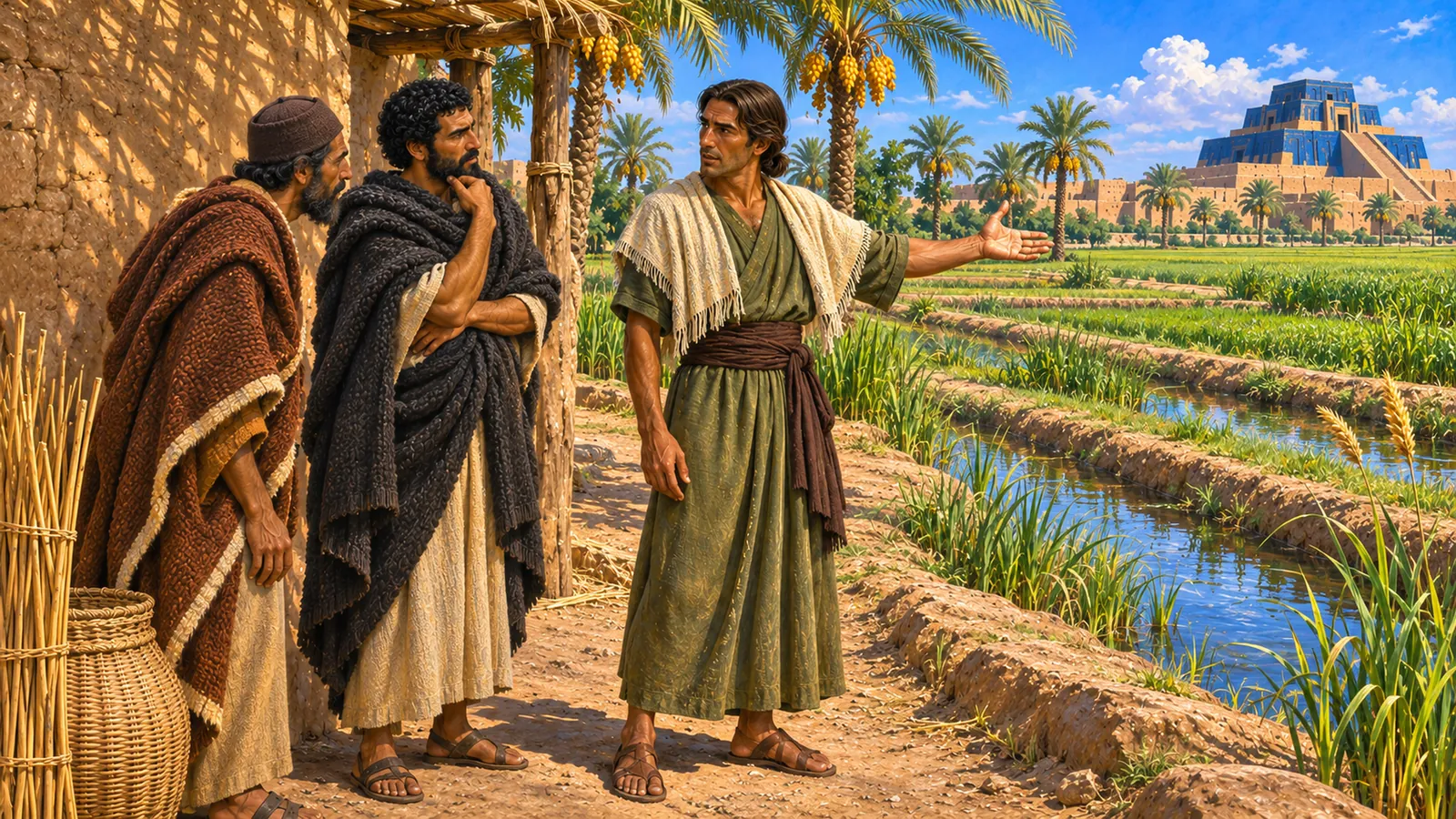
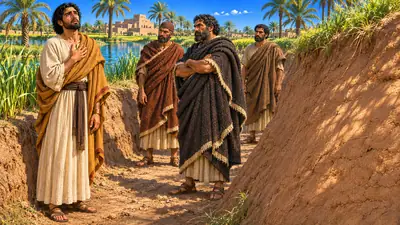
L’ami finit par dire que Dumuzi était descendu dans les fossés d’Arali. Une fois encore, il affirma qu’il ignorait où il se trouvait exactement.
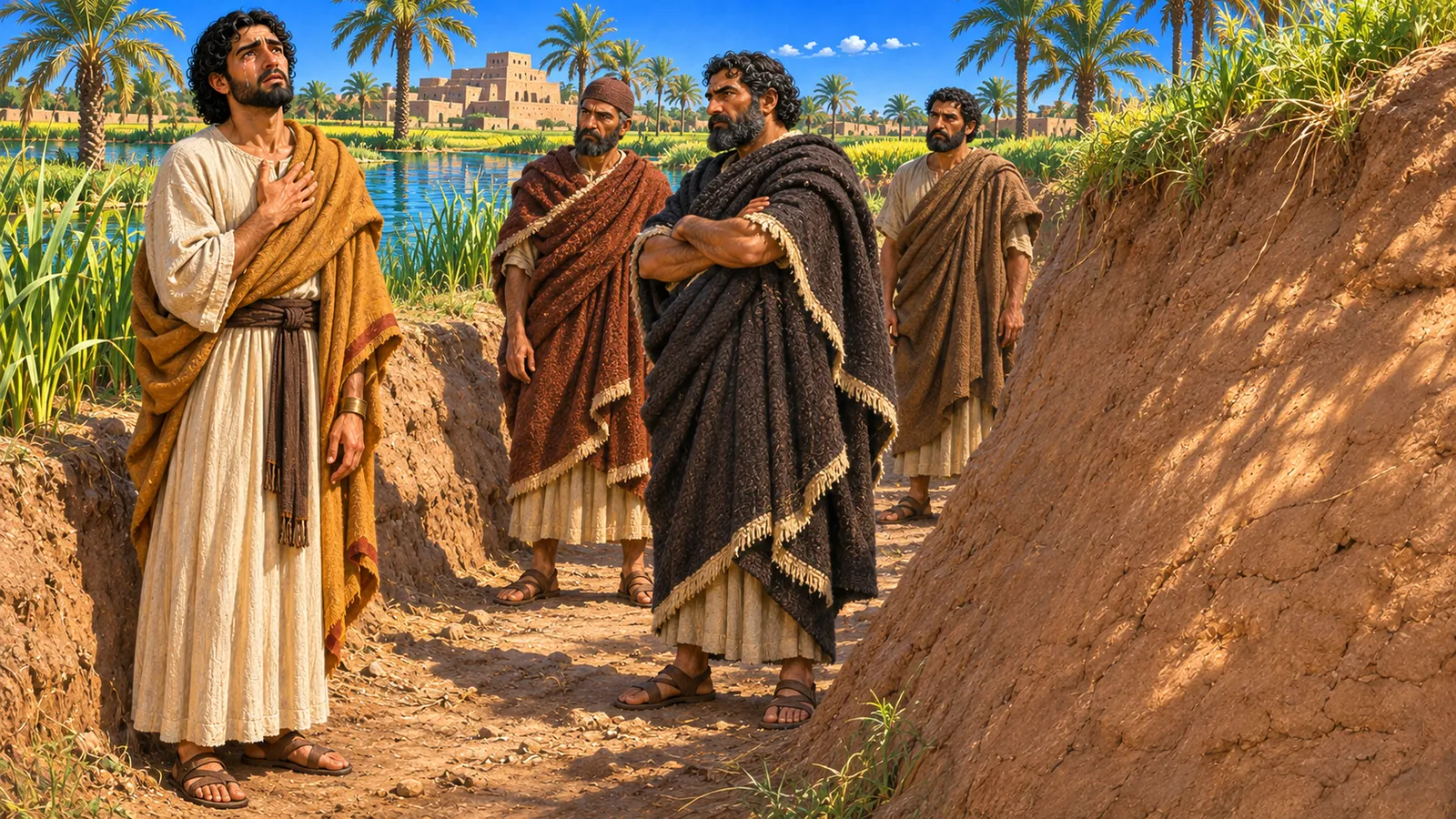
Ils saisirent Dumuzi dans les fossés d’Arali. Il pleura et pâlit. Il dit que sa sœur lui avait sauvé la vie en ville et que son ami avait causé sa mort.
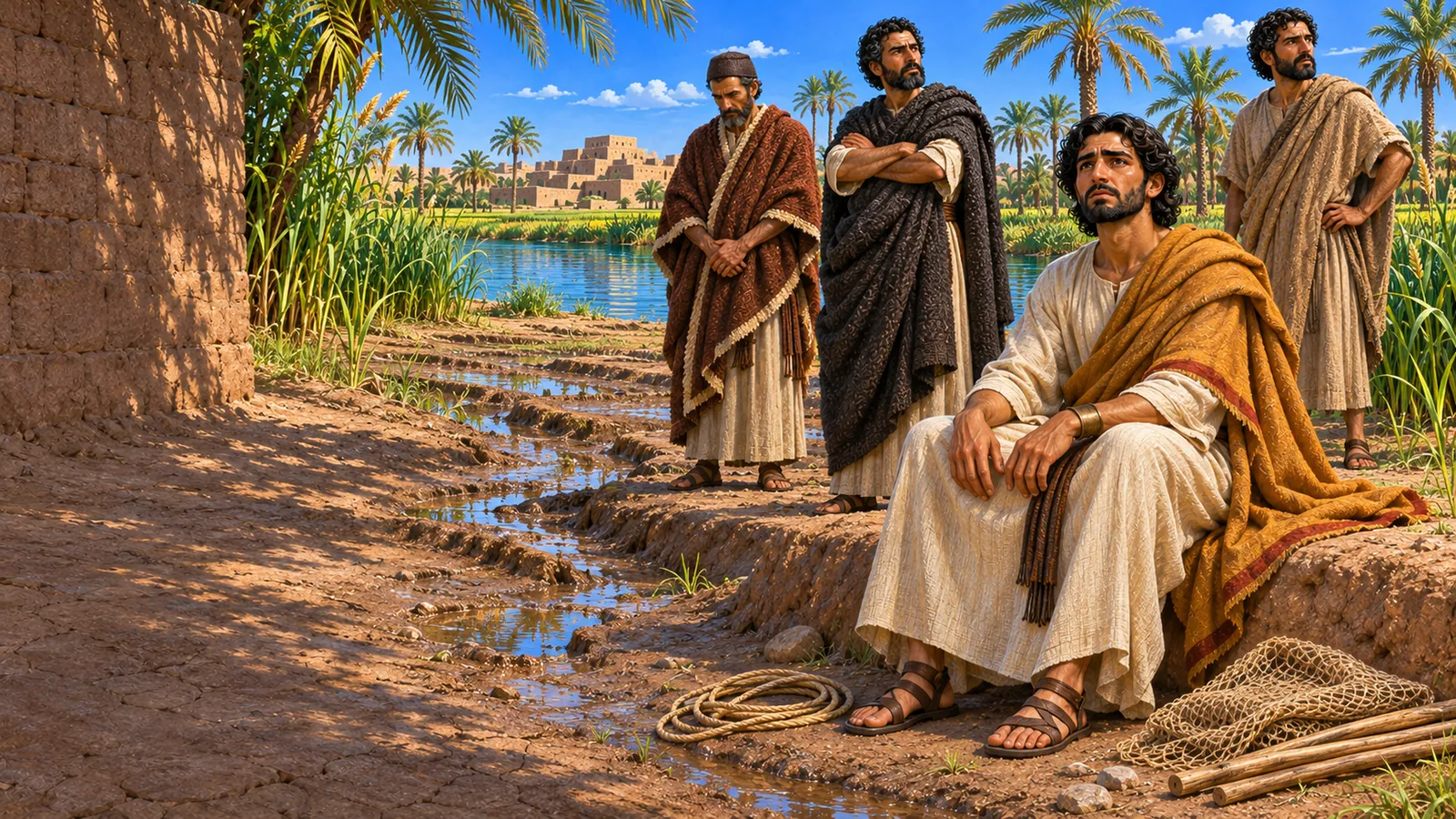
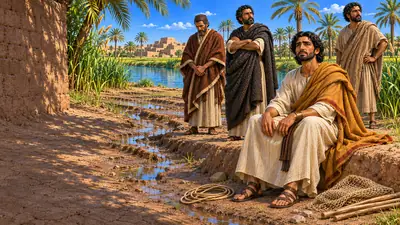
Les hommes entourèrent Dumuzi et vidèrent l’eau stagnante. Ils préparèrent des cordes, un filet et des bâtons, et l’homme devant lui lança des projectiles. Les mots qui concernent l’homme derrière lui sont incomplets.
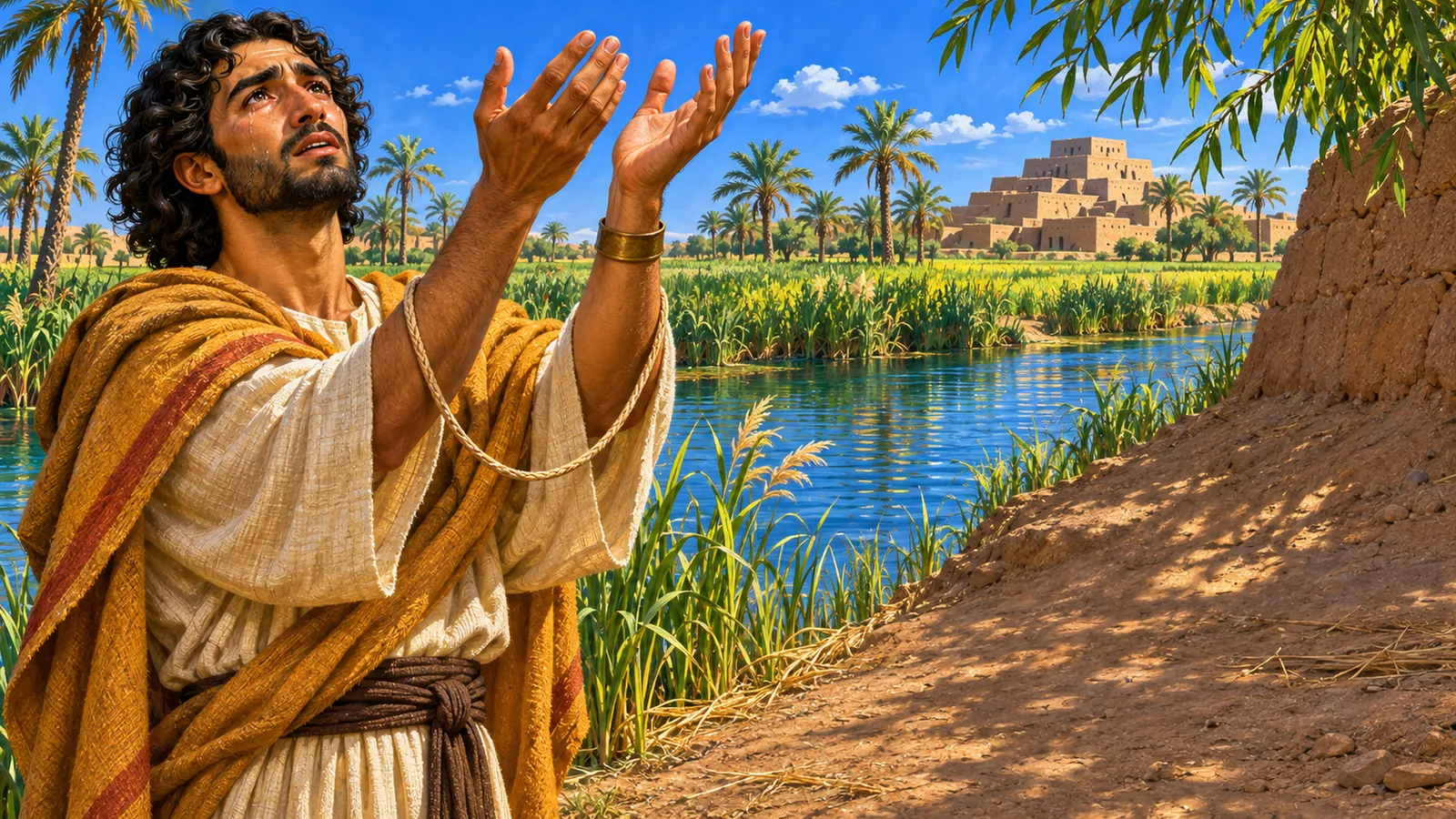
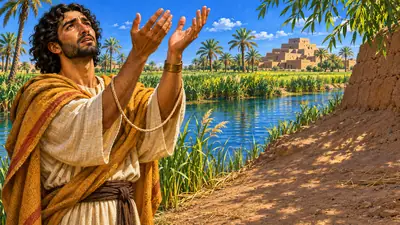
Ils lièrent les mains et les bras de Dumuzi. Il leva les mains vers le ciel pour implorer Utu.
Fin du chapitre 1
Toutes les pages


Sources
Each page follows a part of the source group printed next to it. The Oxford translation prints Dumuzid and Jectin-ana for the names rendered here as Dumuzi and Geštinanna. In lines 83–86 it also calls her Ama-jectin-ana. Geštindudu is her companion.
Éditions consultées
Notes sur ce récit
Pages 1–2 (lines 1–4). The poem repeats the young shepherd’s grief three times. One manuscript specifies a shepherd’s stick. Page 2 uses that reading.
Pages 3–5 (lines 5–14). The translation has a break before its mention of river crabs. The retelling keeps the animals named in the surviving words and condenses the calls to the countryside. Five and ten belong to Dumuzi’s repeated call about his mother Durtur. The poem supplies no list of what she will call about. Dumuzi imagines his death within his speech.
Pages 6–7 (lines 15–18). The repeated opening formula frames the shepherd lying down to dream. Waking, trembling and rubbing his eyes all precede his call for his sister.
Pages 8–9 (lines 19–25). Dumuzi repeatedly calls for Geštinanna and names her skills as a scribe, a singer and a knowledgeable interpreter of dreams. The retelling condenses his repeated calls and titles.
Pages 10–13 (lines 26–39). The dream gives the growth of rushes, the shake of a single reed, the separation of one of a pair, rising trees, water poured over the sacred coals, a removed churn lid, a cup torn from its peg and the disappearance of the shepherd’s staff in that order. One manuscript reads “brazier” where the composite reads “coals.” Page 12 follows the composite.
Page 14 (lines 26–39). The translation queries the bird identified as an owl. The retelling preserves that uncertainty and states both predation events as part of Dumuzi’s dream.
Pages 15–16 (lines 26–39). The goats drag their dark beards in the dust and the rams scrape the earth. The concluding lines of the dream give the overturned churns, the milk left unpoured, the cups on their sides, Dumuzi’s death and the haunted sheepfold. The dream report ends on page 16. The printed Oxford translation proceeds from 26–39 to 41–55, with no line 40 printed.
Pages 17–22 (lines 41–55). Page 17 has the unfavorable verdict and the repeated request to hear no more. Page 18 pairs growing rushes with an ambush, page 19 the single reed with the mother, page 20 two reeds with the siblings’ separation, and page 21 rising trees with the hostile men catching Dumuzi within the walls. Page 22 pairs water over the coals with the sheepfold’s silence and the lifted churn cover with a hostile man carrying it inside. The corresponding earlier dream report (26–39) gives “brazier” in one manuscript in place of “holy coals.” Oxford prints no line 40 between the report and the interpretation.
Pages 23–28 (lines 56–69). Page 24 gives the missing staff and the prediction the demons will burn it. One manuscript reads that they will smash it. Page 25 keeps Oxford’s uncertain owl identification and the prediction of a blow to the cheek. One manuscript gives destruction of the sheep house in place of that blow. Page 26 gives the falcon and sparrow, and the great demon that will come down from the sheep house. One manuscript reads “out” for the direction. Page 27 keeps the overturned vessels, unpoured milk, death and haunting inside the report of the dream, with bound hands and arms as her interpretation. Page 28 gives the goats and rams as signs of her predicted mourning. The source compares her nails to a boxwood needle.
Pages 29–31 (lines 70–82). Pages 29–30 split the repeated invitation to go up the mound from Dumuzi’s instructions in the language of lament. The composite speaks of lacerating heart, liver, clothing and crotch. One manuscript reads “hair” instead of “heart.” Page 31 gives his warning about the binders. Oxford prints gaps around the reference to a river barge and marks identification from the wooden neck restraint uncertain. The ensuing ascent and looking around occur on page 32.
Page 32 (lines 83–86). Geštinanna climbs the mound and looks, and her friend Geštindudu says the men who bind necks are already coming. Their approach is reported in the friend’s speech. The fragment before the repeated “coming for him” remains unfilled.
Page 33 (lines 87–90). Geštinanna asks about the approaching pursuers. Geštindudu says she will point out the binders, and Geštinanna twice warns Dumuzi of the approaching demons and tells him to duck down in the grass.
Page 34 (lines 91–94). Dumuzi names grass, short grass, tall grass and the ditches of Arali, asking repeatedly that his sister keep his whereabouts private. These are his stated intentions at this point.
Page 35 (lines 95–97). Geštinanna’s imprecation names Dumuzi’s black shepherd dog and wishes it would devour her if she revealed his whereabouts. The source calls the dog noble and lordly. The imprecation is the condition of a spoken oath.
Page 36 (lines 98–102). Oxford marks “remembered” and “demons” uncertain and prints gaps around the phrasing about giving the friend instructions, the comparison for the kind of companion she wishes he would never have, and the end of the search passage.
On pages 37–38, Dumuzi names grass, short grass, tall grass and the ditches of Arali, asking his friend to conceal his whereabouts each time. The friend calls down the black shepherd dog upon himself if he reveals the hiding place. This is an oath in the friend’s speech (ETCSL 1.4.3, 103–109).
On pages 39–41, the poem says that the people seeking the king neither drink poured water nor eat sprinkled flour, garlic, fish or leeks. It describes the men of Adab as thistles and thorns and alludes to a proverb about a hand on the table and a tongue in the palace. The object carried on the shoulders of the men of Akšak is lost. Uruk, Ur and Nippur are the usual English forms of Oxford’s Unug, Urim and Nibru, and Akšak is Akcak in the Oxford text. One manuscript calls the clothing of the men from Nippur “clean” where the edition otherwise reads “shining” (110–138).
Page 41 (ETCSL 1.4.3, lines 110–138).
On pages 42–43, the company takes Geštinanna at the sheepfold and cattle pen and offers her a river of water and a field of grain. She refuses both. Parts of the comparisons in the exchange among the demons are lost (110–138).
On pages 44–47, the company turns to the friend, who accepts both offers. He gives the four places in order and each time denies knowing Dumuzi’s whereabouts. The searches in the grass, the short grass and the tall grass all fail. One manuscript adds a repetition in the first disclosure that explicitly names Dumuzi. The capture in the ditches belongs to the following passage (139–150 and 151–155).
On page 48, the captured Dumuzi weeps and pales. His claim that his friend caused his death is his speech at the capture. He contrasts affection owed to a child left in the street by a sister with the treatment of one left there by a friend. Oxford marks “leaves” as uncertain in both clauses (151–155).
On page 49, the men surround Dumuzi, drain the standing water and prepare cord, a net, a reed hawser and sticks. The man in front throws projectiles. The words describing the man behind him are damaged and a measure of one cubit survives without a clear action (156–164).
On page 50, the translation names handcuffs and fetters on Dumuzi’s hands and arms. He raises his hands heavenward to Utu.
Les vers antiques de chaque page
- Page 1: ETCSL 1.4.3, lines 1–4
- Page 2: ETCSL 1.4.3, lines 1–4
- Page 3: ETCSL 1.4.3, lines 5–14
The broad left is even silvery gray-green water with no horizontal bank line within the box. - Page 4: ETCSL 1.4.3, lines 5–14
- Page 5: ETCSL 1.4.3, lines 5–14
- Page 6: ETCSL 1.4.3, lines 15–18
- Page 7: ETCSL 1.4.3, lines 15–18
- Page 8: ETCSL 1.4.3, lines 19–25
A palm-sized blank, smooth clay tablet and a short reed stylus lie flat on a low storage shelf at the far lower left, with no signs or marks on the clay. - Page 9: ETCSL 1.4.3, lines 19–25
- Page 10: ETCSL 1.4.3, lines 26–39
- Page 11: ETCSL 1.4.3, lines 26–39
- Page 12: ETCSL 1.4.3, lines 26–39
- Page 13: ETCSL 1.4.3, lines 26–39
- Page 14: ETCSL 1.4.3, lines 26–39
- Page 15: ETCSL 1.4.3, lines 26–39
The whole left is a continuous matte tan field without fence lines or tracks. - Page 16: ETCSL 1.4.3, lines 26–39
- Page 17: ETCSL 1.4.3, lines 41–55
- Page 18: ETCSL 1.4.3, lines 41–55
- Page 19: ETCSL 1.4.3, lines 41–55
- Page 20: ETCSL 1.4.3, lines 41–55
- Page 21: ETCSL 1.4.3, lines 41–55
- Page 22: ETCSL 1.4.3, lines 41–55
- Page 23: ETCSL 1.4.3, lines 56–69
- Page 24: ETCSL 1.4.3, lines 56–69
- Page 25: ETCSL 1.4.3, lines 56–69
- Page 26: ETCSL 1.4.3, lines 56–69
Quiet open sediment-colored air on the left with no fence lines. - Page 27: ETCSL 1.4.3, lines 56–69
- Page 28: ETCSL 1.4.3, lines 56–69
- Page 29: ETCSL 1.4.3, lines 70–82
- Page 30: ETCSL 1.4.3, lines 70–82
- Page 31: ETCSL 1.4.3, lines 70–82
- Page 32: ETCSL 1.4.3, lines 83–86
- Page 33: ETCSL 1.4.3, lines 87–90
- Page 34: ETCSL 1.4.3, lines 91–94
- Page 35: ETCSL 1.4.3, lines 95–97
- Page 36: ETCSL 1.4.3, lines 98–102
The break is natural terrain, with no manuscript, lettering, hidden person, actors or applied marks. - Page 37: ETCSL 1.4.3, lines 103–106
- Page 38: ETCSL 1.4.3, lines 107–109
- Page 39: ETCSL 1.4.3, lines 110–138
- Page 40: ETCSL 1.4.3, lines 110–138
Across the whole right box, the dried water bed recedes as even warm gray earth with no horizon line or vegetation. - Page 41: ETCSL 1.4.3, lines 110–138
- Page 42: ETCSL 1.4.3, lines 110–138
- Page 43: ETCSL 1.4.3, lines 110–138
- Page 44: ETCSL 1.4.3, lines 139–150
- Page 45: ETCSL 1.4.3, lines 139–150
- Page 46: ETCSL 1.4.3, lines 139–150
- Page 47: ETCSL 1.4.3, lines 139–150
- Page 48: ETCSL 1.4.3, lines 151–155
- Page 49: ETCSL 1.4.3, lines 156–164
- Page 50: ETCSL 1.4.3, lines 156–164
Illustrations réalisées par IL Archive avec des outils d’IA ; le texte s’appuie sur les sources antiques (voir les sources à la fin de chaque chapitre).