Le Rêve de Dumuzi Chapitre 2
La Dernière Bergerie
Dumuzi implore Utu, change de forme et s’échappe, mais ses poursuivants le retrouvent à plusieurs reprises, jusque chez la vieille Belili. Il atteint enfin la bergerie de Geštinanna. Ses poursuivants entrent, et le poème se termine par un chant pour Dumuzi mort.
SourcesTournez les pages avec les flèches, le clavier ou en balayant l’écran.
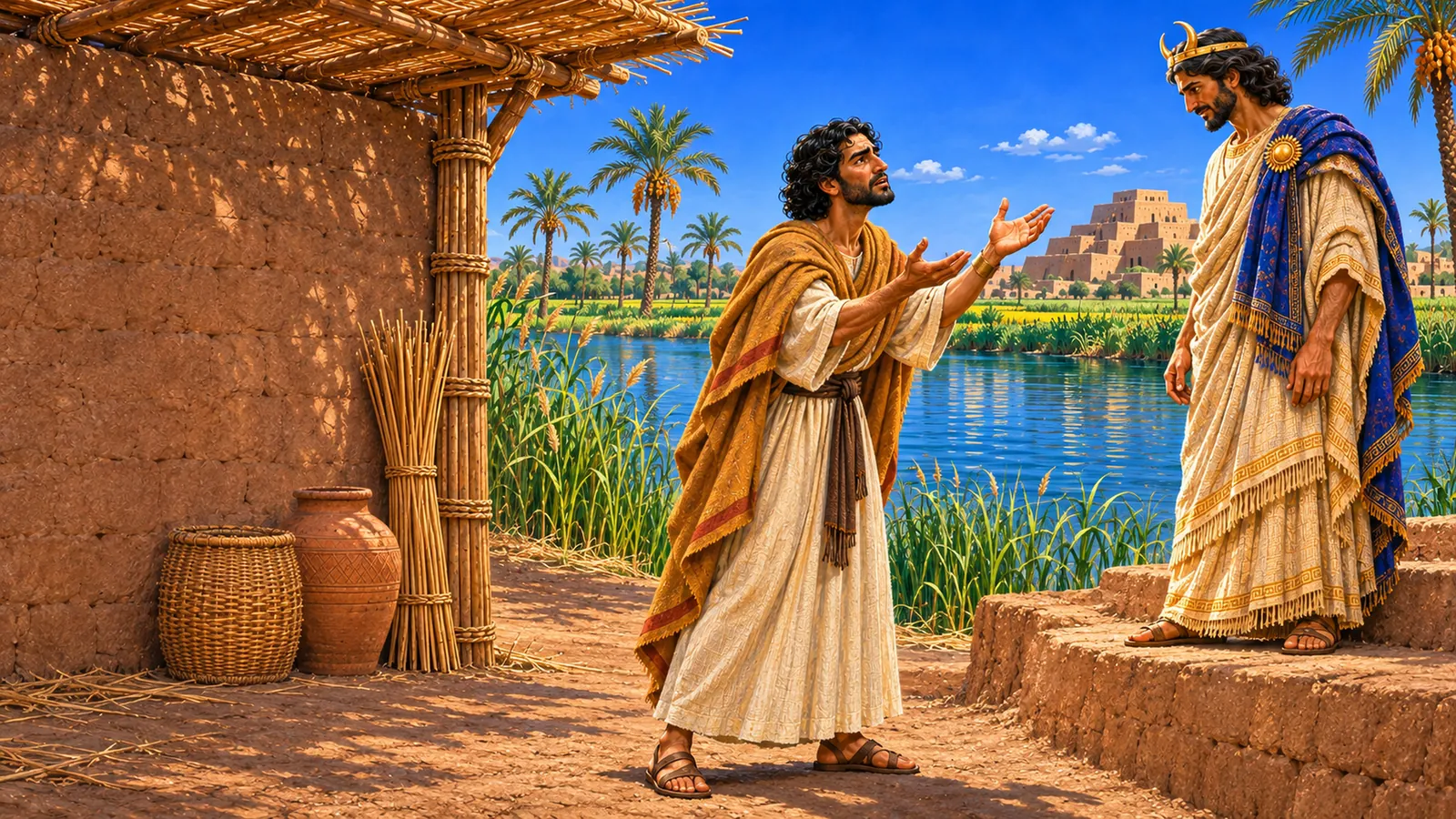
LA DERNIÈRE BERGERIE
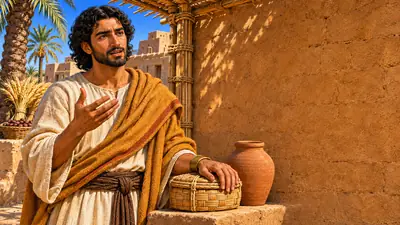
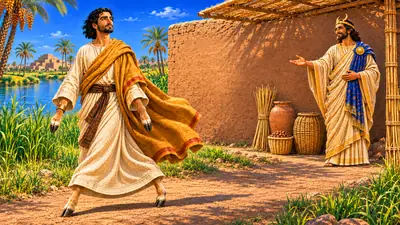
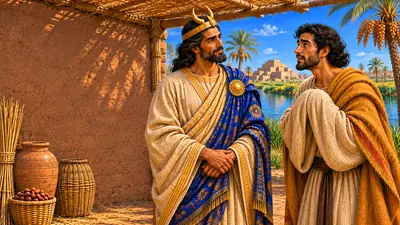
« Utu, tu es mon beau-frère. Je suis le mari de ta sœur », cria Dumuzi dans sa détresse.
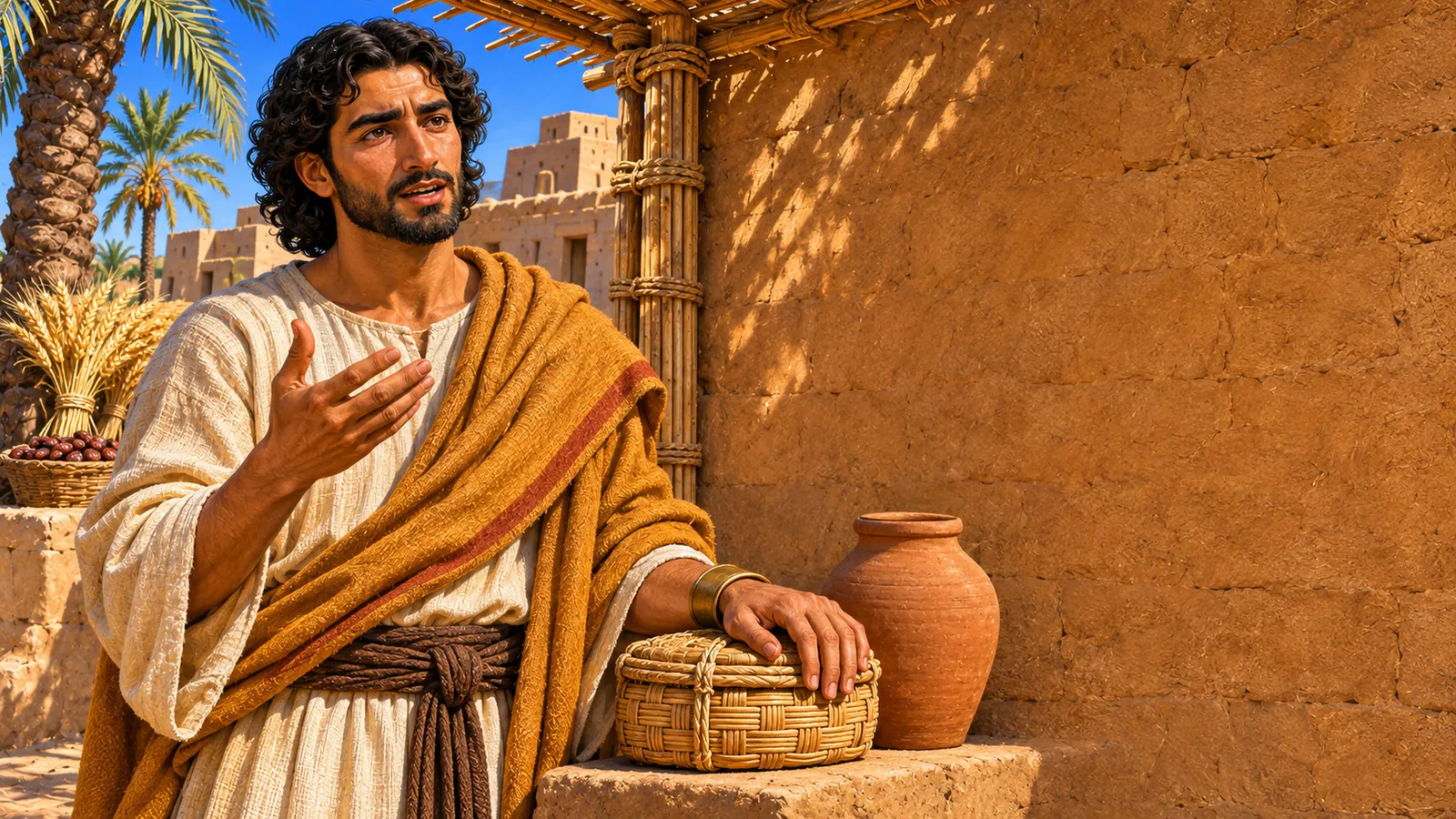
Dumuzi parla de la nourriture qu’il portait à Eanna et des présents de mariage qu’il avait apportés à Uruk.
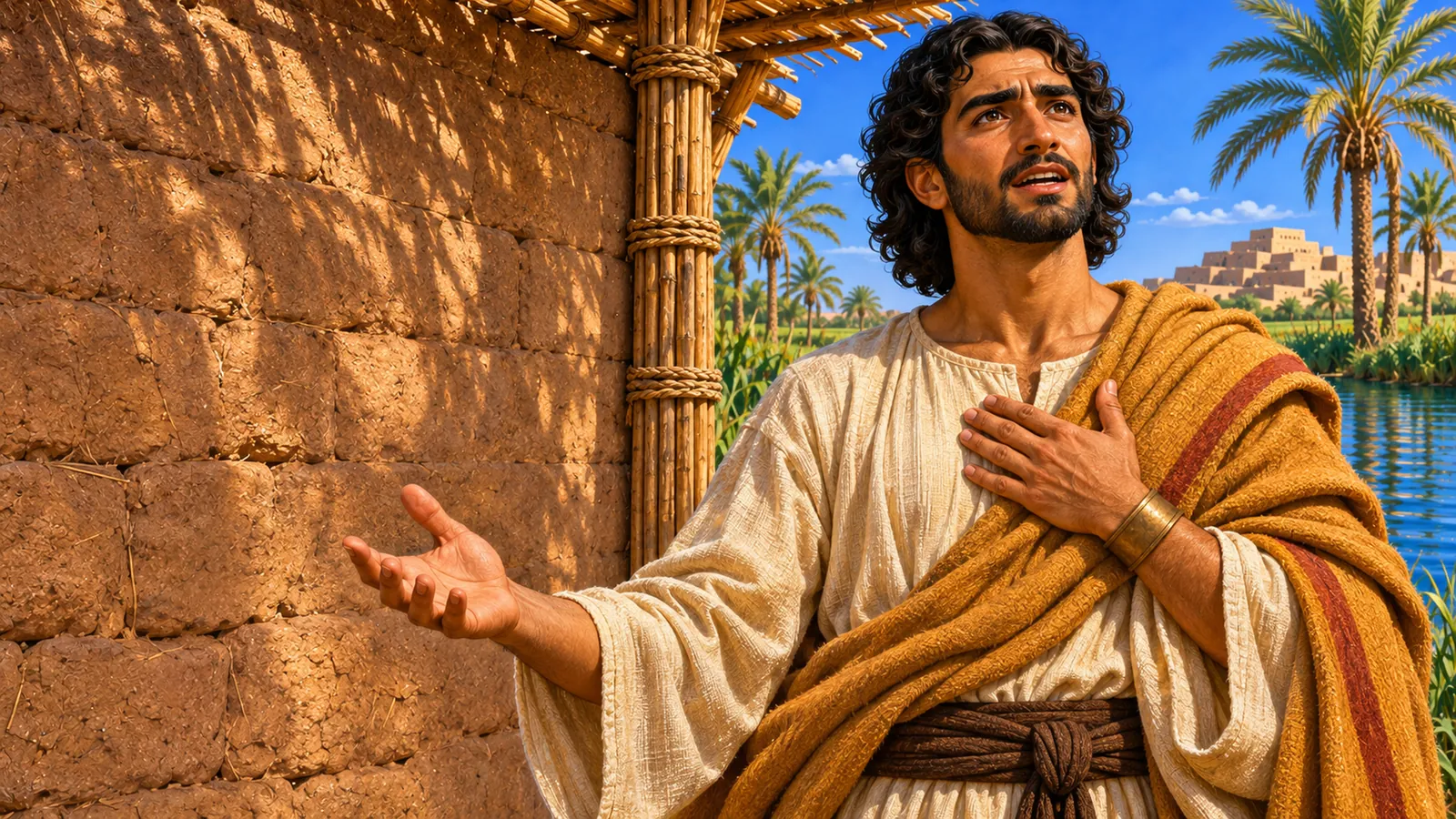
Dumuzi dit que c’était lui qui embrassait les lèvres sacrées d’Inanna et dansait sur ses genoux sacrés.
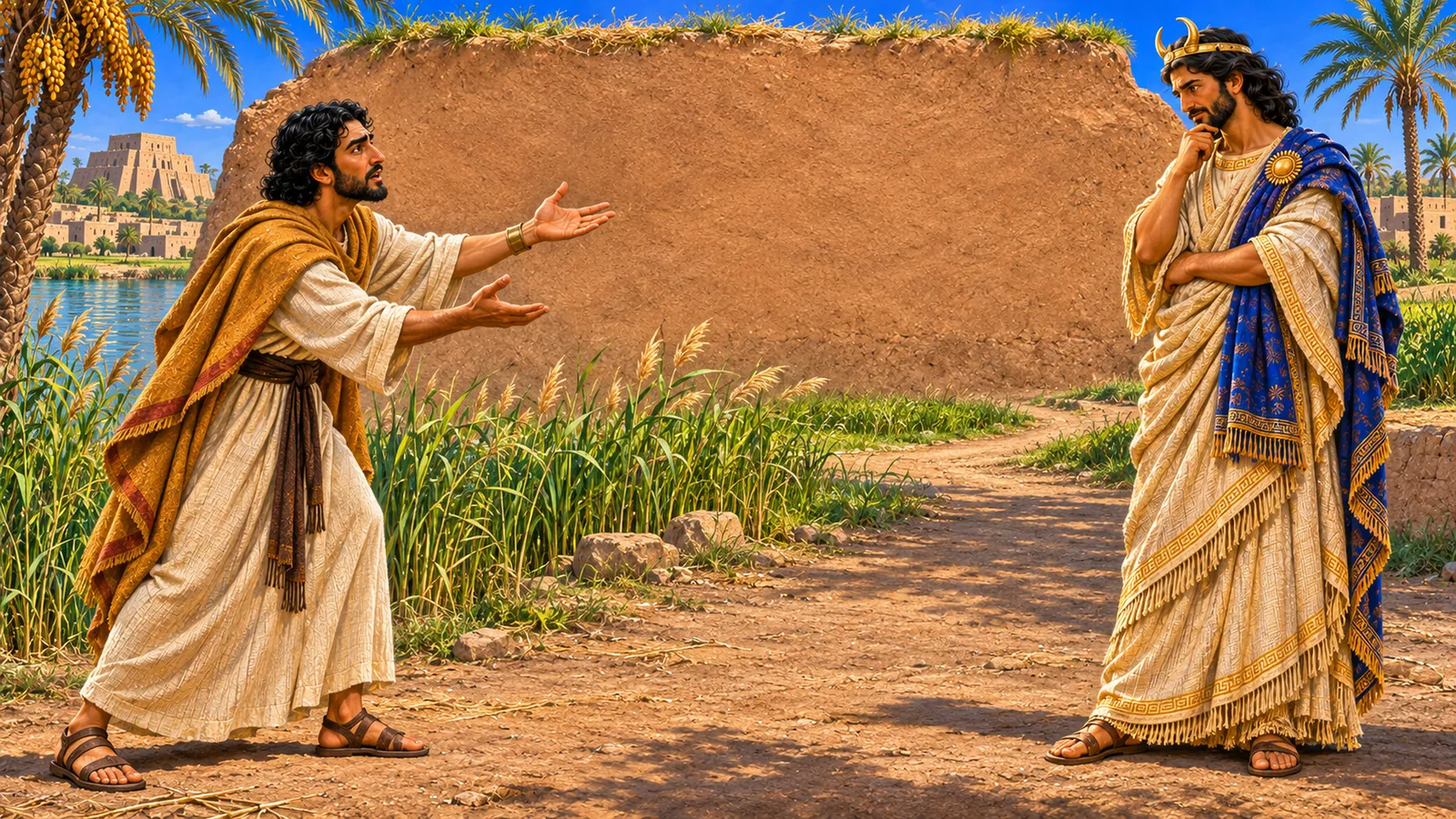
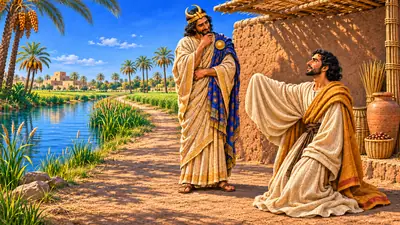
Il demanda à Utu de lui changer les mains et les pieds en pattes de gazelle pour échapper aux démons et atteindre Ku-bireš-dildareš vivant.
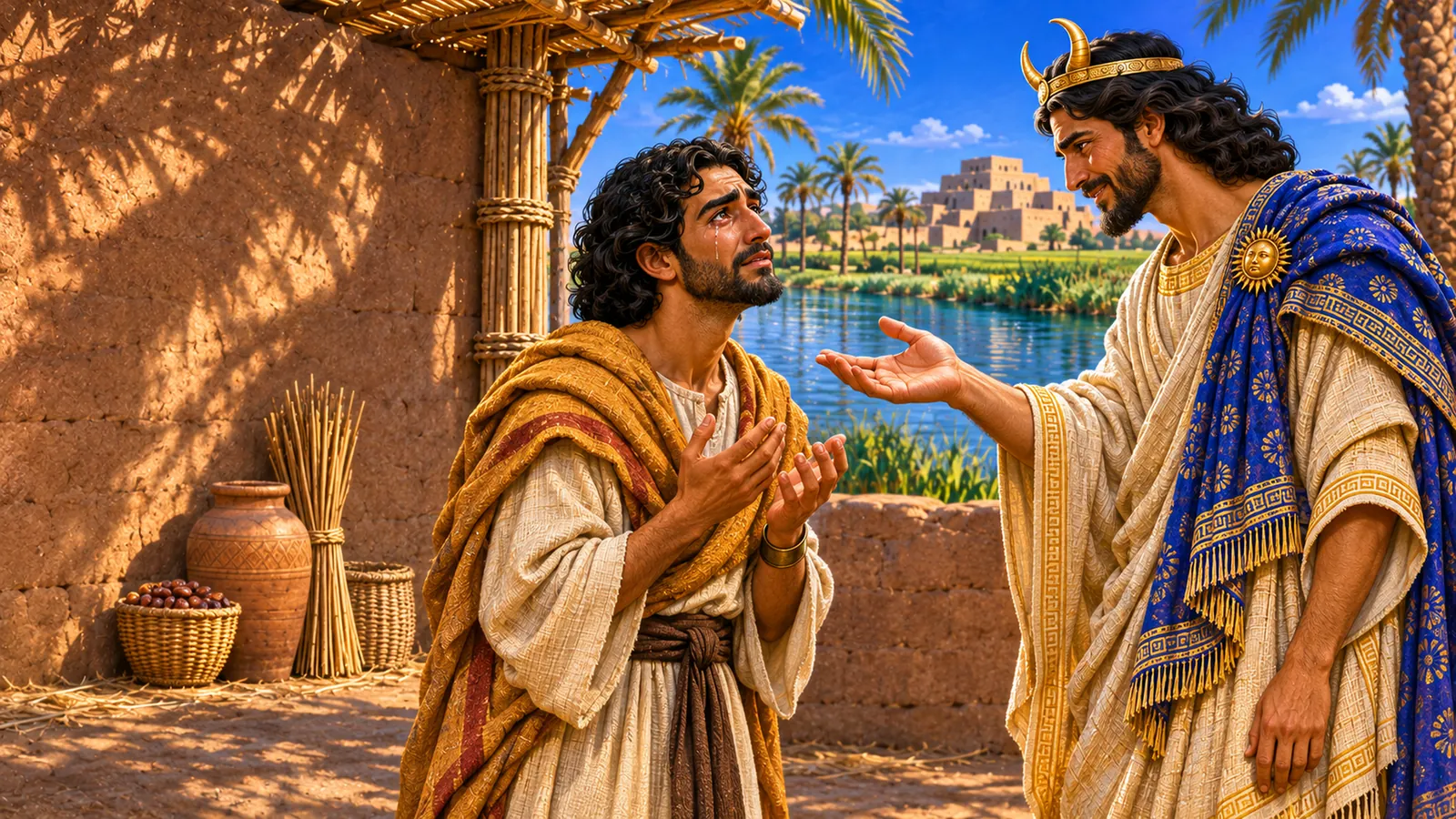
Utu accepta les larmes de Dumuzi et lui témoigna de la compassion, comme un homme qui prend un autre en pitié.
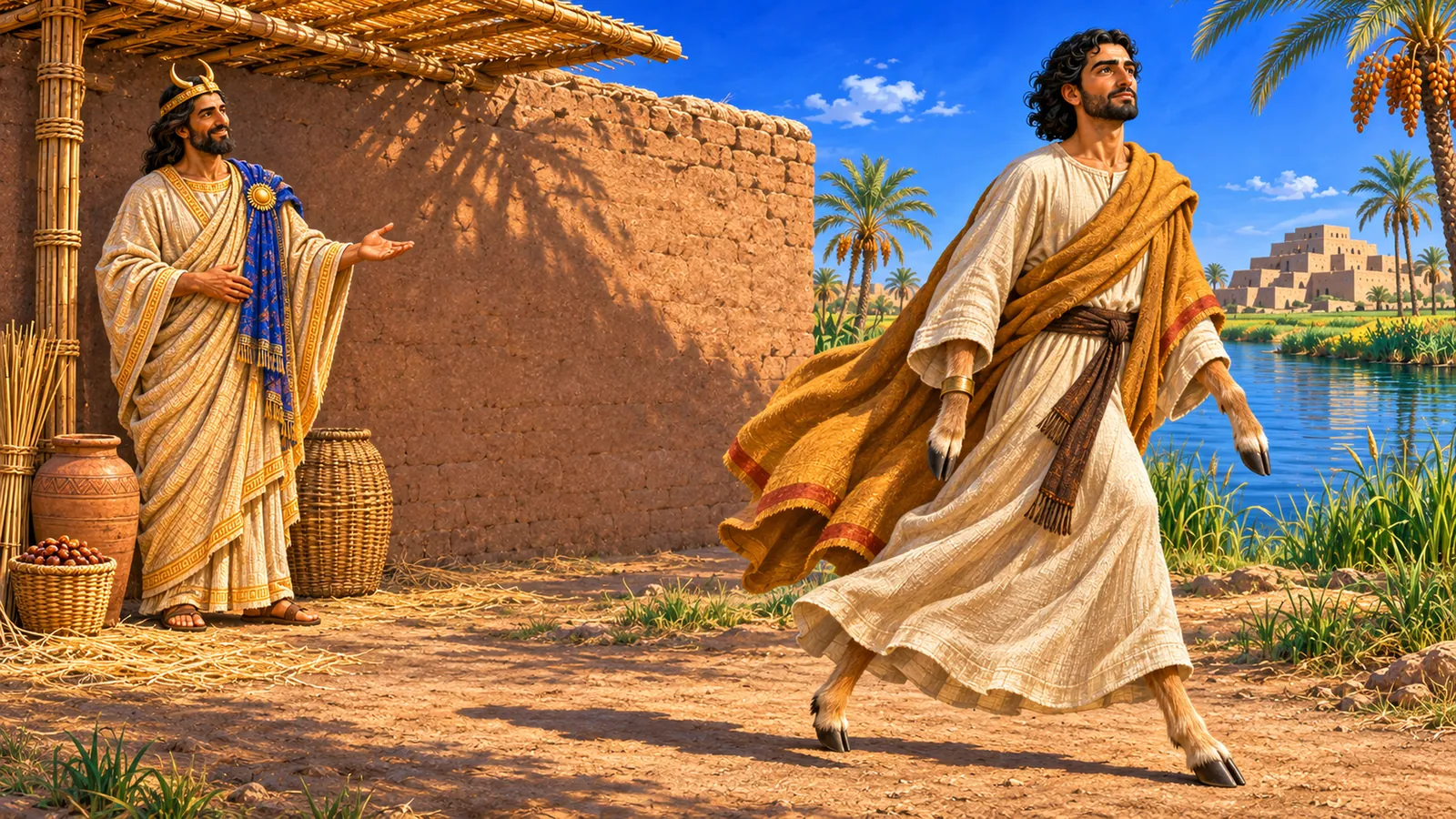
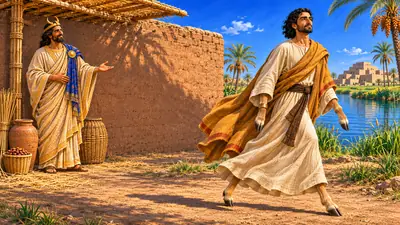
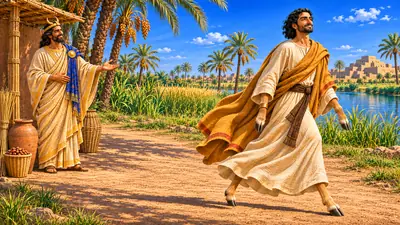
Utu changea les mains et les pieds de Dumuzi en pattes de gazelle, et Dumuzi échappa aux démons.

Dumuzi s’échappa sain et sauf et atteignit Ku-bireš-dildareš, le lieu qu’il avait nommé dans sa prière à Utu.
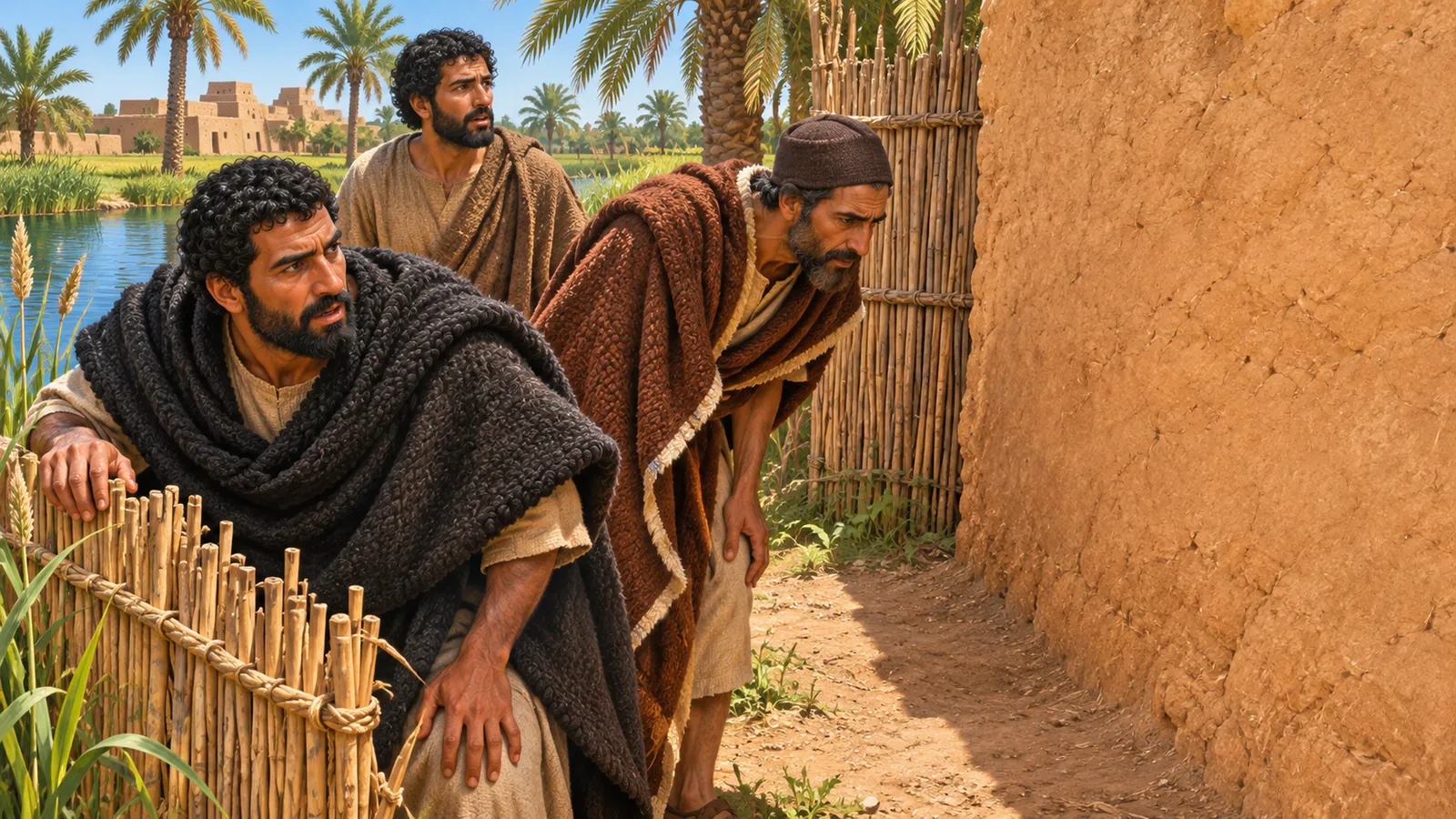
Les démons cherchèrent Dumuzi après sa fuite, mais au début ils ne réussirent pas à le trouver.
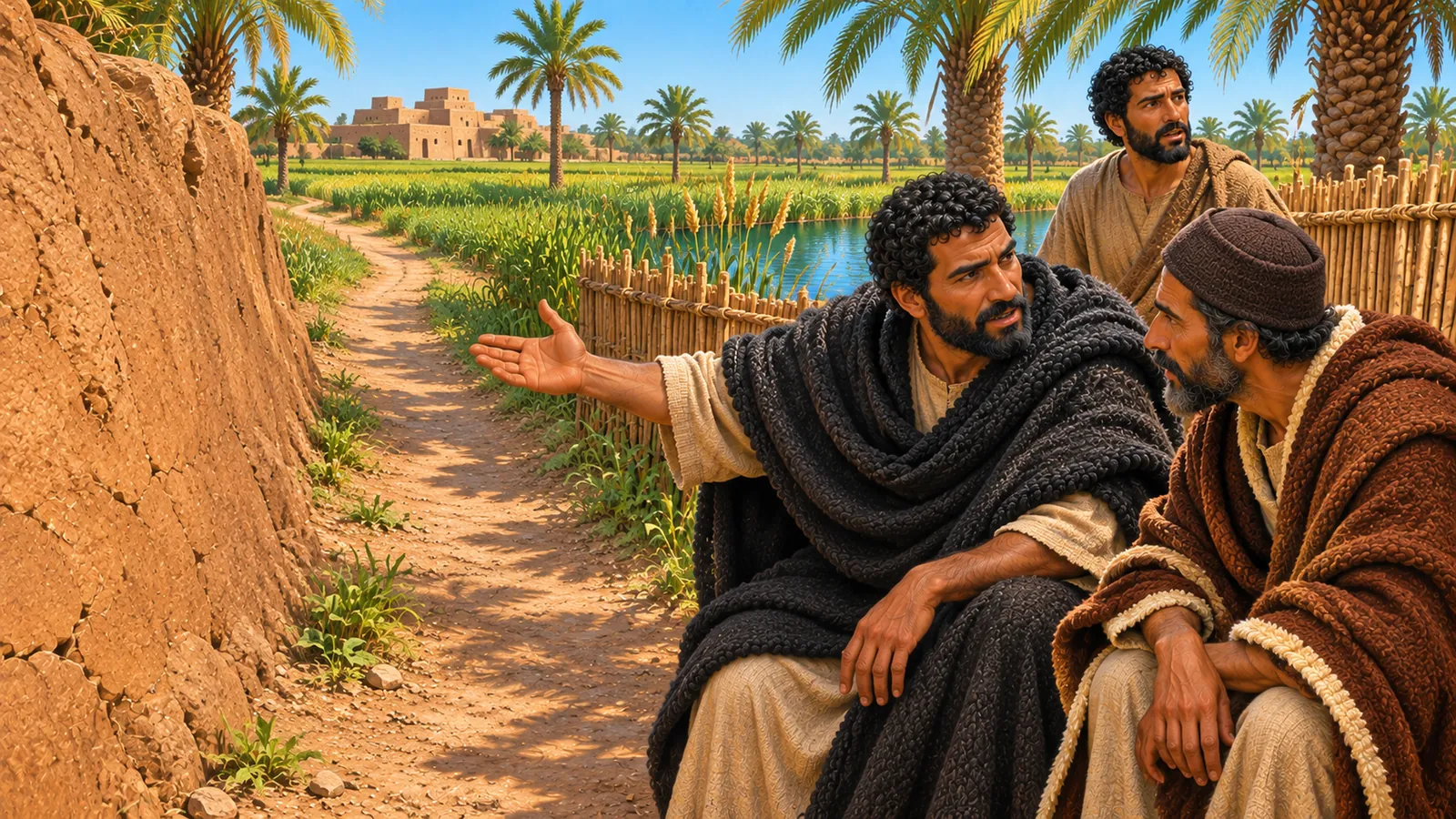
« Allons à Ku-bireš », dirent les poursuivants après avoir cherché en vain.
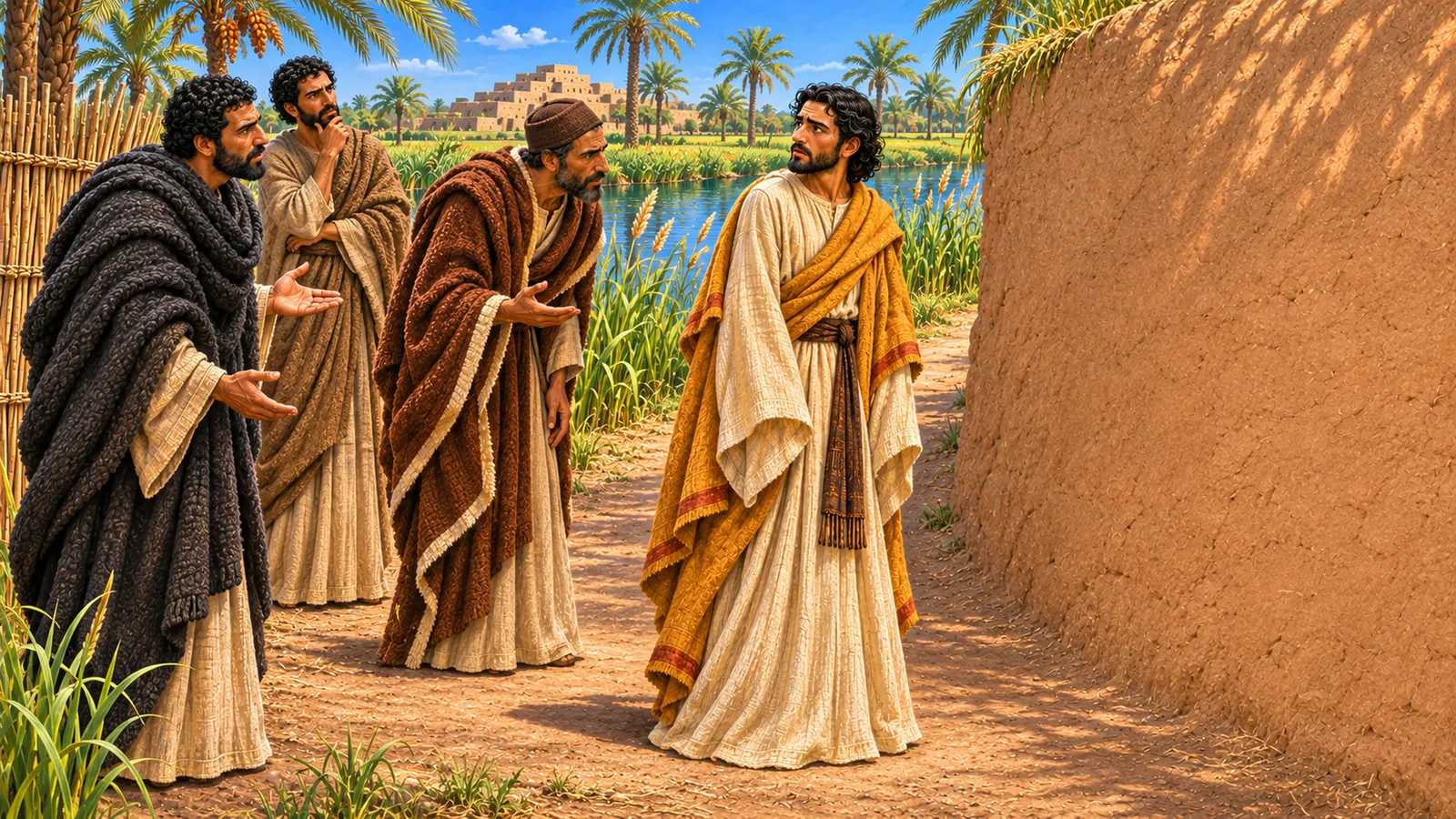
Les démons se rendirent à Ku-bireš et y capturèrent Dumuzi. Sa première fuite prenait fin.
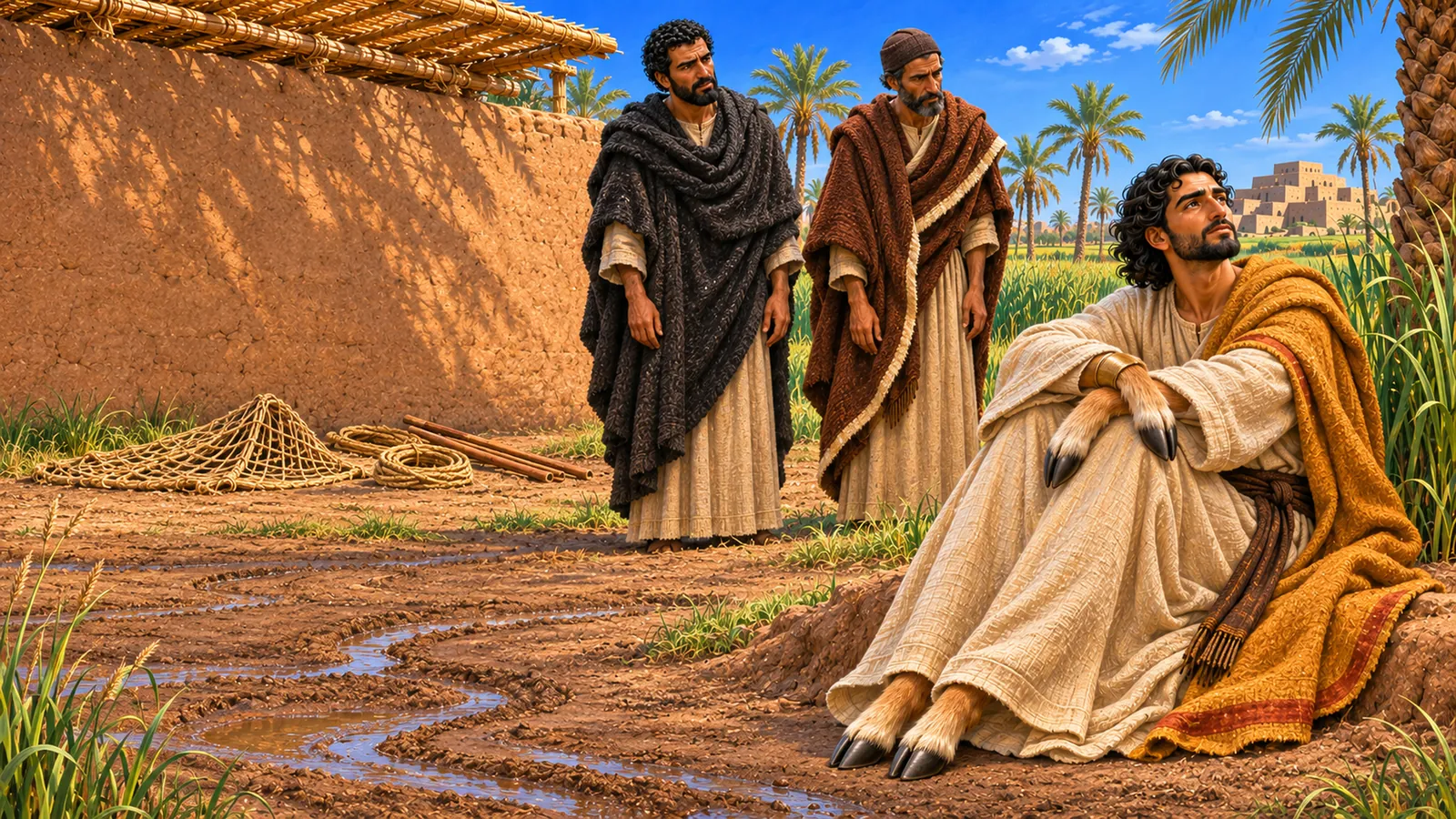
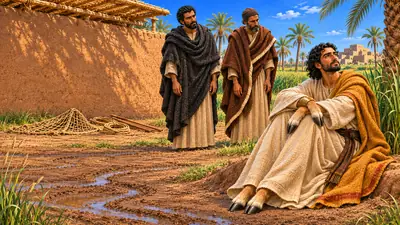
Les hommes ont cerné Dumuzi et évacué les eaux stagnantes. Ils ont préparé une corde, un filet, un gros cordage de roseaux et des bâtons. L’homme devant lui a lancé des projectiles vers lui, et les mots sur celui qui se tenait derrière lui sont perdus.
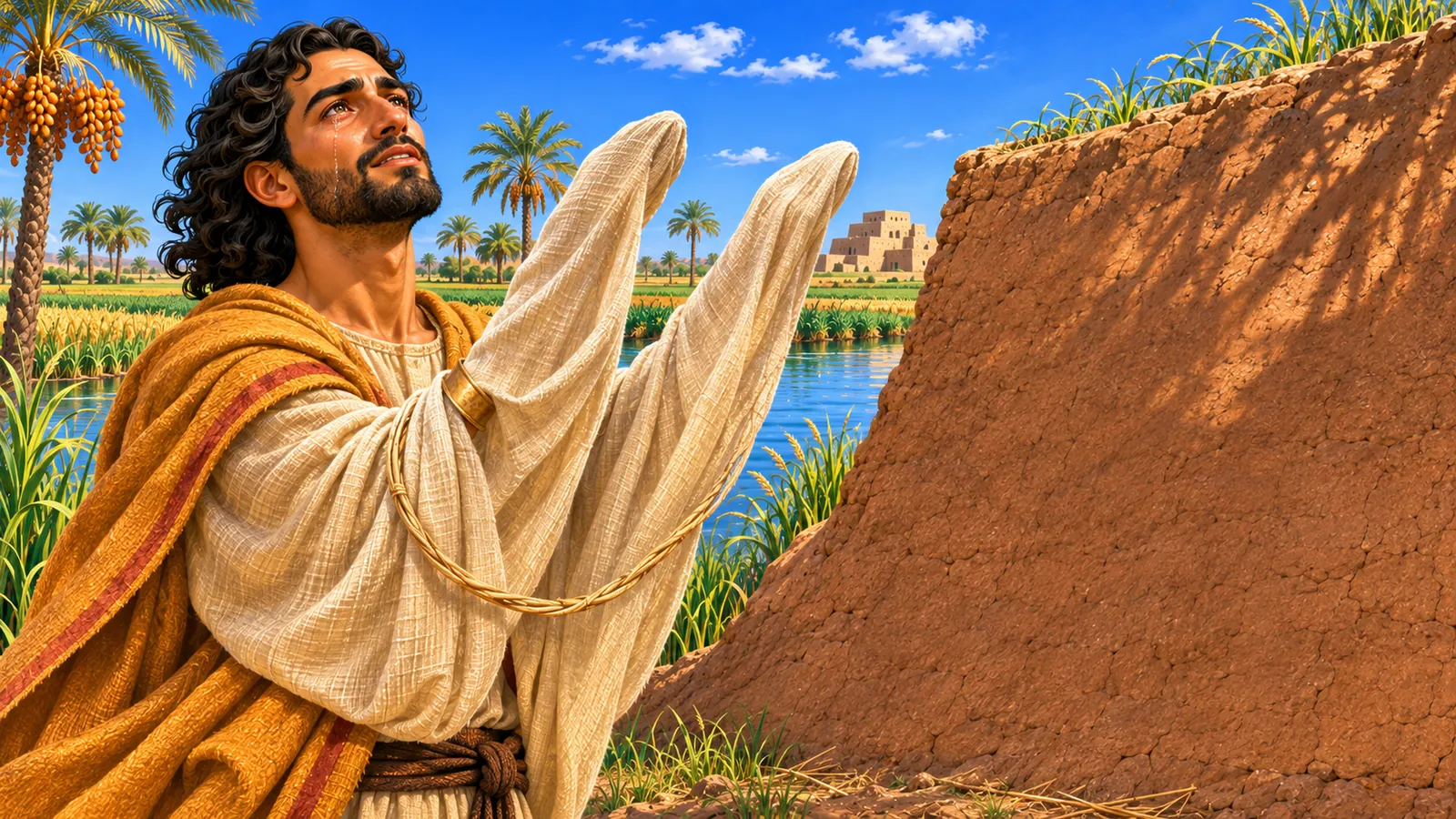
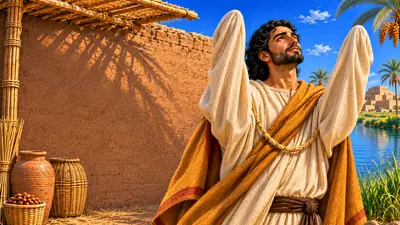
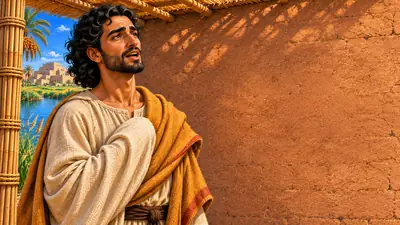
Ils ont attaché les mains et les bras de Dumuzi. Le jeune homme a levé les mains vers le ciel et appelé Utu.
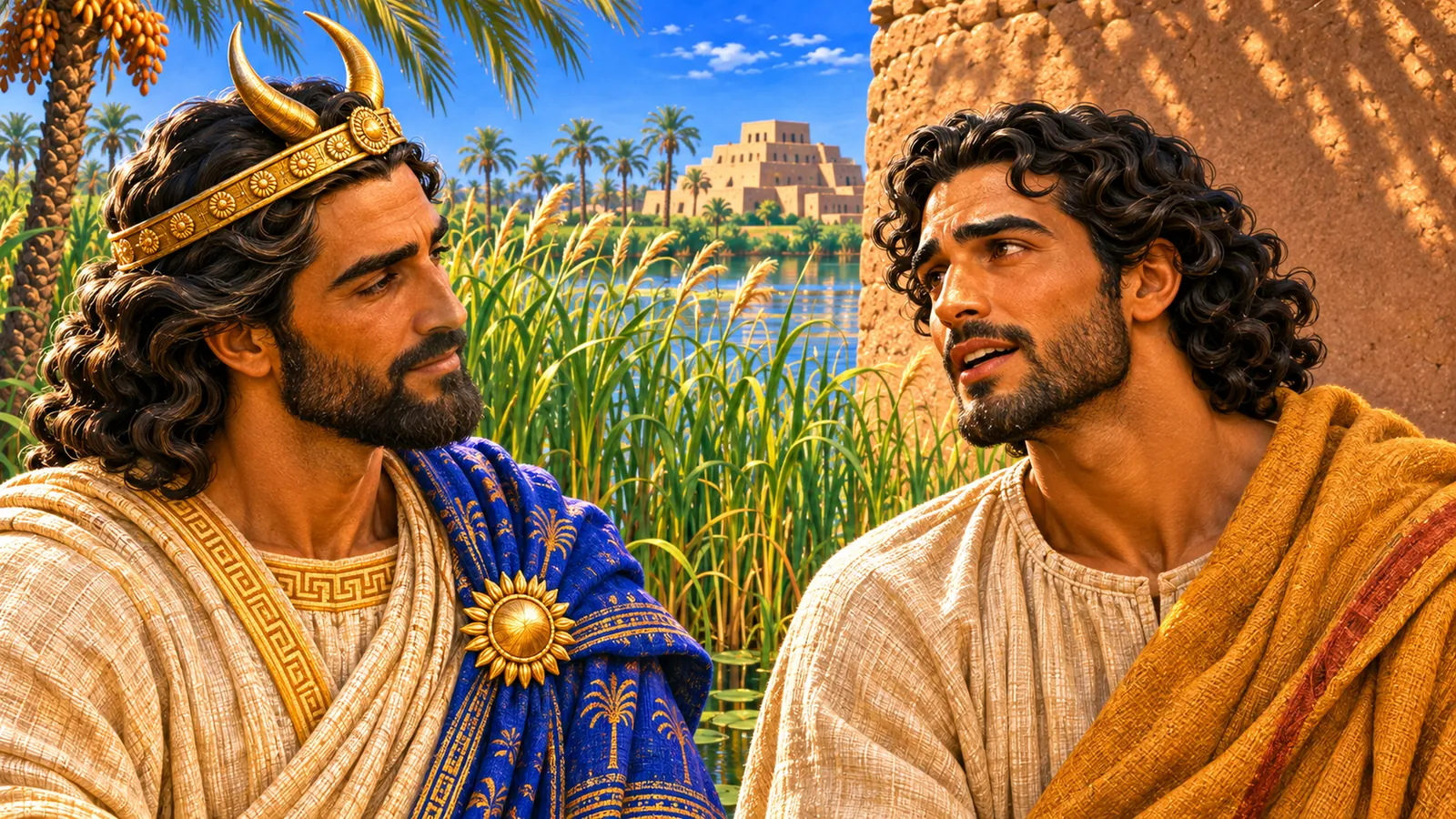
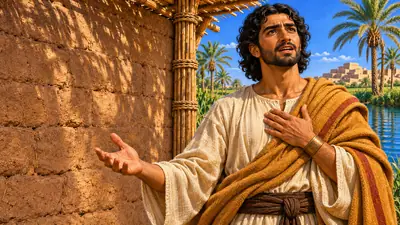
Dumuzi a fait appel à Utu en tant que beau-frère. Il lui a rappelé qu’il était marié à sa sœur, Inanna.
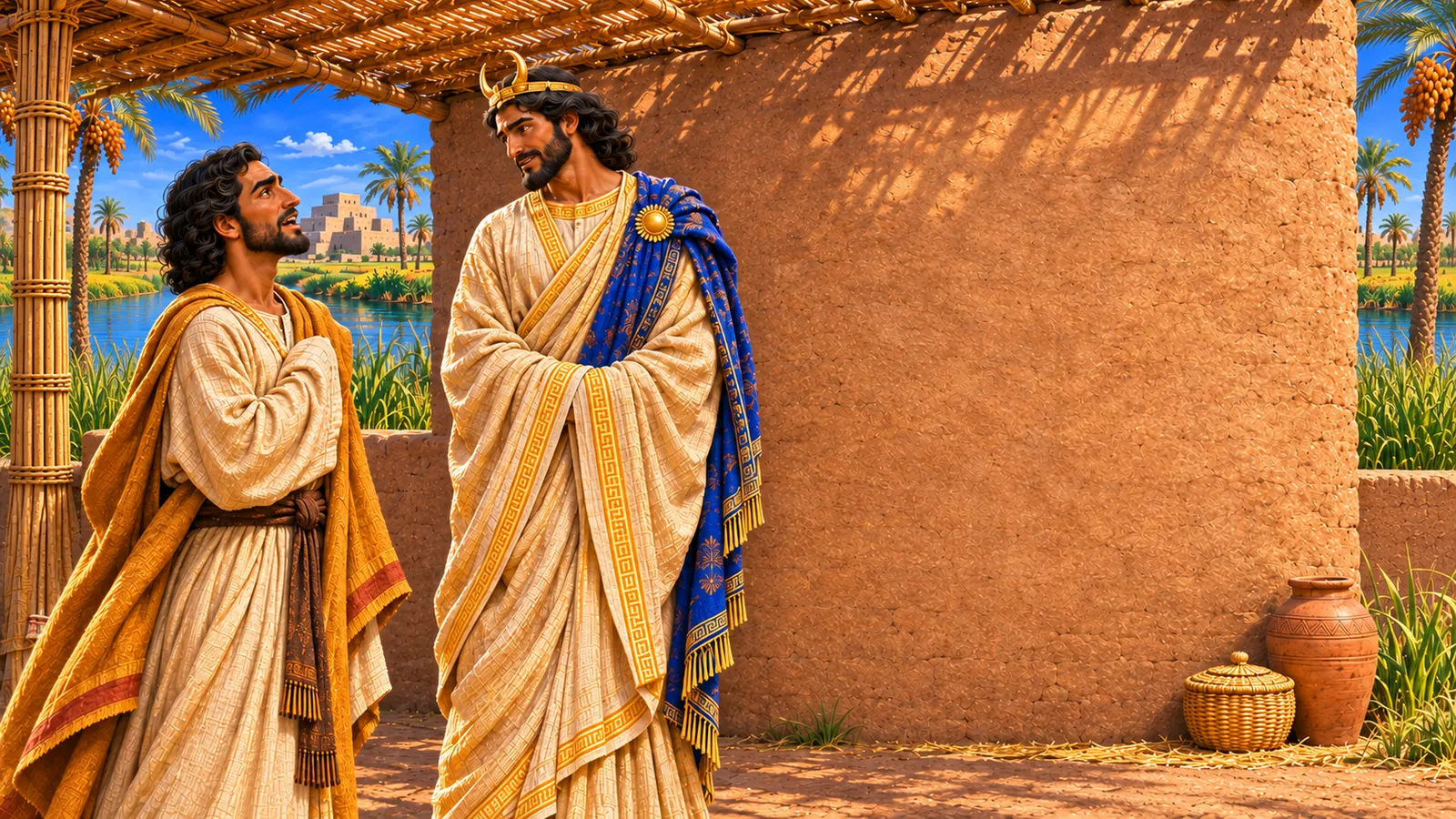
Dumuzi a dit qu’il portait de la nourriture à Eanna et qu’il avait apporté des cadeaux de mariage à Uruk. Il a parlé de baiser les lèvres sacrées d’Inanna et de danser sur ses genoux sacrés.
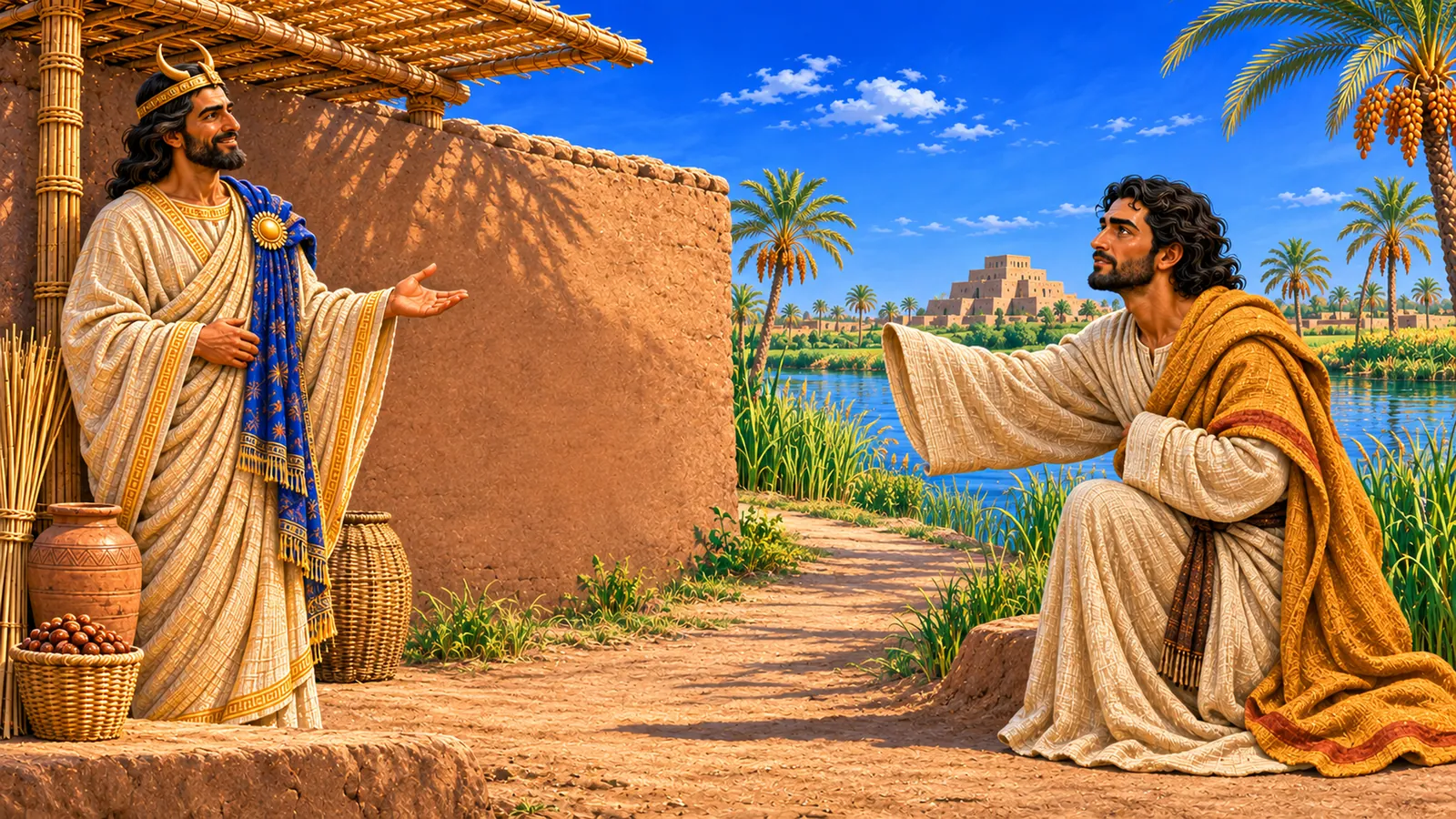
Il a demandé à Utu de changer ses mains et ses pieds en pattes de gazelle. Il espérait pouvoir ainsi s’enfuir jusqu’à la maison de la vieille Belili.
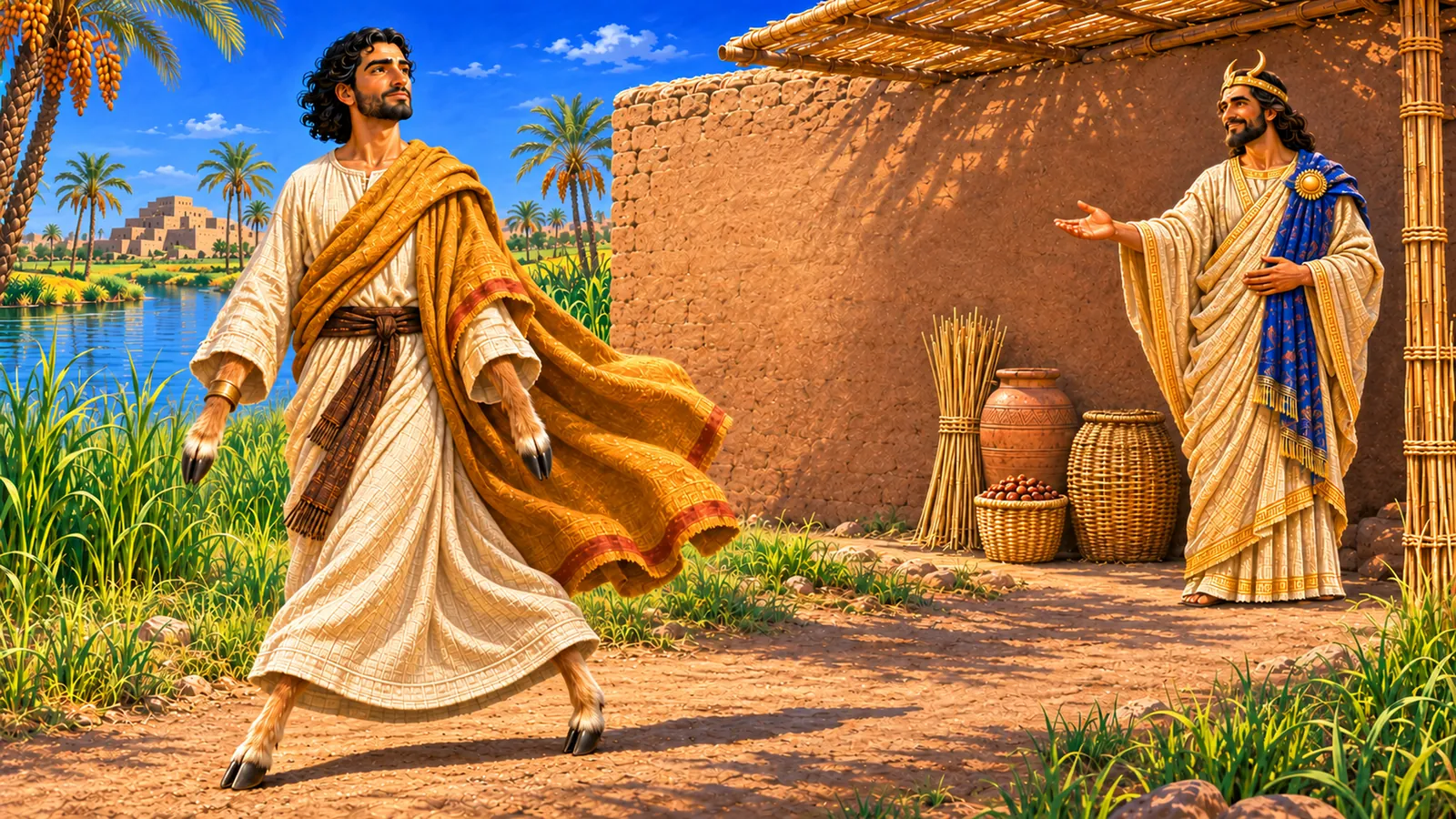
Utu a accepté les larmes de Dumuzi. Le poème dit qu’il a changé ses mains et ses pieds en pattes de gazelle.
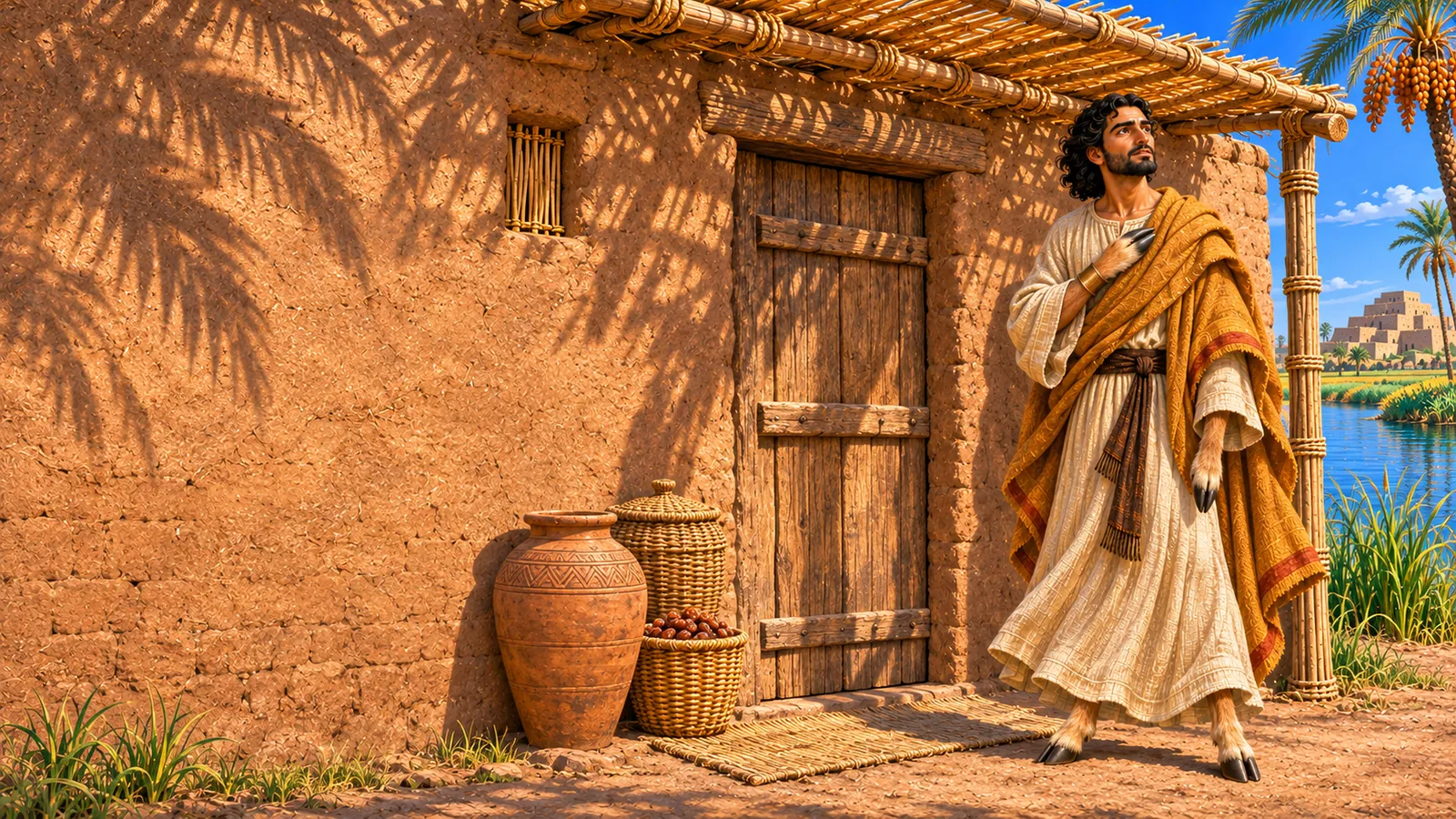
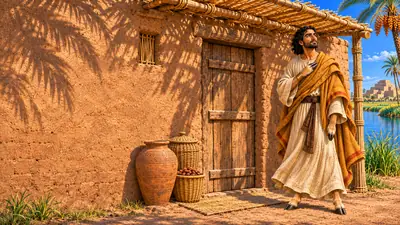
Dumuzi a échappé aux démons et s’en est sorti vivant. Il est arrivé à la maison de la vieille Belili.
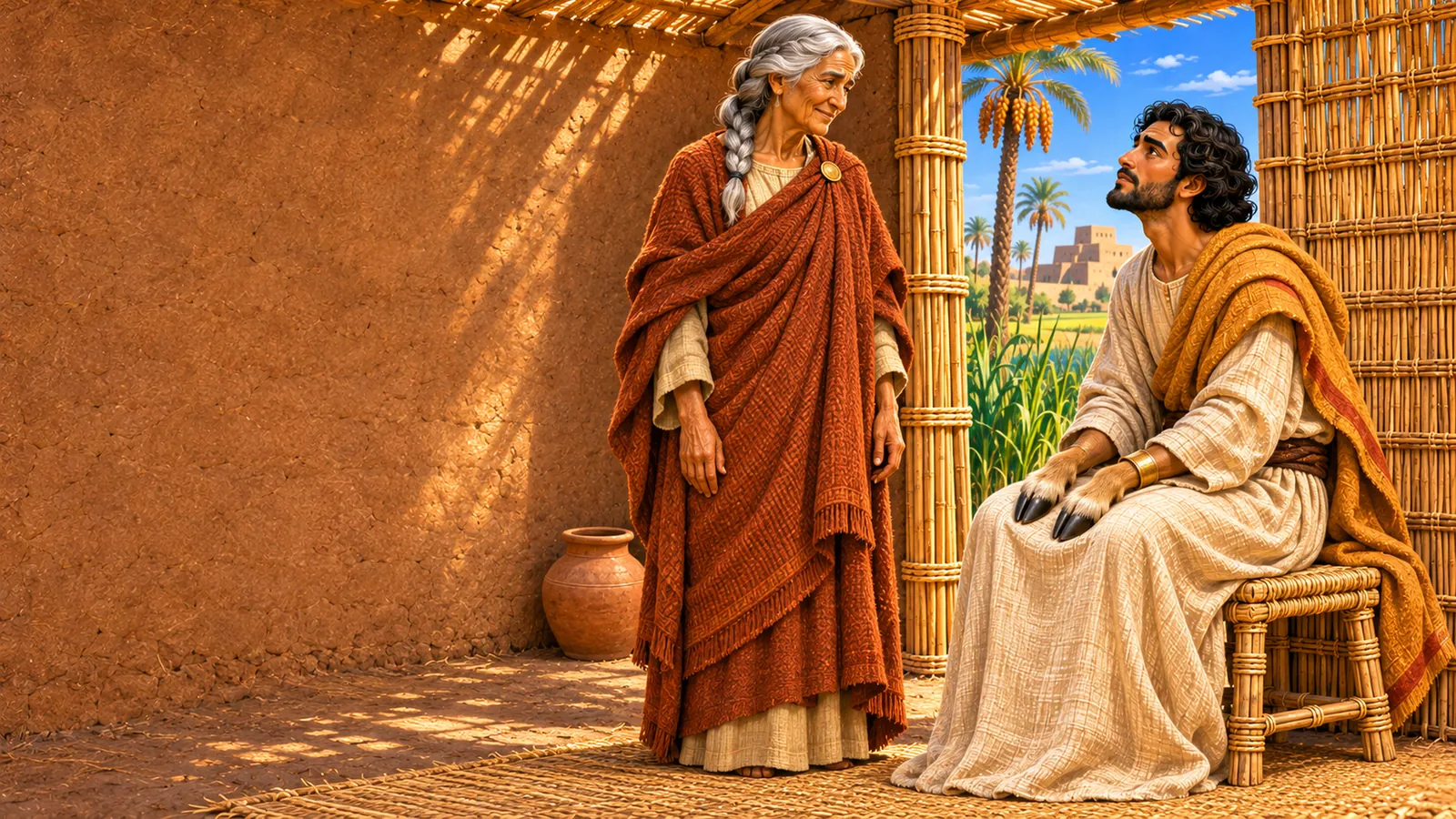
L’ABRI
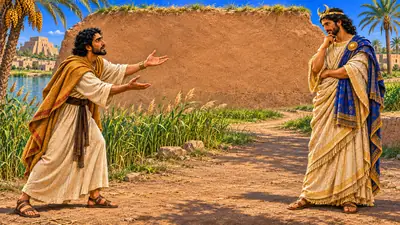
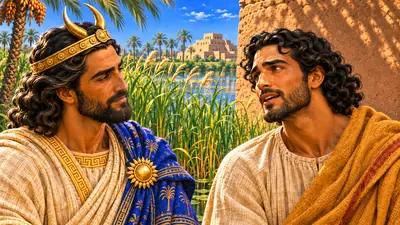
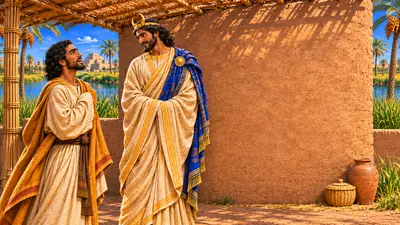
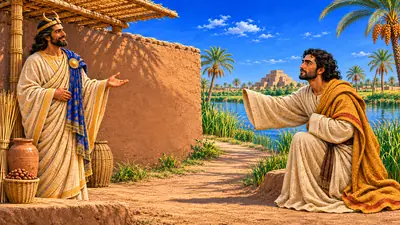
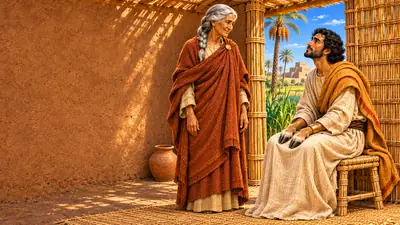
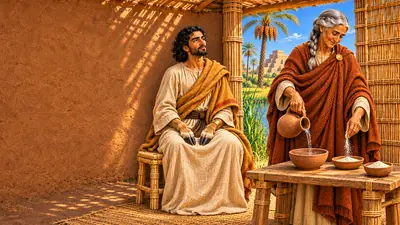
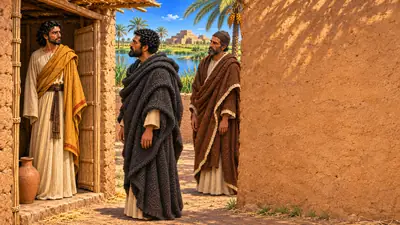
Dumuzi a appelé Belili et lui a dit qu’il était l’époux d’une déesse. Il lui a demandé de lui verser de l’eau pour qu’il puisse boire.
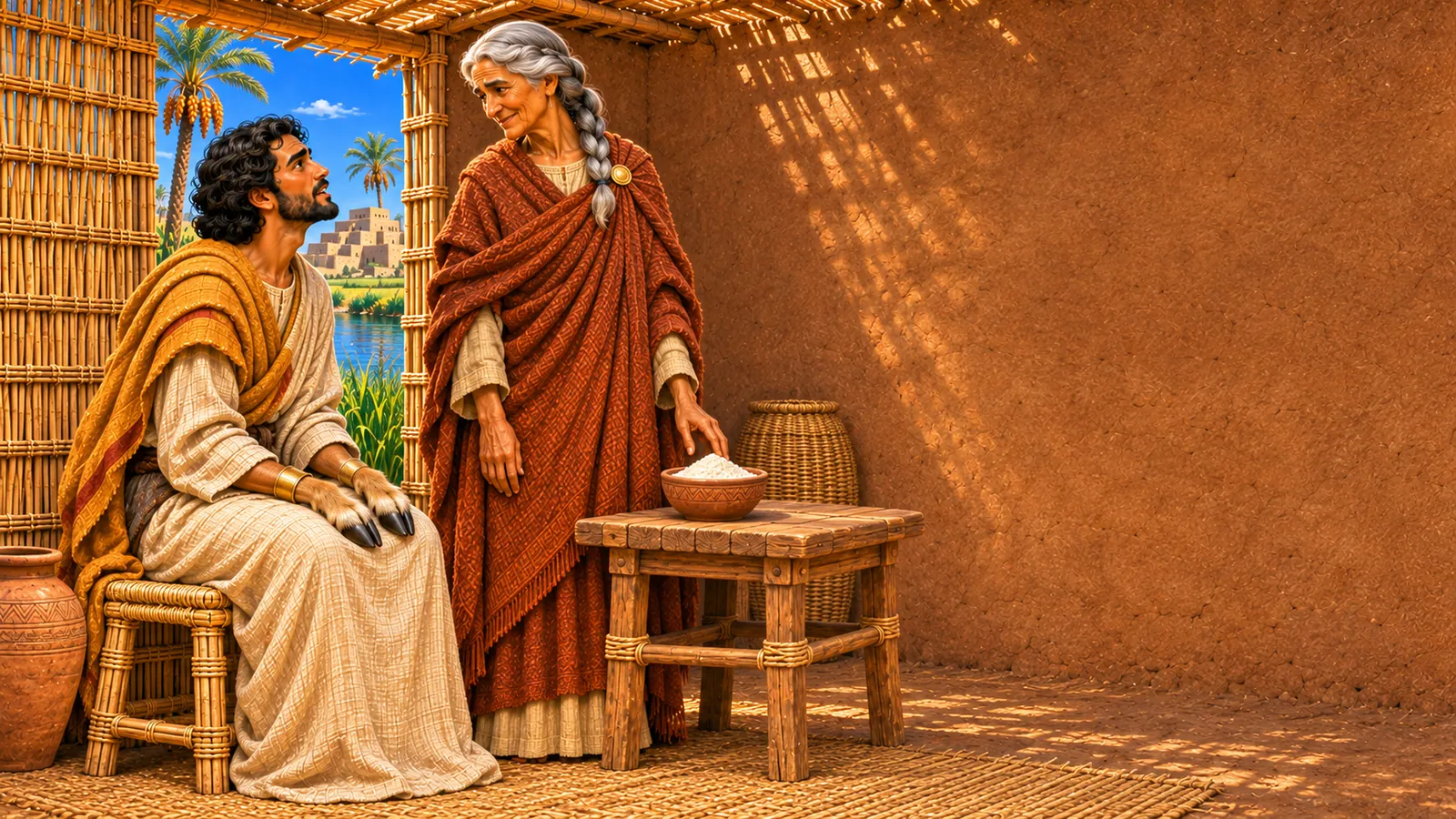
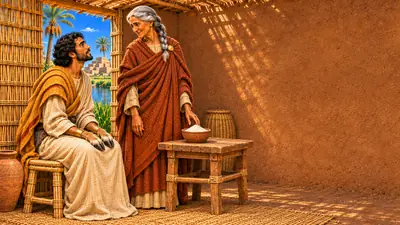
Il a aussi demandé de la farine. « Répands un peu de farine pour moi, je t’en prie, a-t-il dit, pour que je puisse en manger. »
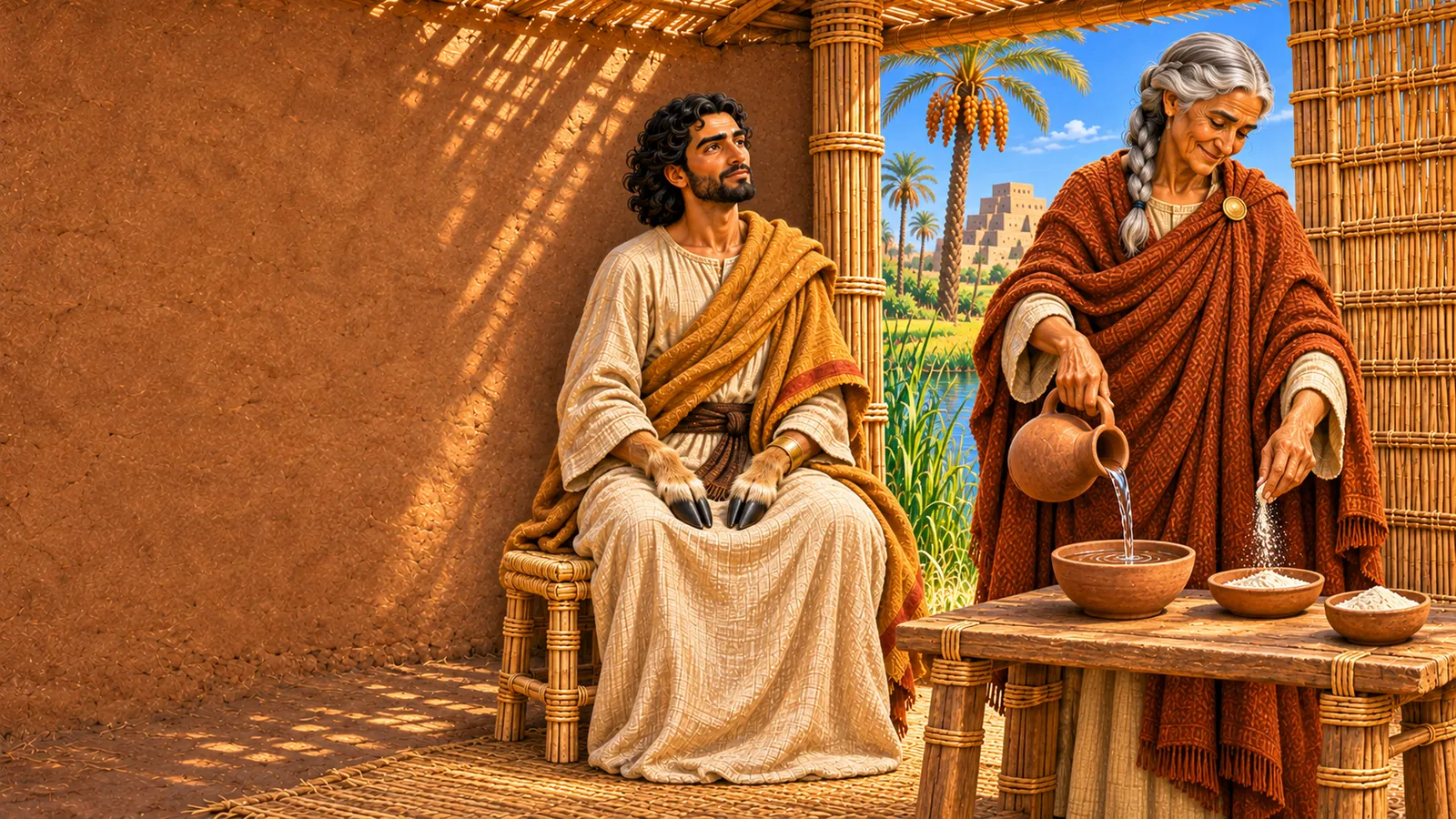
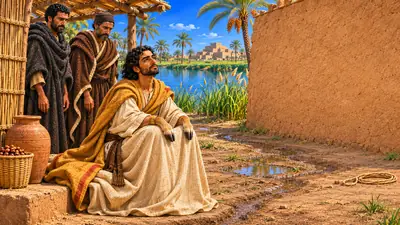
La vieille Belili a versé l’eau et répandu la farine. Puis Dumuzi s’est assis dans sa maison.
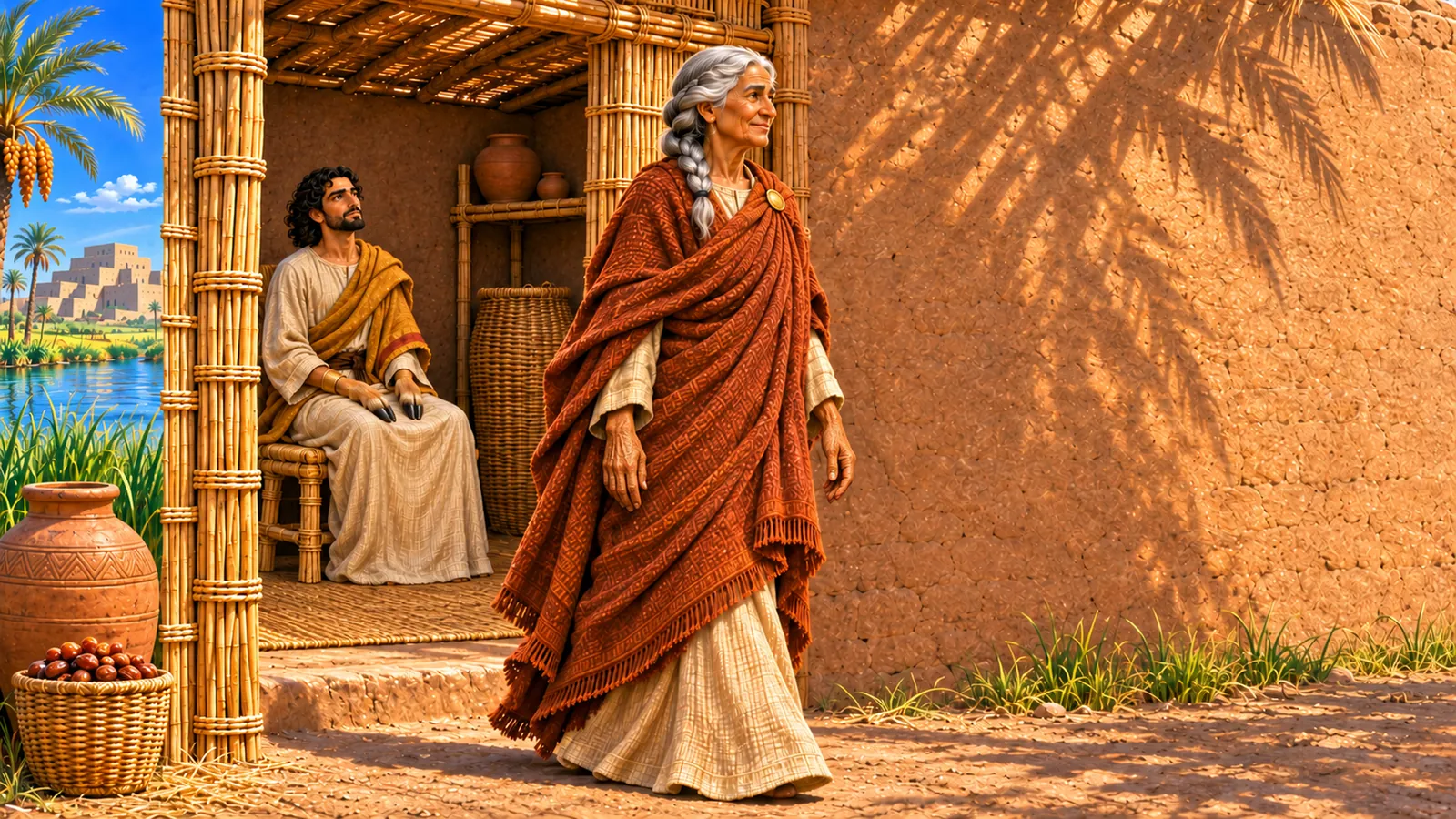
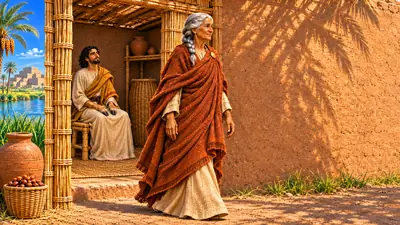
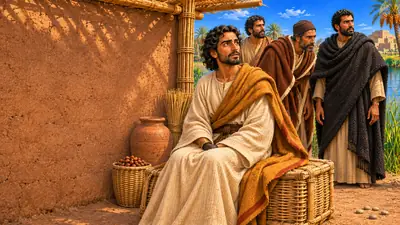
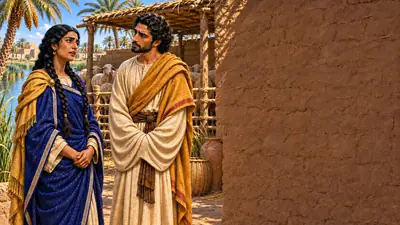
La vieille femme sortit de chez elle. Dumuzi s’était assis à l’intérieur, où elle lui avait donné de l’eau et de la farine.
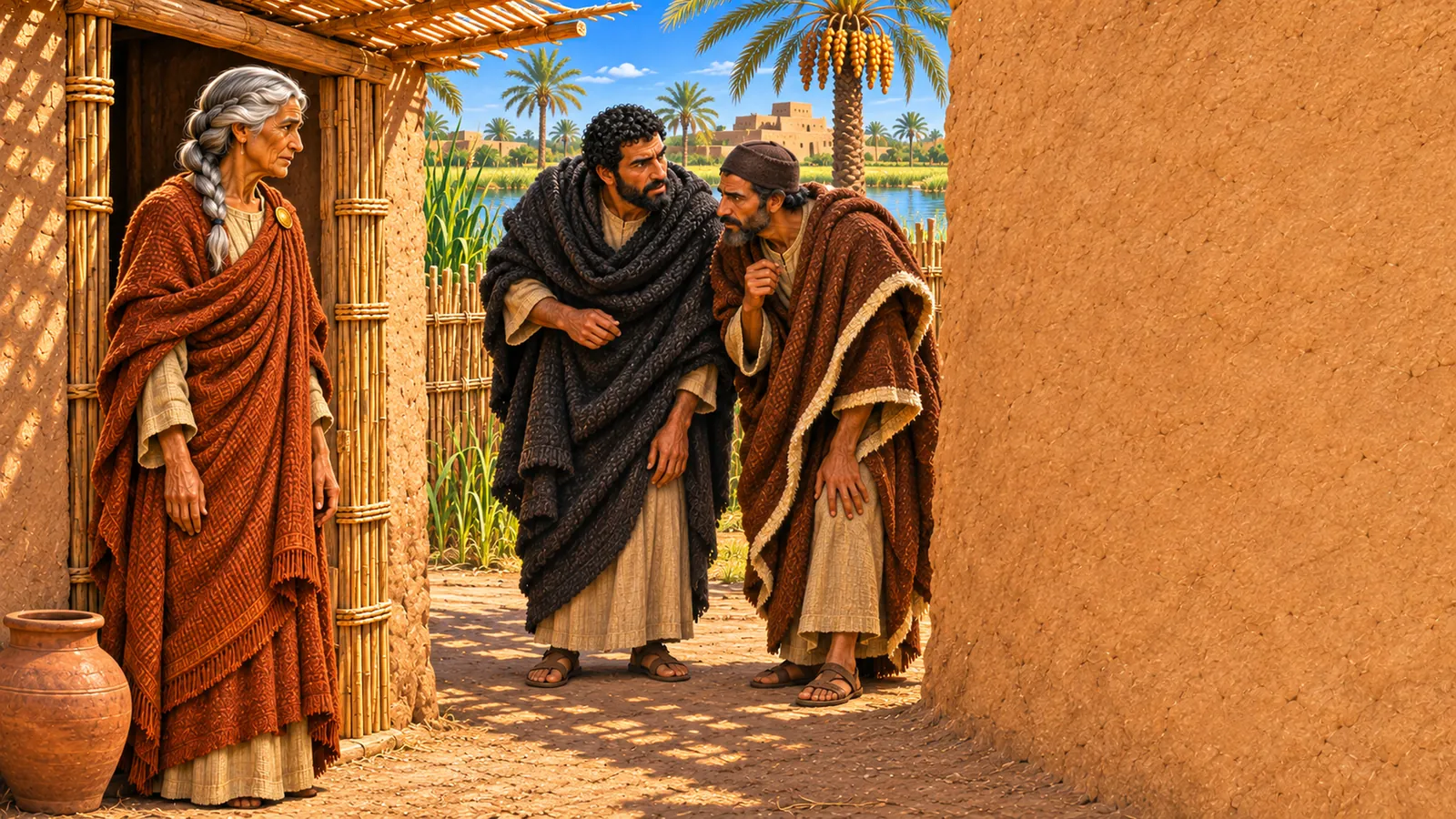
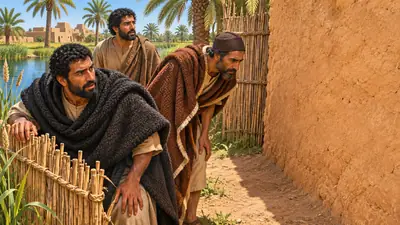
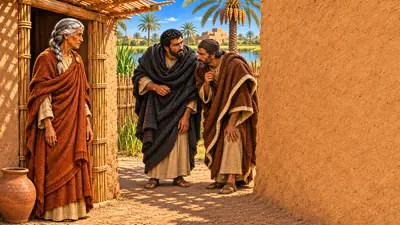
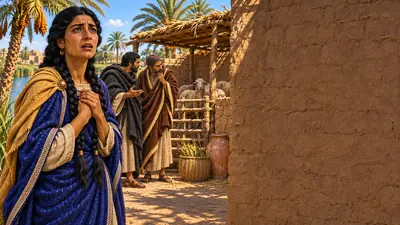
Quand la vieille femme sortit de la maison, les démons qui cherchaient Dumuzi la virent.
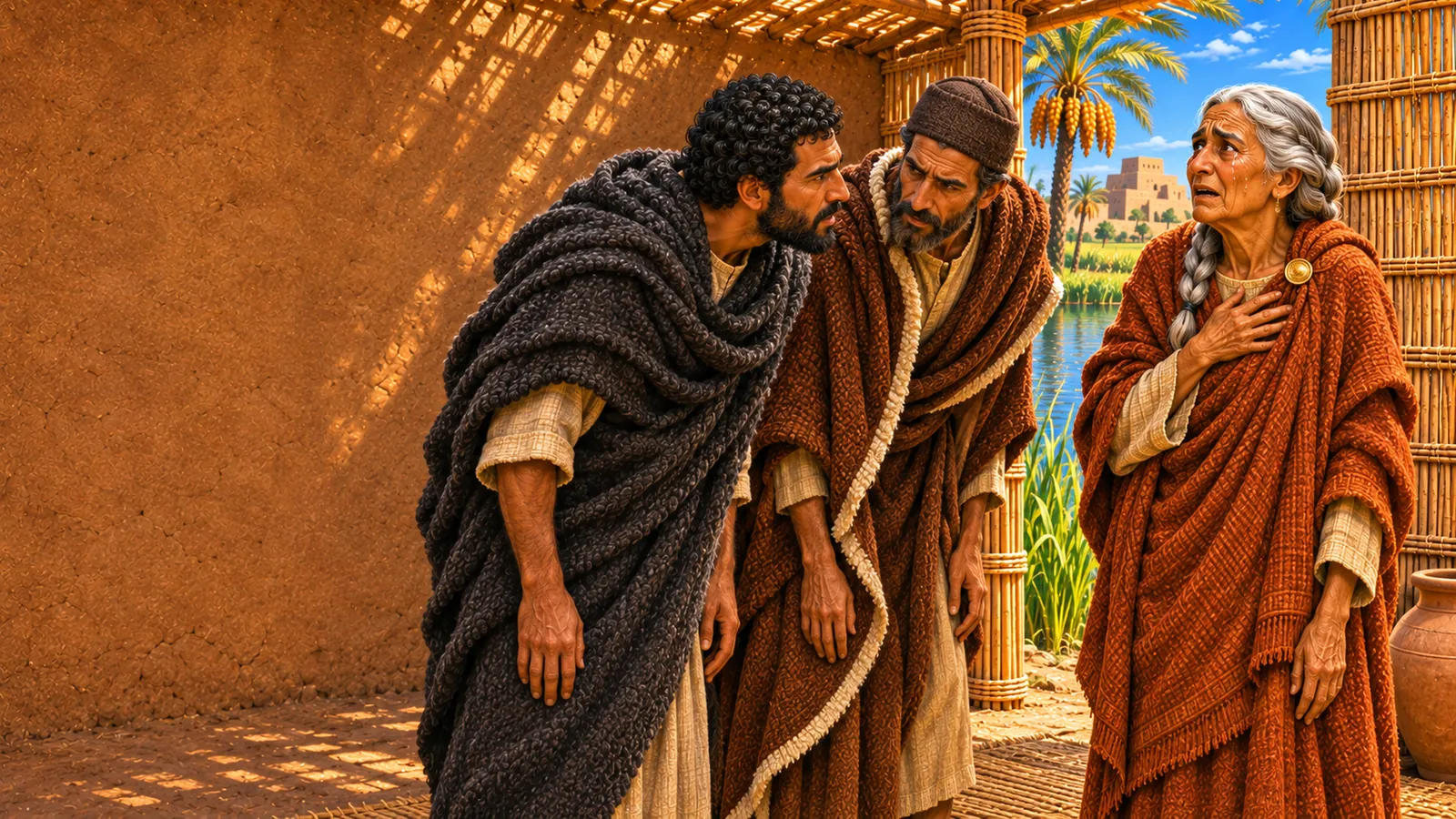
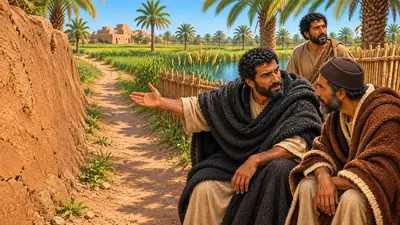
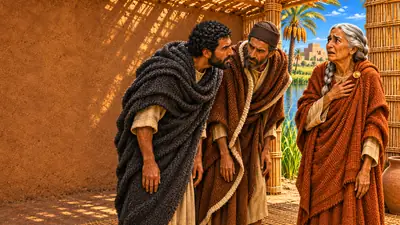
Les poursuivants dirent que la vieille femme paraissait effrayée et criait de peur. Ils en conclurent qu’elle savait où se trouvait Dumuzi.
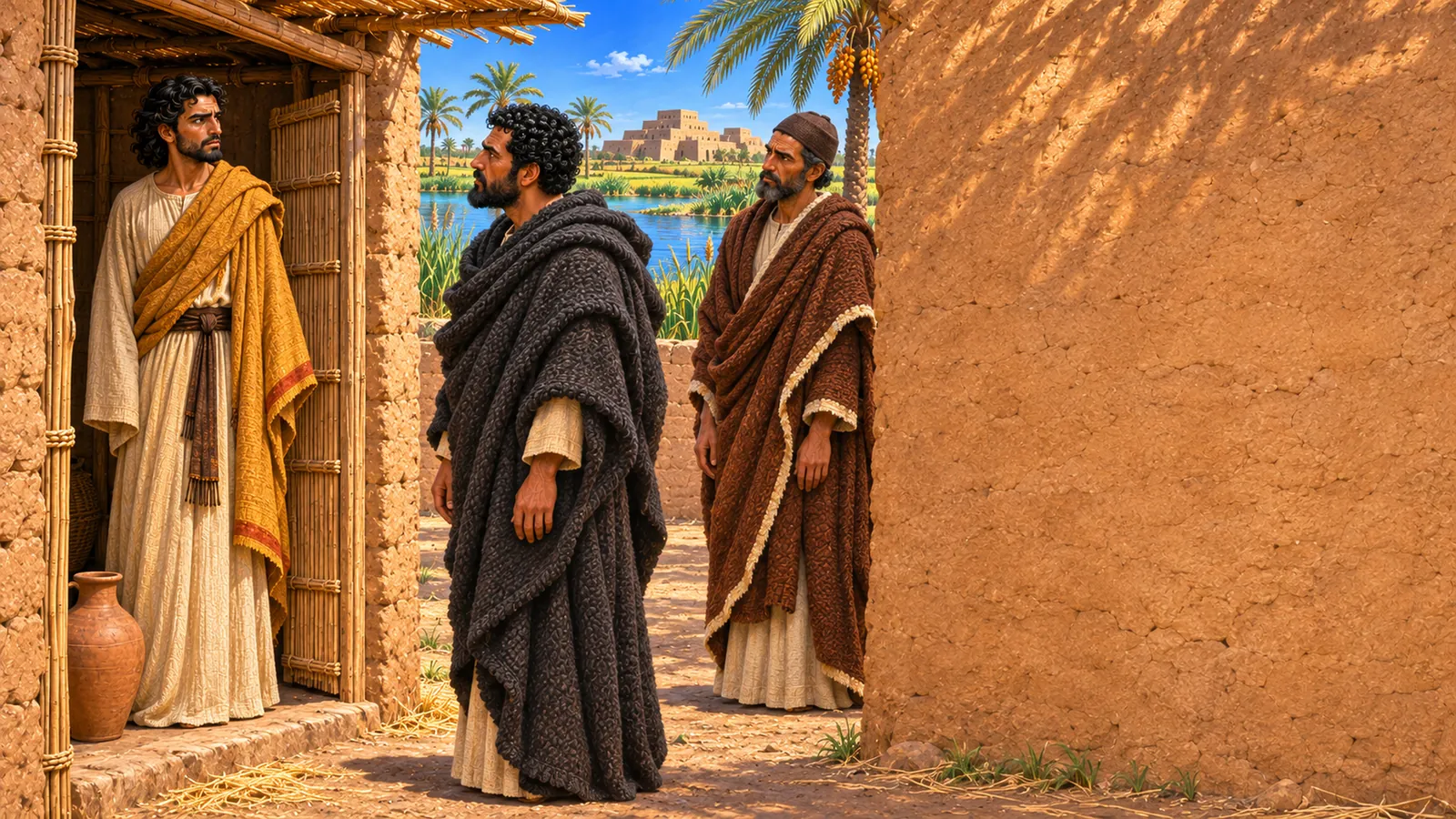
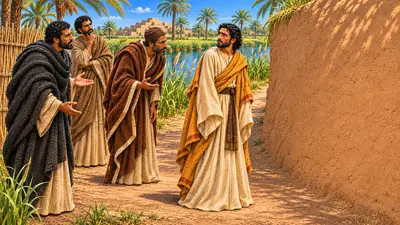
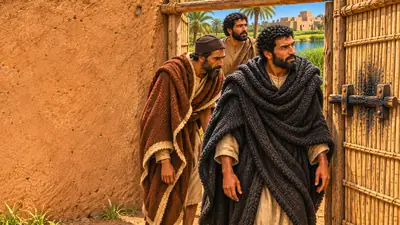
Ils décidèrent d’aller à la maison de la vieille Belili. C’est là qu’ils saisirent Dumuzi.
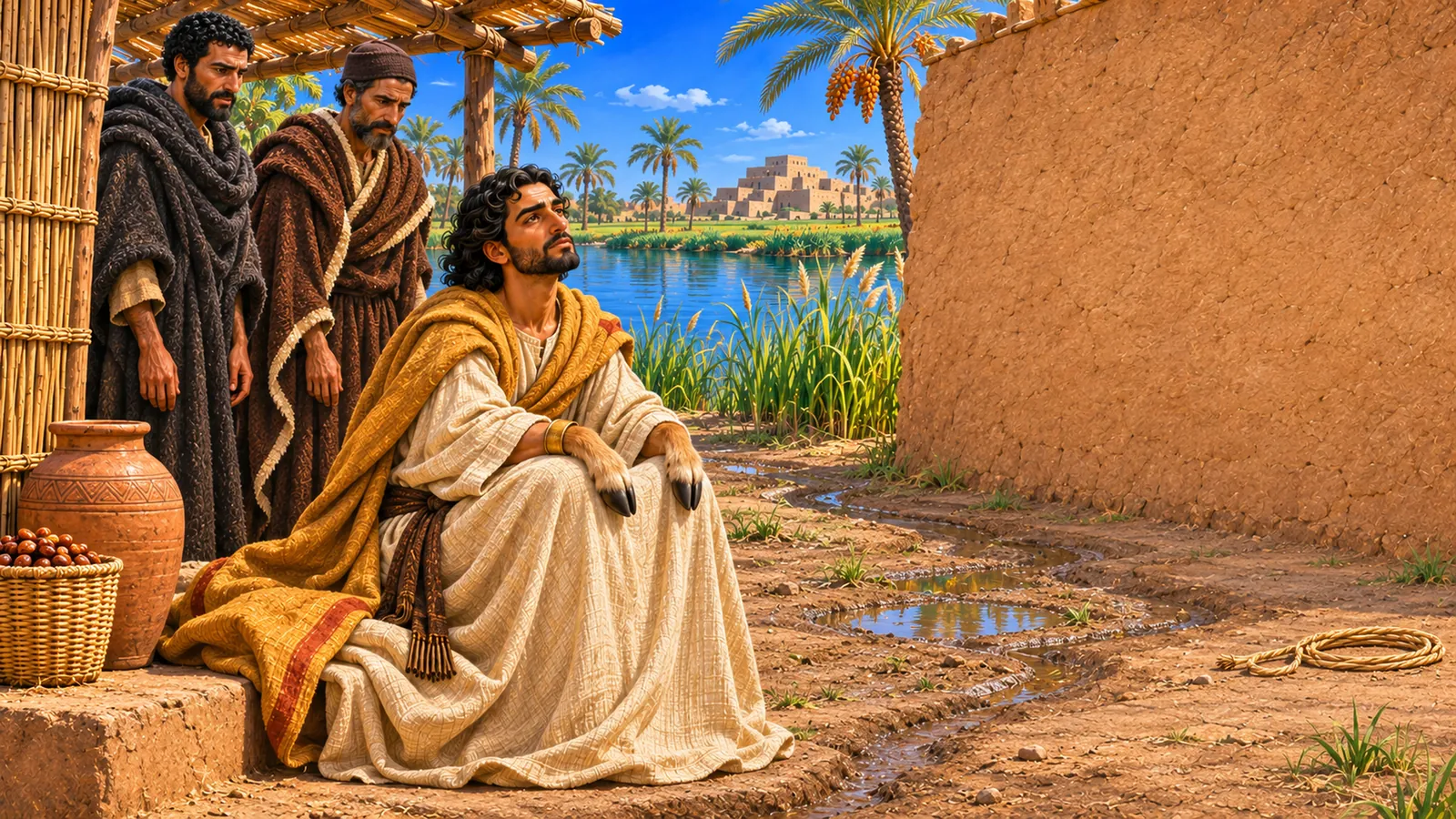
Les hommes entourèrent Dumuzi et vidèrent l’eau stagnante, comme la dernière fois qu’ils l’avaient saisi.
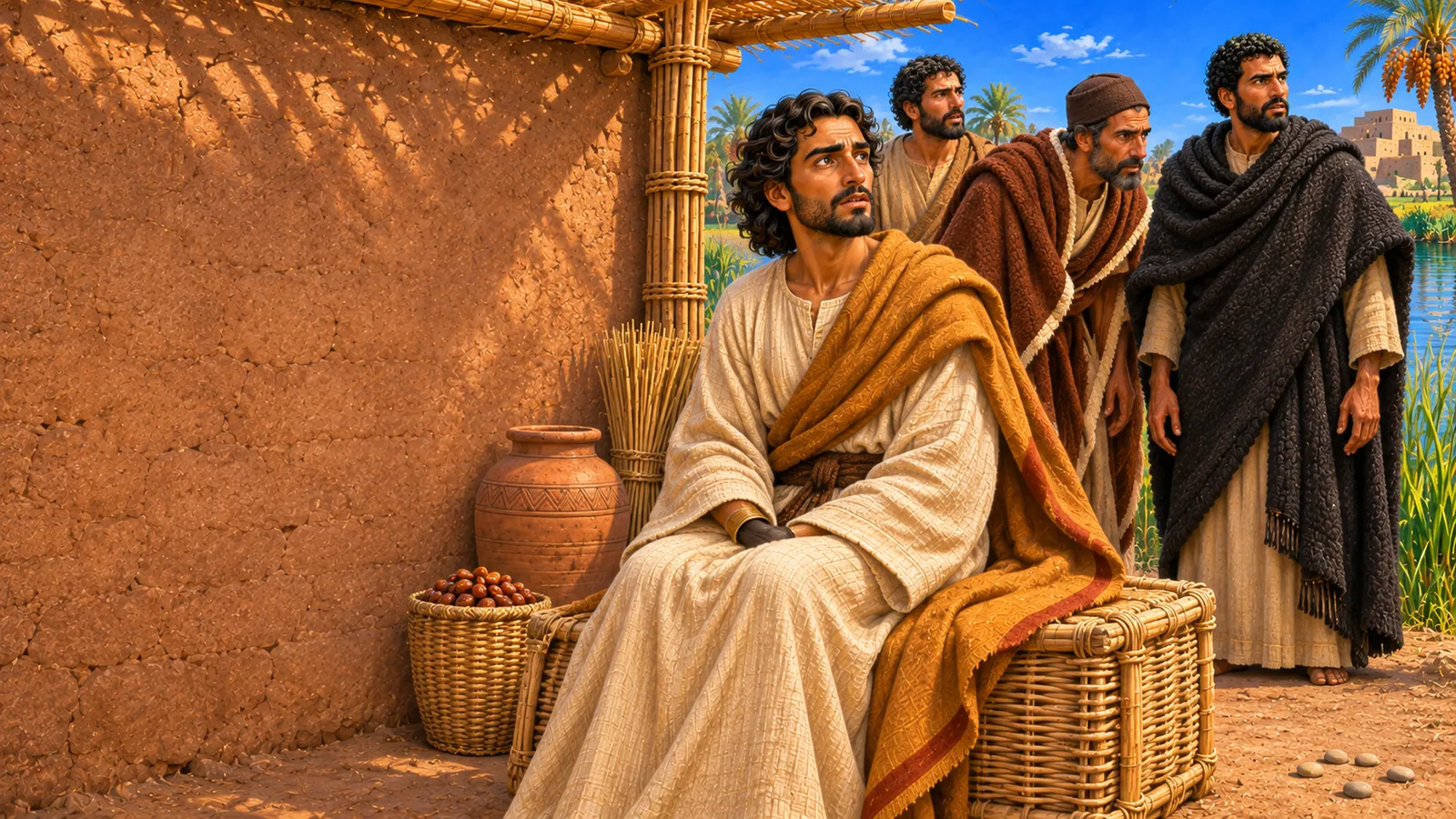
Ils préparèrent des cordes, un filet et des bâtons, et l’homme placé devant Dumuzi lui lança des projectiles. Les mots sur l’homme derrière lui sont incomplets.
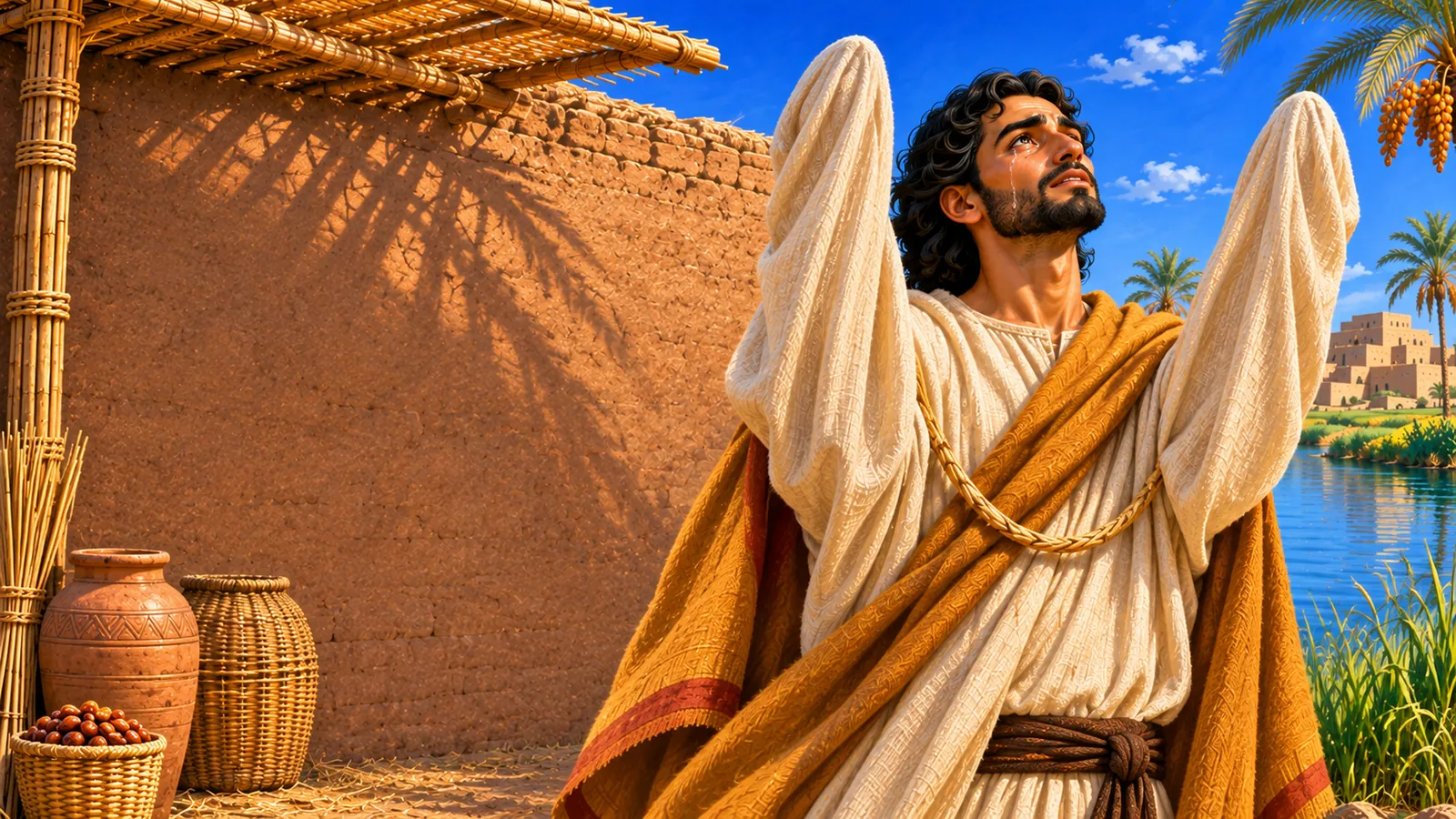
Ils lièrent les mains et les bras de Dumuzi. Il leva les mains vers le ciel pour implorer Utu une nouvelle fois.
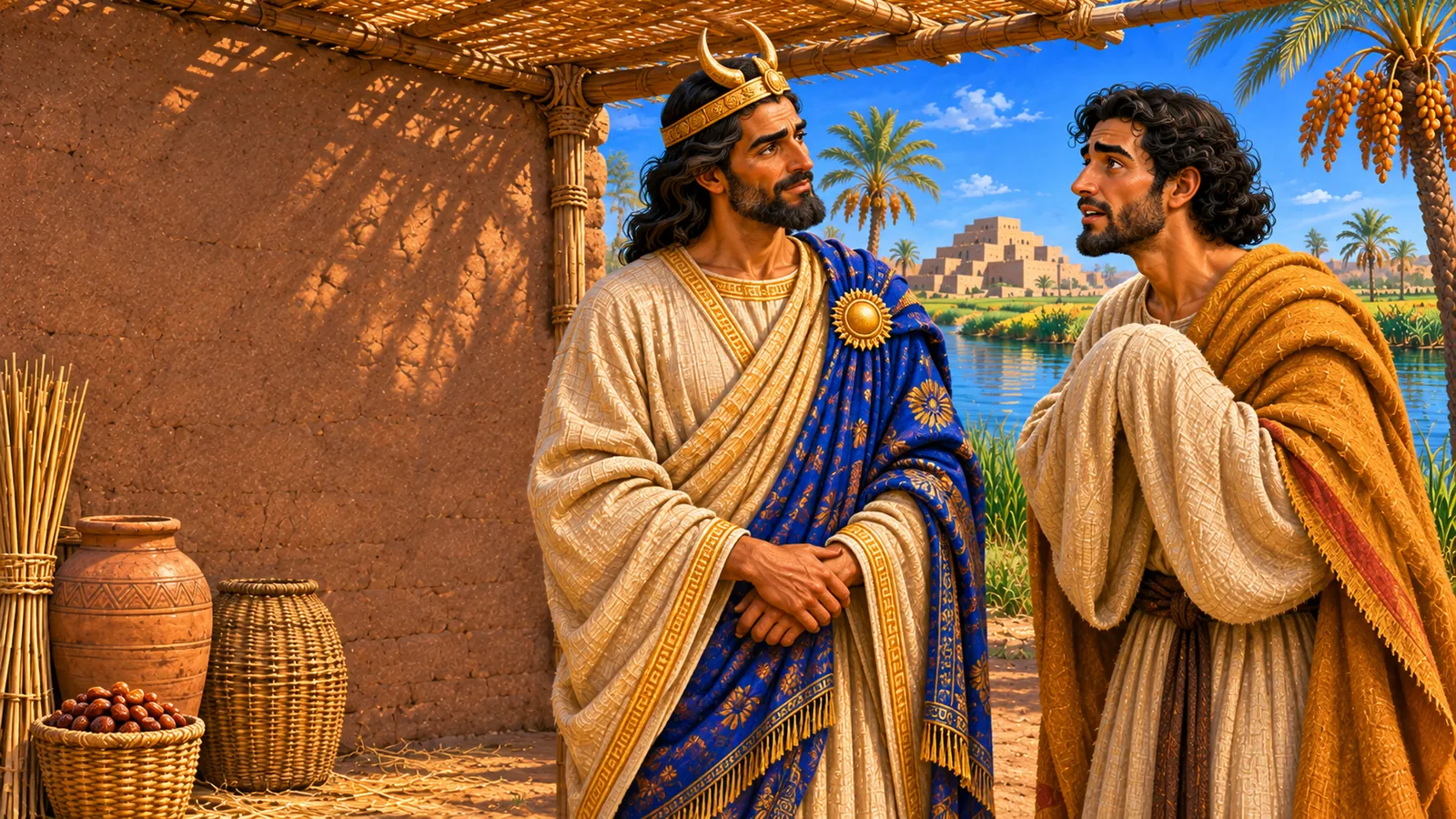
LE TROISIÈME APPEL
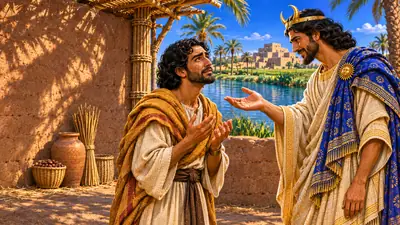
Dumuzi parla de nouveau à Utu. Il lui rappela qu’il était son beau-frère et qu’il avait épousé sa sœur.
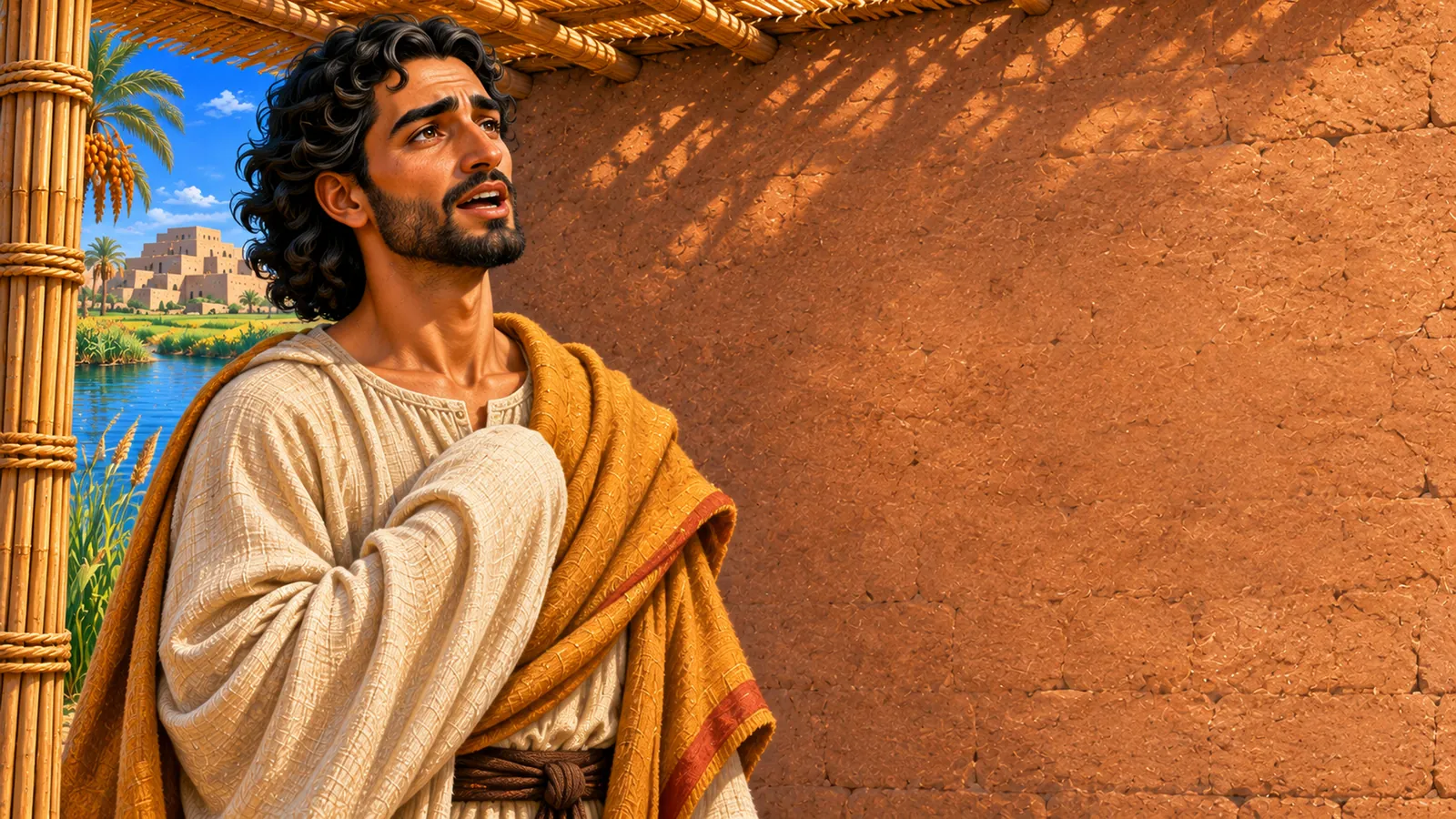
Dumuzi rappela qu’il portait de la nourriture à Eanna et qu’il avait apporté les présents de mariage à Uruk. Il parla de baiser les lèvres sacrées et de danser sur les genoux sacrés d’Inanna.
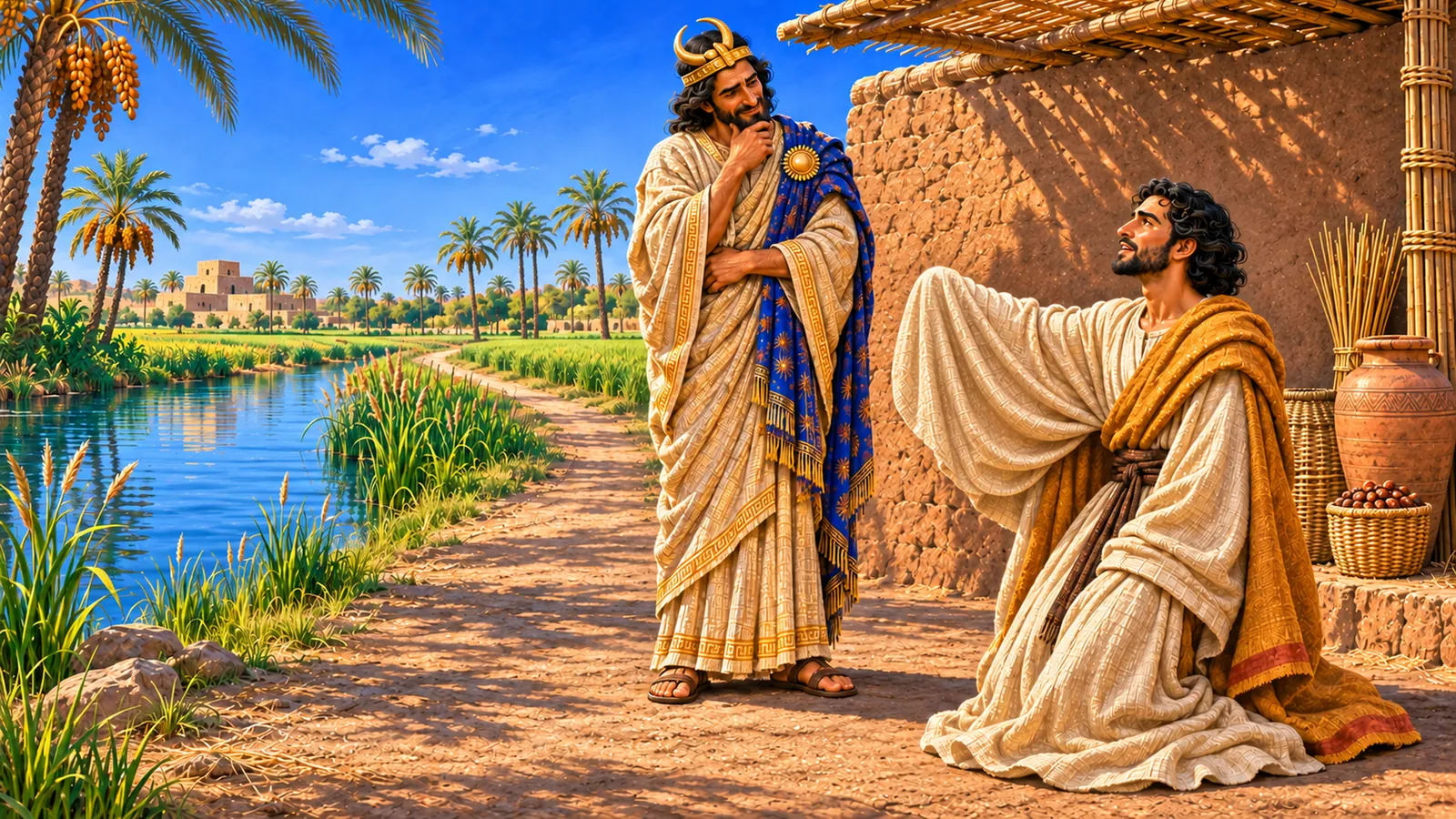
Il demanda à Utu de lui donner des mains et des pieds de gazelle pour qu’il puisse s’échapper vers la bergerie sacrée de sa sœur.
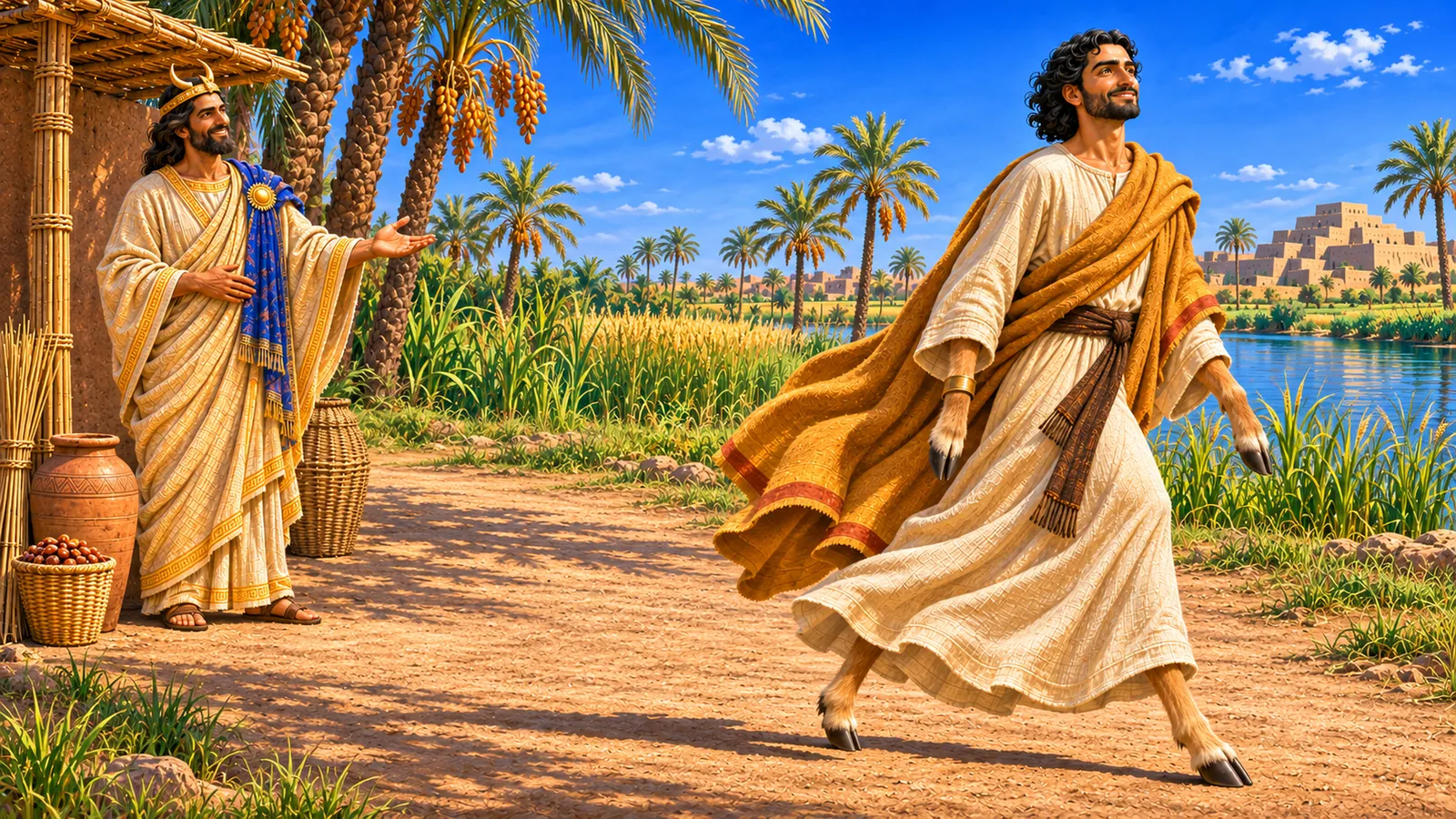
FUITE
Utu a de nouveau accueilli ses larmes. Il a donné à Dumuzi des mains et des pieds de gazelle, et Dumuzi a échappé aux démons.
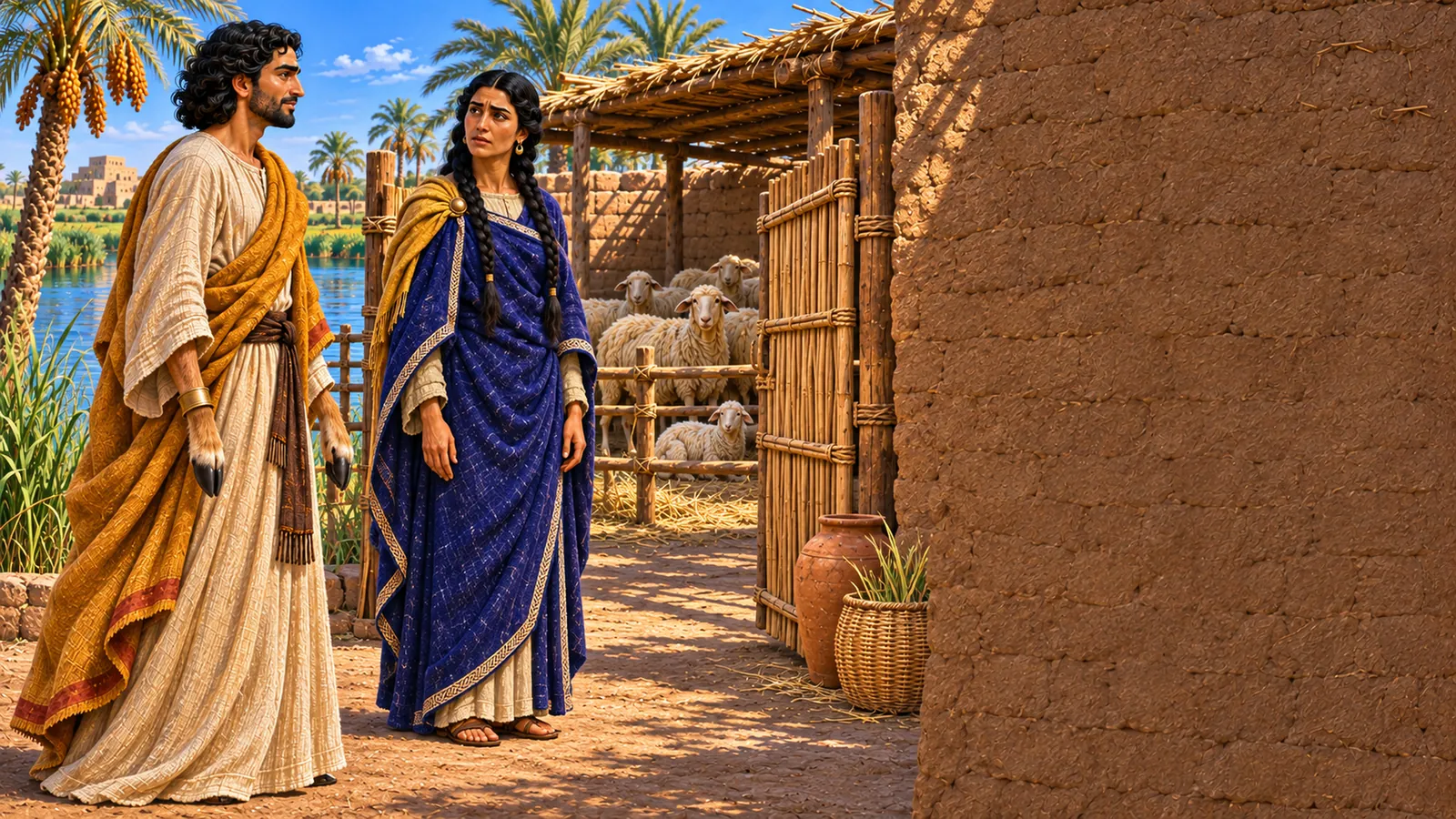
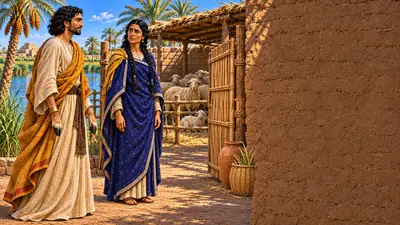
Dumuzi a sauvé sa vie en gagnant la bergerie sacrée. C’était la bergerie de sa sœur, et il s’est approché de son entrée.
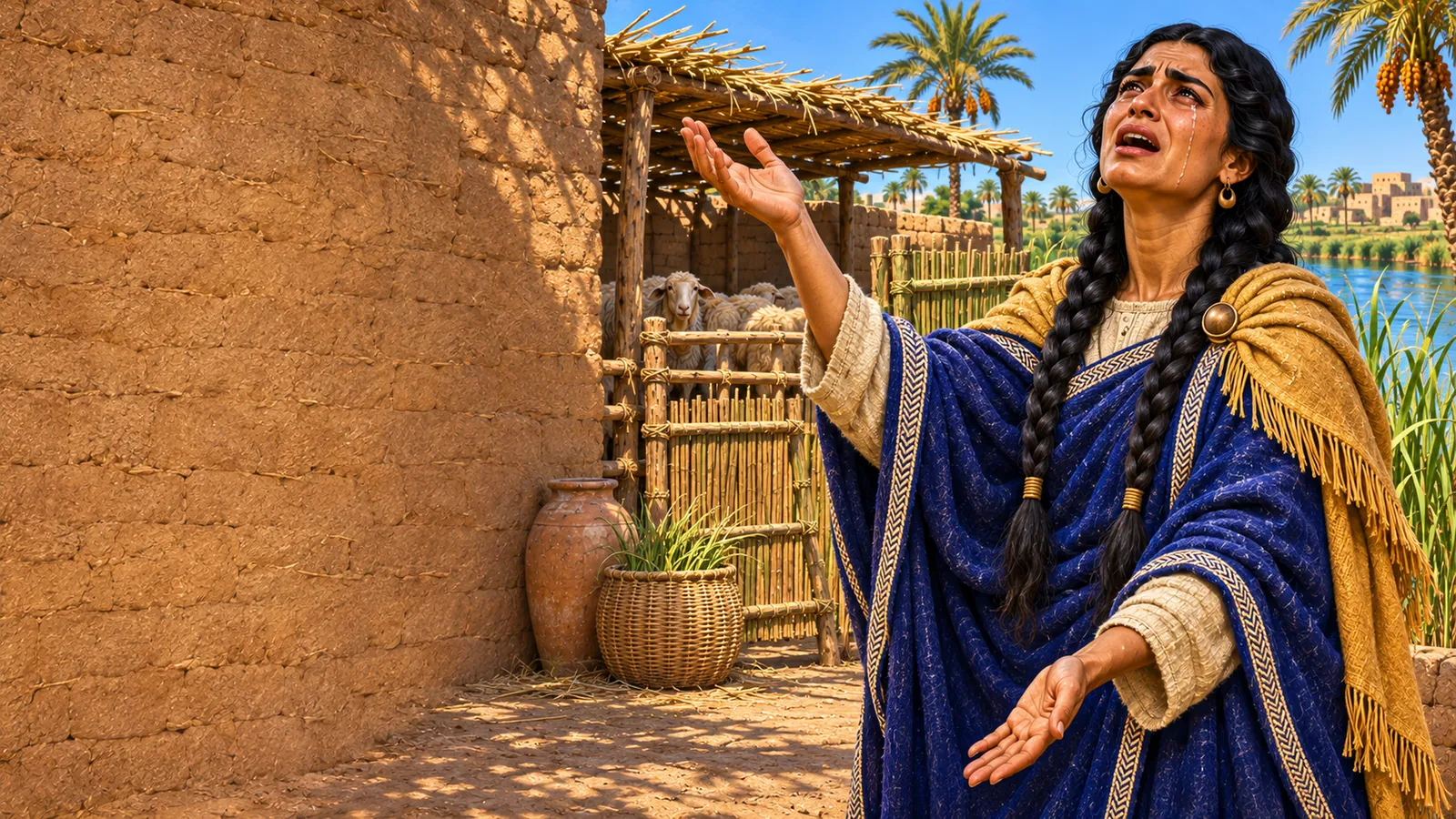
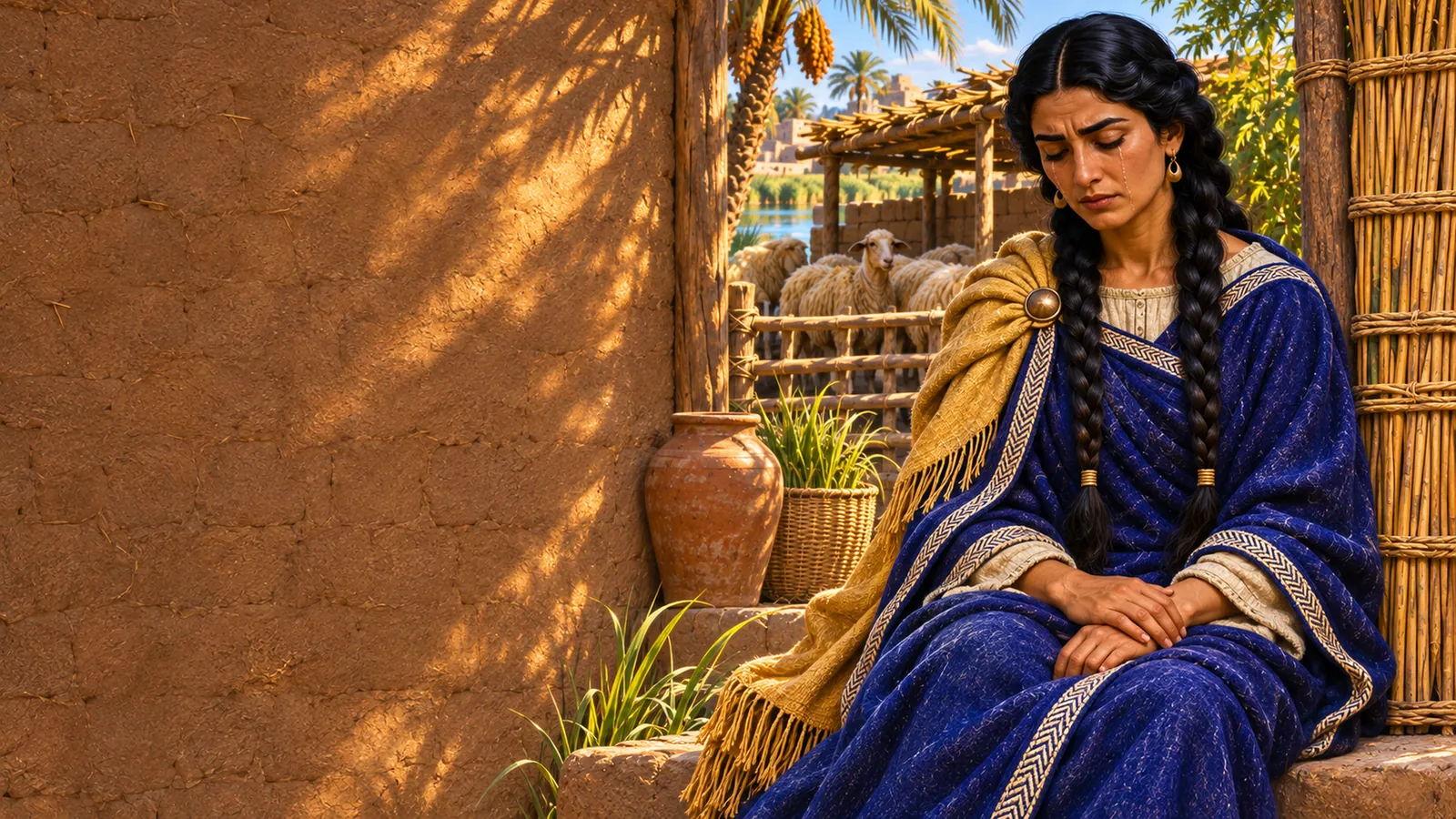
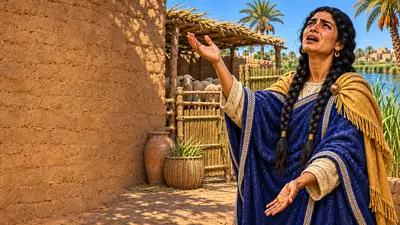
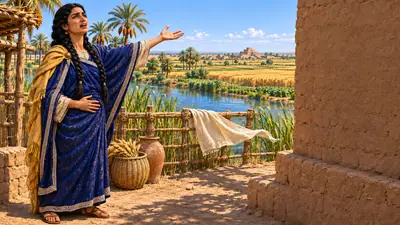
Geštinanna a crié vers le ciel et vers la terre. Sa voix s’est répandue sur tout l’horizon, comme si elle pouvait recouvrir la campagne.
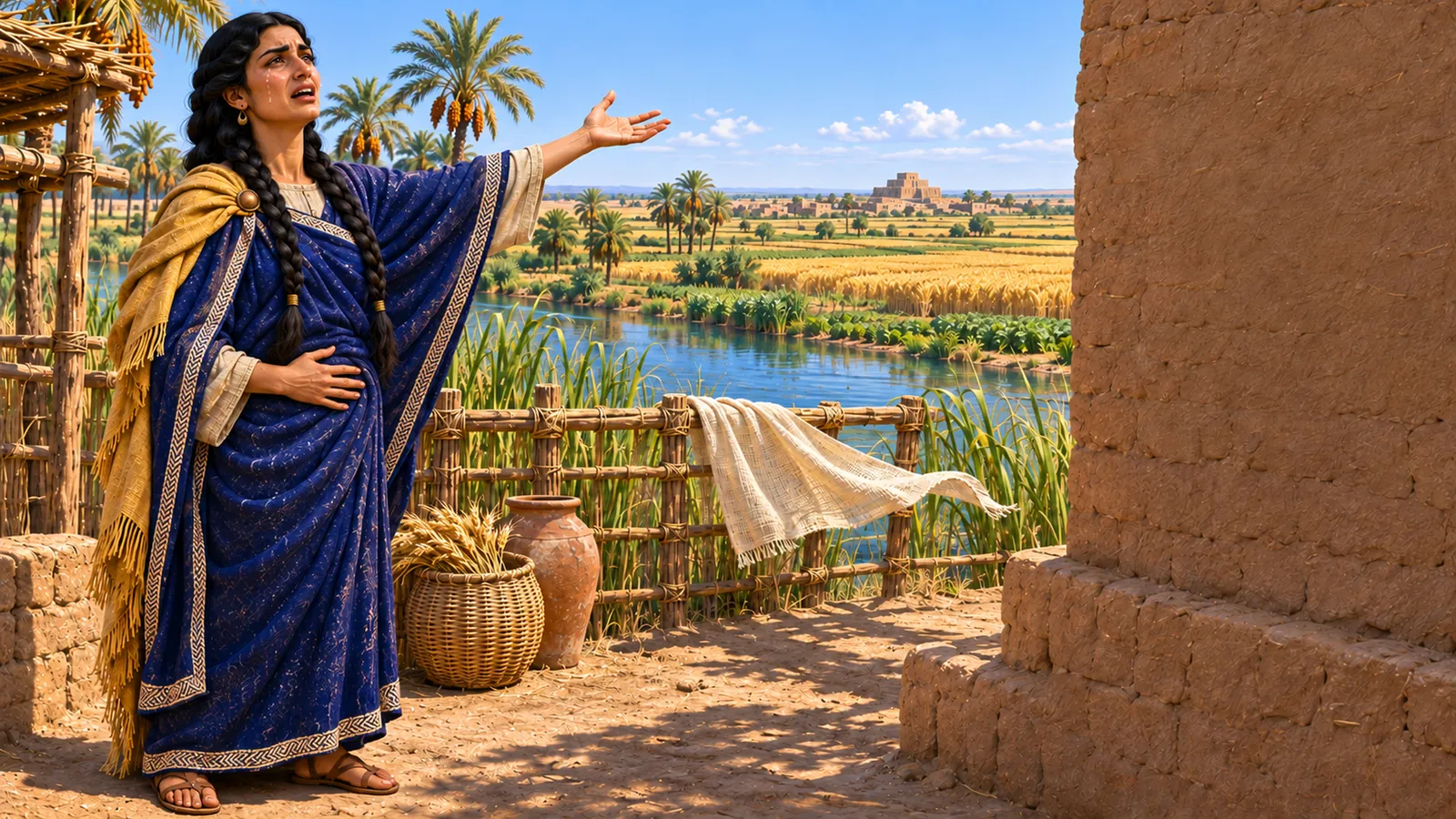
Le poème compare ses cris à une étoffe déployée sur l’horizon. Ils recouvraient la terre lointaine comme une longueur de lin.
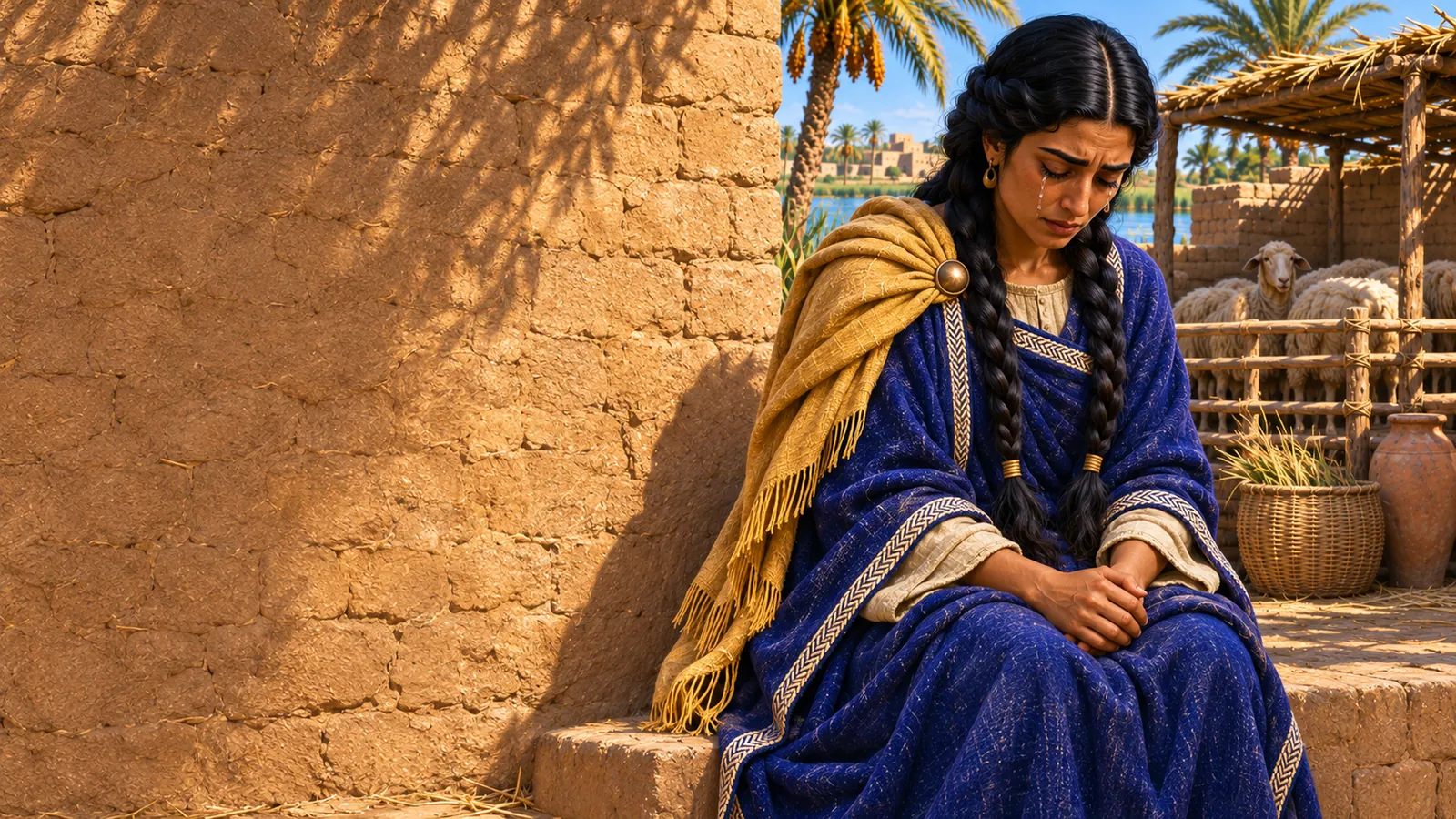
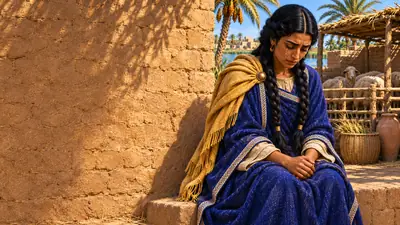
Dans son deuil, Geštinanna s’est fait du mal. Le poème dit qu’elle l’a fait ouvertement, devant d’autres personnes, puis qu’elle s’est blessée de nouveau quand elle était seule.
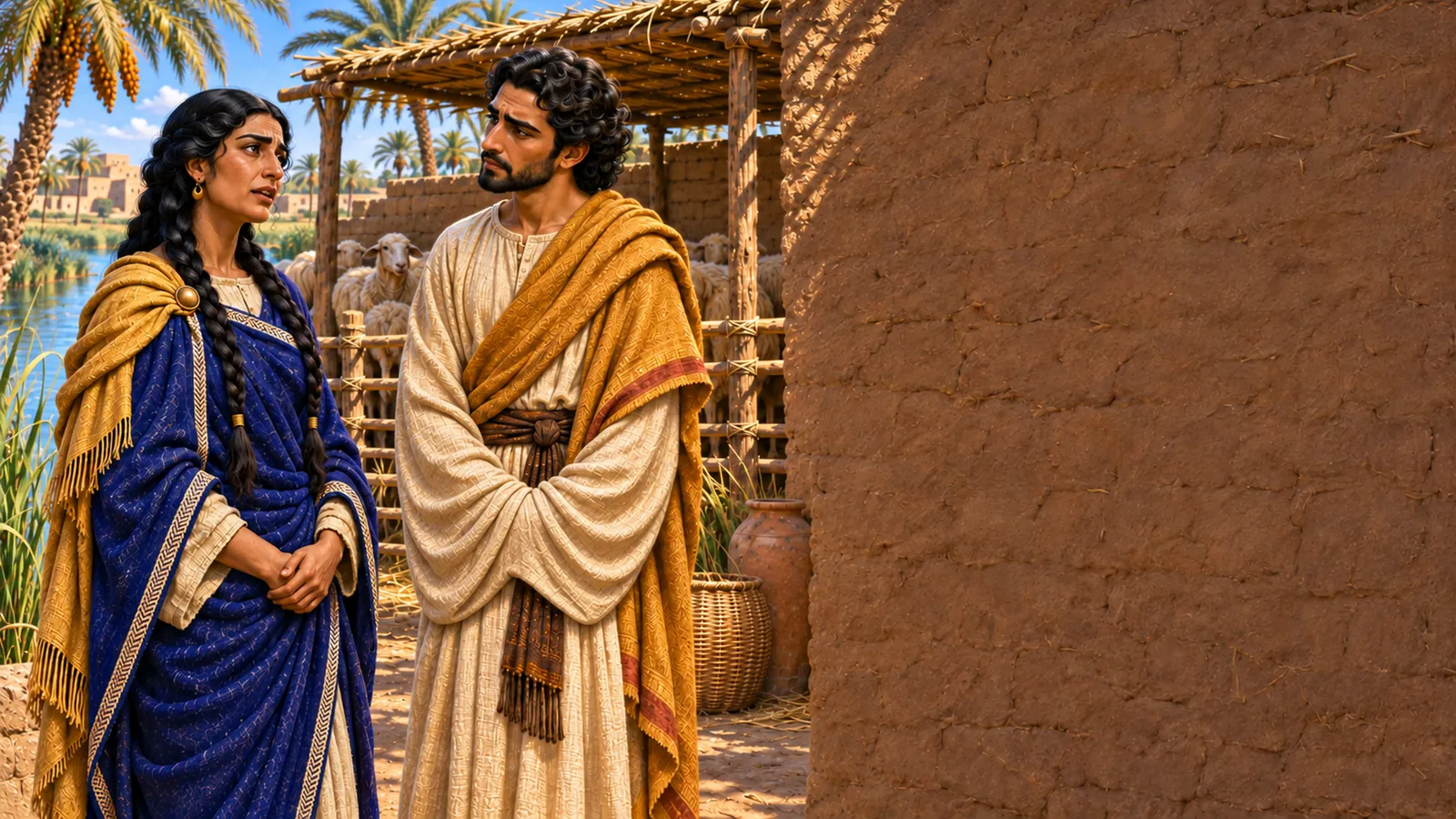
Elle a parlé à son frère de parcourir les rues. Sa phrase s’interrompt là. On ne sait plus ce qu’elle comptait faire.
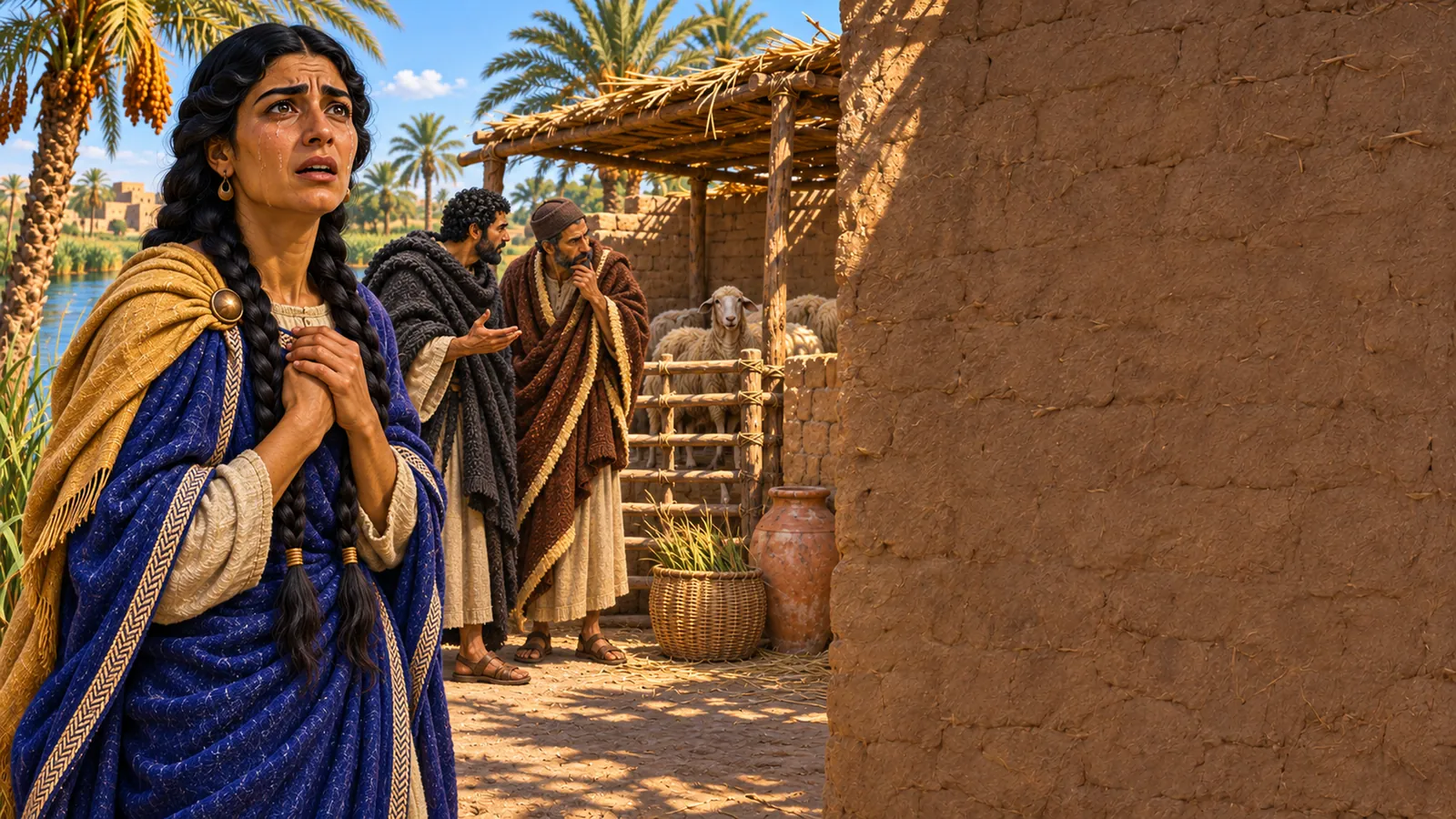
Les démons ont entendu sa frayeur dans sa voix et y ont vu le signe qu’elle savait où se trouvait Dumuzi. Ils se sont dirigés vers la bergerie et l’enclos des bovins.
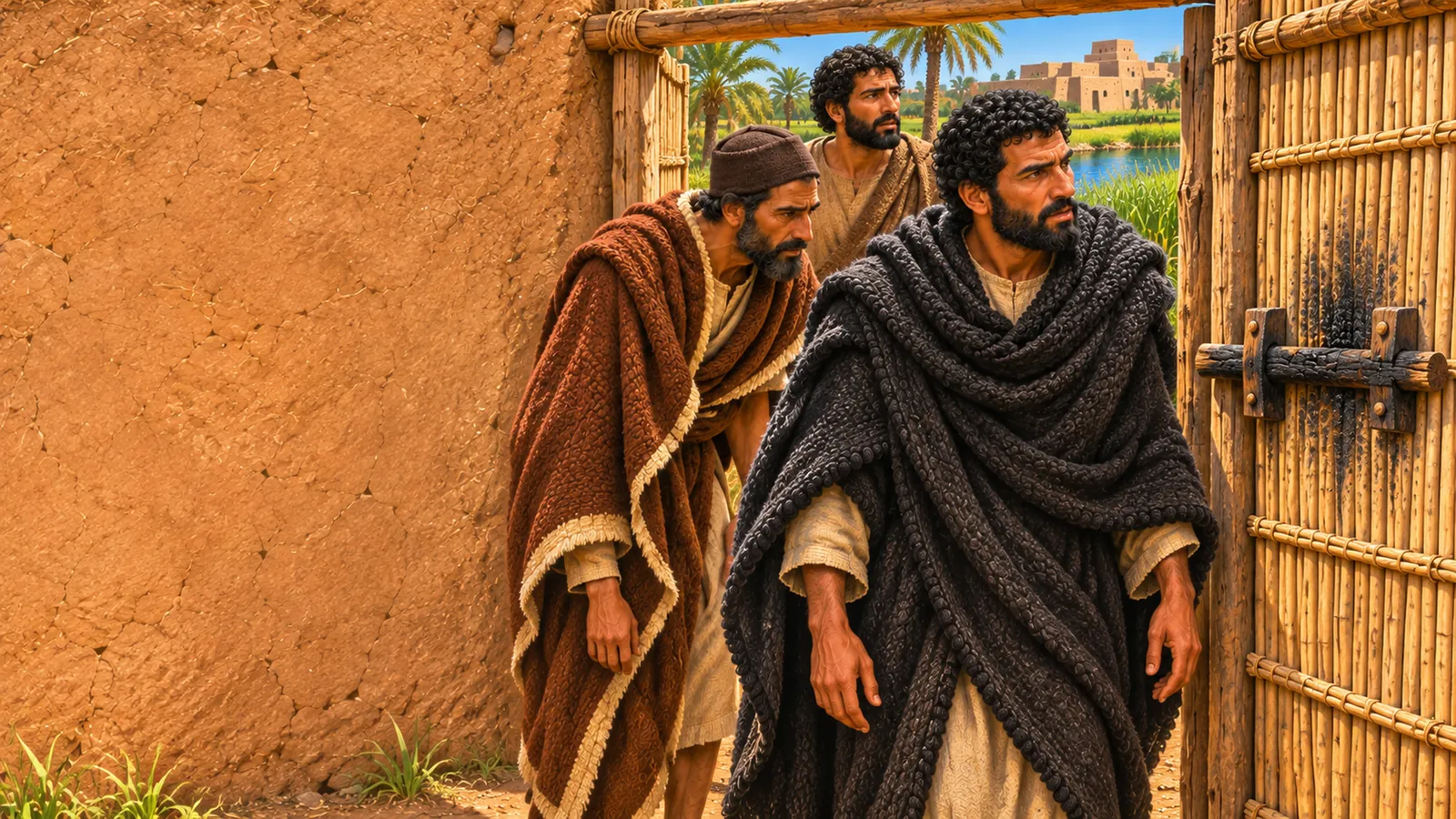
Le premier démon est entré dans la bergerie et l’enclos des bovins. Dans la version principale, il a mis le feu au verrou de la porte.
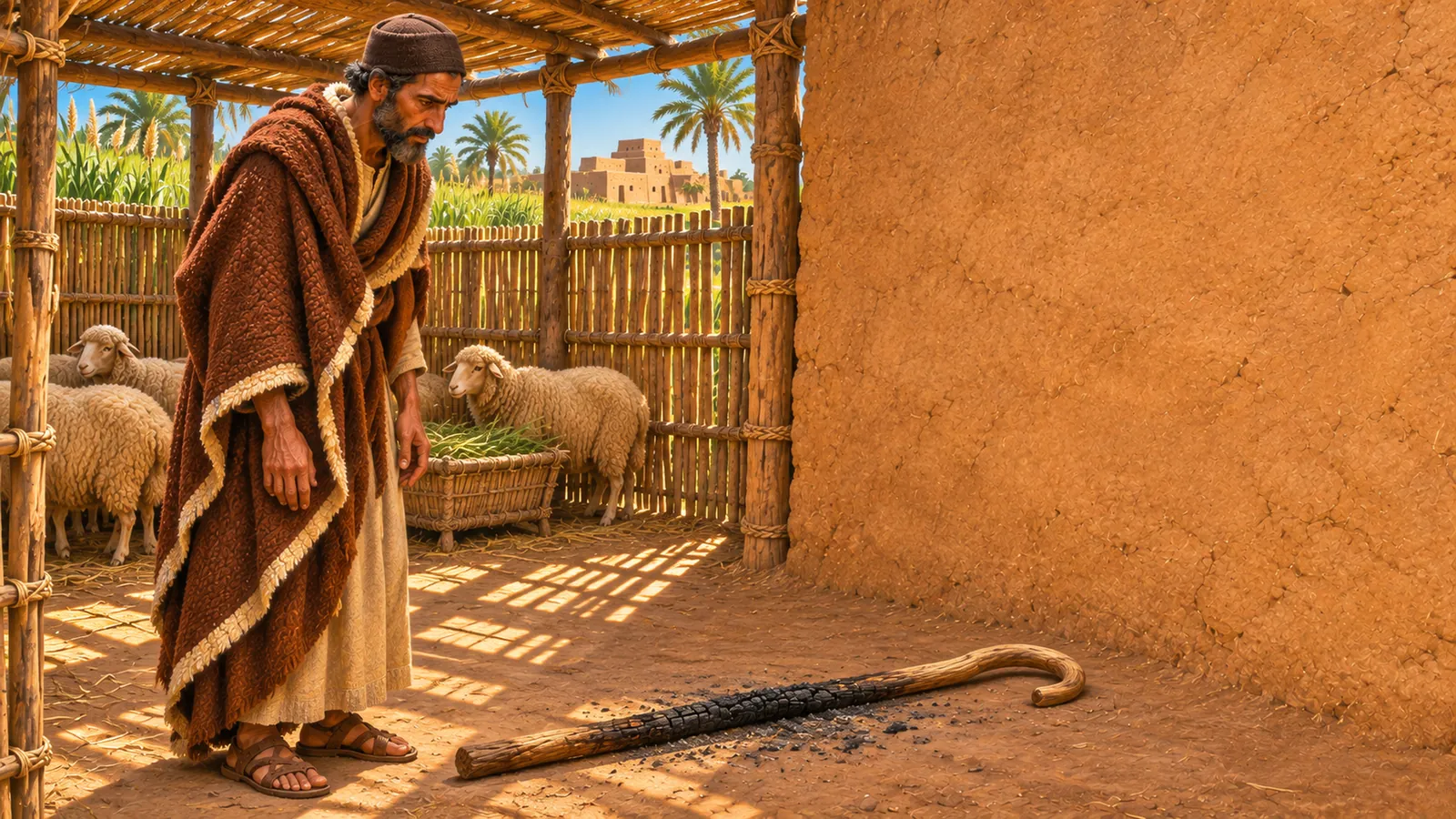
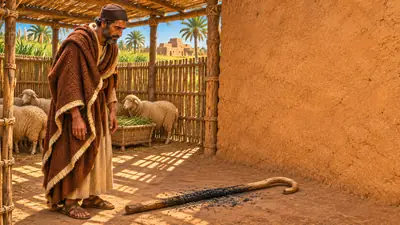
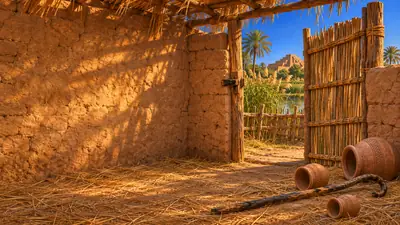
Le deuxième démon est entré dans la bergerie et l’enclos des bovins et a brûlé le bâton du berger. Un bâton avait déjà disparu dans le rêve de Dumuzi.
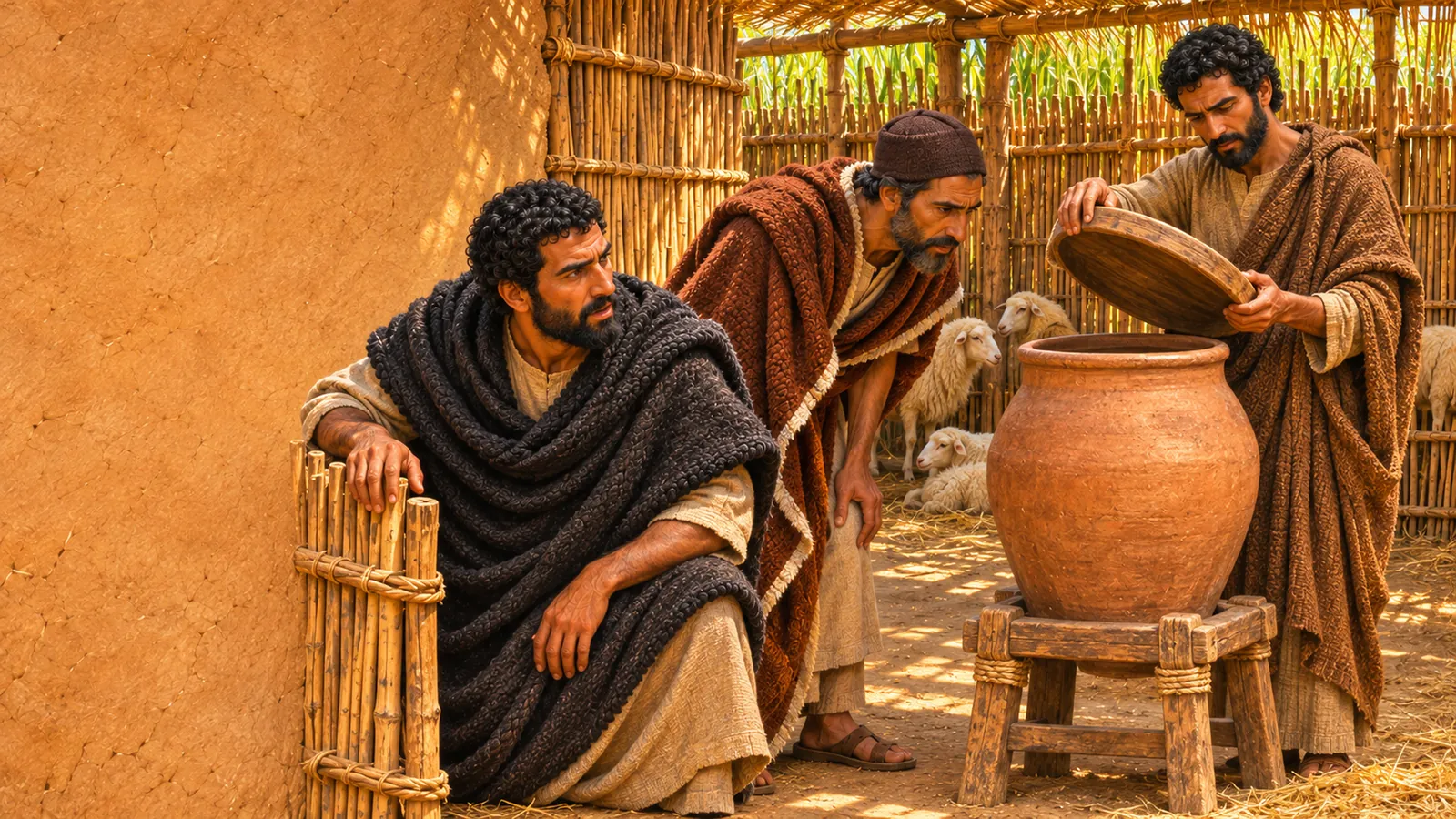
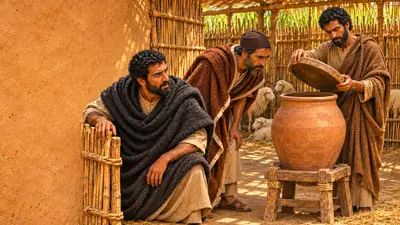
Le troisième démon est entré dans la bergerie et l’enclos des bovins. Il a retiré le couvercle de la baratte sacrée, comme Dumuzi l’avait vu en rêve.
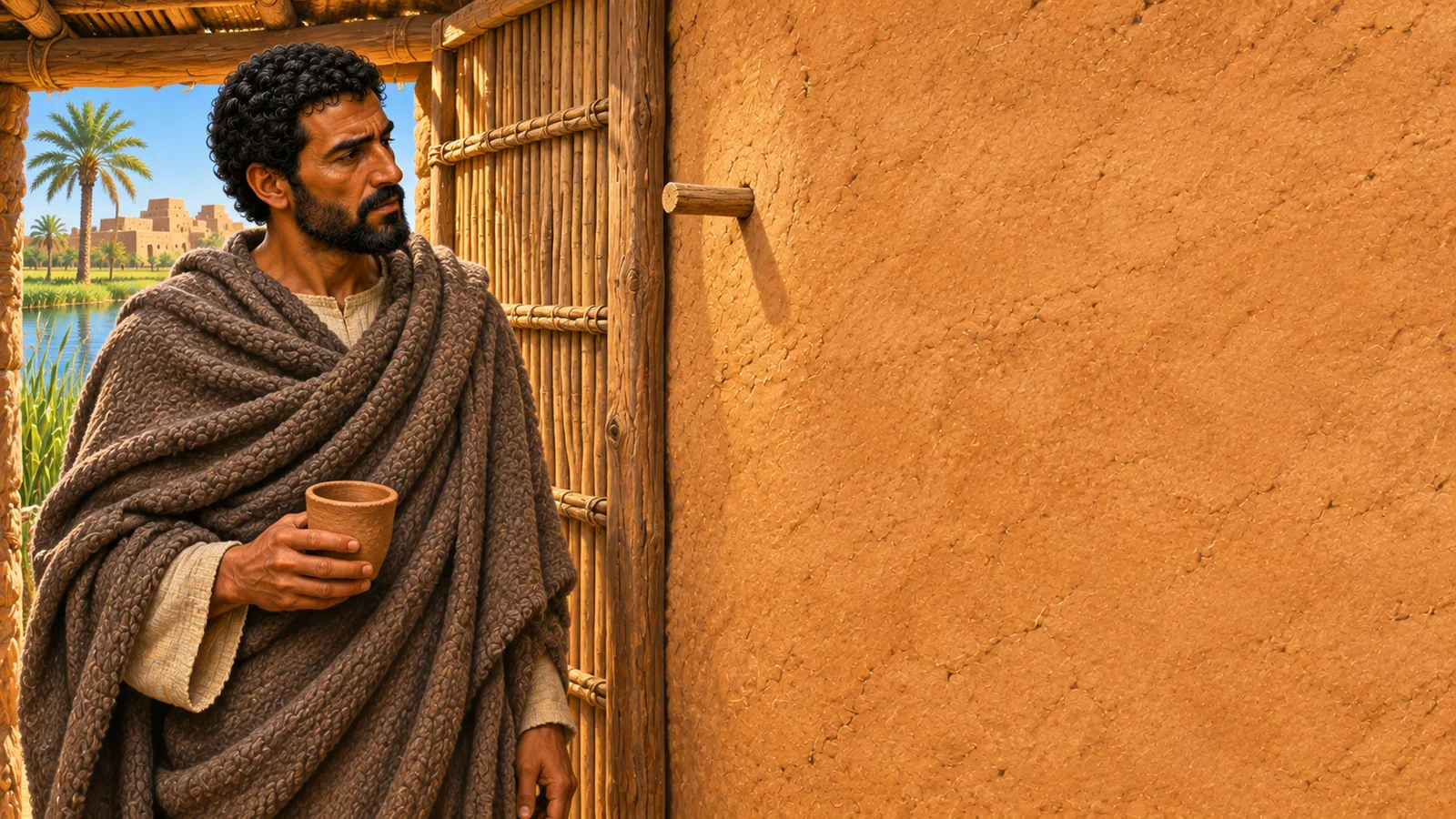
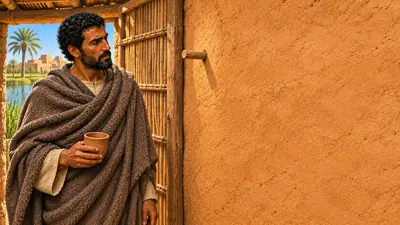
Le quatrième démon est entré et a arraché la coupe à boire de son crochet. La coupe, elle aussi, était tombée dans le rêve de Dumuzi.
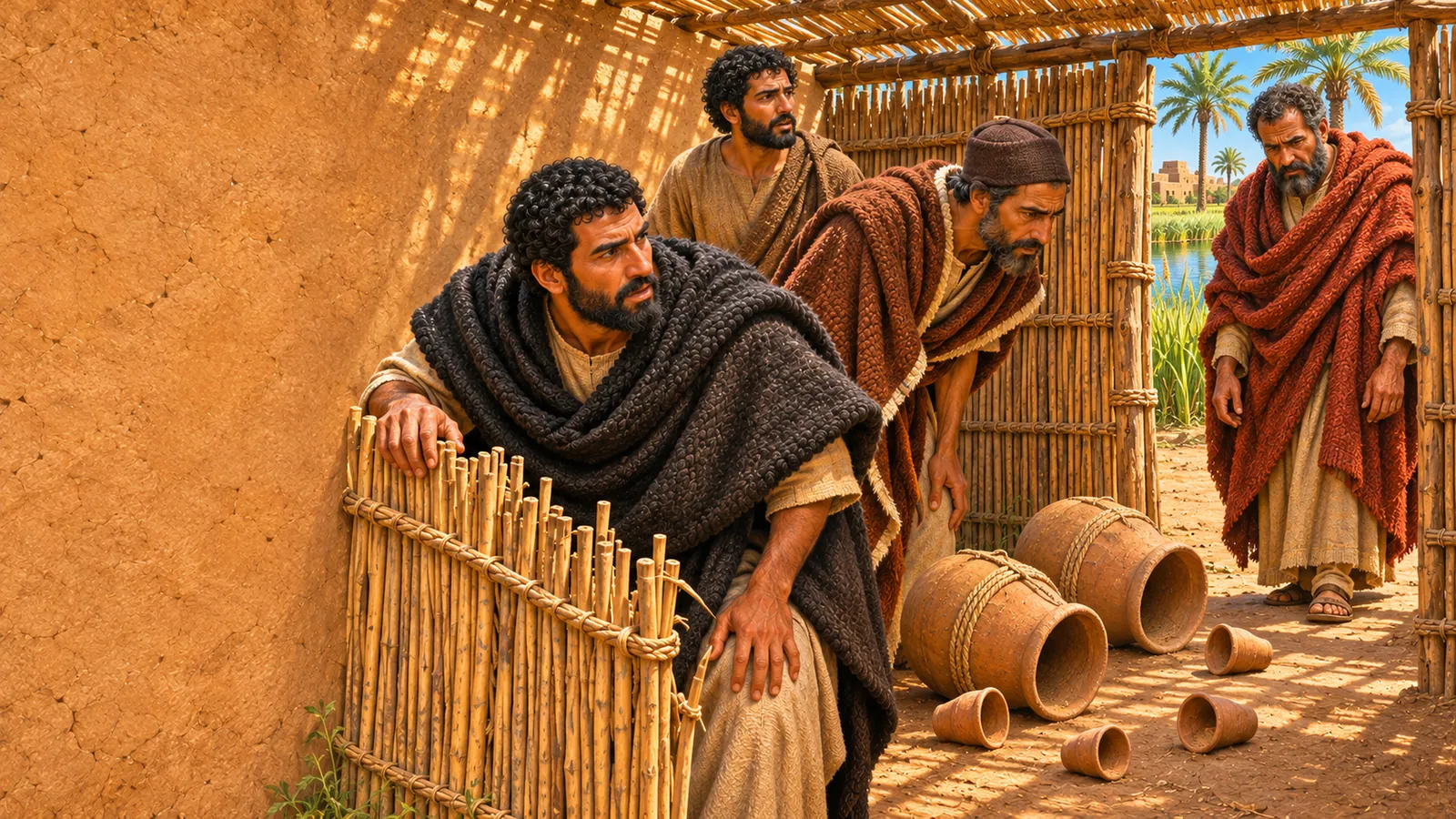
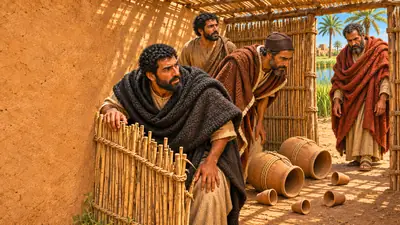
Quand le cinquième démon est entré dans la version principale, les barattes et les coupes étaient couchées sur le côté. Personne ne versait de lait dans la bergerie.
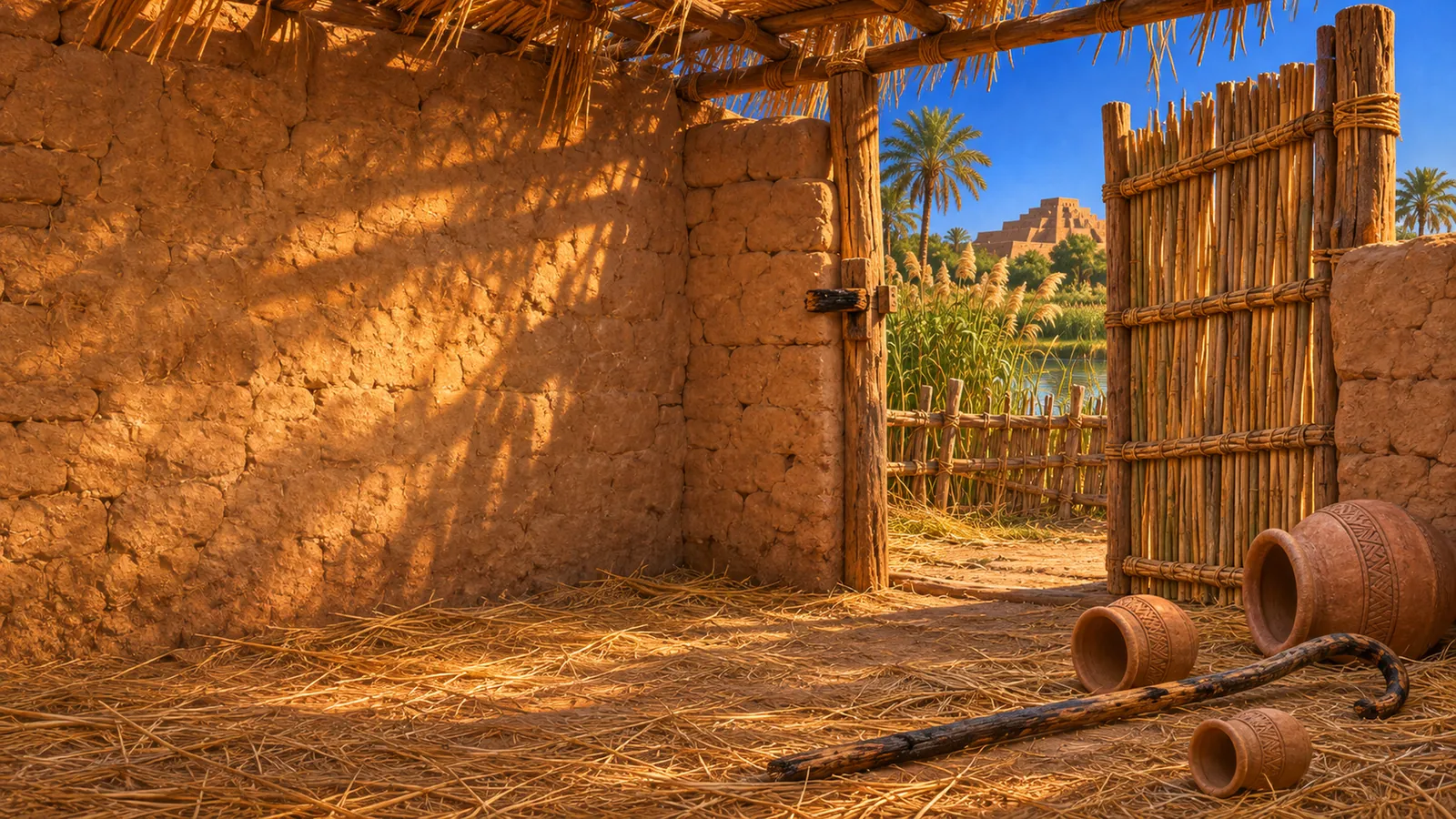
Dumuzi était mort et la bergerie était hantée. La dernière scène du rêve s’était réalisée. Le poème laisse le lieu sans son berger.
PLAINTE
Le dernier vers appelle ce texte un chant kalkal pour Dumuzi mort. Il donne un nom à la lamentation qui demeure après le silence de la bergerie.
Fin du chapitre 2
Toutes les pages



Sources
Oxford groups the translation into line ranges. Each page follows the beat within its cited group. Eanna, Uruk and Inanna are the names used here for Oxford’s E-ana, Unug and Inana. Ku-bireš and Ku-bireš-dildareš render Oxford’s Ku-birec and Ku-birec-dildarec.
Éditions consultées
Notes sur ce récit
Pages 1–4, lines 165–173. Dumuzi addresses Utu as his brother-in-law and calls himself the husband of Utu’s sister. He mentions carrying food to Eanna and bringing wedding gifts to Uruk. Page 3 gives his claim that he kisses Inanna’s sacred lips and dances on her sacred knees, the words of his appeal. On page 4 he asks for gazelle hands and feet so he can escape to Ku-bireš-dildareš. These spellings follow the story’s naming conventions. Oxford prints E-ana, Unug, Inana and Ku-birec-dildarec.
Page 5, lines 174–180. Utu accepts Dumuzi’s tears and shows mercy. One manuscript adds that he accepts the tears as a gift.
Pages 6–8, lines 174–180. The translation specifies Dumuzi’s hands and feet in describing the change. He evades the demons and reaches Ku-bireš-dildareš with his life. They look for him without finding him at first.
Pages 9–10, lines 181–191. The pursuers propose going to Ku-bireš. One witness adds a broken comparison involving a net after this suggestion. Oxford prints Ku-birec.
Pages 11–12 (181–191). Adjacent pages preserve the order to go to Ku-bireš and the capture there. The captured Dumuzi is surrounded, the standing water drained and a cord, net, reed hawser and sticks prepared. Oxford describes the man in front throwing projectiles and preserves no action for the man behind. The poem says they bound Dumuzi’s hands and arms and then describes him raising his hands toward Utu. Page 12 retains that sequence. The manuscript addition with the comparison to a net belongs with the earlier order.
Pages 13–15 (192–199). The appeal begins with Dumuzi identifying Utu as his brother-in-law. Dumuzi says he carries food to Eanna and brought wedding gifts to Uruk, and invokes Inanna’s lips and knees. Then he requests the hands and feet of a gazelle so that he can escape to the house of Old Woman Belili. One manuscript reads snake in place of gazelle in both phrases. The narrative request is distinct from its fulfillment.
Pages 16–17 (200–205). Utu accepts Dumuzi’s tears and changes his hands and feet into those of a gazelle in the composite text. One manuscript reads snake as the alternative for both. The composite gives his evasion and escape with his life to Belili’s house.
Pages 18–19 (206–208). Dumuzi identifies himself as a goddess’s husband and makes two requests, first for water to drink and then for flour to eat.
Page 20 (209–212). The first surviving sequence is Belili pouring water, sprinkling flour, and Dumuzi sitting inside. The next pages take up Belili leaving and the demons seeing her. The edition gives no eating or drinking action between the request and Dumuzi’s sitting down.
Pages 21–22 (209–212). After the old woman gives Dumuzi water and flour, he sits inside. She goes outside, and the demons see her.
Pages 23–24 (213–226). The searchers remark on the old woman’s frightened appearance and cries. They infer that she knows Dumuzi’s whereabouts and decide to go to the house of Old Woman Belili, where they catch him. The explanation of her fear comes from them. The translation gives no disclosure by Belili.
Pages 25–27 (213–226). The men drain the standing water around Dumuzi and prepare a cord, a net, a reed hawser and sticks. The man in front throws projectiles at him, and the words about the man behind him break off. The translation names handcuffs and fetters on his hands and arms. He raises his hands heavenward to Utu, and the next numbered passage begins his third appeal.
Pages 28–30 (227–234). Dumuzi calls Utu his brother-in-law and himself the husband of Utu’s sister. He speaks of kissing holy lips and dancing on Inanna’s holy knees. Here the request is for the hands and feet of a gazelle so he can escape to his sister’s holy sheepfold. The snake reading is a variant of the ensuing transformation at 235–244.
Pages 31–32, ETCSL 1.4.3, lines 235–244. Utu hears the appeal, changes Dumuzi’s hands and feet, and he escapes toward his sister’s holy sheepfold. Oxford gives gazelle limbs in the main text and snake limbs in a manuscript variant.
Pages 33–35, lines 235–244. Geštinanna cries toward heaven and earth. Her cries are likened to spread cloth and linen.
Page 35 (ETCSL 1.4.3, lines 235–244).
Pages 36–37, lines 245–255. The opening speech to her brother breaks off after a phrase about going through the streets. The pursuers infer from her fear and cries that she knows where Dumuzi is, then decide to go to the sheepfold and cow-pen. Their inference belongs to their speech.
Pages 38–40, lines 245–255. The first demon sets fire to the bolt in Oxford’s main reading. One manuscript has a shout followed by damaged wording. The second burns the shepherd’s staff and the third removes the churn lid. These are the separate actions in the main sequence.
Pages 41–43, lines 256–260. The fourth tears the cup from its peg in the main reading. At the fifth entry, churns and cups lie on their sides, no milk is poured, Dumuzi is dead and the sheepfold is haunted. One manuscript adds water poured over the brazier at the fourth entry, shifts the cup to the fifth and divides the concluding signs between the sixth and seventh.
Page 44, line 261. Oxford marks the last line as the description of a kalkal song for the dead Dumuzi. This poem ends at that description.
Les vers antiques de chaque page
- Page 1: ETCSL 1.4.3, lines 165–173
The ditches suggest the place of the plea rather than a named monument. - Page 2: ETCSL 1.4.3, lines 165–173
- Page 3: ETCSL 1.4.3, lines 165–173
- Page 4: ETCSL 1.4.3, lines 165–173
- Page 5: ETCSL 1.4.3, lines 174–180
- Page 6: ETCSL 1.4.3, lines 174–180
- Page 7: ETCSL 1.4.3, lines 174–180
- Page 8: ETCSL 1.4.3, lines 174–180
- Page 9: ETCSL 1.4.3, lines 181–191
- Page 10: ETCSL 1.4.3, lines 181–191
At extreme lower left an overhanging fragment of bare cracked clay receives a narrow muted warm highlight. - Page 11: ETCSL 1.4.3, lines 181–191
- Page 12: ETCSL 1.4.3, lines 181–191
- Page 13: ETCSL 1.4.3, lines 192–199
- Page 14: ETCSL 1.4.3, lines 192–199
The right falls into broad naturally even gray-olive plaster shade, with no roof edge or right line. - Page 15: ETCSL 1.4.3, lines 192–199
- Page 16: ETCSL 1.4.3, lines 200–205
- Page 17: ETCSL 1.4.3, lines 200–205
Left is continuous natural copper-gray distance with no horizon line or street. - Page 18: ETCSL 1.4.3, lines 206–208
- Page 19: ETCSL 1.4.3, lines 206–208
- Page 20: ETCSL 1.4.3, lines 209–212
- Page 21: ETCSL 1.4.3, lines 209–212
- Page 22: ETCSL 1.4.3, lines 209–212
- Page 23: ETCSL 1.4.3, lines 213–226
- Page 24: ETCSL 1.4.3, lines 213–226
- Page 25: ETCSL 1.4.3, lines 213–226
- Page 26: ETCSL 1.4.3, lines 213–226
- Page 27: ETCSL 1.4.3, lines 213–226
- Page 28: ETCSL 1.4.3, lines 227–234
A narrow ochre earth bank and a low line of reed roots occupy only the lowest third. - Page 29: ETCSL 1.4.3, lines 227–234
- Page 30: ETCSL 1.4.3, lines 227–234
A pastoral track runs across the lower right toward a distant low reed sheepfold, both remaining wholly to the right of the middle line. - Page 31: ETCSL 1.4.3, lines 235–244
- Page 32: ETCSL 1.4.3, lines 235–244
- Page 33: ETCSL 1.4.3, lines 235–244
A broad nearly empty Sumerian plain with a low distant line of river reeds. Overhead natural pale dust and diffuse dusk form a calm continuous lead-blue and faint rose field, with no sharp lower sky edge in the text reserve. - Page 34: ETCSL 1.4.3, lines 235–244
- Page 35: ETCSL 1.4.3, lines 235–244
- Page 36: ETCSL 1.4.3, lines 245–255
- Page 37: ETCSL 1.4.3, lines 245–255
- Page 38: ETCSL 1.4.3, lines 245–255
- Page 39: ETCSL 1.4.3, lines 245–255
- Page 40: ETCSL 1.4.3, lines 245–255
- Page 41: ETCSL 1.4.3, lines 256–260
- Page 42: ETCSL 1.4.3, lines 256–260
- Page 43: ETCSL 1.4.3, lines 256–260
- Page 44: ETCSL 1.4.3, line 261
Illustrations réalisées par IL Archive avec des outils d’IA ; le texte s’appuie sur les sources antiques (voir les sources à la fin de chaque chapitre).