Enki et Ninhursag Chapitre 1
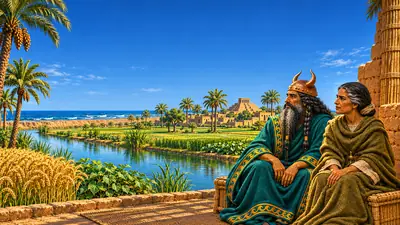
Les Eaux de Dilmun
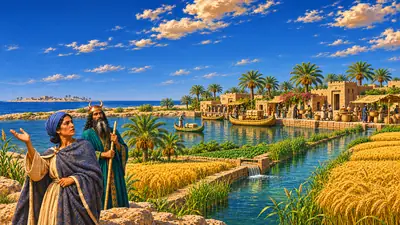
Ninsikila demande de l’eau pour Dilmun, et l’eau douce monte dans les bassins de la ville. Après une série de naissances, huit plantes poussent. Enki les mange, et Ninhursag revient le guérir.
SourcesTournez les pages avec les flèches, le clavier ou en balayant l’écran.
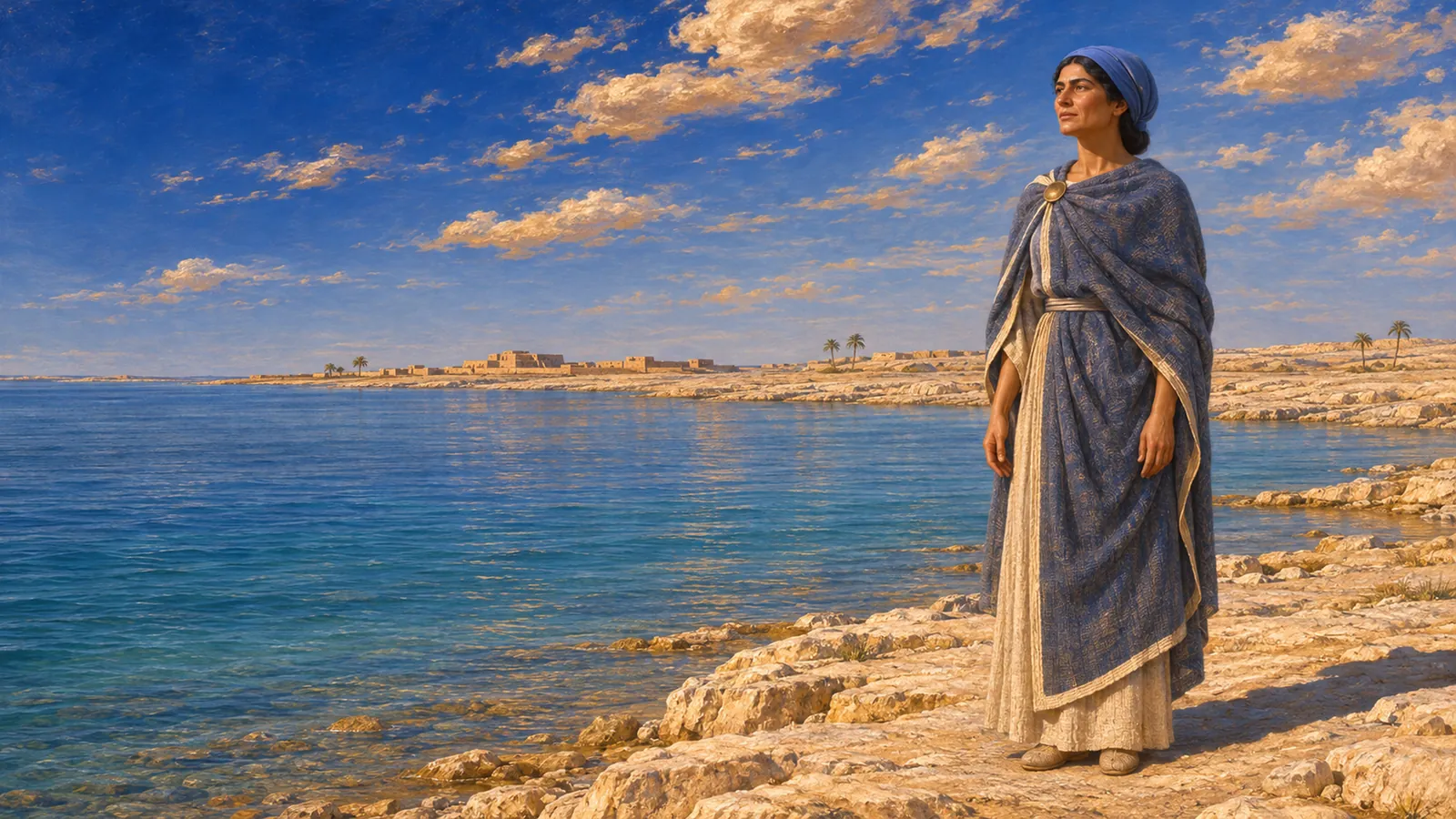
LES EAUX DE DILMUN
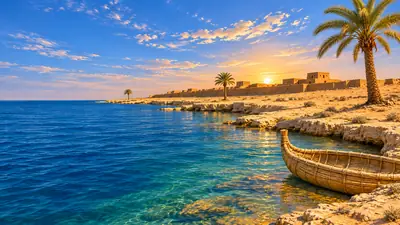
Le chant ancien nomme Sumer et loue Dilmun. Il dit Dilmun pure, lumineuse et sans souillure, puis reprend ces mots au début de son récit.
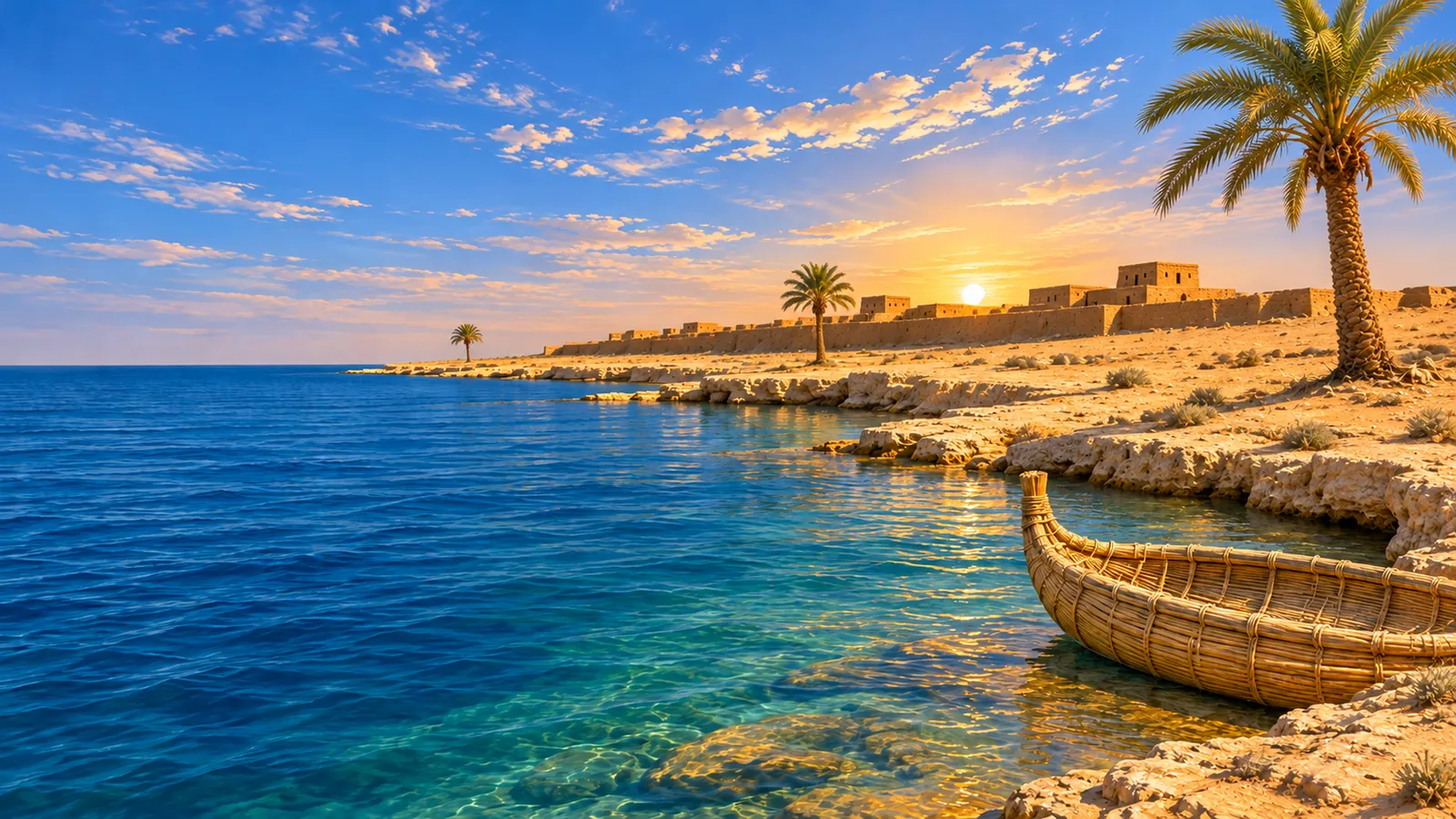
Le poème évoque le lieu où Enki s’est couché avec Ninsikila. Dans ces lignes, il la nomme son épouse et loue de nouveau la pureté et l’éclat de cette terre.
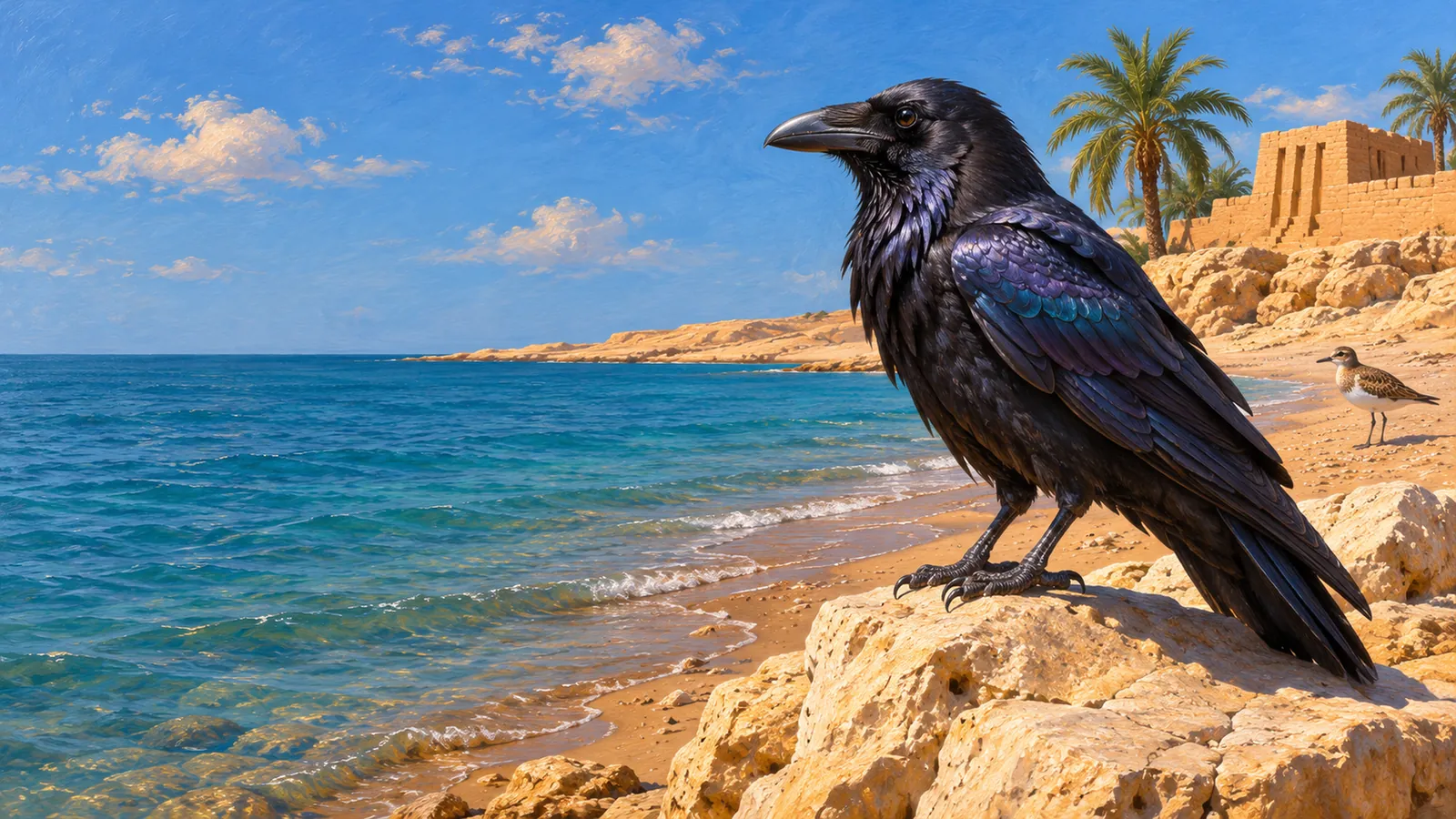
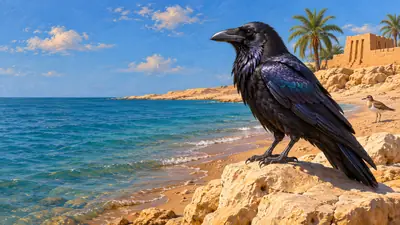
À Dilmun, le corbeau ne poussait aucun cri. Un autre oiseau se taisait lui aussi, et le chant décrit une terre qui n’avait pas encore entendu leurs appels.
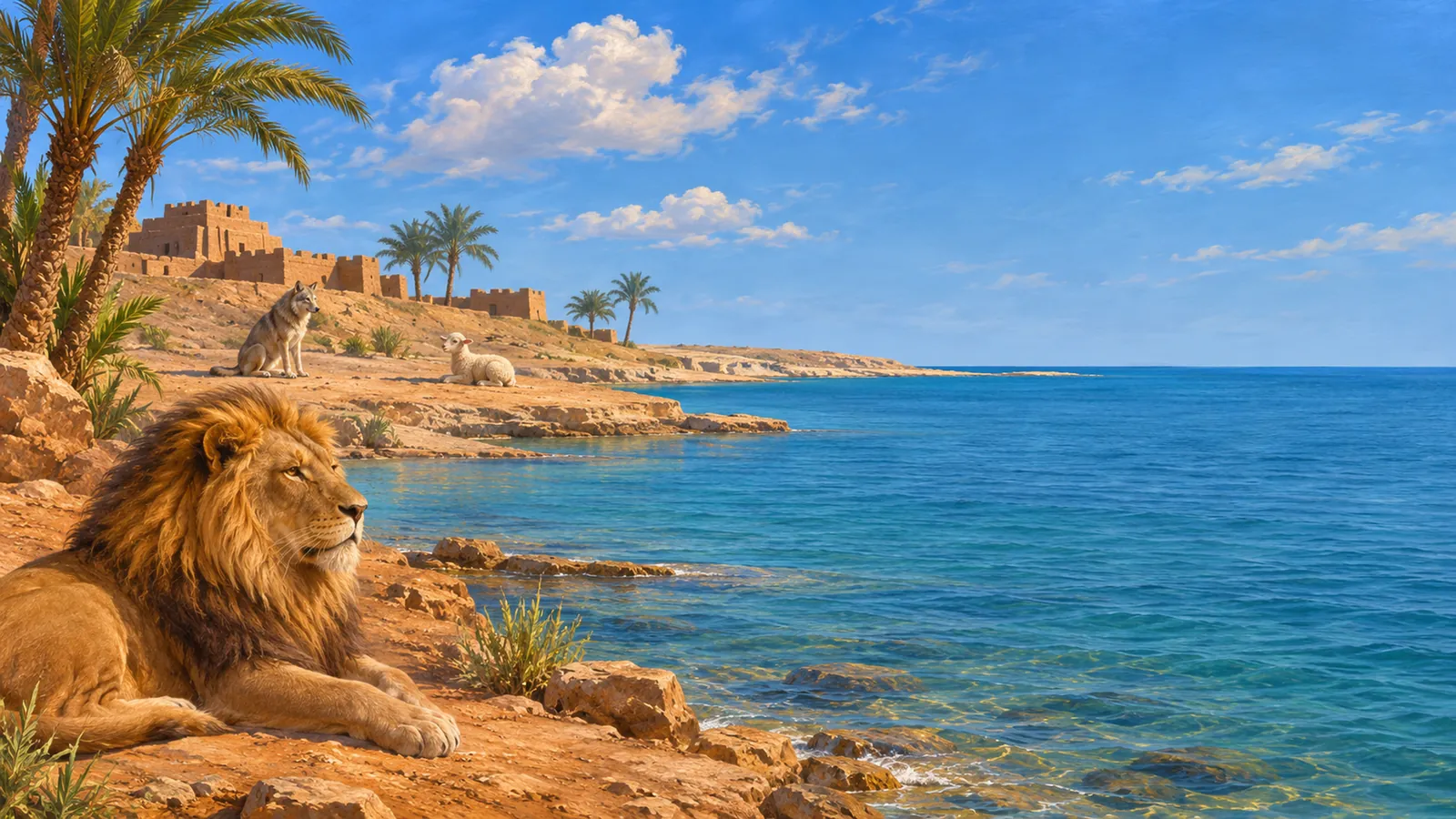
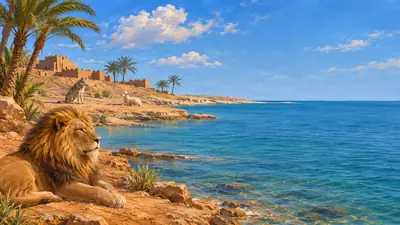
Le lion ne tuait pas et le loup ne saisissait pas d’agneau. Le poème poursuit en nommant les choses qui ne se produisaient pas encore à Dilmun.
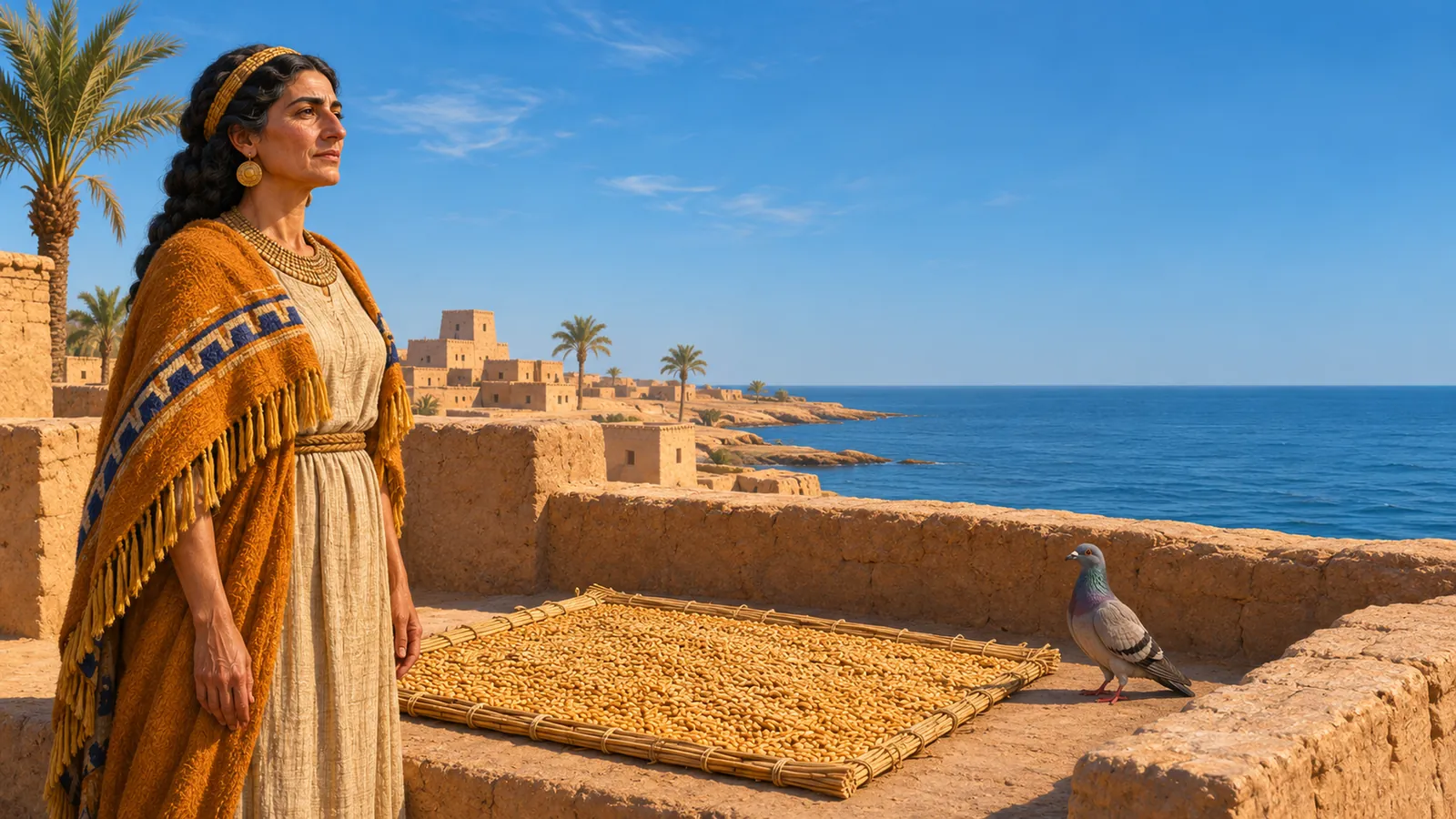
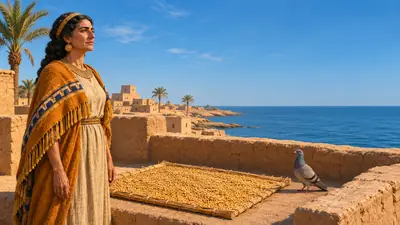
Le poème dit que les oiseaux laissèrent intact le malt étalé sur un toit. Il ajoute que le pigeon ne glissa pas la tête sous son aile.
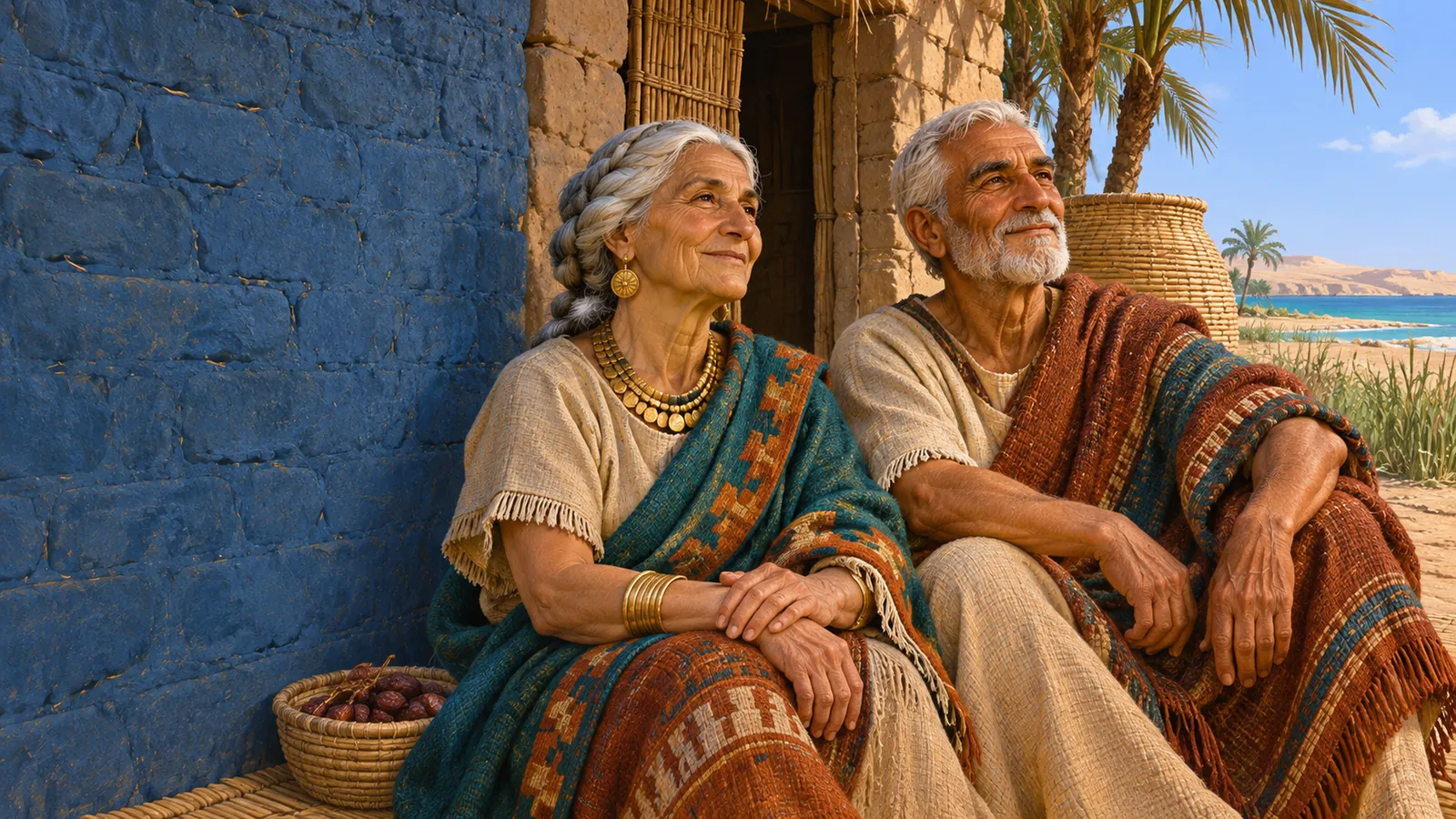
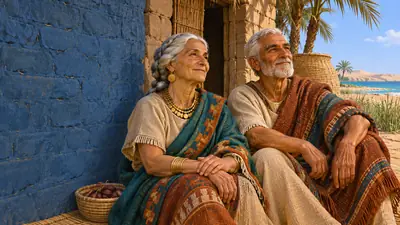
Personne ne parlait de douleurs aux yeux ni de maux de tête. À Dilmun, on n’entendait ni vieille femme ni vieil homme se plaindre de vieillir.
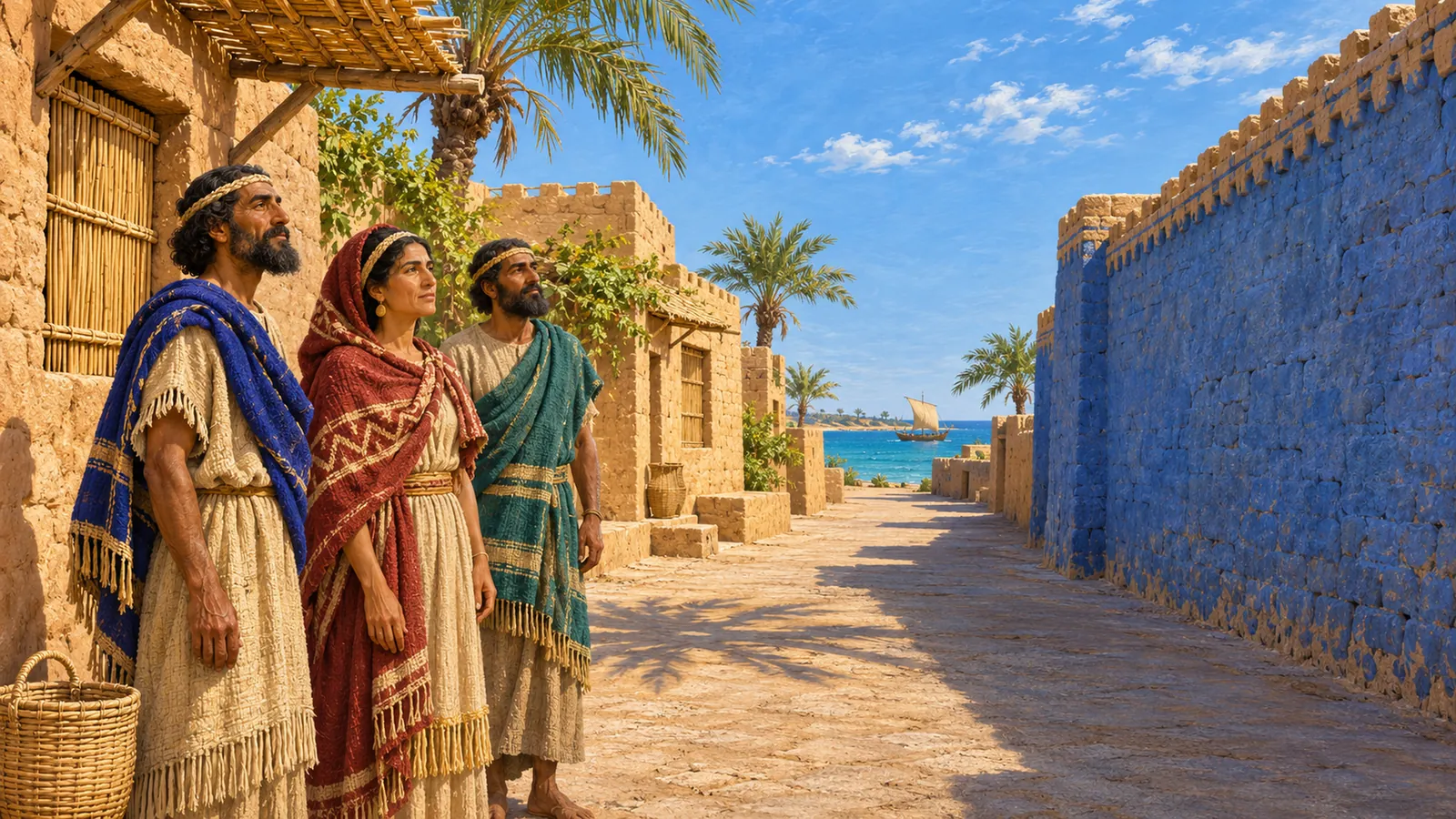
Le dragueur ne disait pas que le soir était tombé, et aucun crieur ne lançait d’appel. Le chanteur ne chantait pas, et aucune lamentation ne se faisait entendre aux abords de la ville.
LE DON
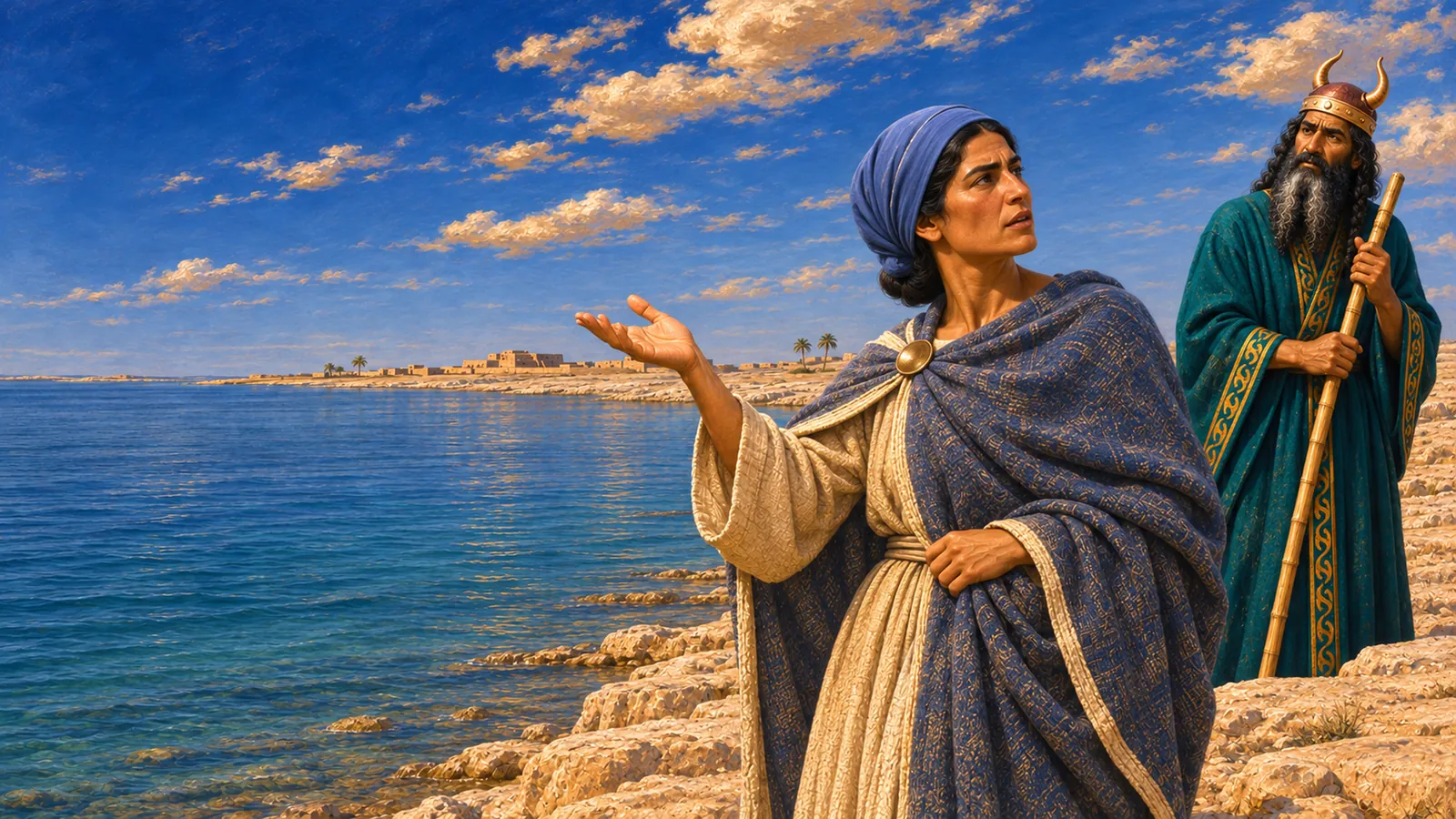
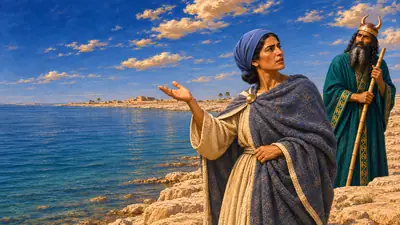
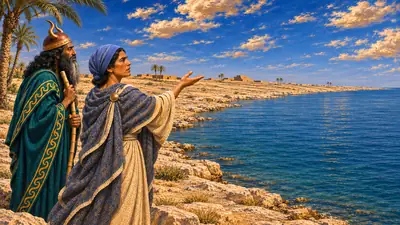
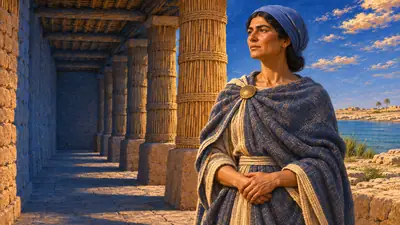
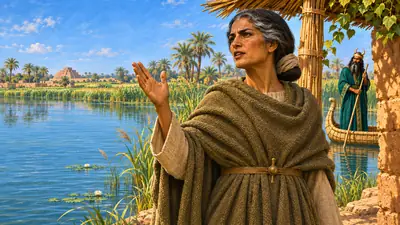
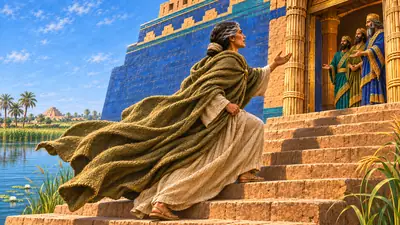
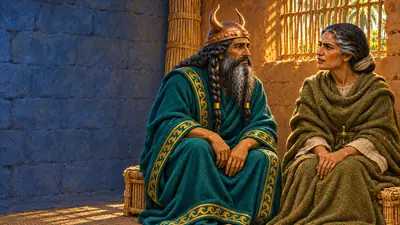
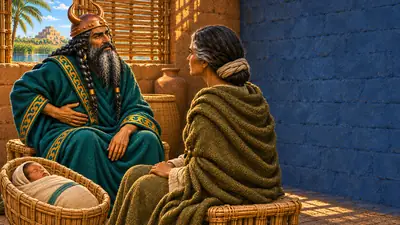
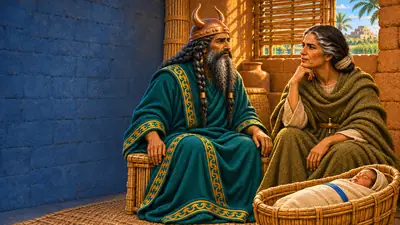
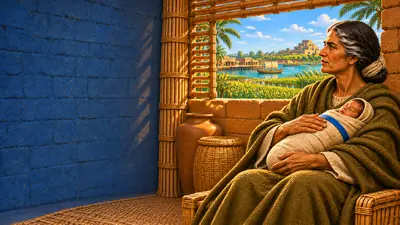
Ninsikila demanda à Enki ce que pouvait lui apporter la ville qu’il lui avait donnée. Elle l’appela père et répéta sa question en regardant la terre qu’il lui avait offerte.
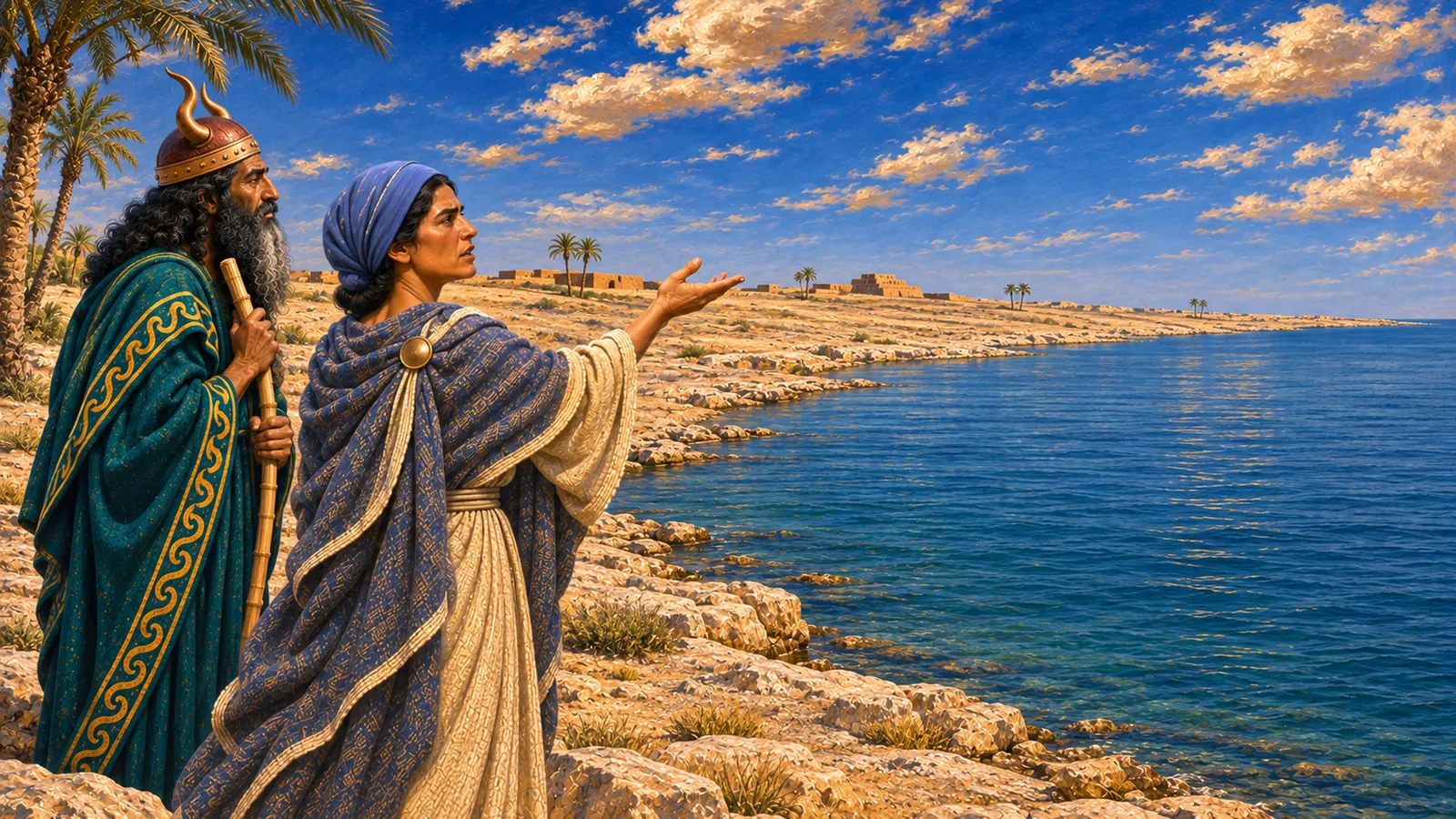
Ninsikila parla d’une ville sans quai ni débarcadère sur le fleuve. Les mots qui décrivent ses terres sont abîmés à un endroit, mais sa plainte sur l’absence de sillons demeure lisible.
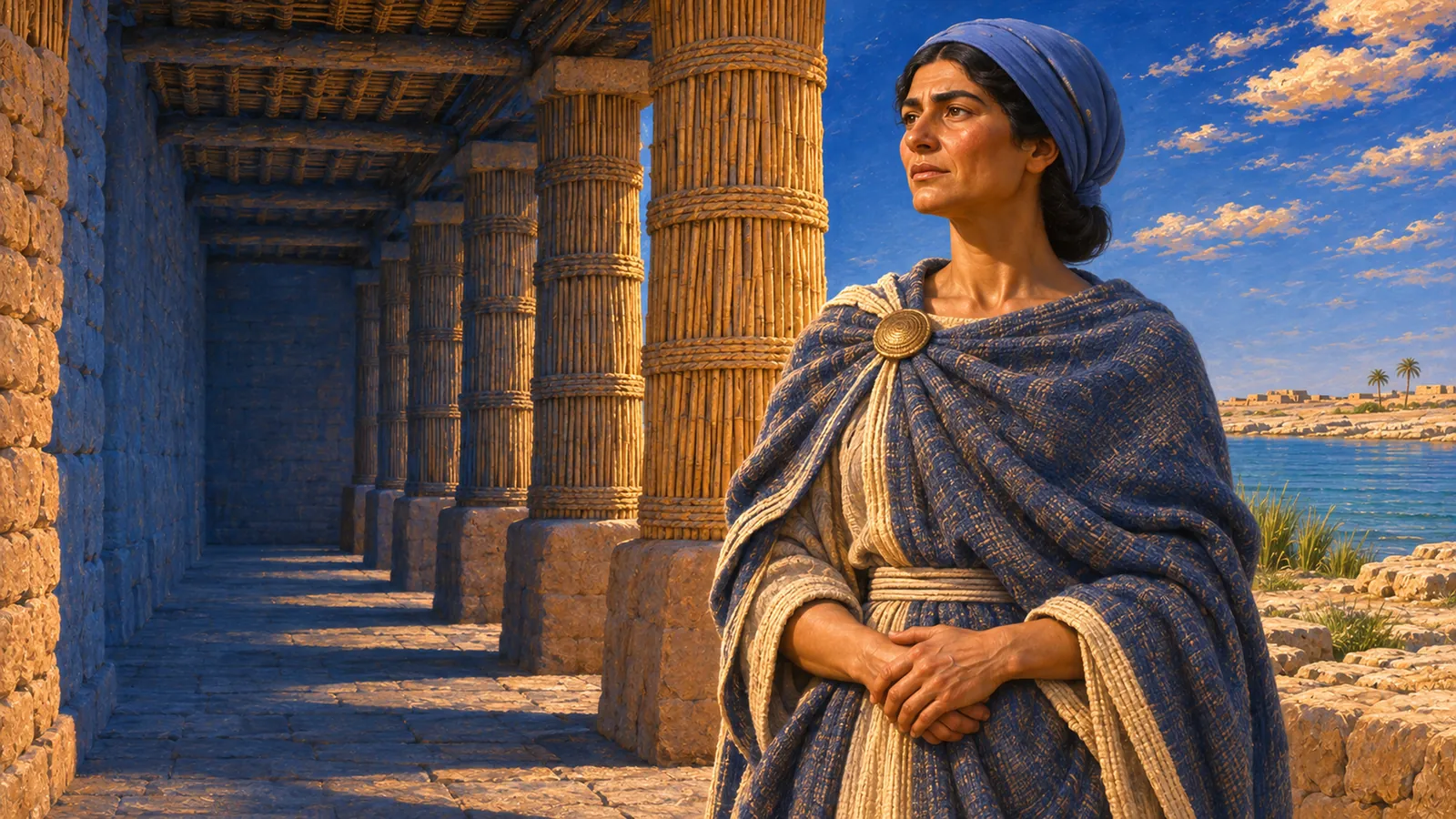
Trois lignes du poème manquent ici. Les mots conservés laissent un silence entre la description de la terre par Ninsikila et la réponse qui suit.
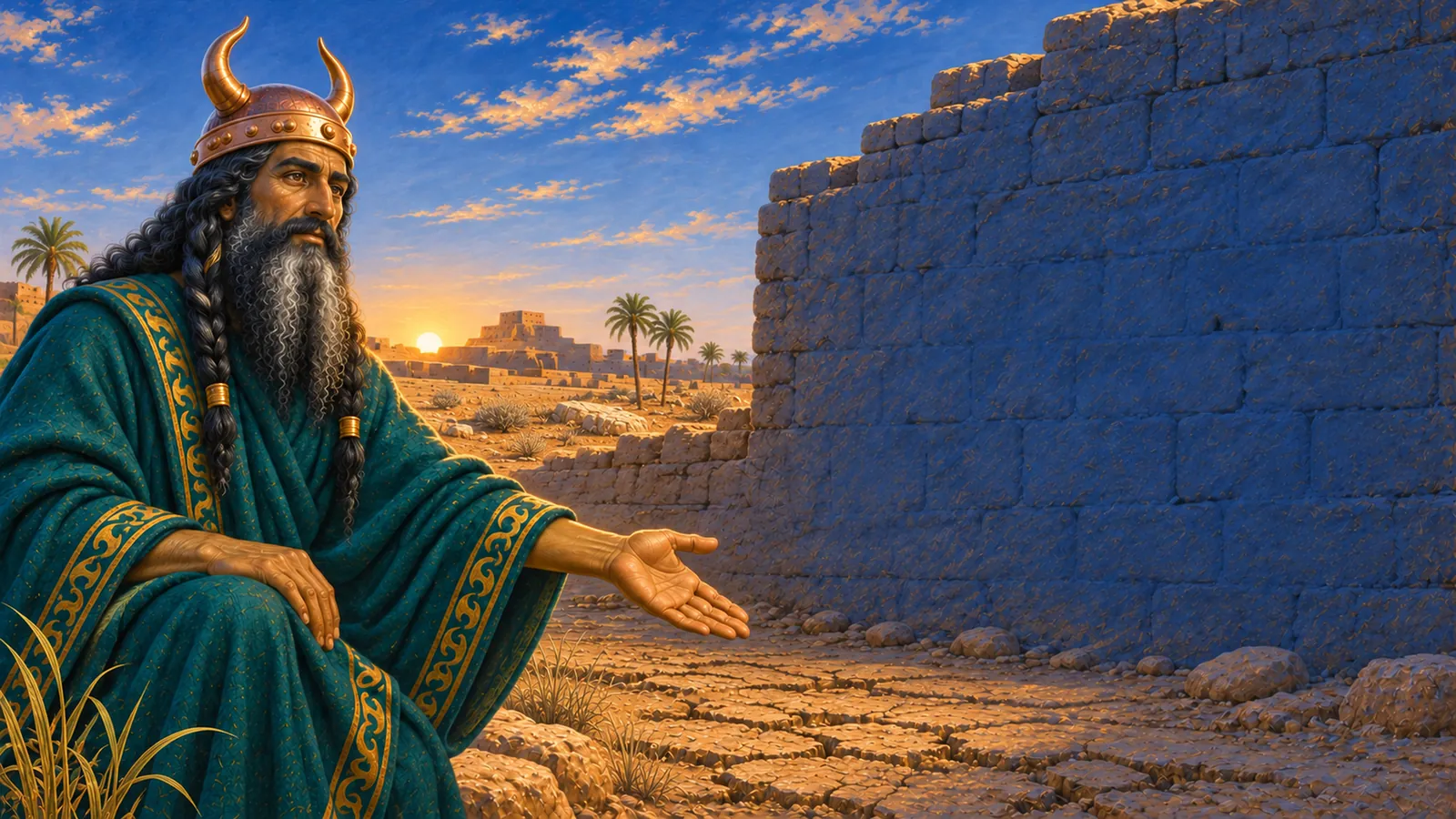
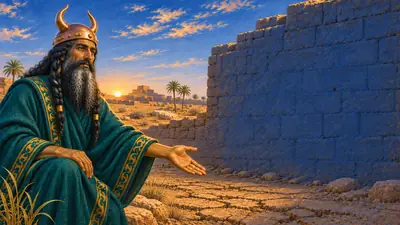
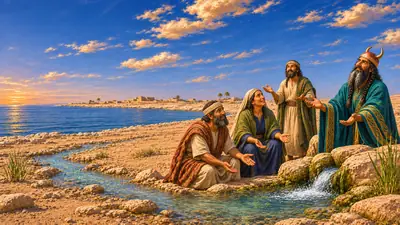
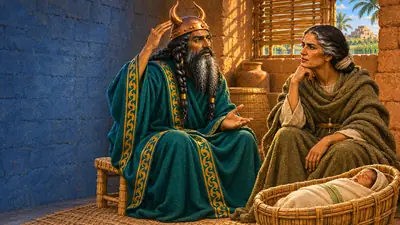
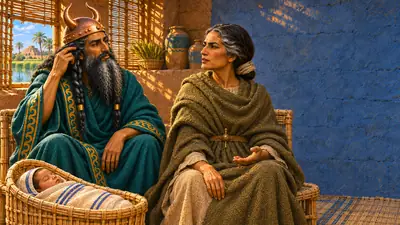
Enki promit que l’eau douce jaillirait pour Dilmun quand Utu apporterait la lumière du jour. De certains mots sur la provenance de l’eau, il ne reste que des traces.
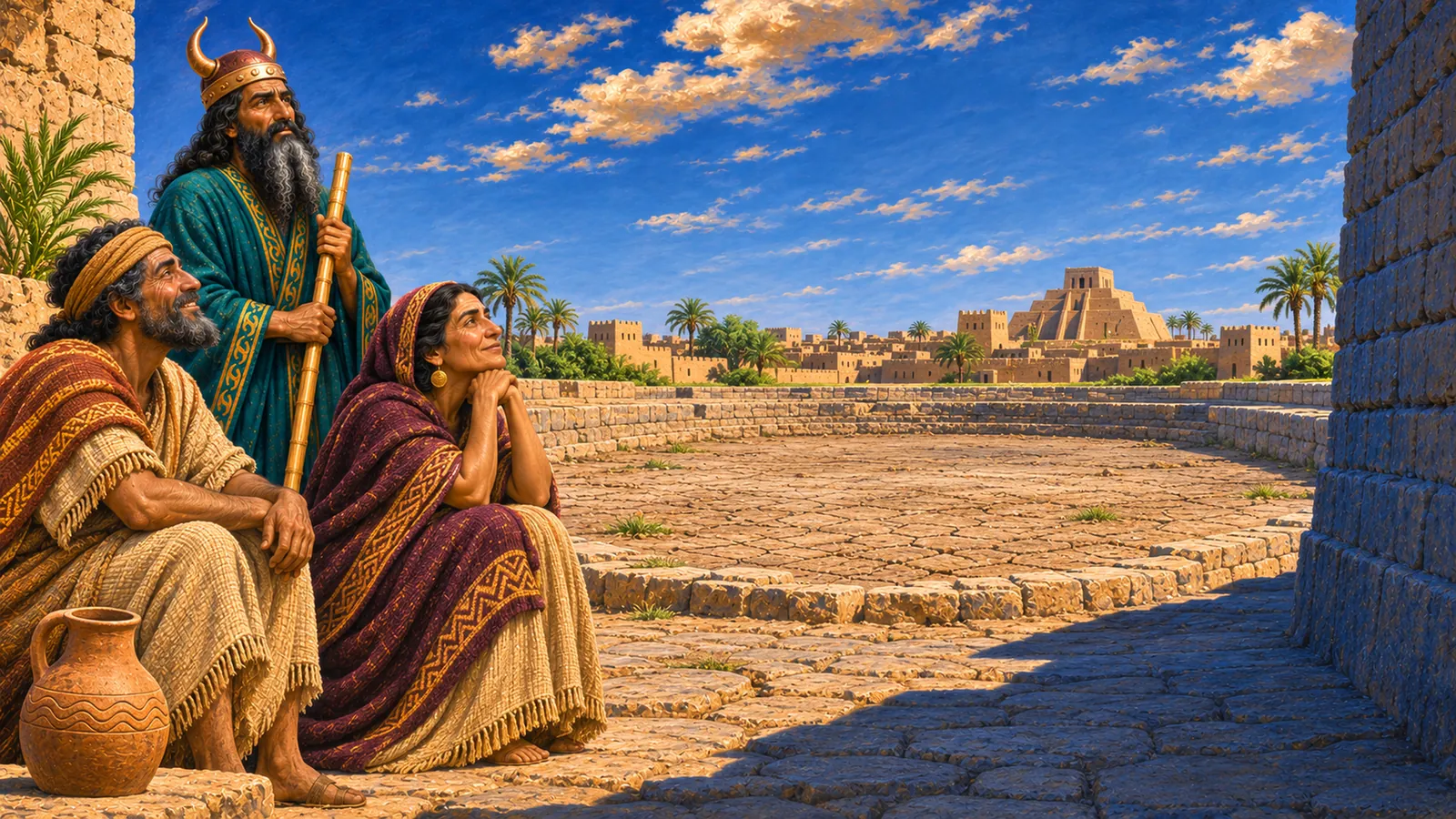
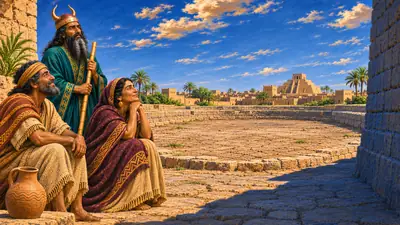
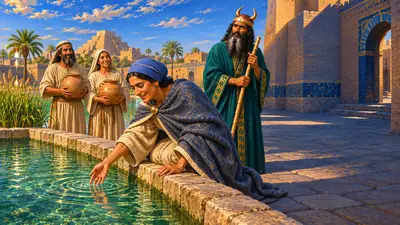
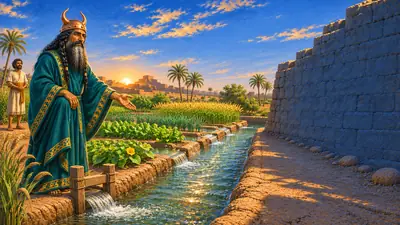
Enki dit que l’eau monterait des profondeurs et remplirait les larges bassins de la ville. Pour le moment, les habitants de Dilmun devaient encore attendre.
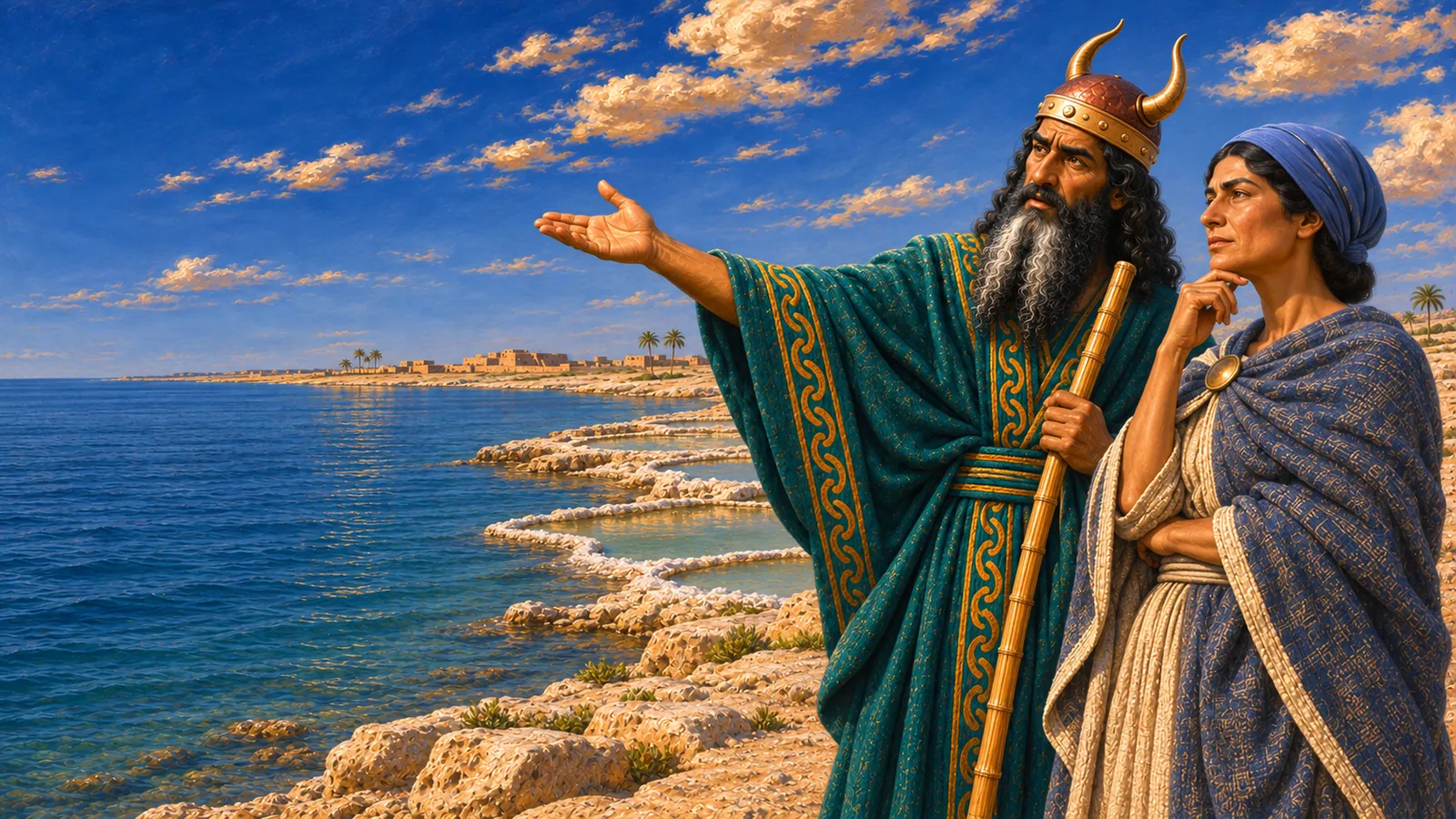
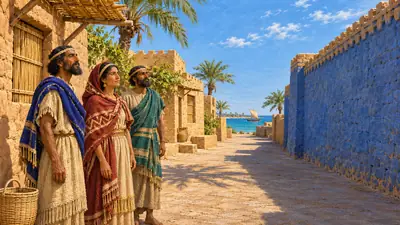
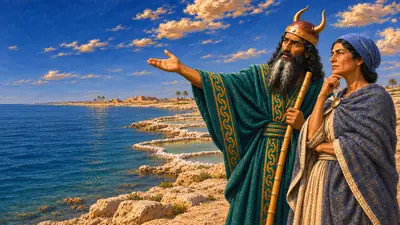
Enki dit que l’eau des étangs salés deviendrait douce. Il dit à Ninsikila que sa ville deviendrait un port où les marchands pourraient commercer.
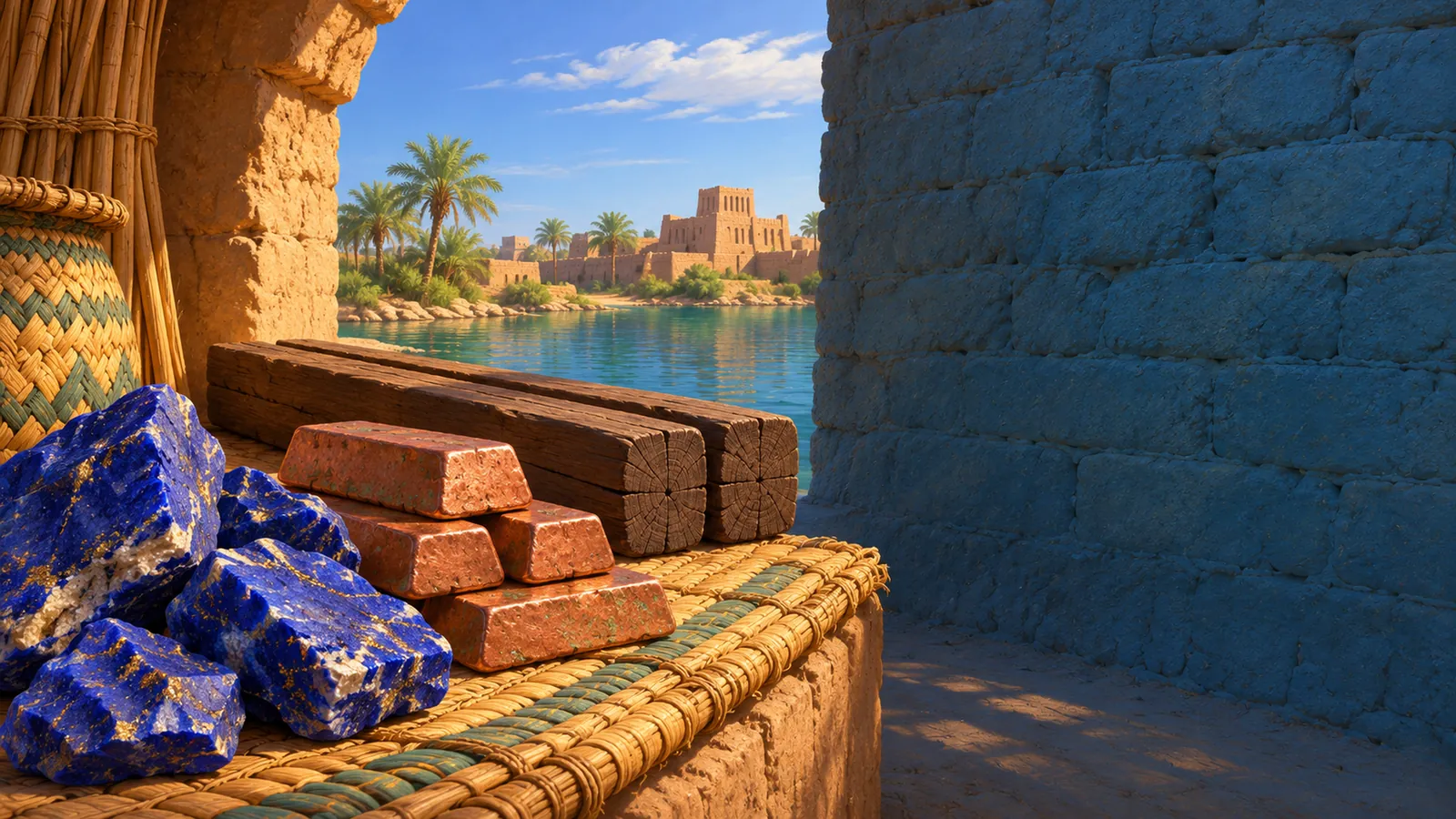
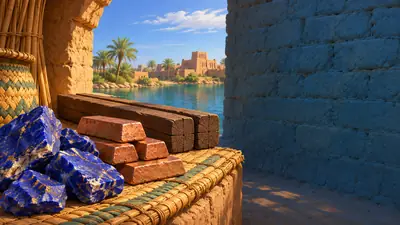
Une copie d’Ur conserve le souhait de voir des cargaisons parvenir à Dilmun. Le lapis-lazuli, le cuivre et le bois figurent parmi les biens nommés dans les lignes conservées.
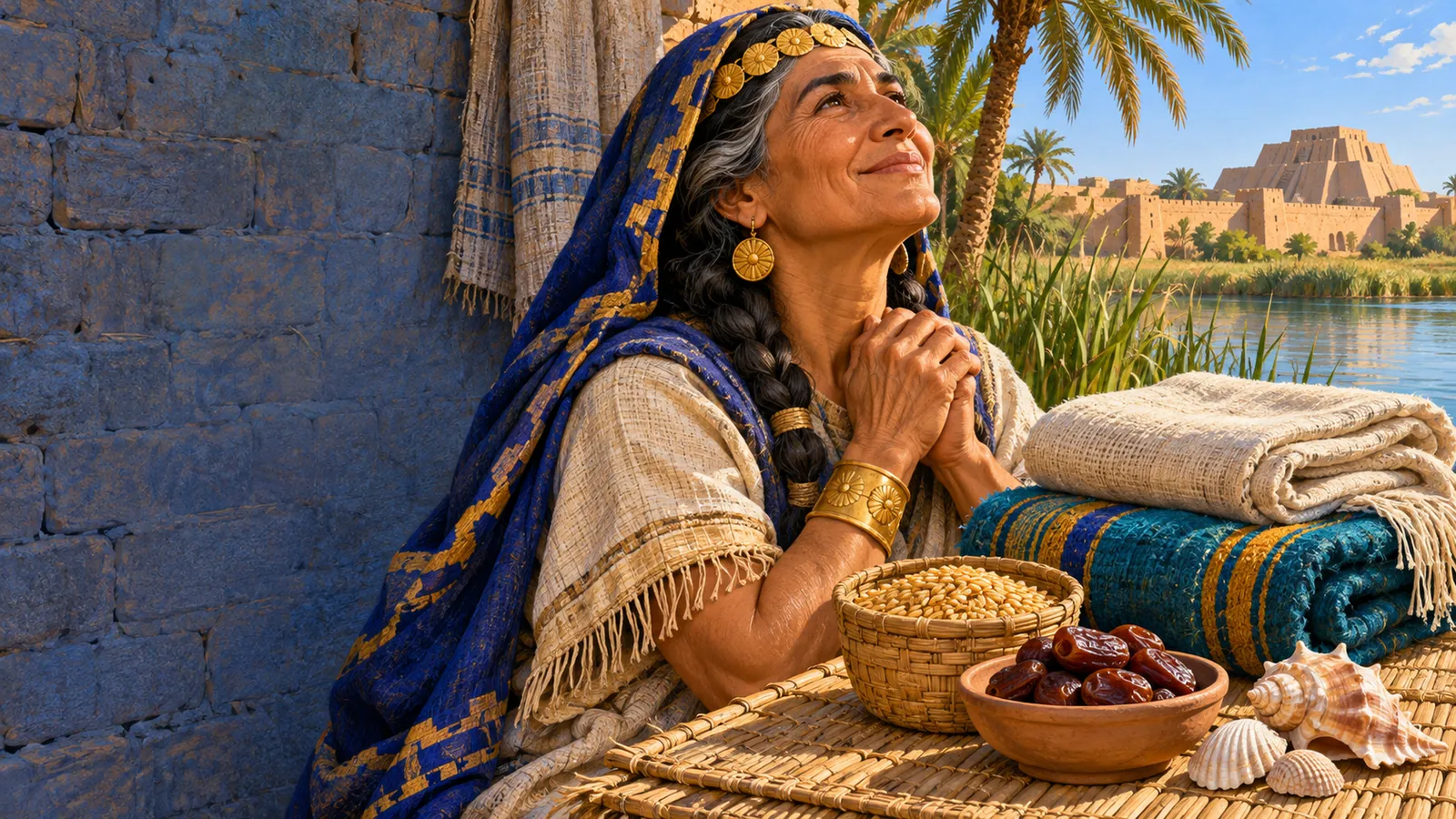
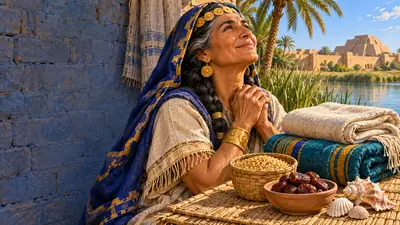
La même copie d’Ur appelle de ses vœux des étoffes, les richesses de la mer et une récolte abondante de grain et de dattes. Certains mots de ce passage sont endommagés.
L’EAU DOUCE
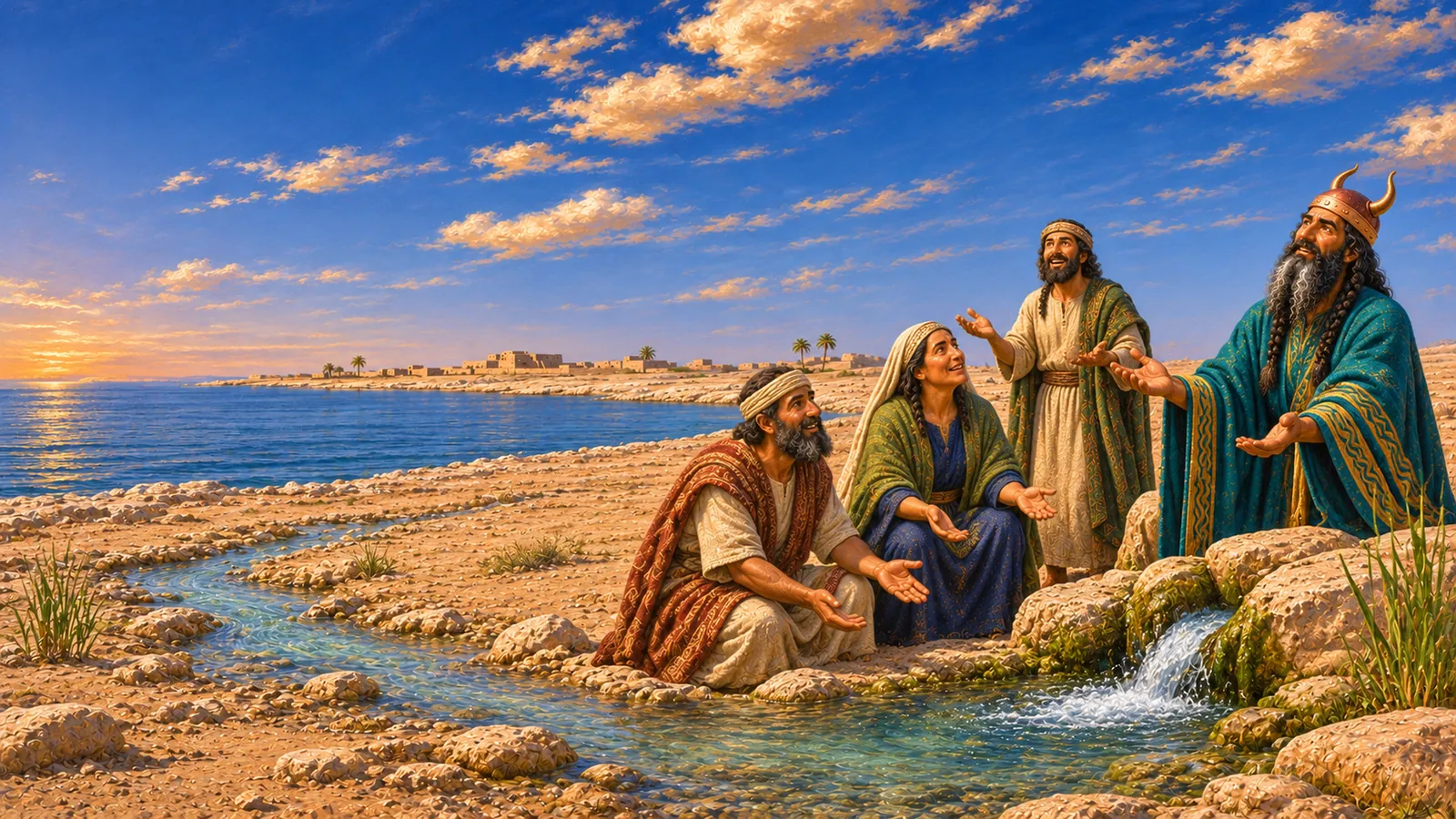
Quand Utu se leva, l’eau douce jaillit du sol pour Dilmun. Les lignes conservées reprennent certains mots incertains de la première promesse d’Enki.
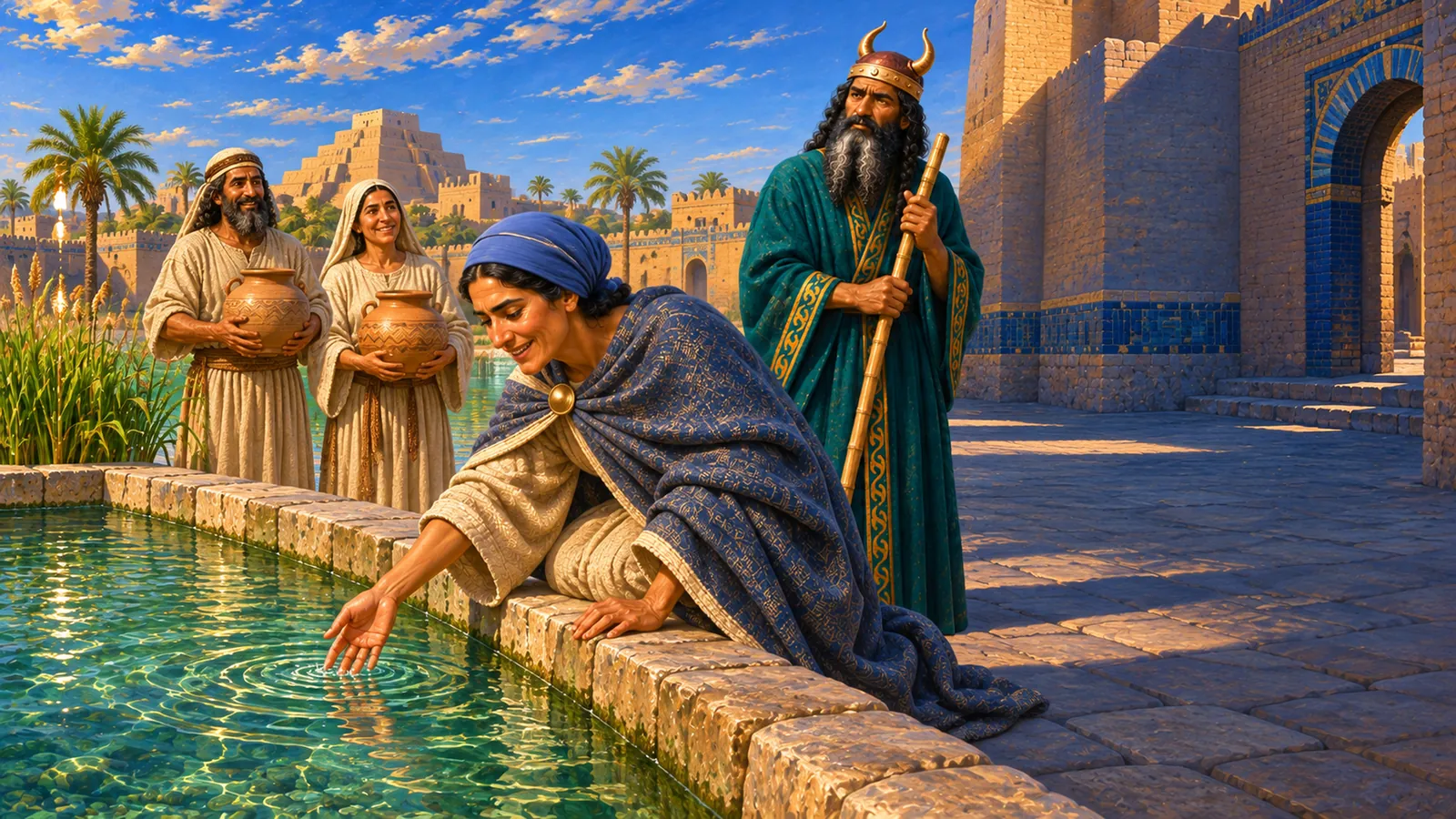
L’eau douce remplit les bassins de la ville, comme Enki l’avait promis. L’eau des étangs salés changea aussi, et les habitants de Dilmun eurent désormais de l’eau douce.
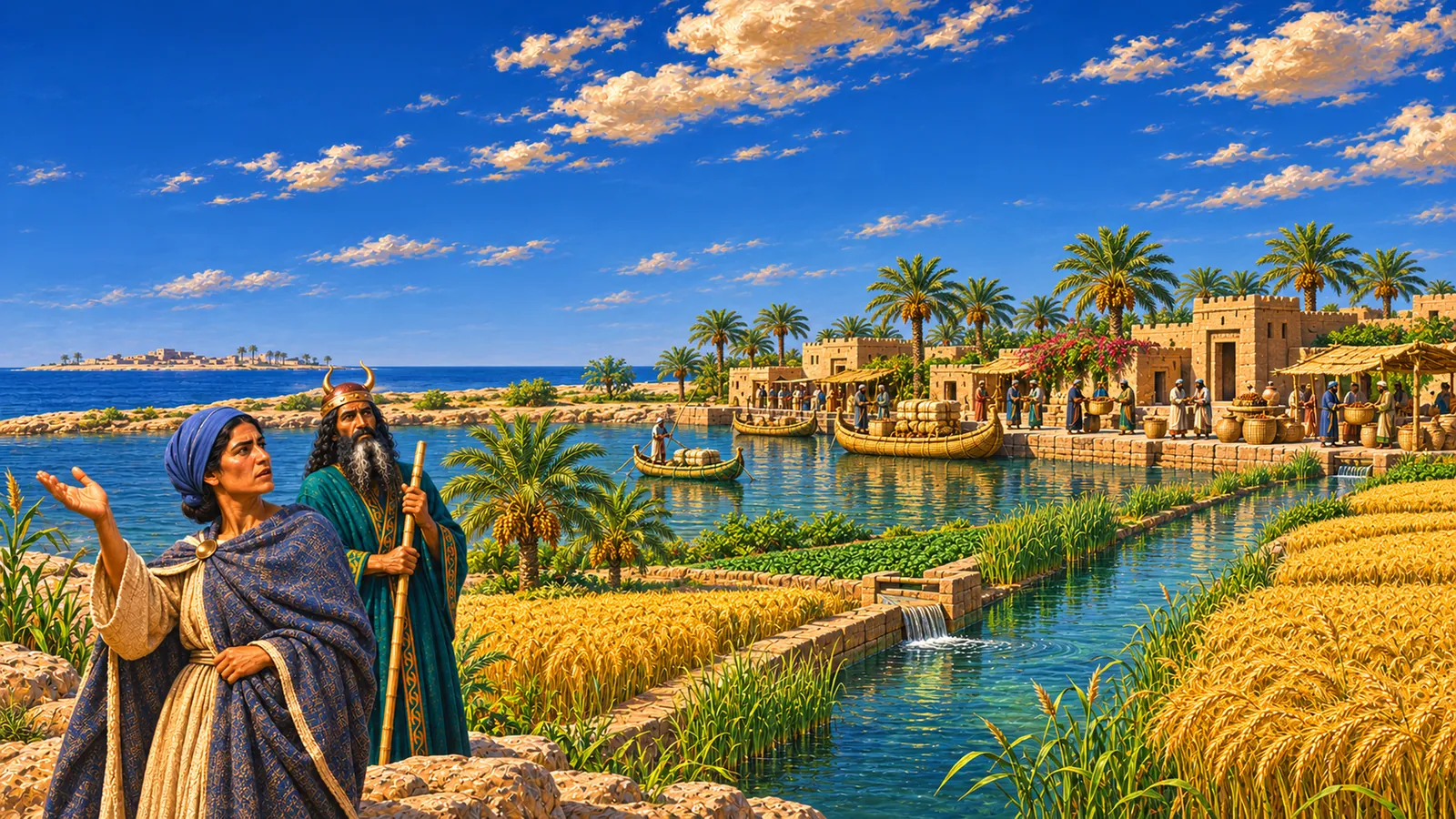
Les champs de Dilmun donnèrent du grain. Le port de la ville prospéra et, selon le poème, la ville devint un lieu où les marchands commerçaient.
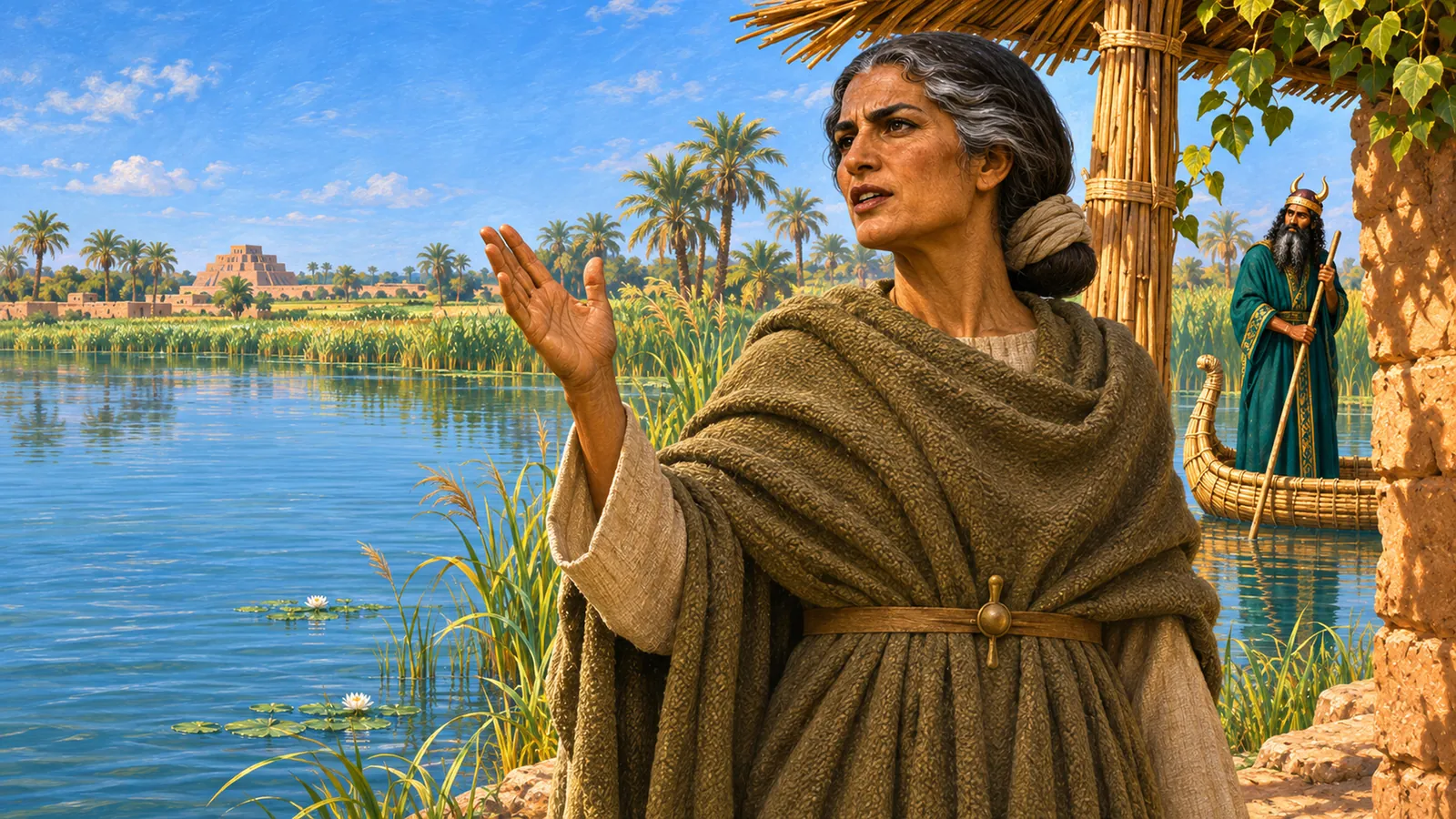
Enki entra dans les marais. Nintud, appelée ici la mère du pays, prit la parole et lui dit qu’elle ne se coucherait pas avec lui en ce lieu.
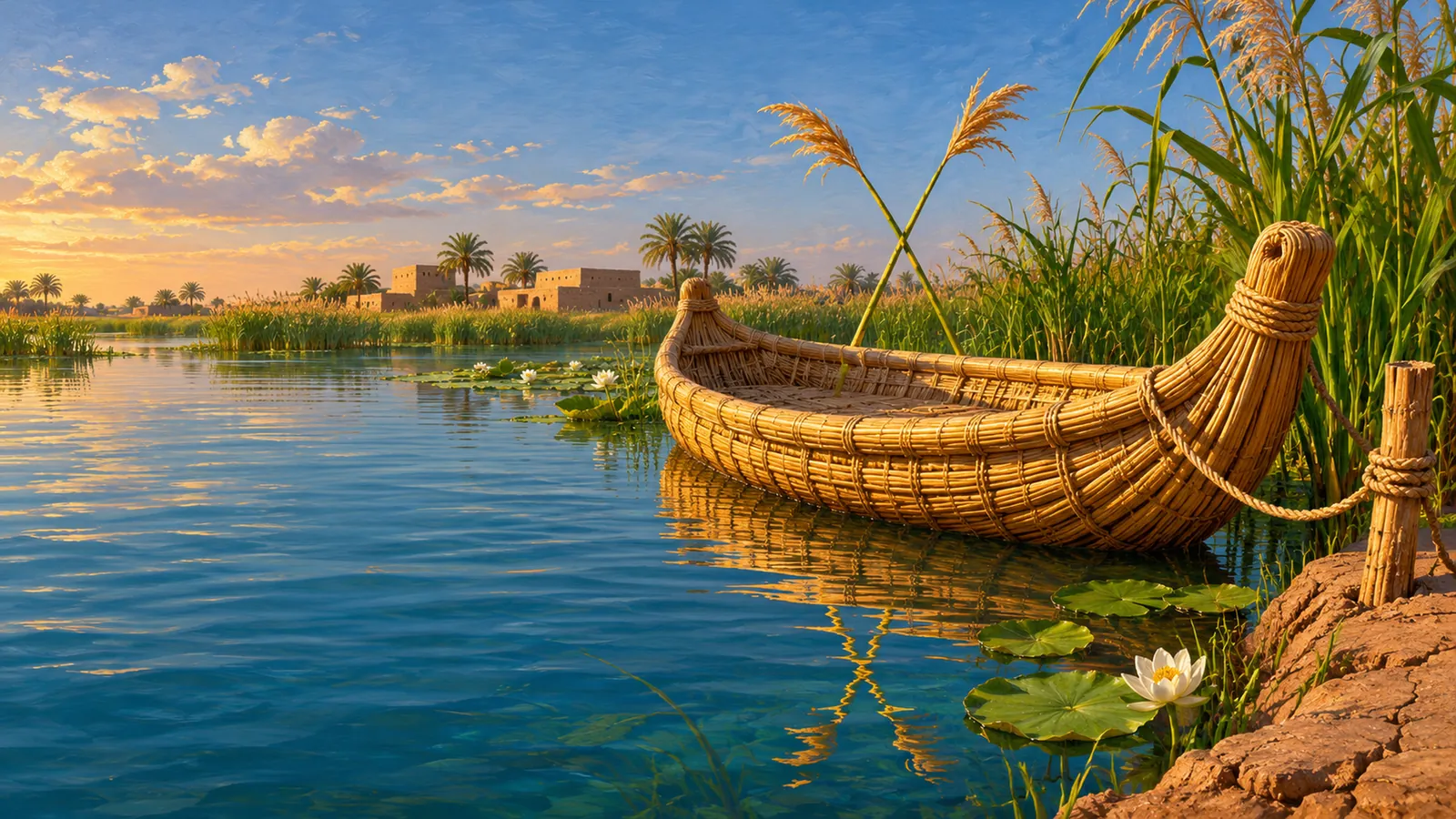
Enki prêta serment, insista et coucha avec elle. Le poème mentionne Damgalnuna dans le passage qui suit, puis dit que Ninhursag conçut un enfant.
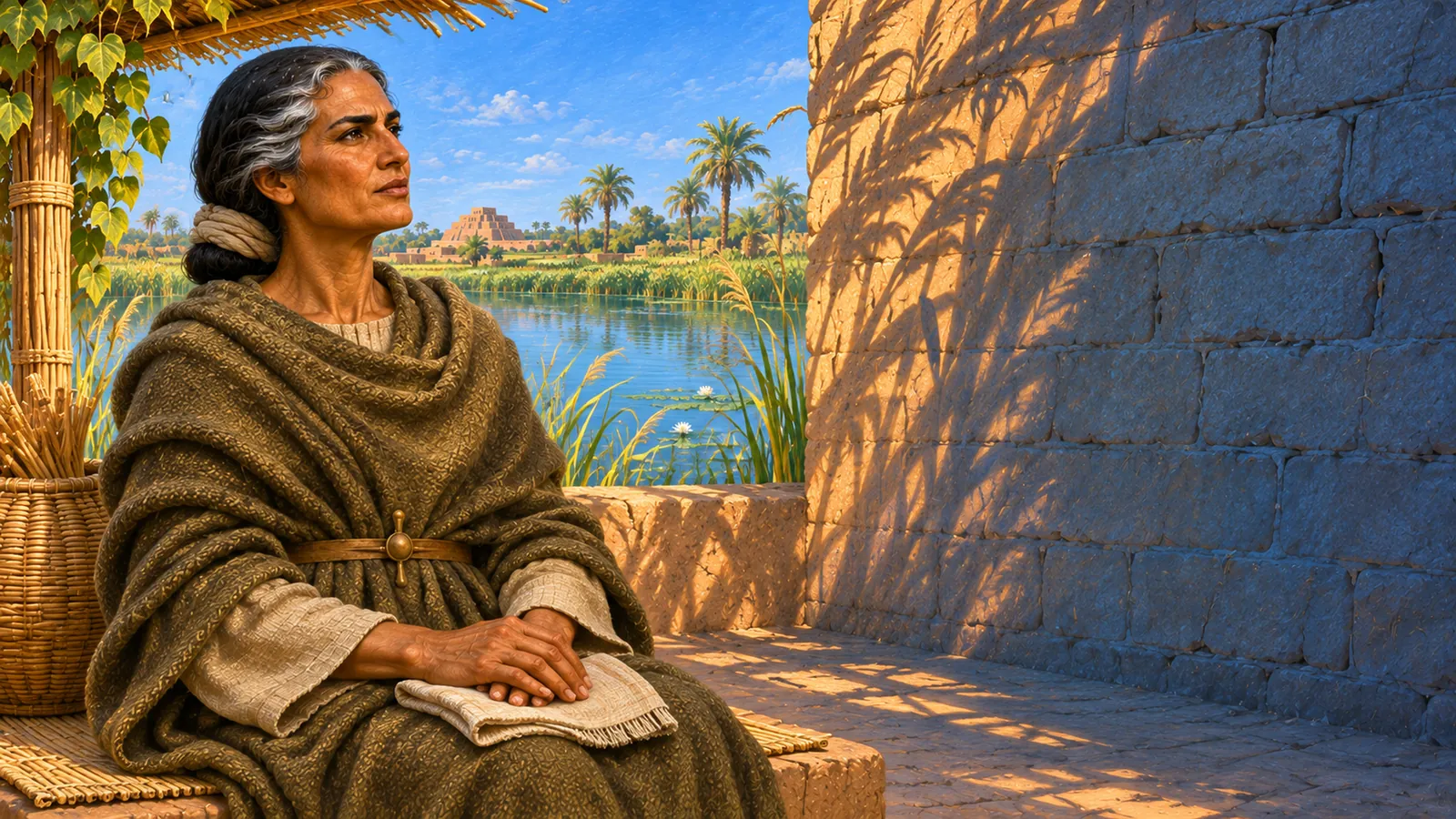
Le poème compte les mois un à un en faisant tenir chaque mois en un jour. Dans ce récit, neuf mois passent en neuf jours.
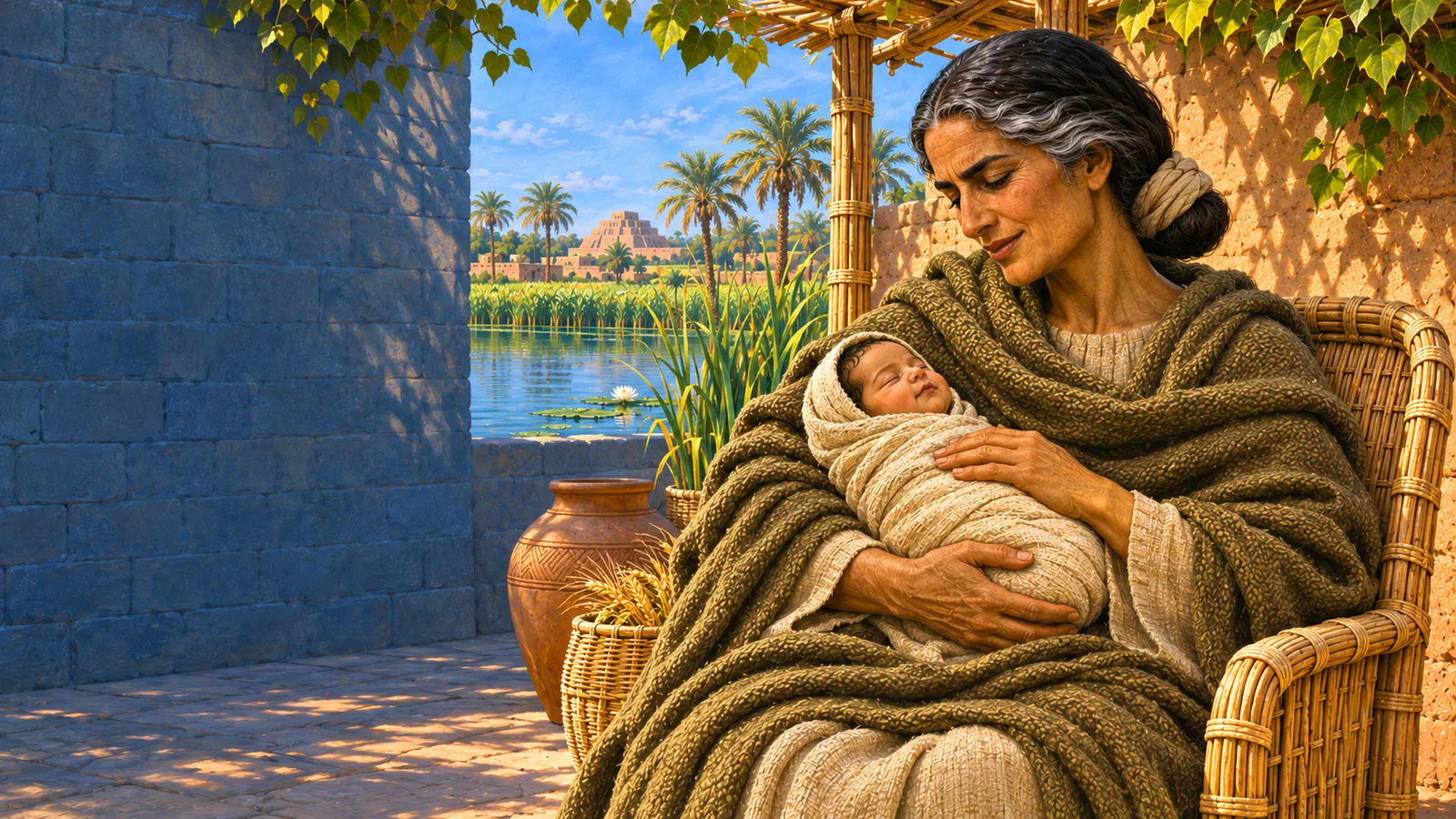
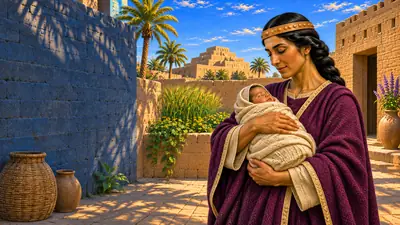
Ninhursag donna naissance à Ninsar. Le poème compare la facilité de la naissance à l’écoulement d’une huile fine.
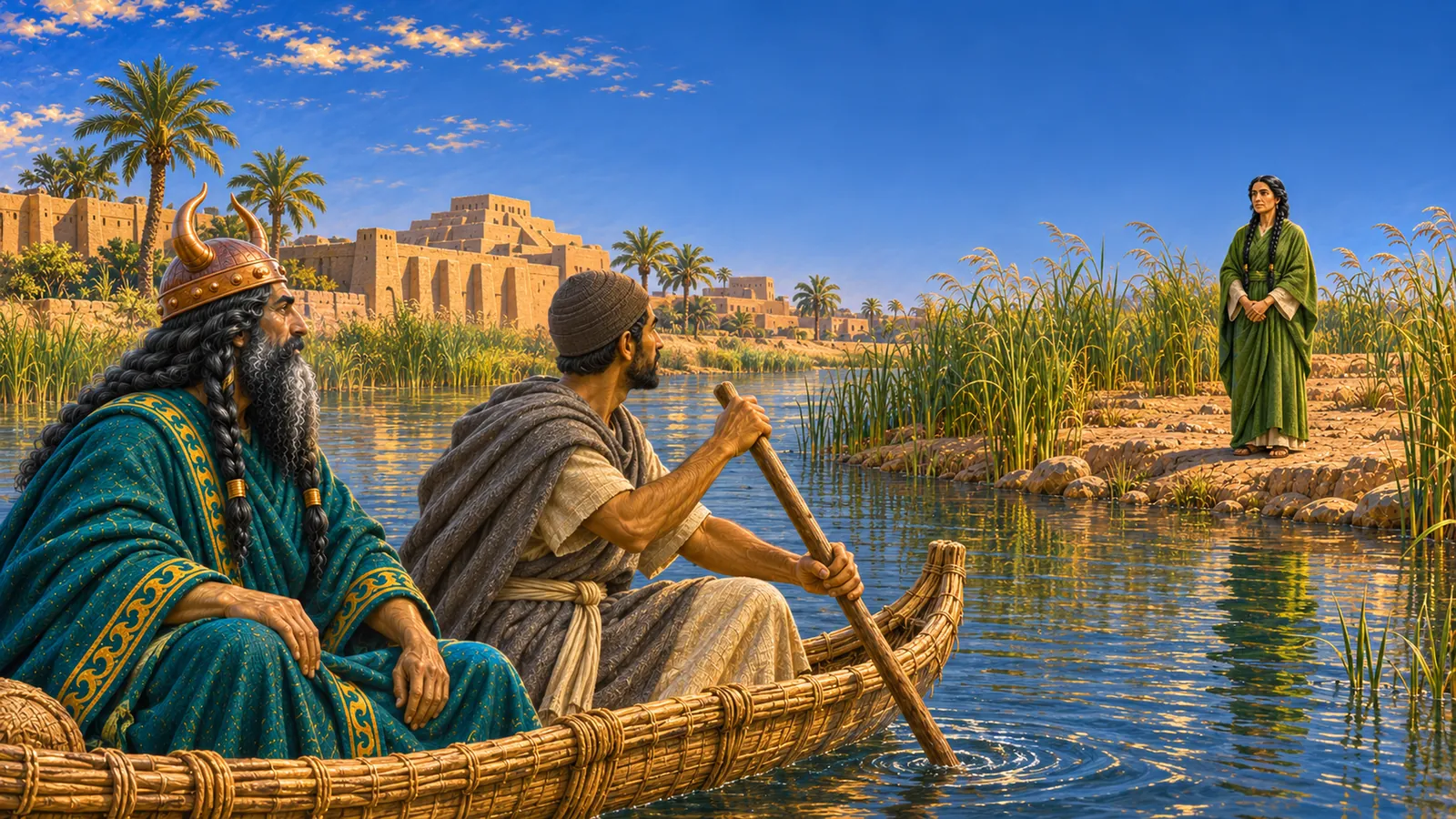
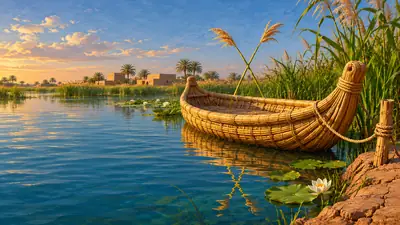
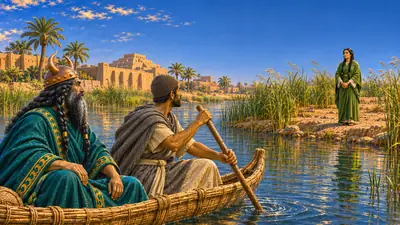
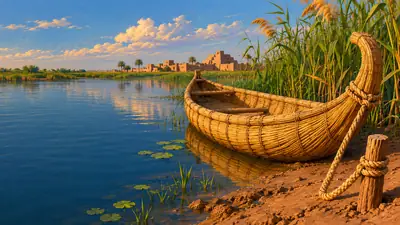
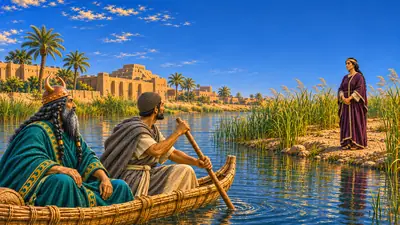
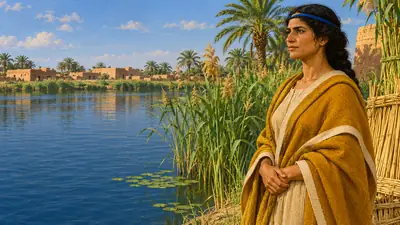
Ninsar alla sur la rive du fleuve, où Enki la vit depuis les marais. Il parla à son serviteur Isimud, qui proposa de mener la barque jusqu’à elle.
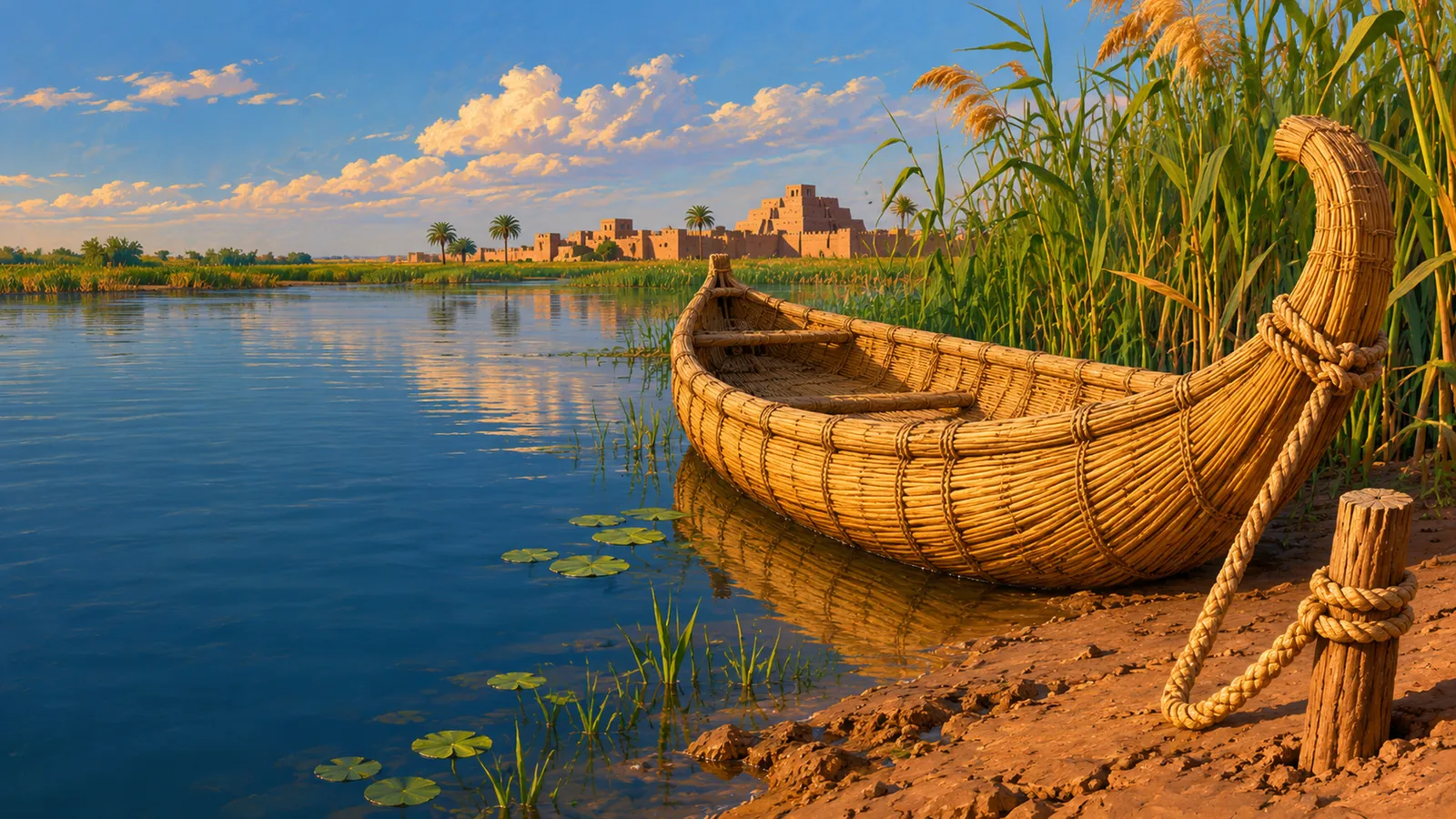
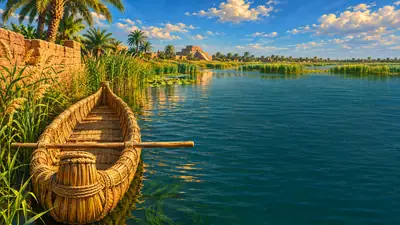
Enki traversa en barque et descendit sur la rive. Il coucha avec sa fille Ninsar, qui conçut un enfant de lui.
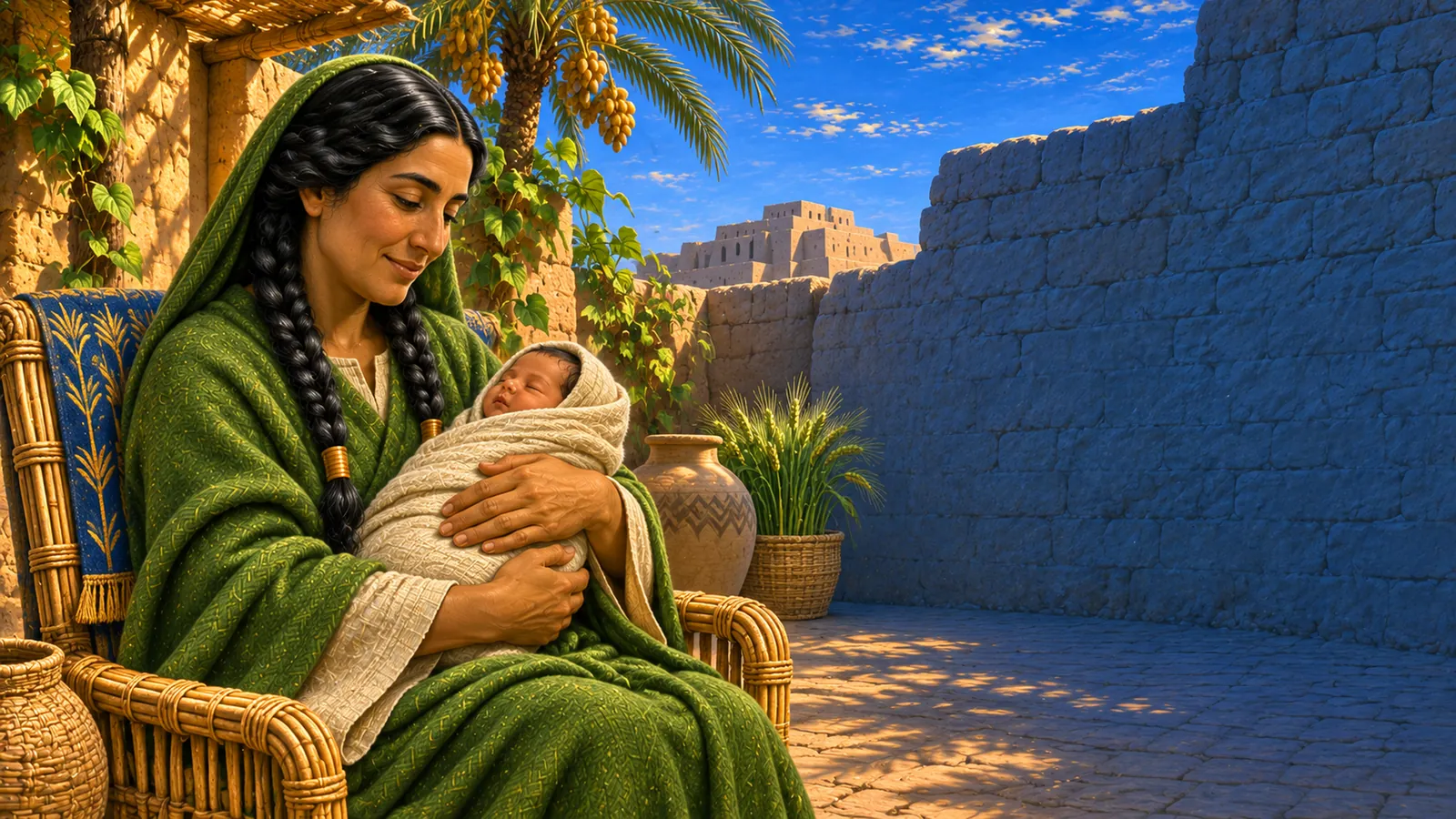
De nouveau, les mois passèrent comme des jours, et Ninsar donna naissance à Ninkura. Le poème reprend l’image de l’huile fine qui s’écoule.
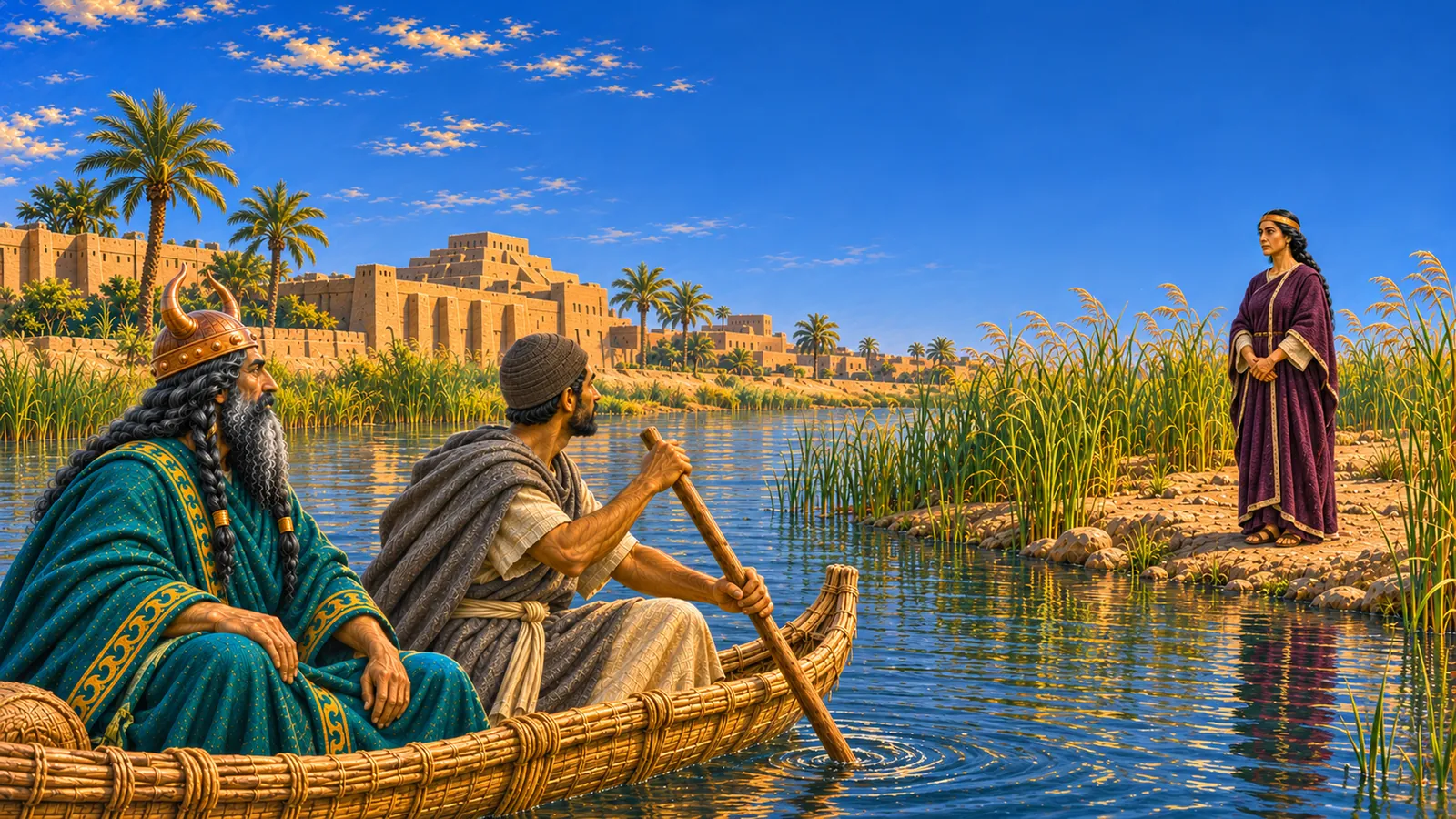
Ninkura vint sur la rive et Enki la vit depuis les marais. Il parla de nouveau à Isimud, qui lui proposa de mener la barque.
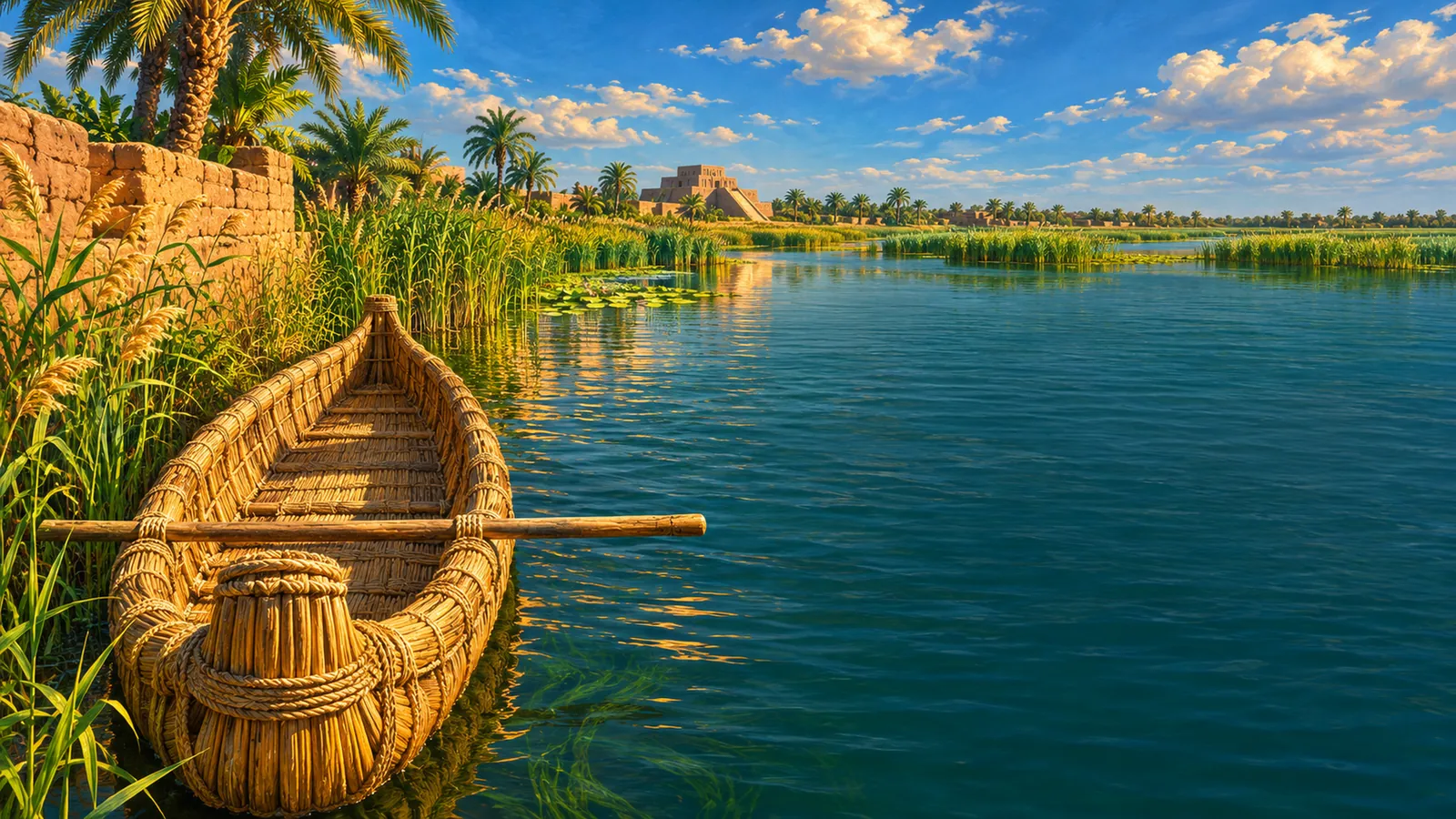
Enki reprit la barque pour gagner la rive. Il coucha avec sa petite-fille Ninkura, qui conçut un enfant de lui.
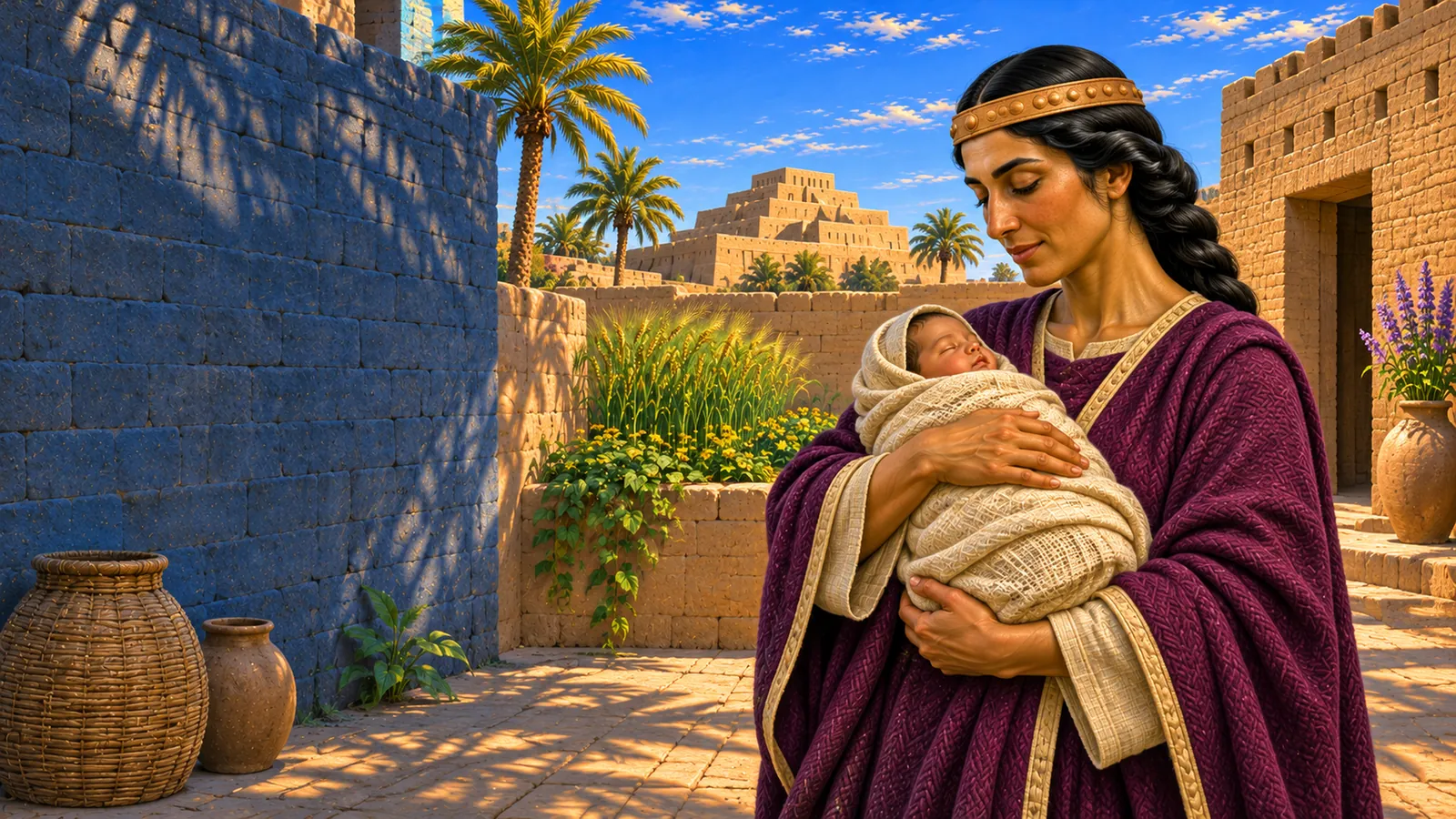
Dans le récit principal, les mois passent de nouveau très vite. Ninkura donne naissance à Uttu, dont la description dans les mots qui suivent est incertaine.
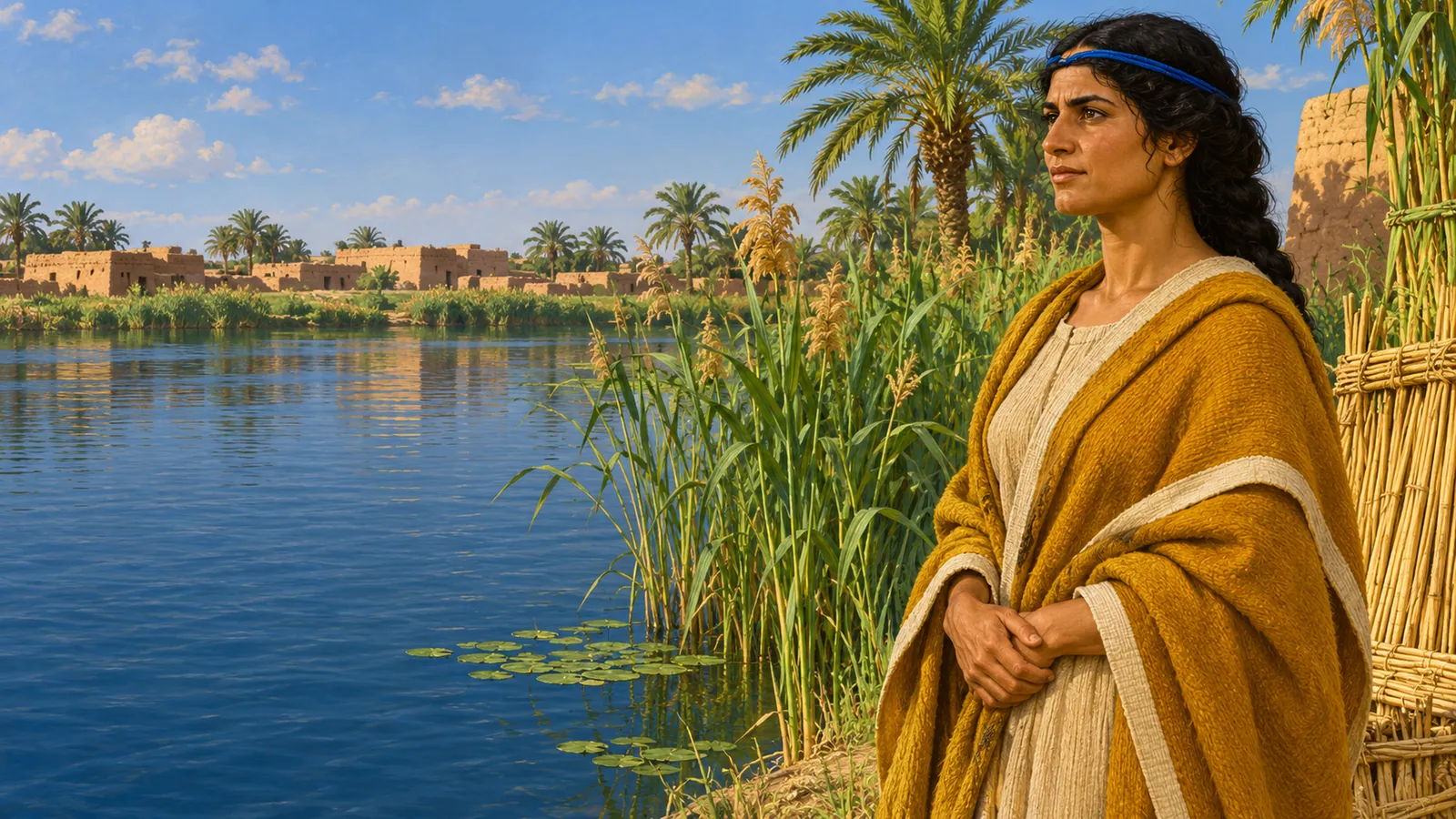
Une autre copie, conservée aujourd’hui au Louvre, raconte que Ninkura donna naissance à Ninimma. Dans cette version, Ninimma vint sur la rive du fleuve et Enki la vit là.
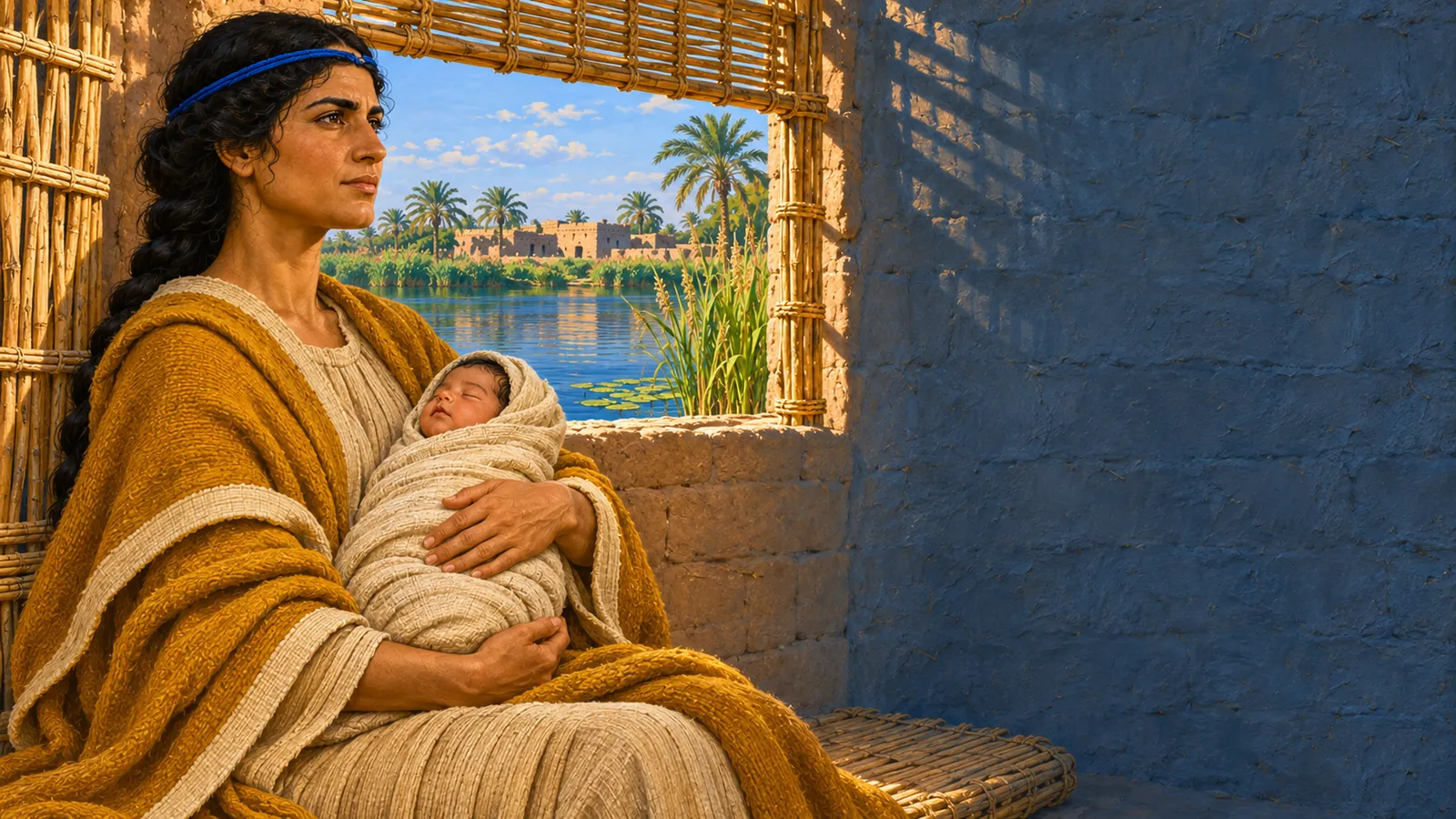
Dans cette copie, Enki couche aussi avec Ninimma. La fin est en partie restituée, et Ninimma y donne naissance à Uttu.
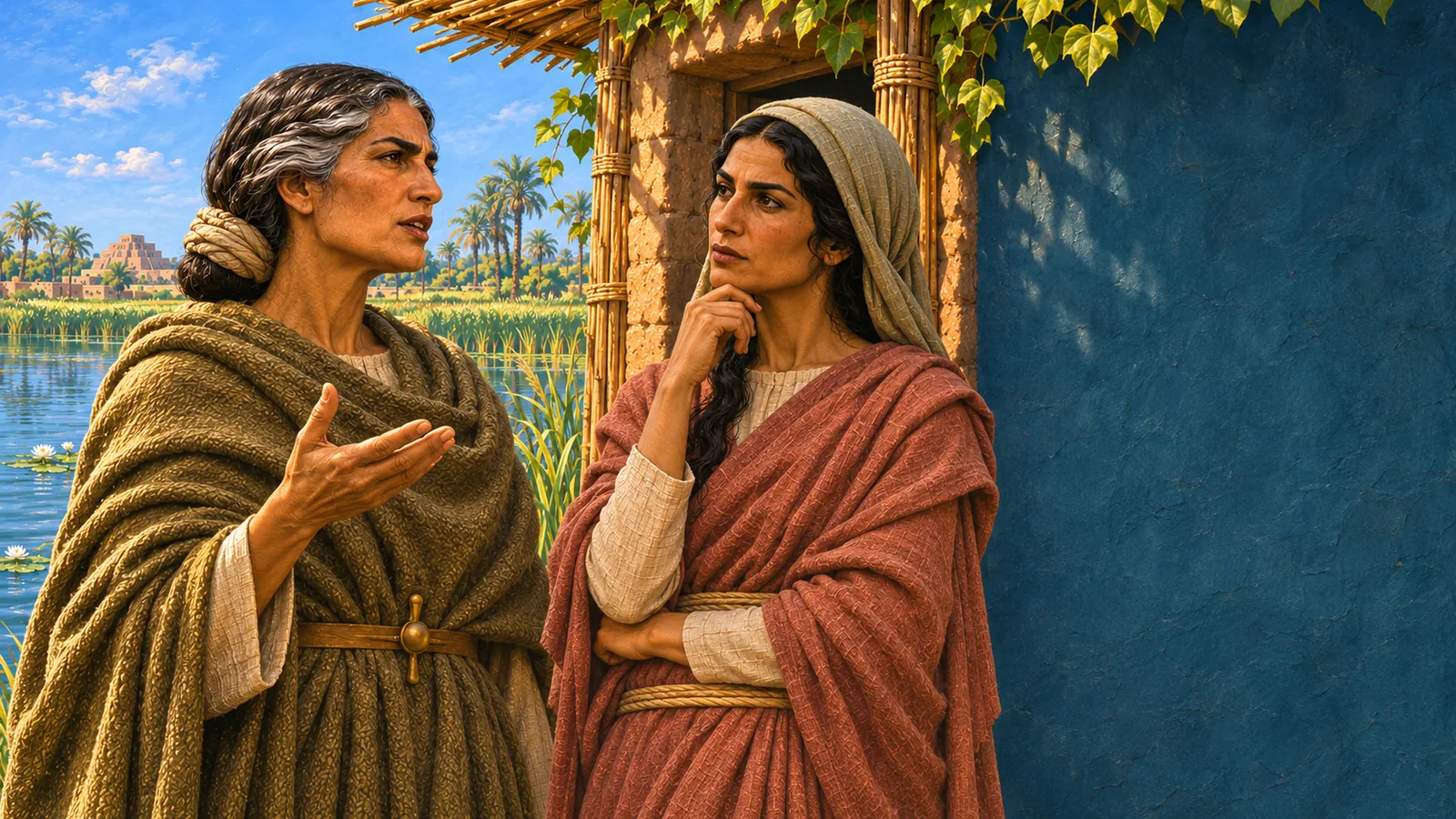
L’AVERTISSEMENT
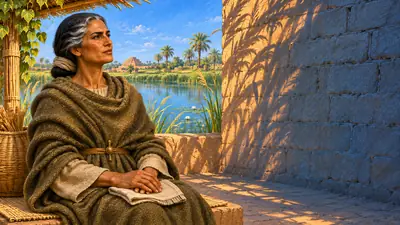
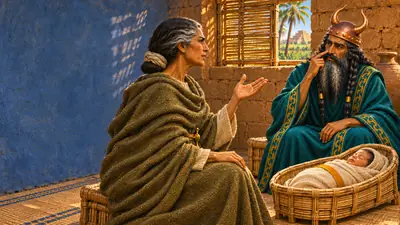
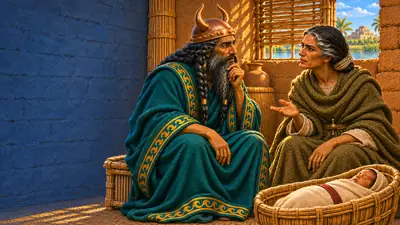
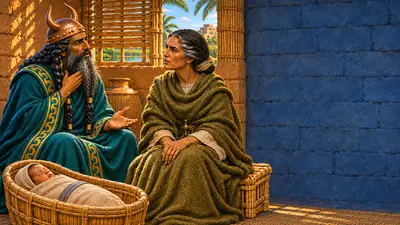
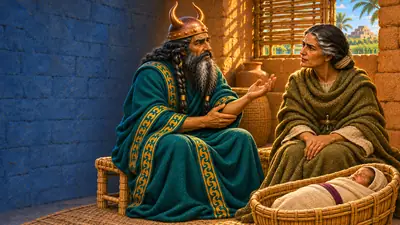
Nintud avertit Uttu qu’Enki observait depuis les marais. Elle lui dit qu’il la verrait.
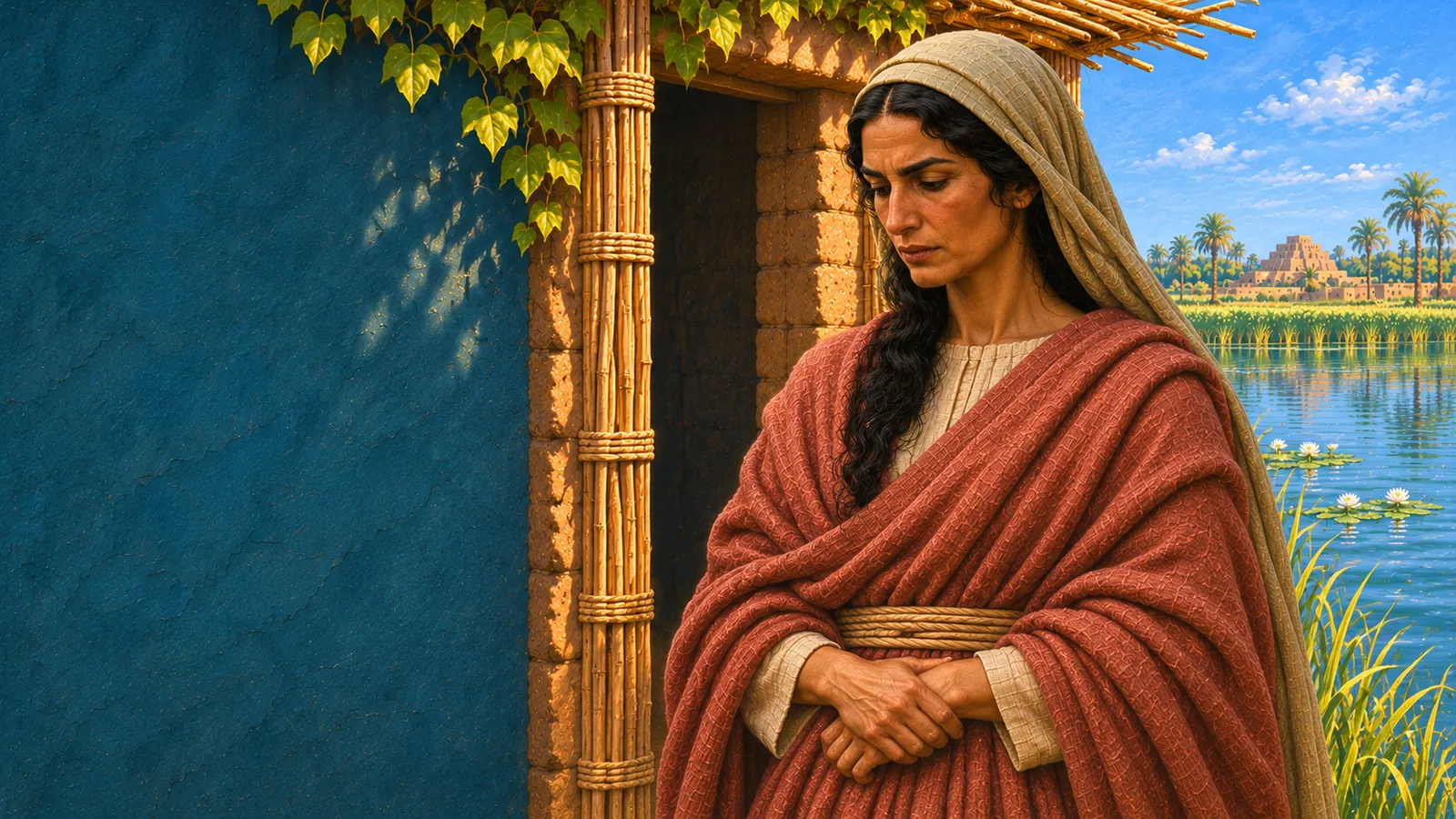
L’avertissement devient fragmentaire à cet endroit. Le nom d’Uttu et quelques mots subsistent, mais les lignes abîmées ne permettent pas de retrouver le conseil en entier.
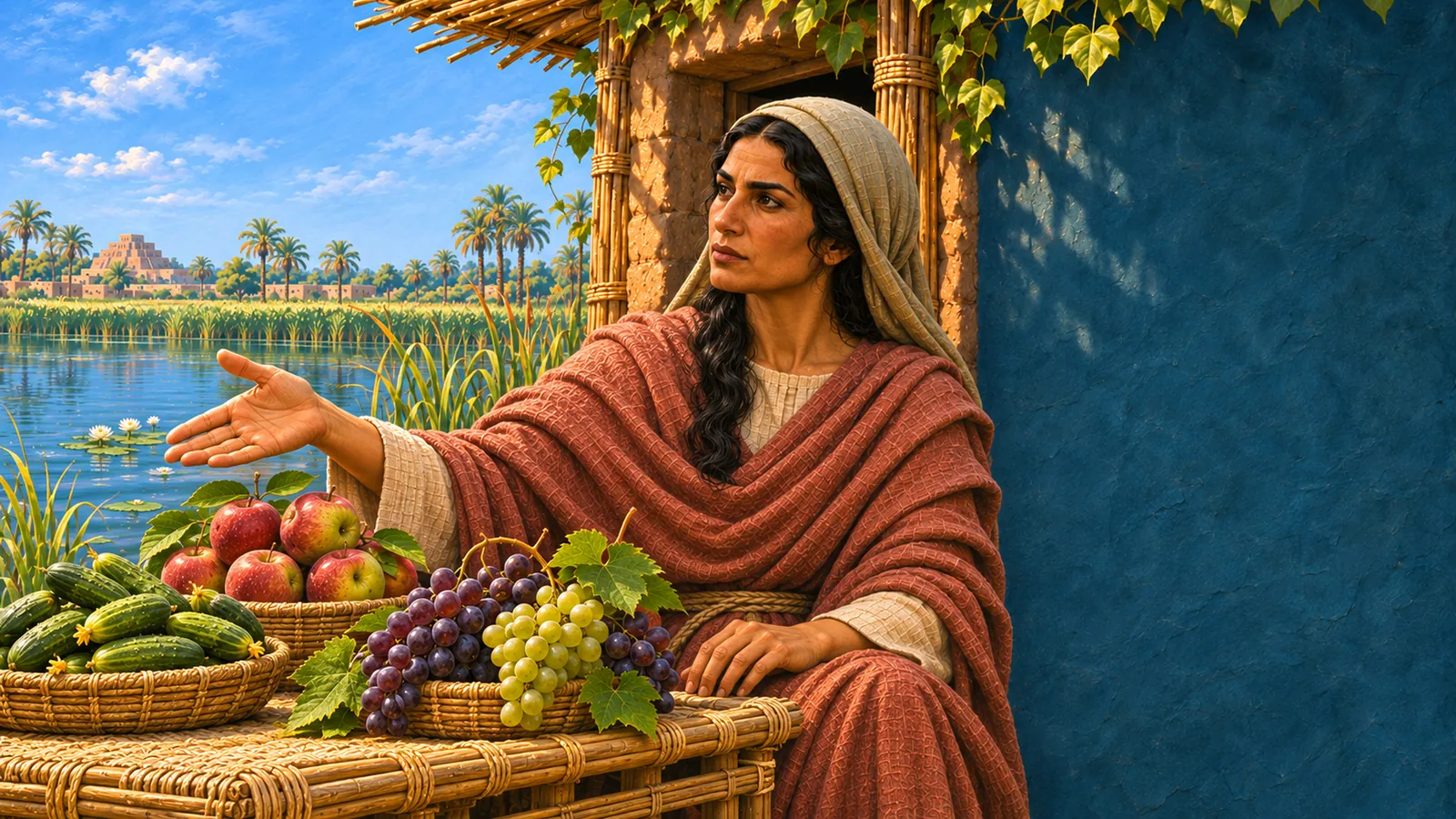
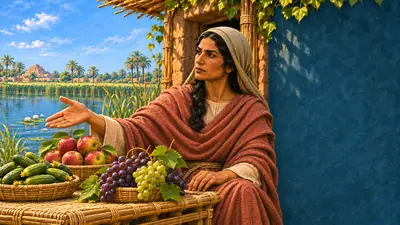
Uttu parle de concombres, de pommes et de raisins. Certains mots sont incertains et on ignore à qui elle s’adresse.
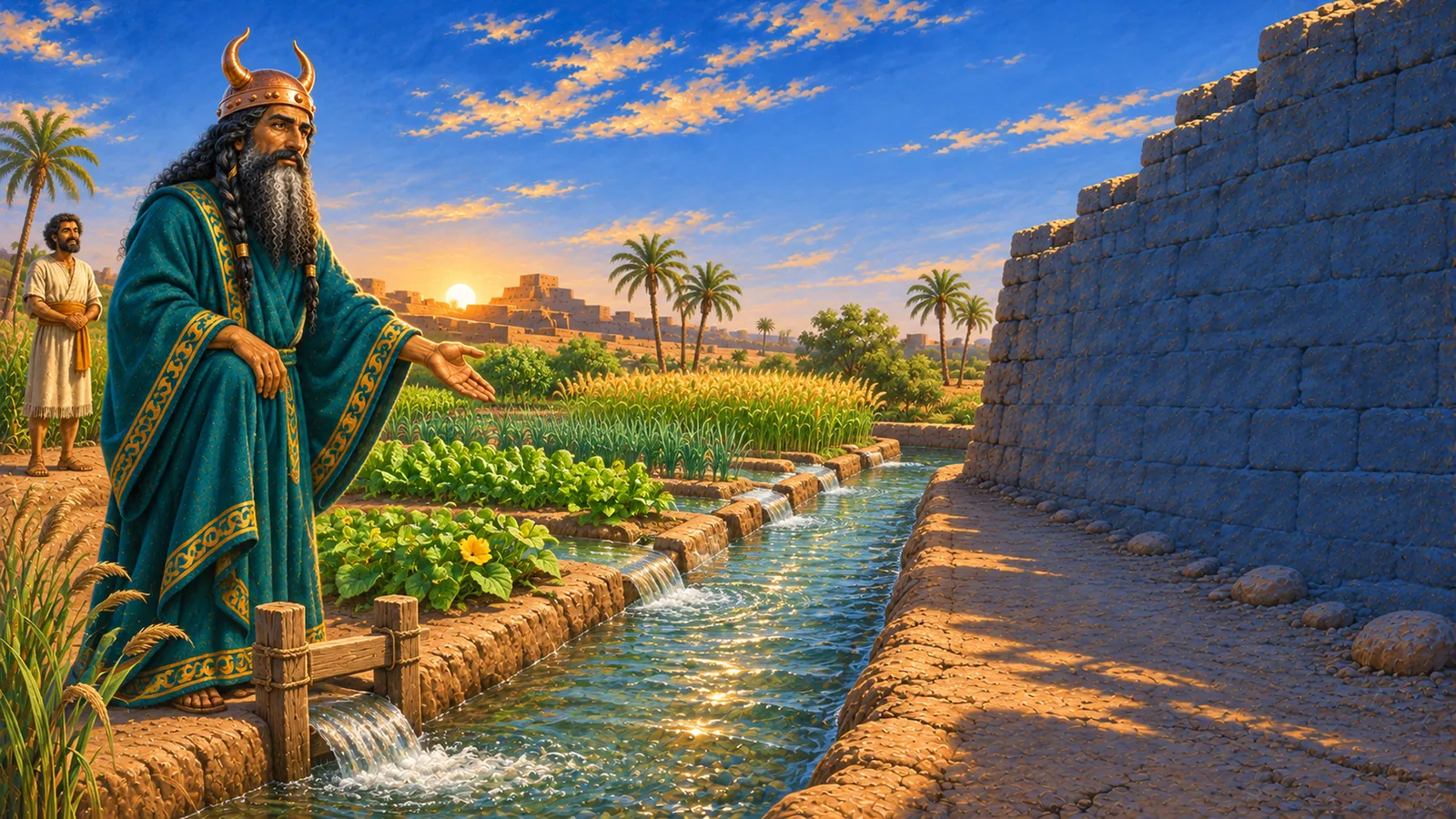
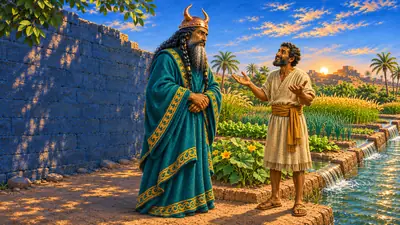
Enki amena de nouveau l’eau au jardin. Le poème dit qu’il remplit d’eau les digues et les chenaux une deuxième fois.
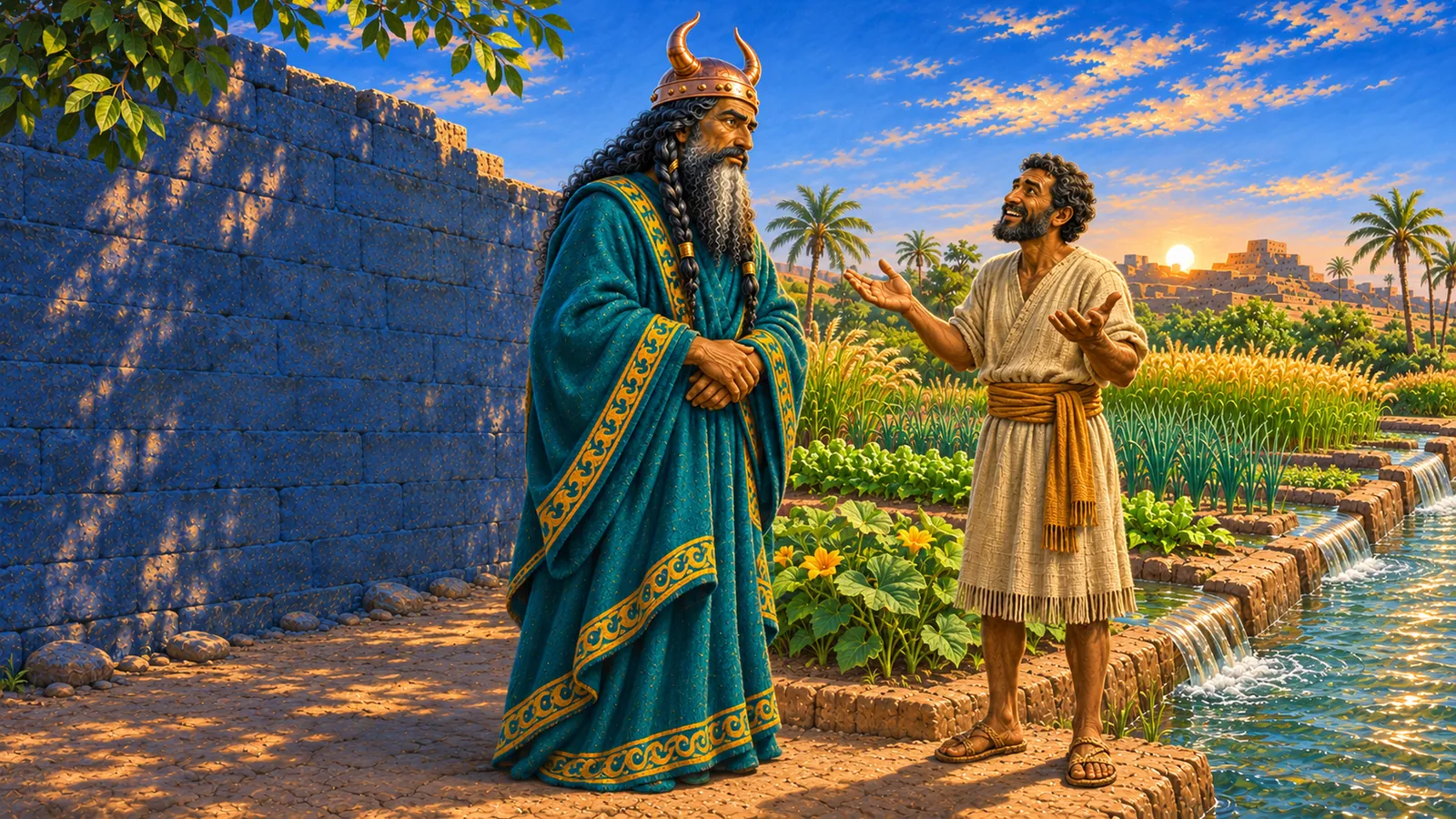
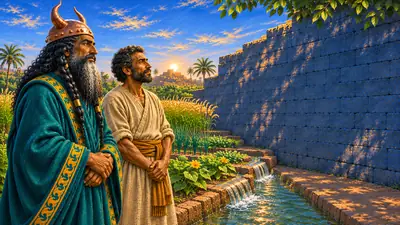
Le jardinier se réjouit quand l’eau atteignit le jardin. Il demanda à Enki qui il était, mais la suite de sa question est abîmée.
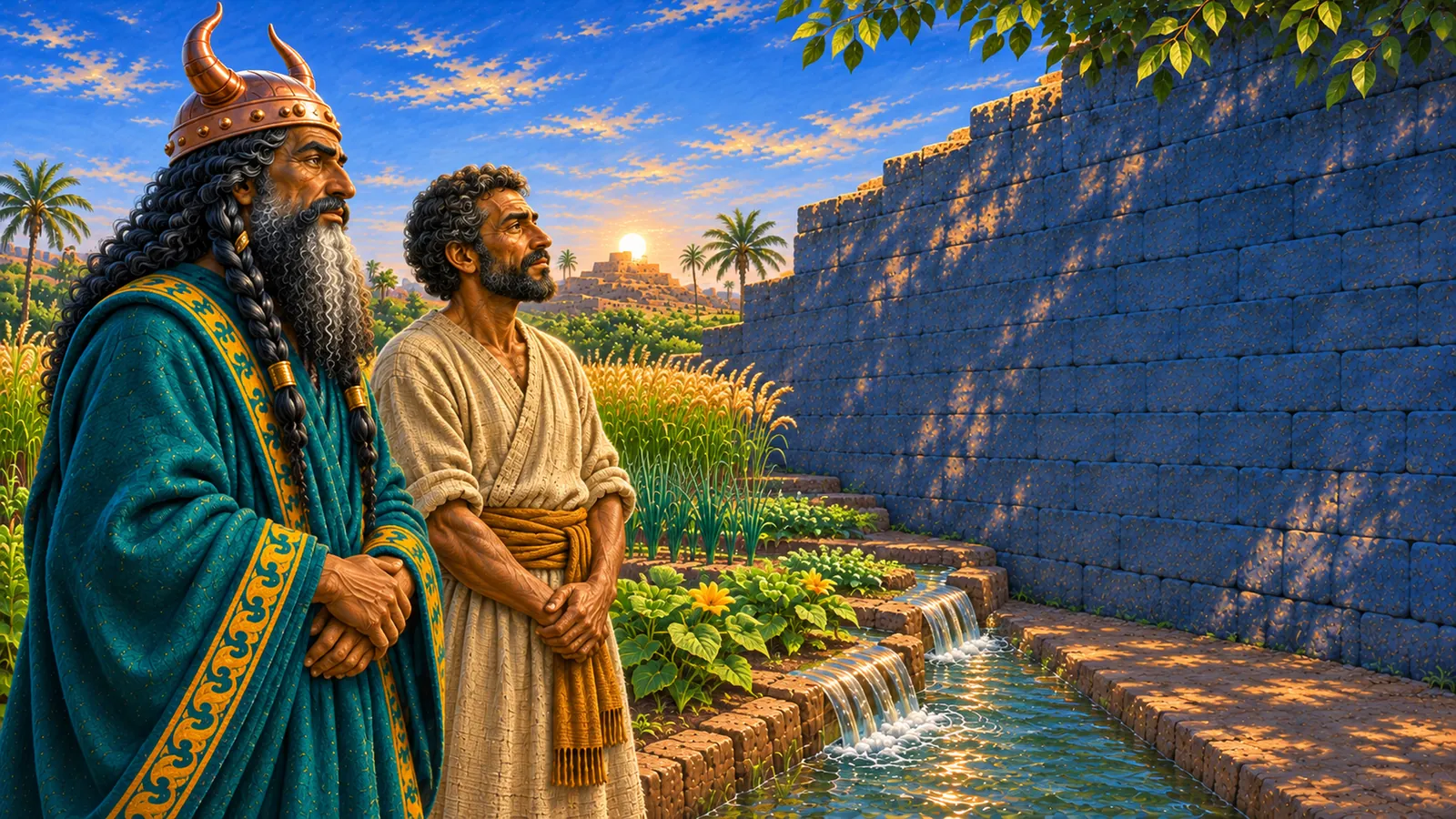
Enki commença à répondre au jardinier. Quatre lignes manquent ici, et les mots qu’ils ont échangés se sont perdus.
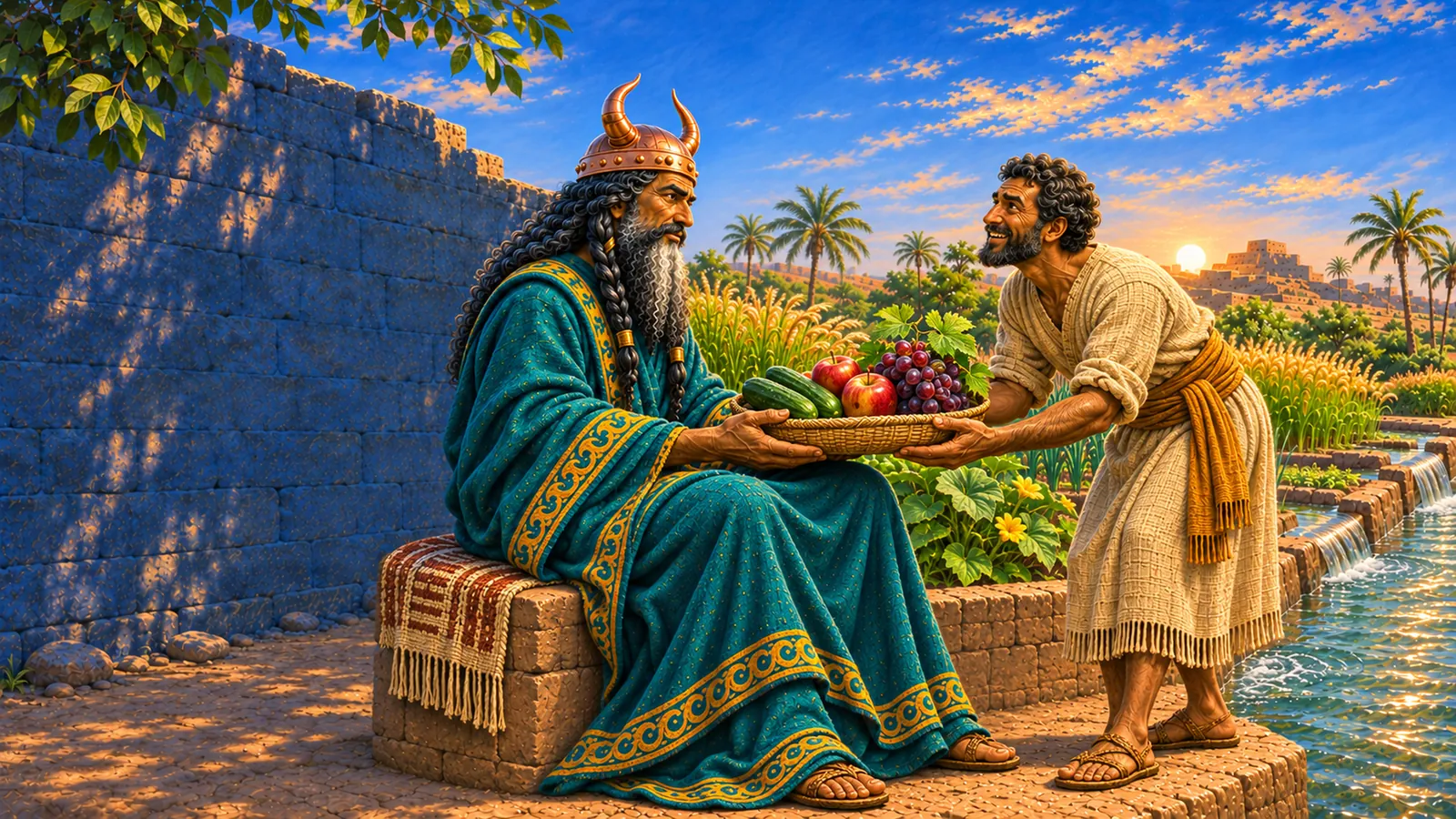
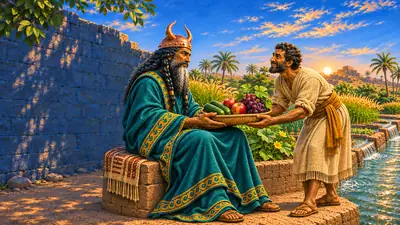
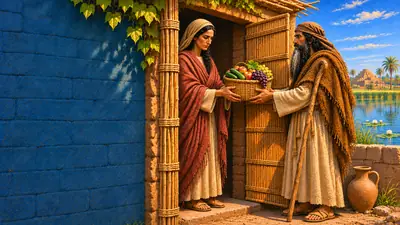
Lorsque le texte reprend, le jardinier apporte à Enki des concombres, des pommes et des grappes de raisin. Il en remplit le giron d’Enki.
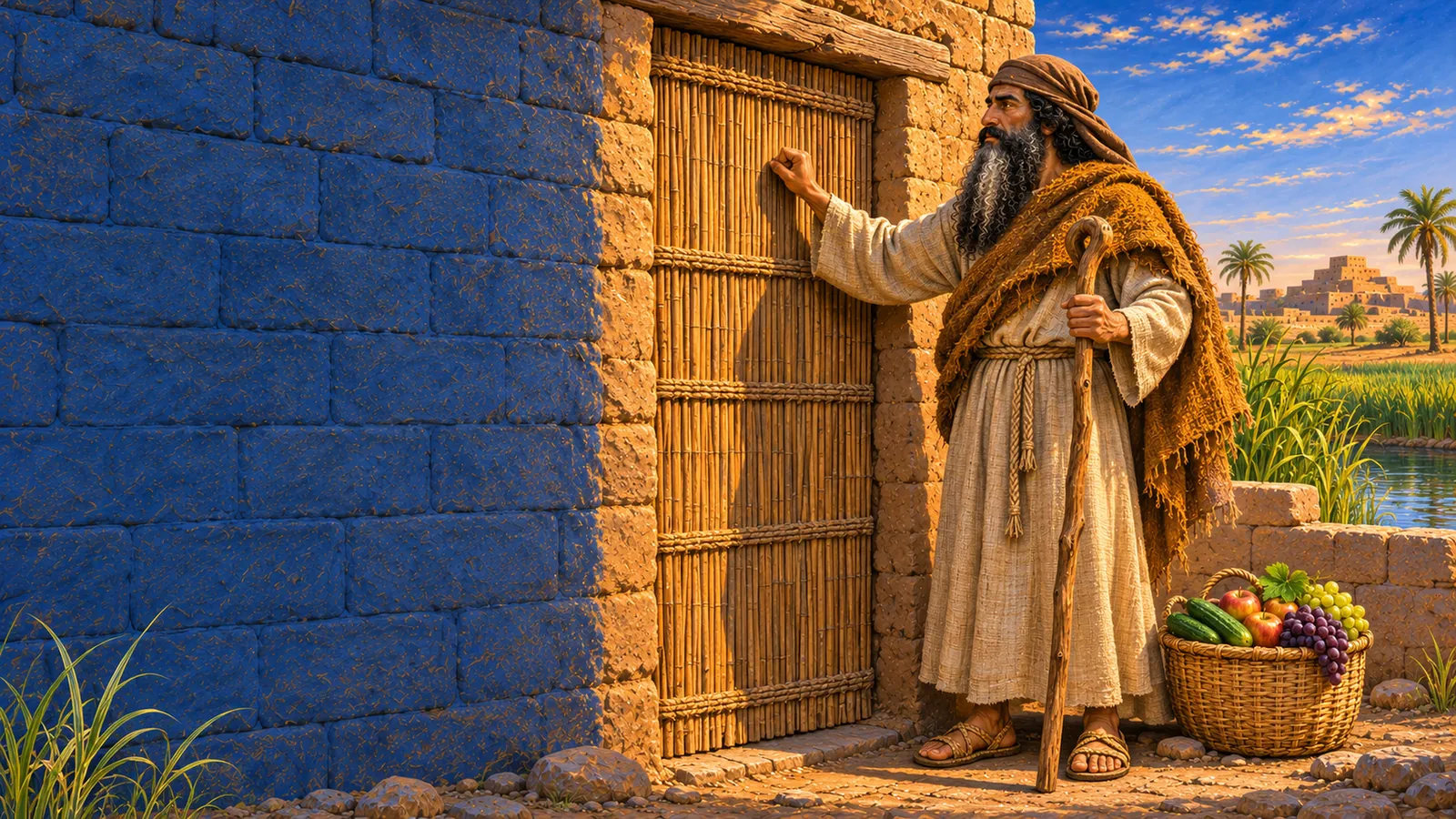
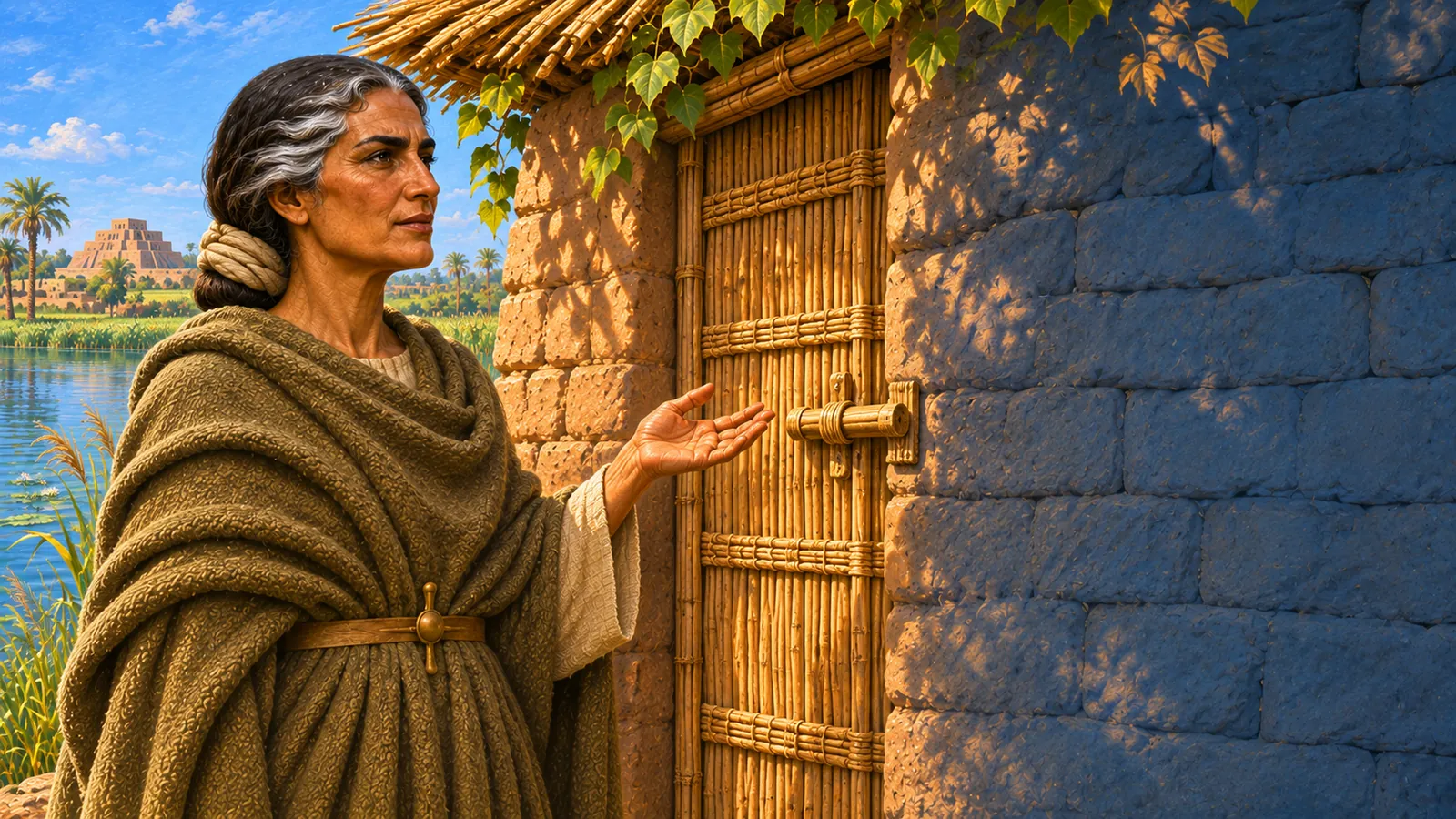
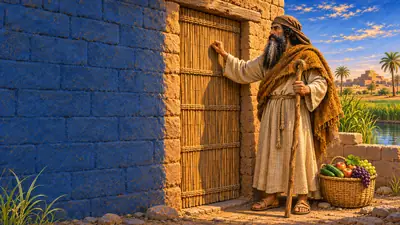
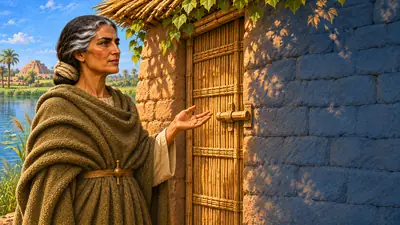
Enki changea d’apparence, prit un bâton et frappa à la porte d’Uttu. Quand elle demanda qui était là, il se présenta comme jardinier et lui offrit les fruits.
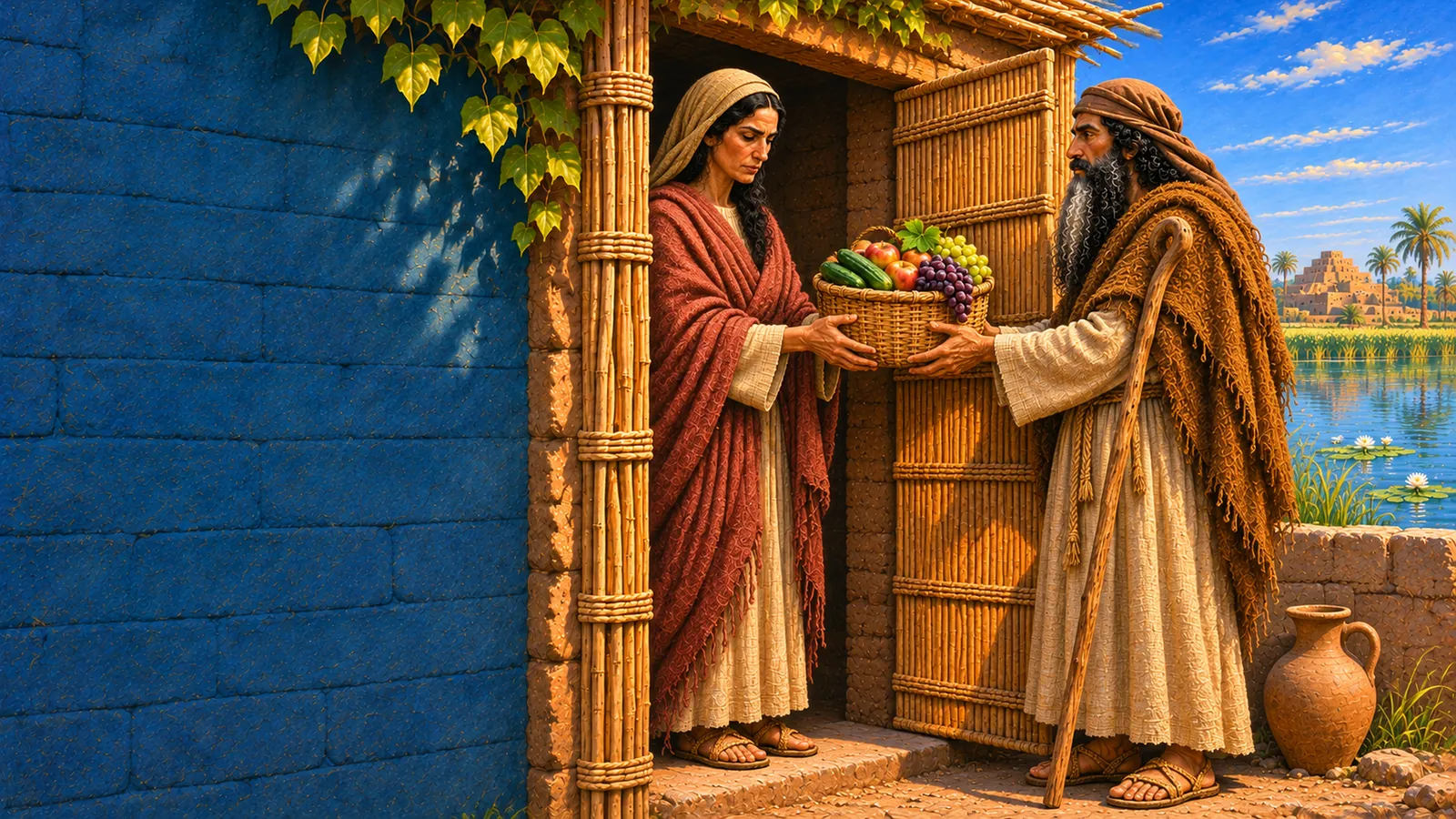
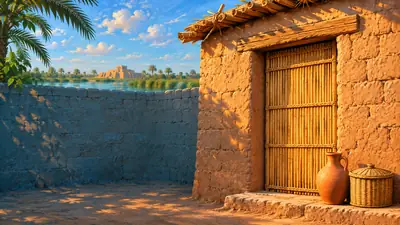
Uttu ouvrit la porte et reçut les concombres, les pommes et le raisin. Une copie du poème dit qu’Enki lui versa aussi de la bière.
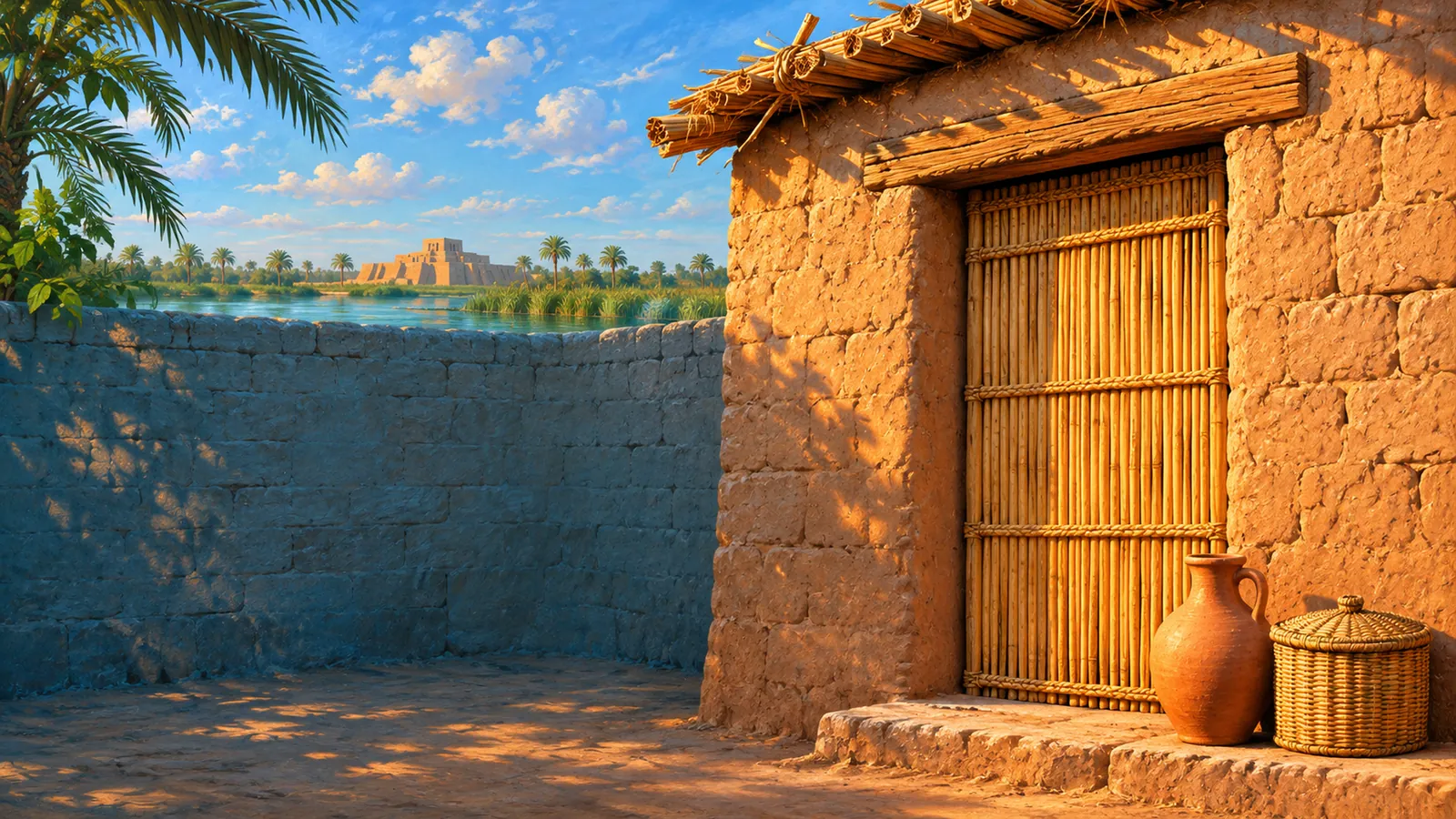
Enki s’était présenté comme jardinier. Dans la maison, il coucha avec Uttu, qui conçut un enfant de lui.
LE CRI D’UTTU
Uttu cria de douleur. Ninhursag retira la semence d’Enki de son corps. Les deux lignes suivantes ne subsistent qu’à l’état de fragments.
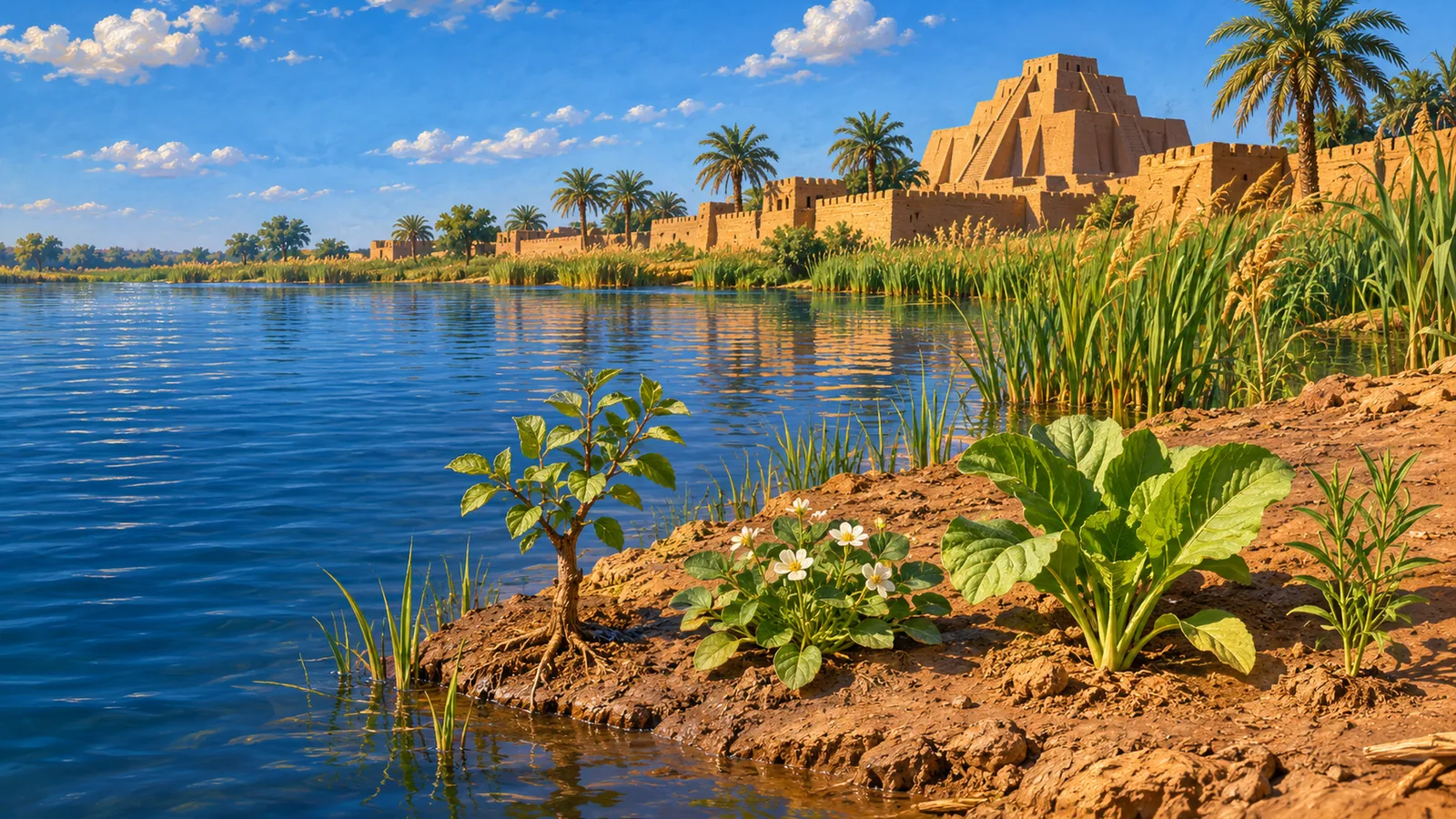
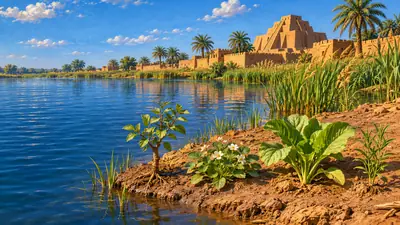
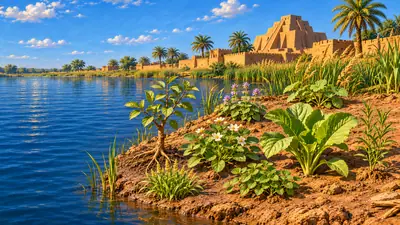
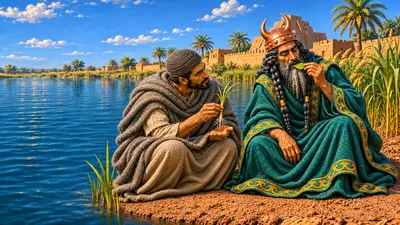
Quatre sortes de plantes poussèrent. Le poème parle de la plante-arbre, de la plante-miel et de la plante-légume. La quatrième est difficile à identifier.
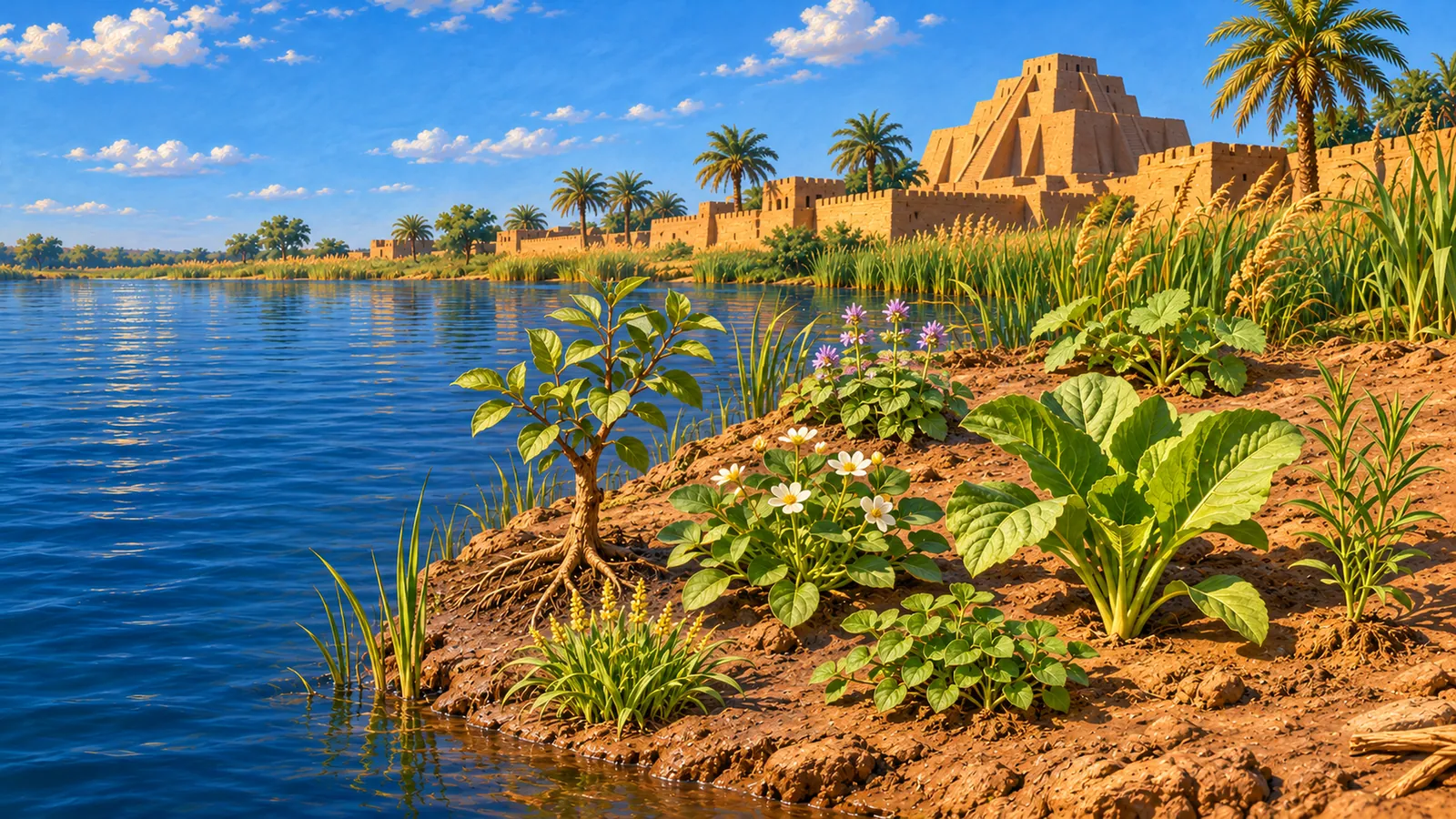
Quatre autres sortes poussèrent. Il y eut l’Atutu, l’Ashtaltal, une plante dont le nom est perdu sur la tablette, et l’Amharu.
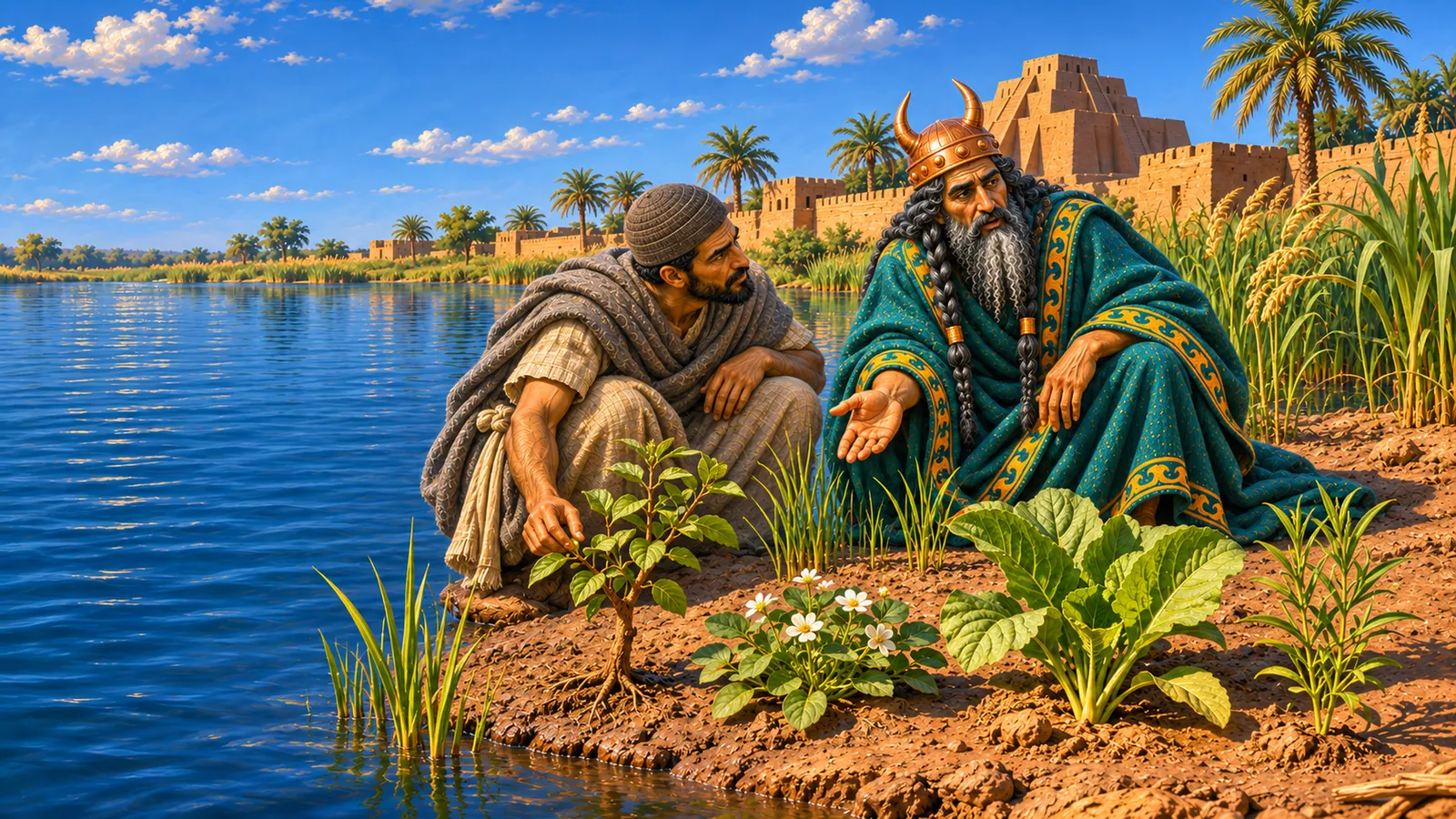
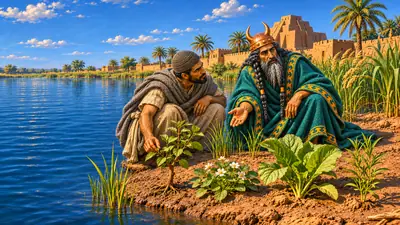
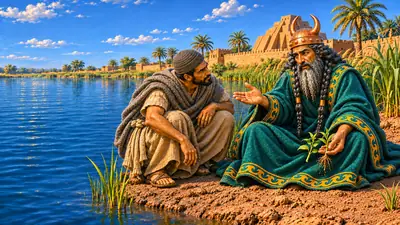
Enki vit les plantes depuis le marais. Il devait encore fixer leurs destinées et se mit à demander à Isimud ce qu’était chacune d’entre elles.
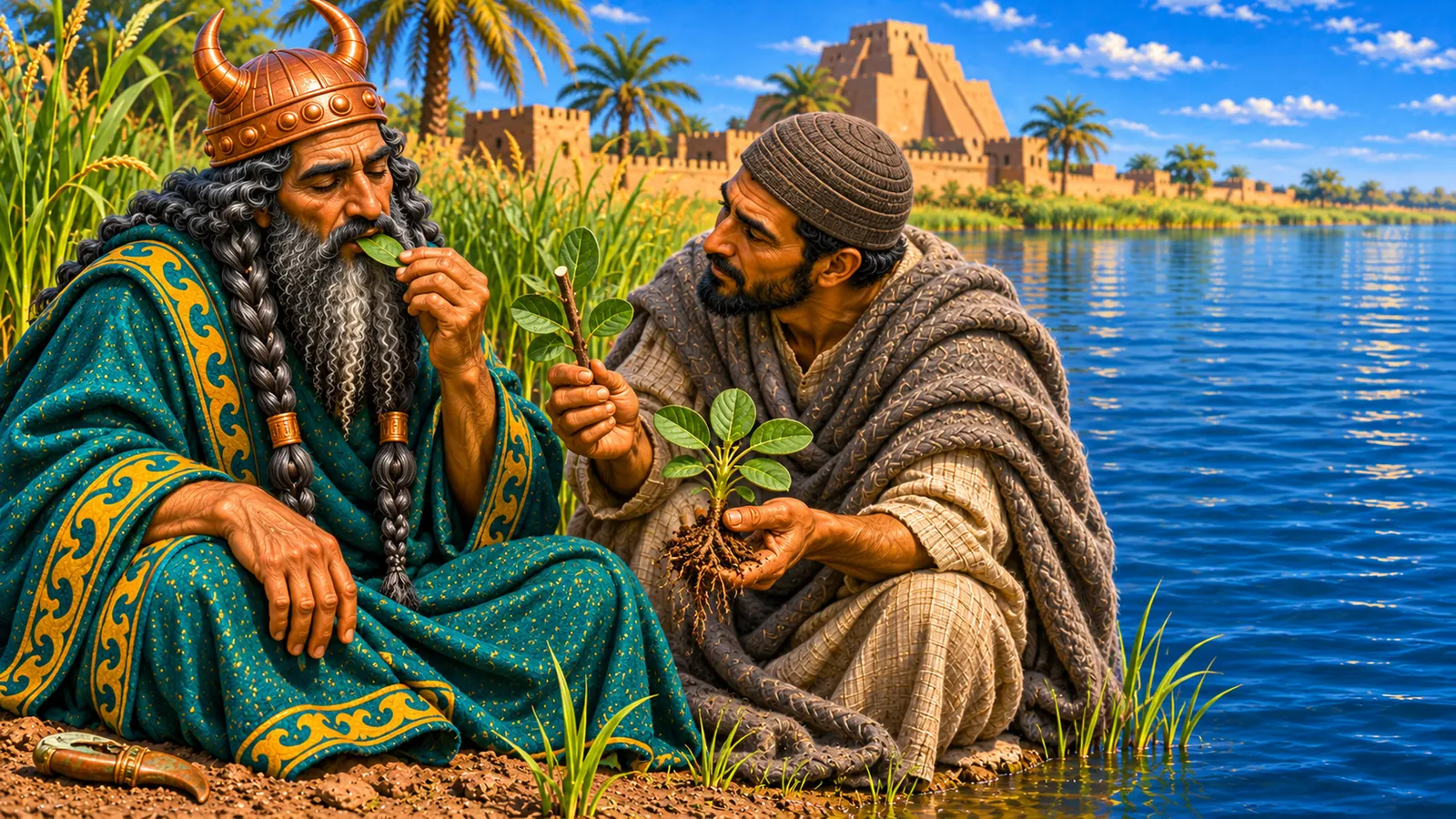
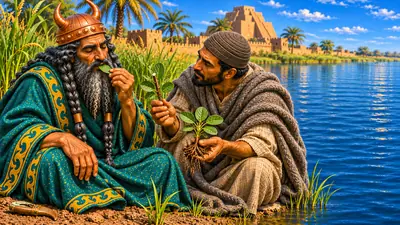
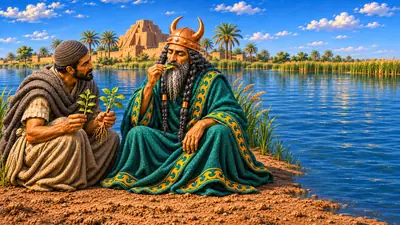
Isimud nomma la plante-arbre, la coupa et la donna à manger à Enki. Puis il nomma la plante-miel, l’arracha et la lui donna à manger elle aussi.
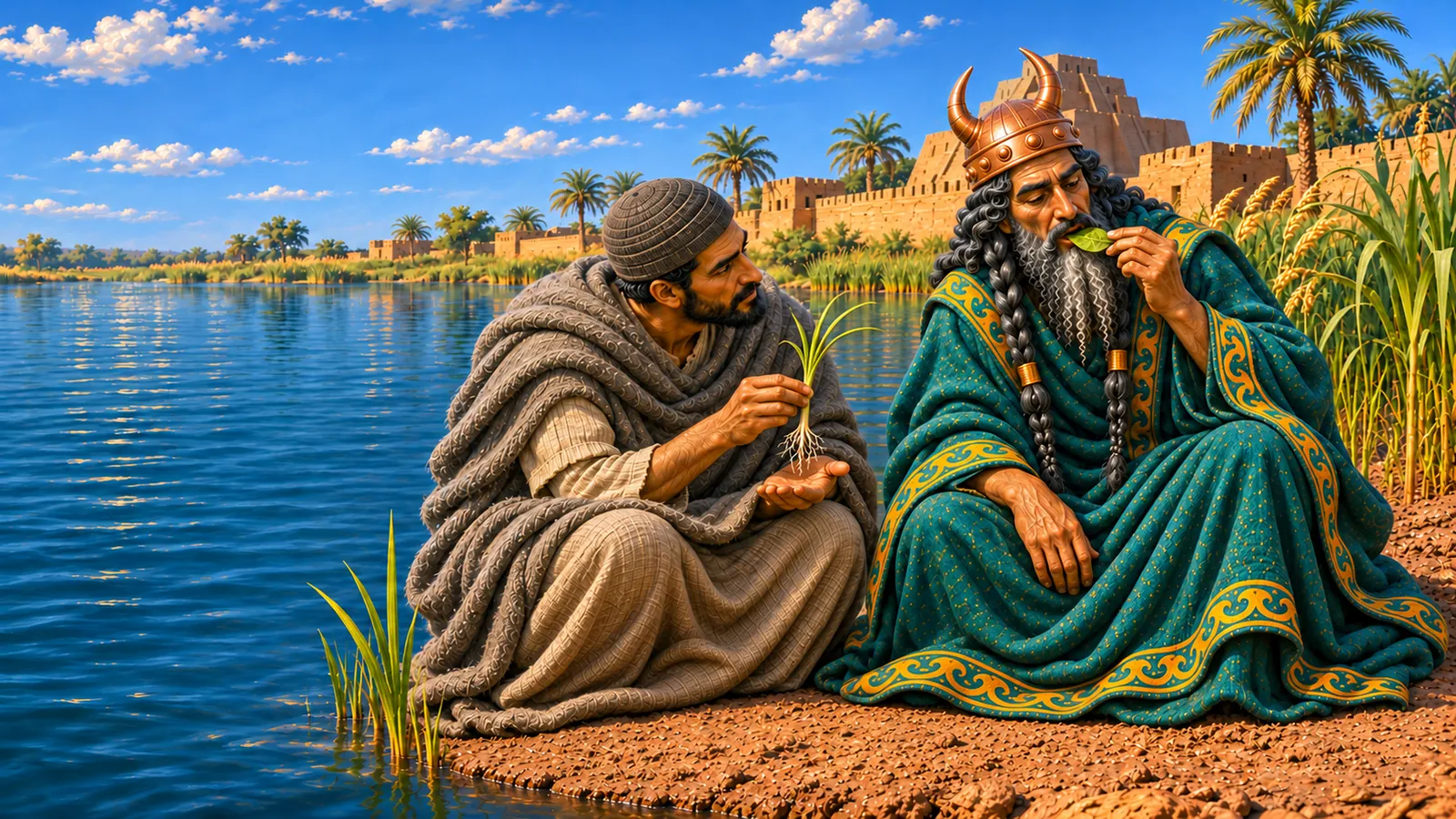
Isimud coupa la plante-légume et arracha une plante qui était peut-être une sorte d’herbe. Enki mangea chacune à mesure qu’Isimud les lui apportait.
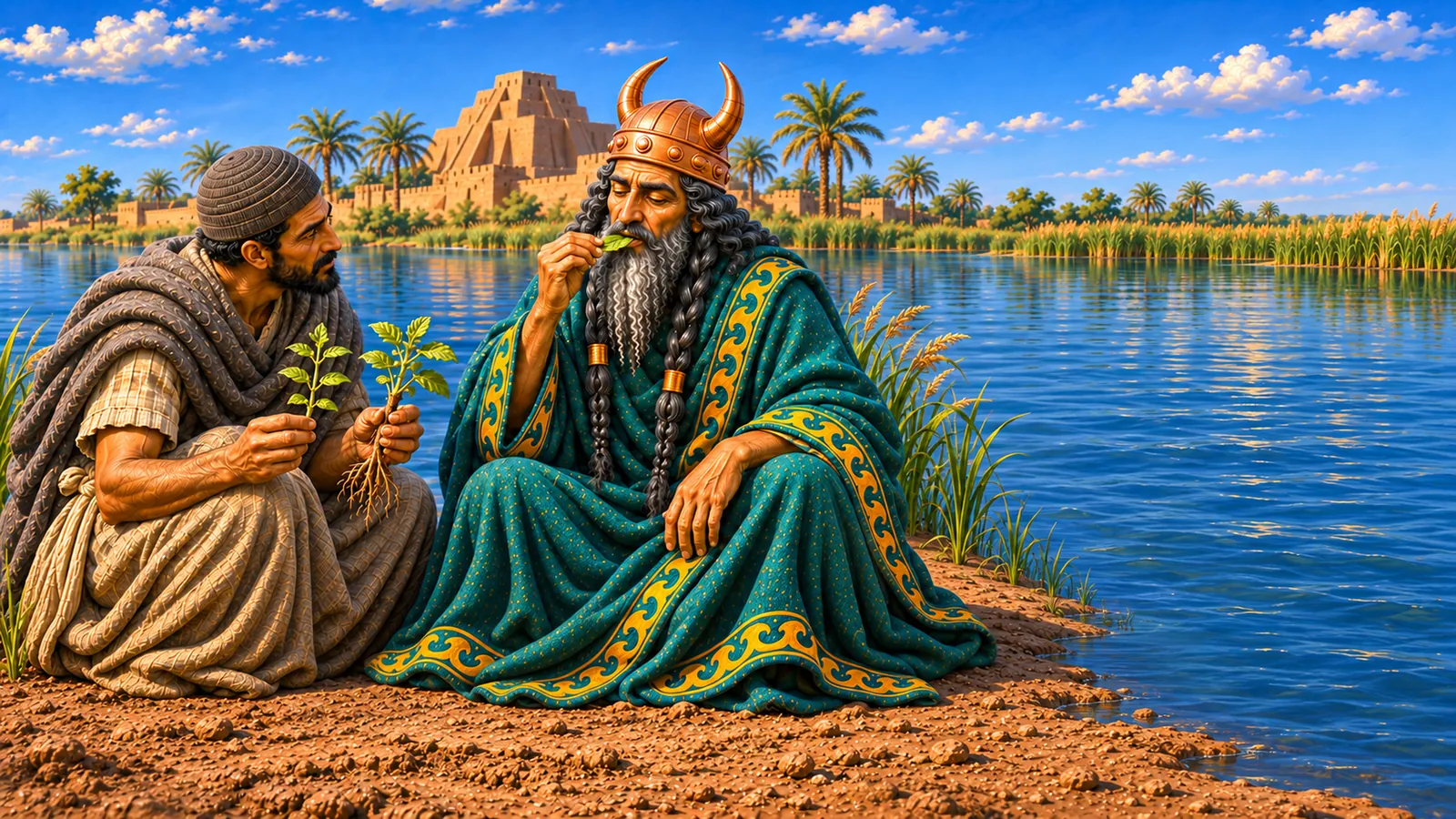
Isimud nomma l’Atutu et le coupa. Puis il nomma l’Ashtaltal et l’arracha. Enki mangea les deux plantes l’une après l’autre.
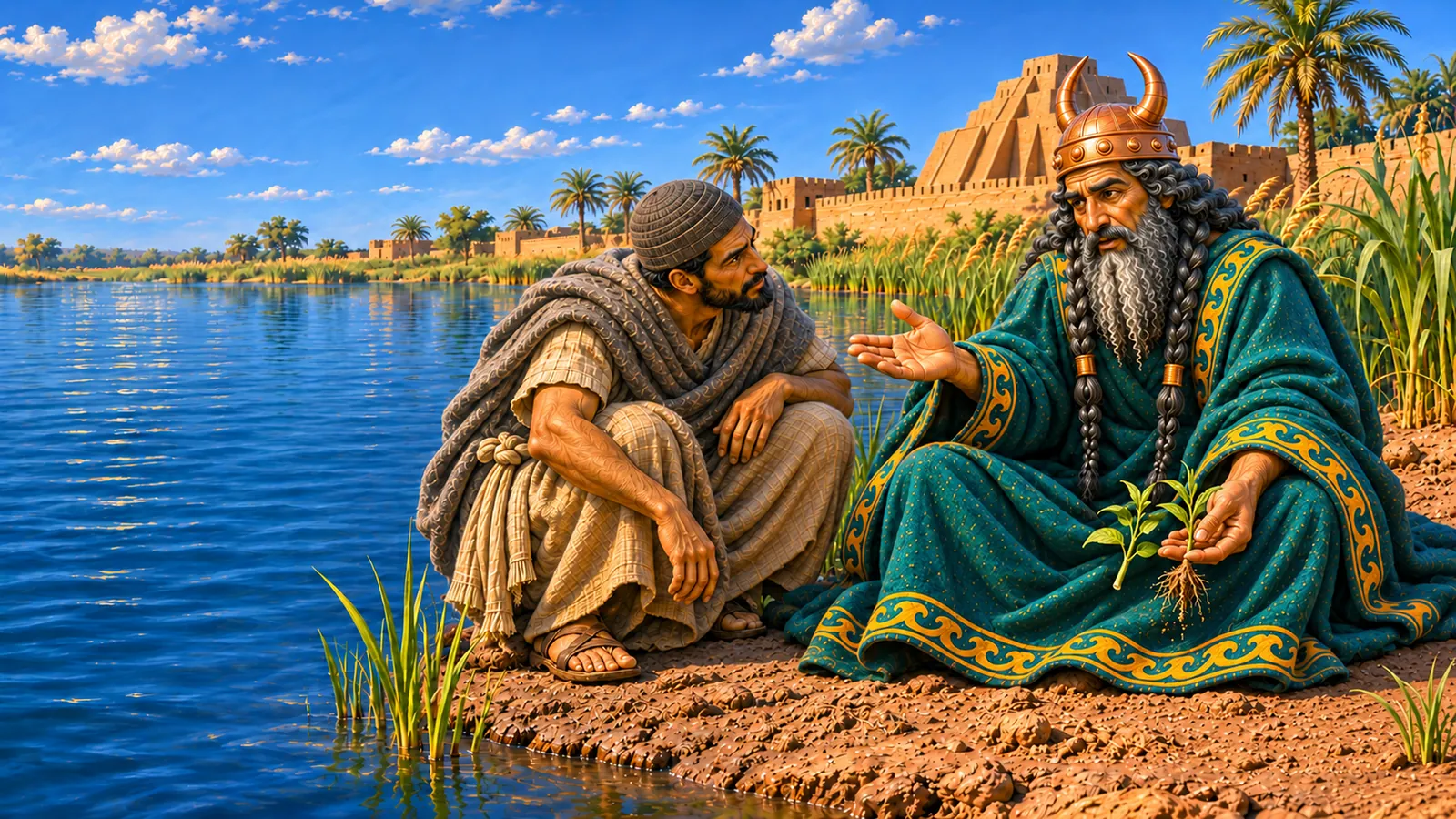
Le nom de la septième plante est perdu. Isimud la coupa, puis arracha l’Amharu, et Enki mangea les deux. Ensuite Enki fixa les destinées de toutes les plantes.
LA MALÉDICTION
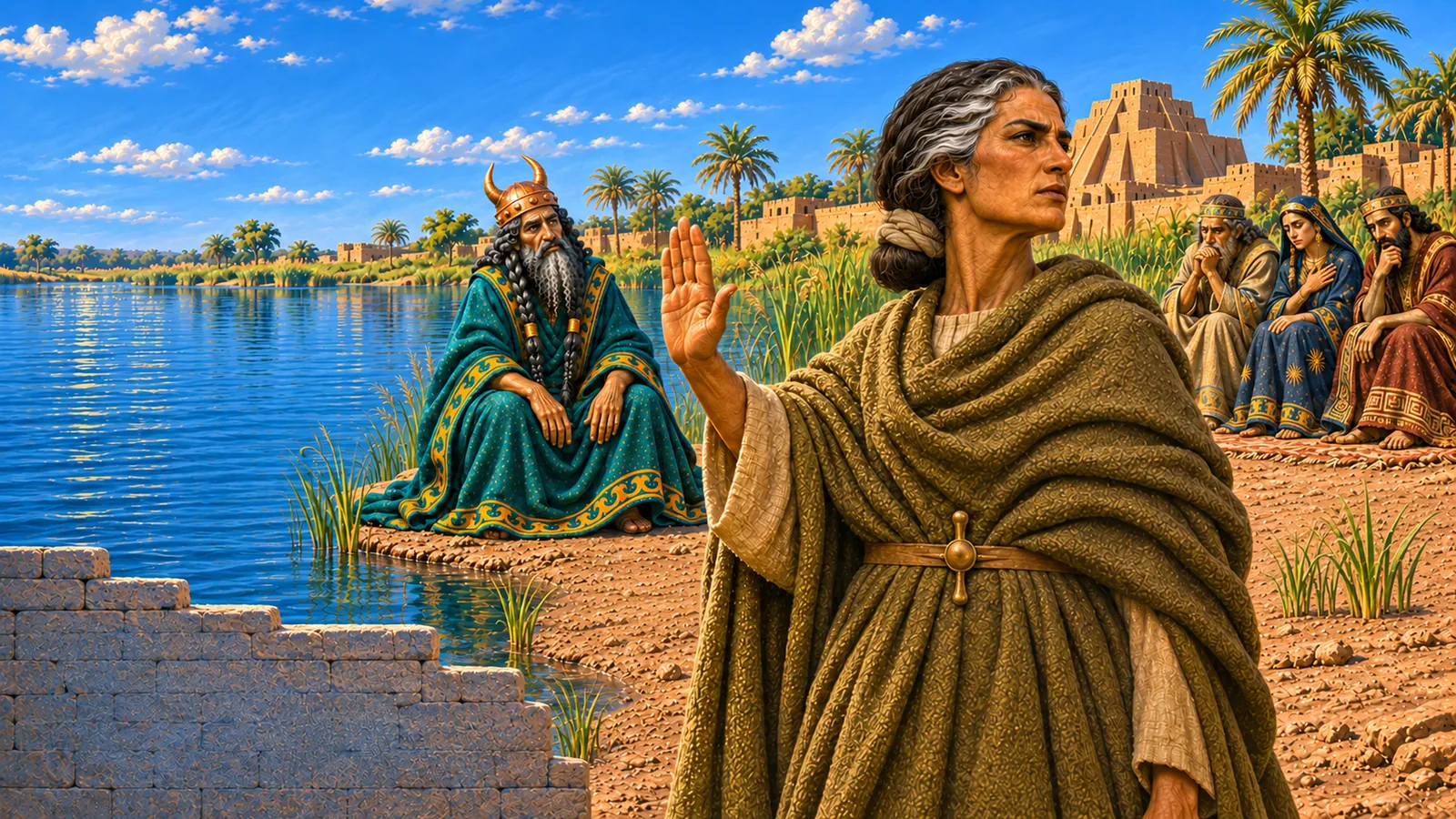
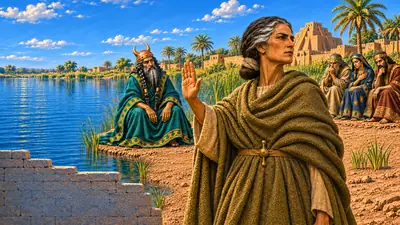
Ninhursag maudit Enki. Elle jura de lui refuser son regard qui donne la vie jusqu’au jour de sa mort. Les Anuna s’assirent dans la poussière.
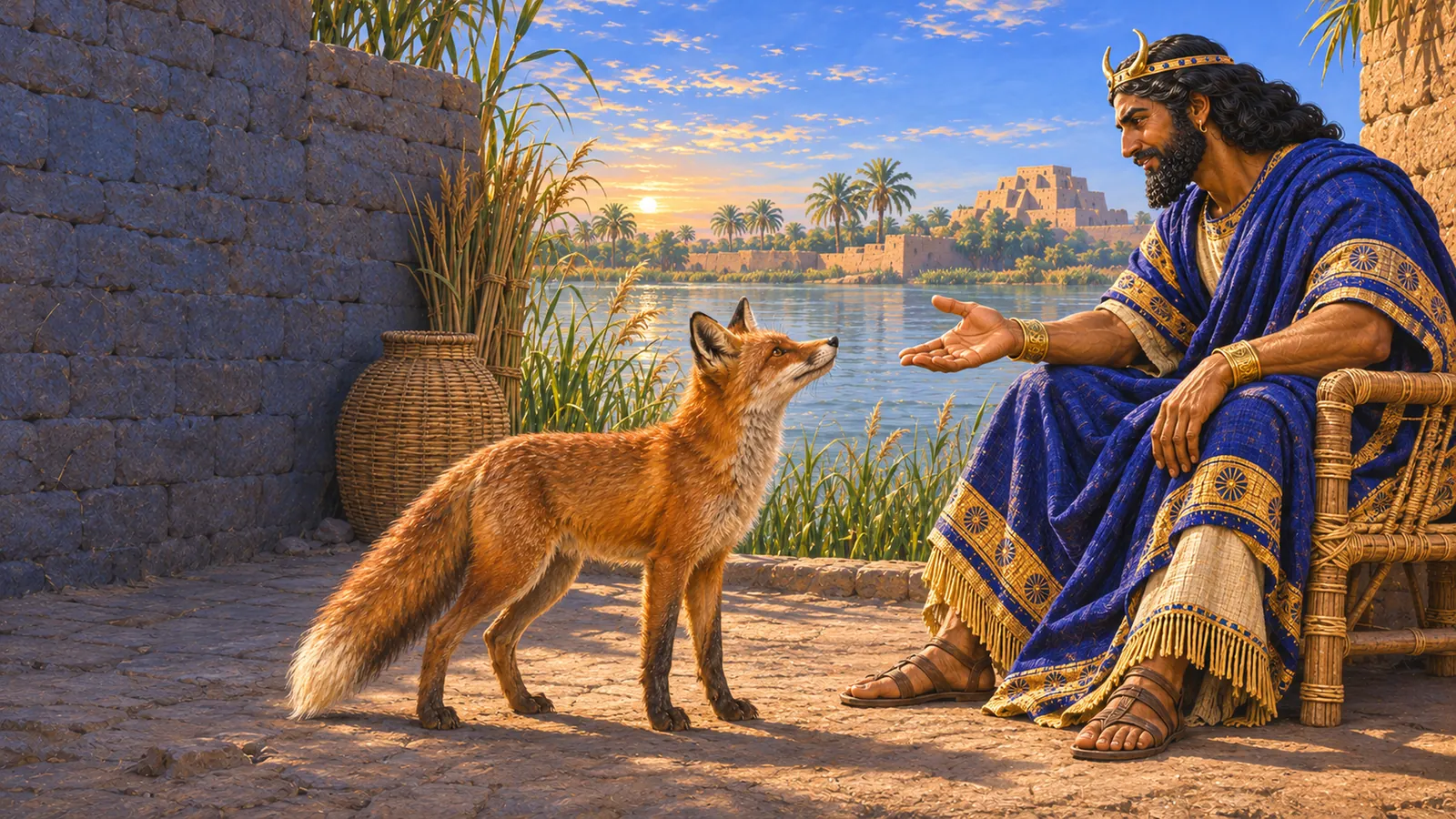
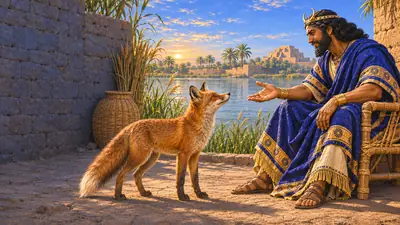
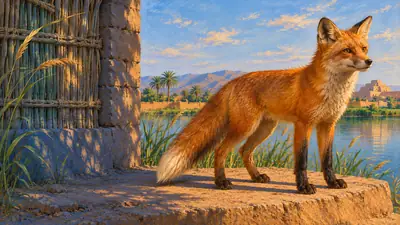
Un renard demanda à Enlil quelle récompense il recevrait s’il ramenait Ninhursag. Enlil lui promit, s’il réussissait, de dresser deux étendards dans sa ville et de le rendre célèbre.
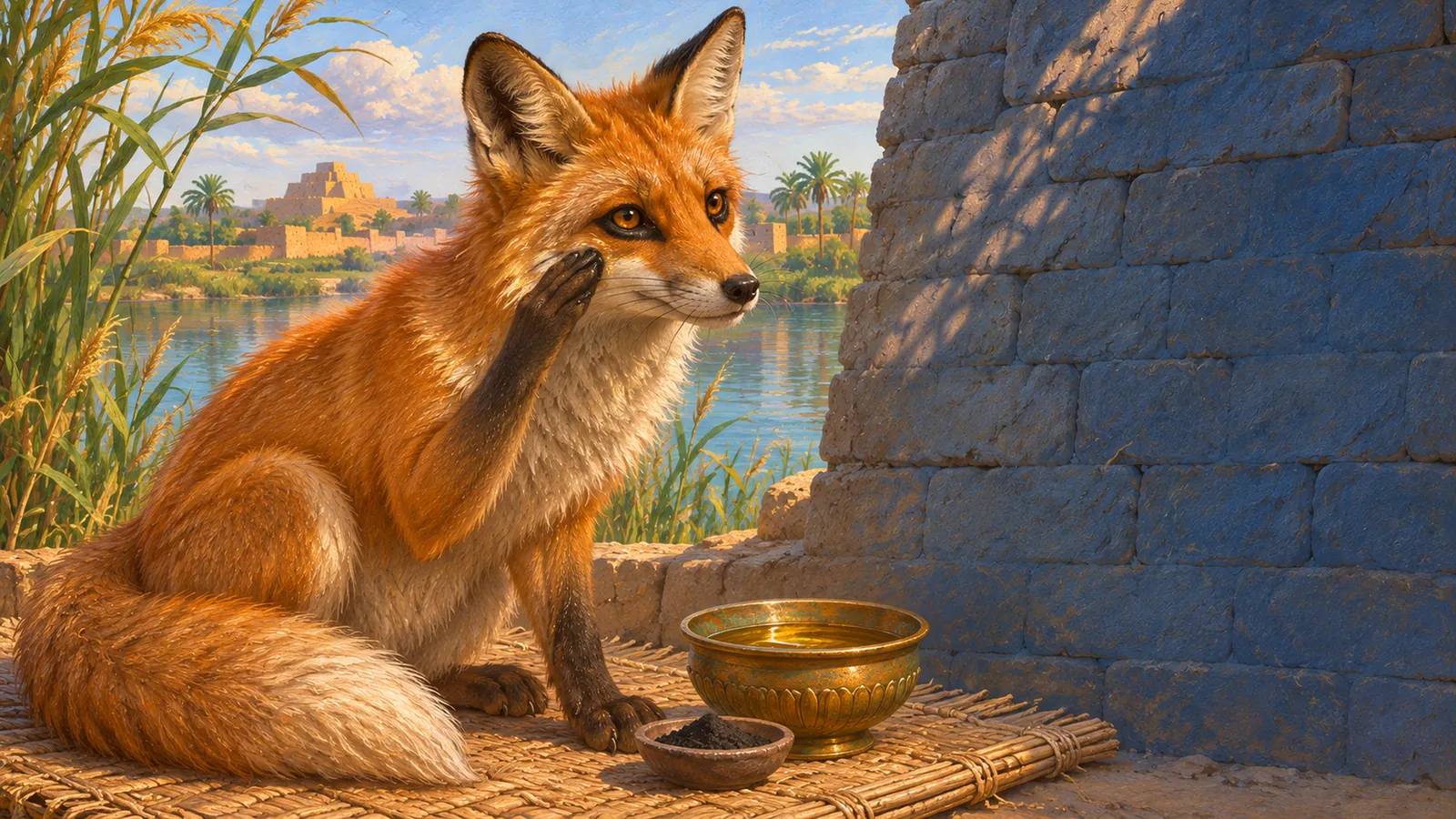
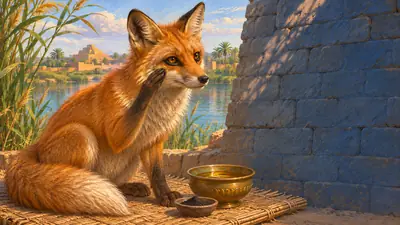
Le renard s’enduisit d’huile et mit du khôl autour de ses yeux. Entre ces deux gestes, les mots semblent dire ce qu’il fit à son pelage.
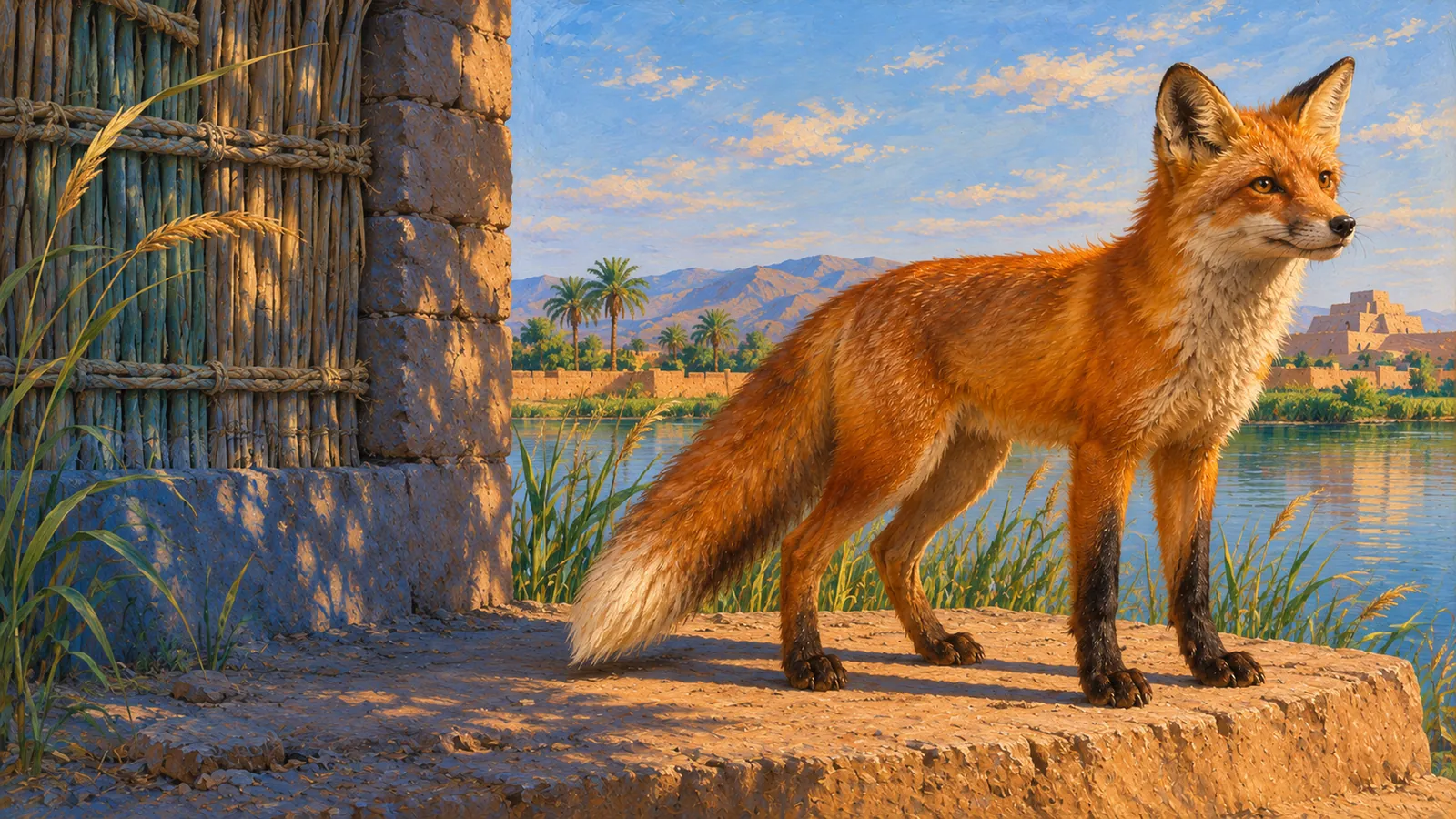
À cet endroit, quatre lignes ne subsistent qu’à l’état de fragments. La tablette ne permet plus de savoir clairement ce que le renard fit ensuite.
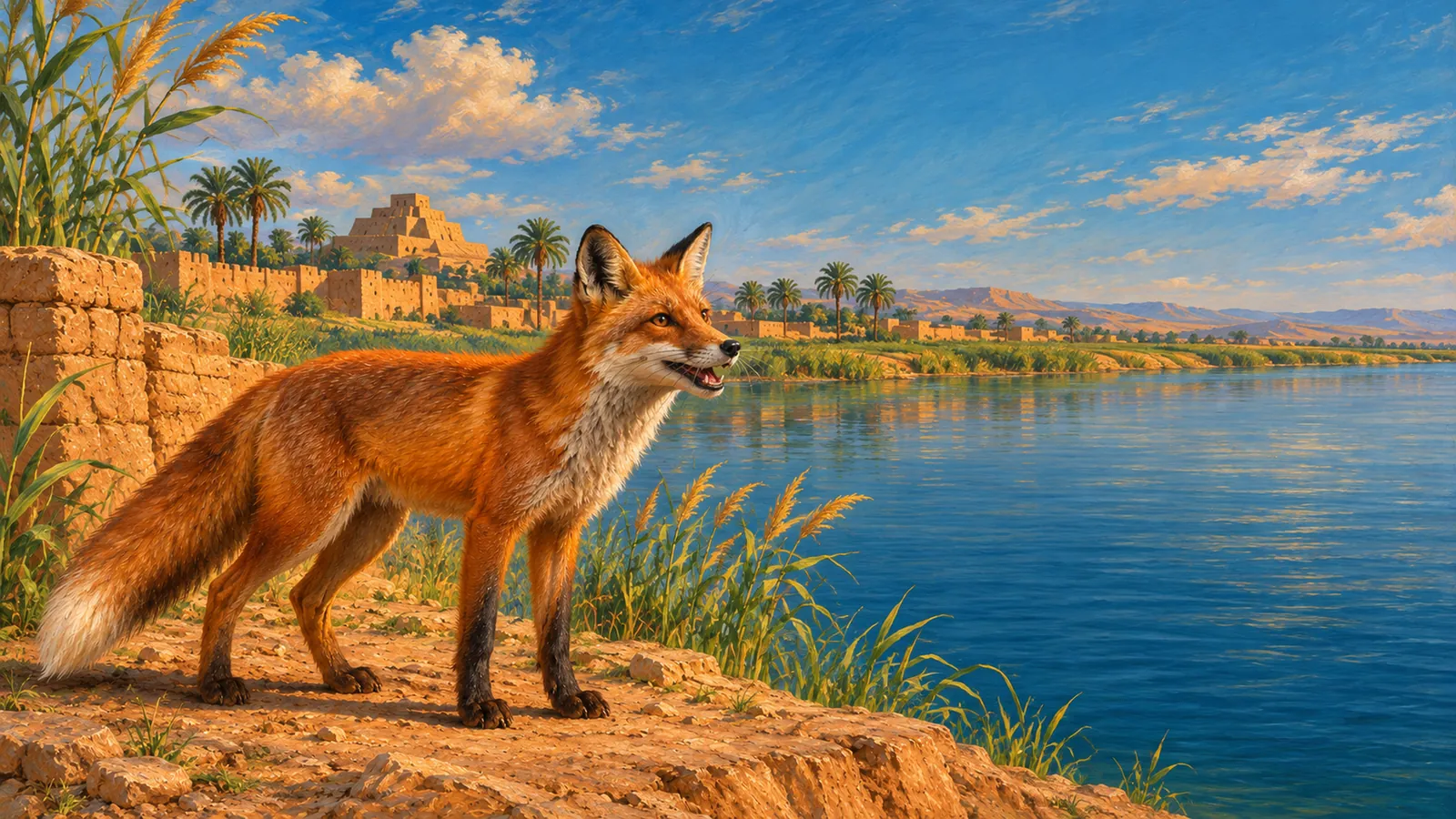
Le renard parle de Nippur et d’Enlil, d’Ur et de Nanna, de Larsa et d’Utu, et d’Uruk et d’Inanna. Ce qui s’est passé dans chaque lieu est plus difficile à comprendre.
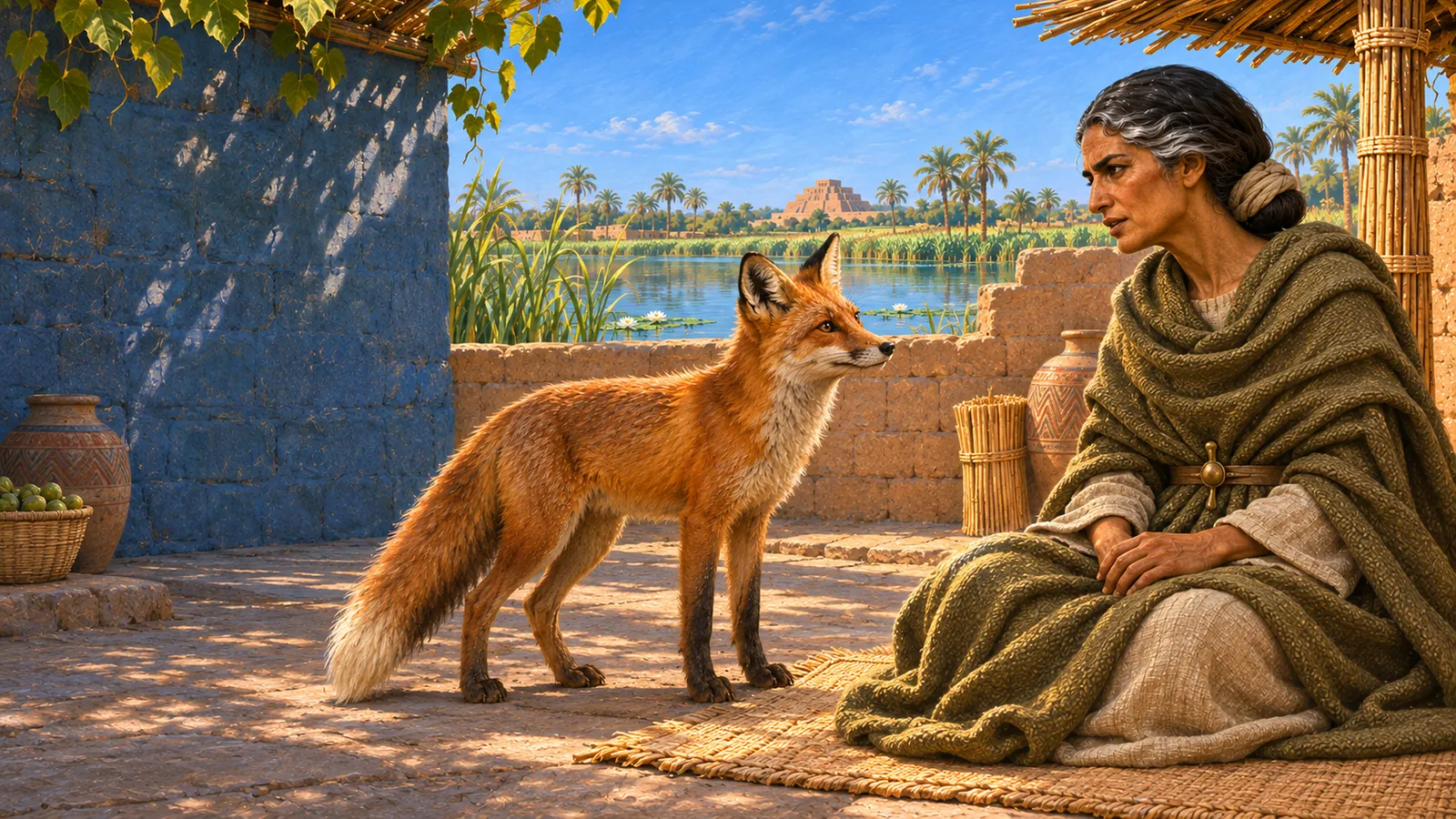
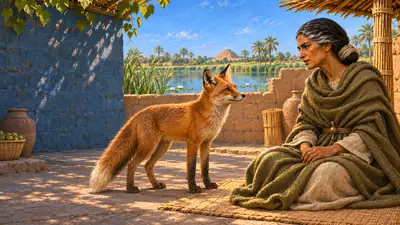
Seuls des fragments du discours subsistent, et le nom de Ninhursag est encore lisible. Ce que le renard lui dit et la réponse qu’elle lui fit ne sont plus clairs.
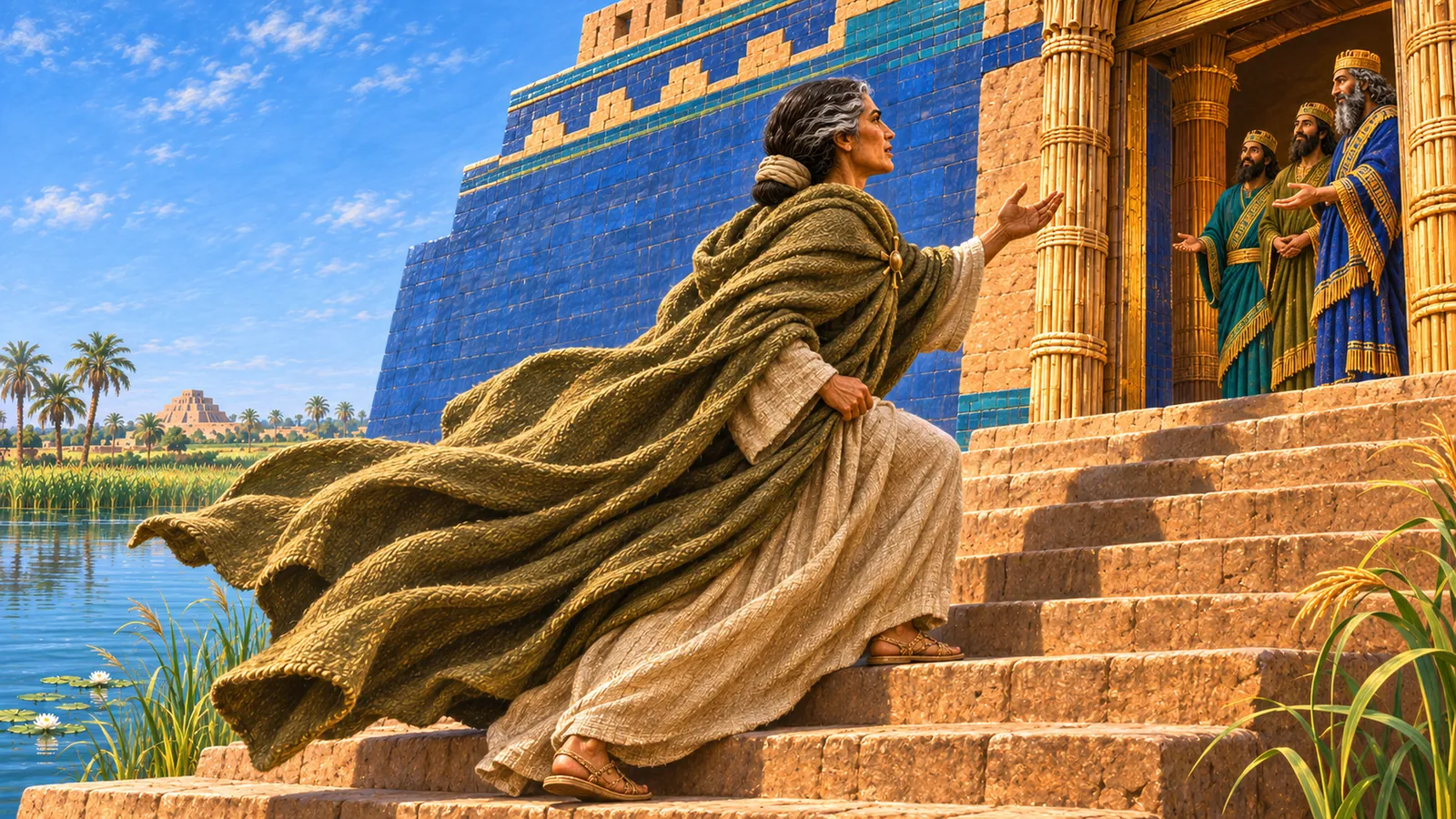
Quand le récit redevient clair, Ninhursag se hâte vers le temple. L’assemblée divine des Anuna prend son vêtement, mais une partie de ce qu’ils en font est perdue.
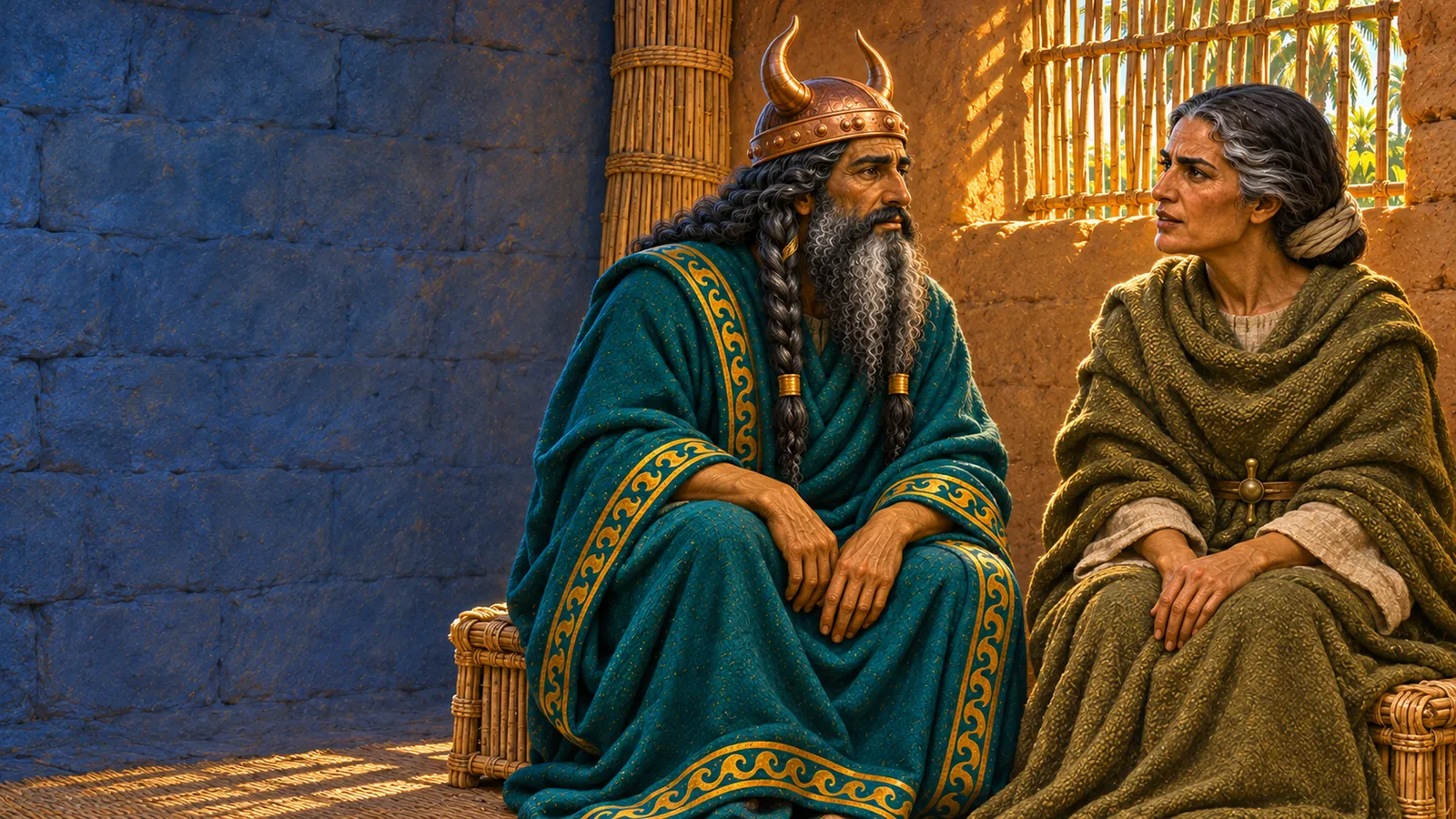
Ninhursag fit asseoir Enki près d’elle. Une ligne d’une autre copie mentionne un geste de ses mains, mais les mots qui le décrivent sont abîmés.
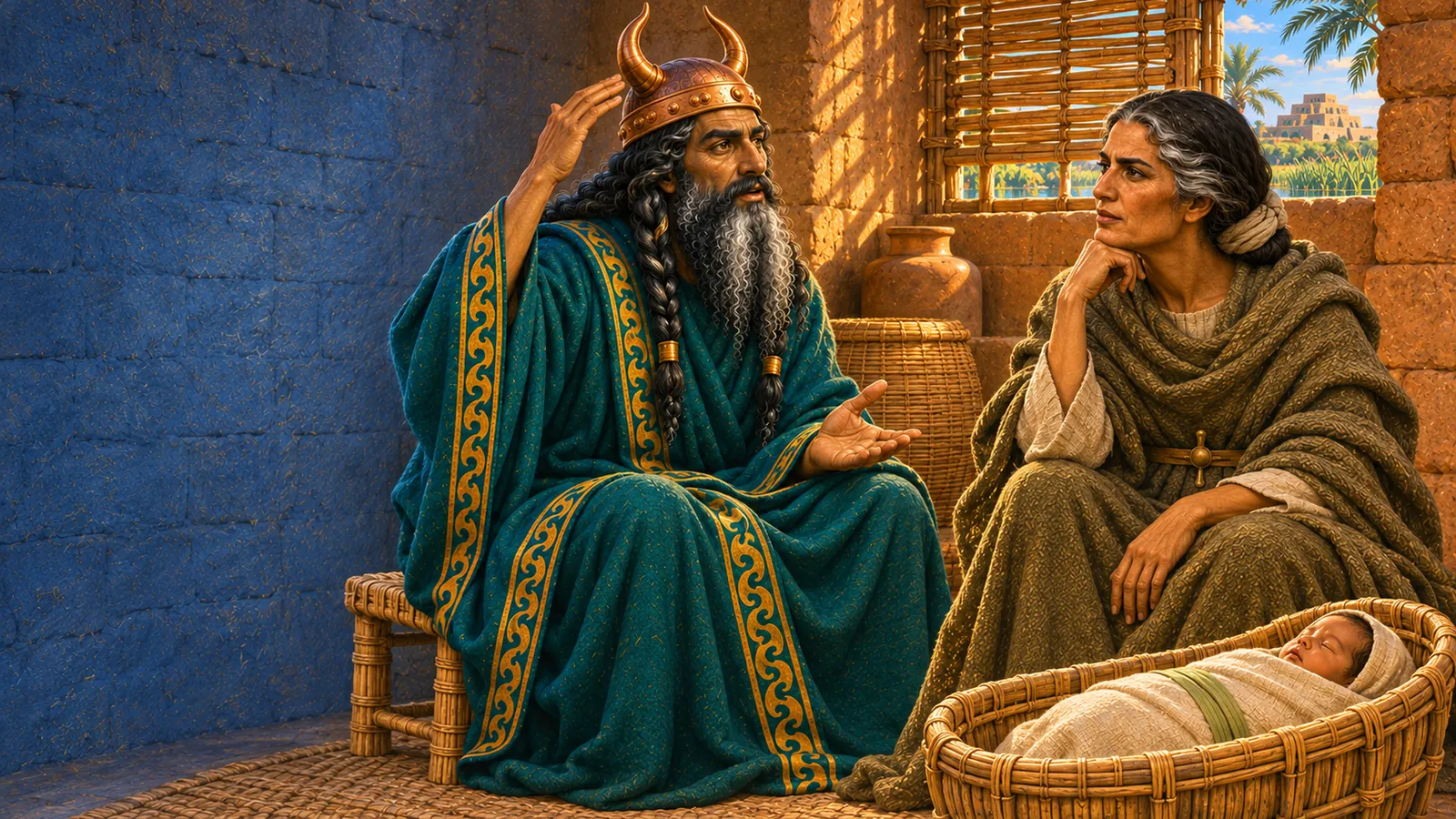
LA GUÉRISON
Ninhursag demanda à son frère où il avait mal. Enki dit que le sommet de sa tête lui faisait mal. Ninhursag mit Ab-u au monde.
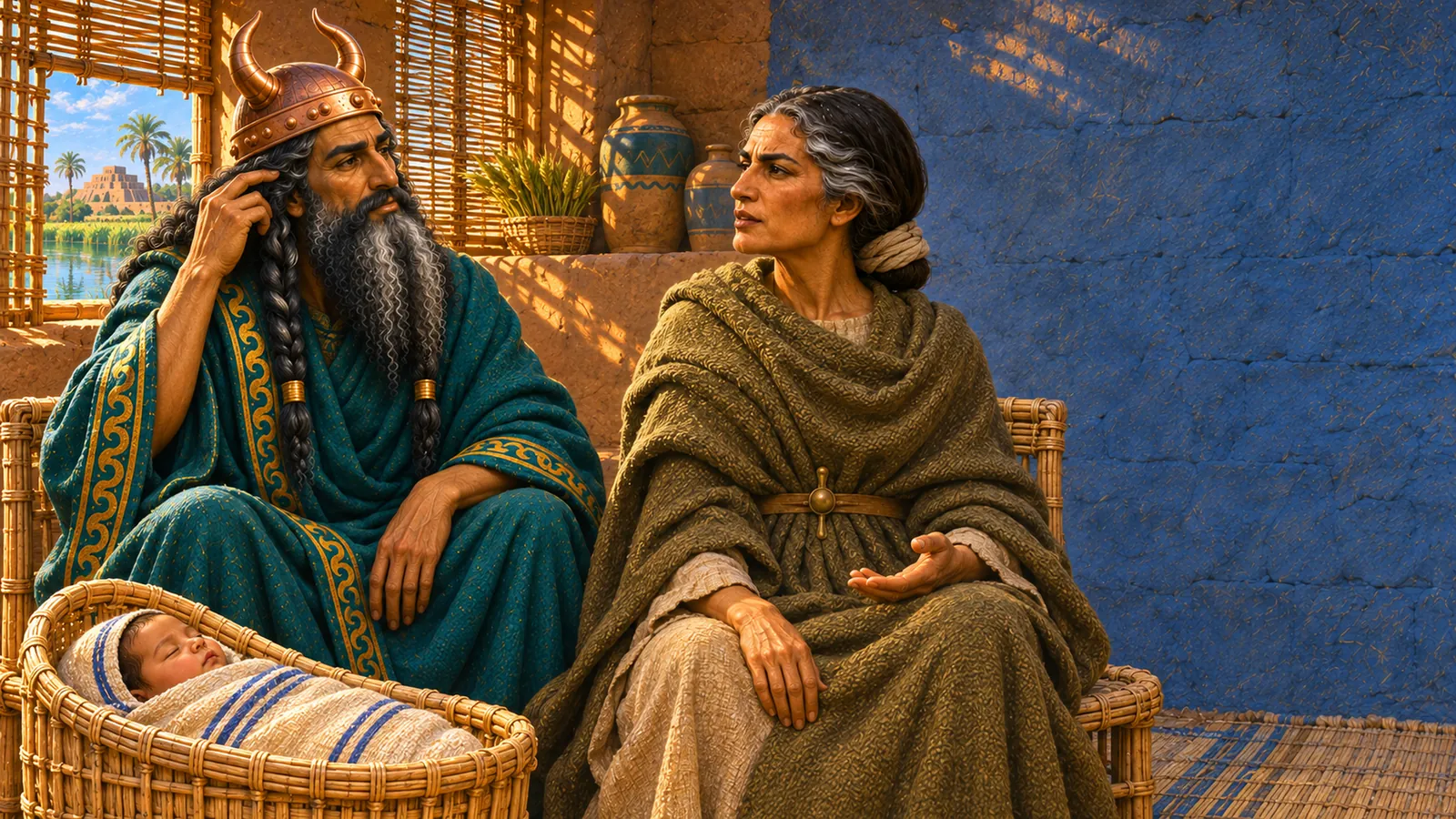
Ninhursag lui demanda de nouveau où il avait mal. Enki dit que, cette fois, ses cheveux lui faisaient mal, et Ninhursag mit Ninsikila au monde.
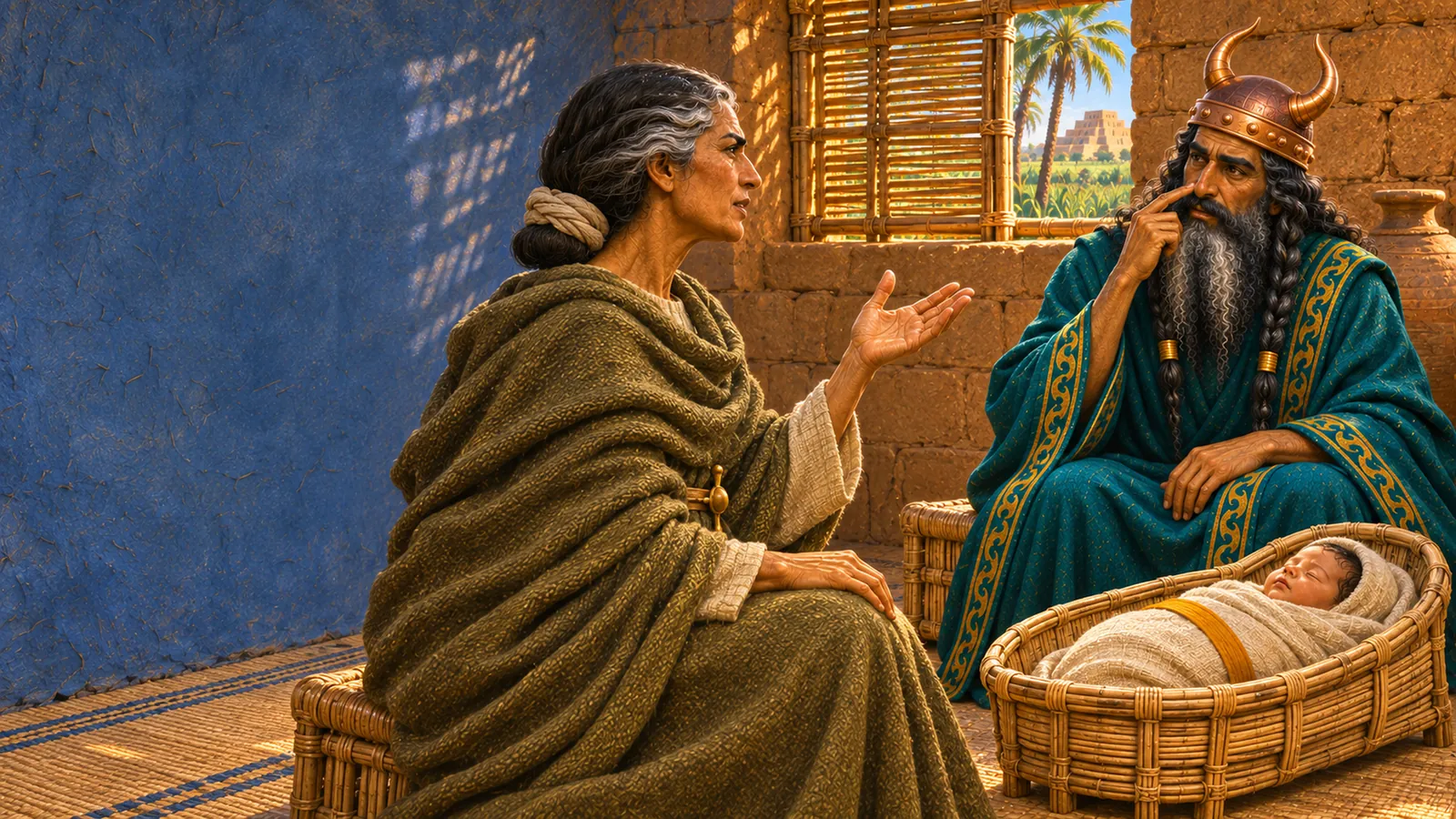
Ninhursag demanda à son frère où il avait mal. Cette fois, Enki nomma son nez. Ninhursag mit Ningiriudu au monde.
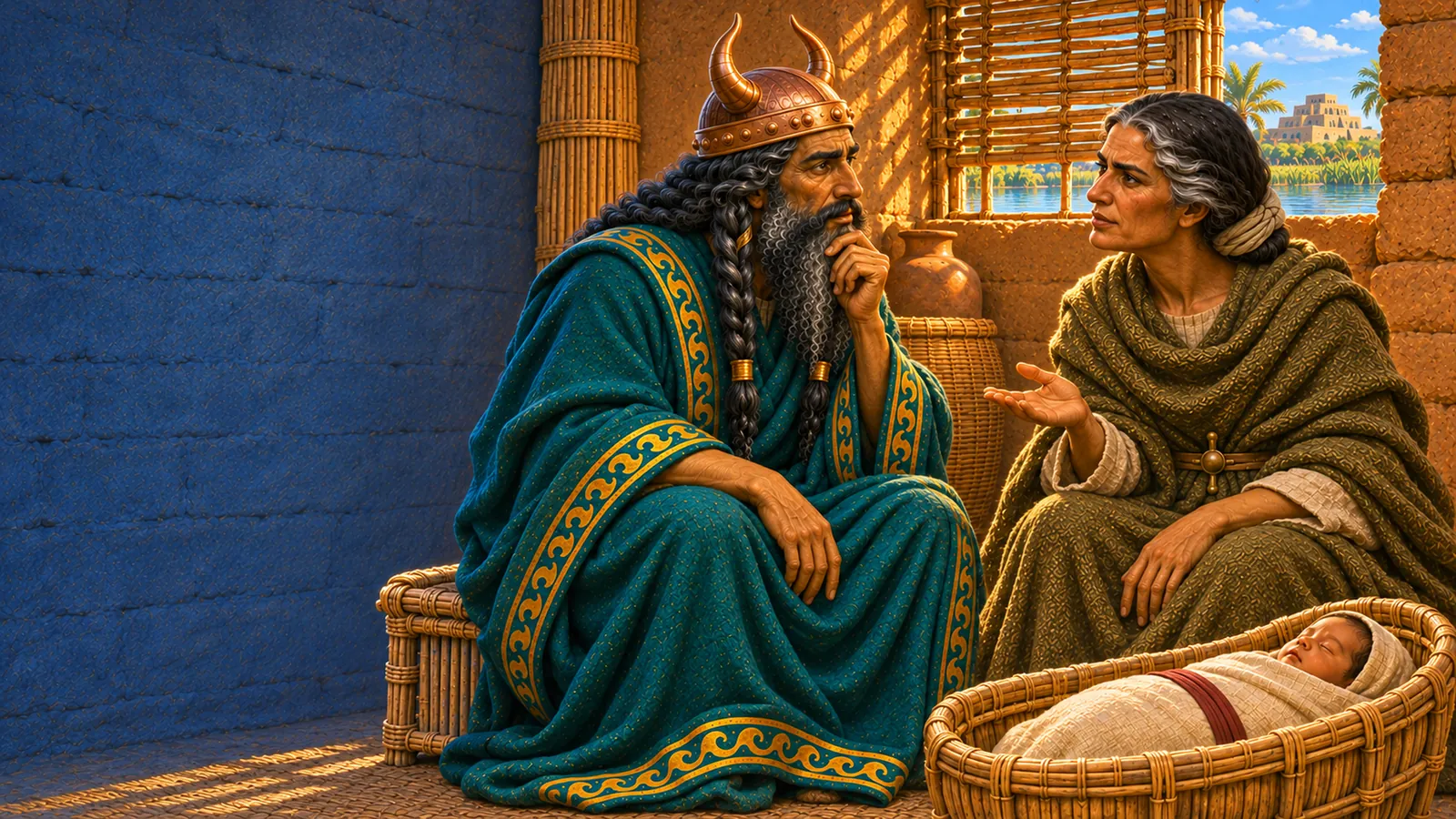
Ninhursag lui demanda encore une fois où il avait mal. Enki lui dit qu’il avait mal à la bouche, et elle donna naissance à Ninkasi.
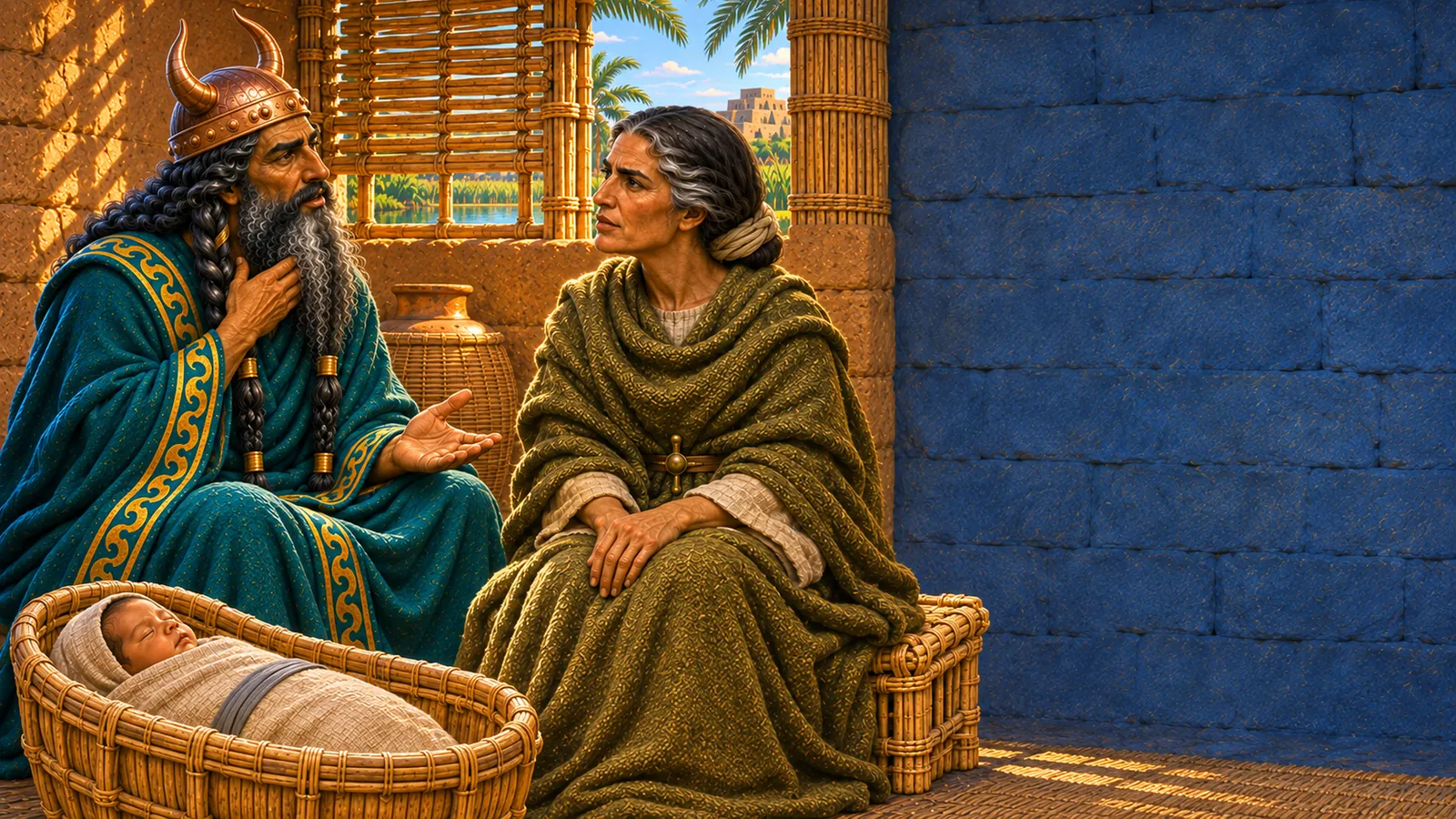
Quand Ninhursag lui demanda à nouveau où il avait mal, Enki répondit que c’était à la gorge. Ninhursag mit Na-zi au monde.
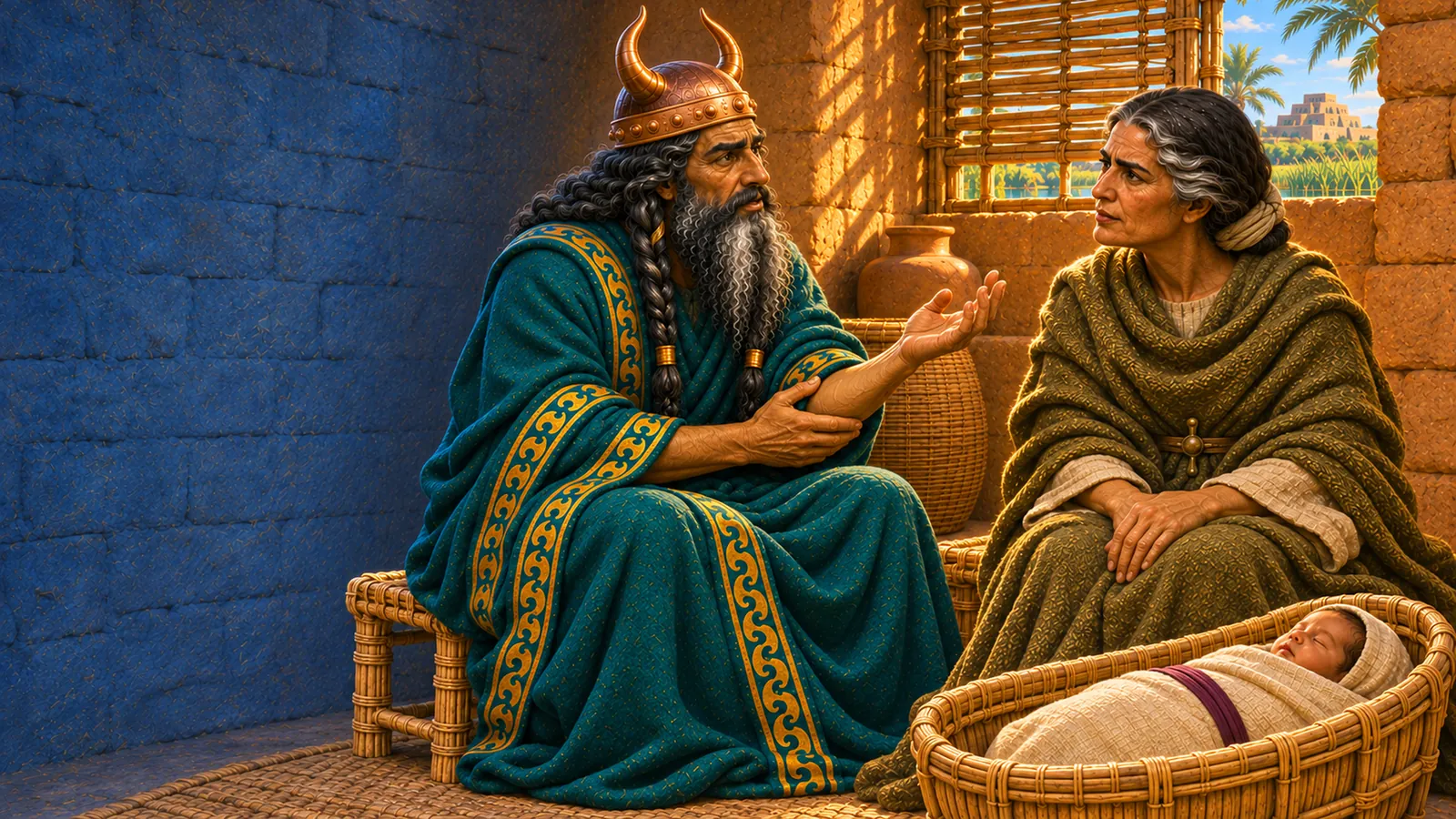
Ninhursag demanda à son frère où il avait mal. Cette fois, Enki nomma son bras, et Ninhursag mit Azimua au monde.
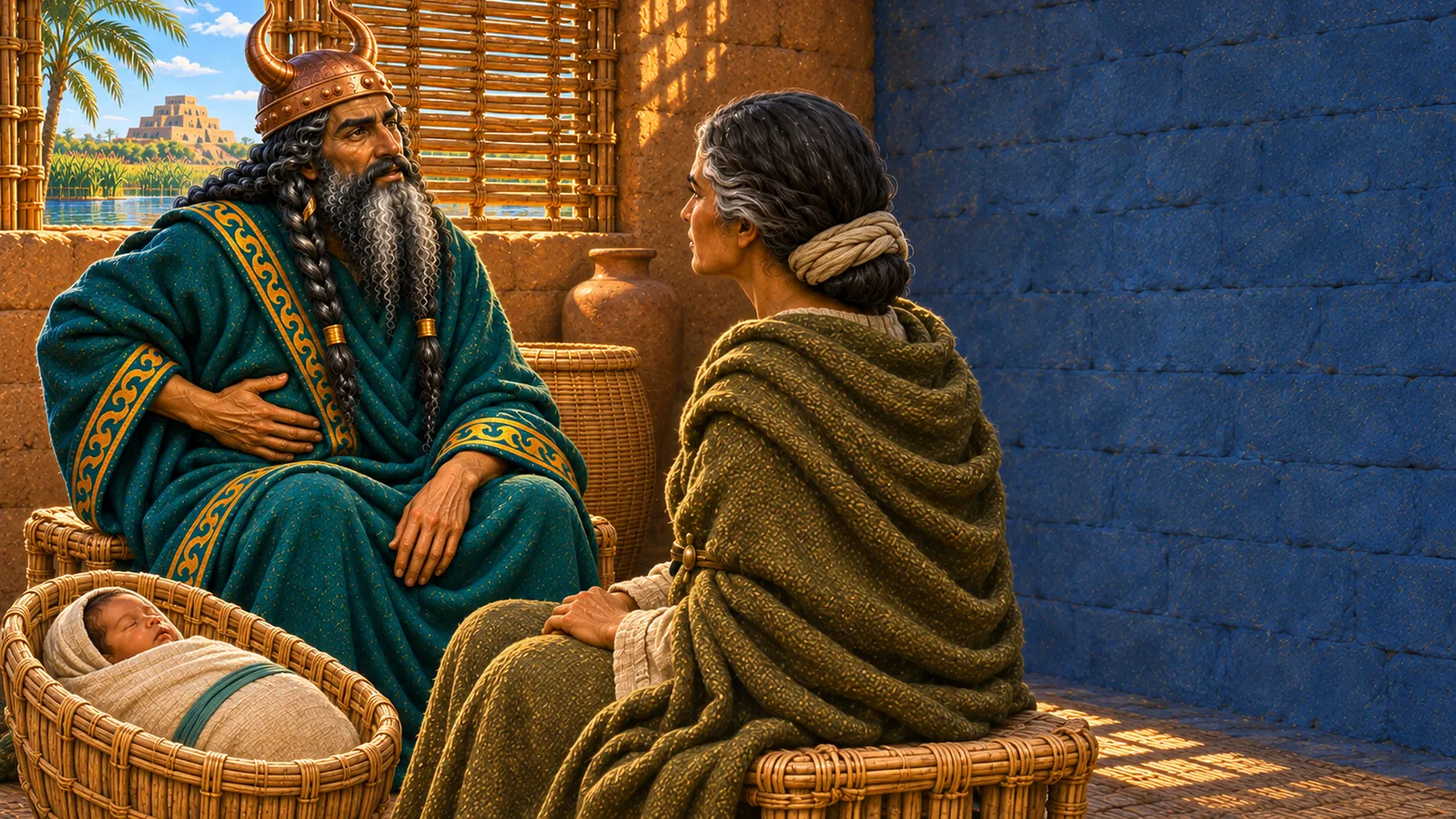
Ninhursag demanda où il avait mal, et Enki lui dit que c’était aux côtes. Ninti naquit, et son nom fait écho au mot sumérien qui désigne la côte.
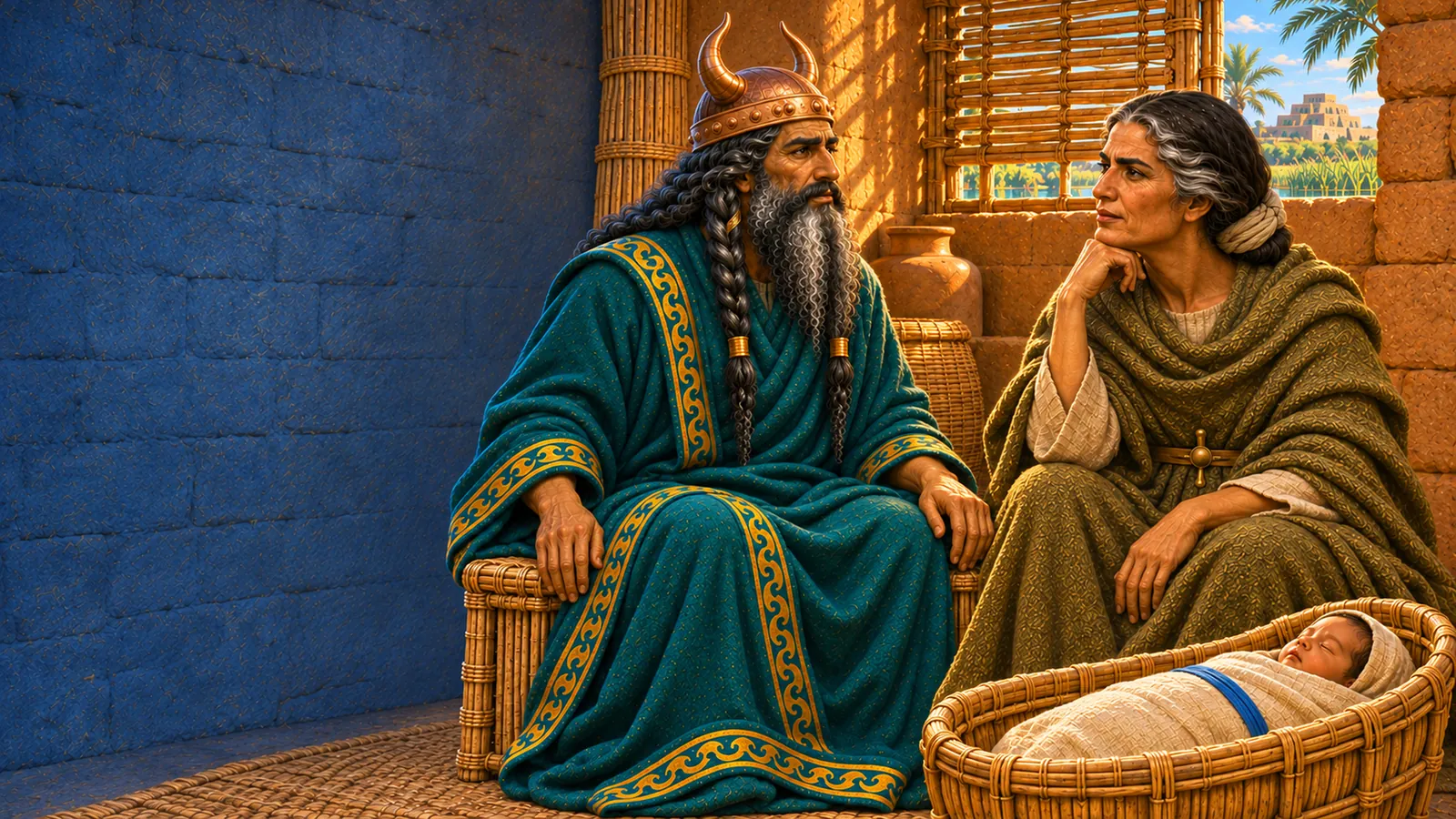
Pour la dernière fois, Ninhursag demanda à son frère où il avait mal. Enki dit que ses flancs lui faisaient mal, et Ninhursag mit Ensag au monde.
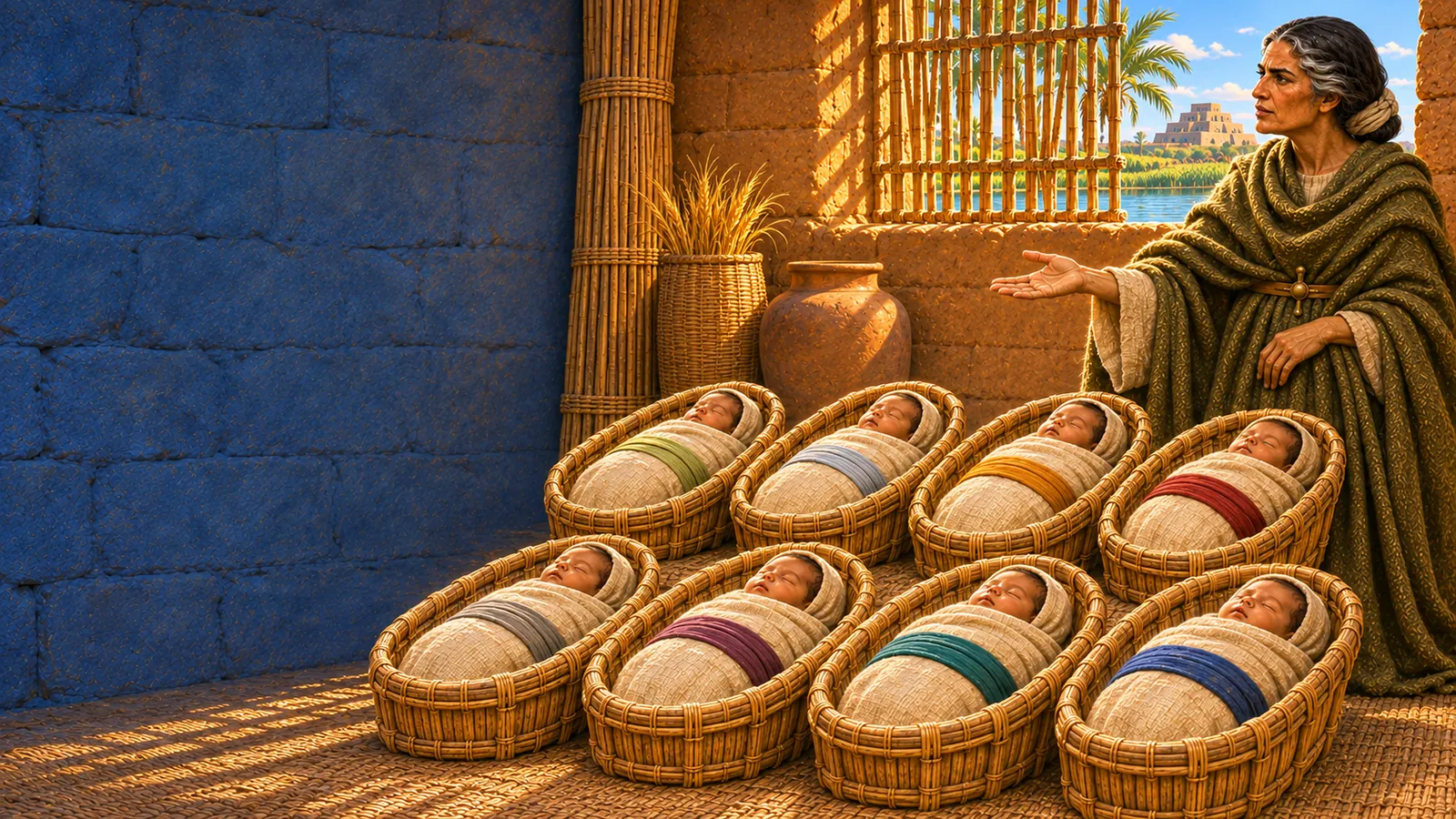
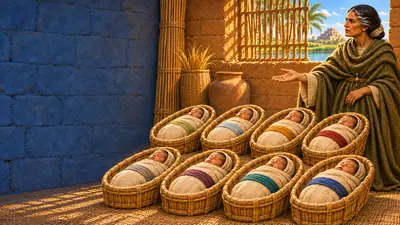
Ninhursag demanda des dons pour les nouveau-nés. Ab-u régnerait sur les herbes, Ninsikila serait seigneur de Magan, Ningiriudu épouserait Ninazu, et Ninkasi serait ce qui comble le cœur.
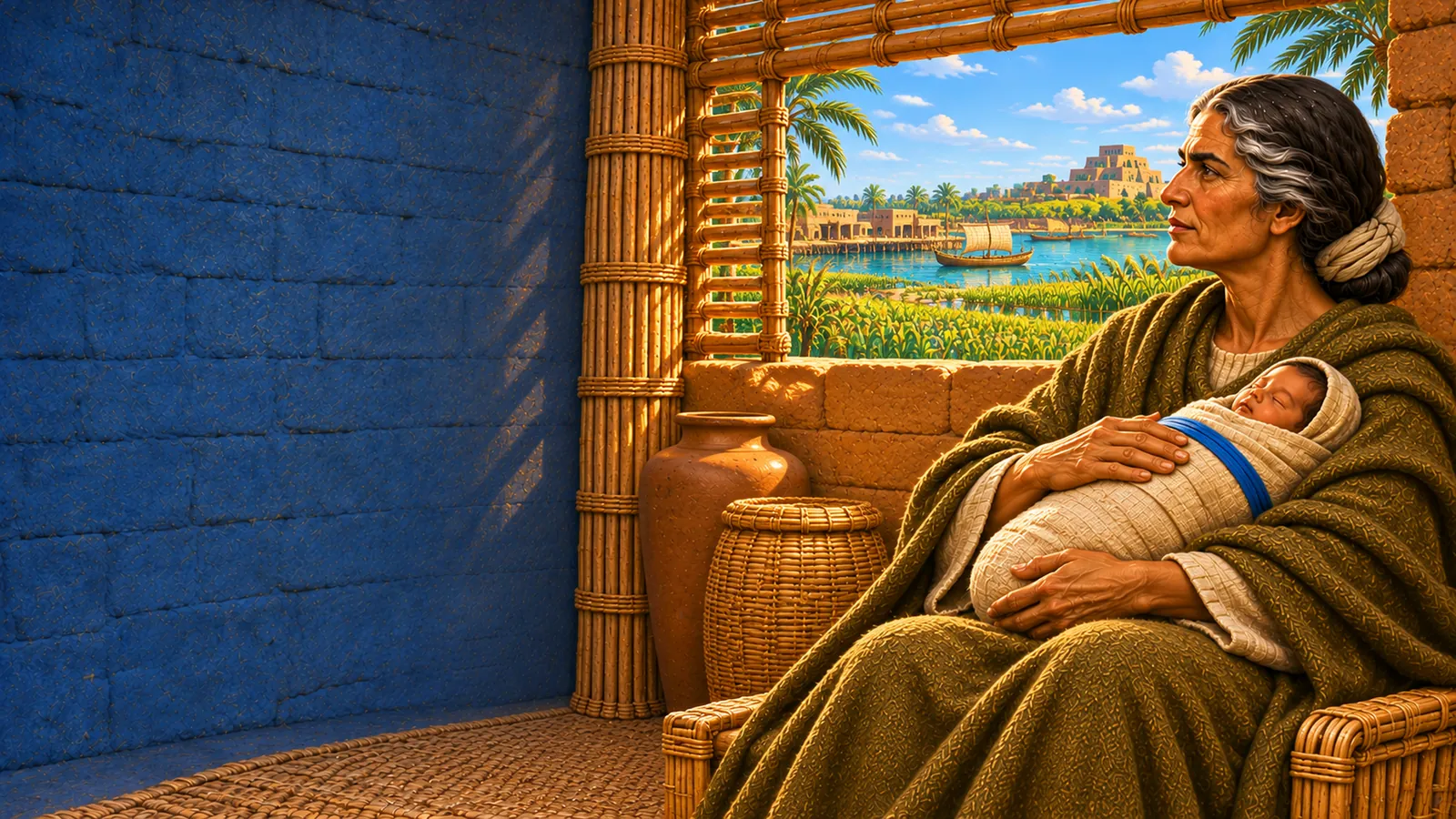
Na-zi épouserait Nindara, et Azimua épouserait Ningishzida. Ninti serait la dame du mois, et Ensag deviendrait seigneur de Dilmun.
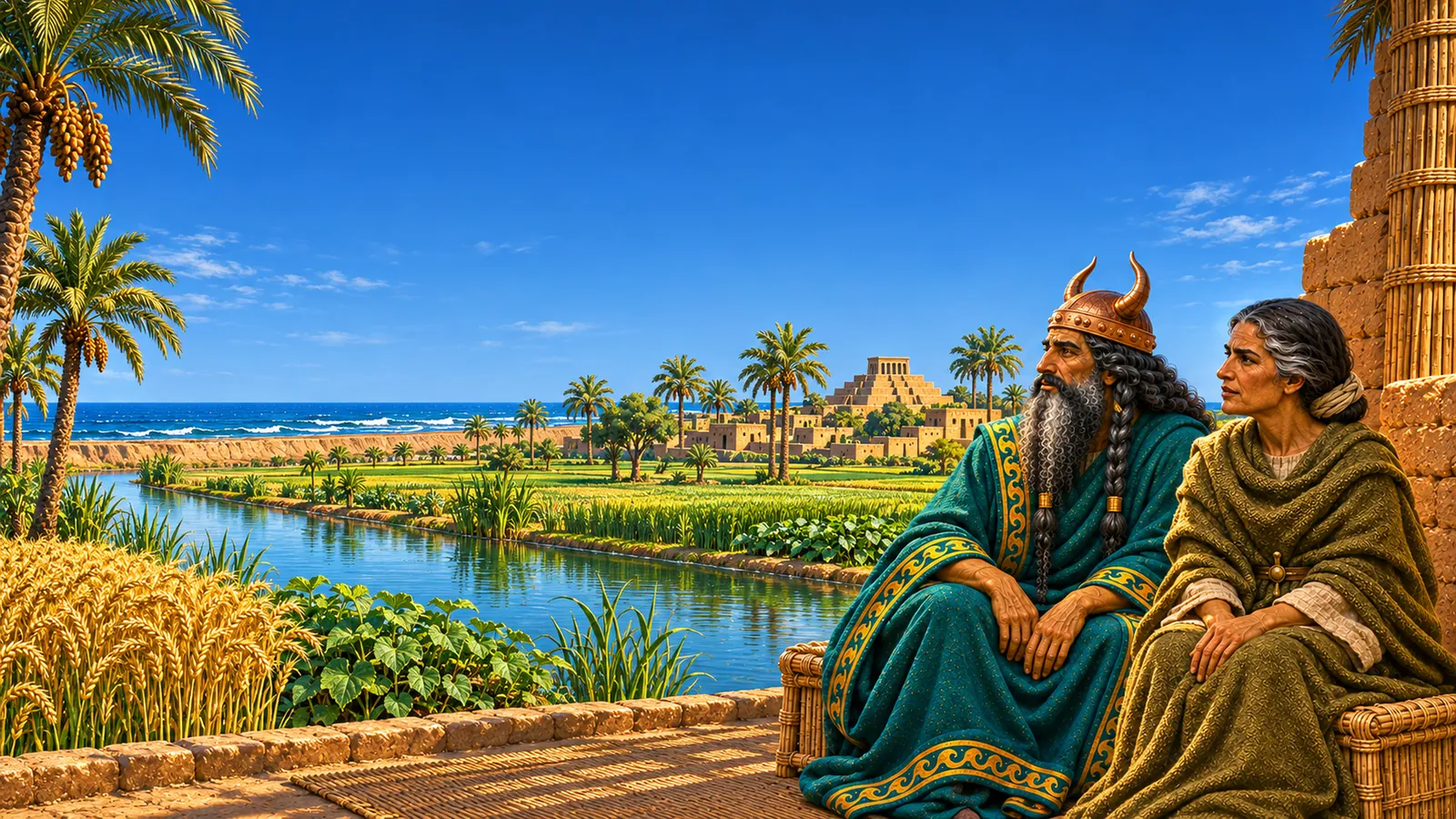
Le poème s’achève sur une louange au père Enki, après la guérison par Ninhursag et les dons qu’elle a nommés pour les huit nouveau-nés.
Fin du chapitre 1
Toutes les pages

Sources
Page 20. In Oxford ETCSL 1.1.1, lines 69–74, Enki insists after the objection and the next lines describe conception in bodily terms. Line 72 names Damgalnuna. The later birth of Ninsar is at lines 84–87. [Oxford translation](https://etcsl.orinst.ox.ac.uk/section1/tr111.htm)
Éditions consultées
- Oxford ETCSL 1.1.1, Enki and Ninhursanga, translation
- Oxford ETCSL 1.1.1, Sumerian composite
- Oxford ETCSL 1.1.1, manuscript bibliography
- Penn Museum, Nippur witness CBS 4561
- CDLI, Ur witness UET 6/1
- Louvre, AO 6724
- Pascal Attinger, Enki et Ninḫursaĝa, revised translation and commentary
- IL Archive, Enki and Ninhursaga, Sumerian poem
- IL Archive, Dilmun, ancient Gulf land and literary setting
Notes sur ce récit
Pages 24 and 27. In Oxford ETCSL 1.1.1, lines 97–101 and 117–121, the poem describes Enki’s embrace and the bodily details of intercourse before the two conceptions. Ninsar is Enki’s daughter through the birth at lines 69–87, and Ninkura is his granddaughter through Ninsar at lines 97–107. [Oxford translation](https://etcsl.orinst.ox.ac.uk/section1/tr111.htm)
Page 30. Oxford ETCSL 1.1.1, lines 126L–126Q, describes Enki’s sexual encounter with Ninimma in bodily terms. The end of the alternative account, in which Ninimma gives birth to Uttu, is partly restored. The Louvre catalogue reads the encounter as rape. [Oxford translation](https://etcsl.orinst.ox.ac.uk/section1/tr111.htm) · [Louvre witness AO 6724](https://collections.louvre.fr/ark:/53355/cl010167407)
Pages 40–41. In lines 186–189 Uttu cries out about pain in her thighs, liver and heart. Oxford’s translation leaves the cause of the cries open, and the last two lines are fragmentary. [Oxford translation](https://etcsl.orinst.ox.ac.uk/section1/tr111.htm) · [Attinger’s translation and commentary](https://zenodo.org/records/2667747)
Les vers antiques de chaque page
- Page 1: ETCSL 1.1.1 1–4
- Page 2: ETCSL 1.1.1 5–10
The opening names Ninsikila as Enki's spouse in this passage. - Page 3: ETCSL 1.1.1 11–12
- Page 4: ETCSL 1.1.1 13–16
- Page 5: ETCSL 1.1.1 17–19
- Page 6: ETCSL 1.1.1 20–24
- Page 7: ETCSL 1.1.1 25–28
- Page 8: ETCSL 1.1.1 29–32
A phrase has lost words. - Page 9: ETCSL 1.1.1 33–36
One surviving line is fragmentary around the complaint about arable ground. - Page 10: ETCSL 1.1.1 37–39 (lacuna)
- Page 11: ETCSL 1.1.1 40–43
The exact vessel and shore wording is uncertain. - Page 12: ETCSL 1.1.1 44–46
- Page 13: ETCSL 1.1.1 47–49
- Page 14: ETCSL 1.1.1 49A–49K (Ur variant)
Placement of Ur copy’s lines in the sequence is uncertain. - Page 15: ETCSL 1.1.1 49L–49V (Ur variant)
Some terms for harvest and woods are damaged. - Page 16: ETCSL 1.1.1 50–54
The text again has uncertain vessel and shore terms. - Page 17: ETCSL 1.1.1 55–58
- Page 18: ETCSL 1.1.1 59–62
- Page 19: ETCSL 1.1.1 63–68
- Page 20: ETCSL 1.1.1 69–74
Damgalnuna is mentioned in the source without a separate arrival. - Page 21: ETCSL 1.1.1 75–83
- Page 22: ETCSL 1.1.1 84–87
Oil is a simile in the poem. - Page 23: ETCSL 1.1.1 88–96
- Page 24: ETCSL 1.1.1 97–101
The source relates an encounter and conception. - Page 25: ETCSL 1.1.1 102–107
- Page 26: ETCSL 1.1.1 108–116
- Page 27: ETCSL 1.1.1 117–121
- Page 28: ETCSL 1.1.1 122–126
The epithet after Uttu is uncertain. - Page 29: ETCSL 1.1.1 126A–126K (Louvre variant)
- Page 30: ETCSL 1.1.1 126L–126CC (Louvre variant)
The Louvre witness makes this an alternate genealogy and its final birth is restored. - Page 31: ETCSL 1.1.1 127–132
- Page 32: ETCSL 1.1.1 133–146 (damaged passage)
Some words and Uttu’s name survive. - Page 33: ETCSL 1.1.1 147–151
Oxford assigns the speech to Uttu and readings differ on the addressee. - Page 34: ETCSL 1.1.1 152–155
- Page 35: ETCSL 1.1.1 156–158
The gardener’s movement and the end of his question are uncertain. - Page 36: ETCSL 1.1.1 159–163
Four lines are missing after Enki begins to address the gardener. - Page 37: ETCSL 1.1.1 164–166
Several details in the descriptions of the produce are uncertain. - Page 38: ETCSL 1.1.1 167–171
- Page 39: ETCSL 1.1.1 172–177
The beer line at 177 is absent from the Nippur copy. The descriptions of the produce have uncertain details. - Page 40: ETCSL 1.1.1 178–185
- Page 41: ETCSL 1.1.1 186–189
The two lines after Ninhursag’s action are fragmentary. - Page 42: ETCSL 1.1.1 190–193
The wording is partly restored. The fourth written plant name has uncertain identifications. - Page 43: ETCSL 1.1.1 194–197
Parts of this passage are restored. - Page 44: ETCSL 1.1.1 198–202
- Page 45: ETCSL 1.1.1 203–206
The text of the repeated plant gathering is partly restored. - Page 46: ETCSL 1.1.1 207–210
- Page 47: ETCSL 1.1.1 211–214
The names and gathering survive with several editorial restorations. - Page 48: ETCSL 1.1.1 215–219
The seventh name is lost even though the repeated gathering is restored. - Page 49: ETCSL 1.1.1 220–222
- Page 50: ETCSL 1.1.1 223–227
Attinger prefers a kind of tree while allowing the standards reading. - Page 51: ETCSL 1.1.1 228–230
The reading of the fox’s action with its fur is uncertain. - Page 52: ETCSL 1.1.1 231–234
Four lines survive only in fragments. - Page 53: ETCSL 1.1.1 235–239
The cities and gods are named in damaged speech. Oxford restores several city names and leaves gaps in the responses. - Page 54: ETCSL 1.1.1 240–246
The lines around Ninhursag’s decision are fragmentary. The nature of the exchange is uncertain. - Page 55: ETCSL 1.1.1 247–251
The actions with the garment contain damaged words. - Page 56: ETCSL 1.1.1 252–253
The exact wording at 252 is intimate and has been rendered variously. The fragmentary line at 253 is absent from the Nippur copy. - Page 57: ETCSL 1.1.1 254–256
- Page 58: ETCSL 1.1.1 257–259
- Page 59: ETCSL 1.1.1 260–261
- Page 60: ETCSL 1.1.1 262–263
- Page 61: ETCSL 1.1.1 264–265
- Page 62: ETCSL 1.1.1 266–267
Oxford restores the end of each line. - Page 63: ETCSL 1.1.1 268–269
Oxford supplies parts of the broken lines. The name Ninti echoes the Sumerian word for rib. - Page 64: ETCSL 1.1.1 270–271
The healing refrain supplies the damaged endings of these lines. - Page 65: ETCSL 1.1.1 272–276
- Page 66: ETCSL 1.1.1 277–280
Part of the final allotment passage is editorially restored. - Page 67: ETCSL 1.1.1 281
Oxford restores Enki’s name in the surviving closing formula.
Illustrations réalisées par IL Archive avec des outils d’IA ; le texte s’appuie sur les sources antiques (voir les sources à la fin de chaque chapitre).