Gilgamesh, Enkidu et le monde souterrain Chapitre 3
Ce qu’Enkidu a vu
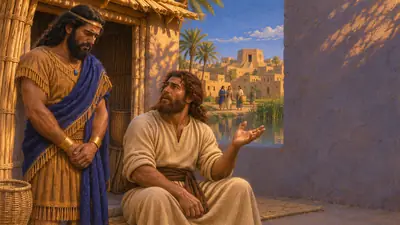
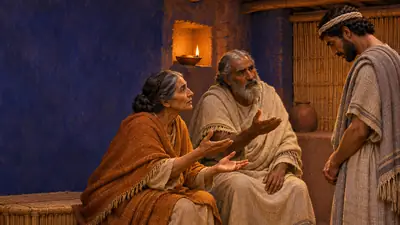
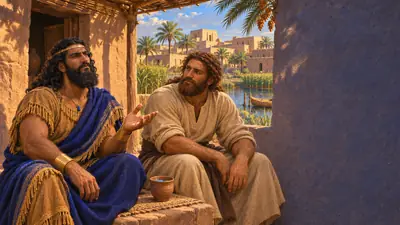
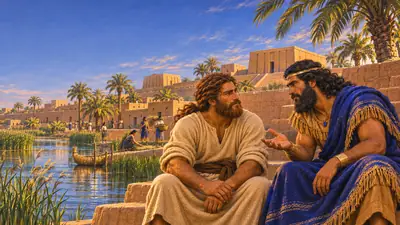
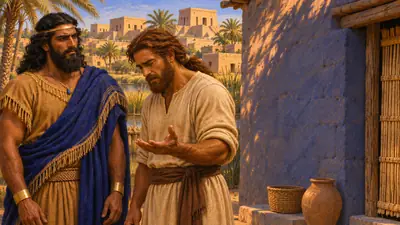
Gilgamesh demande quel est le sort des morts, et Enkidu lui raconte ce qu’il a vu. Leurs questions et réponses se poursuivent jusqu’à la fin de la version A d’Oxford. Trois manuscrits d’Ur et une version de Me-Turan donnent d’autres lectures et d’autres fins. Leurs récits sont présentés sous des titres distincts.
SourcesTournez les pages avec les flèches, le clavier ou en balayant l’écran.
CE QU’ENKIDU A VU
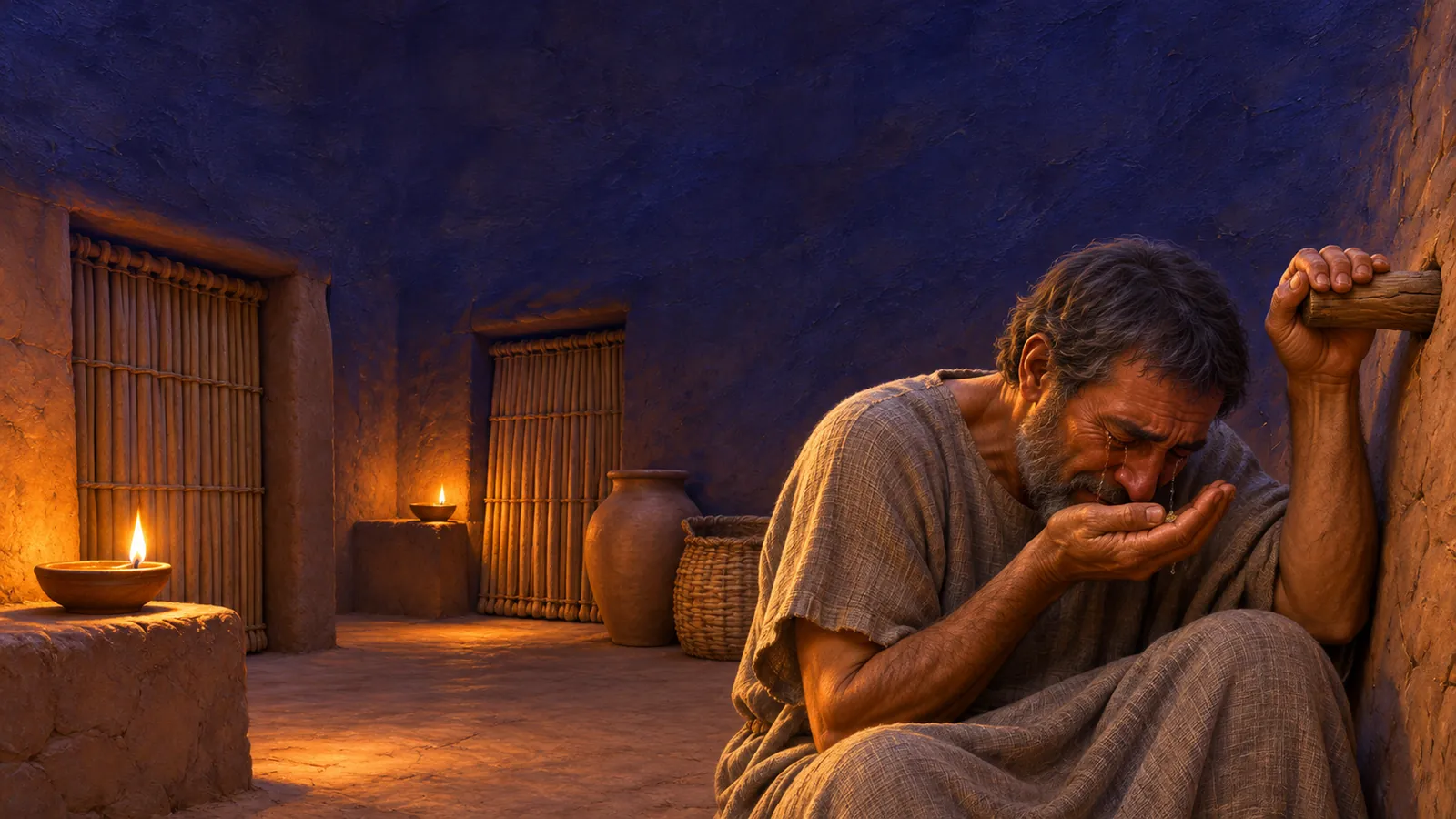
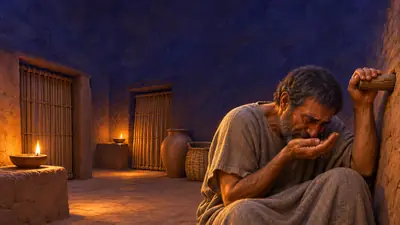
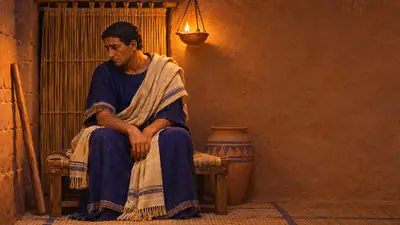
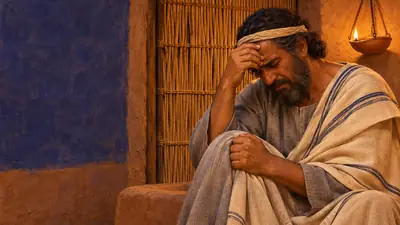
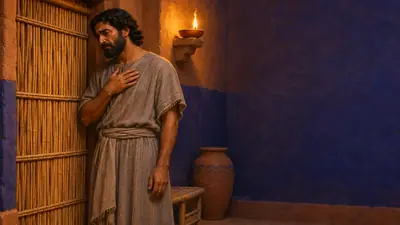
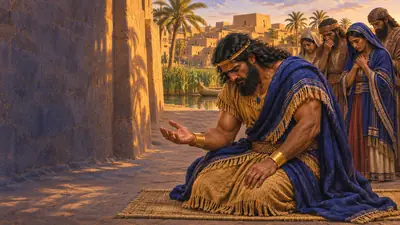
Gilgamesh demanda ce qu’il en était de l’homme qui avait eu un fils. Enkidu dit l’avoir vu pleurer amèrement devant la cheville de bois enfoncée dans son mur.
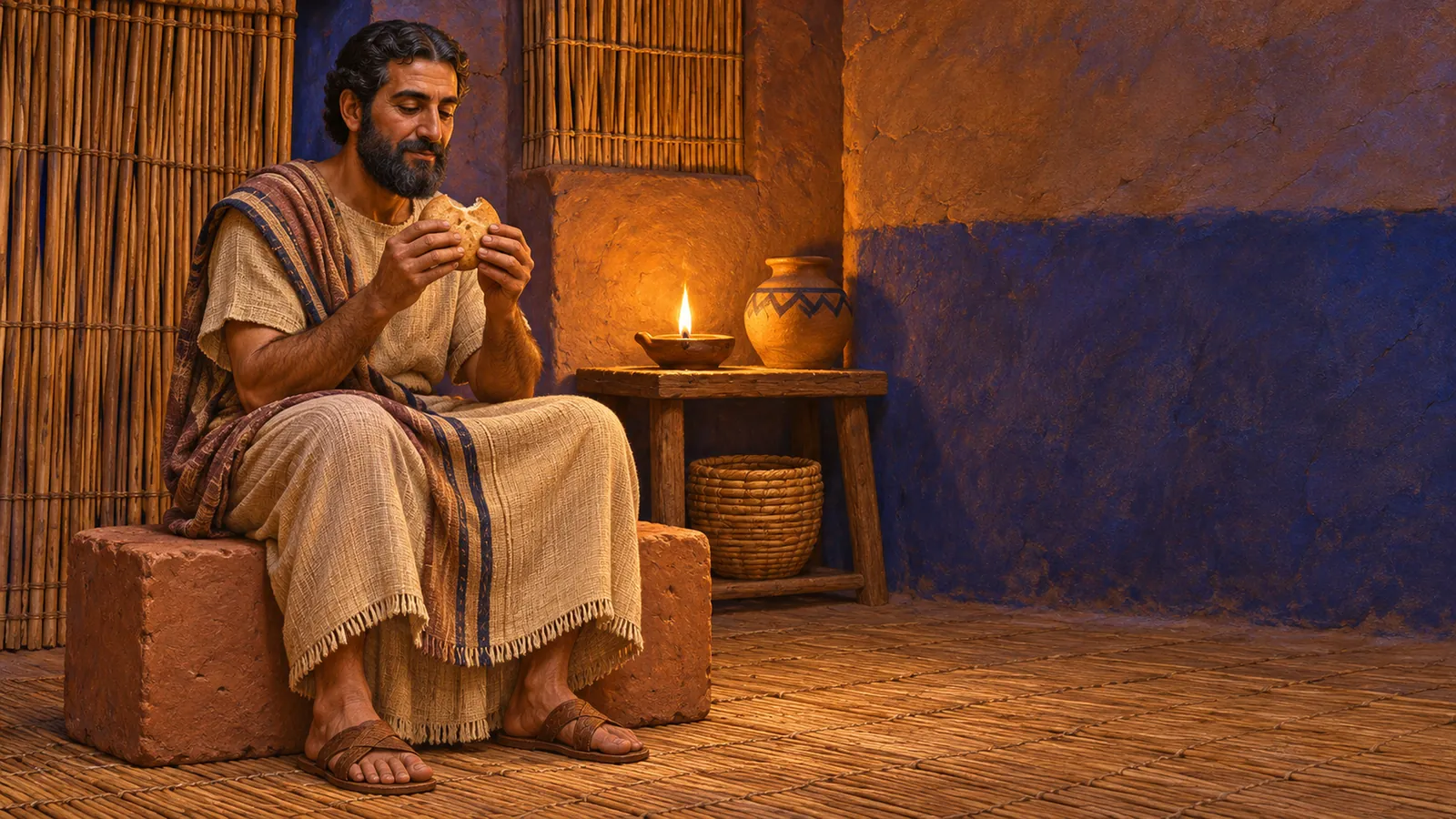
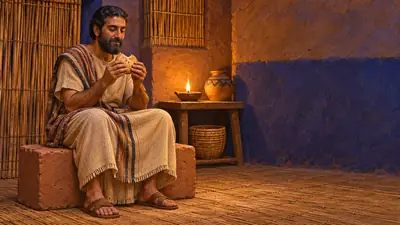
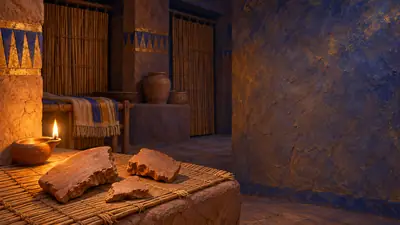
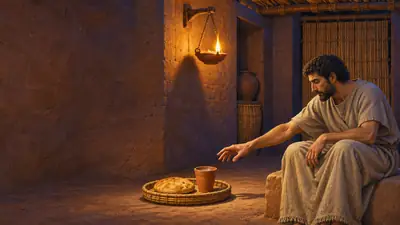
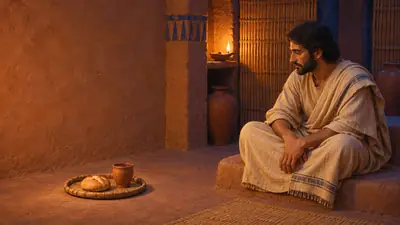
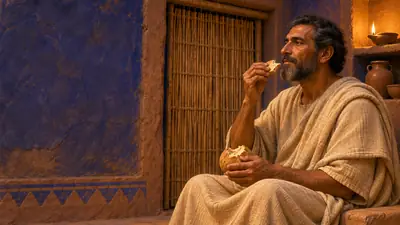
Gilgamesh demanda ce qu’il en était de l’homme qui avait eu deux fils. Enkidu dit qu’il était assis sur deux briques et mangeait du pain.
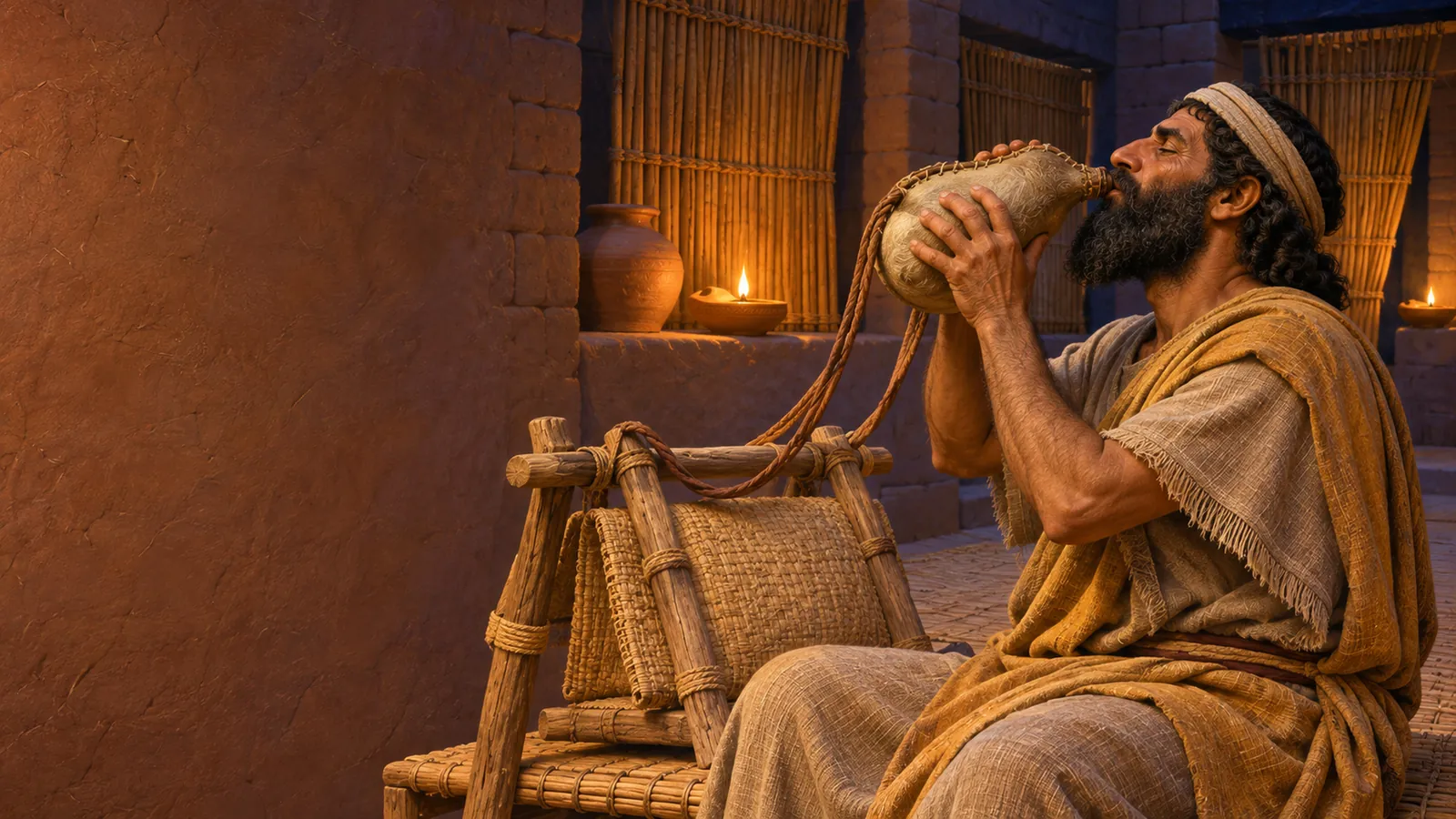
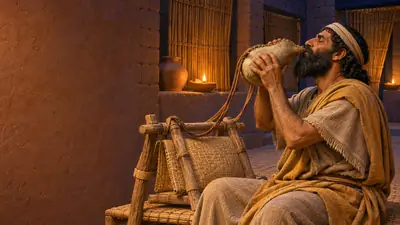
Gilgamesh demanda ce qu’il en était de l’homme qui avait eu trois fils. Enkidu dit qu’il buvait l’eau d’une outre de selle.
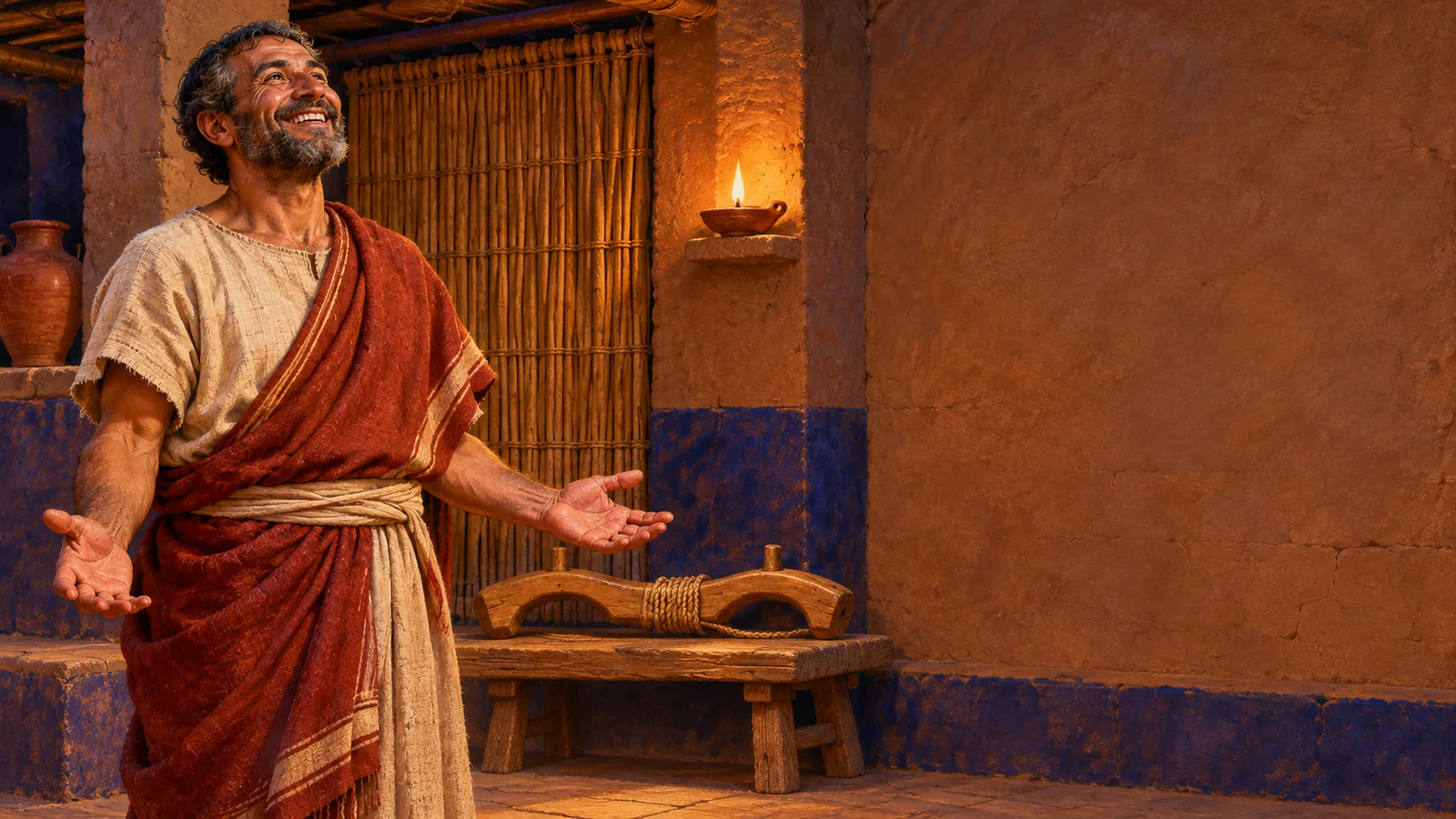
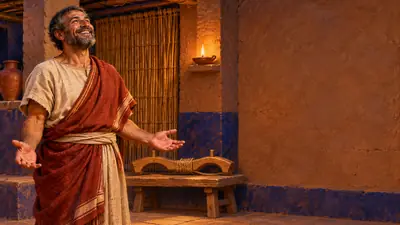
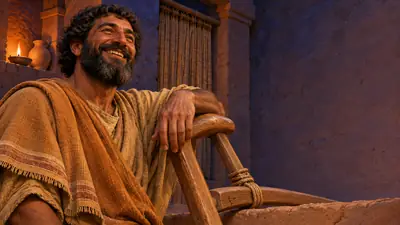
Gilgamesh demanda ce qu’il en était de l’homme qui avait eu quatre fils. Enkidu dit que son cœur se réjouissait comme celui d’un homme qui avait quatre ânes à atteler.
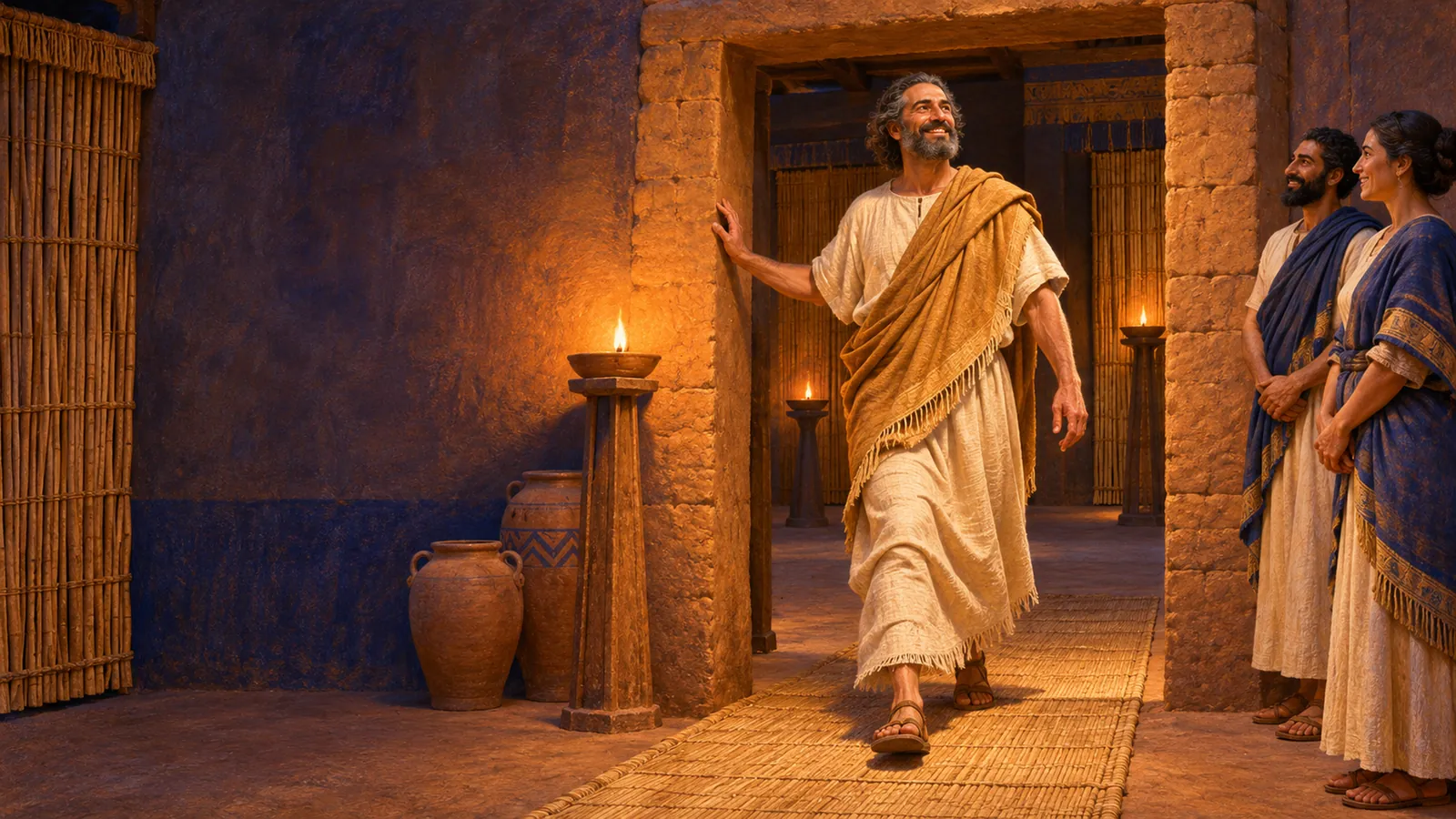
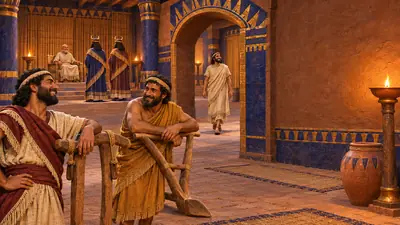
Gilgamesh demanda ce qu’il en était de l’homme qui avait eu cinq fils. Enkidu dit qu’il était aussi infatigable qu’un bon scribe et qu’il entrait facilement au palais.
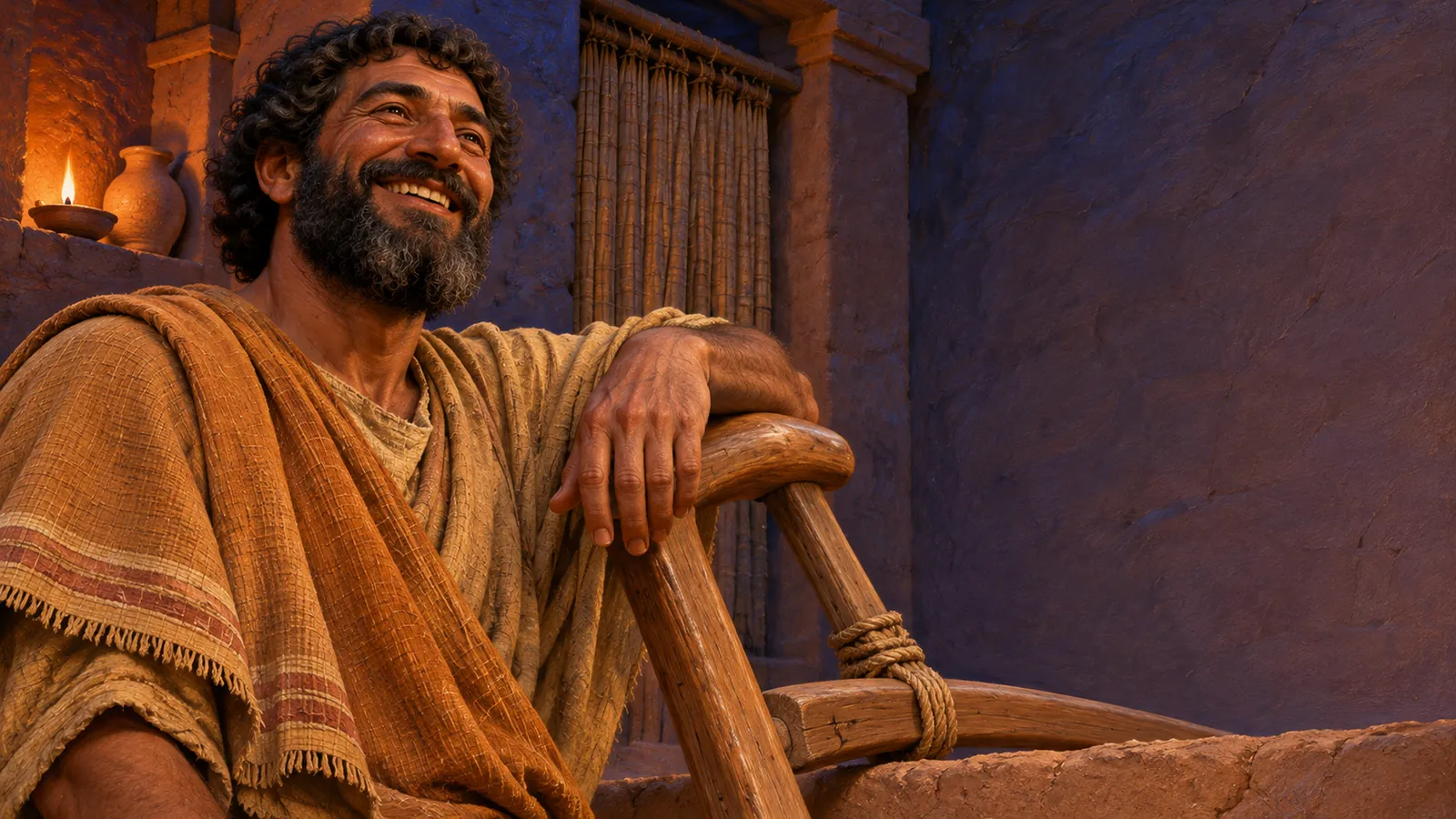
Gilgamesh demanda ce qu’il en était de l’homme qui avait eu six fils. Enkidu dit qu’il était aussi gai qu’un laboureur.
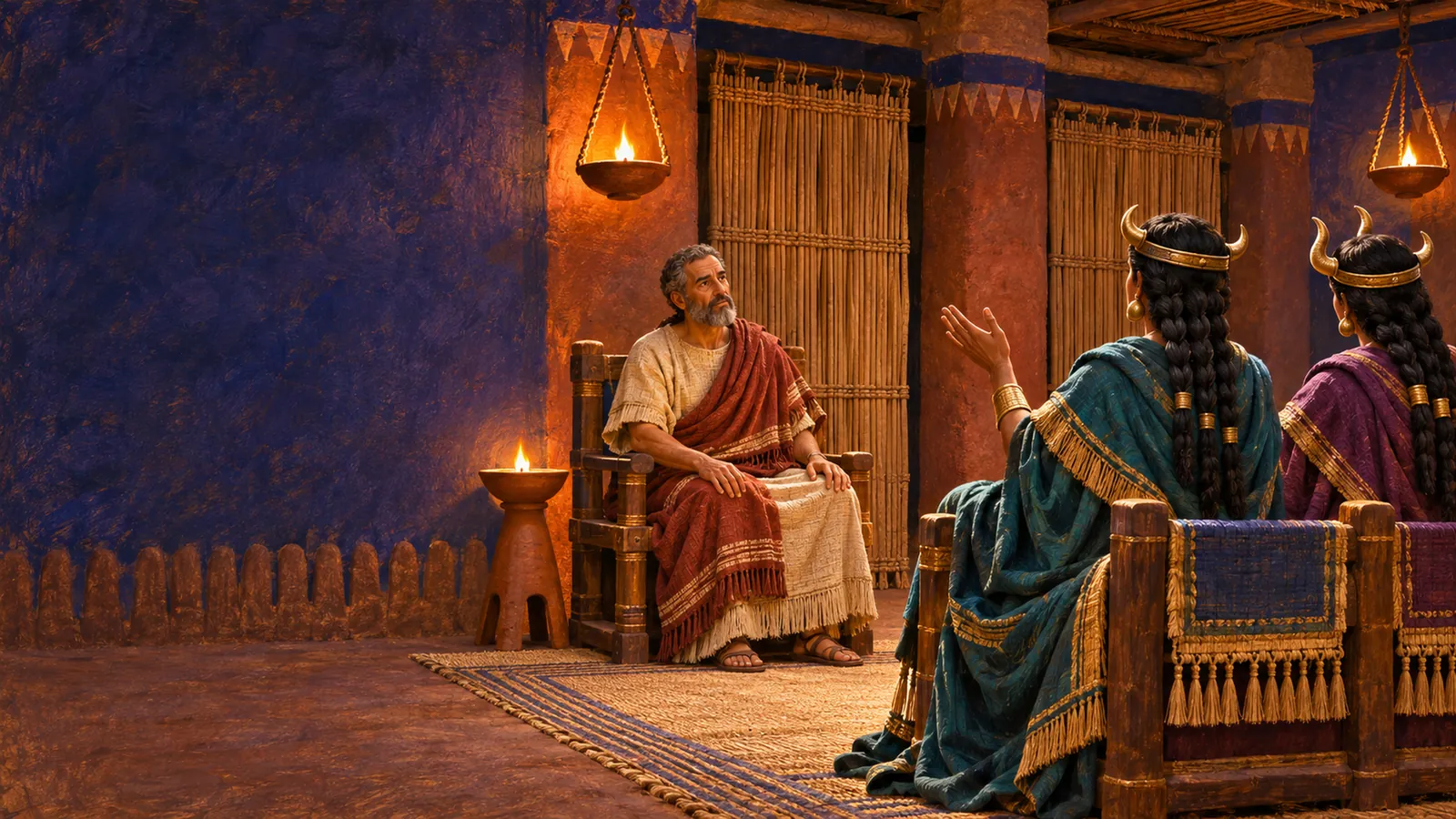
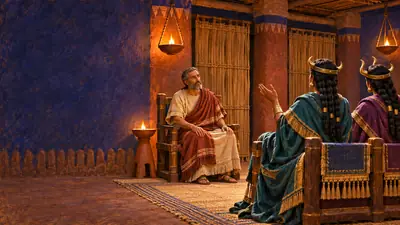
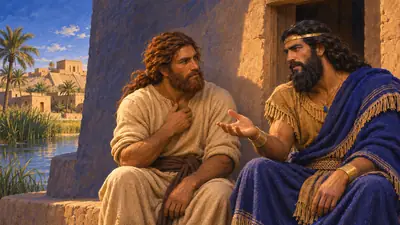
Gilgamesh demanda ce qu’il en était de l’homme qui avait eu sept fils. Enkidu dit qu’il siégeait sur un trône en compagnon des dieux et écoutait les jugements.
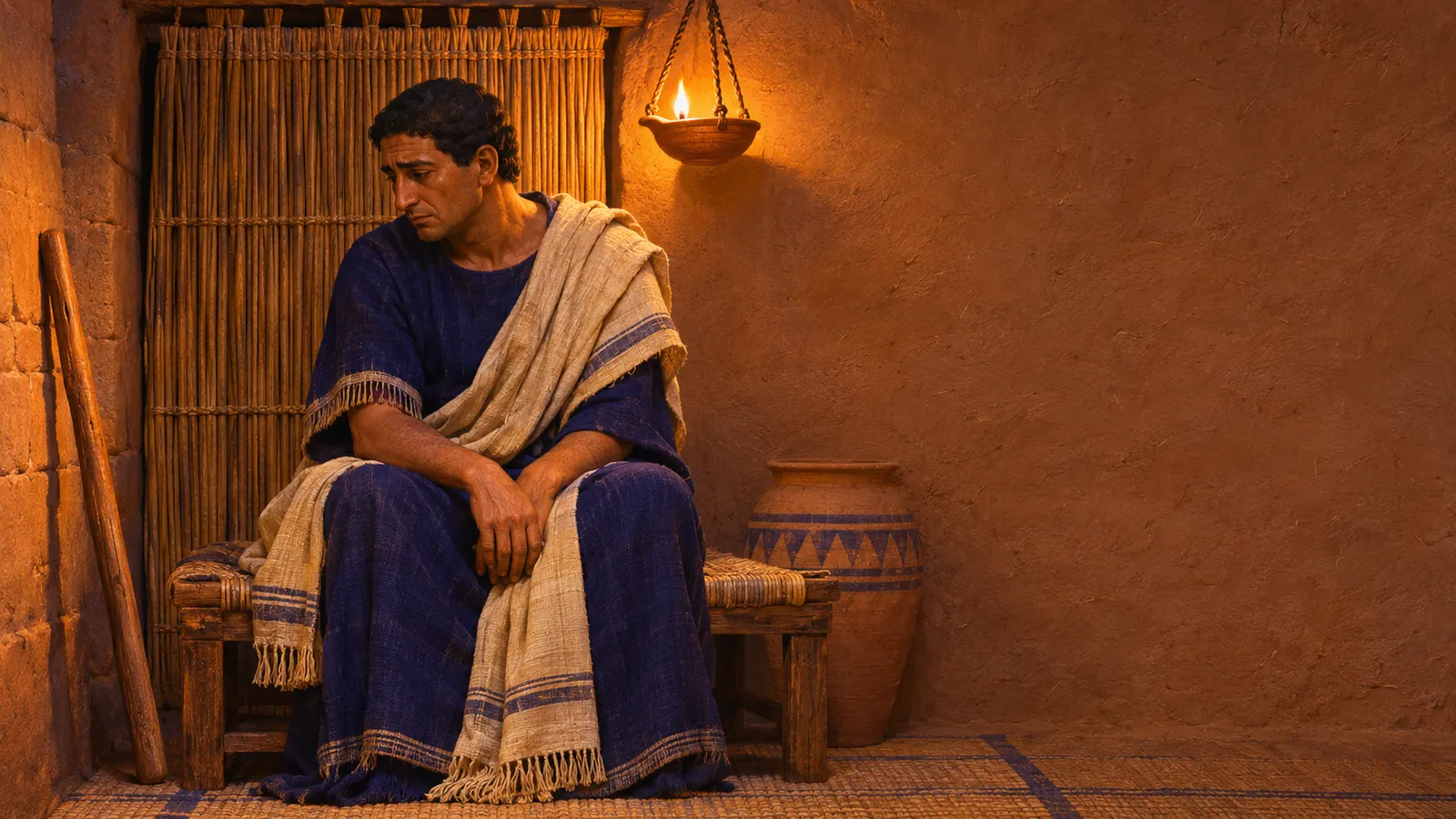
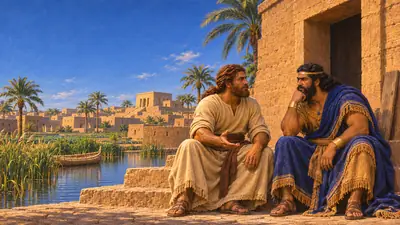
Gilgamesh s’enquit de l’eunuque du palais. Dans sa réponse, Enkidu le compara à un bâton alala laissé dans un coin.
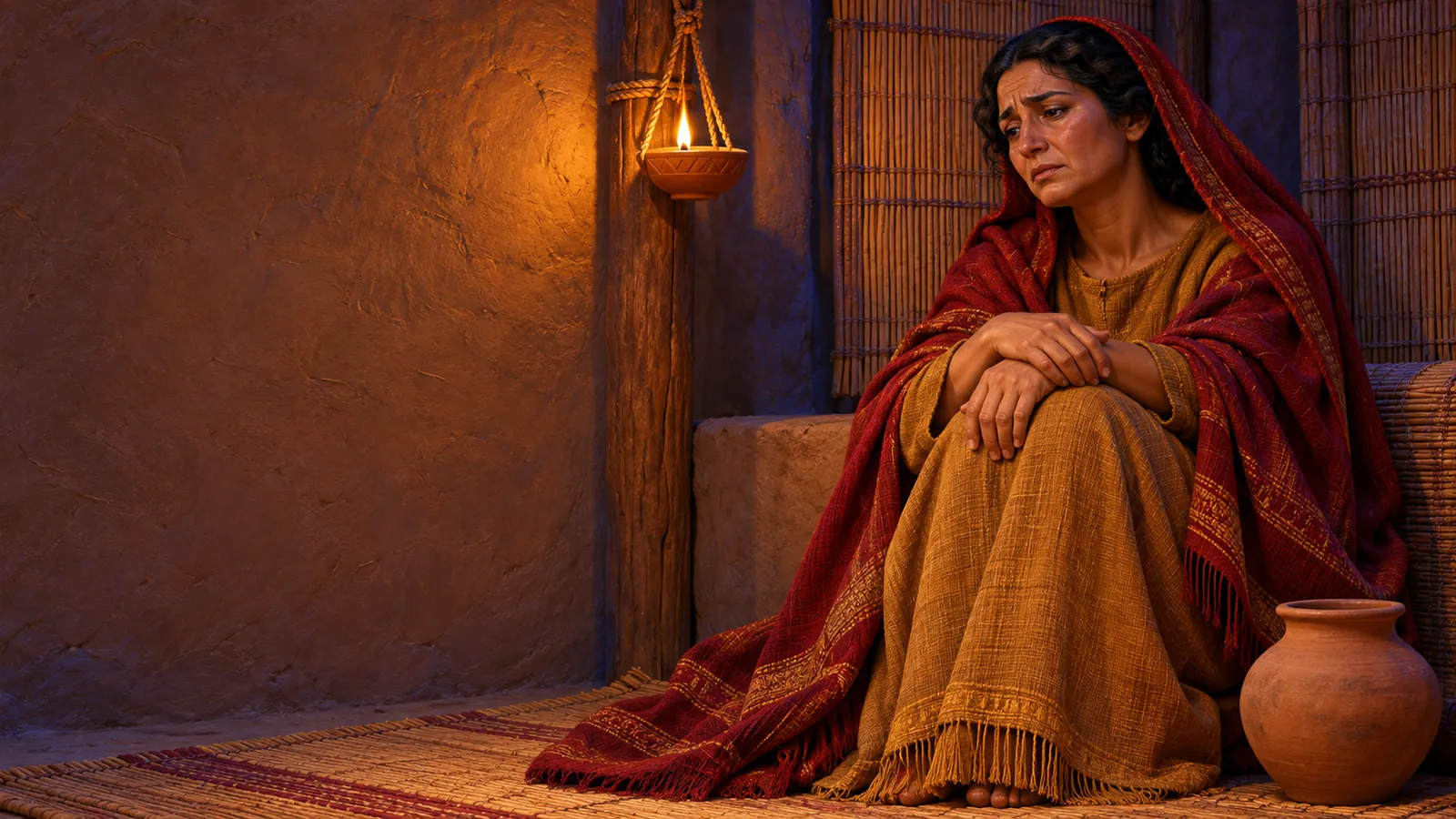
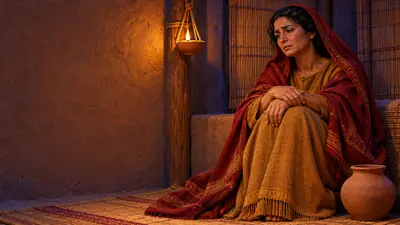
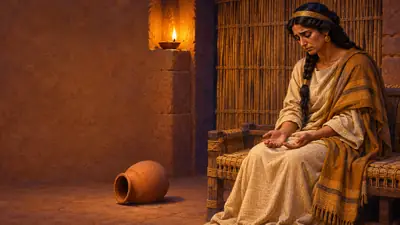
Gilgamesh demanda ce qu’il en était de la femme qui n’avait jamais accouché. Enkidu la compara à un pot jeté sans ménagement et dit qu’elle ne faisait la joie d’aucun homme.
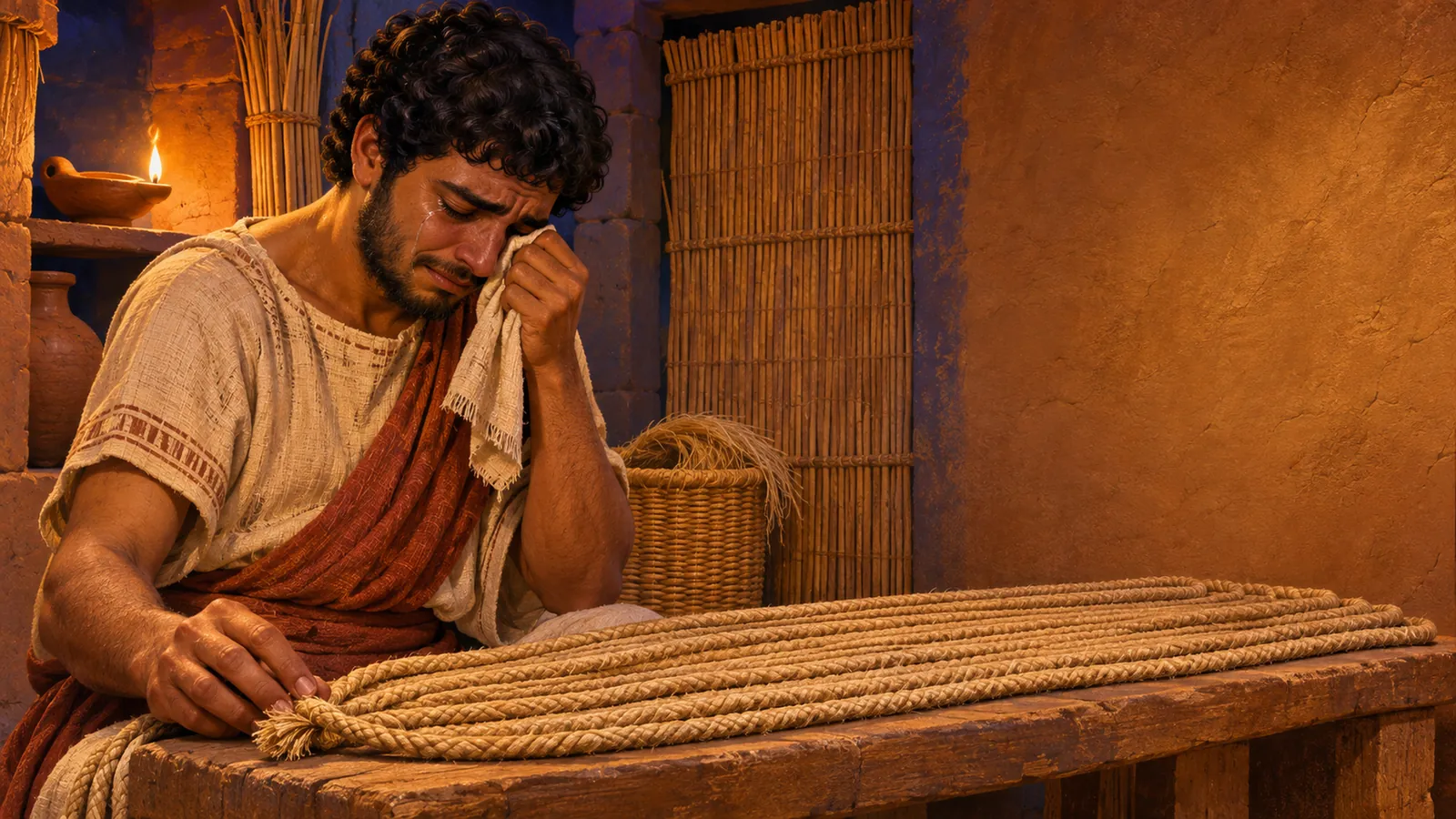
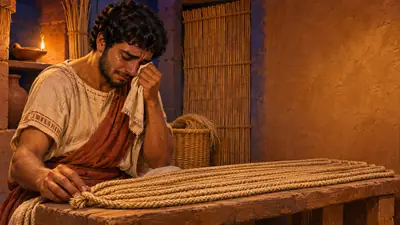
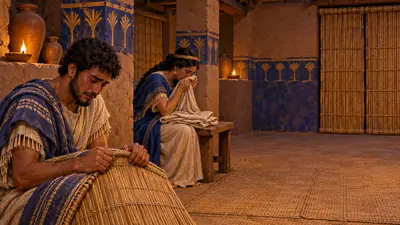
Gilgamesh demanda ce qu’il en était du jeune homme qui n’avait jamais déshabillé sa femme. Enkidu dit qu’il pleurait sur une corde quand elle était achevée.
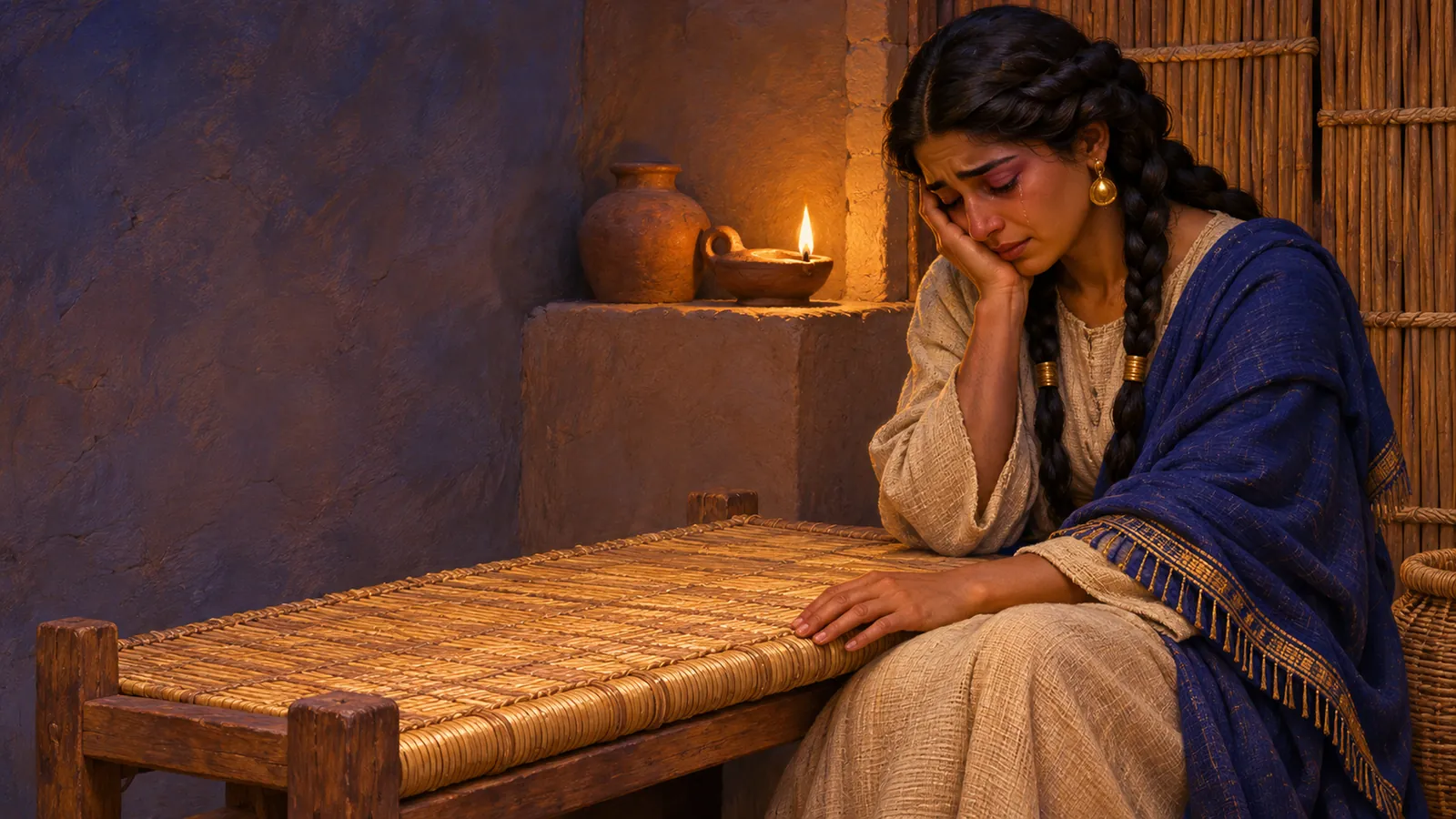
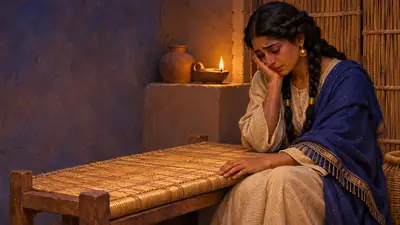
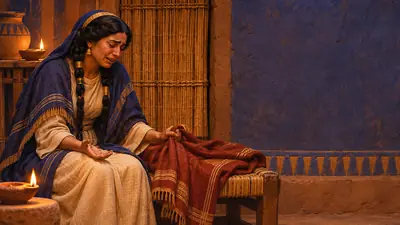
Gilgamesh demanda ce qu’il en était de la jeune femme qui n’avait jamais déshabillé son mari. Enkidu dit qu’elle pleurait sur une natte de roseaux quand elle était achevée.
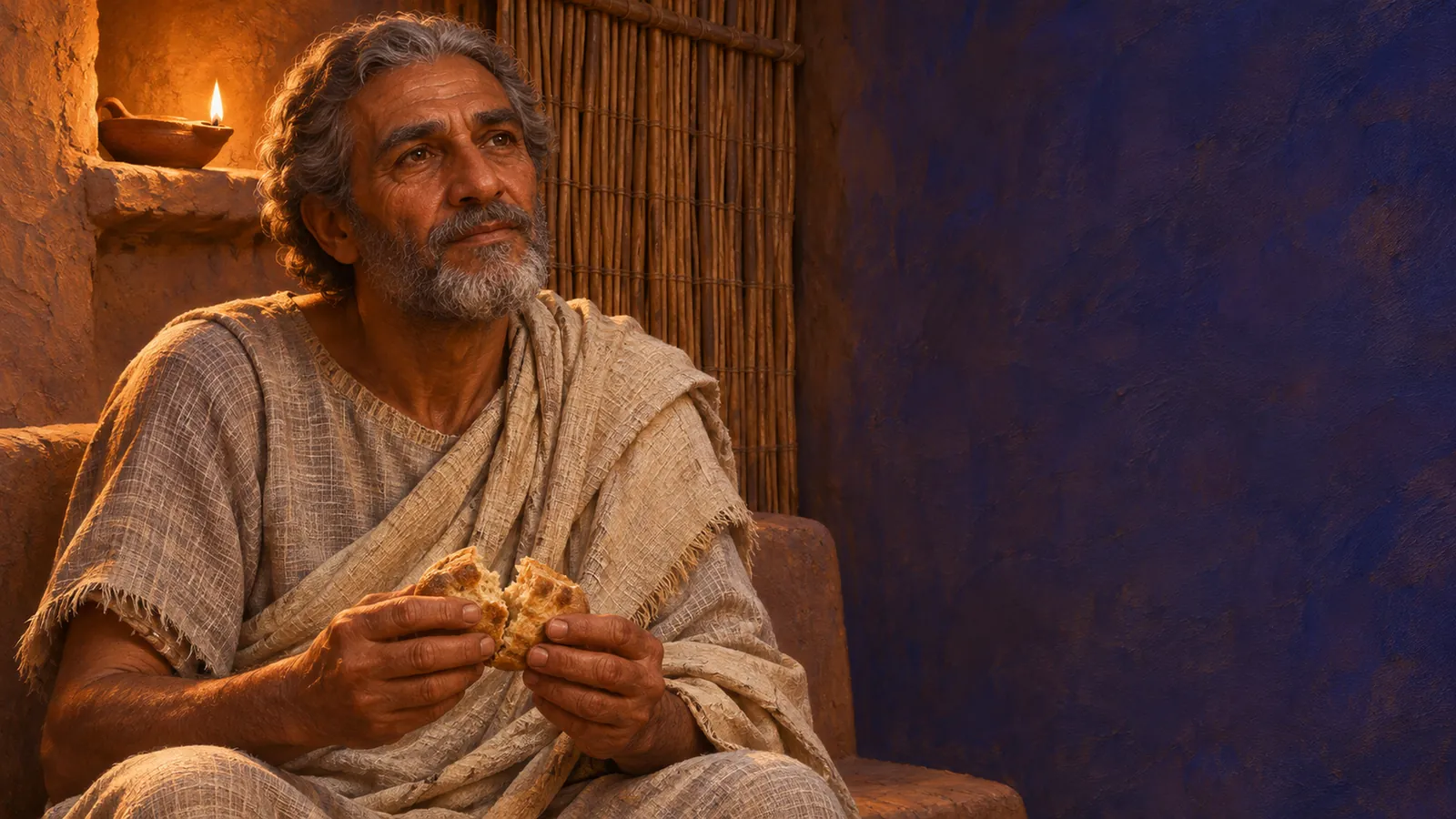
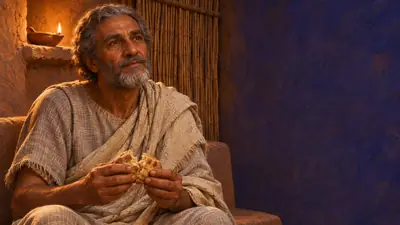
Enkidu dit que l’homme sans héritier mangeait du pain. Sa réponse le compare à quelqu’un dans une formule endommagée qui mentionne peut-être des briques.
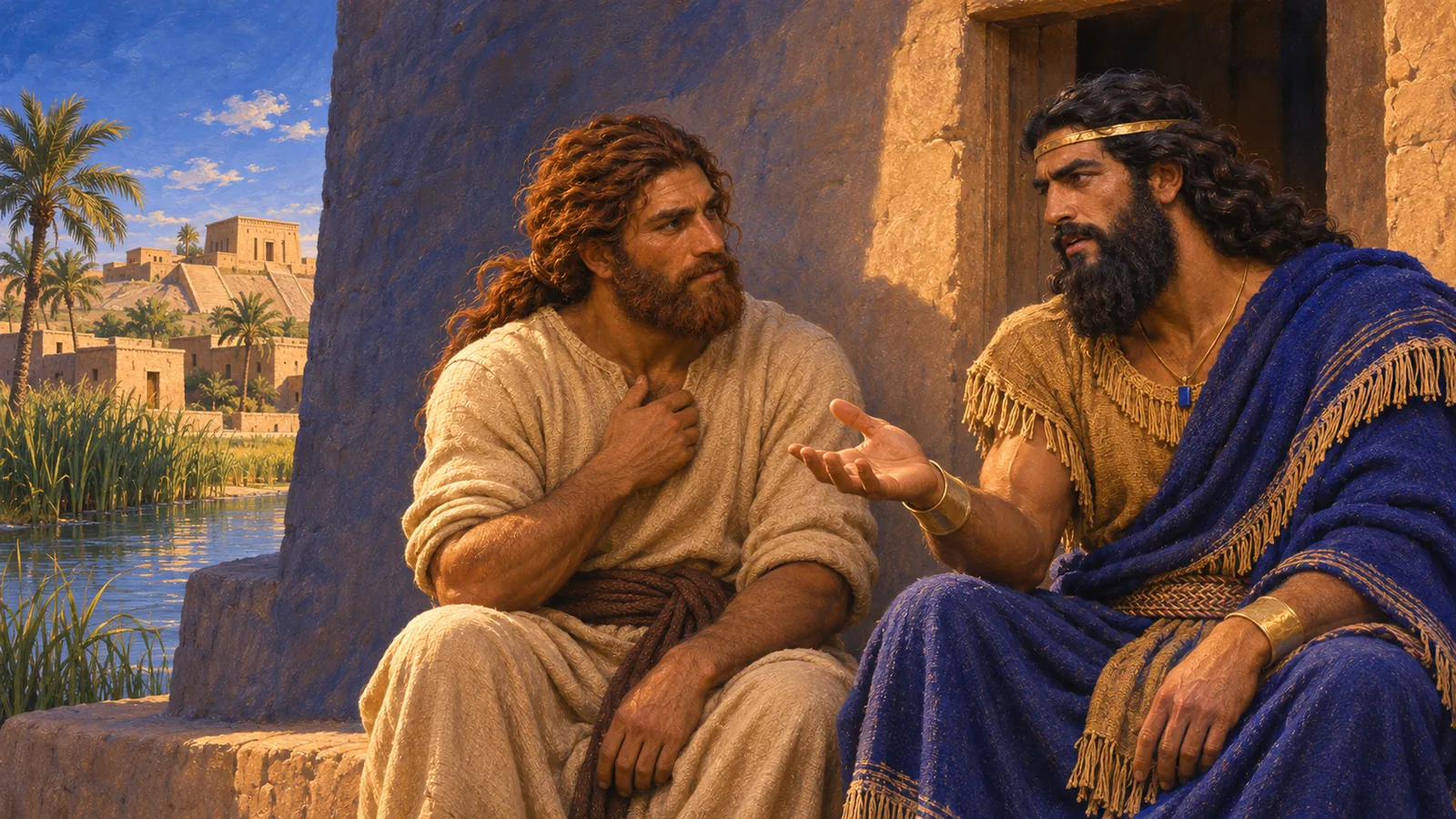
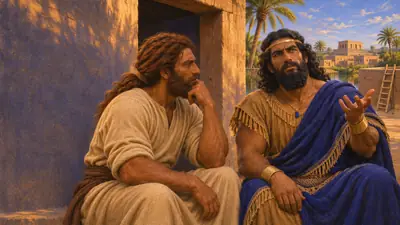
La question suivante a perdu les mots qui indiquent de qui il s’agit. Enkidu dit l’avoir vu, et son interlocuteur demande comment il se porte.
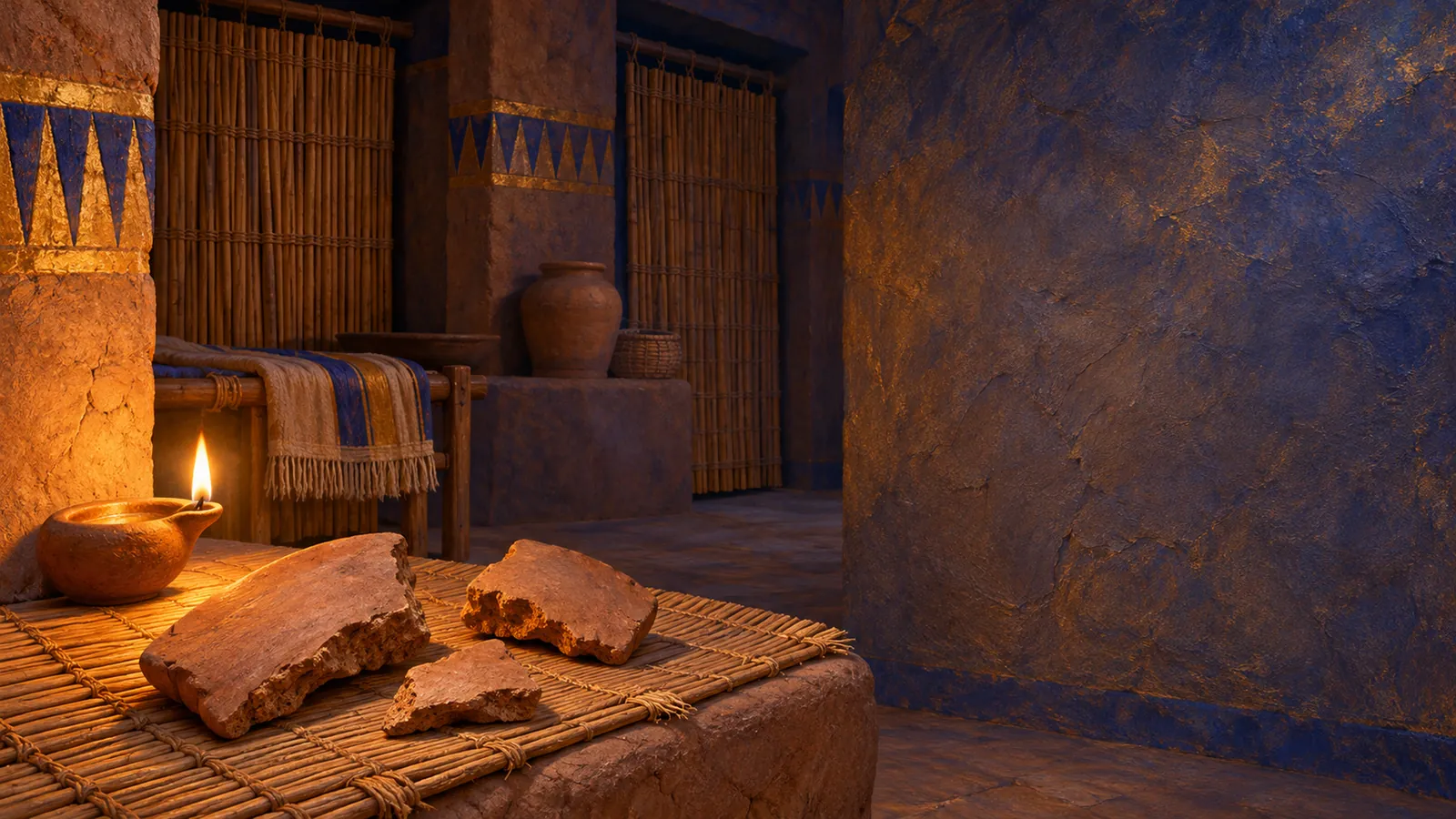
À cet endroit, l’édition d’Oxford signale sept lignes fragmentaires ou manquantes. Les questions reprennent dans le passage conservé suivant.
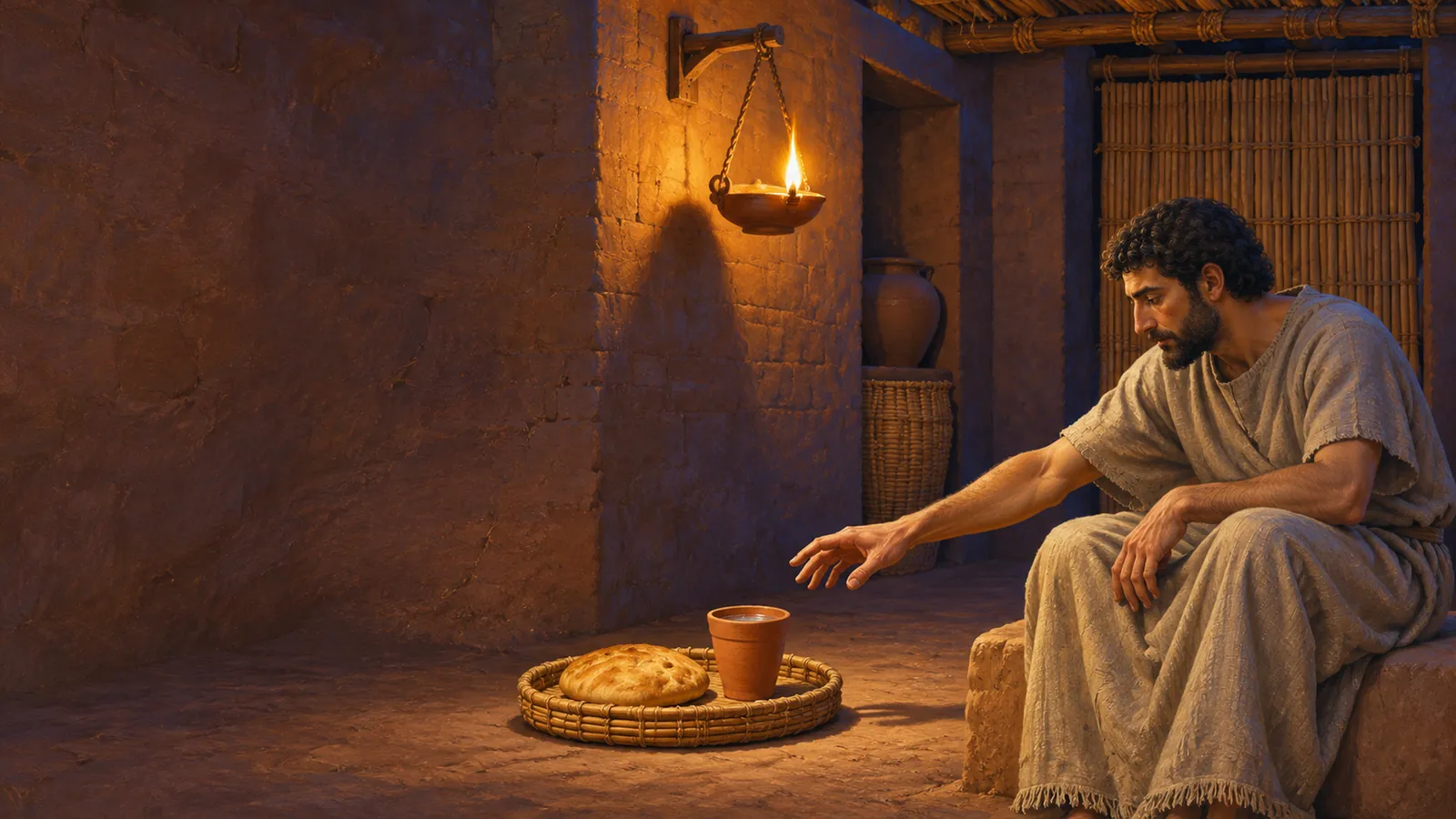
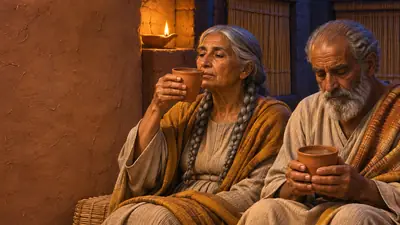
Il manque à la question suivante les mots qui identifiaient l’homme. Enkidu dit que sa nourriture et son eau sont à part, et qu’il semble manger et boire ce qui lui est offert.
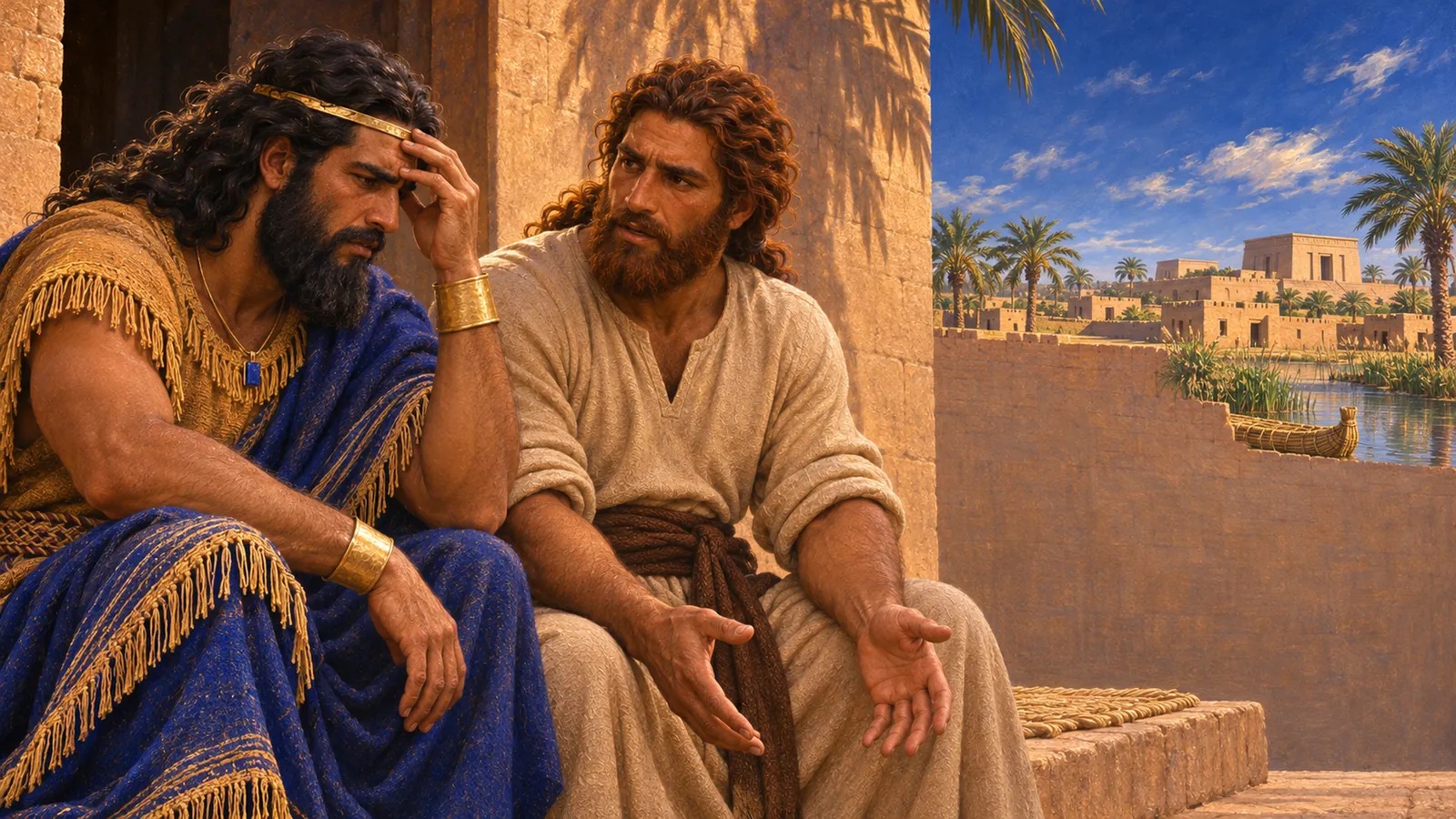
Un manuscrit ajoute deux questions. Un homme dévoré par un lion se lamente amèrement sur ses mains et ses jambes. La réponse sur un homme tombé d’un toit mentionne ses os, mais le reste de la formule est endommagé.
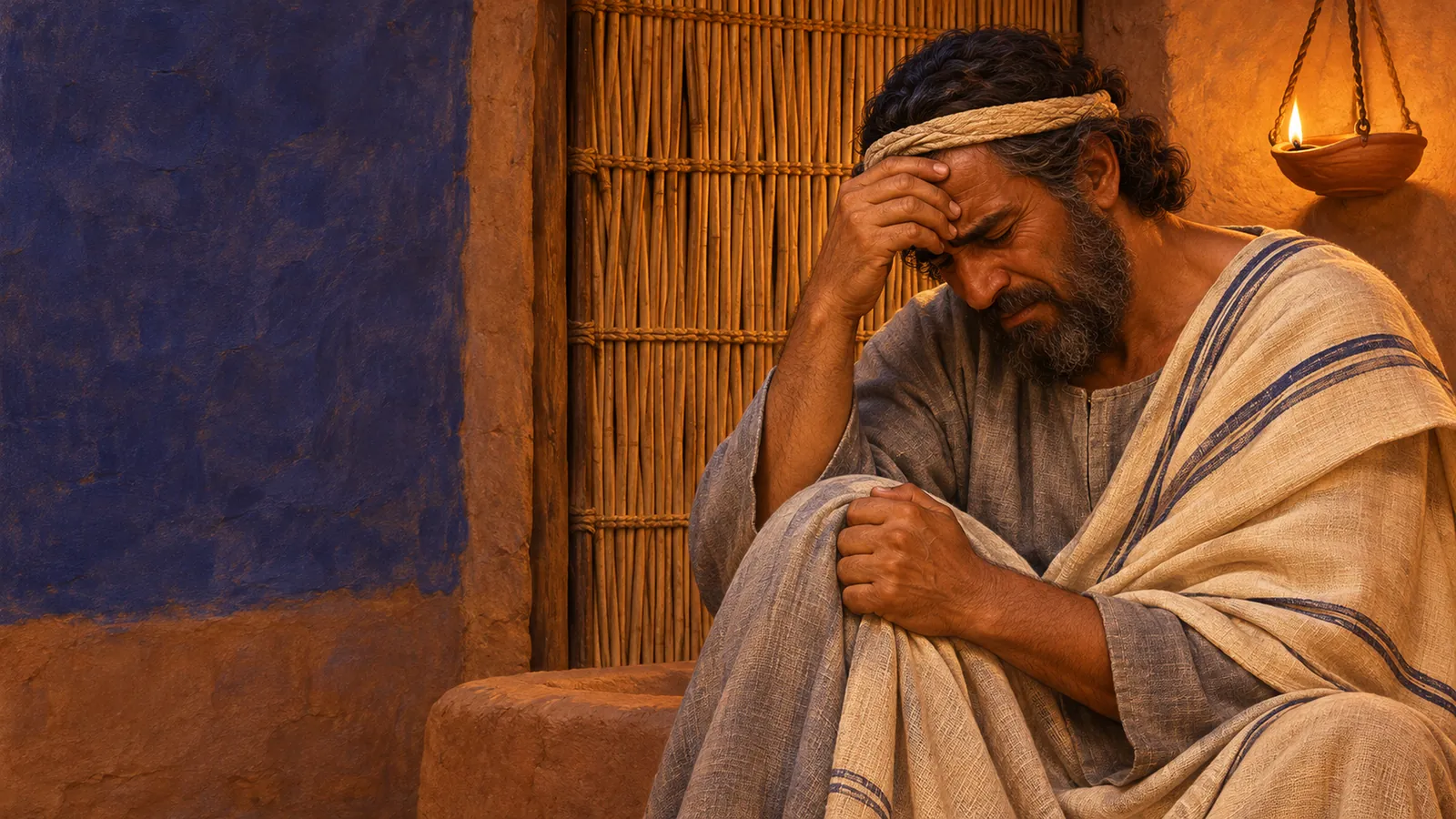
Gilgamesh demande ce qu’il en est de l’homme que la traduction qualifie de lépreux. Enkidu le décrit agité de secousses dans une grande souffrance. Sa réponse est l’un des récits du poème sur les morts.
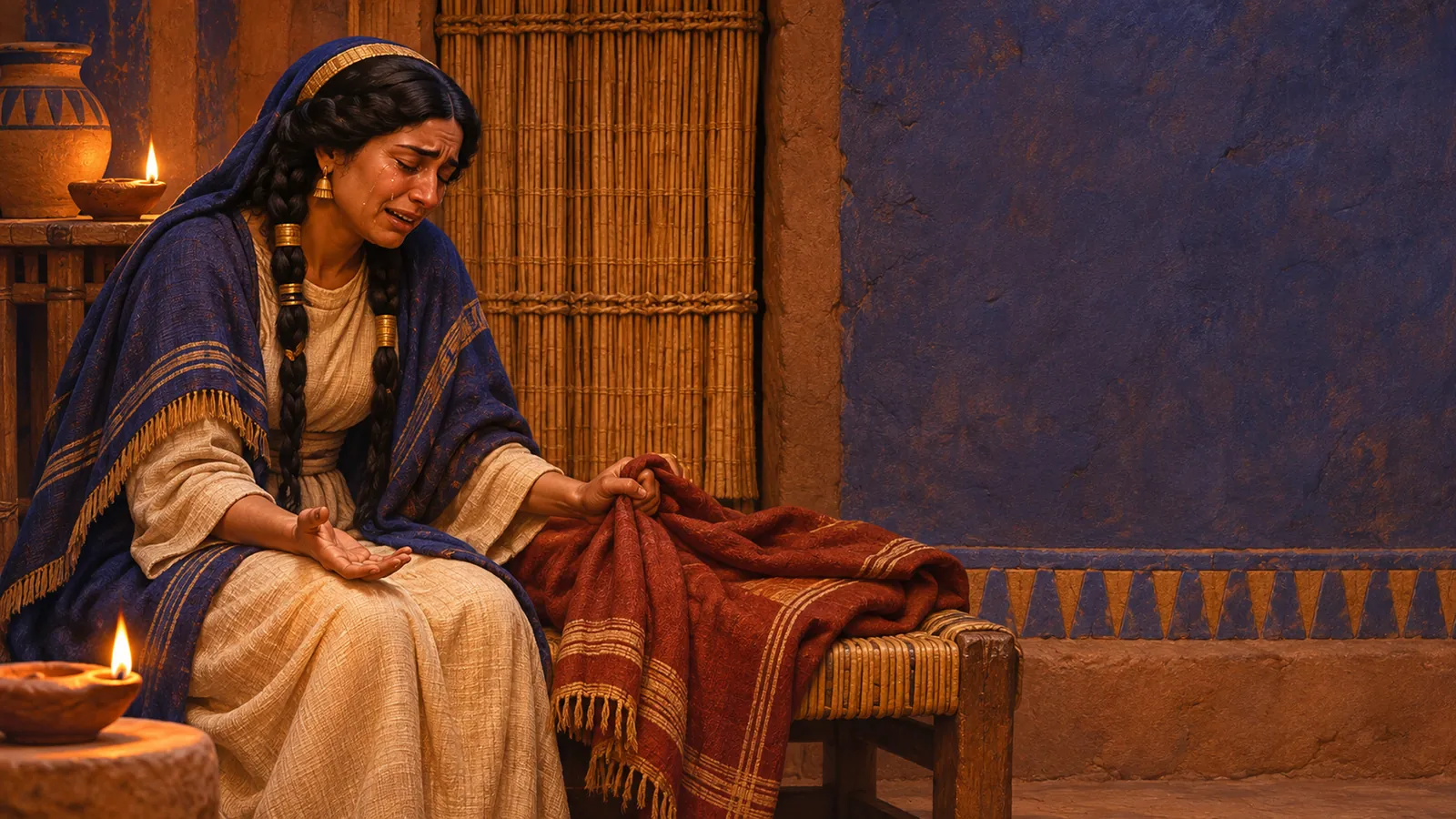
Enkidu a vu l’homme tombé au combat. Son père et sa mère sont absents quand il a besoin d’eux, et sa femme pleure sur lui.
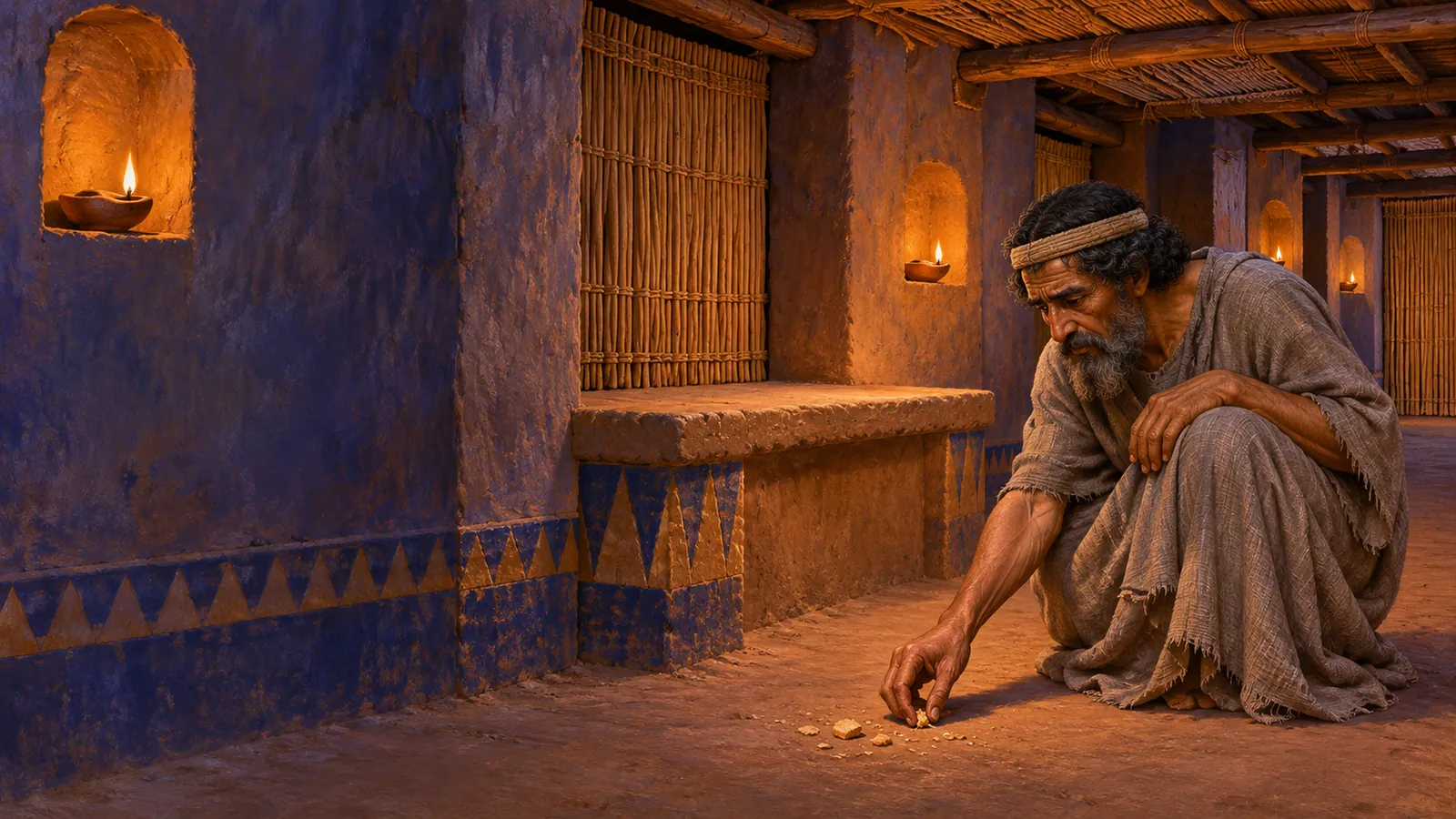
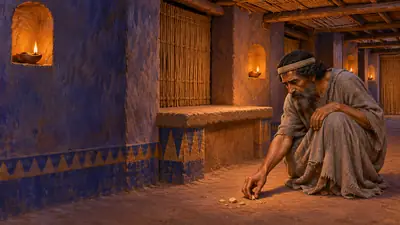
Ils demandent ce que devient l’esprit qui ne reçoit pas d’offrandes funéraires. Enkidu dit qu’il mange les restes et les miettes jetés dans la rue.
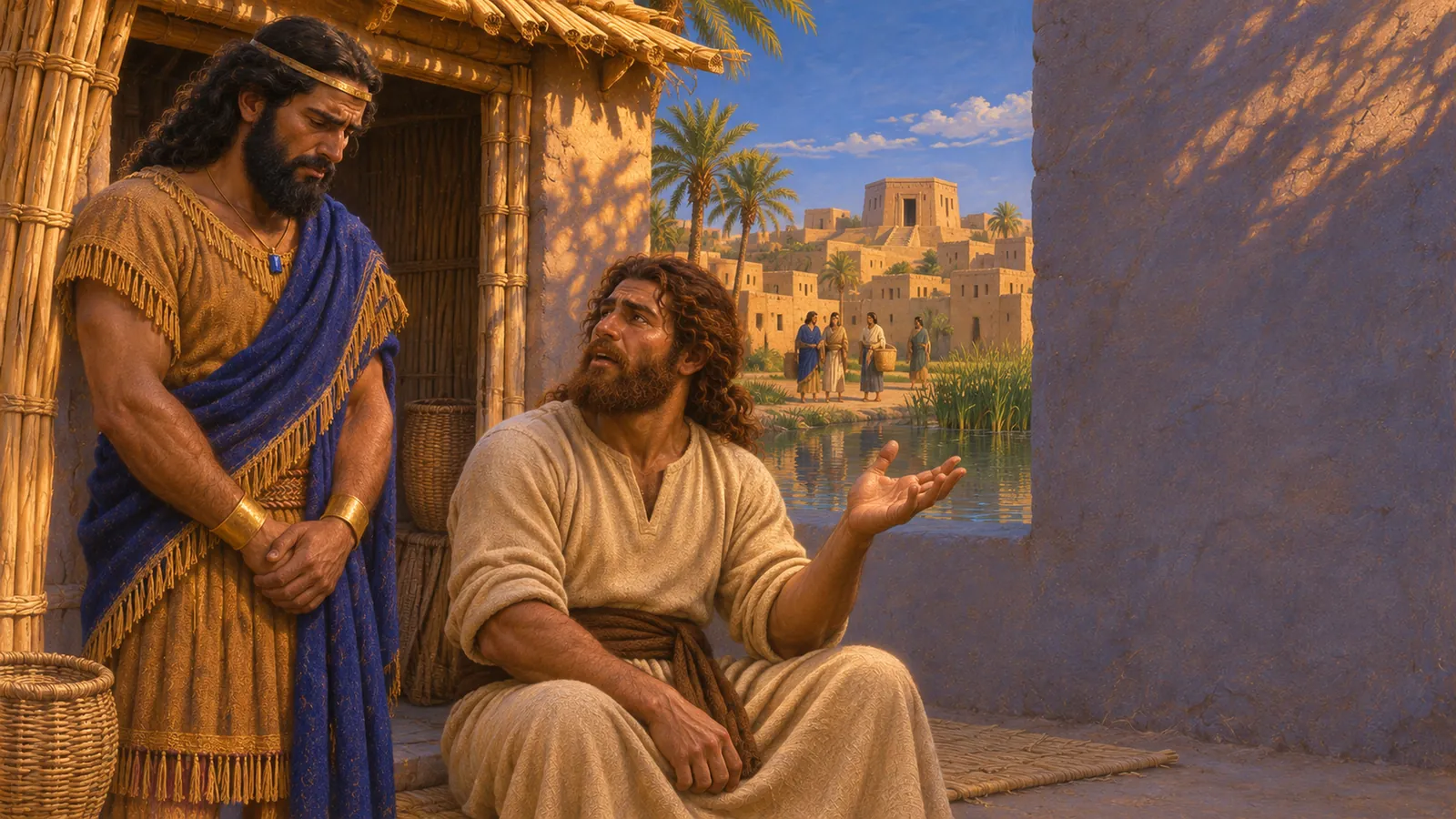
Enkidu décrit un homme heurté par une planche de bateau. L’homme appelle sa mère. Une grande partie du reste de la réponse est lacunaire.
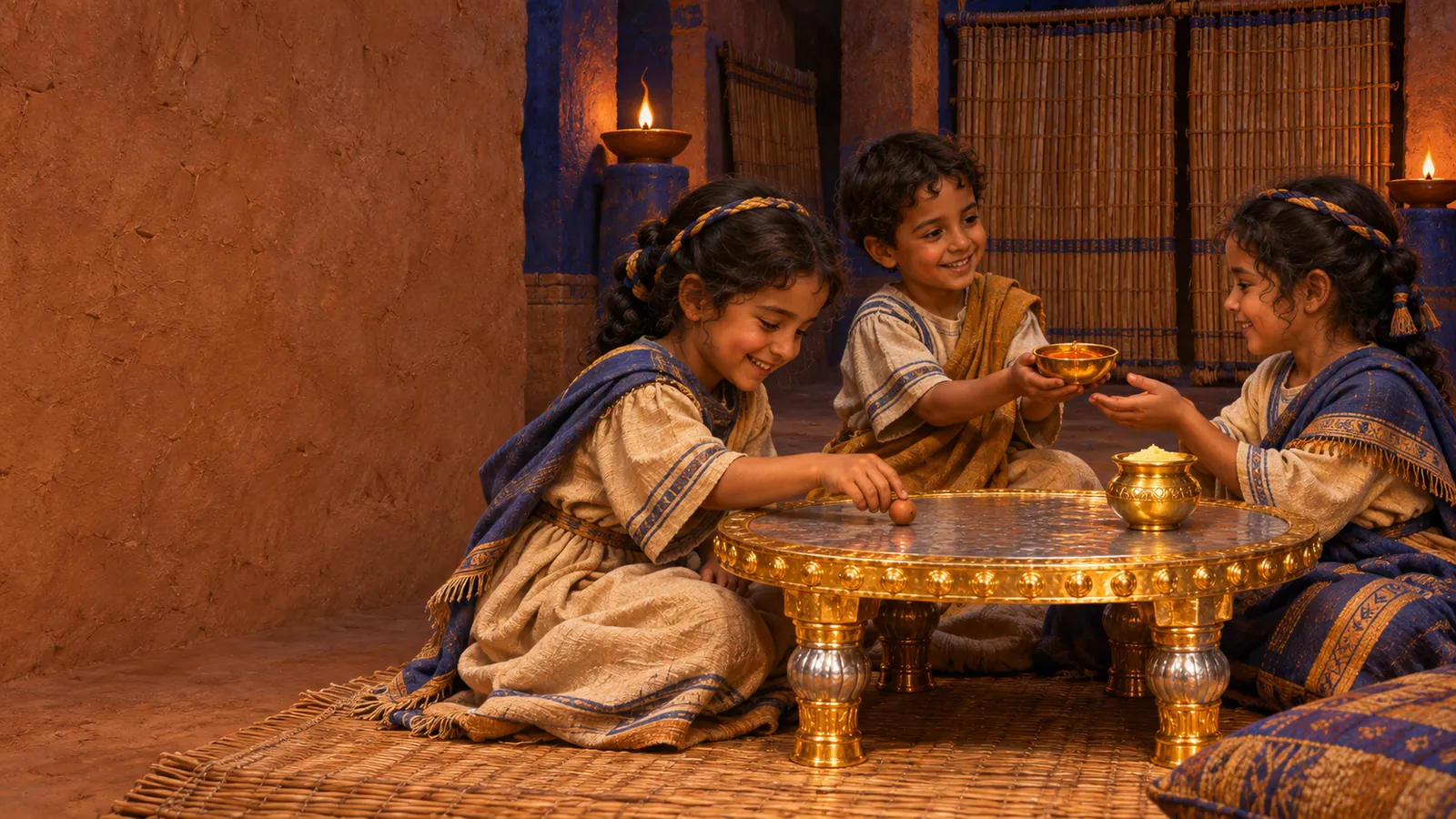
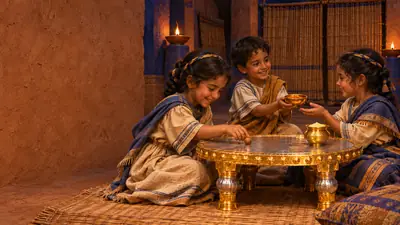
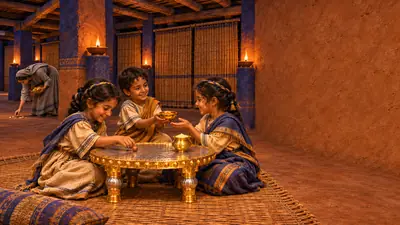
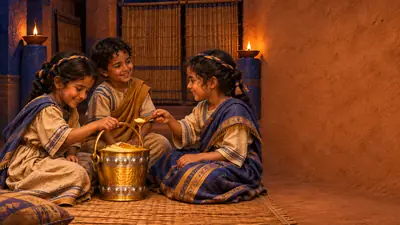
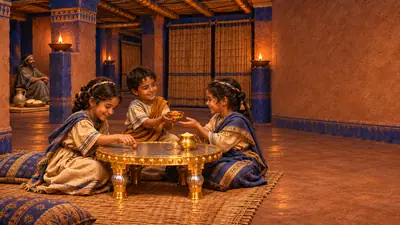
Gilgamesh demande des nouvelles de ses petits enfants mort-nés. Enkidu dit les avoir vus jouer à une table d’or et d’argent, chargée de miel et de beurre clarifié.
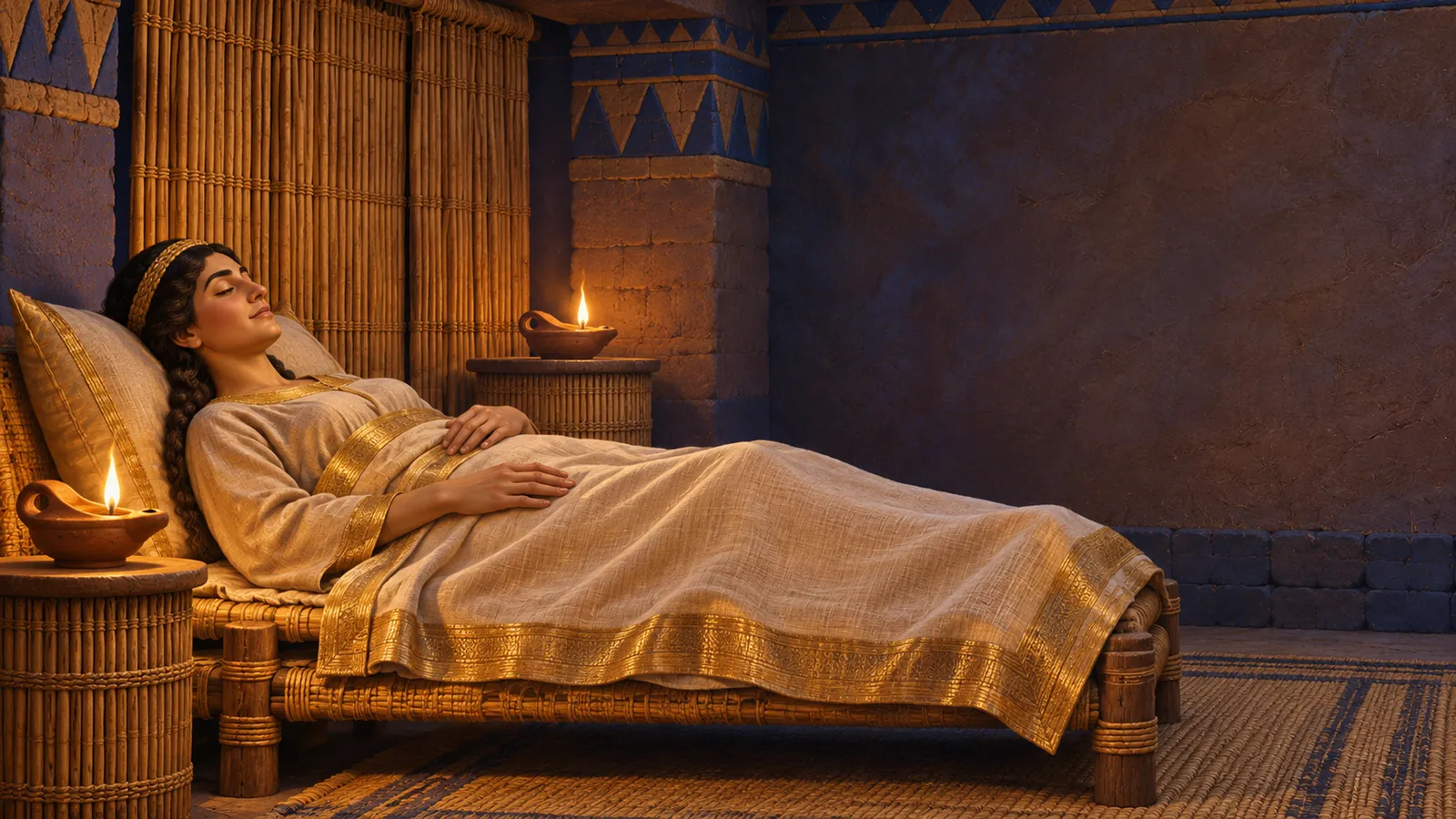
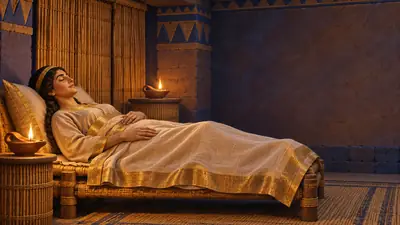
Il reste une autre question, dont les circonstances de la mort sont perdues. Enkidu répond qu’il a vu cet homme, qui repose sur un lit des dieux.
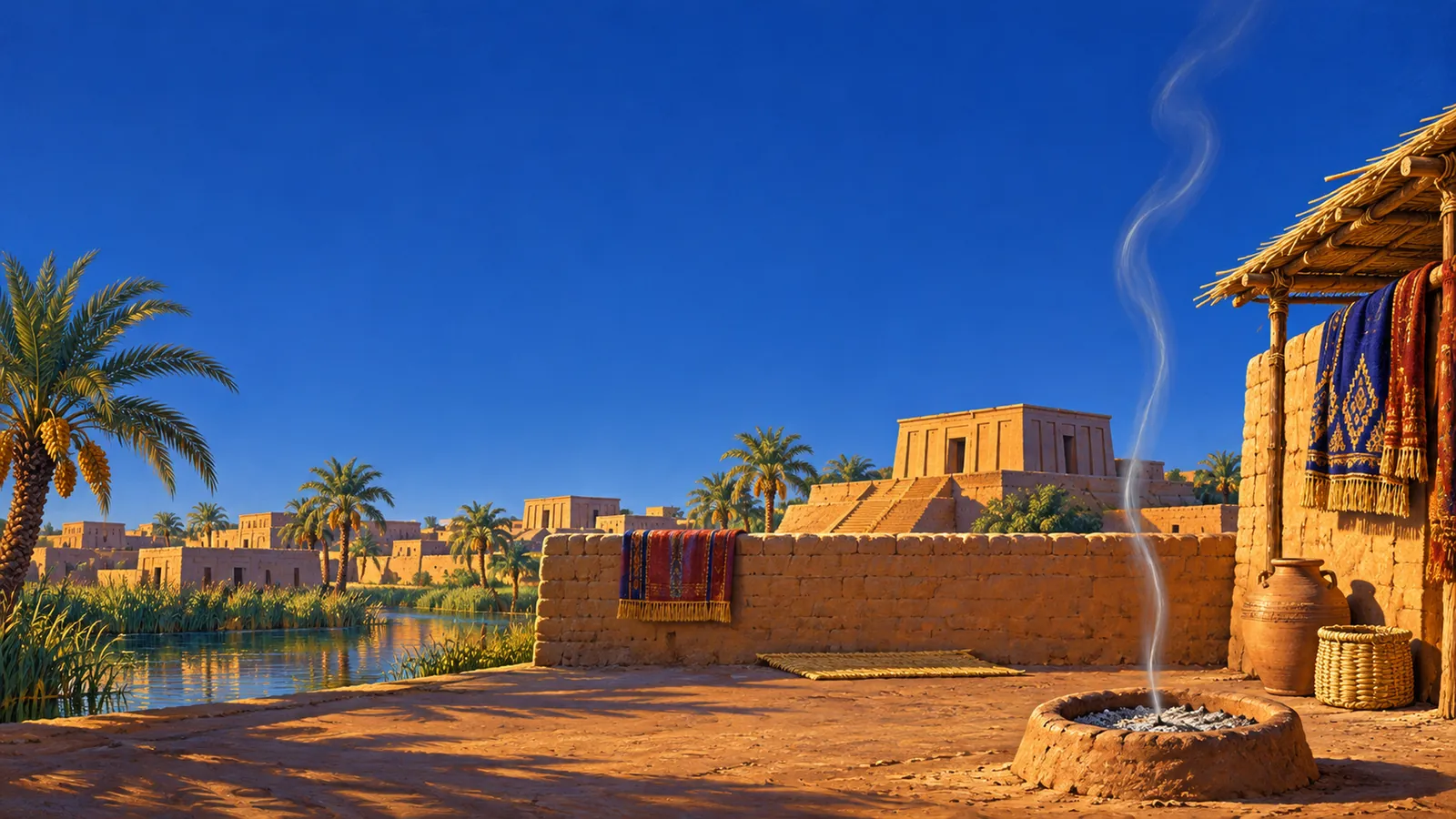
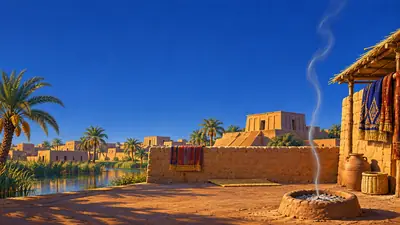
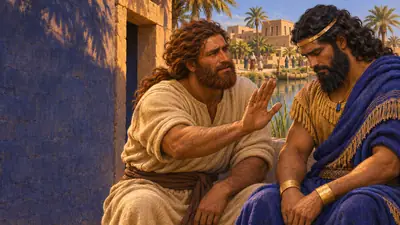
Quand Gilgamesh pose la question de l’homme à qui l’on a mis le feu, Enkidu dit qu’il ne l’a pas vu. Son esprit est absent et sa fumée est montée vers le ciel.
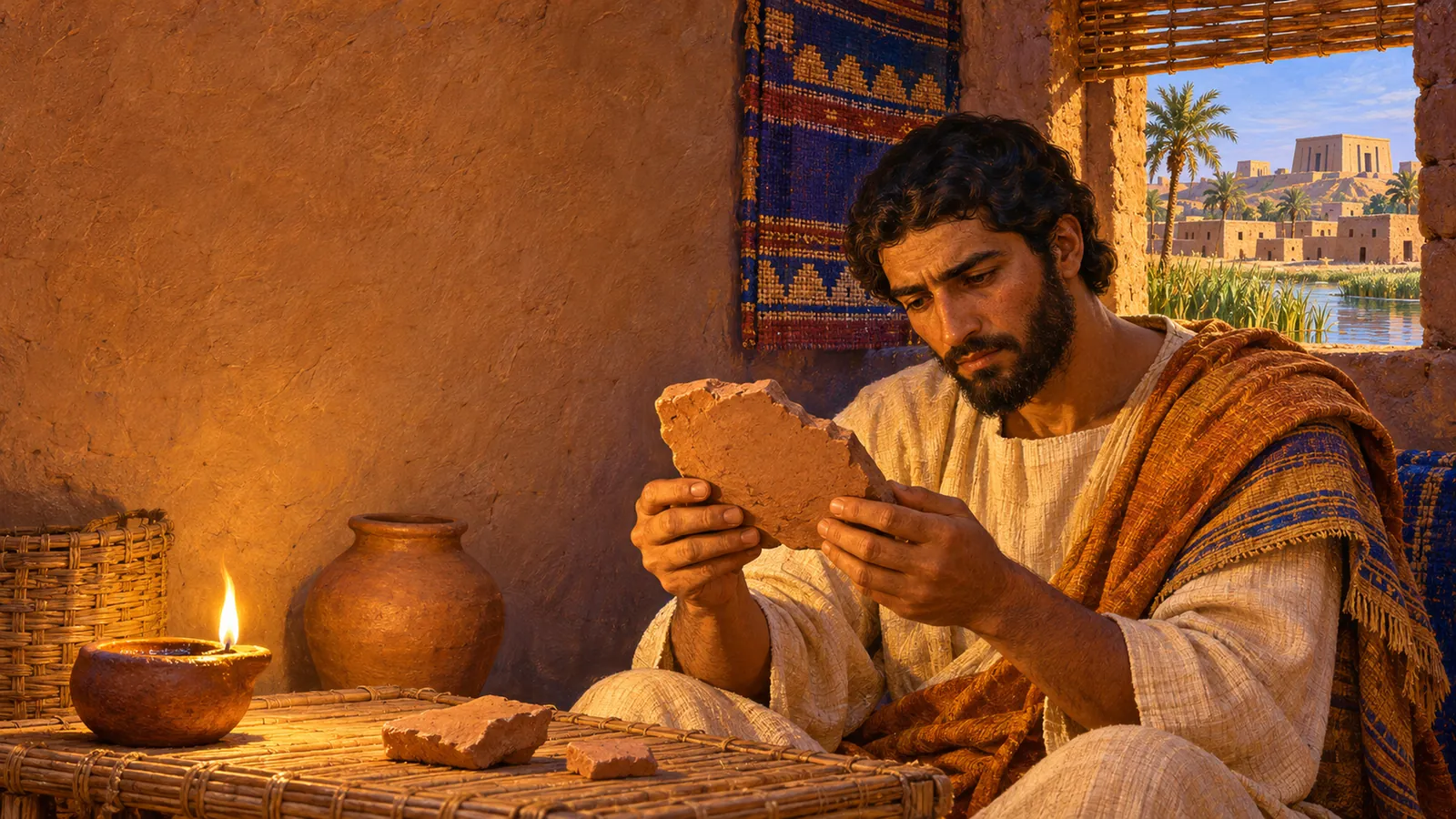
UR · UET 6 58
Une tablette d’Ur donne une autre fin. Elle évoque un homme tombé d’un toit, une tempête diluvienne peut-être liée à Ishkur et un homme que la traduction qualifie de lépreux. Sa nourriture et son eau sont mises à part hors de la ville.
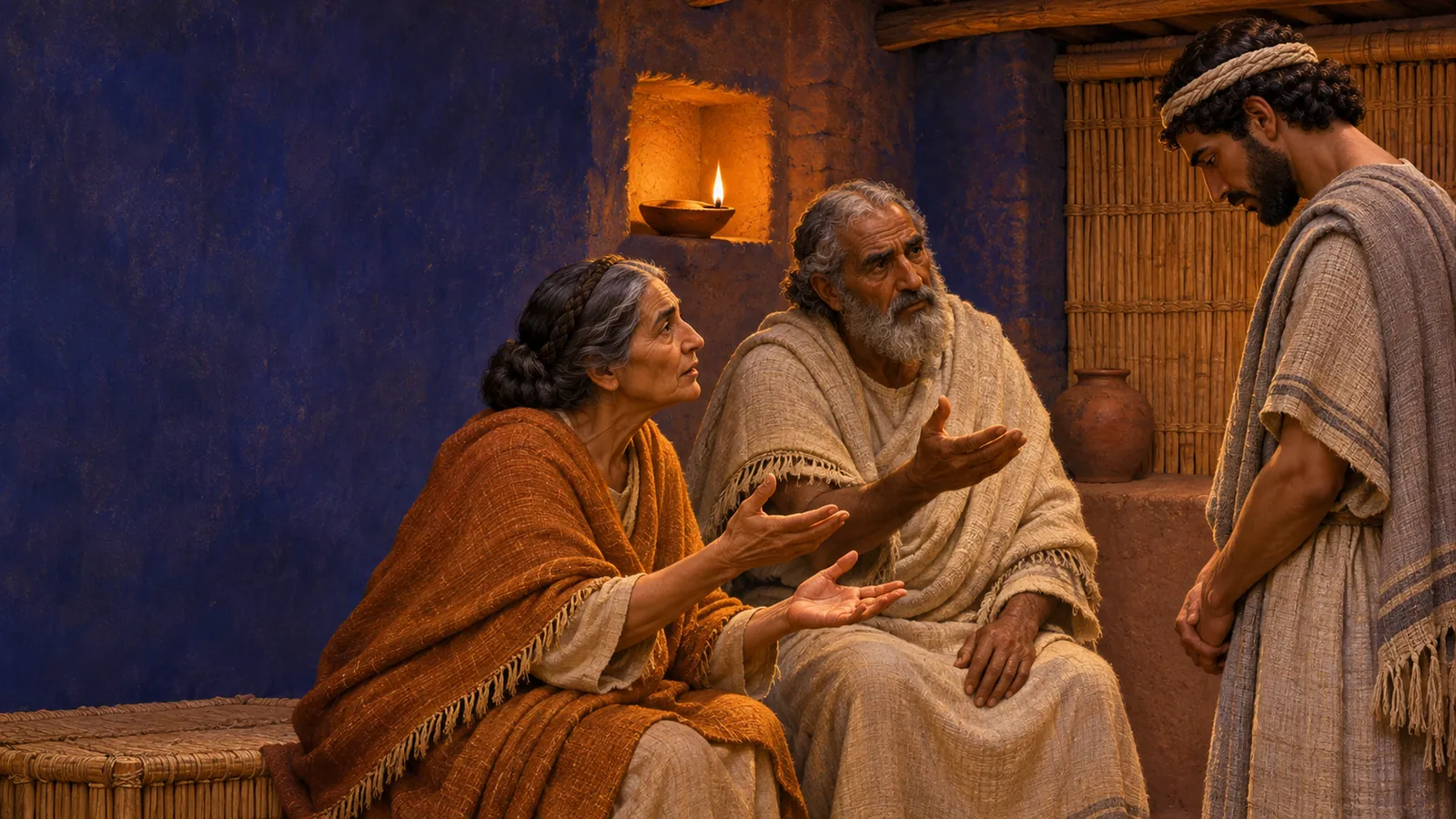
Dans cette tablette, l’homme qui méprise les paroles de ses parents crie de douleur. Celui que leur malédiction atteint n’a pas d’héritier et son esprit erre. Une troisième question sur le nom d’un dieu est lacunaire.
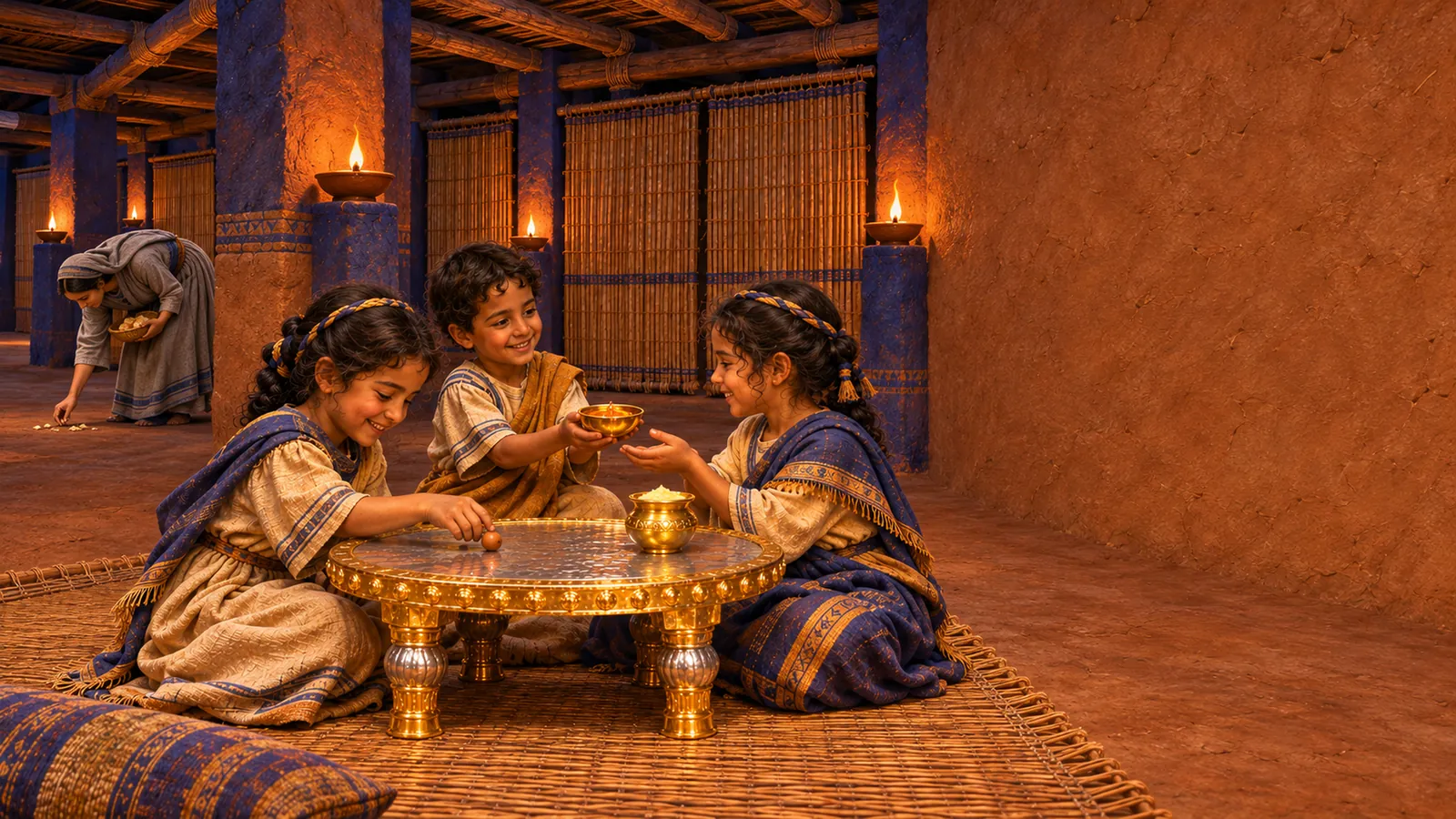
Dans cette tablette aussi, l’esprit privé d’offrandes mange des restes dans la rue. Les enfants mort-nés jouent à une table d’or et d’argent où se trouvent du miel et du beurre clarifié.
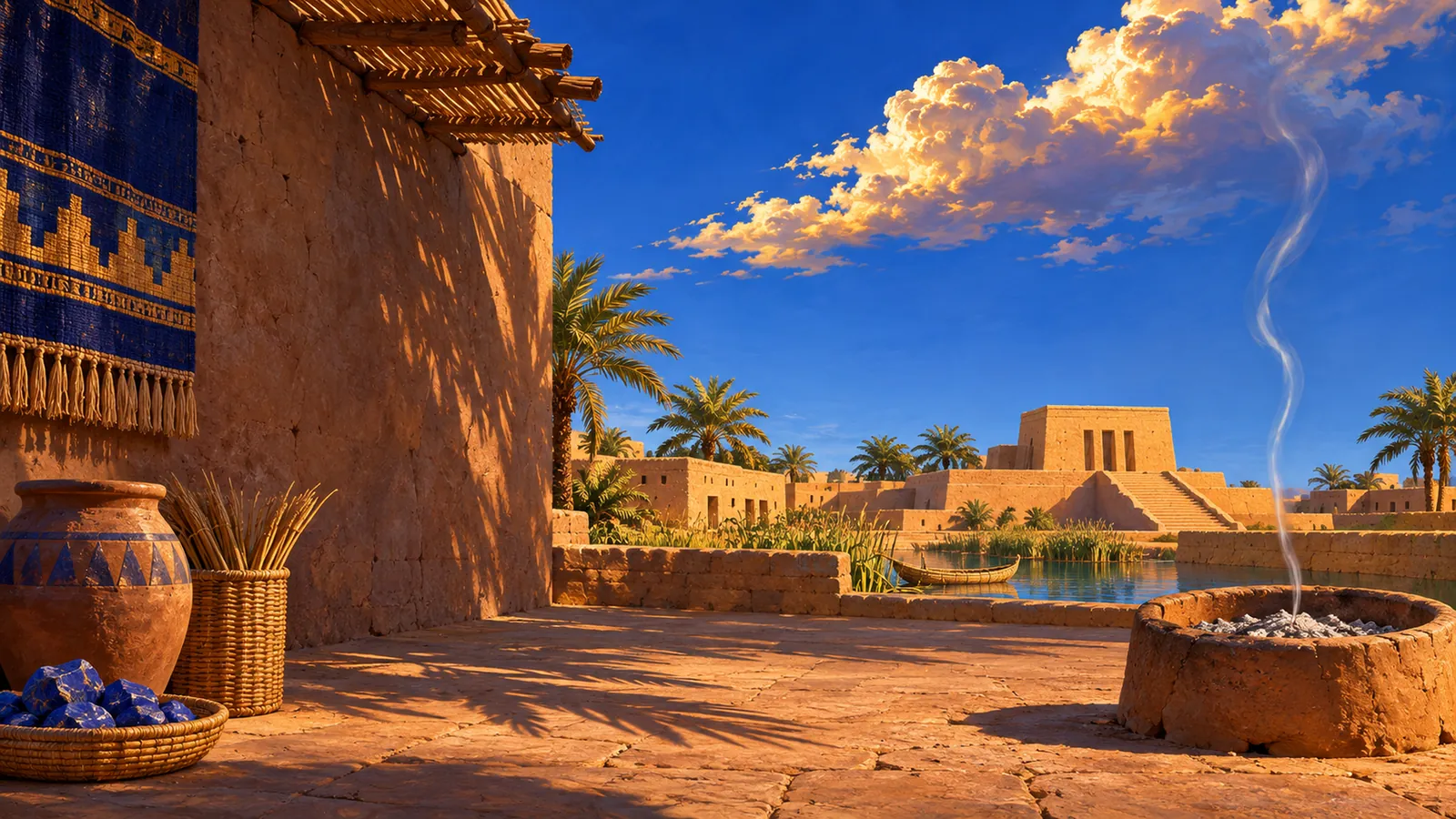
Enkidu dit qu’il n’a pas vu l’homme à qui l’on a mis le feu. Sa fumée est montée au ciel et son esprit ne vit pas dans le monde souterrain.
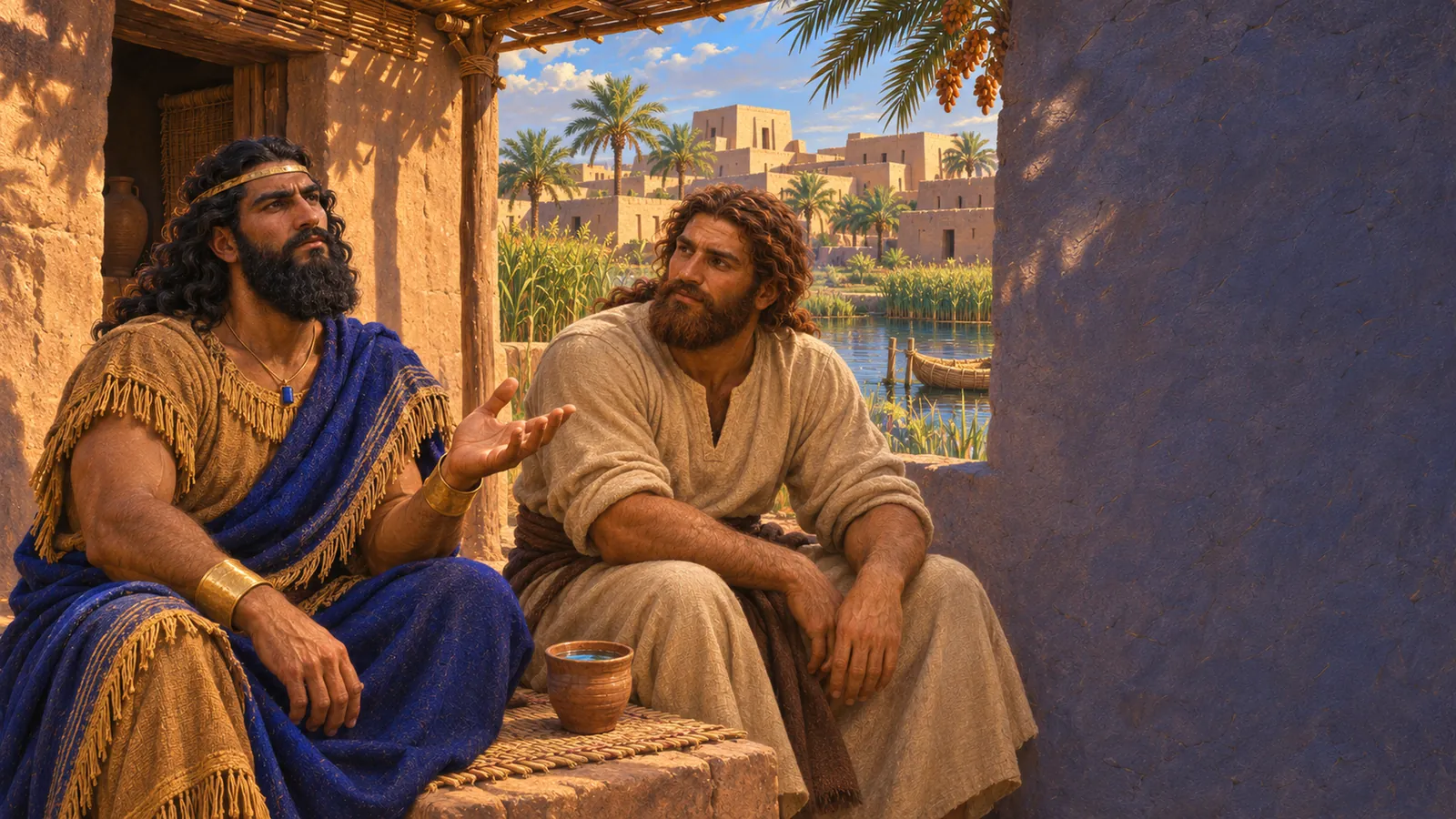
Cette version évoque un homme qui a prêté un faux serment aux dieux et un homme de Girsu qui aurait refusé de l’eau à ses parents. Les deux réponses sont endommagées.
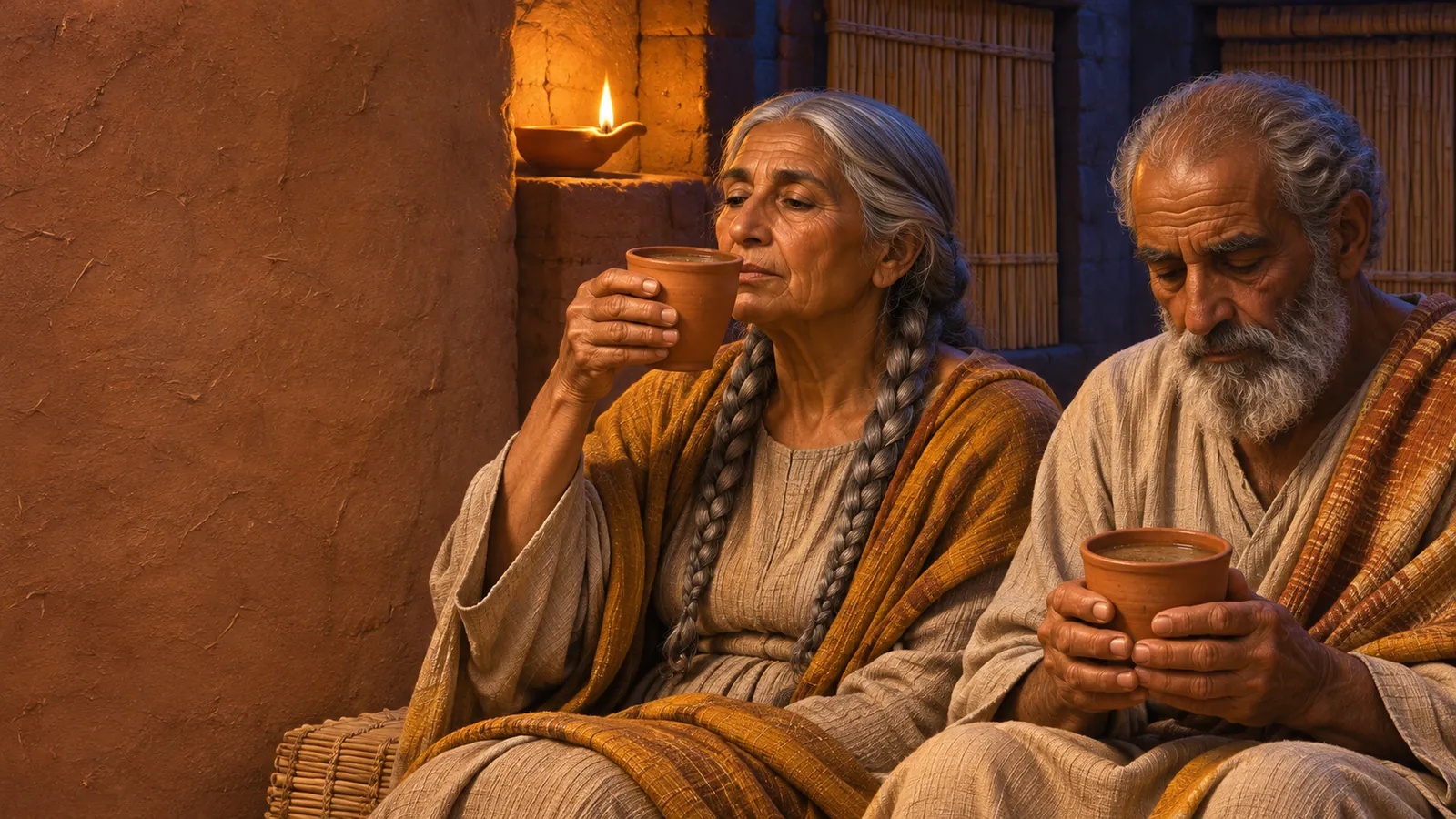
La réponse dit que les habitants de Sumer et d’Akkad boivent une eau boueuse. Le père et la mère de celui qui pose la question en boivent aussi. Les mots qui désignent le lieu sont lacunaires.
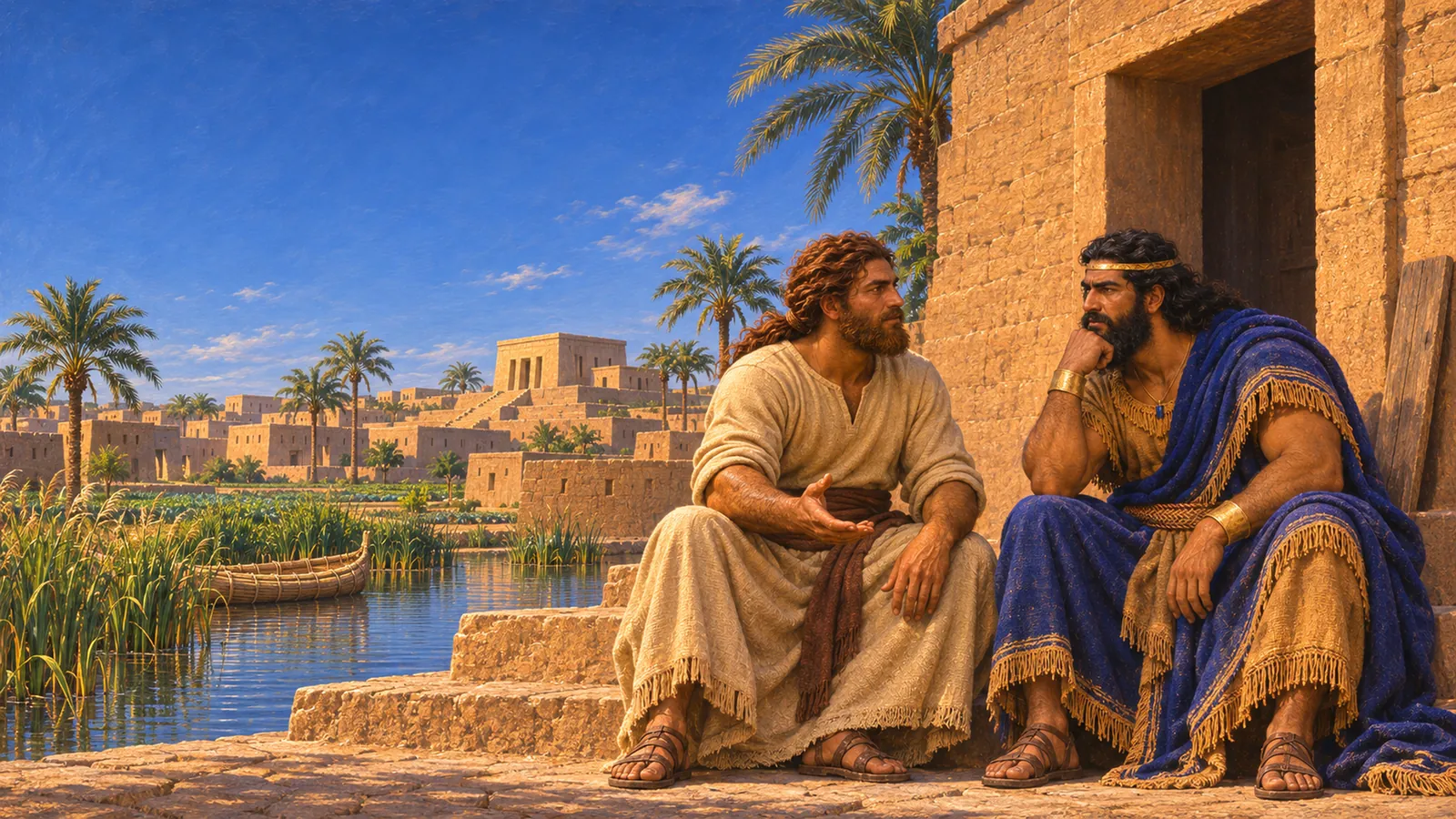
UNE DEUXIÈME VERSION D’UR
Un autre manuscrit d’Ur interroge sur un homme heurté par une planche de navire et sur un homme tombé d’un toit. La réponse compare les mouvements du second à ceux d’un bœuf et dit que des vers le rongent.
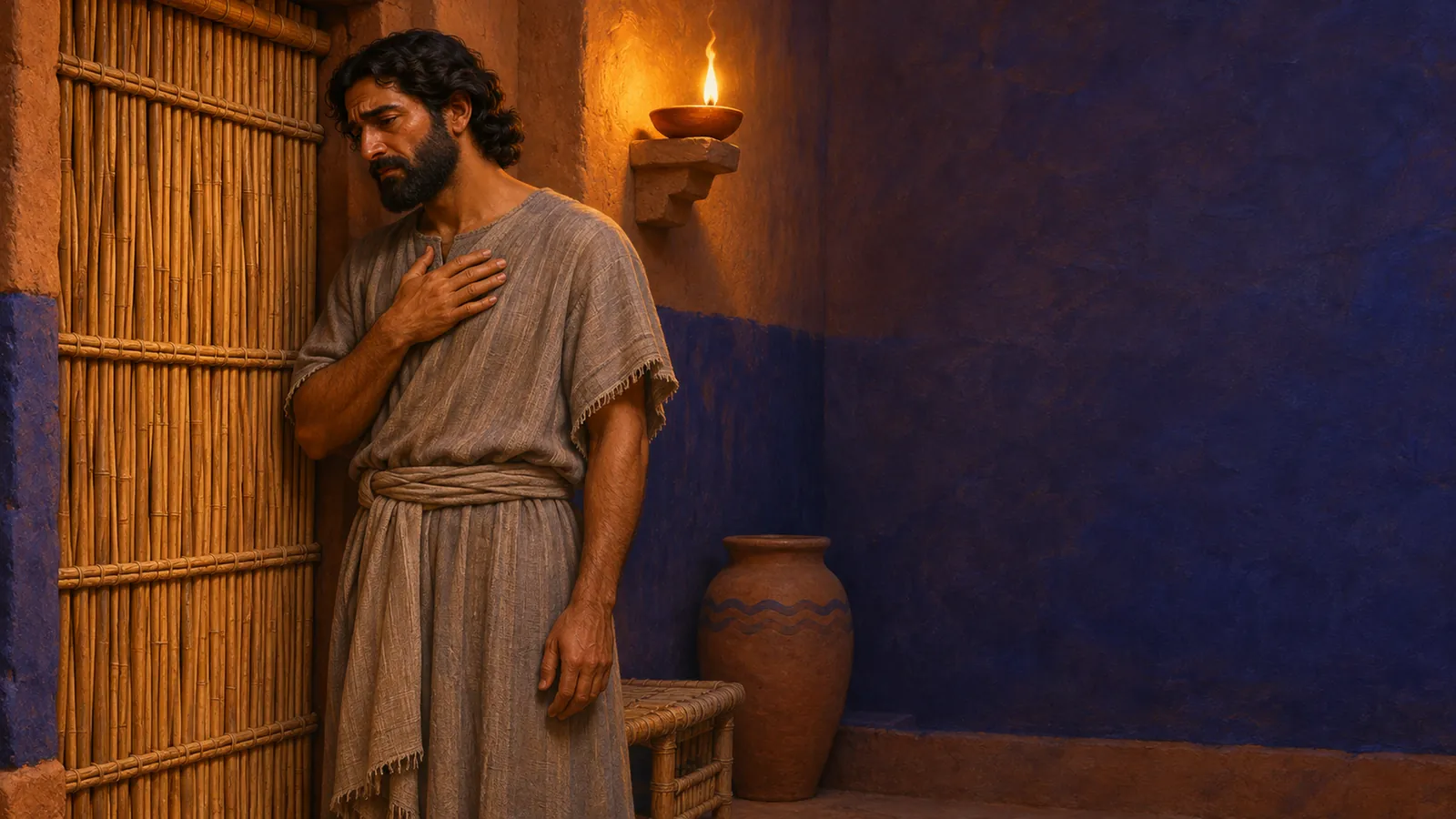
L’homme atteint par la malédiction de sa mère est privé d’héritier, et son esprit erre peut-être. La copie demande ensuite ce qu’il advient d’un homme qui a méprisé les paroles de ses parents, puis s’interrompt après la question.
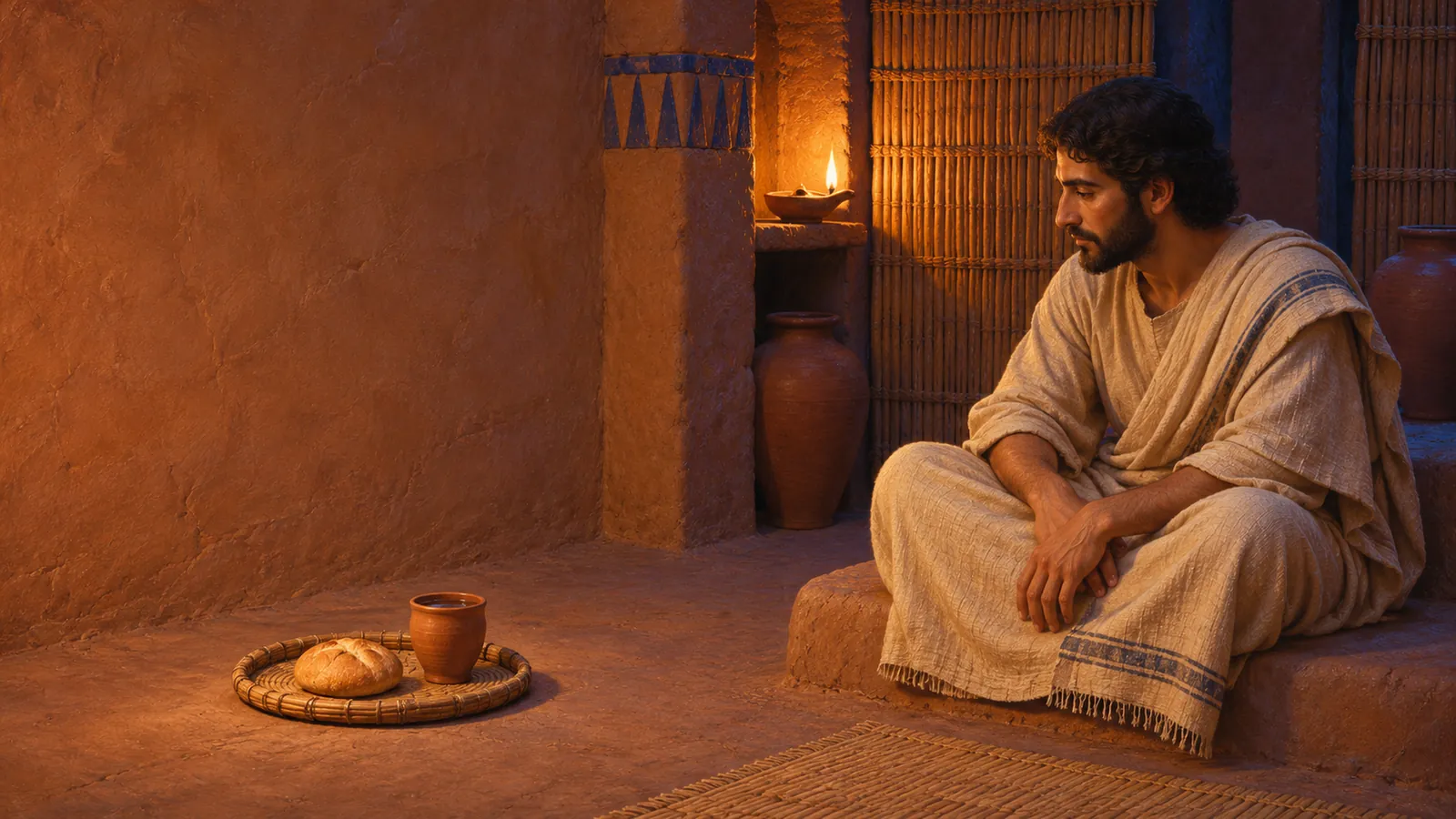
Le fragment suivant commence par de la nourriture et de l’eau mises à part pour une personne que les mots conservés ne permettent pas d’identifier. Un homme tombé au combat n’a pas ses parents auprès de lui pour lui tenir la tête, et sa femme pleure. Une autre question et sa réponse sont endommagées.
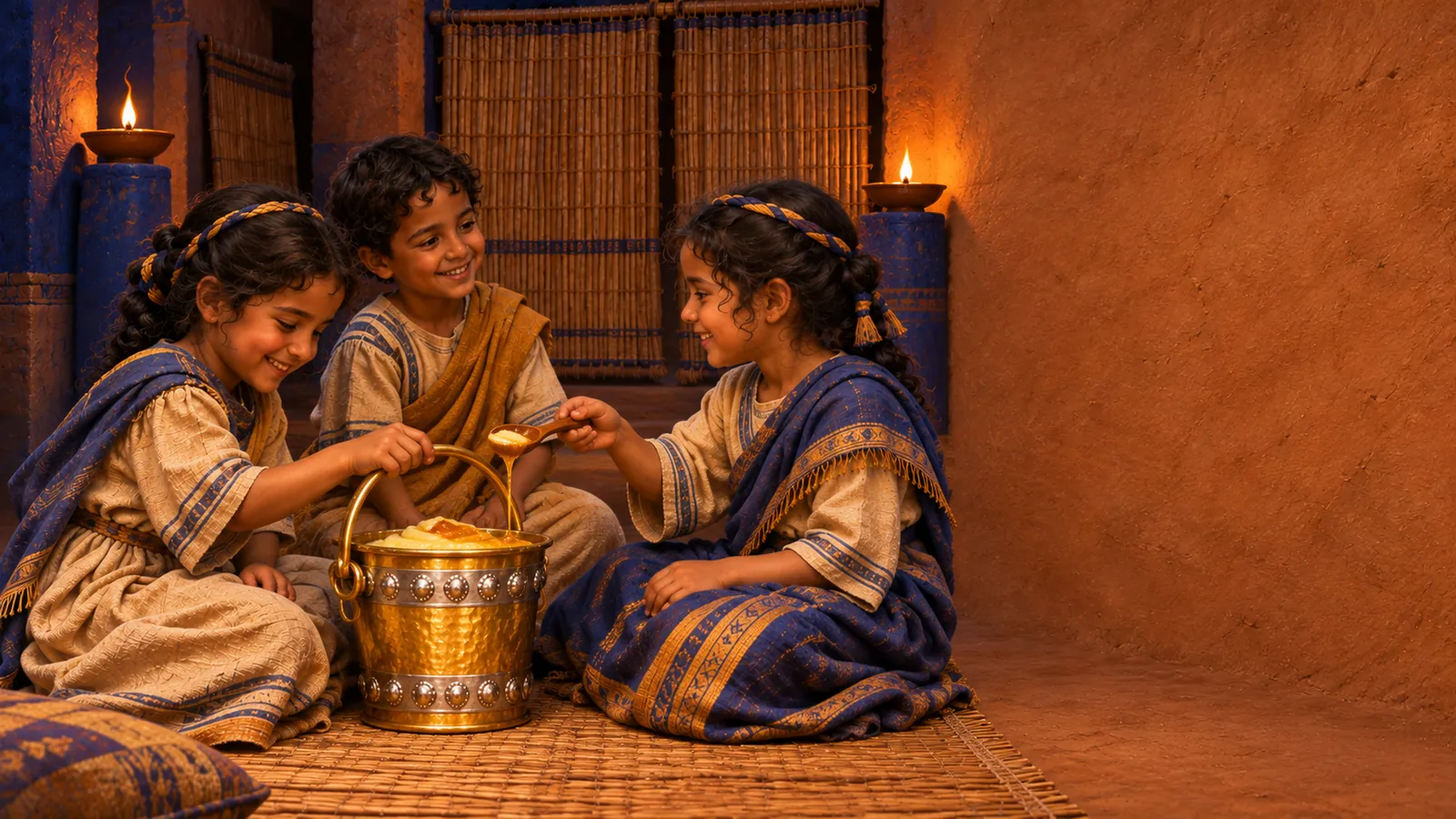
Un esprit privé d’offrandes funéraires mange des restes jetés dans la rue. Les enfants mort-nés de celui qui interroge jouent avec un seau d’or et d’argent rempli de miel et de beurre clarifié.
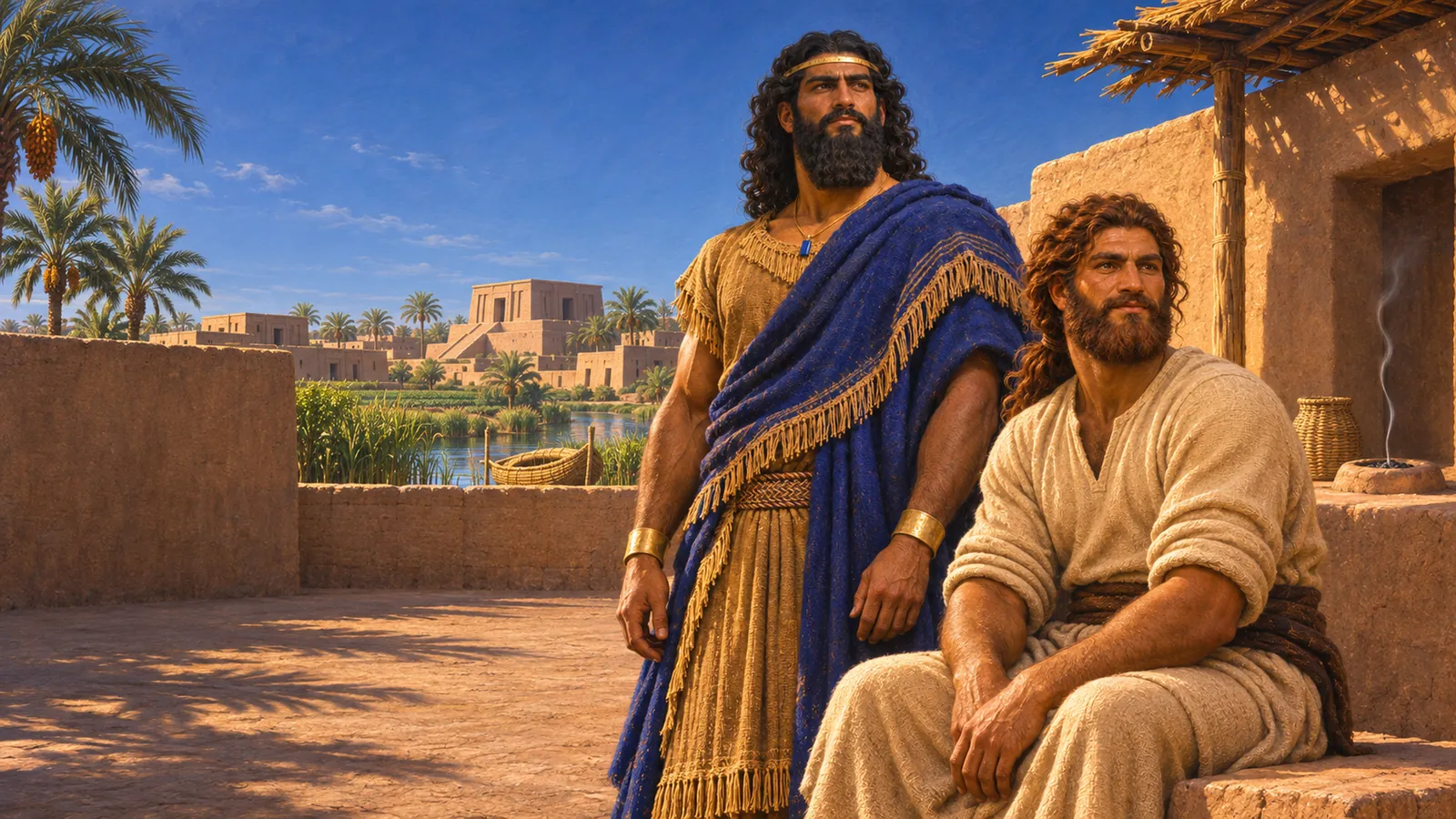
Interrogé sur l’homme à qui on avait mis le feu, celui qui répond dit ne pas l’avoir vu. L’esprit était absent, et sa fumée monta vers le ciel.
UNE TROISIÈME VERSION D’UR
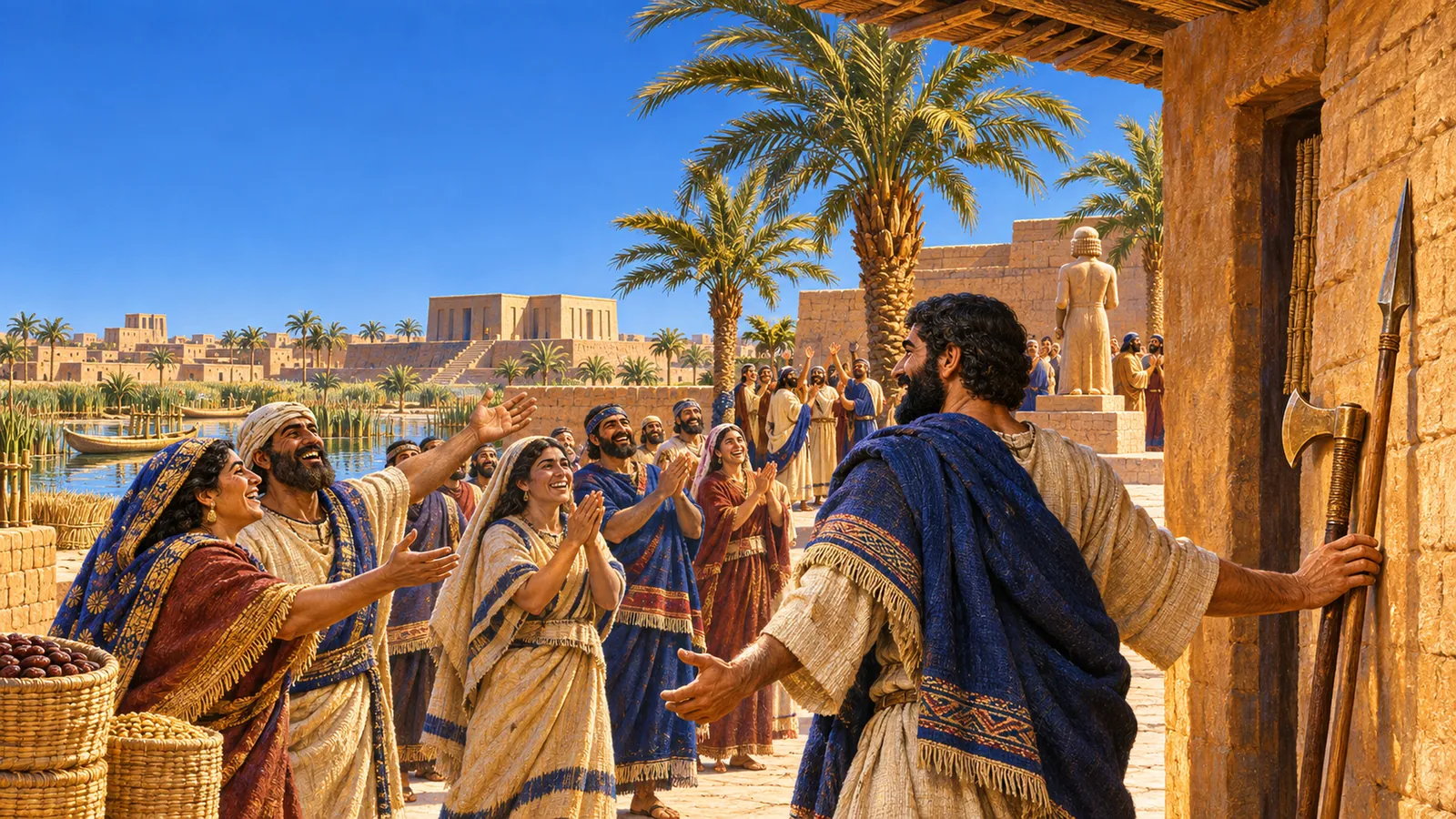
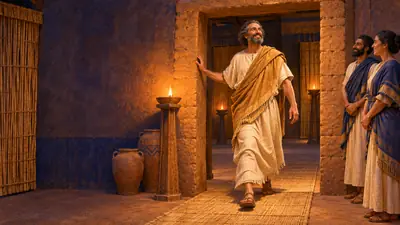
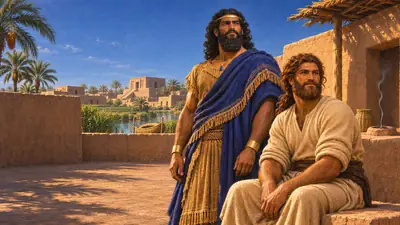
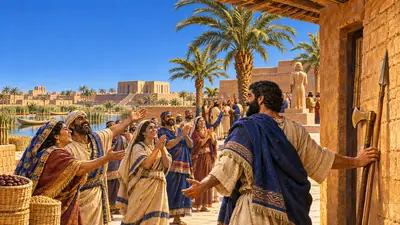
Un troisième manuscrit d’Ur décrit un retour à Uruk. L’homme qui entre dans le palais y dépose ses outils et ses armes. Des gens d’Uruk et de Kulaba se réjouissent devant une statue.
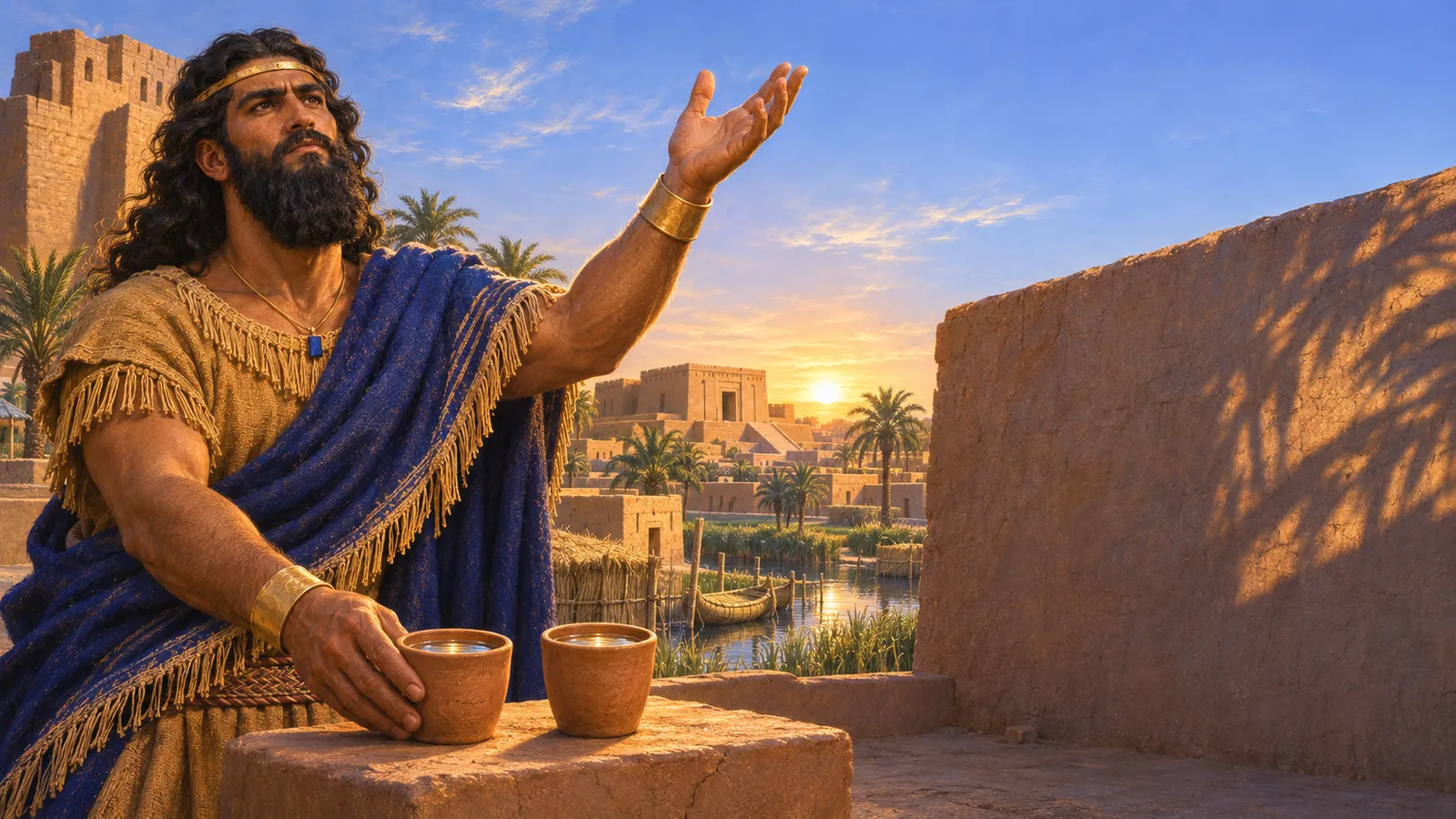
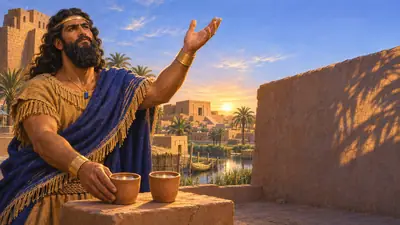
À la sortie d’Utu, la copie nomme peut-être Gilgamesh comme celui qui demande à ses parents de boire de l’eau pure. La formulation concernant la couronne d’une statue est incertaine.
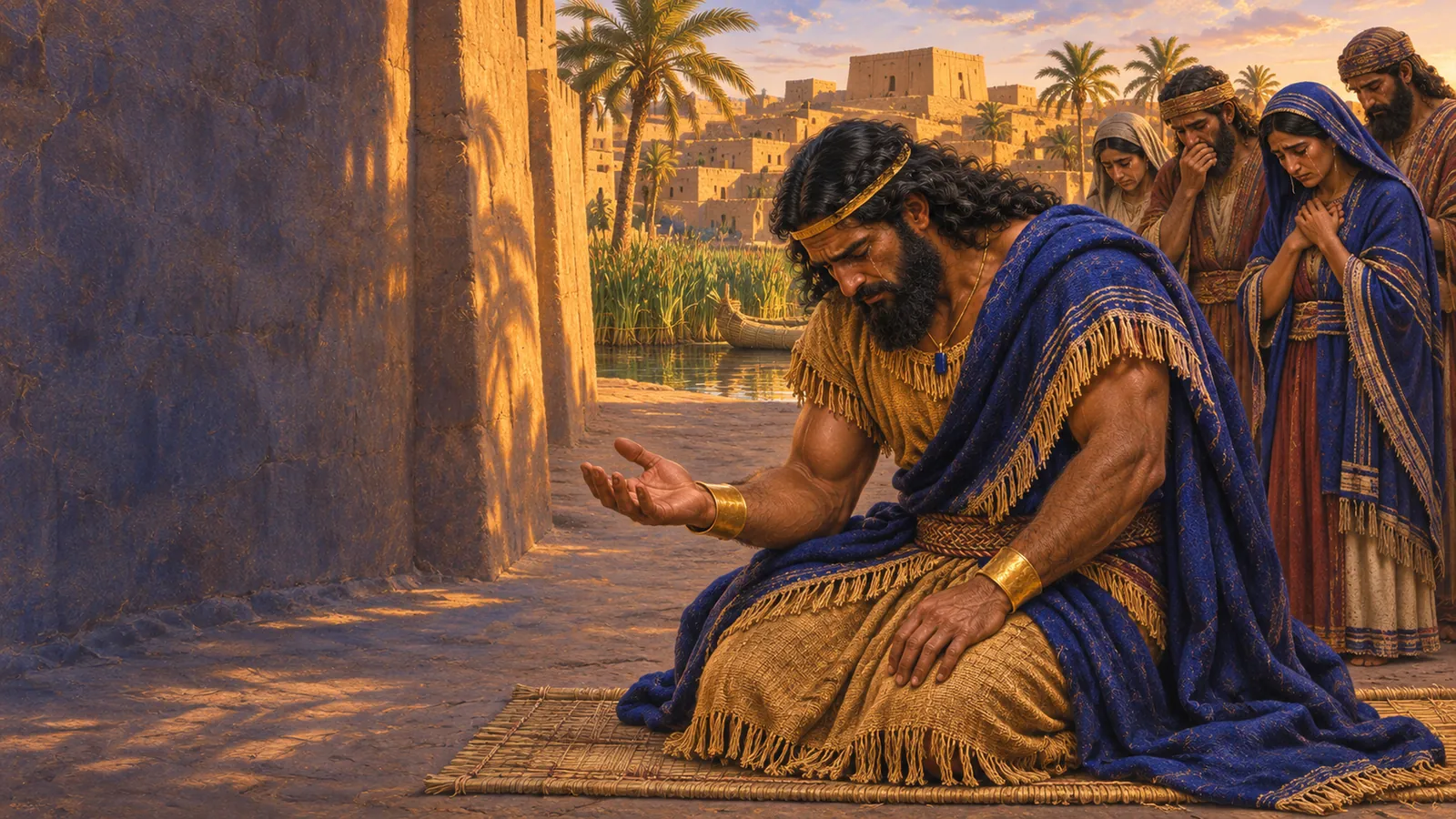
Gilgamesh se jeta à terre au lieu du deuil pour neuf jours. Les gens pleurèrent, et il repoussa un homme de Girsu. Il demanda de nouveau à ses parents de boire de l’eau pure.
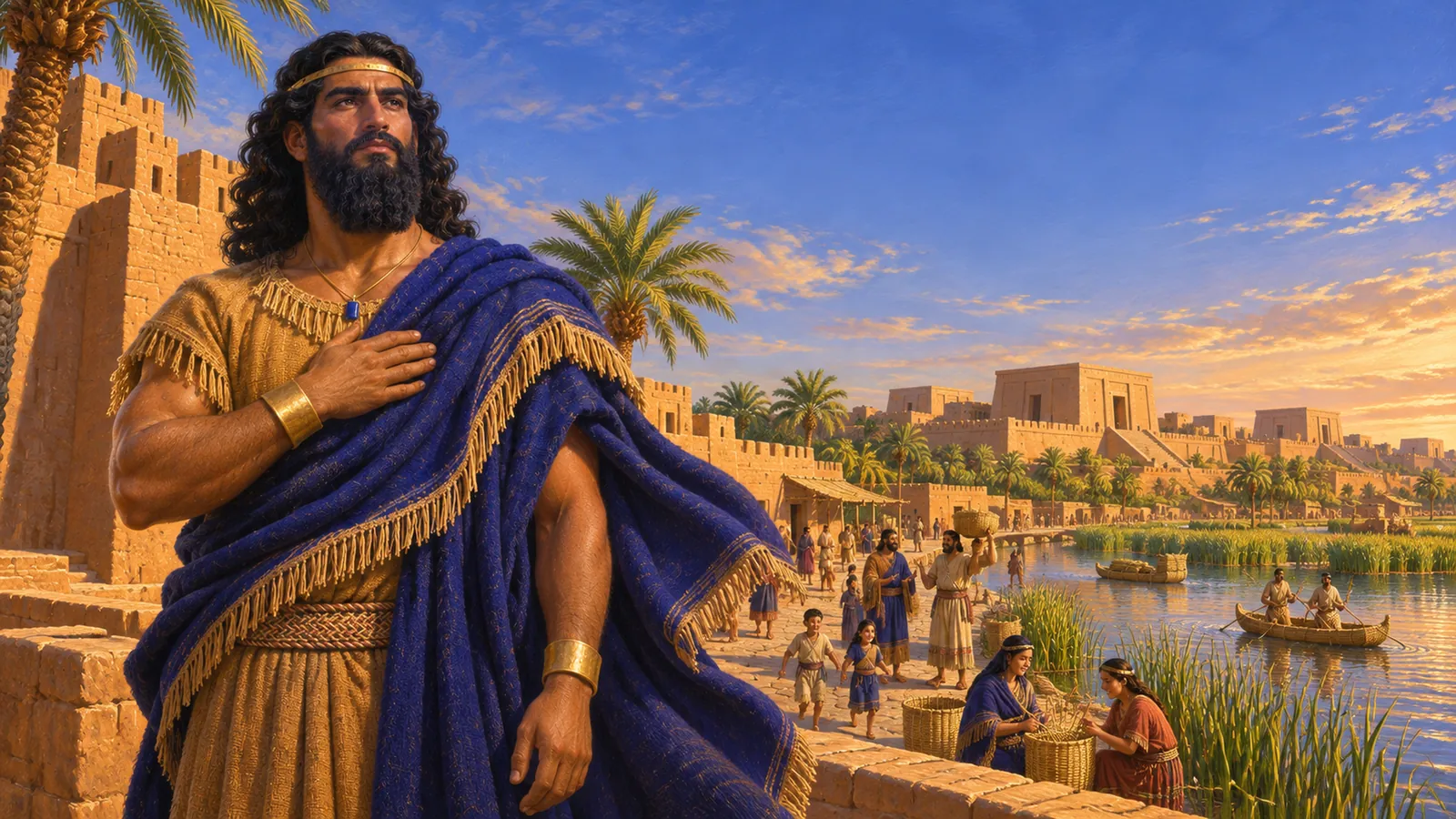
Les derniers mots de cette version louent le guerrier Gilgamesh, fils de Ninsun. Ils disent combien sa louange est douce.
ME-TURAN
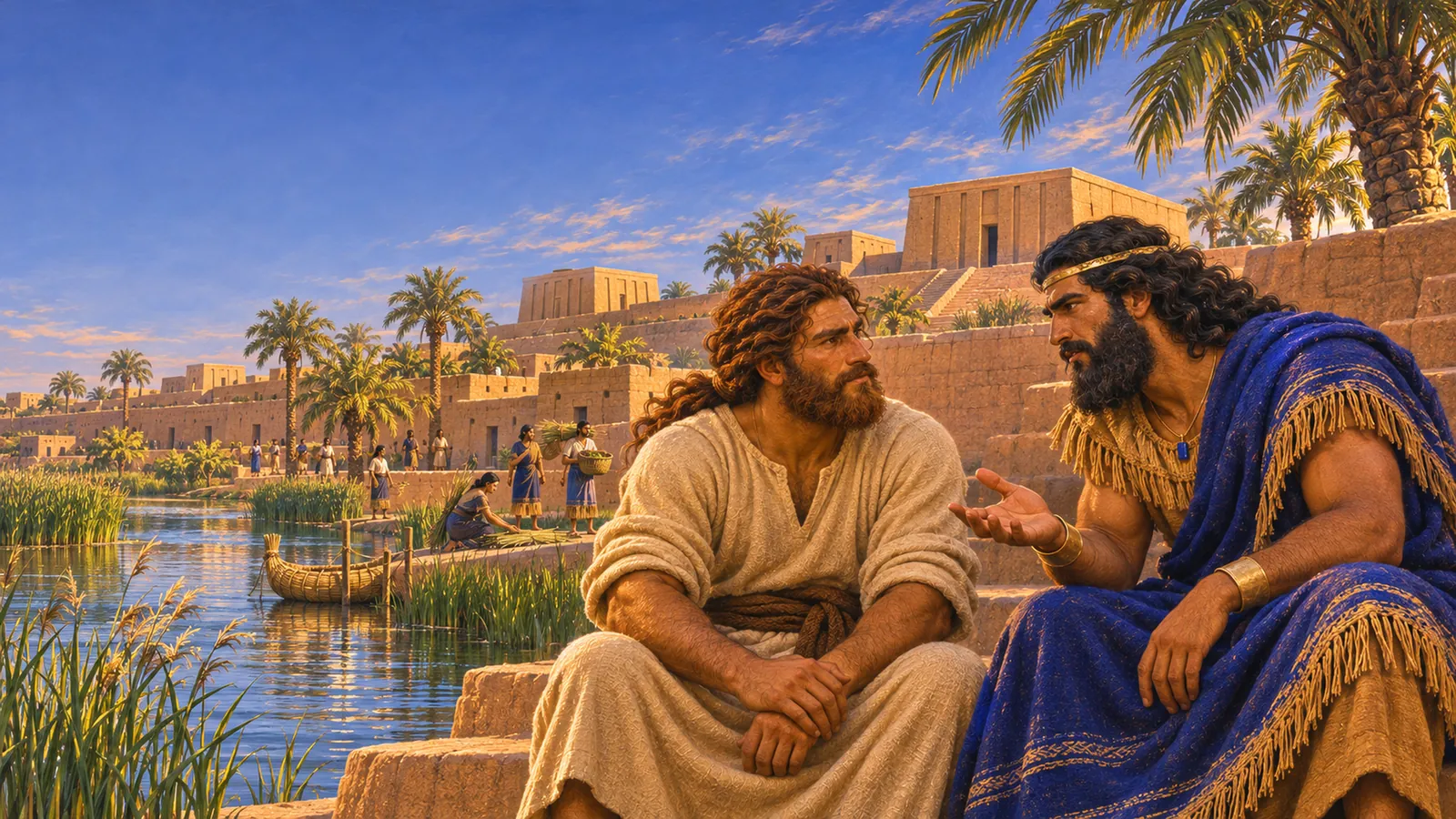
Une copie ancienne de Me-Turan reprend les questions. L’homme qui a un fils pleure, celui qui en a deux s’assied et celui qui en a trois boit. Les détails des deux dernières réponses sont lacunaires.
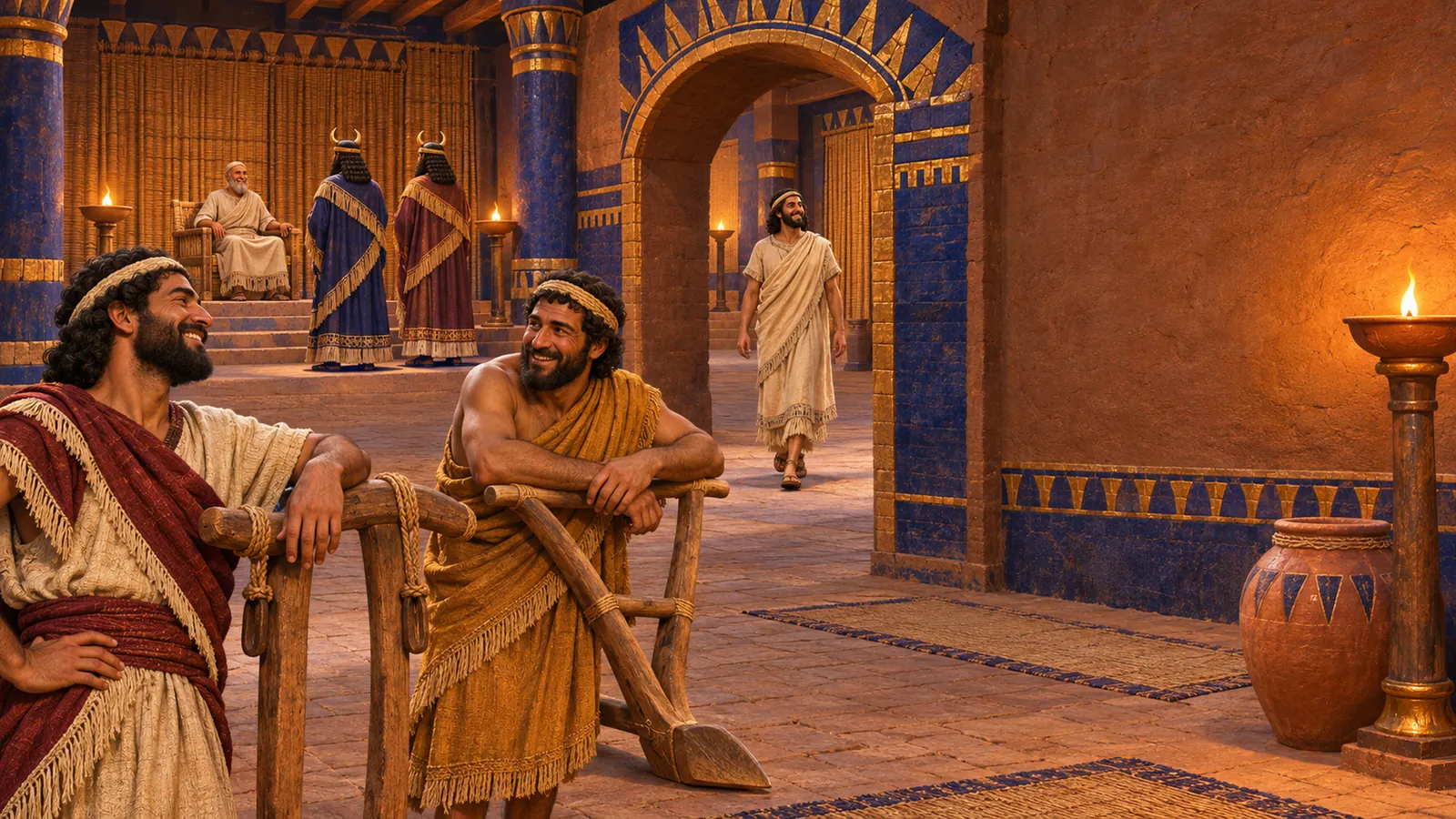
Avec quatre fils, l’homme est heureux. Avec cinq, il entre au palais tel un scribe infatigable, et avec six il se réjouit comme un laboureur. Avec sept, il siège sur un trône auprès des dieux et écoute les jugements.
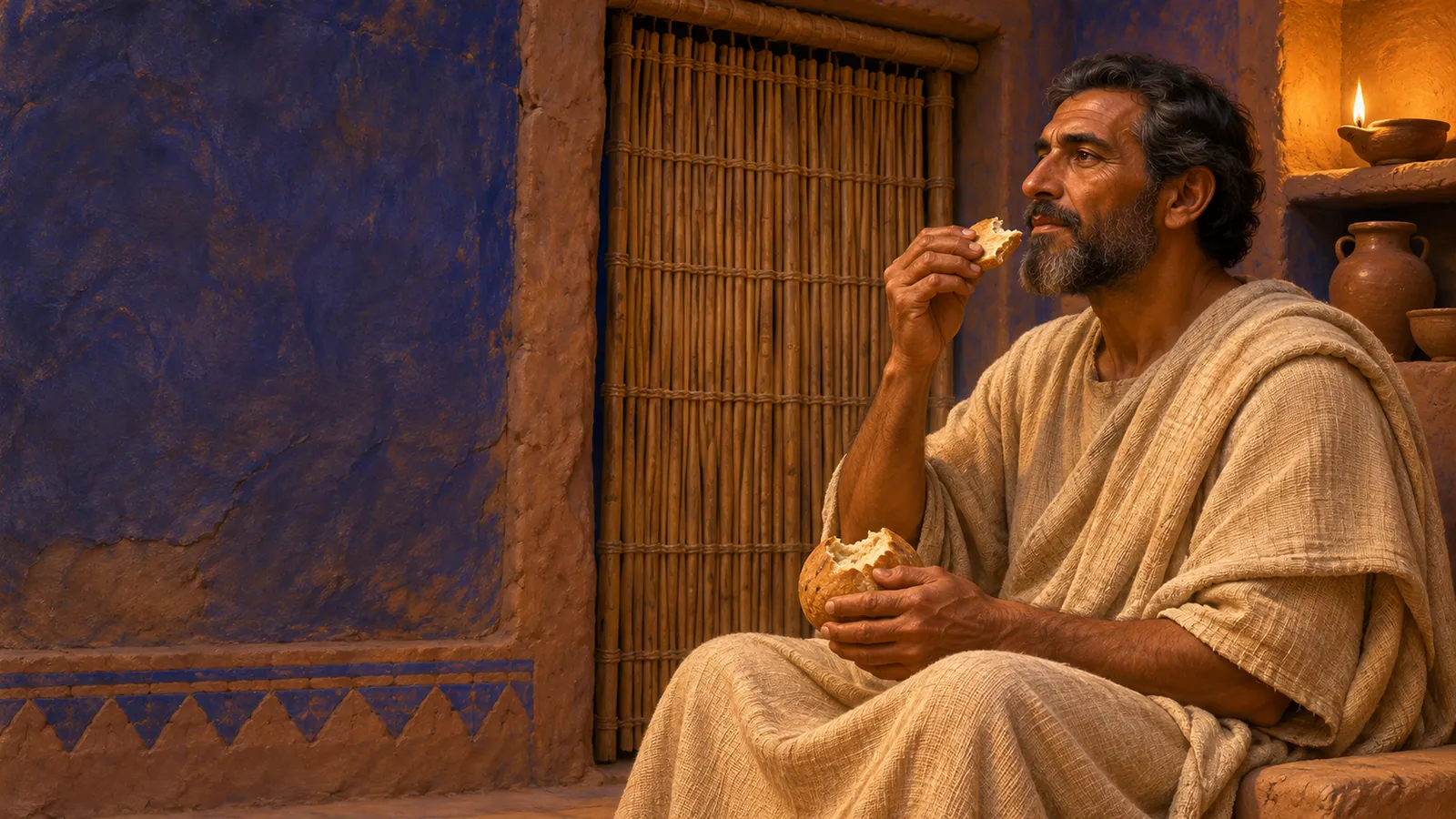
À la question sur un homme sans héritier, la réponse dit encore qu’il mange du pain. La comparaison est abîmée et environ trois vers manquent ensuite.
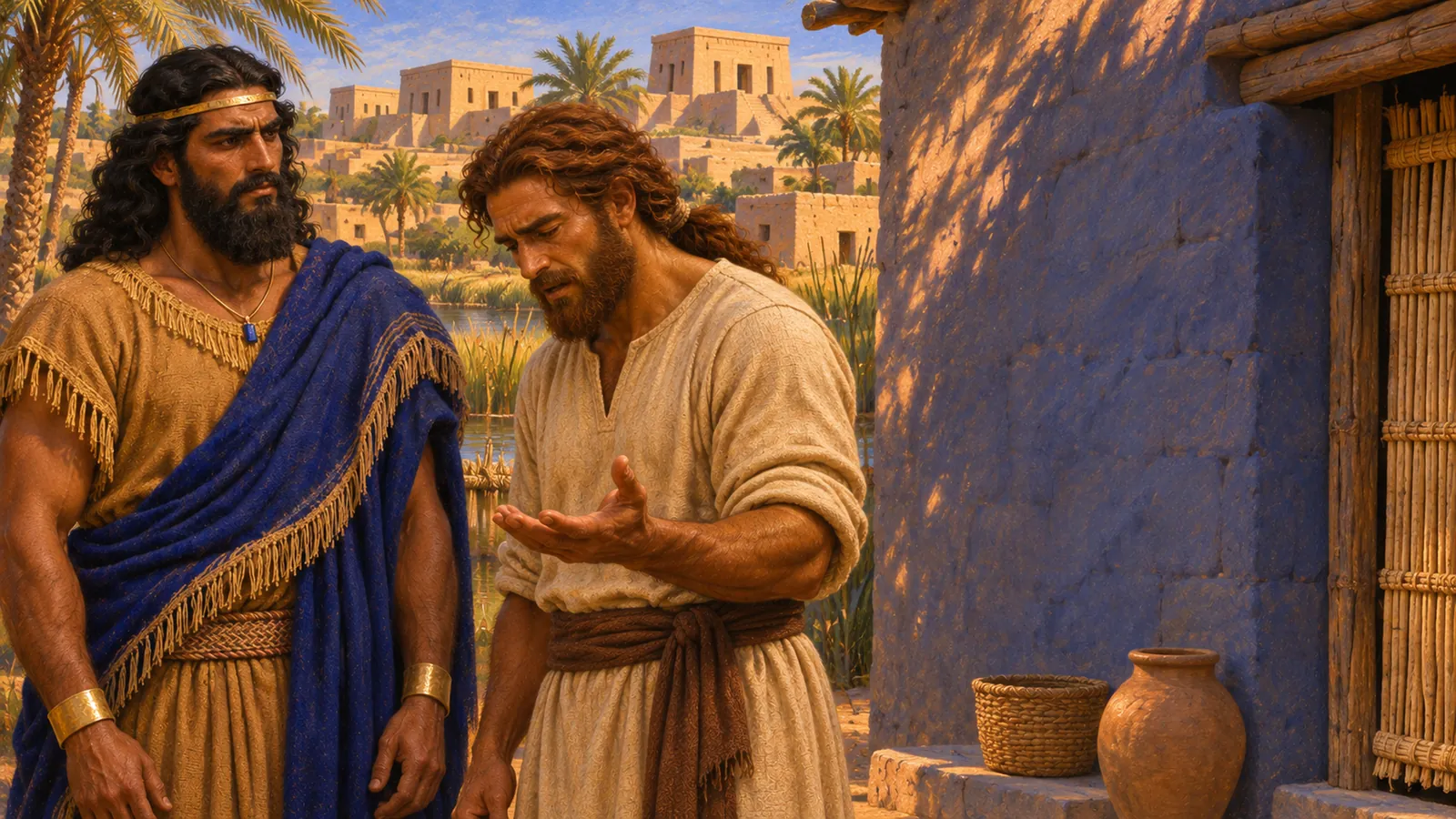
Enkidu parle d’un homme dévoré par un chien et d’un autre peut-être heurté par le mât d’un bateau. Deux réponses précédentes sont abîmées et les mots sur ces hommes s’interrompent aussi.
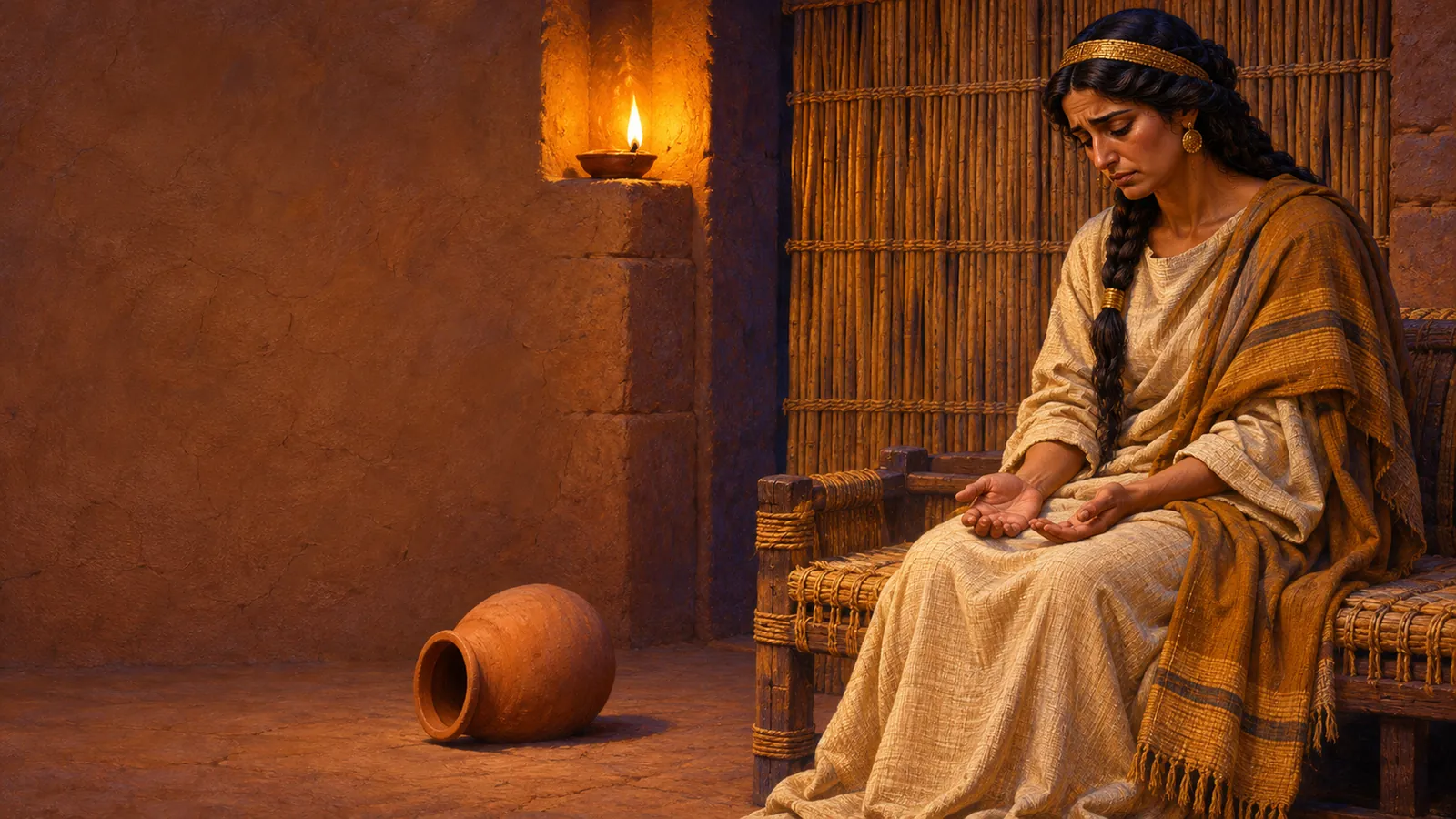
Dans cette copie, Enkidu dit qu’une femme qui n’a jamais accouché est jetée comme un pot. Le mot qui décrit le pot manque.
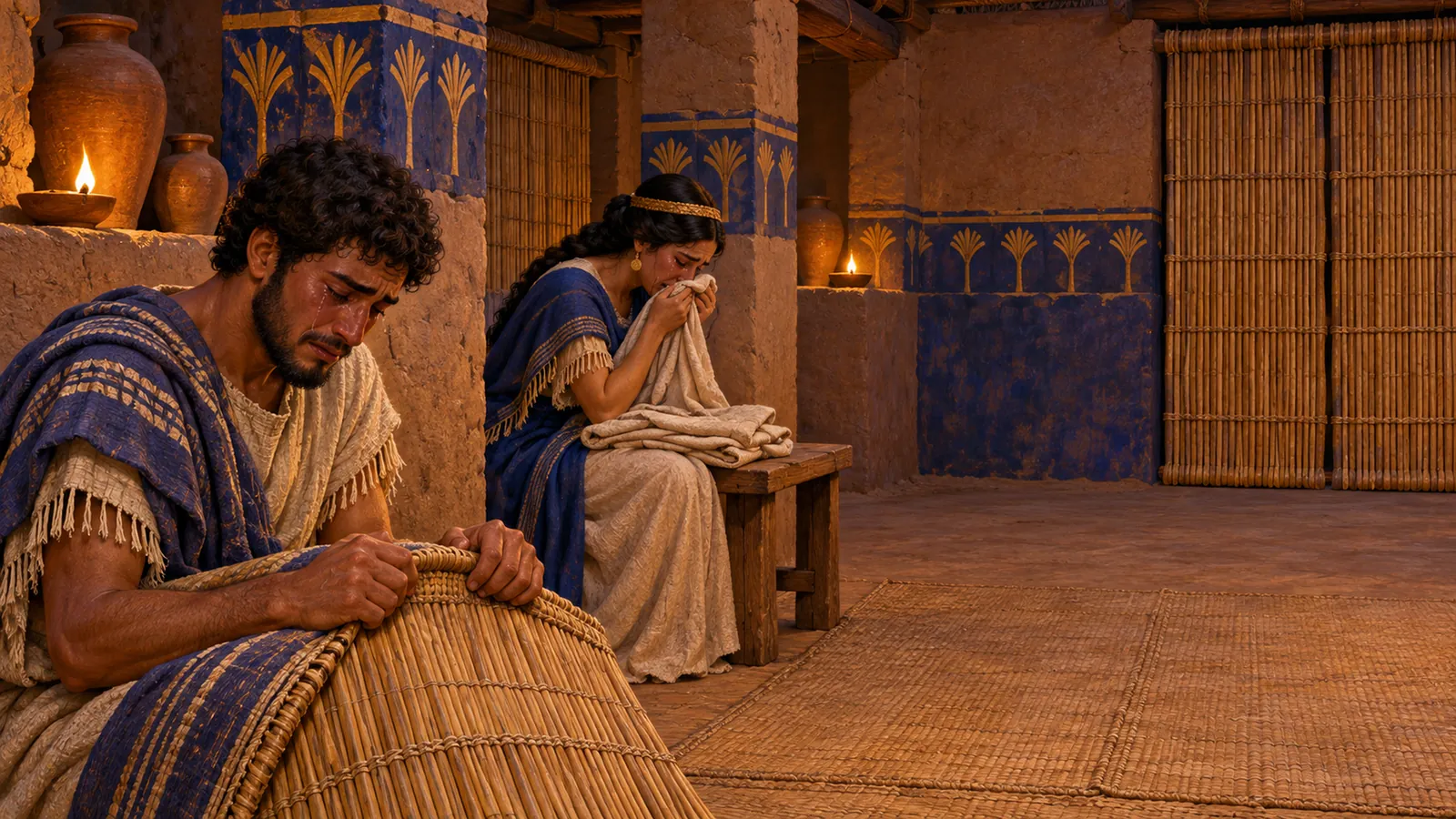
Un homme qui n’a jamais dévêtu sa femme pleure sur une natte de roseaux achevée. Une femme qui n’a jamais dévêtu son mari pleure sur un vêtement dont la description est lacunaire.
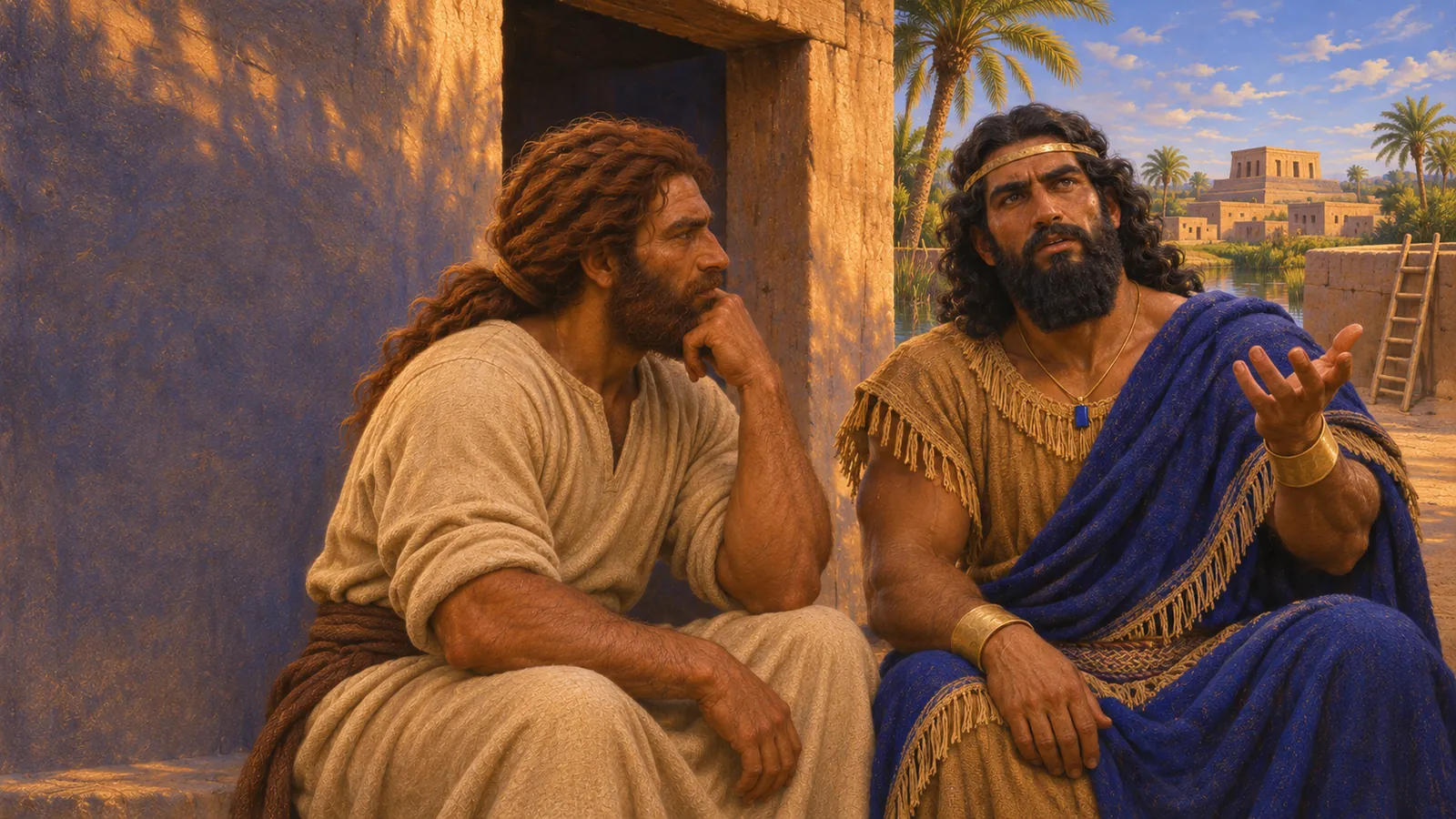
Enkidu parle de quelqu’un qui s’est peut-être vanté et d’un homme tombé d’un toit. Une autre question et sa réponse sont presque perdues.
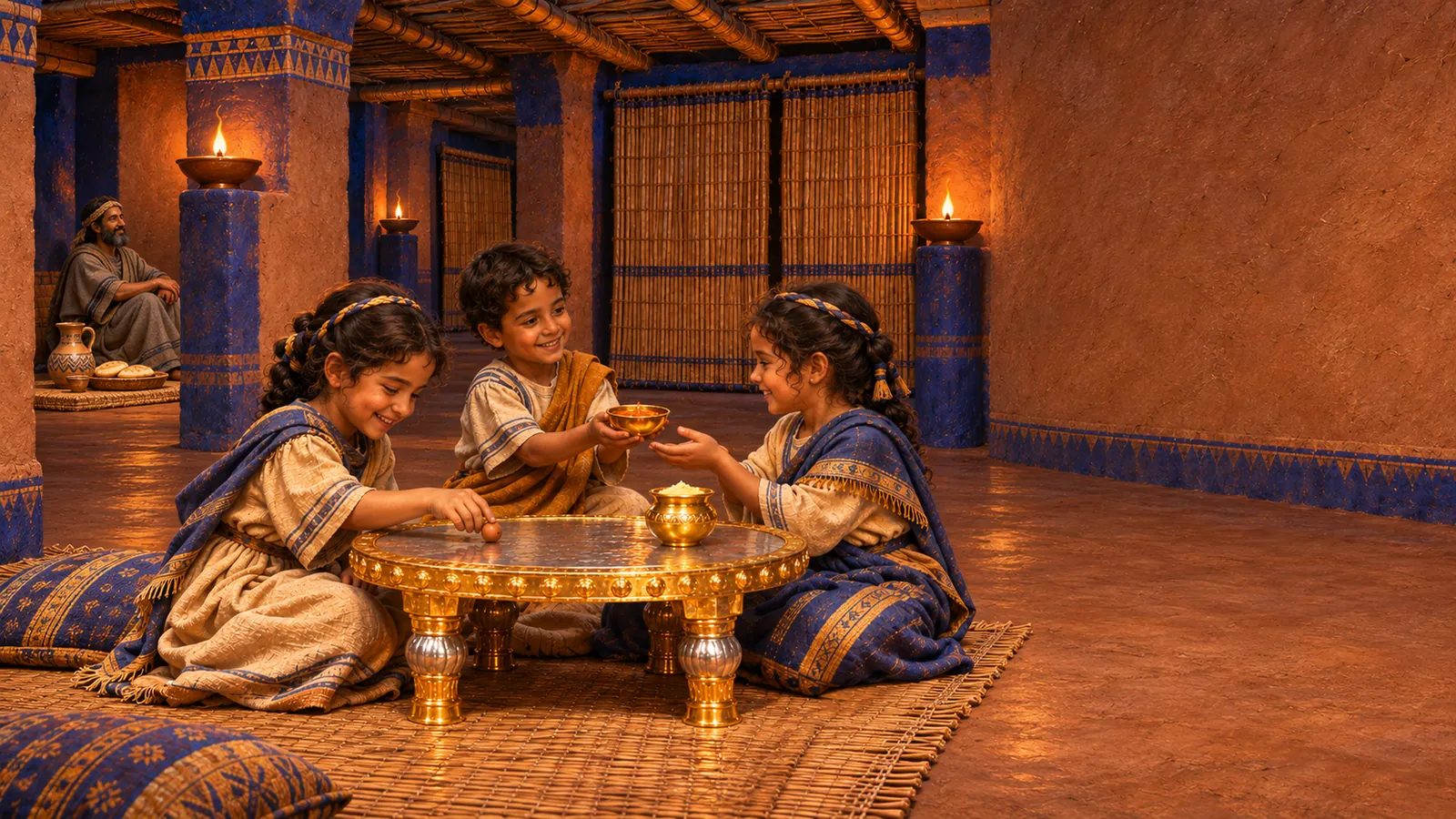
L’homme que la traduction dit lépreux vit hors de la ville, avec sa nourriture et son eau mises à part. Les enfants mort-nés et sans nom de Gilgamesh jouent à une table d’or et d’argent.
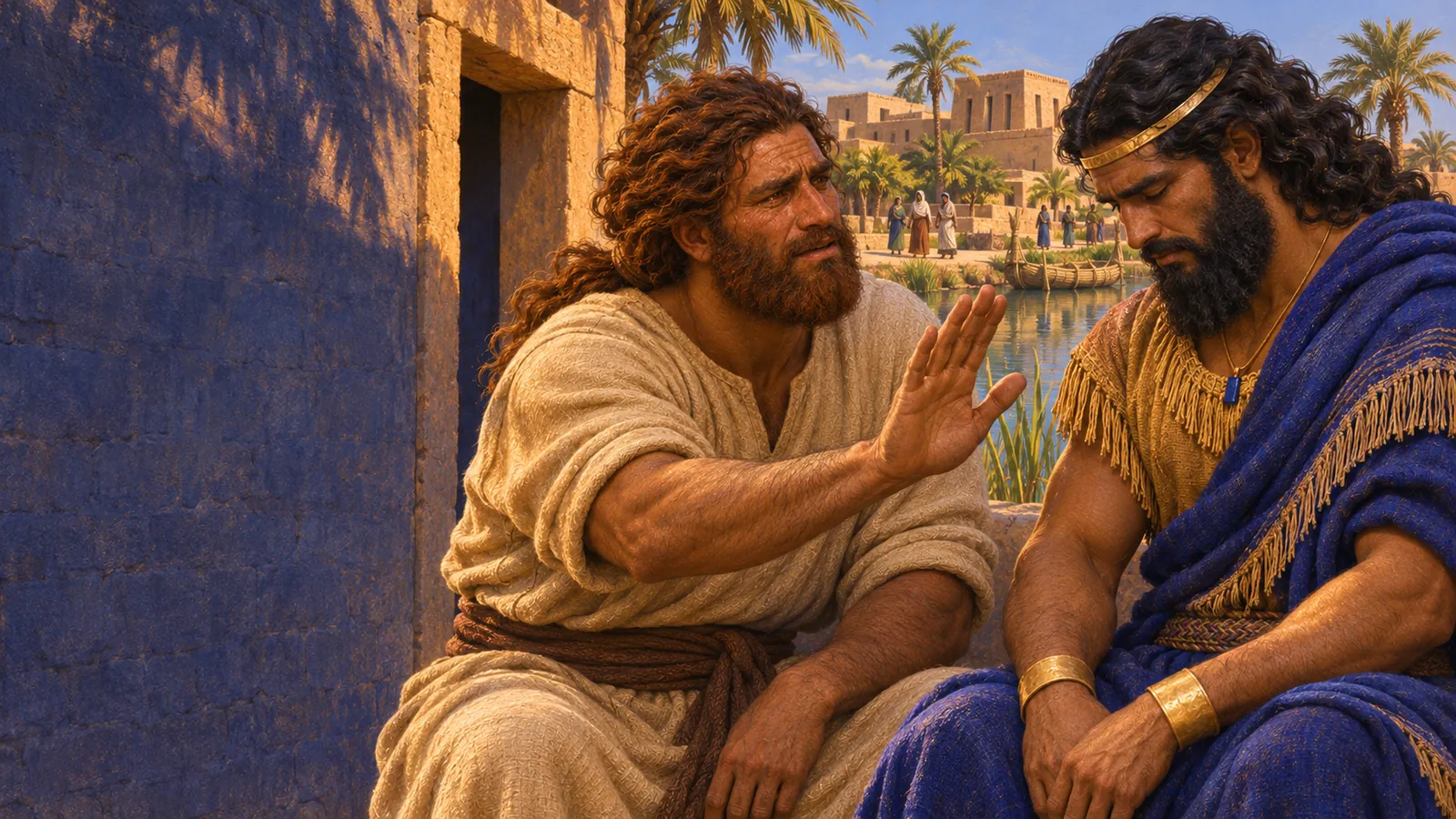
Gilgamesh demande si Enkidu a vu la personne à qui l’on a mis le feu. Enkidu aurait préféré qu’il ne pose pas cette question. Dans la réponse lacunaire, l’esprit est peut-être monté avec la fumée.
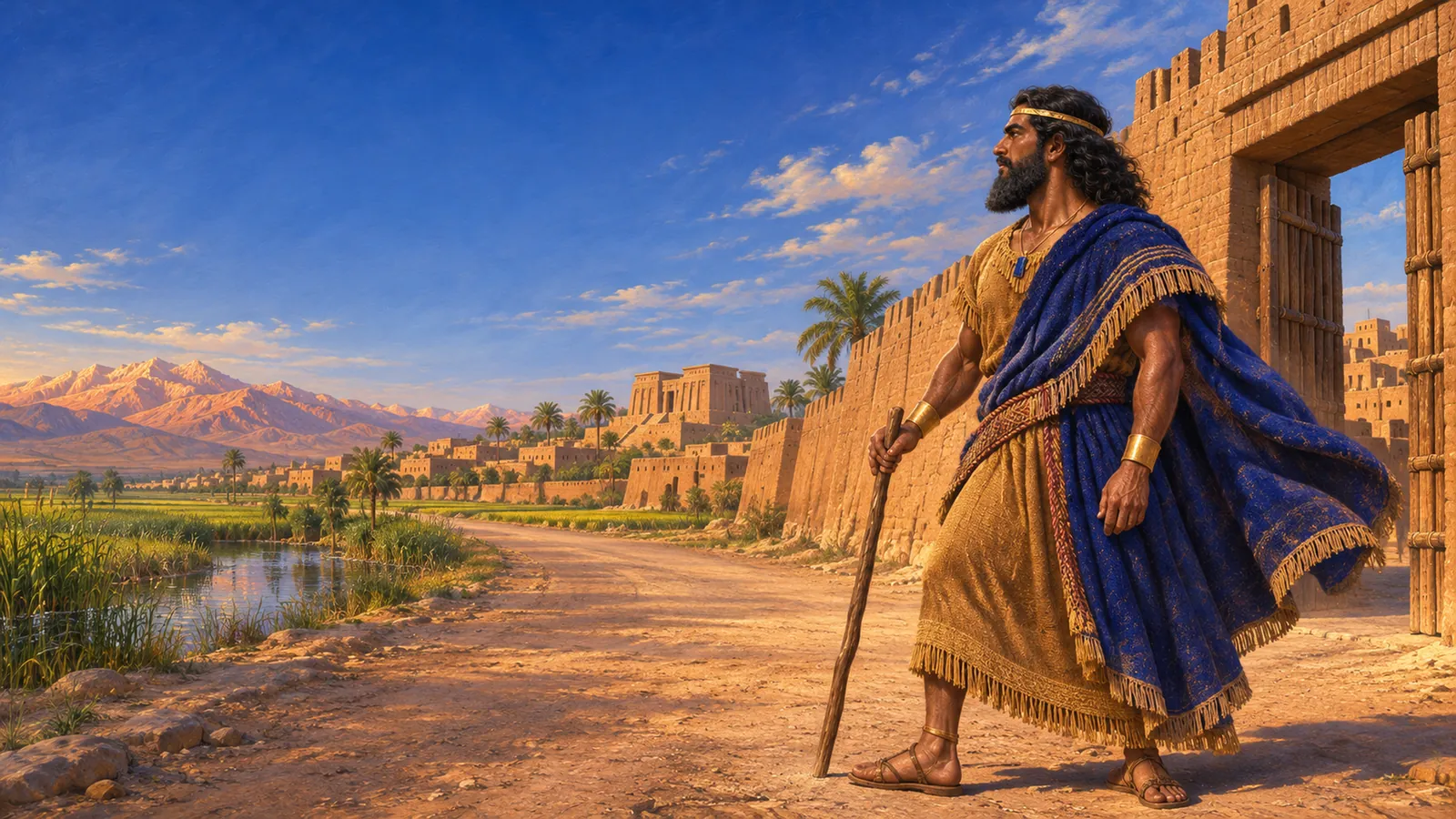
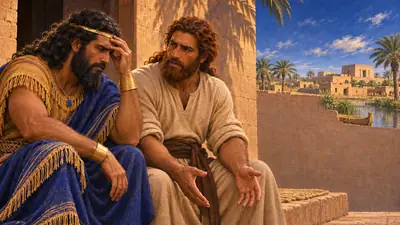
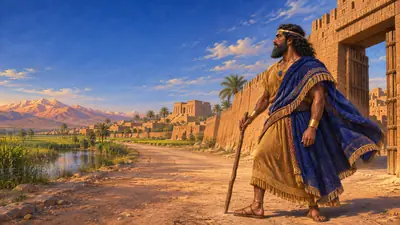
Le roi était accablé et a commencé à chercher la vie. Dans cette copie, il décide de partir vers la montagne où vit l’homme.
Fin du chapitre 3
Toutes les pages
Sources
The cited line numbers follow each witness as the Oxford edition prints it. The descriptions of the dead are answers in the poem’s dialogue. The site text keeps the separate manuscripts, queried readings and unidentified people in their own source passages.
Éditions consultées
Notes sur ce récit
Pages 1–7, Version A 254–267. Gilgamesh asks about men who had one through seven sons, in that order. Their reported fates are weeping at a wooden peg, sitting on bricks and eating bread, drinking from a saddle waterskin, the joy of someone who can yoke four donkeys, a tireless scribe’s easy entry to the palace, a ploughman’s cheerfulness and sitting on a throne to hear judgments as a companion of the gods. The retelling condenses the repeated question-and-answer formula and preserves the distinct descriptions and similes.
Pages 8–9, Version A 268–285. The poem asks about a palace eunuch and a woman who never gave birth. The retelling gives the sense of the stick being set aside. A descriptor of the discarded pot in Enkidu’s reply about the woman is lost.
Pages 10–11, Version A 268–285. Oxford says the young man never undressed his wife and the young woman never undressed her husband.
Pages 12–14, Version A 268–285. The man without an heir eats bread. Part of a comparison is damaged, and Oxford marks the reference to bricks as uncertain. The next question loses the identity of its subject. Enkidu’s statement that he saw him and the question about how he fares survive. At the end of the printed 268–285 block, Oxford marks seven lines as fragmentary or missing and then resumes with its 286–303 block. The edition prints no individual line numbers for those damaged lines here.
Page 15, Version A 286–303. The identity in the opening question is damaged. His food and water are set apart.
Page 16, Version A 286–303, one-manuscript addition. The Oxford translation sets two accounts inside a single manuscript variant. The man eaten by a lion cries bitterly for his hands and legs. The man who fell from a roof is the subject of a damaged reply about what cannot be done with his bones. The following page returns to the main sequence.
Page 17, Version A 286–303. Oxford renders the ancient term as leprous, then gives a comparison with a twitching ox and mentions worms.
Pages 18–19, Version A 286–303. The fallen warrior’s parents are absent to hold his head, and his wife weeps. The spirit without offerings eats scraps thrown in the street. In the second the line in the phrase about scraps is damaged.
Page 20, Version A 286–303. The main reading has a blow by a ship’s board. One manuscript adds the queried circumstance of diving. A cry to the man’s mother is explicit. The subsequent lines about a board and cross beam and scraps break off.
Pages 21–22, Version A 286–303. The questioner names his stillborn children, and Enkidu places them at the gold and silver table with honey and ghee. The next question preserves the fact of a death but loses its circumstances. The reply names a bed of the gods.
Page 23, Version A 286–303. Enkidu reports absence of the person and his spirit and says his smoke rose to the sky. This is the end of Version A in Oxford’s translation. The next page restarts in another witness.
Page 24, Ur tablet UET 6 58, printed lines 1–7. The reply on the man who fell from a roof breaks at the words about his bones. Oxford marks uncertainty around a person struck in a flood-storm of Ishkur and gives an ox and worms in the reply. The man called leprous in this witness lives outside town with separate provisions. Wording about offerings is marked uncertain.
Page 25, UET 6 58, lines 8–19. The two parental questions are distinct. The first reply gives ongoing cries about body and limbs. The second says a curse reached the man, he lacks an heir and his spirit roams. The subject and response of the question mentioning the god’s name survive only in fragments.
Pages 26–27, UET 6 58, lines 8–19. This witness includes the crumbs in the street, the gold and silver table for the stillborn children, and the question about the person set on fire. The answer expressly states his spirit does not live in the underworld. The following UET 6 58 range begins a new group of questions at line 20.
Page 28 (UET 6 58, 20–28). The reply about the false oath preserves drinking and a libation place at the entrance to the netherworld, with the entrance reading queried. The copy also queries whether the man from Girsu refused water to his father and mother. Its answer mentions a thousand Amorites in front of each of them. The antecedents and the account of what the spirit could do are damaged.
Page 29 (UET 6 58, 20–28). The reply says the people of Sumer and Akkad drink muddy water. The questioner’s parents drink muddy water as well. The designation of the place is damaged in both replies. This ends the first Ur witness.
Pages 30–31 (UET 6 59, Segment A 1–9). The reply concerning the man hit by a ship’s board preserves his cry to his mother and broken references to a crossbeam and crumbs. The answer about the fall from the roof gives the ox comparison and worms. The mother’s curse leaves the man without an heir, and Oxford queries whether his spirit roams. After the question about disregarding the words of both parents, the edition marks one fragmentary line and an unknown number of missing lines.
Pages 32–34 (UET 6 59, Segment B 1–11). The surviving segment opens with food and water set apart for an unidentified person. Oxford queries the words about their being offered to him. The man fallen in battle lacks his parents to hold his head, and his wife weeps. The next subject is broken and its reply preserves a queried reference to a hand. The spirit without funerary offerings eats scraps and crumbs. This witness gives the stillborn children a bucket of gold and silver filled with honey and ghee.
Pages 35–36 (UET 6 60, 1–10). This witness starts with a return to Uruk. The man who enters lays up tools and armaments, including an axe and spear. The wording supplies no identification of the tools as the ellag and ekidma. The people of Uruk and Kulaba rejoice before a statue, with the reference to the old men queried. At Utu’s coming forth, Oxford tentatively identifies Gilgamesh as the speaker of the call for his parents to drink clean water. The wording about whom he addresses and the statue associated with the crown is uncertain.
Page 37 (UET 6 60, block headed 11). Gilgamesh goes to the place of mourning for nine days, the people weep, a citizen of Girsu is repulsed and the call for clean water is repeated. Oxford’s English displays this as a single block headed 11. Its next printed line label is 17.
Page 38 (UET 6 60, 17). The final line praises Gilgamesh, the warrior and son of Ninsun, whom Oxford calls Ninsumun. This closes the third Ur witness.
Pages 39–41, Me-Turan Segment B 1–28. B starts after an unknown gap from A. Two- and three-son answers are damaged after sitting and drinking. One witness adds the four-asses comparison. The man without an heir eats bread in an uncertain comparison. The editor indicates about three missing lines at the end of the block.
Page 42, B 29–51. Neither subject of the first two questions is preserved. One damaged reply speaks of drinking water and one of worms. One man was eaten by a dog, and the blow from a boat’s mast is a queried reading. Cries about hands and legs and a cry to the mother survive in these damaged accounts.
Pages 43–44, B 29–51. The descriptor of the thrown-away pot and the rest of the woman’s reply are damaged.
Page 45, B 52–68. The damaged question may concern a man praising himself. Its reply has a queried comparison with an ox and a line about worms. The roof fall is explicit. Details of the bones, the spirit and the next question are damaged.
Page 46, B 52–68. Oxford translates the ancient descriptor as leprous. Food and water are separate, the man lives outside the city, and the clause mentioning spirits is damaged. The questioner identifies the unnamed stillborn children as his own. They play at a gold and silver table. The words after that are broken.
Page 47, B 52–68. Enkidu questions why his friend did not spare him the question about the person set on fire. The friend reiterates his question. The reply on the spirit and the rising smoke is damaged, and the smoke is queried.
Page 48, B 69–71. The king is stricken in heart and insides, seeks life, and decides to set off toward the mountain where the man lives. Oxford marks this as a transition to *Gilgamesh and Huwawa*, Version A.
Les vers antiques de chaque page
- Page 1: ETCSL 1.8.1.4, Version A, lines 254–267
- Page 2: ETCSL 1.8.1.4, Version A, lines 254–267
- Page 3: ETCSL 1.8.1.4, Version A, lines 254–267
- Page 4: ETCSL 1.8.1.4, Version A, lines 254–267
- Page 5: ETCSL 1.8.1.4, Version A, lines 254–267
- Page 6: ETCSL 1.8.1.4, Version A, lines 254–267
The right is a continuous naturally shaded ochre-gray soil plane with no horizon, field lines or markings in it. - Page 7: ETCSL 1.8.1.4, Version A, lines 254–267
- Page 8: ETCSL 1.8.1.4, Version A, lines 268–285
- Page 9: ETCSL 1.8.1.4, Version A, lines 268–285
- Page 10: ETCSL 1.8.1.4, Version A, lines 268–285
- Page 11: ETCSL 1.8.1.4, Version A, lines 268–285
- Page 12: ETCSL 1.8.1.4, Version A, lines 268–285
- Page 13: ETCSL 1.8.1.4, Version A, lines 268–285
- Page 14: ETCSL 1.8.1.4, Version A, lines 268–285
Low side macro study of the irregular break along the short pale edge of a single completely plain clay fragment, at the extreme lower left. The entire right text rectangle is continuous softly shaded clay. - Page 15: ETCSL 1.8.1.4, Version A, lines 286–303
- Page 16: ETCSL 1.8.1.4, Version A, lines 286–303
- Page 17: ETCSL 1.8.1.4, Version A, lines 286–303
- Page 18: ETCSL 1.8.1.4, Version A, lines 286–303
- Page 19: ETCSL 1.8.1.4, Version A, lines 286–303
- Page 20: ETCSL 1.8.1.4, Version A, lines 286–303
- Page 21: ETCSL 1.8.1.4, Version A, lines 286–303
- Page 22: ETCSL 1.8.1.4, Version A, lines 286–303
- Page 23: ETCSL 1.8.1.4, Version A, lines 286–303
- Page 24: ETCSL 1.8.1.4, UET 6 58, lines 1–7
Upper title reserve for the Ur 58 witness. - Page 25: ETCSL 1.8.1.4, UET 6 58, lines 8–19
- Page 26: ETCSL 1.8.1.4, UET 6 58, lines 8–19
- Page 27: ETCSL 1.8.1.4, UET 6 58, lines 8–19
- Page 28: ETCSL 1.8.1.4, UET 6 58, lines 20–28
- Page 29: ETCSL 1.8.1.4, UET 6 58, lines 20–28
- Page 30: ETCSL 1.8.1.4, UET 6 59, Segment A, lines 1–9
- Page 31: ETCSL 1.8.1.4, UET 6 59, Segment A, lines 1–9
- Page 32: ETCSL 1.8.1.4, UET 6 59, Segment B, lines 1–11
- Page 33: ETCSL 1.8.1.4, UET 6 59, Segment B, lines 1–11
- Page 34: ETCSL 1.8.1.4, UET 6 59, Segment B, lines 1–11
- Page 35: ETCSL 1.8.1.4, UET 6 60, lines 1–10
- Page 36: ETCSL 1.8.1.4, UET 6 60, lines 1–10
- Page 37: ETCSL 1.8.1.4, UET 6 60, block headed line 11
- Page 38: ETCSL 1.8.1.4, UET 6 60, line 17
- Page 39: ETCSL 1.8.1.4, Me-Turan, Segment B, lines 1–28
- Page 40: ETCSL 1.8.1.4, Me-Turan, Segment B, lines 1–28
- Page 41: ETCSL 1.8.1.4, Me-Turan, Segment B, lines 1–28
- Page 42: ETCSL 1.8.1.4, Me-Turan, Segment B, lines 29–51
Right is naturally even blue-gray water and reflected mist, without a horizon line across the text field. - Page 43: ETCSL 1.8.1.4, Me-Turan, Segment B, lines 29–51
- Page 44: ETCSL 1.8.1.4, Me-Turan, Segment B, lines 29–51
- Page 45: ETCSL 1.8.1.4, Me-Turan, Segment B, lines 52–68
- Page 46: ETCSL 1.8.1.4, Me-Turan, Segment B, lines 52–68
- Page 47: ETCSL 1.8.1.4, Me-Turan, Segment B, lines 52–68
- Page 48: ETCSL 1.8.1.4, Me-Turan, Segment B, lines 69–71
Illustrations réalisées par IL Archive avec des outils d’IA ; le texte s’appuie sur les sources antiques (voir les sources à la fin de chaque chapitre).