Gilgamesh, Enkidu et le monde souterrain Chapitre 2
La Porte de Ganzer
Enkidu propose de rapporter les objets de jeu perdus par Gilgamesh. Il enfreint les consignes de la descente, et le monde souterrain le retient. Gilgamesh implore Enlil et Enki. Quand Enkidu est ramené en haut, Gilgamesh lui demande ce qu’il a vu en bas.
SourcesTournez les pages avec les flèches, le clavier ou en balayant l’écran.
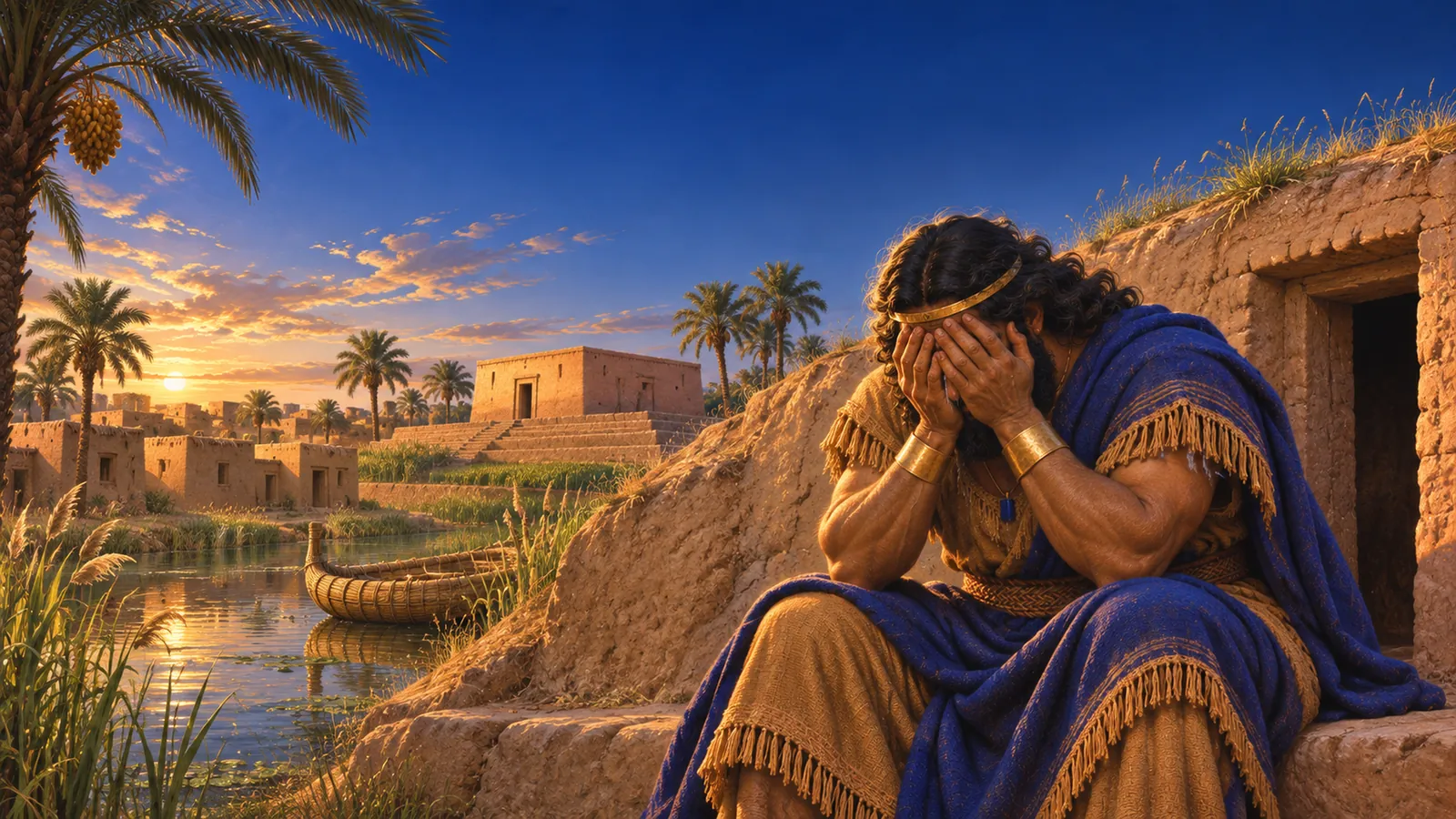
LA PORTE DE GANZER
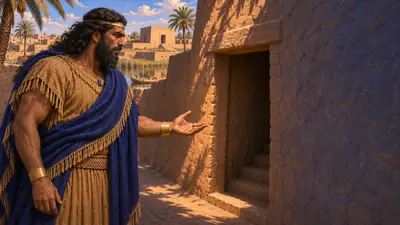
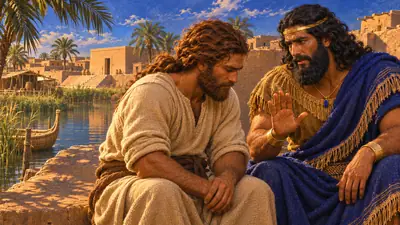
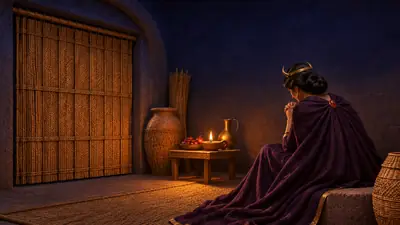
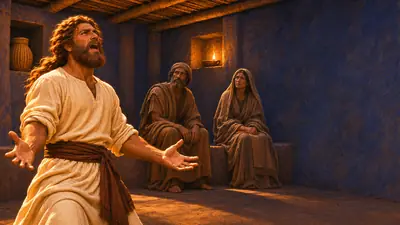
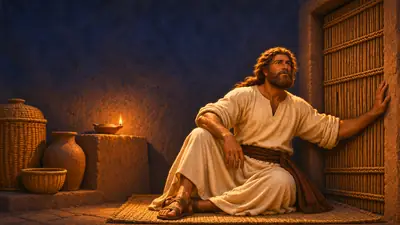
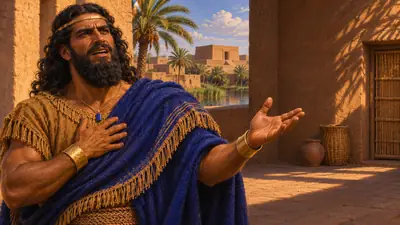
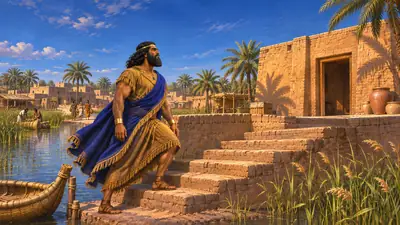
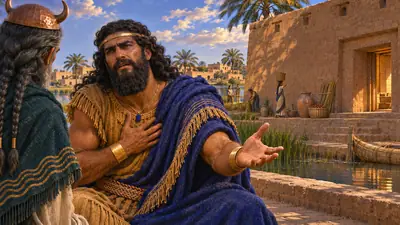
Gilgamesh s’assit à la porte de Ganzer, à l’entrée du monde souterrain, et pleura amèrement.
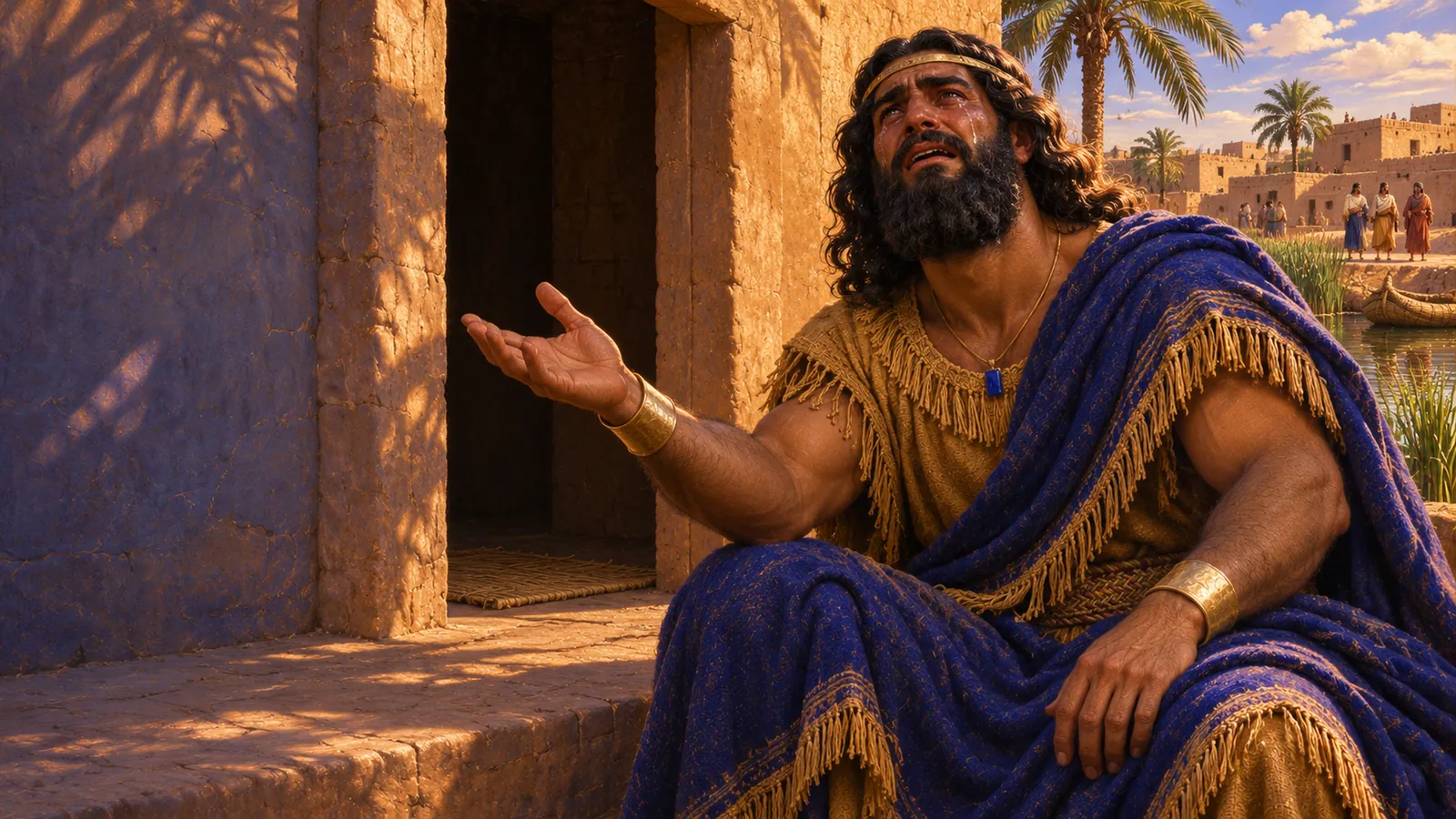
Gilgamesh se lamenta sur son ellag et son ekidma. Le jeu lui plaisait toujours et il ne se lassait pas d’y jouer.
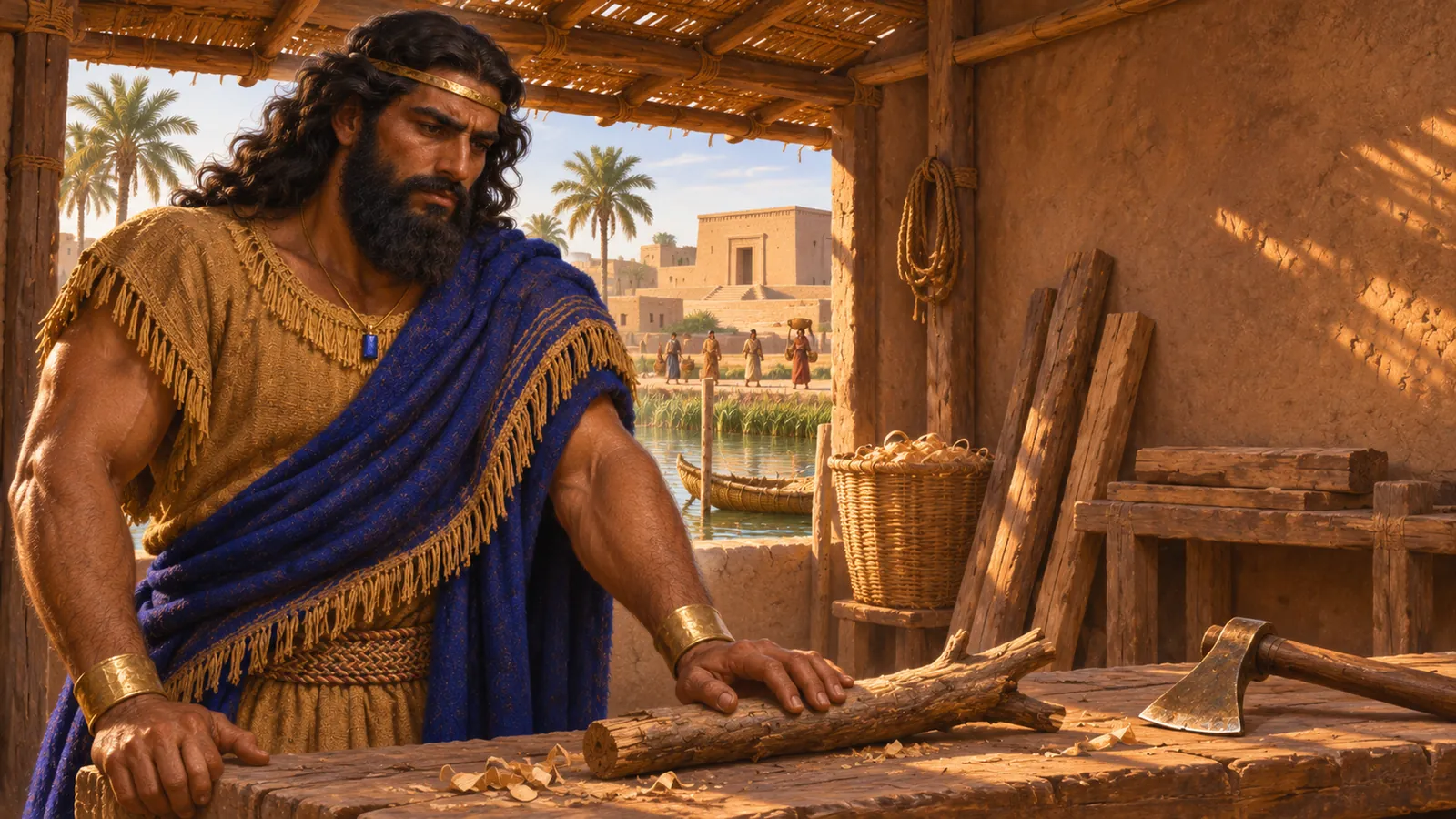
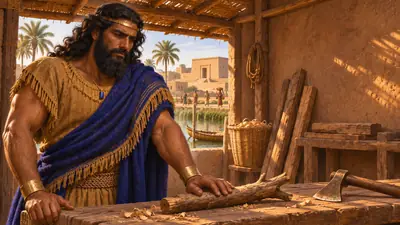
« Si seulement l’ellag m’attendait encore chez le menuisier », disait Gilgamesh dans sa lamentation.
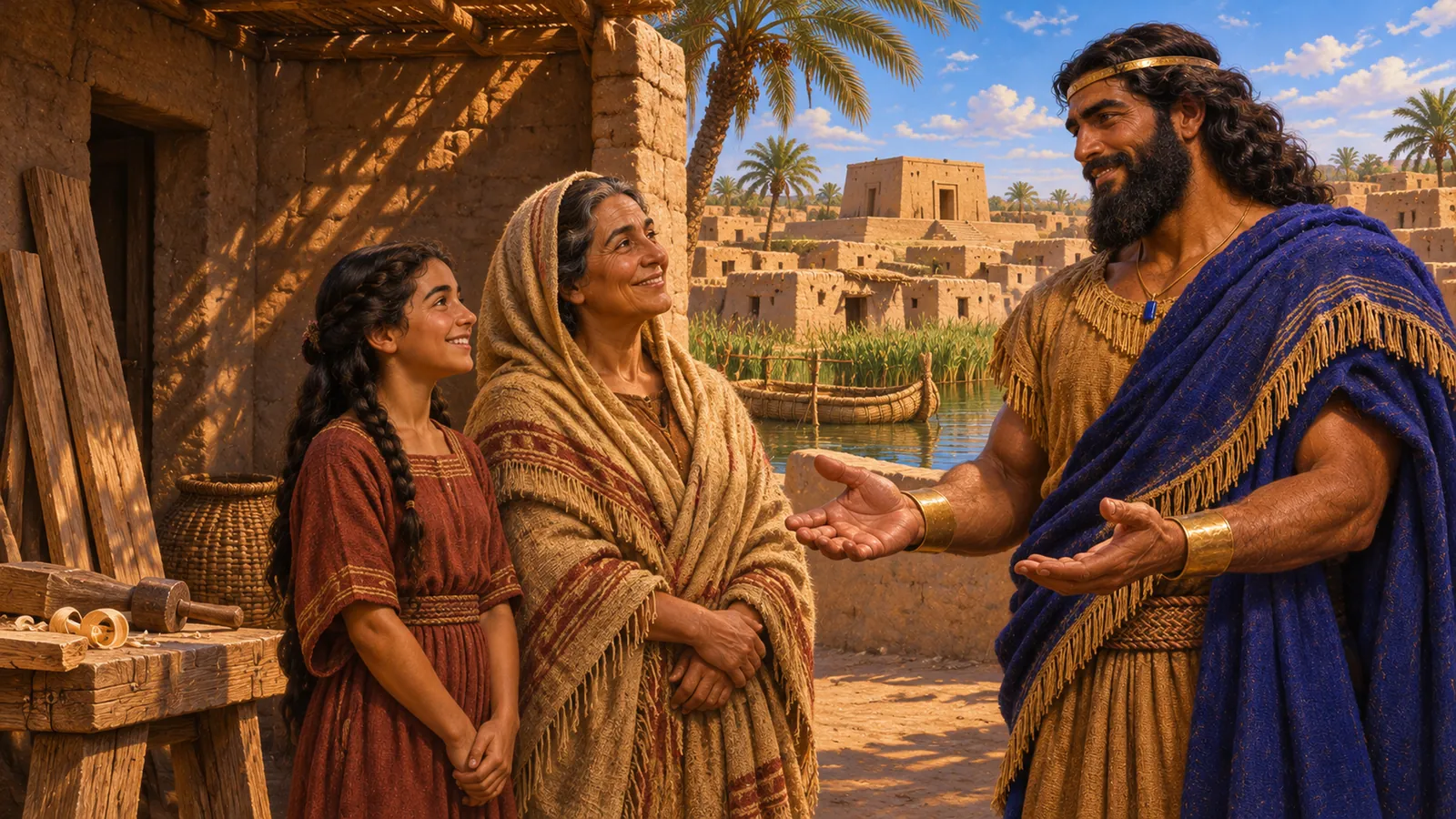
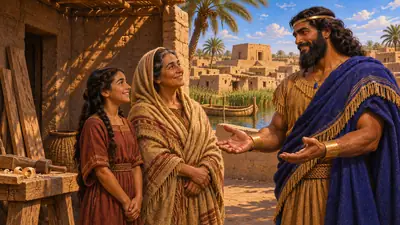
Gilgamesh dit qu’il traiterait la femme du menuisier comme sa propre mère et l’enfant du menuisier comme sa petite sœur, si seulement l’ellag s’y trouvait encore.
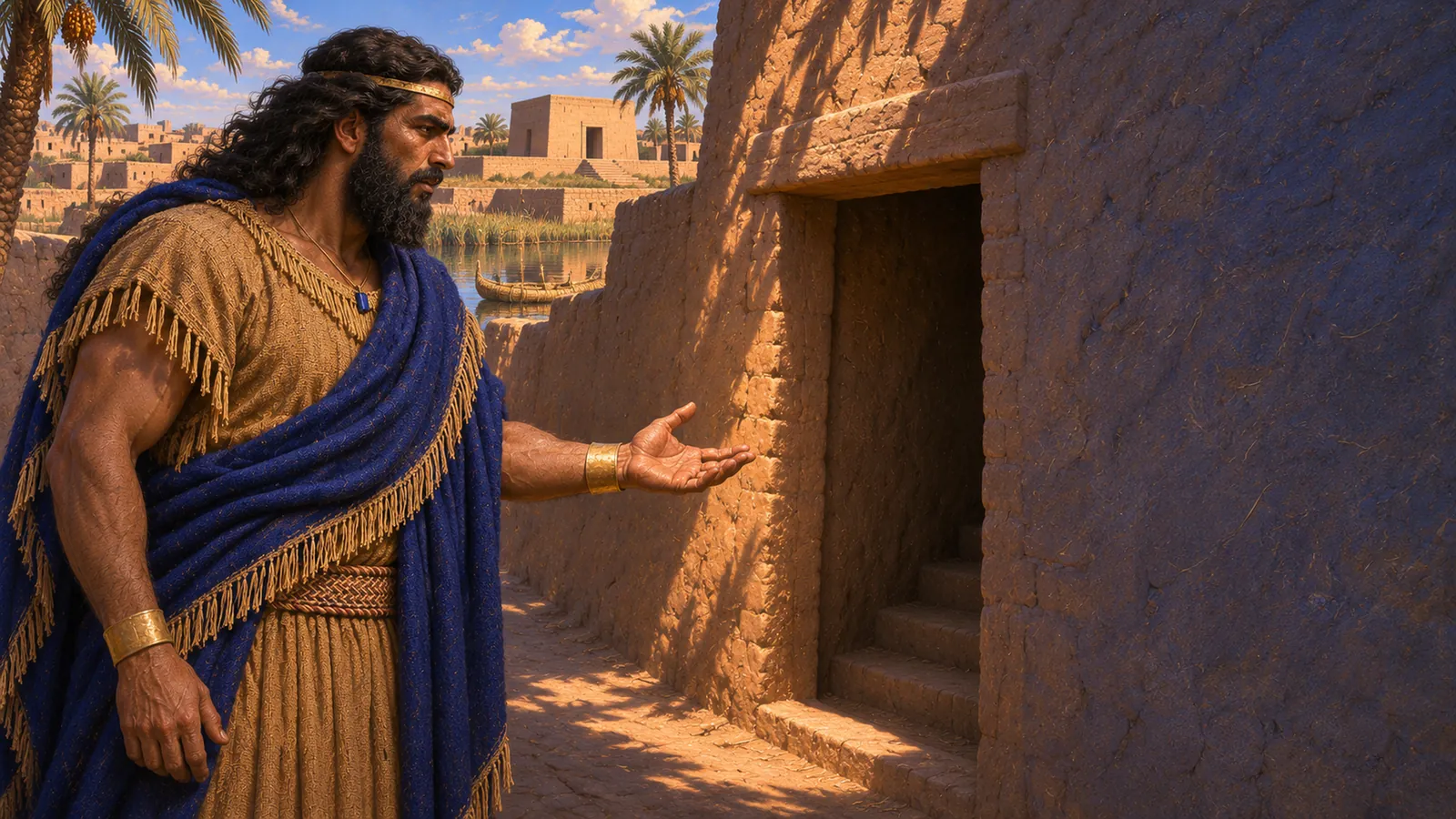
Gilgamesh demanda qui irait chercher son ellag dans le monde souterrain. Il demanda qui rapporterait son ekidma de Ganzer.
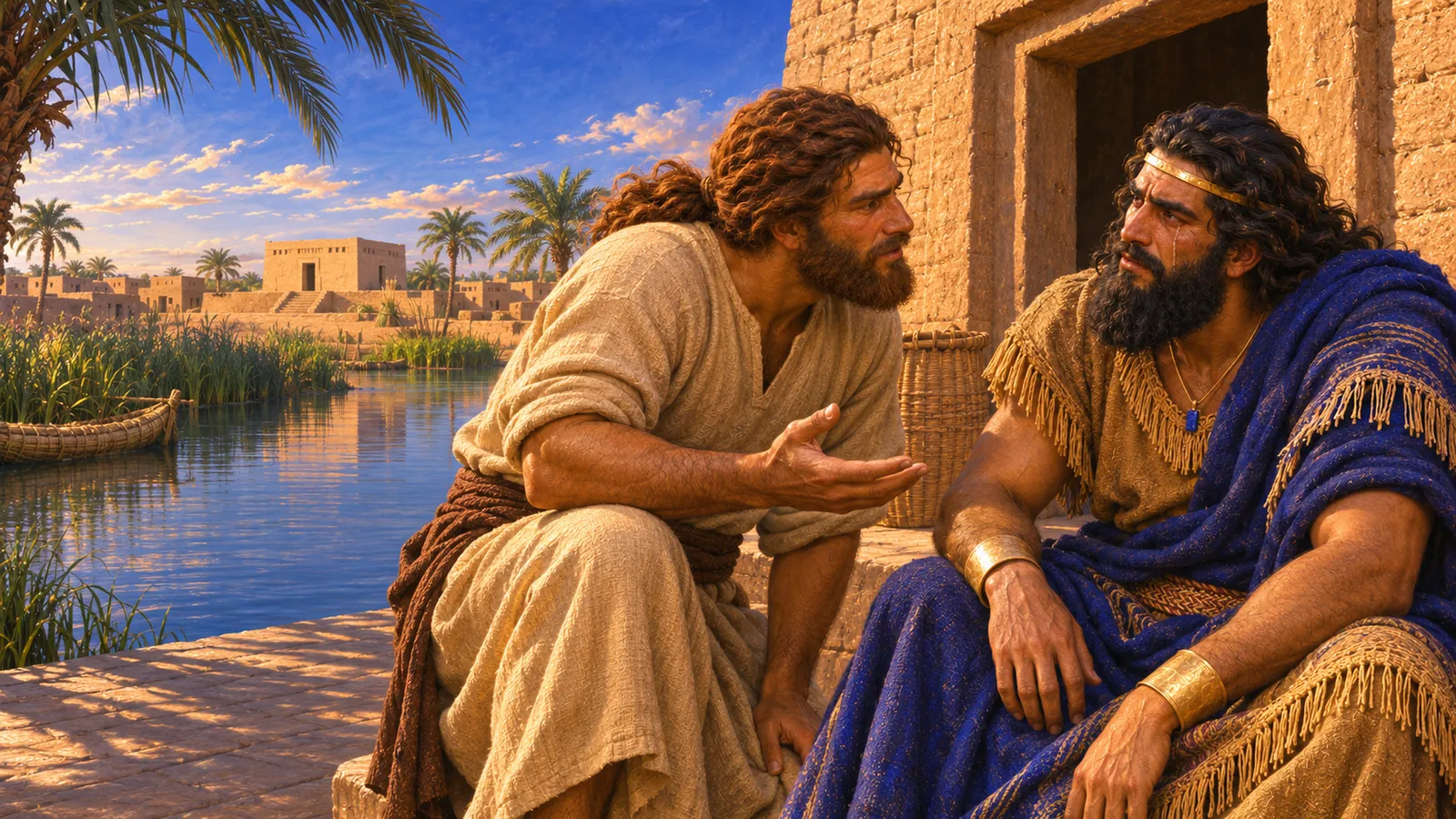
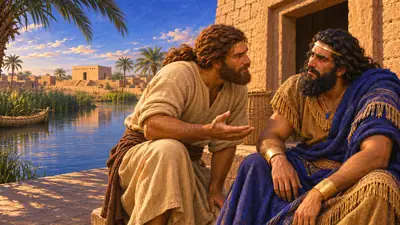
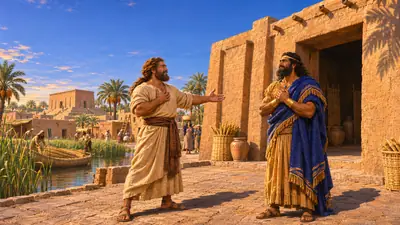
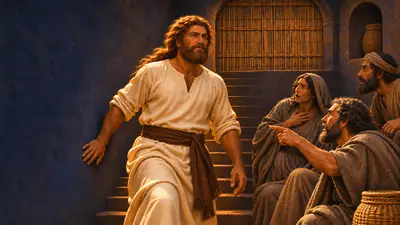
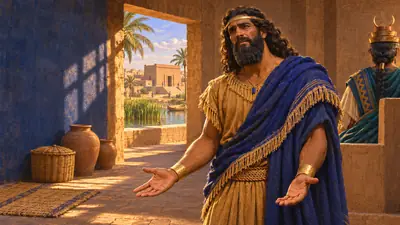
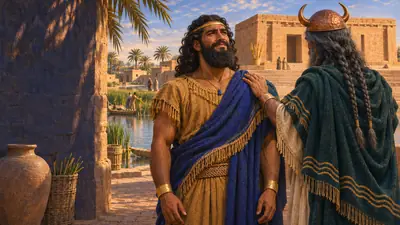
Enkidu, son serviteur, lui répondit. Voyant son roi pleurer, il lui demanda ce qui pesait sur son cœur.
LA PROMESSE
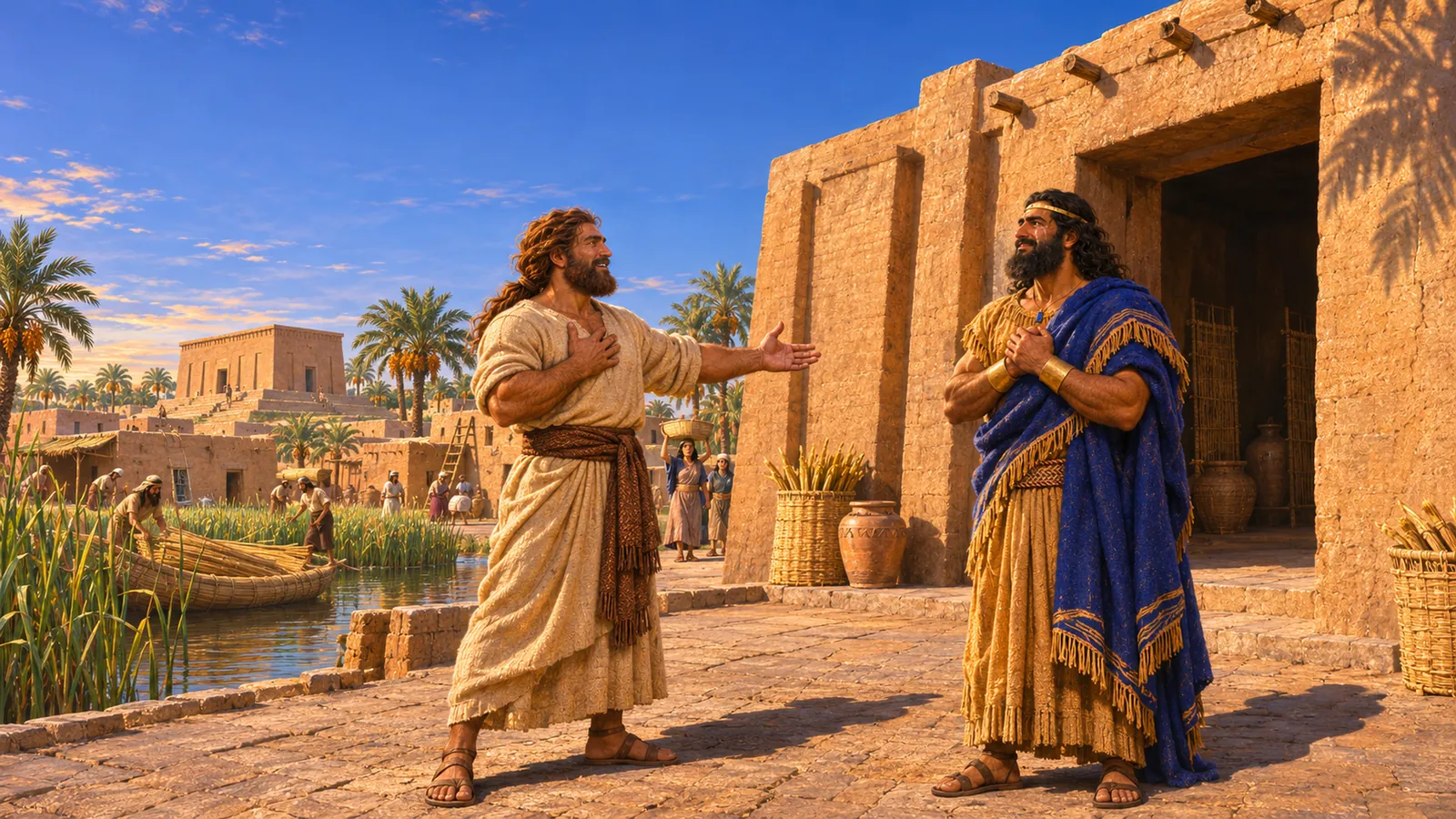
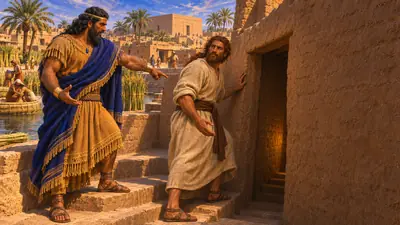
« Aujourd’hui, je te rapporterai ton ellag du monde souterrain et ton ekidma de Ganzer », promit Enkidu.
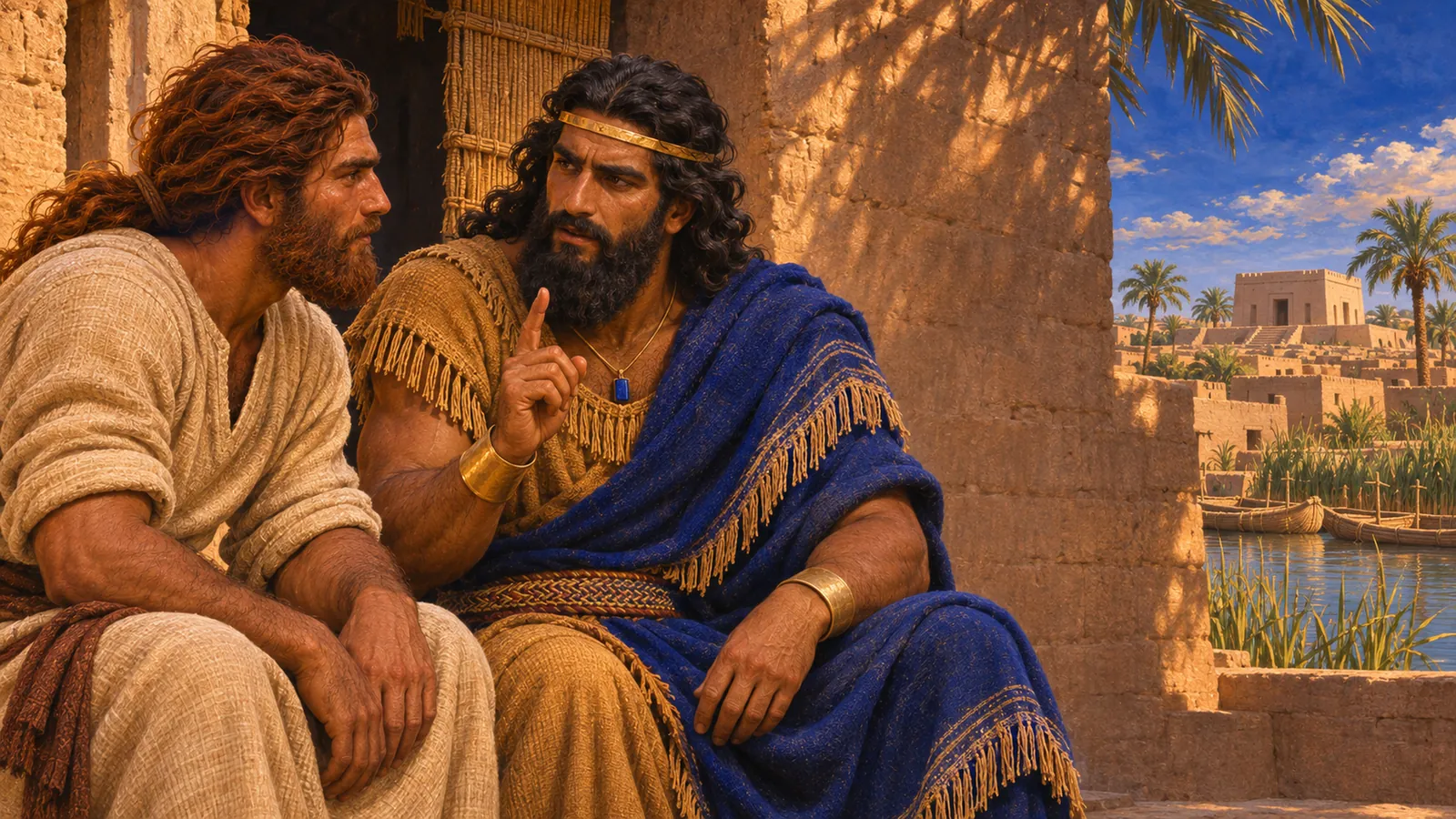
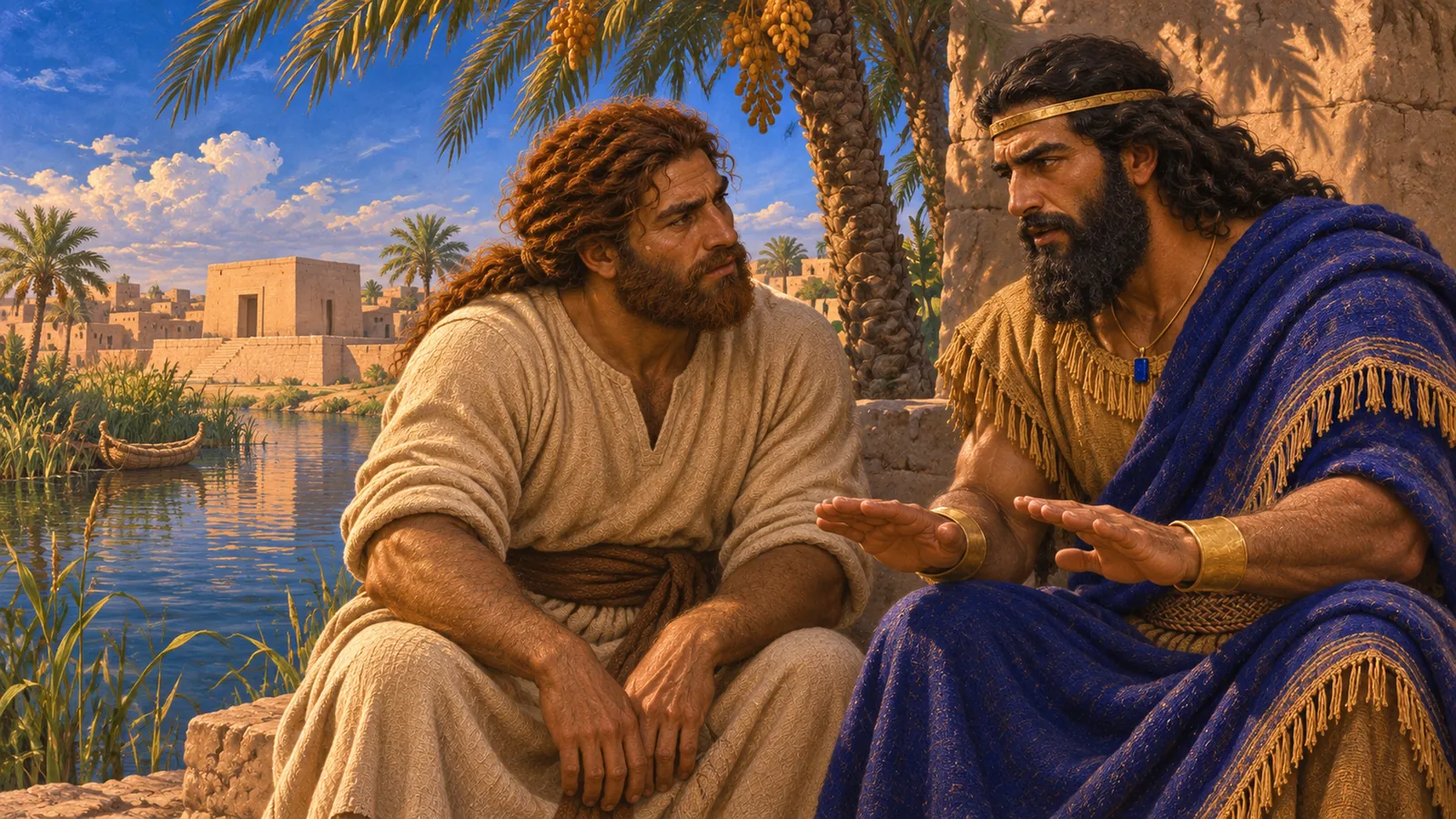
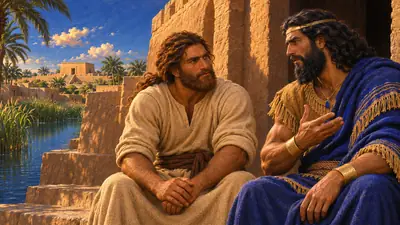
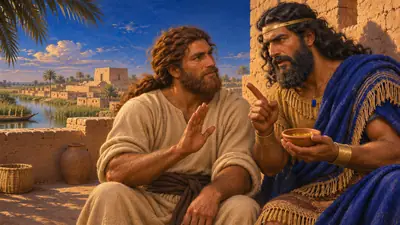
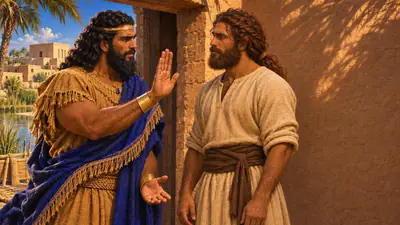
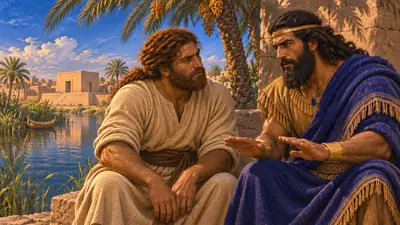
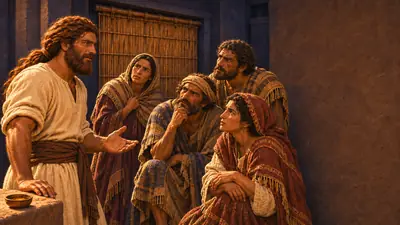
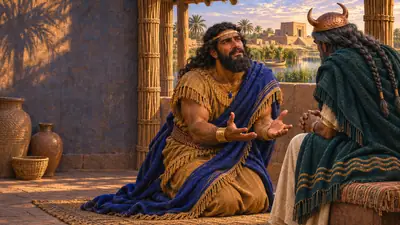
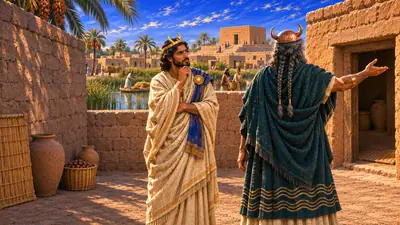
Gilgamesh répondit que, si Enkidu comptait descendre dans le monde souterrain ce jour-là, il avait des conseils à lui donner.
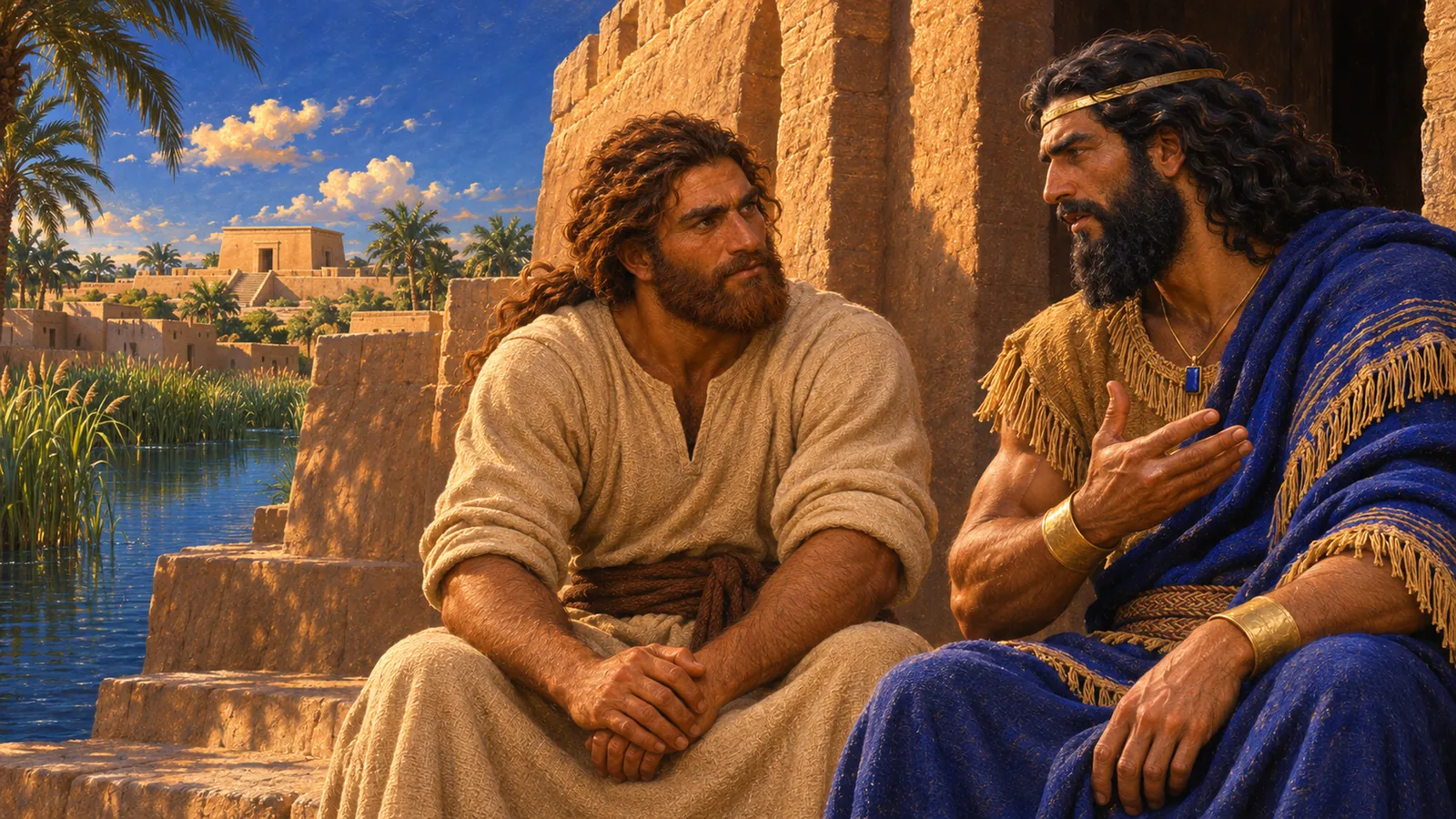
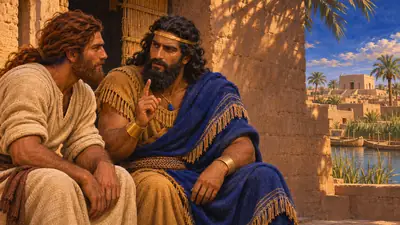
Il dit à Enkidu d’écouter attentivement ses paroles et de suivre les instructions qu’il allait lui donner.
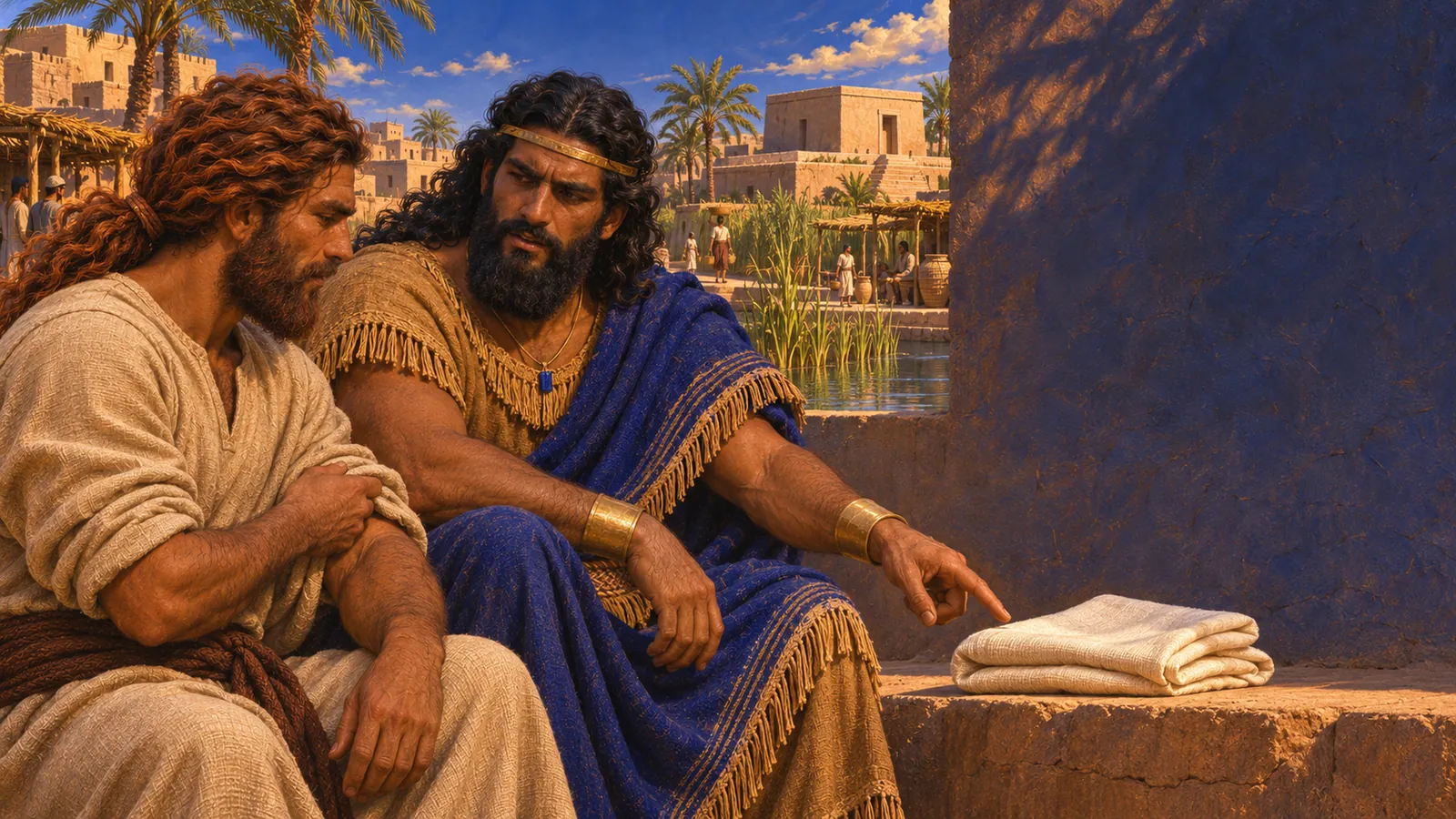
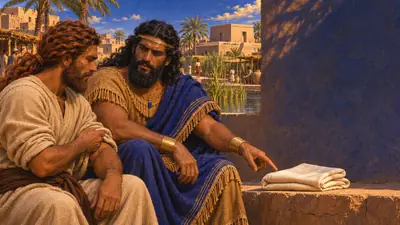
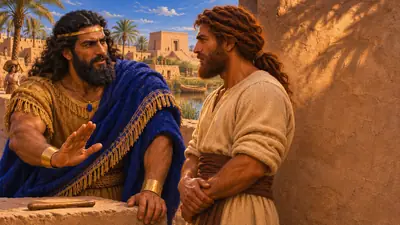
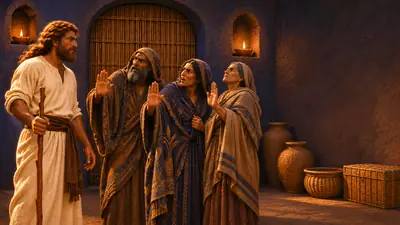
Gilgamesh avertit Enkidu de ne pas porter de vêtements propres en bas, car ceux qui s’y trouvaient le reconnaîtraient aussitôt comme un étranger.
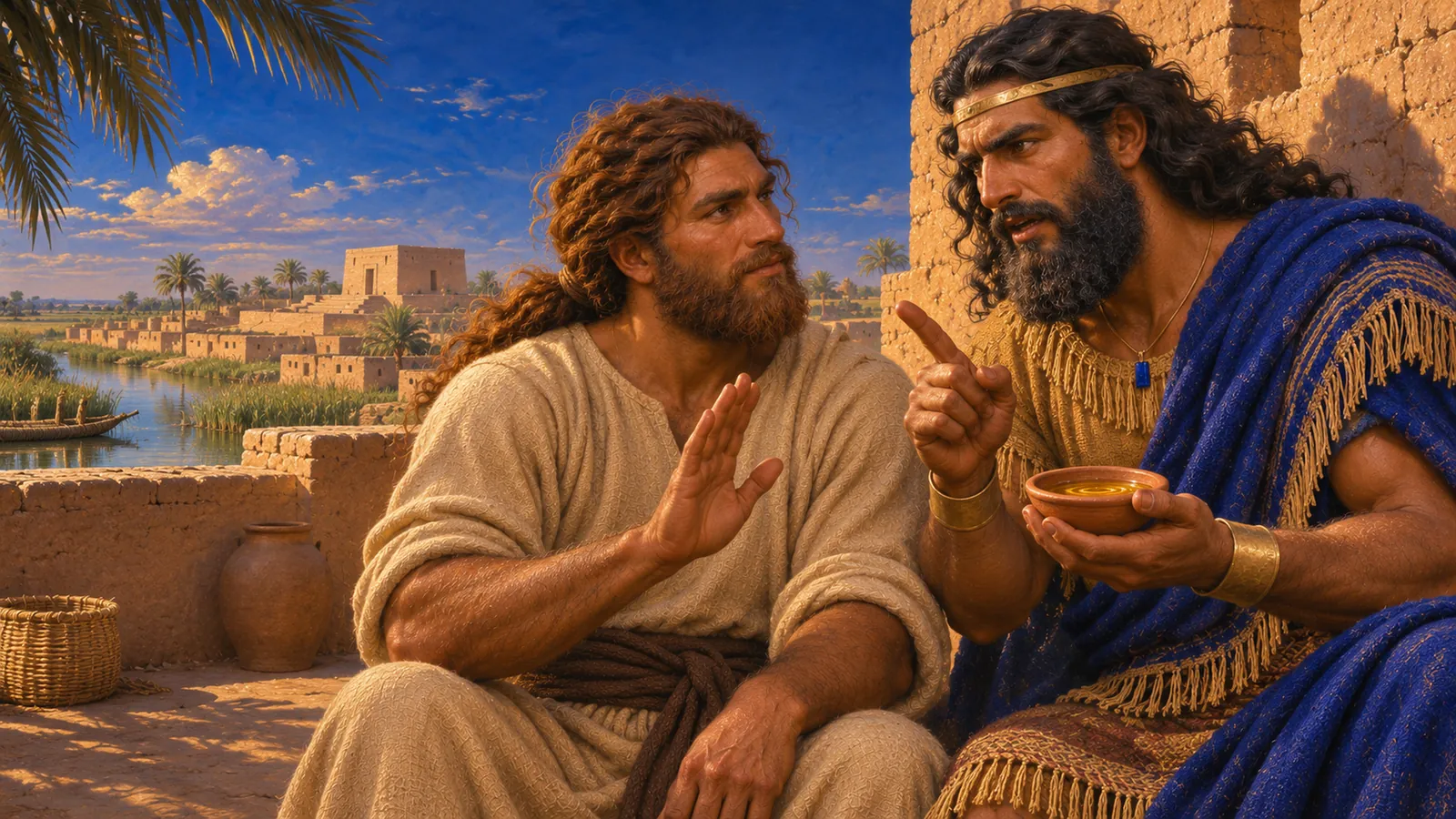
Gilgamesh lui dit de ne pas s’oindre d’huile fine puisée dans un bol. Son parfum attirerait autour de lui ceux d’en bas.
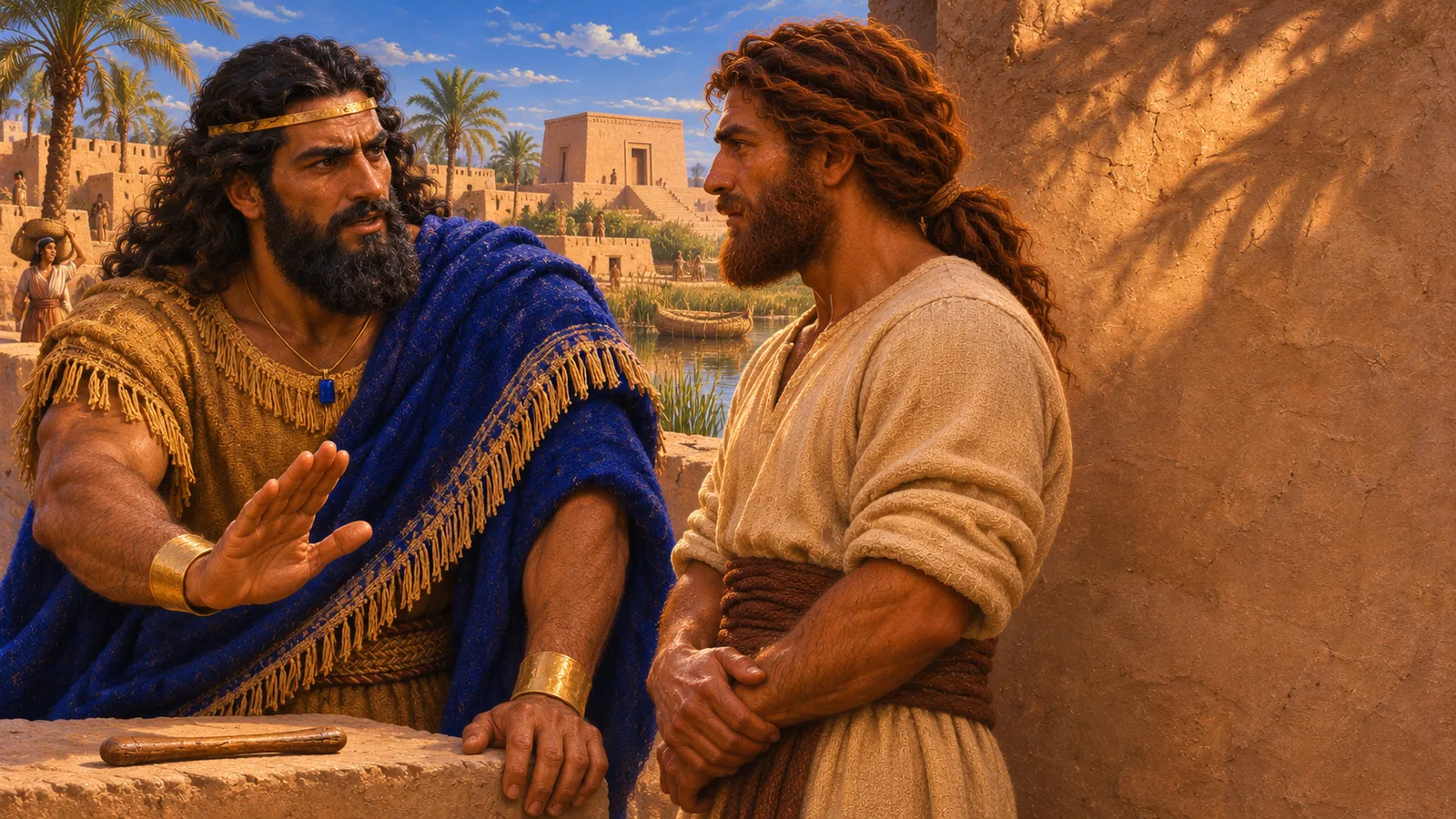
Il dit à Enkidu de ne pas lancer de bâtons de jet dans le monde souterrain. Ceux qu’ils avaient abattus l’entoureraient.
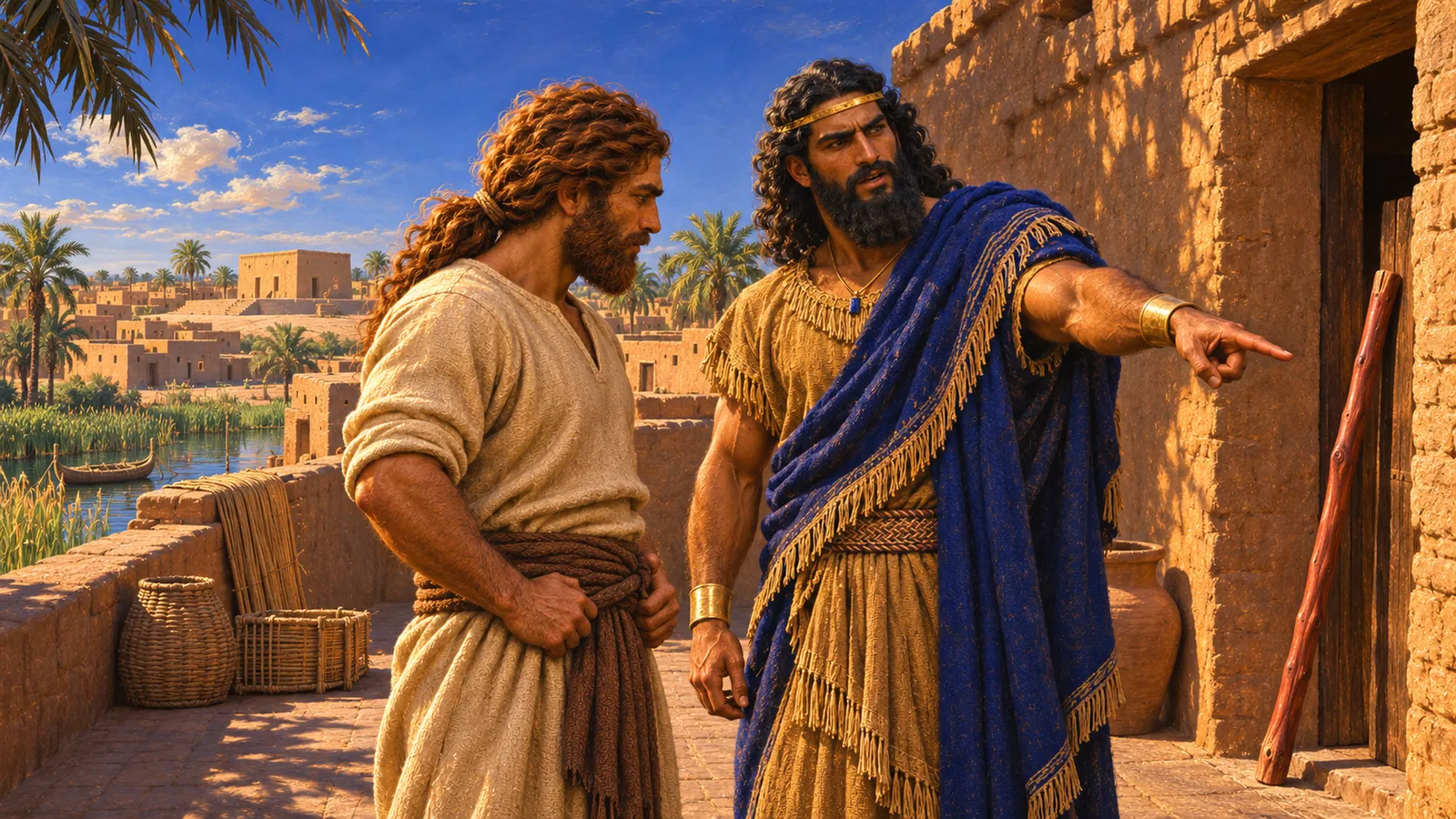
Il lui dit de ne pas tenir de bâton en bois de cornouiller là-dessous. Les esprits y verraient une insulte.
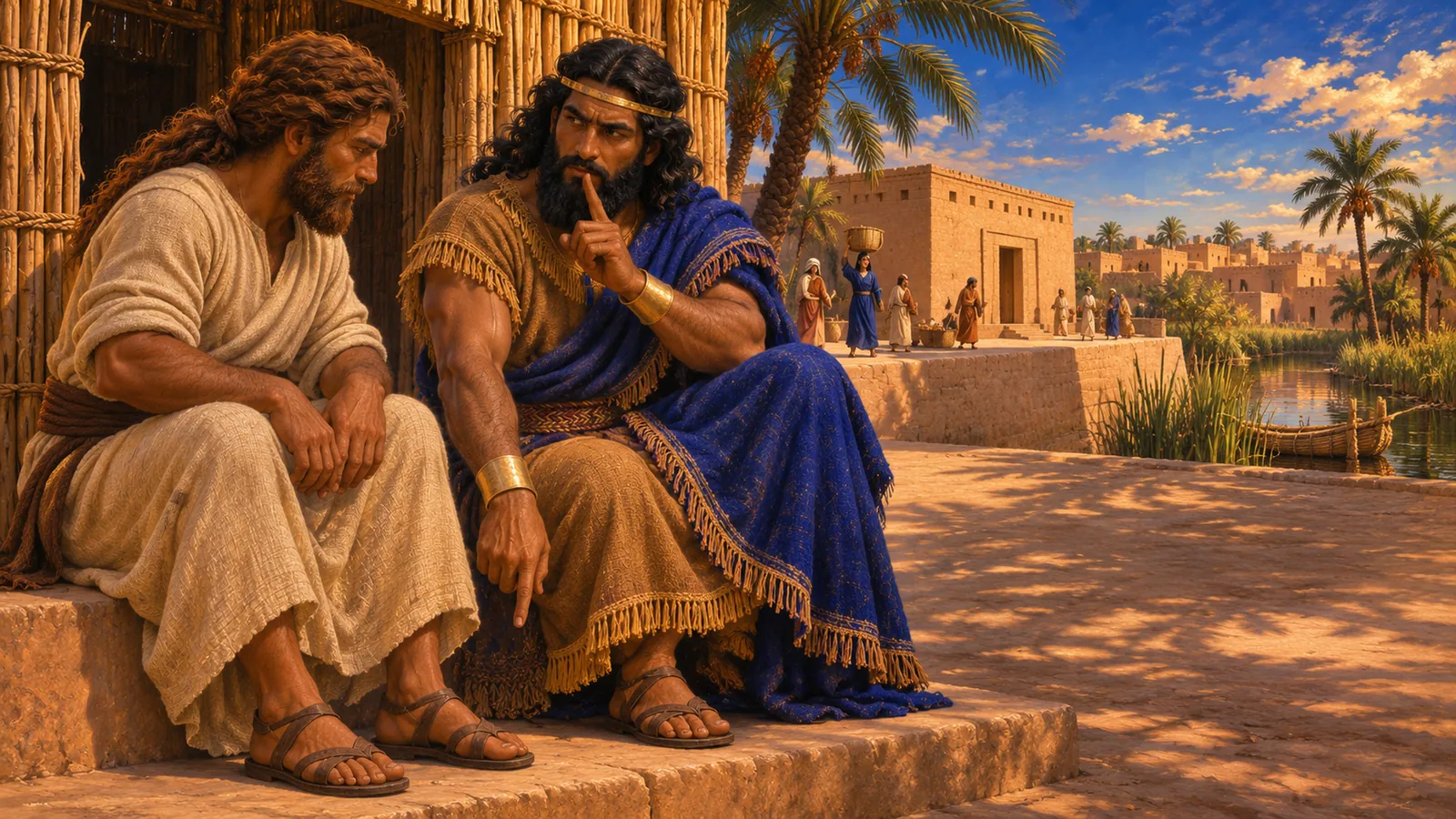
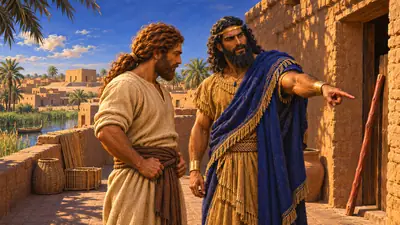
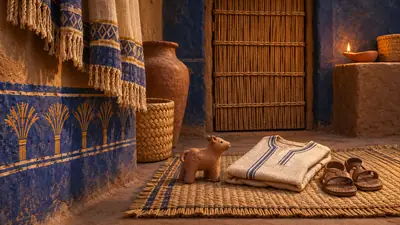
Gilgamesh lui donna deux autres consignes pour le monde souterrain. Il ne devait ni chausser de sandales ni crier.
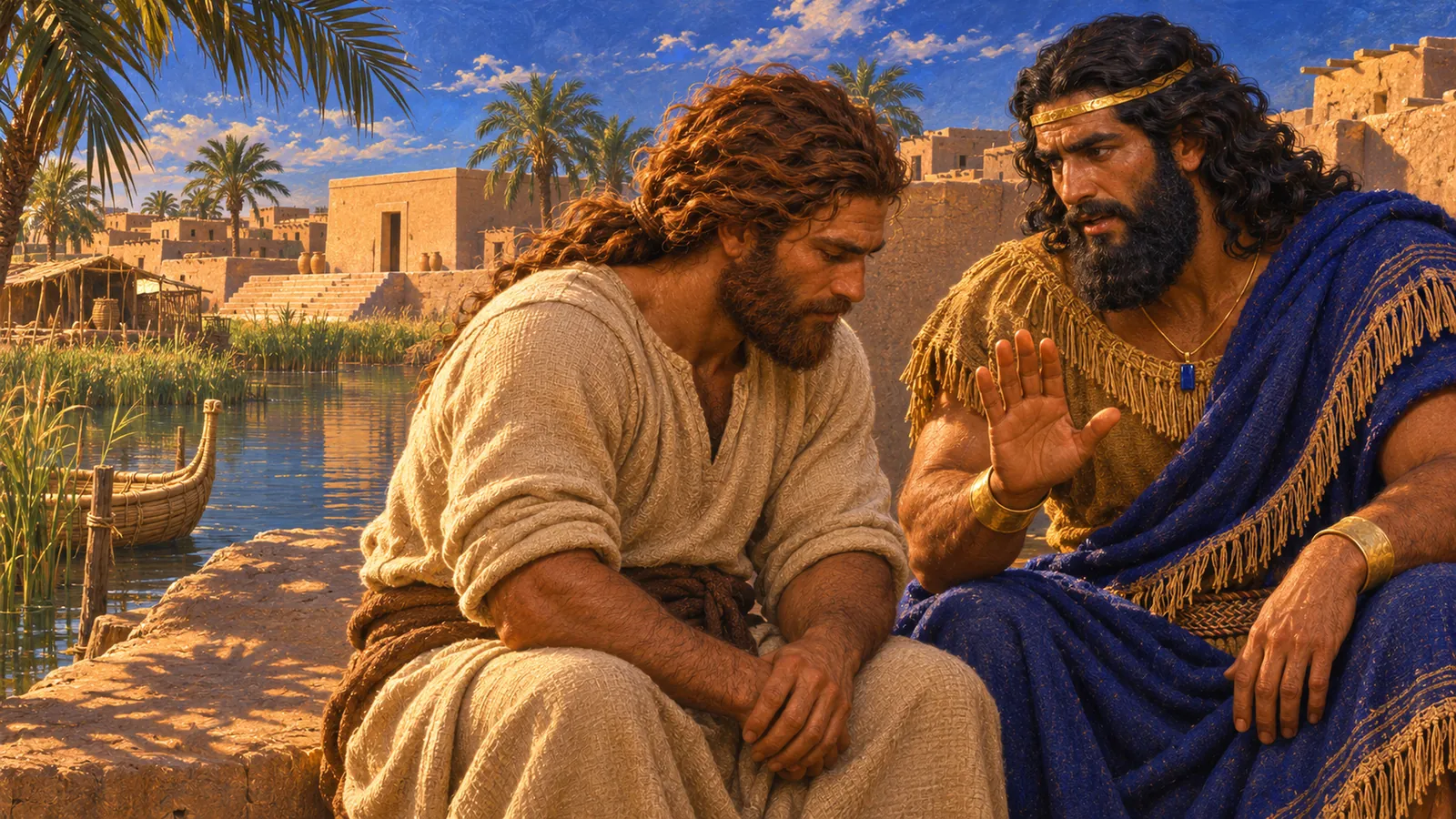
Gilgamesh a dit à Enkidu de ne pas embrasser sa femme bien-aimée quand il descendrait dans le monde souterrain.
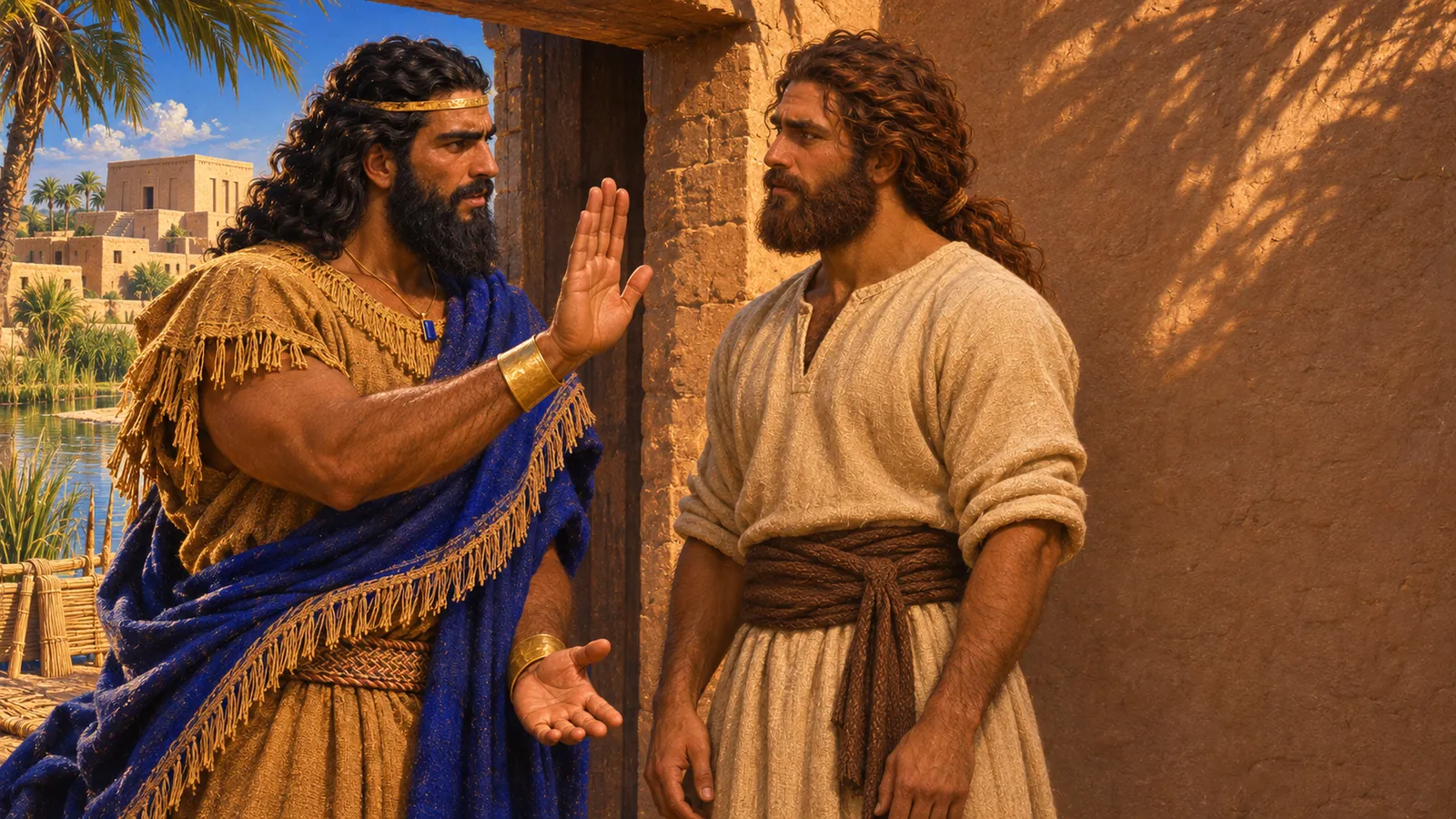
Gilgamesh a dit à Enkidu de ne pas frapper sa femme, même s’il était irrité contre elle.
Il a aussi dit à Enkidu de ne pas embrasser son enfant bien-aimé et de ne pas frapper son fils, même si celui-ci l’agaçait.
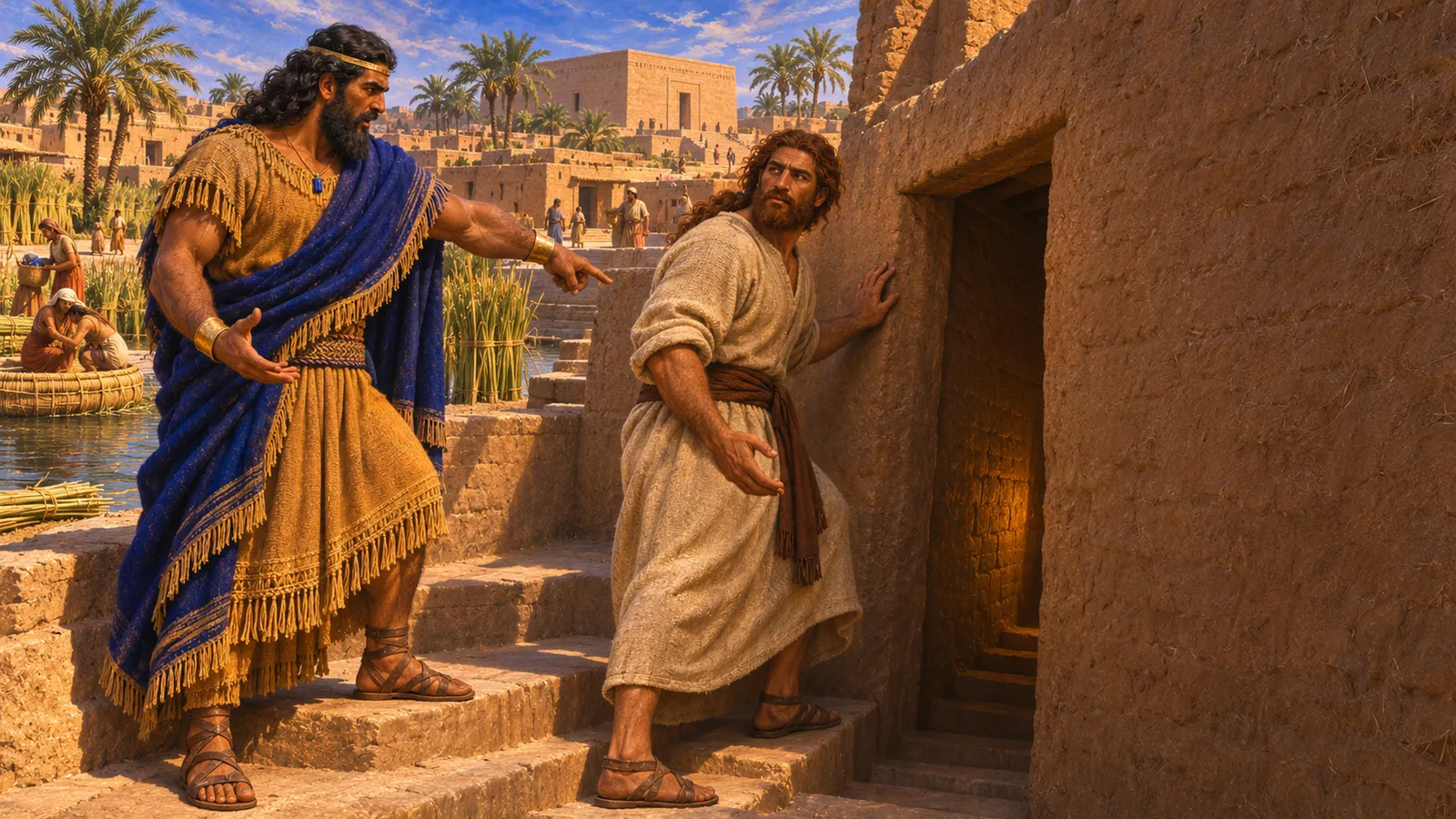
Gilgamesh a averti Enkidu que si ses actes soulevaient une clameur, elle le retiendrait dans le monde souterrain.
LES INSTRUCTIONS
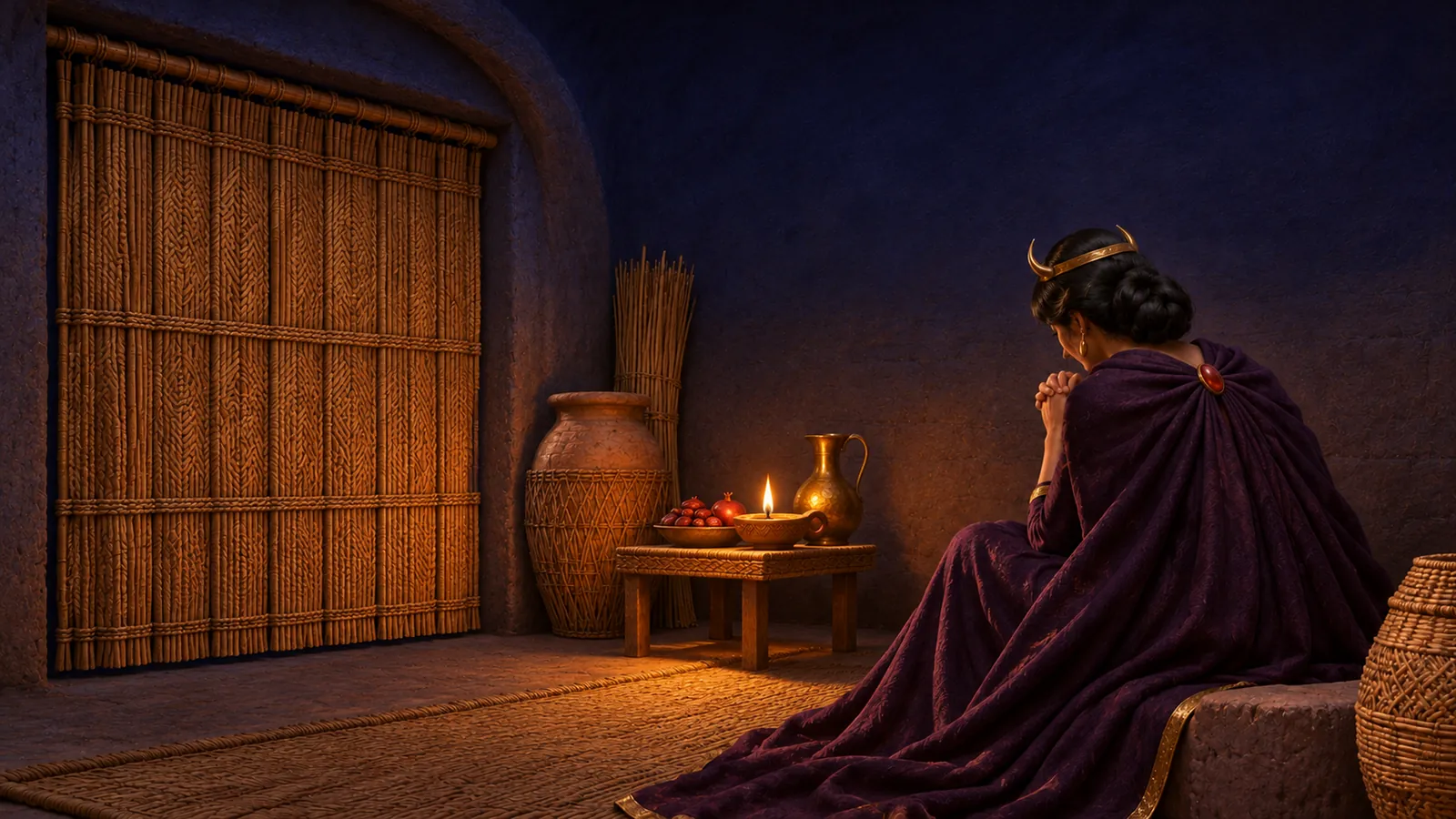
Gilgamesh a parlé d’une femme allongée dans le monde souterrain. Il l’a appelée la mère de Ninazu.

Il a dit qu’aucun vêtement ne couvrait ses épaules pures et qu’aucun linge de lin ne recouvrait sa poitrine pure.

Dans le récit de Gilgamesh, la mère de Ninazu était allongée et s’arrachait les cheveux dans sa détresse.
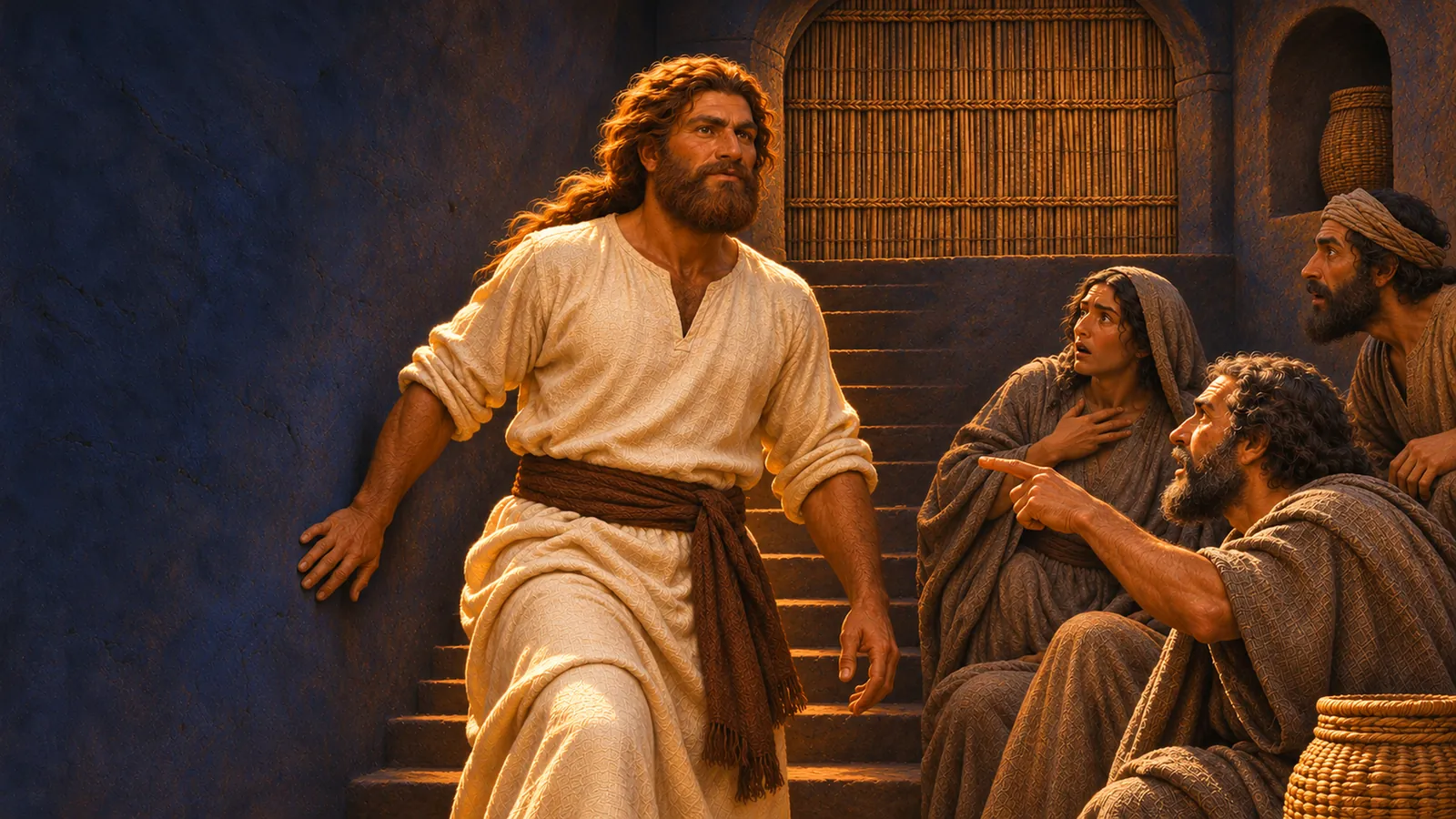
Enkidu n’a pas suivi les paroles de son maître. Il a mis ses vêtements propres, et ceux qui étaient là ont reconnu qu’il était étranger.
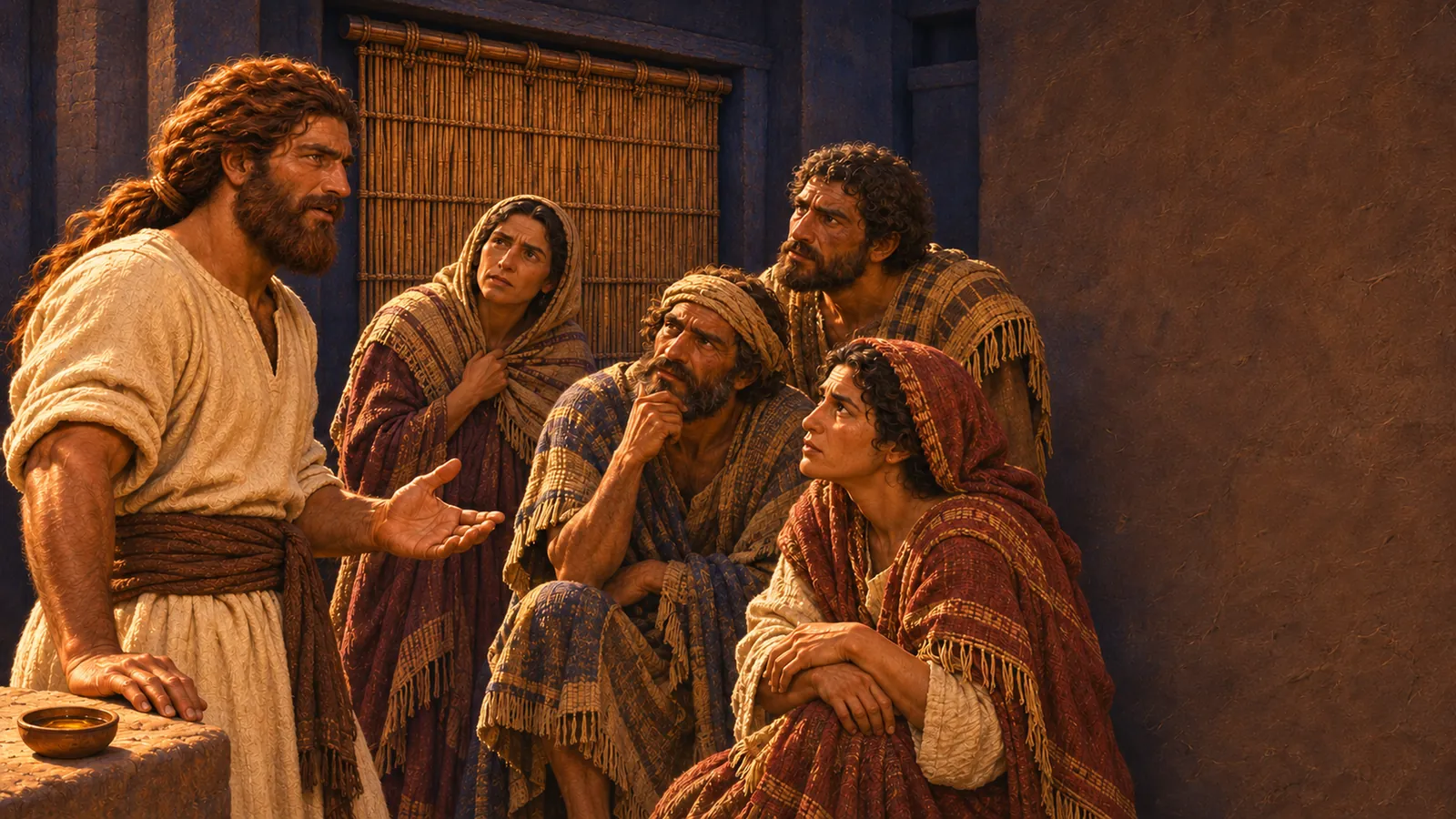
Enkidu s’est oint d’une huile fine qu’il a prise dans un bol. Ceux du monde souterrain l’ont entouré à l’odeur de l’huile.
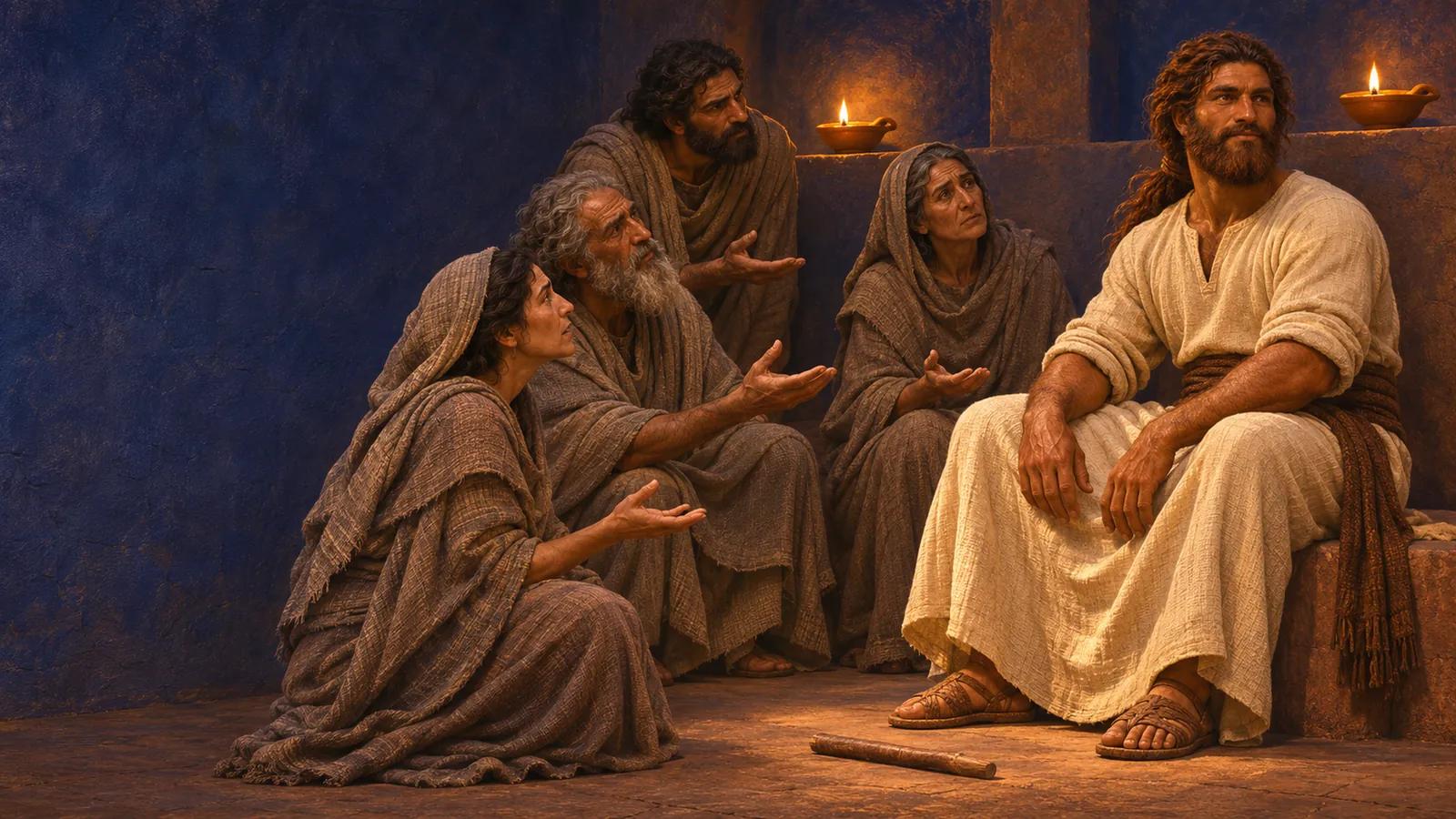
Enkidu a lancé des bâtons de jet dans le monde souterrain. Ceux qui avaient été abattus par ces bâtons se sont rassemblés autour de lui.
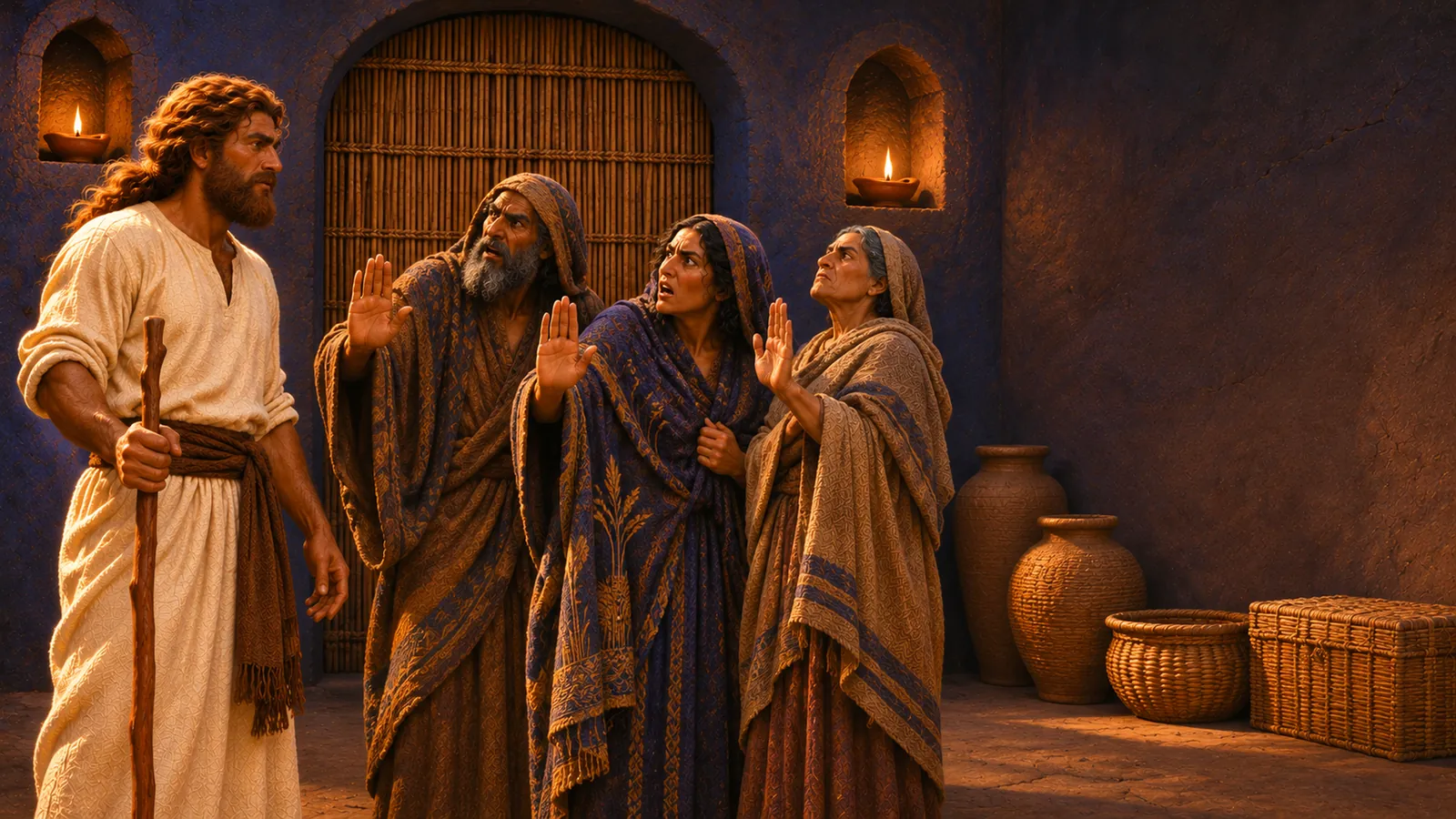
Enkidu tenait à la main un bâton de cornouiller. Le poème dit que les esprits se sont sentis insultés par son geste.
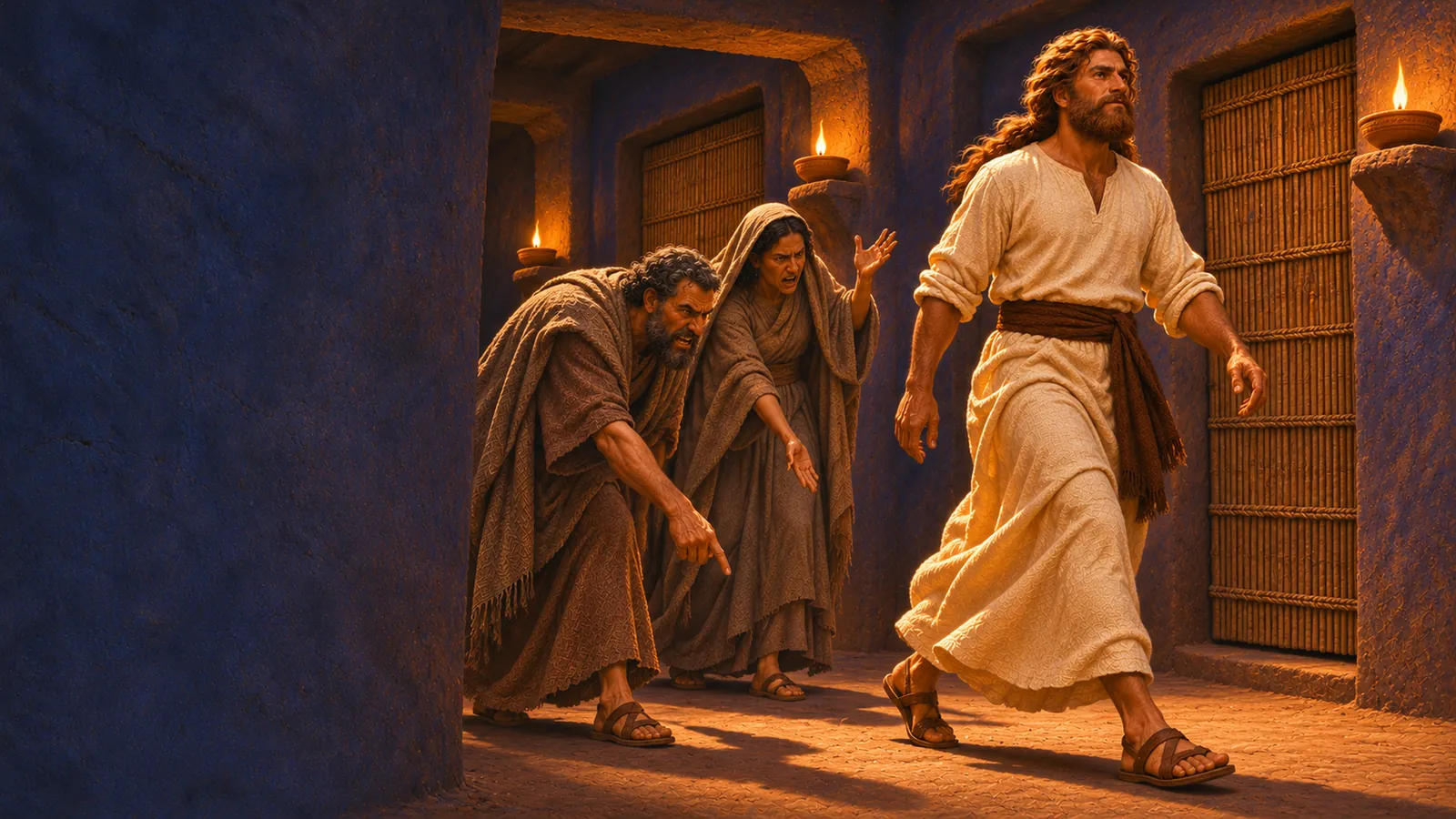
Puis Enkidu a mis des sandales à ses pieds. Le poème dit qu’il a suscité de l’irritation dans le monde souterrain.
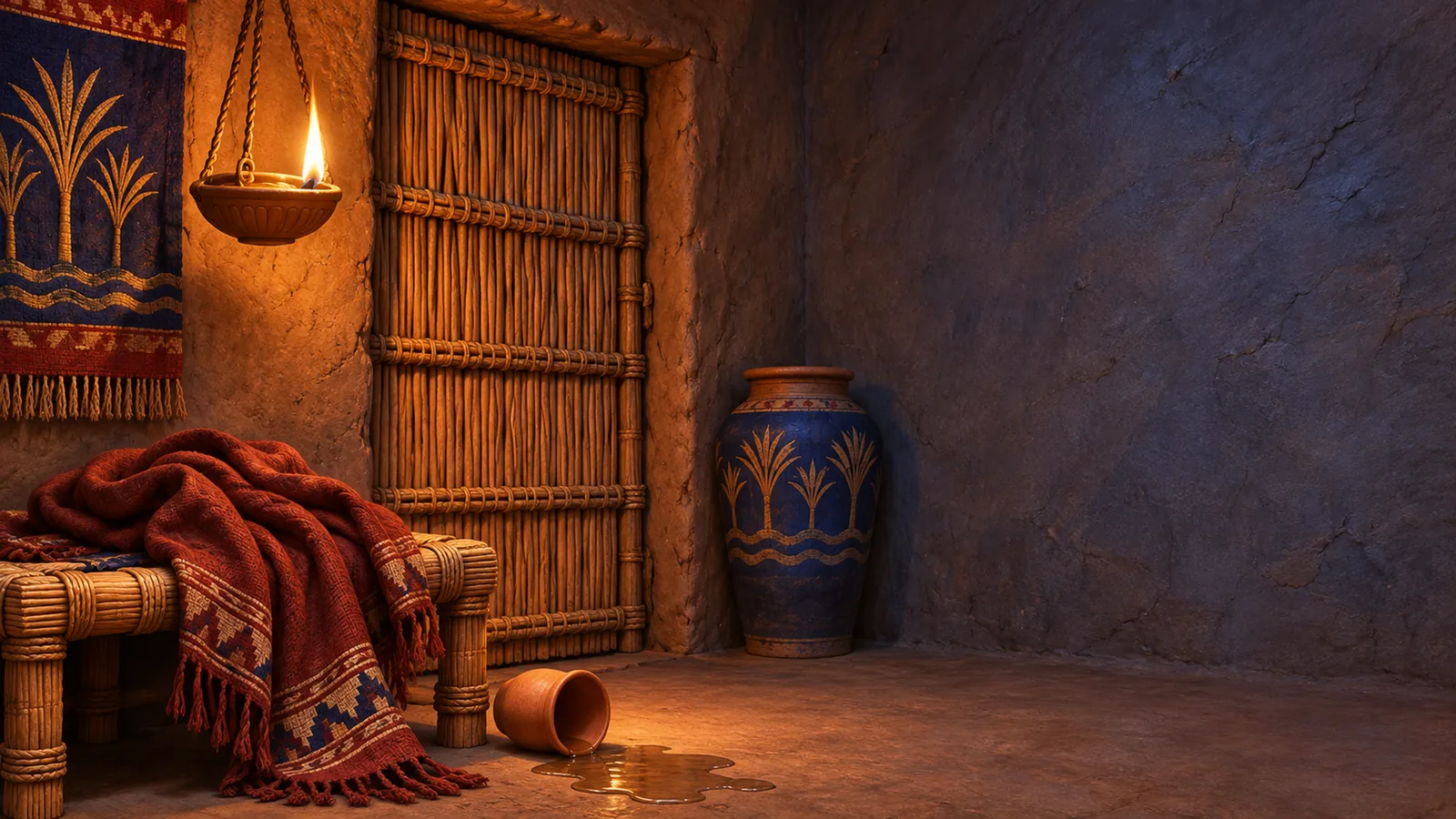
Enkidu a embrassé sa femme bien-aimée dans le monde souterrain. Il l’a frappée alors qu’il était irrité contre elle.

Enkidu a embrassé son enfant bien-aimé. Il a ensuite frappé son fils alors qu’il était irrité contre lui.
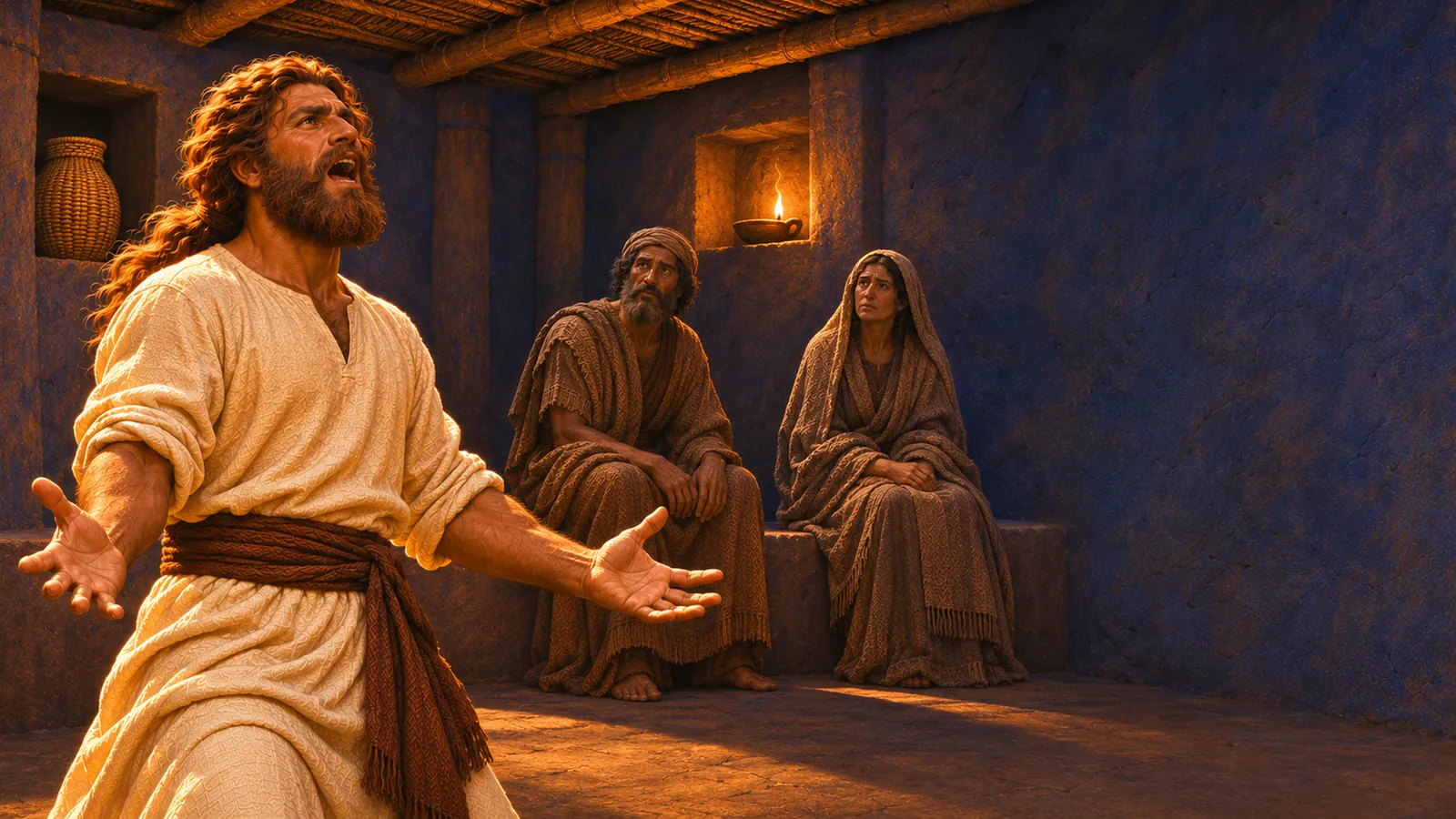
Les actes d’Enkidu ont soulevé une clameur dans le monde souterrain, comme Gilgamesh l’en avait averti.
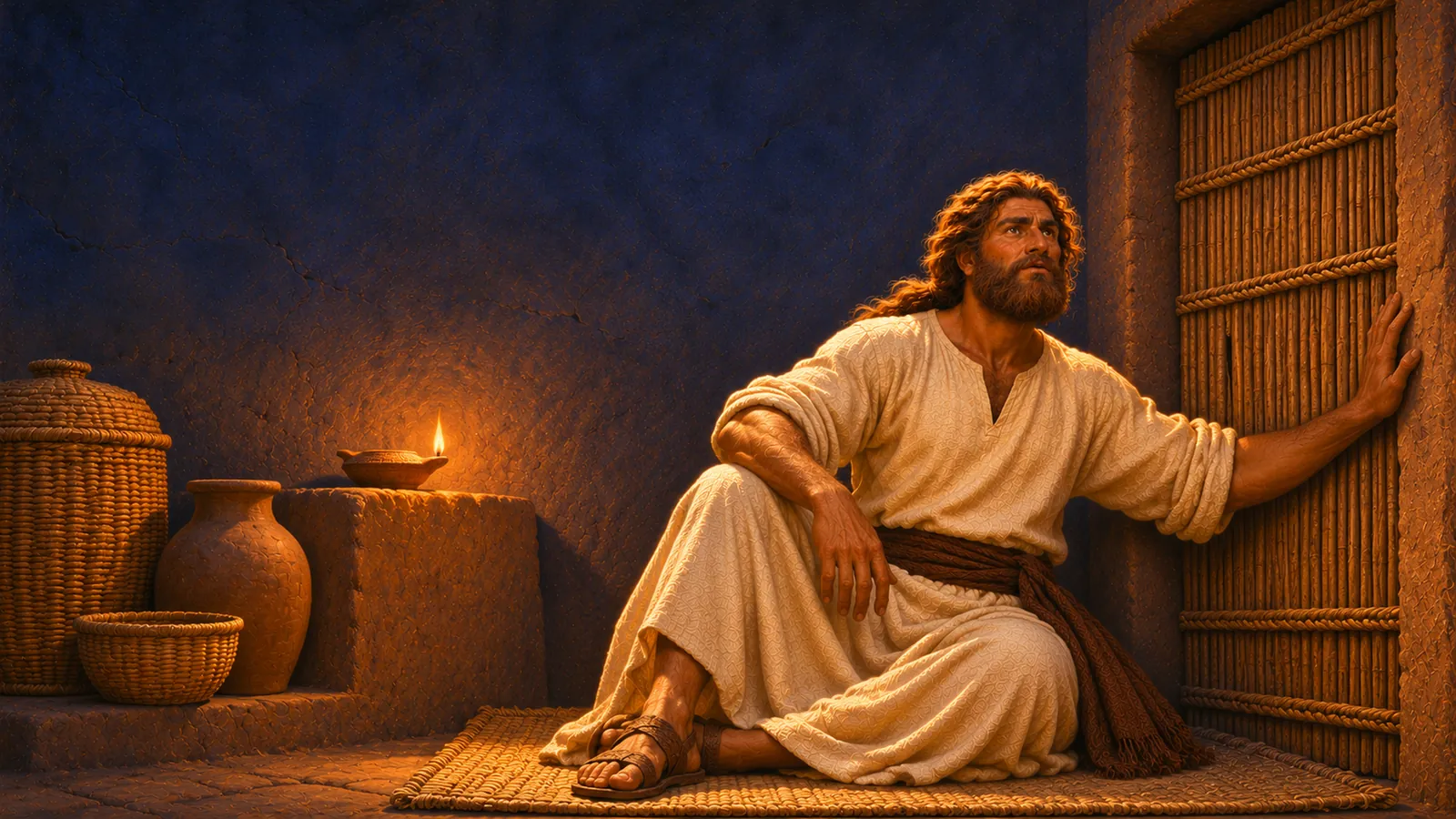
RETENU
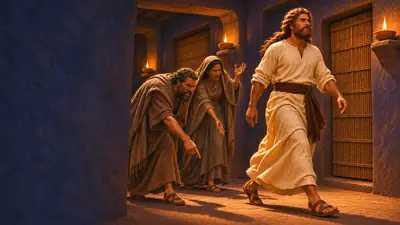
Ses actes avaient soulevé des cris de protestation. Le monde souterrain retint Enkidu, et il demeura en bas.
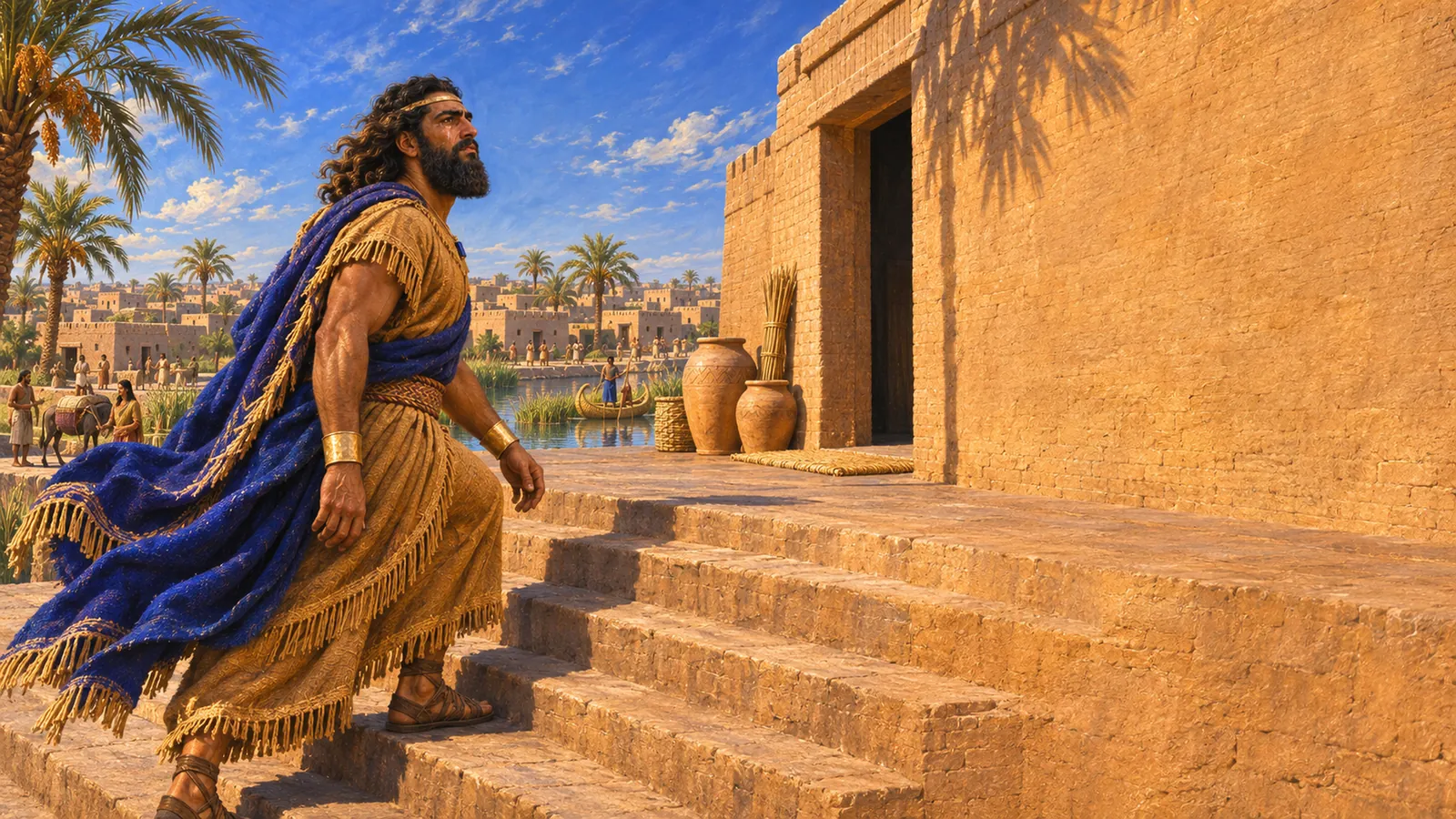
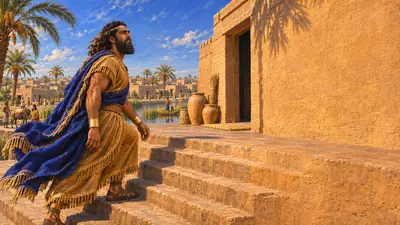
Gilgamesh, le guerrier et fils de Ninsun, alla seul à l’Ekur, le temple d’Enlil. Il éleva la voix devant Enlil.
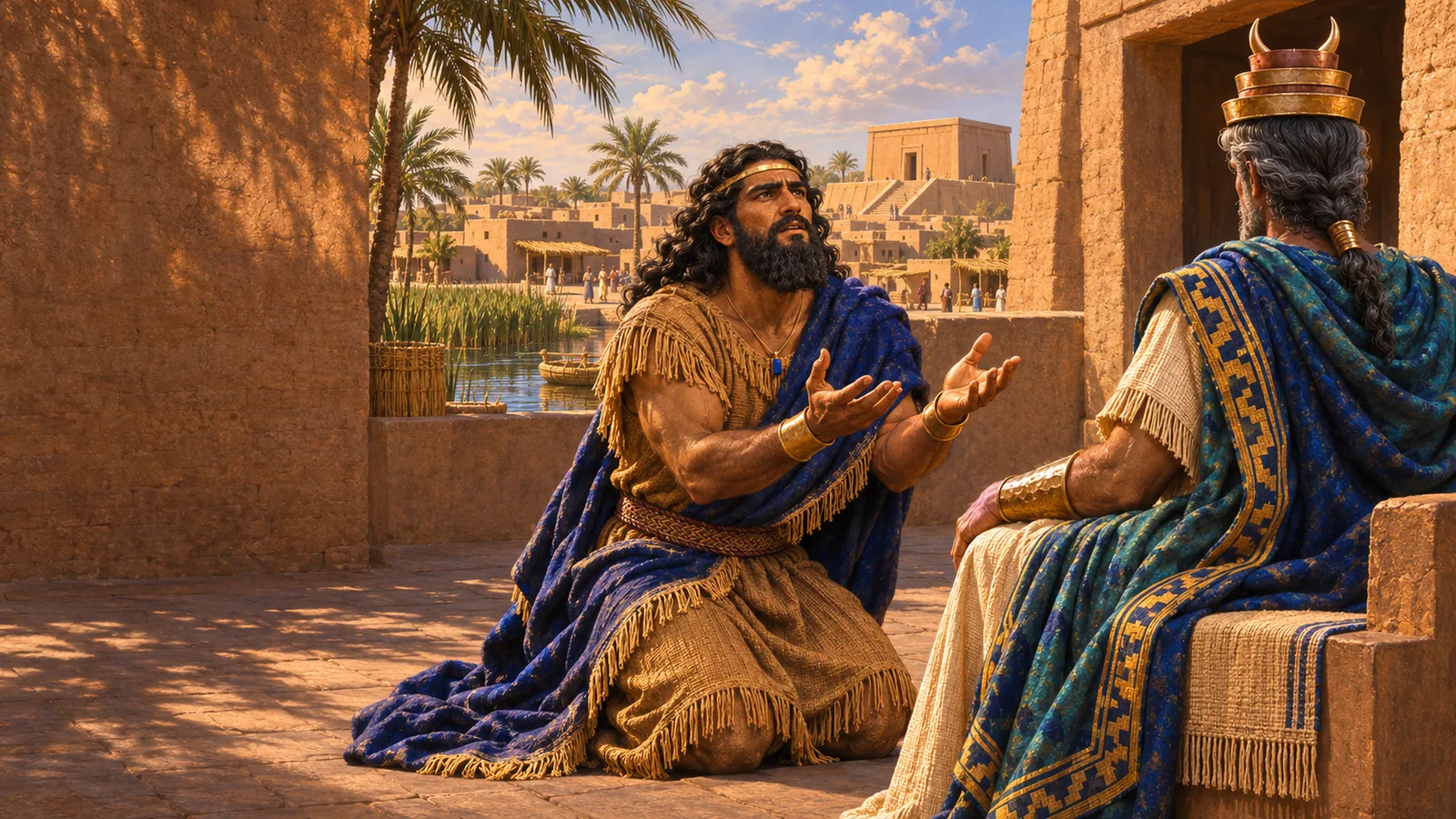
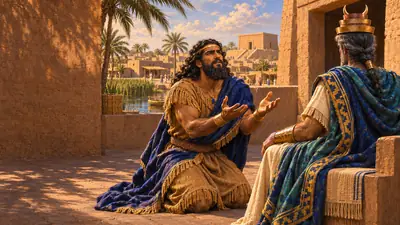
Gilgamesh dit à Enlil que son ellag était tombé dans le monde souterrain et son ekidma dans Ganzer. Enkidu était descendu les chercher, et le monde souterrain l’avait saisi.
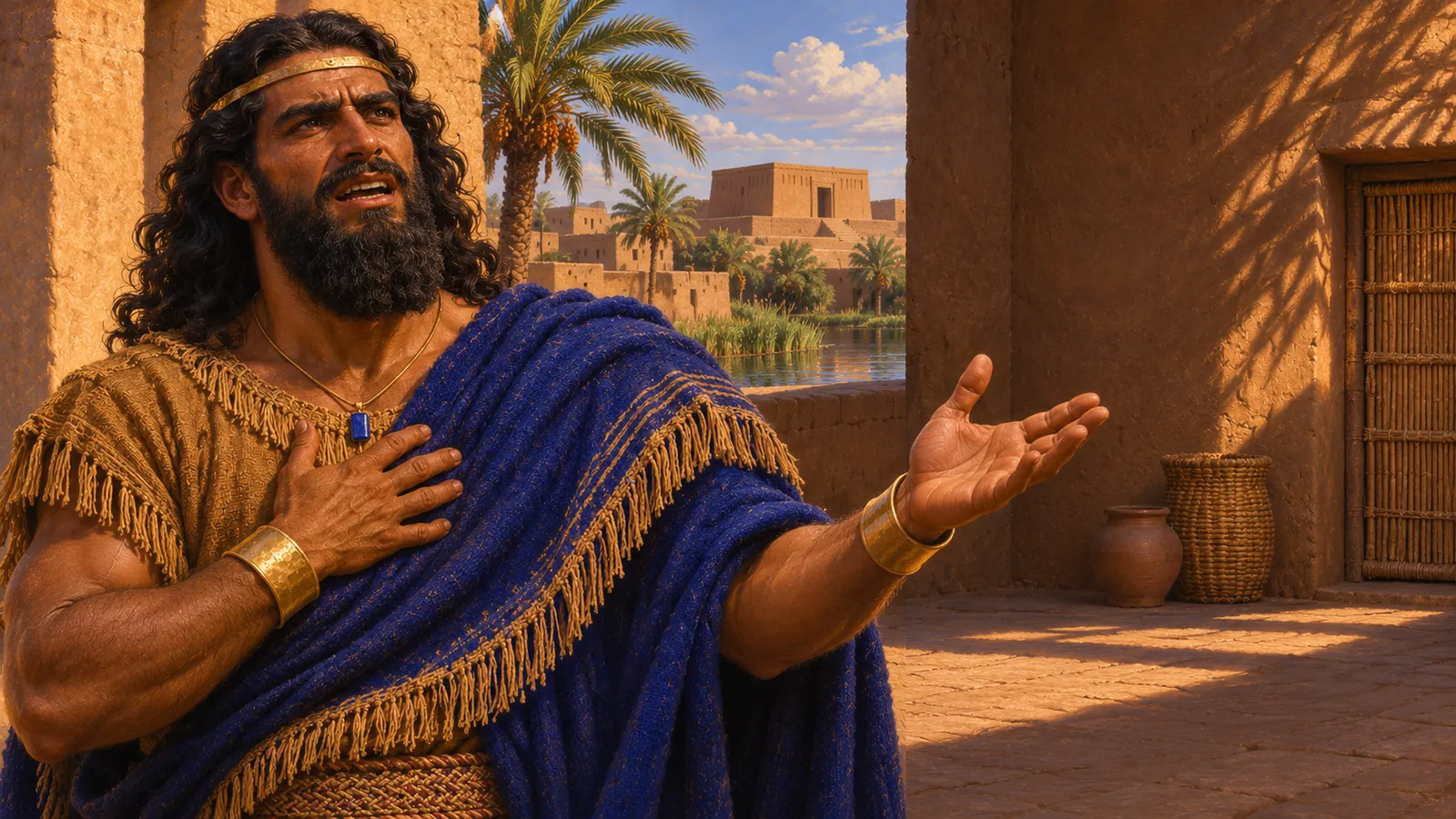
Gilgamesh dit que Namtar n’avait pas saisi Enkidu, et qu’Asag ne l’avait pas saisi non plus. Il répéta que le monde souterrain lui-même l’avait saisi.
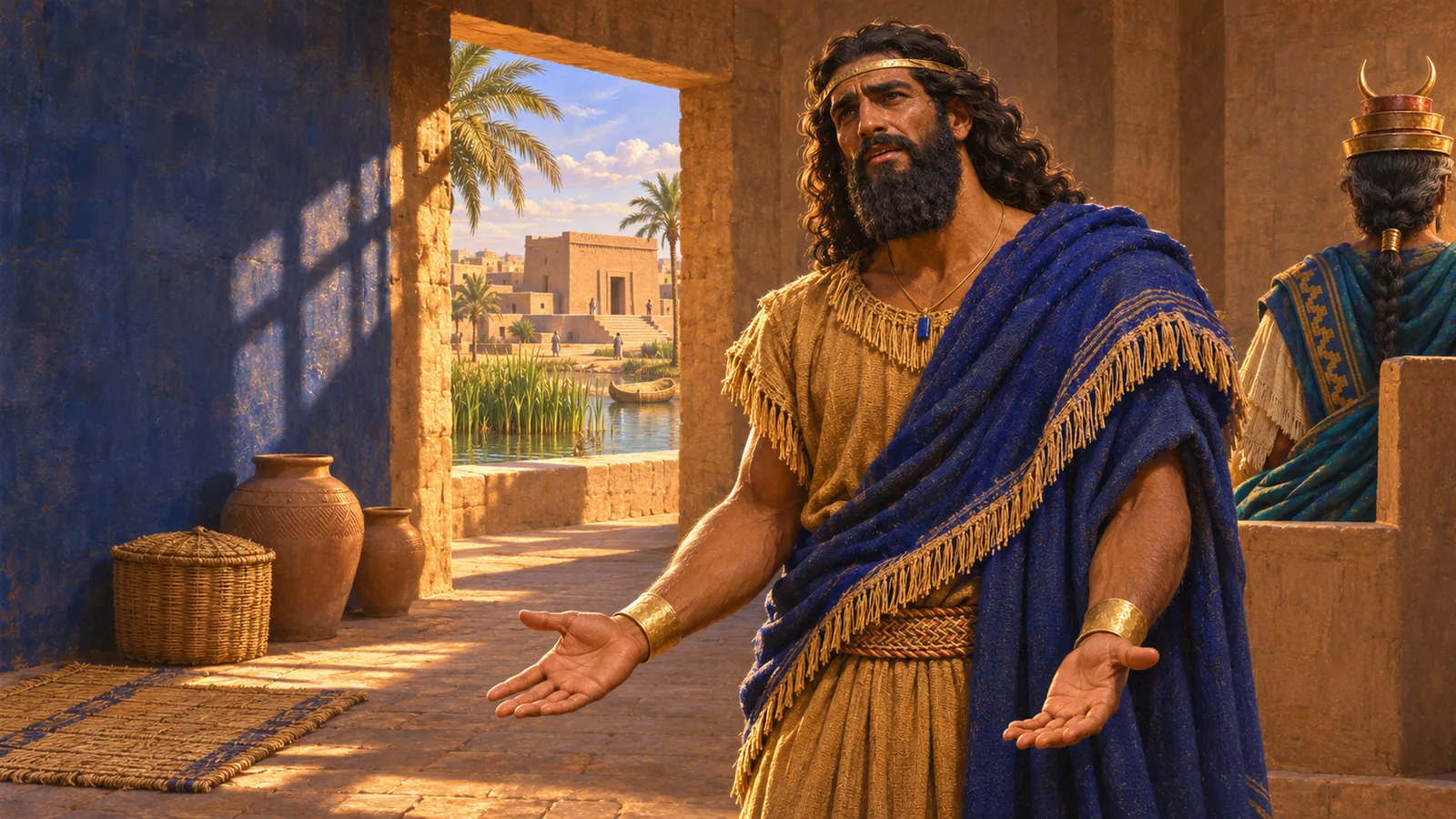
Il dit que le démon udug de Nergal, qui n’épargne personne, n’avait pas saisi Enkidu. Enkidu n’était pas non plus tombé au combat. Le monde souterrain l’avait saisi.
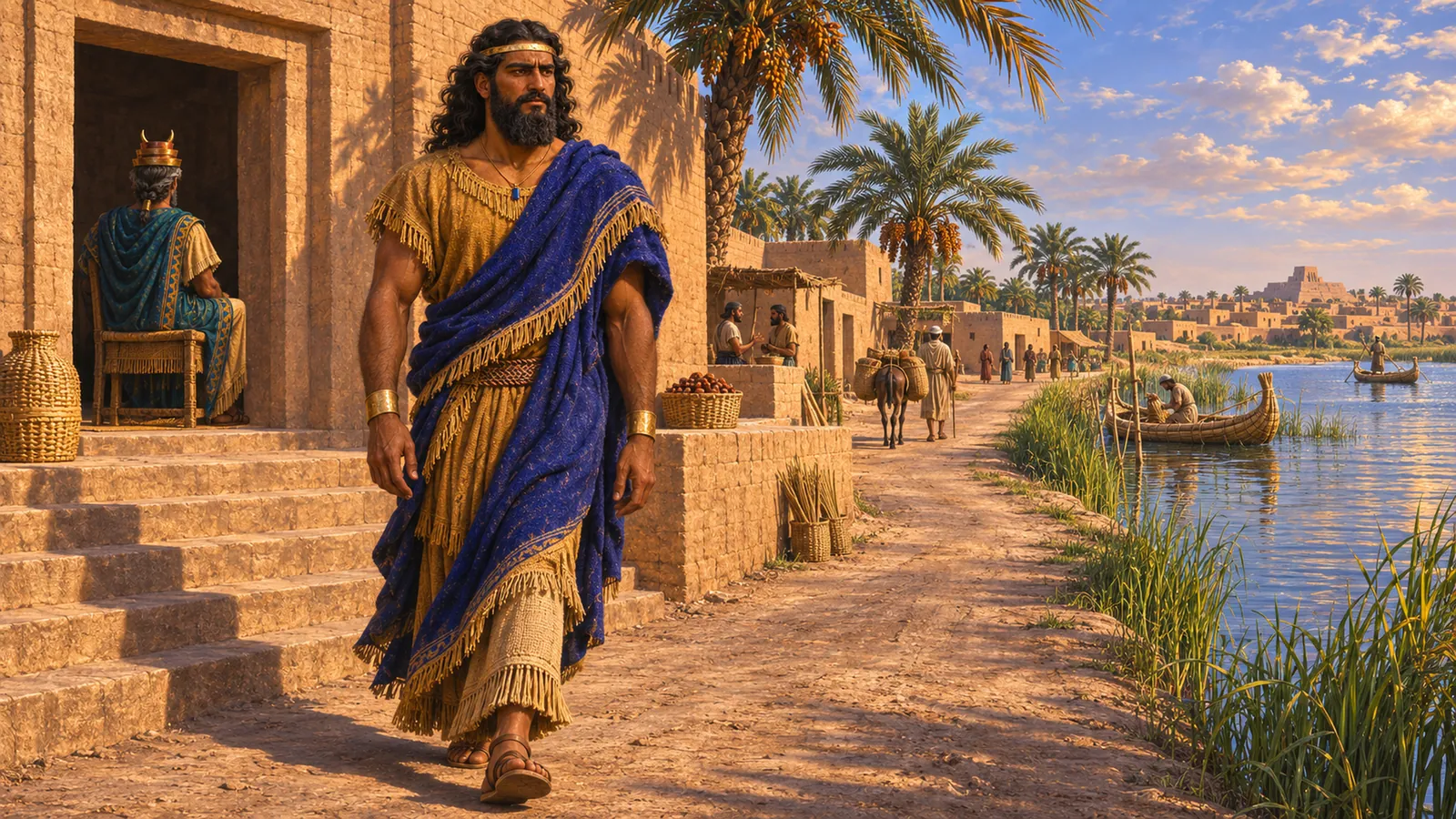
Enlil ne soutint pas Gilgamesh. Le guerrier se rendit donc à Eridu, où il allait demander de l’aide une nouvelle fois.
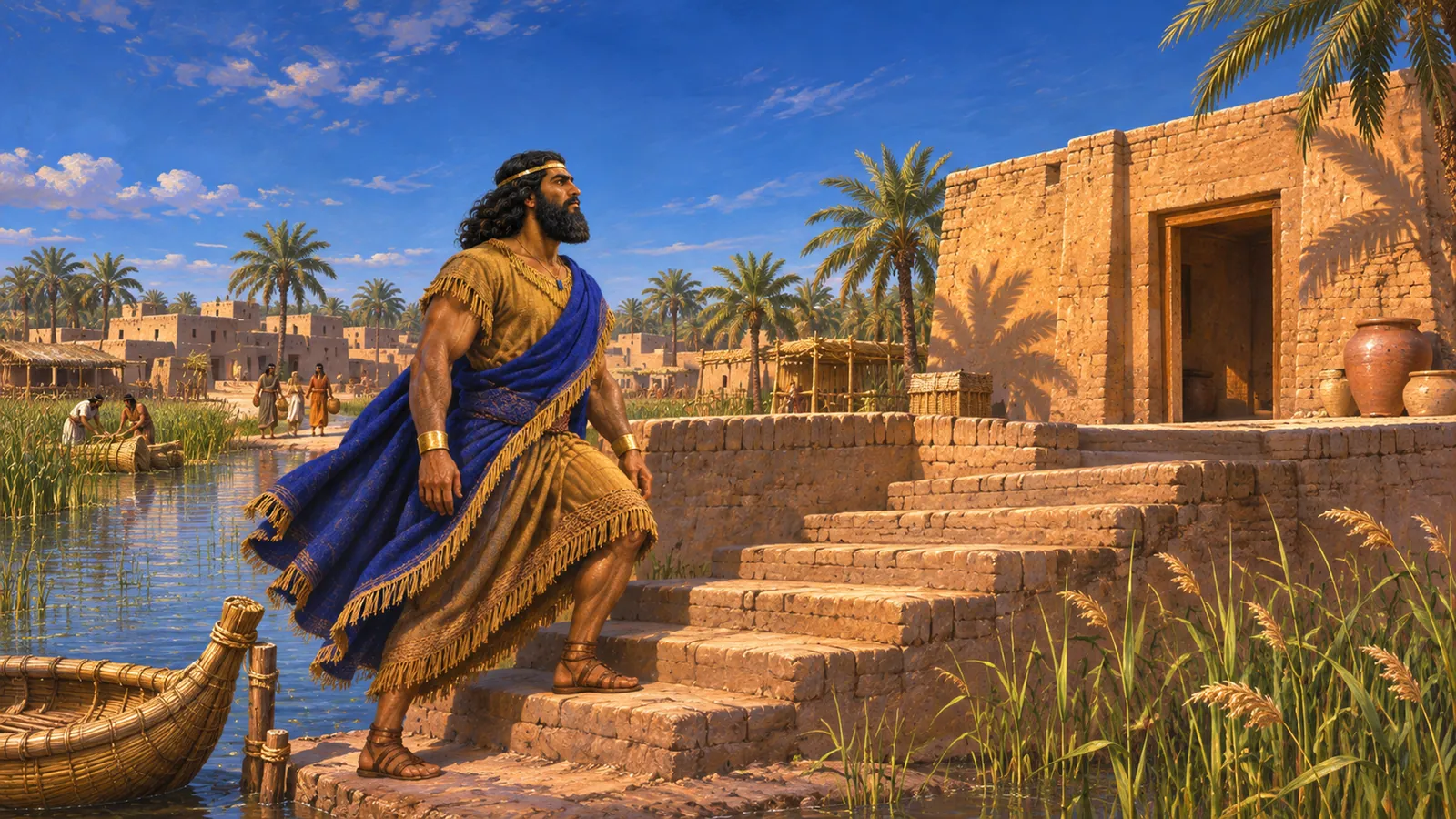
ERIDU
À Eridu, Gilgamesh alla seul au temple d’Enki. Là, il éleva la voix devant Enki.
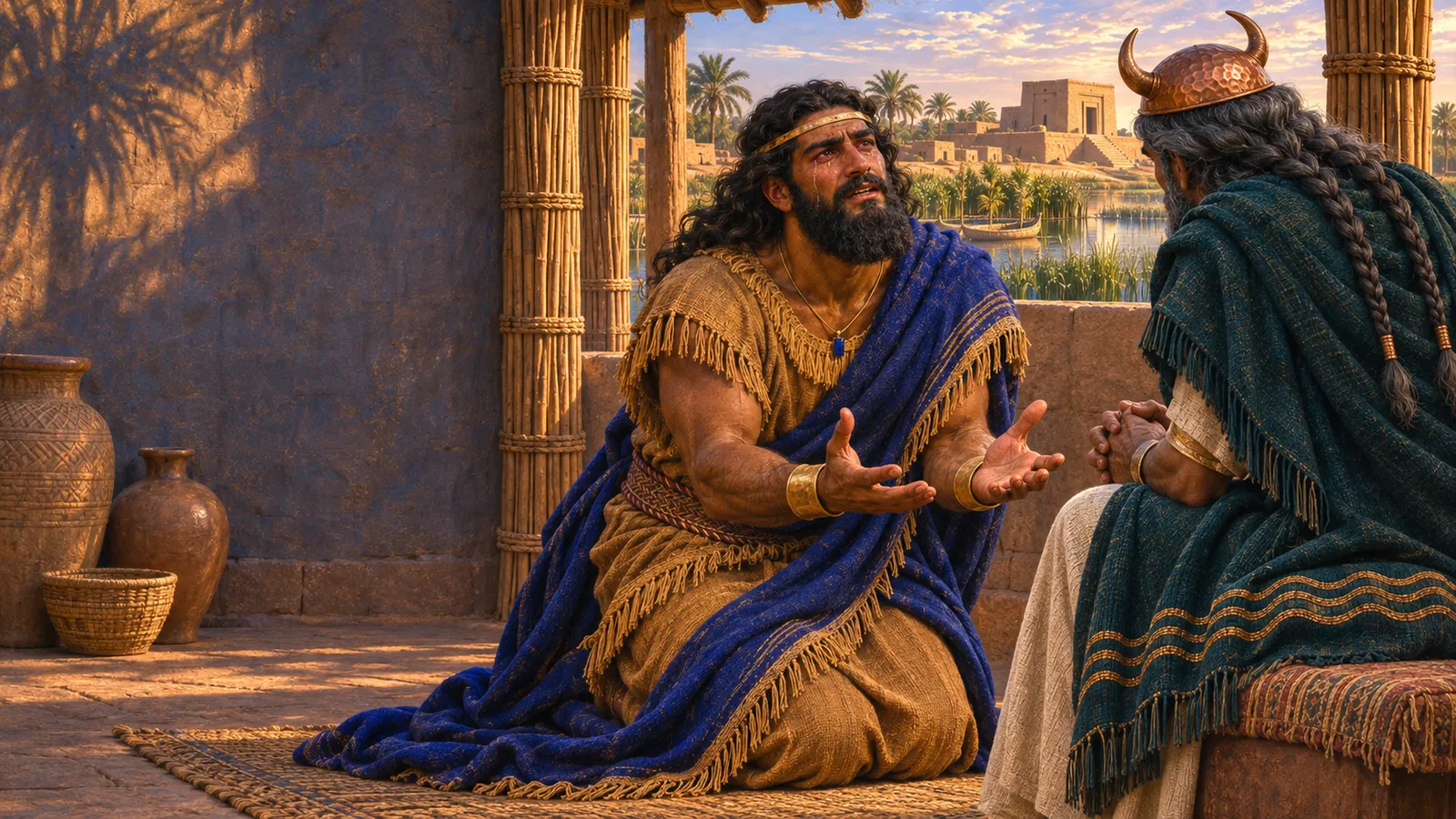
Il dit à Enki que son ellag était tombé dans le monde souterrain et son ekidma dans Ganzer. Enkidu était descendu les chercher, et le monde souterrain l’avait saisi.
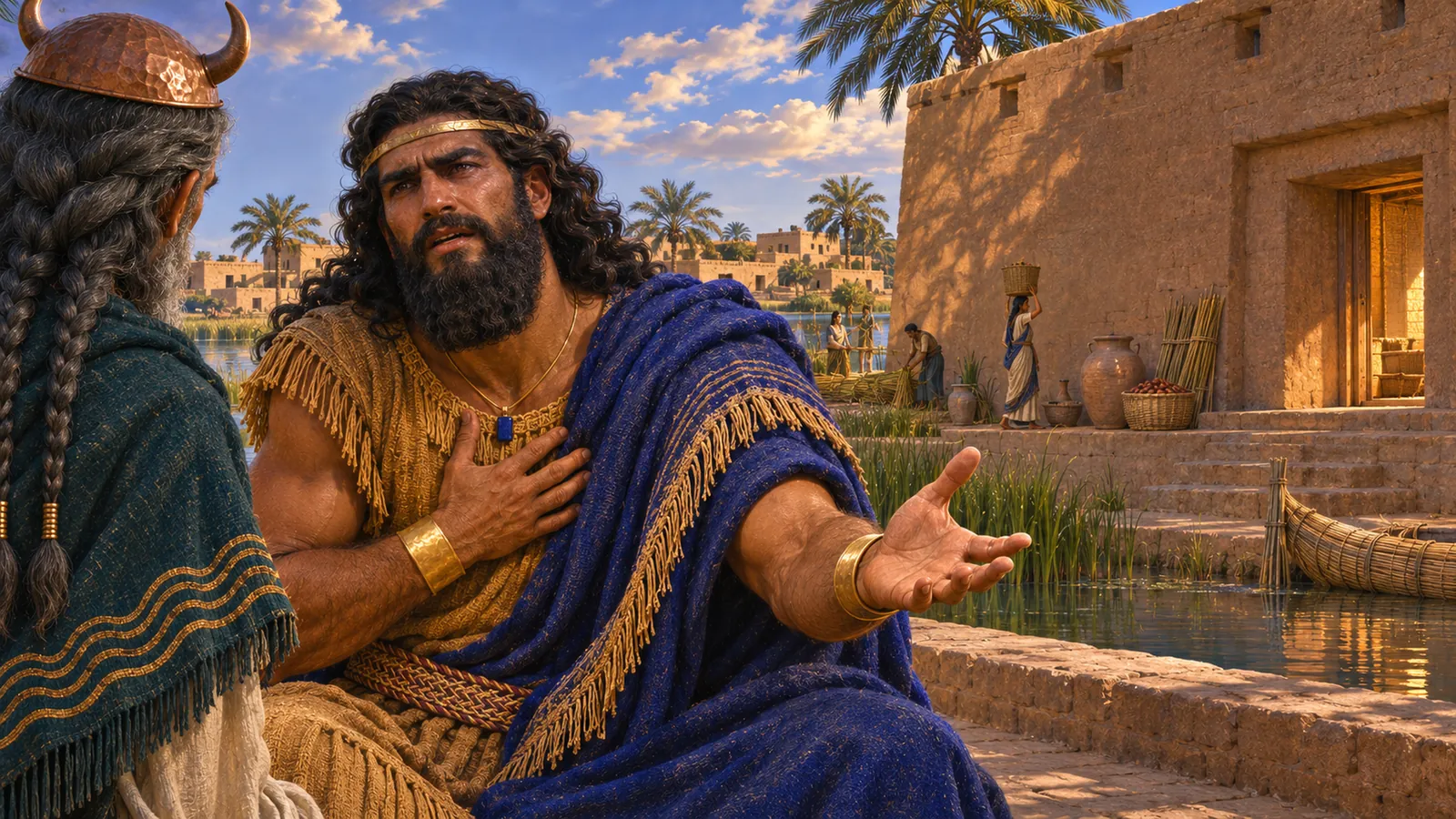
Il nomma Namtar, Asag et le démon udug de Nergal, et dit qu’aucun n’avait saisi Enkidu. Il dit qu’Enkidu n’était pas tombé au combat non plus. Le monde souterrain l’avait saisi.
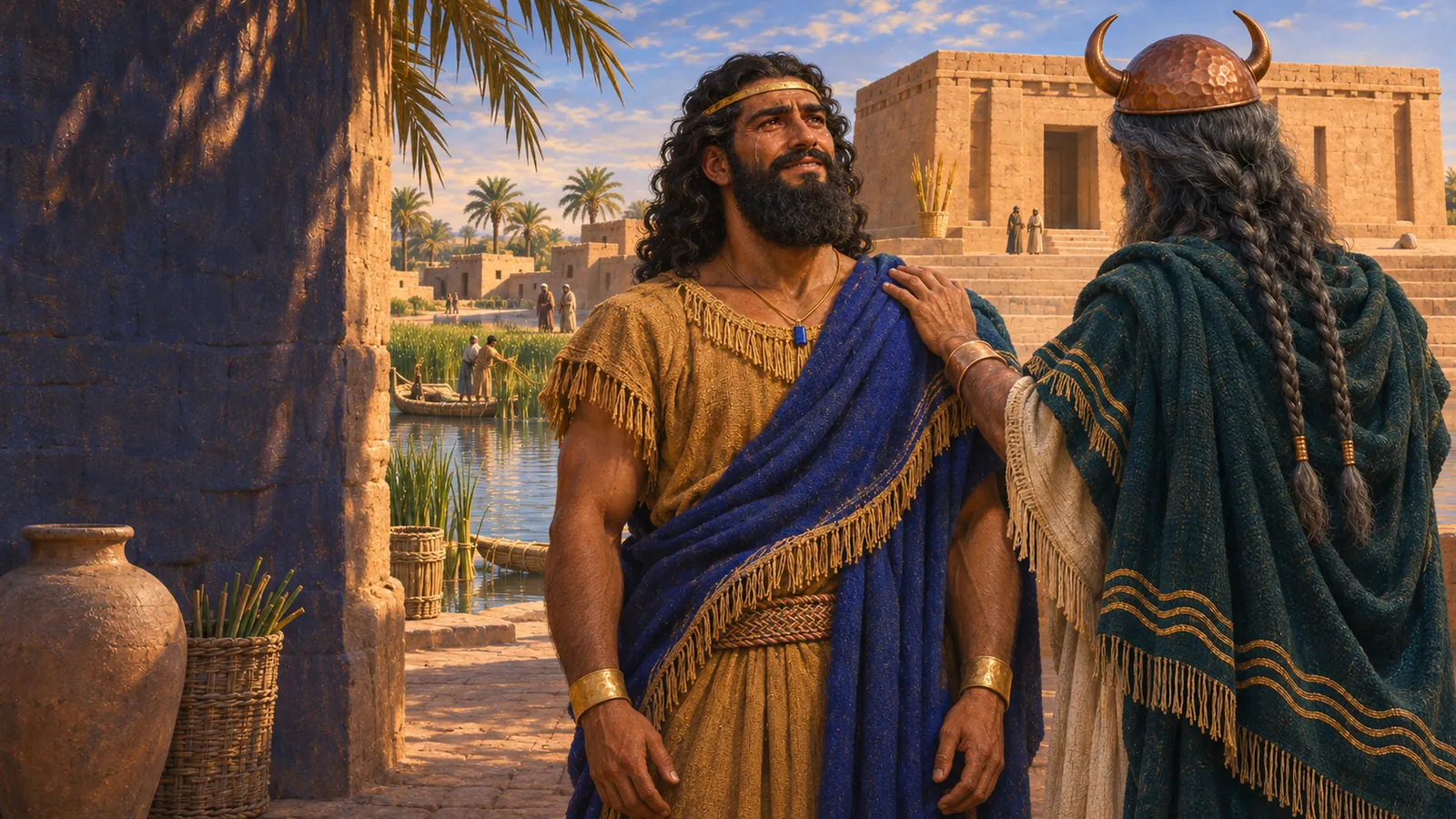
Après que Gilgamesh lui eut raconté ce qui était arrivé à Enkidu, Enki le soutint dans cette affaire.
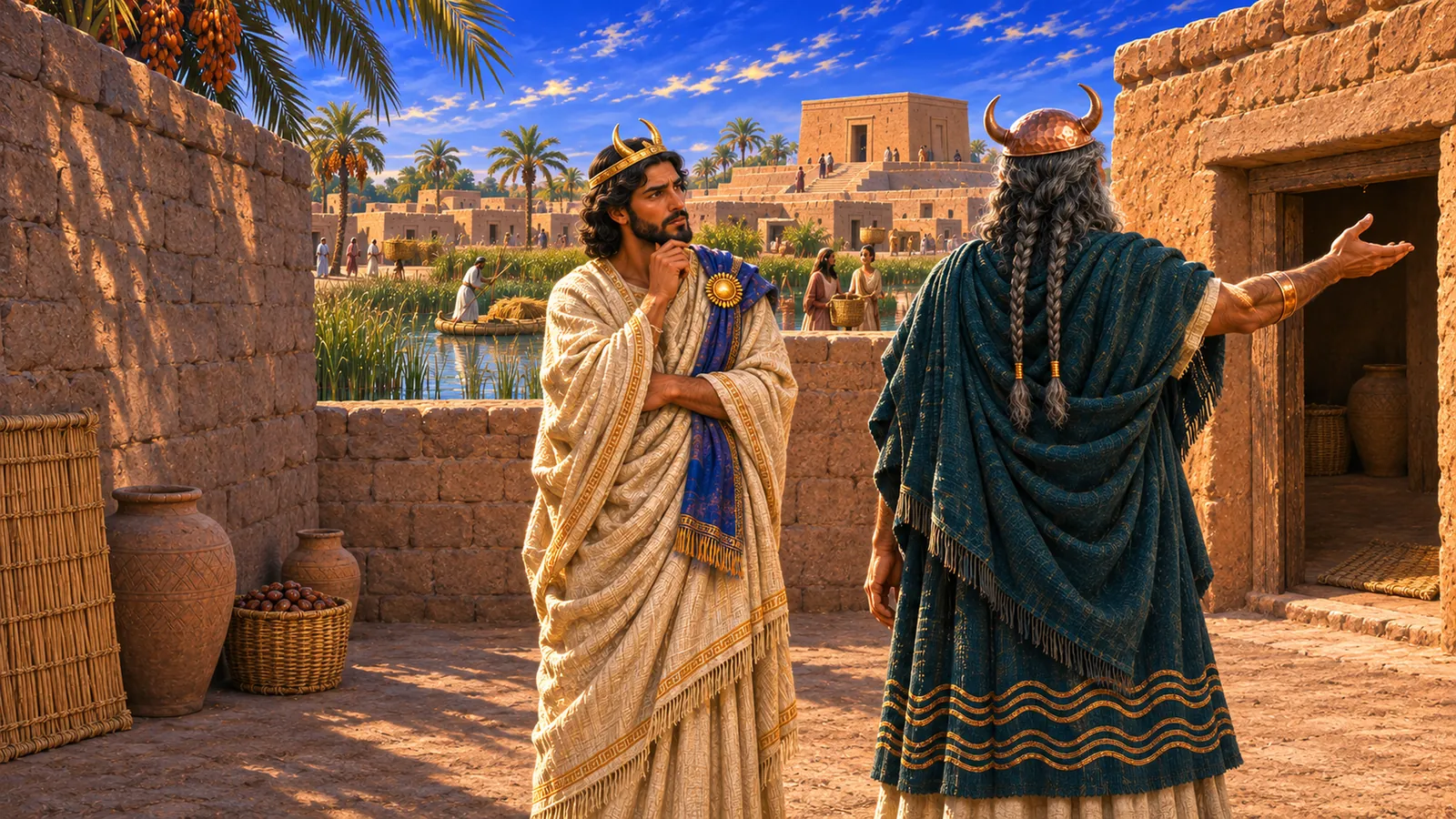
Enki s’est adressé à Utu, le jeune guerrier que Ningal avait mis au monde. Il lui a demandé d’ouvrir aussitôt un passage dans le monde souterrain et de faire remonter Enkidu.
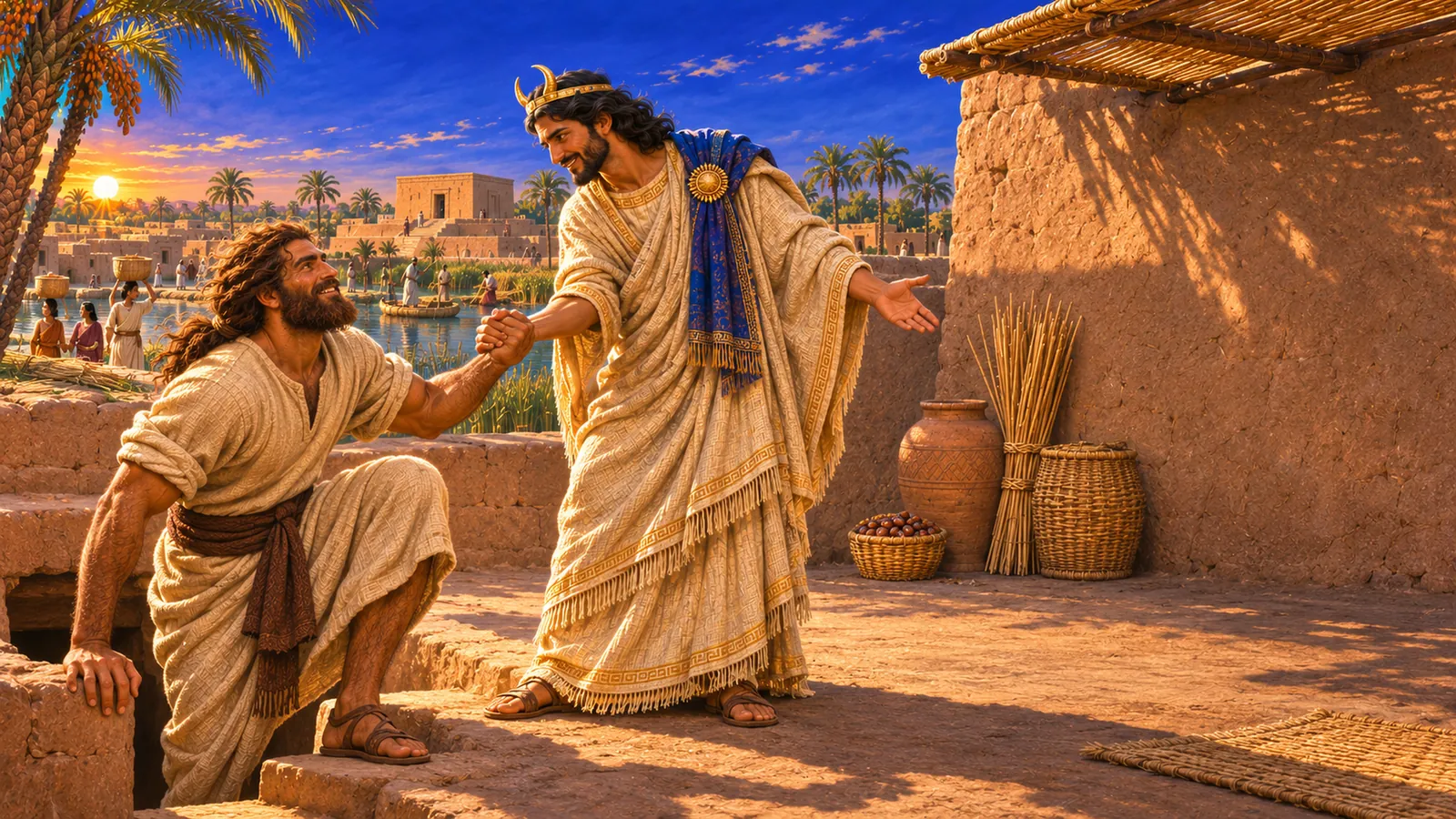
Utu a ouvert un passage dans le monde souterrain et a fait remonter Enkidu. Les mots anciens disent peut-être qu’il l’a porté vers le haut sur une brise.
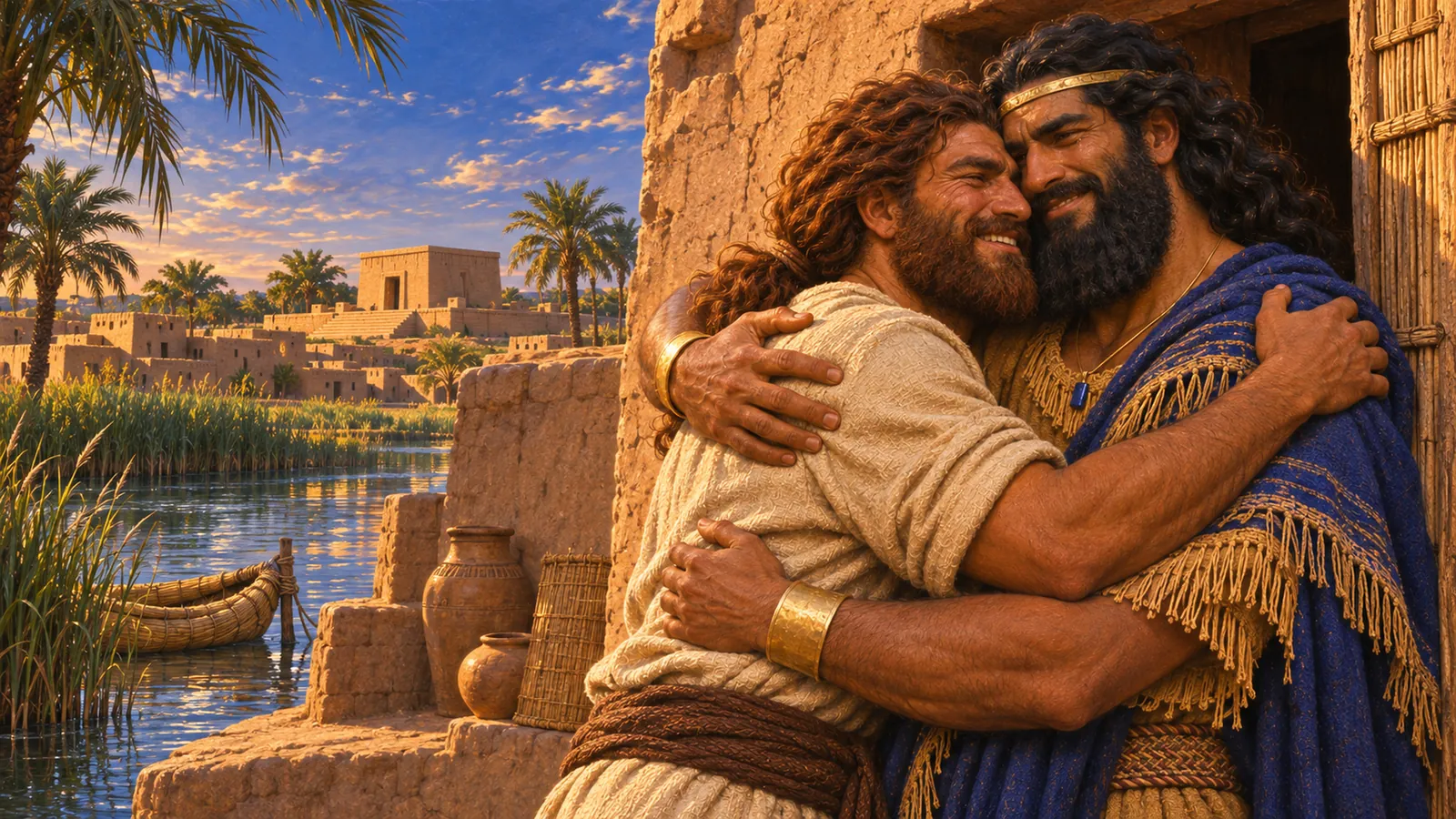
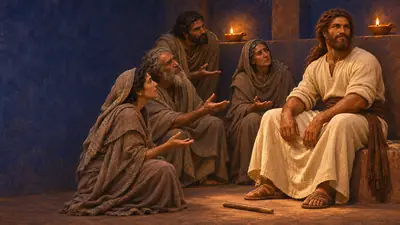
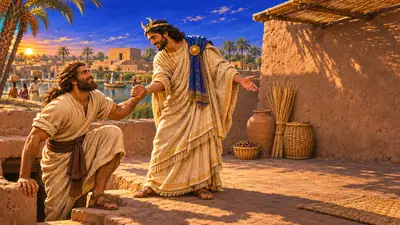
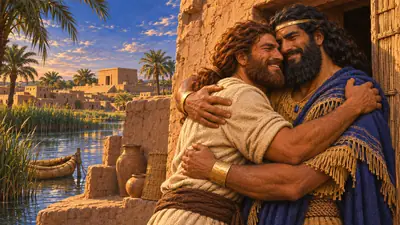
Gilgamesh et Enkidu se sont étreints et embrassés lorsqu’ils se sont retrouvés. Puis ils ont commencé à se poser des questions, l’une après l’autre.
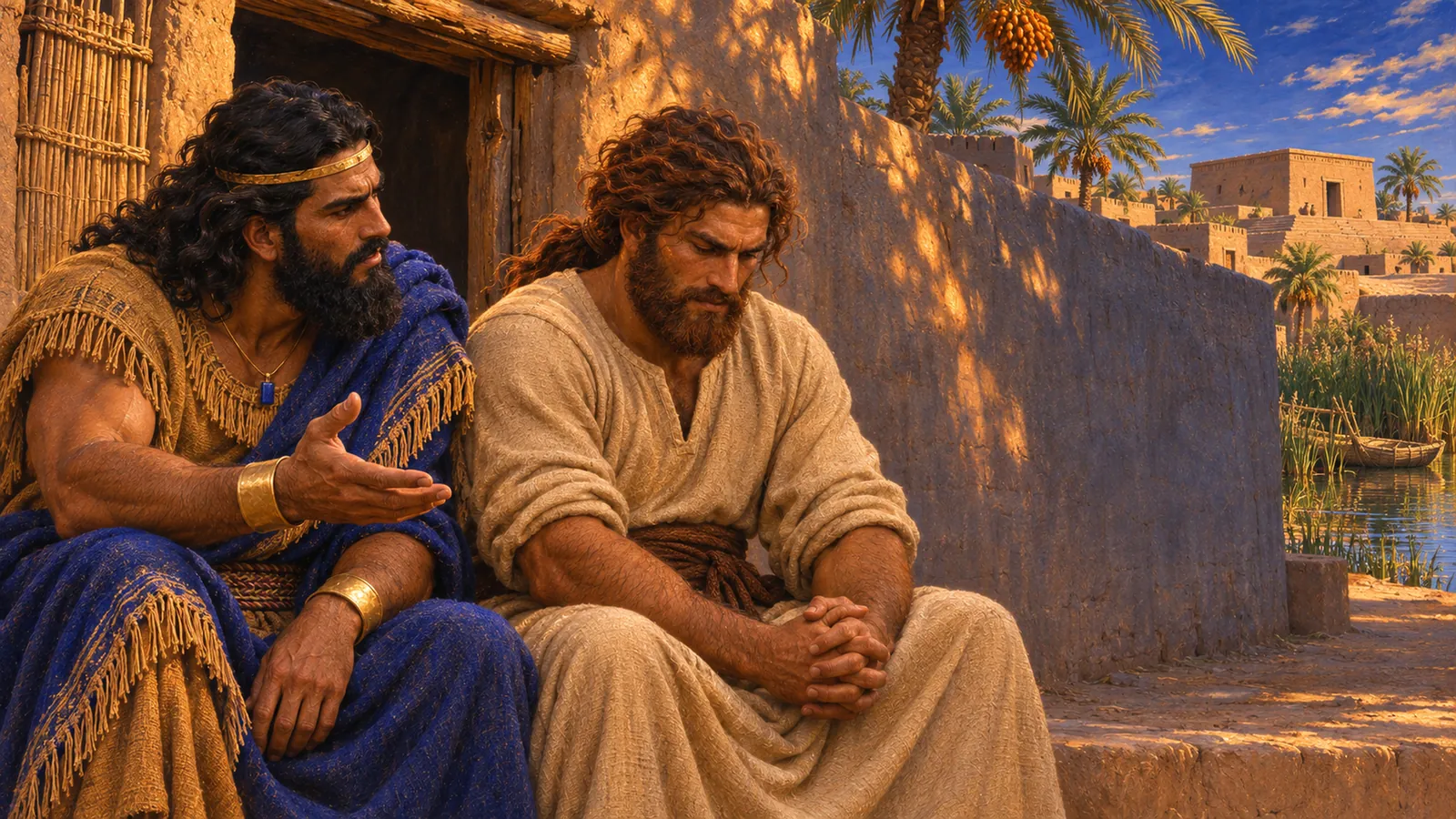
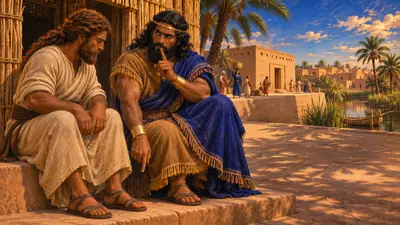
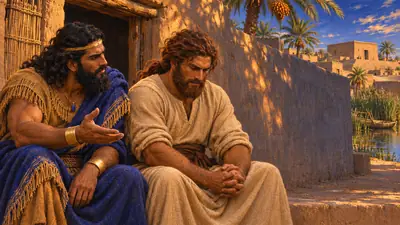
Gilgamesh a demandé à son ami quel ordre régnait dans le monde souterrain. Enkidu a répondu que s’il lui racontait cela, ils devraient tous deux s’asseoir et pleurer.
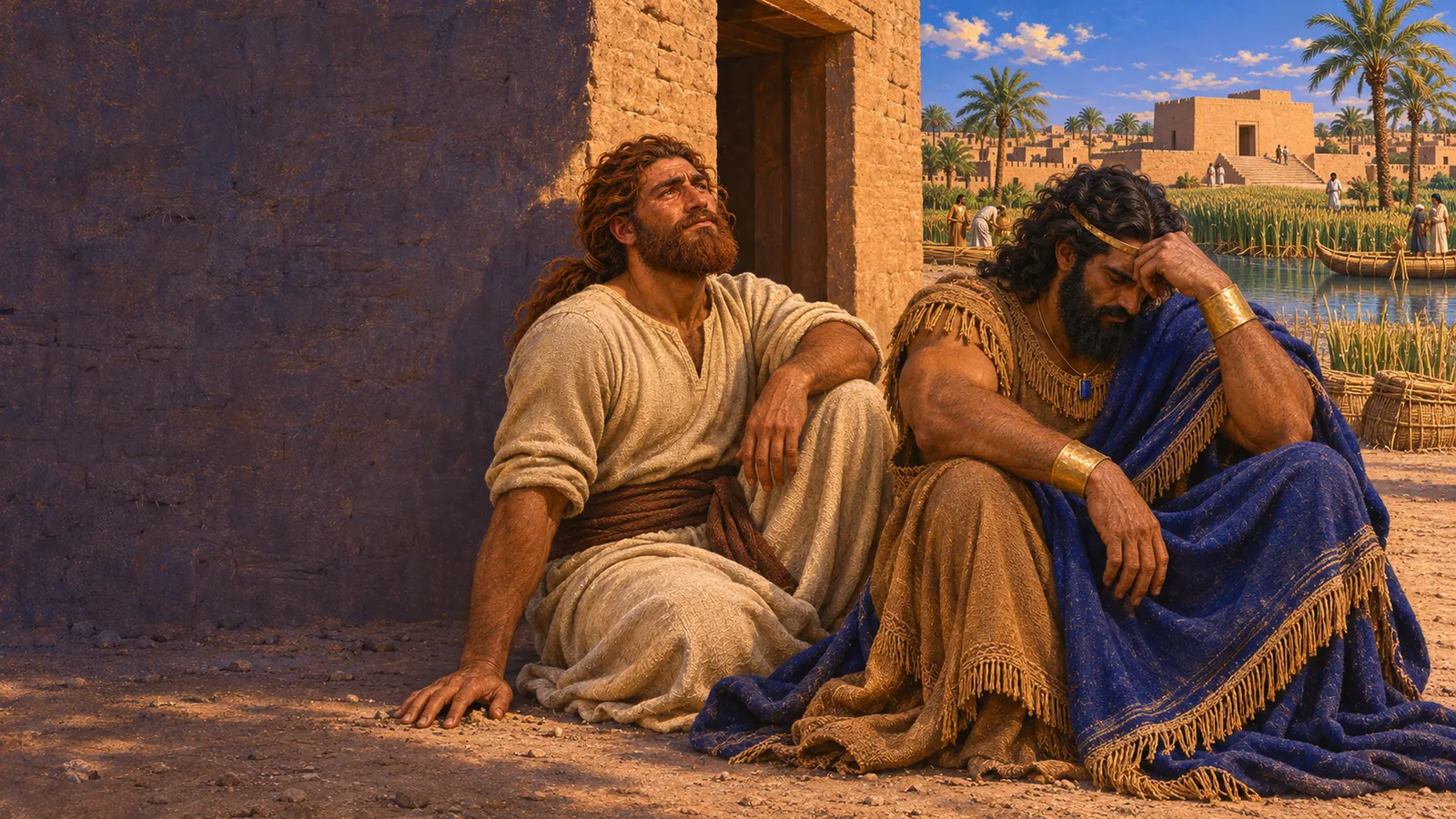
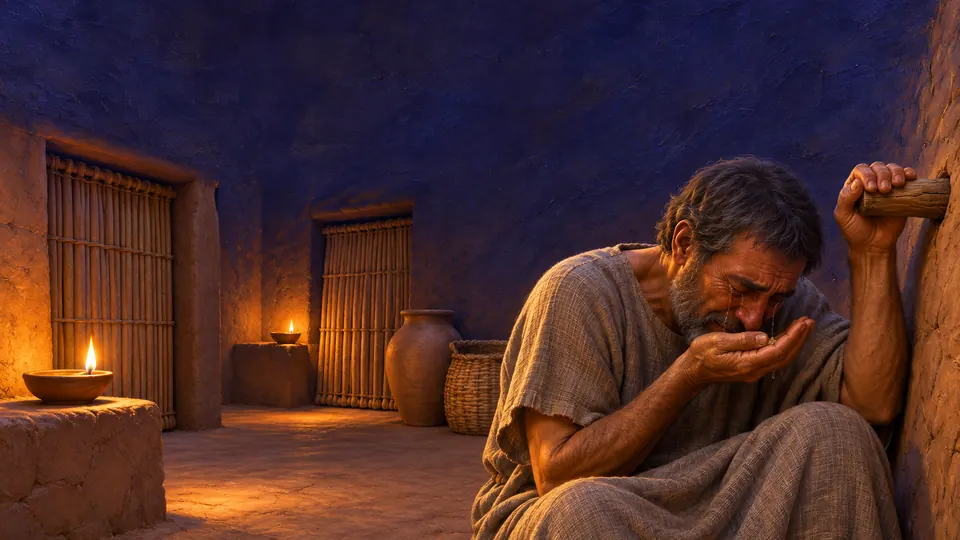
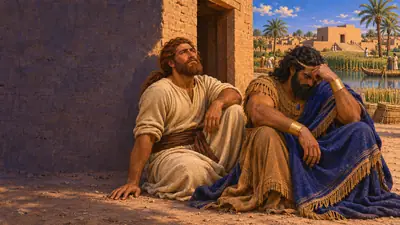
Dans la réponse abîmée d’Enkidu, il reste des mots sur la décomposition, un vieux vêtement et la poussière. On ne sait pas ce qu’il décrit. Puis vient un cri, et quelqu’un s’assied dans la poussière.
Fin du chapitre 2
Toutes les pages



Sources
The page references follow the printed groups in Oxford’s Version A. The parallel from Me-Turan has its own line numbering and supplies details specific to that witness.
Éditions consultées
Notes sur ce récit
Pages 1–5, Version A 166–175. Gilgamesh weeps at the gate of Ganzer. He laments both implements, wishes that the ellag were still waiting in the carpenter’s house and says how he would treat the carpenter’s wife and child. The translation gives manuscript variations for the wording of both retrieval questions. The retelling condenses the recurring wish and keeps the two questions distinct. Ellag and ekidma are the edition’s terms for the two game implements. The passage supplies no rules and the edition notes earlier that the pronunciation of ekidma is uncertain (Version A 136–150).
Pages 6–9, Version A 176–183. The composite calls Enkidu Gilgamesh’s servant and gives his promise to retrieve each implement. The wording of “answered,” the designation of his addressee and the formula urging attention vary across the witnesses. In Gilgamesh’s conditional instruction one witness omits “today.” The retelling follows the composite and condenses the final repeated appeals to heed the advice.
Pages 10–12, Version A 184–198. The clean garments would mark Enkidu as an outsider. A witness shifts the possessive in the phrase about scent from the oil to the person. The retelling uses the scent of the oil. Gilgamesh warns that those struck down by throw-sticks would surround Enkidu if he hurled them. These are his instructions and describe no action by Enkidu on these pages.
Pages 13–14, Version A 184–198. The Oxford English has a duplicated negative in the instruction about the cornel-wood stick. The sequence of prohibitions and the later description of the spirits’ reaction when Enkidu holds it (Version A 205–220) support reading the clause as a warning against holding the stick. The instructions against sandals and shouting finish this group of pages. The following pages continue the same Oxford passage.
Pages 15–18, Version A 184–198. Gilgamesh warns against kissing his beloved wife on page 15, striking his wife even if annoyed with her on page 16, and kissing his beloved child or striking his son even if annoyed on page 17. Page 18 gives his warning that the resulting outcry would detain Enkidu below. The warnings are part of Gilgamesh’s instructions.
Pages 19–21, Version A 199–204. This passage is still Gilgamesh speaking. The woman is identified as the mother of Ninazu who lies there. She has no proper name in this passage. The exact comparison gives fingers like a pickaxe, and says she plucks her hair like leeks. The artwork uses empty settings throughout.
Pages 22–26, Version A 205–220. The translation prints a duplicated negative in the sentence about whether Enkidu heeded his master. His ensuing actions establish the intended disobedience. Clean garments give him away, the smell of fine oil draws those below around him, those struck down by throw-sticks surround him, the spirits take offense when he holds the cornel-wood stick, and he puts on sandals and causes irritation. The earlier warning includes shouting. This paragraph describes irritation without specifying a shout.
Pages 27–29, Version A 205–220. The text says Enkidu kissed his wife and struck her when annoyed. It then says he kissed his child and struck his son when annoyed. The two assaults are reported separately. Page 29 gives the ensuing outcry. Detention belongs to the final clause, taken up on page 30.
Page 30 (Version A 205–220). The Oxford English translation prints a duplicated negative in the introductory phrase about heeding Gilgamesh. The actions, including striking his wife and his son when annoyed, give the result of breaking the prohibitions. The outcry and Enkidu’s detention close this source group.
Page 31 (Version A 221–229). The warrior Gilgamesh is identified as the son of Ninsumun, the name rendered here as Ninsun. He goes alone to Ekur, Enlil’s temple. The place name Nippur appears in the linked account of Ekur. In this passage the translation gives the sanctuary’s name.
Pages 32–35 (Version A 221–229). Gilgamesh says the ellag fell into the netherworld and the ekidma fell into Ganzer. In his appeal he distinguishes the netherworld’s seizure of Enkidu from seizure by Namtar, Asag and Nergal’s udug, and from falling in battle. Enlil does not stand by him. He then goes to Eridu, written Eridug in Oxford’s translation.
Pages 36–39 (Version A 230–237). Gilgamesh goes alone to the temple of Enki and repeats the loss of the objects and the distinctions concerning Enkidu’s seizure. This time Enki stands by him. The instruction to Utu starts in the following group, 238–242.
Me-Turan, Segment A 10–24. In this parallel the servant stays below for seven days, and the king calls Enkidu his beloved servant, faithful companion and counsellor. The witness repeats the appeal at Ekur with damaged wording. Oxford marks an unknown number of missing lines after Segment A 17–24. The seven days belong to this witness.
Pages 40–41, ETCSL 1.8.1.4, Version A, lines 238–242. Enki instructs Utu, the young warrior born to Ningal, to open a hole and bring Gilgamesh’s servant up. Utu opens it and brings him up. Oxford places a question mark after the reading about a breeze. The translation does not settle which form Enkidu took or whether the implements were recovered.
Pages 42–43, lines 243–253. The two embrace and kiss, then ask questions. Gilgamesh asks about the netherworld’s order. Enkidu says that if he tells him, both will sit and weep.
Page 44, lines 243–253. The referent of the damaged clause is unclear. The surviving description says worms infest it, with a questioned old-garment comparison, and speaks of dust. The translation ends the exchange with a lament and sitting in the dust, using a pronoun.
Les vers antiques de chaque page
- Page 1: ETCSL 1.8.1.4, Version A, lines 166–175
- Page 2: ETCSL 1.8.1.4, Version A, lines 166–175
- Page 3: ETCSL 1.8.1.4, Version A, lines 166–175
- Page 4: ETCSL 1.8.1.4, Version A, lines 166–175
- Page 5: ETCSL 1.8.1.4, Version A, lines 166–175
- Page 6: ETCSL 1.8.1.4, Version A, lines 176–183
The whole left text rectangle is continuous dull earth-clay shade. - Page 7: ETCSL 1.8.1.4, Version A, lines 176–183
- Page 8: ETCSL 1.8.1.4, Version A, lines 176–183
- Page 9: ETCSL 1.8.1.4, Version A, lines 176–183
- Page 10: ETCSL 1.8.1.4, Version A, lines 184–198
- Page 11: ETCSL 1.8.1.4, Version A, lines 184–198
- Page 12: ETCSL 1.8.1.4, Version A, lines 184–198
- Page 13: ETCSL 1.8.1.4, Version A, lines 184–198
- Page 14: ETCSL 1.8.1.4, Version A, lines 184–198
- Page 15: ETCSL 1.8.1.4, Version A, lines 184–198
- Page 16: ETCSL 1.8.1.4, Version A, lines 184–198
- Page 17: ETCSL 1.8.1.4, Version A, lines 184–198
- Page 18: ETCSL 1.8.1.4, Version A, lines 184–198
- Page 19: ETCSL 1.8.1.4, Version A, lines 199–204
- Page 20: ETCSL 1.8.1.4, Version A, lines 199–204
- Page 21: ETCSL 1.8.1.4, Version A, lines 199–204
- Page 22: ETCSL 1.8.1.4, Version A, lines 205–220
- Page 23: ETCSL 1.8.1.4, Version A, lines 205–220
- Page 24: ETCSL 1.8.1.4, Version A, lines 205–220
- Page 25: ETCSL 1.8.1.4, Version A, lines 205–220
- Page 26: ETCSL 1.8.1.4, Version A, lines 205–220
- Page 27: ETCSL 1.8.1.4, Version A, lines 205–220
- Page 28: ETCSL 1.8.1.4, Version A, lines 205–220
- Page 29: ETCSL 1.8.1.4, Version A, lines 205–220
- Page 30: ETCSL 1.8.1.4, Version A, lines 205–220
- Page 31: ETCSL 1.8.1.4, Version A, lines 221–229
- Page 32: ETCSL 1.8.1.4, Version A, lines 221–229
- Page 33: ETCSL 1.8.1.4, Version A, lines 221–229
- Page 34: ETCSL 1.8.1.4, Version A, lines 221–229
- Page 35: ETCSL 1.8.1.4, Version A, lines 221–229
- Page 36: ETCSL 1.8.1.4, Version A, lines 230–237
- Page 37: ETCSL 1.8.1.4, Version A, lines 230–237
- Page 38: ETCSL 1.8.1.4, Version A, lines 230–237
- Page 39: ETCSL 1.8.1.4, Version A, lines 230–237
- Page 40: ETCSL 1.8.1.4, Version A, lines 238–242
- Page 41: ETCSL 1.8.1.4, Version A, lines 238–242
- Page 42: ETCSL 1.8.1.4, Version A, lines 243–253
- Page 43: ETCSL 1.8.1.4, Version A, lines 243–253
- Page 44: ETCSL 1.8.1.4, Version A, lines 243–253
Illustrations réalisées par IL Archive avec des outils d’IA ; le texte s’appuie sur les sources antiques (voir les sources à la fin de chaque chapitre).