Sargon et le fleuve Chapitre 2
Le roi et son successeur
Une traduction historique présente le récit de Sargon sur ses origines, la faveur d’Ishtar et ses affirmations royales. Après des incertitudes signalées et des lacunes, la voix s’adresse à un futur roi et lui demande finalement de monter à Dur-ilu.
SourcesTournez les pages avec les flèches, le clavier ou en balayant l’écran.
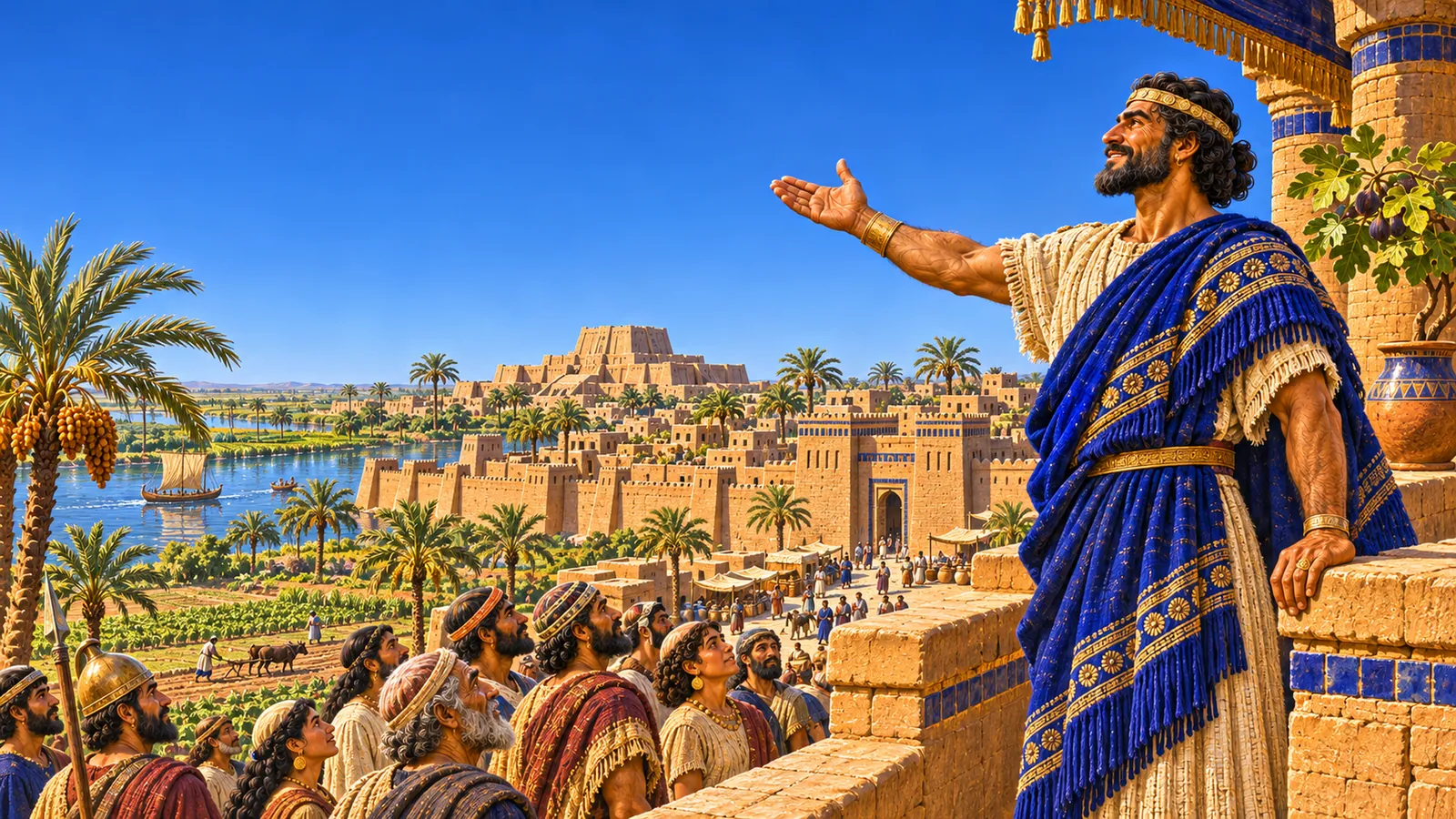
LE ROI
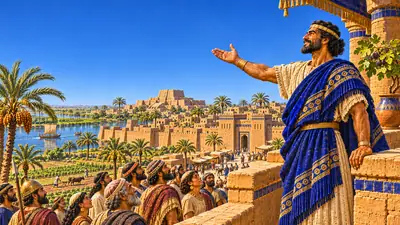
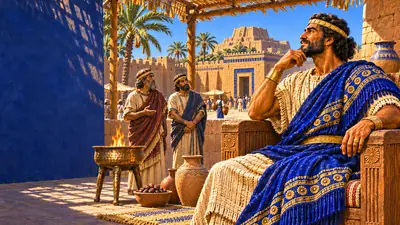
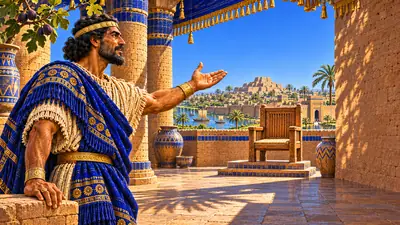
Dans la traduction de Barton de 1920, modernisée sur la page de Fordham, le narrateur se nomme Sargon et se présente comme un roi puissant, le roi d’Akkad.
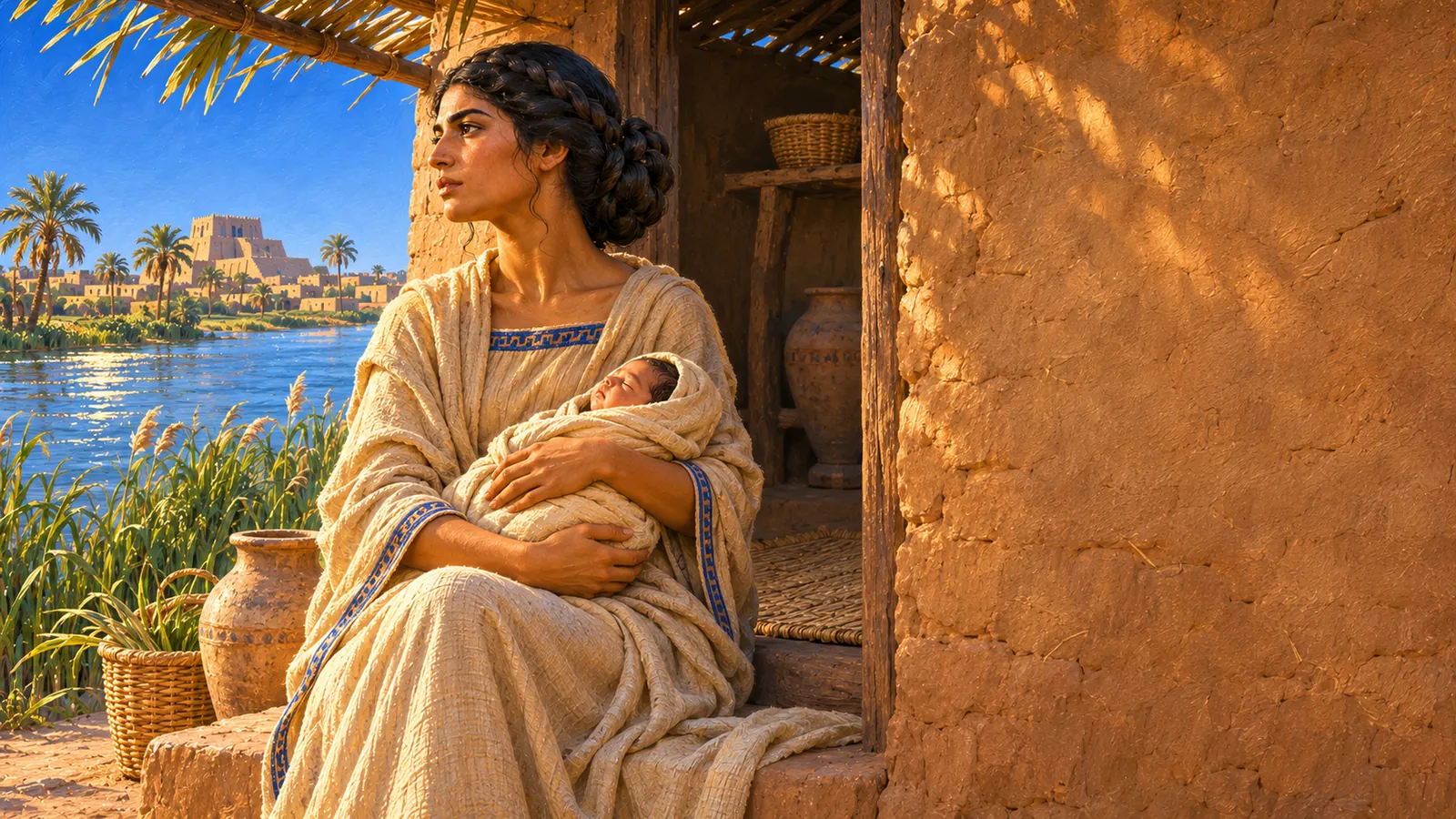
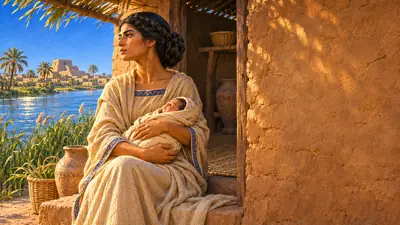
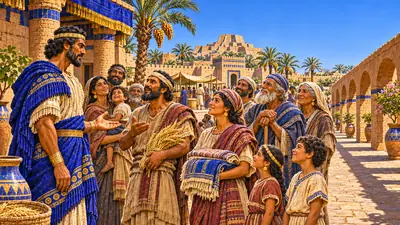
Dans cette traduction ancienne, Barton qualifie la mère du narrateur de femme de condition modeste. Dans la même ligne, Sargon dit qu’il ne connaissait pas son père.
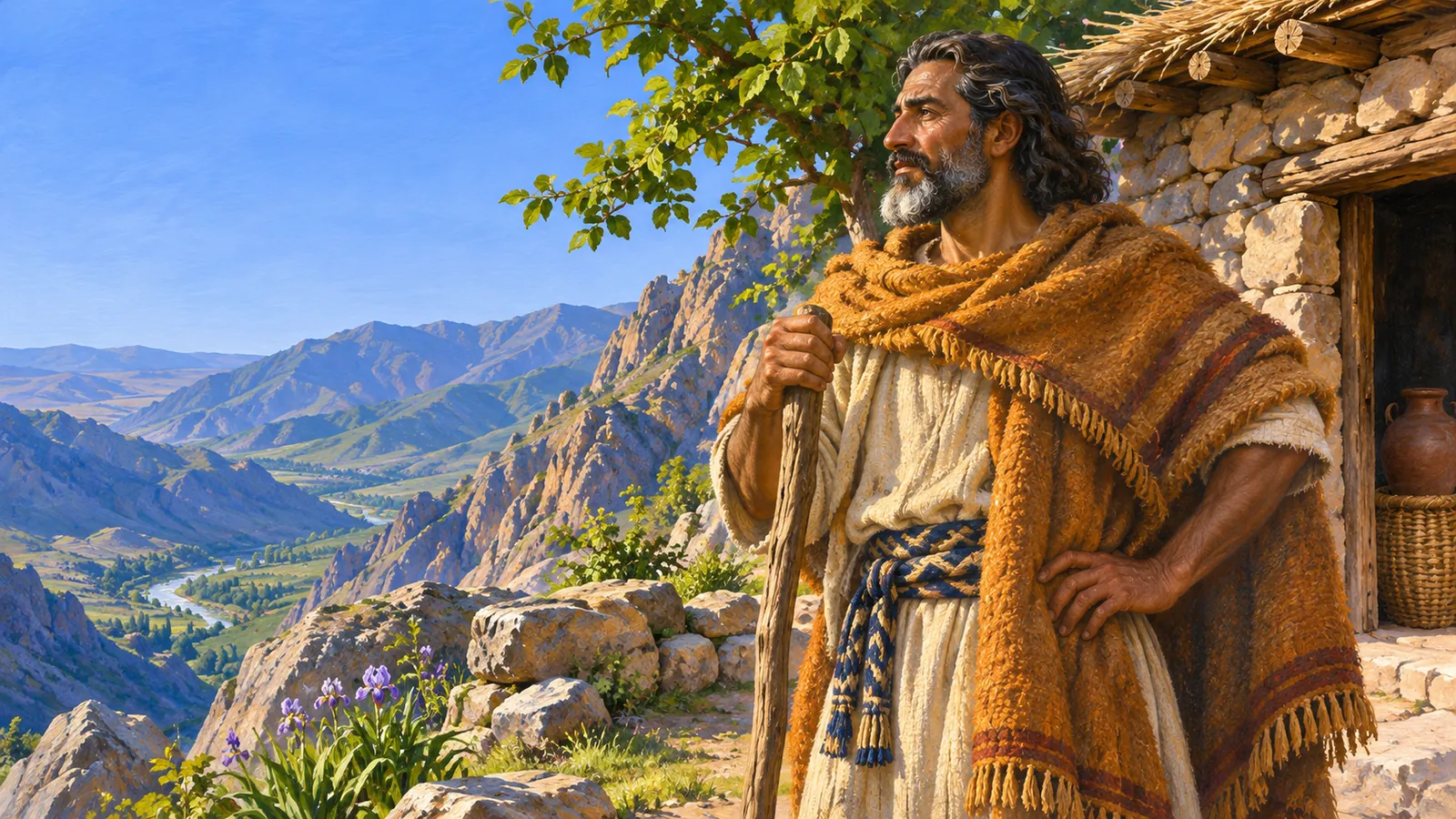
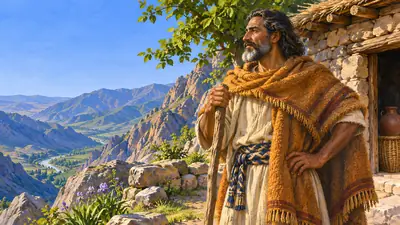
Dans la ligne suivante de la traduction ancienne de Barton, le narrateur dit que le frère de son père habitait dans la montagne.
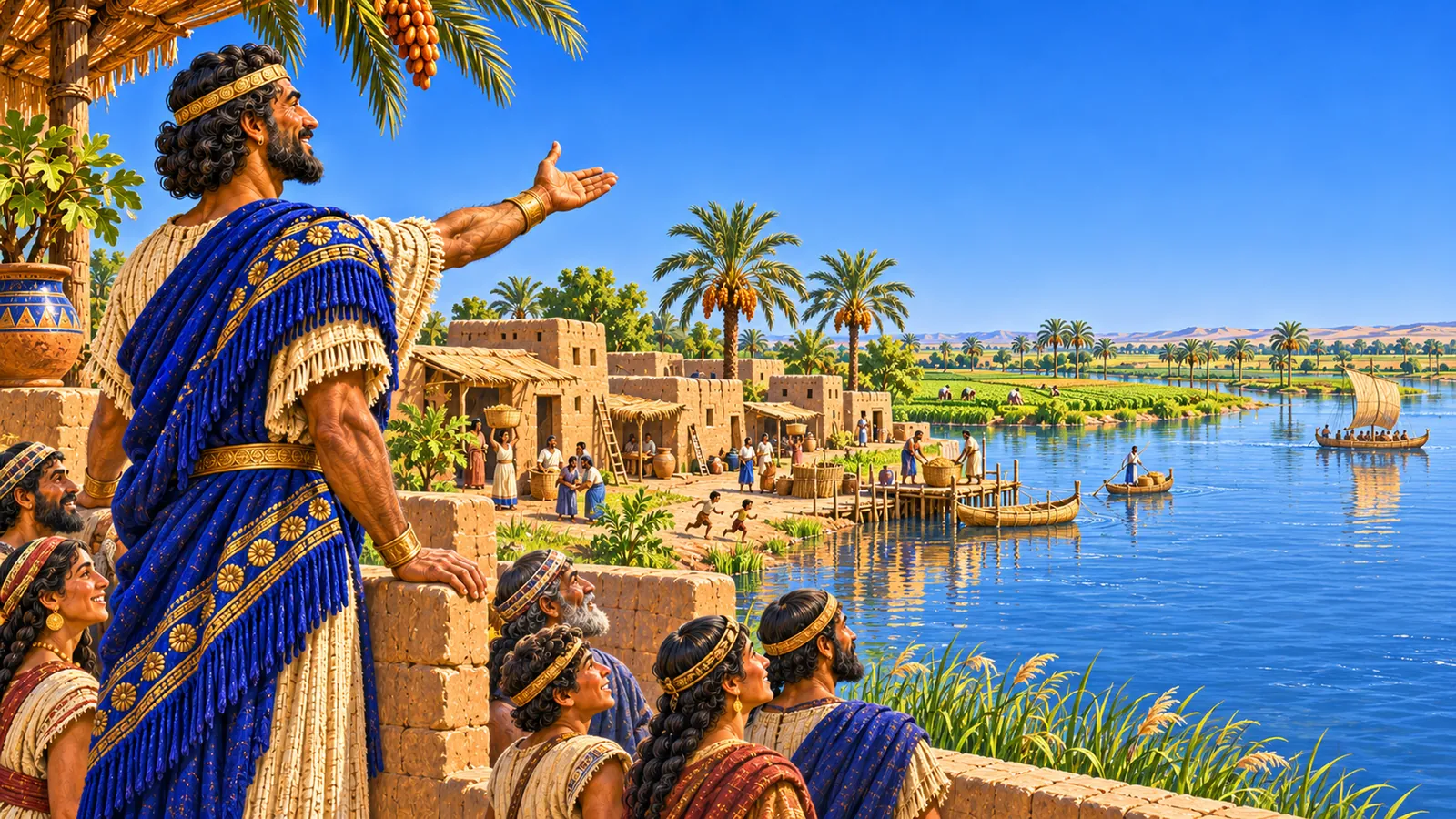
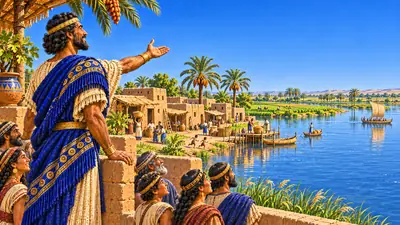
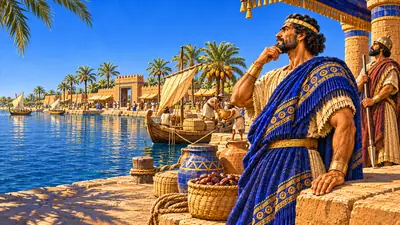
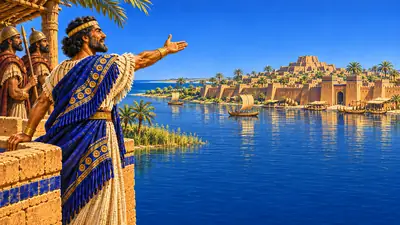
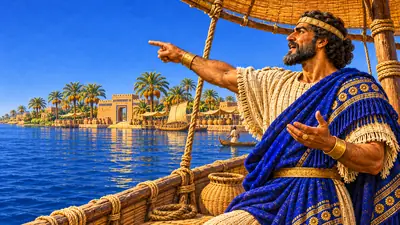
Le narrateur nomme sa ville Azupiranu et la situe au bord de l’Euphrate. C’est l’emplacement indiqué dans l’ancienne traduction de Barton.
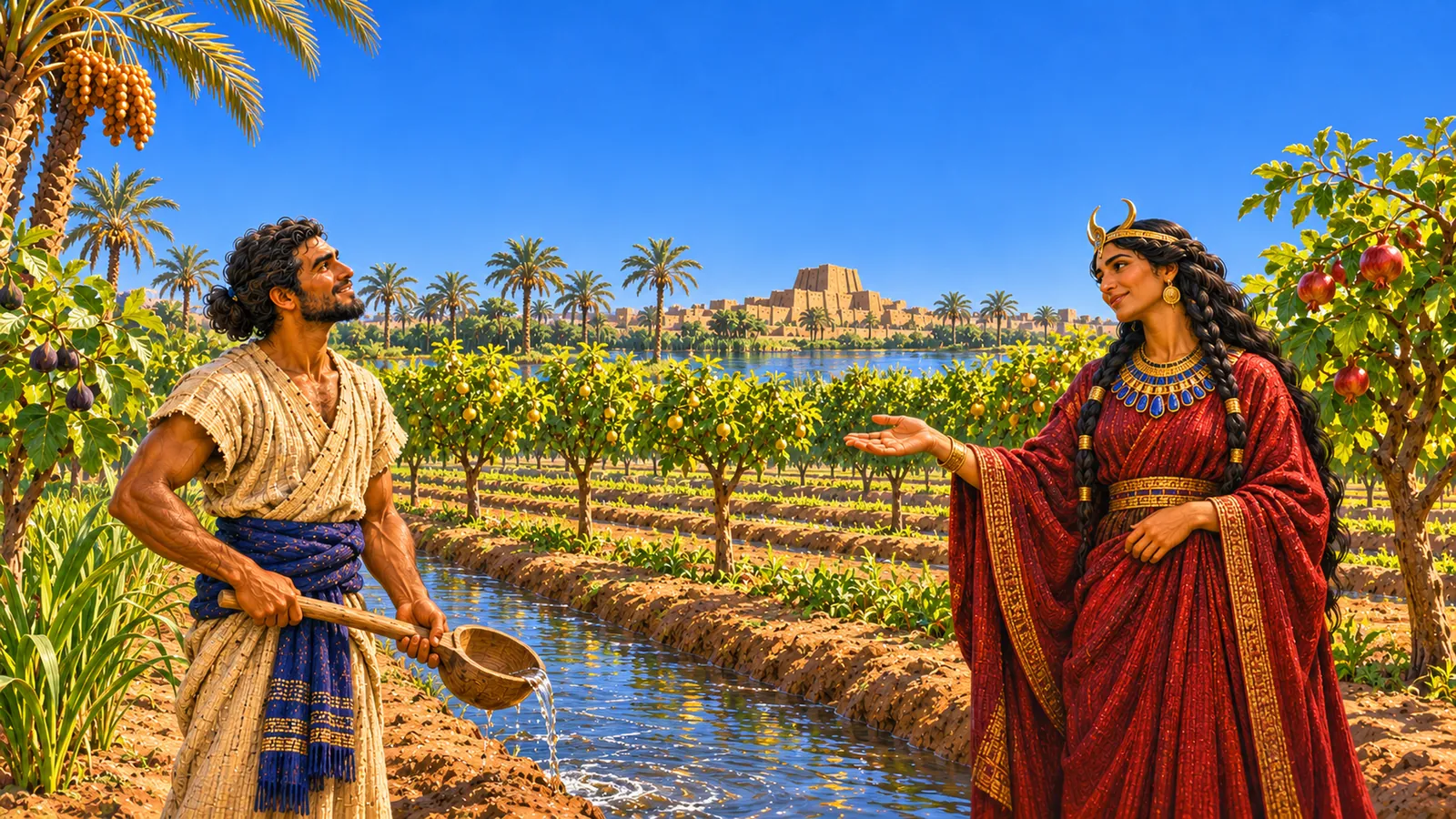
ISHTAR
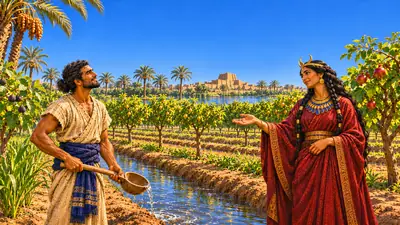
La ligne retenue ensuite dans la traduction ancienne de Barton revient à Sargon jardinier. Le narrateur dit qu’à cette époque la déesse Ishtar l’aimait.
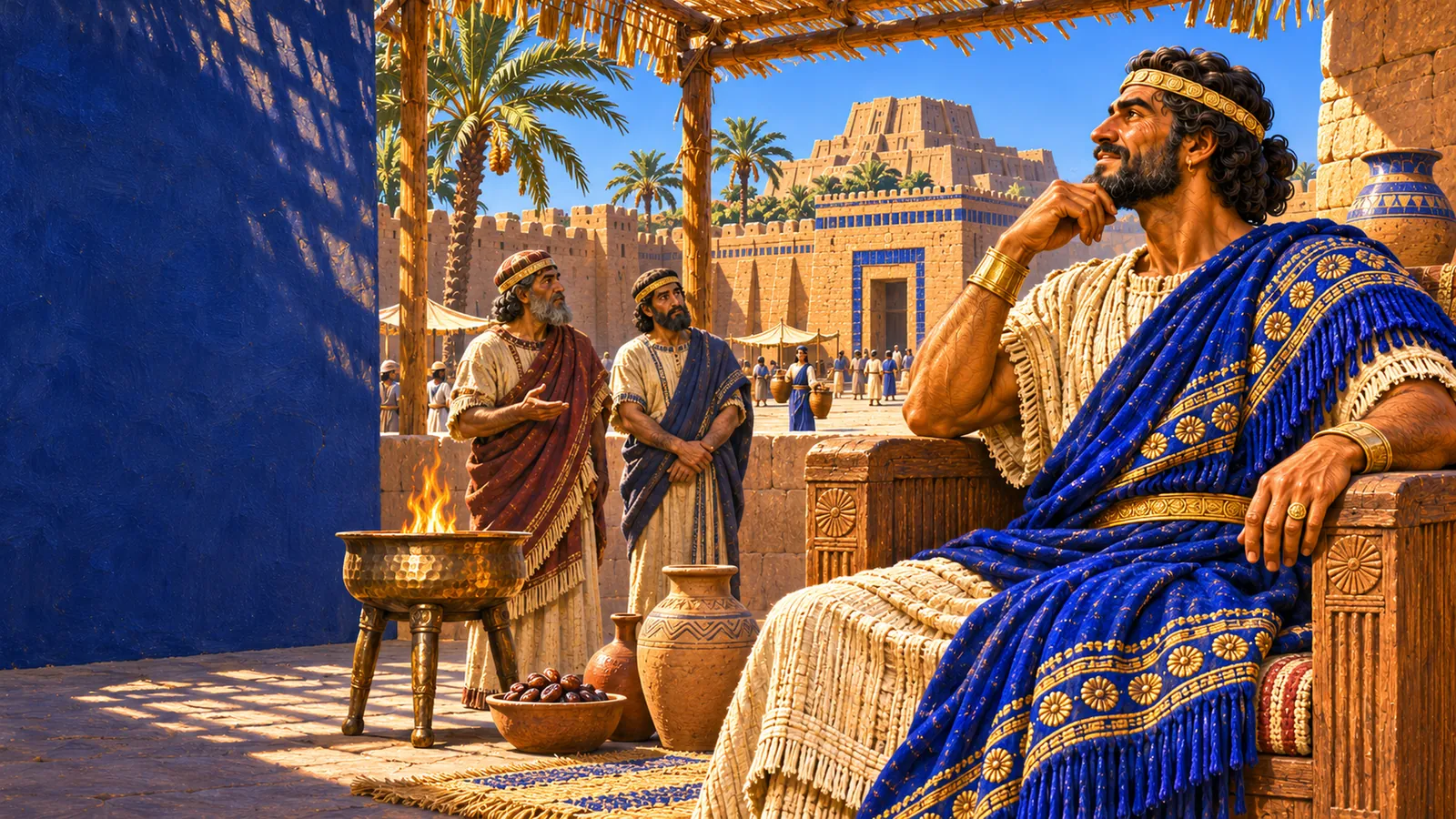
Dans l’ancienne traduction de Barton, publiée en 1920, le narrateur dit avoir régné sur le royaume pendant quatre ans.
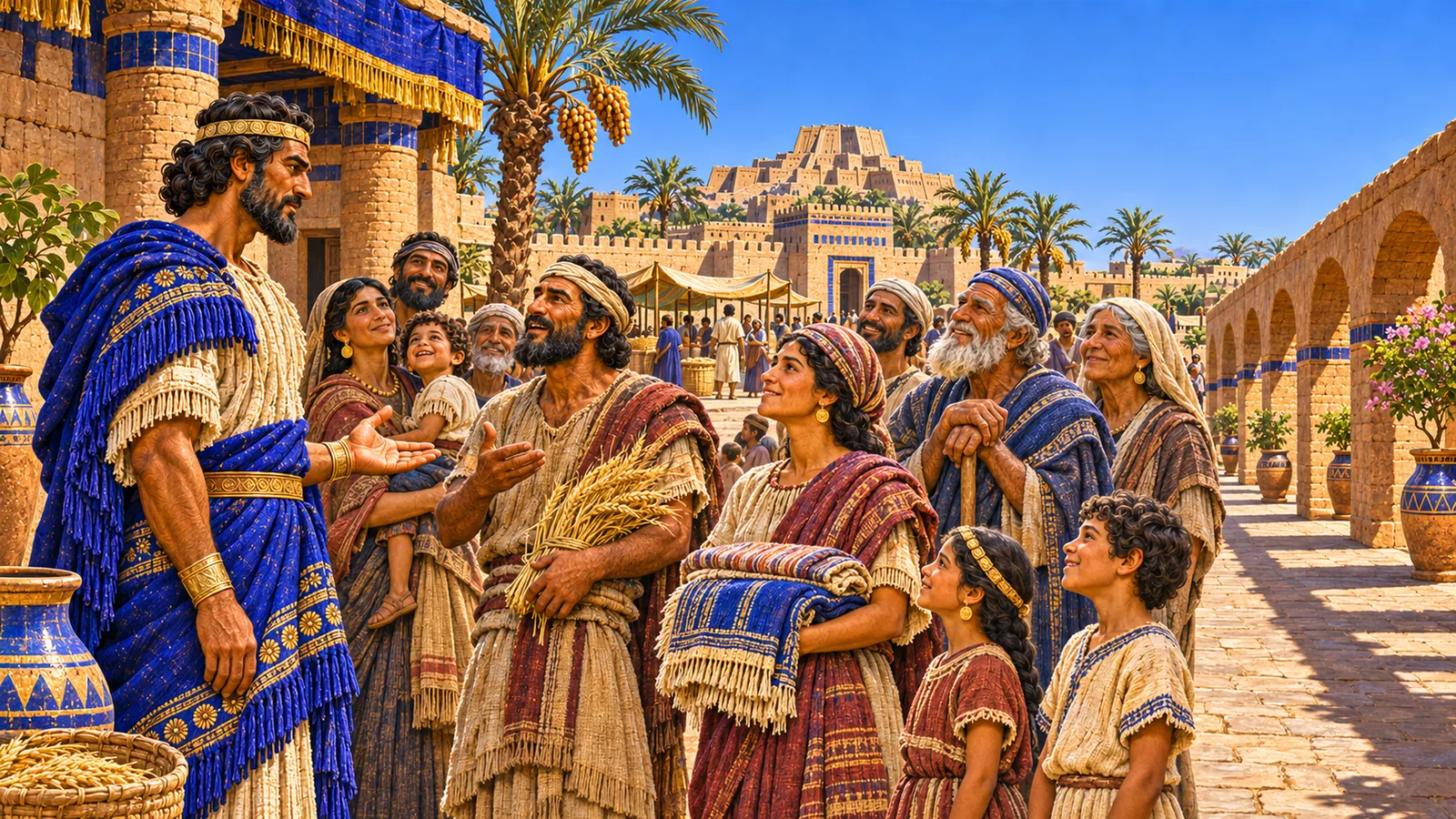
L’ancienne traduction de Barton emploie l’expression peuples aux têtes noires pour ceux que le narrateur dit avoir gouvernés.
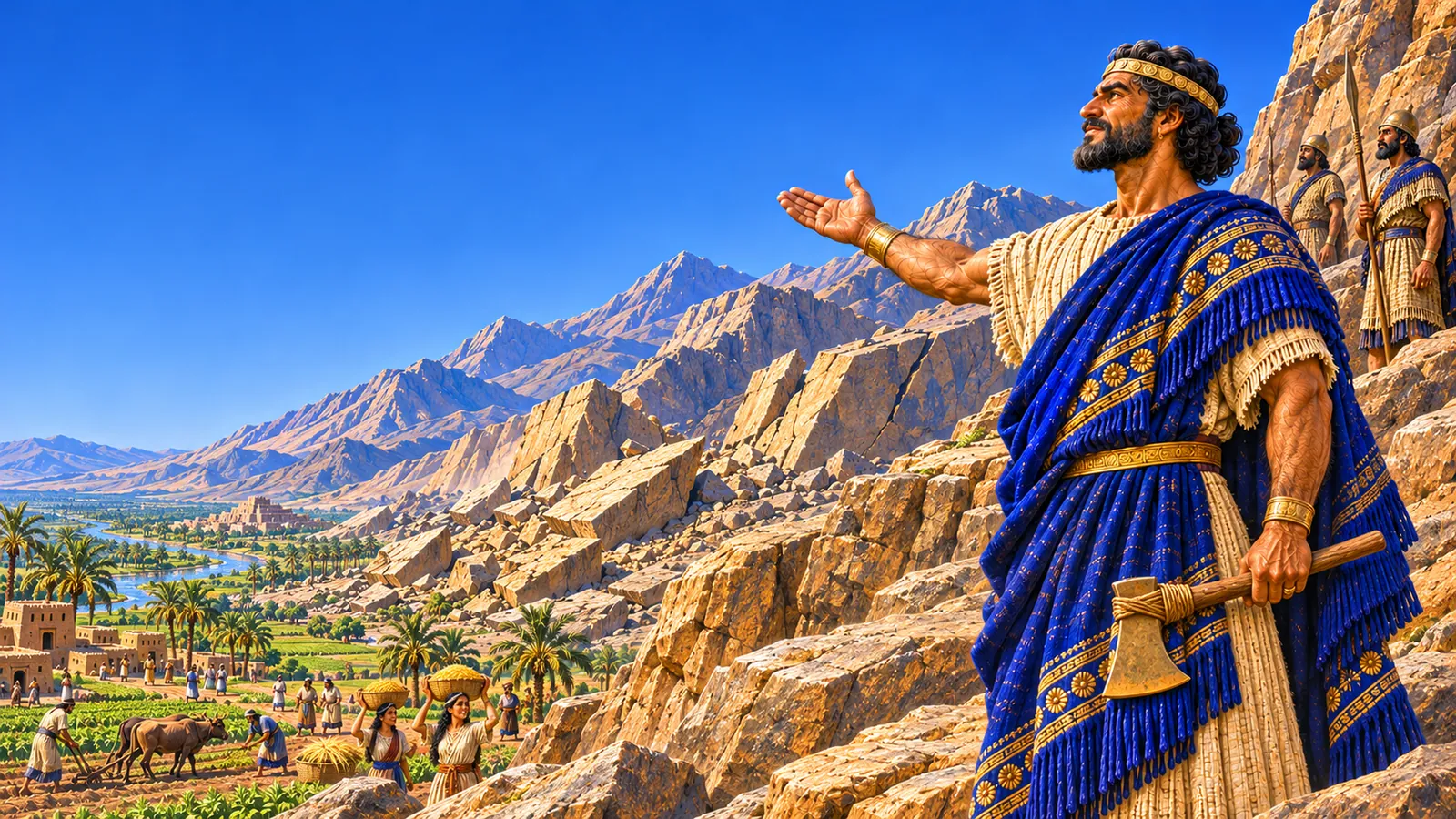
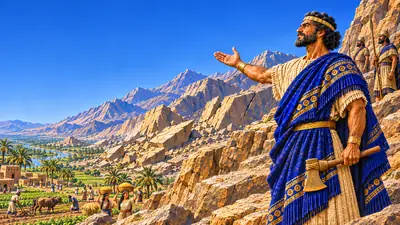
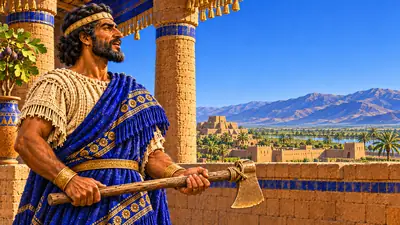
Le narrateur affirme avoir détruit de puissantes montagnes avec des haches de bronze. L’ancienne traduction de Barton place un point d’interrogation après cette affirmation, marquant une incertitude dans la traduction.
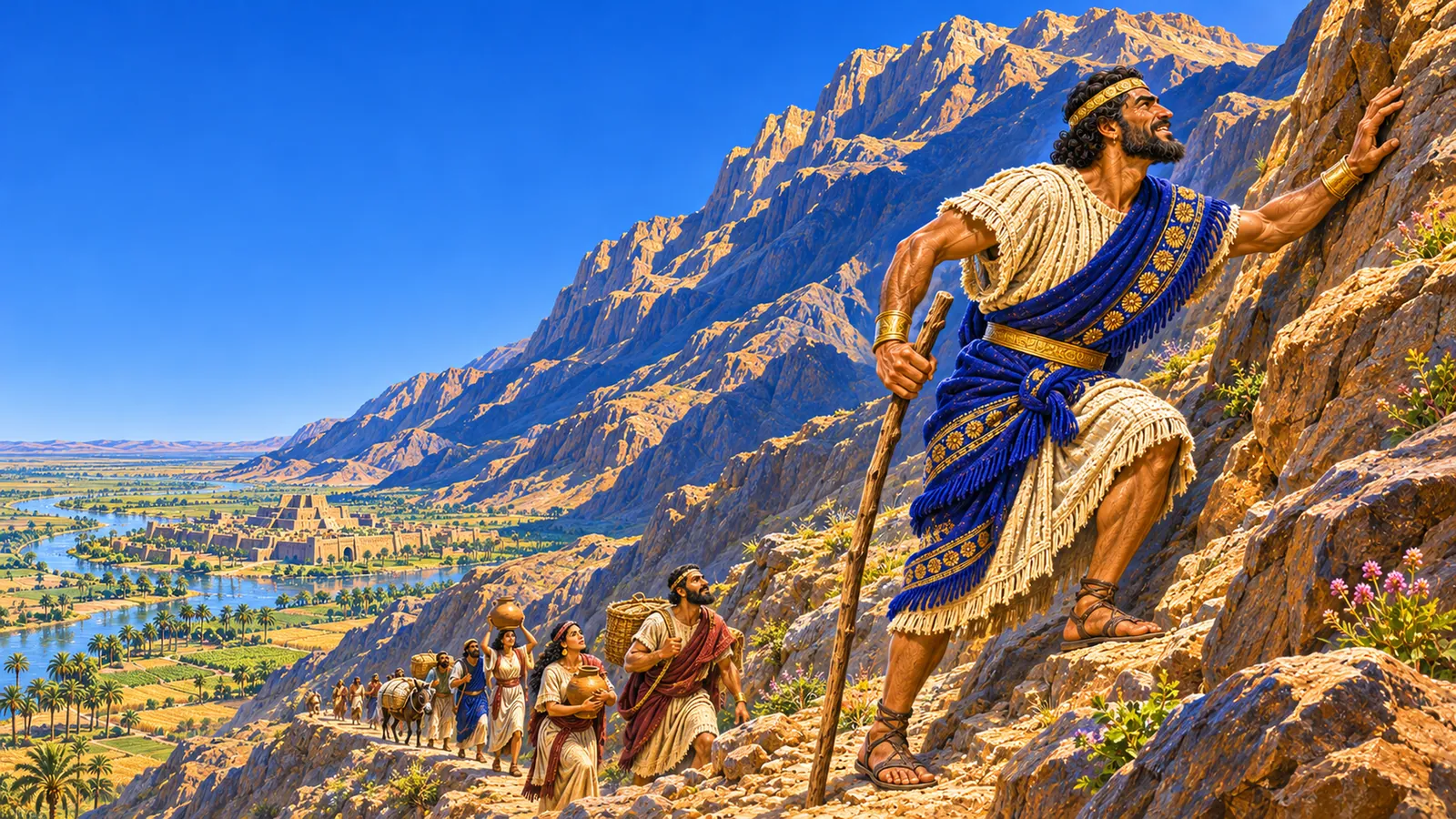
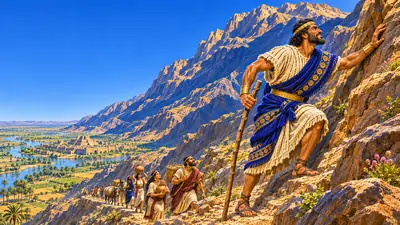
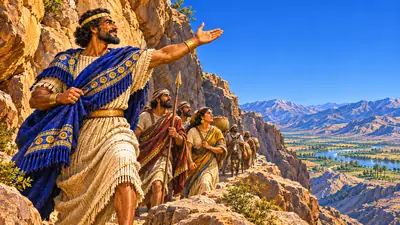
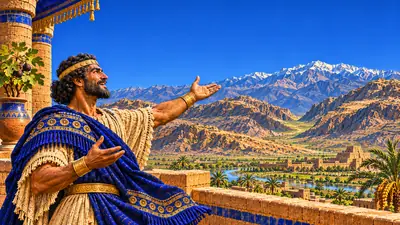
Dans la ligne suivante de l’ancienne traduction de Barton, le narrateur dit avoir gravi les montagnes supérieures.
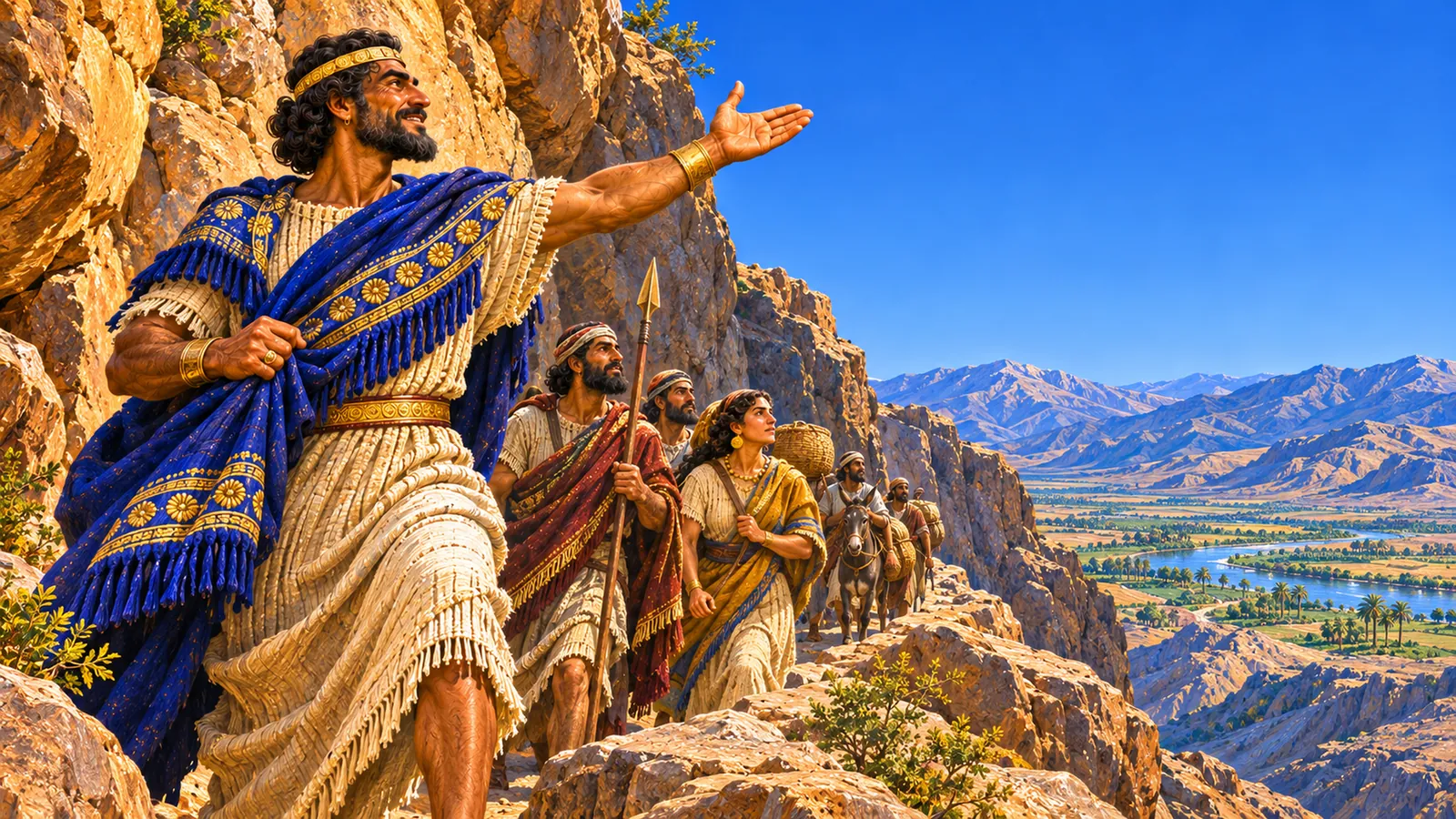
Le narrateur dit ensuite avoir percé un passage à travers les montagnes inférieures. Ces mots suivent l’ascension dans la traduction ancienne de Barton.
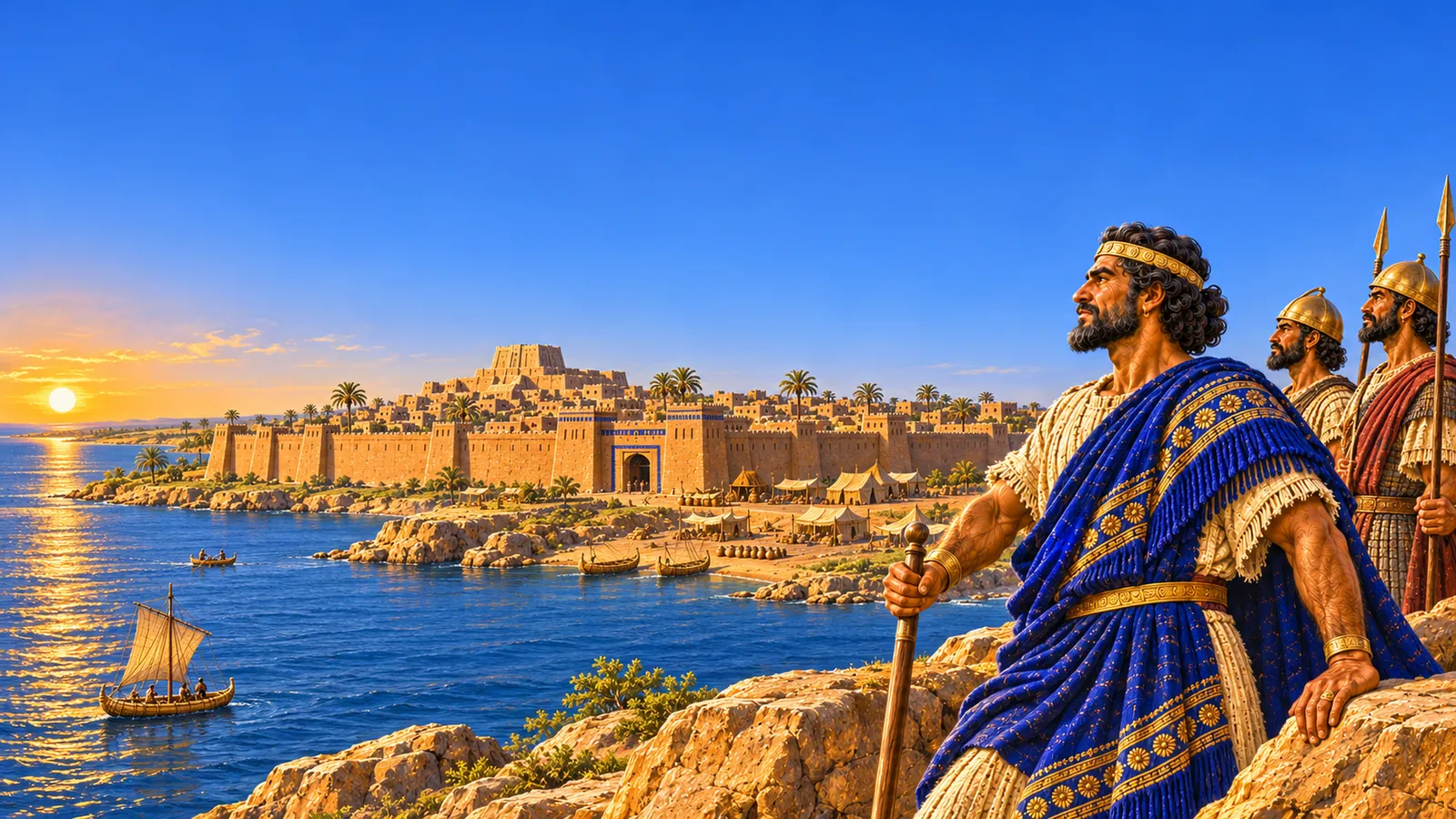
Dans cette ancienne traduction, Sargon affirme avoir assiégé trois fois le pays de la mer. Il ne raconte pas ici ces sièges.
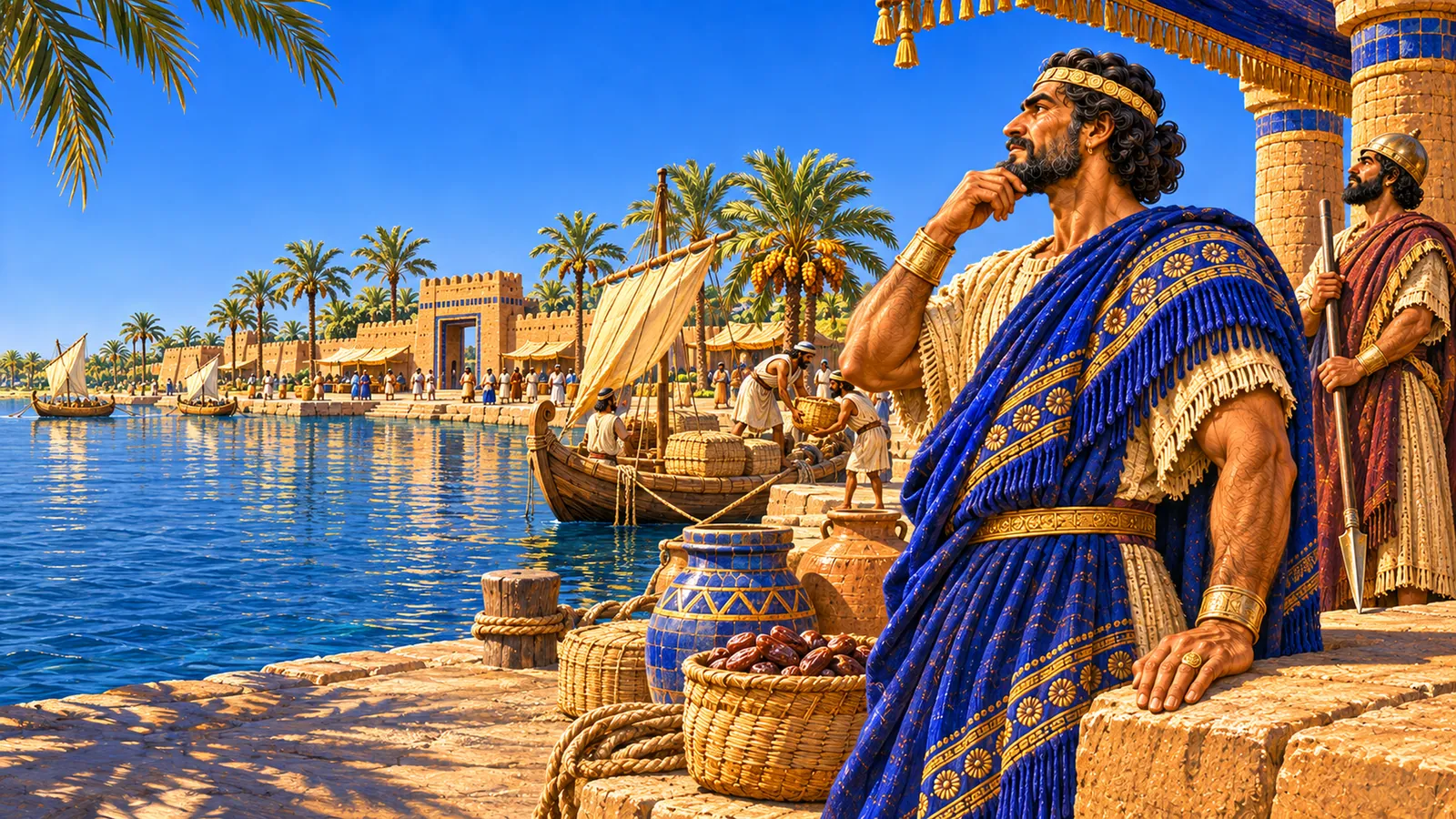
L’ancienne traduction donne pour affirmation suivante de Sargon la prise de Dilmun (?). Le point d’interrogation signale l’incertitude de cette lecture.
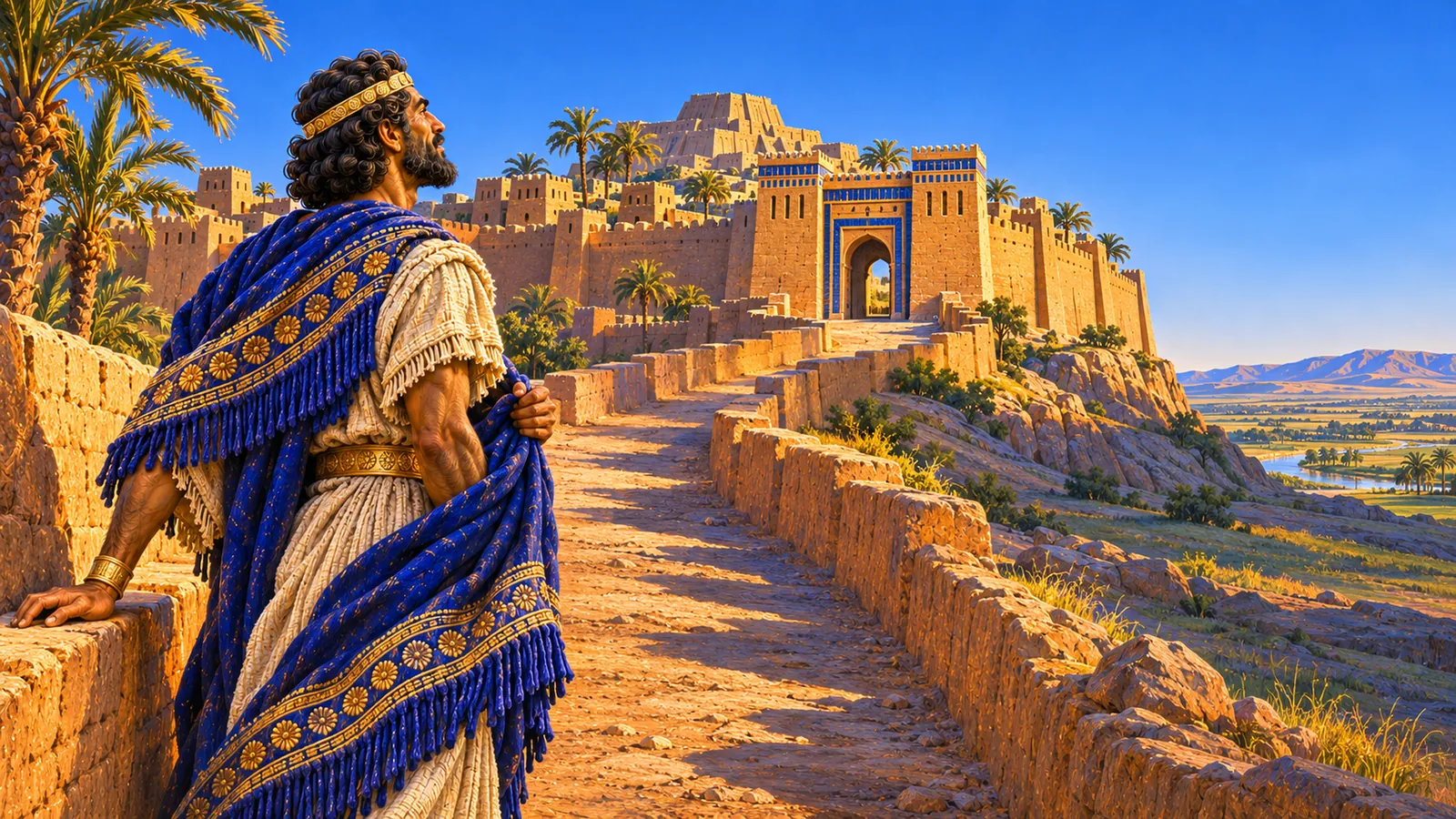
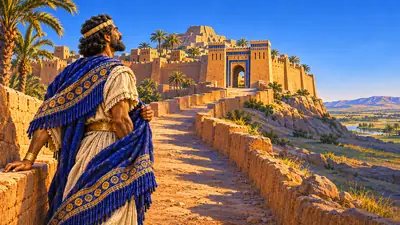
Sargon dit être monté à la grande Dur-ilu, mais la ligne s’interrompt. La suivante conserve un mot traduit par « modifié », entouré de passages manquants.
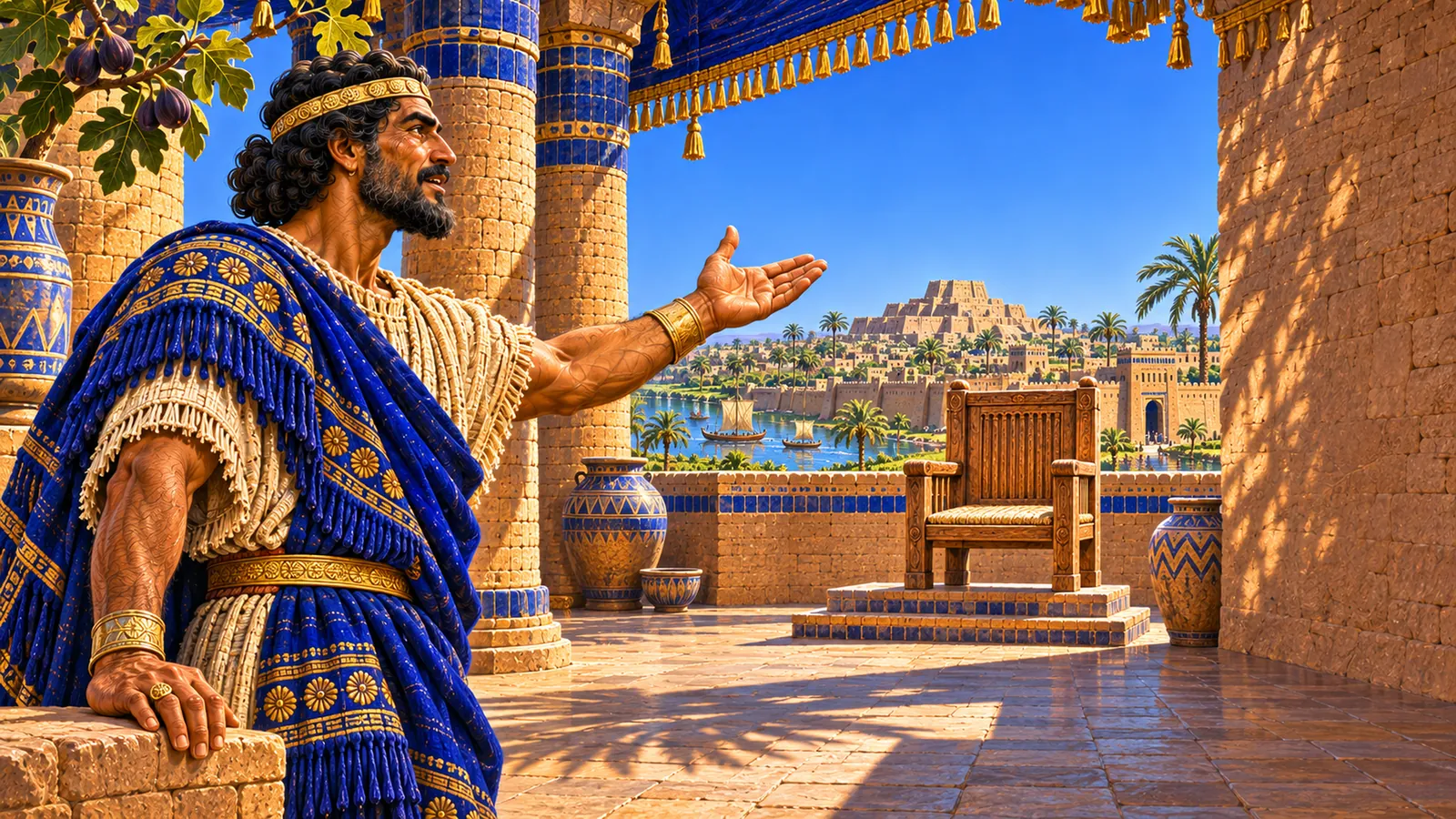
LE SUCCESSEUR
Sargon s’adresse à tout roi qui sera élevé après lui. Une ligne manquante interrompt l’adresse avant le début des instructions destinées à ce futur roi.
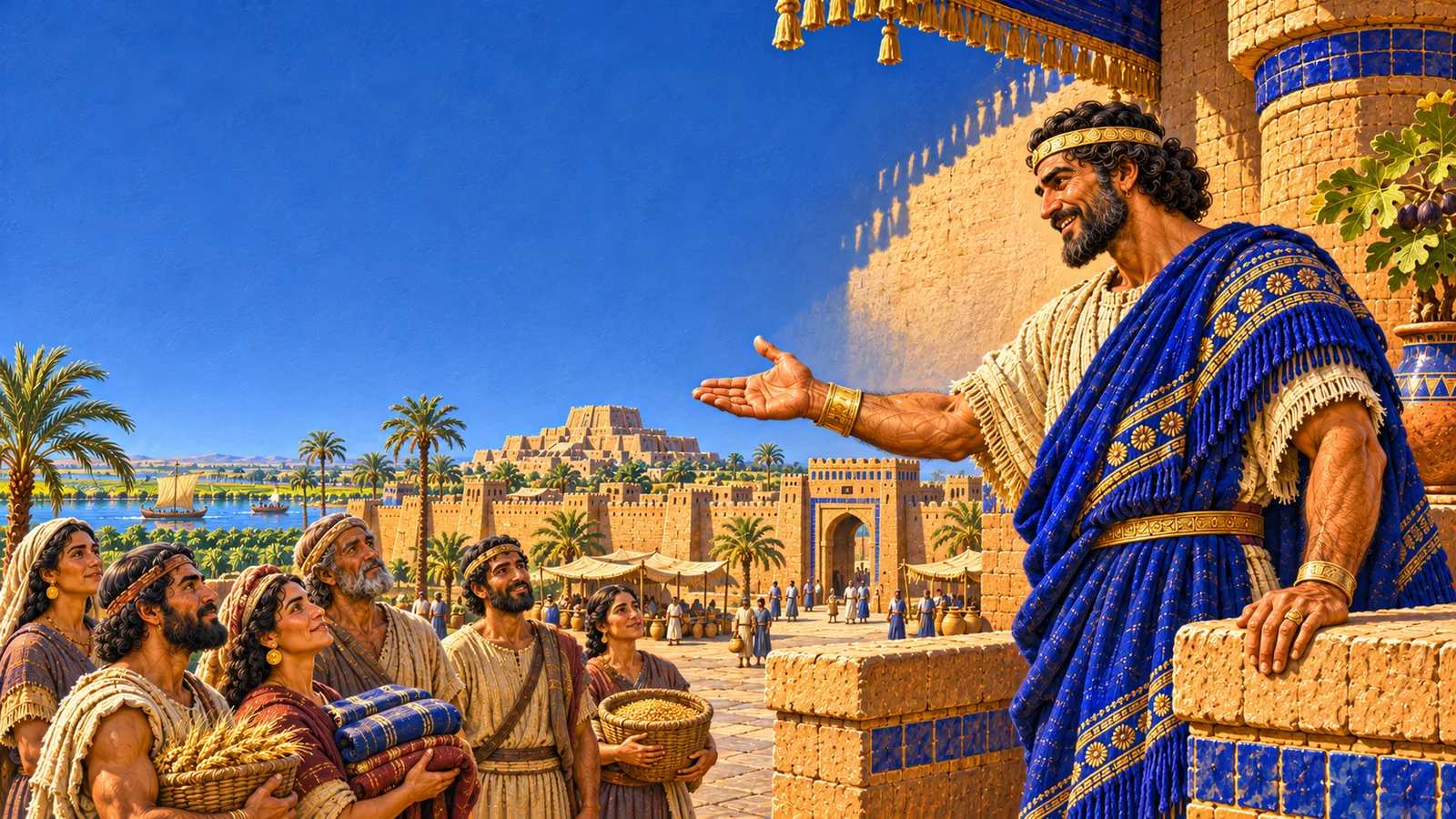
La voix royale demande au futur roi de régner sur le peuple que cette ancienne traduction appelle les têtes noires et de le gouverner.
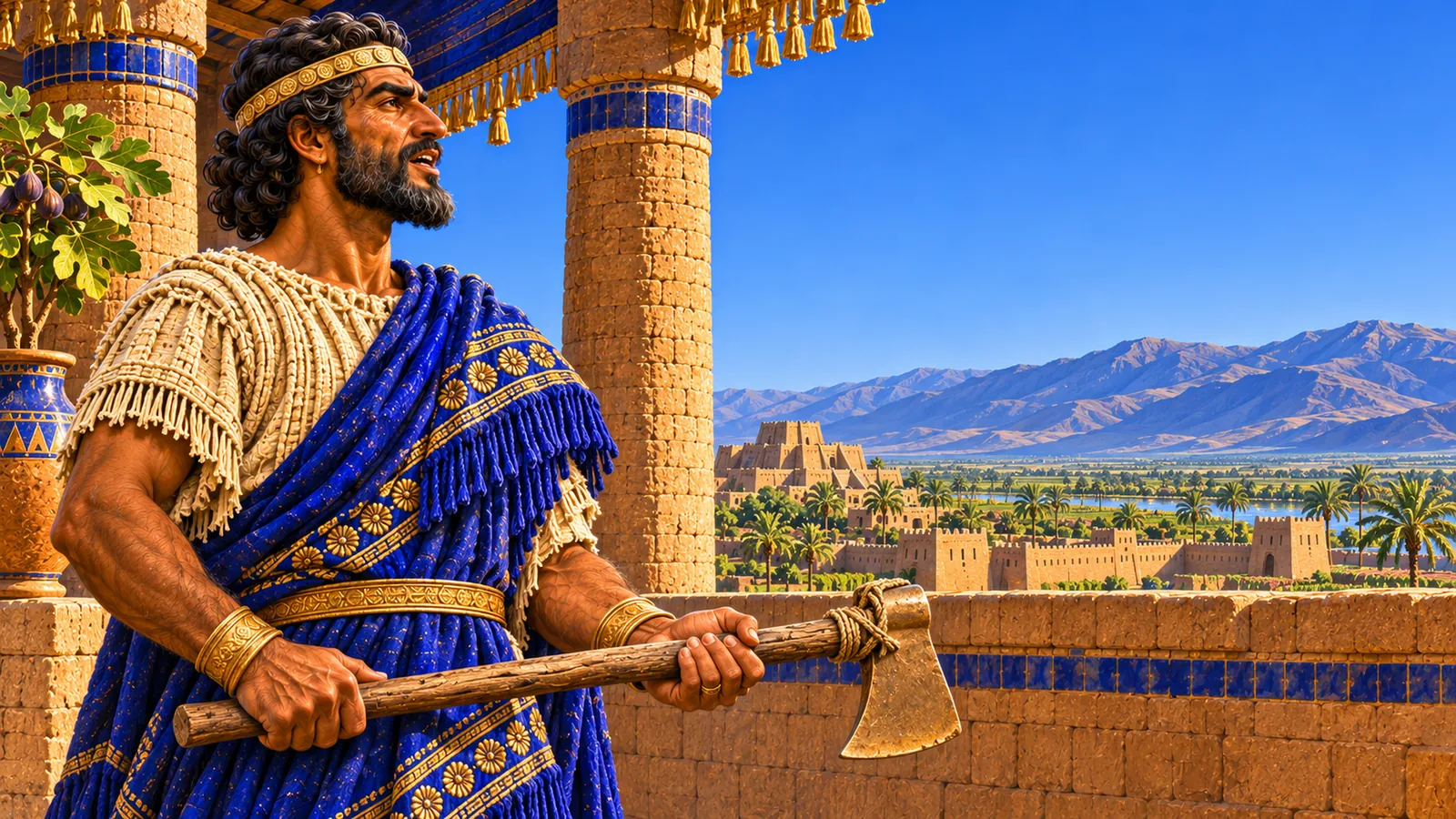
Sargon demande au futur roi de détruire les puissantes montagnes avec des haches de bronze. L’ancienne traduction présente ces mots comme une instruction à son successeur.
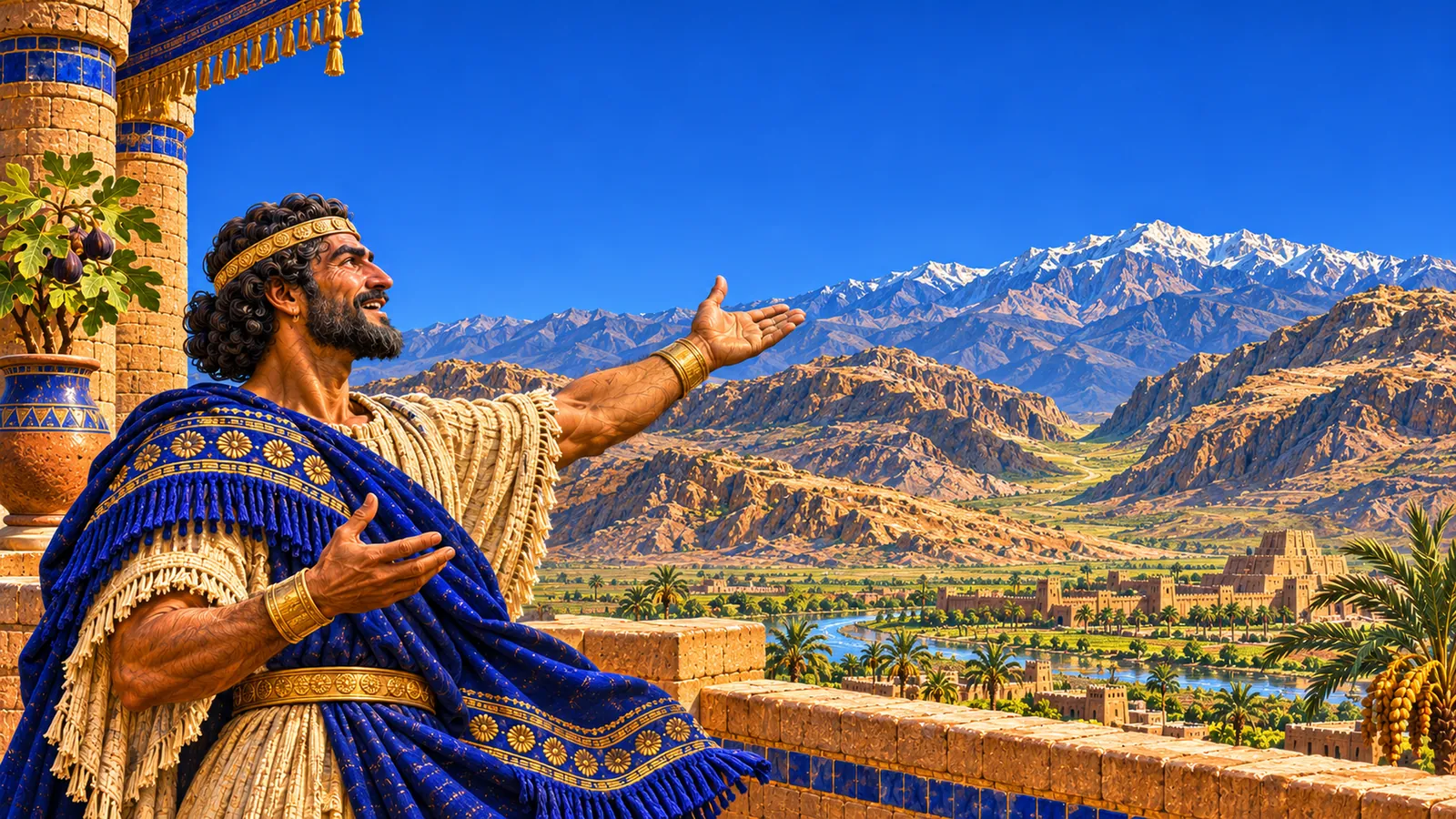
Il exhorte ce roi à gravir les montagnes supérieures et à se frayer un passage dans les montagnes inférieures. Ce sont des ordres adressés à son successeur.
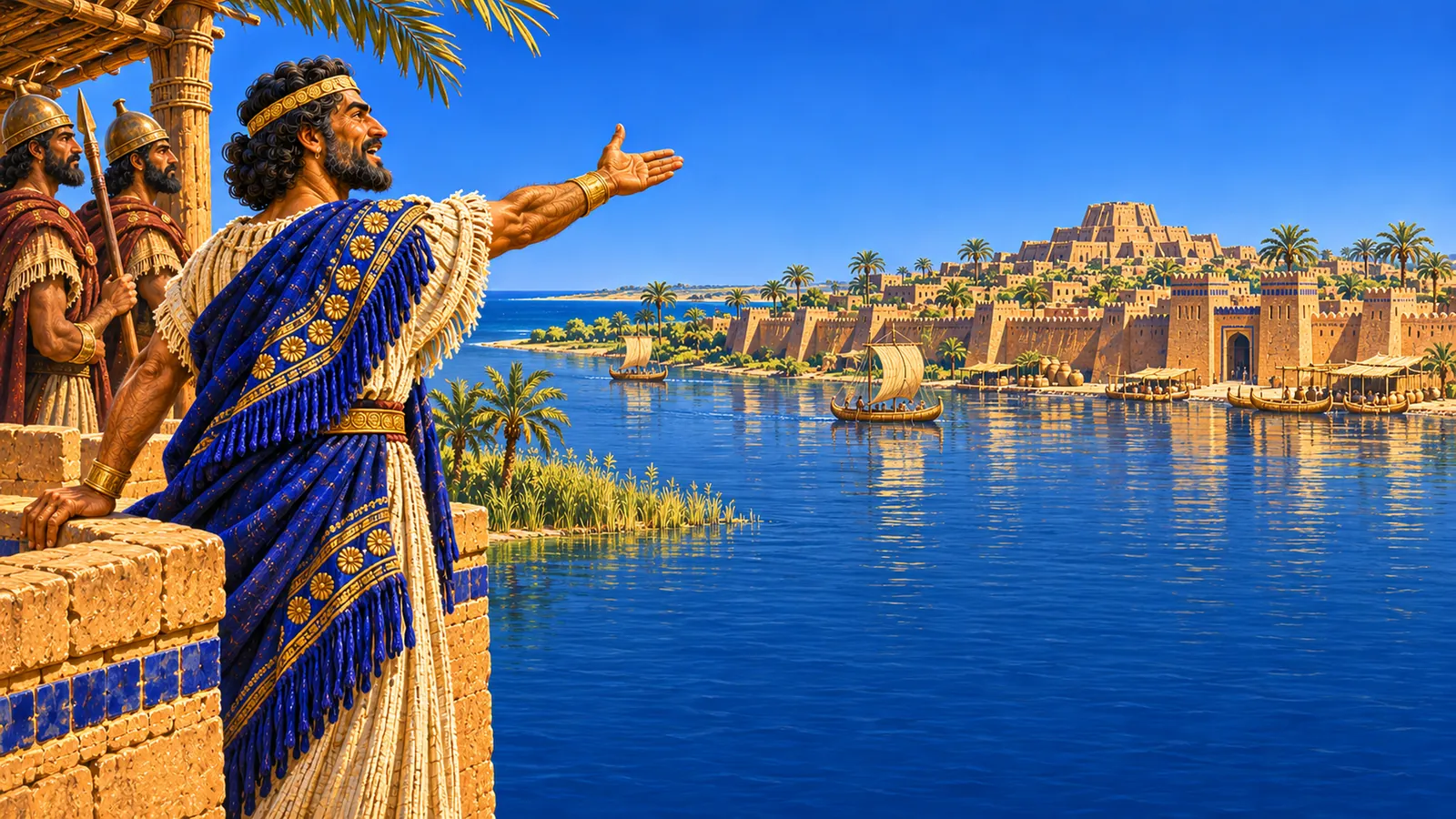
Sargon demande ensuite au futur roi d’assiéger trois fois le pays de la mer, reprenant le nombre donné dans son affirmation précédente.
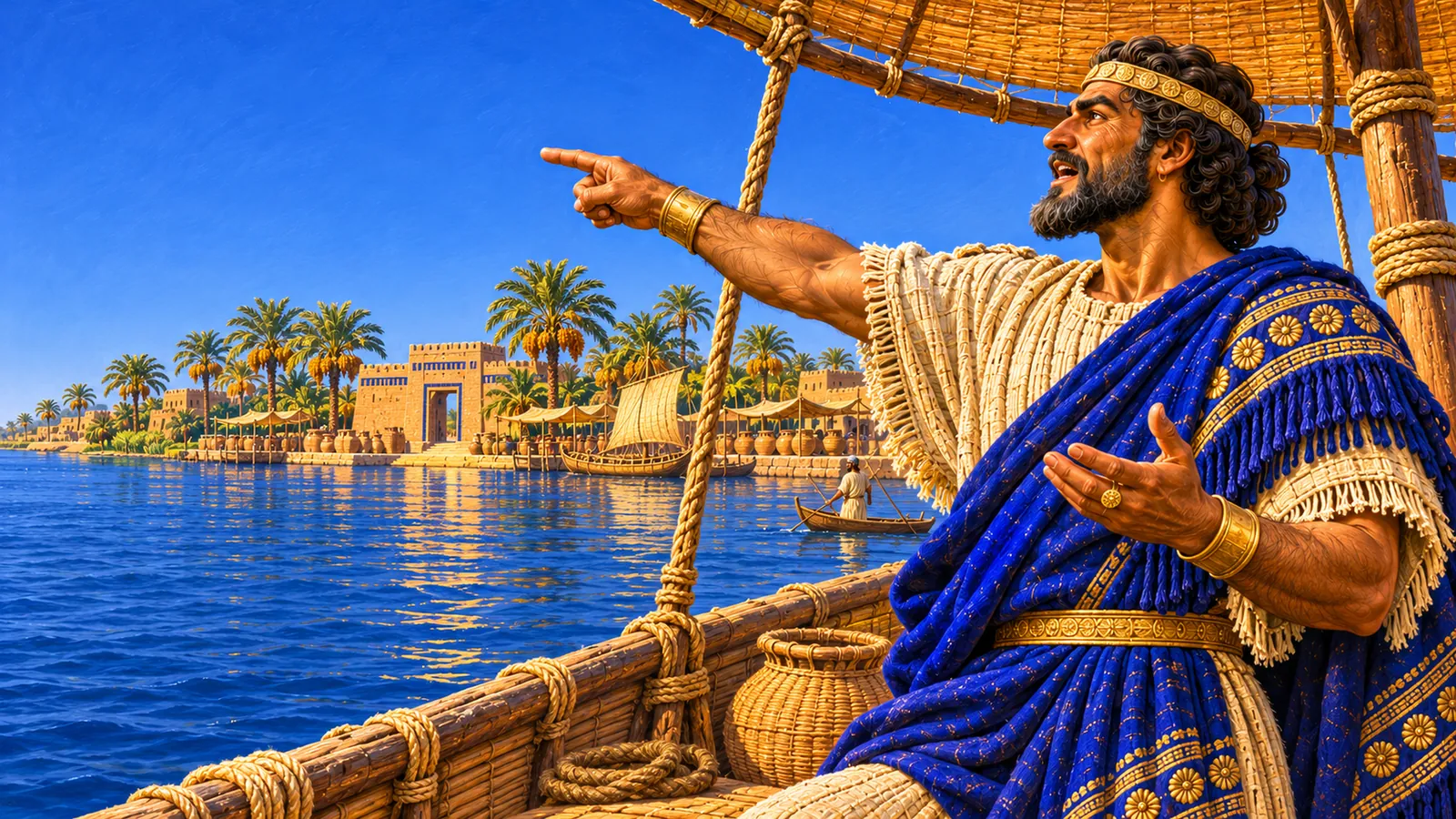
La voix royale demande ensuite au successeur de prendre Dilmun. Cette instruction au futur roi vient après l’affirmation précédente, dont la lecture reste incertaine.
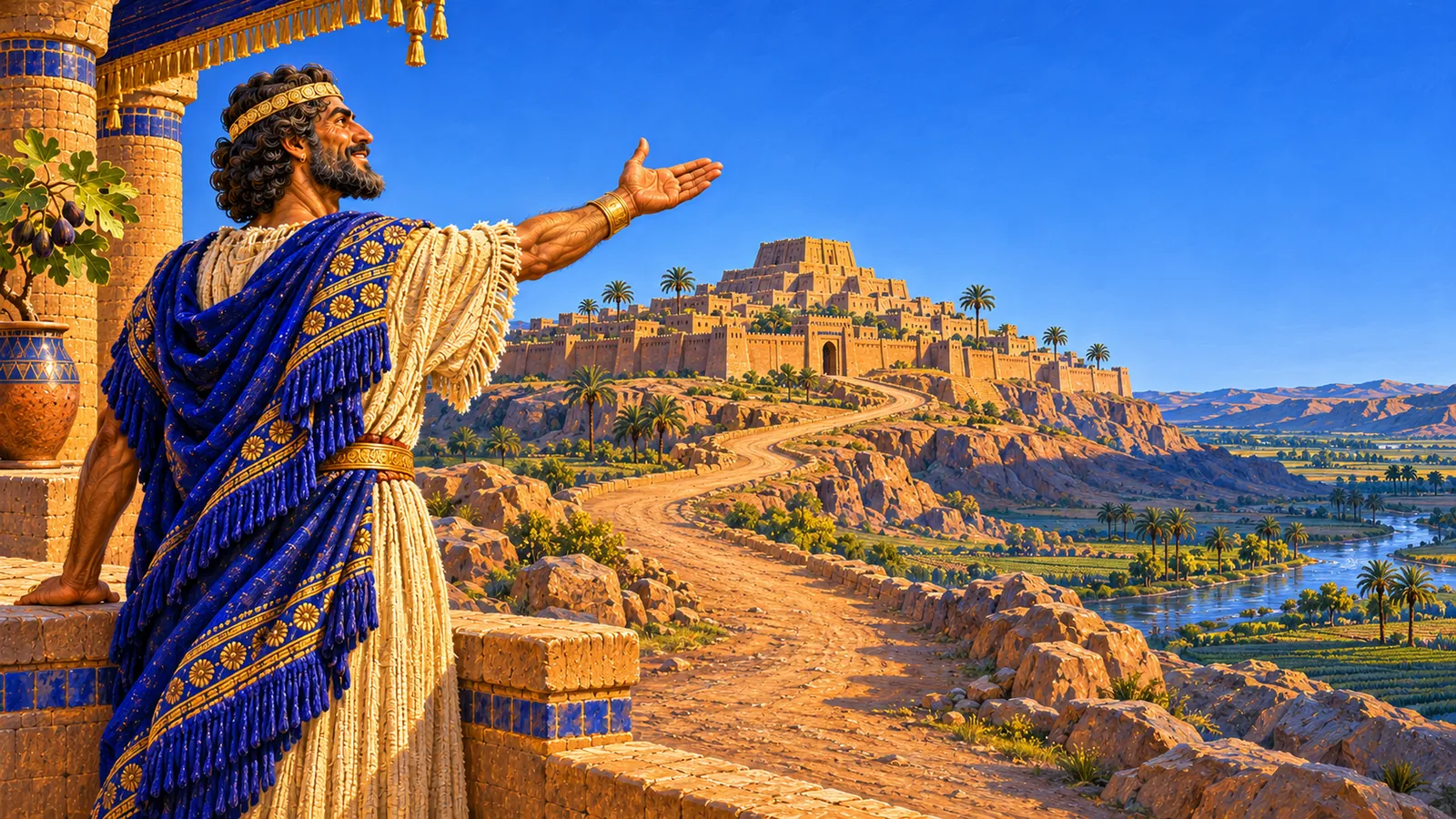
DUR-ILU
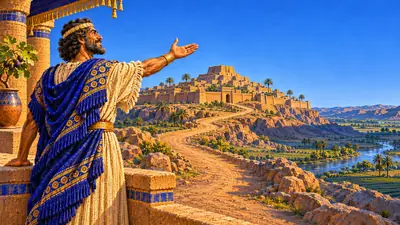
L’adresse se termine en demandant au futur roi de monter à la grande Dur-ilu. Le passage ne raconte pas que le successeur ait accompli cet ordre.
Fin du chapitre 2
Toutes les pages

Sources
Fordham credits George A. Barton, Archaeology and the Bible, third edition, 1920, p. 310, with modernization by J. S. Arkenberg. This is a reading of that historical translation. Its wording, numbers, question marks and gaps remain attributed to that edition. The date in Fordham’s heading describes the royal setting. Empty landscapes and ordinary materials accompany the words.
Éditions consultées
- Fordham University, the Sargon legend in Barton’s 1920 translation, modernized by J. S. Arkenberg
- Jonathan Valk 2016, institutional copy for the different modern excerpt used in episode 1
- CDLI manuscript record P365306
Notes sur ce récit
Page 1, Fordham numbered entry 1. The speaker identifies himself as Sargon and king of Akkad. Fordham credits George A. Barton, *Archaeology and the Bible*, third edition (Philadelphia, American Sunday-School Union, 1920), p. 310, and states that J. S. Arkenberg scanned and modernized the text. The page’s title gives an approximate date for the king, which this reading does not assign to the manuscript.
Page 2, numbered entry 2. The older rendering describes the speaker’s mother as lowly and says that he did not know his father. The mother’s description is specific to the historical rendering on Fordham’s page. The two readings have their own attribution, without combining their wording.
Page 3, numbered entry 3. The speaker says that his father’s brother lived in the mountain. This sentence supplies no personal name or identified mountain.
Page 4, numbered entry 4. The speaker gives Azupiranu as his city and places it by the Purattu. Fordham puts the equivalent “Euphrates” in square brackets. The site’s location is reported as the speaker’s claim in this reading.
Page 5, numbered entry 12. In this historical rendering the speaker says that Ishtar loved him while he was a gardener.
Page 6, numbered entry 13. Barton’s old rendering gives four years of rule. It supplies no historical chronology of the king’s reign.
Page 7, numbered entry 14. The phrase about the black-headed peoples is the old English rendering’s collective idiom.
Page 8, numbered entry 15. The speaker claims to have destroyed mighty mountains with bronze axes. The Fordham rendering adds a question mark after the claim. All six narrations retain the uncertainty. An ordinary unused early bronze axe head accompanies the words as a symbolic object.
Pages 9–10, numbered entries 16–17. The two claims give an ascent of the upper mountains followed by breaking through the lower mountains. The reading preserves their order and assigns no separate names or route to the mountains.
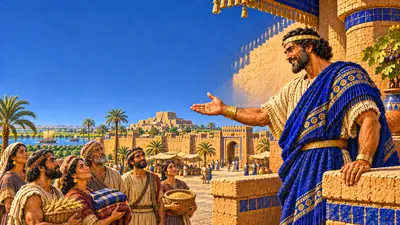
The city and street are symbolic settings, and the axe head lies unused. Terrain, objects and buildings carry the words through varied still views.
Page 11 · line 18.
Page 12 · line 19. The old translation prints a question mark after the claim that Sargon captured Dilmun. The place name alone is used without a modern geographical identification.
Page 13 · lines 20–21. Line 20 says Sargon went up to great Dur-ilu and then breaks off. Line 21 preserves an isolated verb rendered “altered,” with dots on either side.
Page 14 · lines 22–23. Sargon addresses whatever king will be exalted after him. The next numbered line consists entirely of dots. The instructions resume at line 24.
Page 15 · line 24.
Page 16 · line 25. The future king is told to destroy mighty mountains with bronze axes.
Page 17 · lines 26–27. The future king is told to ascend the upper mountains and break through the lower mountains. These are imperatives, continuing the address.
Page 18 · line 28. He is told to besiege the country of the sea three times. This deliberately repeats the number in the royal claim at line 18.
Page 19 · line 29. He is told to capture Dilmun. This instruction has no question mark in the old translation. The earlier royal claim in line 19 remains marked as uncertain.
Page 20 · line 30. The final line instructs the future king to go up to great Dur-ilu. The selected passage ends with that instruction.
Les vers antiques de chaque page
- Page 1: Fordham, numbered entry 1; George A. Barton, Archaeology and the Bible, 3rd ed. (1920), p. 310, modernized by J. S. Arkenberg
- Page 2: Fordham, numbered entry 2; George A. Barton, Archaeology and the Bible, 3rd ed. (1920), p. 310, modernized by J. S. Arkenberg
- Page 3: Fordham, numbered entry 3; George A. Barton, Archaeology and the Bible, 3rd ed. (1920), p. 310, modernized by J. S. Arkenberg
- Page 4: Fordham, numbered entry 4; George A. Barton, Archaeology and the Bible, 3rd ed. (1920), p. 310, modernized by J. S. Arkenberg
- Page 5: Fordham, numbered entry 12; George A. Barton, Archaeology and the Bible, 3rd ed. (1920), p. 310, modernized by J. S. Arkenberg
- Page 6: Fordham, numbered entry 13; George A. Barton, Archaeology and the Bible, 3rd ed. (1920), p. 310, modernized by J. S. Arkenberg
- Page 7: Fordham, numbered entry 14; George A. Barton, Archaeology and the Bible, 3rd ed. (1920), p. 310, modernized by J. S. Arkenberg
- Page 8: Fordham, numbered entry 15, printed question mark; George A. Barton, Archaeology and the Bible, 3rd ed. (1920), p. 310, modernized by J. S. Arkenberg
Left is continuous cool dark naturally shaded fine stone without a line, object, highlight, joint or gleam. The unused object is a symbolic accompaniment to the old translation’s uncertain claim. - Page 9: Fordham, numbered entry 16; George A. Barton, Archaeology and the Bible, 3rd ed. (1920), p. 310, modernized by J. S. Arkenberg
- Page 10: Fordham, numbered entry 17; George A. Barton, Archaeology and the Bible, 3rd ed. (1920), p. 310, modernized by J. S. Arkenberg
- Page 11: Barton 1920, Archaeology and the Bible, 3rd ed., p. 310; Fordham/Arkenberg modernization, Sargon legend, line 18
- Page 12: Barton 1920, Archaeology and the Bible, 3rd ed., p. 310; Fordham/Arkenberg modernization, Sargon legend, line 19
- Page 13: Barton 1920, Archaeology and the Bible, 3rd ed., p. 310; Fordham/Arkenberg modernization, Sargon legend, lines 20–21
- Page 14: Barton 1920, Archaeology and the Bible, 3rd ed., p. 310; Fordham/Arkenberg modernization, Sargon legend, lines 22–23
- Page 15: Barton 1920, Archaeology and the Bible, 3rd ed., p. 310; Fordham/Arkenberg modernization, Sargon legend, line 24
The natural left reading area must be clear ground, never fog or blur. - Page 16: Barton 1920, Archaeology and the Bible, 3rd ed., p. 310; Fordham/Arkenberg modernization, Sargon legend, line 25
- Page 17: Barton 1920, Archaeology and the Bible, 3rd ed., p. 310; Fordham/Arkenberg modernization, Sargon legend, lines 26–27
- Page 18: Barton 1920, Archaeology and the Bible, 3rd ed., p. 310; Fordham/Arkenberg modernization, Sargon legend, line 28
- Page 19: Barton 1920, Archaeology and the Bible, 3rd ed., p. 310; Fordham/Arkenberg modernization, Sargon legend, line 29
- Page 20: Barton 1920, Archaeology and the Bible, 3rd ed., p. 310; Fordham/Arkenberg modernization, Sargon legend, line 30
Illustrations réalisées par IL Archive avec des outils d’IA ; le texte s’appuie sur les sources antiques (voir les sources à la fin de chaque chapitre).