Entity
Gēr: the Resident Outsider in Hebrew Texts
A reference page linking a name, group, or concept to the materials that discuss it.
A person living within an Israelite community; neither every foreigner nor a modern legal refugee category.
Text
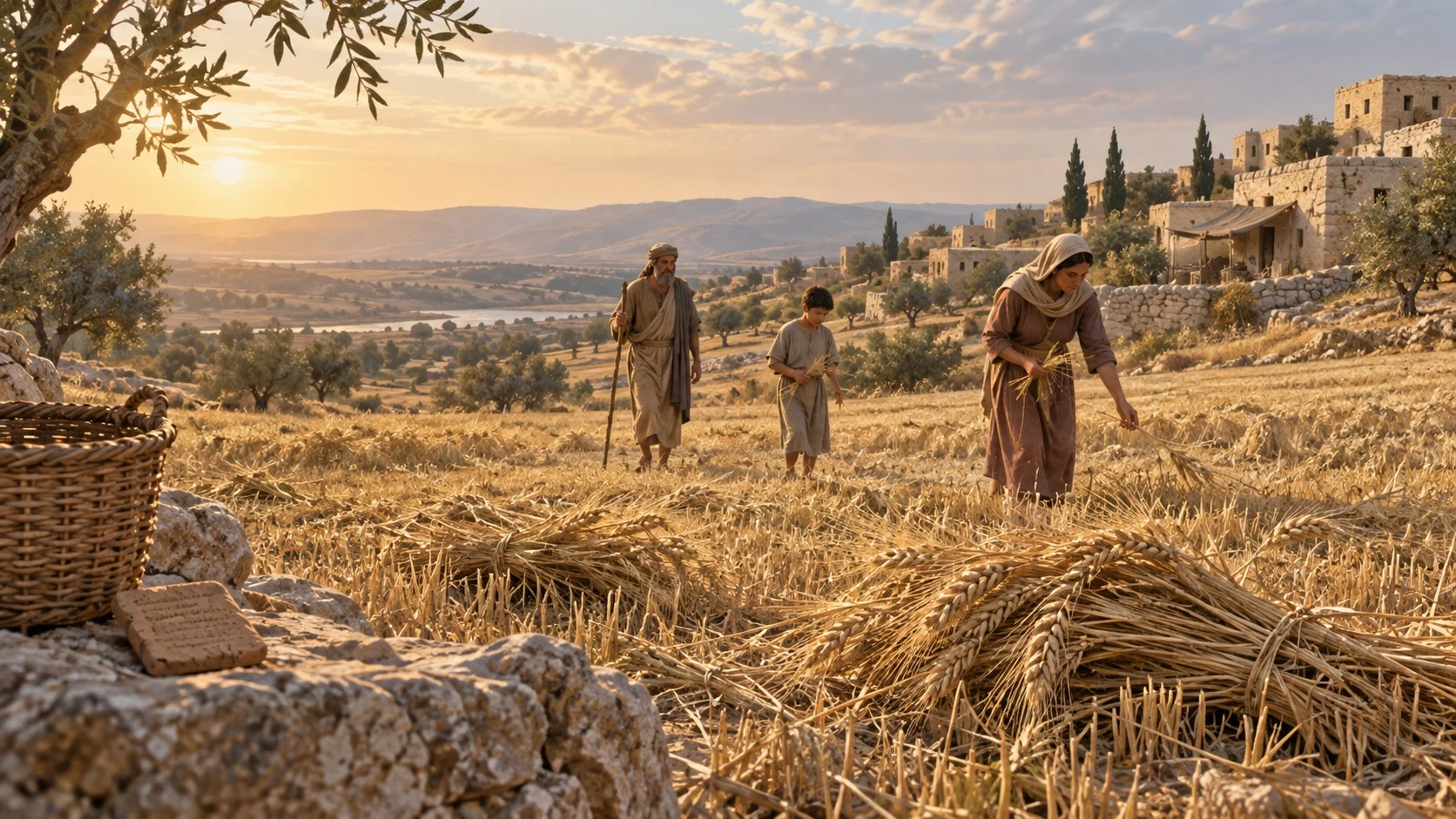
HebrewHebrewA Northwest Semitic language in the Canaanite group, with ancient and modern forms.Glossary · Click to read the explanation *gēr* denotes a person residing in the local community. Deuteronomy places such residents beside the fatherless and widow in rules on justice, harvests, tithes and festivals. Renderings vary from “sojourner” to “resident alien”; the word alone does not establish one legal status for every period. It cannot simply be equated with “refugee” in a modern translation of the Sumerian Nanshe hymn. [7][8][9][15]
References and notes
- Deuteronomy 10:17–19, Hebrew text and JPS Deuteronomy 10:17–19, Hebrew/JPS Return to the text ↑
- Deuteronomy 24:14–22, Hebrew text and JPS Deuteronomy 24:14–22, Hebrew/JPS Return to the text ↑
- Deuteronomy 14:27–29, third-year tithe Deuteronomy 14:27–29, Hebrew/JPS Return to the text ↑
- Mark Glanville, “Stranger, Fatherless, and Widow” chapter; abstract/record only, not the full chapter Mark R. Glanville, The Stranger, Fatherless, and Widow in Deuteronomy, Oxford Handbook of Deuteronomy, 2020, pp. 233–251 Return to the text ↑
Research history
Substantive changes are retained here. Minor copy edits remain in the internal operational log.
-
Substantive record update
-
Substantive record update
Suggest a correction · Suggest a source for this record
Cite this record
IL Archive, «Gēr: the Resident Outsider in Hebrew Texts», Edition 3, https://ilarchive.com/en/entities/ger-resident-outsider