Entity · Concept
History houses
A reference page linking a name, group, or concept to the materials that discuss it.
“History houses” is an archaeological hypothesis tying the rebuilding of some Çatalhöyük houses and their many burials to social memory; evidence, statistical critique and genetic kinship are shown without affirming it.
Estimated reading time: 5 min Published Last reviewed:
Share article
Text
Introduction
Why were some houses at ÇatalhöyükÇatalhöyükNeolithic site on the Konya Plain in central Anatolia, with clustered houses, subfloor burials and imagery on the East Mound, and later Chalcolithic phases on the West Mound.Glossary · Click to read the explanation built above earlier houses, and why were burials concentrated beneath certain floors? The expression “history houses” proposes that repeated building, burial and practice made some homes focal points of social memorySocial memoryA concept for how groups shape, transmit and revise relationships to the past through narratives, rites, objects and places, without assuming unanimous recollection or fixed meanings for material traces.Glossary · Click to read the explanation and relationships. It is, however, a testable scholarly interpretation, not a Neolithic name or an agreed category of ancient buildings. The material evidence must be distinguished from the hypothesis, its statistical criticism and more recent genetic findings.[1][2]
Homes bearing traces of several generations
During much of the seventh millennium BCE, people on Çatalhöyük's East Mound in central AnatoliaAnatoliaAnatolia is the region occupying the Asian part of present-day TurkeyGlossary · Click to read the explanation occupied densely adjoining mudbrick buildings. Rooms had hearths, platforms and storage areas; some people were buried beneath their floors. Archaeological excavations document resurfacing and the rebuilding of certain houses on or near the footprints of predecessors. The claim that all these operations were intended to commemorate ancestors requires evidence beyond these observations.[2][4]
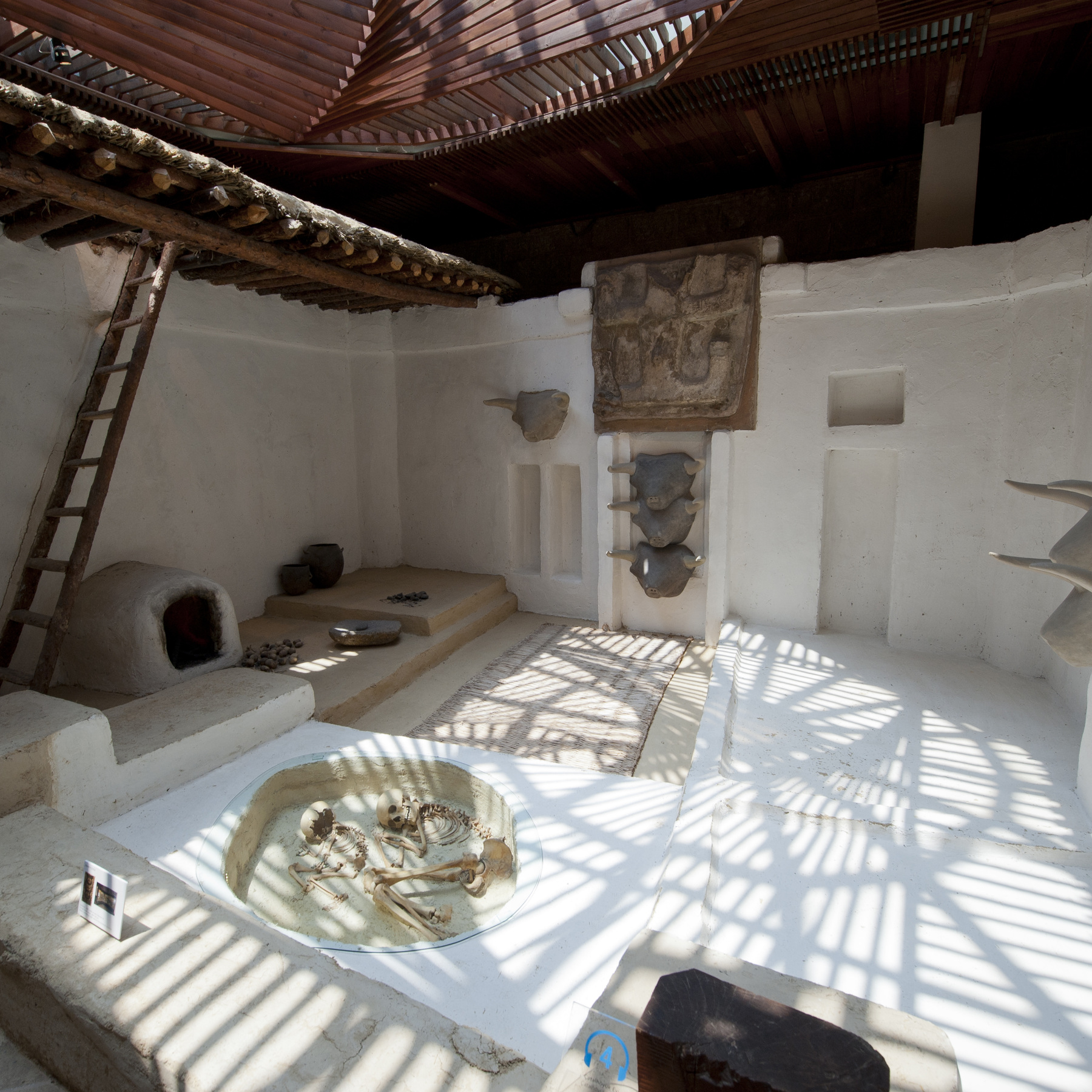
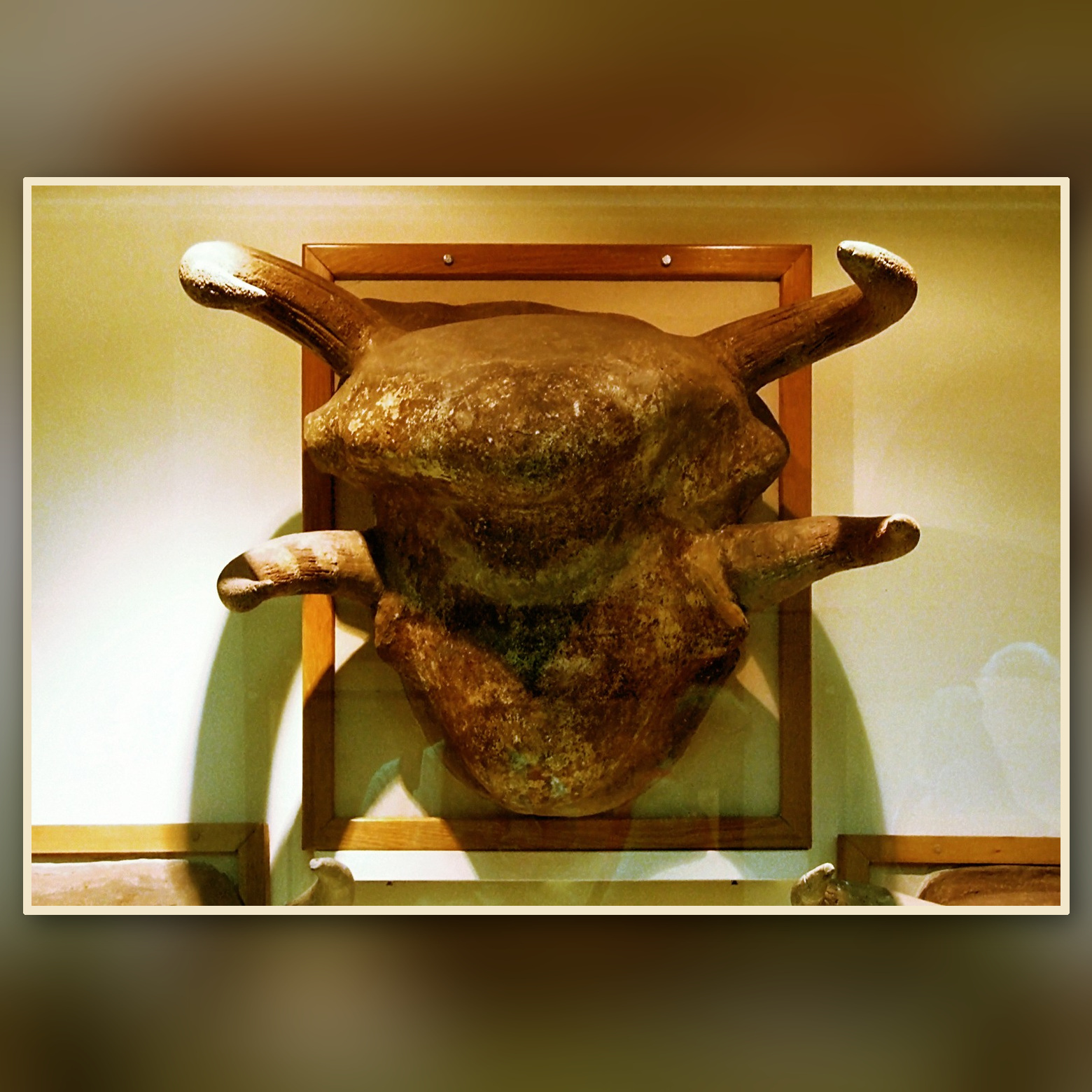
James Mellaart called some heavily painted or horn-furnished buildings “shrines”. Subsequent studies of everyday activities and architecture, however, have questioned any necessary division into separate domestic houses and temples. Cooking, living, burying the dead and symbolic installations could occur in the same domestic setting. BucraniaBucraniaBucrania (singular bucranium): horned cattle skulls or heads and their representations. At Çatalhöyük, installations combined real horn cores and plaster models, some displayed or concealed; none alone identifies a deity or particular rite.Glossary · Click to read the explanation—cattle skulls or horns displayed or incorporated into plaster—do not by themselves establish a single religious function for a building.[4]
What qualifies as a “history house”?
In 2010, Ian HodderIan HodderAn archaeologist who directed the Çatalhöyük project from 1993 to 2018 and read its buildings as houses of dwelling and memory, not necessarily separate temples.Glossary · Click to read the explanation and Peter Pels introduced the concept of history houses to explain differences between buildings in how long they endured and how burial and architectural features accumulated. Not every decorated room, or dwelling with a single burial, belongs to this analytical category. In a 2016 clarification, Hodder gave an operational definition: at least three phases of rebuilding at the same location and more than ten burials in at least one phase. Such buildings might be elaborately furnished, but decoration alone is not the defining condition. These are the researcher's criteria, not rules recorded by Neolithic inhabitants.[1][2]
Proponents also point to recurrent locations for platforms and practices, and to the retrieval or deposition of material from older buildings. Yet the reuse of foundations and walls can also follow from limited space and structural constraints. Repetition of a ground plan is not, on its own, proof of deliberate remembrance of named ancestors.[2]
A sequence of buildings and the retrieval of remains
Hodder discusses the South Area building sequence 65 → 56 → 44 → 10. He cites evidence interpreted as human skeletal elements from a burial in Building 65 being retrieved and redeposited in a later burial in Building 56, based on osteological matching described in excavation reports. Within its stratigraphic context, this example offers more specific evidence of engagement with earlier material than walls alone. It does not identify the people responsible, demonstrate their beliefs or establish biological kinship among everyone buried there.[2]
A statistical test and a methodological response
In 2013, W. Chris Carleton, James Conolly and Mark Collard compared the continuity of house walls between occupation levels with the proportion of houses containing burials. The measures did not co-vary in their settlement-wide analysis, casting doubt on the argument that enduring corporate kin groups were the dominant social form. The authors also considered alternatives consistent with their result: such groups might have existed only in some areas or at certain times, or without the proposed mechanism of social memory. Further research was needed.[3]
In 2016 Hodder responded that the proportion of houses with any burial in a level does not directly test the narrower claim that the longest rebuilding sequences contain particular houses with larger numbers of burials. He questioned the reliance on early excavation records and presented preliminary correlations from later data. Crucially, he still said that the history-house hypothesis remains to be tested: even a demonstrated association would not establish that those interred had come from other households or that a building was a focus for a larger social group. The dispute concerns measurements, source quality and the scope of inference, rather than an unequivocal proof or refutation of memory-making.[2][3]
Memory may be distributed across neighbouring rooms
In a 2018 reappraisal of one excavation level, Ian Kuijt observed 12 burials in Building 29 without elaborate display installations, while adjacent Building 31 had a bucranium and a splayed figure but only one burial. Building 34 contained 43 burials in an undecorated space. These are case-specific counts from a particular phase, not site-wide proportions.[4]
Kuijt proposes considering a “House” as a social group that may use several buildings and rooms: burials could be concentrated in one place while display installations appeared elsewhere. This interpretation offers an explanation for patterns obscured by comparing single rooms, but it does not prove that these buildings formed any one defined kinship unit.[4]
What did ancient DNA add in 2025?
A study published in 2025 combined 131 ancient genomes with archaeological and biological evidence. Some people buried within a single building in earlier phases were close biological relatives. In later phases, co-burials more often lacked detectable close genetic ties, although some dietary indicators remained similar within buildings. When genetic connections did occur among people buried together, they were predominantly maternal rather than paternal. This does not establish “matriarchy”, nor does it classify any particular building as a history house.[5]
The authors discuss several possible explanations: changing choices of burial locations, unrelated people sharing households and meals, or shifting household composition. These are explanatory models, not directly observed behaviours. They reinforce the need to analyse changing relationships among dwelling, death and kinship across centuries rather than assuming a single unchanging arrangement.[5]
Where the evidence ends
Observations: some buildings were rebuilt; domestic burials differed greatly in number; installations and decoration were unevenly distributed; and certain materials passed between successive phases. Interpretation: such practices may have contributed to place-based social memory. Unresolved hypothesis: particular long-lived buildings served groups wider than their resident household, with repeated rebuilding and concentrated burials as diagnostic traits.[2][4][5]
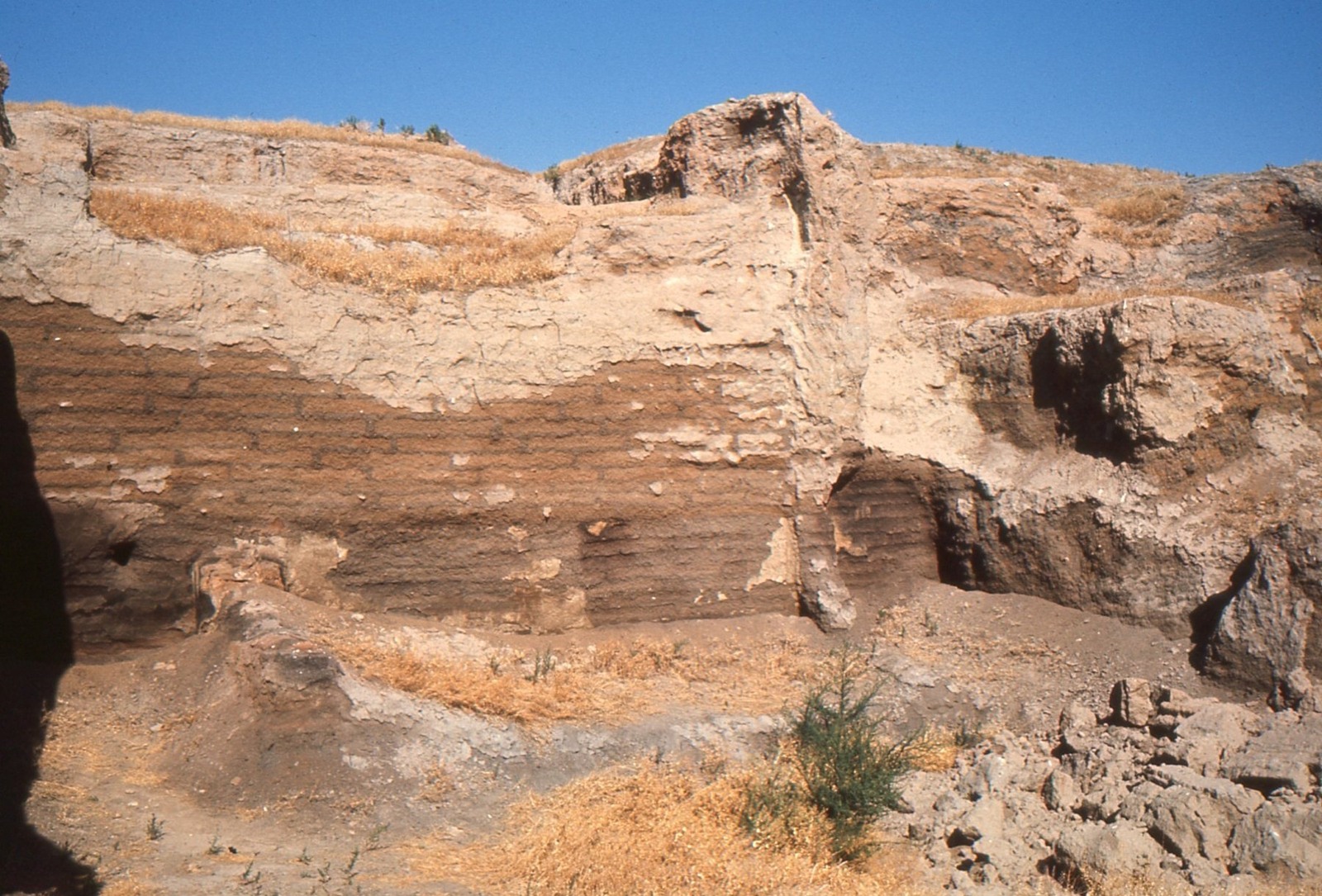
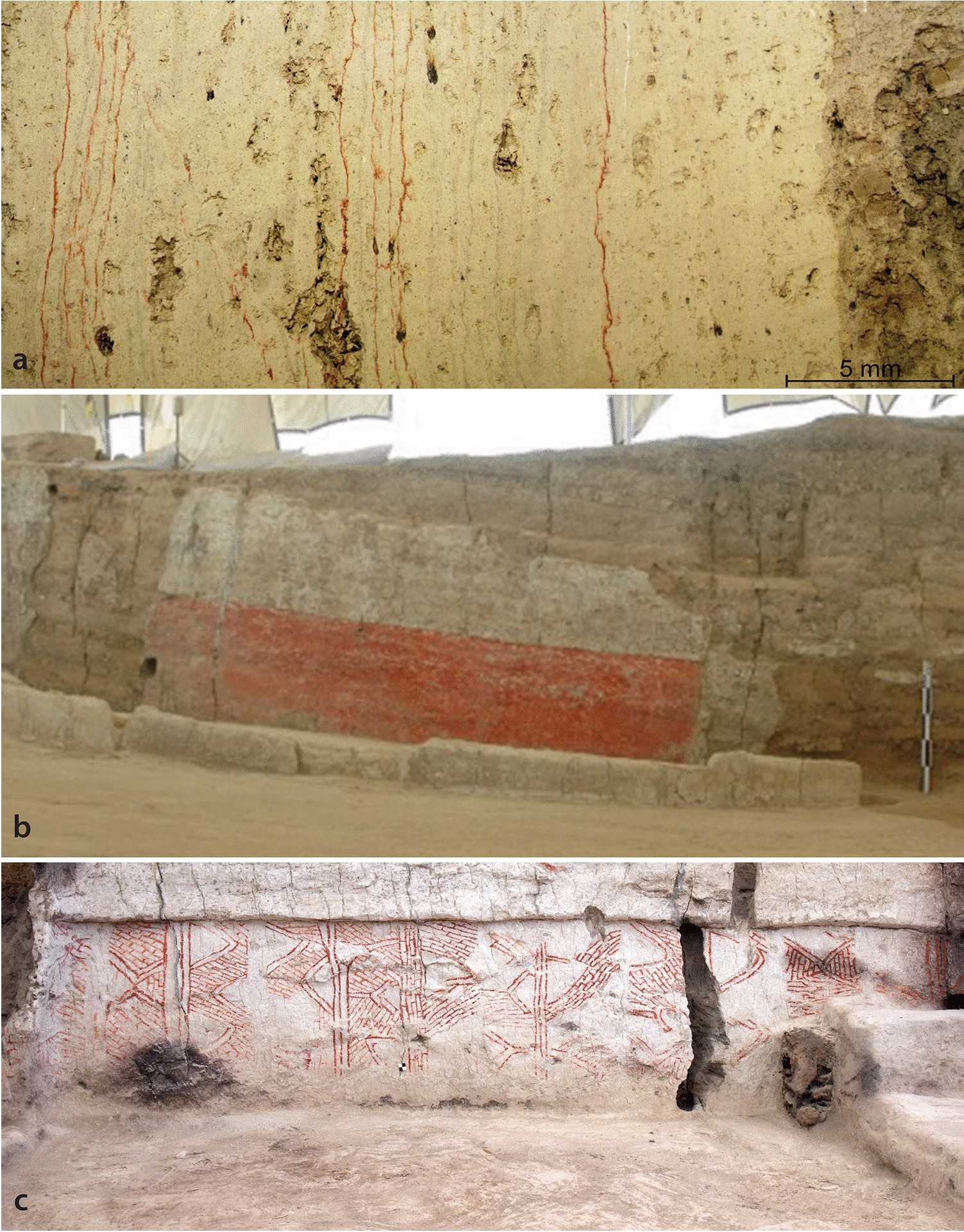
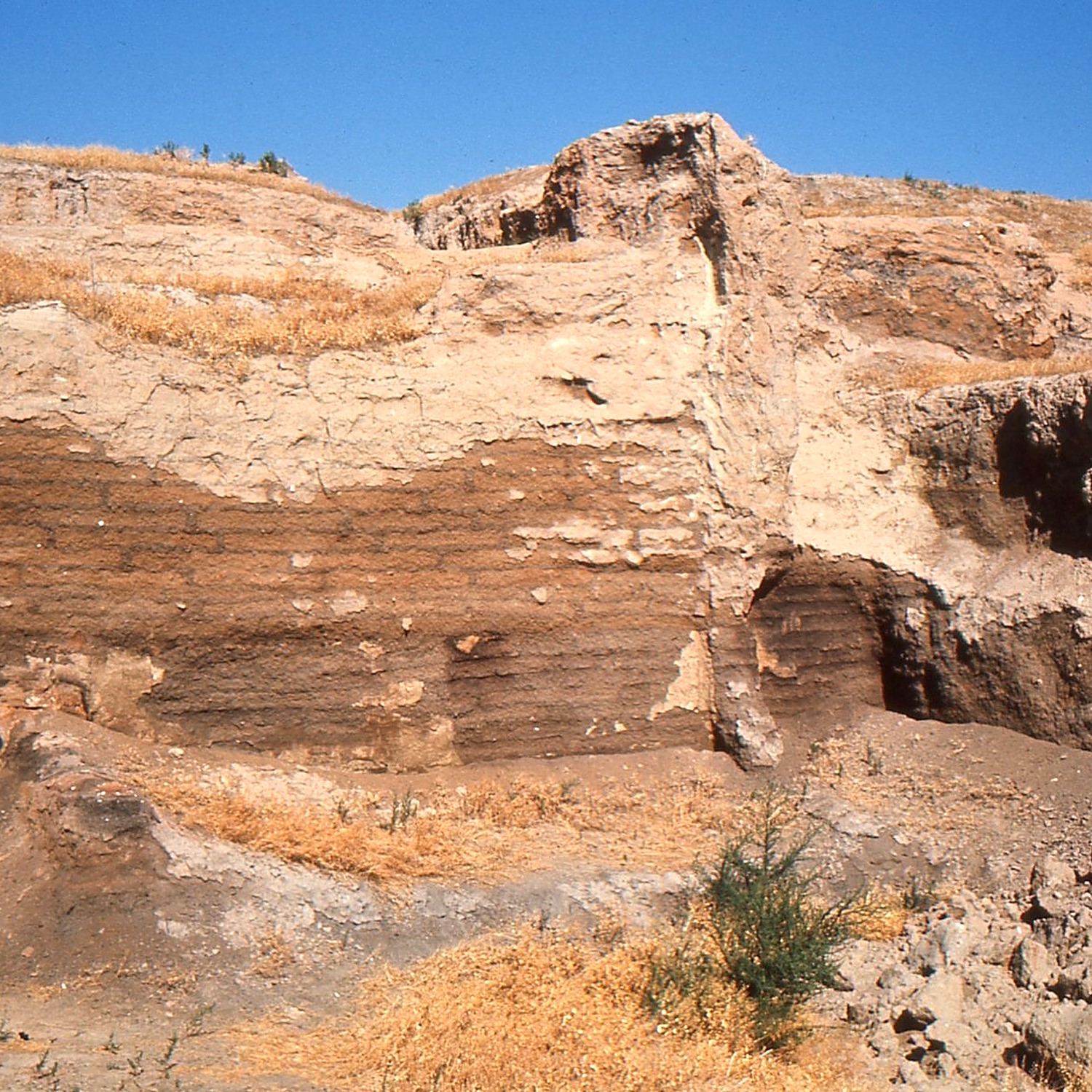
The photograph shows exposed excavation strata at the site. It does not document a specifically identified “history house”. An excavation view cannot by itself determine an ancient building's social role or the relationships of its inhabitants. The value of the concept lies in the questions and tests it generates, not in treating an archaeological possibility as an established fact.
References and notes (5)
- Ian Hodder and Peter Pels, “History Houses: A New Interpretation of Architectural Elaboration at Çatalhöyük,” in Religion in the Emergence of Civilization (Cambridge University Press, 2010), 163–186. DOI: 10.1017/CBO9780511761416.007. Publisher’s abstract and opening excerpt only; the complete chapter was not accessible. The quantitative operational criteria come from [2], not from unread passages of this chapter. Return to the text ↑
- Ian Hodder, “More on History Houses at Çatalhöyük: A Response to Carleton et al.,” Journal of Archaeological Science 67 (2016): 1–6. DOI: 10.1016/j.jas.2015.10.010. Author-posted full-text PDF: introduction and sections 2–6 read as extracted text, including operational criteria, the 65/56/44/10 sequence, methodological critique and conclusion. Tables were not all visually checked. Return to the text ↑
- W. Chris Carleton, James Conolly and Mark Collard, “Corporate Kin-Groups, Social Memory, and ‘History Houses’? A Quantitative Test of Recent Reconstructions of Social Organization and Building Function at Çatalhöyük during the PPNB,” Journal of Archaeological Science 40, no. 4 (2013): 1816–1822. DOI: 10.1016/j.jas.2012.11.011. Author-hosted complete PDF: abstract, introduction, methods, results, discussion and conclusions read, printed pp. 1816–1820 (PDF pp. 1–5); remaining pages checked for references. Tables consulted via text extraction. Return to the text ↑
- Ian Kuijt, “Material Geographies of House Societies: Reconsidering Neolithic Çatalhöyük, Turkey,” Cambridge Archaeological Journal 28, no. 4 (2018): 565–590. DOI: 10.1017/S0959774318000240. Open full publisher HTML: introduction, discussion of shrines/lineage/history houses and sections on separate burial and display areas read; Buildings 29, 31 and 34 checked in “Separating spaces for the living and the ancestors.” Return to the text ↑
- Eren Yüncü et al., “Female Lineages and Changing Kinship Patterns in Neolithic Çatalhöyük,” Science 388, no. 6754 (2025): eadr2915. DOI: 10.1126/science.adr2915. Open complete author-accepted manuscript: abstract, introduction, sections on changing genetic kinship and dietary isotopes, discussion and excerpts of supplementary text S6 read; not every lengthy methods appendix or genomic table independently reviewed. Return to the text ↑
Suggest a correction · Suggest a source for this record
Cite this record
IL Archive, «History houses», https://ilarchive.com/en/entities/history-house
Continue reading