Person · Figure
Constantine I
Roman emperor, reigning in 306–337 CE, who convened Nicaea in 325.
Last reviewed:
Text
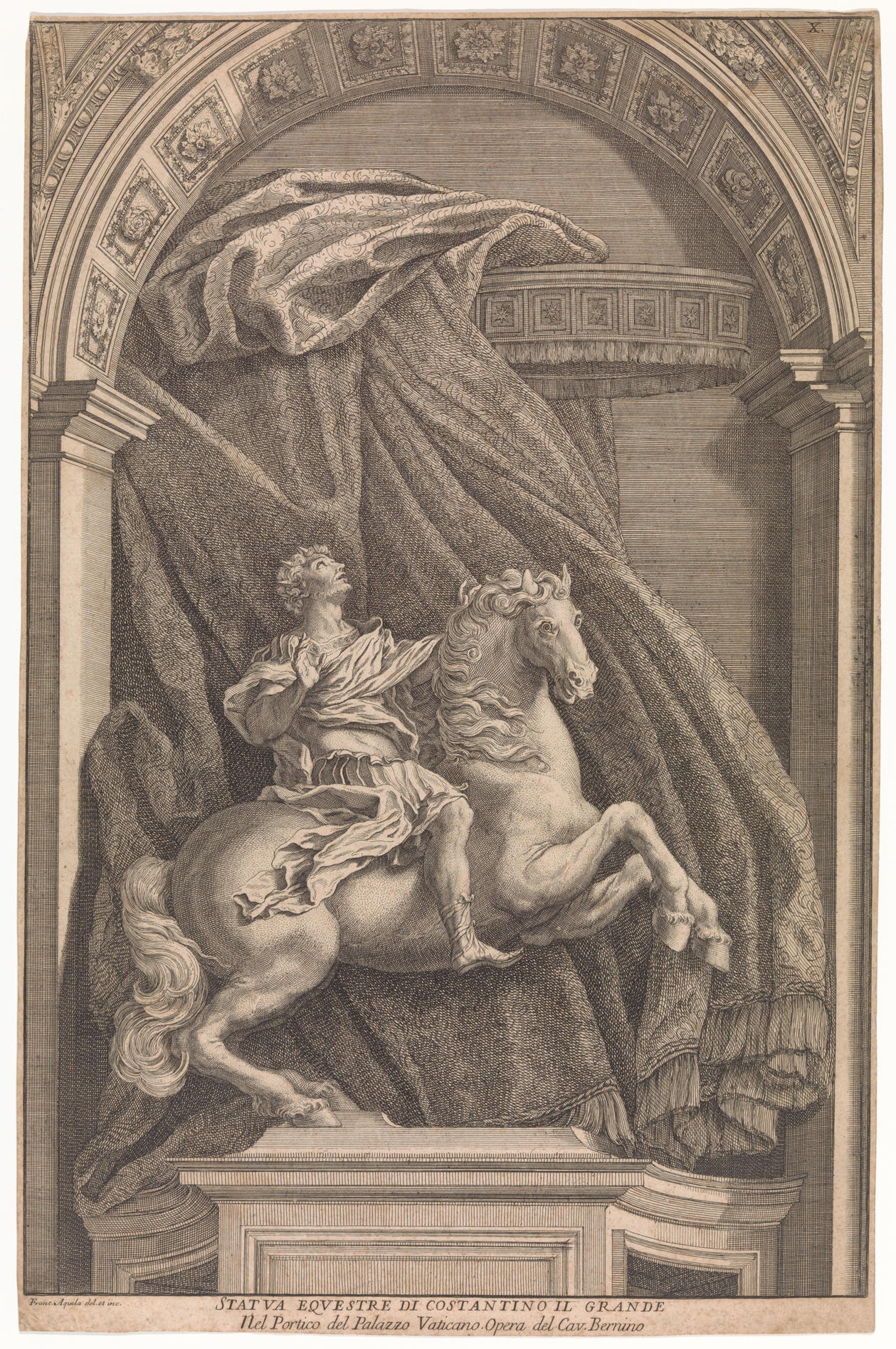
Constantine I was Roman emperor in 306–337 CE. His support and policies substantially affected Christian institutions. He convened Nicaea in 325 to address ecclesiastical and theological conflict.[1][2]
Eusebius of CaesareaEusebius of CaesareaThird- and fourth-century Christian bishop and author of Church History.Glossary · Click to read the explanation’s letter describes his support and explanation of homoousios. This participant’s testimony situates imperial involvement within debates about Father and Son that preceded his reign.[2]
References and notes
- Musei Capitolini, Colossal statue of Constantine: head, MC0757. Emperor’s identity, reign and object dating. Return to the text ↑
- Eusebius of Caesarea, Letter on the Council of Nicaea. Constantine’s role and explanation of the term in Eusebius’s testimony. Return to the text ↑
Suggest a correction · Suggest a source for this record
Cite this record
IL Archive, «Constantine I», https://ilarchive.com/en/people/constantine-i-roman-emperor
Continue reading