The Babylonian Theodicy Chapter 1
The Babylonian Theodicy
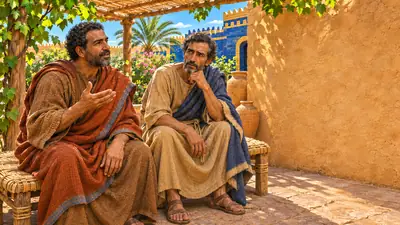
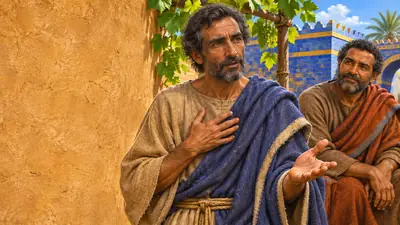
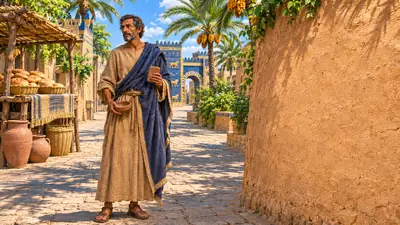
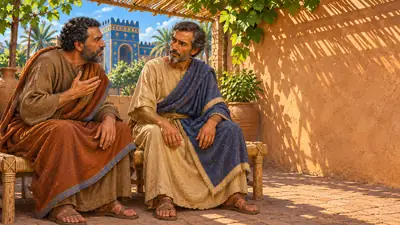
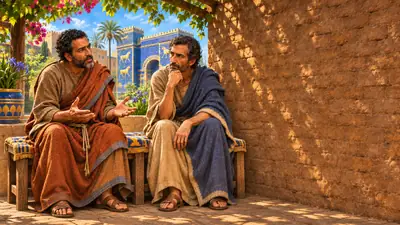
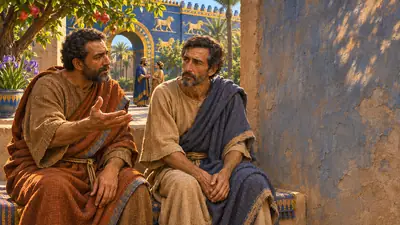
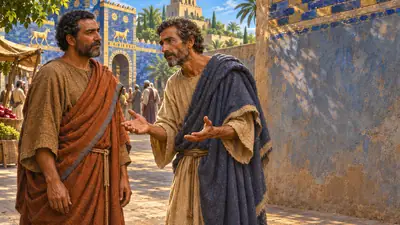
A man who has lost his parents and his standing asks a friend why wrongdoers prosper while people who worship can fall into poverty. The friend speaks of divine purposes beyond human understanding. The man’s final words ask for help and mercy.
SourcesTurn the pages with the arrows, the arrow keys or a swipe.
THEODICY
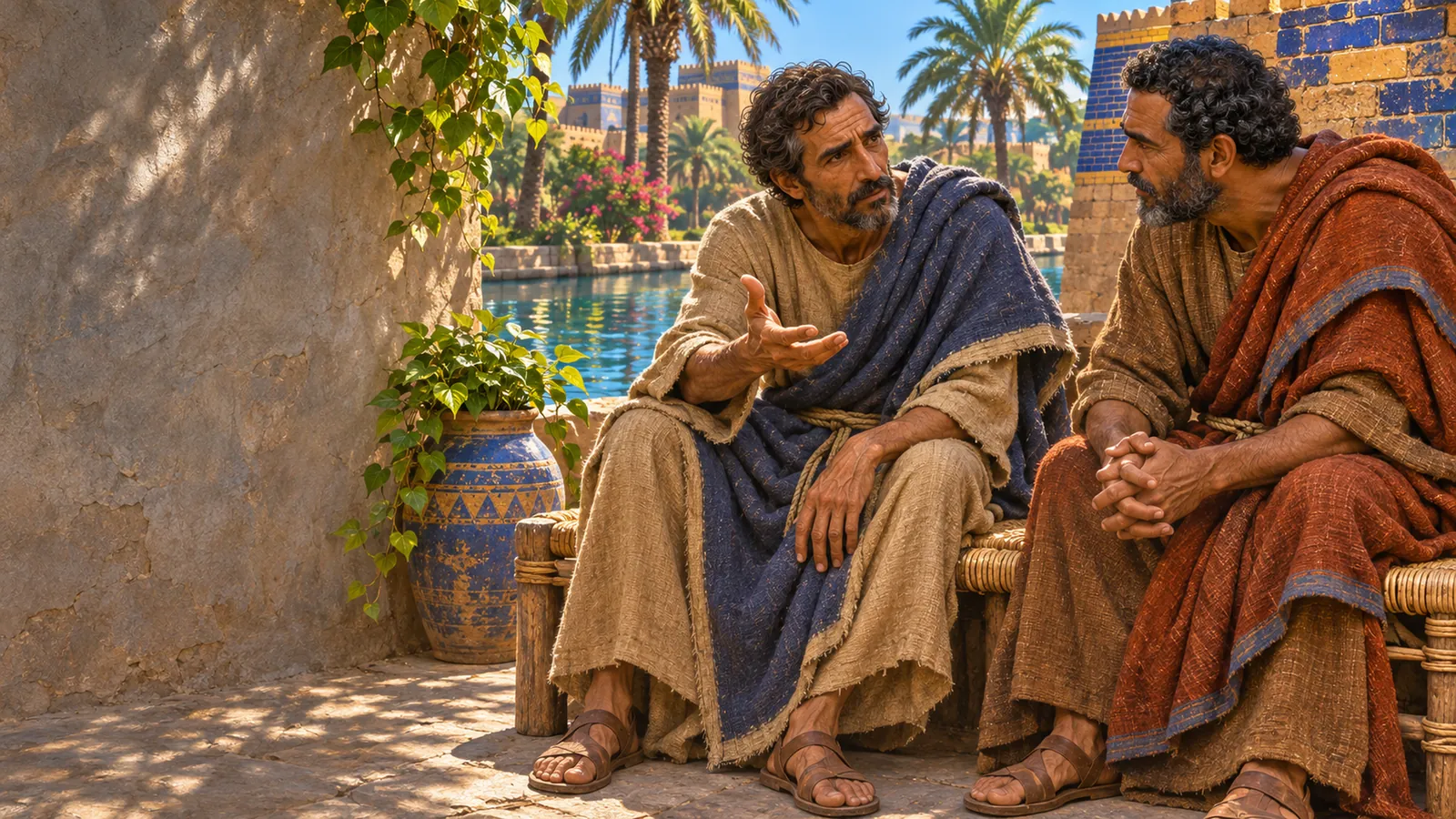
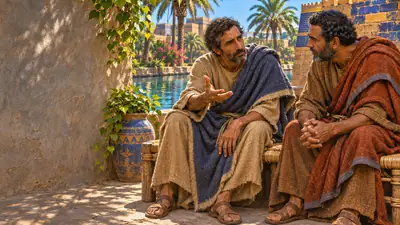
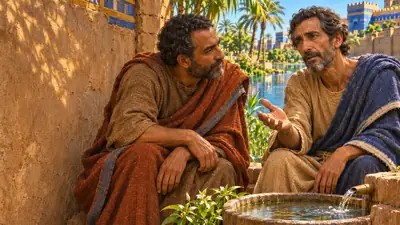
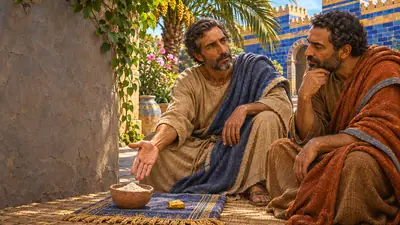
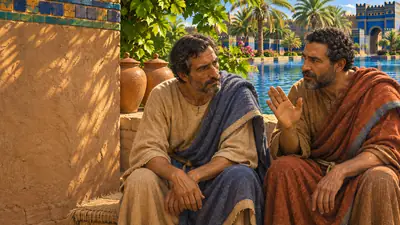
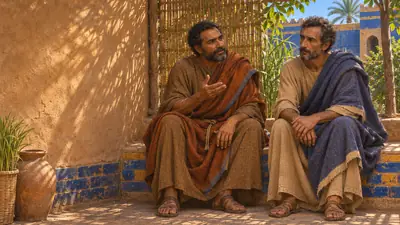
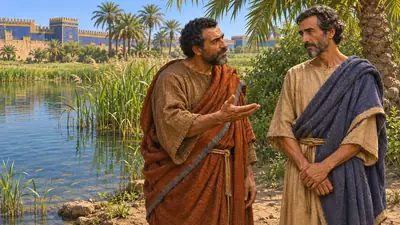
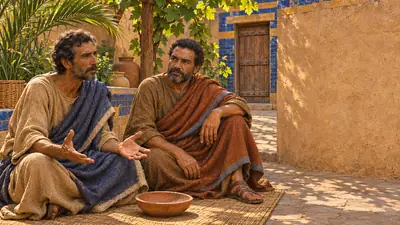
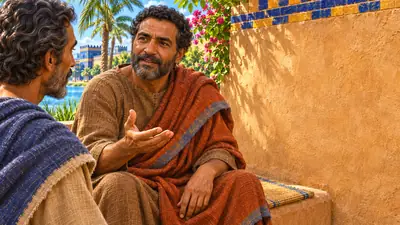
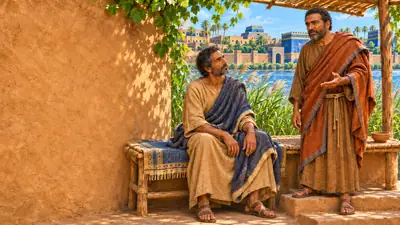
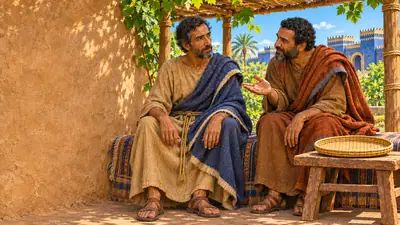
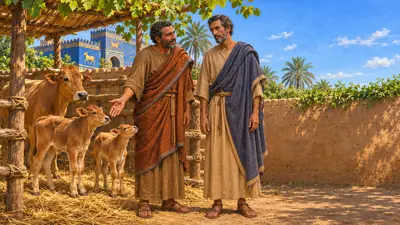
The poem opens with a man asking his friend to listen. He praises his friend’s judgment and looks for someone to whom he can speak about his troubles.
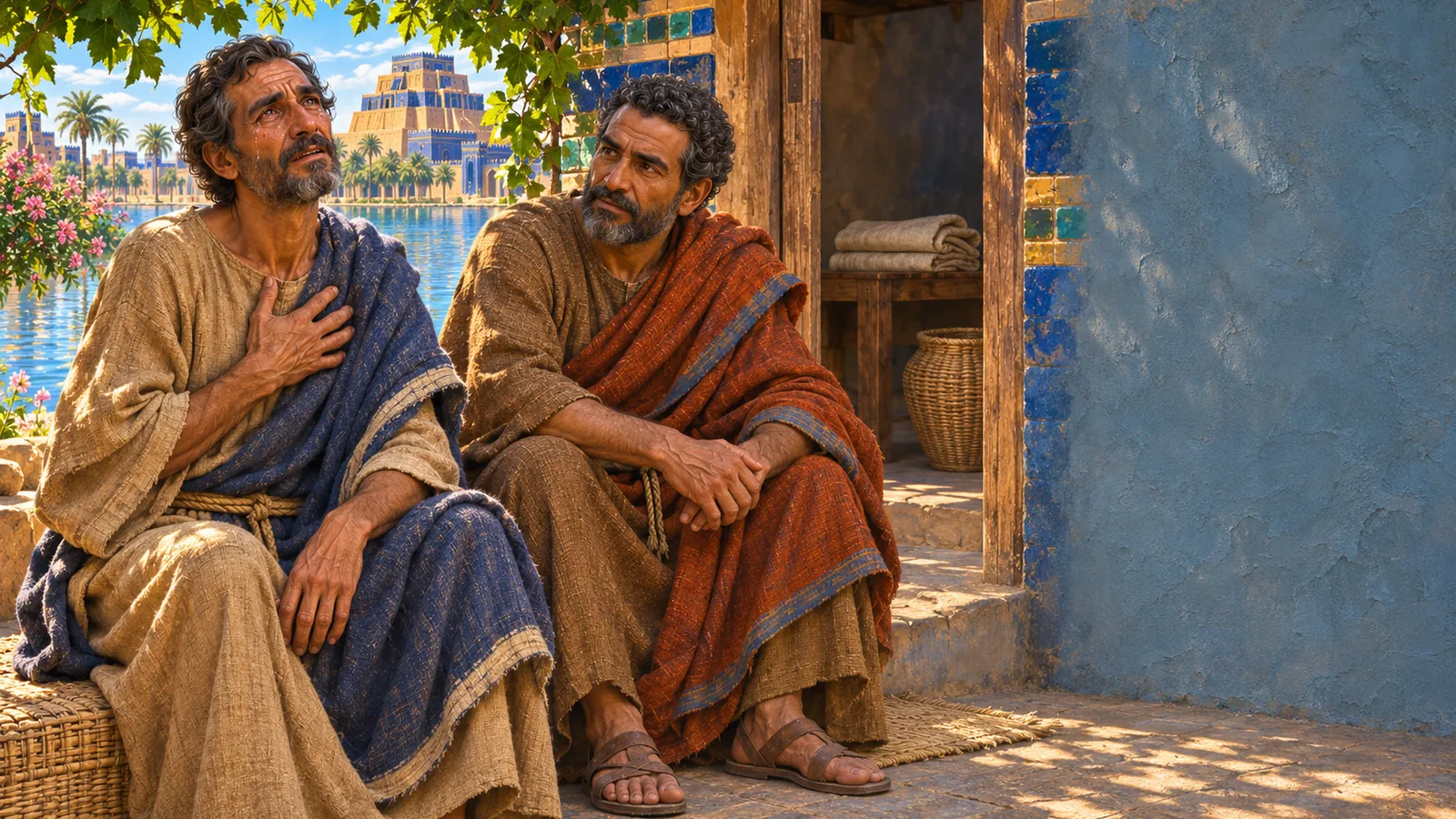
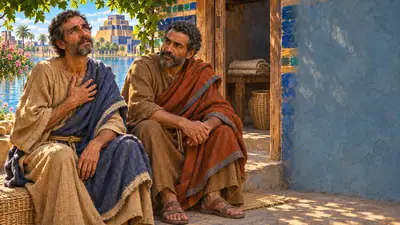
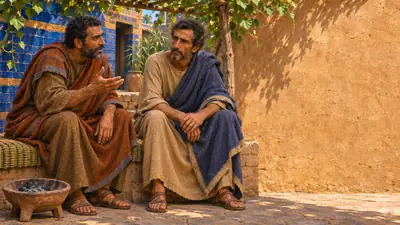
He remembers when grief first overcame him. He was the youngest child when his father died. His mother died too, and he says there was no one to care for him.
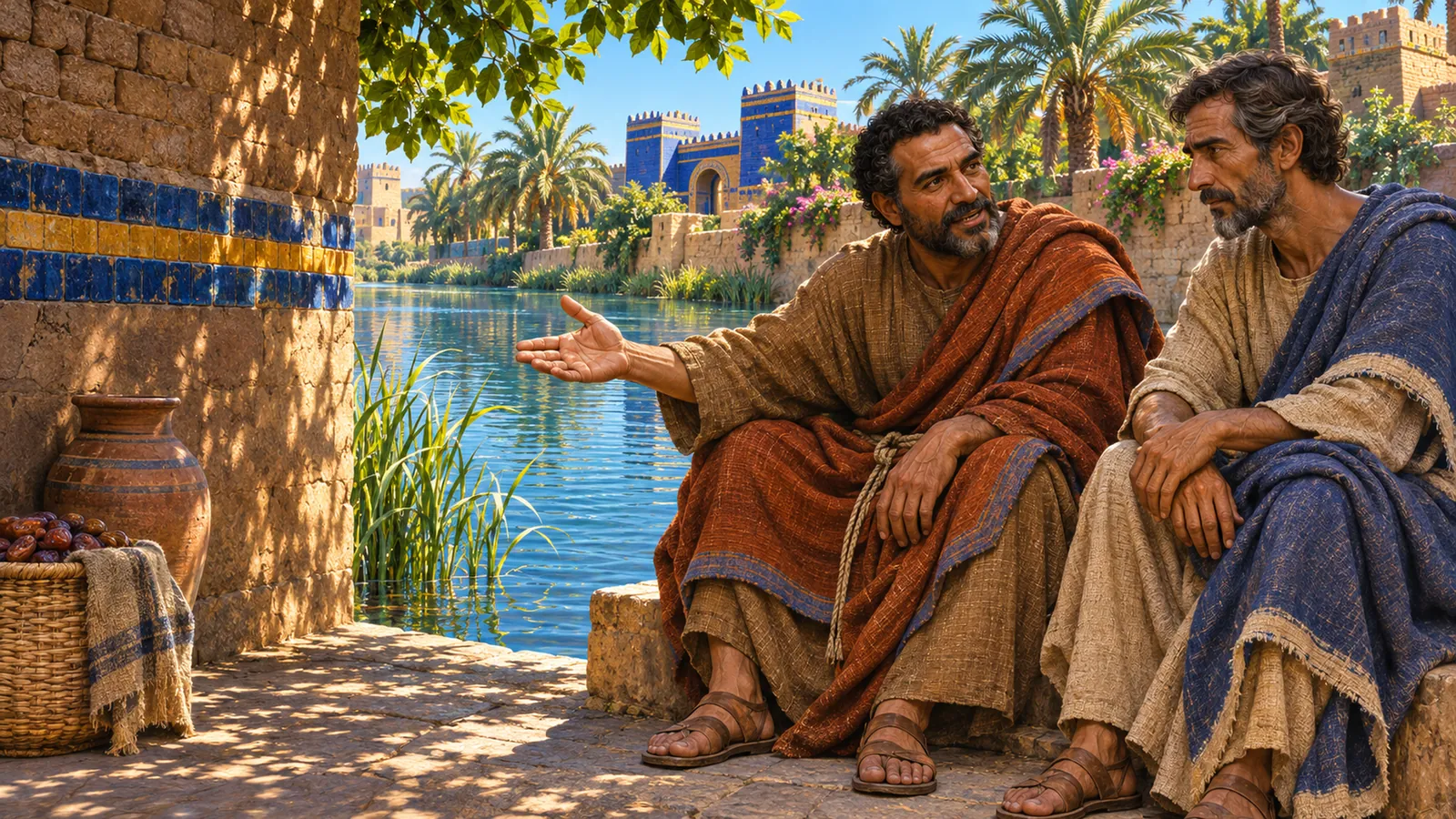
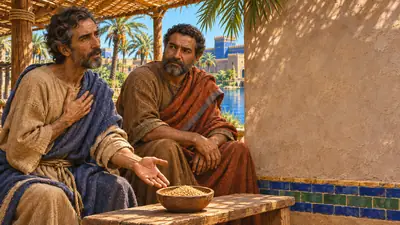
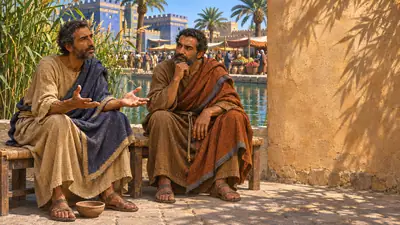
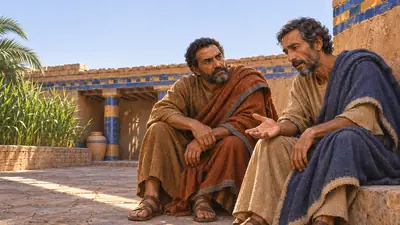
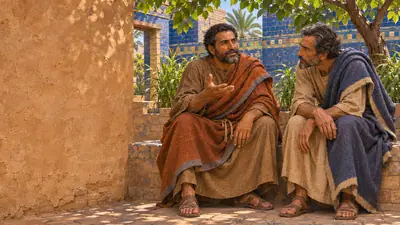
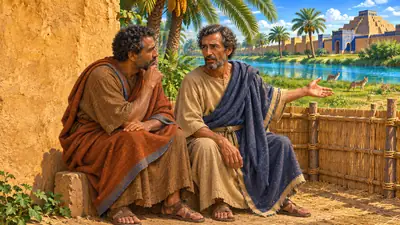
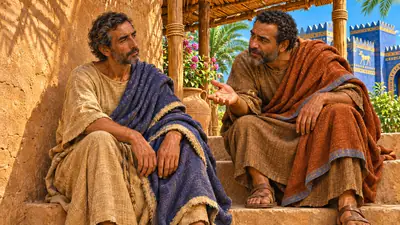
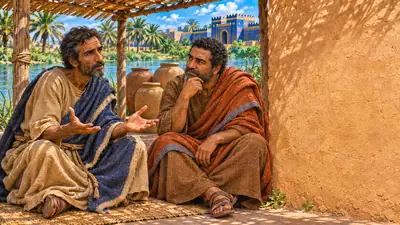
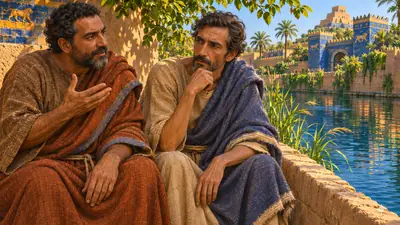
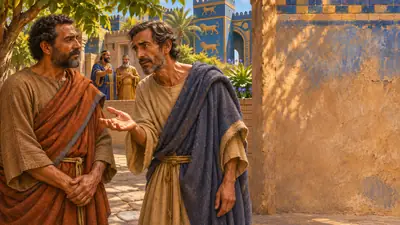
The friend says the story is sorrowful, but that his companion has let his mind dwell on ill and dulled his own good judgment. He speaks of fathers going the way of death and crossing the river Hubur, as has long been ordained.
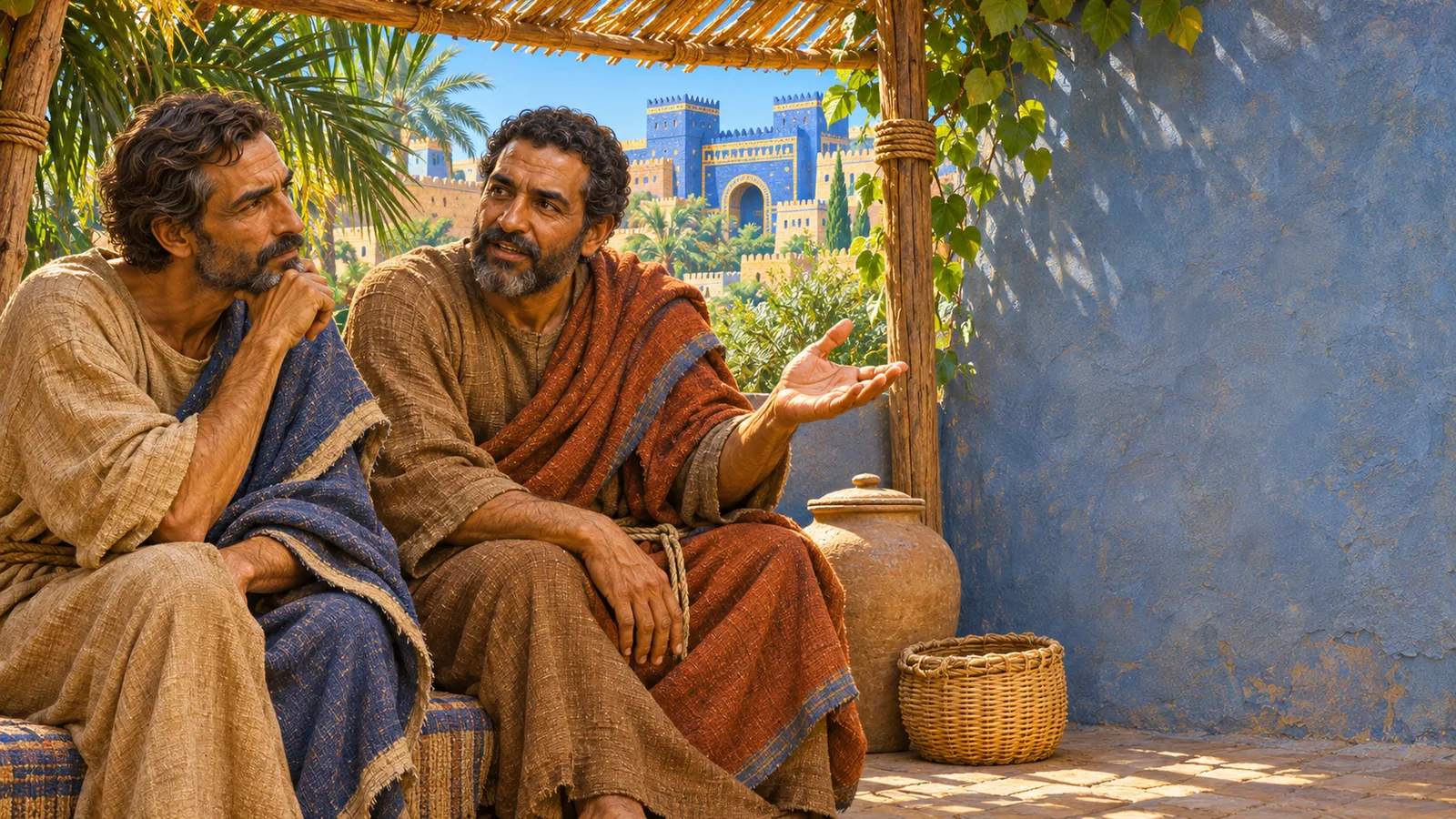
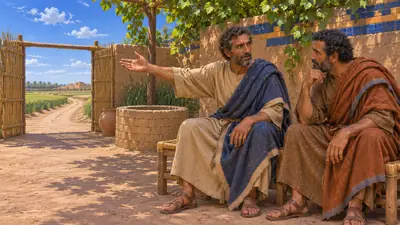
The friend asks who helped the poor man’s son prosper and who showed favor to those already wealthy. He says a person who seeks a god will have a protector, and one who reveres a goddess will gain wealth.
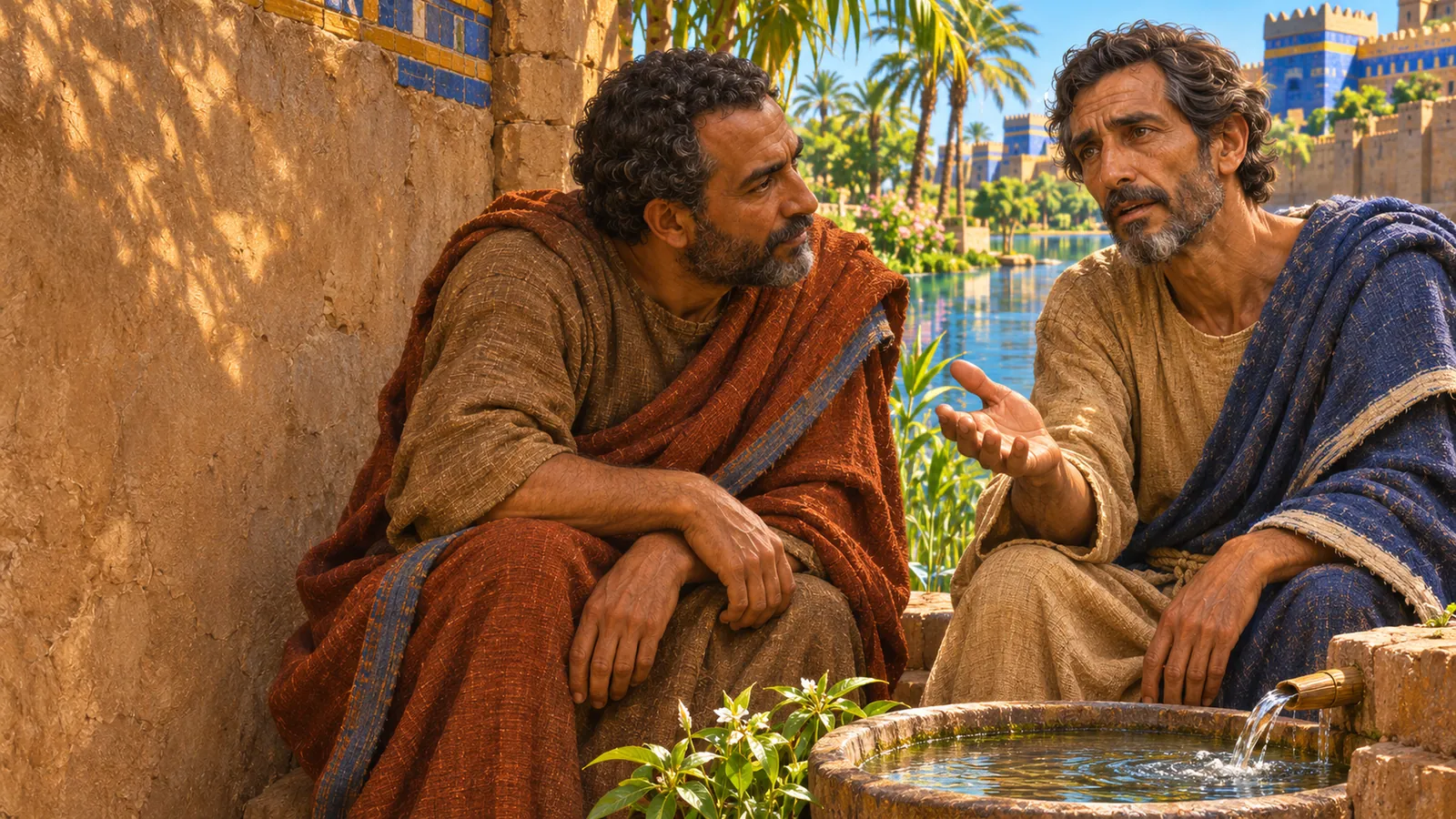
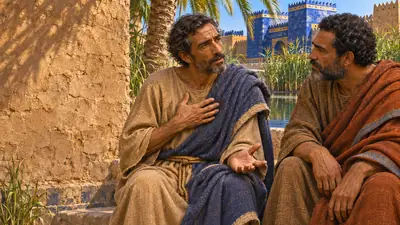
The man compares his friend’s mind to a spring whose depths cannot be sounded. He asks for a moment more so that he can put his questions into words.
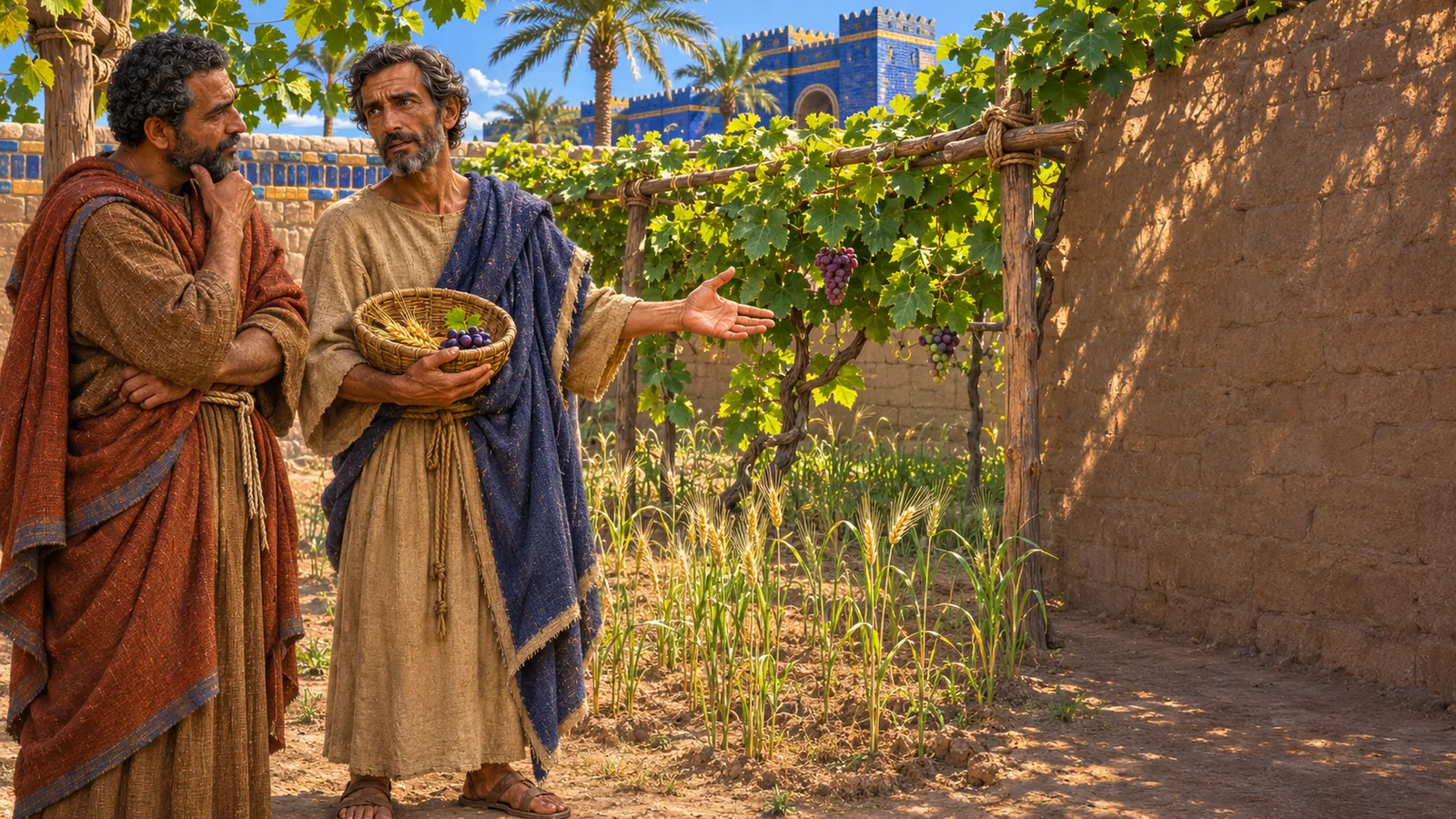
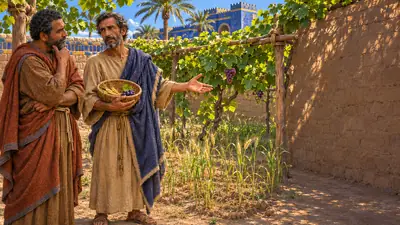
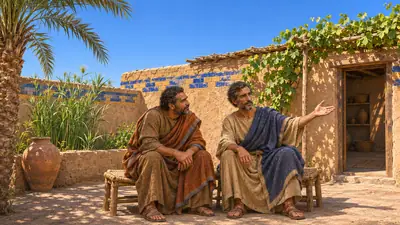
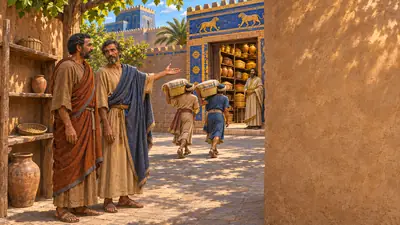
He says his strength has waned and his prosperity is gone. His field and vineyard yield too little to sustain him. He wonders whether happier days will ever come.
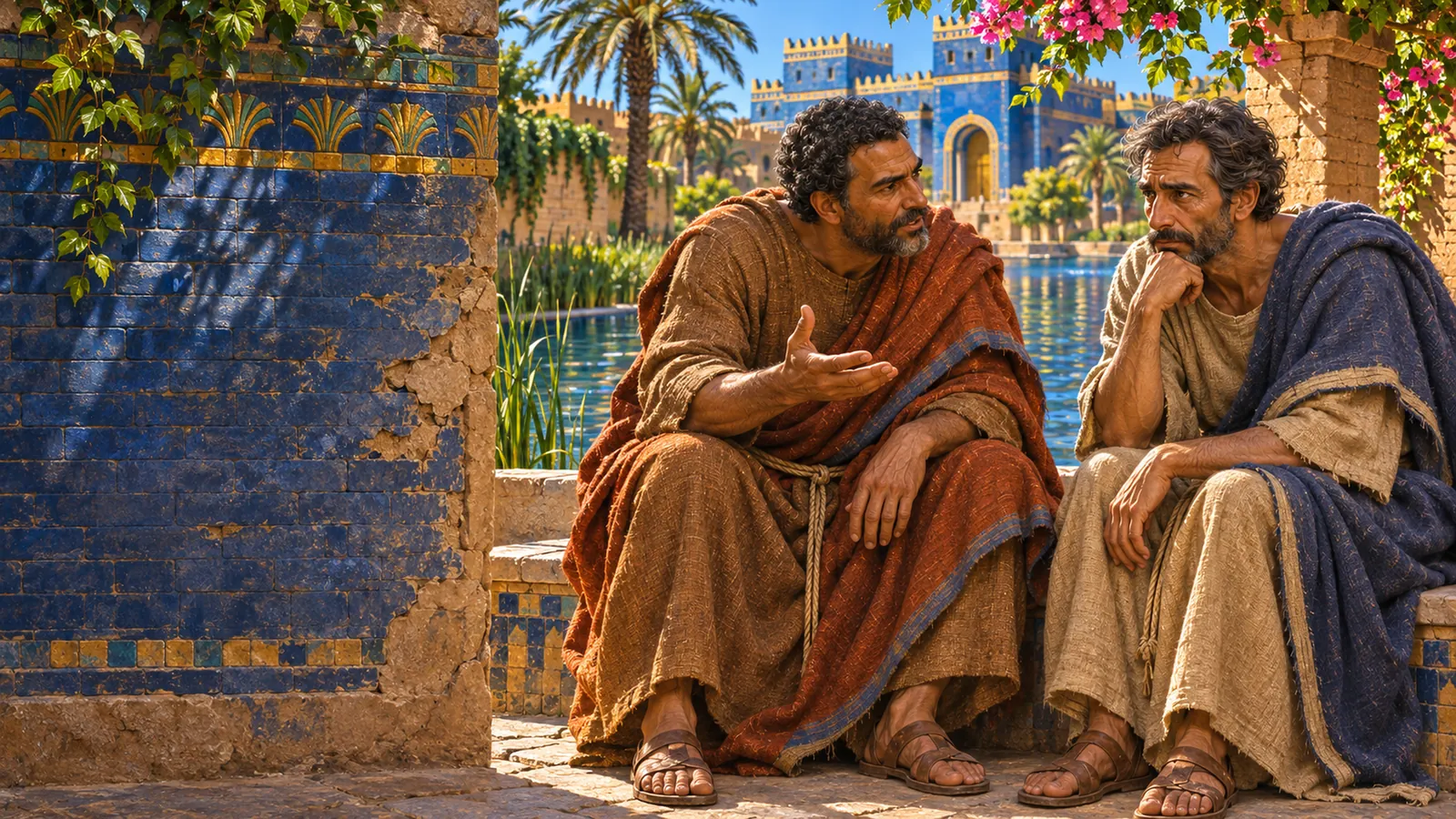
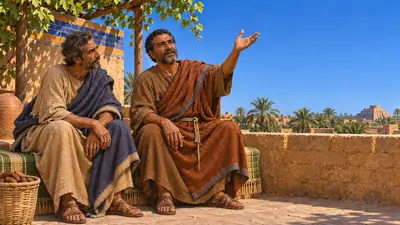
The friend defends the advice he has given. He says his companion has let wise judgment give way to rash words. The line about what he longs for is broken.
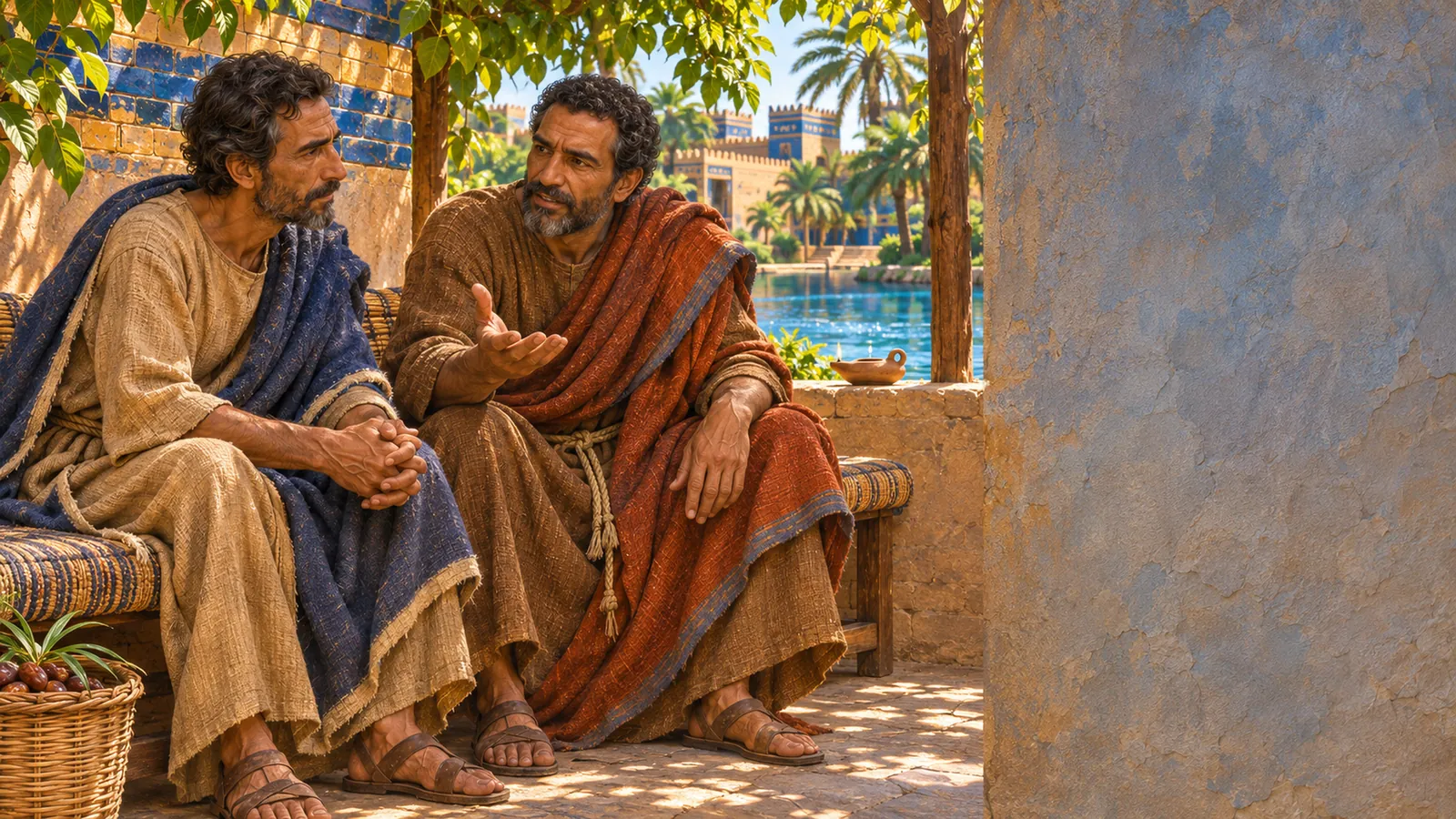
The friend urges him to pray and seek what is right. The reply is damaged, but the surviving words speak of a goddess returning when entreated and of mercy being granted.

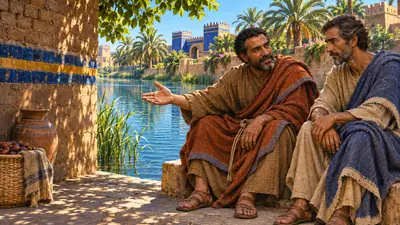
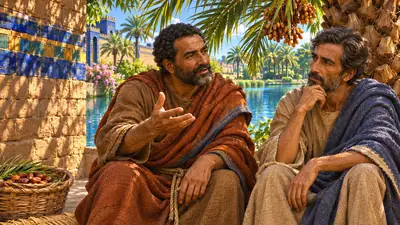
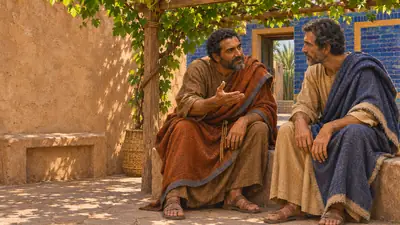
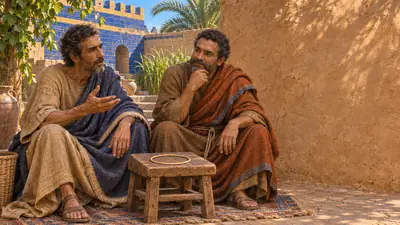
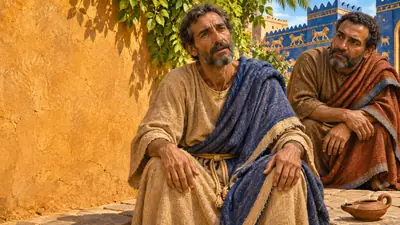
The man says he has heard his friend’s advice. Then he asks whether the wild ass that eats its fill of grass pays any heed to the gods’ wisdom.
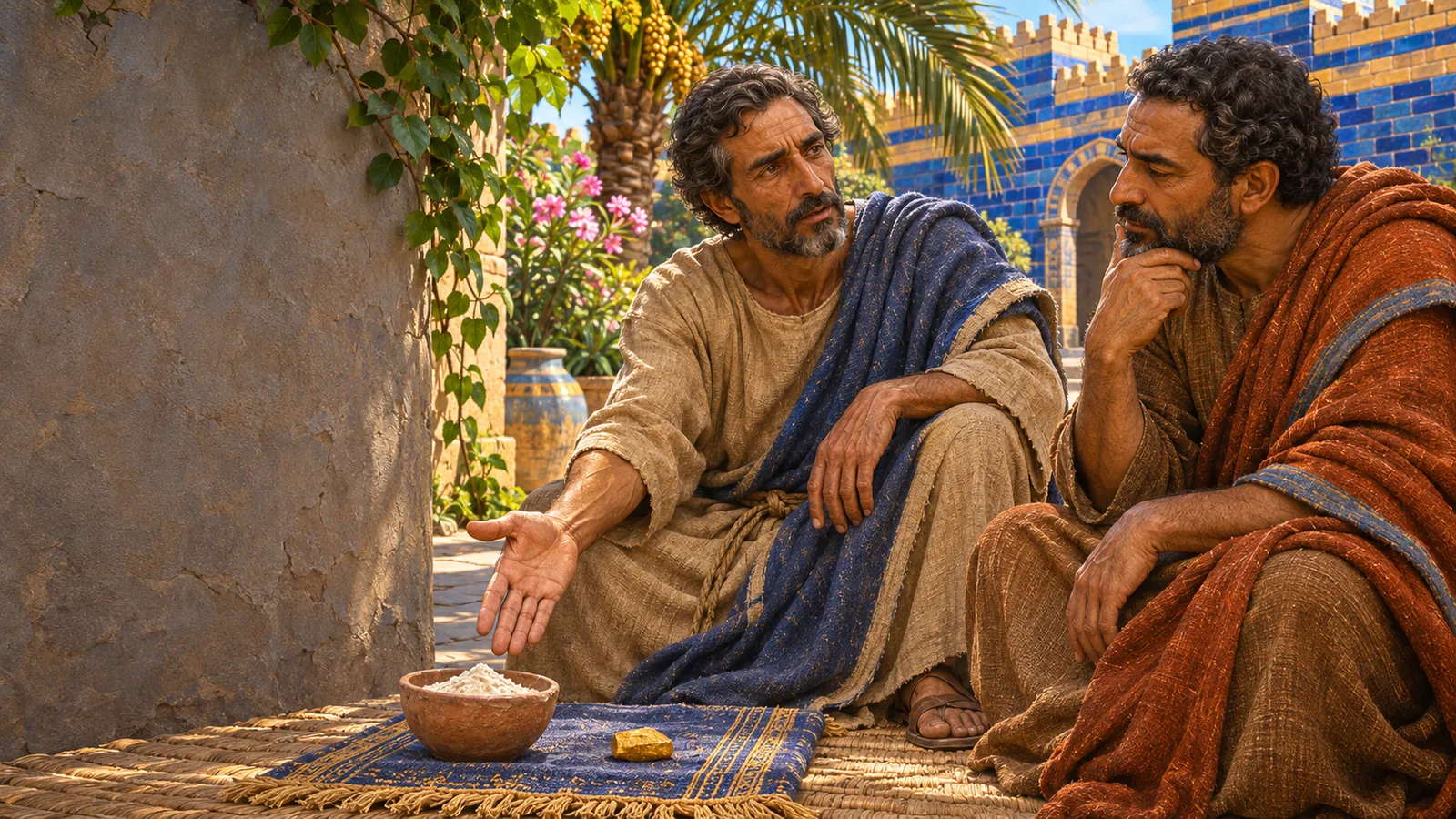
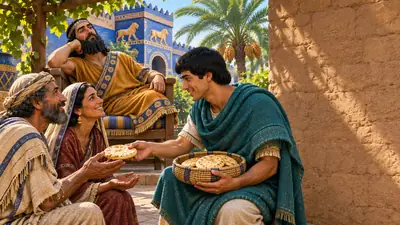
He asks whether a lion ever offered flour to appease a goddess, or whether the magnate whose wealth keeps growing ever weighed out precious gold for the mother goddess.
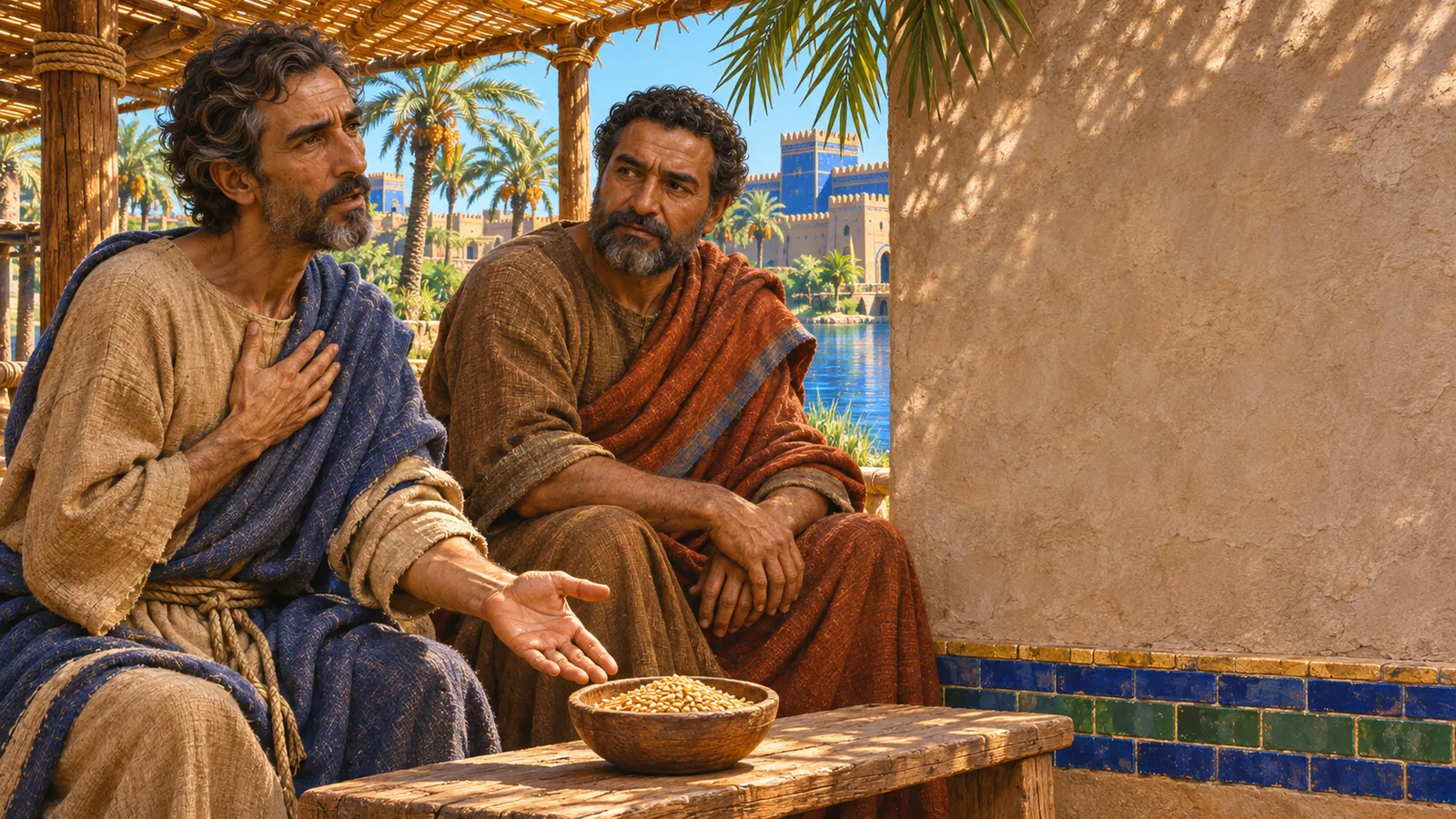
He turns the question back on himself. Has he ever withheld an offering to his god, or failed when he blessed the regular sacrifice for his goddess?
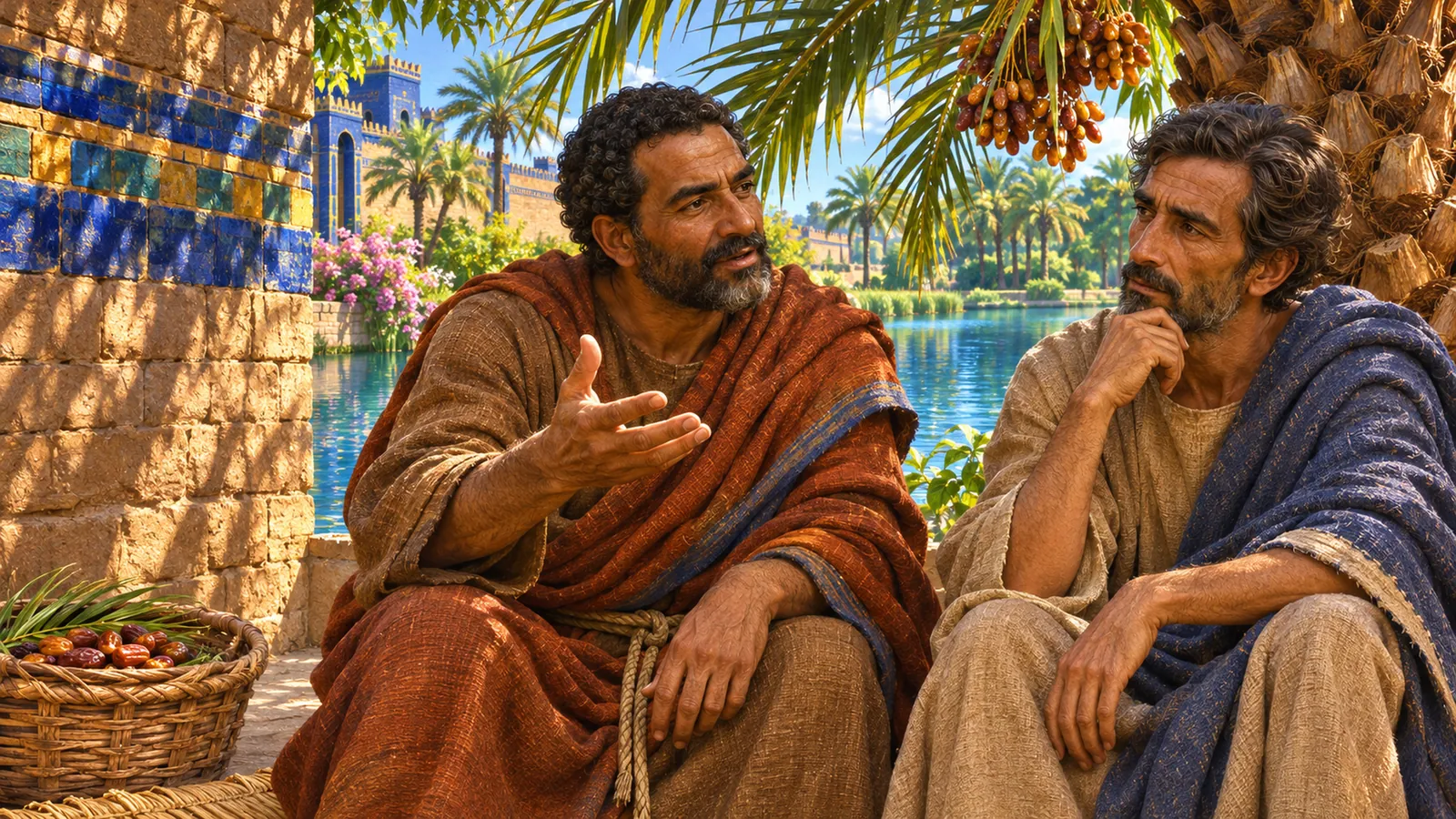
The friend likens him to a date palm that brings wealth and calls him a gem of wisdom. Then he says the reasoning of the gods lies beyond him.
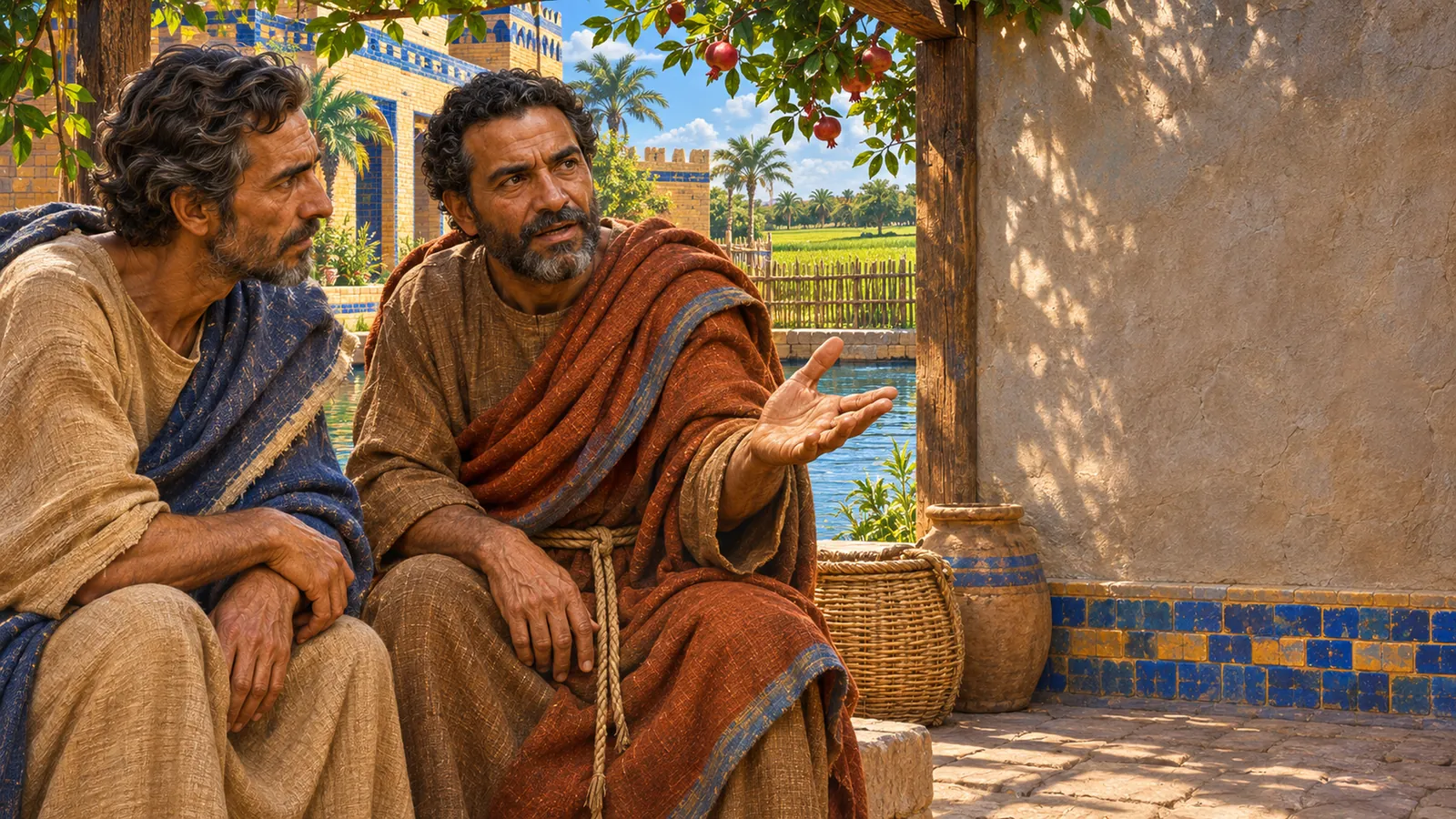
The friend says an arrow awaits the wild ass. A pit awaits the lion that preyed on livestock. These are the dangers he sets before his companion.
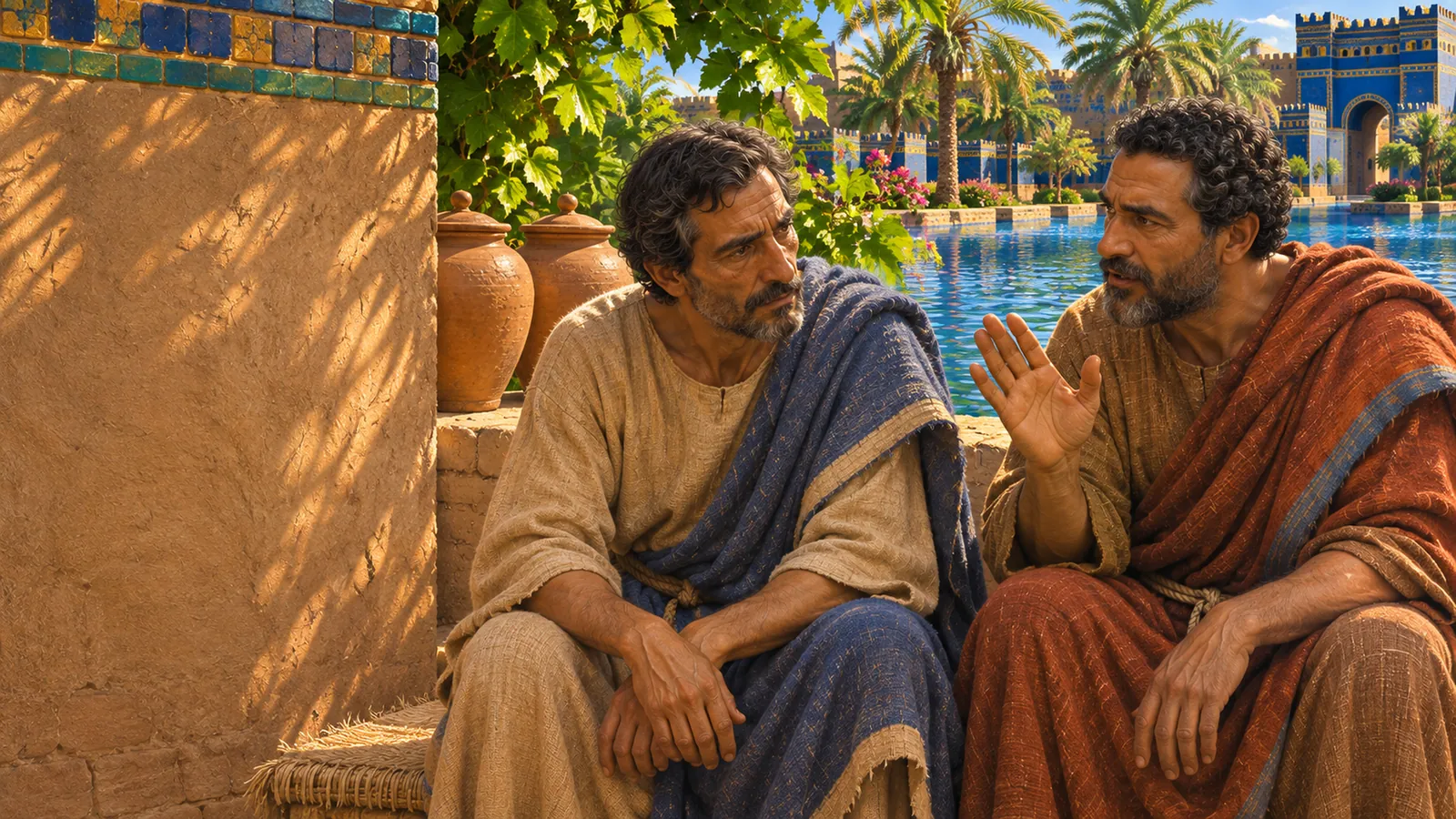
The friend says a ruler will put the wealthy hoarder to the flames. He asks whether his companion wishes to share such a fate and urges him to seek the reward of virtue.
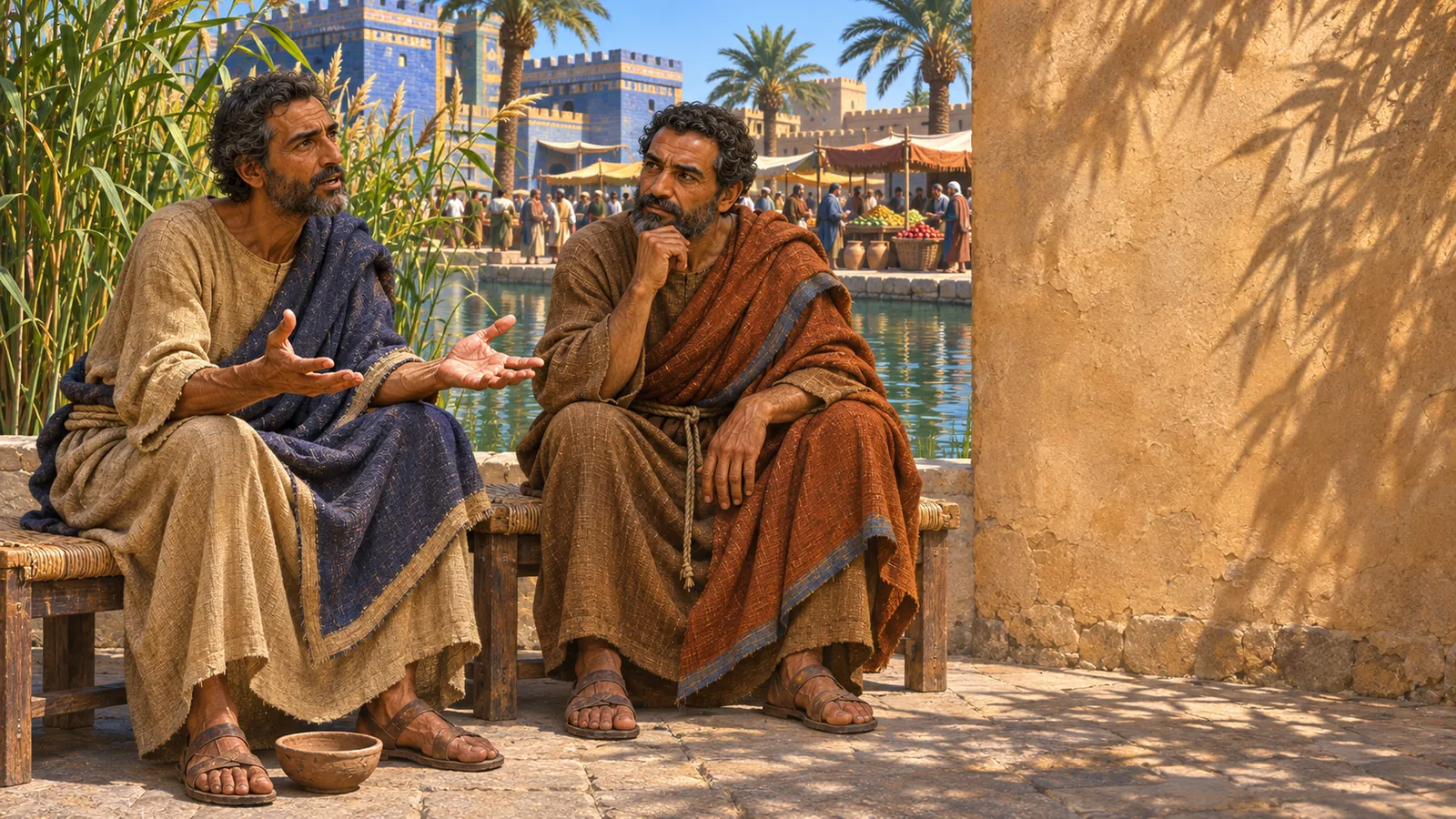
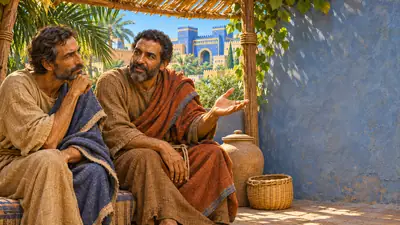
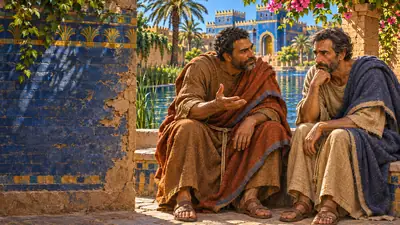
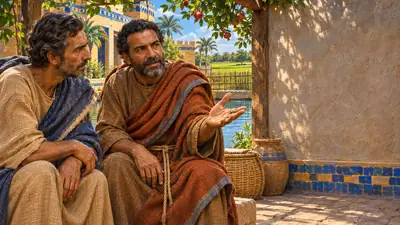
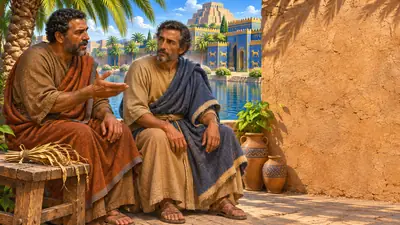
The man says his friend’s advice is like a breath of cool air. Still, he says that people who neglect a god sometimes prosper, while those who pray to a goddess can become poor.
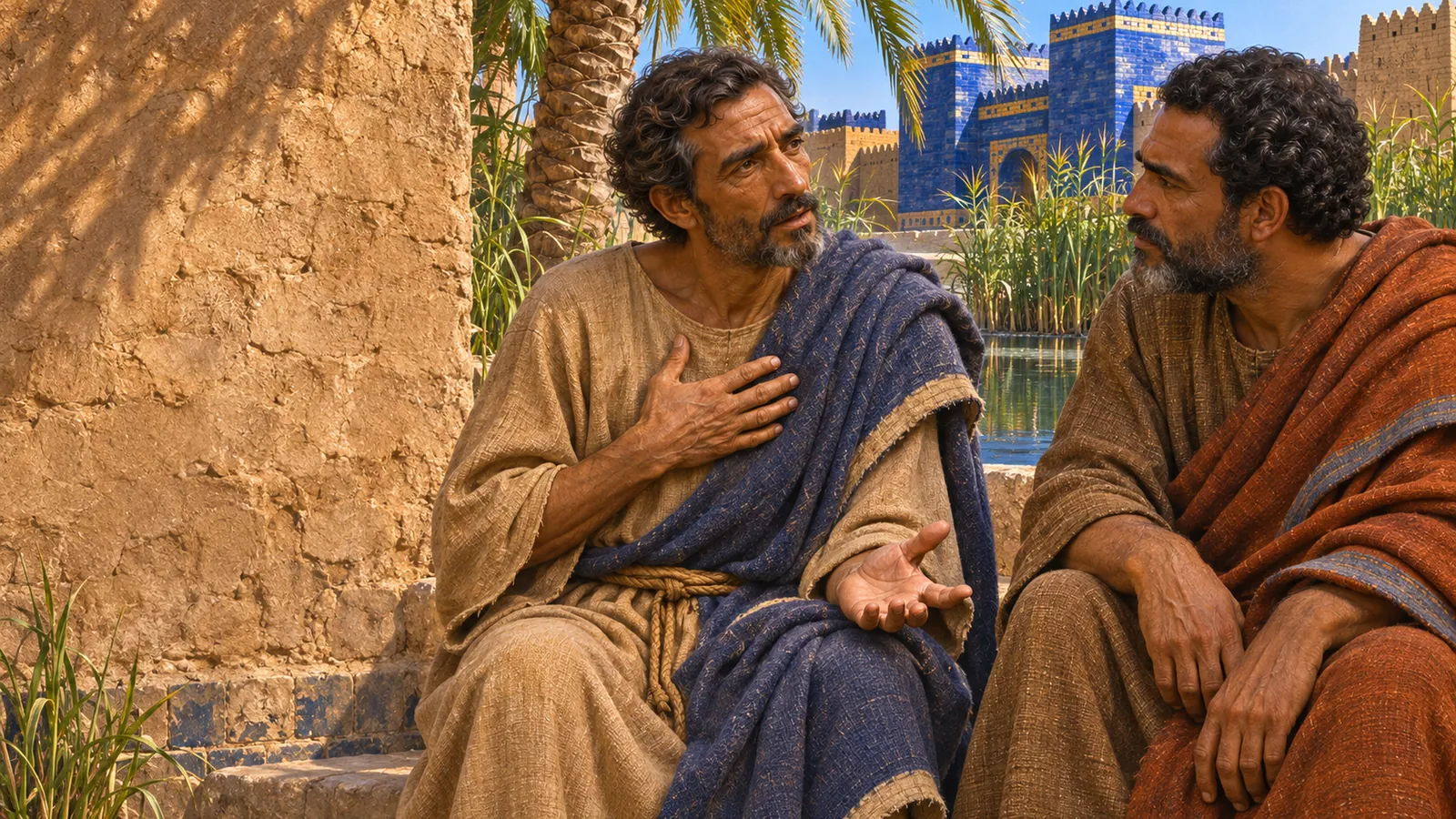
In his youth he heeded his god and prayed to his goddess. He says that his god gave him poverty in place of wealth, and that people he judged unworthy advanced ahead of him.
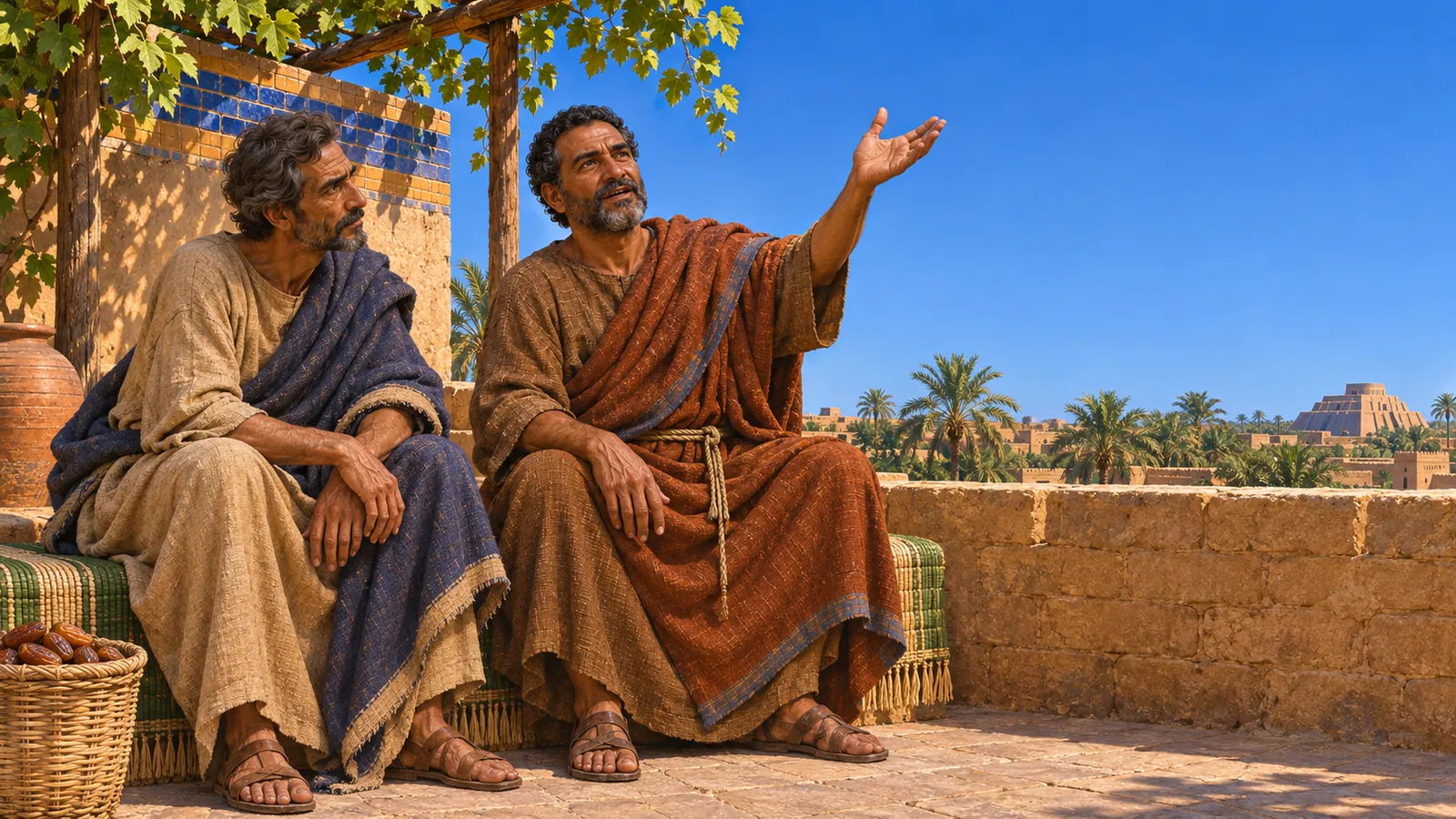
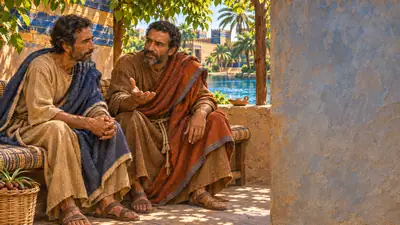
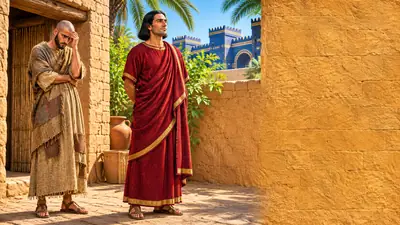
The friend accuses him of neglecting the observances owed to his god and goddess. He says the design of a god is as distant as the innermost heaven, and a goddess’s command cannot be heard.
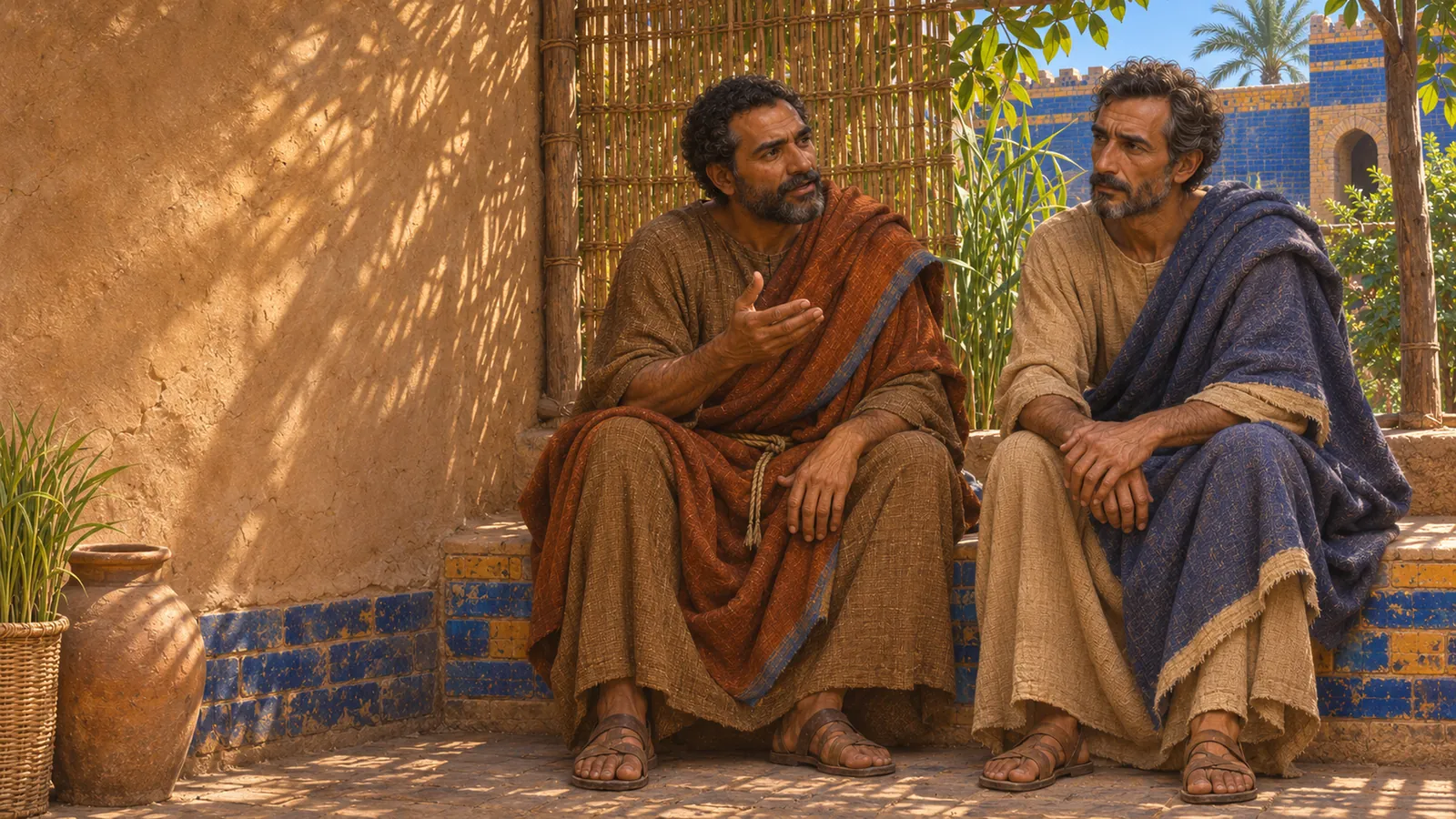
The friend says that people understand rules of conduct. The rest of this reply breaks into fragments about what people plan and about instruction in a goddess’s ways.
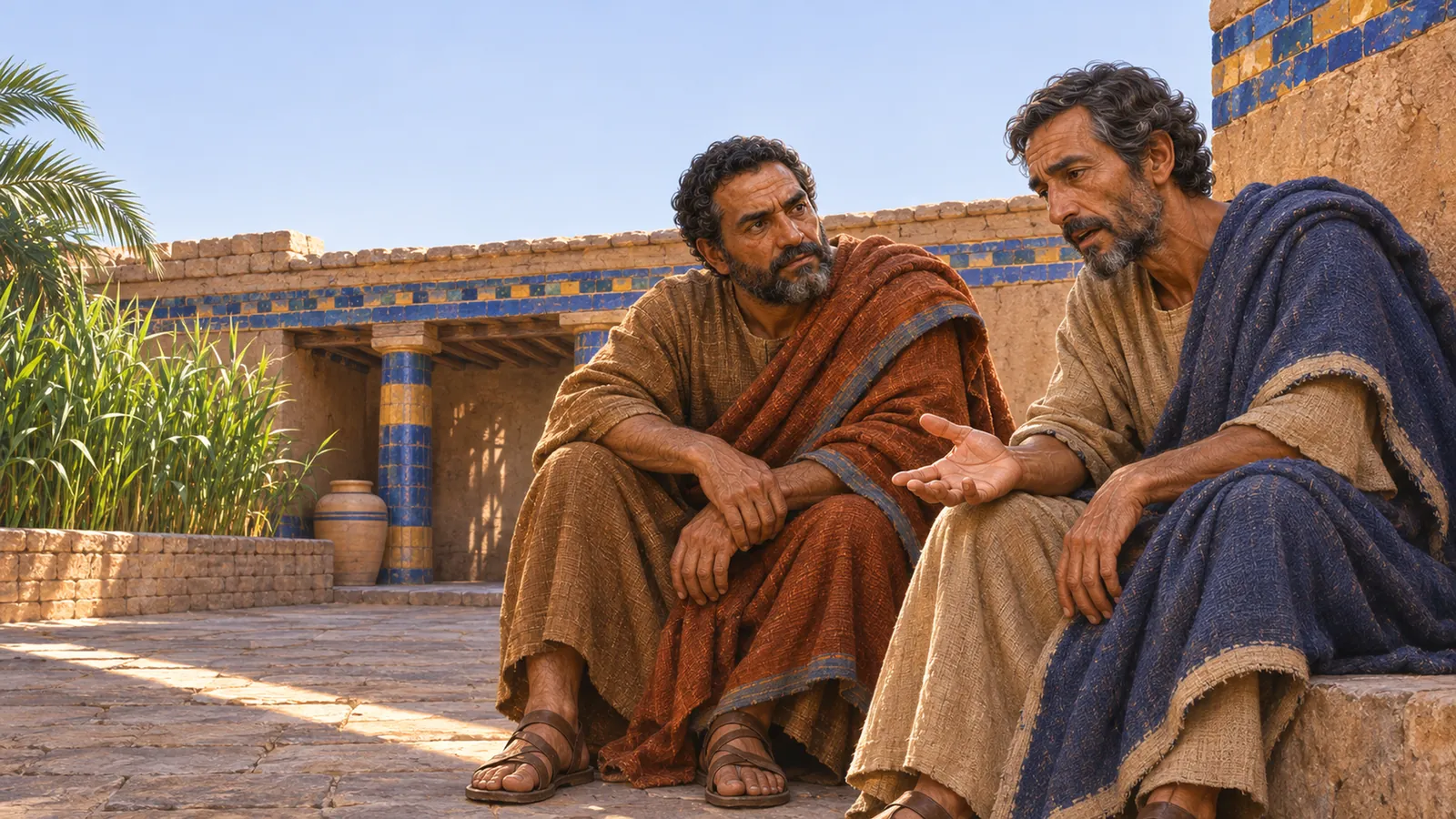
FRAGMENTS
The sufferer’s reply preserves scattered words about sleep and rays. One fragment mentions being slain by someone’s hand. The missing words leave the victim and the killer unknown.
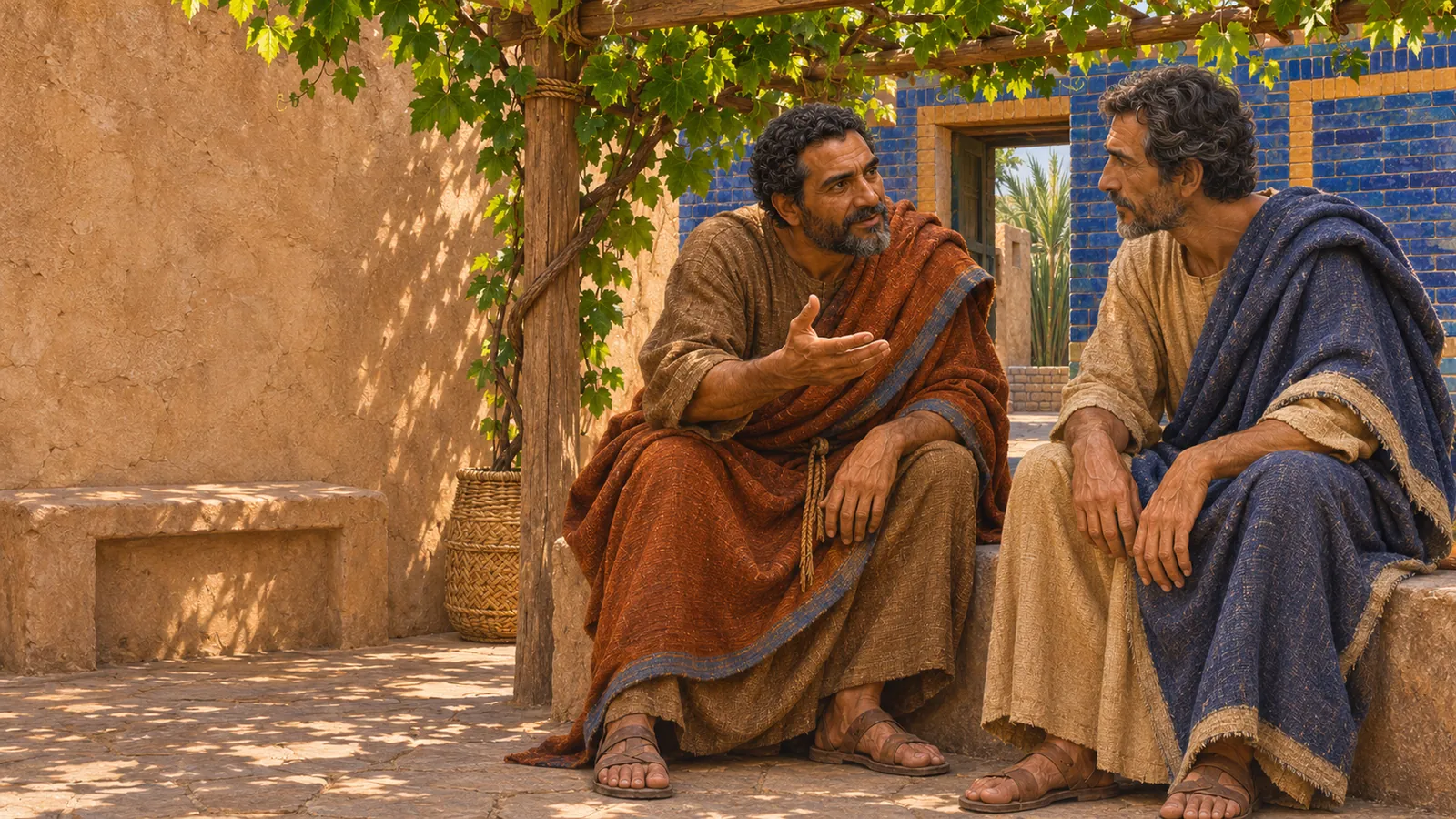
Only the opening of the friend’s reply is readable. He calls for attention and asks his companion to look. The words that would explain what he means are broken.
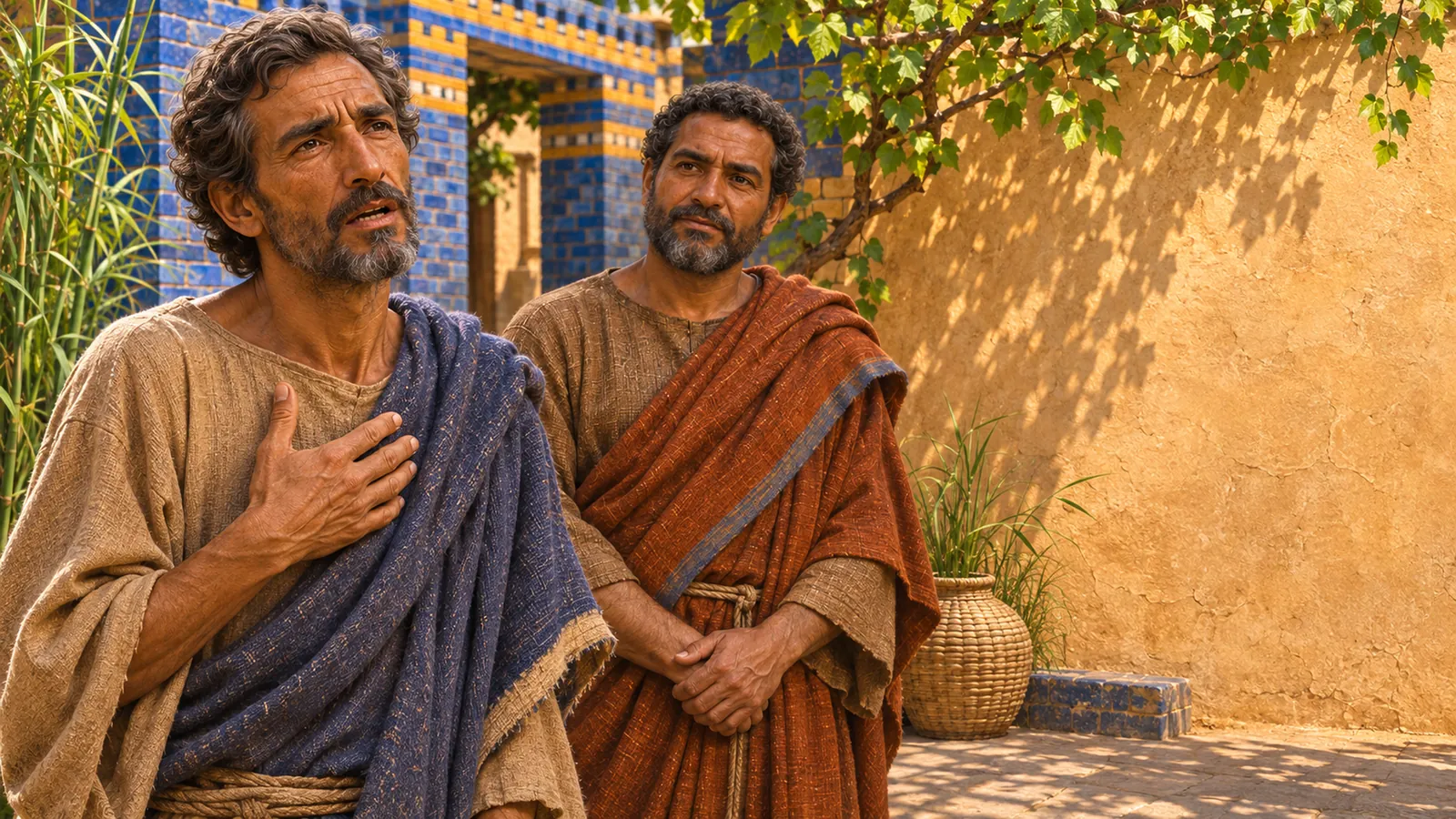
The sufferer’s next turn is almost entirely lost. Near its end, the edition reads the words ‘with me’ in a damaged line.
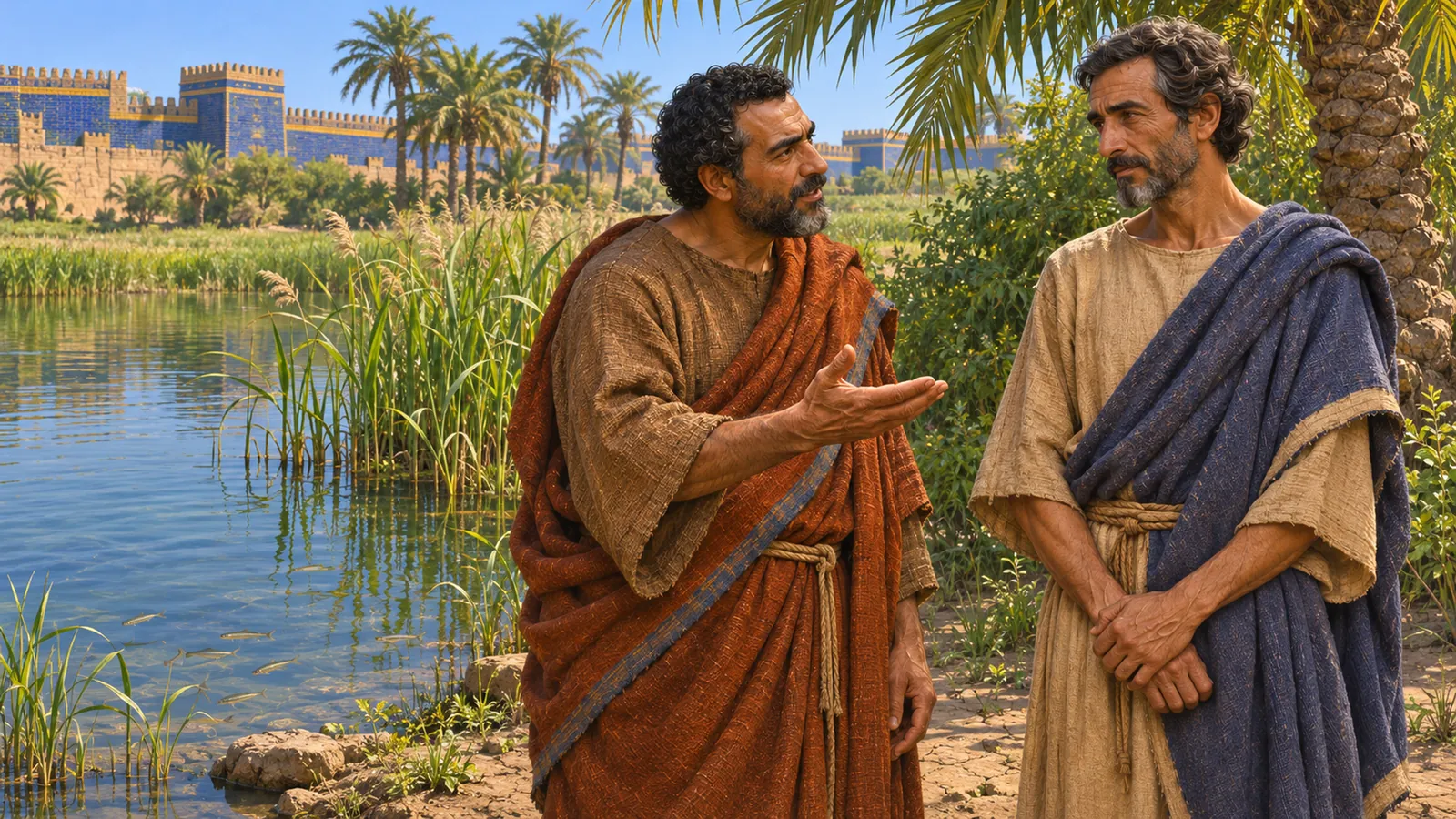
The friend addresses his companion and seems to reproach his reasoning. Other broken phrases mention a marsh fish and a broken back. The links between them are lost.
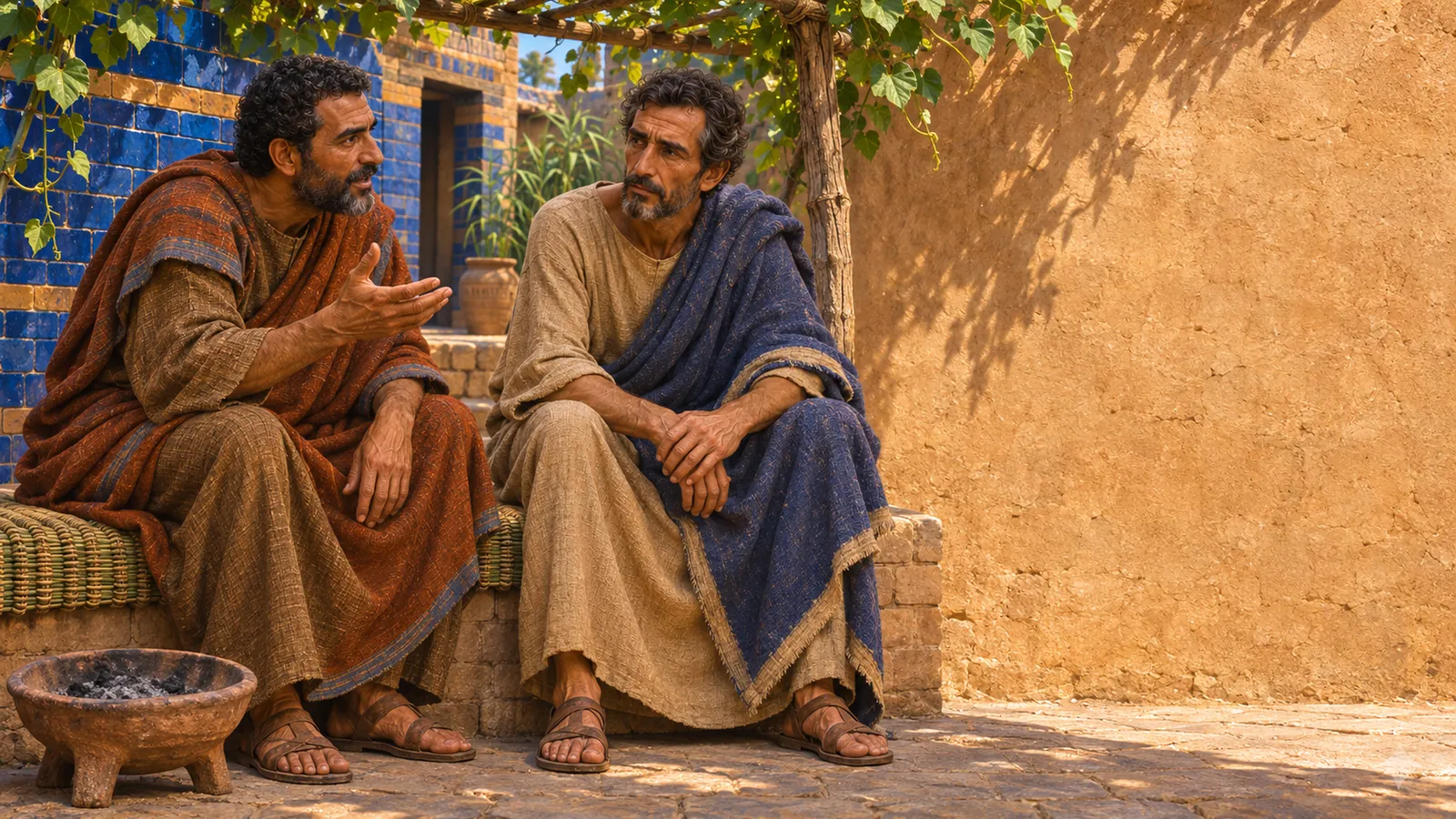
The friend speaks in fragments of a fire put out, an offspring crushed and people scattered. The next broken lines mention a midwife and a speaker who says he heeded his god.
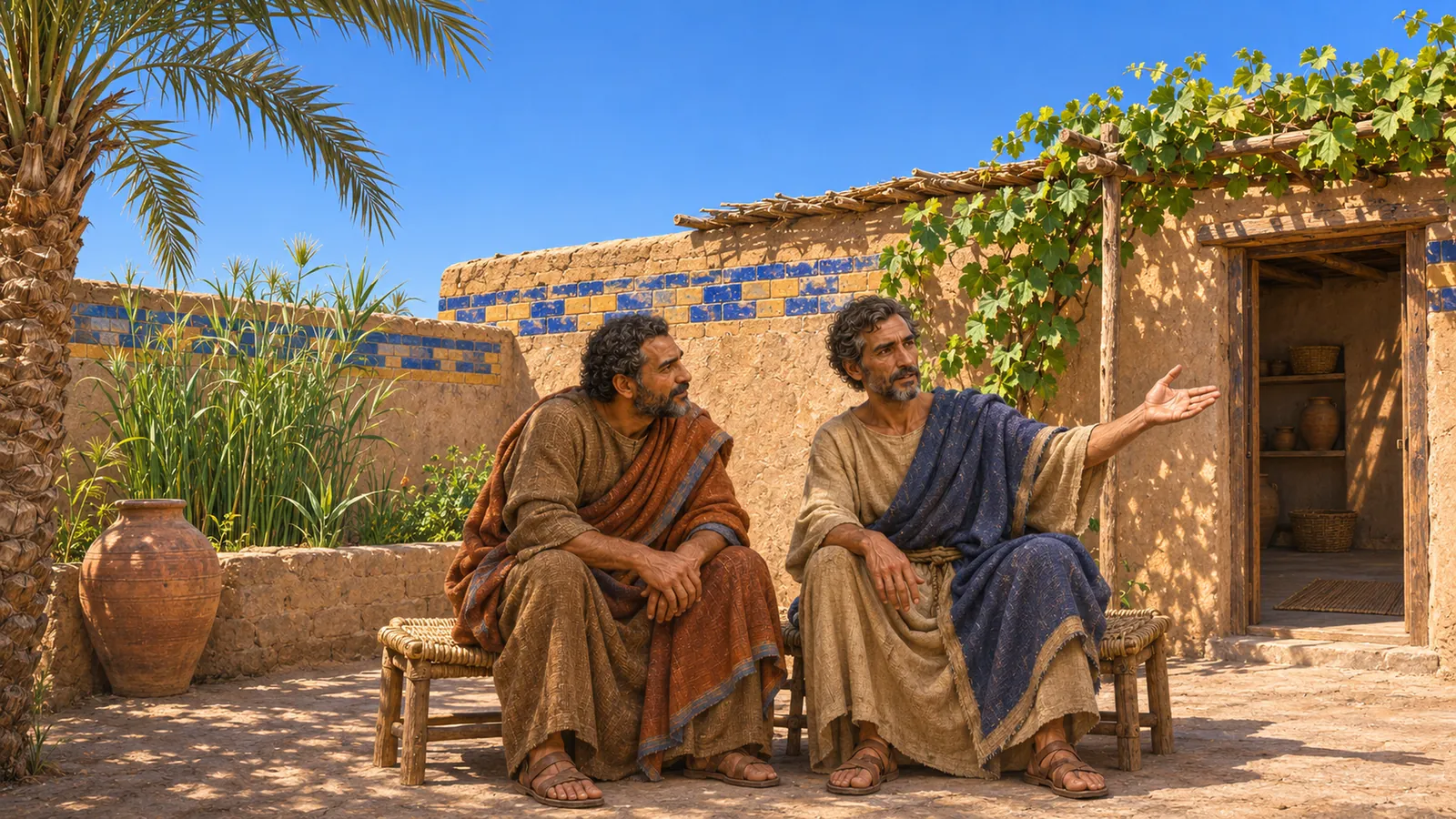
DEPARTURE
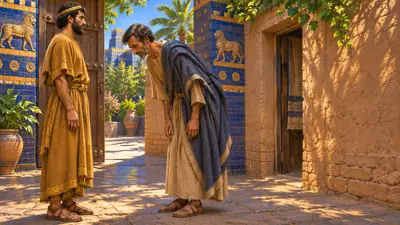
The sufferer says he will forsake his home and seek no property. He says he will disregard his god’s rites and slaughter a calf.
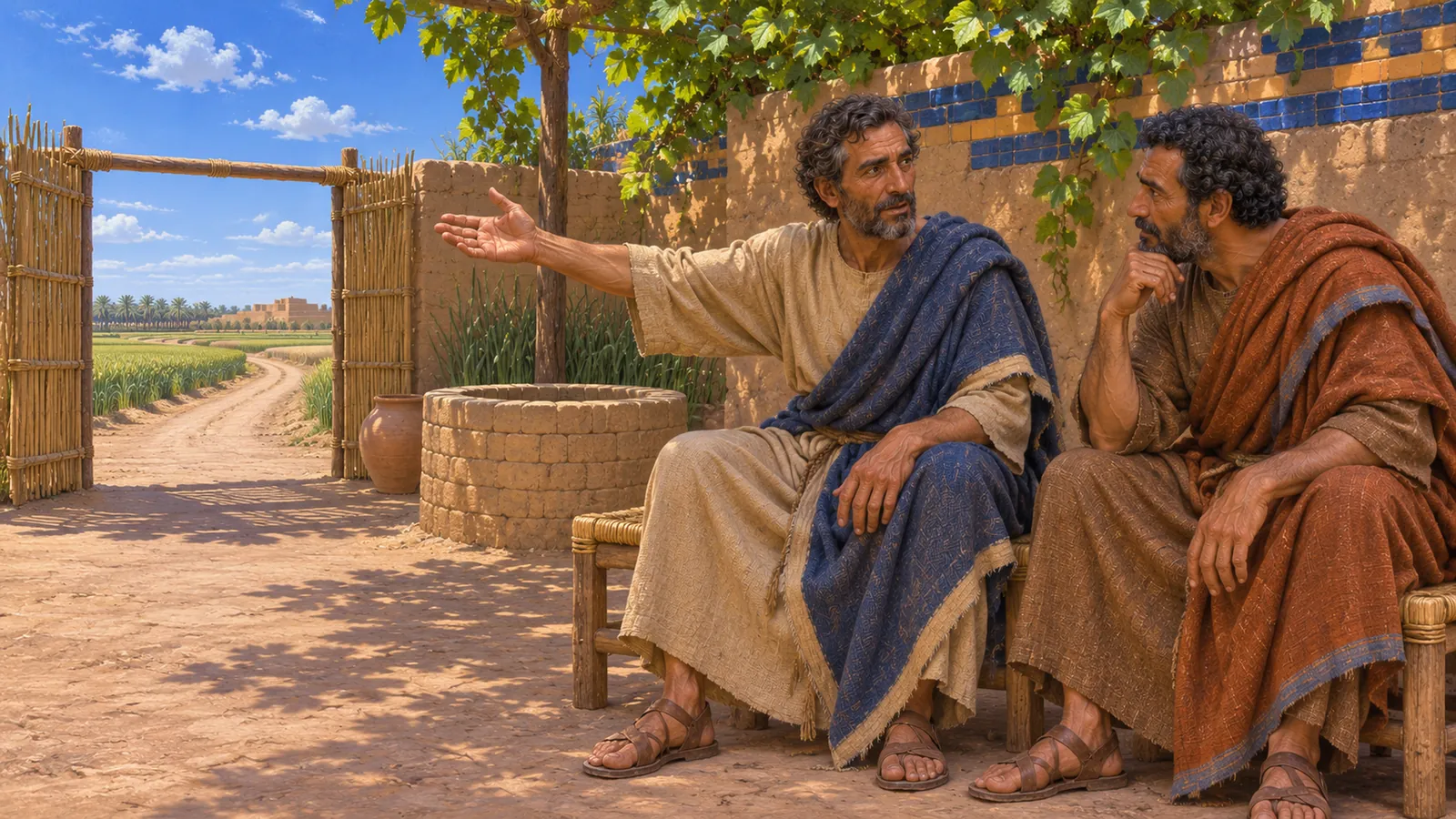
He says he will go on the road and learn his way through distant places. He will open a well, let water flow and roam outdoors like a fugitive.
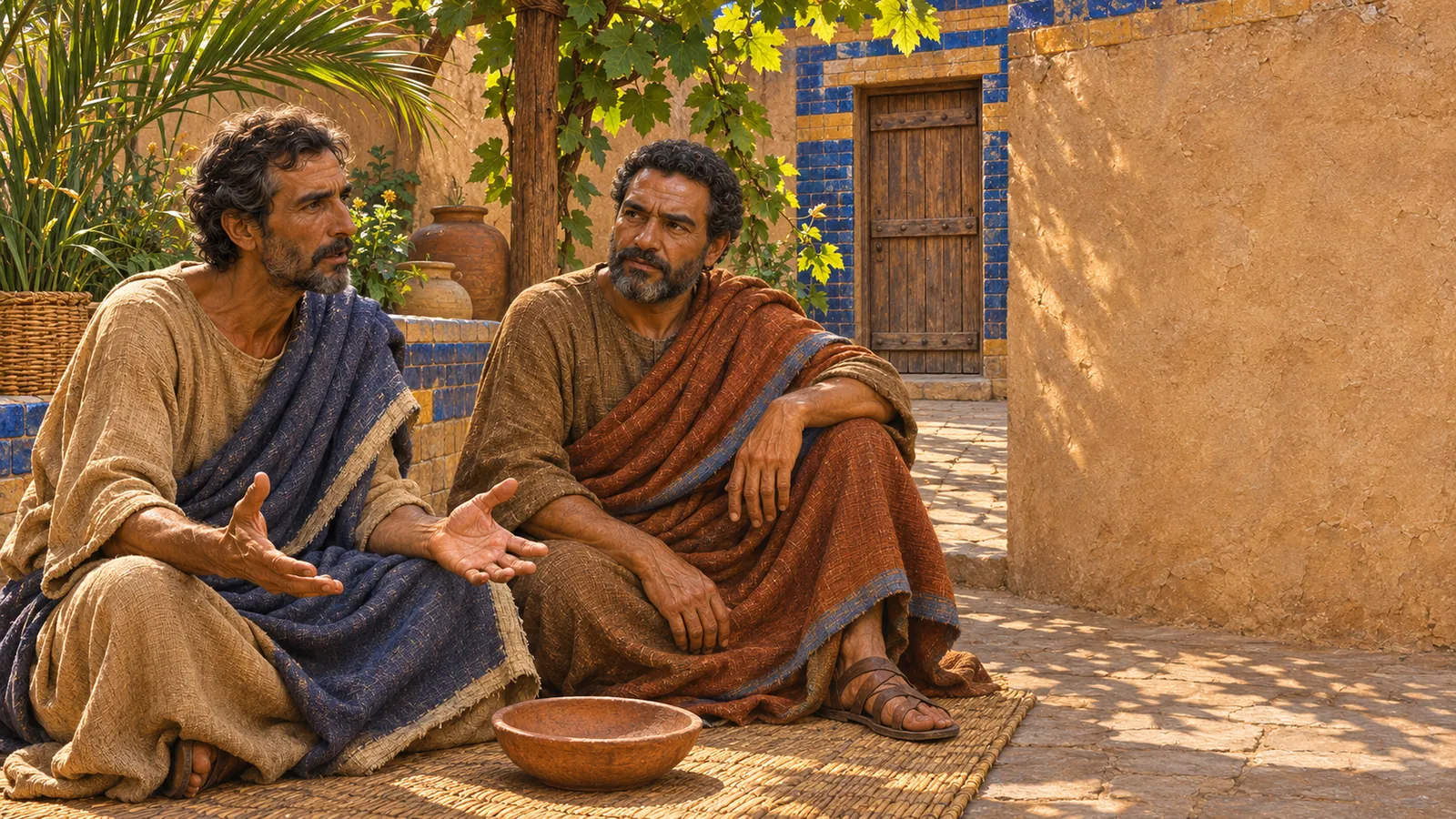
He says hunger will drive him to force his way from house to house and wander the streets. The last damaged words place good fortune far away and break off as he speaks of his fate.
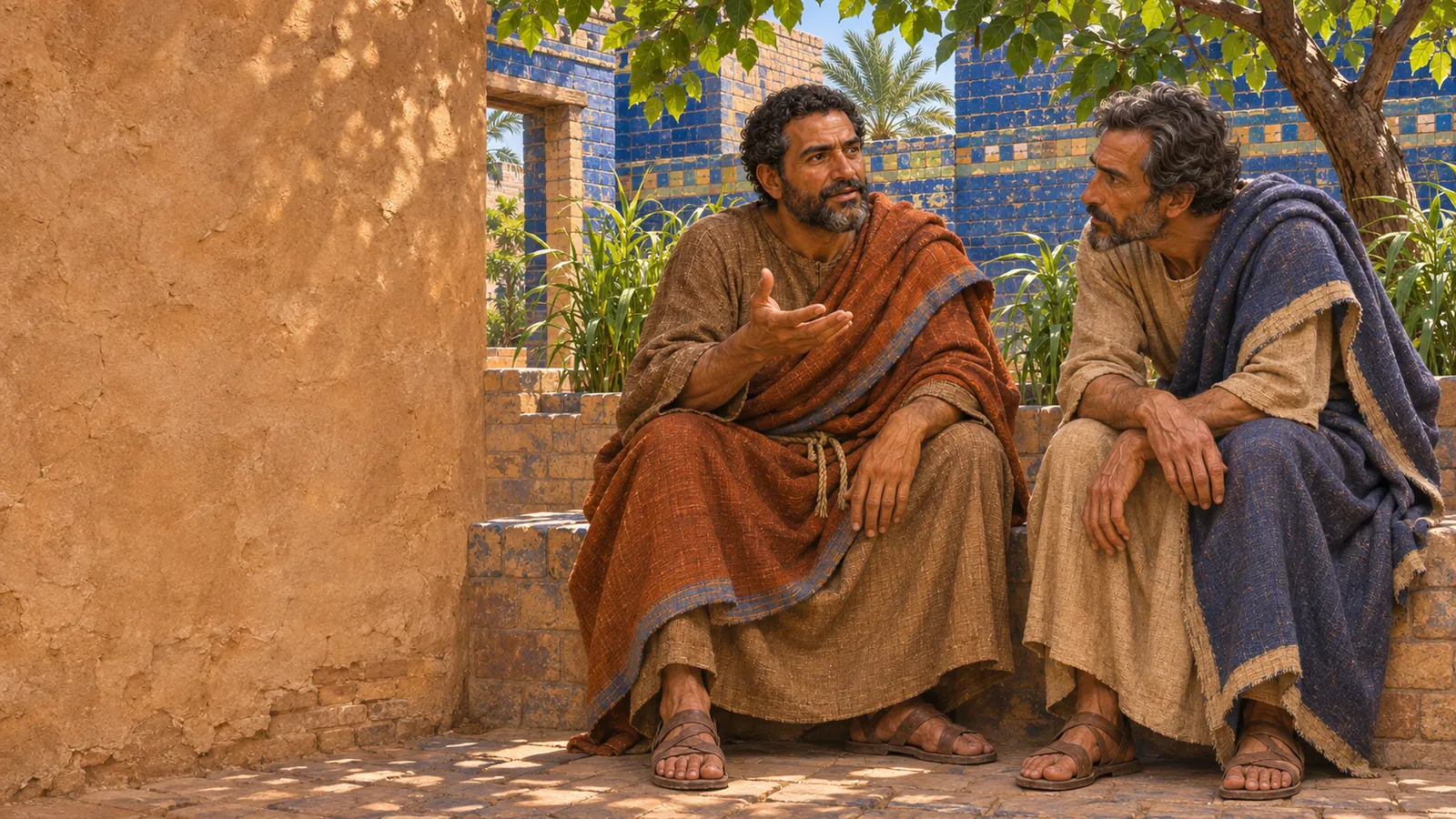
The friend answers the sufferer’s resolve and seems to question his judgment. Broken lines mention the human race and a midwife. Much of the answer is lost.
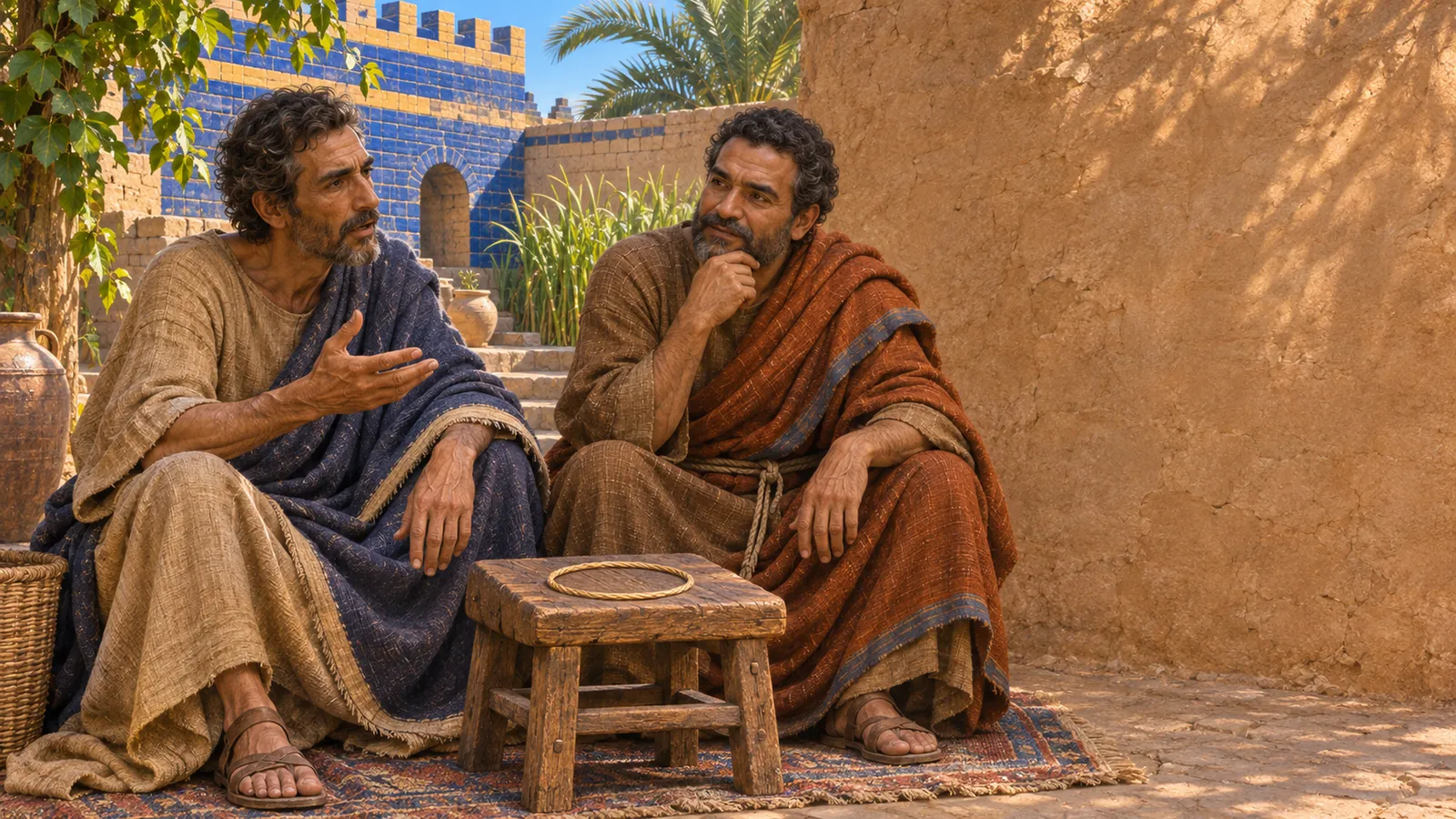
A restored phrase describes a daughter lying to her mother. The sufferer also speaks of a bird-catcher who falls into his own snare.
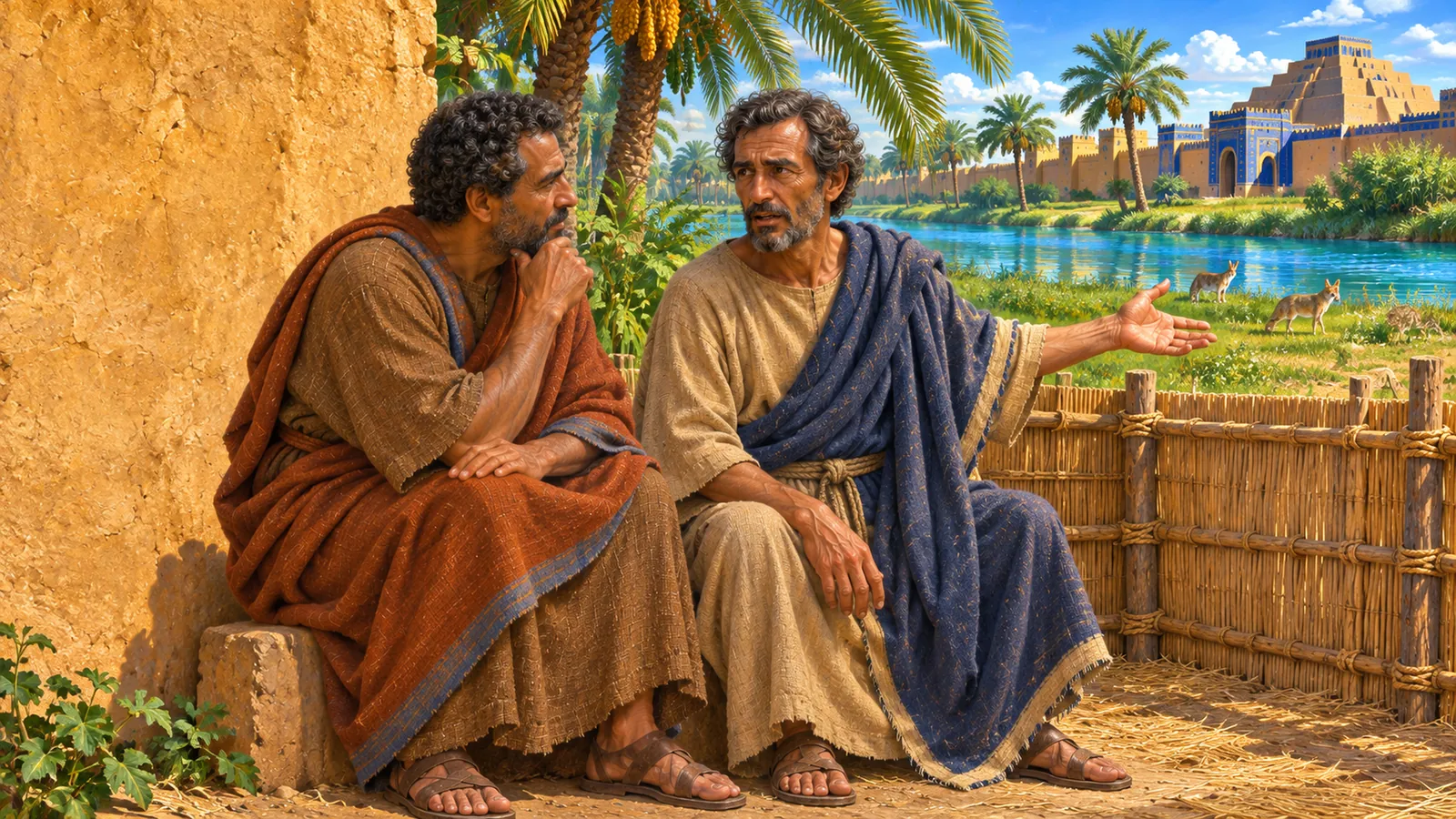
Wild creatures appear in a broken line about a fold. Then the sufferer asks about a son and daughter and what he might leave behind, in words that break off.
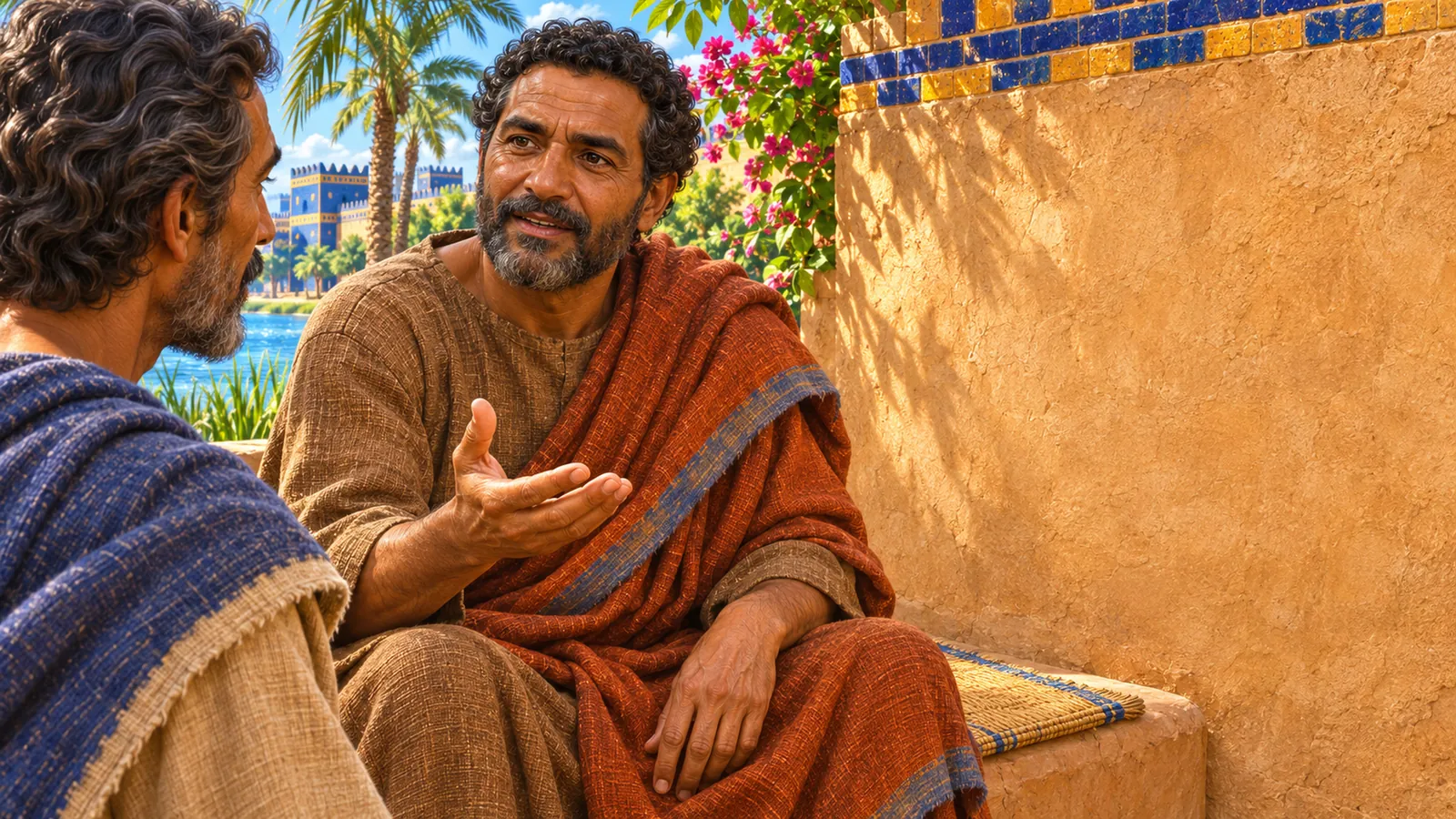
The friend addresses his companion as modest and speaks of how readily he listens. The lines that follow preserve only scraps about feelings, words and movement.
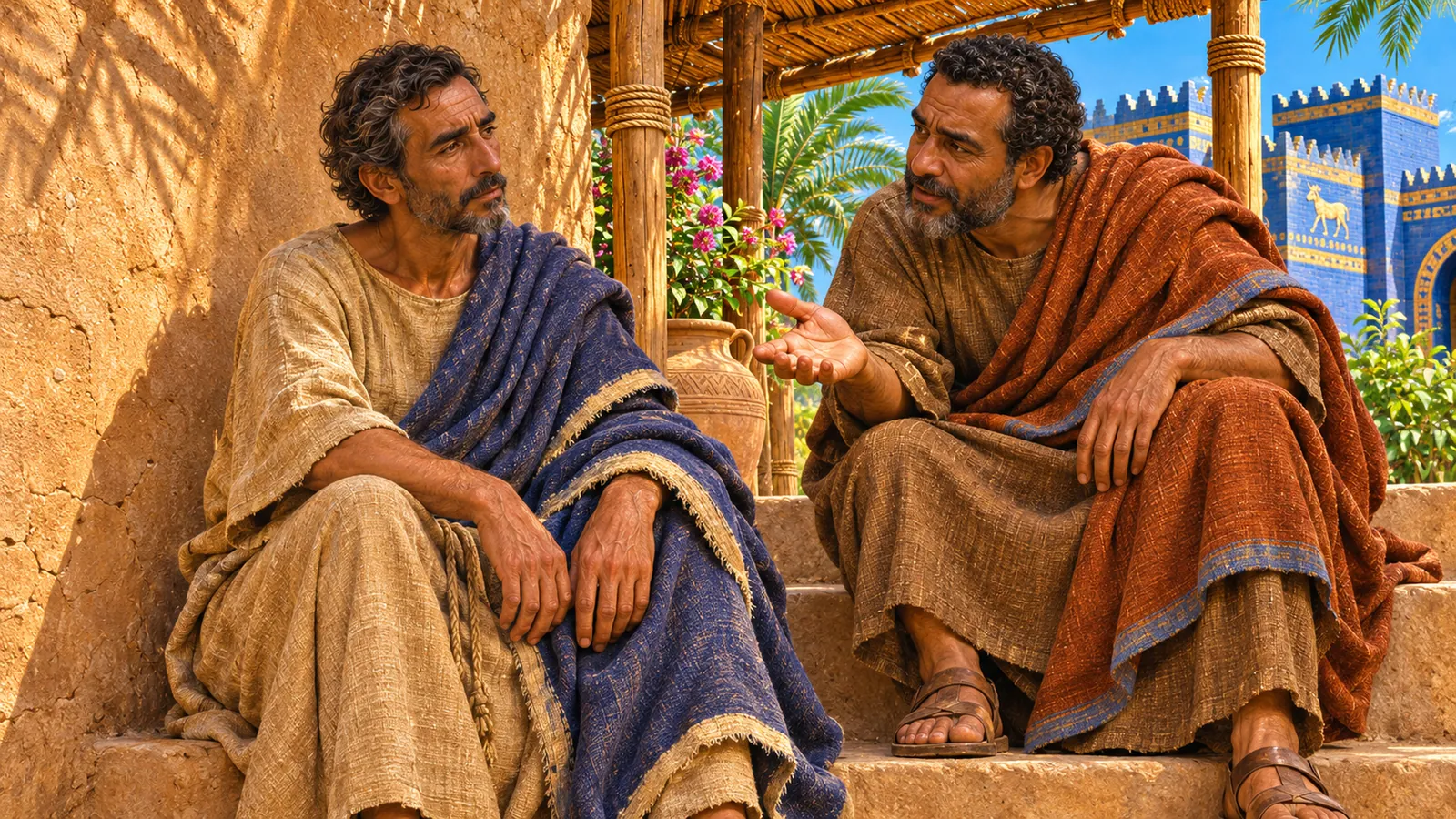
The friend asks in whom the sufferer placed his trust when he reached old age. The rest breaks off in places, leaving a reference to successors.
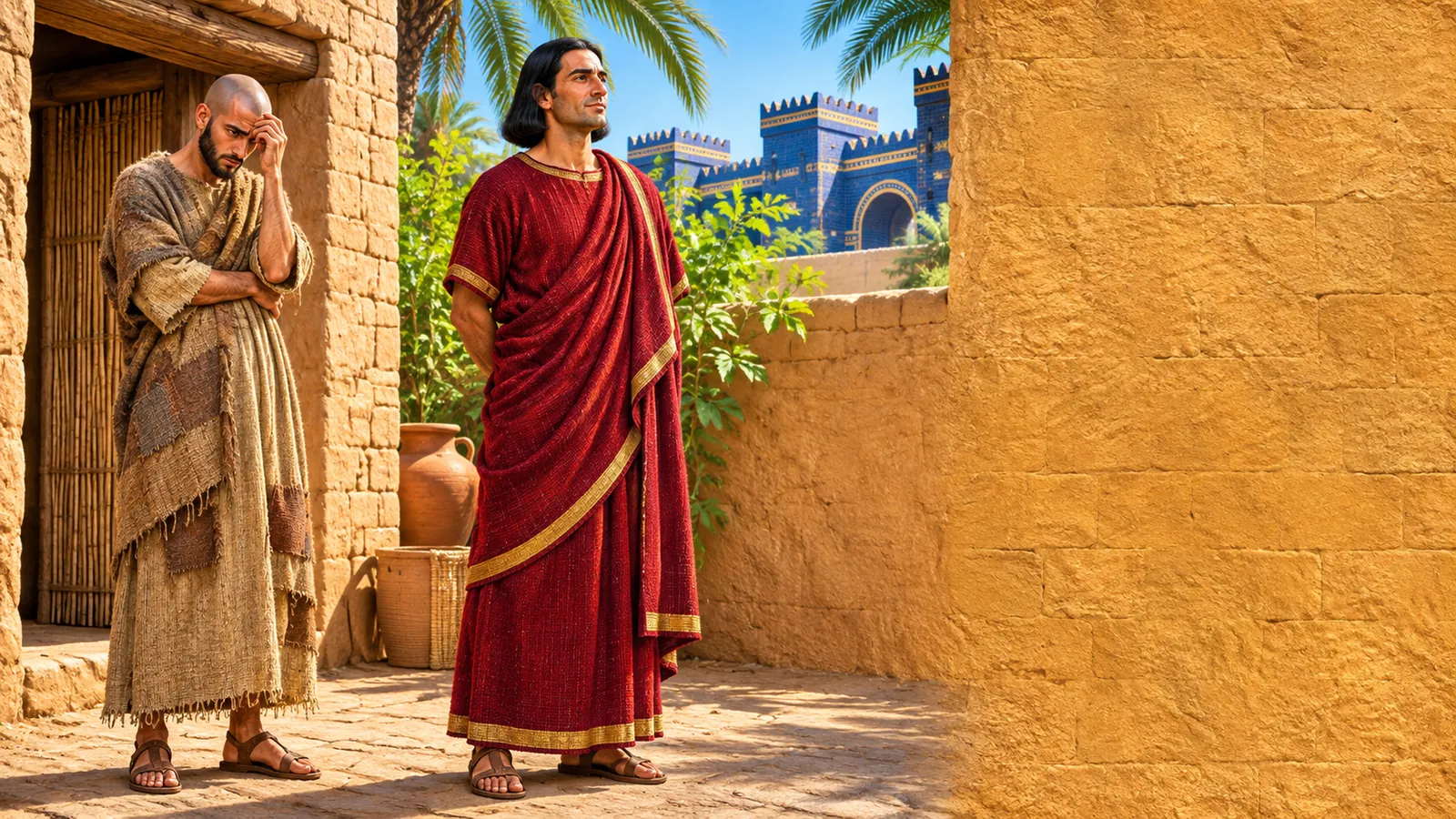
The sufferer asks who among the wise could advise his friend. After a broken passage, he sets a king’s son in rags against the son of a poor man in fine clothes.
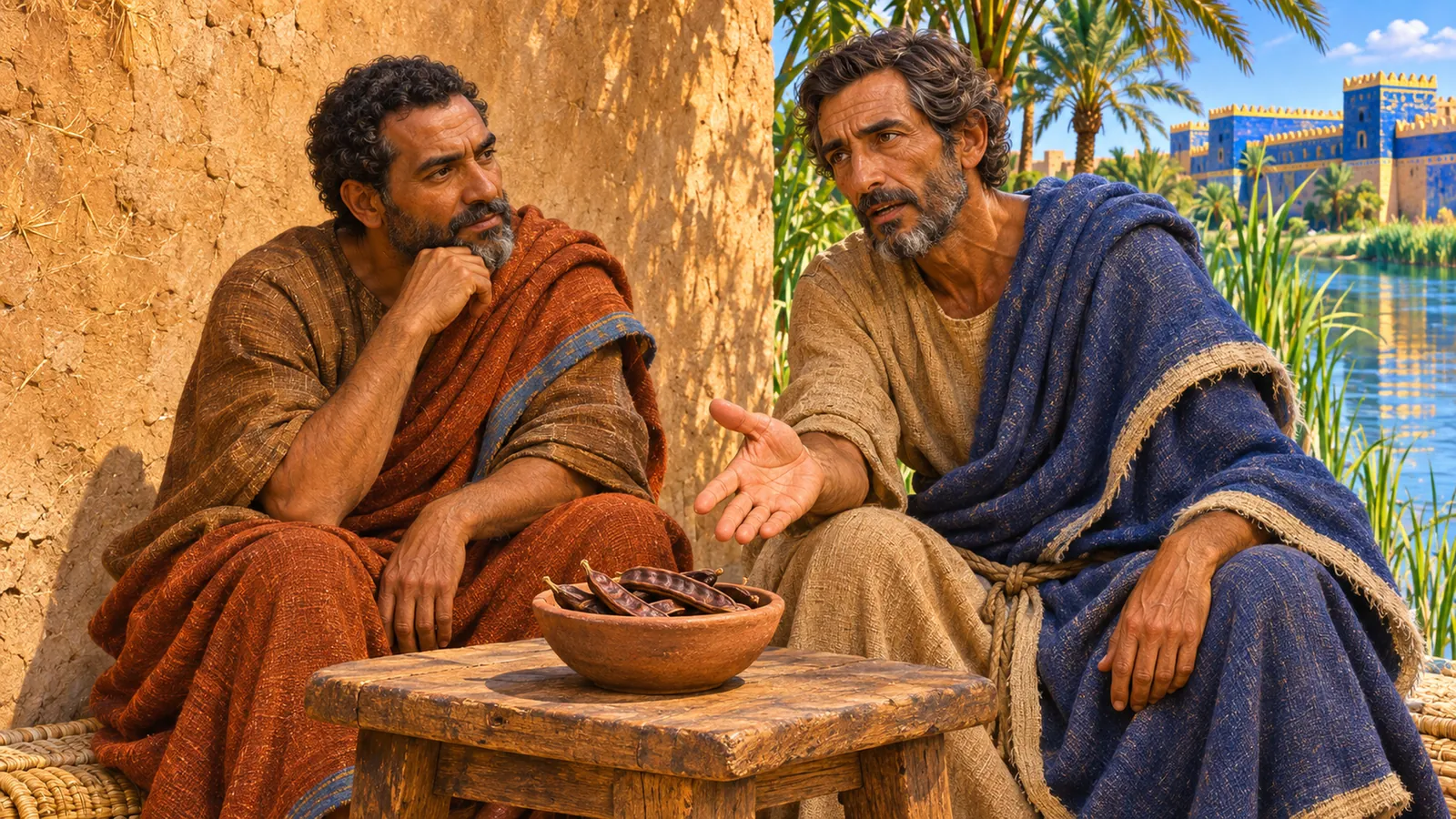
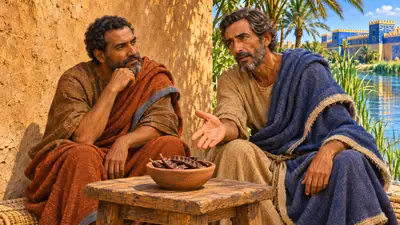
A maltster demands payment in gold, while a man who once counted gold bears a debt. A man who lived on vegetables dines at a princely banquet, a rich man’s son eats only carob, and a man of means loses his possessions.
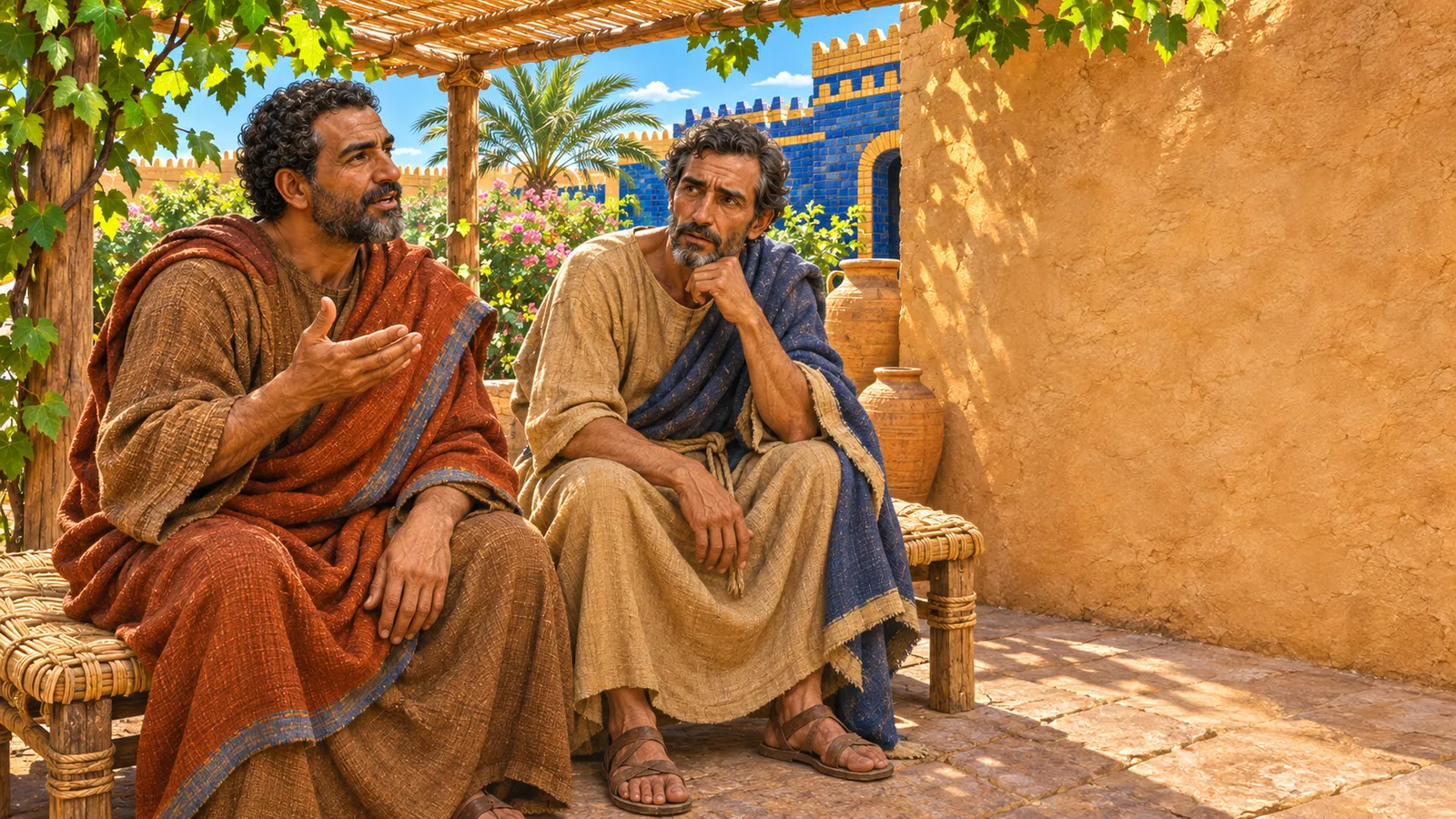
Most of the friend’s turn is damaged. The surviving lines attribute the granting of a longer life to a god and say wealth and poverty were ordained long ago.
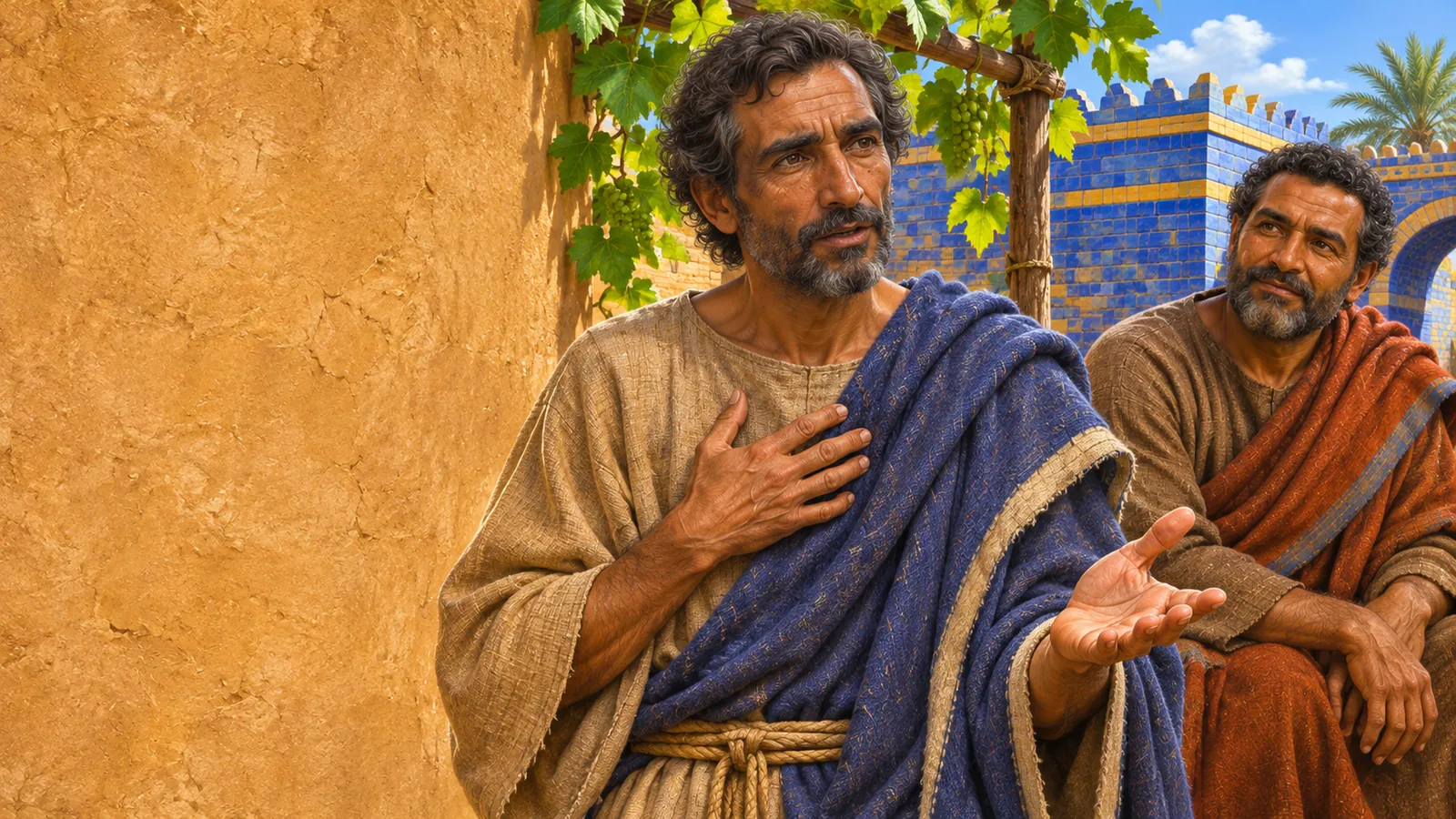
The sufferer praises his friend’s wisdom and remembers how learned his own words once were. Broken lines mention a scholar and preserve a phrase about a death far in the future.
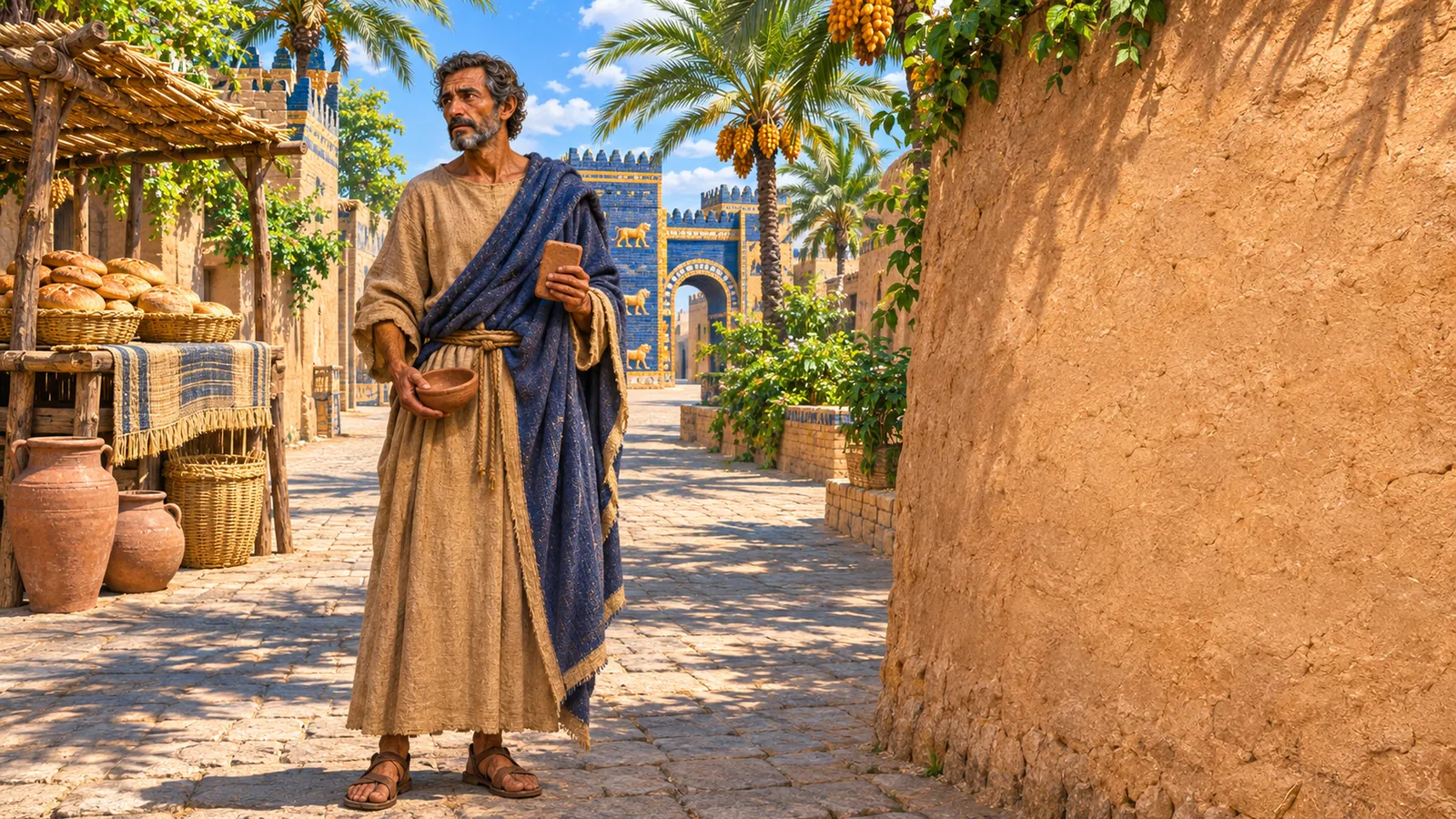
He remembers how a learned person showed him the writing on a tablet and opened his eyes to difficult things. His good fortune seems to have passed. Now he searches the streets for food.
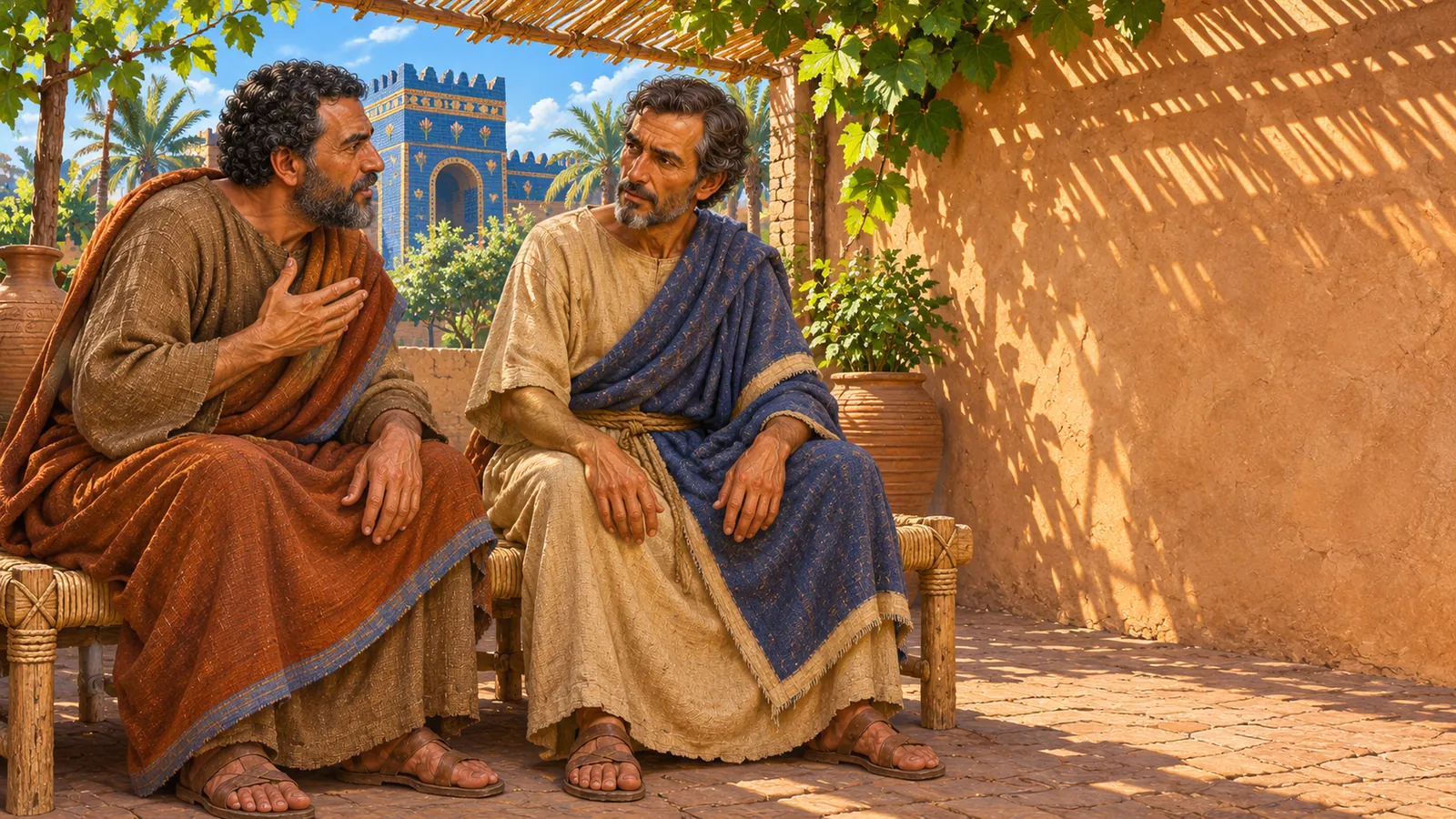
The friend’s reply opens in fragments about a king’s mount and a figure in the mountains. Then he reproaches the sufferer for pushing wisdom and right conduct aside.
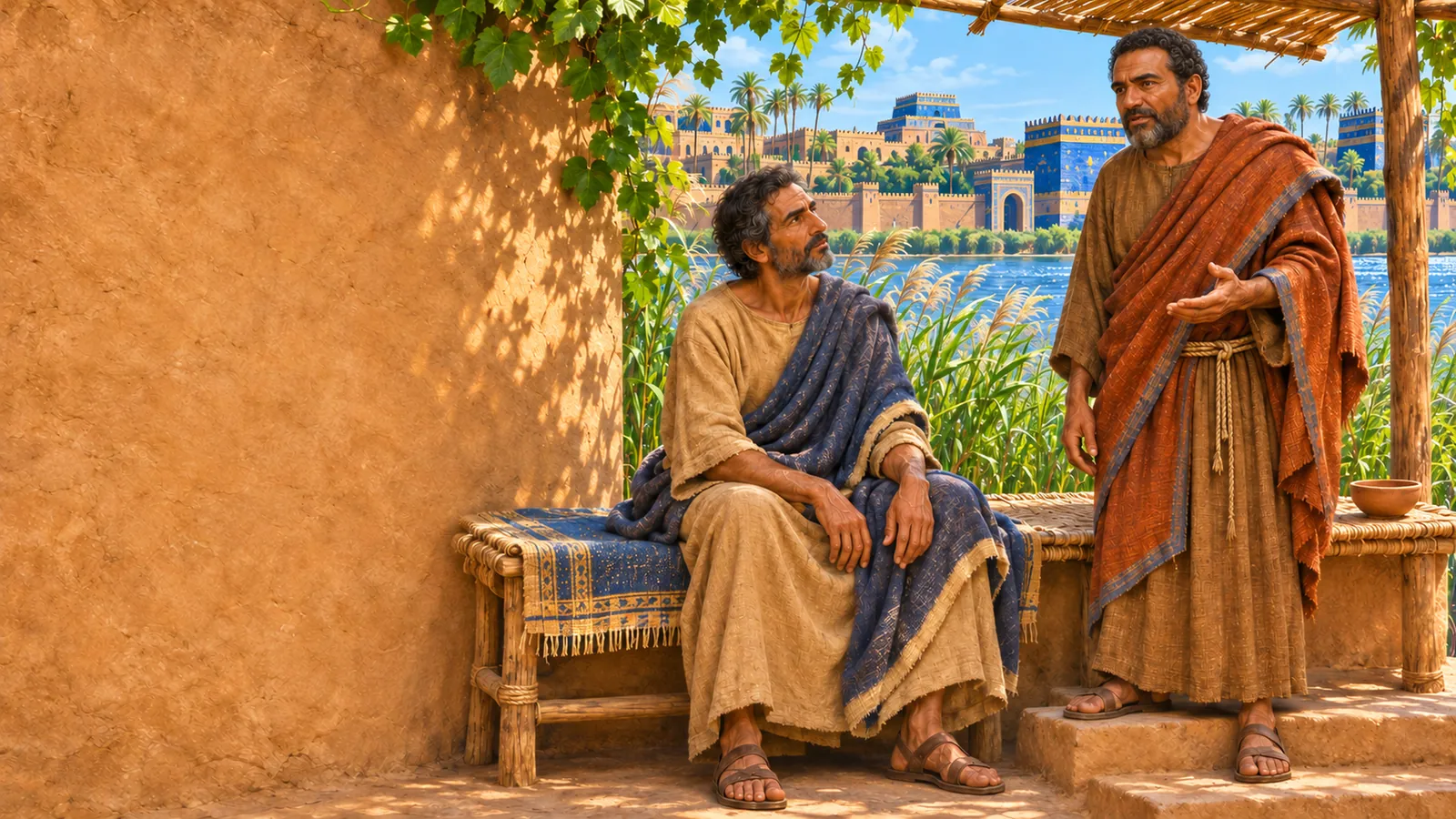
The friend speaks of a man held in high esteem and called a scholar. Some words are lost. He urges the sufferer to observe his god’s rites and live modestly.
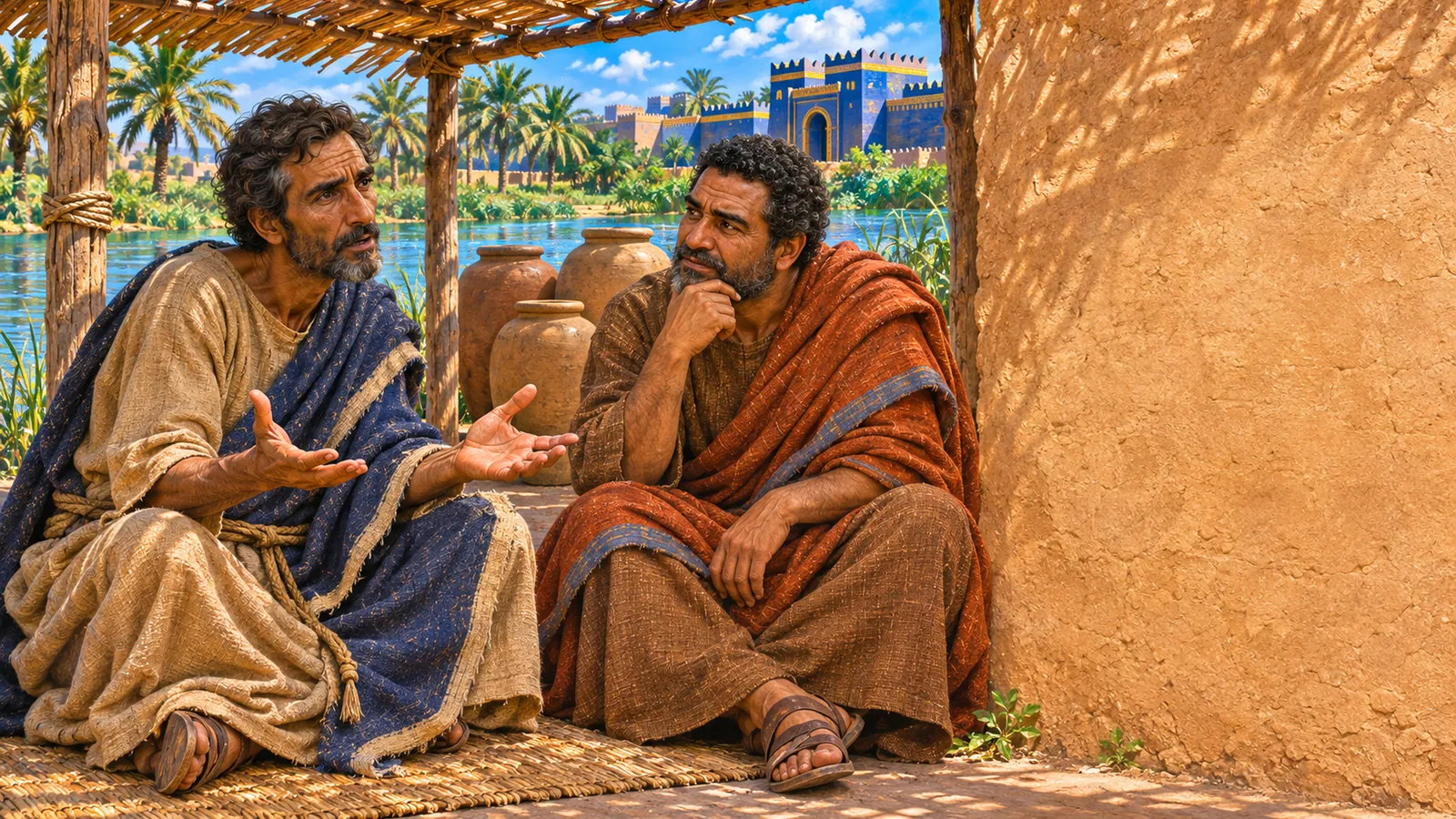
People call the man with nothing a villain and admire the one who amasses goods, the sufferer says. He mentions an assembly and open chapels in broken lines.
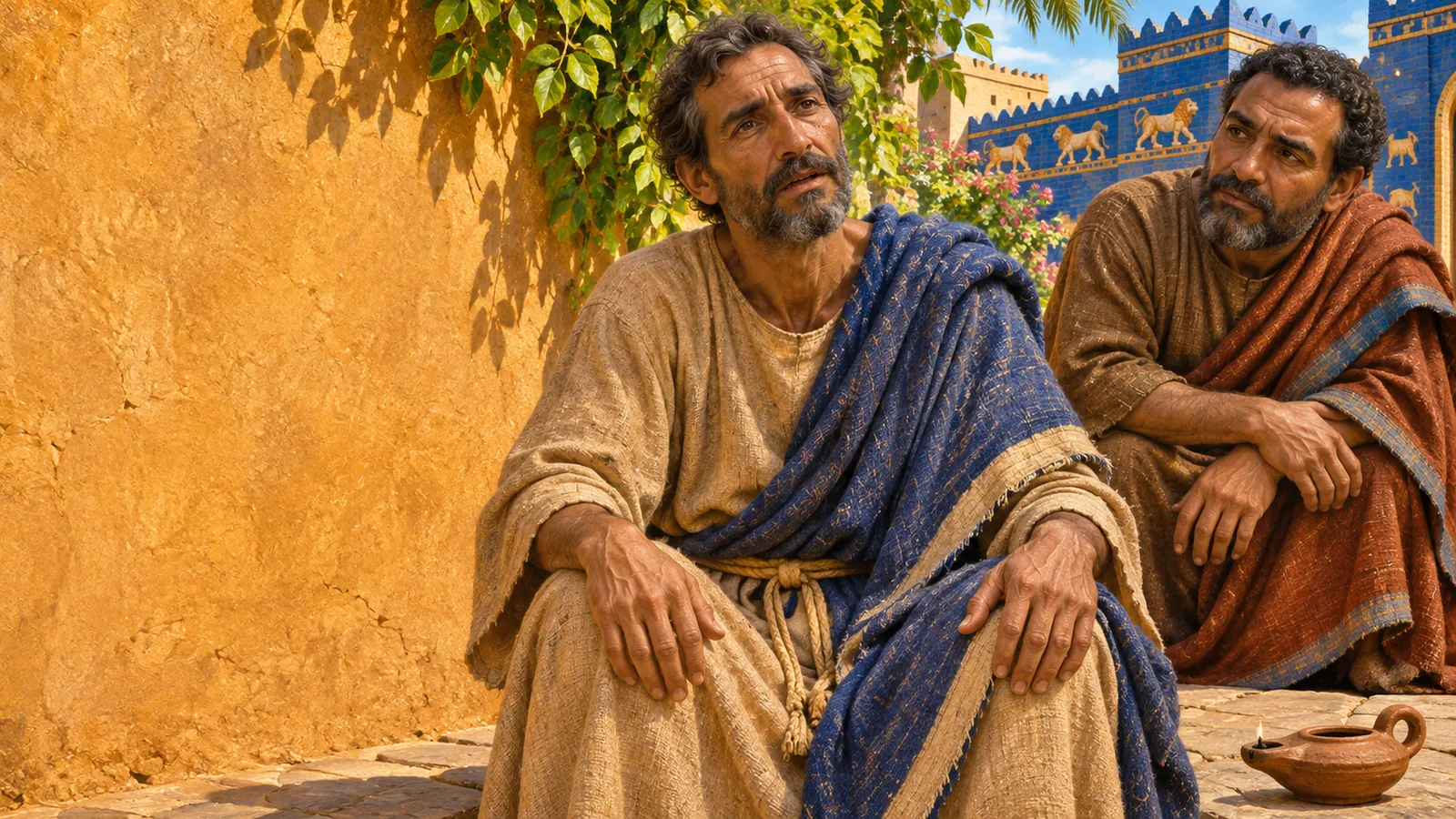
He says he once paid close attention to what his god wanted. The questions that follow are broken. He ends by saying he is being snuffed out.
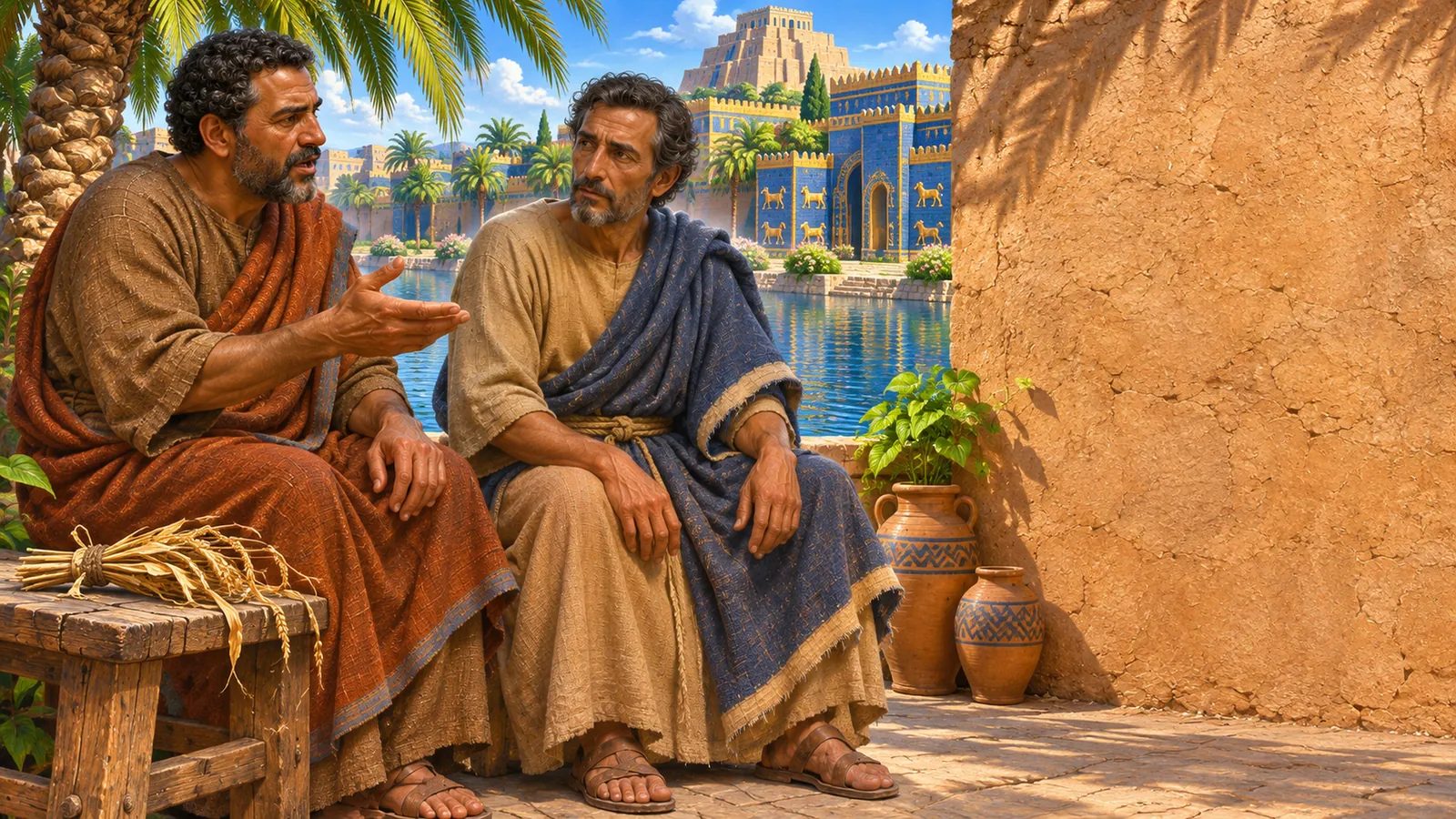
The friend says the good fortune the sufferer envies can wither like a harvest. He warns that a deadly blow awaits a man who grasps after possessions.
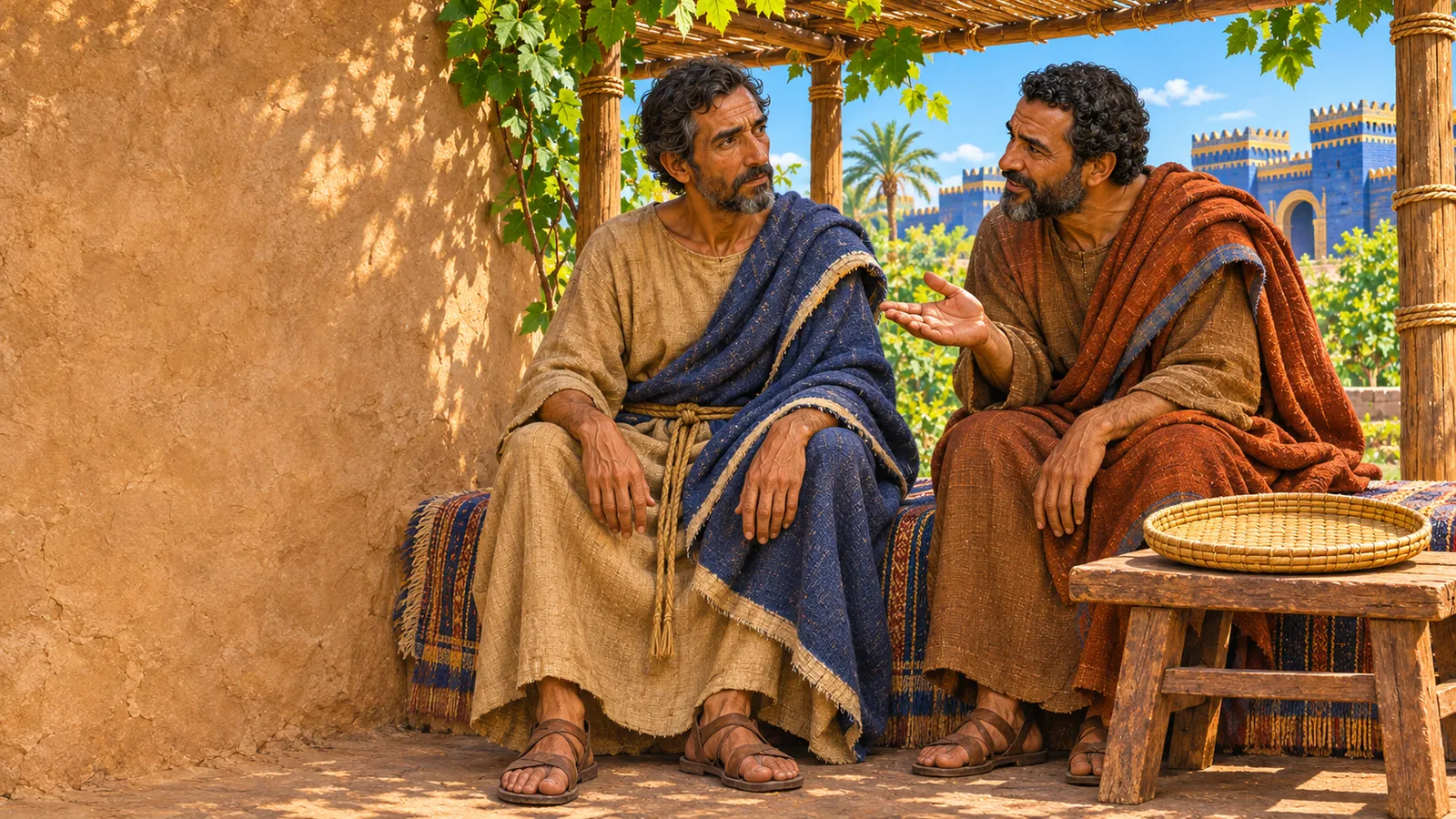
Heed your god and seek divine favor, the friend says. He promises that what was lost over a year can be recovered in an instant.
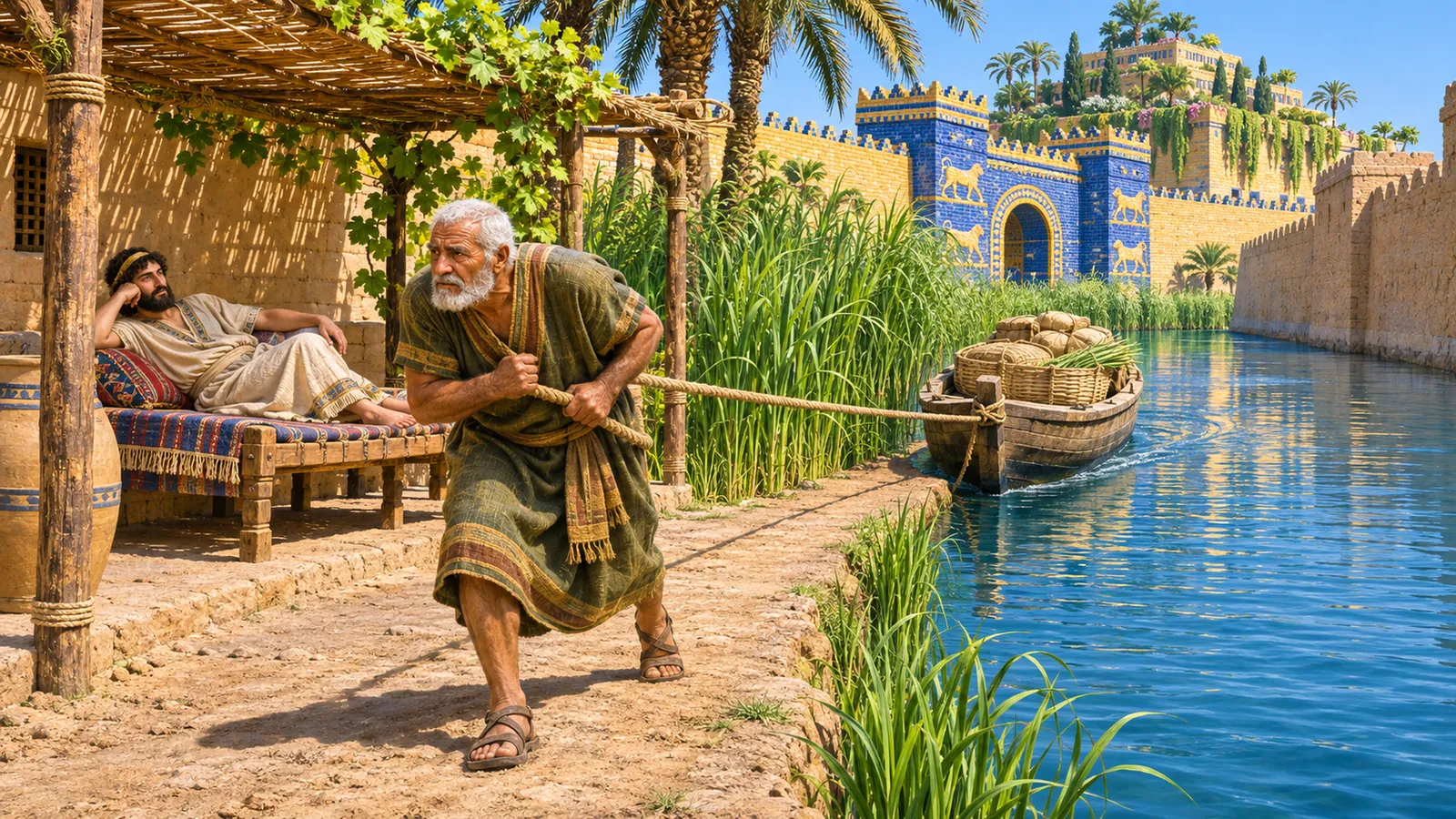
The sufferer sees the opposite. A god lets a demon go unchecked, he says, and a father hauls a boat along a channel while his firstborn lies in bed.
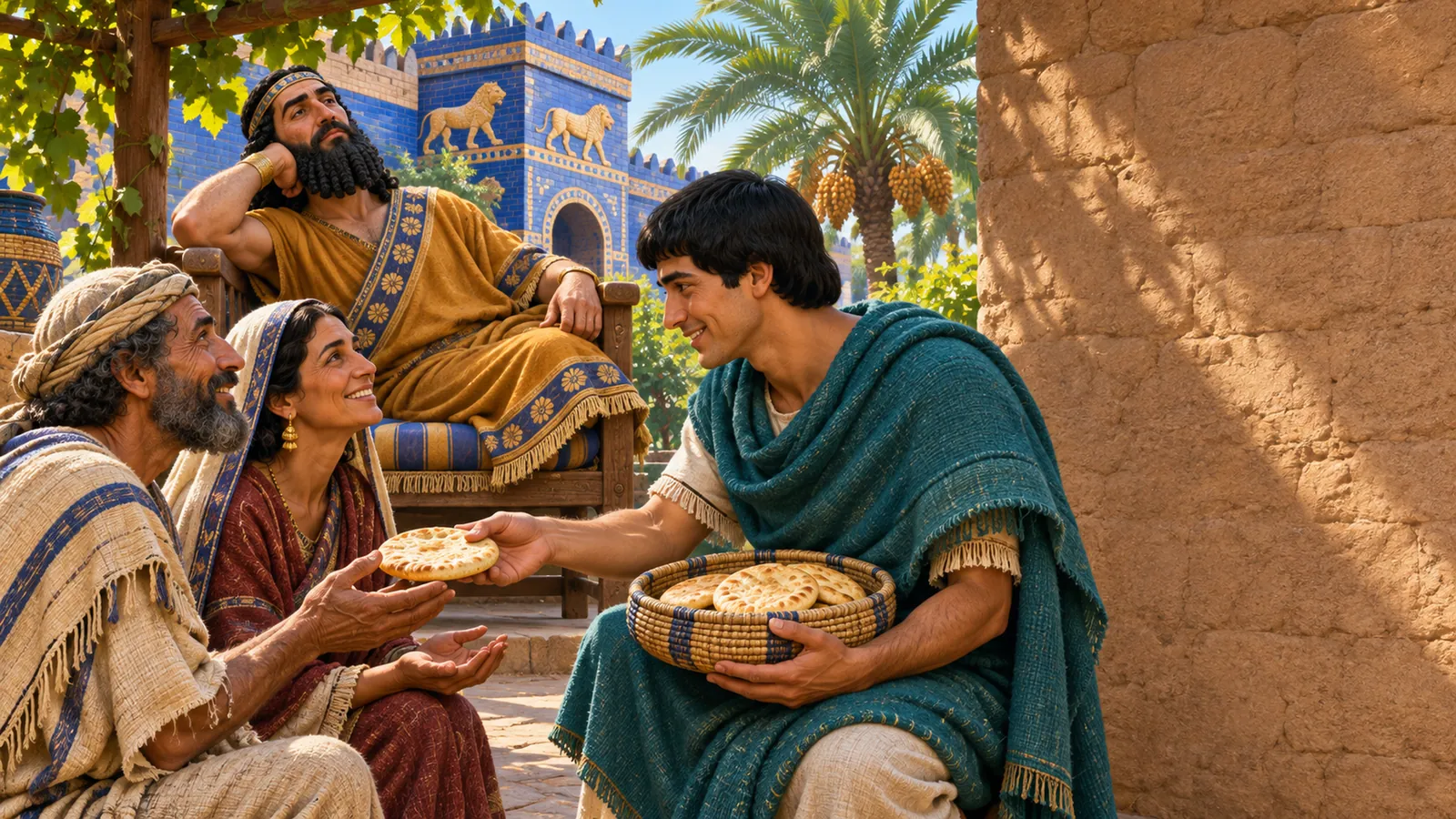
The sufferer contrasts an elder brother who runs like a lion and a younger one content to drive a donkey. He contrasts an idle heir with a younger son who feeds the poor.
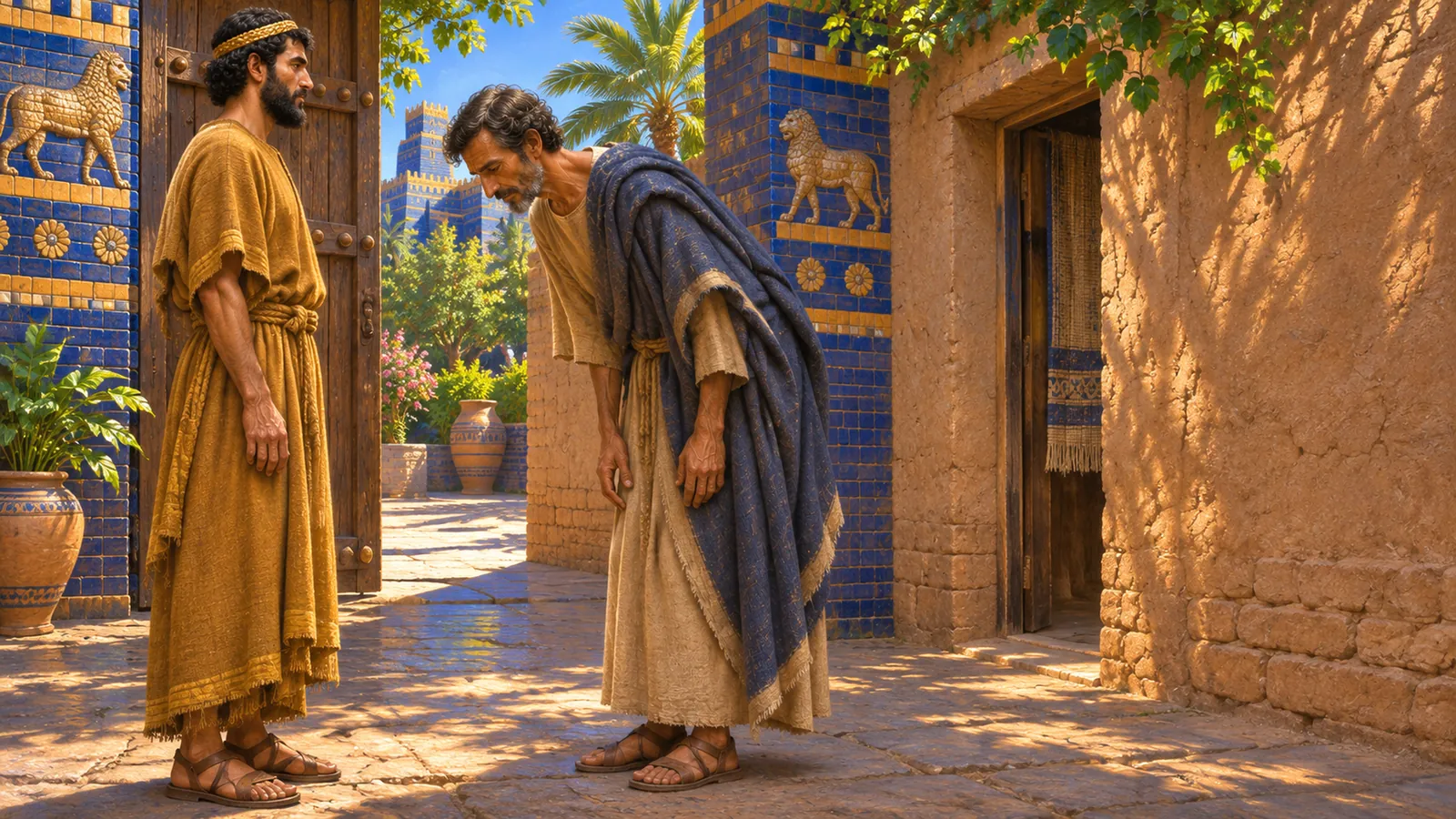
What has it gained me to kneel before a god? The sufferer says he must now bow to someone beneath him in rank. People of low standing and the rich alike despise him.
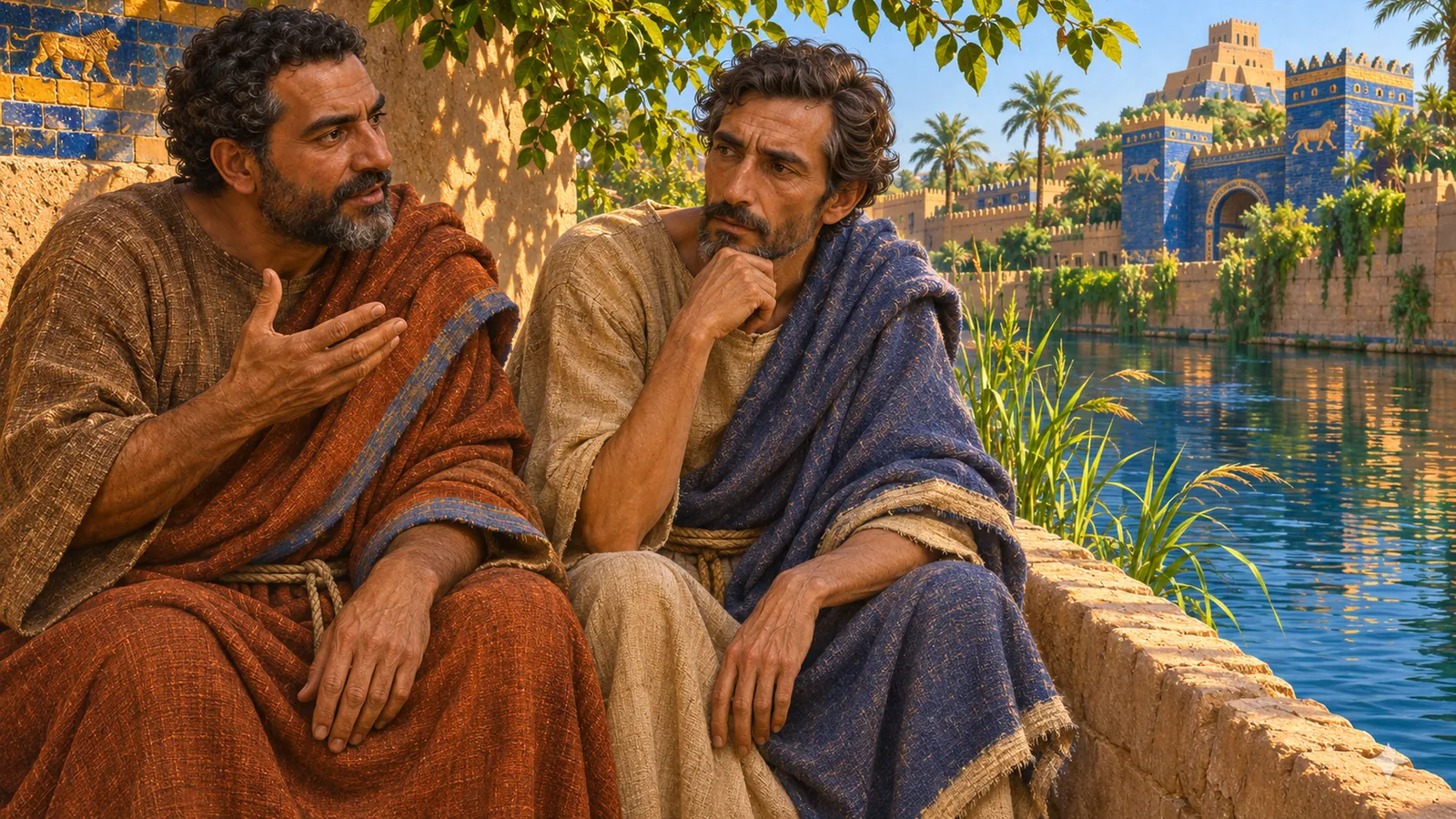
The friend calls him wise but says his anguish leads him to blaspheme. He says divine purpose is as remote as the depths of heaven and beyond human understanding.
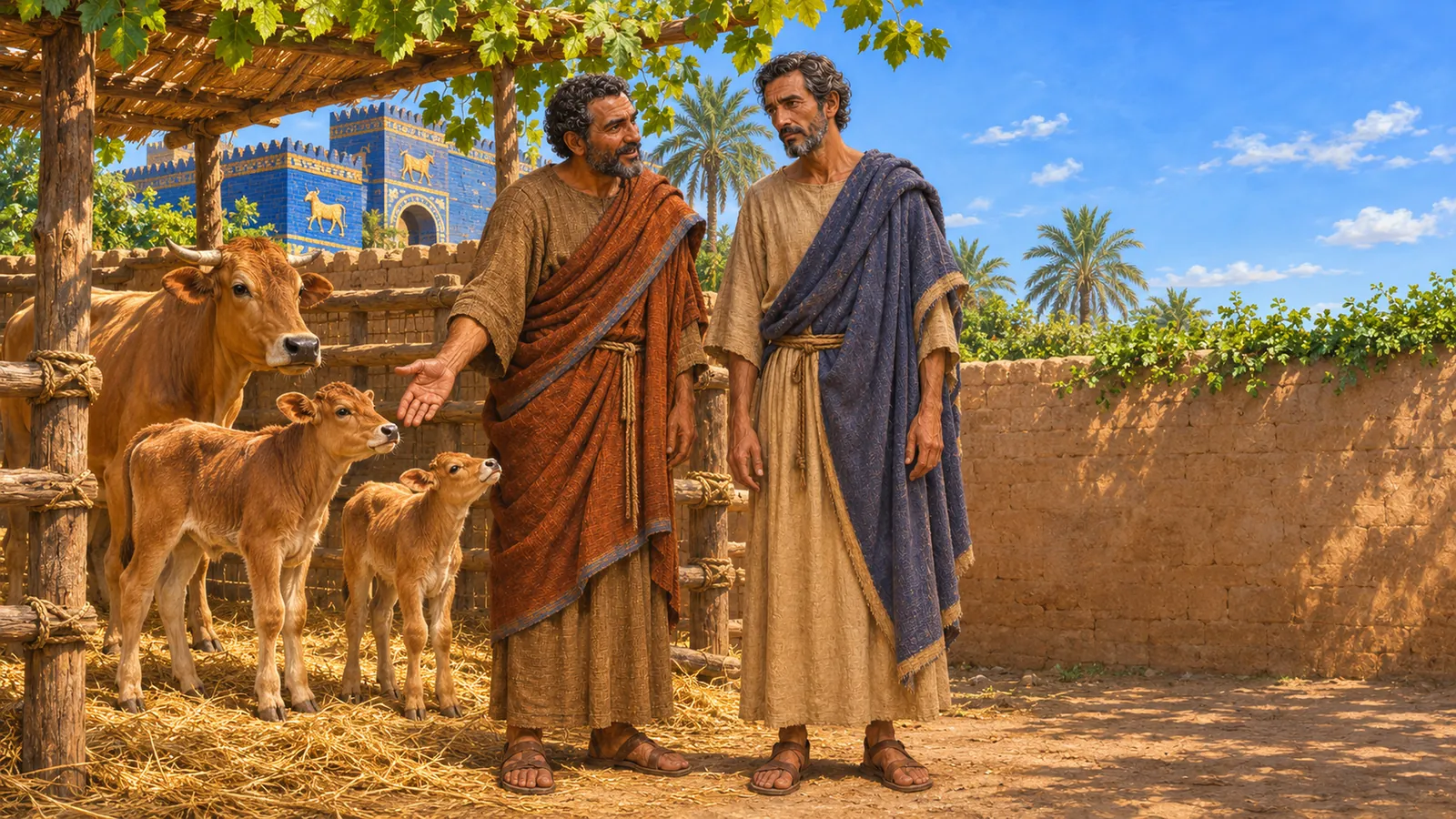
The friend compares a cow’s first calf with the next, twice as big, and a weak firstborn with a second child known as a warrior. Who, he asks, can understand divine wisdom?
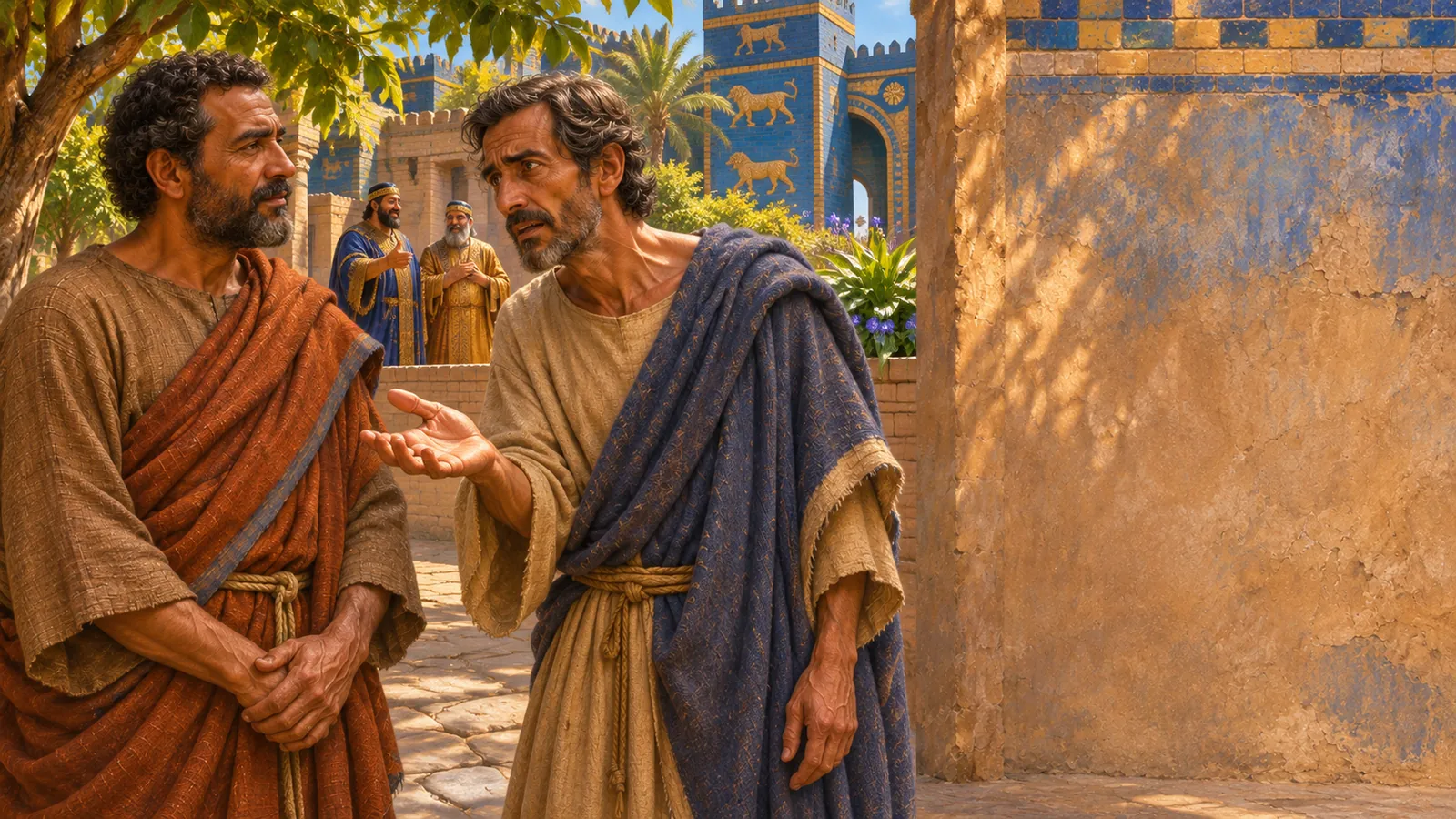
THE GUILTY
Listen well, the sufferer says. People praise the words of a powerful murderer and shame someone innocent. They call the deceitful man truthful and drive the truthful one away.
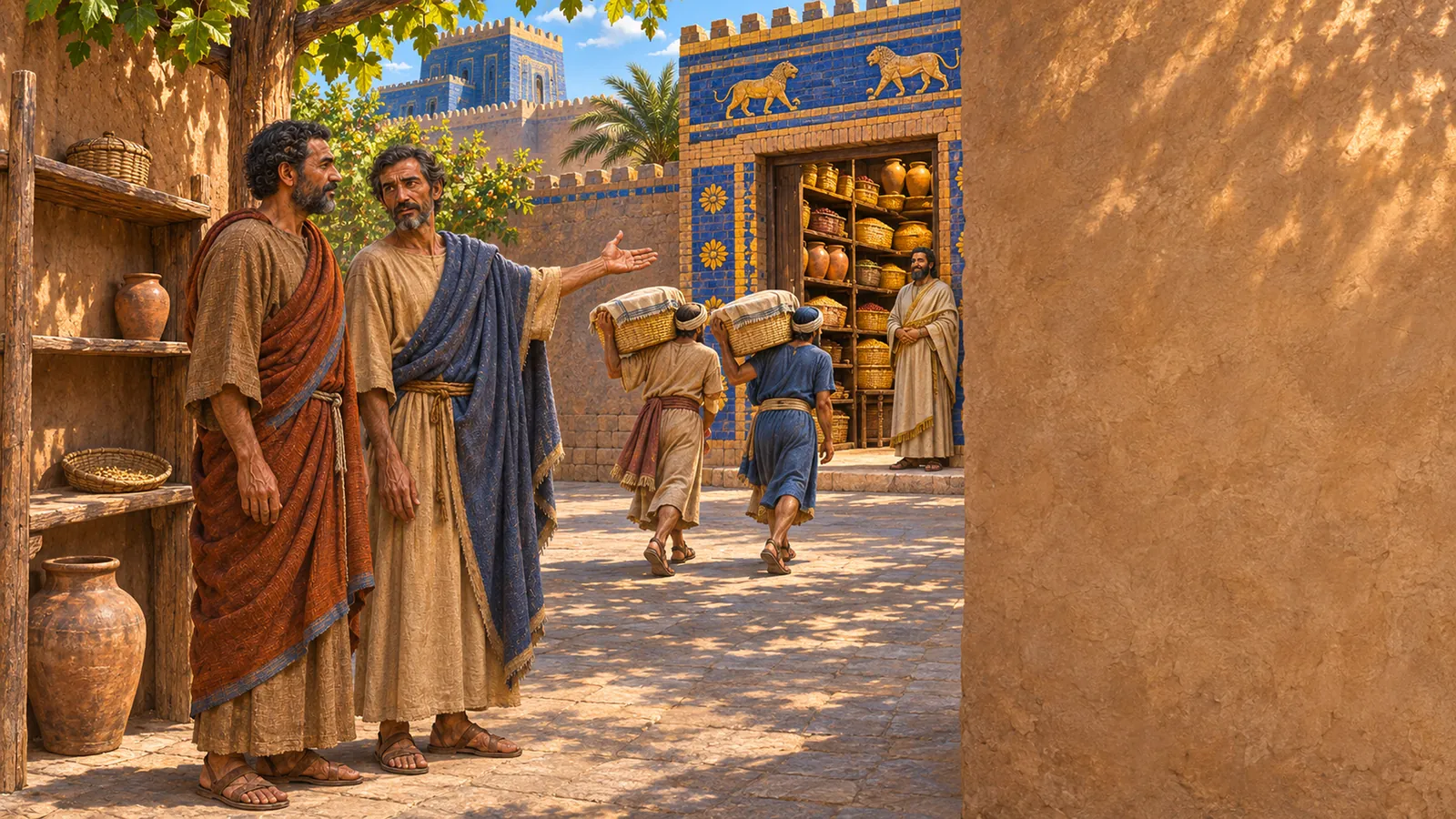
The sufferer says people fill the oppressor’s strongroom with treasure. Those same people empty the helpless person’s larder, taking the food he had to live on.
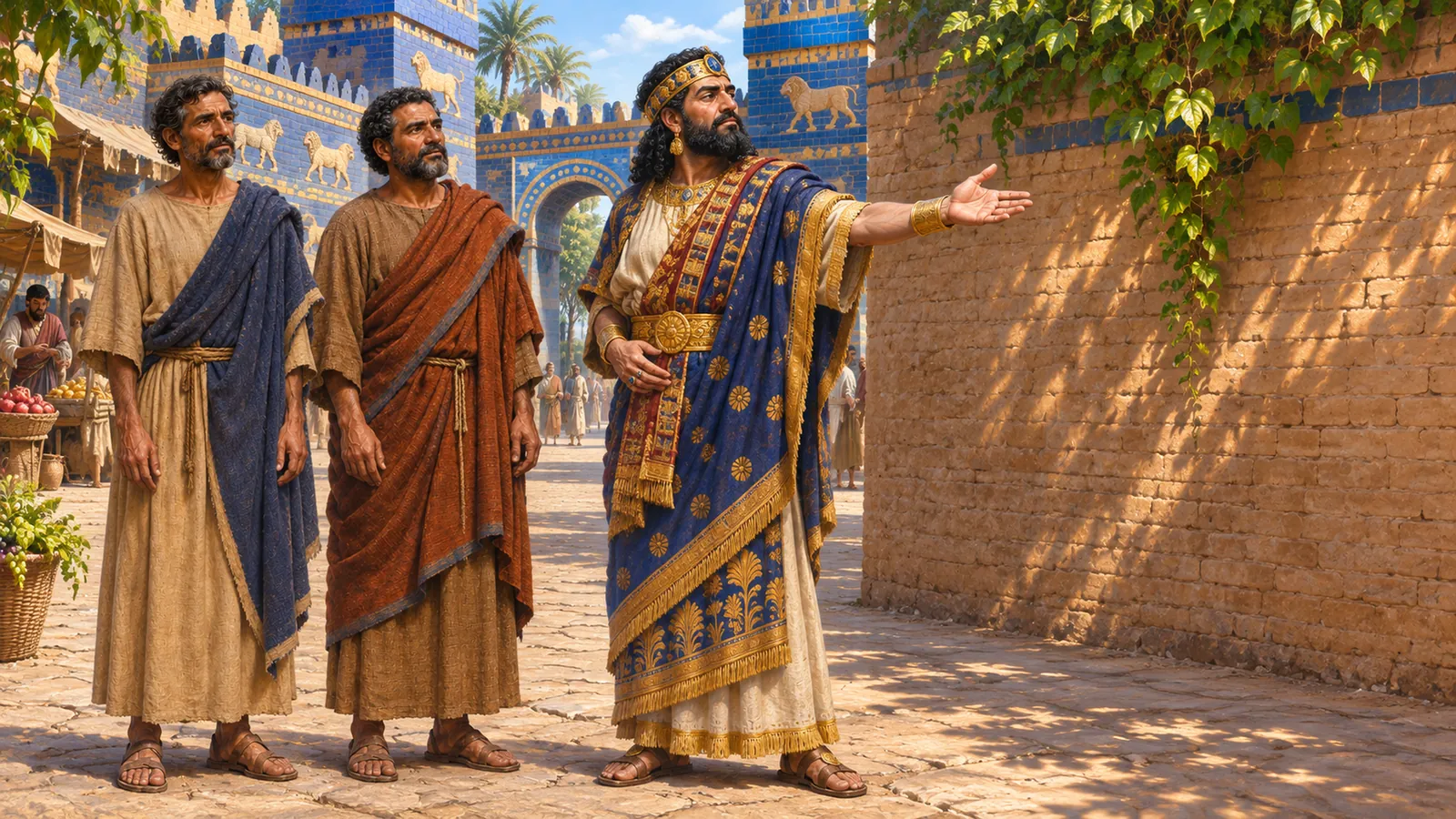
People support the tyrant and ruin the powerless, the sufferer says. He has no means of his own, and a wealthy man harasses him.
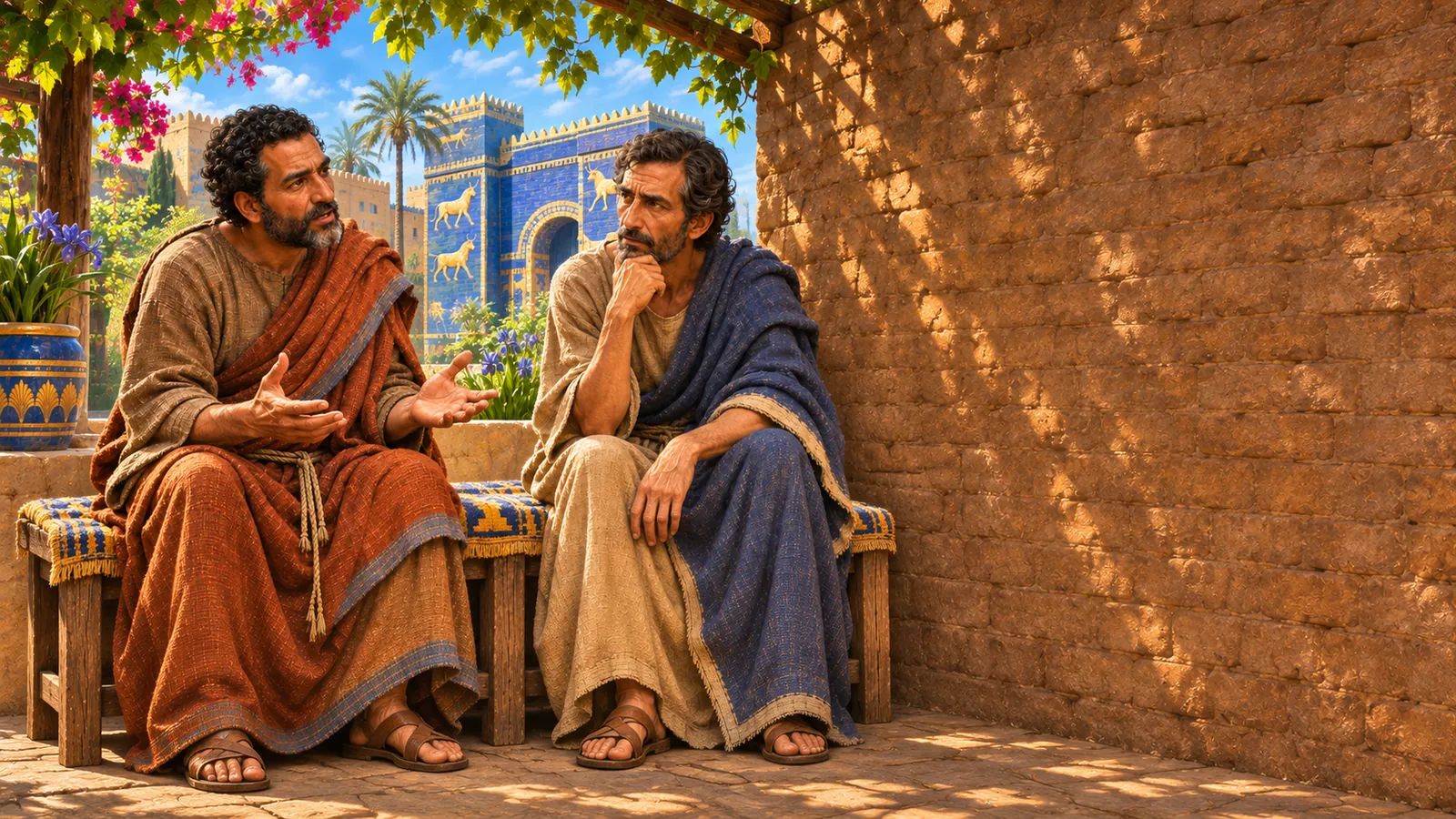
The friend gives his own account of how Enlil, Ea and Mami made humankind. He says they gave people lying speech for all time.
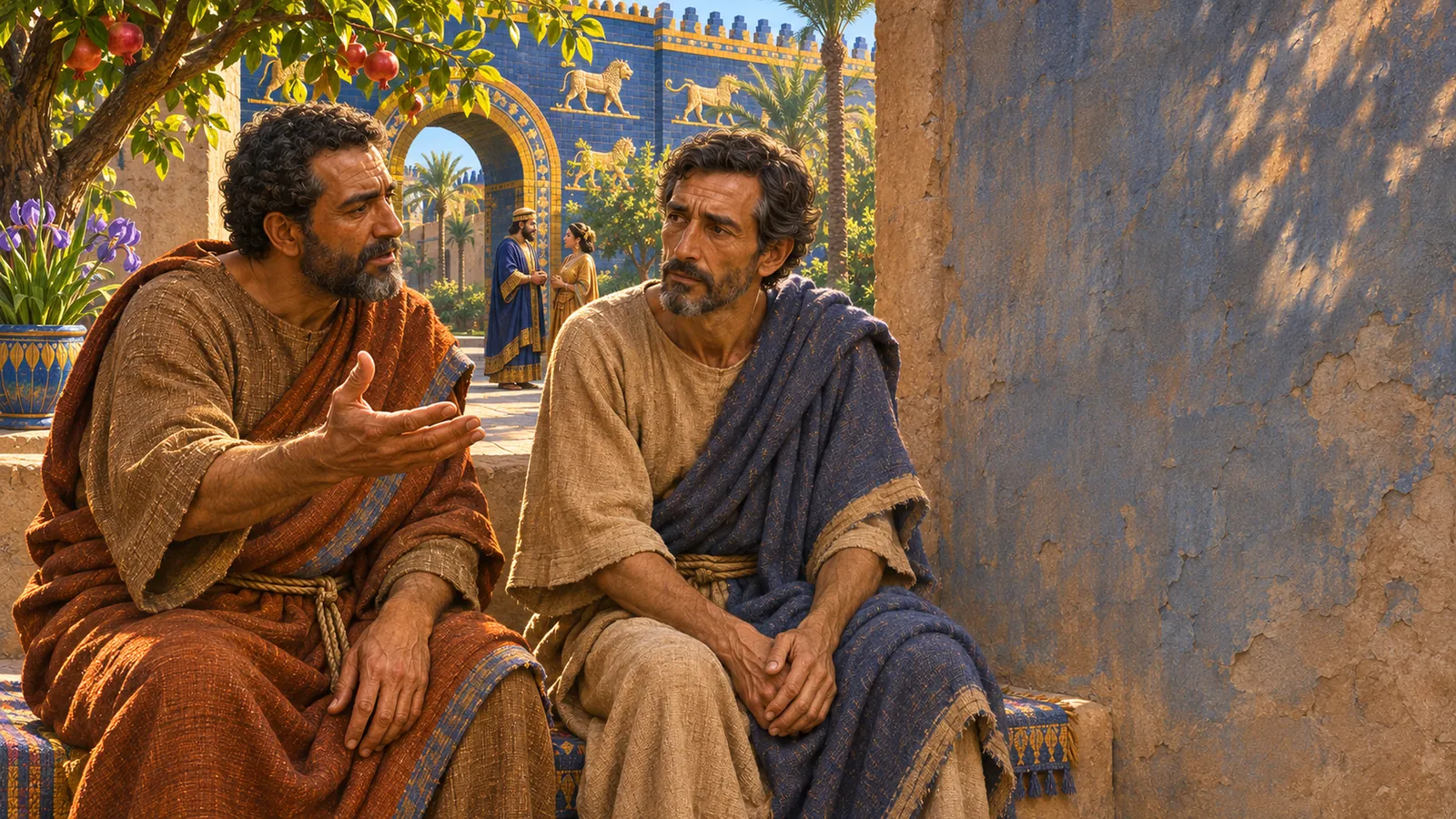
The friend says people praise the rich and slander a poor man as a thief. They torment him and plot to kill him, and they snuff him out like an ember.
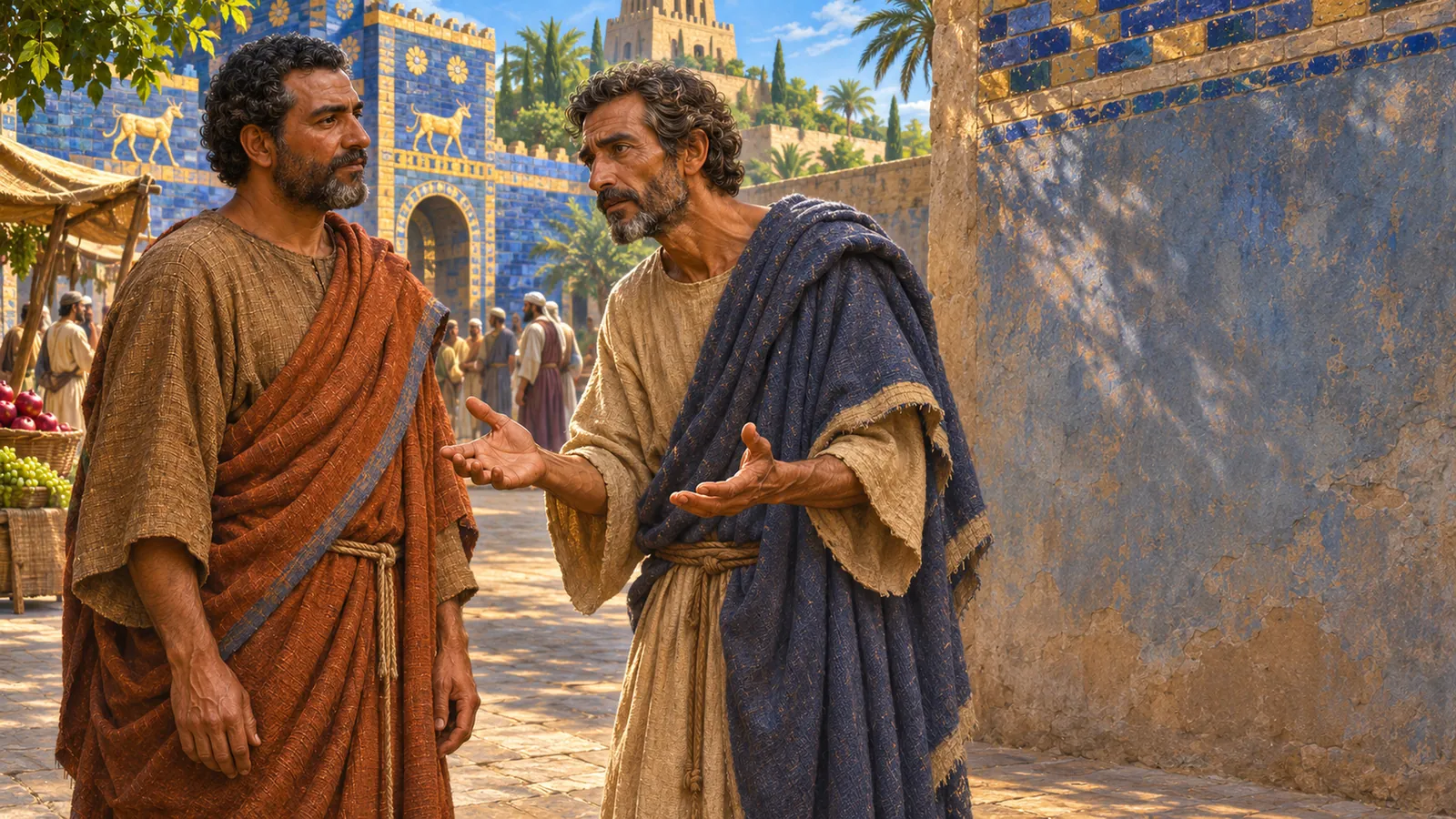
Help me, friend, the sufferer says. He has found no help. He says he walked quietly through the square, kept his voice low and refused to flatter his companions.

THE PRAYER
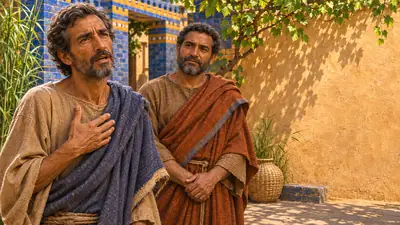
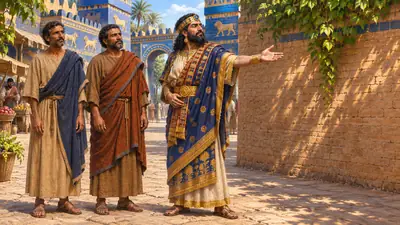
At last he asks the god who has cast him off for help and the goddess who has forsaken him for mercy. He asks the shepherd called the Sun of the People to favor him.
End of chapter 1
All pages



Sources
The edition credits E. Jiménez as a contributor and lists Benjamin R. Foster, Wasim Khatabe and Wadieh Zerkly for its translations. The line numbers below refer to the English displayed in the Standard Babylonian chapter.
Editions consulted
- A. C. Heinrich and T. Mitto, Theodicy, Standard Babylonian chapter, electronic Babylonian Library (2022)
- Edition DOI and translation credits
- eBL overview, stanza form, ancient attribution and bibliography
Ancient lines behind each page
- Page 1: eBL Theodicy, SB, stanza I, lines 1–7
- Page 2: eBL Theodicy, SB, stanza I, lines 8–11
- Page 3: eBL Theodicy, SB, stanza II, lines 12–17
- Page 4: eBL Theodicy, SB, stanza II, lines 18–22
- Page 5: eBL Theodicy, SB, stanza III, lines 23–26
- Page 6: eBL Theodicy, SB, stanza III, lines 27–33
- Page 7: eBL Theodicy, SB, stanza IV, lines 34–38
- Page 8: eBL Theodicy, SB, stanza IV, lines 39–44
- Page 9: eBL Theodicy, SB, stanza V, lines 45–49
- Page 10: eBL Theodicy, SB, stanza V, lines 50–53
- Page 11: eBL Theodicy, SB, stanza V, lines 54–55
- Page 12: eBL Theodicy, SB, stanza VI, lines 56–58
- Page 13: eBL Theodicy, SB, stanza VI, lines 59–62
- Page 14: eBL Theodicy, SB, stanza VI, lines 63–66
- Page 15: eBL Theodicy, SB, stanza VII, lines 67–71
- Page 16: eBL Theodicy, SB, stanza VII, lines 72–77
- Page 17: eBL Theodicy, SB, stanza VIII, lines 78–83
- Page 18: eBL Theodicy, SB, stanza VIII, lines 84–88
- Page 19: eBL Theodicy, SB, stanza IX, lines 89–99
- Page 20: eBL Theodicy, SB, stanza X, lines 100–110
- Page 21: eBL Theodicy, SB, stanza XI, lines 111–121
- Page 22: eBL Theodicy, SB, stanza XII, lines 122–126
- Page 23: eBL Theodicy, SB, stanza XII, lines 127–132
- Page 24: eBL Theodicy, SB, stanza XIII, lines 133–136
- Page 25: eBL Theodicy, SB, stanza XIII, lines 137–139
- Page 26: eBL Theodicy, SB, stanza XIII, lines 140–143
- Page 27: eBL Theodicy, SB, stanza XIV, lines 144–154
- Page 28: eBL Theodicy, SB, stanza XV, lines 155–161
- Page 29: eBL Theodicy, SB, stanza XV, lines 162–165
Broad natural diffuse evening air occupies the left and merges with the land well below the text area, without a hard horizon. - Page 30: eBL Theodicy, SB, stanza XVI, lines 166–171
- Page 31: eBL Theodicy, SB, stanza XVI, lines 172–176
- Page 32: eBL Theodicy, SB, stanza XVII, lines 177–182
- Page 33: eBL Theodicy, SB, stanza XVII, lines 183–187
- Page 34: eBL Theodicy, SB, stanza XVIII, lines 188–198
- Page 35: eBL Theodicy, SB, stanza XIX, lines 199–204
- Page 36: eBL Theodicy, SB, stanza XIX, lines 205–209
- Page 37: eBL Theodicy, SB, stanza XX, lines 210–214
- Page 38: eBL Theodicy, SB, stanza XX, lines 215–220
- Page 39: eBL Theodicy, SB, stanza XXI, lines 221–226
- Page 40: eBL Theodicy, SB, stanza XXI, lines 227–231
- Page 41: eBL Theodicy, SB, stanza XXII, lines 232–238
- Page 42: eBL Theodicy, SB, stanza XXII, lines 239–242
- Page 43: eBL Theodicy, SB, stanza XXIII, lines 243–246
- Page 44: eBL Theodicy, SB, stanza XXIII, lines 247–250
- Page 45: eBL Theodicy, SB, stanza XXIII, lines 251–253
- Page 46: eBL Theodicy, SB, stanza XXIV, lines 254–257
- Page 47: eBL Theodicy, SB, stanza XXIV, lines 258–264
- Page 48: eBL Theodicy, SB, stanza XXV, lines 265–270
- Page 49: eBL Theodicy, SB, stanza XXV, lines 271–272
- Page 50: eBL Theodicy, SB, stanza XXV, lines 273–275
- Page 51: eBL Theodicy, SB, stanza XXVI, lines 276–280
- Page 52: eBL Theodicy, SB, stanza XXVI, lines 281–286
- Page 53: eBL Theodicy, SB, stanza XXVII, lines 287–294
- Page 54: eBL Theodicy, SB, stanza XXVII, lines 295–297
Illustrations made with AI tools by IL Archive; the text is based on the ancient sources (see the sources at the end of each chapter).