The Complaint to Ea-nasir Chapter 1
One Ingot at a Time
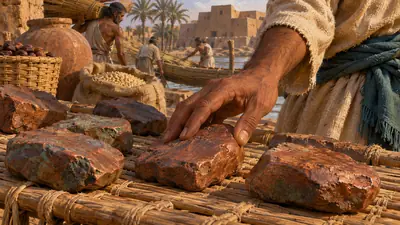
Copper from the Gulf reached Ur by boat. When Nanni’s messenger was offered copper he considered inferior, Nanni sent Ea-nasir a clay letter demanding his silver and the right to choose each future ingot himself. Excavators found a group of tablets at Ur that puts his complaint in the context of a merchant’s business.
SourcesTurn the pages with the arrows, the arrow keys or a swipe.
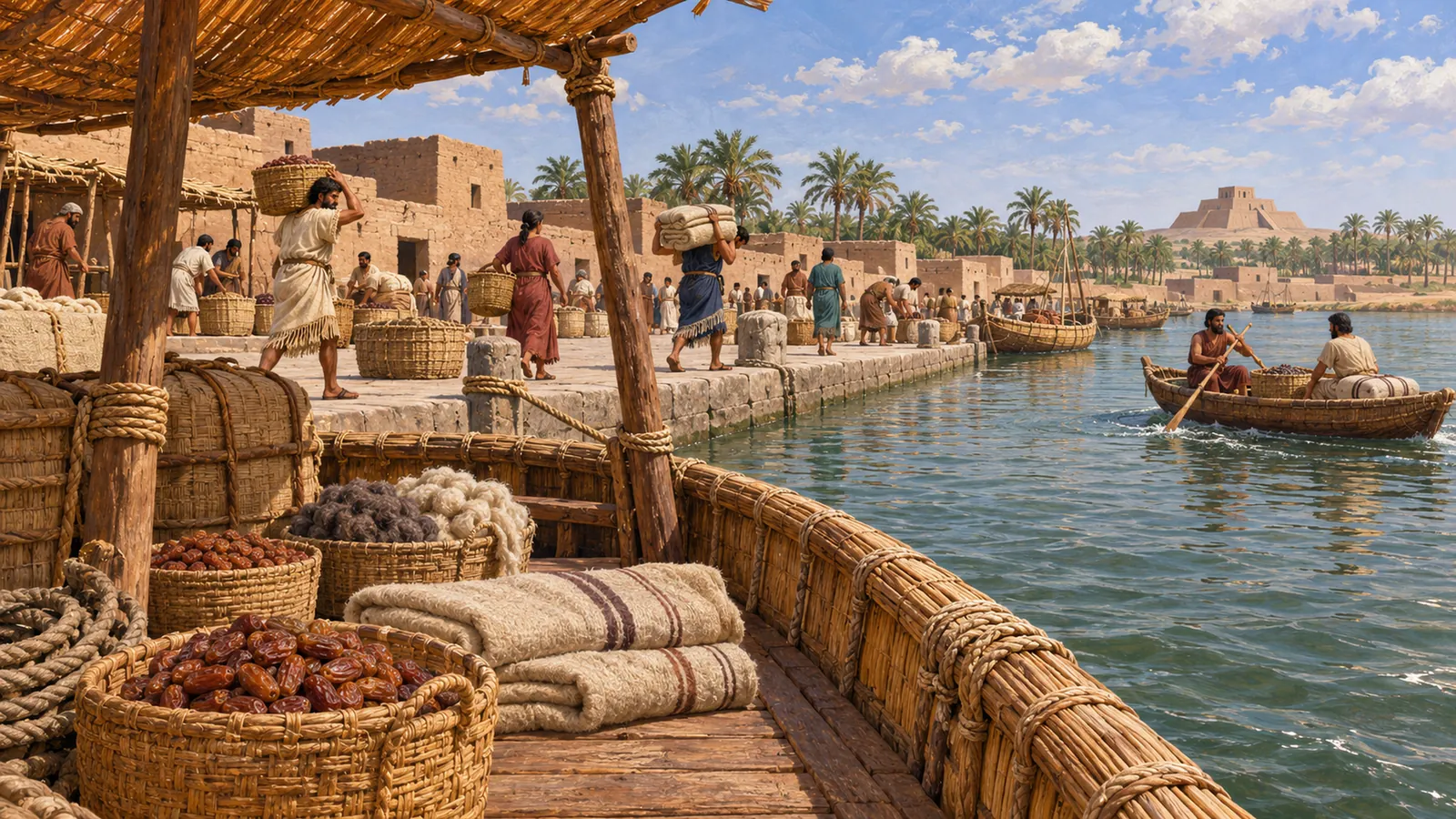
UR
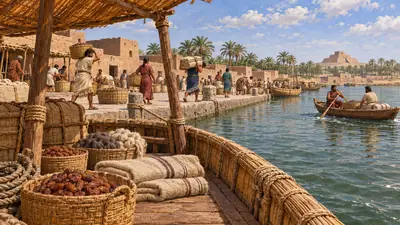
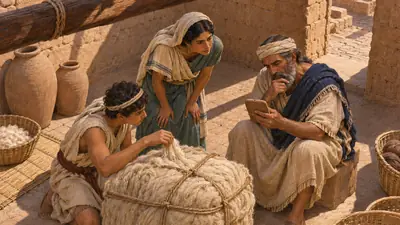
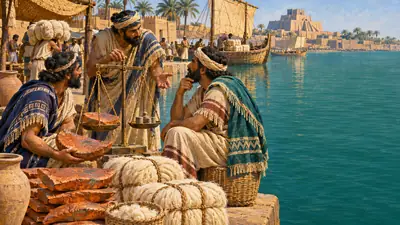
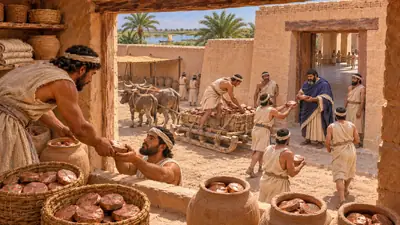
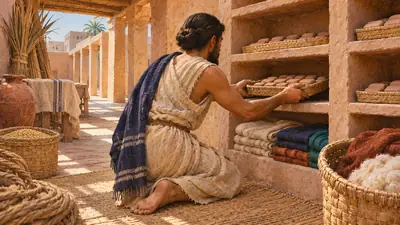
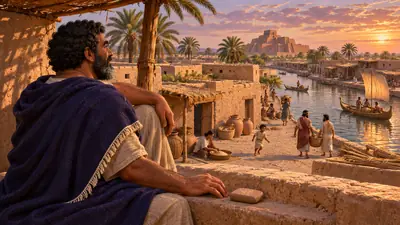
At Ur, boats came up the waterways from the Gulf. Cargo passed from hulls to the quay, where carriers, merchants and scribes put it into circulation.
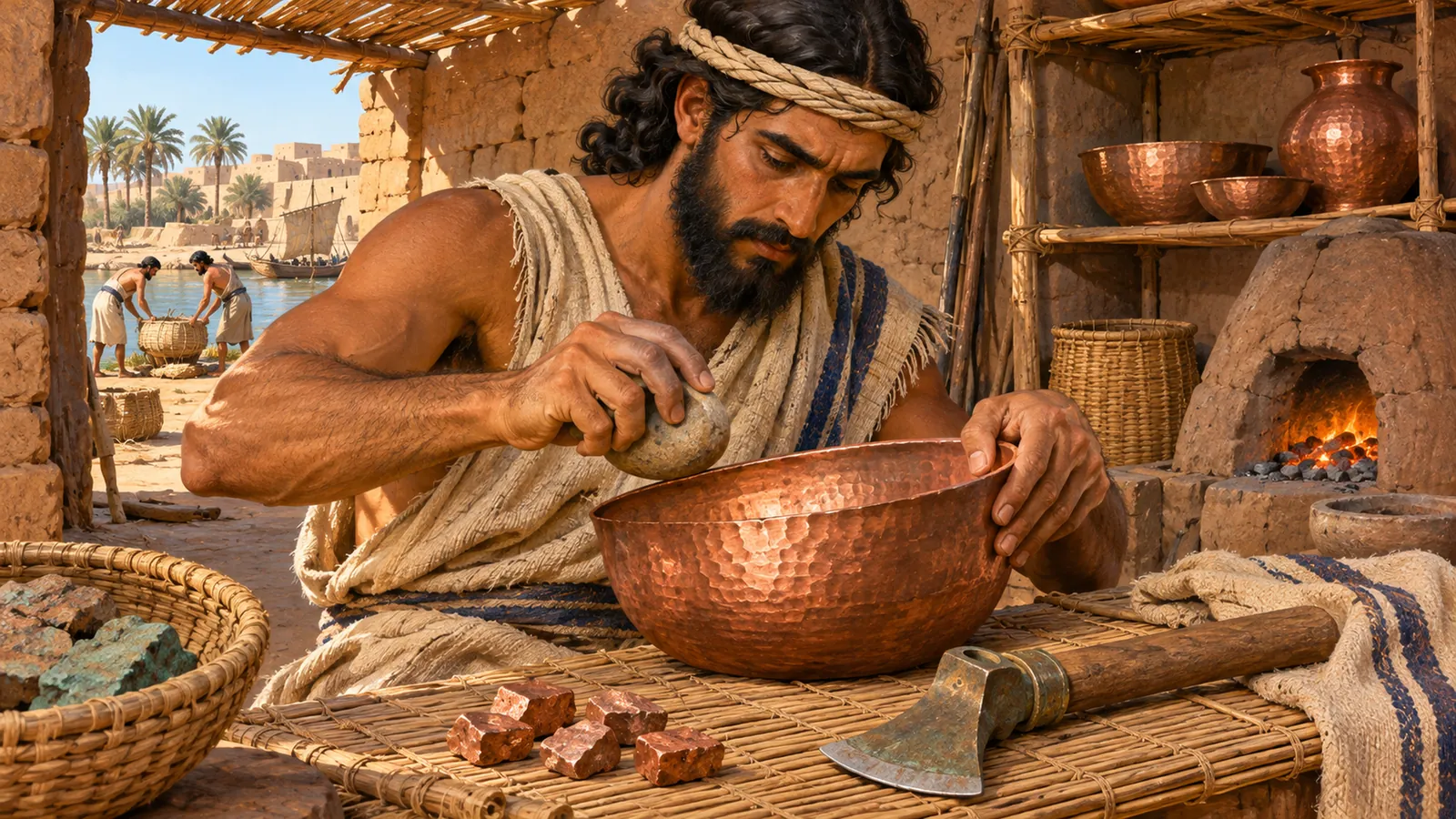
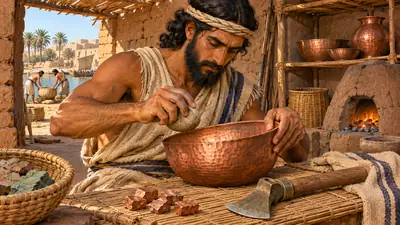
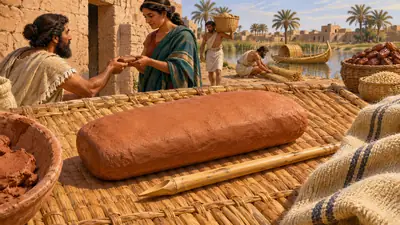
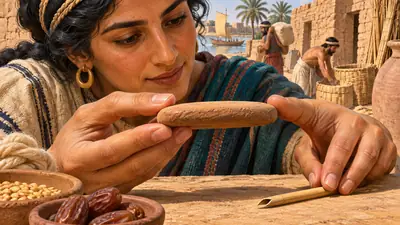
Copper could be worked into tools and vessels, or mixed with tin to make bronze. Bringing it to Ur linked workshops in the city to ports far down the Gulf.
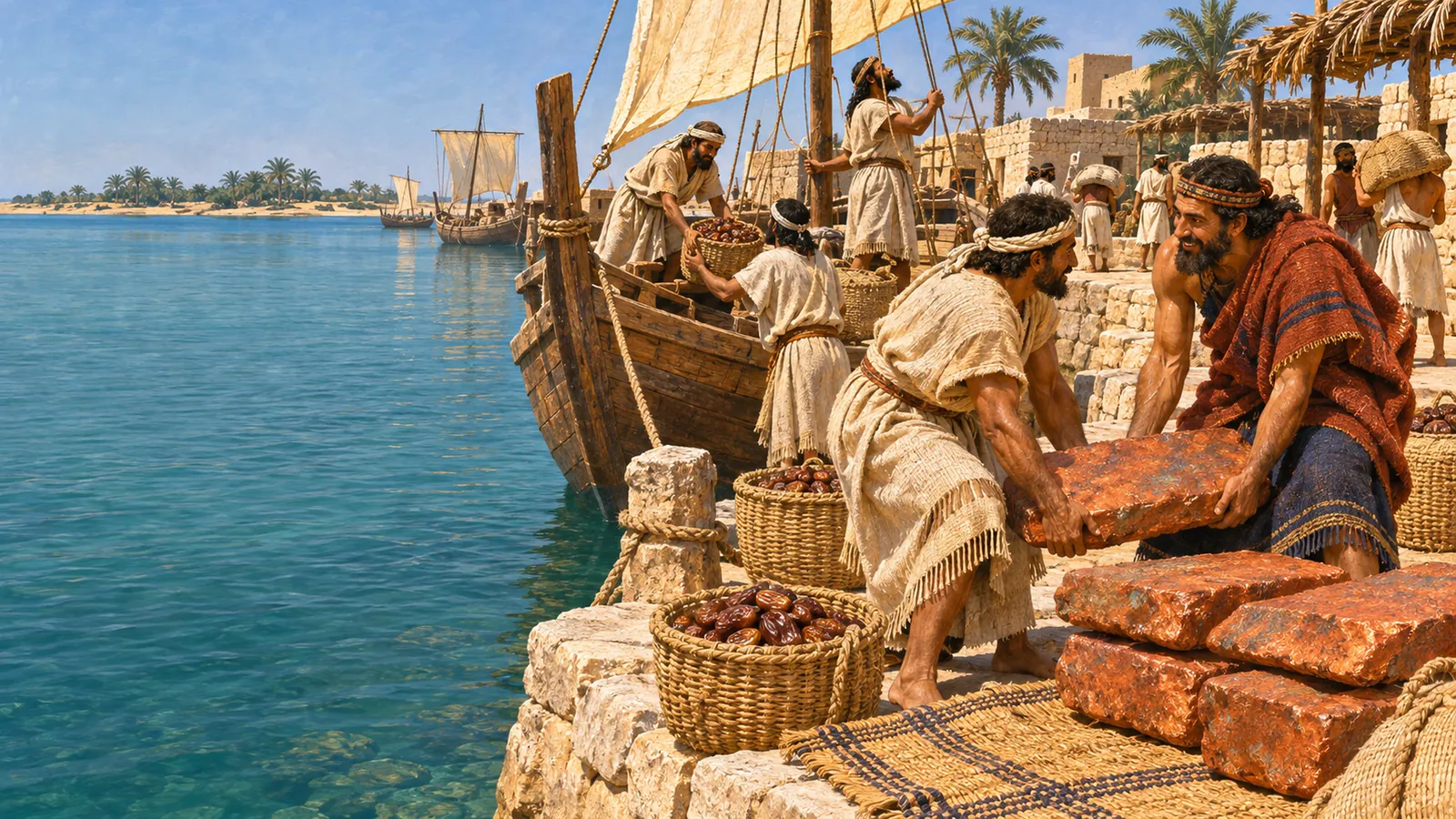
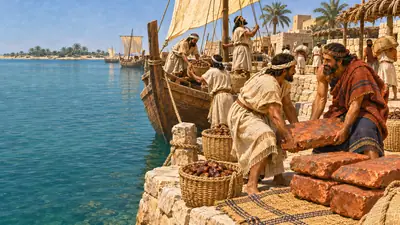
One of those ports lay in Dilmun, centered on present-day Bahrain. At its harbor, ships from Mesopotamia could take aboard metal that came through a wider network.

Much Gulf copper probably came from Magan, on the Oman peninsula. Metal analysis on finds from Bronze Age Bahrain supports a link with Omani ores. The letter gives no mine for Nanni’s ingots.
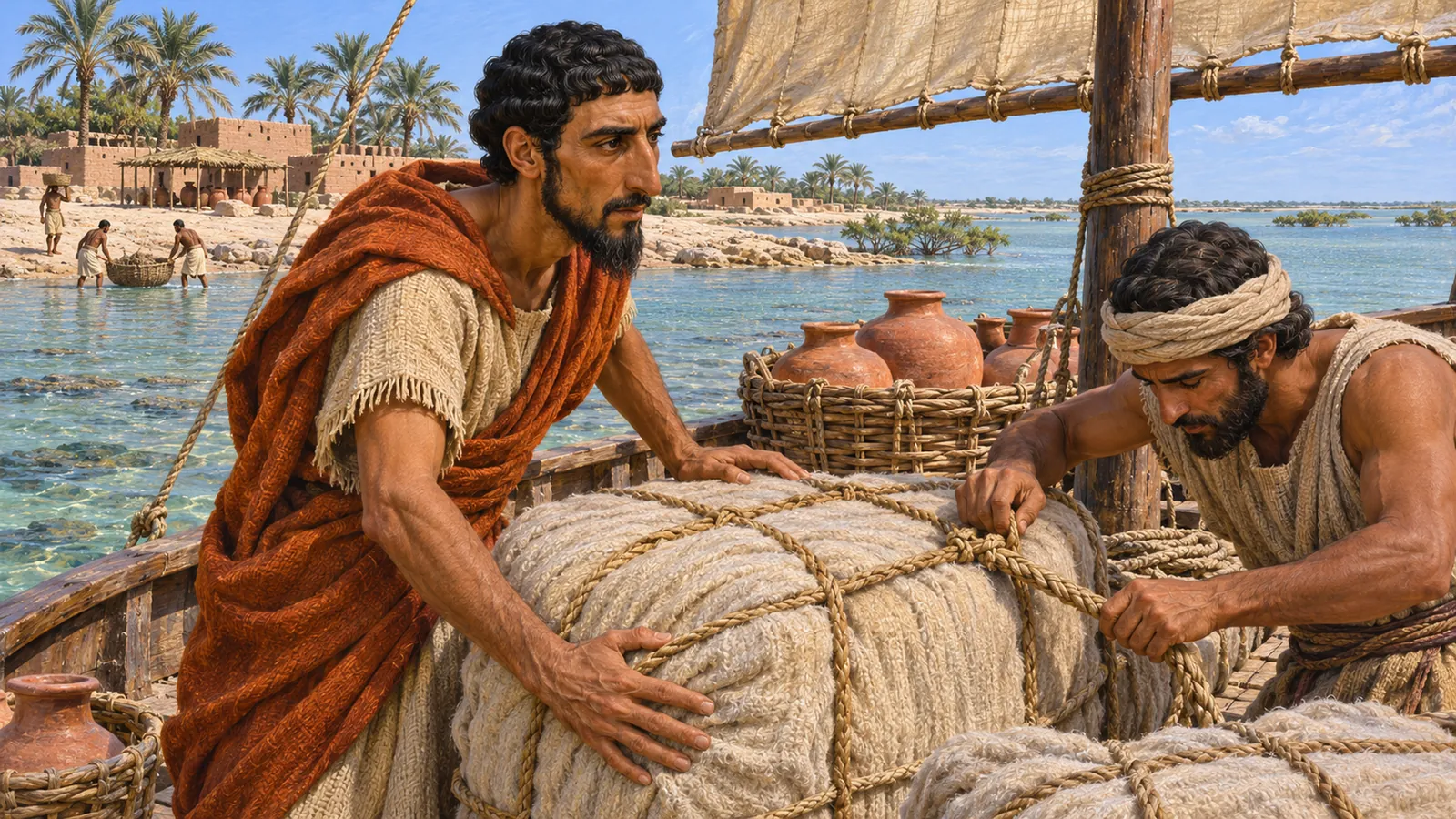
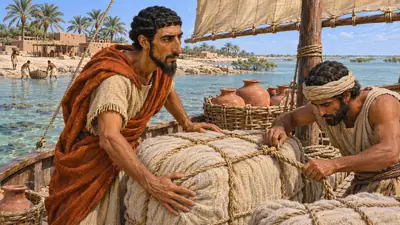
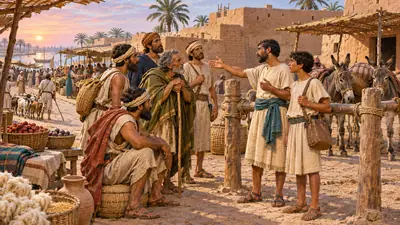
Ea-nasir was among the traders from Ur who sailed to Dilmun. Other tablets show merchants carrying goods such as cloth and oil and bringing back large loads of copper.
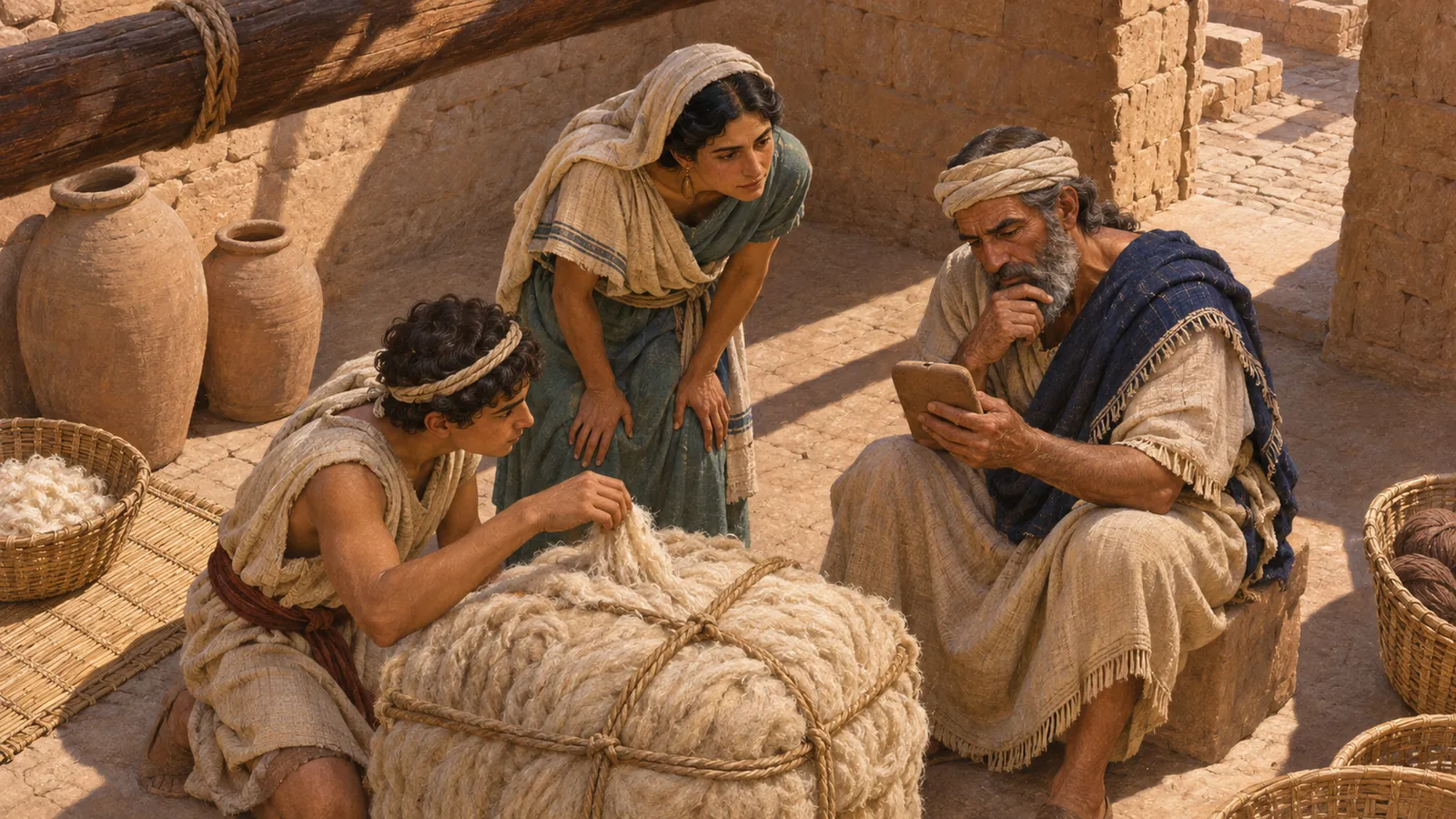
Investors supplied trading capital. Tablets from Ur record temple and palace interests alongside dealings among merchants. One shipment could carry goods for several accounts.
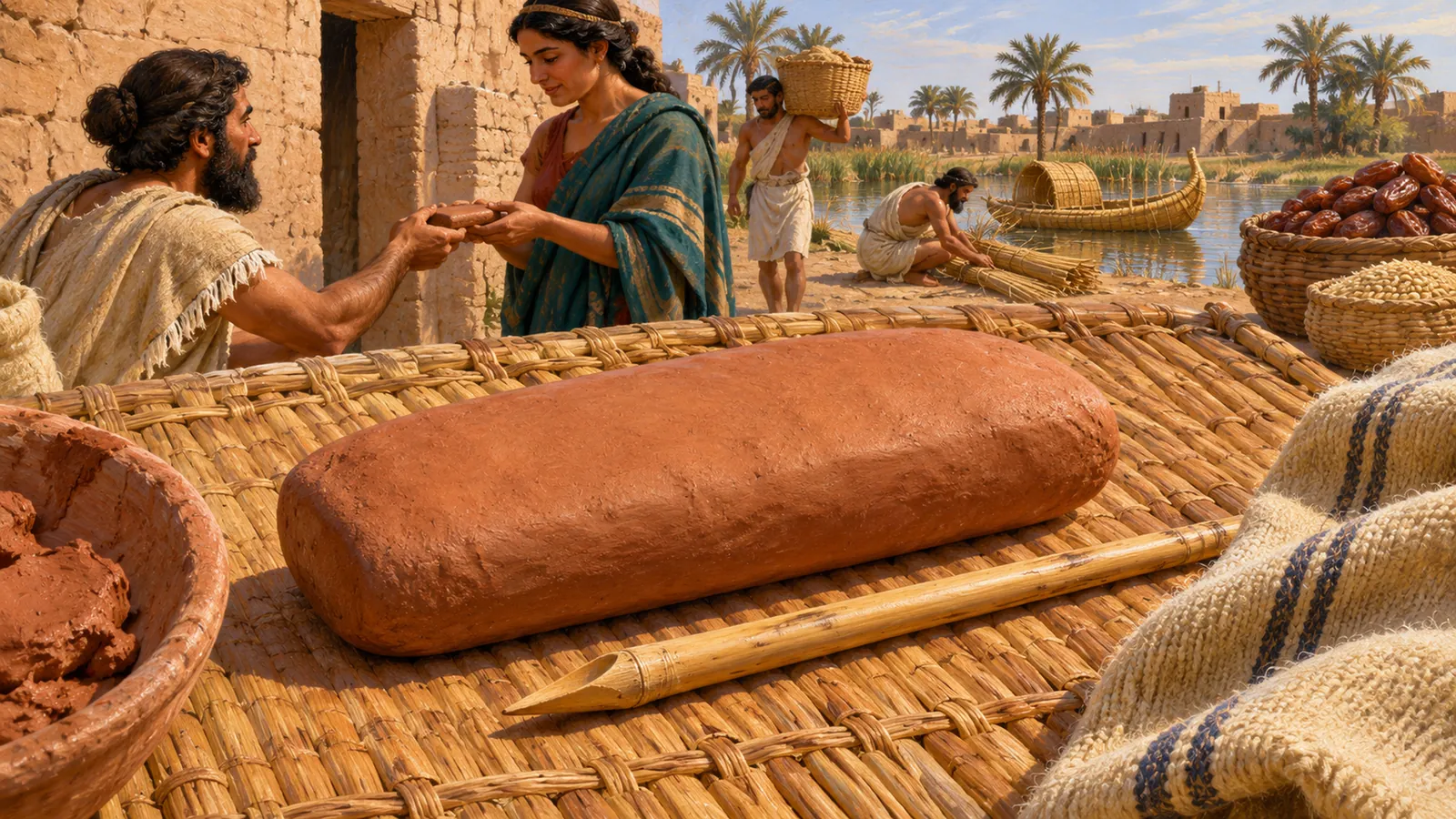
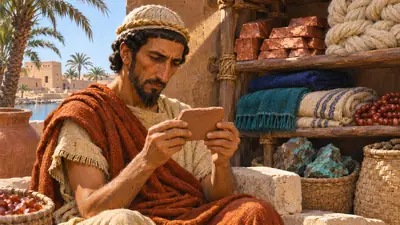
Among the tablets from Ur is a letter in Akkadian, a language used by merchants there. Its first lines tell us whose voice we are hearing.
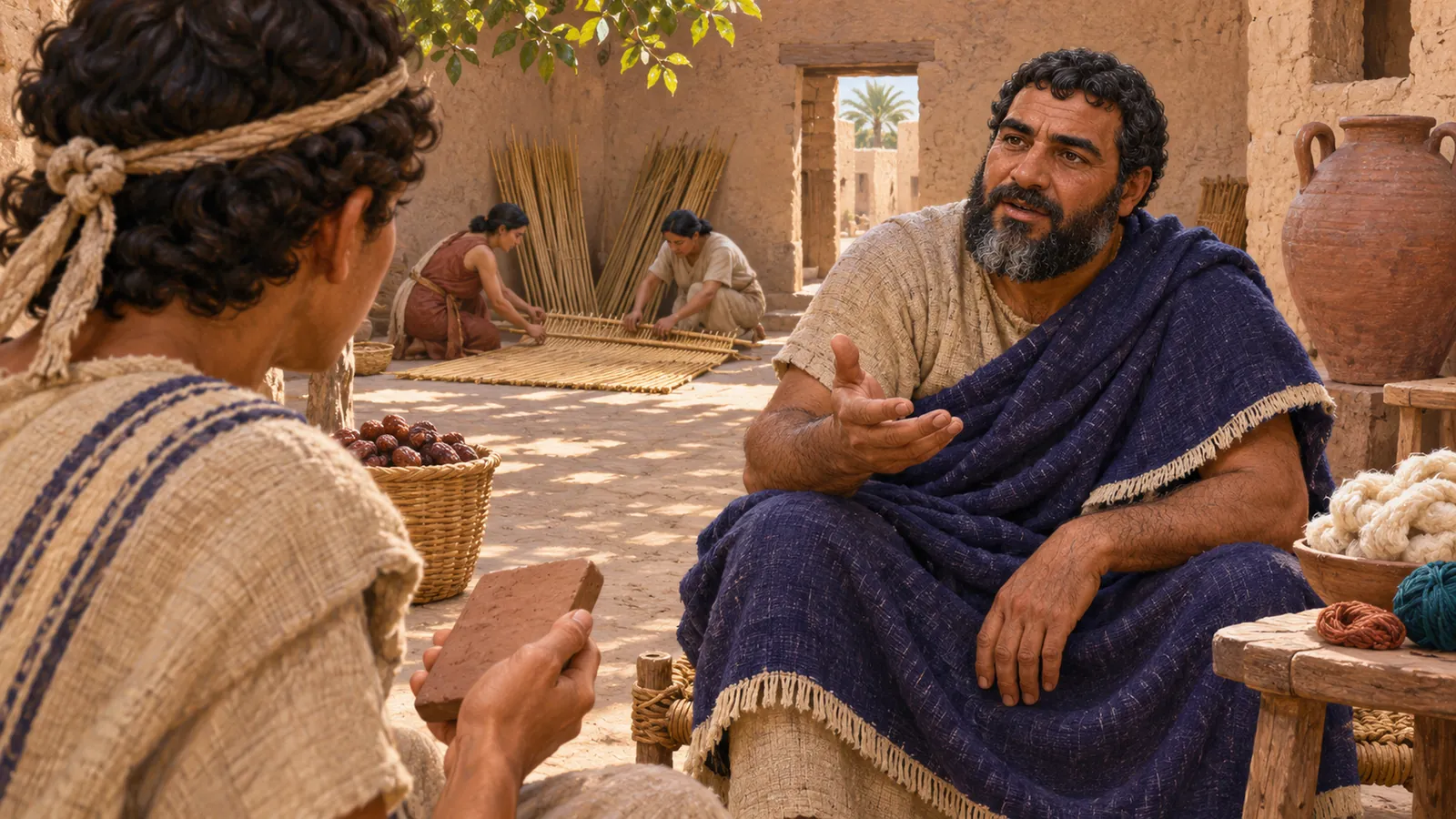
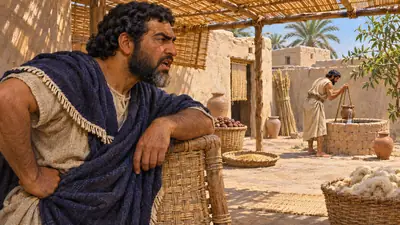
NANNI
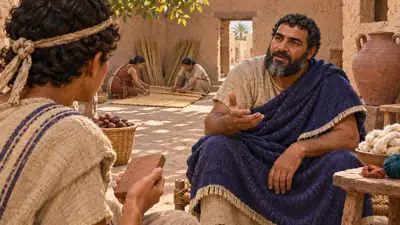
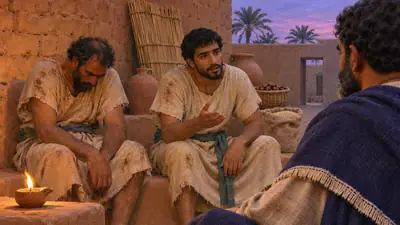
The opening gives the recipient’s name, Ea-nasir, and identifies the sender as Nanni. Nanni begins by reminding his trading partner what he said during a visit.
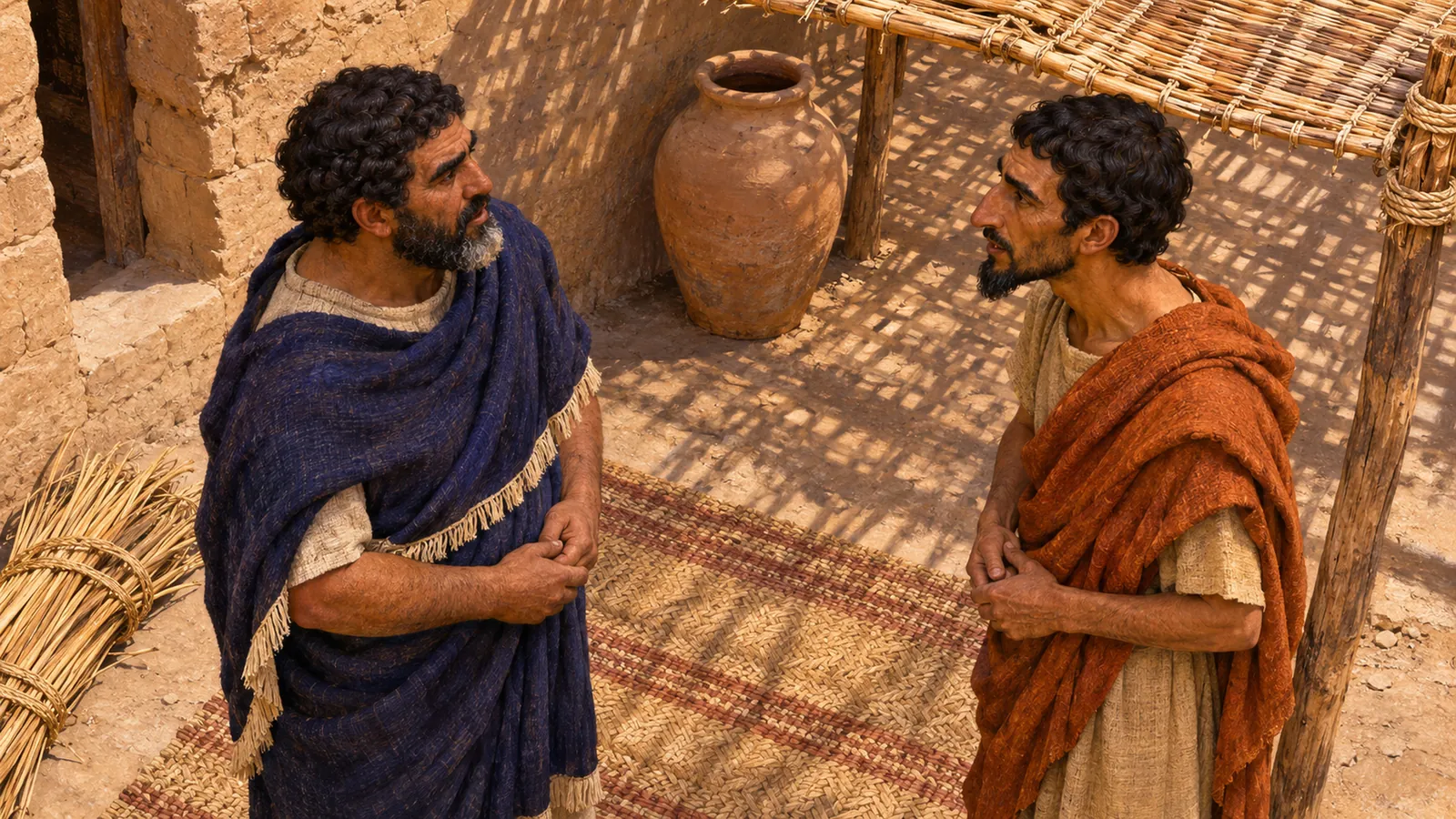
Ea-nasir, Nanni says, had promised to give good copper ingots to a man named Gimil-Sin. He then left, and when it came time to hand them over, the promise was broken.
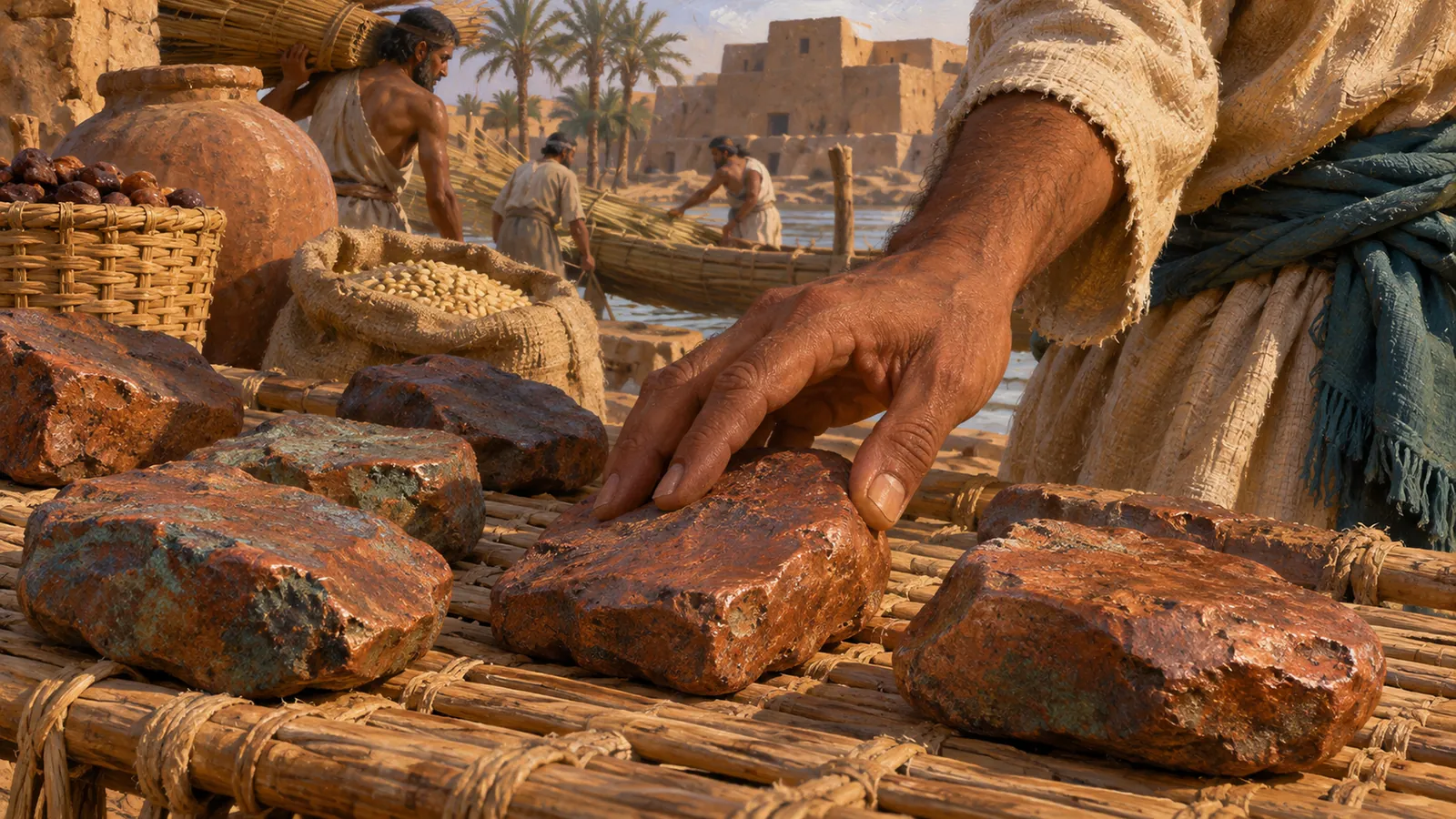
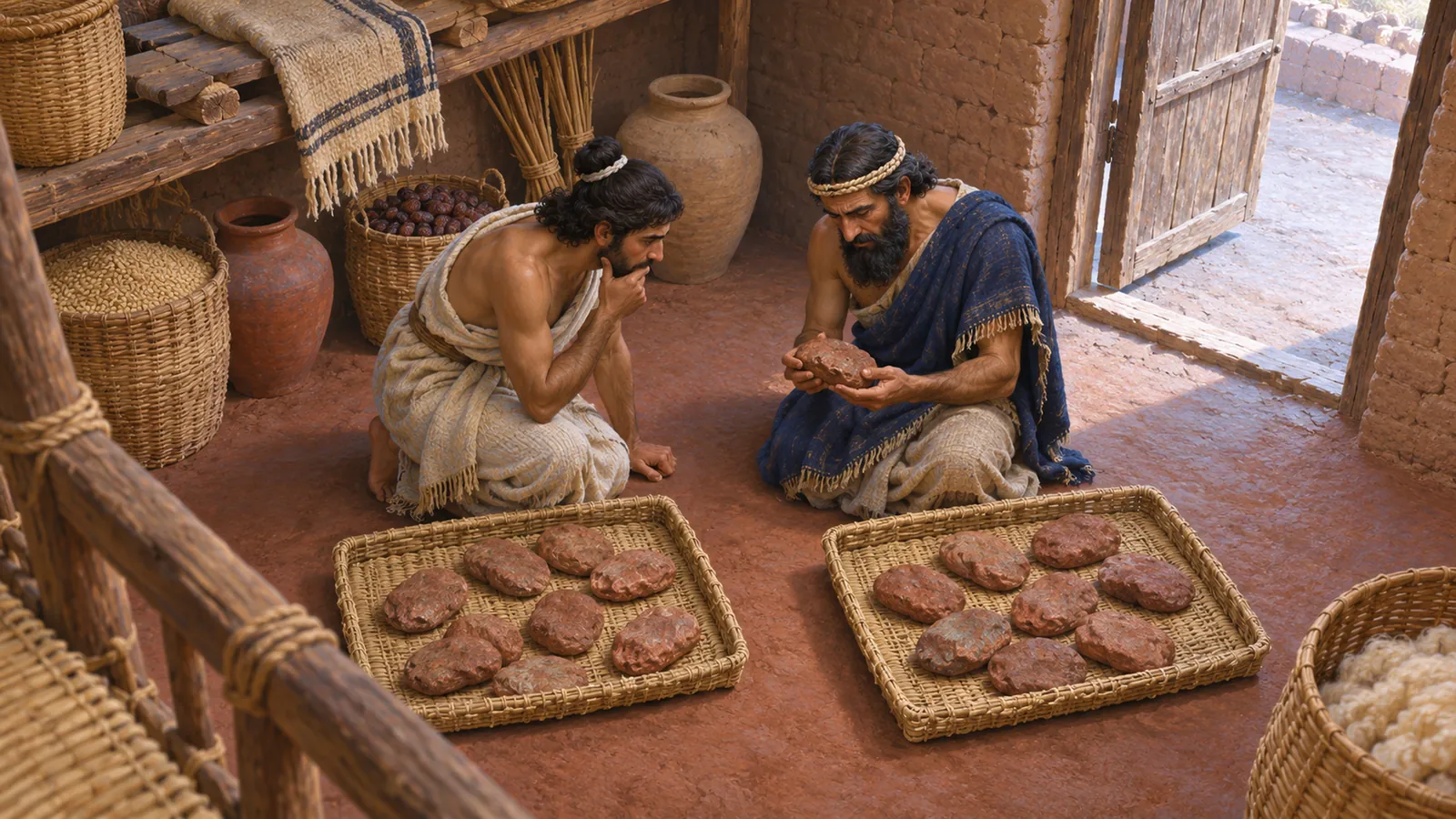
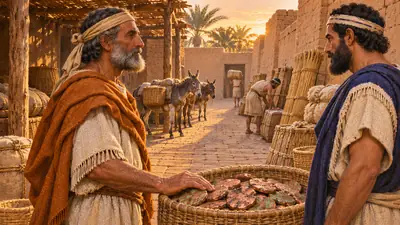
Nanni says his messenger was shown inferior ingots. The letter gives his assessment of the metal and leaves the method used to judge it unstated.
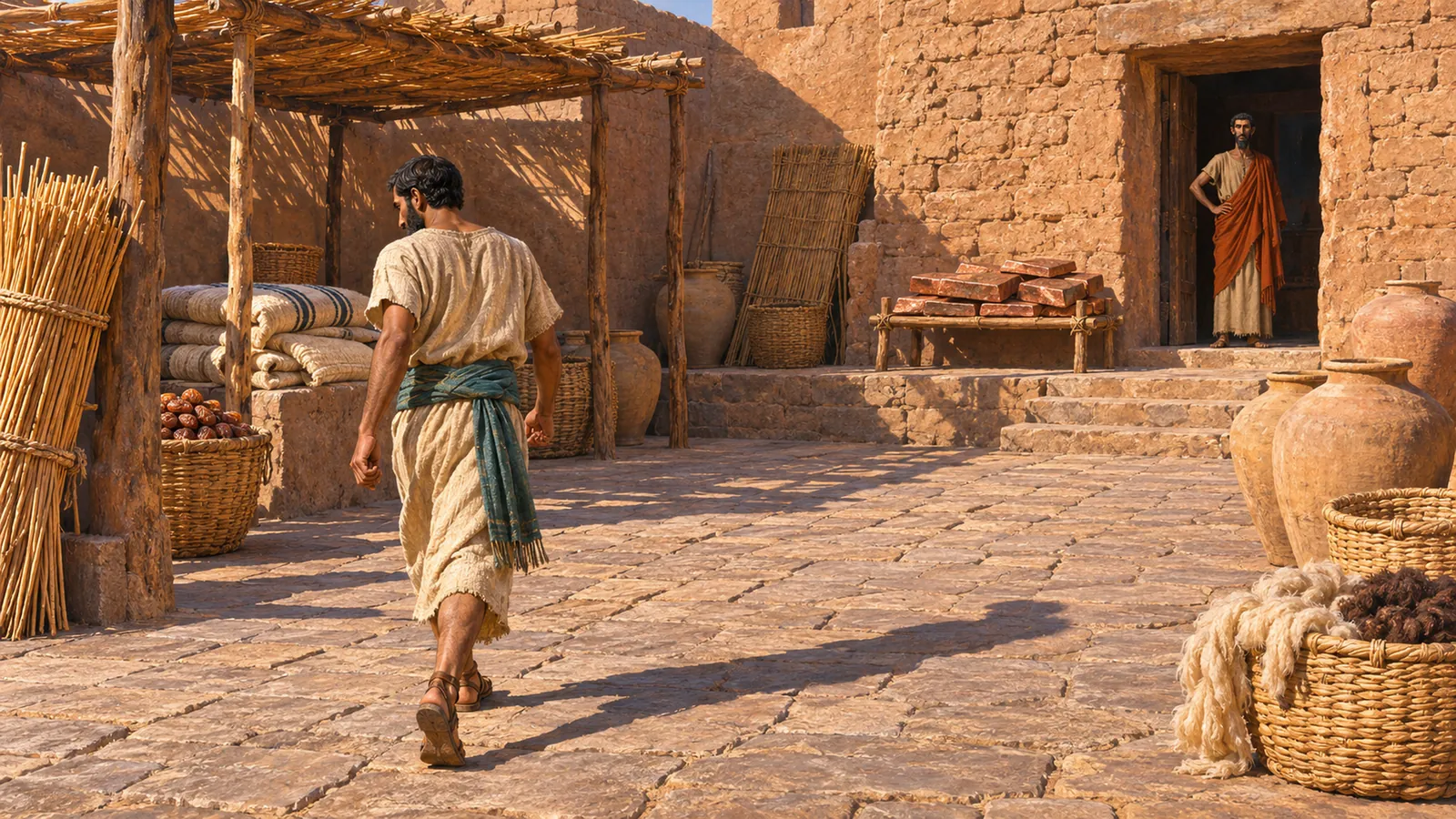
THE CHOICE
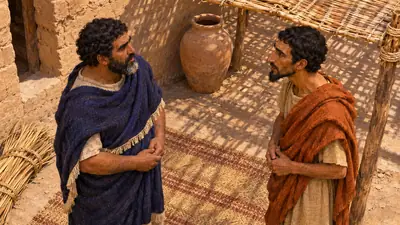
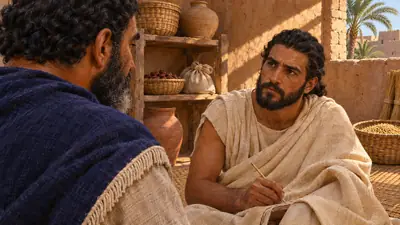
Ea-nasir’s answer, as Nanni reports it, was sharp. Either the messenger took the ingots that had been put before him or he went away.
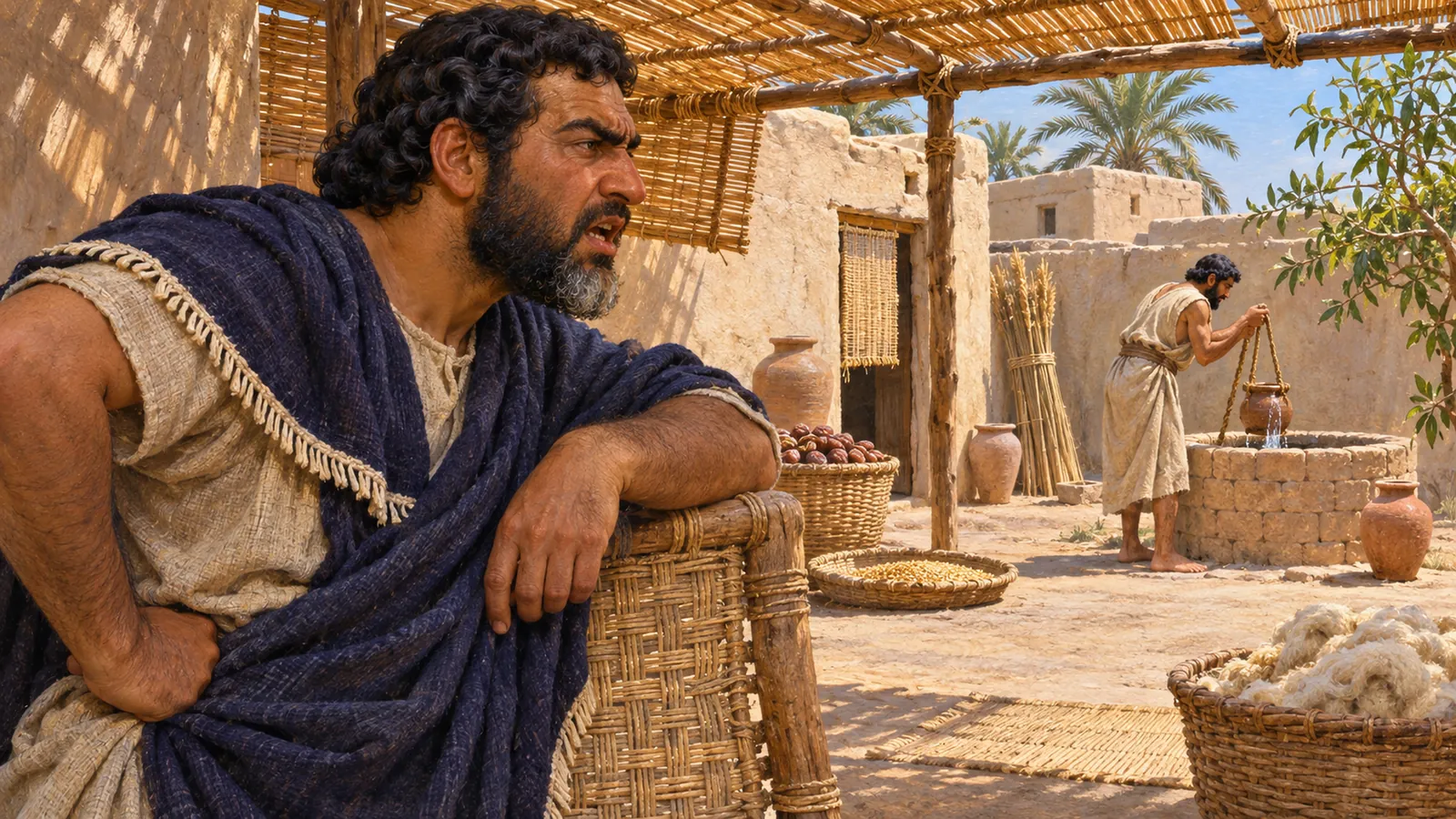
Nanni asks how Ea-nasir could treat someone like him with such contempt. His complaint now turns from the grade of the copper to the way his agents were received.
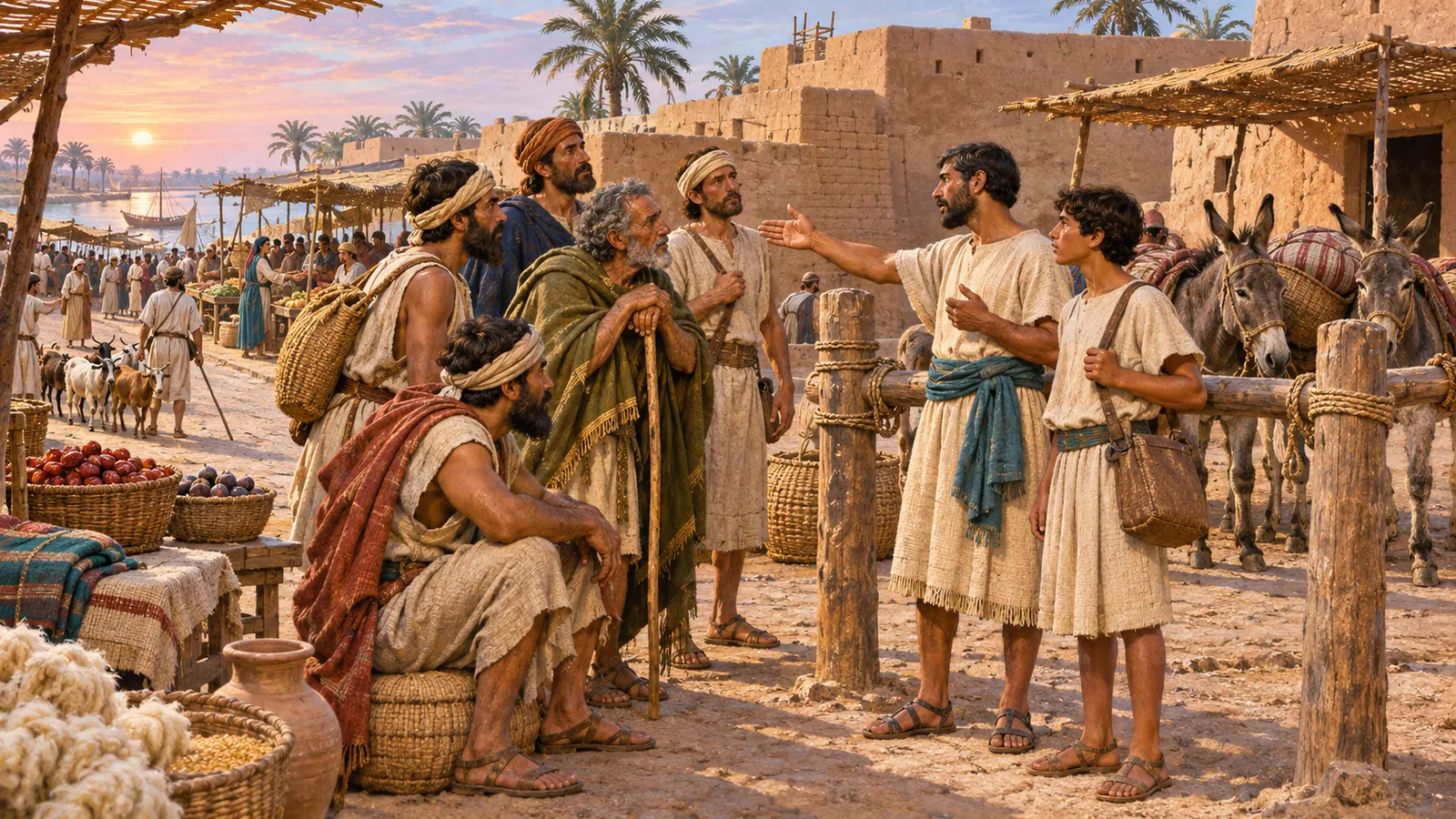
Nanni says he had sent men of their own standing to collect what he was owed. By emphasizing their position, he makes clear that an insult to his agents reflected on him.
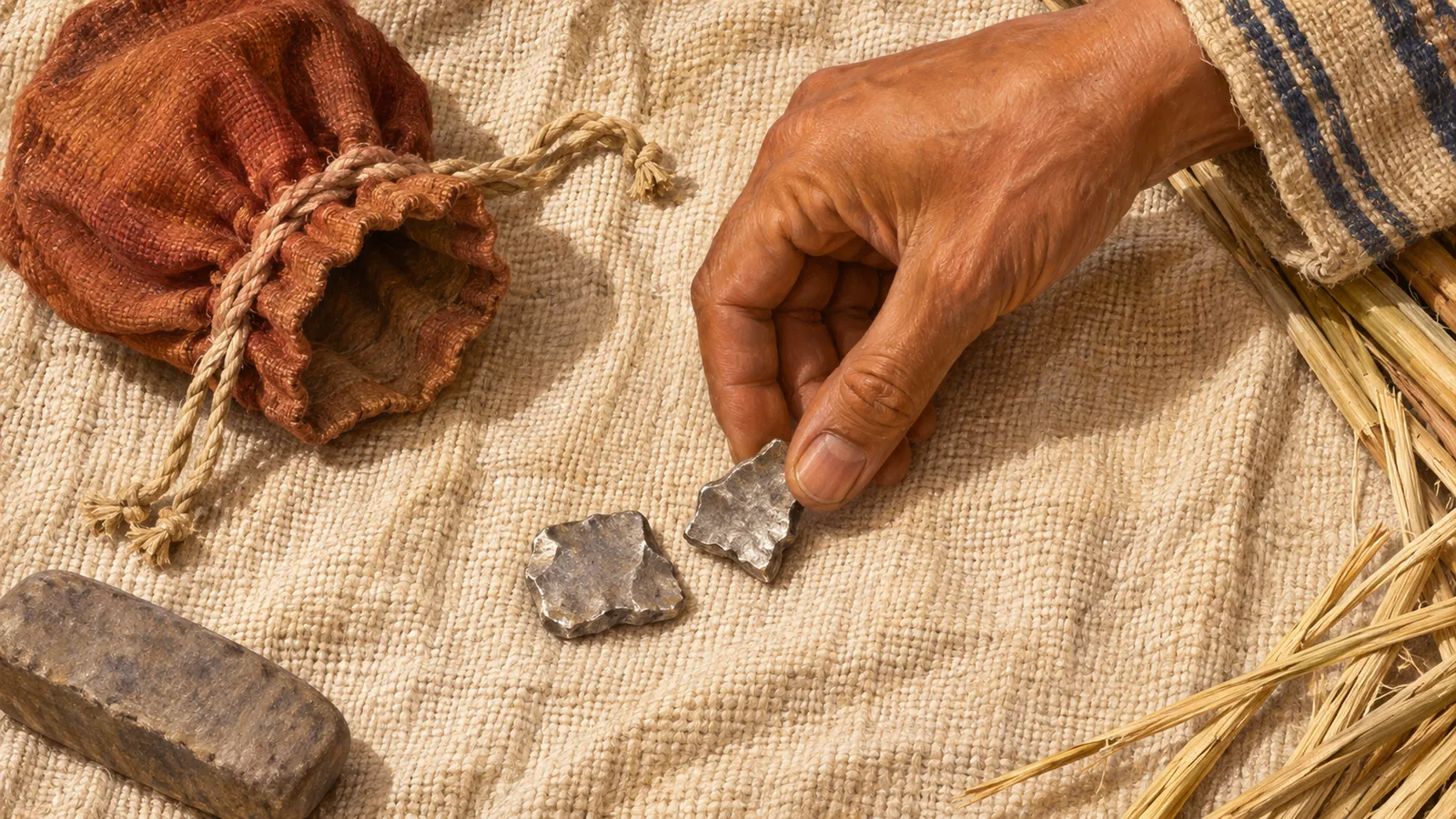
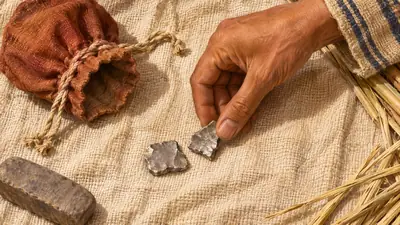
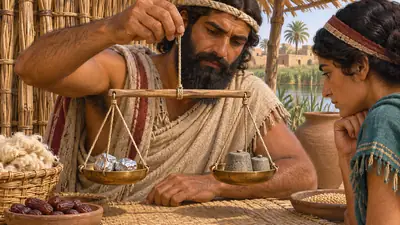
The men were sent for a bag containing Nanni’s silver. In Ur at this time, silver was reckoned by weight. A payment or deposit could consist of pieces that were weighed together.

The way took the men through hostile territory. Nanni gives no place names. He mentions the danger because the messengers took that risk to recover the silver that was being held.
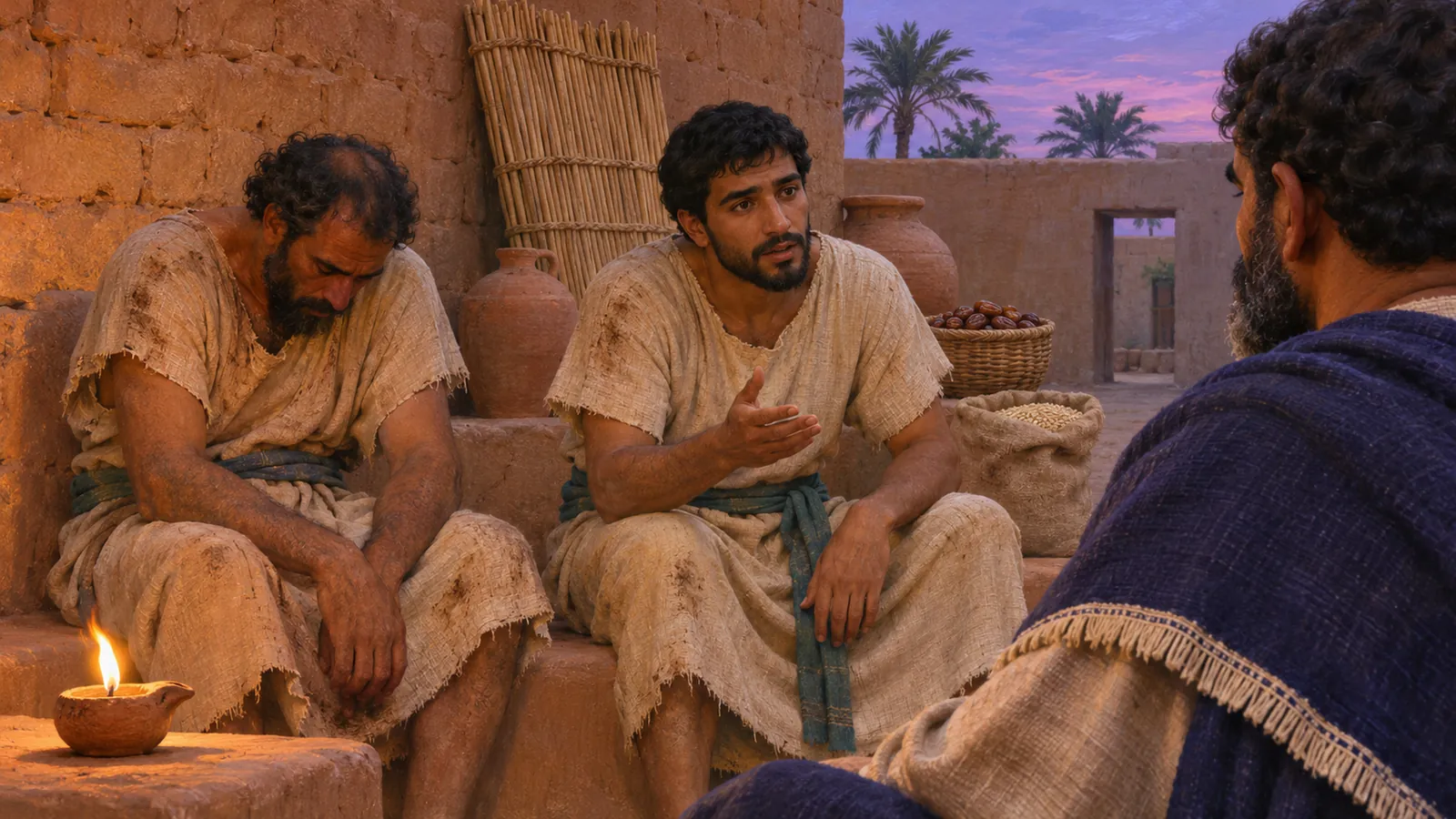
The envoys came back without the silver, Nanni says, and it happened several times. The men kept having to make the journey that he describes as dangerous.

Rival kingdoms and shifting borders made some journeys difficult in this period. The letter leaves the route unnamed, and its reference to hostile territory cannot locate the dispute.
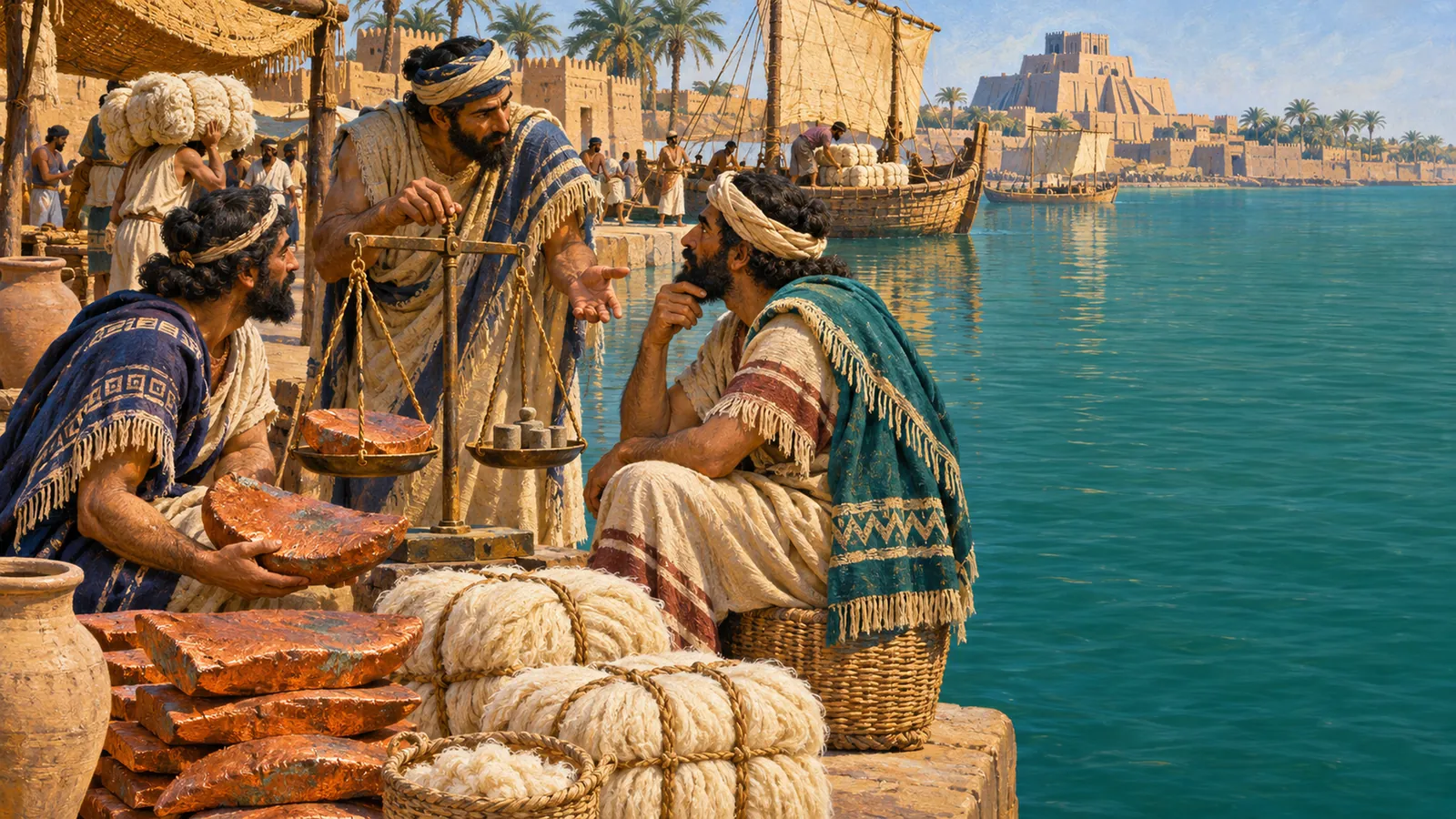
Nanni turns to the merchants who trade with Dilmun. Which of them, he asks, ever treated him this way? Then he charges Ea-nasir with singling out his messenger for contempt.
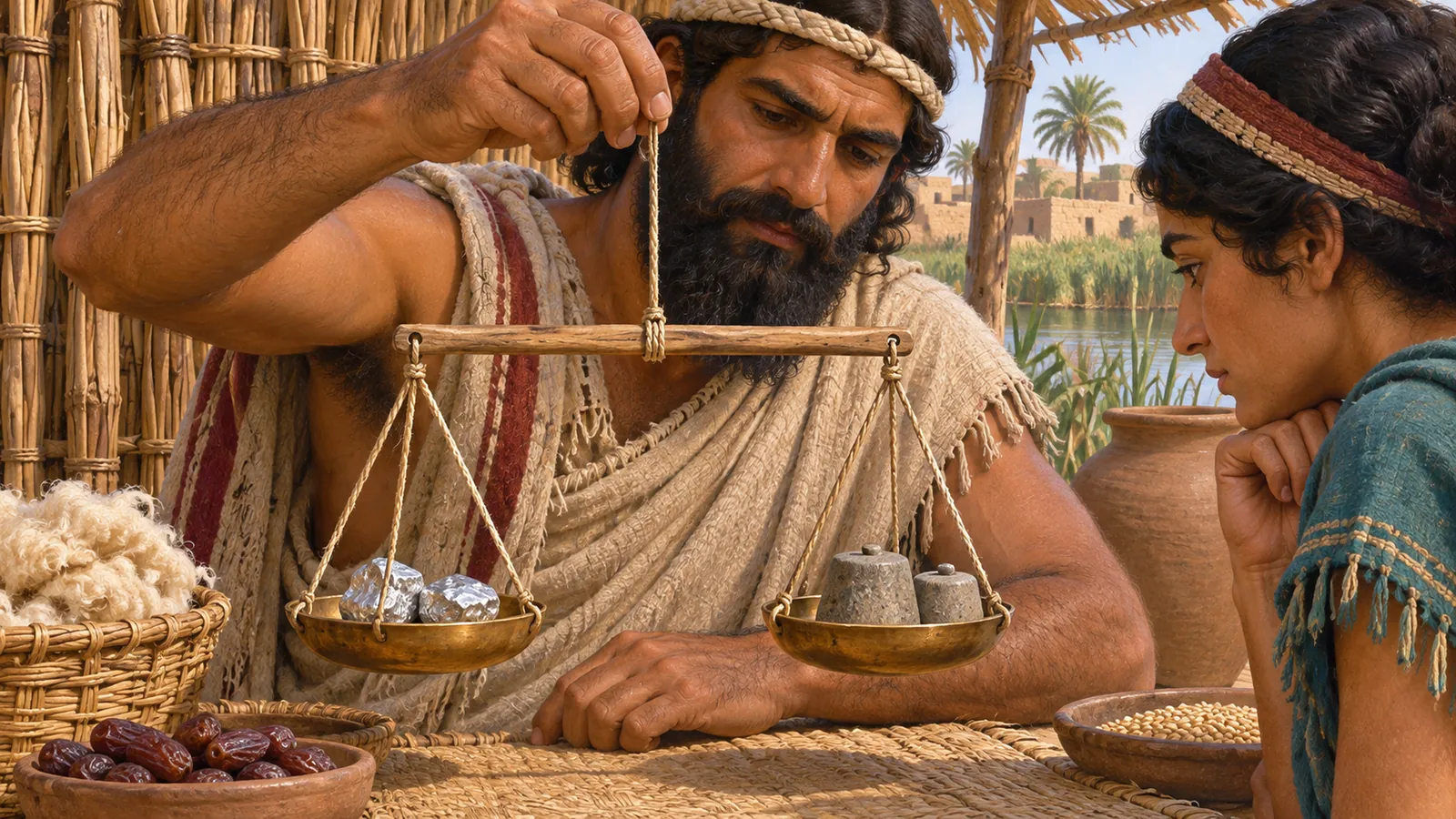
At the center of this part of the letter is one mina of silver. The translations disagree on who owed it. Nanni contrasts this sum with much bigger shipments of copper.
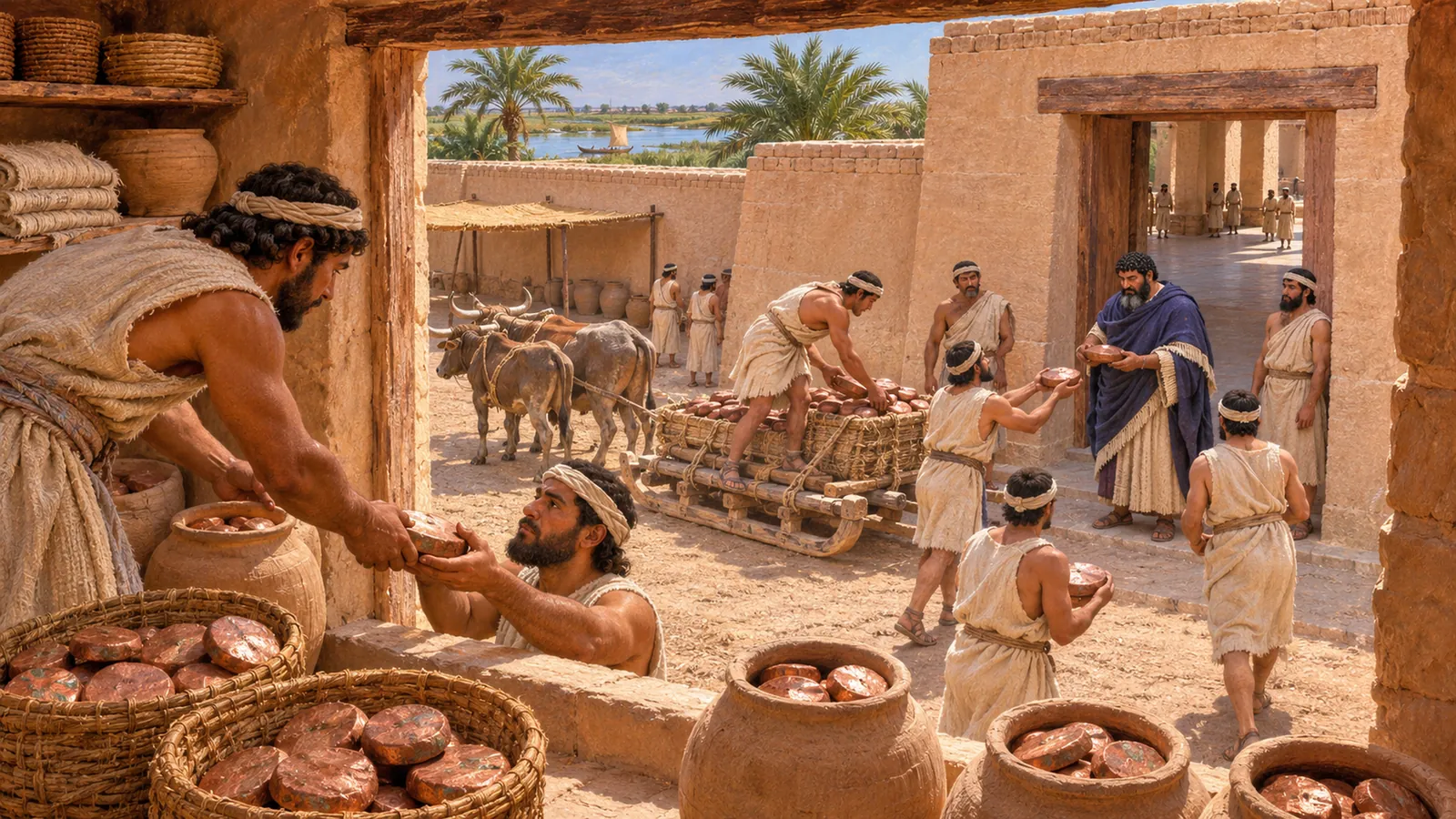
Nanni says he had given the palace eighteen talents of copper on Ea-nasir’s behalf. It was a large delivery, about five hundred and forty kilograms in one scholarly estimate.
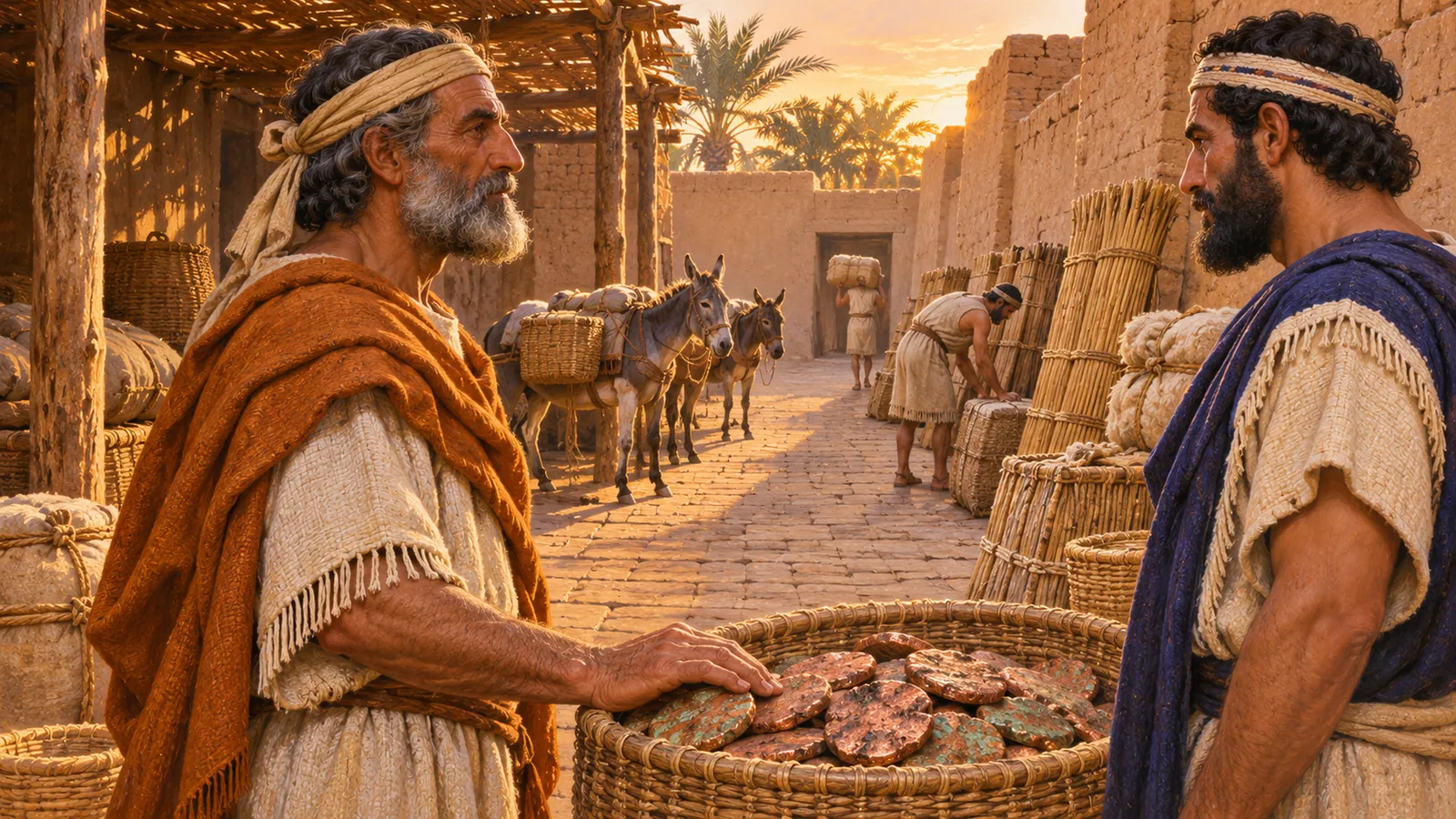
Shumi-abum, another man Nanni names, had given the same weight. Set beside a lone mina of silver, the two palace deliveries make the contrast sharp.
A talent held sixty minas in Mesopotamian reckoning. Nanni lists separate deliveries of eighteen talents each, then points to a further record kept under seal.
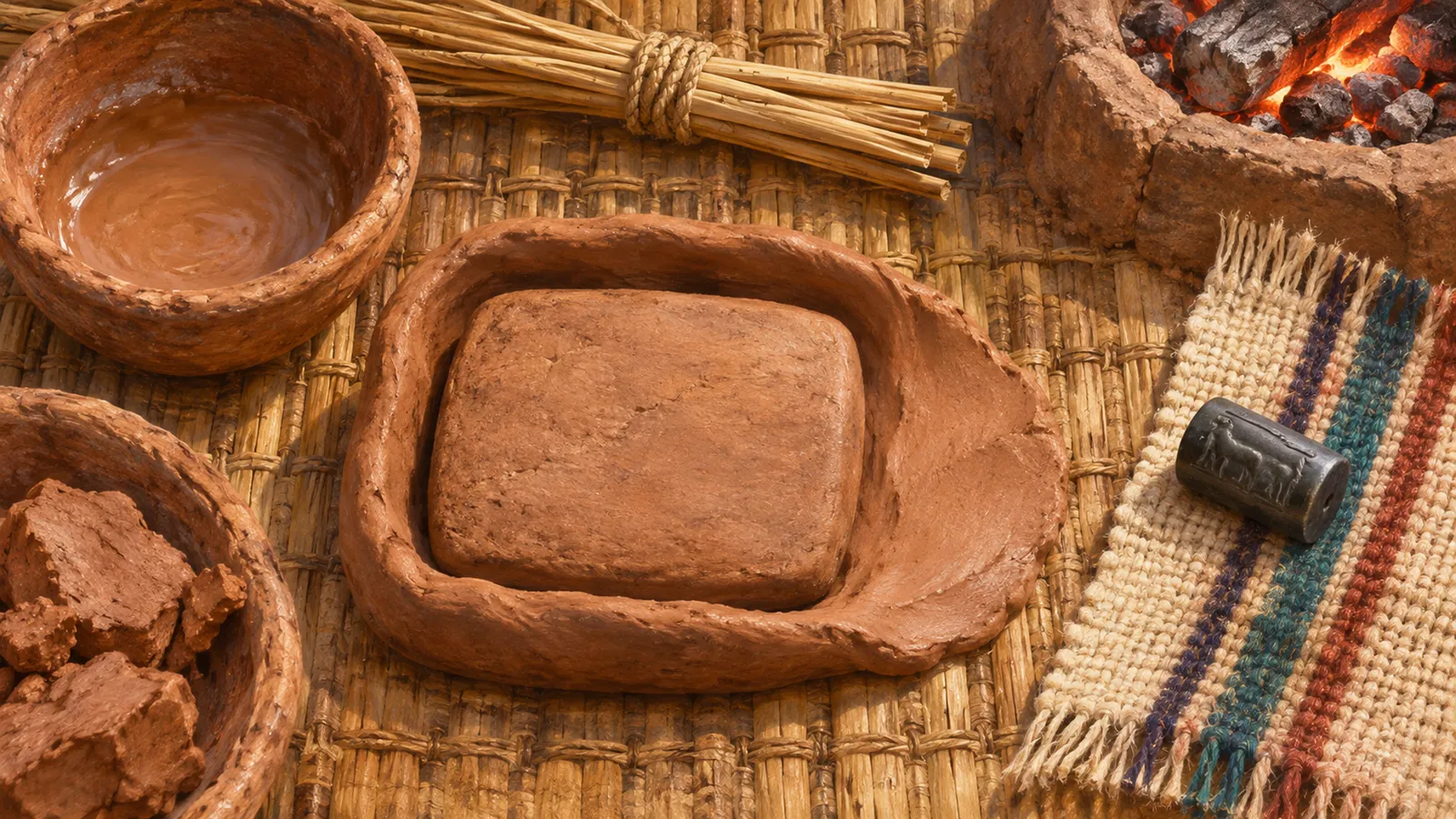
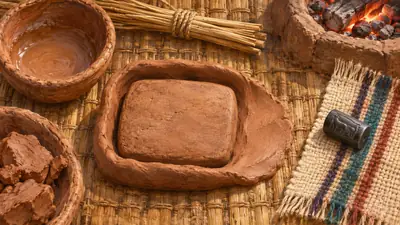
A business tablet could be enclosed in a clay envelope and marked with cylinder seals. The wrapping protected the inner text, and opening it broke the seal.
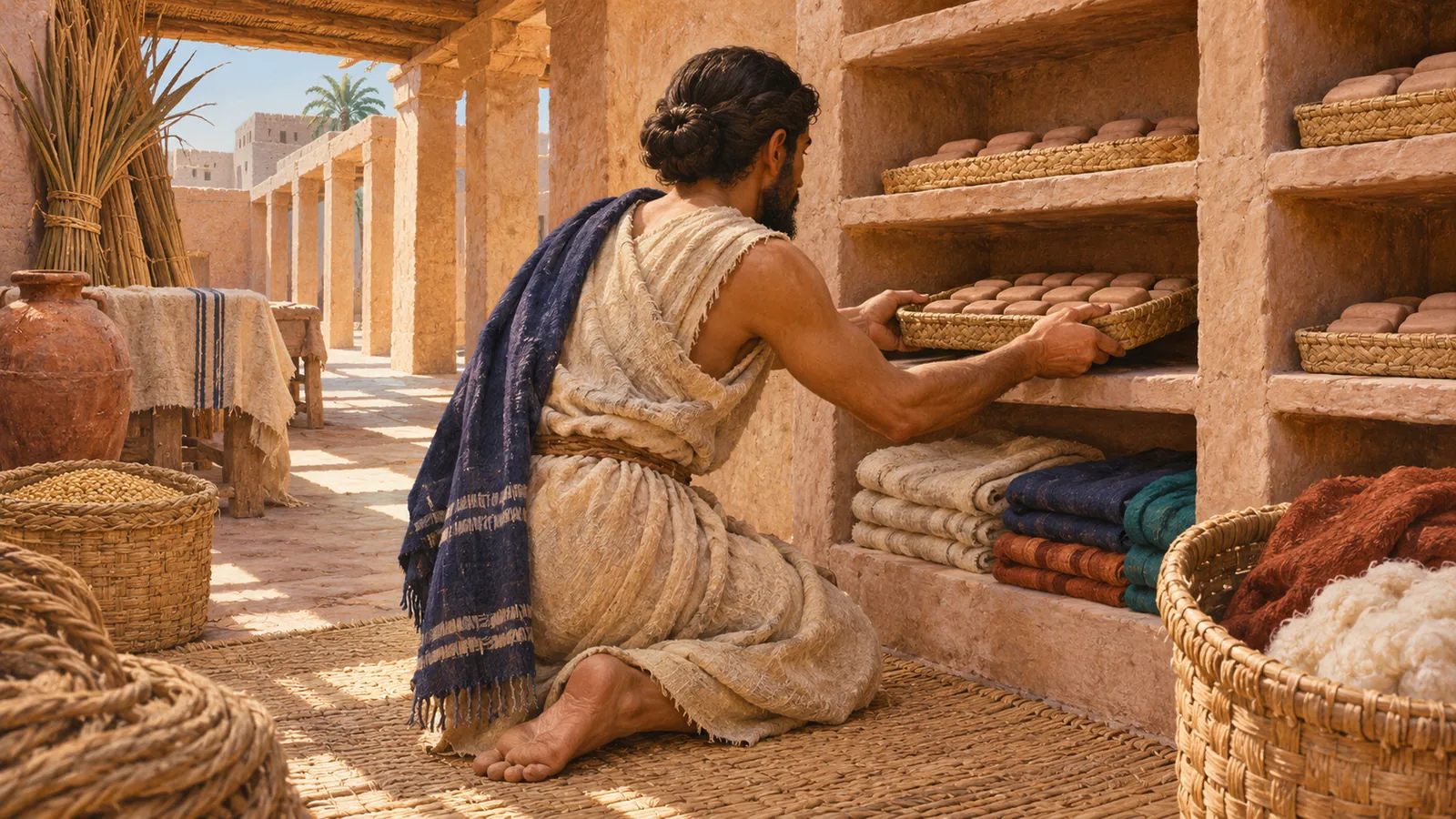
Nanni says the sealed tablet was kept at the temple of Shamash. As he argues over the copper and the silver, he invokes an agreement that another institution could hold.
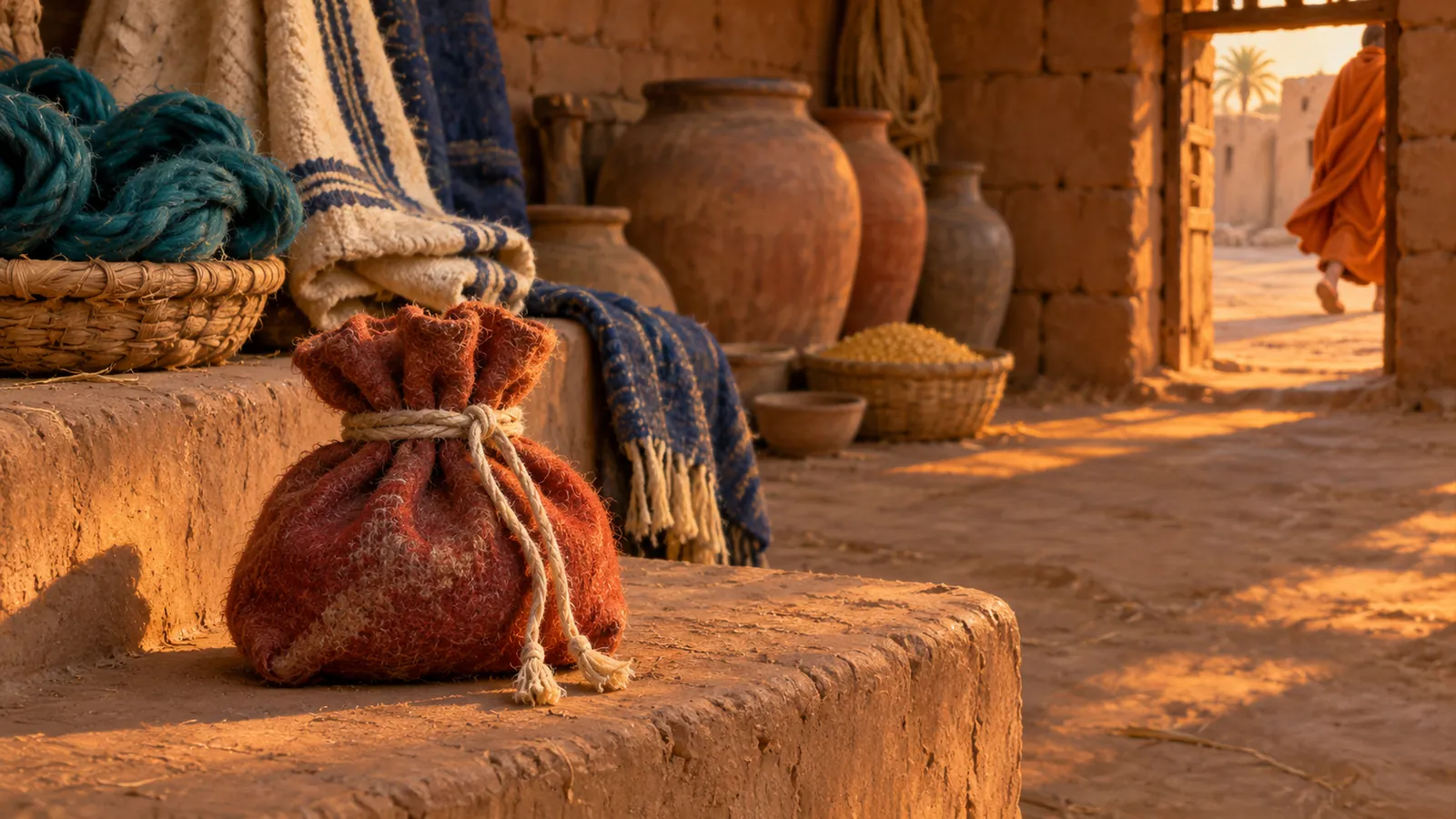
Nanni asks how he was treated in return for the copper. He says Ea-nasir held his purse back in hostile territory. It is the earlier errand put as a direct accusation.
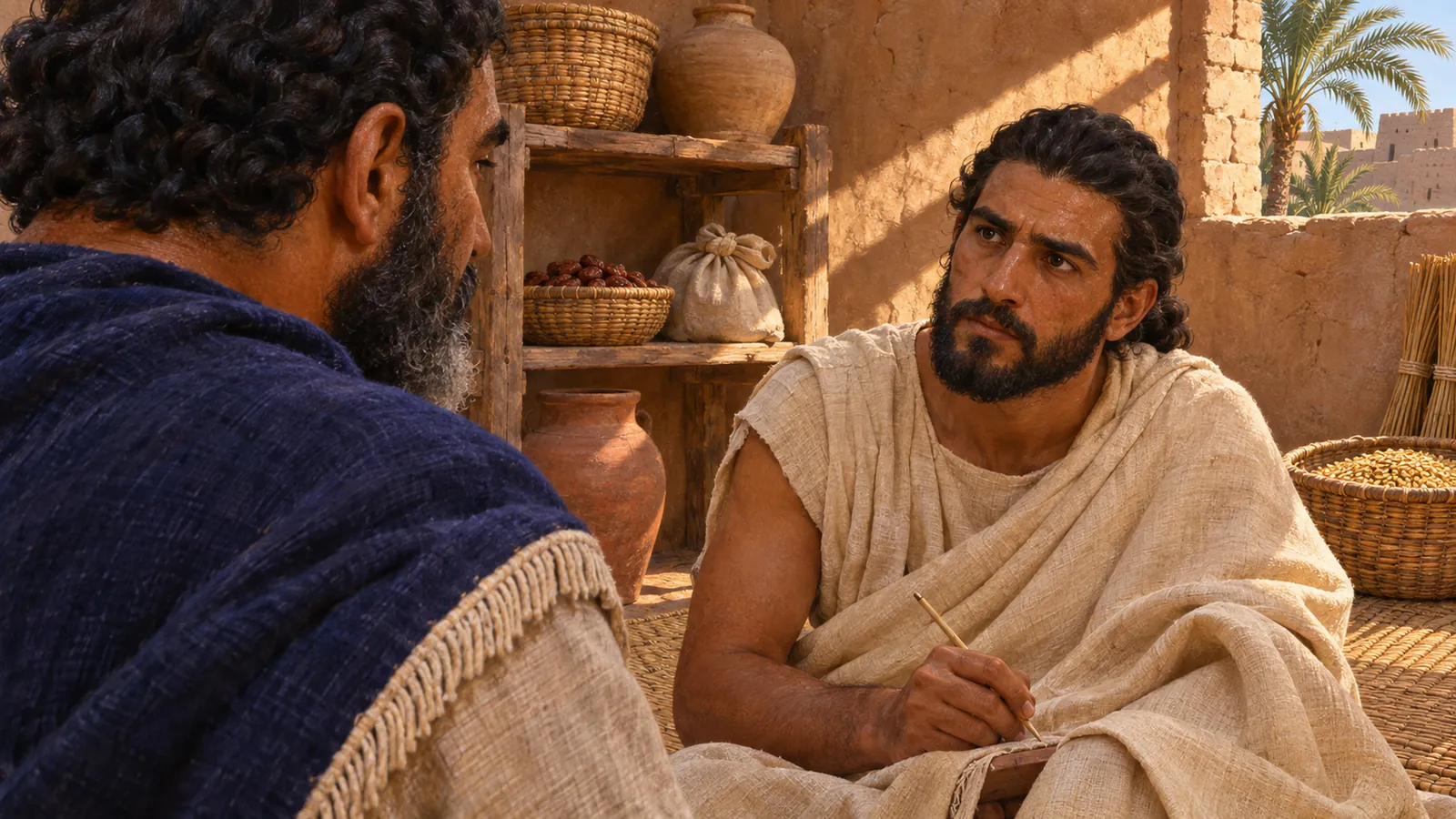
His immediate demand is for the whole purse to be returned. Nanni gives no new instructions to the envoys. He puts the obligation directly on Ea-nasir.
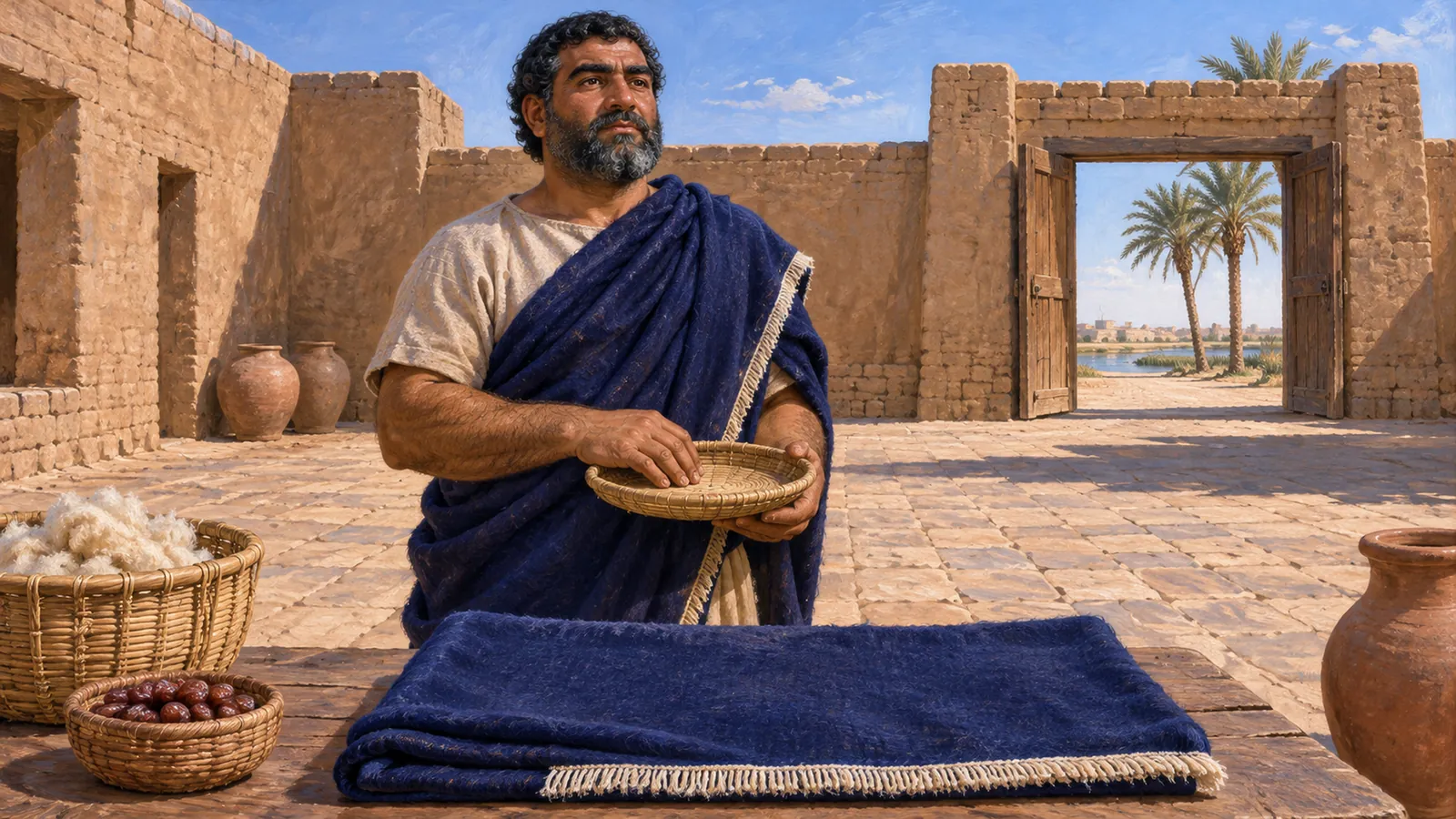
Nanni then sets his terms for the future. He will accept only good copper from Ea-nasir. Whatever the merchant thought of the disputed delivery, Nanni means the next decision to be his.
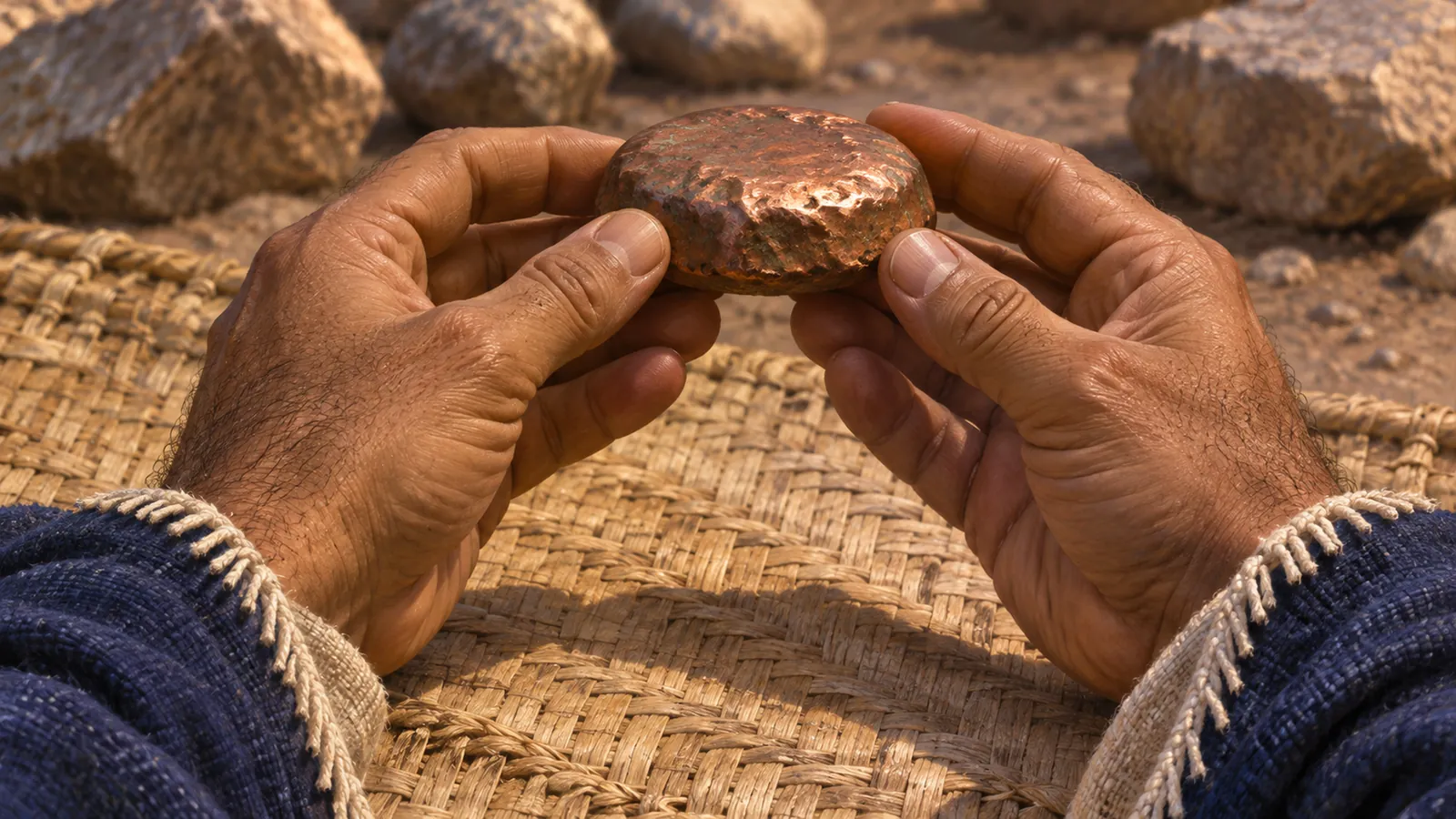
ONE BY ONE
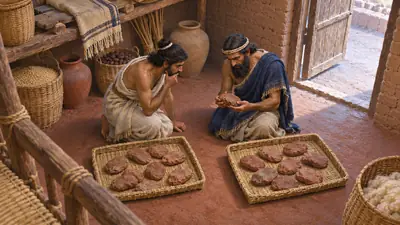
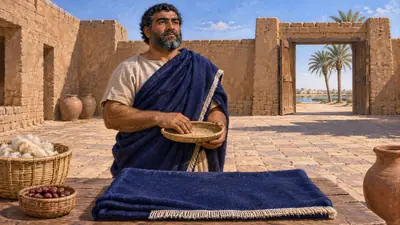
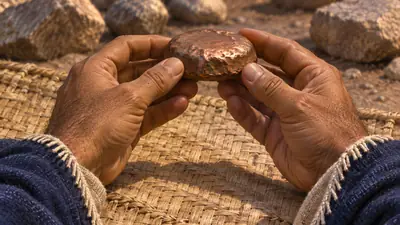
He says he will choose each piece himself, one by one, in his own courtyard. The letter gives the buyer the final say about the quality of any copper he takes.
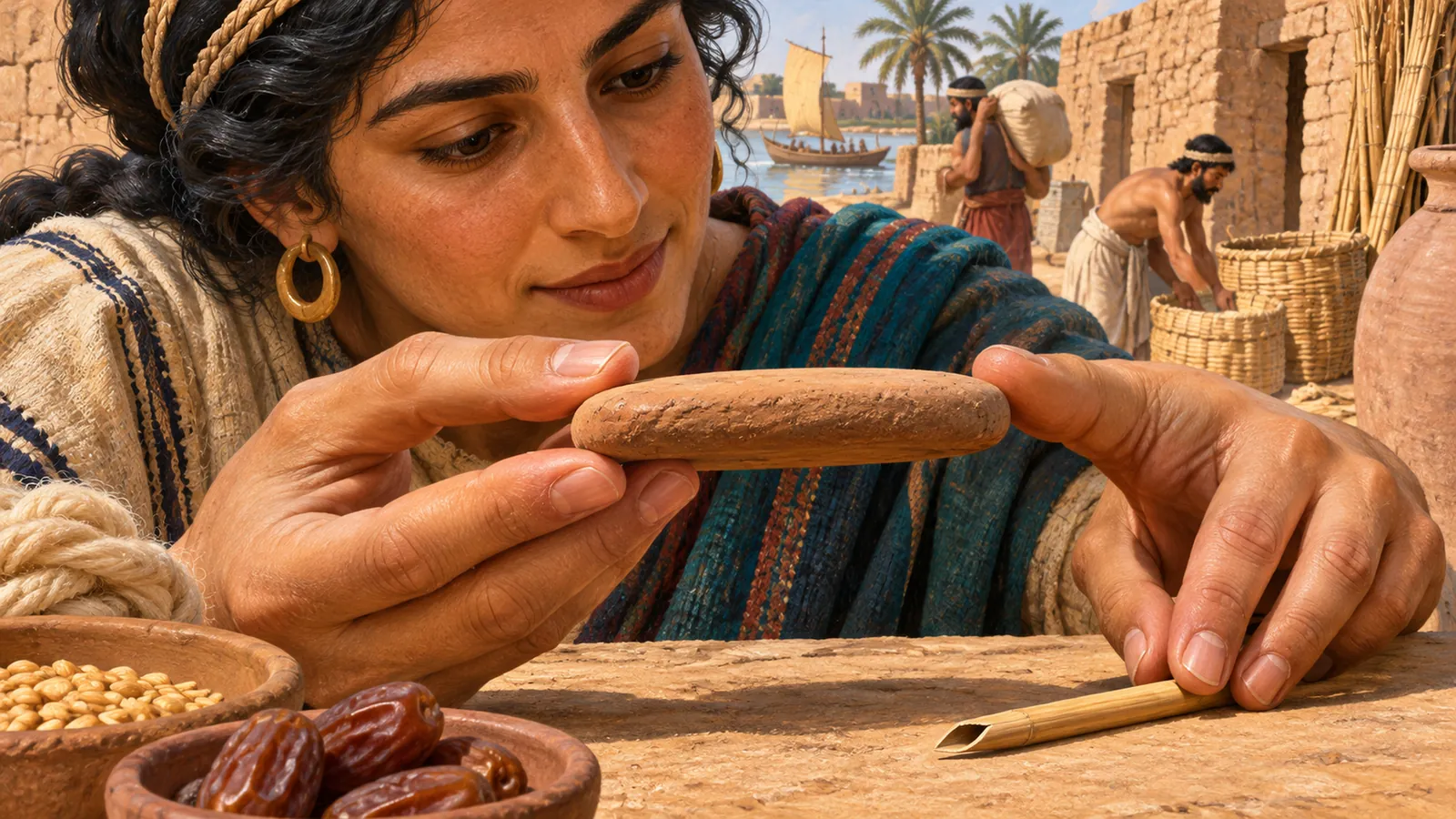
Nanni uses the edge for his closing words. One reading gives him the right to refuse the copper. Another hears a warning that Ea-nasir will regret treating him this way.
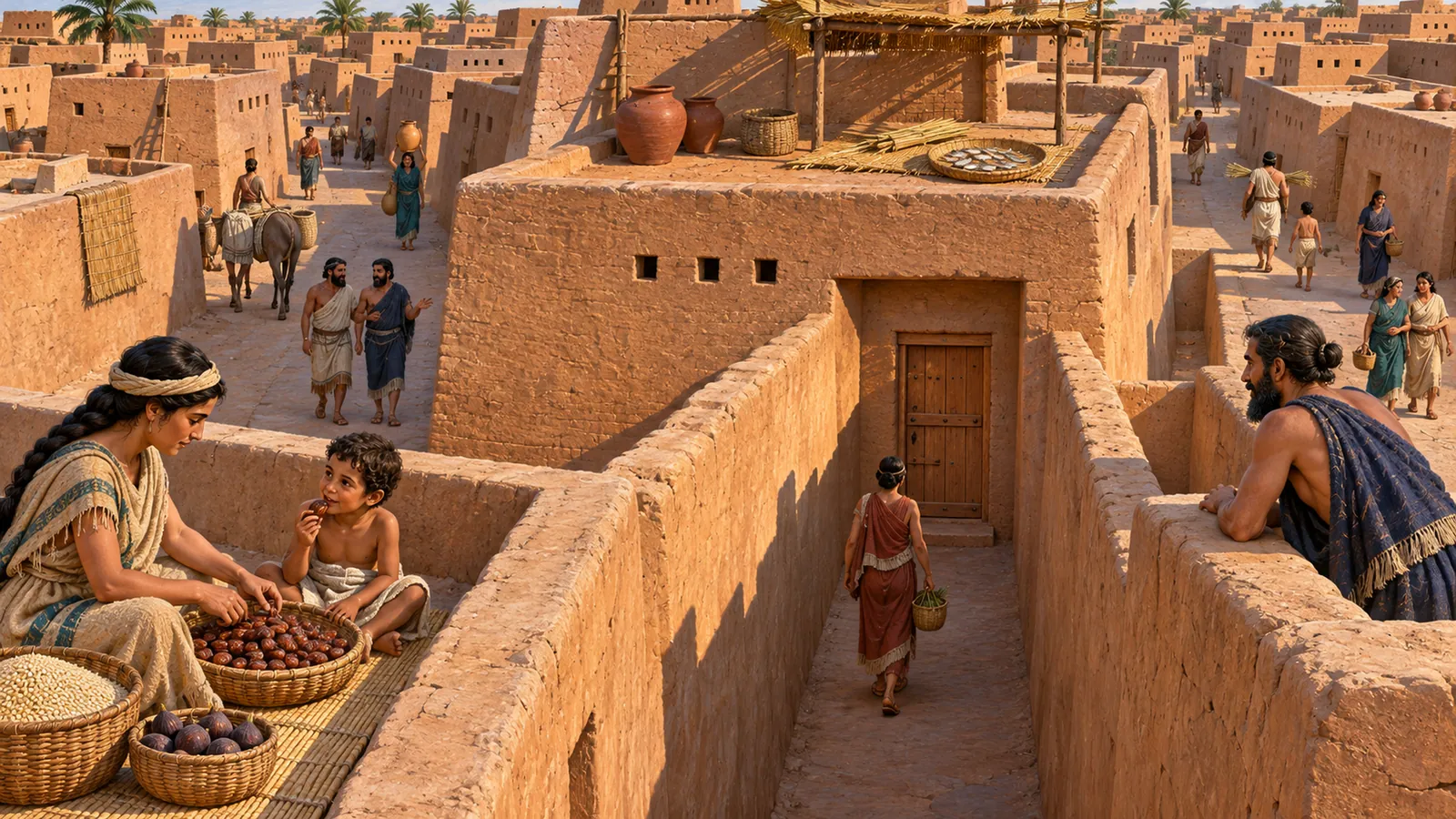
THE HOUSE
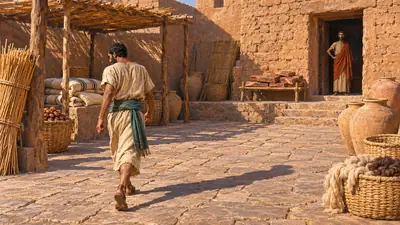
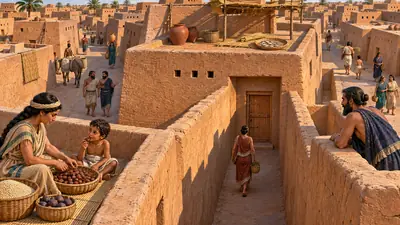
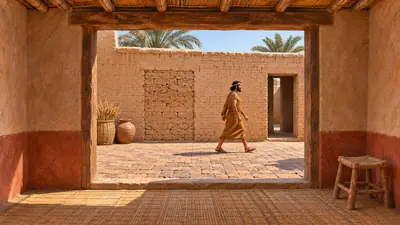
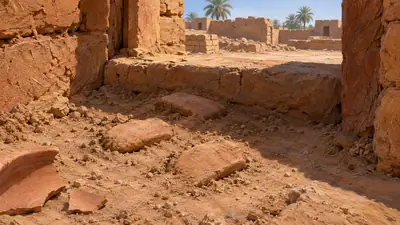
The tablets take us back to a residential quarter of Ur. Excavators called one house there Number One, Old Street. Its entrance lay at the end of a narrow passage.
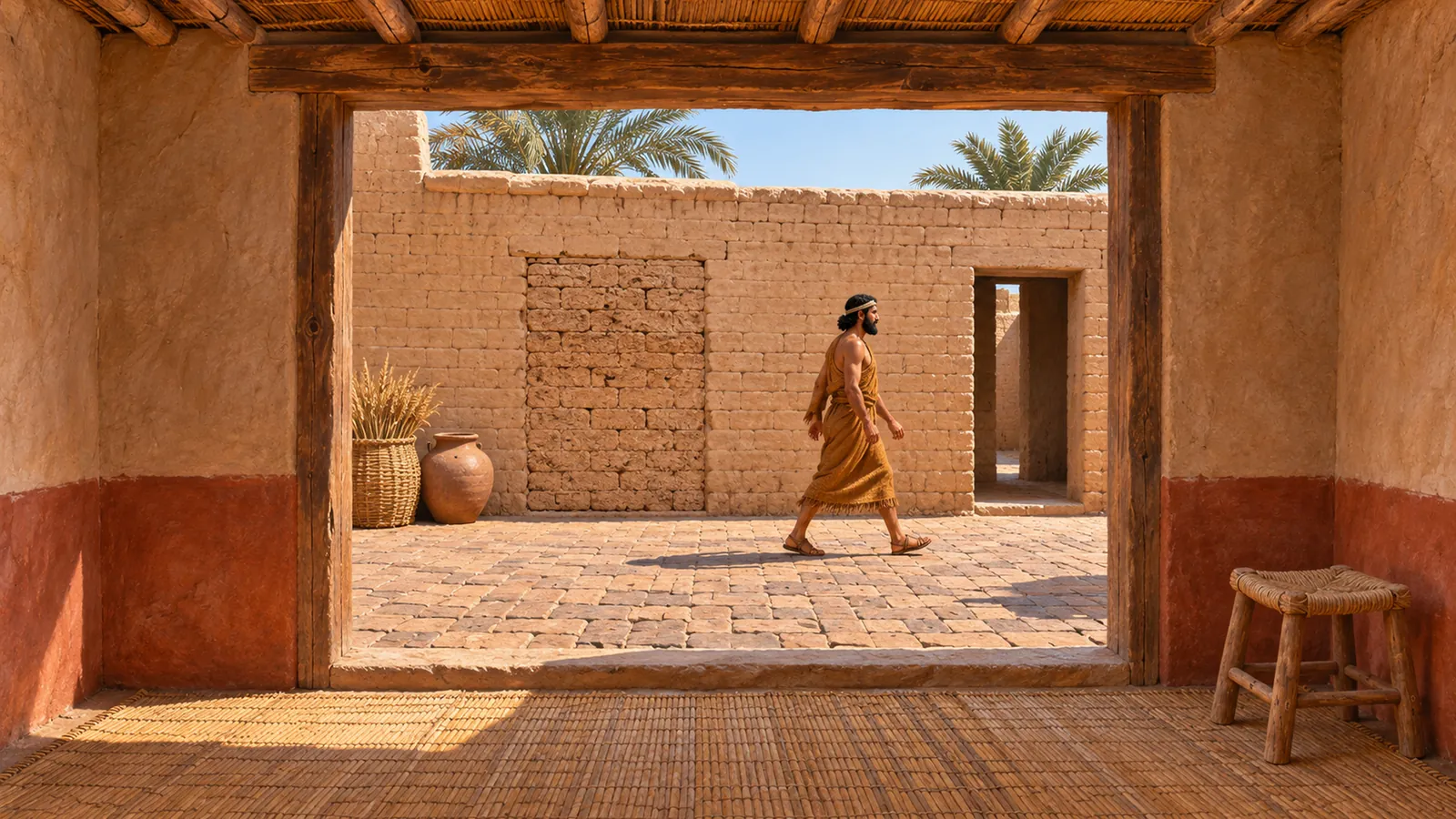
The house had rooms arranged around a central court. Excavators found that some doorways were later closed, and rooms passed into the neighboring property. The walls record how the house changed over time.
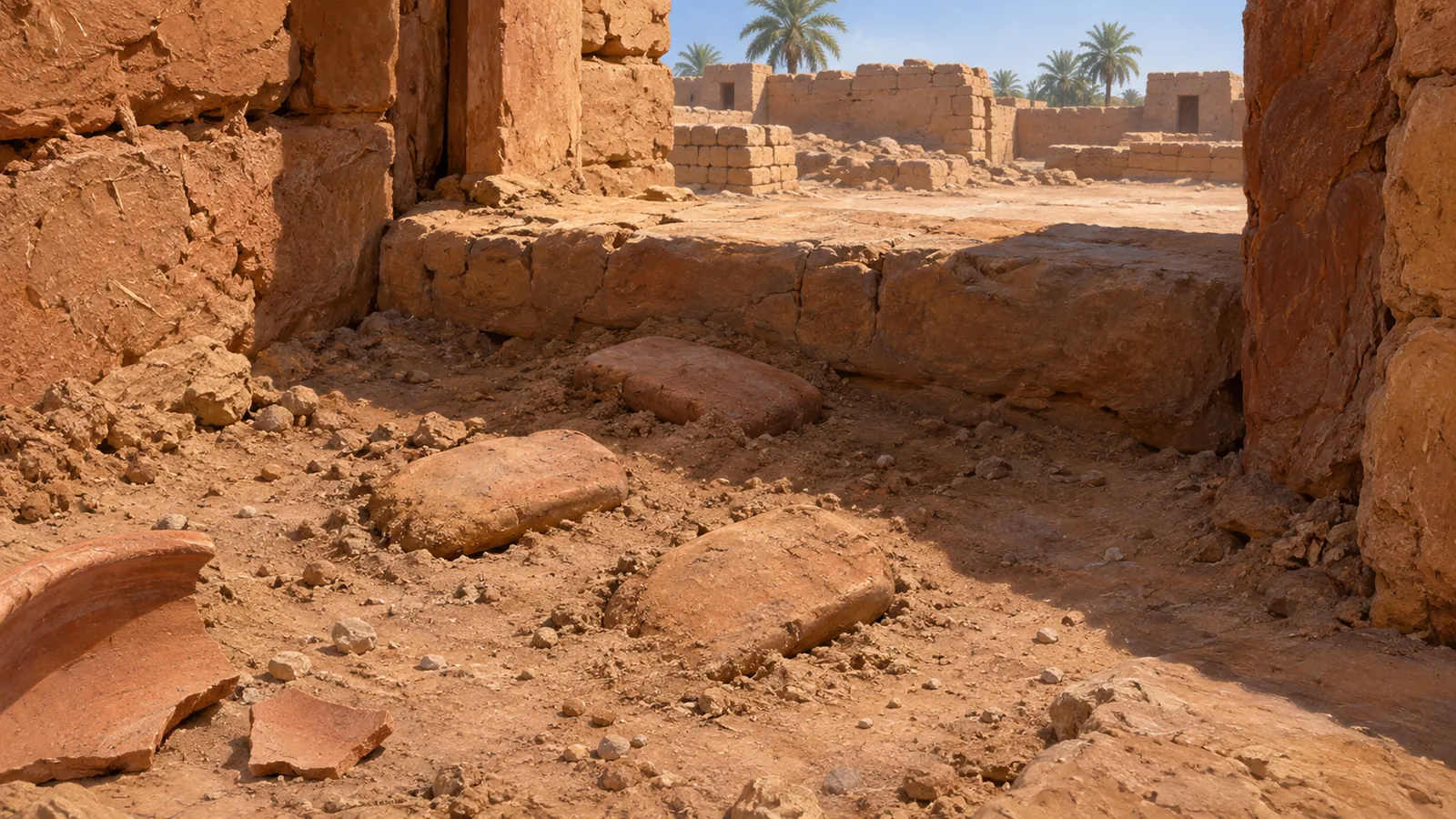
Woolley’s team recorded tablets scattered through the building. Some dated to the time of Rim-Sin of Larsa. The cluster of tablets probably from this house includes the find number assigned to Nanni’s letter.
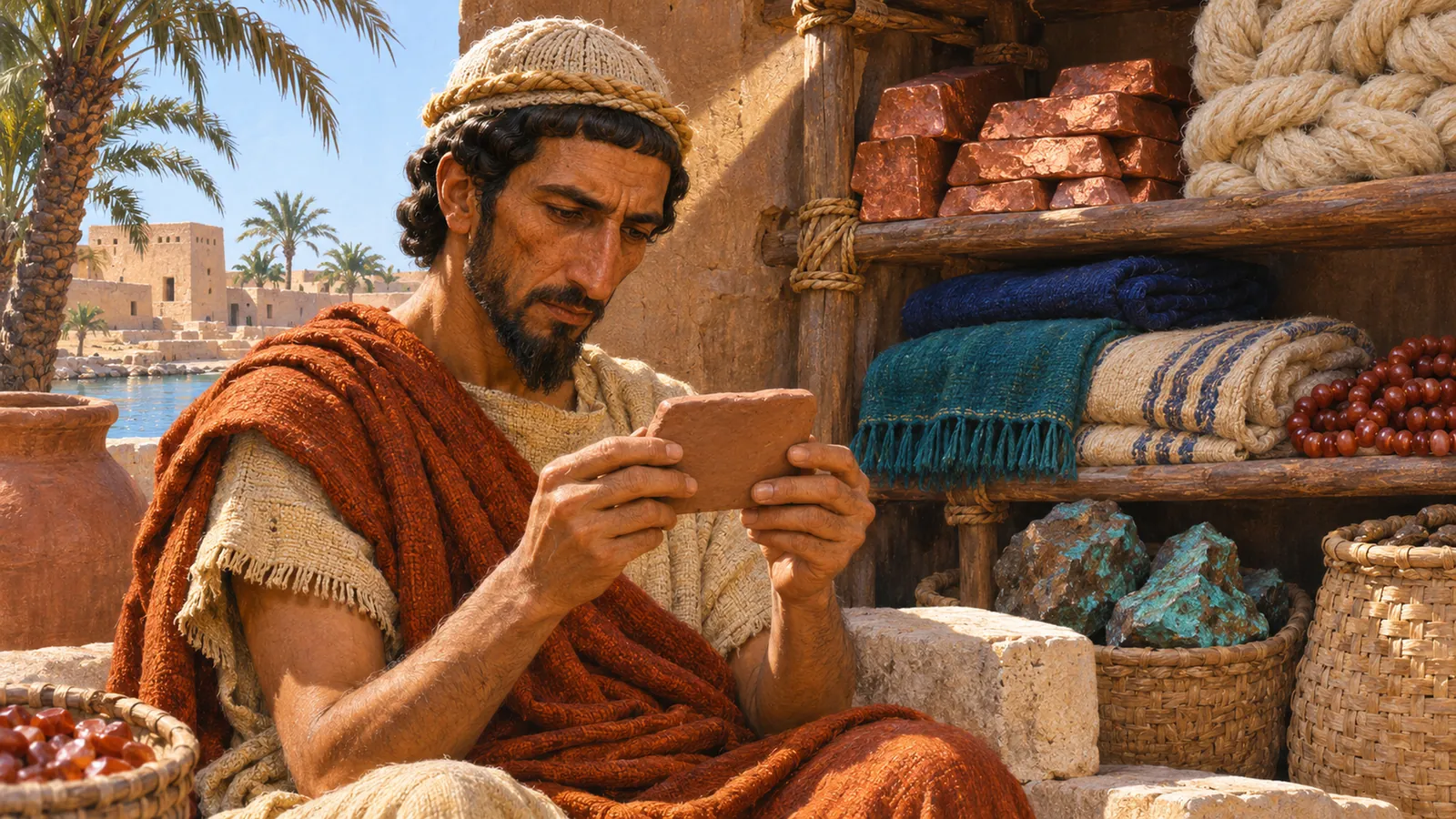
In another letter, Ili-iddinam says he had handed over silver a year earlier. He asks Ea-nasir to bring him copper and pay the interest. Nanni was one of several correspondents.
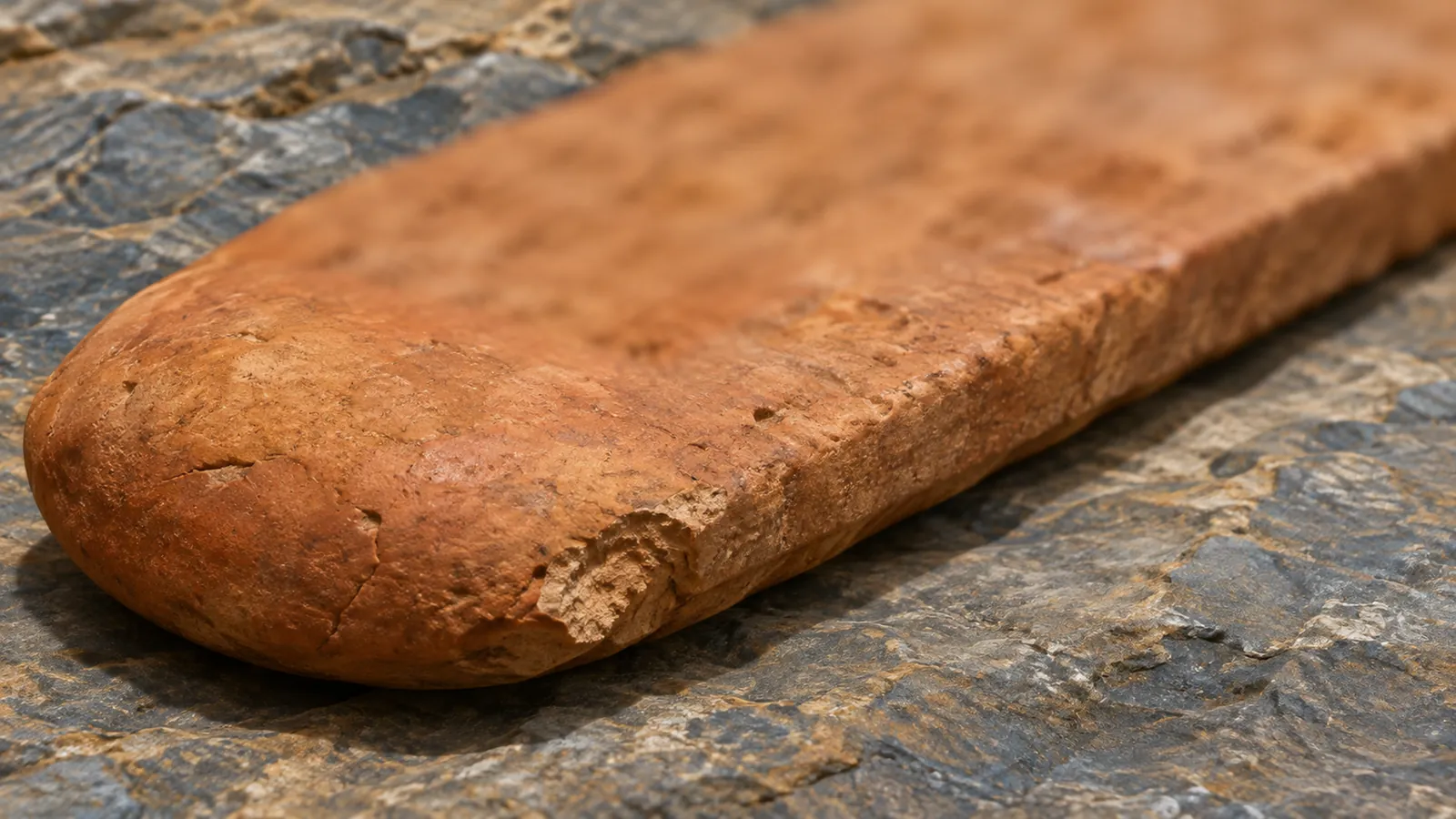
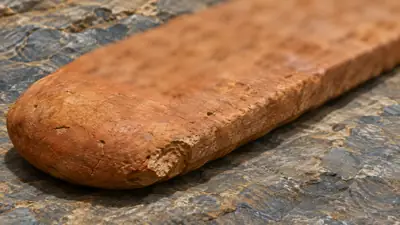
The British Museum acquired Nanni’s tablet in 1953. The whole complaint fits on a piece of clay about twelve centimeters tall, written across both faces and the edges.
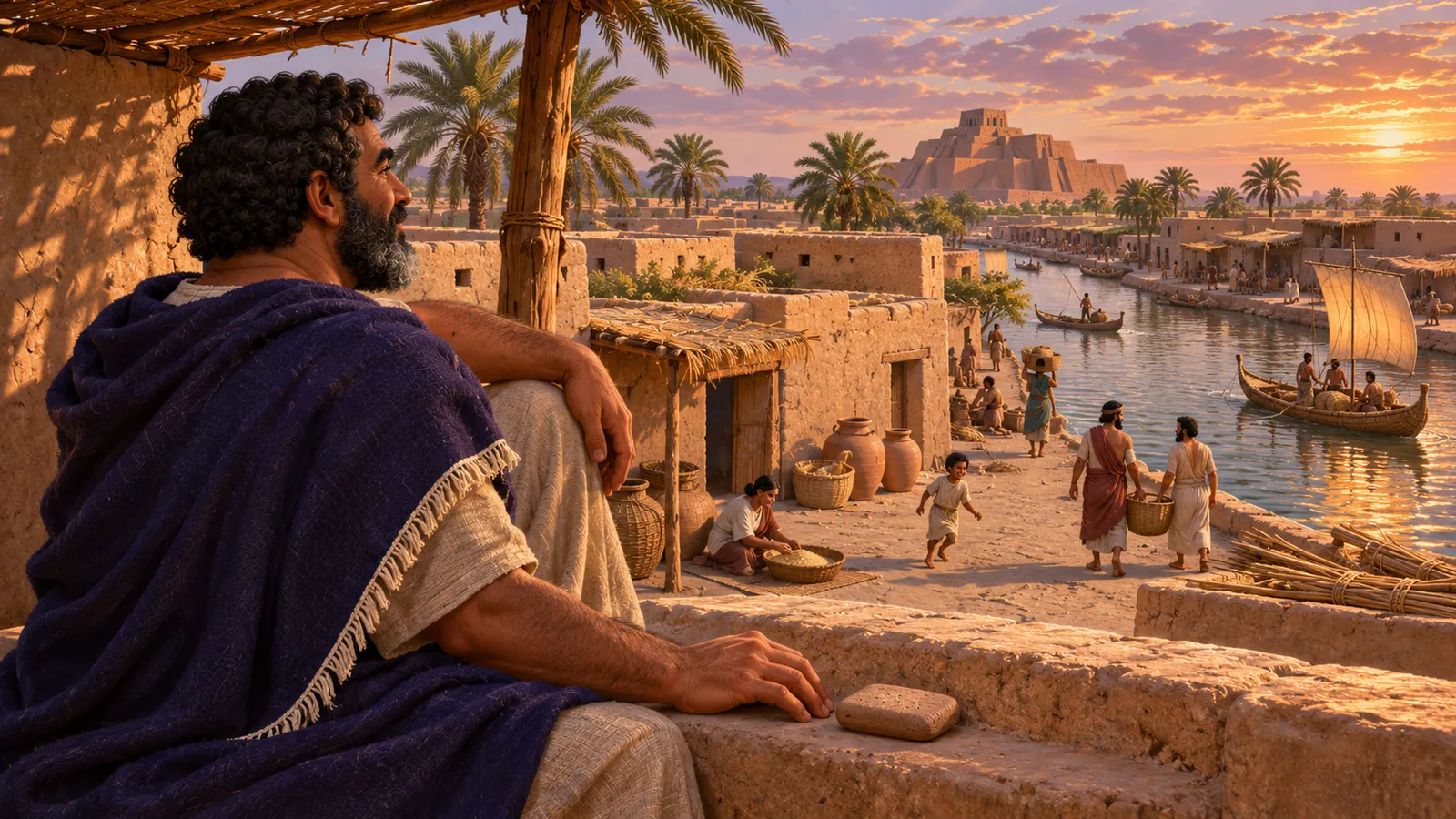
The letter preserves Nanni’s side of the quarrel. We do not know whether he ever received his silver or chose better copper in his own courtyard. What survives is the account he sent.
End of chapter 1
All pages



Sources
### Reading the letter
Editions consulted
- Cuneiform Digital Library Initiative, UET 5 81 and Akkadian transliteration, P414985
- British Museum collection, BM 131236
- A. Leo Oppenheim, Letters from Mesopotamia, no. 12, pp. 82–83
- Steven Garfinkle and Seth Richardson, Community and State Violence in Middle Bronze Age Mesopotamia, pp. 175–176
- A. Leo Oppenheim, The Seafaring Merchants of Ur
- Leonard Woolley and Max Mallowan, Ur Excavations VII, The Old Babylonian Period, pp. 123–125
- Leonard Woolley, Excavations at Ur, ch. IX
- Dominique Charpin, The AH district and Ur’s economic life, Collège de France
- UNESCO, Qal’at al-Bahrain, Ancient Harbour and Capital of Dilmun
- Friedrich Begemann and colleagues, Lead isotope and chemical signature of copper from Oman
- ORACC, Overview of Mesopotamian Metrological Systems
- Penn Museum, Old Babylonian tablet envelope CBS 00908
Ancient lines behind each page
- Page 1: Woolley, Excavations at Ur, pp. 192–194
- Page 2: Oppenheim, The Seafaring Merchants of Ur; Collège de France, The AH district
- Page 3: UNESCO, Qal’at al-Bahrain; Oppenheim 1954
- Page 4: Begemann et al., Lead isotope and chemical signature of copper from Oman, 2010
- Page 5: Oppenheim 1954; Charpin, The AH district and Ur’s economic life
- Page 6: Charpin, The AH district and Ur’s economic life; Oppenheim 1954
- Page 7: CDLI P414985; British Museum BM 131236
- Page 8: UET 5 81, obverse 1–5
- Page 9: UET 5 81, obverse 4–10
- Page 10: UET 5 81, obverse 11–13
- Page 11: UET 5 81, obverse 13–15
- Page 12: UET 5 81, obverse 16–18
- Page 13: UET 5 81, obverse 19–22
- Page 14: UET 5 81, obverse 19–22; Oppenheim 1954
- Page 15: UET 5 81, obverse 23 and reverse 19
- Page 16: UET 5 81, reverse 1–2
- Page 17: UET 5 81, obverse 23 and reverse 18–22; Garfinkle and Richardson 2025
The location of Nanni’s dispute is uncertain. - Page 18: UET 5 81, reverse 3–6
- Page 19: UET 5 81, reverse 7–12; Oppenheim, Letters from Mesopotamia; Garfinkle and Richardson 2025
- Page 20: UET 5 81, reverse 10–12; Garfinkle and Richardson 2025
- Page 21: UET 5 81, reverse 13–14
- Page 22: UET 5 81, reverse 10–16; ORACC, Overview of Metrological Systems
- Page 23: UET 5 81, reverse 15–16; Penn Museum, tablet envelope CBS 00908
- Page 24: UET 5 81, reverse 15–16
- Page 25: UET 5 81, reverse 17–20
- Page 26: UET 5 81, reverse 21–22
- Page 27: UET 5 81, reverse 23–25
- Page 28: UET 5 81, reverse 25 to left edge 1
- Page 29: UET 5 81, left edge 1–2; Oppenheim; Garfinkle and Richardson
- Page 30: Woolley, Ur Excavations VII, The Old Babylonian Period, pp. 124–126
- Page 31: Woolley, Ur Excavations VII, pp. 124–126; Woolley, Excavations at Ur, pp. 185–186
- Page 32: Woolley, Ur Excavations VII, p. 125 n. 5; CDLI P414985
The exact findspot of U.16814a is uncertain. - Page 33: UET 5 20; Garfinkle and Richardson, pp. 175–176
- Page 34: British Museum BM 131236; CDLI P414985
- Page 35: UET 5 81, end; British Museum BM 131236
Illustrations made with AI tools by IL Archive; the text is based on the ancient sources (see the sources at the end of each chapter).