The Cuthean Legend of Naram-Sin Chapter 1
The King and the Omen
Naram-Sin ignores a refused oracle and loses three armies before returning to divine guidance. Mercy for captured troops and the Morning Star’s warning become a stele of counsel for future rulers.
SourcesTurn the pages with the arrows, the arrow keys or a swipe.
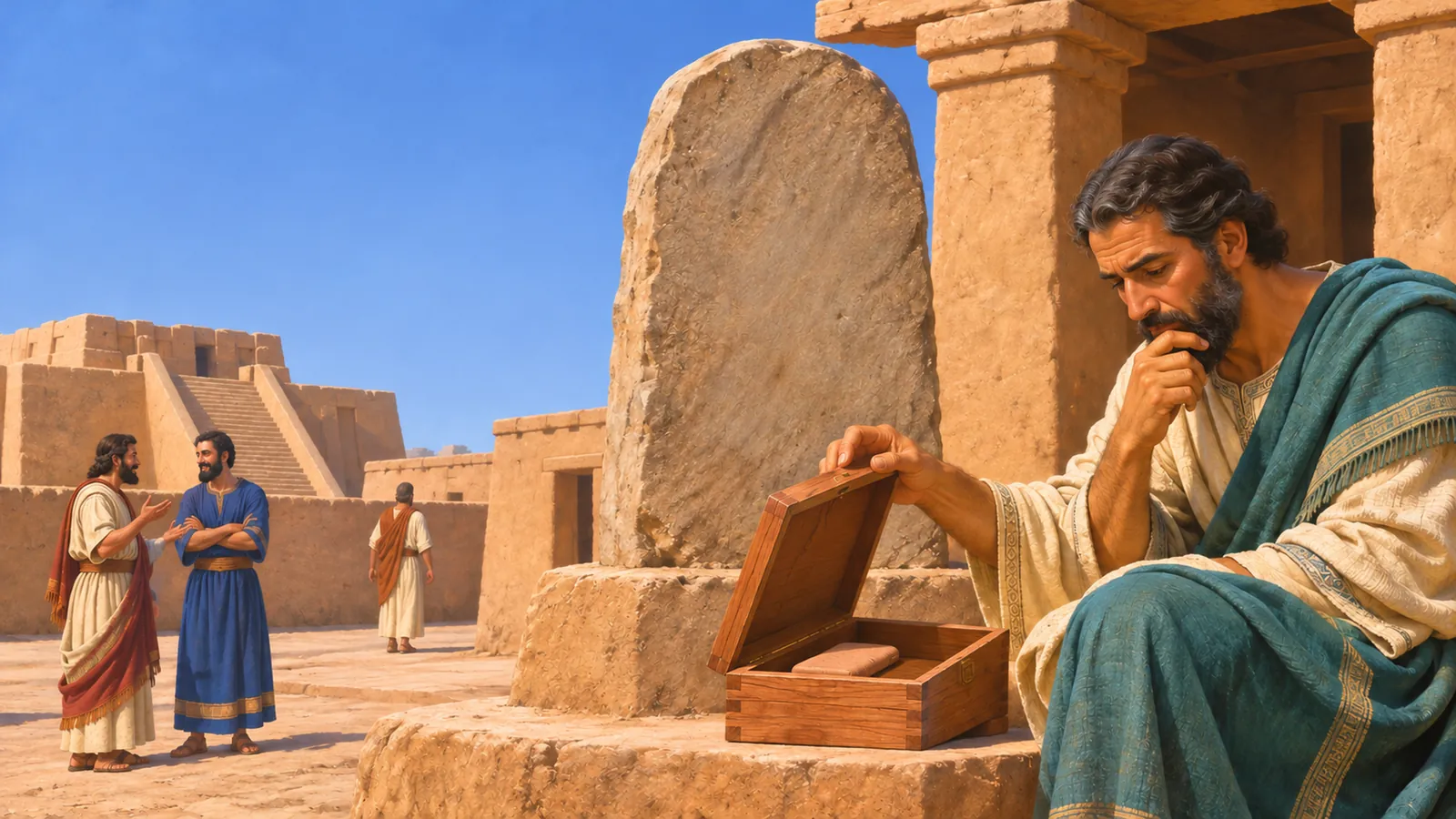
THE STELE
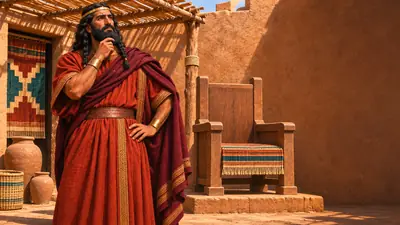
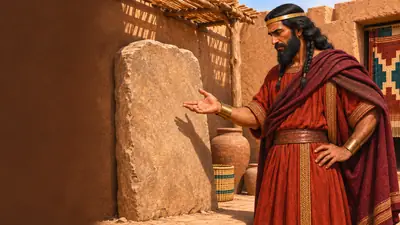
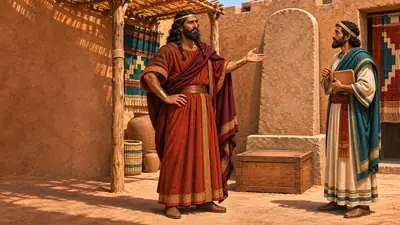
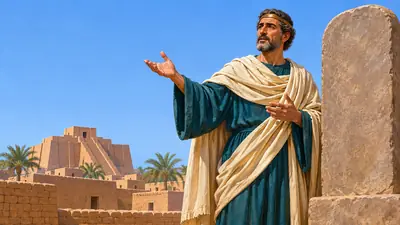
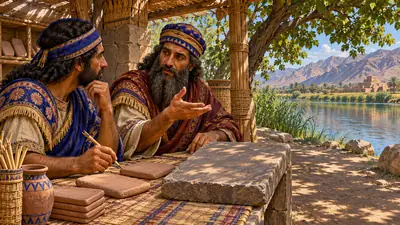
The tale invites a reader to open a foundation box and read a stele. It records the hardships of Naram-Sin, whom the story calls Sargon’s son.
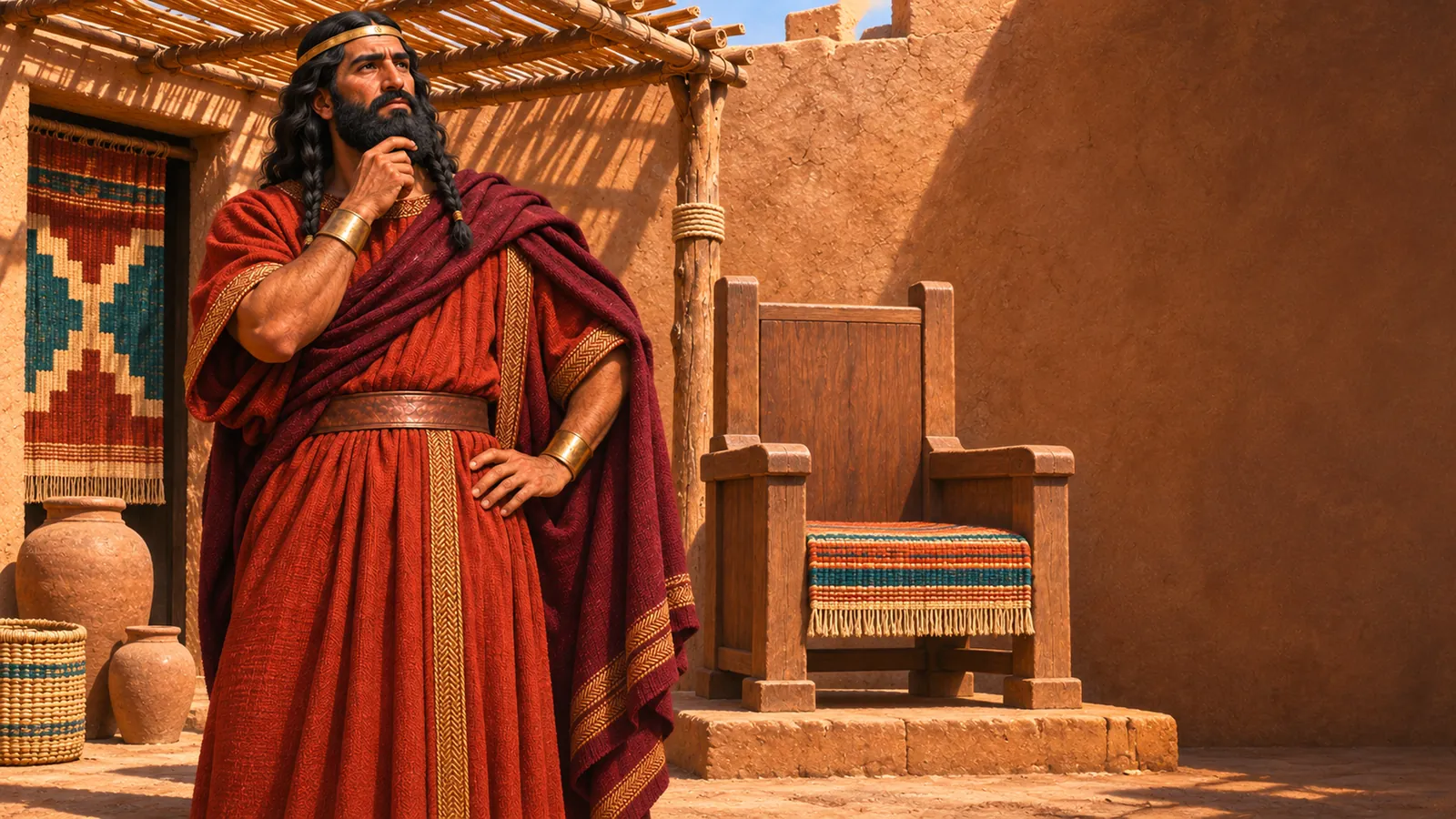
Naram-Sin says that Sargon, his father in this tale, has died and that he became ruler. The following passage about passing days, years and changing counsel is damaged.
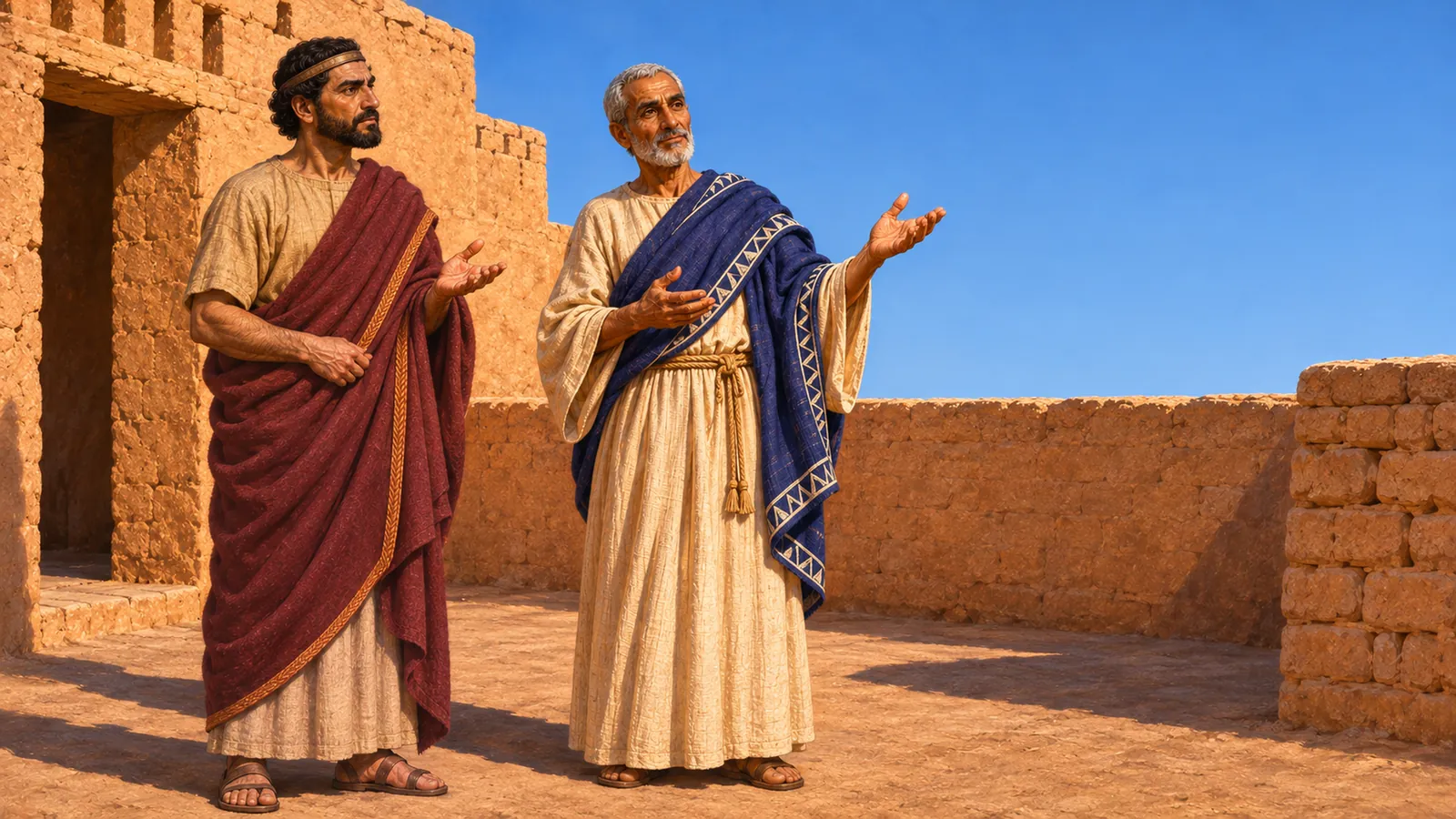
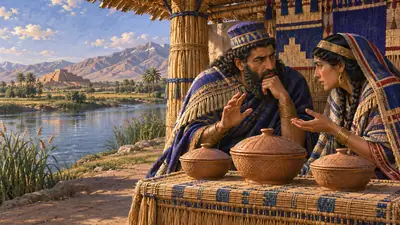
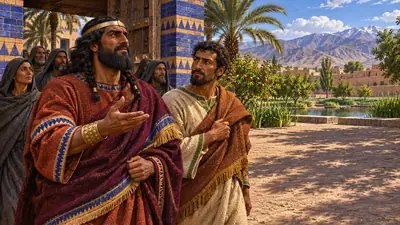
The damaged narrative turns toward Enmerkar, an earlier king. It preserves an inquiry to the great gods and the summoning of diviners, but much of the setting and reply is lost.
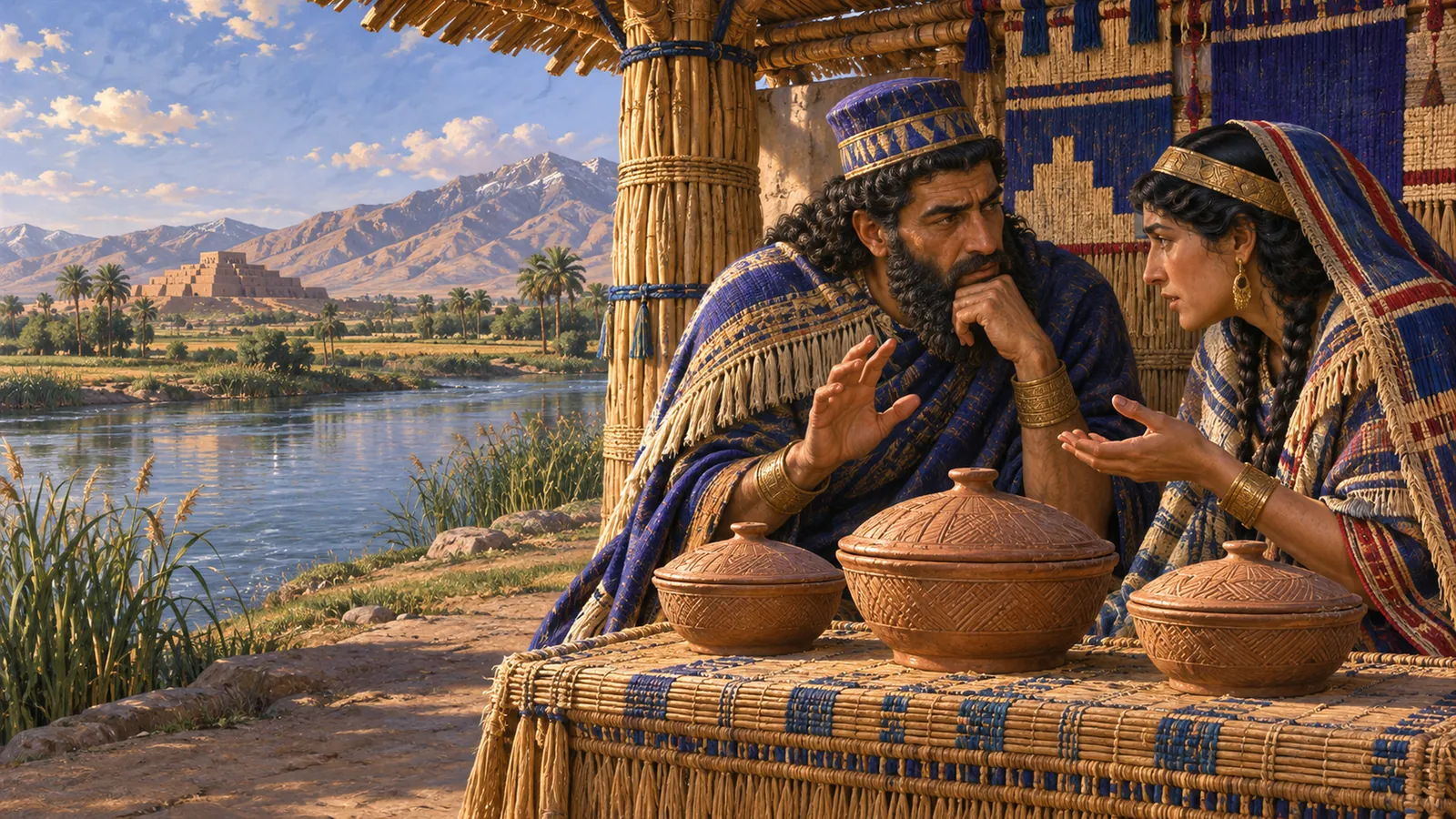
Seven divinations upon seven lambs and holy reed altars appear in the damaged account. The diviners speak, but their broken words do not preserve a complete, certain oracle.
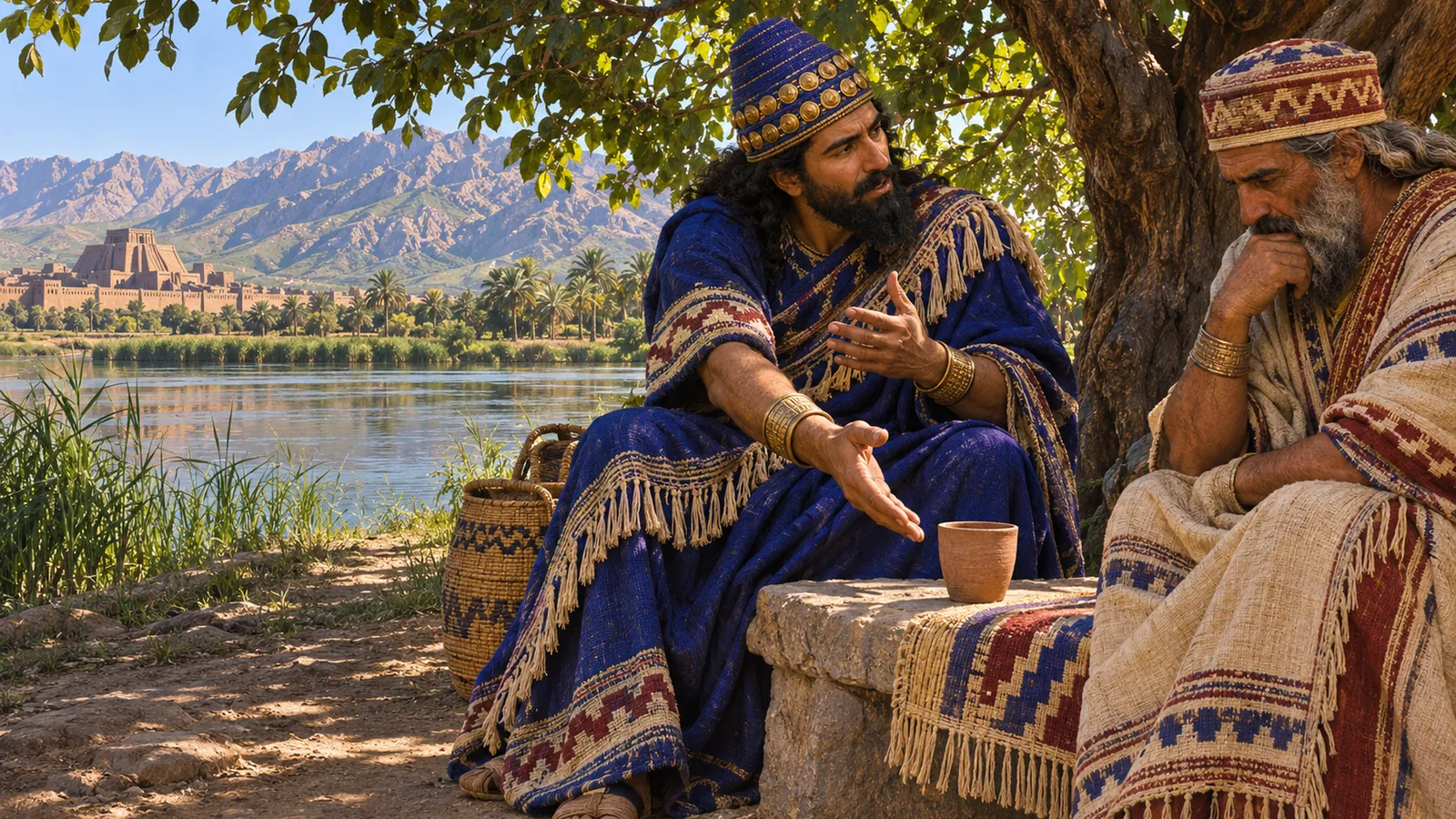
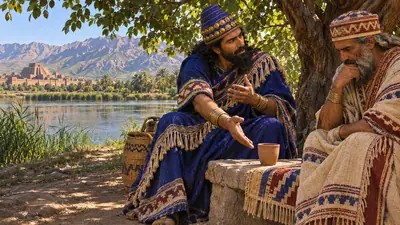
Enmerkar is compared to a corpse under Shamash’s harsh judgment. The damaged account speaks of his family’s ghosts drinking muddy water, not clear water, in the world below.
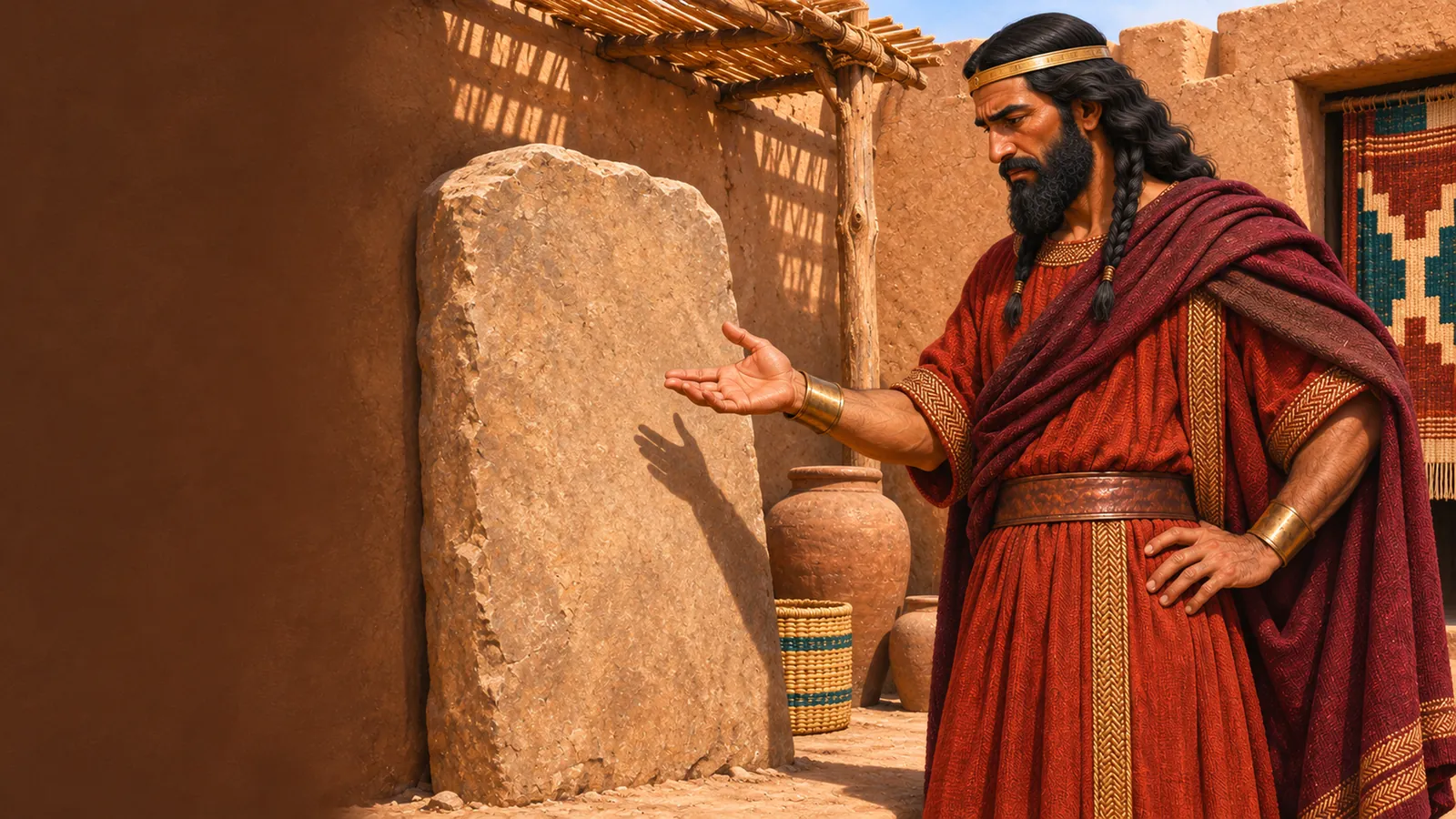
Naram-Sin complains that Enmerkar left no stele of how his wisdom and weapons overcame that host. Without such a record, he says, he did not bless him.
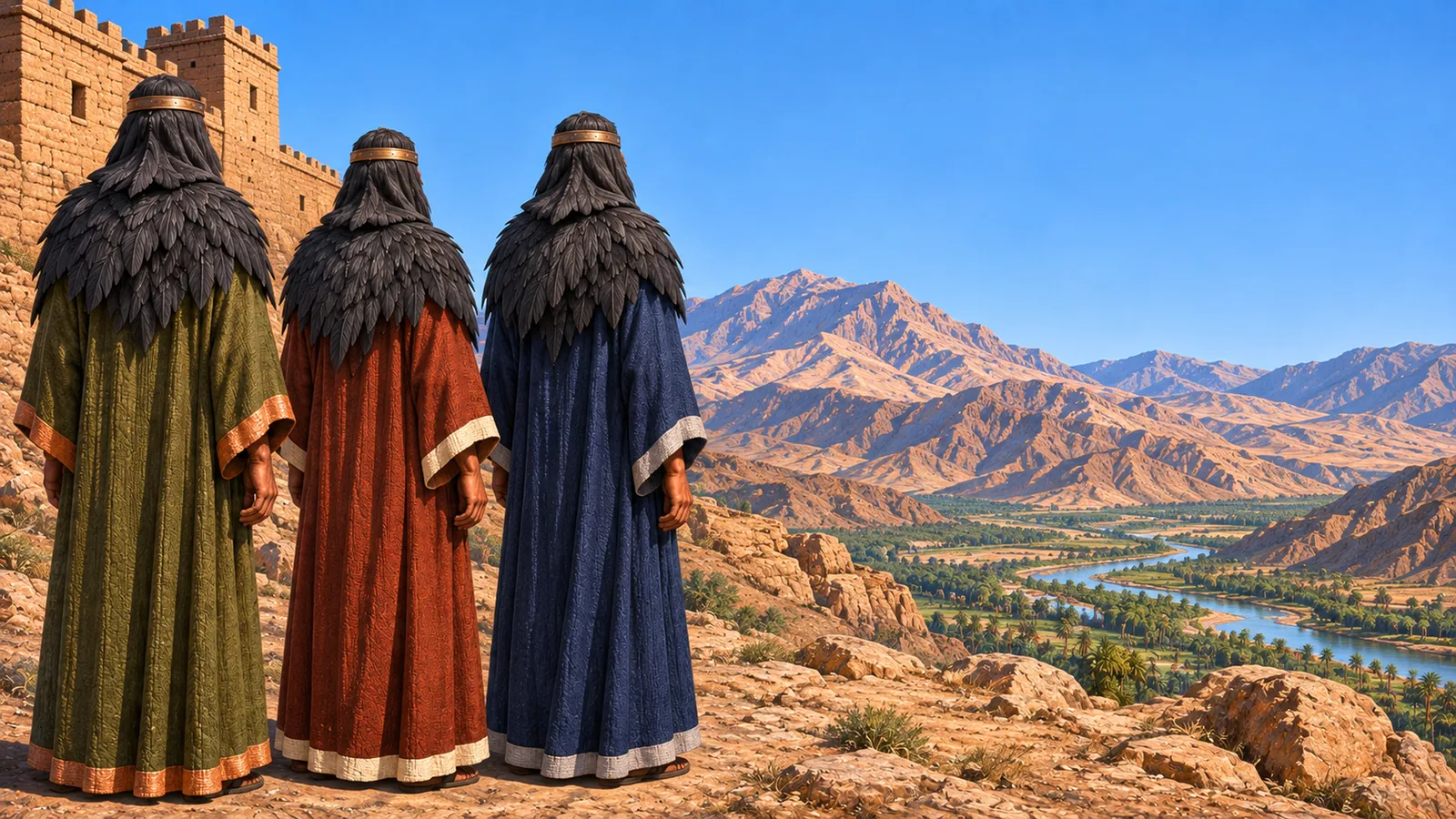
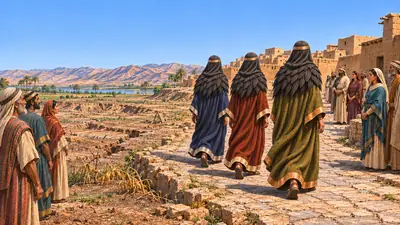
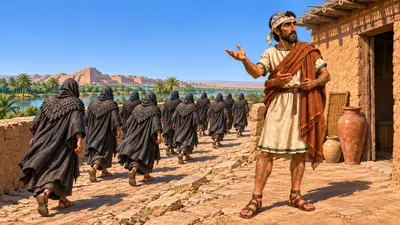
The poem describes a god-created host with bird bodies and raven faces, in difficult lines. Tiamat suckles them, Belet-ili their mother adorns them, and they grow to adult stature in the mountains.
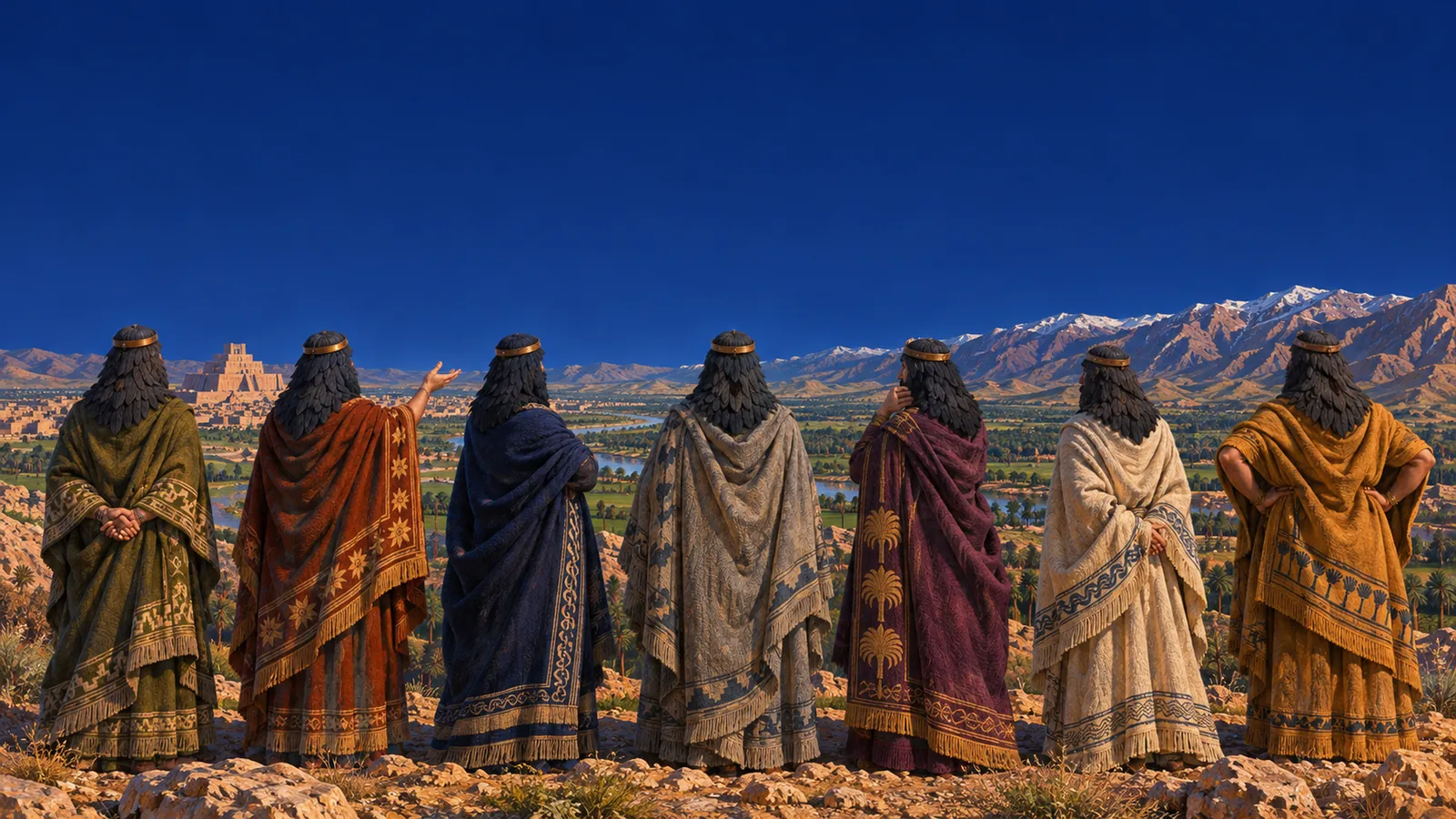
SEVEN KINGS
Seven splendid allied kings lead six thousand troops. The poem also names king Anu-banini as their father and queen Melili as their mother, leaving these alongside its divine-parentage language.

Memanduh leads, followed by Medudu, a brother whose damaged name ends in pish, Tartadada, Baldahdah, Ahudanadih and Hurrukidu. The uncertain third name is not fully restored here.
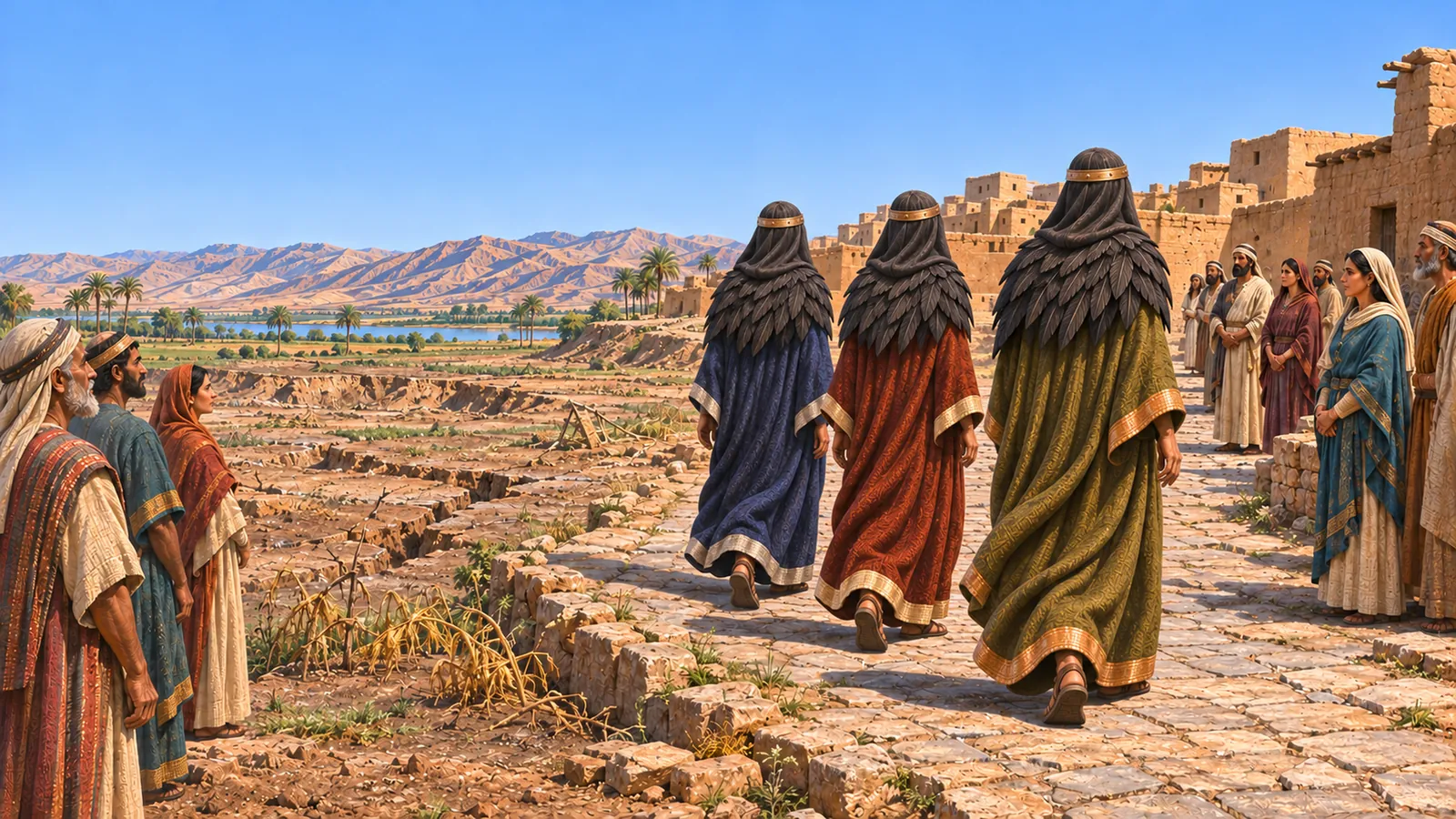
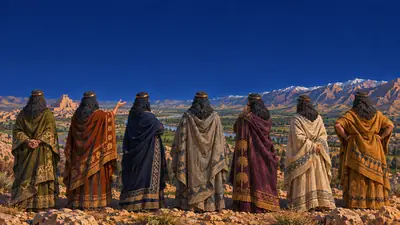
They advance against sacred mountains and disperse Burushandar, Puhlu, Puranshu and other lands. A damaged list carries their advance through places including Karana, Shubat-Enlil and Inner Subartu.
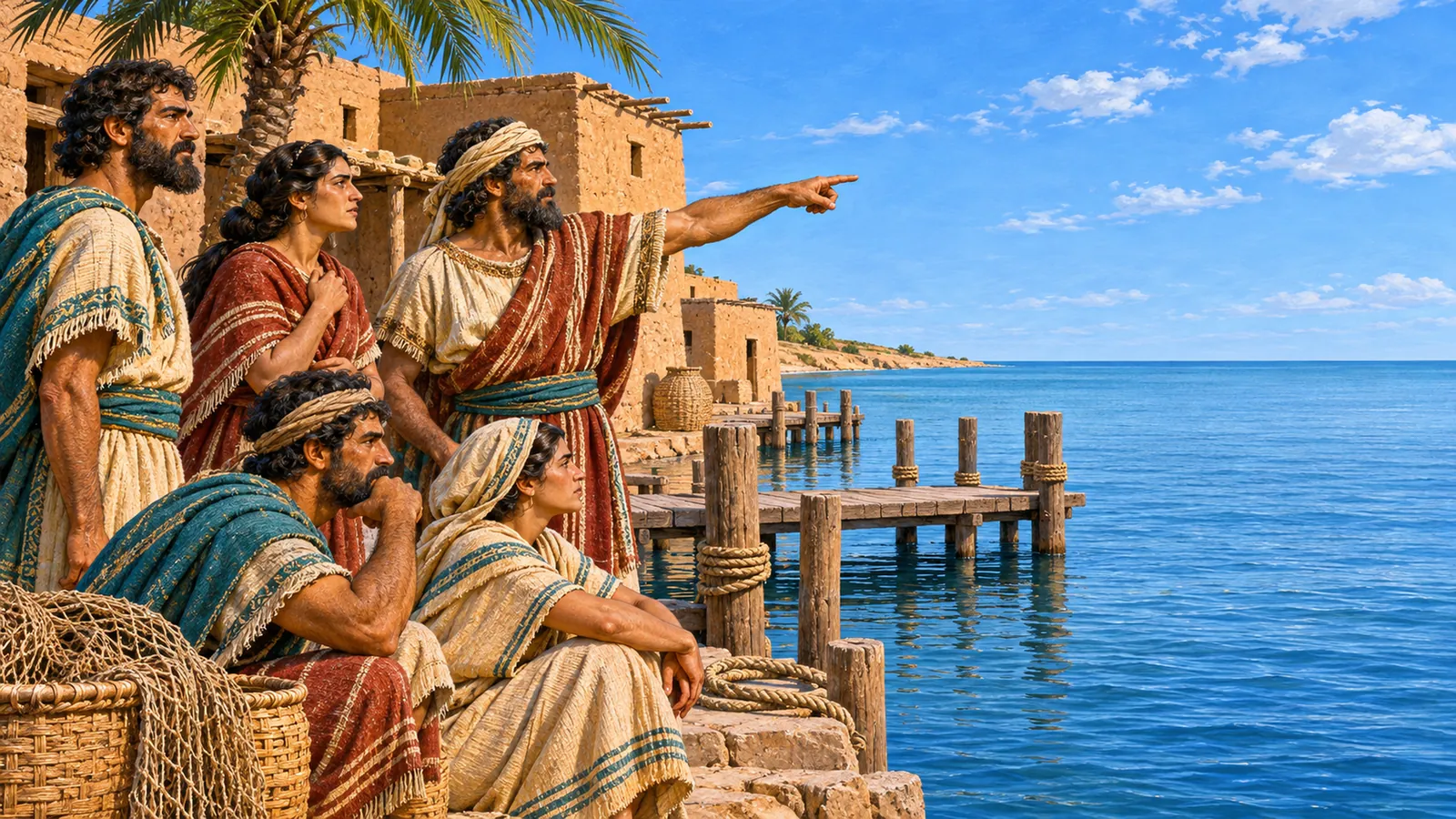
They disperse the Sealand and Gutium, destroy Elam and reach the coast. Dilmun, Magan, Meluhha and lands within the sea also appear in the account of dispersal.
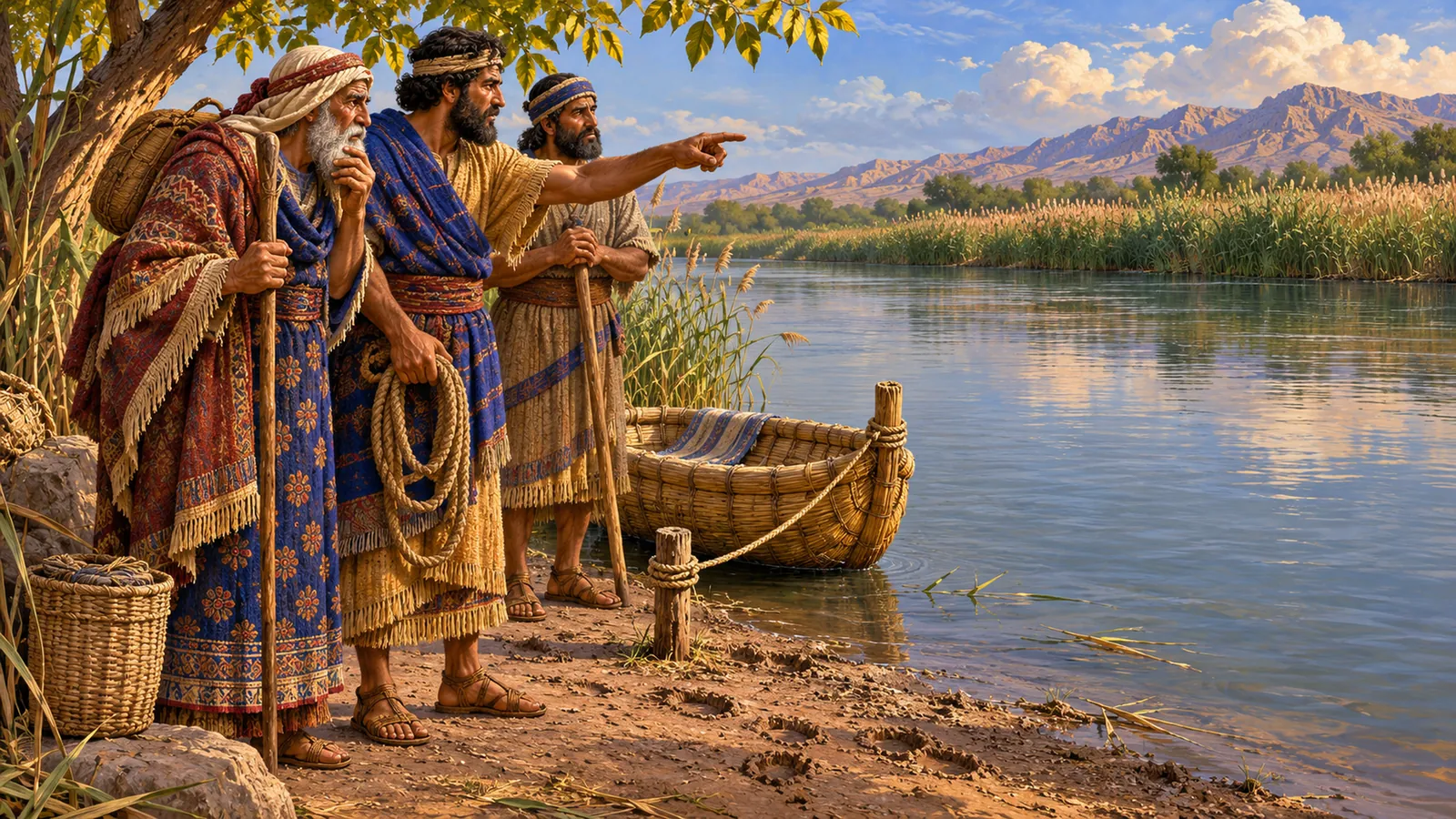
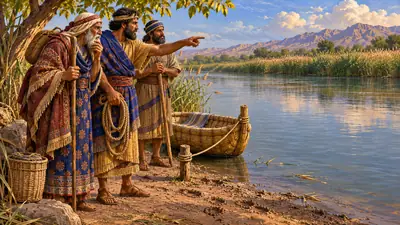
At the place of embarkation, the host kills people and throws them into the river. The tale states the killings amid its account of the advancing armies.
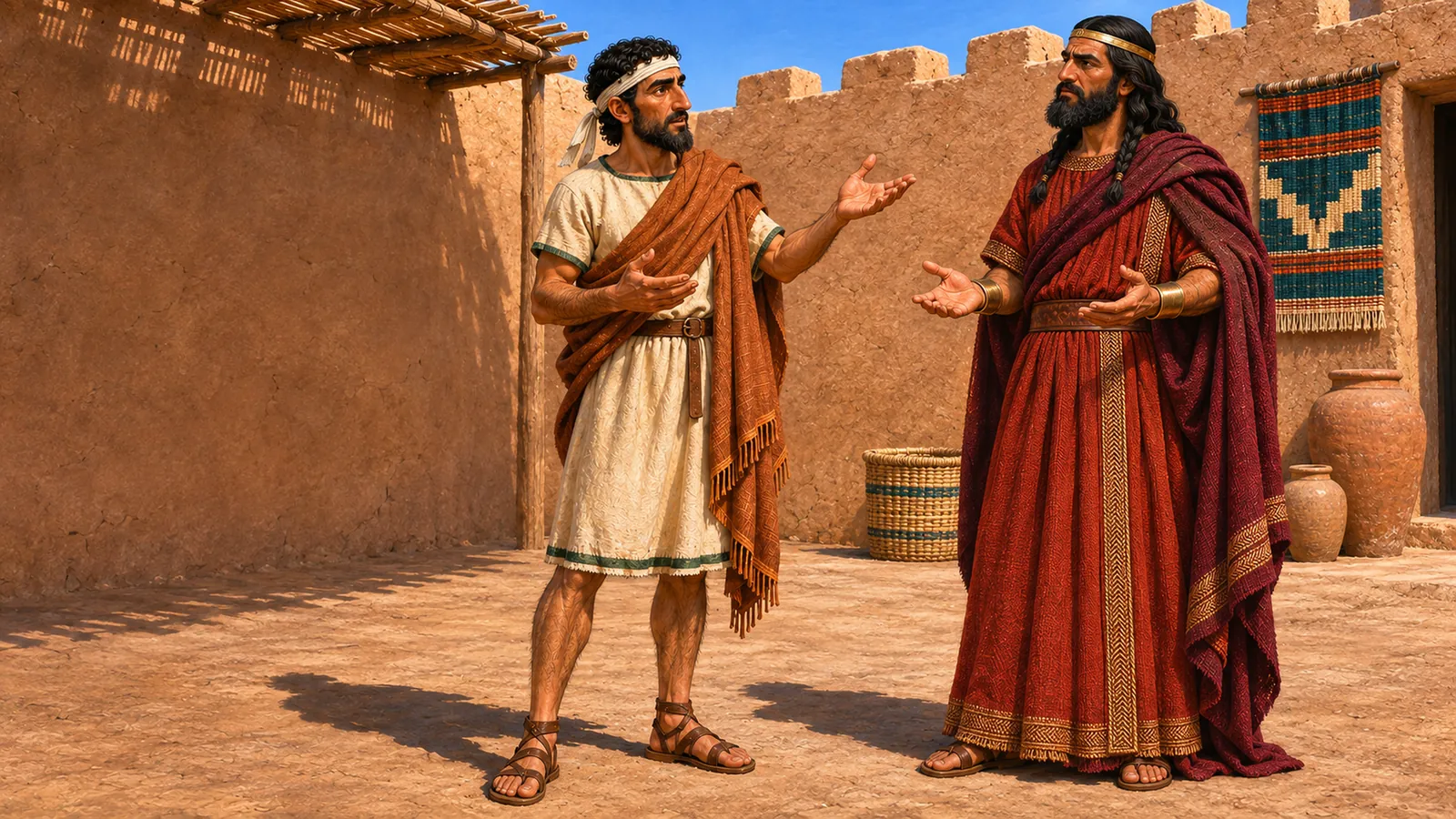
Seventeen kings join the host in support, bringing ninety thousand troops. Naram-Sin now turns from the widening threat to a test of what these opponents are.
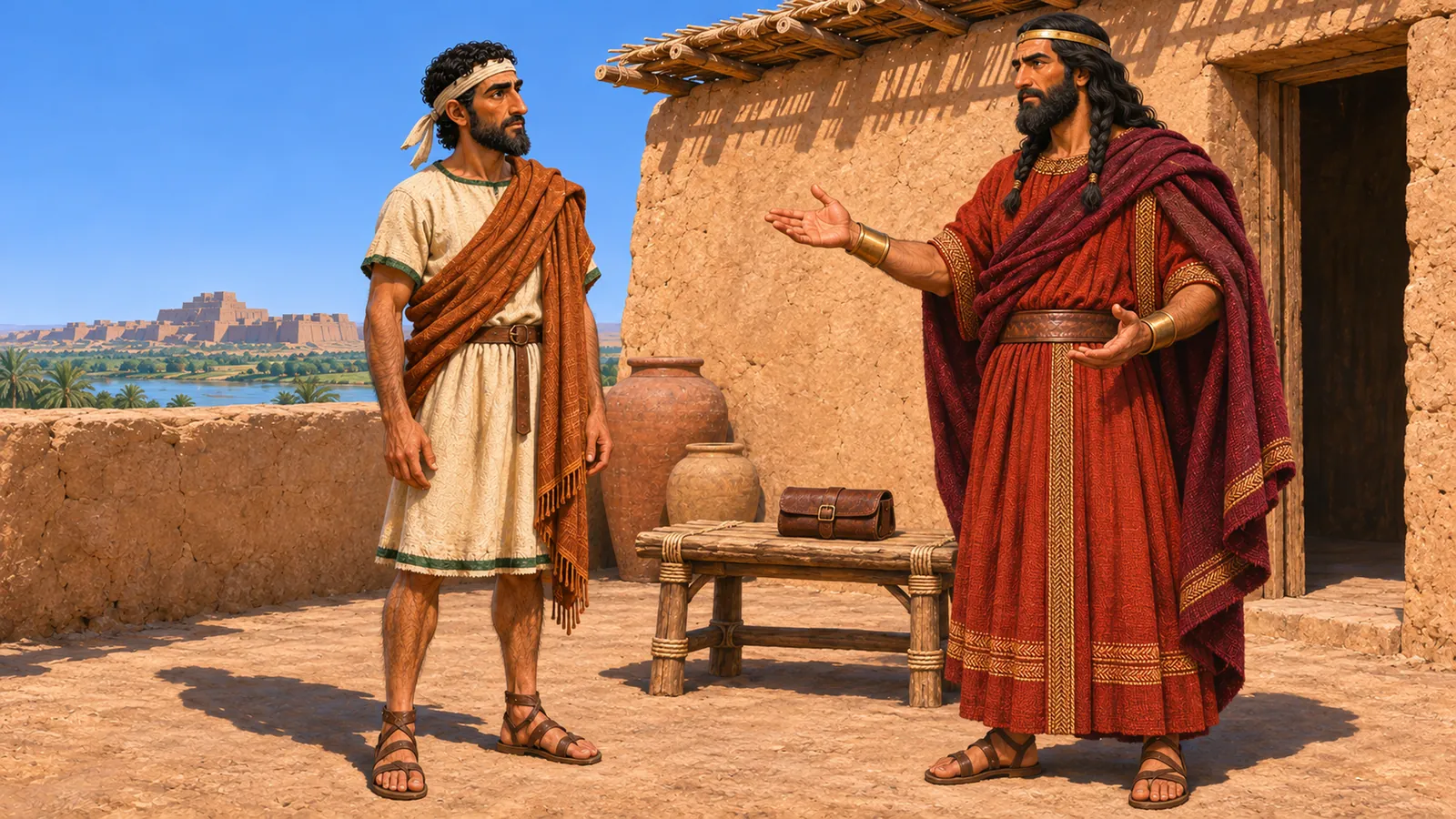
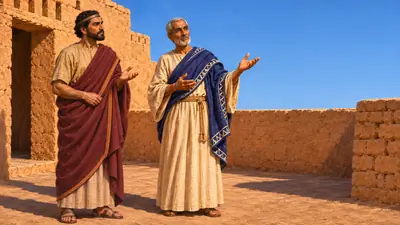
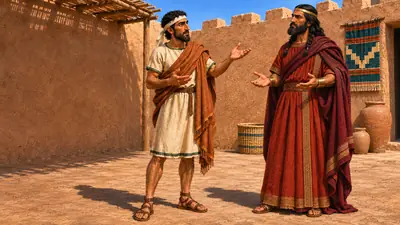
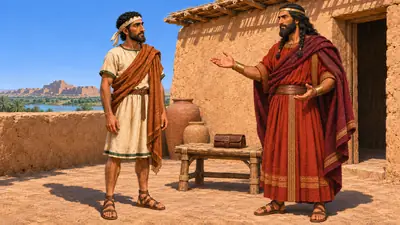
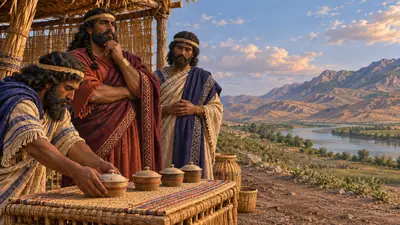
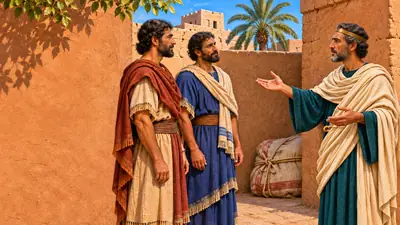
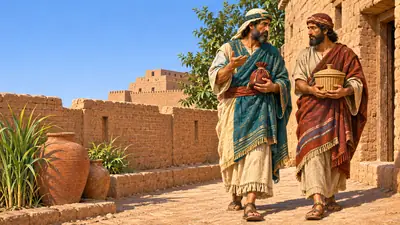
Naram-Sin summons a soldier and gives him a dagger and a pin. He orders him to use both upon the opponents and discover whether blood comes out.
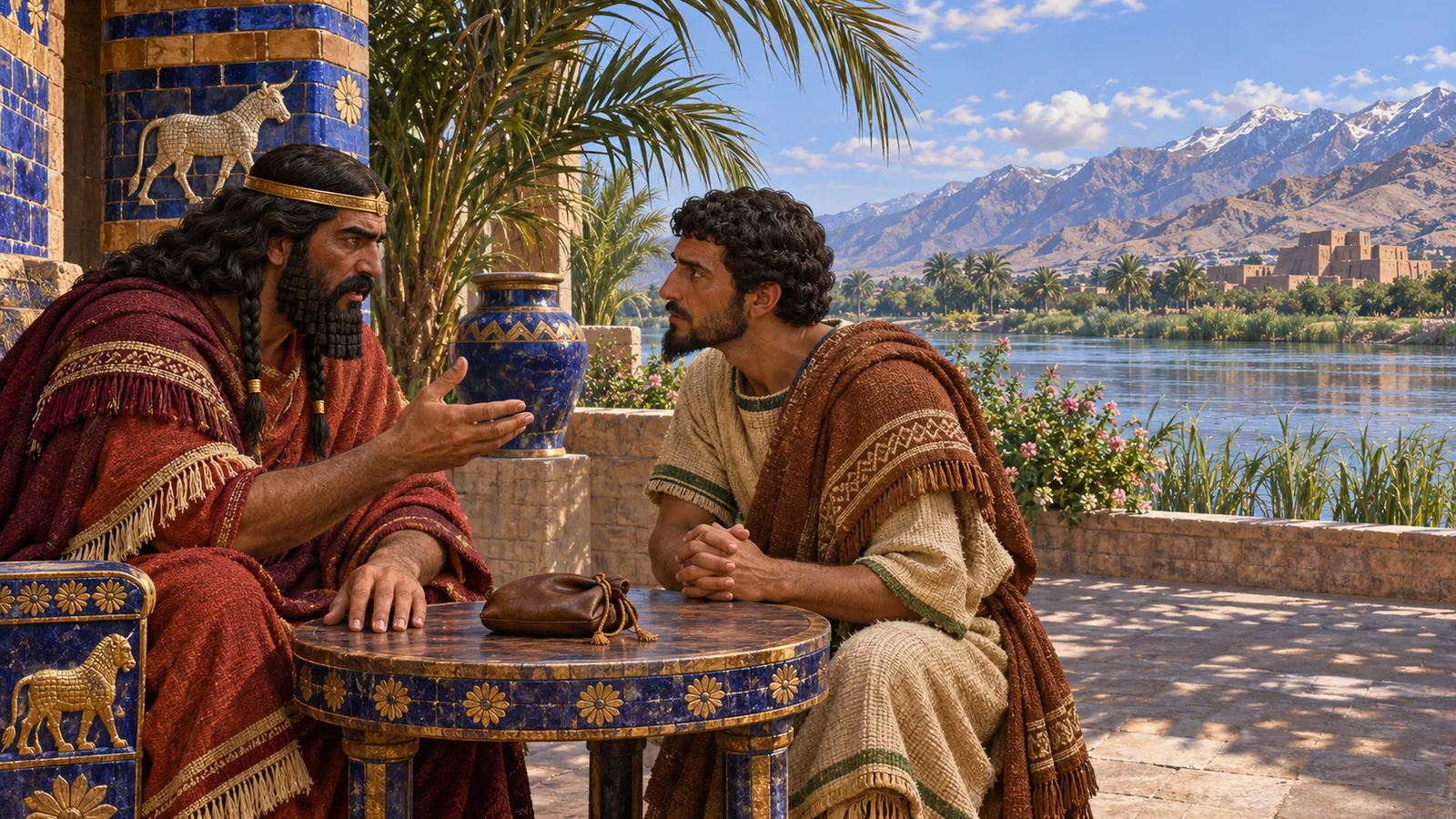
If they bleed, the king says, they are human like his people. If not, he calls them supernatural agents, the handiwork of Enlil; this is the tale’s proposed test.
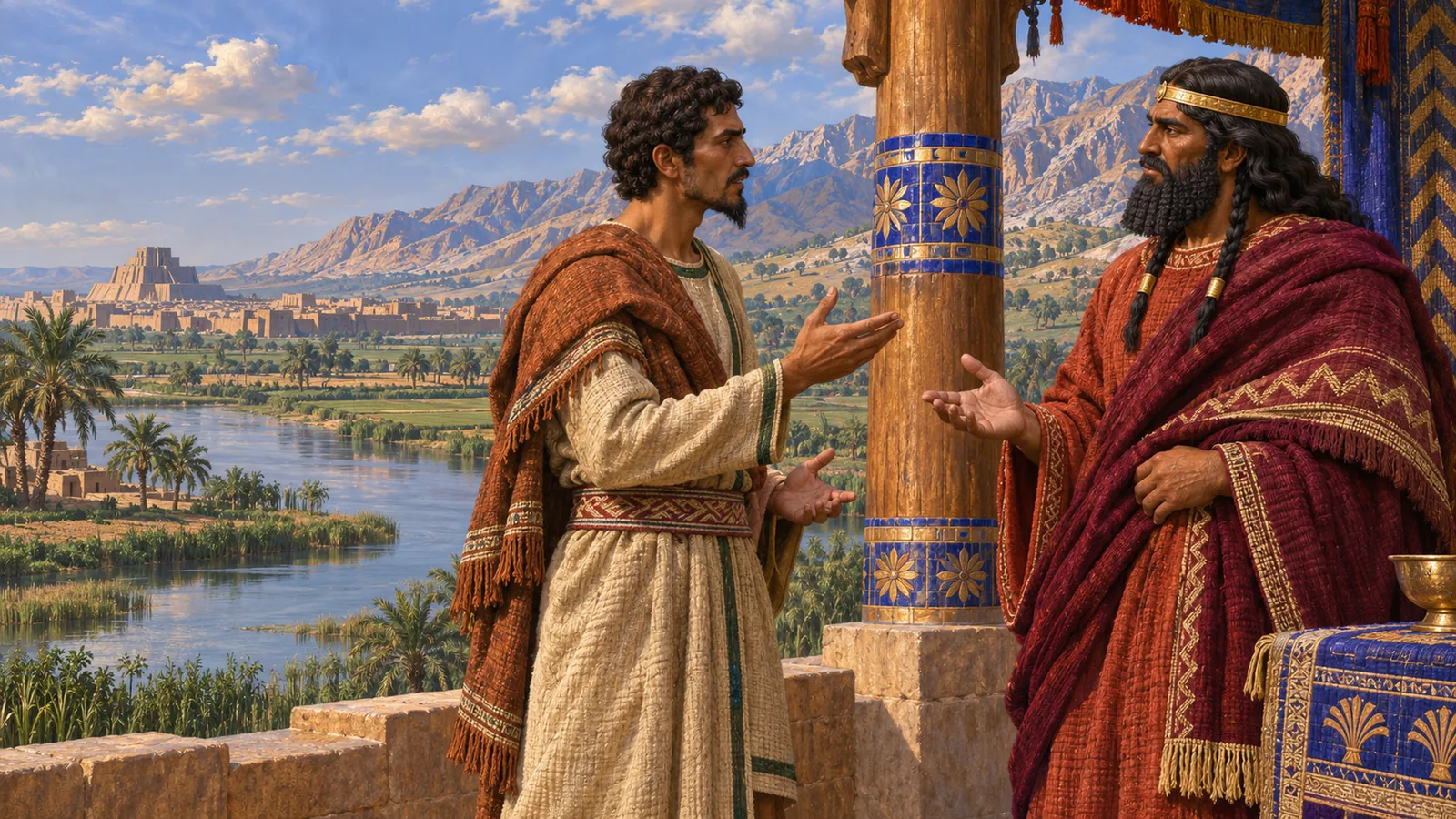
The scout reports stabbing with the dagger and pricking with the pin; blood appeared. By the king’s stated test, the opponents are human like his people.
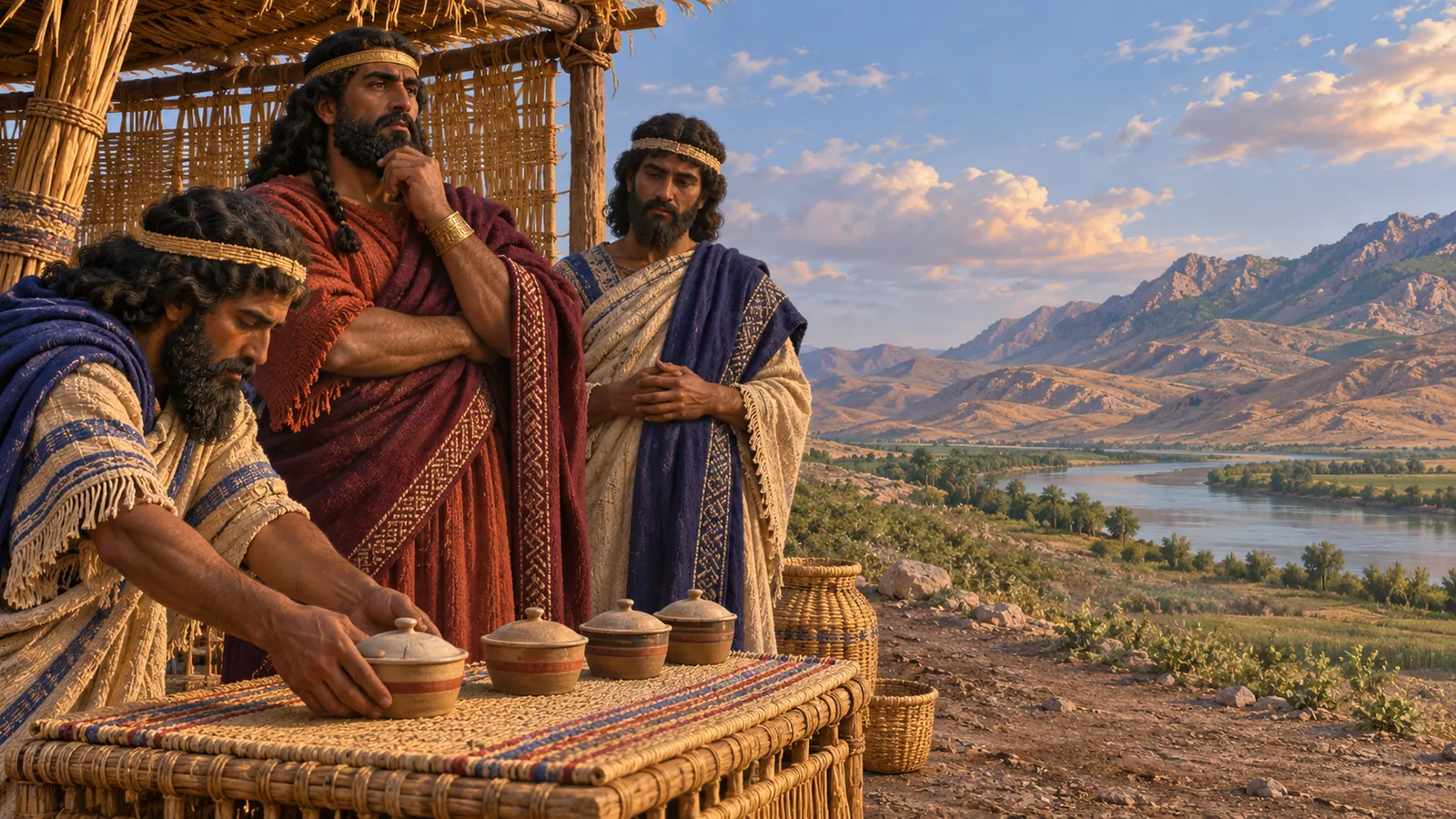
The king performs seven extispicies on seven lambs beside holy reed altars. He questions Ishtar, Ilaba, Zababa, Annunitu, Shullat, Hanish and Shamash.
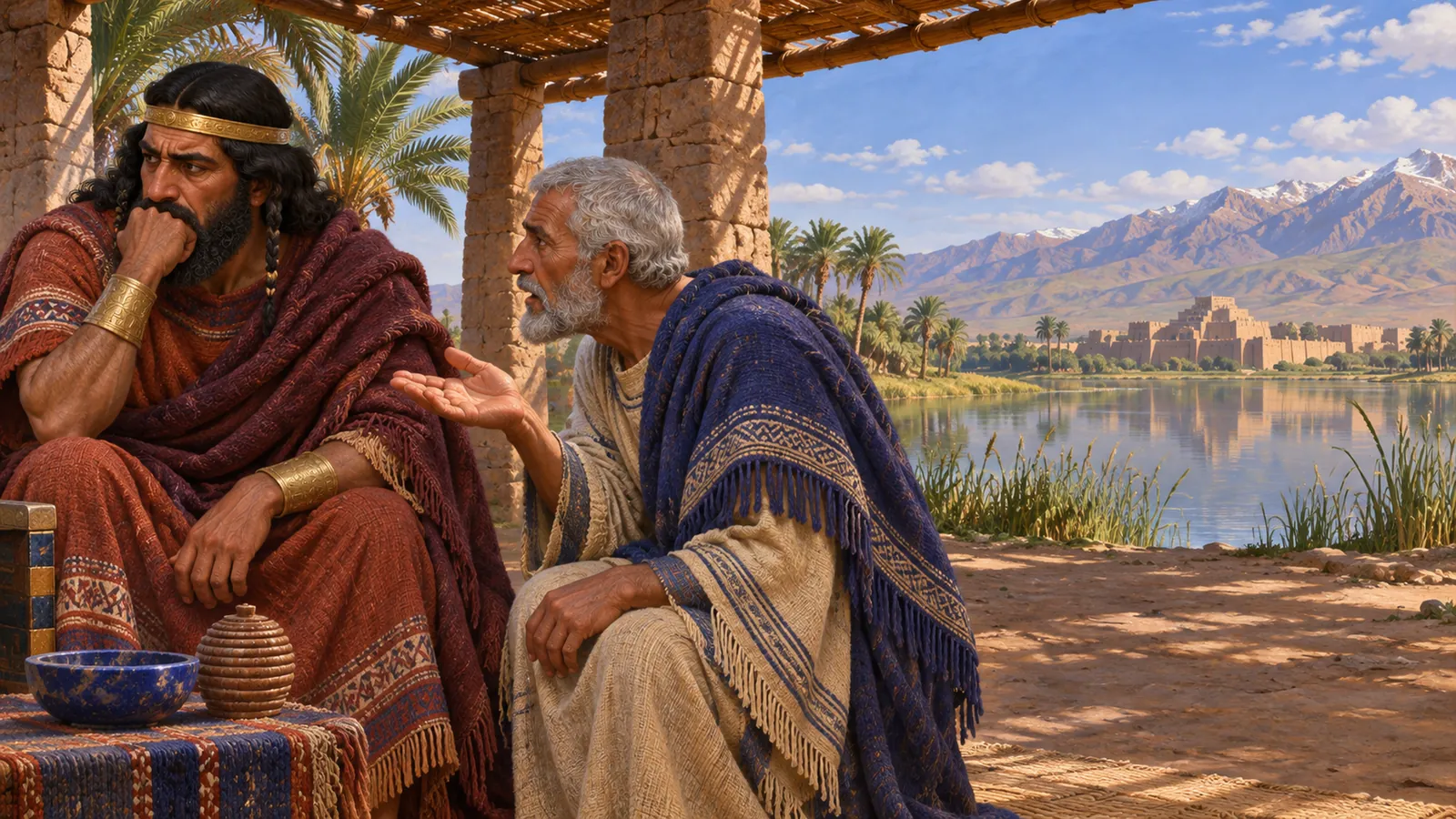
The divine oracle does not permit his going or his vain intention. Naram-Sin has received a refusal, not permission to march against the host.
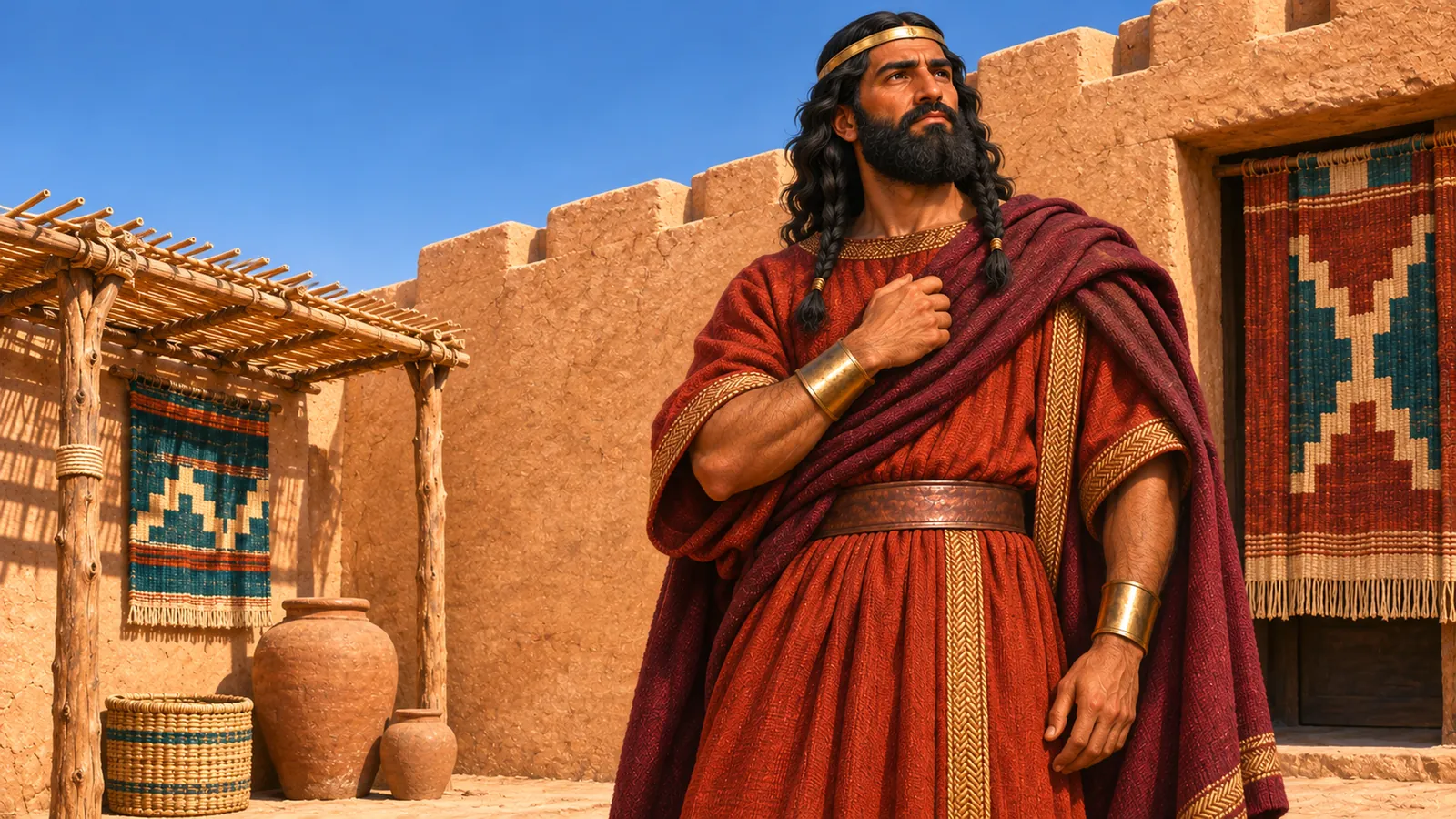
DEFIANCE
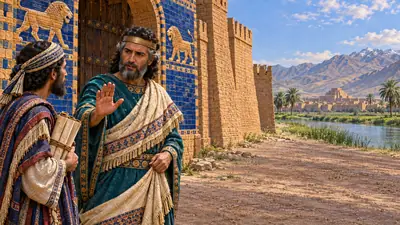
He asks what lion ever sought an omen or what wolf consulted a dream interpreter. He decides to go as he pleases, cast aside the gods’ concern and rely upon himself.
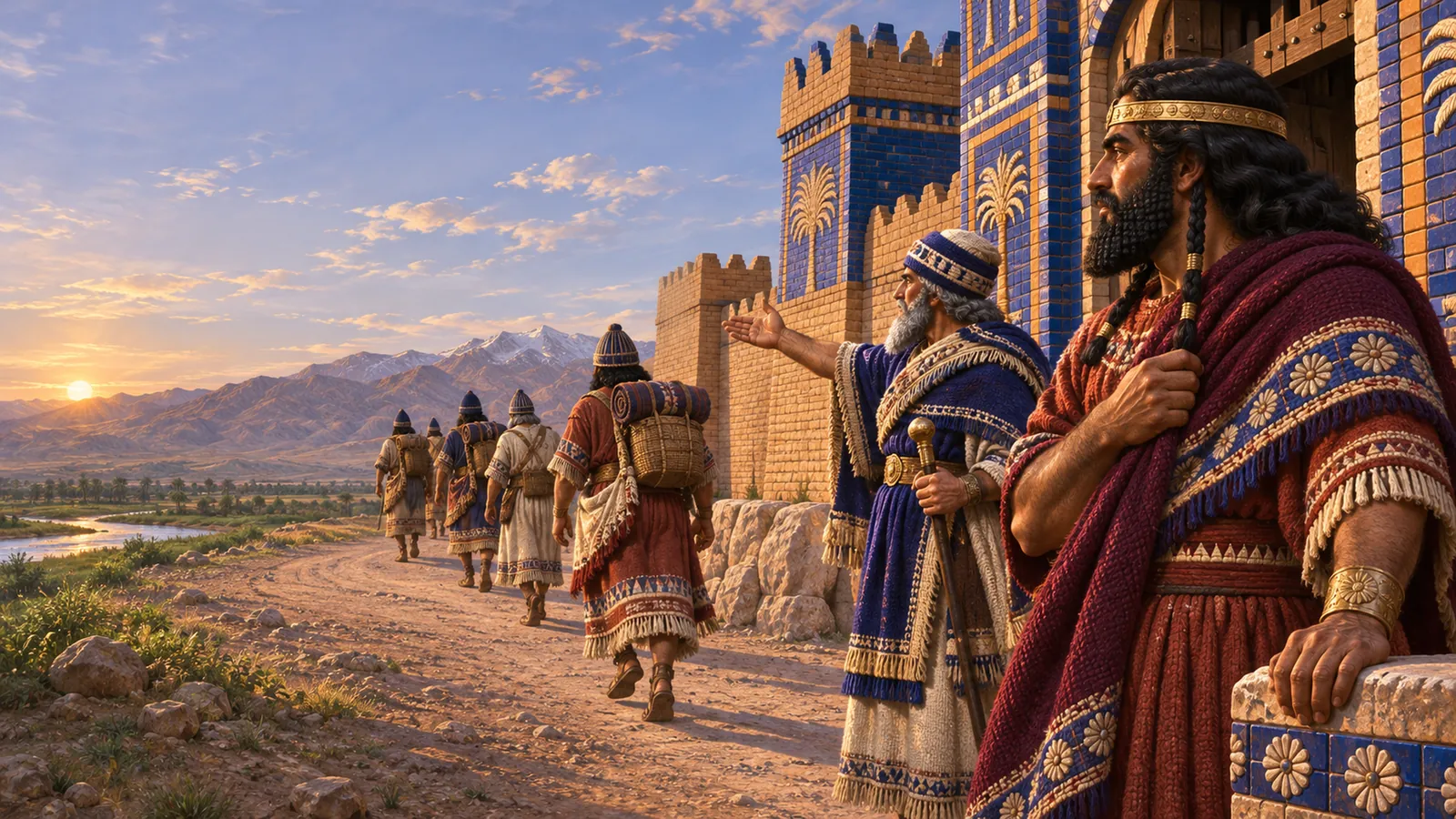
When the first year arrives, Naram-Sin sends one hundred and twenty thousand troops against the host. His chosen campaign proceeds despite the oracle’s refusal.
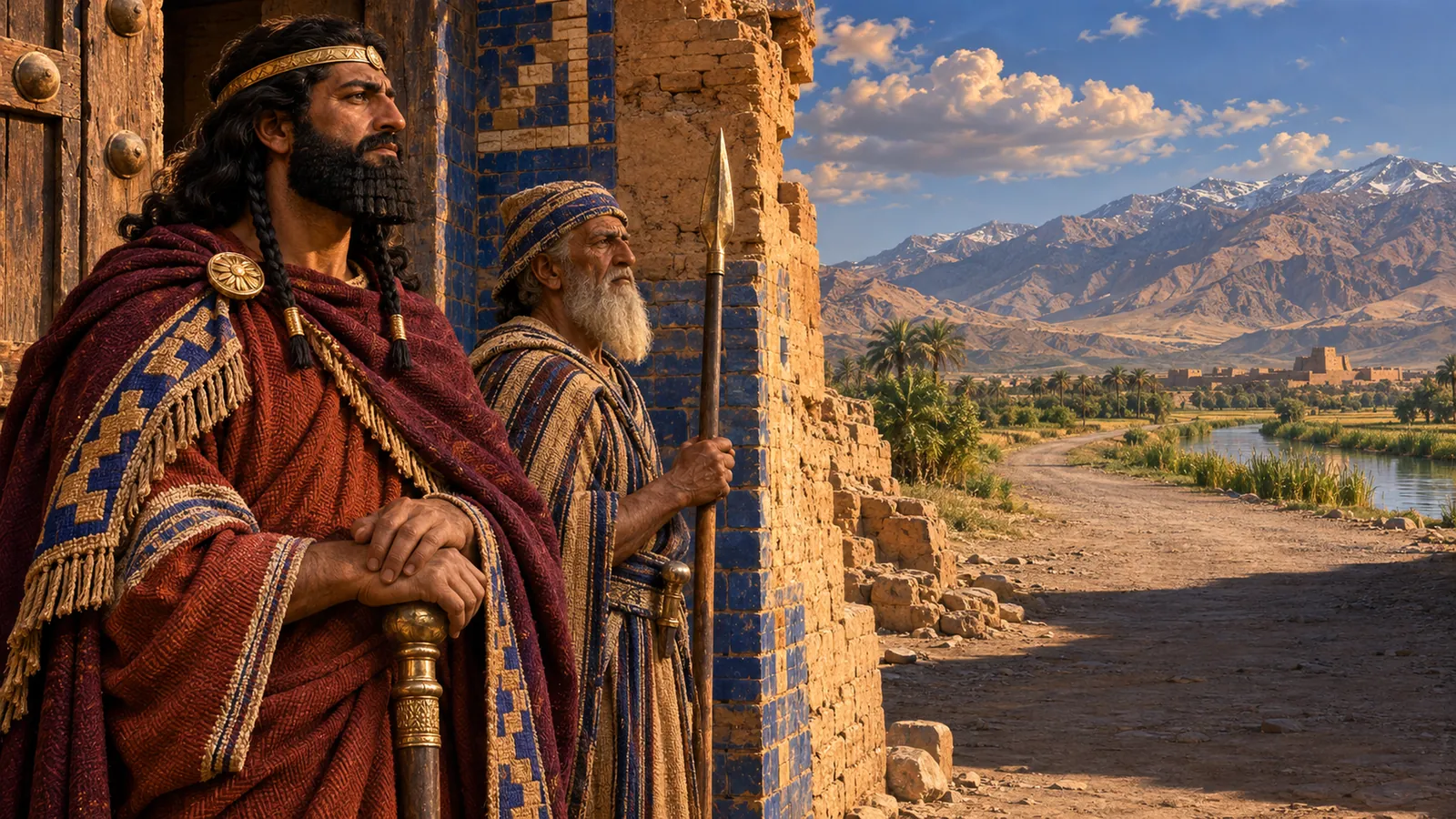
Of the first year’s one hundred and twenty thousand troops, not one returns alive. The king’s refusal to heed the oracle has led into catastrophe.
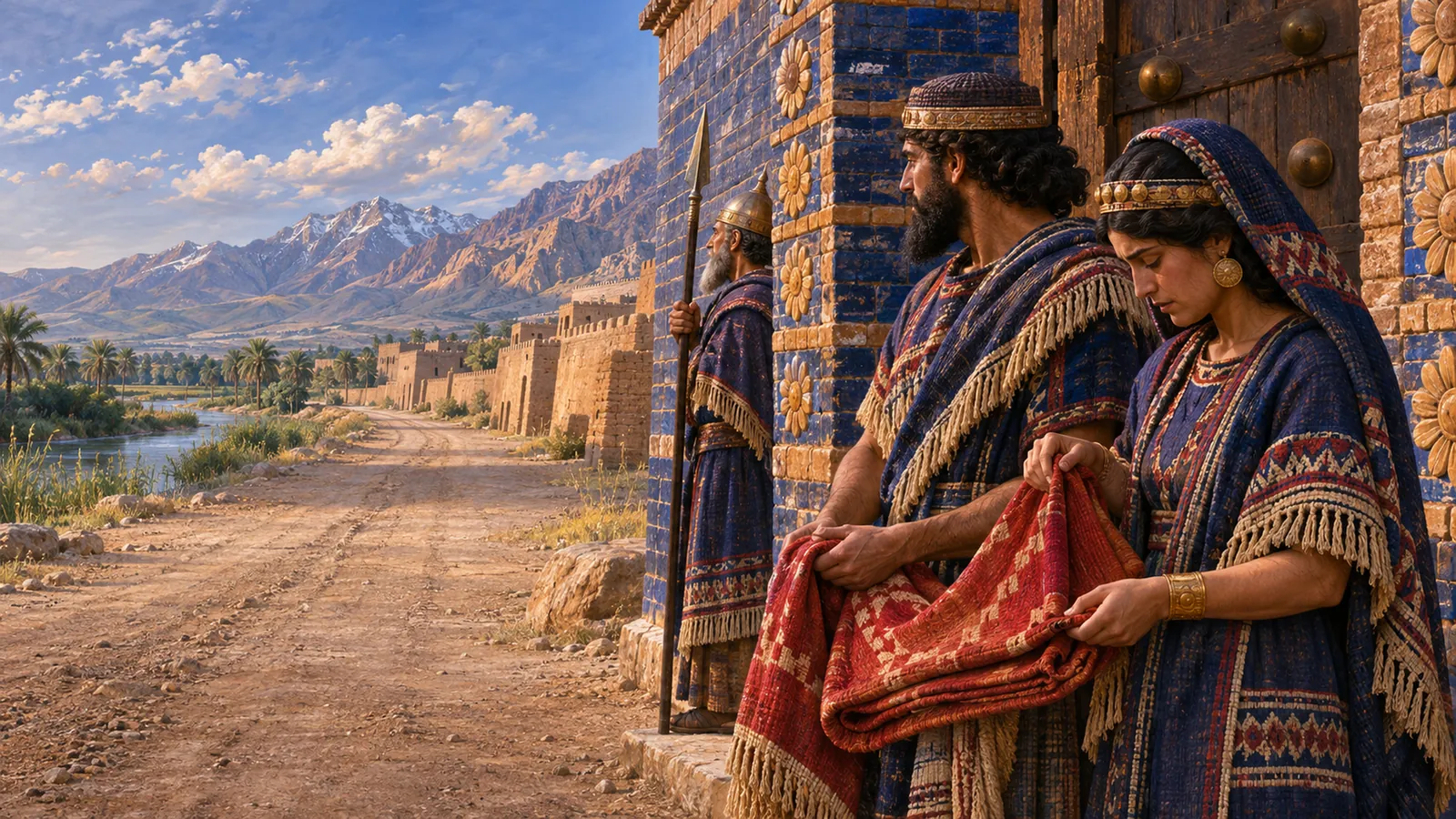
In the second year he sends ninety thousand troops; in the third, sixty thousand seven hundred. Not one returns alive from either army, as the Standard Babylonian account repeats.
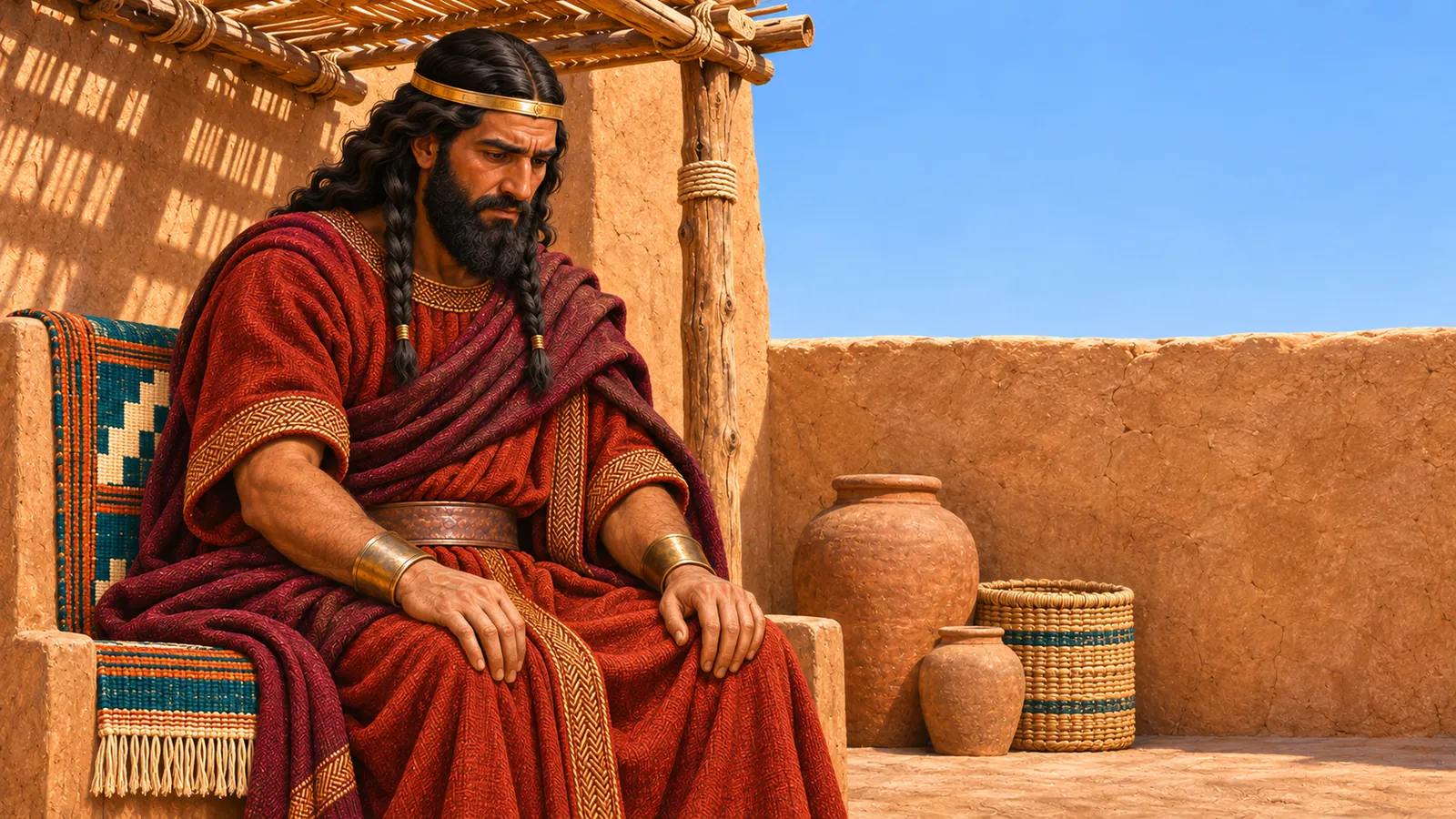
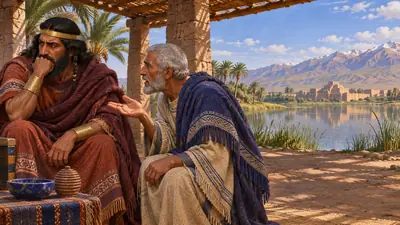
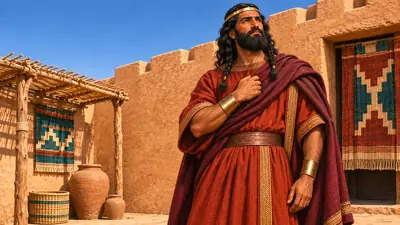
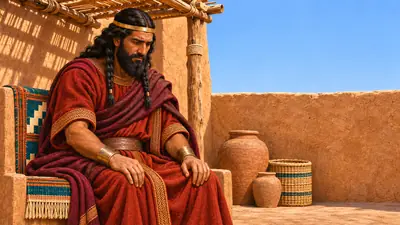
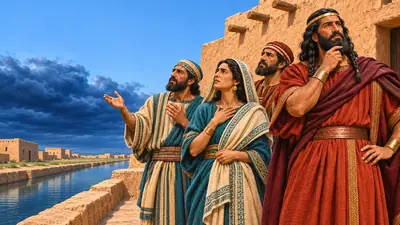
Bewildered and anxious, Naram-Sin falls into despair. Speaking to himself, he asks what he has left for his reign after these losses.
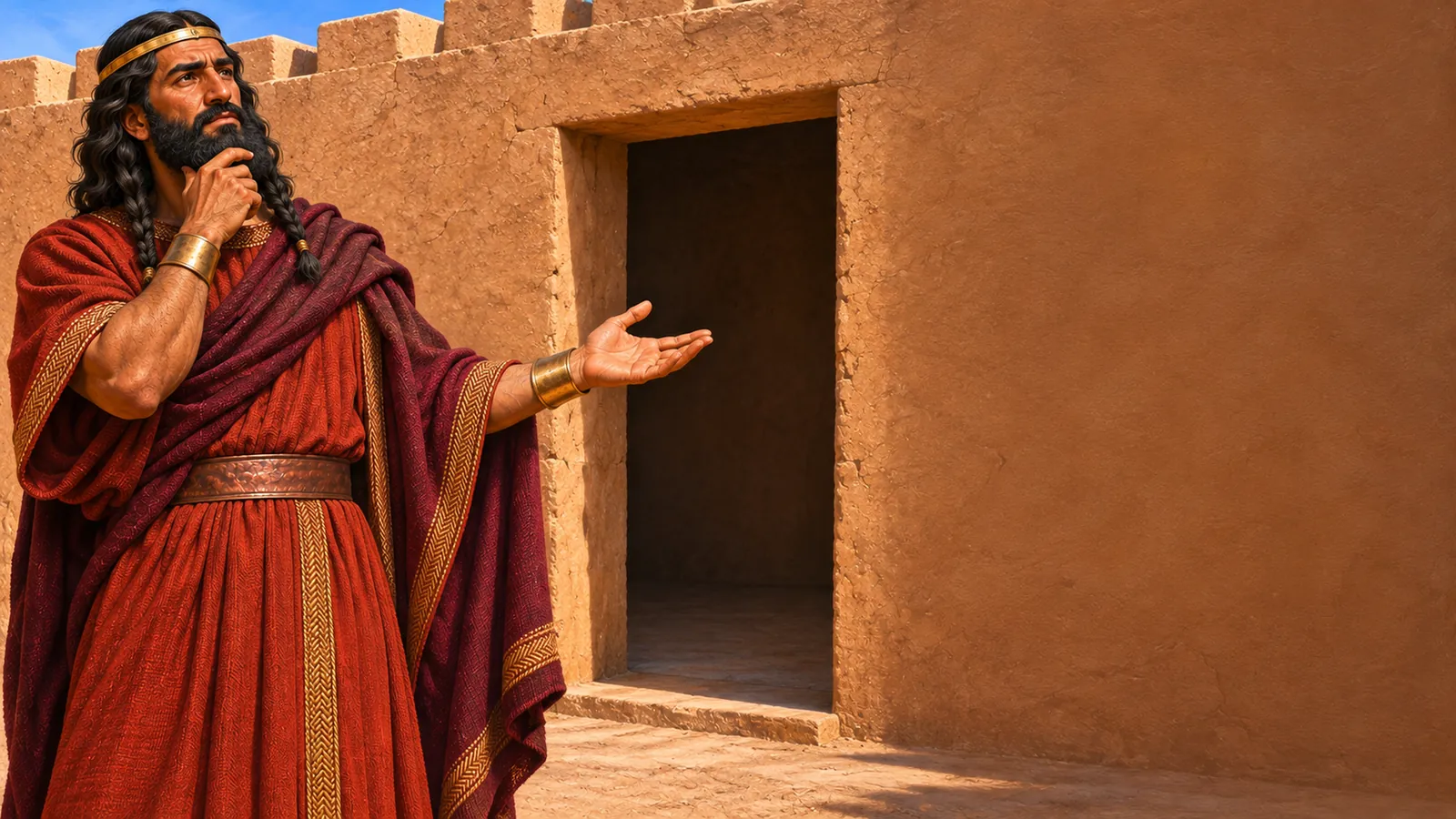
He calls himself a king who brings no well-being to his land, a shepherd who brings none to his people. He asks how he can emerge from this ordeal.
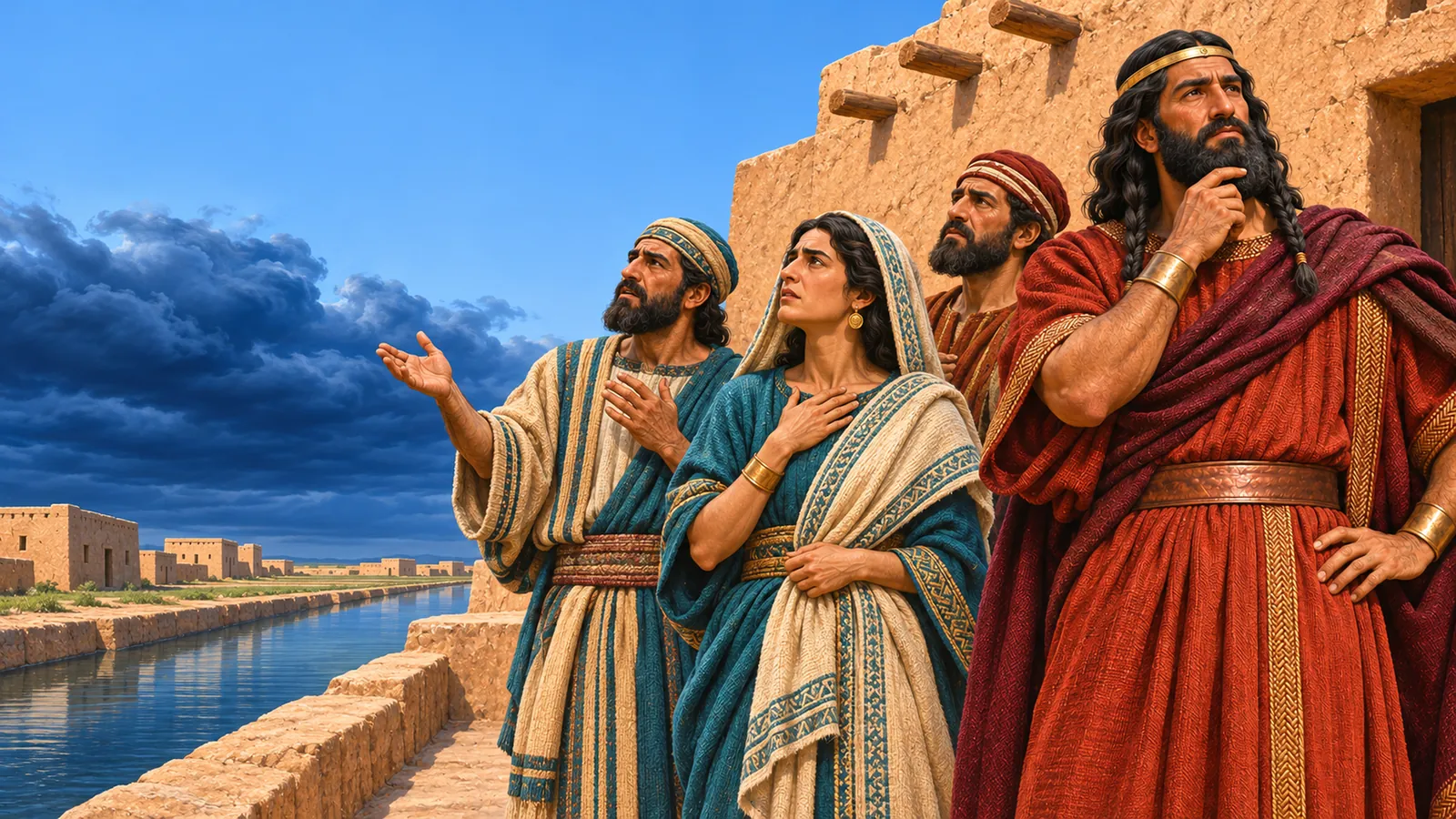
Their coming brings terror, death, hunger, disease, sleeplessness and economic ruin. The poem also announces a deluge decided above and impending below, without narrating a new completed flood here.
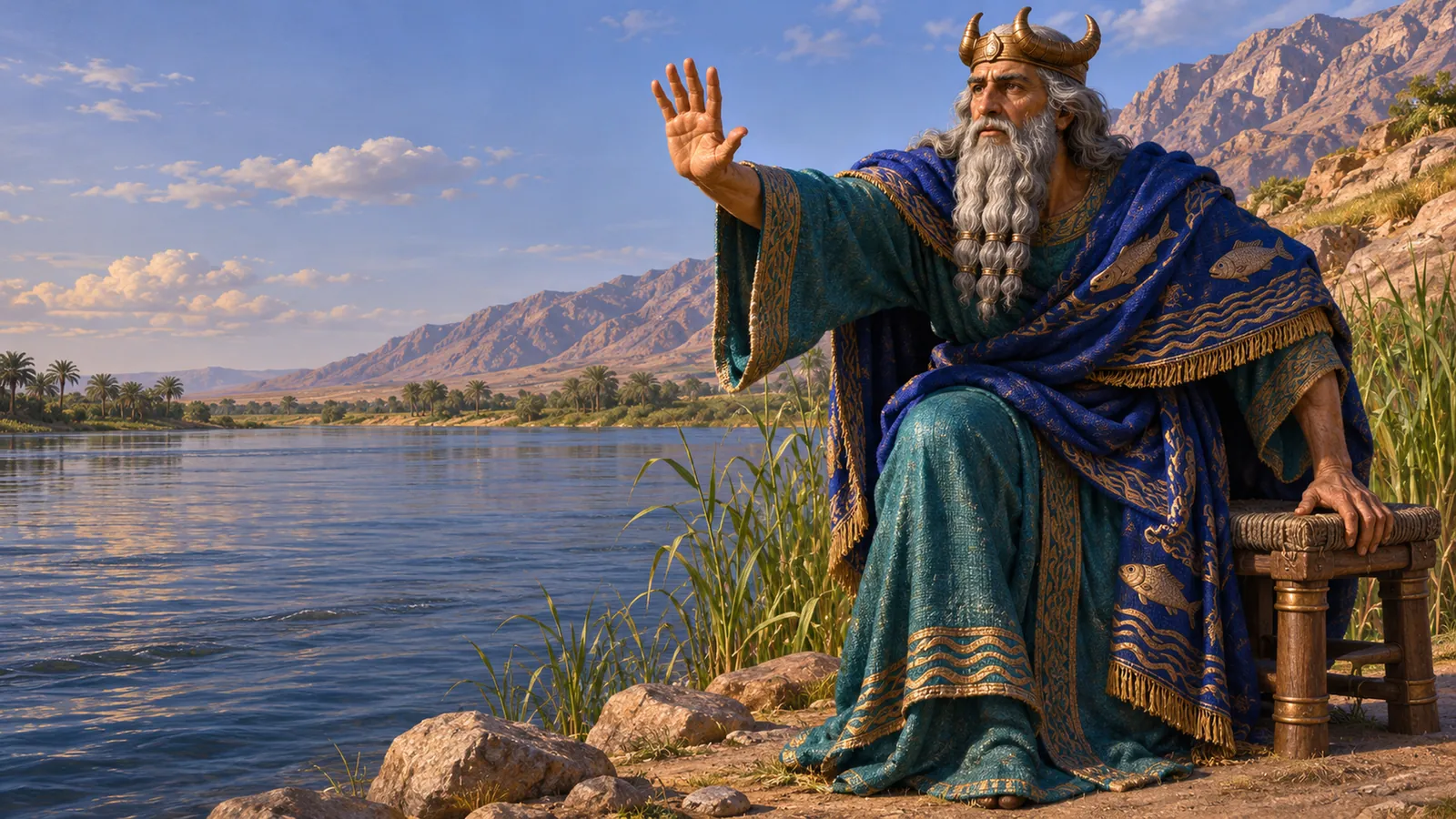
EA SPEAKS
Ea challenges the gods’ command that he annihilate humankind. He reminds his divine brothers that they had decided people should continue to exist forever.
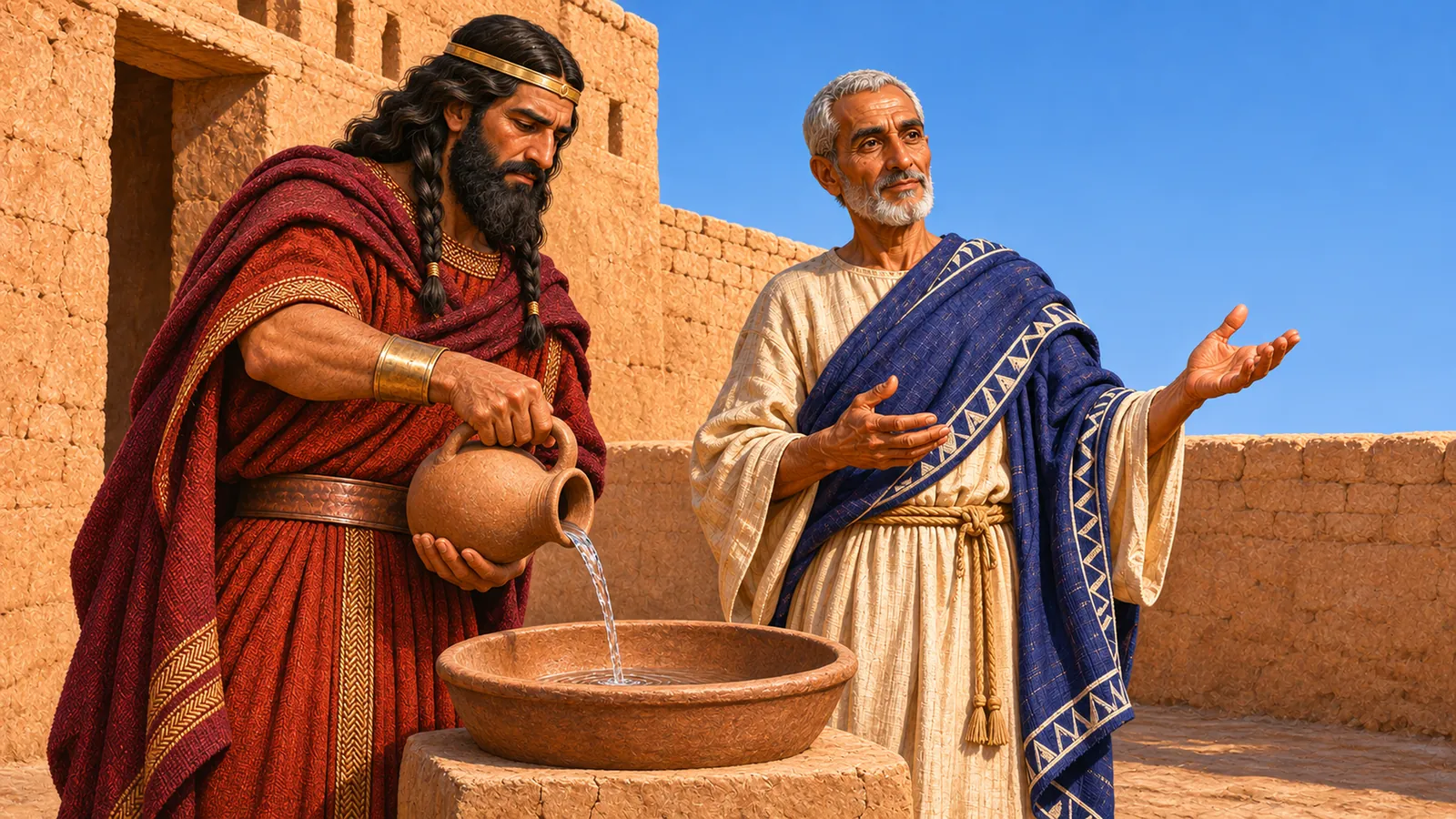
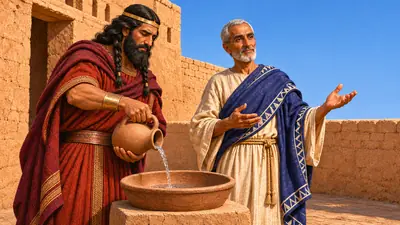
At New Year of the fourth year, Naram-Sin prays to Ea and the great gods. He pours the holy libations and carries out the sacred commands correctly.
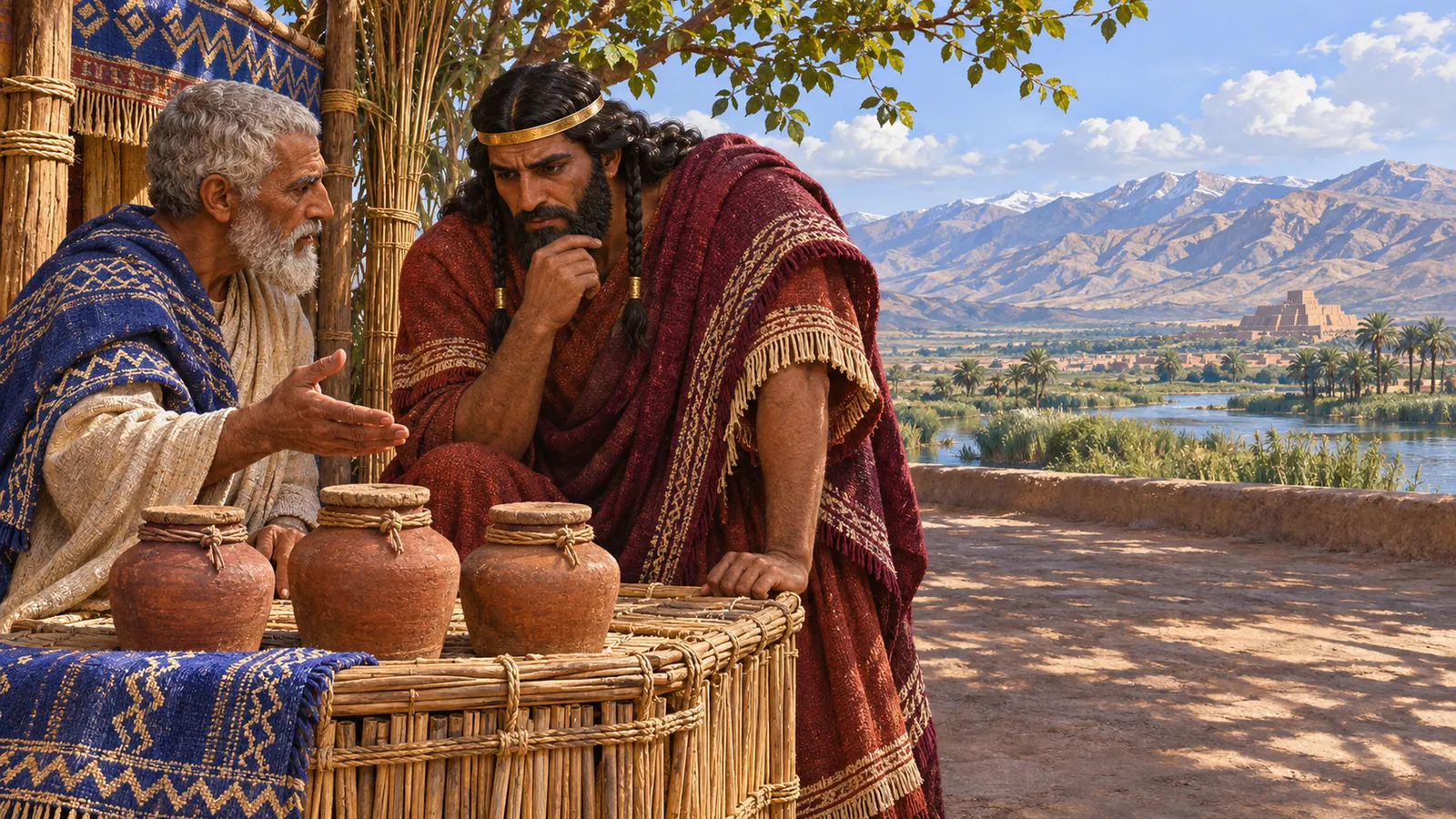
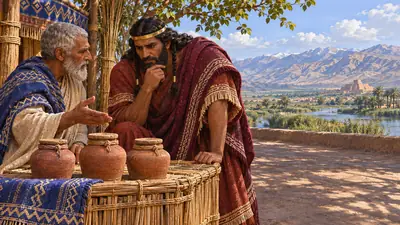
He summons the diviners again and performs seven extispicies upon seven lambs. Holy reed altars stand while he questions the same seven gods.
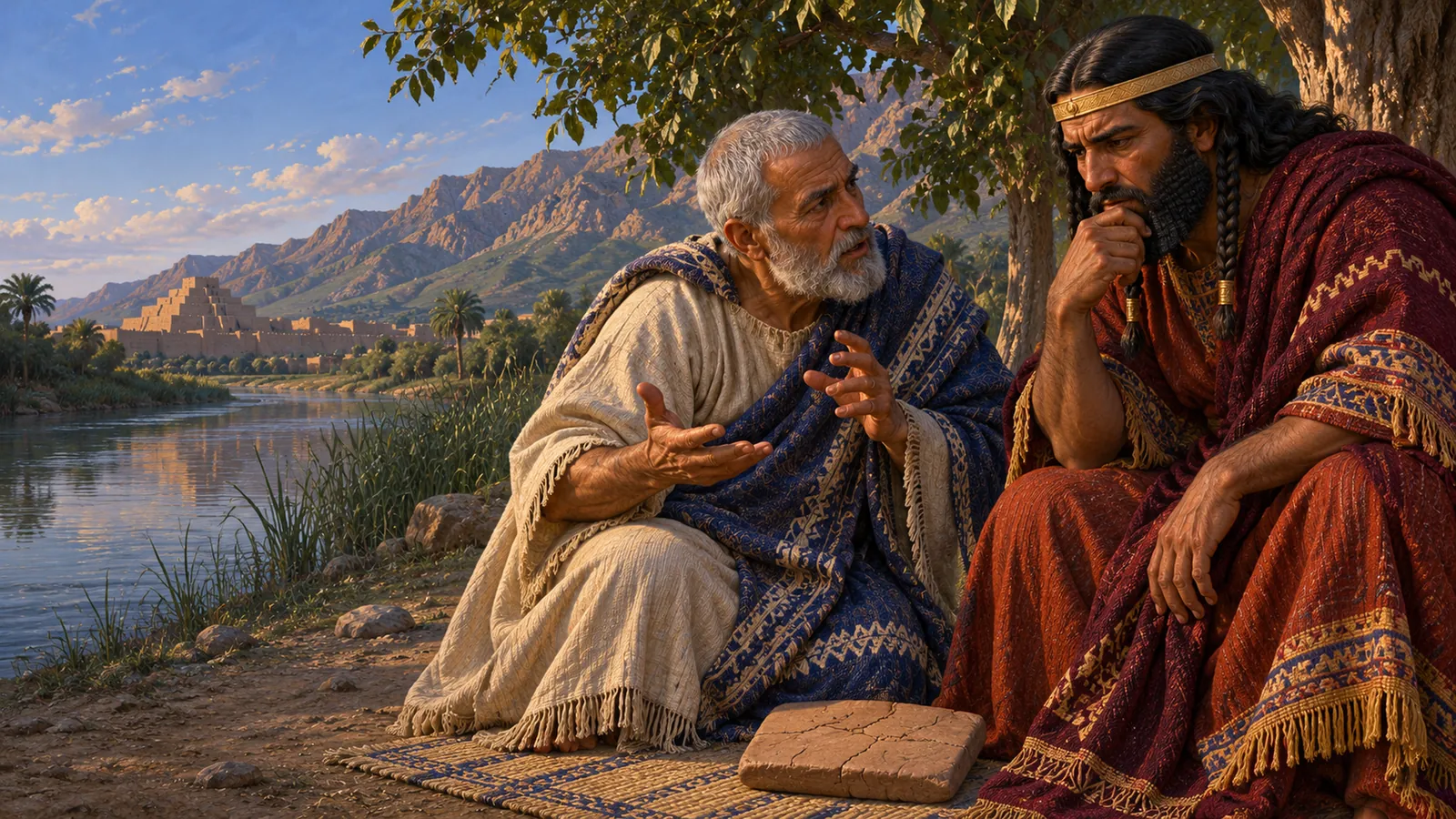
The diviners’ reply is broken, and its full extent is uncertain. Preserved words predict the battleax shedding blood and people submerged in it; they do not narrate a killing just performed.
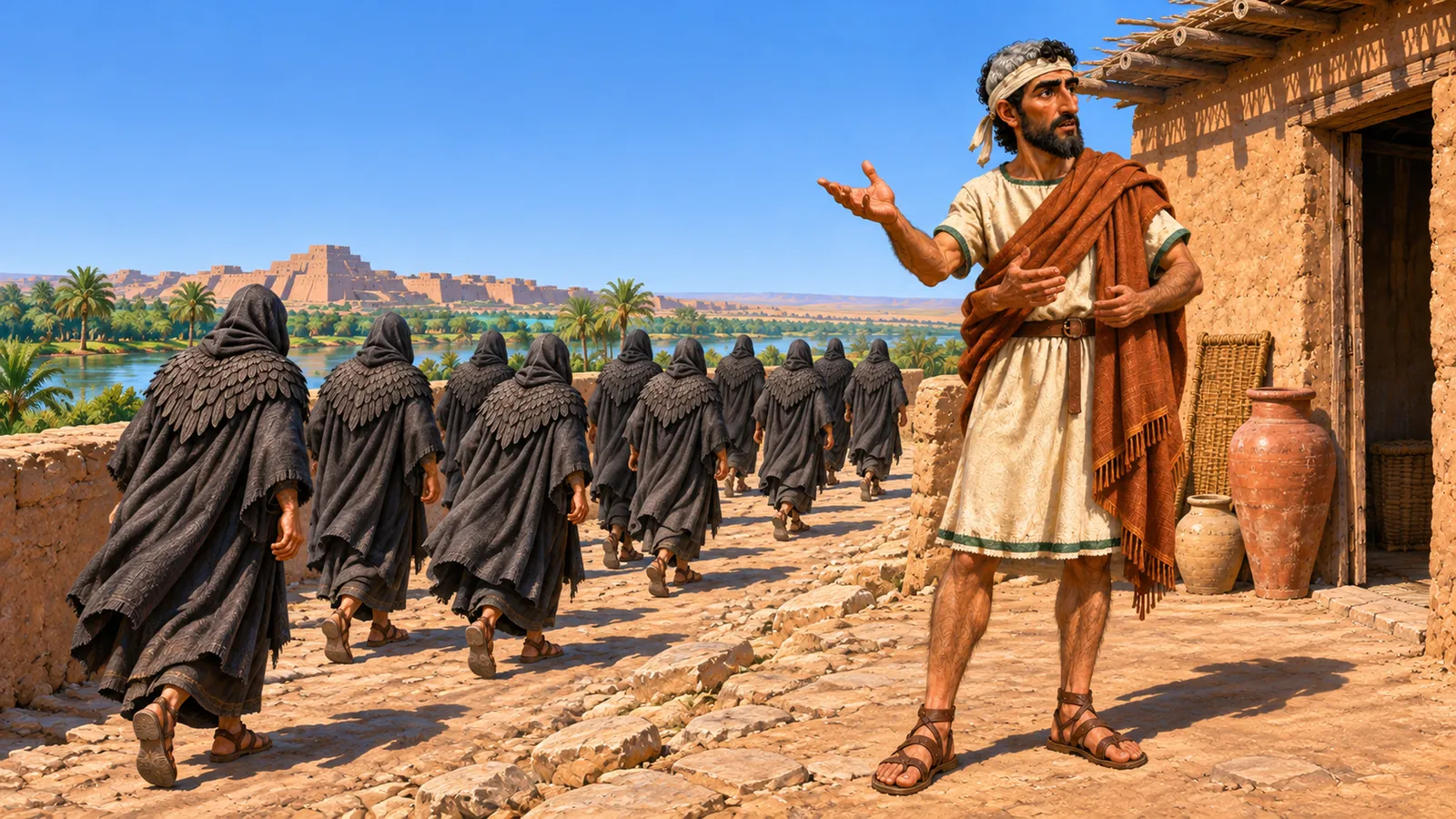
Twelve troops break away from Naram-Sin from among the host. The tale next follows the king’s hurried pursuit, without naming these men as twelve kings or twelve armies.
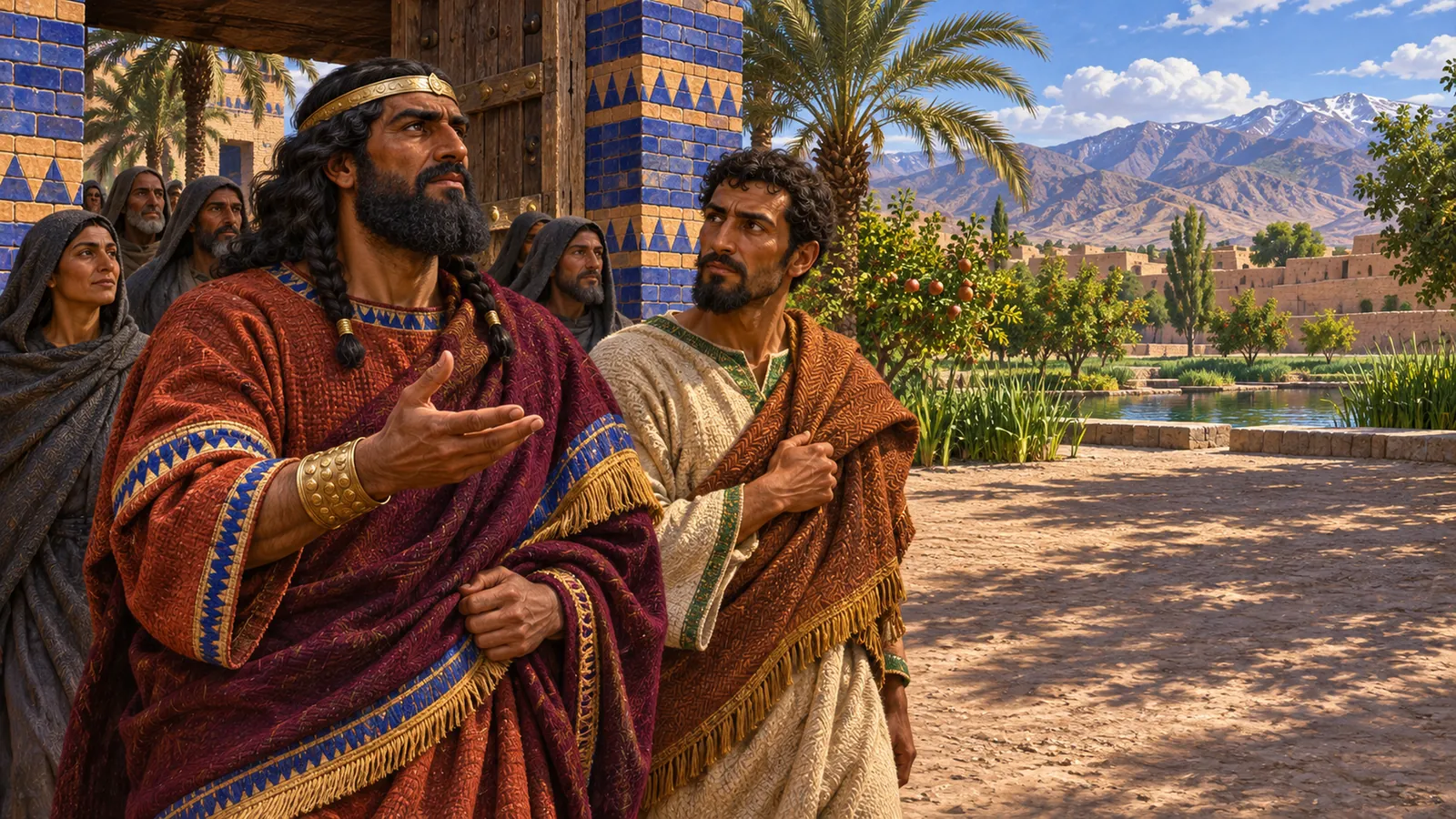
Naram-Sin pursues them in haste, overtakes them and brings them back. Having recovered these troops, he pauses before deciding what he may do to them.
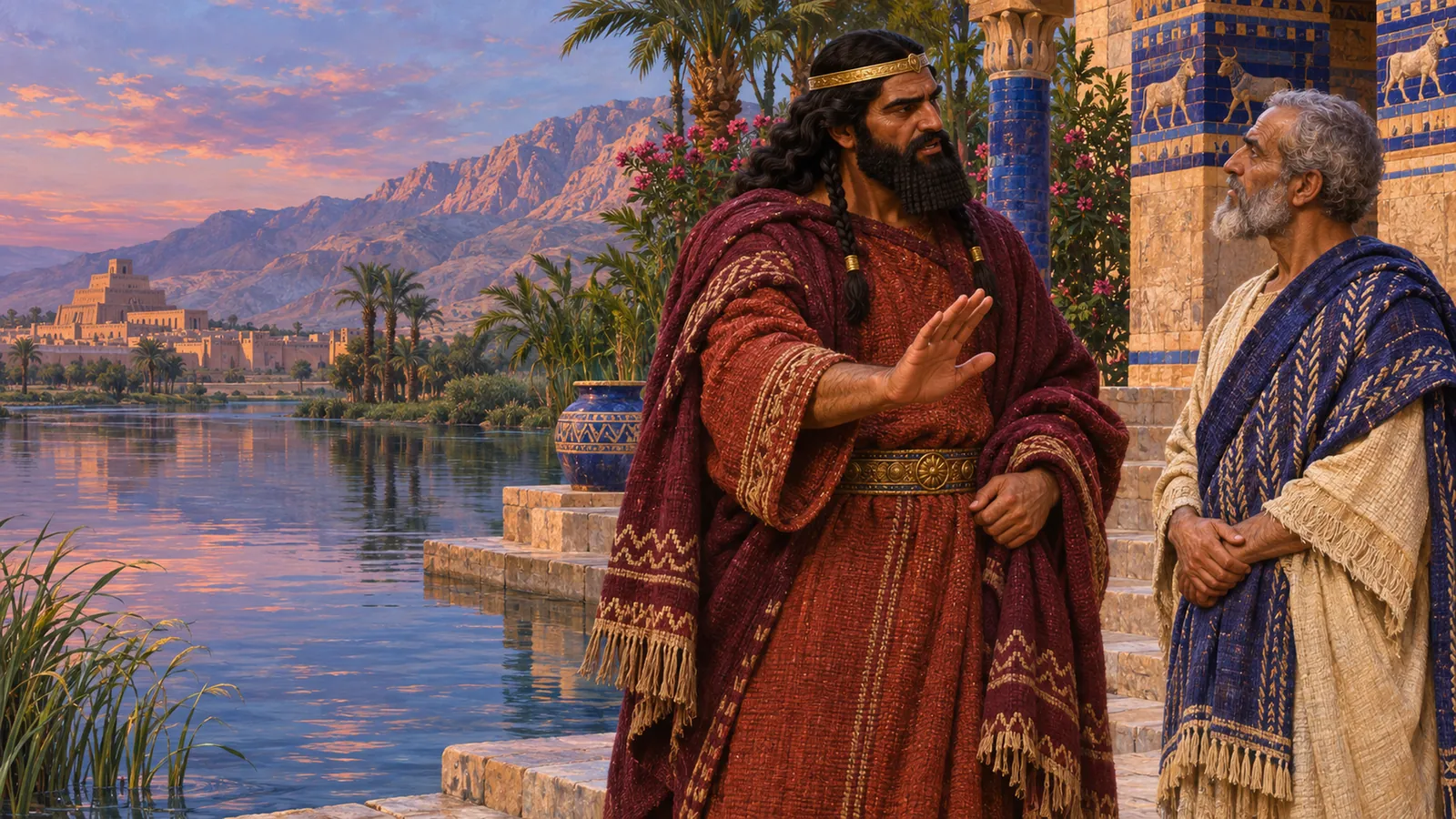
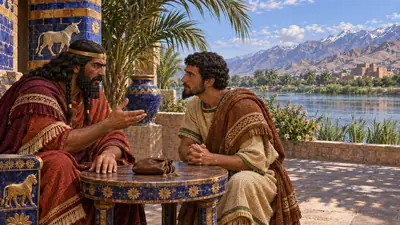
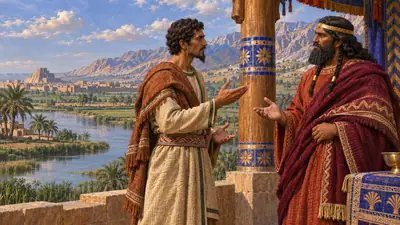
Speaking to himself, the king resolves not to lay a hand on them without divination. His earlier reliance upon himself has given way to restraint.
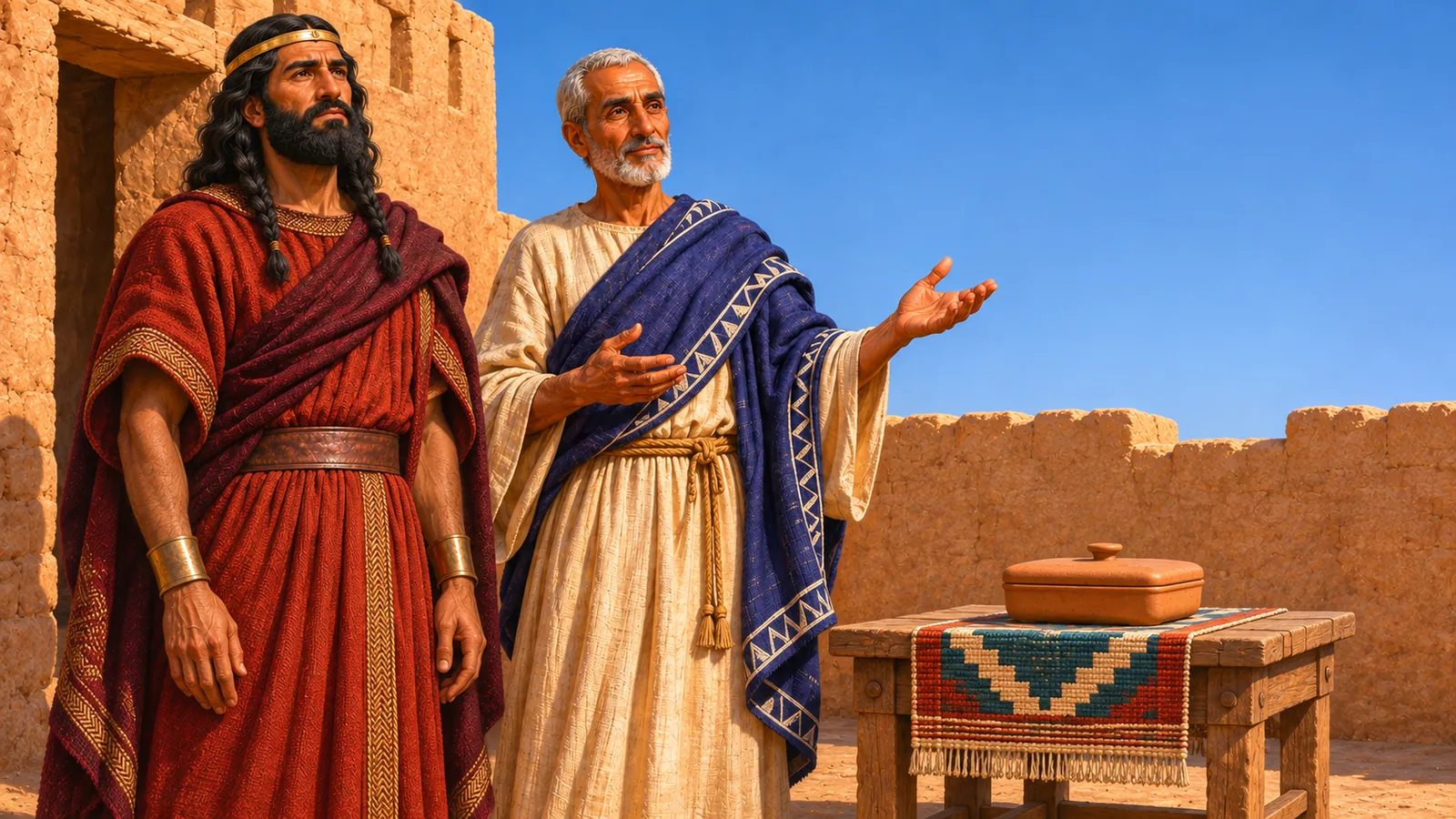
MERCY
He performs another extispicy concerning them. The great gods’ oracle orders mercy for the men he has brought back.
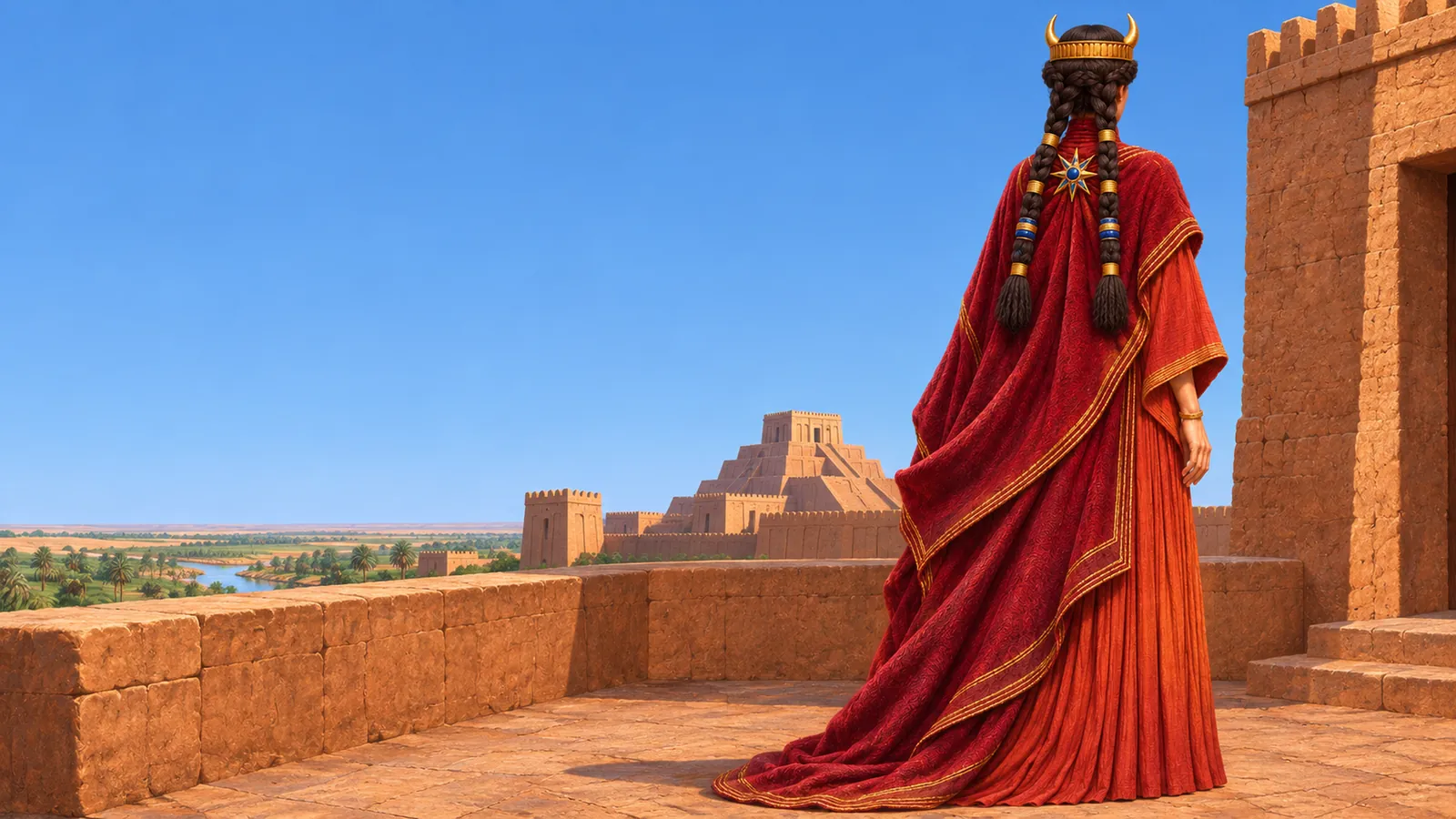
The shining Morning Star approaches from heaven and addresses Naram-Sin, son of Sargon in the tale. Ishtar now speaks the command he must heed.
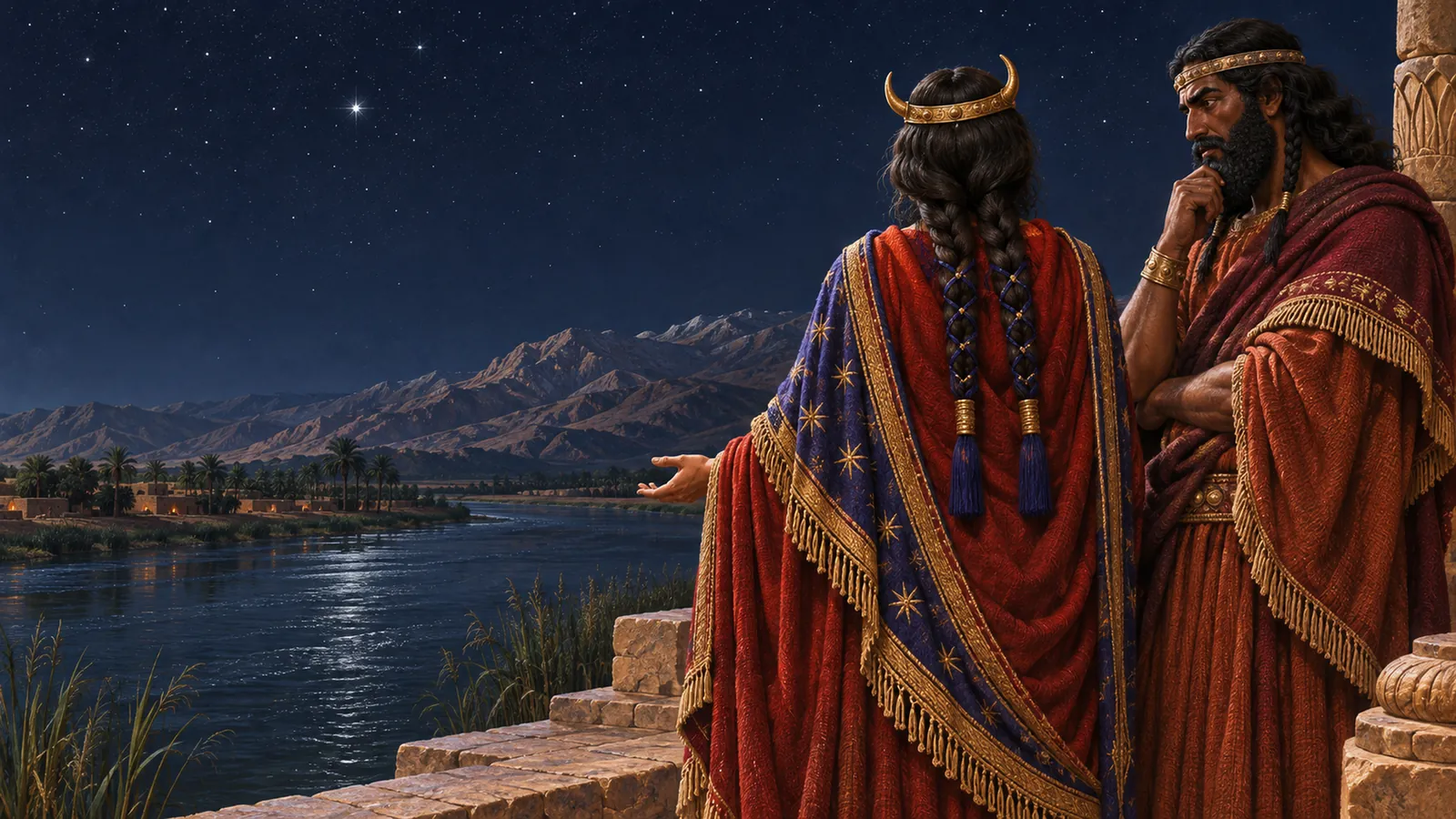
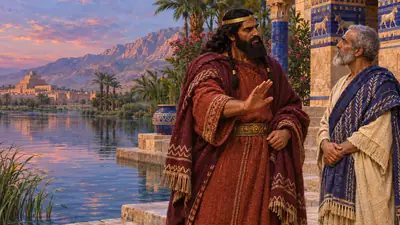
She tells Naram-Sin to desist and not destroy these roaming people. He is to leave the further judgment to the gods, rather than kill the captured troops himself.
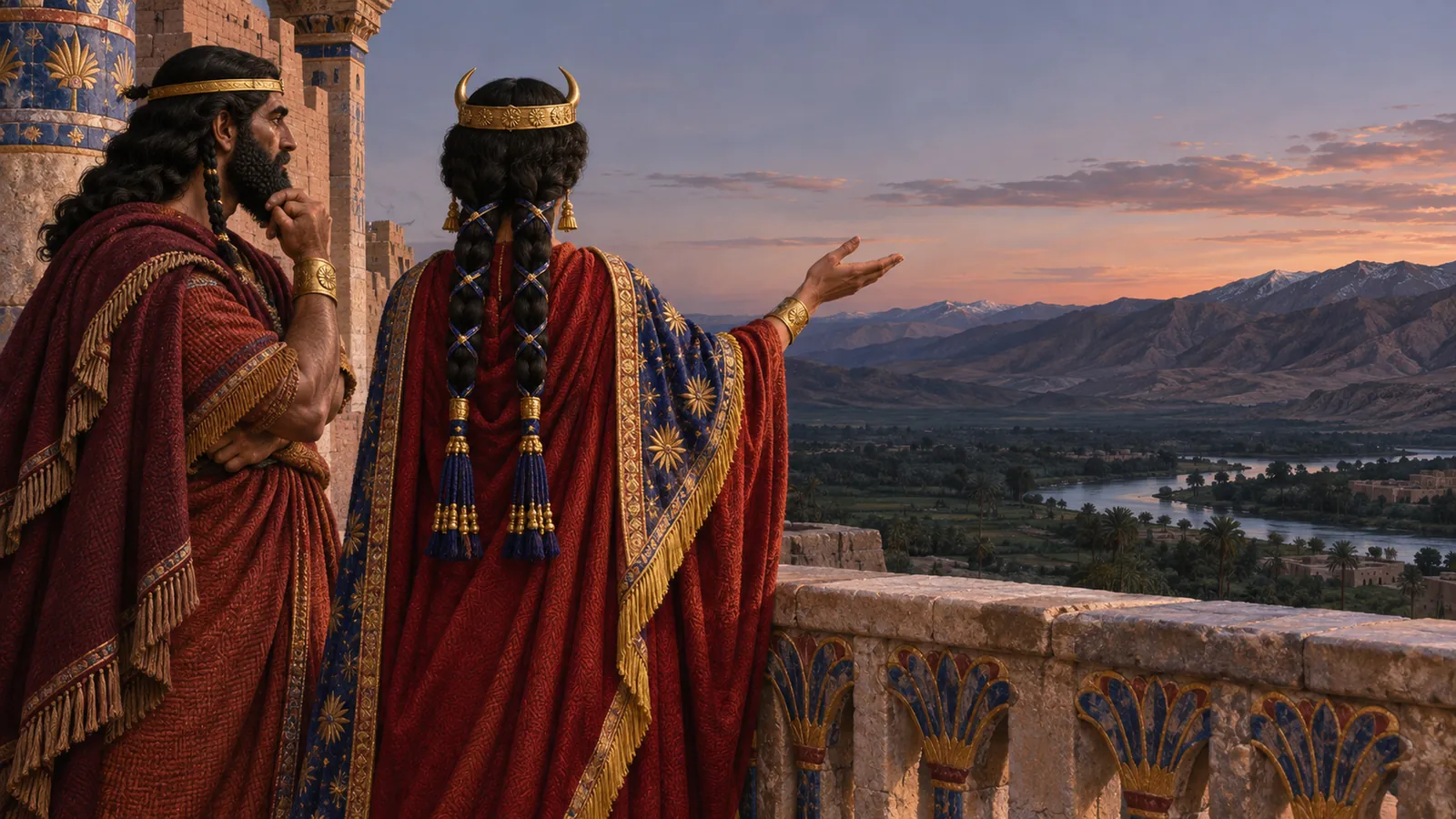
In future days, she says, Enlil will call them to account for their evil. They must await his angry heart; the king is not told to carry out that future punishment.
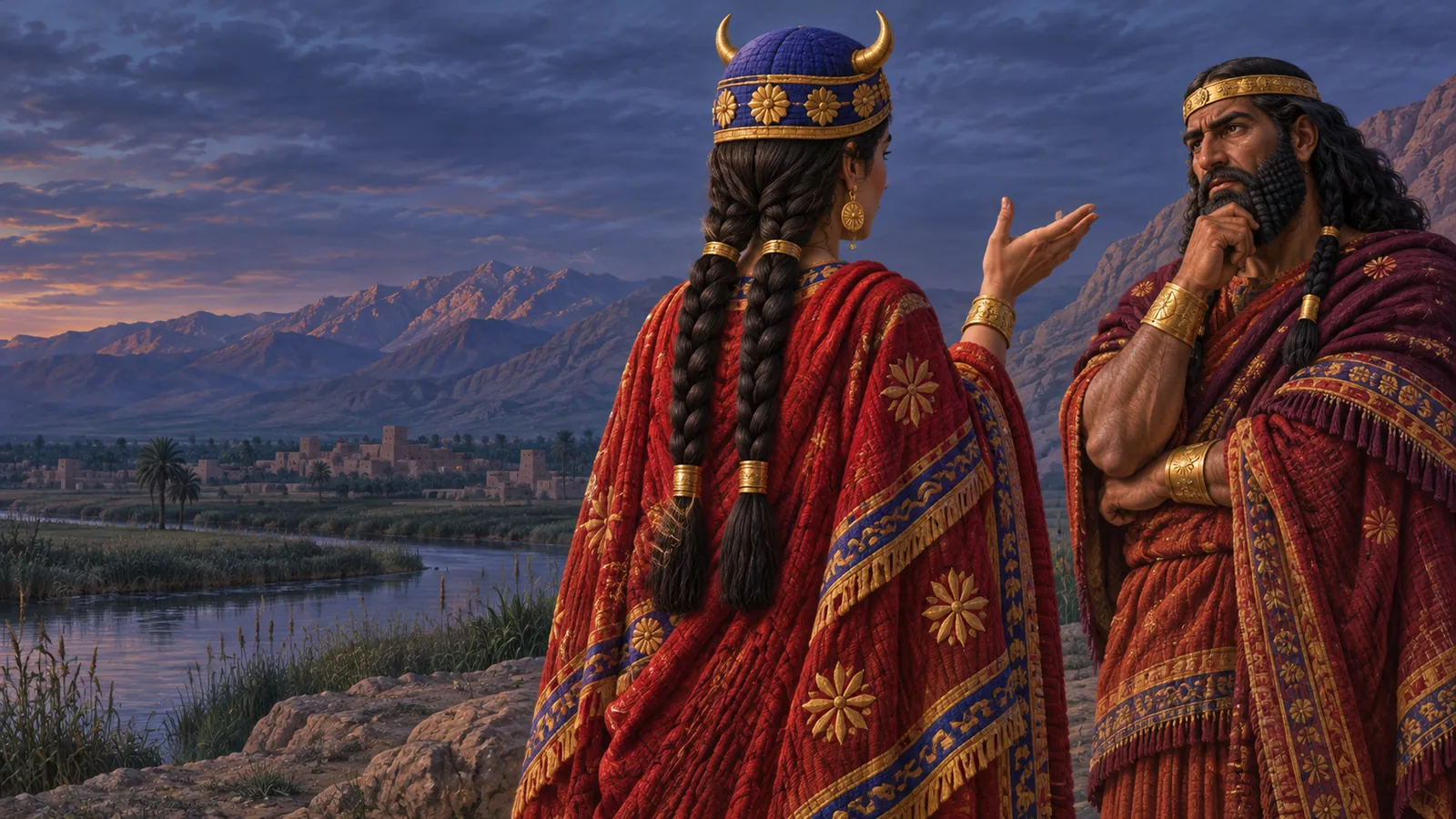
She foretells destruction for the enemy’s polity: burning, encircling dogs, bloodshed and death. This remains a prophecy, not an account that Naram-Sin now carries it out.
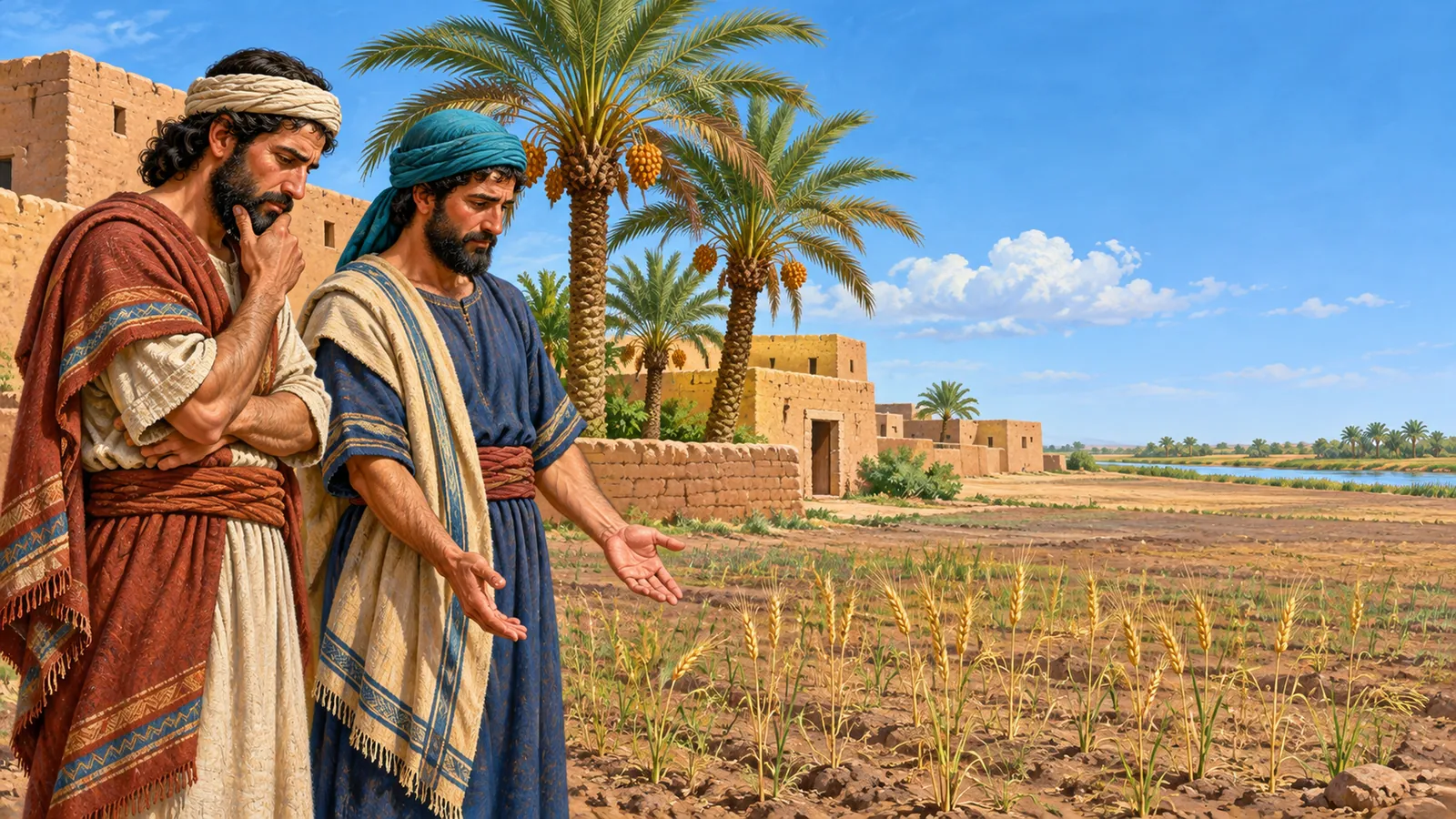
Her prophecy says the earth will diminish its harvests and date orchards their yield. The coming scarcity belongs to the forecast, without a new narrated harvest failure here.
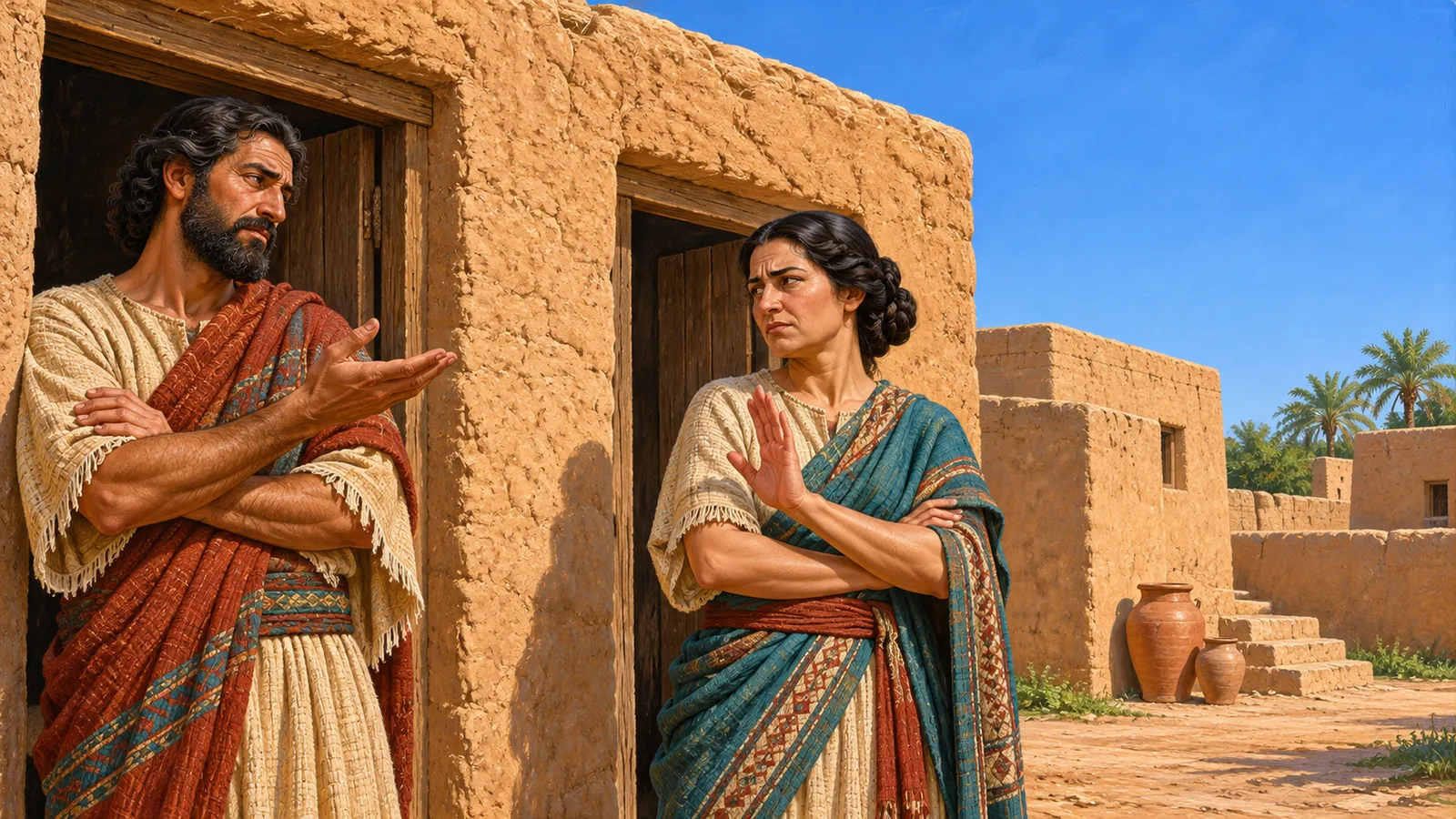
Her forecast sets city against city, house against house, father against son, brother against brother and friend against friend. People will teach falsehood and no longer speak truth to one another.
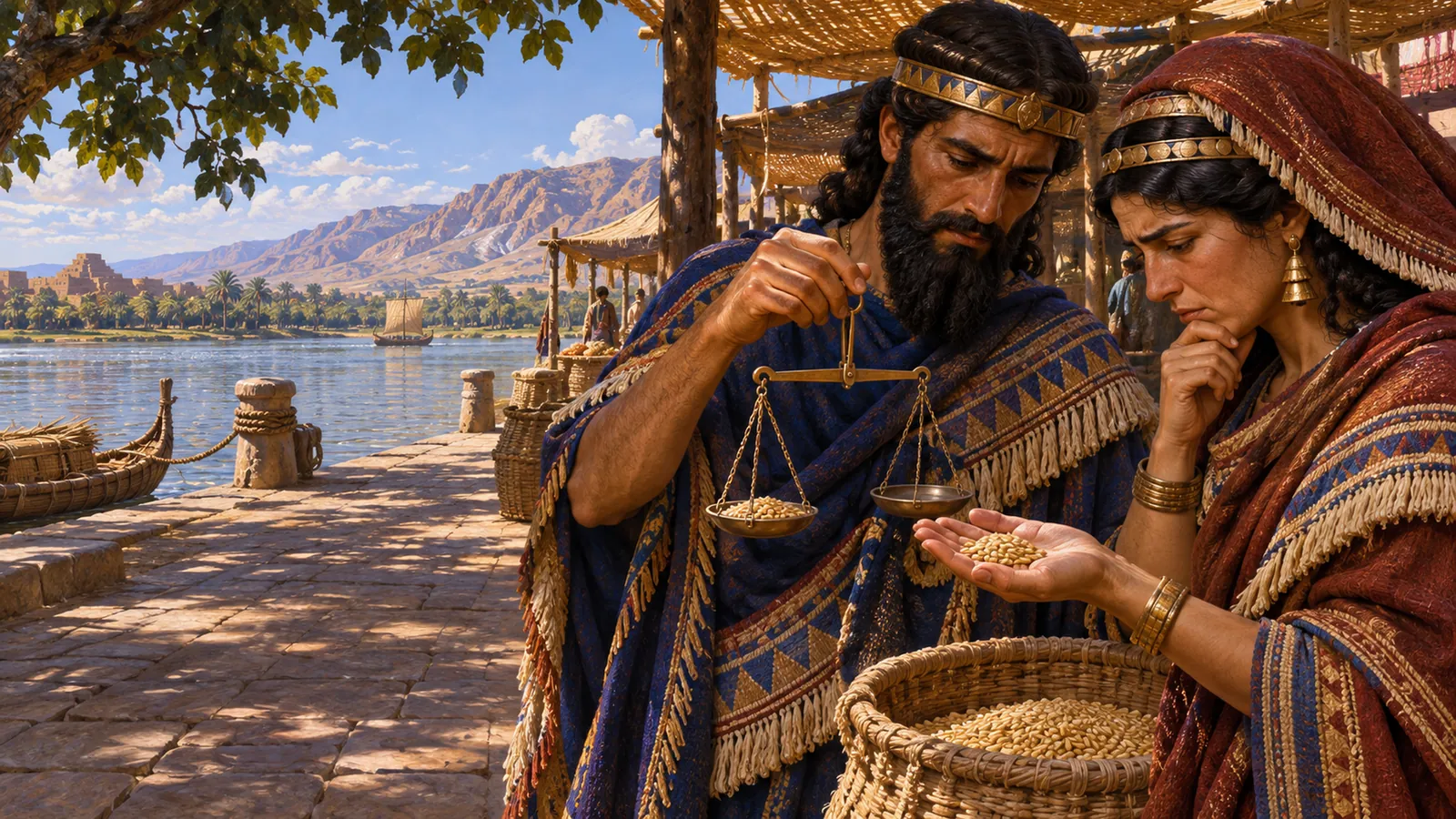
Her prophecy announces famine and a sūt measure of barley for one shekel of silver. A damaged line about a strong king does not preserve a clear complete statement.
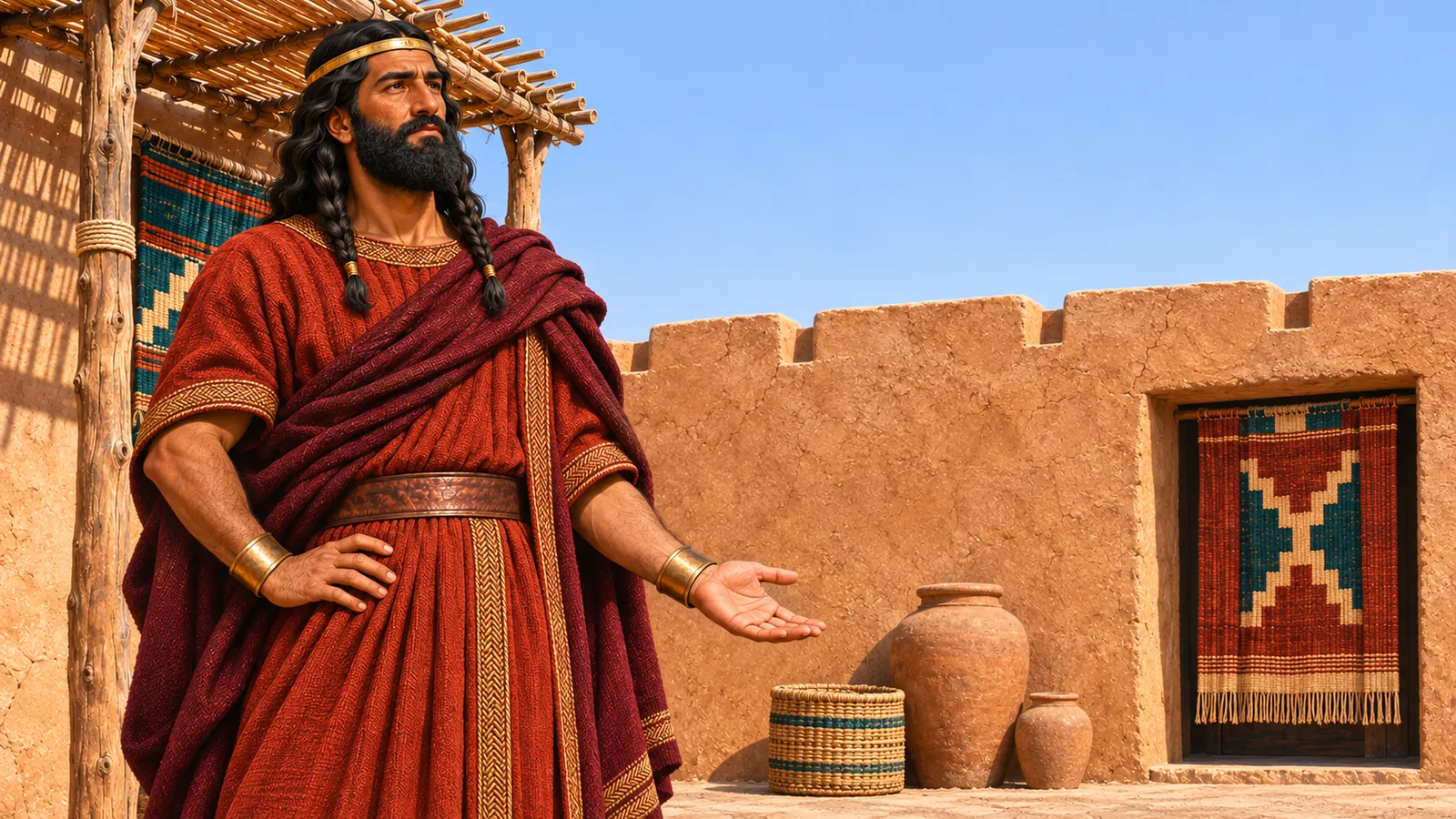
The great gods carry them off as tribute. Naram-Sin states that he laid no hand upon them to kill, preserving the account’s turn toward restraint.
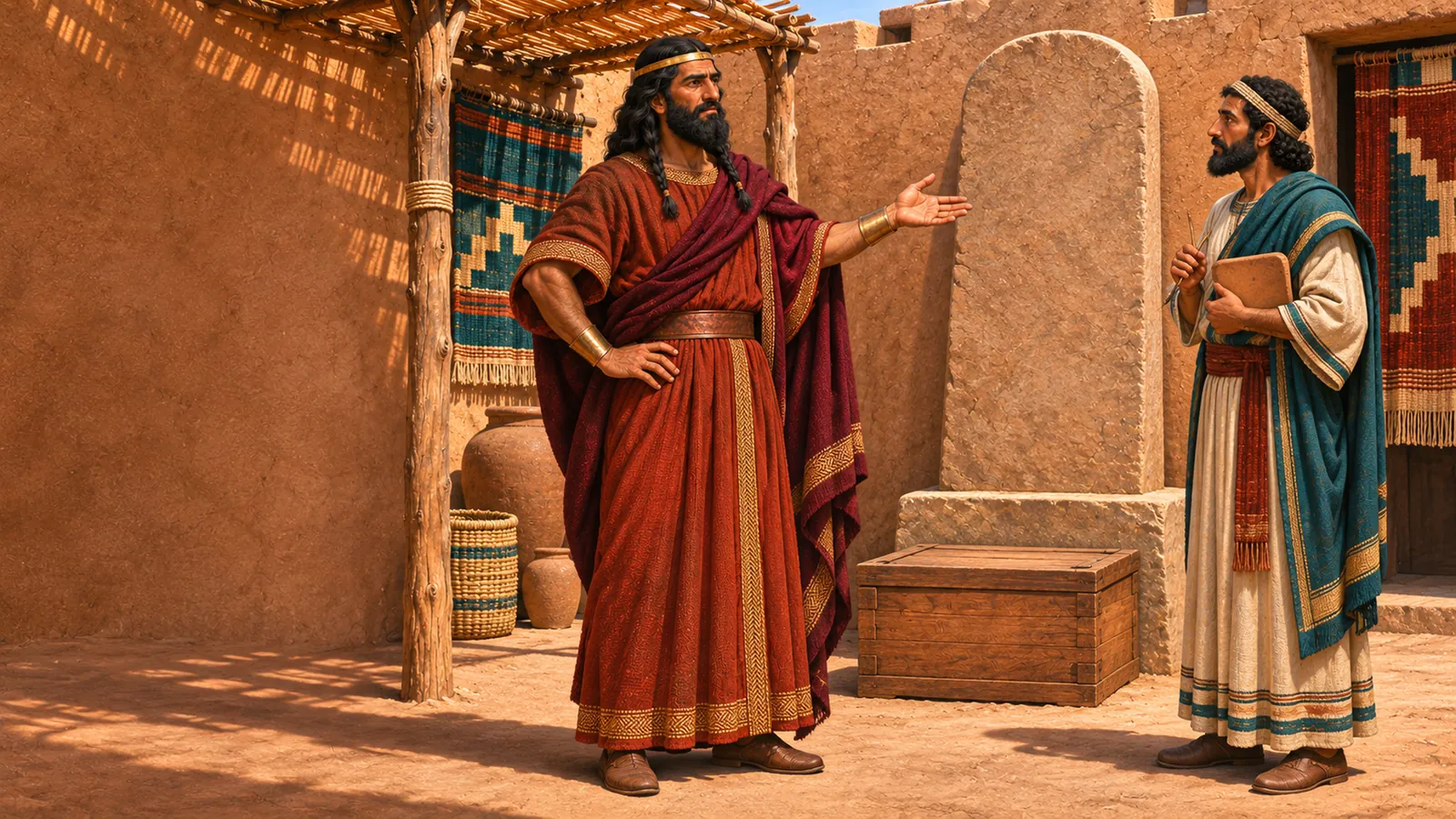
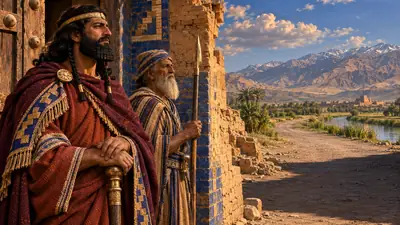
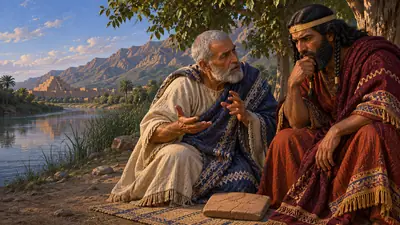
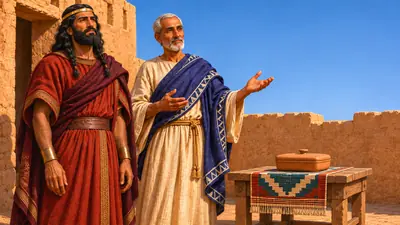
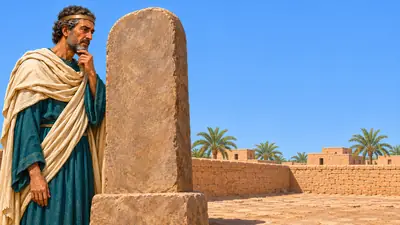
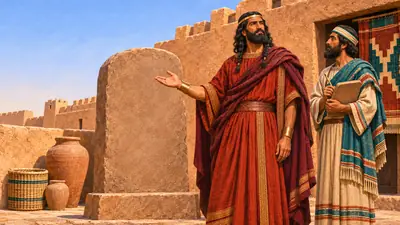
For a future governor, prince or king, Naram-Sin says he made a foundation box and wrote a stele. He leaves it in Cutha, in Emeslam, in Nergal’s cella.
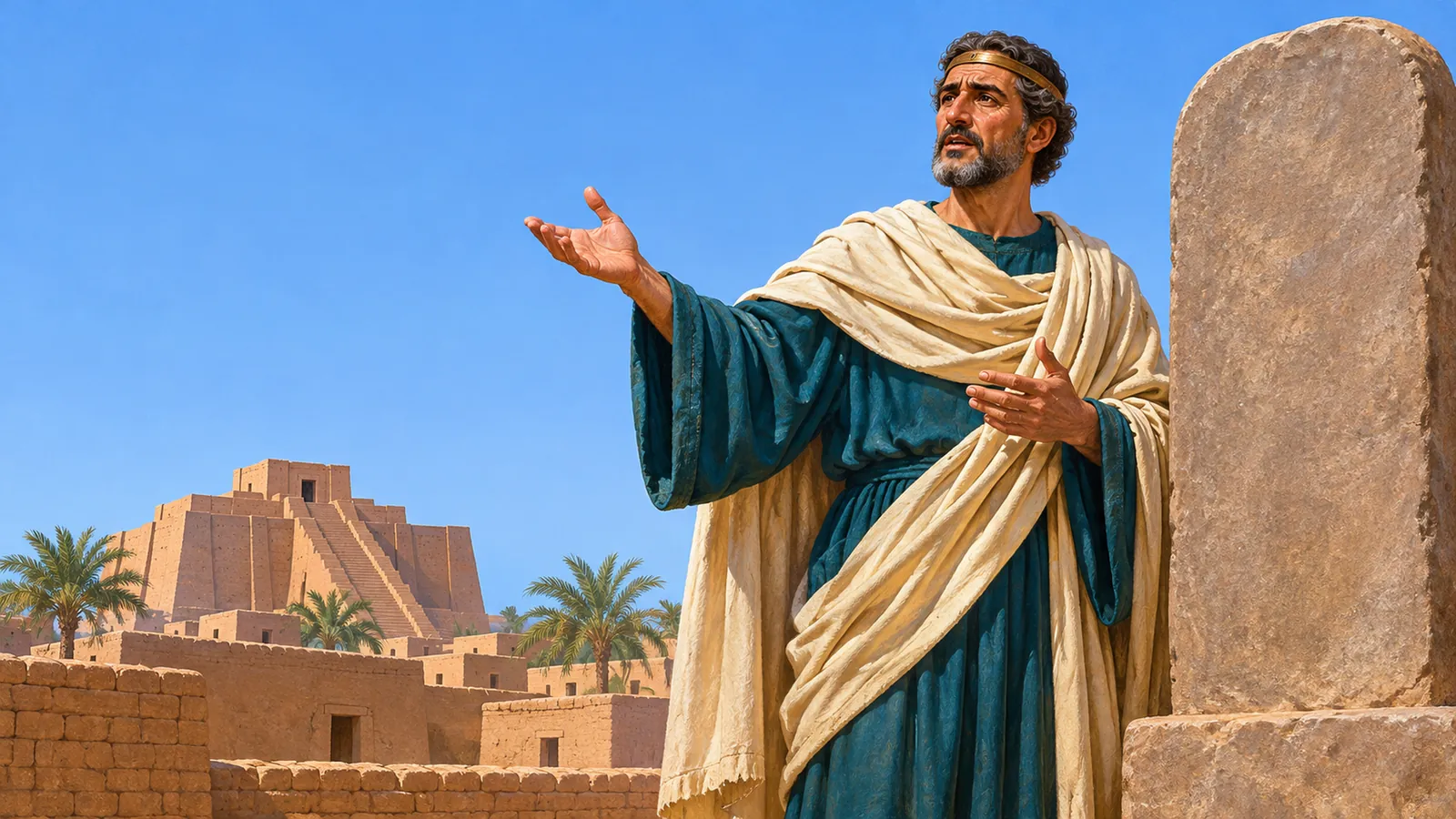
POSTERITY
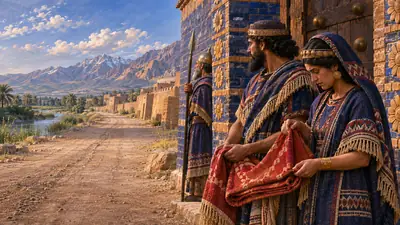
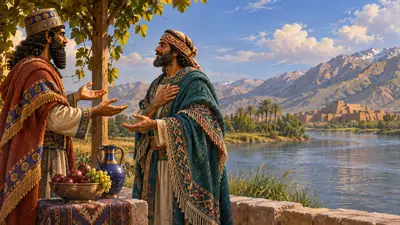
He tells the future reader to look at the stele and listen. Do not be bewildered or afraid, he counsels; keep your stance firm.
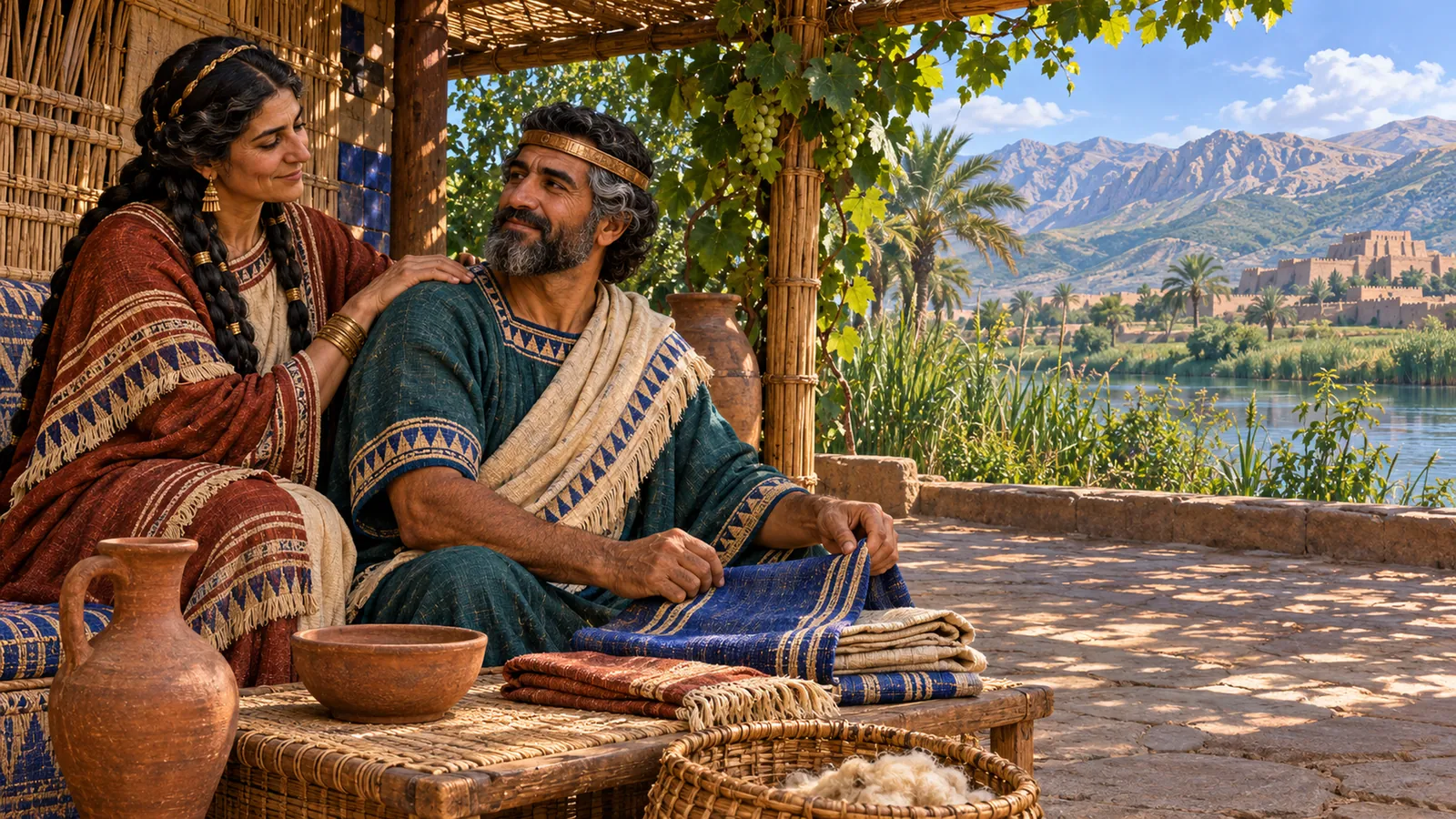
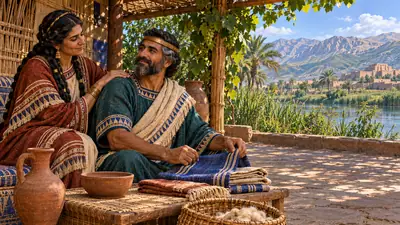
Attend to your task in your wife’s embrace, the king counsels the future ruler. This advice turns toward life within the defenses, rather than another march into disaster.
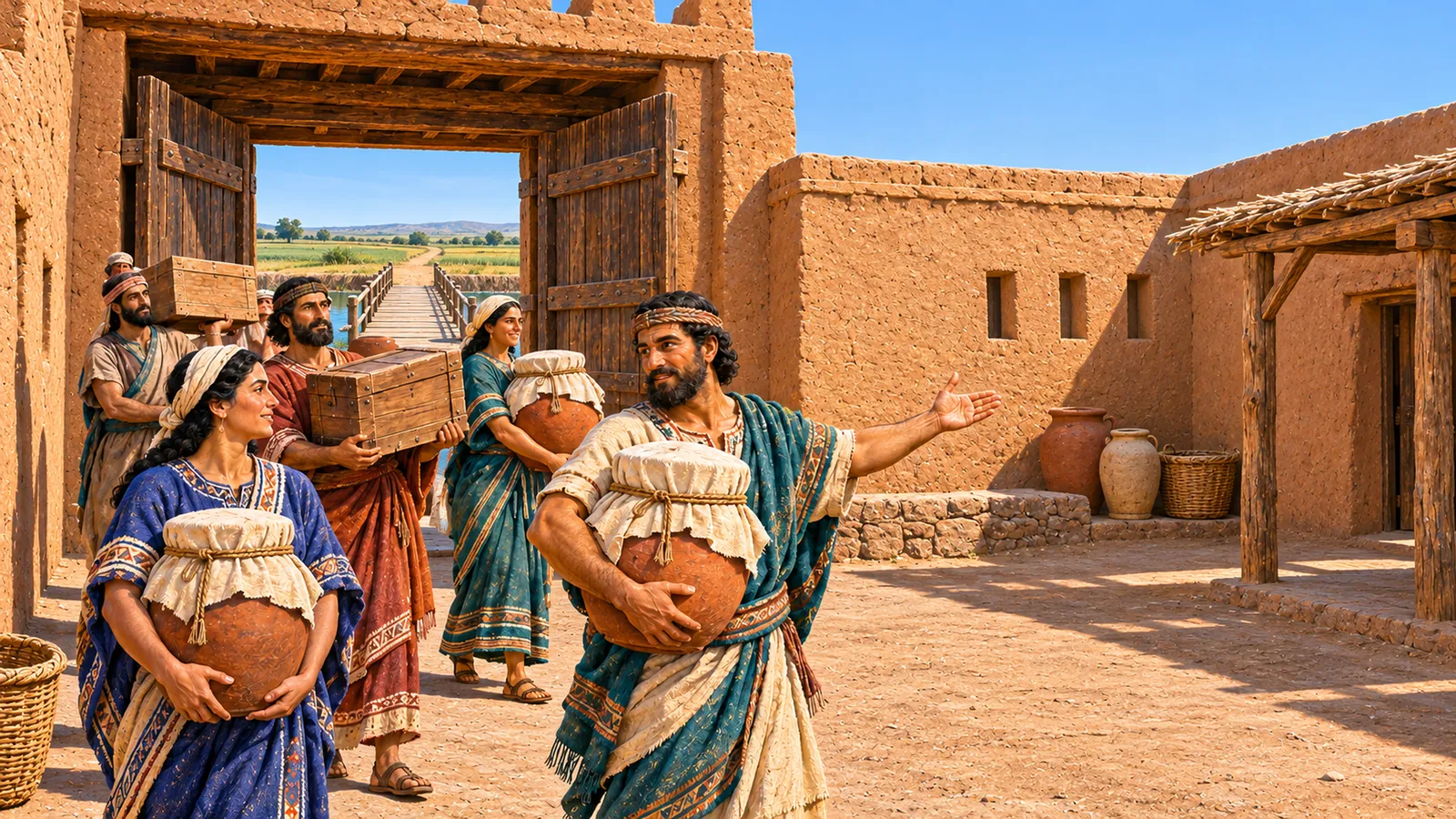
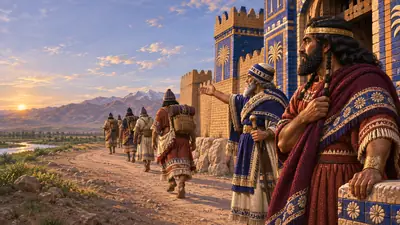
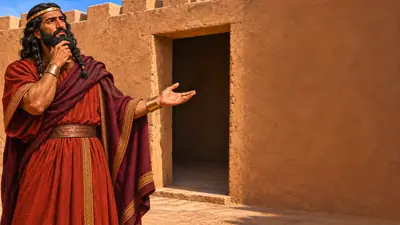
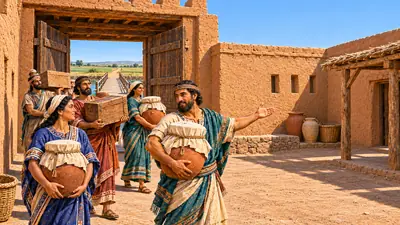
Secure your walls, fill the moats with water, and bring coffers, grain, silver and possessions inside your fortified city. The counsel directs the future ruler to prepare within the defenses.
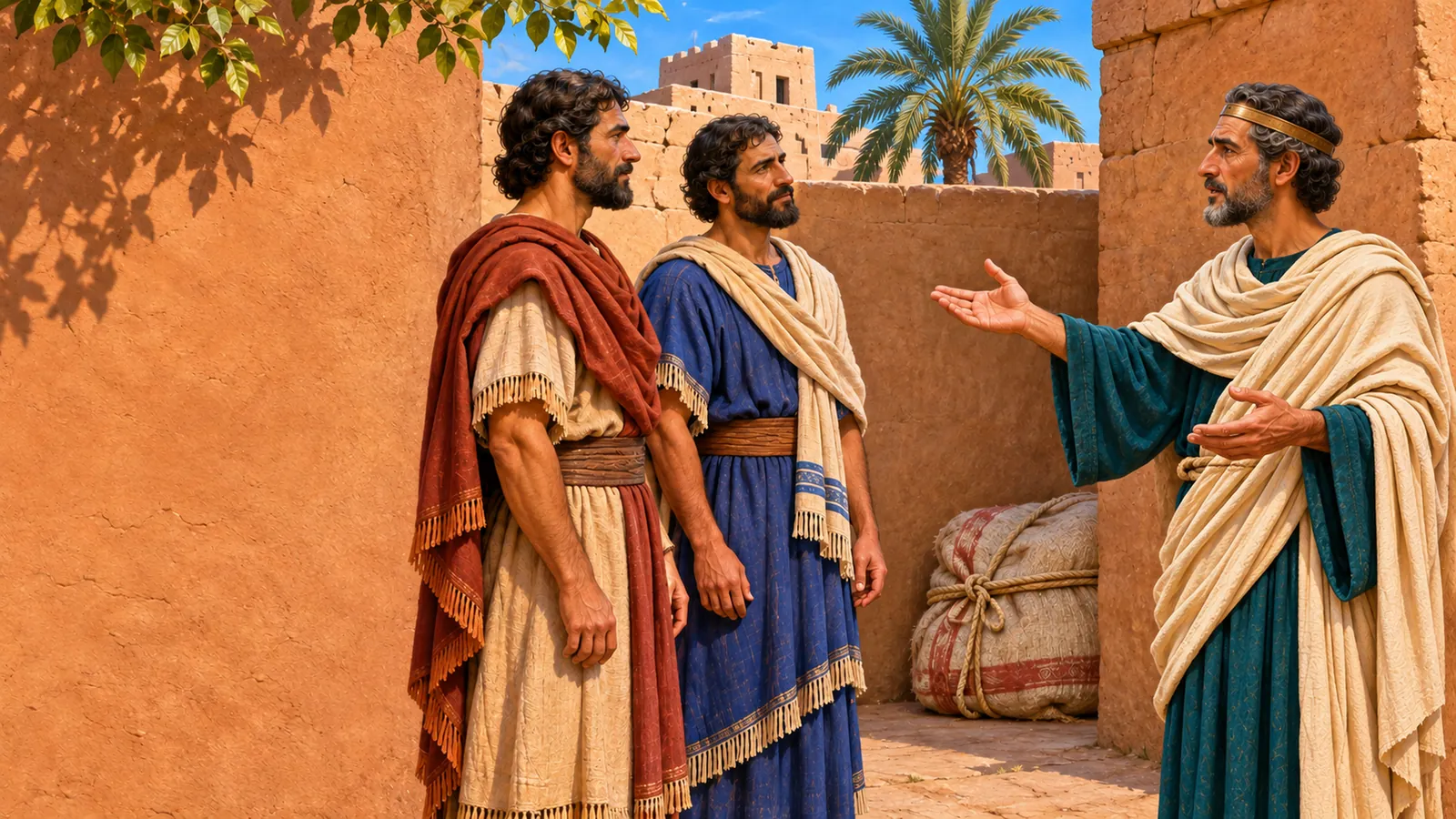
Wrap your weapons and lean them in a corner, he says. Restrain your warriors and take care of yourself; this instruction holds the fighters back instead of sending another army out.
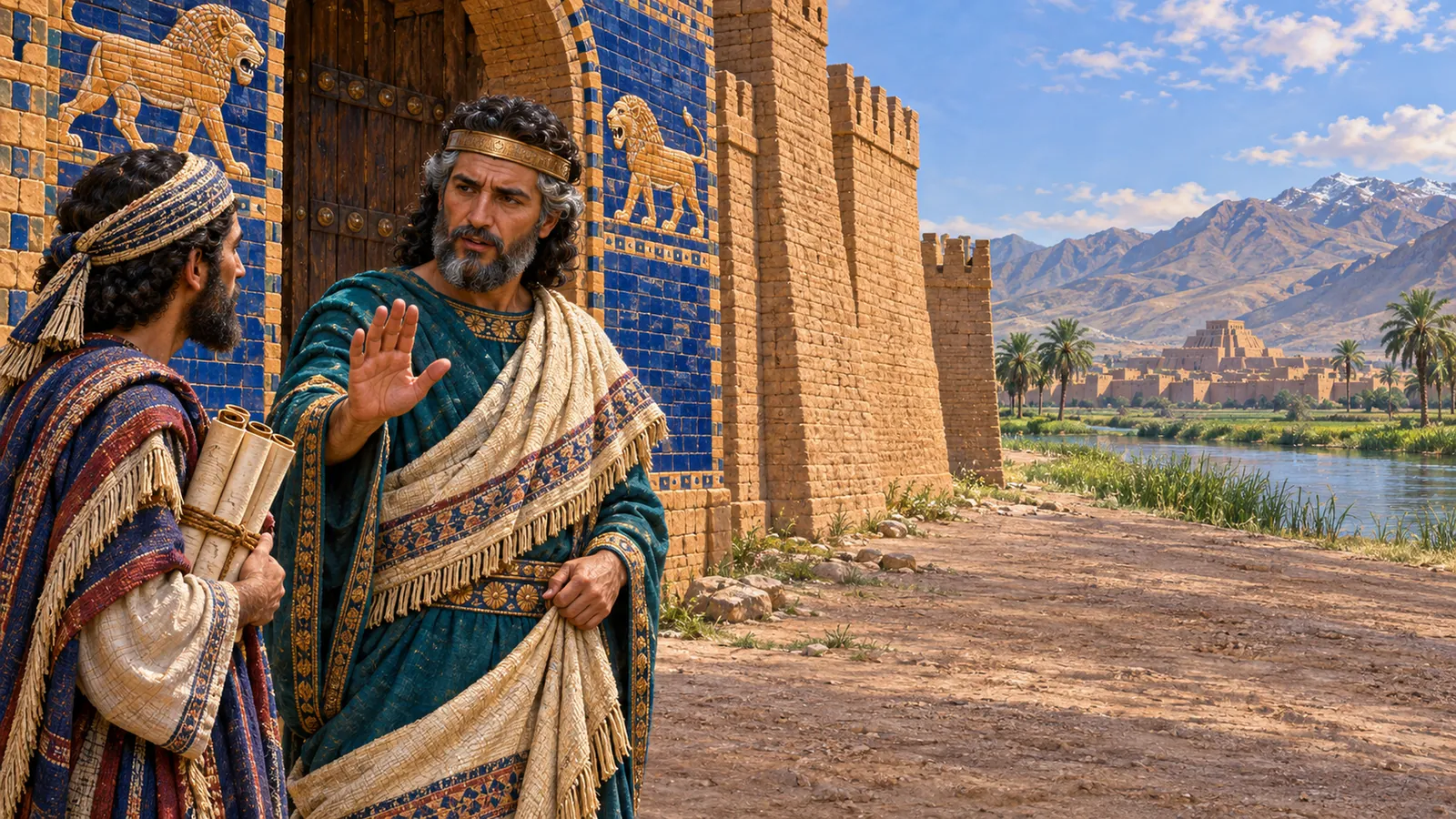
Even if an enemy raids the land, eats the flesh of the soldiery or commits murder, the king counsels staying back. The line about livestock is damaged.
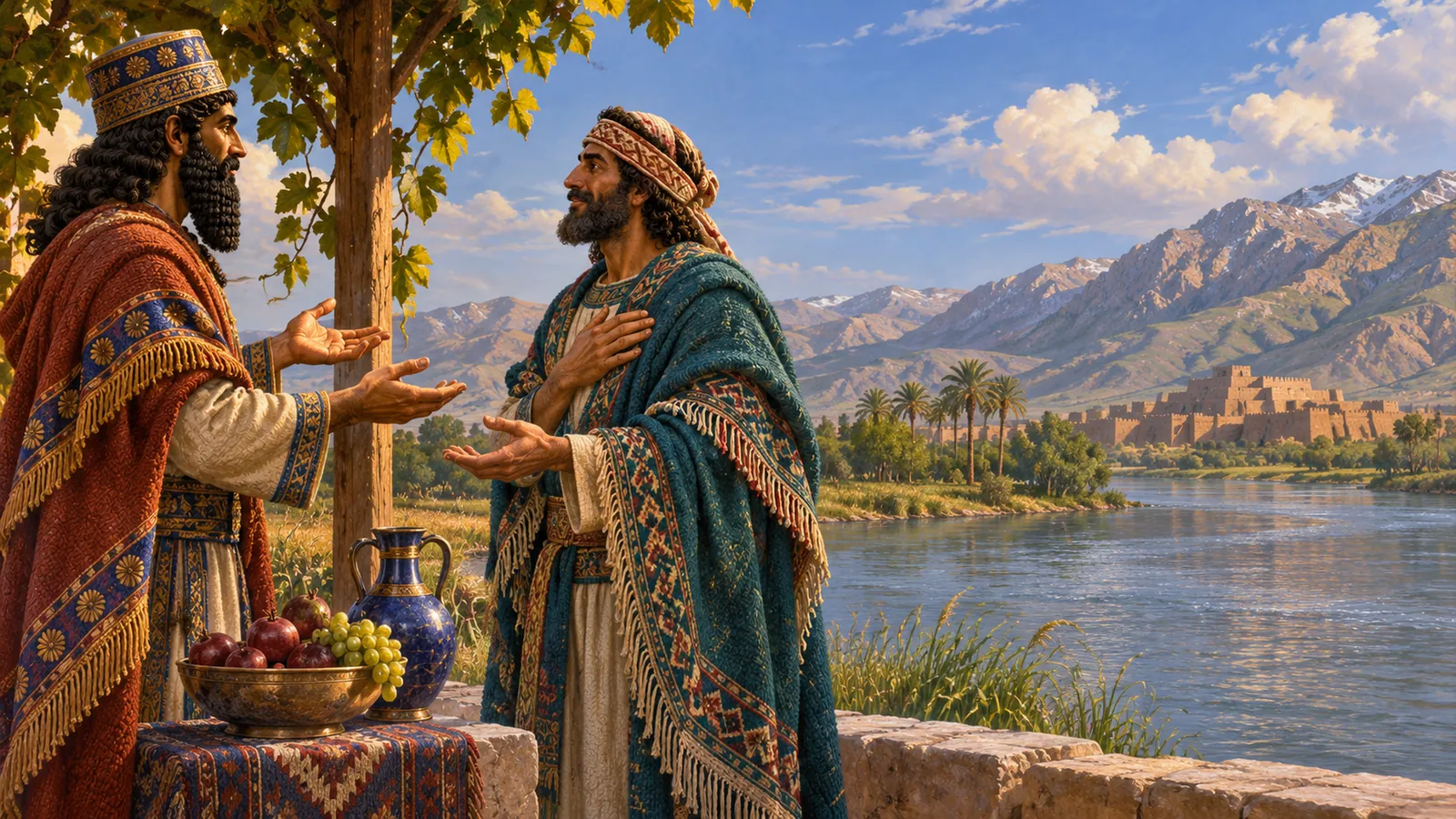
Be submissive and obedient, he counsels, and answer them as your lords. Repay their wickedness with kindness: these are the tale’s instructions to its future royal reader.
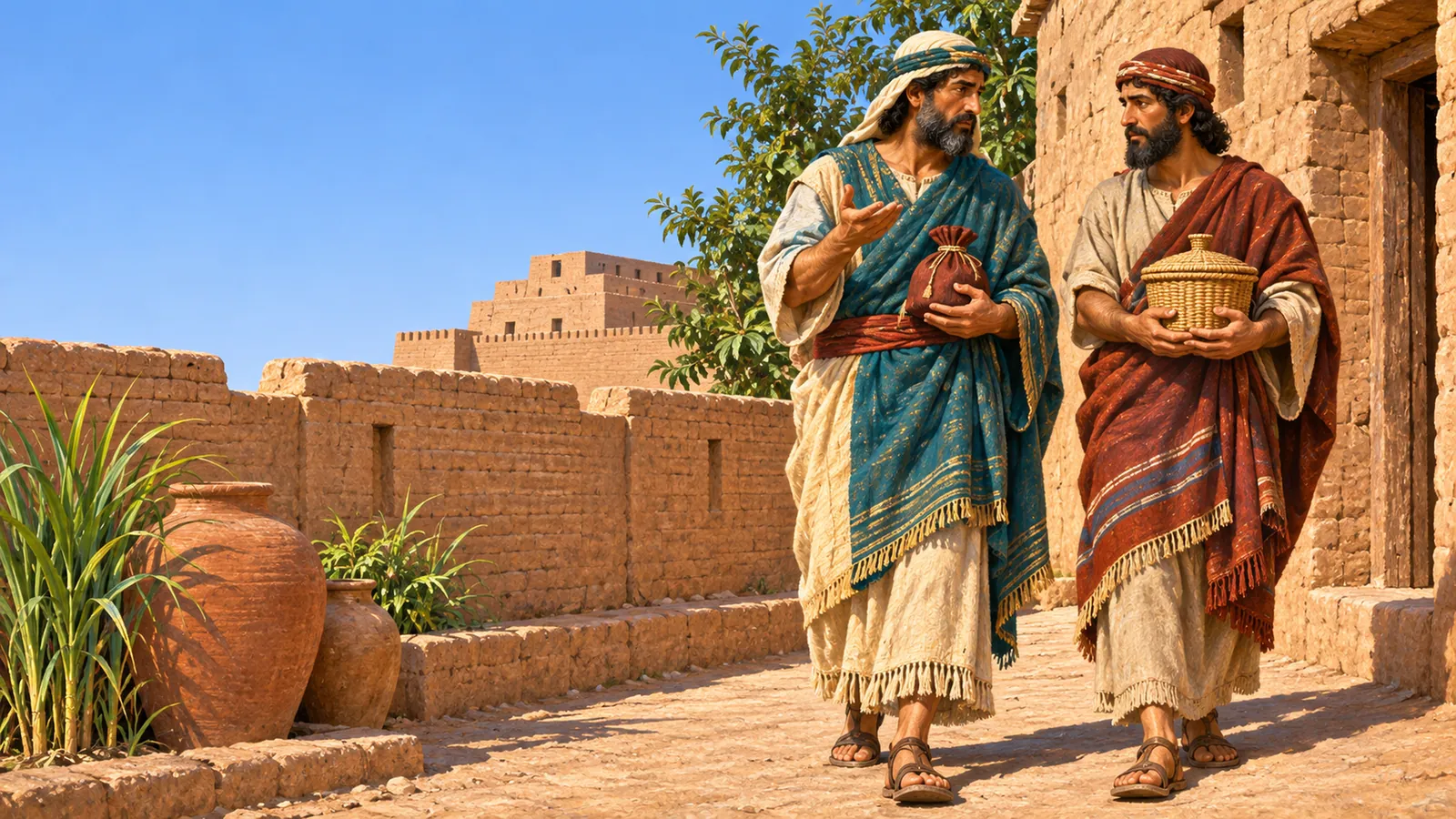
Add gifts and gratifications to kindness, the counsel continues. Avoid encountering them whenever possible; the tale does not end by ordering a new victorious war.
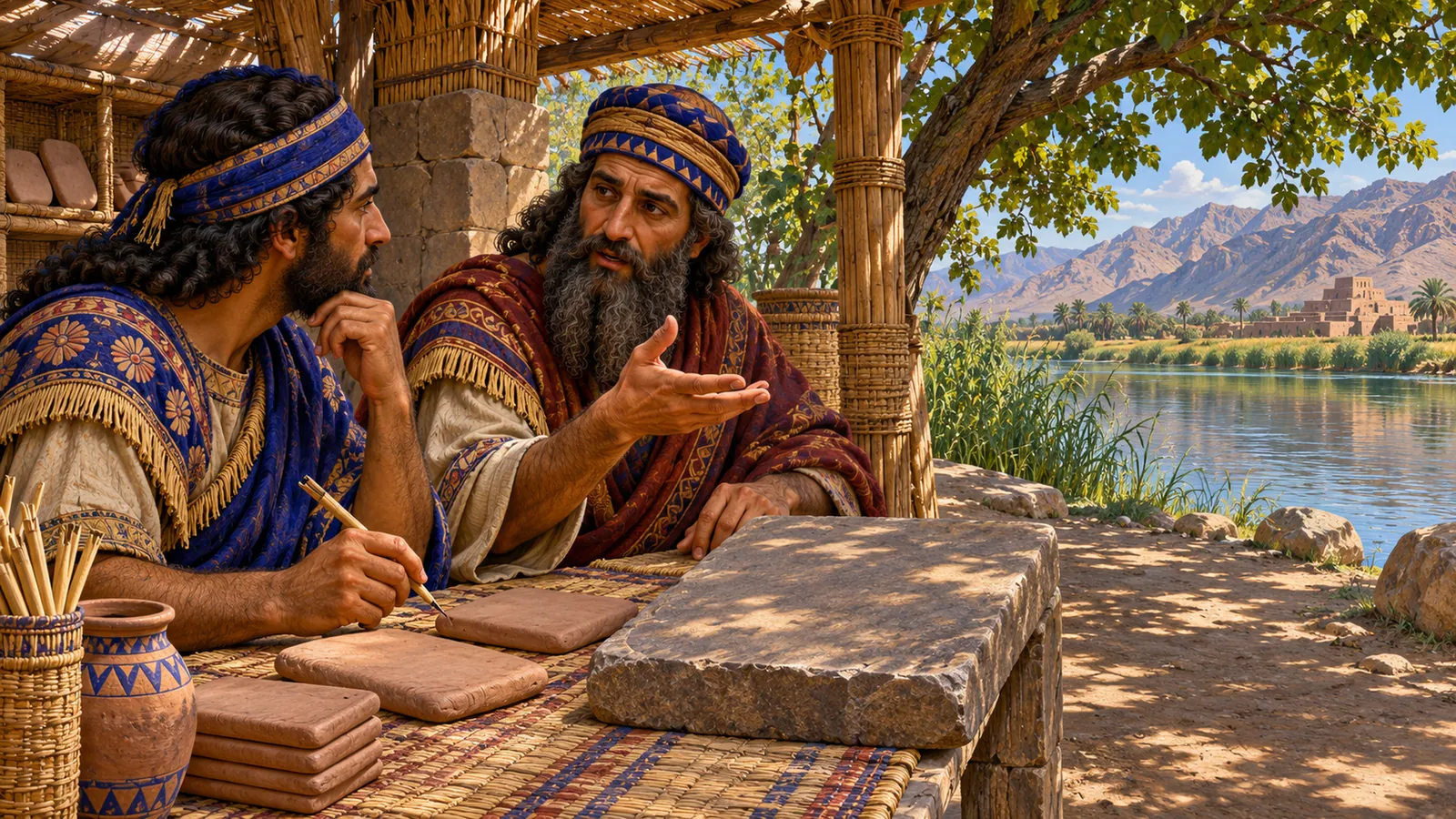
Let expert scribes formulate your stele, he says. The difficult verb may concern wording, writing or reading; the advice values a record that can reach those who come after.
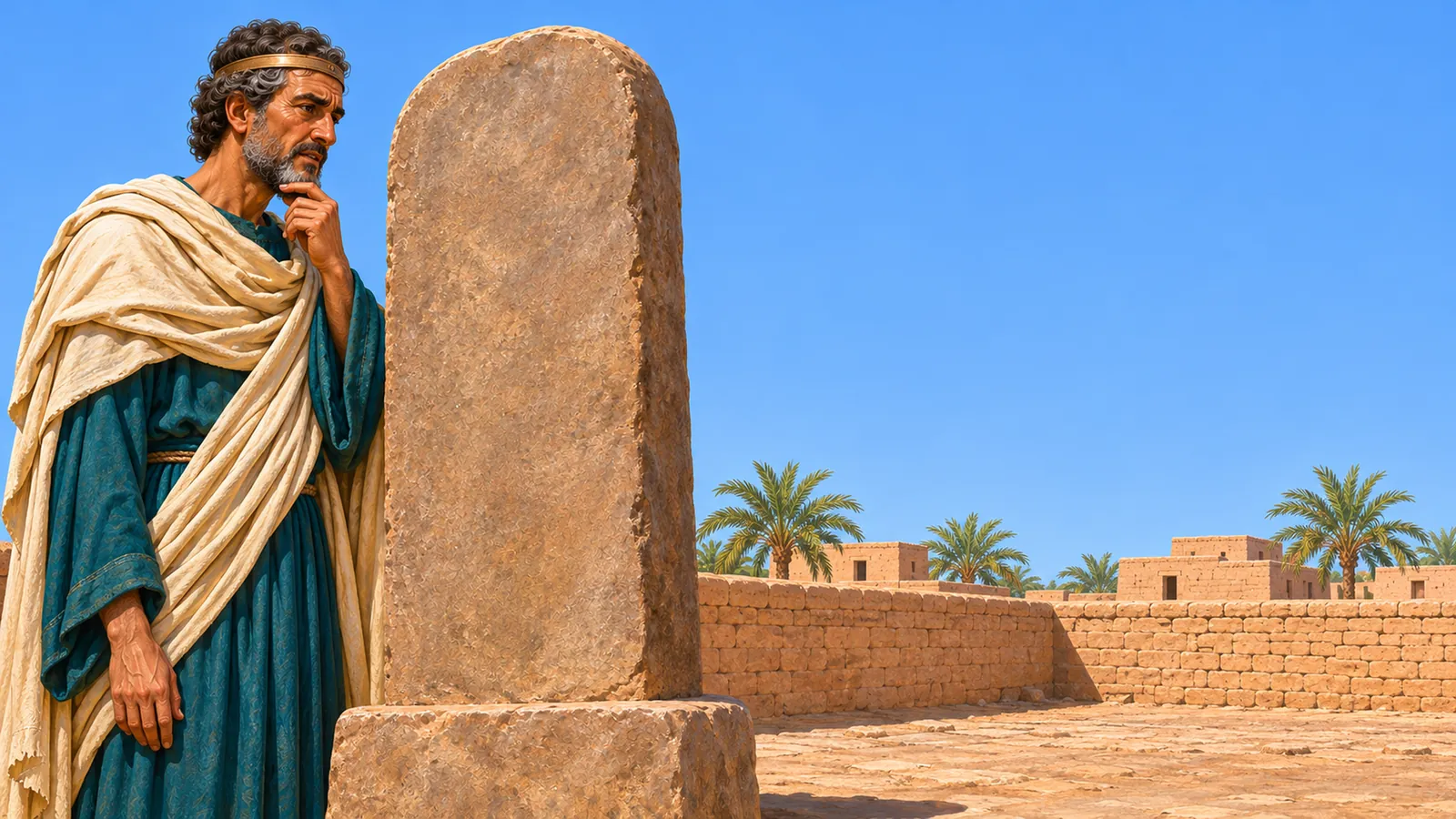
Naram-Sin addresses the reader who has read his stele and brought himself out of an ordeal like his. The message seeks to make another ruler’s judgment wiser.
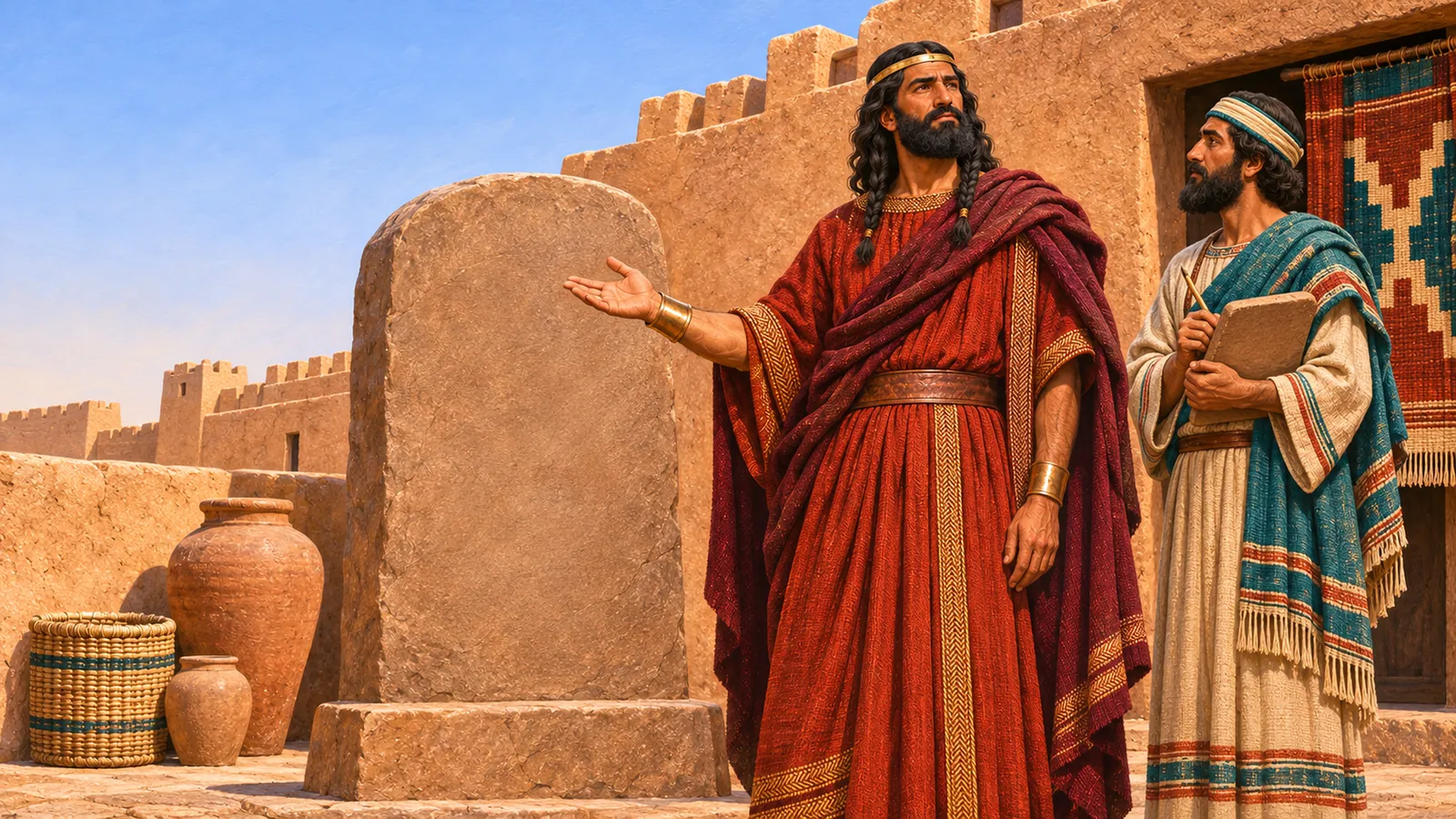
Naram-Sin ends with a blessing addressed to the reader who has blessed him. May someone who comes afterward bless that reader in turn.
End of chapter 1
All pages




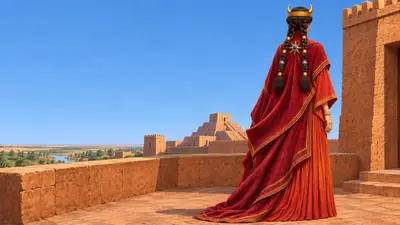
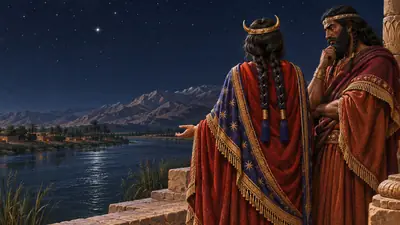
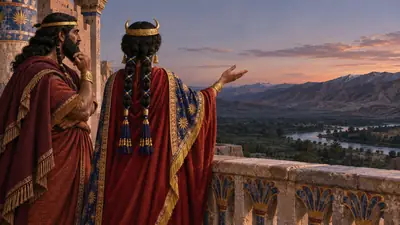
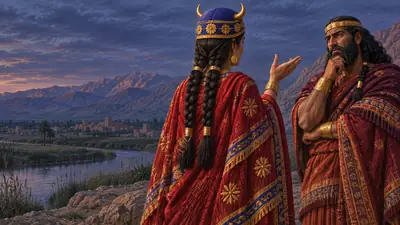
Sources
The complete electronic Babylonian Library L I.12 introduction and all five composite versions were read19 November2026 UTC, including composite reconstructions, alternatives and editorial notes: Standard Babylonian180 numbered entries as the continuous spine, Old Babylonian I74 entries and II13, and Middle Babylonian A63 entries and B15. English translations can span numbered entries. The eBL edition by Tonio D. N. Mitto and the editorial team, with Benjamin R. Foster’s translation, incorporates readings newer than some printed translations. Earlier versions remain separately identified comparisons; no gap is filled by silently borrowing another version. Complete independent Hittite editions and all cited print books were not read. The tale is a literary royal pseudo-autobiography claiming to be a stele deposited at Cutha, not an authenticated memoir or historical campaign report. It calls Sargon the king’s father, although historical genealogy places Naram-Sin as Sargon’s grandson; that literary wording is preserved rather than corrected within the tale. The enigmatic bird-host lines remain difficult, while the scout reports blood and the king’s test identifies the opponents as human. SB seven kings/six thousand troops and losses120000/90000/60700 remain distinct from MB A six kings/six hundred and OB I’s larger losses. The later destruction is prophecy, and the final severe advice is conditional.
Editions consulted
- eBL L I.12, introduction, transmission and bibliography
- eBL L I.12, complete Standard Babylonian composite and editorial notes
- eBL L I.12, separate Old Babylonian I comparison
- eBL L I.12, separate Old Babylonian II comparison
- eBL L I.12, separate Middle Babylonian A comparison
- eBL L I.12, separate Middle Babylonian B comparison
- The Metropolitan Museum of Art, Mesopotamian chronology; historical Sargon/Naram-Sin genealogy only
- IL Archive, Inanna / Ishtar
- IL Archive, Enki / Ea
- IL Archive, Akkadian
Ancient lines behind each page
- Page 1: eBL L I.12 Standard Babylonian -, lines1–3
SB1–3 invite reading the foundation-box stele of the king’s hardships. The current eBL reading of2–3 replaces an older restoration about future days. - Page 2: eBL L I.12 Standard Babylonian -, lines4–9
Historical genealogy instead makes Naram-Sin Sargon’s grandson, as the Met chronology notes; the literary wording is kept and explicitly framed as the tale. The damaged day/year/counsel passage does not authorize exact missing durations or a new succession ceremony. - Page 3: eBL L I.12 Standard Babylonian -, lines10–17
SB10–21 shifts toward Enmerkar but the exact point and restoration of his name/subject at10 are uncertain. The great-god list11–13 and seers14–17 survive through restoration and parallels. - Page 4: eBL L I.12 Standard Babylonian -, lines15–21
SB15–21 includes seven extispicies/seven lambs and reed altars, with uncertain verbal person and fragmentary speech. - Page 5: eBL L I.12 Standard Babylonian -, lines22–27
SB22–27 places Enmerkar under Shamash’s harsh judgment; the restoration that he became like a corpse is tentative. Ghosts of his kin, offspring and descendants and their muddy water belong to the damaged account. - Page 6: eBL L I.12 Standard Babylonian -, lines28–30
The wording of29 and its manuscript alternative is difficult; MB A b+2–3 supplies a separate parallel, not a silently restored SB line. - Page 7: eBL L I.12 Standard Babylonian -, lines31–36
Feather cloaks are an artistic convention, not a claim about ancient masks or a replacement of the source’s words. - Page 8: eBL L I.12 Standard Babylonian -, lines37–39
These coexist in the poem with34–35’s divine nurturing/mother language. MB A repeatedly has SIX kings and600 troops, a separate version. - Page 9: eBL L I.12 Standard Babylonian -, lines40–46
SB40–46 names Memanduh, Medudu, damaged third ending-pish, Tartadada, Baldahdah, Ahudanadih, Hurrukidu. Kukupish and other proposed third-name restorations are not certain; the latest collated seventh-name reading differs from older Hurrakidu forms. - Page 10: eBL L I.12 Standard Babylonian -, lines47–55
- Page 11: eBL L I.12 Standard Babylonian -, lines56–58,60
SB56–58/60 moves through Sealand, Gutium, Elam and coast/steppe alternatives; Dilmun/Magan/Meluhha and sea lands follow.60’s verb is absent in some witnesses and newly restored as dispersed in another, not older killed. - Page 12: eBL L I.12 Standard Babylonian -, lines59
- Page 13: eBL L I.12 Standard Babylonian -, lines61–62
- Page 14: eBL L I.12 Standard Babylonian -, lines63–65
- Page 15: eBL L I.12 Standard Babylonian -, lines66–68
- Page 16: eBL L I.12 Standard Babylonian -, lines69–71
The retelling does not invent invulnerability, a victim death, voluntary consent or a named captive. - Page 17: eBL L I.12 Standard Babylonian -, lines72–77
- Page 18: eBL L I.12 Standard Babylonian -, lines78
SB78’s latchkey metaphor for the gods’ oracle does NOT permit going/vain intent, with a damaged alternative. - Page 19: eBL L I.12 Standard Babylonian -, lines79–83
- Page 20: eBL L I.12 Standard Babylonian -, lines84–85
- Page 21: eBL L I.12 Standard Babylonian -, lines85
- Page 22: eBL L I.12 Standard Babylonian -, lines86–87
- Page 23: eBL L I.12 Standard Babylonian -, lines88–90
- Page 24: eBL L I.12 Standard Babylonian -, lines91–93
- Page 25: eBL L I.12 Standard Babylonian -, lines94–98
Deluge is decided above and imminent below, with doubtful duplicated wording at98. - Page 26: eBL L I.12 Standard Babylonian -, lines99–103
SB99–103 has Ea object to a command to annihilate humankind because the gods had decided human existence should continue forever, with a damaged alternative103. MB A’s creation/wall-worship/food/sleep speech is a different version and is not substituted here. - Page 27: eBL L I.12 Standard Babylonian -, lines104–107
- Page 28: eBL L I.12 Standard Babylonian -, lines108–113
- Page 29: eBL L I.12 Standard Babylonian -, lines114–119
SB114–119: reply115–117 and its speaker boundaries are uncertain. They remain predictive words, not a narrated execution or accomplished massacre. - Page 30: eBL L I.12 Standard Babylonian -, lines120
This is not a new named scouting exploit. - Page 31: eBL L I.12 Standard Babylonian -, lines121–123
- Page 32: eBL L I.12 Standard Babylonian -, lines124–125
The flesh/entrails reading differs from older punishment interpretations discussed by the editor. - Page 33: eBL L I.12 Standard Babylonian -, lines126–127
SB126–127 performs another extispicy on a lamb and the oracle orders mercy, with the ordering verb restored. - Page 34: eBL L I.12 Standard Babylonian -, lines128–129
SB128–129 has the shining Morning Star approach/speak from heaven, with the verb partly restored and alternatives discussed. - Page 35: eBL L I.12 Standard Babylonian -, lines130
- Page 36: eBL L I.12 Standard Babylonian -, lines131–132
- Page 37: eBL L I.12 Standard Babylonian -, lines133–137
Current134 reads DOGS from syllabic witness, not older dwelling places. - Page 38: eBL L I.12 Standard Babylonian -, lines136
- Page 39: eBL L I.12 Standard Babylonian -, lines138–143
- Page 40: eBL L I.12 Standard Babylonian -, lines144–146
SB144–146: famine, barley sūt for one restored SHEKEL of silver (not older mina), translated ten quarts by Foster, and a damaged strong-king sentence. Quart is the consulted translation’s approximate rendering of an ancient measure, not a new exact modern conversion. The approximate quart rendering stays in this source note. - Page 41: eBL L I.12 Standard Babylonian -, lines147–148
- Page 42: eBL L I.12 Standard Babylonian -, lines149–155
SB149–155 addresses a future governor/prince/other named to kingship; the king makes the box/writes stele and leaves it in Cutha, Emeslam, Nergal’s cella. - Page 43: eBL L I.12 Standard Babylonian -, lines156–158
- Page 44: eBL L I.12 Standard Babylonian -, lines159
- Page 45: eBL L I.12 Standard Babylonian -, lines160–163
- Page 46: eBL L I.12 Standard Babylonian -, lines164–165
- Page 47: eBL L I.12 Standard Babylonian -, lines166–169
- Page 48: eBL L I.12 Standard Babylonian -, lines170–172
- Page 49: eBL L I.12 Standard Babylonian -, lines173–174
- Page 50: eBL L I.12 Standard Babylonian -, lines175–176
SB175–176 calls on expert scribes; the verb for wording/writing/reading is uncertain and awaits collation. - Page 51: eBL L I.12 Standard Babylonian -, lines177–178
- Page 52: eBL L I.12 Standard Babylonian -, lines179–180
Illustrations made with AI tools by IL Archive; the text is based on the ancient sources (see the sources at the end of each chapter).