Gudea Builds the Temple Chapter 1
The First Brick
Gudea journeys to seek the meaning of a dream. A city’s people and supplies from far away turn the vision into a temple.
SourcesTurn the pages with the arrows, the arrow keys or a swipe.
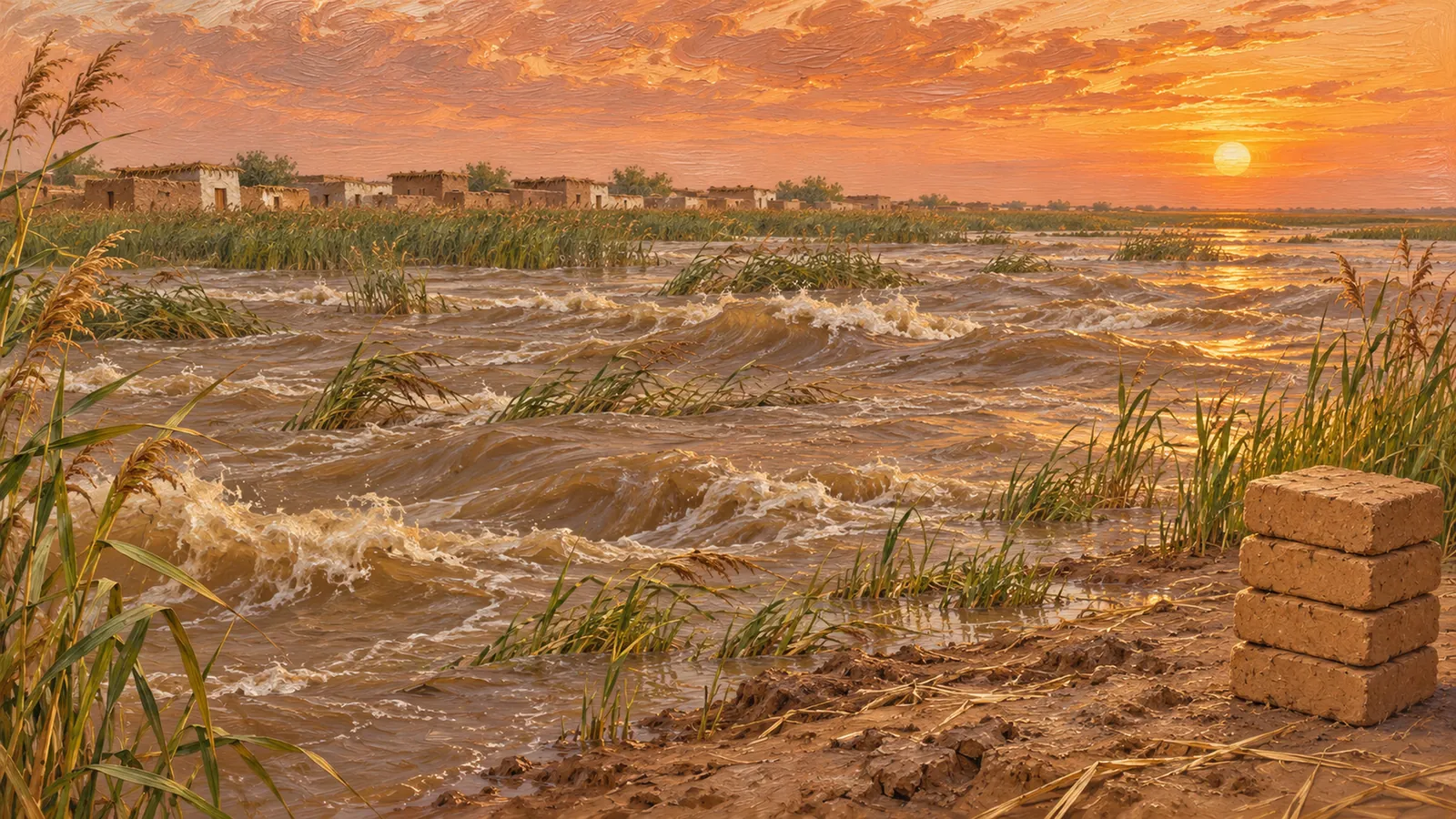
ENINNU
When the gods determined the destinies of heaven and earth, Enlil looked with favor on Ningirsu. The time had come for Girsu’s god to have his temple built.

Ningirsu came to Gudea, ruler of Lagash, in a dream. He showed him the splendor of Eninnu and asked him to build it. Much of the vision puzzled Gudea.
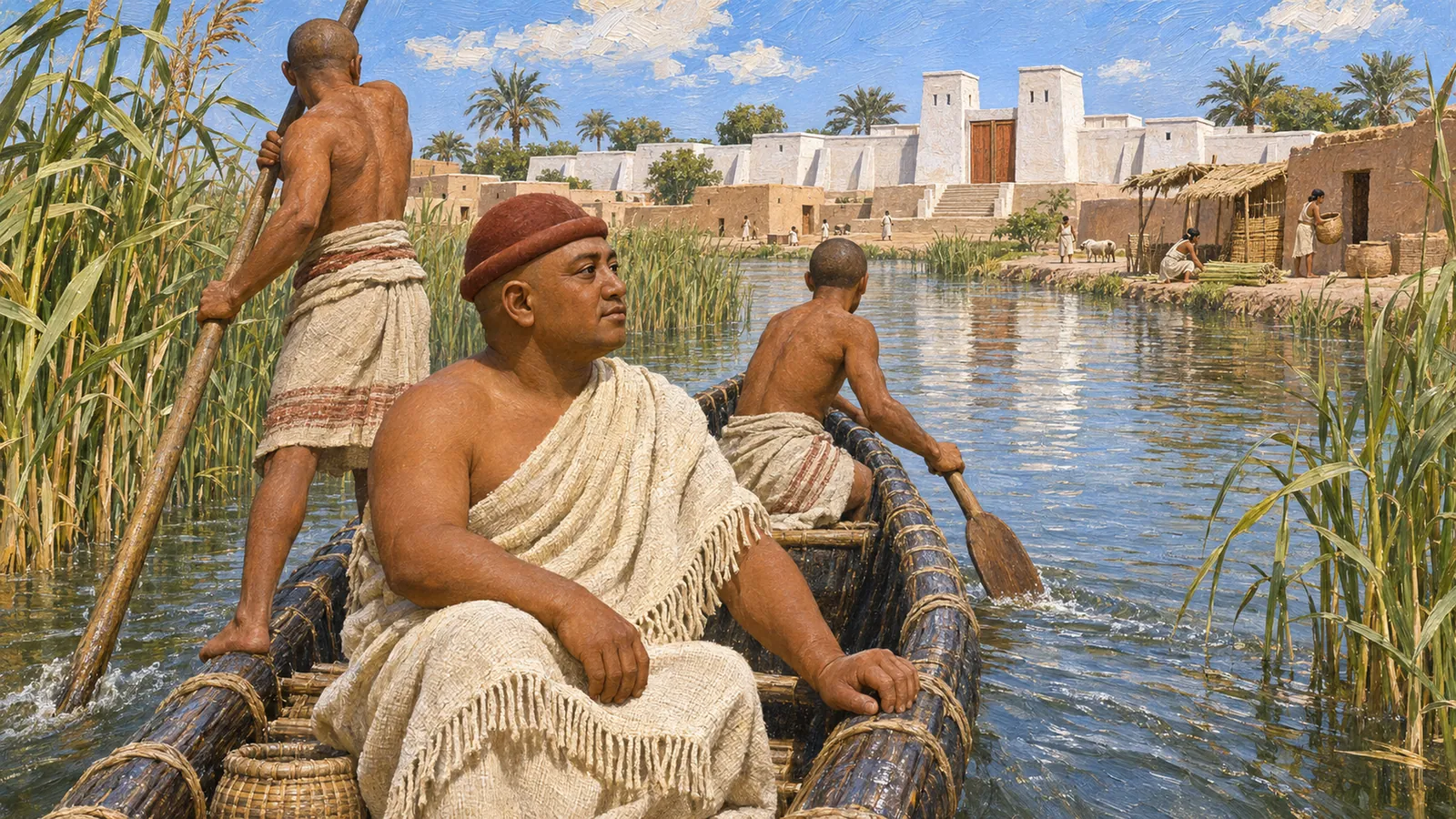
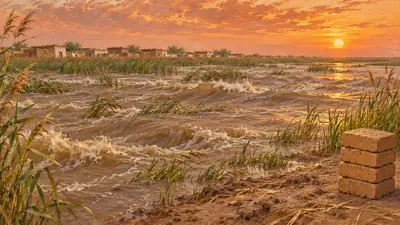
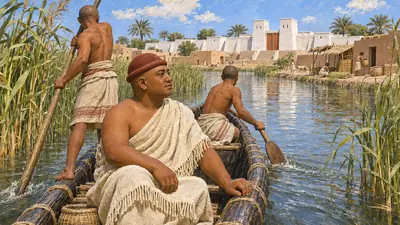
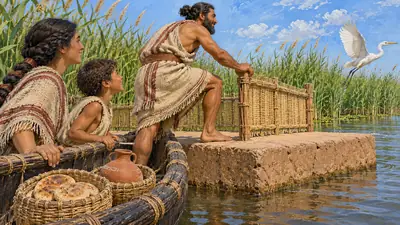
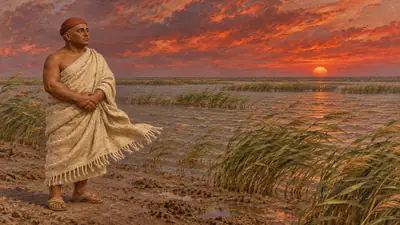
Gudea has chosen Nanshe, whose judgment he trusts, to interpret the dream. He sets off down the canal to her city of Nigin, cutting through the river waves.
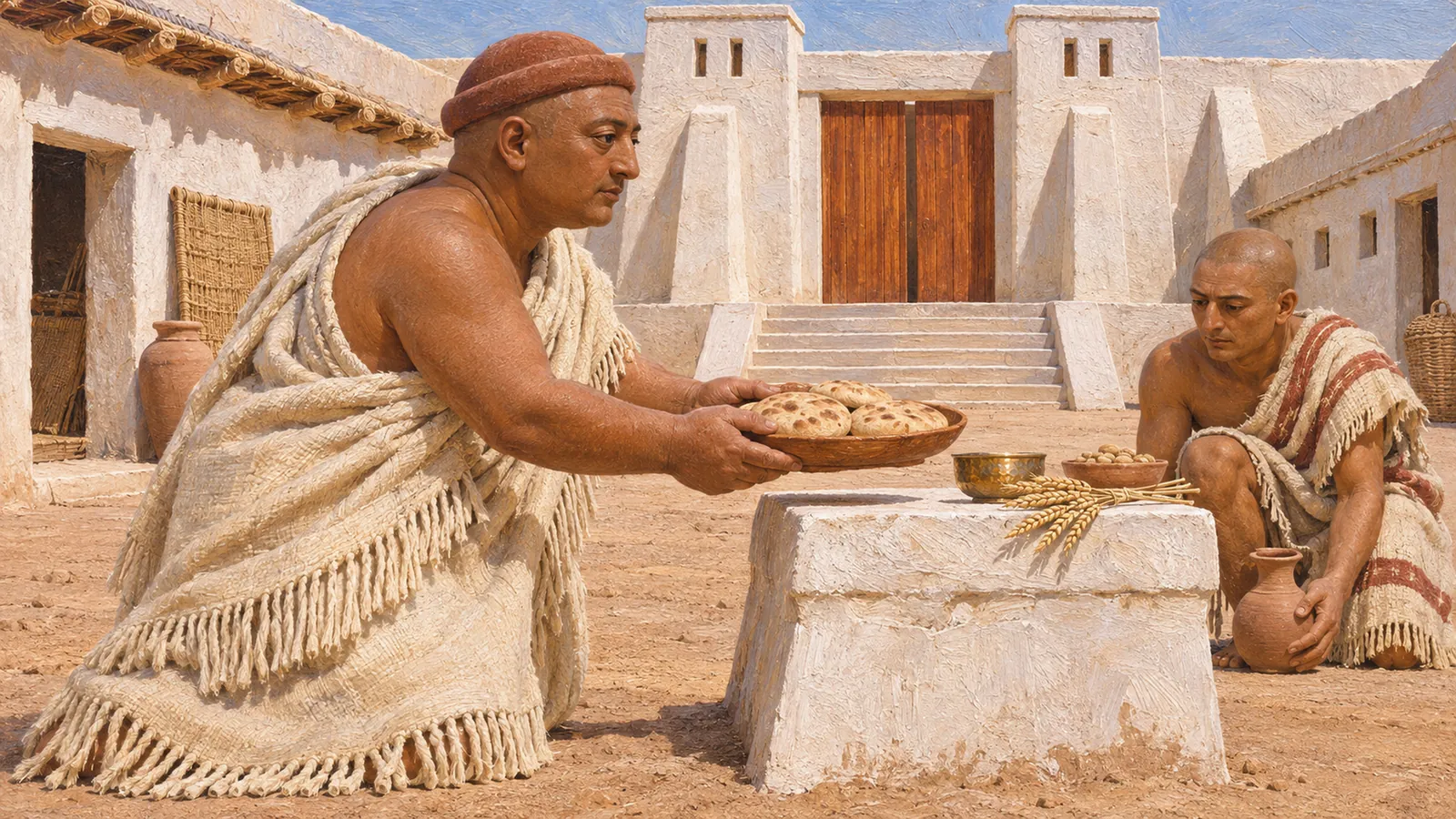
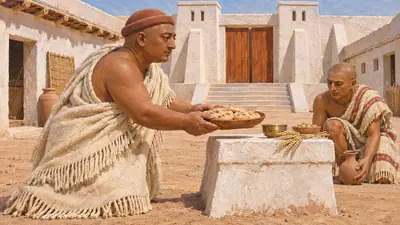
At the river sanctuary, Gudea lays down bread and pours cool water. He tells Ningirsu he means to build the house and asks to consult the god’s sister Nanshe.
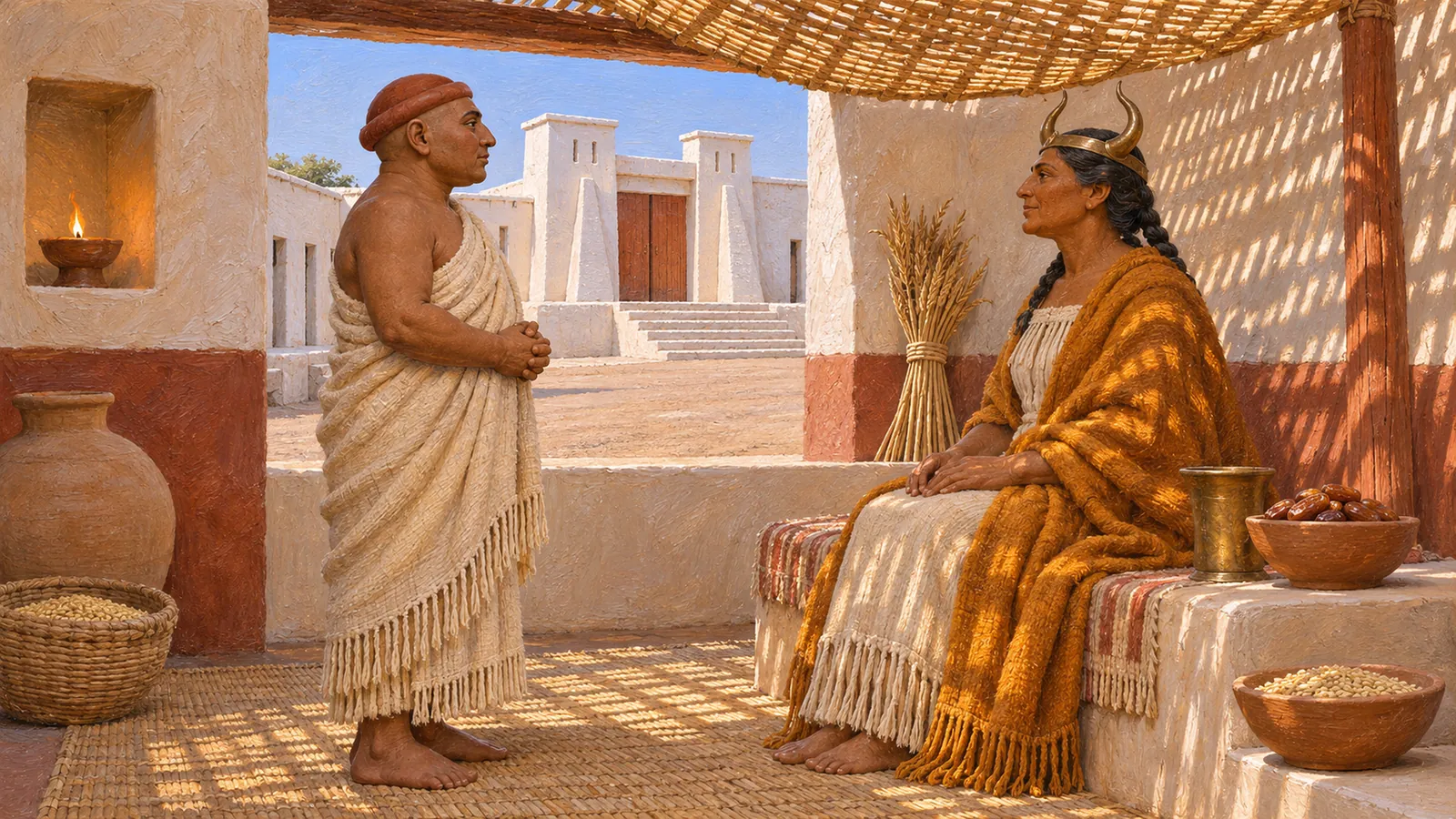
At Bagara, Gudea prayed to the goddess Gatumdug. He called her his mother and father and asked for her protection on the way to Nigin.
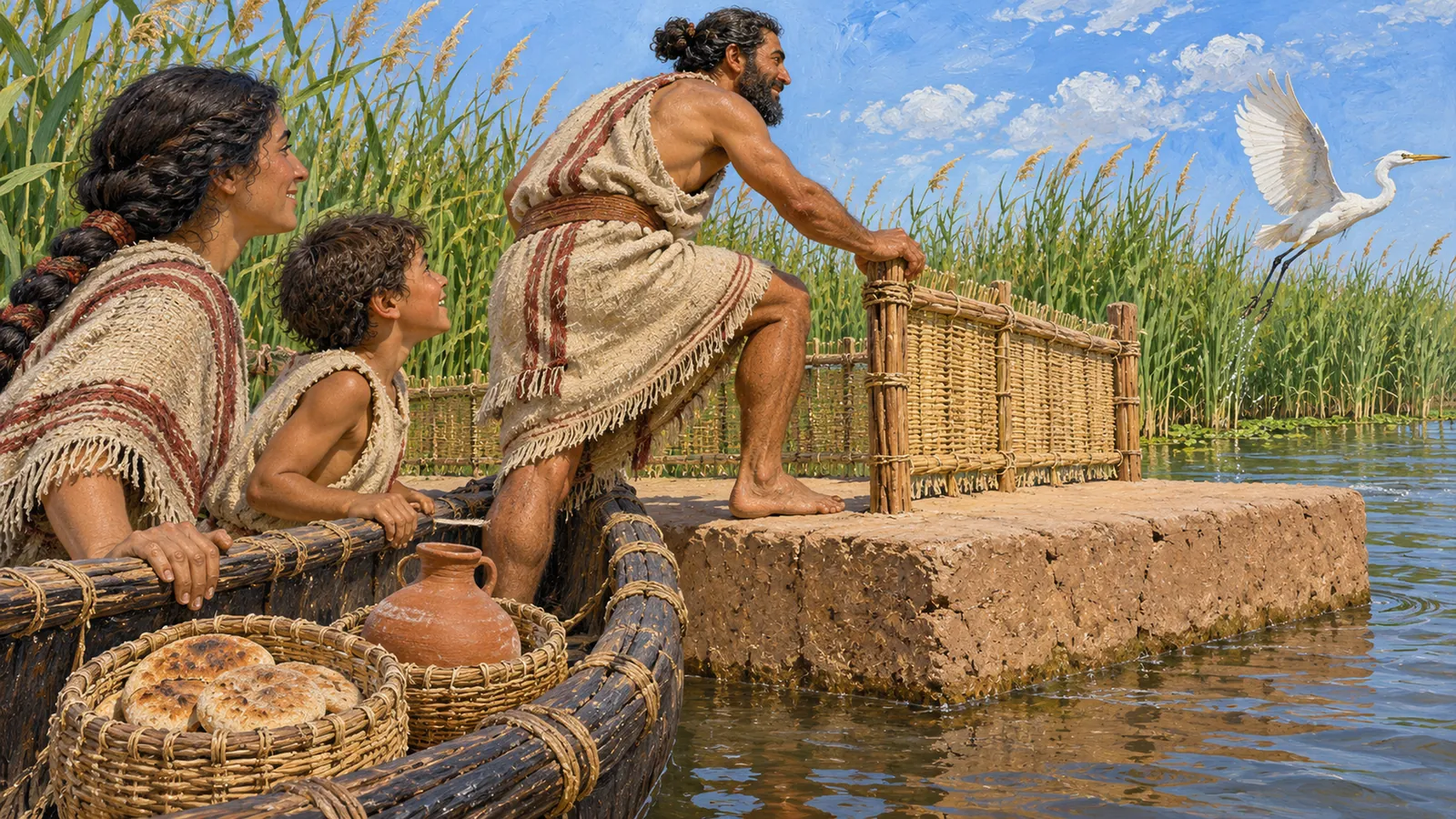
In his prayer, Gudea asks for the goddess’s shade and for a guardian to walk beside him. Then he takes the boat again and moors it at Nigin.
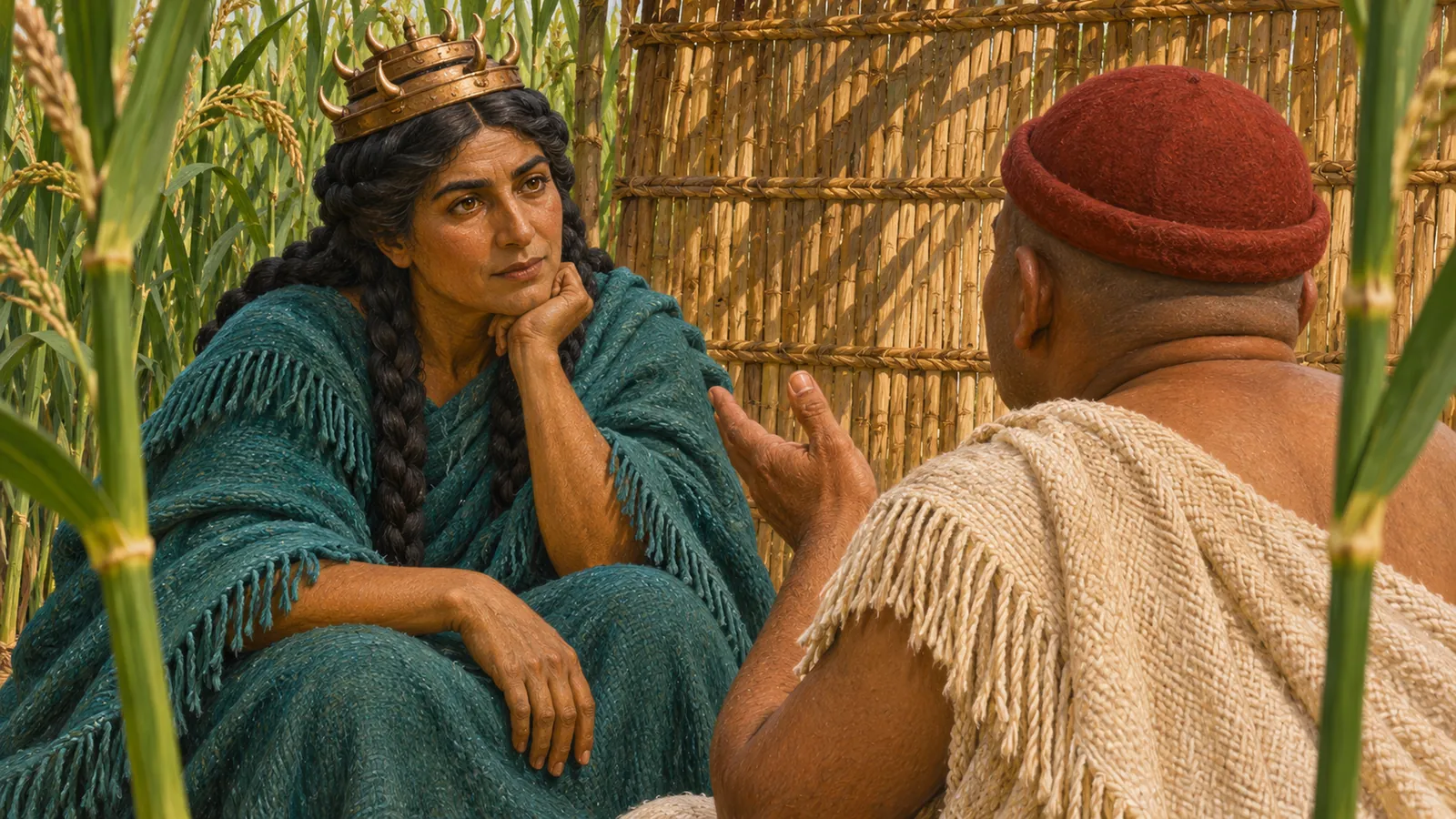
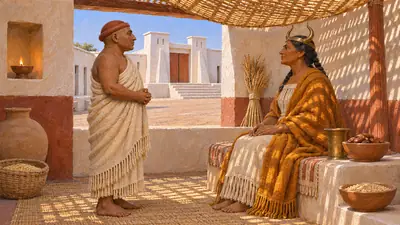
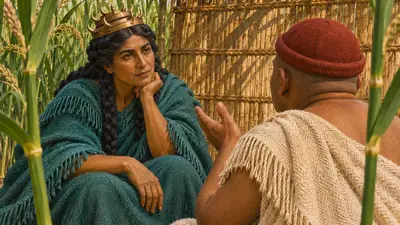
In Nanshe’s courtyard, Gudea sets down bread and pours water once more. He trusts her judgment. He can describe what he saw, and she can tell him what it means.
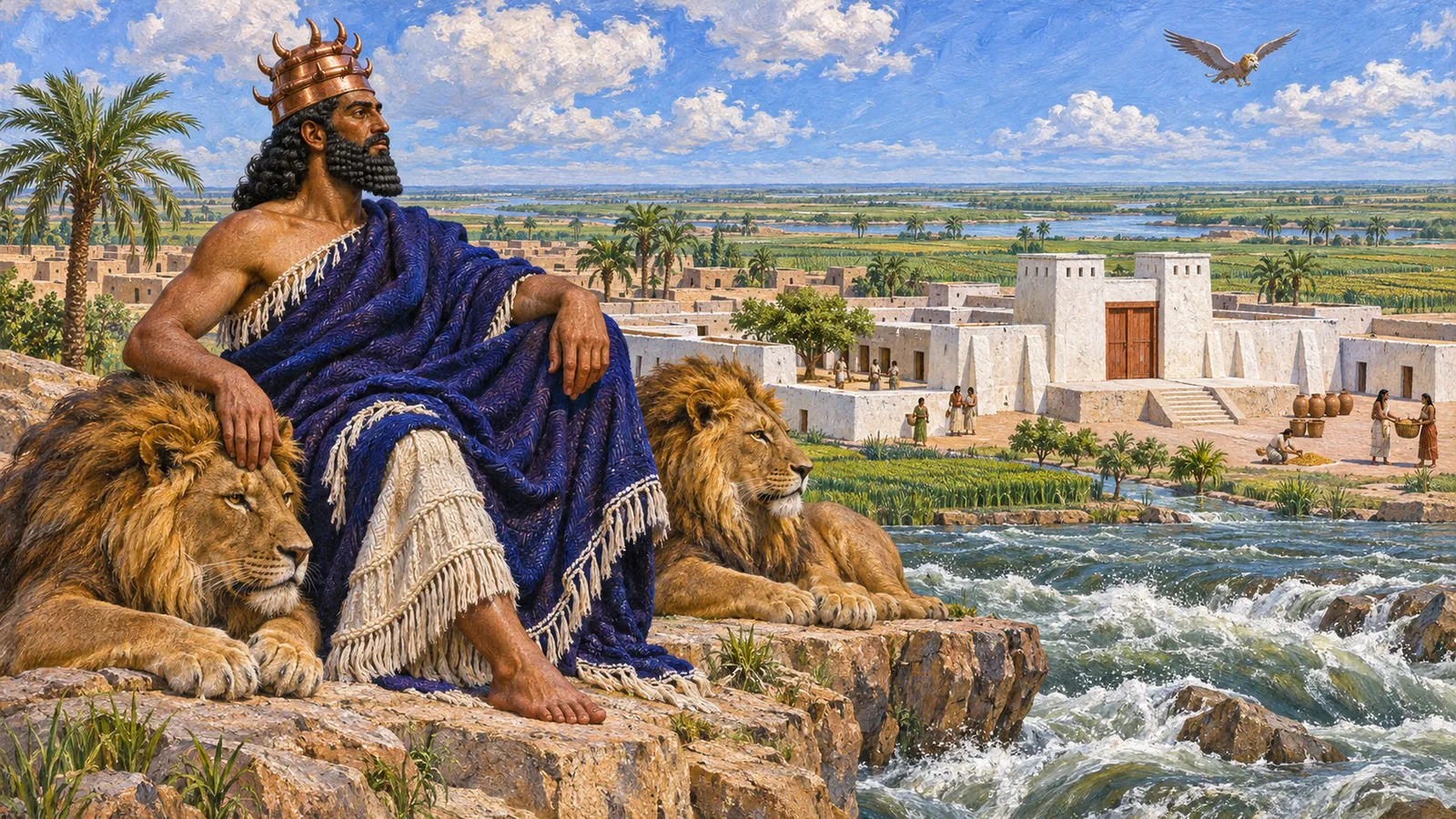
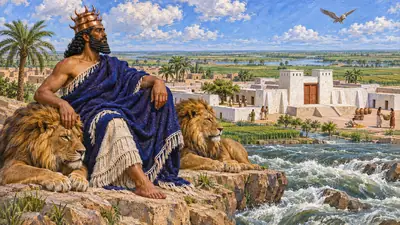
In his dream there was a figure as vast as the sky, with wings like the Anzud bird’s, a flood below and a lion on either side. Nanshe recognized Ningirsu.
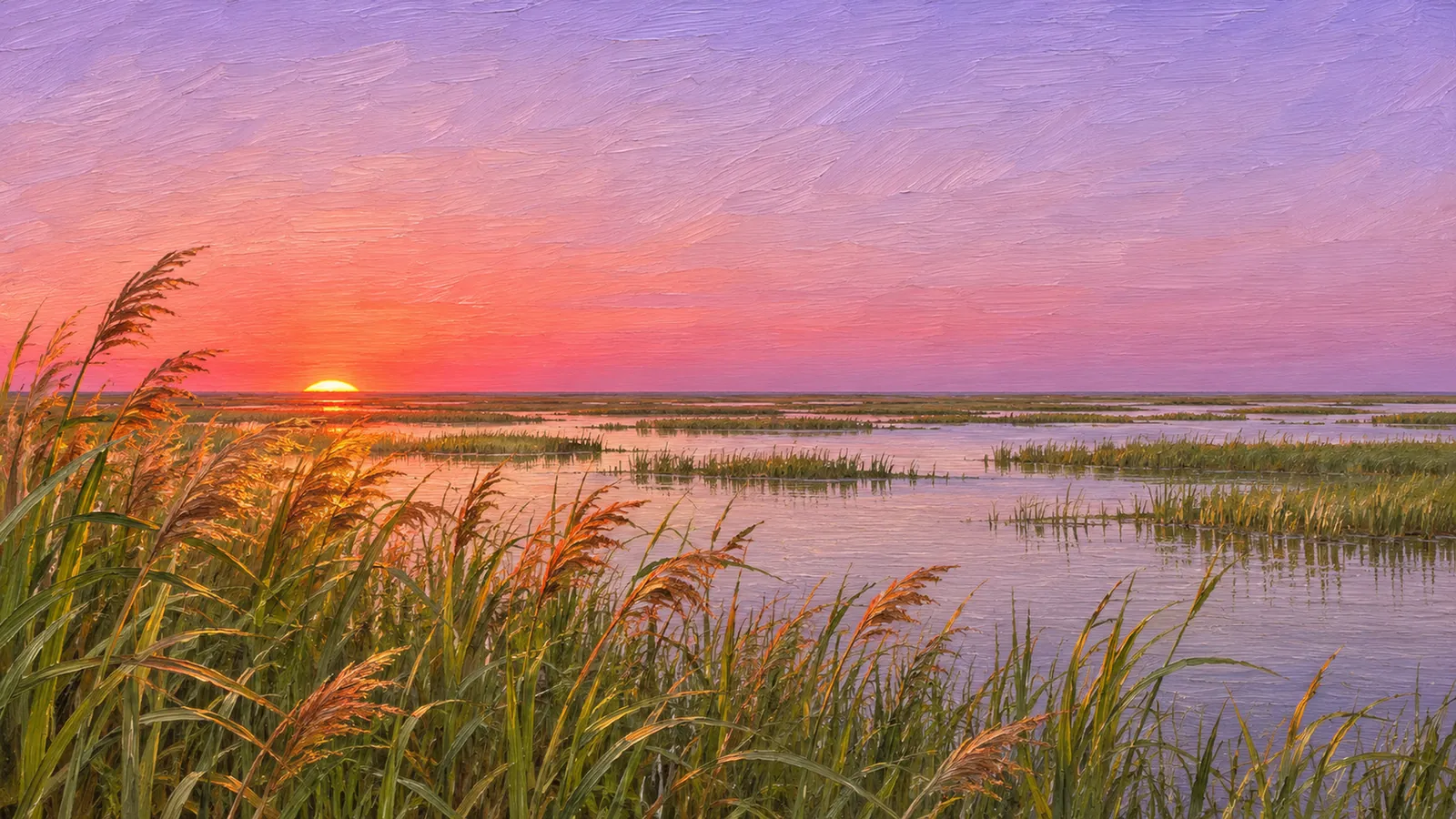
When the great figure had spoken, light rose on the horizon. Nanshe tells Gudea that the dawn stands for Ningishzida, his own god, who will rise for him.
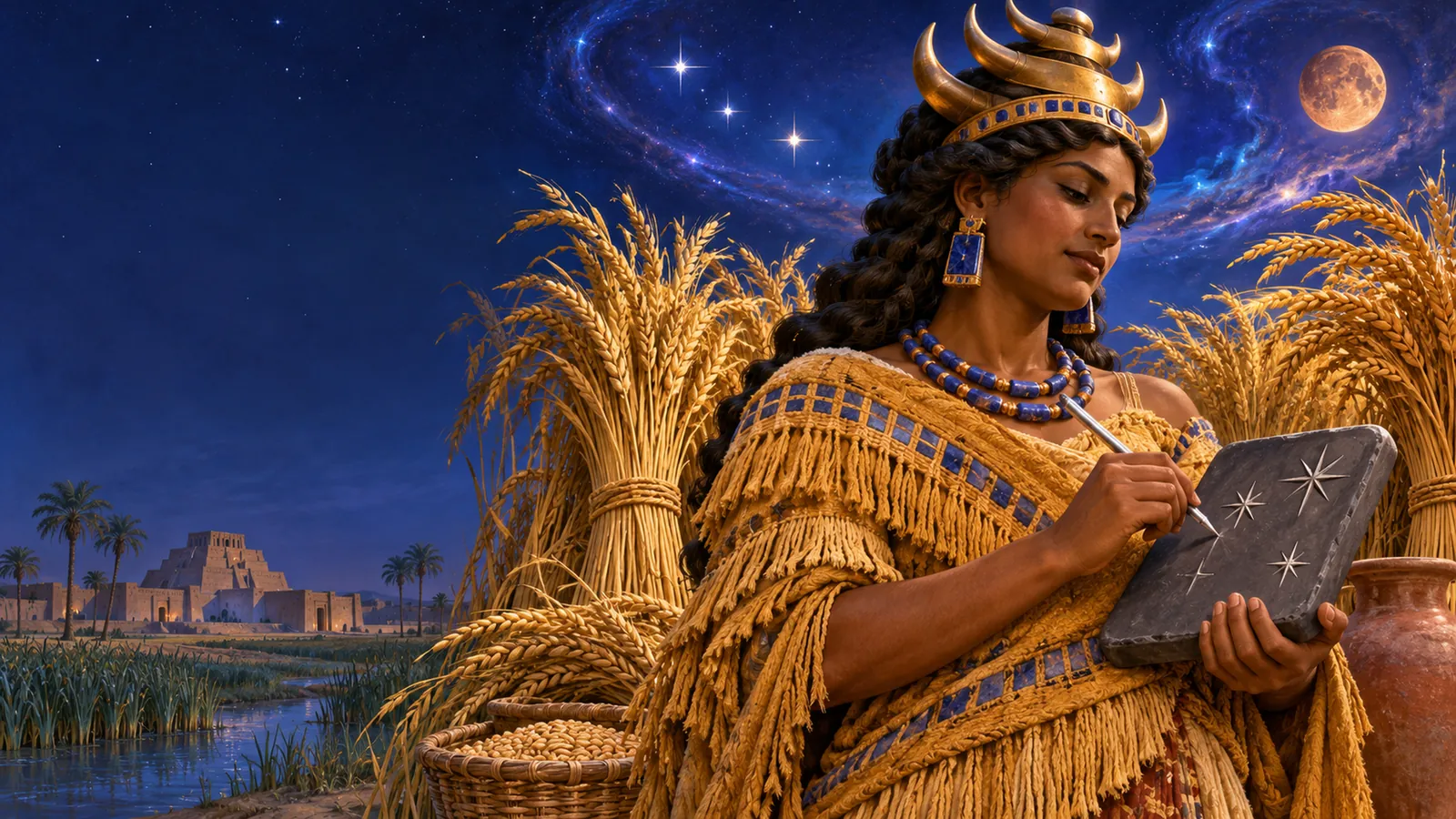
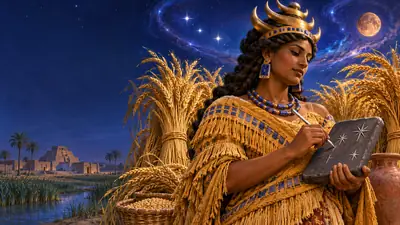
Next comes a woman holding a silver stylus over a tablet of stars. Nanshe knows her as her sister Nisaba, who chooses the favorable stars for the work.
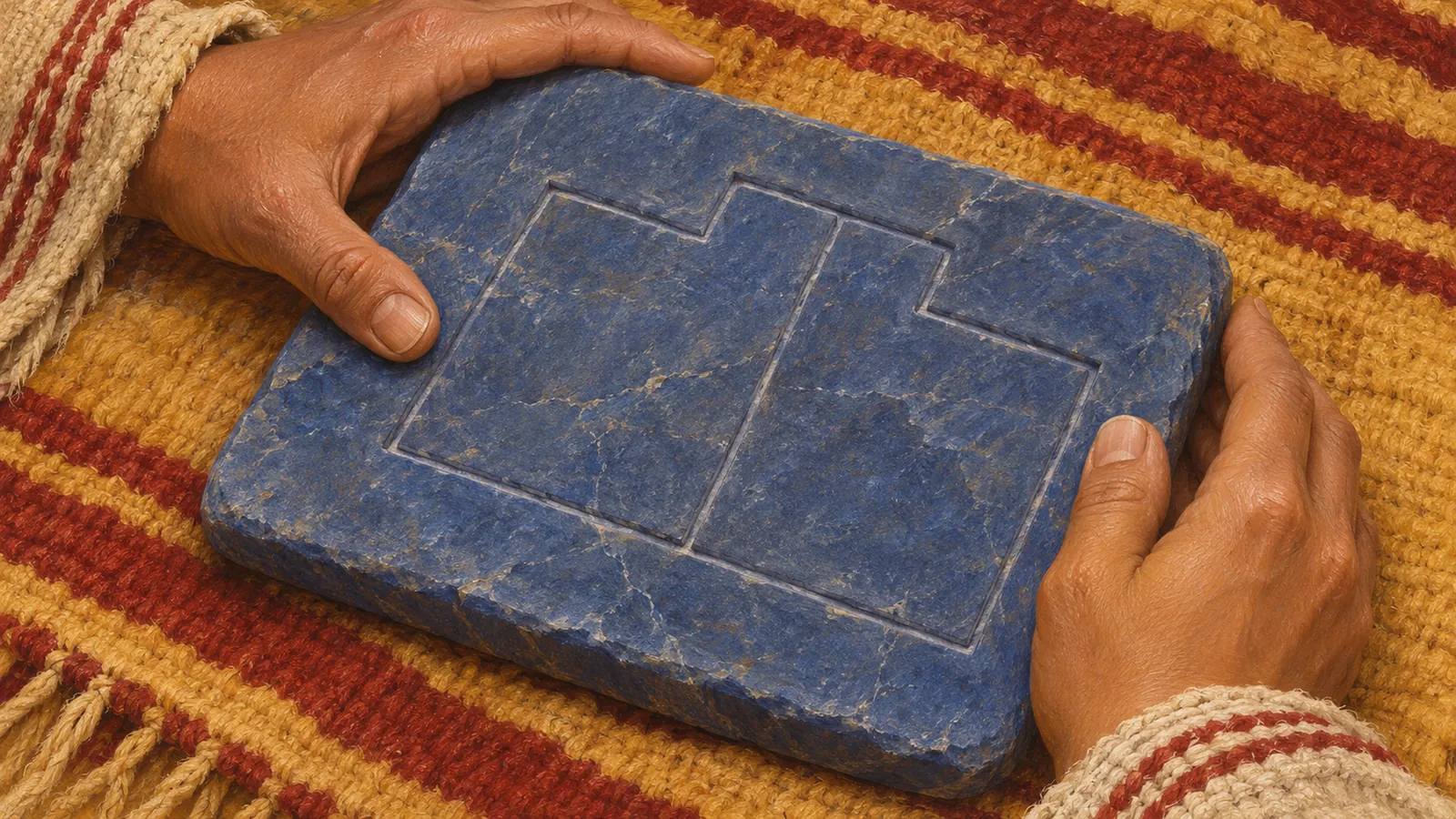
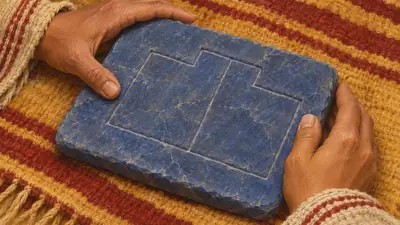
The warrior in the vision holds a tablet the blue of lapis lazuli. Nanshe names him too. It is Nindub, drawing the plan of the house Gudea must build.
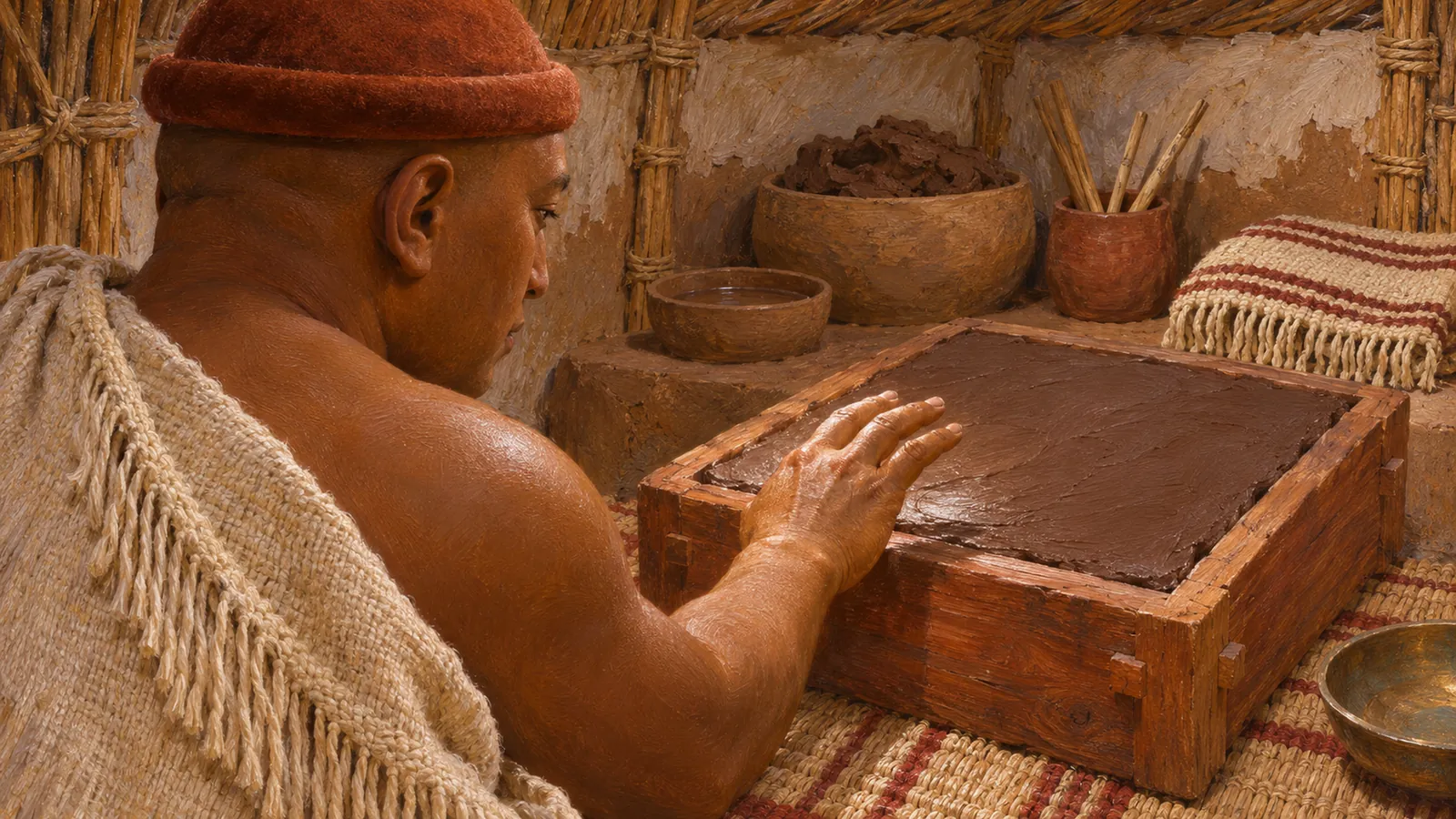
There was a basket waiting in front of Gudea, with a brick already in its mold. The objects, Nanshe tells him, show the first work his hands must do.
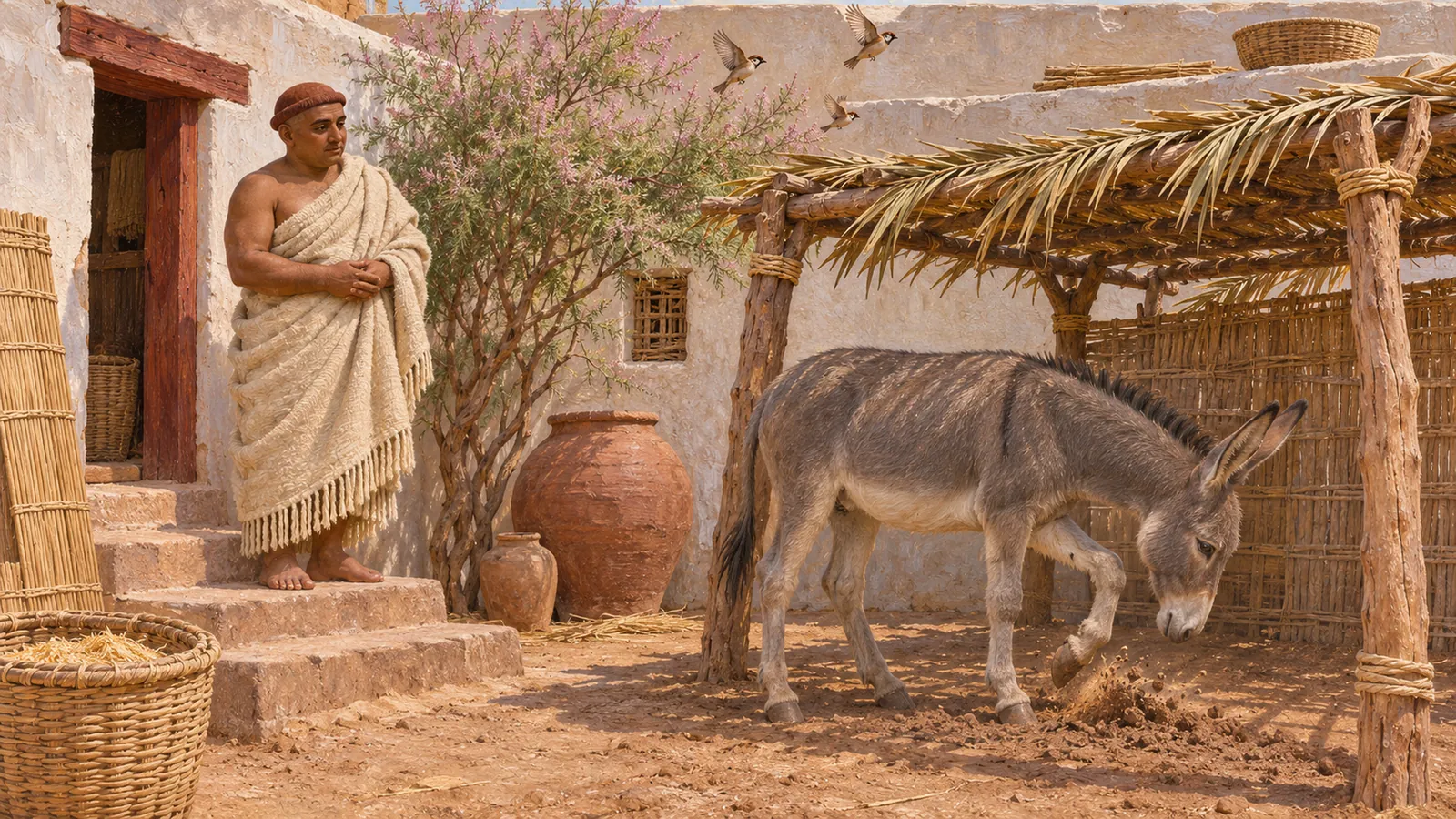
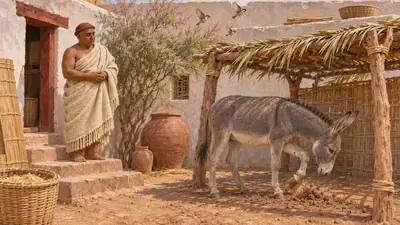
The birds in the tree meant the work would keep him from sleep. The donkey pawing the earth was Gudea himself, eager to start.
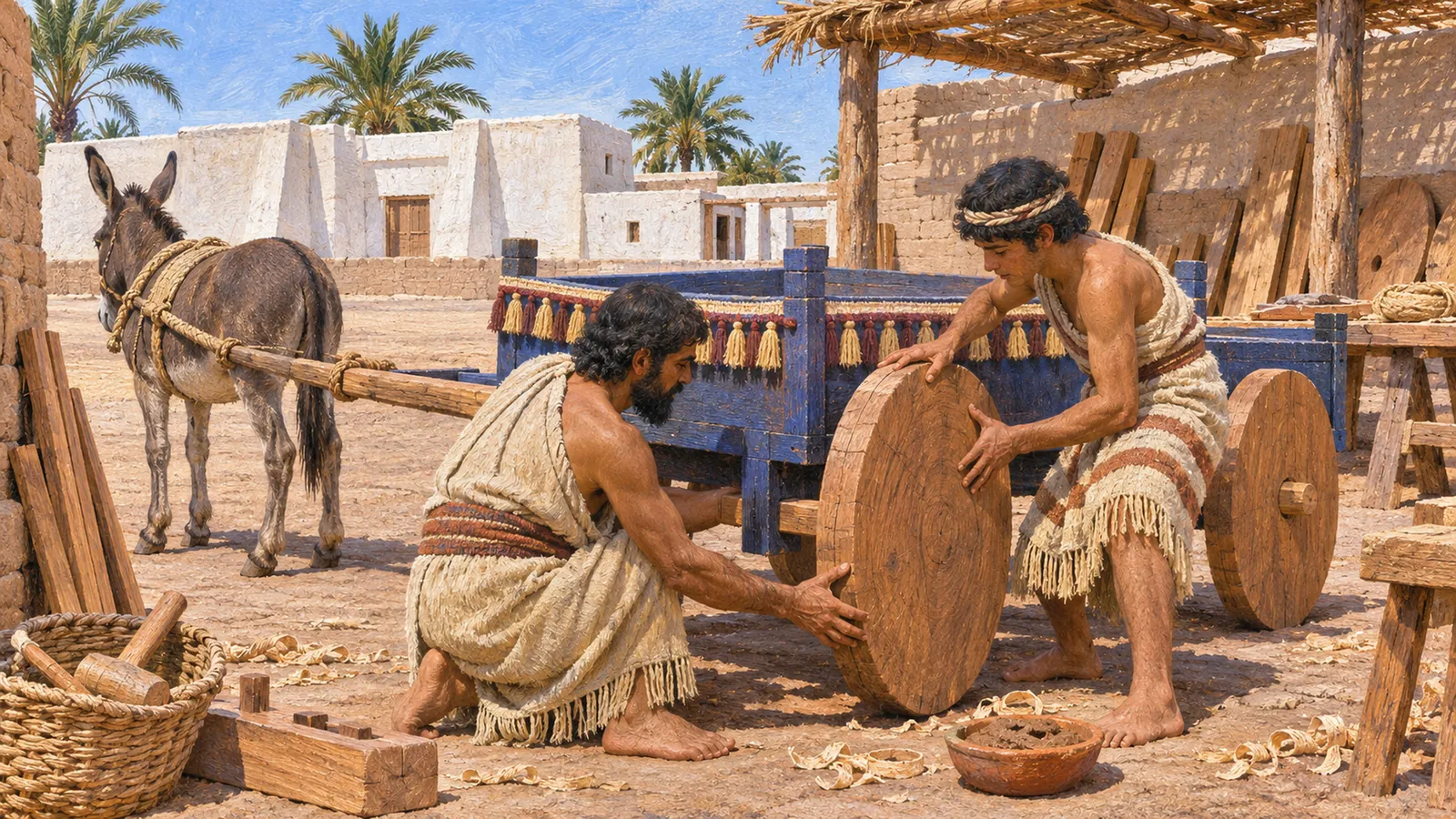
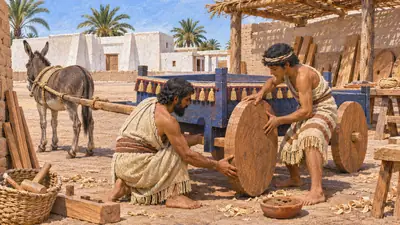
Nanshe told Gudea to offer a cart, a standard and music to his lord. He chose his timber, made a blue cart and harnessed a fine donkey to it.
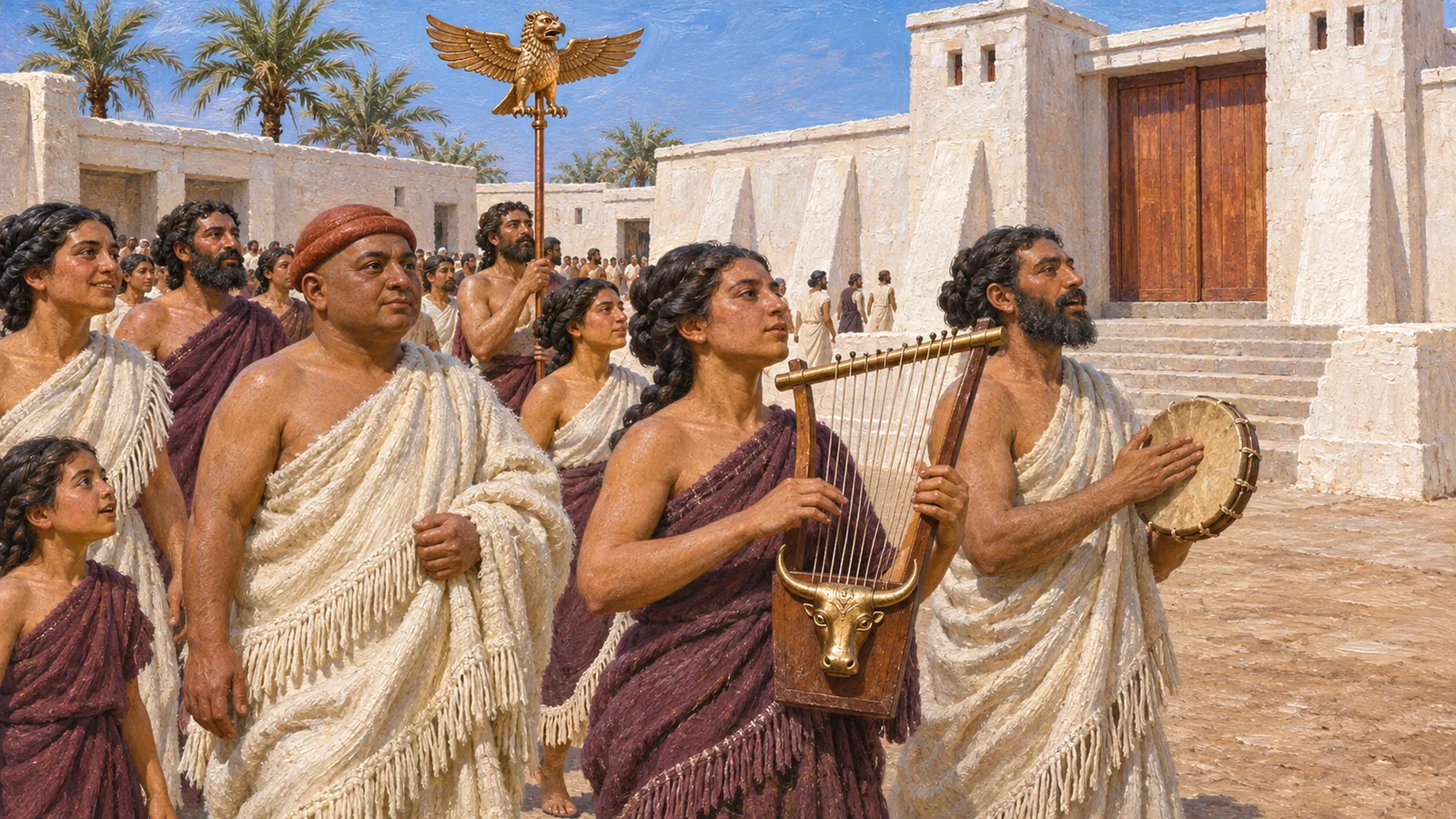
Gudea made Ningirsu’s beloved standard and put his own name on it. He brought the cherished drum to the temple with joy. Yet he still needed a sign.
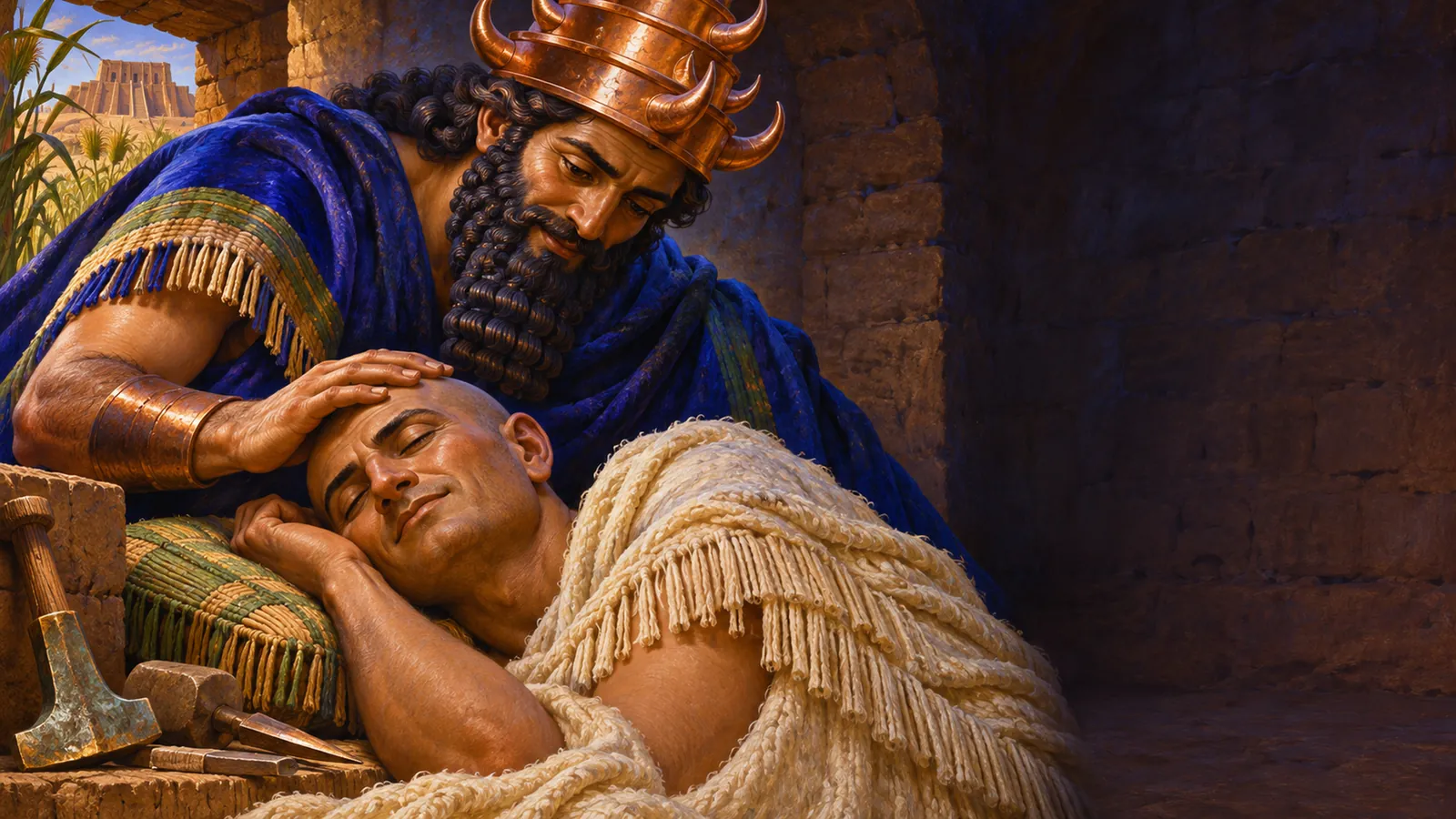
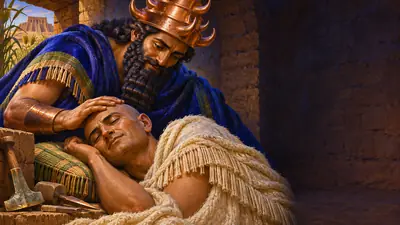
Gudea prayed to know how to carry out the work. Ningirsu came to his bedside in a second dream, touched him, and promised directions and a sign.
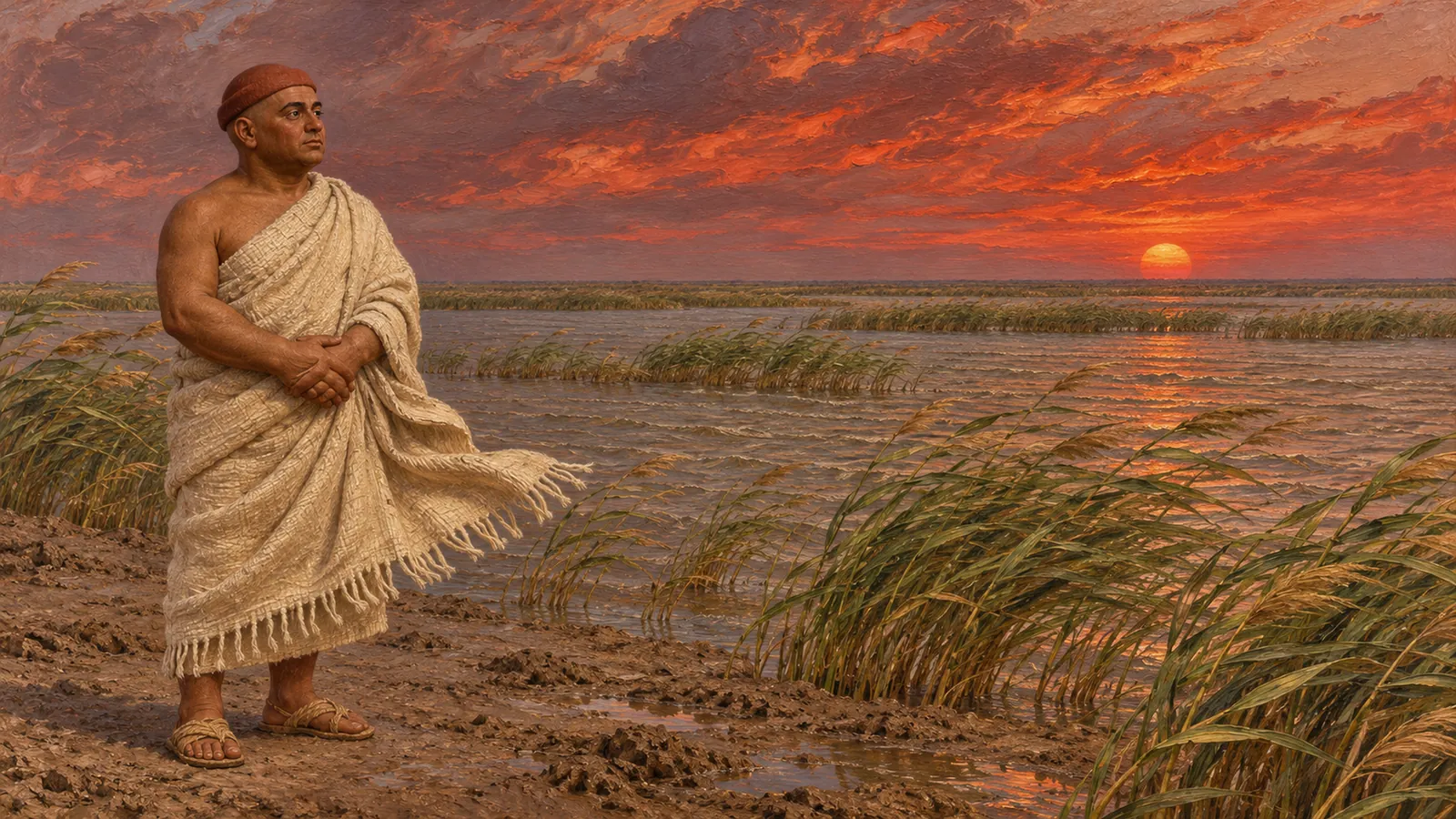
Ningirsu promises a sign when the foundation pegs are driven in. Before that he will call up a wind from the mountains to give strength to people at work.
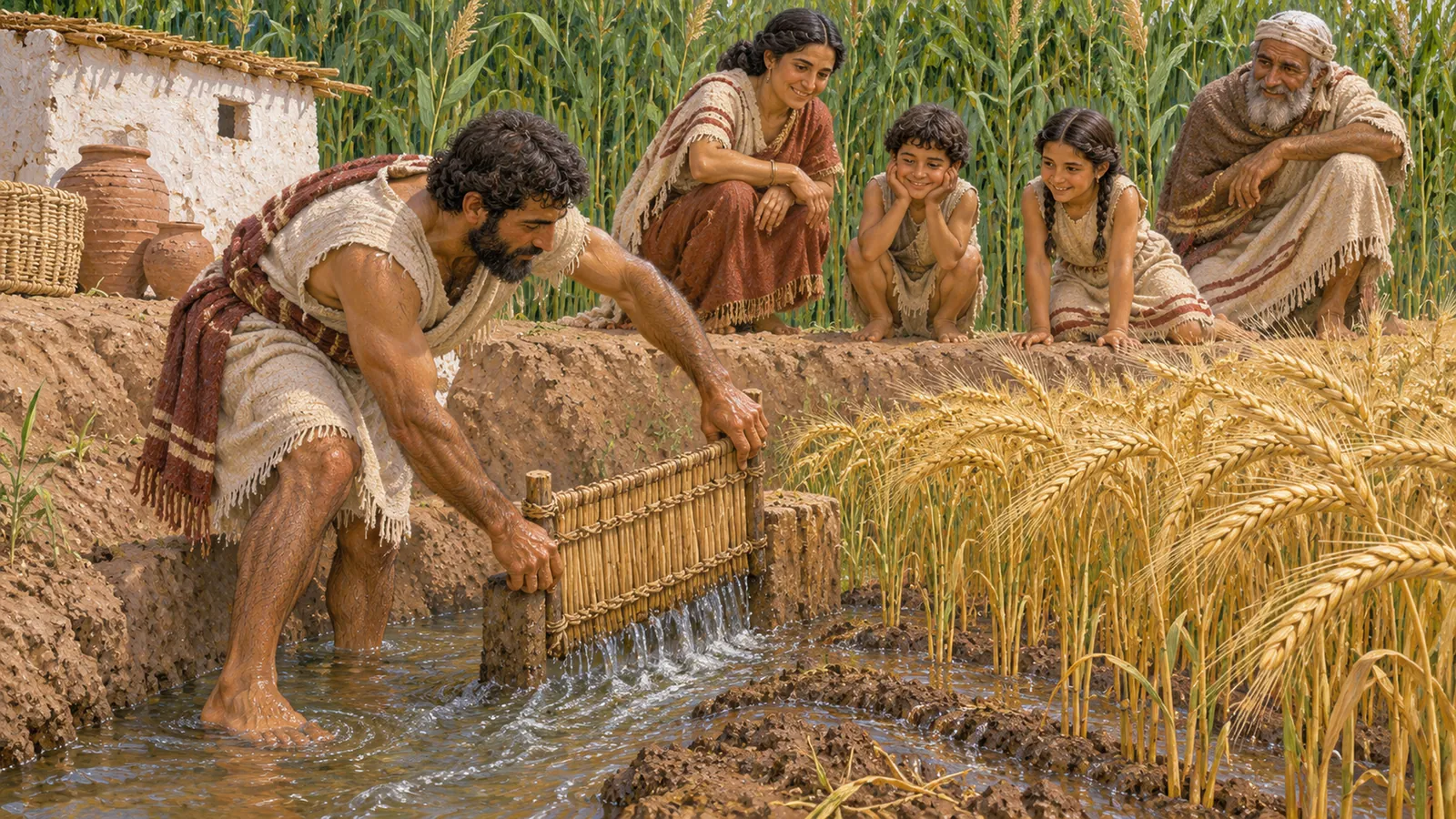
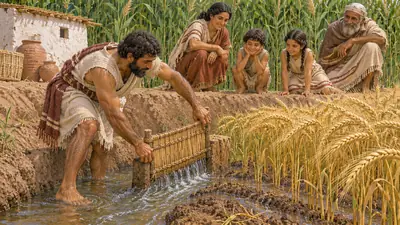
Ningirsu promises water as soon as the foundations are laid. Fields will thrive, ditches will fill their banks, and there will be more oil and wool than before in Sumer.
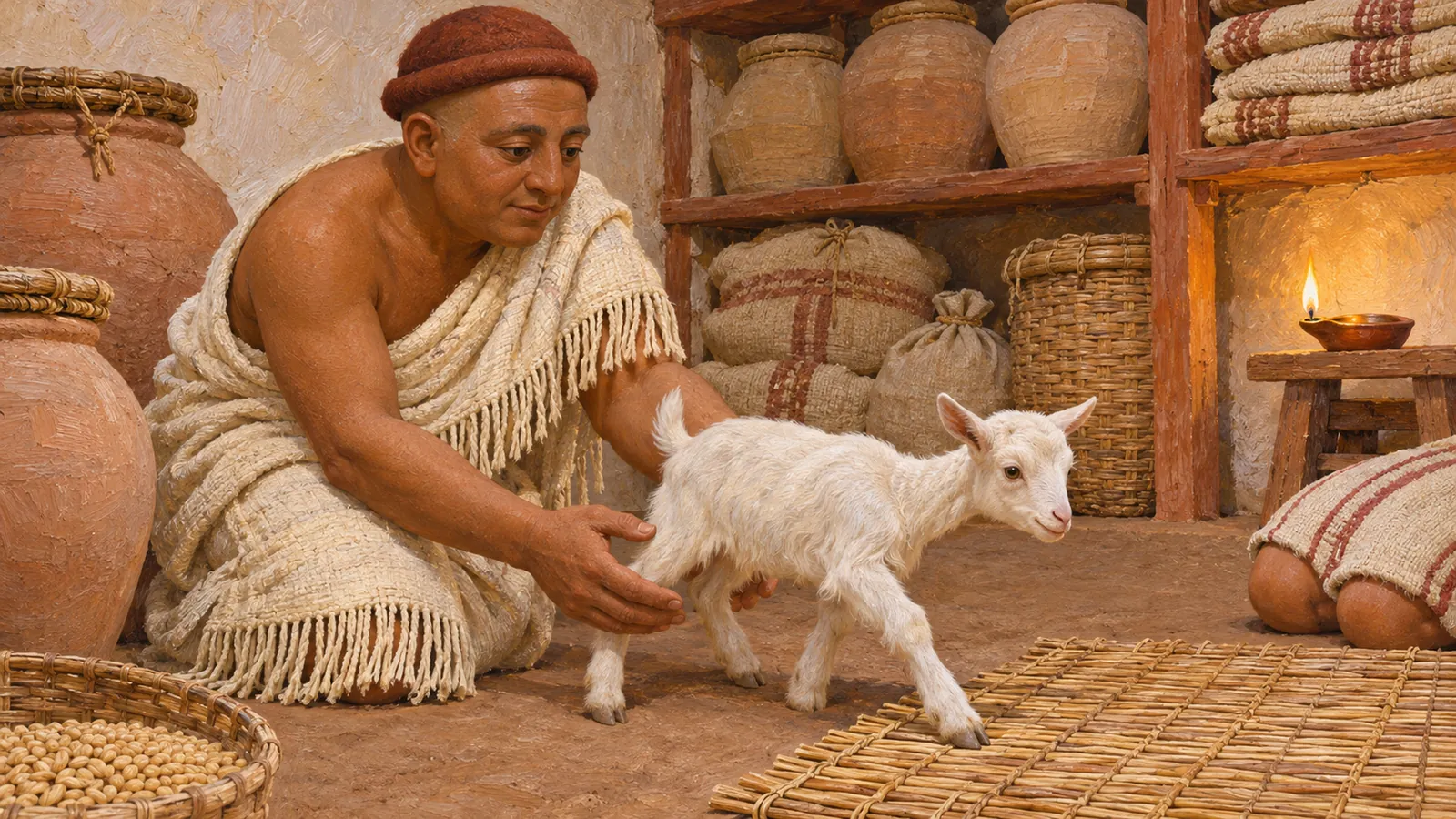
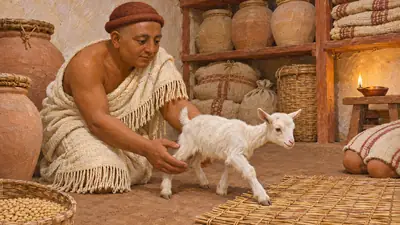
Gudea awoke trembling. He sought an omen by examining a sacrificed white kid. The sign was favorable, and Ningirsu’s intention became clear to him.
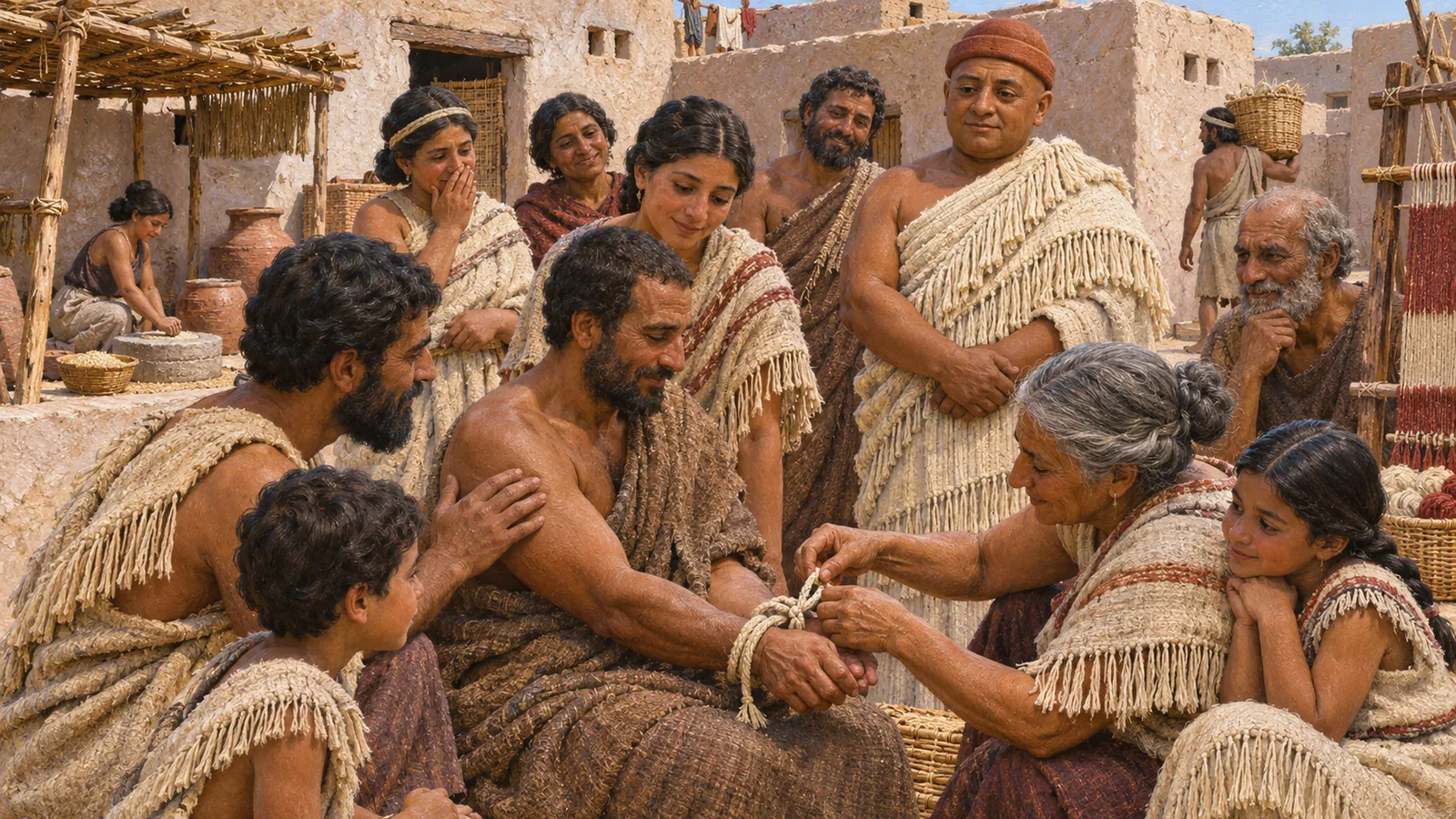
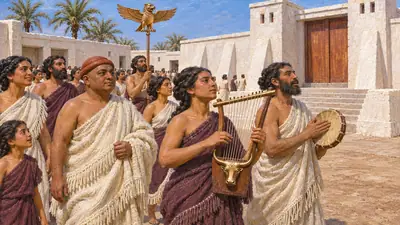
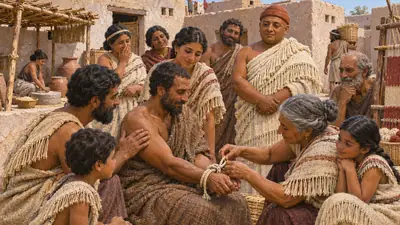
Gudea calls on all Lagash to act together. The people respond as if they were children of one mother. He opens manacles and removes fetters as preparations begin.
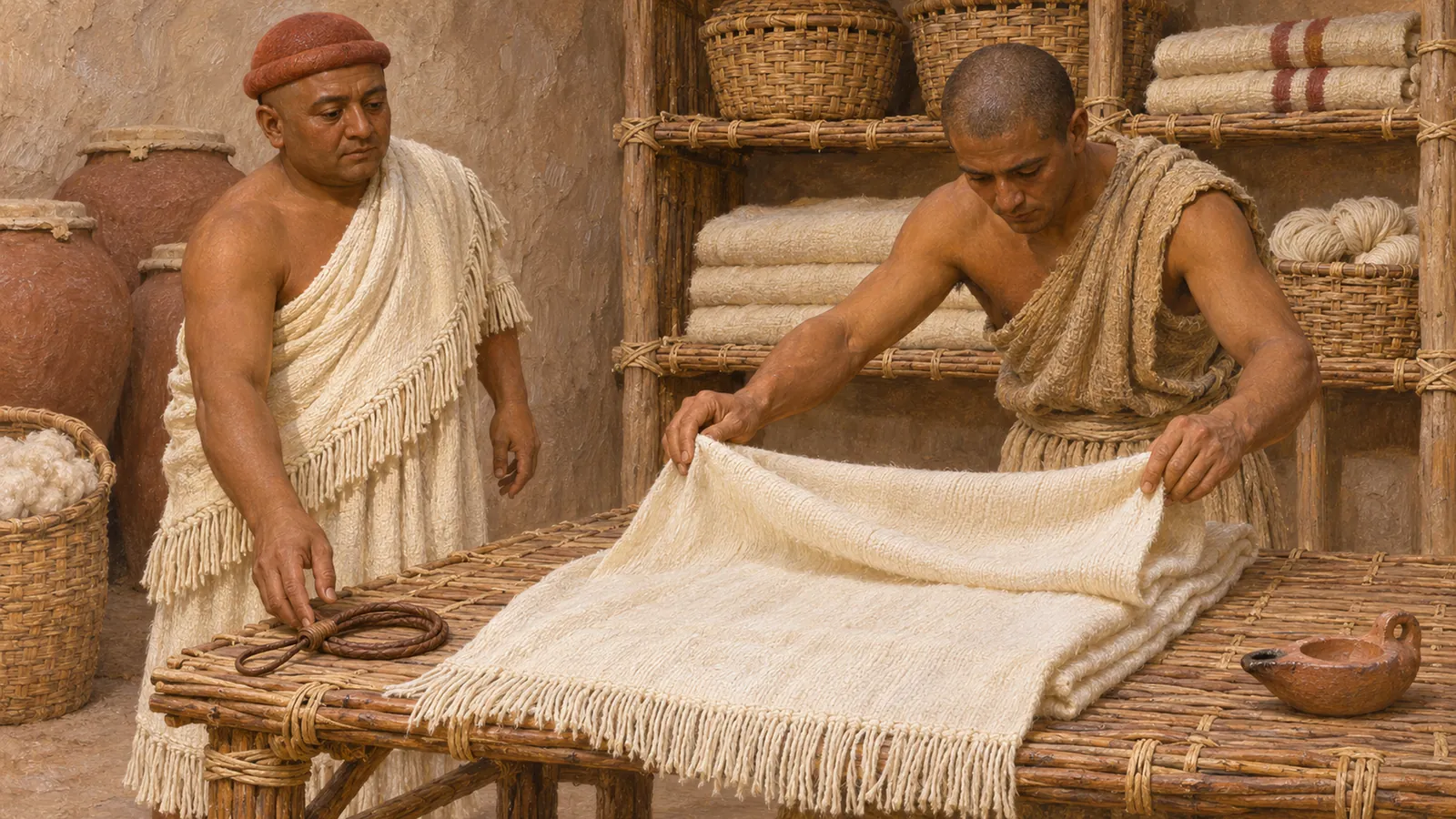
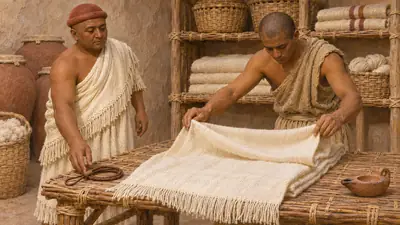
The goad and whip give way to wool. In the hymn’s account of the preparations, mothers hold back harsh words and masters are kept from striking enslaved people.
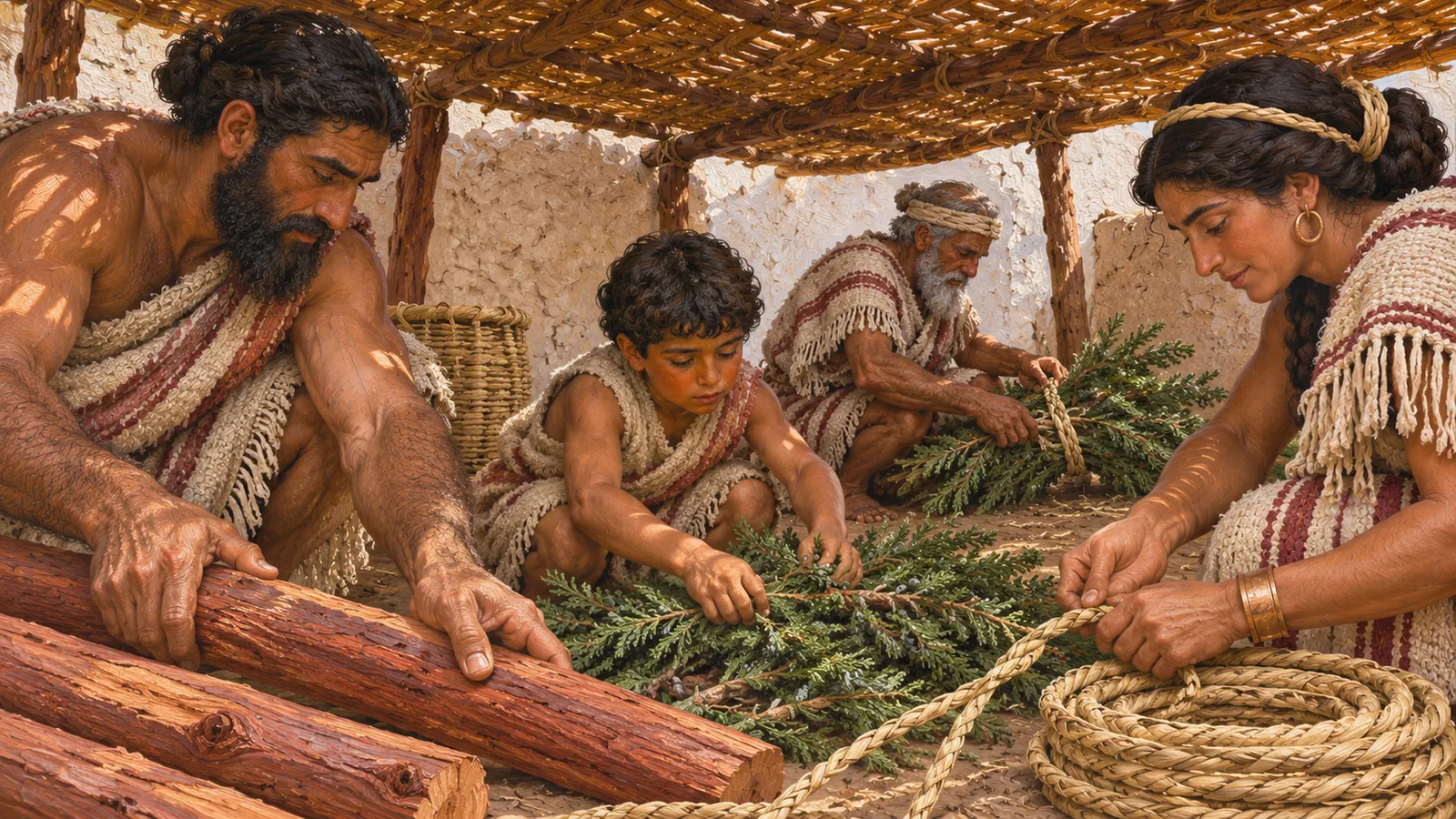
Gudea cleansed the city and expelled those judged ritually unclean. The citizens purified the building ground while juniper and cedar resin burned on the fire.
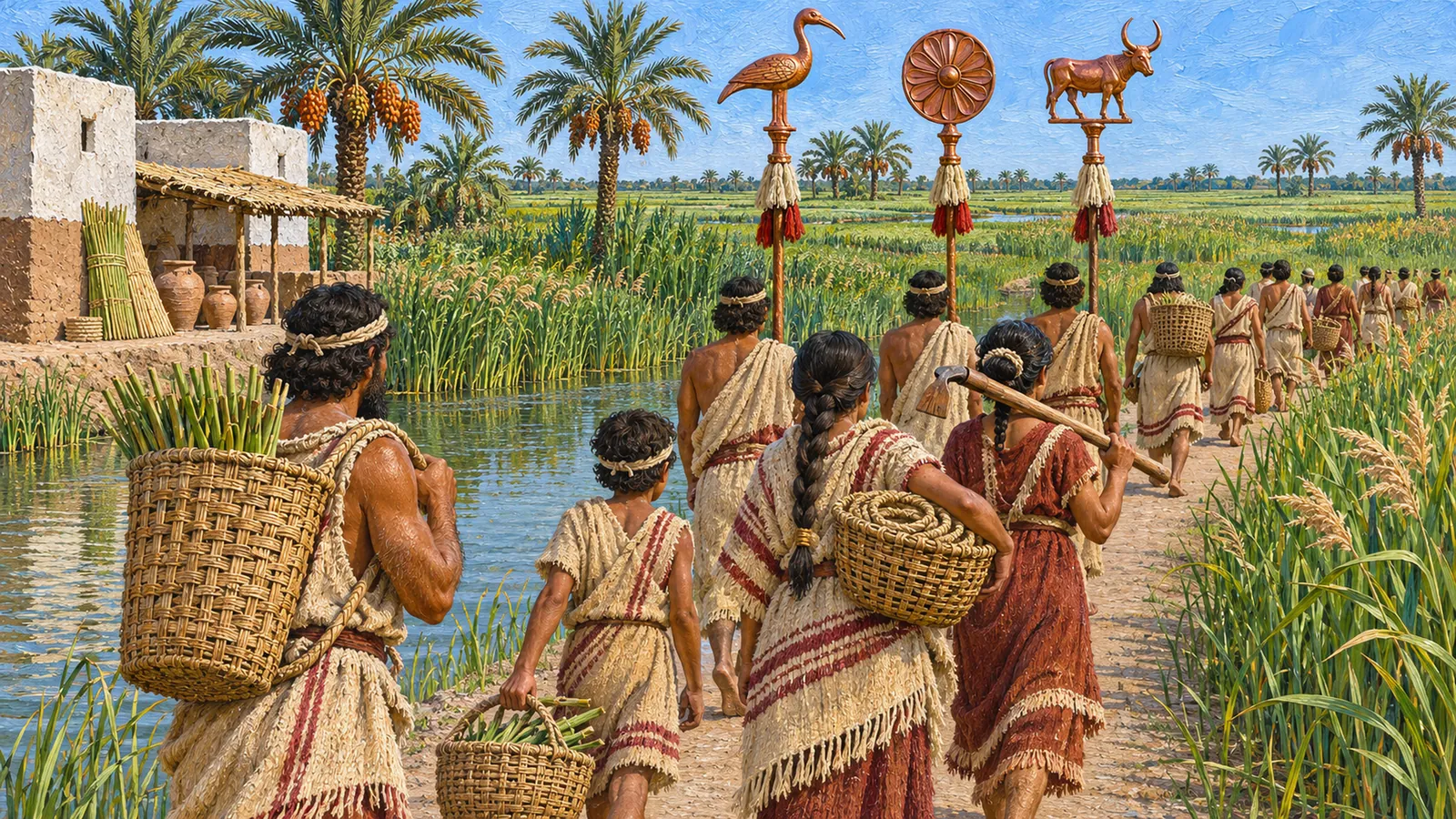
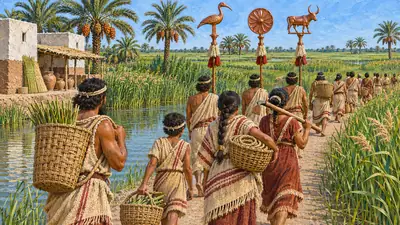
Gudea raised a work levy from towns and settlements across the land. The groups assembled beneath their emblems, including Nanshe’s bird and Inanna’s rosette.
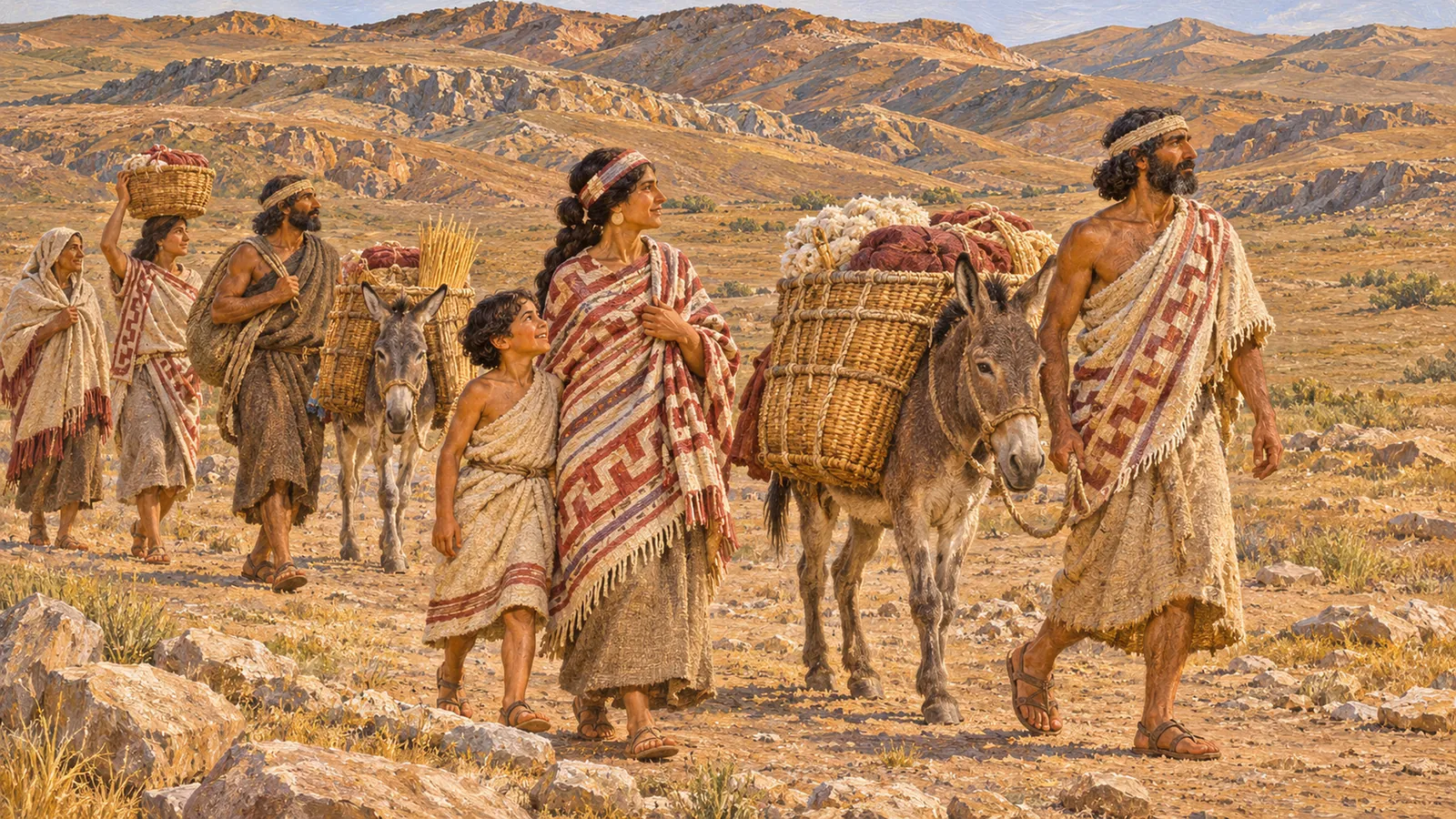
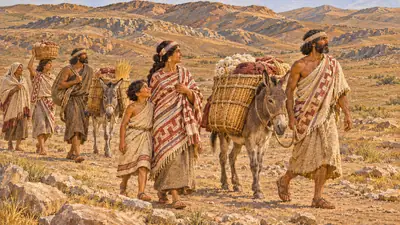
People from Elam and Susa come to Girsu. People from Magan and Meluhha bring timber on their shoulders from the hills. The poem makes Girsu their meeting place.
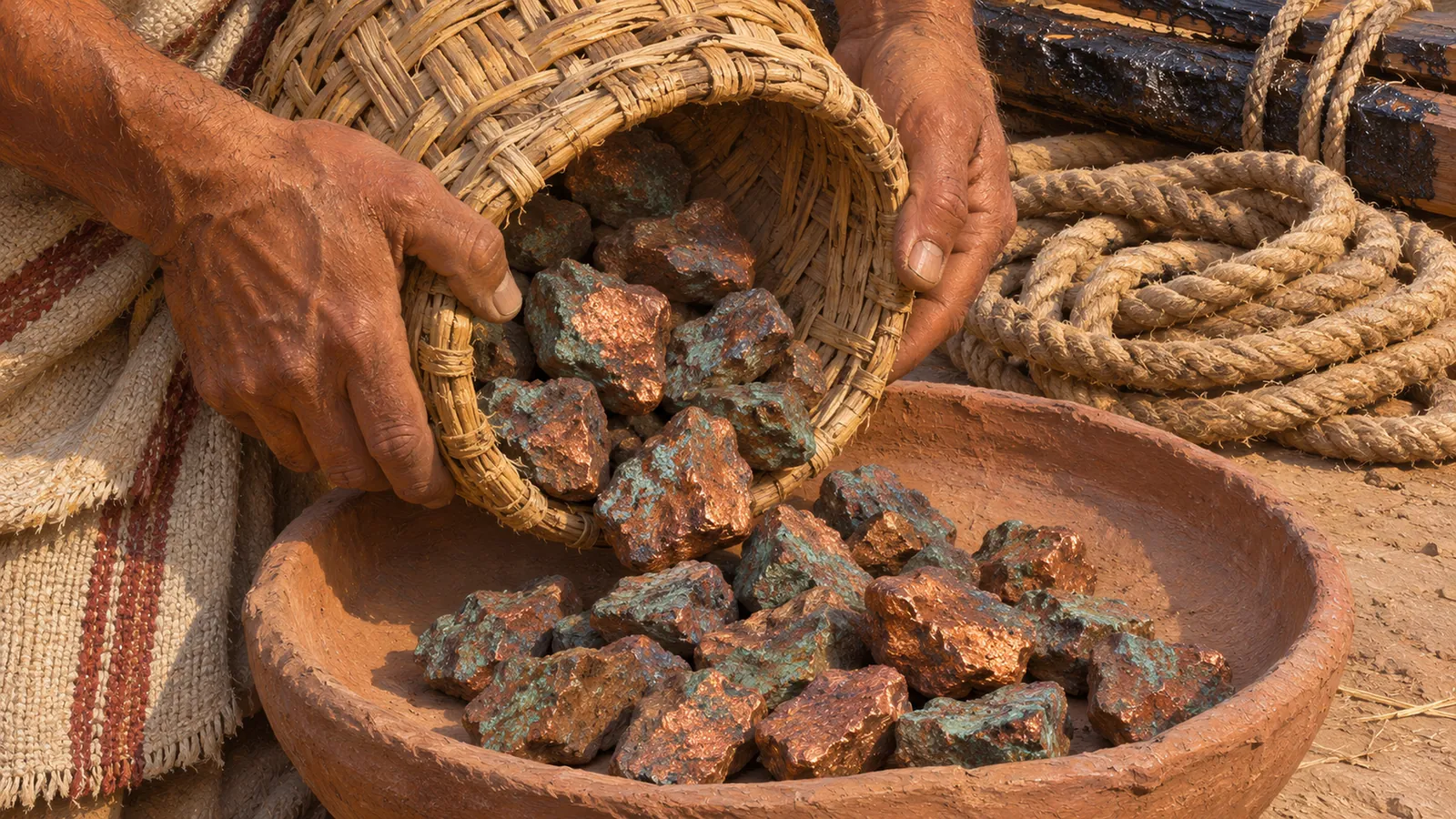
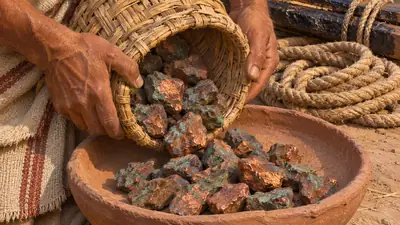
The copper comes in a load the poem compares to a harvest shipment. Ebony and other dark woods arrive too, each cargo part of the work assigned to Gudea.
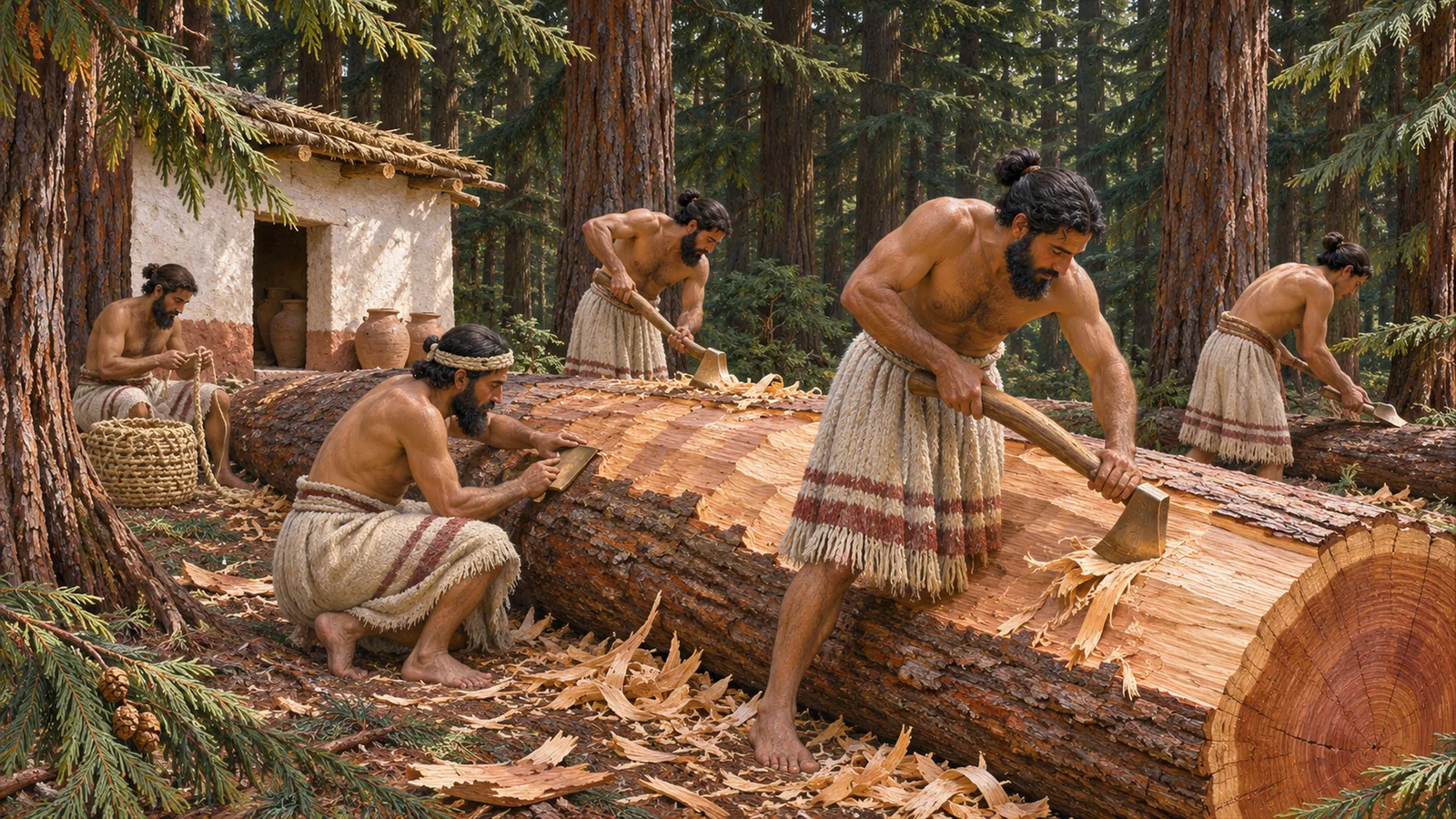
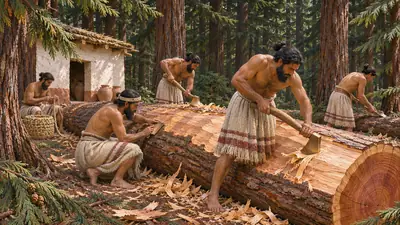
Ningirsu leads Gudea in the poem to mountains thick with cedar. Great axes bring down the trees. Cedar wood is also shaped into the god’s celebrated weapon, the Sharur.
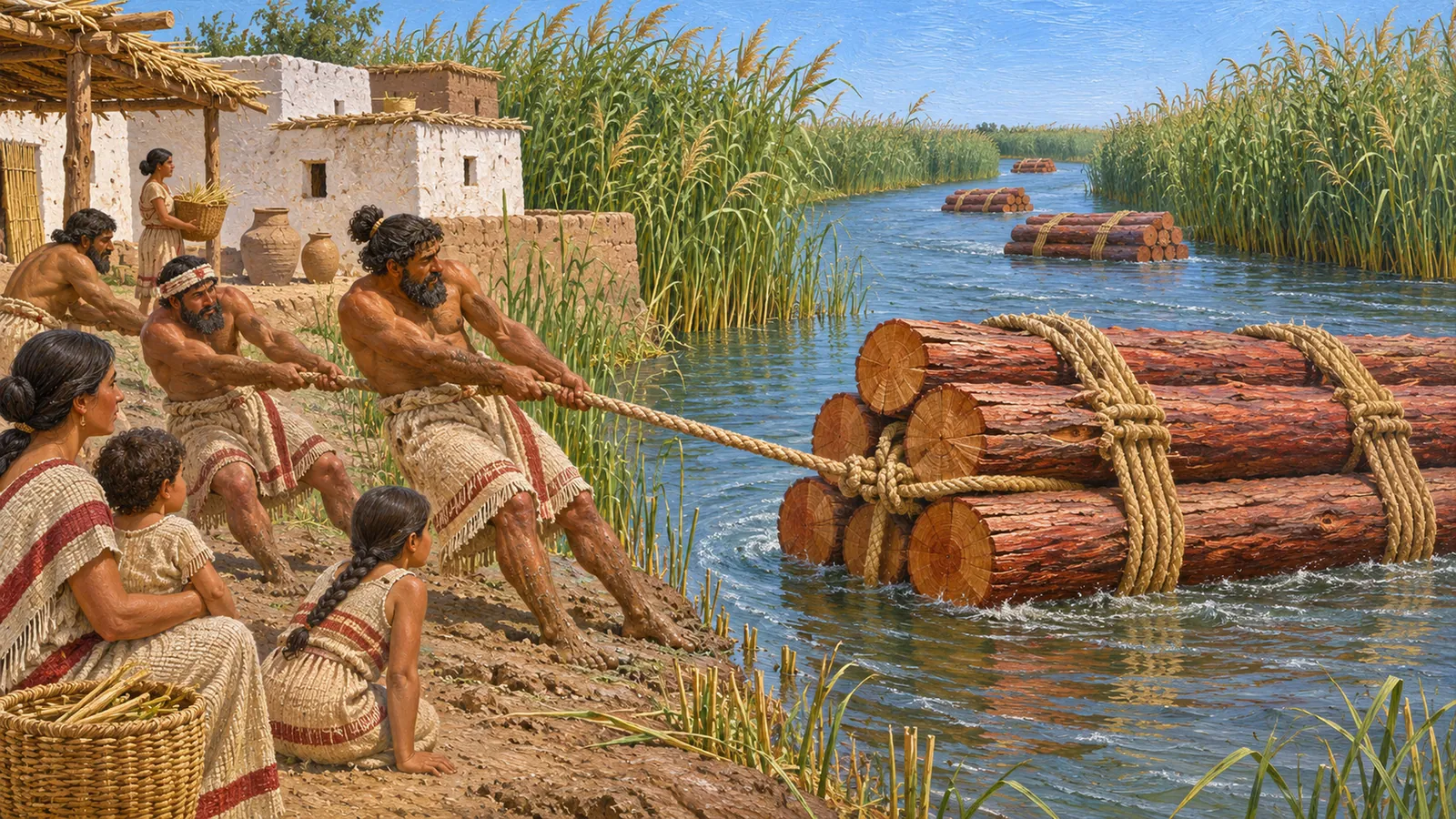
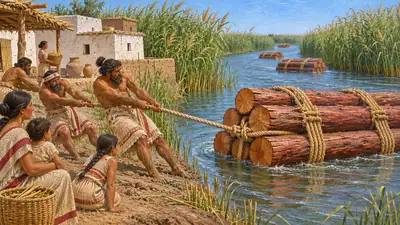
Long rafts run downstream, bending like a great serpent. They bring cedars, cypresses, plane trees and other woods, all bound together until they reach the quay of Kasura.
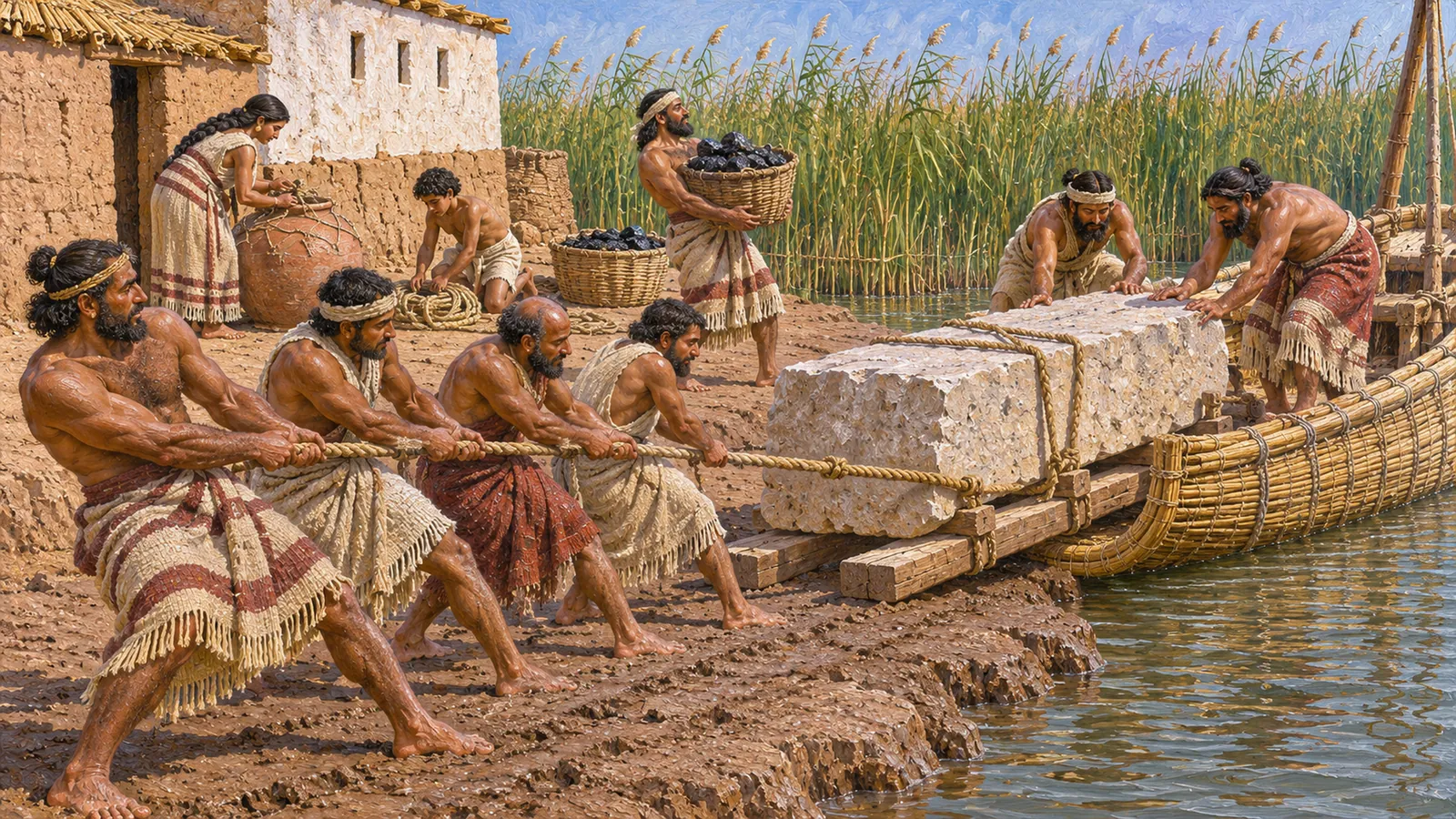
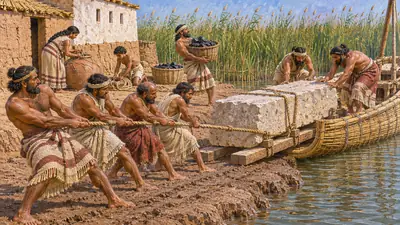
Great slabs came down from the stone mountains. Boats docked with gravel, dried bitumen and gypsum, as heavily laden as vessels carrying the harvest.
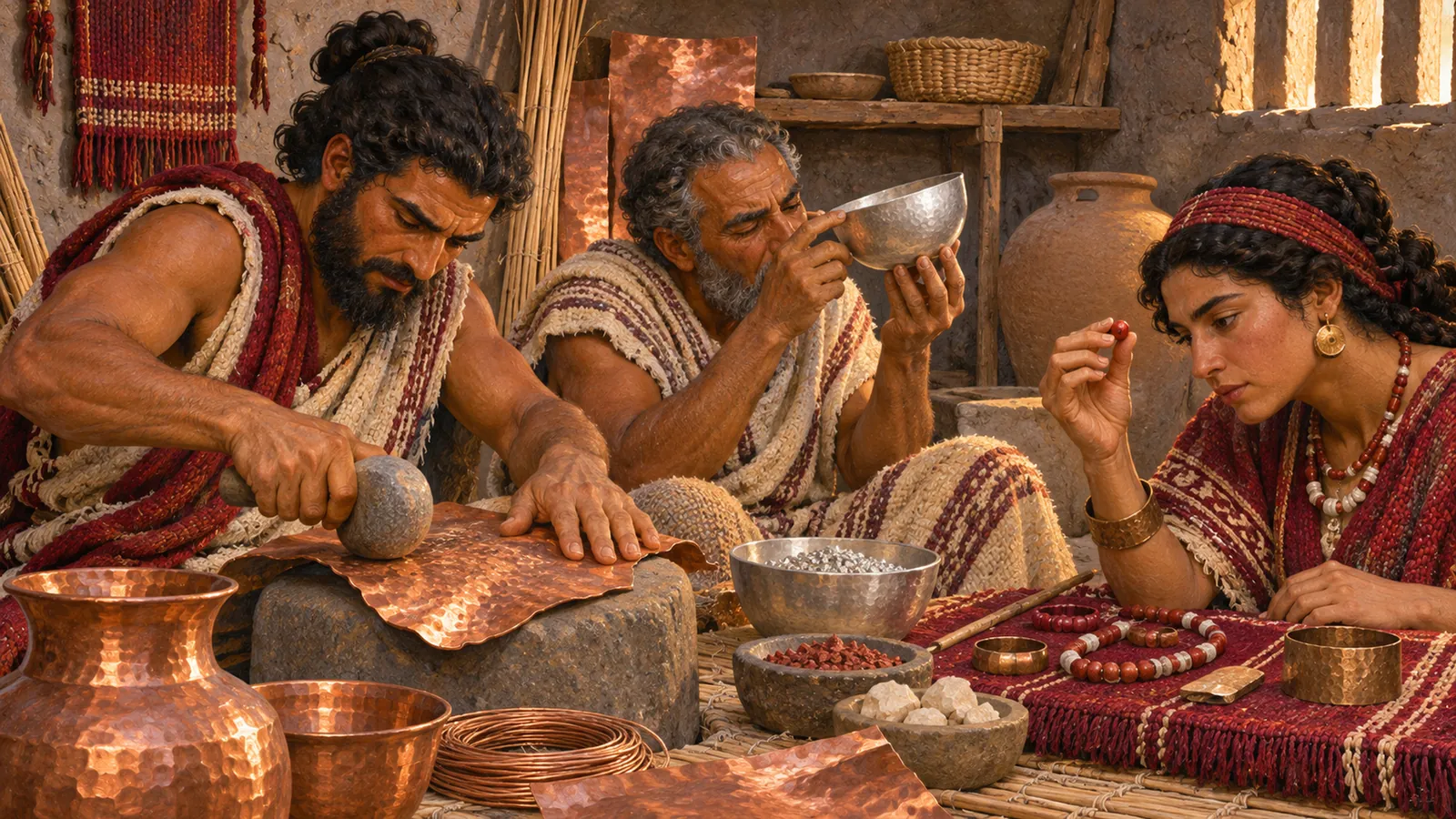
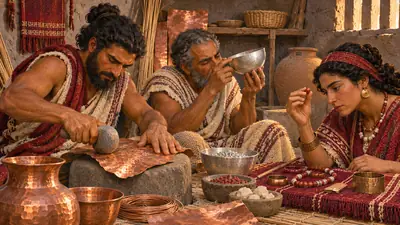
Gudea conferred with silversmiths and jewelers, and the chief smith was brought to him. Gold dust, silver, carnelian and alabaster were at hand. The hammerstones thundered.
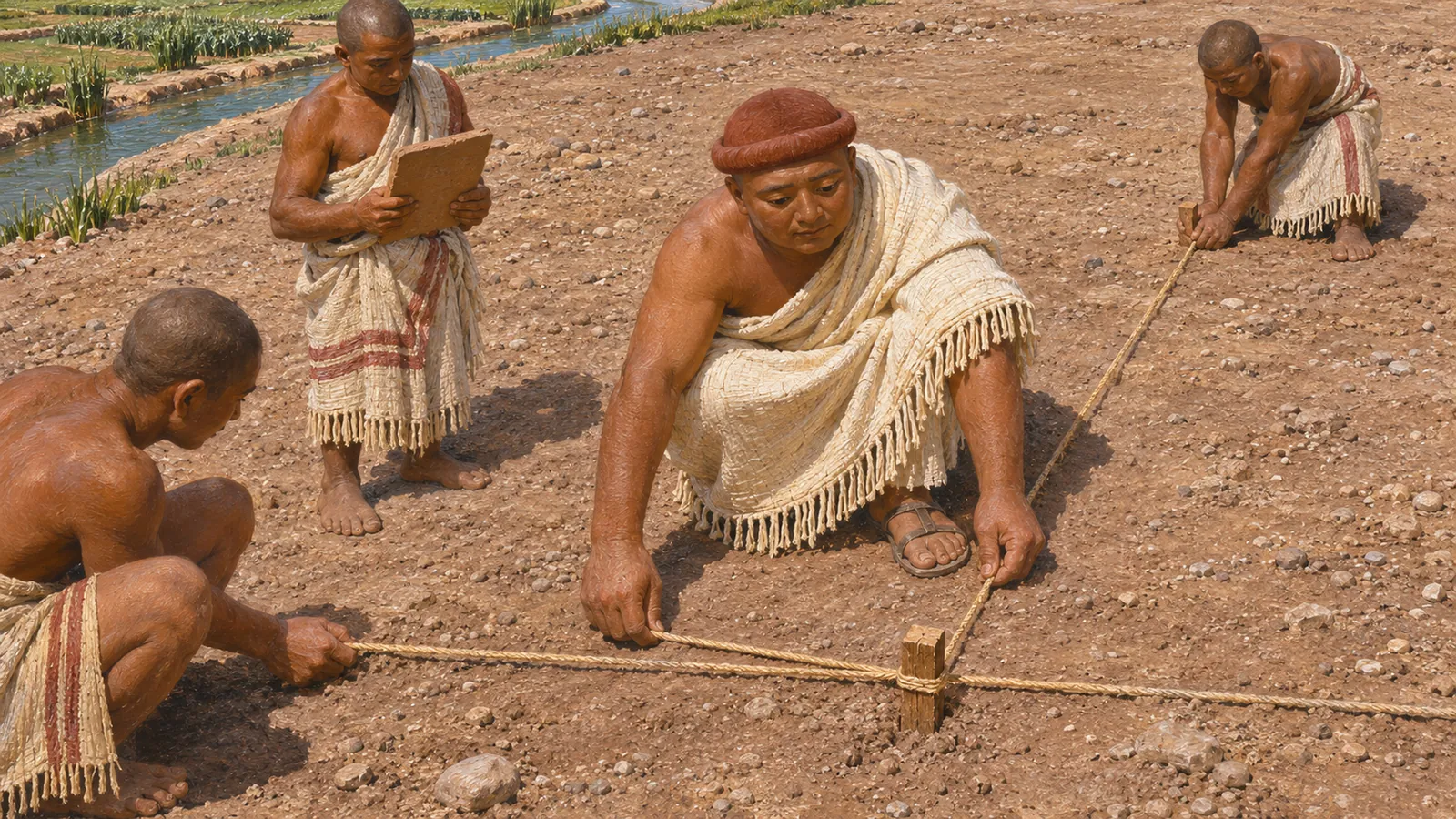
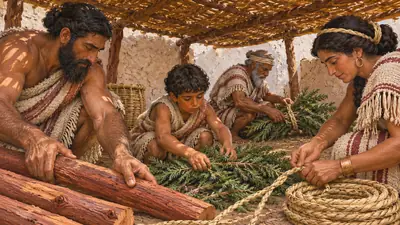
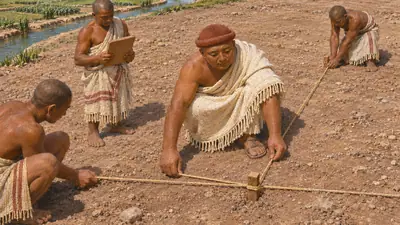
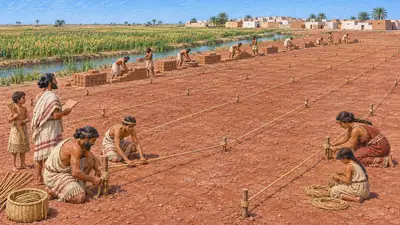
Gudea crossed the ground from south to north and back again. He measured out one iku with a rope, drove in pegs and checked their positions himself.
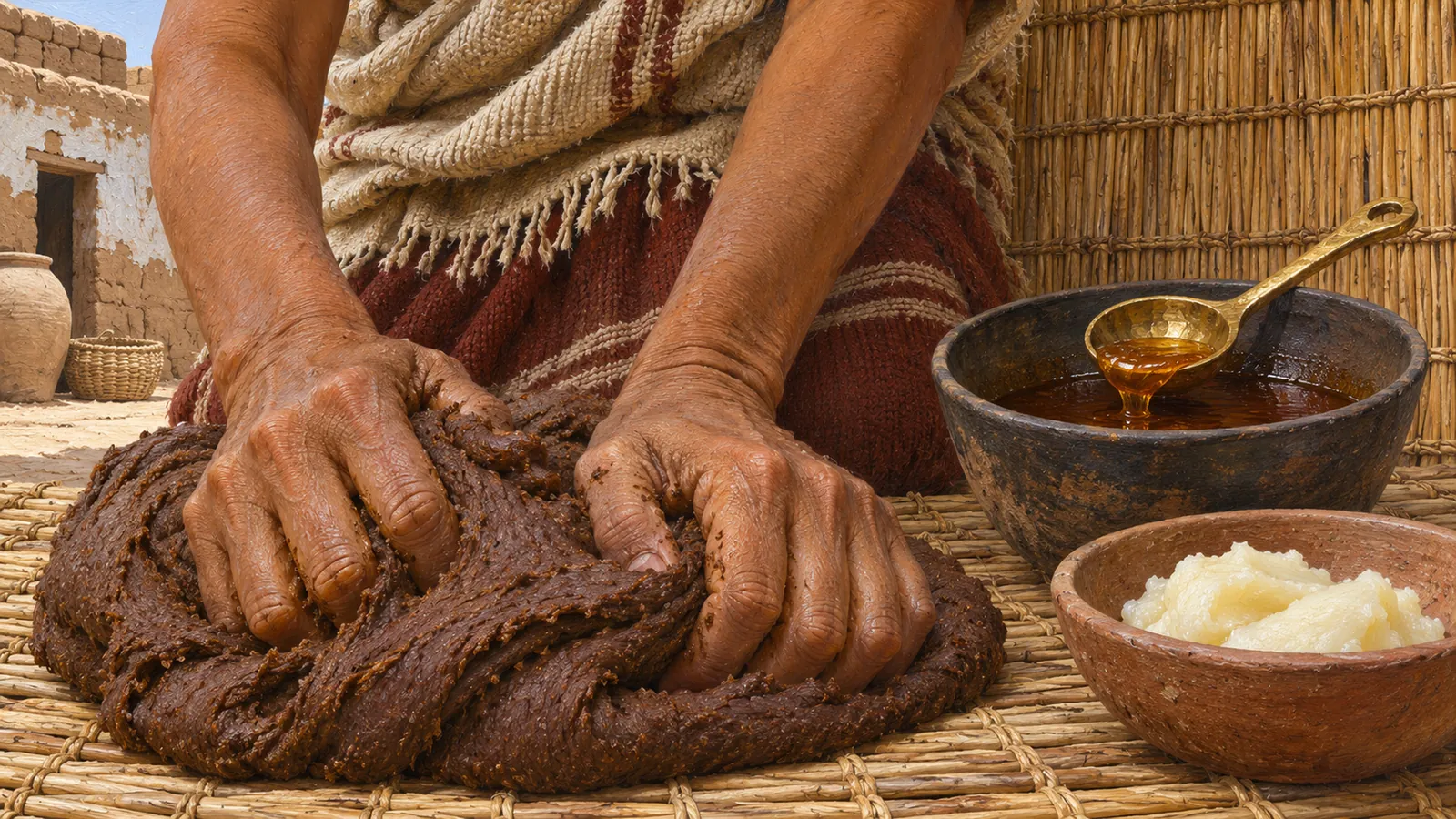
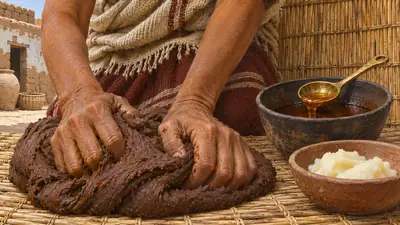
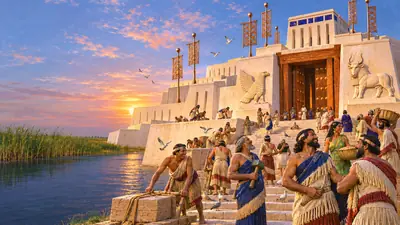
Gudea carries out the rite as the city looks on. He pours water and works honey, clarified butter, oil and the scents of trees into the prepared earth.
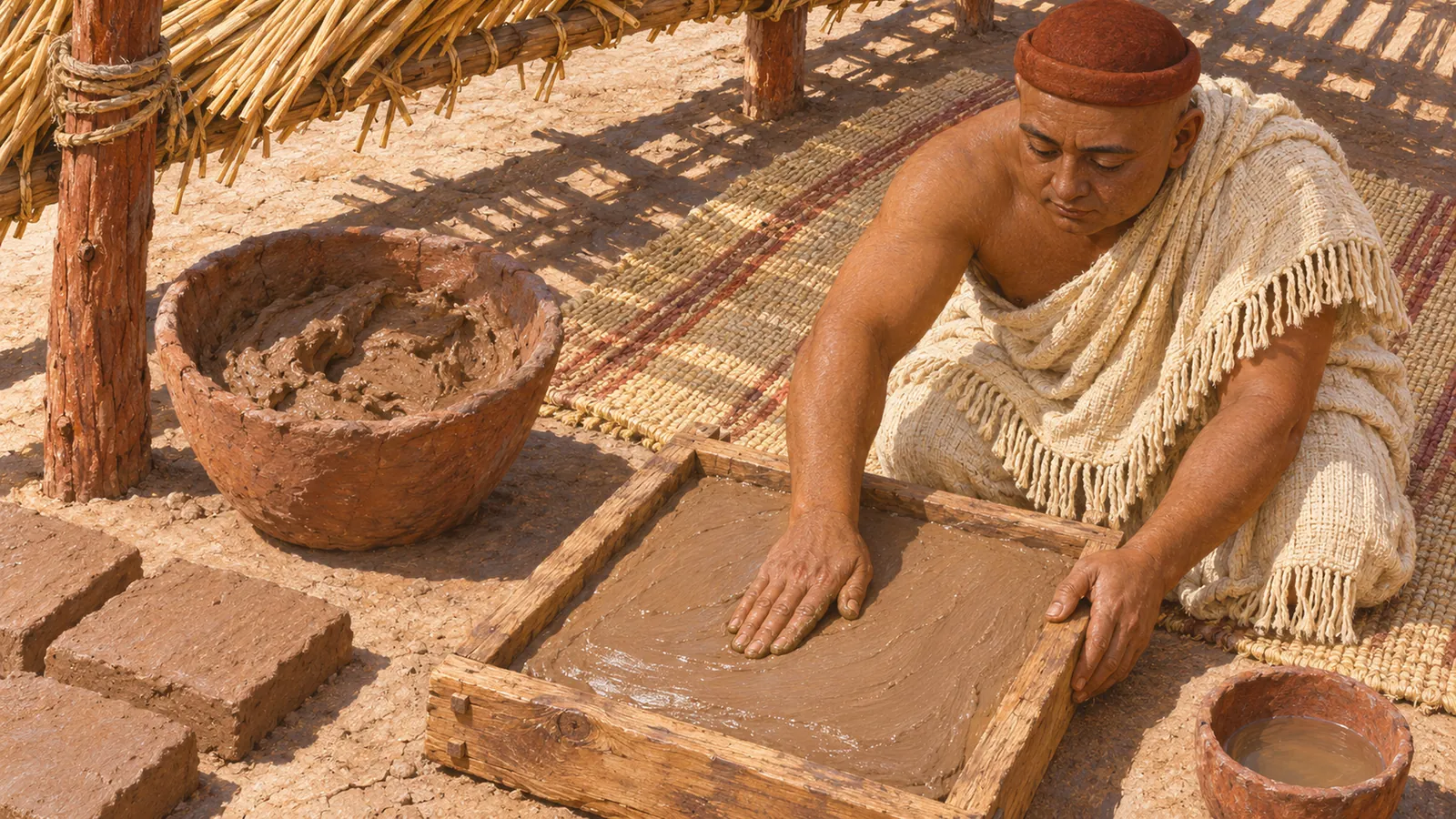
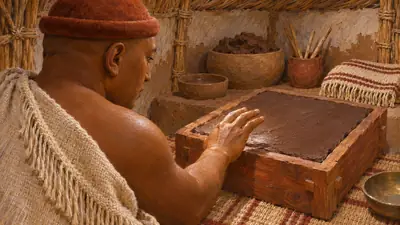
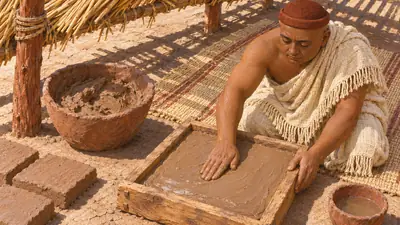
When the sacred basket is beside the mold, Gudea presses in the prepared clay. Drums sound and the people sprinkle scented oil. Then the brick is left to dry.
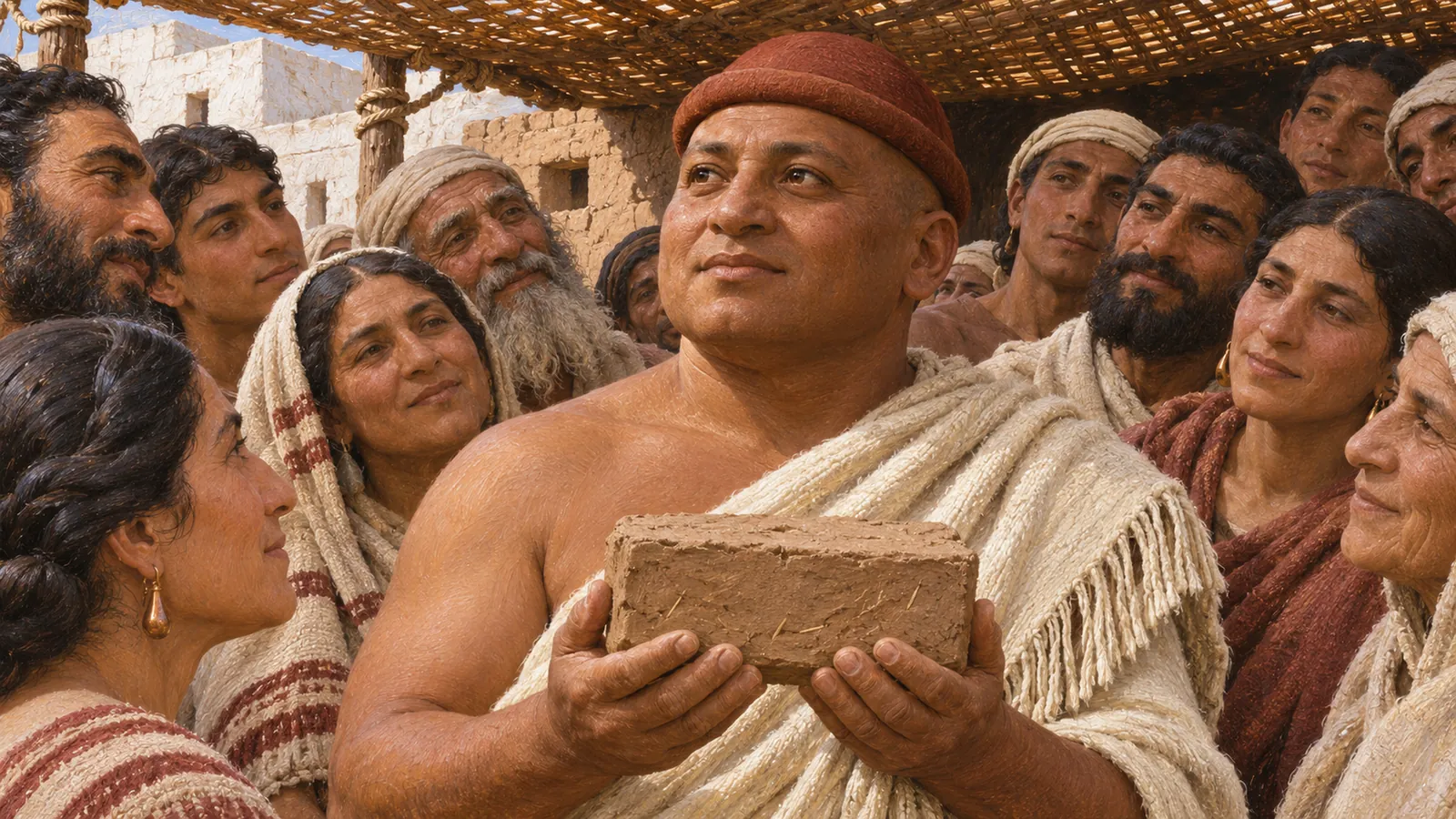
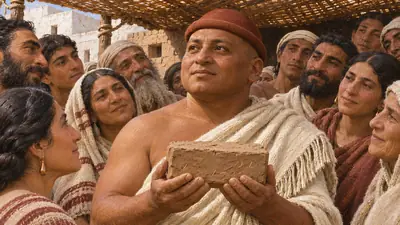
Gudea lifts the dry brick from the mold. The poem likens it to a holy crown. He carries it among his people before laying out the temple’s plan.
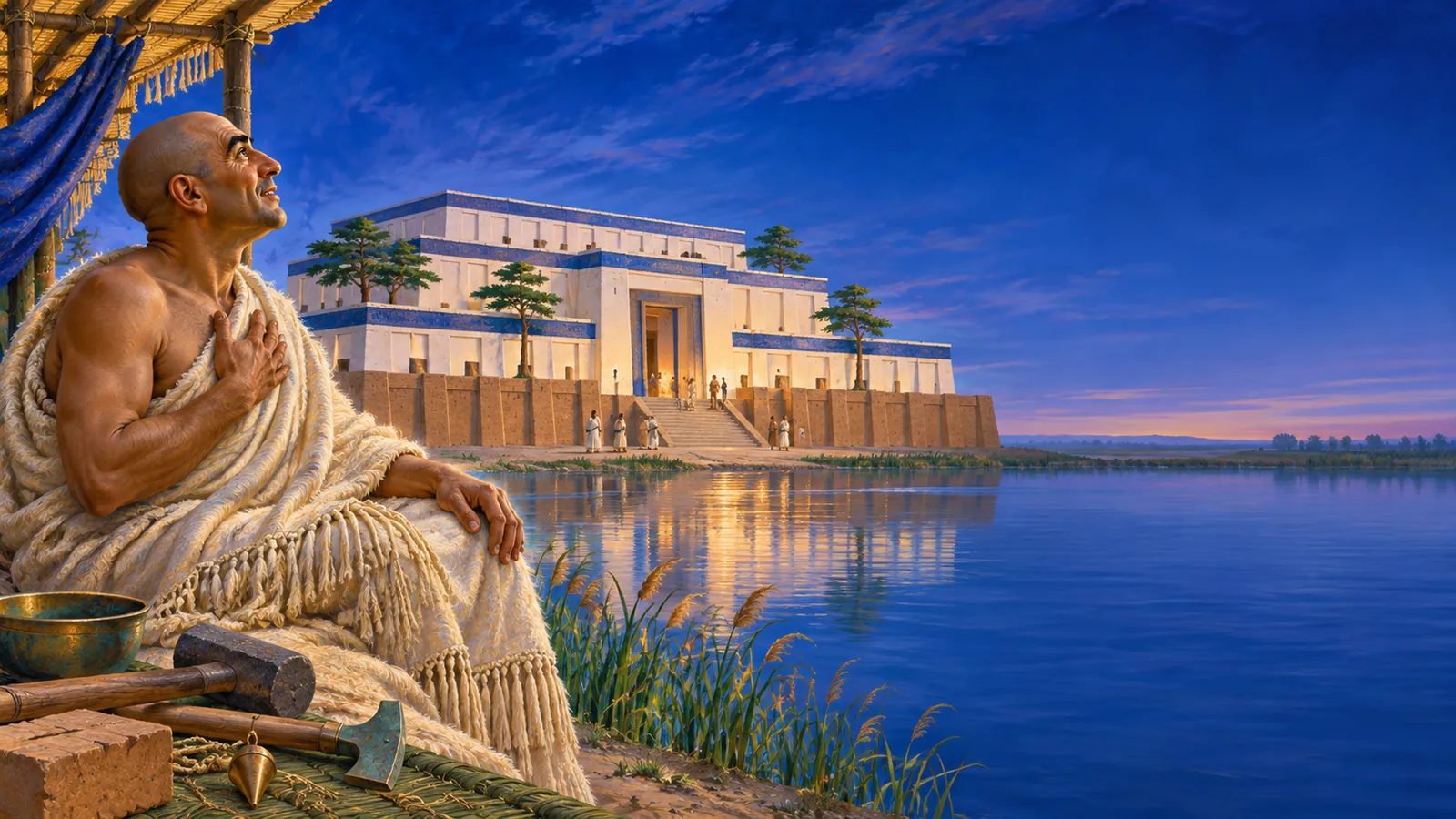
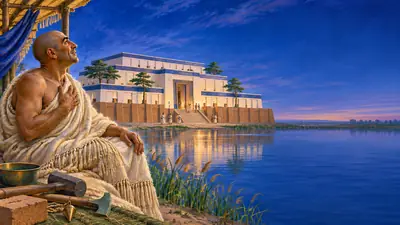
The task stays in his thoughts until he lies down for another dream. There he sees Eninnu finished, rising between earth and sky. The sight gives him joy.
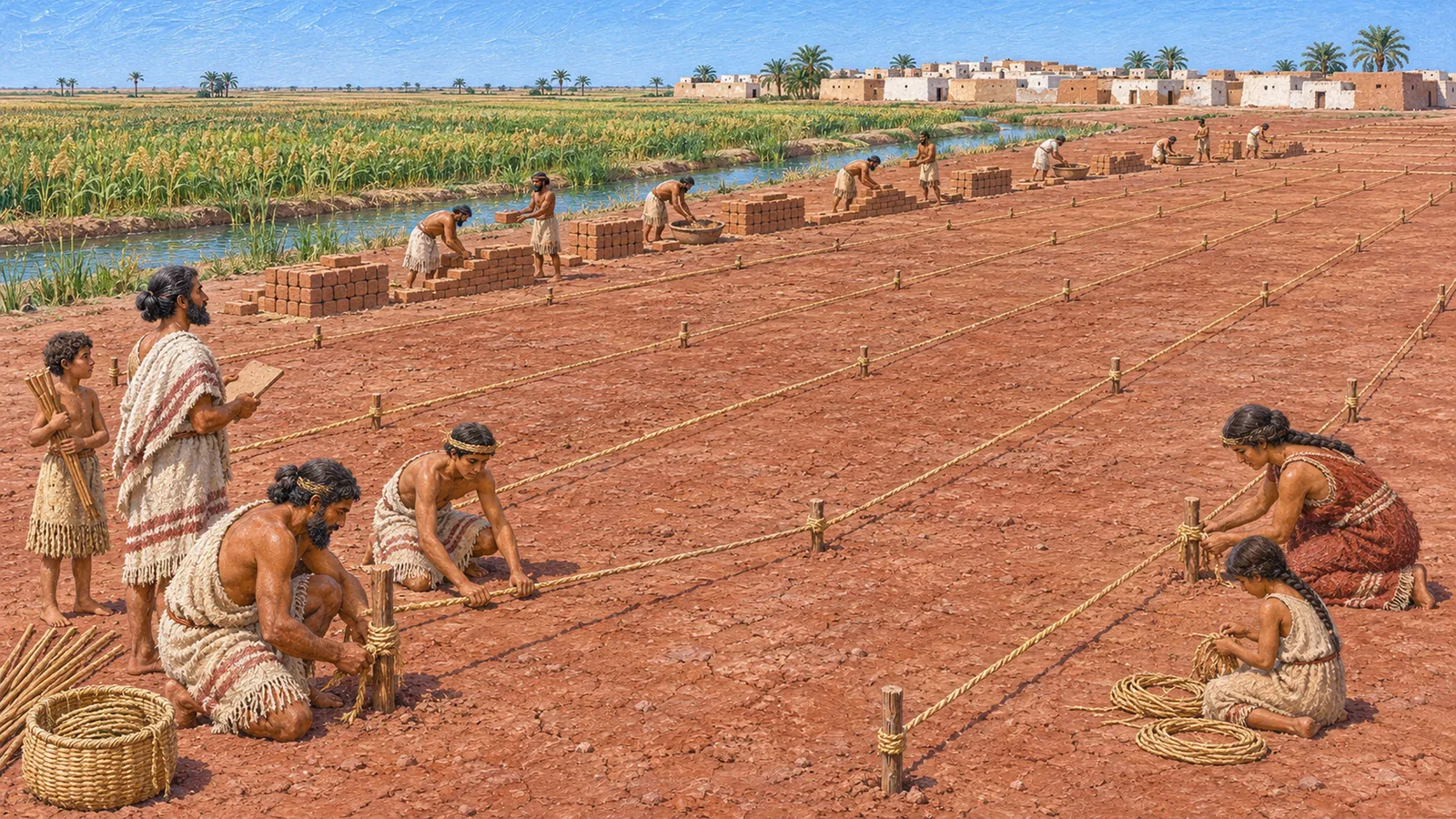
Gudea stretches the lines and marks seven squares. He compares one to the Anzud bird sheltering its young and the last to Eninnu casting moonlight across the country.
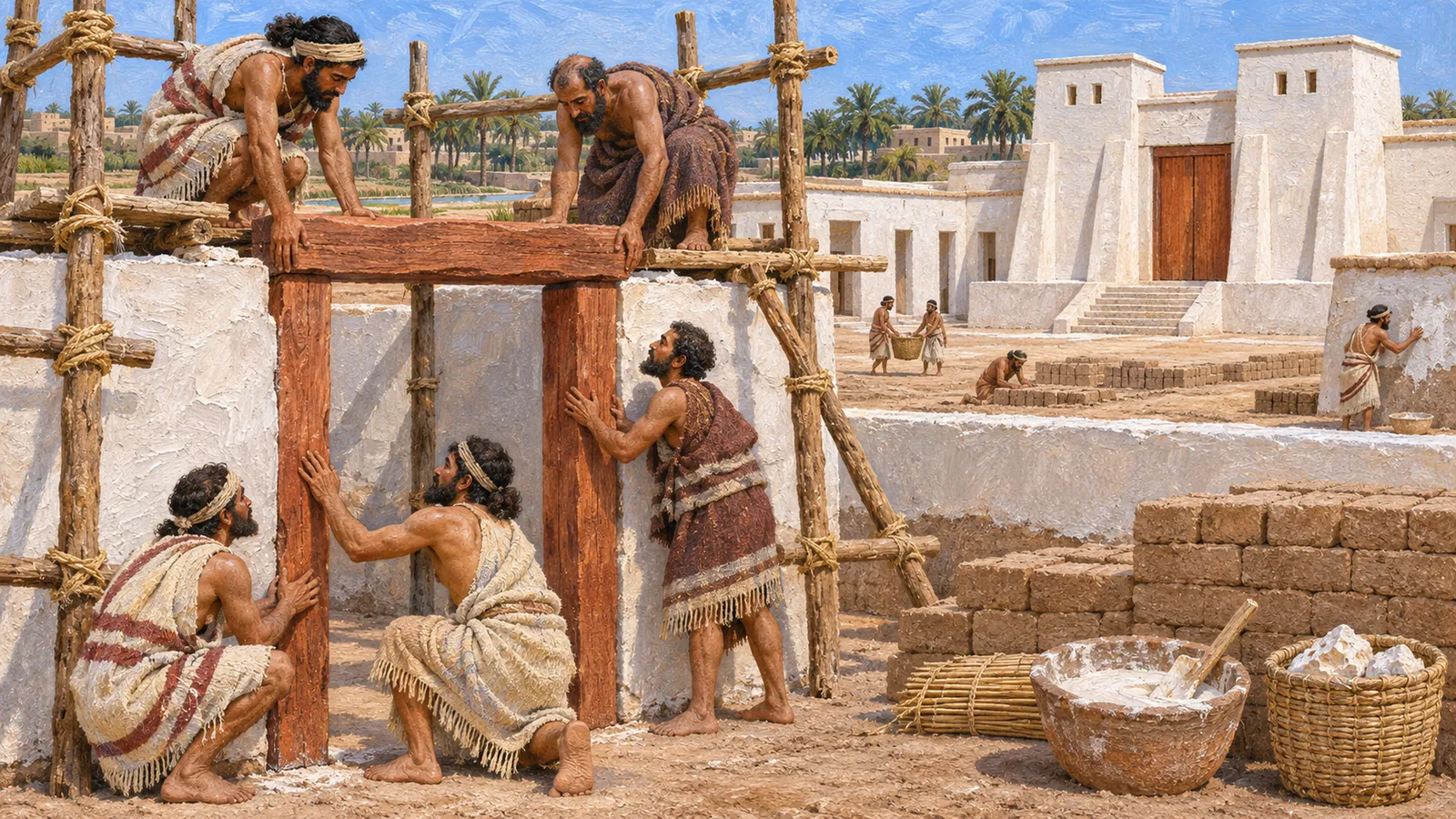
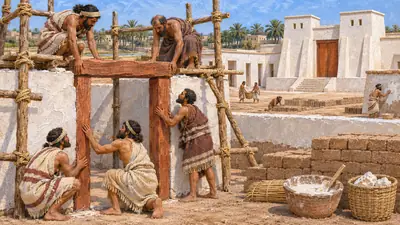
The builders set wooden door frames in place and raise scaffolds against the growing walls. They lay cedar and cypress overhead, then treat the timber with oil and perfume.
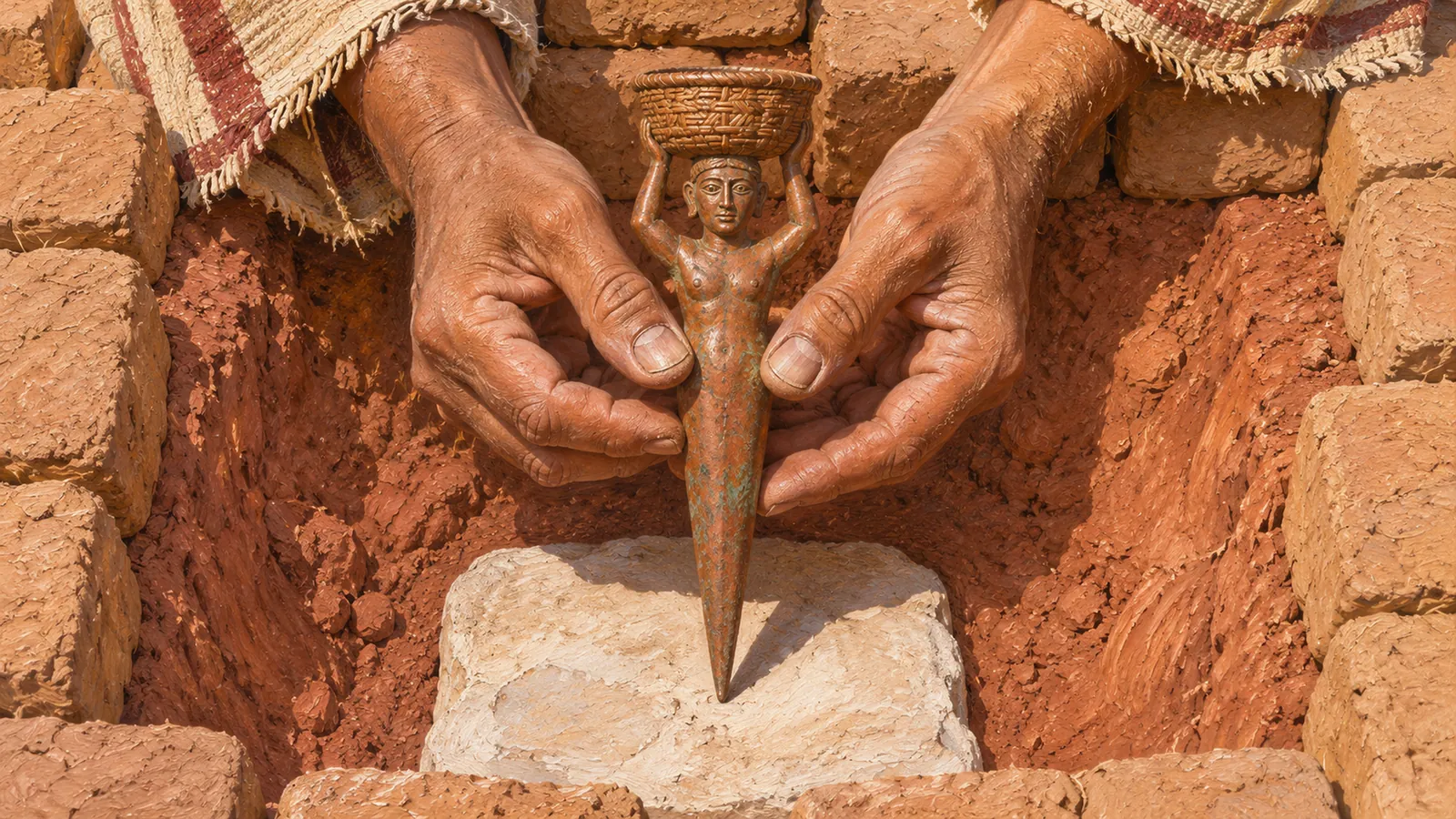
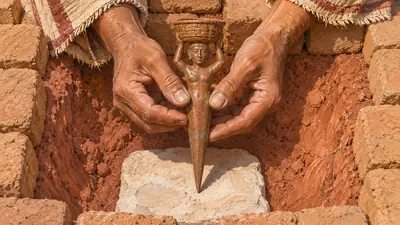
Under the house Gudea sets foundation pegs, some shaped like figures in prayer. The poem compares them to great mooring stakes driven deep enough to reach the waters below.
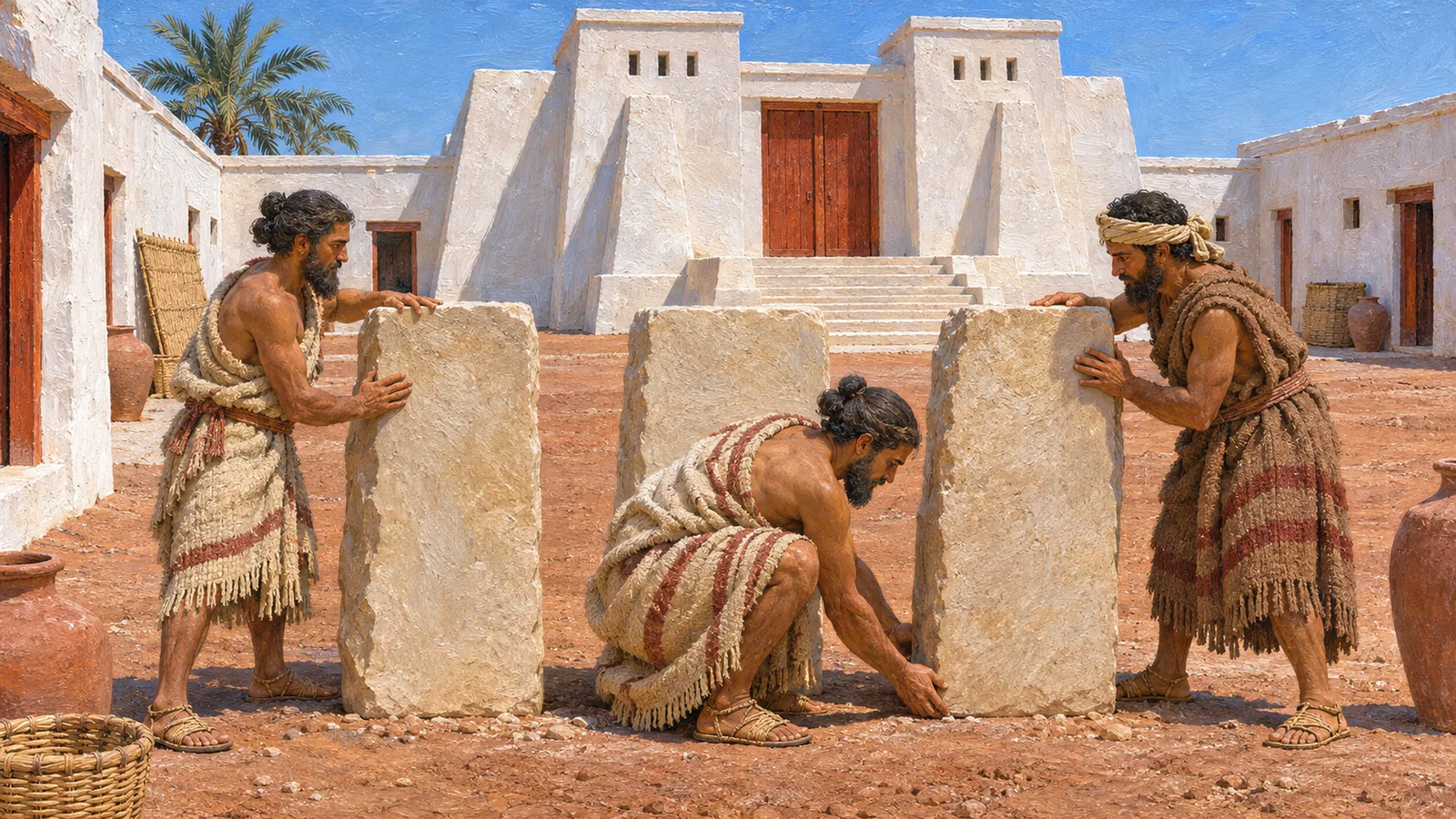
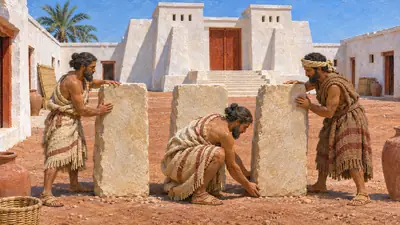
The poem counts one year to bring the great slabs and one year to shape them. Workers set them upright around the house and make stairs and basins from the offcuts.
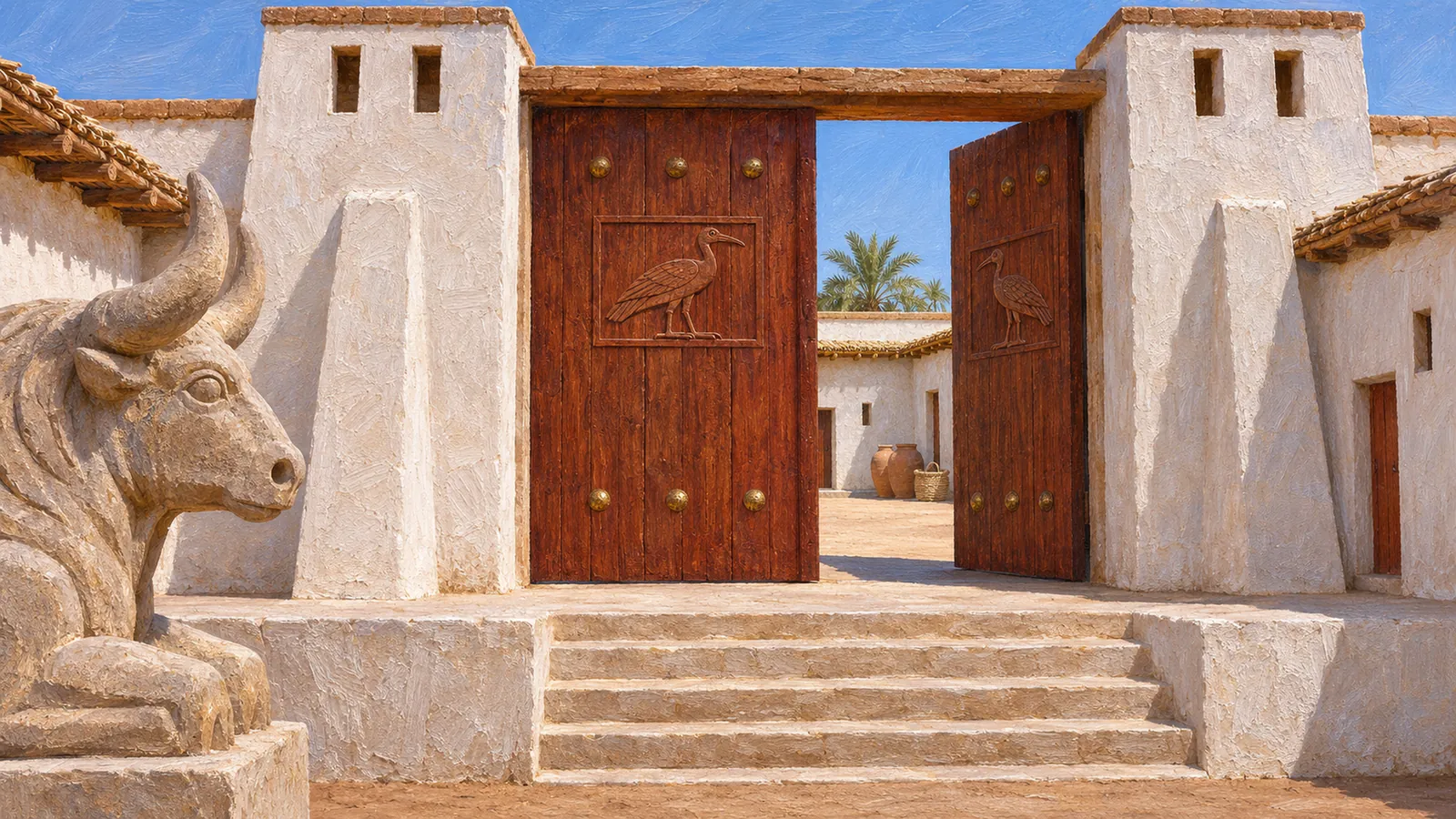
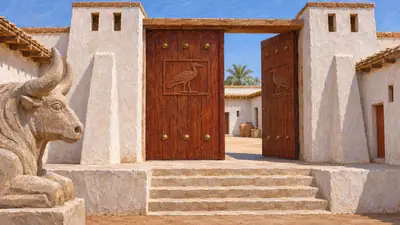
At the king’s gate an eagle looks toward a wild bull. The poet hears thunder in the cedar doors and imagines their pivots as lions crouching at the threshold.
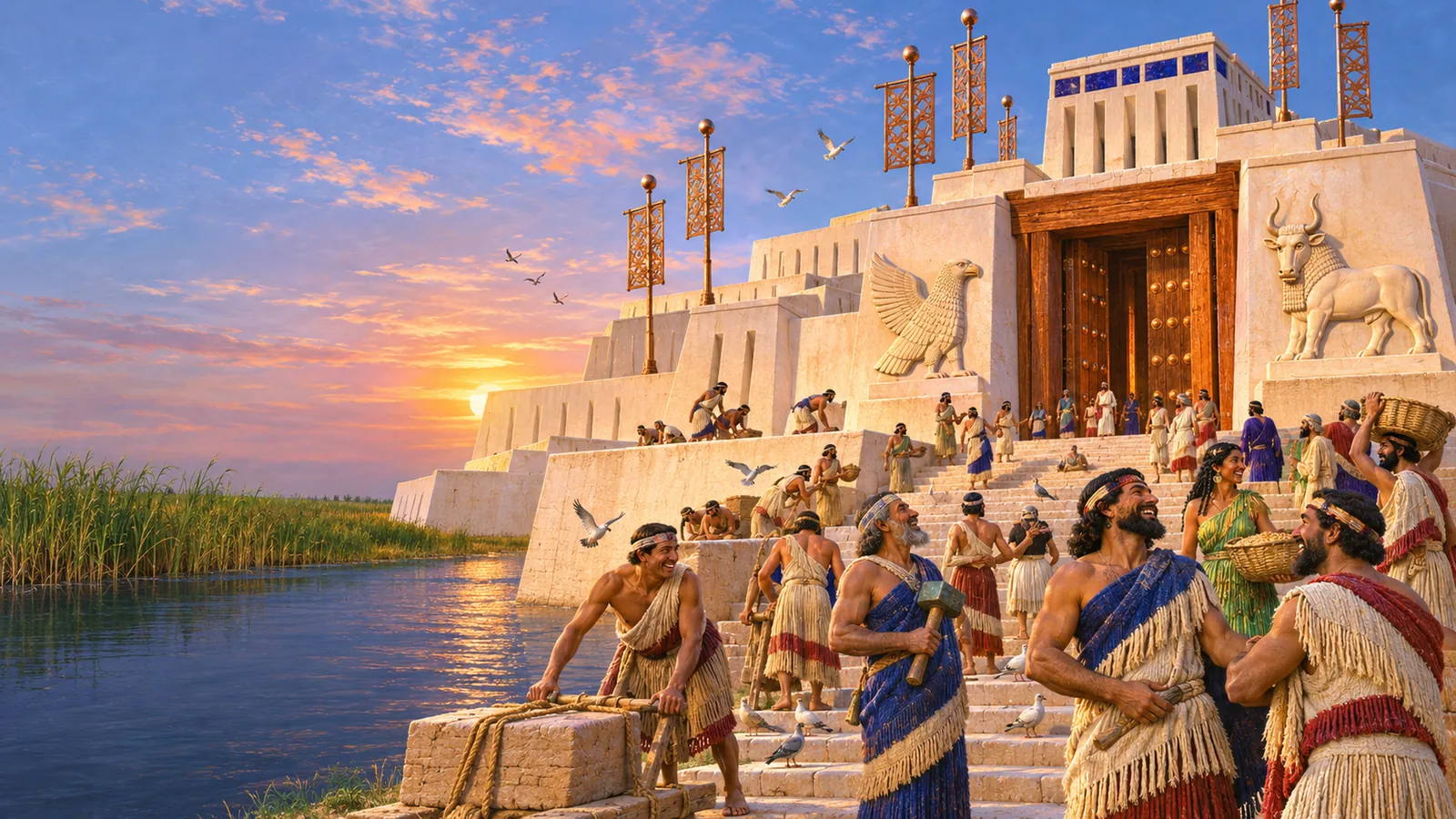
Cedar doors, carved guardians and the halls for Ningirsu and Bau stood ready. In the poem, Eninnu shone like the moon and rose like a mountain over Lagash.
End of chapter 1
All pages


Sources
Editions consulted
- Electronic Text Corpus of Sumerian Literature, Oxford, translation 2.1.7
- Electronic Text Corpus of Sumerian Royal Inscriptions, ORACC Q000377
- Musée du Louvre, Cylinder A of Gudea, MNB 1512
- Sébastien Rey, *The Temple of Ningirsu*, Girsu Project excavation report
Ancient lines behind each page
- Page 1: Gudea Cylinder A, ETCSL 2.1.7, lines 1–16
- Page 2: Gudea Cylinder A, ETCSL 2.1.7, lines 17–32
- Page 3: Gudea Cylinder A, ETCSL 2.1.7, lines 24–38
- Page 4: Gudea Cylinder A, ETCSL 2.1.7, lines 33–51
- Page 5: Gudea Cylinder A, ETCSL 2.1.7, lines 52–89
- Page 6: Gudea Cylinder A, ETCSL 2.1.7, lines 68–100
- Page 7: Gudea Cylinder A, ETCSL 2.1.7, lines 90–100
- Page 8: Gudea Cylinder A, ETCSL 2.1.7, lines 101–131
- Page 9: Gudea Cylinder A, ETCSL 2.1.7, lines 109, 132–133
- Page 10: Gudea Cylinder A, ETCSL 2.1.7, lines 110–114, 134–140
- Page 11: Gudea Cylinder A, ETCSL 2.1.7, lines 115–117, 141–144
- Page 12: Gudea Cylinder A, ETCSL 2.1.7, lines 118–120, 145–146
- Page 13: Gudea Cylinder A, ETCSL 2.1.7, lines 147–151
- Page 14: Gudea Cylinder A, ETCSL 2.1.7, lines 152–188
- Page 15: Gudea Cylinder A, ETCSL 2.1.7, lines 189–206
- Page 16: Gudea Cylinder A, ETCSL 2.1.7, lines 207–231
- Page 17: Gudea Cylinder A, ETCSL 2.1.7, lines 294–314
- Page 18: Gudea Cylinder A, ETCSL 2.1.7, lines 277–293
- Page 19: Gudea Cylinder A, ETCSL 2.1.7, lines 315–322
- Page 20: Gudea Cylinder A, ETCSL 2.1.7, lines 323–329
- Page 21: Gudea Cylinder A, ETCSL 2.1.7, lines 330–344
- Page 22: Gudea Cylinder A, ETCSL 2.1.7, lines 330–364
- Page 23: Gudea Cylinder A, ETCSL 2.1.7, lines 365–385
- Page 24: Gudea Cylinder A, ETCSL 2.1.7, lines 392–396
- Page 25: Gudea Cylinder A, ETCSL 2.1.7, lines 397–404
- Page 26: Gudea Cylinder A, ETCSL 2.1.7, lines 405–411
- Page 27: Gudea Cylinder A, ETCSL 2.1.7, lines 412–423
- Page 28: Gudea Cylinder A, ETCSL 2.1.7, lines 424–433
- Page 29: Gudea Cylinder A, ETCSL 2.1.7, lines 434–451
- Page 30: Gudea Cylinder A, ETCSL 2.1.7, lines 463–481
- Page 31: Gudea Cylinder A, ETCSL 2.1.7, lines 482–512
- Page 32: Gudea Cylinder A, ETCSL 2.1.7, lines 499–522
- Page 33: Gudea Cylinder A, ETCSL 2.1.7, lines 523–542
- Page 34: Gudea Cylinder A, ETCSL 2.1.7, lines 533–550
- Page 35: Gudea Cylinder A, ETCSL 2.1.7, lines 551–577
- Page 36: Gudea Cylinder A, ETCSL 2.1.7, lines 578–601
- Page 37: Gudea Cylinder A, ETCSL 2.1.7, lines 602–616
- Page 38: Gudea Cylinder A, ETCSL 2.1.7, lines 617–654
- Page 39: Gudea Cylinder A, ETCSL 2.1.7, lines 665–687, 722–729
- Page 40: Gudea Cylinder A, ETCSL 2.1.7, lines 655–814
Illustrations made with AI tools by IL Archive; the text is based on the ancient sources (see the sources at the end of each chapter).