Inanna and Bilulu Chapter 1
The Desert Waterskin
Inanna’s song follows Dumuzi through the land of the flocks. In Edin-lila her judgment makes Bilulu part of a rite for the shepherd.
SourcesTurn the pages with the arrows, the arrow keys or a swipe.
THE LAMENT
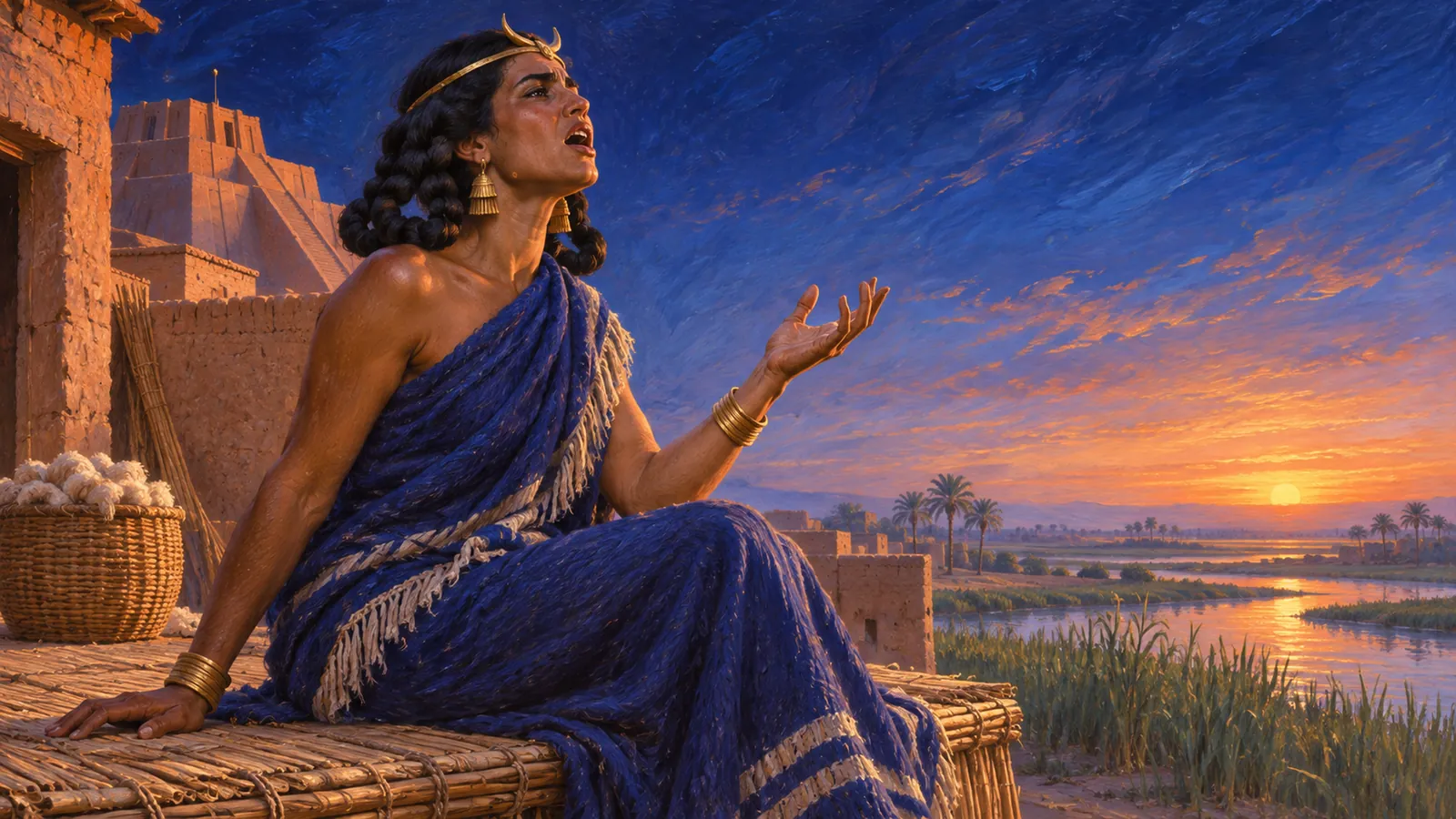
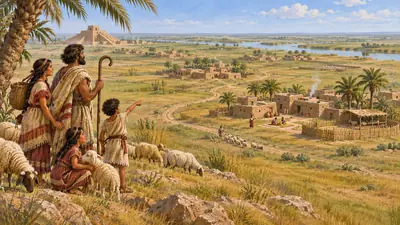
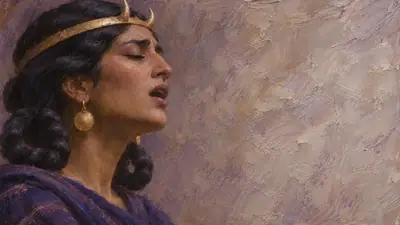
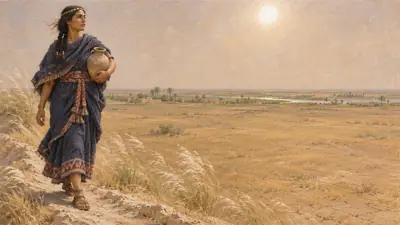
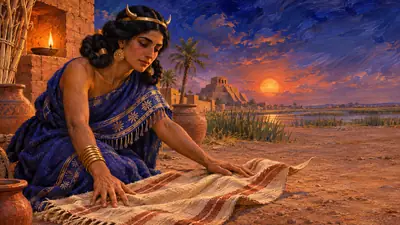
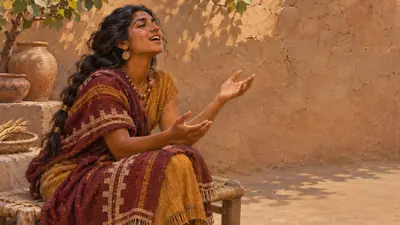
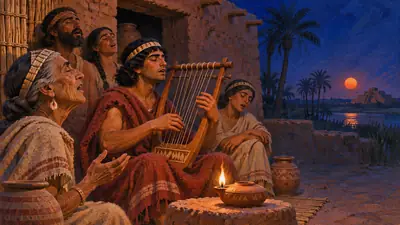
Inanna called across the desert for Dumuzi, her young husband. Arali was the first place she named, and the sound of her grief went ahead of her like a song.
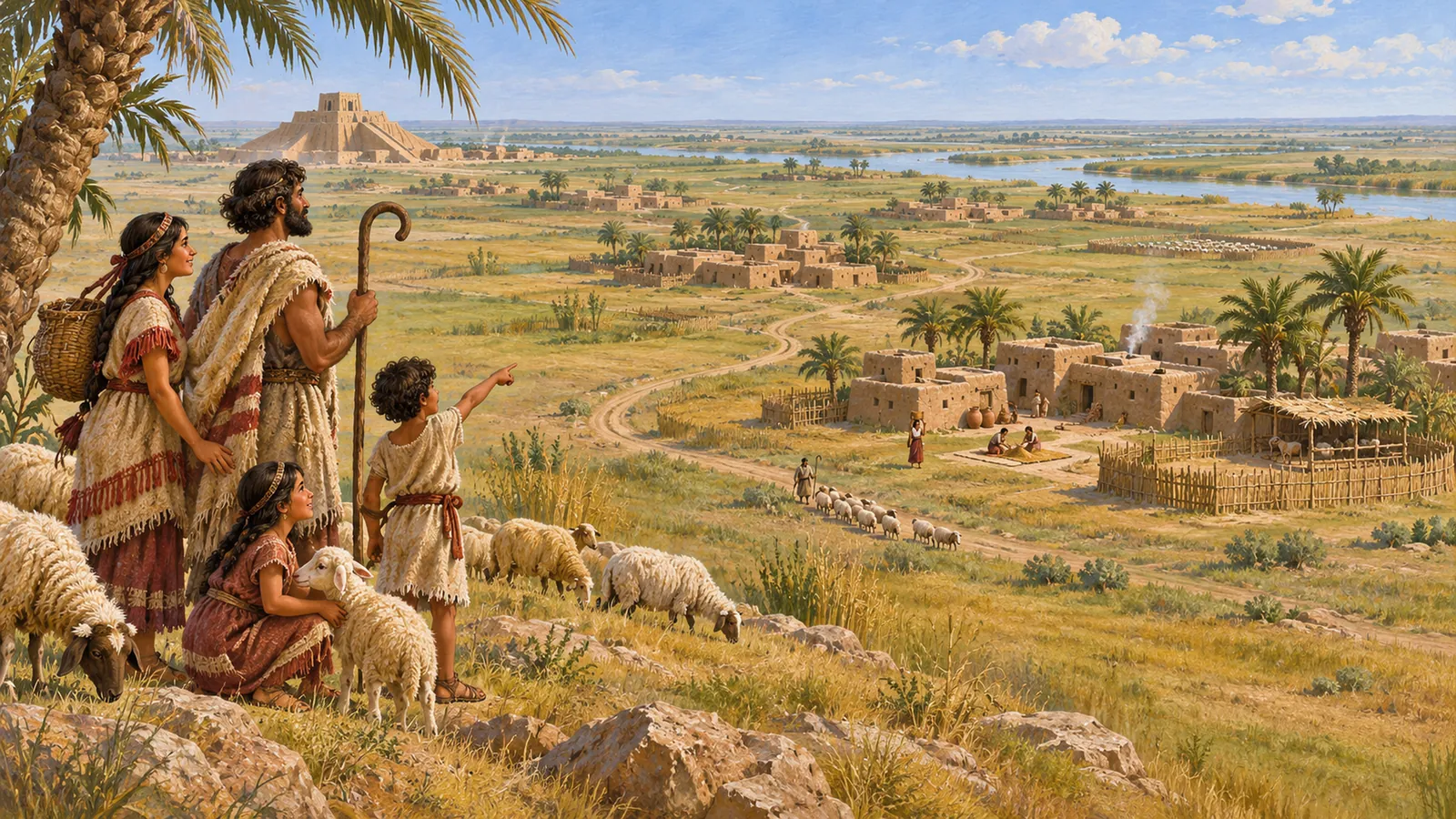
She named Bad-tibira and Dul-shuba next, then the herding country and Dumuzi’s own sheepfold. With each name the poem gives her cry one more place to travel.
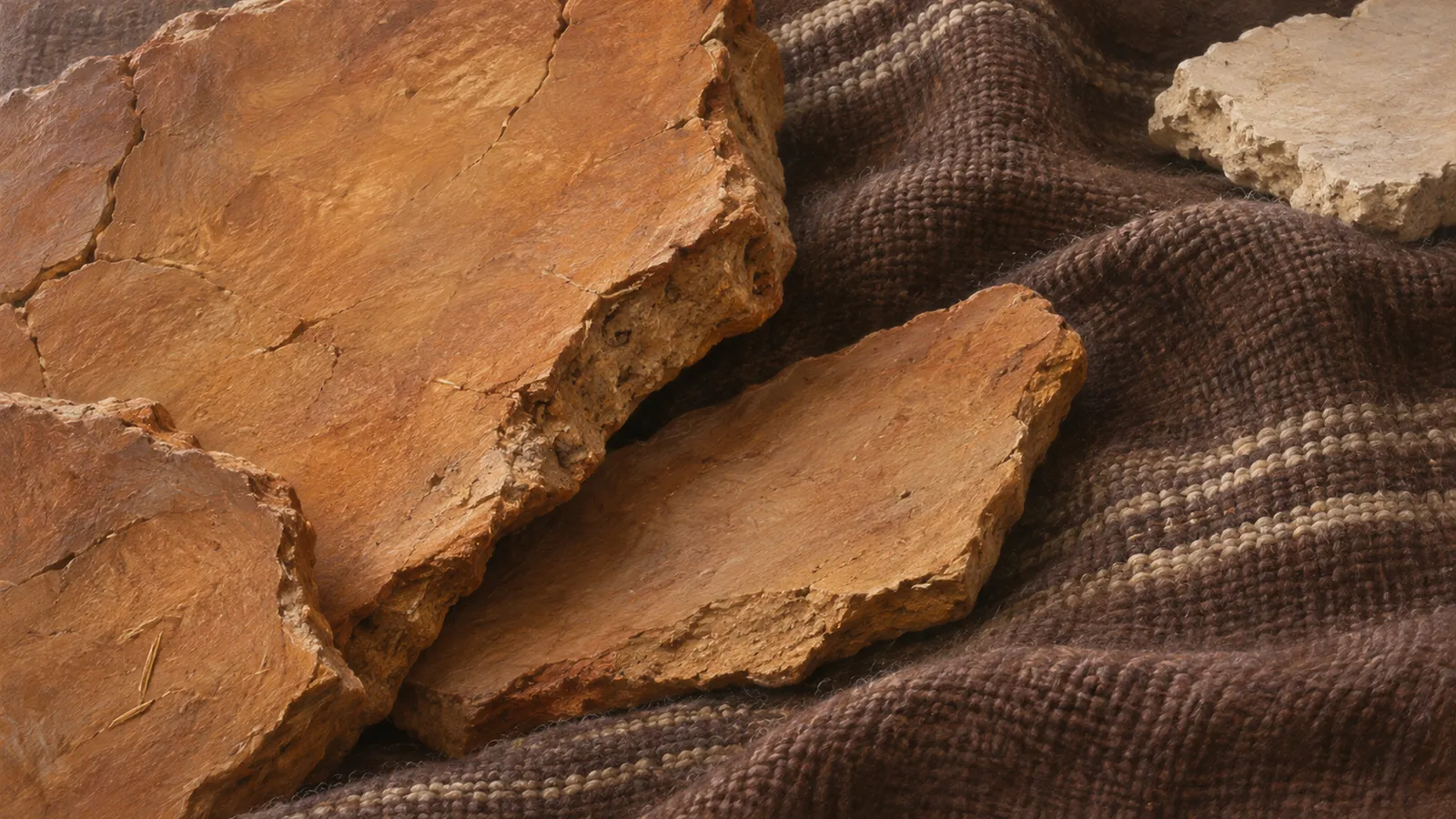
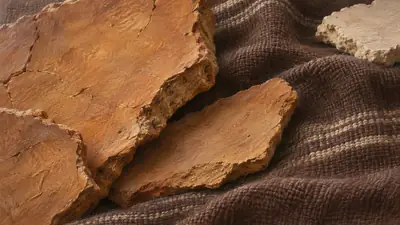
After the names, only scraps of lines survive. Dumuzi’s name can still be made out once. We meet Inanna again after a long interval in which the clay keeps almost nothing.
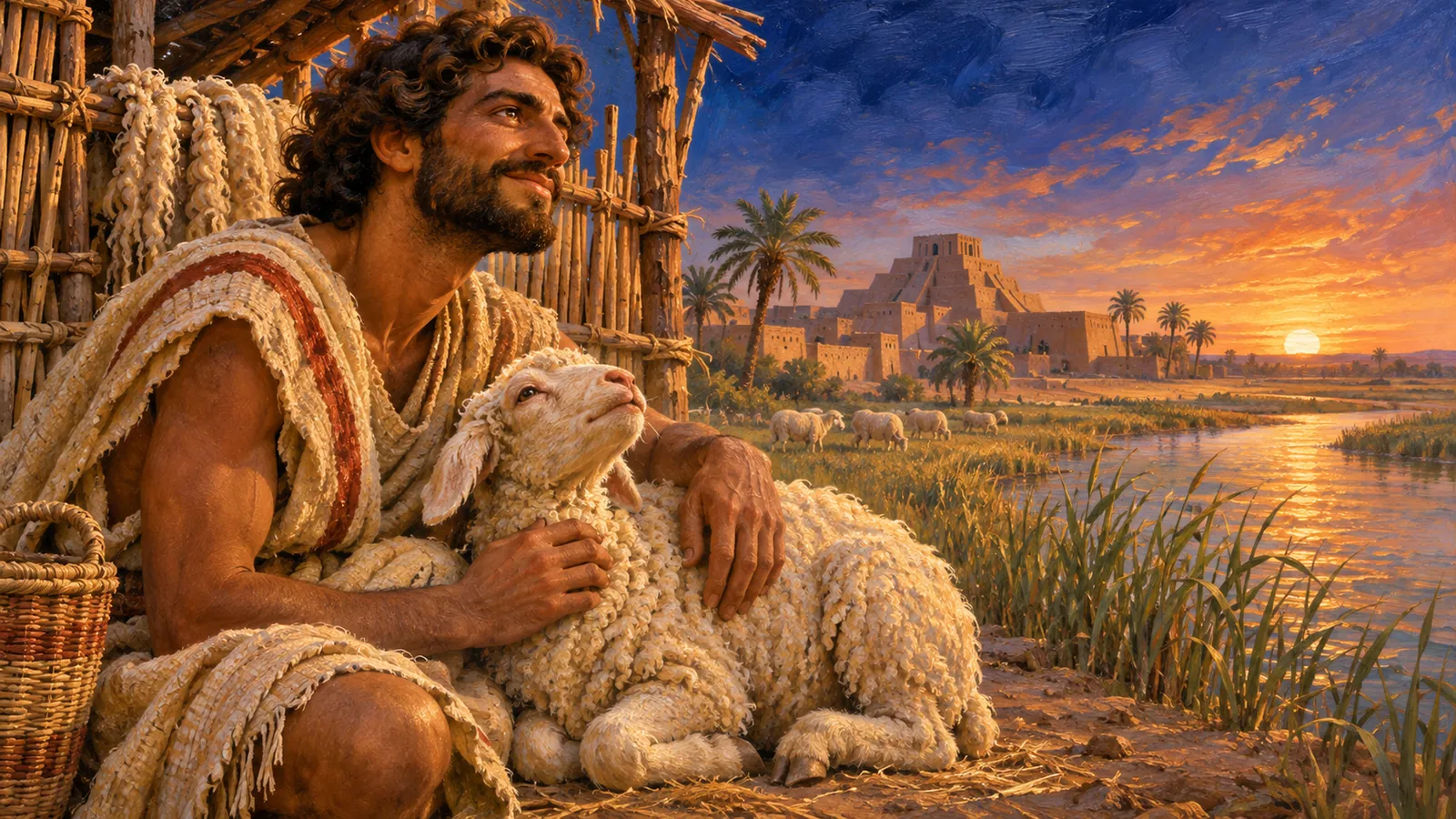
She turned the same things over in her mind. She remembered the gentleness in her young husband’s eyes and the sound of his voice. The poem says them twice.
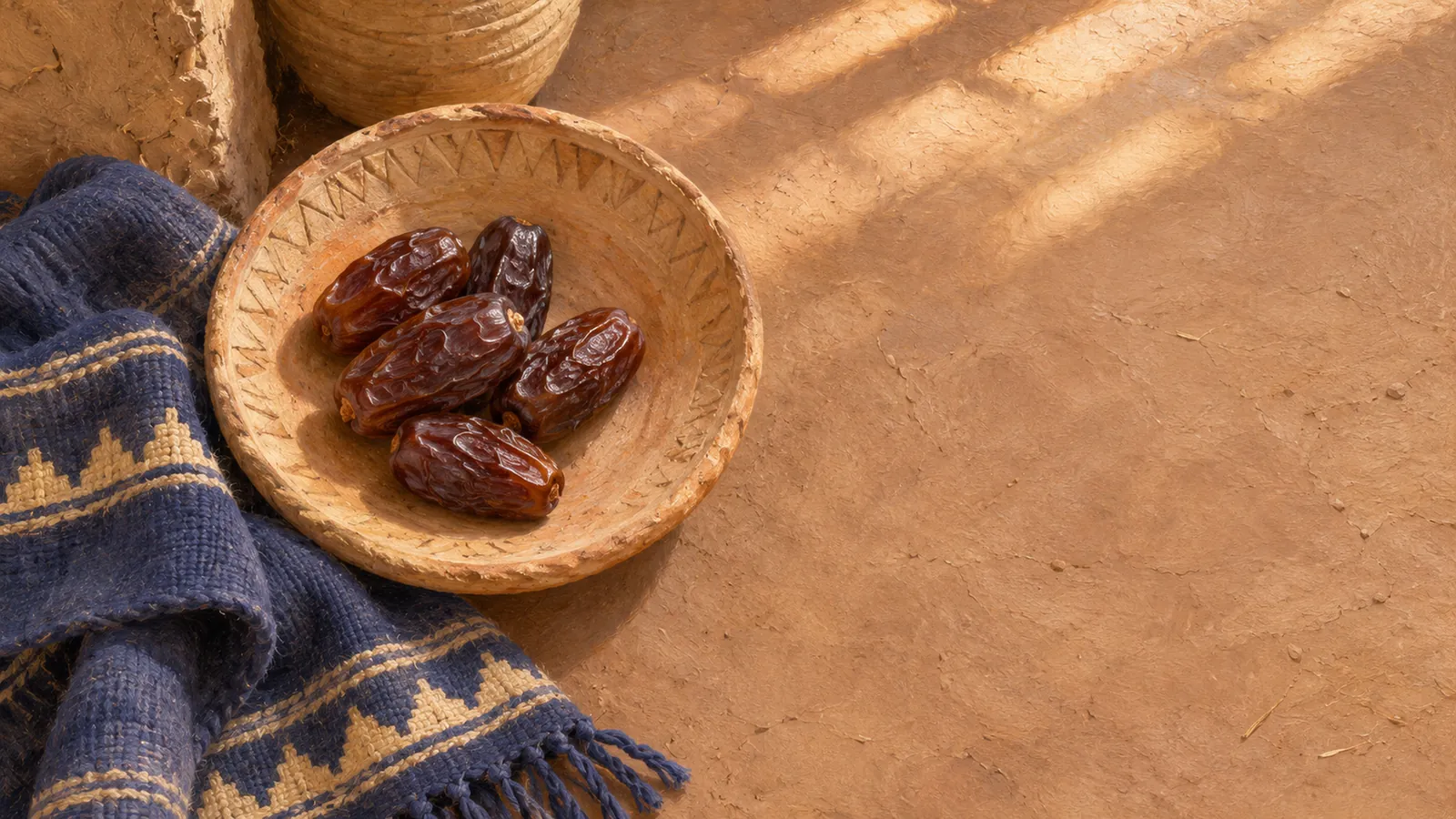
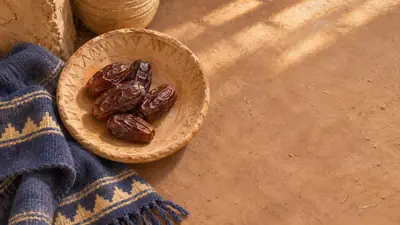
The poem likens his sweetness to a date. After all those places named out loud, the song narrows to something that could fit in the palm of her hand.
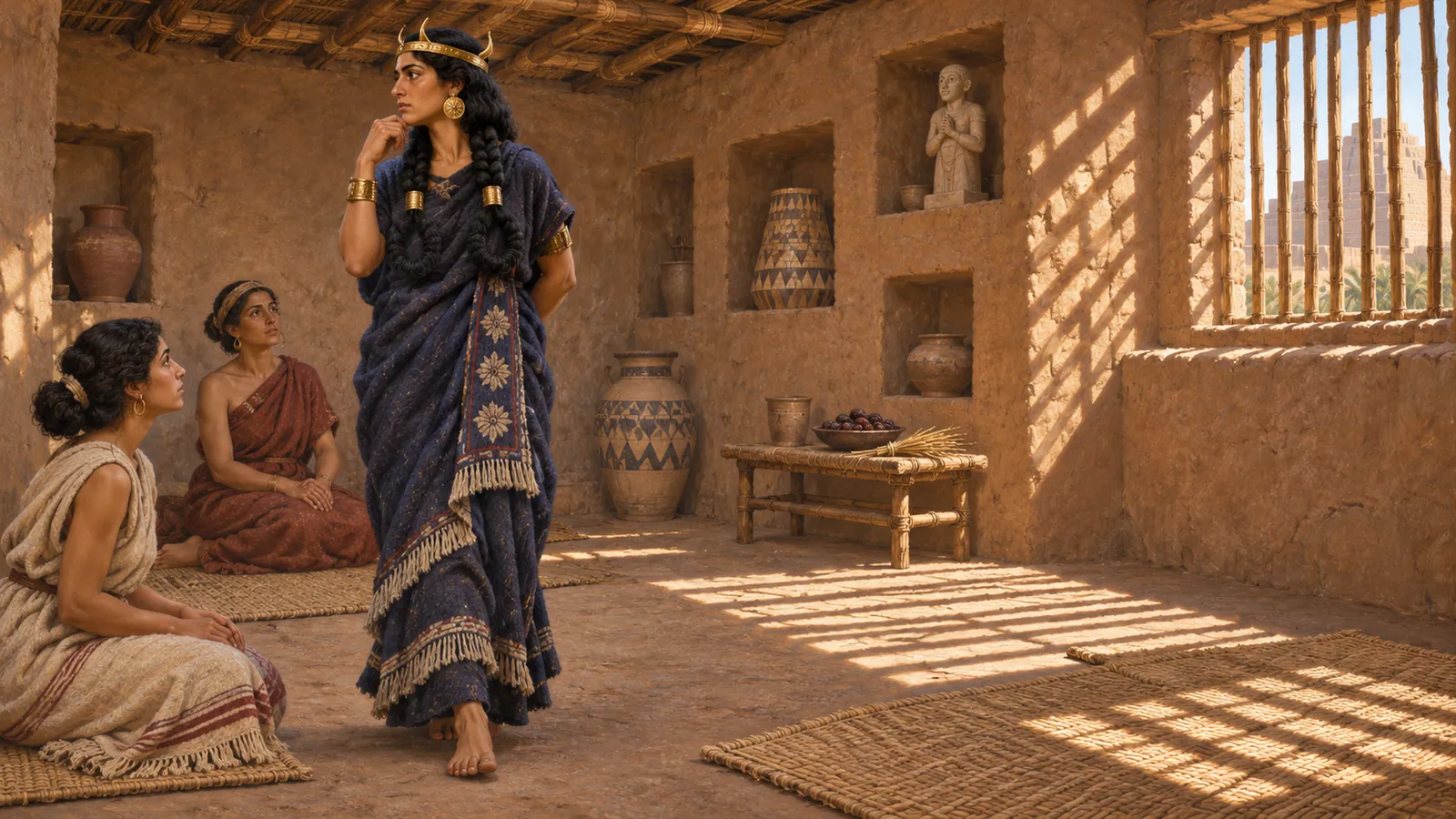
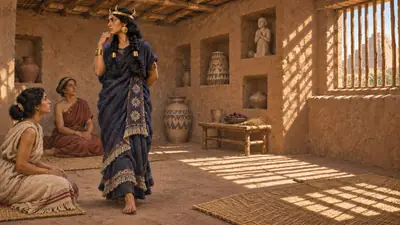
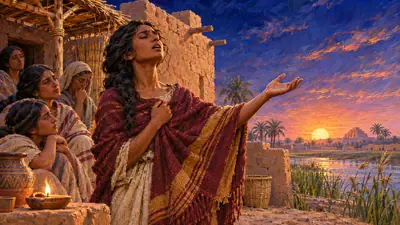
Inanna paced in her mother’s chamber. The lines that remain place other women there with her. Her steps give the grief a rhythm before the poem gives her a request.
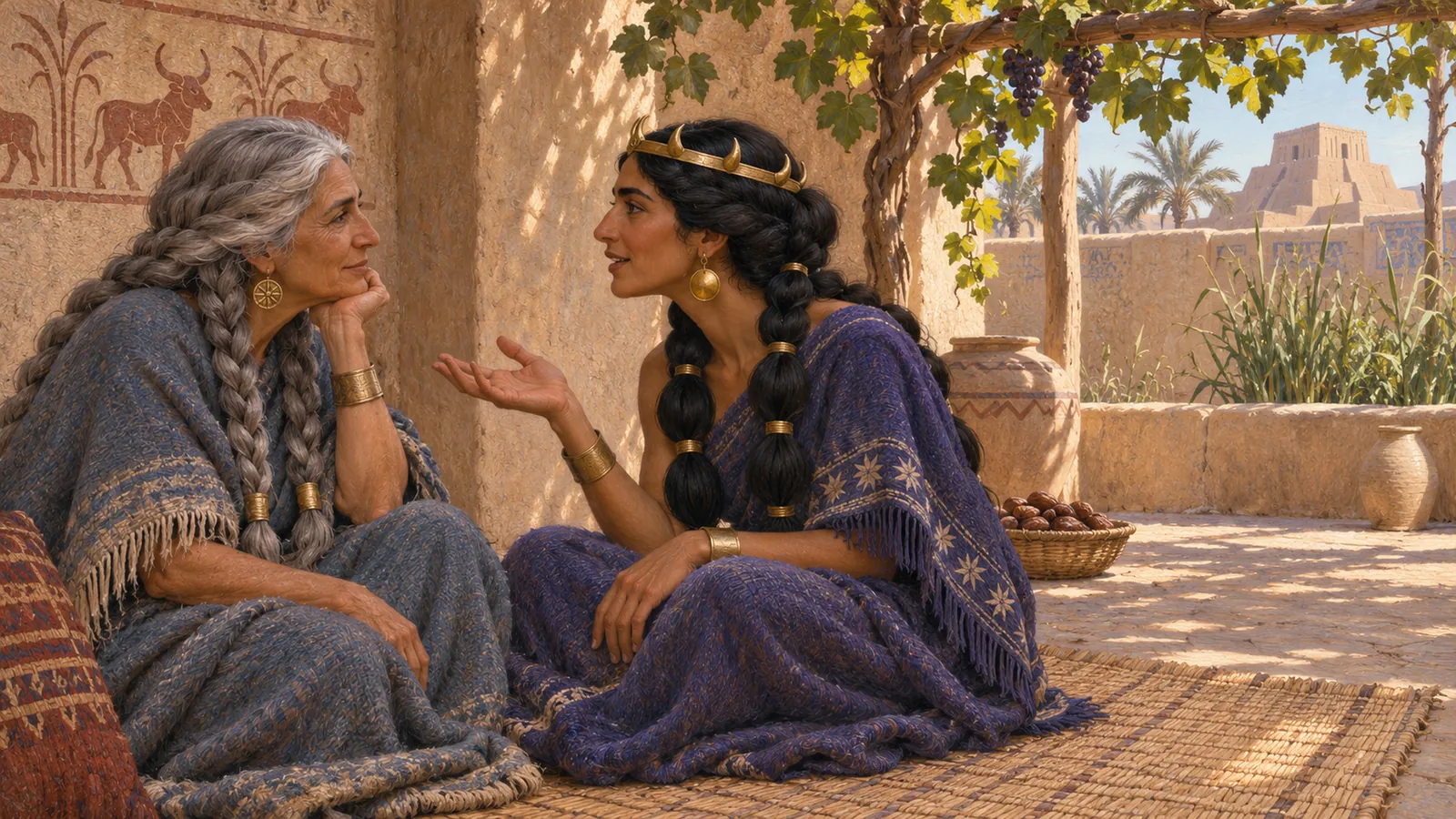
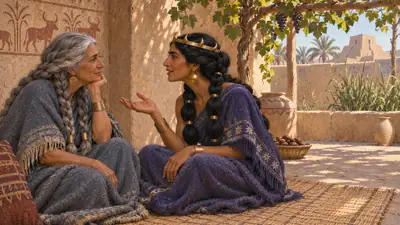
Inanna asked her mother Ningal to let her go to the sheepfold. In the same breath she remembered her father Suen shining. The words of her request survive in several pieces.
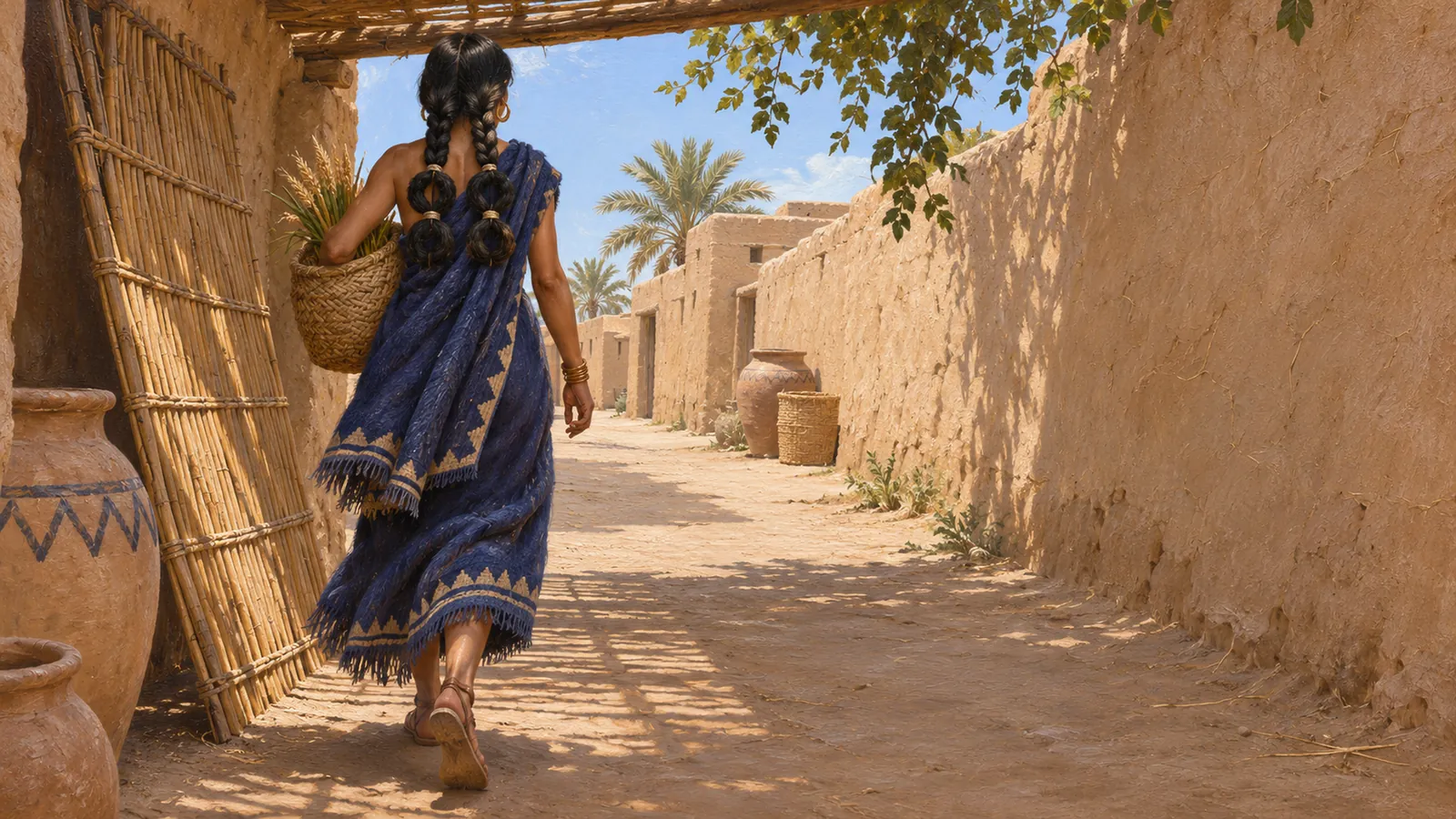
The poet compares her to a child sent out by her own mother. Inanna is already grown, and the lines dwell on how much she knows and how well she can act.
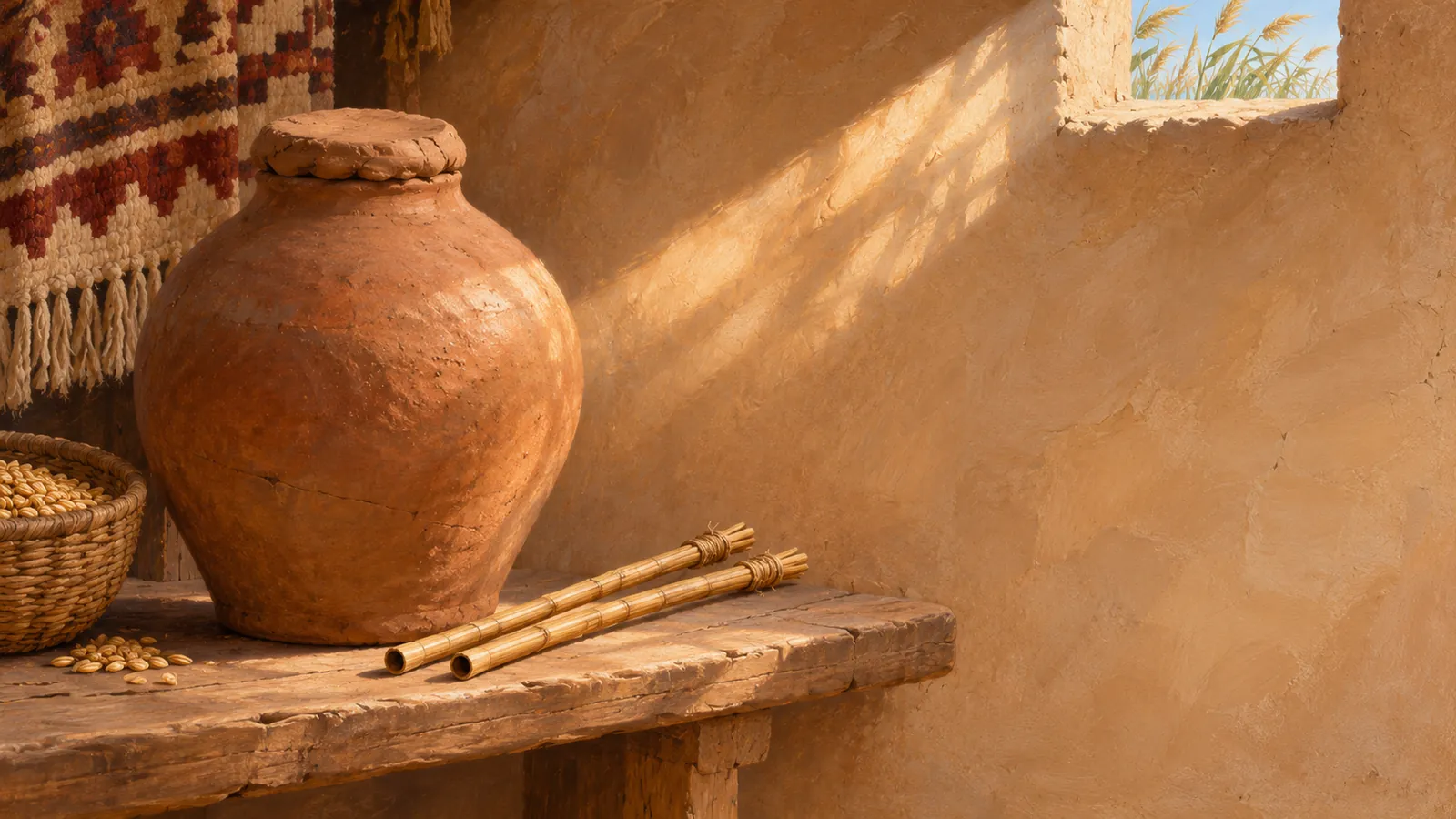
In the next damaged lines a mention of old beer remains. Then the account breaks for many lines. When the words return, the sheepfold and a woman’s name come into view.
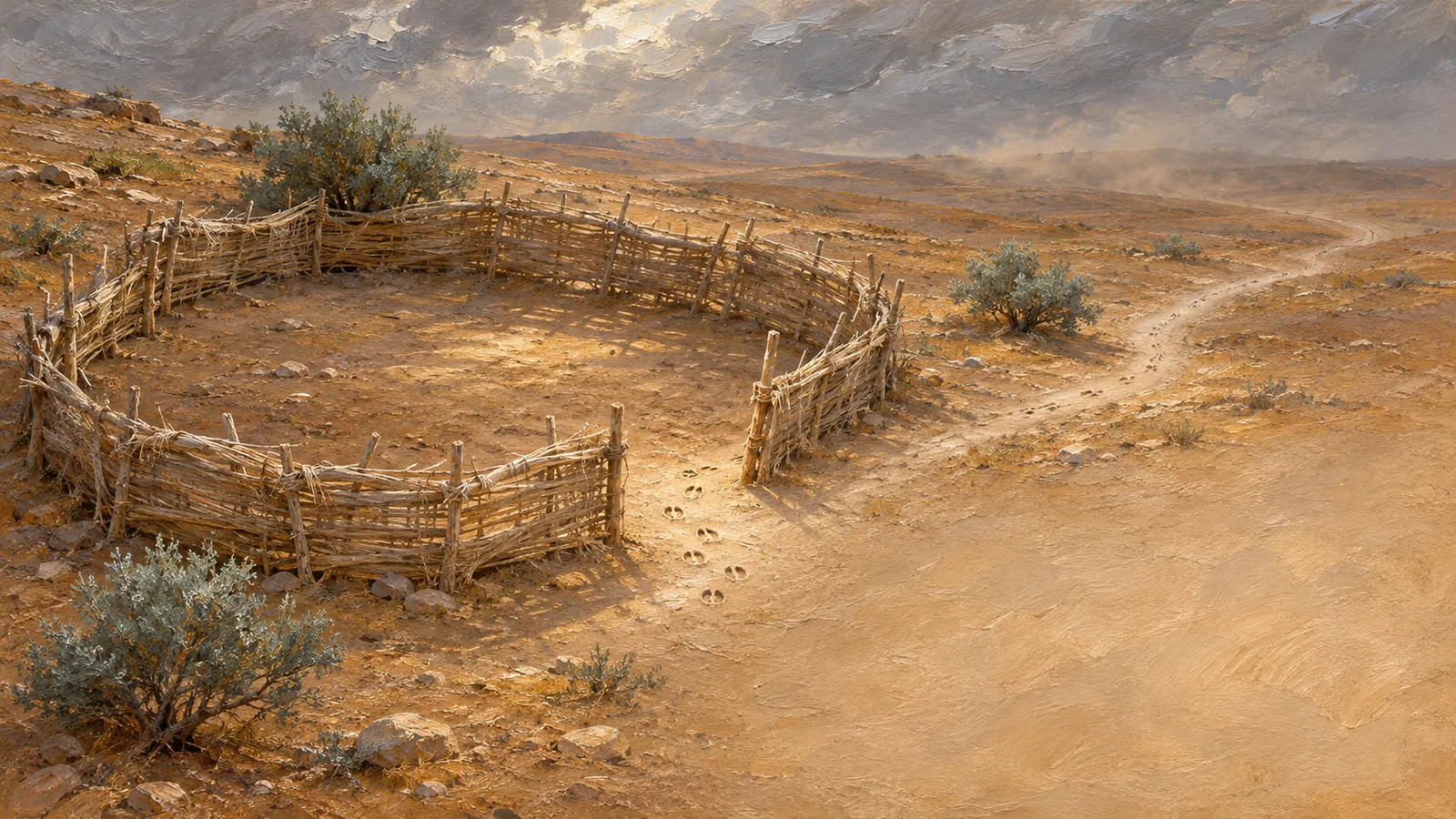
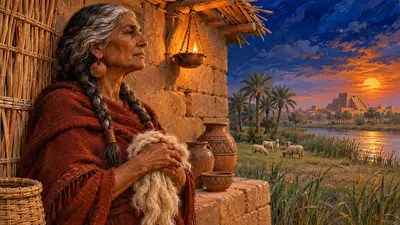
The words that come back speak of the sheepfold and name an older woman, Bilulu. They also call Dumuzi by a longer name, Ama-ushumgal-ana. The account is still broken.
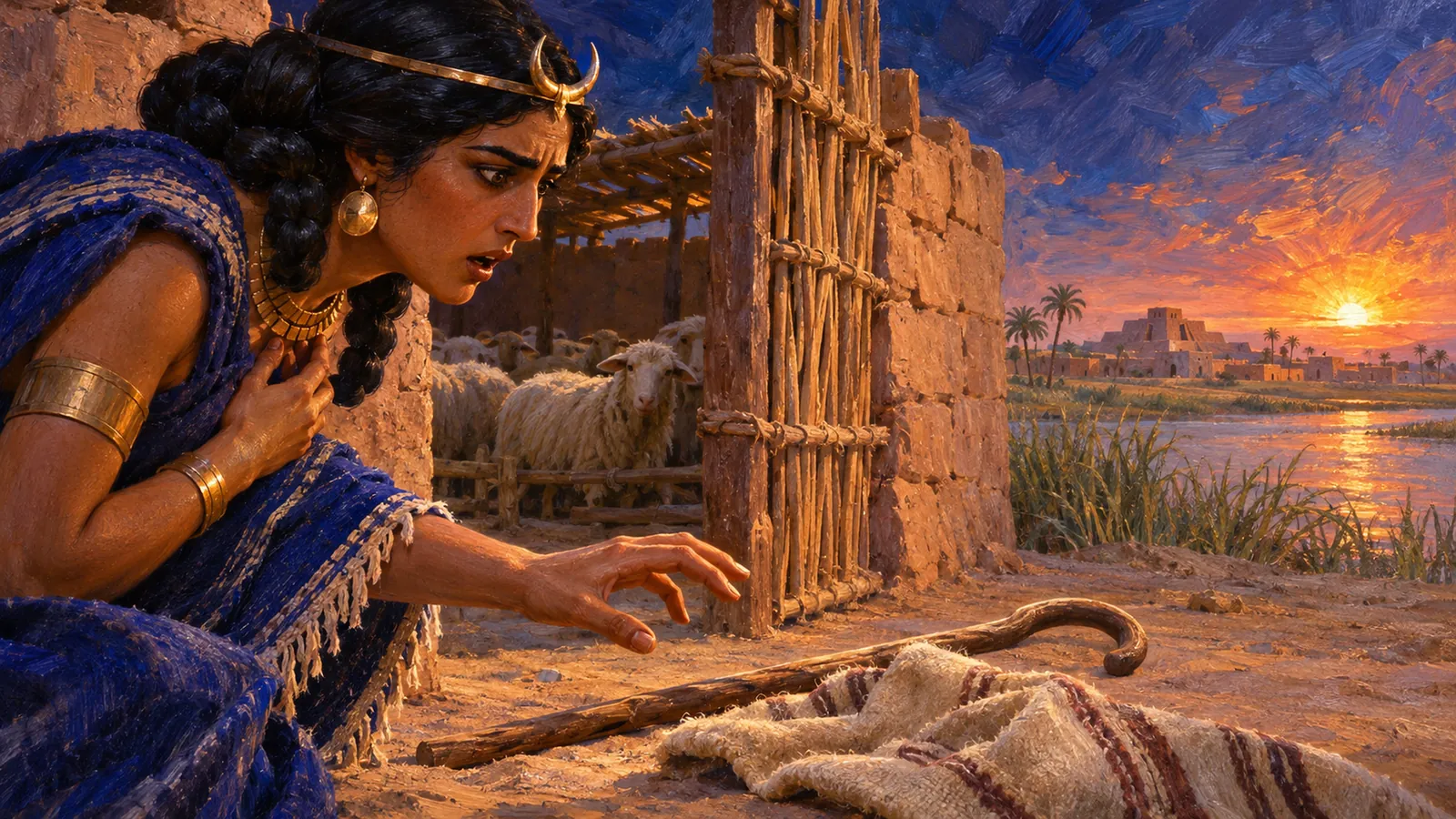
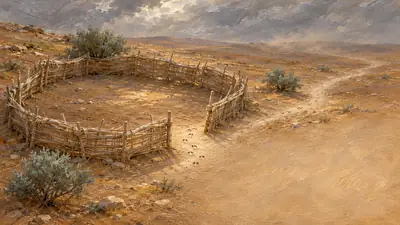
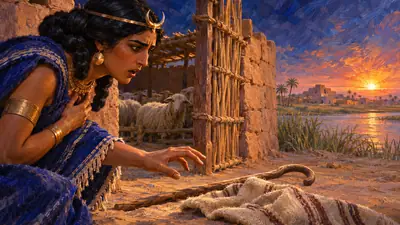
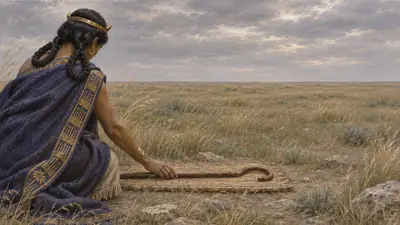
The surviving lines speak of a fatal injury. They leave the moment itself in fragments. A crook lying in the dust can stand for what the broken lines leave us to imagine.
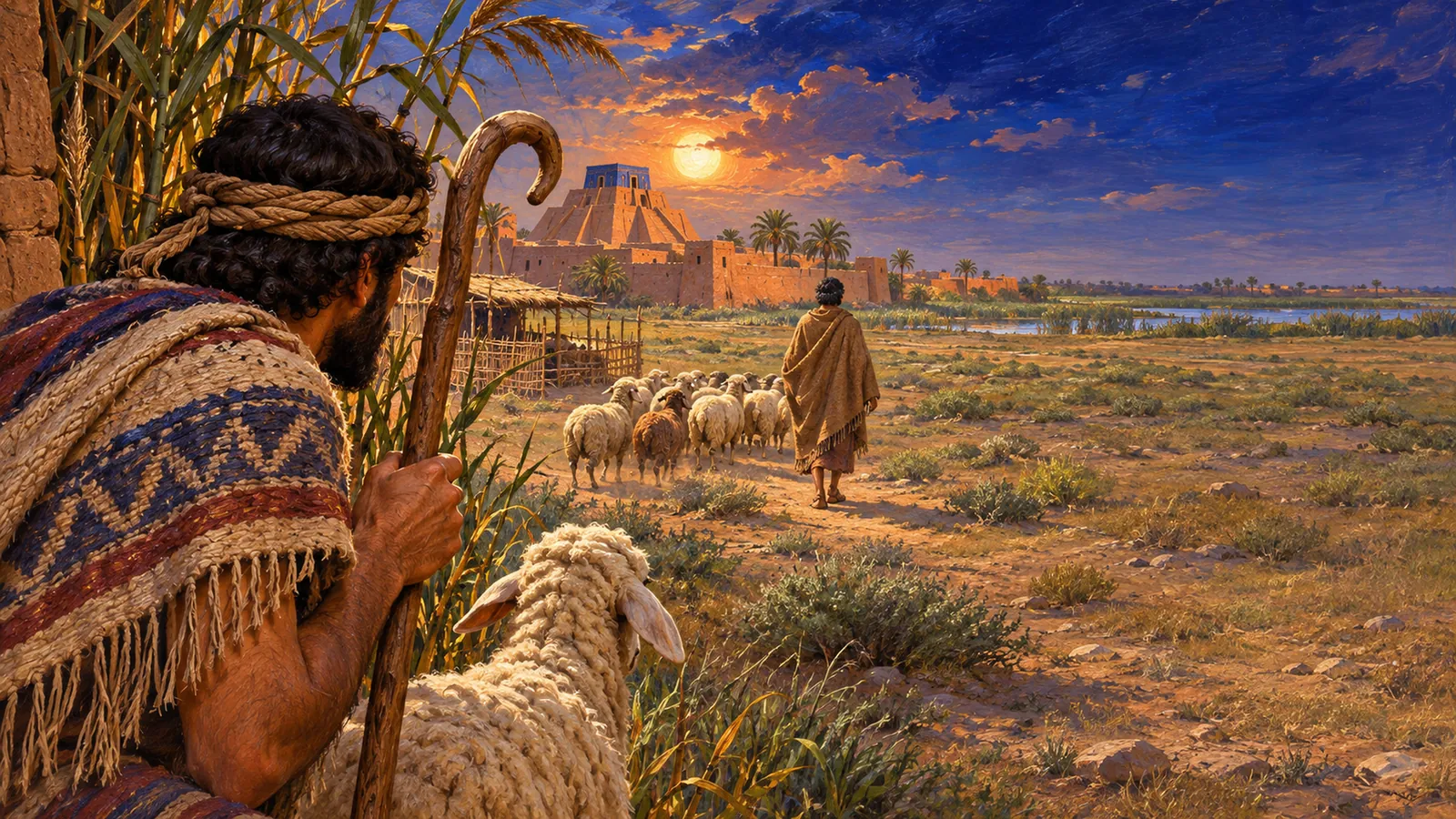
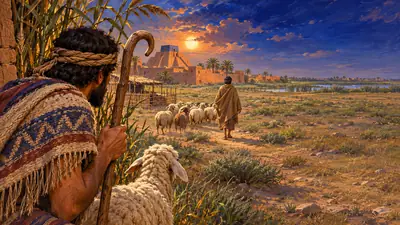
An unnamed voice tells Inanna that a man was coming back beside the master’s sheep. The voice says he was someone other than the shepherd. His name is lost.
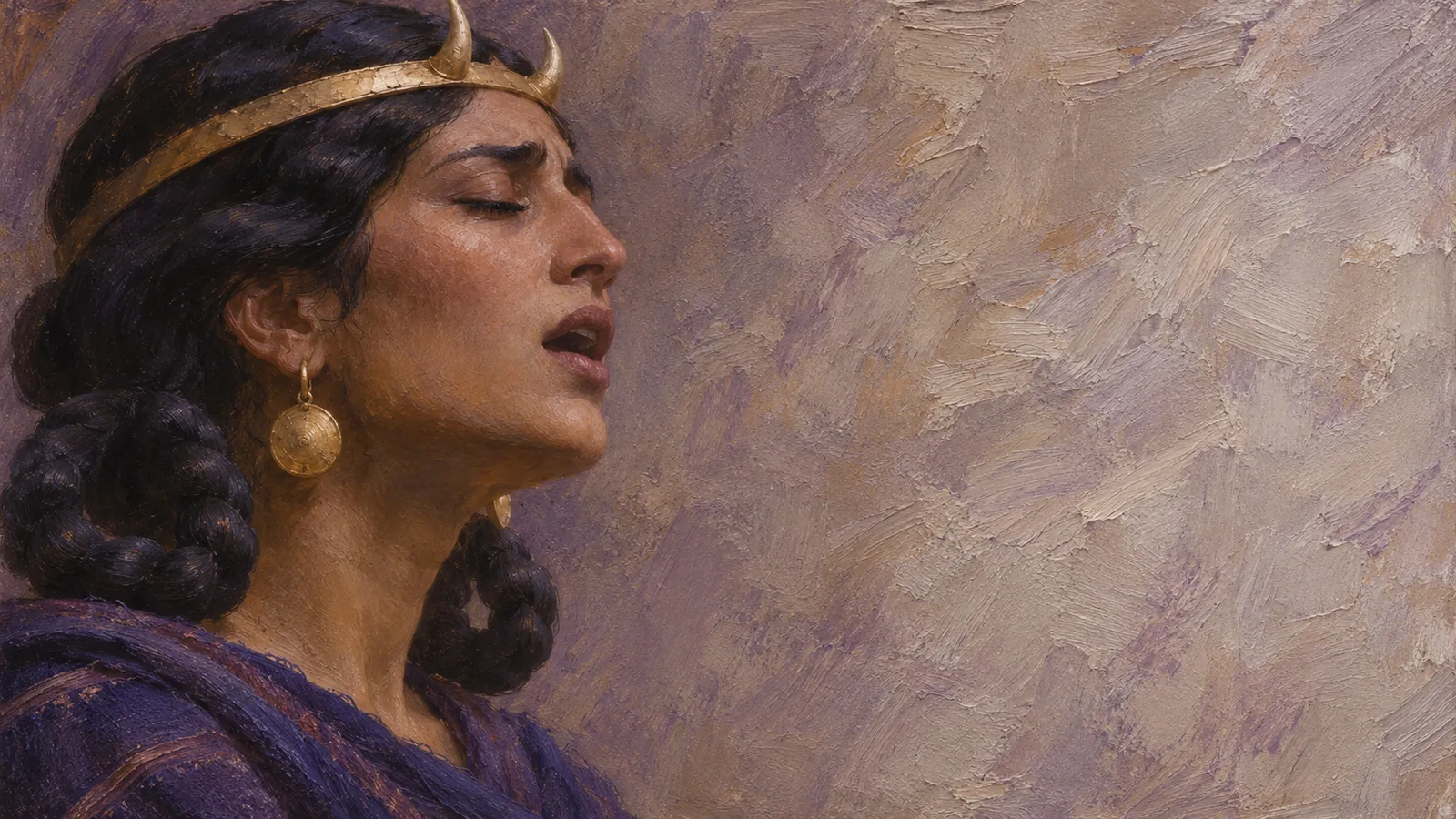
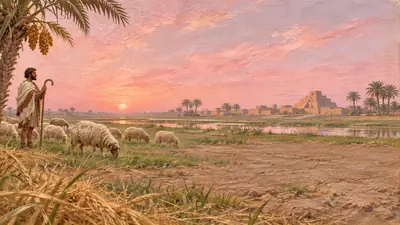
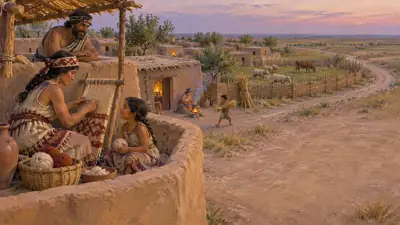
Inanna began to make a song for her young husband. It recalls how he stood on watch through a whole day. His work has its own place in the song.
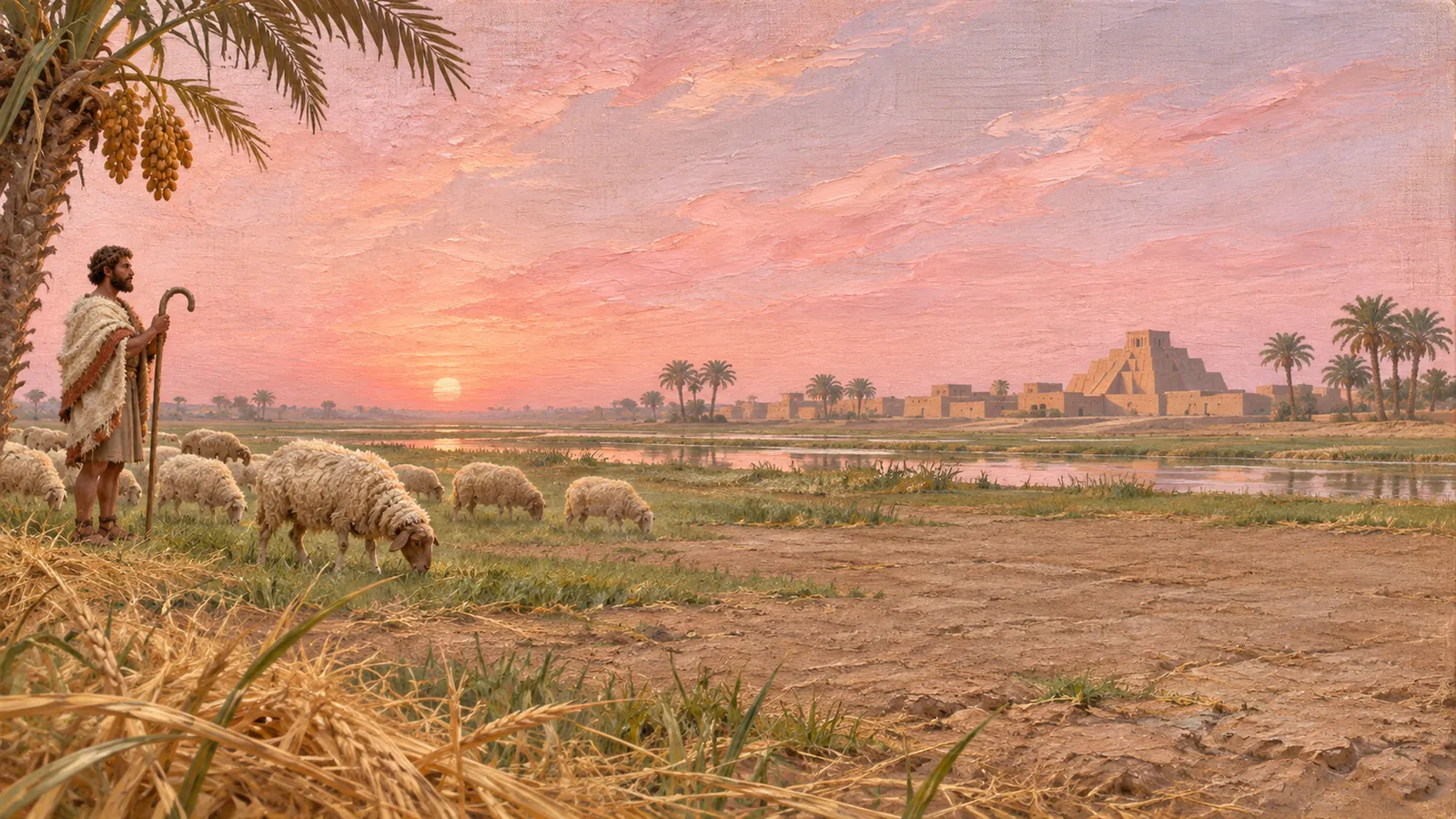
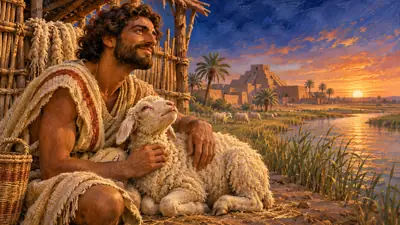
The young shepherd was on watch when the sun rose. The poem follows him all the way to night, giving his hours of care the weight of a full day remembered.
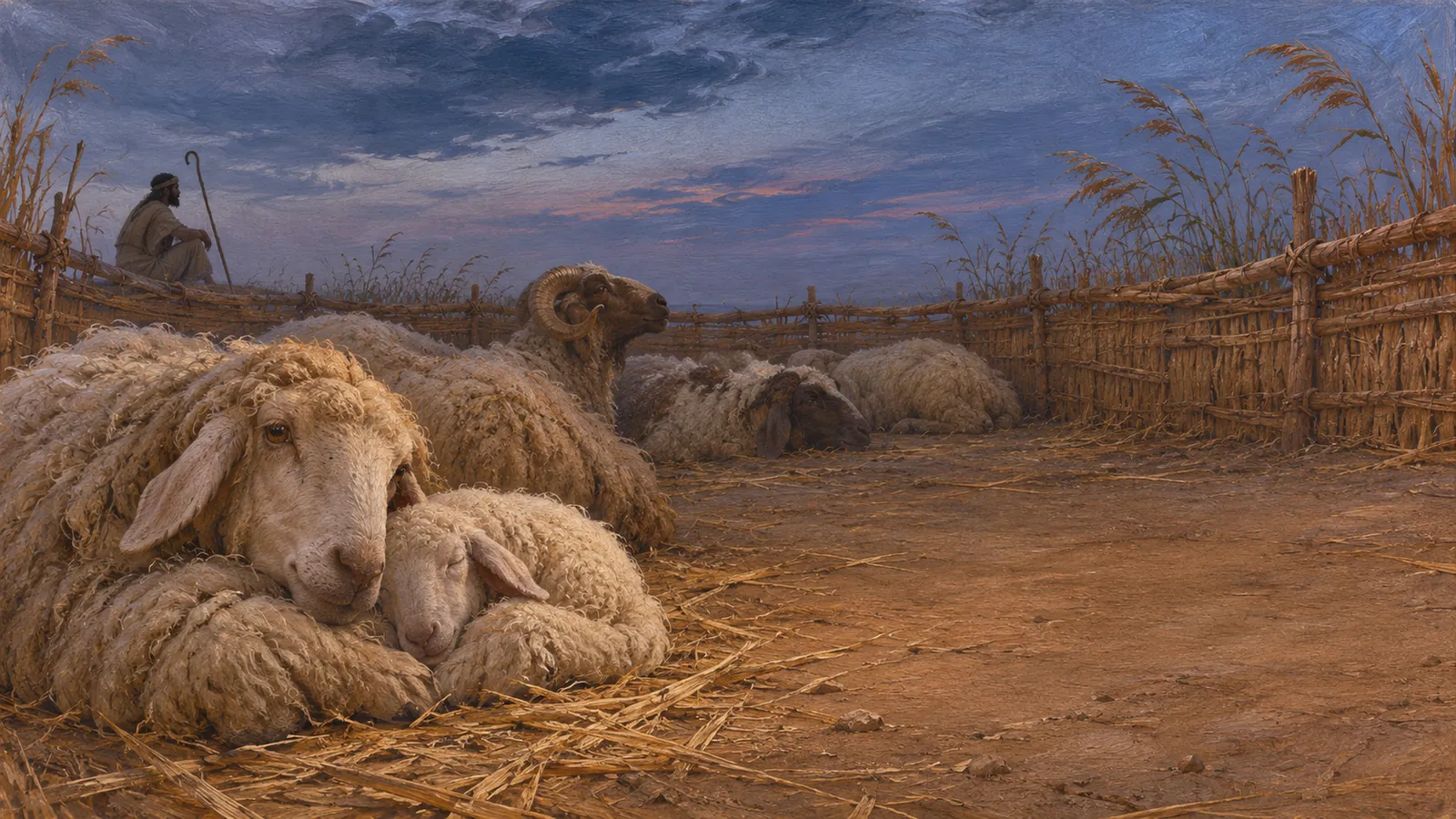
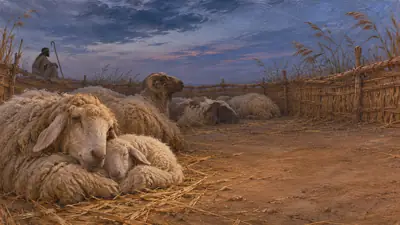
The song addresses Dumuzi as the shepherd at rest. Its last lines remember the time when he lay down only at night. Whose sheep he tended is unclear in the translation.
EDIN-LILA
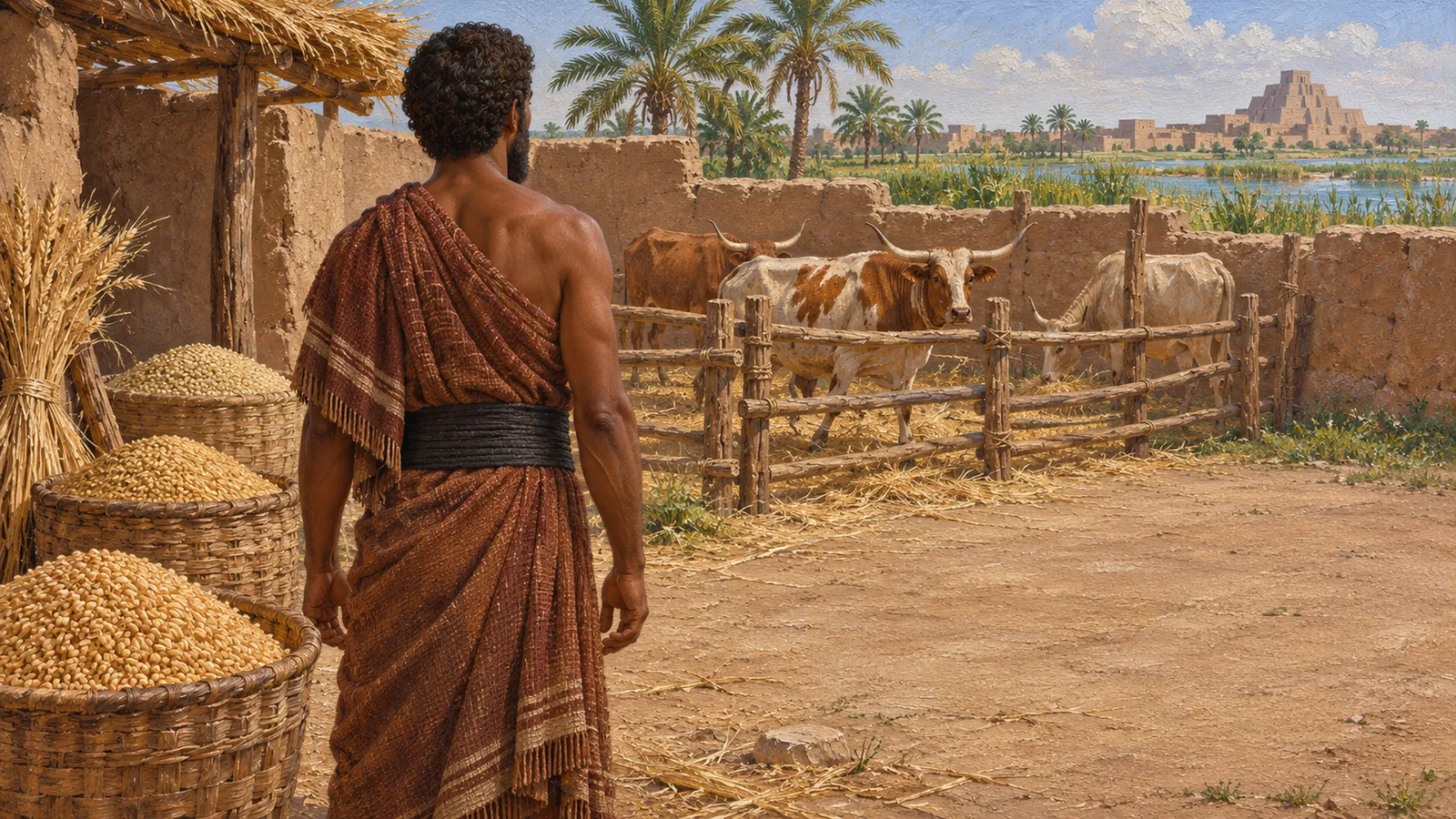
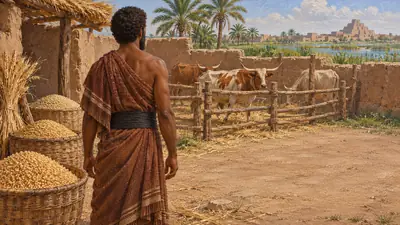
Now the poem names Bilulu’s son Jirjire. He could fill a pen with cattle he had taken and raise heaps of grain. His resourcefulness made him dangerous to others.
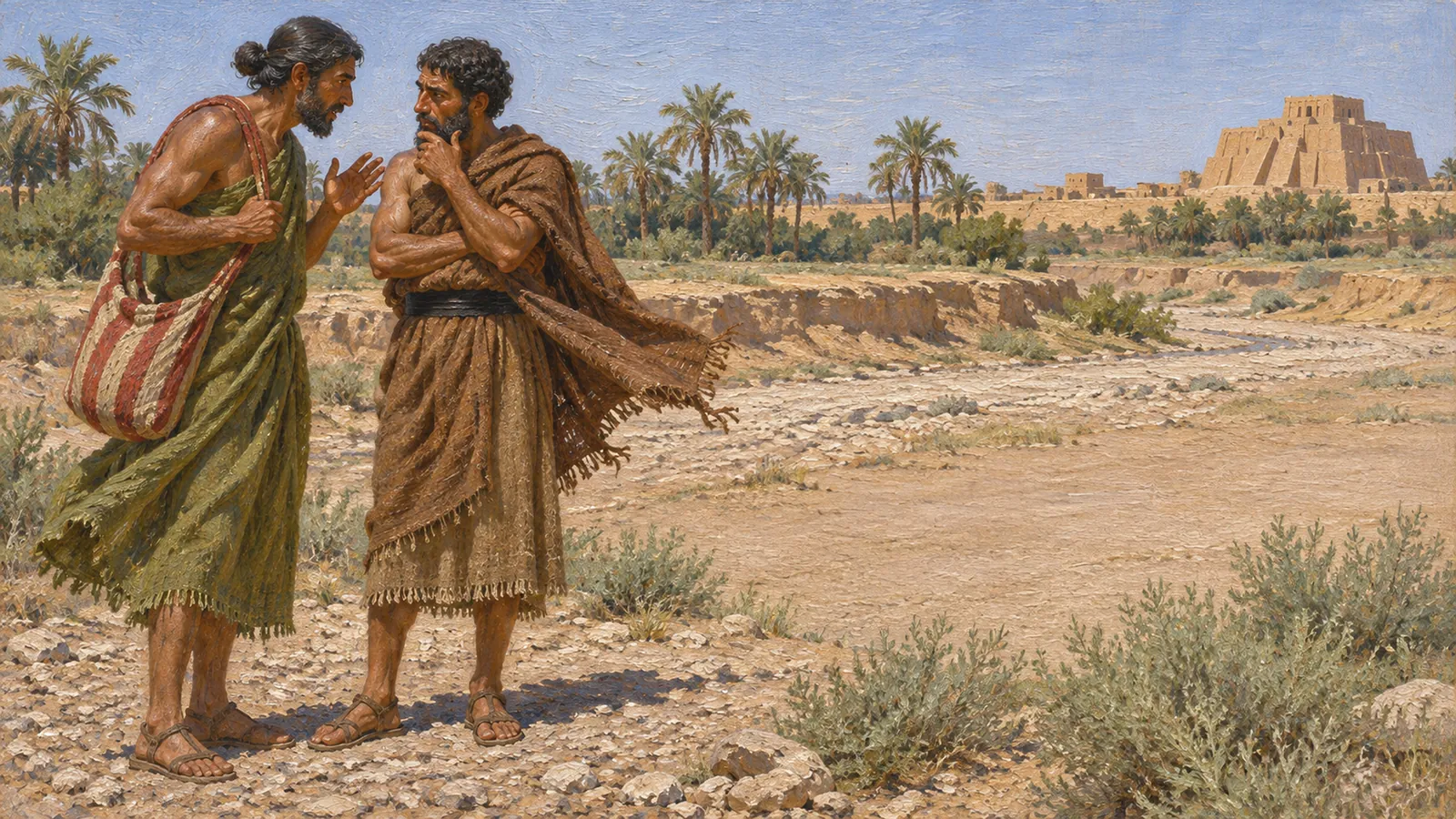
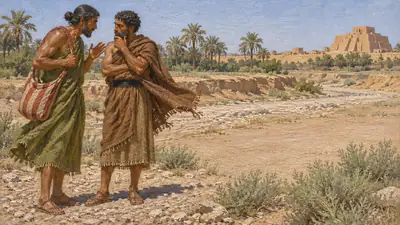
The poem brings in Sirru, a man of the wild country. It dwells on his solitude, then puts him in conversation with Jirjire. Much about the exchange lies beyond our hearing.
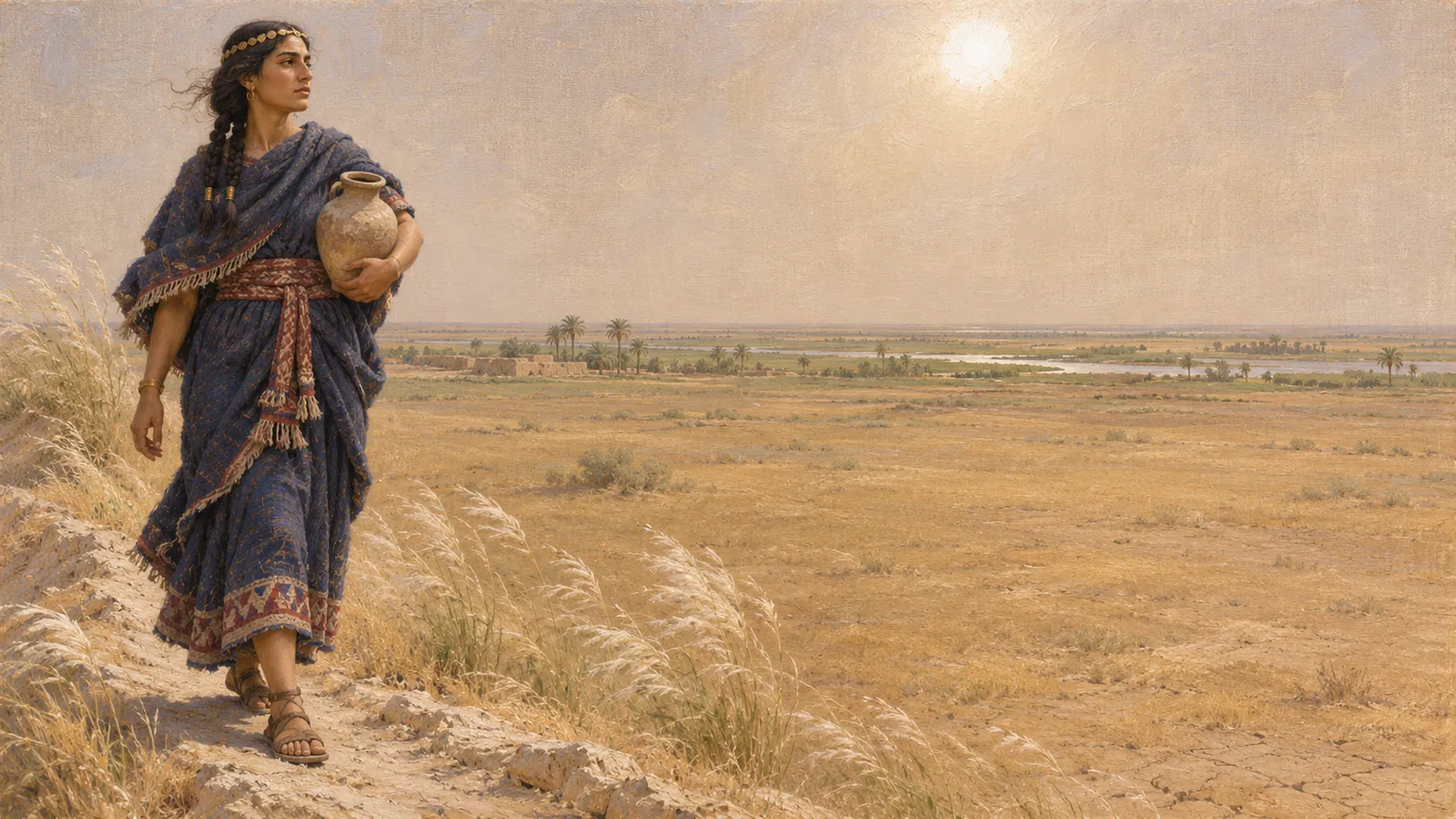
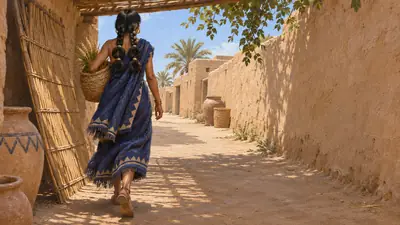
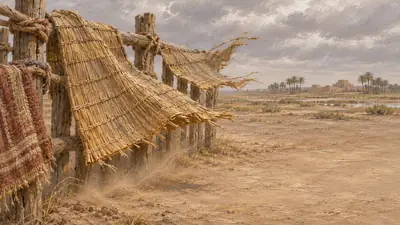
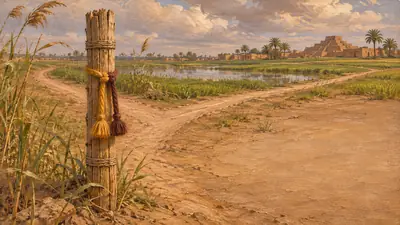
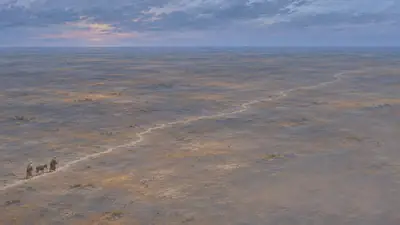
Inanna wanted to avenge Dumuzi and set his resting place right. She went looking for Bilulu in the dry country of Edin-lila, leaving the familiar country of the flocks behind.
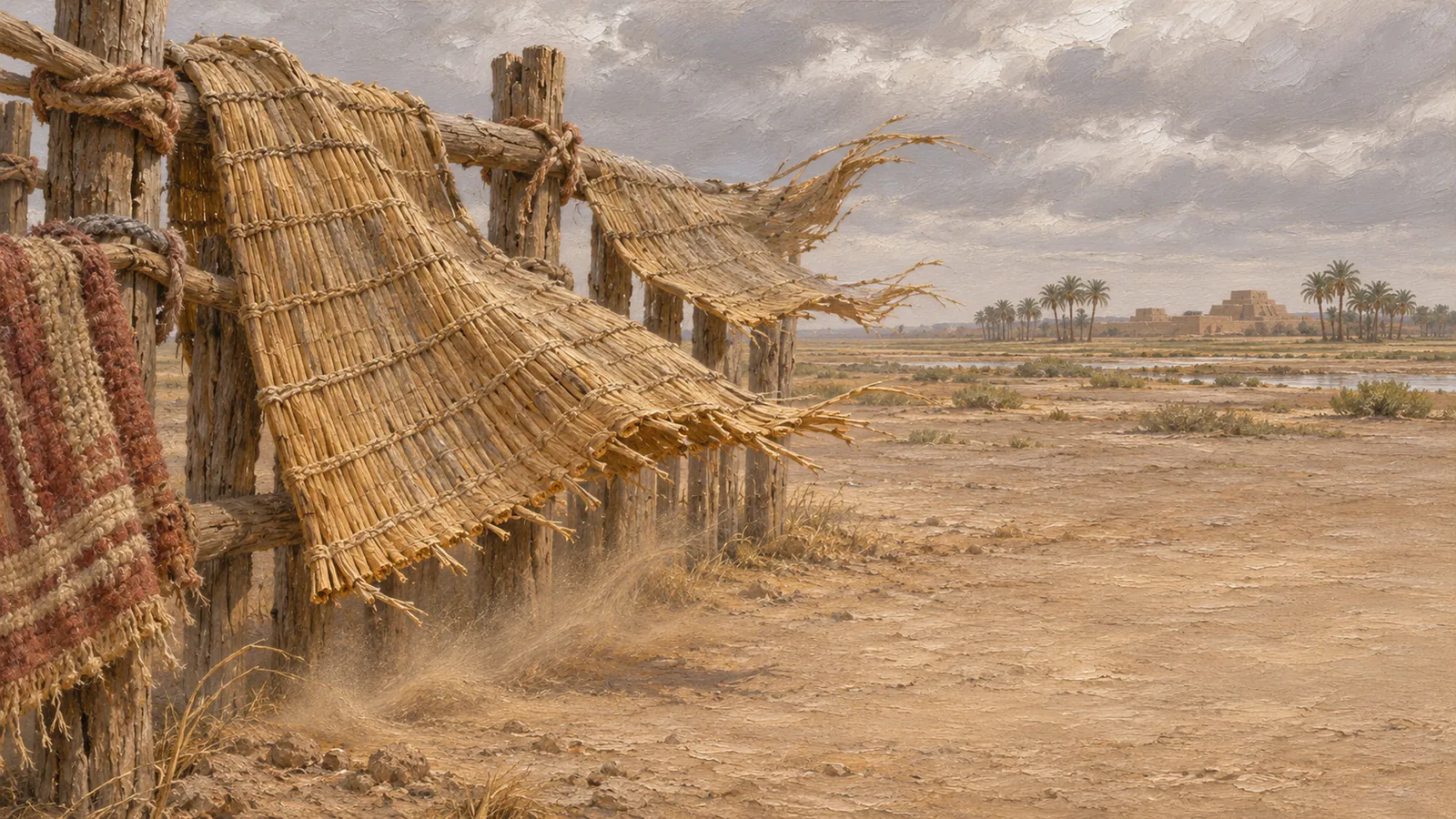
At the edge of this meeting, broken lines bring back Jirjire and Sirru. The words that survive compare Jirjire to the wind, just before the story reaches an alehouse.
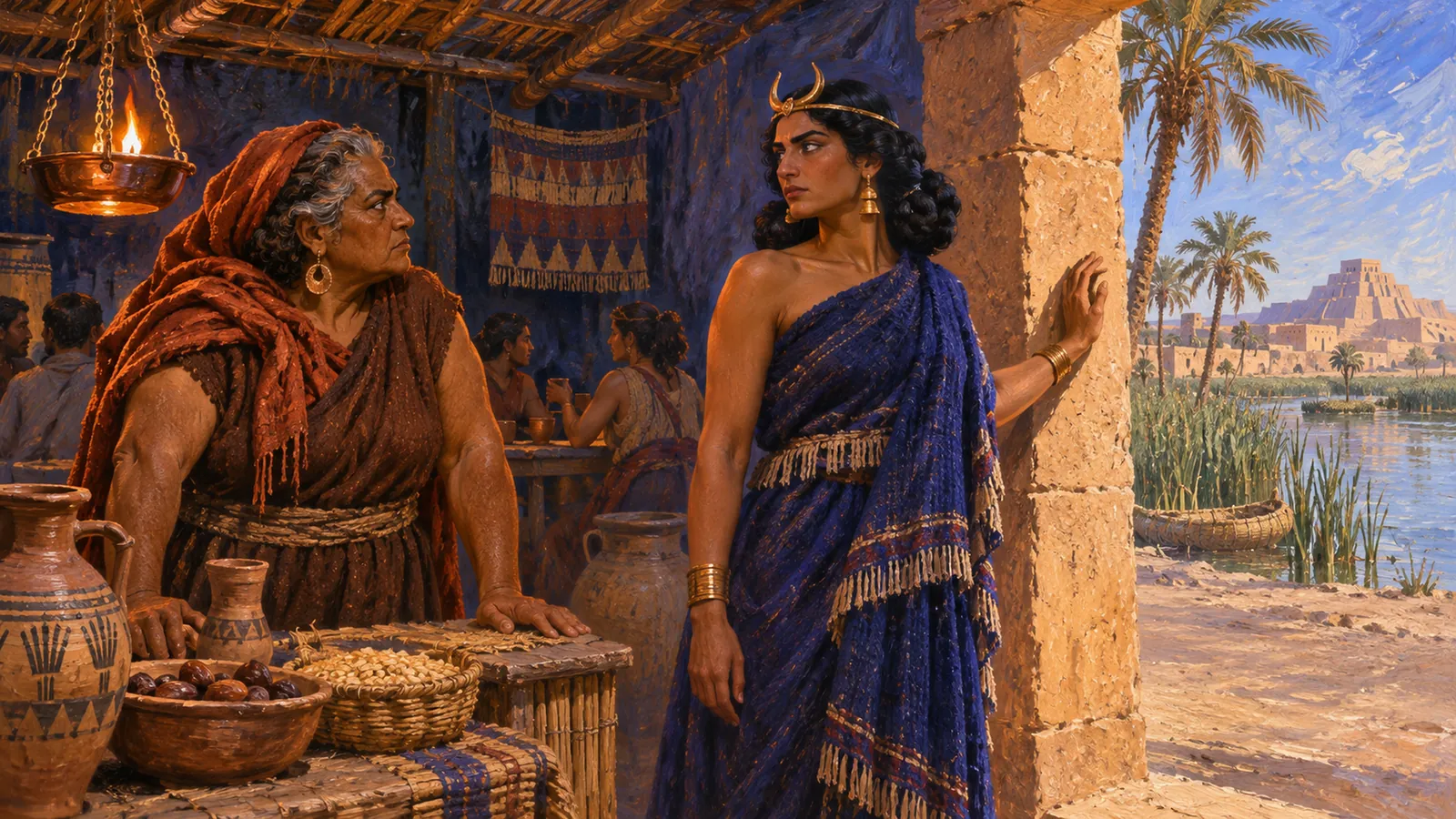
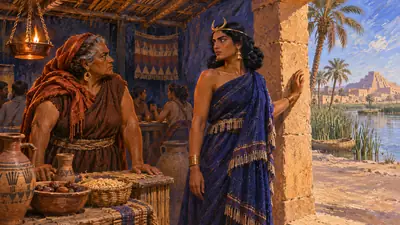
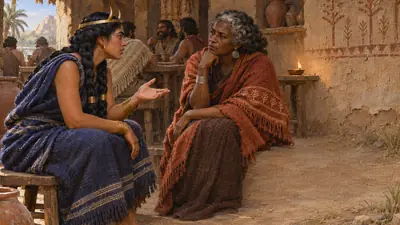
Inanna went into the alehouse and sat down. Her journey had ended at a place where people stopped for refreshment. There she prepared to say what would become of Bilulu.
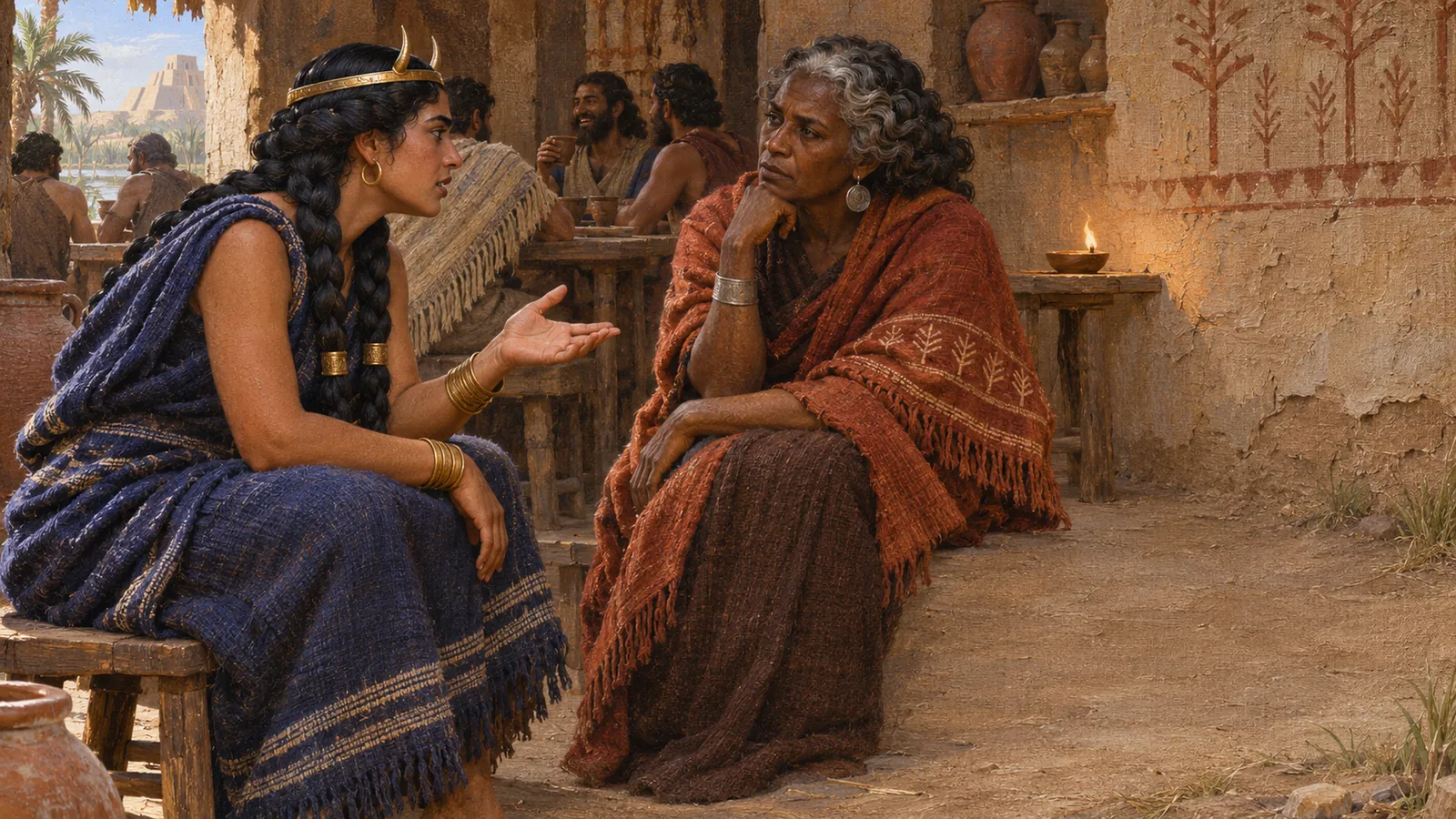
She spoke Bilulu’s fate from her seat. Inanna said that she had slain her and blotted out her name. The poem places these words inside the sentence she pronounces.
COOL WATER
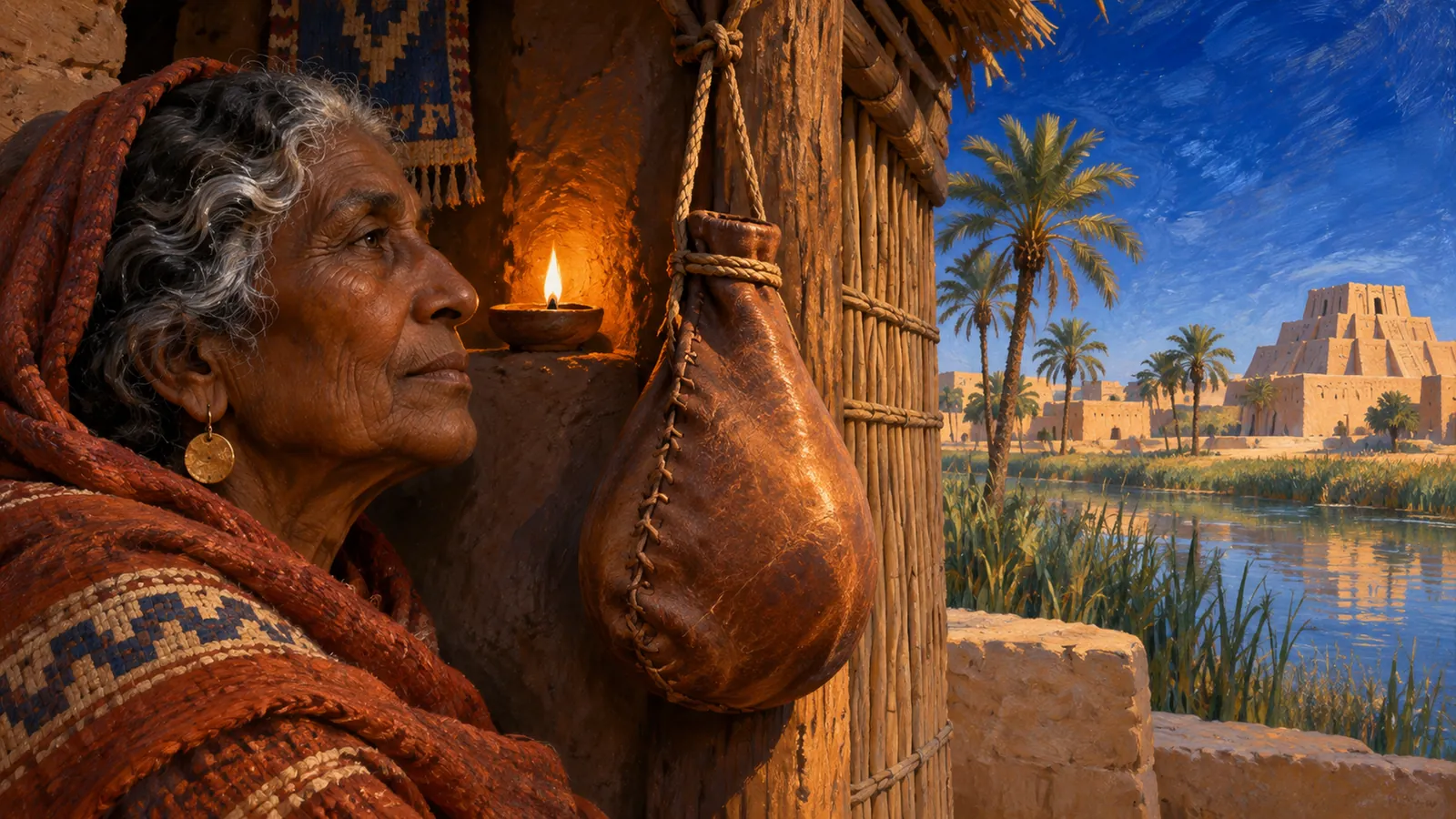
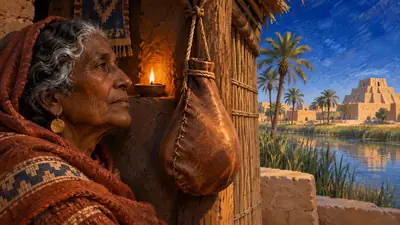
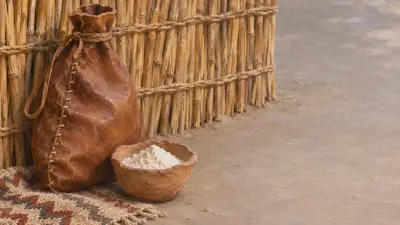
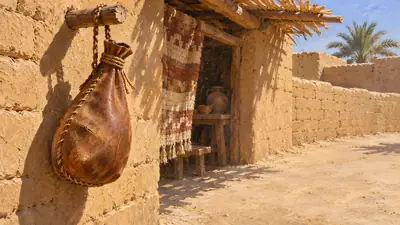
Inanna gave Bilulu a new form, a leather skin for carrying cool water in the desert. People who crossed the dry country would carry what the old woman had become.
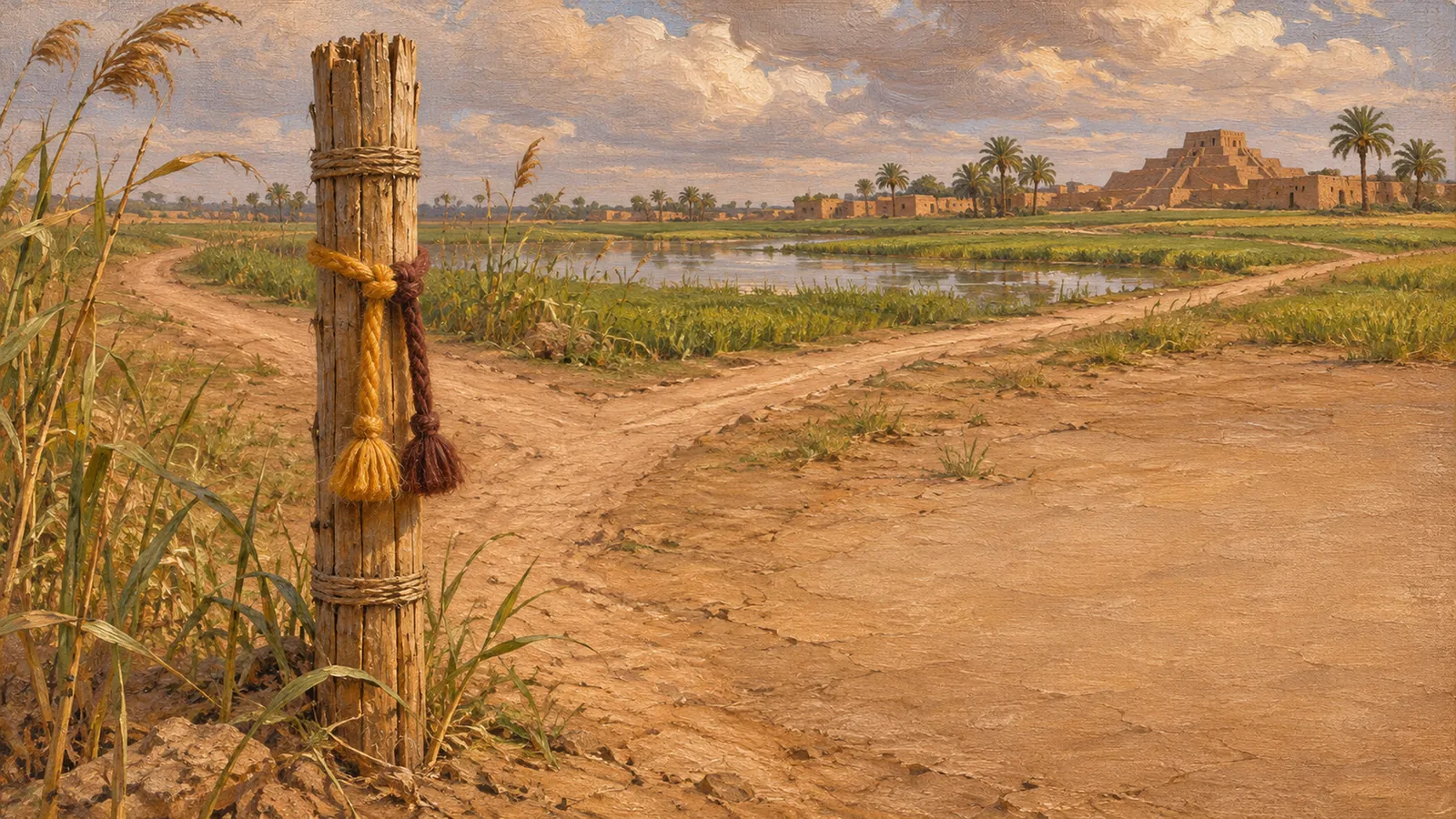
Inanna also gave Bilulu and Jirjire a charge over the desert. In her words, the woman and her son would have a place there as guardians from this day forward.
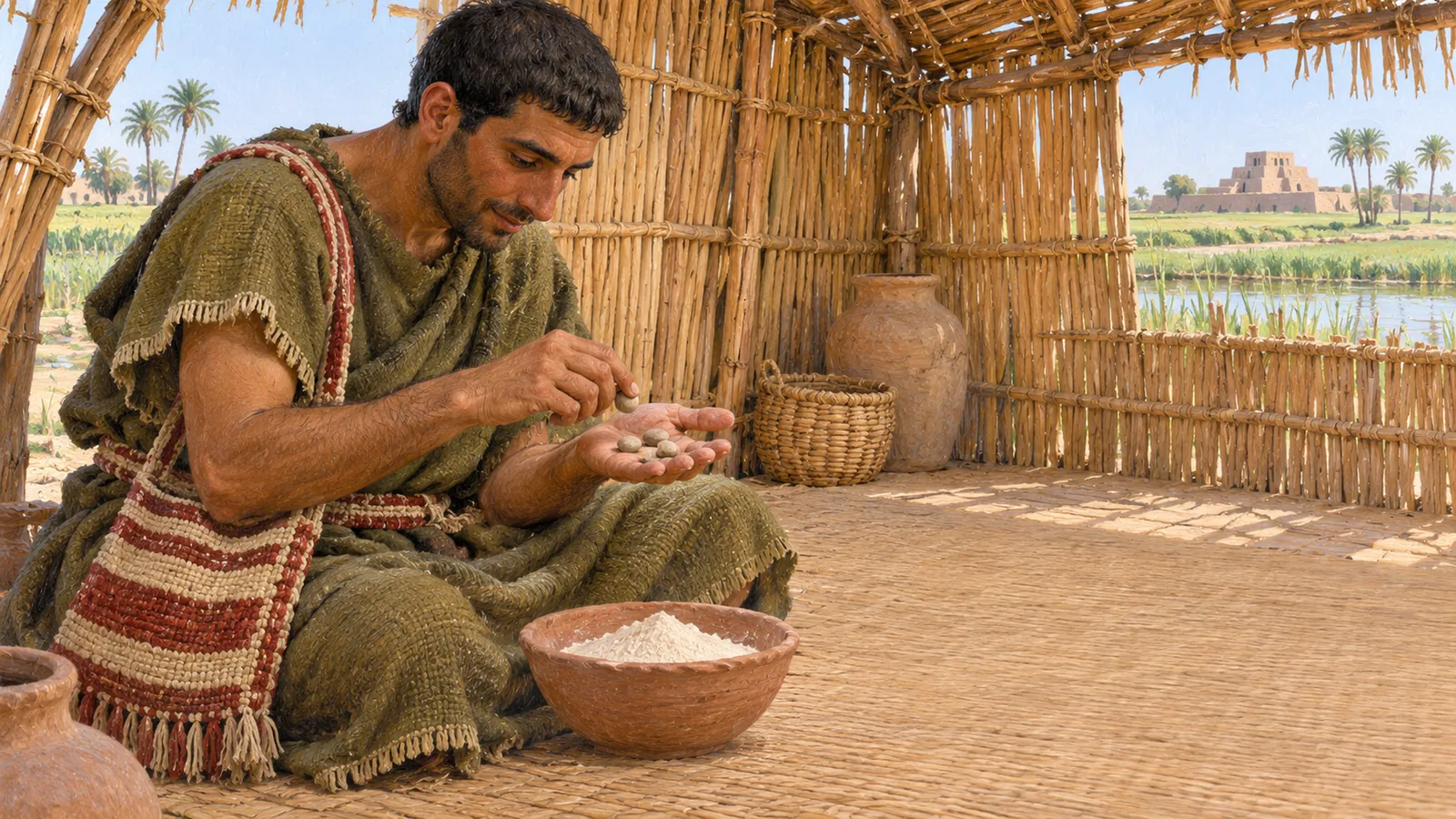
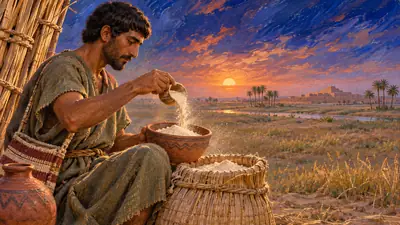
Sirru was to keep account of the flour. Inanna’s decree recalls his isolation even as she gives him a share in the work to be done for Dumuzi.
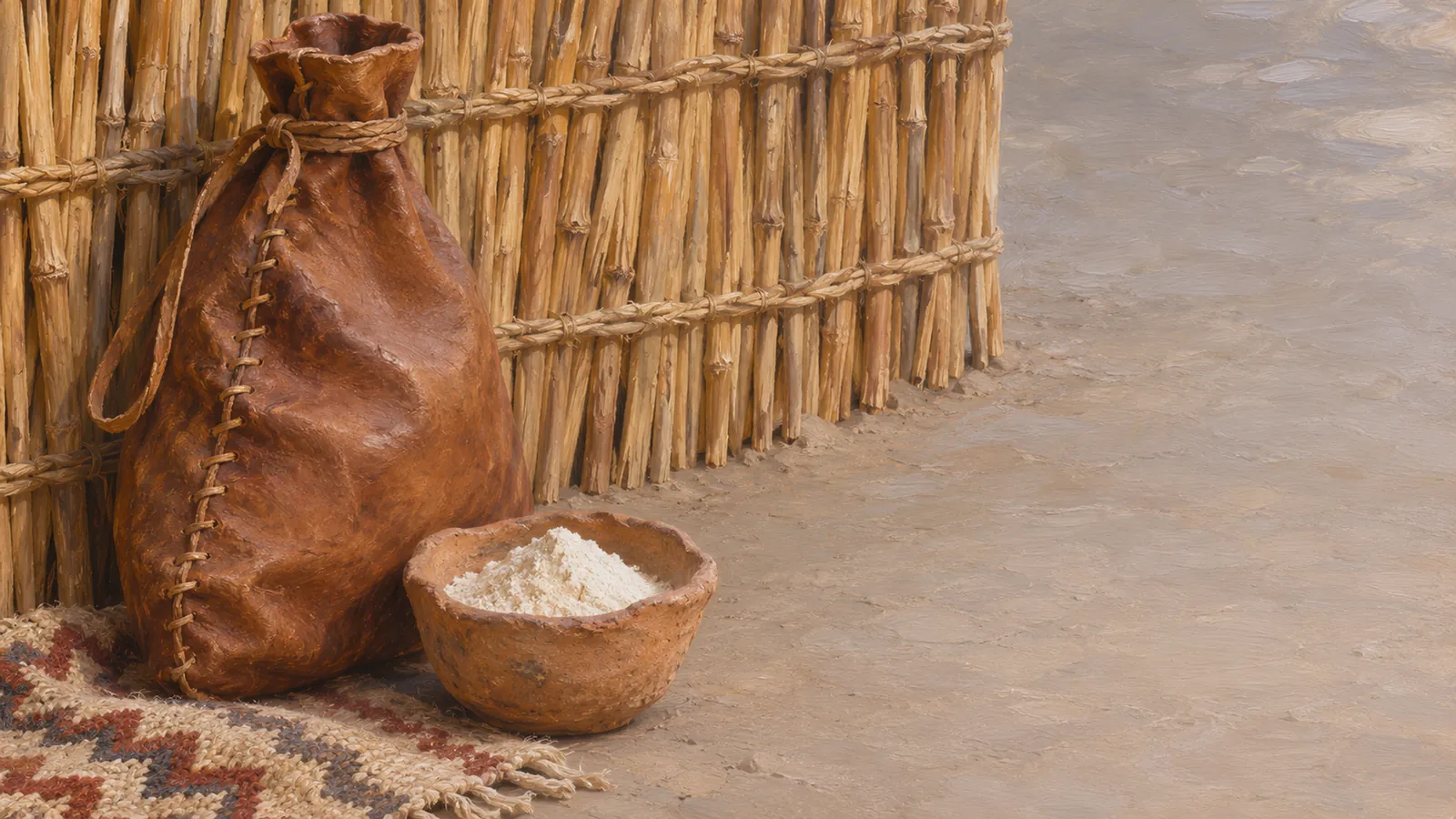
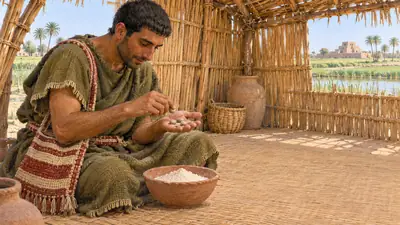
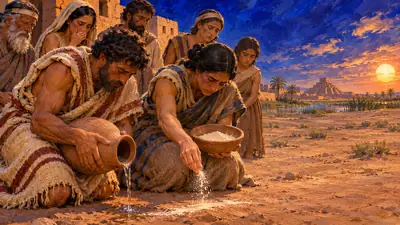
Inanna decreed that when people offered water and flour for Dumuzi, the two guardians would call for the water to be poured and the flour to be scattered.
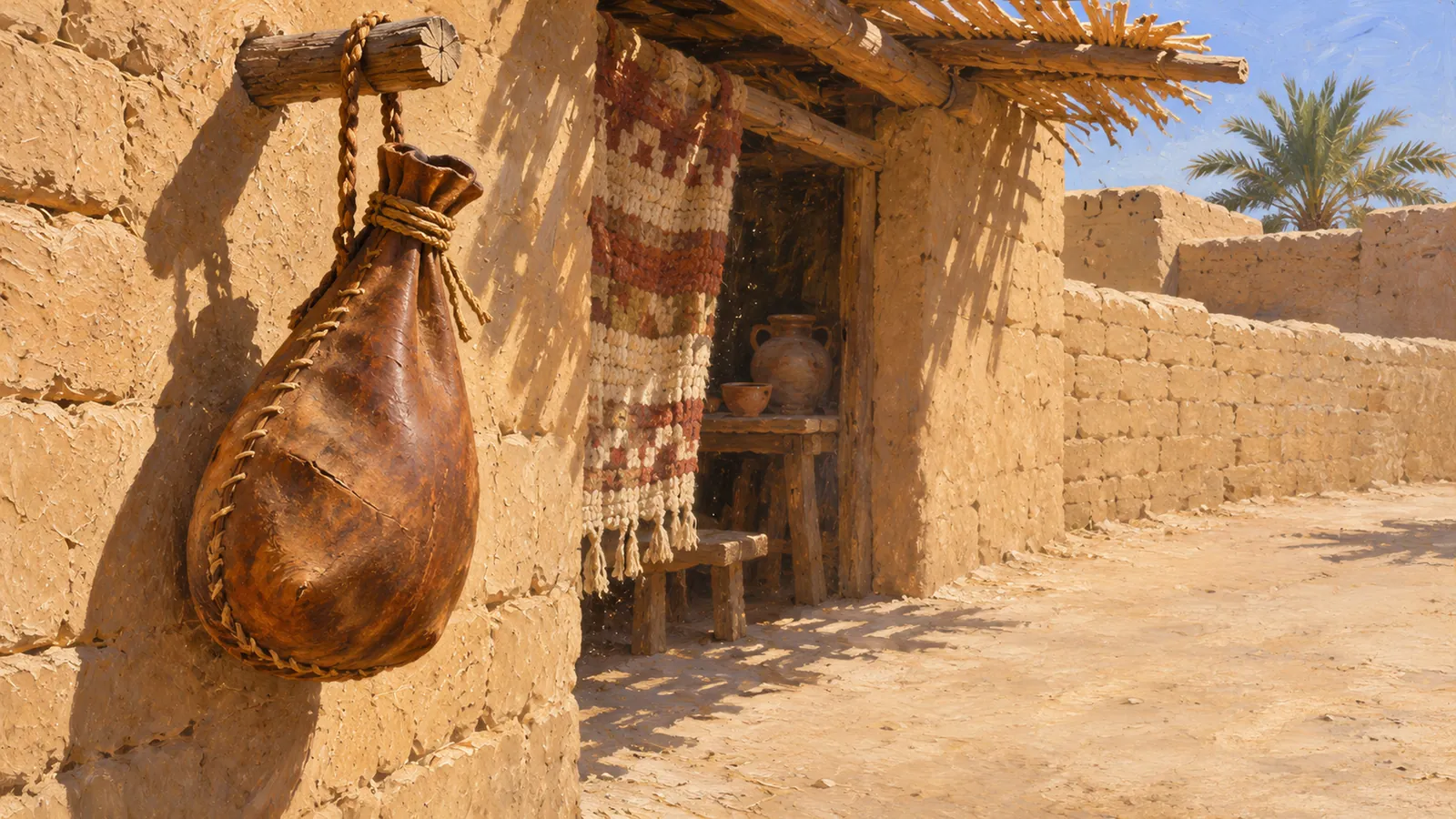
The poem moves from what Inanna says to what comes to pass. In the daylight of that very day, Bilulu becomes the leather skin that holds cool water.
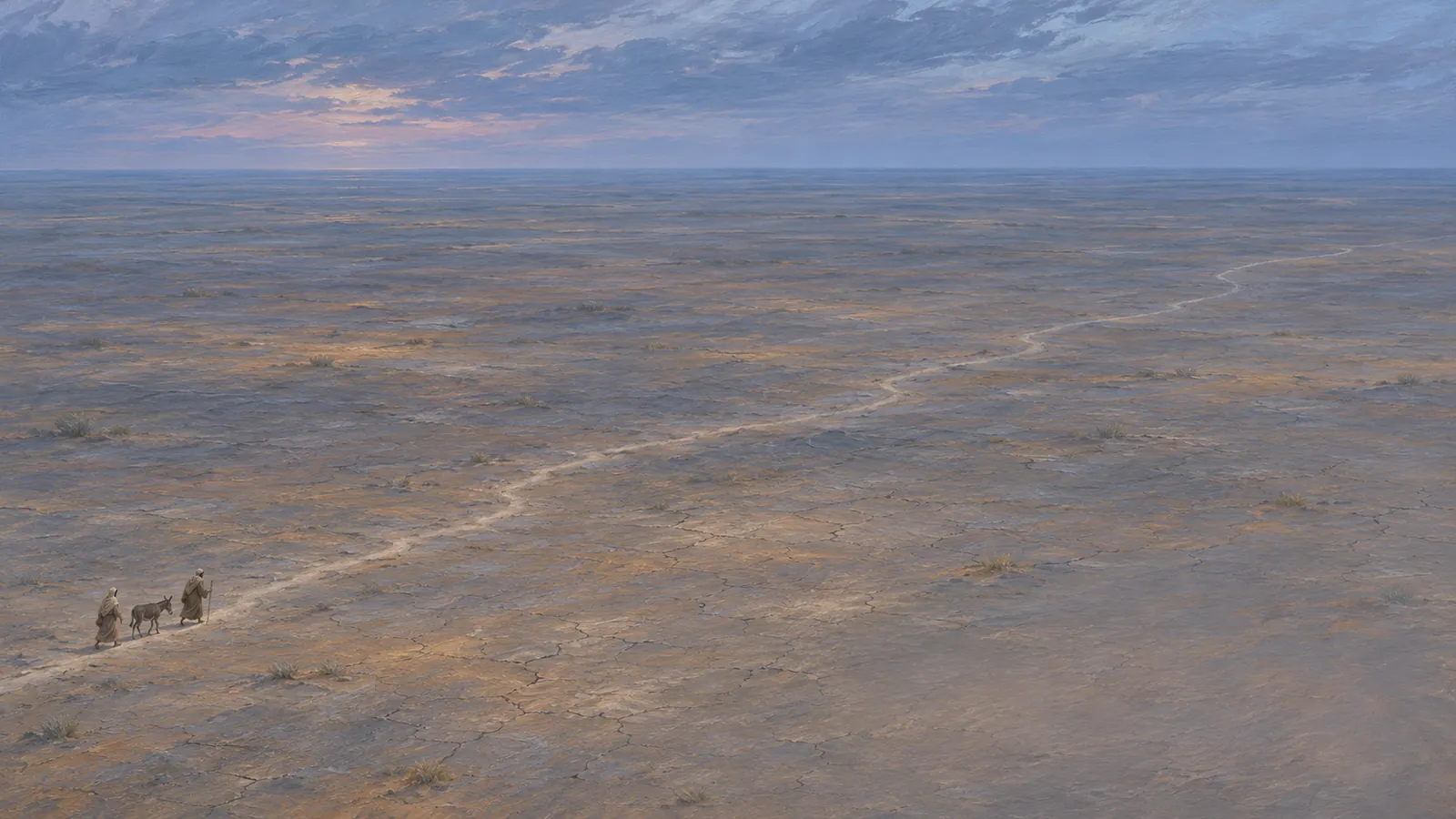
The desert is now the charge of Bilulu and Jirjire. Inanna’s judgment settles into a lasting duty, rooted in the same open country where Dumuzi once tended his sheep.
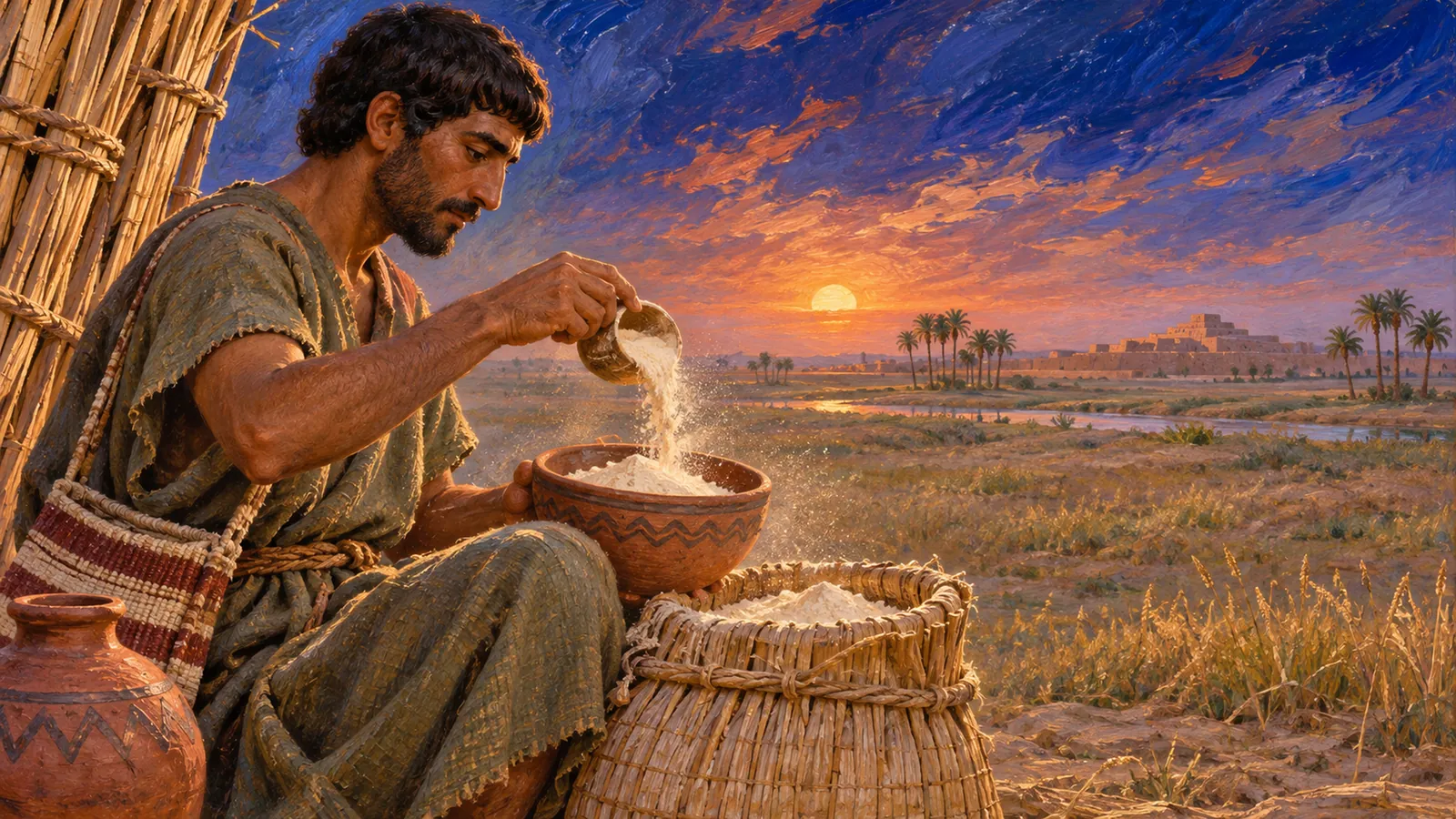
Sirru looks after the flour in the enacted rite. A little flour set aside, together with the cool water, gives the living something they can do with their hands.
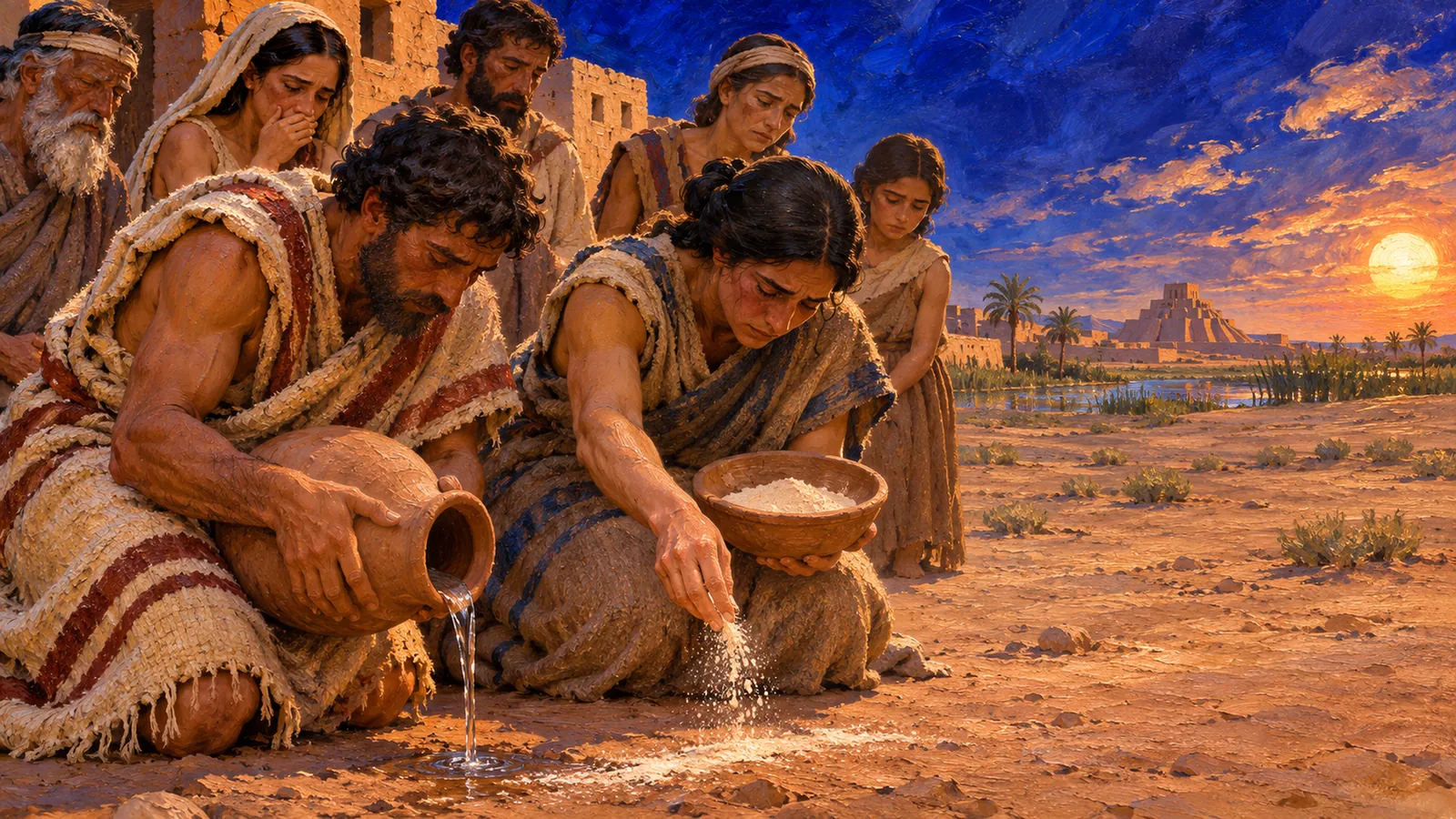
People pour water and scatter flour, and the guardians call for them to do so. The poem says Dumuzi becomes present where he vanished, and Bilulu gladdens his heart.
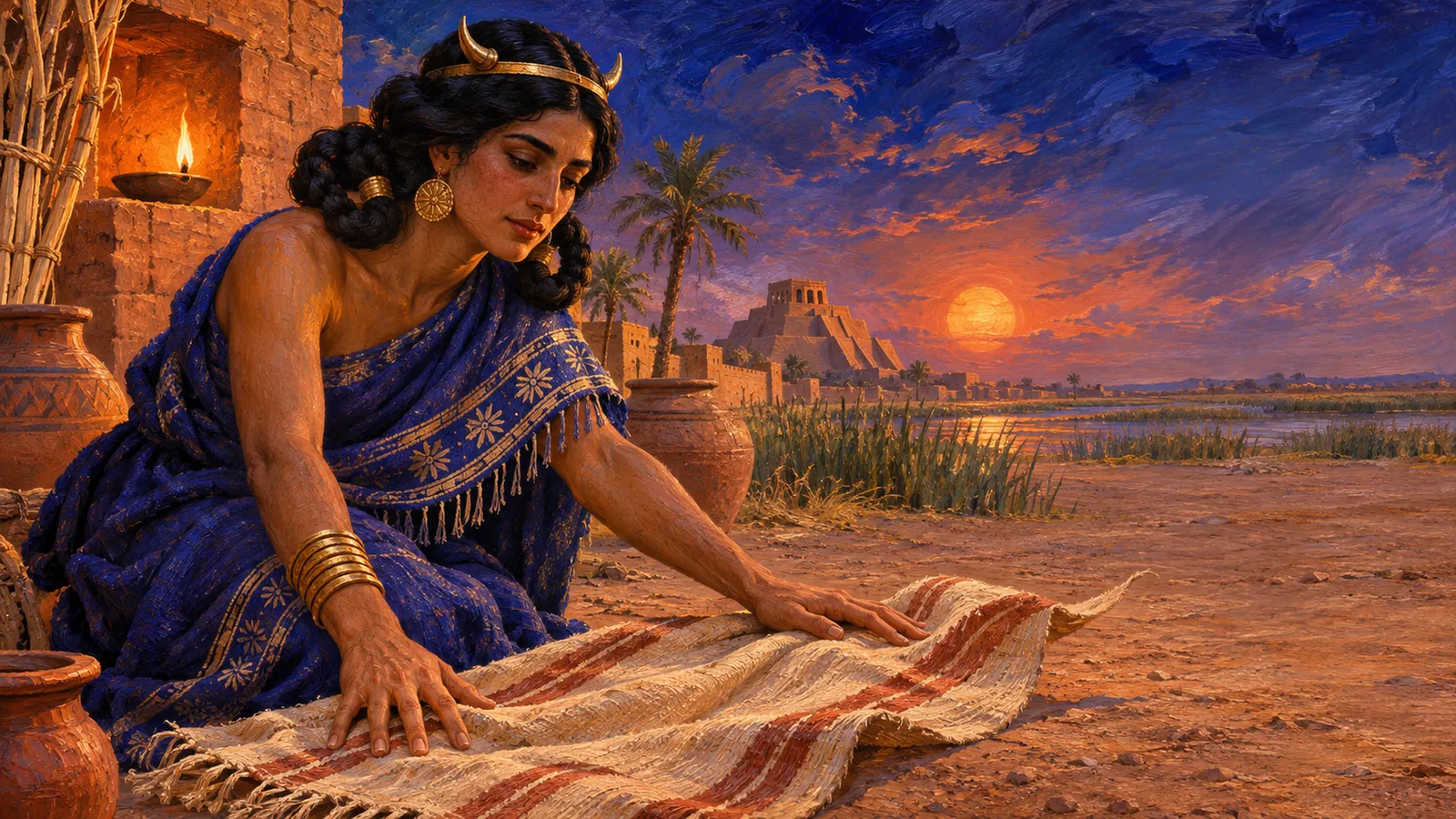
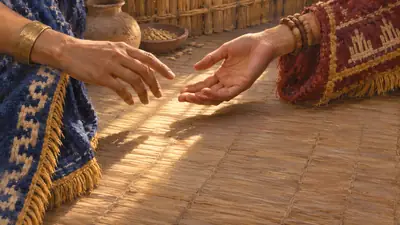
Inanna reached out her hand to the shepherd on the ground. The record breaks again after the gesture. Several lines are lost before another image enters the song.
RETURN OF THE CRY
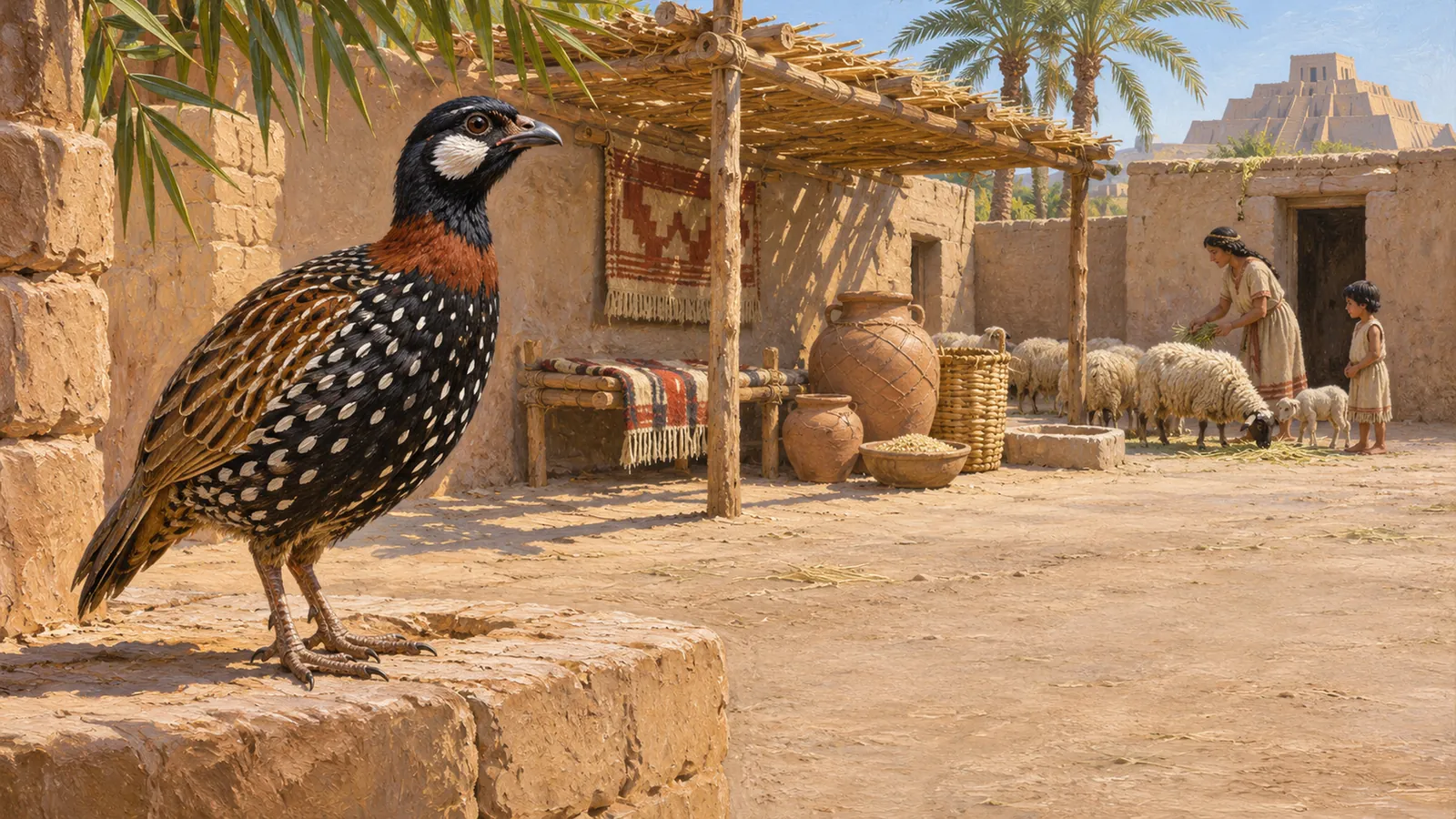
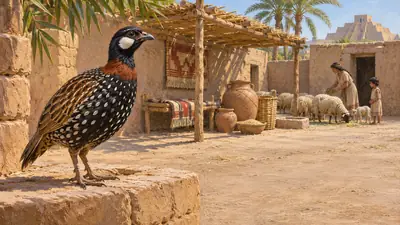
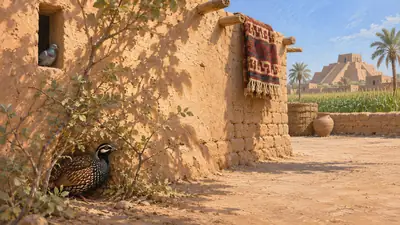
When the words come back together, they bring a francolin into the song alongside Dumuzi’s birthplace. The small bird turns our gaze toward the shepherd’s first home.
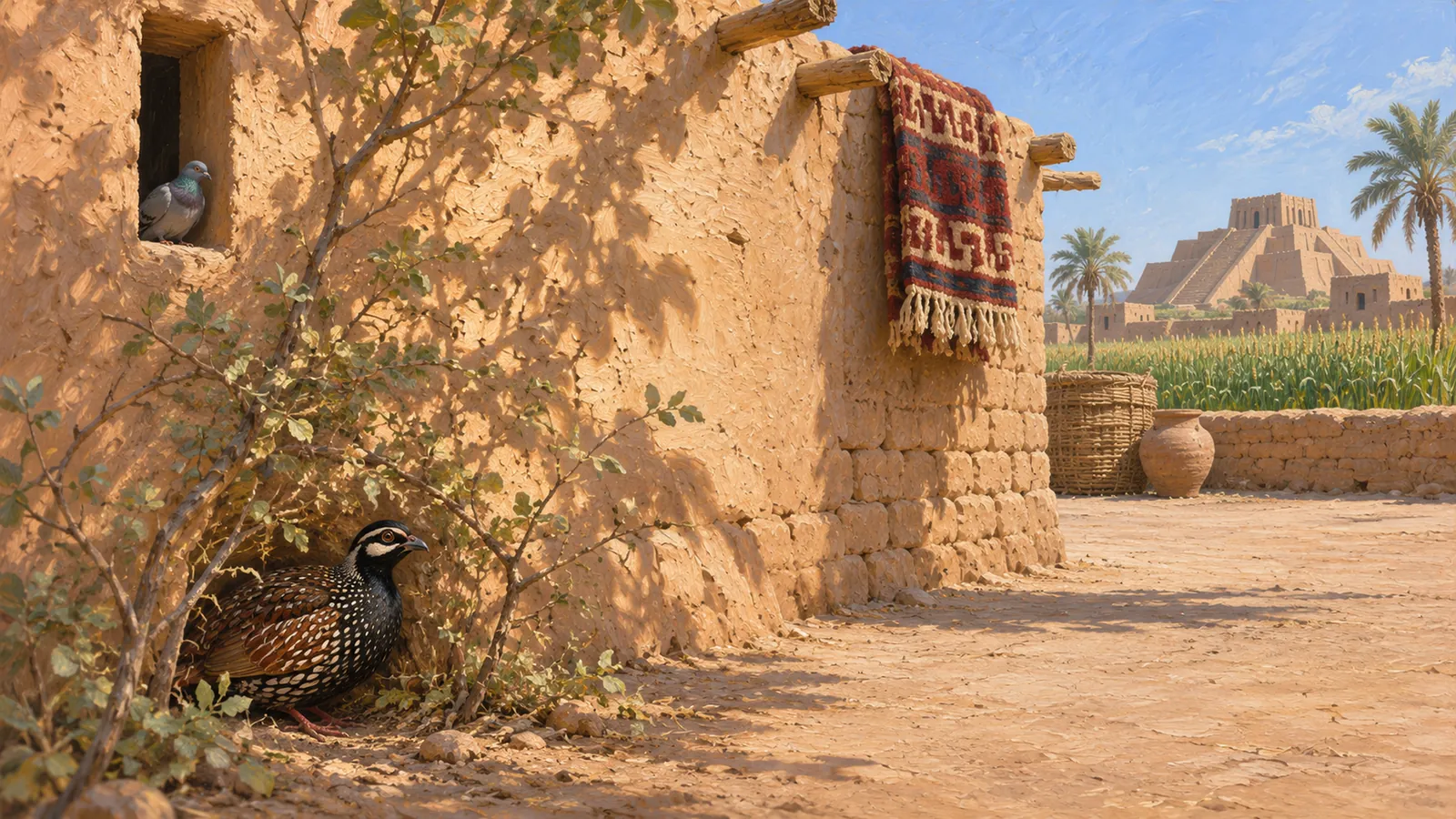
The words liken the francolin to a pigeon on a window ledge. The bird takes counsel with itself in its shelter. For a moment the grief turns inward with it.
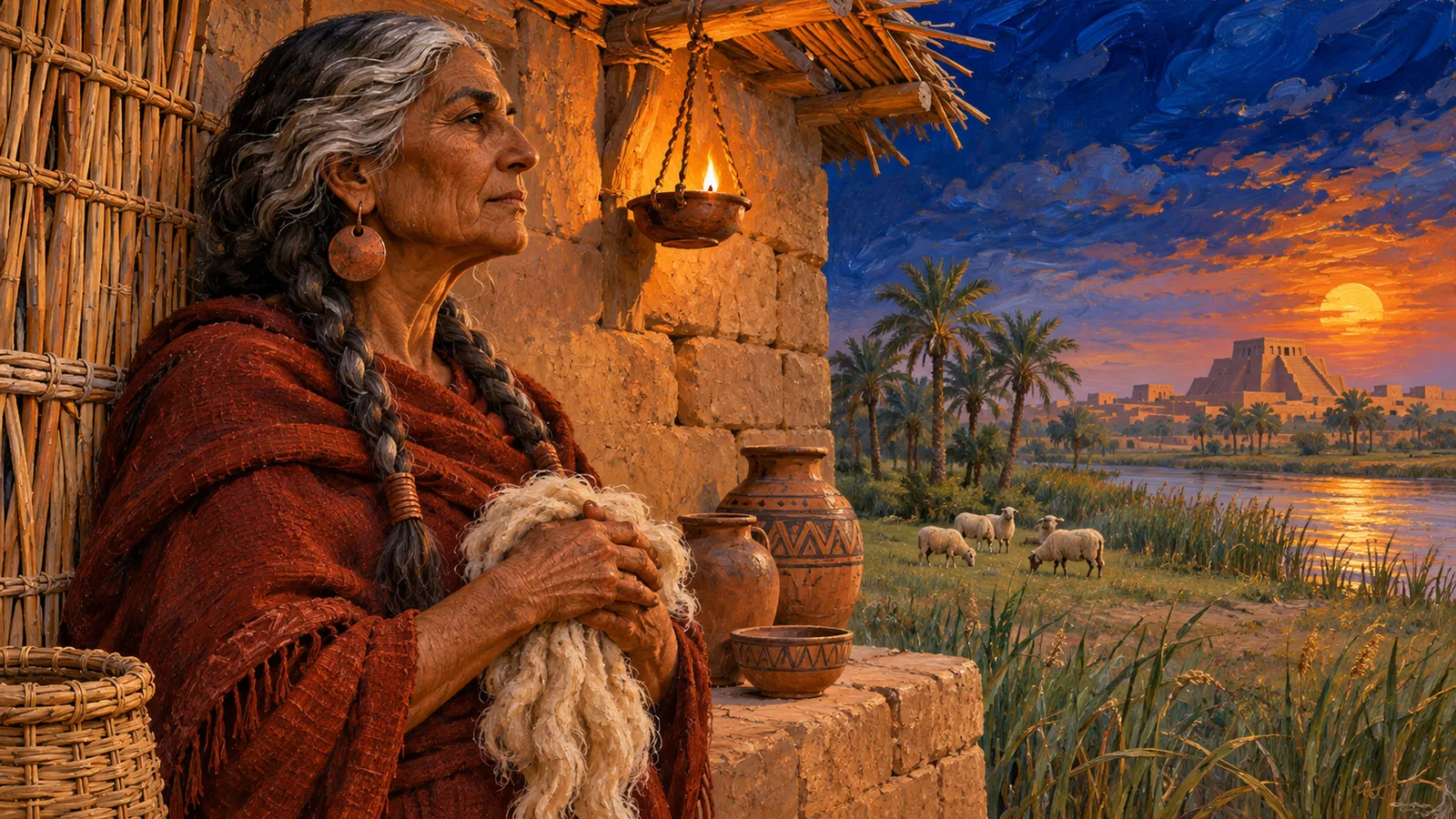
The surviving voice calls Durtur his mother and says that only she can gladden Dumuzi. The wish to give the shepherd joy returns in this quieter part of the song.
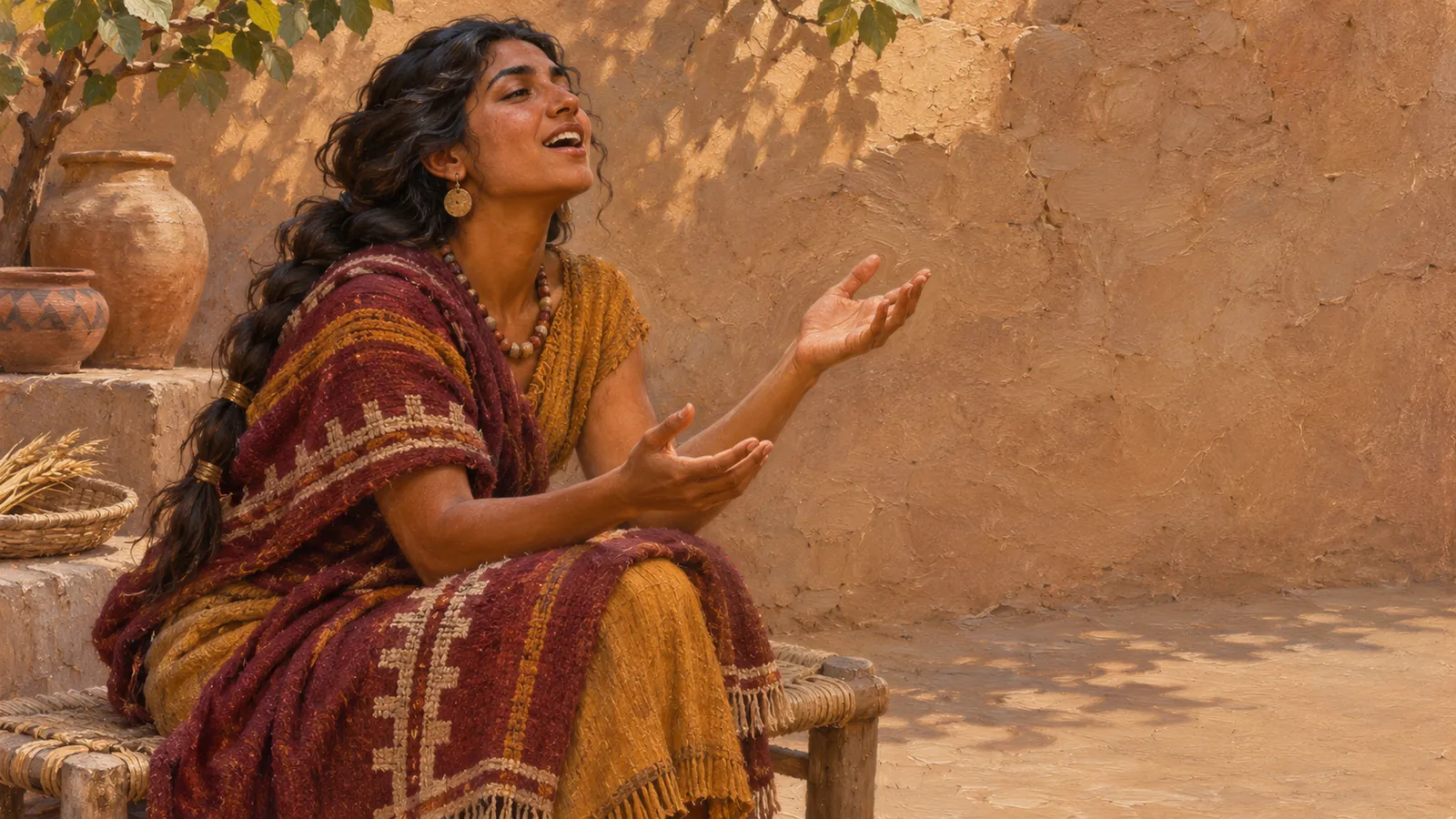
The words bring together Kuara and Geshtinanna, praised in these lines for her lament and her pleading. Close to that praise, the record falls back into fragments.
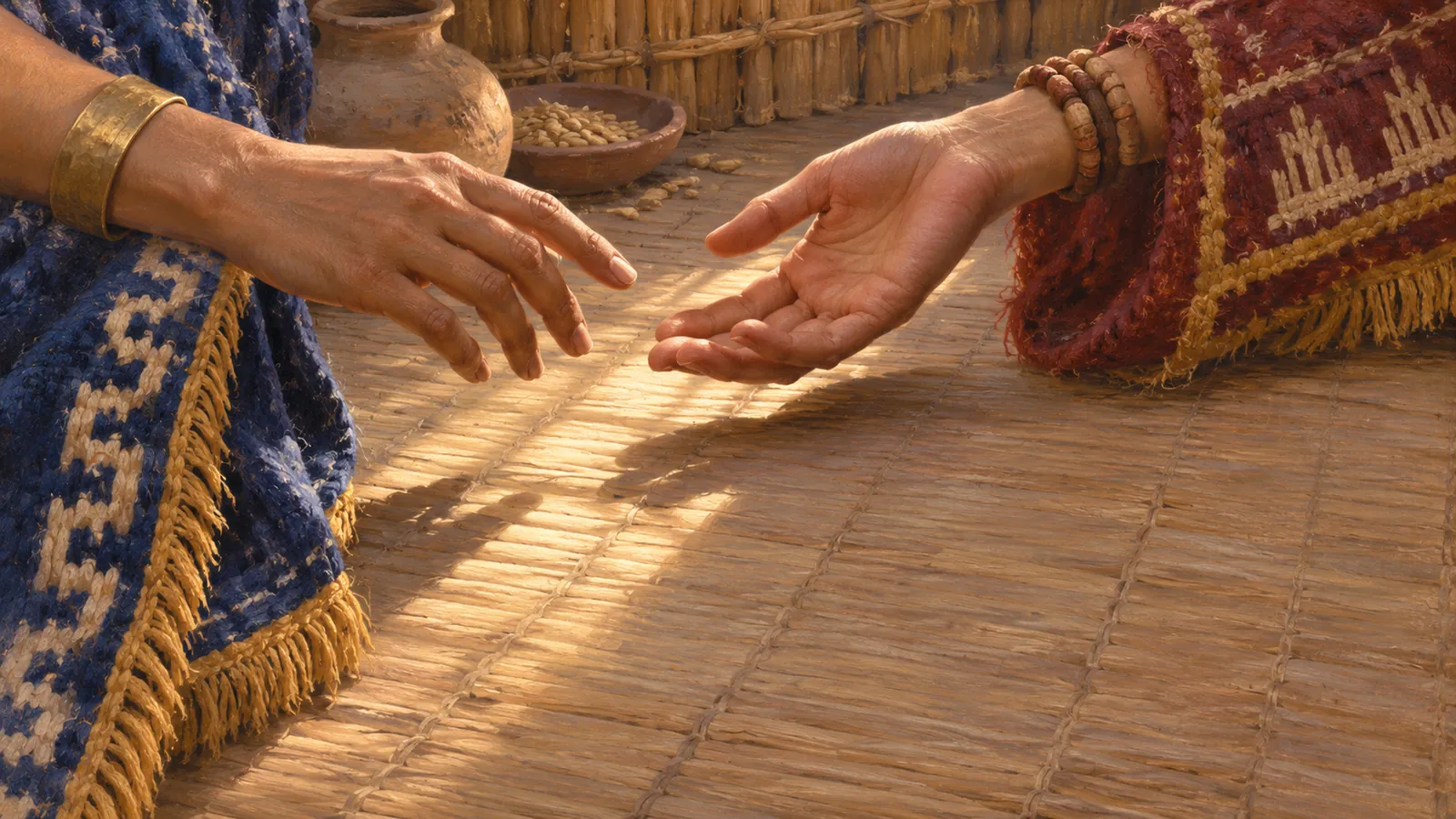
Inanna and Geshtinanna both appear in the broken lines that follow. A hand and a reply are mentioned. Too little remains to give us the whole of what passed between them.
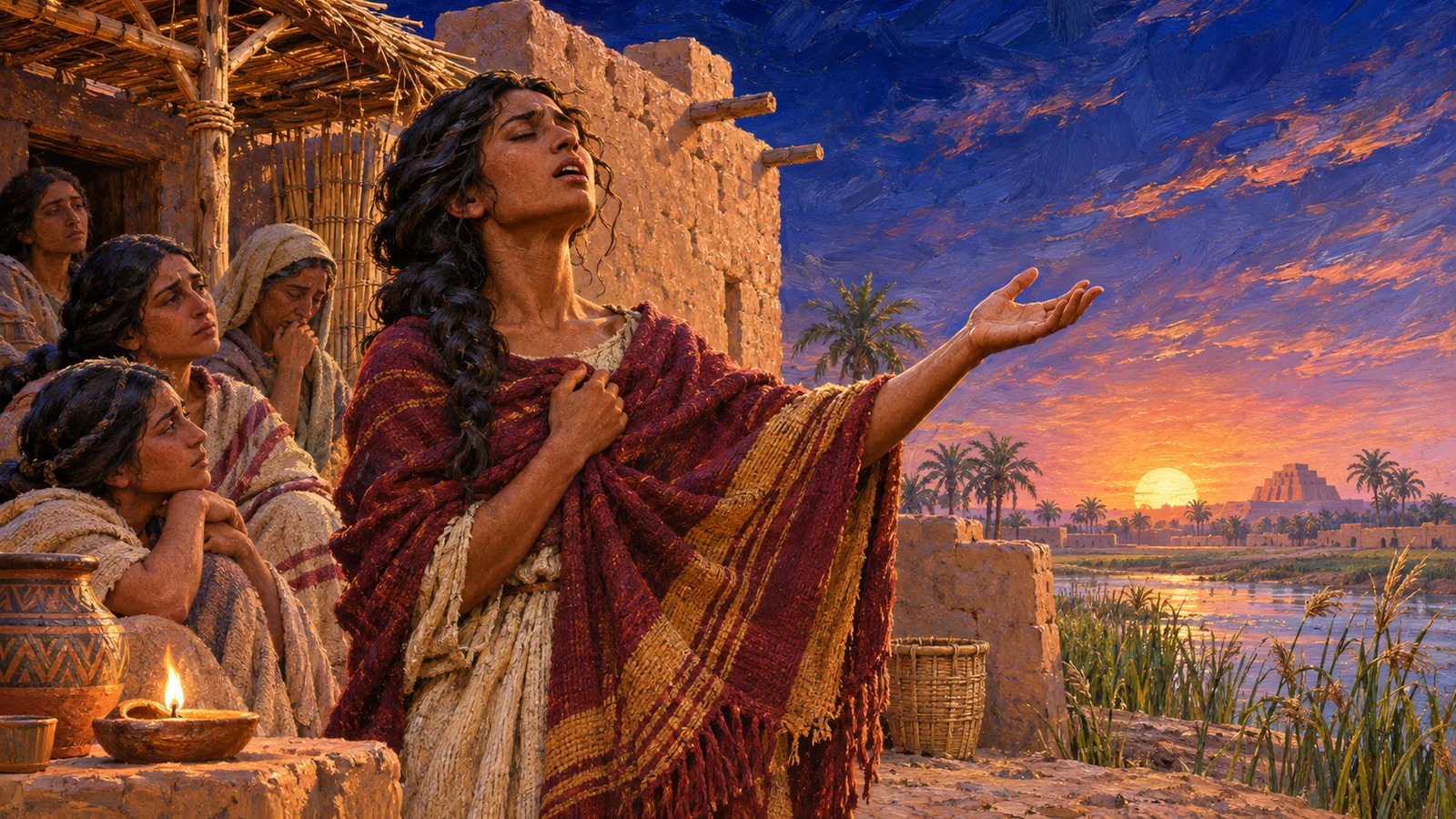
The voice here calls to a brother, crying out through Arali, Dul-shuba, Bad-tibira and the country of the shepherds. We can hear it taking up the movement of Inanna’s opening cry.
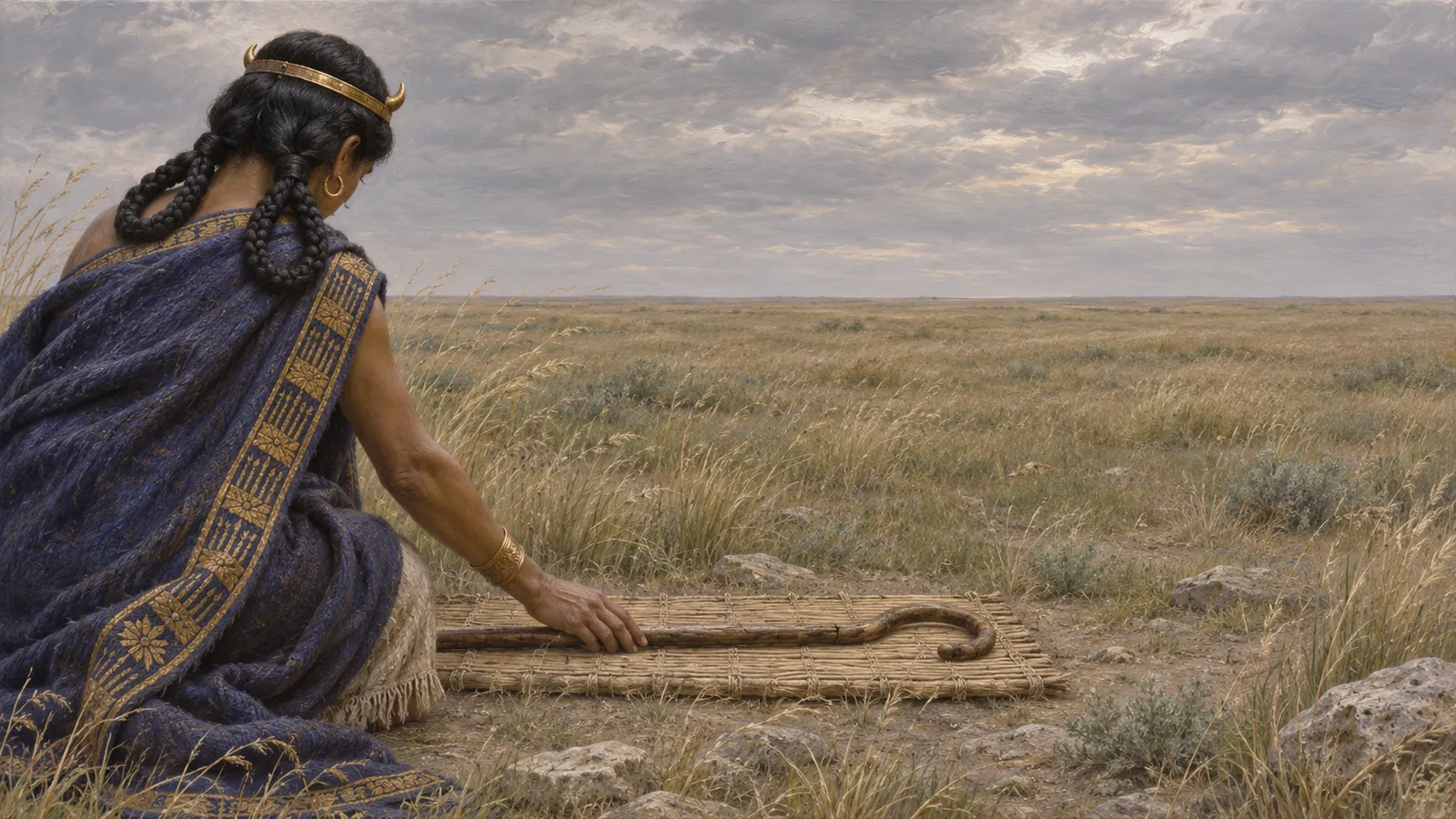
The closing praise calls Inanna the equal of her betrothed, the shepherd. She has avenged him and set his resting place right. The praise now answers the grief that began the poem.
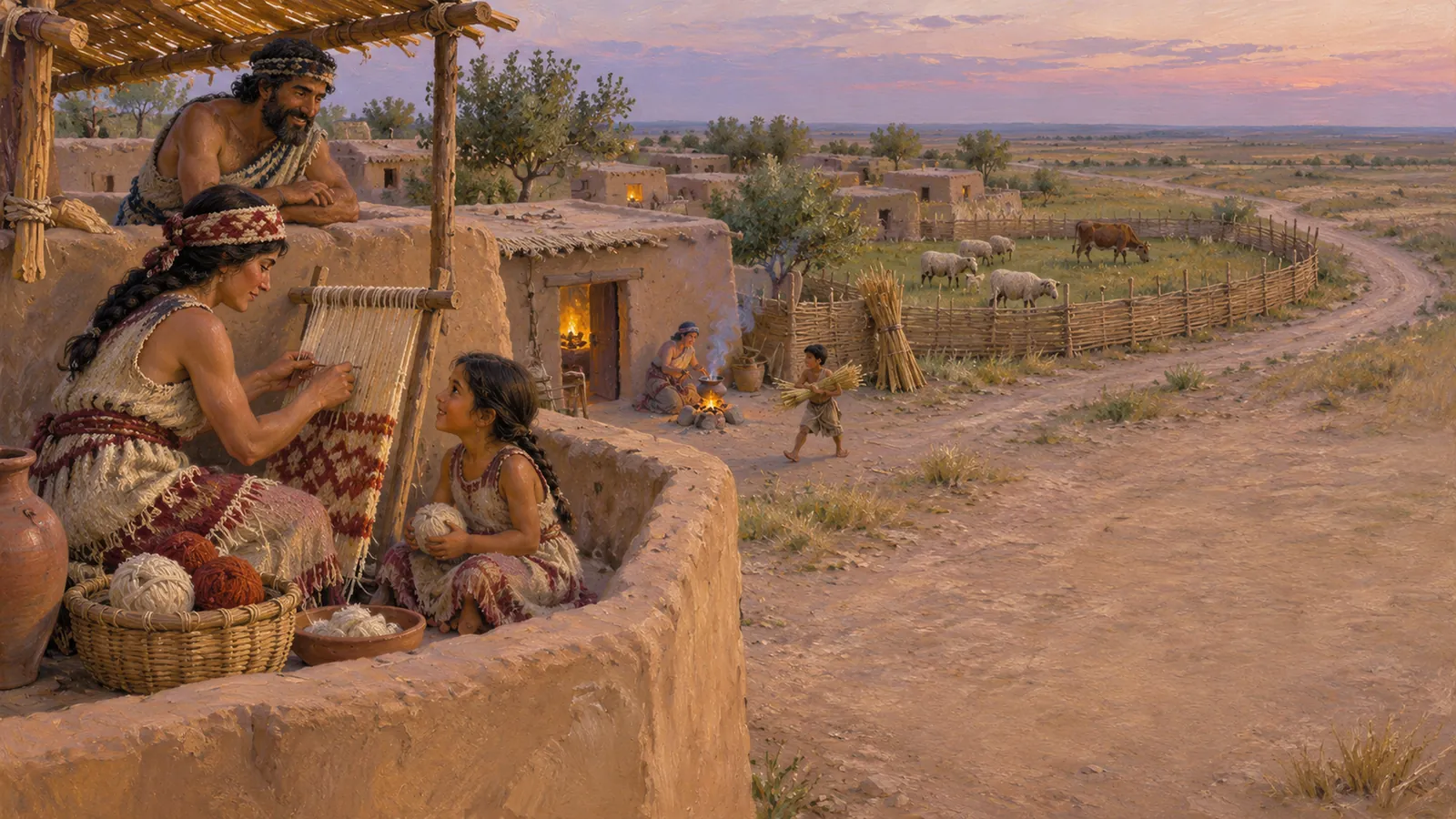
The ending calls out again at the shepherd’s birthplace and across the desert. The old names return in order, and the poem repeats its praise for what Inanna has done.
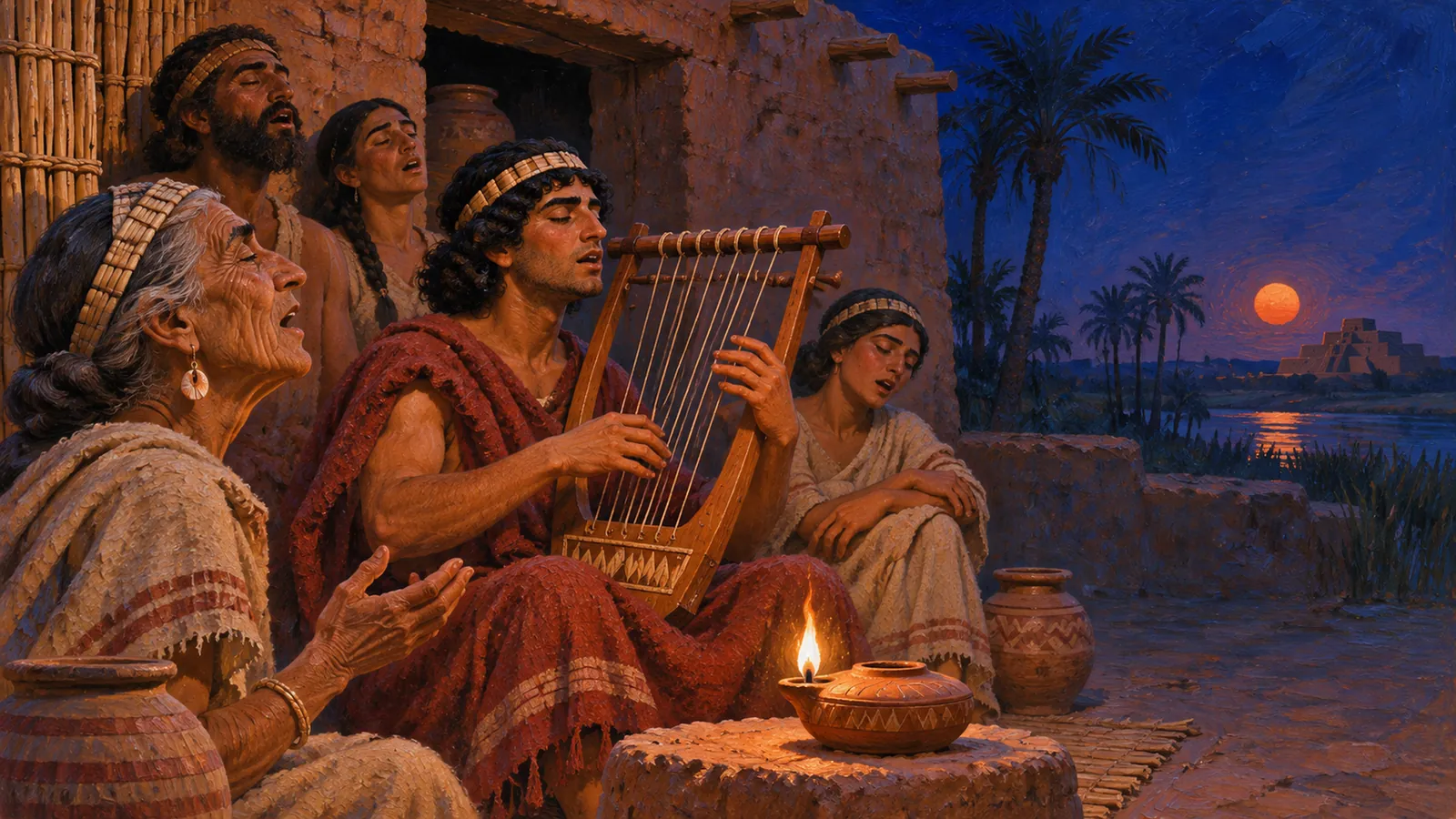
The last line calls the work an ulila for Inanna. That ancient name survives beside the repeated cries, the offering of water and flour, and the praise they leave behind.
End of chapter 1
All pages
Sources
Editions consulted
- Electronic Text Corpus of Sumerian Literature, translation 1.4.4
- Electronic Text Corpus of Sumerian Literature, tablet and edition bibliography
- Thorkild Jacobsen and Samuel Noah Kramer, “The Myth of Inanna and Bilulu,” JNES 12 (1953), 160–188
- ePSD2 literary catalogue and transliteration, Q000348
Ancient lines behind each page
- Page 1: ETCSL 1.4.4, 1–5
- Page 2: ETCSL 1.4.4, 1–5
- Page 3: ETCSL 1.4.4, 6–25
Opening lacuna. - Page 4: ETCSL 1.4.4, 26–30
- Page 5: ETCSL 1.4.4, 26–30
- Page 6: ETCSL 1.4.4, 31–36
- Page 7: ETCSL 1.4.4, 37–40
- Page 8: ETCSL 1.4.4, 41–45
- Page 9: ETCSL 1.4.4, 41–64
- Page 10: ETCSL 1.4.4, 65–70
Lacuna during the journey. - Page 11: ETCSL 1.4.4, 65–70
- Page 12: ETCSL 1.4.4, 71–73
- Page 13: ETCSL 1.4.4, 74–80
- Page 14: ETCSL 1.4.4, 74–80
- Page 15: ETCSL 1.4.4, 74–80
- Page 16: ETCSL 1.4.4, 81–89
- Page 17: ETCSL 1.4.4, 81–89
- Page 18: ETCSL 1.4.4, 90–97
- Page 19: ETCSL 1.4.4, 90–97
- Page 20: ETCSL 1.4.4, 98–102
- Page 21: ETCSL 1.4.4, 98–103
- Page 22: ETCSL 1.4.4, 103–105
- Page 23: ETCSL 1.4.4, 105–106
- Page 24: ETCSL 1.4.4, 106–109
- Page 25: ETCSL 1.4.4, 106–110
- Page 26: ETCSL 1.4.4, 111–113
- Page 27: ETCSL 1.4.4, 113–115
- Page 28: ETCSL 1.4.4, 115–118
- Page 29: ETCSL 1.4.4, 118–122
- Page 30: ETCSL 1.4.4, 121–136
Lacuna after Inanna reaches for Dumuzi. - Page 31: ETCSL 1.4.4, 137–143
- Page 32: ETCSL 1.4.4, 140–148
- Page 33: ETCSL 1.4.4, 145–148
- Page 34: ETCSL 1.4.4, 146–149
- Page 35: ETCSL 1.4.4, 150–154
- Page 36: ETCSL 1.4.4, 155–161
- Page 37: ETCSL 1.4.4, 162–165
- Page 38: ETCSL 1.4.4, 166–176
- Page 39: ETCSL 1.4.4, 177
Illustrations made with AI tools by IL Archive; the text is based on the ancient sources (see the sources at the end of each chapter).