Isis and the Seven Scorpions Chapter 1
Two Doorways
Thoth tells Isis to hide with young Horus. Seven scorpions guide her through the Delta marshes, where one woman closes her door and another makes room for them. The episode follows Isis’s account of the child she heals, then looks at the surviving stone.
SourcesTurn the pages with the arrows, the arrow keys or a swipe.
ISIS
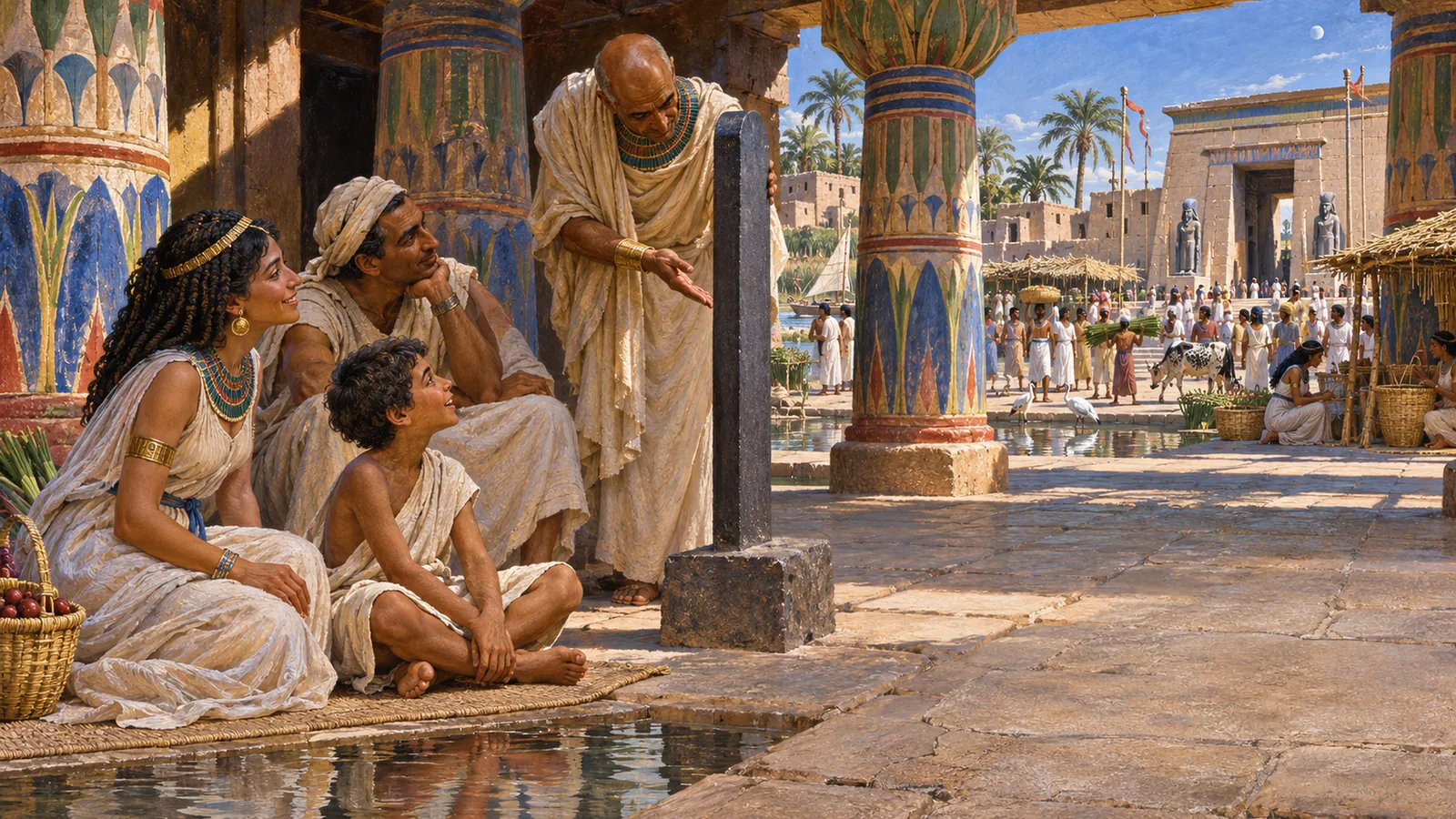
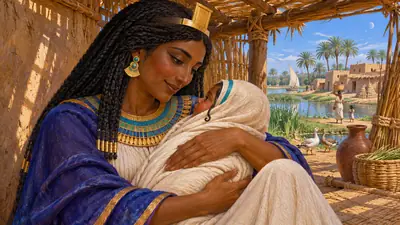
The Metternich Stela preserves a story told by Isis. It begins with the goddess looking for a place to hide with her young son, Horus.
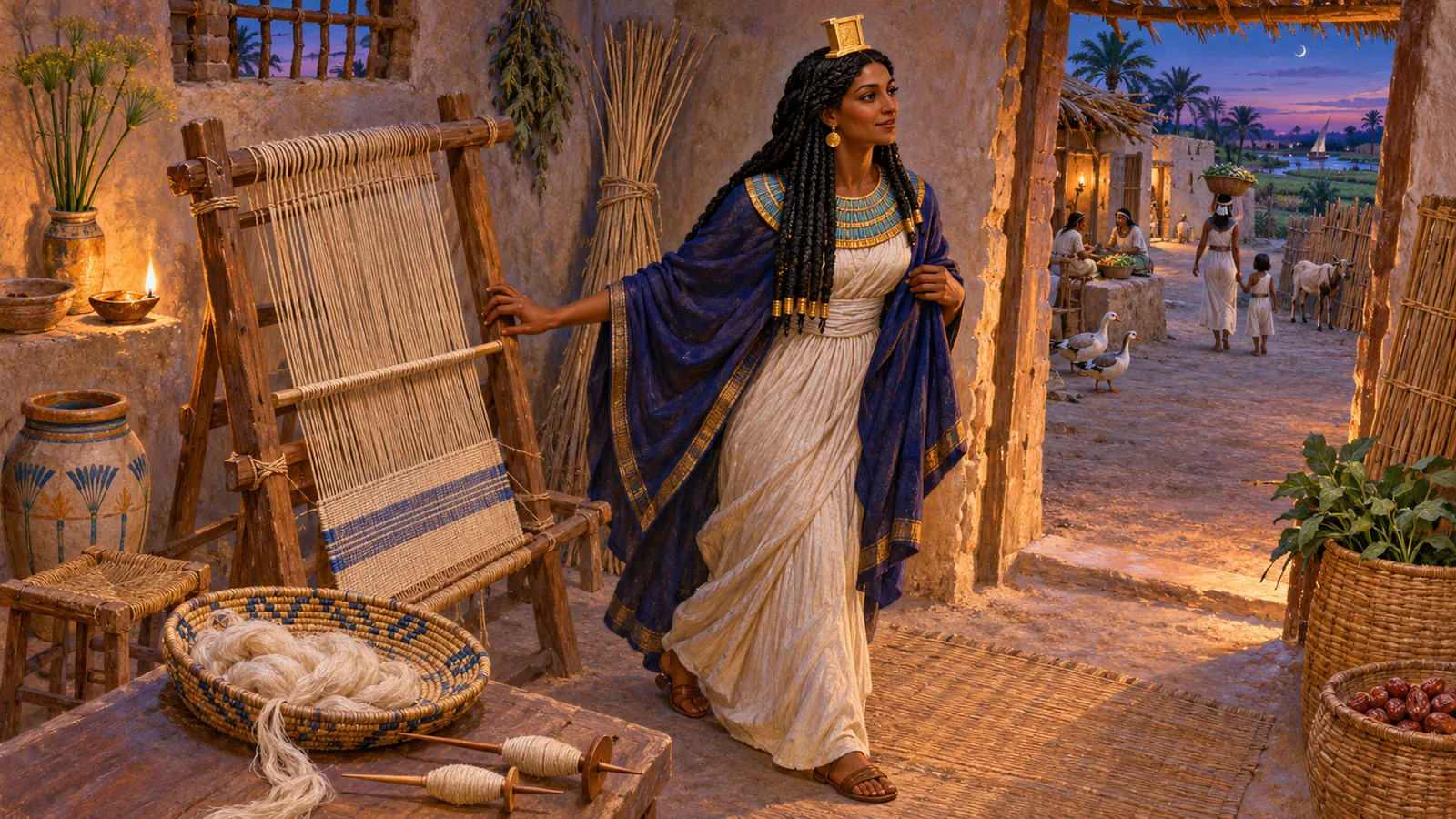
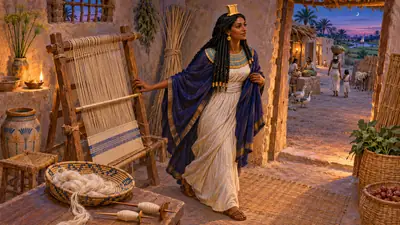
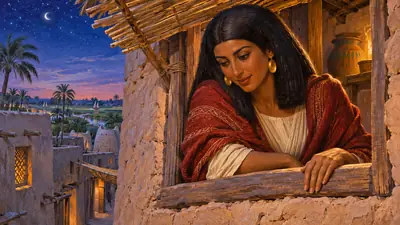
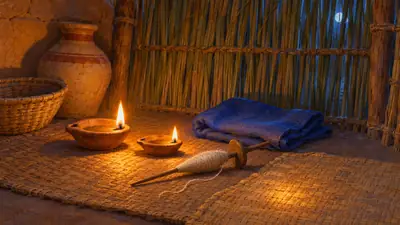
Isis says her brother Seth had put her in a place often understood as a weaving room. The tale opens with her leaving it.
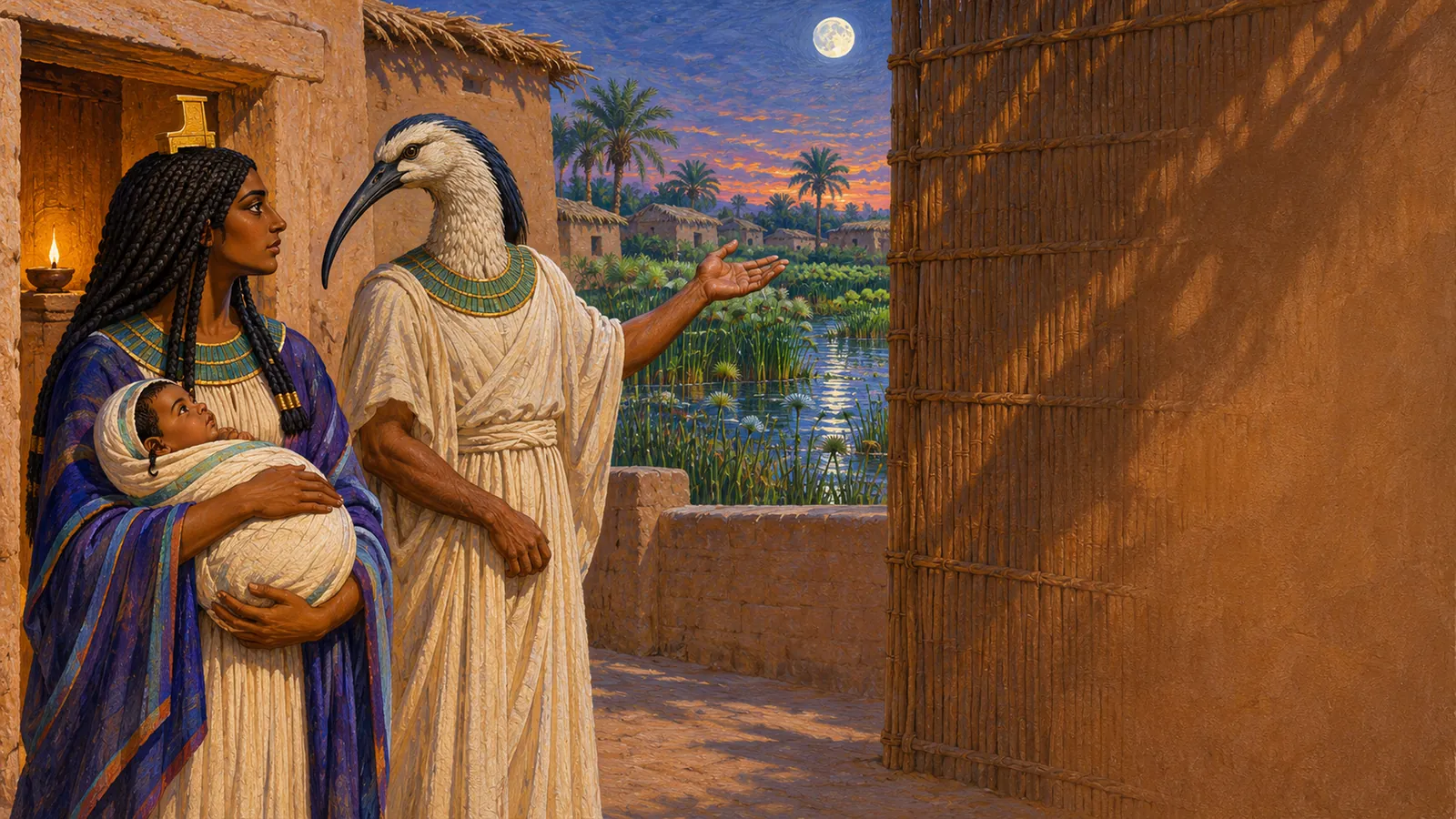
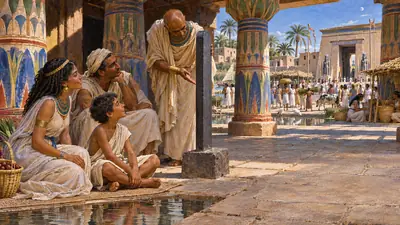
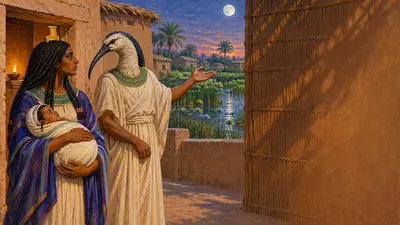
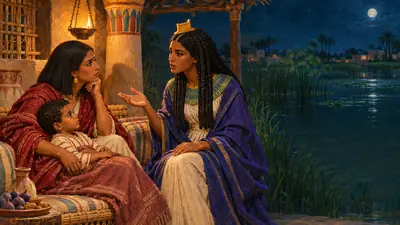
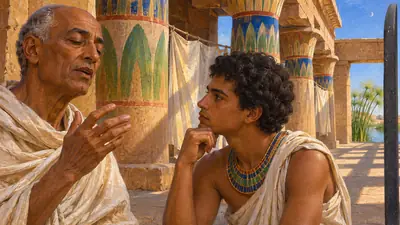
Thoth, whom the Egyptians associated with wisdom and right order, urges Isis to listen and take the young boy where he can grow up safely.
Thoth looks ahead to a day when the child will be strong enough to sit on his father Osiris’s throne and rule the Two Lands.
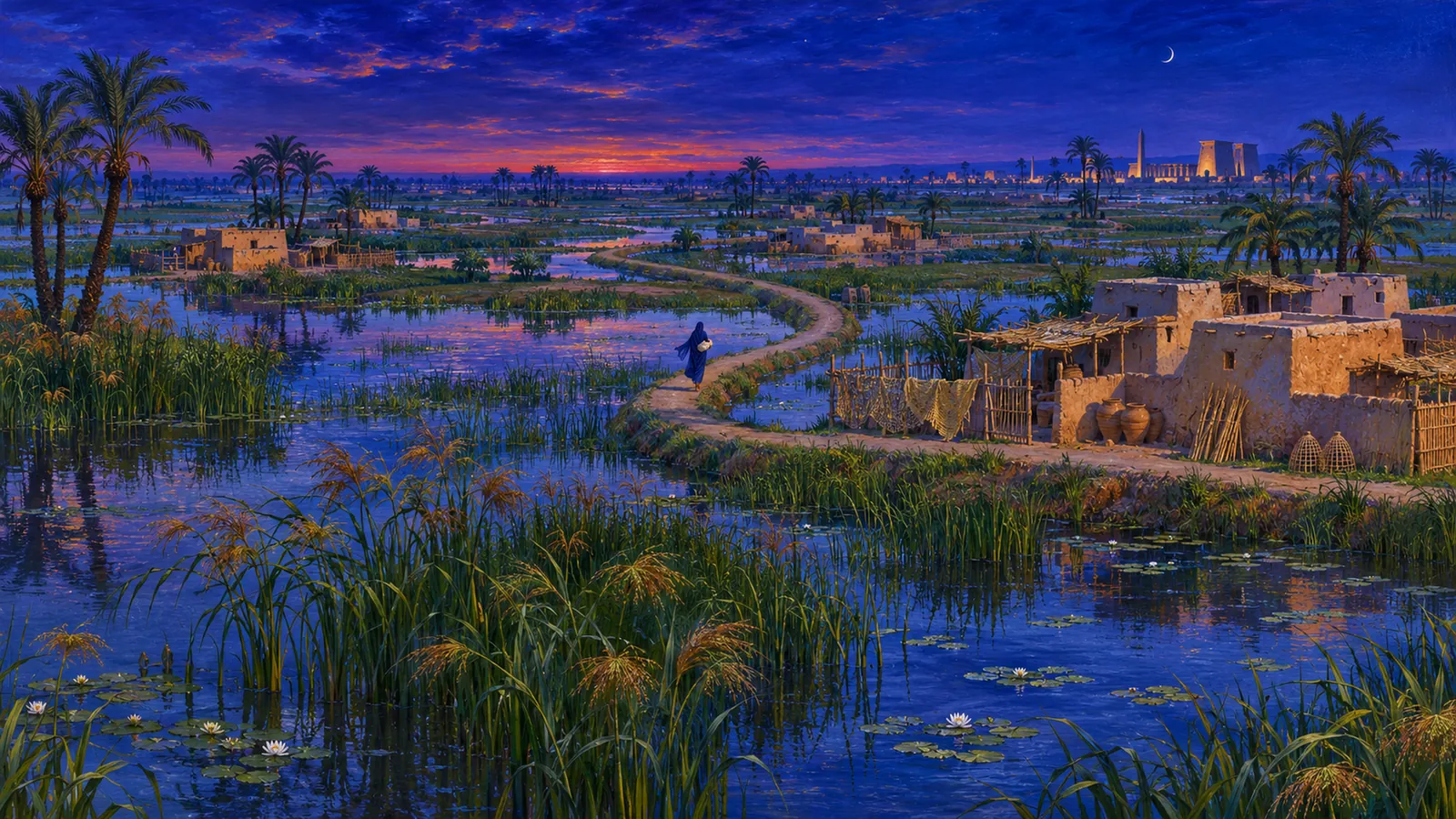
THE MARSHES
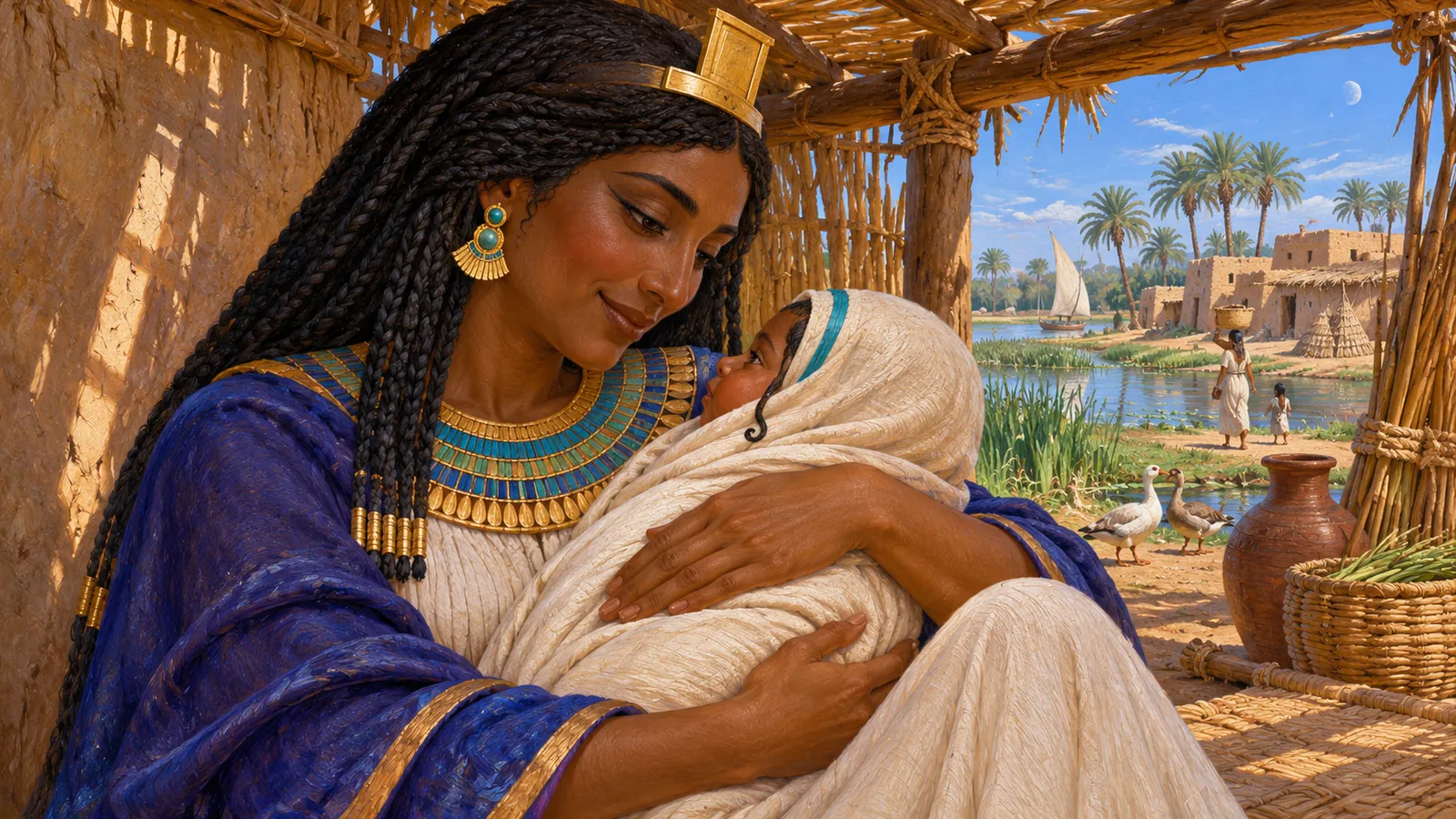
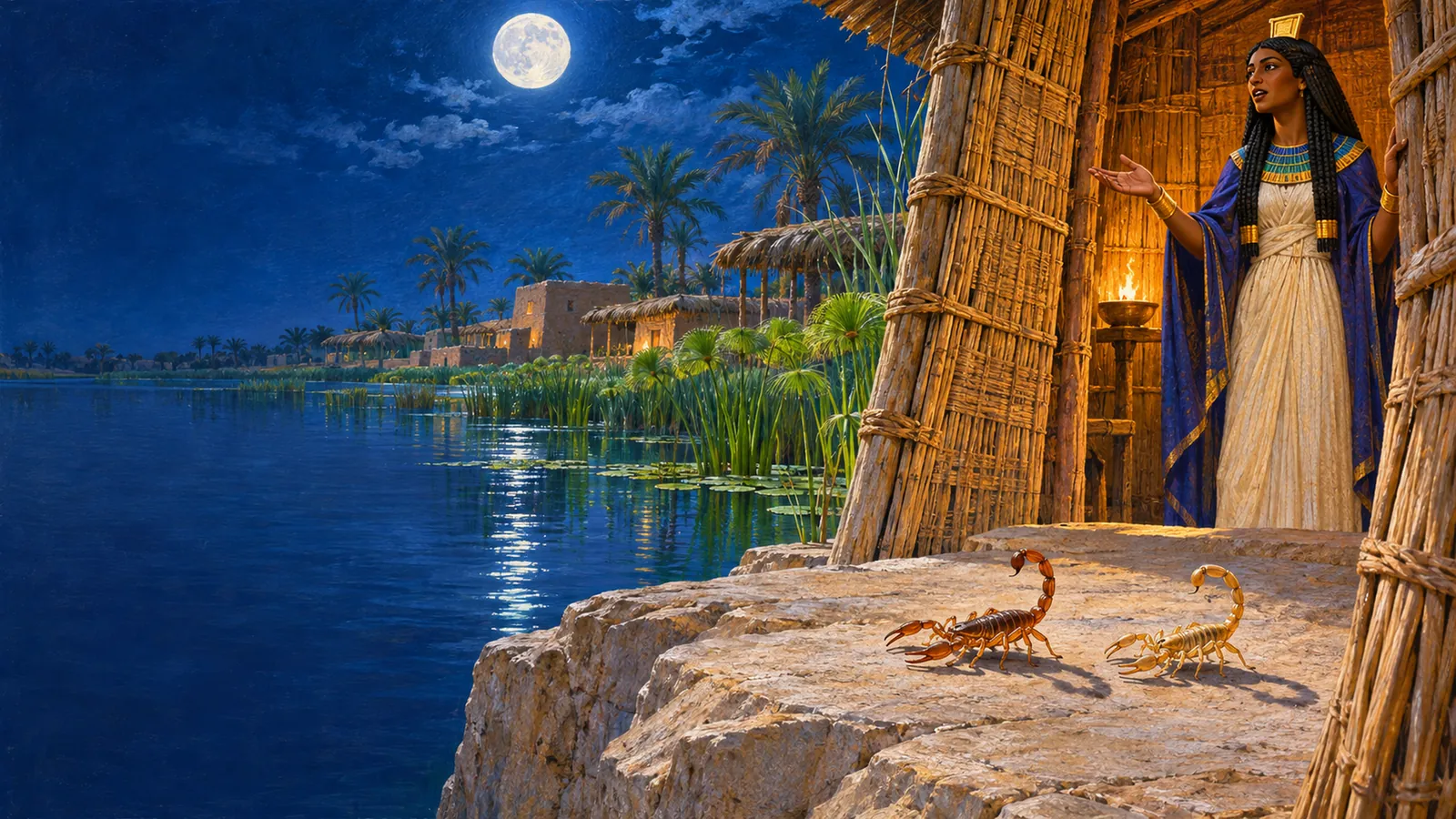
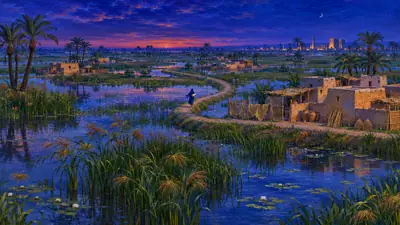
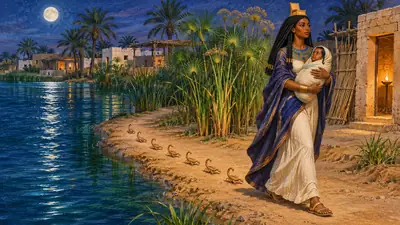
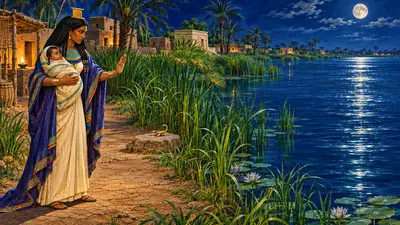
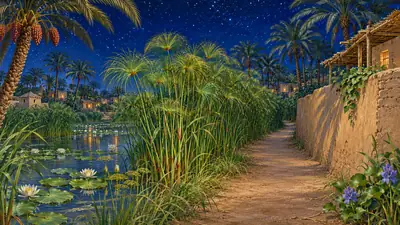
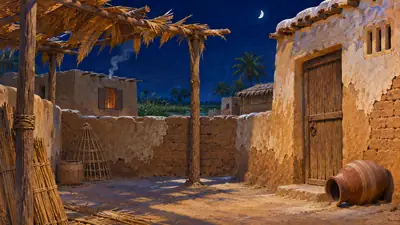
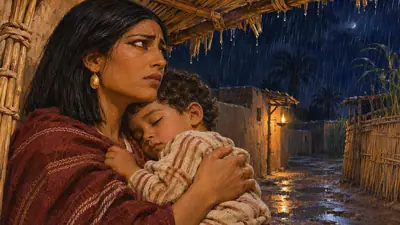
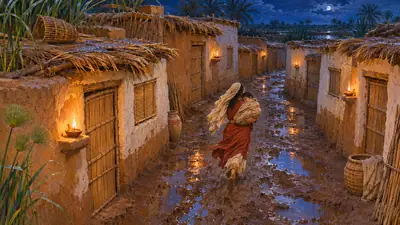
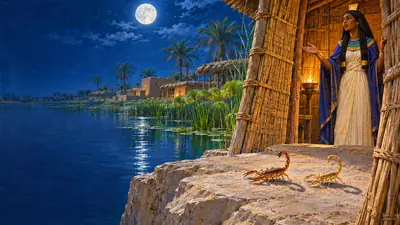
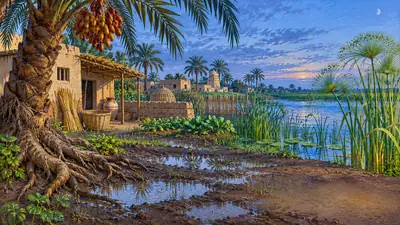
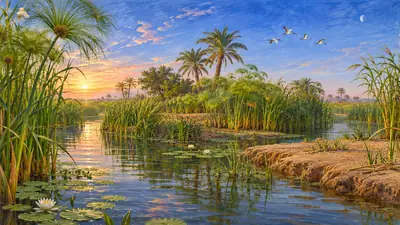
The marsh country of the Delta is their refuge. After sunset, Isis makes her way towards the channels and reed beds with the child in her care.
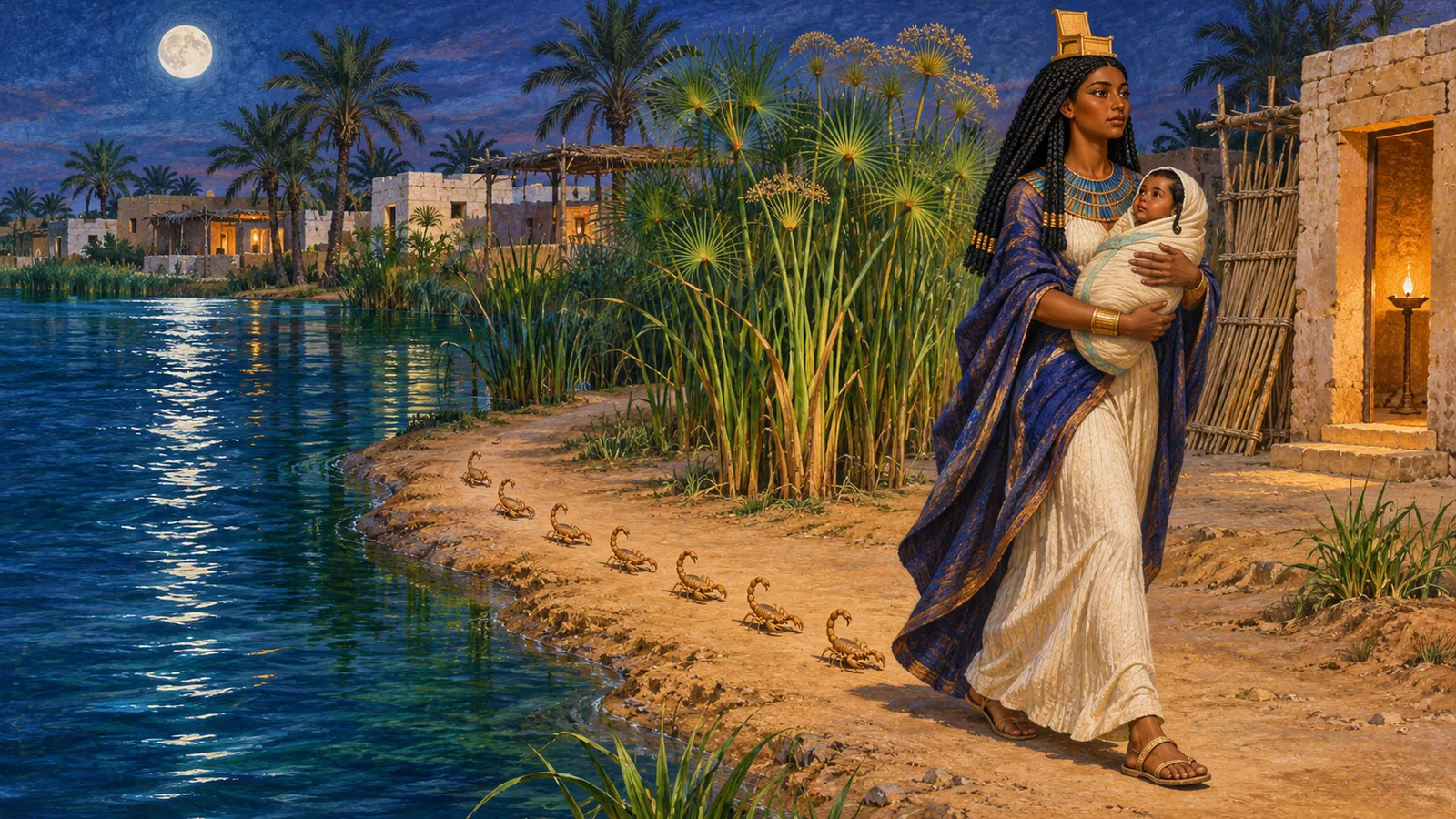
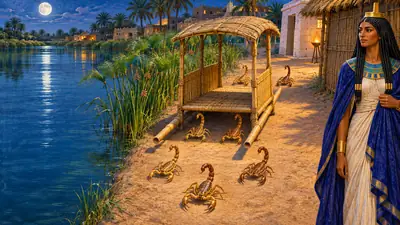
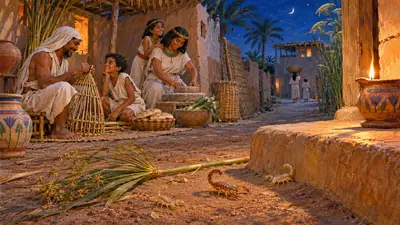
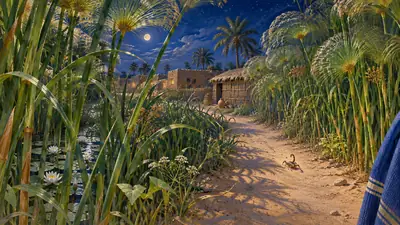
Seven small travelers leave with Isis at dusk. The inscription gives the scorpions names, and it remembers where each one went in the company.
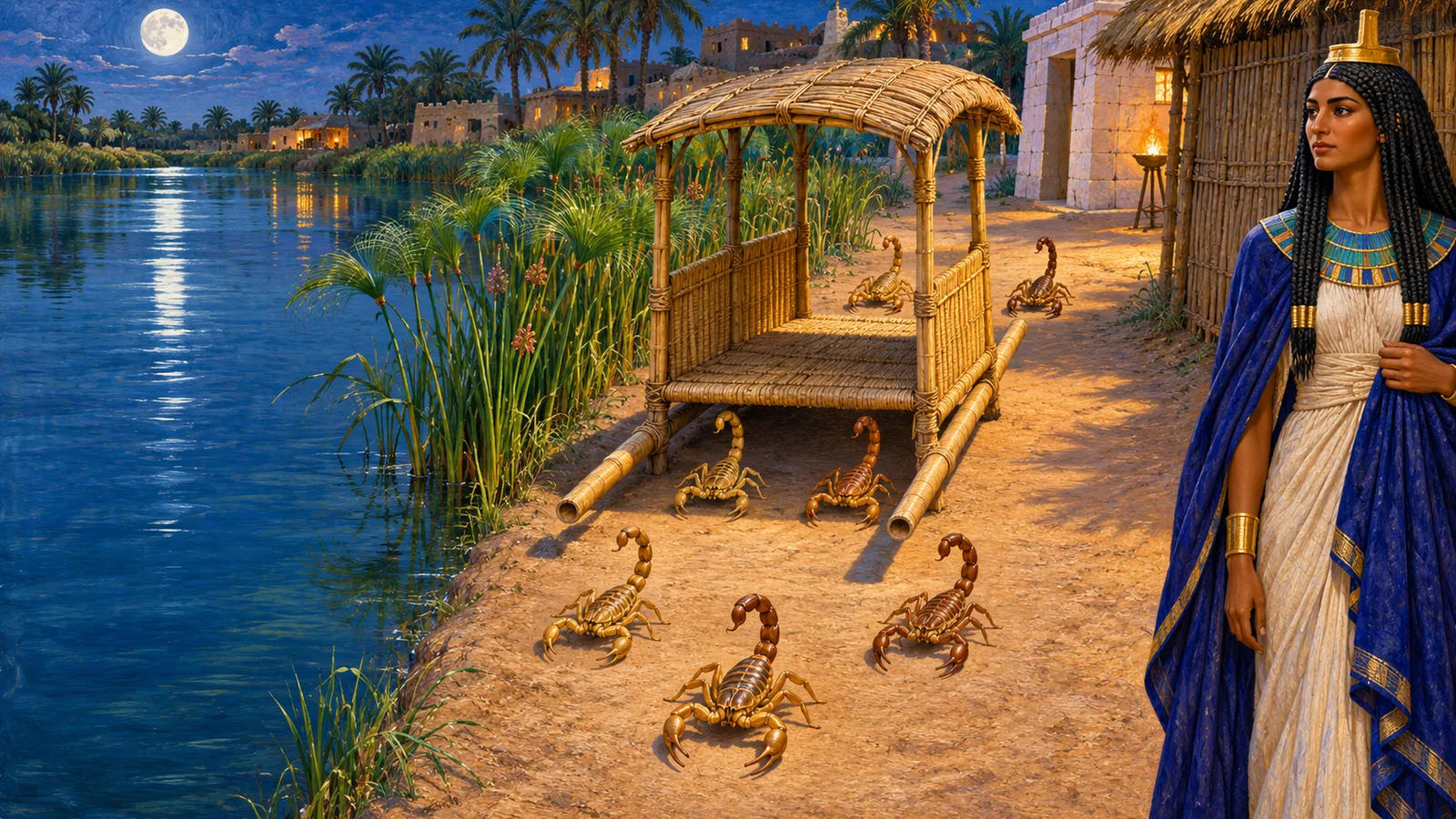
Petet, Tetet and Matet clear the road. Mestet and Mestetef stay beneath the litter, while Tefenet and Befenet bring up the rear.
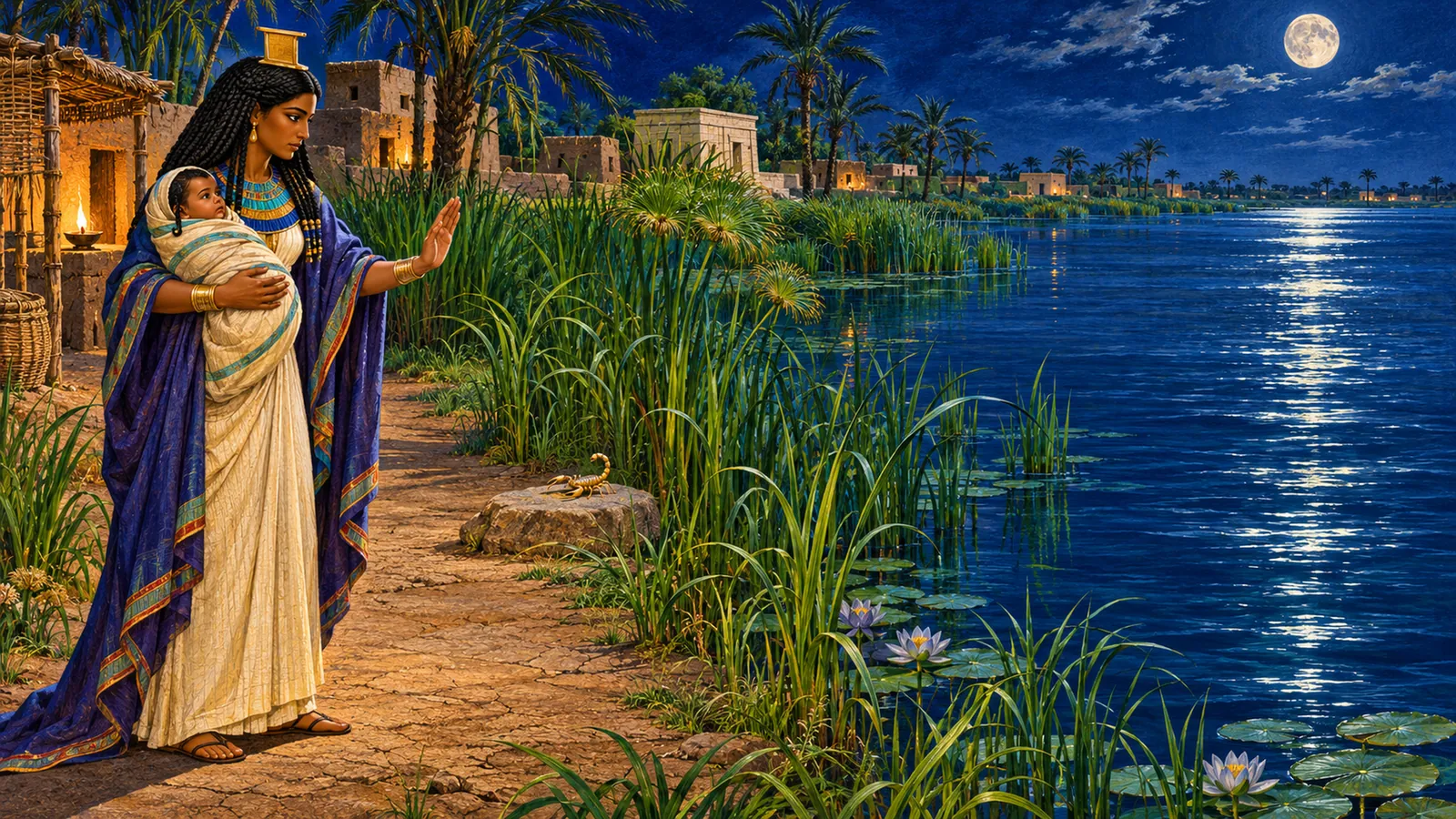
Isis warns the scorpions against approaching the people they pass. She tells them to look down at the road and keep their attention there.
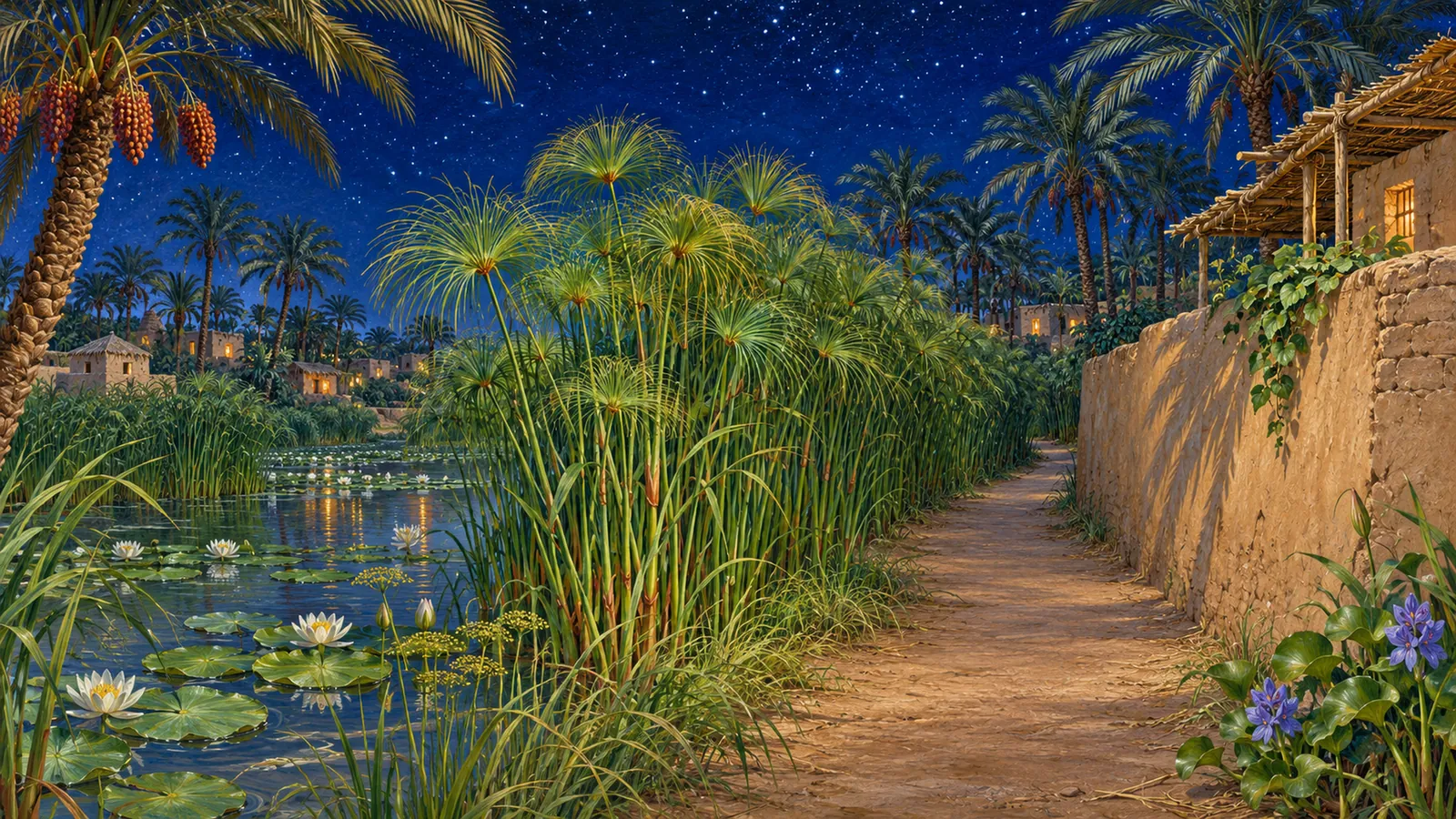
Someone is looking for Isis. If her companions are noticed, the person searching for her might follow them. The route has to stay secret.
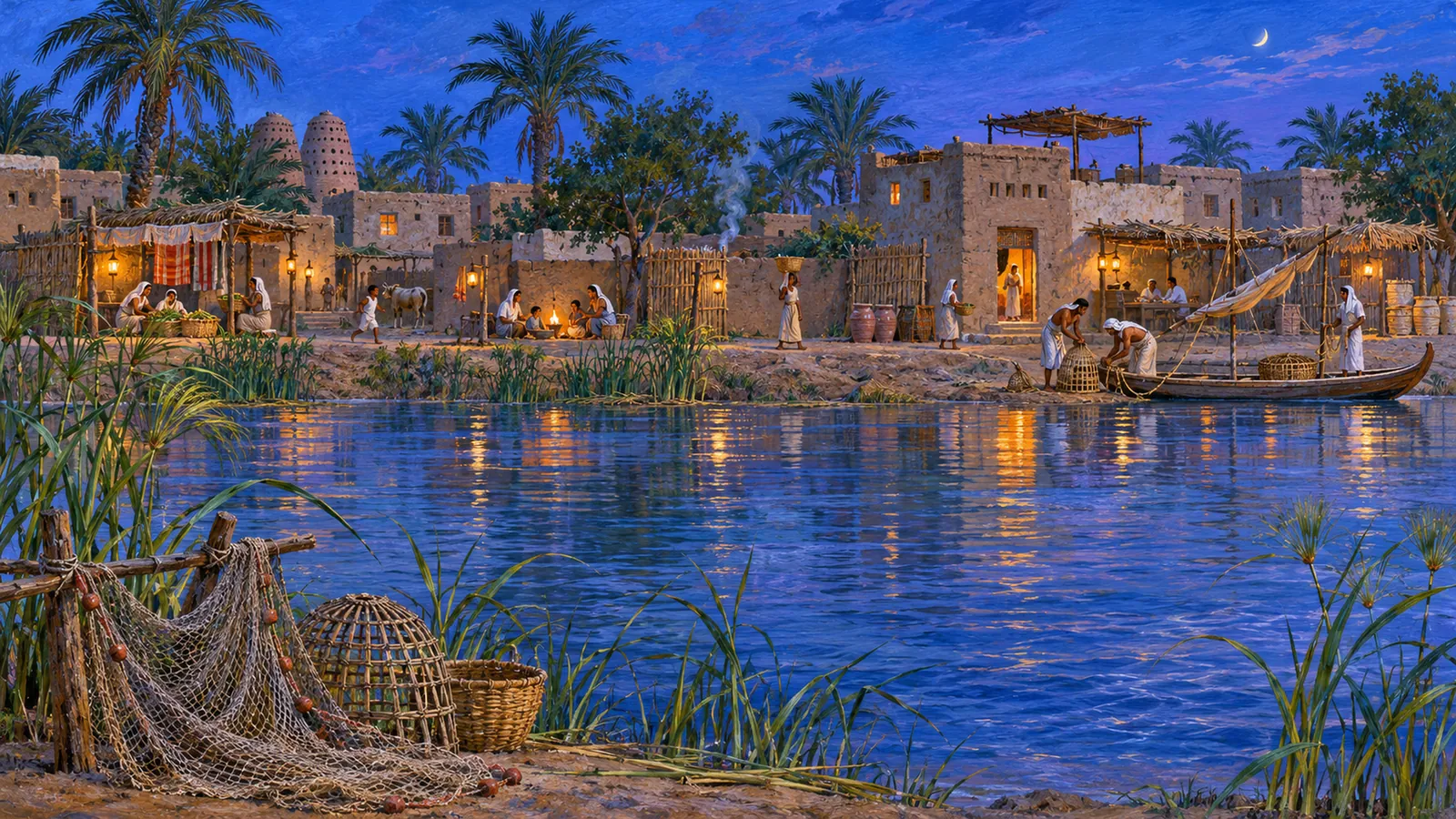
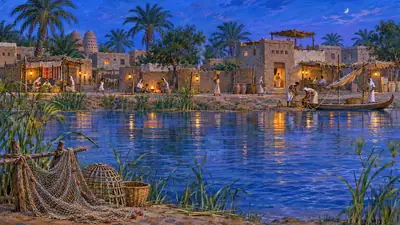
At the edge of the marshes they come to Per-sui, the place of a sacred crocodile. The inscription also calls it the Town of the Two Sisters.
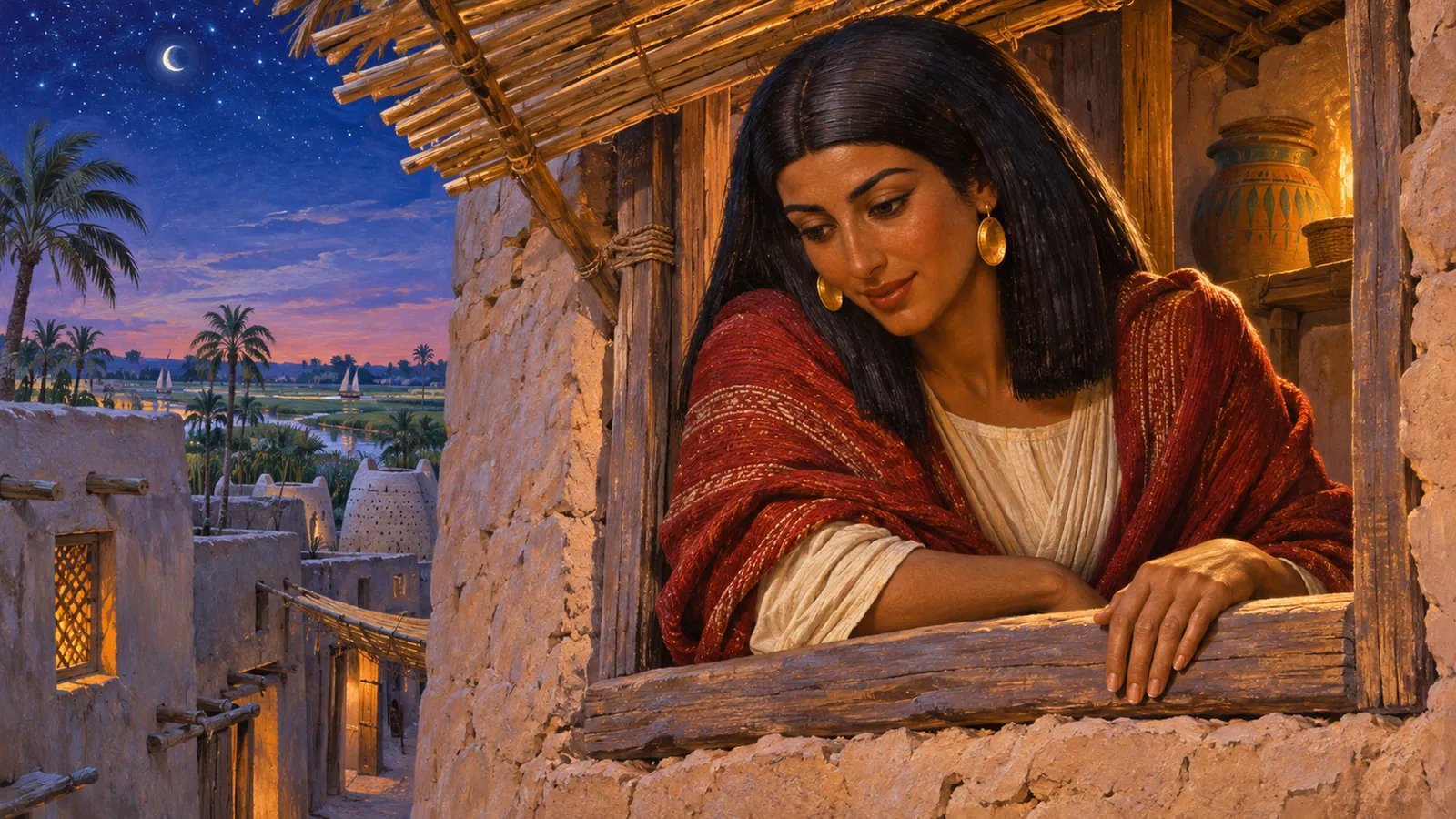
Isis arrives where the town’s mothers have their homes. One of the wealthy women who live there catches sight of her some distance away.
TWO DOORWAYS
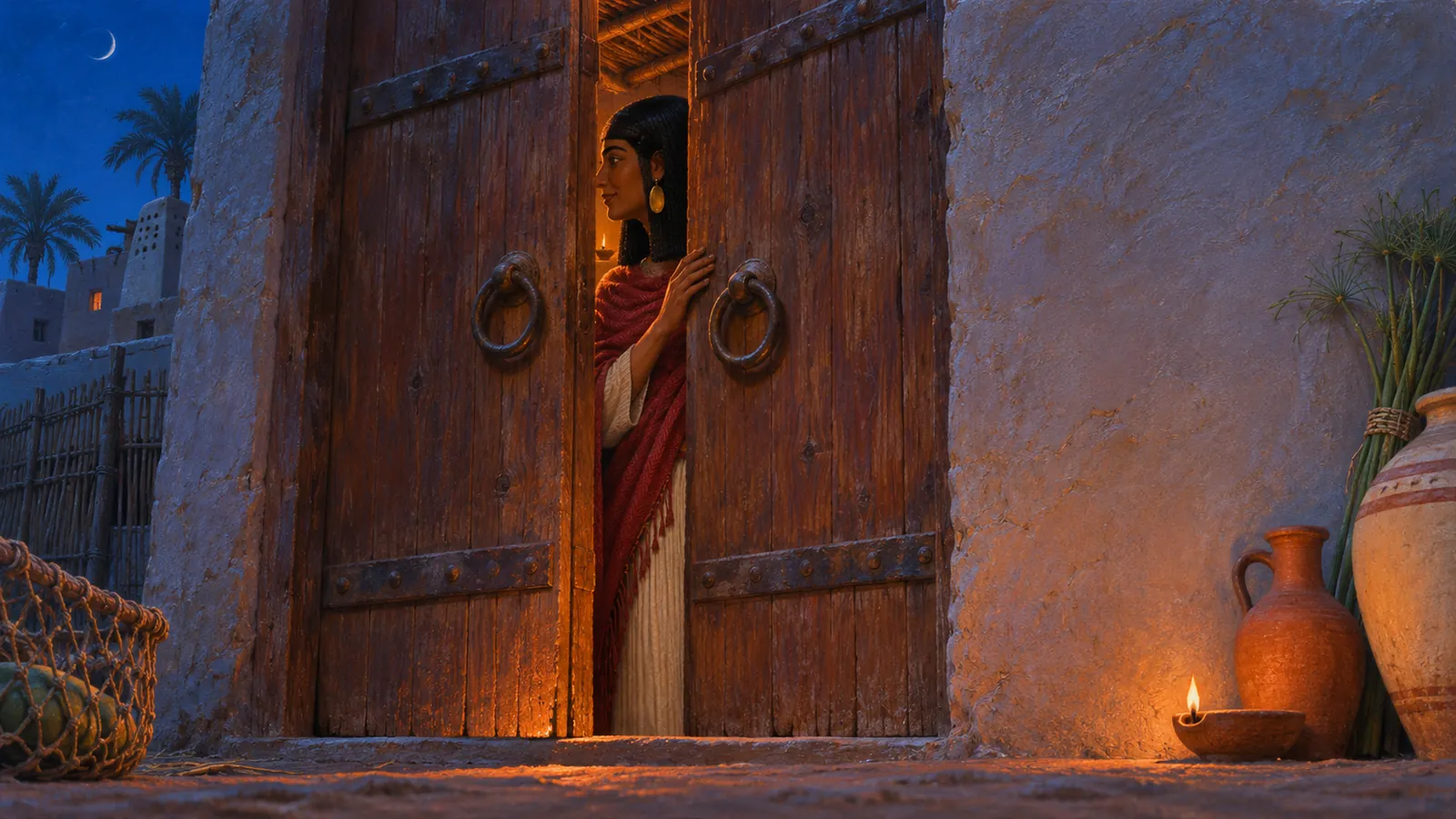
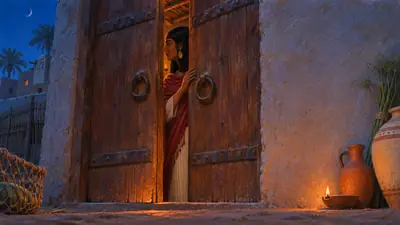
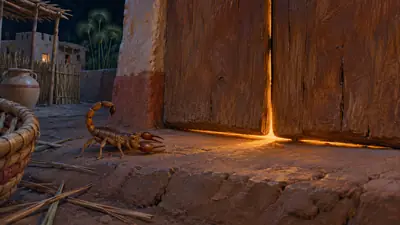
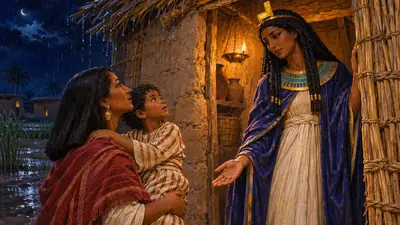
The wealthy woman draws her door shut as Isis approaches. For the mother and child out on the road, there will be no shelter here.
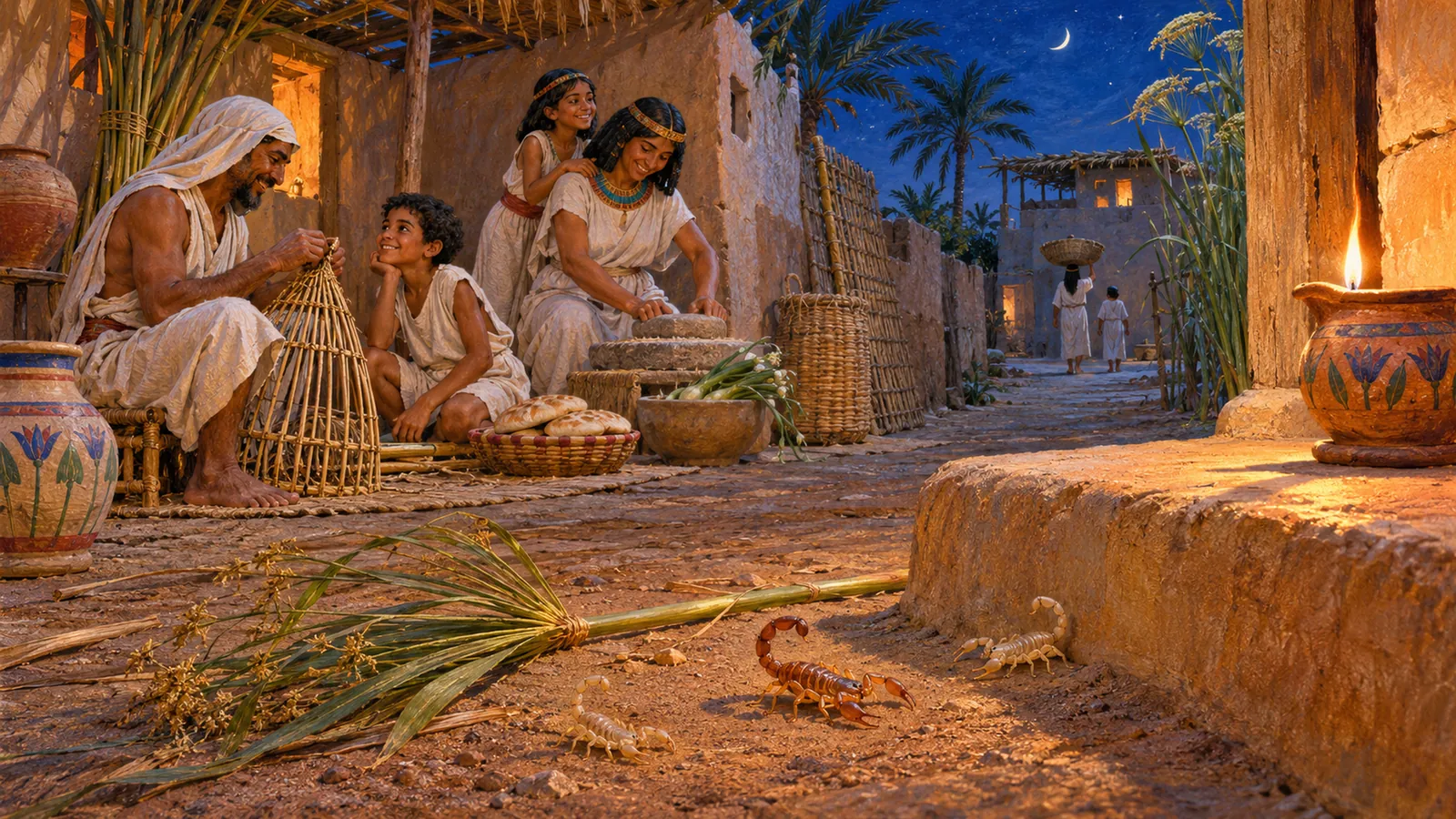
The companions take the refusal as an insult. They confer together, and the myth says they put the power of their venom into Tefenet.
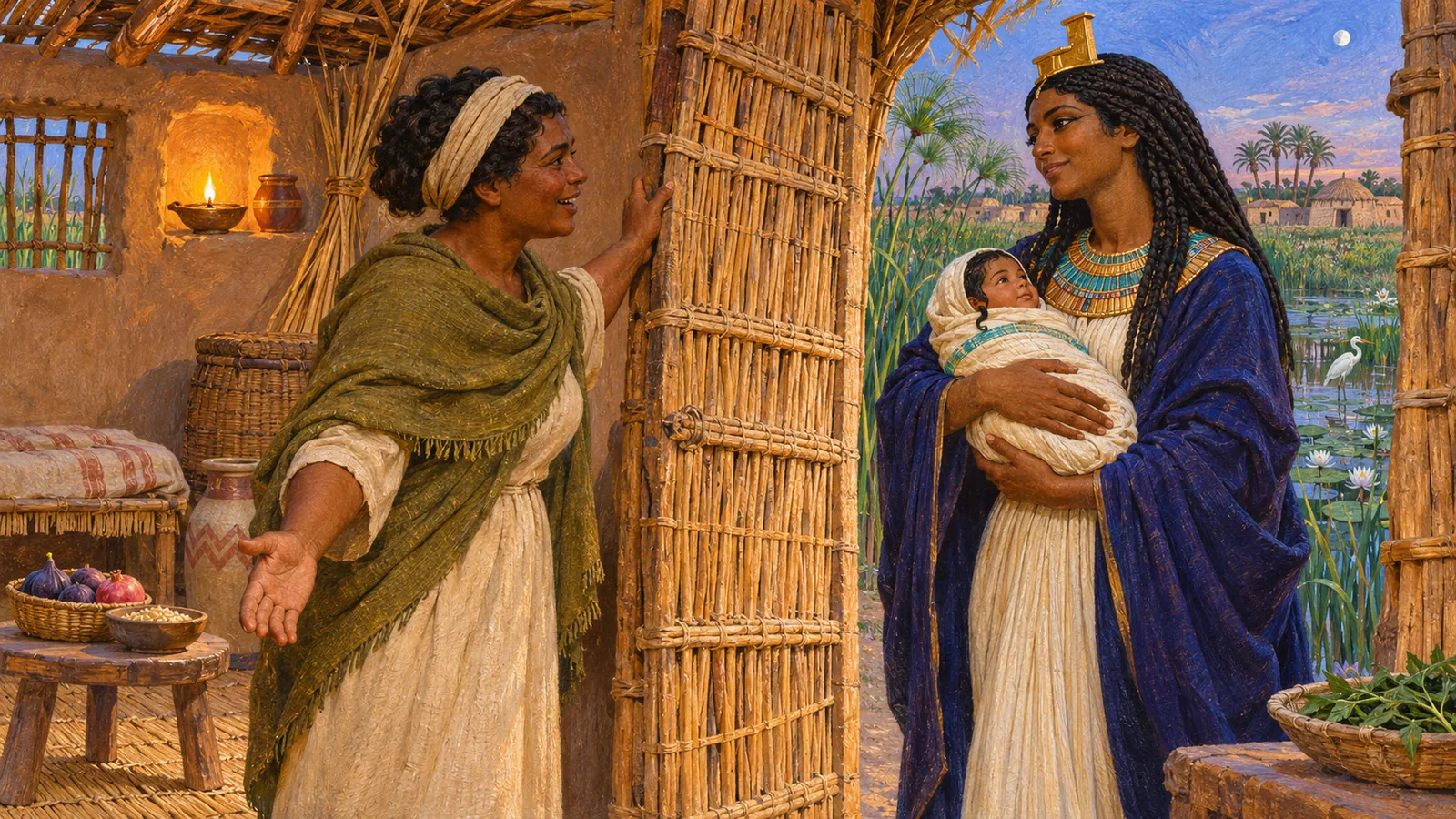
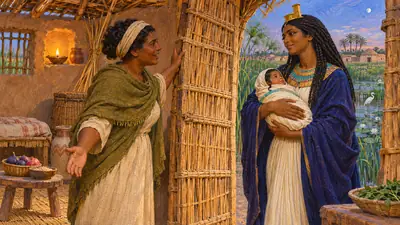
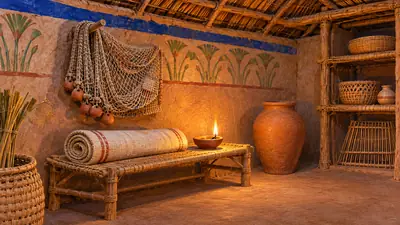
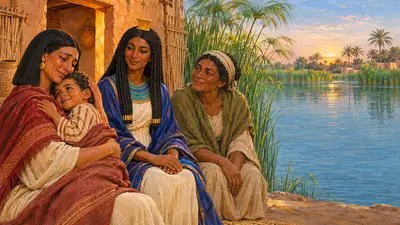
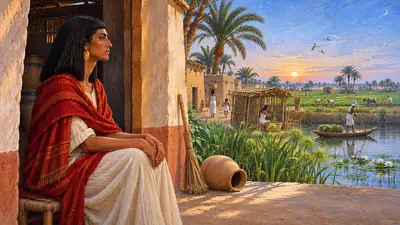
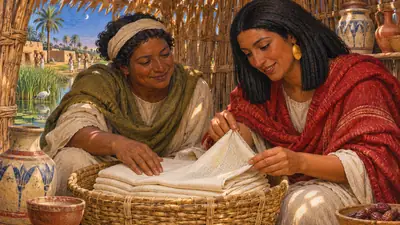
An impoverished woman opens her door. Some translators call her a fisherwoman. However her work is understood, the inscription remembers the place she made for Isis.
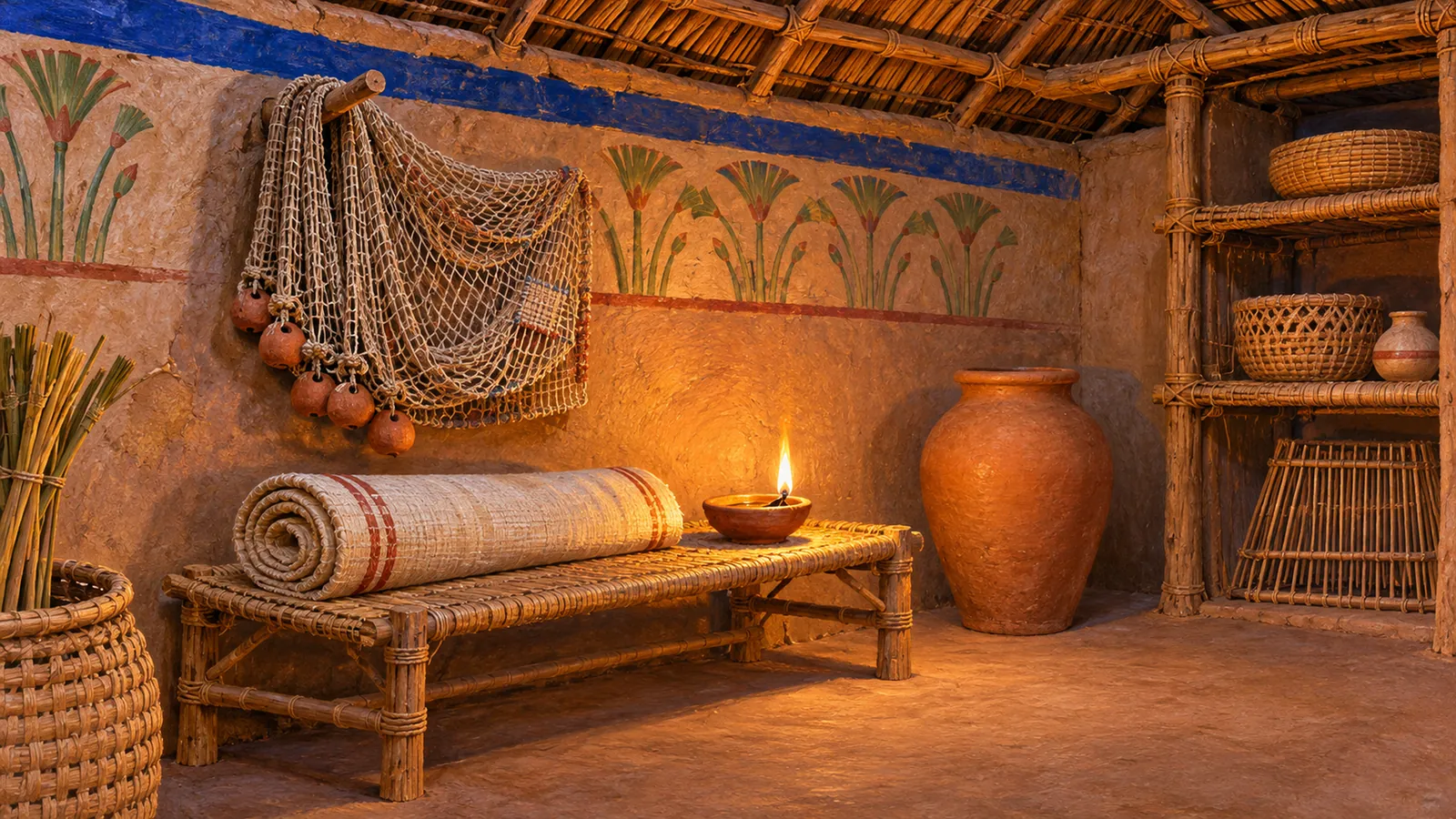
The inscription gives little space to the welcome. Isis remembers the woman’s humble house, and later she calls the place that opened to her a stall.
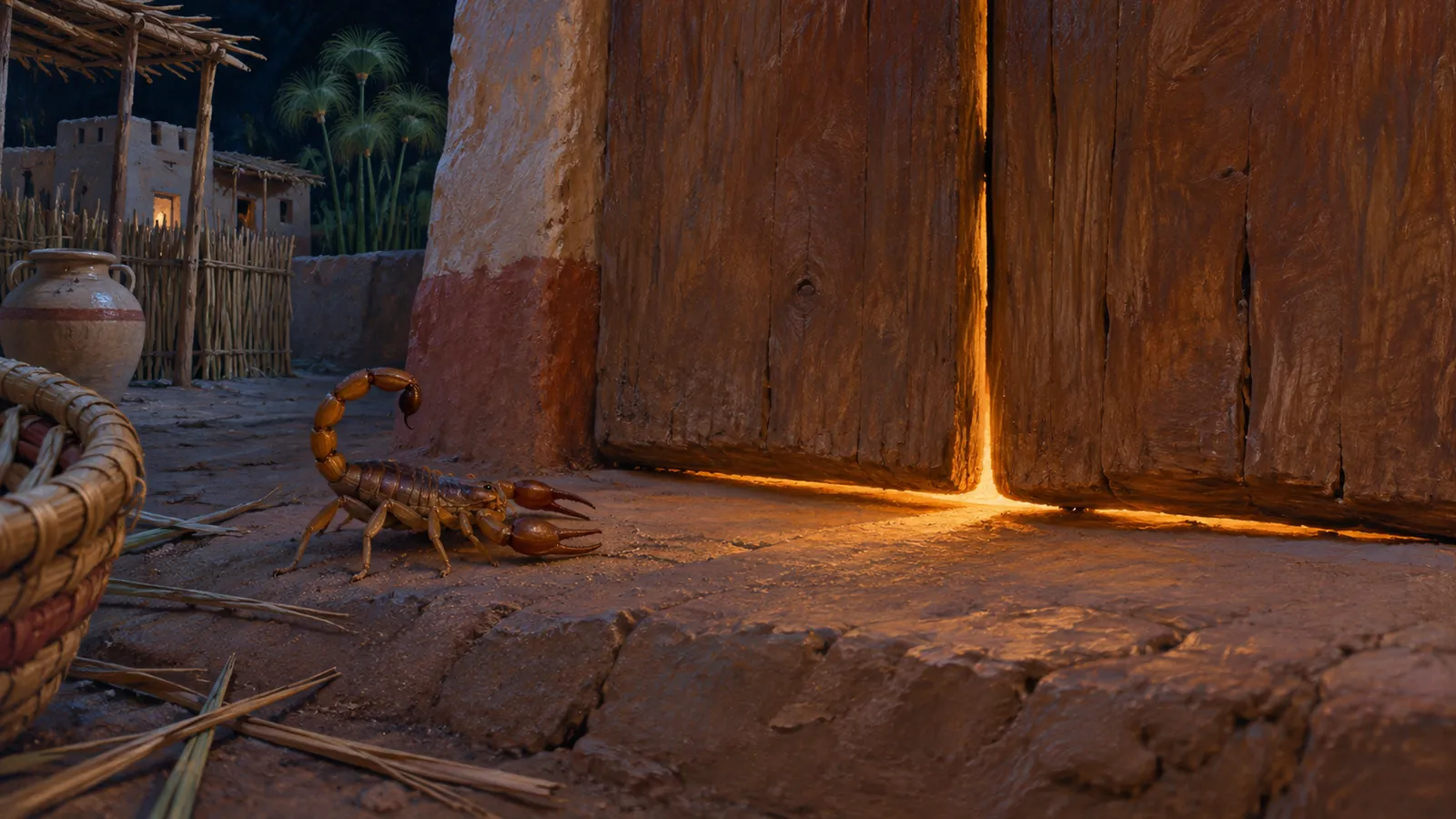
Tefenet crawls beneath the wealthy woman’s door and stings her son. In the carved story, the scorpions’ anger falls upon a child.
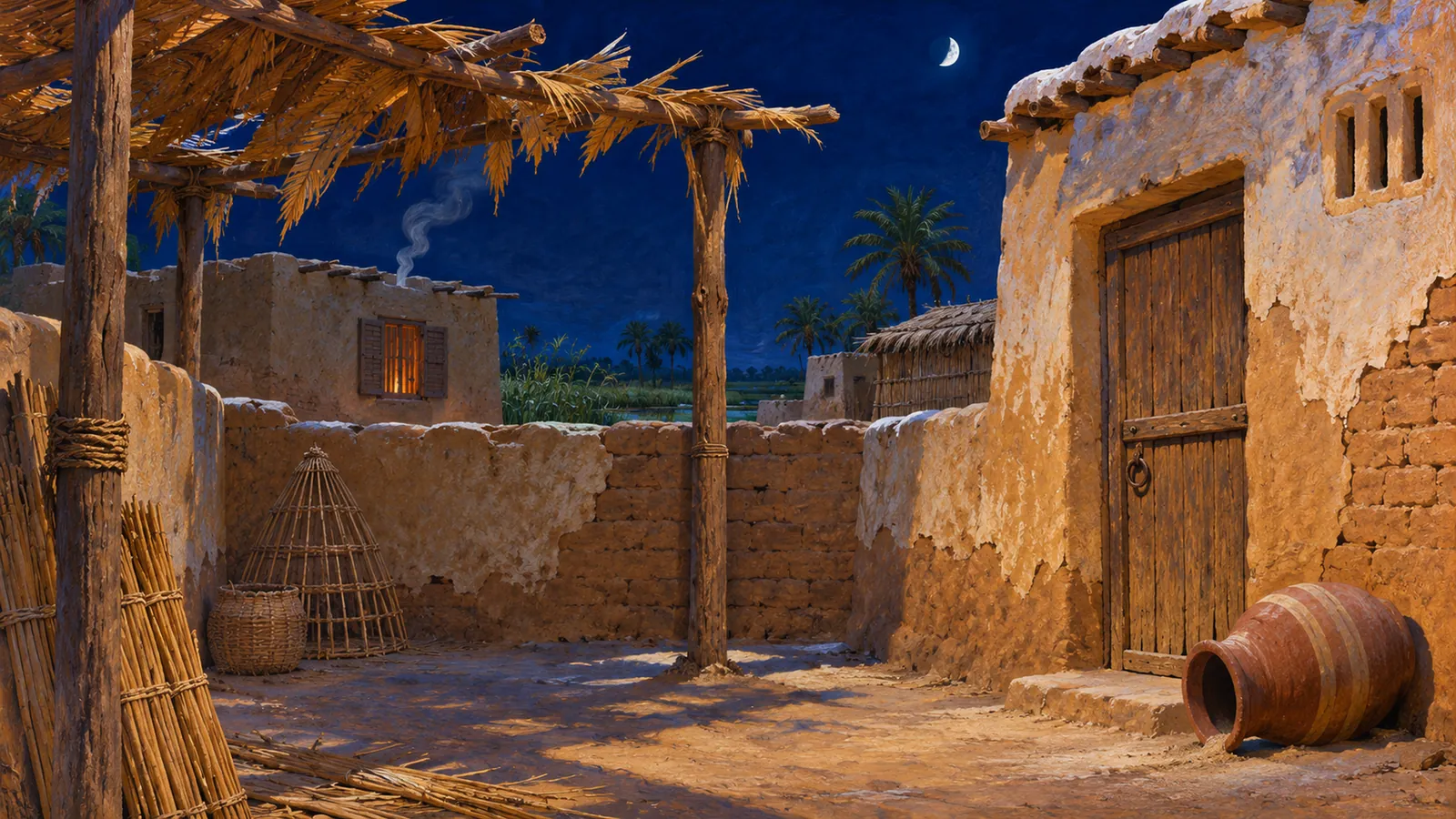
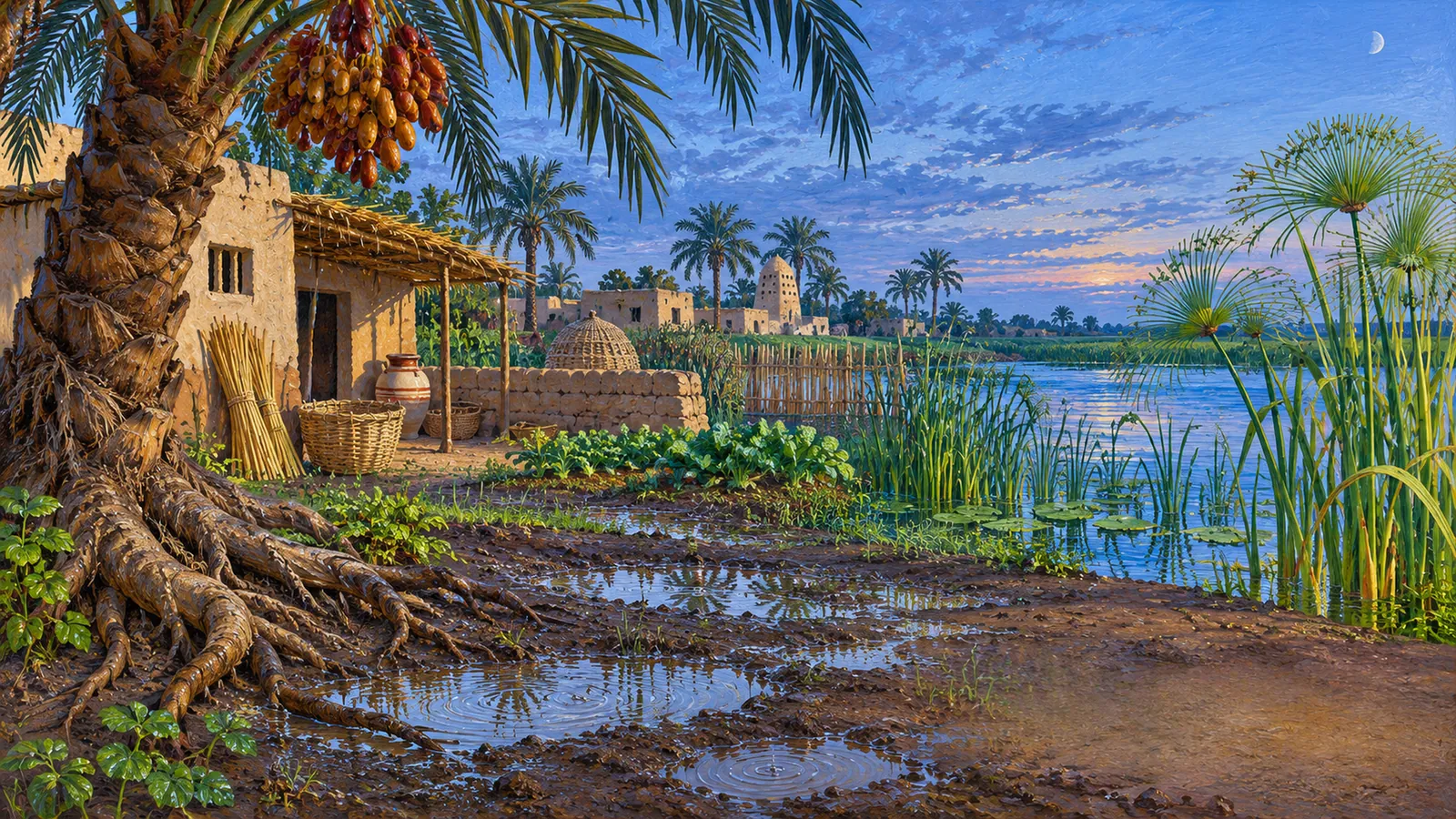
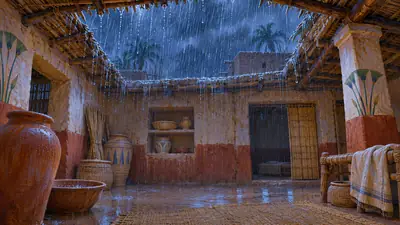
The stela says fire breaks out in the wealthy woman’s house. There is no water there to put the fire out.
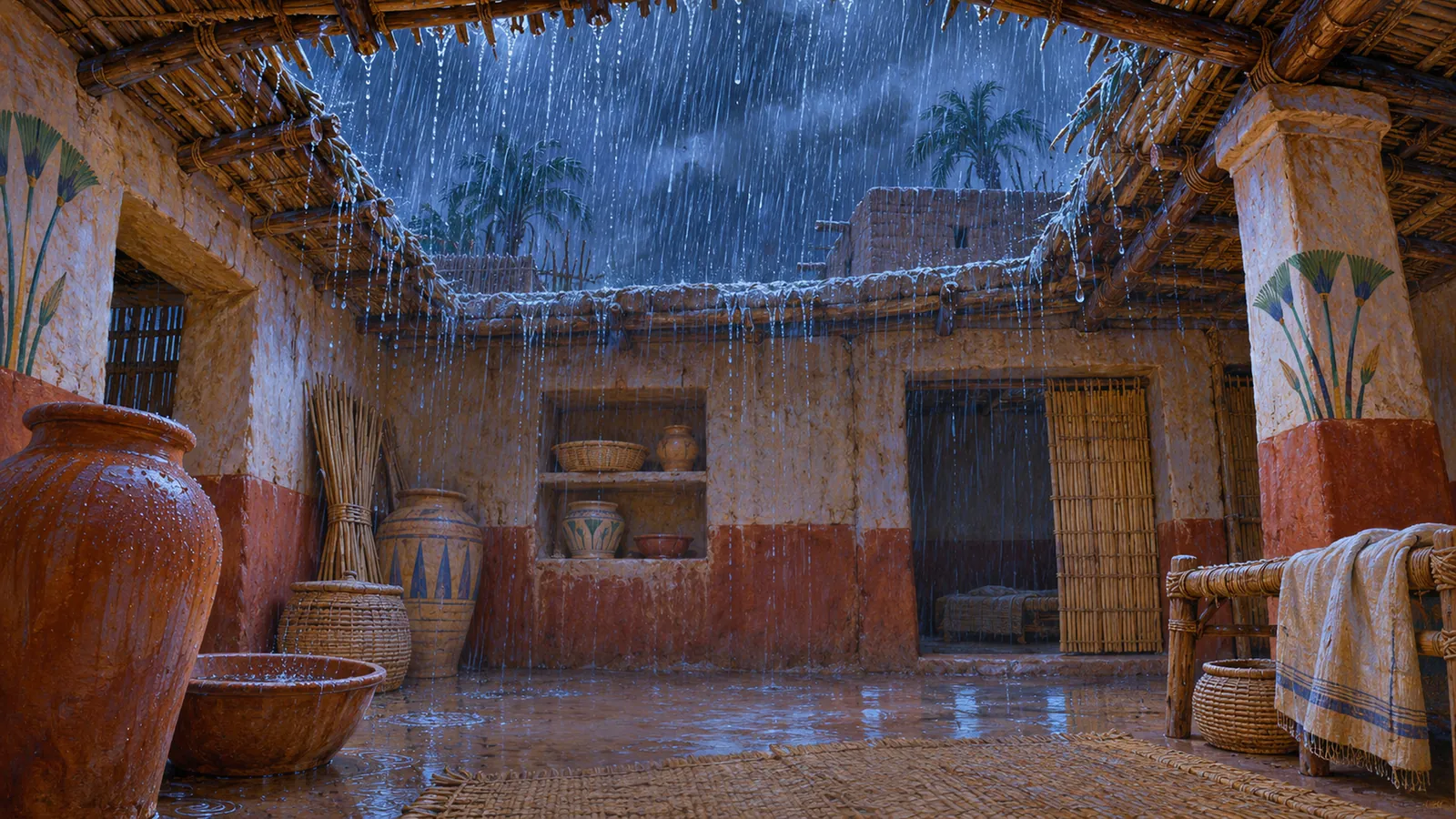
Then rain pours into the house, although it is the wrong season for it. The inscription sets the untimely storm beside the fire.
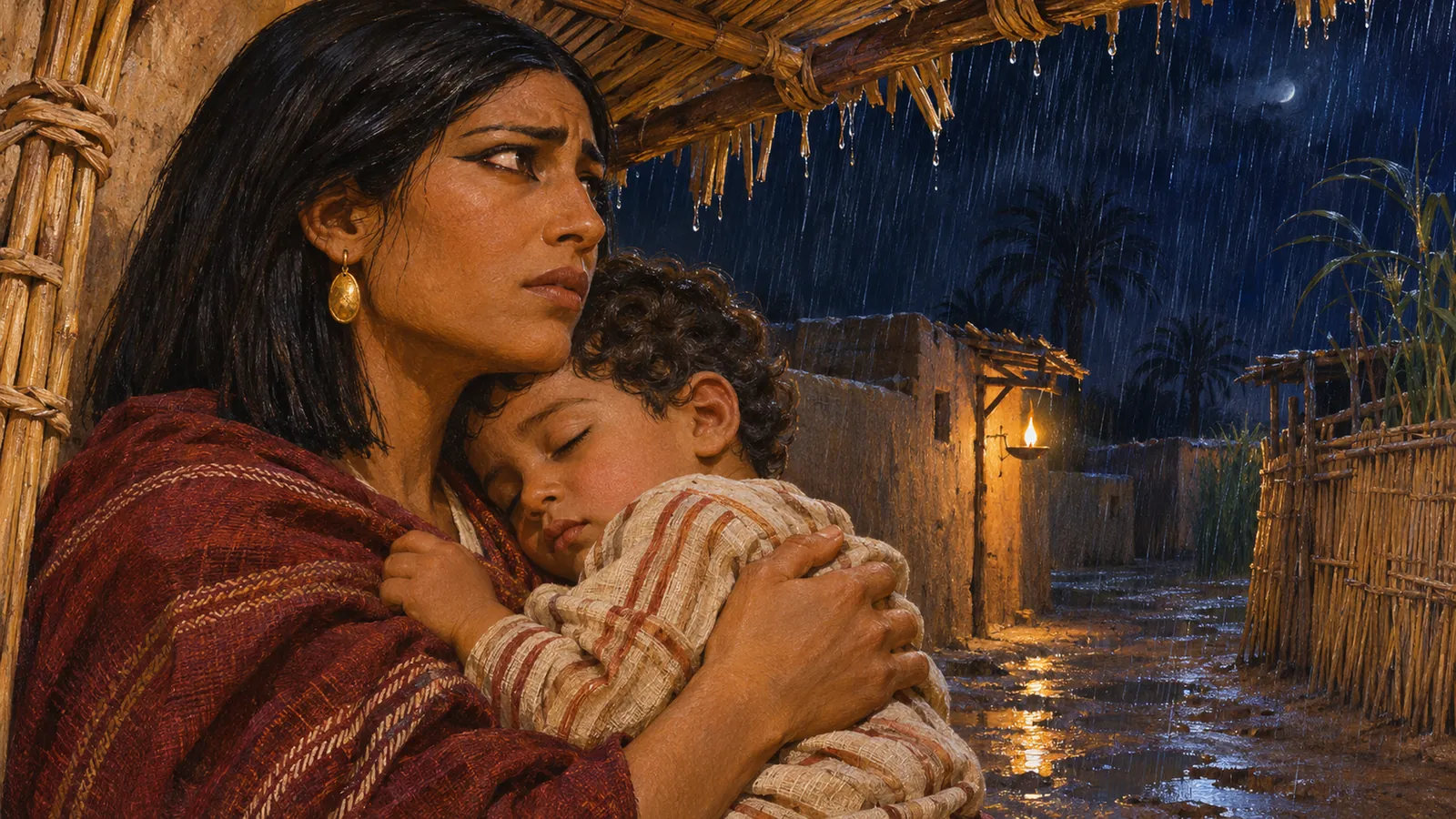
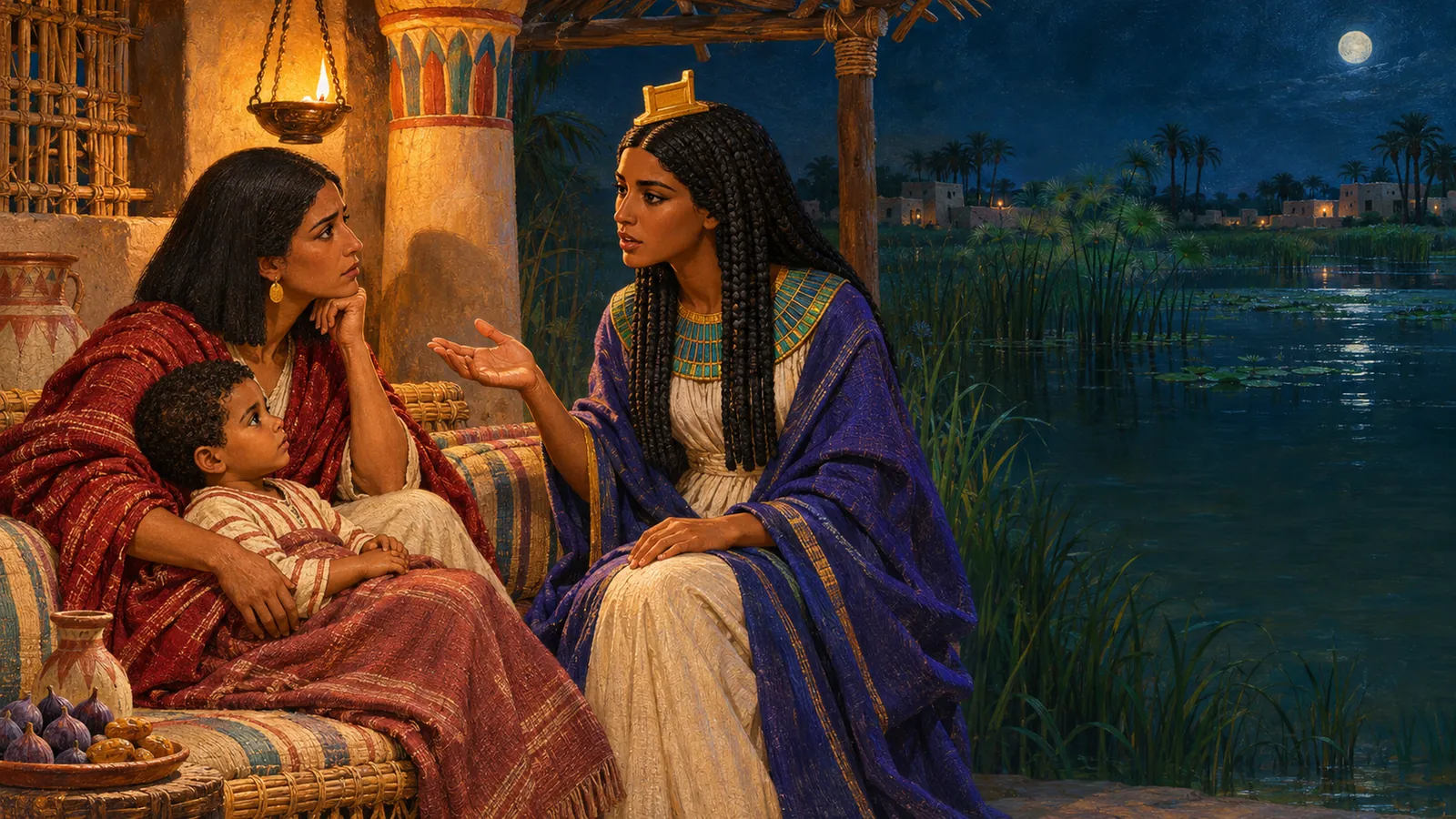
The woman remembers that she refused to open her door to Isis. Now she is afraid for her own son and does not know whether he will live.
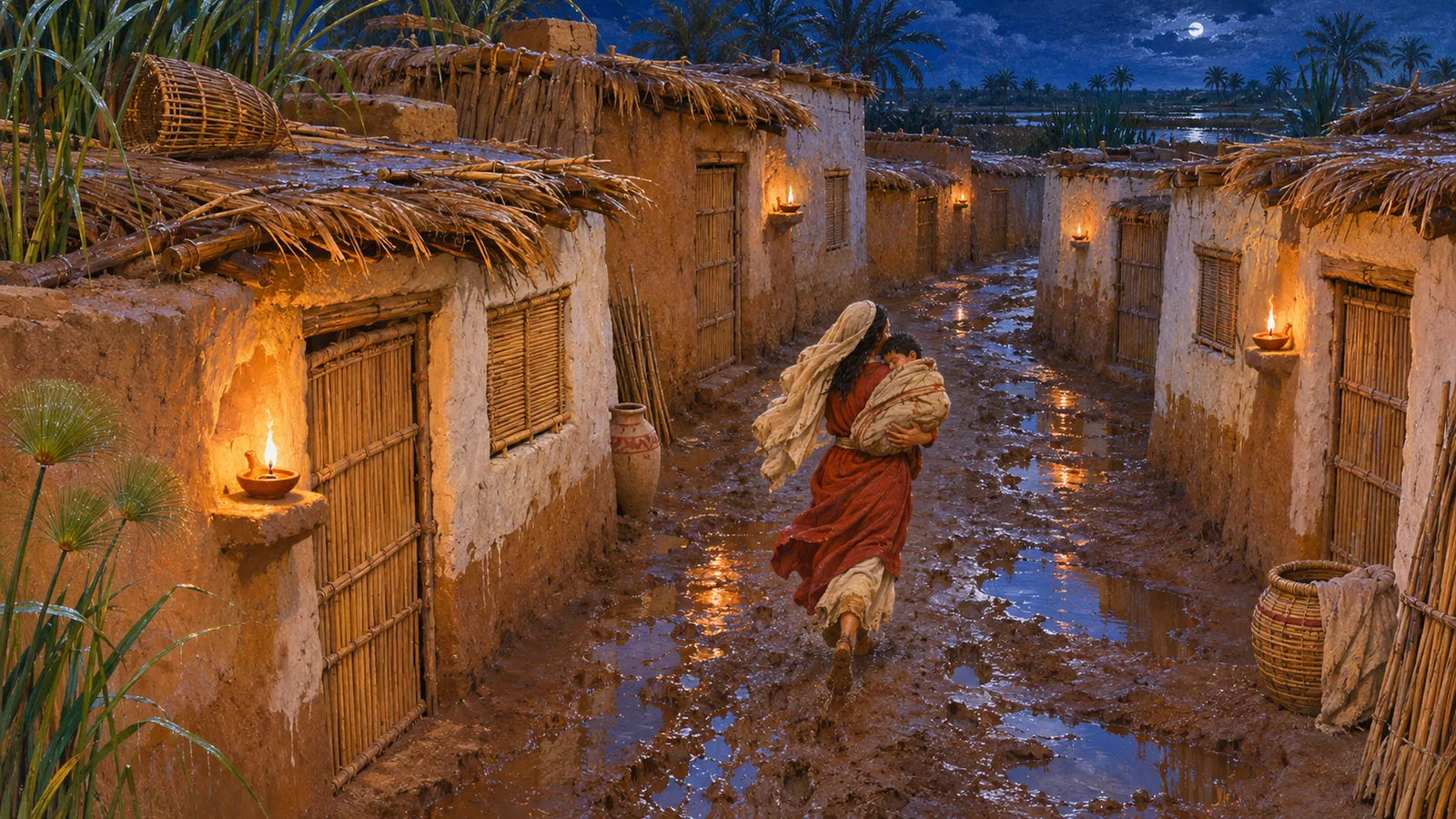
The mother walks through the town crying for help. Isis’s account says nobody comes in answer. The houses that might shelter her stay closed.
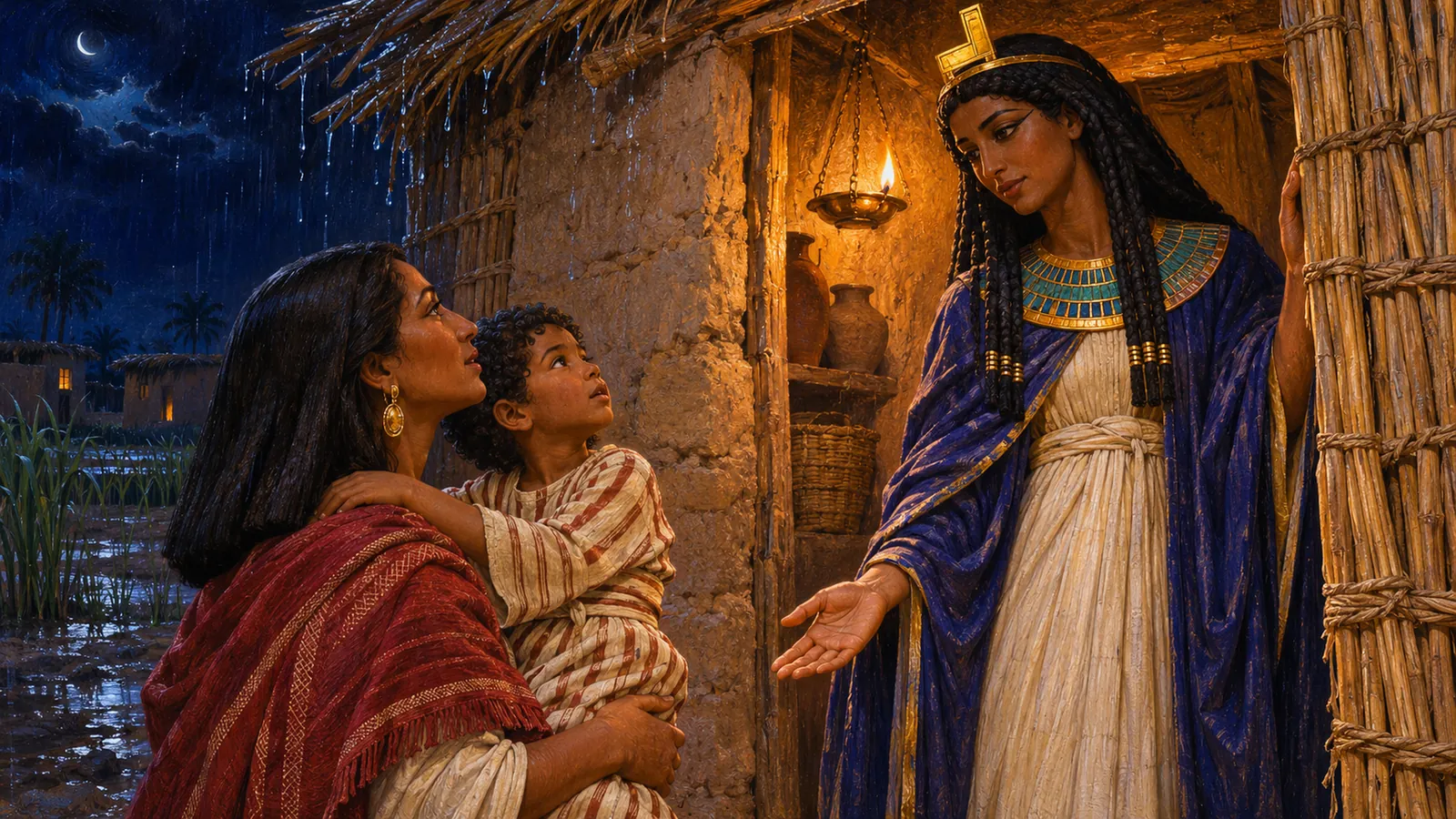
Isis says her heart is heavy for the little boy. She wants to save him because he has done nothing wrong, and she calls to his mother.
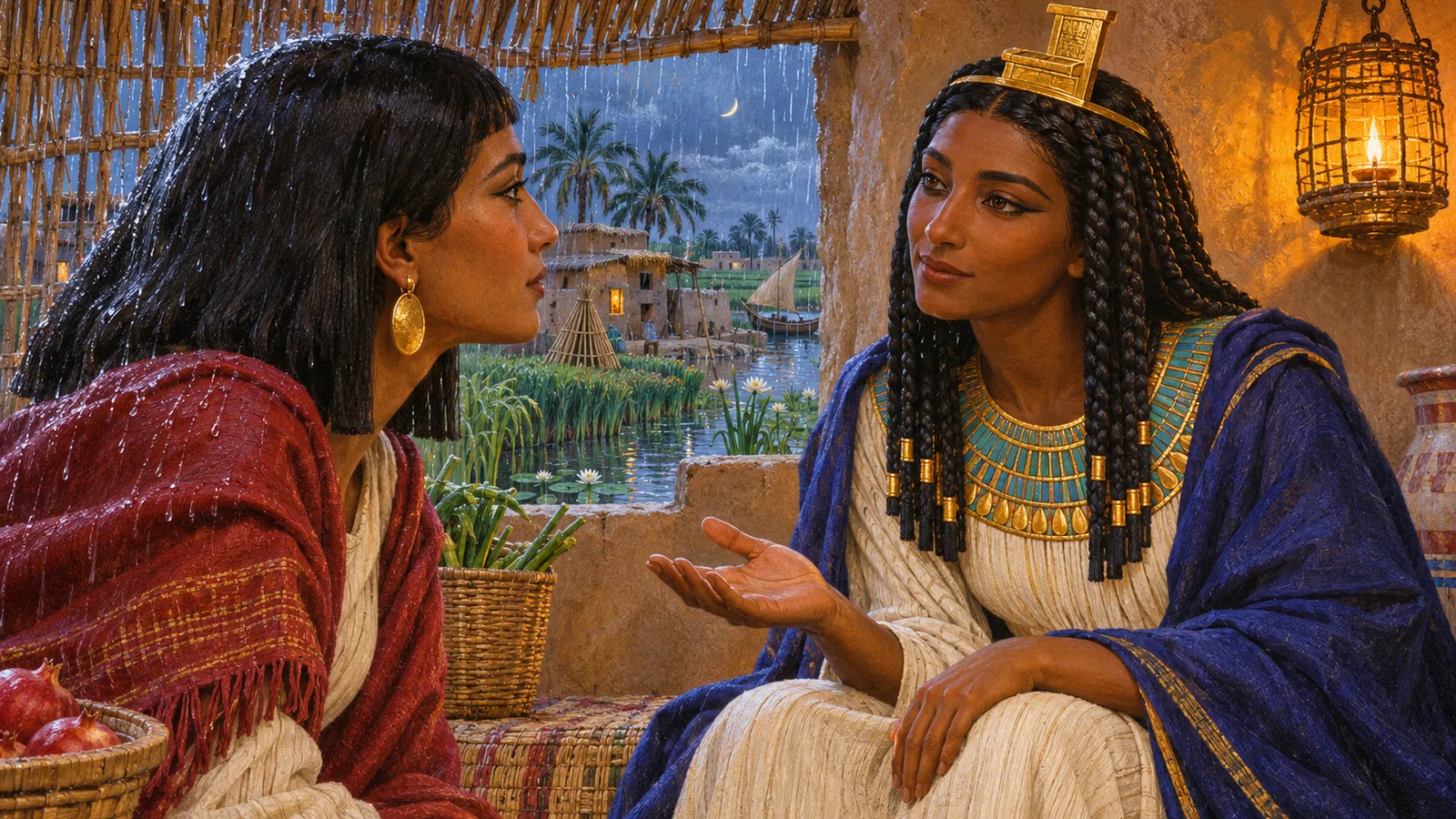
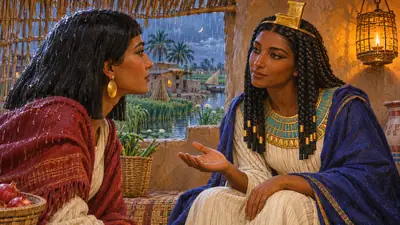
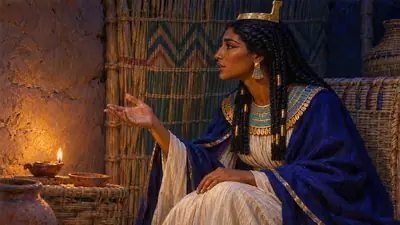
Come to me, Isis tells the mother. She says there is life in the words she carries. In the tale, she knows what to say to the poison.
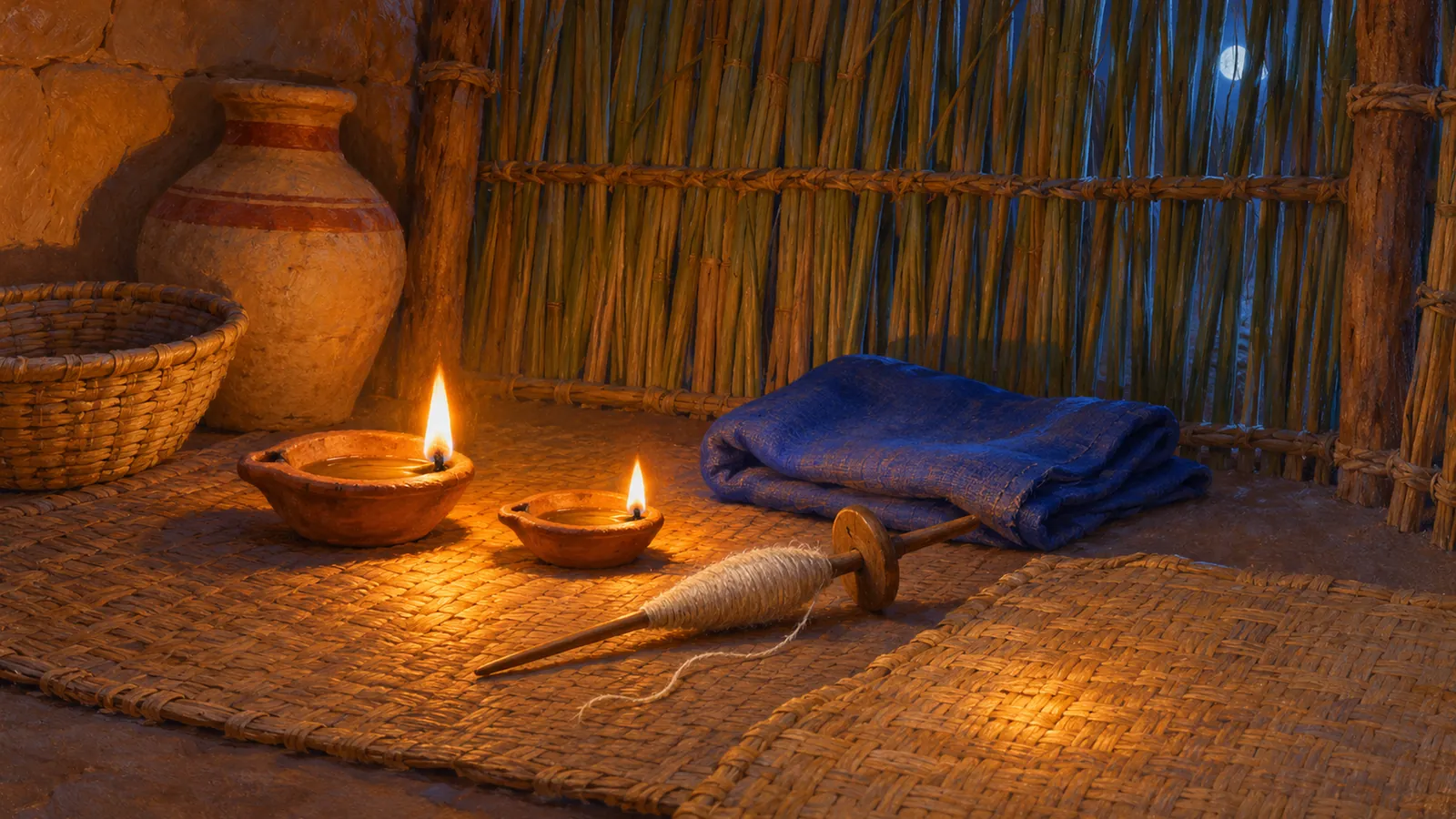
Isis speaks of a mother skilled in healing words. She also says that her father taught her what she knows, and calls herself his beloved daughter.
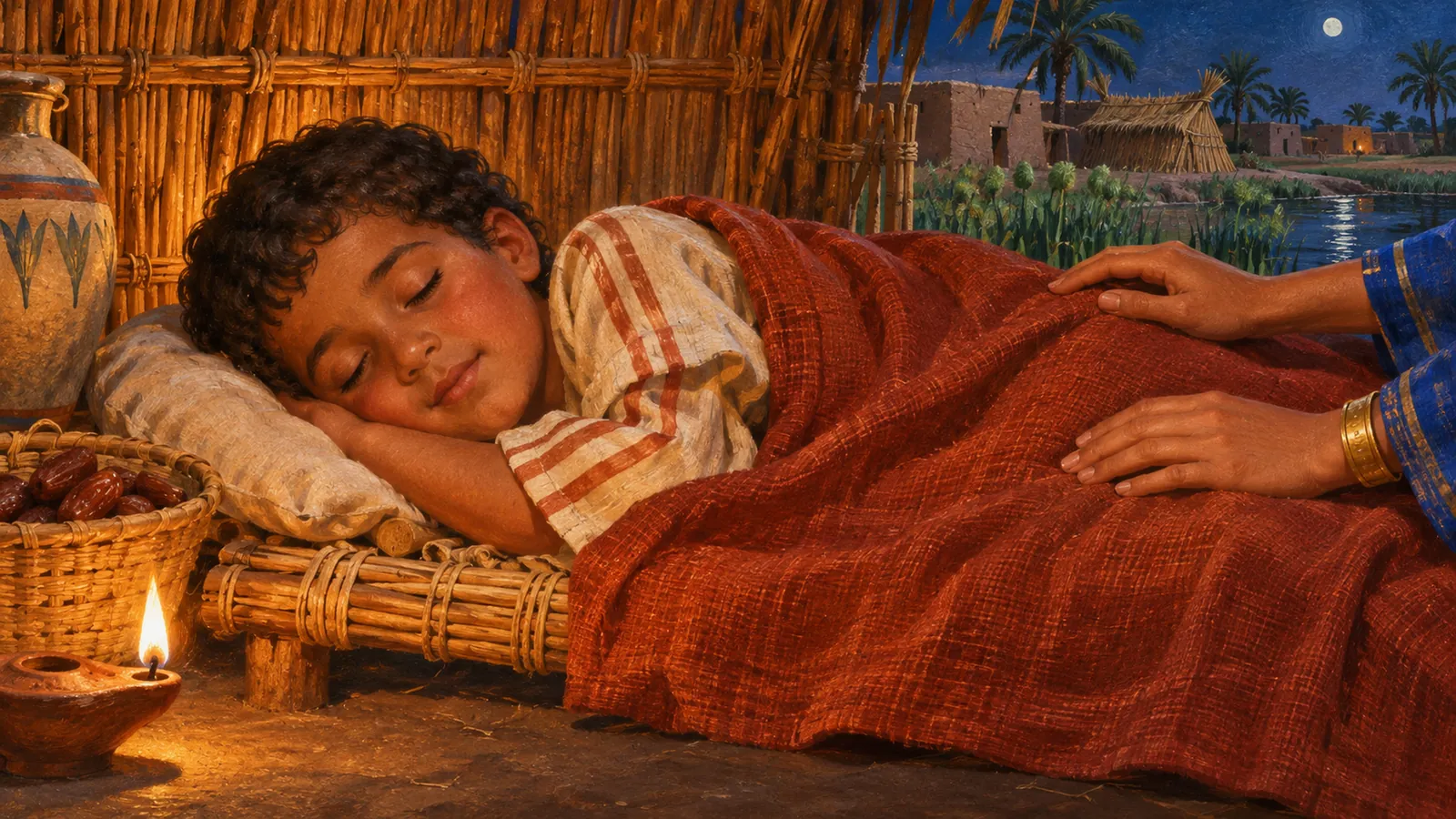
THE SPELL
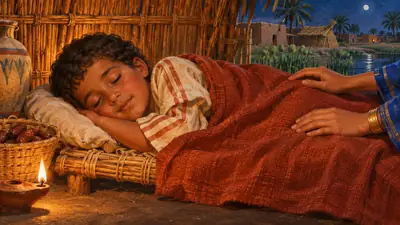
The boy can hardly breathe. The tale says Isis puts her hands on him, and her part of the healing begins with a spoken address to the venom.
Isis names Tefenet and Befenet first. Her words turn the venom into a listener. In the spell she commands it to leave the child and fall to the earth.
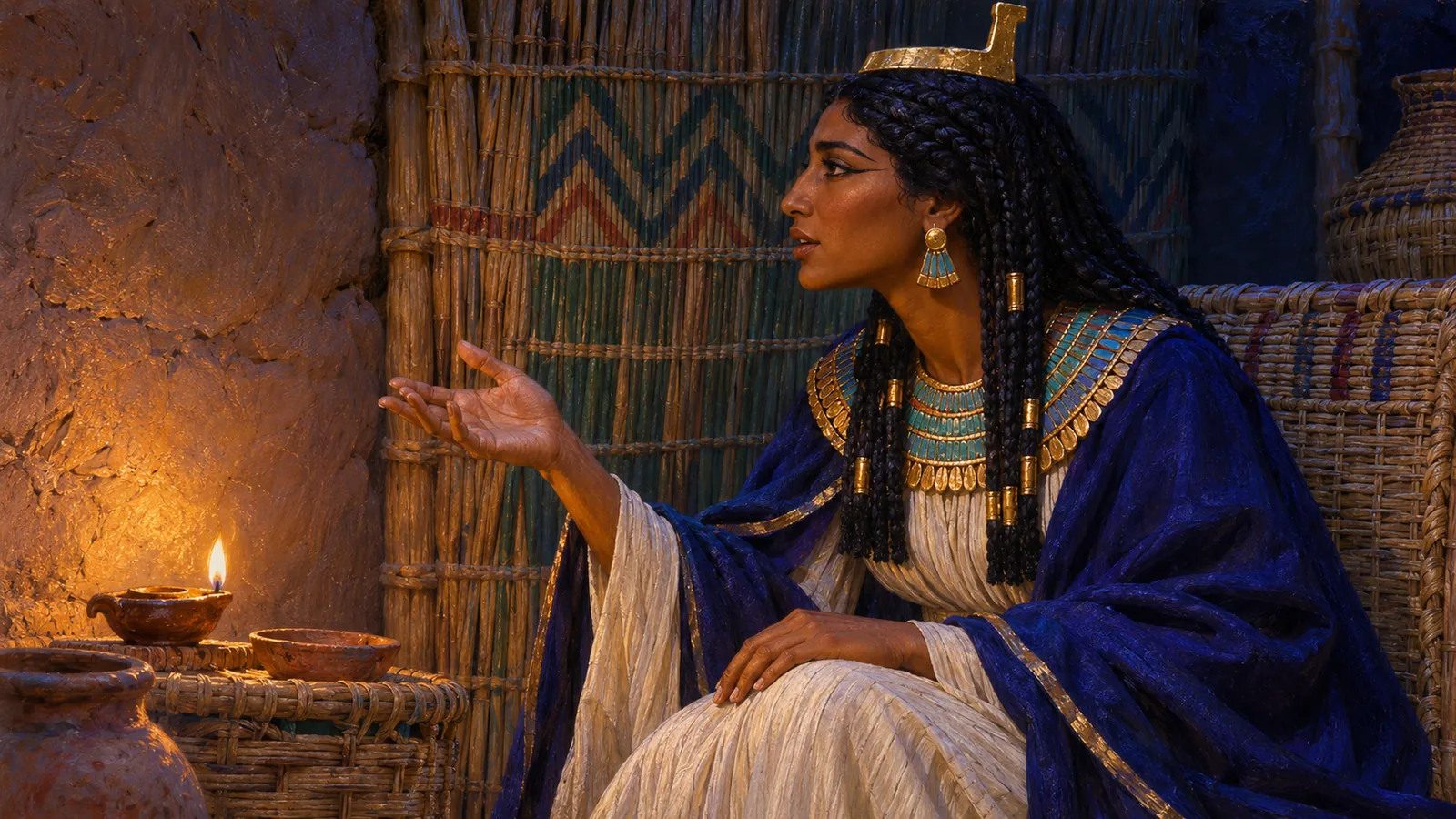
Isis gives her own name and speaks as mistress of magic. The inscription describes her words as effective and says that even the biting serpents heed her.
Isis goes on to name Mestet and Mestetef, then Petet, Tetet and Matet. She addresses the venom of the seven she had trusted as her escort.
The inscription brings in Geb, the earth god. It says that Geb gave Isis powerful words of his own, and she calls on that authority in the spell.

In the middle of the spell, brief images identify the speaker. The inscription calls her beloved of Re and brings to mind a goose’s egg and a sacred sycamore.
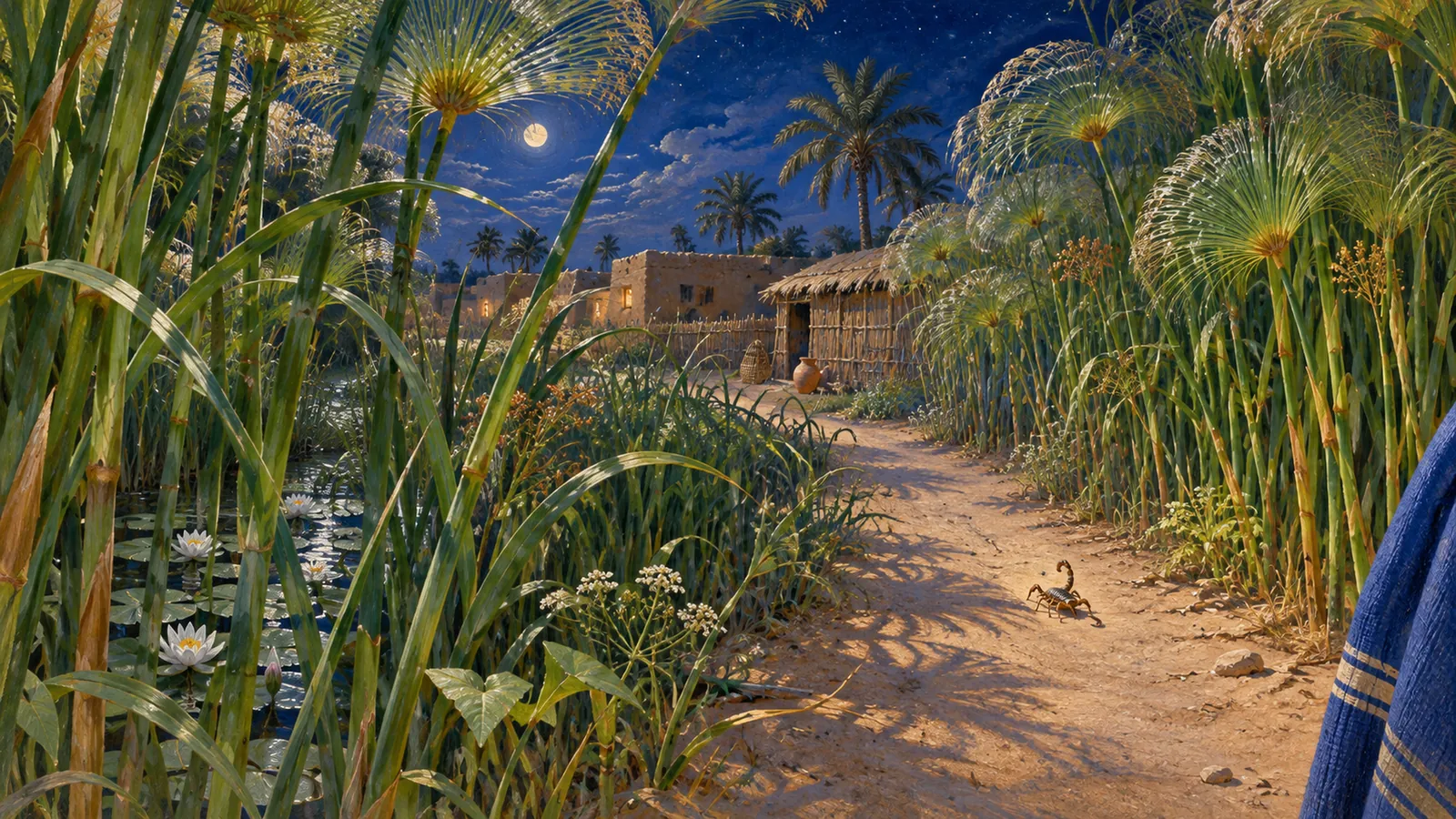
Isis says she has been alone and has warned the scorpions against ruining her good name. She repeats her order to keep their faces turned towards the path.
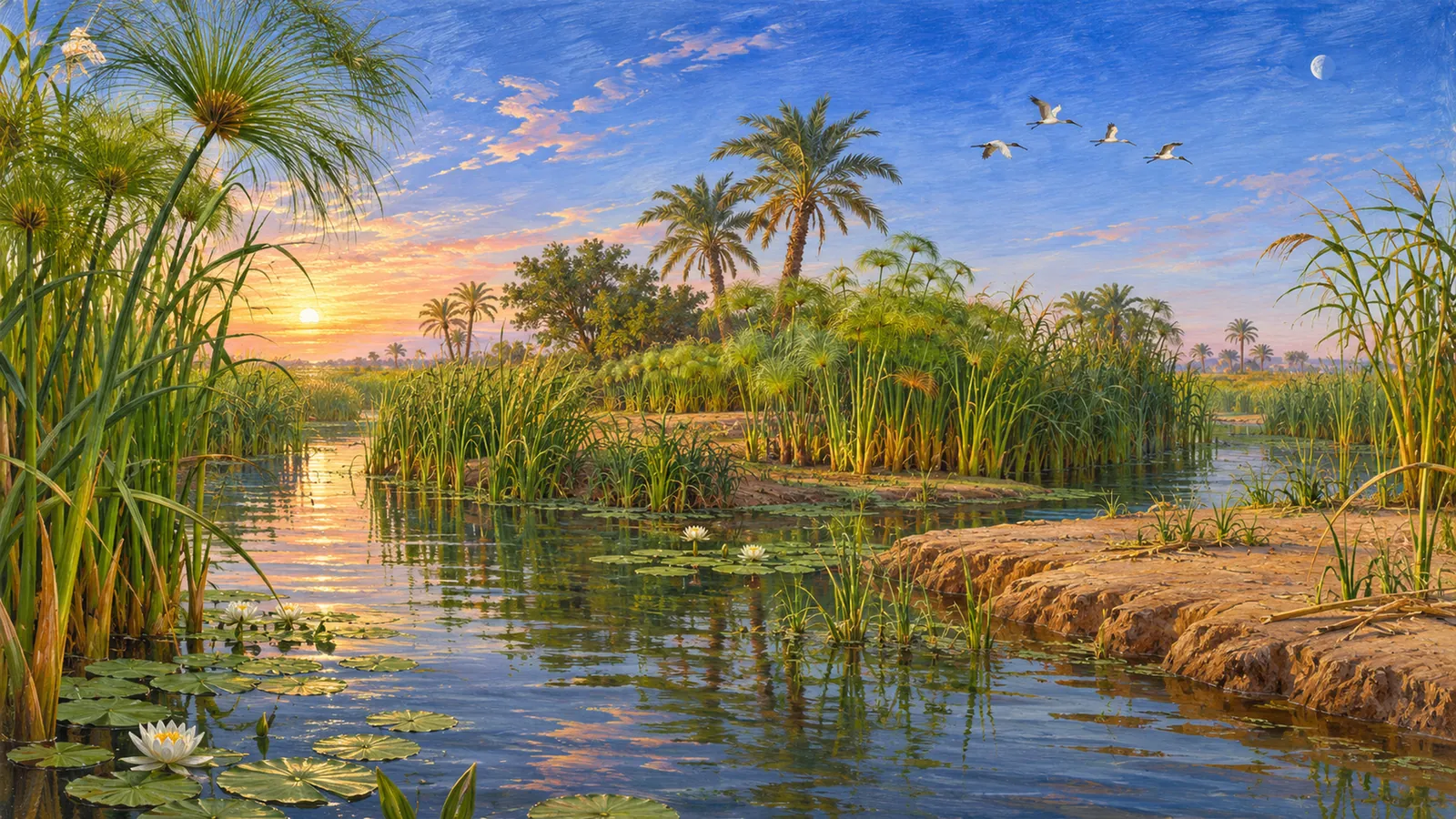
In repeating the warning, Isis names the hiding places of Chemmis. The name brings the story back to the child she set out through the marshes to protect.

The spell asks that the little boy live and that the venom die. The next line gives the same wish for life to the sun god Re.
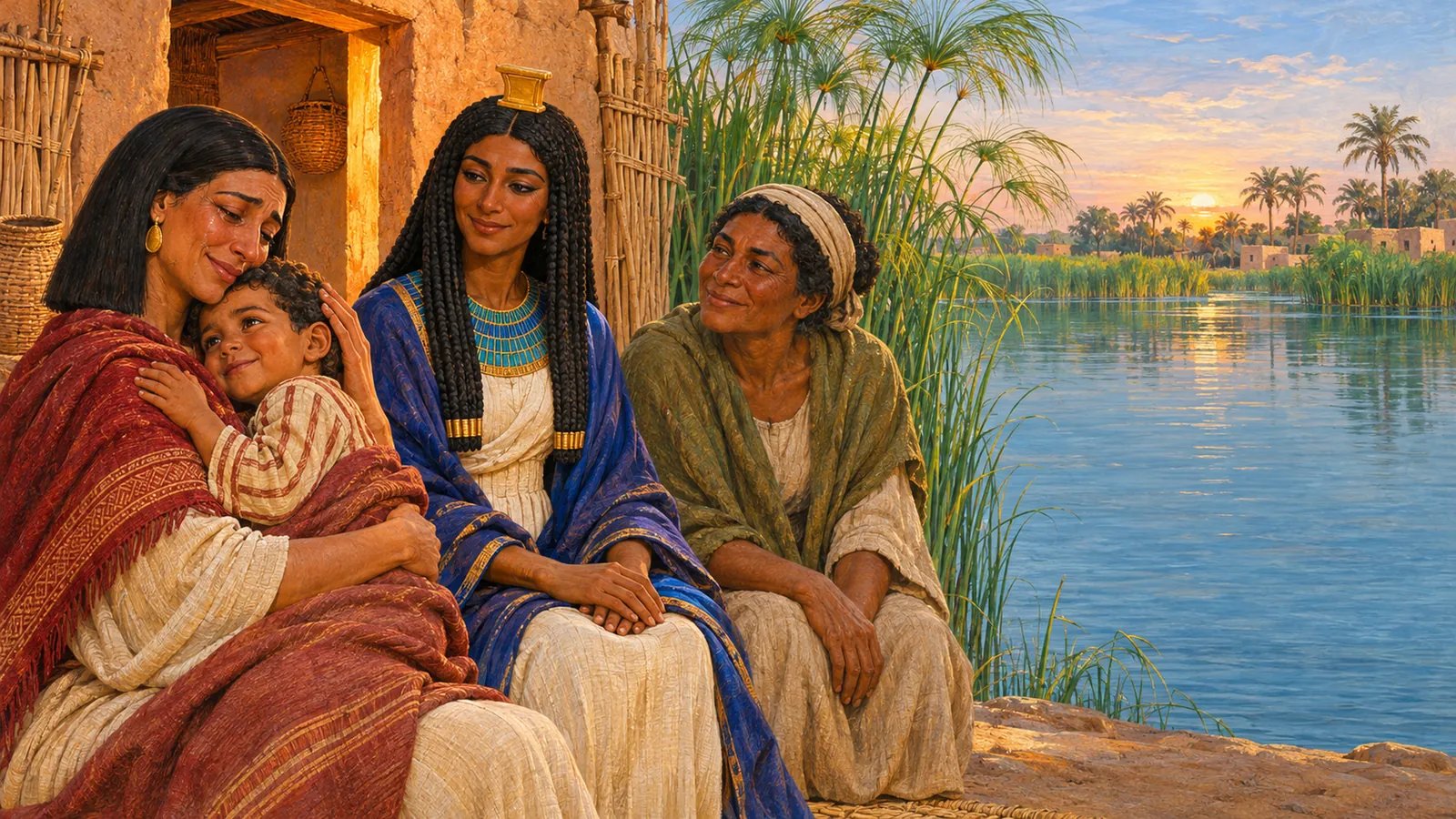
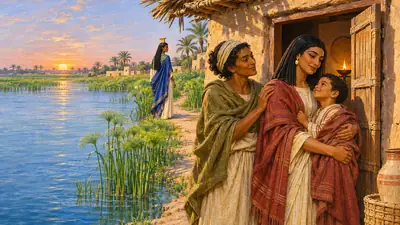
The boy lives, and his mother can hold him again without fear. The inscription says the fire is out and the sky has calmed at Isis’s words.
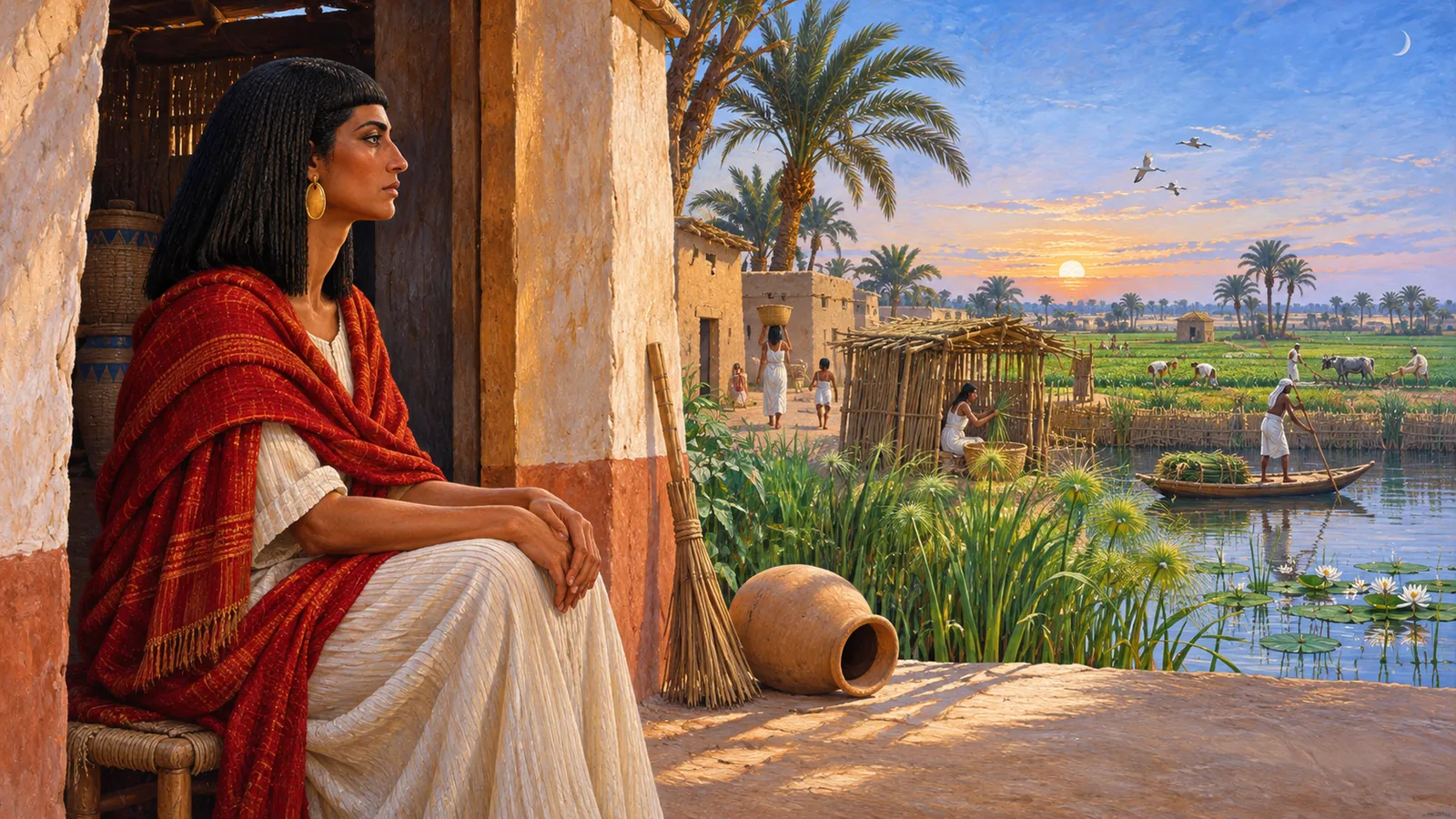
The inscription remembers the woman’s grief in the night. She had been alone with her fear, after closing the door on someone else who needed help.
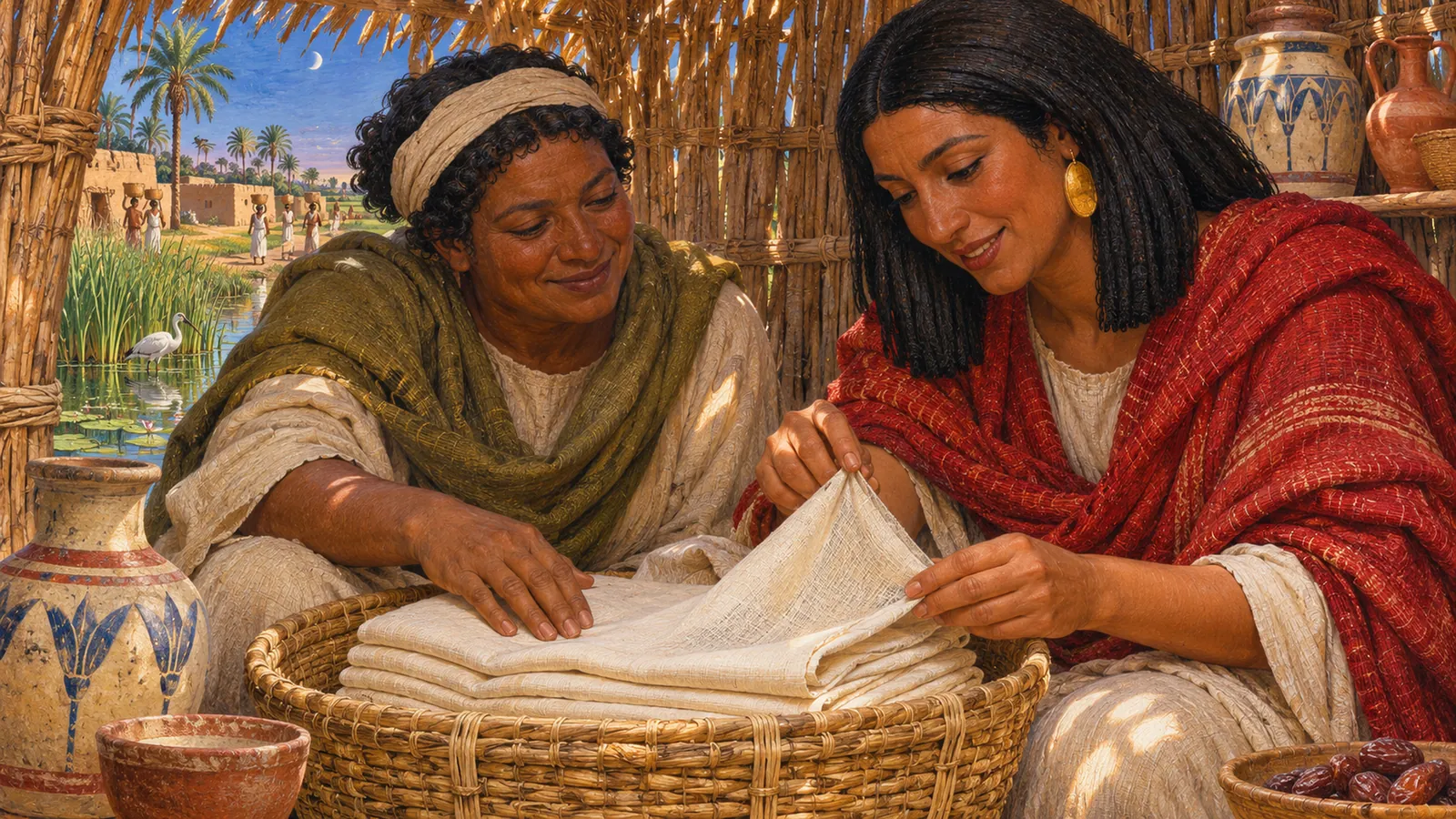
The wealthy woman brings her belongings as reparation for shutting her door. Isis says the woman fills the poor household that had made room for her.
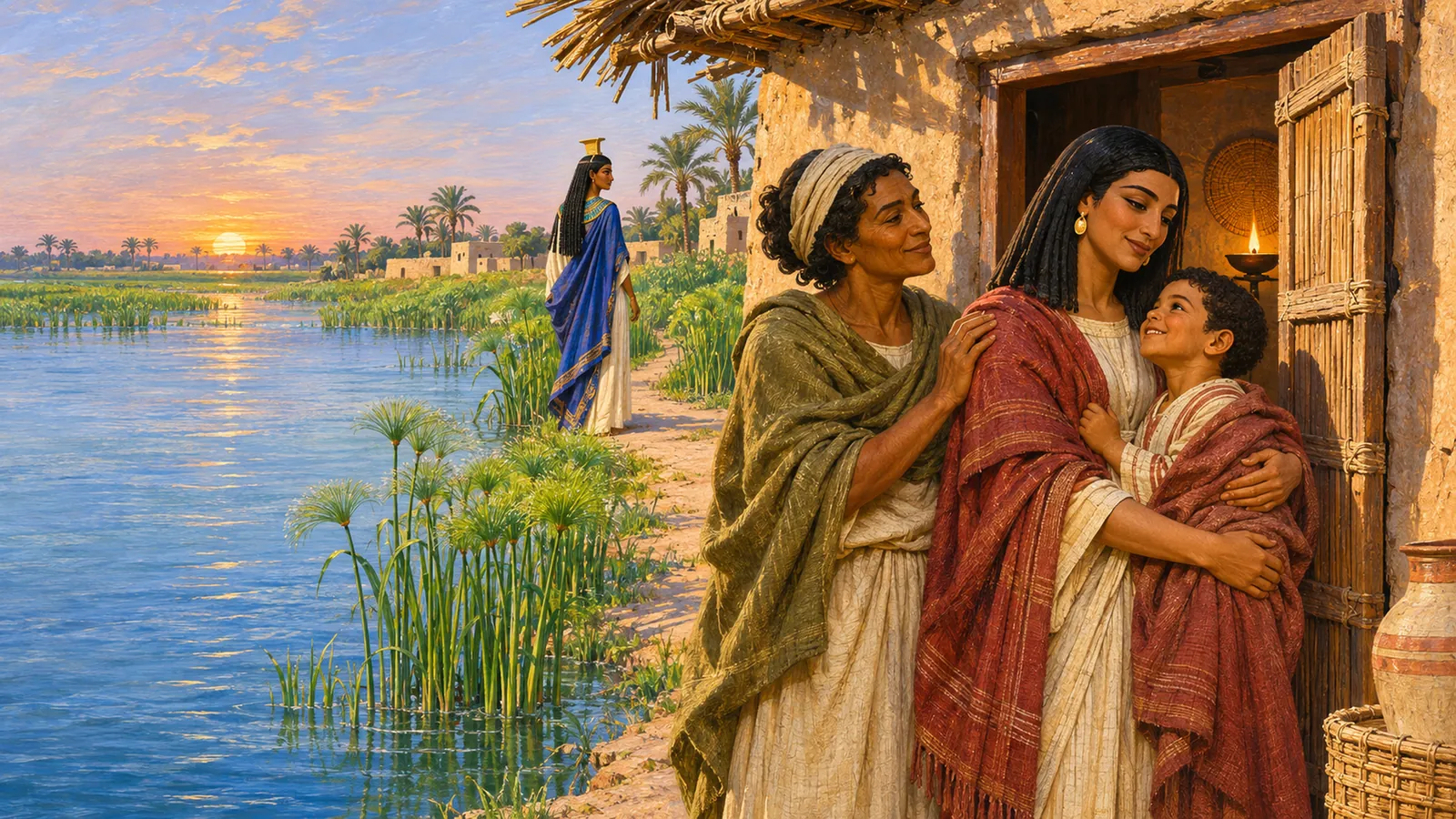
The closing words link this boy’s recovery with Horus, then extend the same wish to anyone who might suffer a bite or sting.
THE STELA
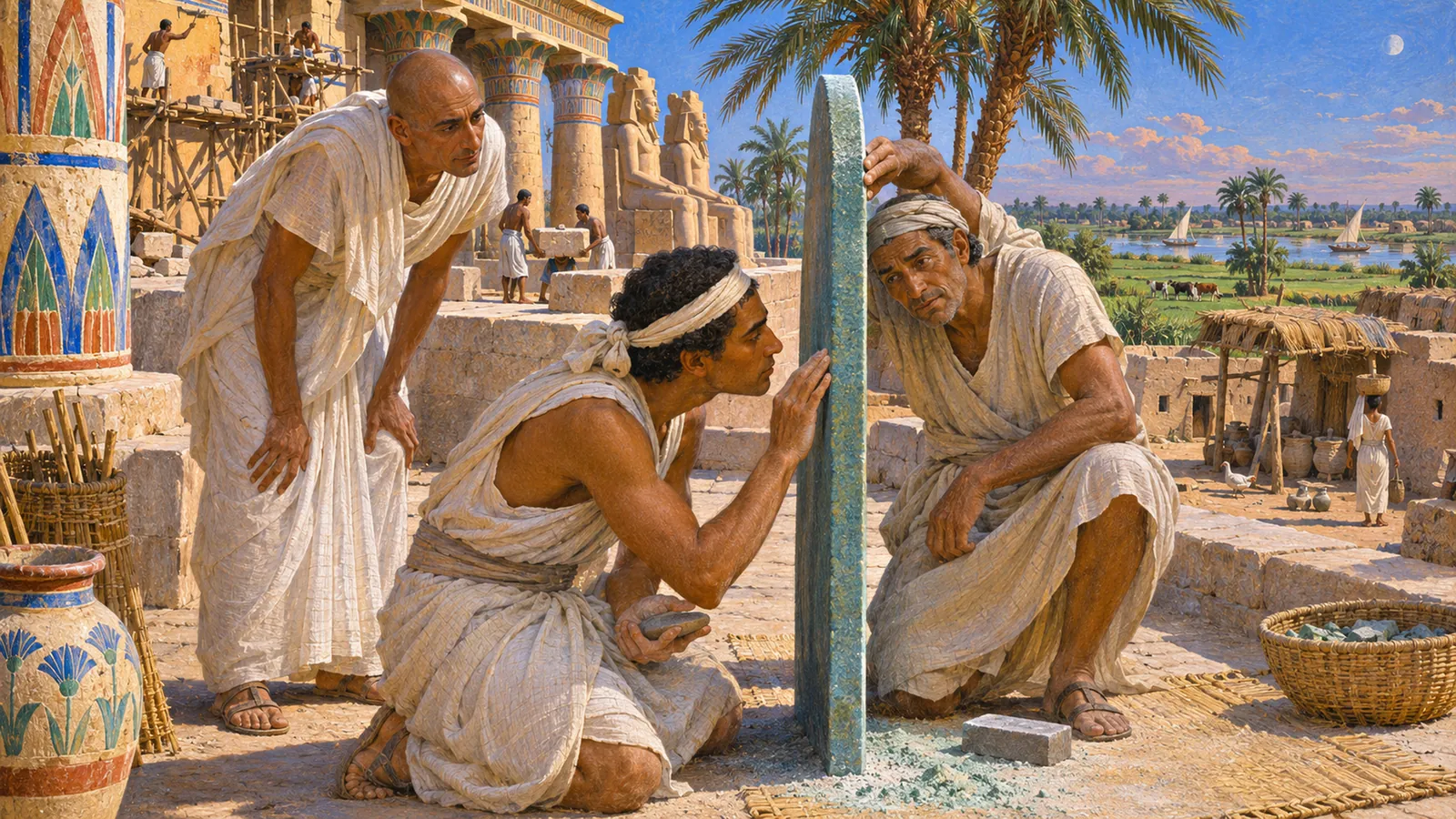
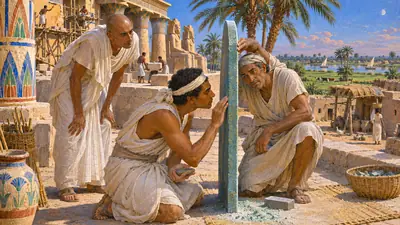
Many centuries of Egyptian tradition lie behind the stone that preserves these words. A priest named Esatum commissioned this stela during the reign of Nectanebo II.
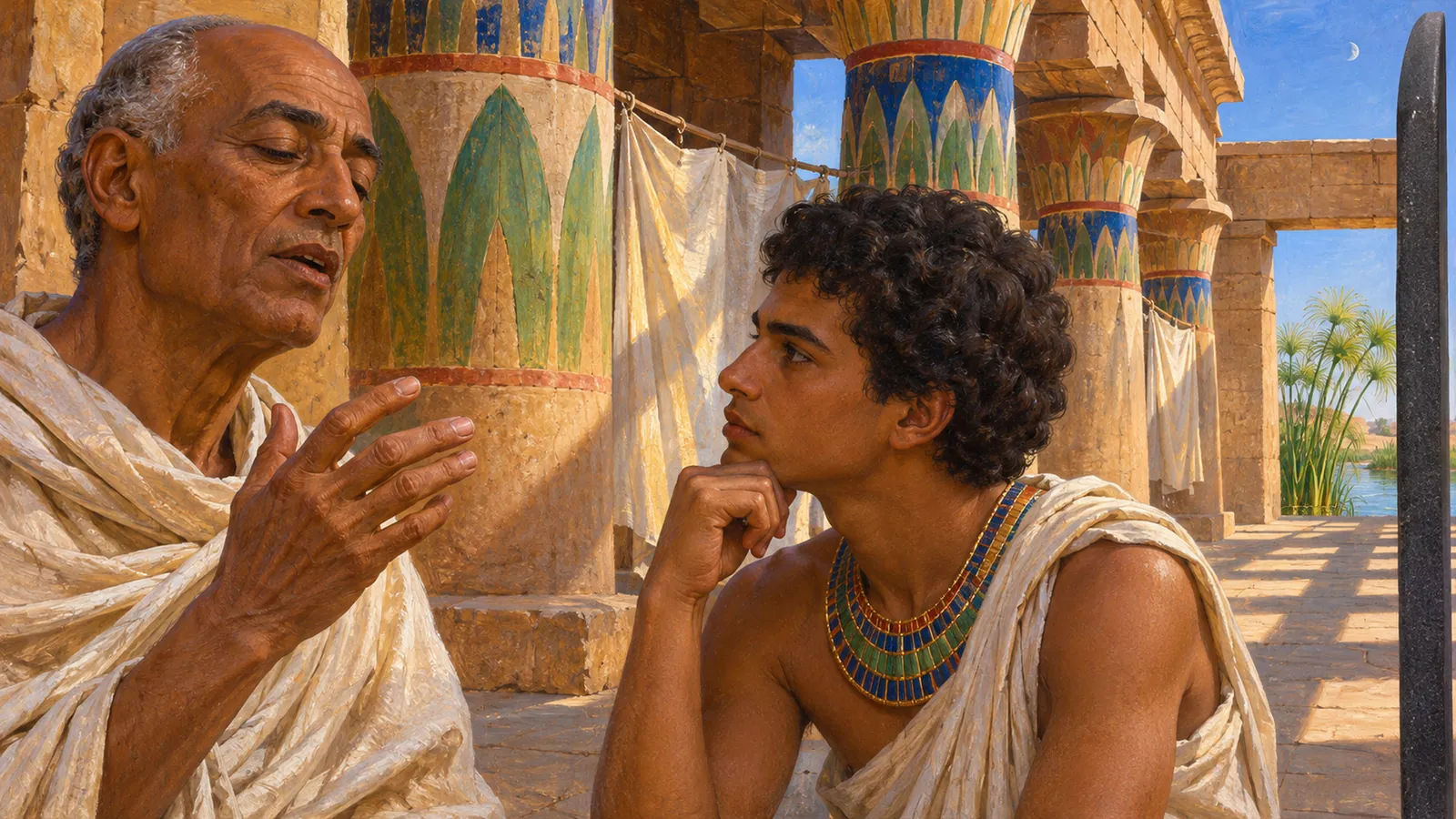
Thirteen spells were carved on the stone. Egyptians used such inscriptions to ask for protection and healing, and this story occupies part of the stela’s back.
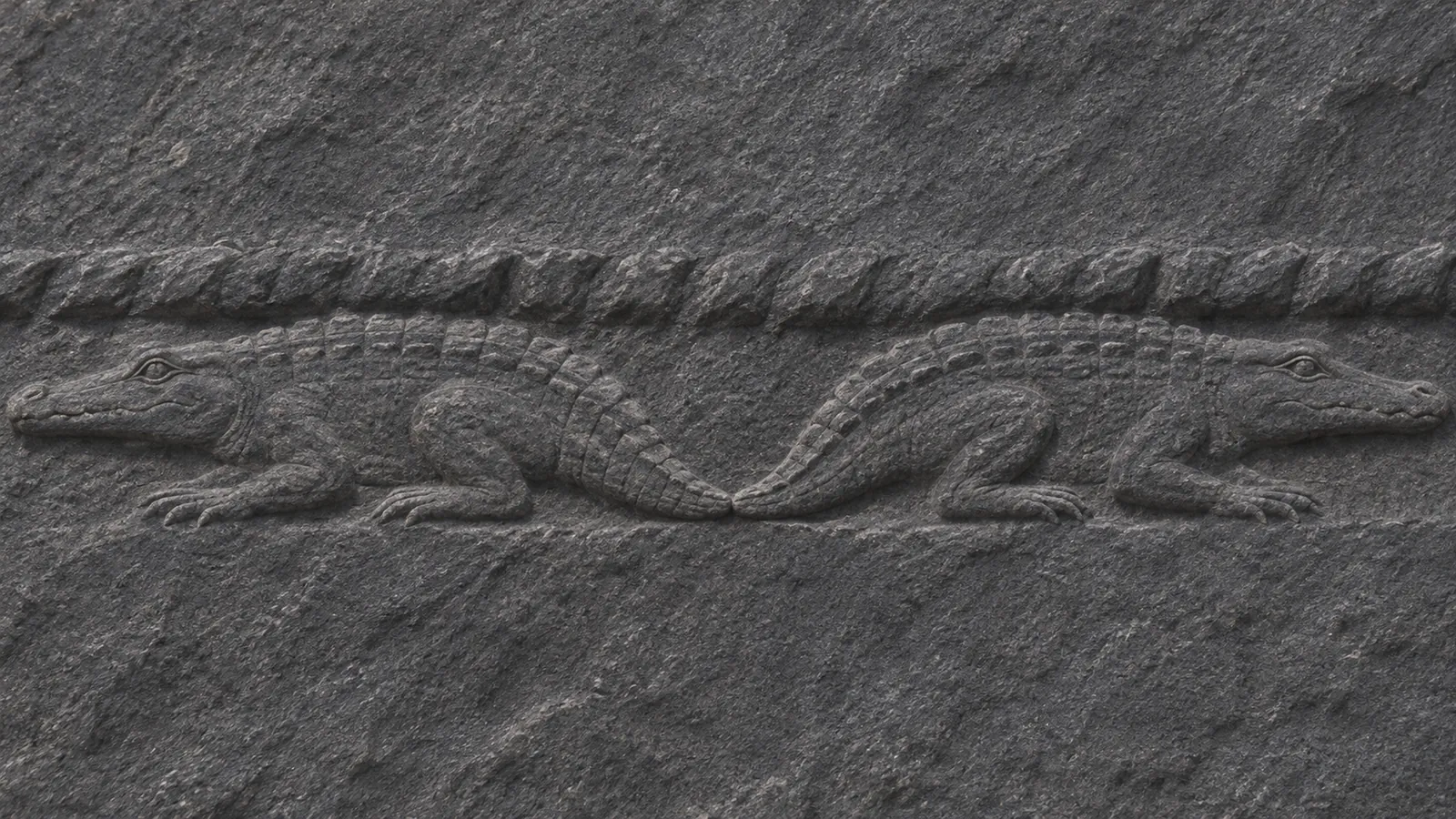
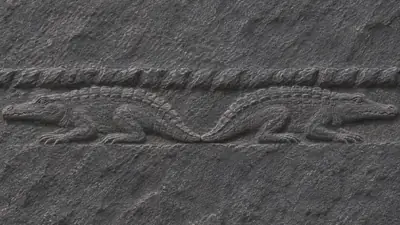
On the front, Horus the Child stands over two crocodiles. The stone brings the image of a protected child together with the words Isis speaks on the back.
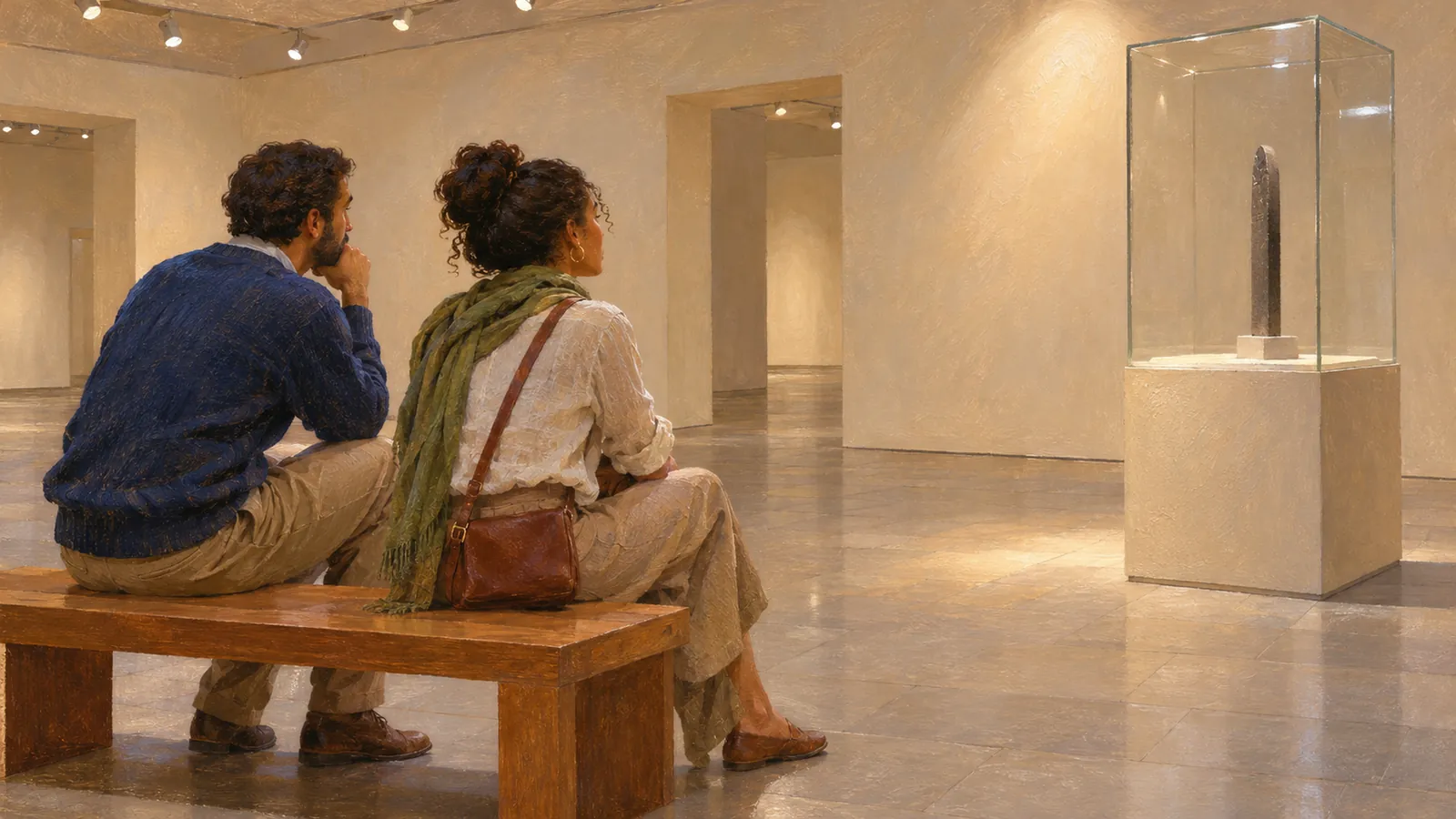
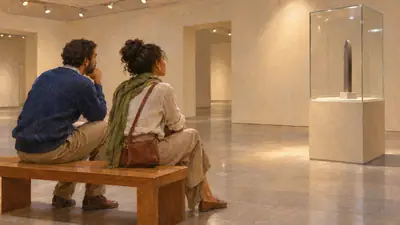
The original stone, carved between 360 and 343 BCE, is now in the Metropolitan Museum of Art. The story survives there in Isis’s own voice.
End of chapter 1
All pages


Sources
Editions consulted
- Science in Ancient Egypt, Metternich Stela, Spell 6, reverse lines 48–71
- A. Klasens, A Magical Statue Base, English translation and comparison, pp. 52–53
- National Museum of Antiquities, Leiden, Klasens publication record
- Metropolitan Museum of Art, Magical Stela with Horus the Child, object 50.85
Ancient lines behind each page
- Page 1: Metropolitan Museum of Art, 50.85; Metternich Stela, reverse
- Page 2: Metternich Stela, Spell 6, reverse lines 48–50
Identification of the workroom is debated. - Page 3: Metternich Stela, Spell 6, reverse lines 48–50
- Page 4: Metternich Stela, Spell 6, reverse lines 48–50
- Page 5: Metternich Stela, Spell 6, reverse lines 50–53
- Page 6: Metternich Stela, Spell 6, reverse lines 50–53
- Page 7: Metternich Stela, Spell 6, reverse lines 50–53
- Page 8: Metternich Stela, Spell 6, reverse lines 50–53
- Page 9: Metternich Stela, Spell 6, reverse lines 50–53
- Page 10: Metternich Stela, Spell 6, reverse lines 50–53
The ancient place-names have competing modern identifications. - Page 11: Metternich Stela, Spell 6, reverse lines 53–55
- Page 12: Metternich Stela, Spell 6, reverse lines 53–55
- Page 13: Metternich Stela, Spell 6, reverse lines 53–55
- Page 14: Metternich Stela, Spell 6, reverse lines 53–55
- Page 15: Metternich Stela, Spell 6, reverse lines 53–55
- Page 16: Metternich Stela, Spell 6, reverse lines 55–57
- Page 17: Metternich Stela, Spell 6, reverse lines 55–57
- Page 18: Metternich Stela, Spell 6, reverse lines 55–57
- Page 19: Metternich Stela, Spell 6, reverse lines 55–57
- Page 20: Metternich Stela, Spell 6, reverse lines 55–57
- Page 21: Metternich Stela, Spell 6, reverse lines 55–57
- Page 22: Metternich Stela, Spell 6, reverse lines 57–58
- Page 23: Metternich Stela, Spell 6, reverse lines 57–58
- Page 24: Metternich Stela, Spell 6, reverse lines 57–58
- Page 25: Metternich Stela, Spell 6, reverse lines 58–62
- Page 26: Metternich Stela, Spell 6, reverse lines 58–62
The Egyptian text associates these serpents with Re. - Page 27: Metternich Stela, Spell 6, reverse lines 58–62
- Page 28: Metternich Stela, Spell 6, reverse lines 58–62
- Page 29: Metternich Stela, Spell 6, reverse lines 62–65
The epithets and their syntax are debated. - Page 30: Metternich Stela, Spell 6, reverse lines 62–65
- Page 31: Metternich Stela, Spell 6, reverse lines 62–65
Chemmis is named as a hiding place in the repeated warning. - Page 32: Metternich Stela, Spell 6, reverse lines 65–71
- Page 33: Metternich Stela, Spell 6, reverse lines 65–71
- Page 34: Metternich Stela, Spell 6, reverse lines 65–71
- Page 35: Metternich Stela, Spell 6, reverse lines 65–71
- Page 36: Metternich Stela, Spell 6, reverse lines 65–71
- Page 37: Metropolitan Museum of Art, 50.85; Metternich Stela, reverse
Named commission attested on the stone. - Page 38: Metropolitan Museum of Art, 50.85; Metternich Stela, reverse
The stela’s reverse preserves Spell 6 at lines 48–71. - Page 39: Metropolitan Museum of Art, 50.85; Metternich Stela, reverse
Original detail is linked in the source note. - Page 40: Metropolitan Museum of Art, 50.85; Metternich Stela, reverse
Illustrations made with AI tools by IL Archive; the text is based on the ancient sources (see the sources at the end of each chapter).