King of Battle Chapter 1
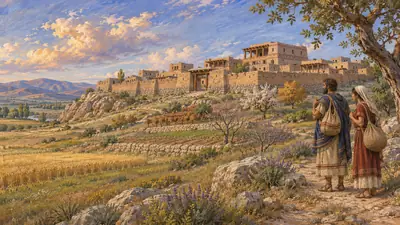
The Road to Purushhanda
Worn hands and aching knees tell Sargon about the road to Purushhanda. Nurdaggal trusts the mountain and the reeds until the king from Akkad appears at his gate. The episode follows the Amarna text to its closing note, then turns to the Hittite version for the rulers’ dreams and its surviving account of the departure.
SourcesTurn the pages with the arrows, the arrow keys or a swipe.
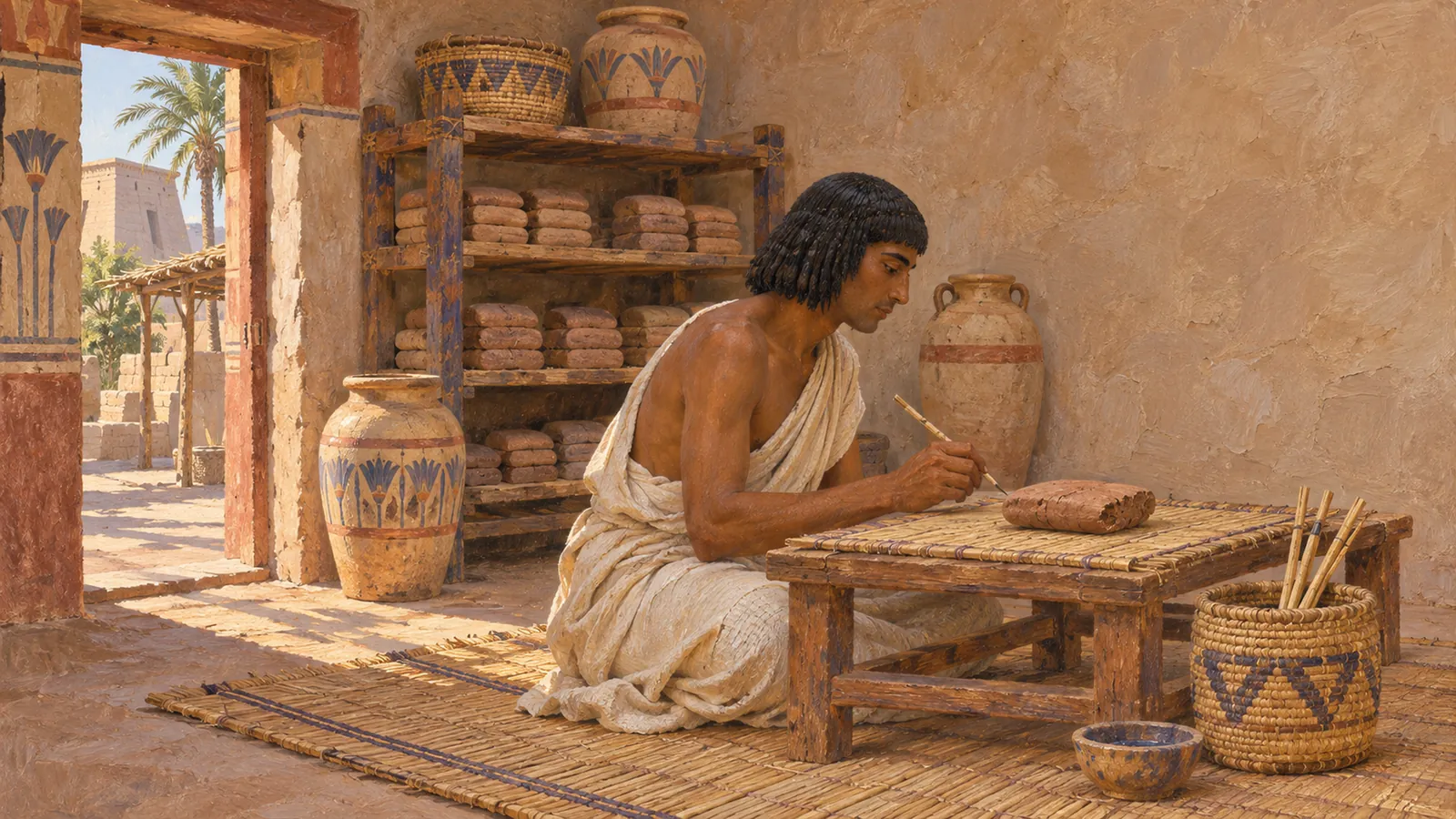
AMARNA
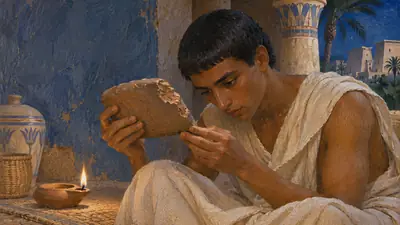
A clay tablet from Amarna in Egypt carries a story in Akkadian. Its upper part is gone. When enough words survive to follow the scene, a king called Sargon is already speaking.
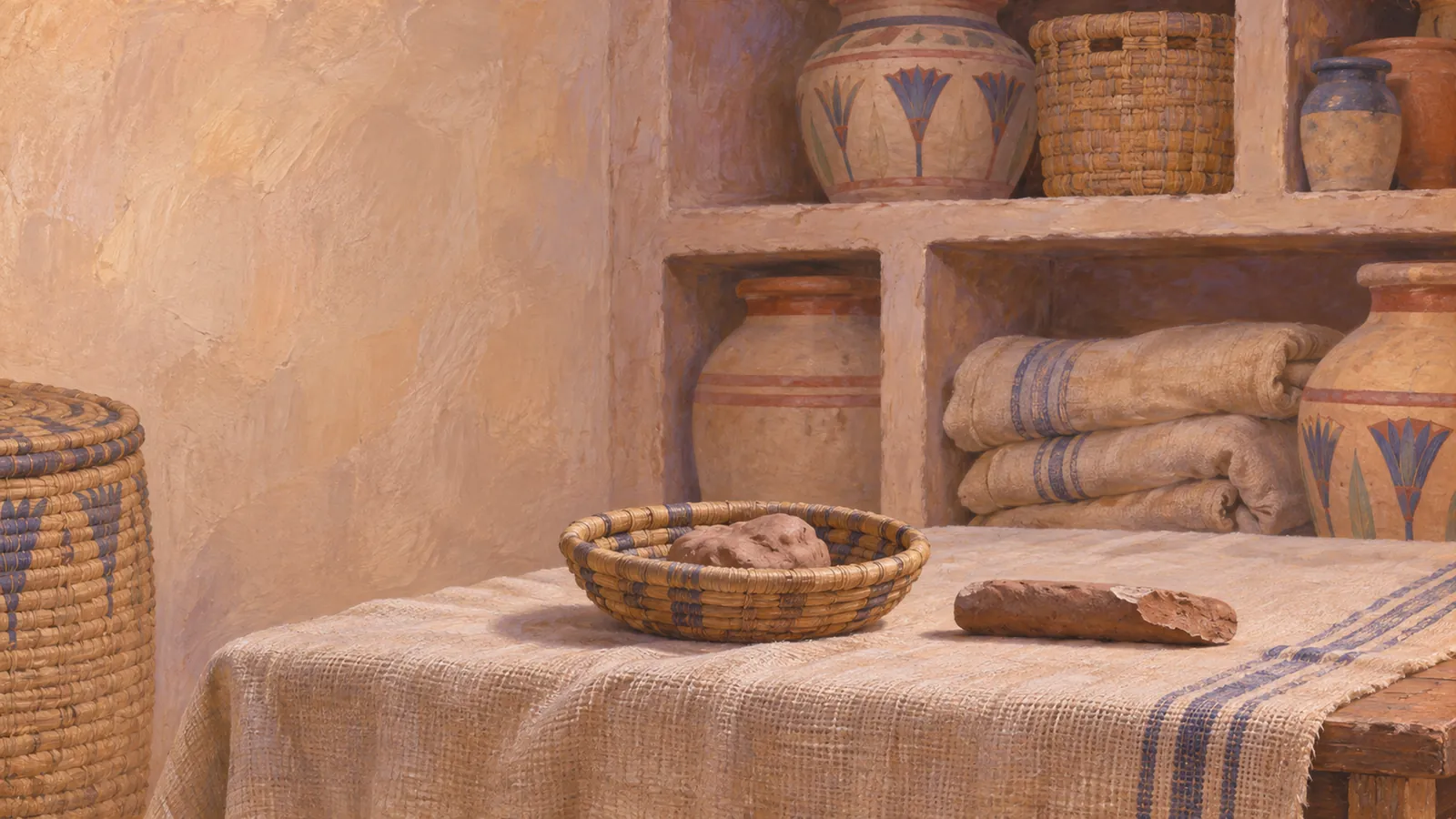
Sargon ruled Akkad centuries before this copy was made. The clay preserves a tale people still told about him in Egypt, far from the places he was said to have travelled.
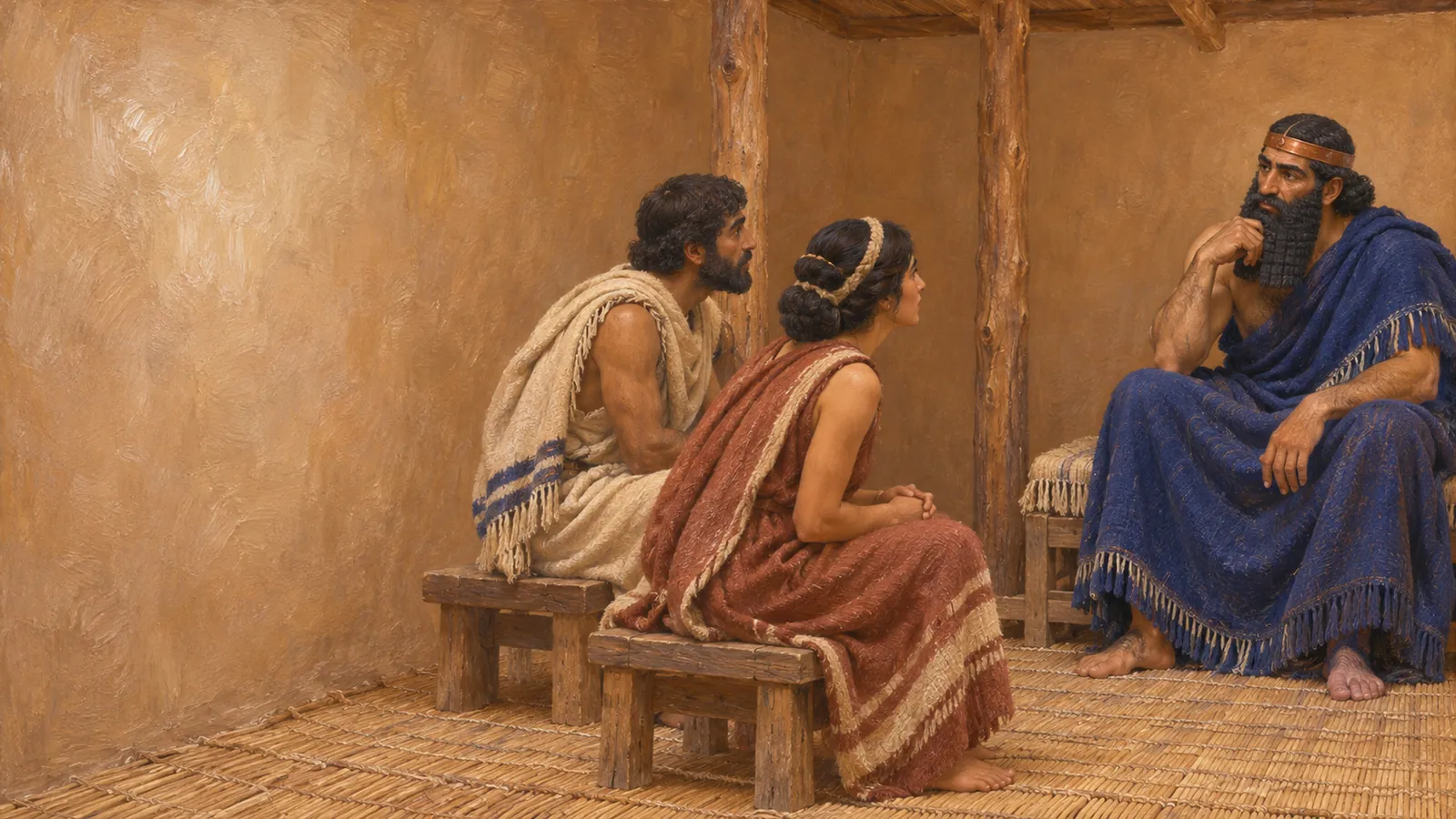
The broken opening bears the names of Ishtar and Akkad. In the palace, Sargon tells his warriors he intends to fight. The clay has lost the name of the land he mentions.
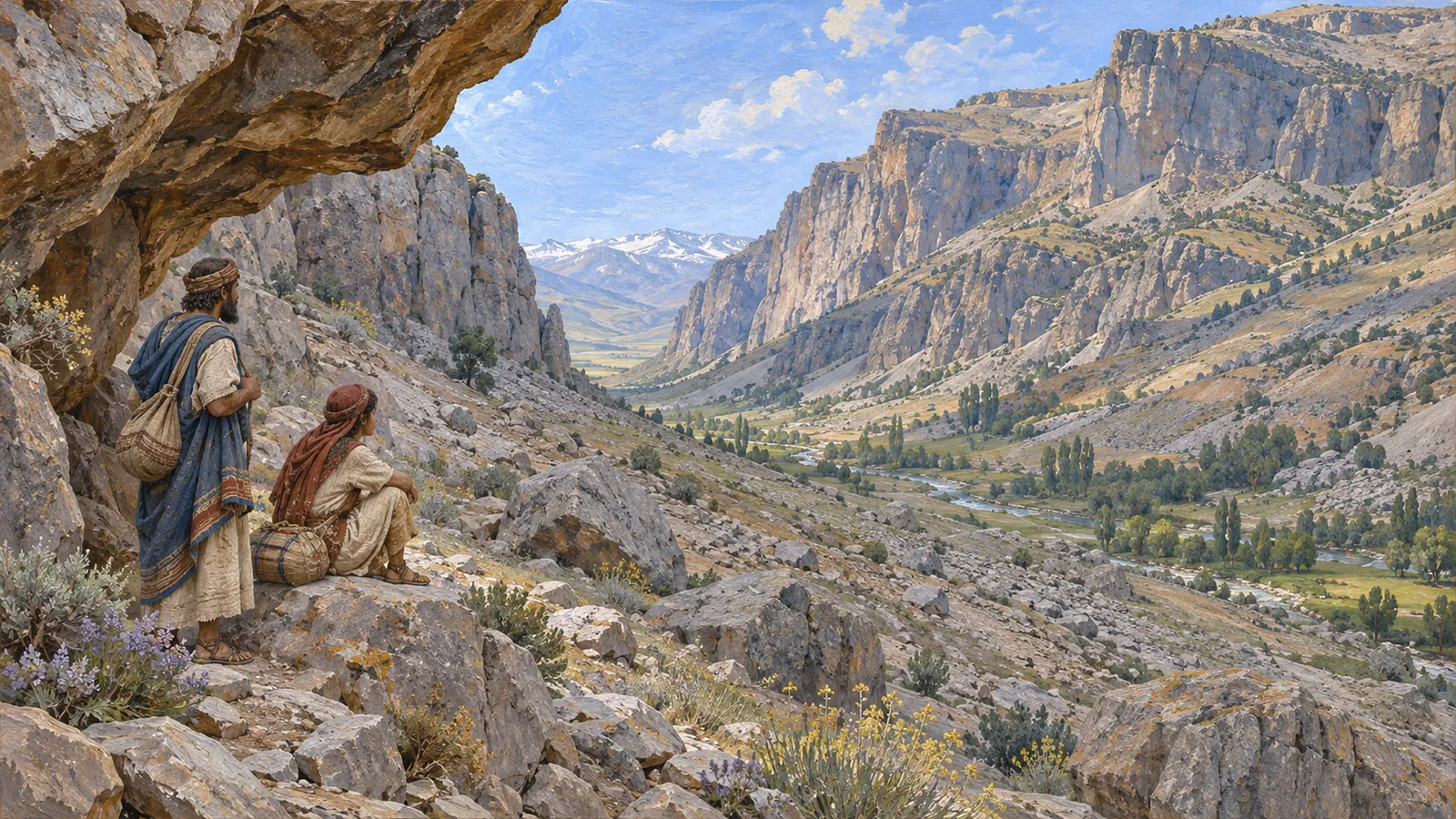
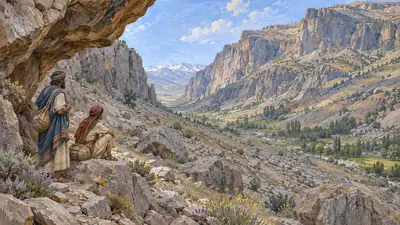
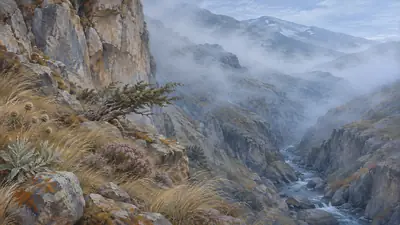
One place comes into focus in the reply: Purushhanda. The people who answer Sargon describe a road so hard to travel that even finding a way through sounds doubtful.
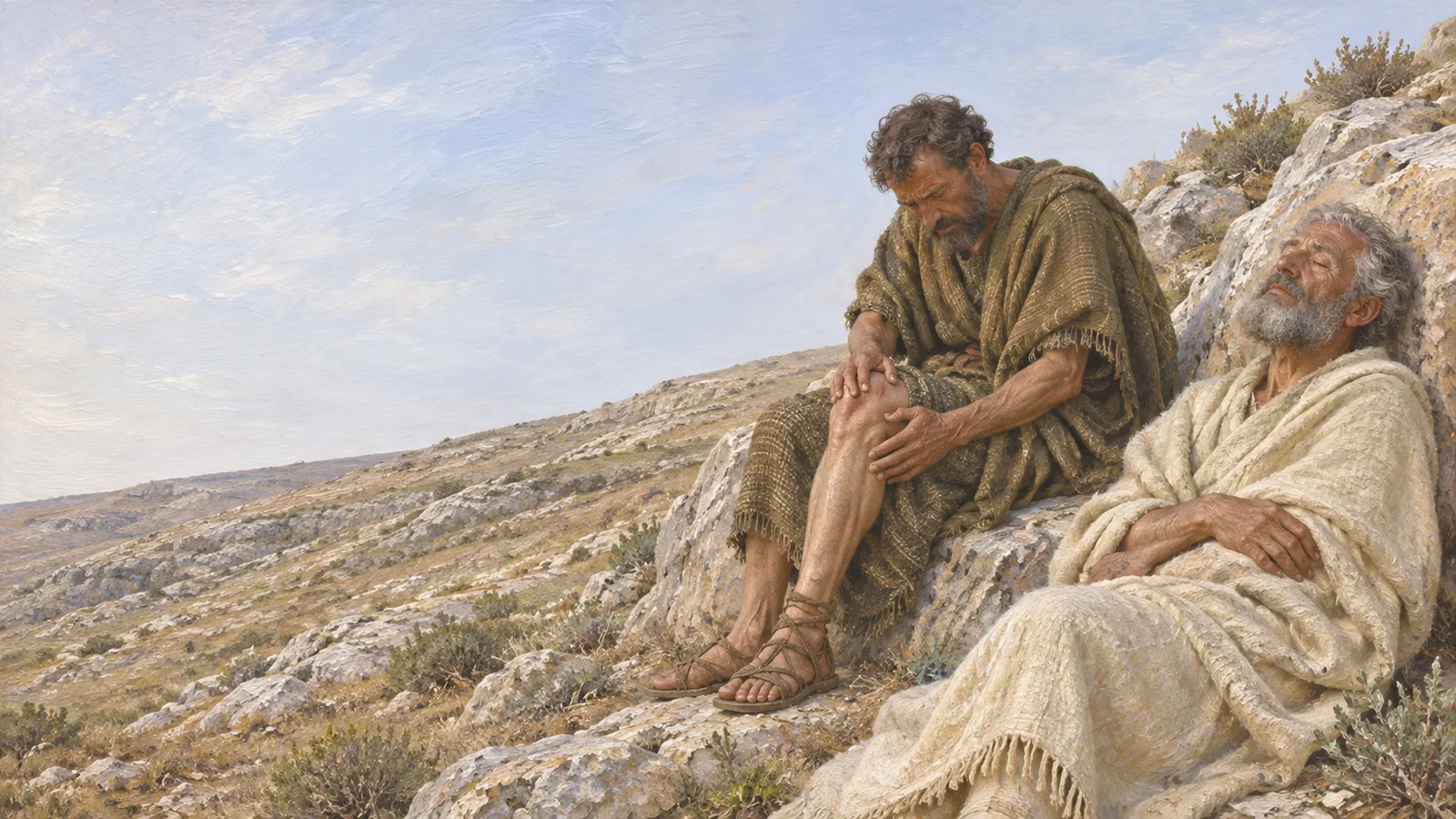
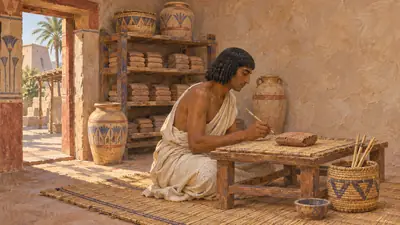
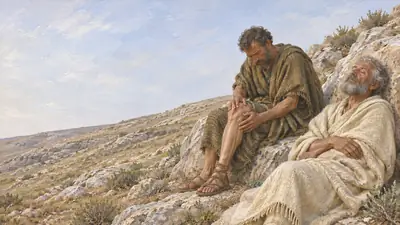
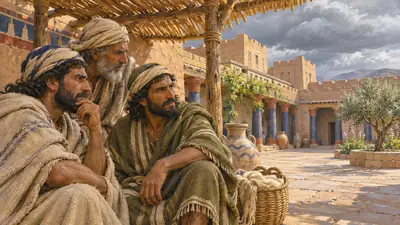
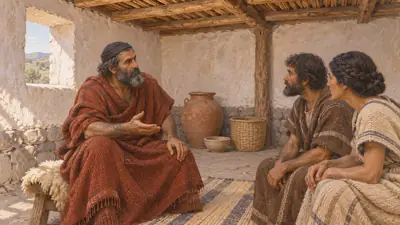
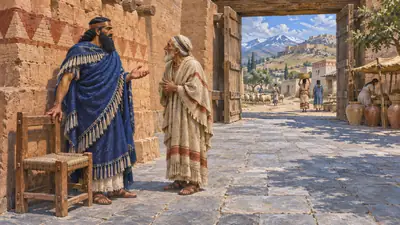
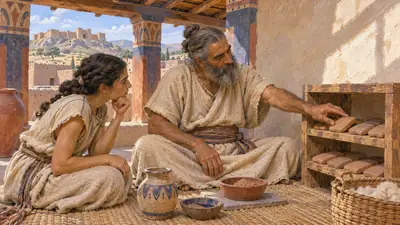
Can they sit for a moment? The travellers have worn hands and tired knees. The king hears about the road through the bodies of the people who have walked it.
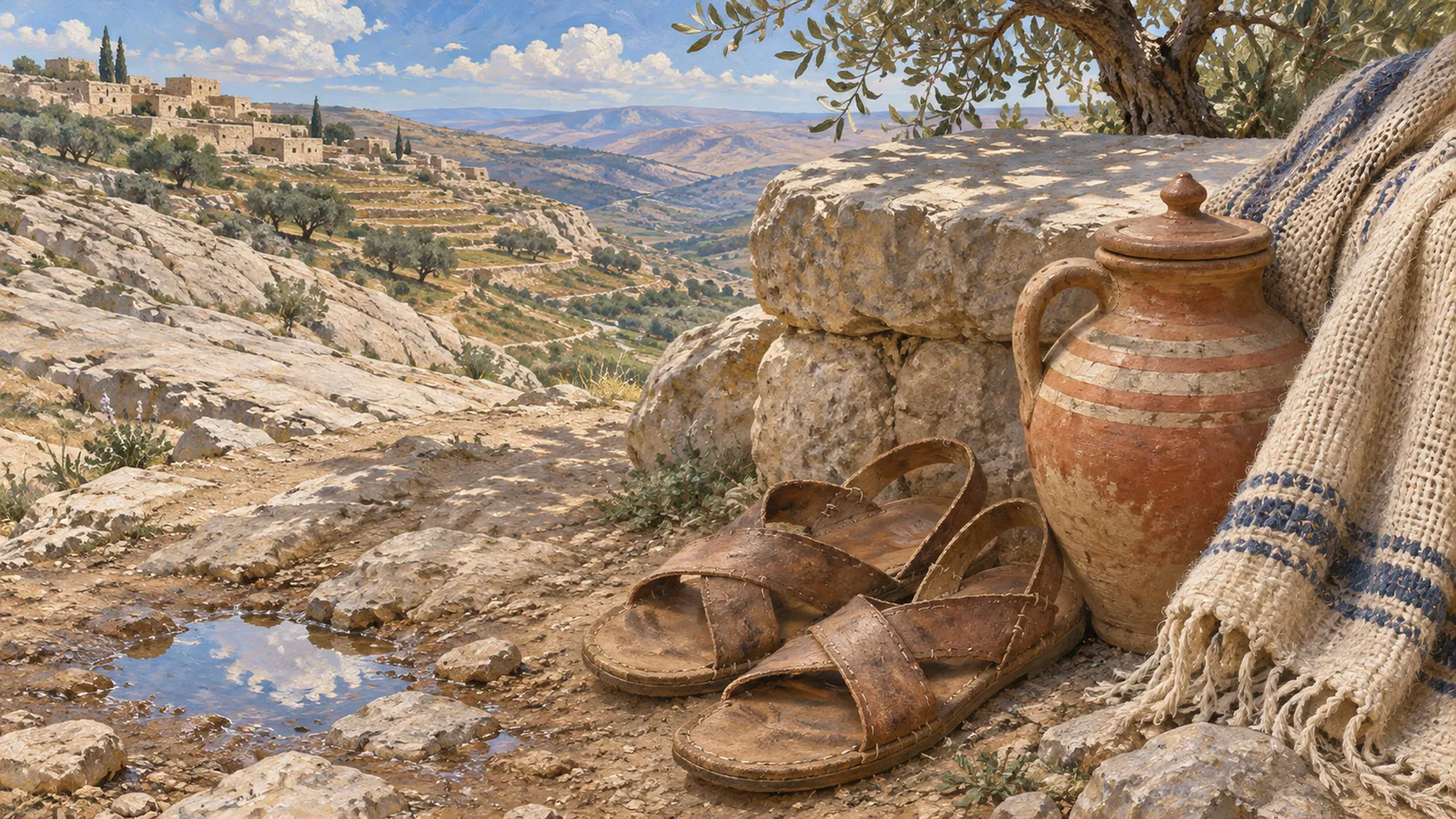
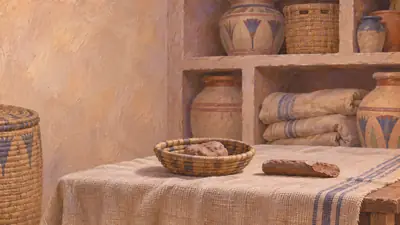
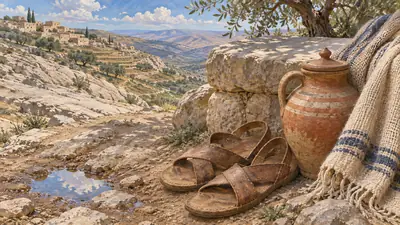
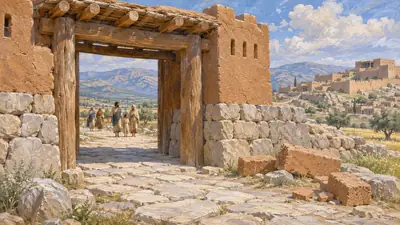
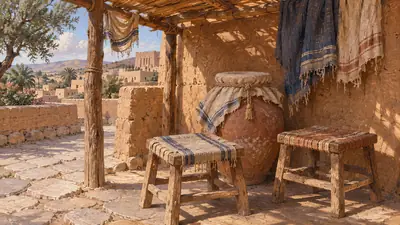
Picture the pause they ask for: a stone to sit on, sandals full of grit, and a jug within reach. The travellers ask only for a little time.
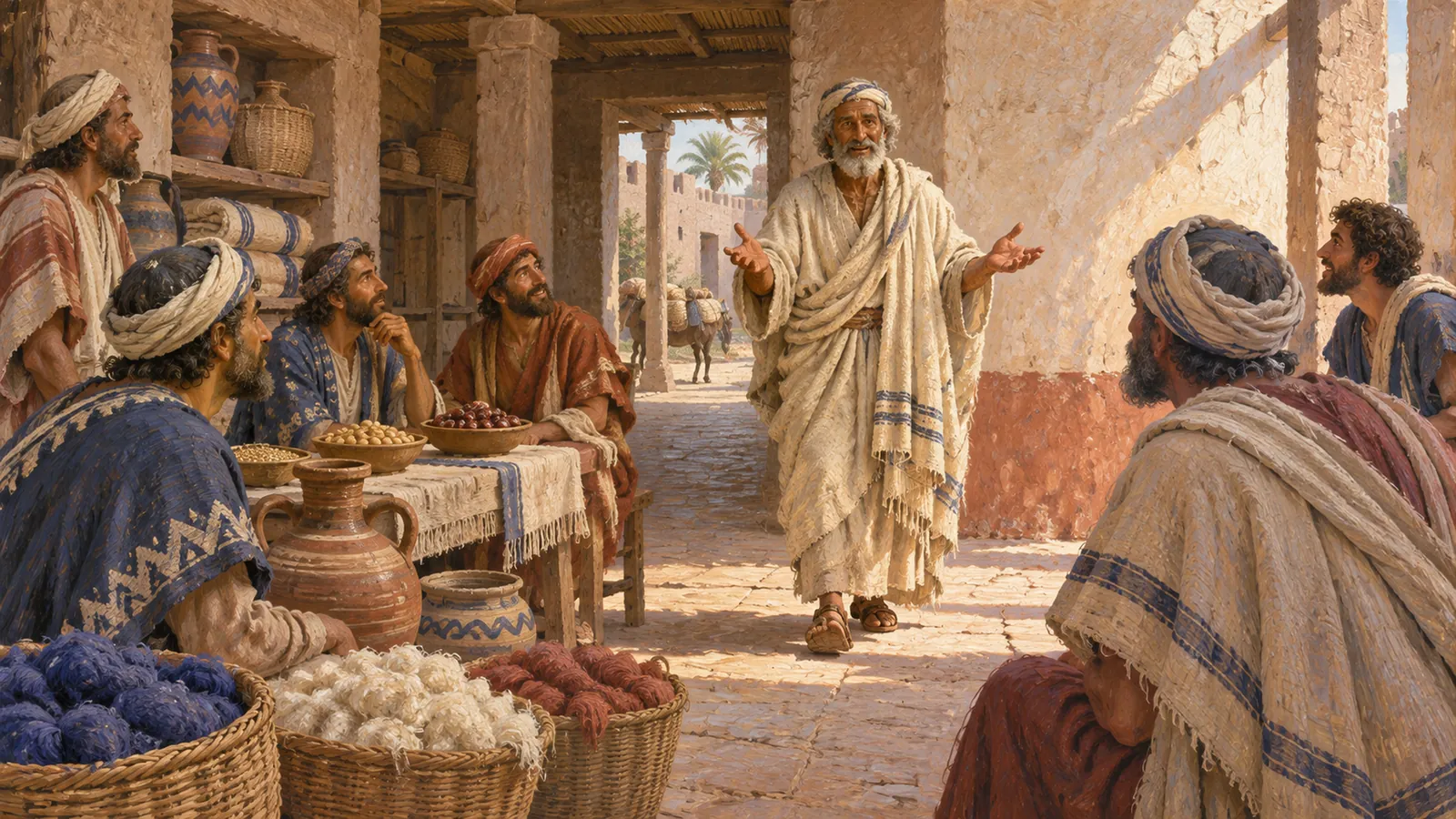
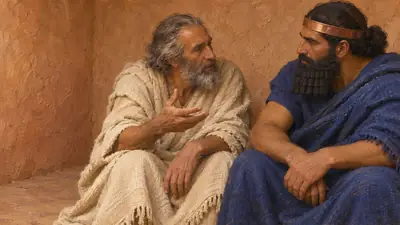
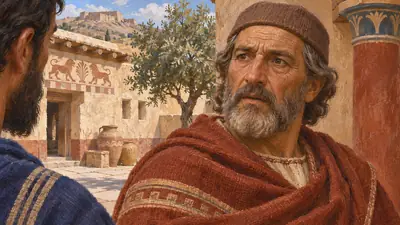
An official speaks for the merchants. He begins with a god who travels the roads and watches over the lands. The official’s name and part of his address have disappeared.
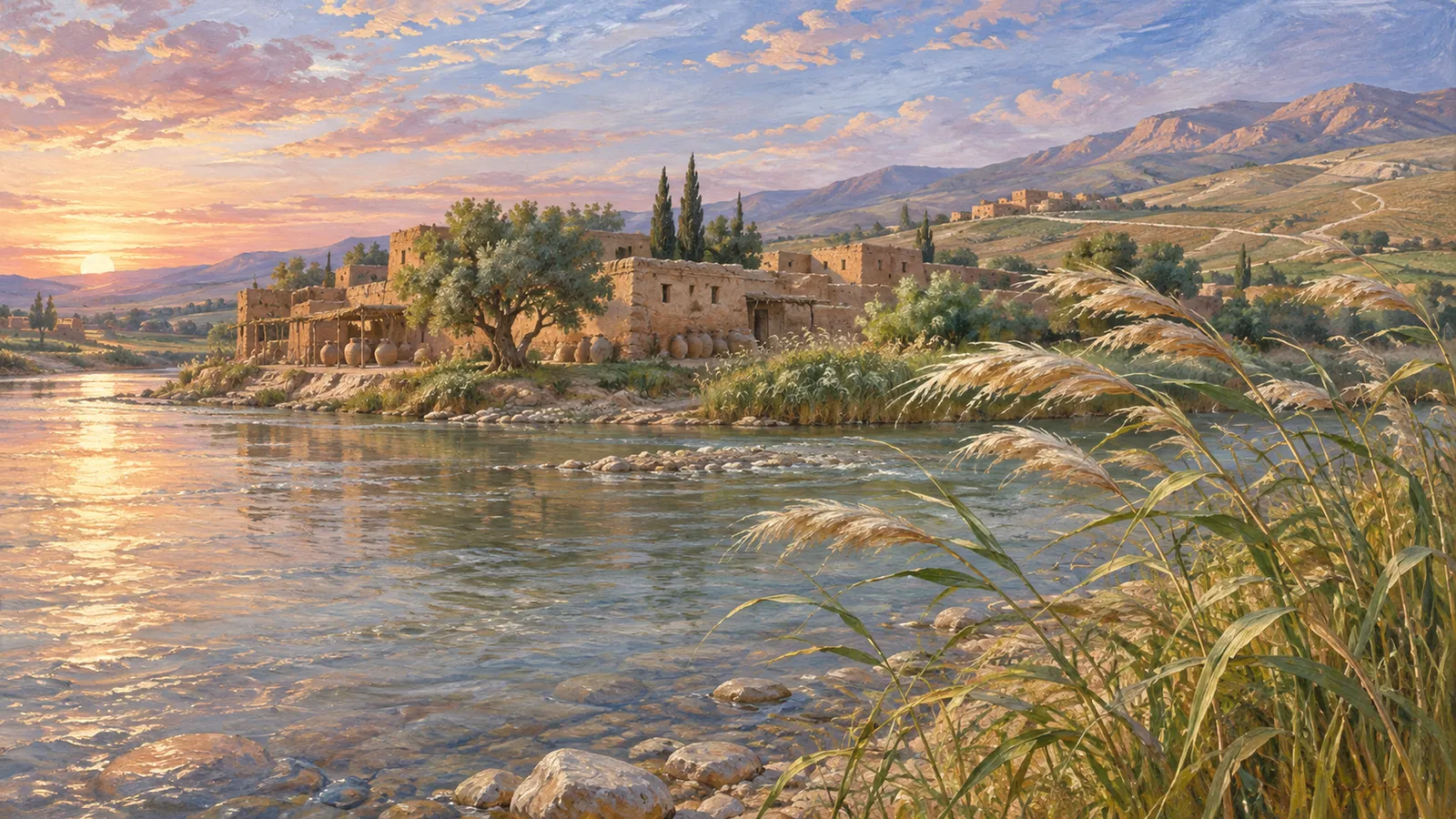
East and west survive in the speech. Later we can read the name Zababa, the god the speaker associates with the road. His words reach far beyond the palace.
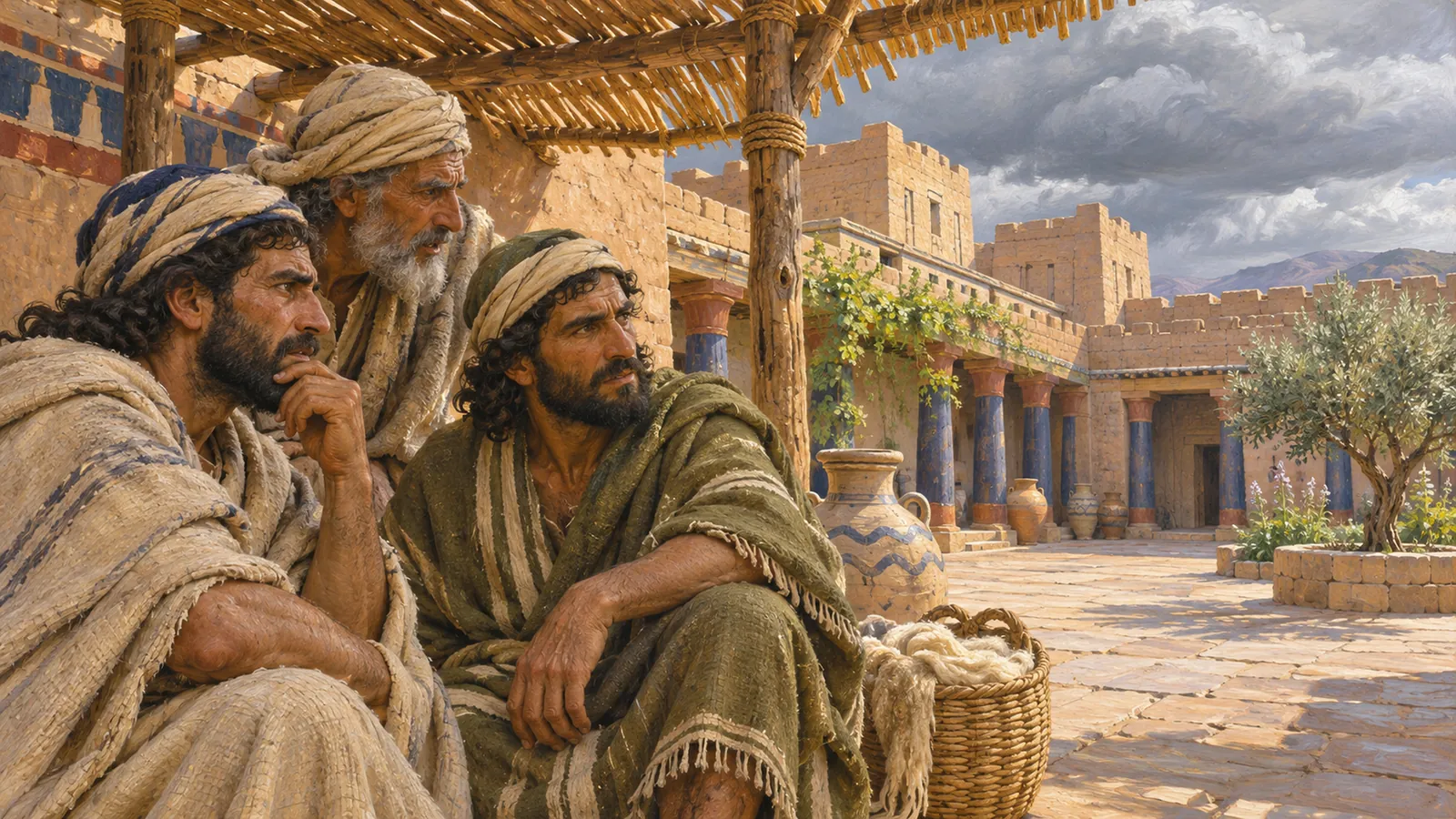
The official likens the merchants’ distress to a storm within them. They appeal to Sargon, whose warriors have a strength the merchants say they lack.
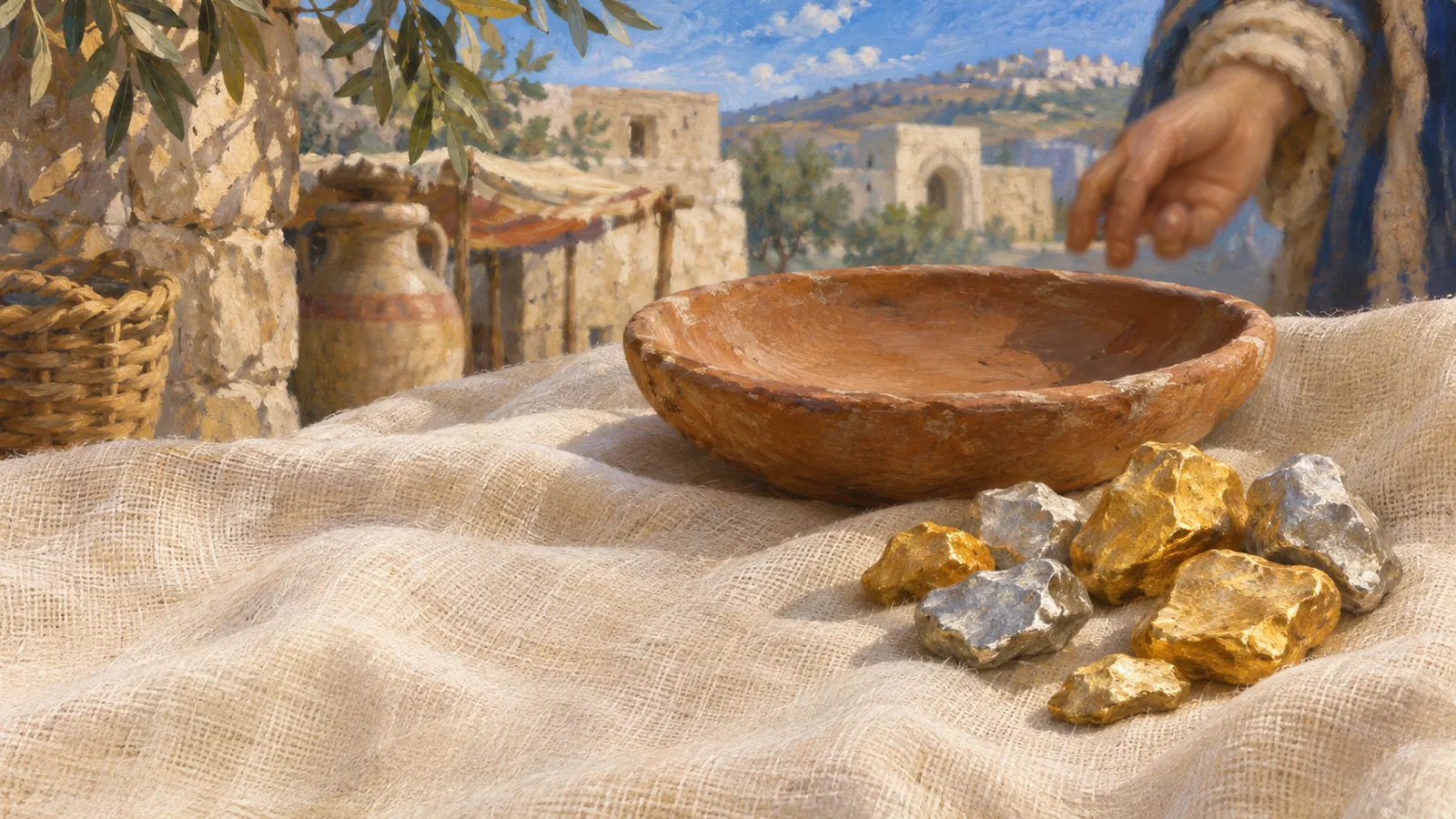
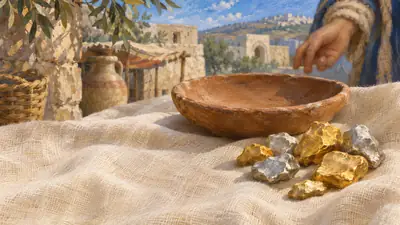
Gold and silver appear in the appeal. It seems to ask what the king will give those who stand with him. Missing words cloud the terms of the proposal.
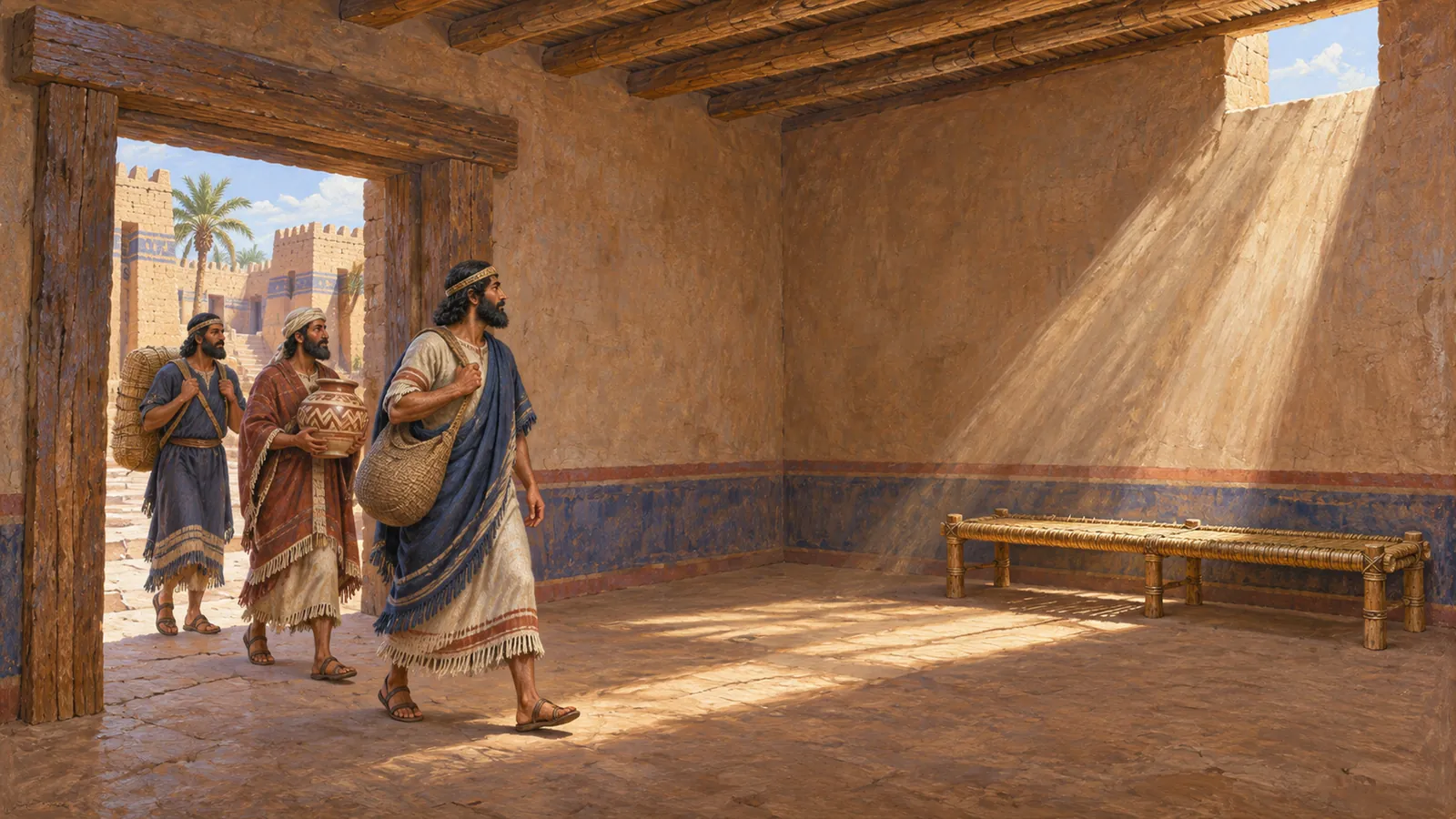
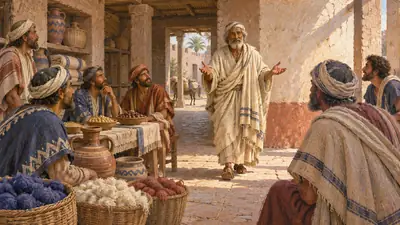
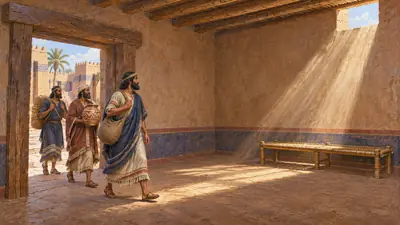
The merchants gather and enter the palace. The story says they do not meet the warriors inside. For a moment the hall belongs to the people who came to be heard.
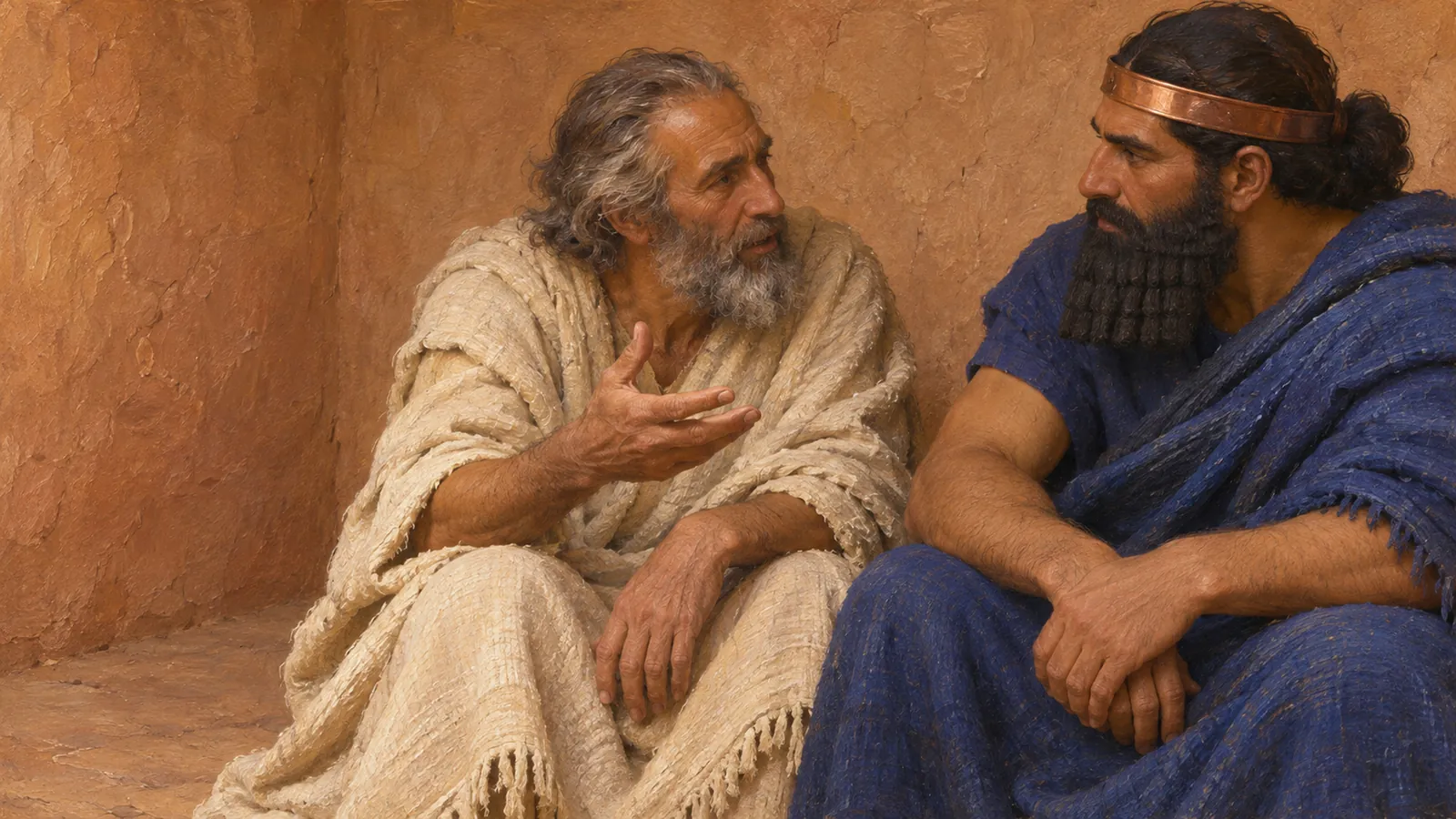
Sargon wants to see the path to Purushhanda and learn the way back. Which mountain stands there, he asks, and where does the passage lie?
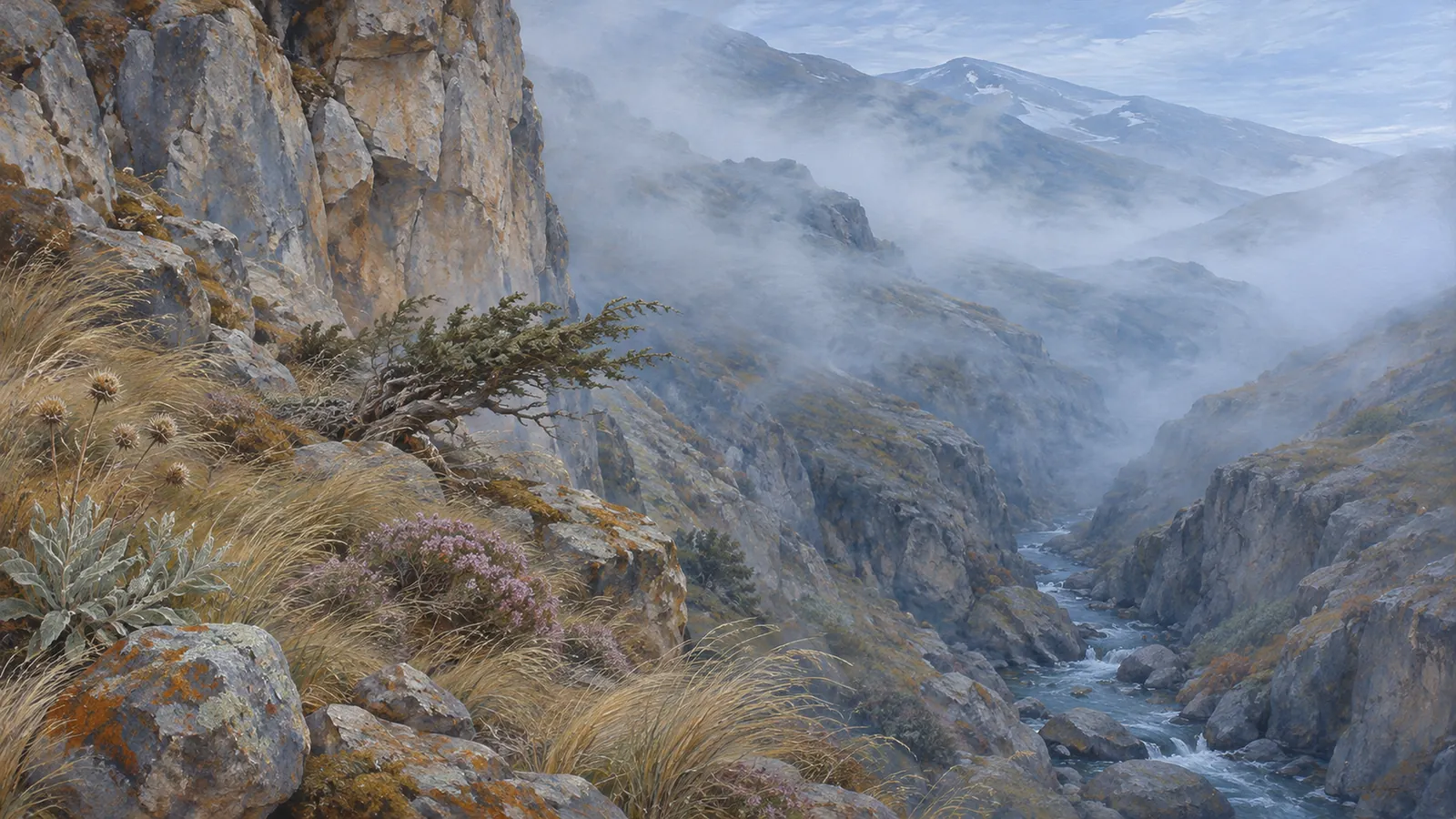
The reply brings back the arduous road and the forbidding passage. The words sound like a warning the second time as well. The king still has no easy way through.
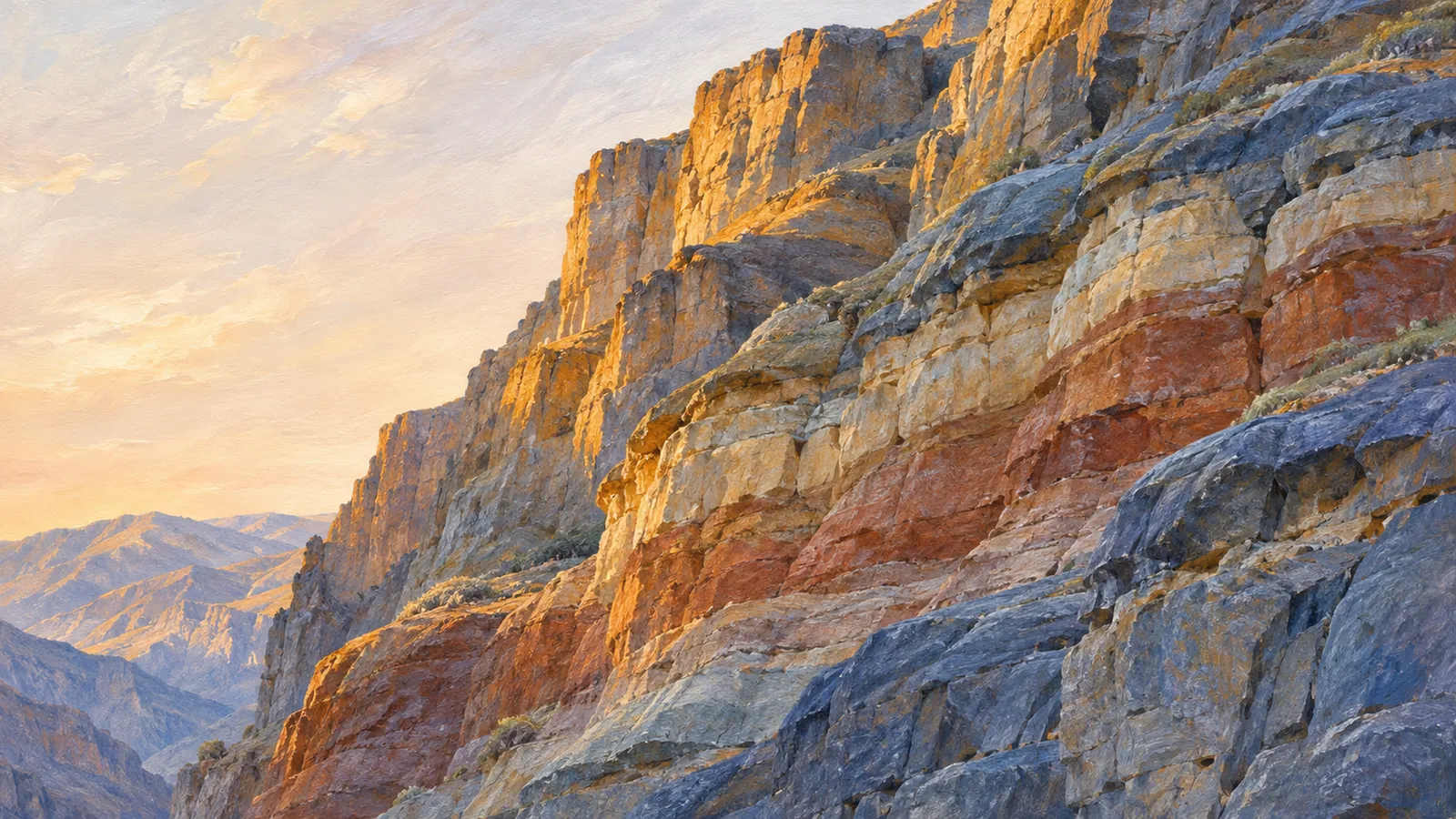
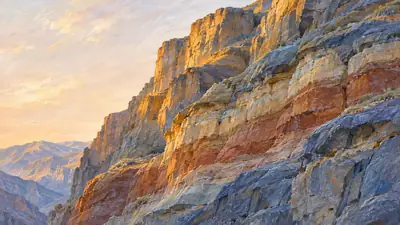
A huge mountain rises beyond the passage, described with lapis lazuli and gold. In almost a single breath, the tale makes the distant heights alluring and forbidding.
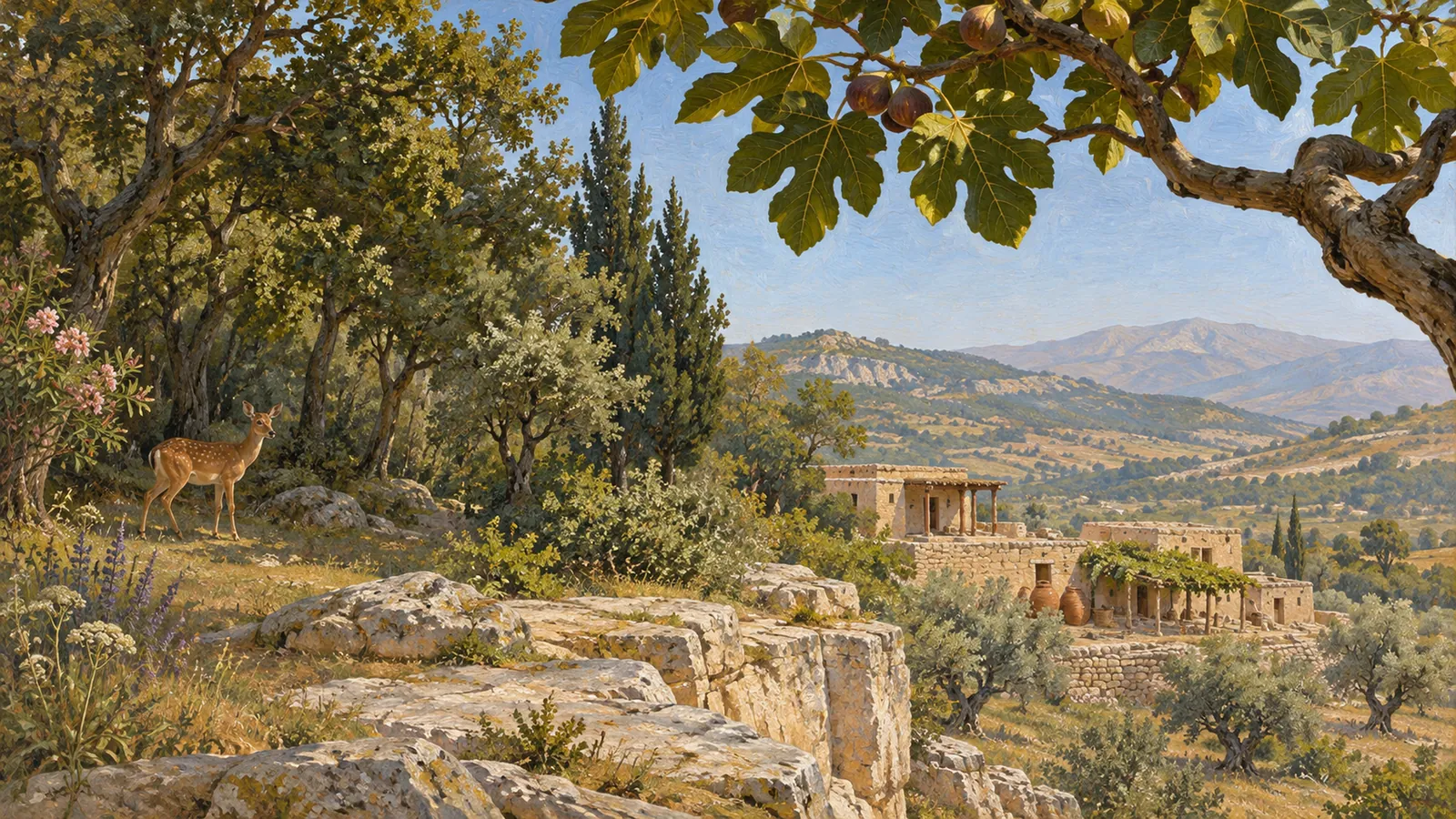
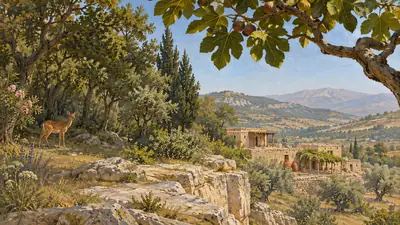
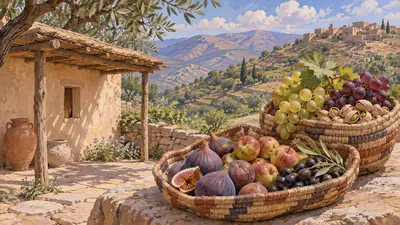
The damaged lines name apple, fig, boxwood and sycamore. There may be deer among them. The road has widened in the telling into a place of shade, fruit and movement.
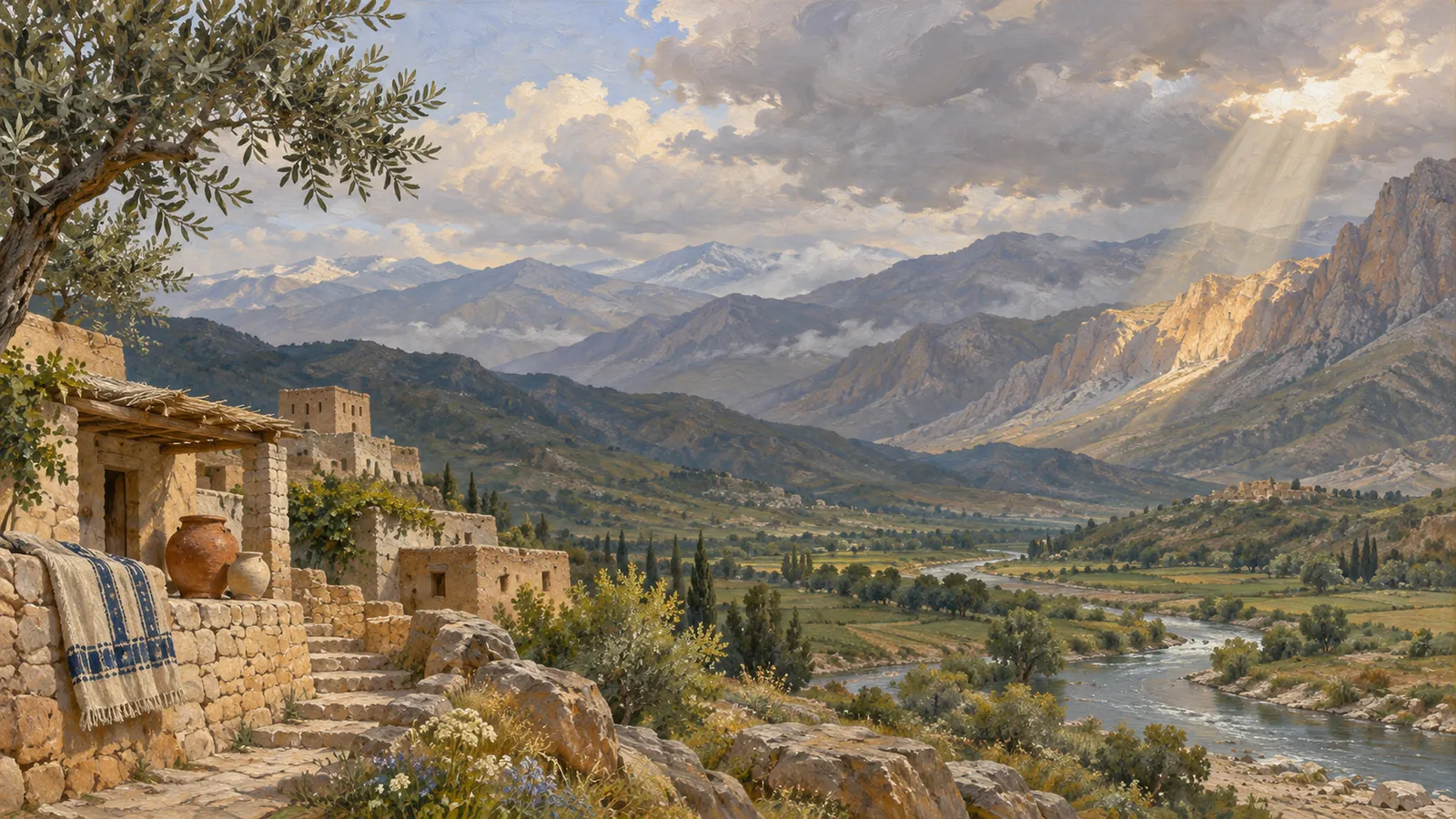
Seven keeps returning among the broken measurements. The lines are too damaged to reconstruct the mountain. What survives is a sense of the scale the teller imagined.
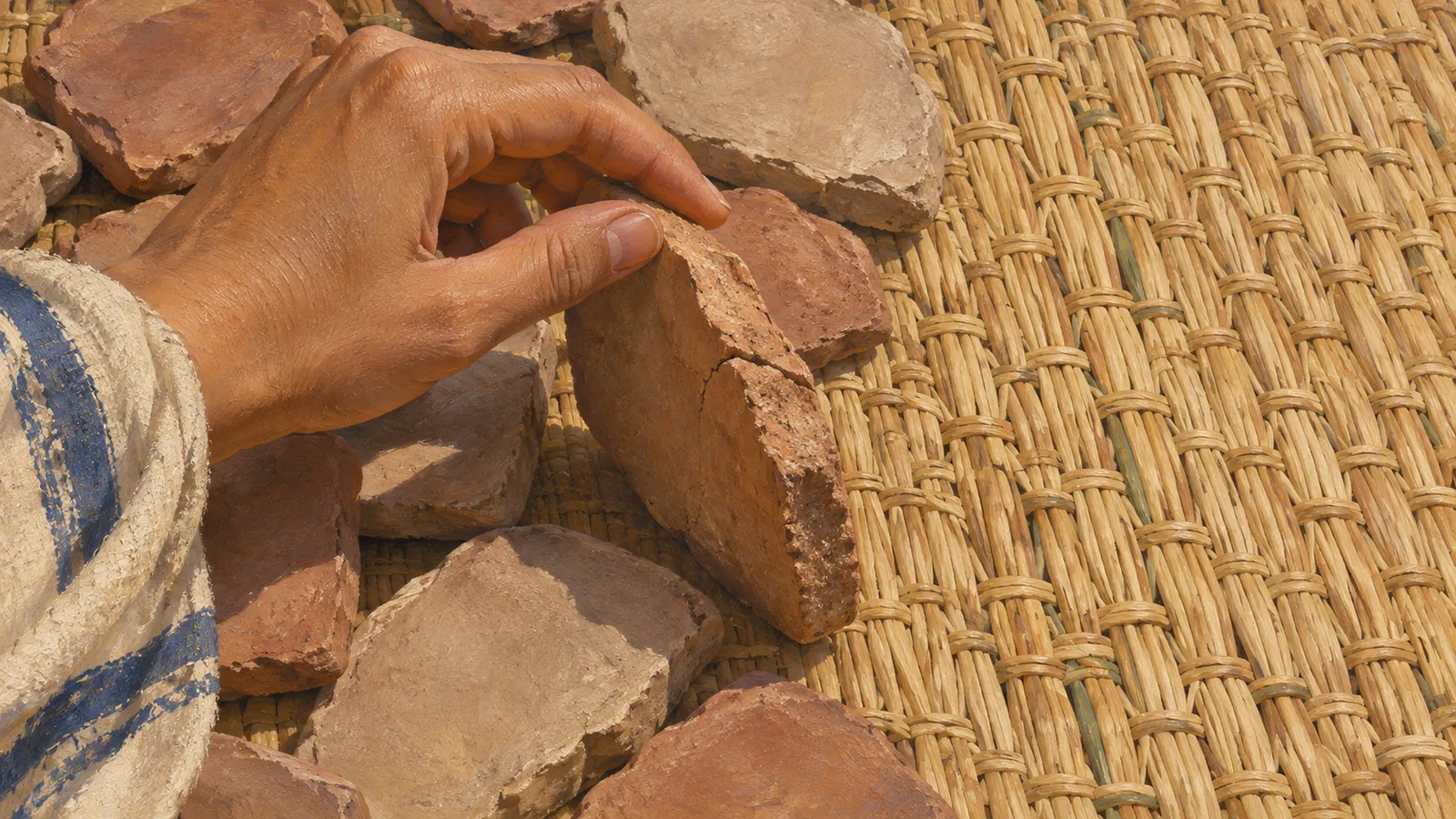
Near the end of the first face, the sentences thin into separate words. The other face begins with more damage. Then we hear Nurdaggal, the ruler of Purushhanda.
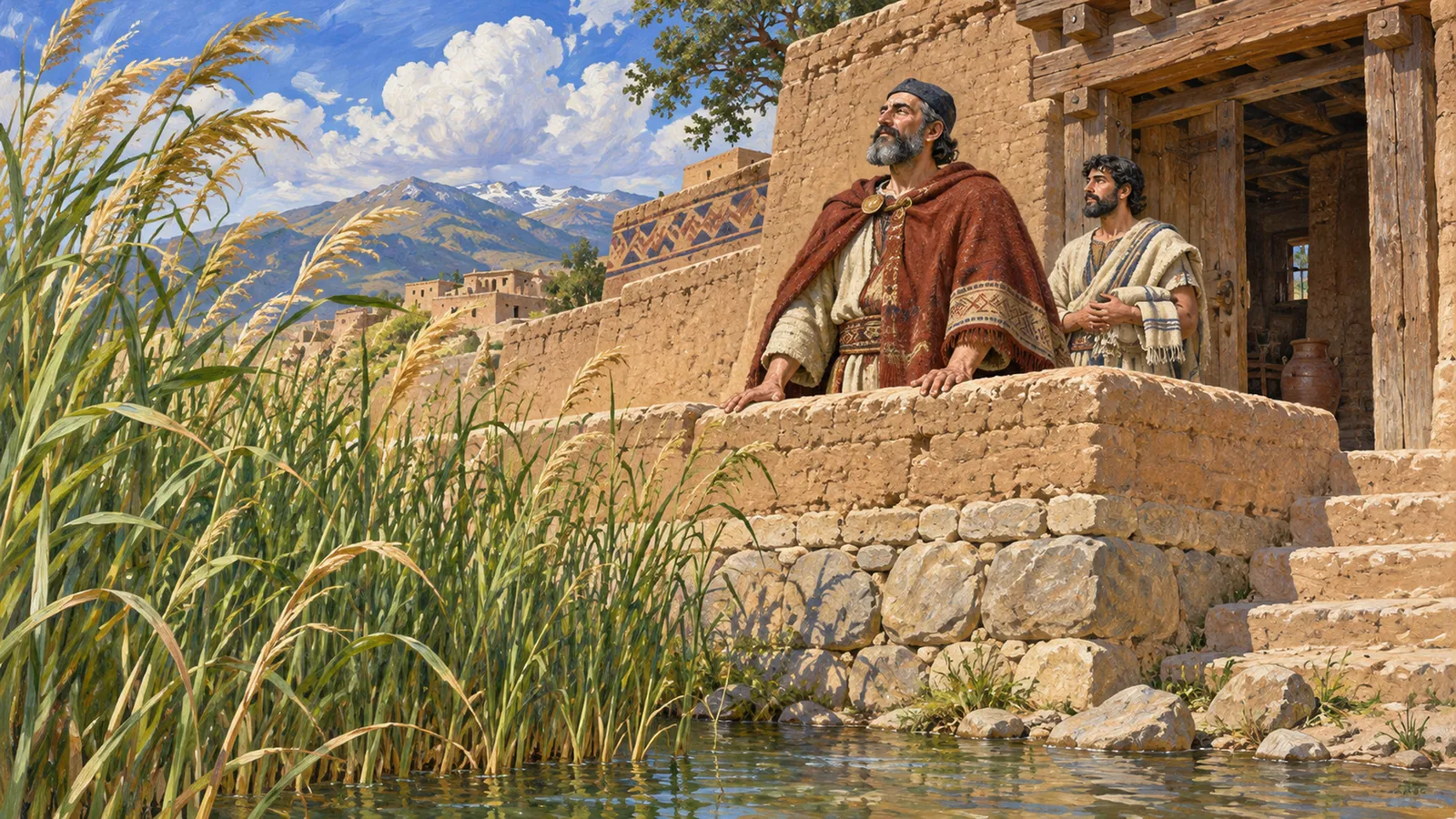
PURUSHHANDA
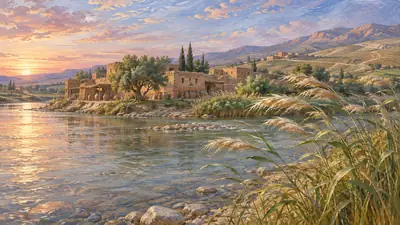
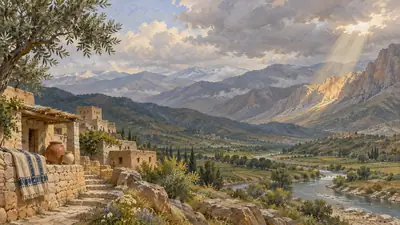
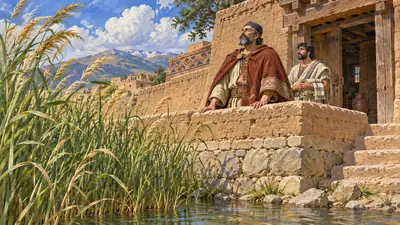
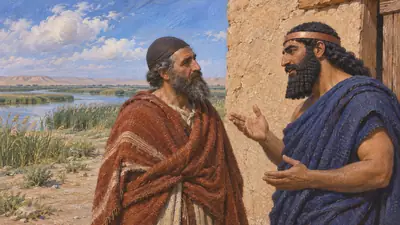
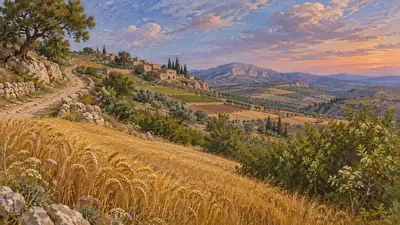
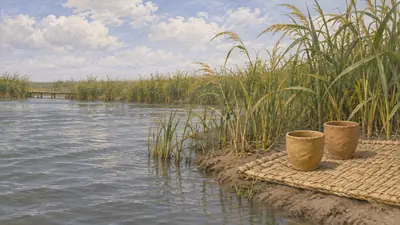
Nurdaggal says Sargon has yet to reach them. He trusts the riverbank, the heights and the great mountain. His wish is for the reeds to grow as thick as woodland.
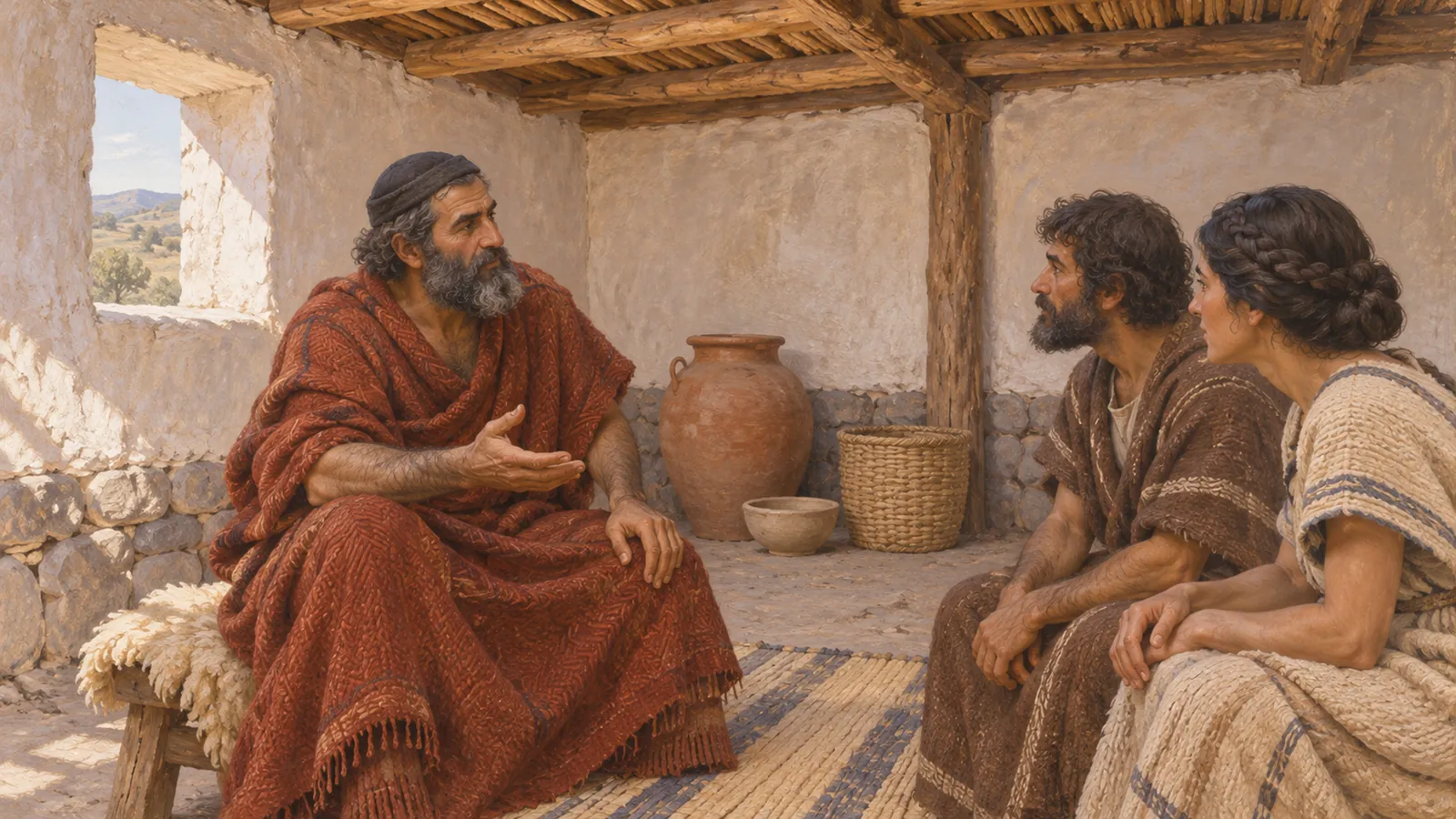
The people around Nurdaggal share his confidence. They ask what king, either long ago or in years to come, could ever reach and see their land. Their question barely settles.
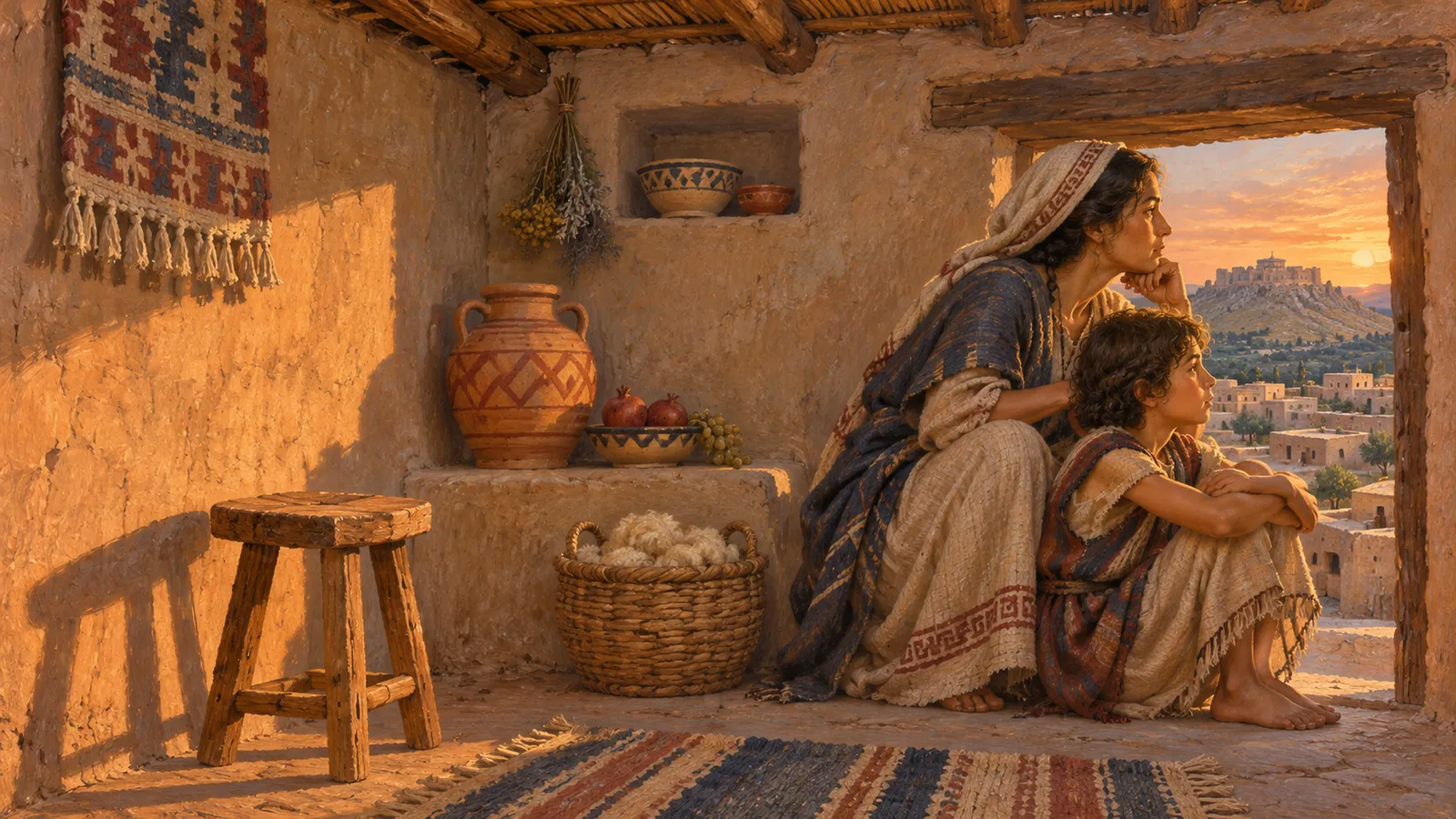
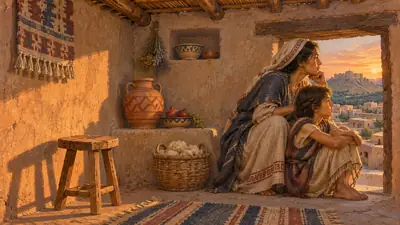
Imagine hearing the voices from a city doorway. The teller gives Nurdaggal no chance to finish. The next thing the people inside know, Sargon is already at their city.
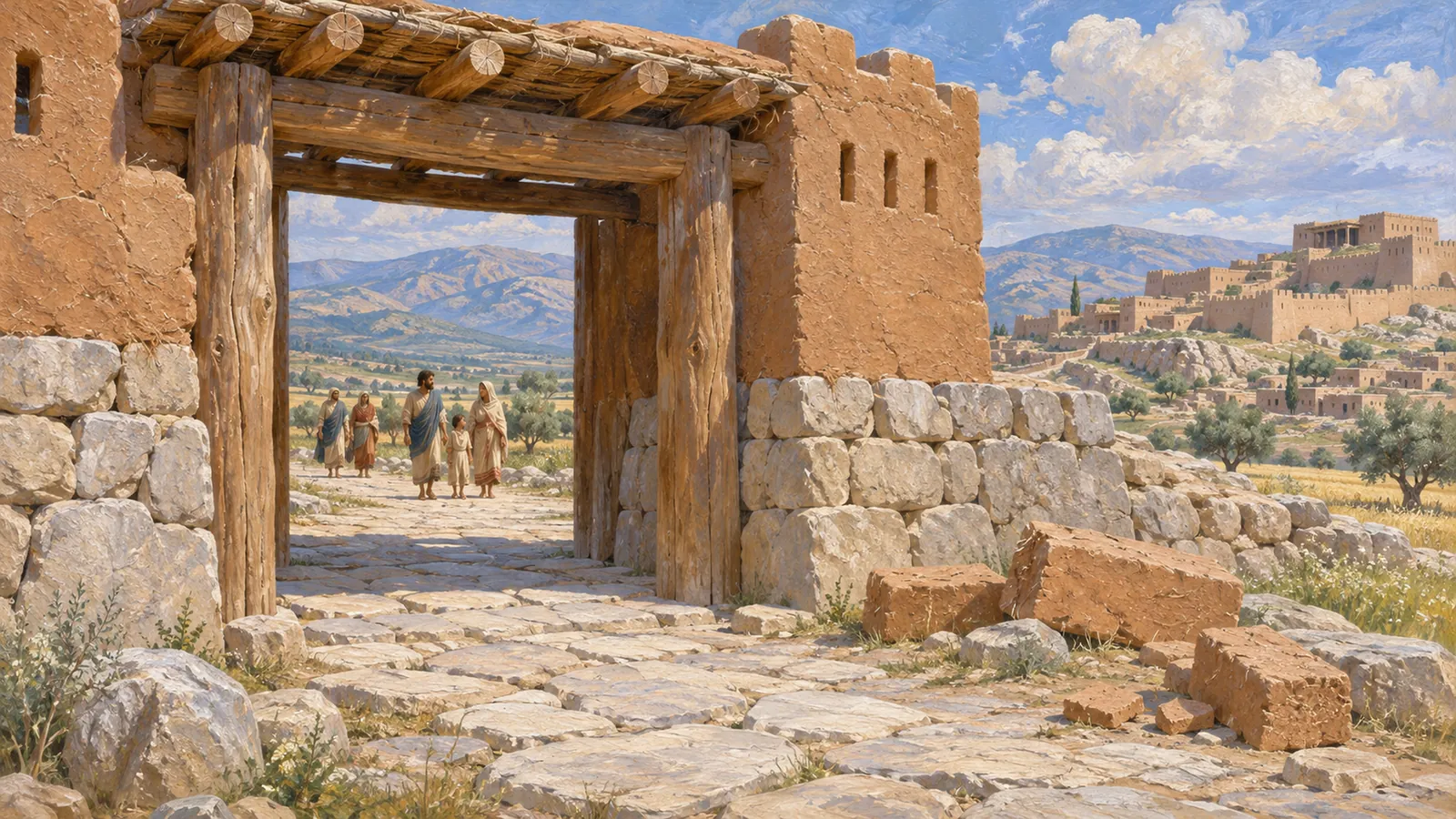
The tale says the gate and wall are damaged. A moment earlier the mountain and reeds seemed to promise protection. Both rulers are suddenly in the same place.
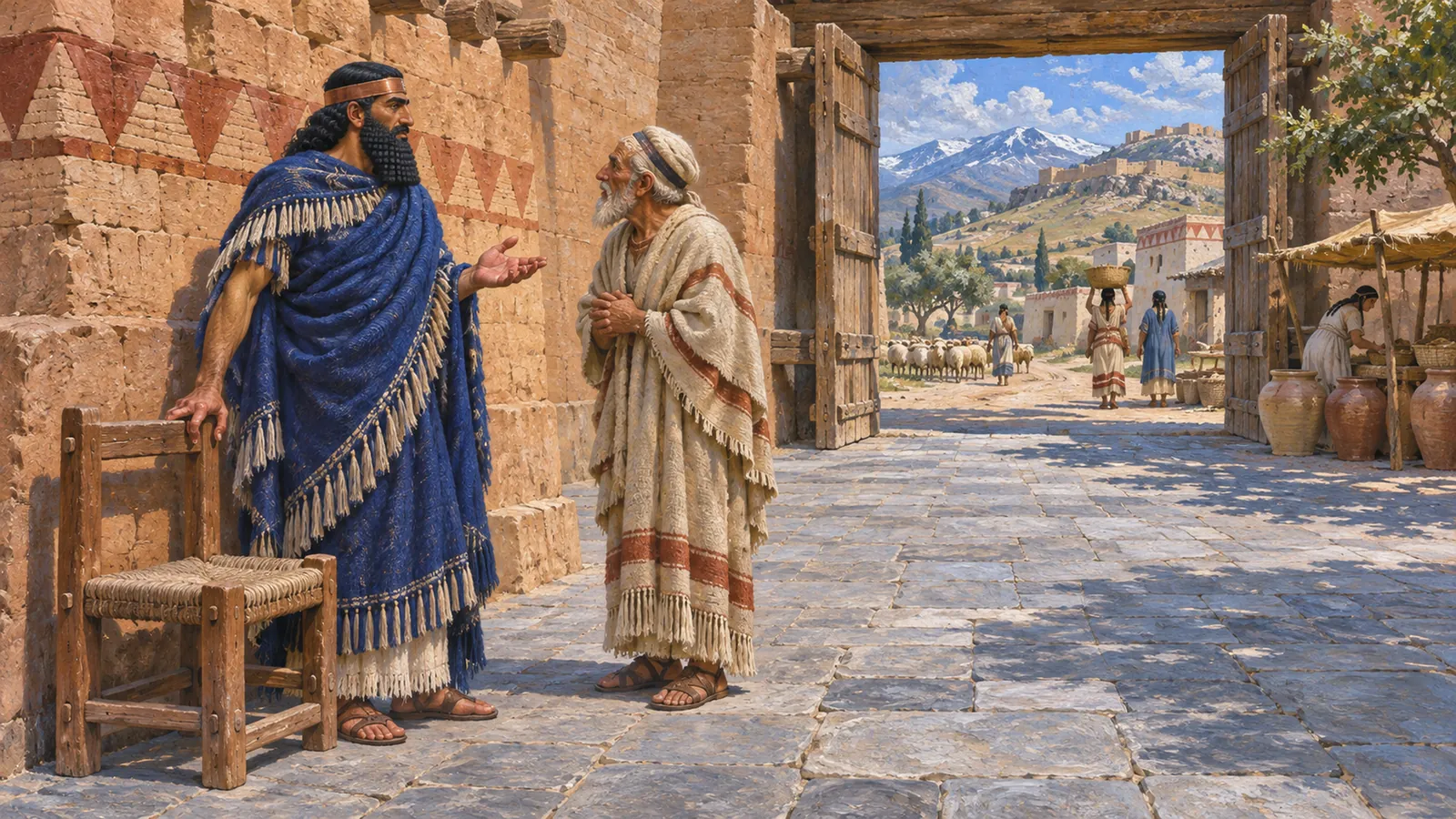
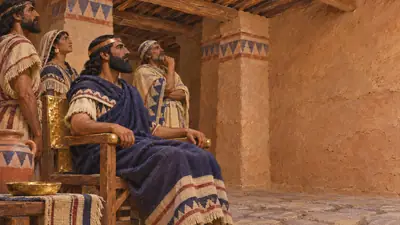
Sargon brings his seat up to the great gate and calls for Nurdaggal. Even now he gives the other ruler his honorific, calling him one favored by Enlil.
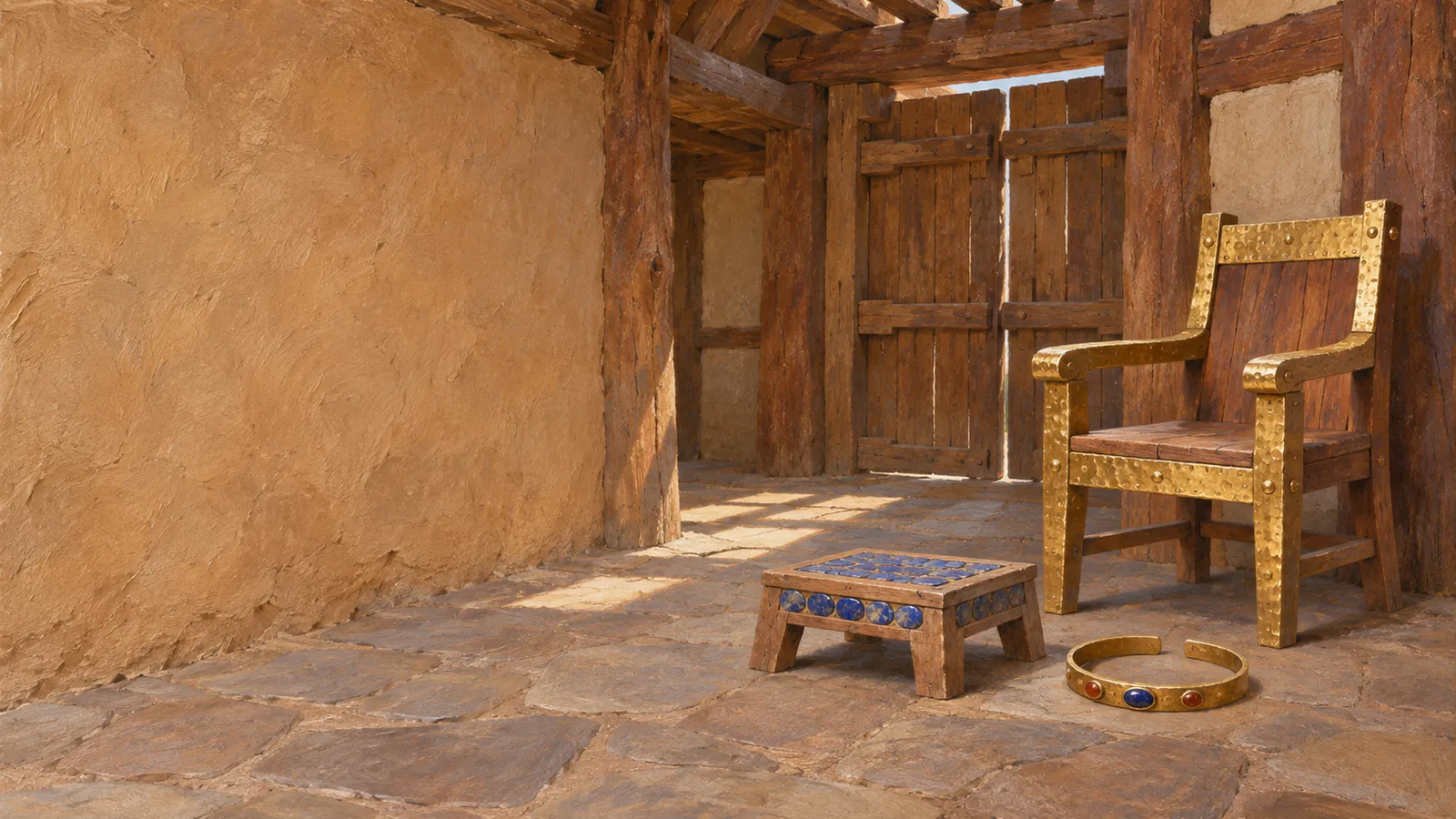
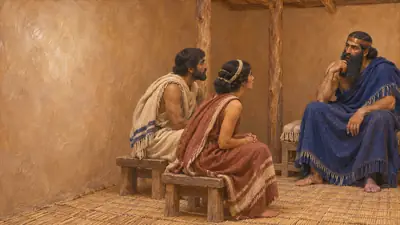
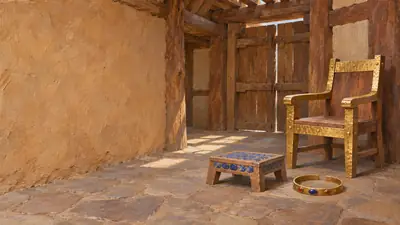
A jeweled crown, a footstool of lapis and a golden chair come into view. The text describes a king seated in the manner of a god. Then Nurdaggal is brought before him.
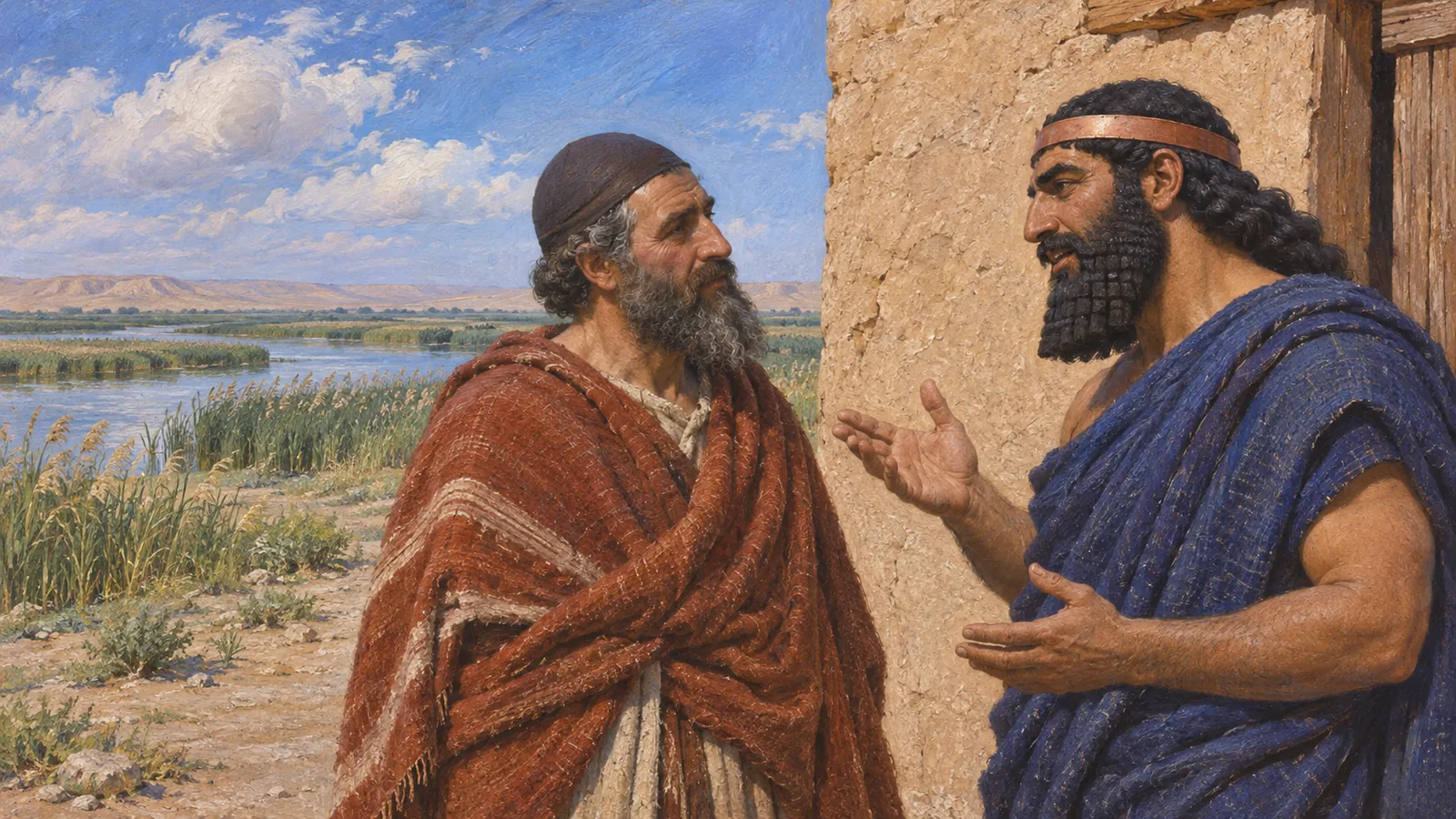
Sargon repeats Nurdaggal’s words to him. The riverbank, the heights, the great mountain and the reeds reappear. Their names now recall the confidence Nurdaggal expressed before Sargon arrived.
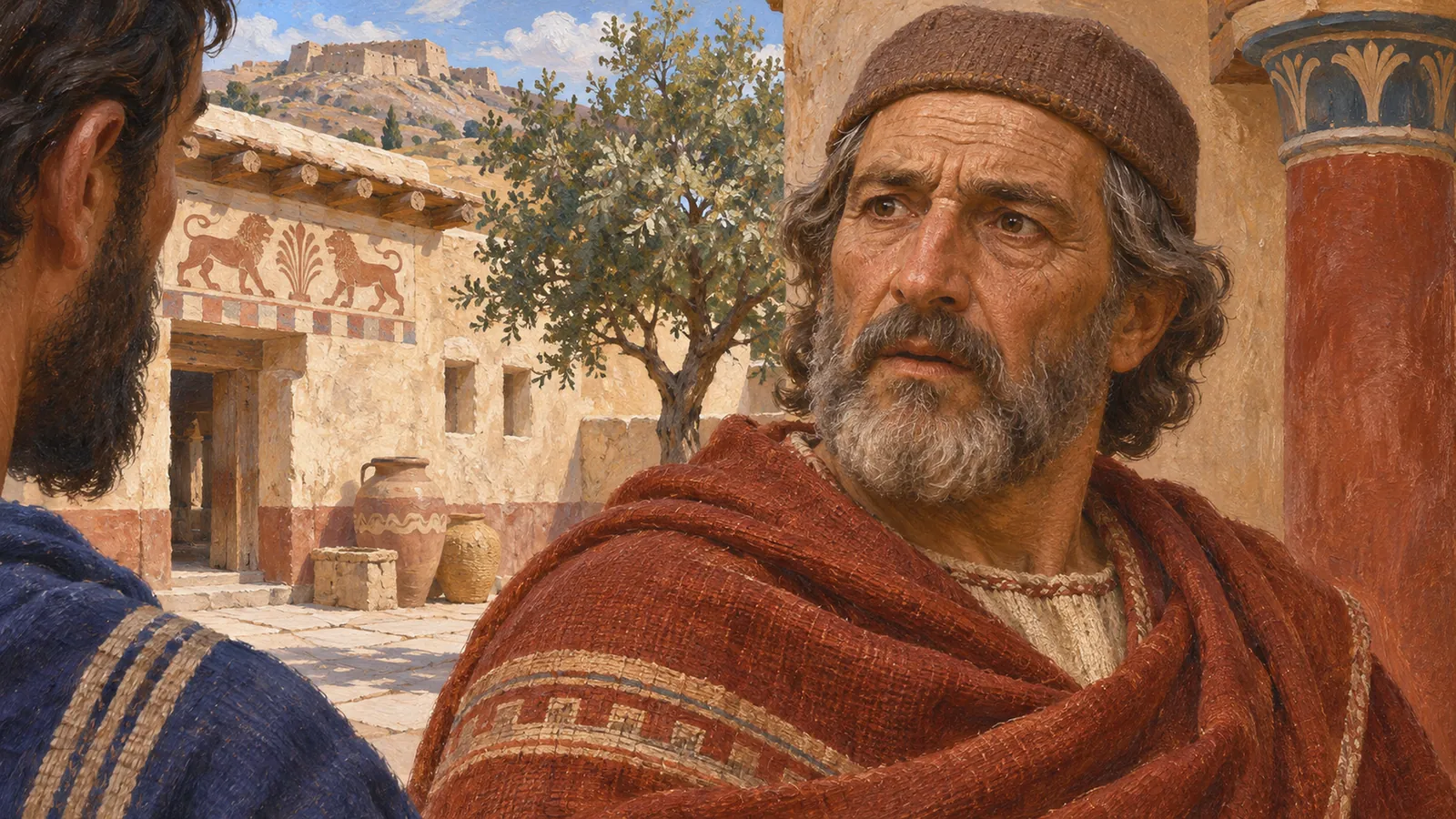
Nurdaggal says he is astonished. What land could measure itself against Akkad? What king could stand beside Sargon? His reply also mentions a river crossing, where damage interrupts the words.
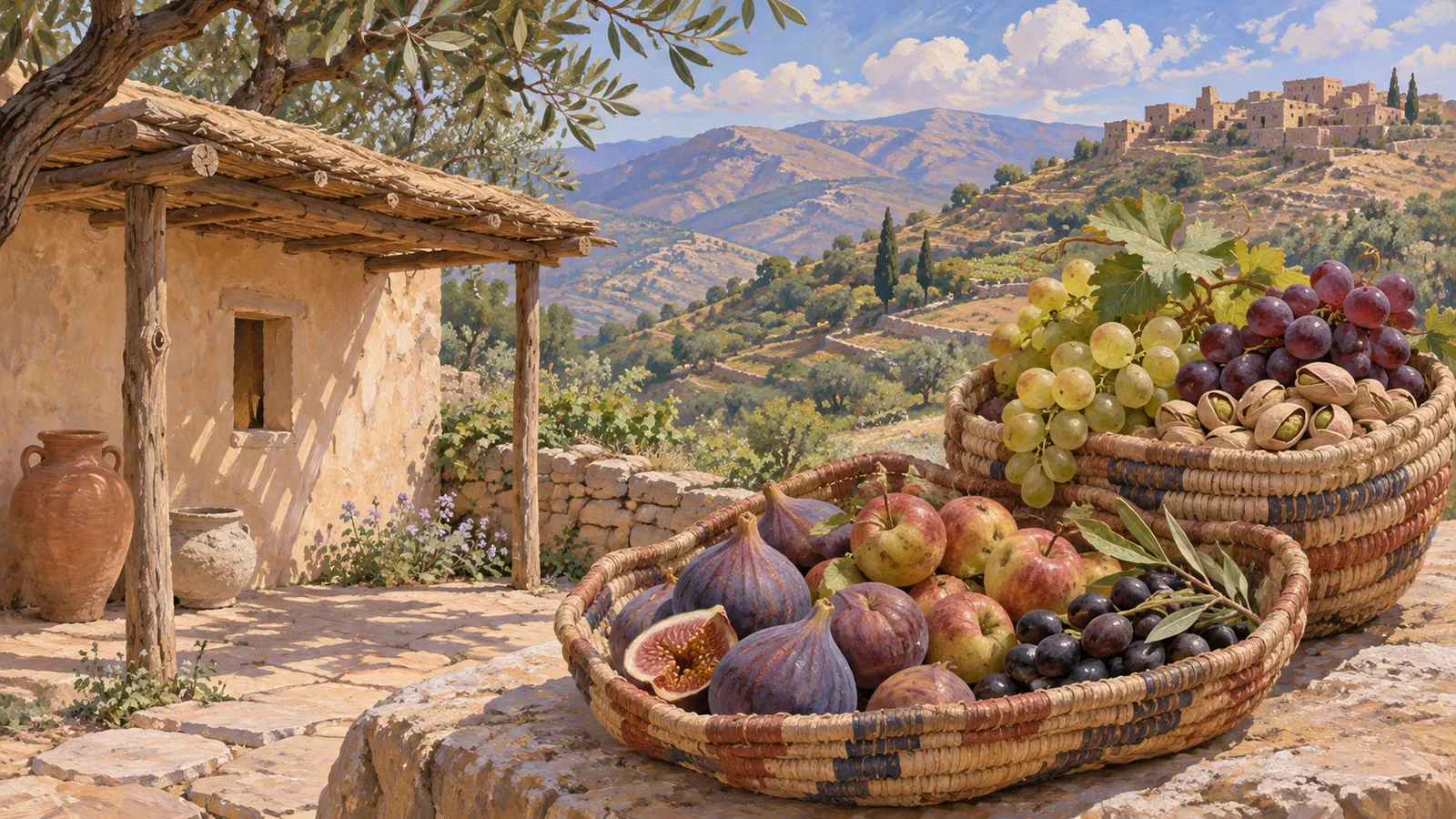
Near the end, a damaged speech asks that fruit be carried away. It names apples, figs, a vine, pistachios and olives. The land’s harvest outlasts much of the speech.
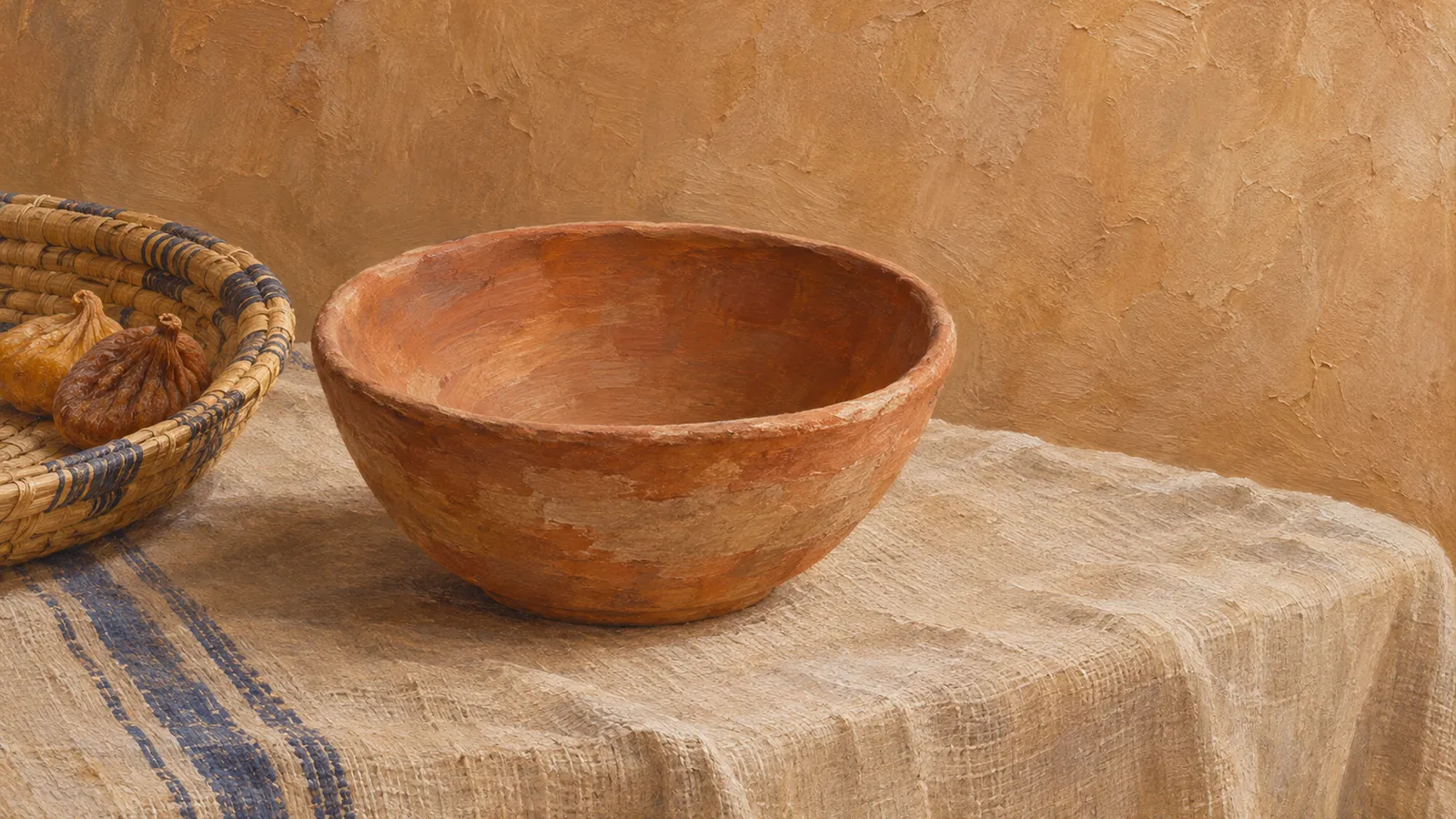
Another fruit is called sallaru. Its name is clearer than its identity. An ancient word reaches us while we can only wonder what someone at Purushhanda held in their hand.
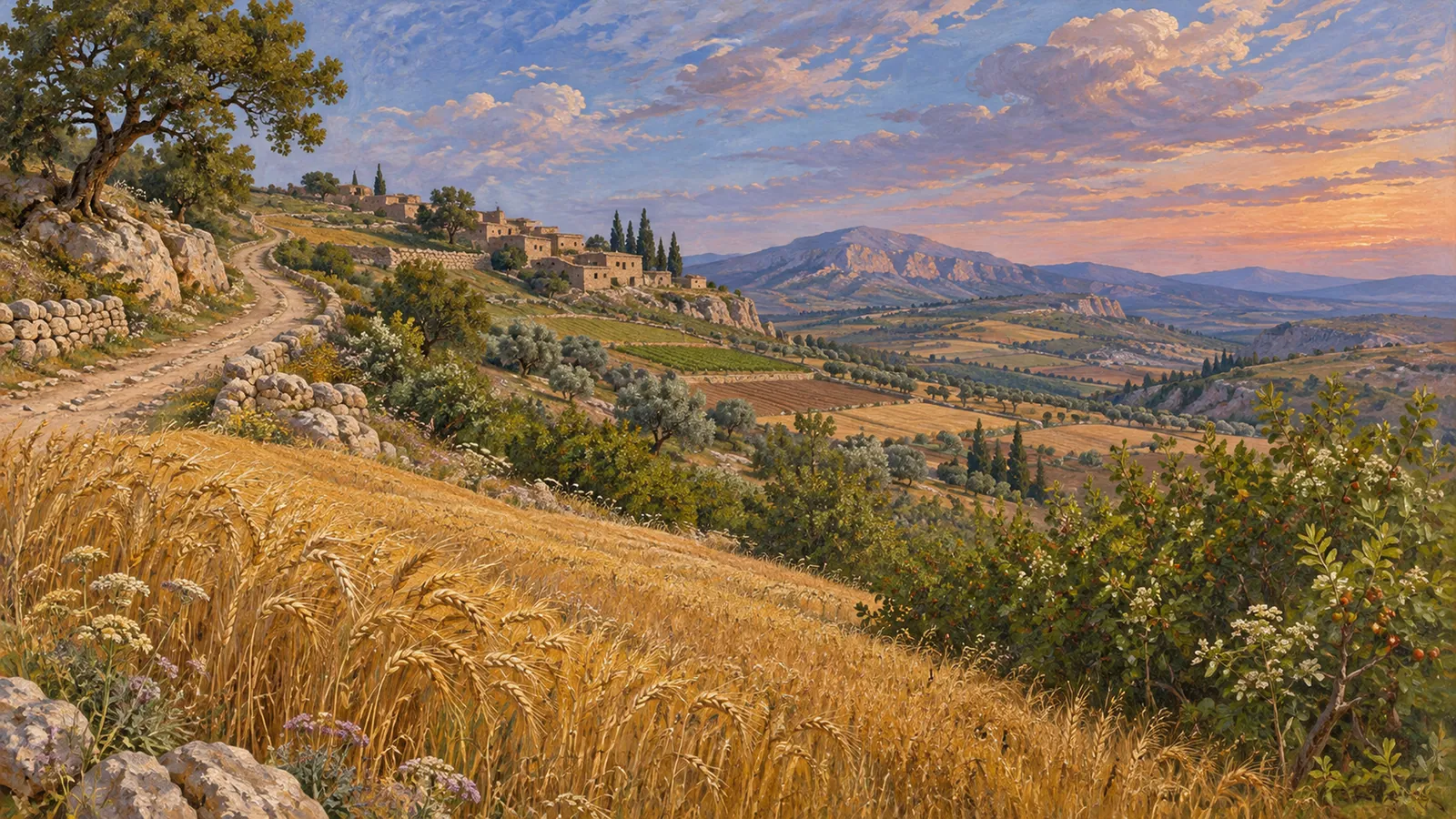
A return is mentioned. A little later someone says there will be no return. The damaged lines between those words leave us unsure who meant to go where.
The people leave the city. The clay then preserves three years and part of a phrase about someone staying. A few traces are all that carry us toward the closing note.
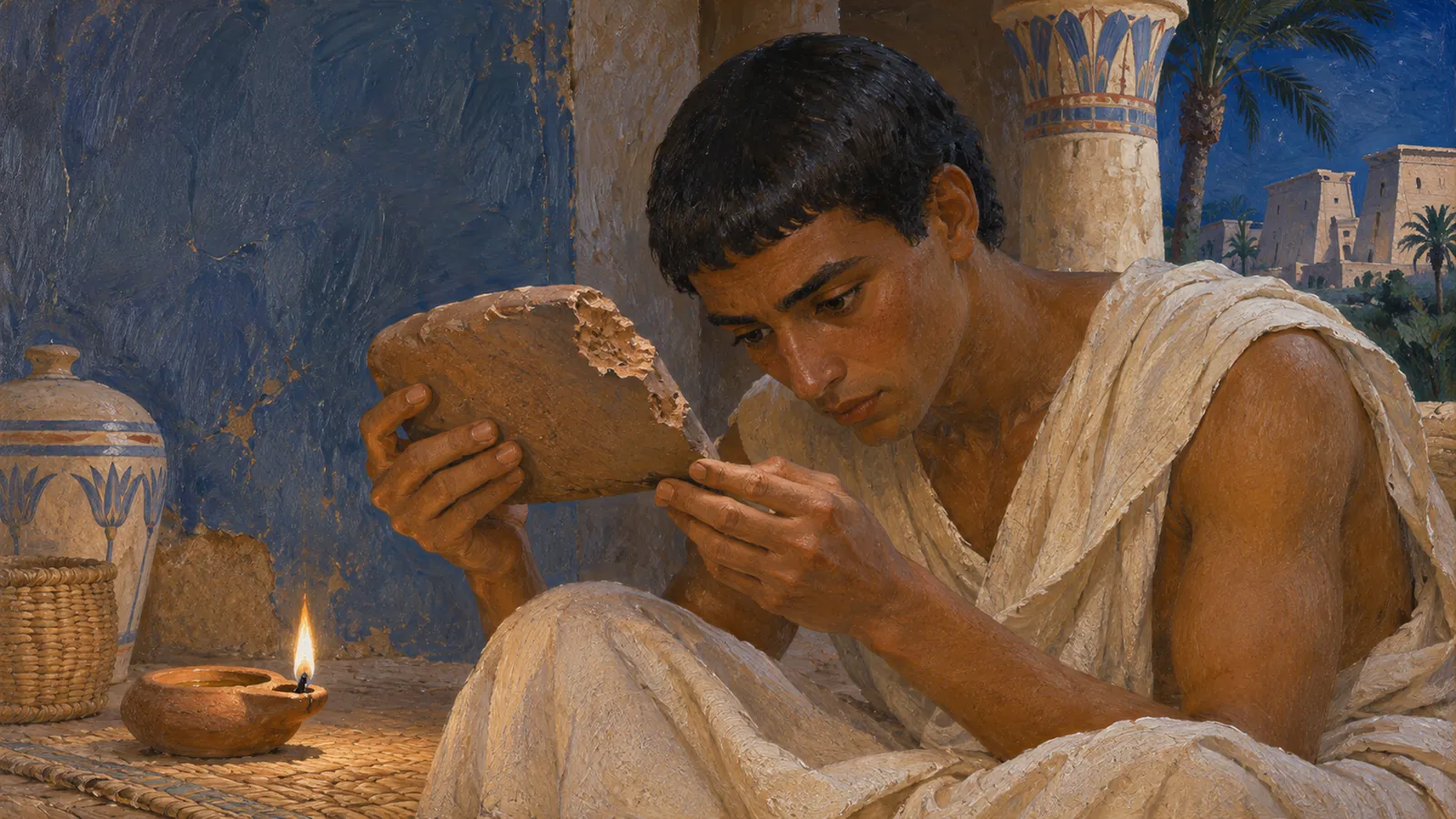
TABLET ONE
A note marks the end of the first tablet of the King of Battle. It tells us how a scribe divided the work. Damage has left only parts of that tablet.
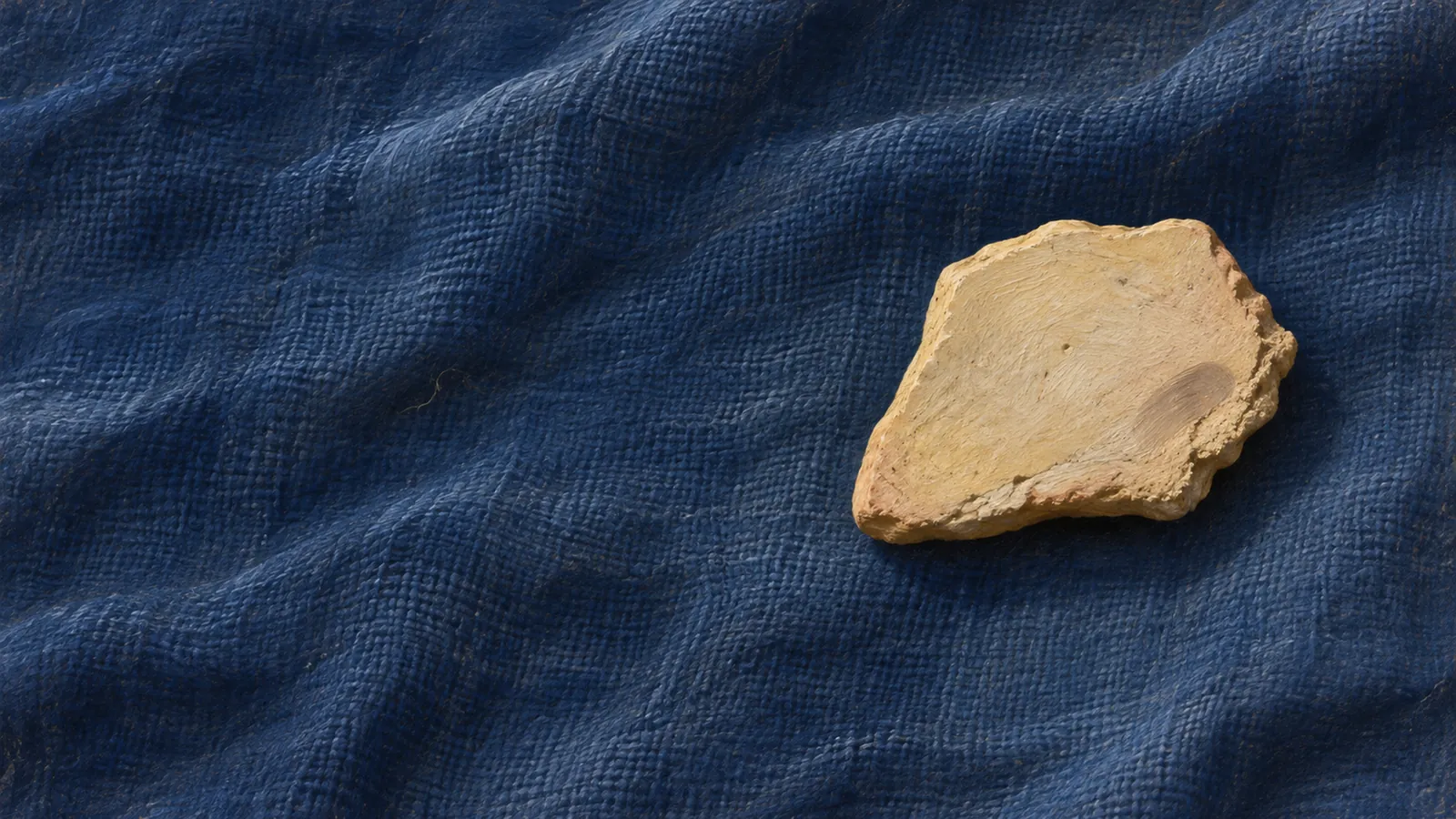
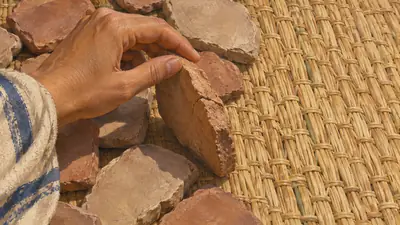
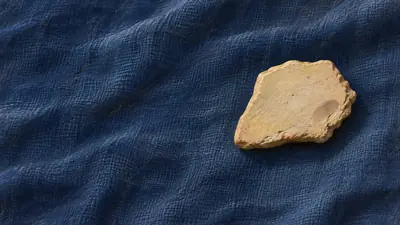
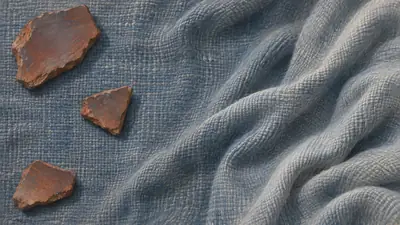
A small fragment from Amarna may also carry words from the tale. Most of its surface was washed while the clay was damp. A fingerprint on the break outlasted much of the writing.
HITTITE
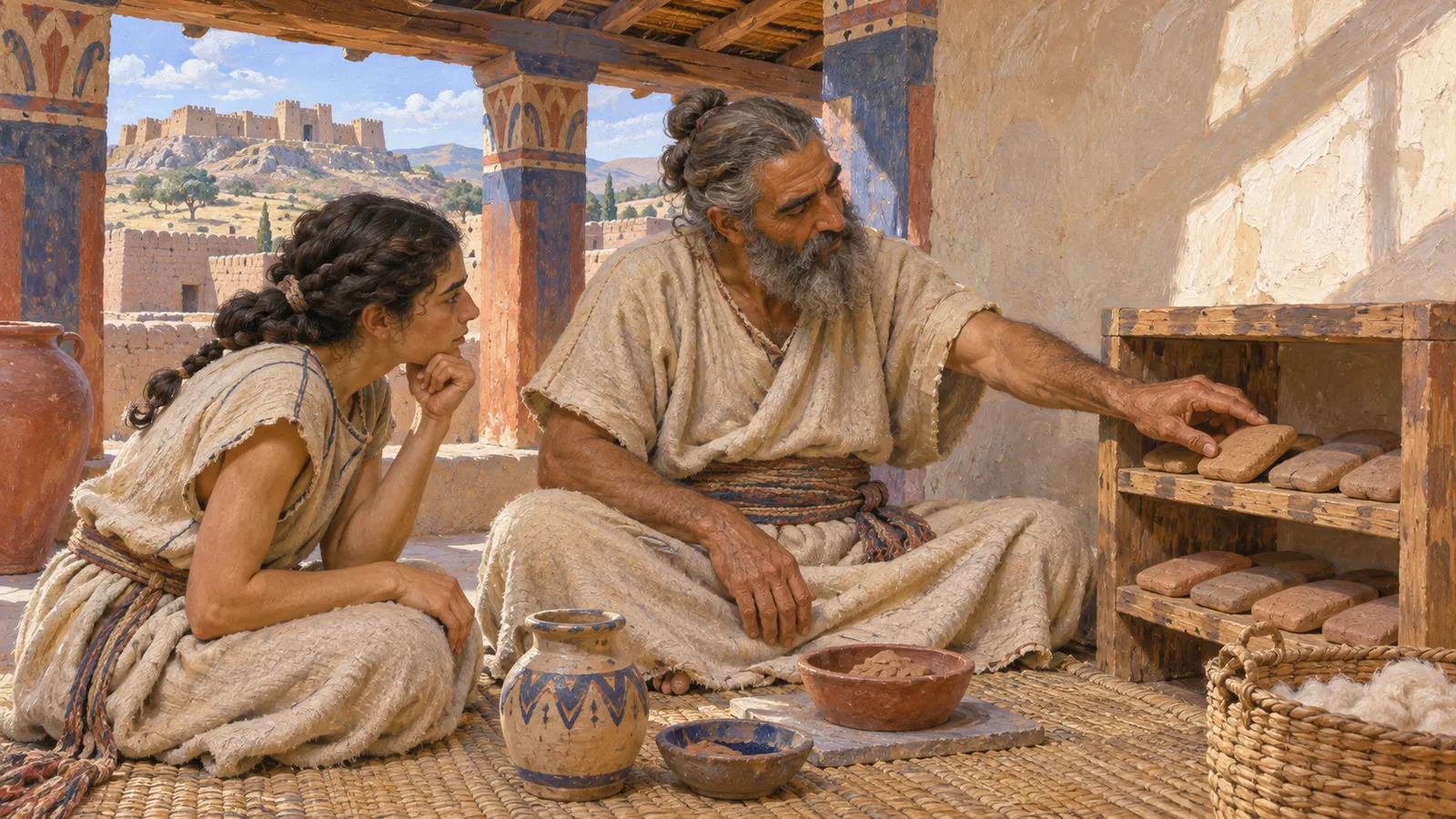
Other scribes told the story in Hittite. The order of some scenes changes and new moments survive. The local ruler is called Nur-Dahhi. Each king is about to have a dream.
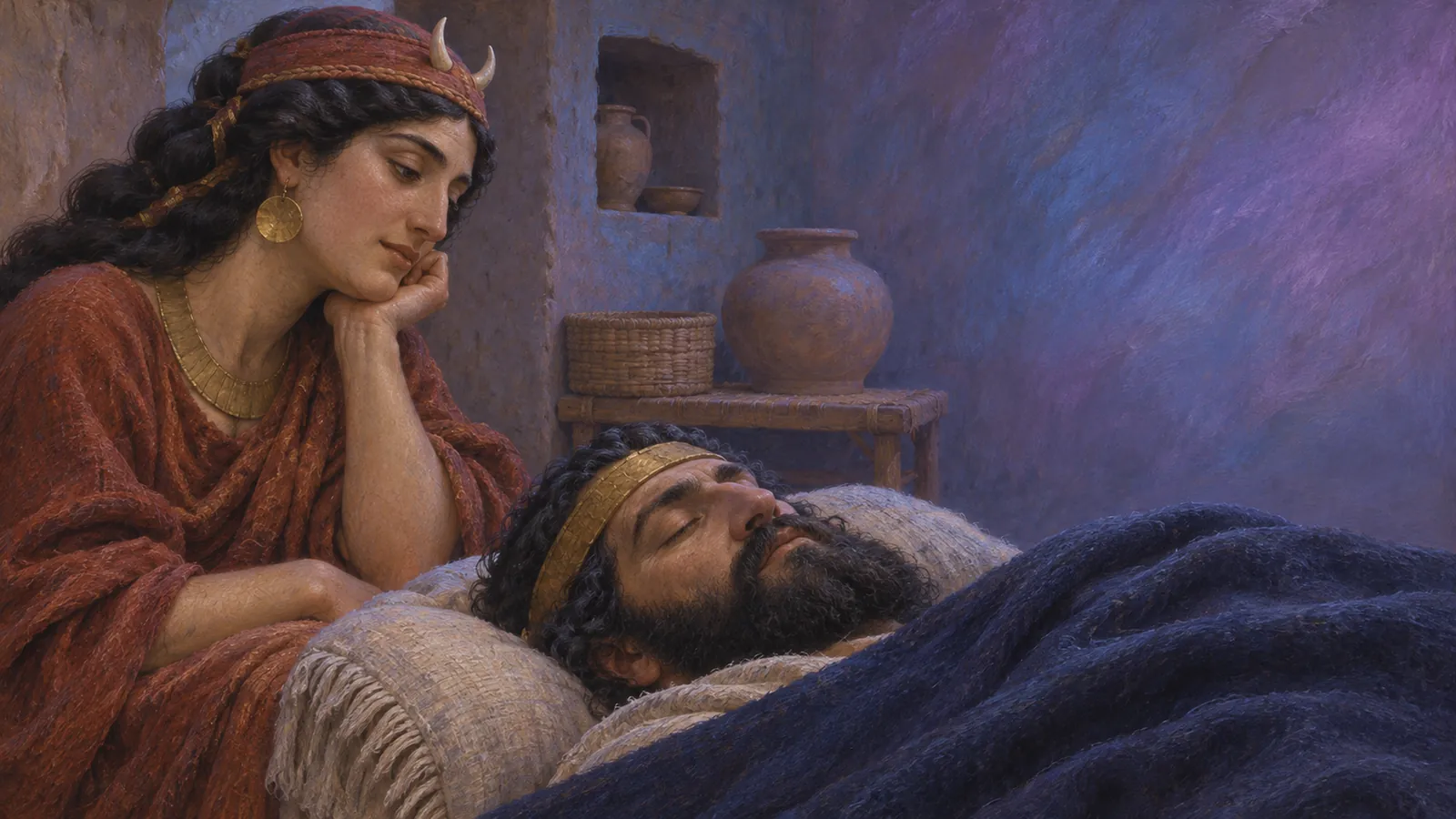
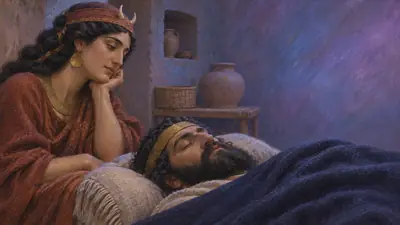
In the Hittite telling Sargon falls asleep and Ishtar appears. The goddess tells him he will prevail at Purushhanda. The travellers had given him every reason to hesitate.
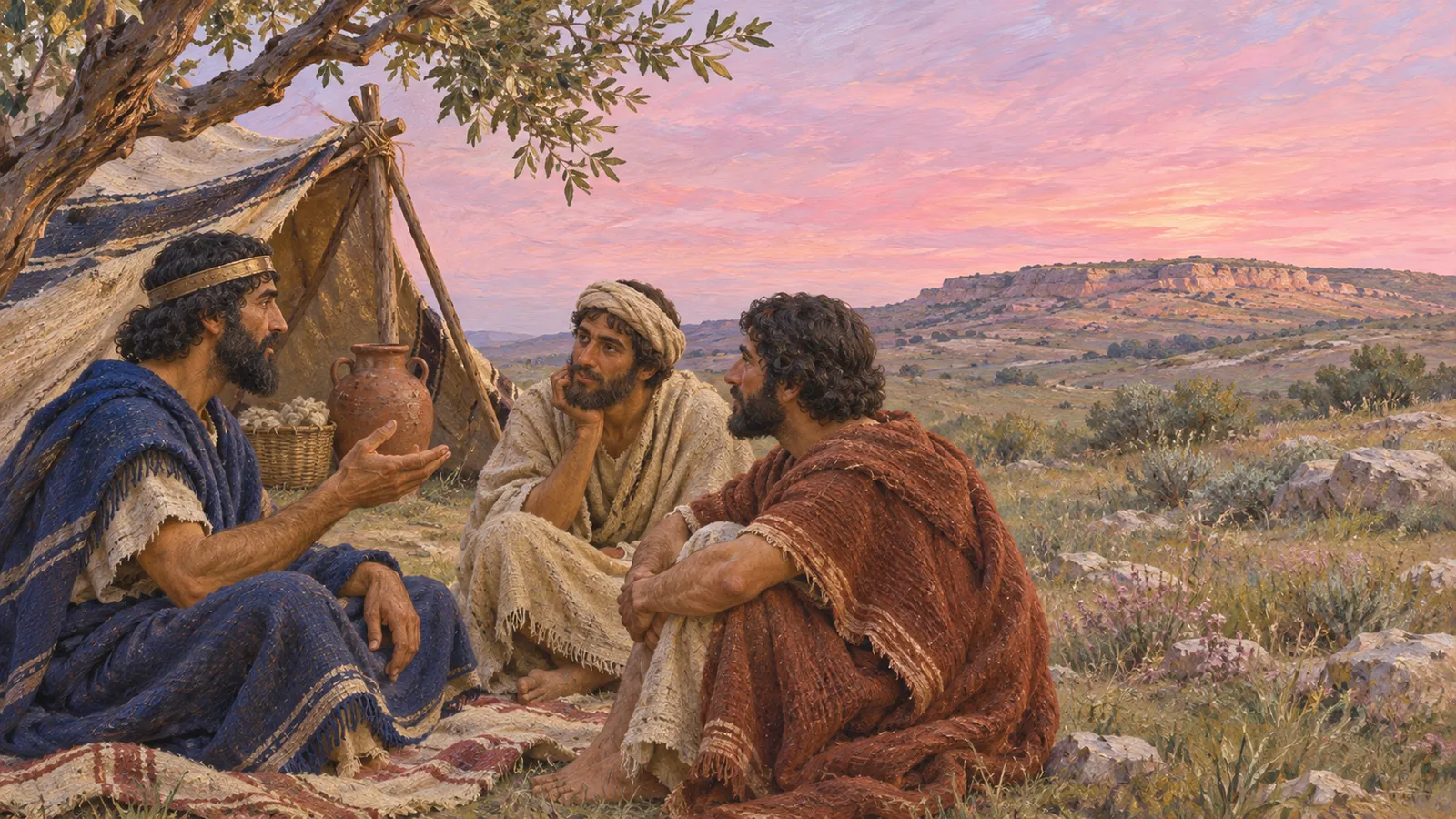
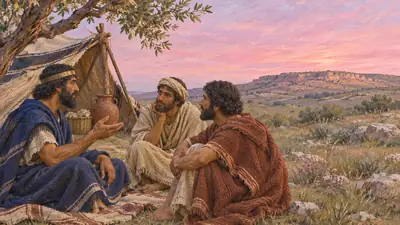
When Sargon wakes, he tells his companions what Ishtar said. Some had been reluctant to go. He takes a message that came to him alone and gives it a voice in daylight.
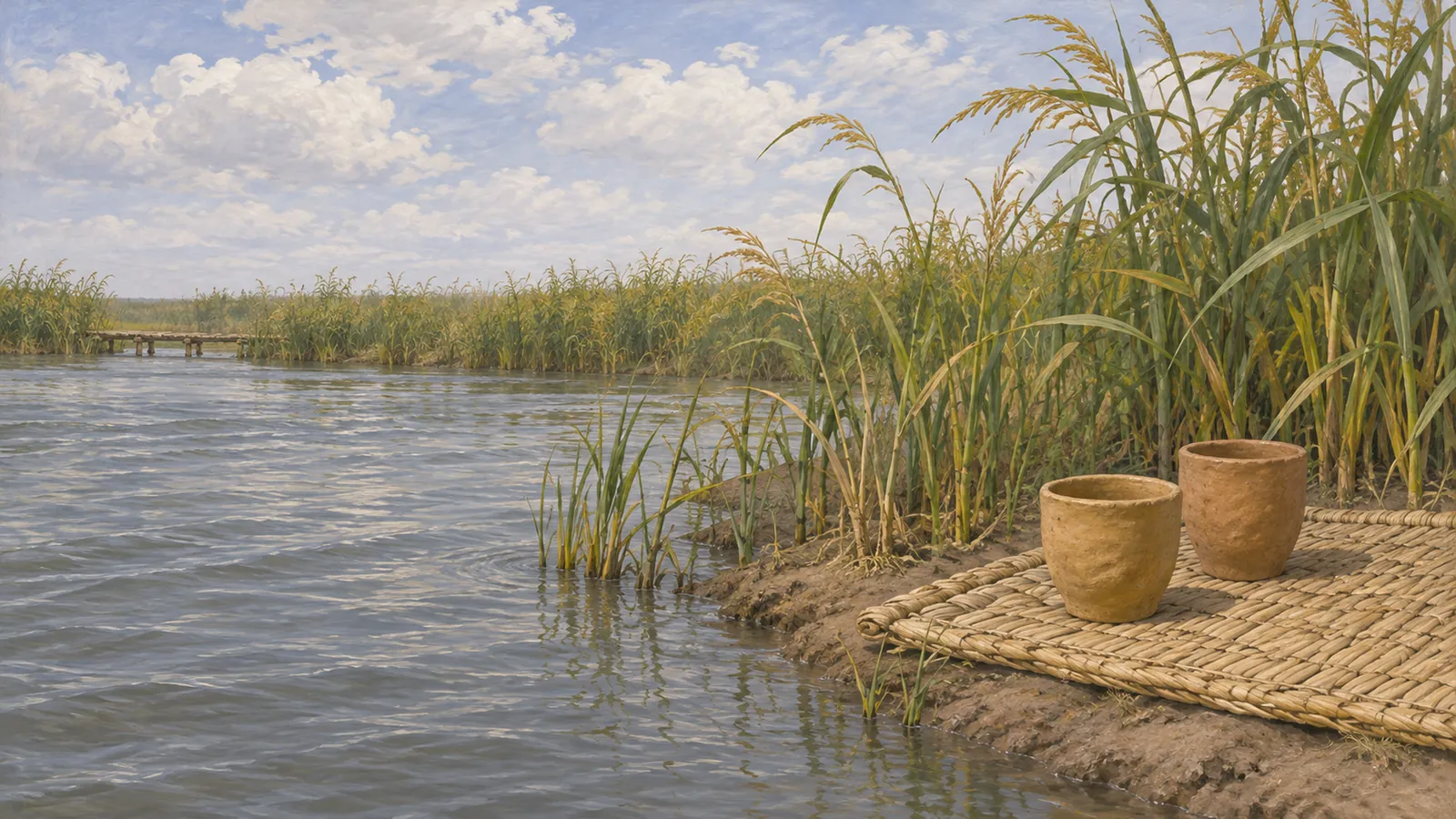
Sargon reaches the Tigris. The story remembers a bridge and offerings to both the river and the crossing. It gives the passage a name and a moment of ceremony.
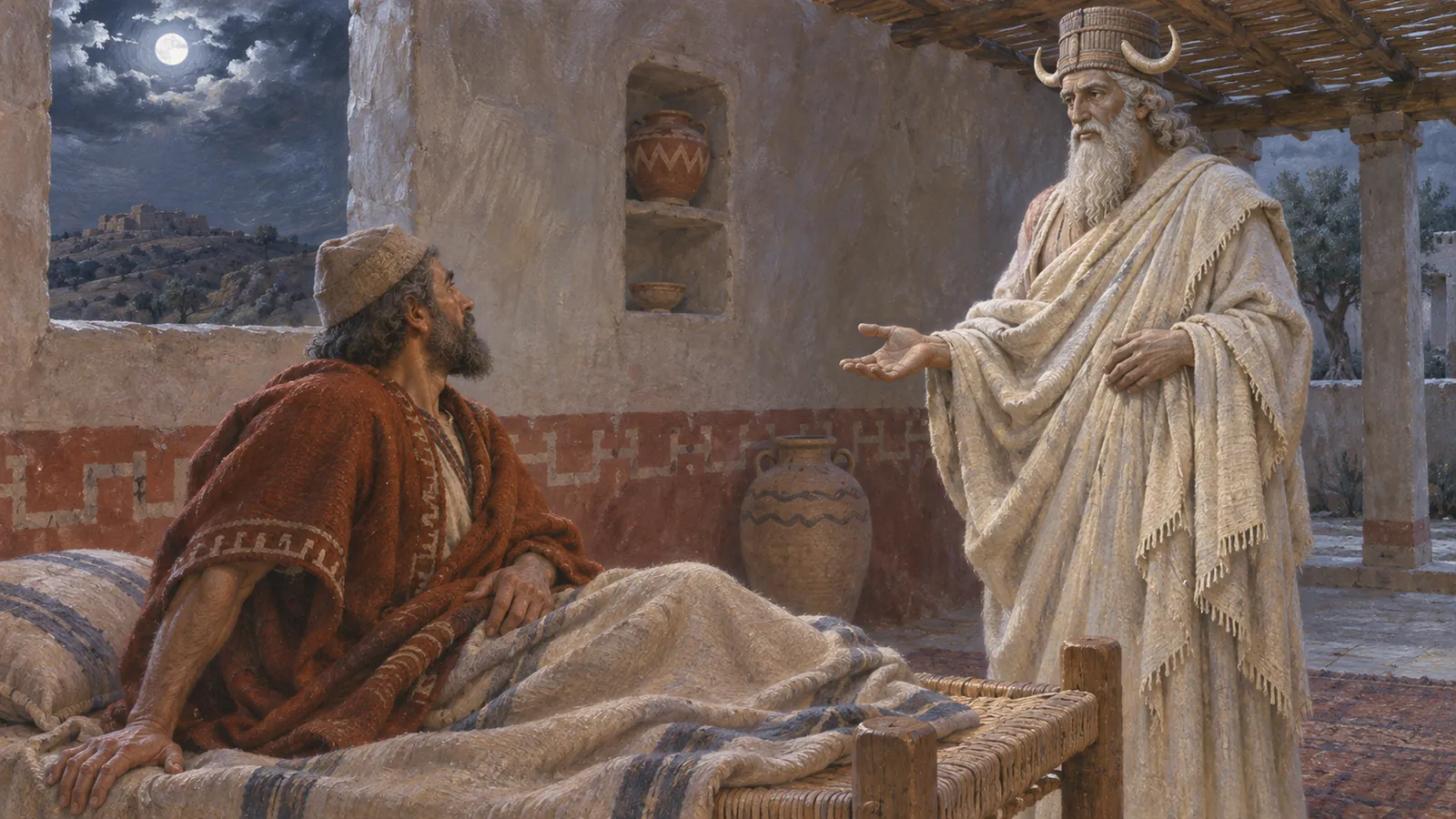
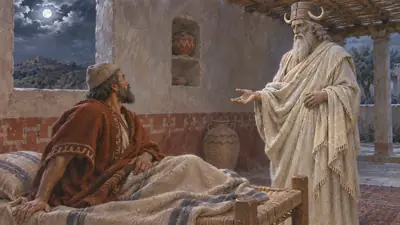
Enlil tells Nur-Dahhi in a dream that Sargon is coming. He reassures him with the power of wind and flood. Each king now has a god’s words to remember.
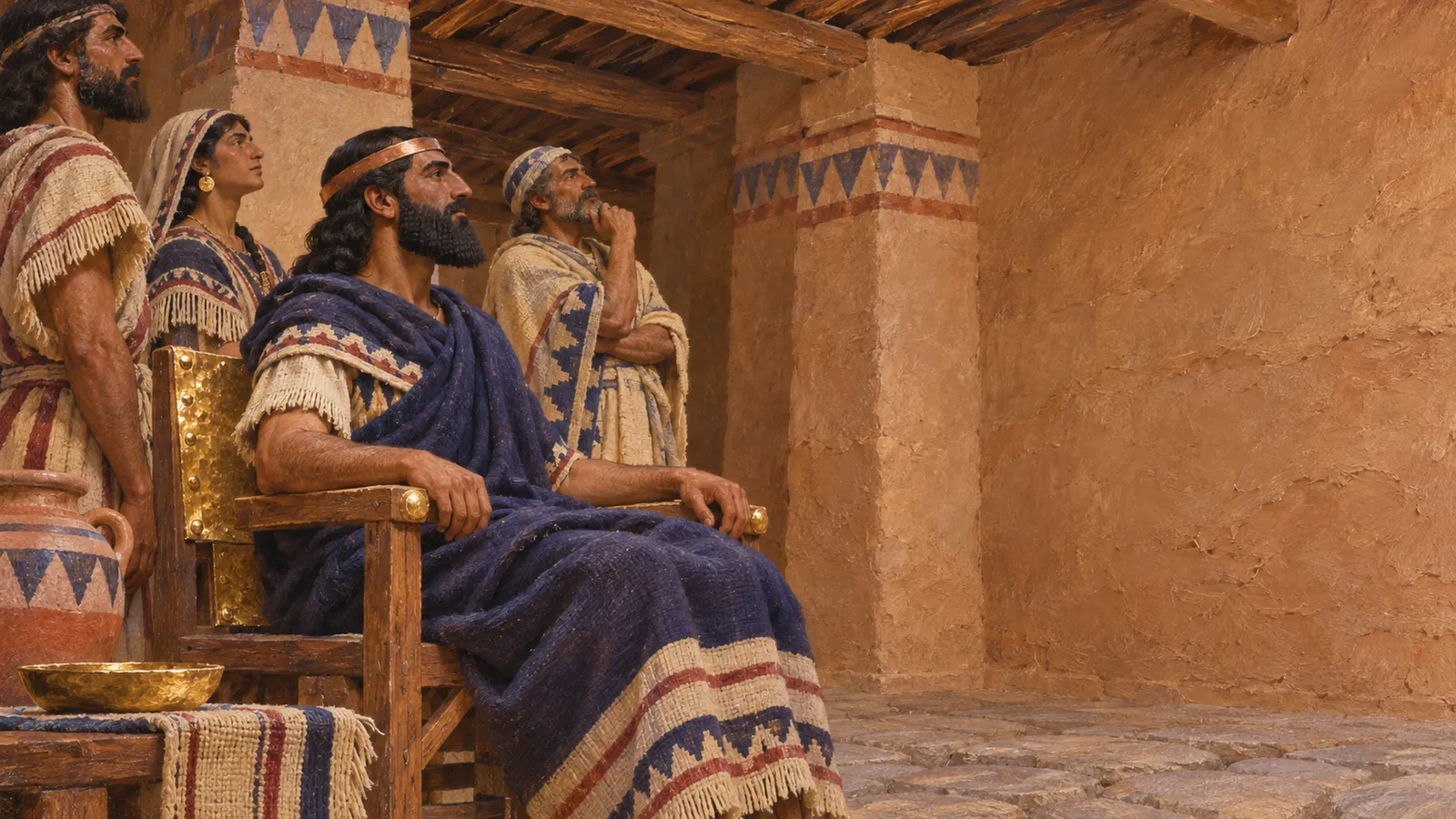
The Hittite telling also brings the rulers face to face with words about the terrain. After their exchange, a ceremony seats Sargon on a golden throne.
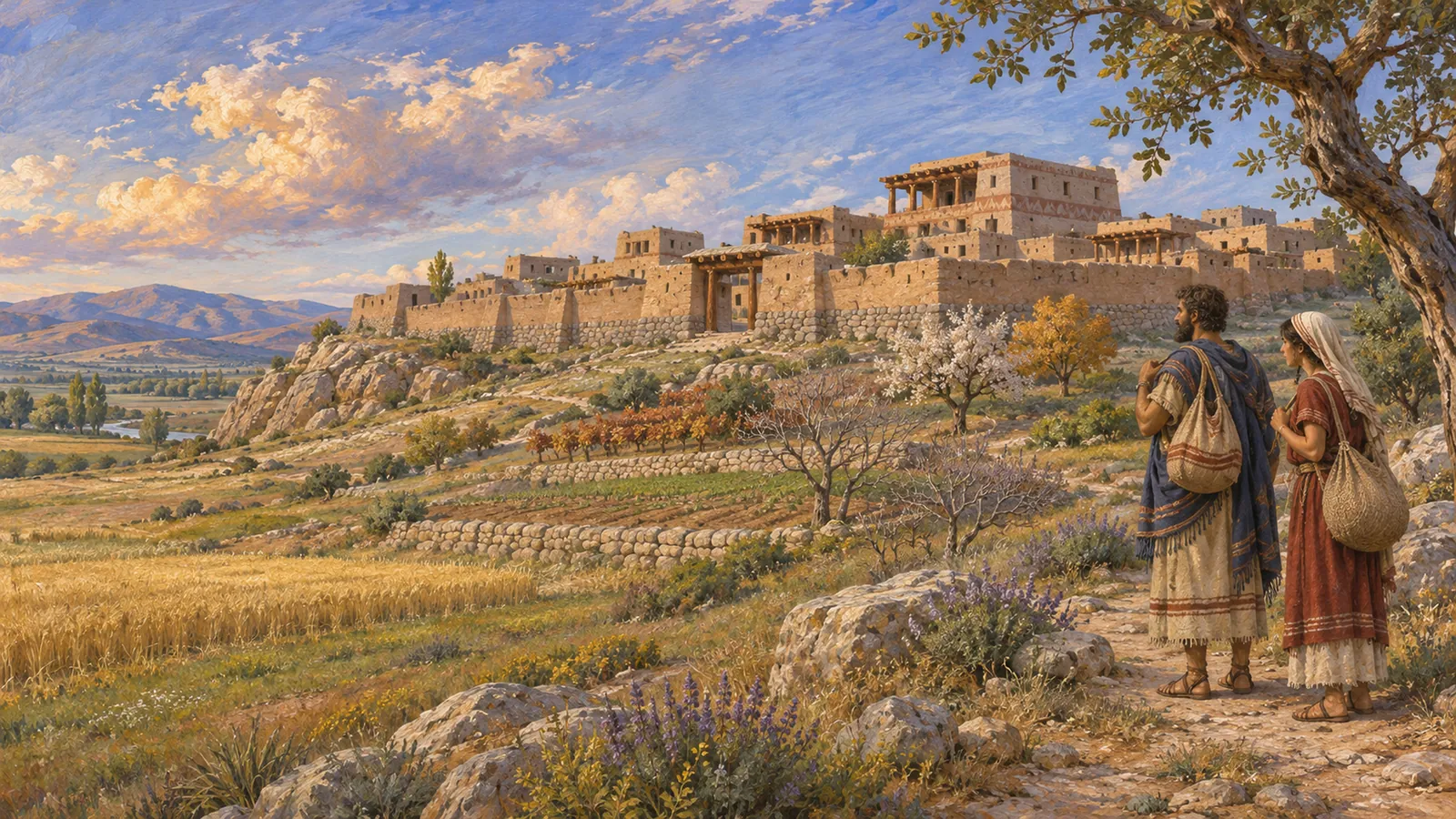
The Hittite telling counts three years and five months in Purushhanda. As Sargon prepares to leave for Akkad, his companions remind him that much of what they intended remains undone.
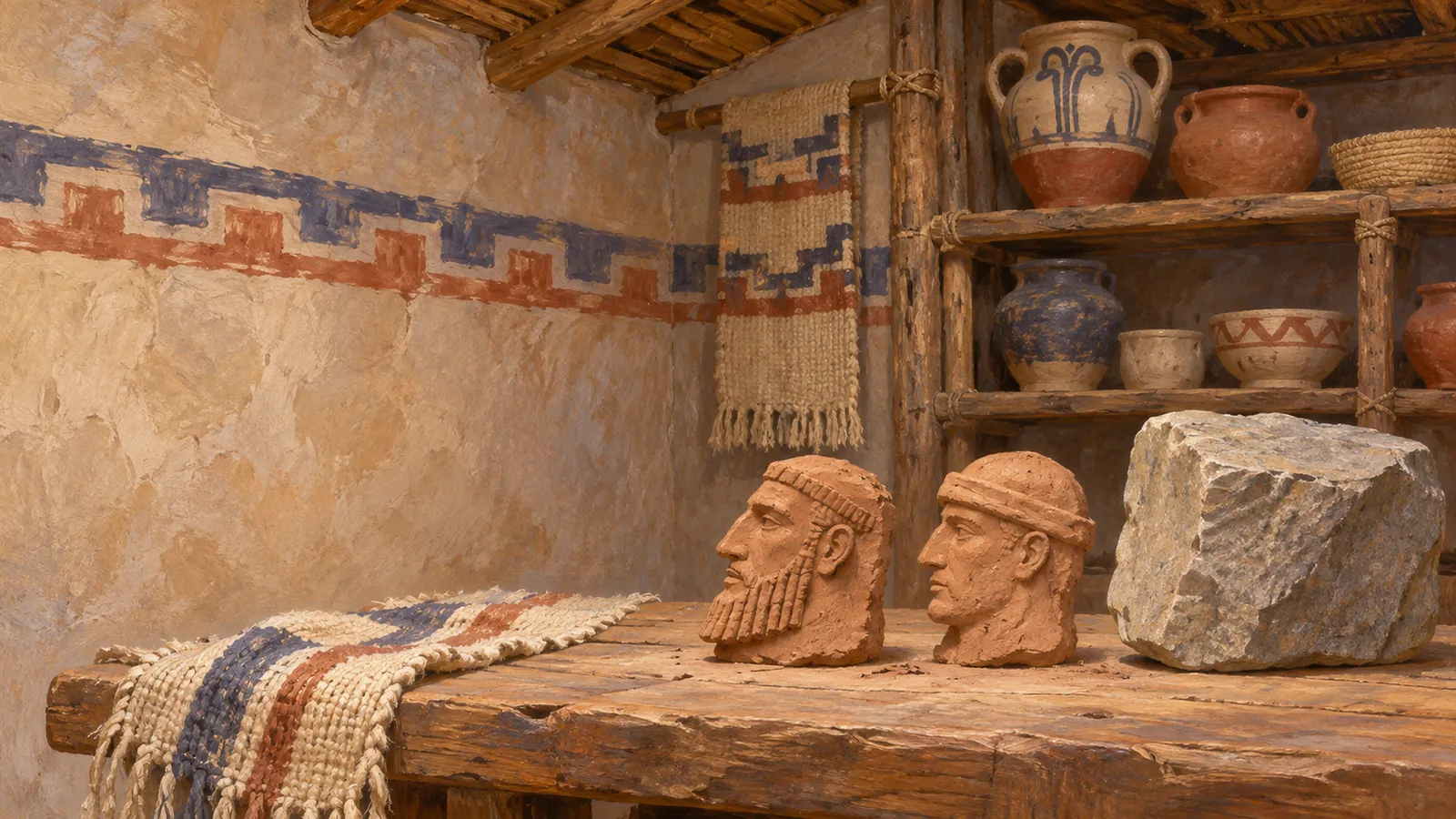
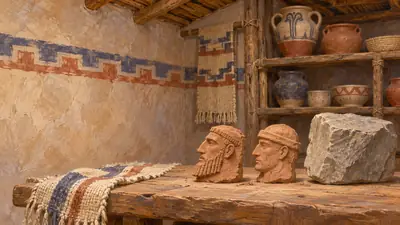
His companions propose an image of Sargon and Nur-Dahhi together at the gates. It could keep their meeting in view. What survives is the proposal and Sargon’s assent.
The Hittite clay breaks there. Amarna had stopped at its own broken count of the years. Across the pieces we can follow the road. The last sight of the city is lost.
End of chapter 1
All pages
Sources
Editions consulted
- Shlomo Izre’el, *The Amarna Scholarly Tablets* (1997), EA 359, pp. 66–75 and EA 375, pp. 87–88
- Cuneiform Digital Library Initiative, EA 359, Cairo Museum JE 48396, P270858
- Sources of Early Akkadian Literature, EA 359 with text and editions
- Sources of Early Akkadian Literature, EA 375, British Museum 134866
- Henry J. A. Lewis, “When Repetition Fails,” CTH 310, pp. 1–4 (2024)
Ancient lines behind each page
- Page 1: EA 359, Obv. 1–6 and witness
- Page 2: EA 359, Izre’el, pp. 66, 71–72
- Page 3: EA 359, Obv. 1–6
- Page 4: EA 359, Obv. 7–10
- Page 5: EA 359, Obv. 10–12
- Page 6: EA 359, Obv. 10–12; visual interpretation
- Page 7: EA 359, Obv. 13–15
- Page 8: EA 359, Obv. 14–15, 21
- Page 9: EA 359, Obv. 16–18
- Page 10: EA 359, Obv. 18–21
- Page 11: EA 359, Obv. 22–23
- Page 12: EA 359, Obv. 24–25
- Page 13: EA 359, Obv. 26–27
- Page 14: EA 359, Obv. 28
- Page 15: EA 359, Obv. 29–31
- Page 16: EA 359, Obv. 27–35
- Page 17: EA 359, Obv. 30–35 and Rev. 1′–3′
- Page 18: EA 359, Rev. 3′–5′
- Page 19: EA 359, Rev. 6′–7′
- Page 20: EA 359, Rev. 7′–10′; visual interpretation
- Page 21: EA 359, Rev. 7′–10′
- Page 22: EA 359, Rev. 10′–12′
- Page 23: EA 359, Rev. 13′–15′
- Page 24: EA 359, Rev. 15′–18′
- Page 25: EA 359, Rev. 19′–23′
- Page 26: EA 359, Rev. 24′–26′
- Page 27: EA 359, Rev. 24′
- Page 28: EA 359, Rev. 24′–26′
- Page 29: EA 359, Rev. 26′–28′
- Page 30: EA 359, Rev. 29′
- Page 31: EA 375, Izre’el, p. 87; SEAL 1590
- Page 32: CTH 310; Lewis, pp. 1–3
- Page 33: CTH 310, KBo 22.6+, Obv. I 1′–20′
- Page 34: CTH 310, KBo 22.6+, Obv. I 1′–20′
- Page 35: CTH 310, KBo 22.6+, Obv. I 1′–20′
- Page 36: CTH 310, KBo 22.6+, Obv. I 20′–29′
- Page 37: CTH 310, KBo 22.6+, Obv. II 4′–16′, Rev. III–IV
- Page 38: CTH 310, KBo 22.6+, Rev. IV 8′–32″
- Page 39: CTH 310, KBo 22.6+, Rev. IV 8′–32″
- Page 40: CTH 310, KBo 22.6+, Rev. IV 32″; witness comparison
Illustrations made with AI tools by IL Archive; the text is based on the ancient sources (see the sources at the end of each chapter).