The Magicians of Papyrus Westcar Chapter 1
Wonders and Three Crowns
At Khufu’s court, princes recount the wonders of Ubainer and Djadjaemankh before the living sage Djedi is called to demonstrate his skill. His prophecy leads to three births and three crowns hidden in barley, before the surviving papyrus breaks off.
SourcesTurn the pages with the arrows, the arrow keys or a swipe.
ROYAL WONDERS
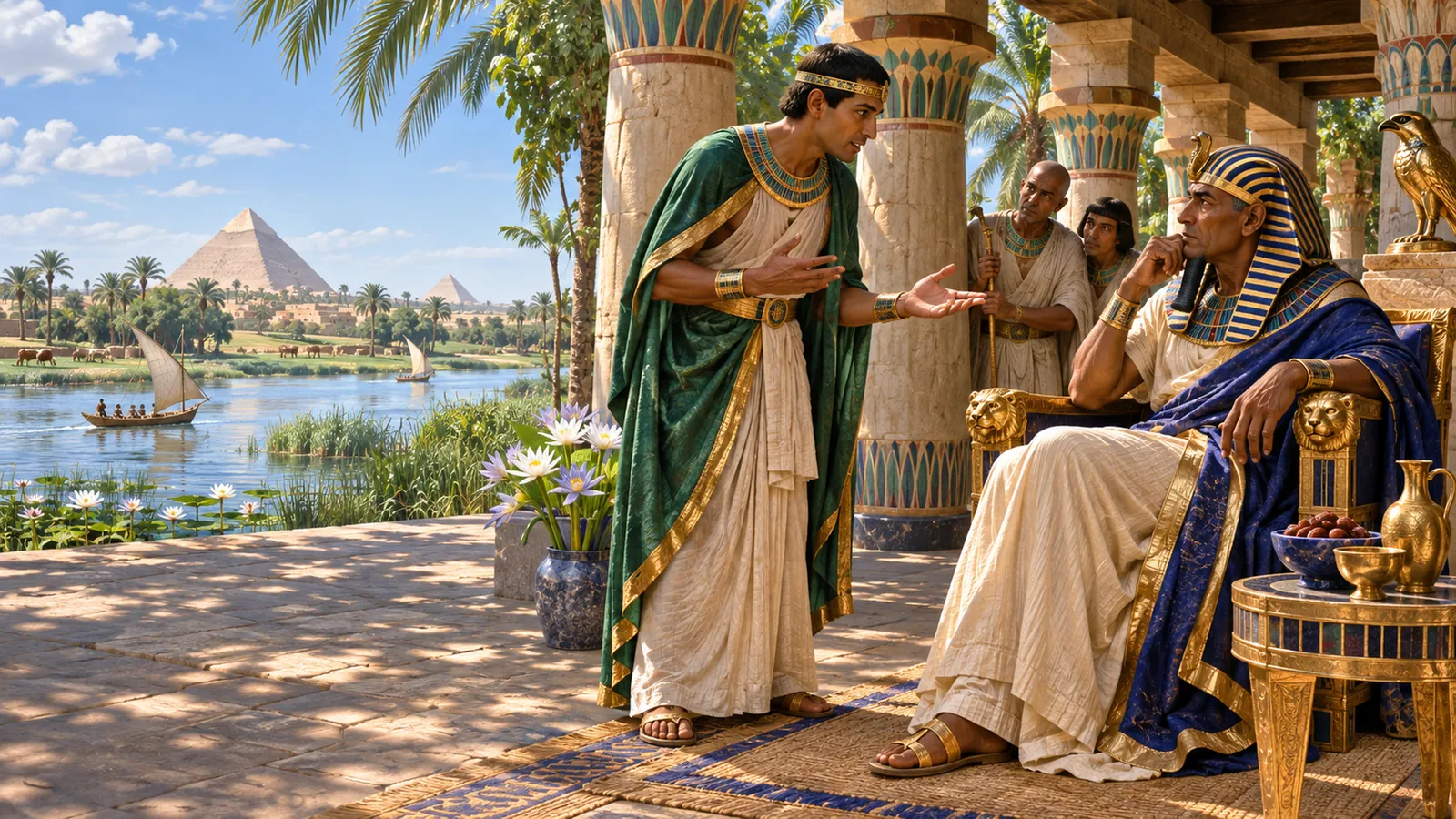
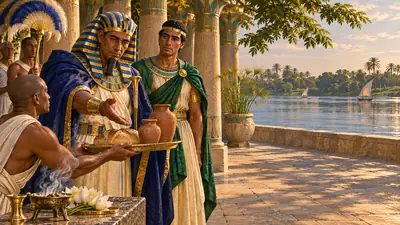
At King Khufu’s court, princes told of wonders from earlier reigns. The opening of their collection is lost; the surviving papyrus begins near the close of its first story.
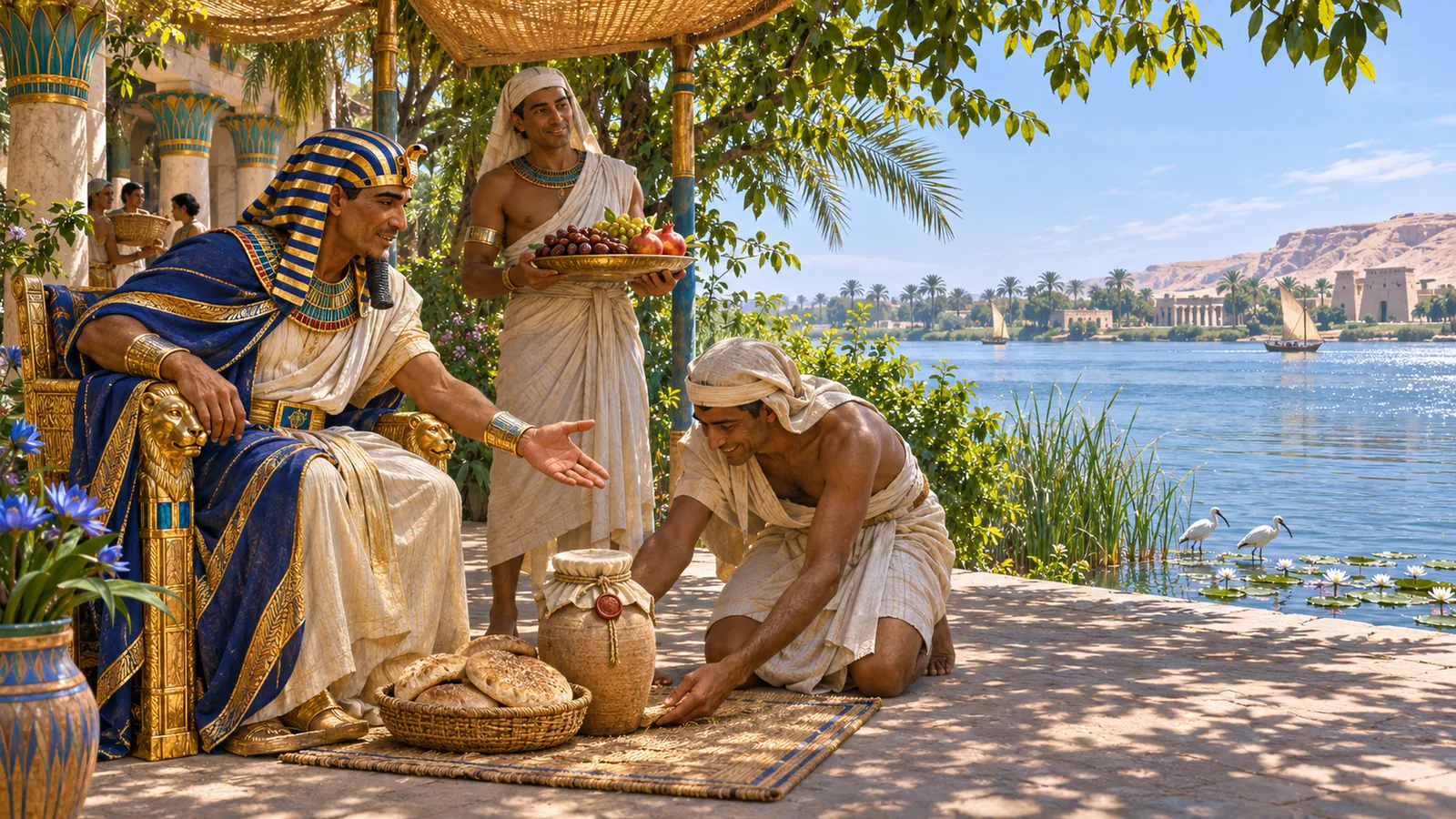
The first surviving passage records Khufu ordering offerings for King Djoser and a chief lector priest. Their wonder is missing, so its deeds cannot be supplied from the remaining words.
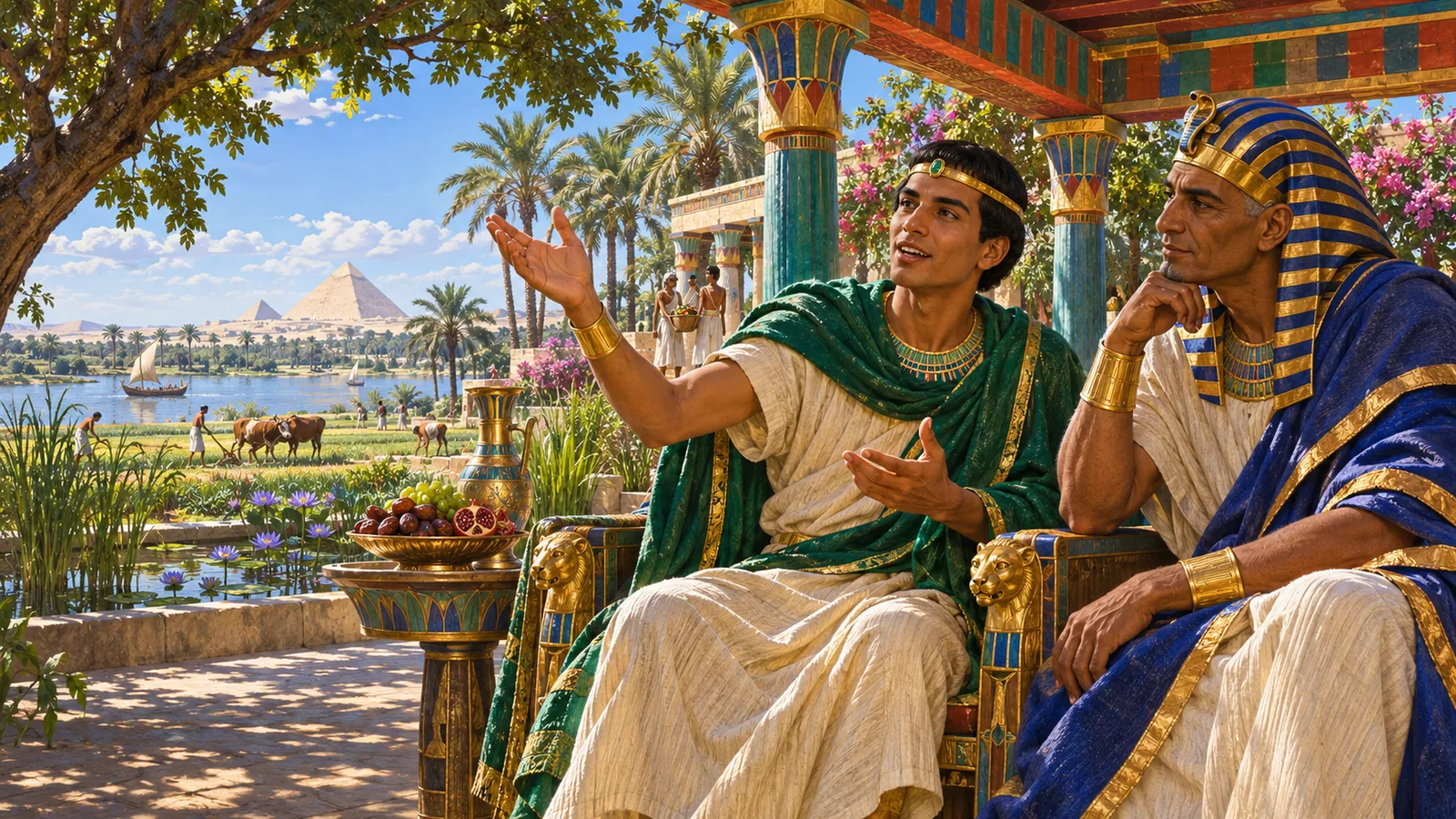
Prince Khafre rose to tell of an earlier king, Nebka, and the chief lector priest Ubainer. His story began with a royal visit connected to Ptah’s temple at Memphis.
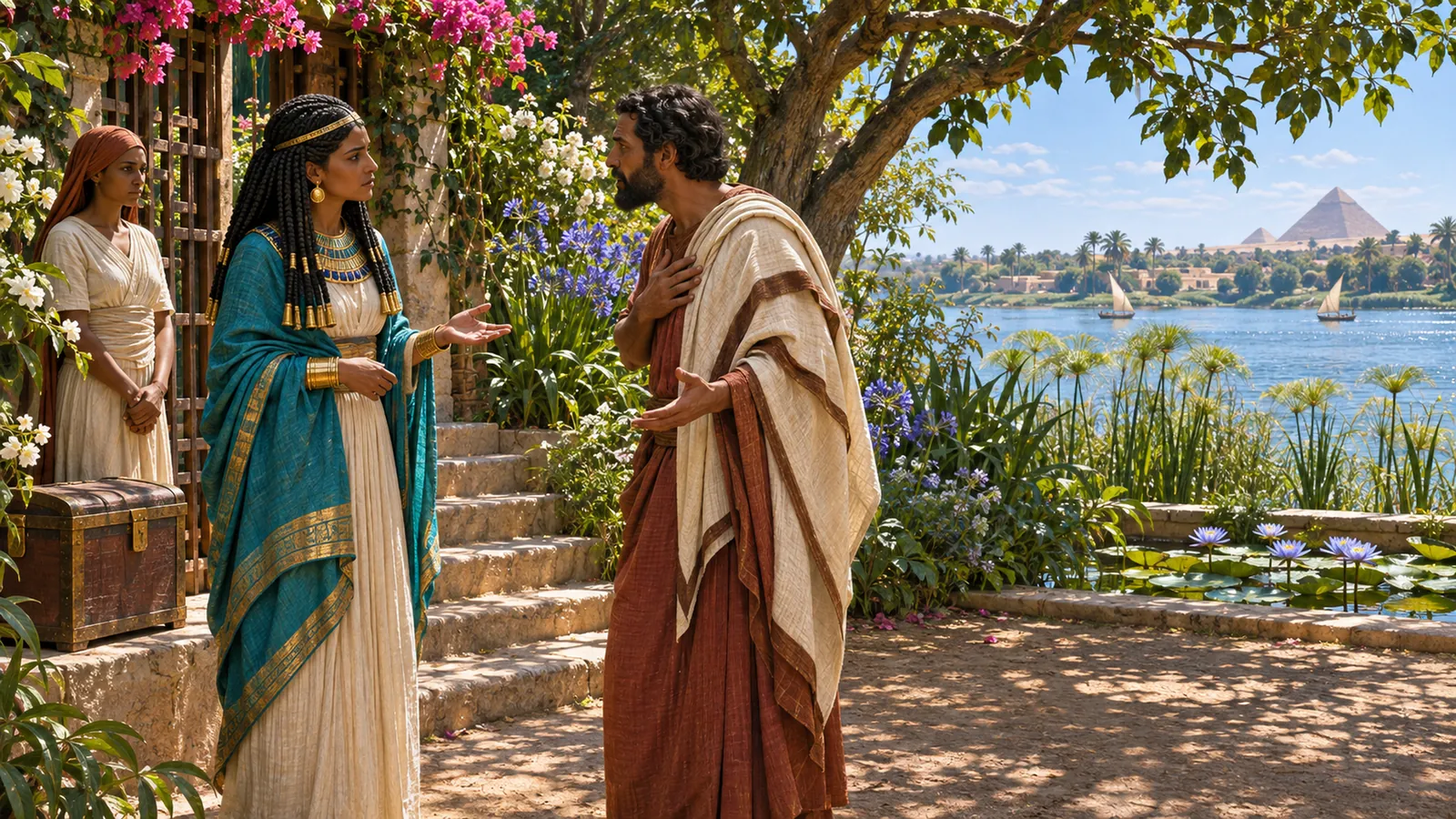
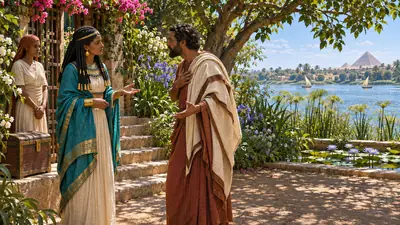
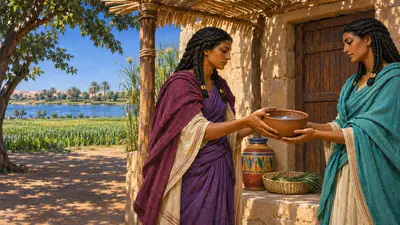
Ubainer’s wife had a secret affair with an unnamed townsman. The damaged opening mentions a gift of clothes and a maid who helped carry messages between them.
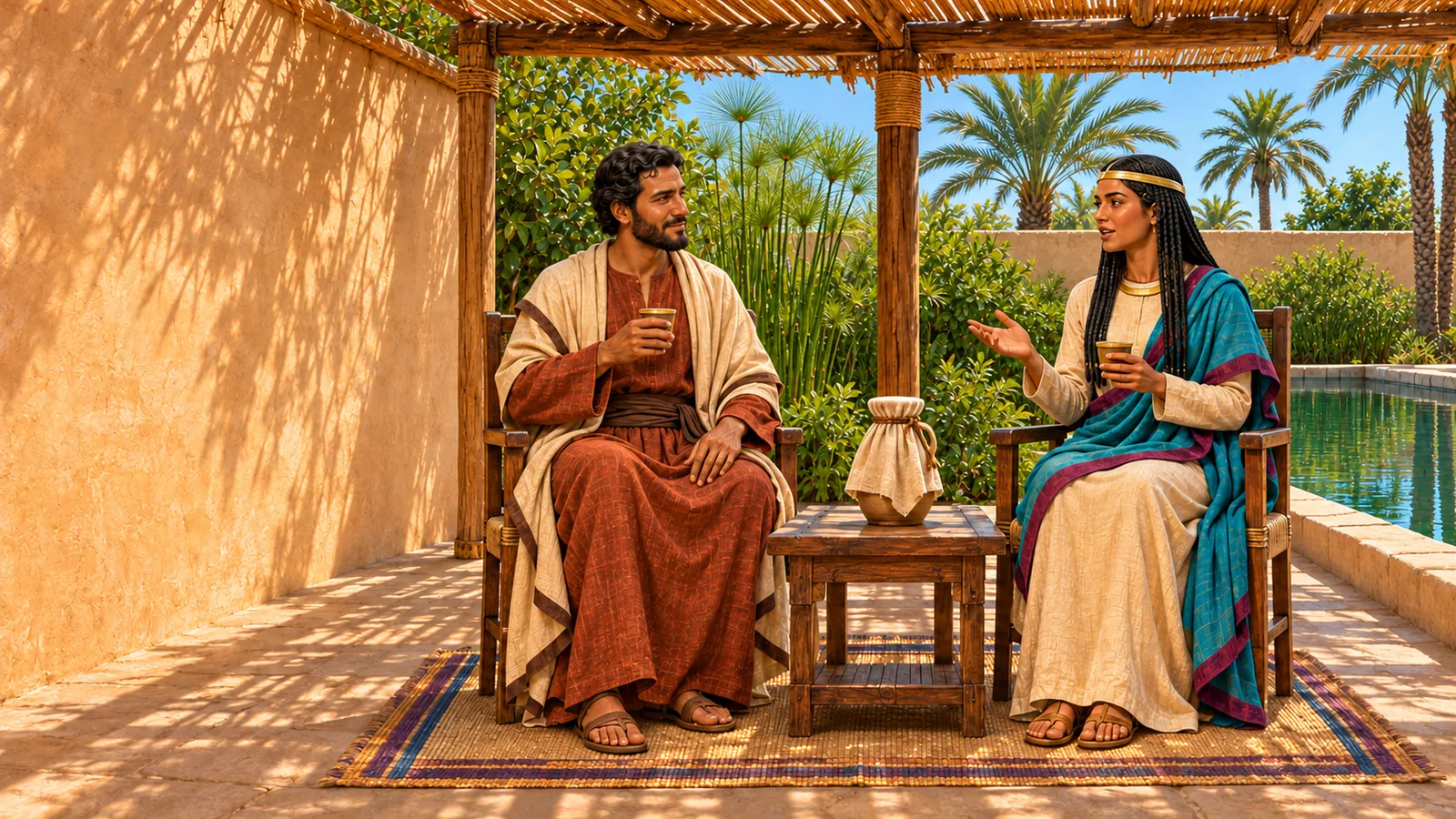
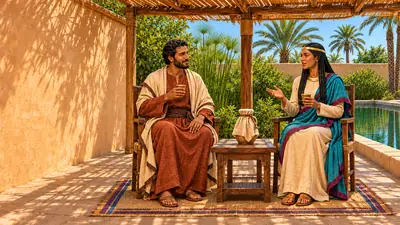
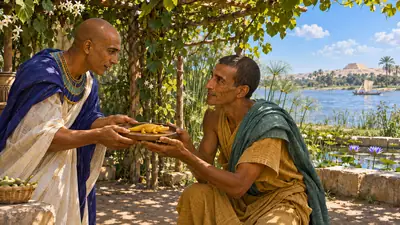
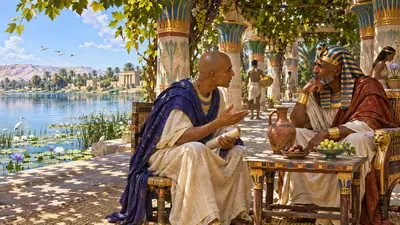
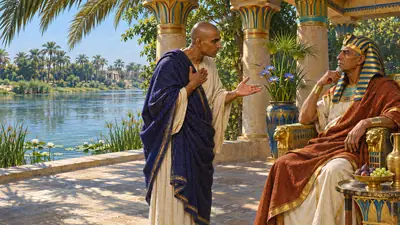
There was a pavilion in Ubainer’s garden. His wife had it prepared and spent the day drinking there with the townsman, until evening brought him toward the pool.
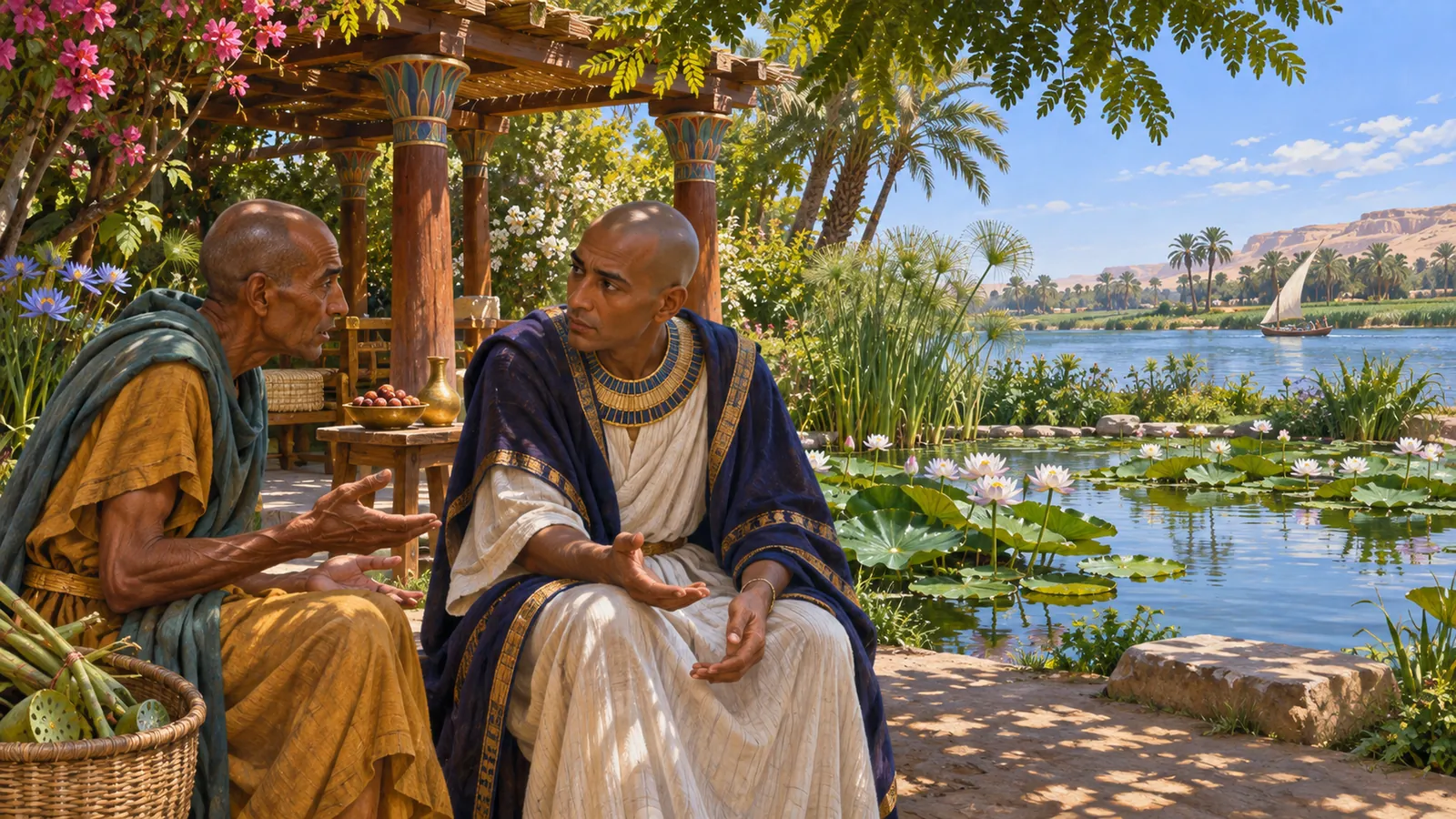
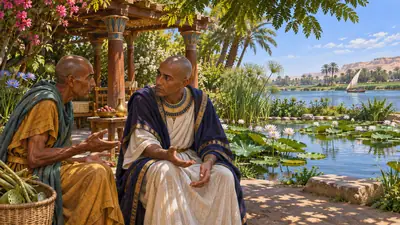
The caretaker responsible for the garden learned what was happening and went to Ubainer. Parts of his report are lost, but the surviving story turns from secrecy toward the priest’s response.
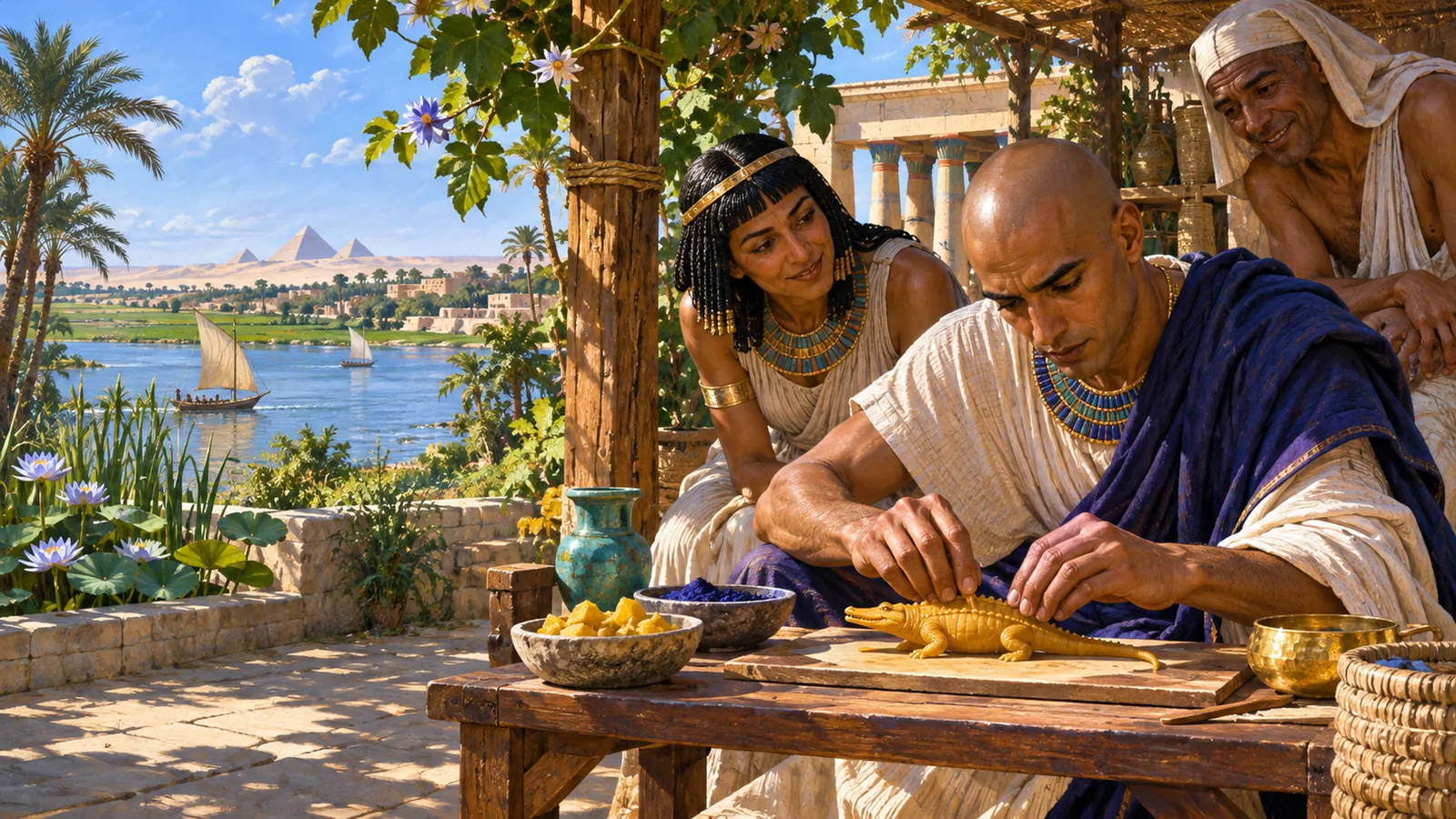
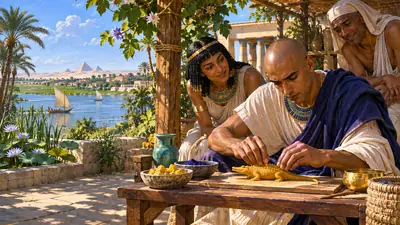
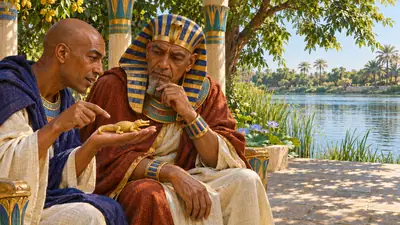
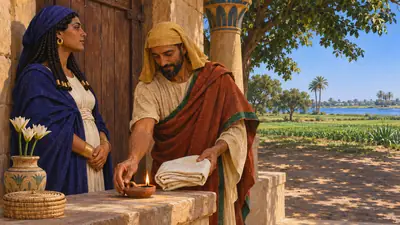
Ubainer called for his equipment and made a small crocodile of wax. He recited words over it, preparing a magical answer to the townsman’s visits to his pool.
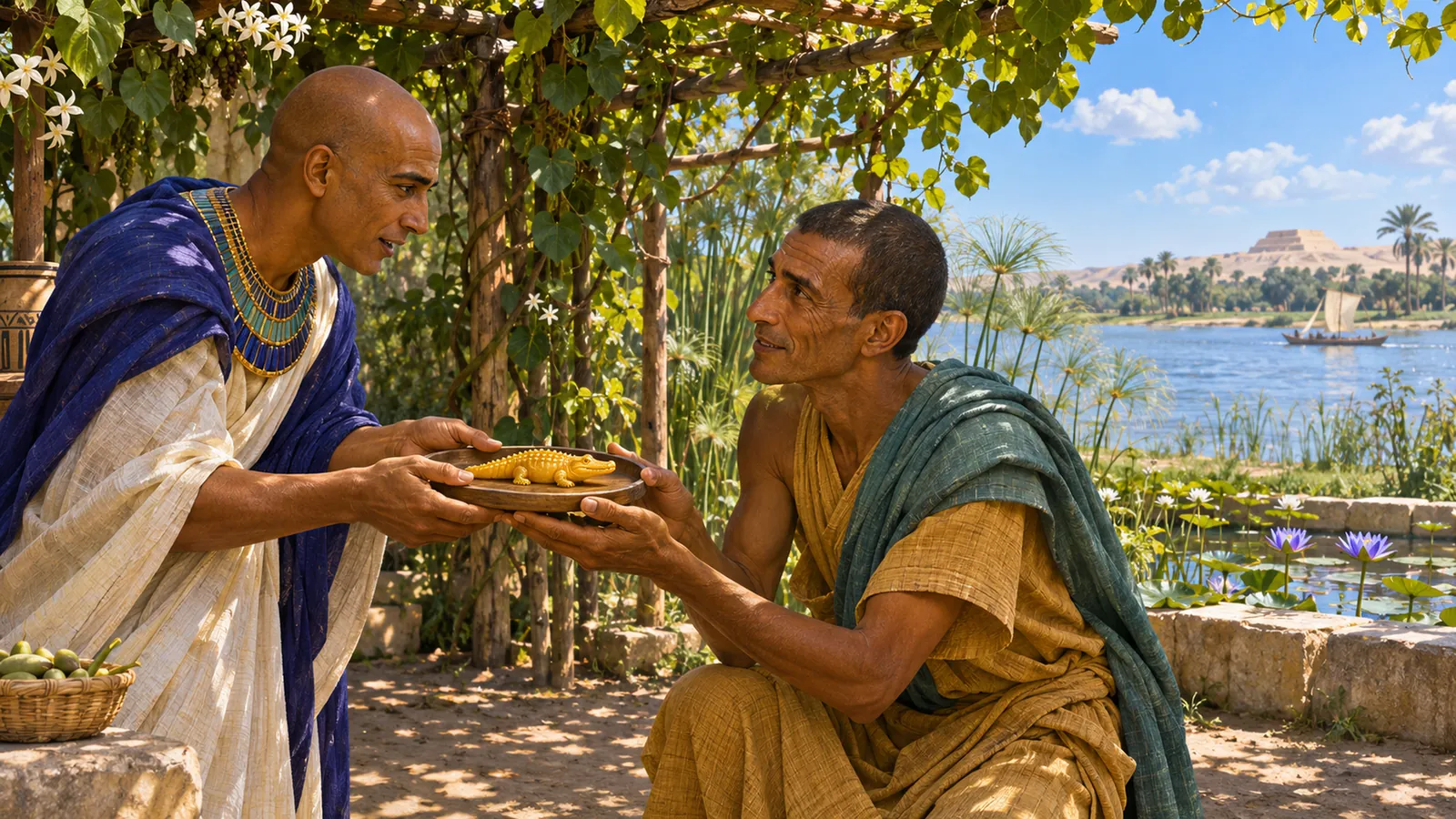
He gave the wax crocodile to the caretaker with instructions. When the townsman entered the pool as usual, the caretaker was to throw the little creature into the water behind him.

Ubainer’s wife again ordered the pavilion prepared for a day with the townsman. At evening he came out toward the pool, where the caretaker had the wax crocodile ready.
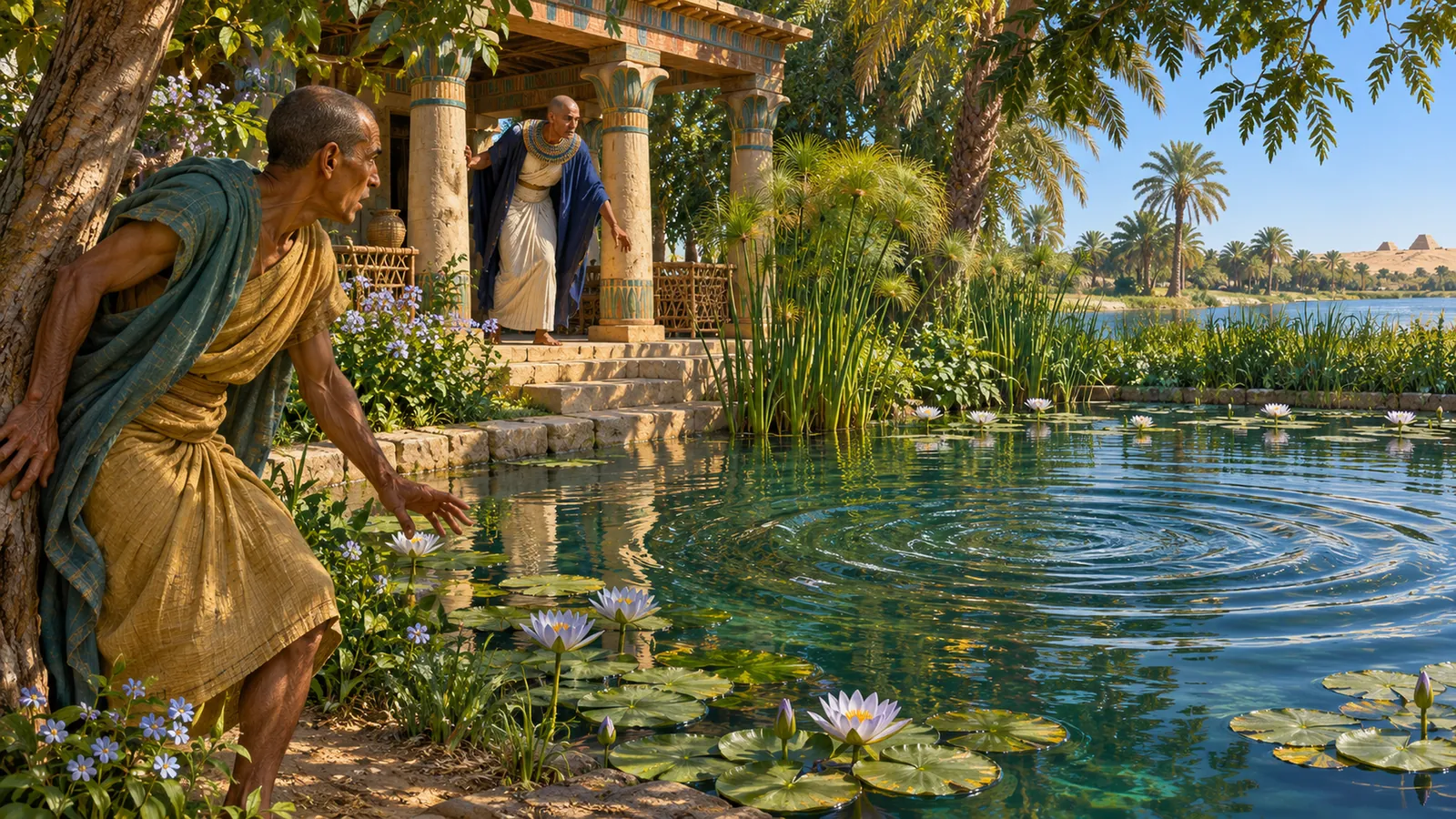
The caretaker threw the wax crocodile into the water behind the townsman; it became a living crocodile seven cubits long and seized him. The garden’s hidden affair had met a terrible magic.
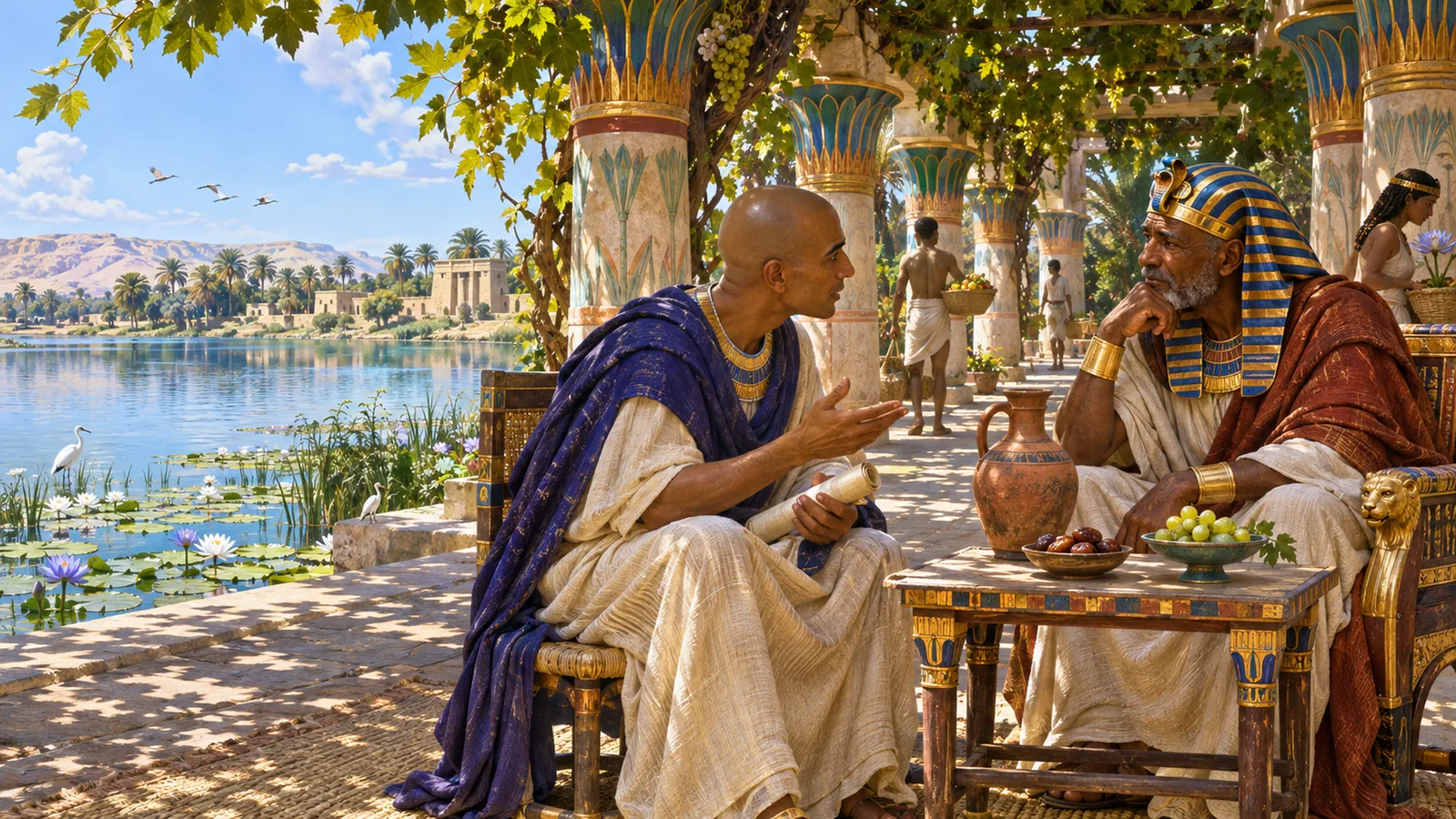
Ubainer remained with King Nebka for seven days. The passage describing the captured man during that interval is damaged; its missing details cannot be turned into a second adventure.
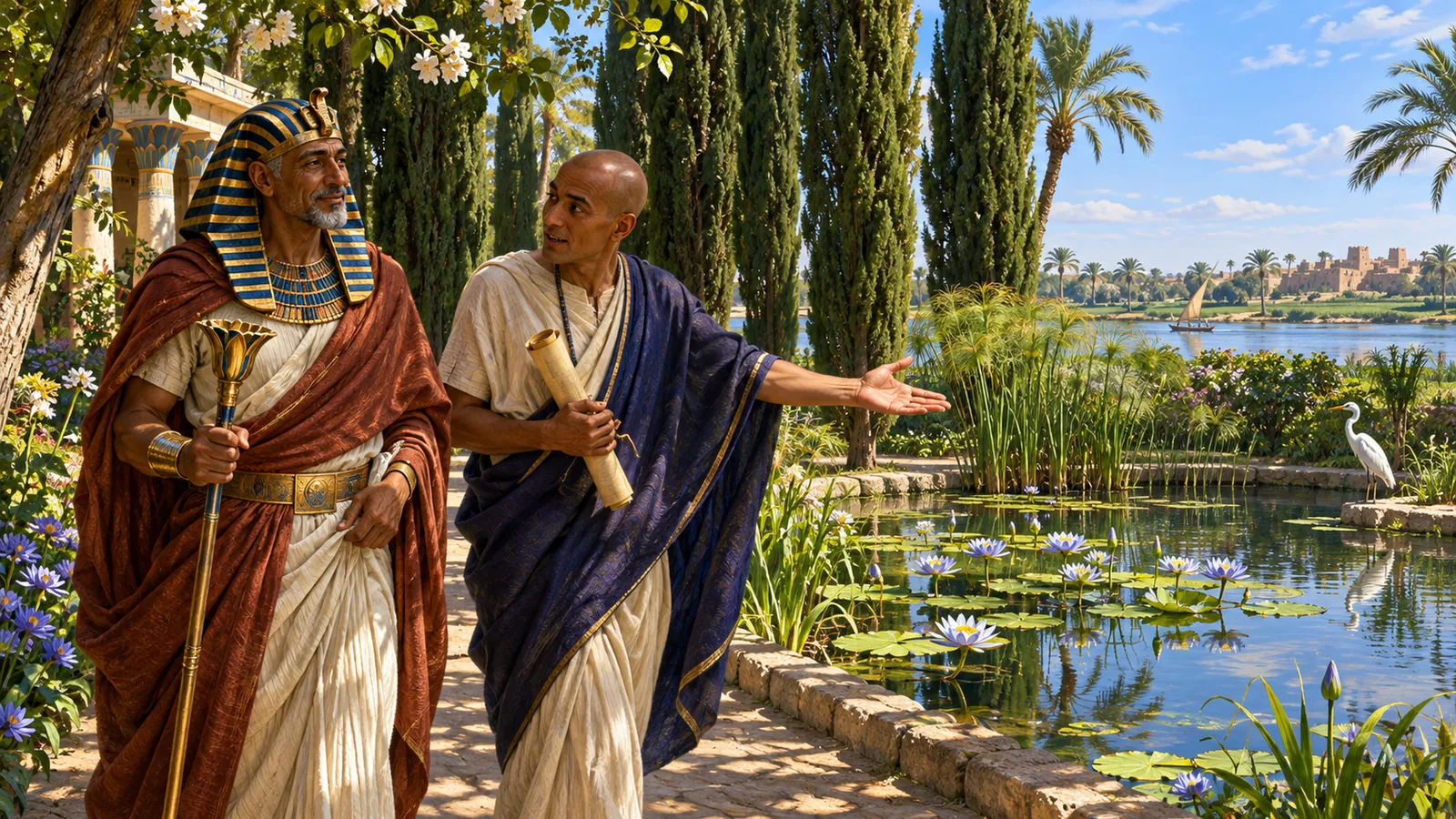
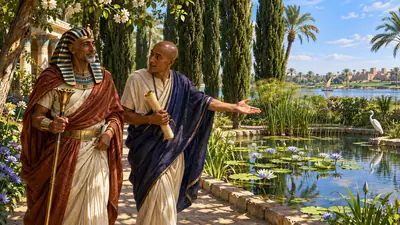
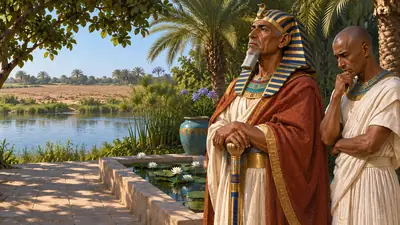
After the seven days, Ubainer approached Nebka and invited him to witness a wonder. The king went with the priest toward the pool where the enchanted creature had acted.
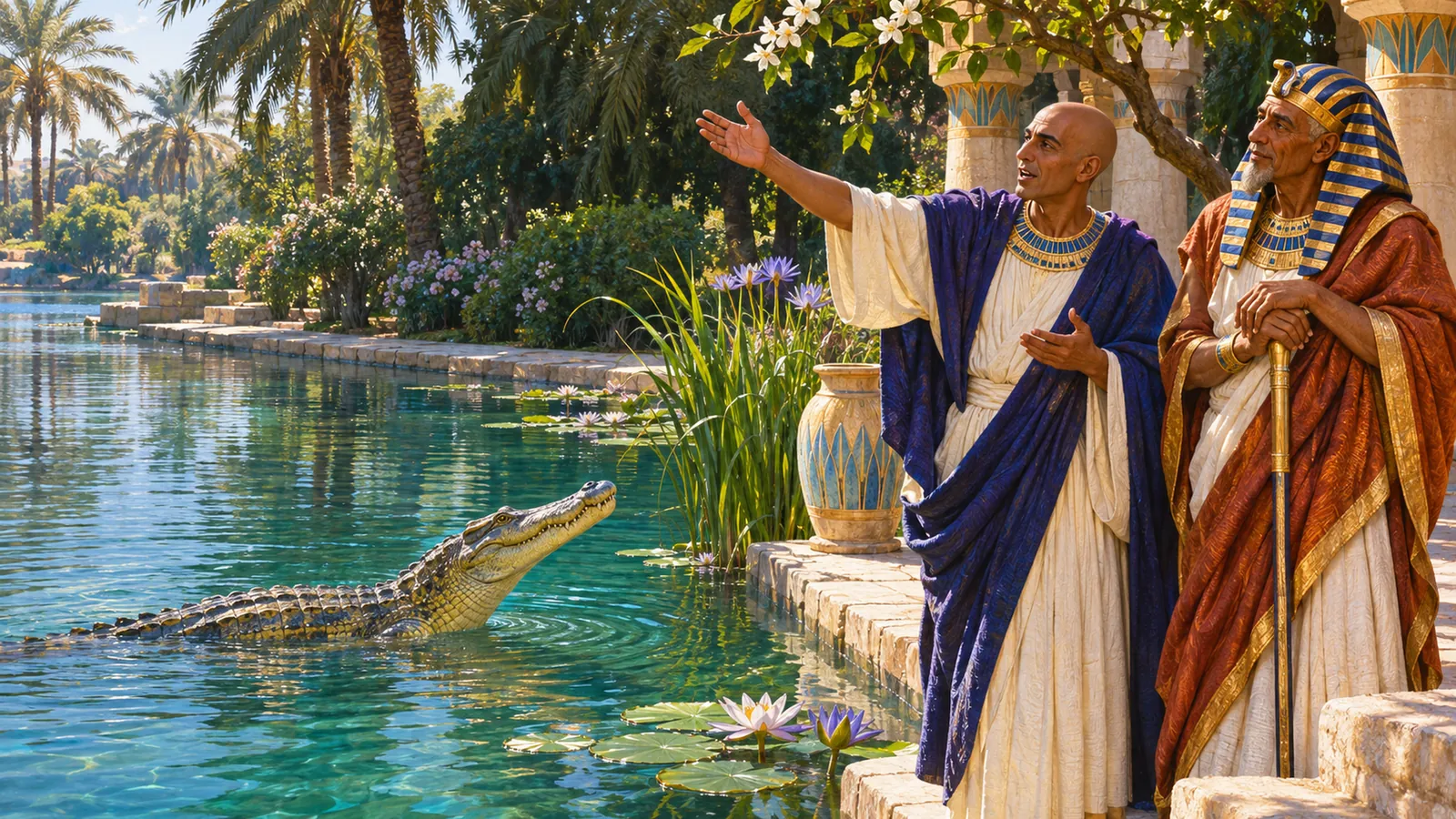
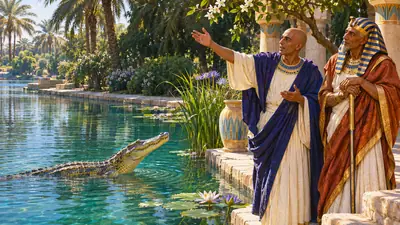
Ubainer called the crocodile and ordered it to bring the townsman. It came out, but damage in the surrounding lines leaves parts of this return and presentation uncertain.
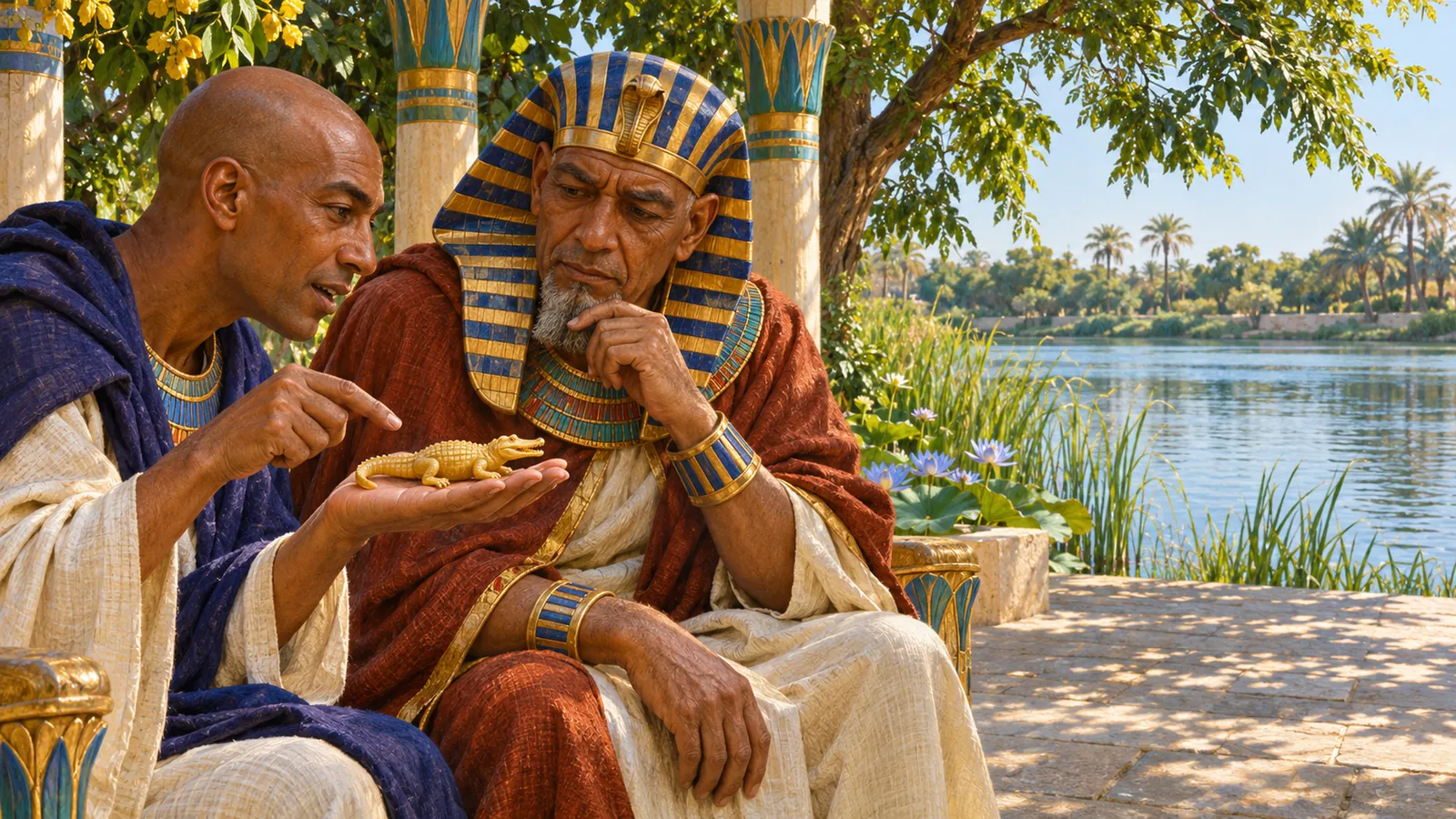
Nebka reacted to the creature before him. Ubainer bent down and picked it up, and the great crocodile was once more a little wax figure in his hand.
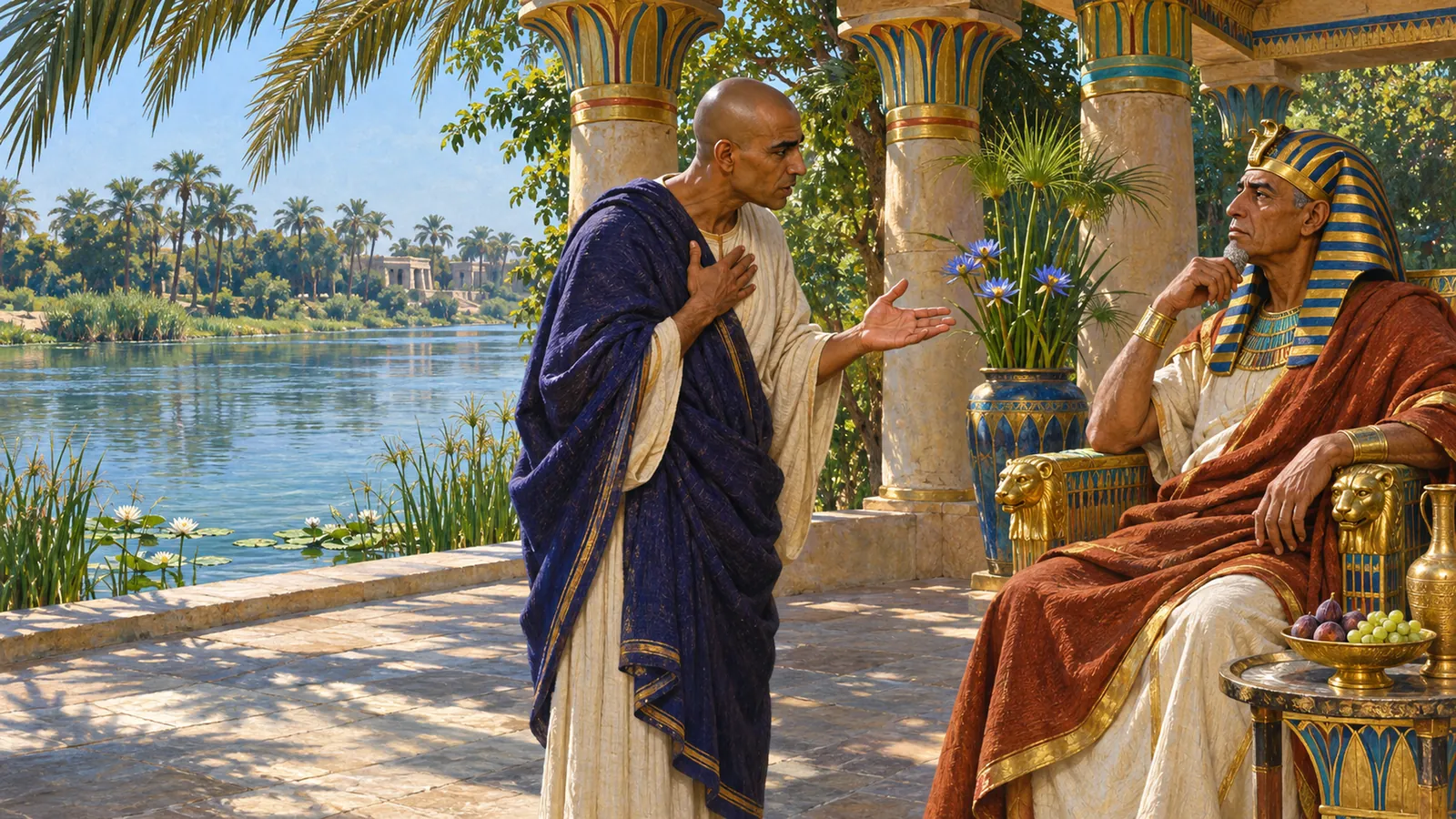
The priest told Nebka what the townsman had been doing with his wife in his own household. The king now heard the accusation behind the magical display.
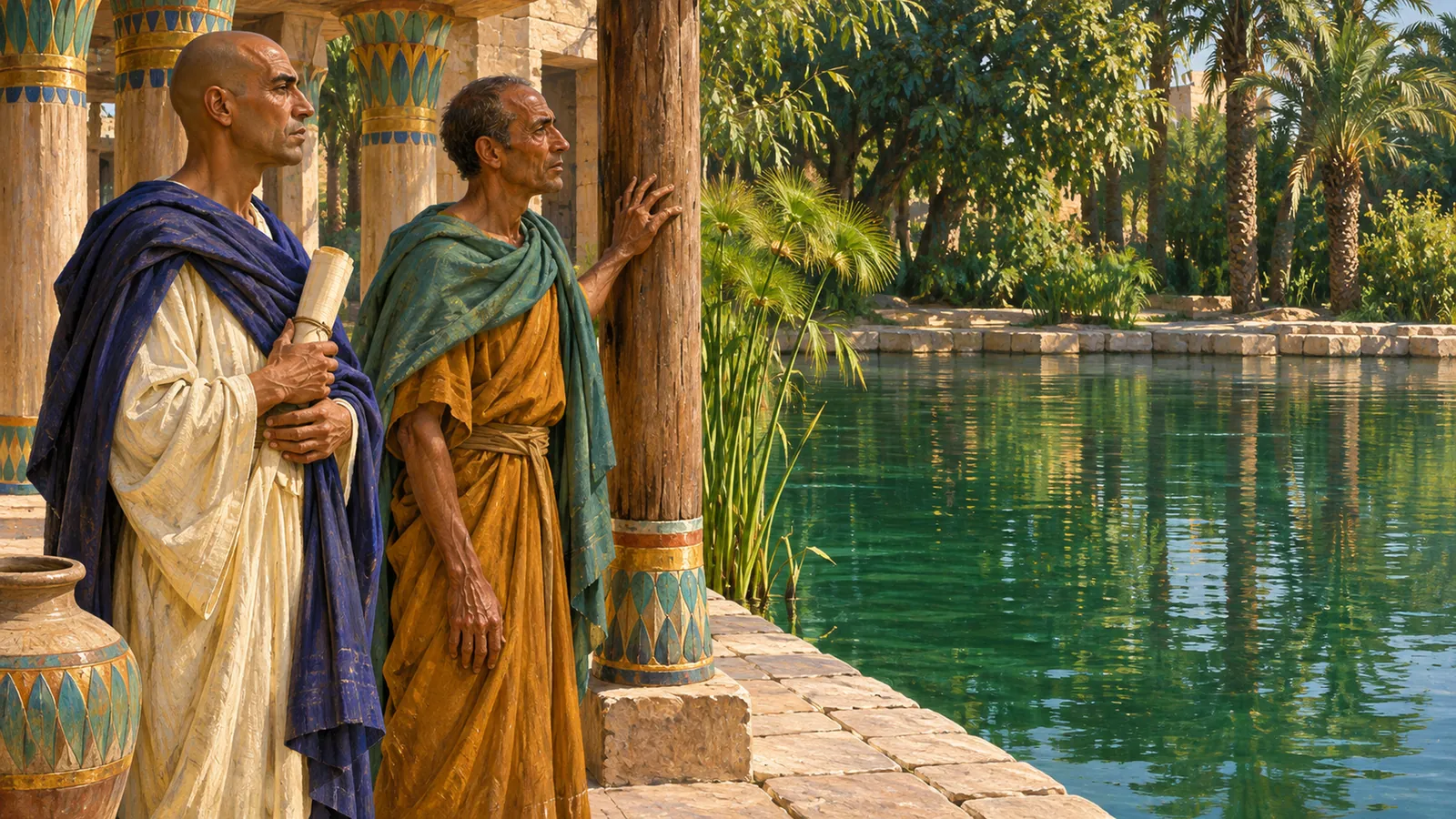
Nebka ordered the crocodile to take what belonged to it, and it carried the townsman down into the pool. The story says that no one knew where it went with him.
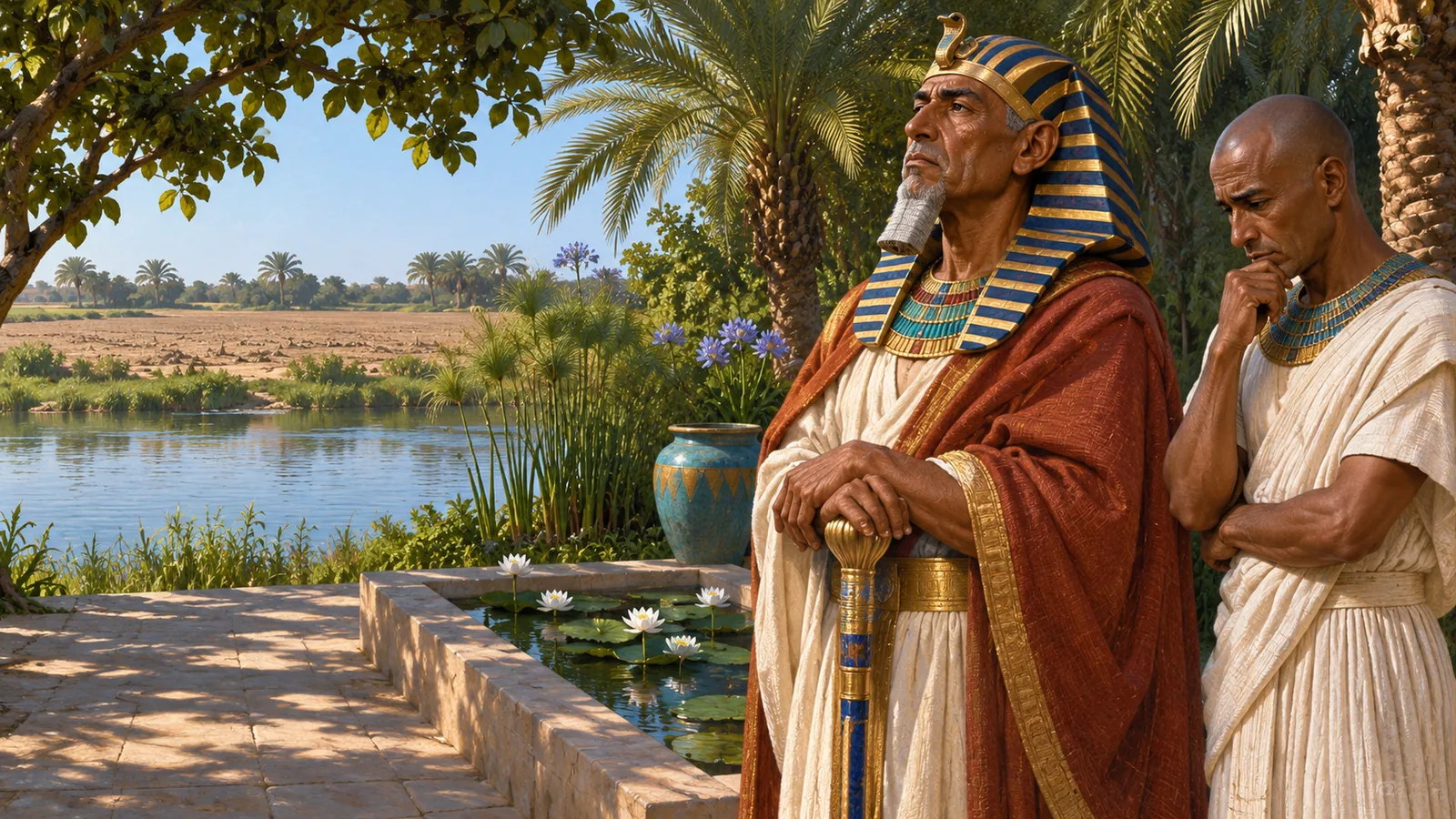
Nebka had Ubainer’s wife burned on land north of the residence. The damaged next words mention something thrown into the river, read in the restored translation as her remains.
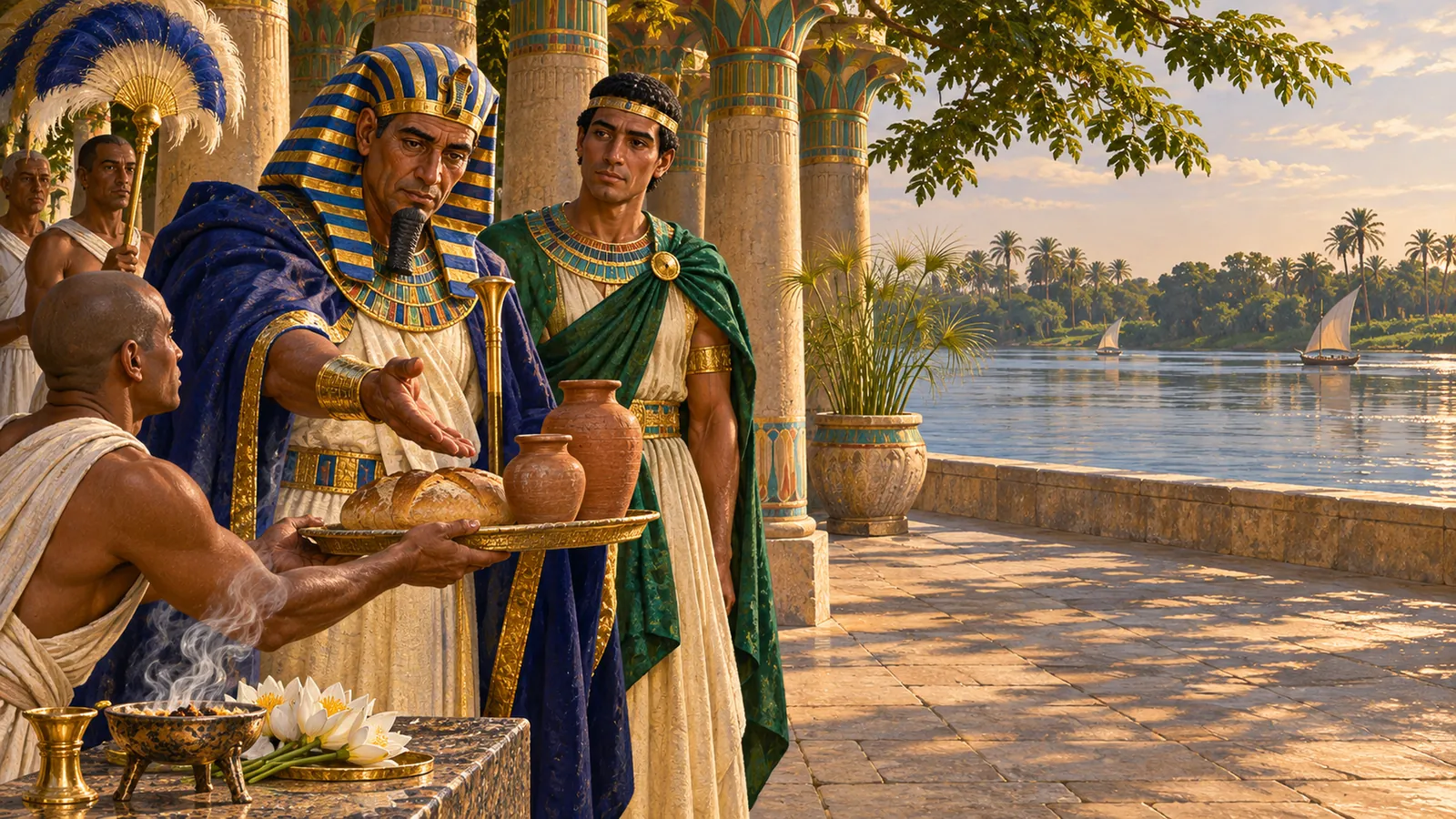
Khafre’s tale ended, and Khufu ordered offerings for Nebka and Ubainer. The court returned to the act of listening, ready for another account of a magician’s knowledge.
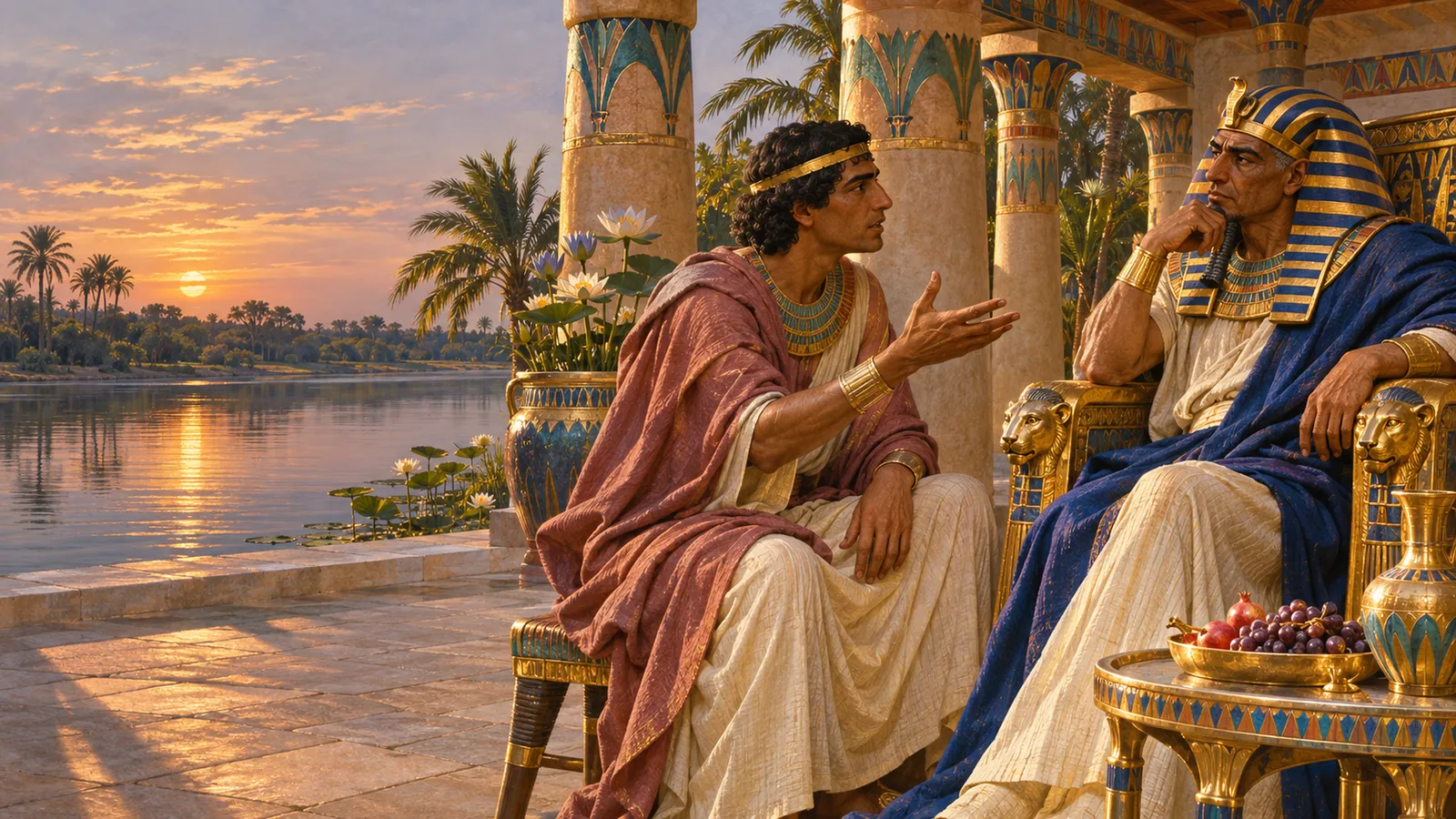
SNOFRU’S LAKE
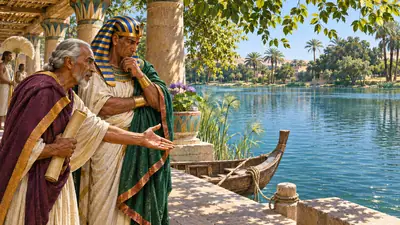
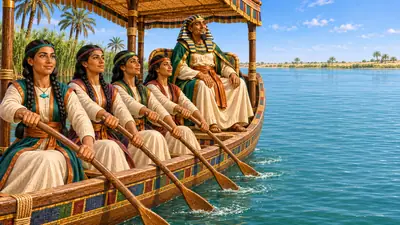
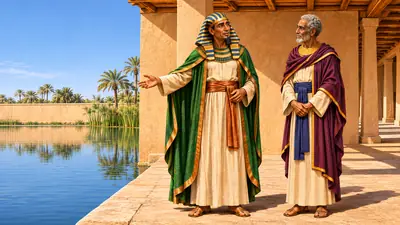
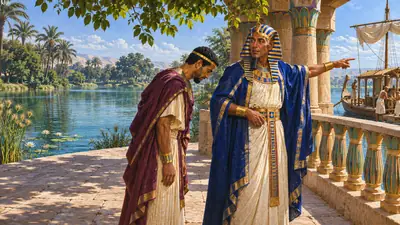
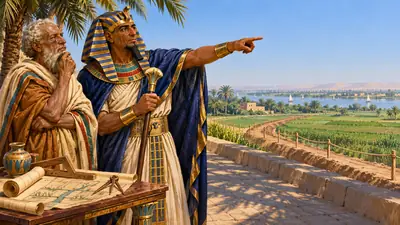
Prince Bauefre next told of King Snofru, who sought diversion throughout his palace and found none. He called for Djadjaemankh, the chief lector priest and scribe of books.
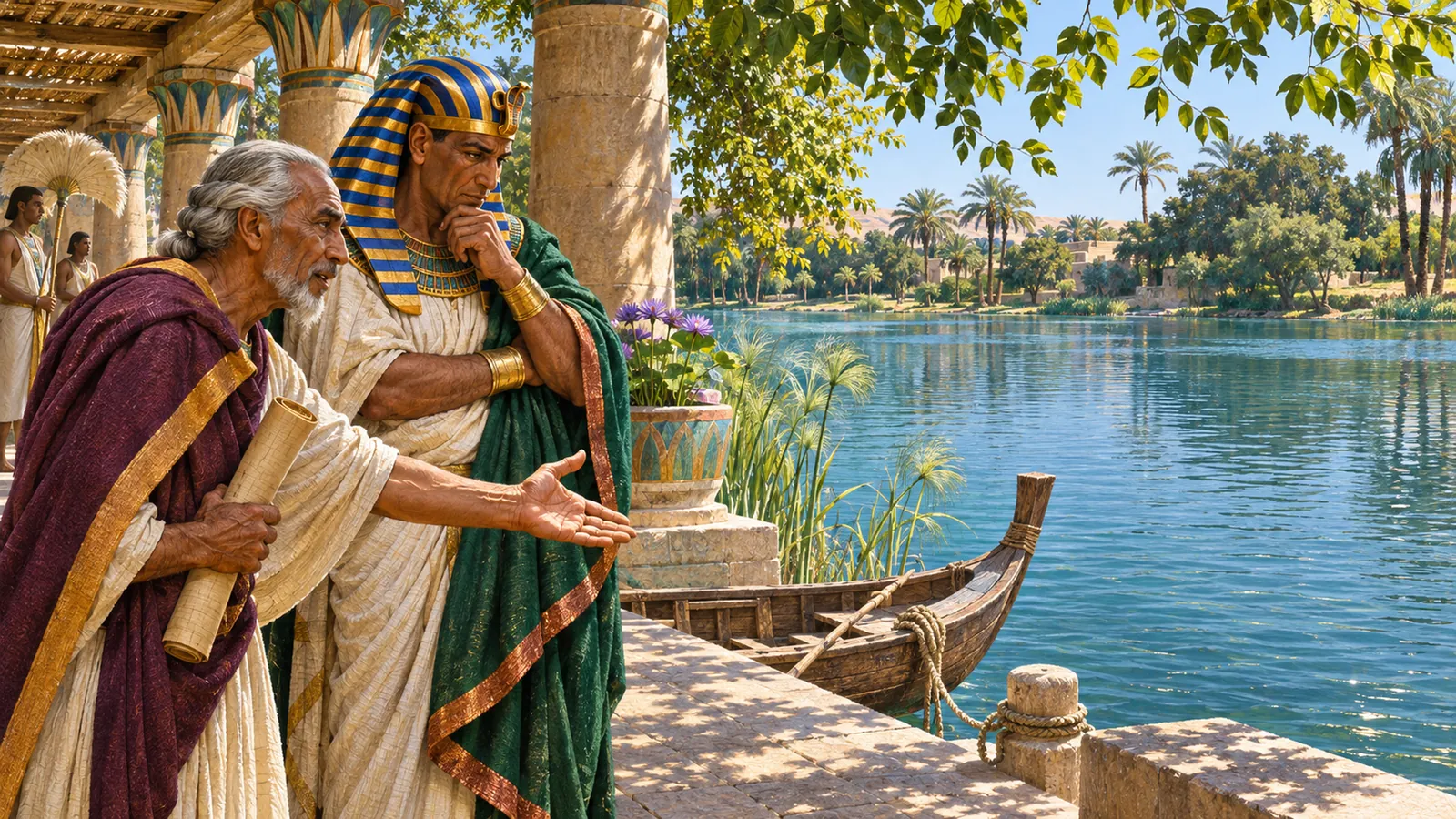
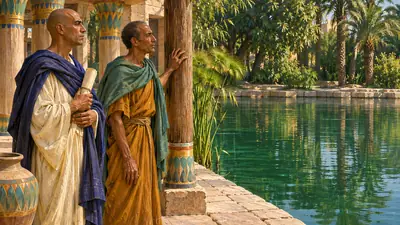
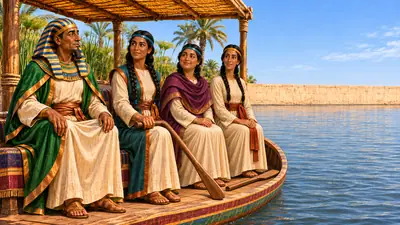
Djadjaemankh advised the king to go out upon the palace lake. Watching women row among its reeds, fields and pleasant banks, he said, would refresh the royal heart.
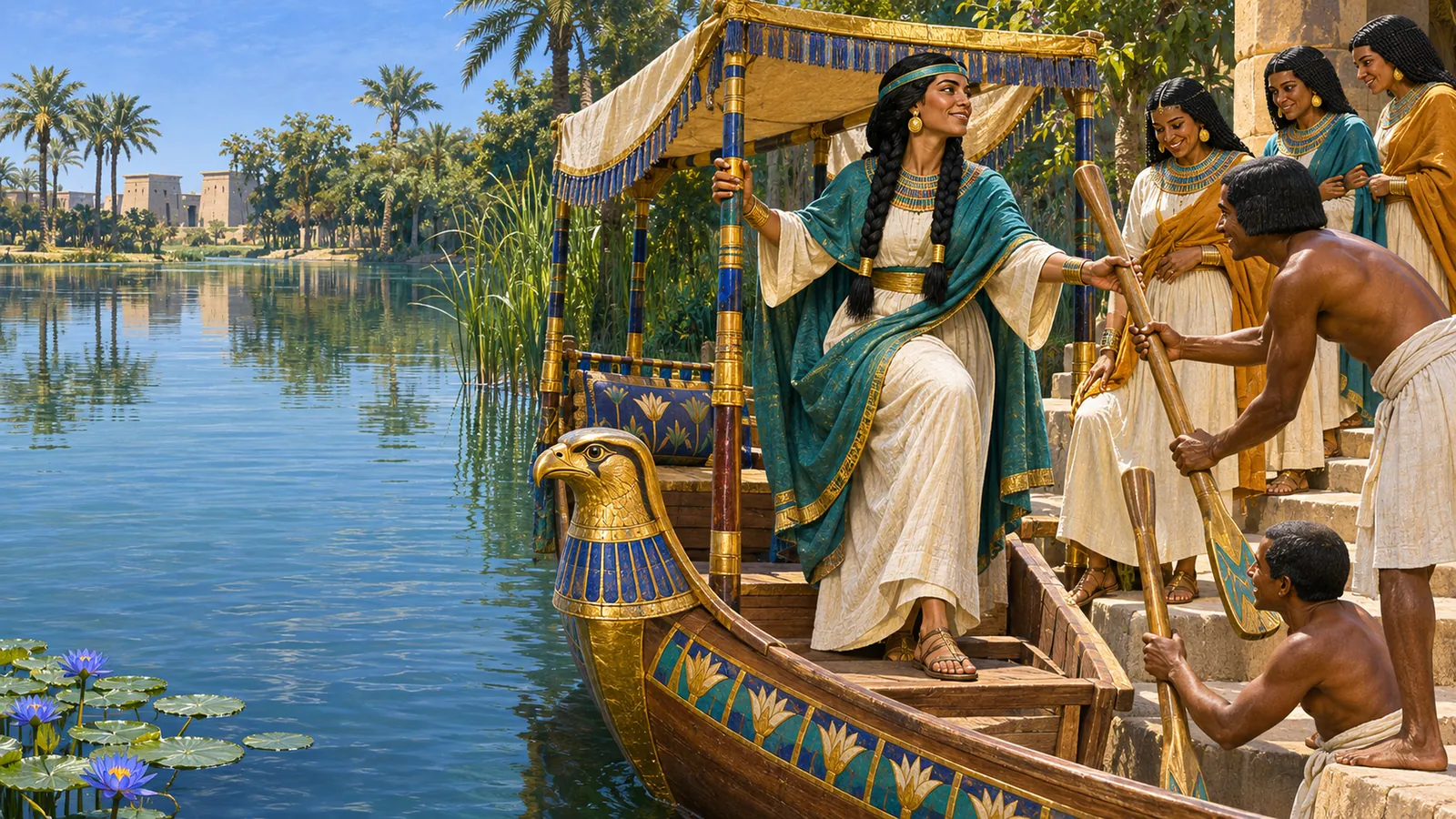
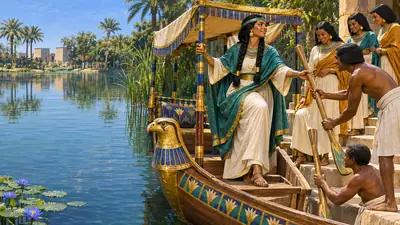
Snofru ordered twenty women to row with twenty richly made oars, and told them to replace their clothes with nets. His order was carried out for the outing.
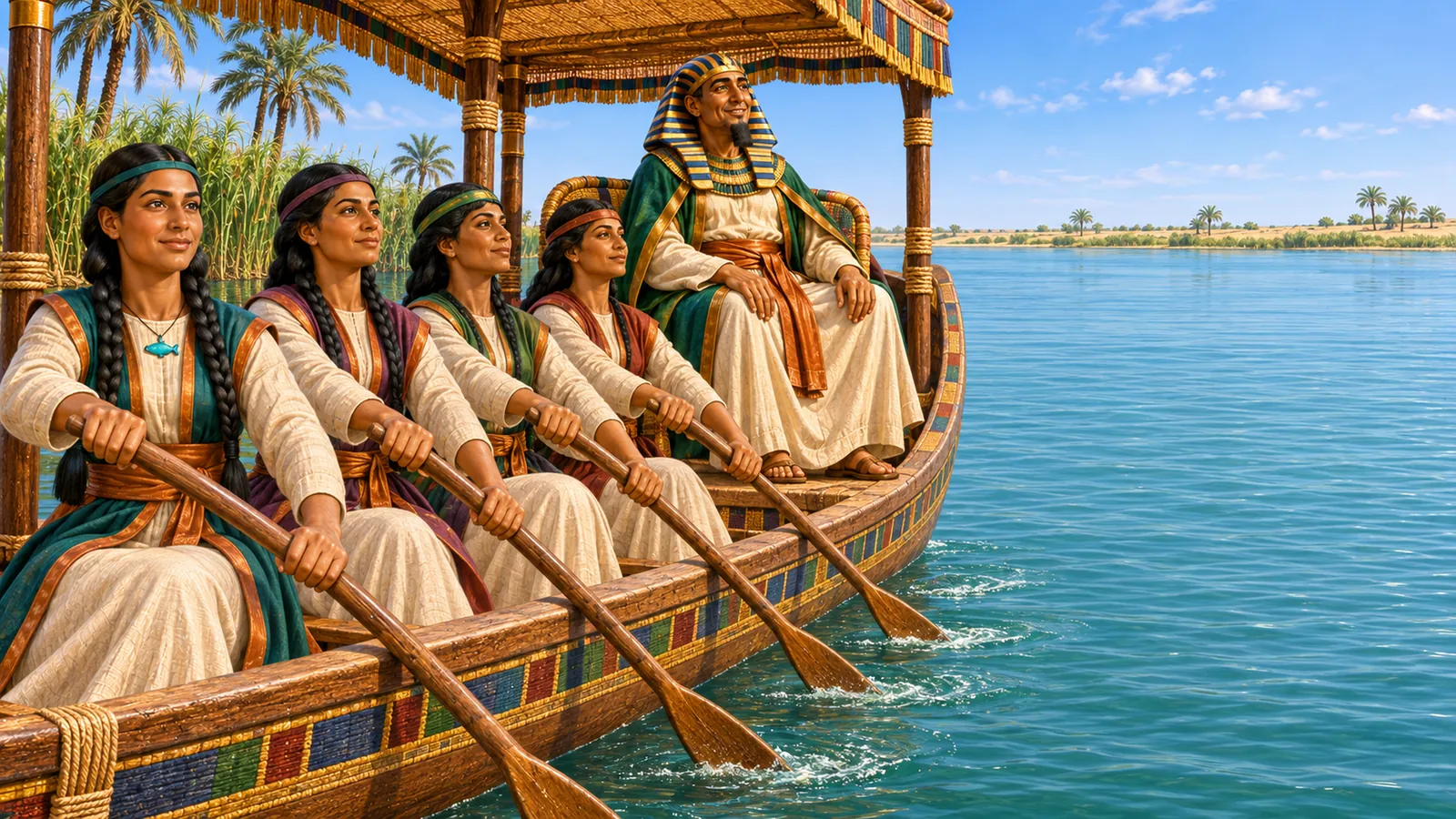
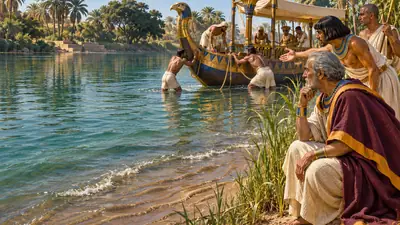
The women rowed back and forth on the palace lake. As Snofru watched the movement of their oars and the pleasant waterside, the outing brought him the diversion he had wanted.

One woman at the stroke oar became entangled in her braided hair. Her small fish pendant of new turquoise fell into the water, interrupting the rhythm of the rowing.
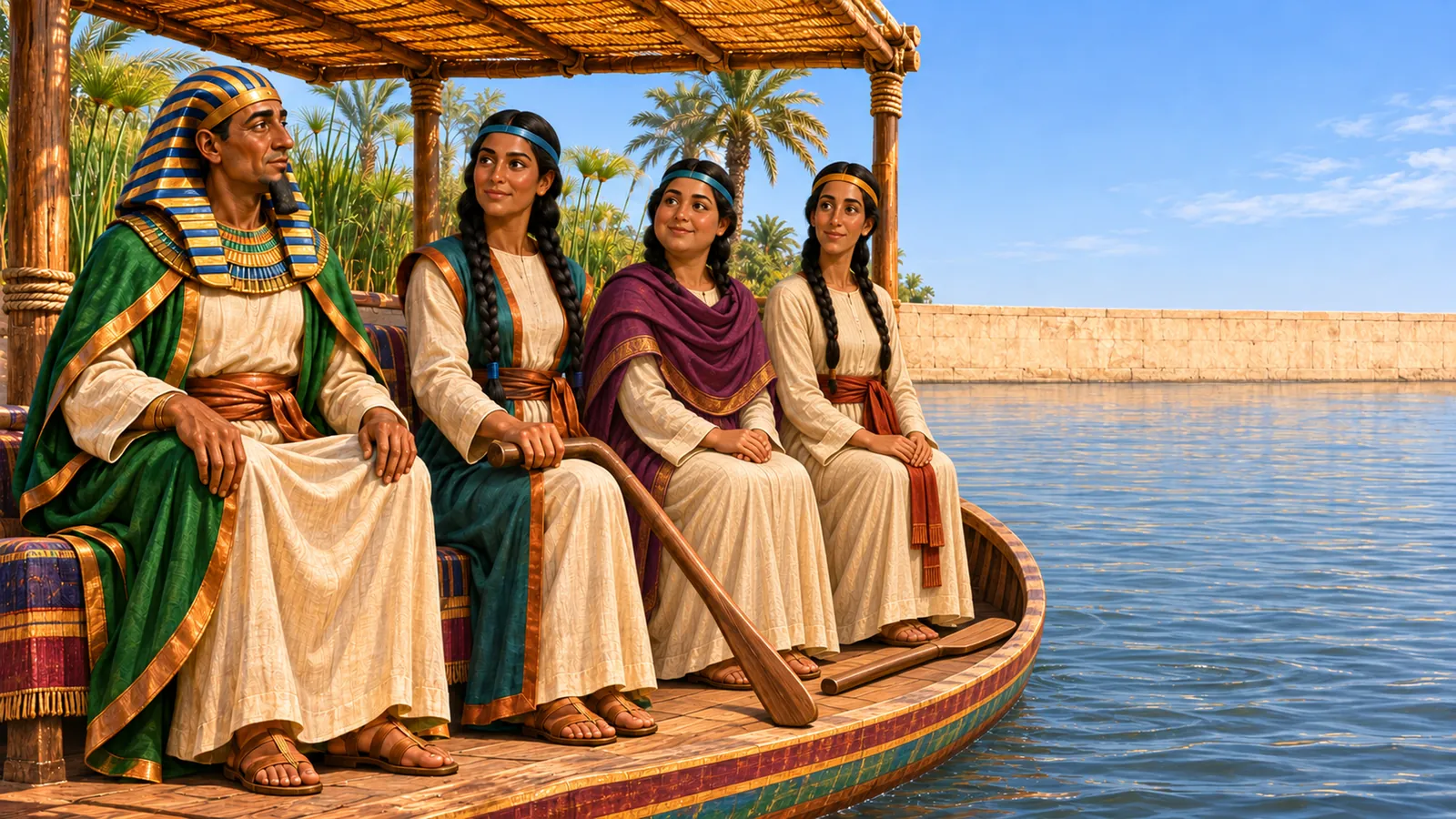
The stroke rower stopped, and the women on her side stopped with her. Snofru noticed that the boat’s movement had changed and asked why they were no longer rowing.
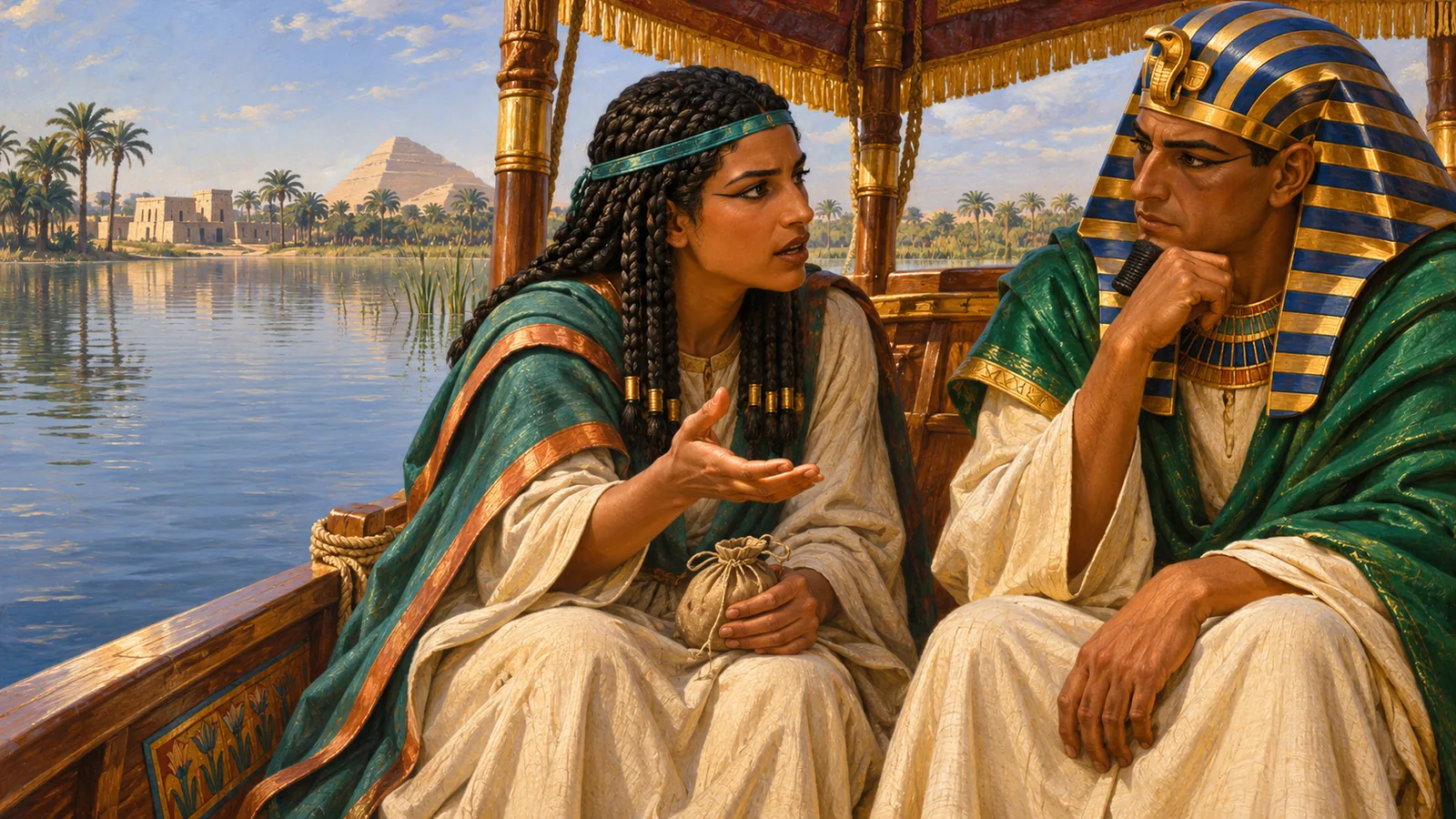
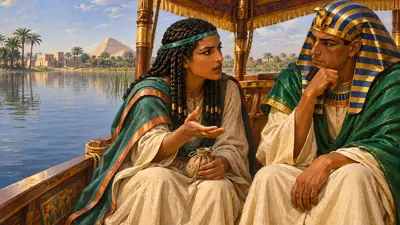
Her companions explained that their leader had stopped. Snofru questioned the woman herself, and she told him that her fish pendant of new turquoise had fallen into the lake.
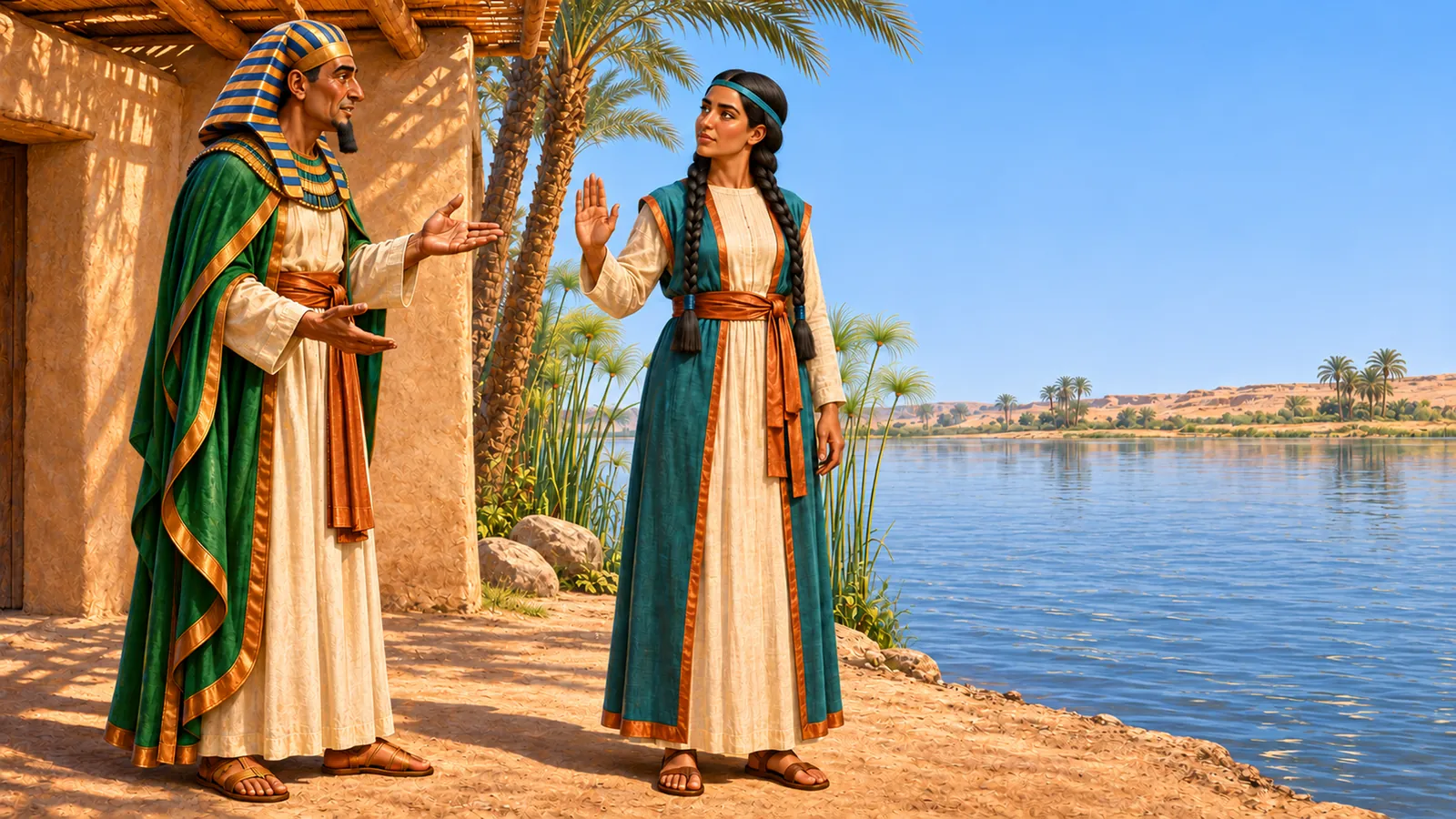
The king offered to replace the lost ornament and urged her to row again. She preferred her own pendant to another one, and would not accept the substitution.
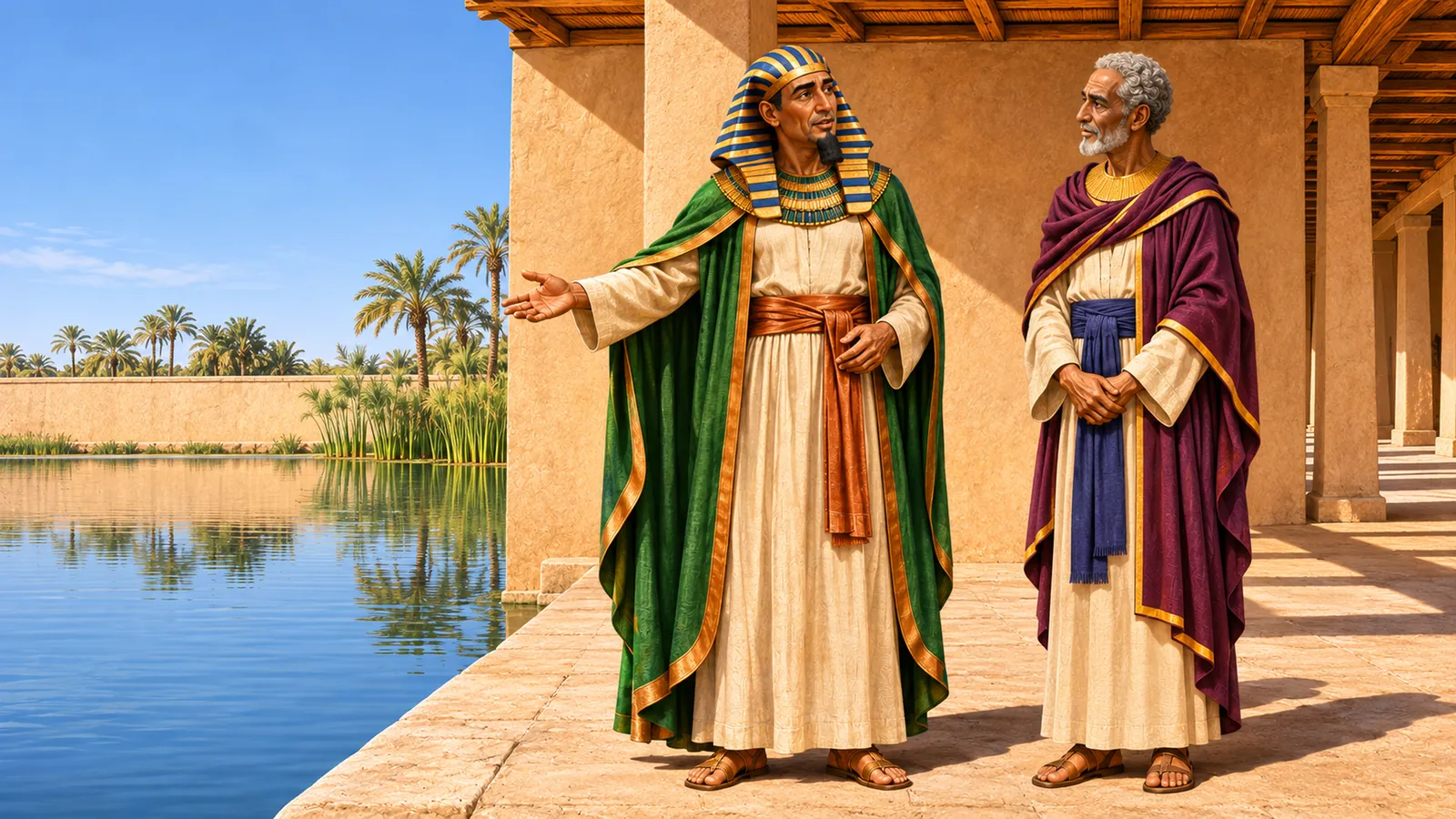
Snofru summoned Djadjaemankh and retold what had happened. The outing had pleased him until the lost pendant stopped the rowing; now he asked the priest to deal with the interruption.

Djadjaemankh spoke his spell and folded one side of the lake’s water upon the other. Water that had been twelve cubits deep now stood twenty-four cubits high in the folded part.
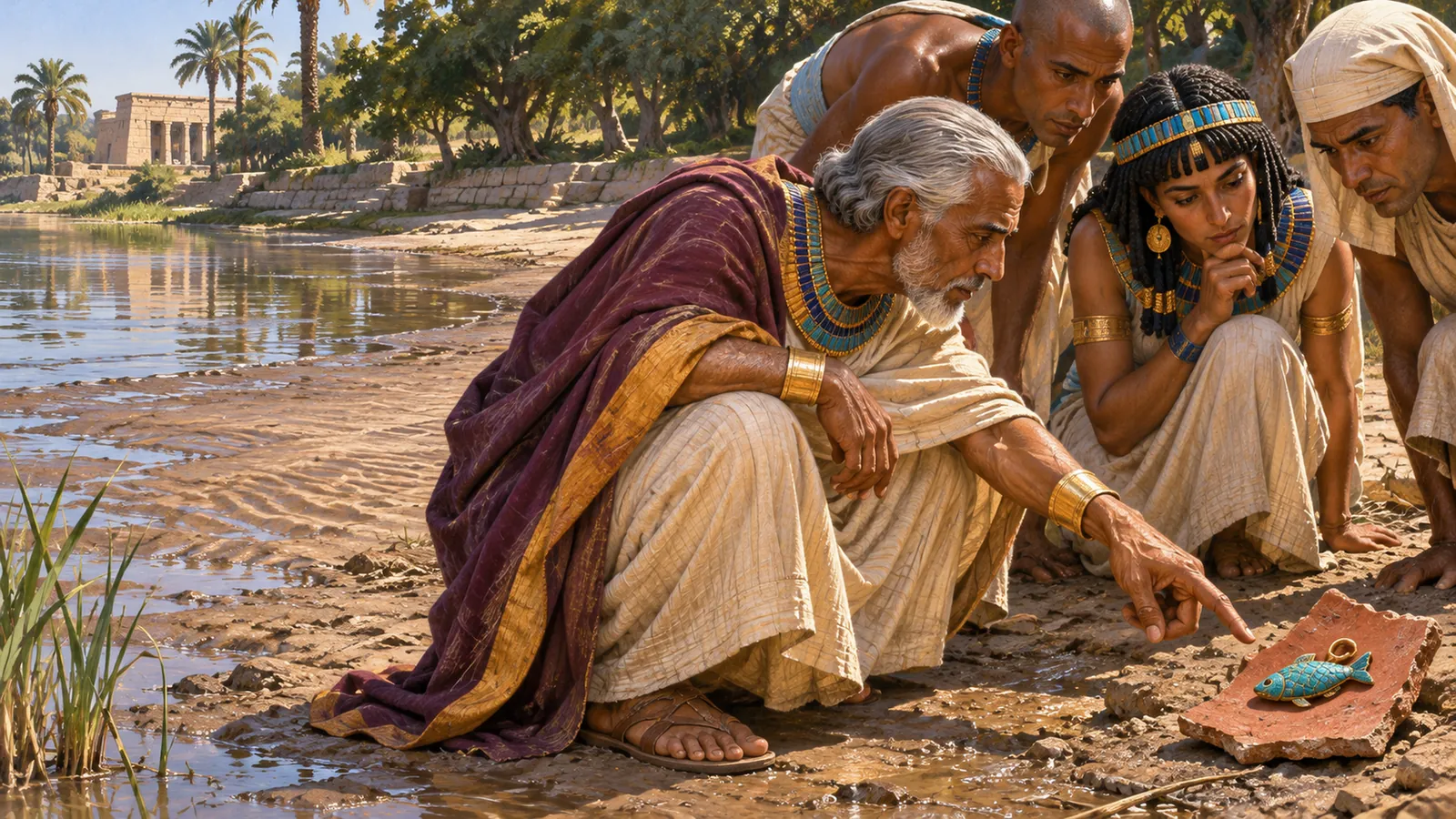
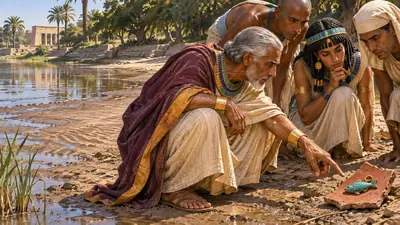
There, on the exposed bed of the lake, the little fish pendant lay upon a potsherd. The woman’s own ornament could be found, rather than replaced by a different gift.
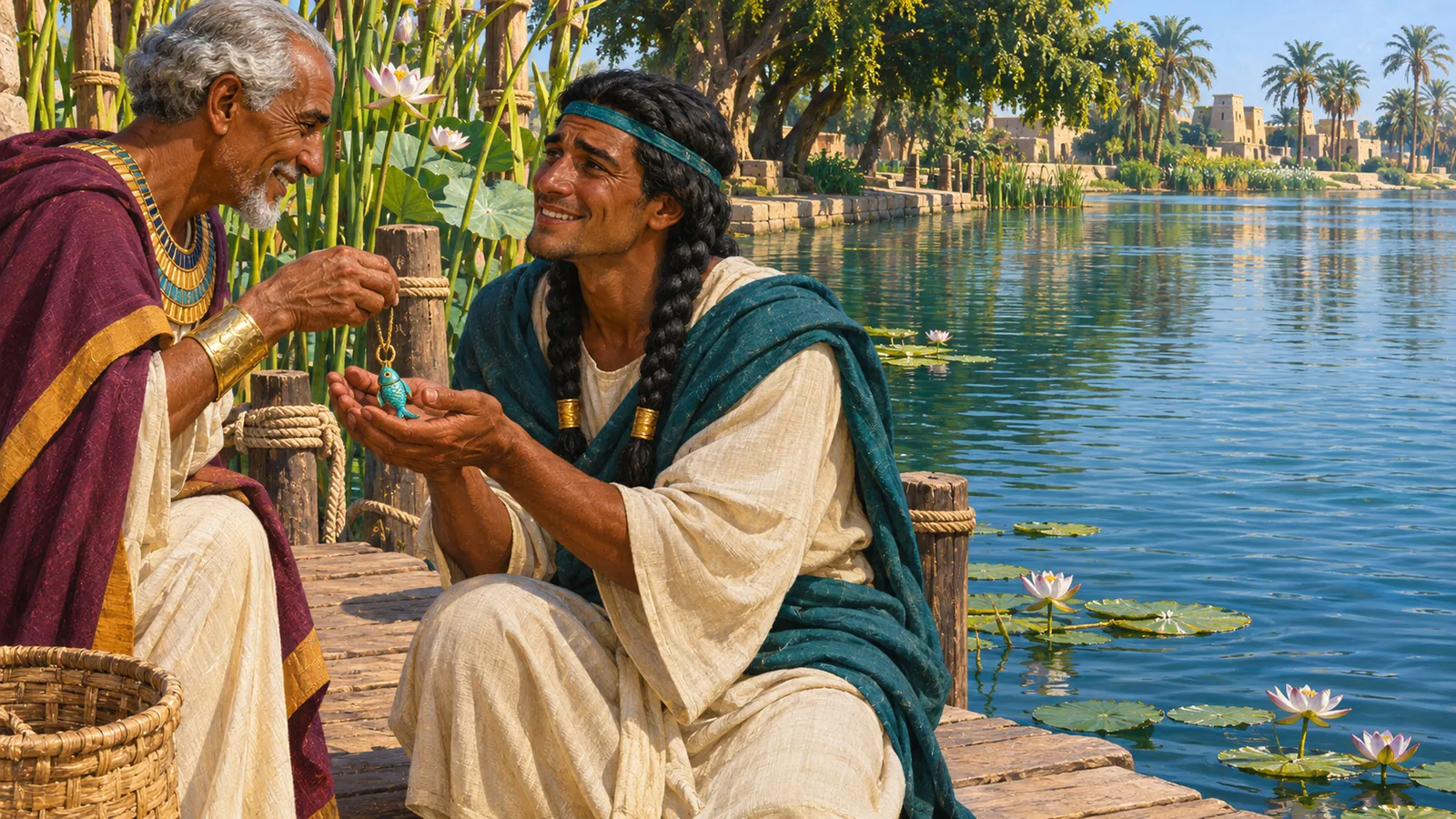
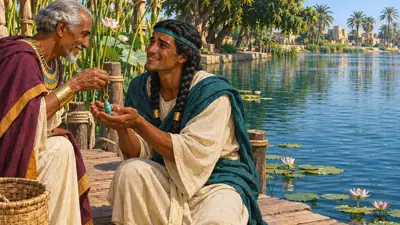
Djadjaemankh fetched the pendant and gave it back to its owner. The rower received the very object she had wanted, and the priest’s knowledge answered her refusal of a substitute.
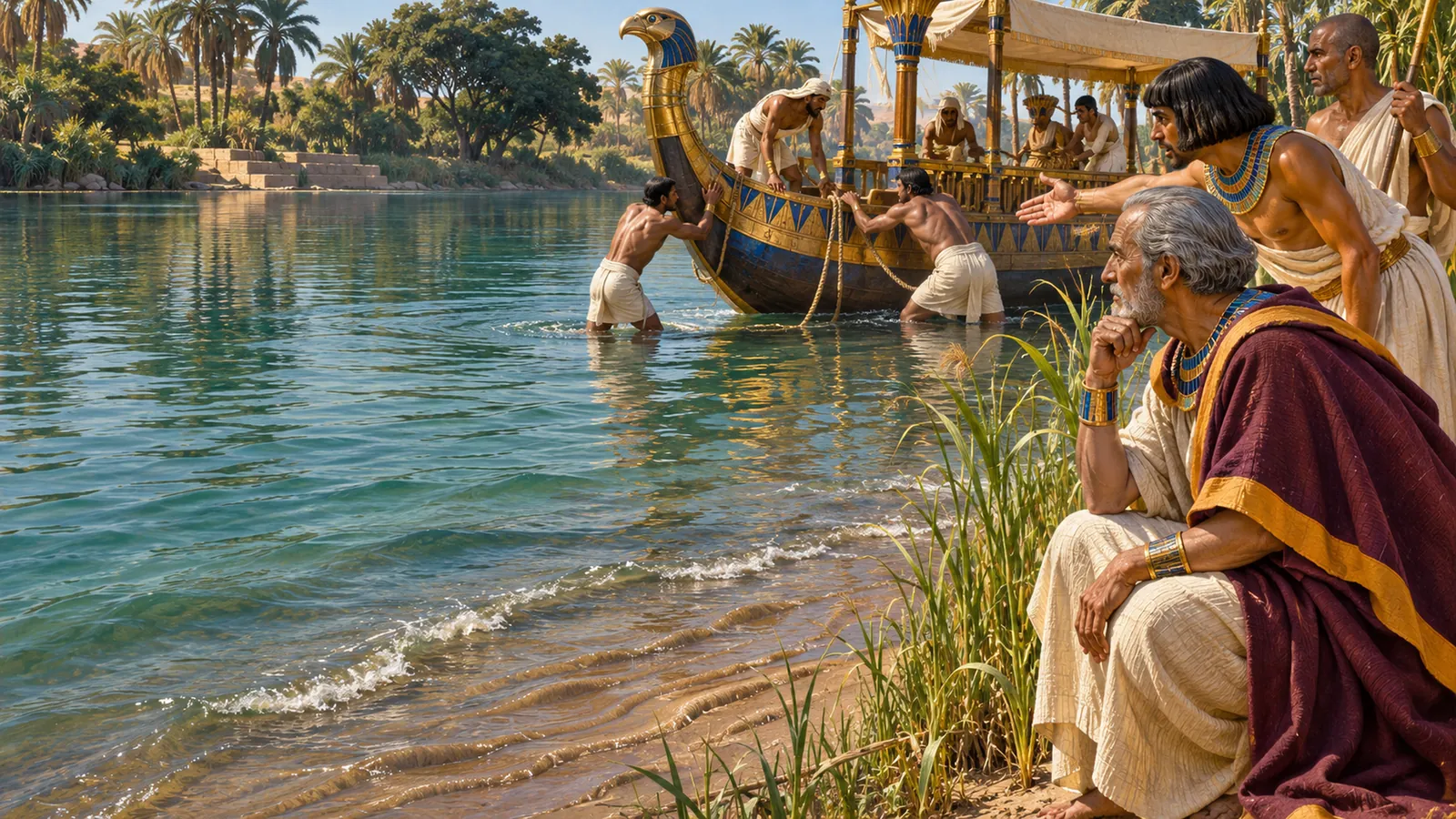
The priest spoke his spell again and returned the waters to their proper places. The extraordinary opening of the lake ended with its ordinary surface restored.
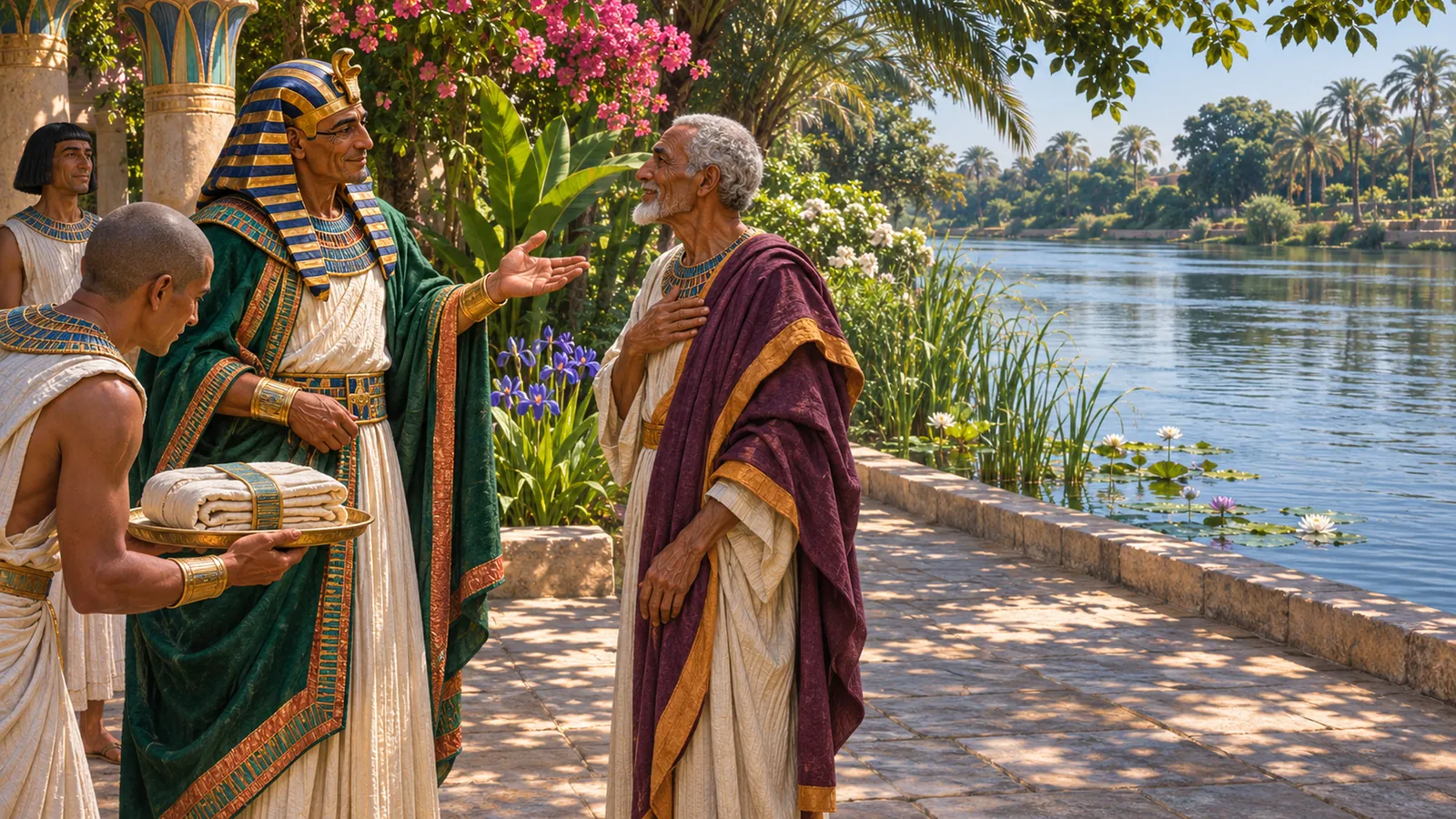
Snofru spent a joyful day with the whole royal household and rewarded Djadjaemankh with good things. Bauefre’s story had shown a magician restoring pleasure by recovering one small lost possession.
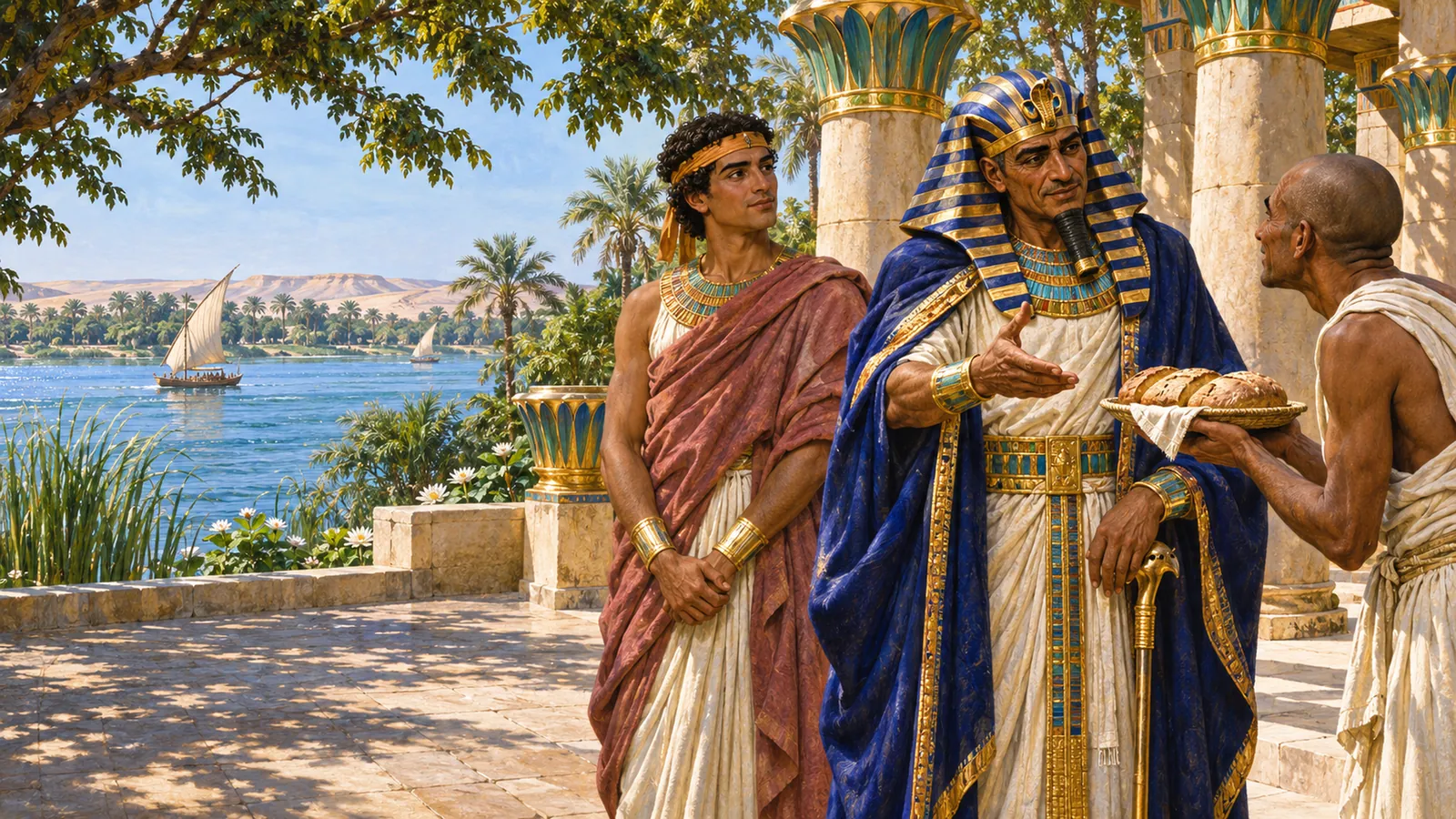
Bauefre finished his story. Khufu had bread, beer, an ox and incense offered to Snofru, with a lesser gift for the priest.
THE LIVING SAGE
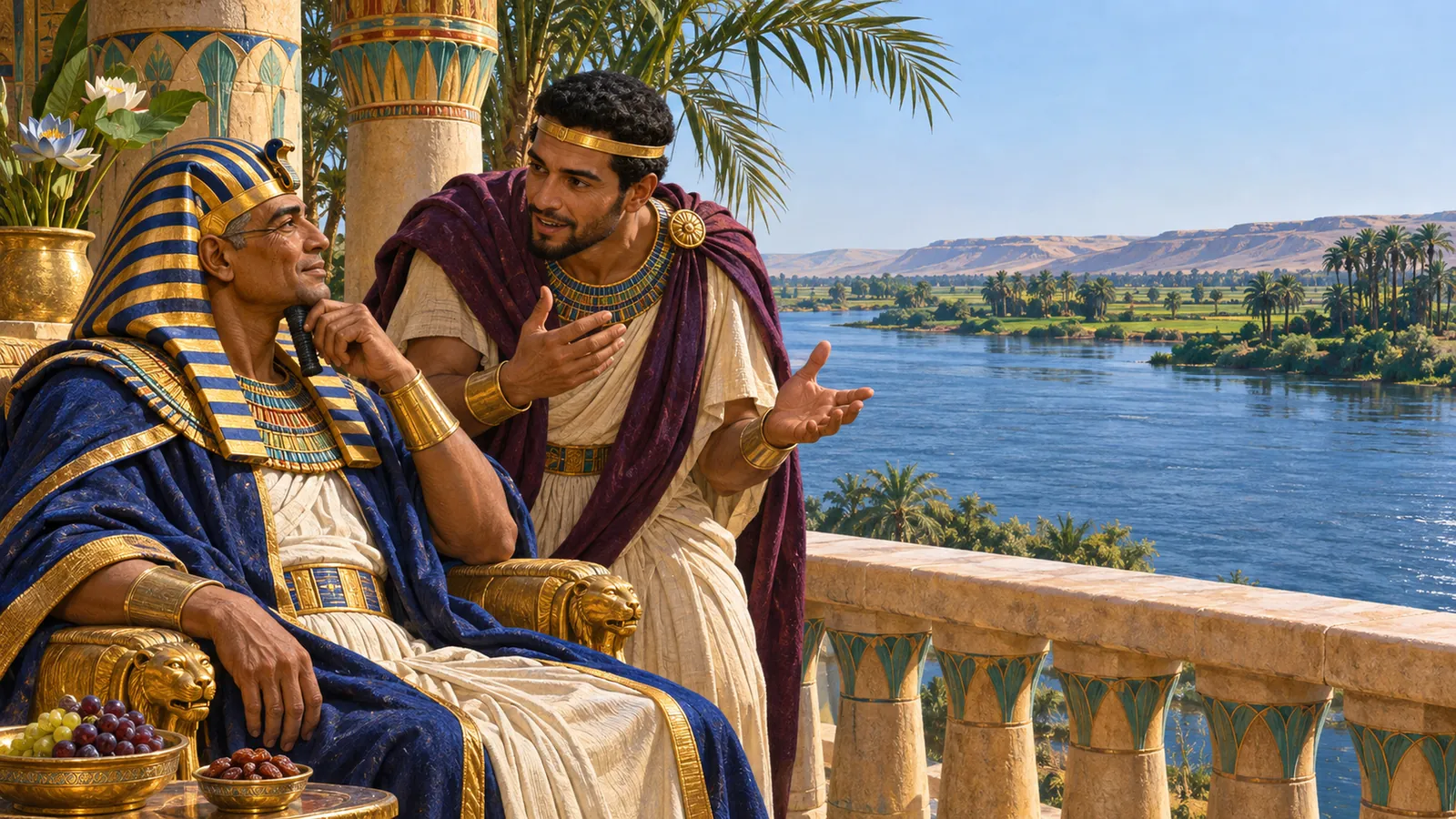
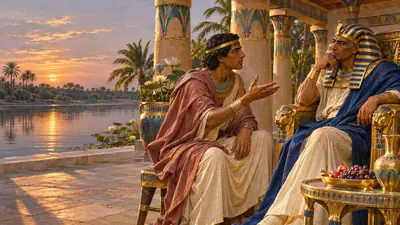
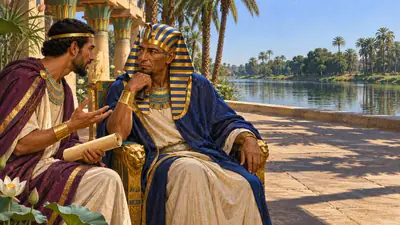
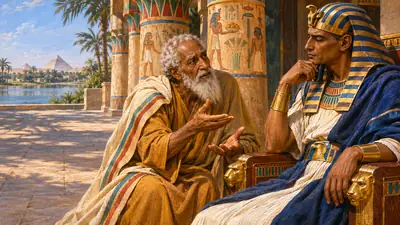
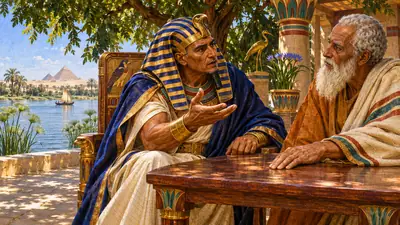
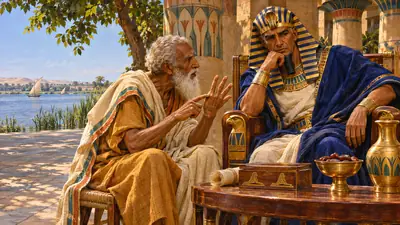
Prince Hordedef rose to address his father. It was hard, he said, to judge stories about people long dead, but there was a man of marvels alive in Khufu’s own time.
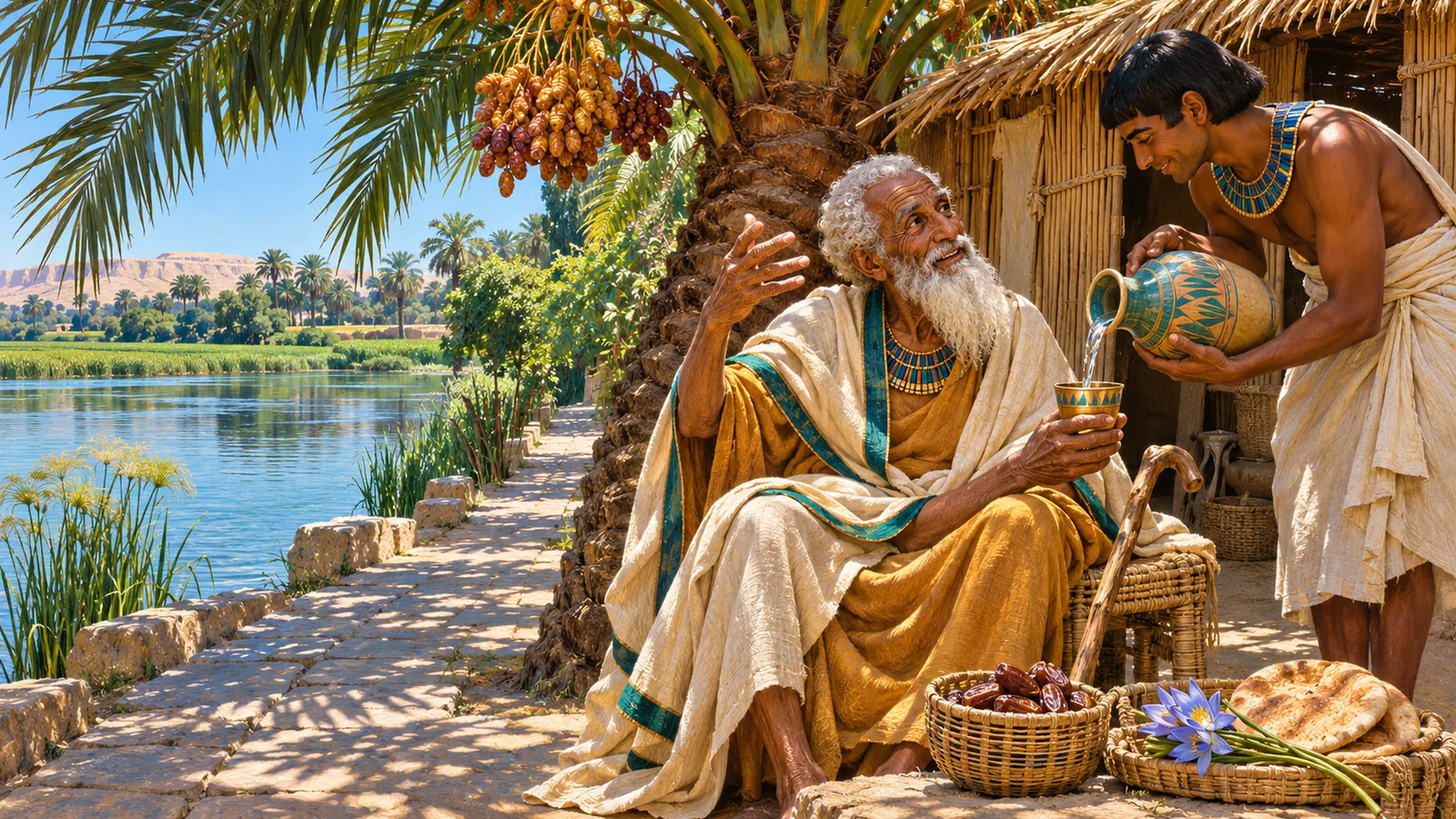
The man was Djedi, a commoner of Djed-Snofru said to be one hundred and ten years old. Hordedef described him as eating hundreds of loaves and drinking a hundred jars of beer.
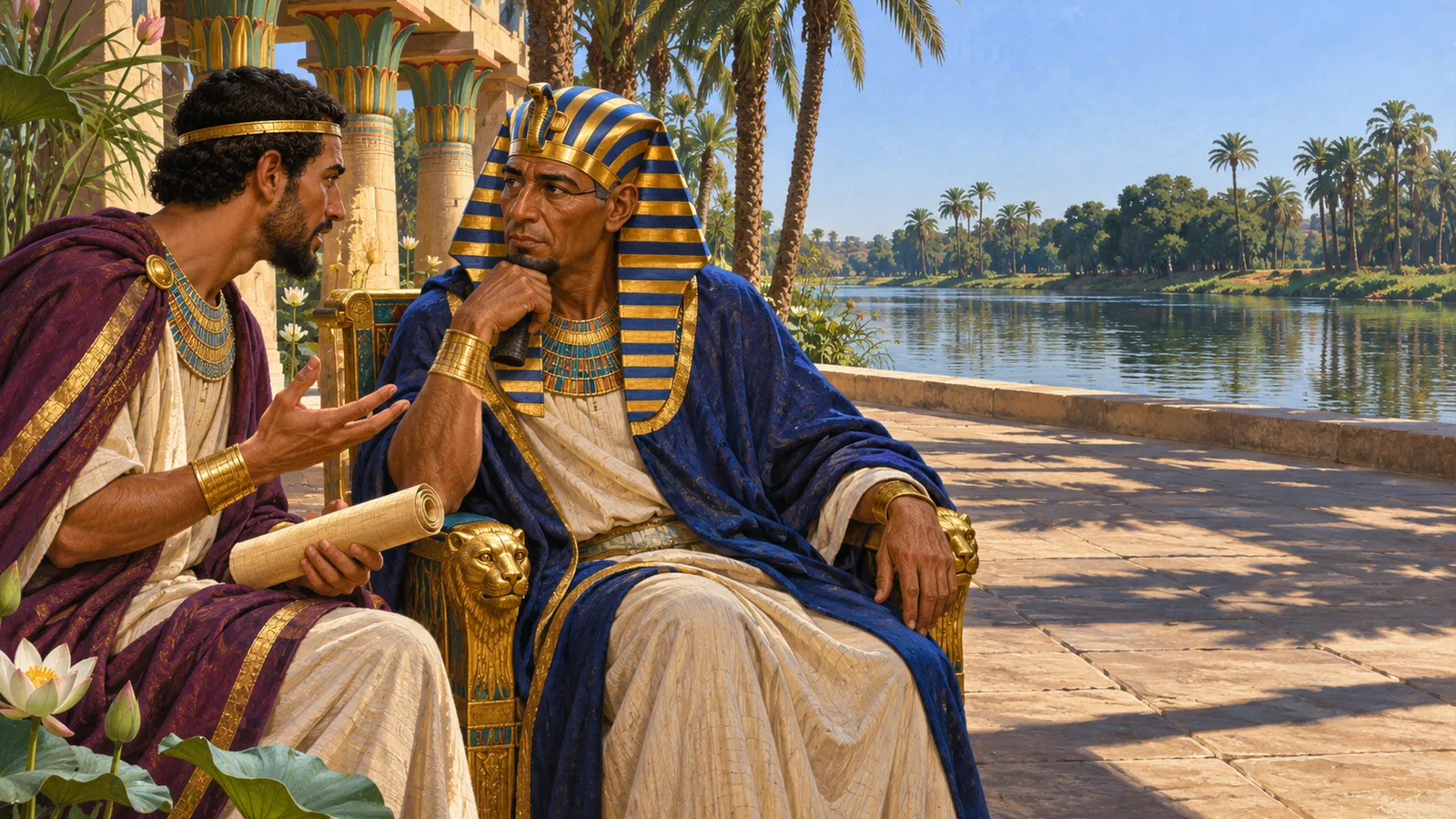
Hordedef said Djedi could rejoin a severed head and make a lion follow with its tether trailing. He also spoke of Djedi’s knowledge of the secret arrangements in Thoth’s sanctuary.
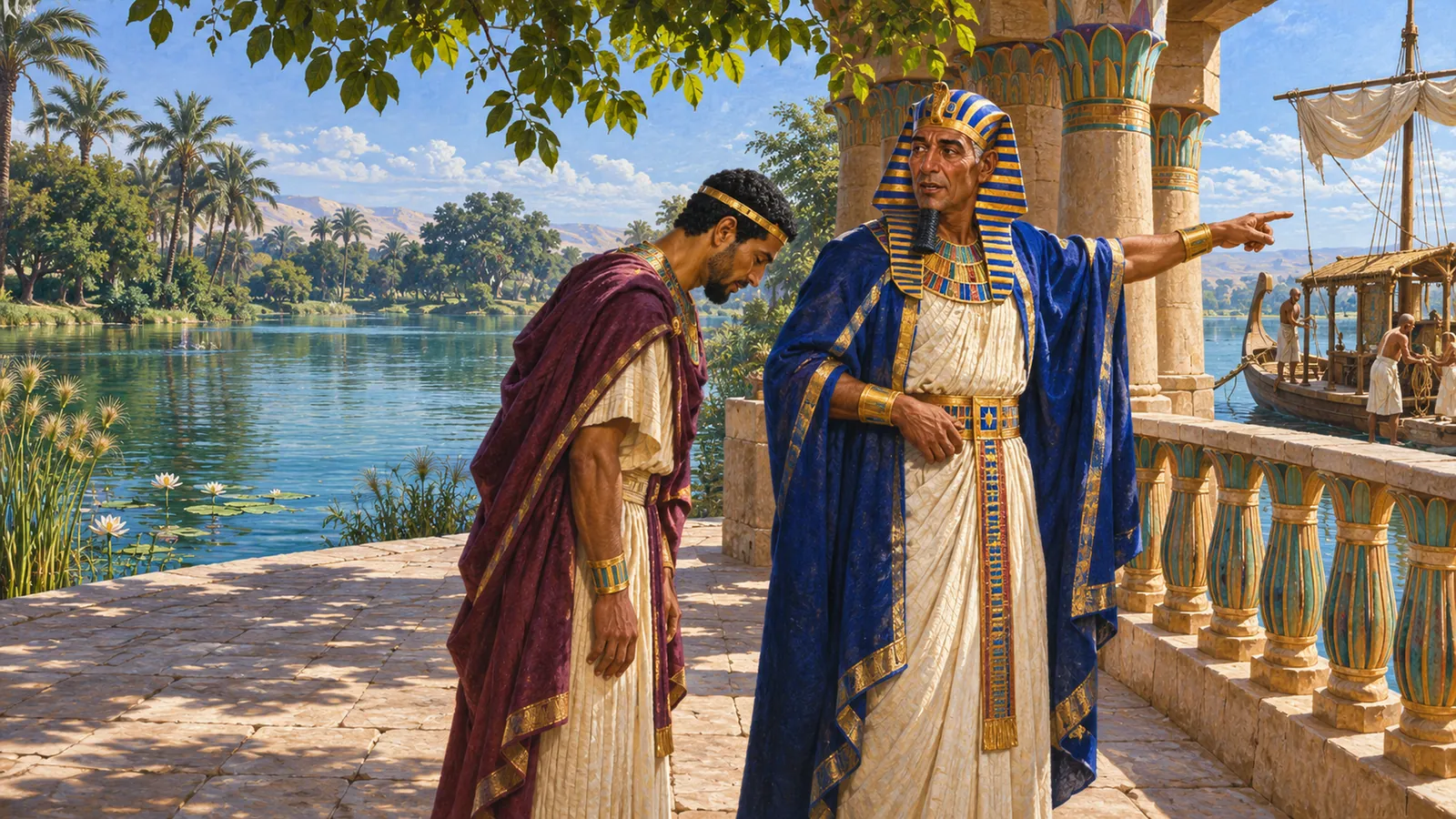
Khufu had been seeking the secret arrangements of Thoth’s sanctuary for his own monument, called his Horizon. He ordered Hordedef himself to bring Djedi before him.
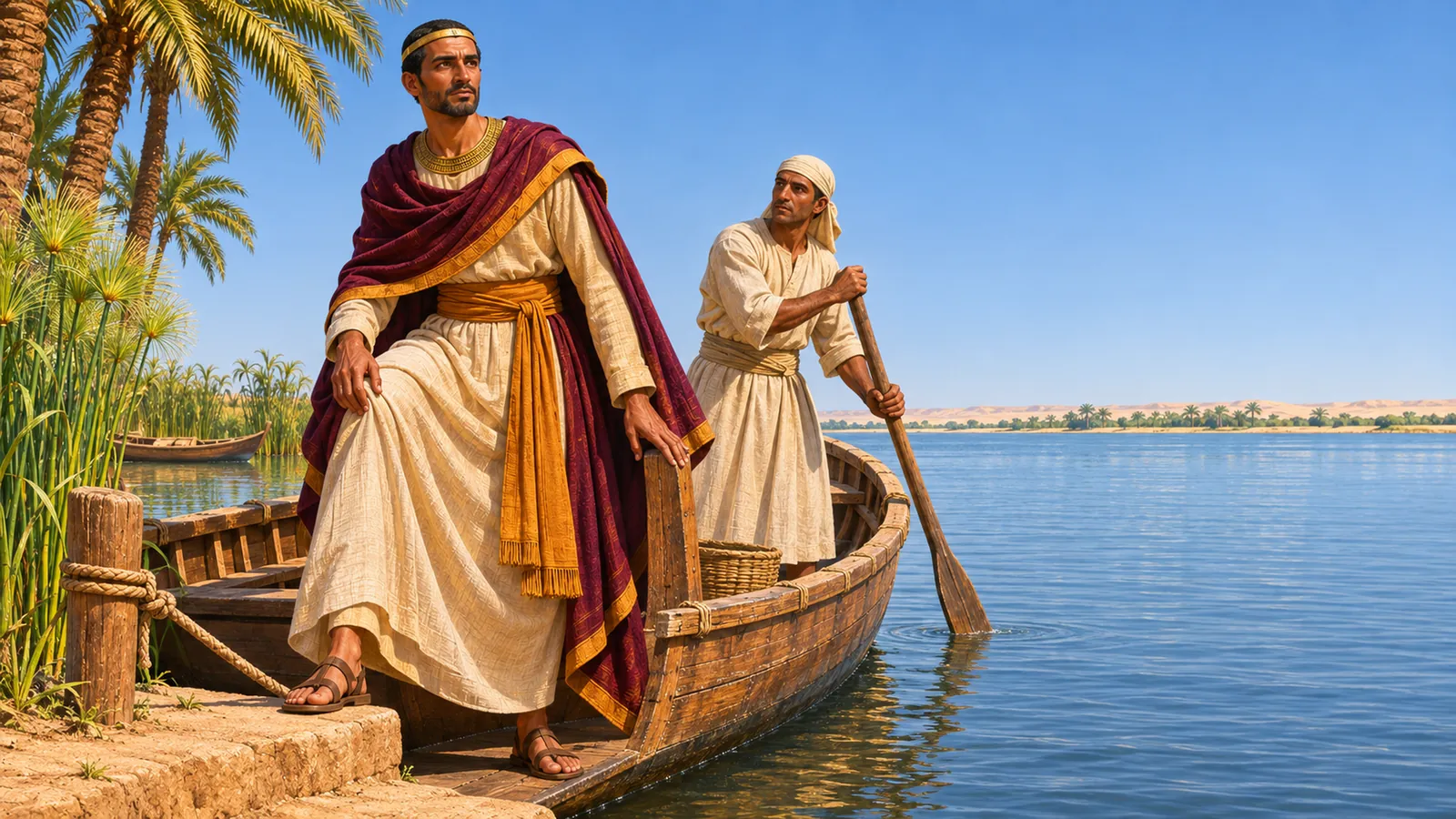
Boats were made ready for the prince, who travelled south against the river’s current to Djed-Snofru. At the landing, his party moored the boats and prepared to go overland.
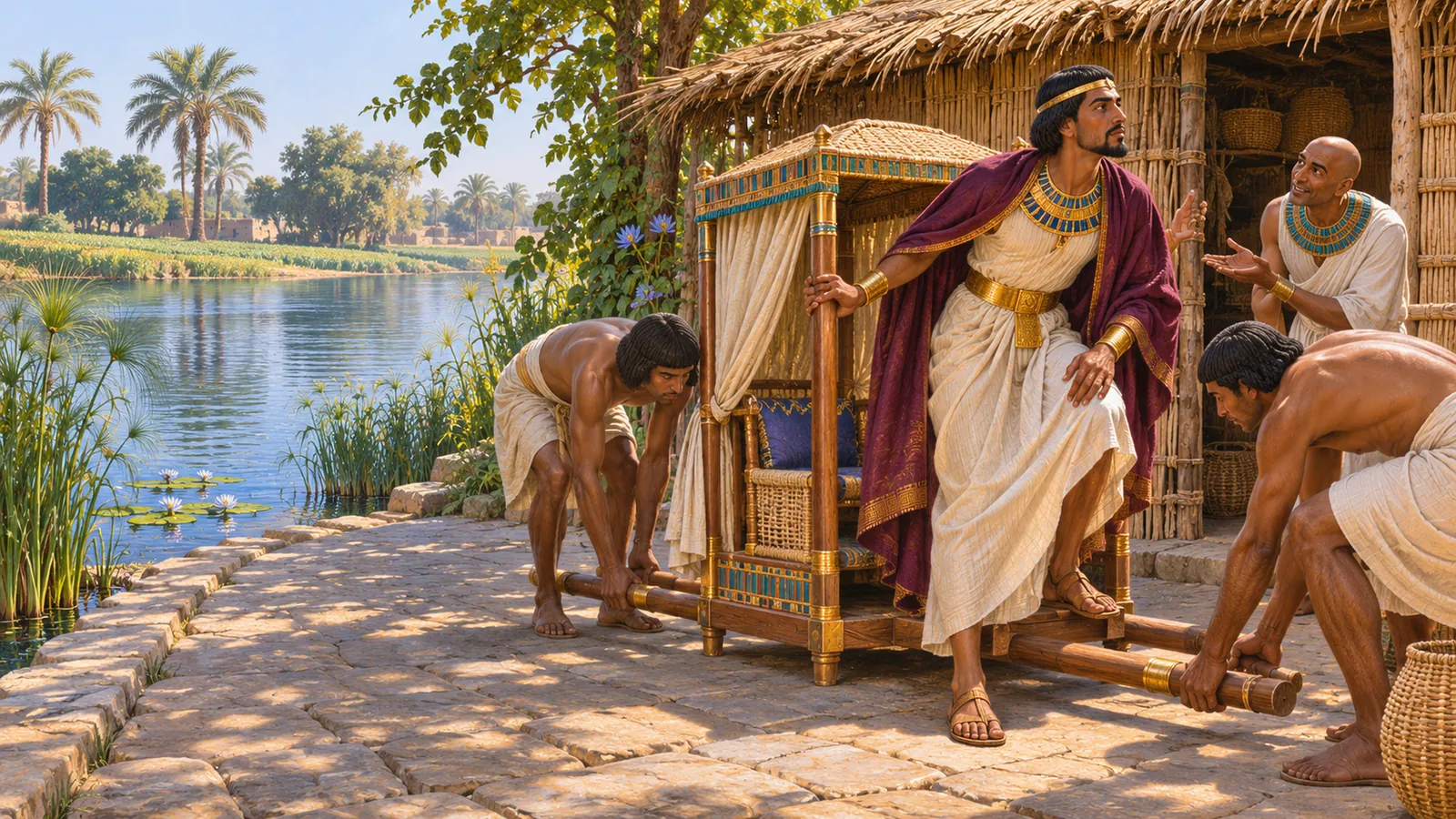
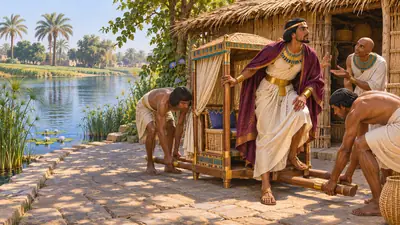
On land Hordedef travelled in an ebony palanquin with gold-covered poles. When he reached Djedi, the palanquin was set down and the prince got up to greet him.
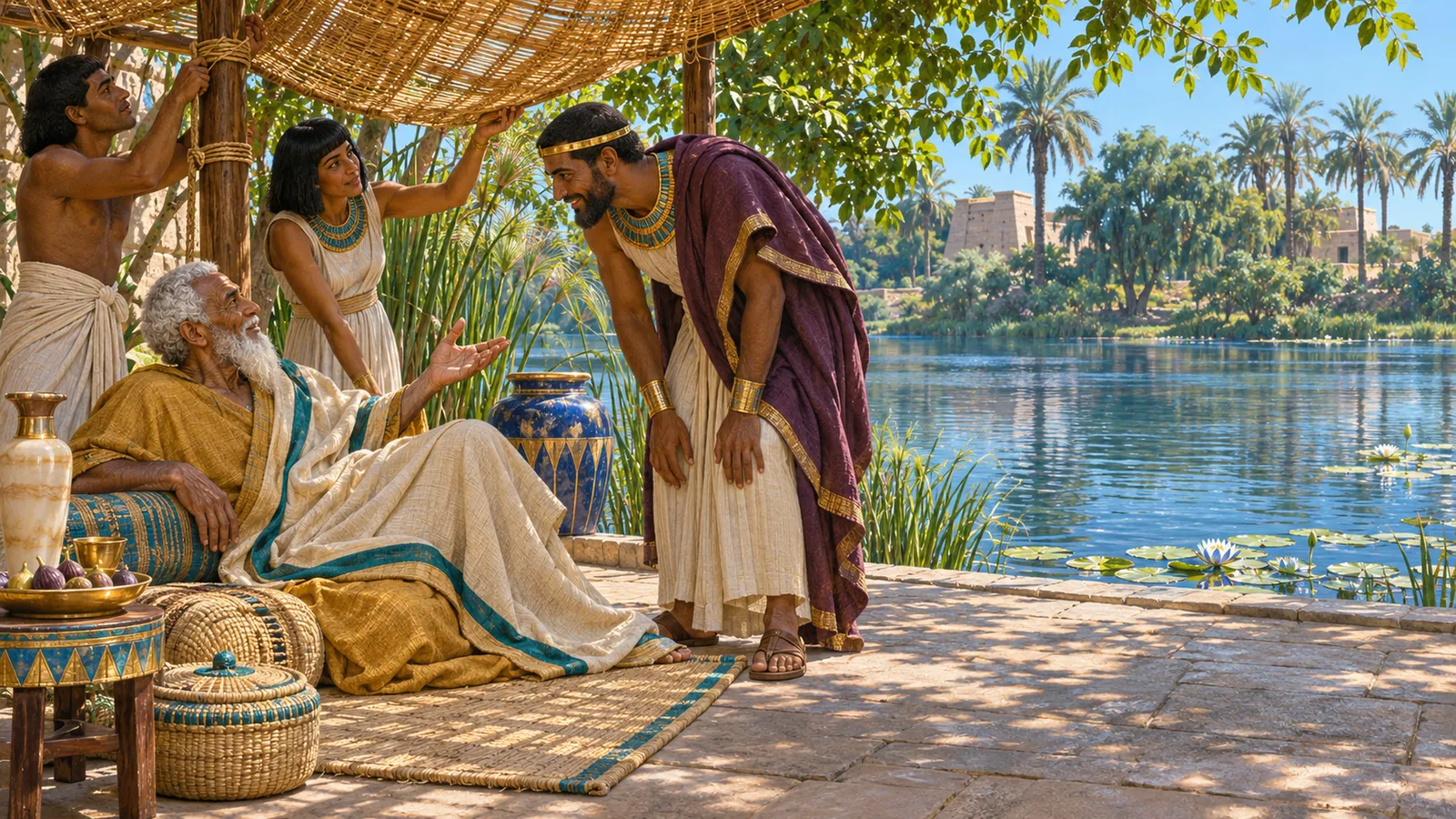
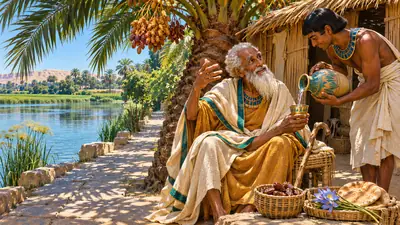
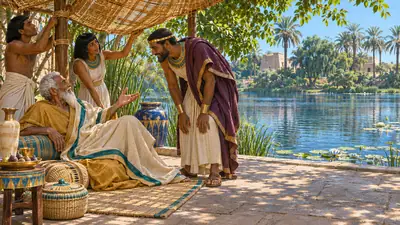
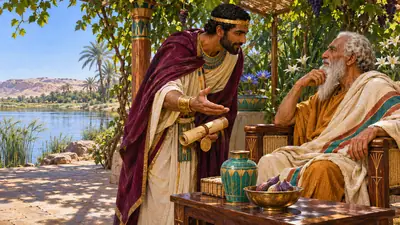
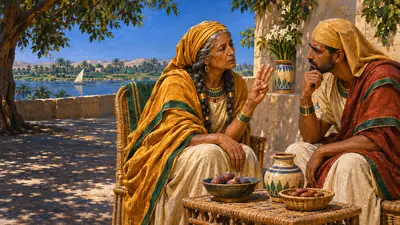
Hordedef found Djedi lying on a mat at a threshold. Two attendants cared for the old man, one at his head and the other rubbing his feet.
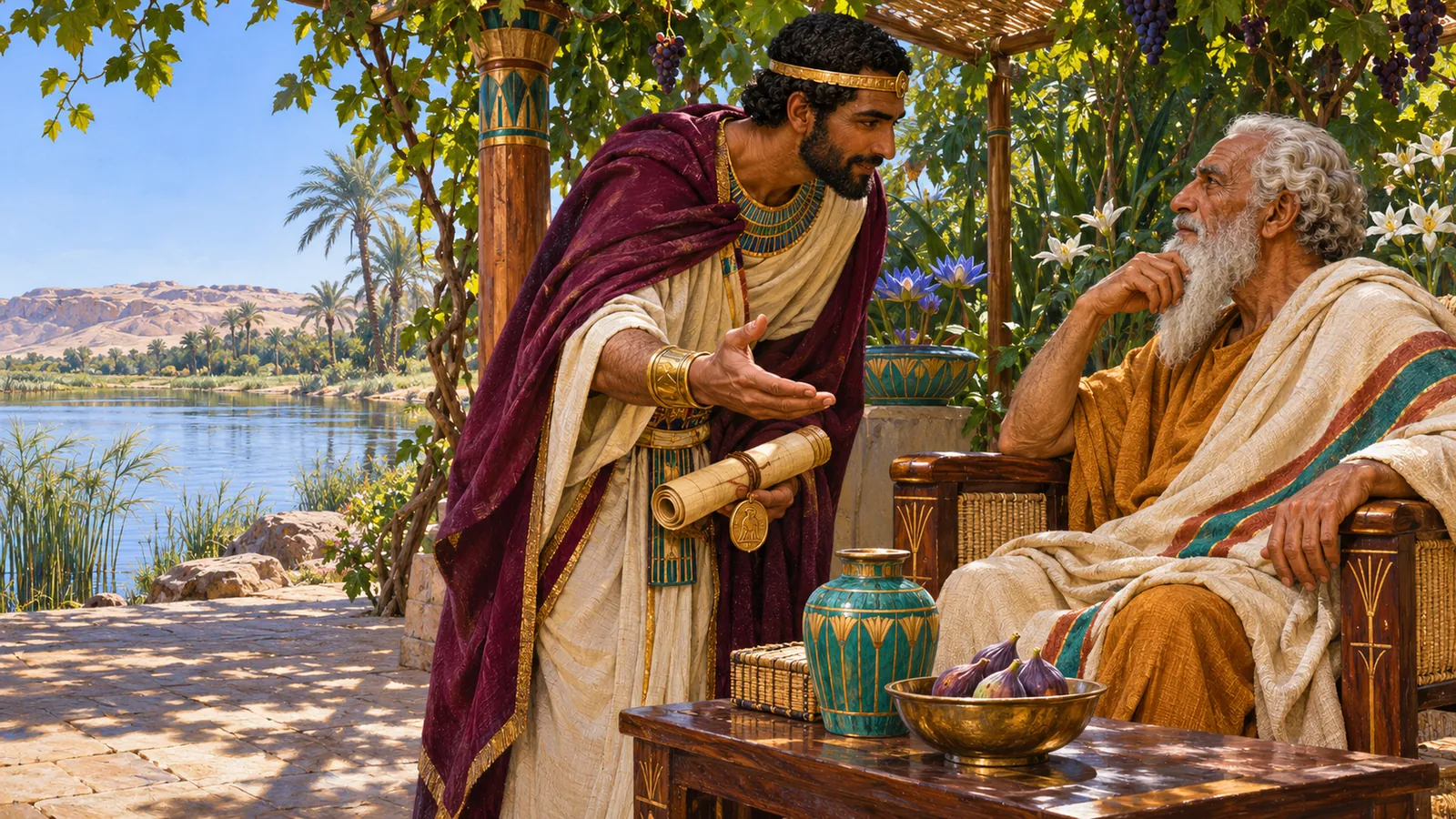
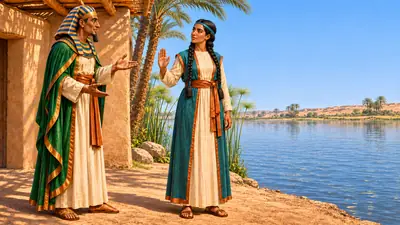
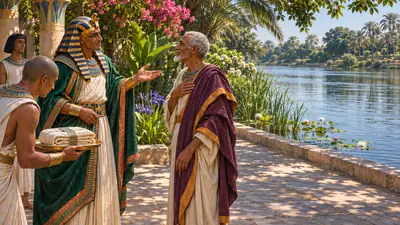
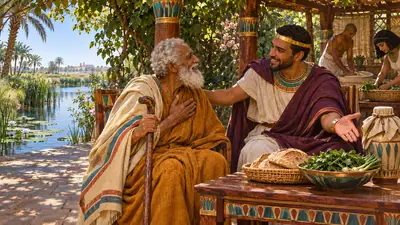
The prince greeted the elder and admired his health in extreme old age. He conveyed Khufu’s summons, promising the food and care that the king gave those in his company.
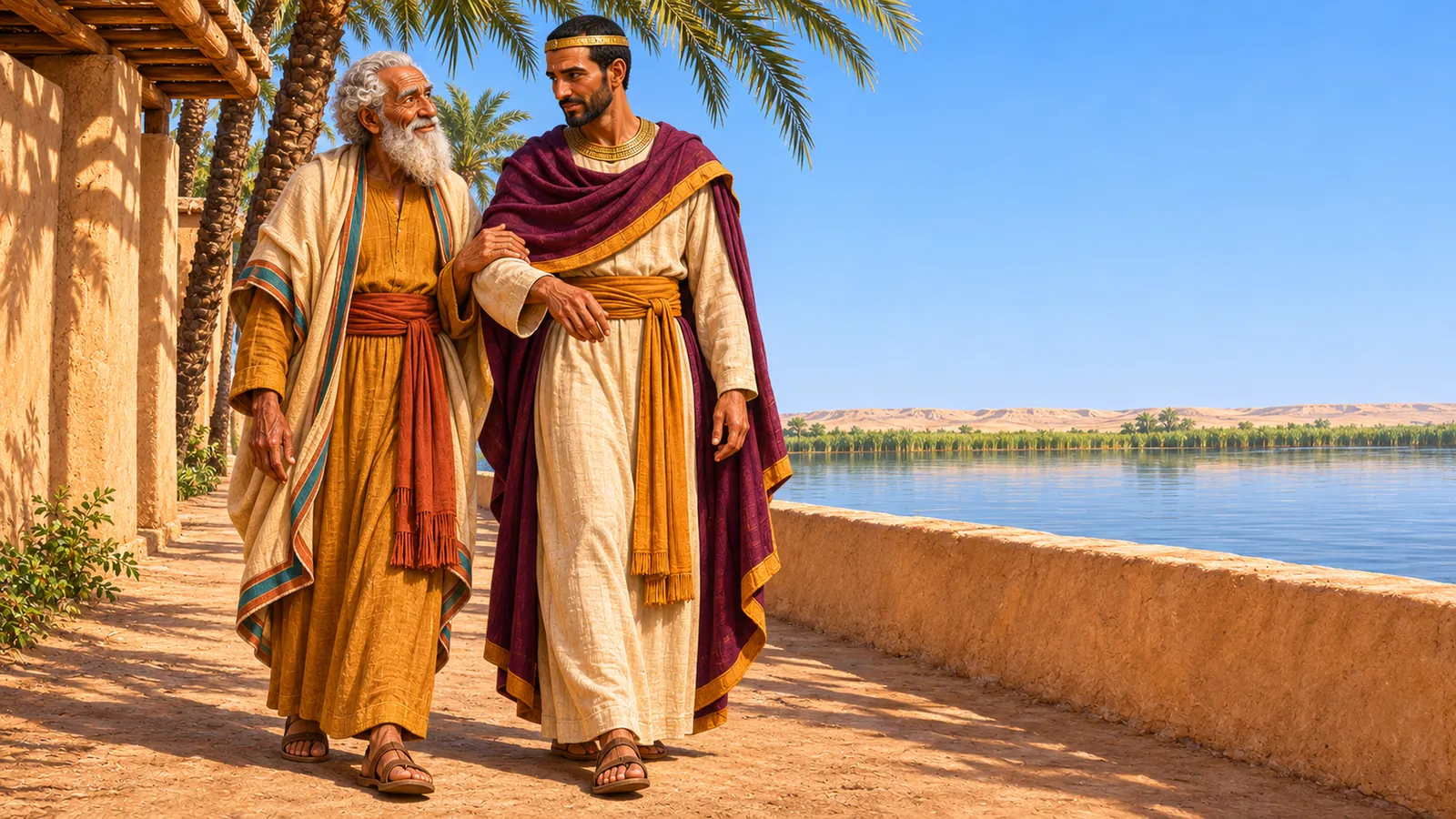
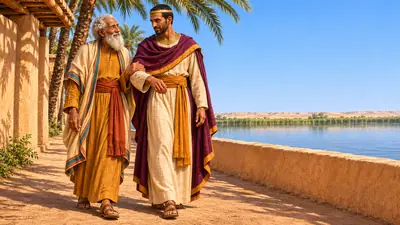
Djedi welcomed Hordedef and blessed him with wishes for his future. The prince helped him rise and gave him his arm as they made their way to the riverbank.
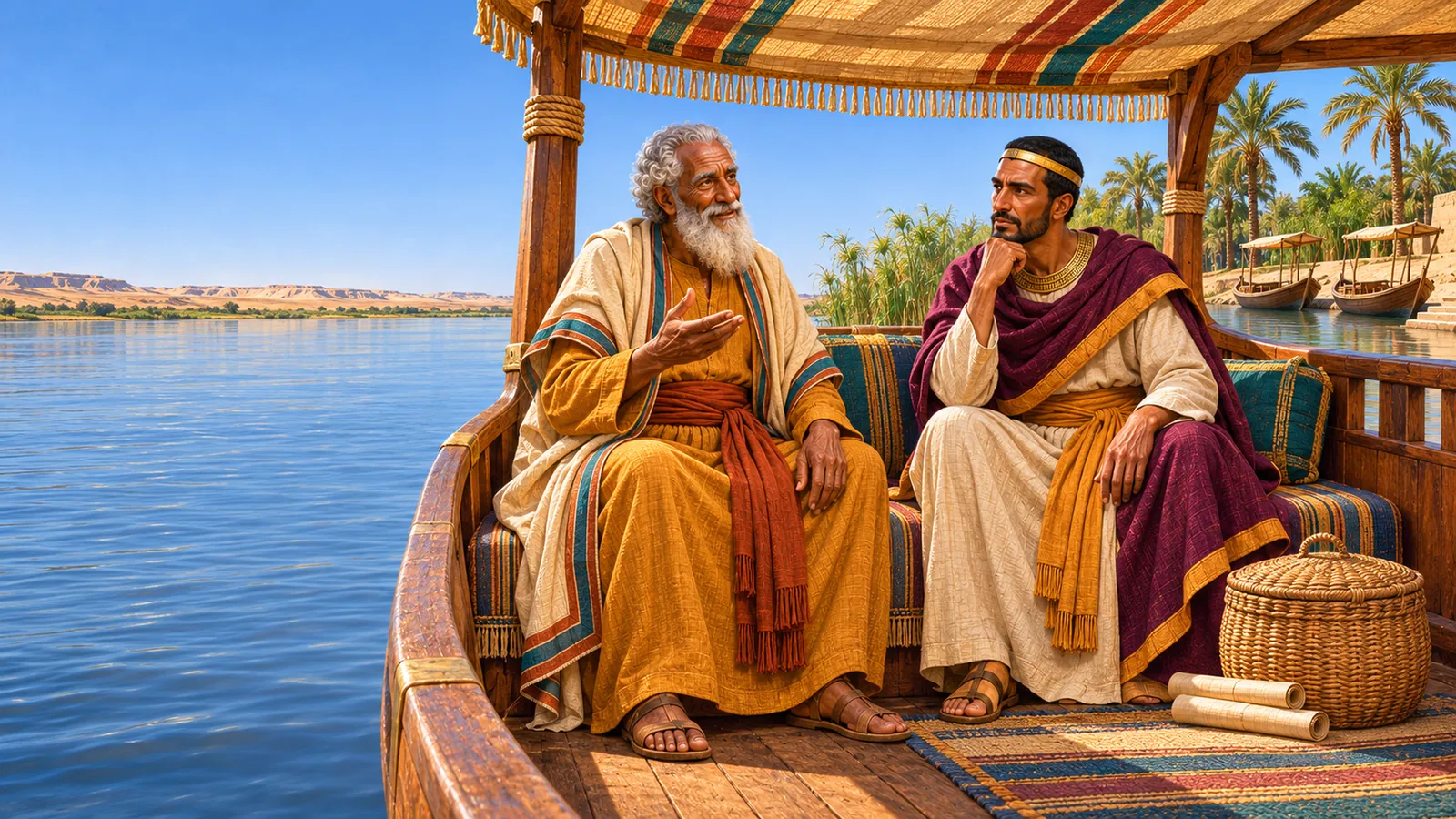
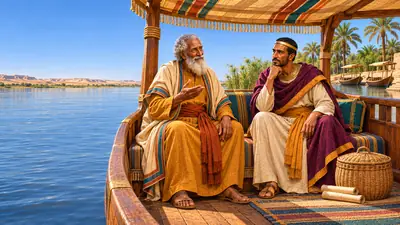
Djedi asked for a boat to bring the children and his books. Two boats with crews were made available, and Djedi travelled downstream in the prince’s own barge.
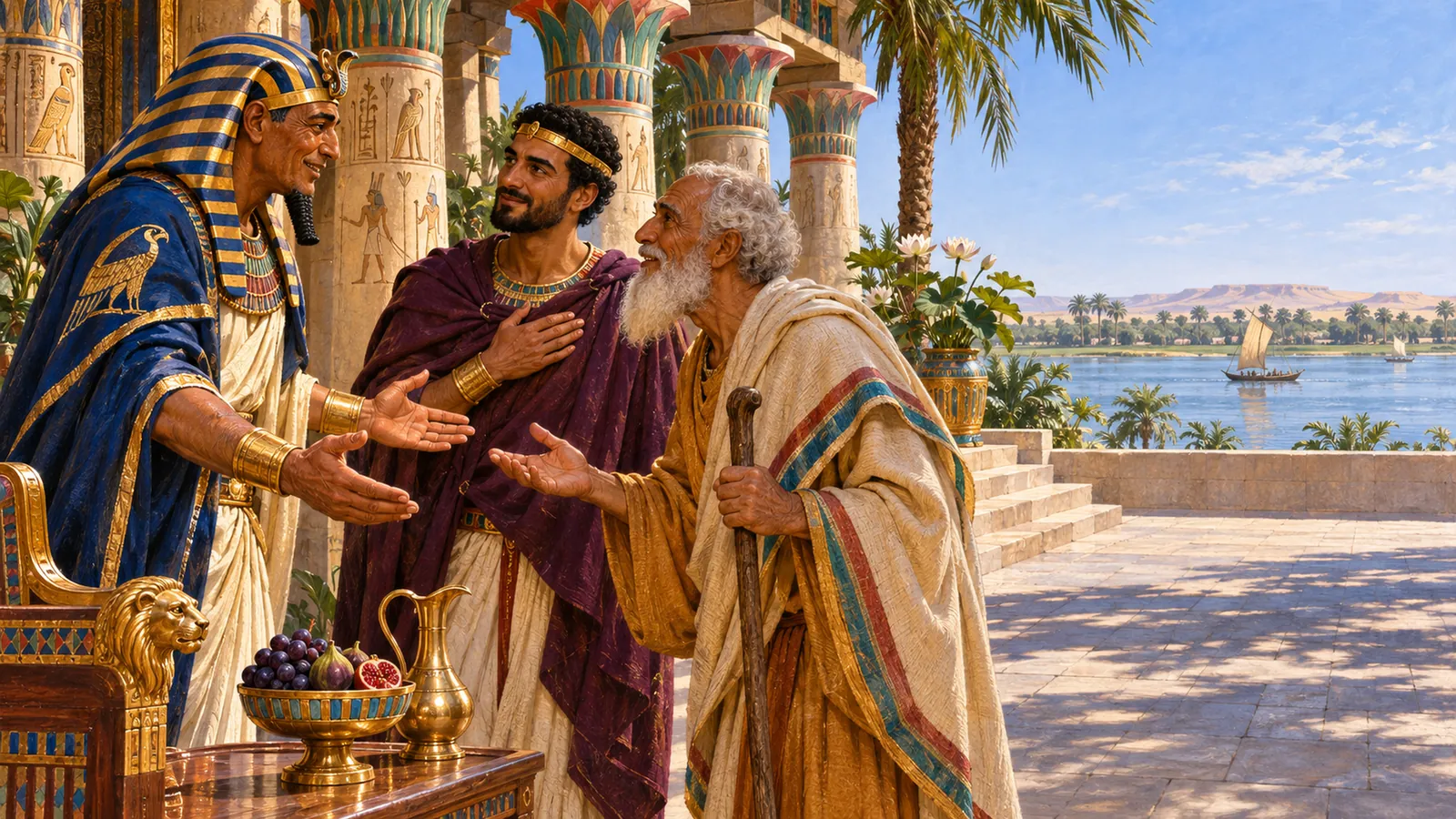
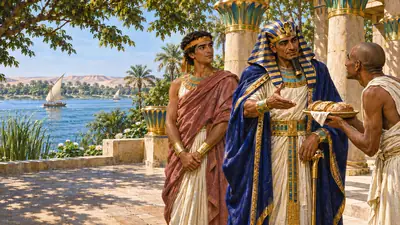
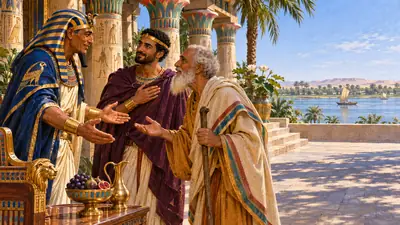
Back at the residence, Hordedef reported that he had brought Djedi. Khufu went to the palace audience hall and had the old man ushered in before him.
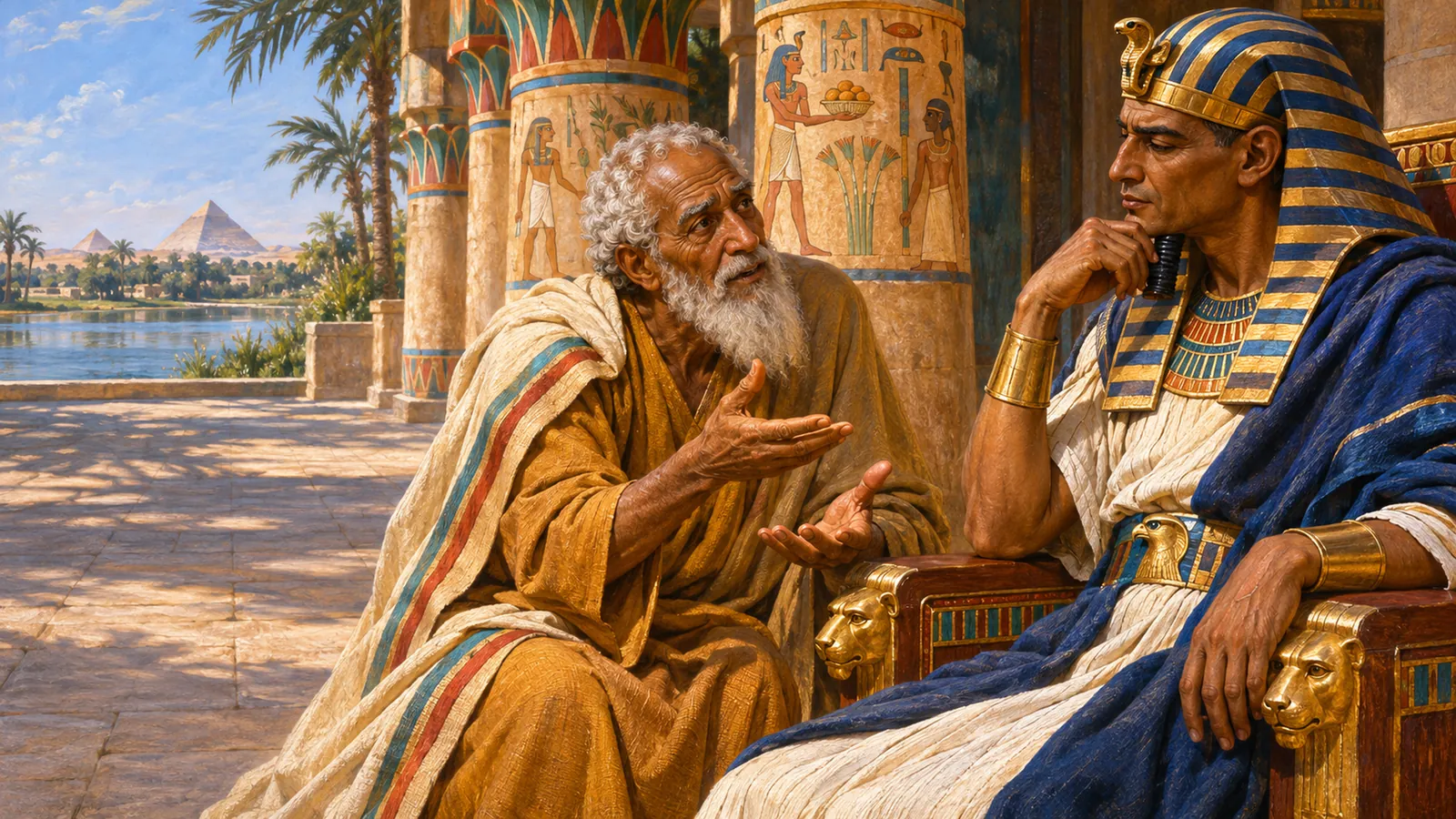
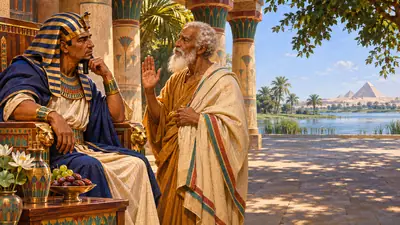
Khufu asked why he had never seen Djedi before. The old man answered that a person came when summoned, and here he was, now that the king had sent for him.
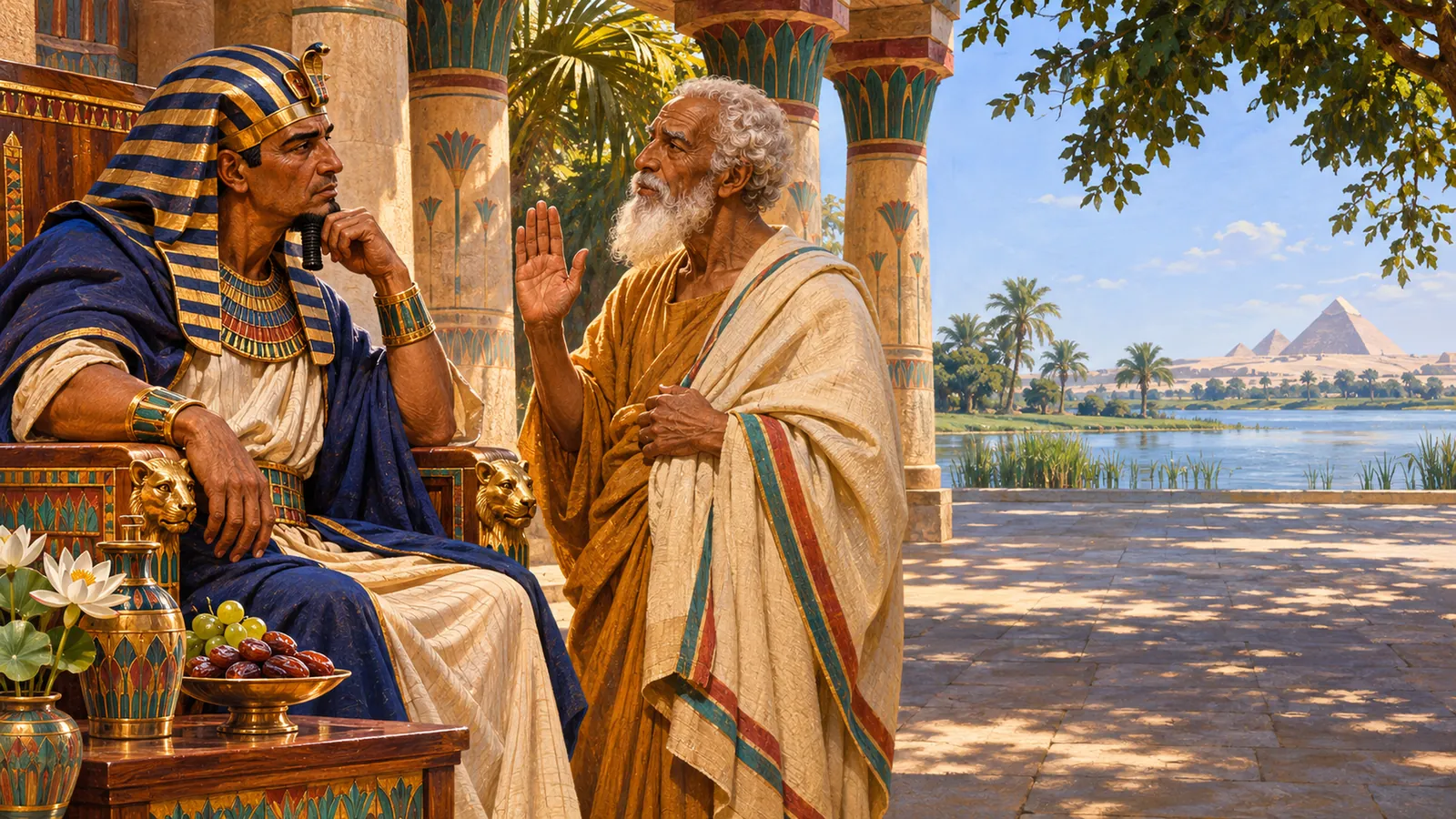
When Djedi confirmed his skill, Khufu ordered a prisoner brought to be executed for the demonstration. Djedi refused to do such a thing to a human being, and the prisoner was spared the trial.
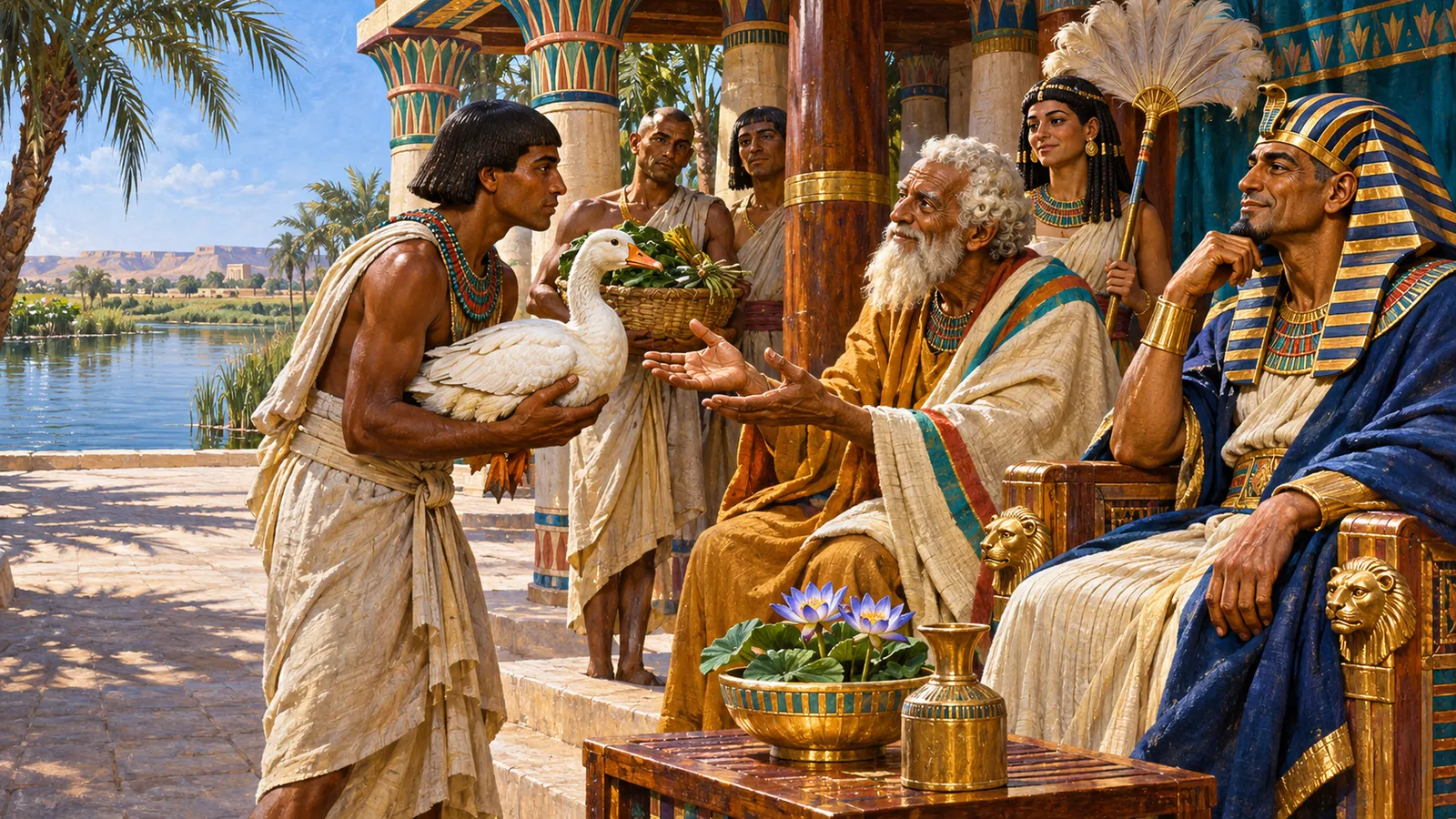
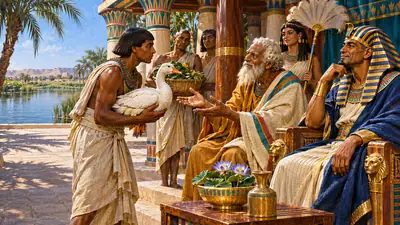
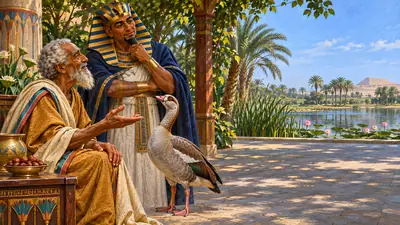
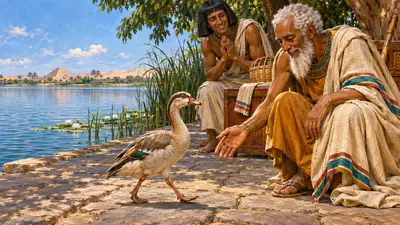
A goose was brought instead, and its head was cut off. The bird and its head were set at opposite sides of the audience hall before Djedi spoke.
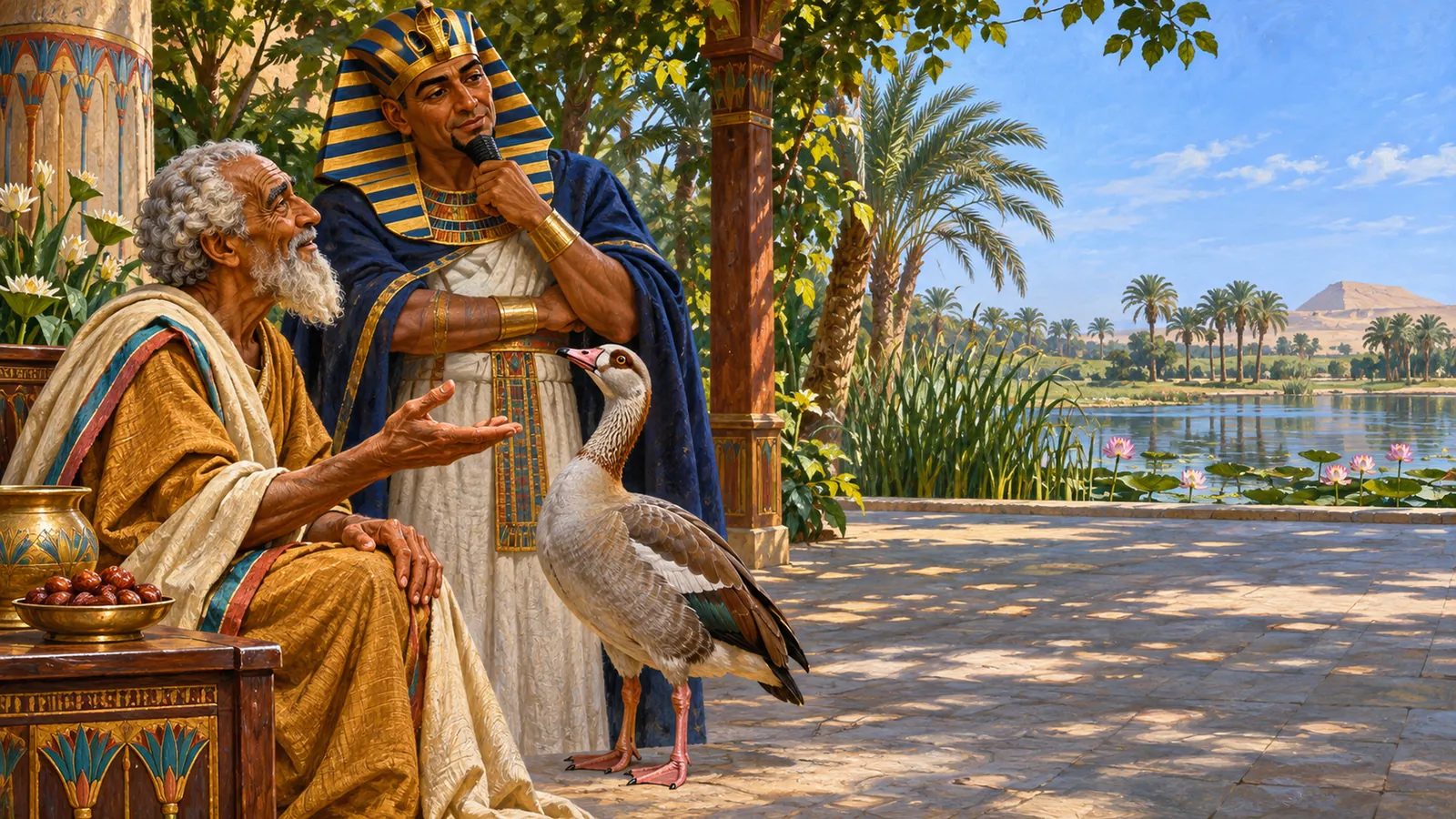
Djedi spoke his spell, and the two parts moved across the hall until they joined. The goose stood whole and alive again and called out.
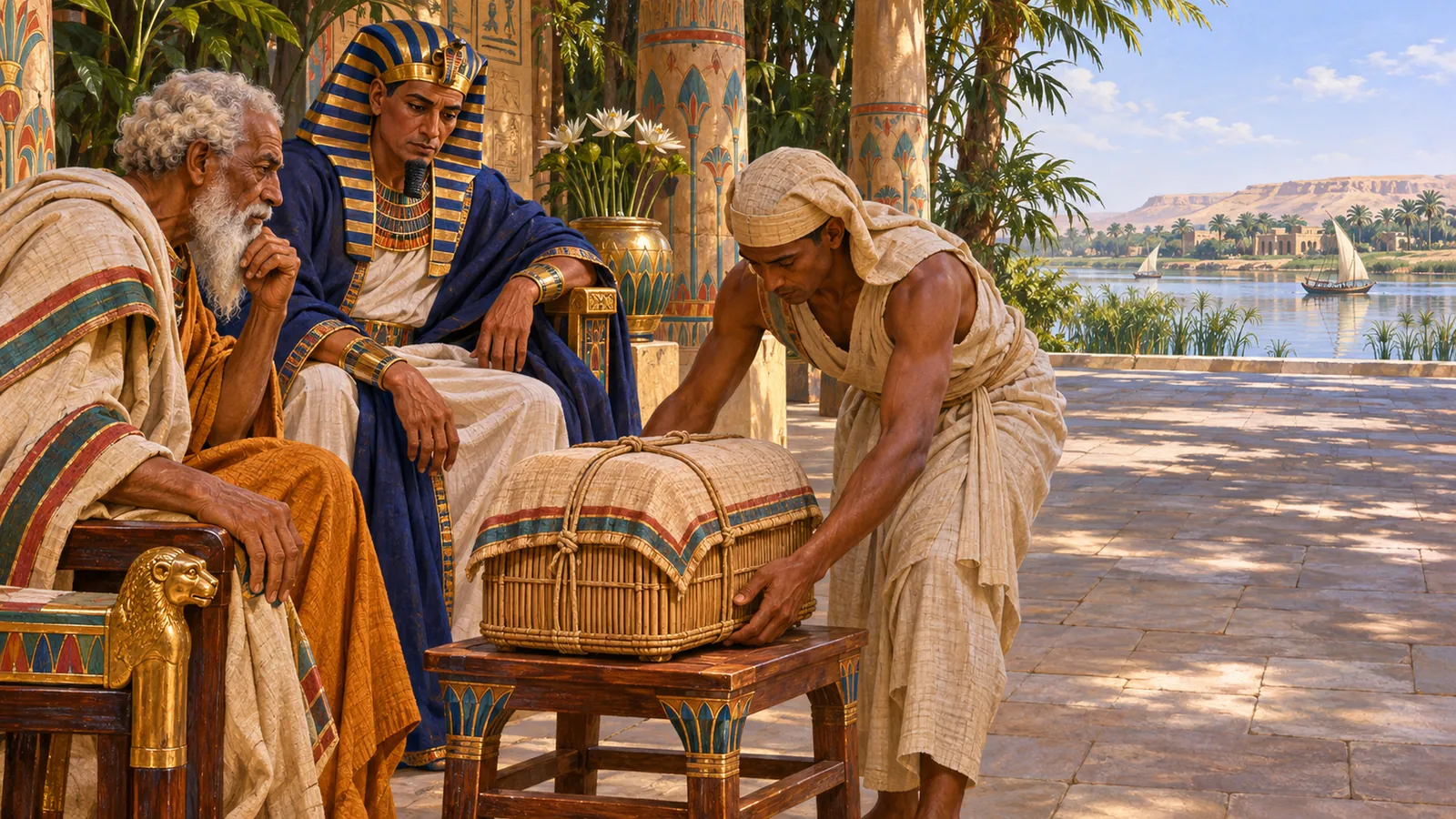
A second waterbird was brought, and its head was cut off in the same way. The papyrus names this bird with a term whose exact species is uncertain.
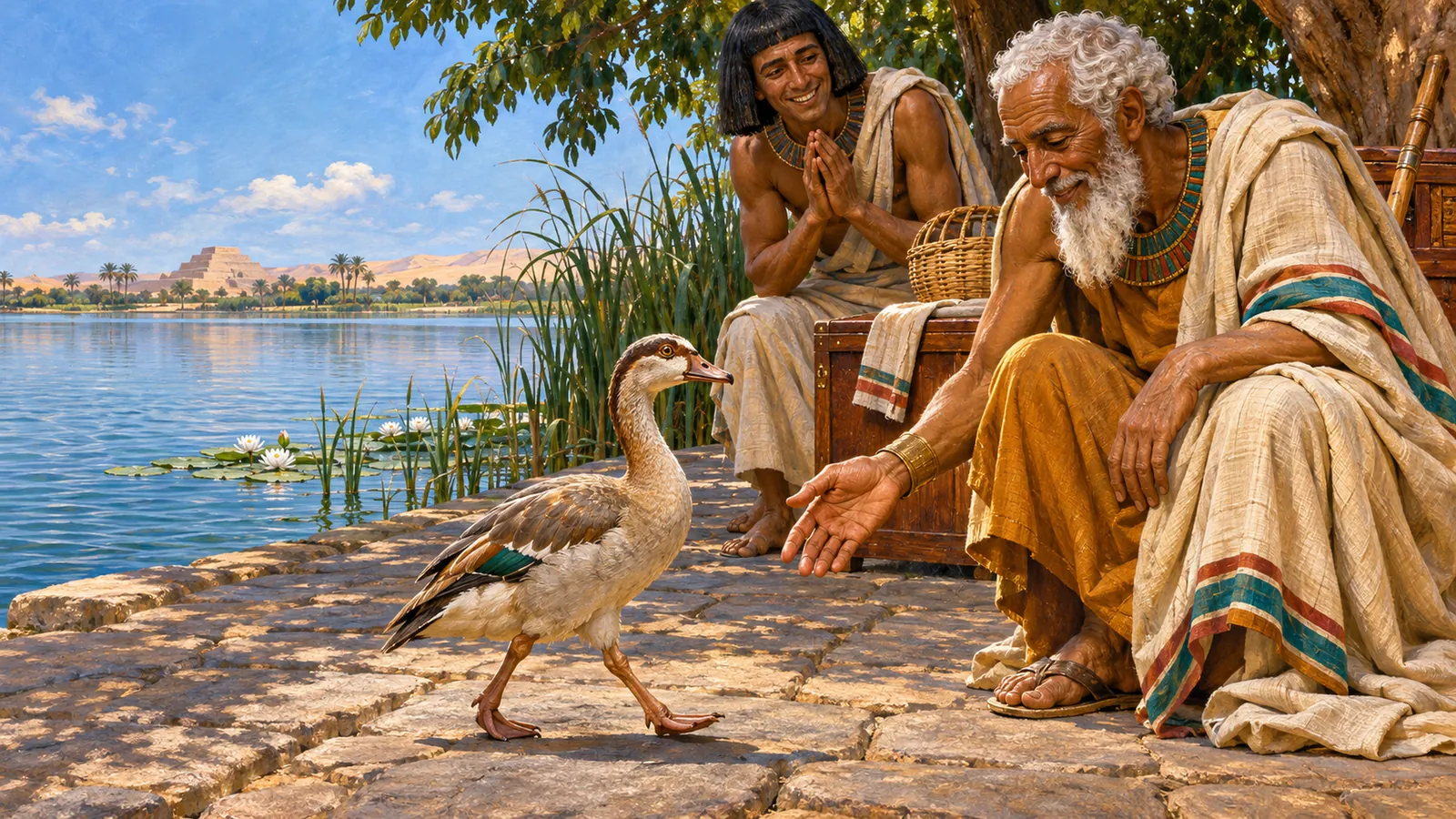
The same wonder was performed for the second bird, and it was restored. The short account gives no separate speech or new trick for this repetition.
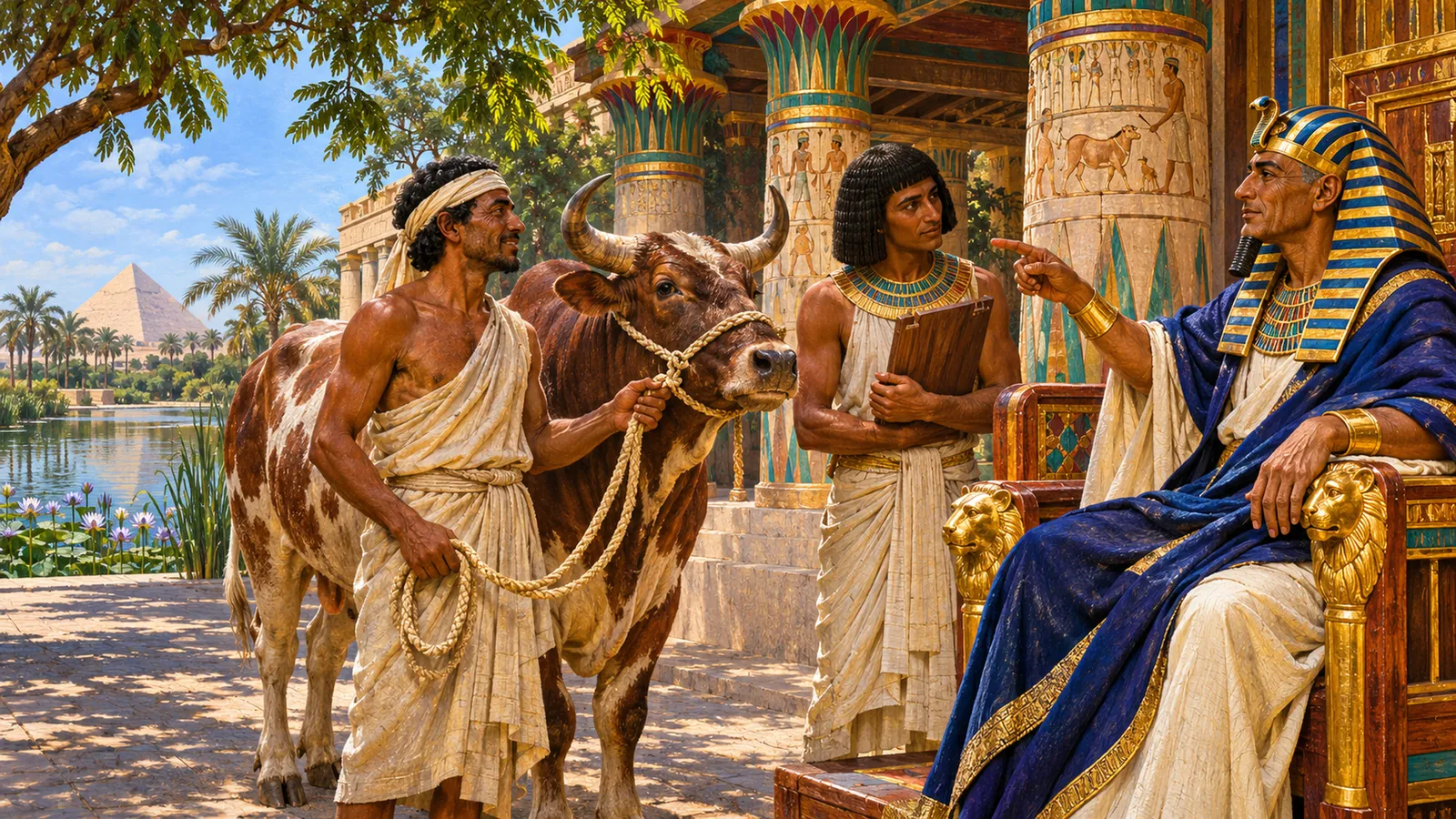
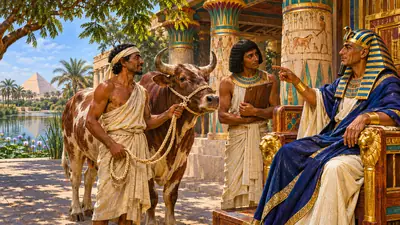
Khufu then had a bull brought, and its head was felled to the ground. Djedi spoke his spell again before the watching king.
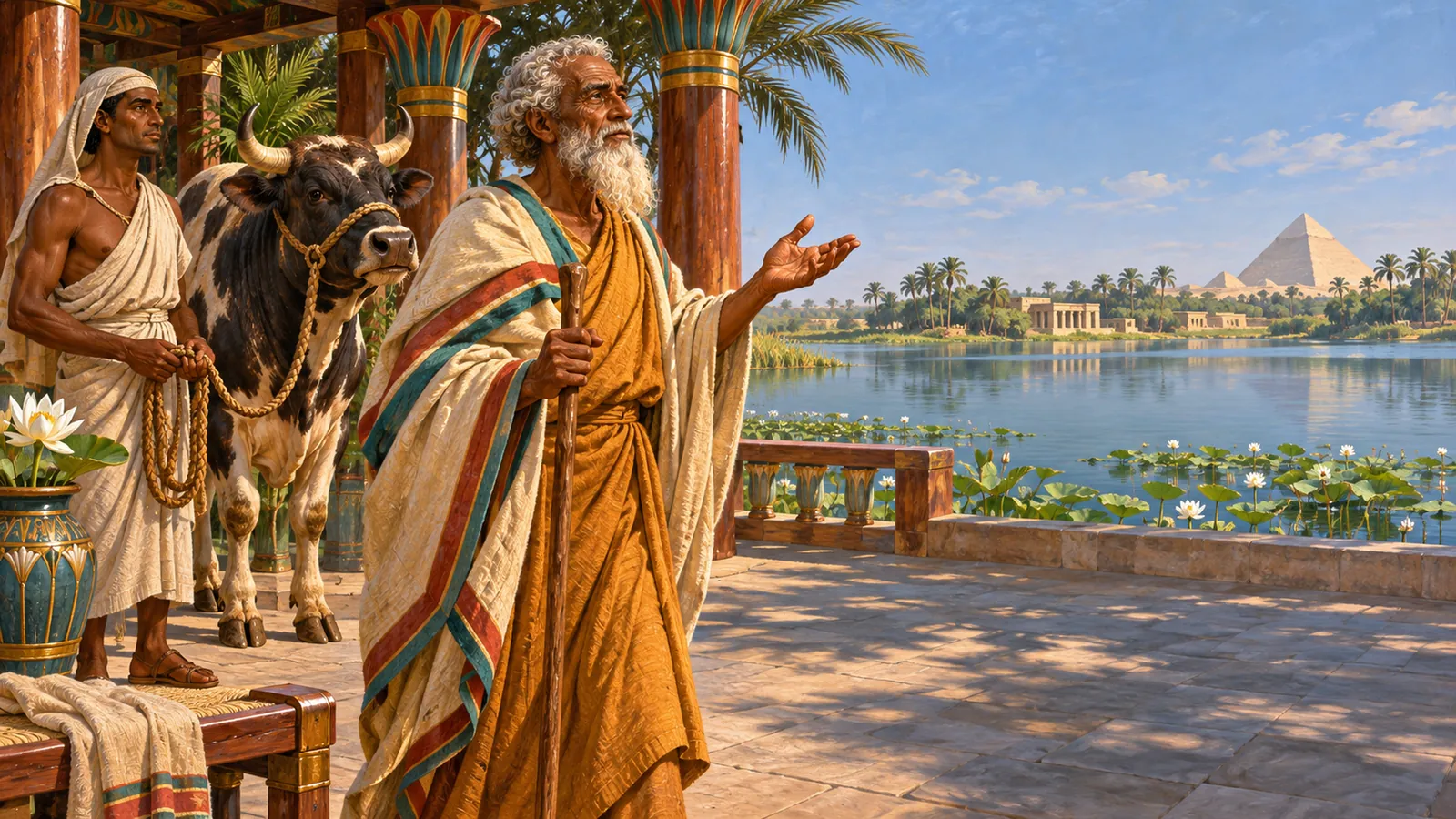
The bull stood up behind Djedi, and its tether fell to the ground. Khufu had seen the sage’s skill with animals and turned to a different kind of knowledge.
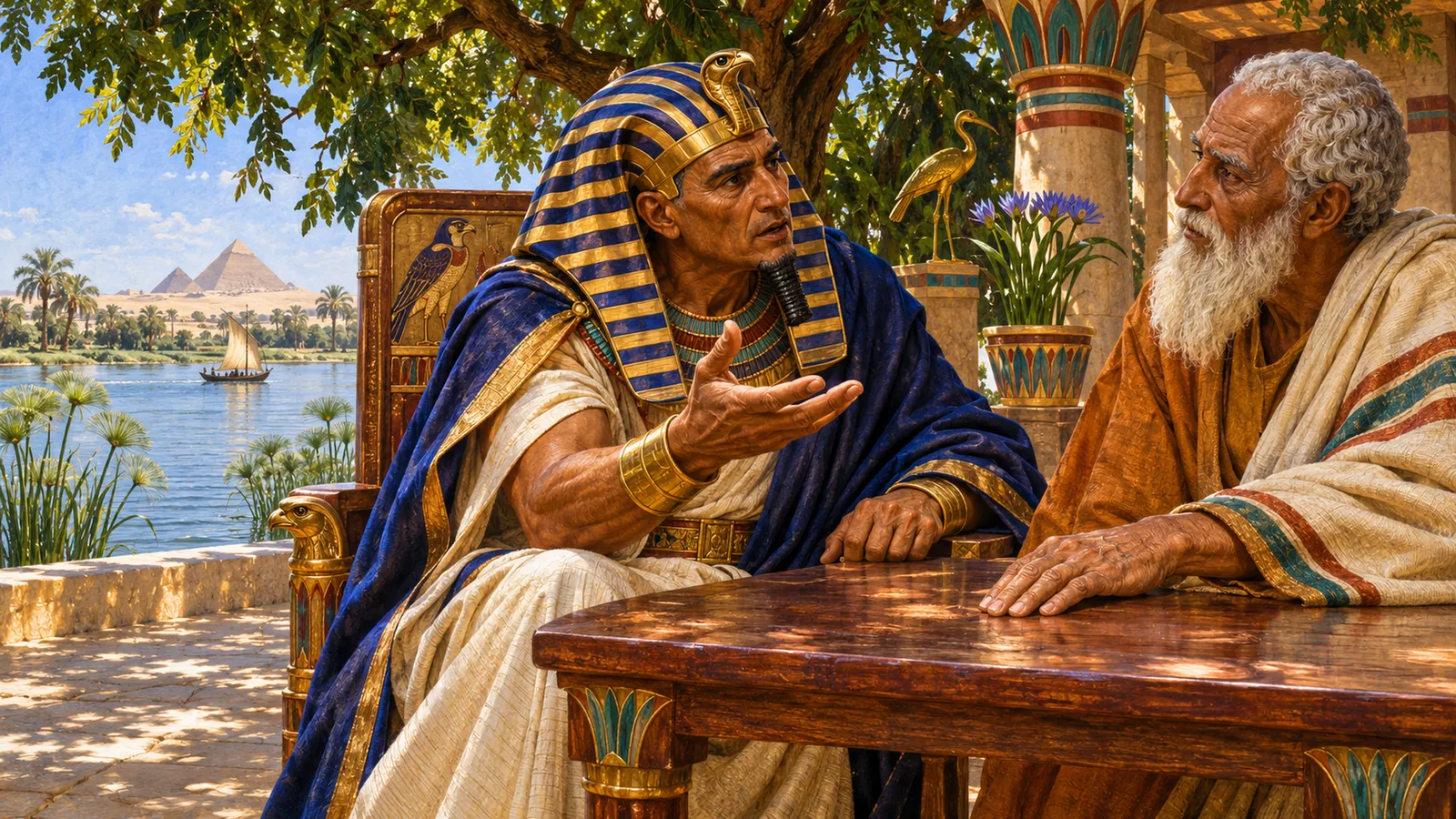
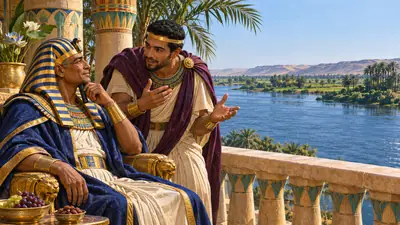
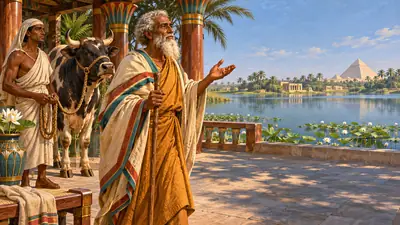
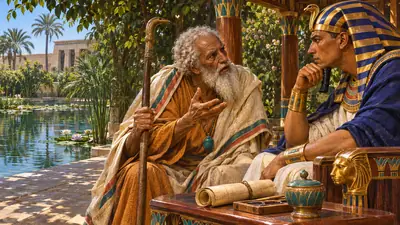
Khufu asked whether Djedi knew the number of the secret chambers of Thoth’s sanctuary. Djedi said he did not know their number, but knew where the knowledge was kept.
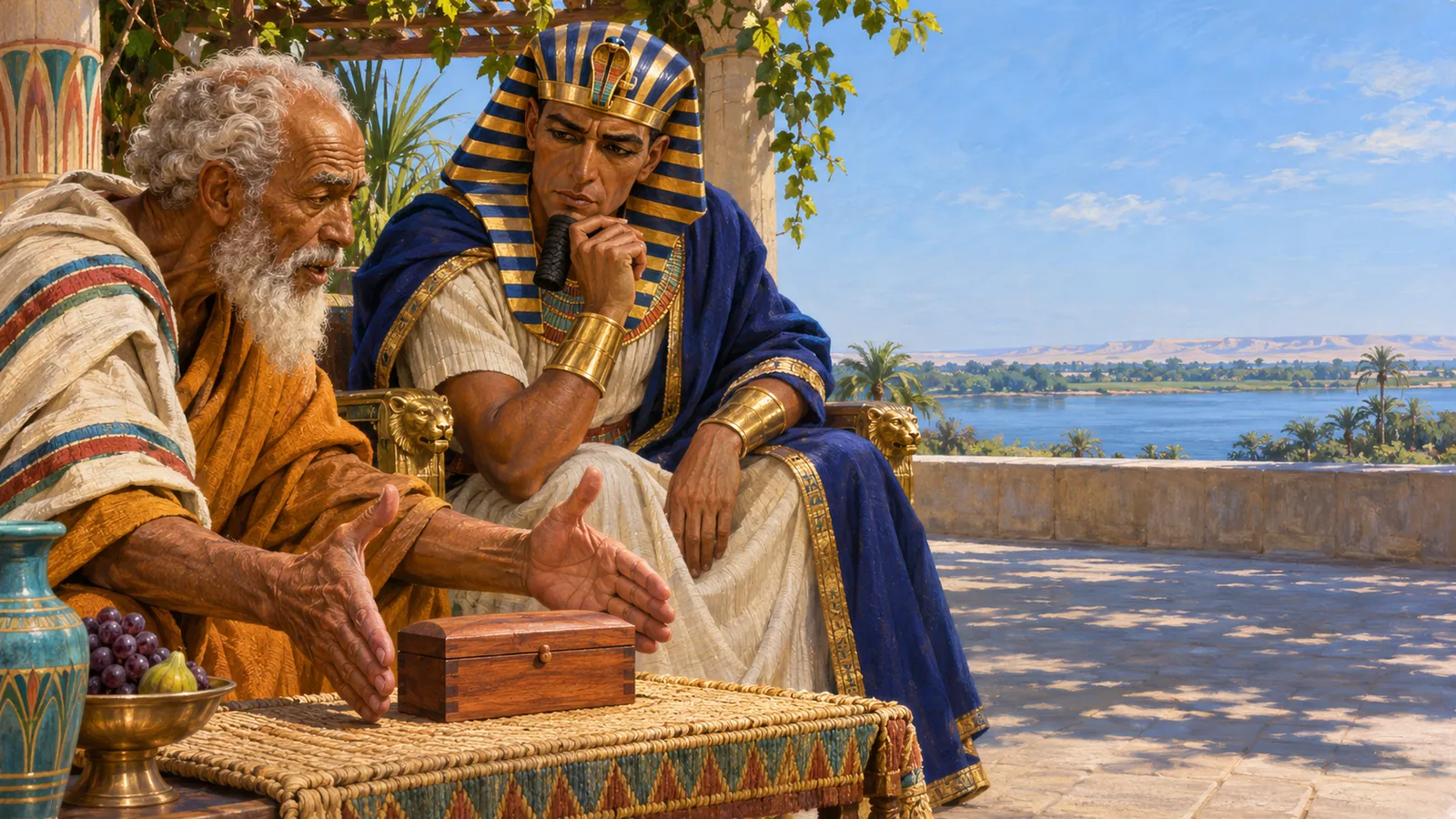
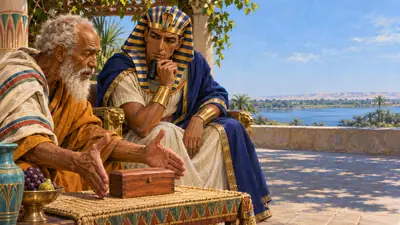
Djedi described a flint casket in a room called the Inventory at Heliopolis. When Khufu wanted it brought, Djedi said that he would not be the one to bring it.
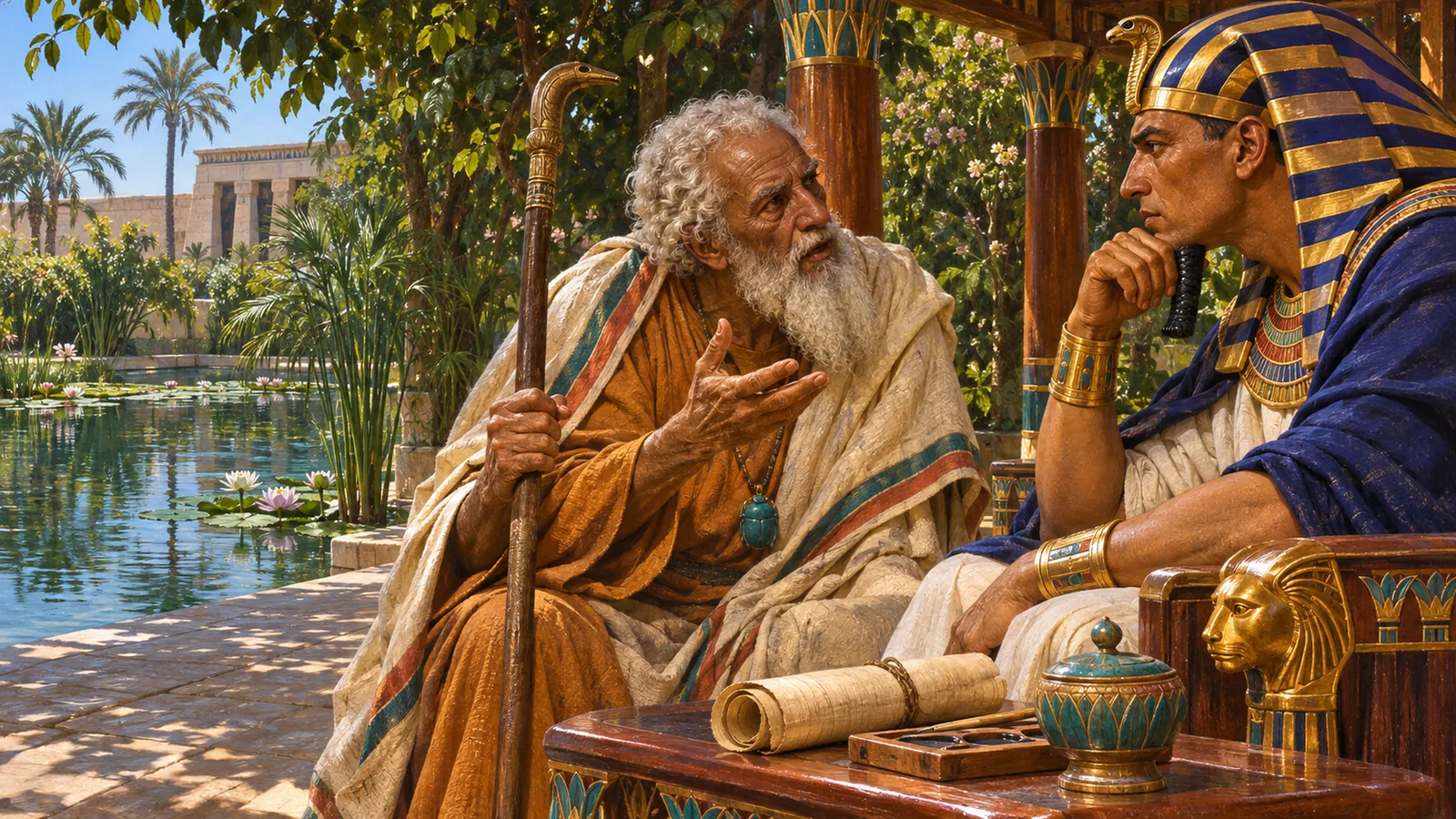
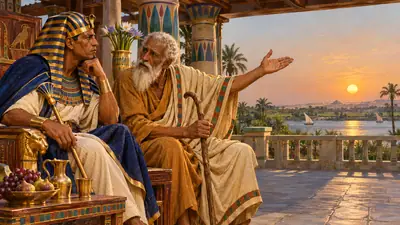
Asked who could bring it, Djedi spoke of three children still in the womb of a woman named Ruddjedet. The eldest of them, he said, would be the one.
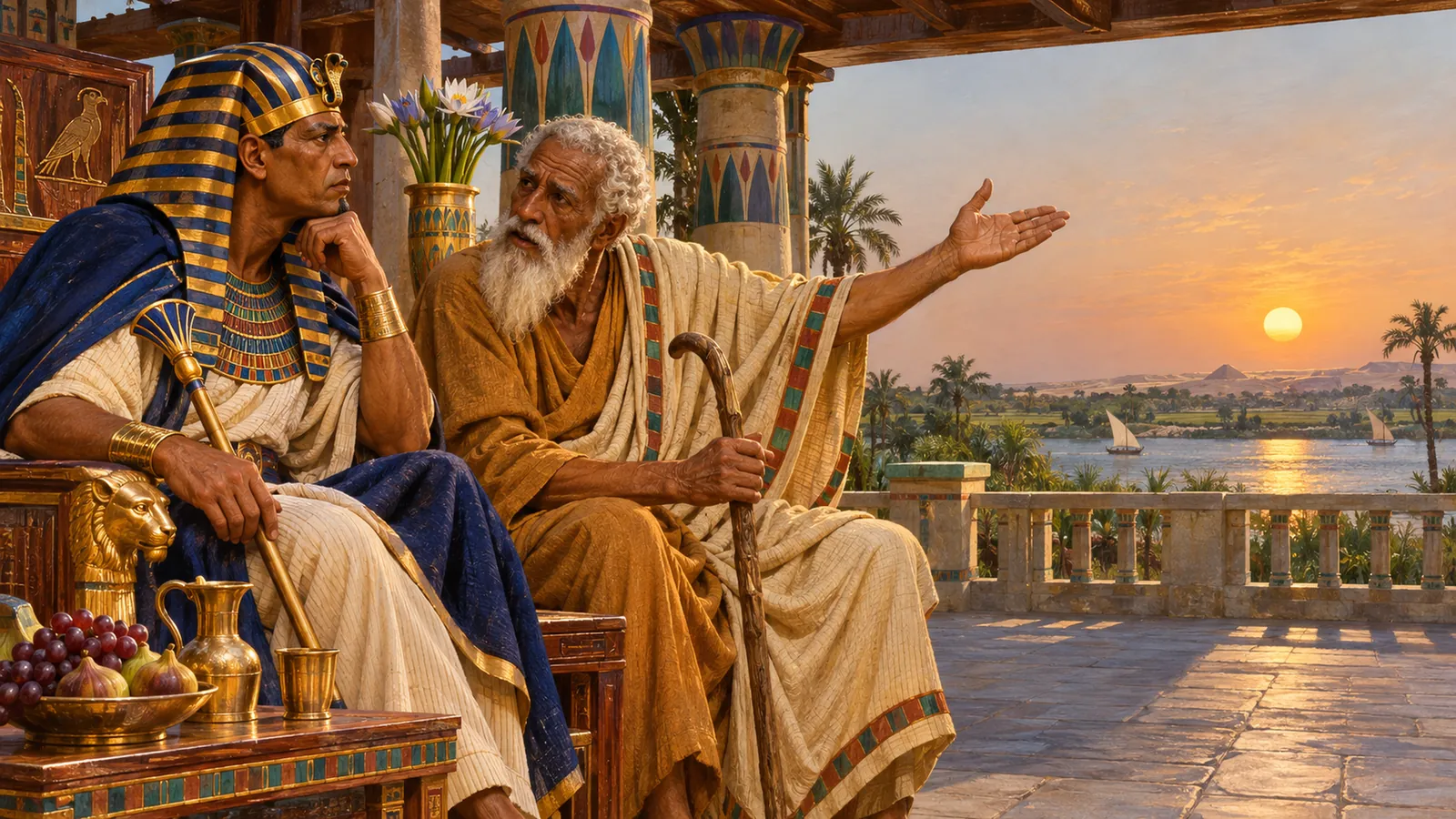
Ruddjedet was the wife of a priest of Re of Sakhbu, and Djedi said she carried three children of Re. They would rule, and the eldest would serve as high priest at Heliopolis.
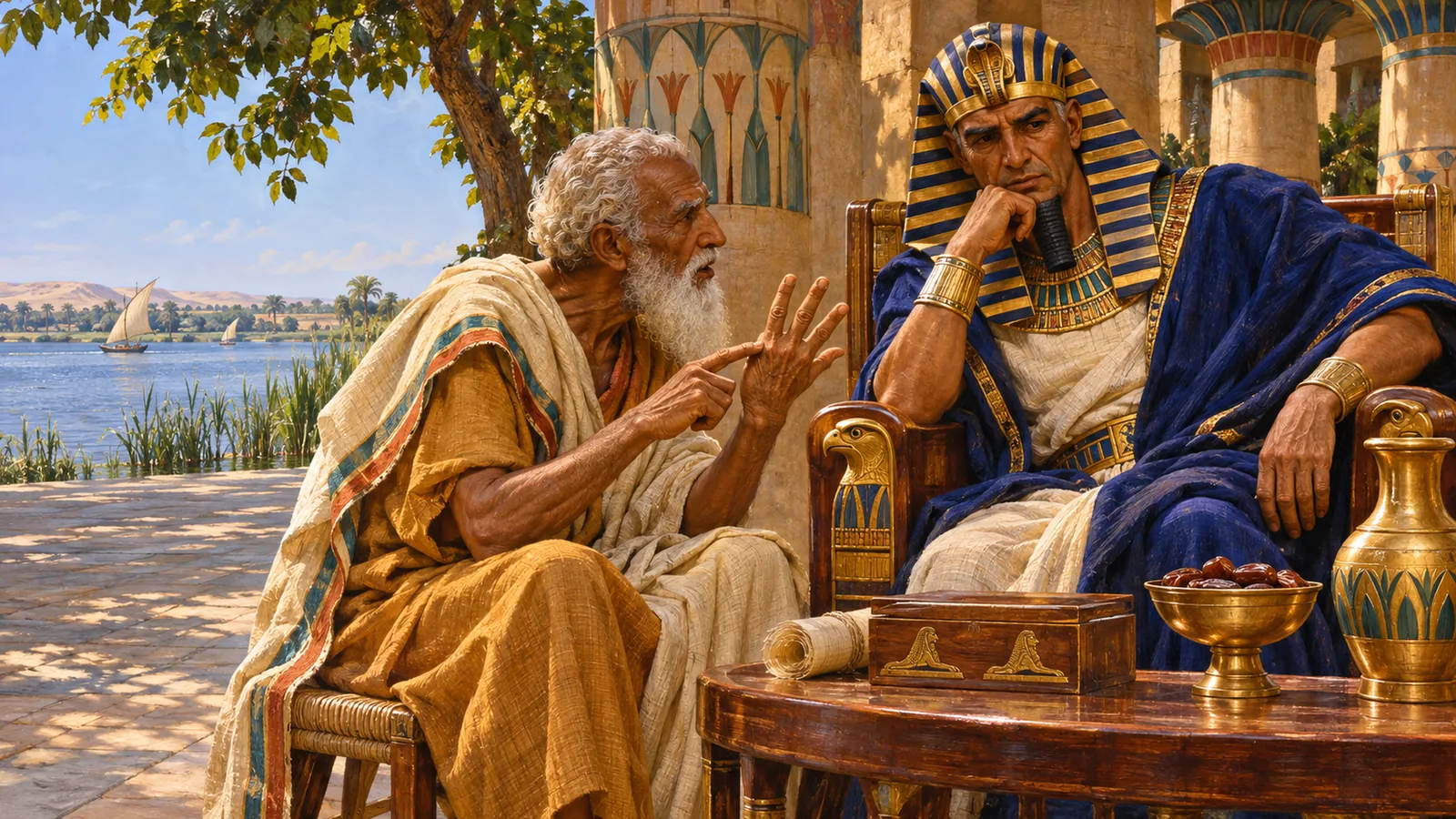
The news troubled Khufu. Djedi told him that first his son would rule, then his son’s son, and only after them would one of the three children reign.
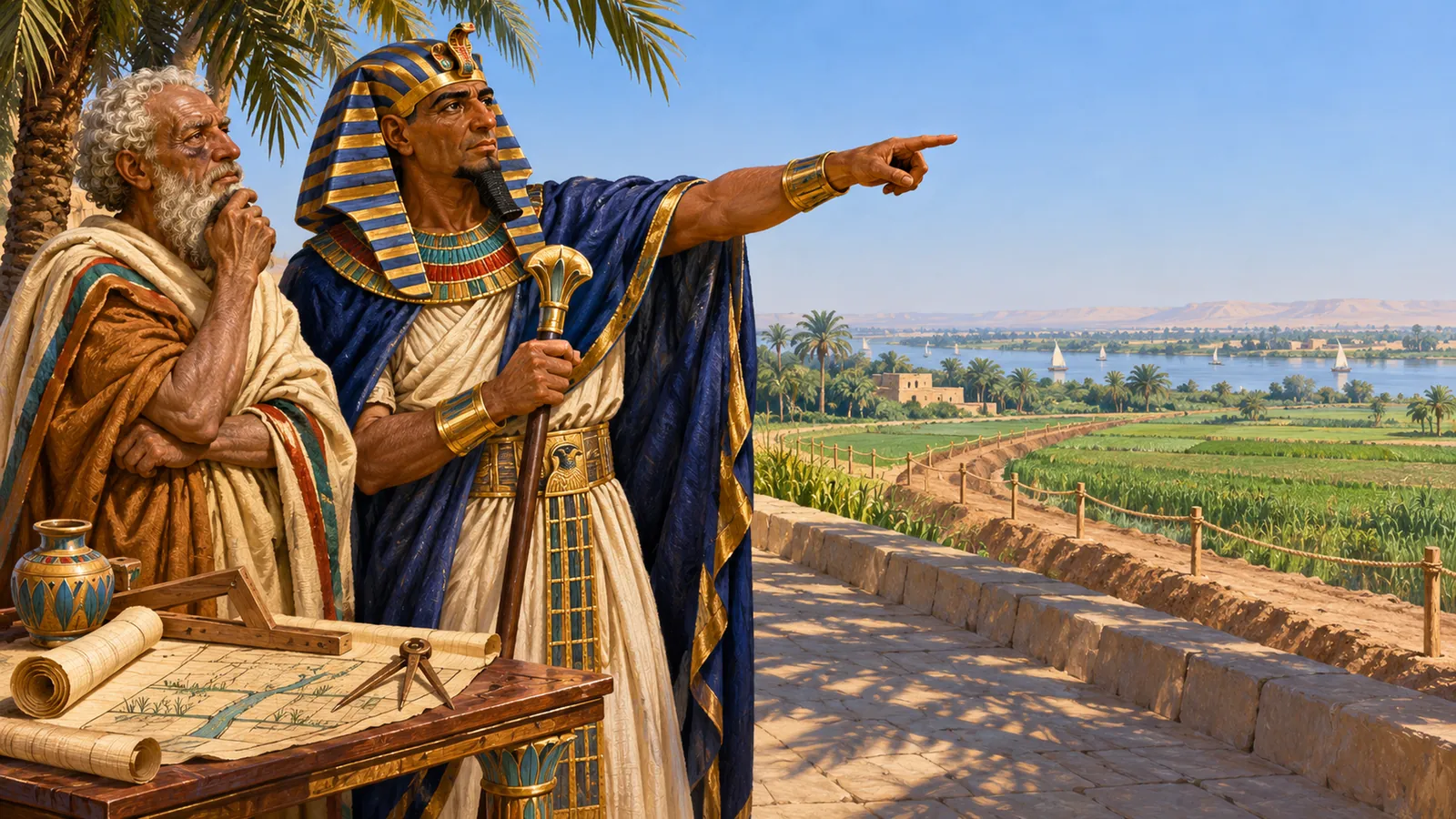
Djedi named the fifteenth day of the first growing month for the birth. Khufu spoke of visiting Re’s temple and Djedi promised four cubits of water over the canal banks for the journey.
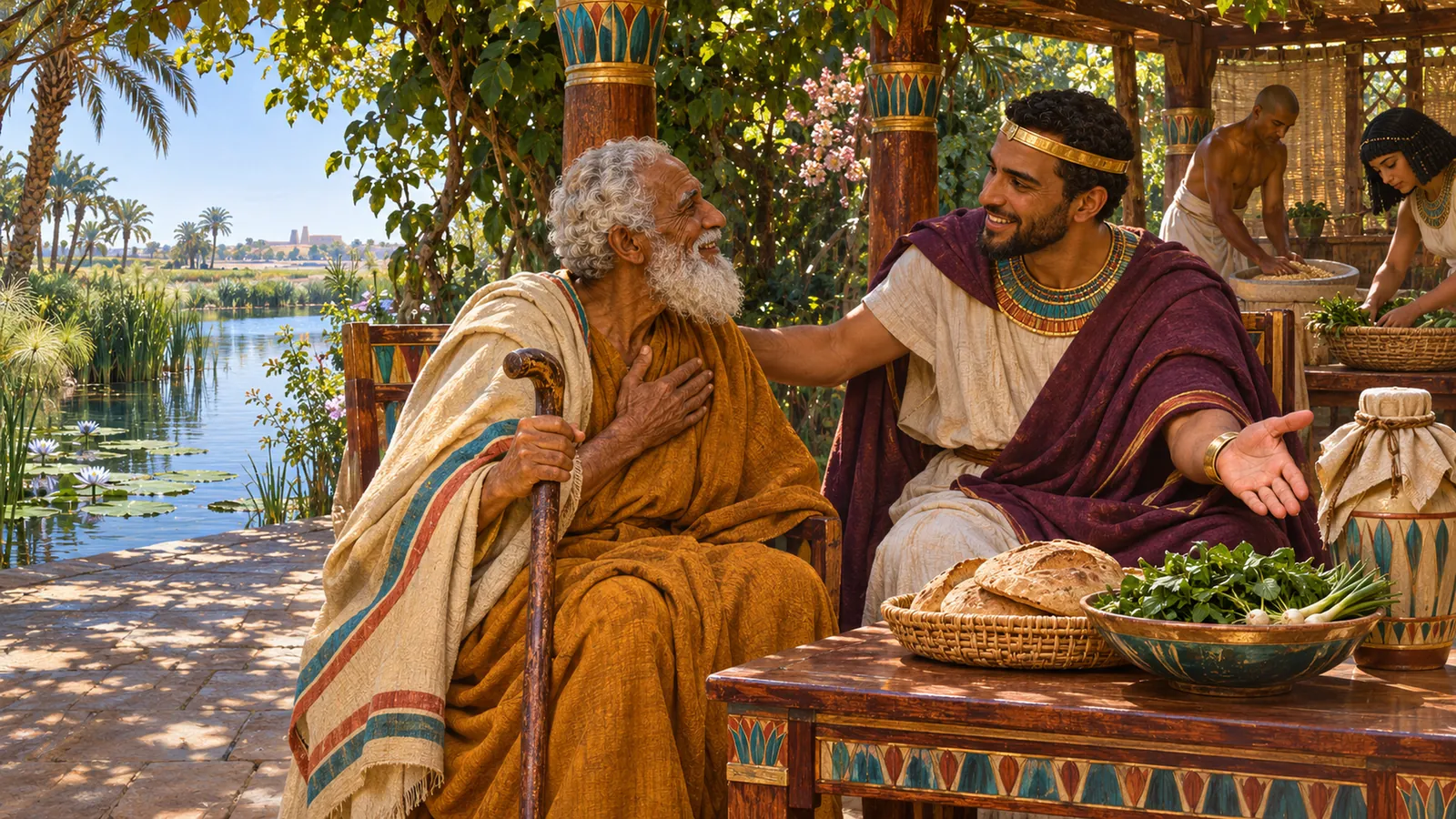
Khufu returned to his palace and ordered Djedi to live with Hordedef. He provided bread, beer, an ox and bundles of greens, and the arrangements were carried out.
THREE BIRTHS
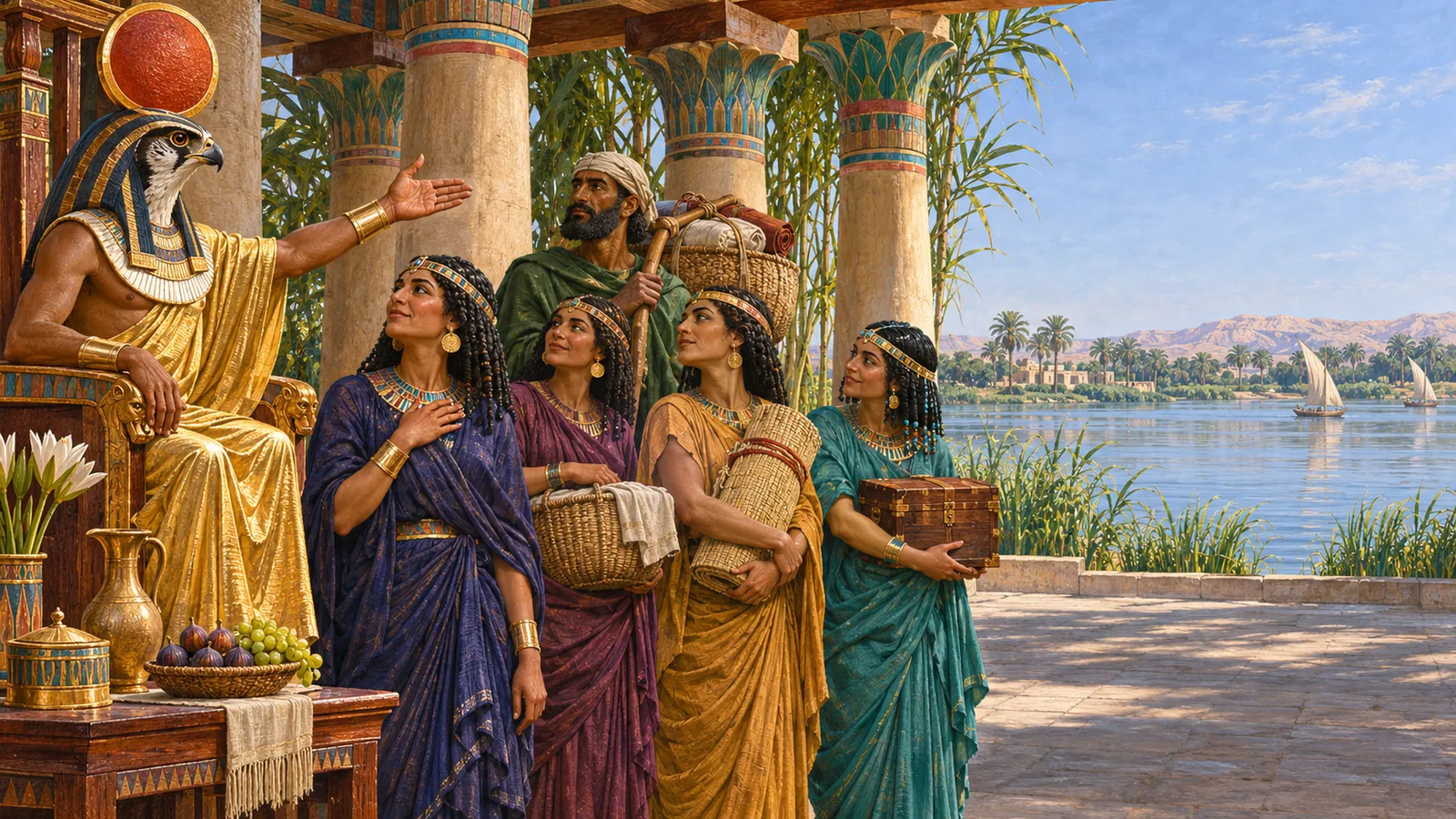
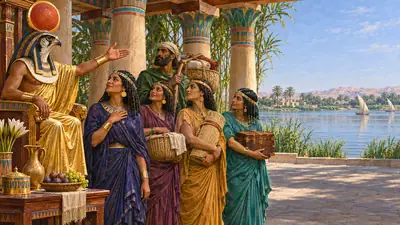
Ruddjedet’s labour was difficult. Re of Sakhbu sent Isis, Nephthys, Meskhenet, Heqet and Khnum to help her, saying that the children would one day provide for their temples.
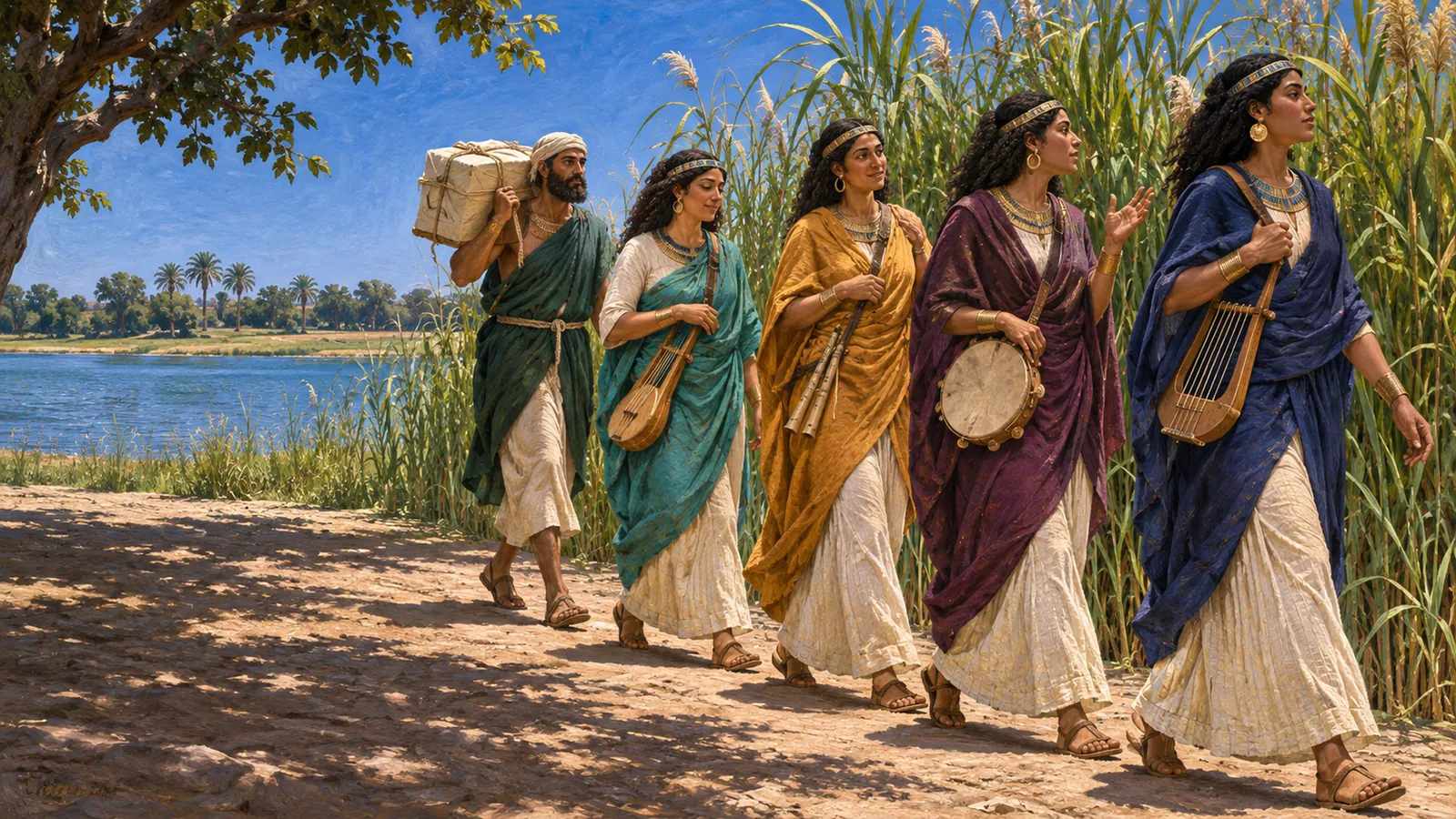
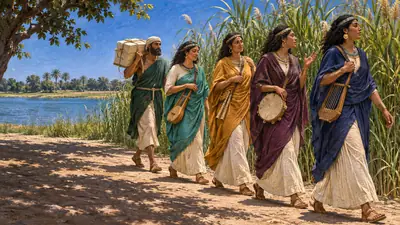
The four goddesses took the appearance of musicians, and Khnum accompanied them carrying their baggage. In this disguise the party made its way to the house of Reusre.
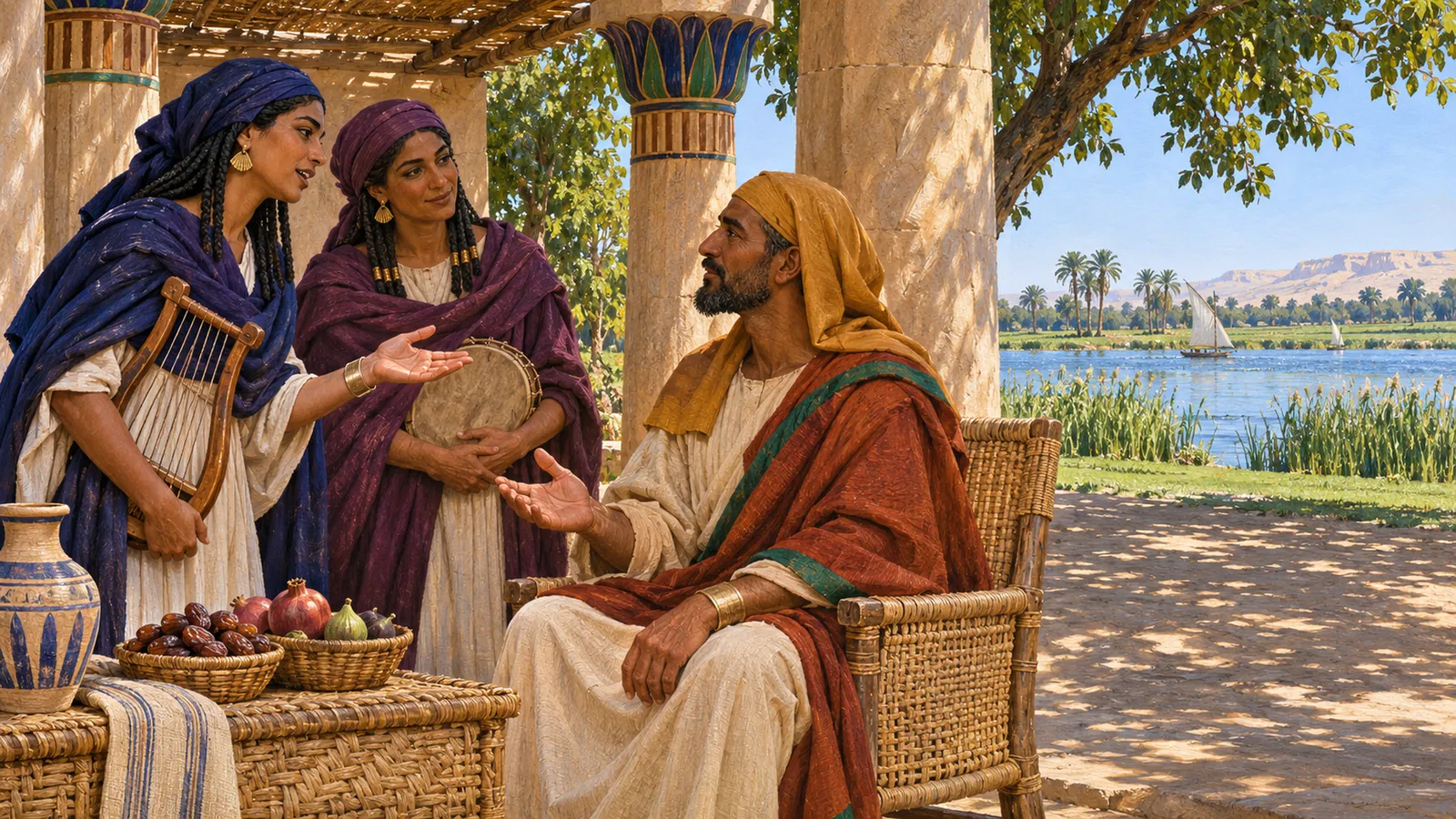
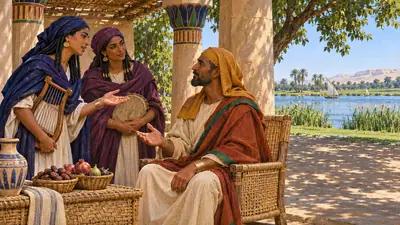
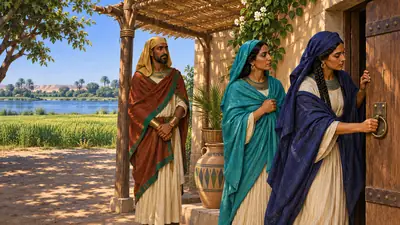
They showed Reusre their musical instruments. He told them a woman inside was having a difficult birth, and the visitors asked to see her, saying they knew how to help.
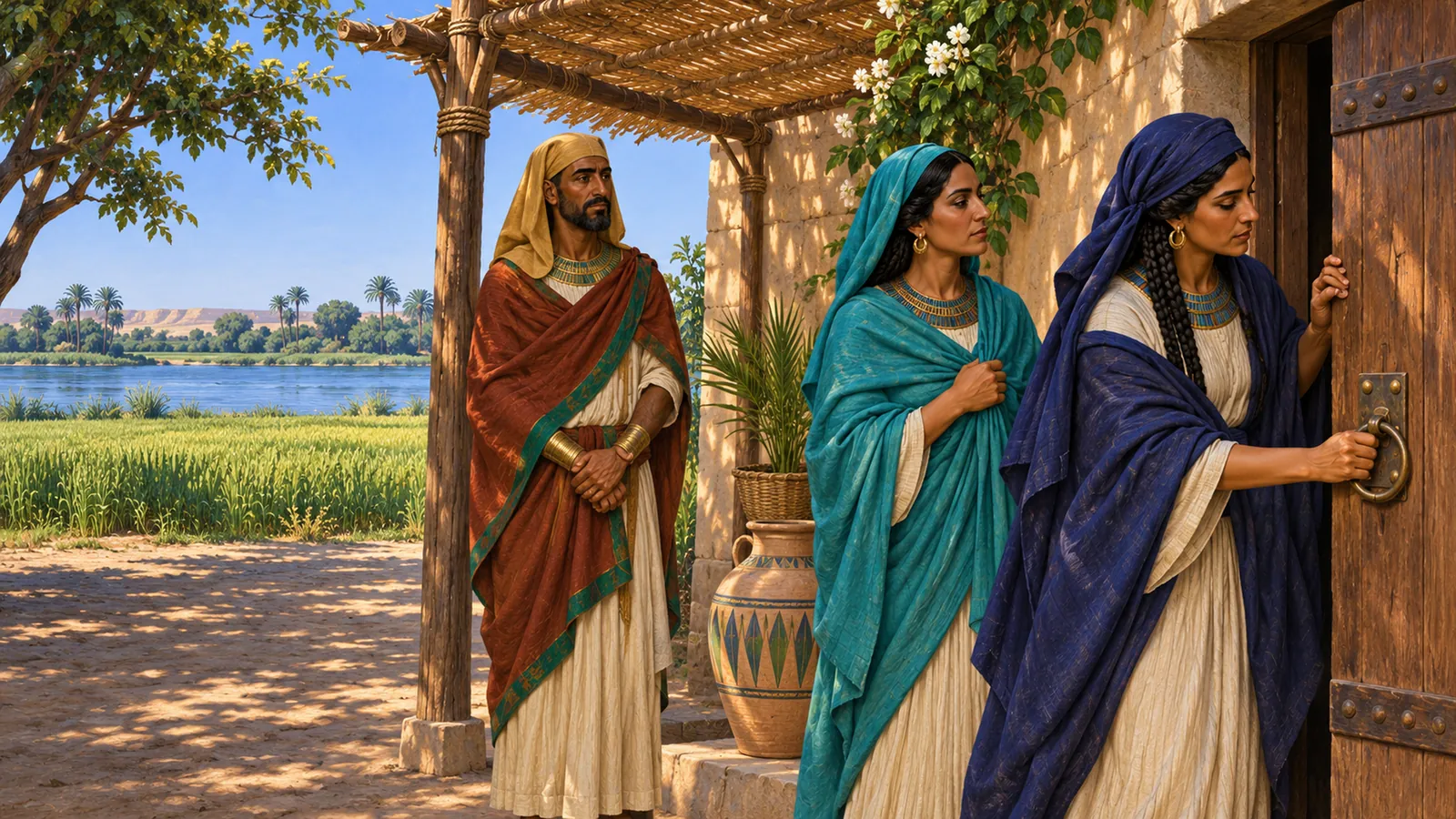
Reusre invited the visitors inside, and they closed the room with Ruddjedet. Isis stood before her, Nephthys behind her, and Heqet helped hasten the birth.
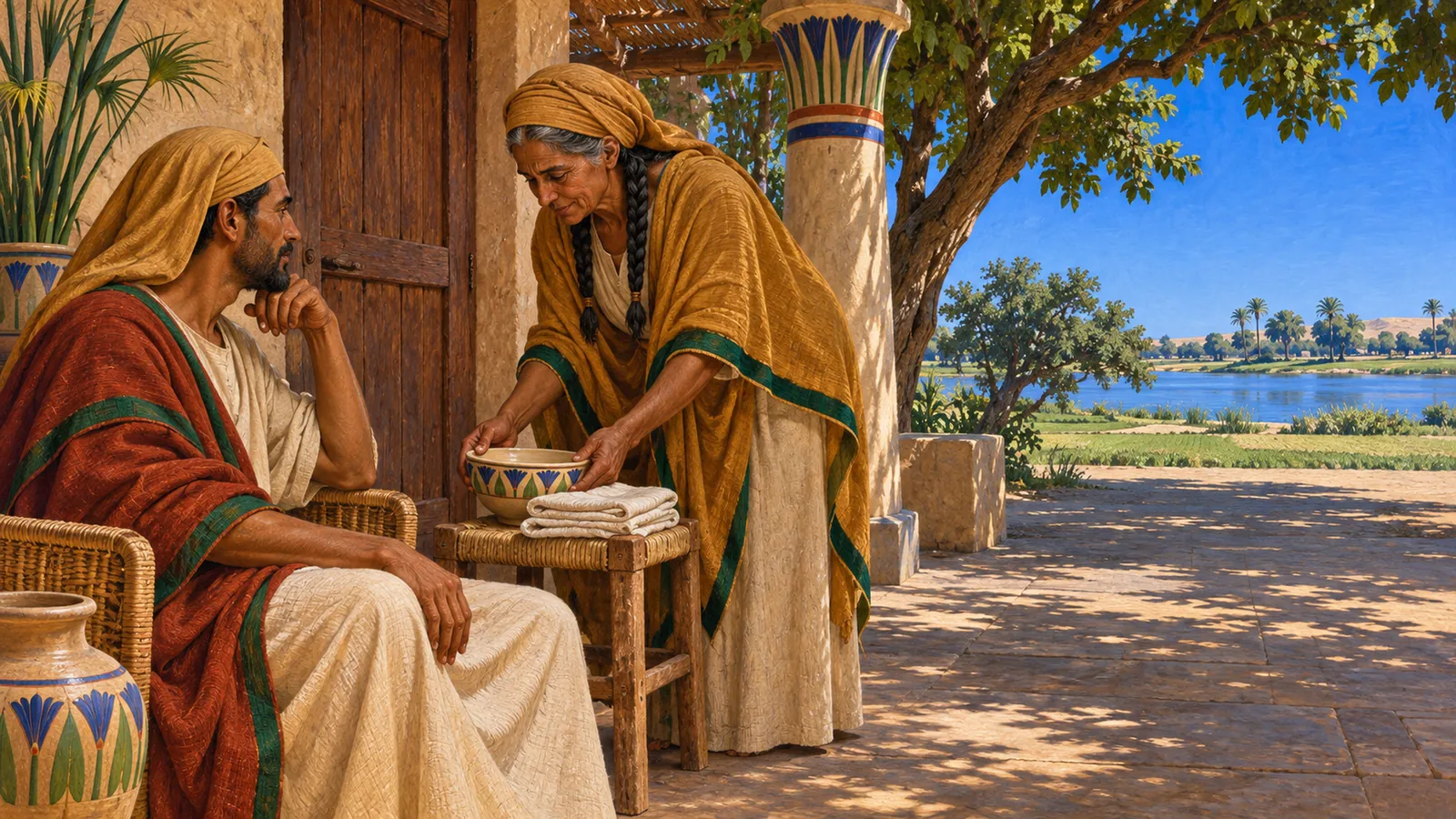
Isis spoke the first child’s name, Userref, and he was born into her arms. The helpers washed him and laid him down, and Meskhenet foretold that he would be king.
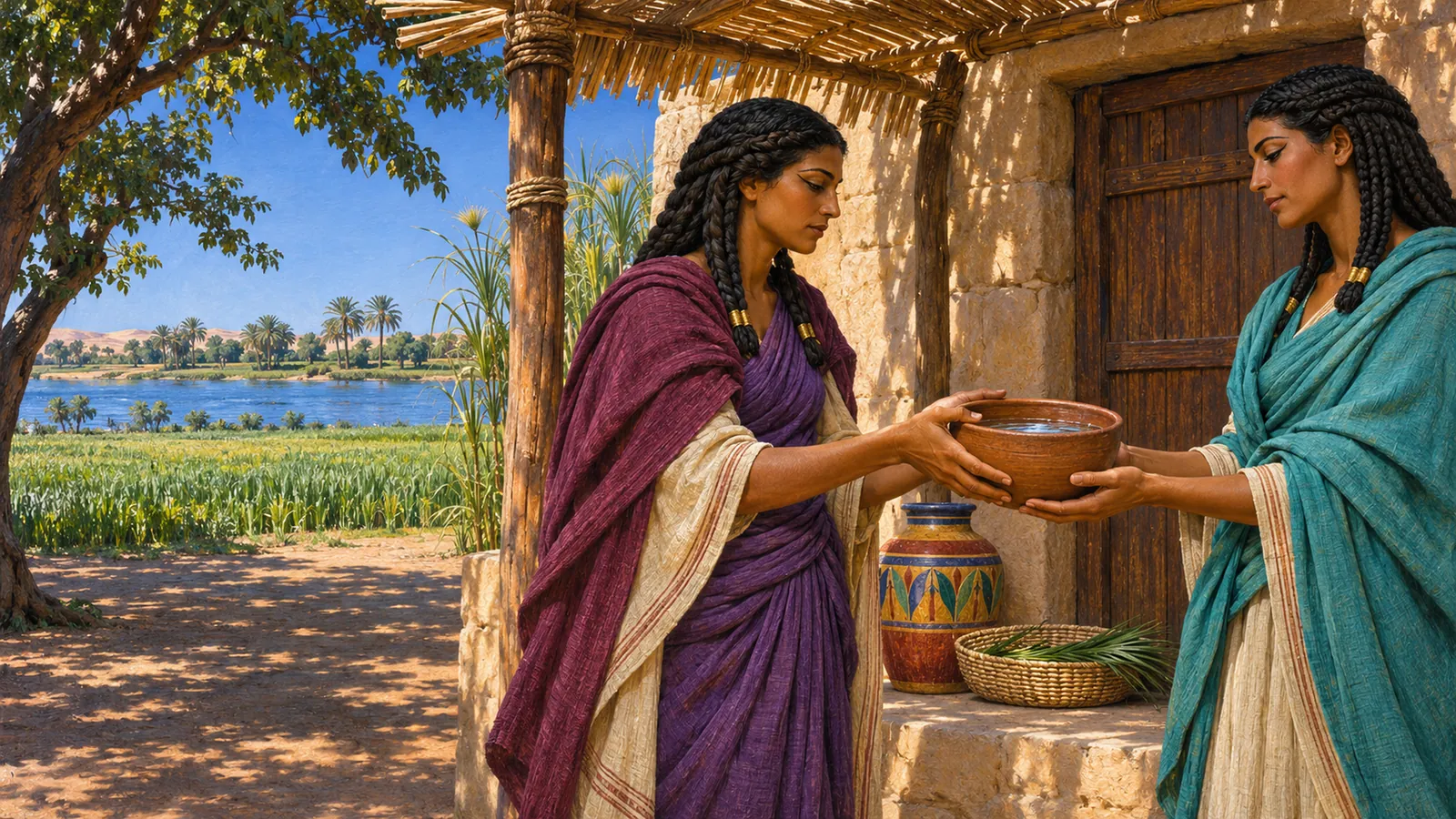
The helpers took their places again. Isis spoke over the second birth, naming the child Sahure. They cared for him in the same way, and Meskhenet foretold his reign.
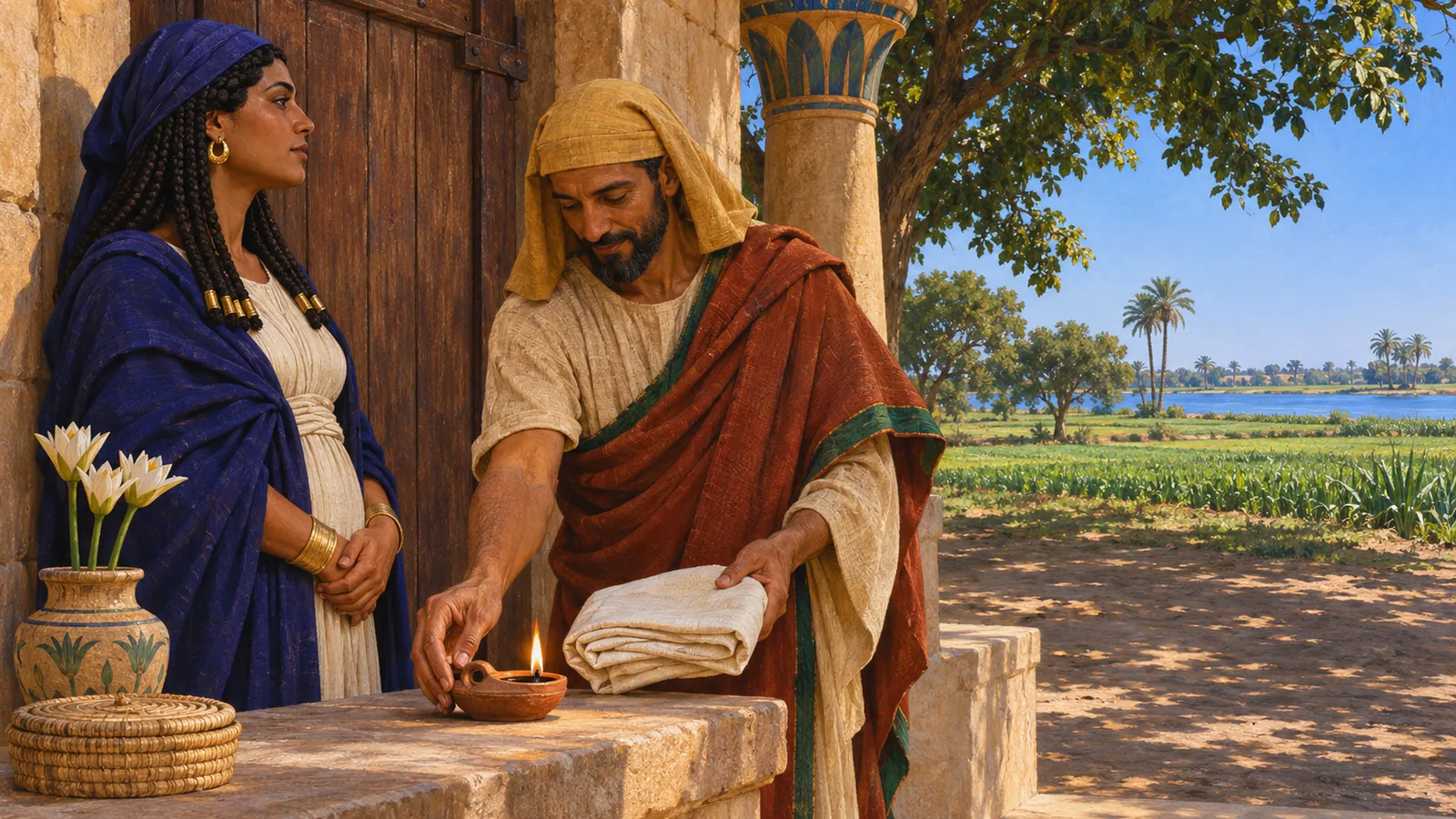
Isis named the third child Keku as he too was born. The helpers cared for him, and Meskhenet foretold that he would rule the whole land.
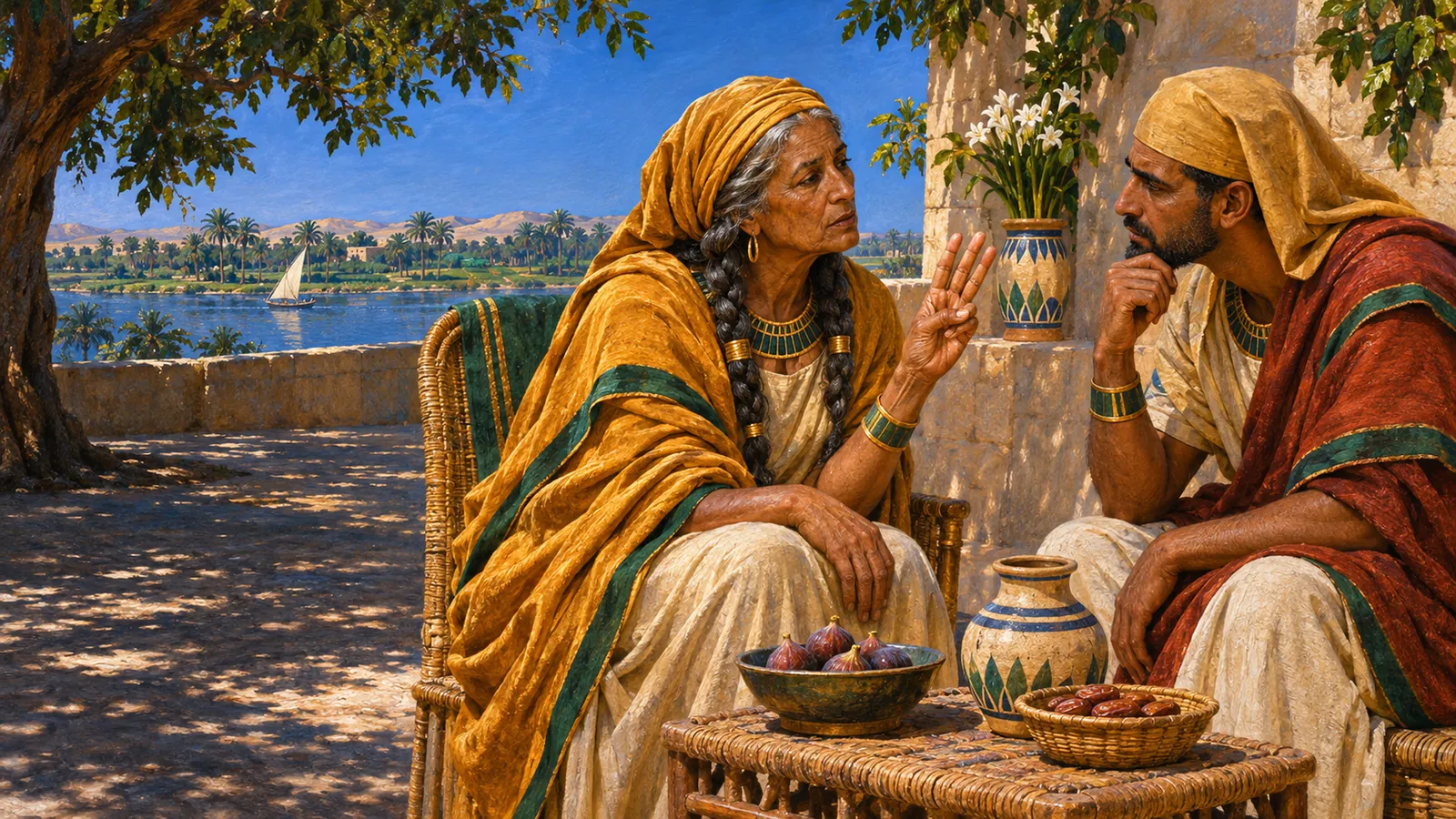
The papyrus describes the children with royal images of gold and lapis lazuli. Meskhenet had foretold kingship for each of them, and Khnum gave health to each child.
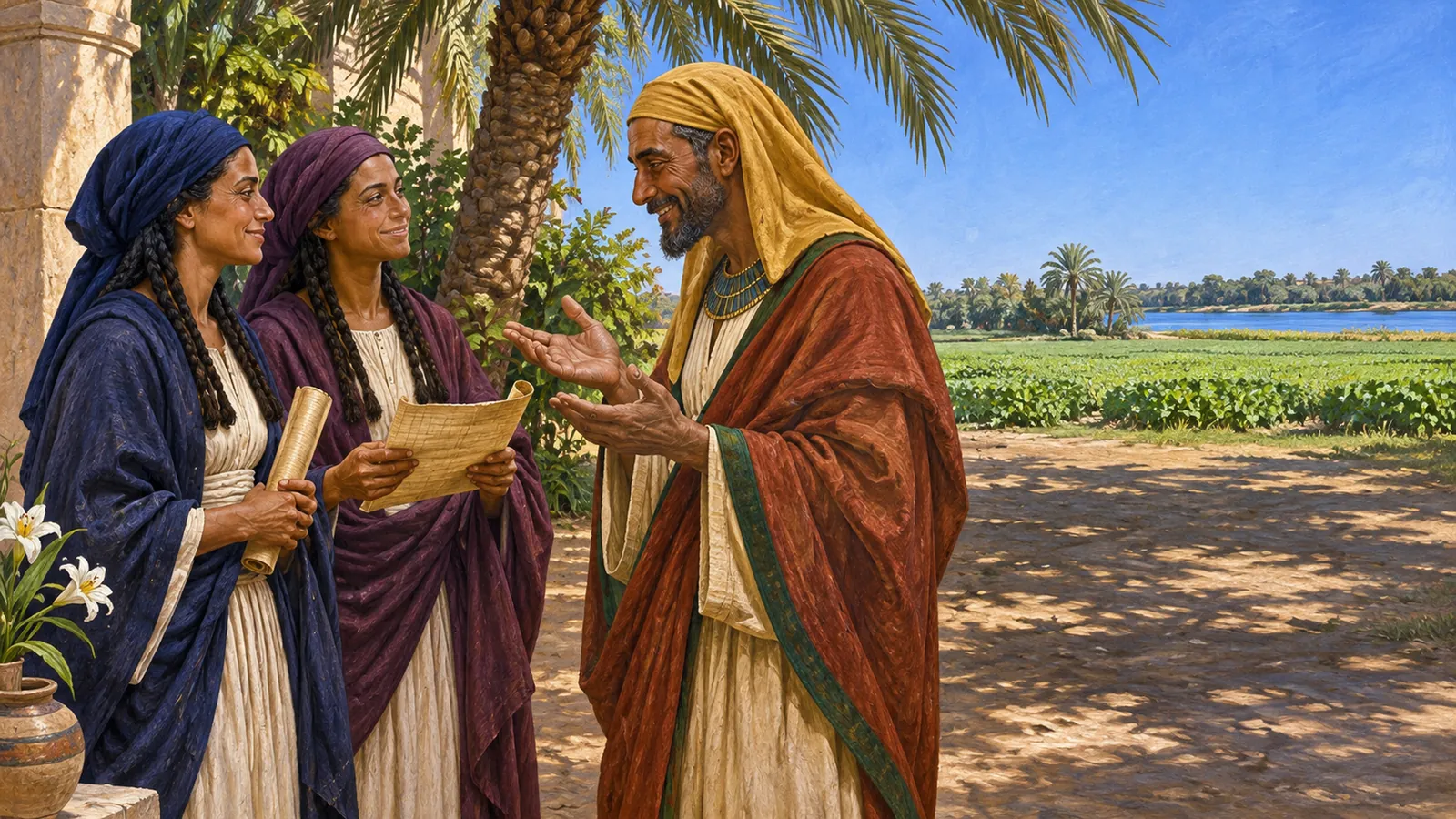
The divine visitors came out of the room and told Reusre to rejoice. Three children had been born in his household, and he asked how he could reward their helpers.
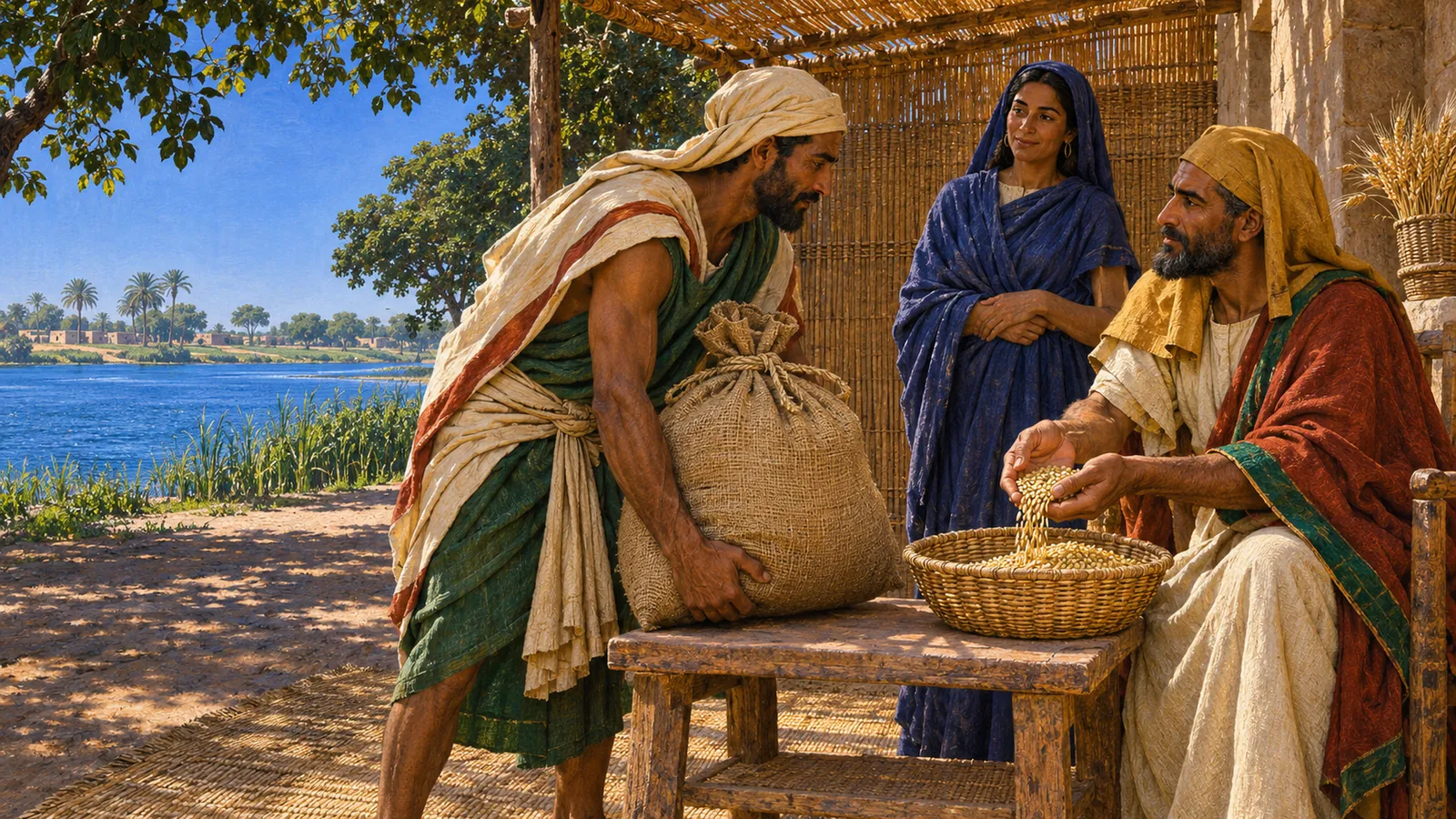
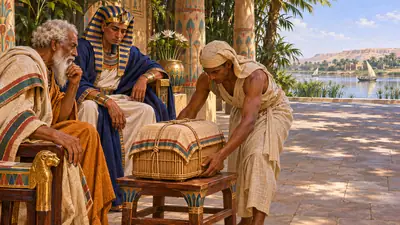
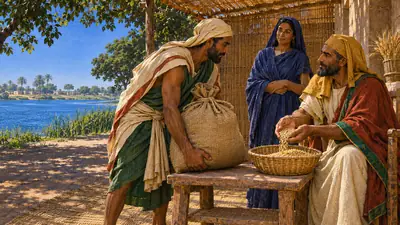
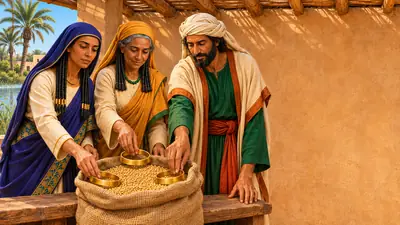
Reusre offered the musicians barley as their payment and asked that it be given to their porter. Khnum took up the grain, and the party departed together.
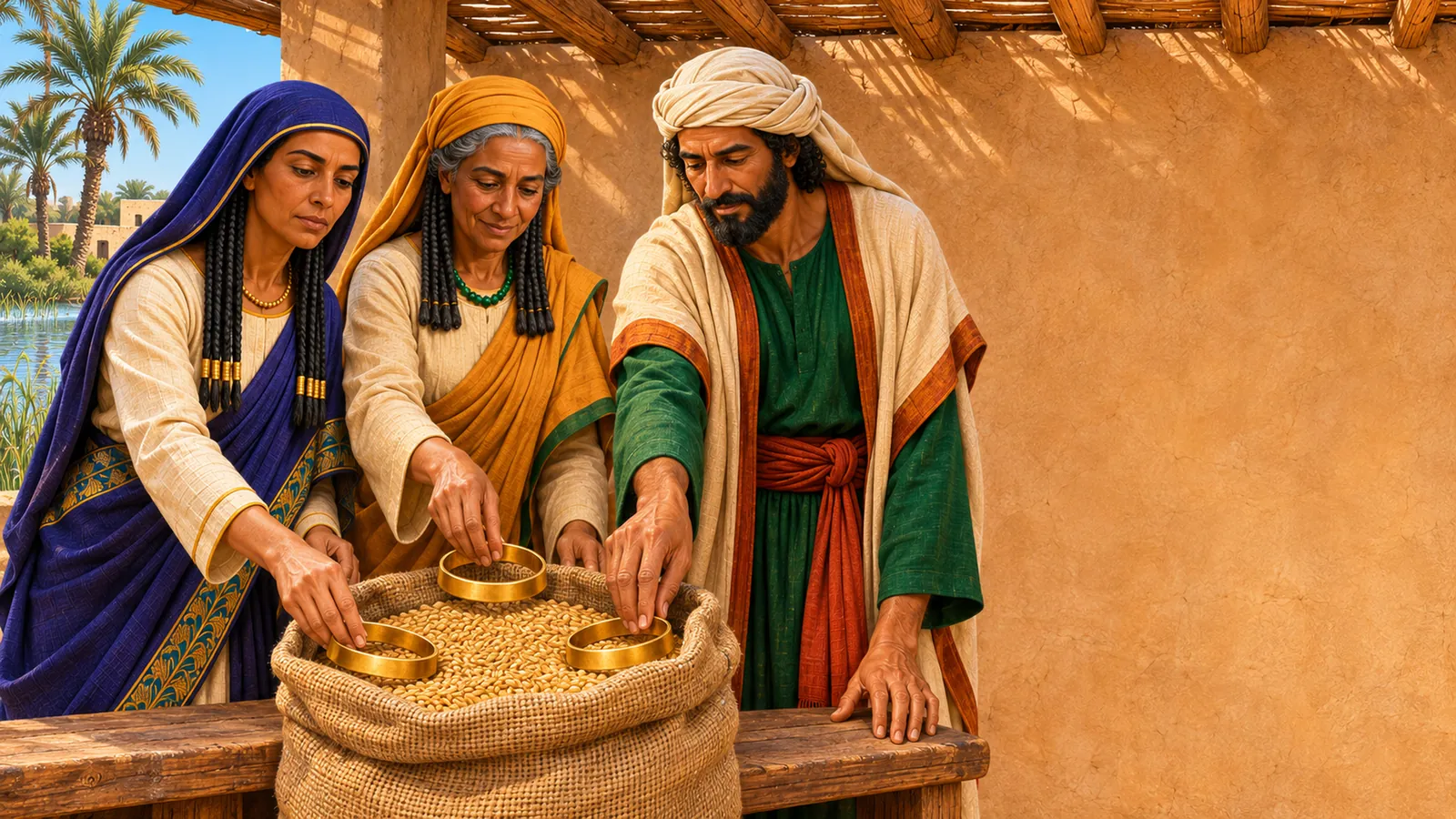
Isis proposed that they leave a wonder for the children and report it to the father who had sent them. The gods made three royal crowns and hid them in the barley.
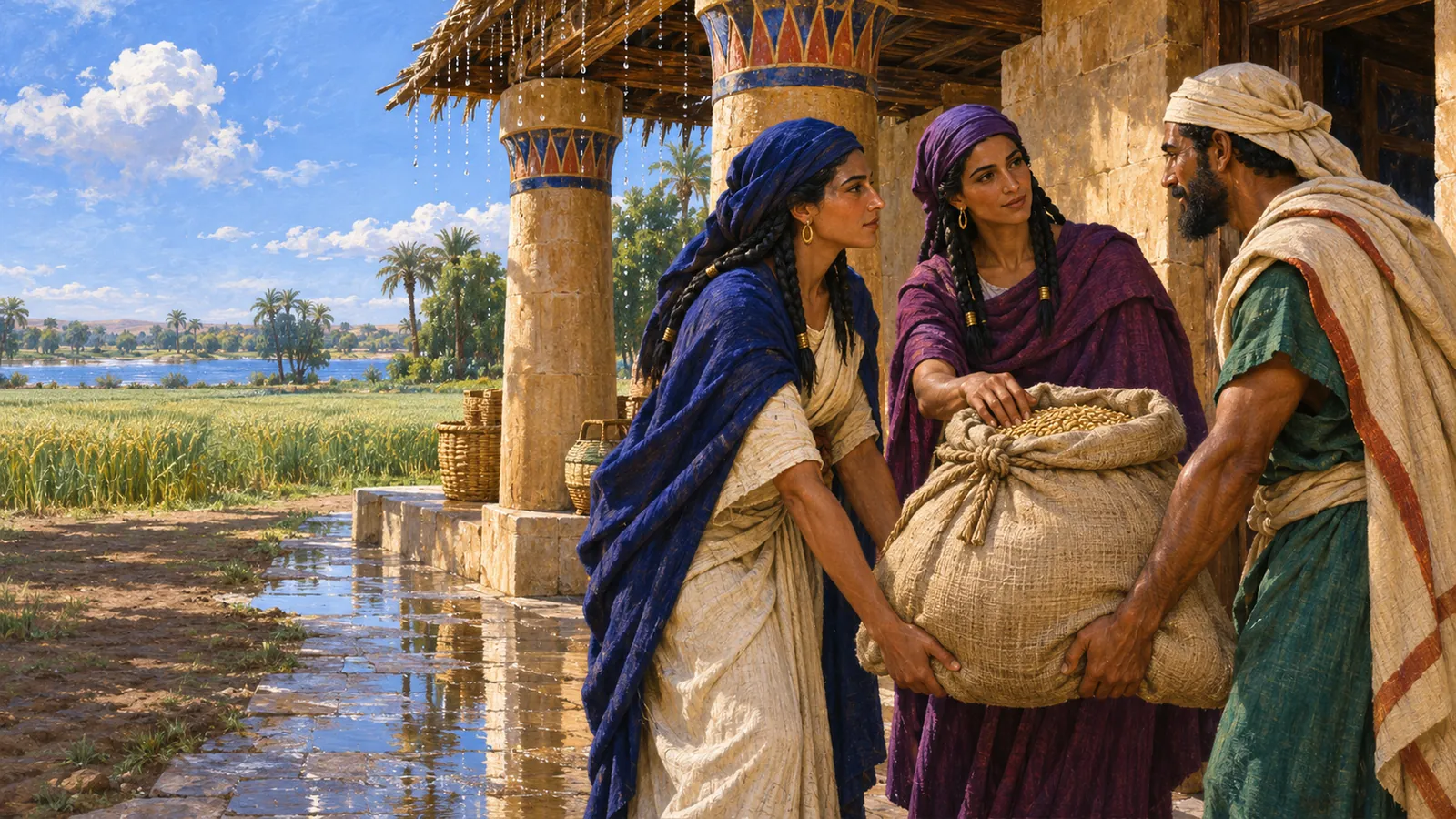
The gods brought storm and rain into the sky. They turned back to the house, carrying the barley with the three crowns still concealed inside it.
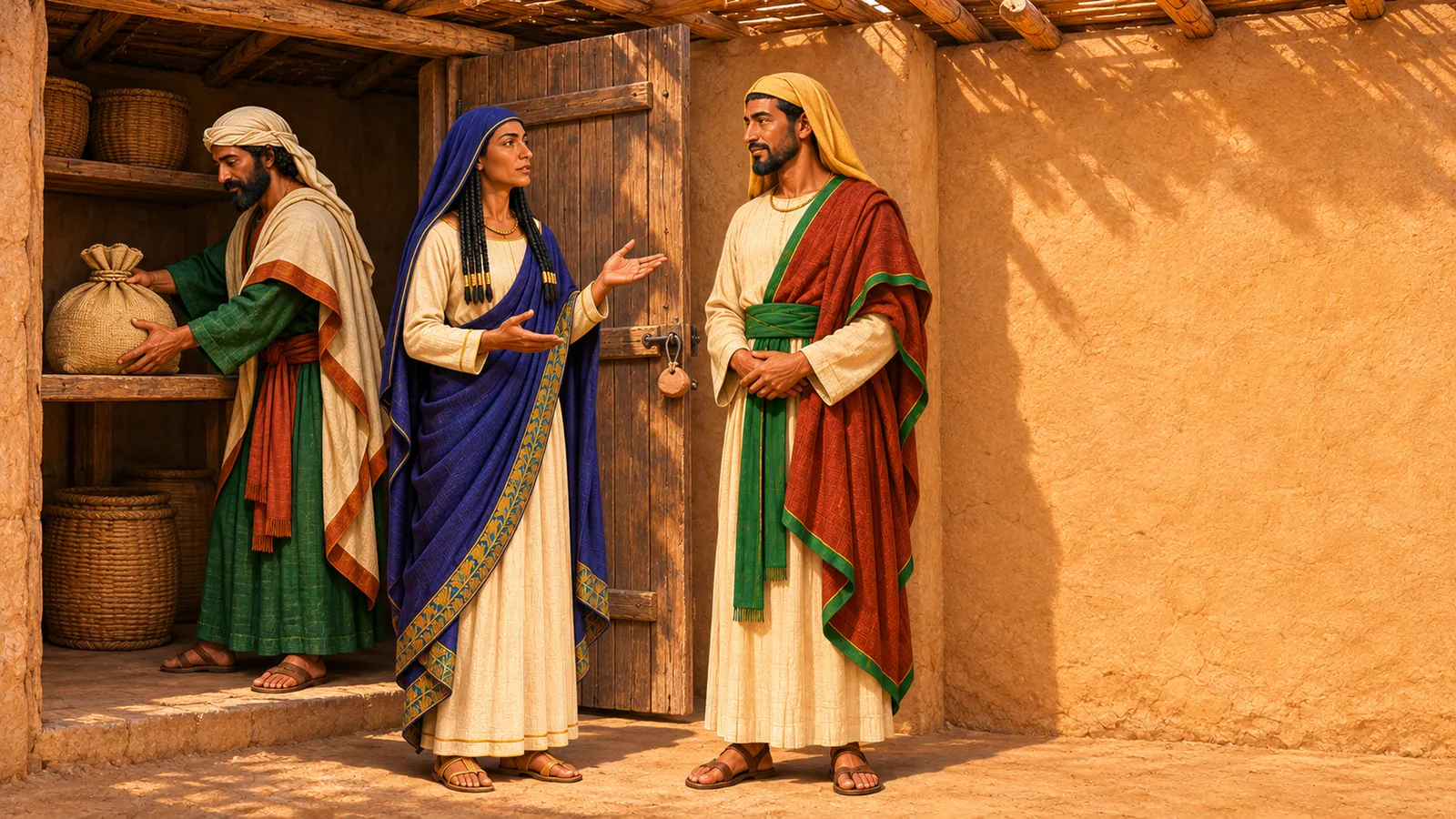
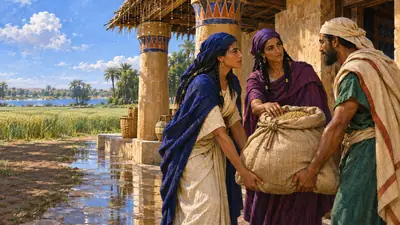
The musicians asked to leave the barley in a sealed room until their return from making music in the north. The household stored the grain as they requested.
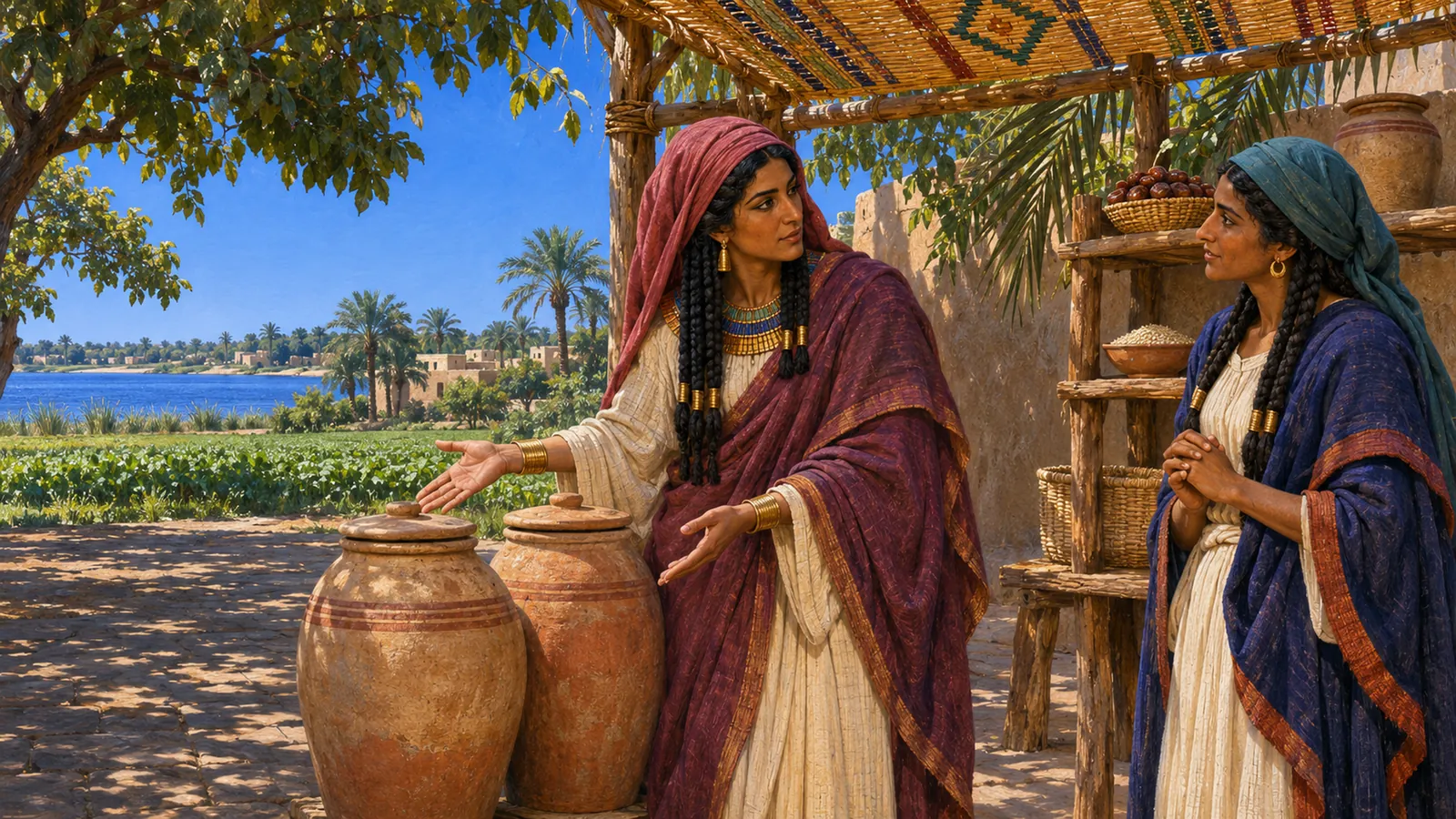
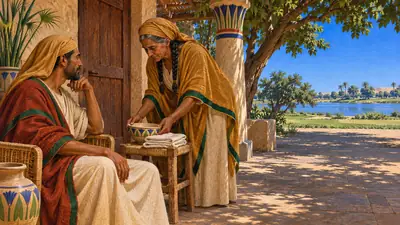
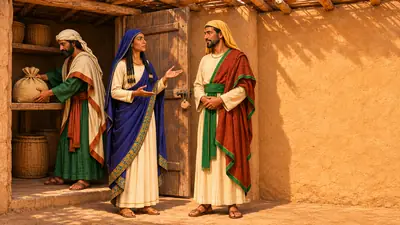
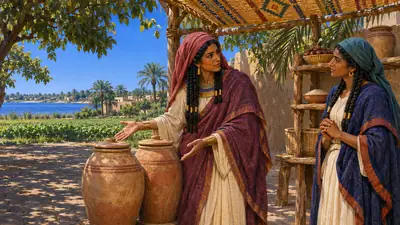
After fourteen days of purification, Ruddjedet asked whether the house was ready. Her maid said it was, except for the jars, for which they had only the musicians’ sealed barley.
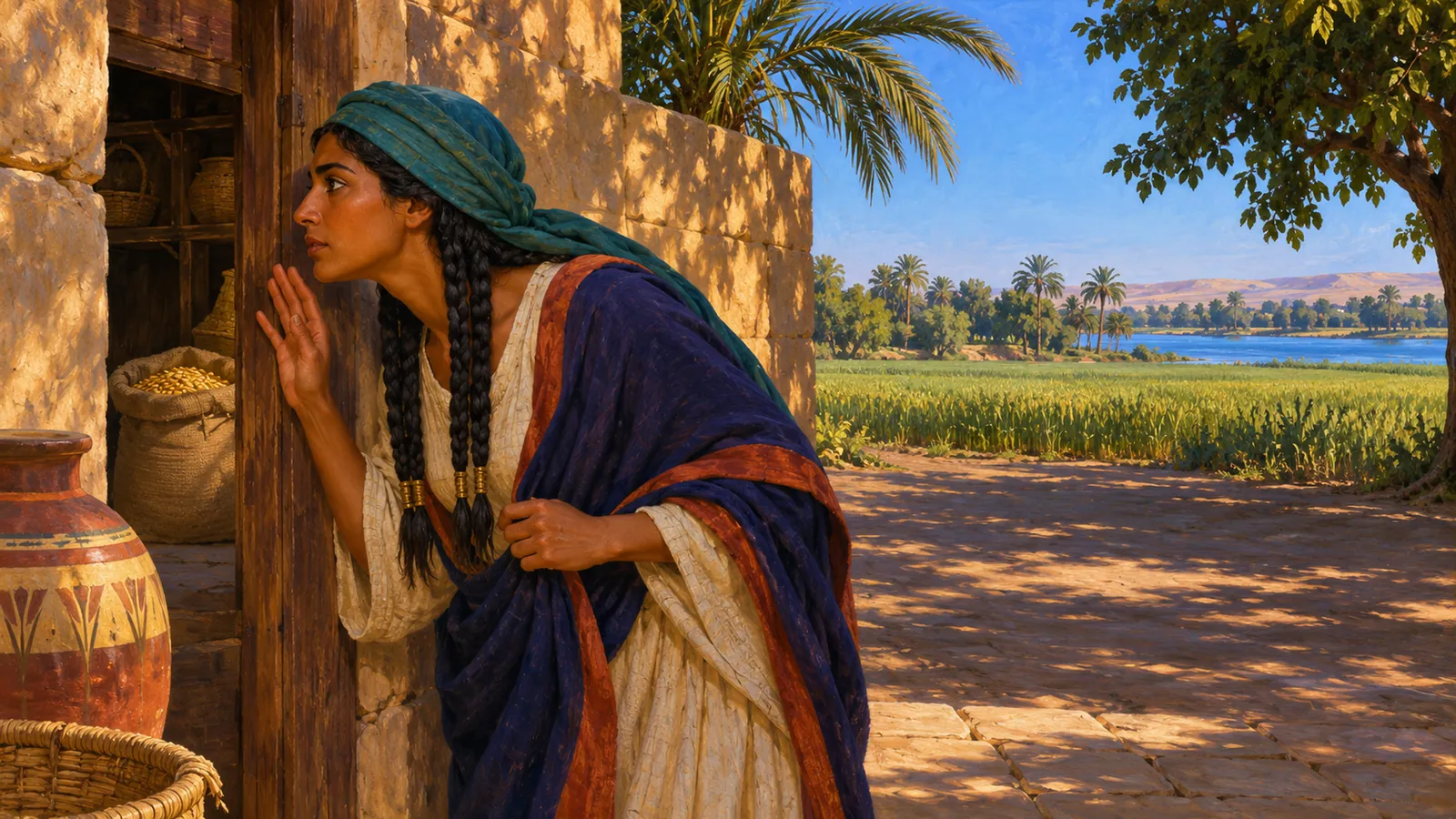
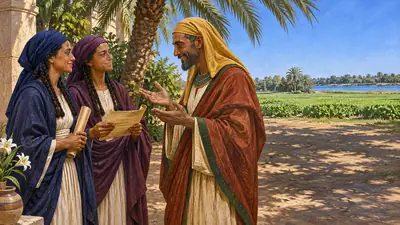
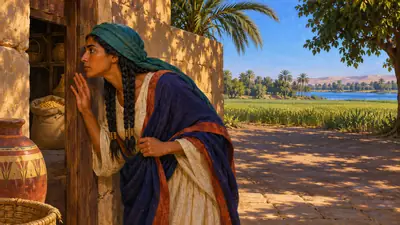
Ruddjedet told her maid to borrow the grain, which Reusre would replace. On opening the room, she heard singing, music, dancing and all the sounds of a royal celebration.
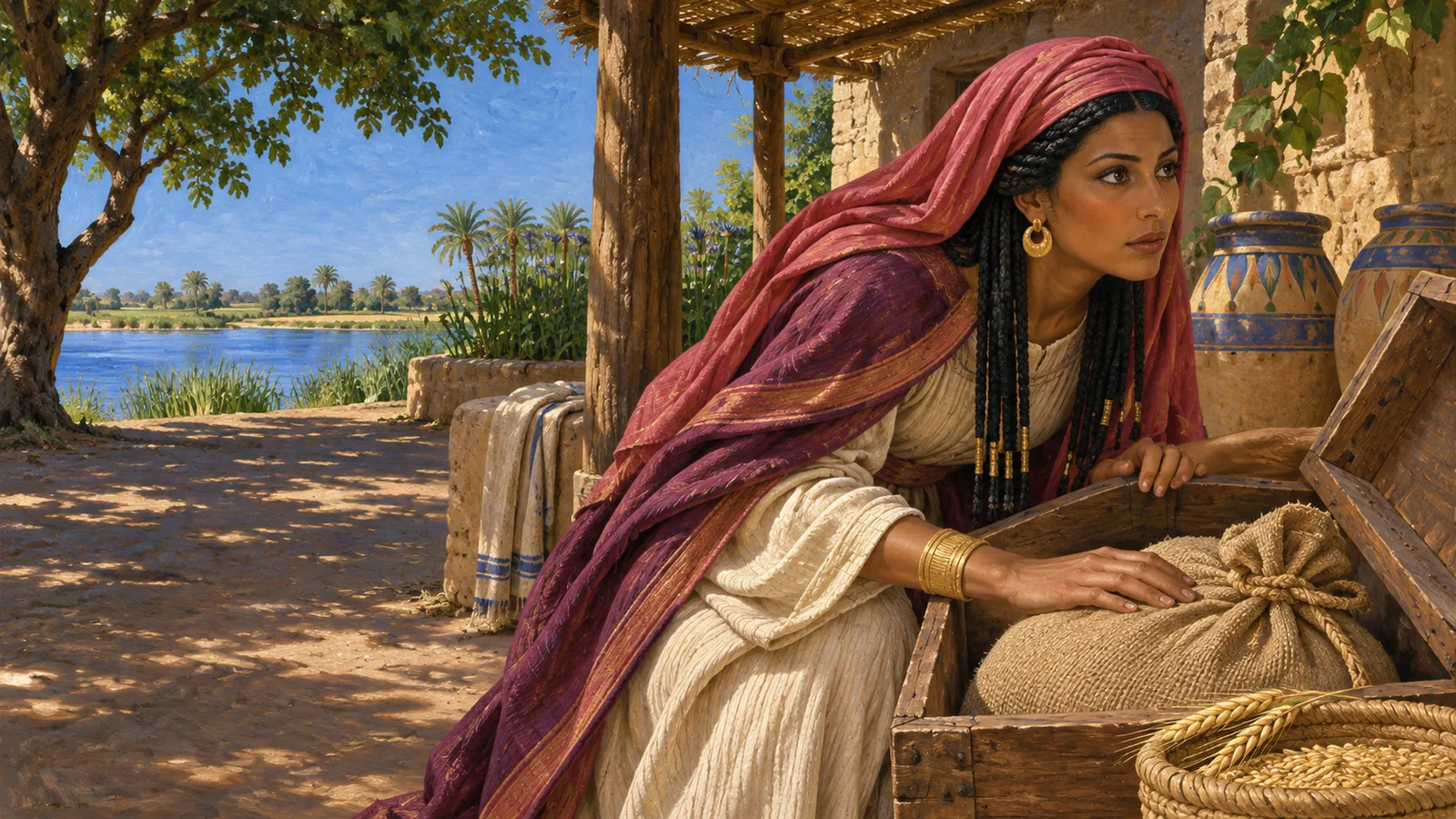
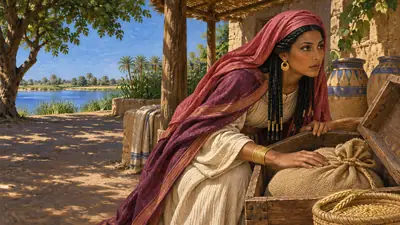
The maid told Ruddjedet, who searched and found the sound within the barley sack. She put the sack into a box, enclosed that in a second chest and locked it among her belongings.
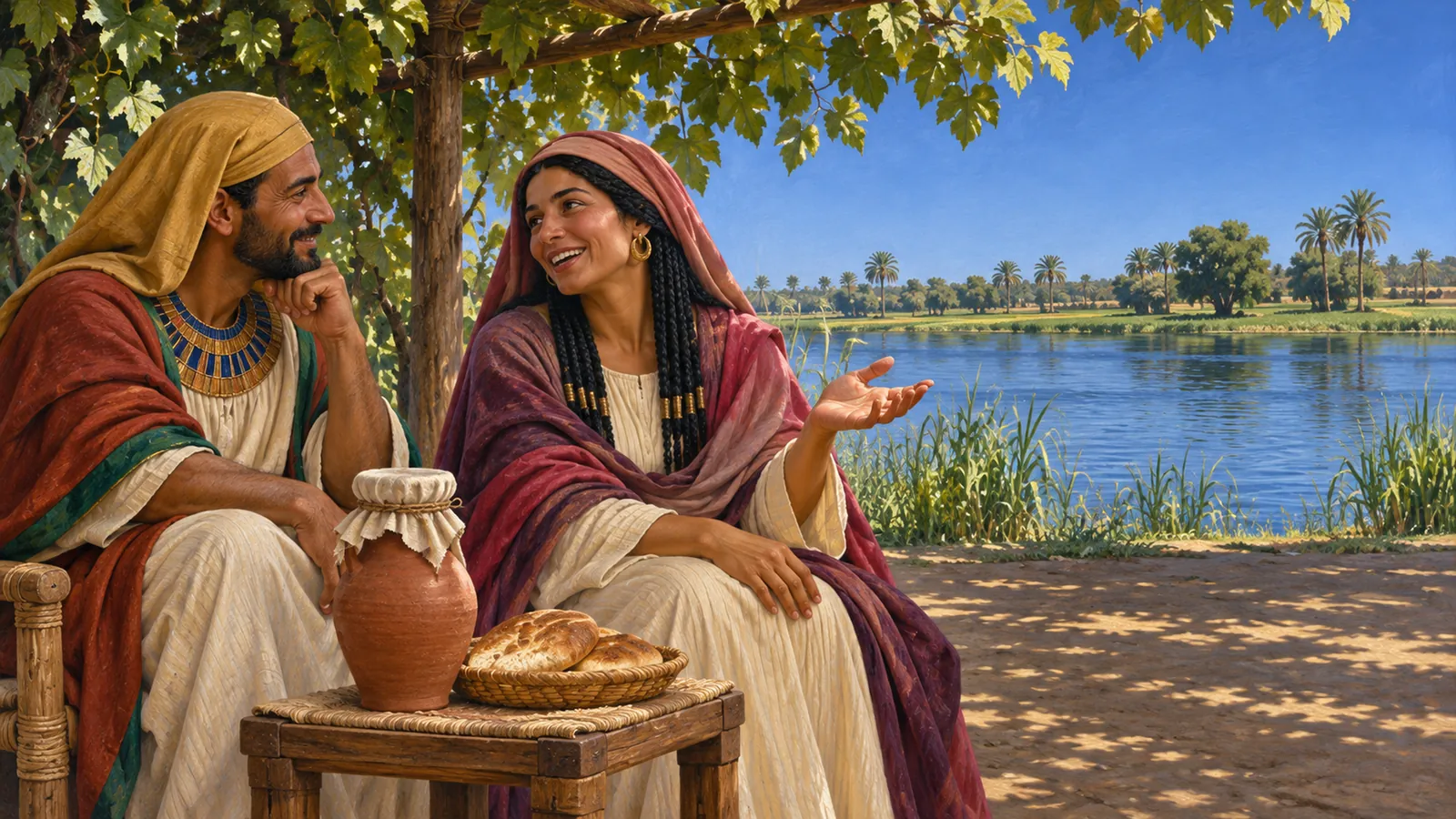
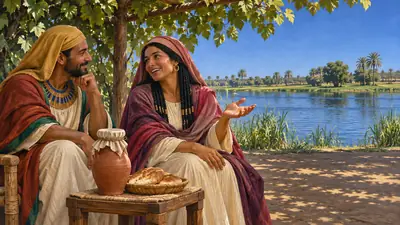
Reusre came back from the fields, and Ruddjedet told him what she had heard. He was deeply pleased, and the two sat down to celebrate together.
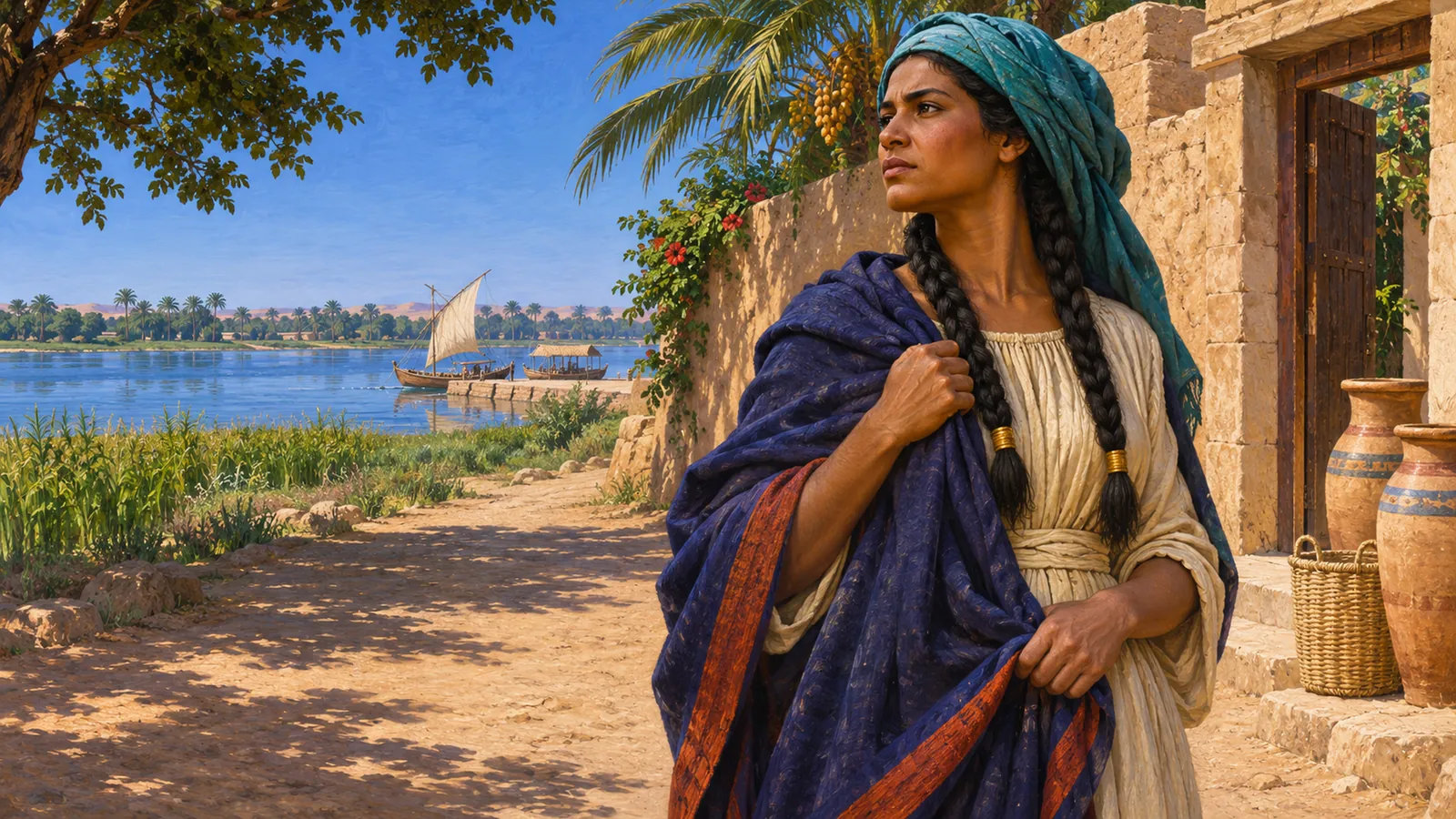
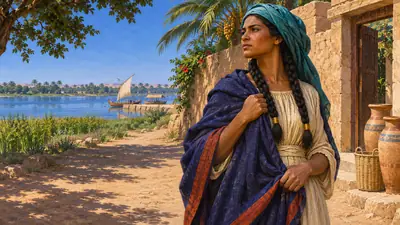
Days later, Ruddjedet quarreled with her maid and had her beaten. The maid told the household she would go to Khufu and reveal that three future kings had been born.
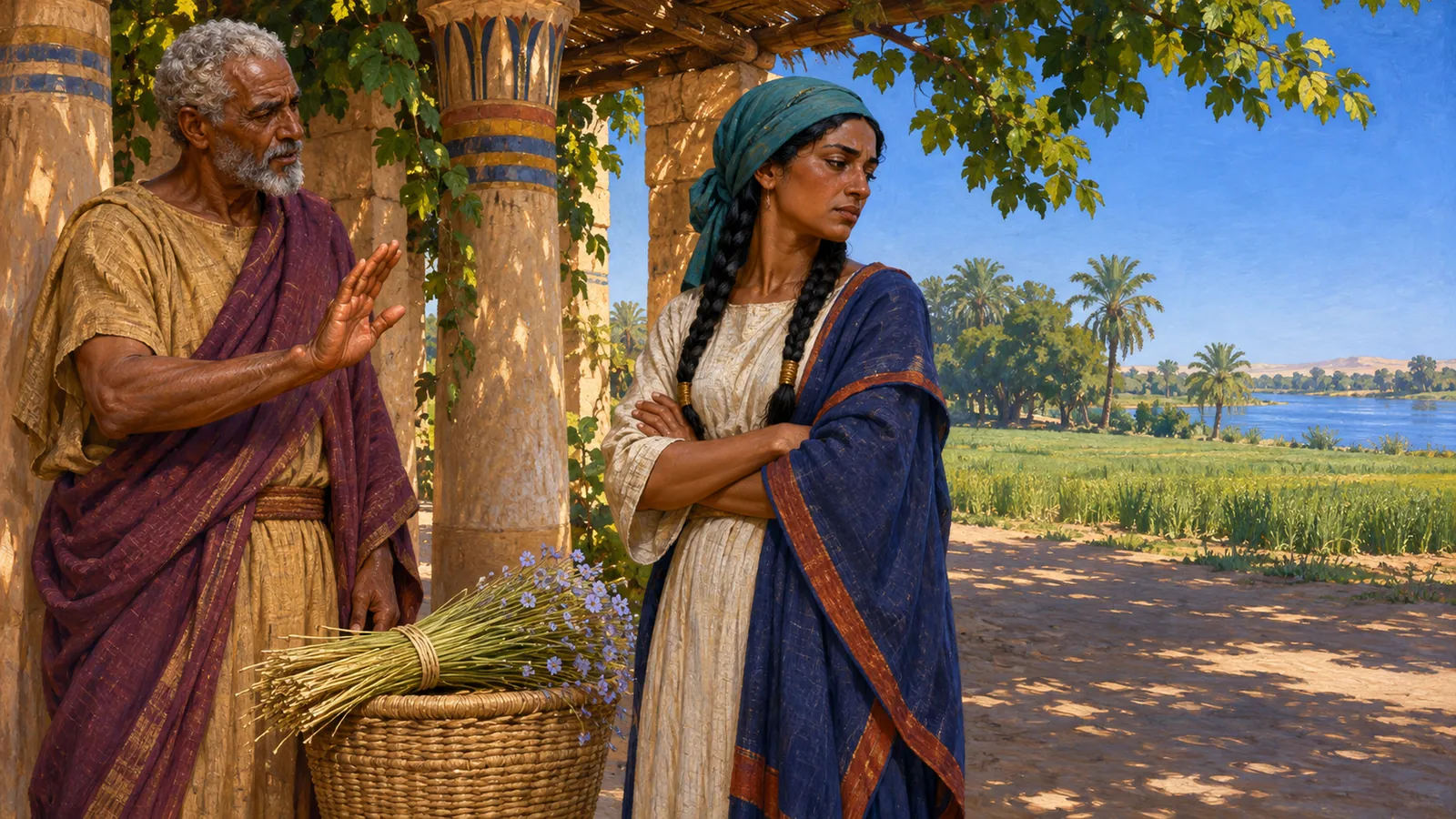
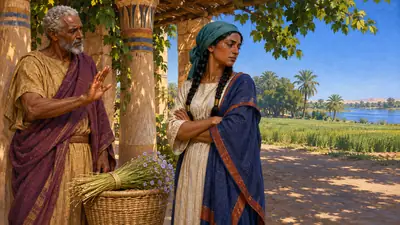
The maid told an older kinsman on her mother’s side what she meant to do. He rejected taking part in the disclosure and struck her with a bundle of flax.
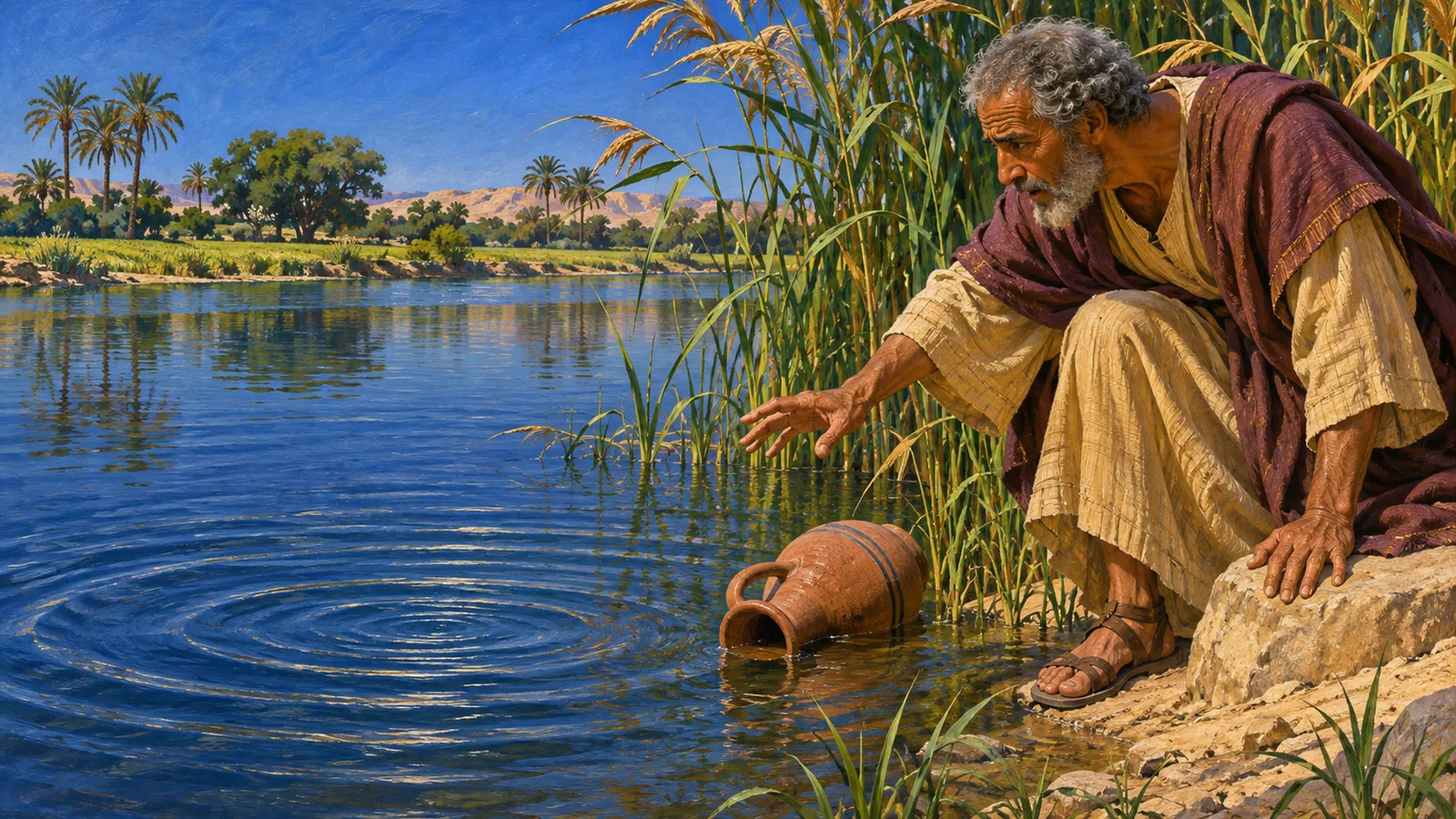
The maid went to draw water for herself, and a crocodile seized her. Her kinsman then went back to tell Ruddjedet what had happened.
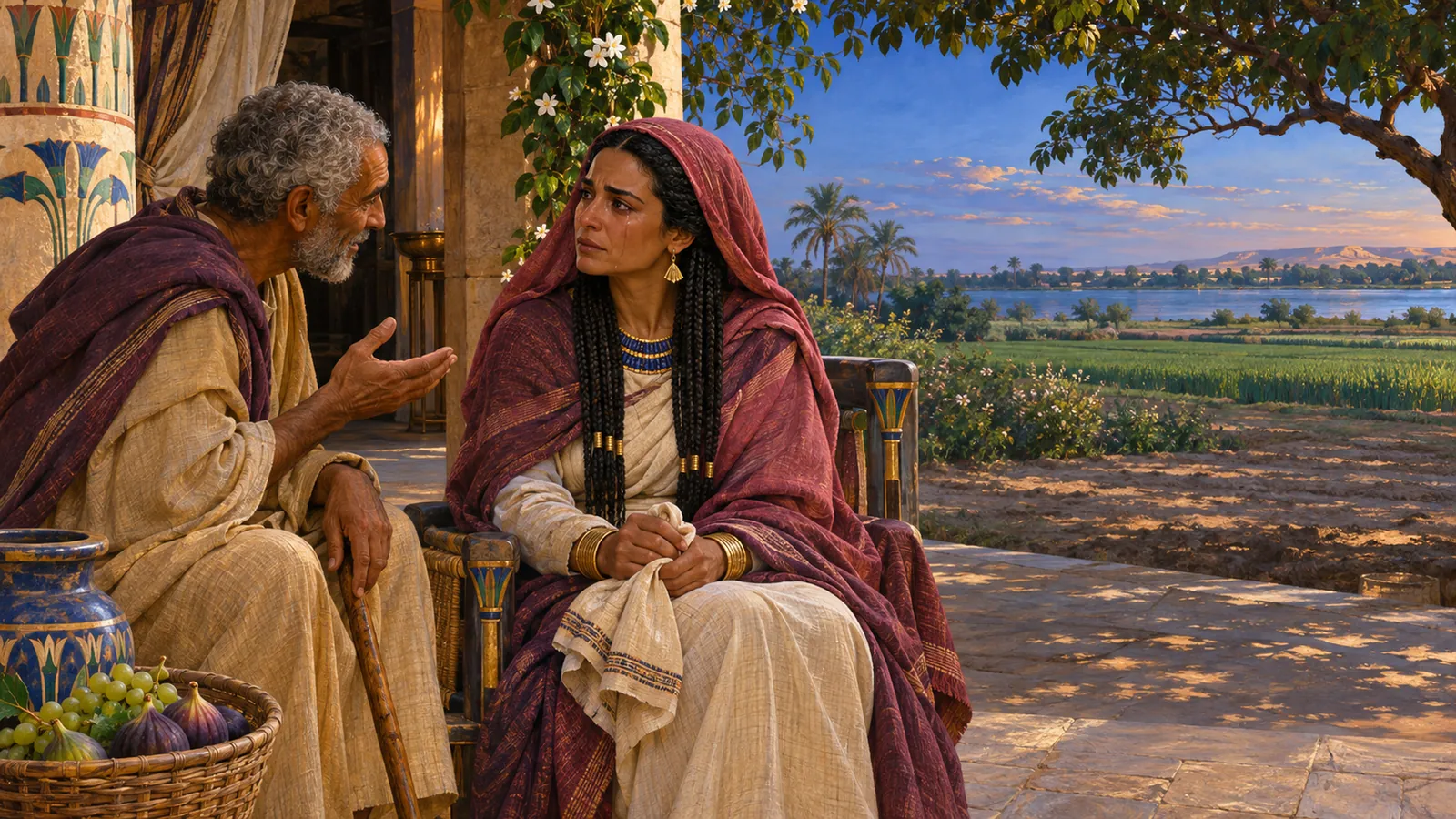
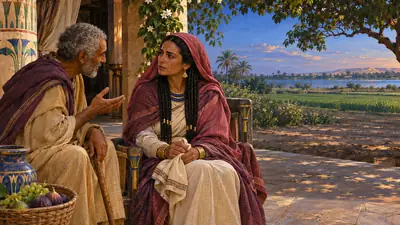
He found Ruddjedet grieving and afraid her maid would reveal the births. He told her what he had done and how the crocodile seized the maid. The papyrus breaks off there.
End of chapter 1
All pages






Sources
Berlin Papyrus 3033, surviving 1.12–12.26. Complete English/transliteration and nine short notes in Nederhof’s university parallel edition, following Blackman 1988 and Davies, read in full. Complete Erman/Blackman 1927 translation as reproduced online also read; old chronology and speculative introductory royal machinations are not adopted as plot. Beginning and ending are lost; Imhotep and several early details are restorations. The tiny wax crocodile’s partly lost measurement, second waterbird species, Thoth-chamber/lock terminology, maternal-relative wording and river-clause restoration receive precise page notes below. The fragmentary first story is marked lost, while three substantially preserved magician stories and the birth/household sequence are narrated in order.
Editions consulted
- Mark-Jan Nederhof, complete Westcar parallel edition following Blackman and Davies
- Erman and Blackman, 1927 translation, pp. 36–47, reproduced online
- Berlin Egyptian Museum, P 3033 columns VI–IX, object metadata
- IL Archive, Egypt
- IL Archive, Heliopolis, ancient Iunu
- IL Archive, Memphis in Egypt
- IL Archive, Re, Egyptian sun god
- IL Archive, Thoth
- IL Archive, Khnum
Ancient lines behind each page
- Page 1: Papyrus Westcar 1.12–17, frame beginning lost; Nederhof/Blackman1988 full parallel edition; Erman/Blackman1927 comparison
The manuscript begins in mid-story. - Page 2: Papyrus Westcar 1.12–17; Nederhof/Blackman1988 full parallel edition; Erman/Blackman1927 comparison
The surviving offering order names Djoser and a chief lector. Nederhof brackets Imhotep as restored. - Page 3: Papyrus Westcar 1.17–23; Nederhof/Blackman1988 full parallel edition; Erman/Blackman1927 comparison
The named prince is Khafre, also Chephren. - Page 4: Papyrus Westcar 1.23–2.2 damaged; Nederhof/Blackman1988 full parallel edition; Erman/Blackman1927 comparison
The early clauses are damaged. The precise original exchange is uncertain. - Page 5: Papyrus Westcar 2.3–13; Nederhof/Blackman1988 full parallel edition; Erman/Blackman1927 comparison
- Page 6: Papyrus Westcar 2.14–21 damaged; Nederhof/Blackman1988 full parallel edition; Erman/Blackman1927 comparison
- Page 7: Papyrus Westcar 2.21–3.1 damaged;3.5wax explicit; Nederhof/Blackman1988 full parallel edition; Erman/Blackman1927 comparison
Ebony and electrum survive in a damaged equipment clause. - Page 8: Papyrus Westcar 3.1–5; Nederhof/Blackman1988 full parallel edition; Erman/Blackman1927 comparison
- Page 9: Papyrus Westcar 3.5–12; Nederhof/Blackman1988 full parallel edition; Erman/Blackman1927 comparison
- Page 10: Papyrus Westcar 3.12–17; Nederhof/Blackman1988 full parallel edition; Erman/Blackman1927 comparison
The text gives no modern length. - Page 11: Papyrus Westcar 3.14–18 damaged interval; Nederhof/Blackman1988 full parallel edition; Erman/Blackman1927 comparison
The commoner’s condition during this interval is damaged. The earlier version that says he remained without breathing is not treated as intact evidence. - Page 12: Papyrus Westcar 3.18–21; Nederhof/Blackman1988 full parallel edition; Erman/Blackman1927 comparison
The transition to the garden is partly damaged. - Page 13: Papyrus Westcar 3.21–25 damaged;4.1; Nederhof/Blackman1988 full parallel edition; Erman/Blackman1927 comparison
- Page 14: Papyrus Westcar 4.1–3; Nederhof/Blackman1988 full parallel edition; Erman/Blackman1927 comparison
Nebka’s short expression is uncertain. - Page 15: Papyrus Westcar 4.3–5; Nederhof/Blackman1988 full parallel edition; Erman/Blackman1927 comparison
- Page 16: Papyrus Westcar 4.5–7; Nederhof/Blackman1988 full parallel edition; Erman/Blackman1927 comparison
The text says the destination was unknown. - Page 17: Papyrus Westcar 4.8–10; Nederhof/Blackman1988 full parallel edition; Erman/Blackman1927 comparison
- Page 18: Papyrus Westcar 4.11–17; Nederhof/Blackman1988 full parallel edition; Erman/Blackman1927 comparison
The surviving order includes larger royal and smaller priestly shares. - Page 19: Papyrus Westcar 4.17–5.1; Nederhof/Blackman1988 full parallel edition; Erman/Blackman1927 comparison
Bauefre names Snofru and his chief lector and book-scribe. The opening is damaged. - Page 20: Papyrus Westcar 5.1–7; Nederhof/Blackman1988 full parallel edition; Erman/Blackman1927 comparison
- Page 21: Papyrus Westcar 5.7–13; Nederhof/Blackman1988 full parallel edition; Erman/Blackman1927 comparison
The text says it was done. - Page 22: Papyrus Westcar 5.13–15; Nederhof/Blackman1988 full parallel edition; Erman/Blackman1927 comparison
- Page 23: Papyrus Westcar 5.15–17; Nederhof/Blackman1988 full parallel edition; Erman/Blackman1927 comparison
- Page 24: Papyrus Westcar 5.17–20; Nederhof/Blackman1988 full parallel edition; Erman/Blackman1927 comparison
- Page 25: Papyrus Westcar 5.19–22; Nederhof/Blackman1988 full parallel edition; Erman/Blackman1927 comparison
- Page 26: Papyrus Westcar 5.23–24;6.5–7; Nederhof/Blackman1988 full parallel edition; Erman/Blackman1927 comparison
The initial replacement clause is damaged and clarified by the king’s later retelling at 6.5–7. - Page 27: Papyrus Westcar 5.24–6.7; Nederhof/Blackman1988 full parallel edition; Erman/Blackman1927 comparison
- Page 28: Papyrus Westcar 6.8–12; Nederhof/Blackman1988 full parallel edition; Erman/Blackman1927 comparison
- Page 29: Papyrus Westcar 6.9–10; Nederhof/Blackman1988 full parallel edition; Erman/Blackman1927 comparison
- Page 30: Papyrus Westcar 6.10–11; Nederhof/Blackman1988 full parallel edition; Erman/Blackman1927 comparison
- Page 31: Papyrus Westcar 6.12–13; Nederhof/Blackman1988 full parallel edition; Erman/Blackman1927 comparison
- Page 32: Papyrus Westcar 6.13–17; Nederhof/Blackman1988 full parallel edition; Erman/Blackman1927 comparison
- Page 33: Papyrus Westcar 6.17–22; Nederhof/Blackman1988 full parallel edition; Erman/Blackman1927 comparison
- Page 34: Papyrus Westcar 6.22–26; Nederhof/Blackman1988 full parallel edition; Erman/Blackman1927 comparison
The opening of Hordedef’s address is fragmentary, including wording about truth and falsehood. - Page 35: Papyrus Westcar 6.26–7.4; Nederhof/Blackman1988 full parallel edition; Erman/Blackman1927 comparison
- Page 36: Papyrus Westcar 7.4–7; Nederhof/Blackman1988 full parallel edition; Erman/Blackman1927 comparison
The lion skill is never demonstrated in the surviving account. - Page 37: Papyrus Westcar 7.6–9; Nederhof/Blackman1988 full parallel edition; Erman/Blackman1927 comparison
- Page 38: Papyrus Westcar 7.9–11; Nederhof/Blackman1988 full parallel edition; Erman/Blackman1927 comparison
- Page 39: Papyrus Westcar 7.11–14; Nederhof/Blackman1988 full parallel edition; Erman/Blackman1927 comparison
The palanquin is ebony with gold-plated poles of a named wood whose exact species is uncertain. - Page 40: Papyrus Westcar 7.14–17; Nederhof/Blackman1988 full parallel edition; Erman/Blackman1927 comparison
The source specifies attendants anointing his head and rubbing his feet. - Page 41: Papyrus Westcar 7.17–23; Nederhof/Blackman1988 full parallel edition; Erman/Blackman1927 comparison
- Page 42: Papyrus Westcar 7.23–8.2; Nederhof/Blackman1988 full parallel edition; Erman/Blackman1927 comparison
- Page 43: Papyrus Westcar 8.3–5; Nederhof/Blackman1988 full parallel edition; Erman/Blackman1927 comparison
- Page 44: Papyrus Westcar 8.5–10; Nederhof/Blackman1988 full parallel edition; Erman/Blackman1927 comparison
- Page 45: Papyrus Westcar 8.10–13; Nederhof/Blackman1988 full parallel edition; Erman/Blackman1927 comparison
The wording is freely paraphrased to preserve the exchange. - Page 46: Papyrus Westcar 8.13–17; Nederhof/Blackman1988 full parallel edition; Erman/Blackman1927 comparison
- Page 47: Papyrus Westcar 8.18–20; Nederhof/Blackman1988 full parallel edition; Erman/Blackman1927 comparison
- Page 48: Papyrus Westcar 8.20–23; Nederhof/Blackman1988 full parallel edition; Erman/Blackman1927 comparison
- Page 49: Papyrus Westcar 8.23–24; Nederhof/Blackman1988 full parallel edition; Erman/Blackman1927 comparison
The exact species is uncertain, with older translations giving duck and Nederhof using a goose term. - Page 50: Papyrus Westcar 8.23–24; Nederhof/Blackman1988 full parallel edition; Erman/Blackman1927 comparison
The compact phrase says the same was done to the second bird. - Page 51: Papyrus Westcar 8.24–26; Nederhof/Blackman1988 full parallel edition; Erman/Blackman1927 comparison
- Page 52: Papyrus Westcar 8.26–9.1; Nederhof/Blackman1988 full parallel edition; Erman/Blackman1927 comparison
- Page 53: Papyrus Westcar 9.1–4; Nederhof/Blackman1988 full parallel edition; Erman/Blackman1927 comparison
- Page 54: Papyrus Westcar 9.4–7; Nederhof/Blackman1988 full parallel edition; Erman/Blackman1927 comparison
- Page 55: Papyrus Westcar 9.7–9; Nederhof/Blackman1988 full parallel edition; Erman/Blackman1927 comparison
- Page 56: Papyrus Westcar 9.9–12; Nederhof/Blackman1988 full parallel edition; Erman/Blackman1927 comparison
- Page 57: Papyrus Westcar 9.12–15; Nederhof/Blackman1988 full parallel edition; Erman/Blackman1927 comparison
The succession formula names a son, his son and then one of the children. - Page 58: Papyrus Westcar 9.15–18; Nederhof/Blackman1988 full parallel edition; Erman/Blackman1927 comparison
- Page 59: Papyrus Westcar 9.18–21; Nederhof/Blackman1988 full parallel edition; Erman/Blackman1927 comparison
- Page 60: Papyrus Westcar 9.21–27; Nederhof/Blackman1988 full parallel edition; Erman/Blackman1927 comparison
Re sends five named helpers during difficult childbirth. - Page 61: Papyrus Westcar 10.1–2; Nederhof/Blackman1988 full parallel edition; Erman/Blackman1927 comparison
A human-faced porter disguise is an artistic reading of their everyday arrival, not prescribed iconography. - Page 62: Papyrus Westcar 10.2–6; Nederhof/Blackman1988 full parallel edition; Erman/Blackman1927 comparison
- Page 63: Papyrus Westcar 10.6–8; Nederhof/Blackman1988 full parallel edition; Erman/Blackman1927 comparison
- Page 64: Papyrus Westcar 10.8–14; Nederhof/Blackman1988 full parallel edition; Erman/Blackman1927 comparison
Isis pronounces the literary name Userref, associated in the edition with historical Userkaf. - Page 65: Papyrus Westcar 10.14–22; Nederhof/Blackman1988 full parallel edition; Erman/Blackman1927 comparison
- Page 66: Papyrus Westcar 10.22–11.4; Nederhof/Blackman1988 full parallel edition; Erman/Blackman1927 comparison
The third child is Keku in the manuscript. - Page 67: Papyrus Westcar 10.12–14;10.20–22;11.1–3; Nederhof/Blackman1988 full parallel edition; Erman/Blackman1927 comparison
The births describe unusual size, strong bones, gold limbs and lapis-lazuli scalp or cloth, depending on translation. - Page 68: Papyrus Westcar 11.4–7; Nederhof/Blackman1988 full parallel edition; Erman/Blackman1927 comparison
- Page 69: Papyrus Westcar 11.6–10; Nederhof/Blackman1988 full parallel edition; Erman/Blackman1927 comparison
- Page 70: Papyrus Westcar 11.10–14; Nederhof/Blackman1988 full parallel edition; Erman/Blackman1927 comparison
- Page 71: Papyrus Westcar 11.14–15; Nederhof/Blackman1988 full parallel edition; Erman/Blackman1927 comparison
- Page 72: Papyrus Westcar 11.15–18; Nederhof/Blackman1988 full parallel edition; Erman/Blackman1927 comparison
- Page 73: Papyrus Westcar 11.18–24; Nederhof/Blackman1988 full parallel edition; Erman/Blackman1927 comparison
- Page 74: Papyrus Westcar 11.24–12.3; Nederhof/Blackman1988 full parallel edition; Erman/Blackman1927 comparison
- Page 75: Papyrus Westcar 12.3–6; Nederhof/Blackman1988 full parallel edition; Erman/Blackman1927 comparison
- Page 76: Papyrus Westcar 12.6–9; Nederhof/Blackman1988 full parallel edition; Erman/Blackman1927 comparison
- Page 77: Papyrus Westcar 12.9–13; Nederhof/Blackman1988 full parallel edition; Erman/Blackman1927 comparison
- Page 78: Papyrus Westcar 12.13–17; Nederhof/Blackman1988 full parallel edition; Erman/Blackman1927 comparison
- Page 79: Papyrus Westcar 12.18–20; Nederhof/Blackman1988 full parallel edition; Erman/Blackman1927 comparison
The text does not state an ultimate fate or connect the animal to Ubainer’s. - Page 80: Papyrus Westcar 12.20–26; manuscript breaks; Nederhof/Blackman1988 full parallel edition; Erman/Blackman1927 comparison
The manuscript ends at 12.26. There is no attested fulfillment of the report to Khufu, confrontation, coronation or concluding reunion.
Illustrations made with AI tools by IL Archive; the text is based on the ancient sources (see the sources at the end of each chapter).