Nabonidus and the Fall of Babylon Chapter 1
Two Entries into Babylon
Nabonidus spends years in the oases of Arabia while his son Belshazzar governs in Babylonia and the New Year festival pauses. After the king returns, Cyrus marches on Babylon. A damaged chronicle and the royal inscriptions tell how the city changed hands and what happened to the temples and their sacred images.
SourcesTurn the pages with the arrows, the arrow keys or a swipe.
TWO ENTRIES INTO BABYLON
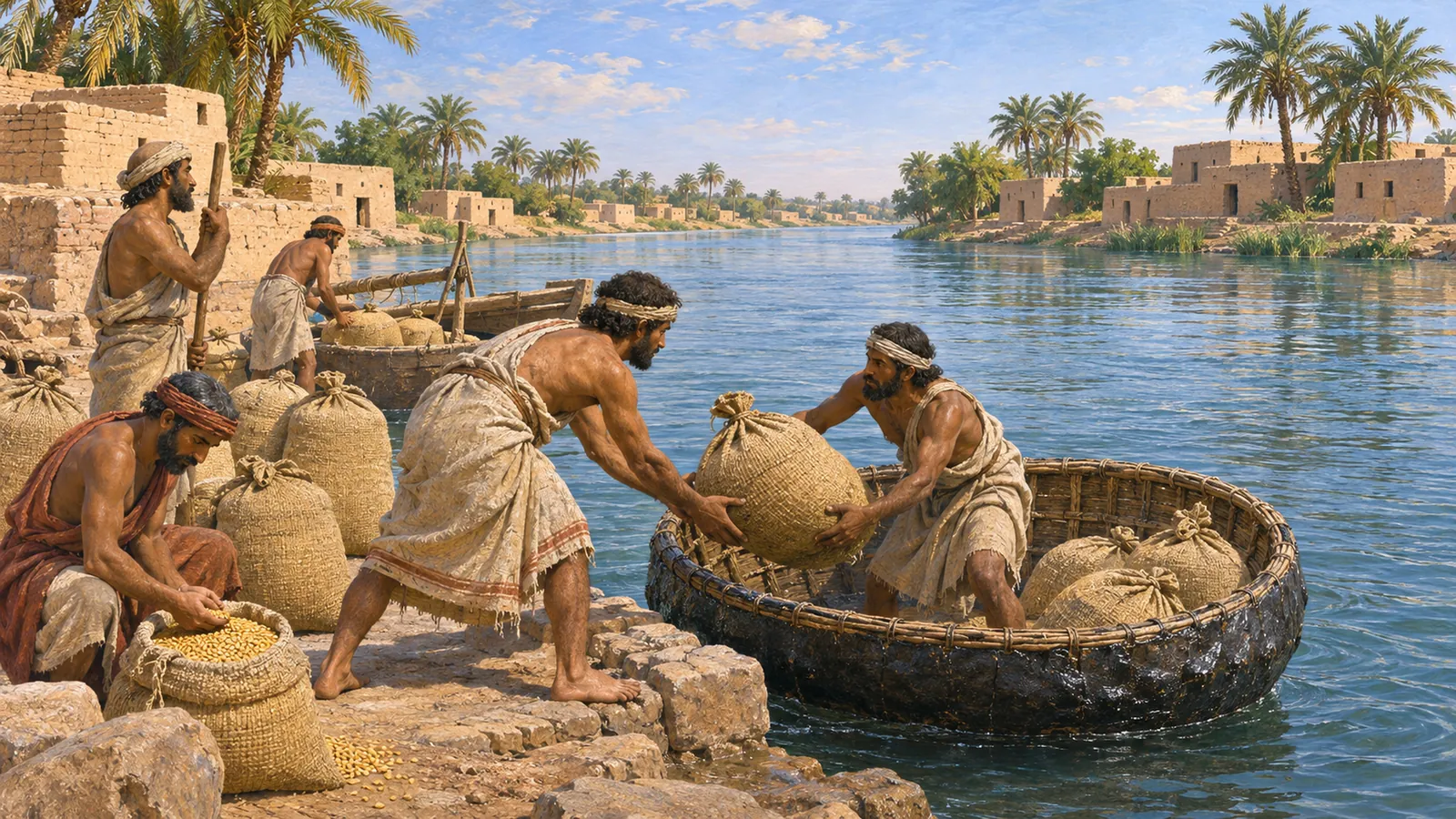
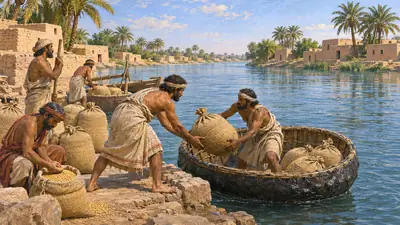
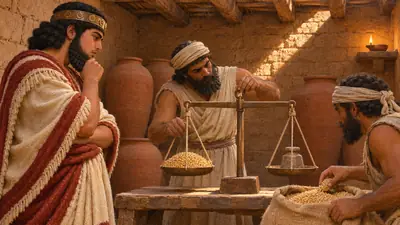
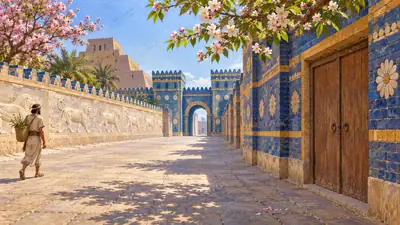
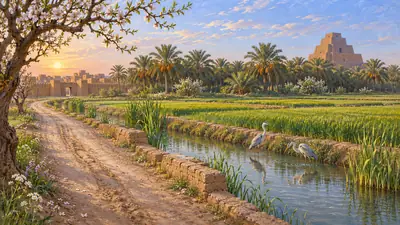
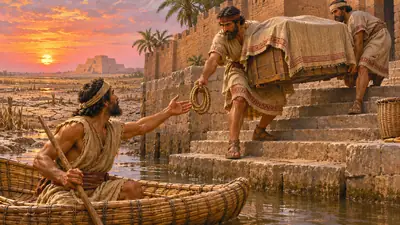
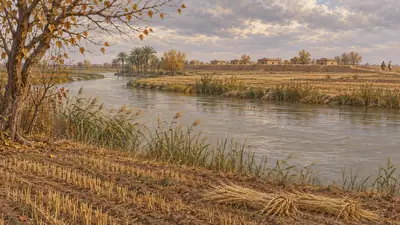
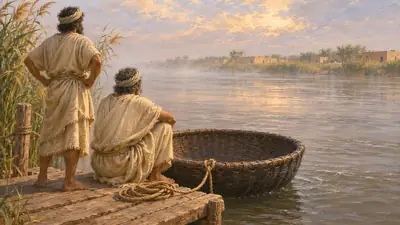
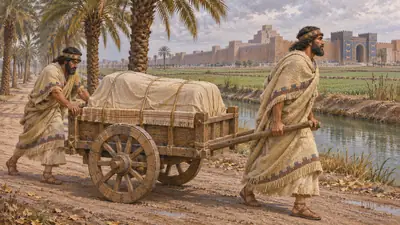
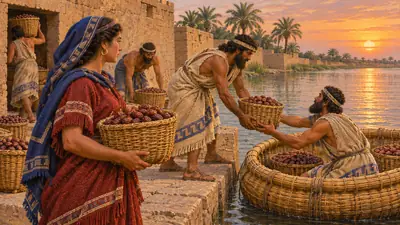
In the sixth century BCE the Euphrates ran through Babylon. Boats brought grain and bales to its quays. Several ancient accounts tell of the city's last king before the Persian conquest.
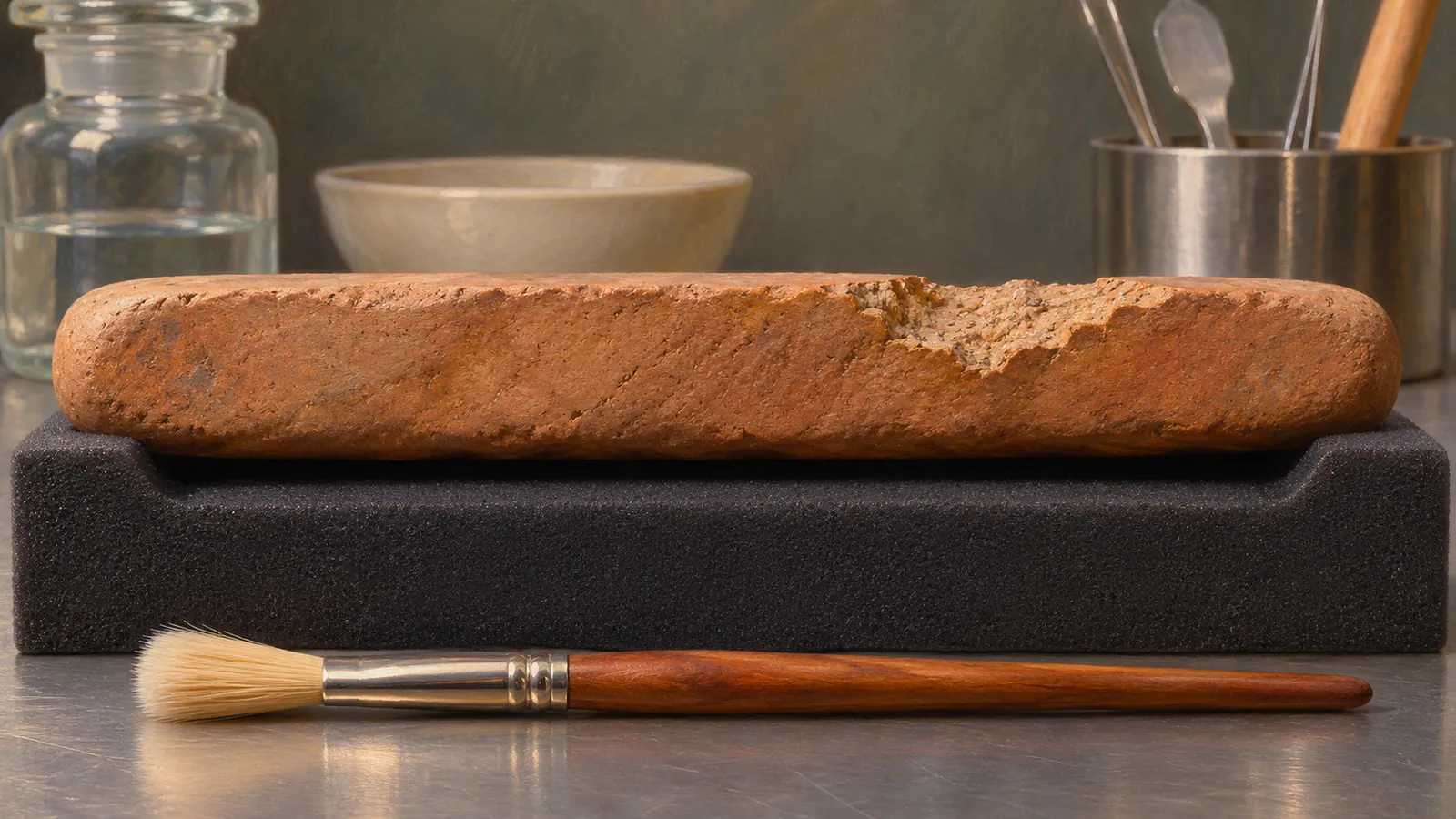
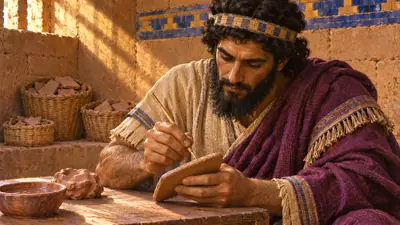
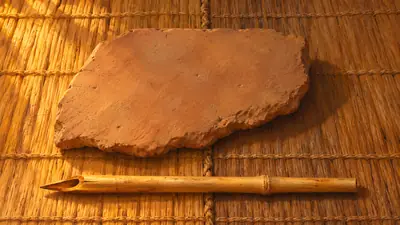
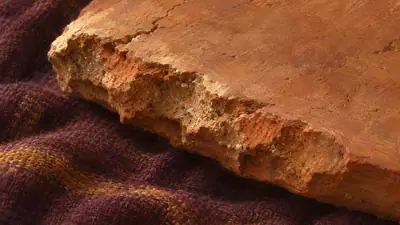
One of those accounts is a broken clay tablet. Its writer keeps track of kings by the years of their reigns. When an entry turns to the next year, the same temple or river can appear under very different circumstances.
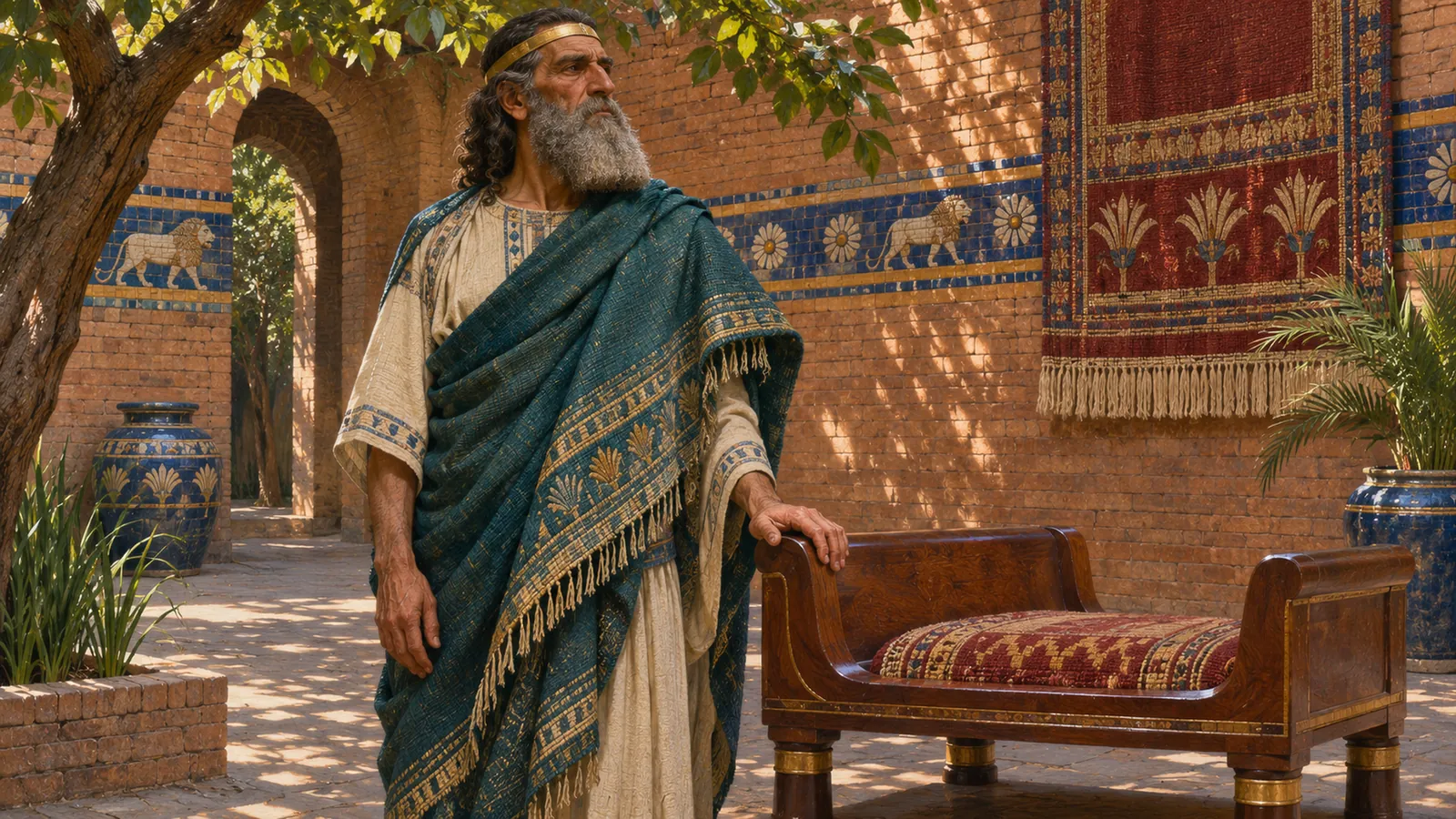
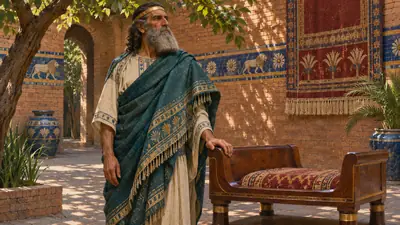
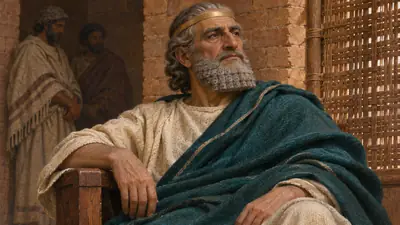
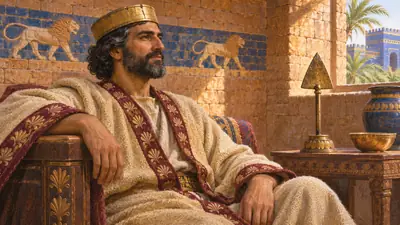
Nabonidus took the throne in 556 BCE. His inscriptions call him the son of Nabu-balassu-iqbi. His known ancestry leaves him outside the royal line established by Nabopolassar.
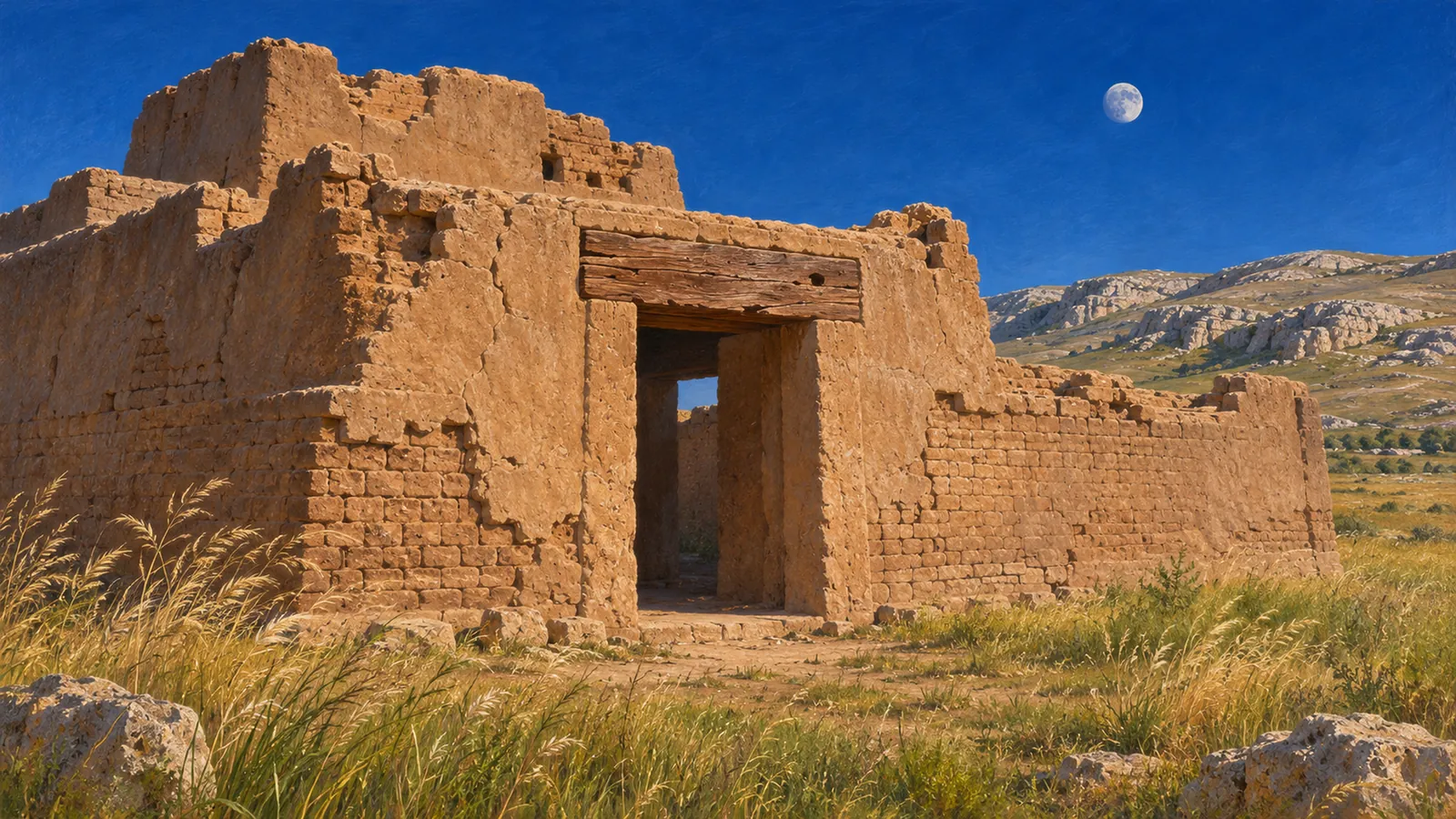
Nabonidus took a special interest in Harran, far northwest of Babylon. Its temple of the moon god Sîn had been damaged at the end of Assyrian rule. His inscriptions describe its restoration.
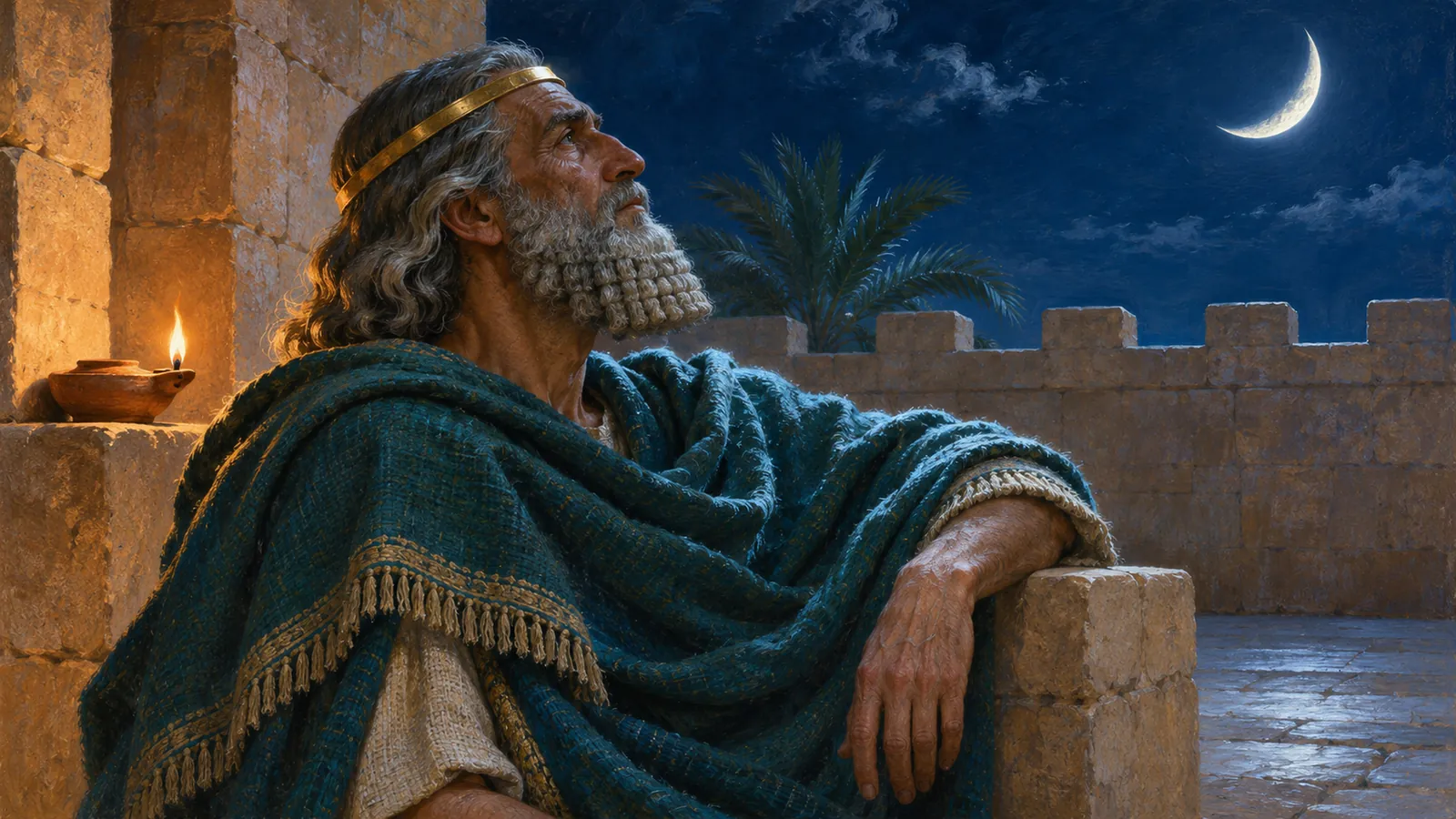
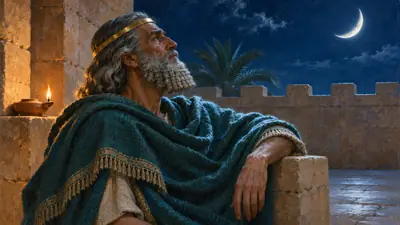
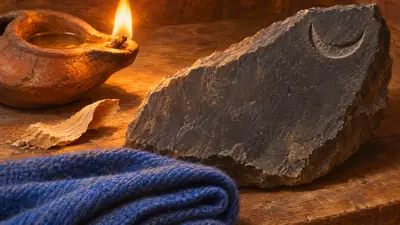
On a stone inscription from Harran, Nabonidus says Sîn directed the course of his reign. He also credits the moon god with his years in Arabia.
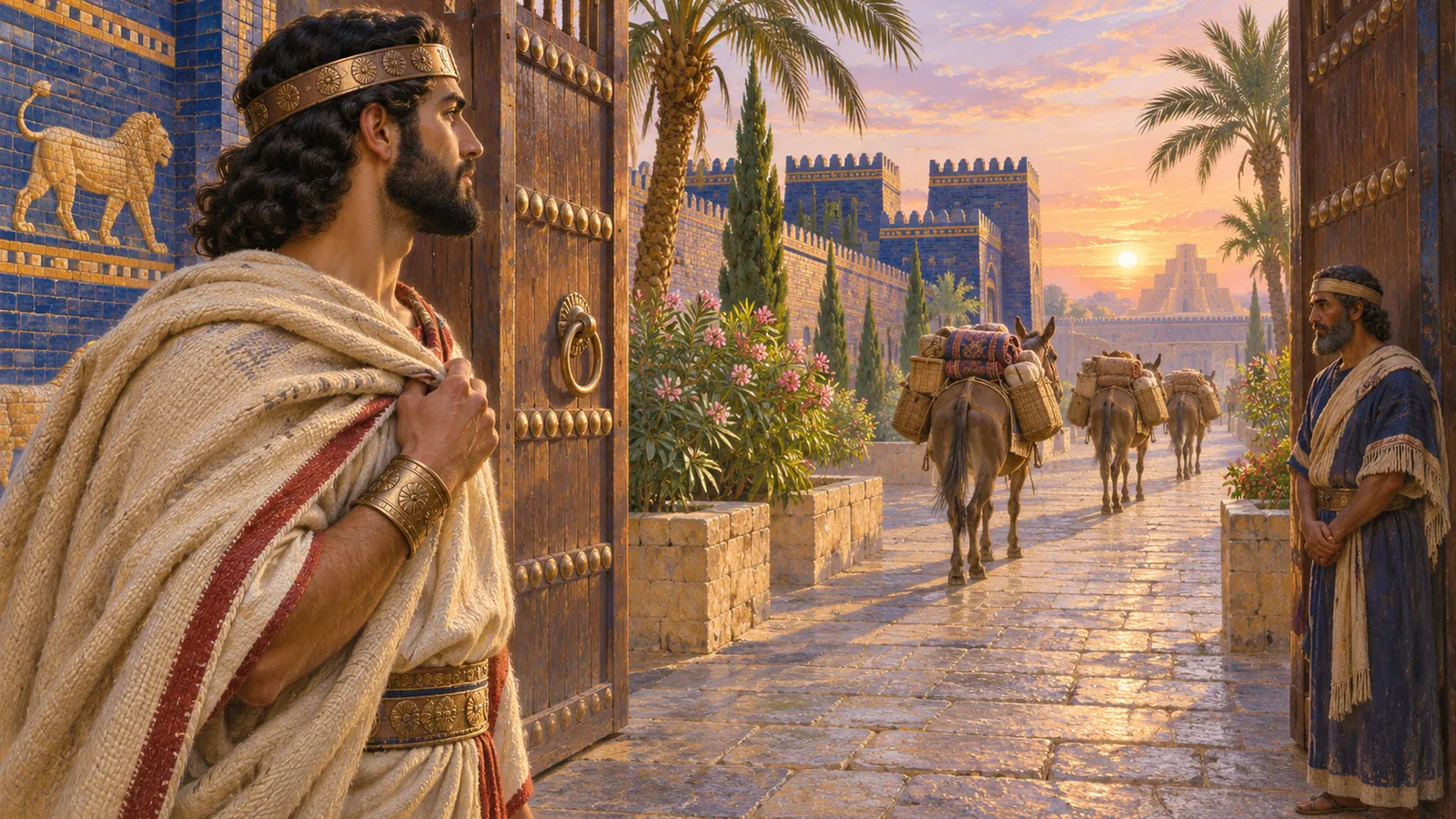
When Nabonidus went to Arabia, his son Belshazzar remained in Babylonia. The chronicle repeatedly puts the prince there with officers and an army. The king's absence gave the prince the daily work of governing.
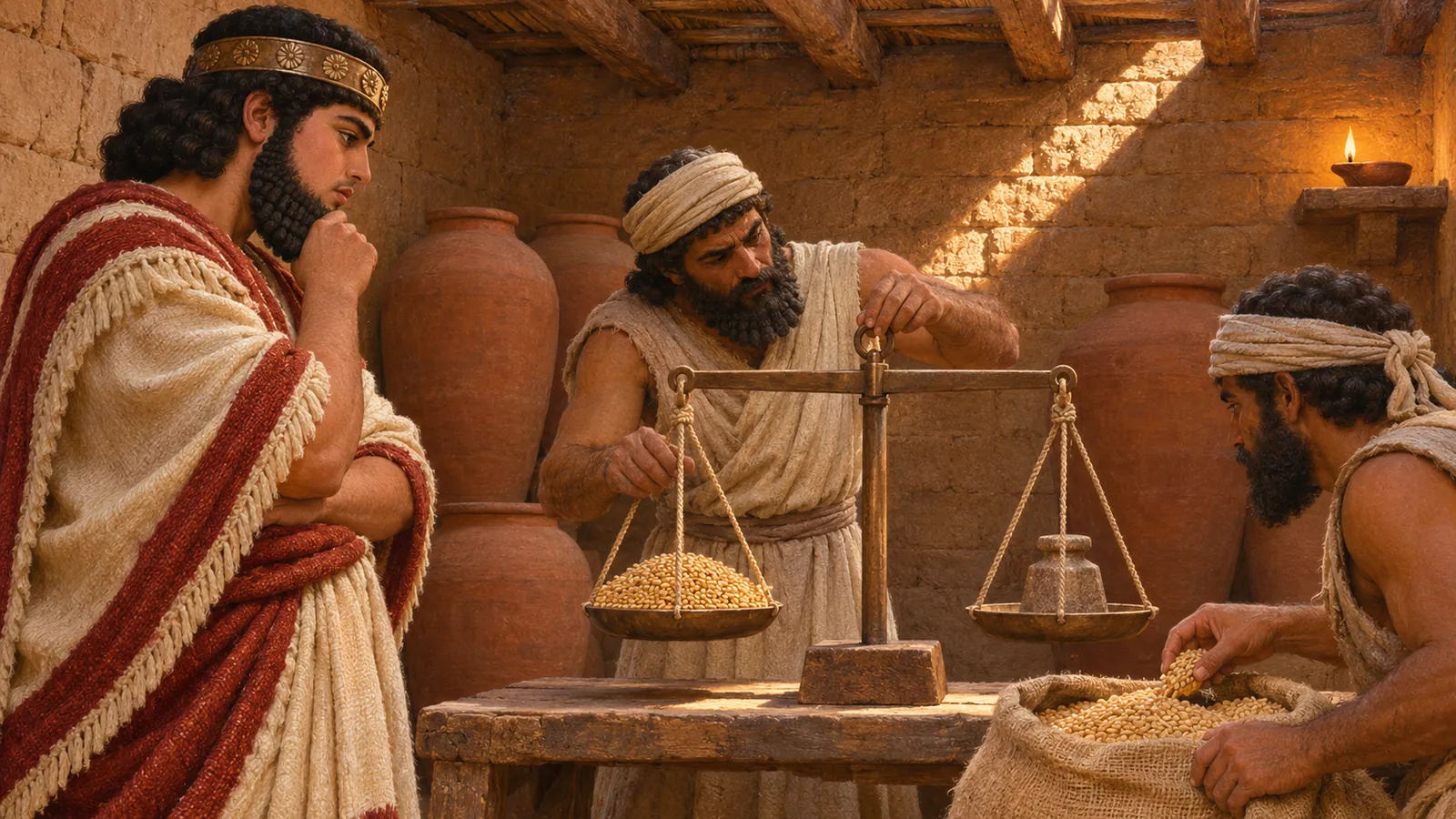
Sometimes a single line sets the two men side by side. The king was in Tayma. The prince, officials and army were in Babylonia. The chronicler uses that pattern several times as the years pass.
YEARS IN ARABIA
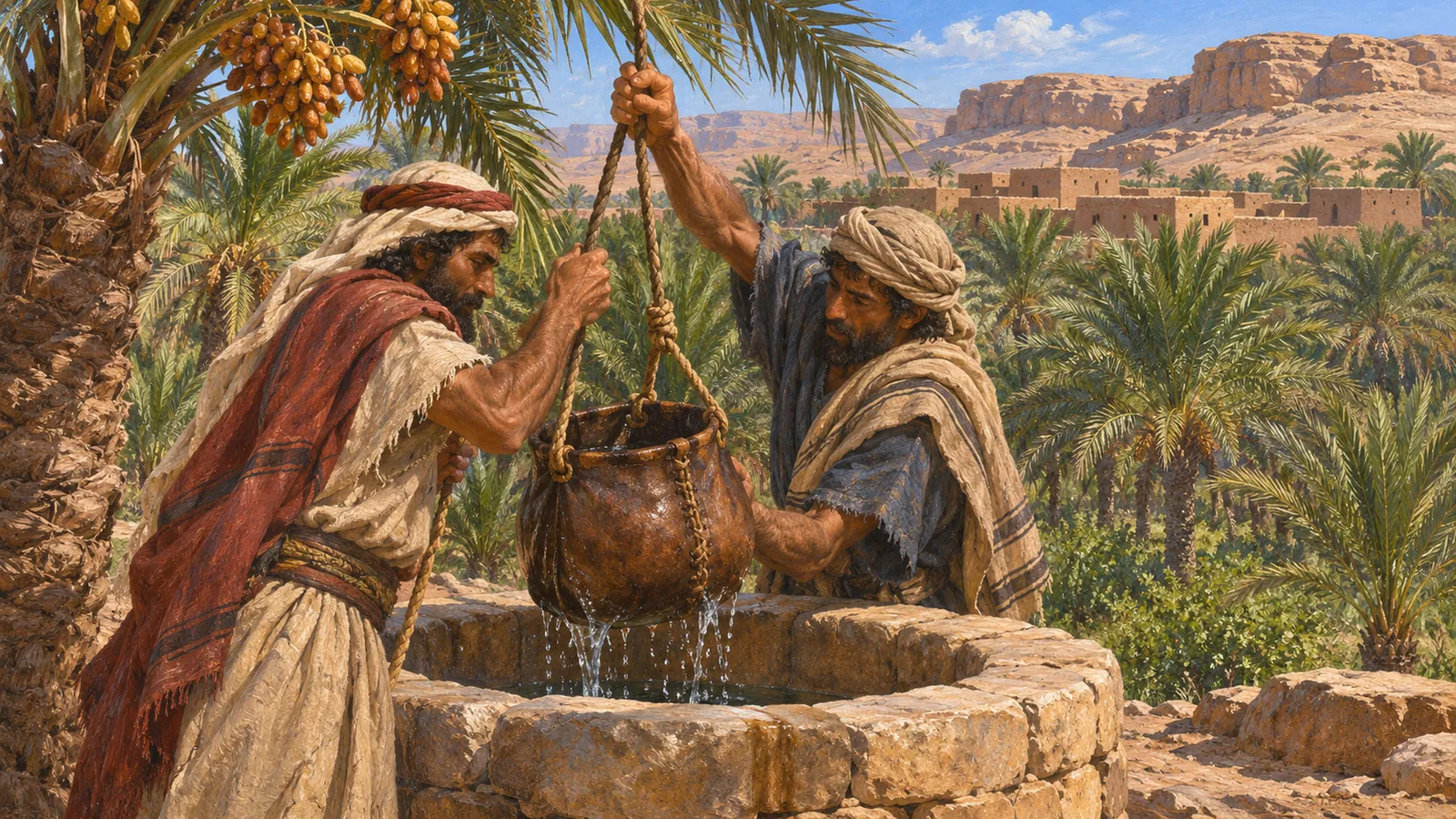
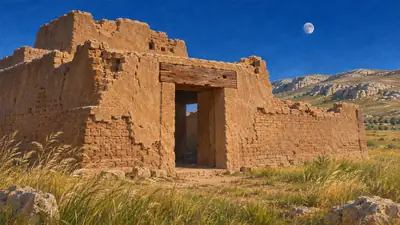
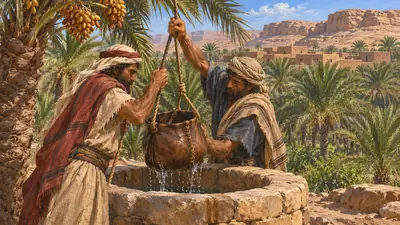
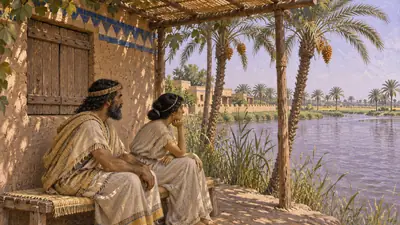
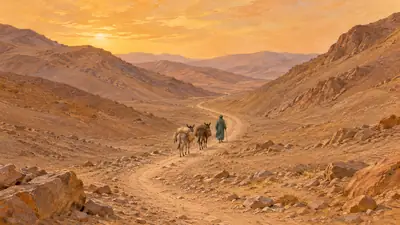
Tayma lay in northwestern Arabia. The oasis held wells and date groves, and its water sustained a settlement amid an expanse of stone and dry country.
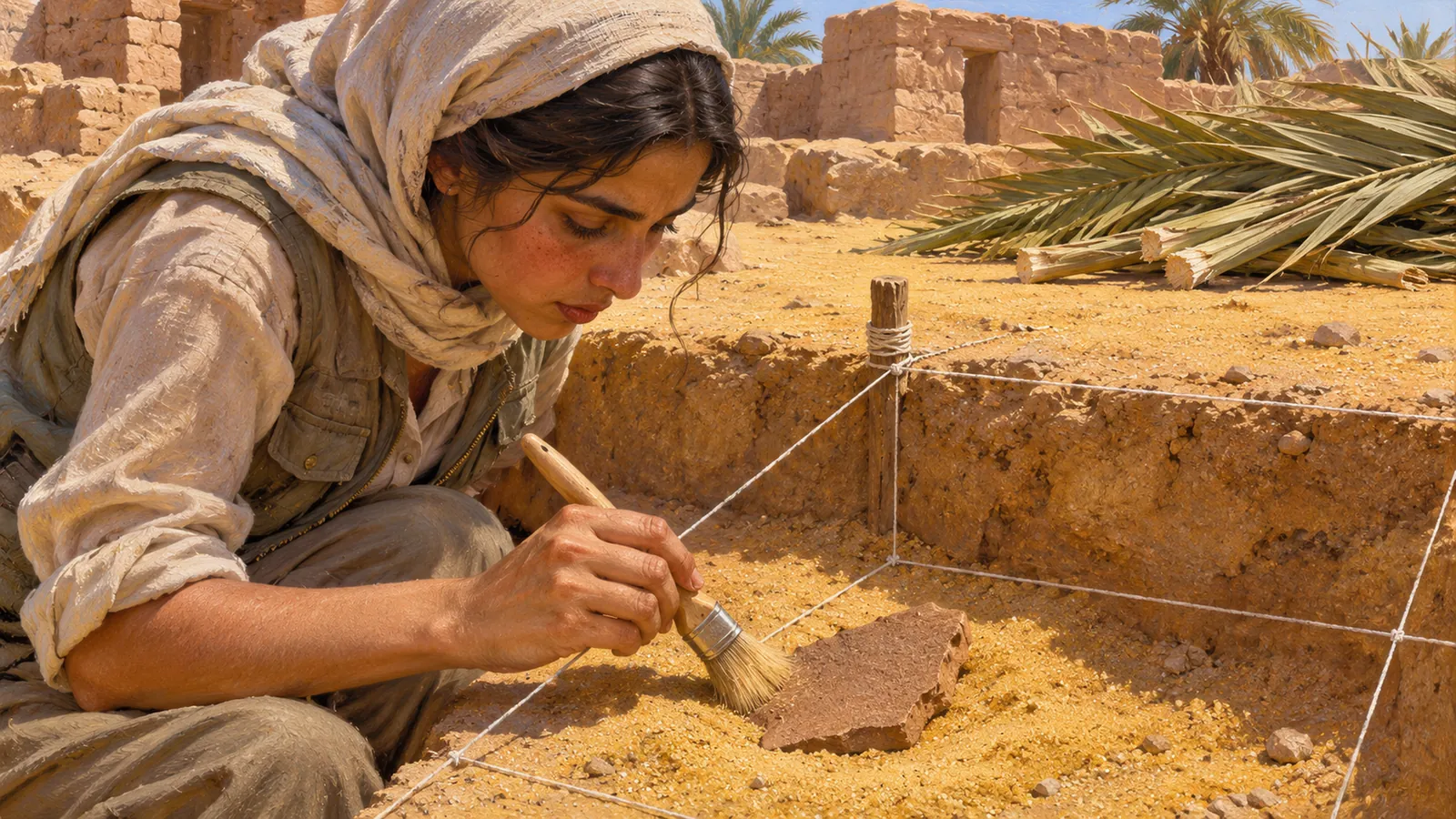
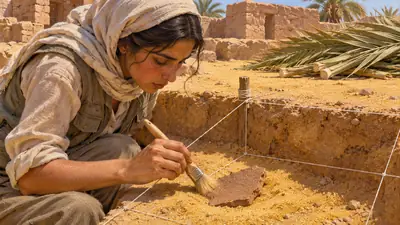
Around Tayma, rock inscriptions in the local script name Nabonidus. At the settlement, archaeologists found fragments in Babylonian cuneiform. Two kinds of writing put the Babylonian king here.
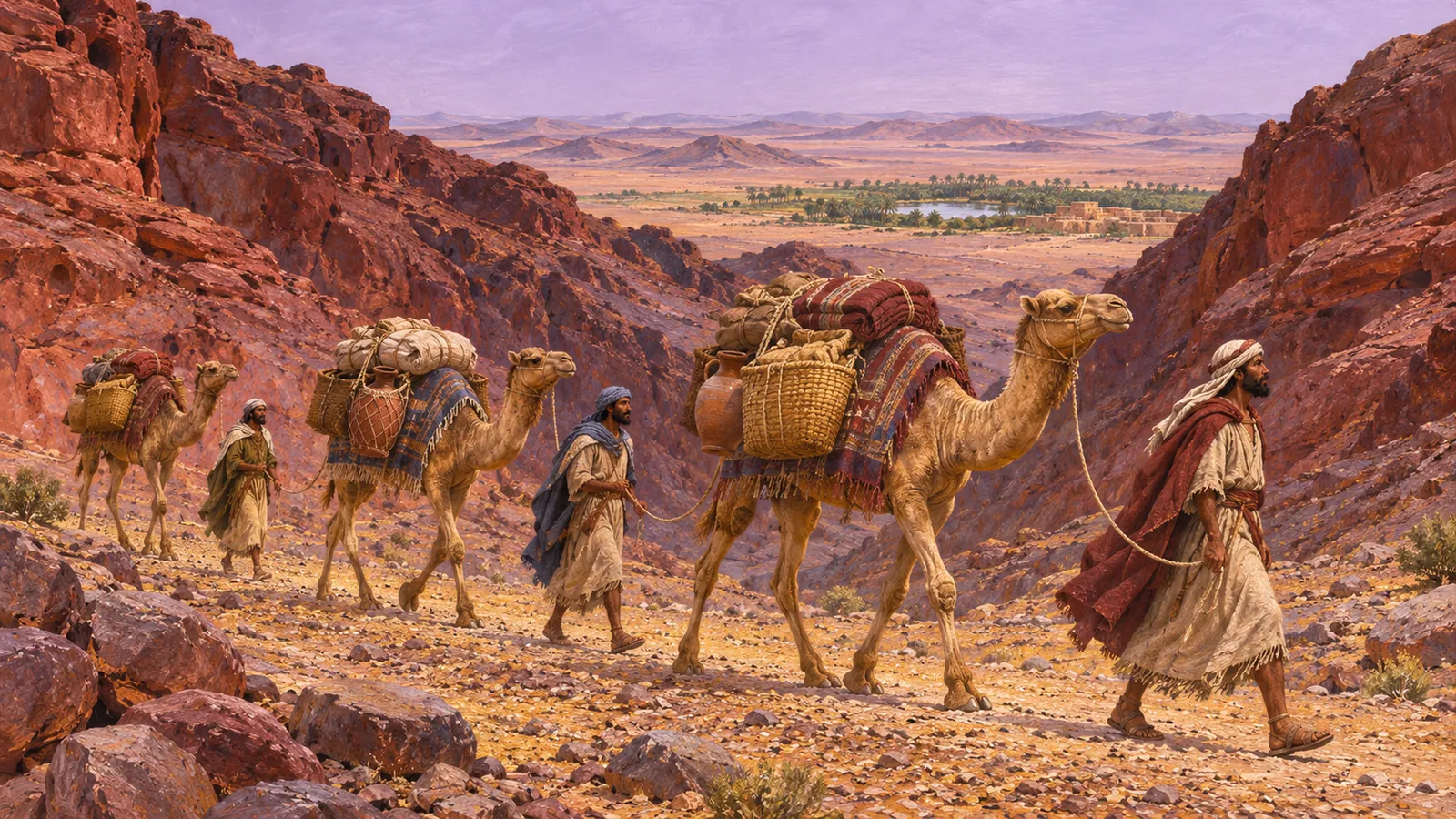
On the Harran stele, Nabonidus says that he traveled between Arabian settlements for ten years. Tayma was one of them. Farther south lay other oases, including Dadan and Yathrib, the place now called Medina.
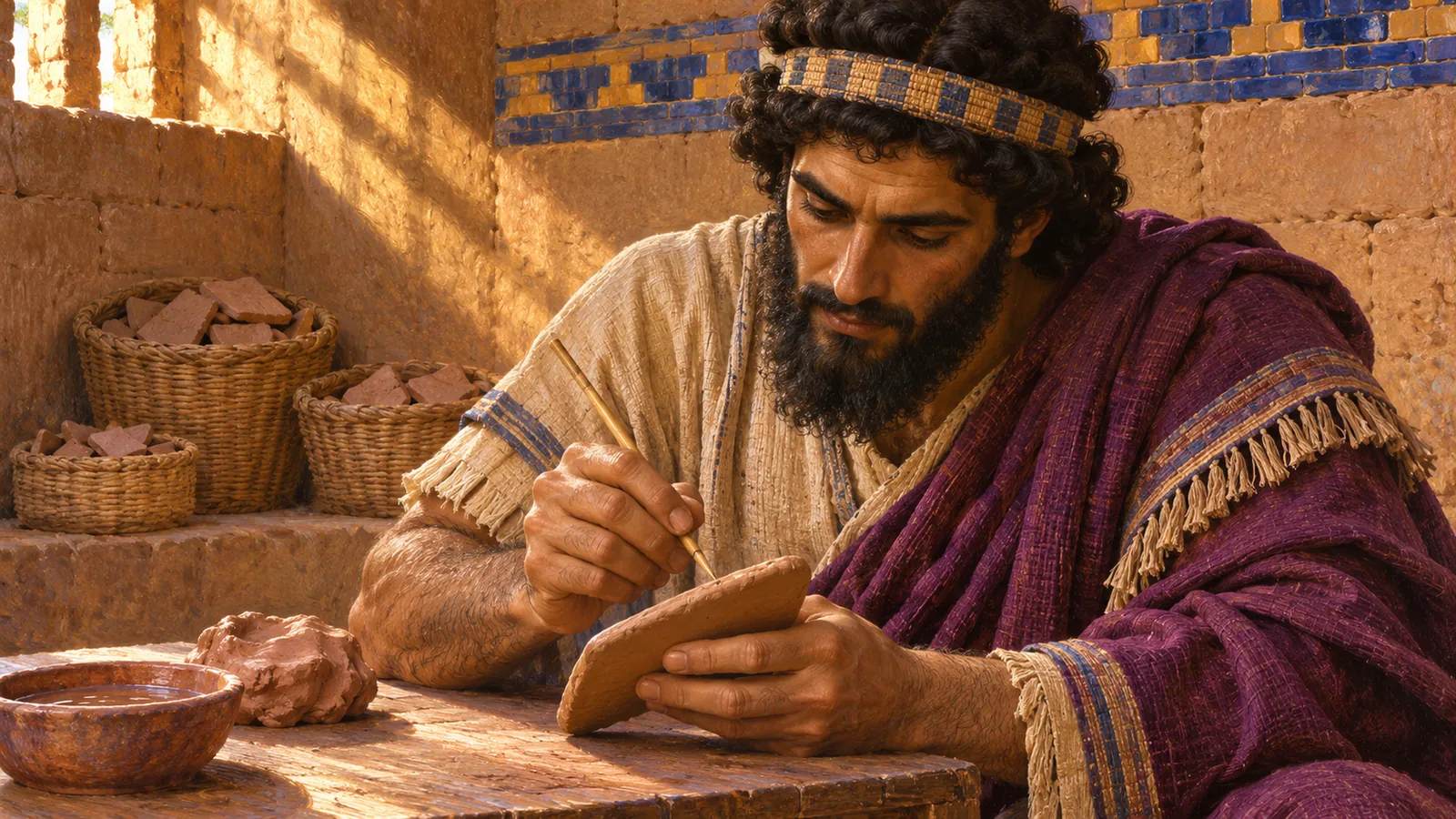
The hostile Verse Account gives the journey a darker cast. Its writer says Nabonidus defeated Tayma's ruler, took up residence there and demanded labor from its inhabitants.
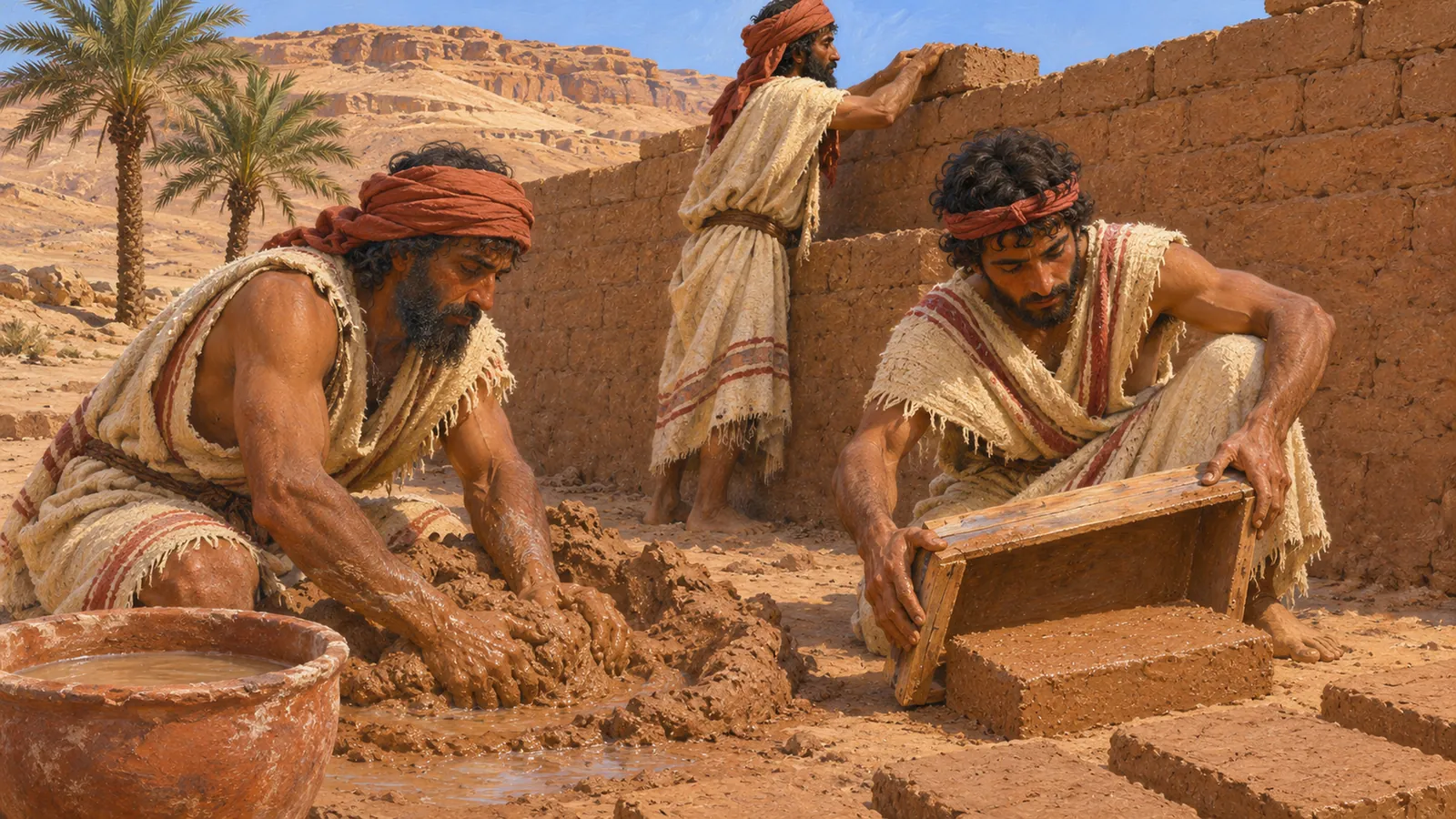
The same writer describes a new palace and work on the town's defenses. Archaeologists have found pieces of Nabonidus's inscriptions in the oasis. The arrangement of his residence is a question the written fragments leave open.
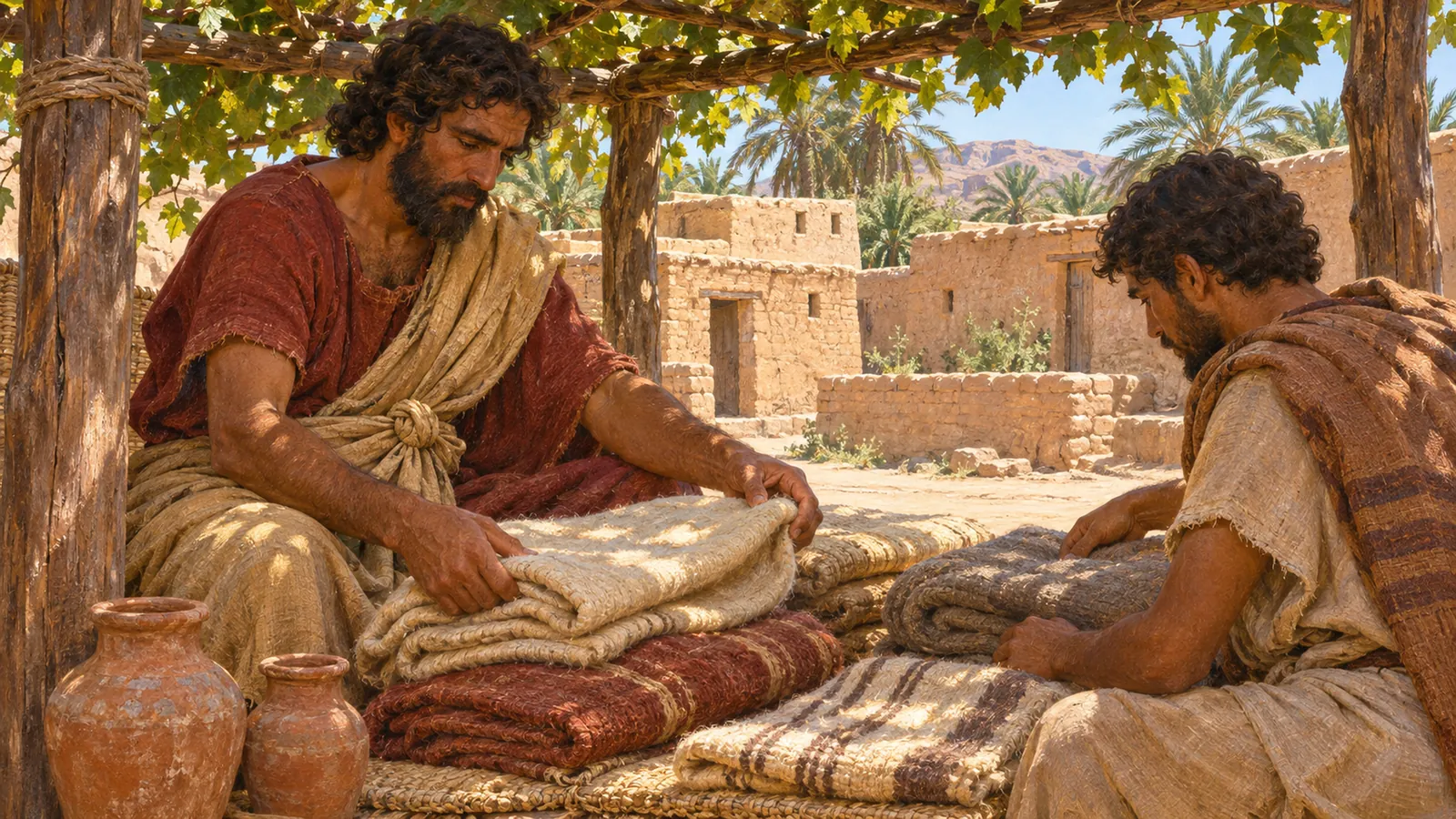
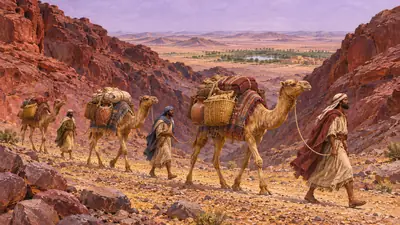
A long stay gave a Babylonian ruler a presence well down the routes of northwestern Arabia. That offers one way to think about his years there. None of the surviving accounts settles why he stayed so long.
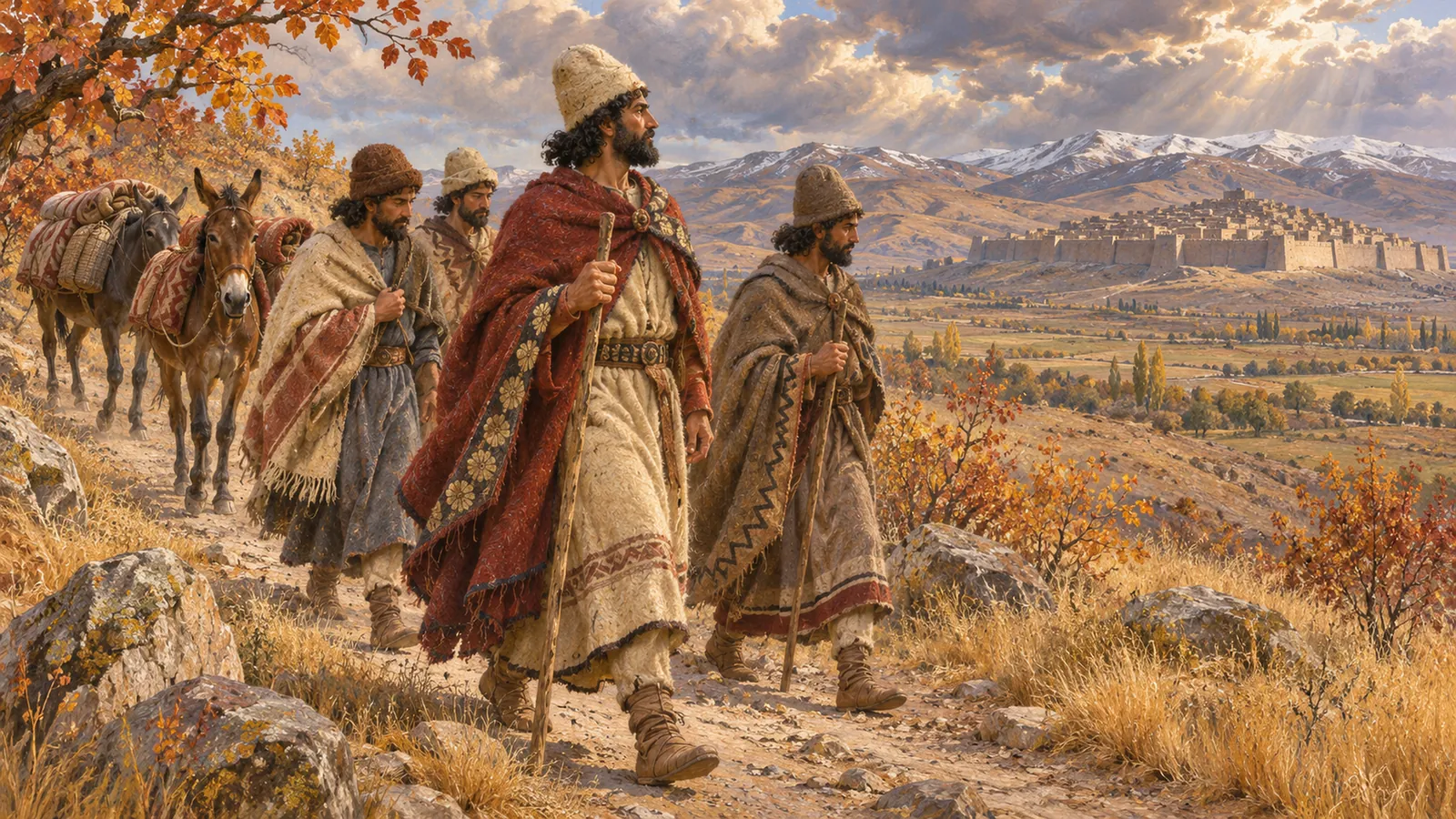
While Nabonidus was away, Cyrus of Anshan defeated Astyages. The chronicle says Astyages's own army handed him over. Cyrus went on to Ecbatana, the royal city, and took its wealth to Anshan.
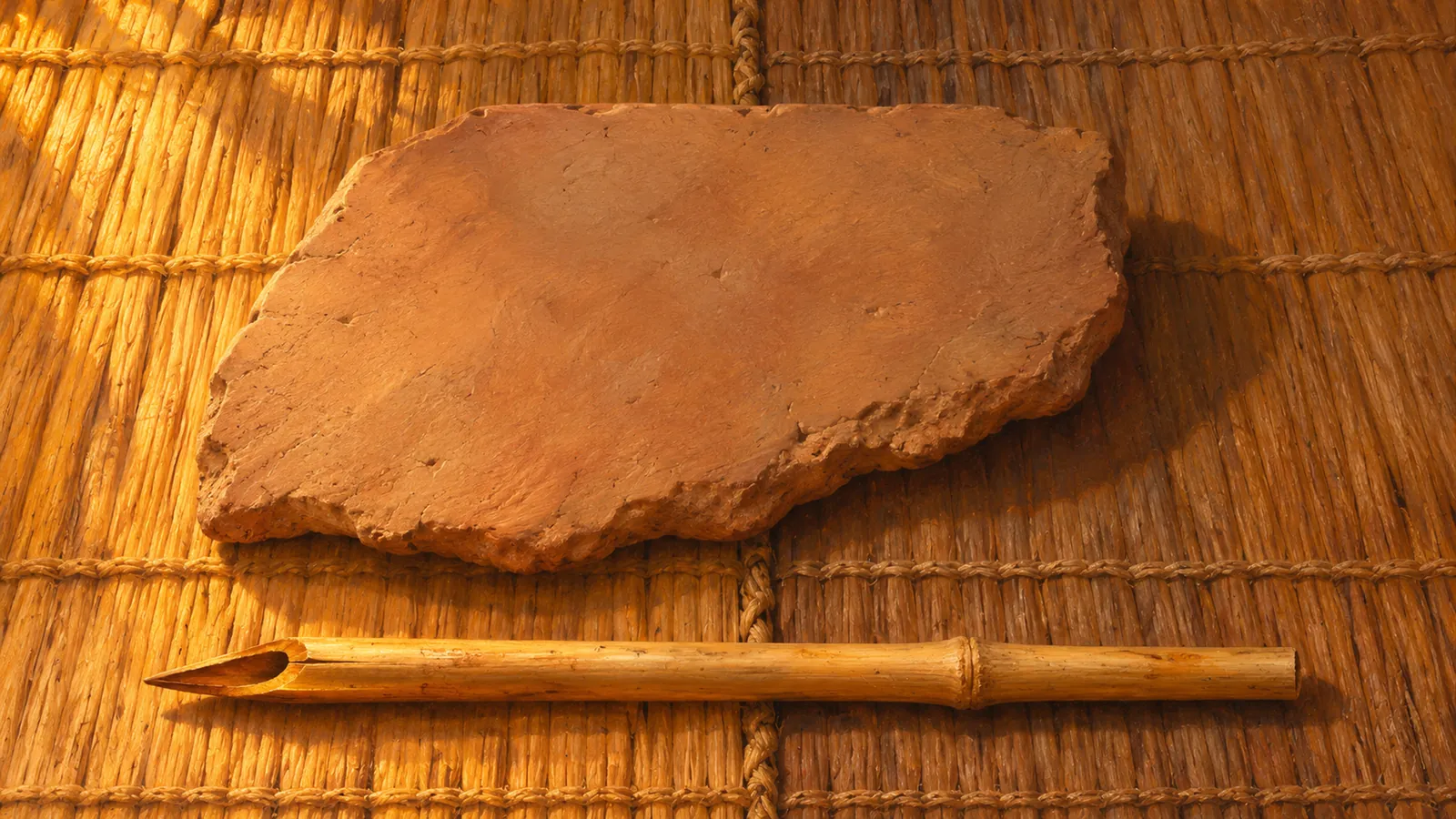
In another year the same tablet has Cyrus cross the Tigris below Arbela. It records the downfall of a king. The surface is damaged at the name of his country, and which land Cyrus entered remains debated.
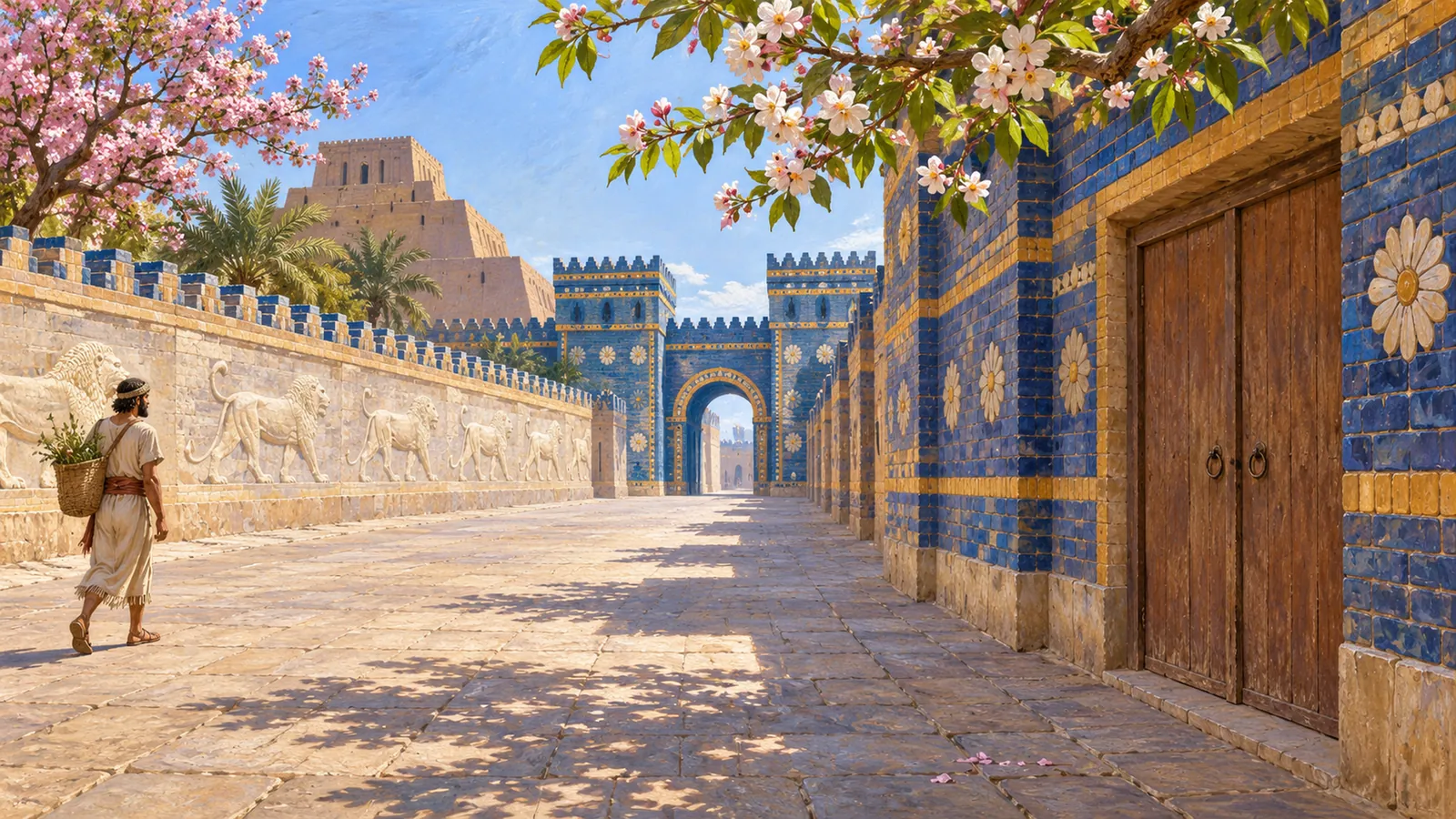
THE INTERRUPTED FESTIVAL
The Babylonian year began in the spring month of Nisannu. For several years while Nabonidus was abroad, the chronicle records a break in Babylon's great New Year festival, the Akitu.
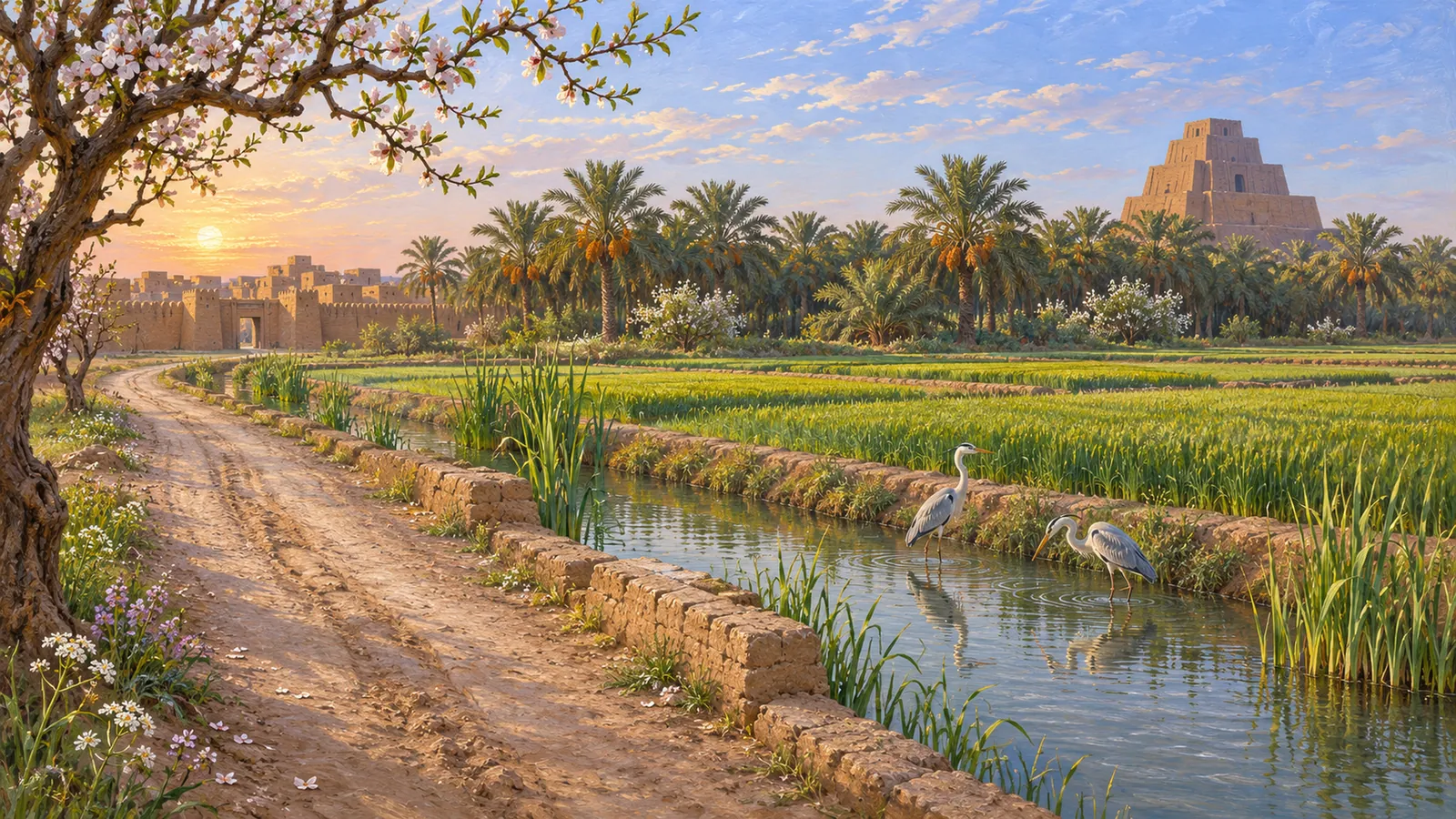
The entry says Nabu did not come to Babylon. In the usual celebration, his image traveled from Borsippa to join the rites in the capital. For the scribe, the absence of that journey was worth writing down.
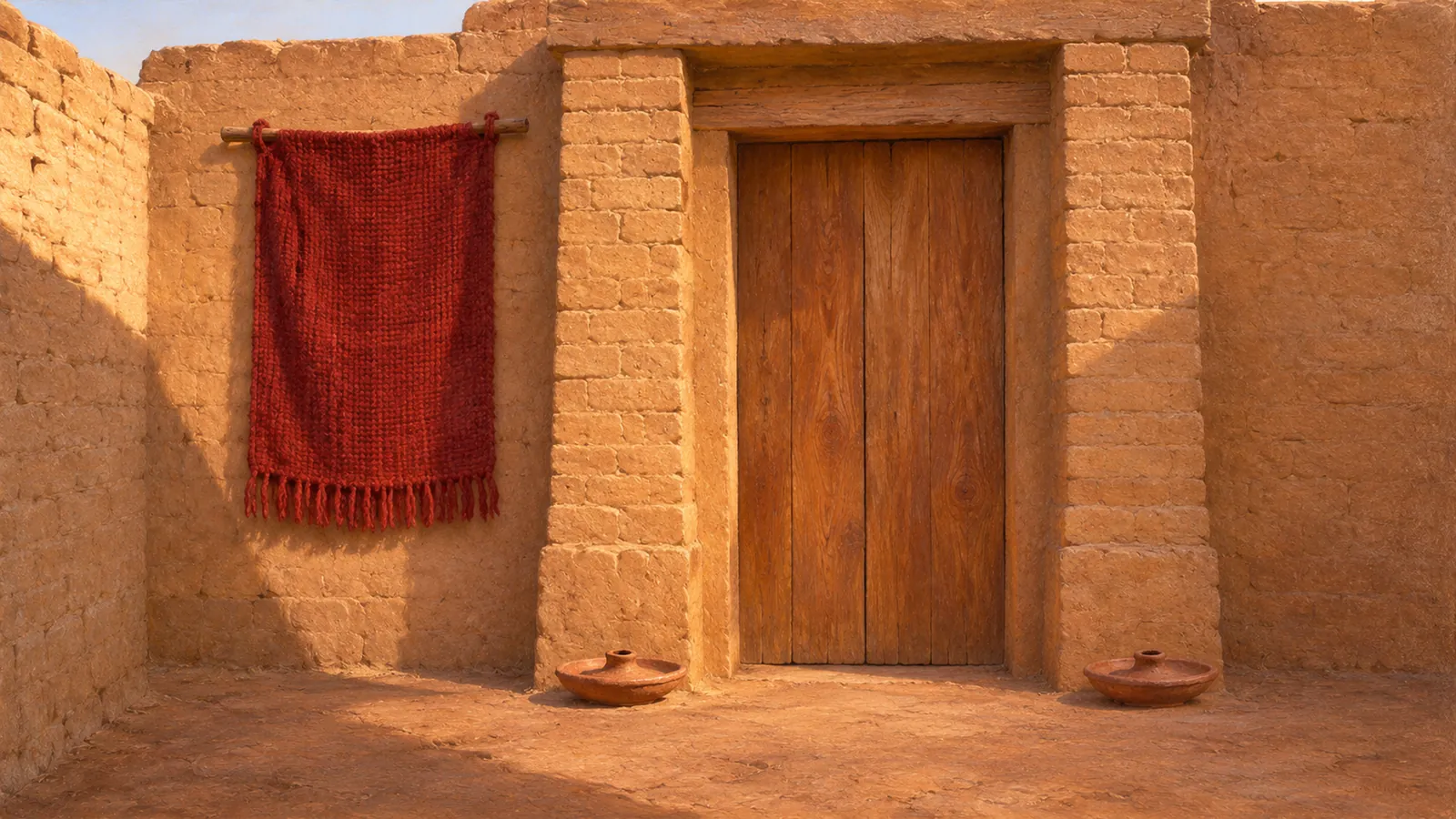
The companion notice concerns Bel, a title of Marduk. The god's image did not come out. In those short lines, a reader can see which parts of the public festival depended on the king's presence.
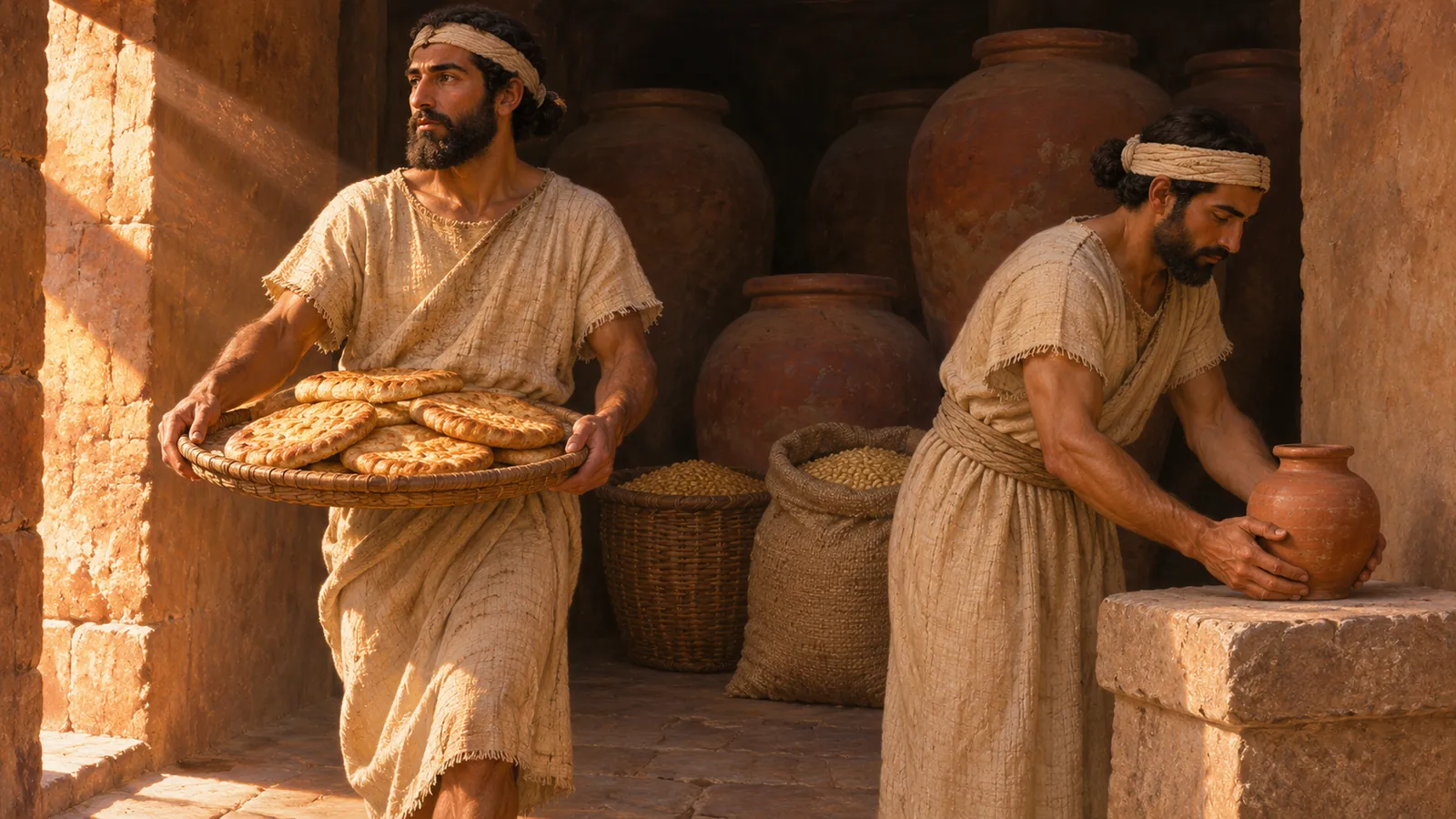
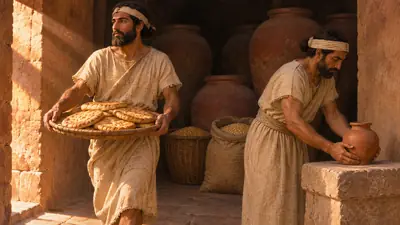
In the same entries, the scribe says offerings went on as usual in Esagil, Marduk's temple in Babylon, and in Ezida, Nabu's temple in Borsippa. The festival had paused and the temple staff still had work.
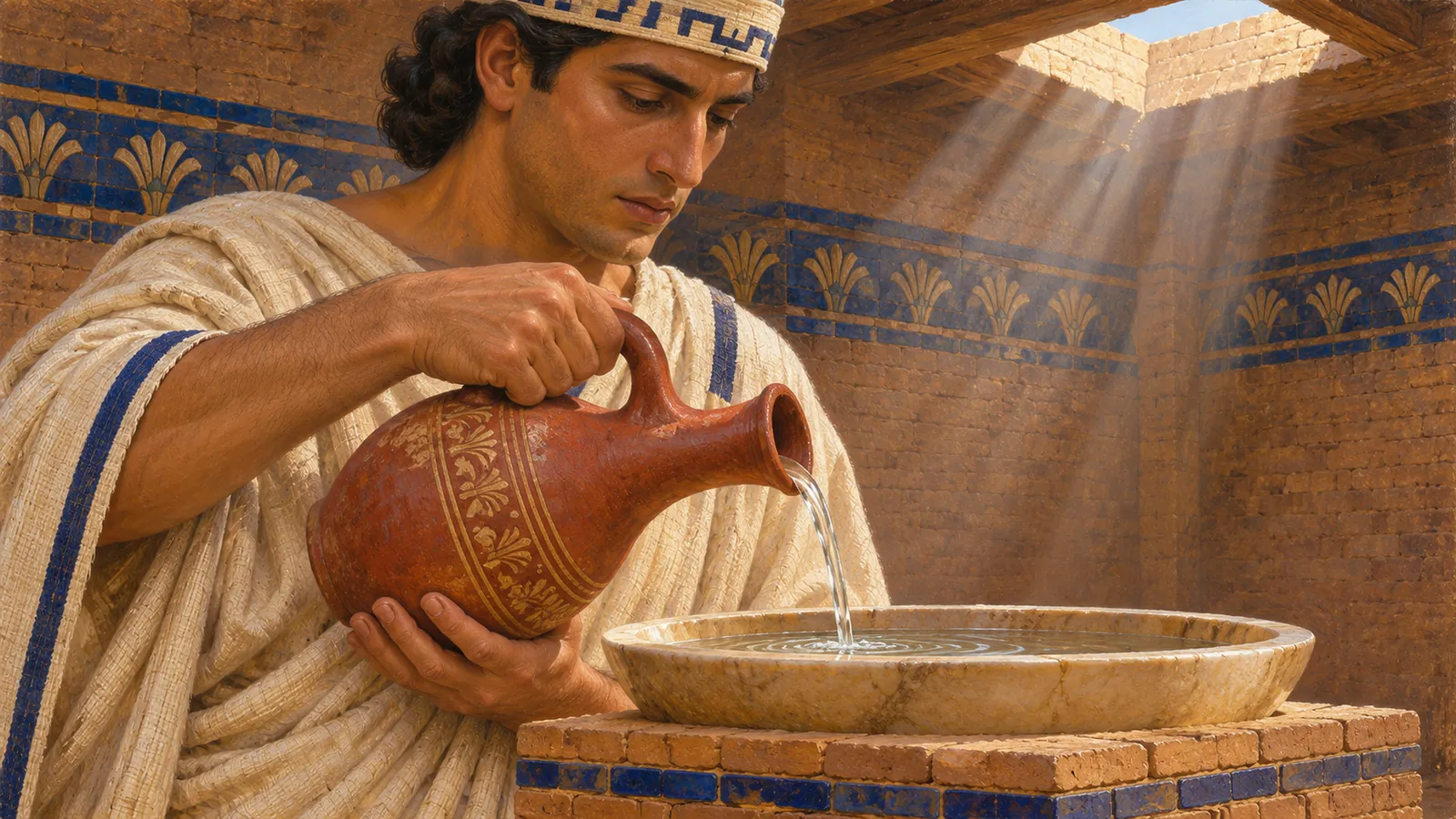
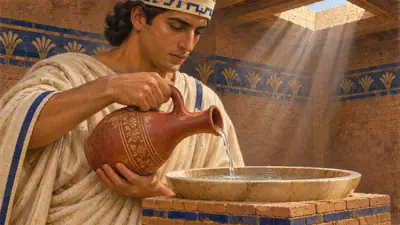
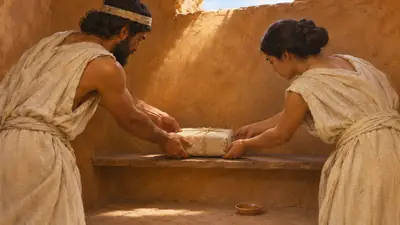
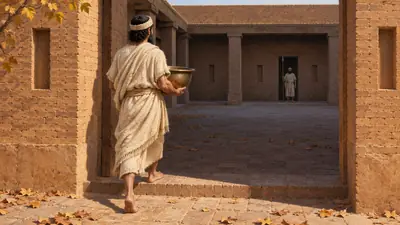
One entry looks closer at the daily work. A priest poured a liquid offering and attended to the temple. The scribe preserves his act alongside the ceremonies that had stopped.
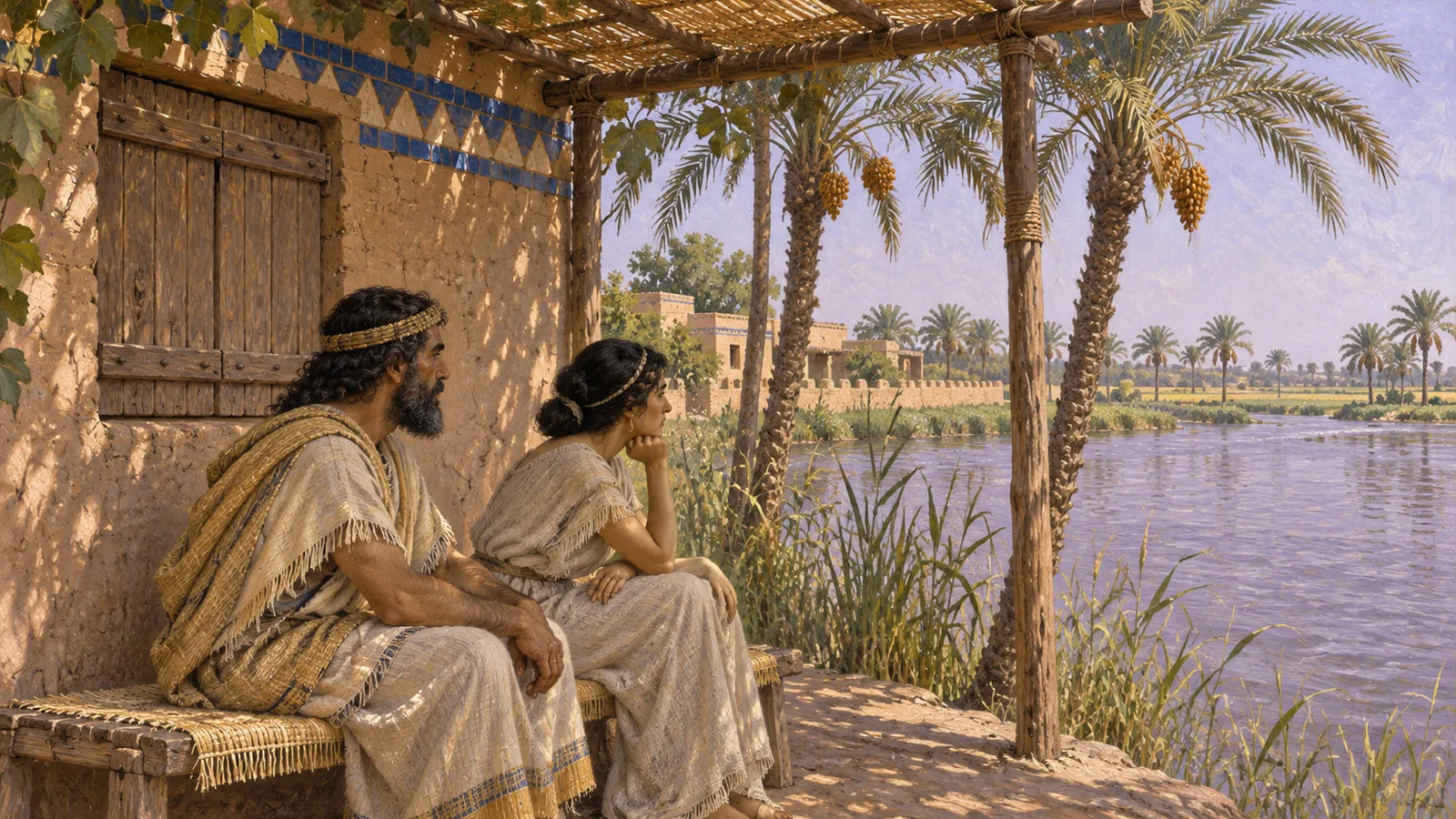
The chronicle marks the death of the king's mother on the fifth of Nisannu. It places her at Dur-Karashu, on the Euphrates upstream from Sippar. The prince and his army mourned for three days.
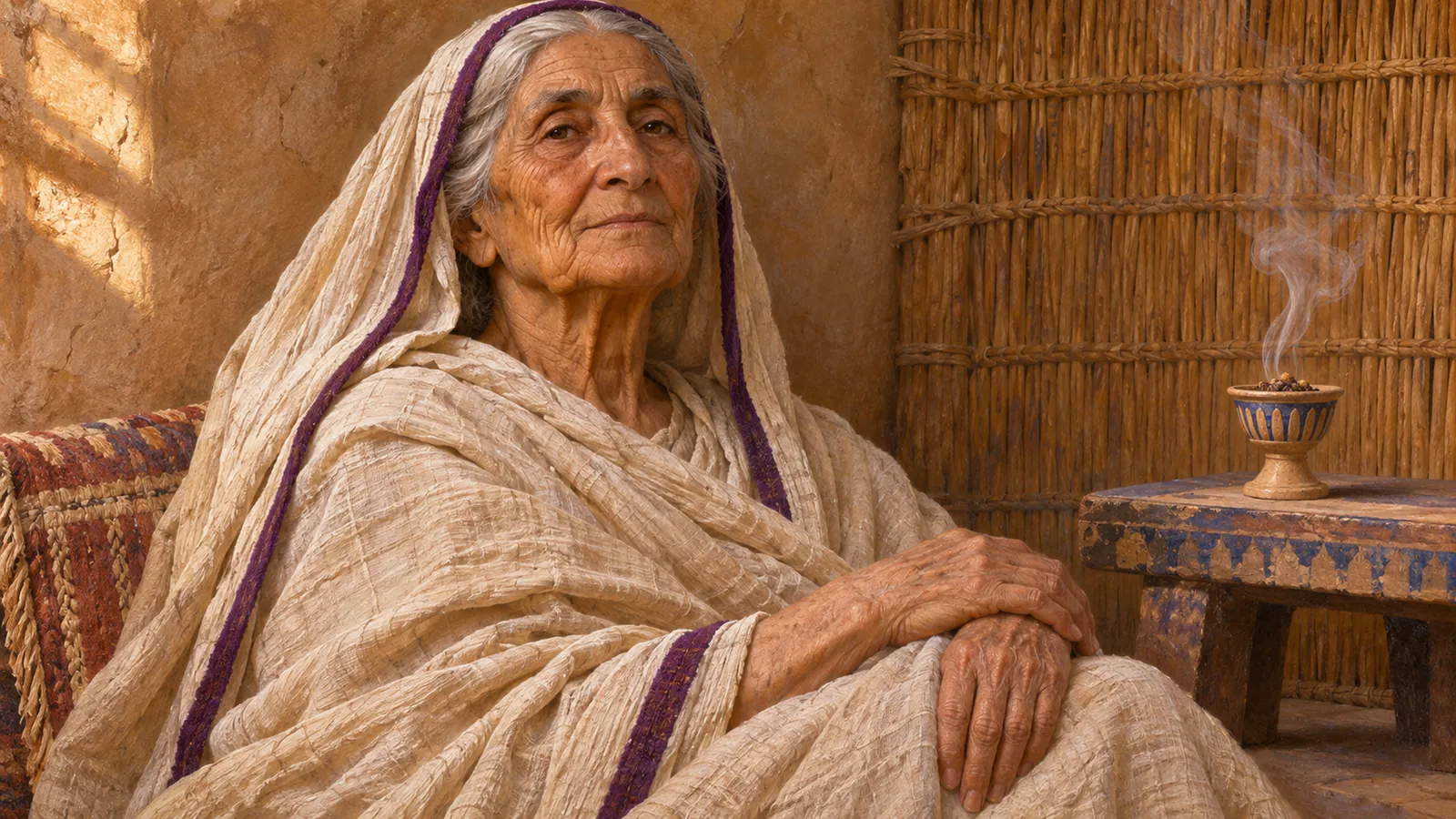
A stone inscription from Harran gives the queen mother's name, Adad-guppi. It tells her life across several reigns, starting in the Assyrian period. Her voice opens a much longer view of Nabonidus's family and its devotion to Sîn.
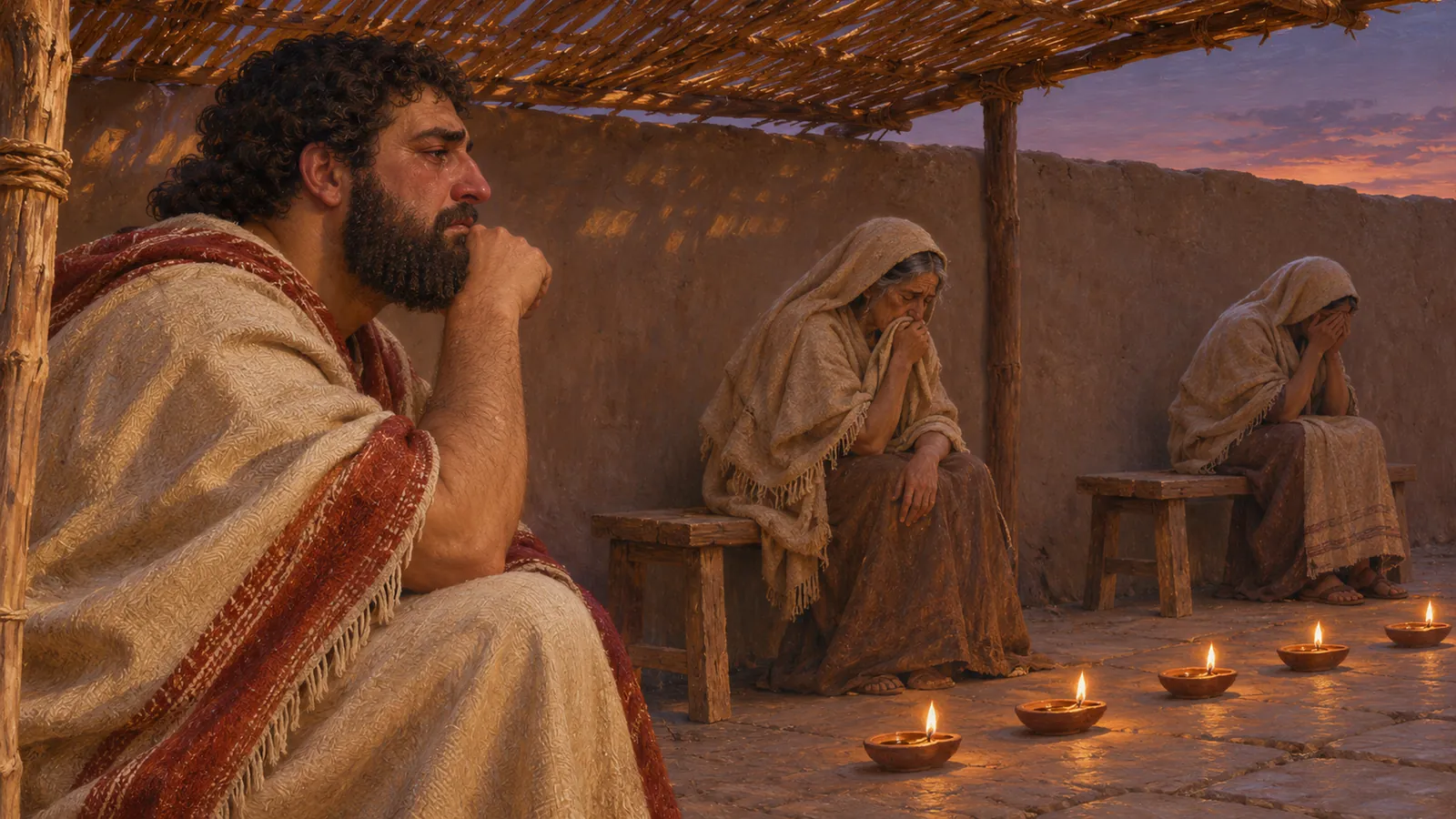
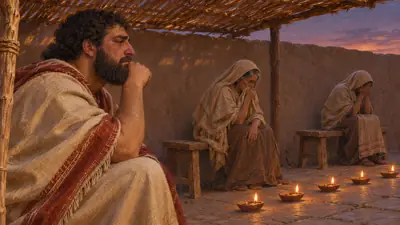
In the third month, Simanu, the chronicle records a period of mourning for the queen mother in Babylonia. For once, its story of the king away and the prince at home gives way to the loss in their family.
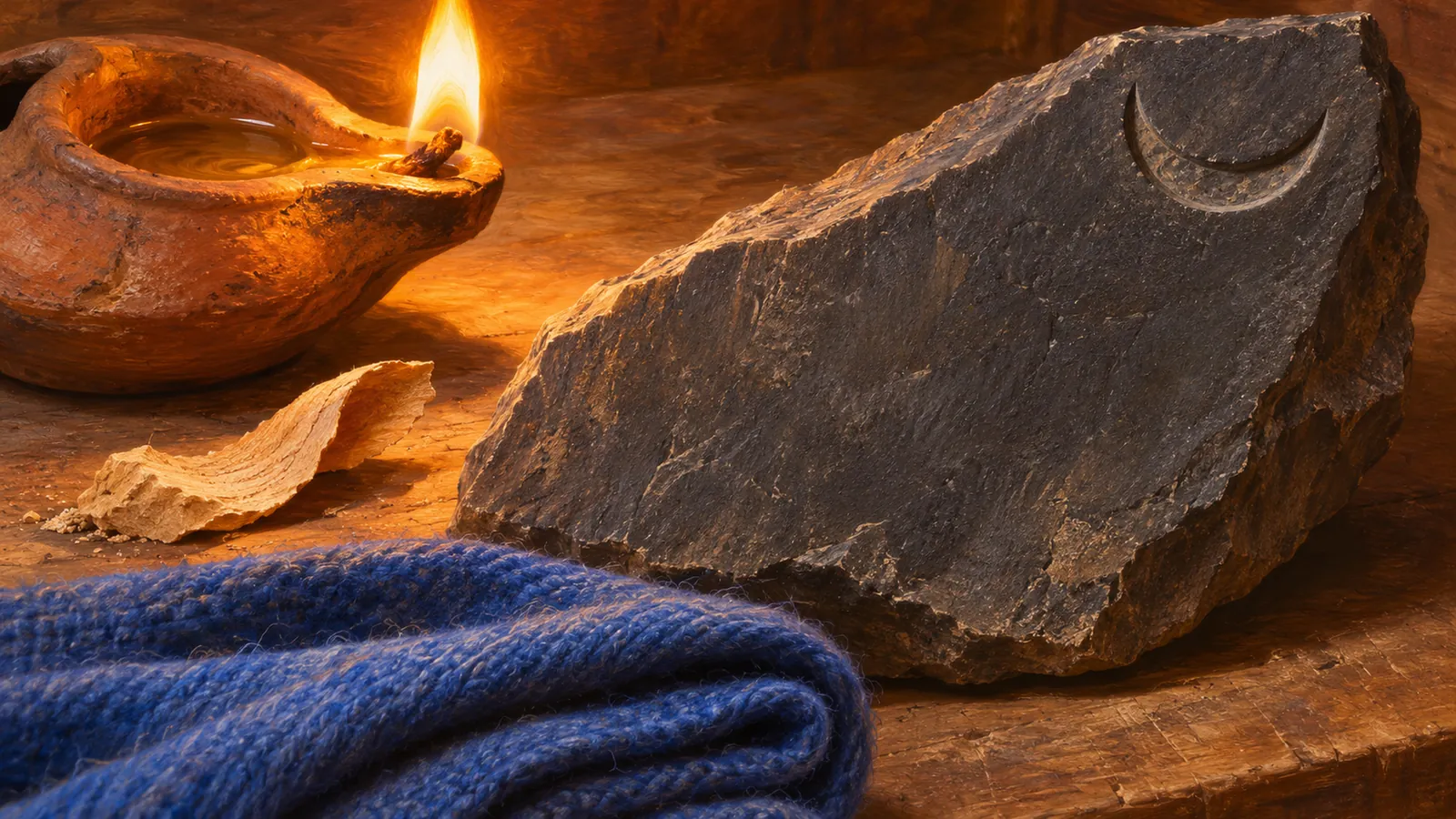
The hostile account blames Nabonidus for halting ceremonies. It makes him sound proud of an unfamiliar image of the moon god and dismissive of Babylon's rites. The charges tell us how an opponent set out to discredit him.
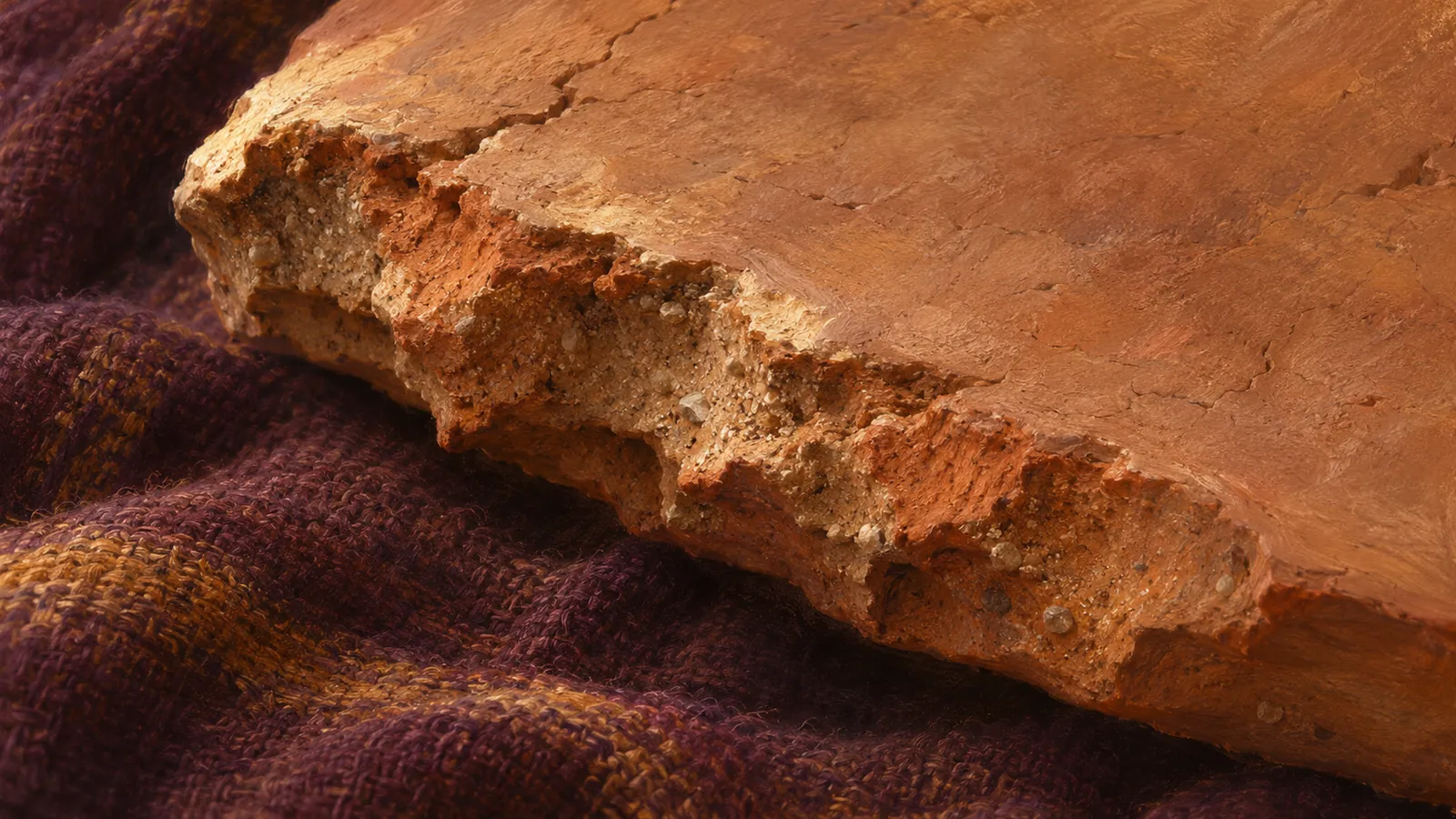
Much of the clay record between these events and the Persian conquest has broken away. The years of absence, and then the king's return, are preserved unevenly. The damaged surface gives us only part of what the writer once knew.
THE LAST YEAR
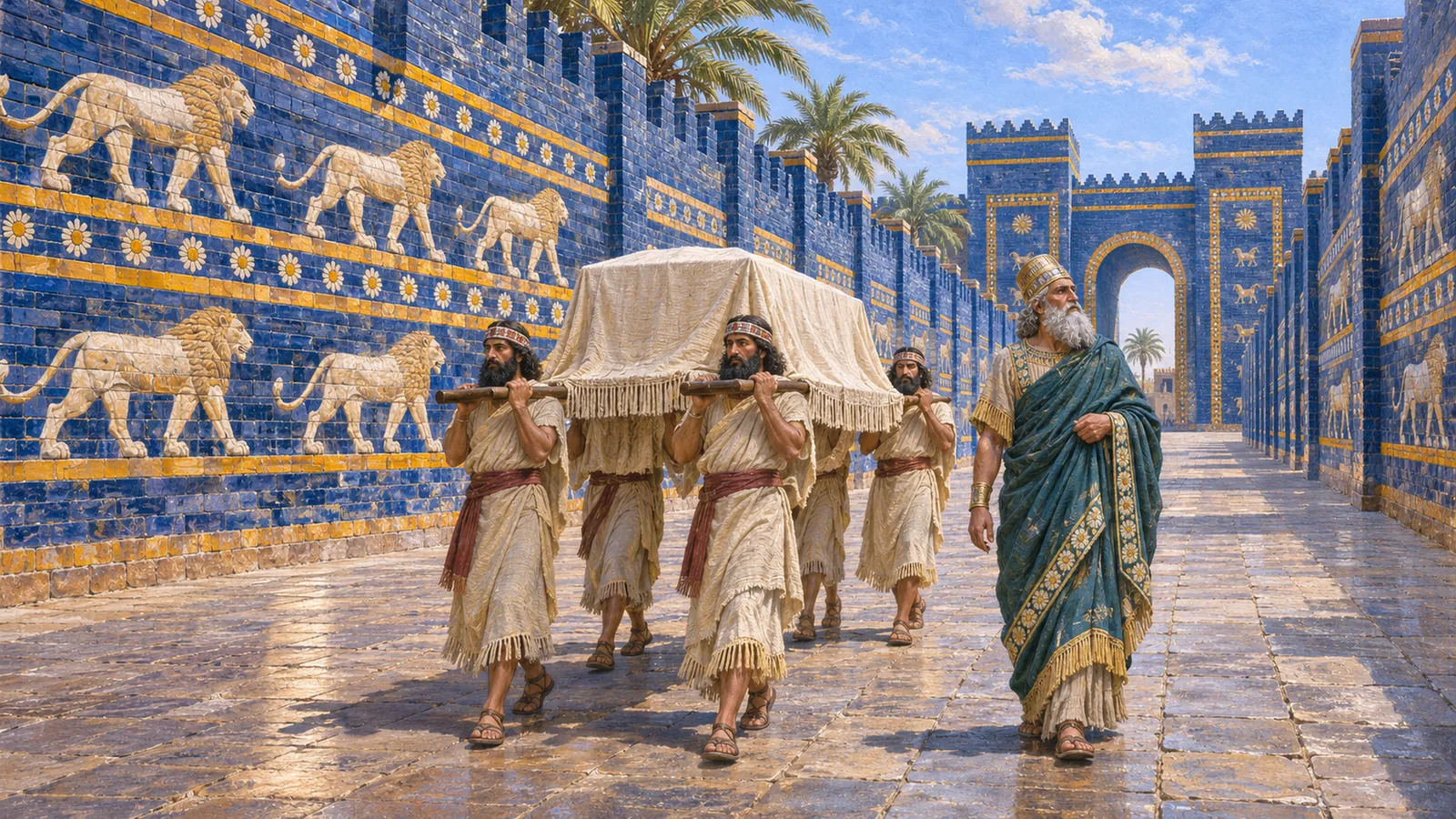
By the spring of 539 BCE Nabonidus was back in Babylon. In the record of that year, Nabu comes from Borsippa again and the image of Marduk goes out. The ceremonies that had stopped during the absence have returned.
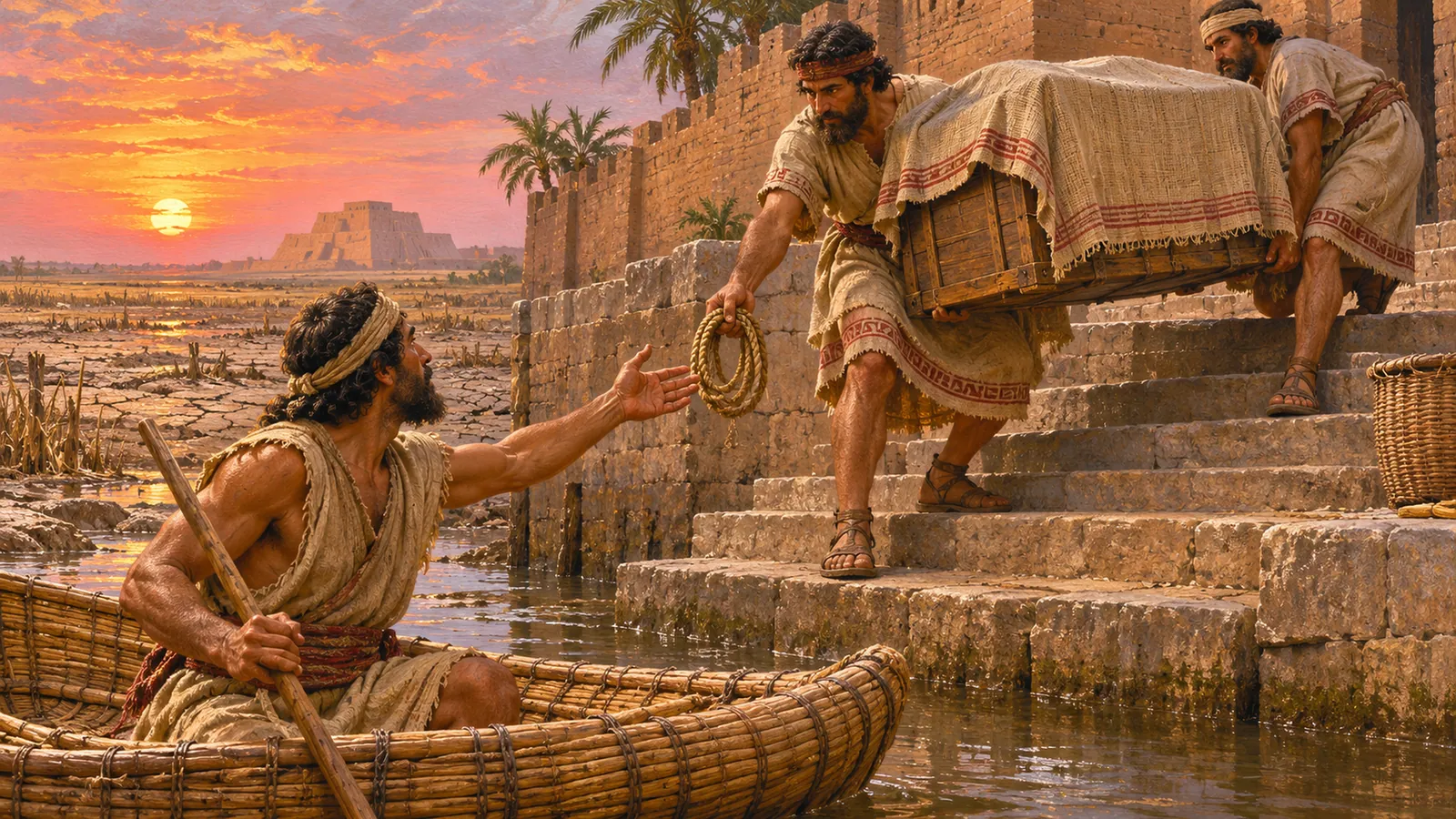
The festival opens what turns out to be the final year of the reign. The chronicle gives a little space to rites, then records sacred images arriving from towns outside the capital as the Persians approached.
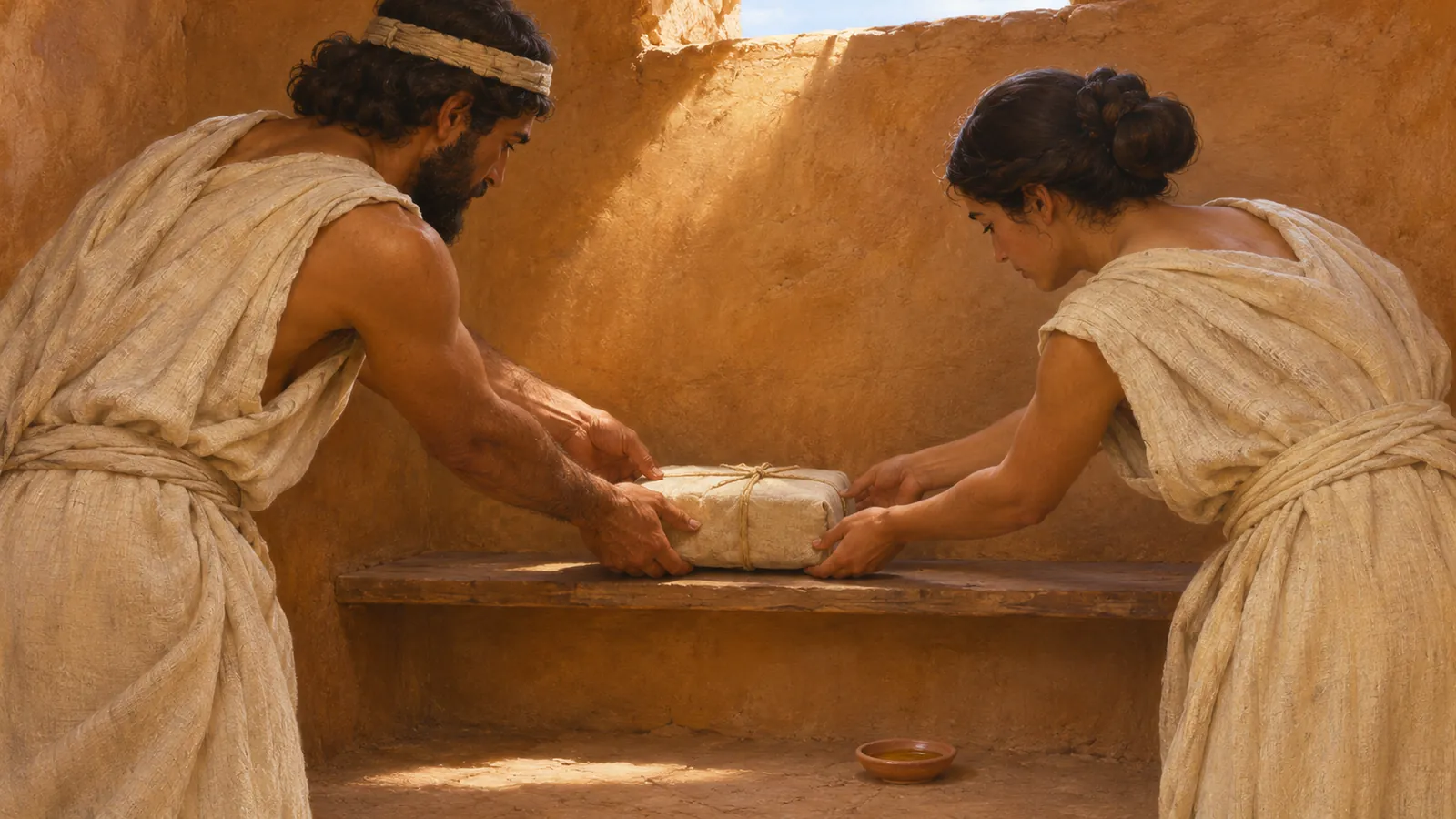
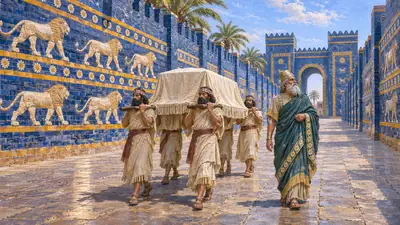
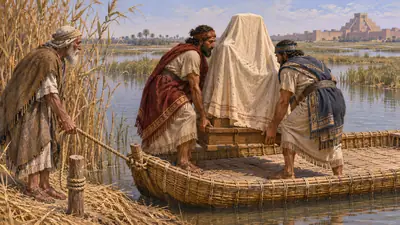
The chronicle names several of the places whose gods came into Babylon. The account speaks of the gods themselves. In practical terms, attendants had to move precious images out of their own sanctuaries and bring them to the capital.
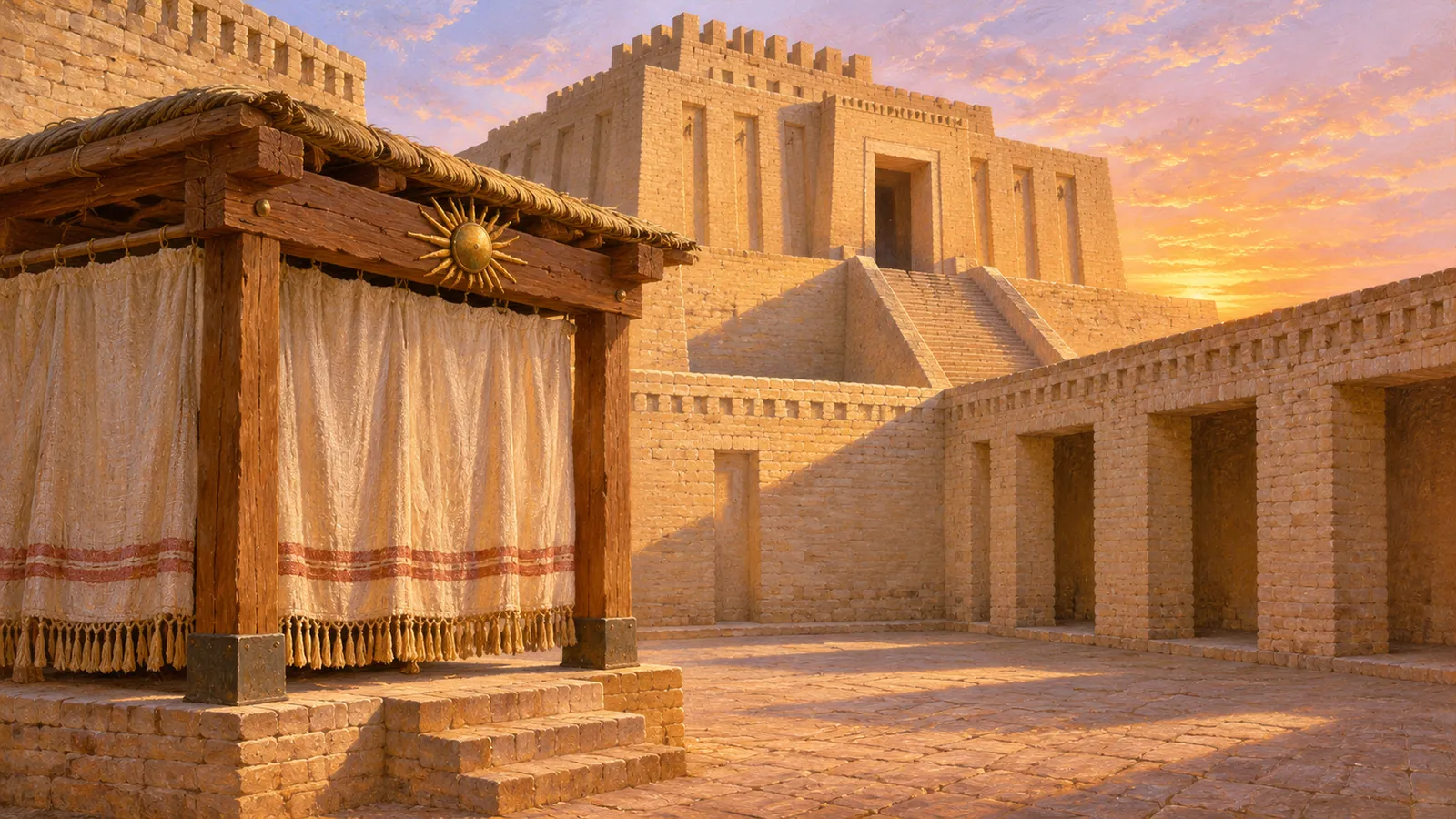
The entry preserves exceptions. The gods of Borsippa, Cutha and Sippar had not come in. The tablet leaves the reasons unspoken. Its list preserves the outline of decisions made town by town.
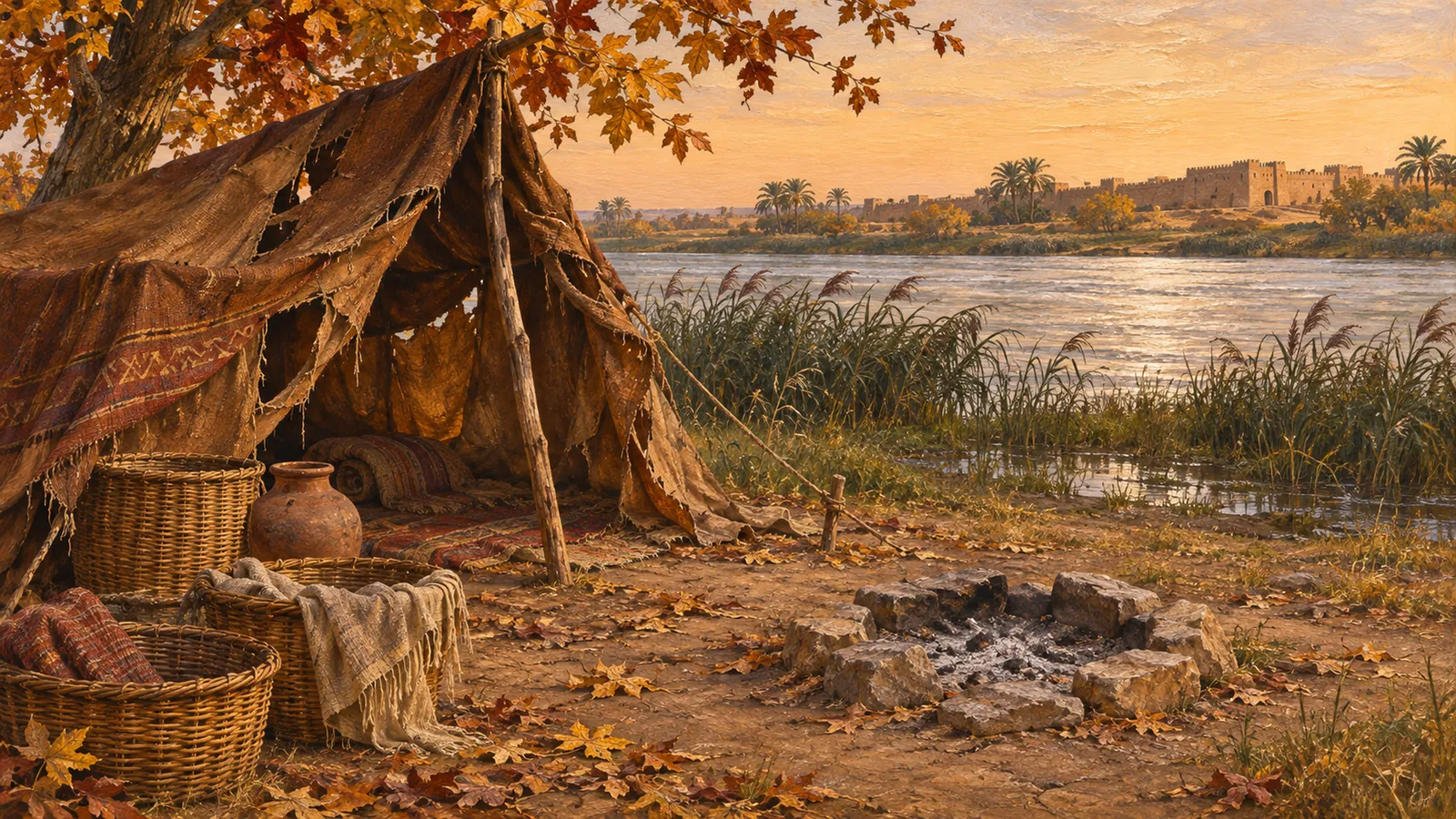
In the autumn, Cyrus fought the Babylonian army at Opis, on the Tigris. The chronicle records plunder and killing in connection with the Persian victory. That line lies close to its first notices about the change of rule.
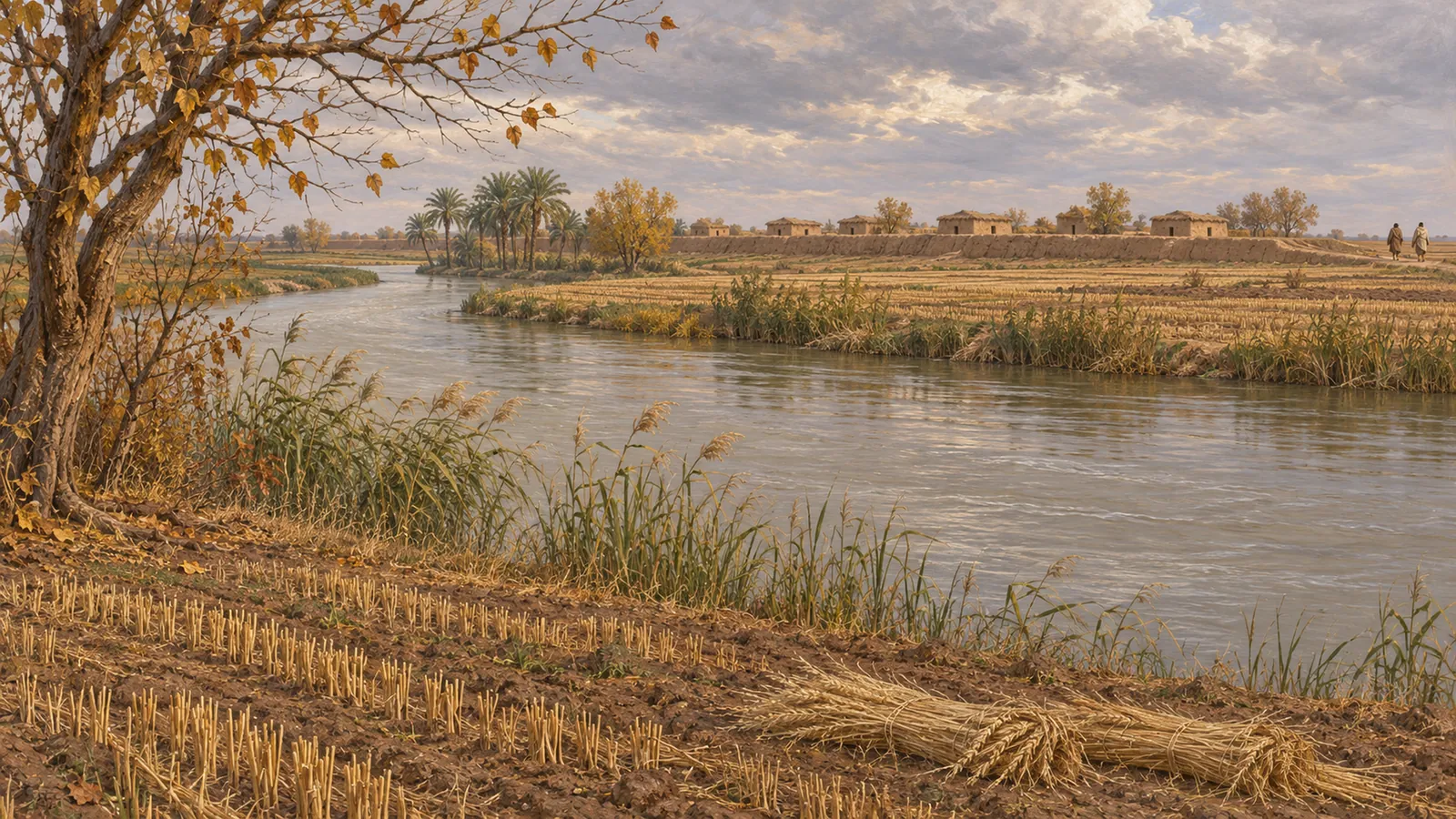
The chronicle records violence at Opis and describes two later city entries without battle. The change of ruler meant something different on each stretch of the rivers.
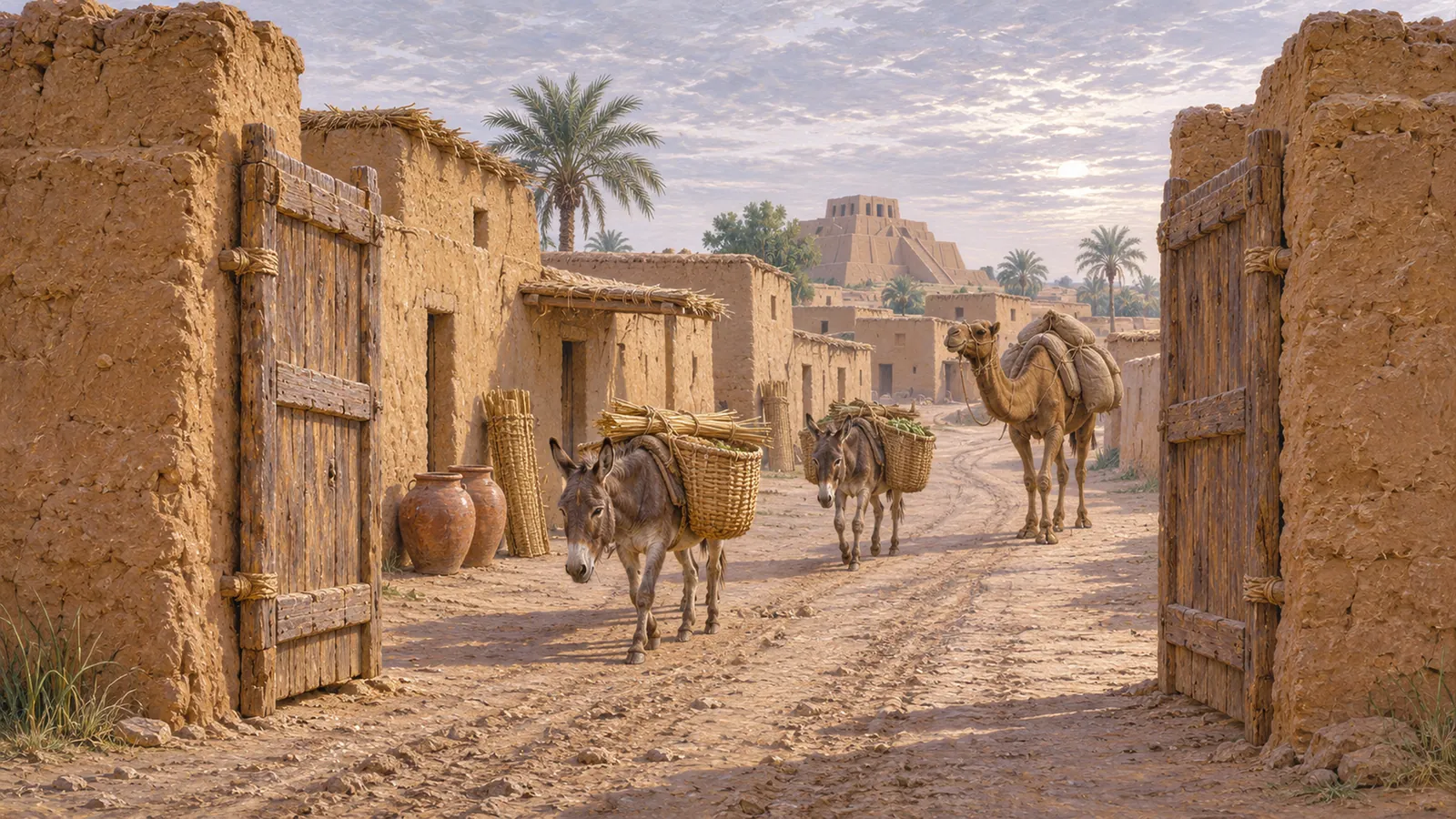
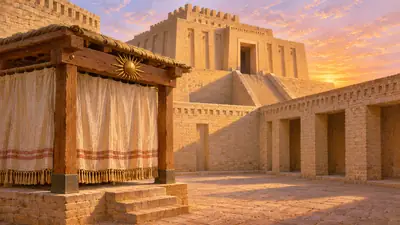
On day fourteen of Tashritu, the seventh month of the Babylonian year, Sippar fell without a battle according to the chronicle. The city upstream on the Euphrates was an important center of worship of the sun god Shamash.
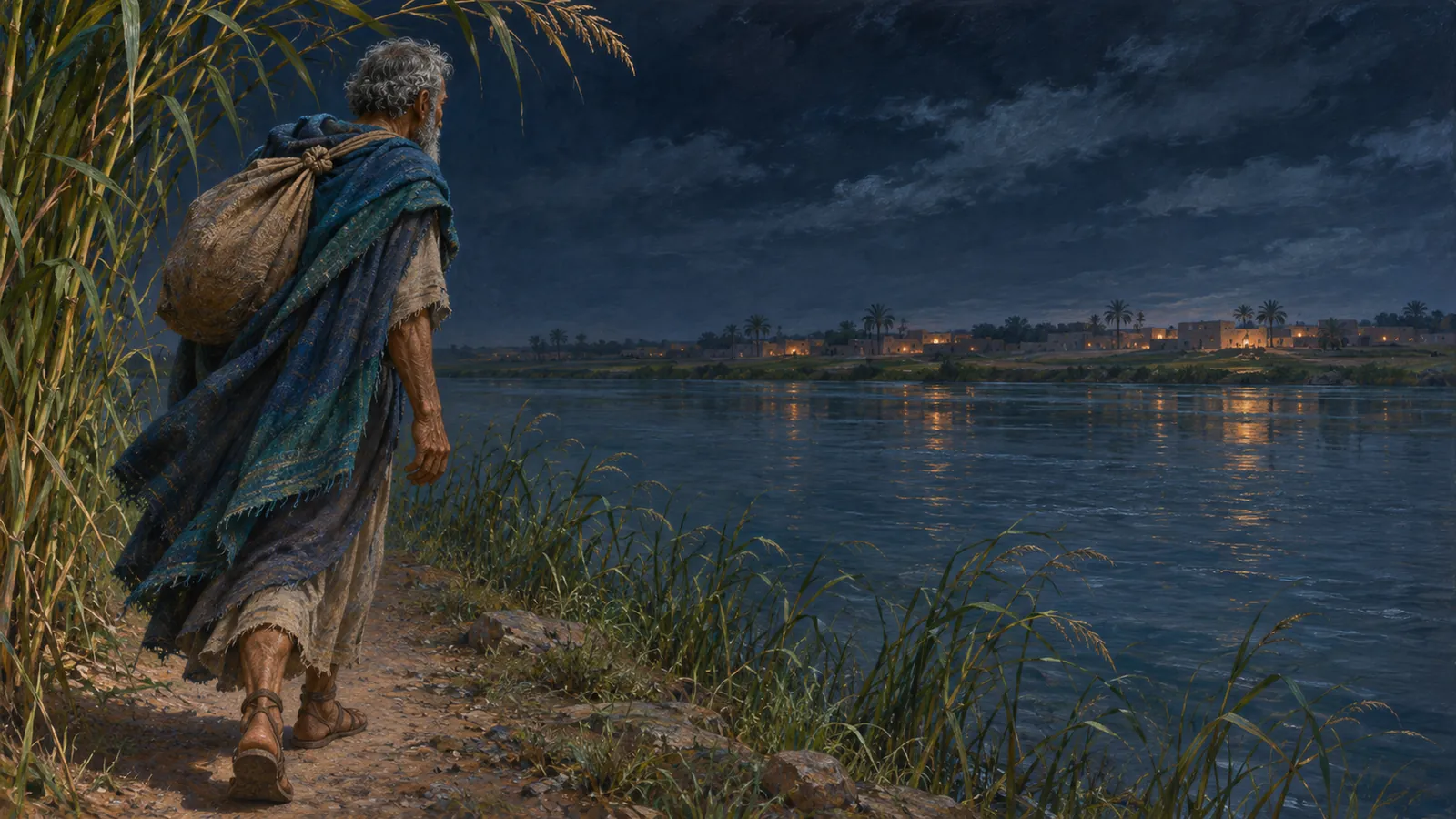
The scribe puts Nabonidus's flight directly after the entry on Sippar. We glimpse a king on the move. The clay gives no account of the route he took before he was captured.
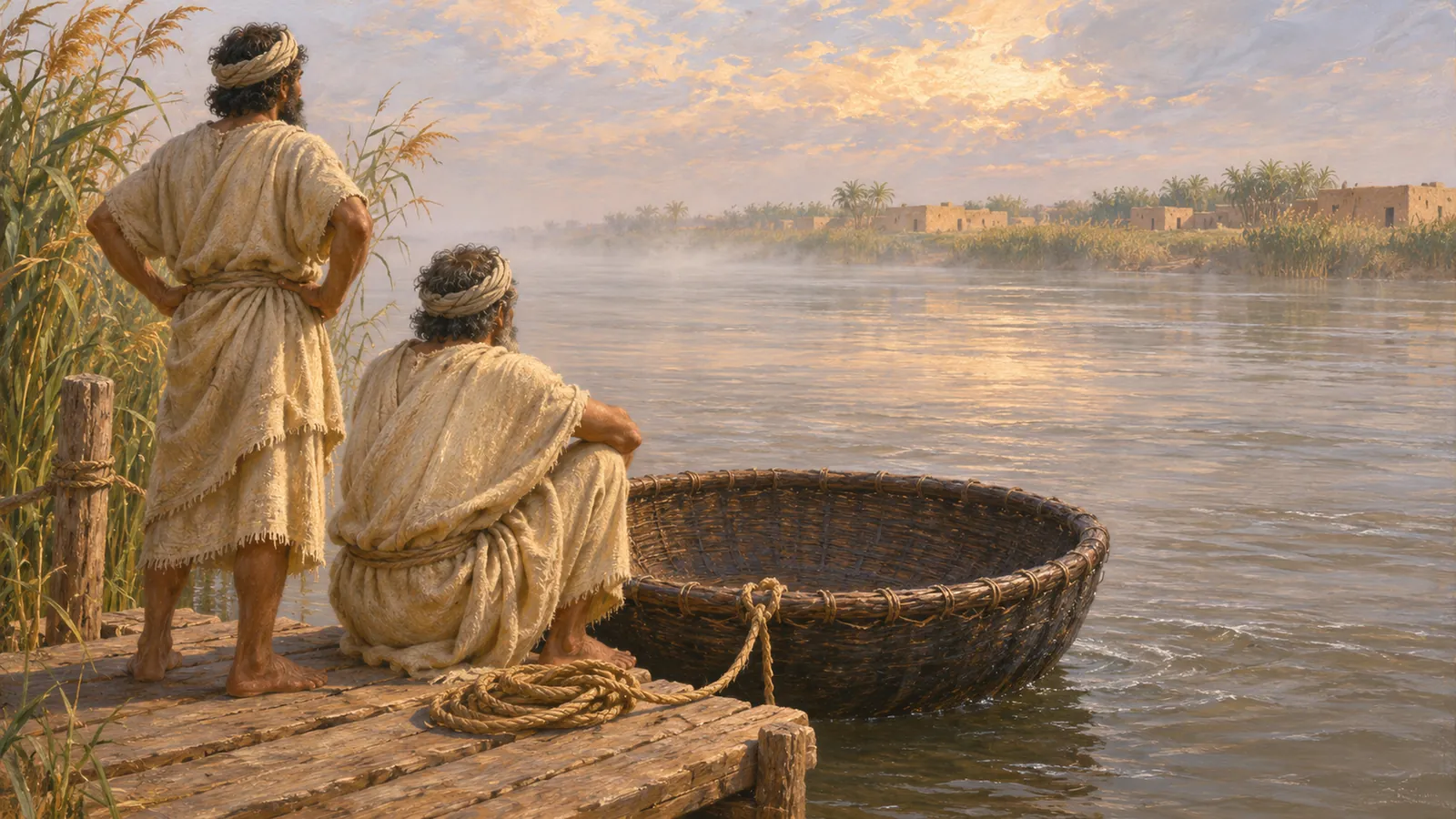
The chronicle advances from the fourteenth day to the sixteenth. Its focus moves downstream from Sippar to Babylon. The next name set down beside the date is that of a commander, Ugbaru, governor of Gutium.
TWO ARRIVALS
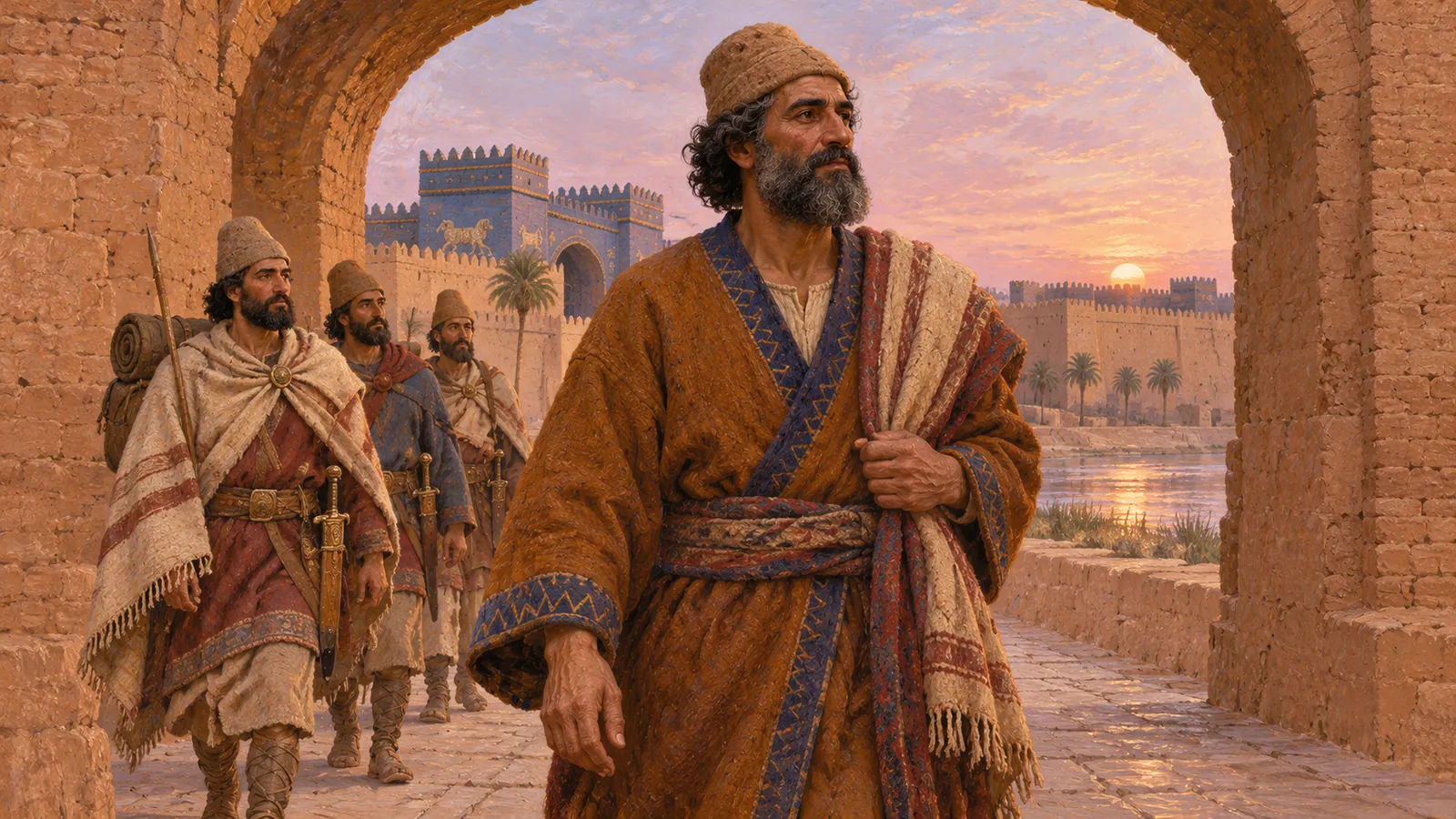
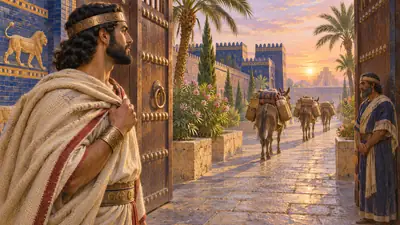
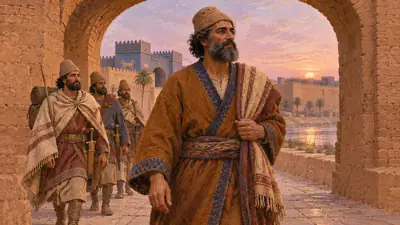
On the sixteenth day of Tashritu, Ugbaru and the troops of Cyrus entered Babylon. The chronicler gives their arrival the same plain description as the taking of Sippar. There was no battle at the entry.
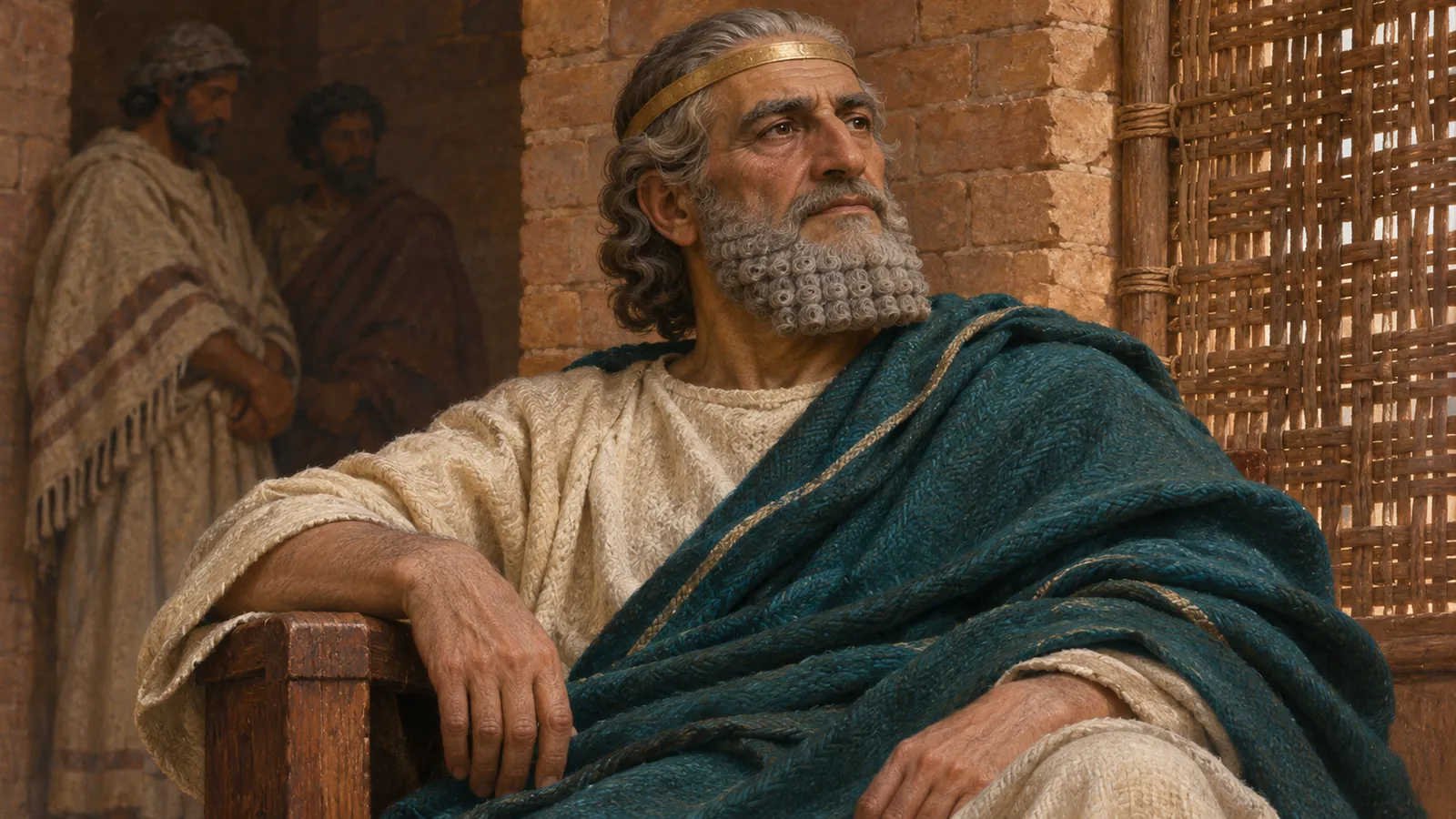
The chronicle places Nabonidus's capture in Babylon. Centuries later, a story attributed to Berossos named a different place for his surrender. His route between flight and capture remains uncertain.
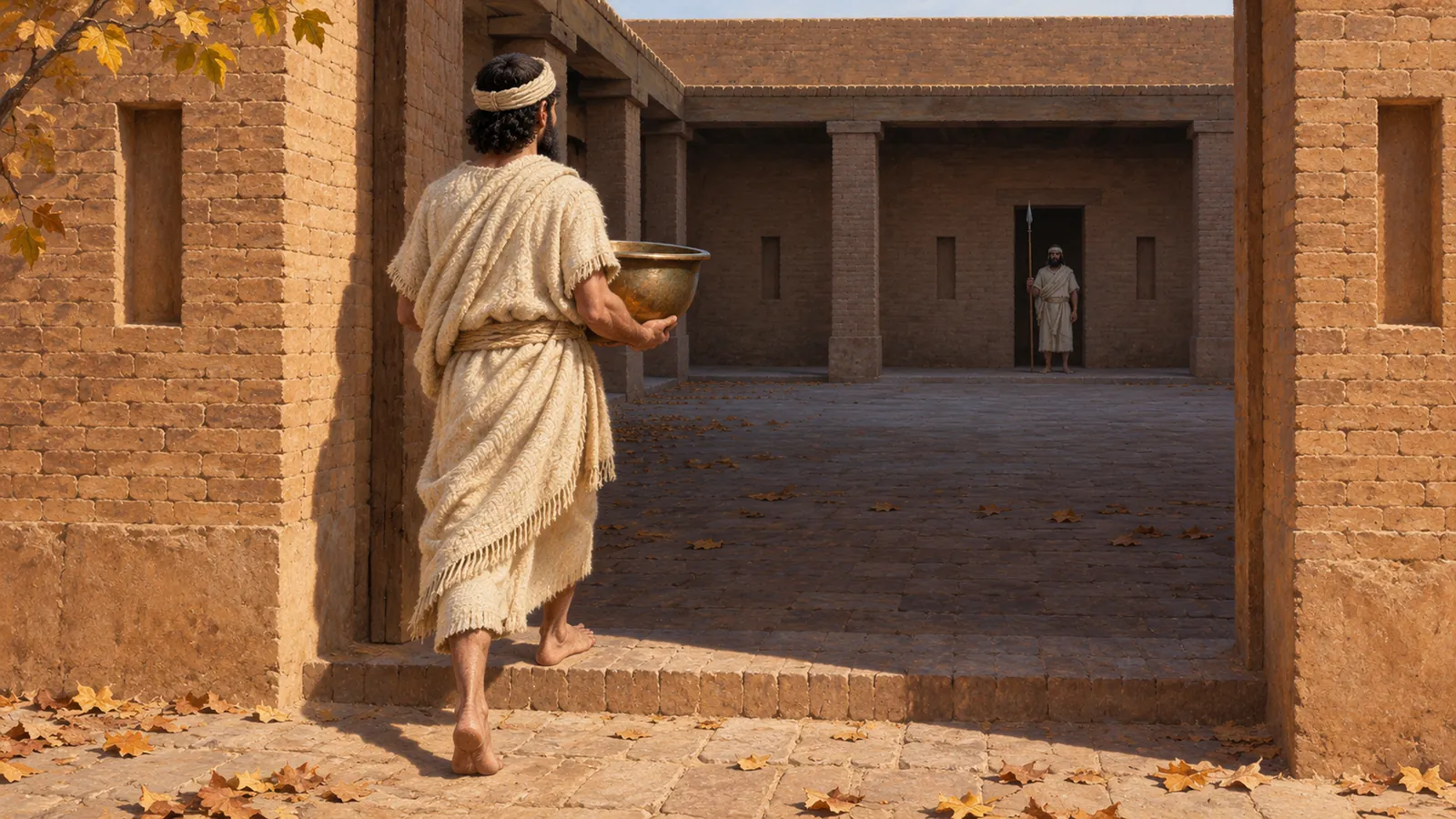
Troops from Gutium were posted at Esagil. The chronicler sets down a detail that mattered to its keepers. The rites continued to their appointed times during the change of rule.
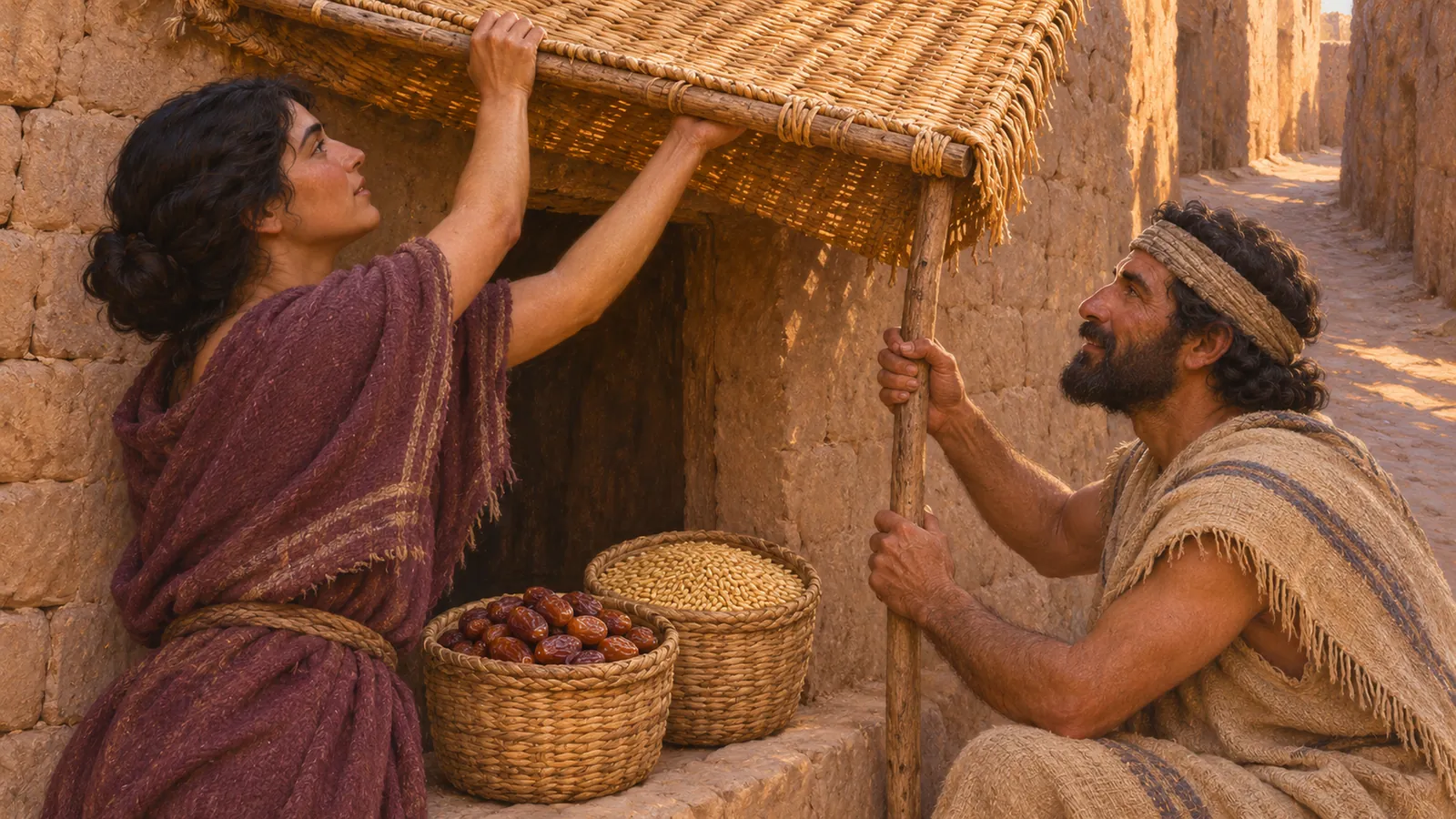
Ugbaru's entry put the city under the control of the Persian army. The scribe still had a separate arrival to record. The king who commanded that army would enter Babylon himself in the following month.
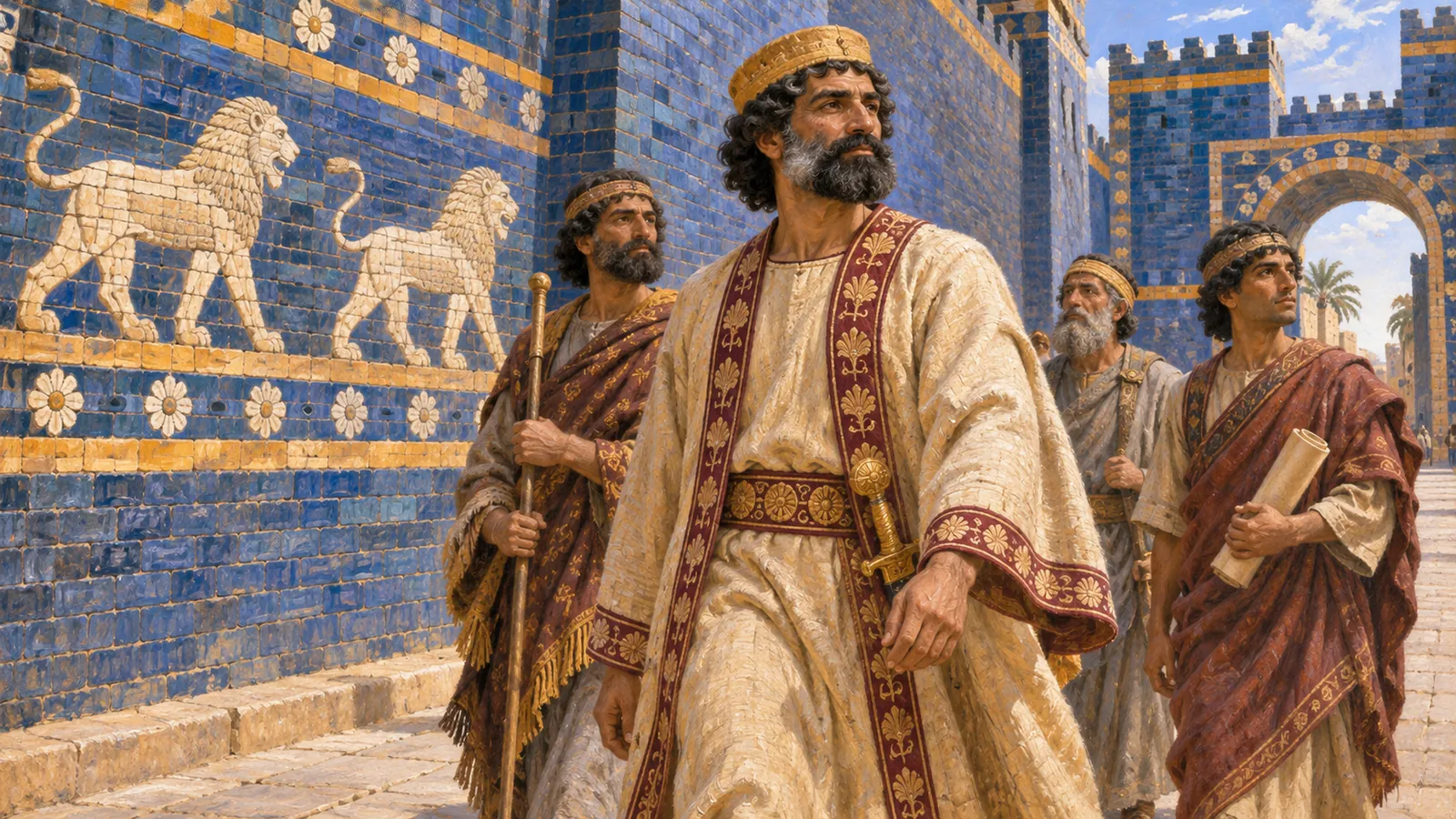
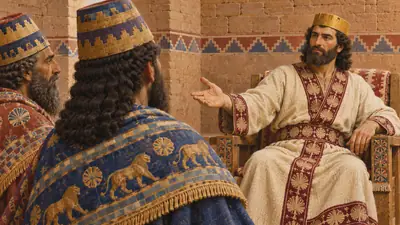
On the third of Arahsamna, Cyrus came into Babylon. More than two weeks had passed since the army's entry. The chronicle now describes a peaceful city and records the new king's greeting to Babylon.
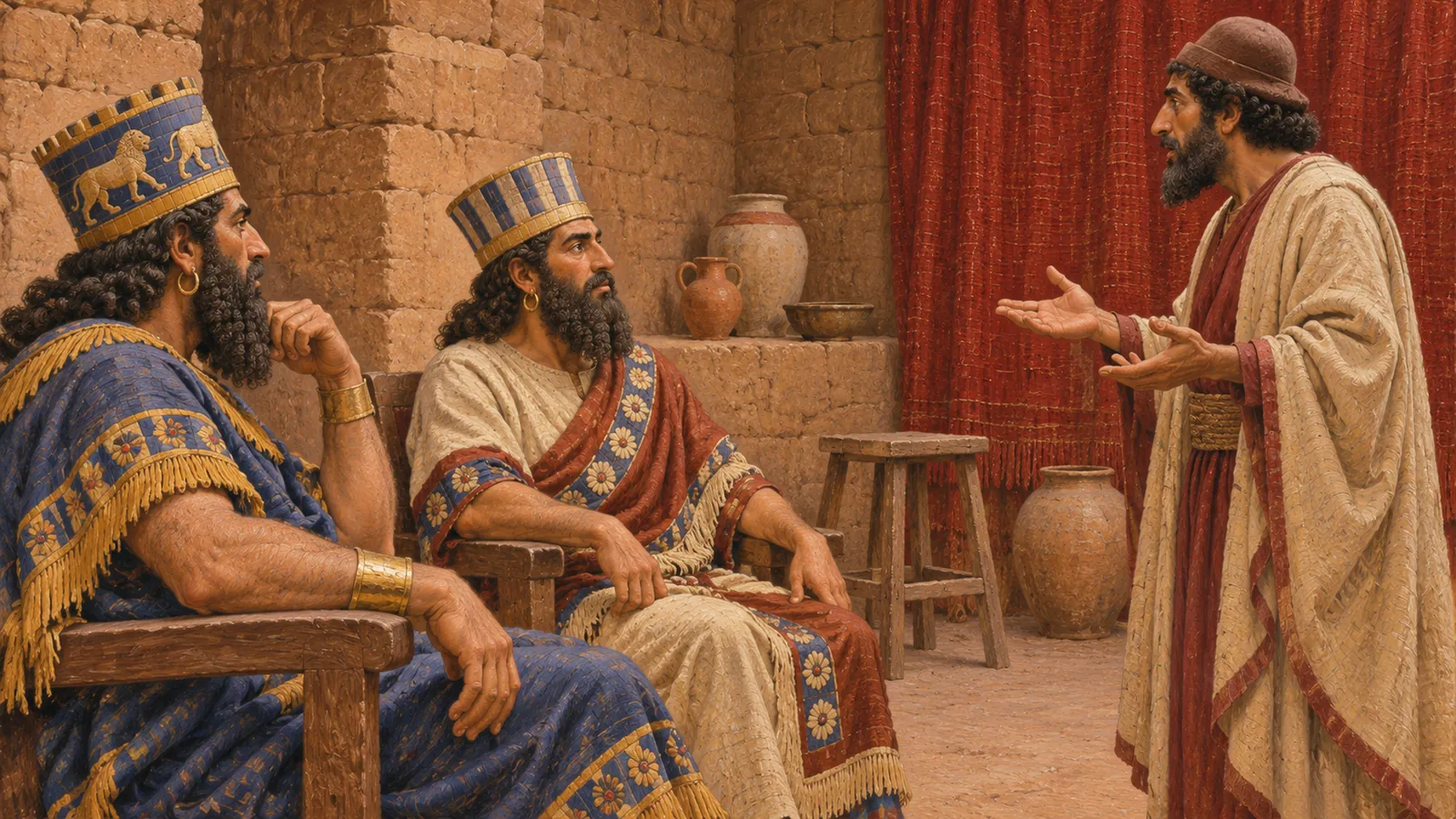
Then came the work of appointing officials. In its notice about who made the appointments, the tablet gives a name close to Ugbaru's. Both names have to be read carefully.
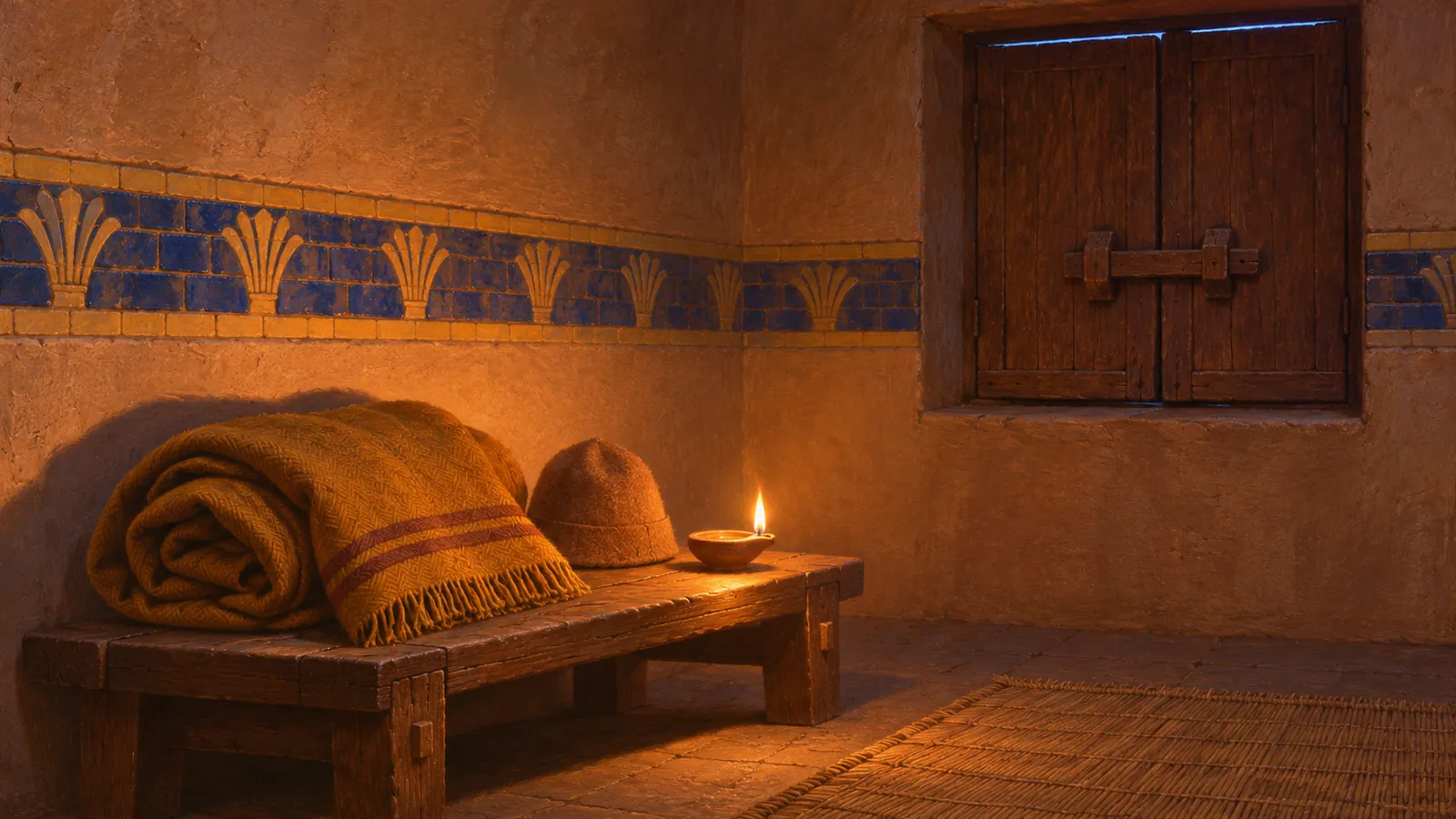
On the night of the eleventh of Arahsamna, the chronicle records Ugbaru's death. The commander who led the army into Babylon died eight days after Cyrus entered.
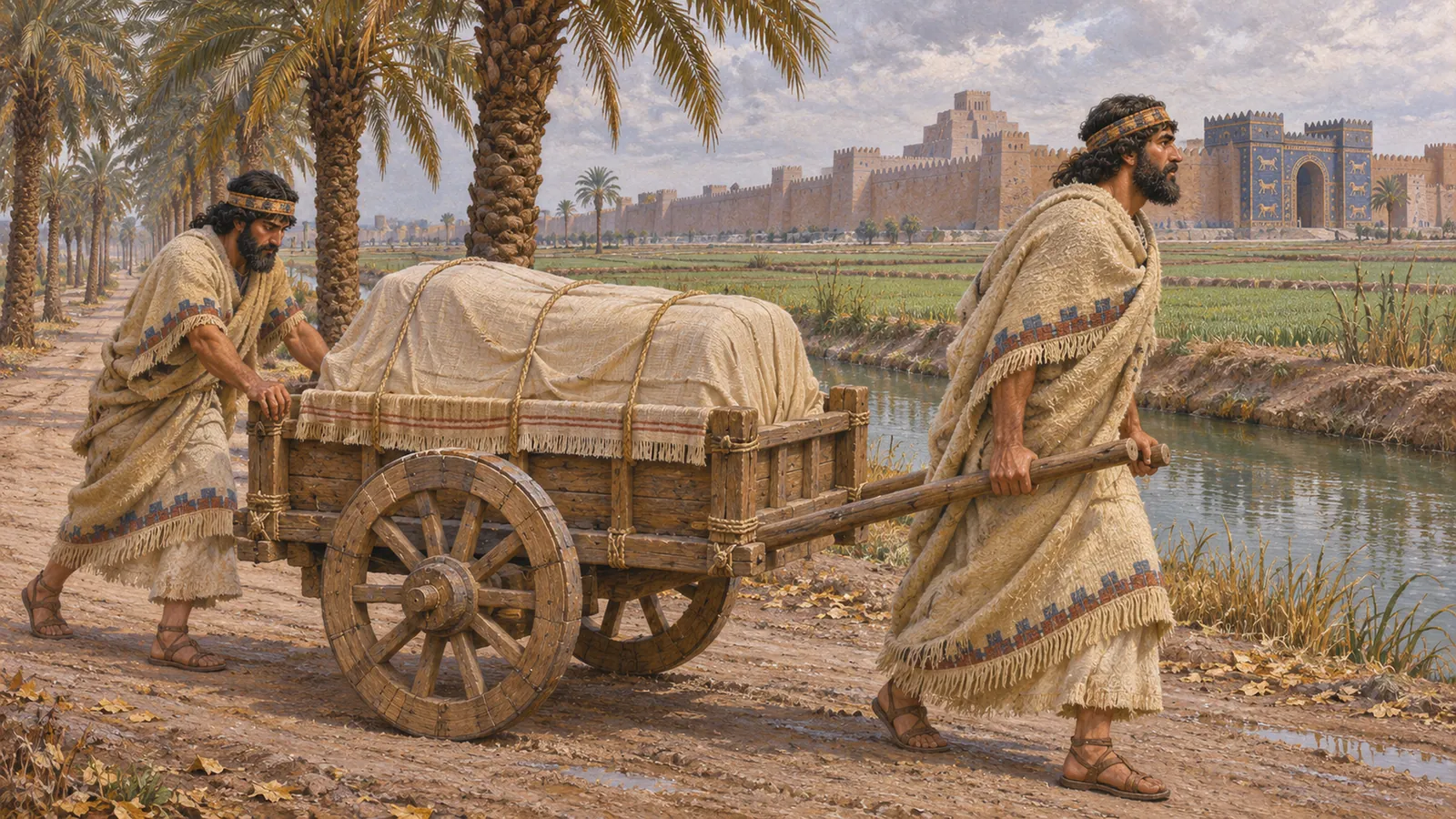
From Kislimu to Addaru, the sacred images that Nabonidus brought to Babylon went back to their places. One brief notice in the chronicle covers many journeys.
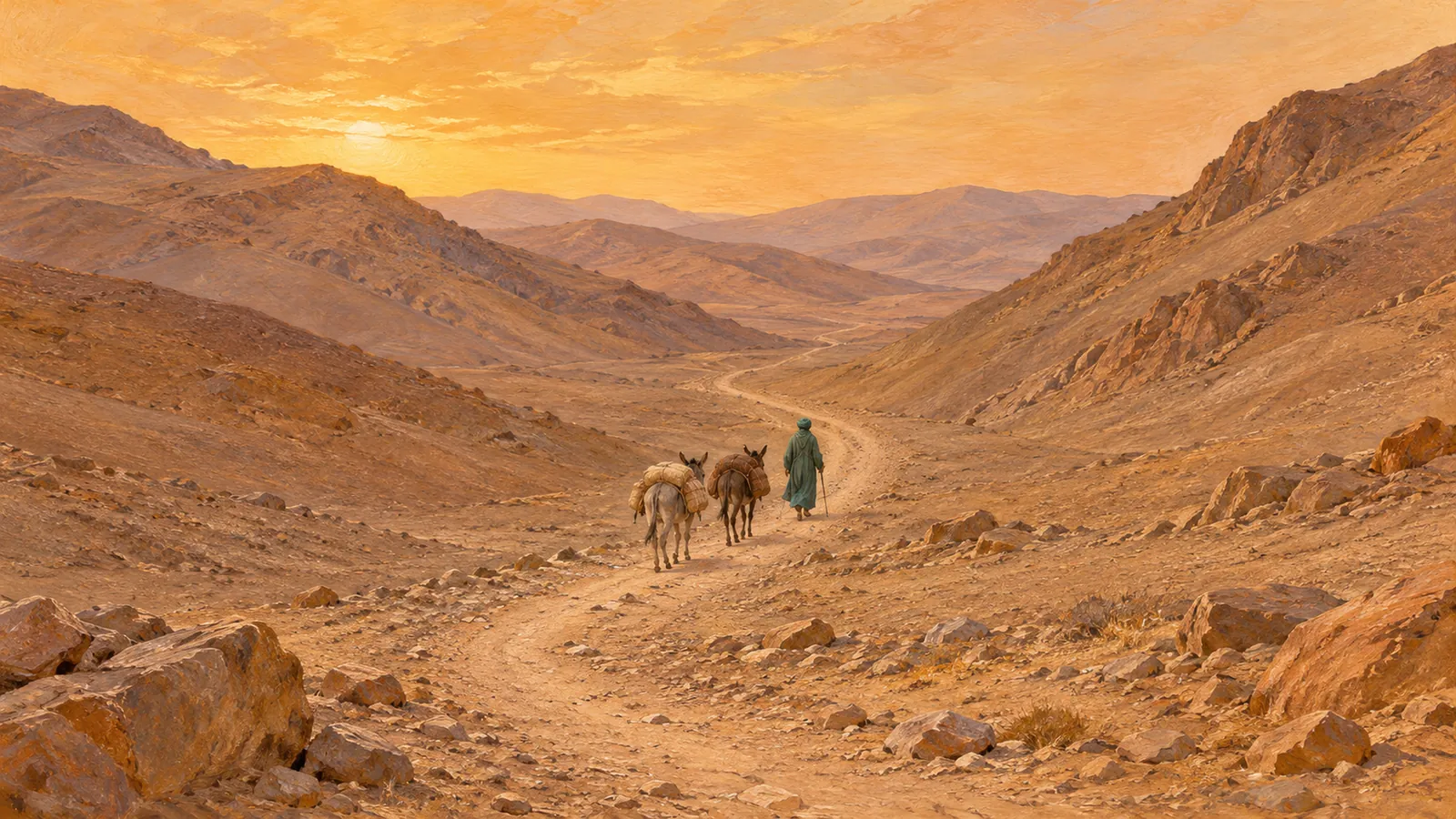
One later tradition says Cyrus sent Nabonidus to live in Carmania. The chronicle has already left him behind. For the last Babylonian king before the Persian conquest, the account nearest these events gives us very little of what followed.

The surviving entry on Babylon's fall says nothing about Belshazzar's fate. The prince is vivid in the earlier years, in line after line that places him at home. His last days fall outside the part this chronicle tells.
THE NEW KING’S ACCOUNT
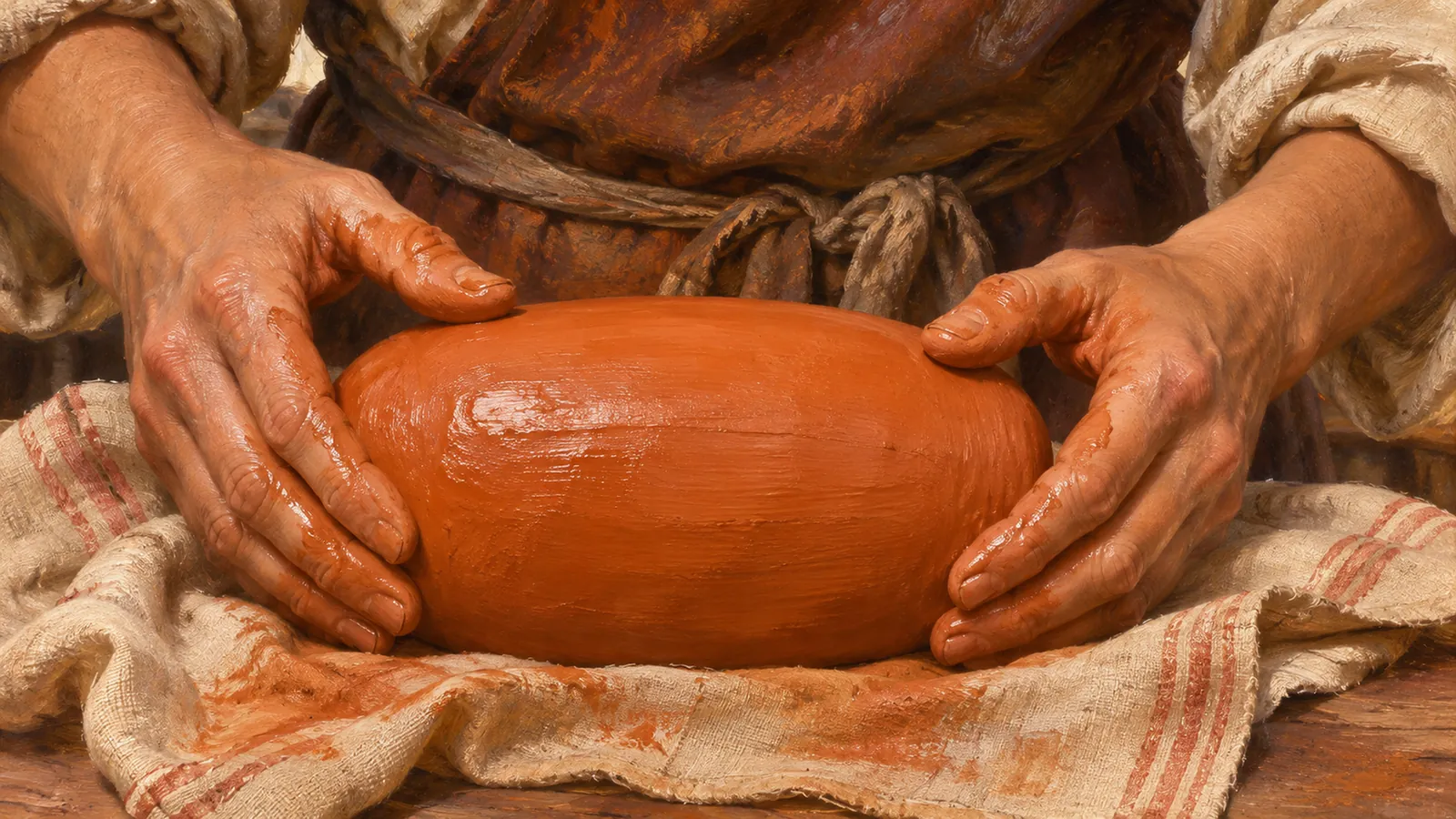
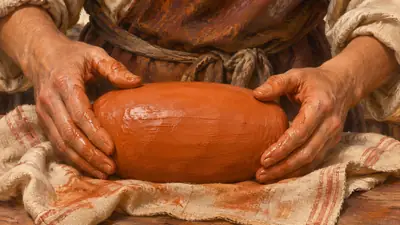
Another object tells the new king's version. Scribes placed a Babylonian inscription on a barrel-shaped clay cylinder in Cyrus's name. It was meant to be deposited in a building foundation and survive the people who had made it.
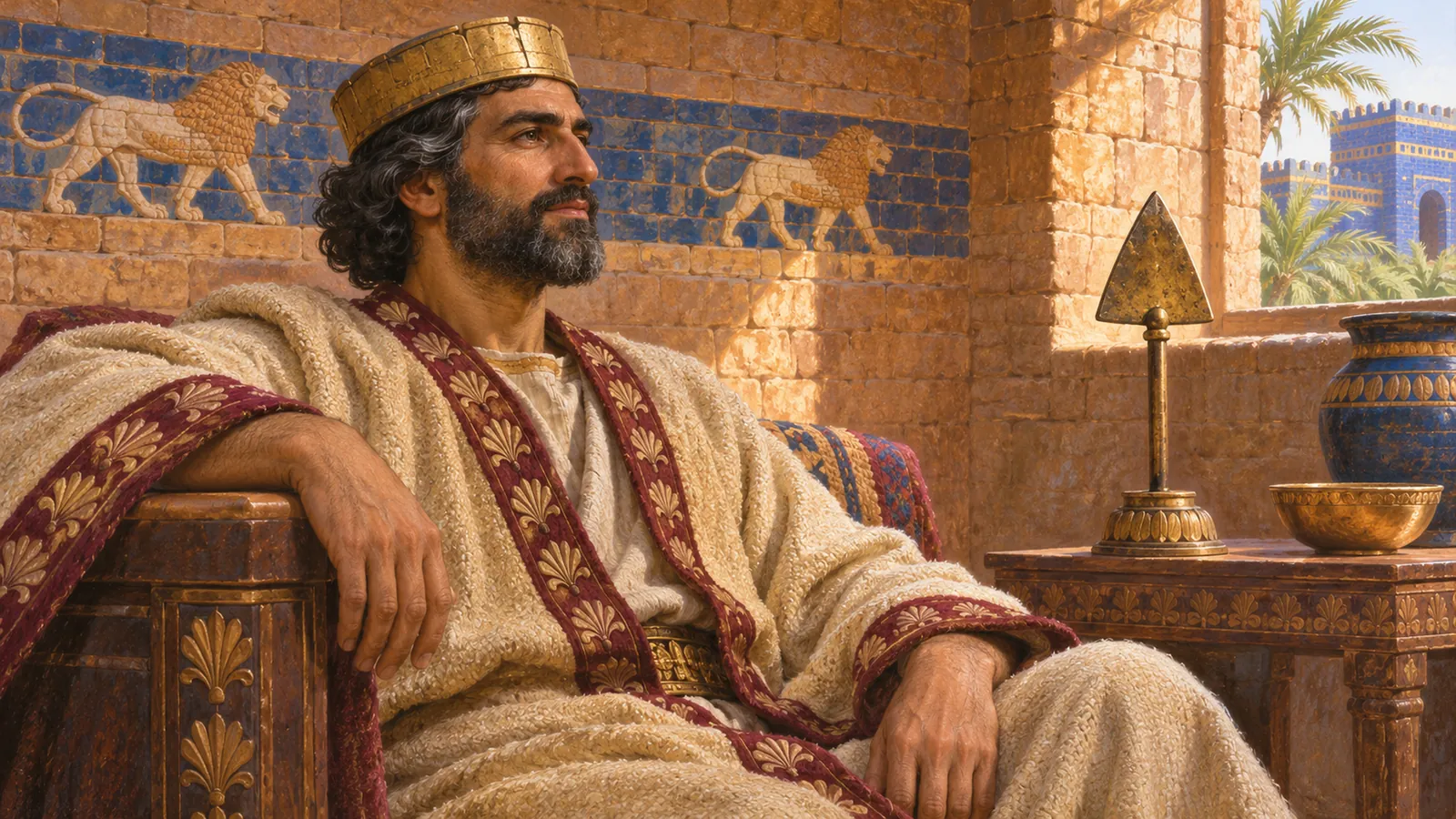
In the cylinder's telling, Marduk chose Cyrus and led him to Babylon. The story presents a Persian ruler as the choice of Babylon's own great god.
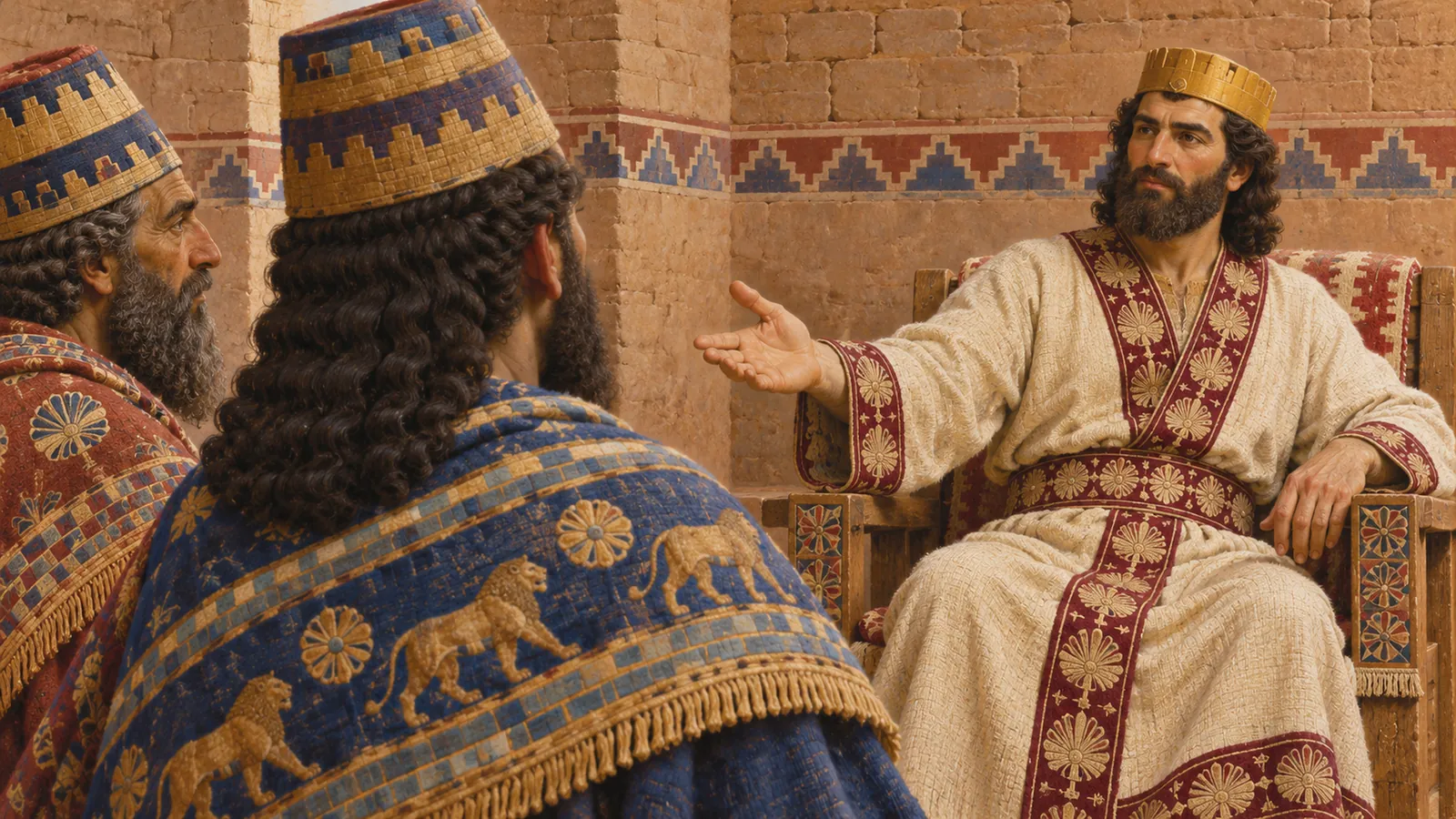
The cylinder presents Cyrus as king of Babylon and king of the four quarters. The forms of address would have been familiar from earlier Mesopotamian rulers. Here they belong to the man who defeated the dynasty that had used them.
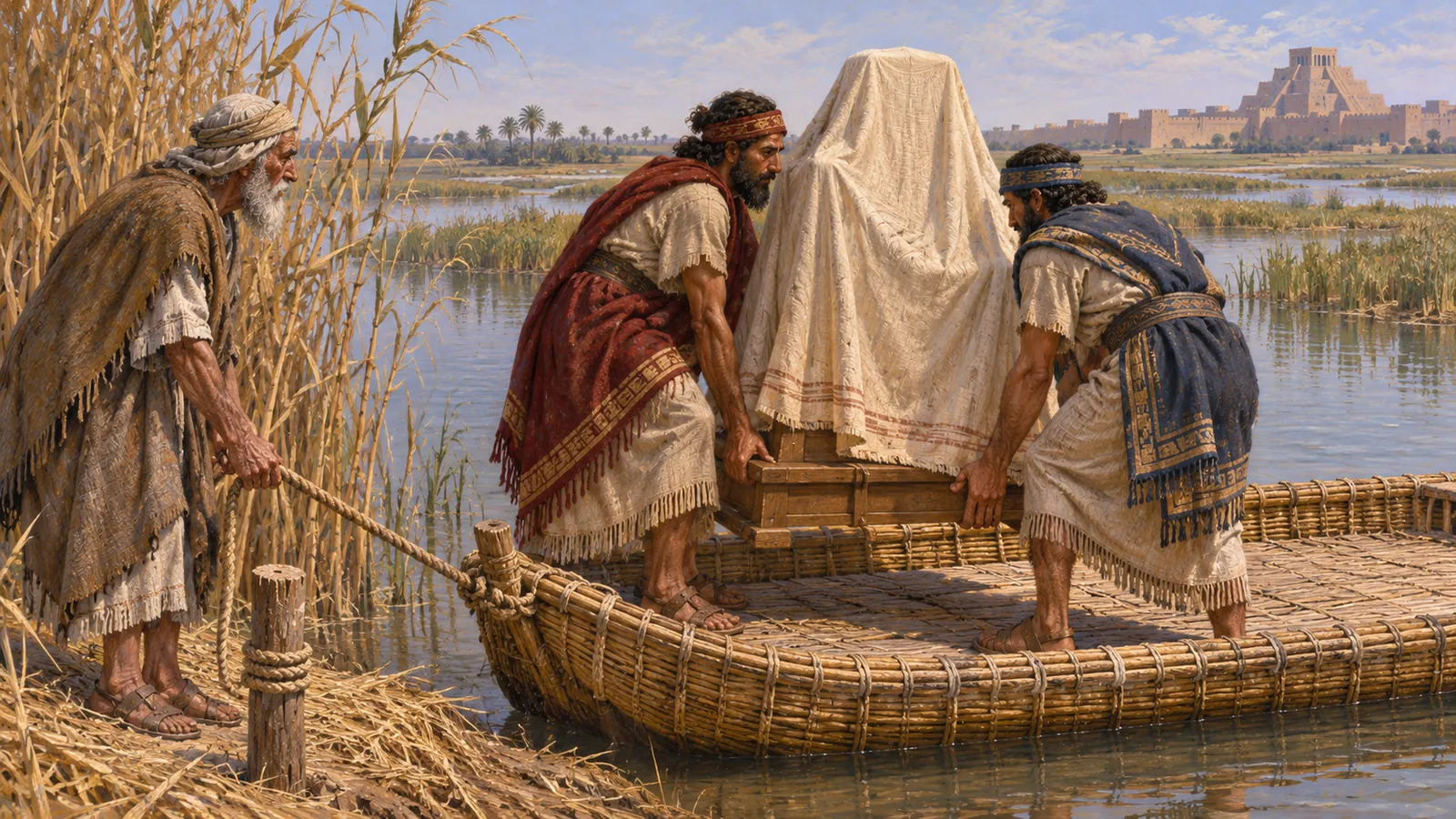
Cyrus's inscription also credits him with restoring sacred images to their homes. It names places beyond the towns in the Chronicle. The journeys mattered to both accounts.
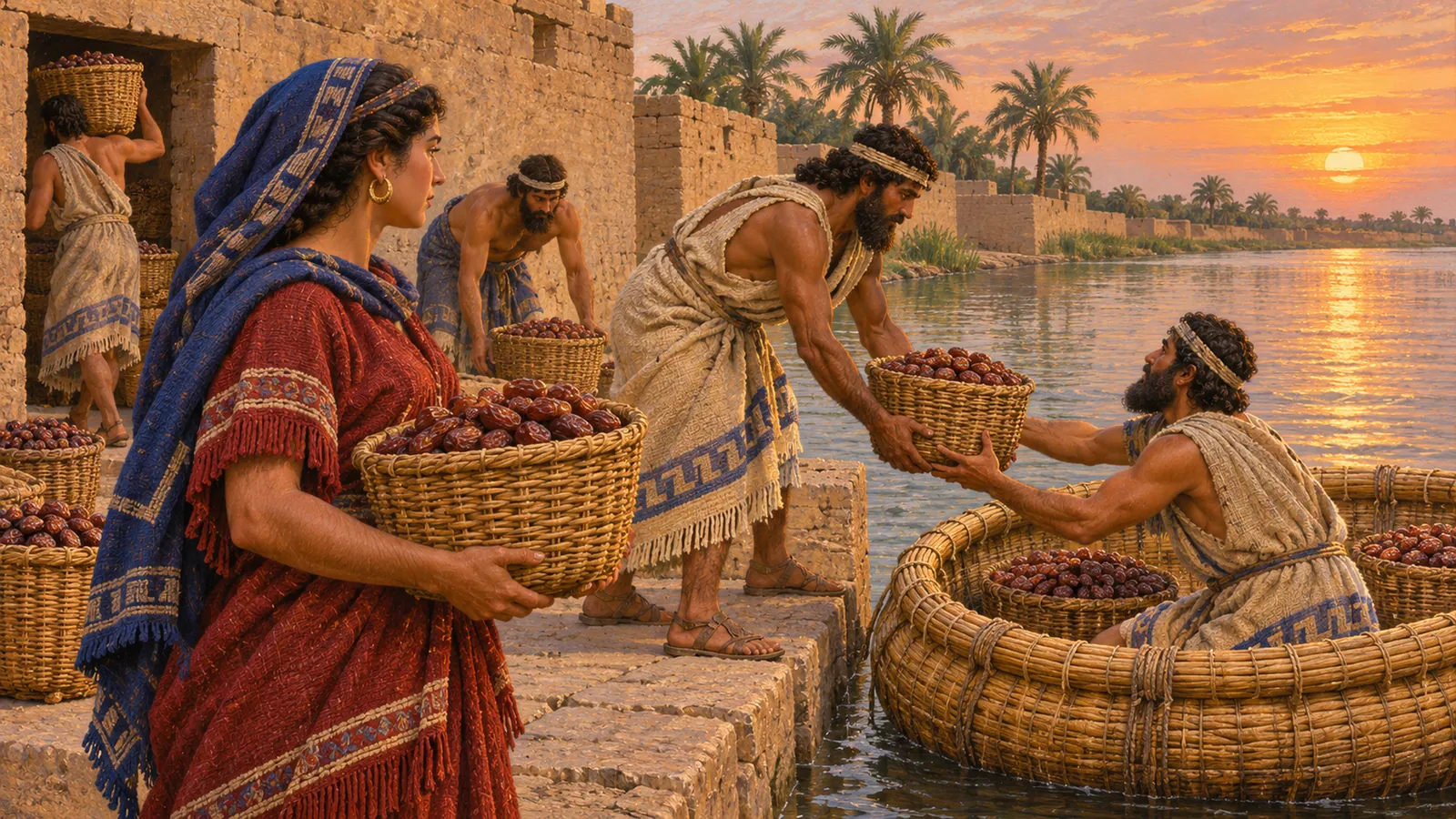
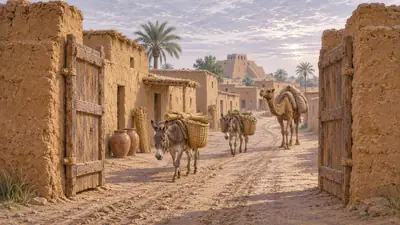
In 539 BCE Babylon became part of Cyrus's empire. Its people still crossed the Euphrates, made offerings and recorded their business on clay. The same river linked the neighborhoods after the two entries as it had before.
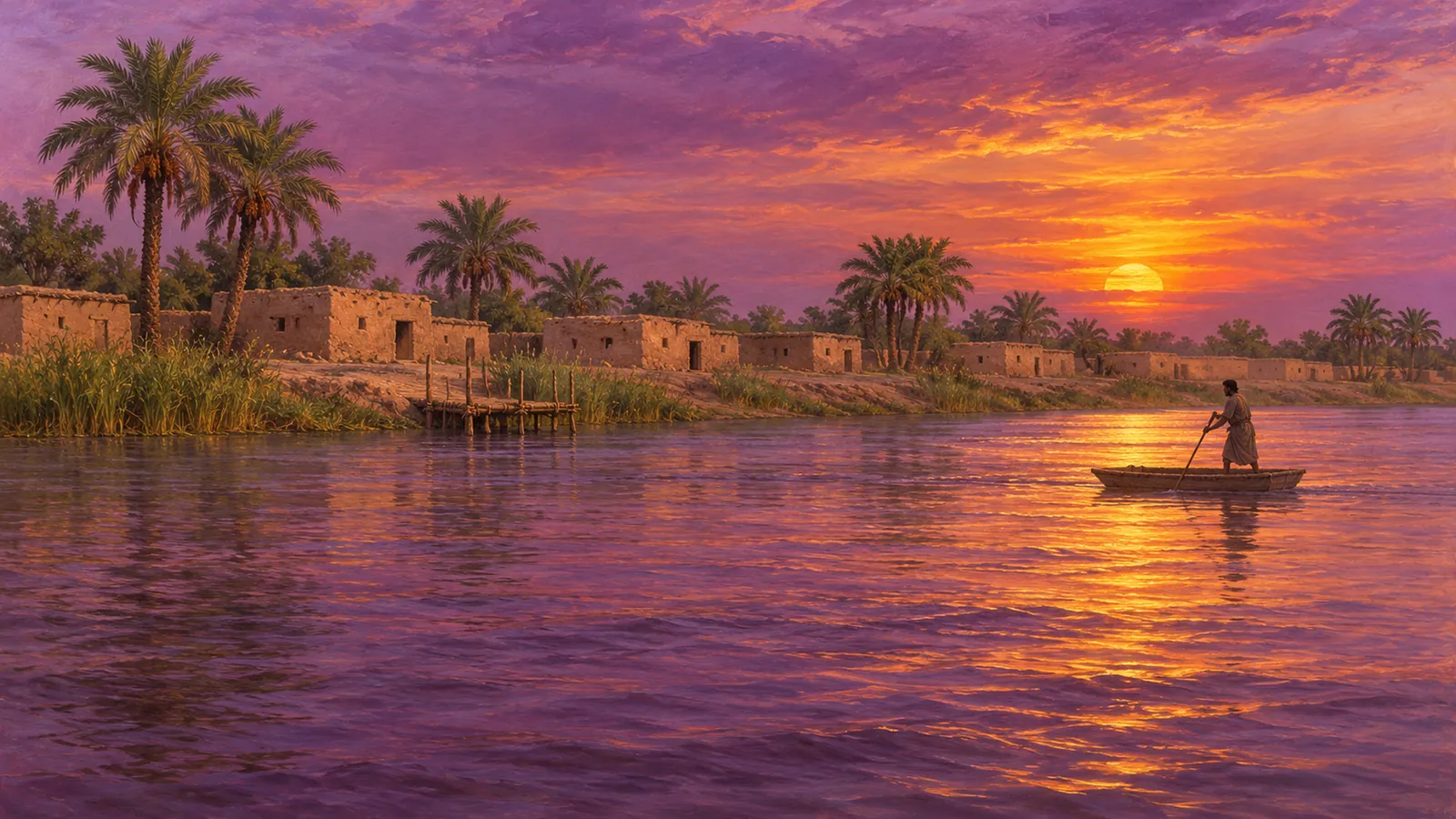
The writer of the chronicle left room for two arrivals. One brought Cyrus's army into Babylon. The other brought the king. Nearby on the clay sit the names of temples and their keepers.
End of chapter 1
All pages



Sources
Editions consulted
- British Museum object: Nabonidus Chronicle, BM 35382 (Sp II 964), ABC 7, ed. A. Kirk Grayson, *Assyrian and Babylonian Chronicles*, pp. 104–11. Columns ii–iii provide the chronological backbone.
- CDLI P388185
- Akkadian text, Late Babylonian Priestly Literature Project
- Grayson translation
- Open edition: Frauke Weiershäuser and Jamie Novotny, *The Royal Inscriptions of Amēl-Marduk, Neriglissar, and Nabonidus*, RINBE 2 (2020), historical introduction pp. 5–13 and Nabonidus 47 (Harran Stele).
- Publisher’s introduction
- ORACC Q005444
- A. Leo Oppenheim’s translation: *Verse Account of Nabonidus*, BM 38299, especially i 1–8 and ii 5–8. Ed. Hanspeter Schaudig, *Die Inschriften Nabonids von Babylon und Kyros’ des Großen*, P1, pp. 563–78.
- Persia & Babylonia project discussion
- British Museum object: Cyrus Cylinder, BM 90920 with the joined fragment from NBC 2504. Lines 11–26.
- CDLI P386349
- Museum translation by Irving Finkel, hosted by the Met
- Akkadian text and translation in the appendix of Van der Spek’s 2014 study
- Nabonidus 28, Sippar cylinder: , ed. Weiershäuser and Novotny. Column i identifies Nabonidus’s father and presents the history of the Harran sanctuary.
- Nabonidus 47, Harran stele: , ed. Weiershäuser and Novotny. Nabonidus describes his years in Arabia in col. i and col. ii.
- Adad-guppi 1: , ed. Weiershäuser and Novotny. The Harran text recounts the queen mother’s life and gives her religious affiliations.
- Taymāʾ II, Section 1: and [DAI archaeological report on Nabonidus in Arabia](https://www.dainst.org/en/departments/orient-department/research/topics-outlook/research-arabian-peninsula). These publications document inscriptions from the oasis and surrounding area in several scripts.
- Metropolitan Museum exhibition on the Cyrus Cylinder: , object and historical context.
Ancient lines behind each page
- Page 1: RINBE 2 historical introduction pp. 5–13; Nabonidus Chronicle BM 35382 ii–iii; Cyrus Cylinder BM 90920
- Page 2: Nabonidus Chronicle BM 35382, ABC 7, cols. i–iii
- Page 3: RINBE 2 historical introduction pp. 5–6; Nabonidus 28 i 1–6
- Page 4: Nabonidus 28 i 7–22, RINBE 2
- Page 5: Nabonidus 47 i 1–26 and ii 10–11
- Page 6: Nabonidus Chronicle ii 5–7; Verse Account ii 5–6
- Page 7: Nabonidus Chronicle ii 5, 10, 19, 23
- Page 8: Taymāʾ II, introduction and section 1; RINBE 2 pp. 6–7
- Page 9: Taymāʾ II section 1; DAI Research in the Arabian Peninsula, Nabonidus in Arabia
- Page 10: Nabonidus 47 i 22–26 and ii 10–11
- Page 11: Verse Account ii 5–9
- Page 12: Verse Account ii 7–9; Taymāʾ II section 1
- Page 13: RINBE 2 historical introduction pp. 6–7
- Page 14: Nabonidus Chronicle ii 1–4
- Page 15: Nabonidus Chronicle ii 15–18
- Page 16: Nabonidus Chronicle ii 5–7, 10–12, 19–21, 23–25
- Page 17: Nabonidus Chronicle ii 6, 11, 20, 24 and iii 5
- Page 18: Nabonidus Chronicle ii 6, 11, 20, 24
- Page 19: Nabonidus Chronicle ii 7–8, 12, 20–21, 24–25
- Page 20: Nabonidus Chronicle ii 7–8
- Page 21: Nabonidus Chronicle ii 13–15
- Page 22: Adad-guppi 1, RINBE 2 Q005471 i–ii
- Page 23: Nabonidus Chronicle ii 13–15
- Page 24: Verse Account i 5–8 and ii 2–4
- Page 25: Nabonidus Chronicle ii 25–iii 5
- Page 26: Nabonidus Chronicle iii 5–8
- Page 27: Nabonidus Chronicle iii 5–12
- Page 28: Nabonidus Chronicle iii 9–12
- Page 29: Nabonidus Chronicle iii 11–12
- Page 30: Nabonidus Chronicle iii 12–14
- Page 31: Nabonidus Chronicle iii 12–16
- Page 32: Nabonidus Chronicle iii 14–15; RINBE 2 p. 13
- Page 33: Nabonidus Chronicle iii 14–16
- Page 34: Nabonidus Chronicle iii 14–16
- Page 35: Nabonidus Chronicle iii 15–16
- Page 36: Nabonidus Chronicle iii 16; RINBE 2 p. 13
- Page 37: Nabonidus Chronicle iii 16–18
- Page 38: Nabonidus Chronicle iii 15–19
- Page 39: Nabonidus Chronicle iii 18–19
- Page 40: Nabonidus Chronicle iii 19–20; RINBE 2 pp. 12–13
- Page 41: Nabonidus Chronicle iii 21–22
- Page 42: Nabonidus Chronicle iii 21–22
- Page 43: RINBE 2 p. 13, citing Berossos fr. 10
- Page 44: Nabonidus Chronicle ii 5, 10, 19, 23 and iii 15–23
- Page 45: Cyrus Cylinder BM 90920, Finkel, British Museum translation; Metropolitan Museum exhibition catalogue
- Page 46: Cyrus Cylinder ll. 11–19
- Page 47: Cyrus Cylinder ll. 20–22
- Page 48: Cyrus Cylinder ll. 30–34; Nabonidus Chronicle iii 21–22
- Page 49: Nabonidus Chronicle iii 18–22; RINBE 2 p. 13
- Page 50: Nabonidus Chronicle iii 14–22
Illustrations made with AI tools by IL Archive; the text is based on the ancient sources (see the sources at the end of each chapter).