The Plague Prayers of Mursili Chapter 2
May the Towns Live
What becomes of the temples when the people who make the bread are gone? Mursili speaks to Arinna and to groups of gods from many towns. The last tablet breaks off while the old agreement with Egypt is still under dispute.
SourcesTurn the pages with the arrows, the arrow keys or a swipe.
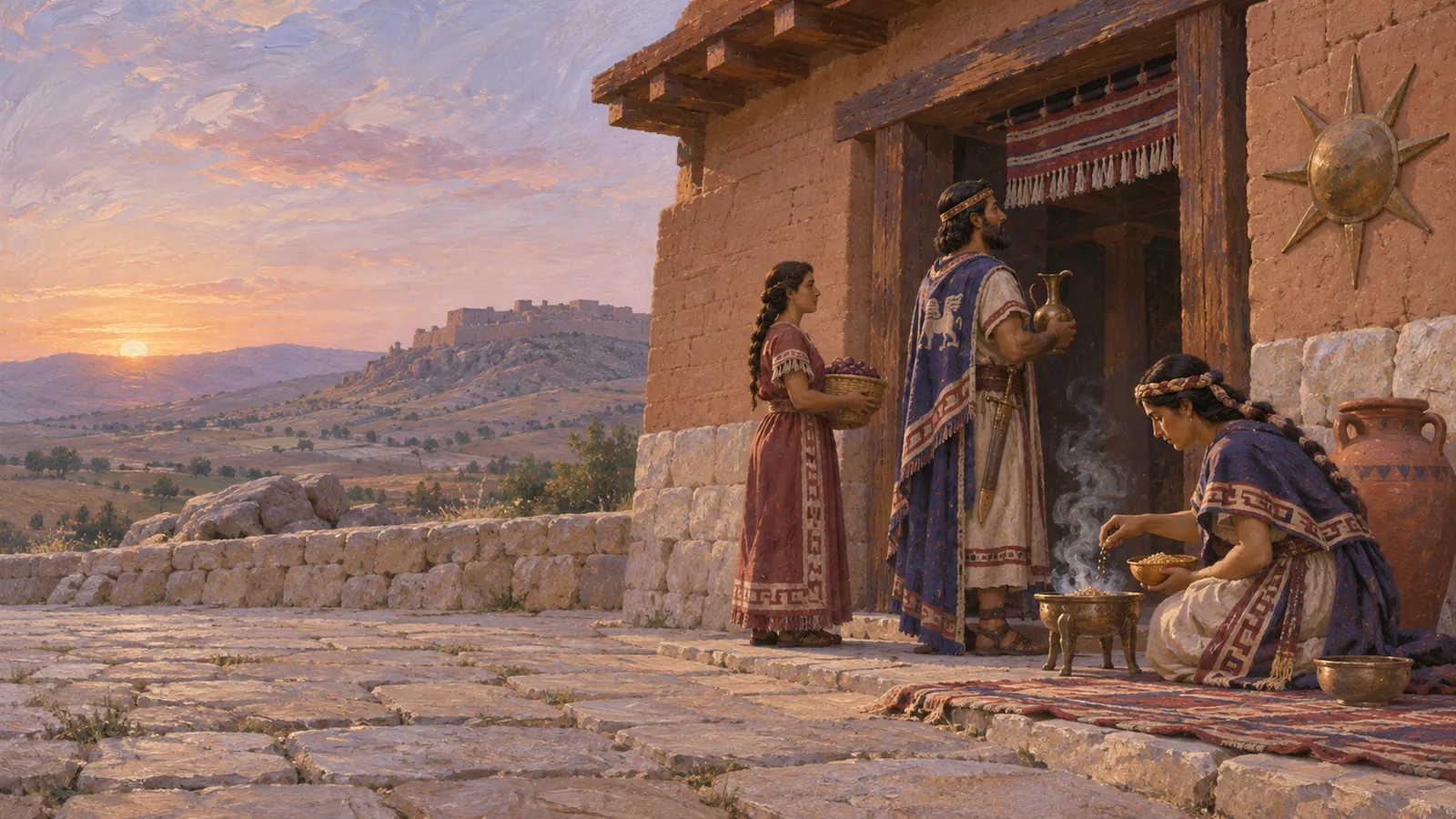
MAY THE TOWNS LIVE
Mursili turns to the Sun Goddess of Arinna. One single-column copy preserves the appeal. From the first lines he asks how such suffering reached Hatti.
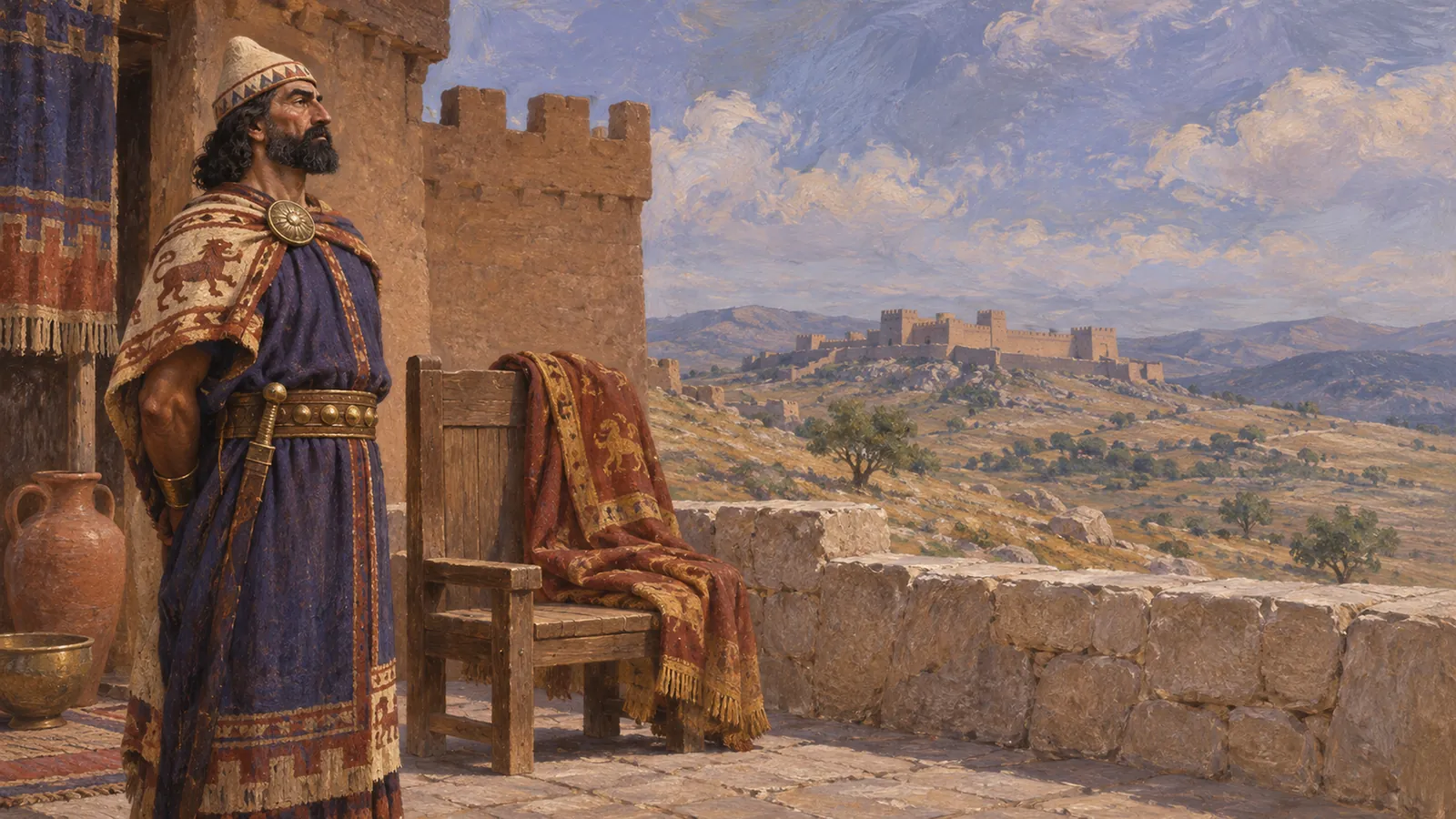
Mursili says the illness began in his father’s reign and continued in his brother’s. He became priest and king, and the deaths went on. He counts twenty years.
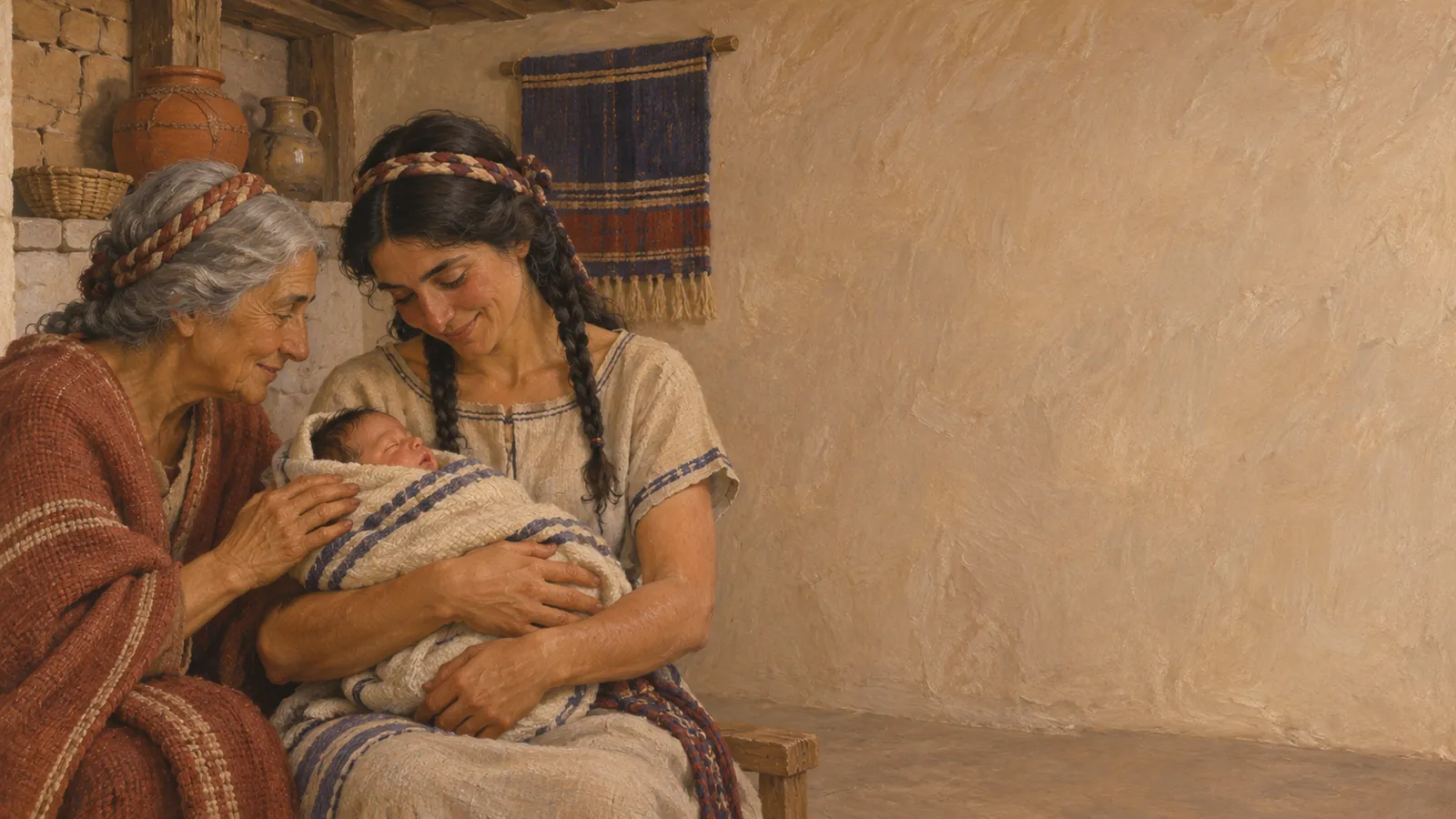
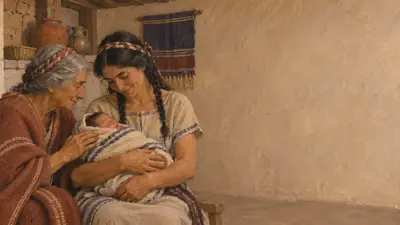
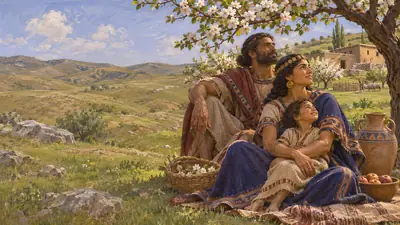
A child is born. Another grows up and may never grow old. The broken lines trace the ages of a life.
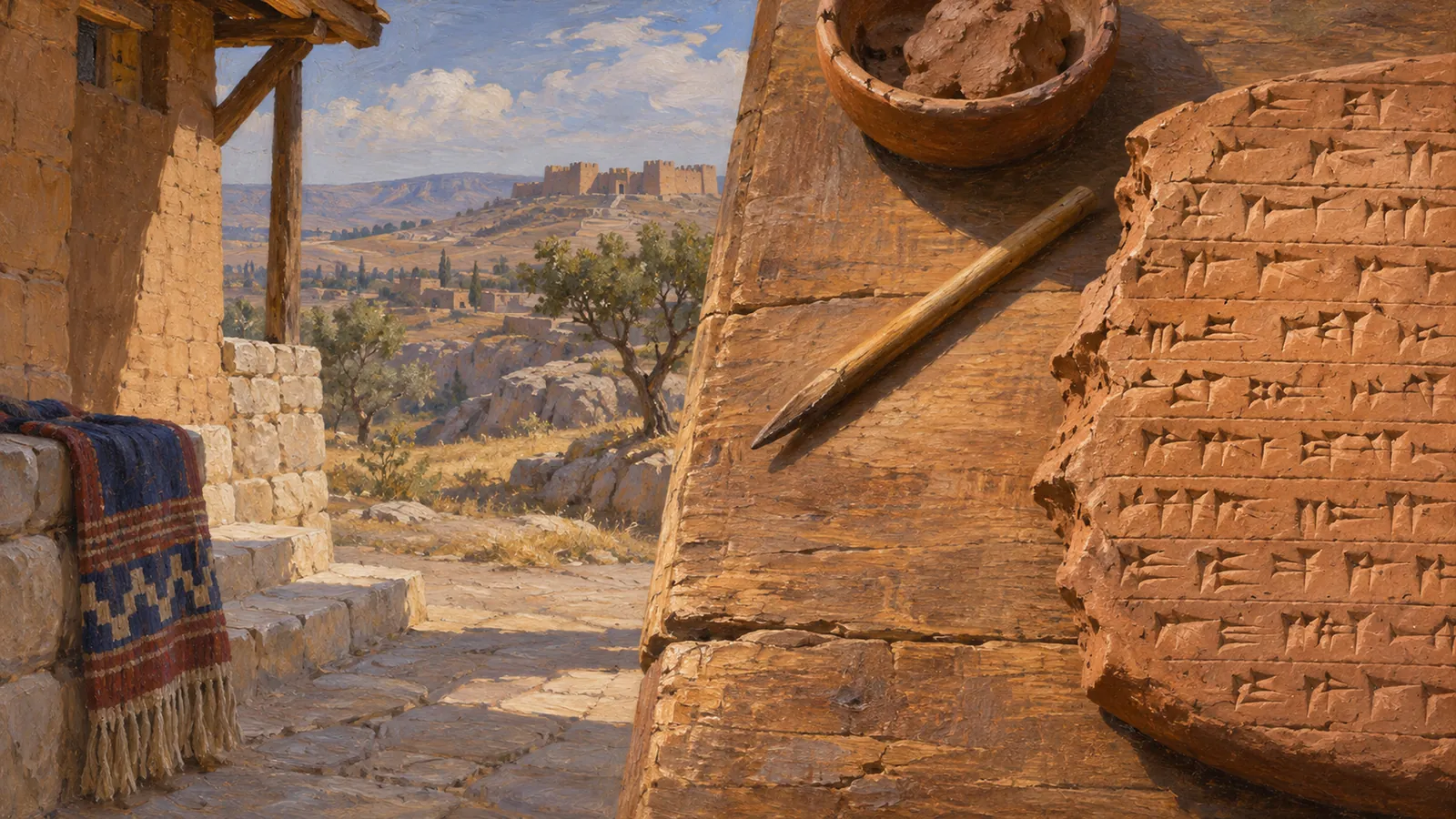
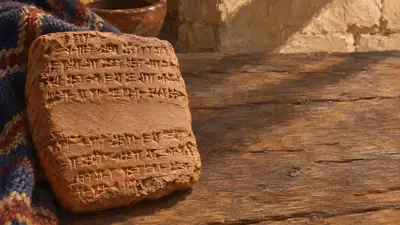
The tablet loses the rest of one side and much of the other. Where the words return, Mursili asks to be heard and to be relieved of anguish.
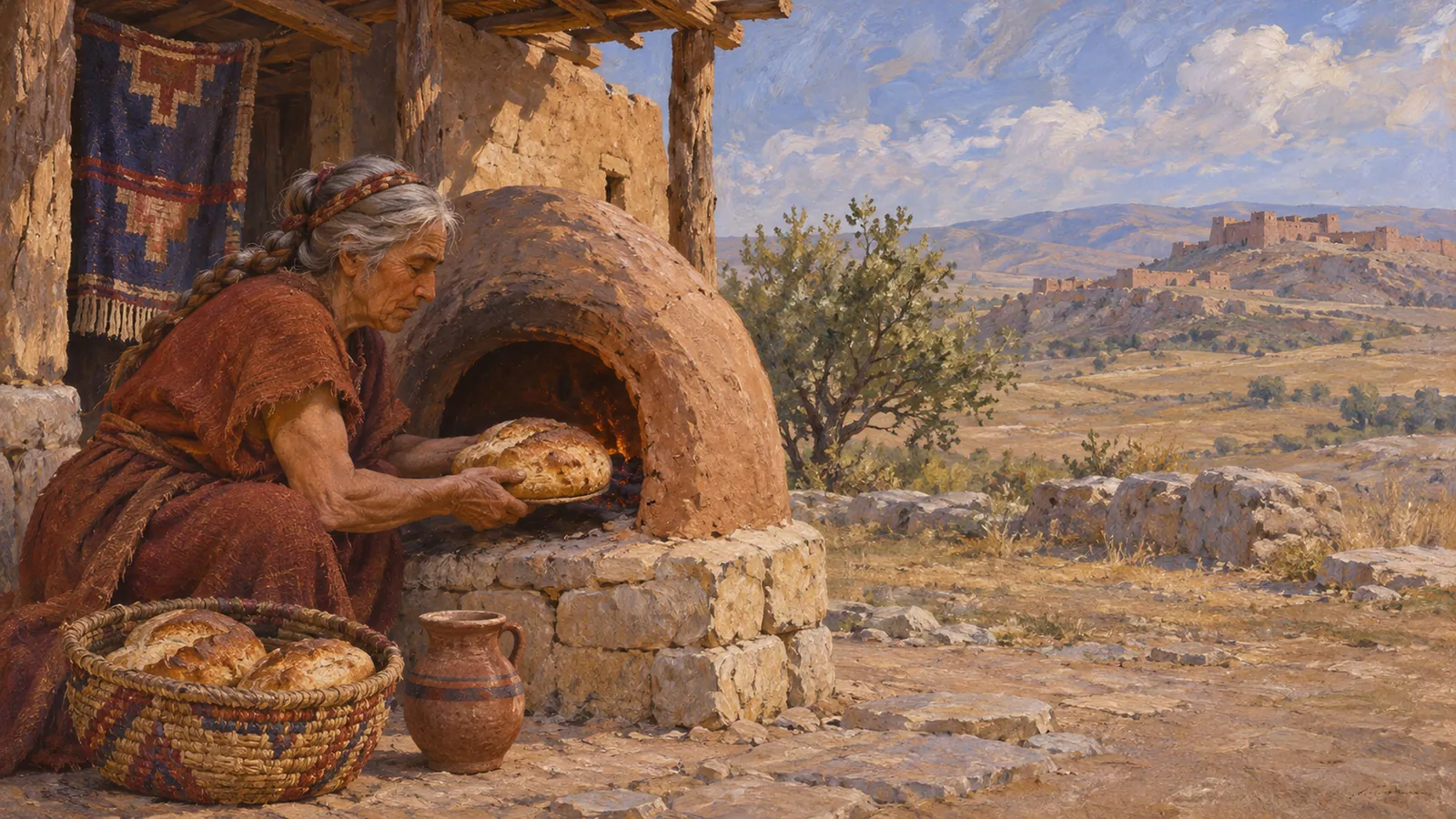
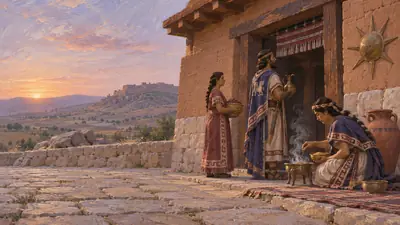
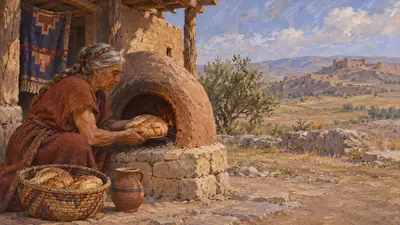
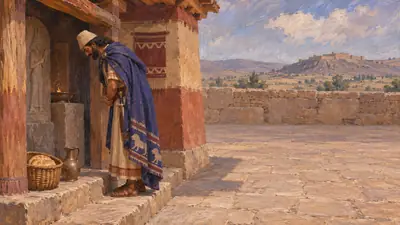
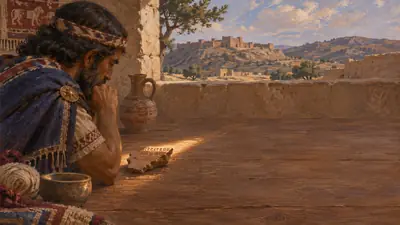
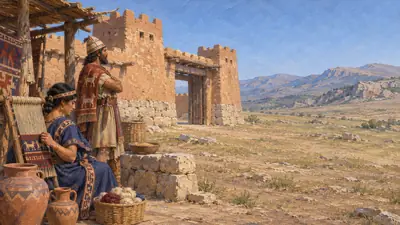
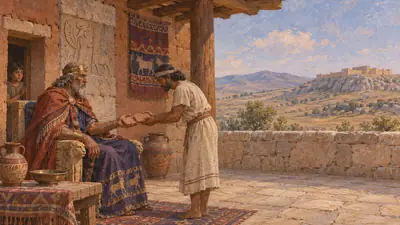
If the remaining temple workers die, who will bake bread and bring drink to the gods? Mursili fears being blamed when nobody can prepare the offerings.
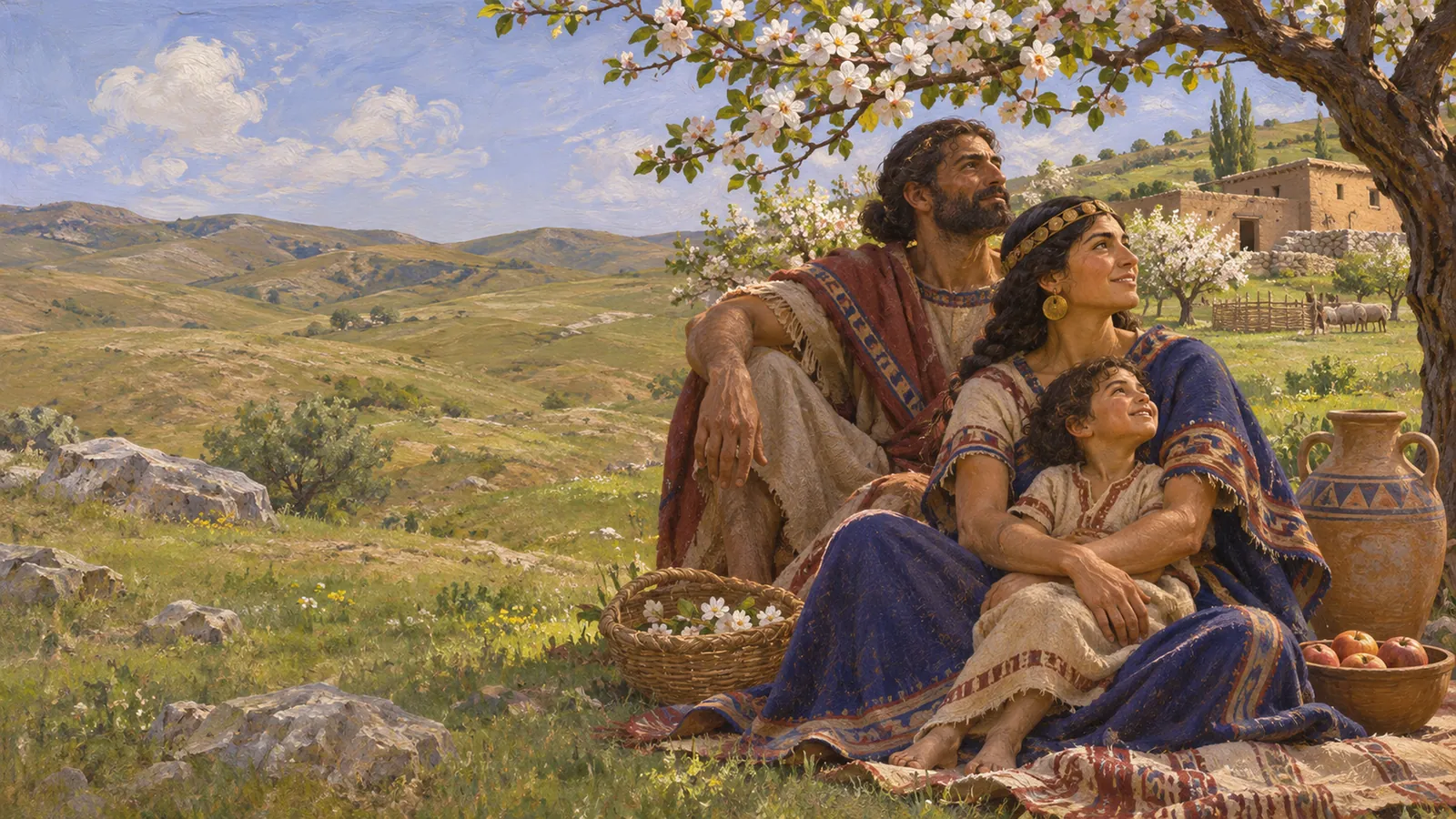
The appeal ends by asking the gods to take pity on the land. Mursili wants Hatti to thrive once more, with people enough to keep it alive.
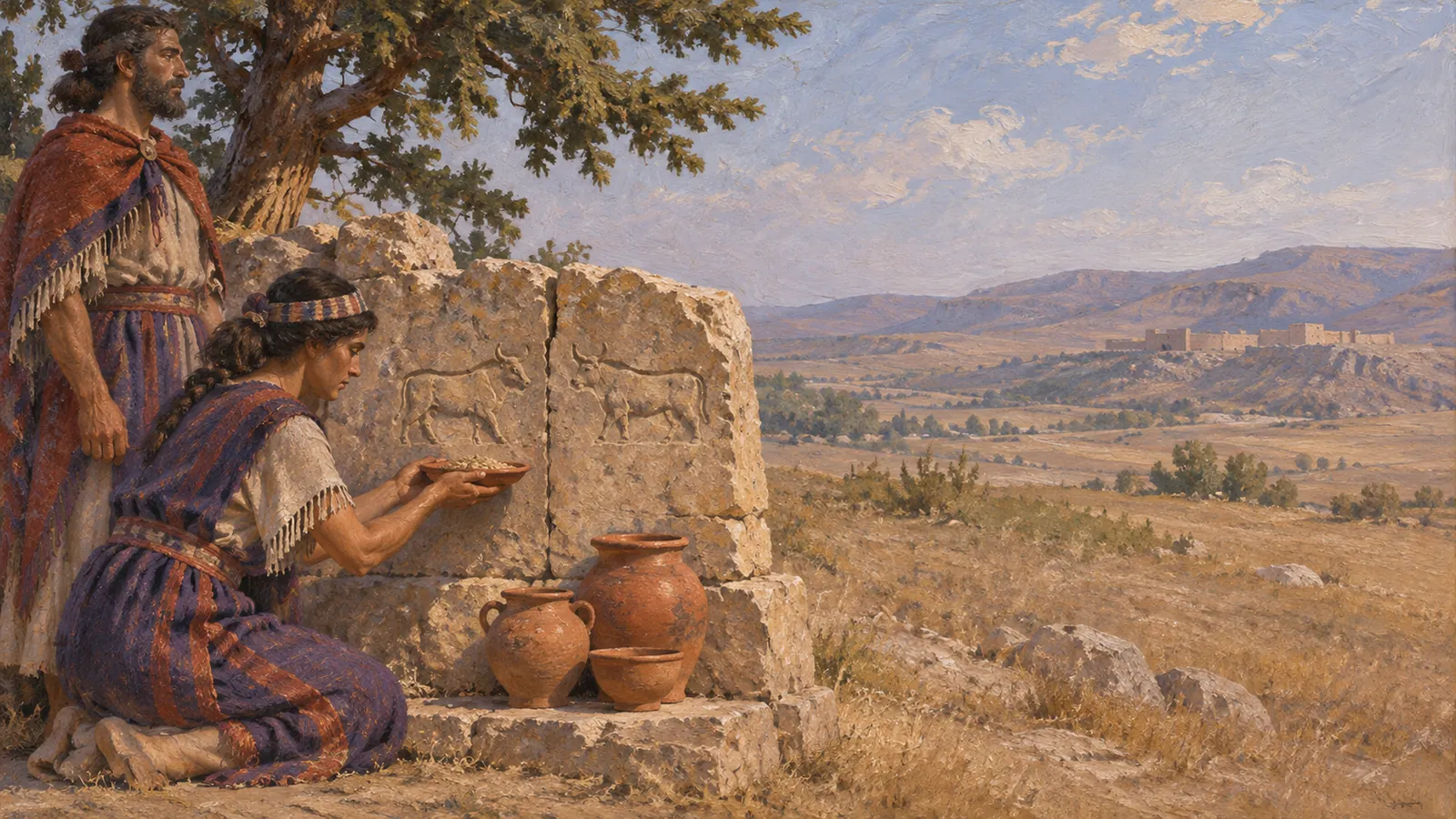
THE GODS OF MANY TOWNS
The fourth prayer calls a wider assembly, beginning with a high Storm God, the two lords of Landa and Iyarri. Its names lead from place to place.
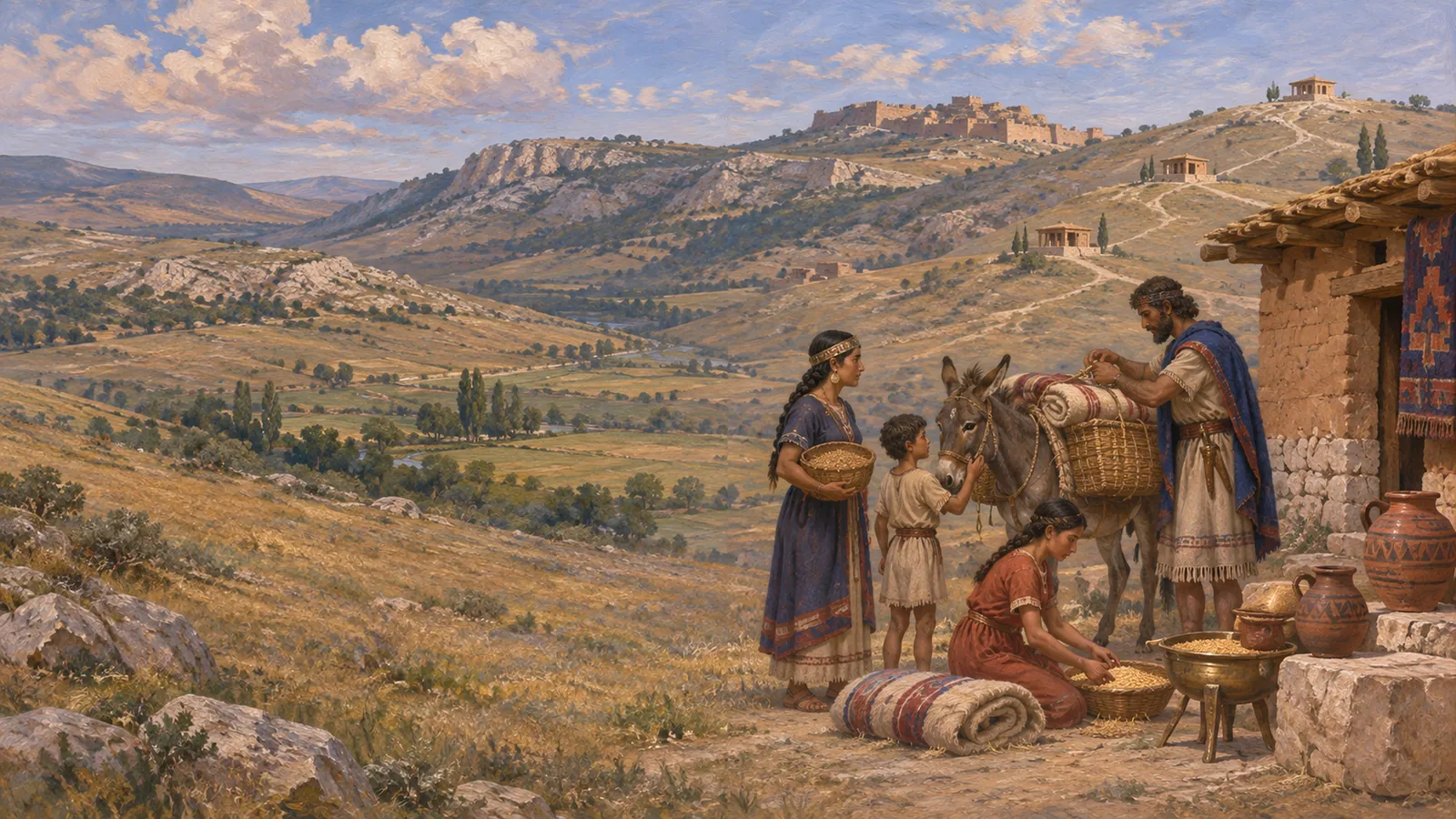
Arinna and Zippalanda appear alongside Samuha, Sarissa and Ankuwa. Farther down the list are Telipinu gods whose temples had been destroyed. Places matter to this appeal.
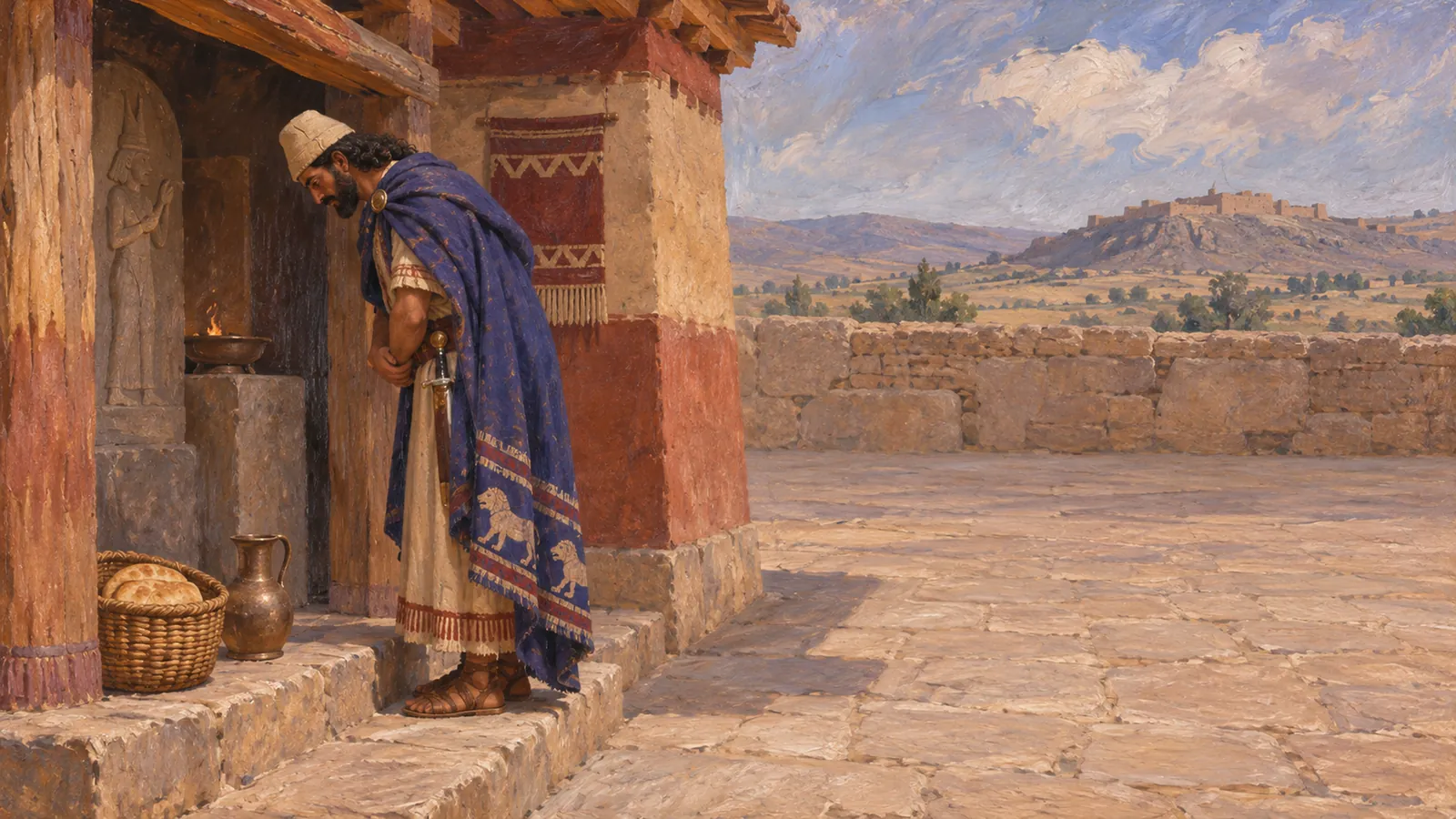
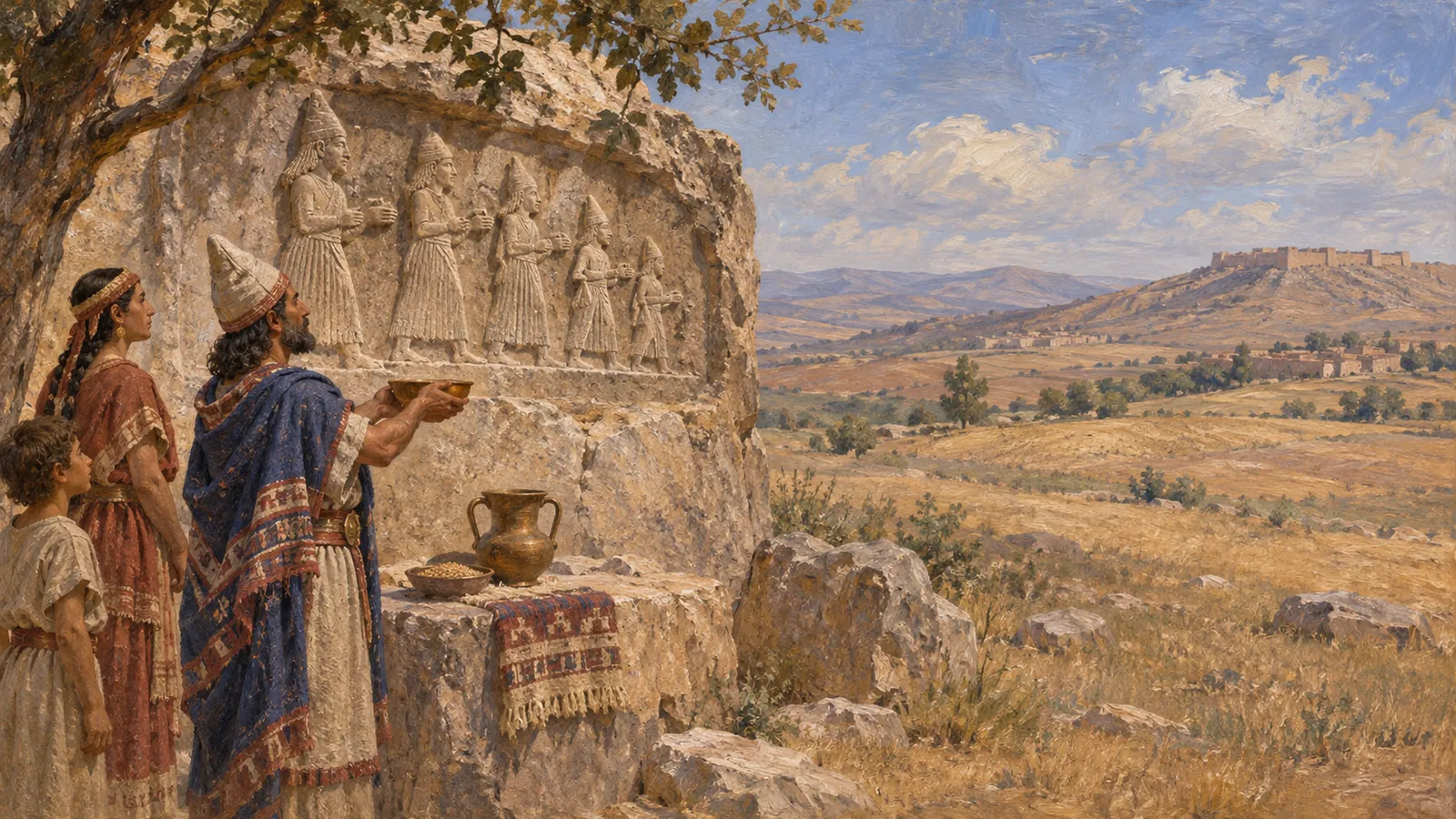
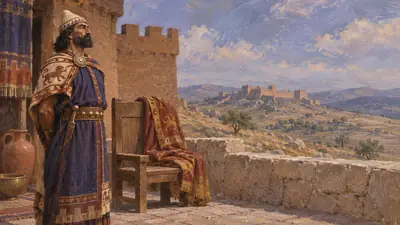
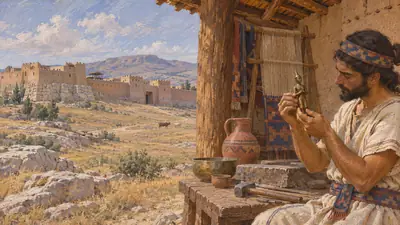
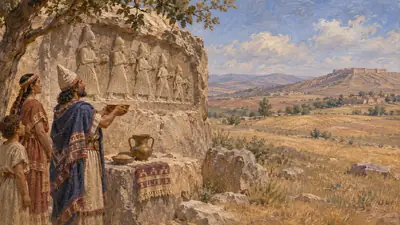
Mursili bows as priest and servant. He asks the assembly to listen. Long ago, he says, many people prepared bread and drink for the gods.
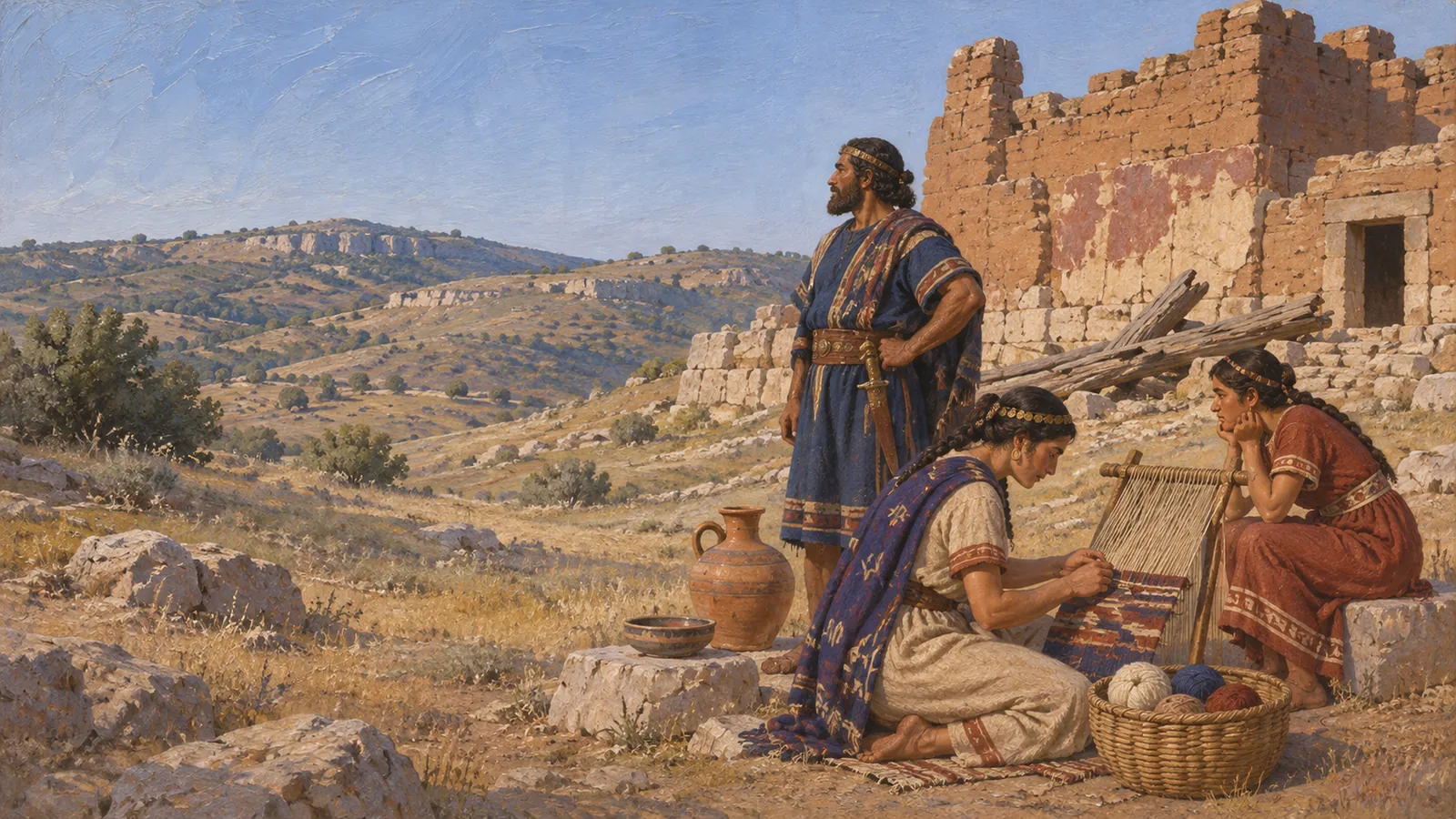
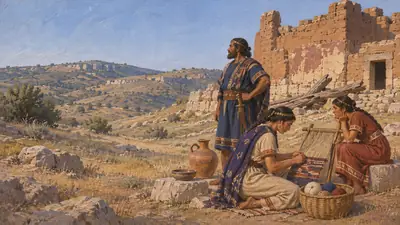
In his grandfather’s reign, says Mursili, enemies laid Hatti waste. People died and temples fell into ruin. Some rites went unserved because those who tended them were gone.
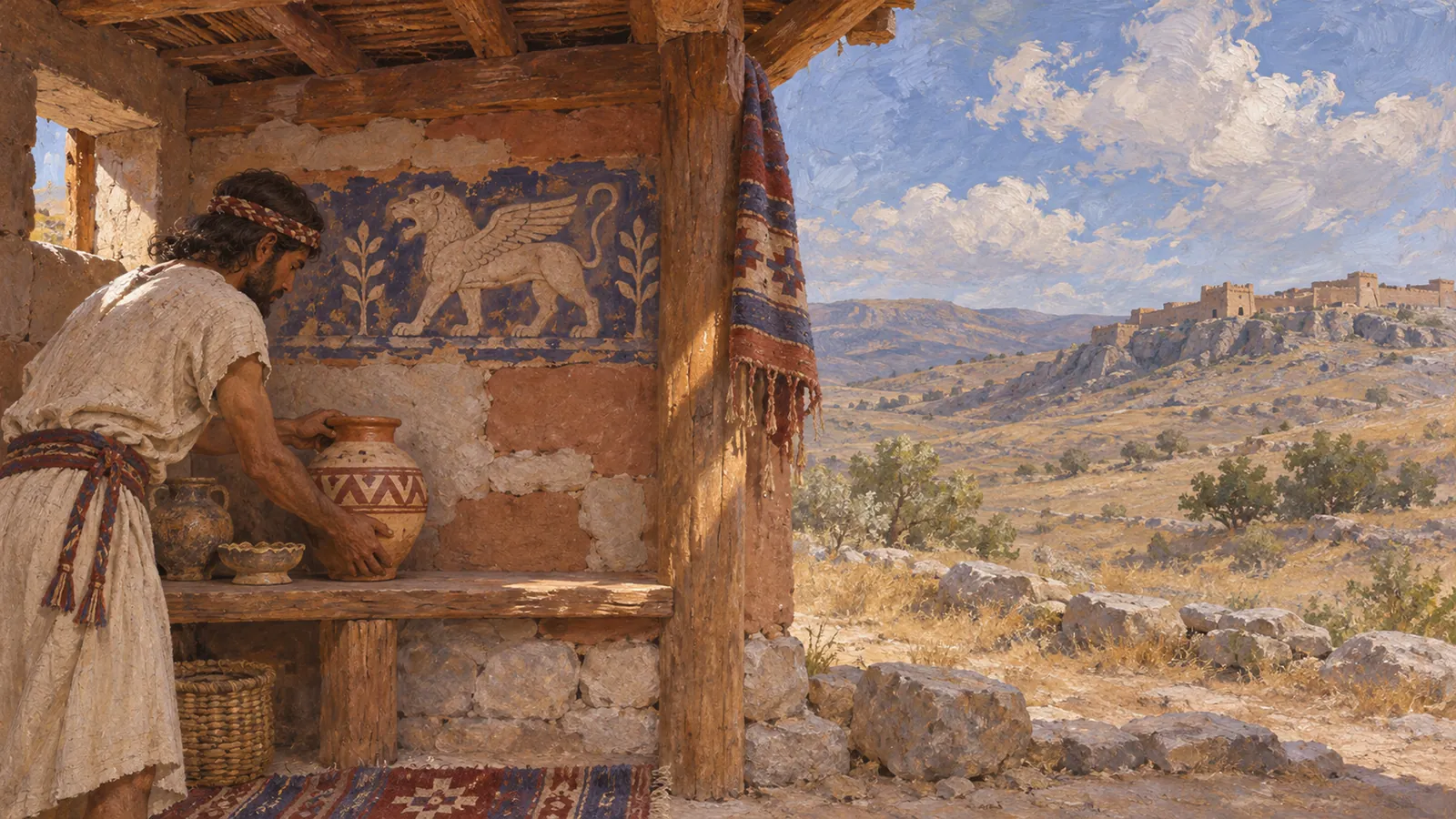
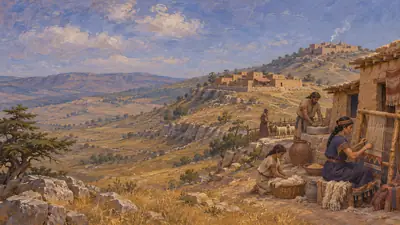
Mursili says his father resettled empty districts. Suppiluliuma restored what he could to the sanctuaries. Some sacred objects went unreplaced even during the better years.
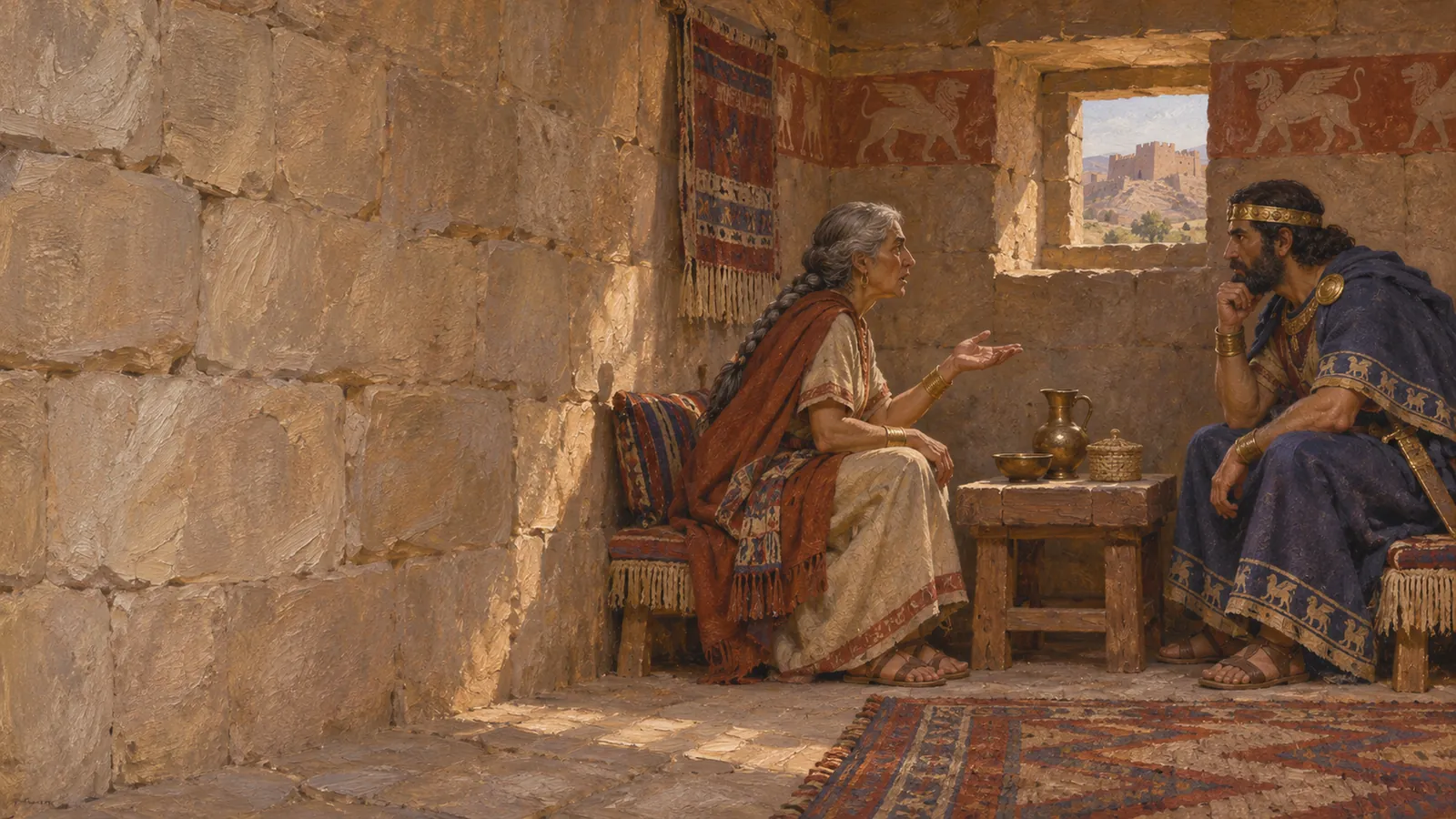
The deaths returned after his father’s Egyptian campaign, Mursili says. Both rulers asked oracles why. In this prayer, neither found the answer he was seeking.
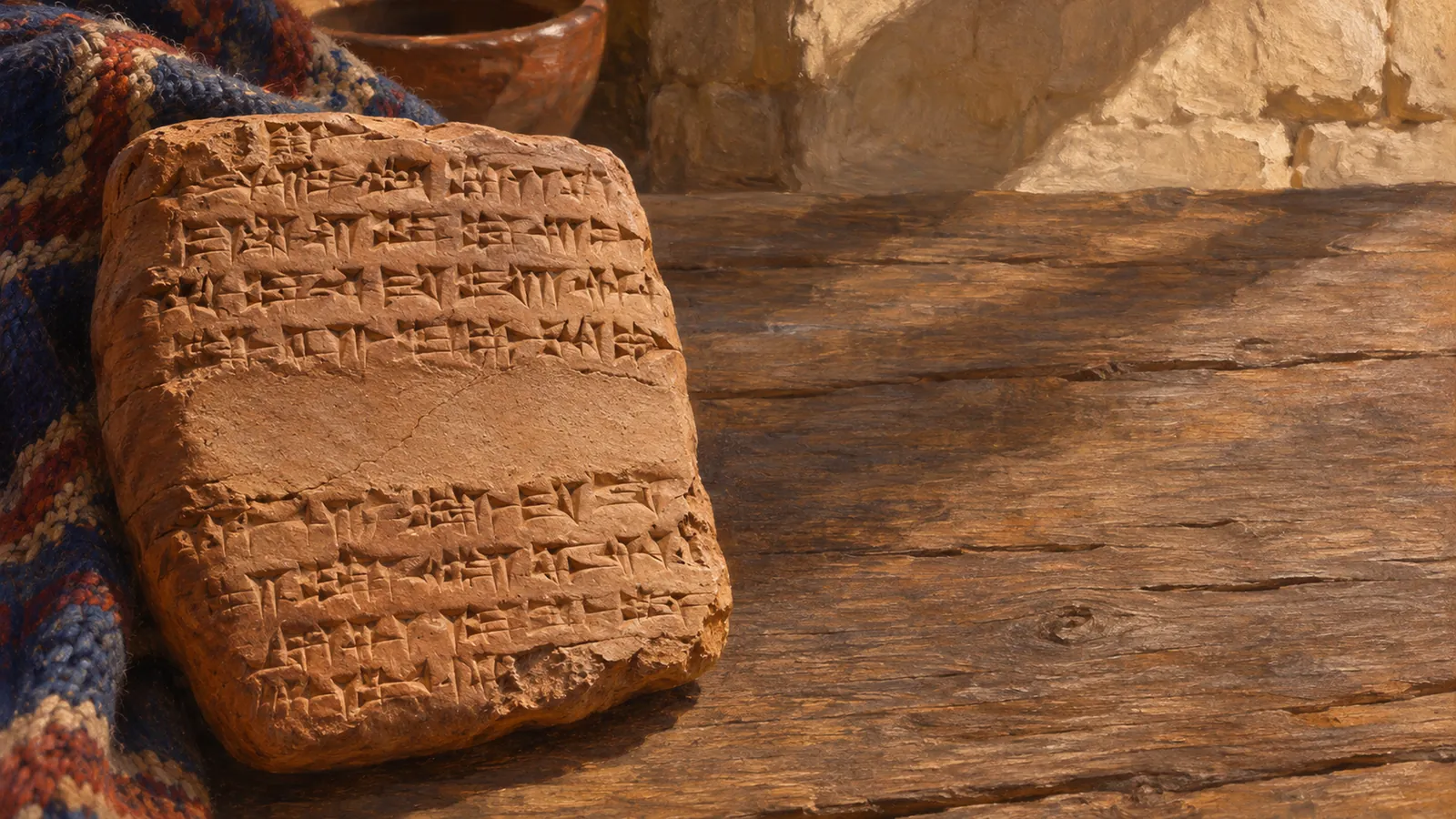
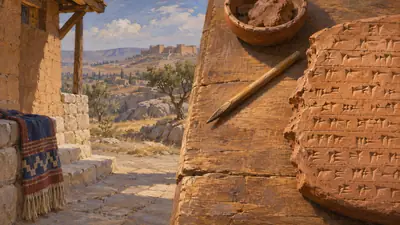
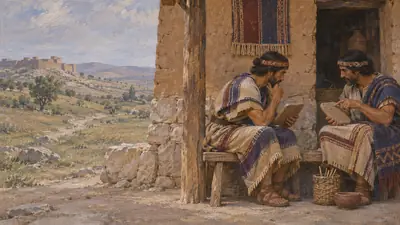
A scribe leaves a blank patch and signals that his source was damaged. Later he leaves another such gap. The copy keeps a record of what was missing.
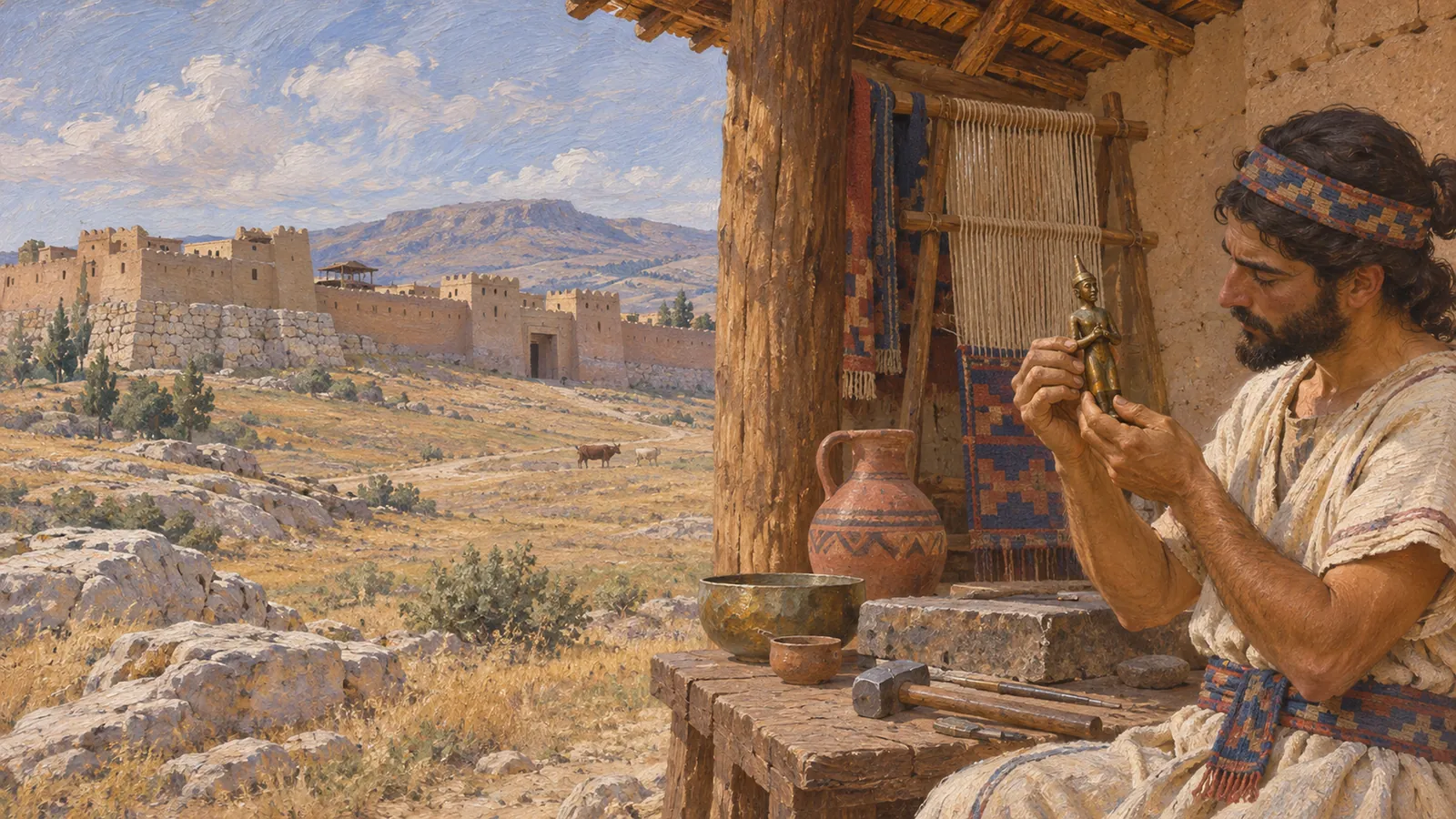
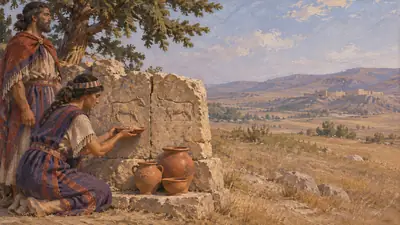
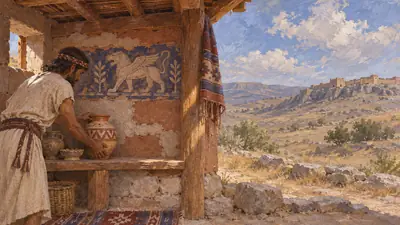
Mursili offers to replace sacred objects and rebuild temples. He speaks of restoring cult images. The clay breaks before we can read the rest of the proposal.
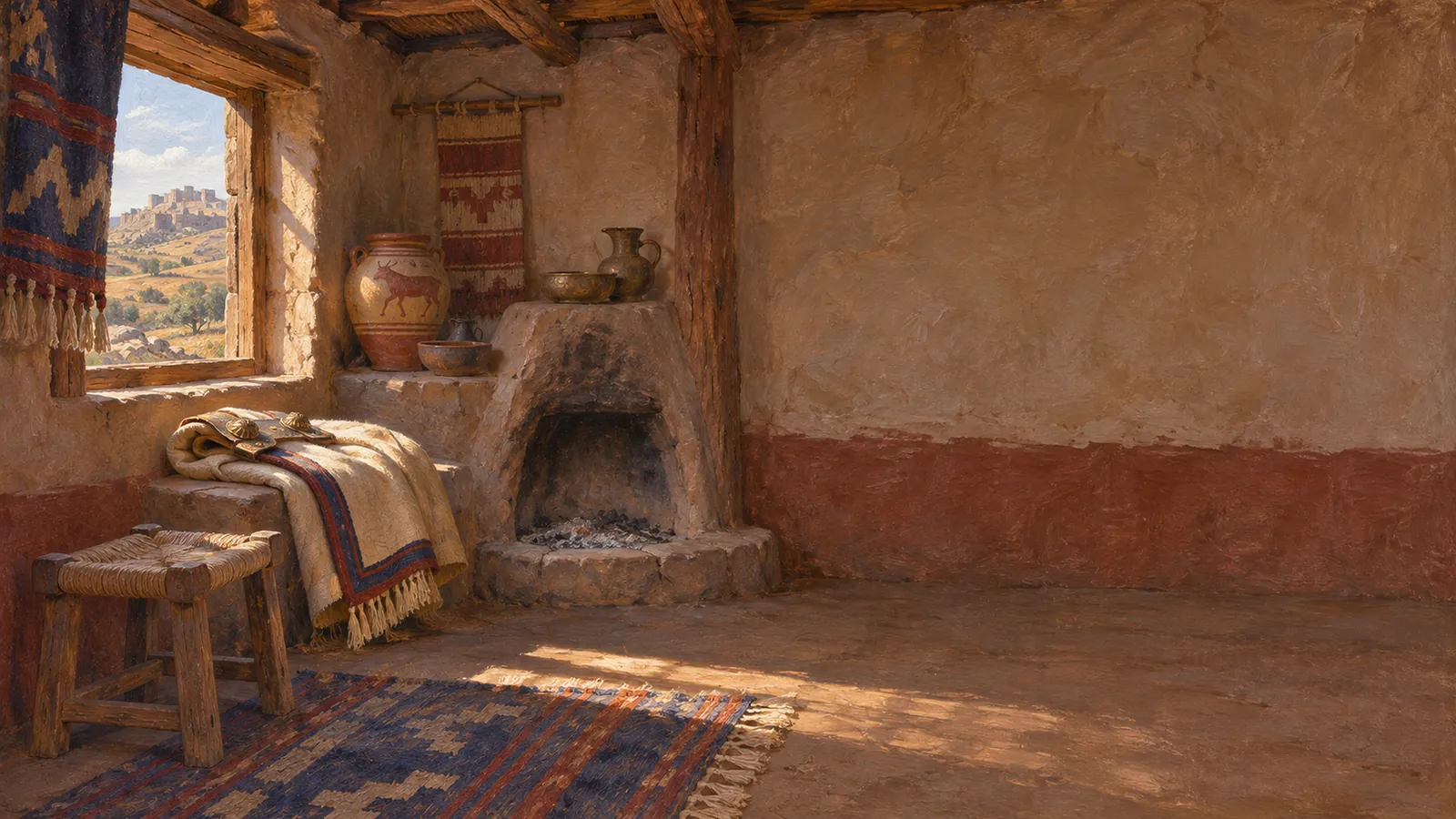
People are dying in his household, country and army. Where can he find the means to care for the gods again? The king brings the question before them.
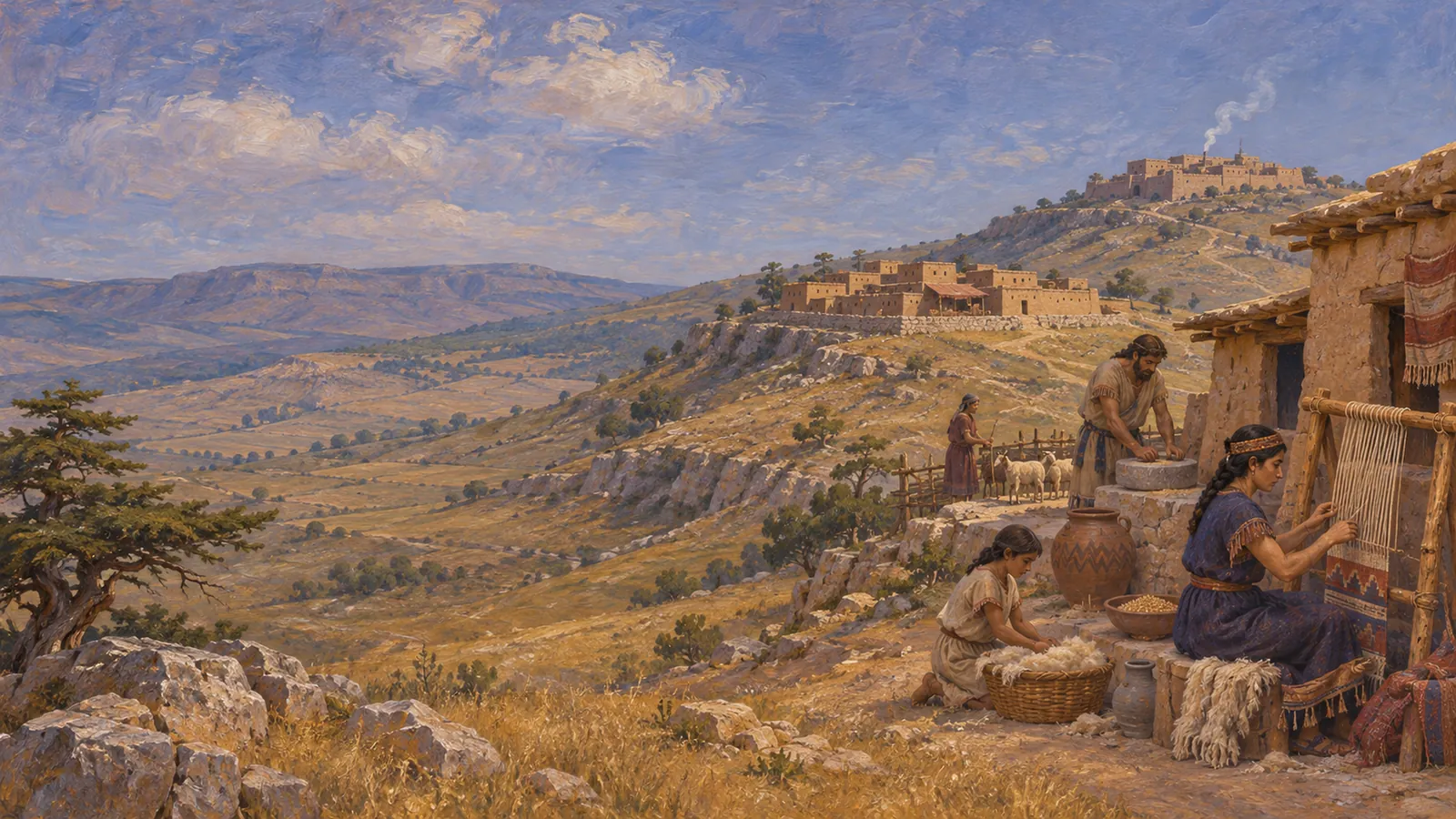
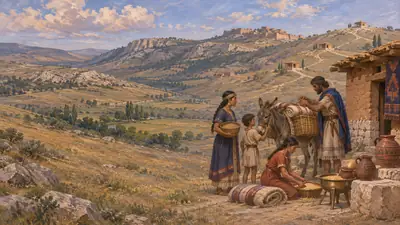
Mursili asks for the illness to leave the towns where people keep dying. He asks that it stay away from those that have already found relief.
THE LAST SURVIVING APPEAL
A fifth composition is probably another of Mursili’s prayers. It names divinities in groups, including the Storm Gods together and Hebat of Kummanni among the goddesses.
Protective gods, forms of Ishtar and the Telipinus follow. The call extends to the place where the gods come together to hear a case.
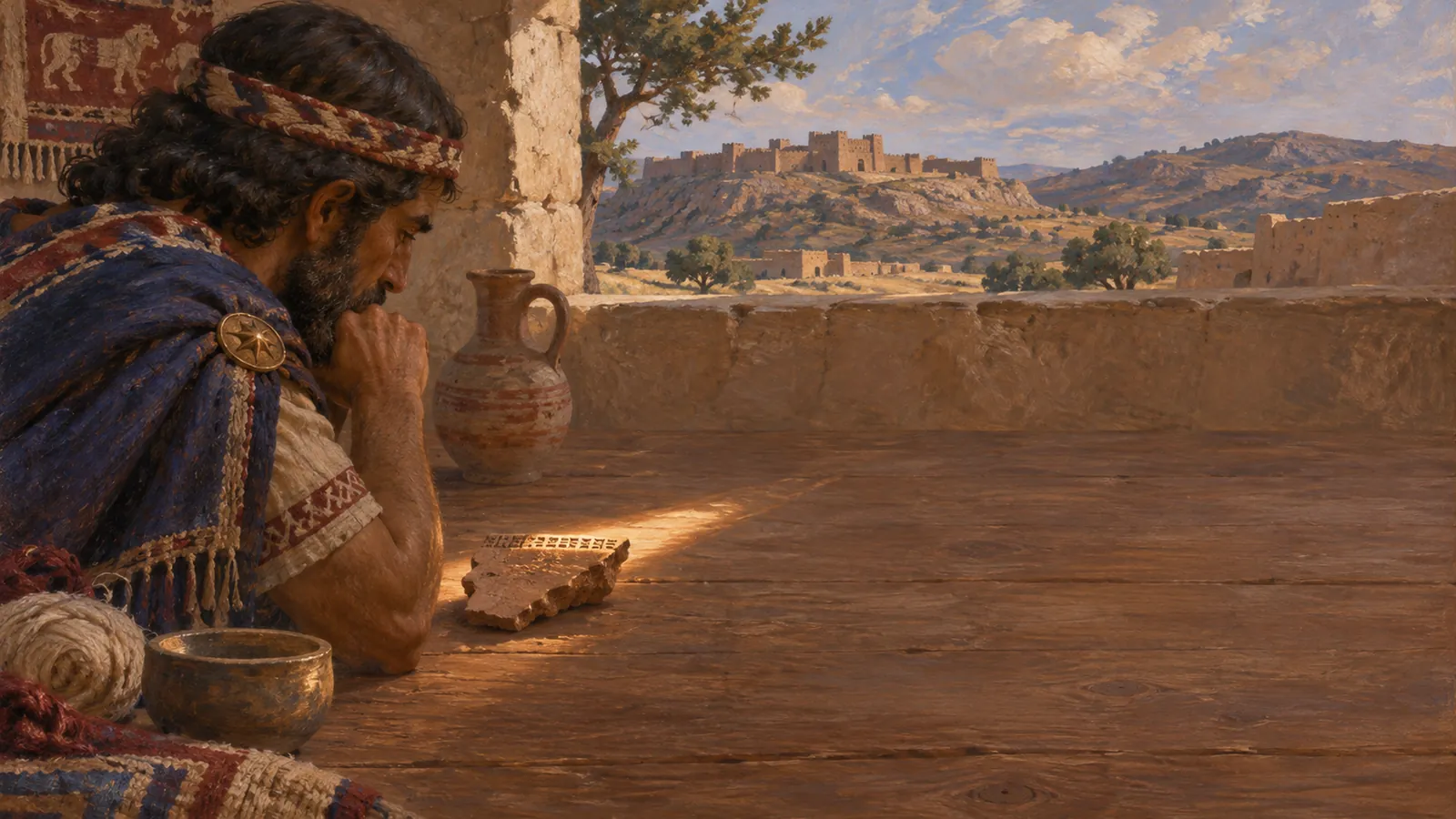
Most of the rest of the first column is gone. A surviving line again mentions a tablet about Egypt. How the prayer reached that subject is lost.
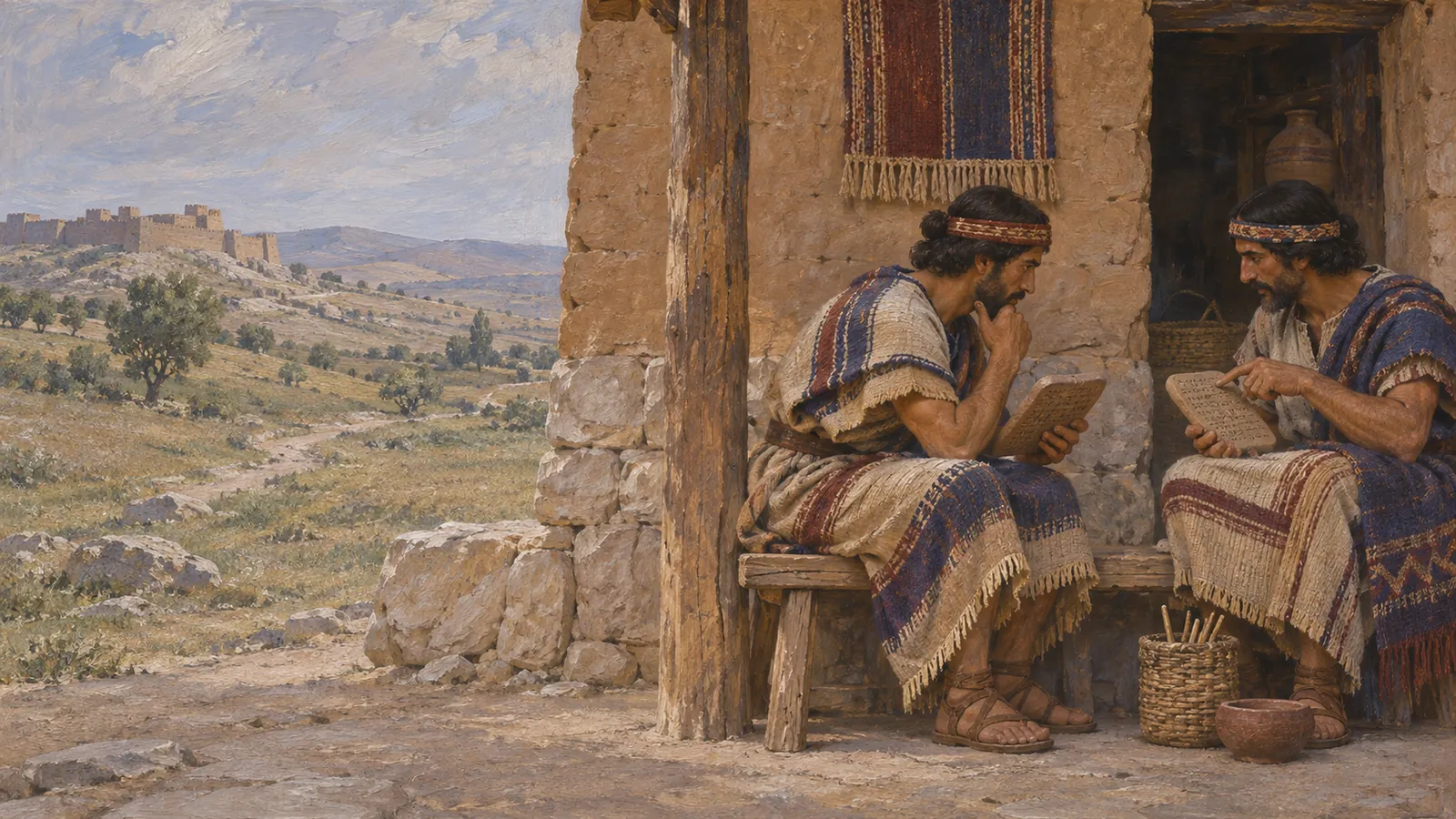
Mursili claims to have changed no words of the treaty. If earlier rulers had added words or removed them, he says, nobody had told him.
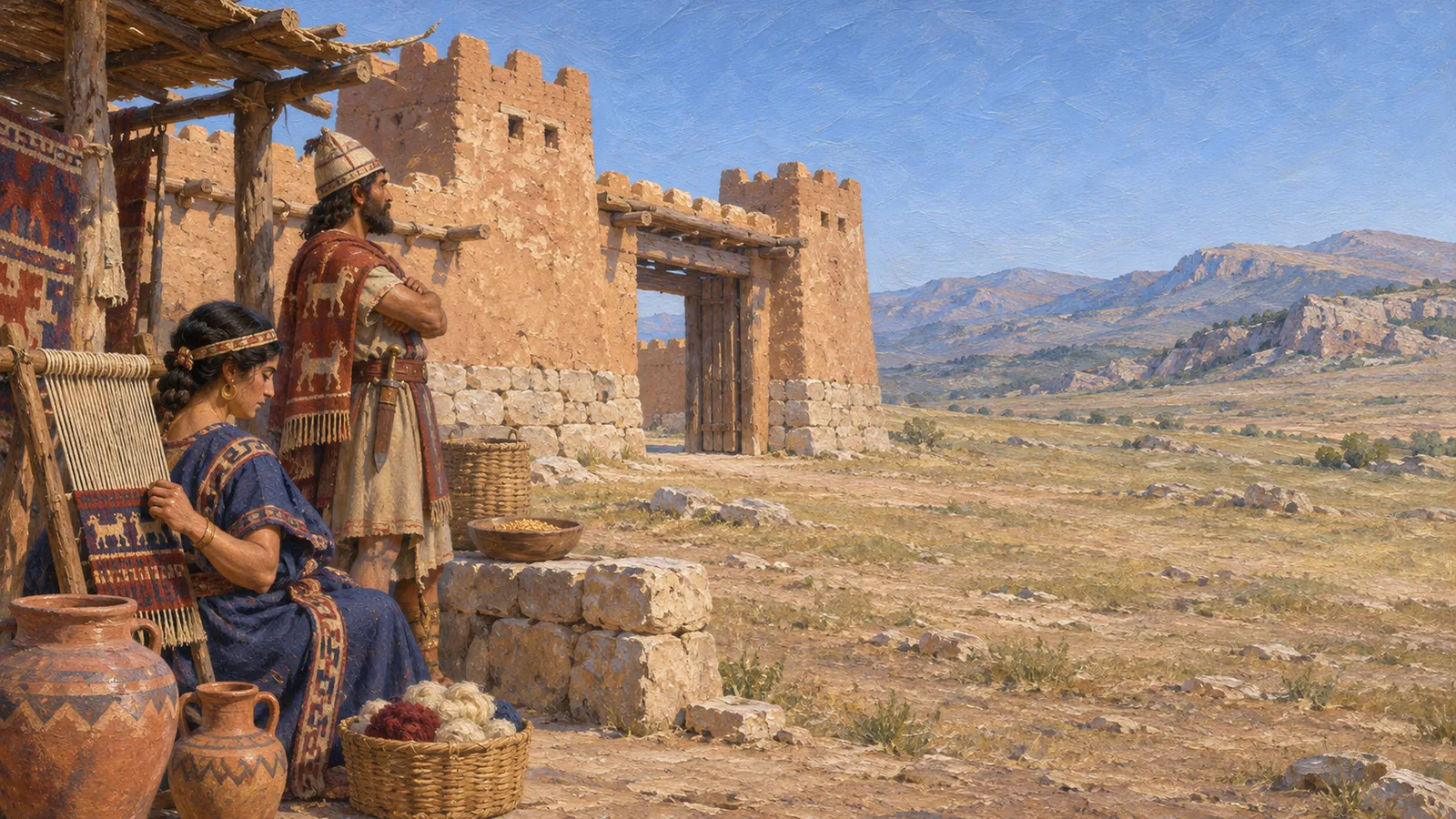
Mursili says he kept the borders his father left him. He claims he took nothing from across them. His defense turns from the treaty to the frontier.
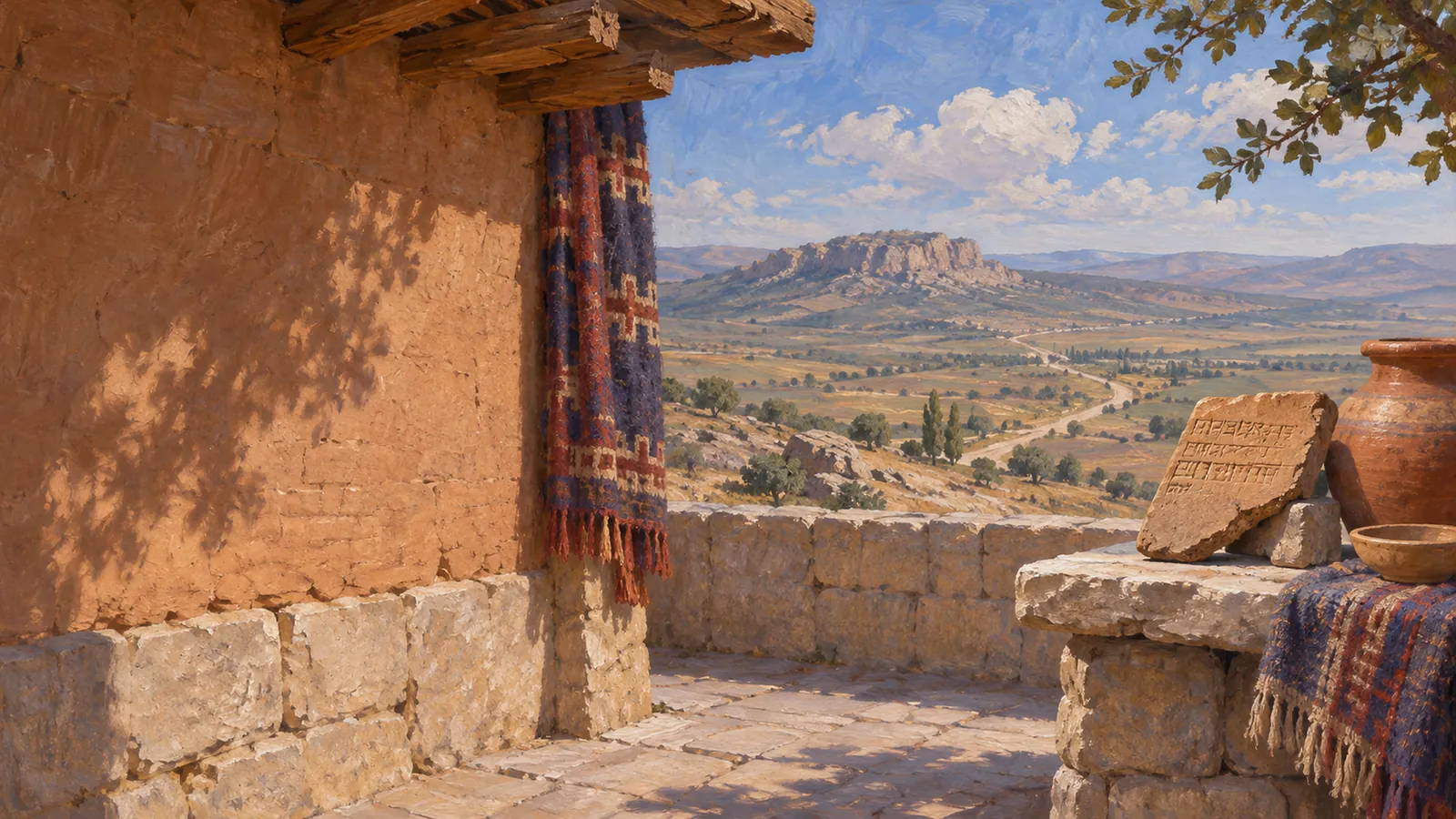
Lupakki and Tarhunta-zalma belonged to his father’s time. Both names survive next to broken words about attacks in those lands. Little else remains of the passage.
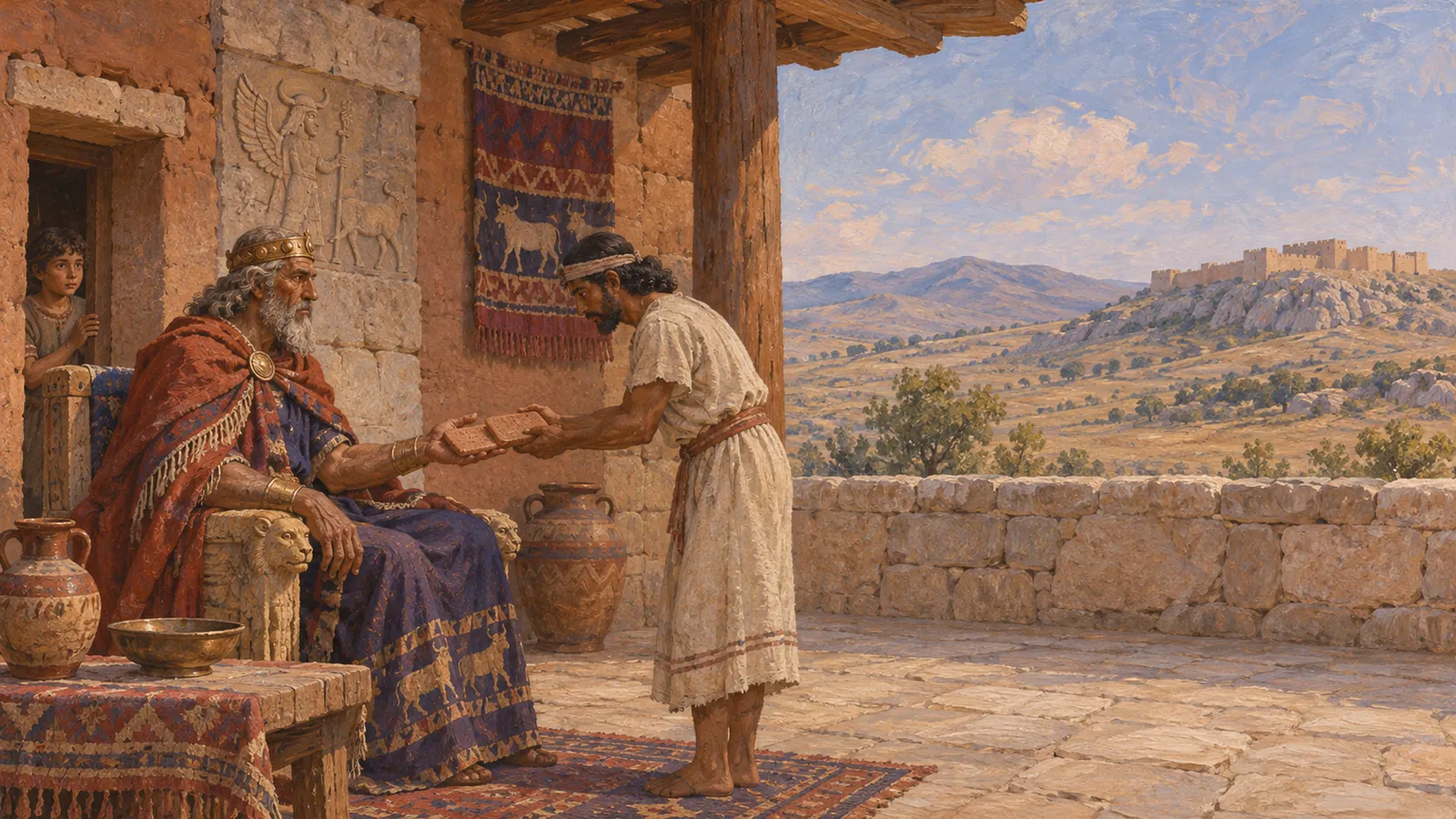
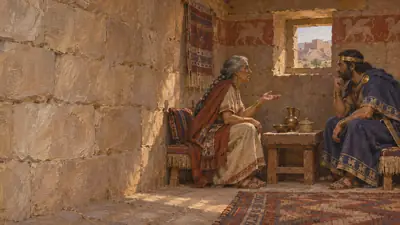
The Egyptian king dies and his widow writes to Mursili’s father. Mursili recalls being a child and says he cannot answer for everything that happened.
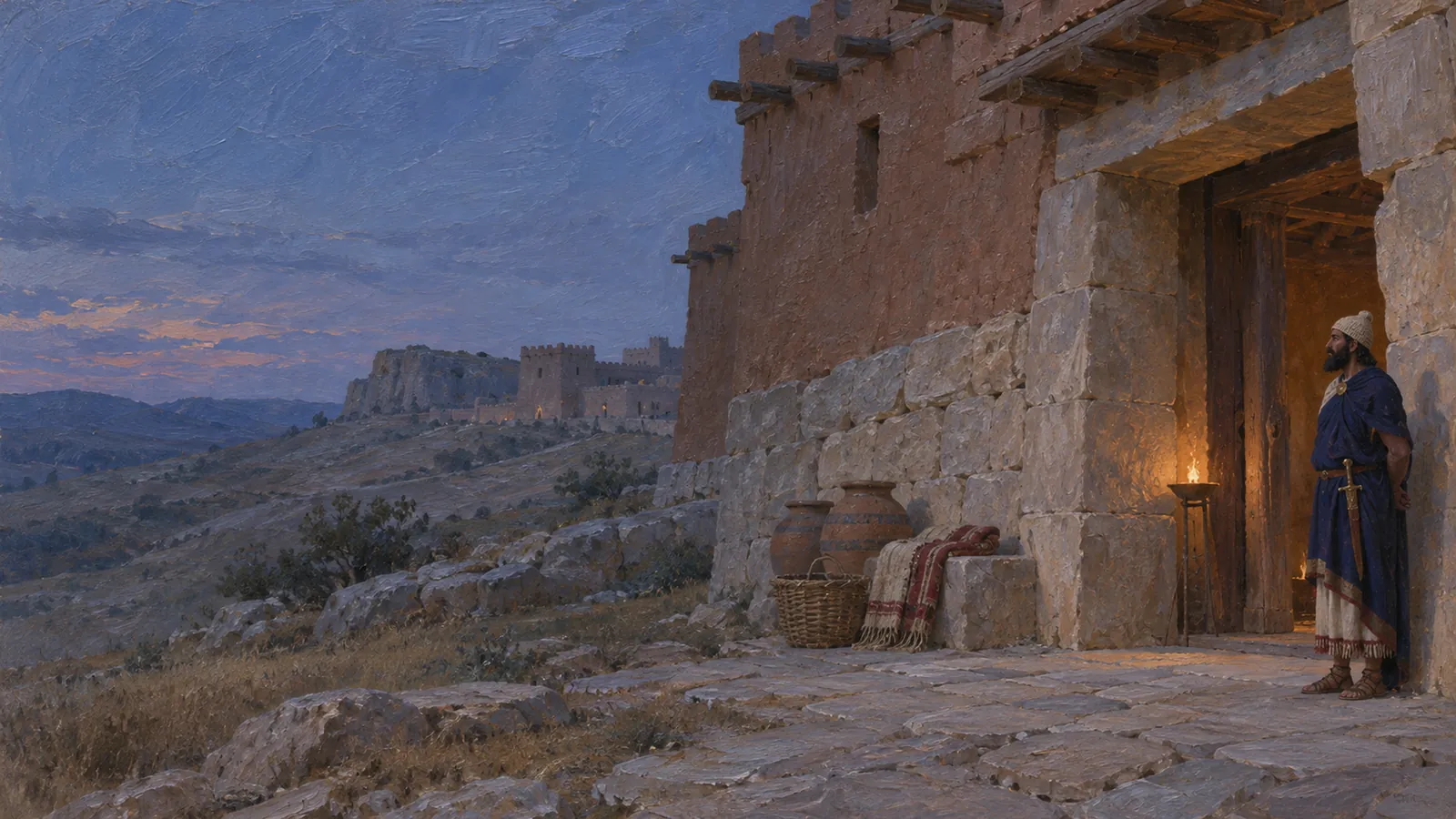
The reverse is broken away. A note at the edge indicates that the composition continued past this tablet. We leave the king still seeking to be heard.
End of chapter 2
All pages
Sources
Editions consulted
- Itamar Singer, Hittite Prayers, nos. 10–14, pp. 56–68, translated primary texts
- Society of Biblical Literature, Singer’s prayer concordance
- Hethitologie-Portal Mainz, catalogue of prayers, CTH 378–379
- LAMAN, KUB 14.8, witness to the Second Plague Prayer
- LAMAN, KUB 14.12, witness to the Third Plague Prayer
- Koç University, CTH 378 manuscript concordance
Ancient lines behind each page
- Page 1: CTH 378.III §1 and Singer 2002, no. 10
See source notes for which details are attested. - Page 2: CTH 378.III §1
See source notes for which details are attested. - Page 3: CTH 378.III §2
See source notes for which details are attested. - Page 4: CTH 378.III §3′ and preceding gap
See source notes for which details are attested. - Page 5: CTH 378.III §3′
See source notes for which details are attested. - Page 6: CTH 378.III §3′
See source notes for which details are attested. - Page 7: CTH 378.IV §1
See source notes for which details are attested. - Page 8: CTH 378.IV §1
See source notes for which details are attested. - Page 9: CTH 378.IV §§2–3
See source notes for which details are attested. - Page 10: CTH 378.IV §3
See source notes for which details are attested. - Page 11: CTH 378.IV §4
See source notes for which details are attested. - Page 12: CTH 378.IV §5
See source notes for which details are attested. - Page 13: CTH 378.IV §§6, 10′
See source notes for which details are attested. - Page 14: CTH 378.IV §§7–8
See source notes for which details are attested. - Page 15: CTH 378.IV §§9′–11′
See source notes for which details are attested. - Page 16: CTH 378.IV §11′
See source notes for which details are attested. - Page 17: CTH 379 §§1–4
See source notes for which details are attested. - Page 18: CTH 379 §§5–6
See source notes for which details are attested. - Page 19: CTH 379 §7′ and preceding gap
See source notes for which details are attested. - Page 20: CTH 379 §8′
See source notes for which details are attested. - Page 21: CTH 379 §9′
See source notes for which details are attested. - Page 22: CTH 379 §11′
See source notes for which details are attested. - Page 23: CTH 379 §§12′–13′
See source notes for which details are attested. - Page 24: CTH 379, end and colophon
See source notes for which details are attested.
Illustrations made with AI tools by IL Archive; the text is based on the ancient sources (see the sources at the end of each chapter).