The Plague Prayers of Mursili Chapter 1
The Old Oaths
Mursili asks the witnesses of Tudhaliya’s oath to hear him. Then two old tablets point his search toward the Mala and an agreement with Egypt. Before the Storm God, the king must defend his own deeds, answer for his father and find a way to make amends.
SourcesTurn the pages with the arrows, the arrow keys or a swipe.
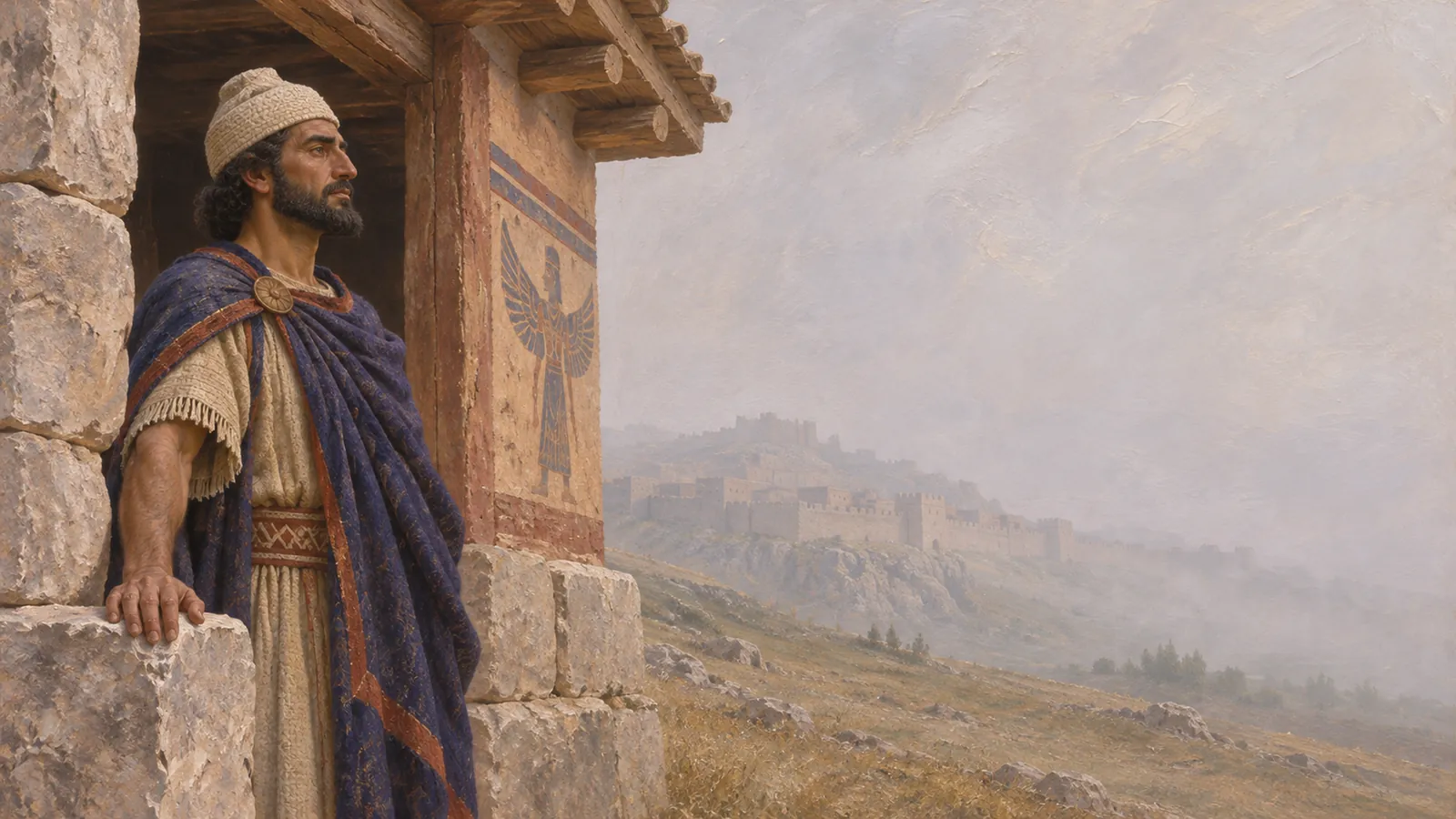
THE OLD OATHS
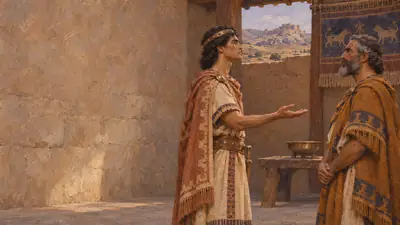
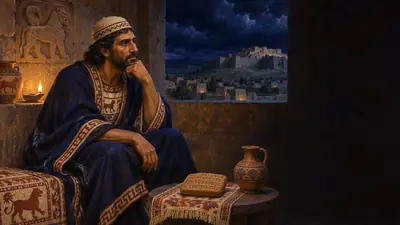
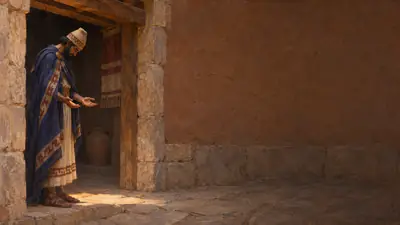
In Hattusa, Mursili speaks for a country losing its people. In his appeal the king calls himself priest and servant of the gods.
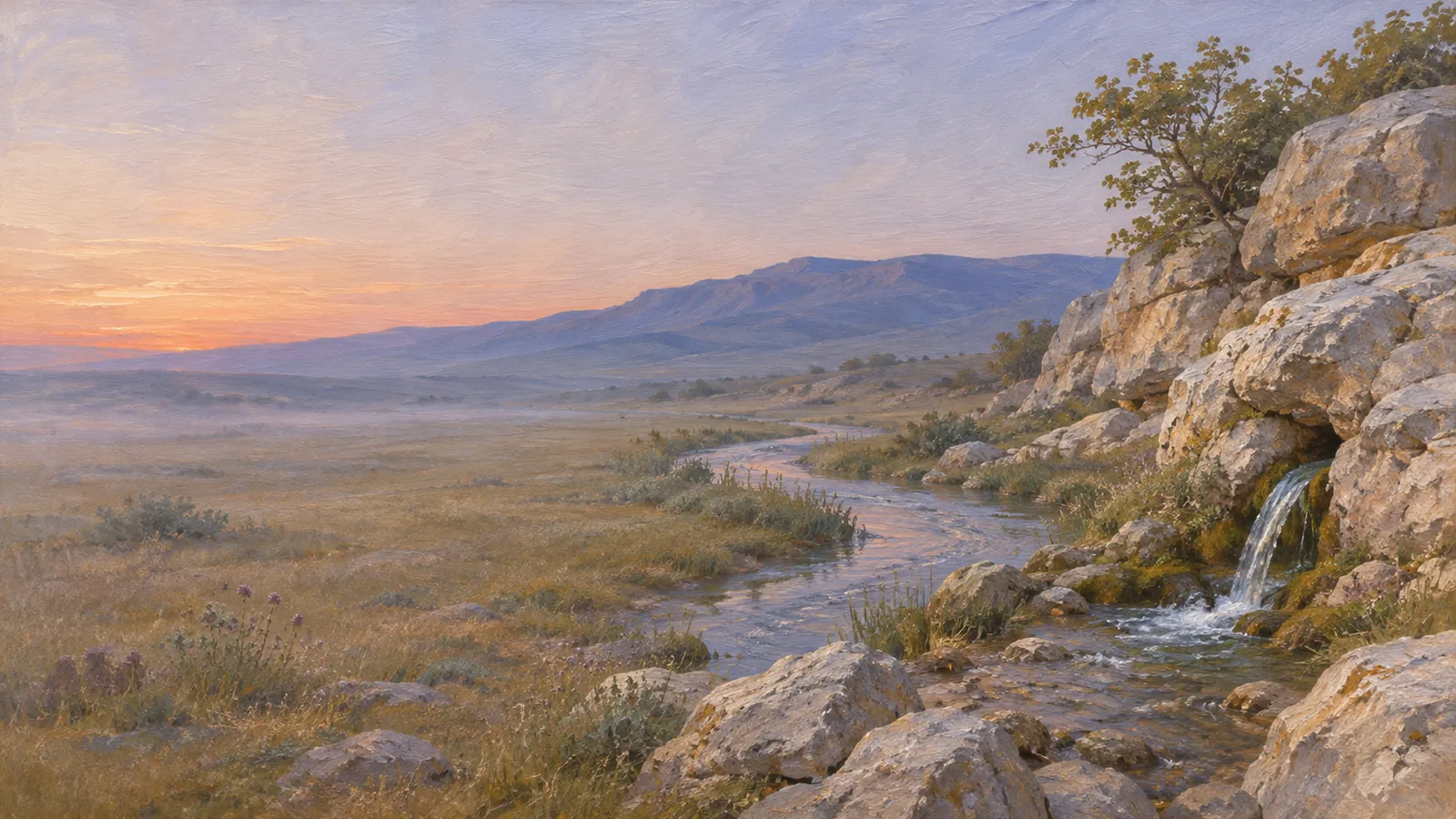
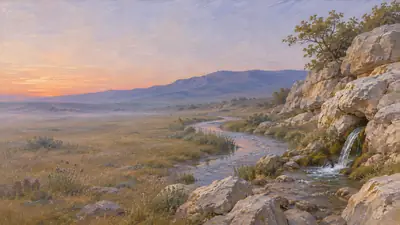
He asks the witnesses of an oath to listen. Alongside gods and goddesses he calls mountains, rivers, springs and waters below the earth.
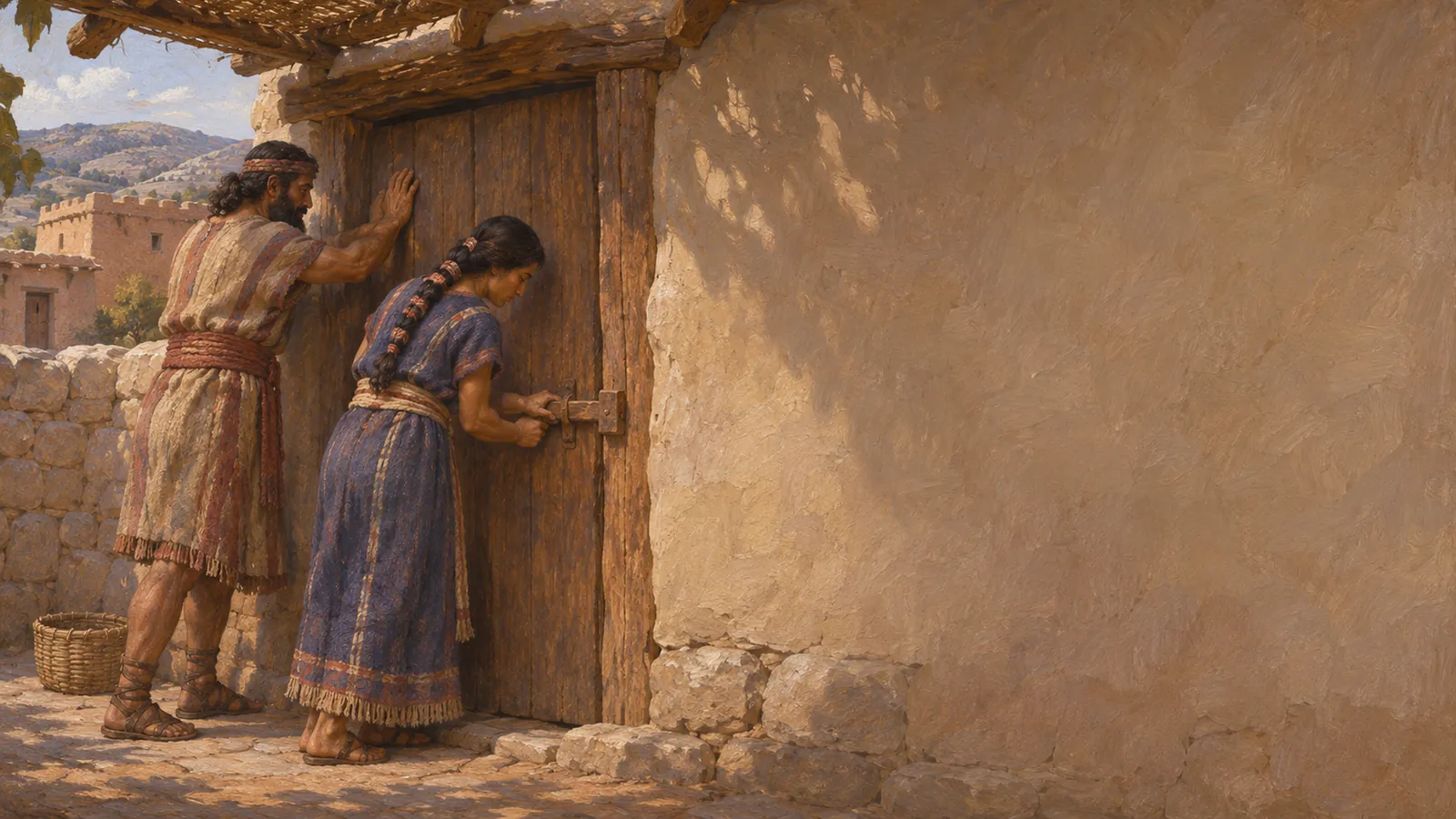
For twenty years, says Mursili, people have died in Hatti. An oracle leads him back to Tudhaliya the Younger.
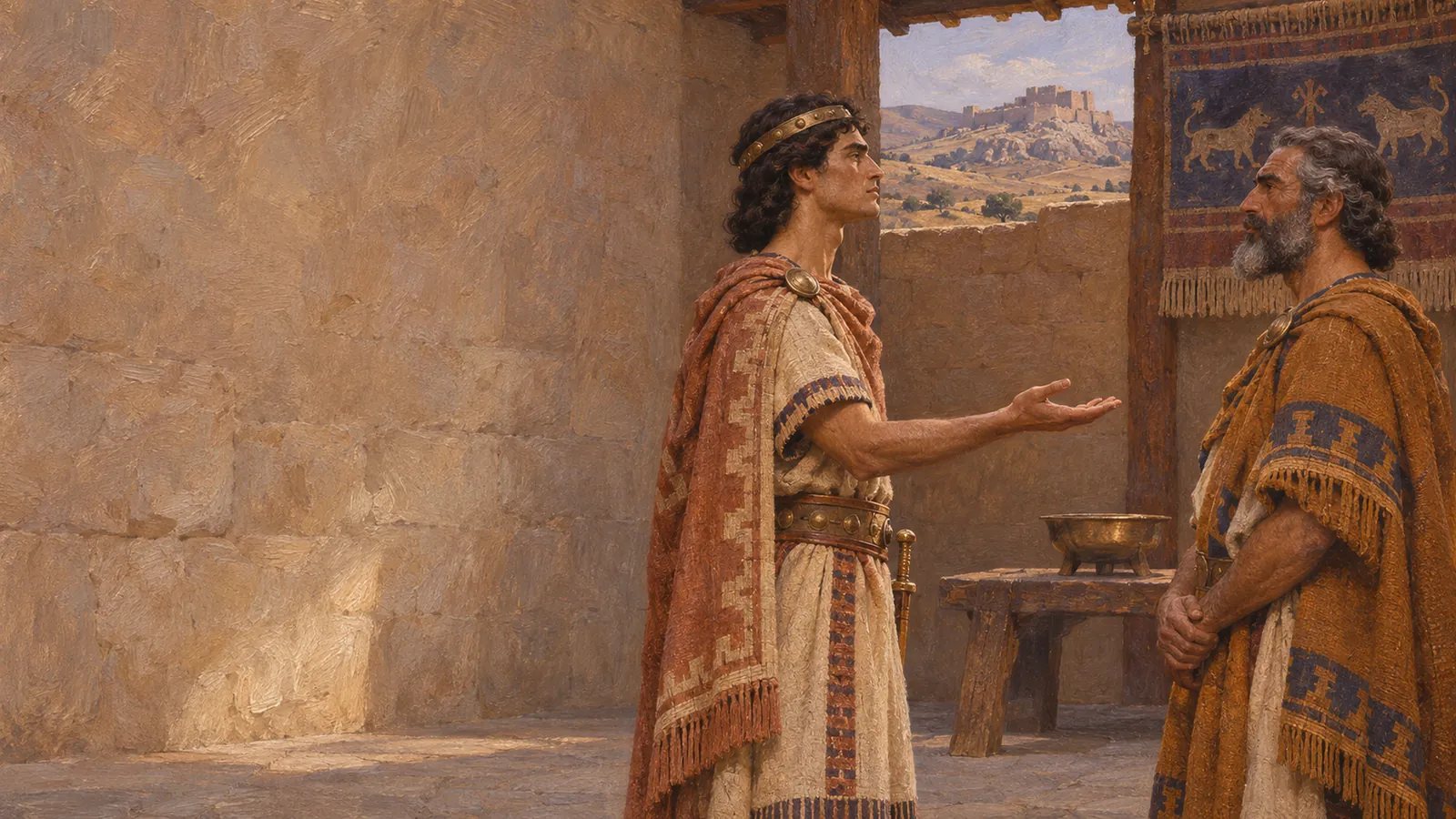
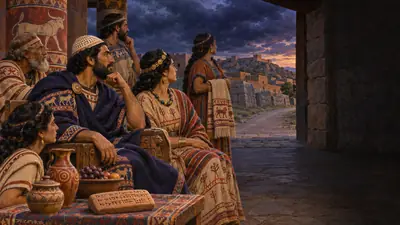
Princes, commanders and other officials swore loyalty to Tudhaliya. The soldiers swore too. Among those who took the oath was Suppiluliuma, Mursili’s own father.
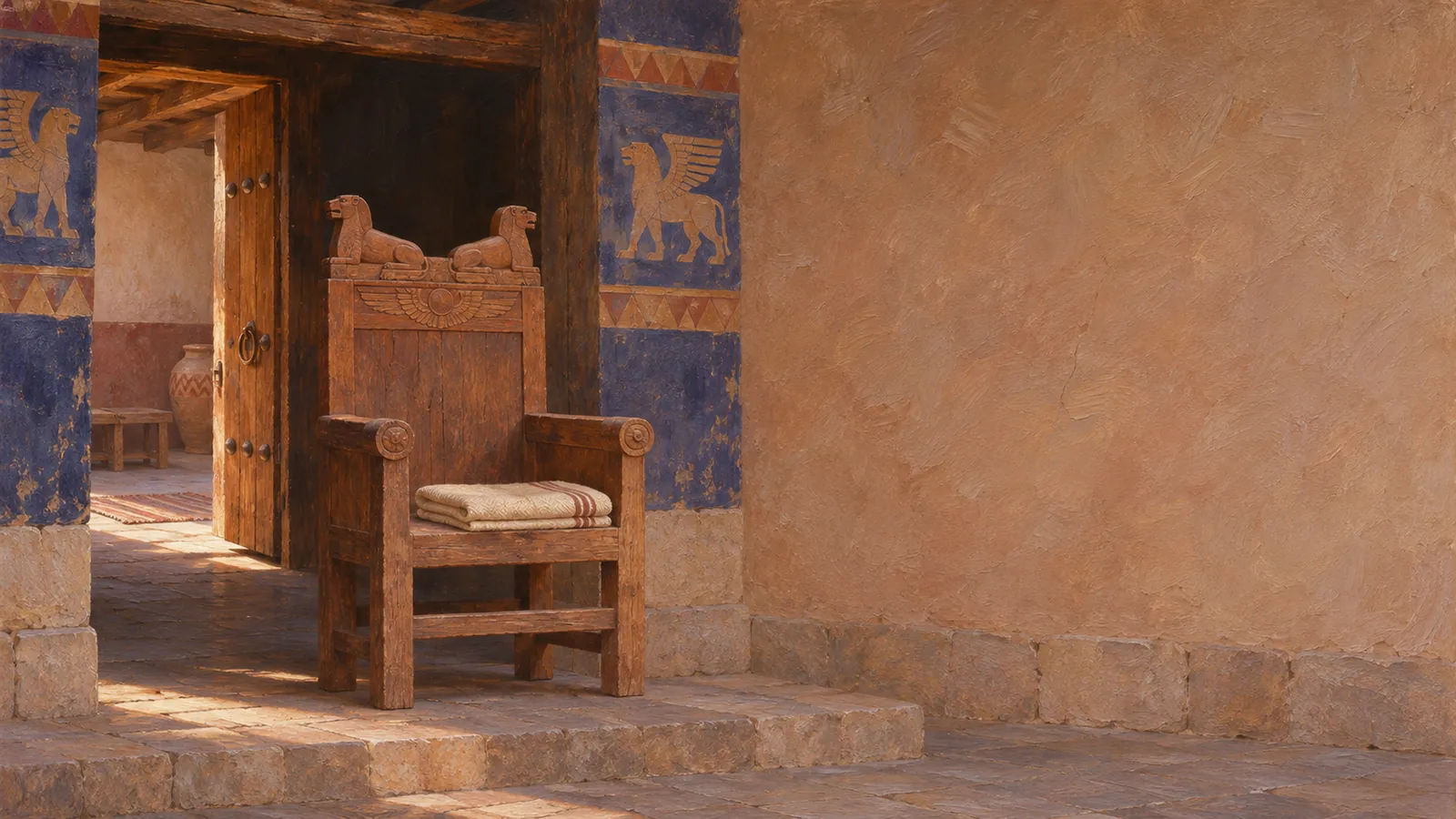
The men went over to Suppiluliuma. Tudhaliya and some of his brothers were killed. The broken account names Alasiya across the sea but leaves the connection unclear.
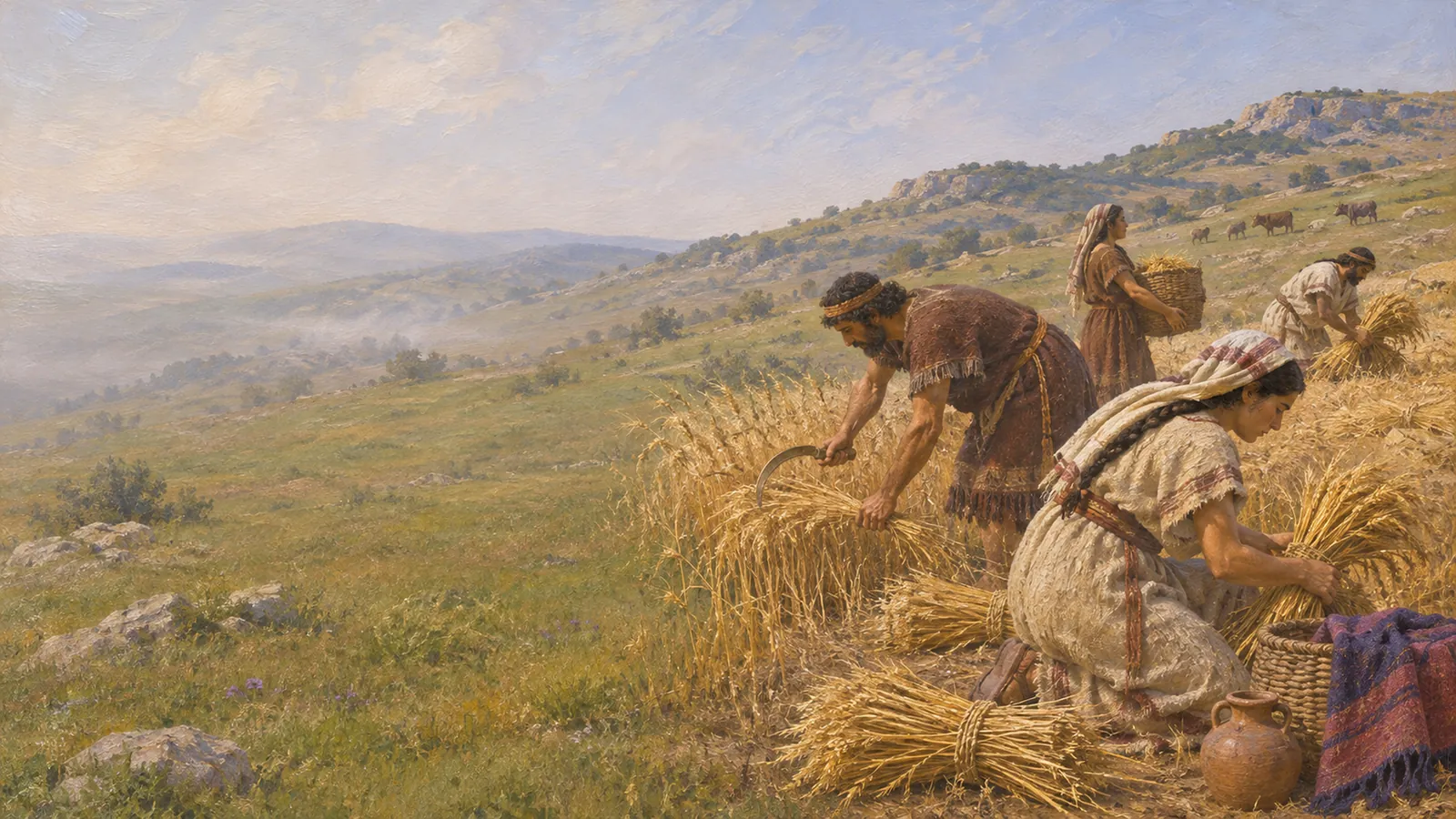
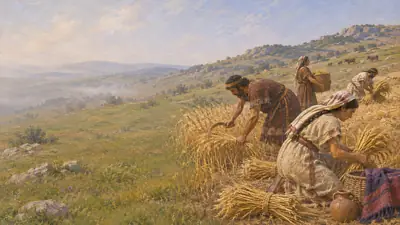
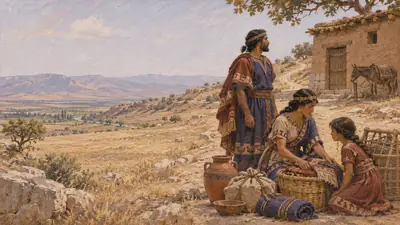
Mursili remembers his father’s reign through fields, people, sheep and cattle. He says empty districts were settled again. Prosperity makes the grief that follows harder to explain.
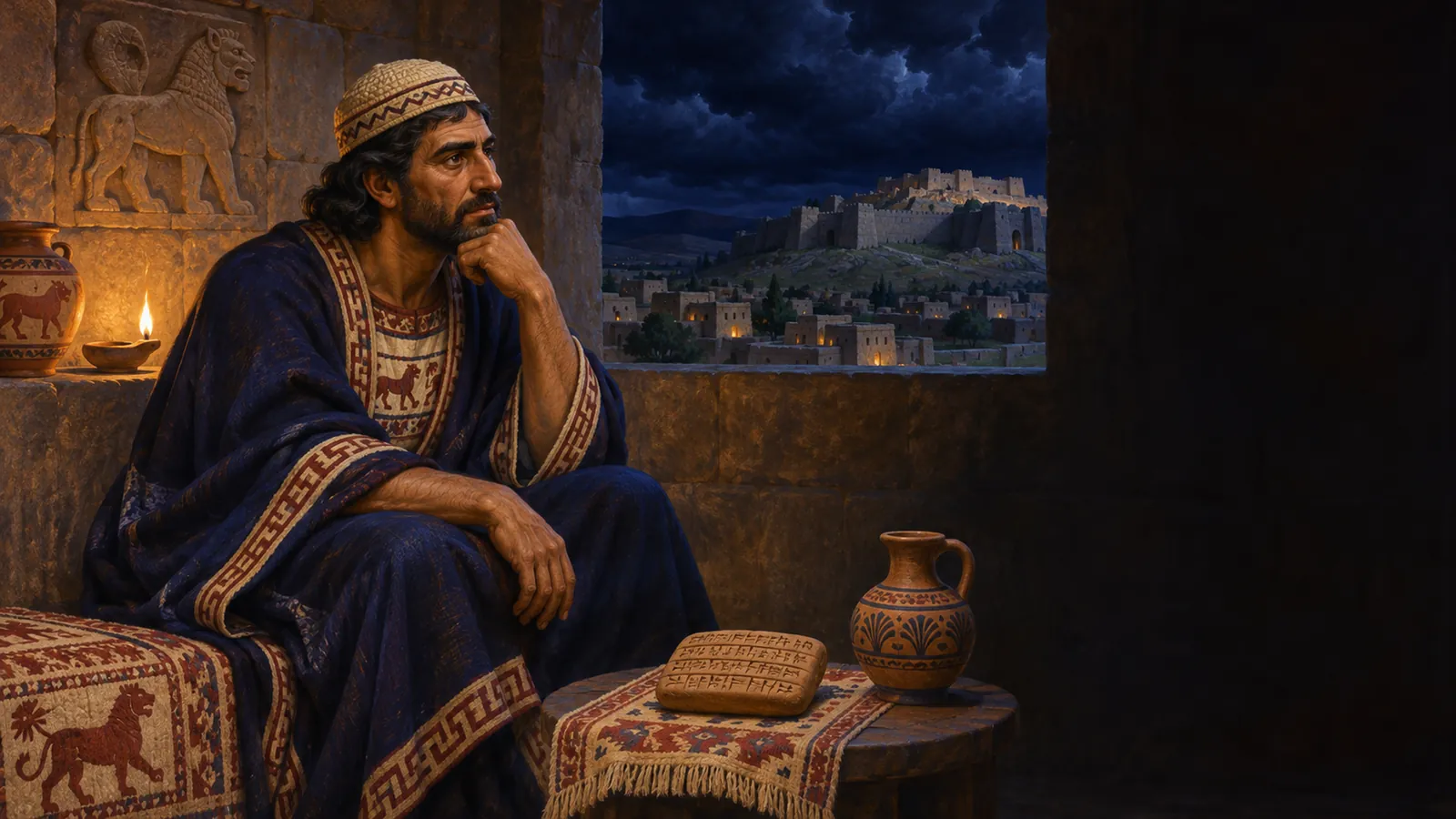
Mursili says his father’s allies paid for the wrong, then the people. Grief overwhelms him. The next lines break off.
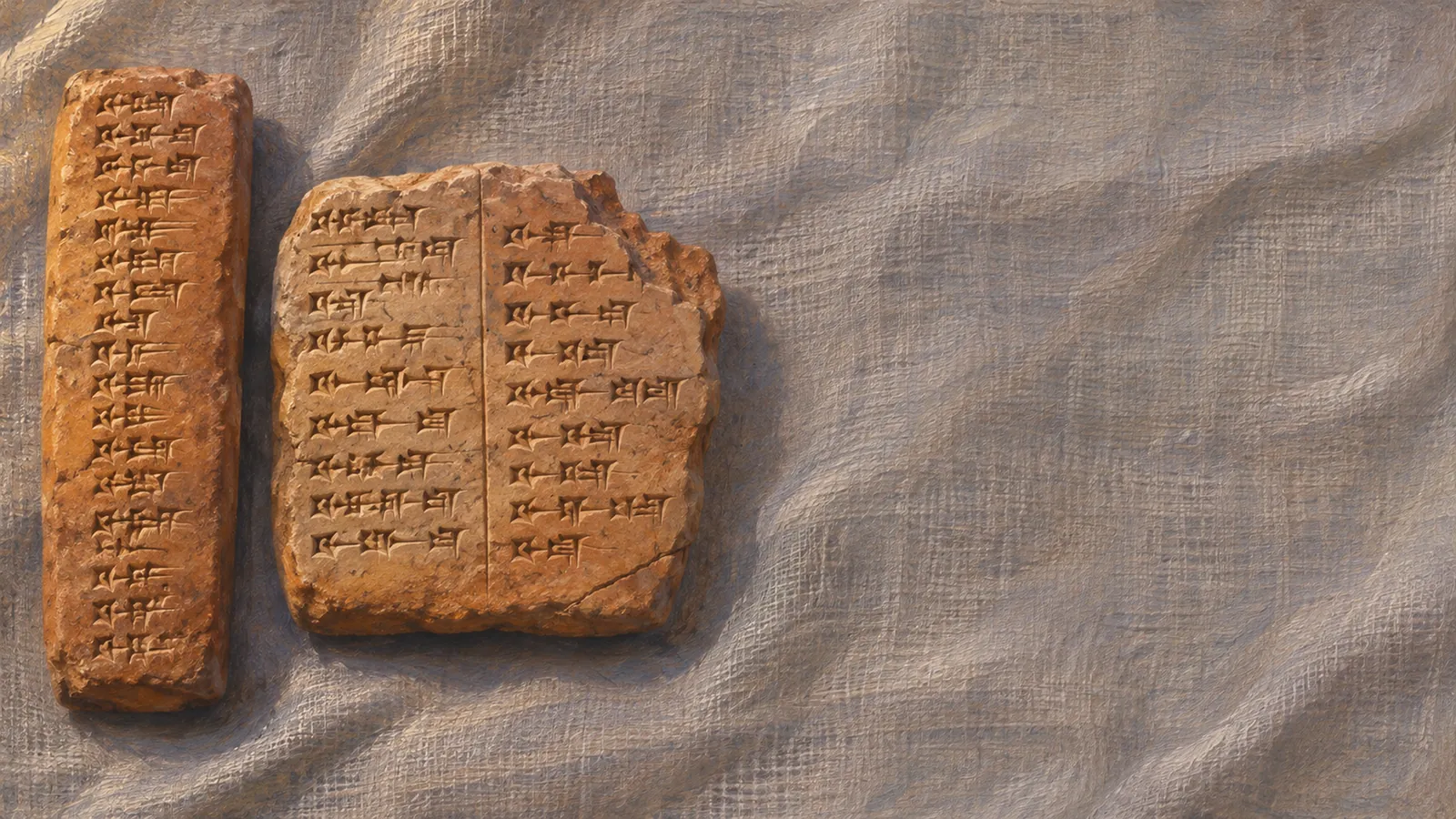
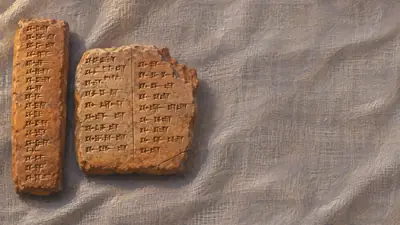
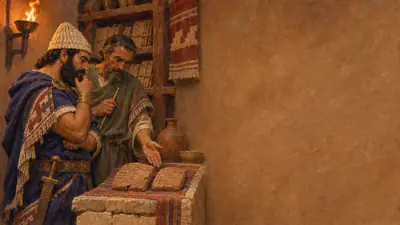
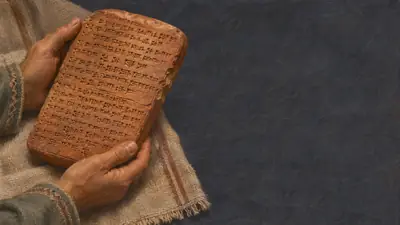
Two tablets carry this prayer to the oath witnesses. One used a single column and the other two. The same plea took different shapes in clay.
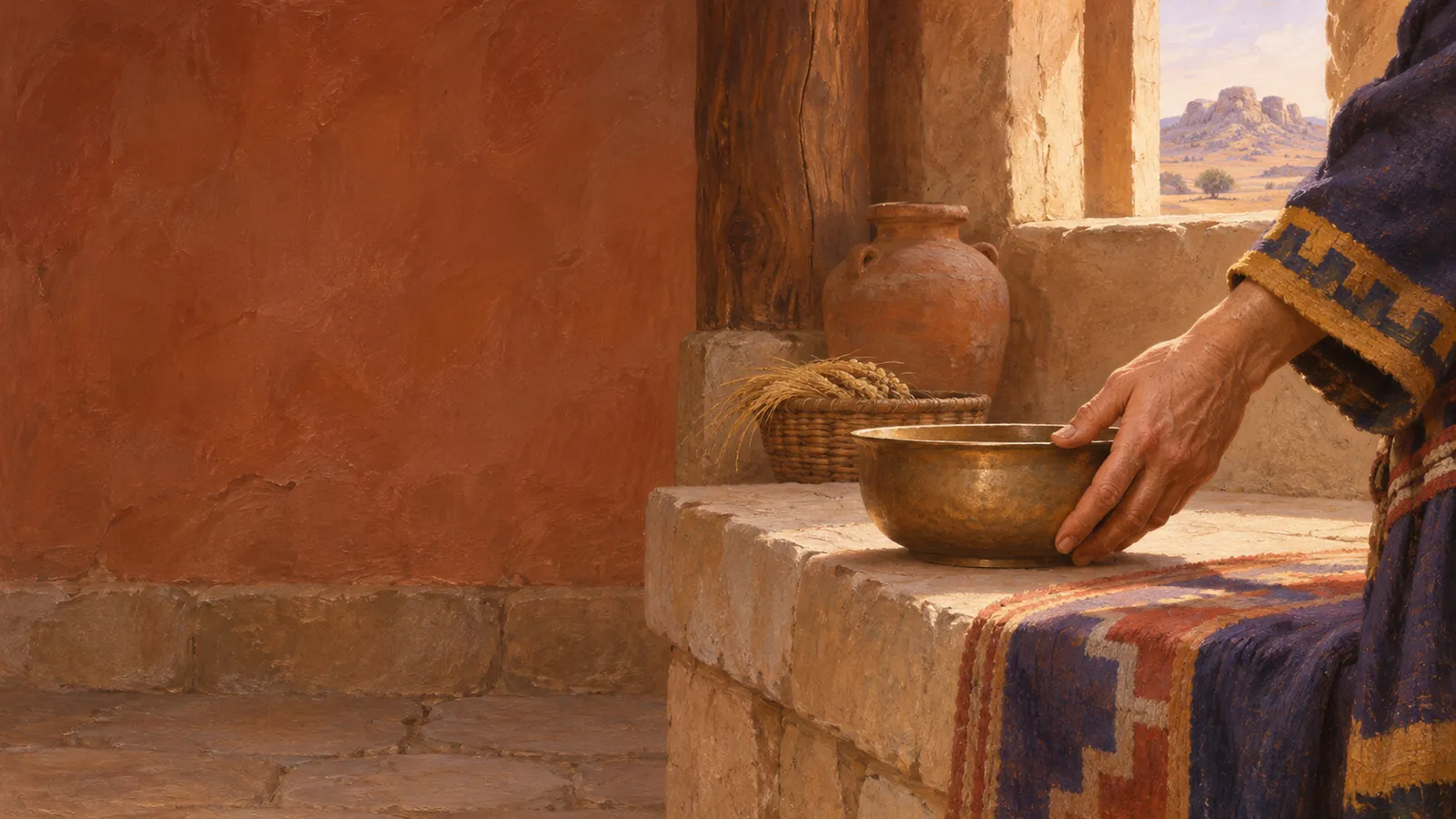
The men who broke the oath are dead, says Mursili. He brings his father’s deeds before the gods and offers to make amends through his own household.
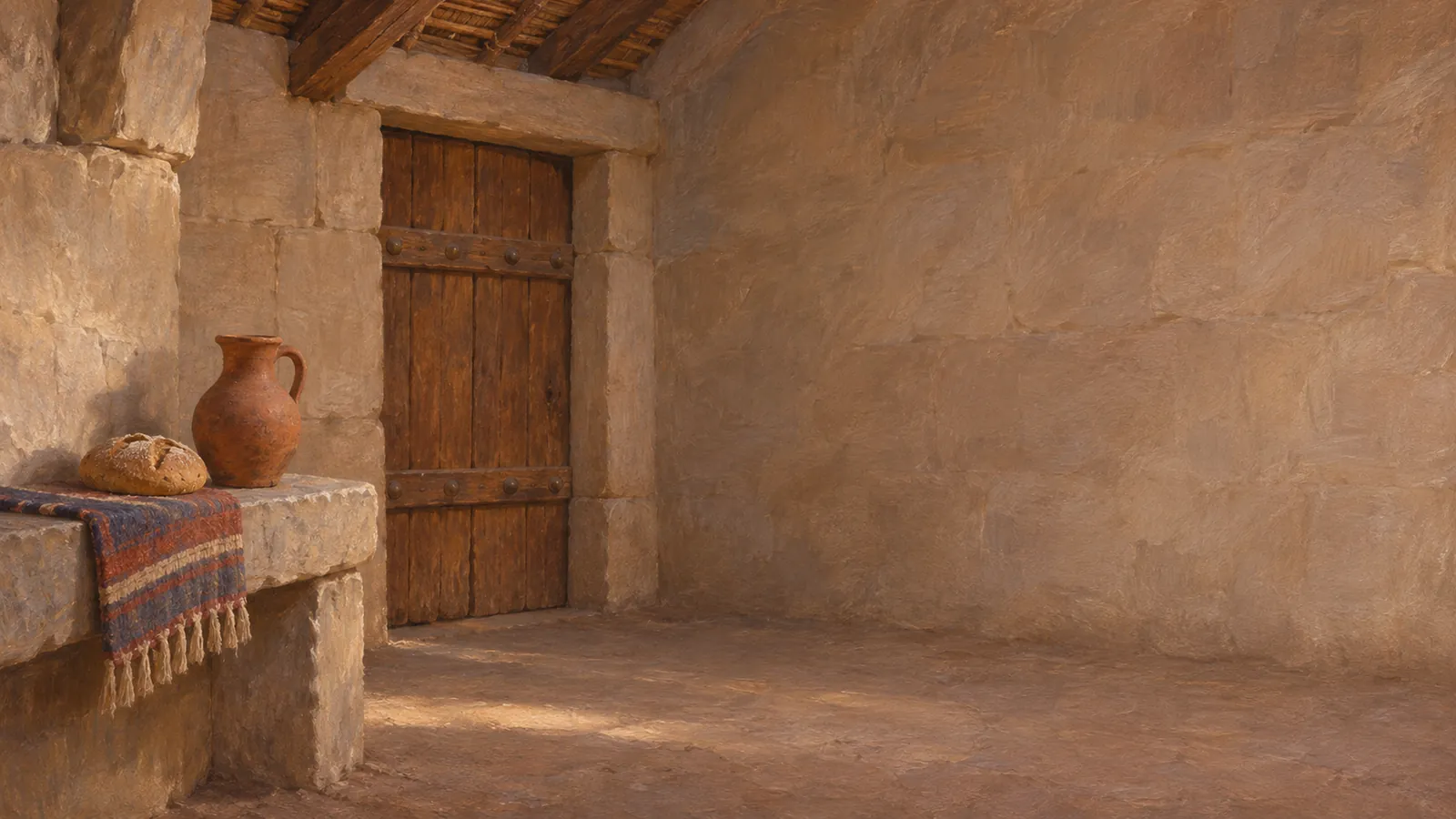
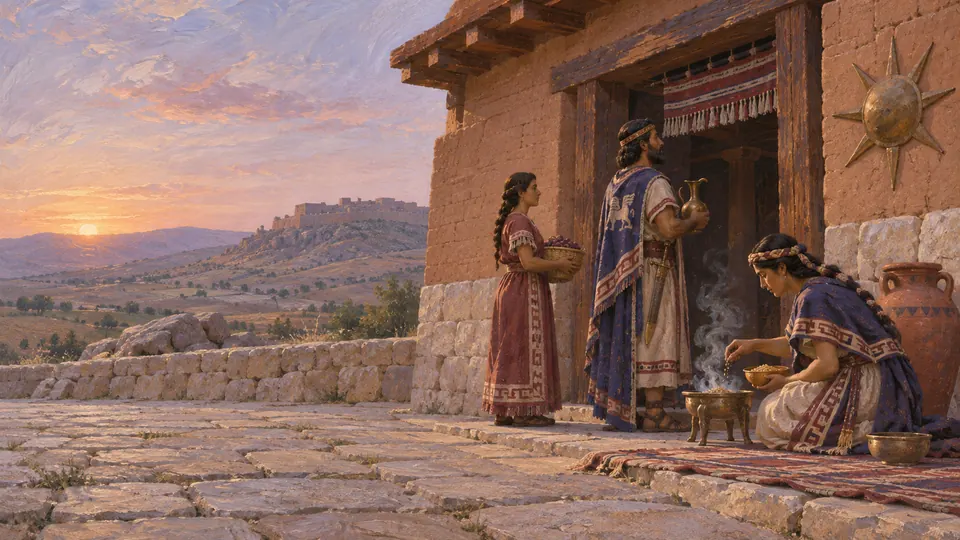
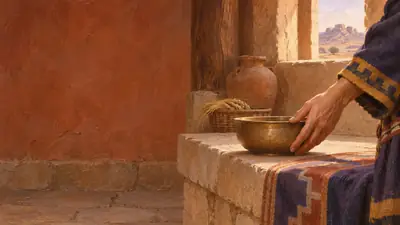
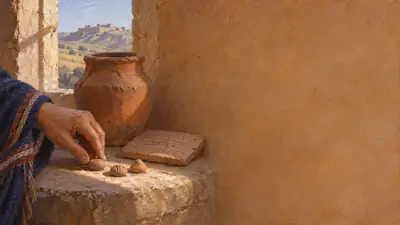
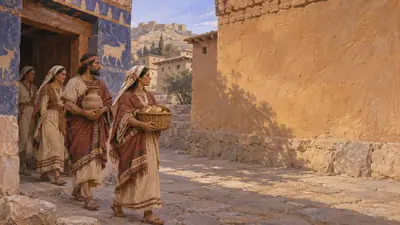
People who make the gods’ bread and bring their drink are dying. Mursili pleads for the few who remain and asks for his own anguish to lift.
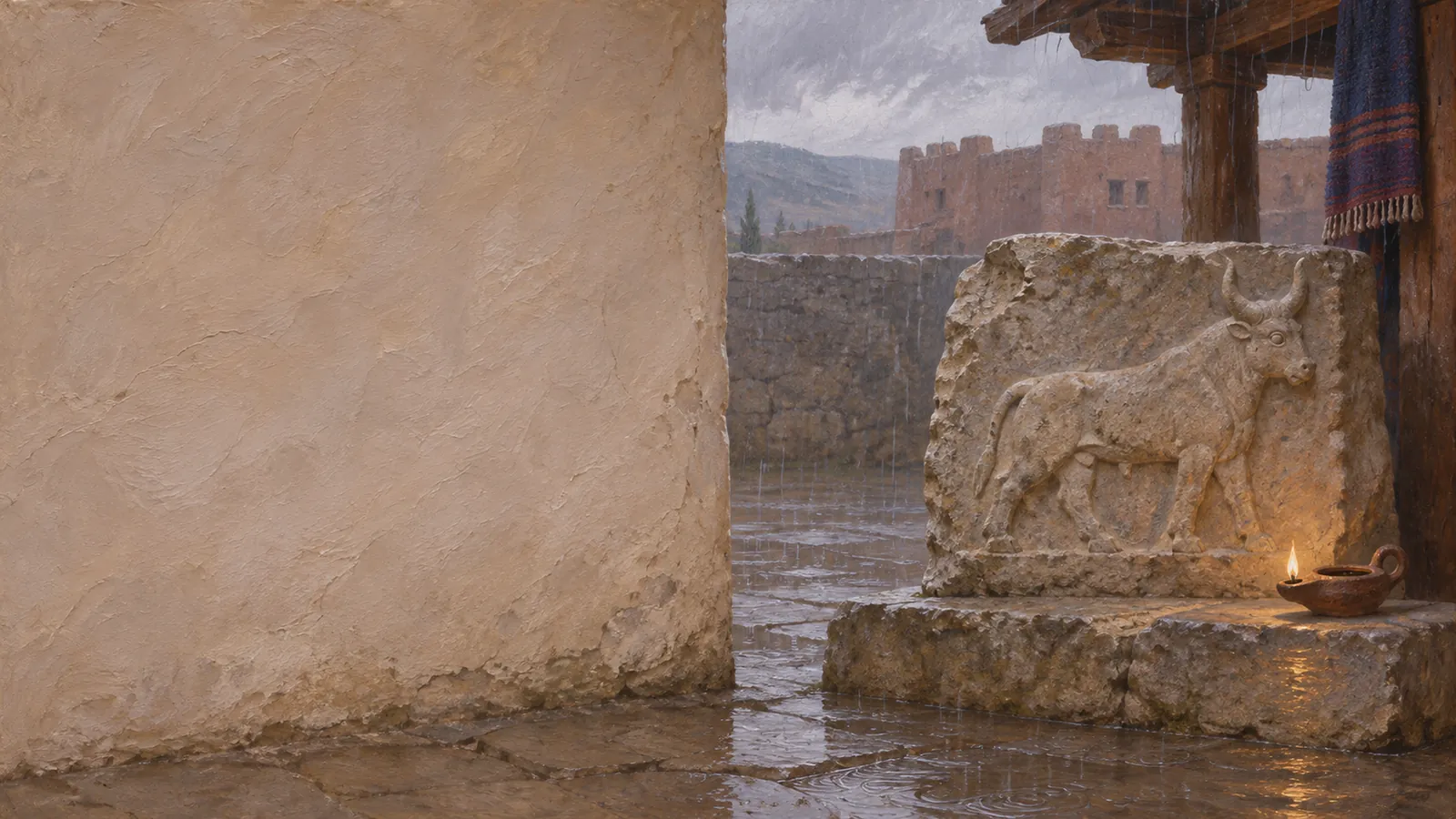
THE STORM GOD OF HATTI
A different prayer addresses the Storm God of Hatti. Mursili remembers the festivals he attended and how he prayed. All through those years the deaths continued.
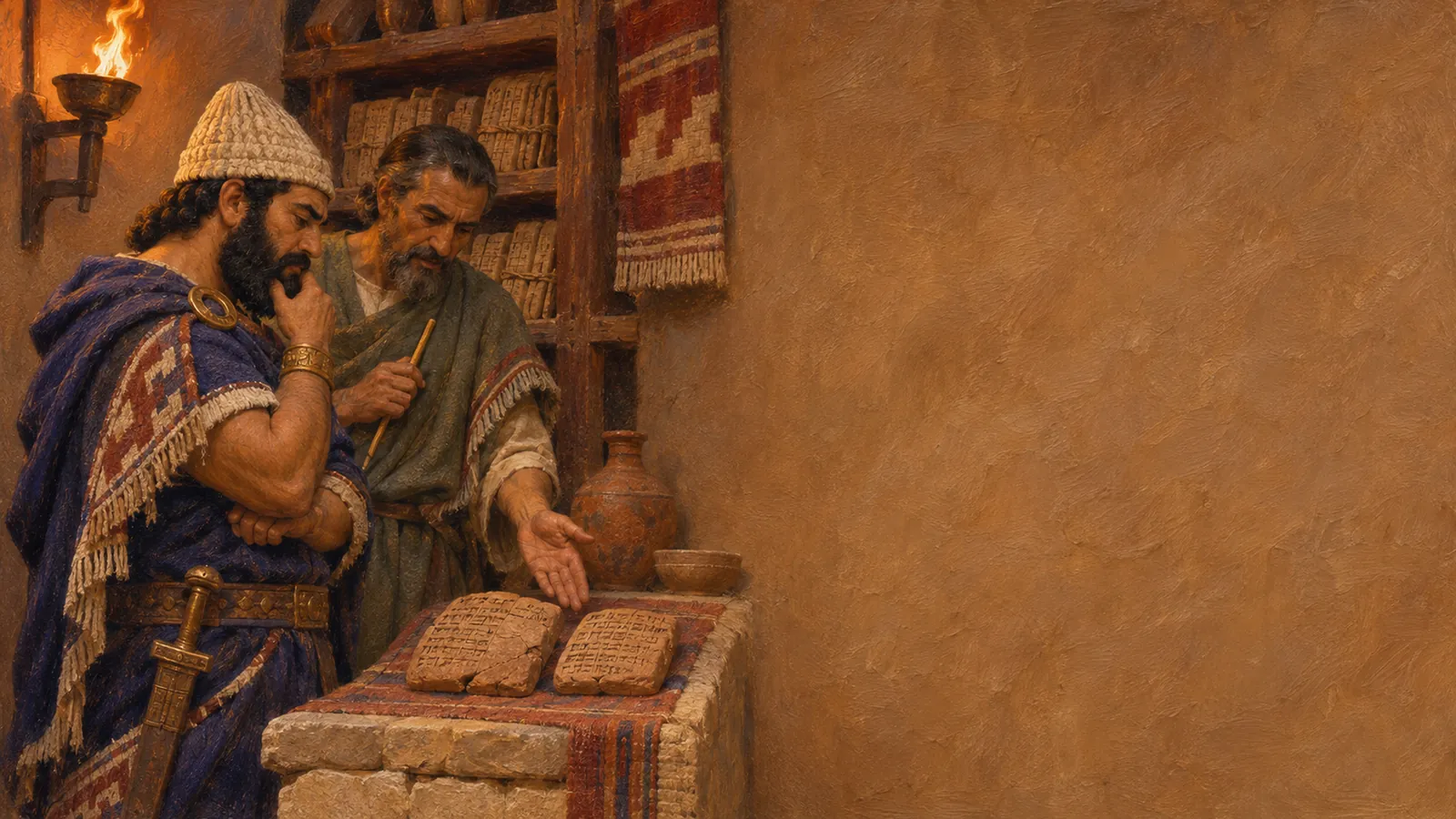
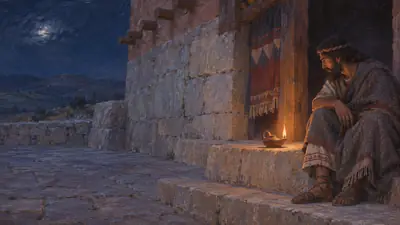
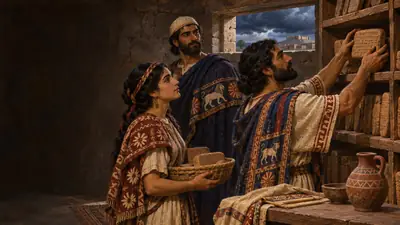
Mursili asks for an oracle, a dream or a person who can speak for a god. His search turns up two old tablets.
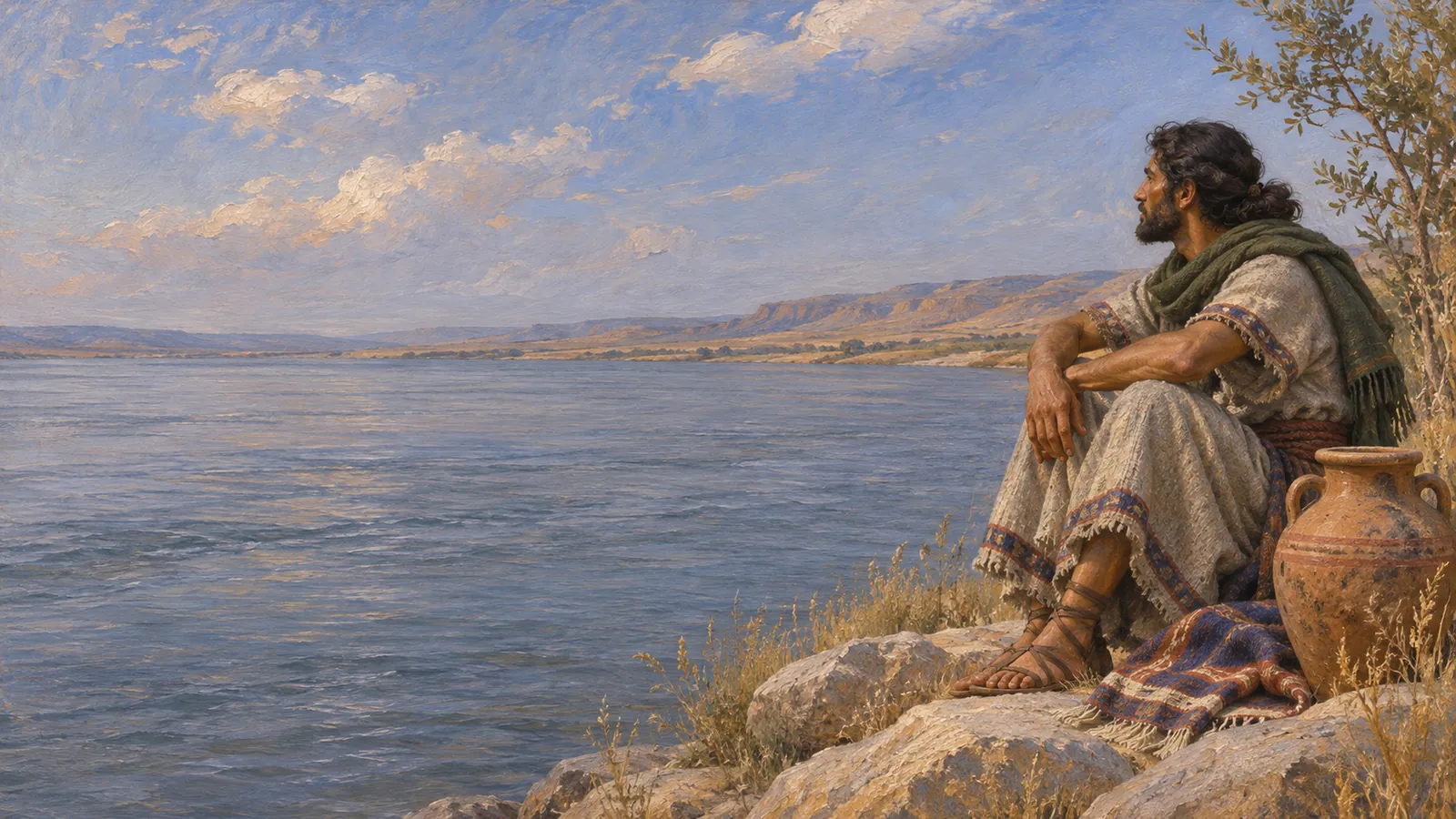
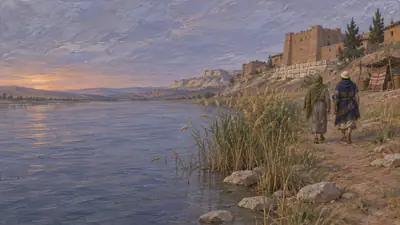
One tablet concerns the Mala, usually identified with the Euphrates. Earlier kings had observed a duty to the river. Mursili says years of death interrupted it.
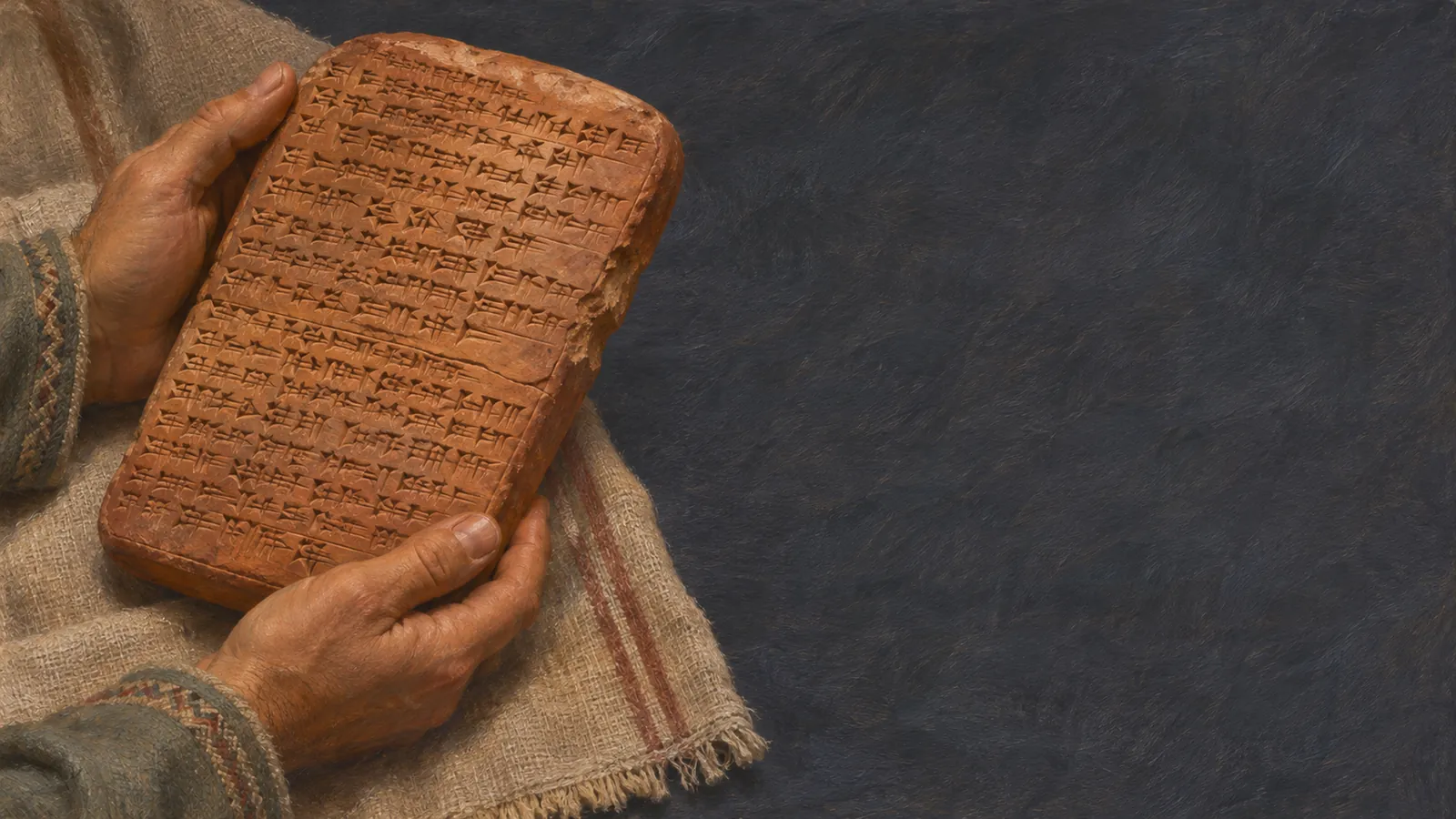
The other tablet mentions people of Kurustamma who had gone into Egyptian territory. Mursili recalls an agreement between Egyptians and Hittites, witnessed by his Storm God.
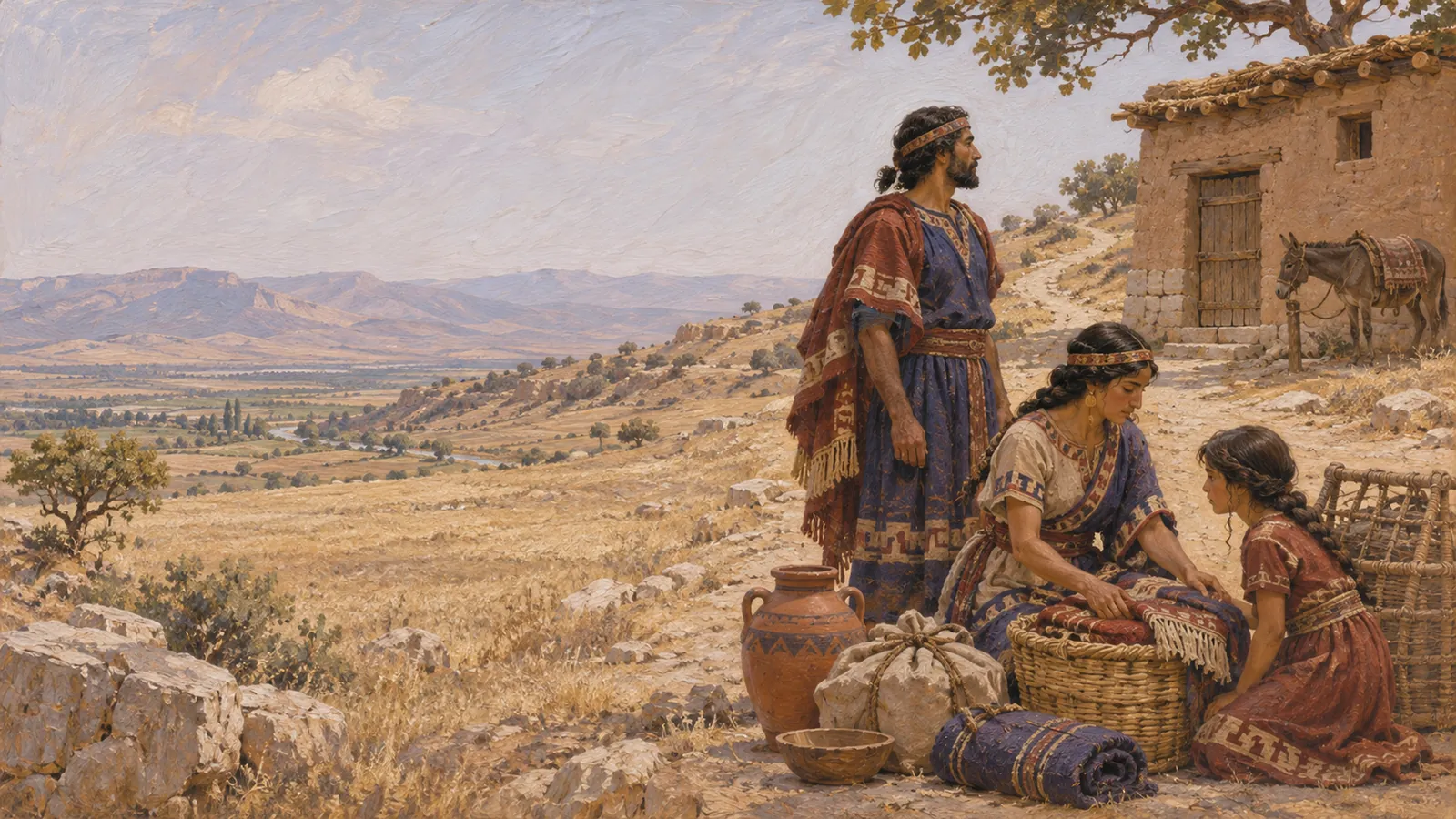
Mursili says his father sent forces to Amqa, a borderland under Egyptian rule. He describes the attacks as a breach of an oath that binds Hatti.
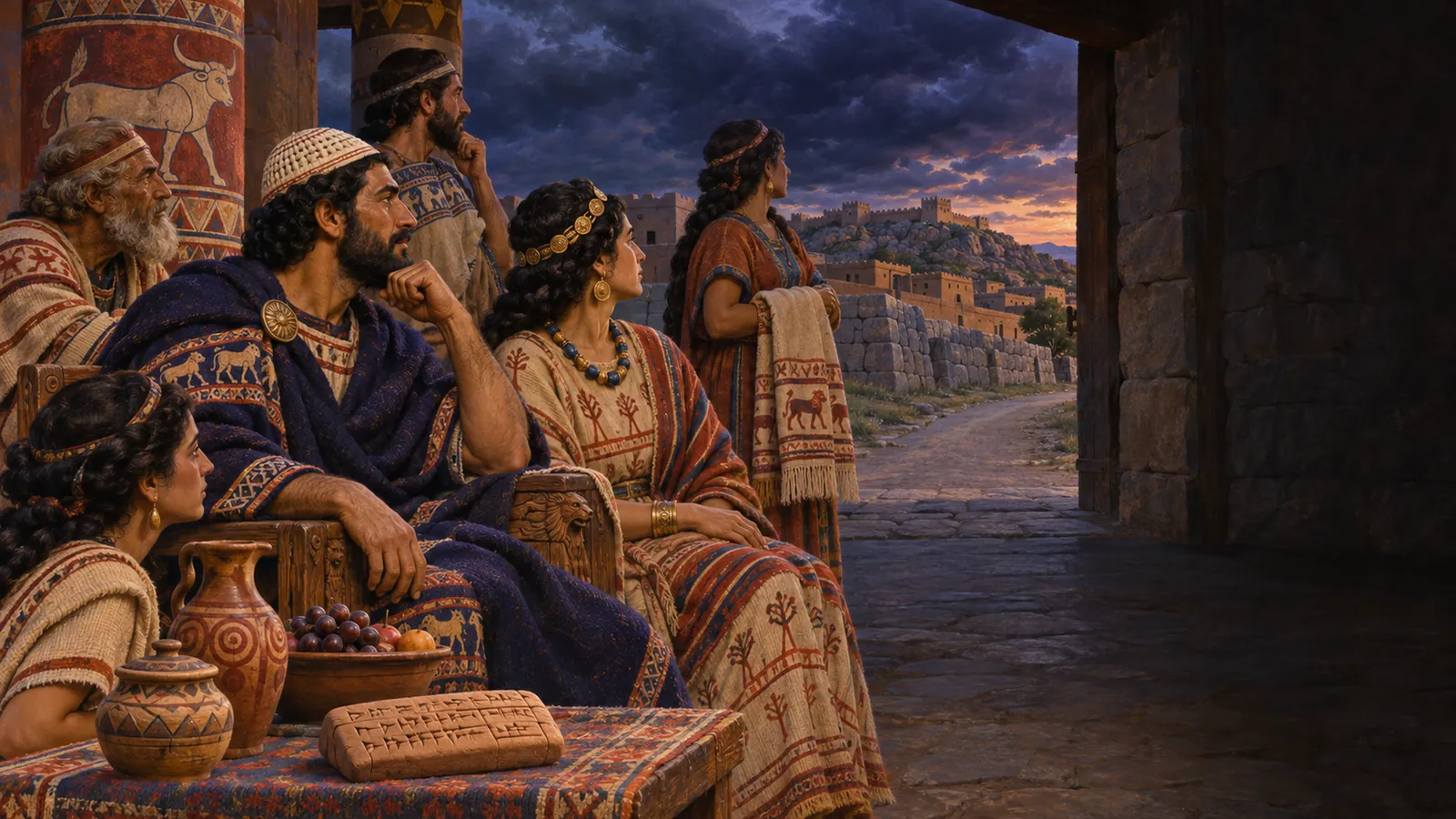
The prayer recalls a request from Egypt for a son of the Hittite king. Suppiluliuma sent a prince. Mursili says he was killed before he arrived.
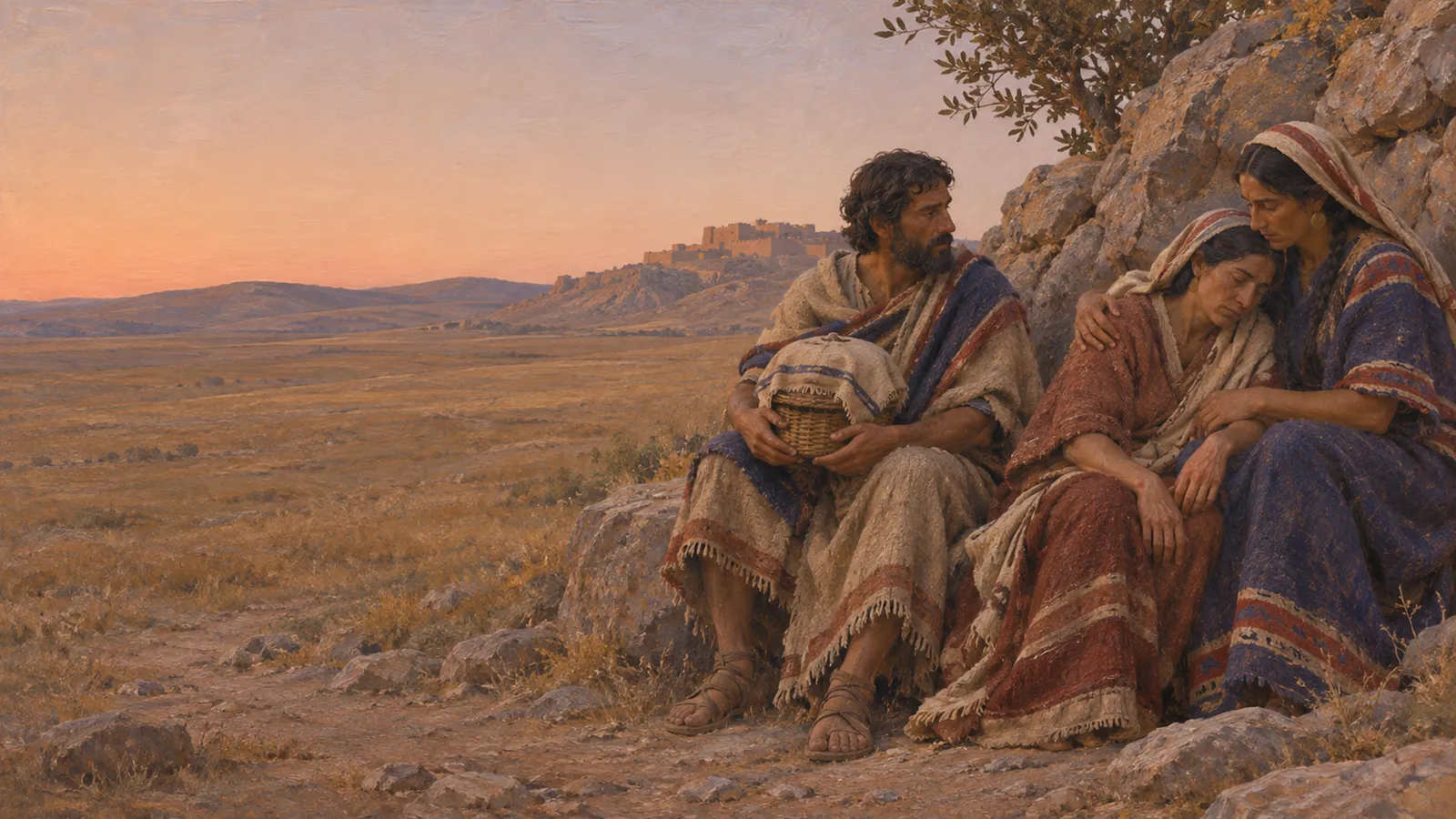
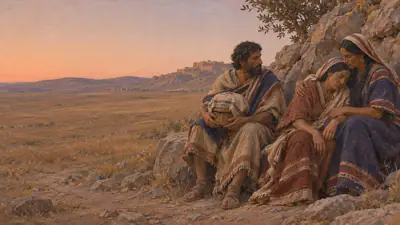
Mursili recalls sickness among captives and later in Hatti. He places their suffering amid war and forced journeys. The captives’ own words are lost to us.
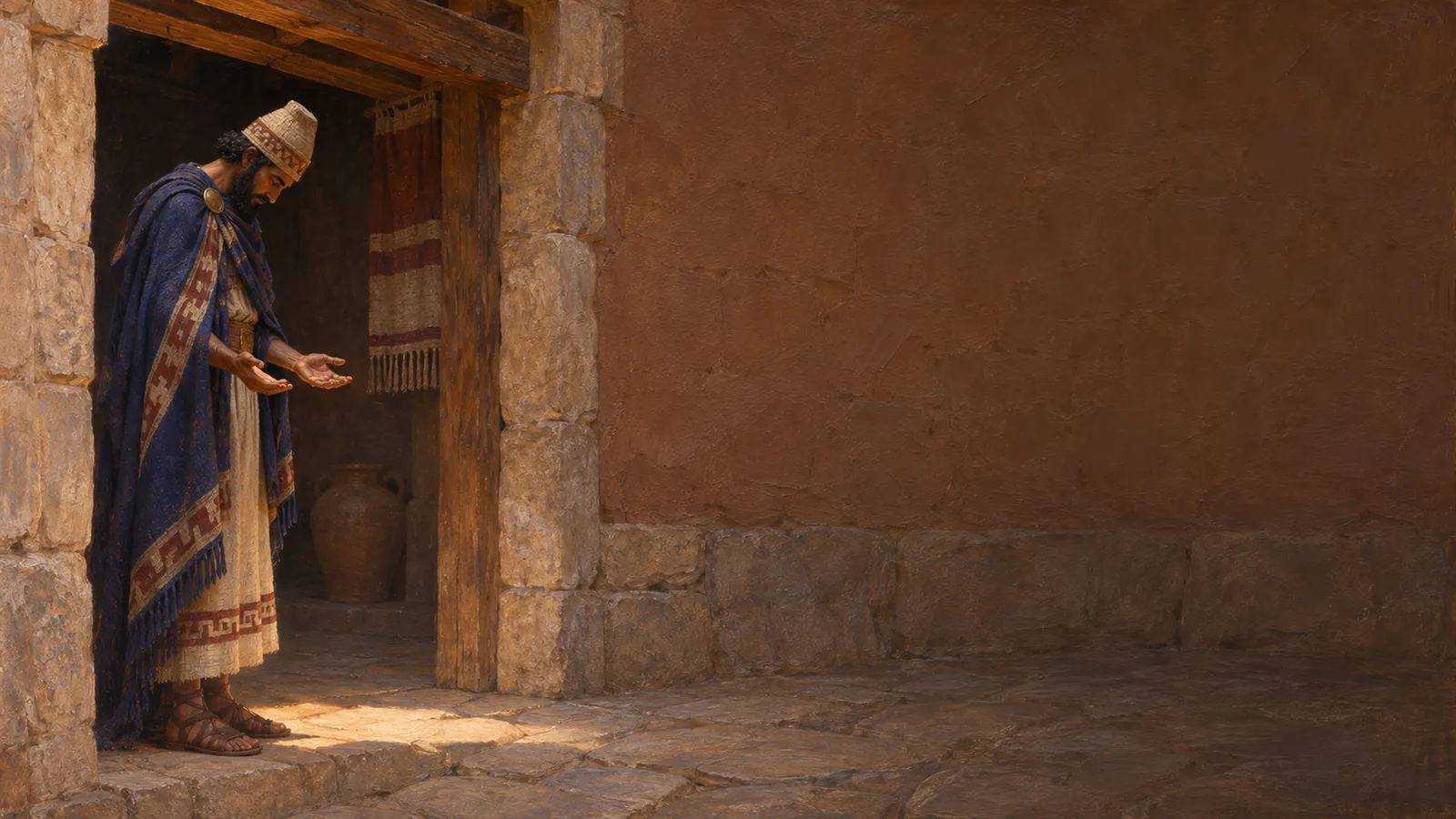
The oracle, says Mursili, points to the oath and to the neglected river. Before the Storm God he accepts that his own country bears responsibility.
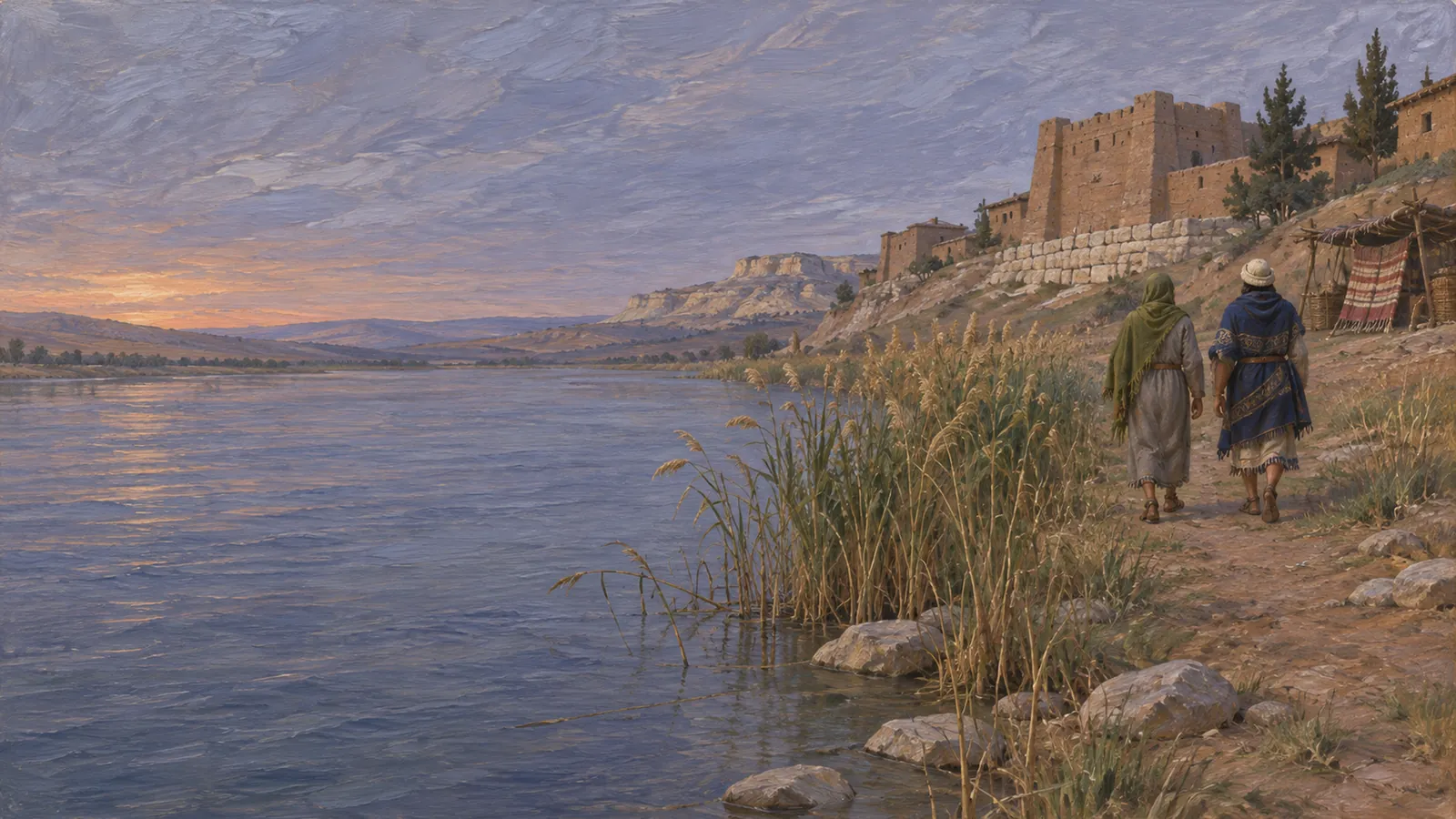
A ROAD TO THE RIVER
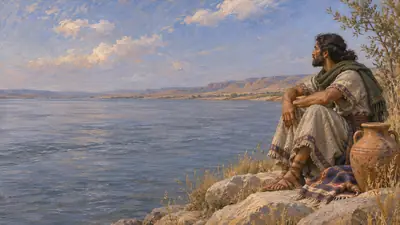
The king says he is on his way to the Mala to renew the neglected observance. He asks for mercy while he makes amends.
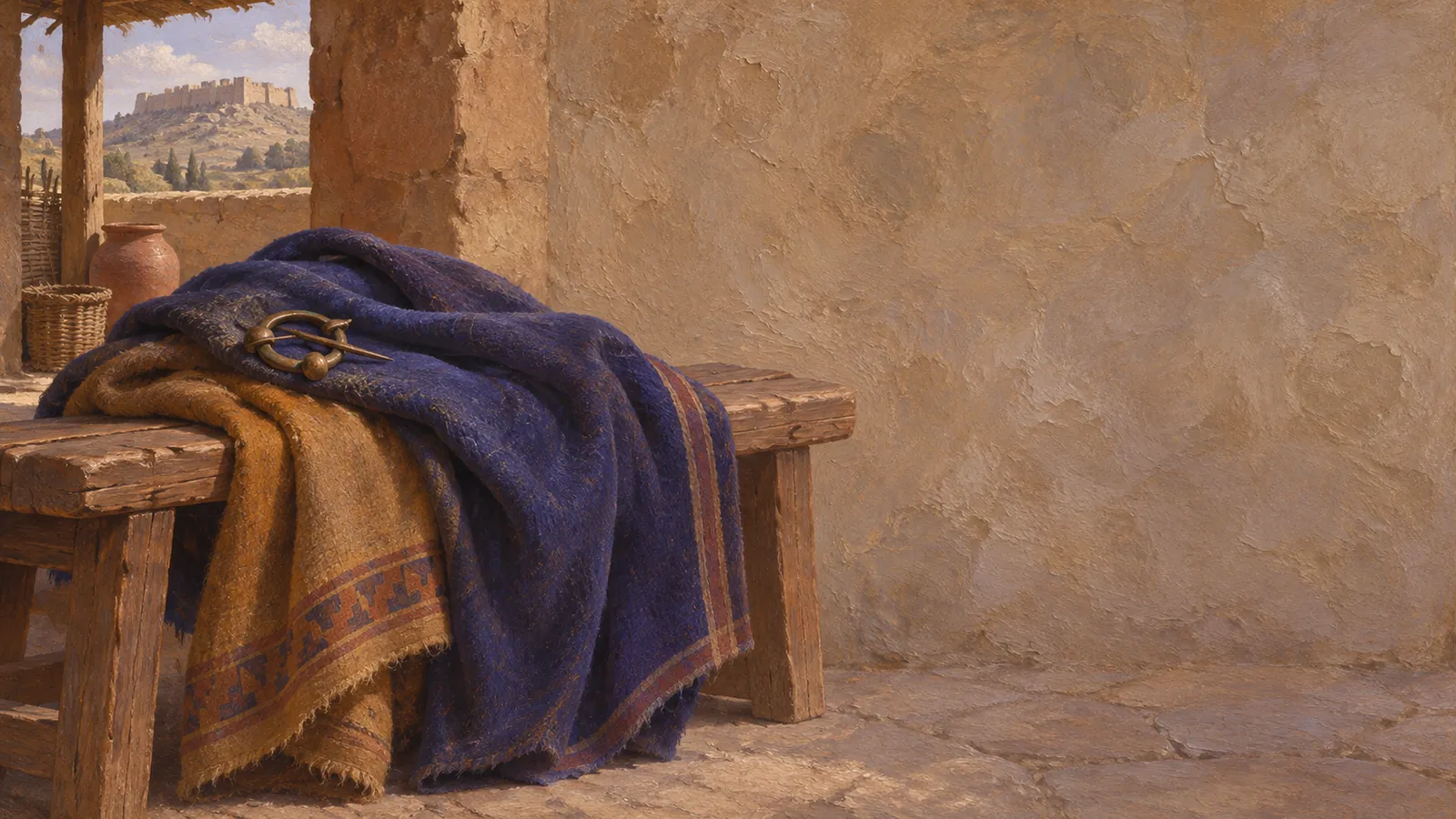
Mursili says he did no wrong in the affair. He also accepts that a father’s burden can fall upon his son. Both claims stand in the prayer.
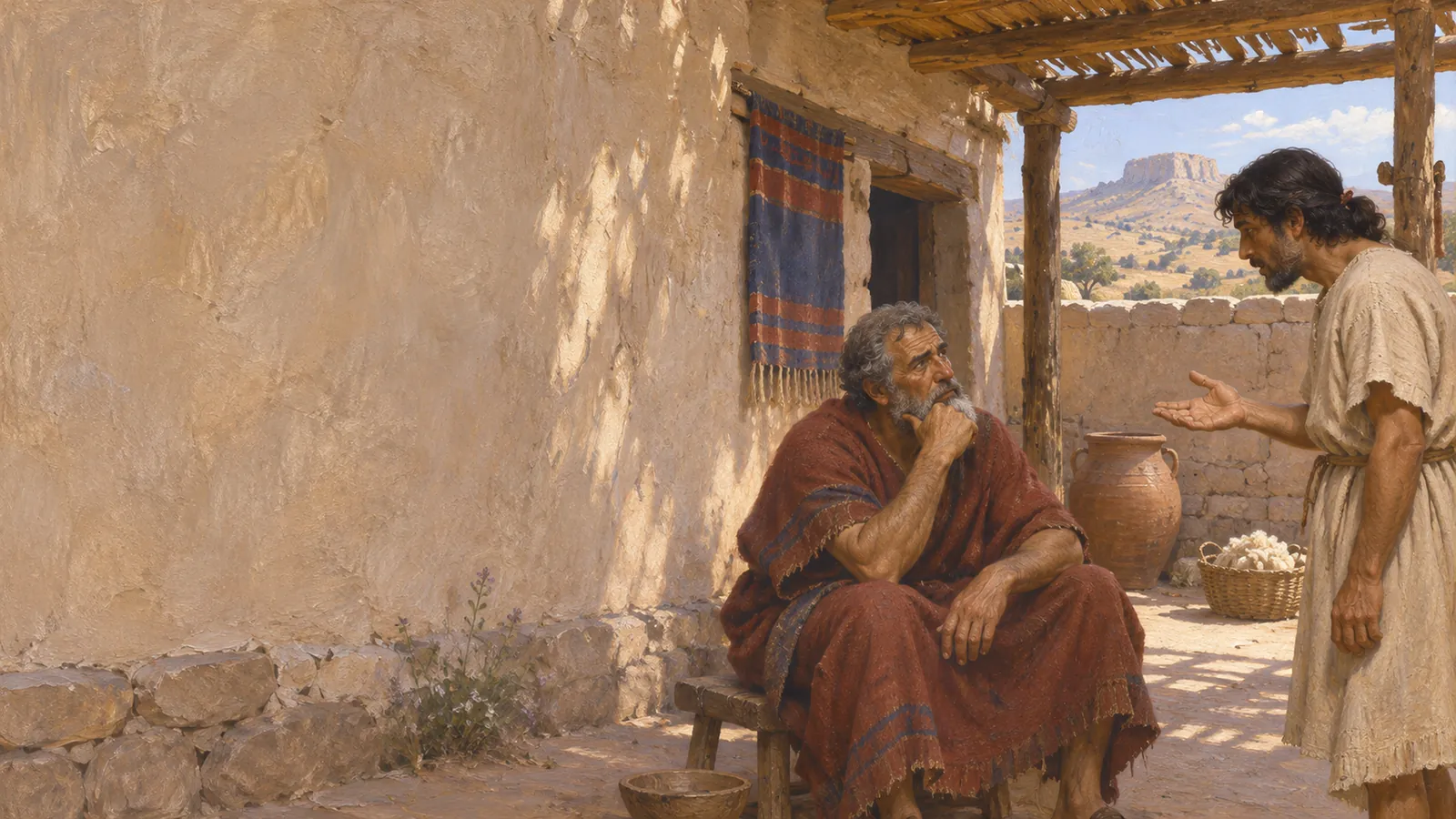
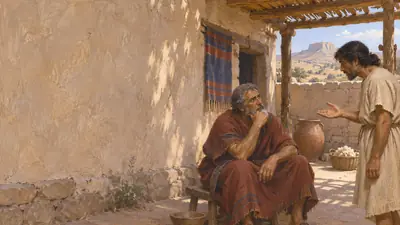
A servant who confesses to his lord may be heard and forgiven. Mursili compares his appeal to the servant’s and asks the gods for the same hearing.
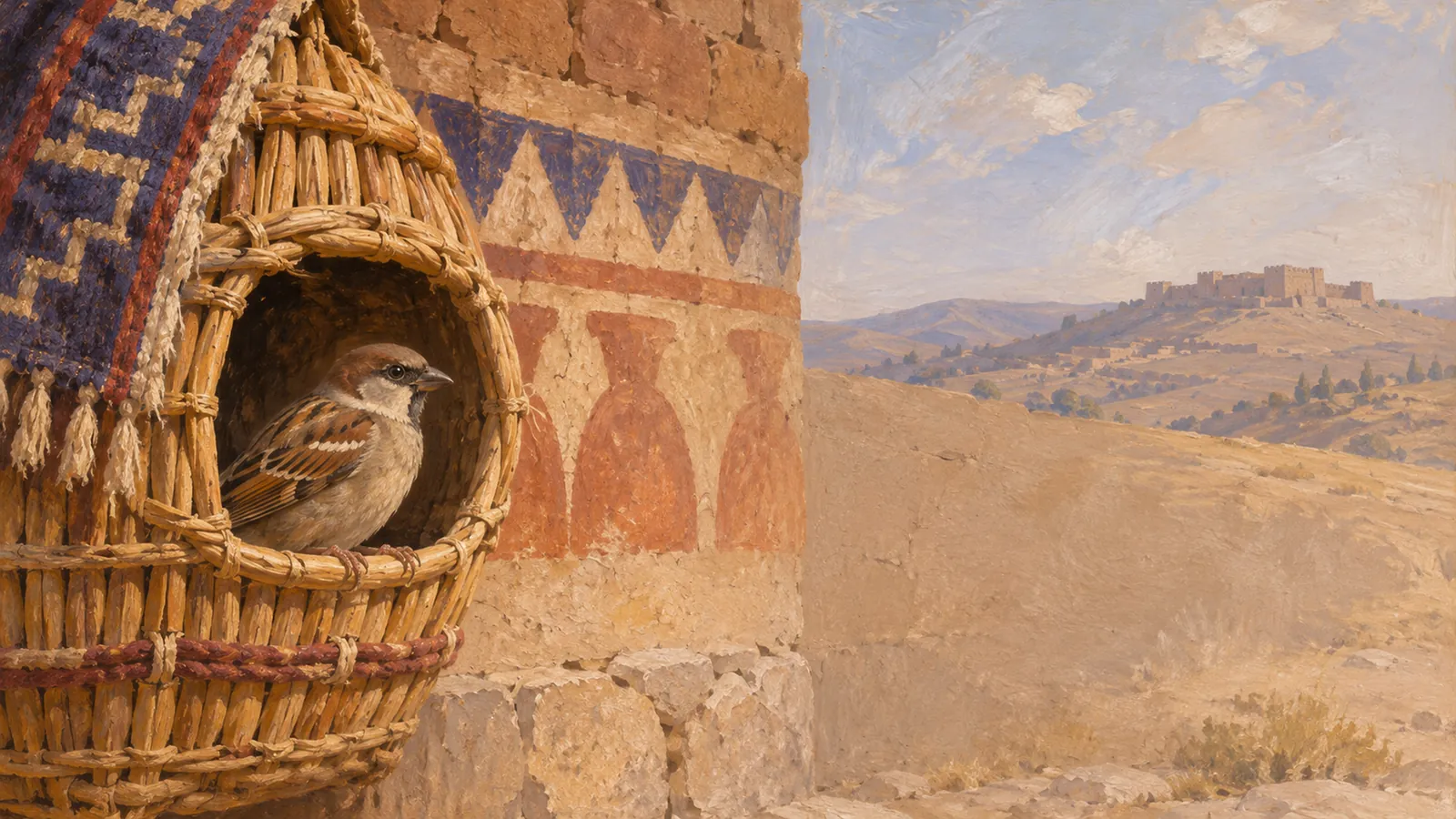
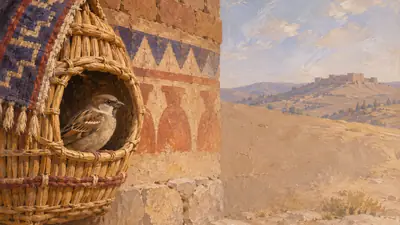
The prayer pictures a bird taking refuge in a cage. Mursili calls on the Storm God to shelter him as the cage shelters the bird.
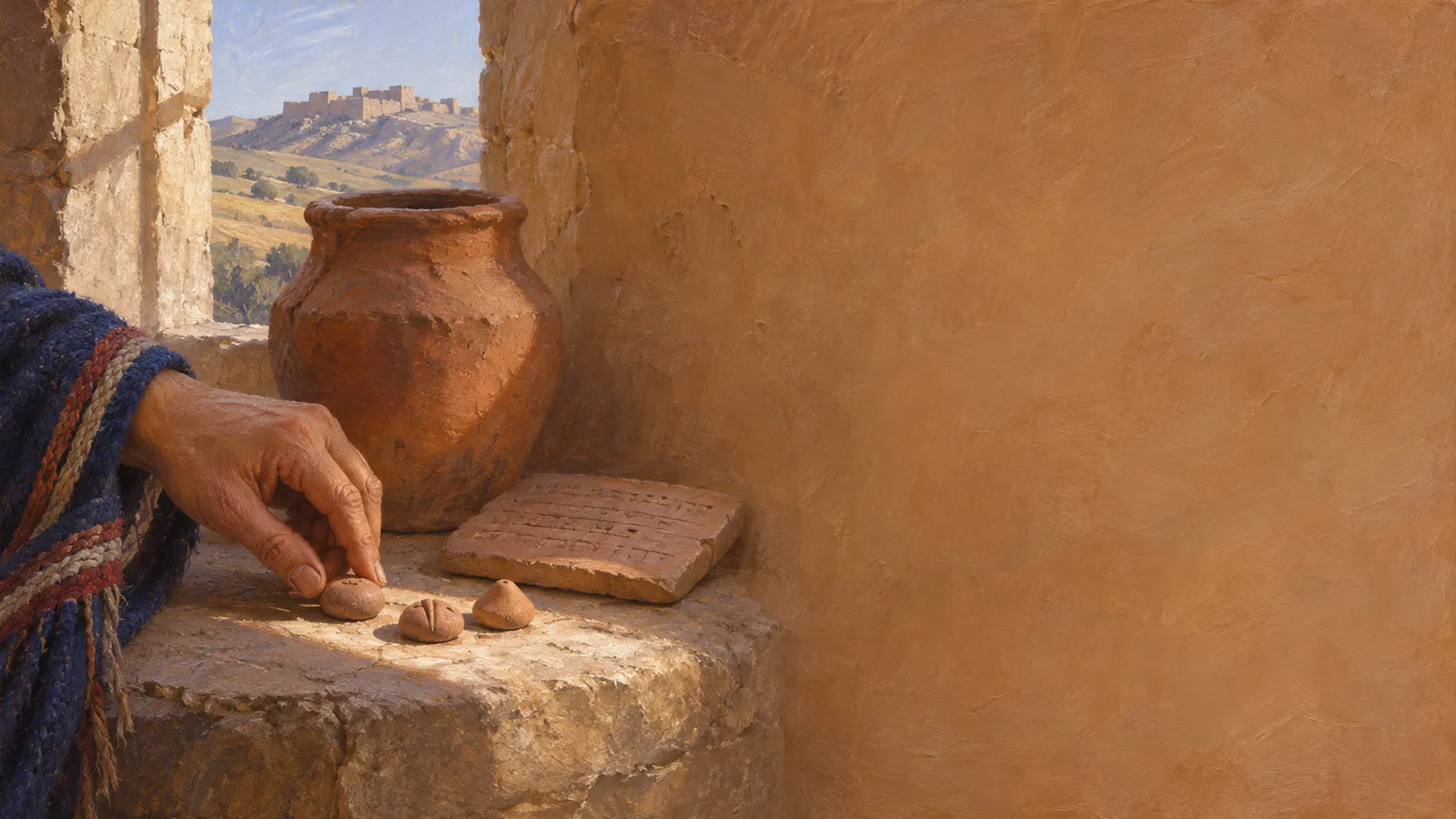
Mursili believes Hatti has already paid twentyfold. If the gods still require more, he asks for a dream that will tell him how to make amends.
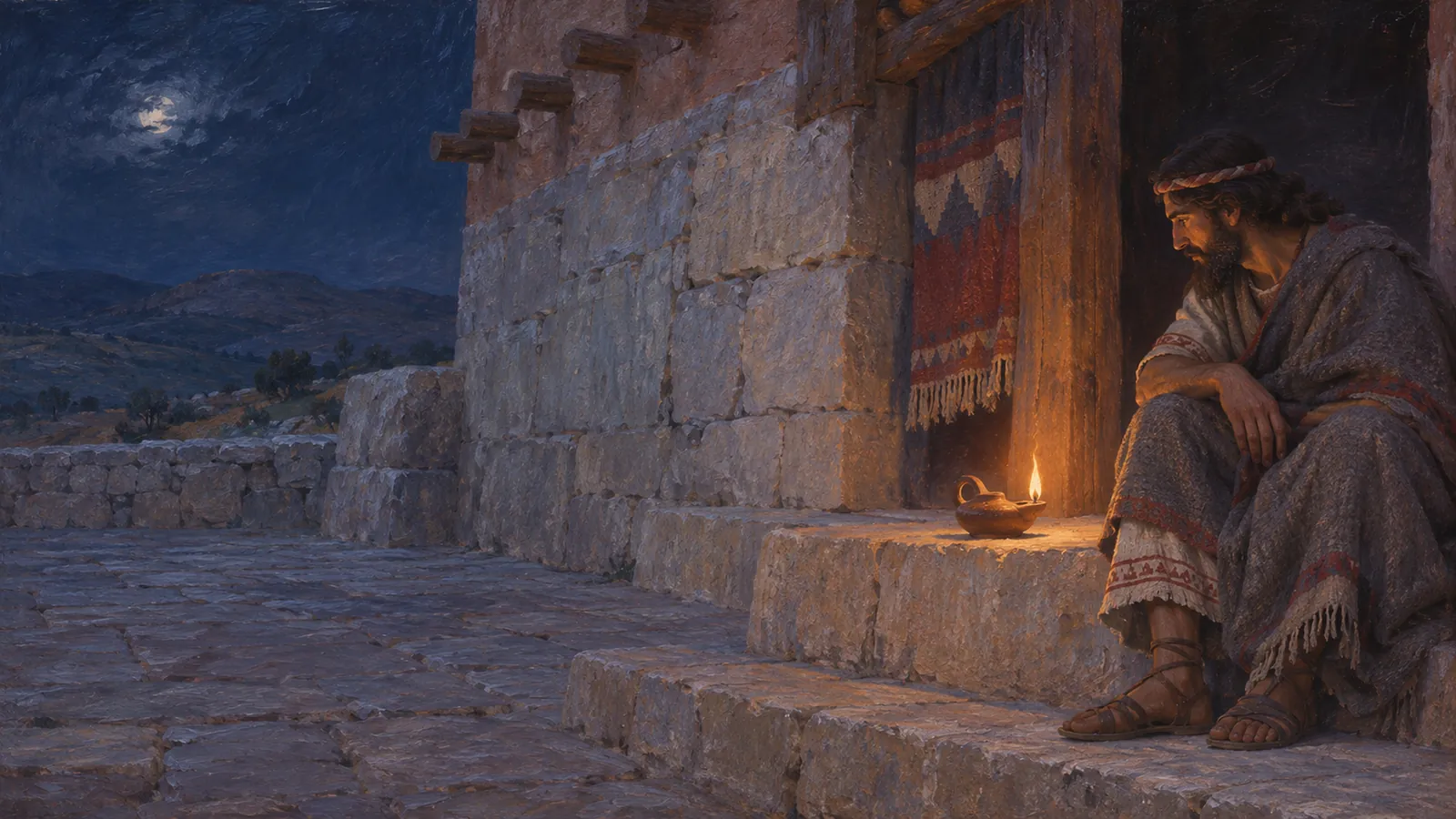
The old tablets leave one possibility open. Something else may be behind the deaths. Again Mursili asks for a dream, an oracle or a messenger.
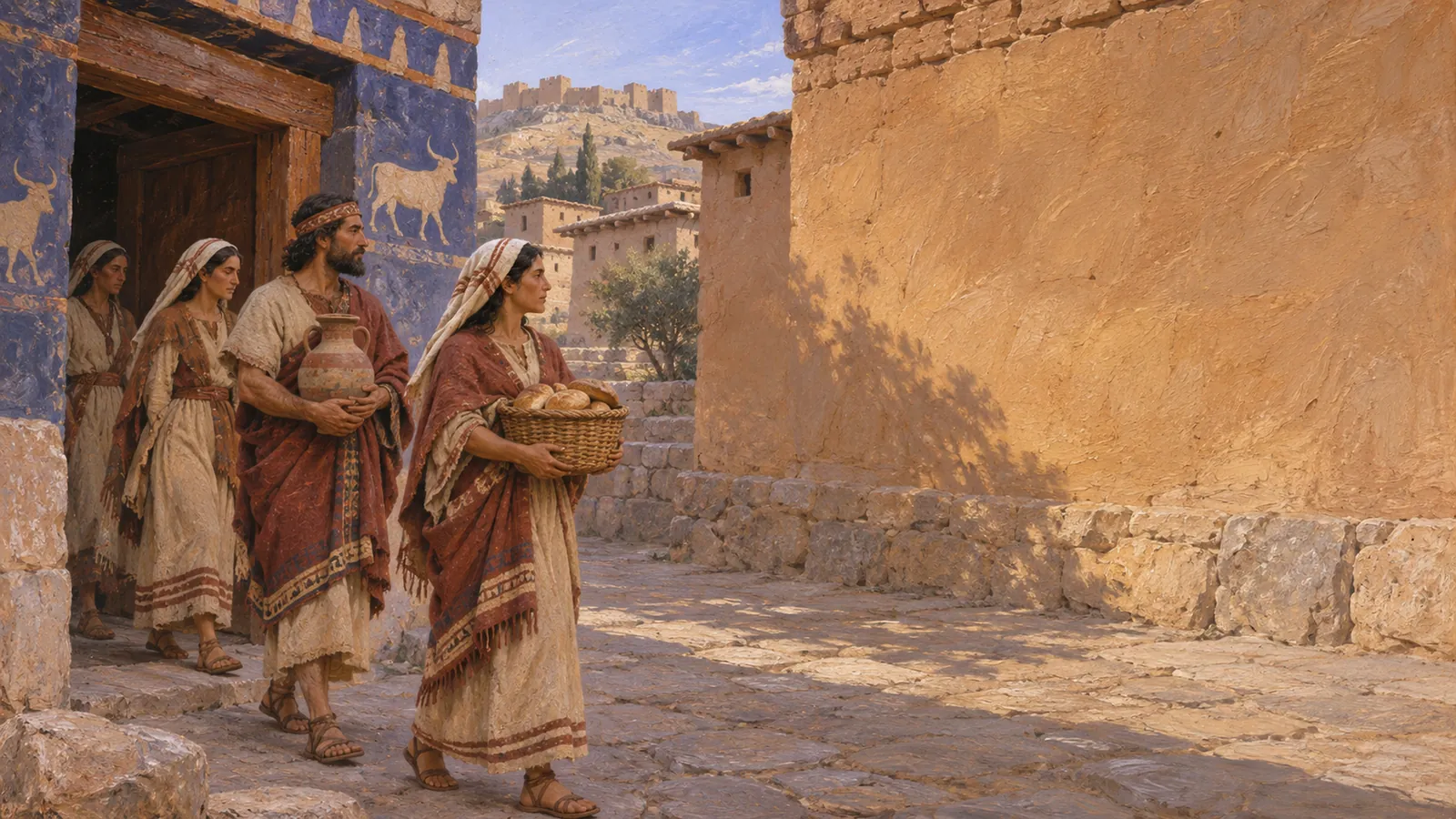
Let the illness leave Hatti, he asks. Let the people who make bread and bring drink to the gods live. The king pleads for his own life as well.
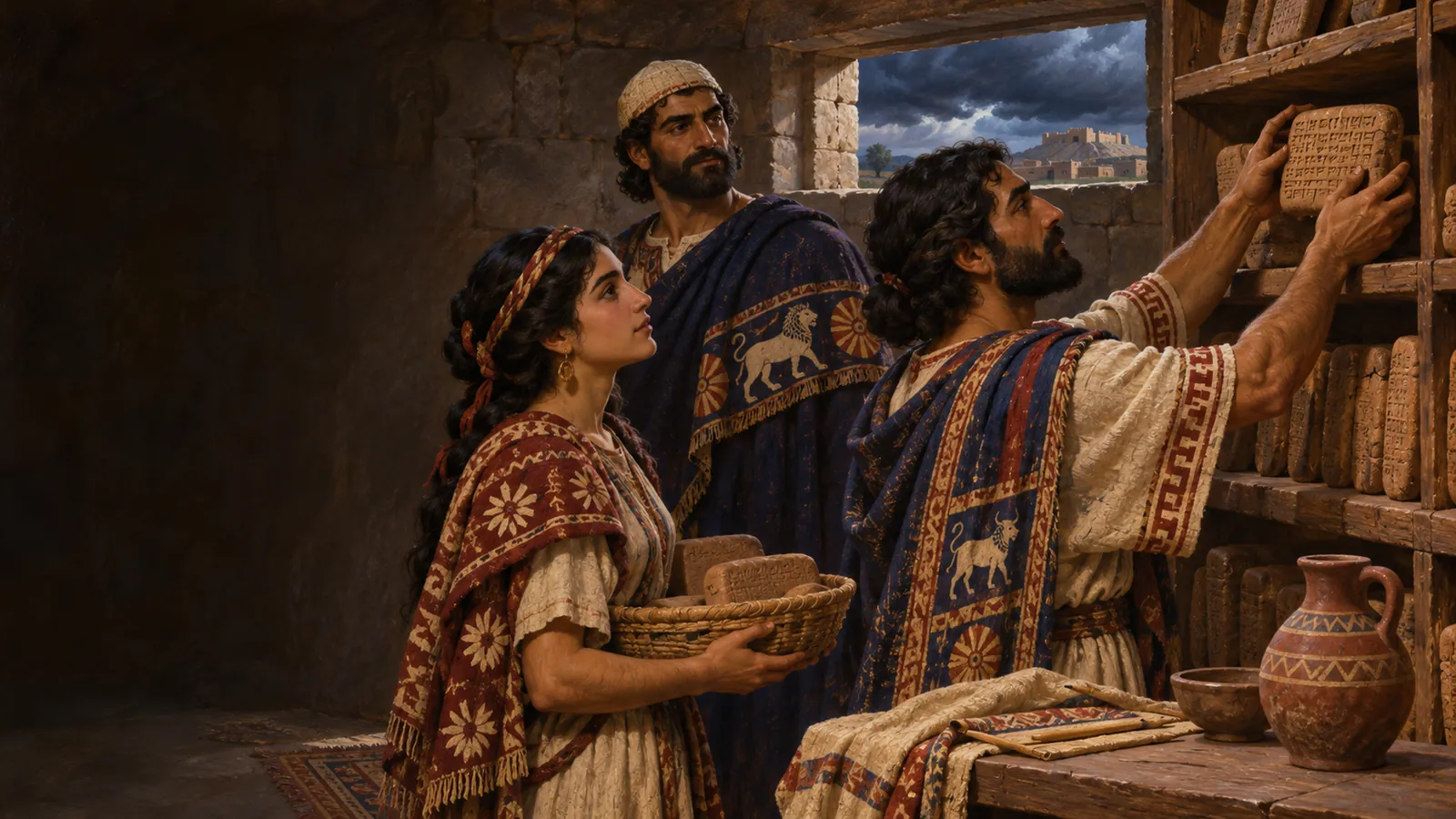
The scribe marks the prayer complete on one tablet. The plea ends on clay. Mursili’s question is still open.
End of chapter 1
All pages
Sources
Editions consulted
- Itamar Singer, Hittite Prayers, nos. 10–14, pp. 56–68, translated primary texts
- Society of Biblical Literature, Singer’s prayer concordance
- Hethitologie-Portal Mainz, catalogue of prayers, CTH 378–379
- LAMAN, KUB 14.8, witness to the Second Plague Prayer
- LAMAN, KUB 14.12, witness to the Third Plague Prayer
- Koç University, CTH 378 manuscript concordance
Ancient lines behind each page
- Page 1: CTH 378.I §1
See source notes for which details are attested. - Page 2: CTH 378.I §1
See source notes for which details are attested. - Page 3: CTH 378.I §2
See source notes for which details are attested. - Page 4: CTH 378.I §2
See source notes for which details are attested. - Page 5: CTH 378.I §3
See source notes for which details are attested. - Page 6: CTH 378.I §4
See source notes for which details are attested. - Page 7: CTH 378.I §§4–5
See source notes for which details are attested. - Page 8: Singer 2002, no. 12, introduction
See source notes for which details are attested. - Page 9: CTH 378.I §§6–8
See source notes for which details are attested. - Page 10: CTH 378.I §§8–9
See source notes for which details are attested. - Page 11: CTH 378.II §§1–2
See source notes for which details are attested. - Page 12: CTH 378.II §§2–3
See source notes for which details are attested. - Page 13: CTH 378.II §3
See source notes for which details are attested. - Page 14: CTH 378.II §4
See source notes for which details are attested. - Page 15: CTH 378.II §4
See source notes for which details are attested. - Page 16: CTH 378.II §4
See source notes for which details are attested. - Page 17: CTH 378.II §§5–6
See source notes for which details are attested. - Page 18: CTH 378.II §6
See source notes for which details are attested. - Page 19: CTH 378.II §7
See source notes for which details are attested. - Page 20: CTH 378.II §8
See source notes for which details are attested. - Page 21: CTH 378.II §9
See source notes for which details are attested. - Page 22: CTH 378.II §9
See source notes for which details are attested. - Page 23: CTH 378.II §9
See source notes for which details are attested. - Page 24: CTH 378.II §§10–11
See source notes for which details are attested. - Page 25: CTH 378.II §11
See source notes for which details are attested. - Page 26: CTH 378.II, colophon
See source notes for which details are attested.
Illustrations made with AI tools by IL Archive; the text is based on the ancient sources (see the sources at the end of each chapter).