The Prayer for the Body to Endure Chapter 1
The Petition and the Awakening
An Egyptian prayer addresses Osiris and asks him to preserve the body, breath and strength. Budge’s 1908 printed selection ends with a voice speaking as Khepera and declaring endurance, growth and waking in peace.
SourcesTurn the pages with the arrows, the arrow keys or a swipe.

PRAYER FOR THE BODY
Chapter 154 is a prayer for the body to endure. This is the full selection Wallis Budge printed in 1908. He lists the Papyrus of Nu among his witnesses.
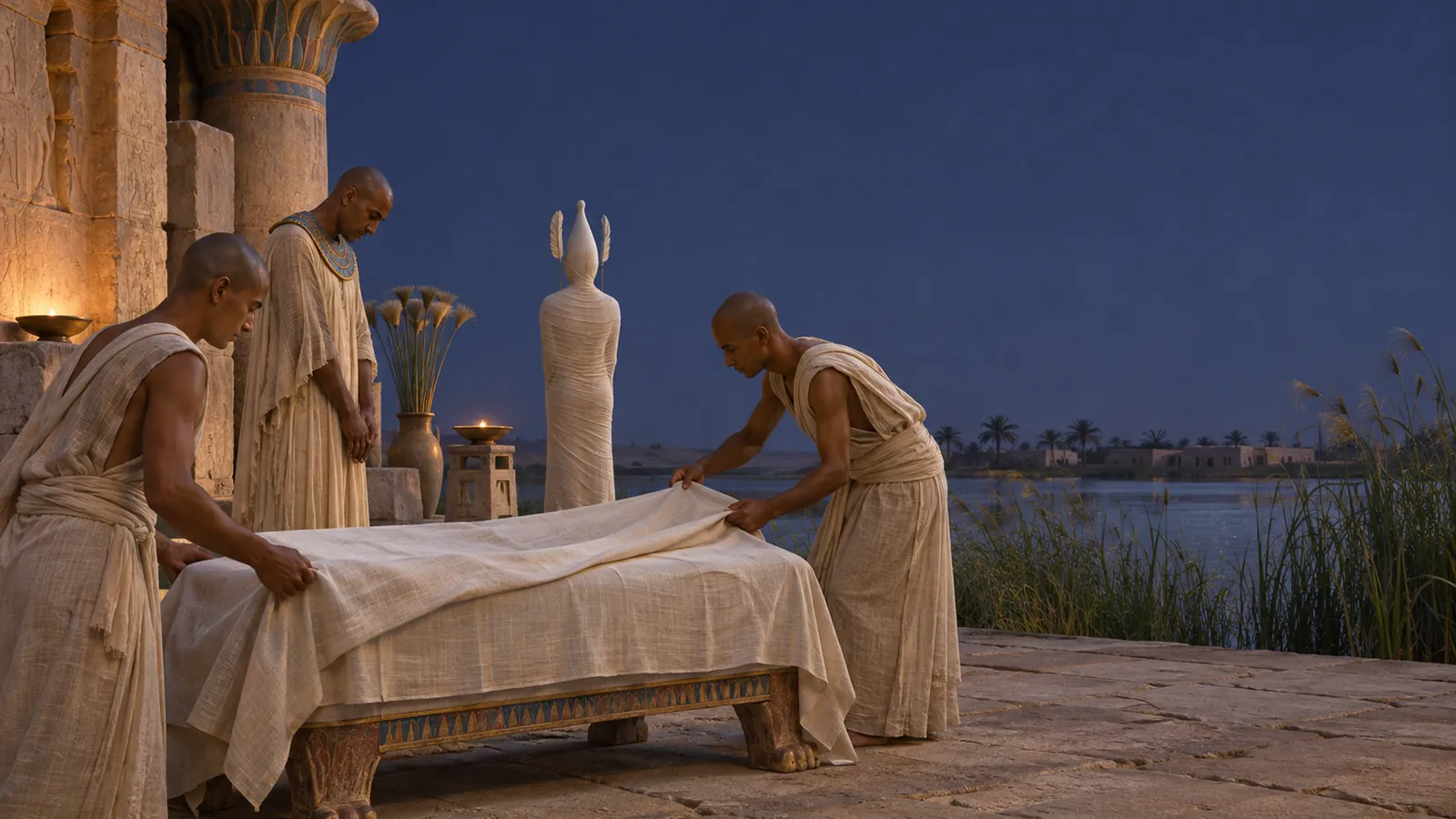
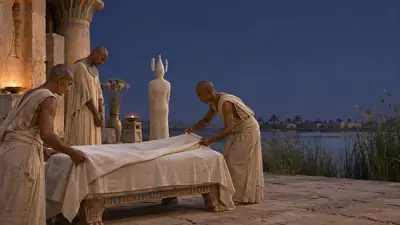
The speaker pays homage to Osiris, whom he calls his divine father. He asks Osiris to embalm his body so that he can endure.
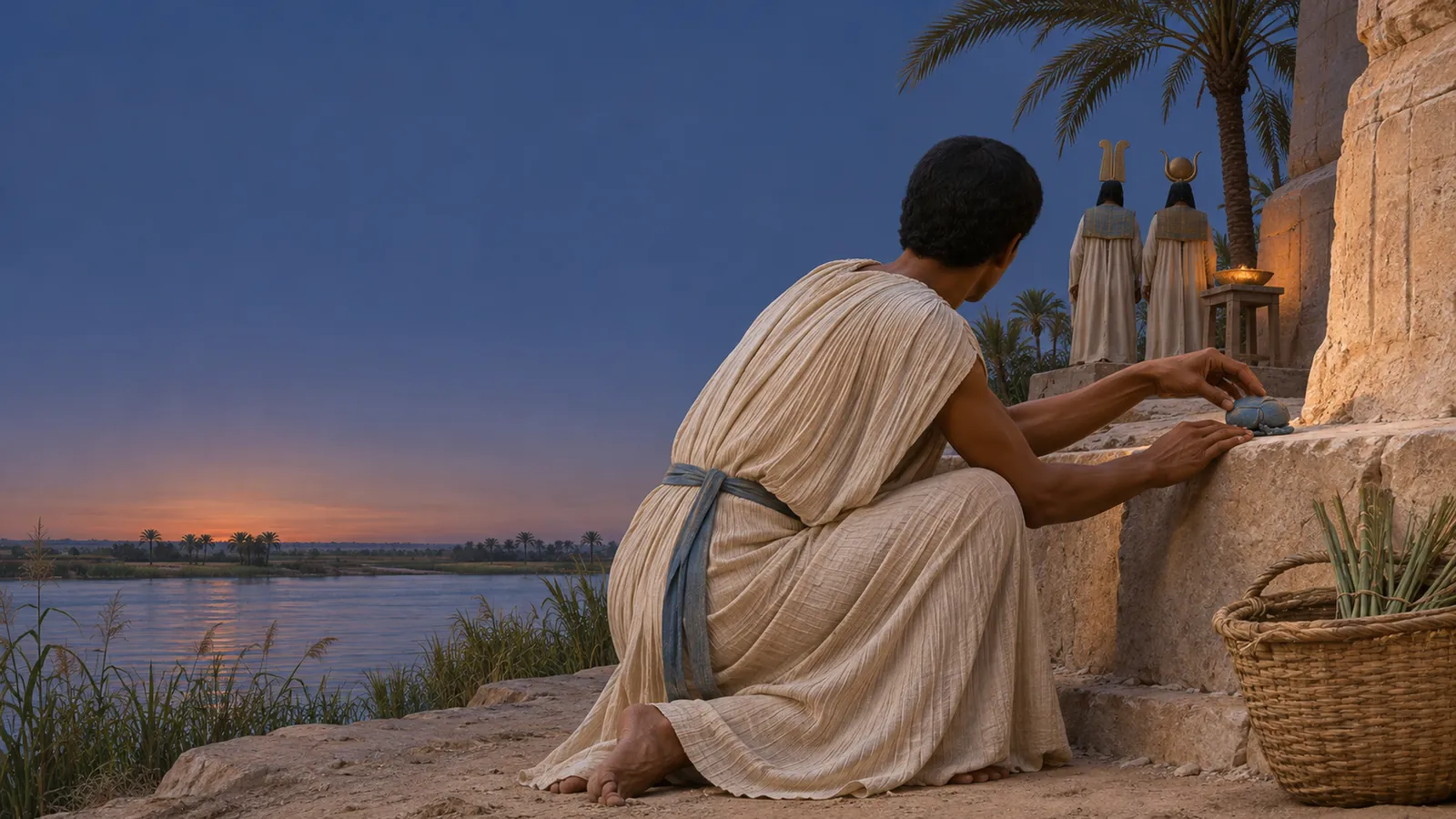
The speaker wishes to be like his divine father Khepera, who is said never to have experienced decay. Budge supplies the words that connect this wish to the preceding plea.

The speaker calls on the lord of the winds to give him mastery over his breath. He says that the lord exalts divine beings like himself.
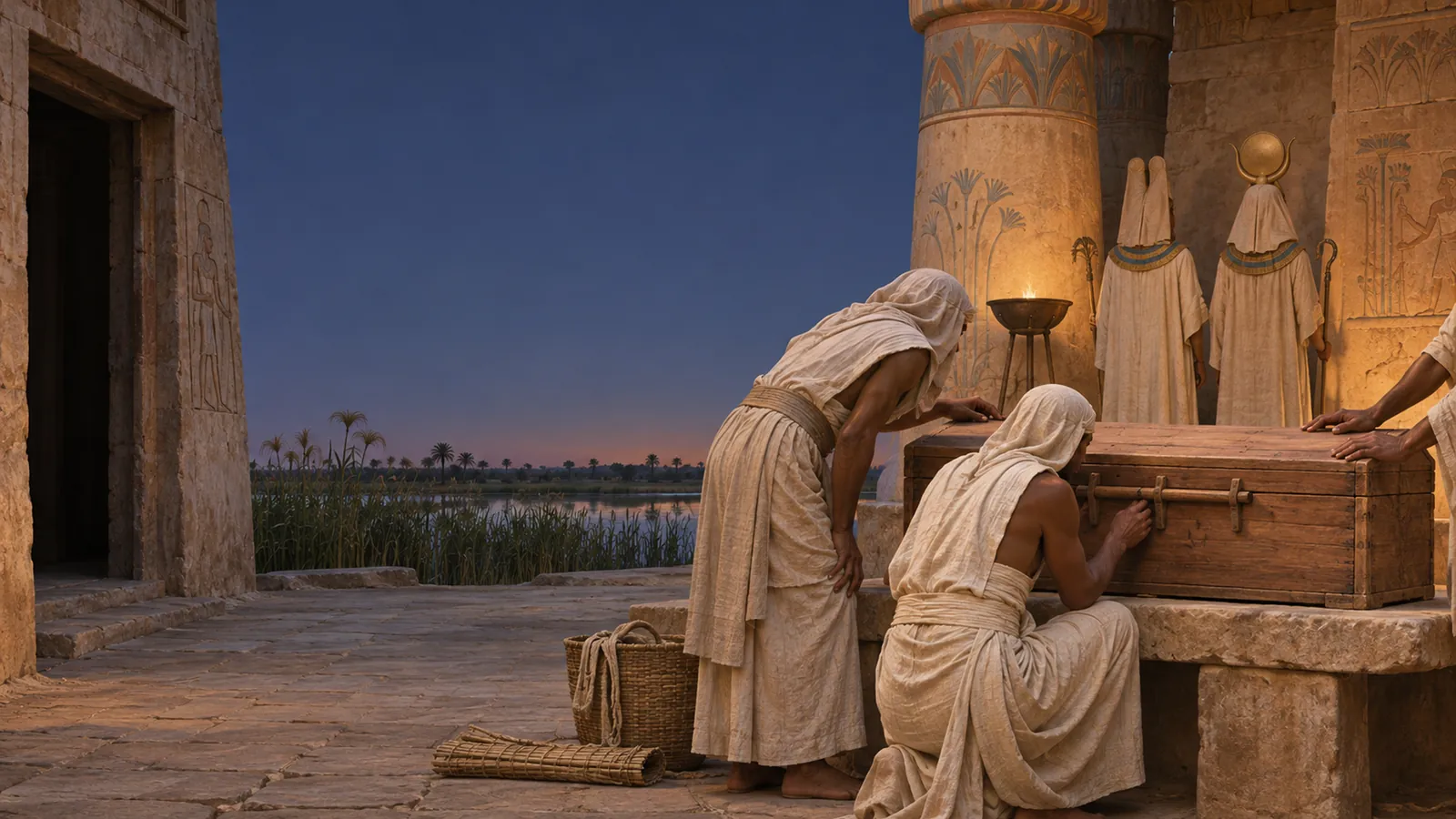
The speaker addresses the lord of the funerary chest and asks for stability and strength.
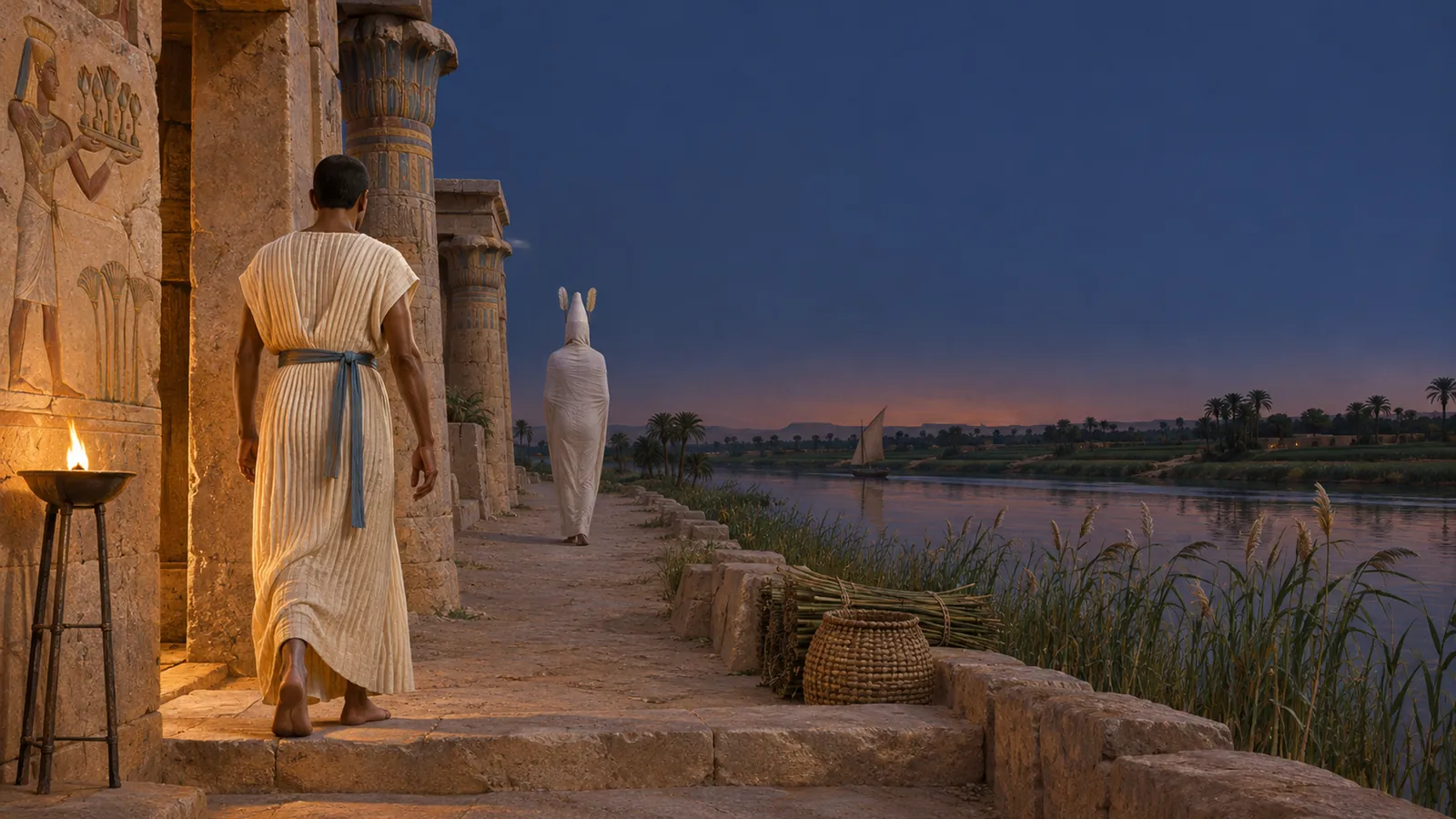
The speaker asks Osiris to let him enter the land of everlasting life, as Osiris and his father Temu were allowed to do. The speaker says that Osiris never saw his body decay.
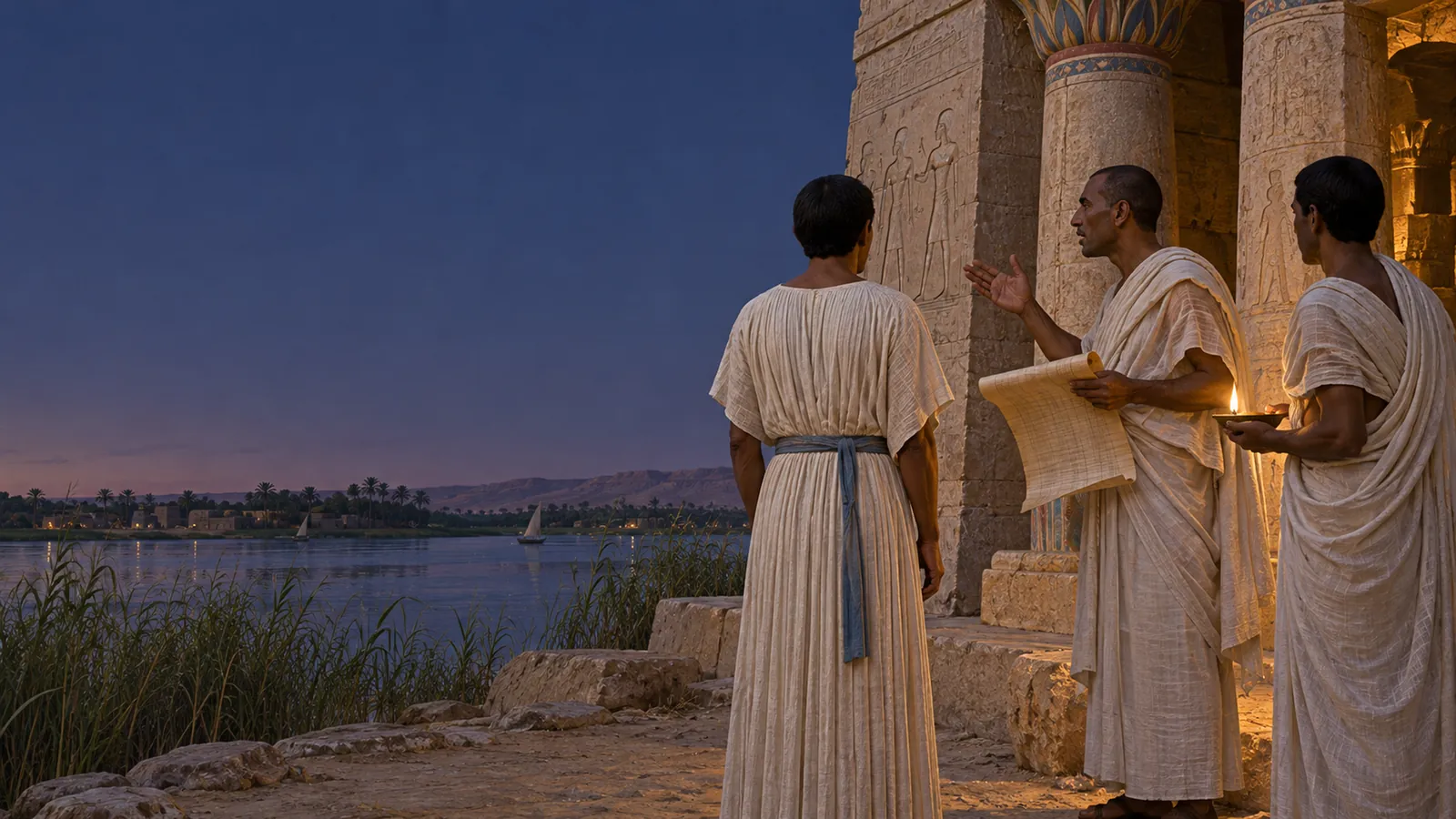
The speaker says he has never done what Osiris hates. He says he has raised cries of praise with those who love the god’s ka.

The speaker asks that his body not turn to worms. With Budge’s supplied words, he asks Osiris for deliverance from them, as Osiris delivered himself.

The speaker asks Osiris to spare him the decay that he says befalls gods, goddesses, animals and reptiles once their souls leave them after death.
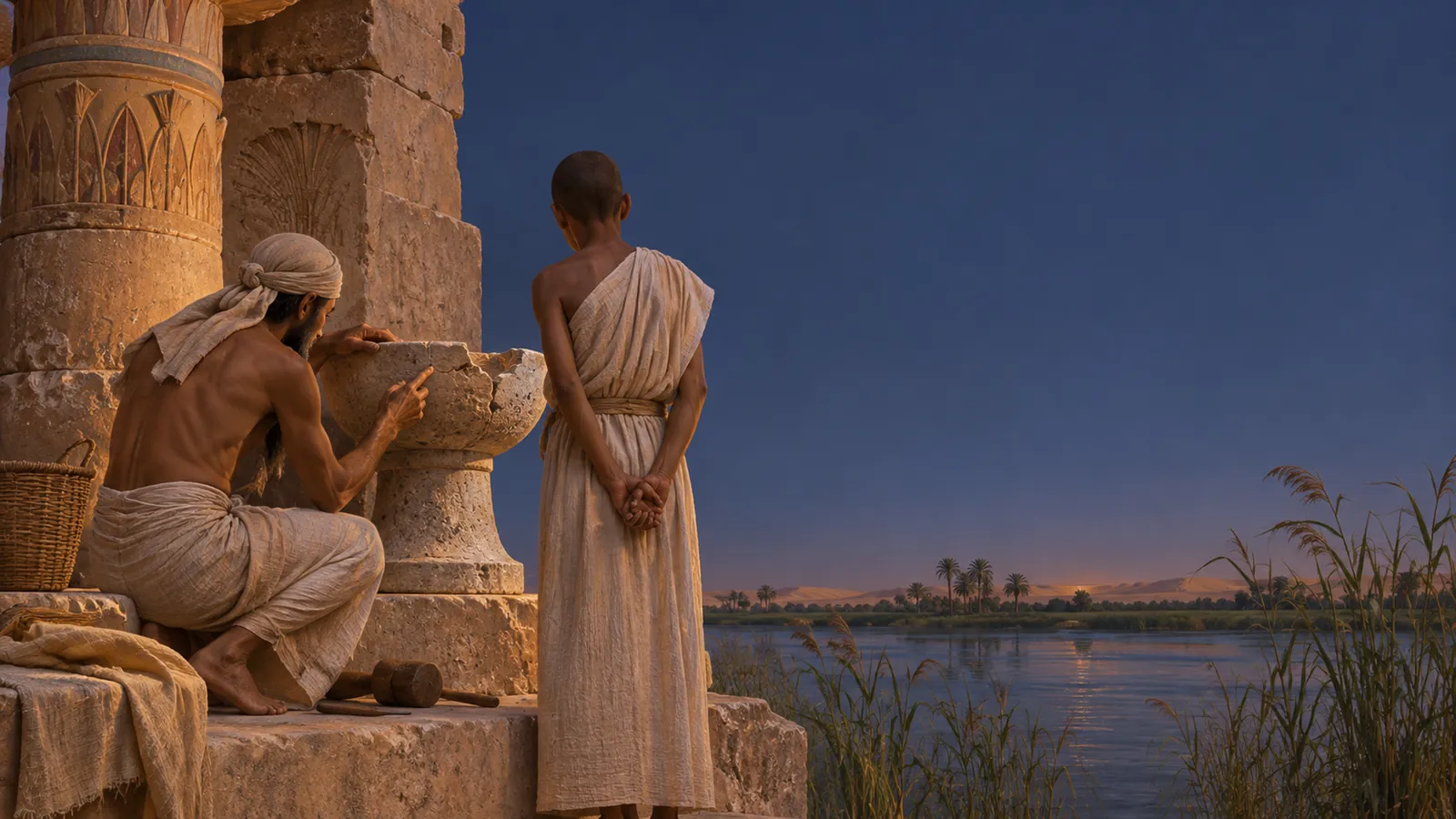
The prayer says that after the soul leaves a person, the bones crumble, the members break down and the flesh decays.
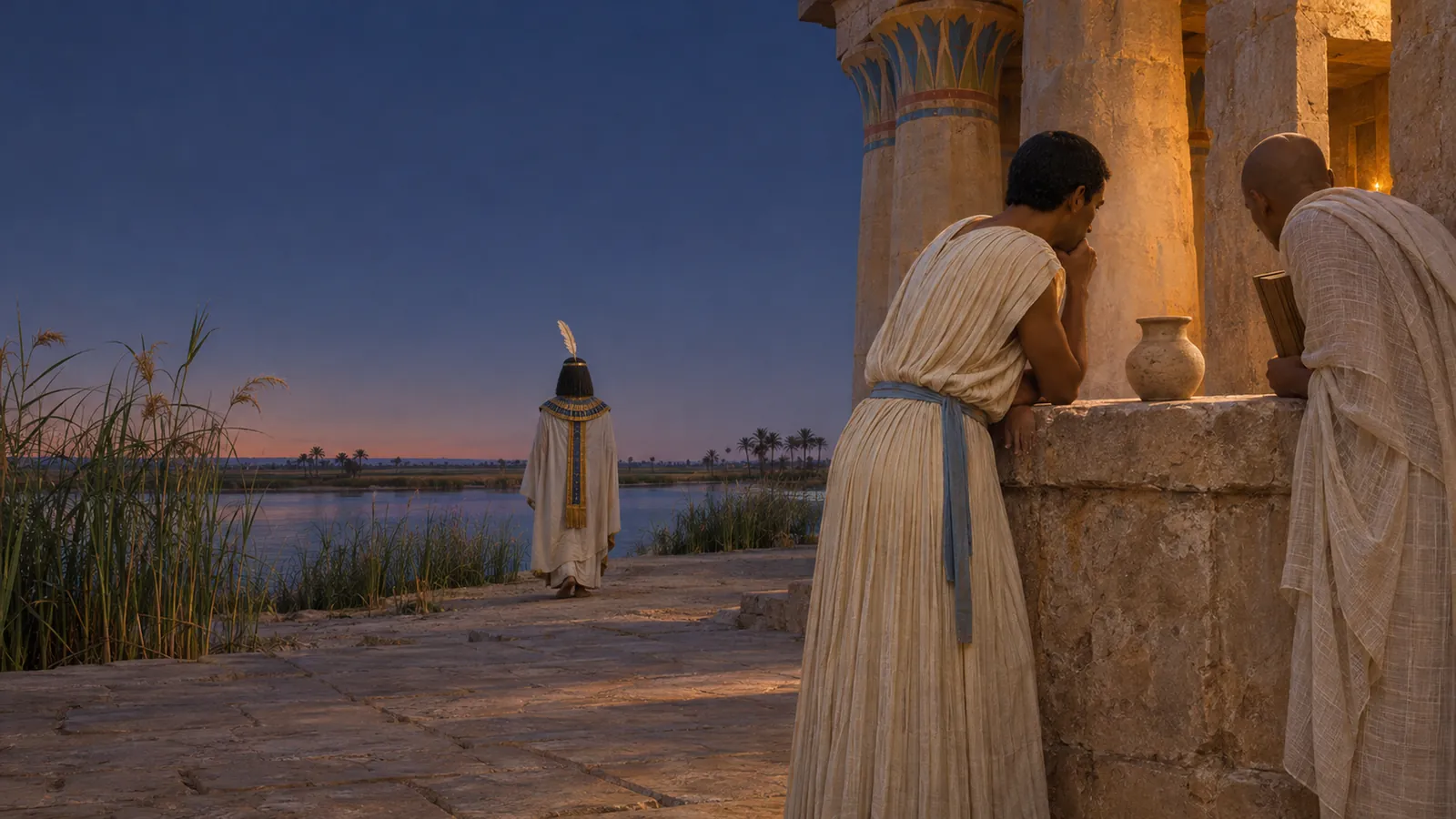
The prayer describes the body turning to worms and the person coming to an end in the sight of the god Shu.
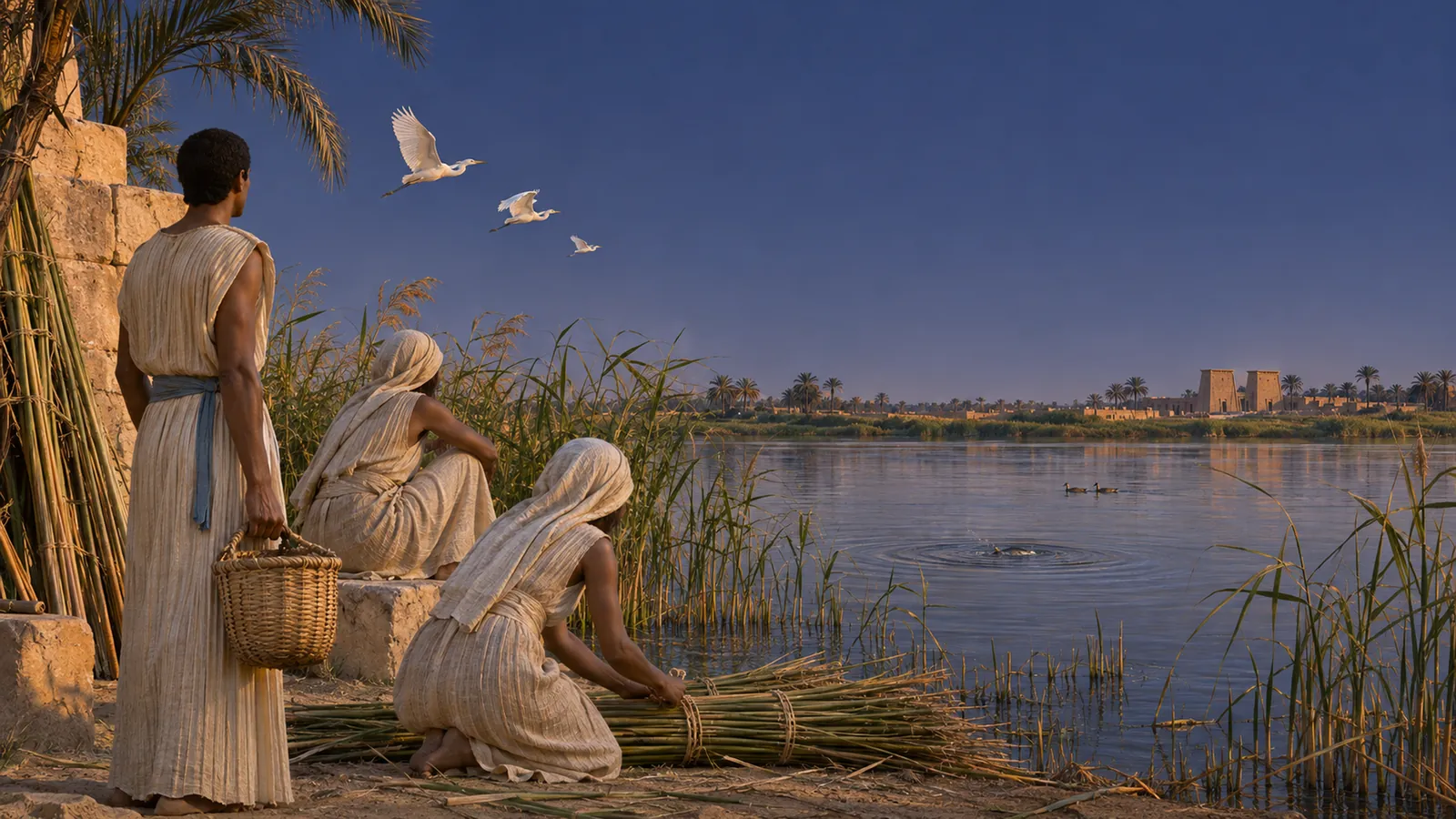
The prayer likens this perishing before Shu to what happens to every god and goddess, every bird and fish, every creeping thing, every reptile and animal, and everything else.
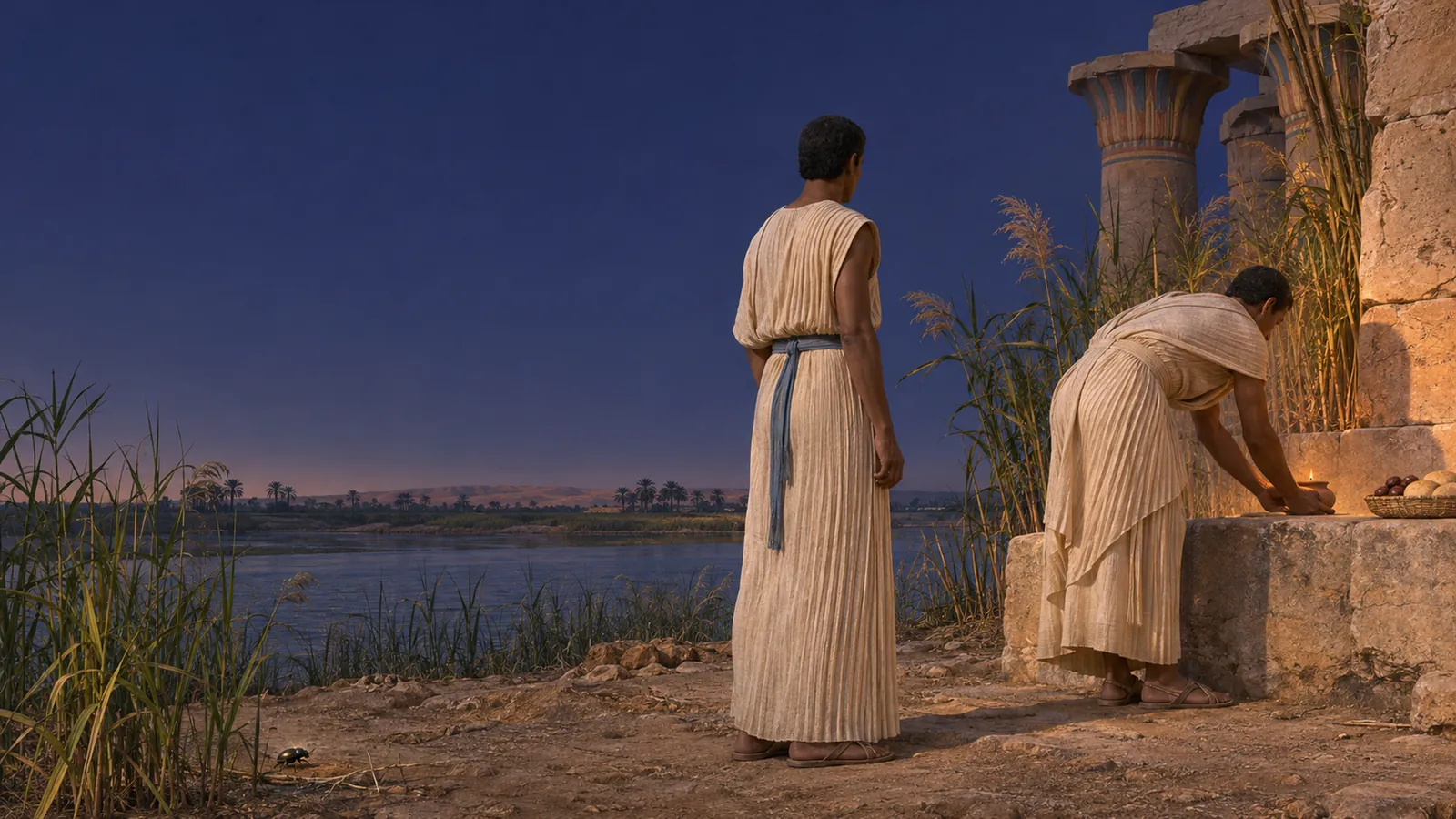
The speaker asks that the worms see him and know him. He asks that they fall upon their bellies and be terrified of him.

In Budge’s rendering, the speaker extends the same request to every creature after his own death. He names animals, birds, fish, worms and reptiles.

LIFE FROM DEATH
In the middle of his appeal to Osiris, the speaker asks for life to arise out of death.

He asks that the decay caused by any reptile not make an end of him. He also asks that they not come against him in their various forms.
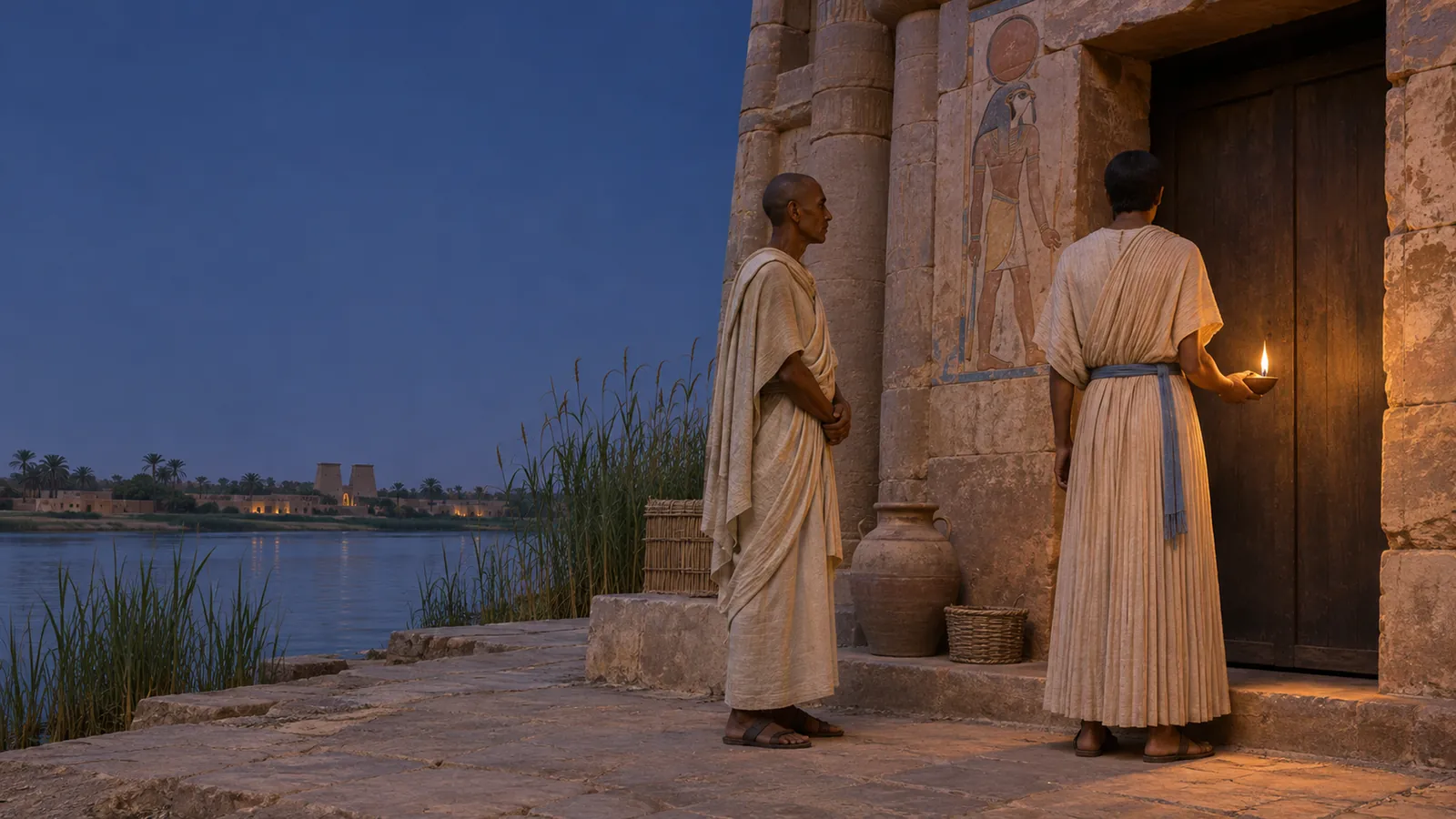
The speaker asks Osiris not to hand him over to a hidden slaughterer who destroys bodies and lives by killing. Budge tentatively calls the place where this figure dwells a torture chamber.
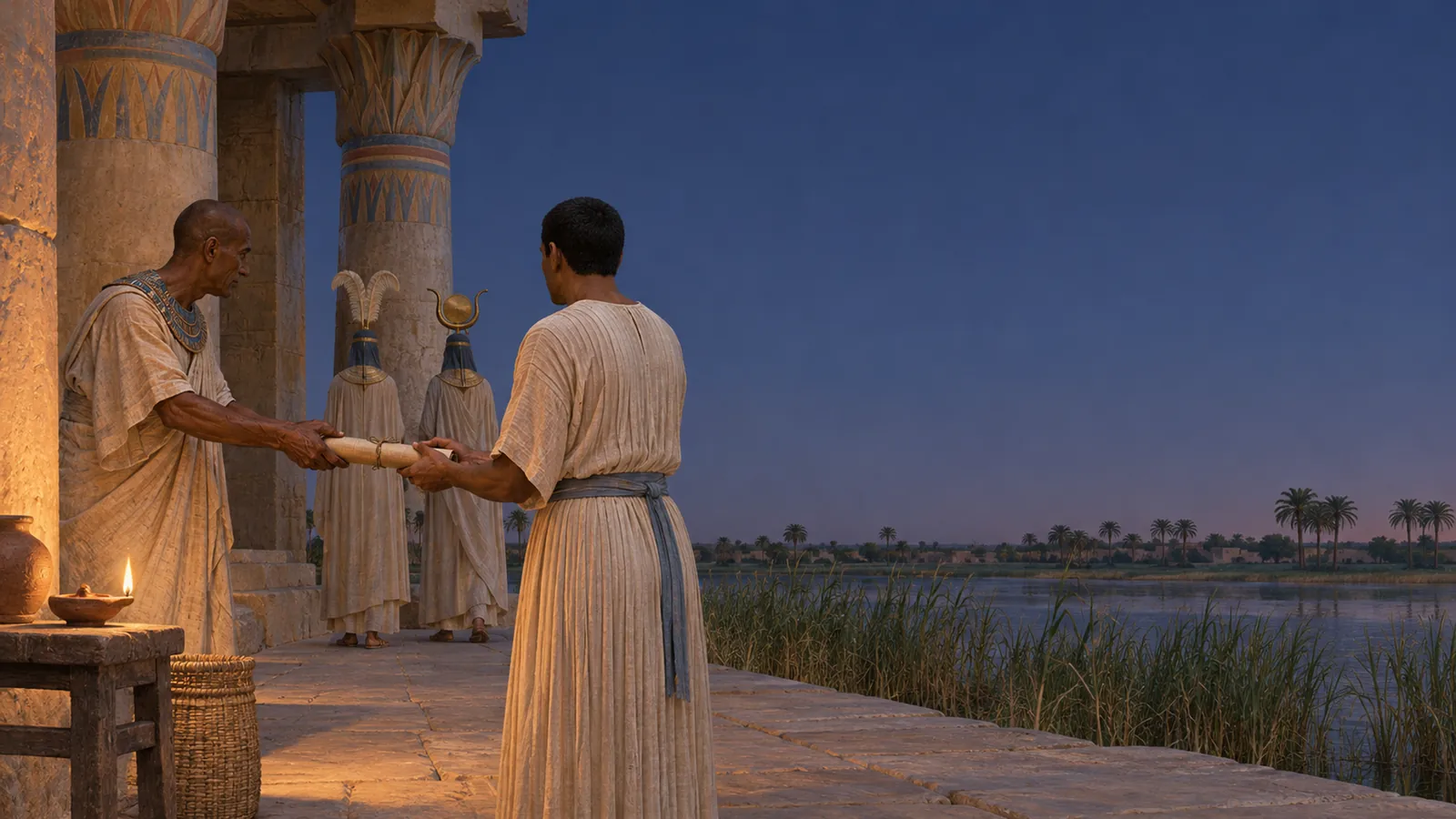
The next request asks to live and carry out “his message,” and to do what has been commanded by him.
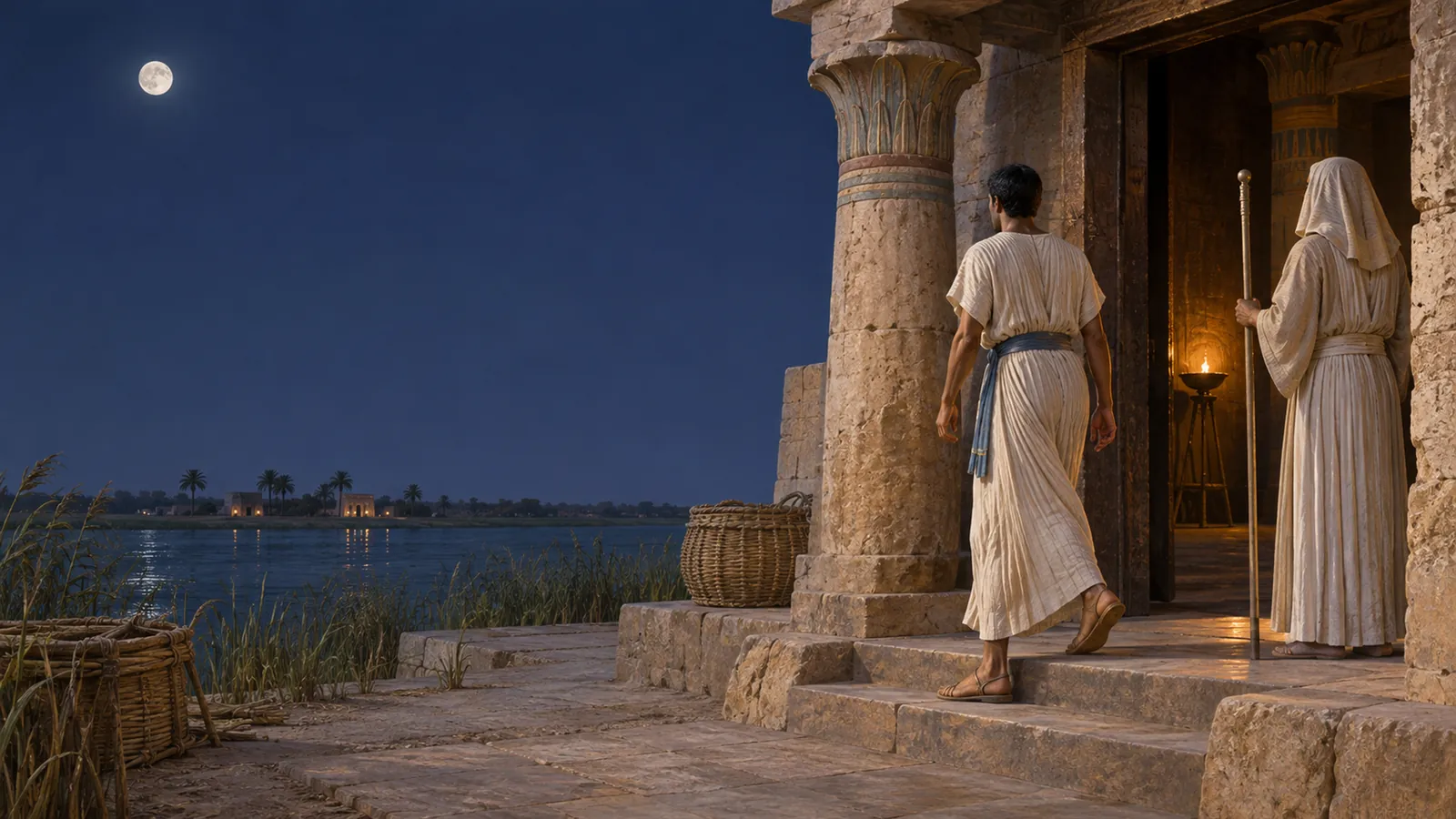
The speaker asks to stay out of the figure’s grasp and says he is under the command of the lord of the gods.

The speaker opens a second address with homage to Osiris, his divine father. He says that Osiris exists with his bodily members.

The second address repeats a series of denials. It says that Osiris did not decay or diminish, and that his body did not become worms.
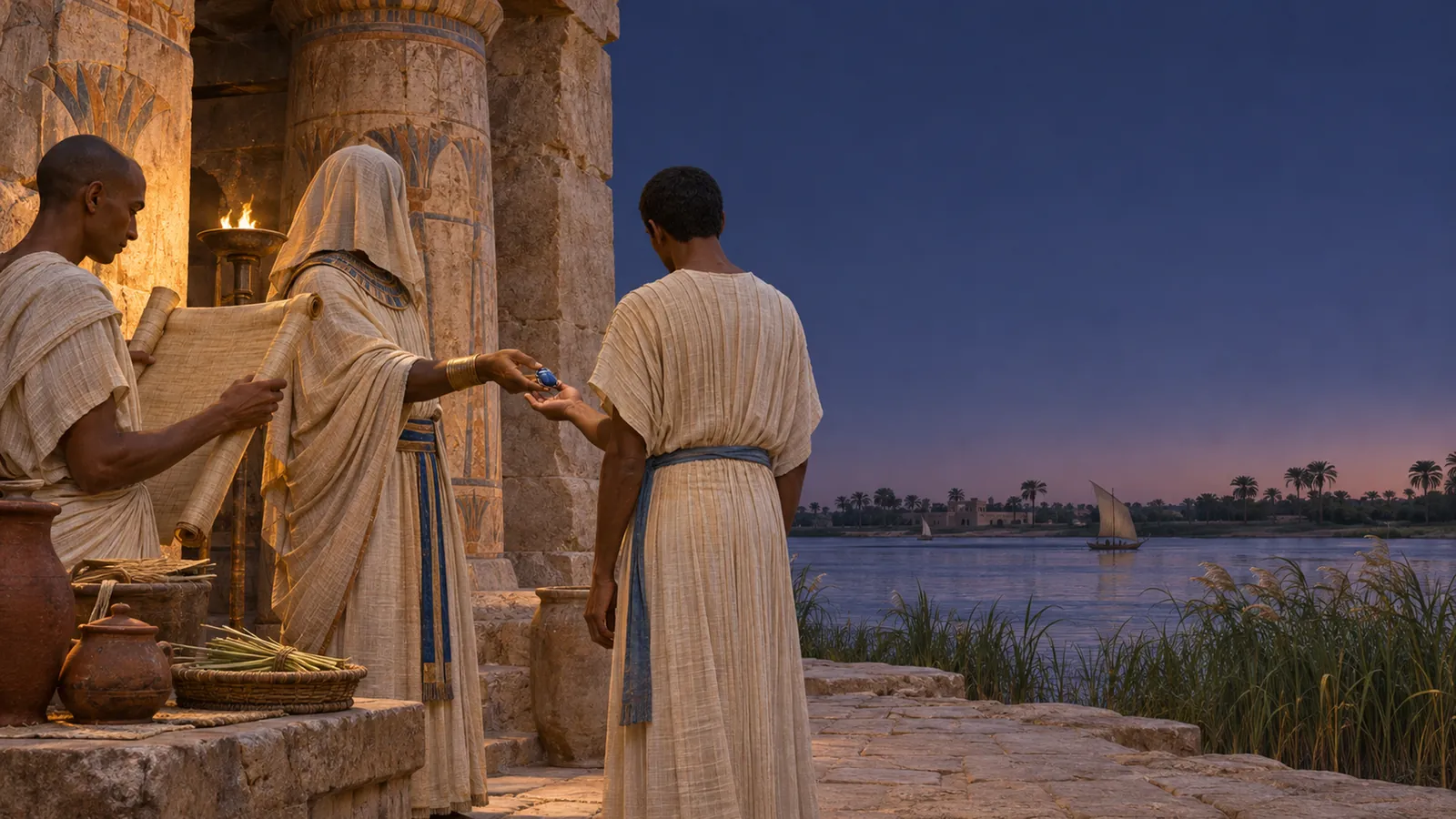
Before the next passage, Budge describes its change of voice. In his introduction to those lines, the deceased identifies with Khepera, whom Budge calls the creator of Osiris and his company.
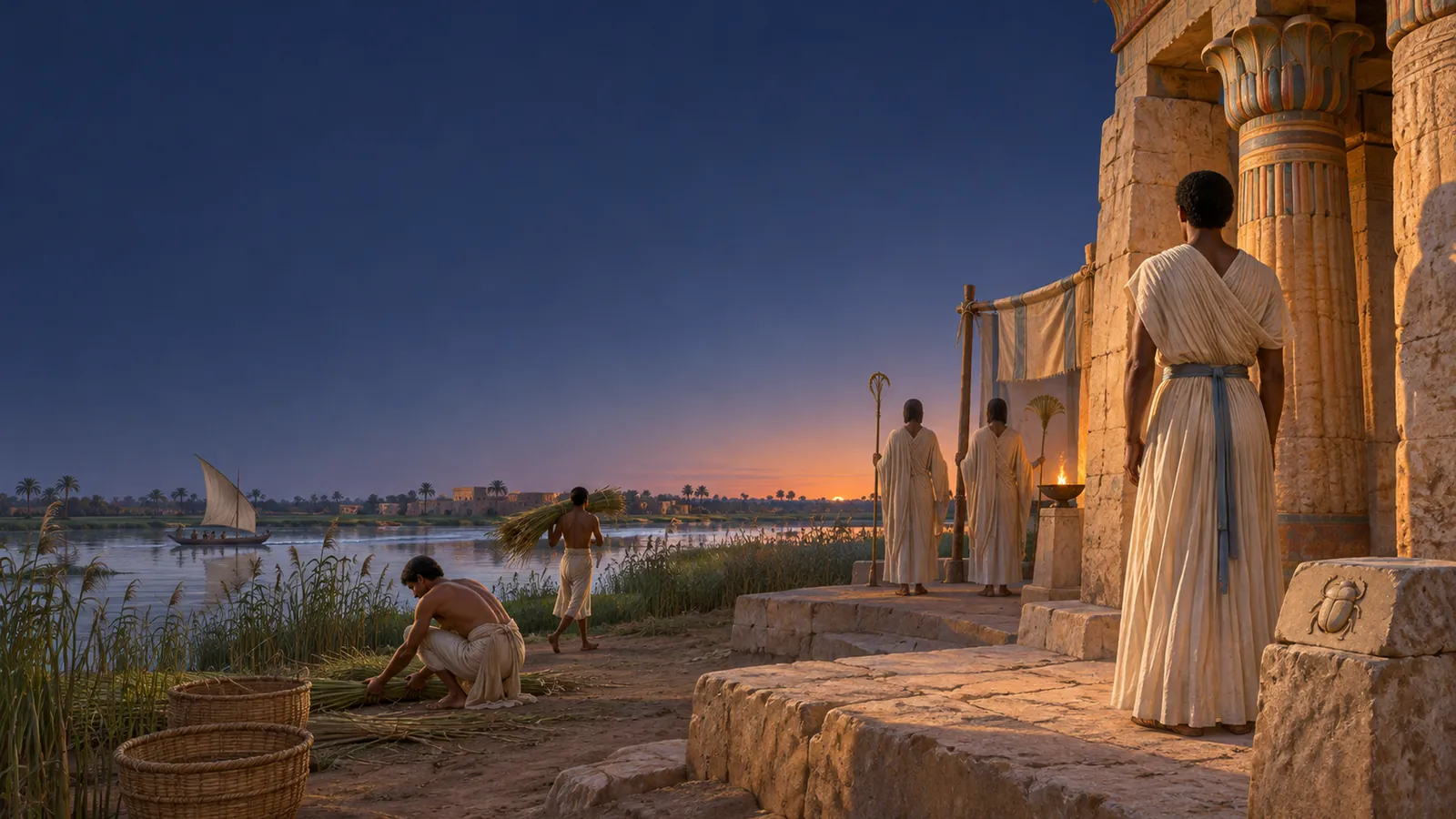
KHEPERA
The reciting voice calls itself Khepera. It declares that its bodily members will continue to exist for ever and begins a new series of assurances.
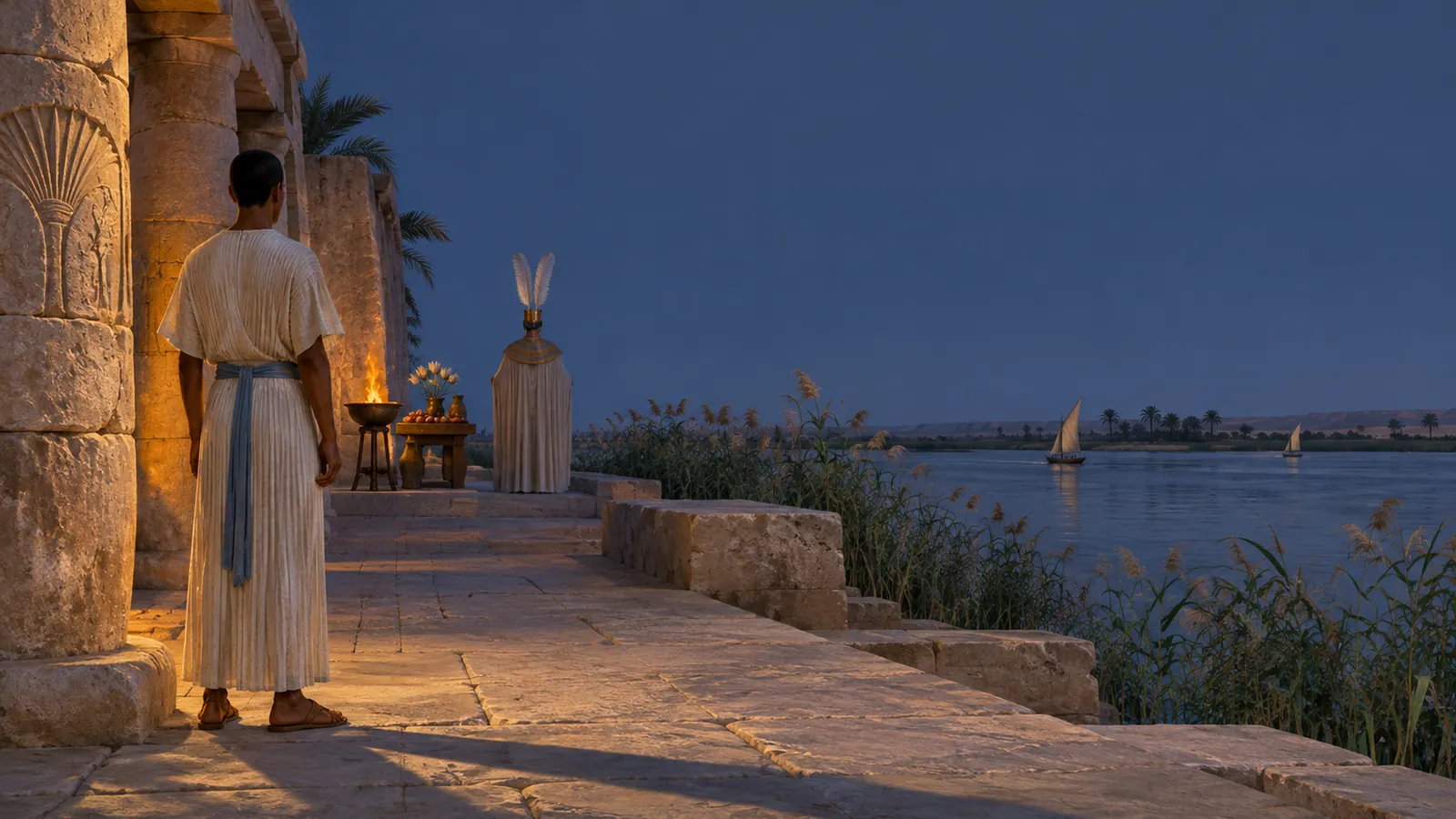
In the role of Khepera, the speaker declares that he will not decay, rot or become worms. He says he will not see corruption under the eye of Shu.
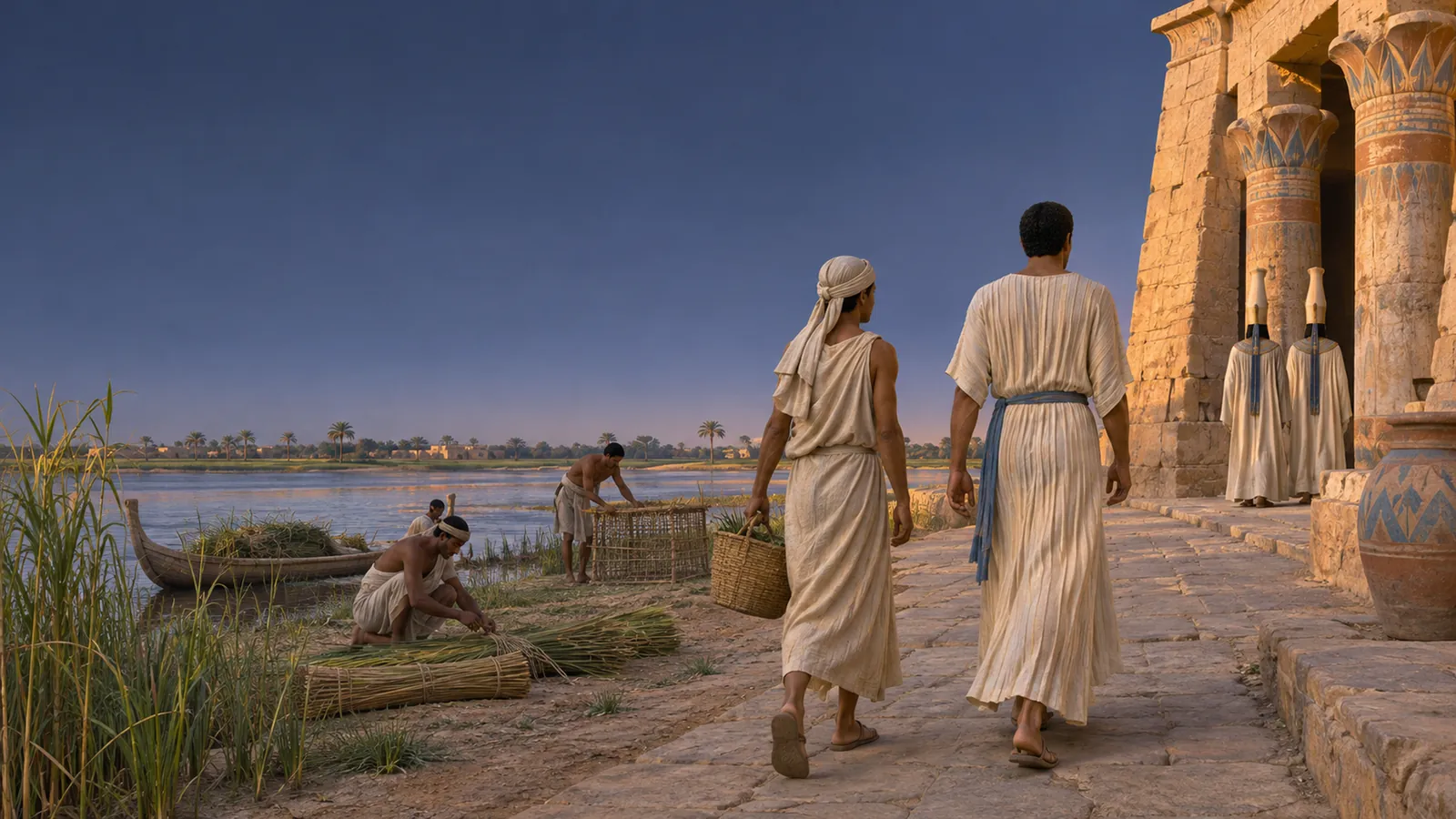
The voice now says that it will continue to exist and that it will live. The words of being come twice, followed by the words of life twice.
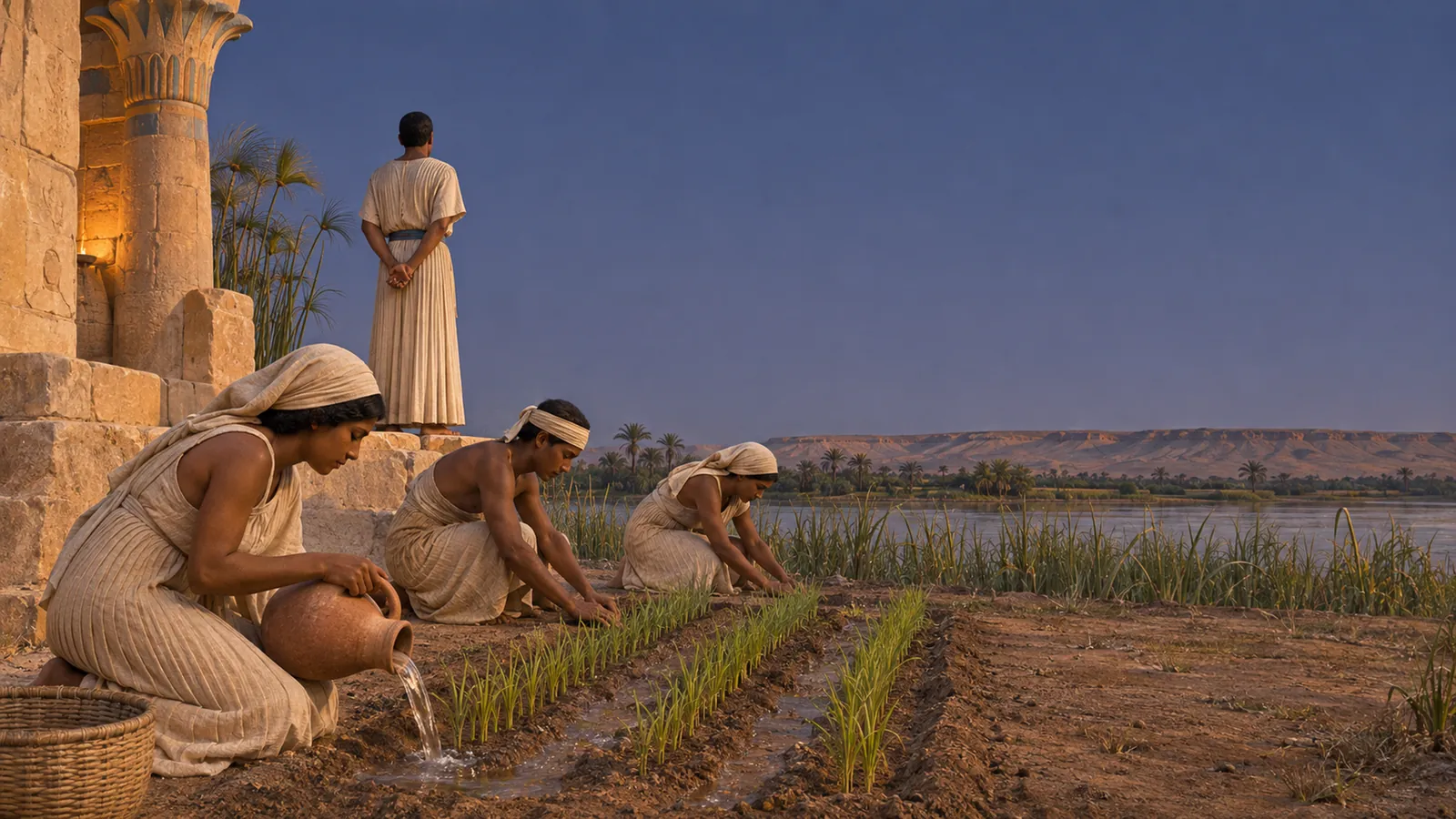
The speaker moves from the repeated promise of life to the image of germination. Three times he says that he will sprout.

One short declaration follows the repeated words of germination. The speaker says that he will wake in peace.

The next assurances concern the body. The speaker says his bowels will not perish, he will not be injured, his eye will not decay, and his face will keep its form.
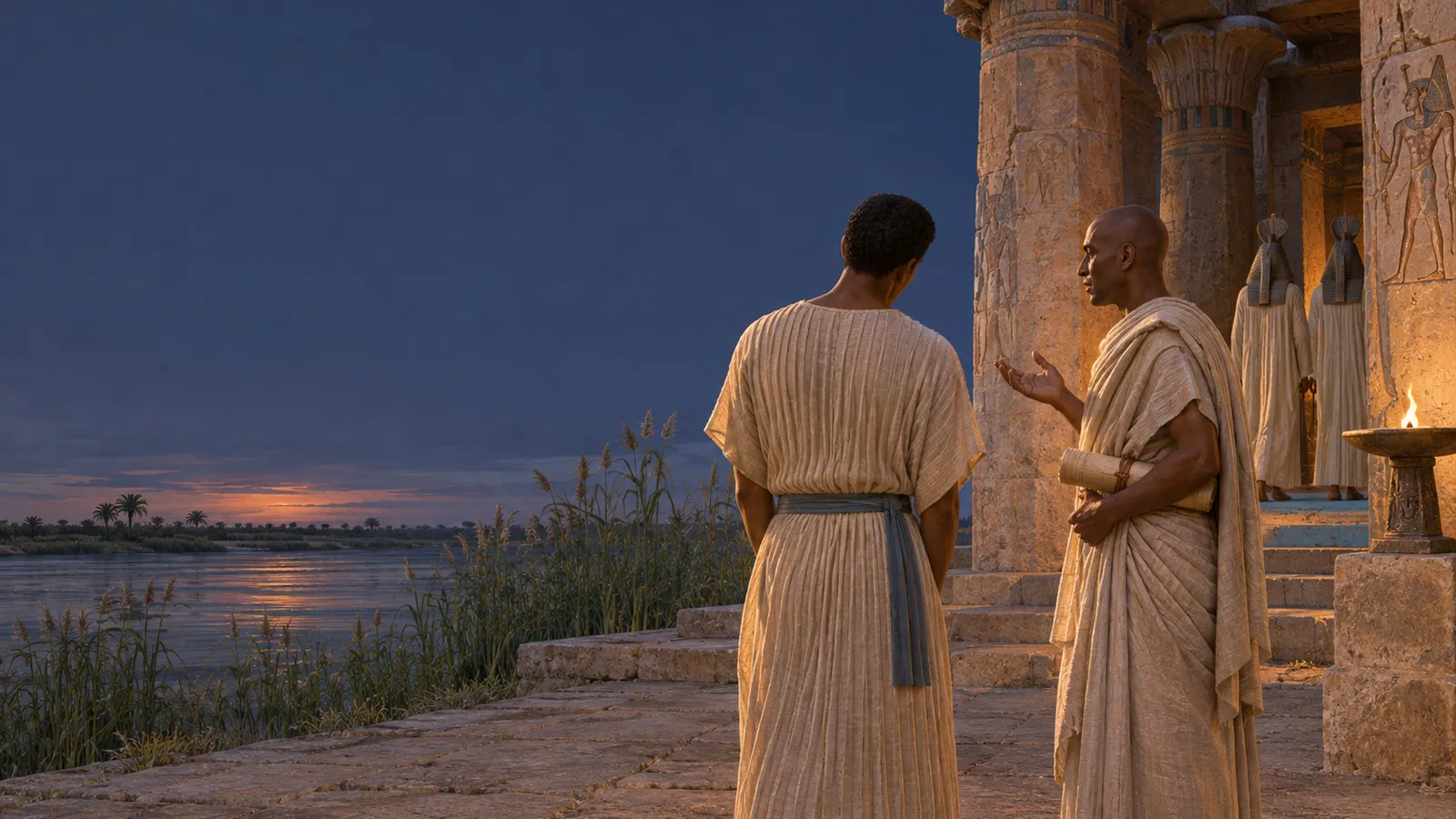
The speaker declares that his ear will keep its hearing. He says that his head will not be separated from his neck and that his tongue will not be taken away.
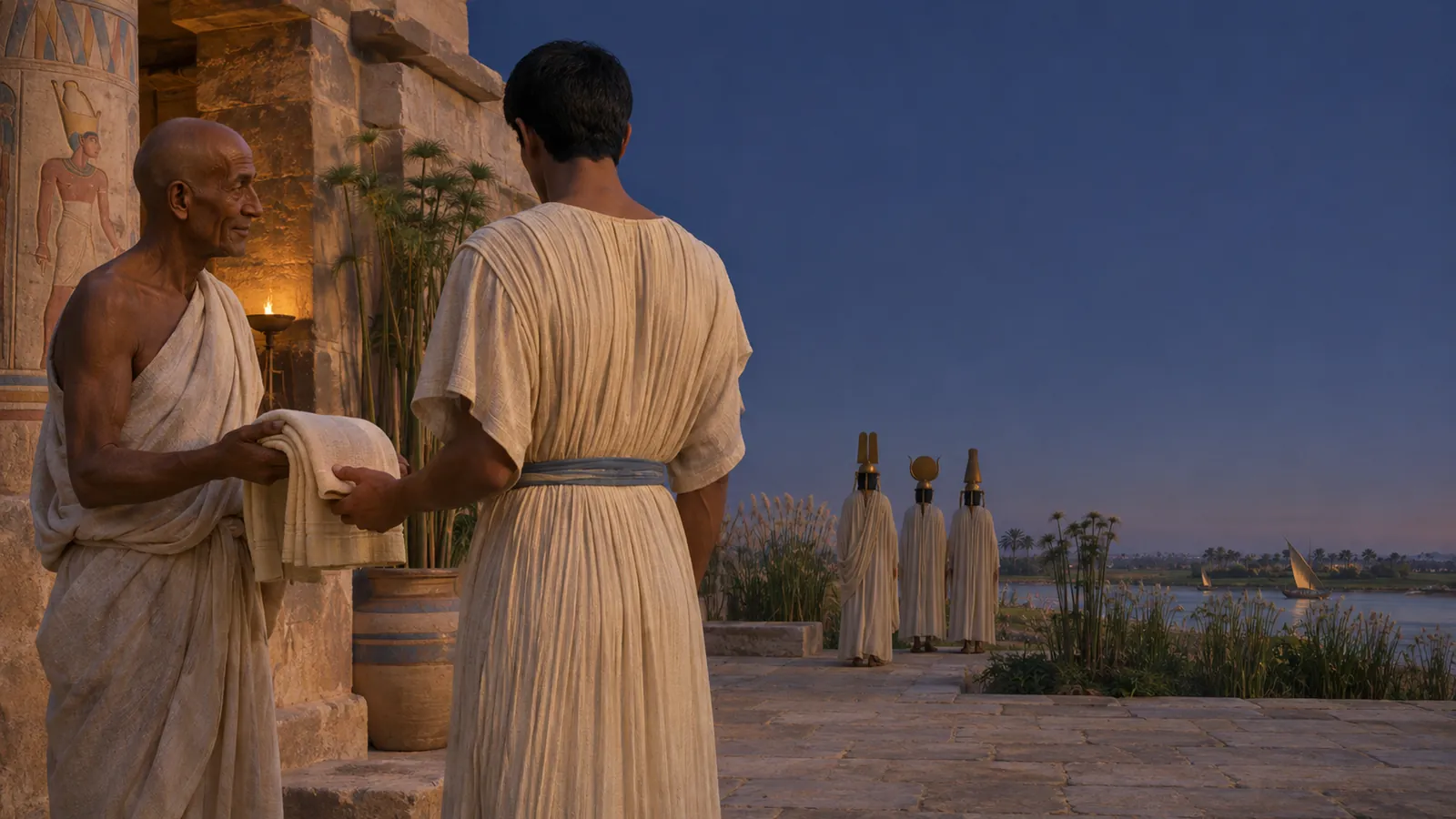
The next lines declare that the speaker’s hair will not be cut and that his brows will not be shaved. He says that no harmful injury will come upon him.

THE BODY ENDURES
The printed prayer ends with a declaration about the body. The speaker says it will stand firm and will neither fall into ruin nor be destroyed on earth.
End of chapter 1
All pages

















Sources
Editions consulted
- Publication record for Egyptian Ideas of the Future Life
- Budge, 1908 third edition, Chapter II
- Lead-in to the Chapter 154 selection
- Budge note 70, Papyrus of Nu witness
Ancient lines behind each page
- Page 1: Budge 1908, Egyptian Ideas of the Future Life, ch. II, Chapter CLIV printed selection, editor’s introduction and note 70 (local)
- Page 2: Budge 1908, Egyptian Ideas of the Future Life, ch. II, Chapter CLIV printed selection, first address (local)
- Page 3: Budge 1908, Egyptian Ideas of the Future Life, ch. II, Chapter CLIV printed selection, first address (local)
- Page 4: Budge 1908, Egyptian Ideas of the Future Life, ch. II, Chapter CLIV printed selection, first address (local)
- Page 5: Budge 1908, Egyptian Ideas of the Future Life, ch. II, Chapter CLIV printed selection, first address (local)
- Page 6: Budge 1908, Egyptian Ideas of the Future Life, ch. II, Chapter CLIV printed selection, first address (local)
- Page 7: Budge 1908, Egyptian Ideas of the Future Life, ch. II, Chapter CLIV printed selection, first address (local)
- Page 8: Budge 1908, Egyptian Ideas of the Future Life, ch. II, Chapter CLIV printed selection, first address (local)
- Page 9: Budge 1908, Egyptian Ideas of the Future Life, ch. II, Chapter CLIV printed selection, first address (local)
- Page 10: Budge 1908, Egyptian Ideas of the Future Life, ch. II, Chapter CLIV printed selection, first address (local)
- Page 11: Budge 1908, Egyptian Ideas of the Future Life, ch. II, Chapter CLIV printed selection, first address (local)
- Page 12: Budge 1908, Egyptian Ideas of the Future Life, 3rd ed., ch. II, CLIV selection, first address
- Page 13: Budge 1908, Egyptian Ideas of the Future Life, 3rd ed., ch. II, CLIV selection, first address
- Page 14: Budge 1908, Egyptian Ideas of the Future Life, 3rd ed., ch. II, CLIV selection, first address
- Page 15: Budge 1908, Egyptian Ideas of the Future Life, 3rd ed., ch. II, CLIV selection, first address
- Page 16: Budge 1908, Egyptian Ideas of the Future Life, 3rd ed., ch. II, CLIV selection, first address
- Page 17: Budge 1908, Egyptian Ideas of the Future Life, 3rd ed., ch. II, CLIV selection, first address
- Page 18: Budge 1908, Egyptian Ideas of the Future Life, 3rd ed., ch. II, CLIV selection, first address
- Page 19: Budge 1908, Egyptian Ideas of the Future Life, 3rd ed., ch. II, CLIV selection, first address
- Page 20: Budge 1908, Egyptian Ideas of the Future Life, 3rd ed., ch. II, CLIV selection, second address
- Page 21: Budge, Egyptian Ideas of the Future Life, 3rd ed. (1908), chapter II, Chapter CLIV selection, second address
- Page 22: Budge, Egyptian Ideas of the Future Life, 3rd ed. (1908), chapter II, Chapter CLIV selection, editorial transition
- Page 23: Budge, Egyptian Ideas of the Future Life, 3rd ed. (1908), chapter II, Chapter CLIV selection, Khepera declaration
- Page 24: Budge, Egyptian Ideas of the Future Life, 3rd ed. (1908), chapter II, Chapter CLIV selection, Khepera declaration
- Page 25: Budge, Egyptian Ideas of the Future Life, 3rd ed. (1908), chapter II, Chapter CLIV selection, Khepera declaration
- Page 26: Budge, Egyptian Ideas of the Future Life, 3rd ed. (1908), chapter II, Chapter CLIV selection, Khepera declaration
- Page 27: Budge, Egyptian Ideas of the Future Life, 3rd ed. (1908), chapter II, Chapter CLIV selection, Khepera declaration
- Page 28: Budge, Egyptian Ideas of the Future Life, 3rd ed. (1908), chapter II, Chapter CLIV selection, Khepera declaration
- Page 29: Budge, Egyptian Ideas of the Future Life, 3rd ed. (1908), chapter II, Chapter CLIV selection, Khepera declaration
- Page 30: Budge, Egyptian Ideas of the Future Life, 3rd ed. (1908), chapter II, Chapter CLIV selection, Khepera declaration
- Page 31: Budge, Egyptian Ideas of the Future Life, 3rd ed. (1908), chapter II, Chapter CLIV selection, Khepera declaration
Illustrations made with AI tools by IL Archive; the text is based on the ancient sources (see the sources at the end of each chapter).