The Report of Wenamun Chapter 1
The Cedars of Byblos
A temple envoy sails from Tanis to the Levant. After losing his gold and silver at Dor, he bargains for cedar in Byblos, faces the ships sent to seize him and seeks safety from Hatiba in Alashiya.
SourcesTurn the pages with the arrows, the arrow keys or a swipe.
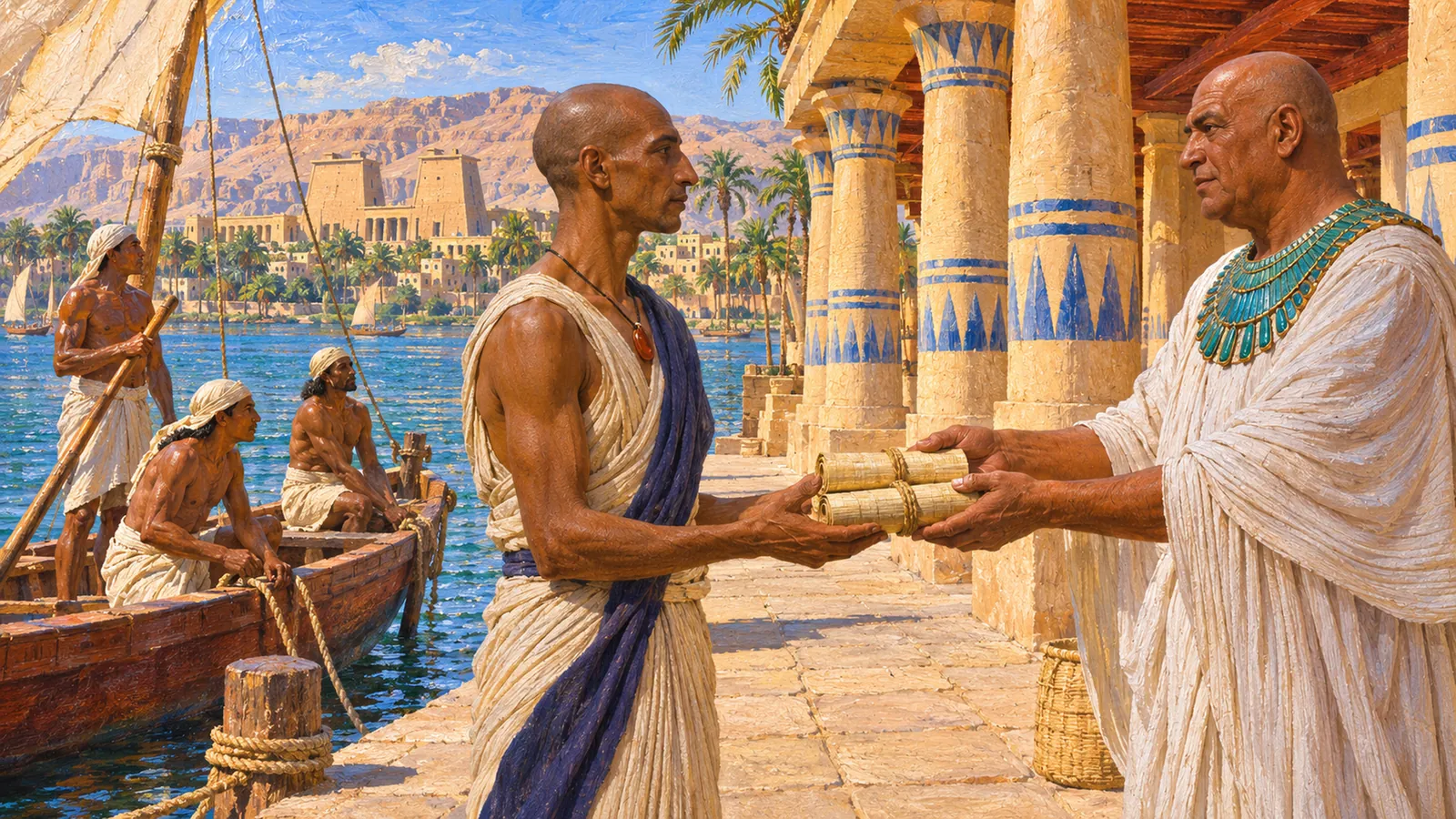
THEBES
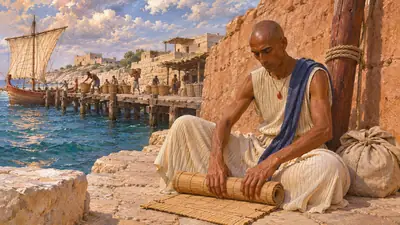
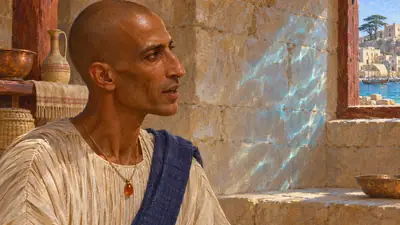
Wenamun serves at the doorway of Amun’s temple in Thebes. On the sixteenth day of the fourth month of summer, he sets out with a commission from the temple.
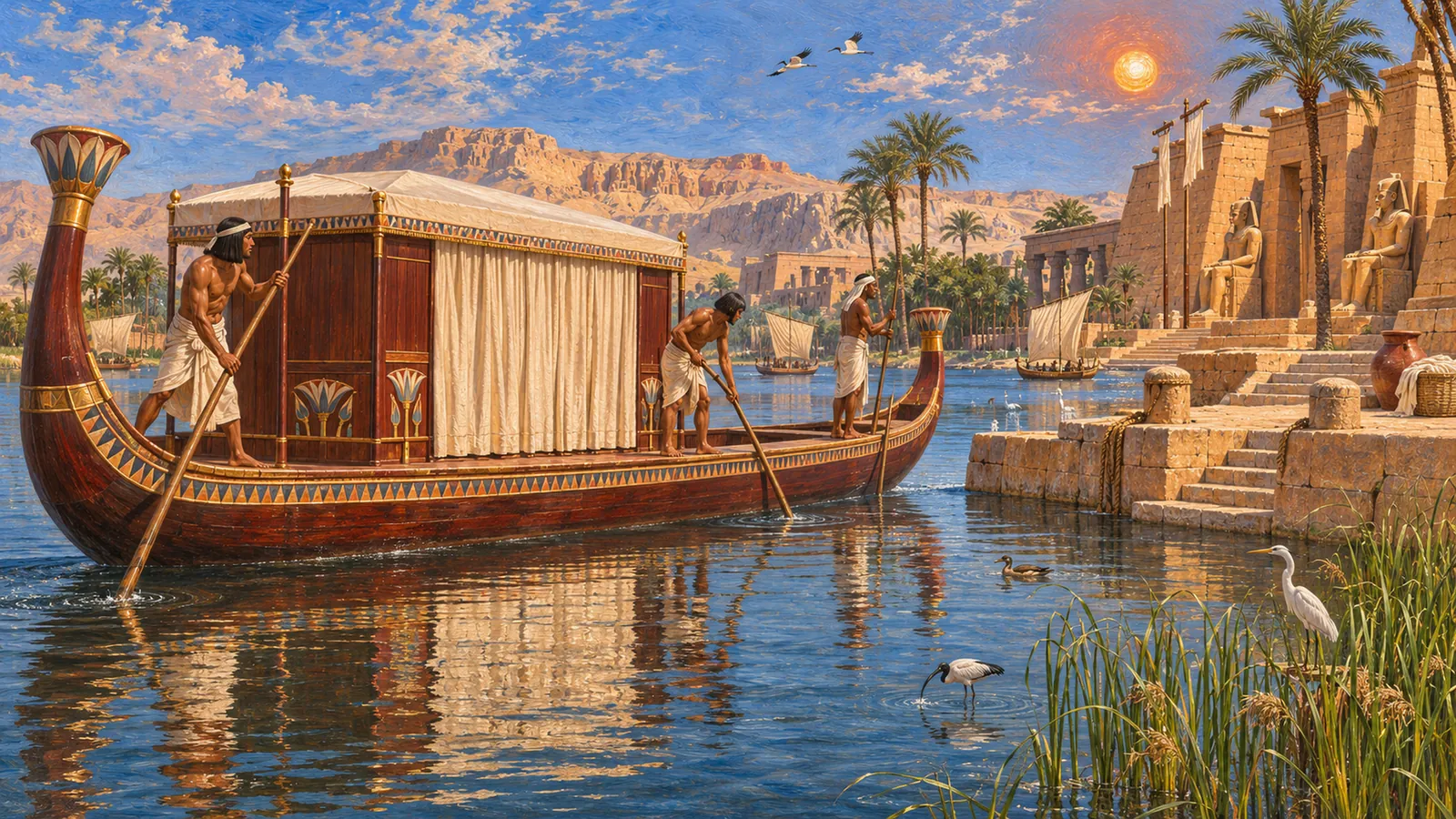
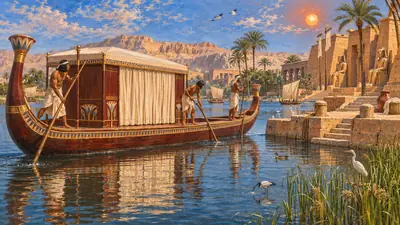
The great river barque of Amun-Re is called Userhat of Amun. To bring back the timber for it, Wenamun must travel north and out across the sea.
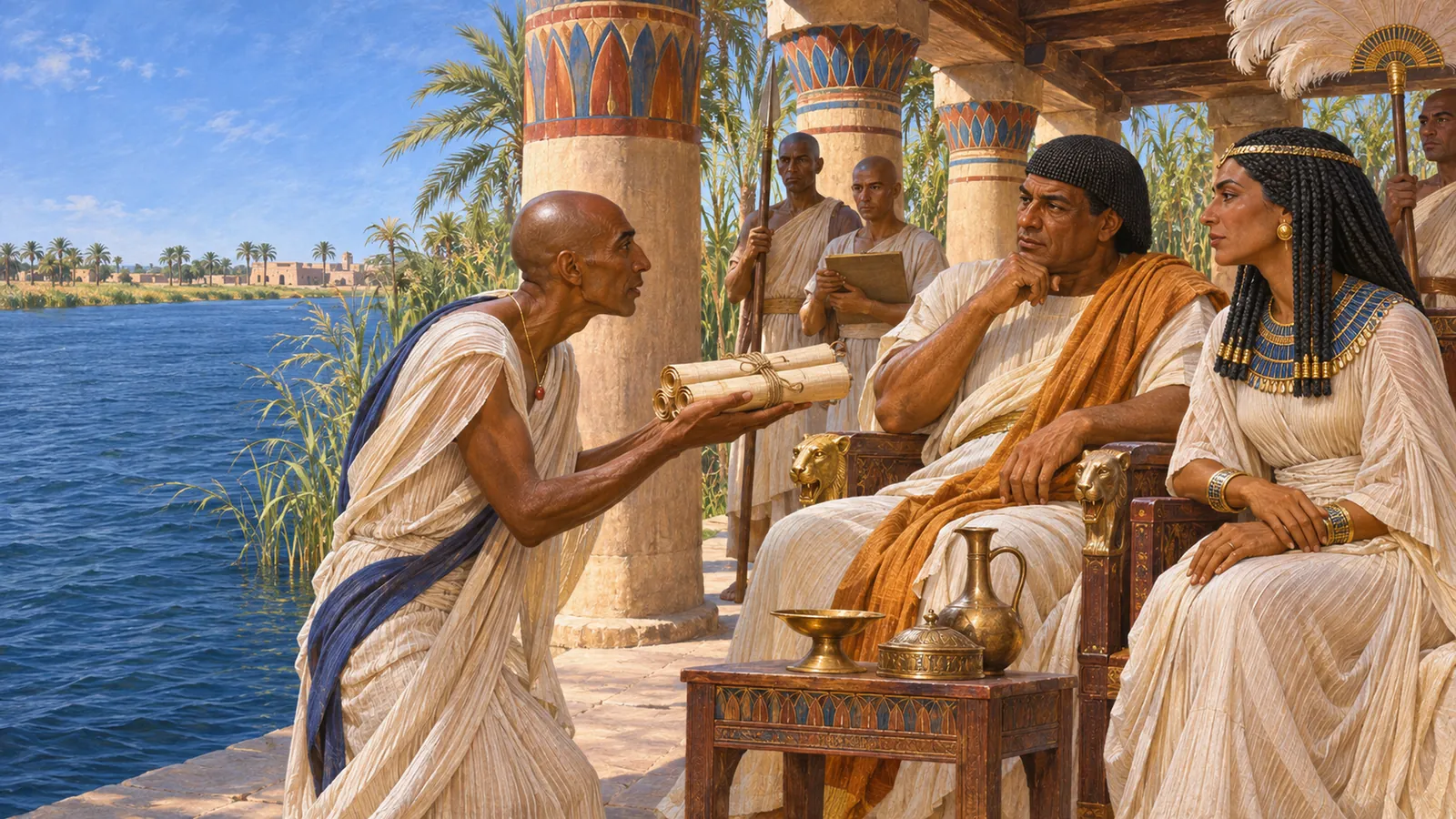
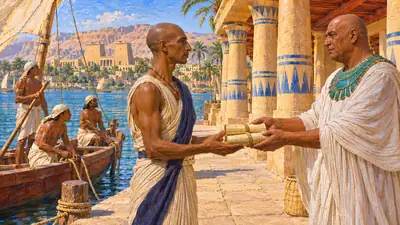
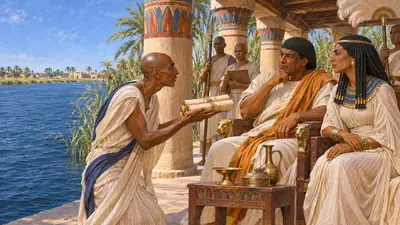
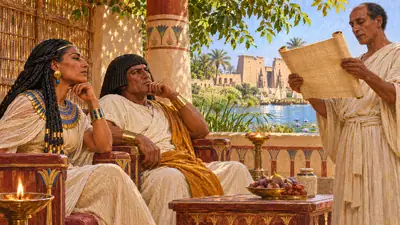
He reaches Tanis, in the Nile Delta, and brings his dispatches to Smendes and Tanetamun. They receive the temple’s messenger and have the documents read out before them.
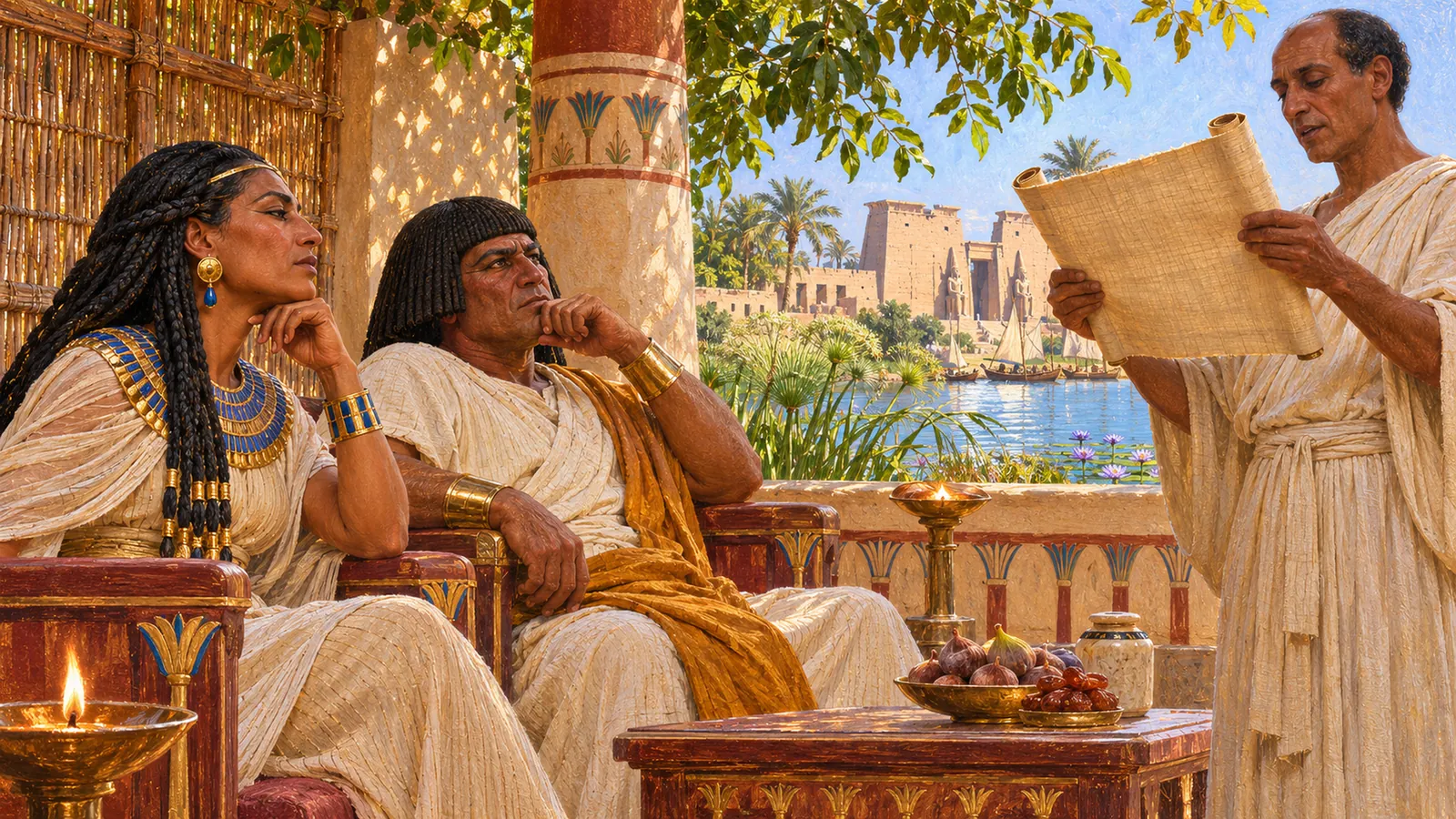
When they hear what Amun has asked, both agree to act on his request. Wenamun stays at Tanis while arrangements are made for his passage north along the coast.
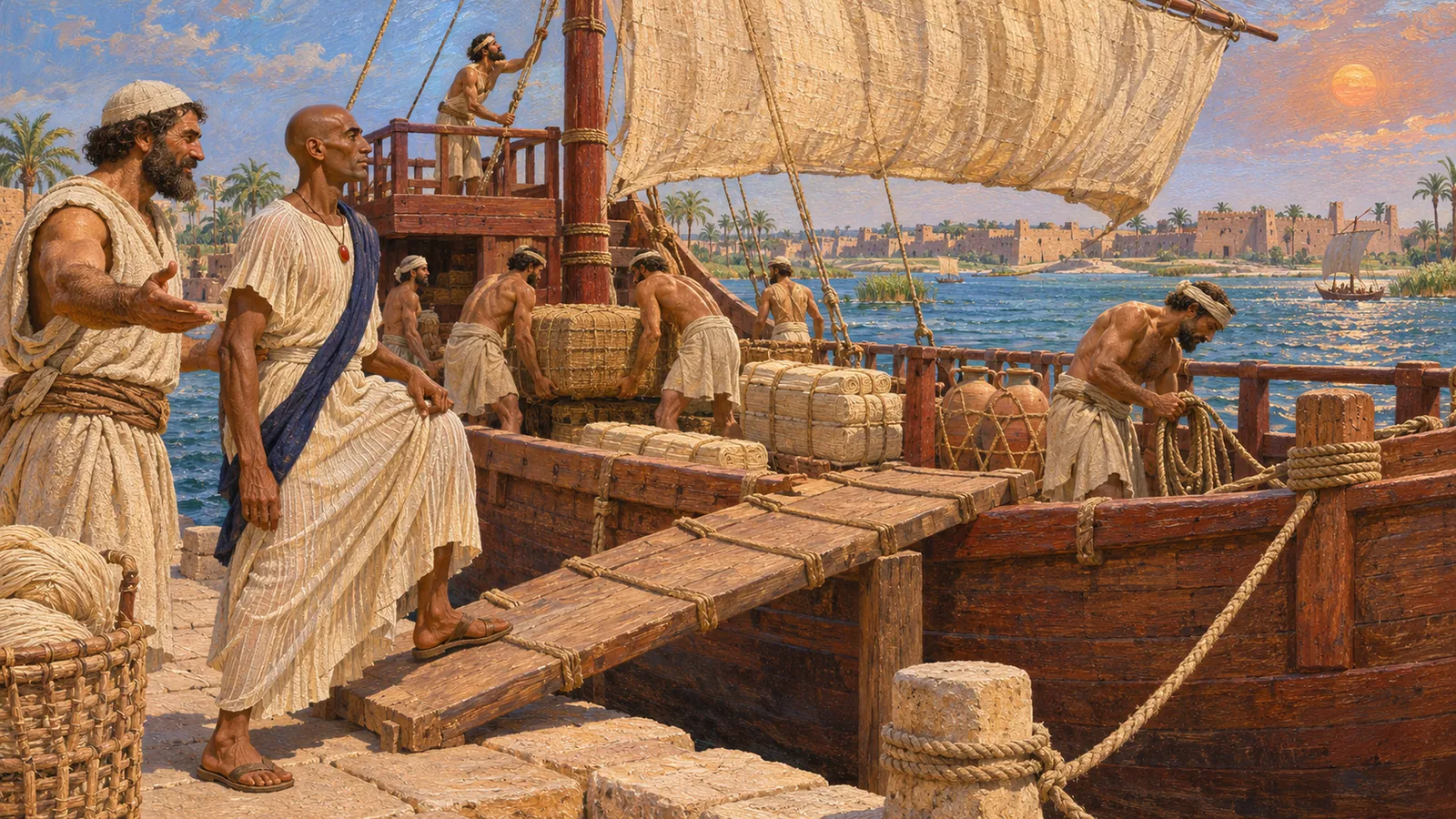
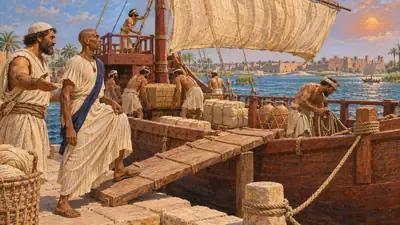
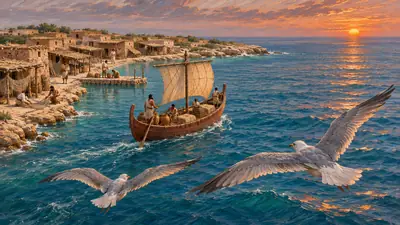
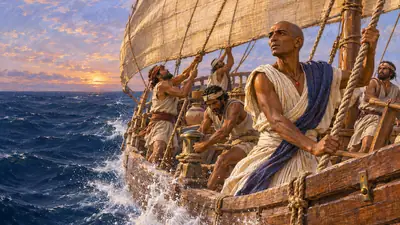
Smendes and Tanetamun send him on with a shipmaster named Mengebet. Wenamun goes aboard and leaves Egypt for the stretch of the Mediterranean that Egyptians called the Syrian sea.
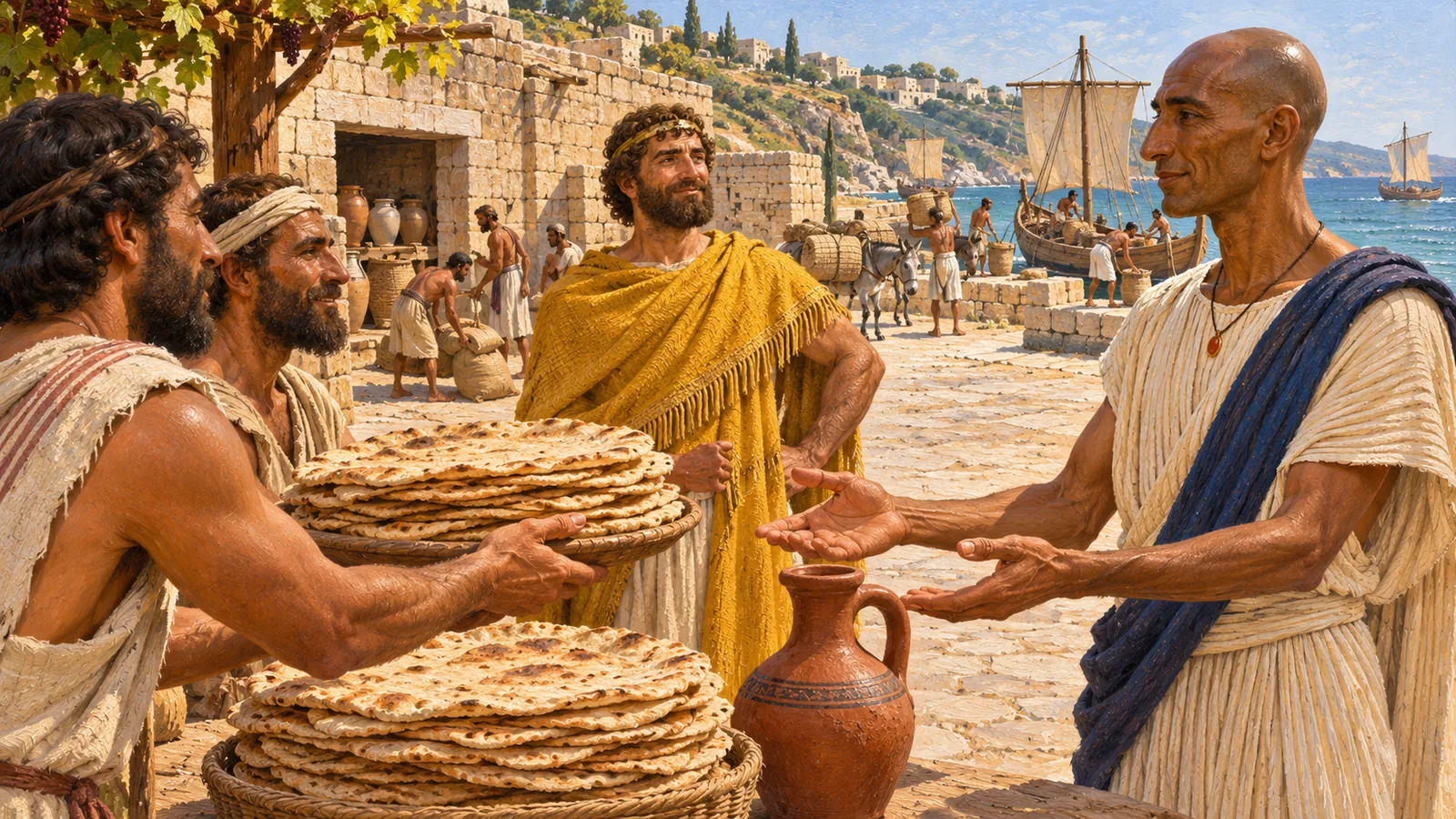
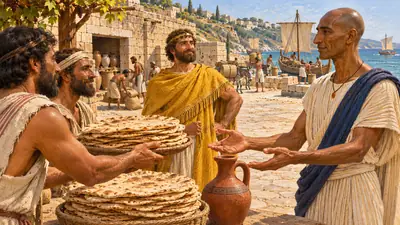
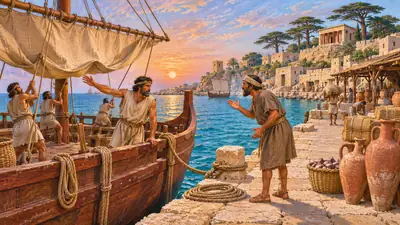
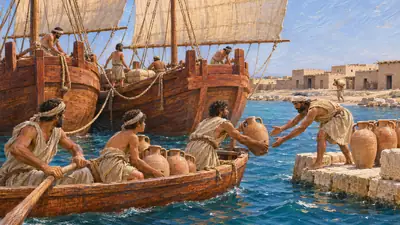
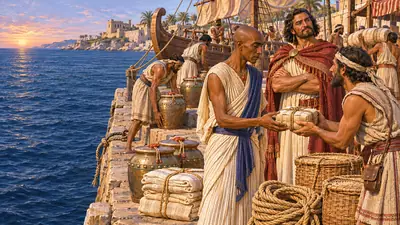
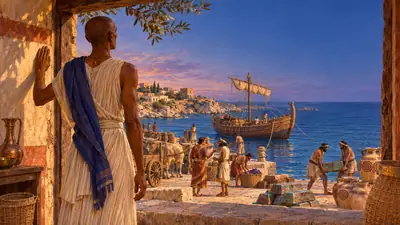
He comes to Dor, a coastal town of the Tjeker. Bedor, the local prince, welcomes the envoy by sending him fifty loaves, a jug of wine and a cut of beef.
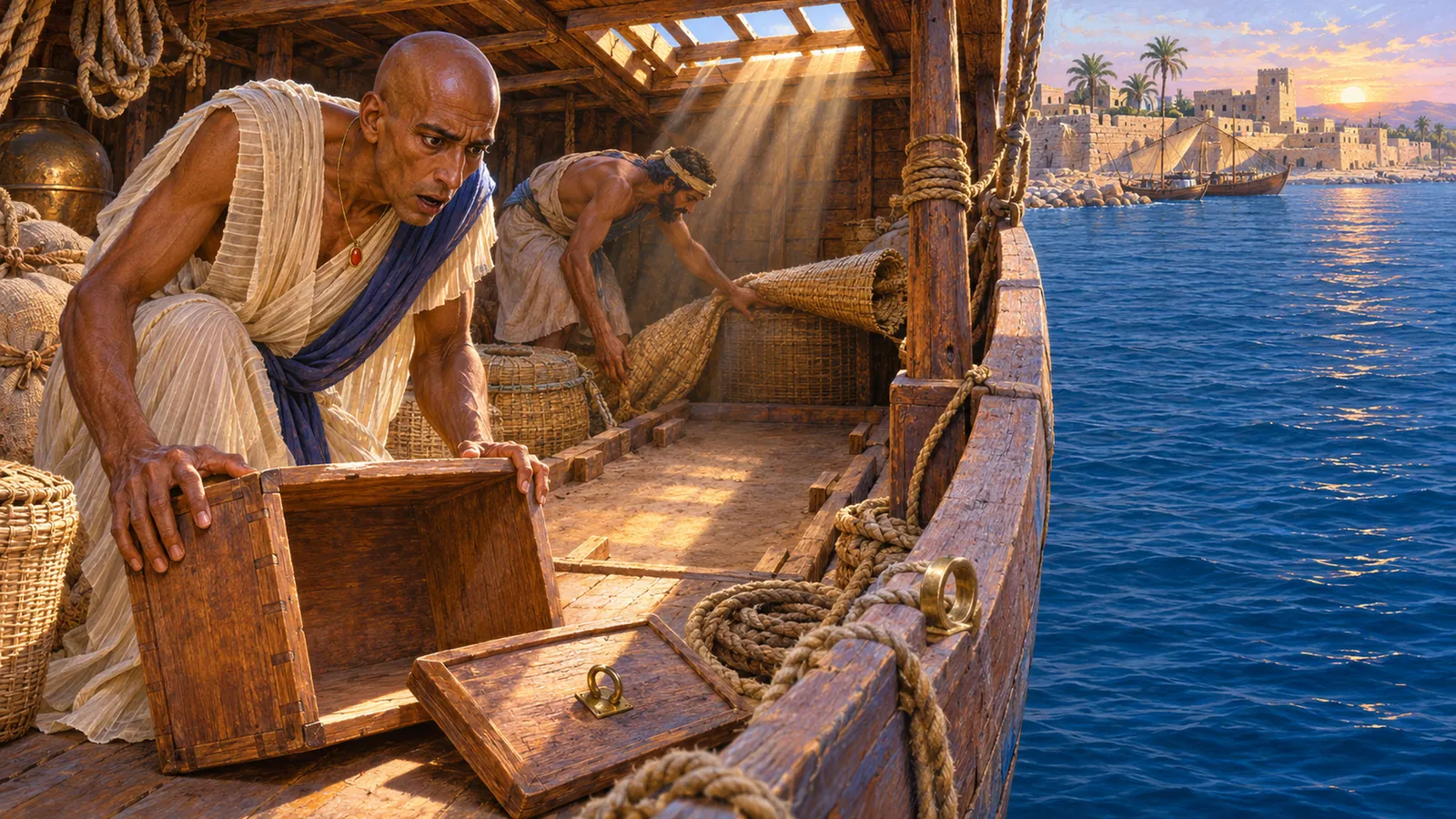
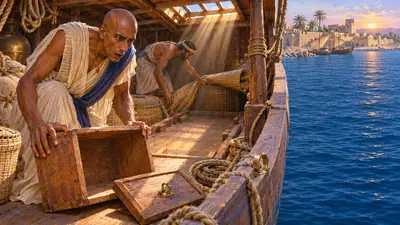
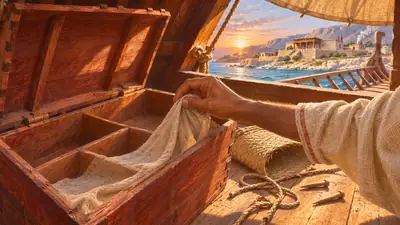
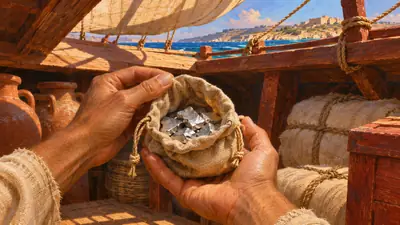
The welcome is short-lived. A man from Wenamun’s own ship takes the gold and silver and disappears. The envoy discovers the loss and gets up early to seek help.
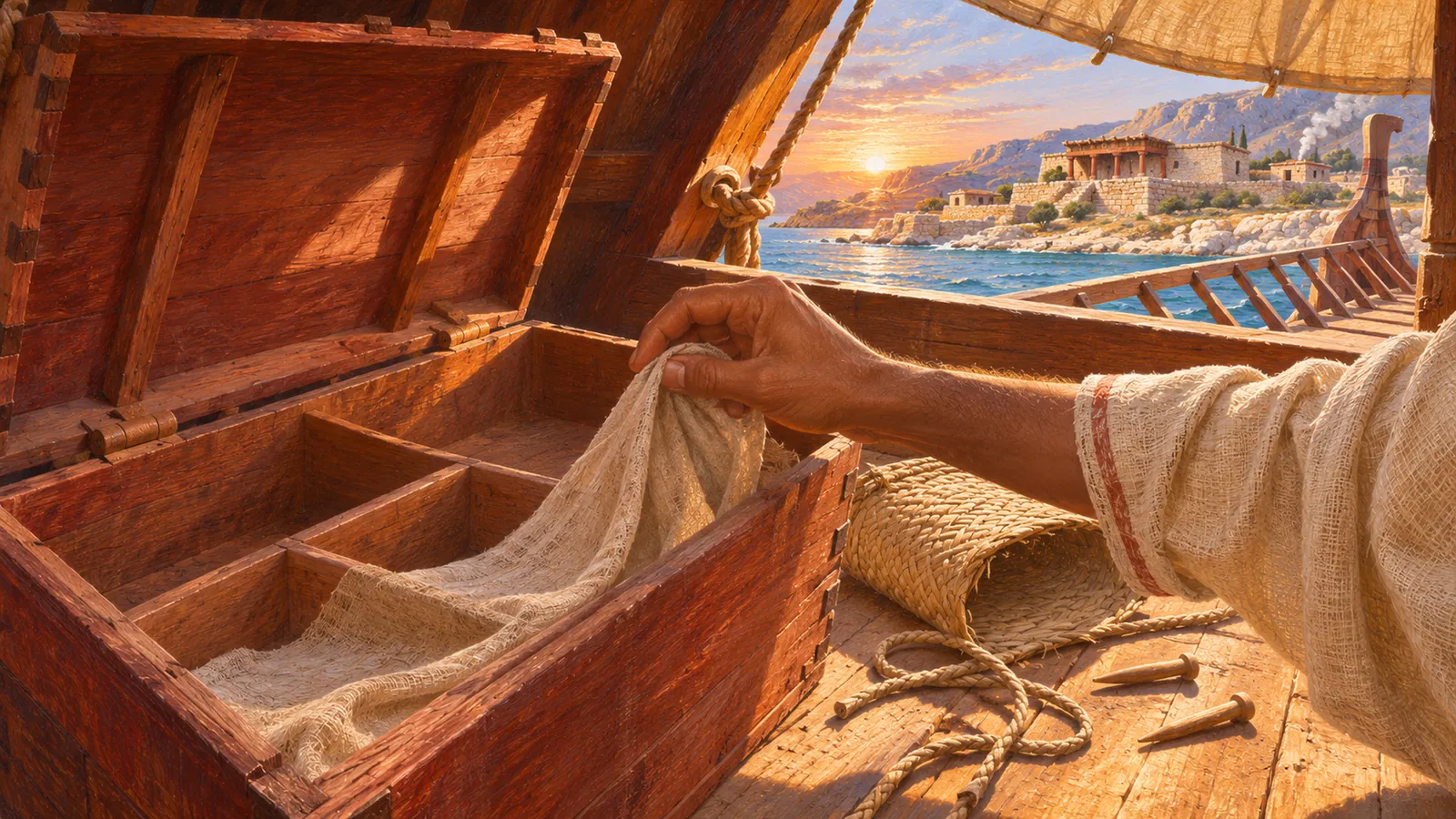
A gold vessel, four silver jars and a bag of silver are gone. Wenamun totals the loss by weight, counting five deben of gold and thirty-one of silver.
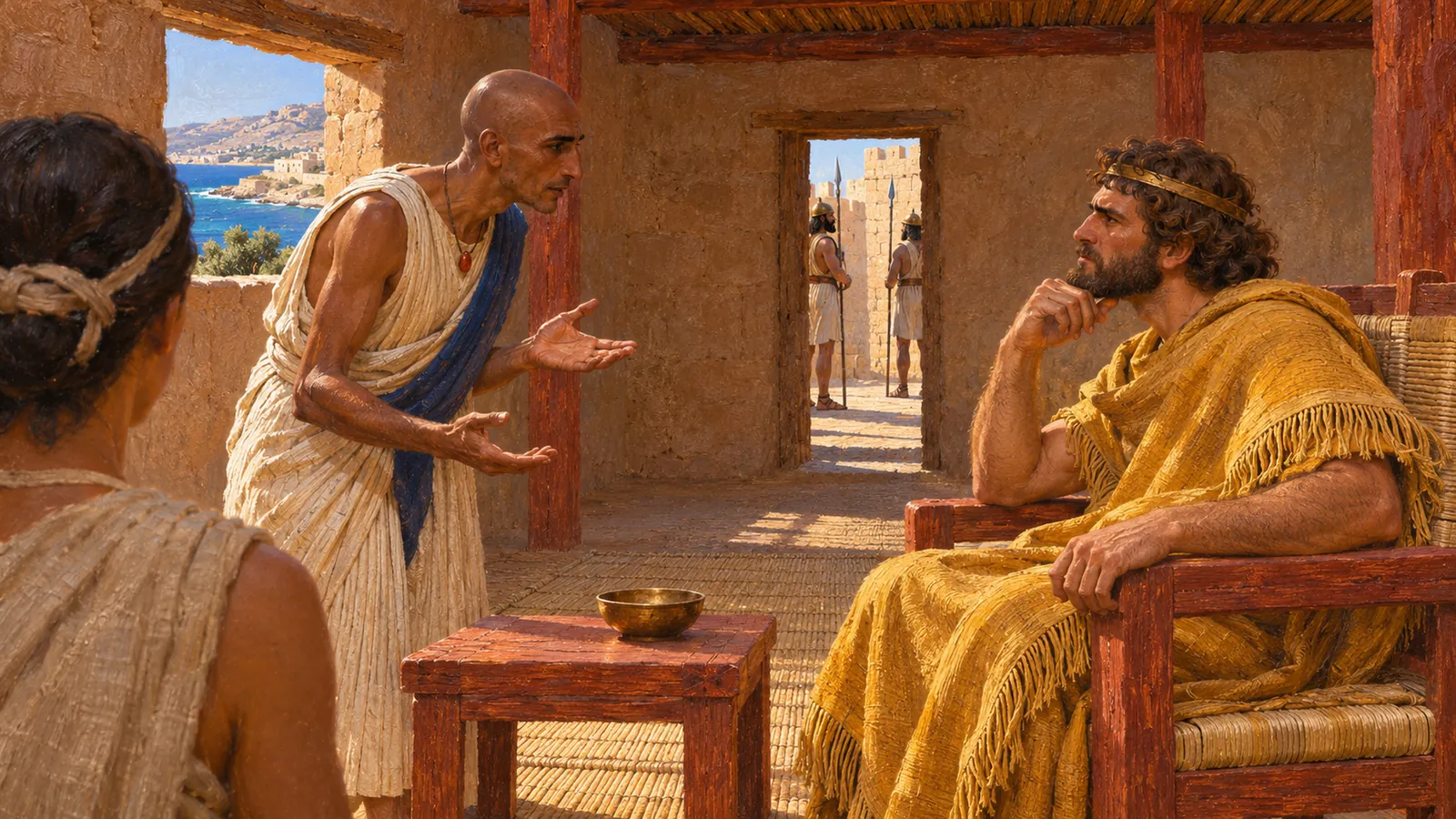
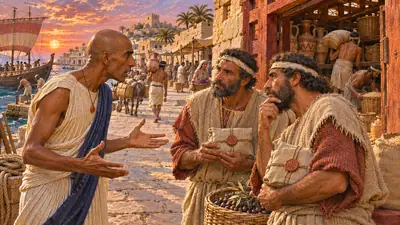
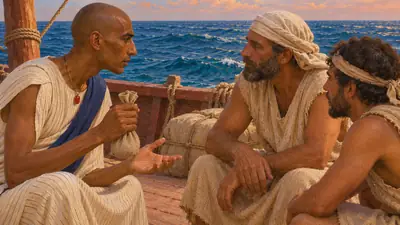
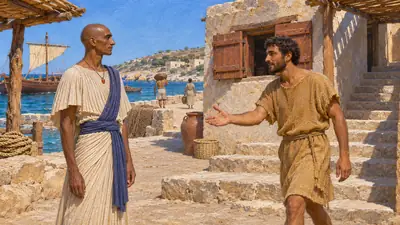
Wenamun goes to Bedor and tells him where the theft happened. A ruler must investigate what happens in his own harbor, he argues. Will Bedor have his men search?
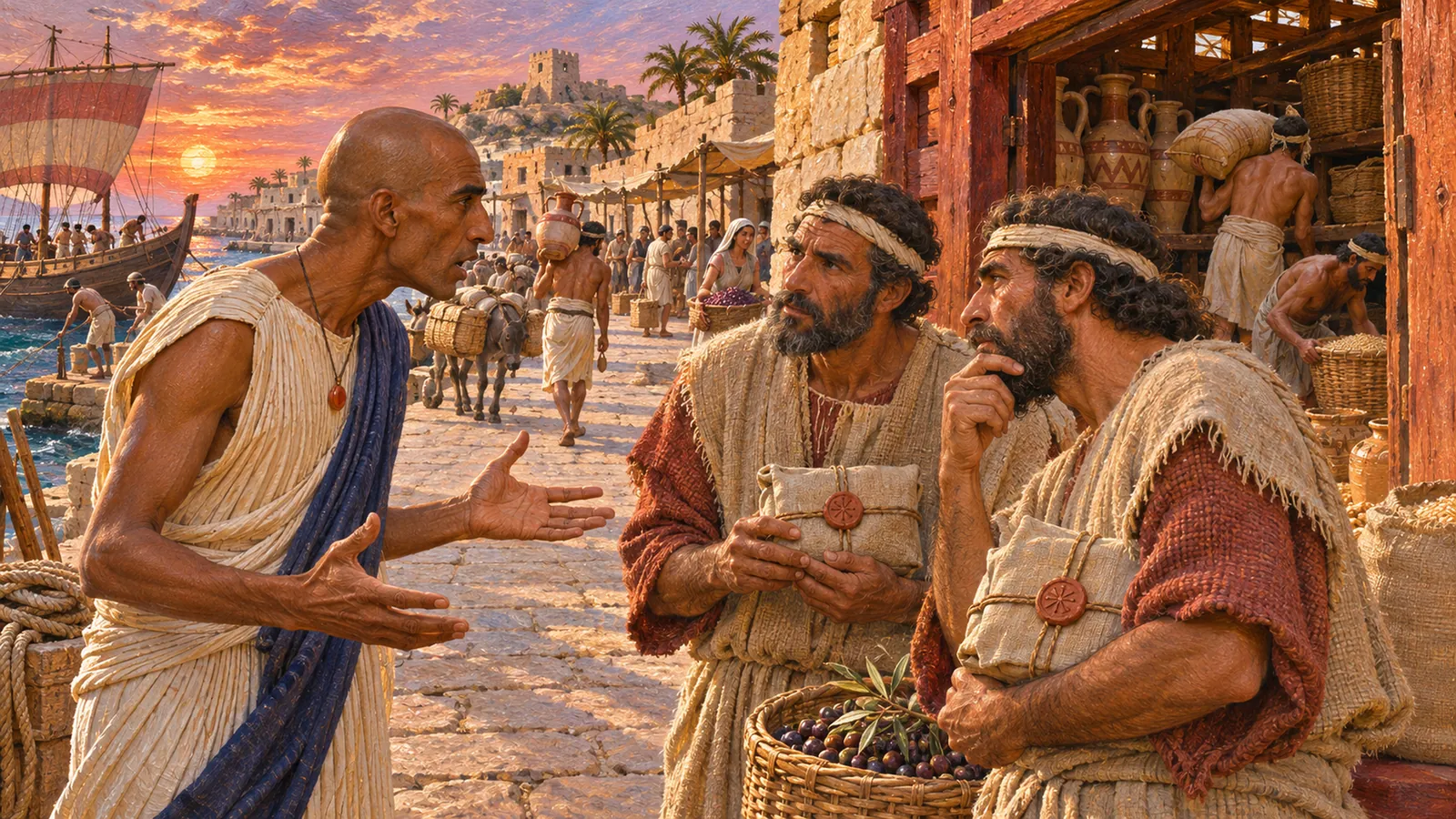
He names everyone with a stake in the money. It belongs to Amun, to Smendes and Herihor, and to men along this coast, even to Bedor and Zakarbaal.
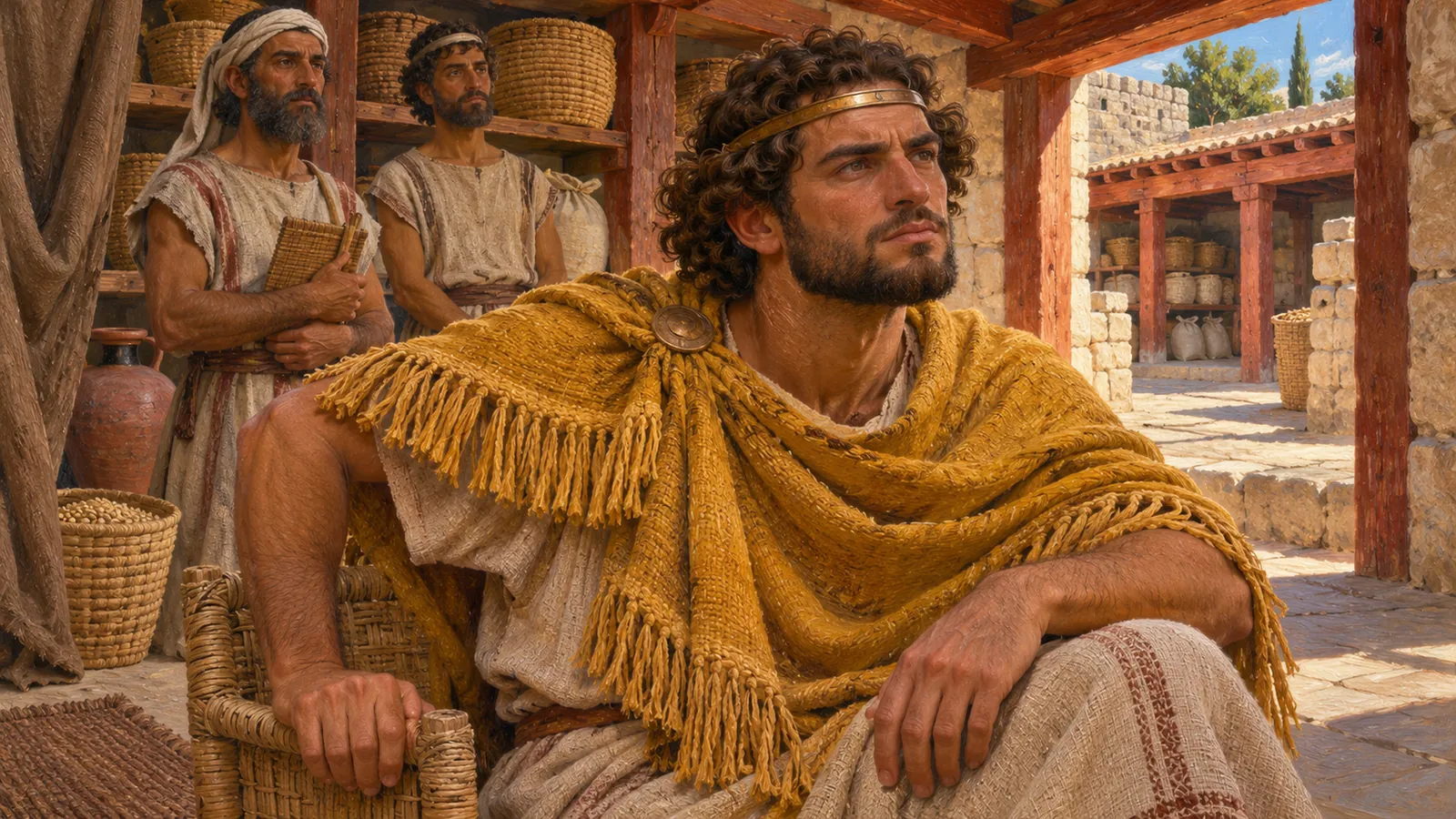
Bedor says that if a man of Dor had done it, his storehouse would cover the loss until the thief was found. Here, he offers to search for Wenamun’s sailor.
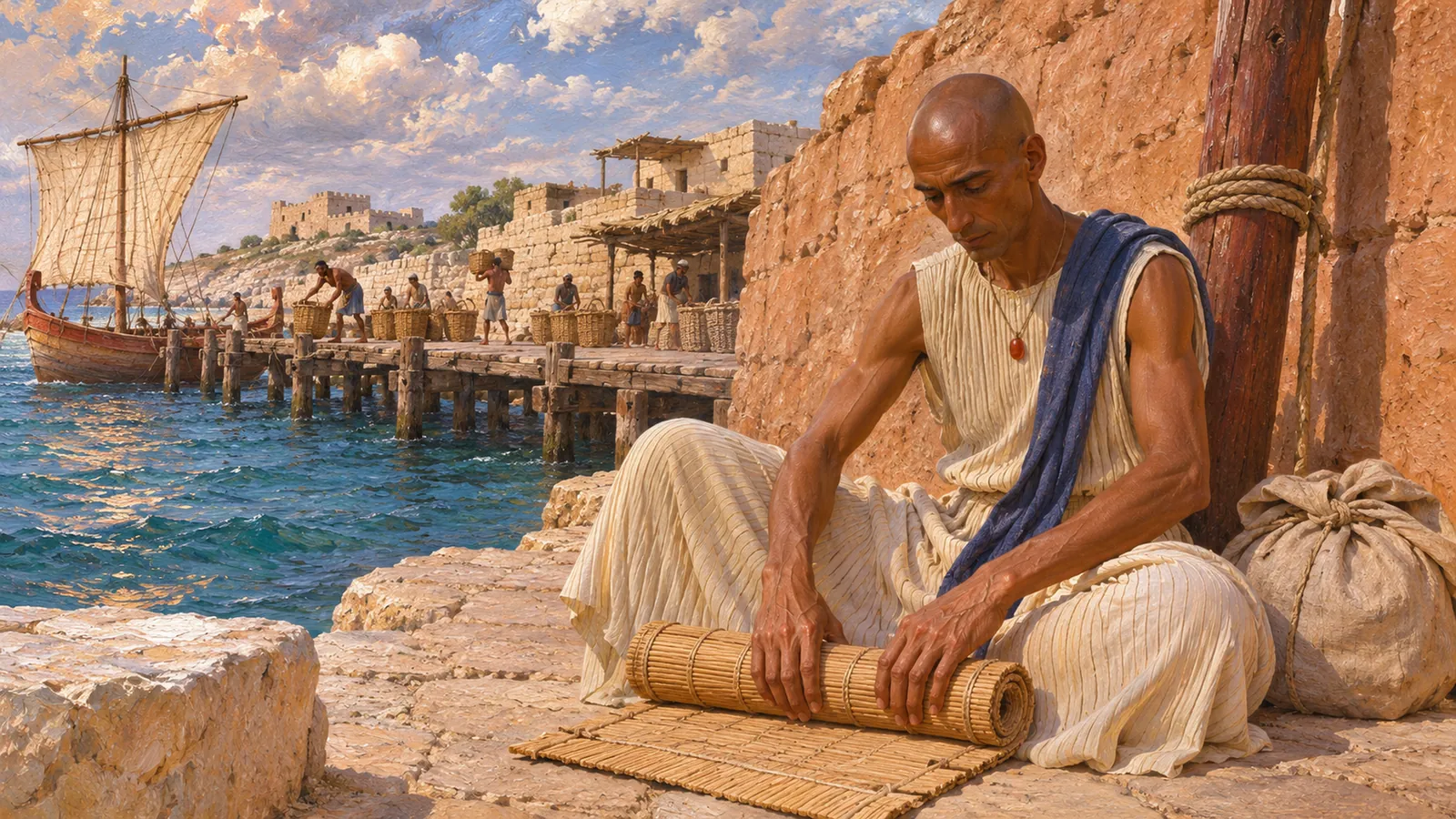
Nine days pass with the ship at Dor and the money still missing. Wenamun asks to leave with the captains heading out to sea. Bedor’s reply survives only in fragments.
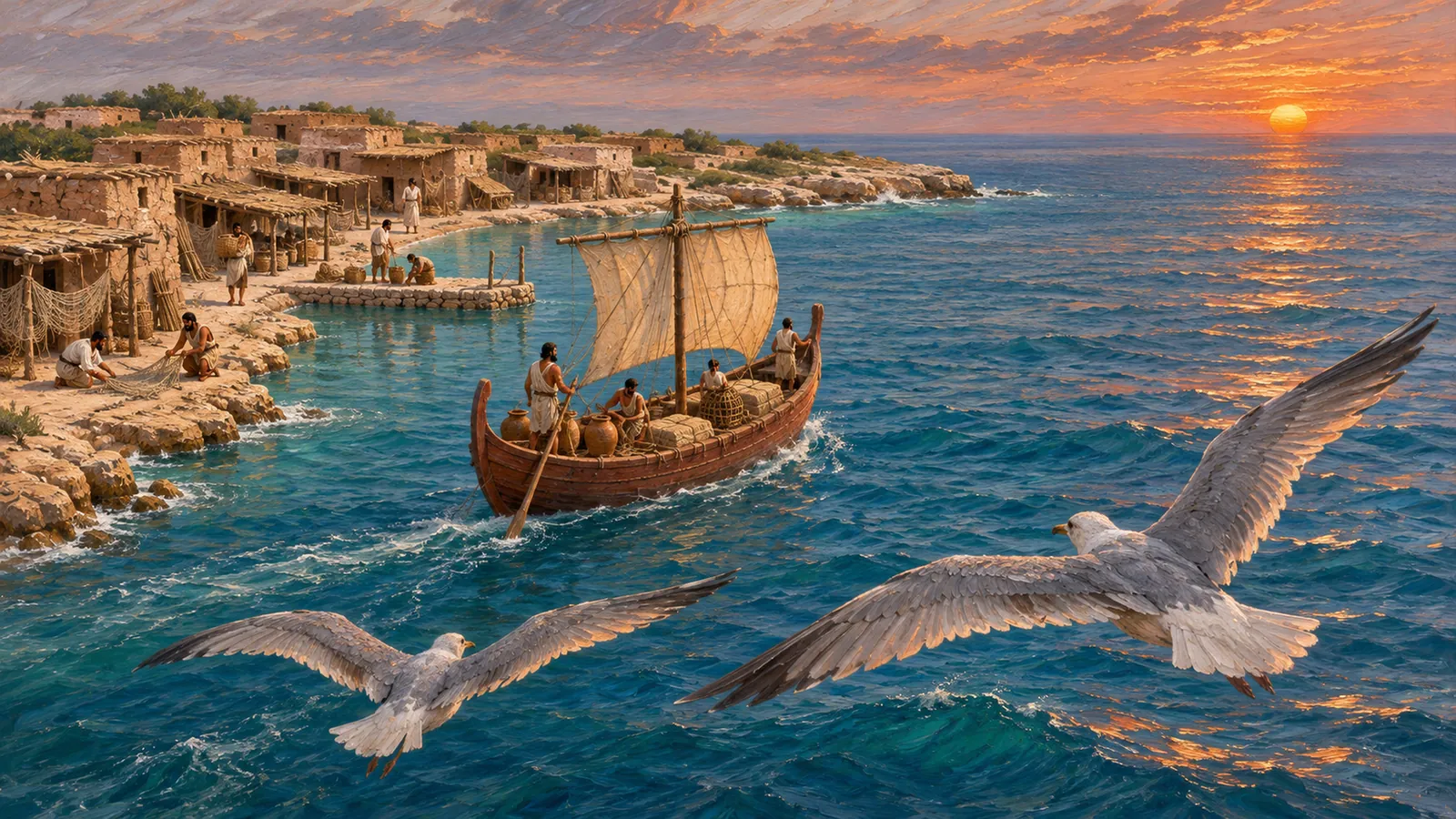
The next lines of the papyrus are torn. We can still read the name of Tyre and learn that Wenamun departed from that port at first light.
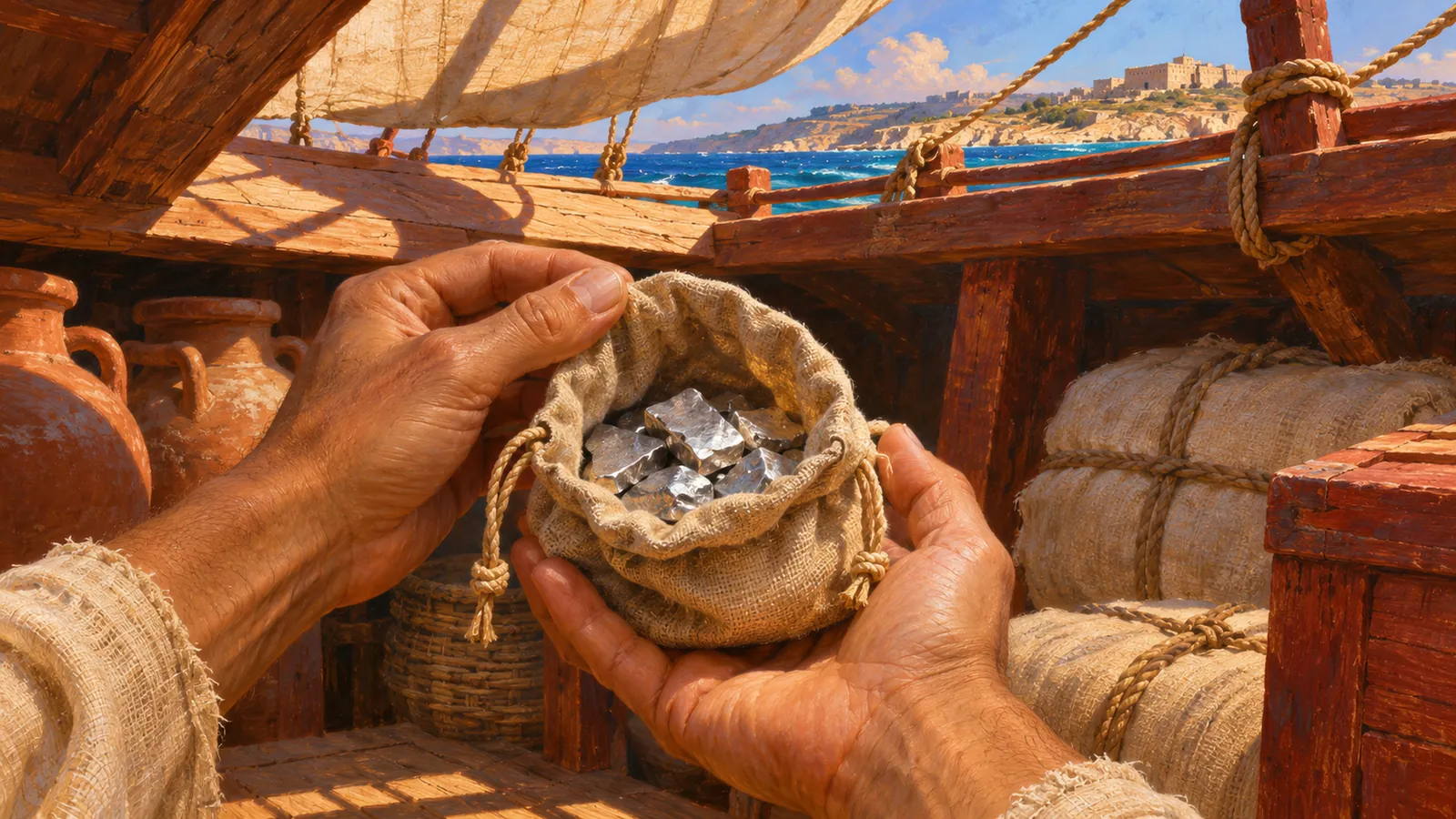
What happened next is only partly legible. Wenamun says he came across a ship and took thirty deben of silver from it, nearly as much silver as he had lost.
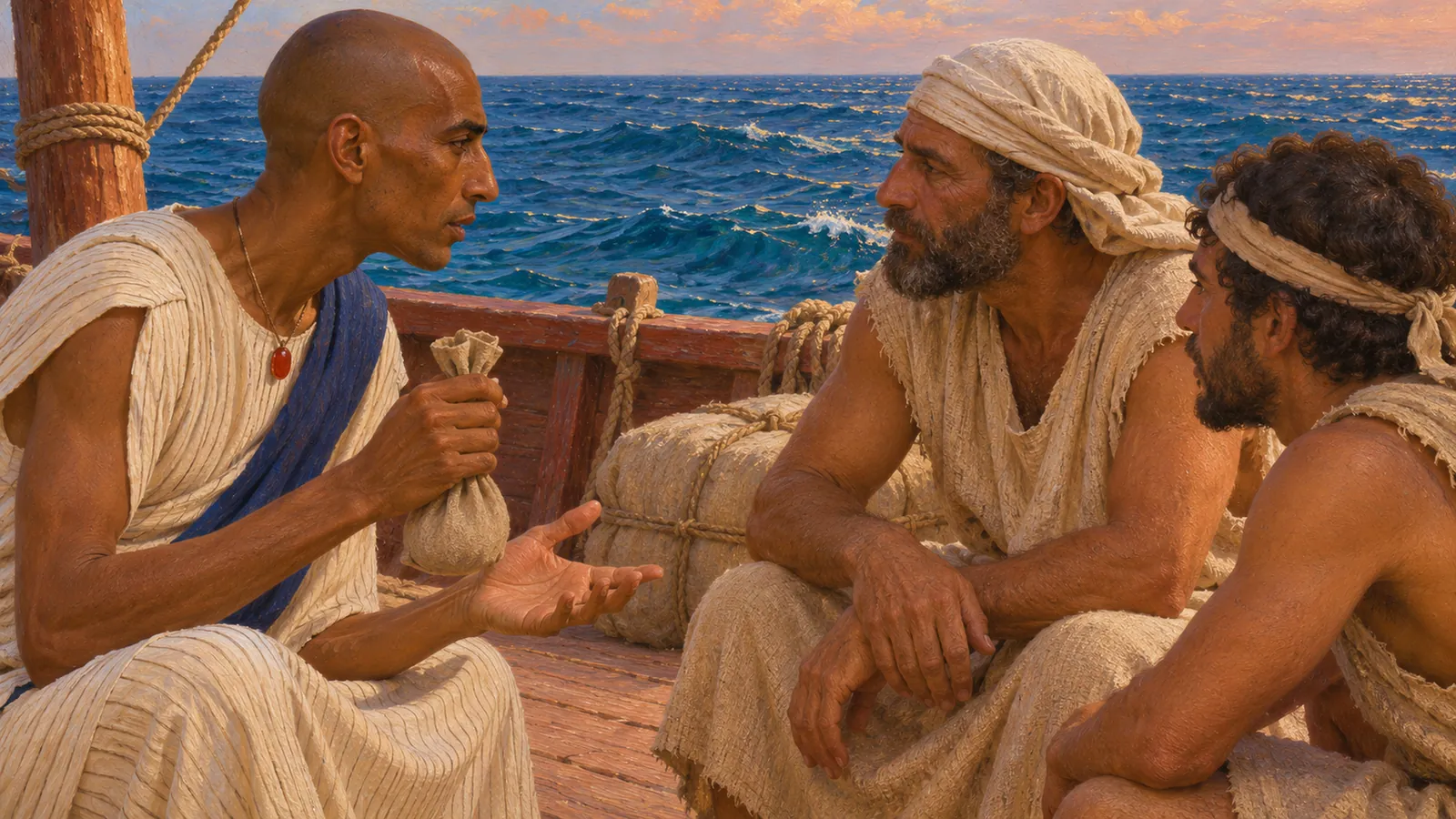
He tells the ship’s men that he will keep their silver until they find his money or the man who stole it. The rest of their exchange is badly damaged.
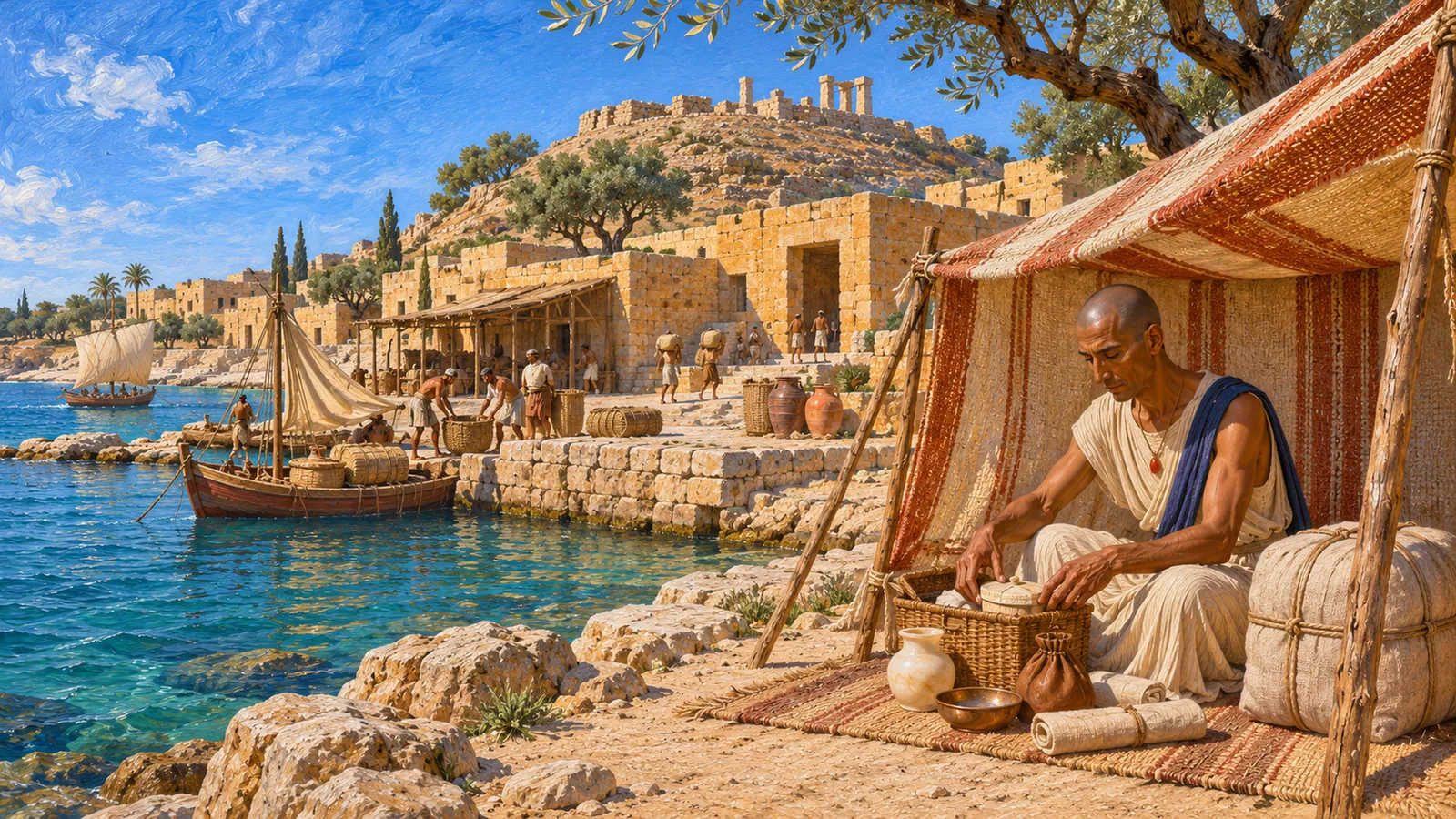
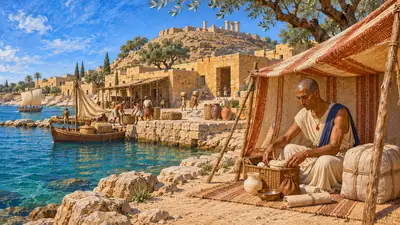
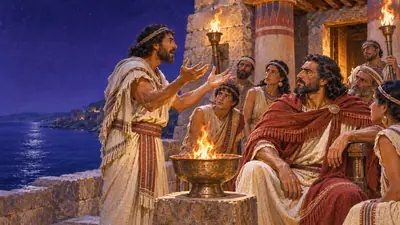
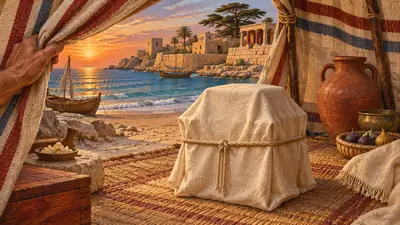
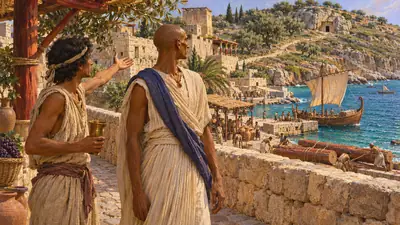
At Byblos, Wenamun takes shelter alone in a tent by the sea. He finds a place to hide Amun of the Road, the sacred image that has traveled with him.
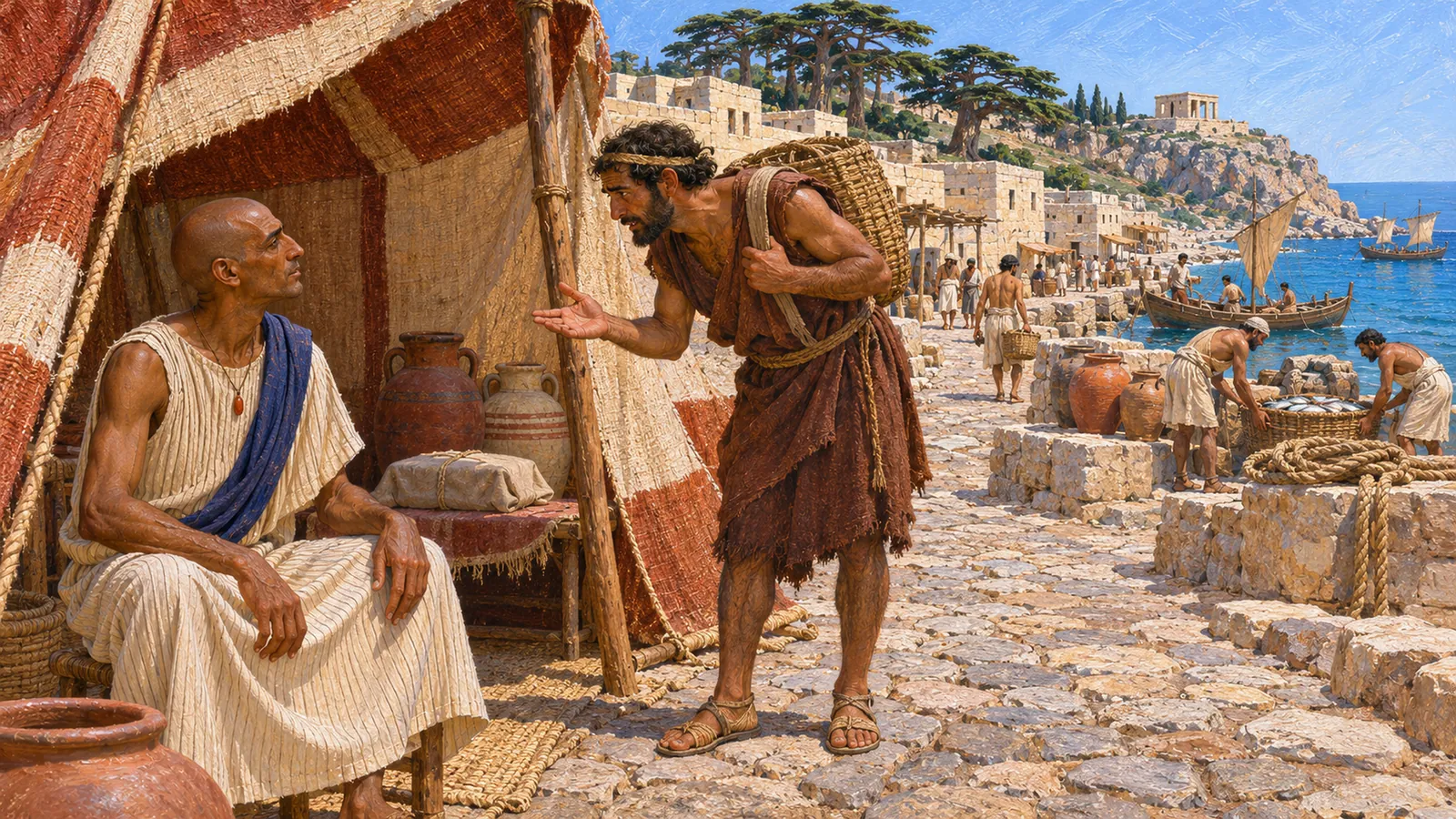
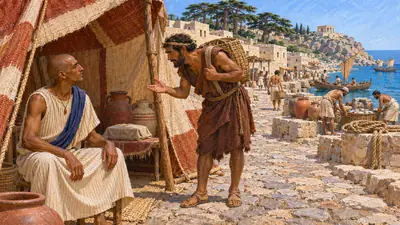
The ruler of Byblos, Zakarbaal, sends word that he must leave. The orders come day after day. For twenty-nine days the man from Thebes remains in the harbor.
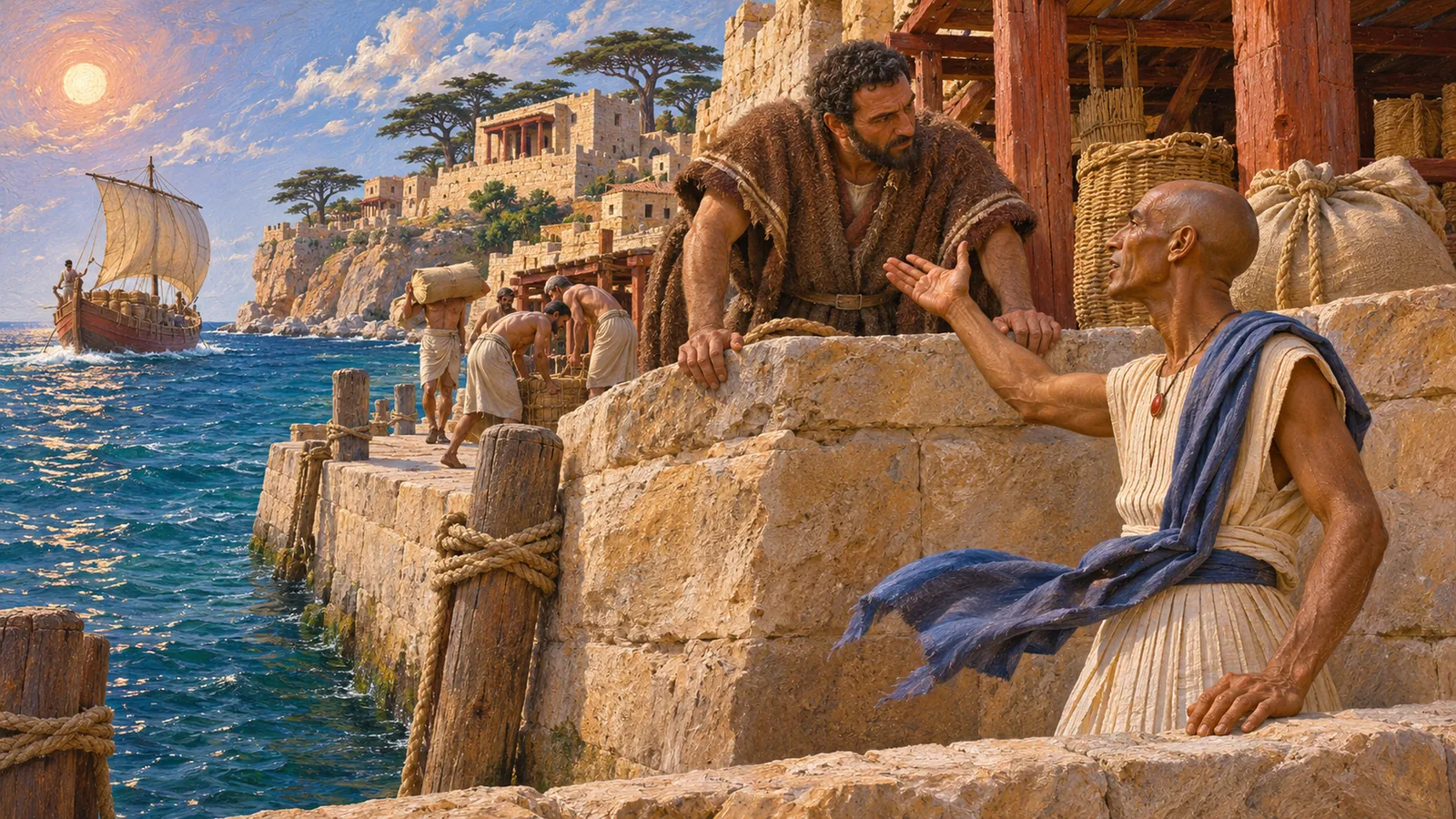
Some of Wenamun’s reply is missing. In the words that remain, he asks where he is supposed to go and says a ship could take him back to Egypt.
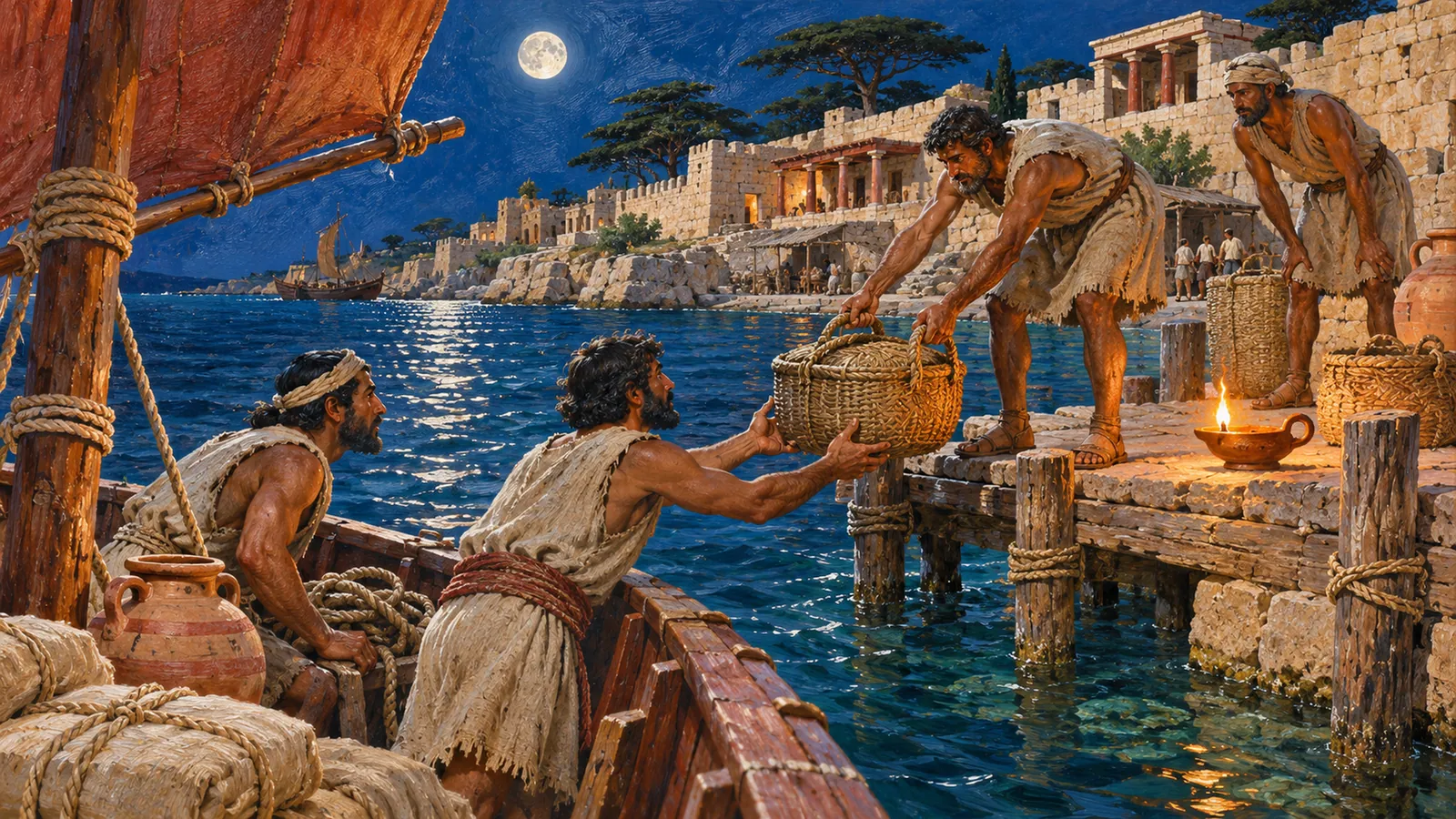
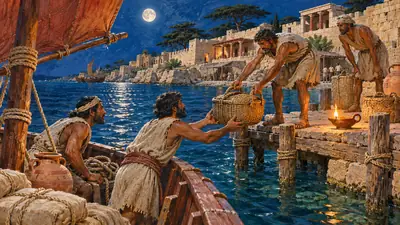
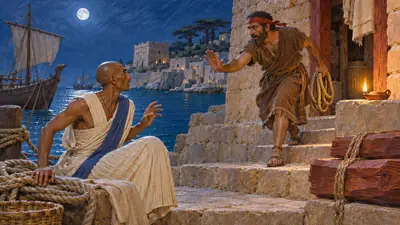
At last he finds a ship bound for Egypt and sends his baggage aboard. He waits for darkness to bring the sacred image onto the ship without being seen.
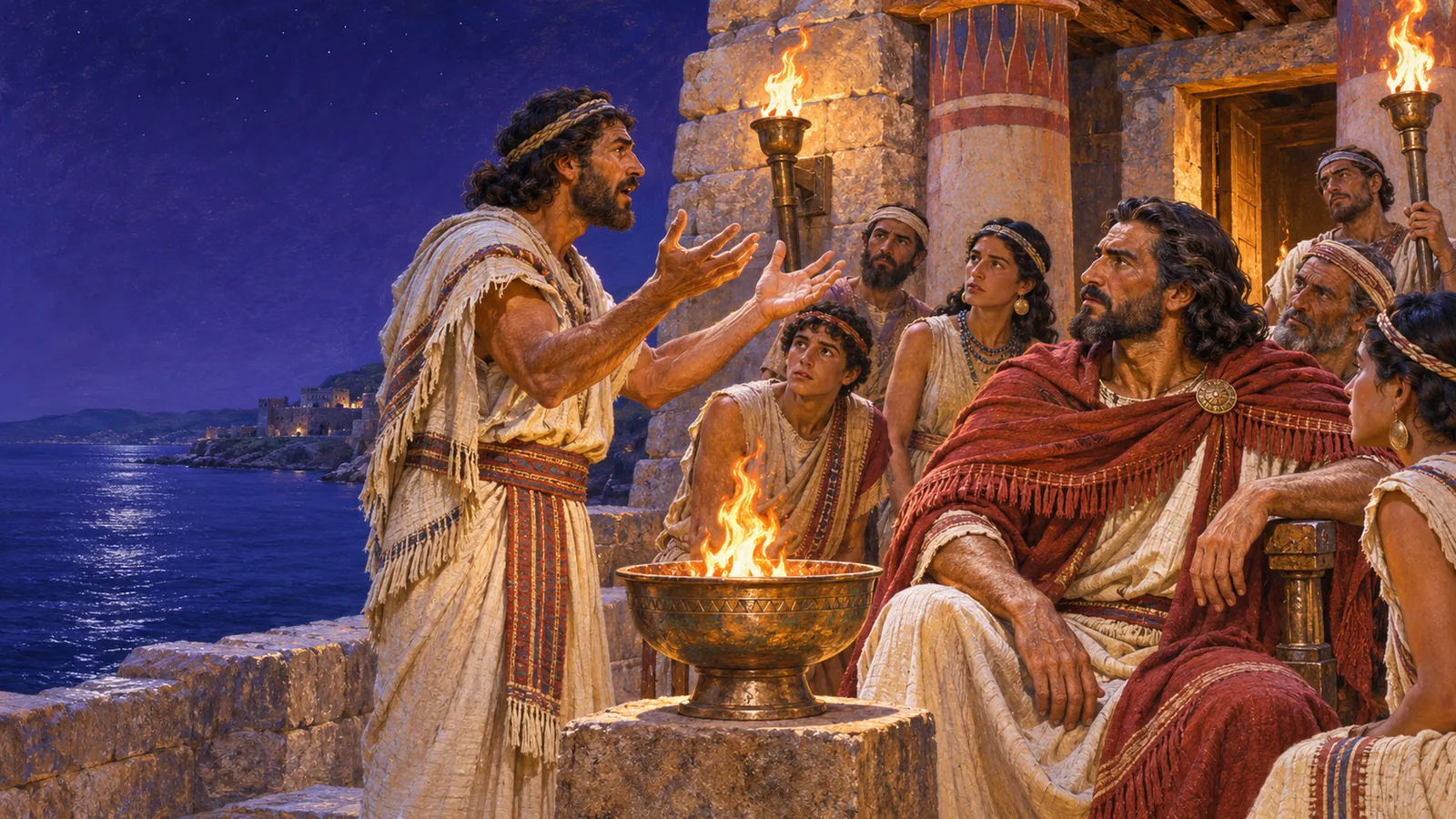
That night, while Zakarbaal makes offerings, a temple attendant falls into a trance. He calls for the sacred image and its bearer to be brought up. Amun sent him, he says.
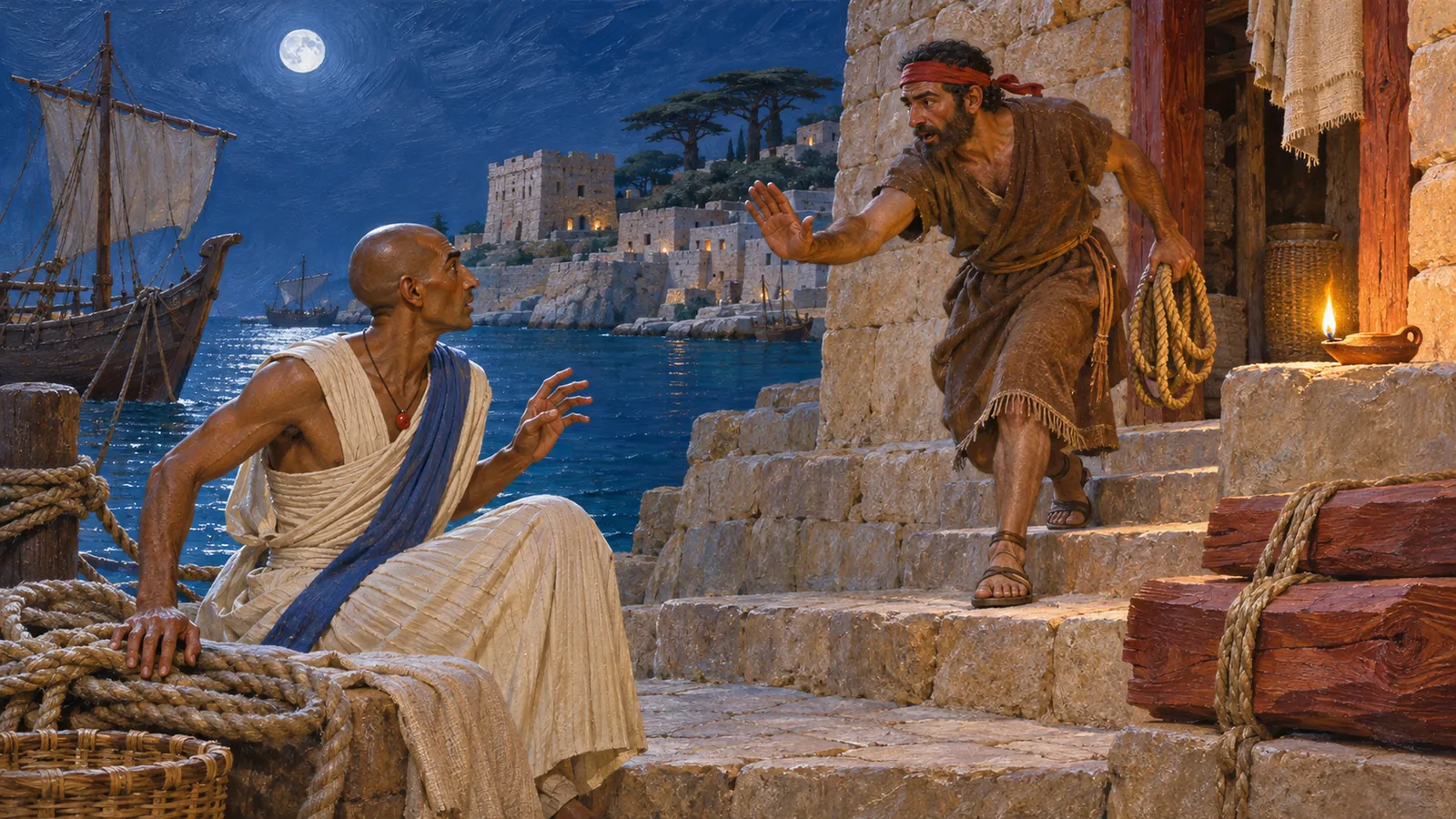
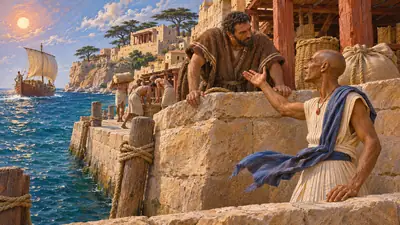
The harbormaster arrives with a different order. Wenamun is to stay until morning. He suspects a trick. What if his ship leaves and the prince sends him away again?
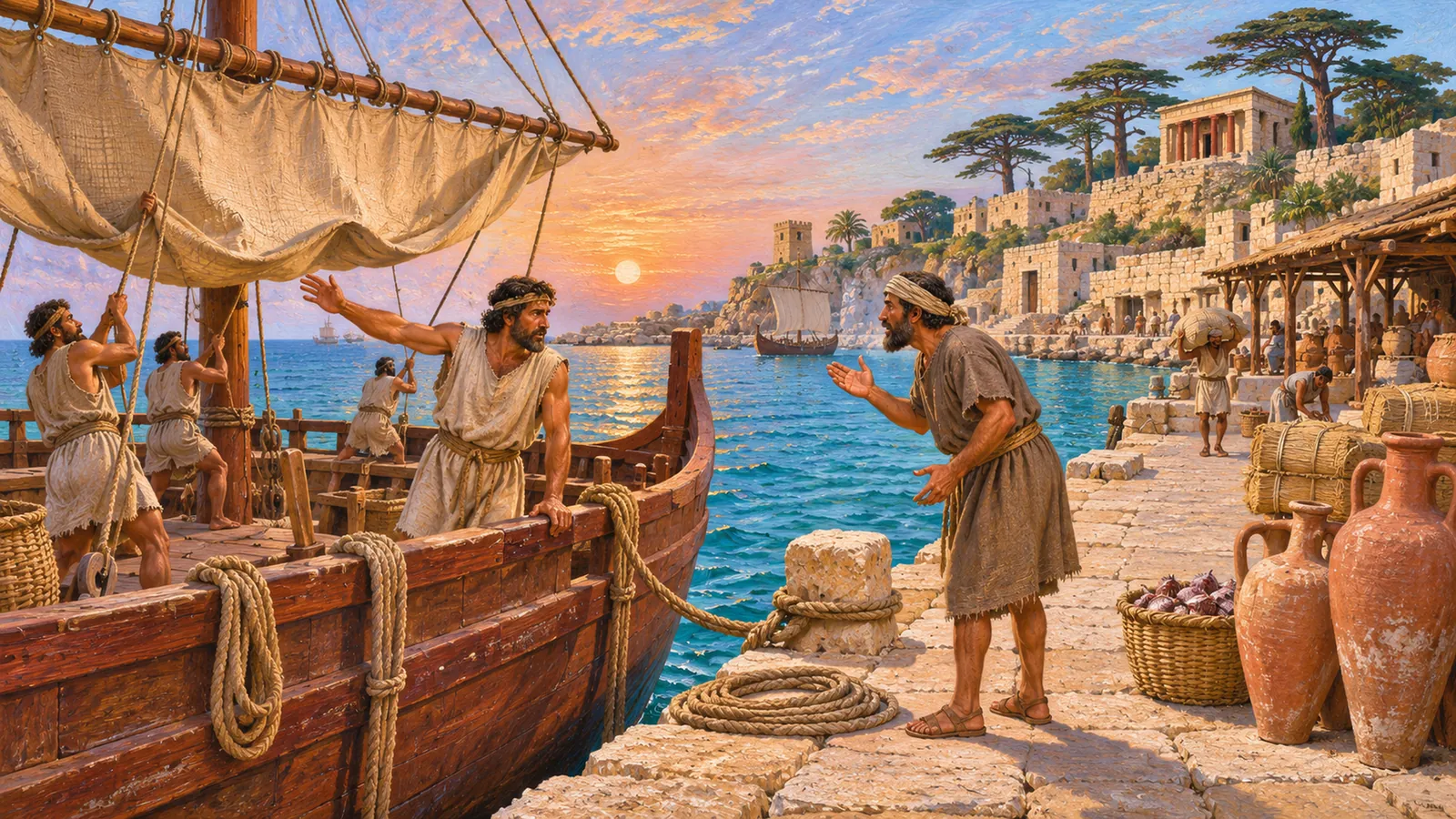
The harbormaster takes the objection back to the prince. This time Zakarbaal sends word to the captain as well. The ship must stay in the harbor until morning.
BYBLOS
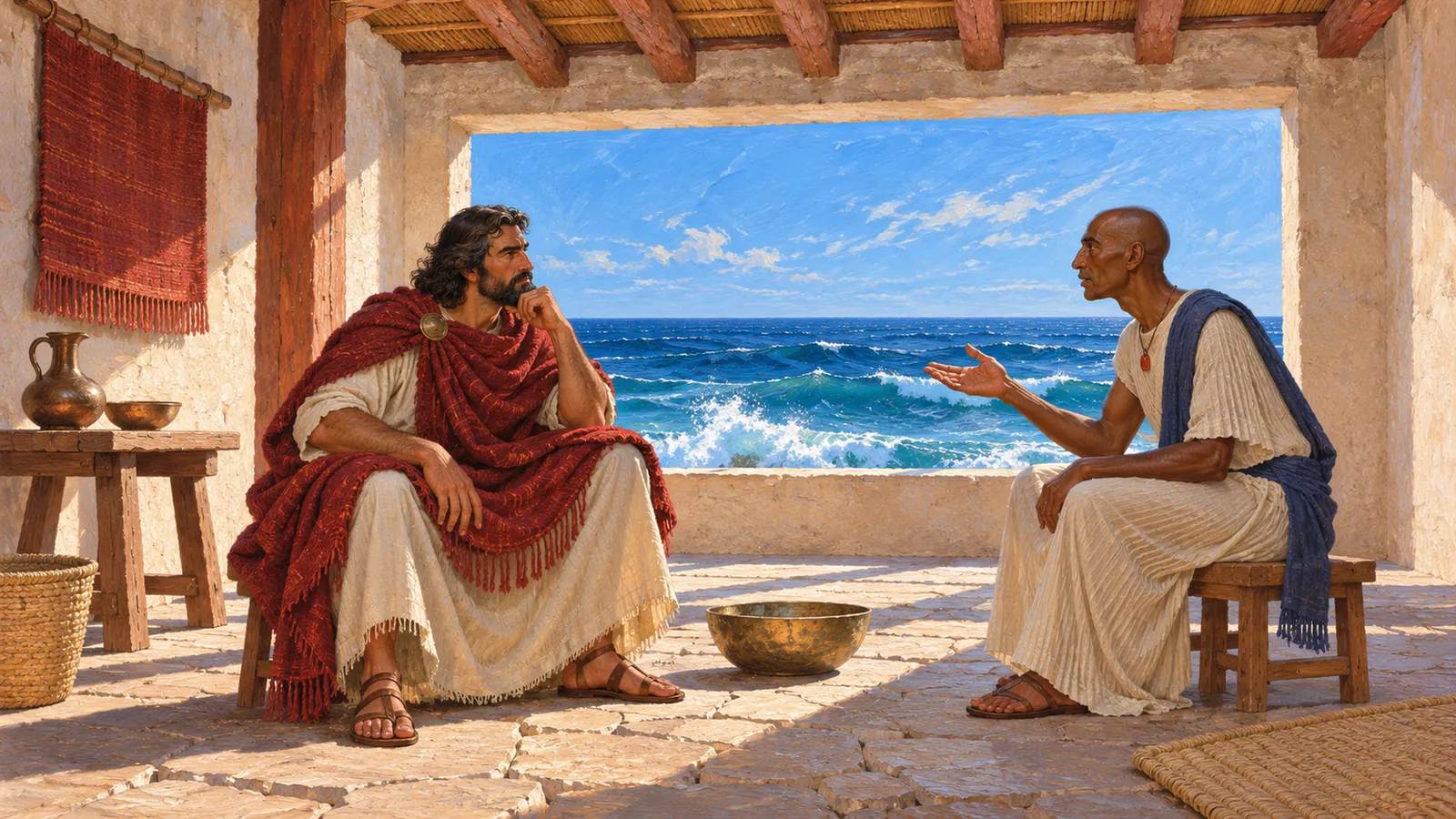
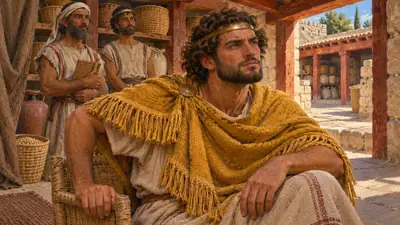
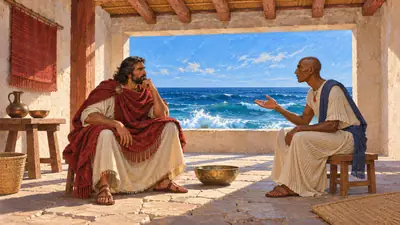
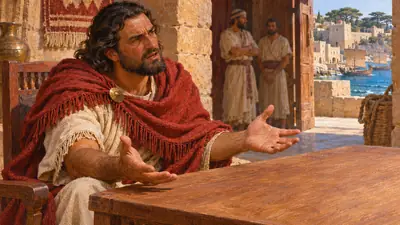
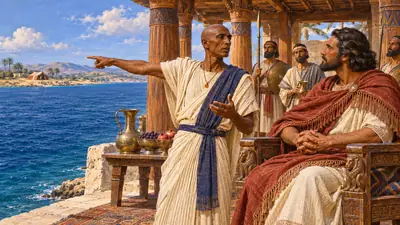
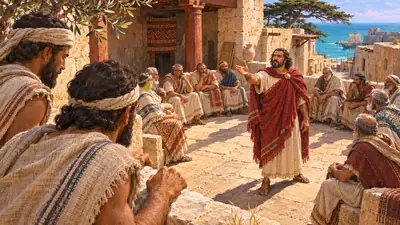
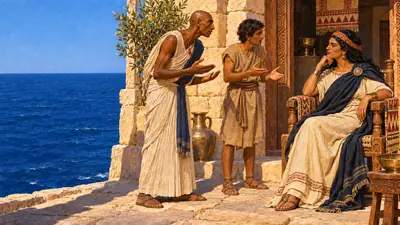
In the morning Wenamun is taken to the prince, leaving the image in the tent. Zakarbaal sits high above the shore, with waves breaking in the window behind him.
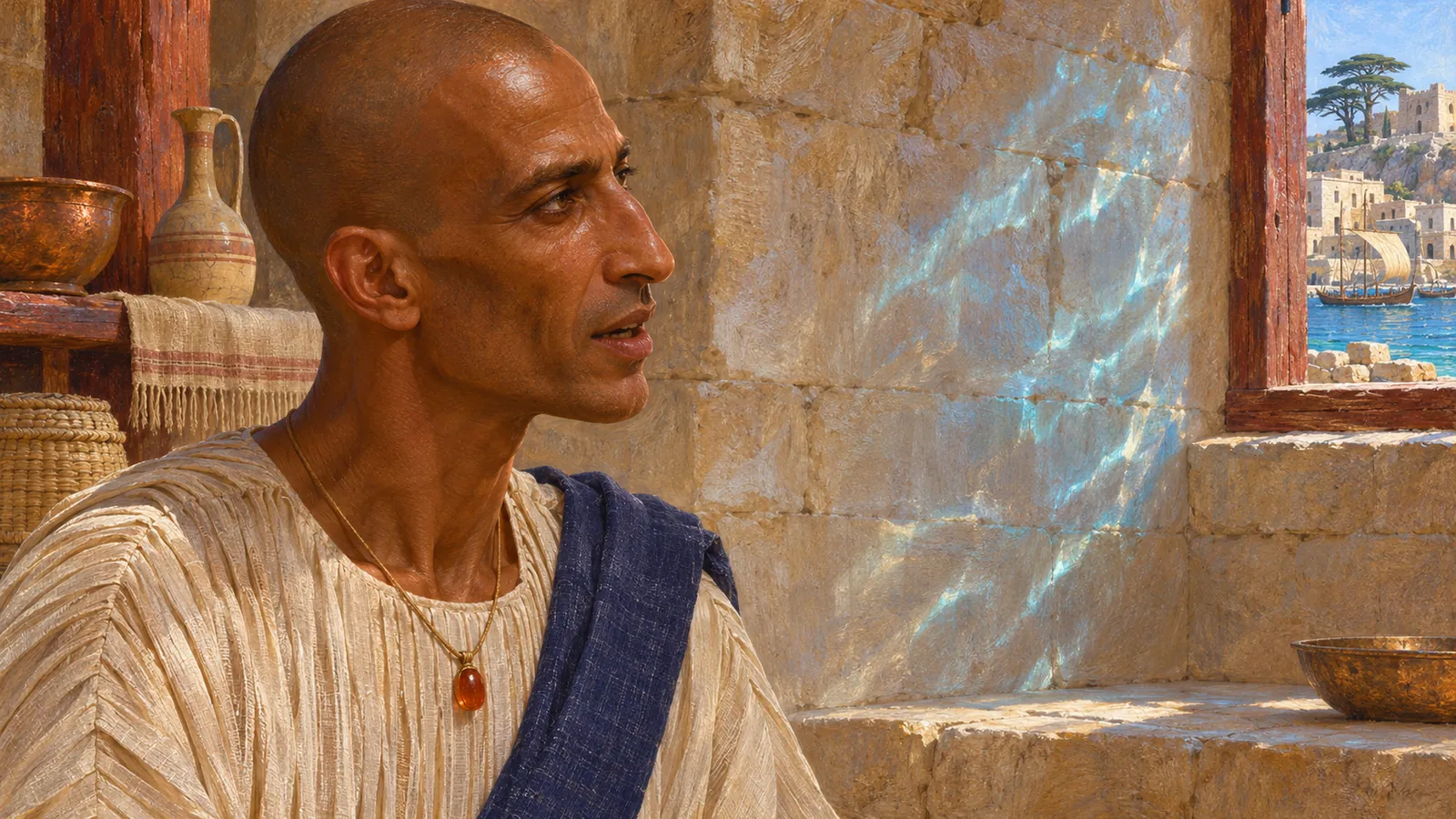
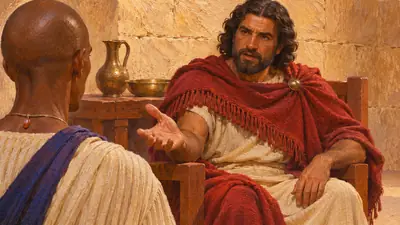
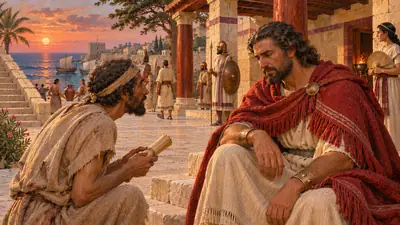
Wenamun invokes Amun in greeting. Zakarbaal asks how long he has been away from the temple. Five full months, Wenamun replies, and the prince says he has counted correctly.
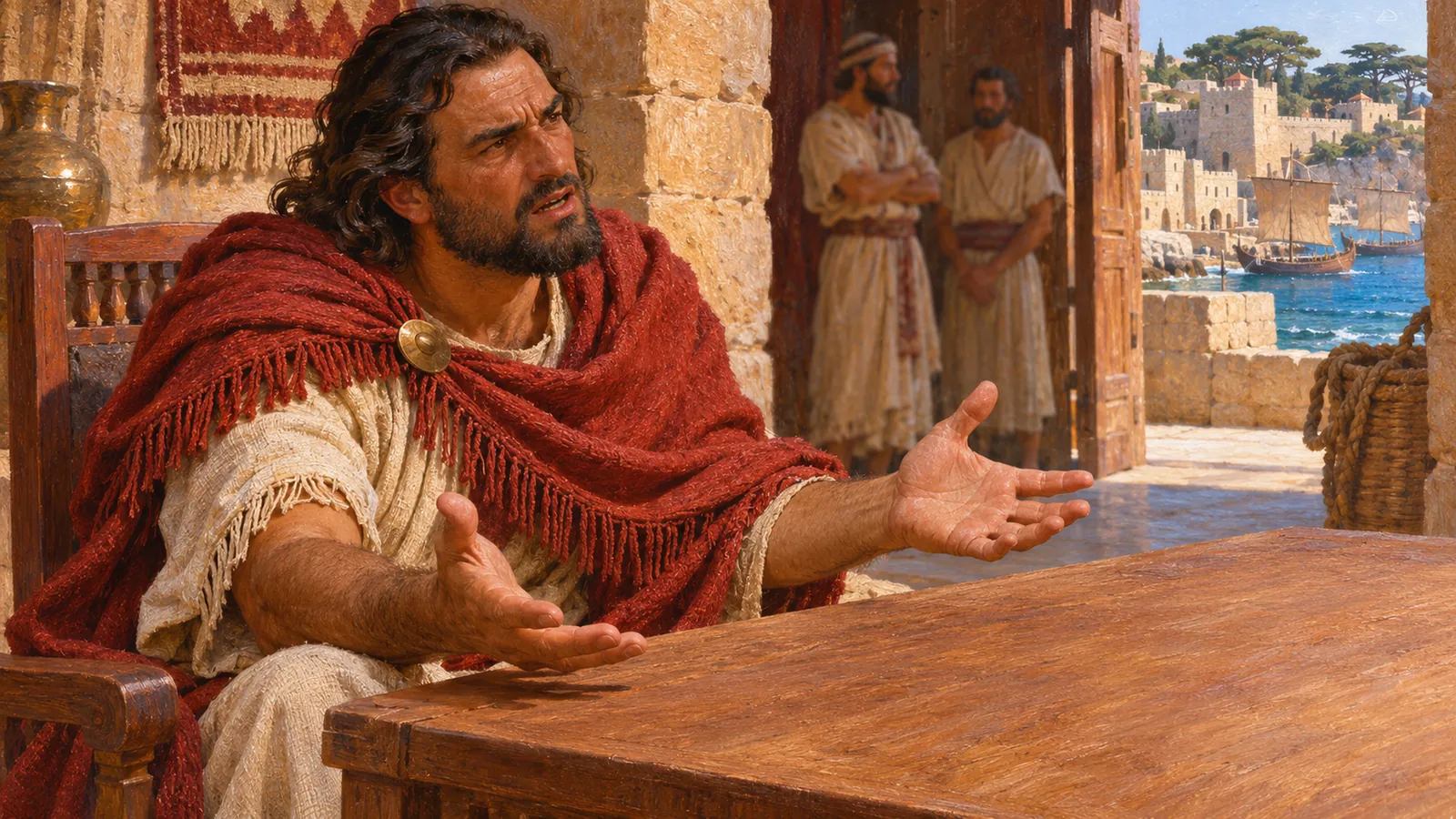
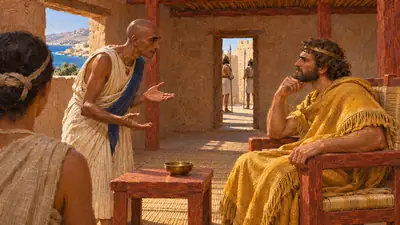
Then he asks for the temple’s dispatch and the high priest’s letter. Wenamun has already handed both to Smendes and Tanetamun. He has no documents left to show the prince.
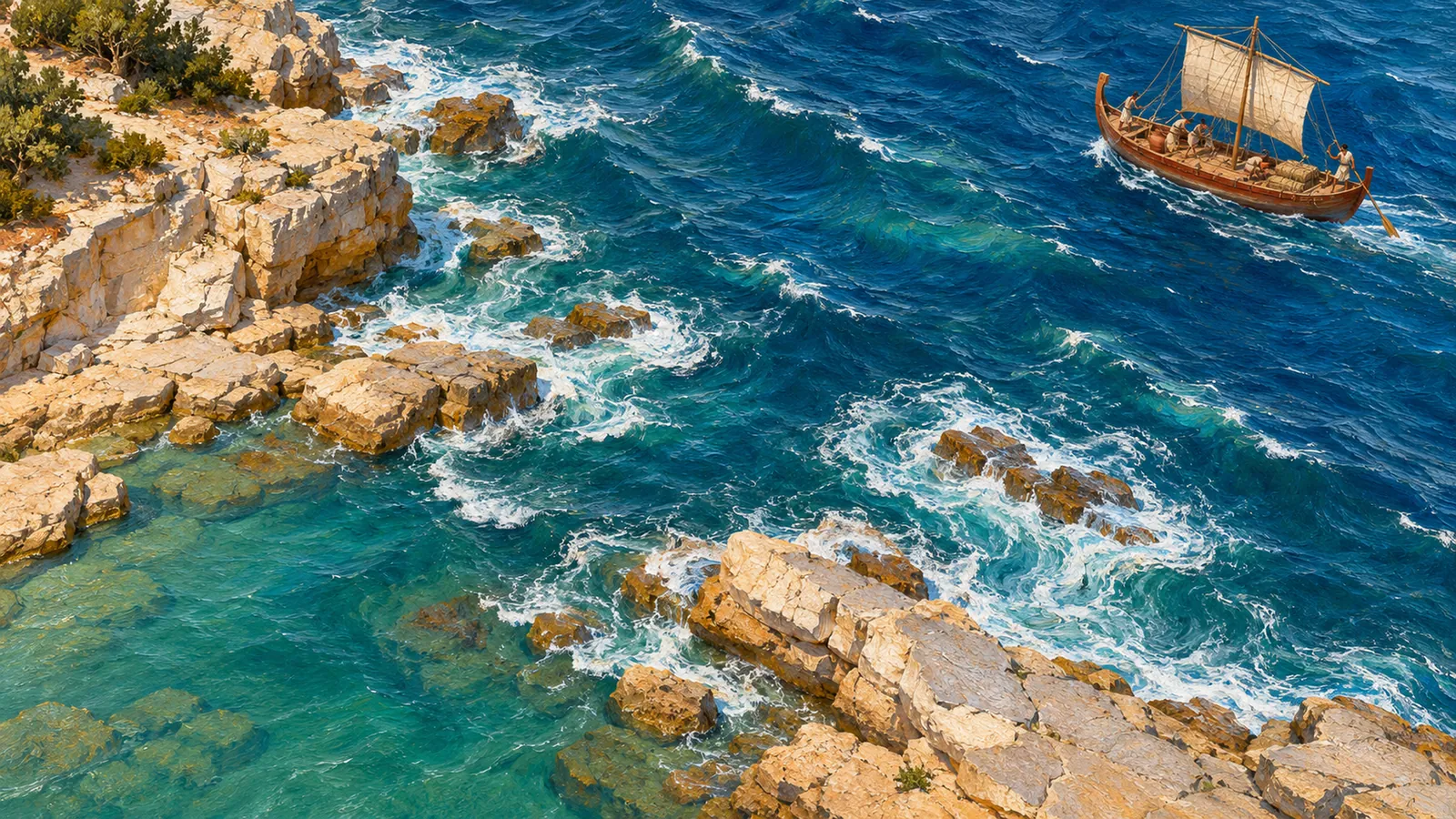
Zakarbaal says a foreign captain could have thrown the envoy into the sea. Who would have looked for the man or the sacred image? Wenamun insists the ship was Egyptian.
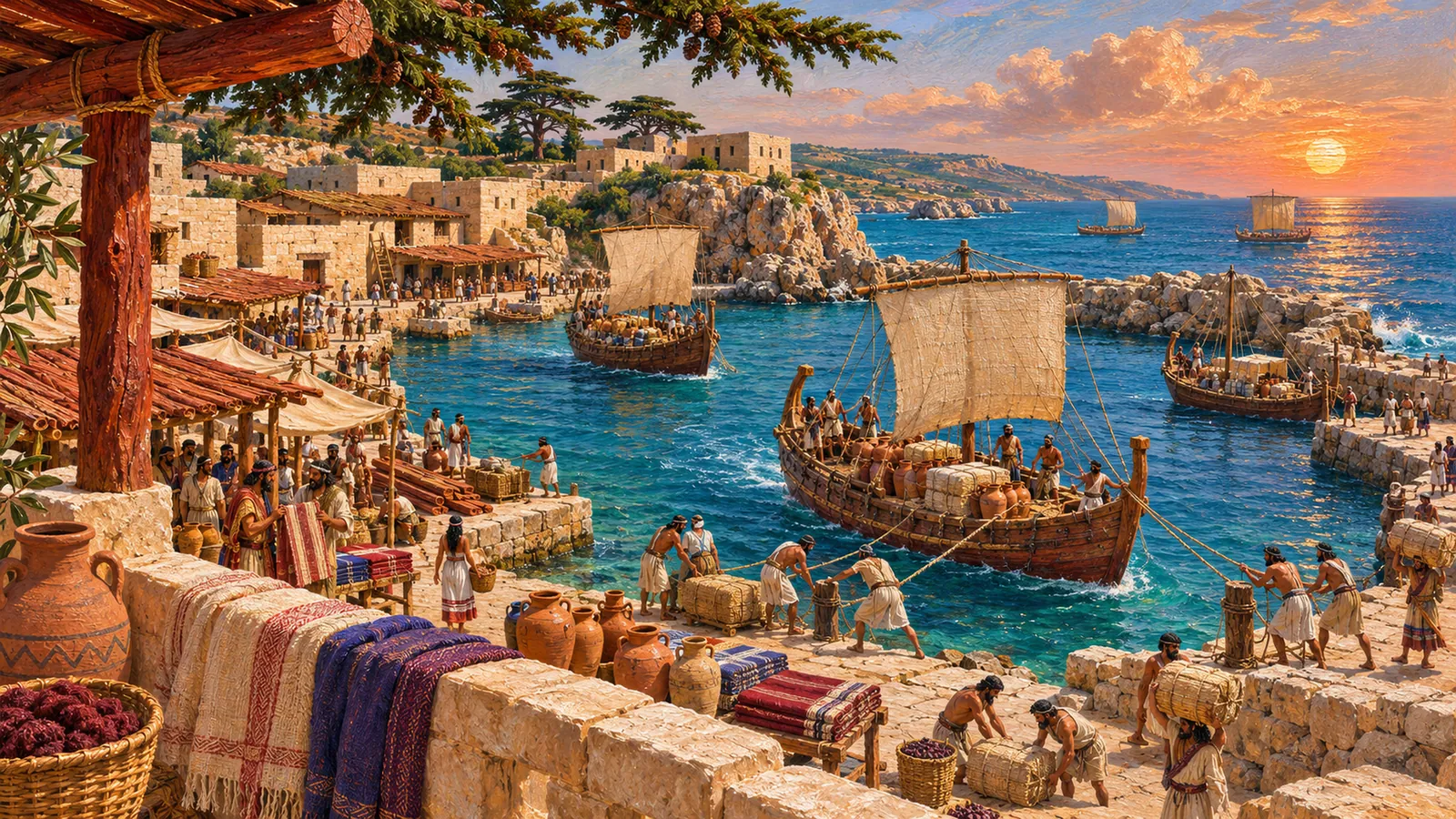
The prince knows how this trade works. There are twenty cargo ships in his own harbor, he tells Wenamun, that carry goods in partnership with Smendes in Egypt.
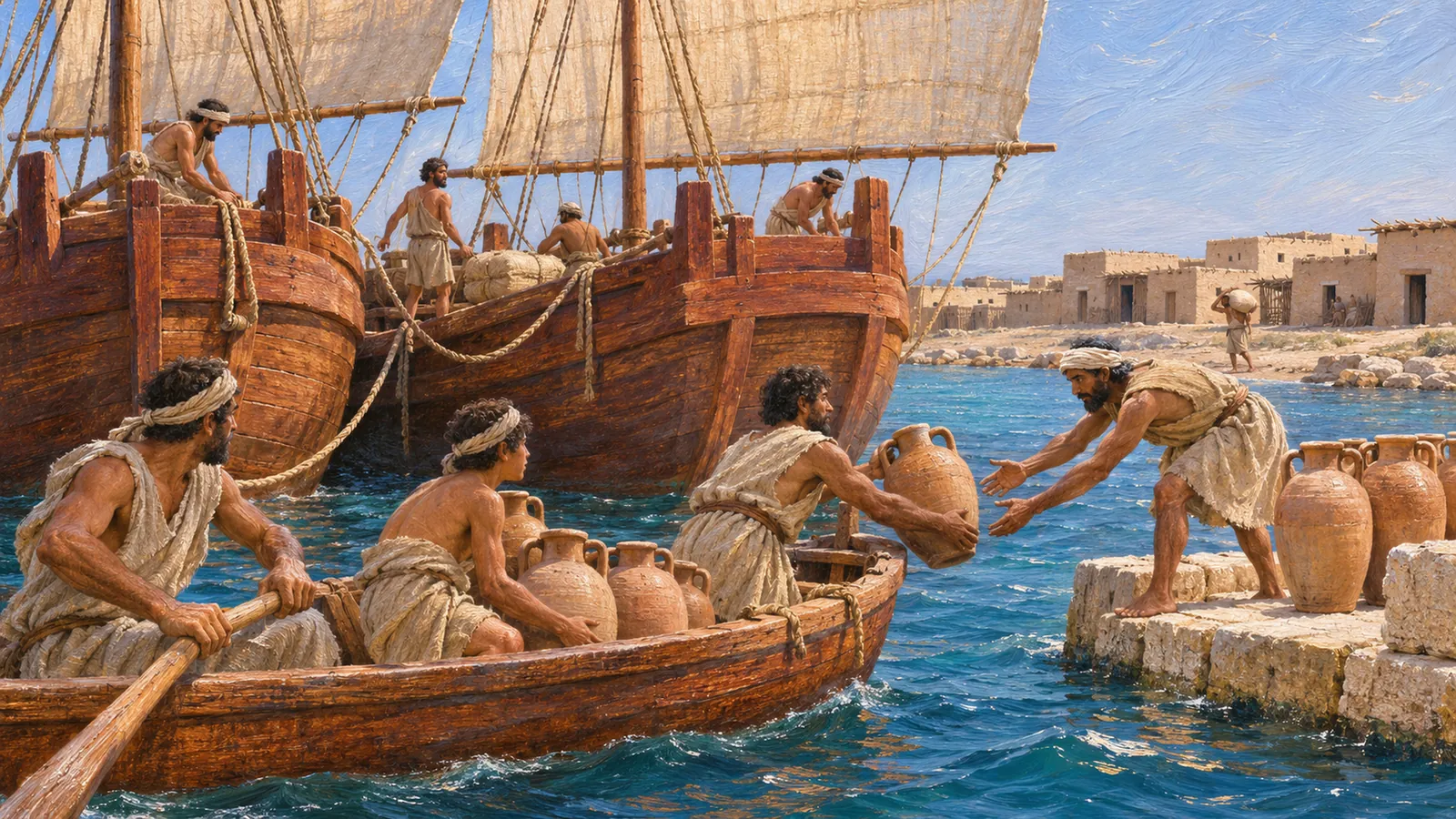
And at Sidon, the port Wenamun passed, there are fifty more in another partnership. At that, the envoy falls silent. The prince asks him to explain his mission.
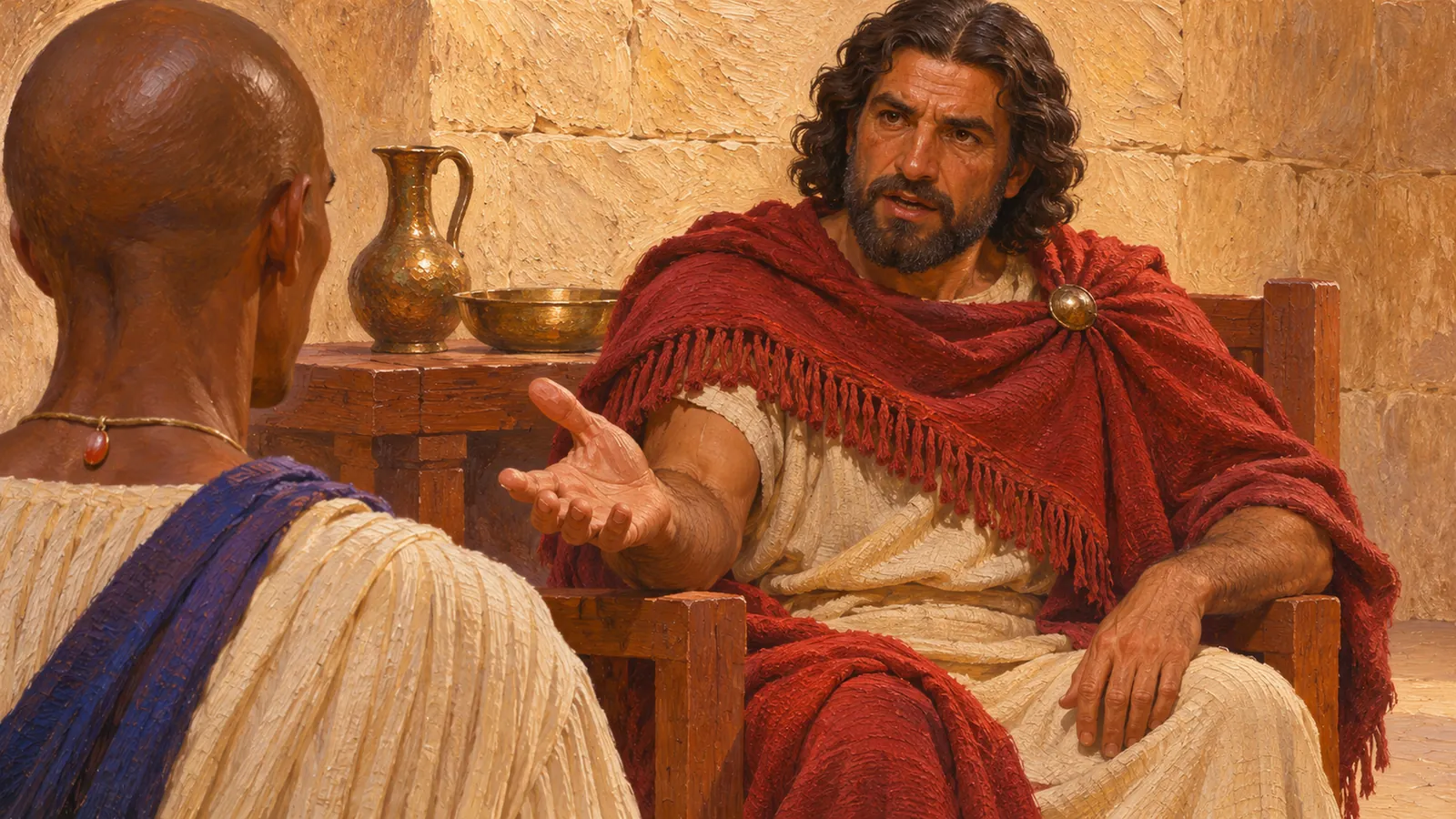
Wenamun explains that he has come for the timber of Amun-Re’s barque. He asks the prince to follow his father and grandfather. Zakarbaal will, if he is paid.
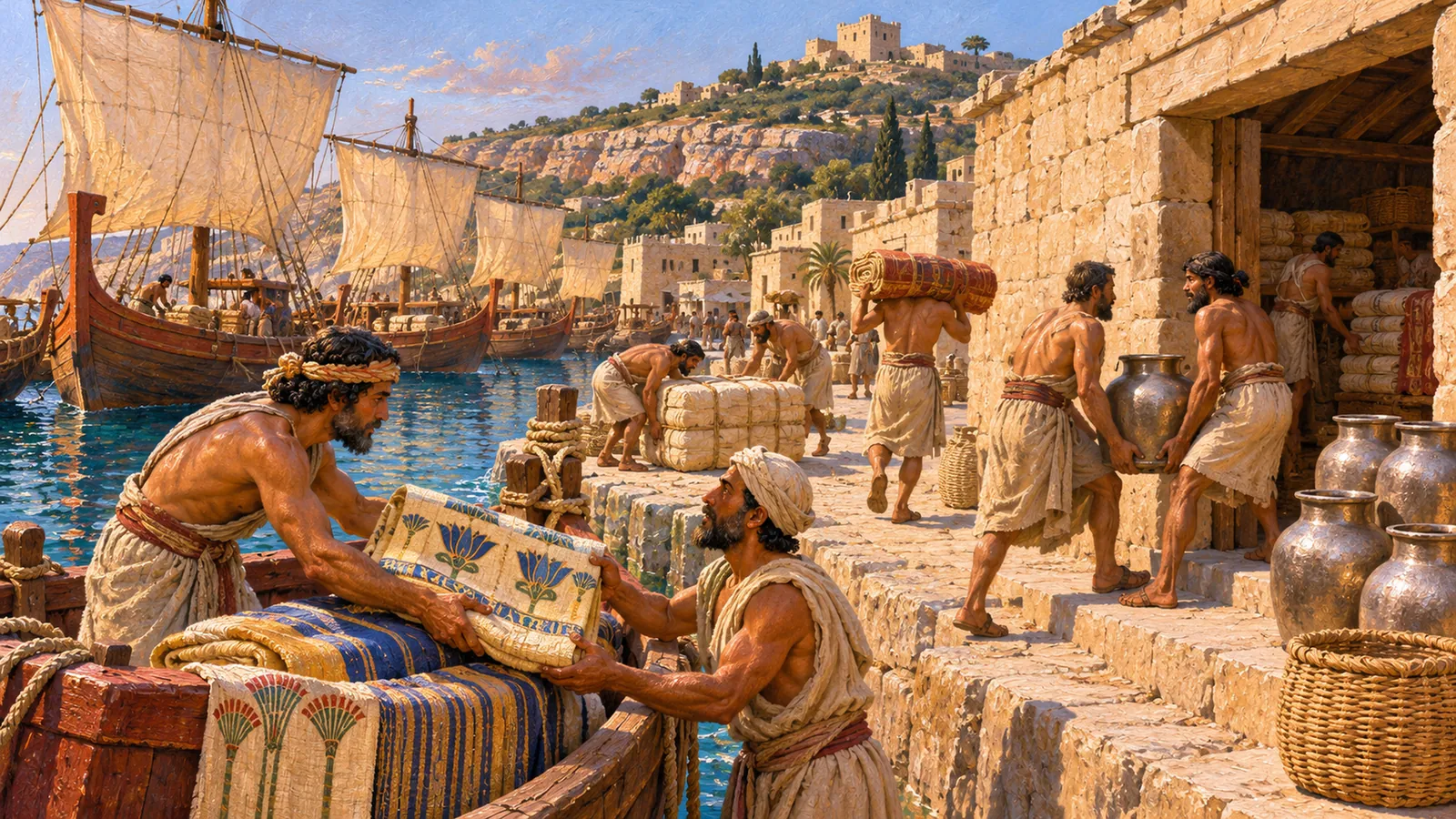
Once before, says the prince, Pharaoh sent five ships full of Egyptian goods before his family supplied the wood. Their cargo went into the storehouses. What has this envoy brought?
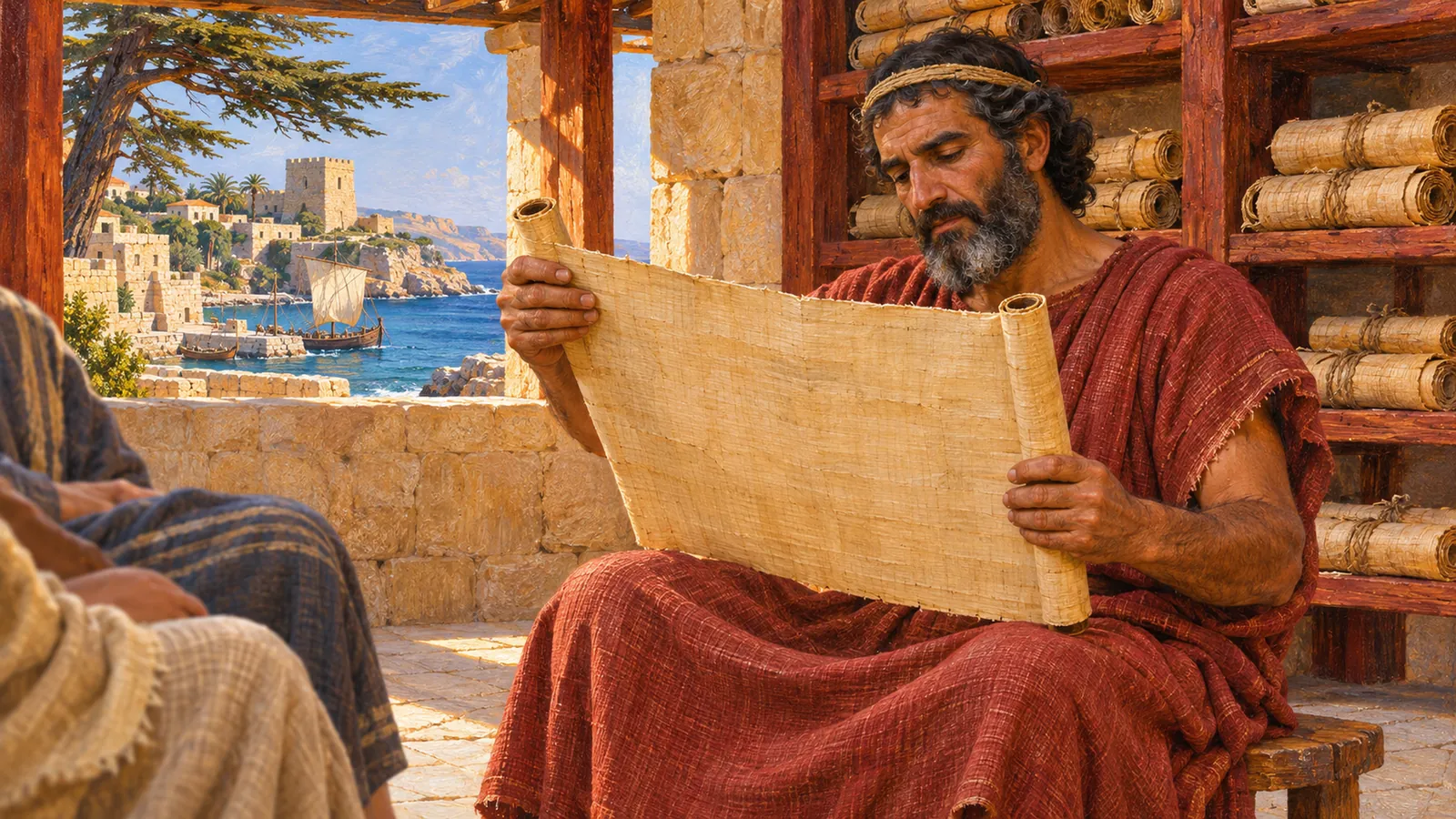
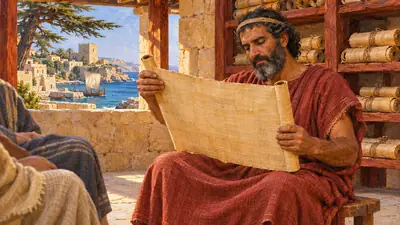
A clerk reads the accounts of Zakarbaal’s ancestors. They list a thousand deben of silver and other goods. The prince asks why Egypt would send such gifts to a servant.
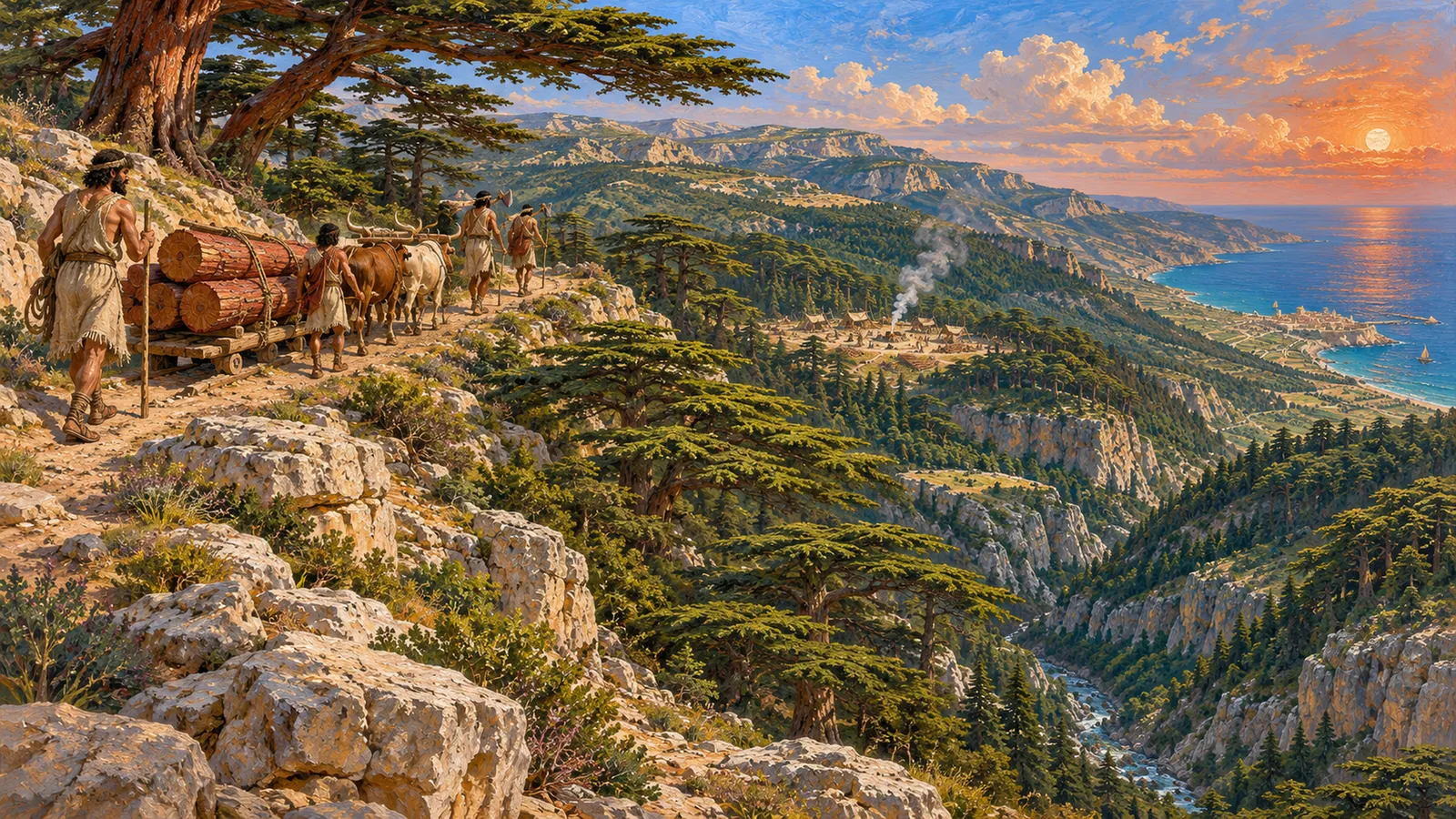
Those were gifts to my father, the prince says. He answers to neither Egypt nor its envoy. A single call from him could bring Lebanon’s trees down to the sea.
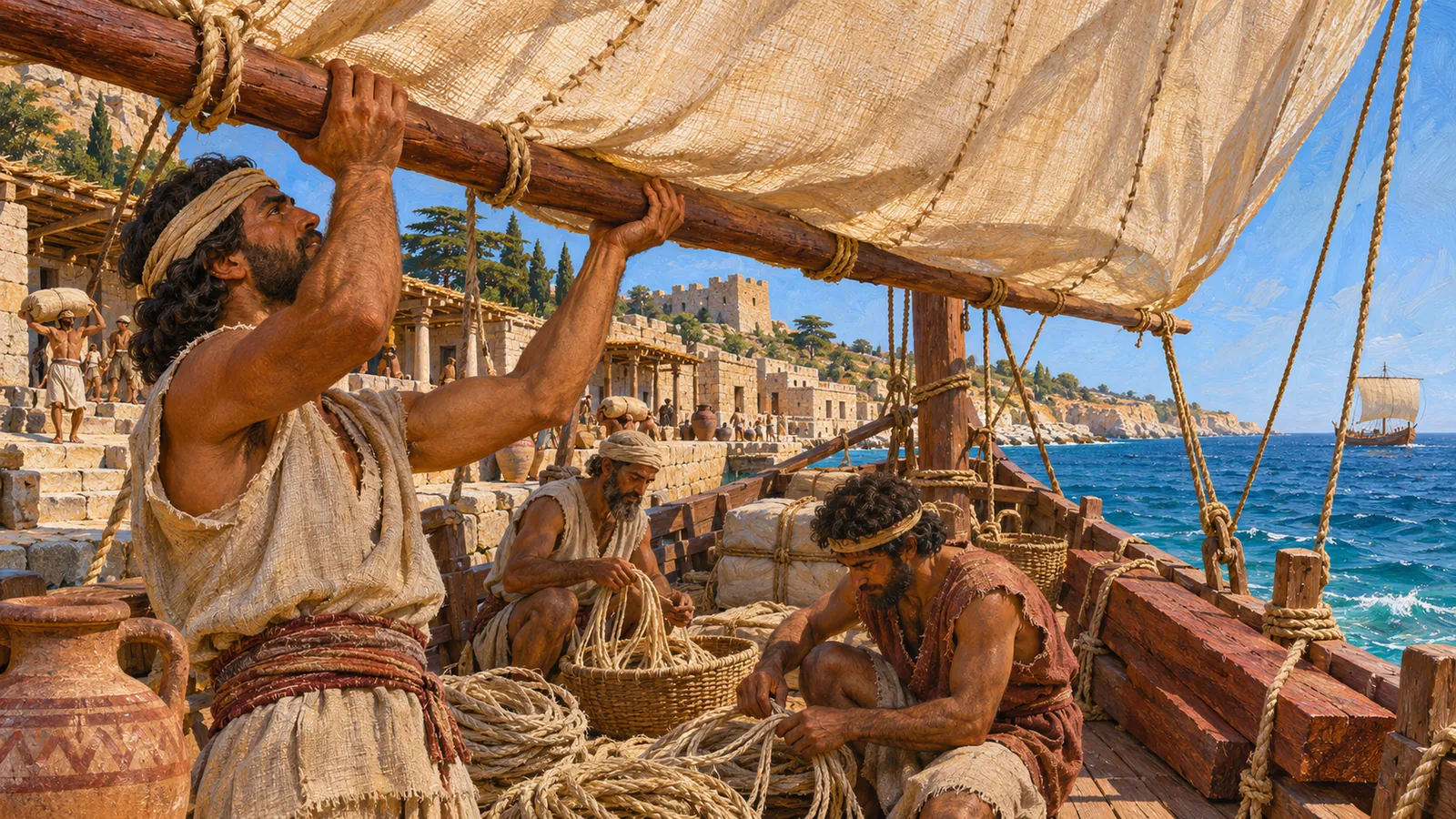
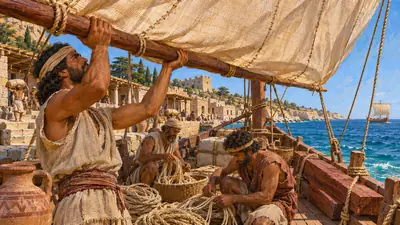
But where are the sails that will carry the timber home and the ropes to bind it? If the spars break under the load, Zakarbaal warns, the sea may claim him.
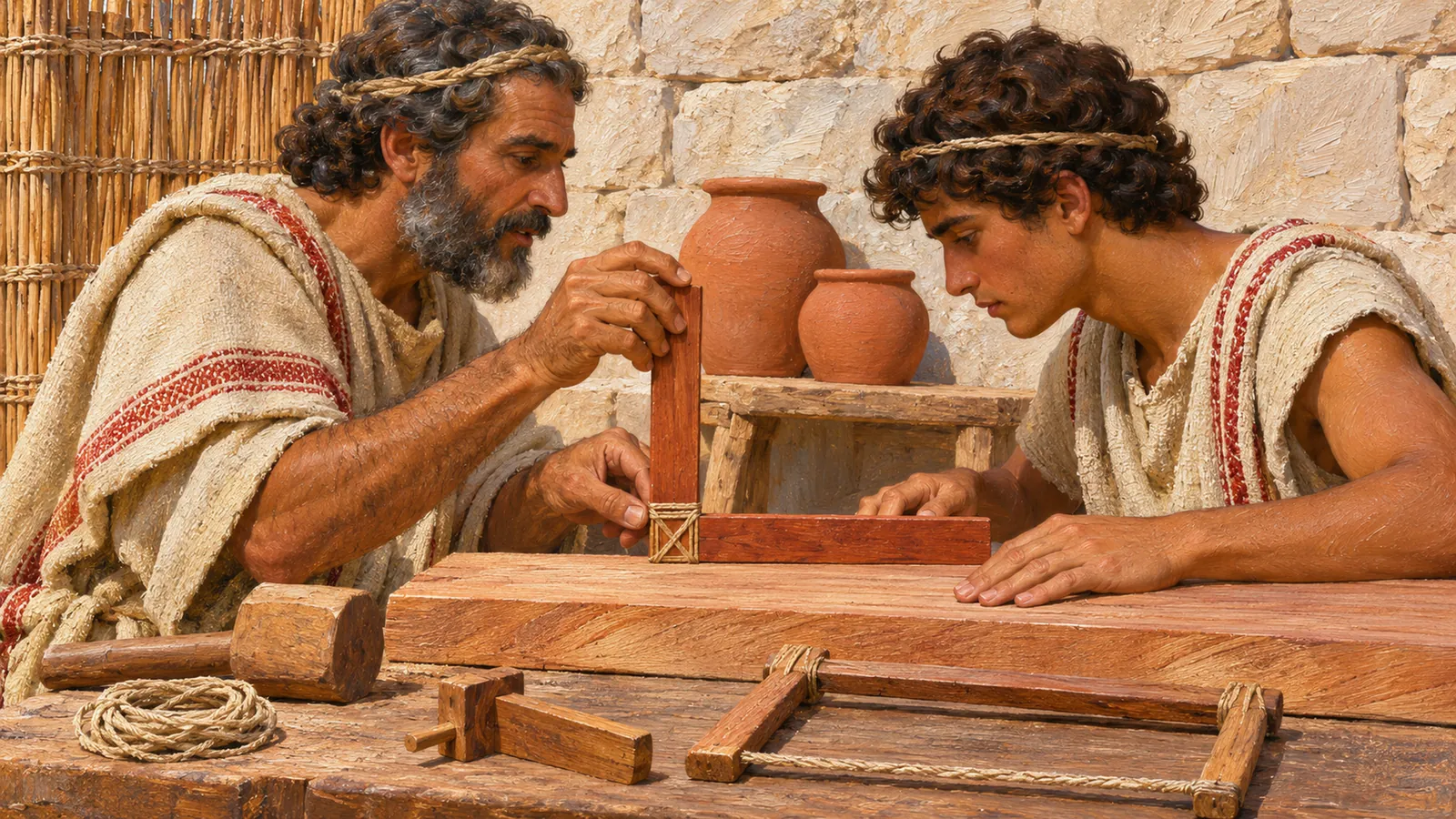
The prince says Amun made Egypt first, and that skill and learning reached Byblos from there. So why, he asks, have they sent Wenamun on such a foolish journey?
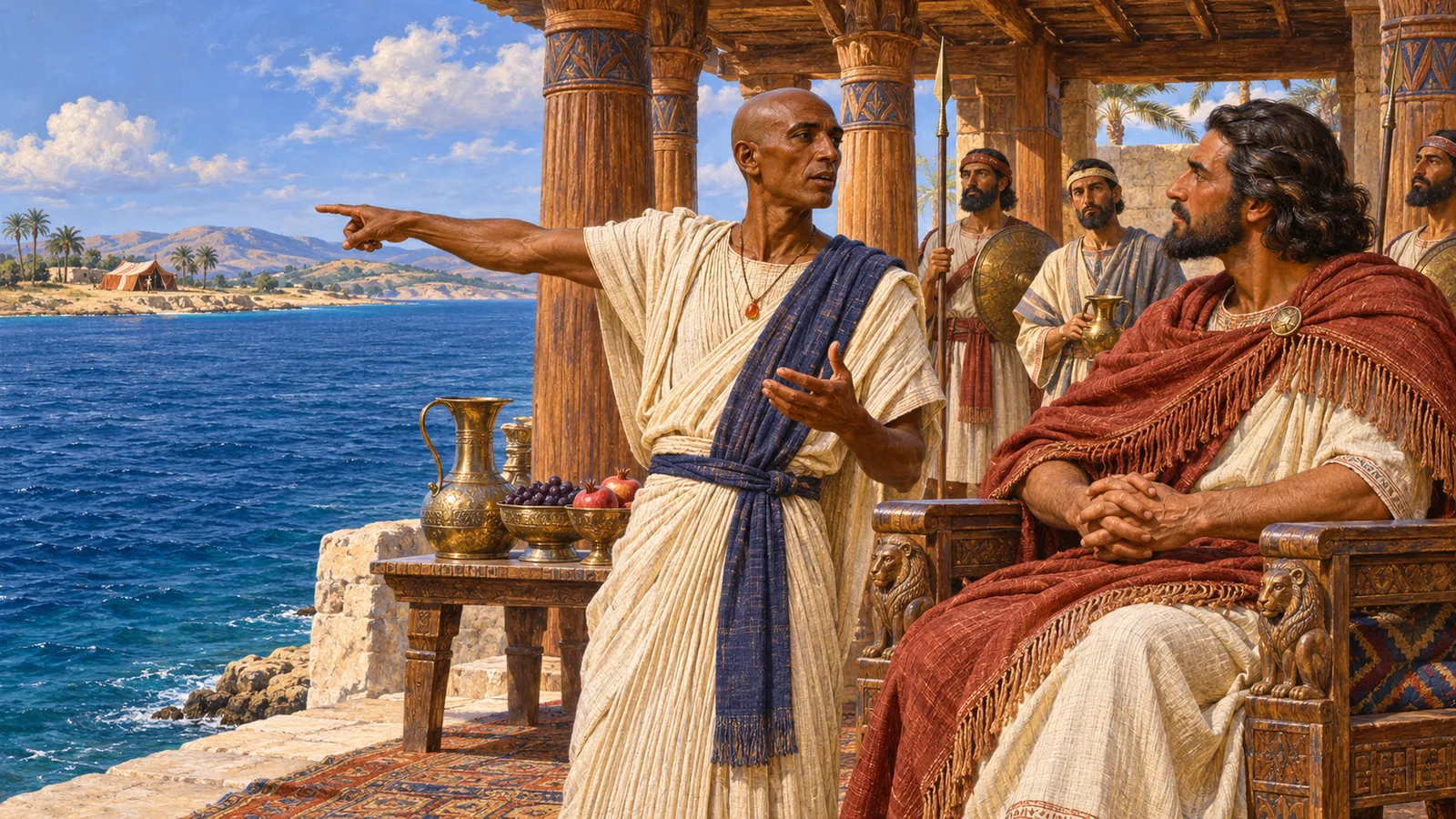
Wenamun rejects the insult. The ships on the Nile, the sea and the forests belong to Amun, he says. Their timber was always meant for the god’s great barque.
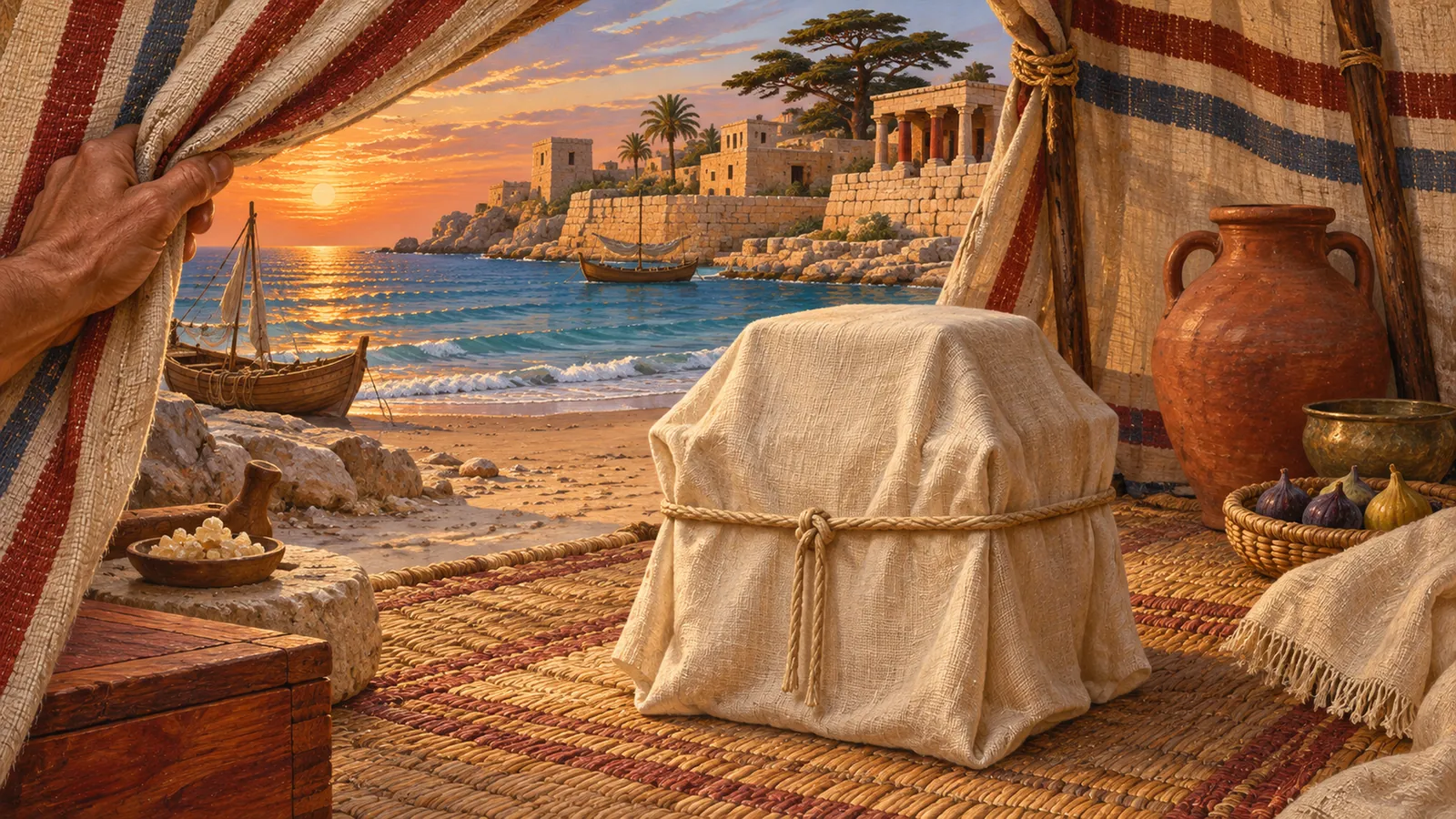
Wenamun says Amun told Herihor to send him out. The god’s image has been in the harbor all twenty-nine days. Does Zakarbaal really mean to bargain with Amun himself?
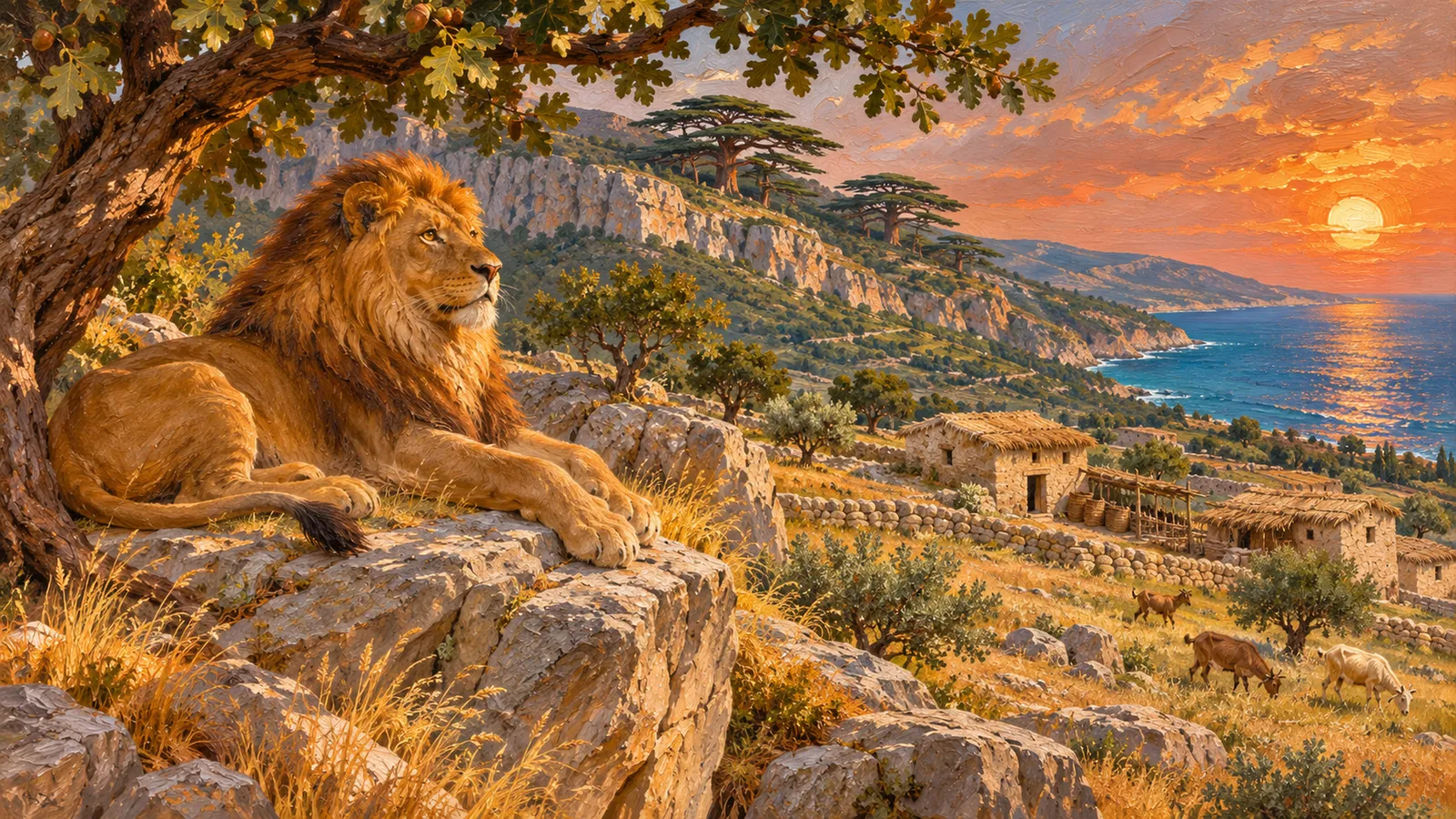
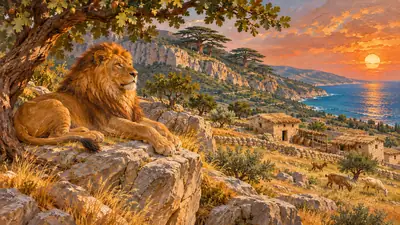
He urges the prince to serve Amun, who can give him and his people life and health. He closes with a warning drawn from nature. A lion guards what is his.
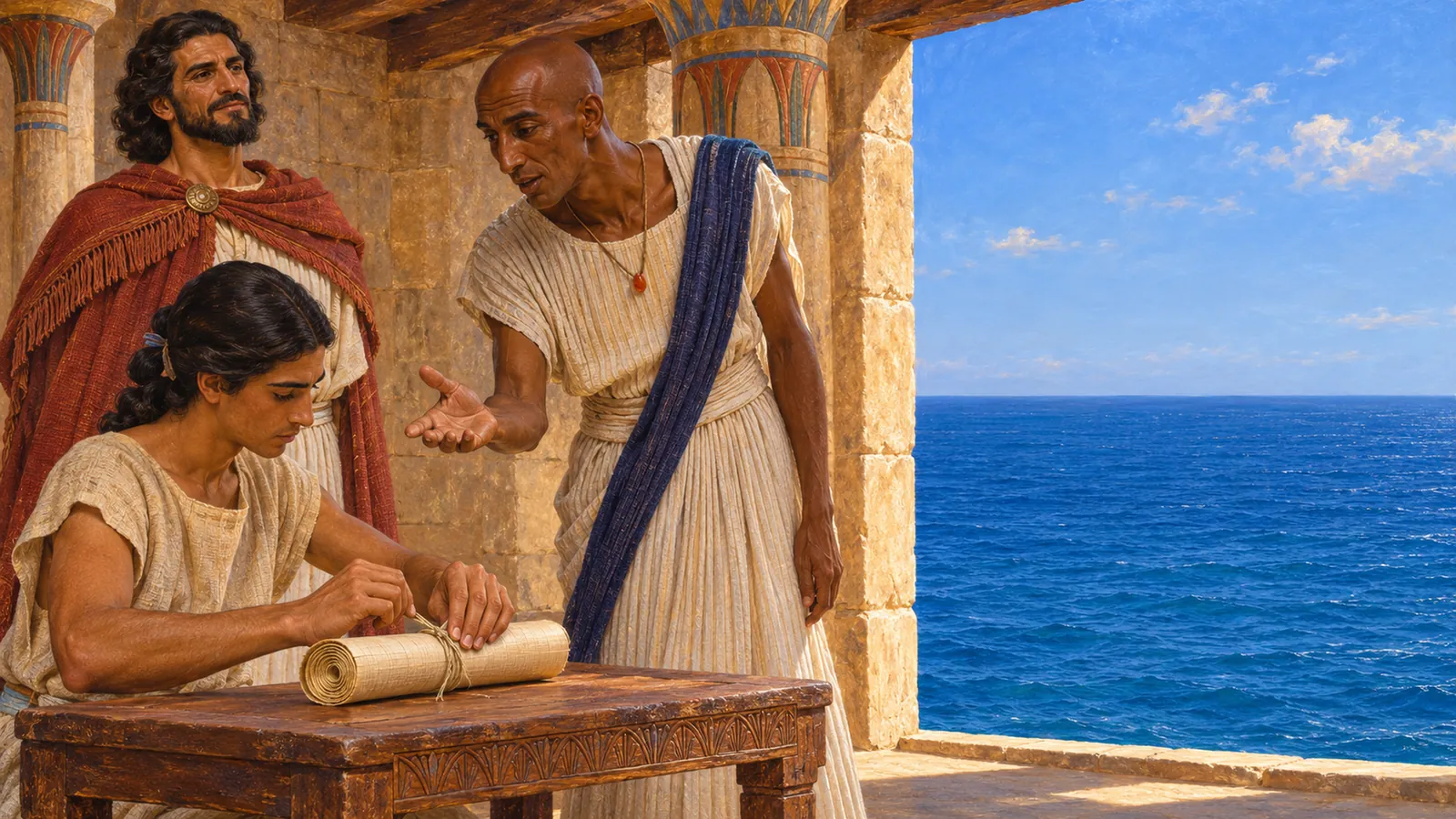
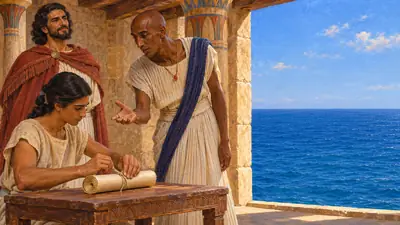
Then Wenamun offers a way forward. A scribe will prepare a letter asking Smendes and Tanetamun to send goods. Once Wenamun returns south, he will repay the prince’s expenses.
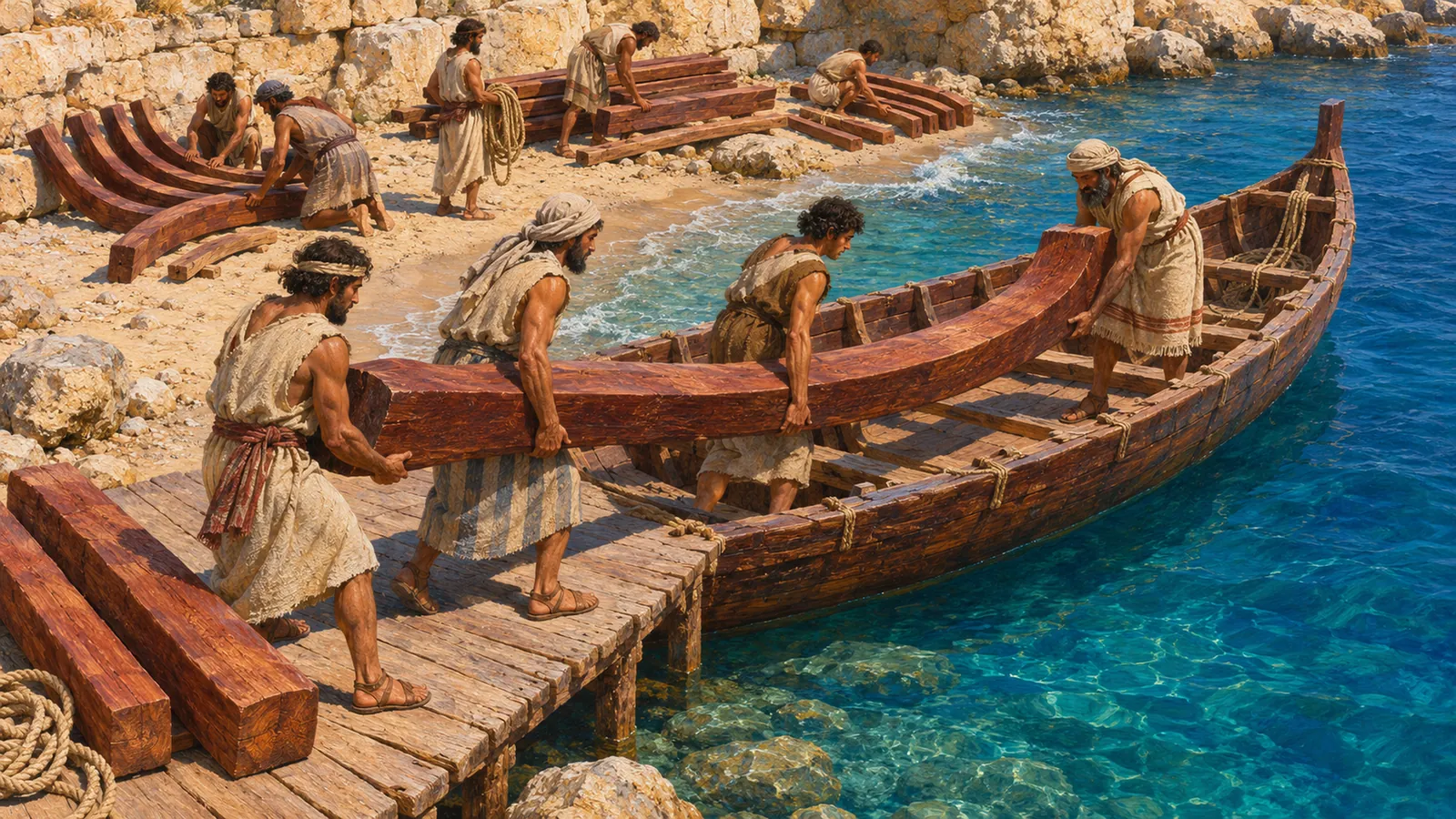
Zakarbaal puts the letter in a messenger’s hands. For Egypt he sends the keel, the posts for the bow and stern, and four more logs that have already been hewn.
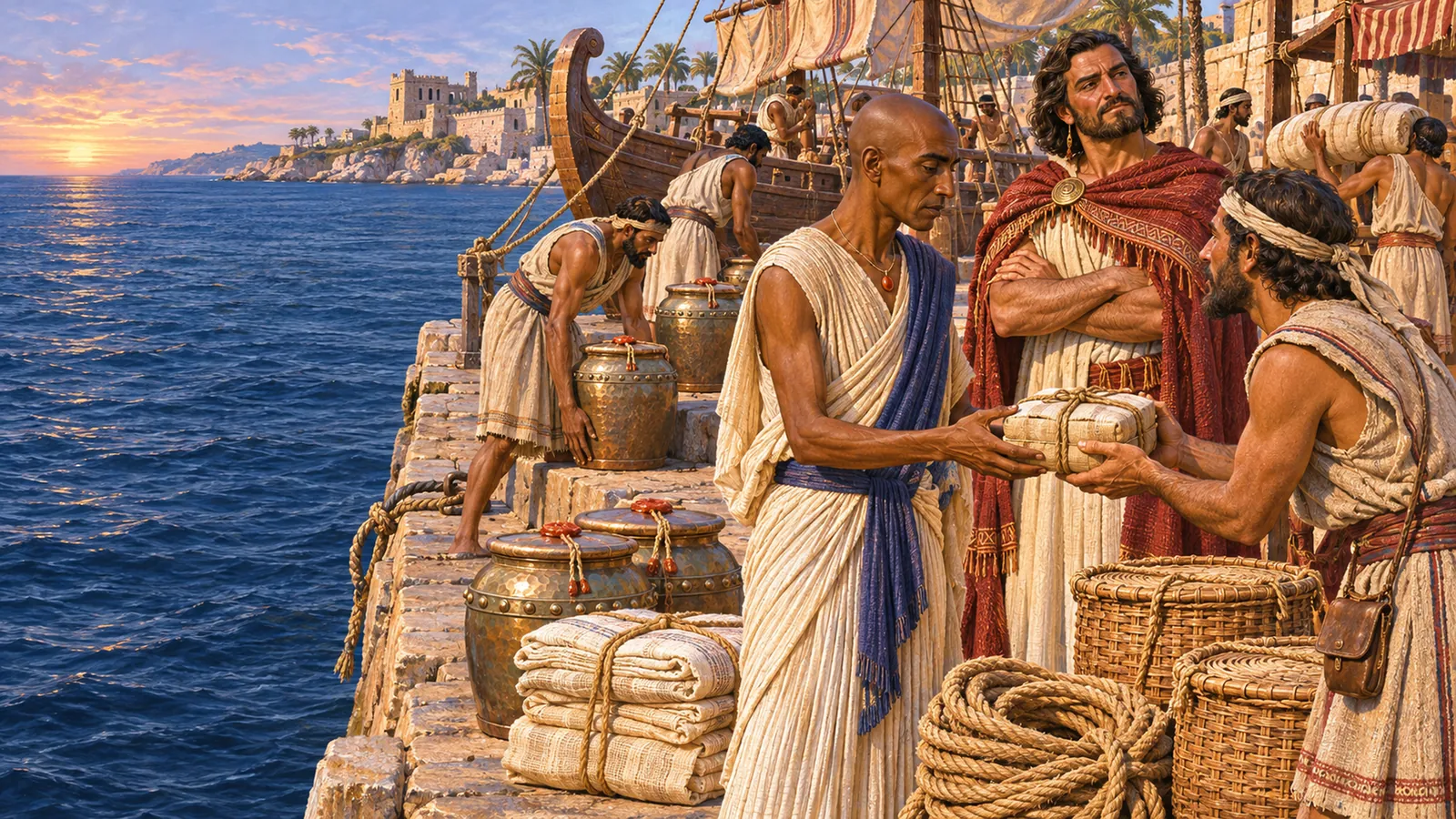
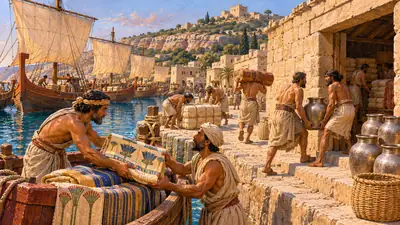
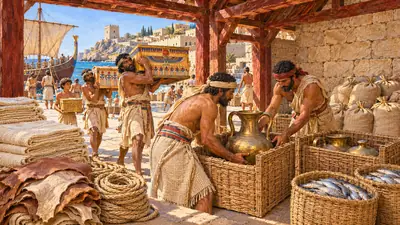
By the first month of winter the messenger is back from Egypt. Smendes and Tanetamun have sent gold and silver vessels, royal linen garments and fine cloth for the prince.
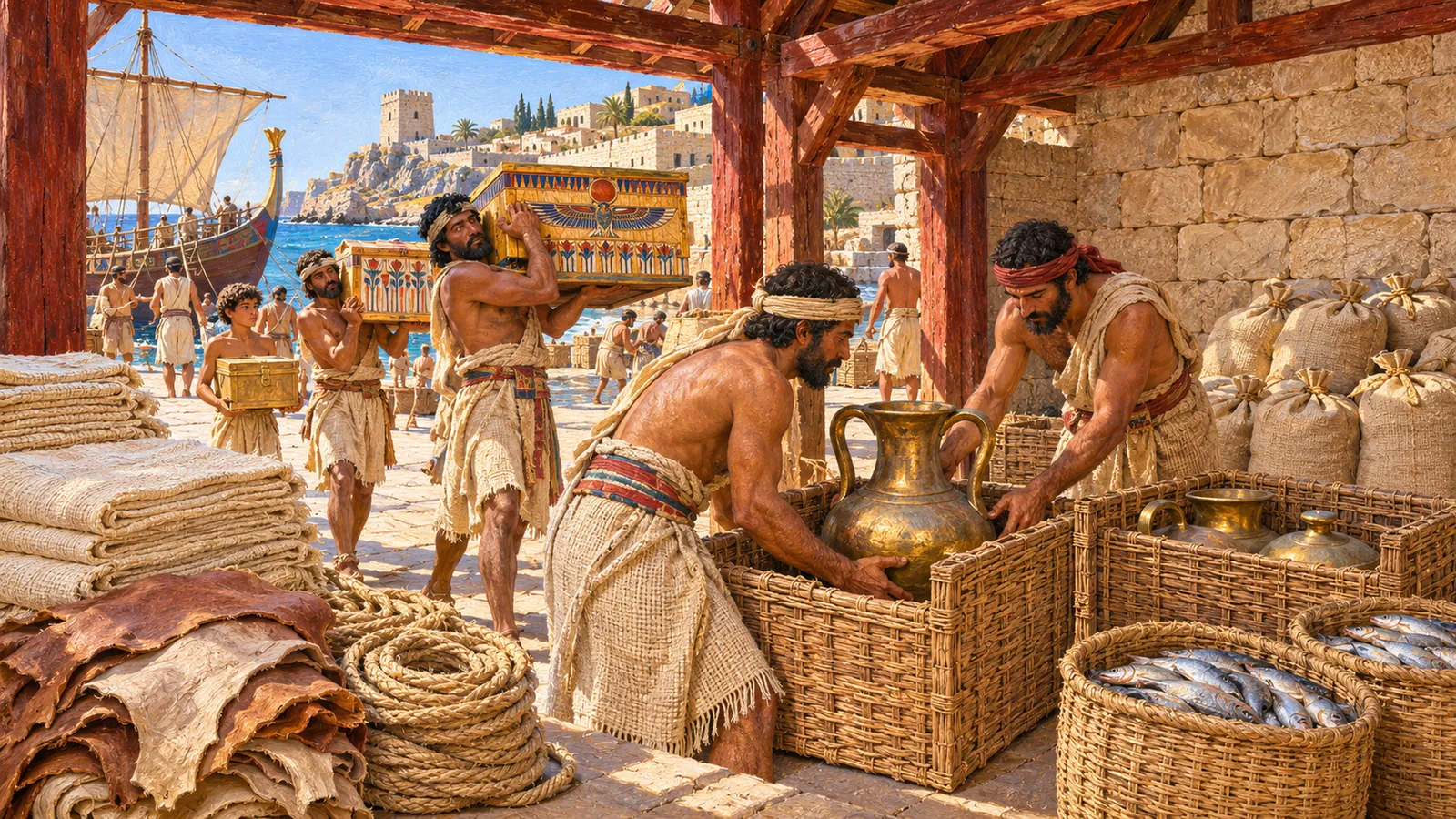
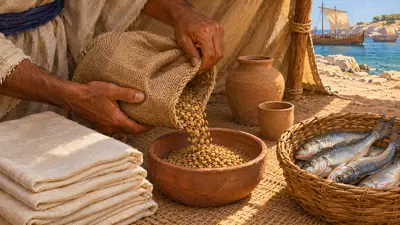
There are five hundred linen mats, as many oxhides and as many ropes. Food comes too, in the form of twenty sacks of lentils and thirty baskets of fish.
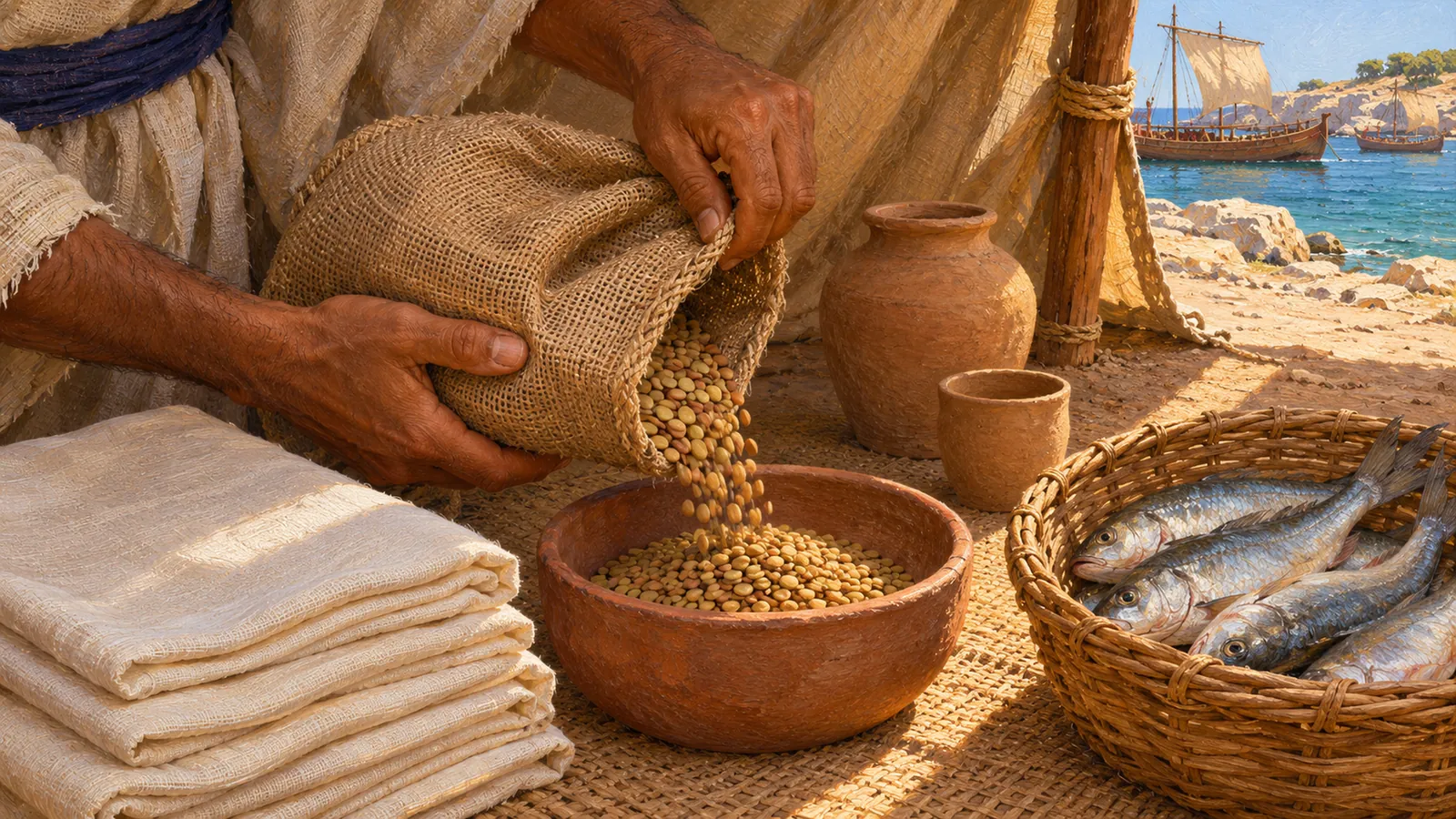
Tanetamun sends something for Wenamun himself as well. He receives five fine garments and five veils, a sack of lentils and five baskets of fish to provision him.
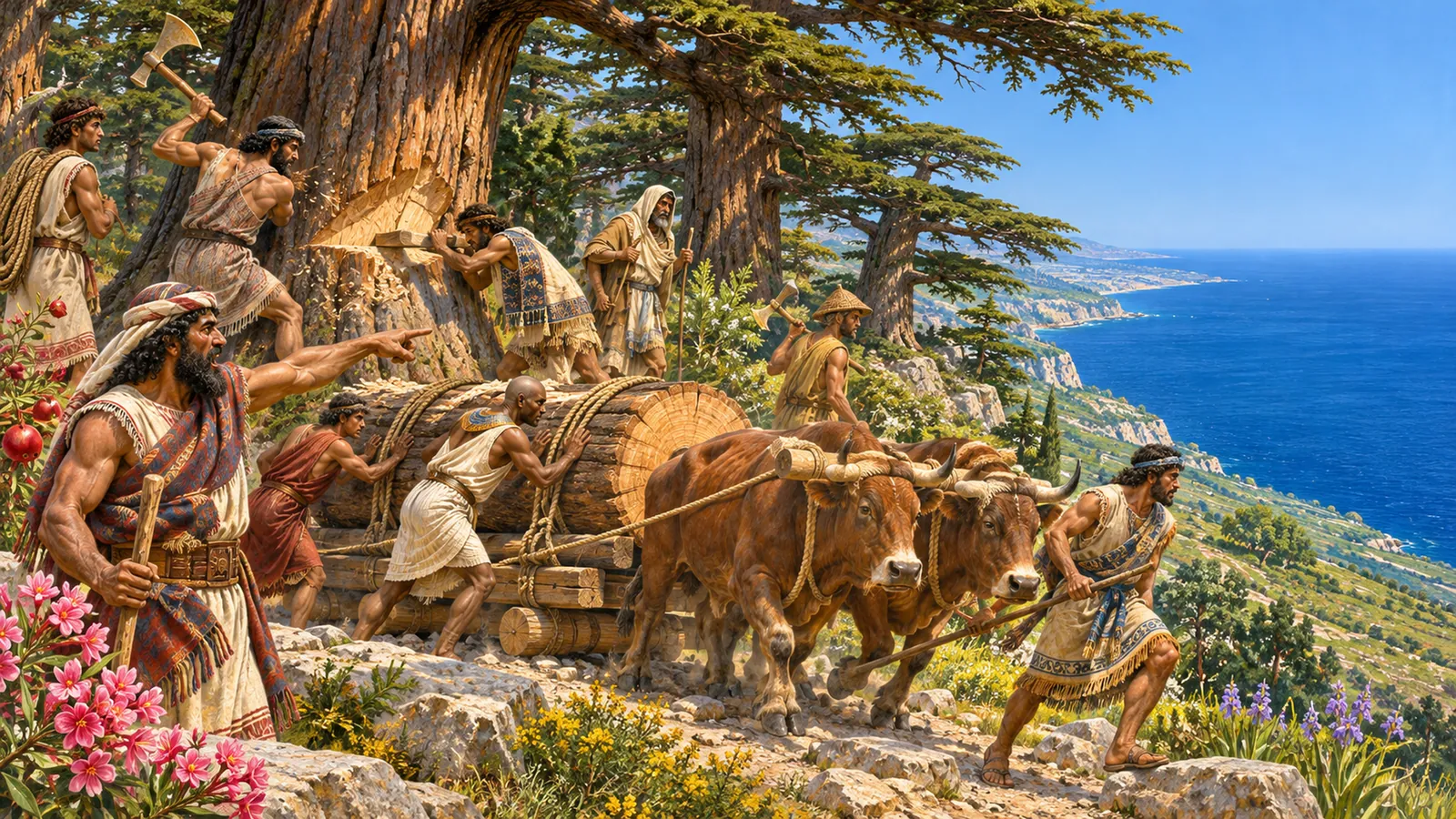
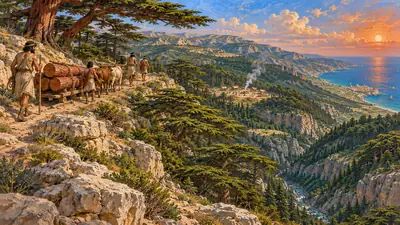
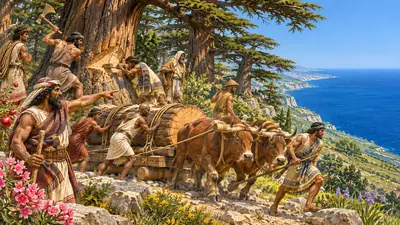
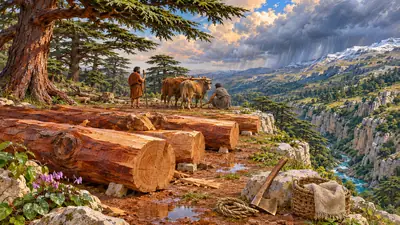
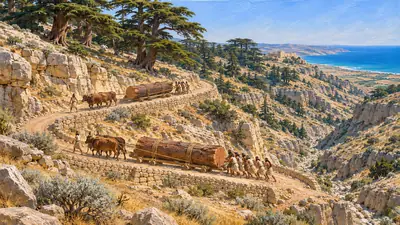
The goods please Zakarbaal. He provides three hundred men and three hundred oxen and puts foremen in charge of them. They go up to Lebanon to fell the trees.
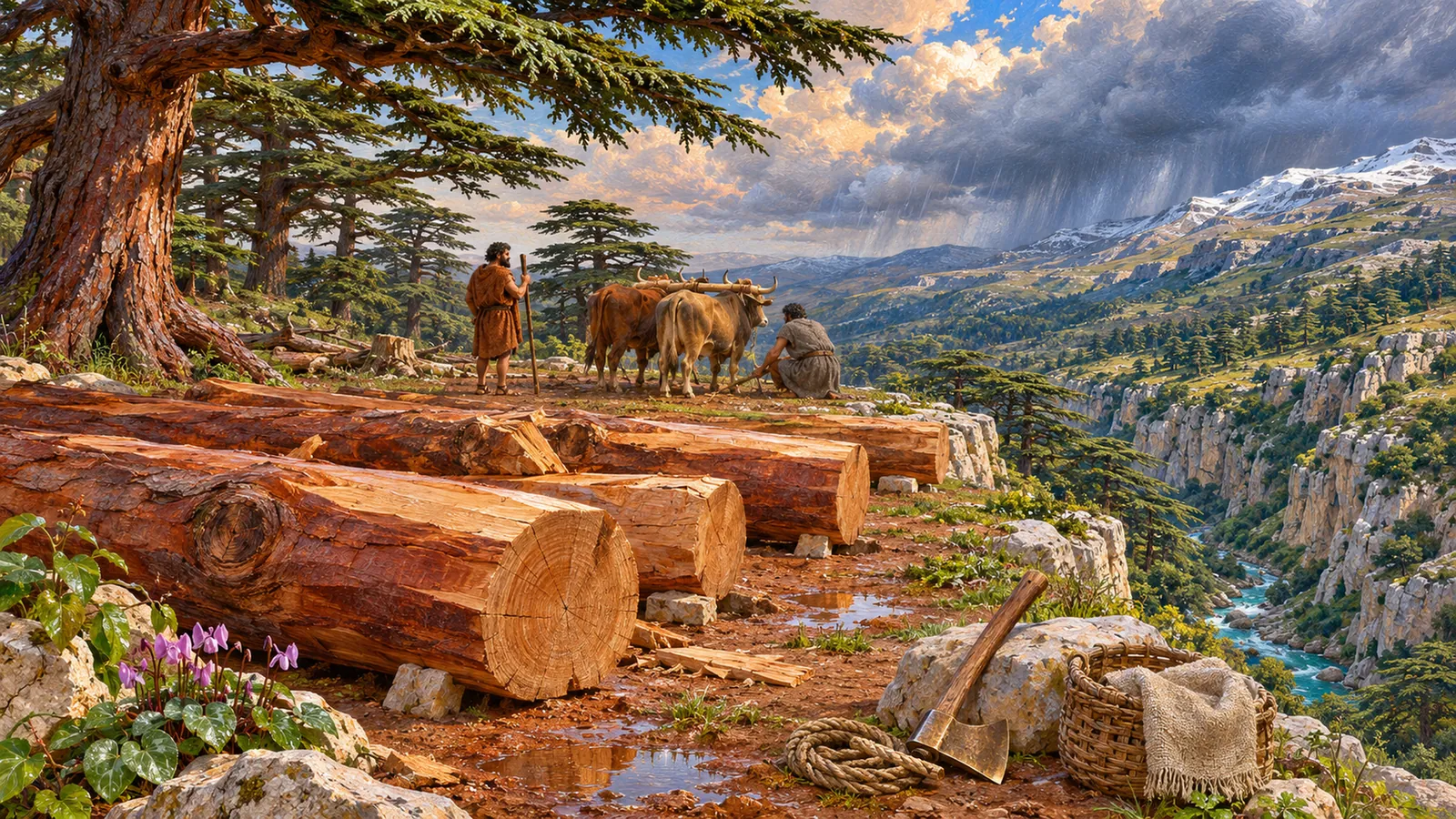
The felled trunks lie where they fell throughout the winter. The prince has agreed to supply the timber, but it will take another season to bring it to the shore.
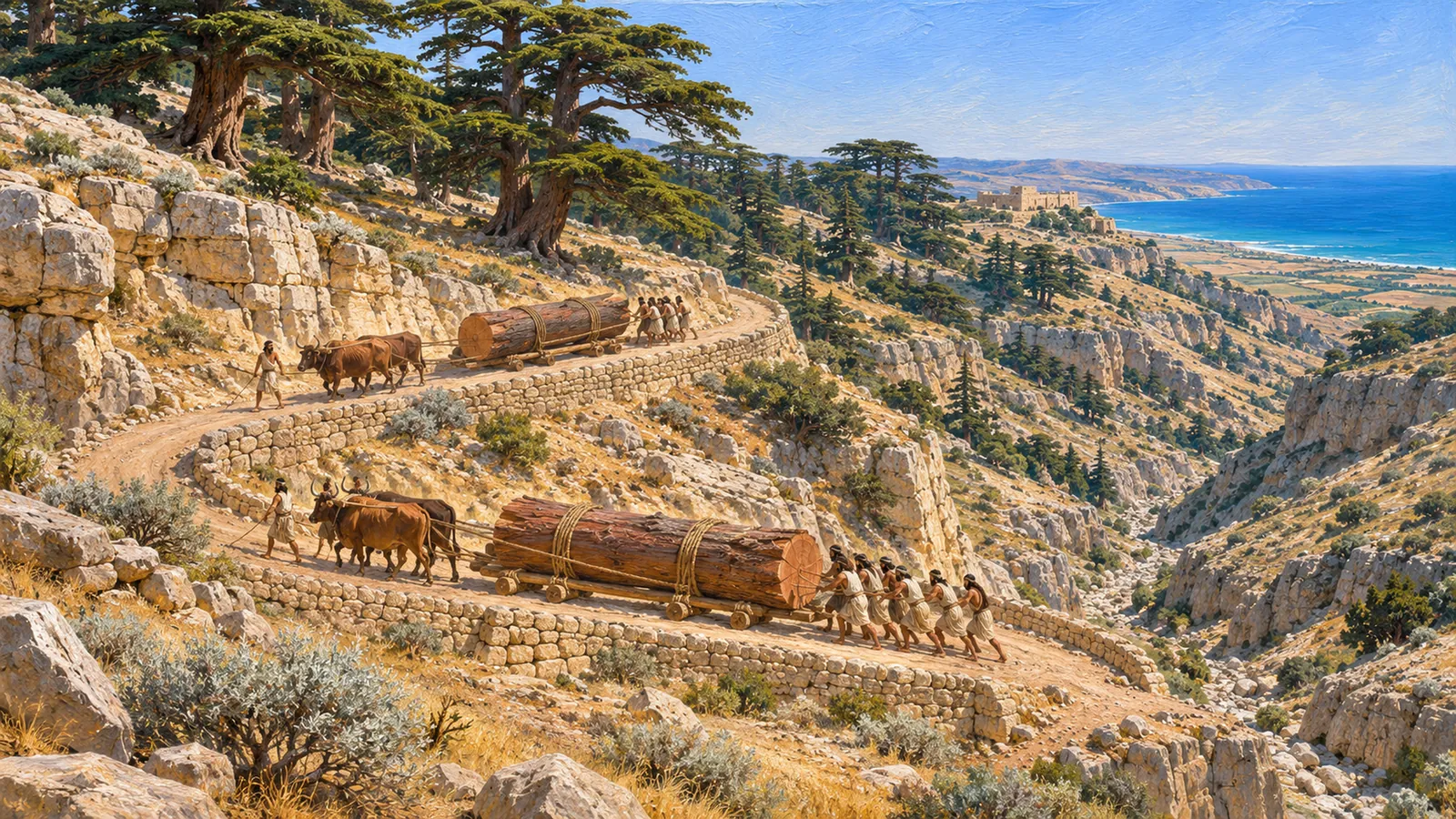
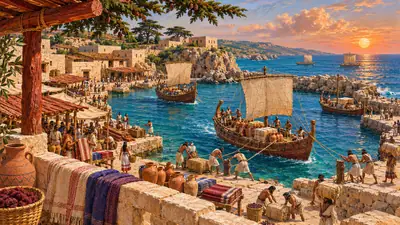
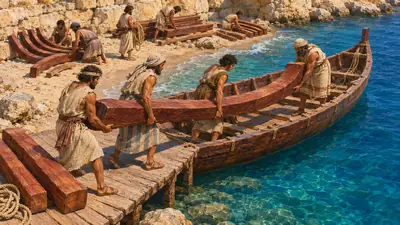
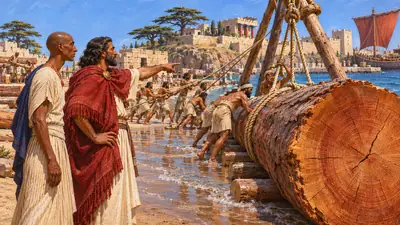
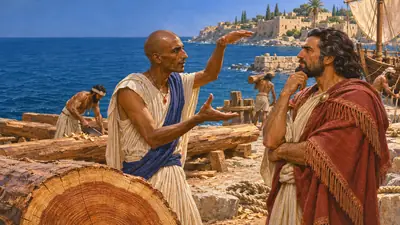
In the third month of summer the crews drag the heavy trunks down to the shore. When Zakarbaal comes out to inspect the timber, he sends for Wenamun.
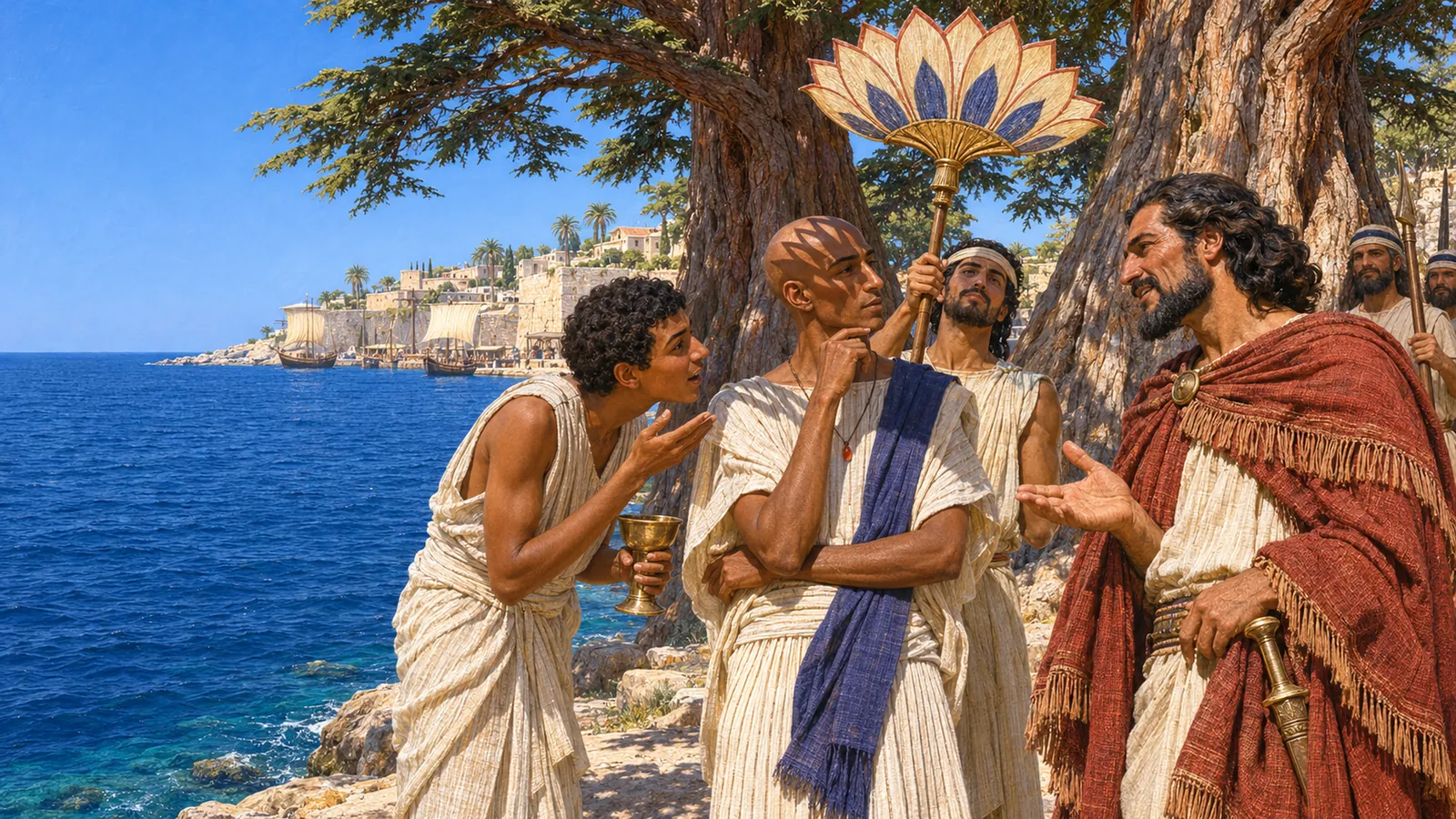
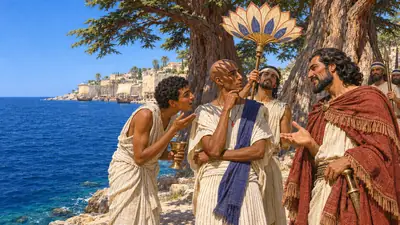
The shadow of the prince’s lotus fan falls on Wenamun. His cupbearer, Penamun, makes a joke about the shadow of Pharaoh. Zakarbaal gets angry and tells him to leave the envoy alone.
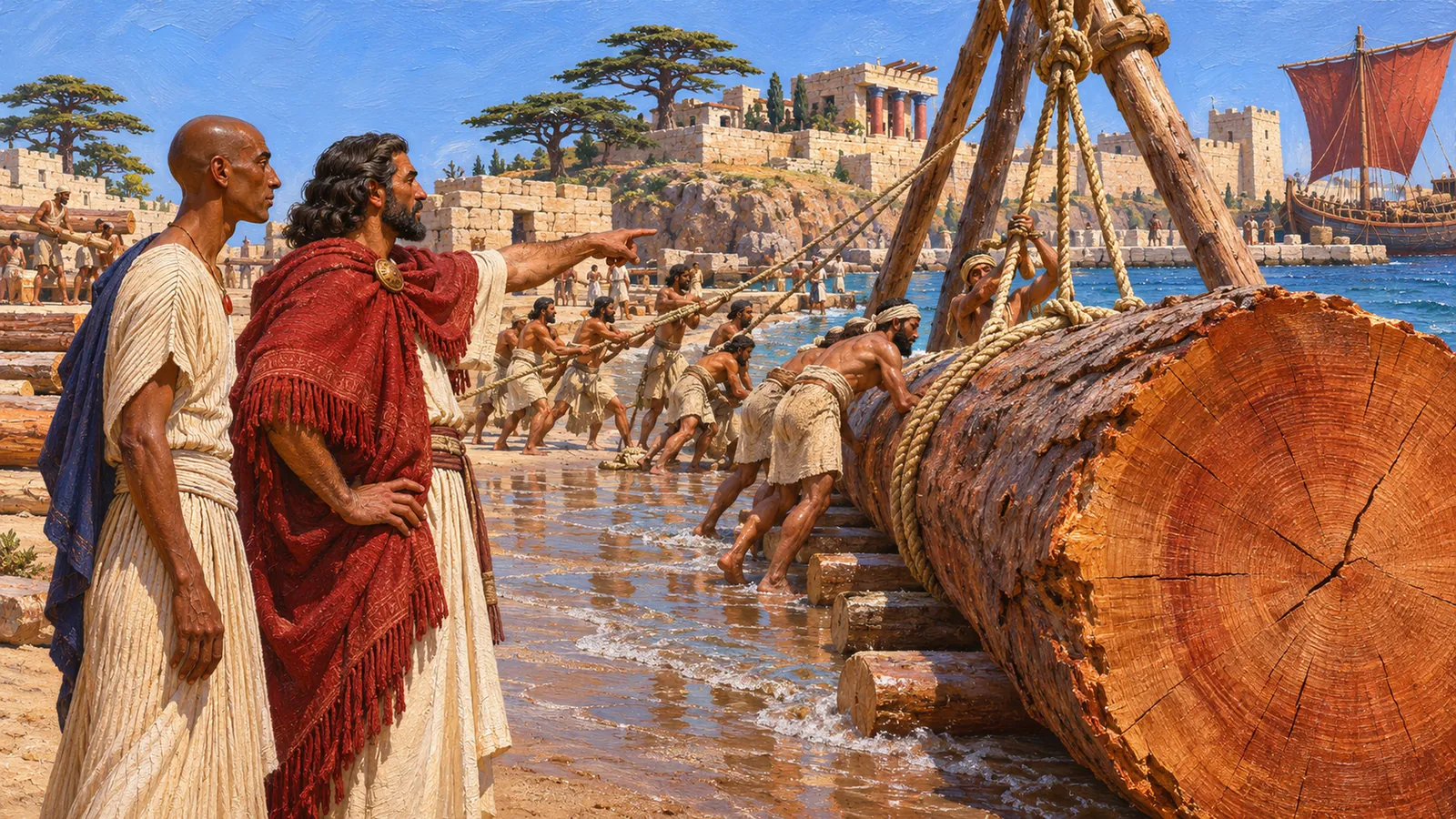
The prince says he has done what his ancestors did, even though Wenamun has brought less than they received. The last timber is ready. Let the envoy come and load it.
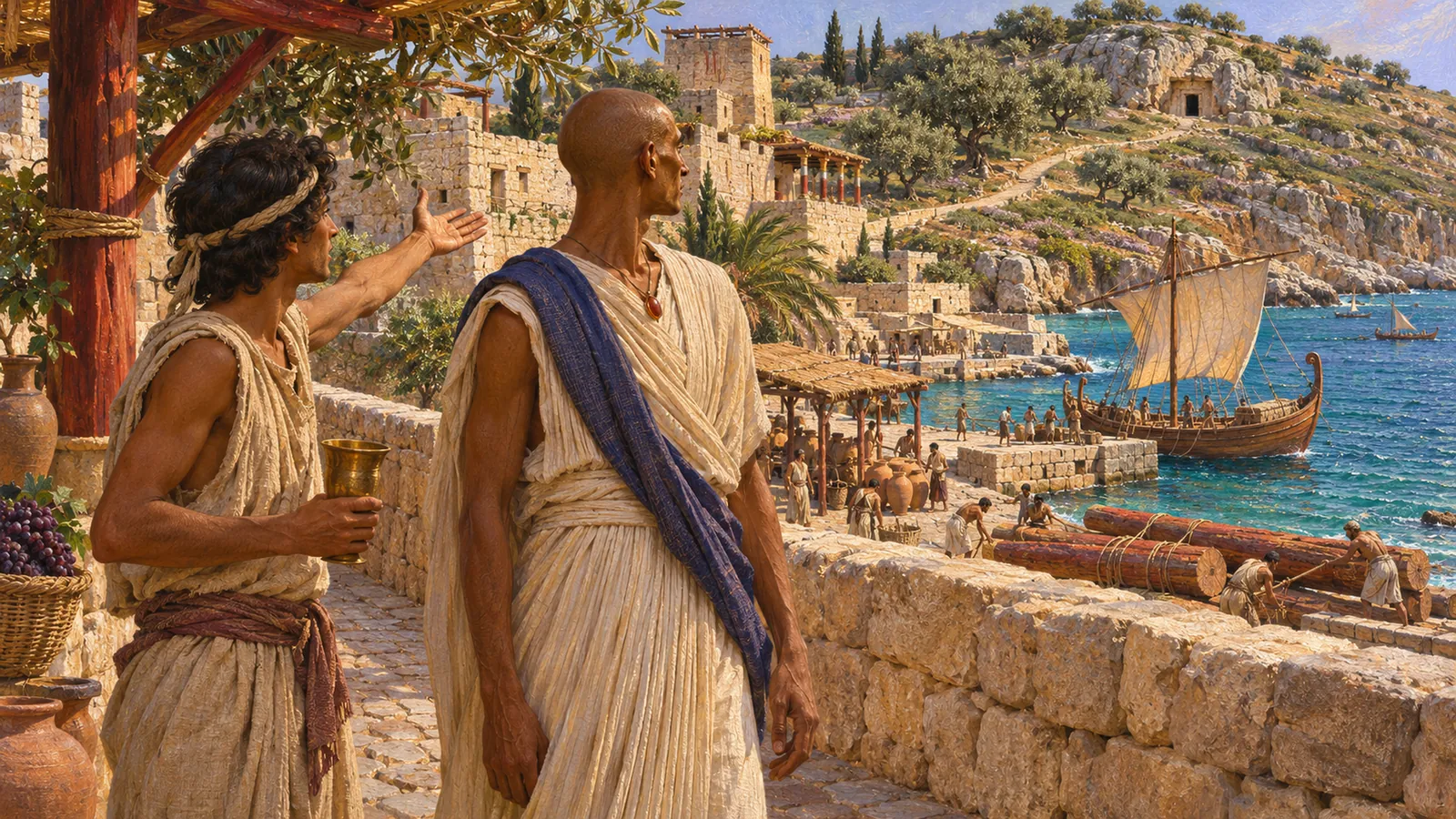
Zakarbaal recalls the envoys of Khaemwase, who died here after seventeen years. He orders the cupbearer to show Wenamun their tomb. Wenamun refuses. His commission, he says, comes from a god.
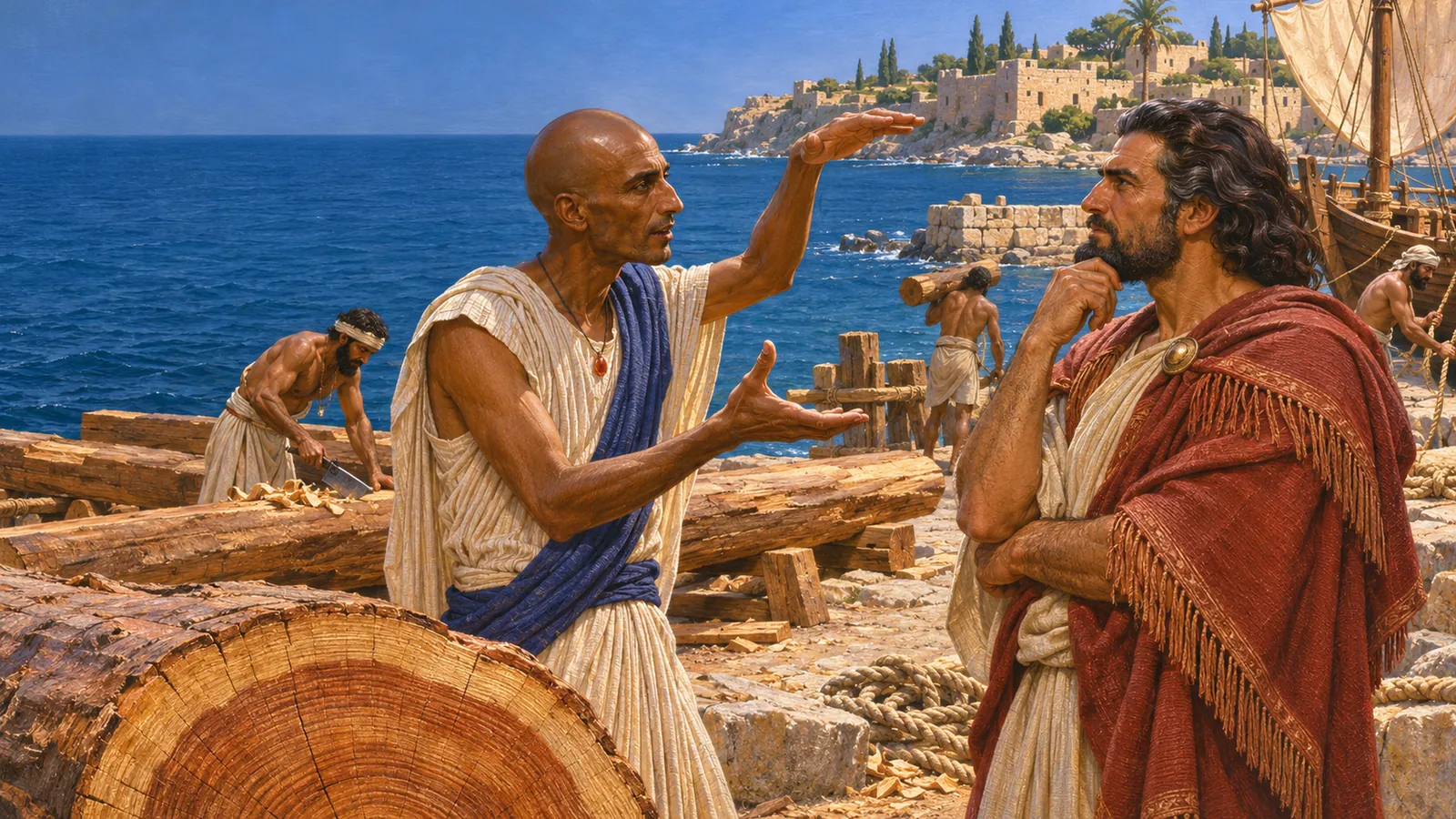
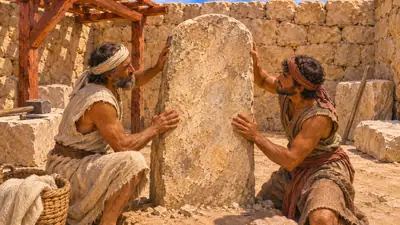
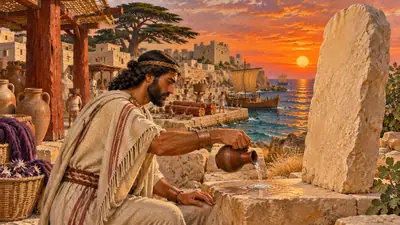
Wenamun proposes that Zakarbaal raise a stone to commemorate his help. It could say that he received Amun’s image and envoy, cut the timber and furnished ships and men.
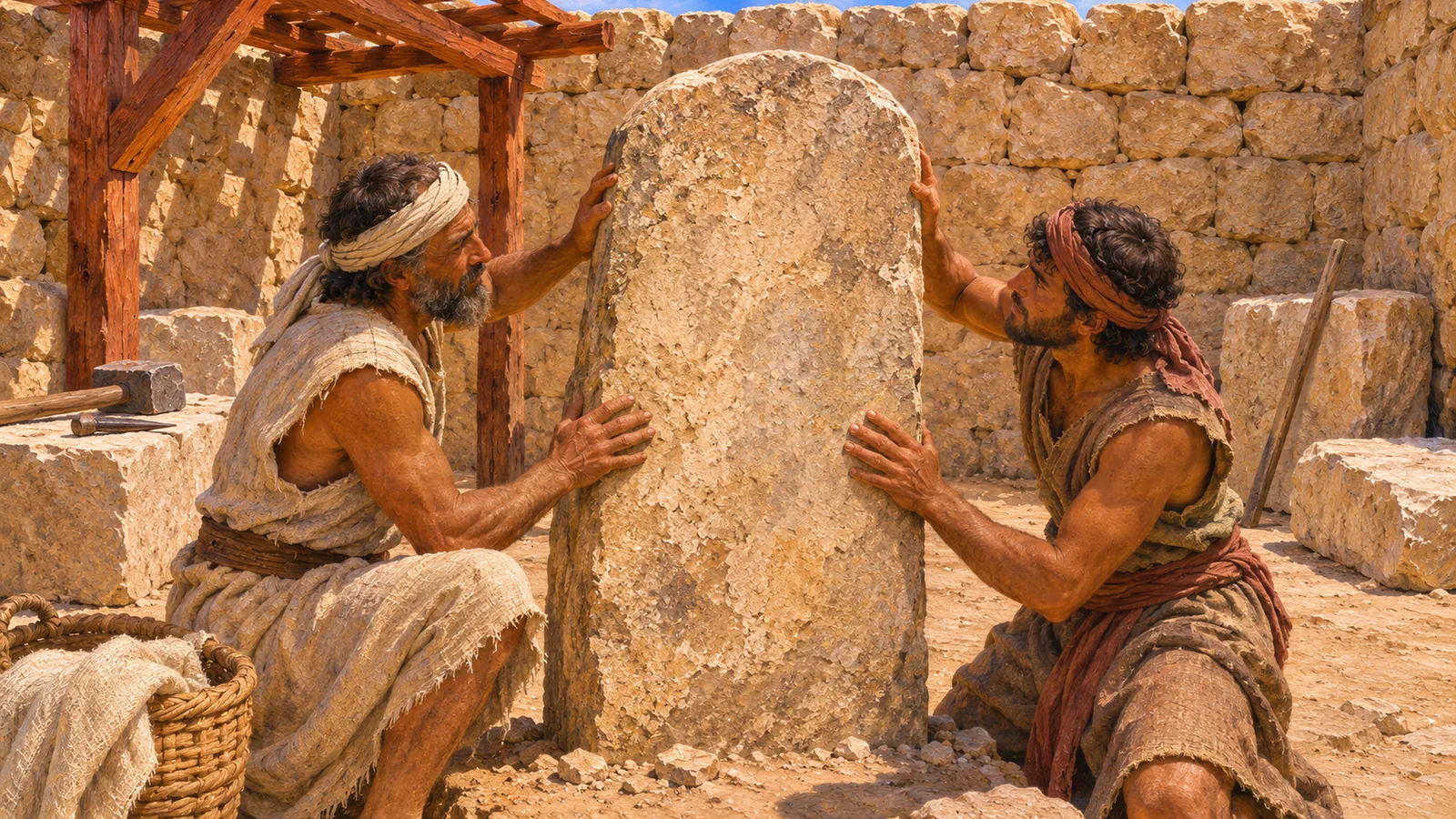
Wenamun suggests what the prince might ask in return. If his ships bring the envoy and the sacred image safely to Egypt, he could ask for fifty more years of life.
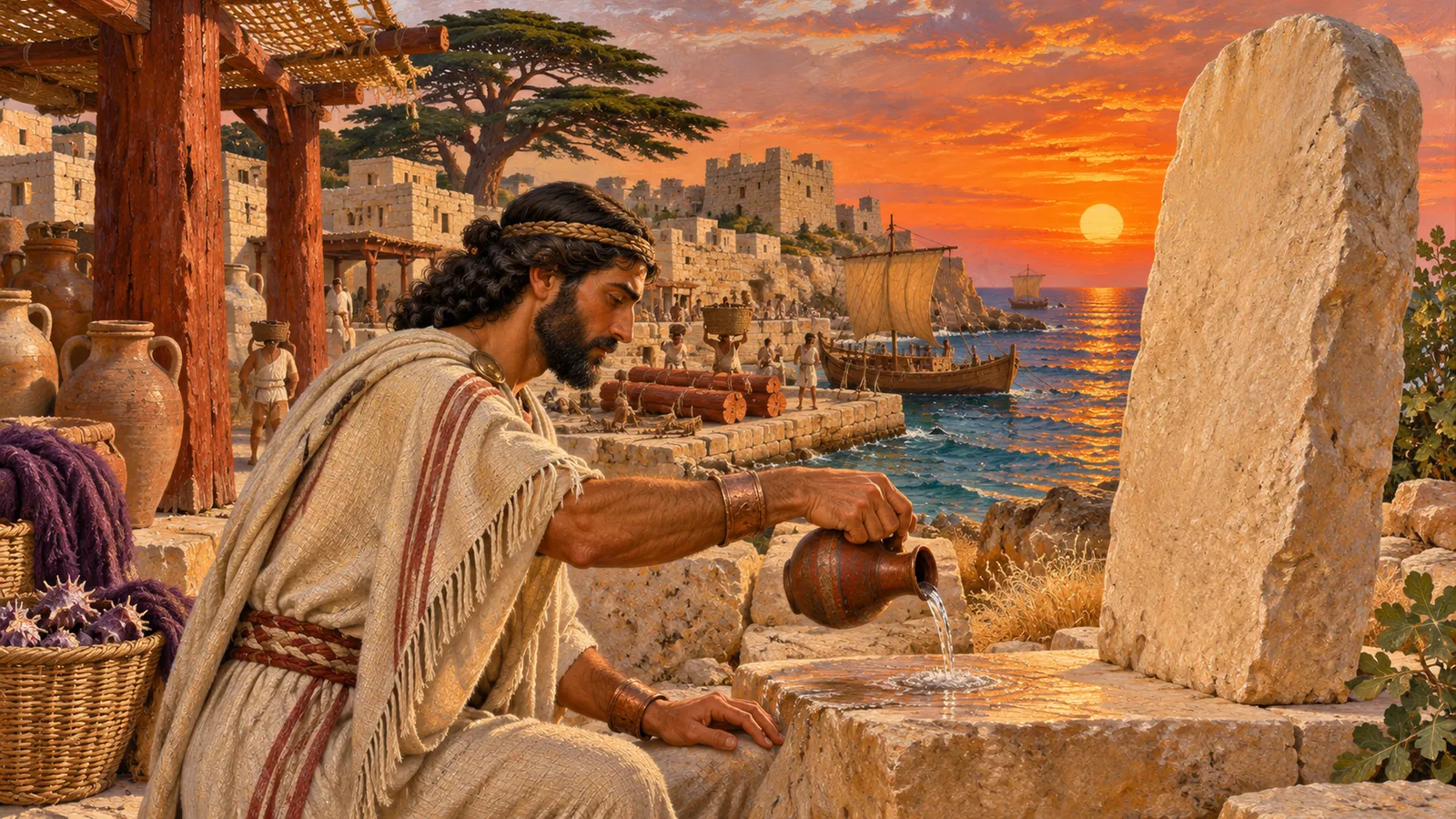
Perhaps a visitor from Egypt will one day read Zakarbaal’s name on the stone. Then the prince might receive water in the land of the dead. Zakarbaal takes note of his words.
THE SHIPS
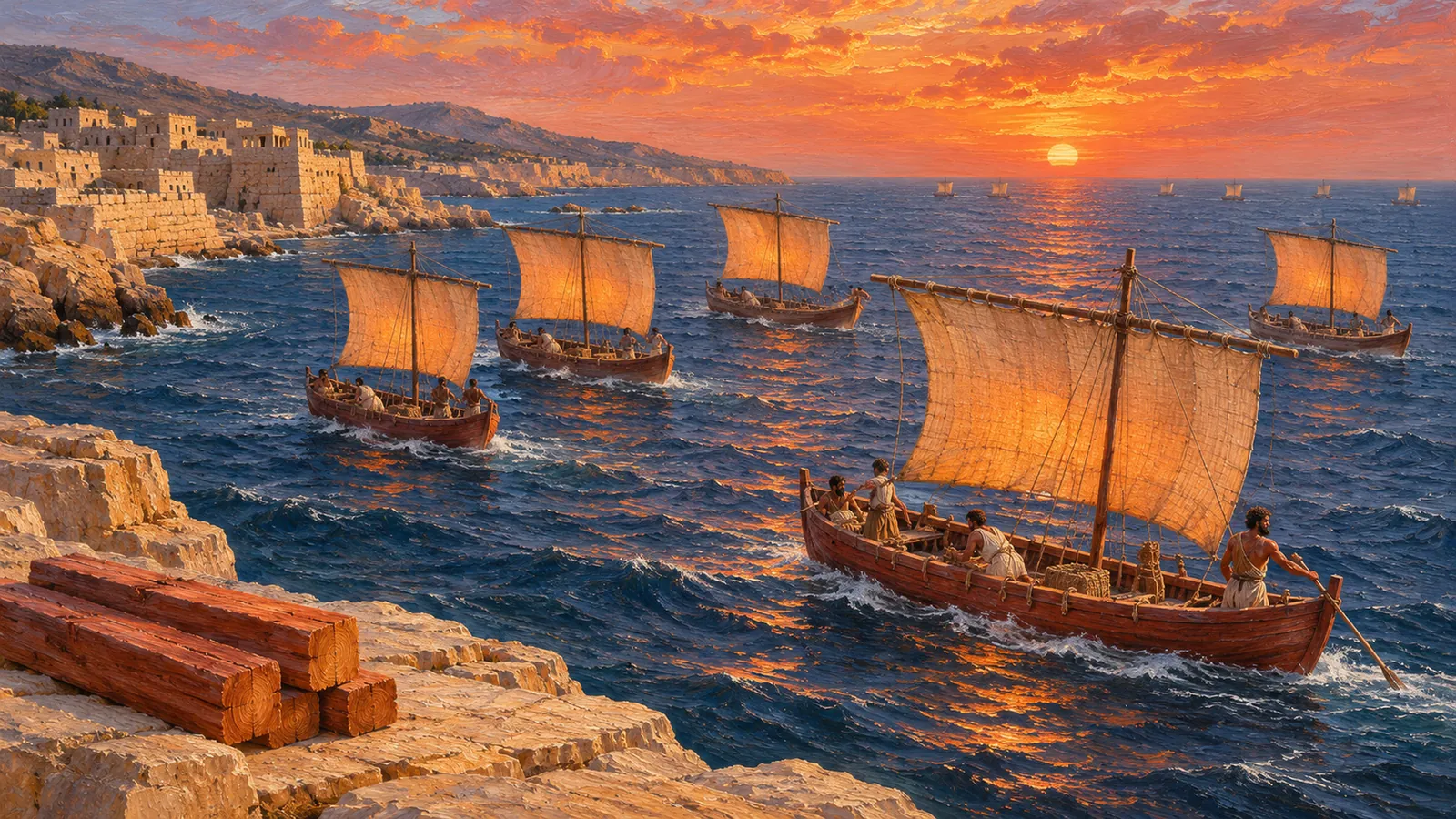
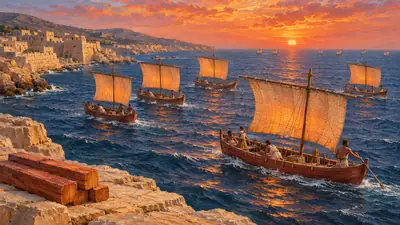
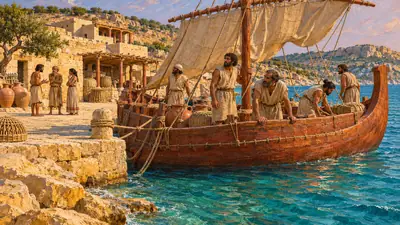
Wenamun goes down to the shore where the logs lie and sees eleven ships coming in from the sea. The Tjeker have come to seize him and block his departure.
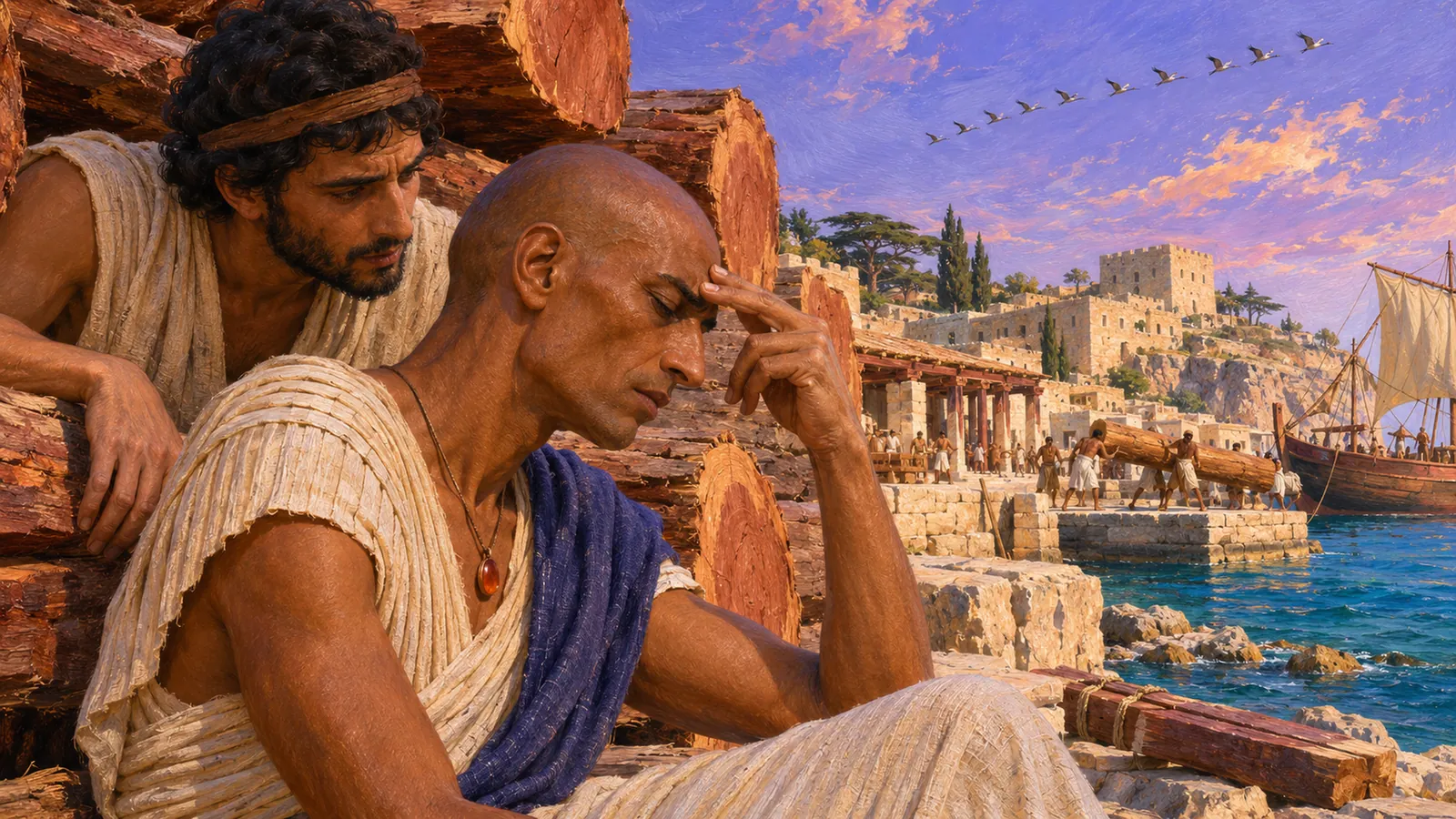
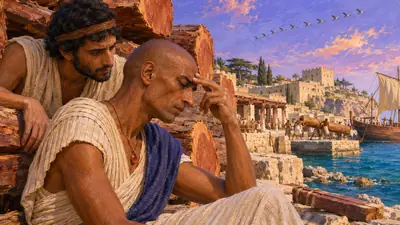
He sits down and weeps. When the prince’s secretary asks what is wrong, Wenamun points to the migrating birds. They have already flown to Egypt twice. How long must he stay?
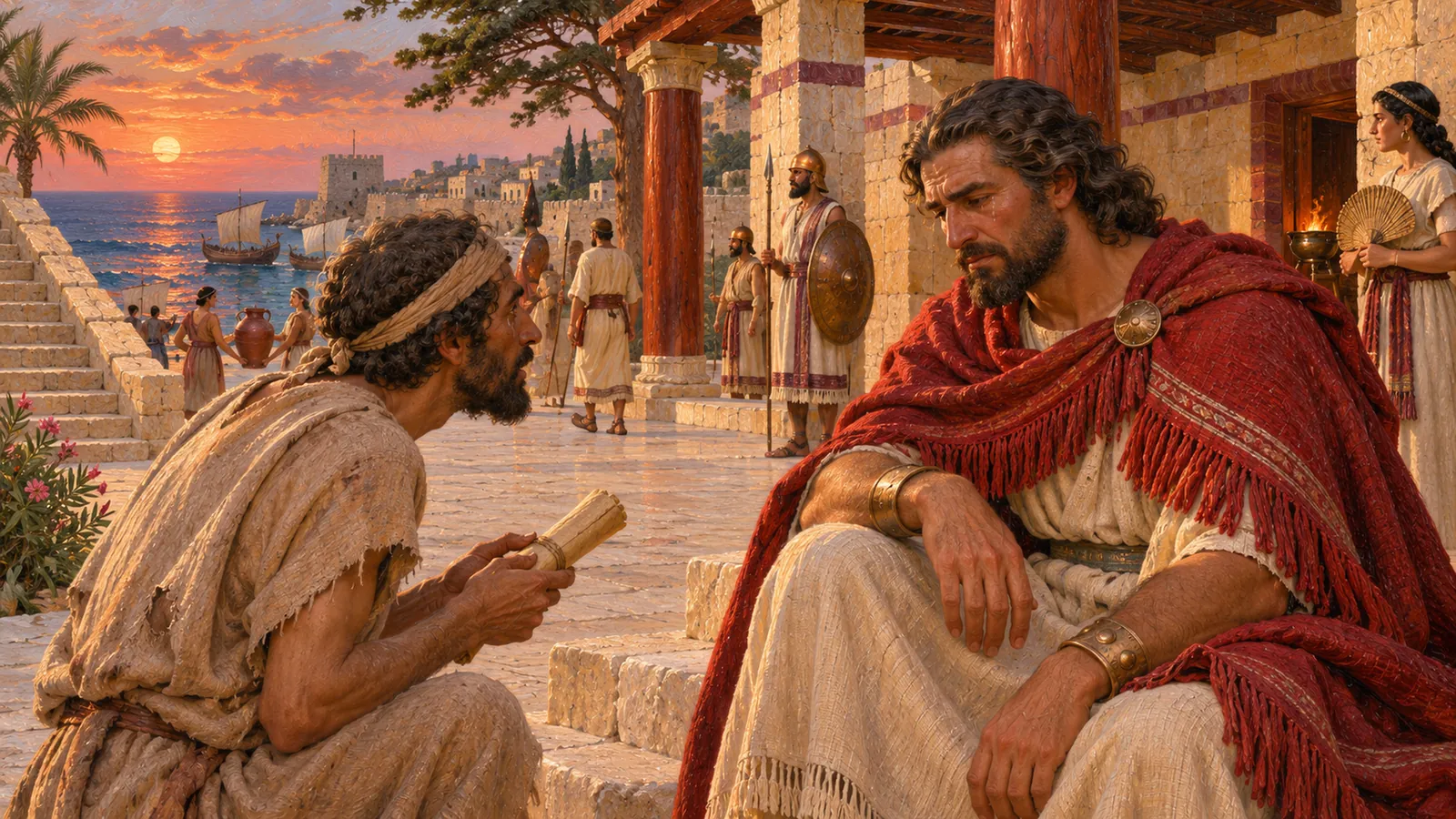
Look at the ships that have come to take me, Wenamun tells the secretary. The man carries his words back to Zakarbaal. They move the prince to tears.
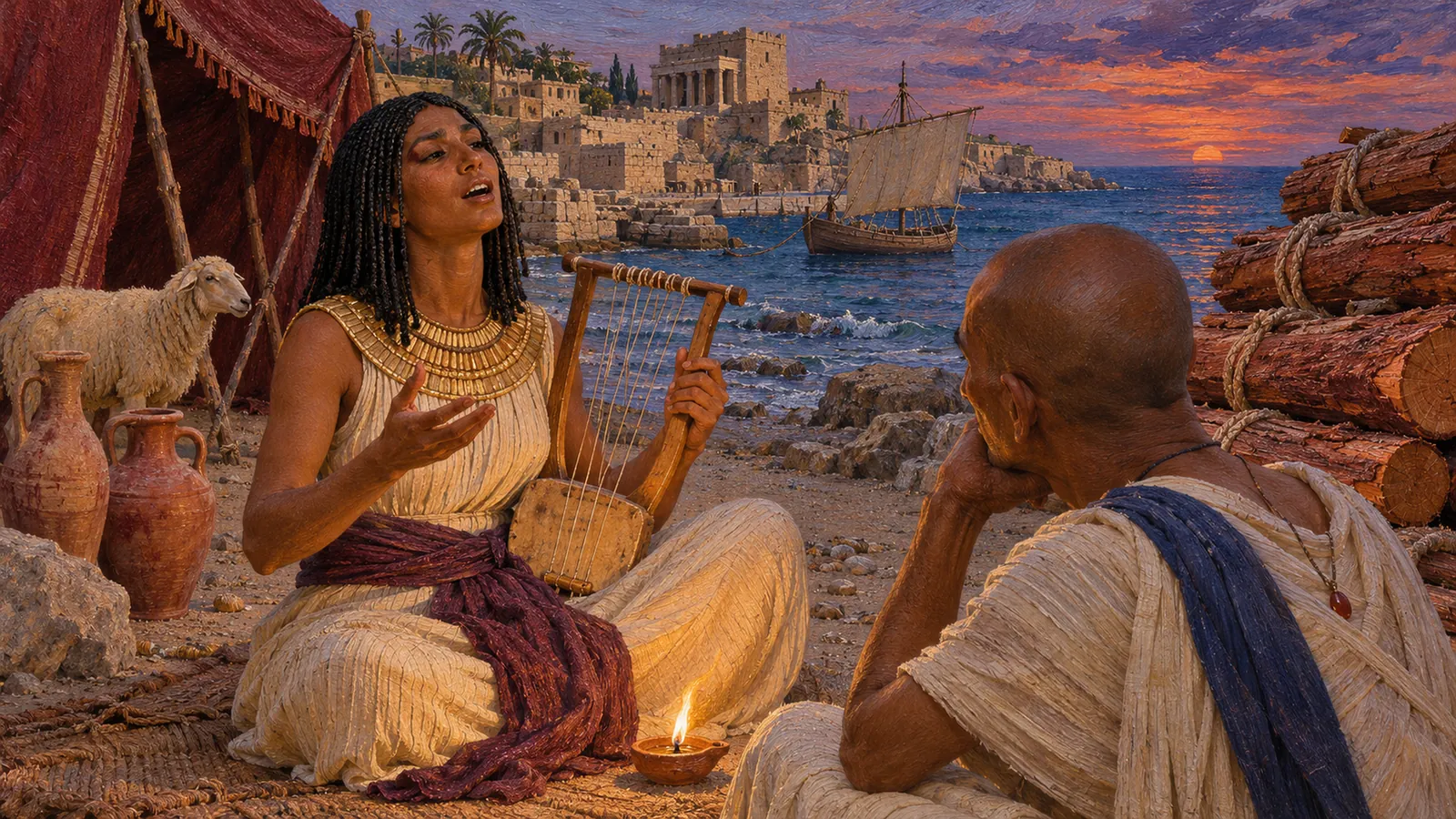
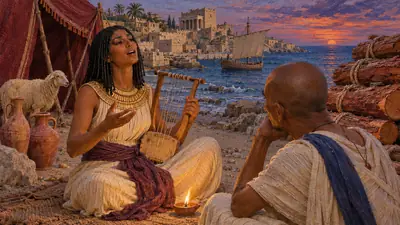
Zakarbaal sends two jugs of wine, a sheep and the Egyptian singer Tanetniut. He asks her to soothe Wenamun with song. In the morning, the envoy will have an answer.
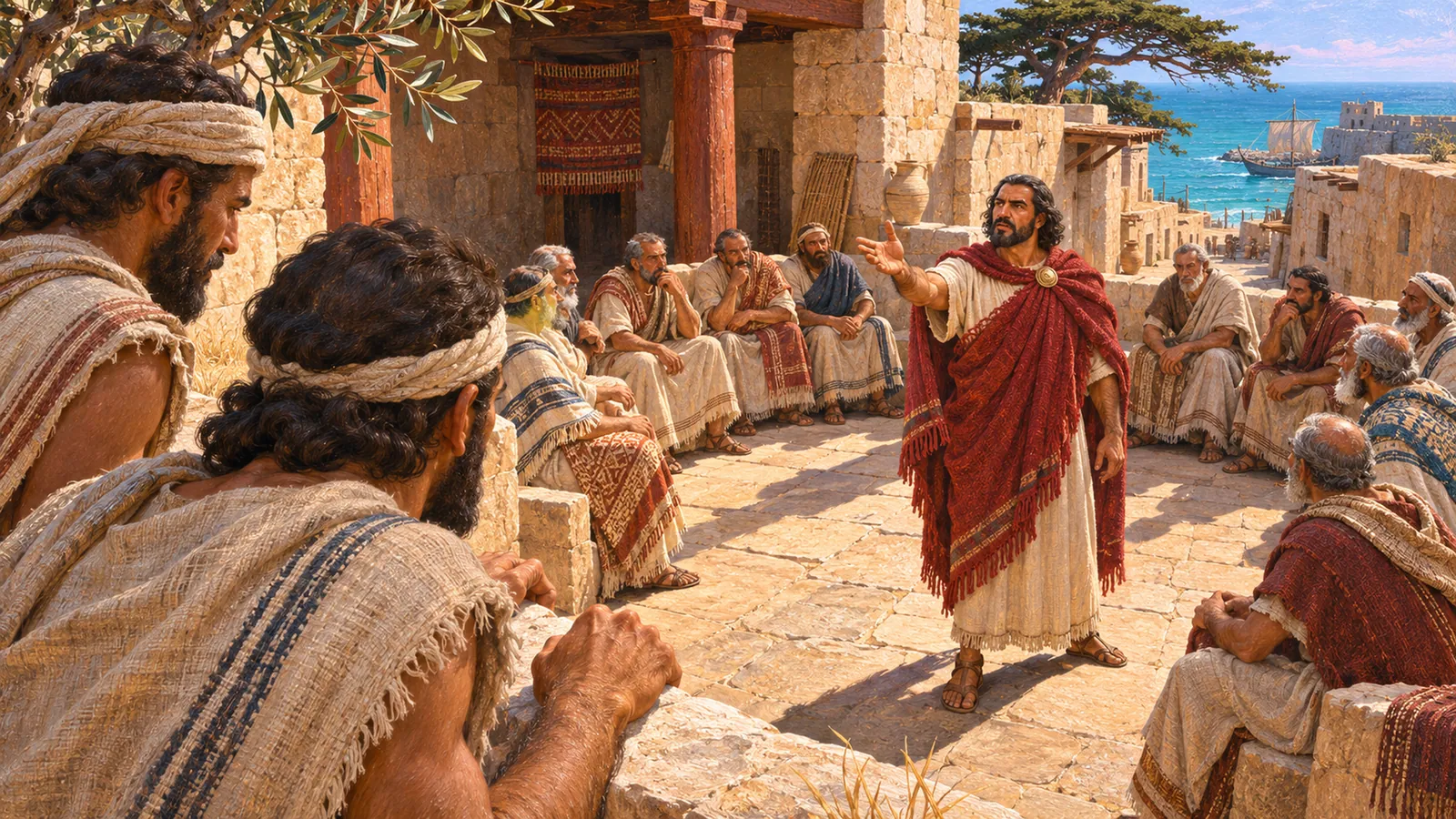
In the morning the prince calls his assembly. The Tjeker say his ships are taking their adversaries to Egypt. Zakarbaal refuses to arrest Amun’s envoy in his own land.
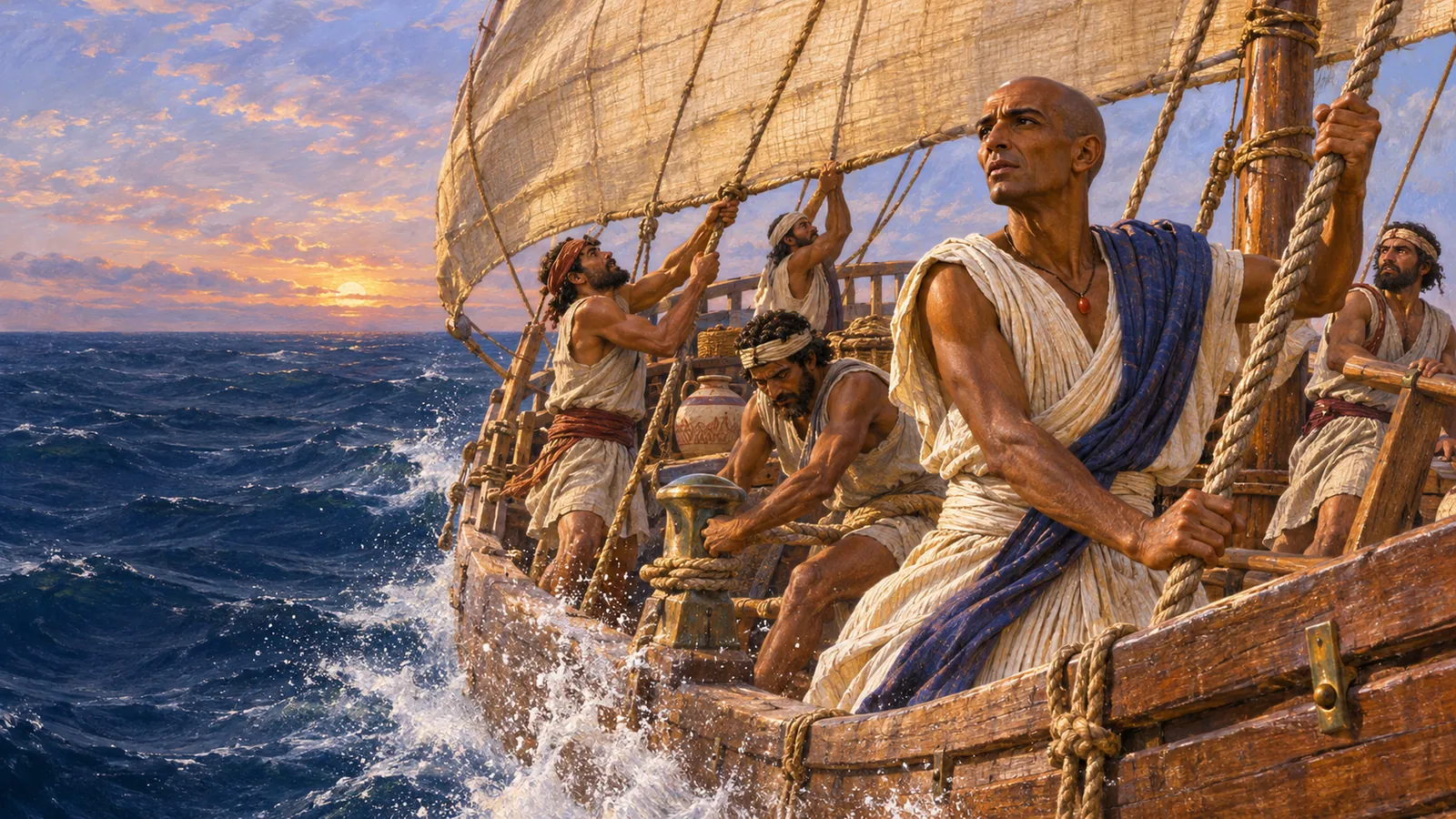
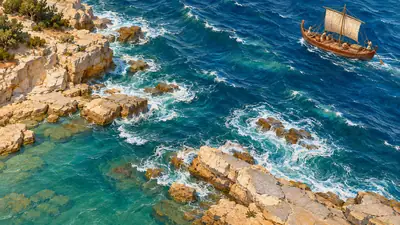
Zakarbaal tells the Tjeker they may follow once Wenamun leaves, and has him put aboard. The ship sails away from Byblos. The wind drives it across the sea to Alashiya.
ALASHIYA
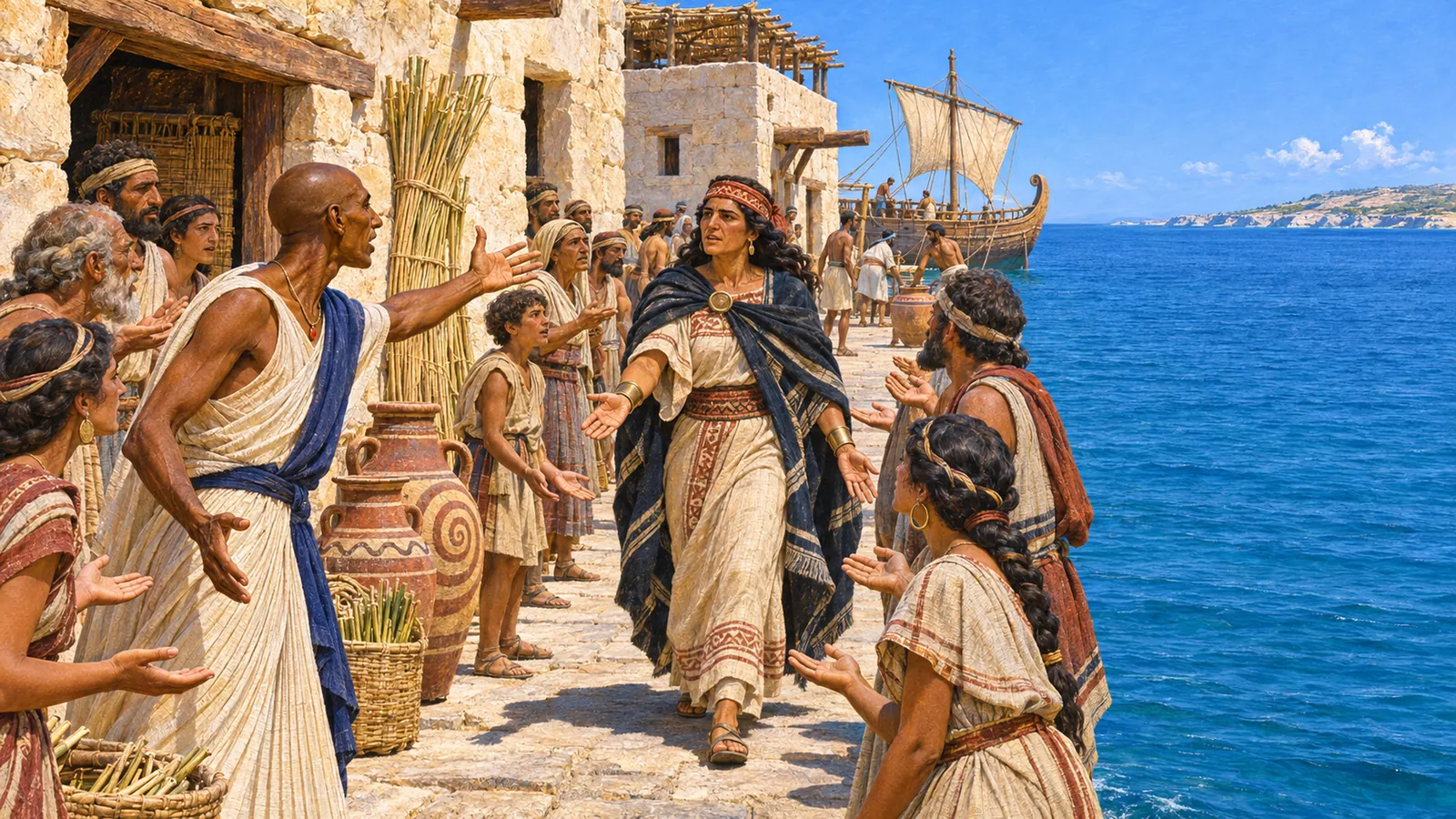
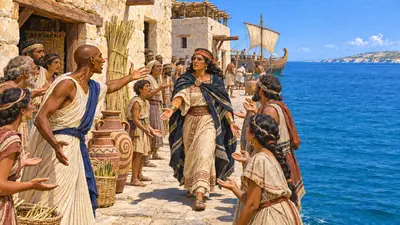
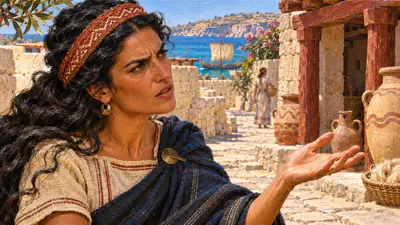
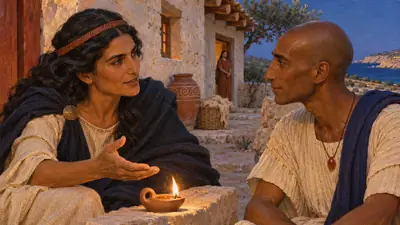
At the harbor in Alashiya, people come out intending to kill him. Wenamun forces his way through to Hatiba, the town’s ruler, just as she is crossing from one house to another.
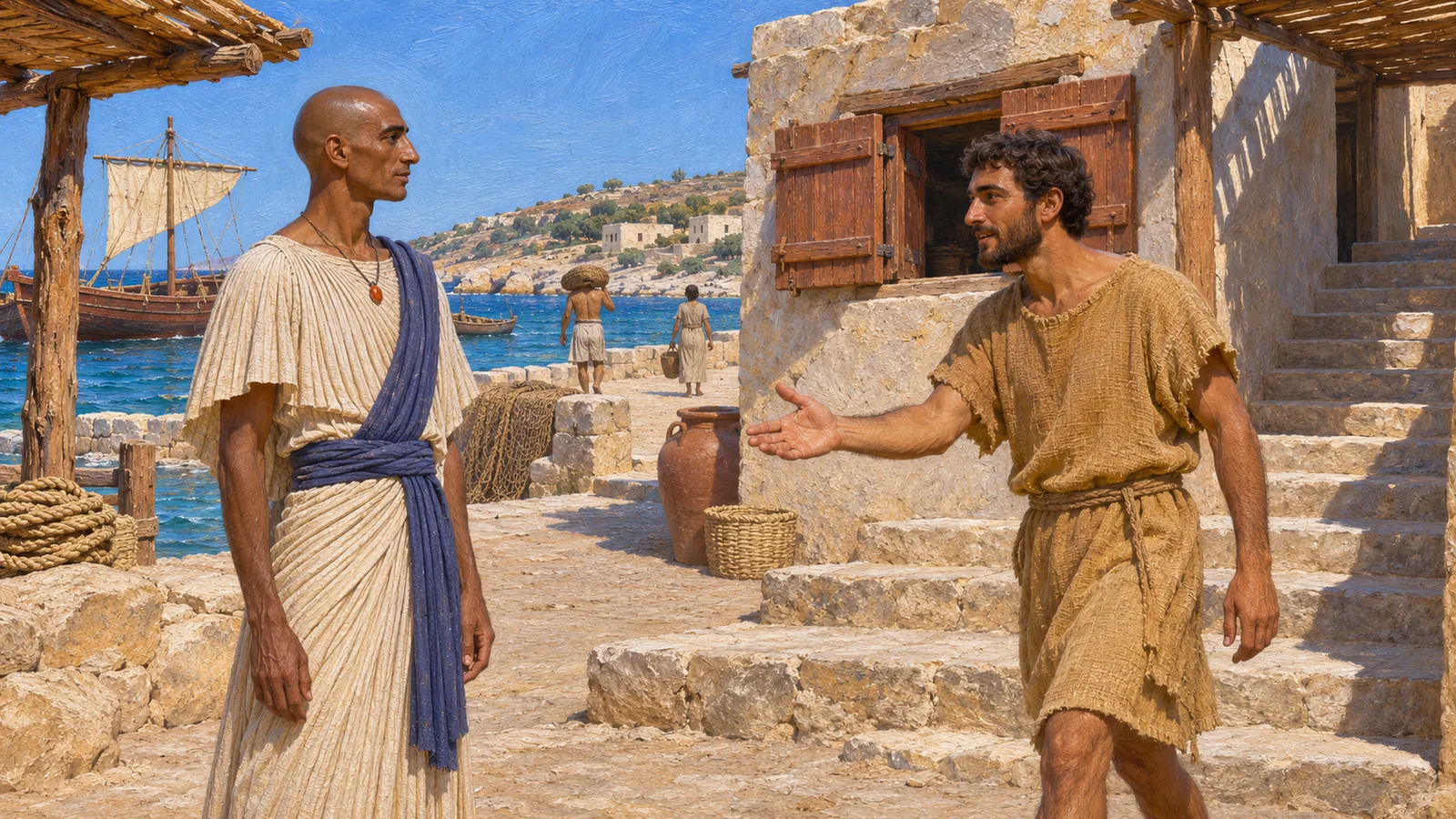
He calls out to her and asks whether anyone standing nearby understands Egyptian. One man says he does. Wenamun asks him to tell Hatiba what people say about her land.
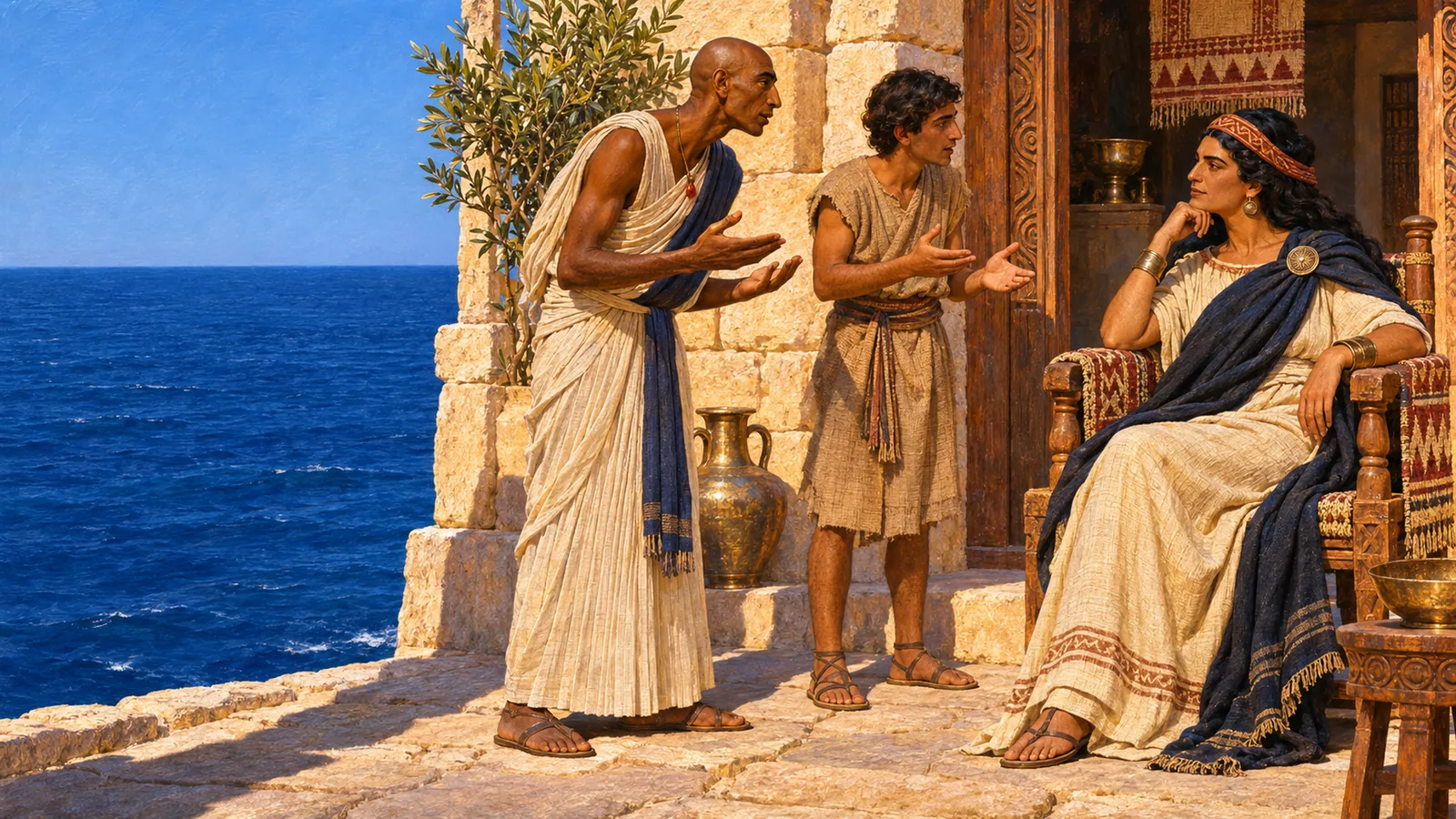
The interpreter relays the appeal. In Thebes, Wenamun says, people speak of Alashiya as a place that upholds justice. Does he now find that injustice is done here too?
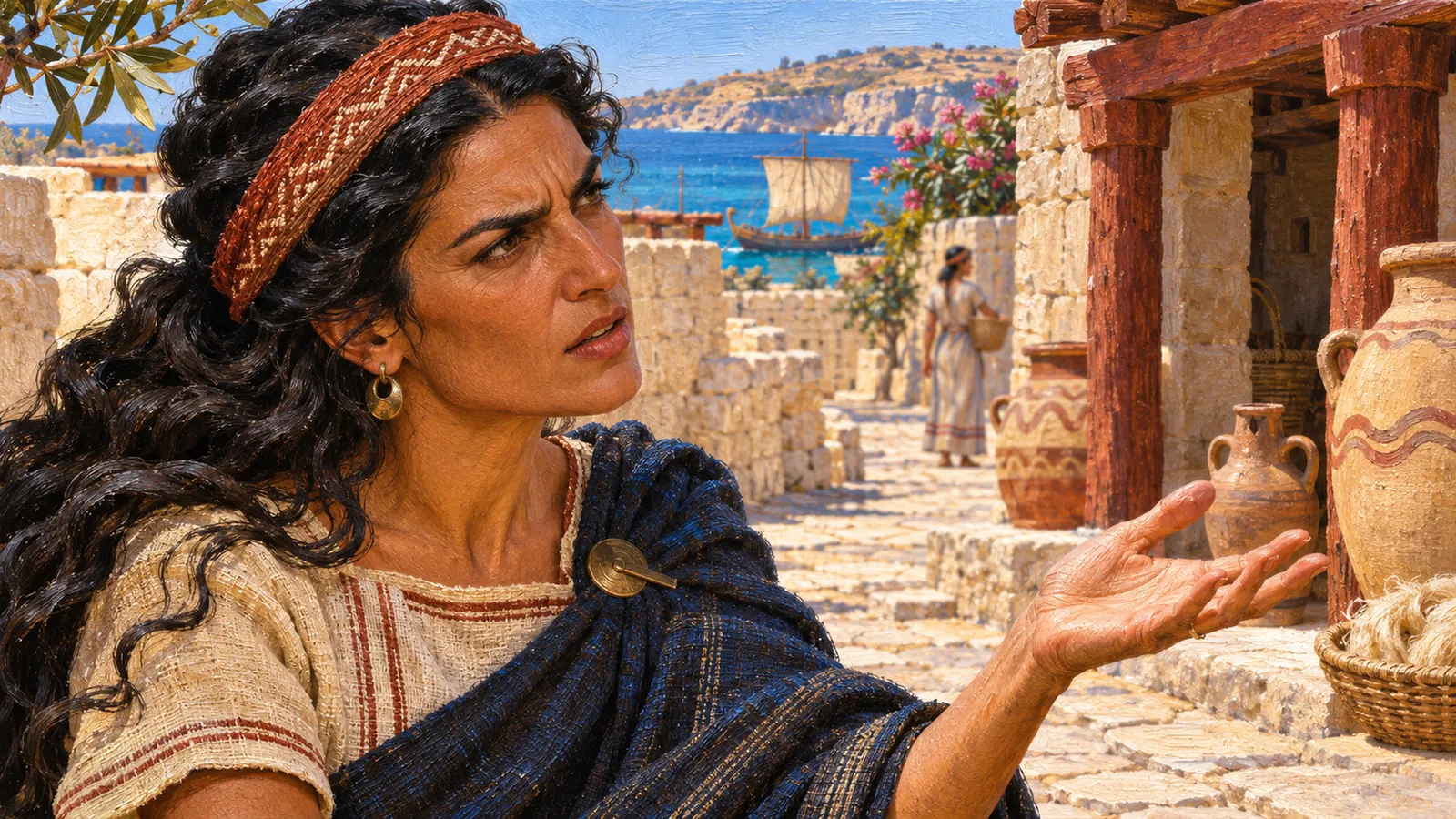
Hatiba asks what he means. He tells her the sea and wind drove him here. Will she let the townspeople kill Amun’s messenger, whom they will never stop looking for?
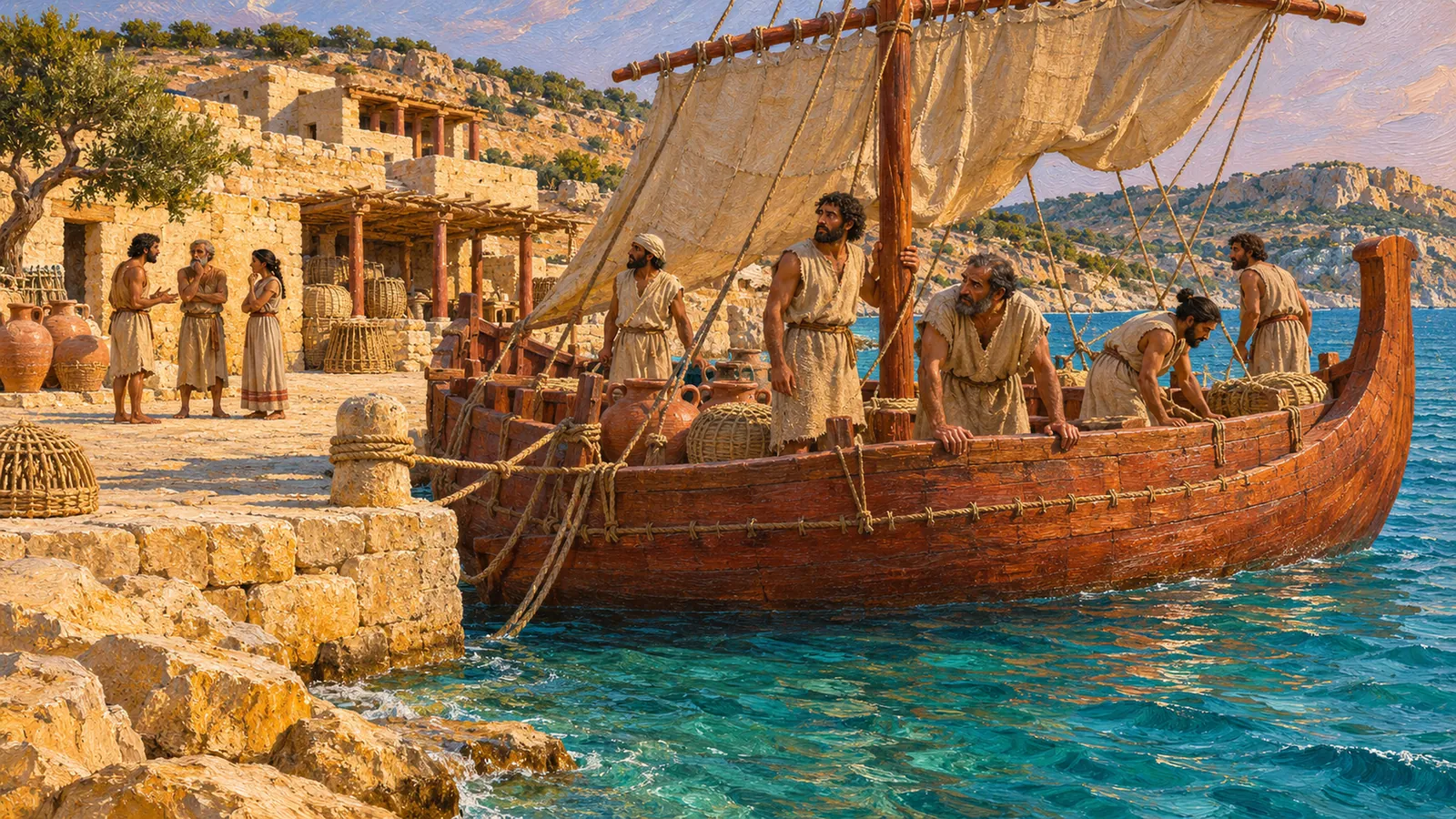
Wenamun pleads for the crew as well. They are Zakarbaal’s men. If they are lost, he warns, the prince of Byblos may take revenge on ten crews from Alashiya.
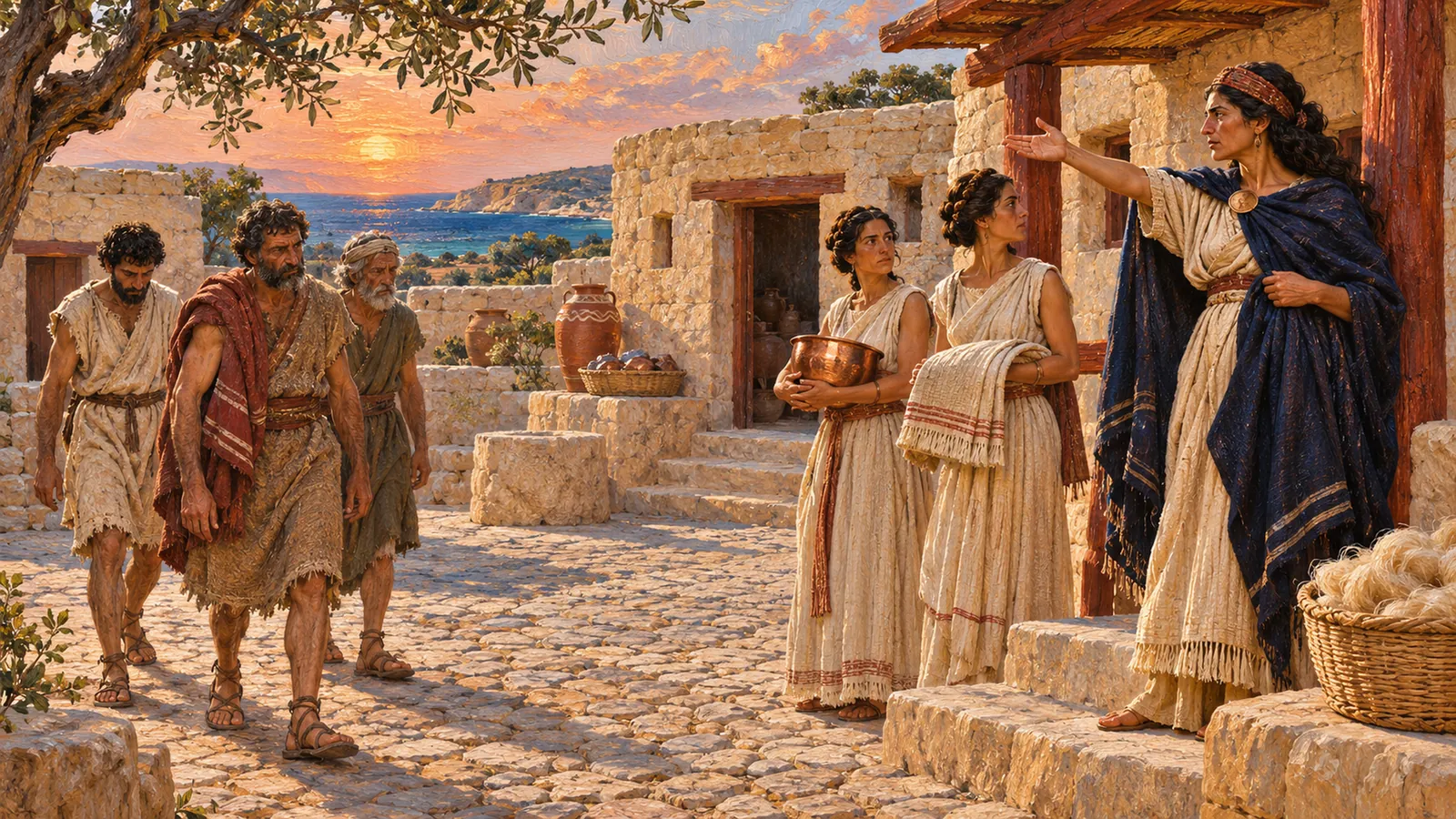
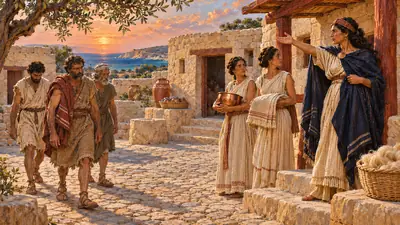
Hatiba sends for the men who threatened the travelers. They are brought before her. For the first time since landing, Wenamun has been heard by someone with the power to act.
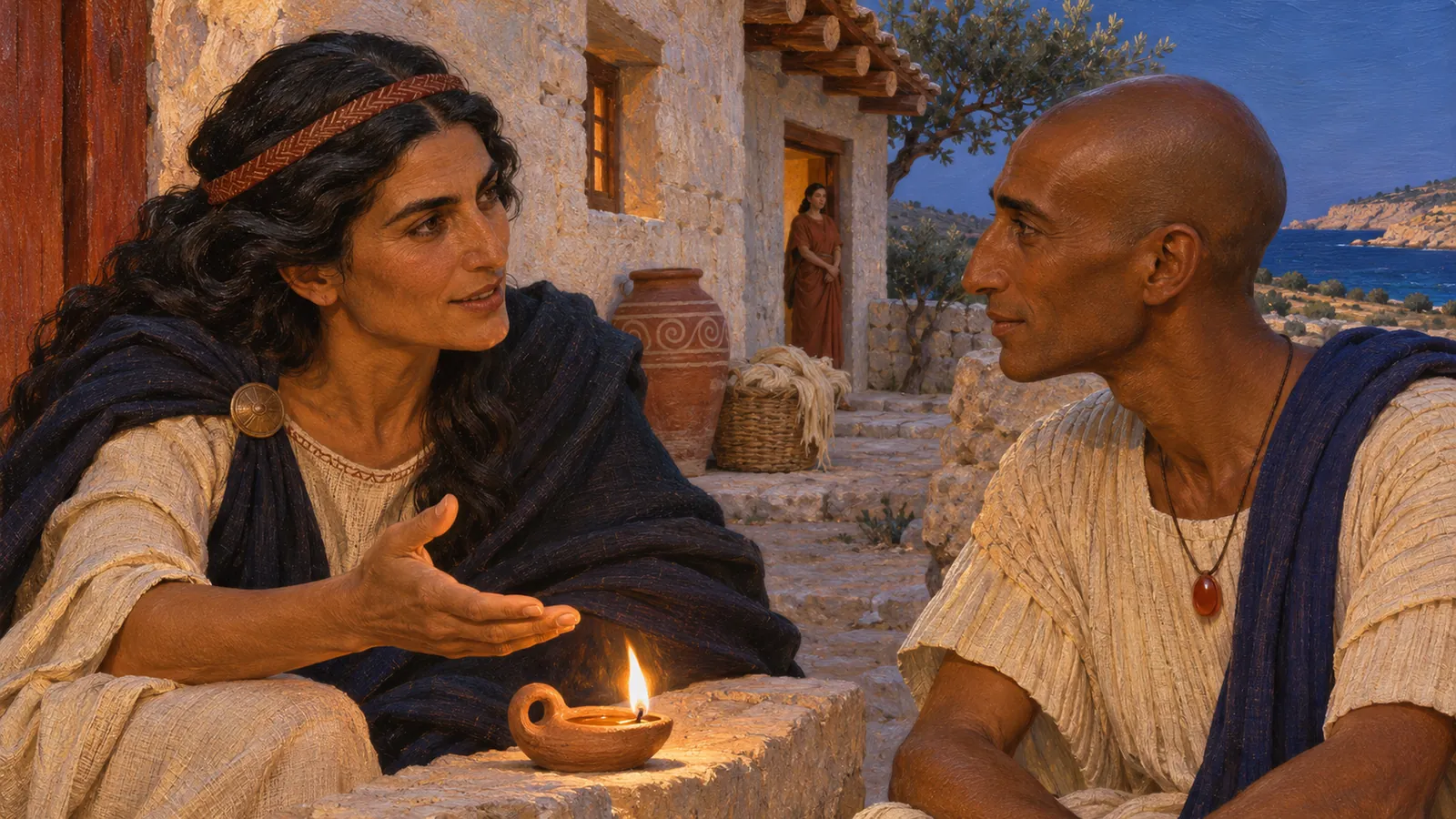
Hatiba turns to the Egyptian and tells him to spend the night. These are the last words the surviving account gives her. For now, Wenamun will remain in Alashiya.
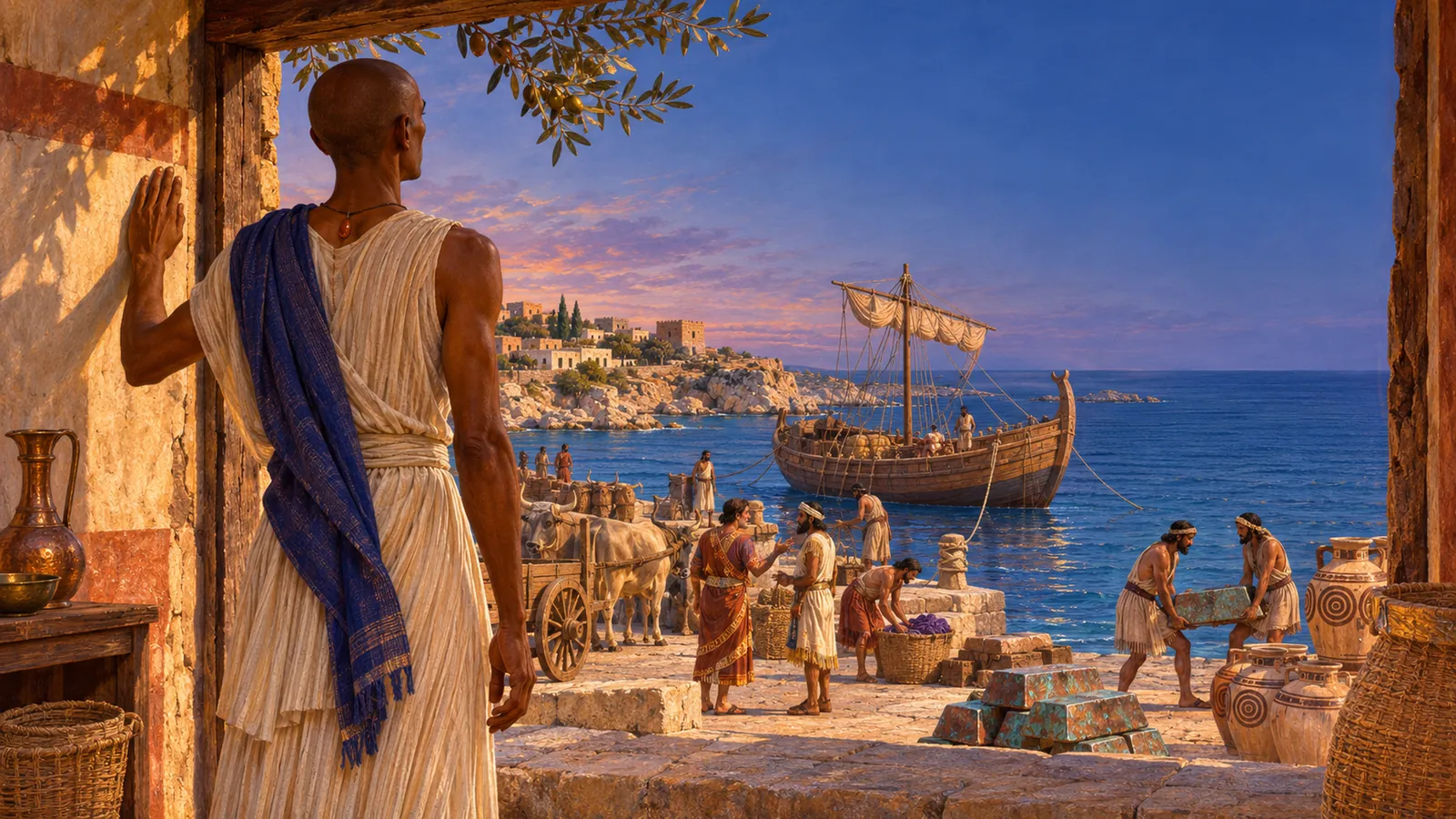
Here the papyrus breaks off. We do not know how Hatiba dealt with the men, whether the cedar reached the temple, or if Wenamun ever saw Egypt again.
End of chapter 1
All pages
Sources
Editions consulted
- Papyrus Moscow 120, Thesaurus Linguae Aegyptiae manuscript catalogue
- Robert K. Ritner's translation with papyrus line numbers
- Miriam Lichtheim, Ancient Egyptian Literature, Vol. II
- Edward F. Wente in William Kelly Simpson, ed., The Literature of Ancient Egypt
Ancient lines behind each page
- Page 1: Papyrus Moscow 120, 1.1–3
- Page 2: Papyrus Moscow 120, 1.1–3
- Page 3: Papyrus Moscow 120, 1.3–5, 1.51–53
- Page 4: Papyrus Moscow 120, 1.4–7
- Page 5: Papyrus Moscow 120, 1.6–8
- Page 6: Papyrus Moscow 120, 1.8–10
- Page 7: Papyrus Moscow 120, 1.10–13
- Page 8: Papyrus Moscow 120, 1.10–12
- Page 9: Papyrus Moscow 120, 1.13–15
- Page 10: Papyrus Moscow 120, 1.14–17
- Page 11: Papyrus Moscow 120, 1.17–21
- Page 12: Papyrus Moscow 120, 1.21–27
- Page 13: Papyrus Moscow 120, 1.27–30
- Page 14: Papyrus Moscow 120, 1.29–31
- Page 15: Papyrus Moscow 120, 1.30–33
- Page 16: Papyrus Moscow 120, 1.32–34
- Page 17: Papyrus Moscow 120, 1.34–38
- Page 18: Papyrus Moscow 120, 1.35–38
- Page 19: Papyrus Moscow 120, 1.40–43
- Page 20: Papyrus Moscow 120, 1.38–42
- Page 21: Papyrus Moscow 120, 1.43–46
- Page 22: Papyrus Moscow 120, 1.45–47
- Page 23: Papyrus Moscow 120, 1.47–50
- Page 24: Papyrus Moscow 120, 1.50–52
- Page 25: Papyrus Moscow 120, 1.51–55
- Page 26: Papyrus Moscow 120, 1.54–58
- Page 27: Papyrus Moscow 120, 1.57–59
- Page 28: Papyrus Moscow 120, 1.59–2.3
- Page 29: Papyrus Moscow 120, 2.3–7
- Page 30: Papyrus Moscow 120, 2.6–8
- Page 31: Papyrus Moscow 120, 2.8–13
- Page 32: Papyrus Moscow 120, 2.12–15
- Page 33: Papyrus Moscow 120, 2.15–19
- Page 34: Papyrus Moscow 120, 2.19–23
- Page 35: Papyrus Moscow 120, 2.23–27
- Page 36: Papyrus Moscow 120, 2.25–29
- Page 37: Papyrus Moscow 120, 2.29–34
- Page 38: Papyrus Moscow 120, 2.34–38
- Page 39: Papyrus Moscow 120, 2.37–39
- Page 40: Papyrus Moscow 120, 2.39–41
- Page 41: Papyrus Moscow 120, 2.40–42
- Page 42: Papyrus Moscow 120, 2.41–43
- Page 43: Papyrus Moscow 120, 2.42–44
- Page 44: Papyrus Moscow 120, 2.43–44
- Page 45: Papyrus Moscow 120, 2.44–45
- Page 46: Papyrus Moscow 120, 2.44–48
- Page 47: Papyrus Moscow 120, 2.47–51
- Page 48: Papyrus Moscow 120, 2.50–55
- Page 49: Papyrus Moscow 120, 2.54–58
- Page 50: Papyrus Moscow 120, 2.55–59
- Page 51: Papyrus Moscow 120, 2.58–62
- Page 52: Papyrus Moscow 120, 2.62–64
- Page 53: Papyrus Moscow 120, 2.64–67
- Page 54: Papyrus Moscow 120, 2.66–69
- Page 55: Papyrus Moscow 120, 2.68–71
- Page 56: Papyrus Moscow 120, 2.71–74
- Page 57: Papyrus Moscow 120, 2.73–75
- Page 58: Papyrus Moscow 120, 2.75–77
- Page 59: Papyrus Moscow 120, 2.76–79
- Page 60: Papyrus Moscow 120, 2.77–80
- Page 61: Papyrus Moscow 120, 2.79–82
- Page 62: Papyrus Moscow 120, 2.81–83
- Page 63: Papyrus Moscow 120, 2.82–83
- Page 64: Papyrus Moscow 120, 2.83
- Page 65: Papyrus Moscow 120, End of col. 2
Illustrations made with AI tools by IL Archive; the text is based on the ancient sources (see the sources at the end of each chapter).