The King Who Stole Monuments Chapter 1
The Stones of Susa
At Susa, a royal title brings together a lowland city and the highland center of Anshan. At Sippar, a tall limestone stele carries a much older king’s victory scene. Seven later lines, carved into its mountainside, explain why Shutruk-Nahhunte said he took it. Move from that stele to the statues and grant stones, then look at the blank patch on Hammurabi’s laws and ask what can still be known of its journey.
SourcesTurn the pages with the arrows, the arrow keys or a swipe.
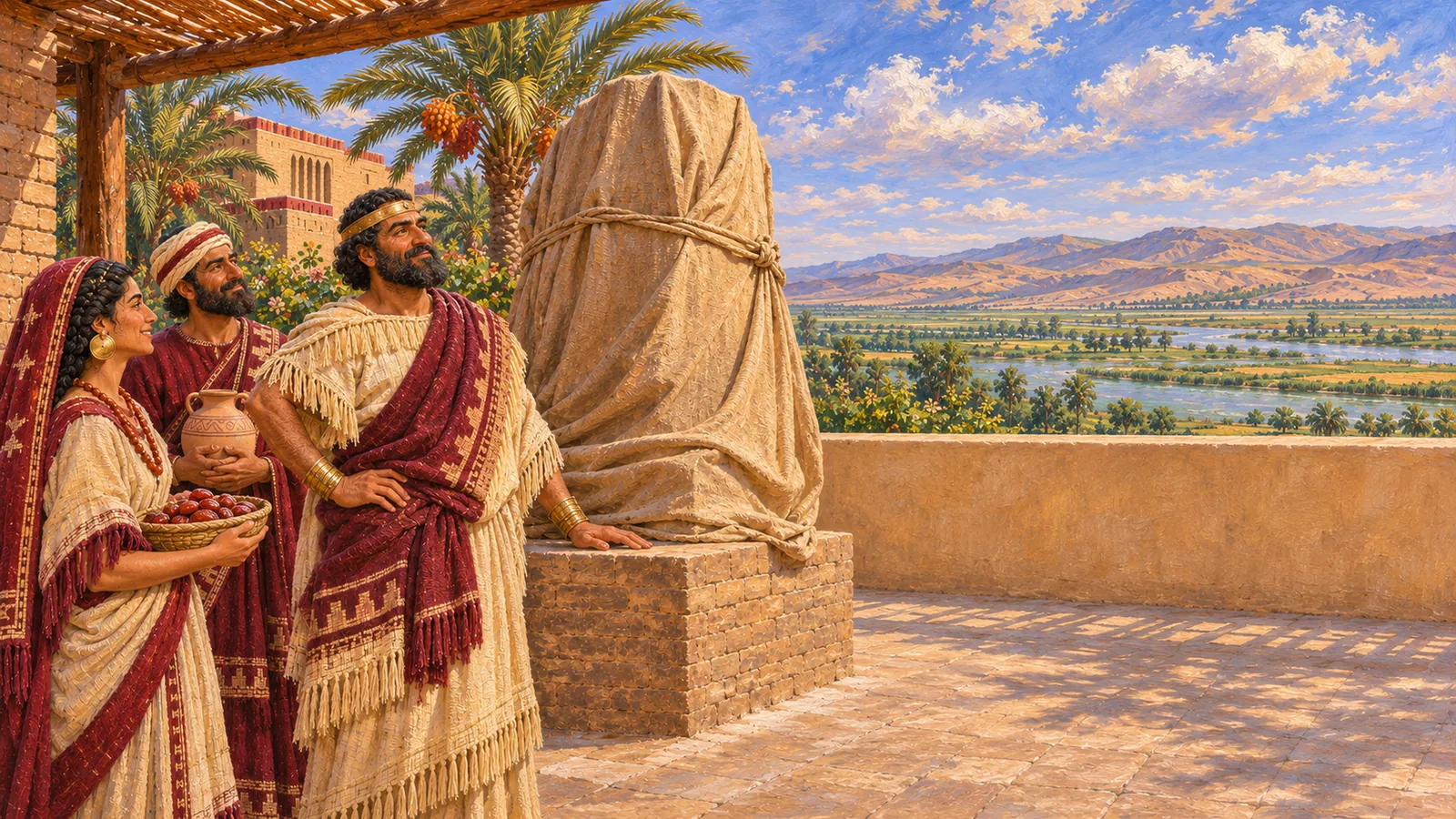
ELAM
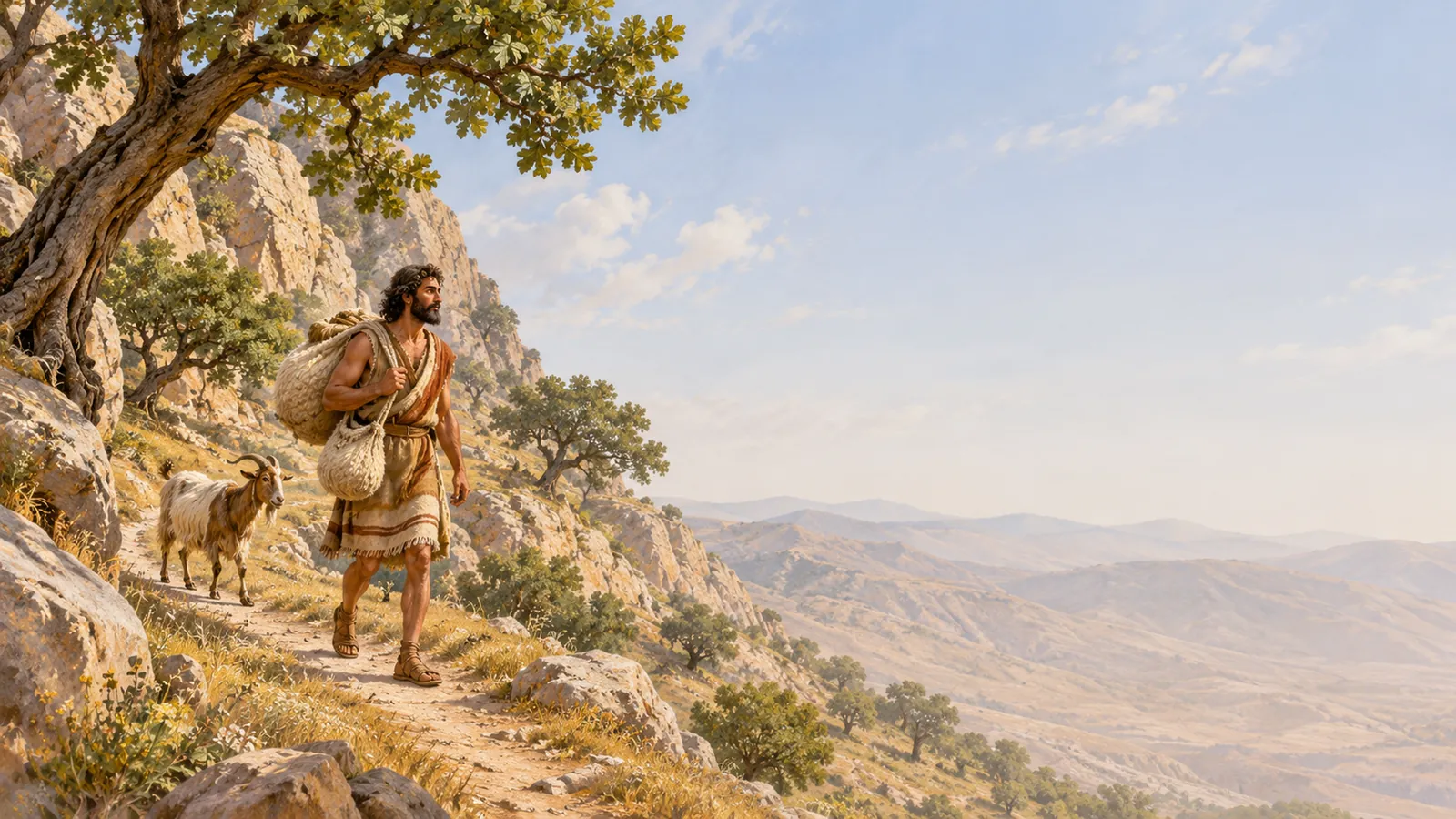
In the twelfth century BCE, Shutruk-Nahhunte ruled Elam. He brought old stone monuments into his kingdom and had some inscribed with his own name. The stones that survived at Susa can still tell us part of their journeys.
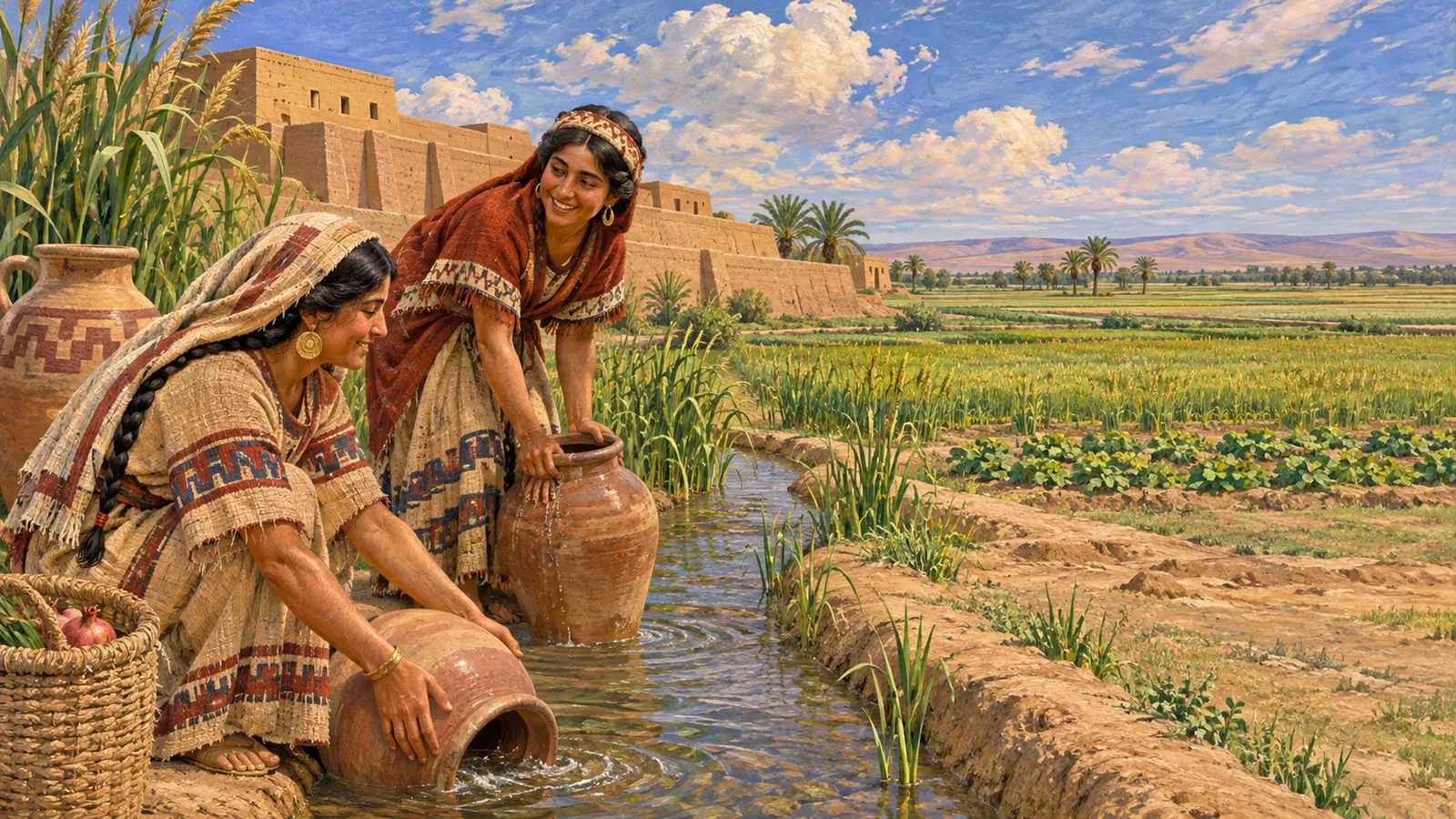
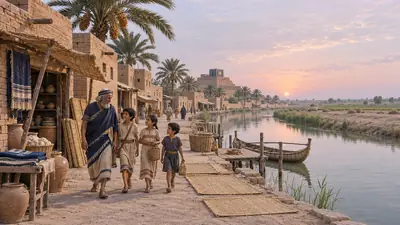
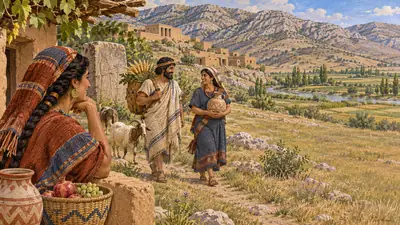
Susa stood in the lowlands east of the great Mesopotamian rivers. The city was a center of Elamite rule and home to a sanctuary of Inshushinak, a god whom the king names in his inscriptions.
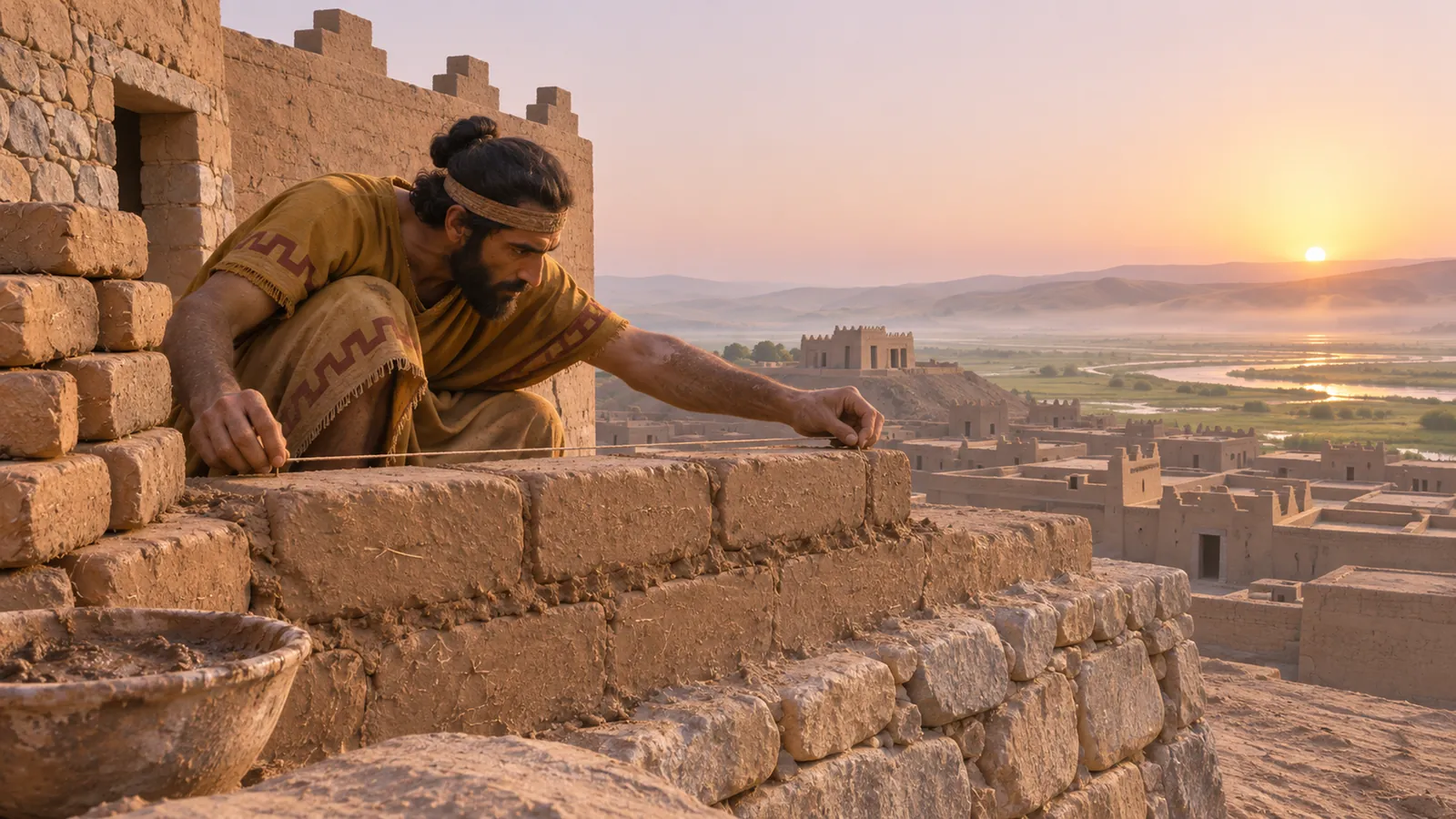
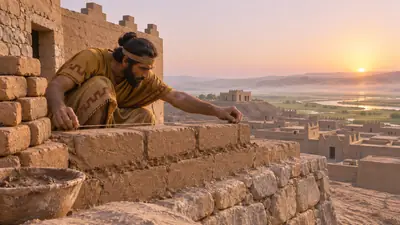
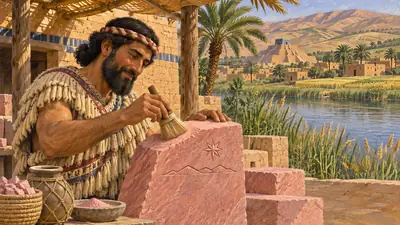
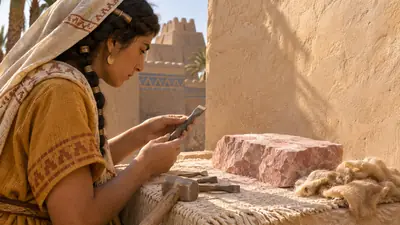
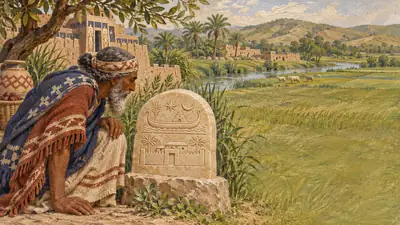
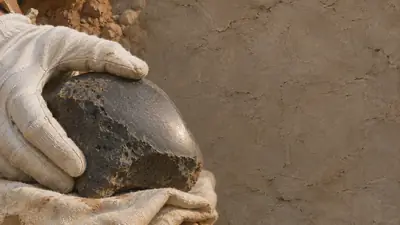
Hands raised Susa’s walls one brick at a time. Long after those walls had changed or crumbled, the harder stones were still there to be found.
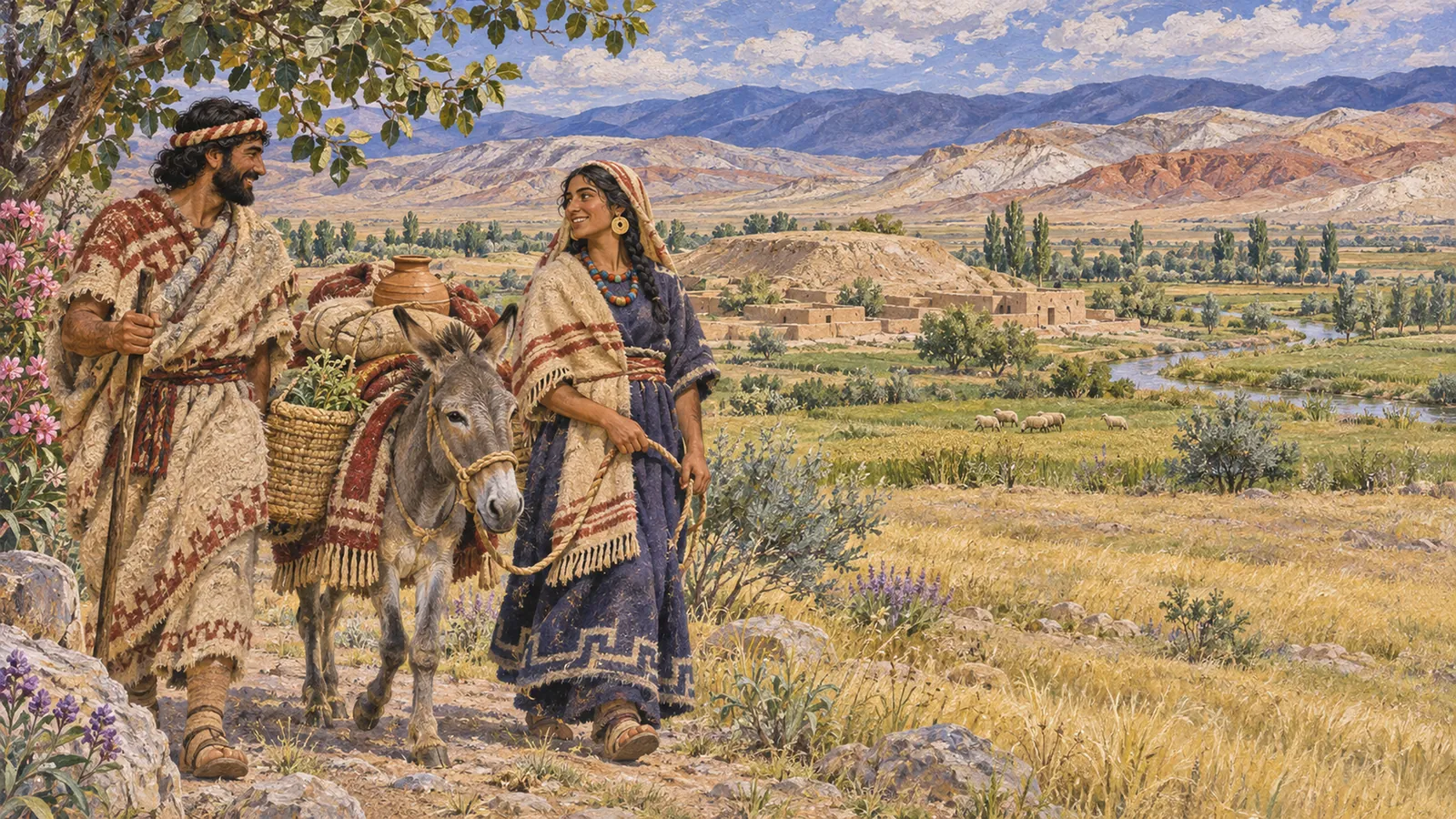
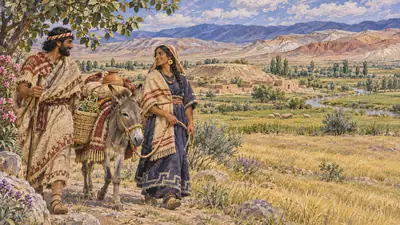
The city of Anshan lay farther east in a broad upland basin. A royal title joins it to Susa. Reading both names together gives us a sense of the different landscapes within the king’s domain.
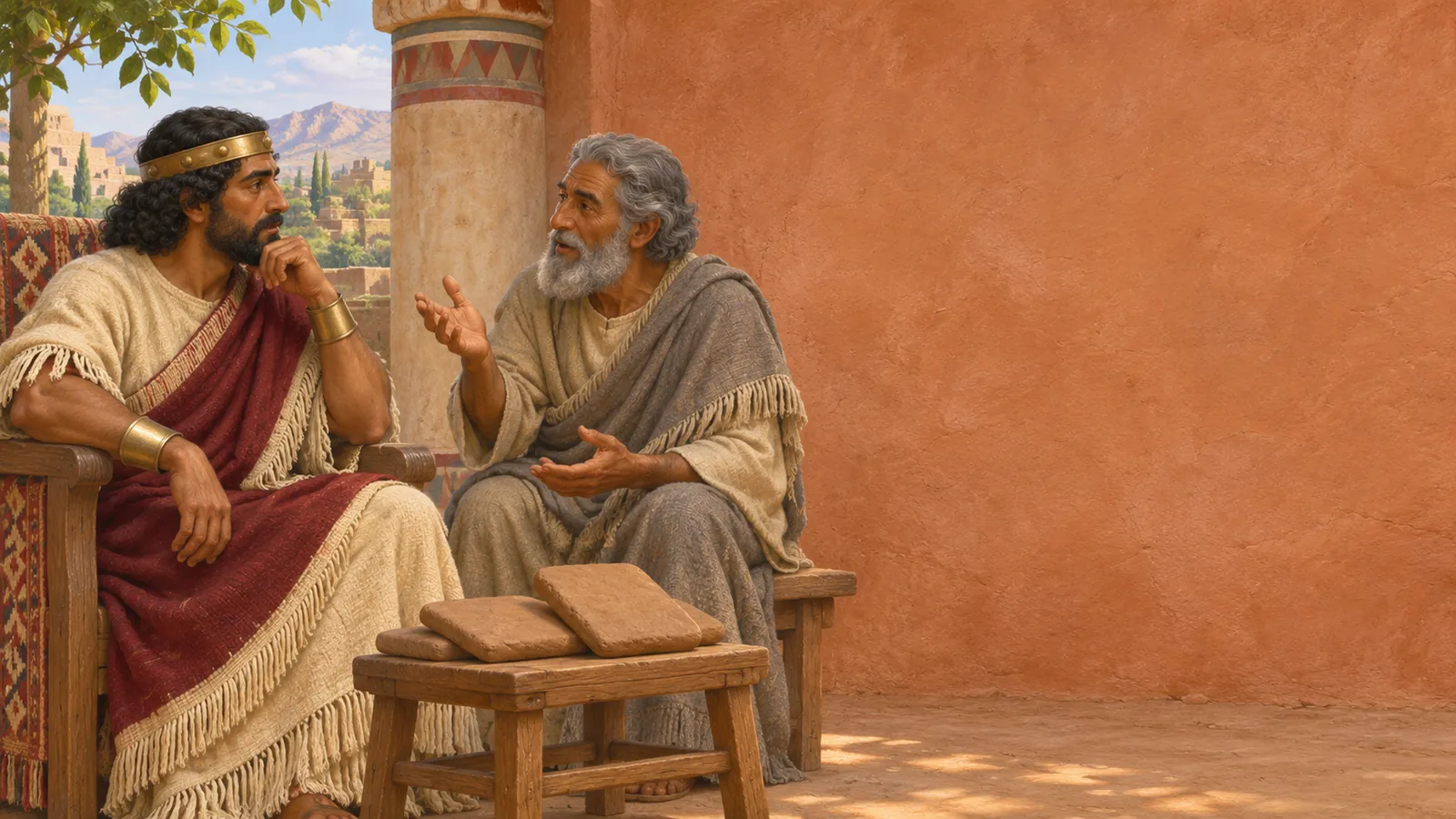
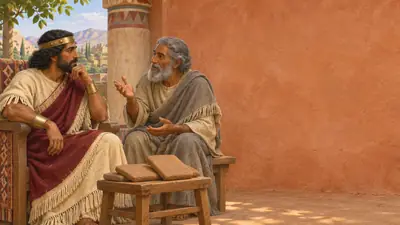
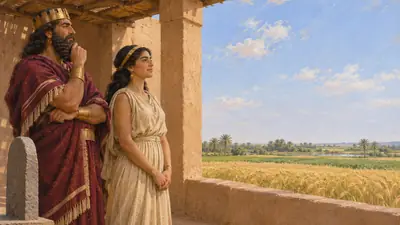
In Elamite, Shutruk-Nahhunte calls himself the son of Hallutush-Inshushinak and king of Anshan and Susa. He credits his god Inshushinak with helping him. This is how he wanted his deeds to be remembered.
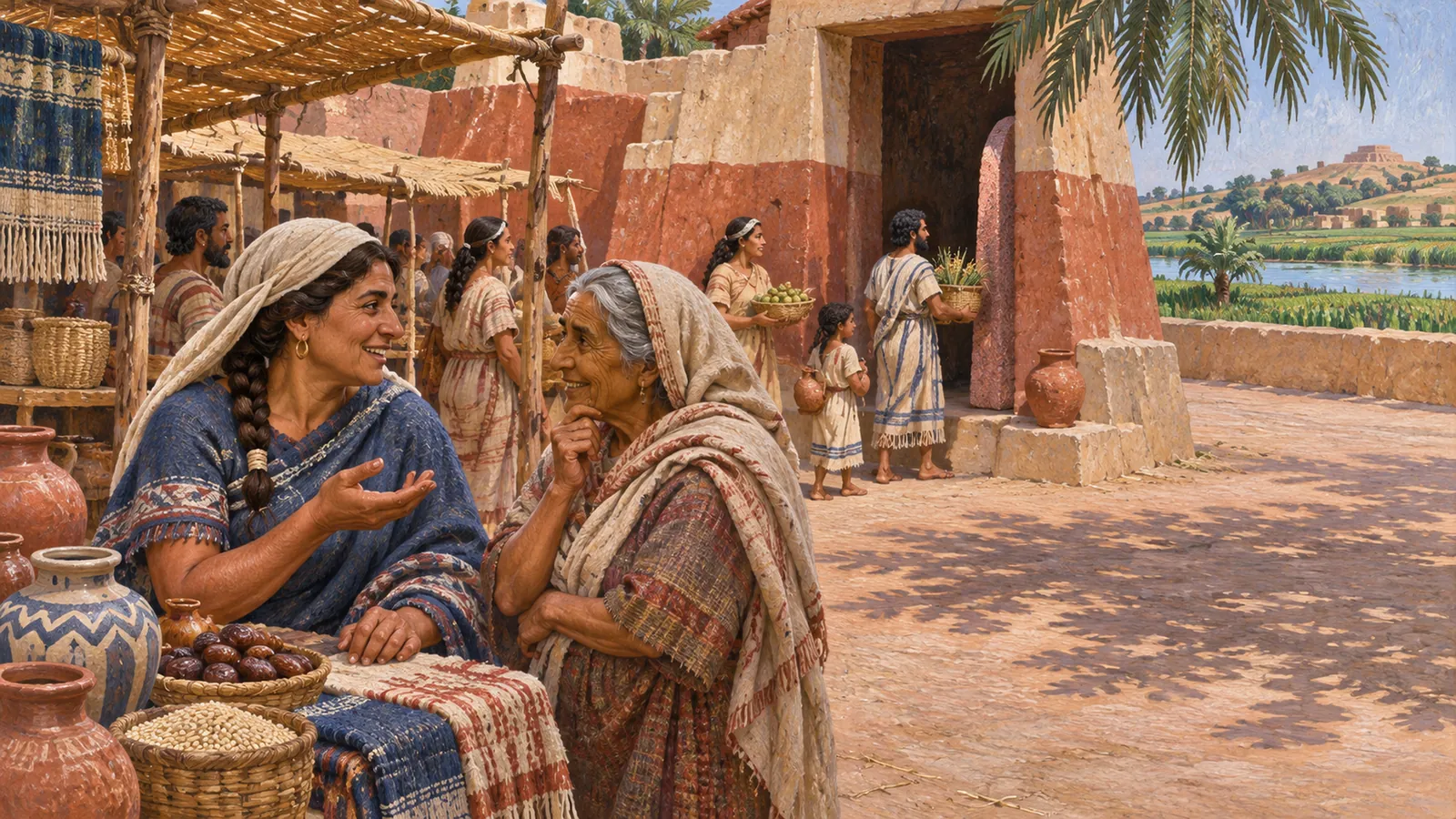
SIPPAR
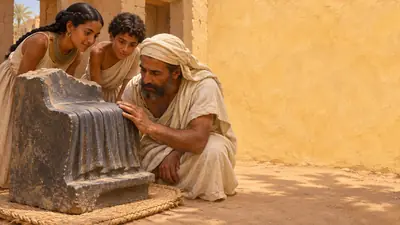
One account names Sippar, a city in Babylonia. A very old stone monument stood there when the Elamite king came. The stone itself tells us whose monument it was.
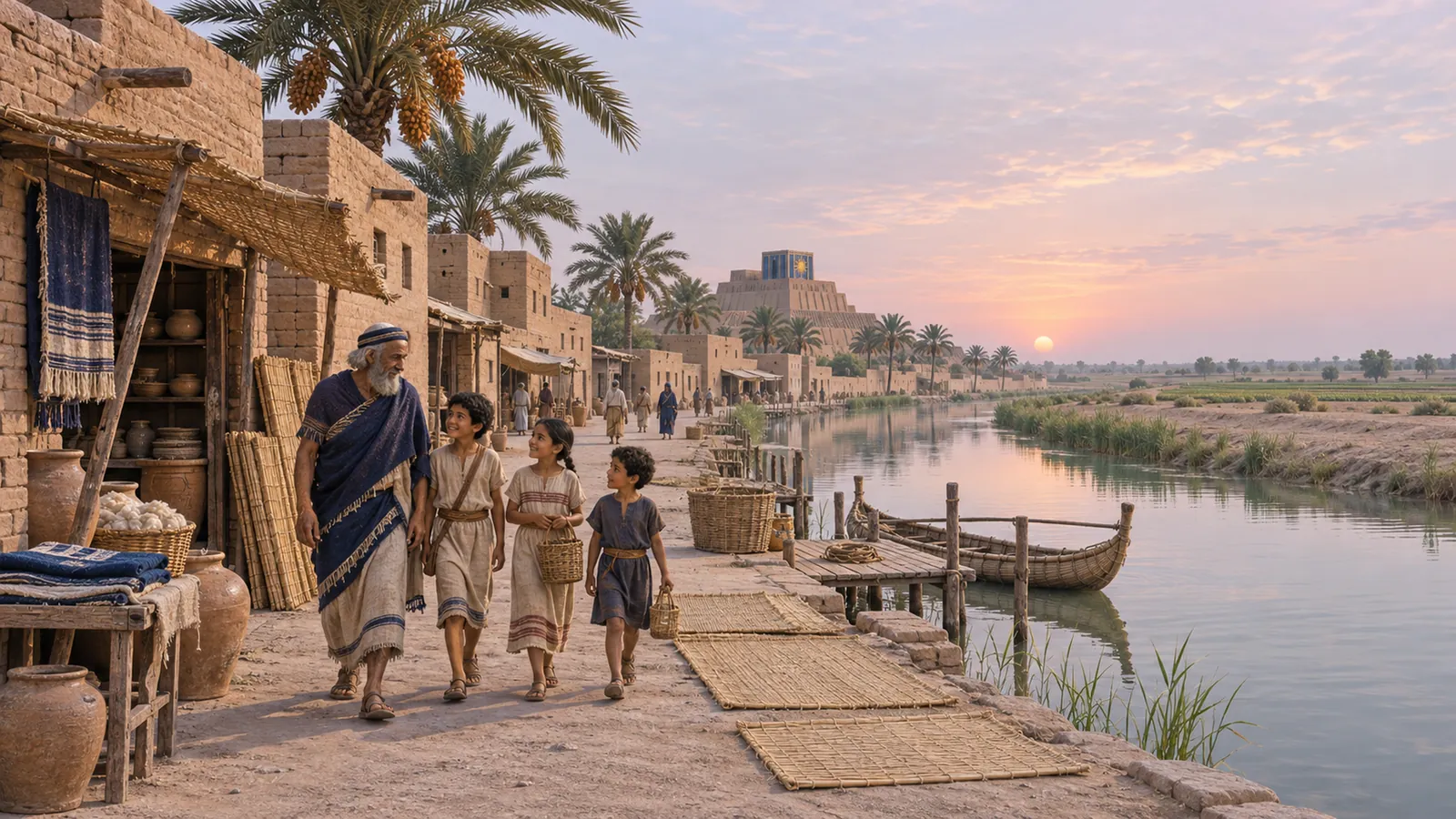
Sippar was a Babylonian city, known for its sanctuary of Shamash. The stele gives us the city’s name. Its exact place within Sippar remains uncertain.
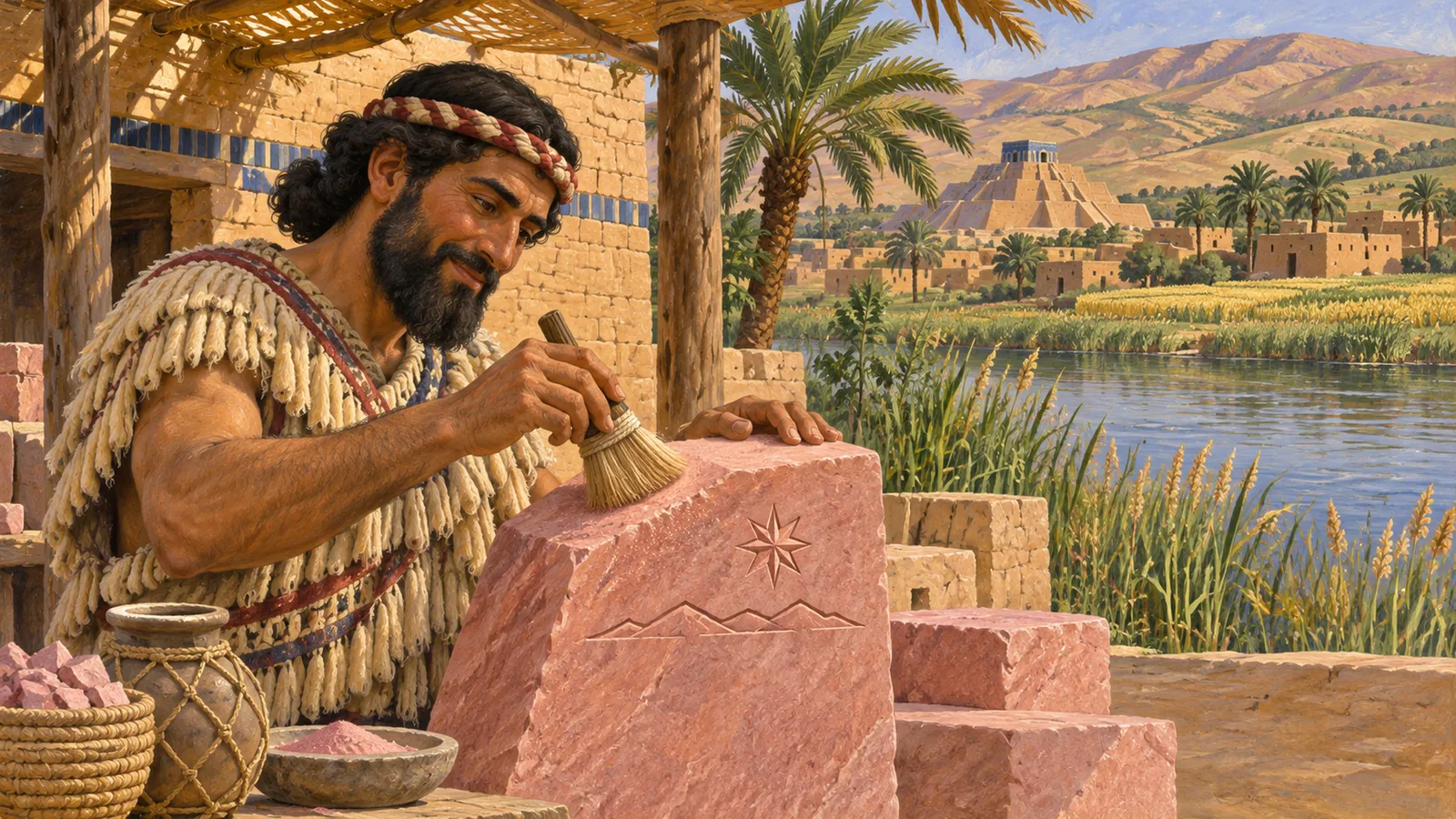
About a thousand years before Shutruk-Nahhunte, Naram-Sin ruled Akkad. His name survives in an older Akkadian inscription on the stele. It commemorates a victory over the Lullubi in the mountains.
The slope on the older carving rises diagonally. Naram-Sin stands high above the others, larger than the people below him. The sculptor made rank visible in stone.
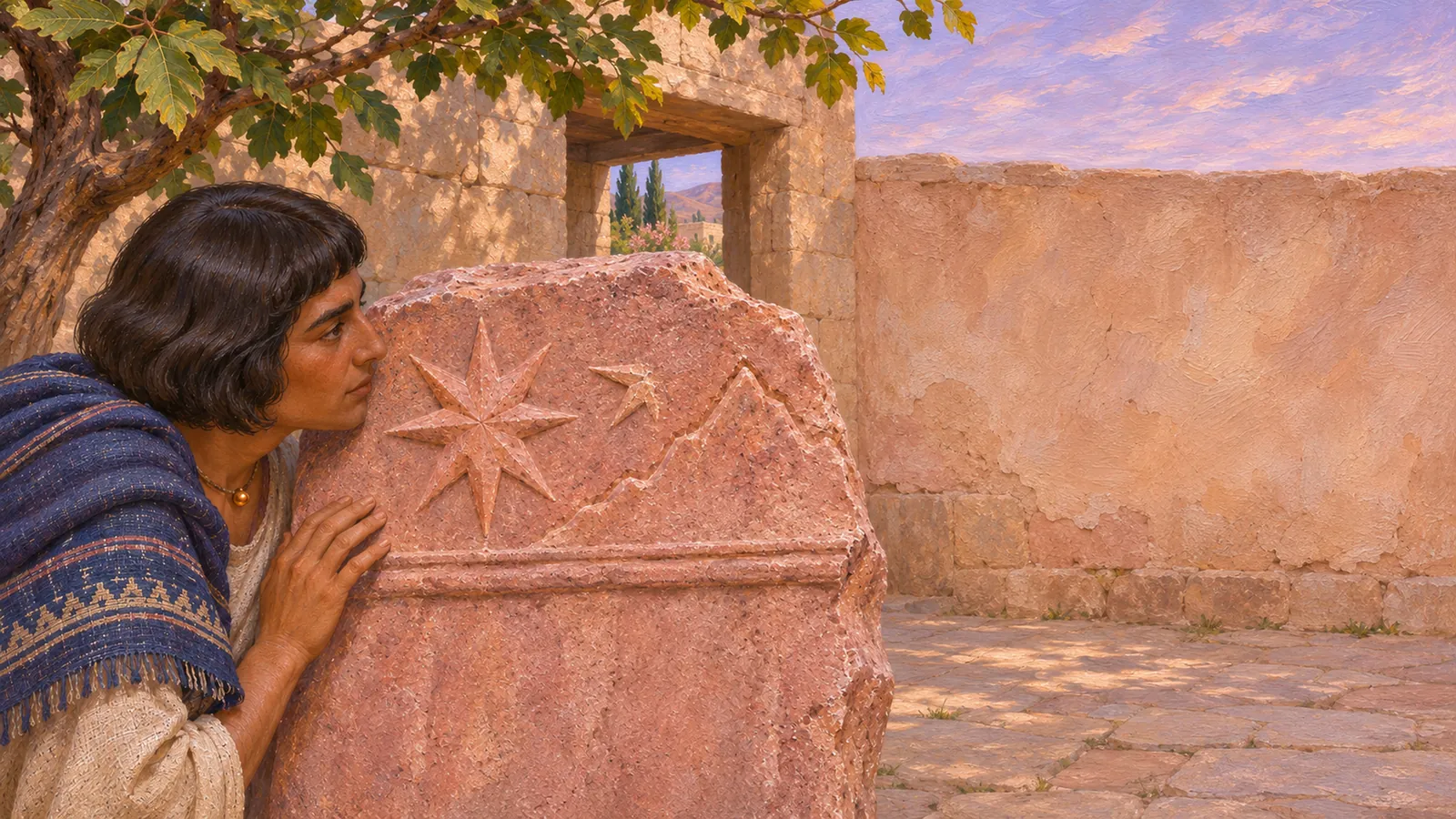
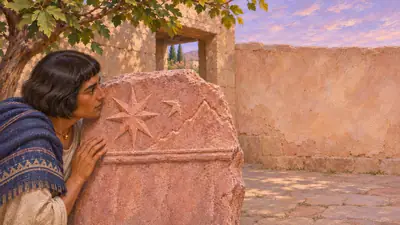
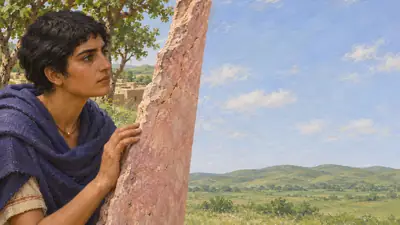
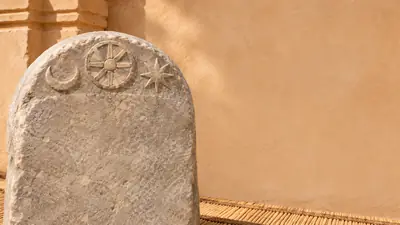
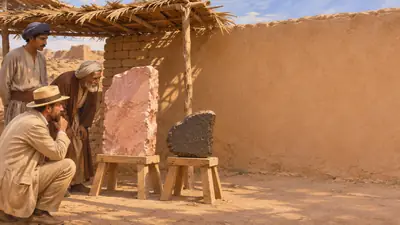
The sculptor made the mountain rise across the pink stone. Star shapes mark the space above. Close to the mountain you can read the traces of a second king, whose words were carved much later.
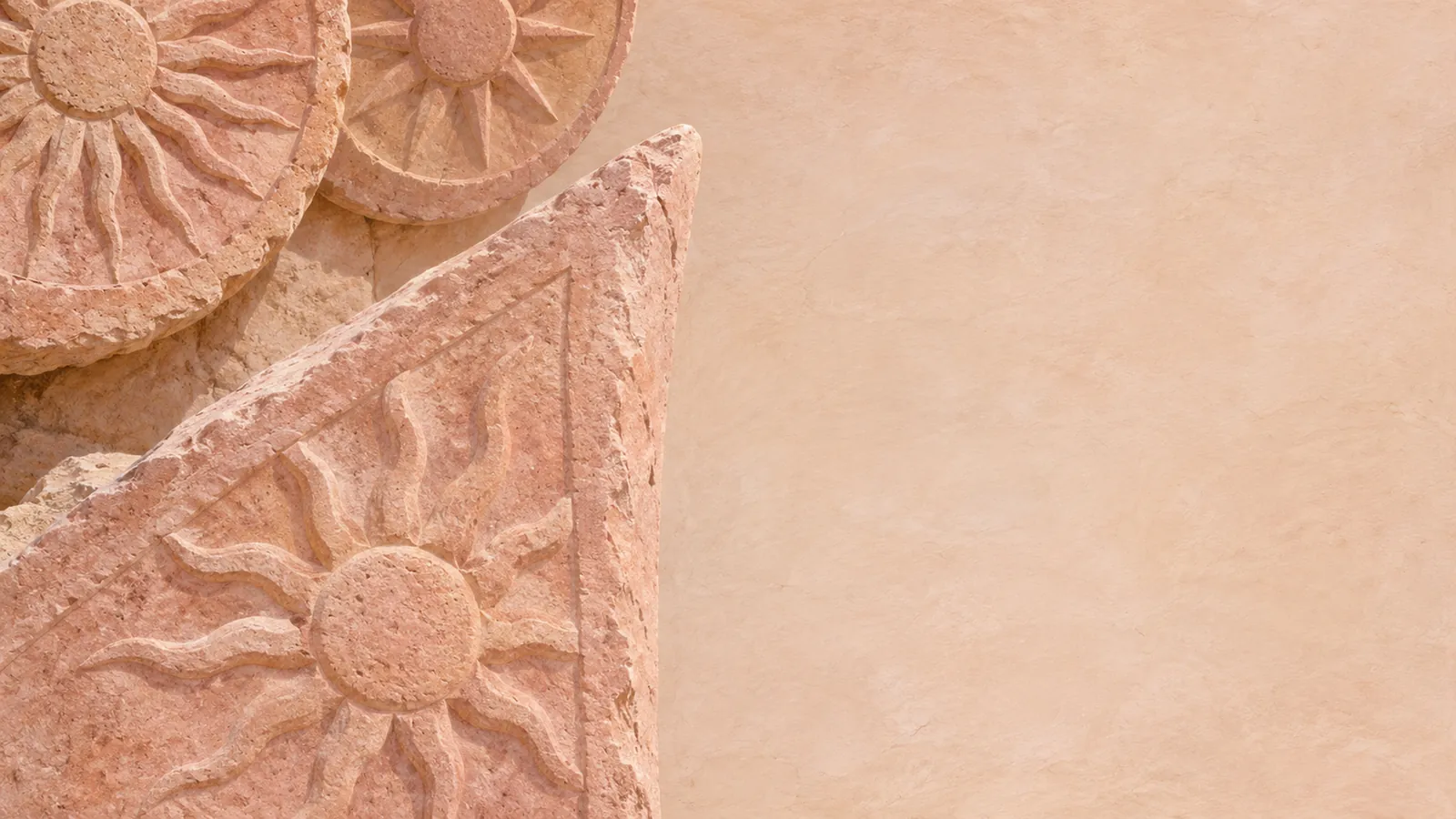
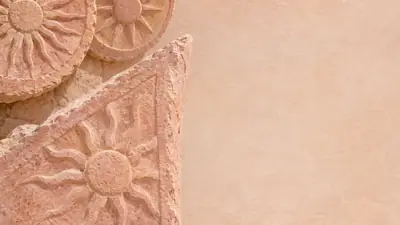
The Louvre identifies the shapes near the top as solar disks. Part of that peak is damaged, as are the old words above the figure of Naram-Sin.
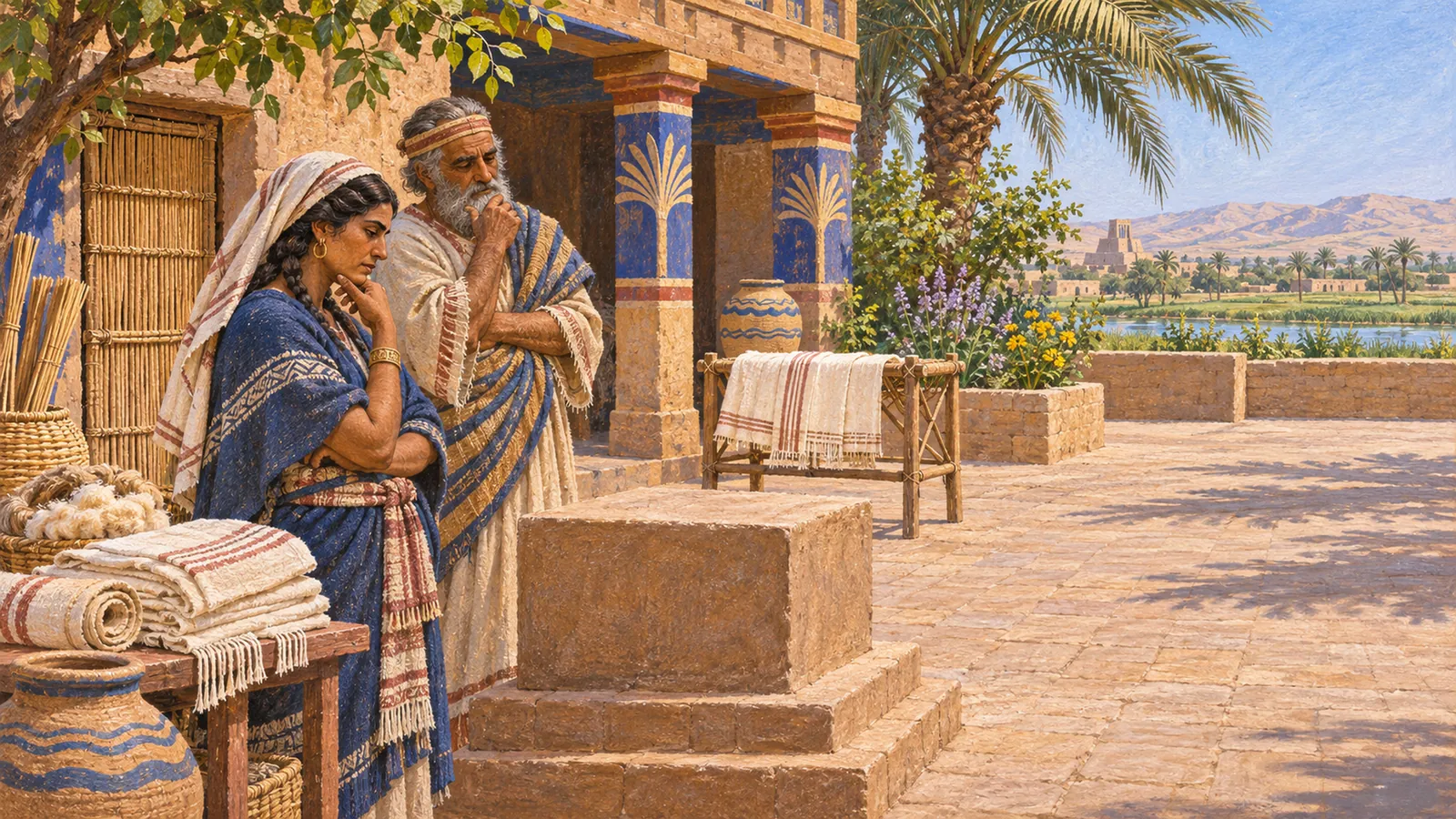
In that second inscription, Shutruk-Nahhunte says he took Sippar with his god’s help. He names Naram-Sin and says he took his stele away. For this particular object the king gives us the city it left.
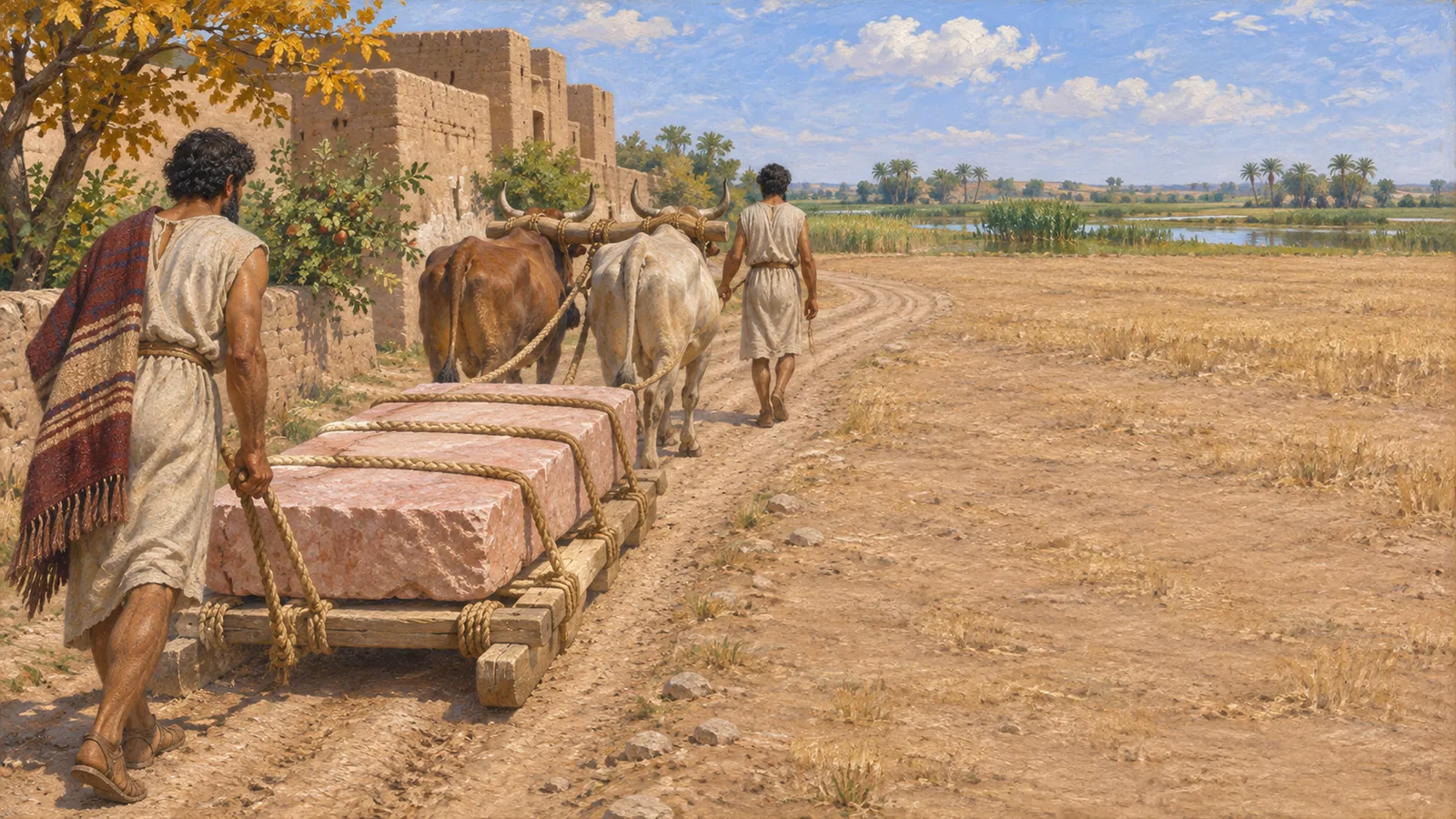
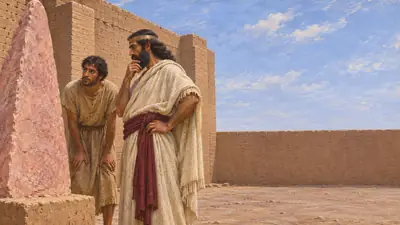
The king says he sent the stele to Elam. It is a tall block of stone, about as high as a tall adult. The inscription names its destination but tells us little about the hands that moved it or the road they took.
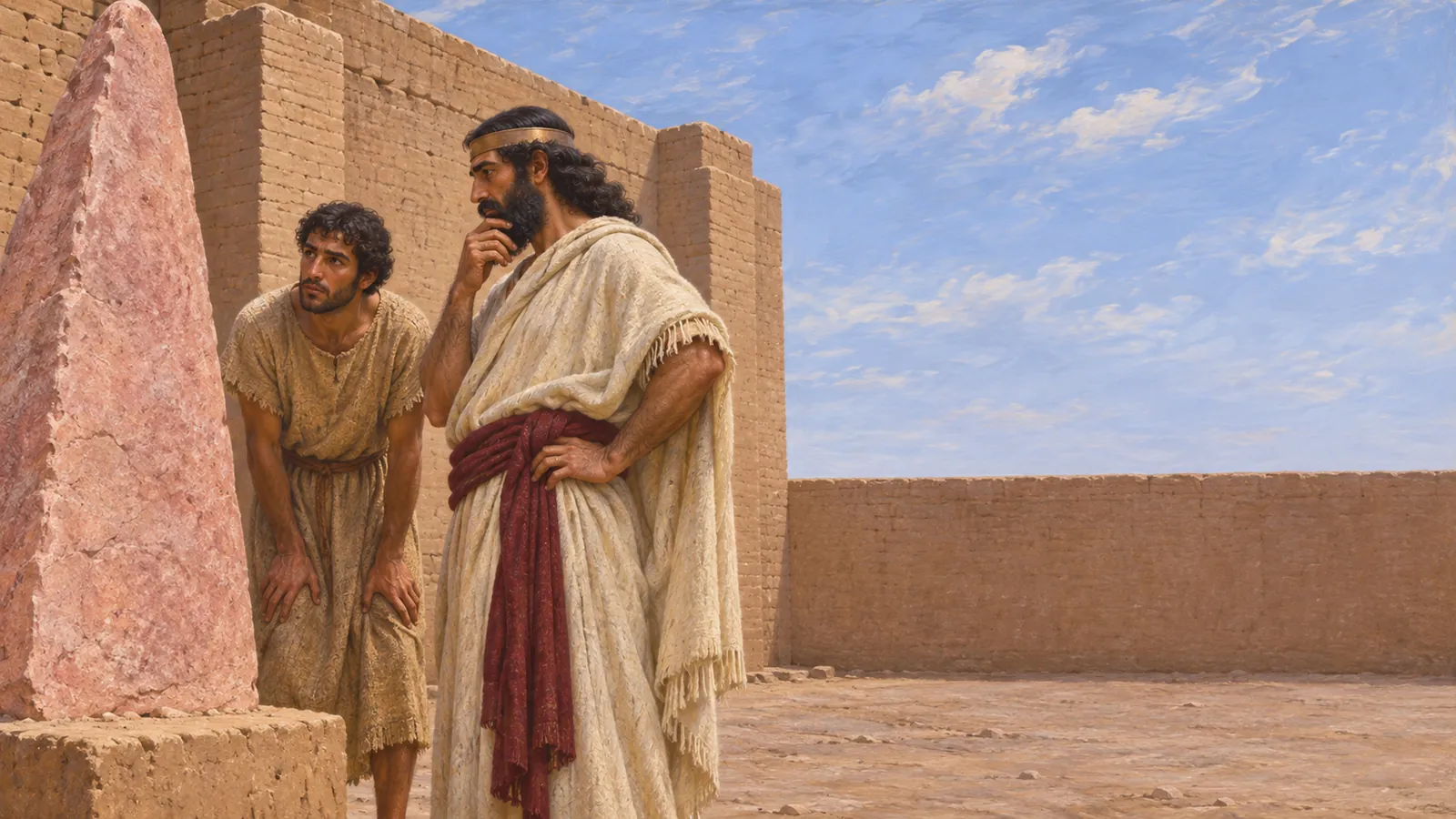
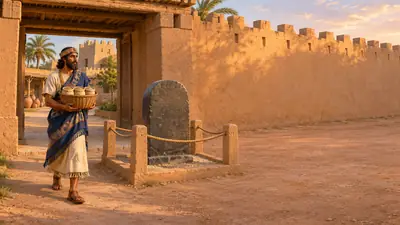
Shutruk-Nahhunte says he set the stele before Inshushinak. It was later found at Susa, where the god had a sanctuary. We know the dedication from his words. The exact placement of the monument in the sanctuary is uncertain.
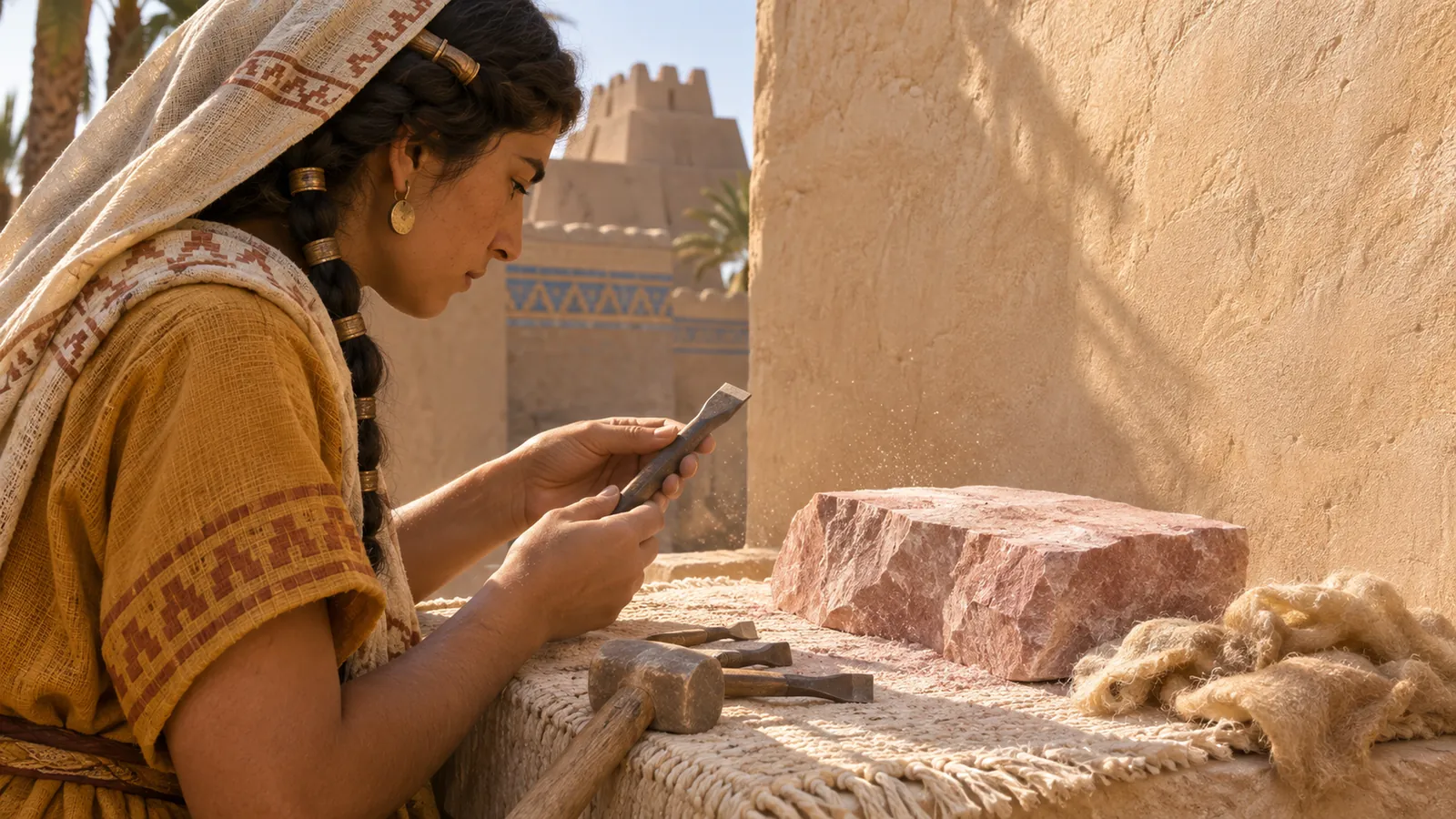
The Elamite account takes seven lines. It was carved across the mountainside itself, so the new king’s account became part of the same surface as the scene of Naram-Sin.
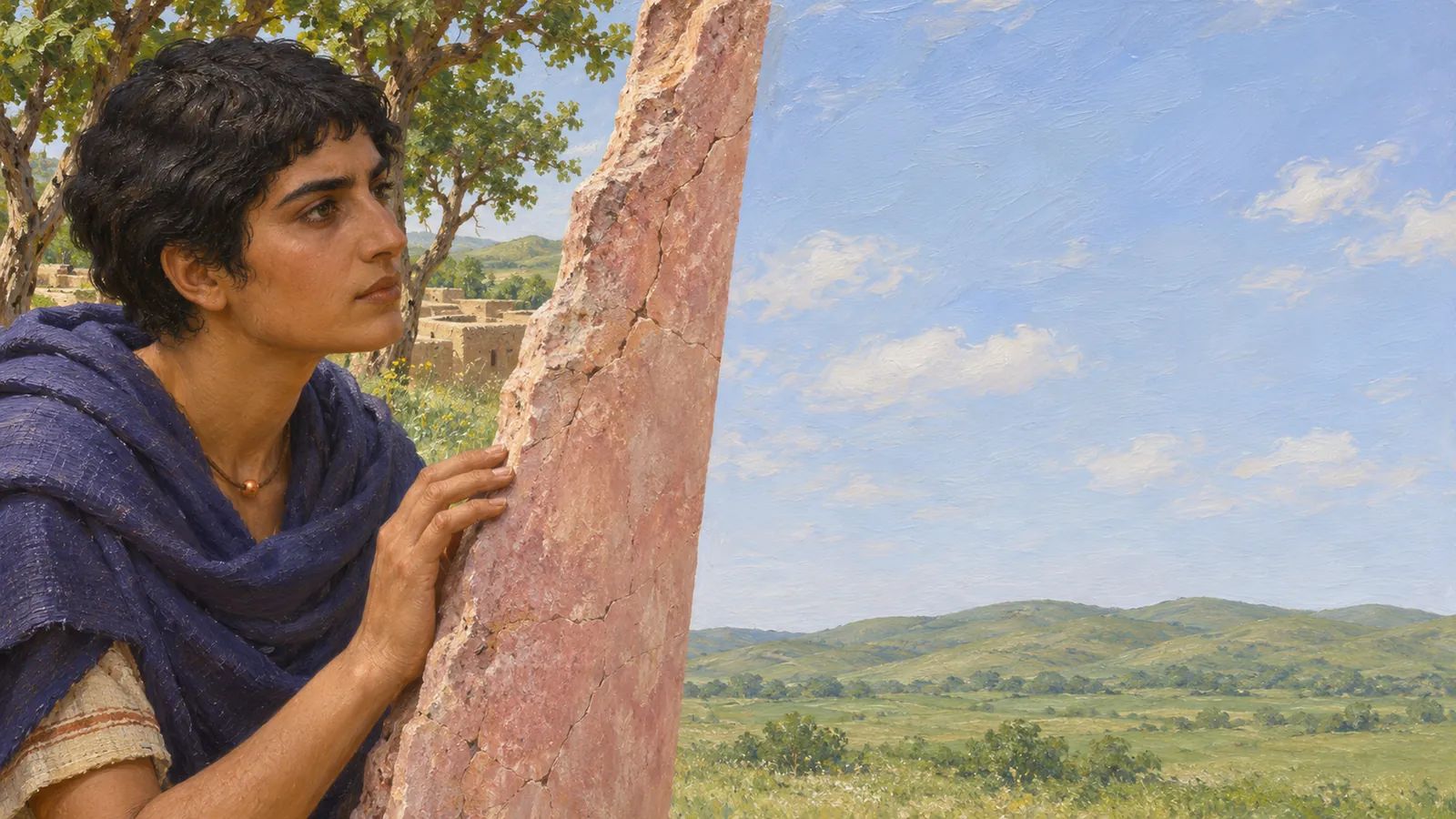
Both inscriptions survive on the same stone. The older one names the king of Akkad. The later one names the king of Anshan and Susa. We can read both because the new words were added beside the older story.
TWO STATUES
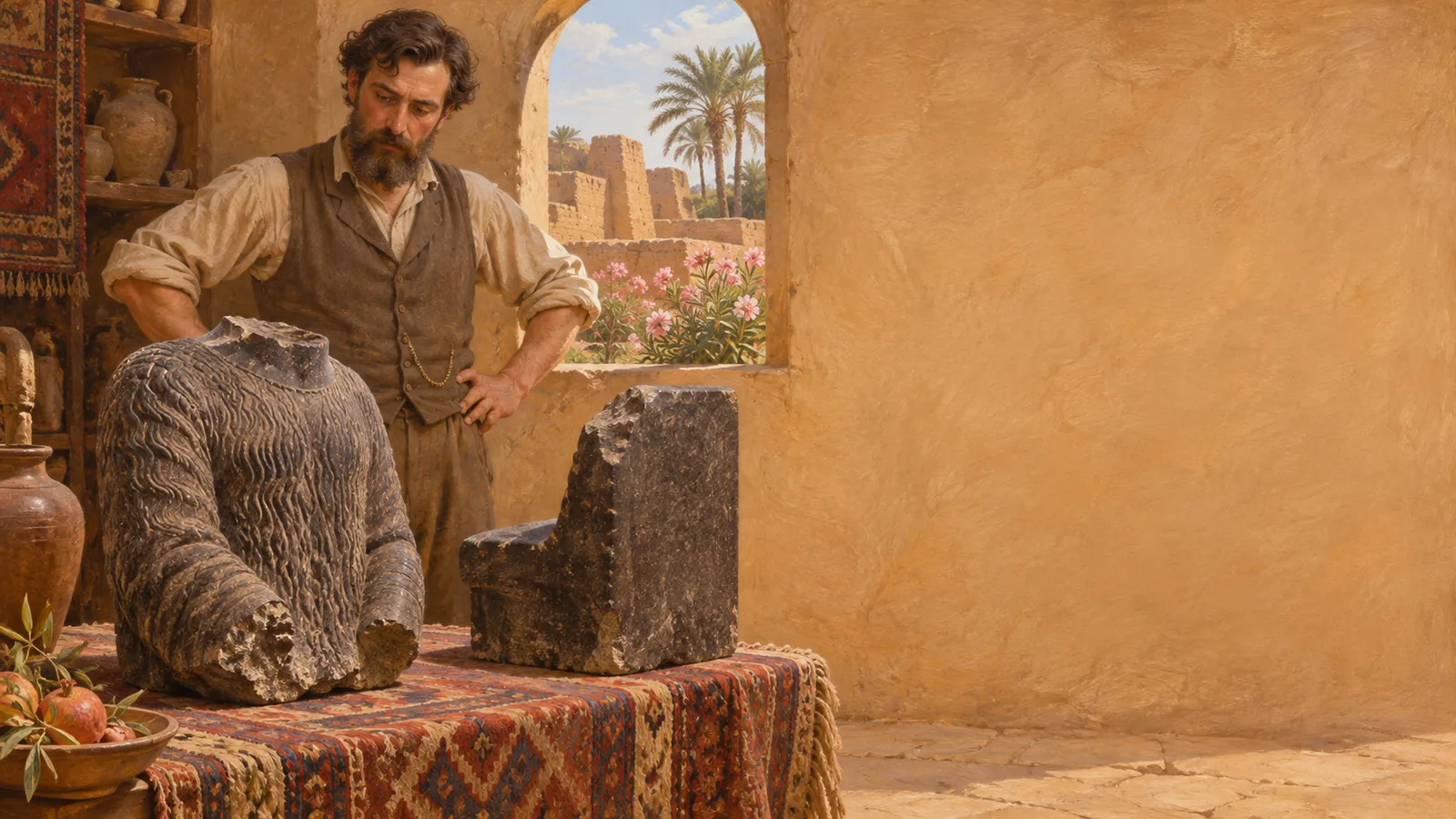
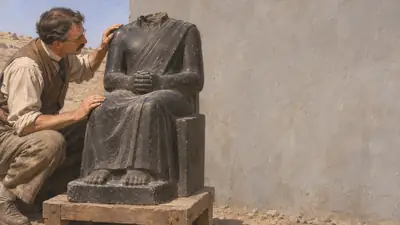
At Susa, two added Elamite texts name statues of Manishtushu, an earlier king of Akkad. One is carved on a standing figure and names the land of Akkatu. Another survives on a fragment of a seat and names Eshnunna.
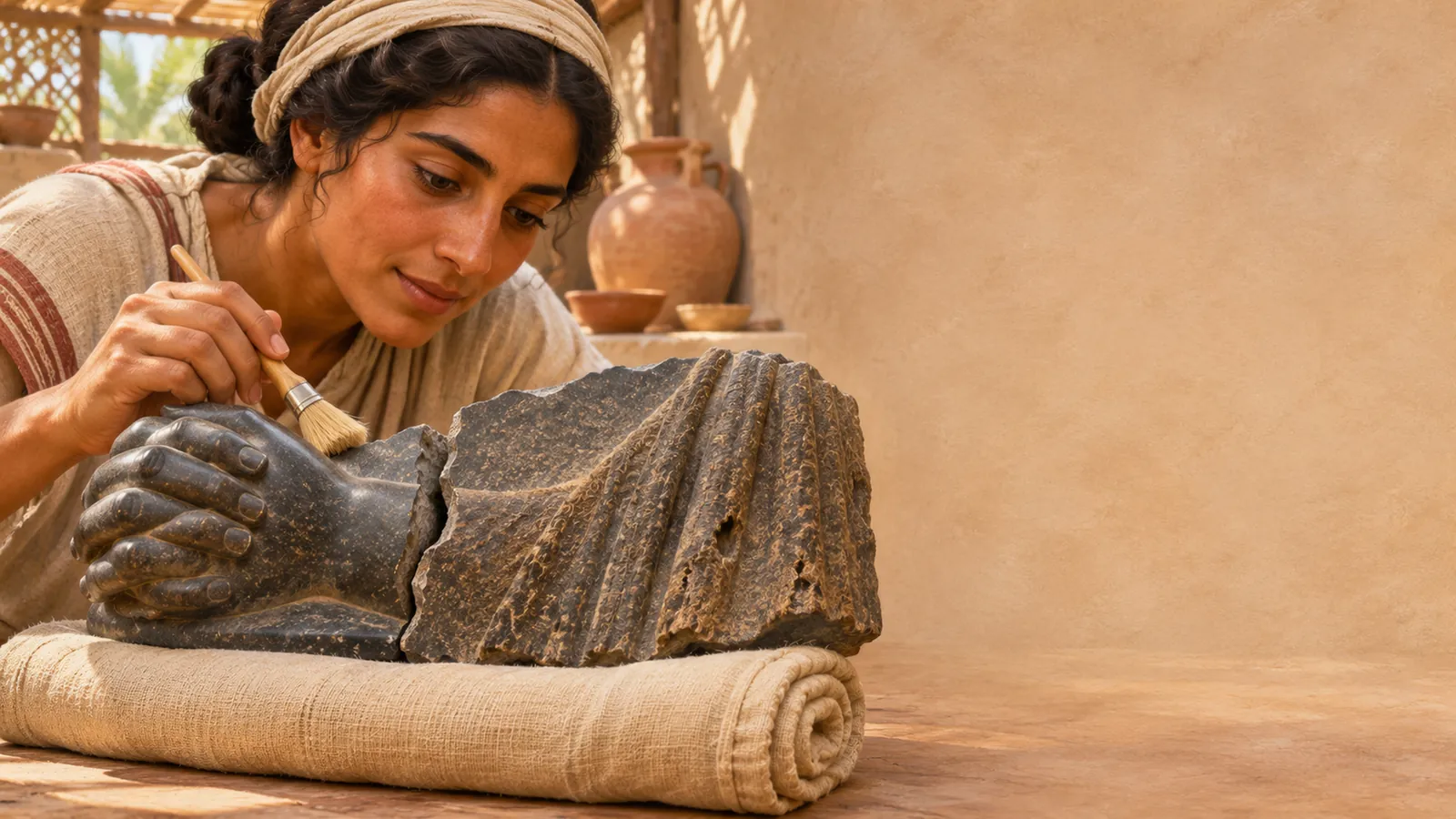
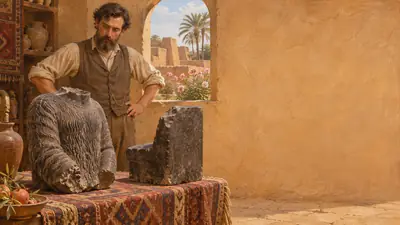
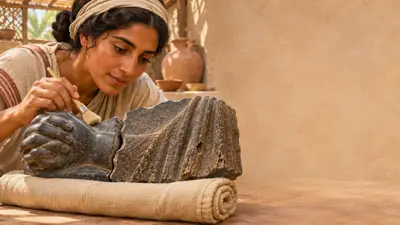
The standing statue is a dark stone called gabbro. Its clasped hands were recovered in 1924 and joined to the statue. A missing part can turn up decades later.
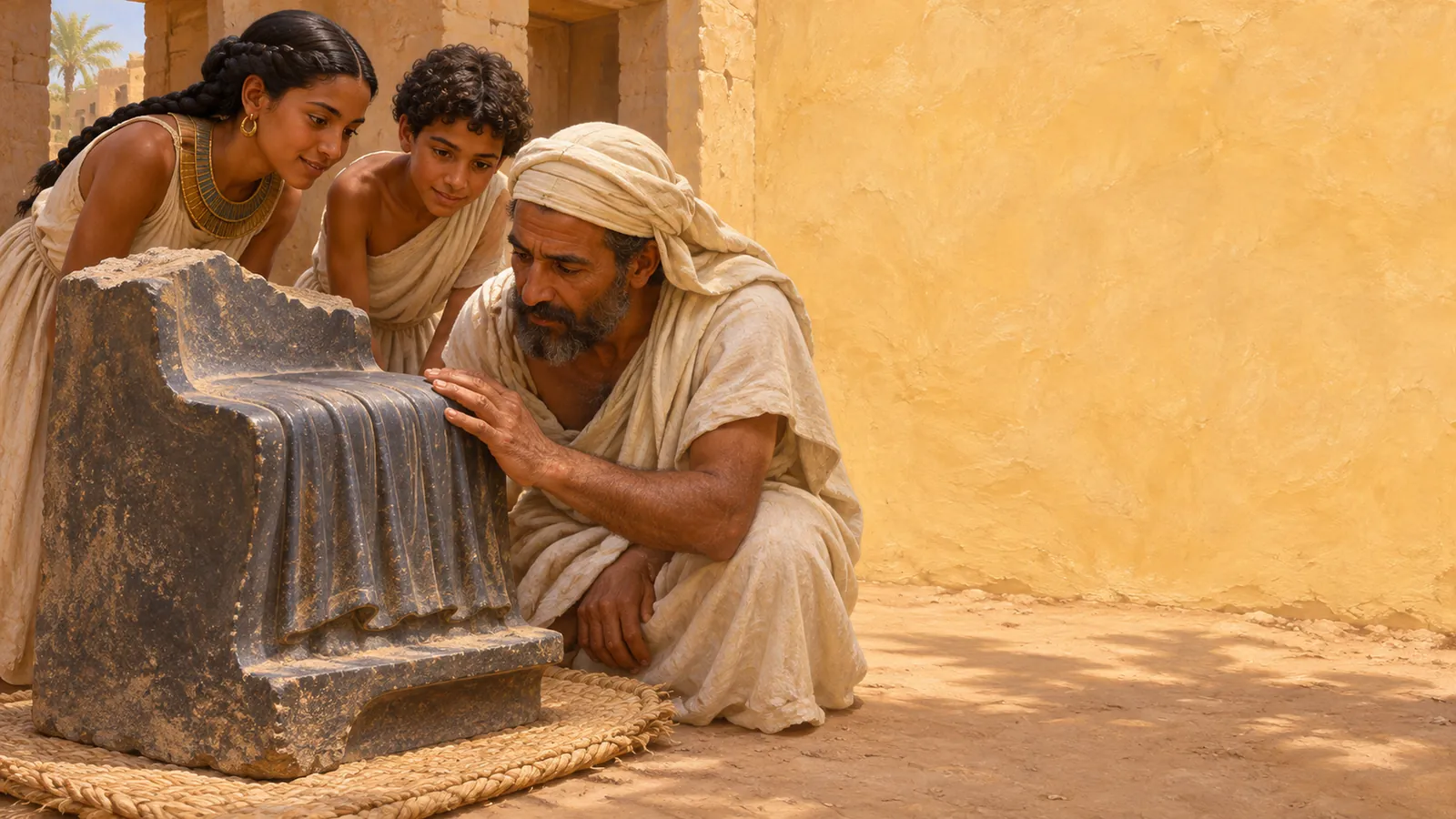
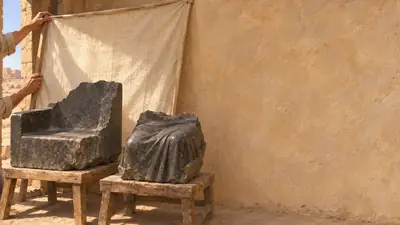
The other surviving piece is part of the seat of a different statue of Manishtushu. The Elamite lines on that piece name Eshnunna, a different place from Akkatu.
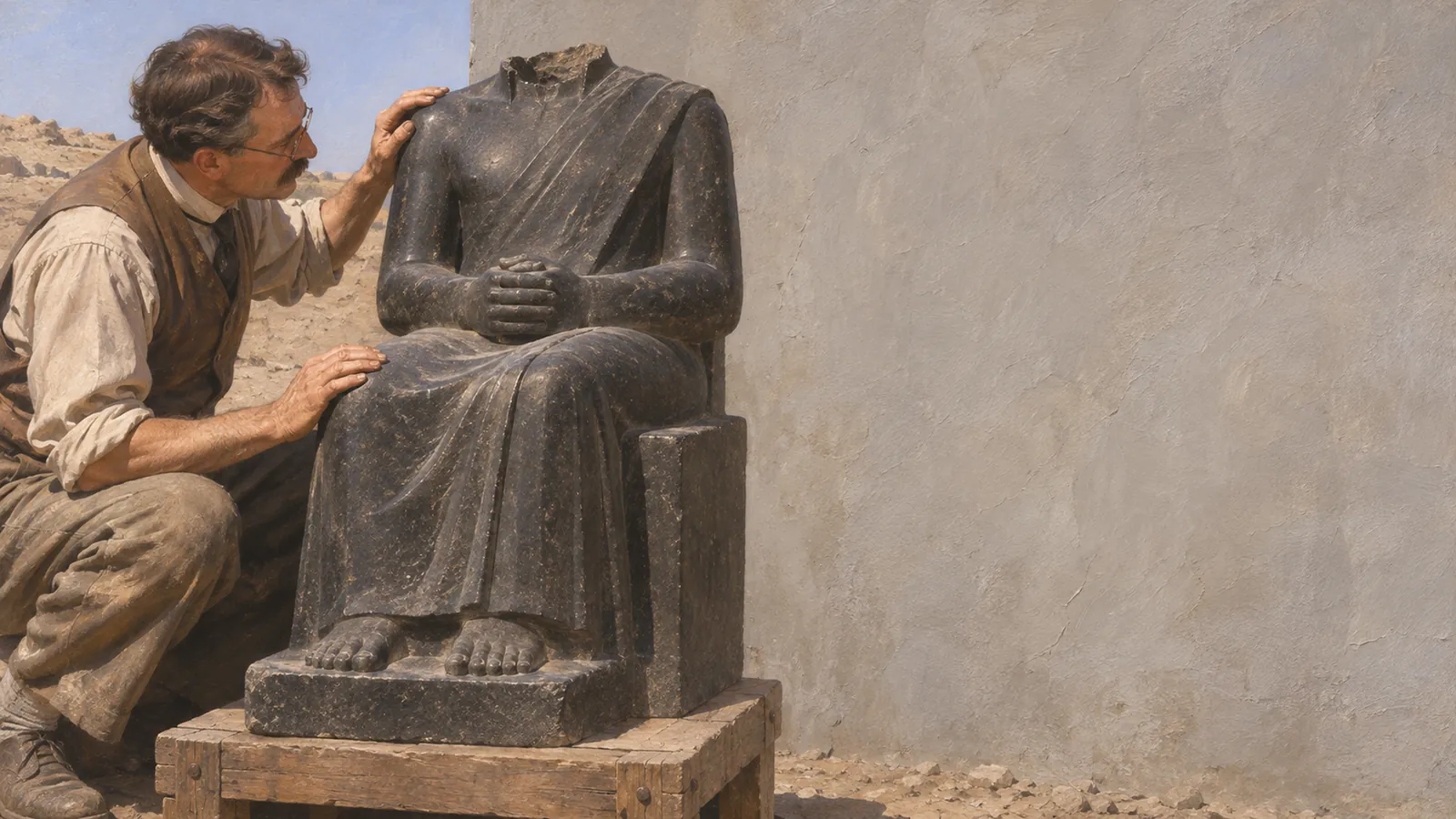
A different sculpture shows a seated ruler with clasped hands. Its Elamite inscription says Shutruk-Nahhunte brought the statue from Eshnunna and set it before Inshushinak. Most of the earlier words on this statue were erased.
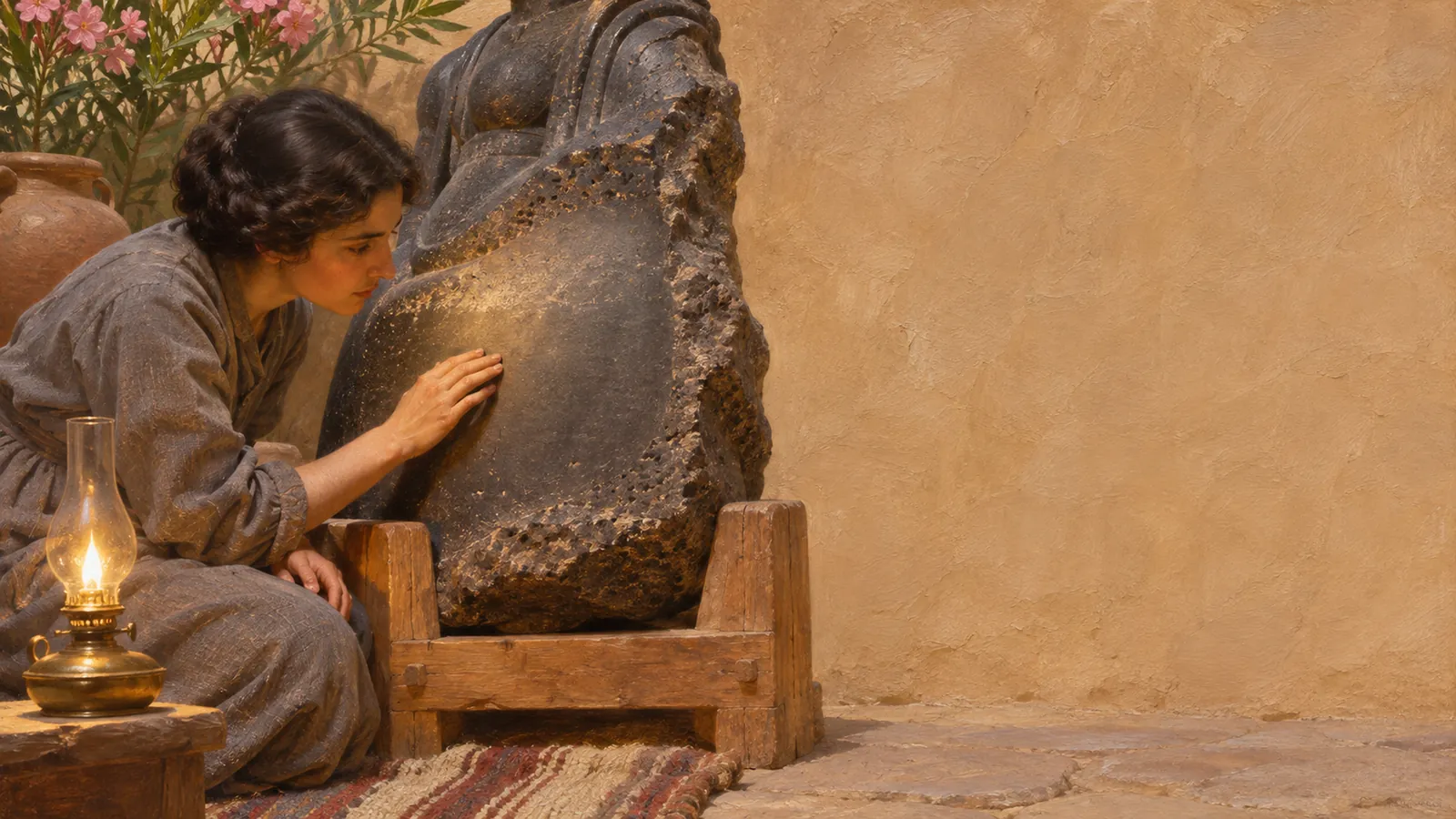
On the seated figure, very little of the old Akkadian text is still legible. The new inscription tells us who claimed the transfer. The surviving words do not name the ruler shown in the sculpture.
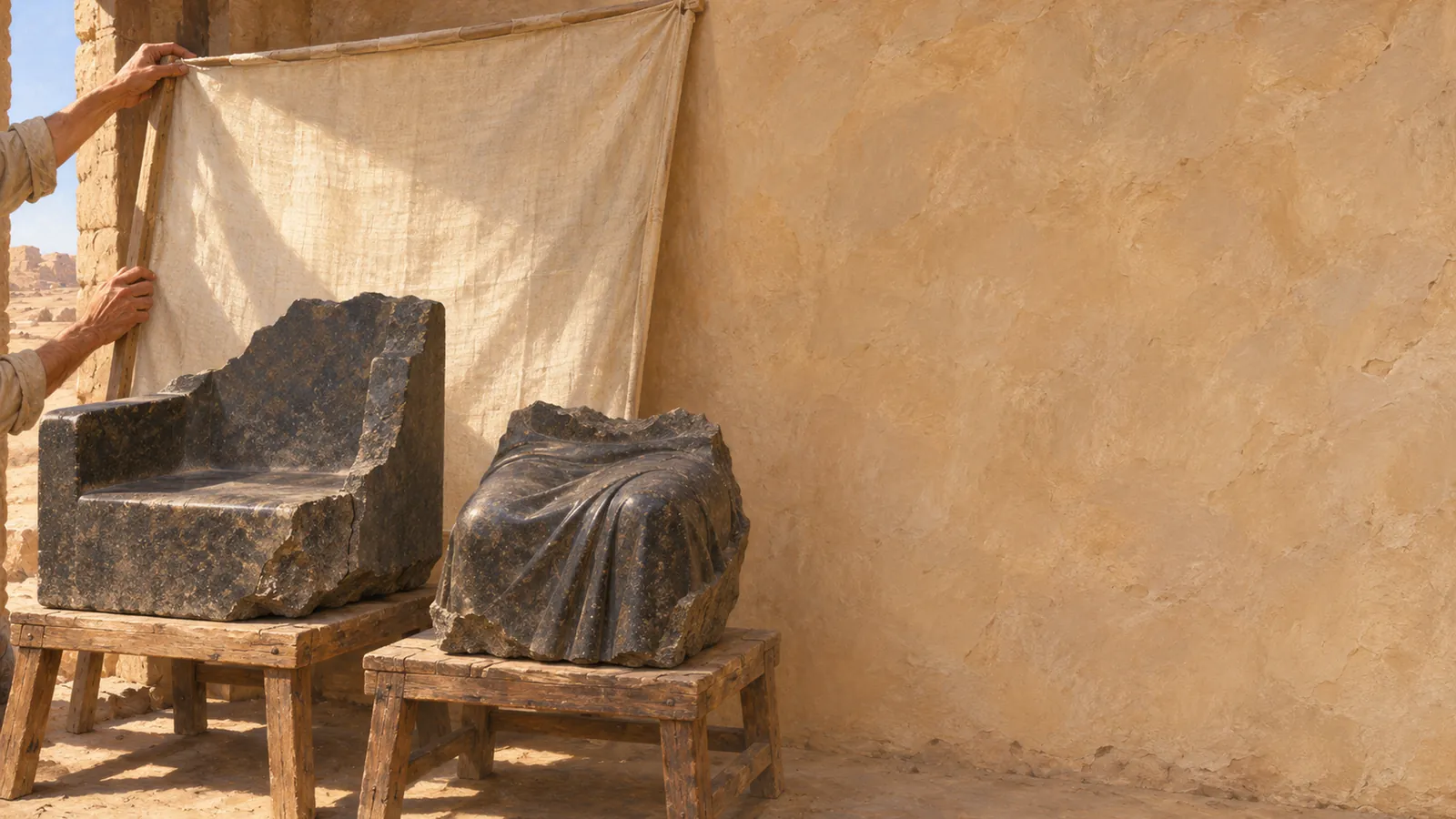
Eshnunna also appears in the damaged inscription on the anonymous seated ruler. Two records can give the same city while telling us the journeys of two different objects.
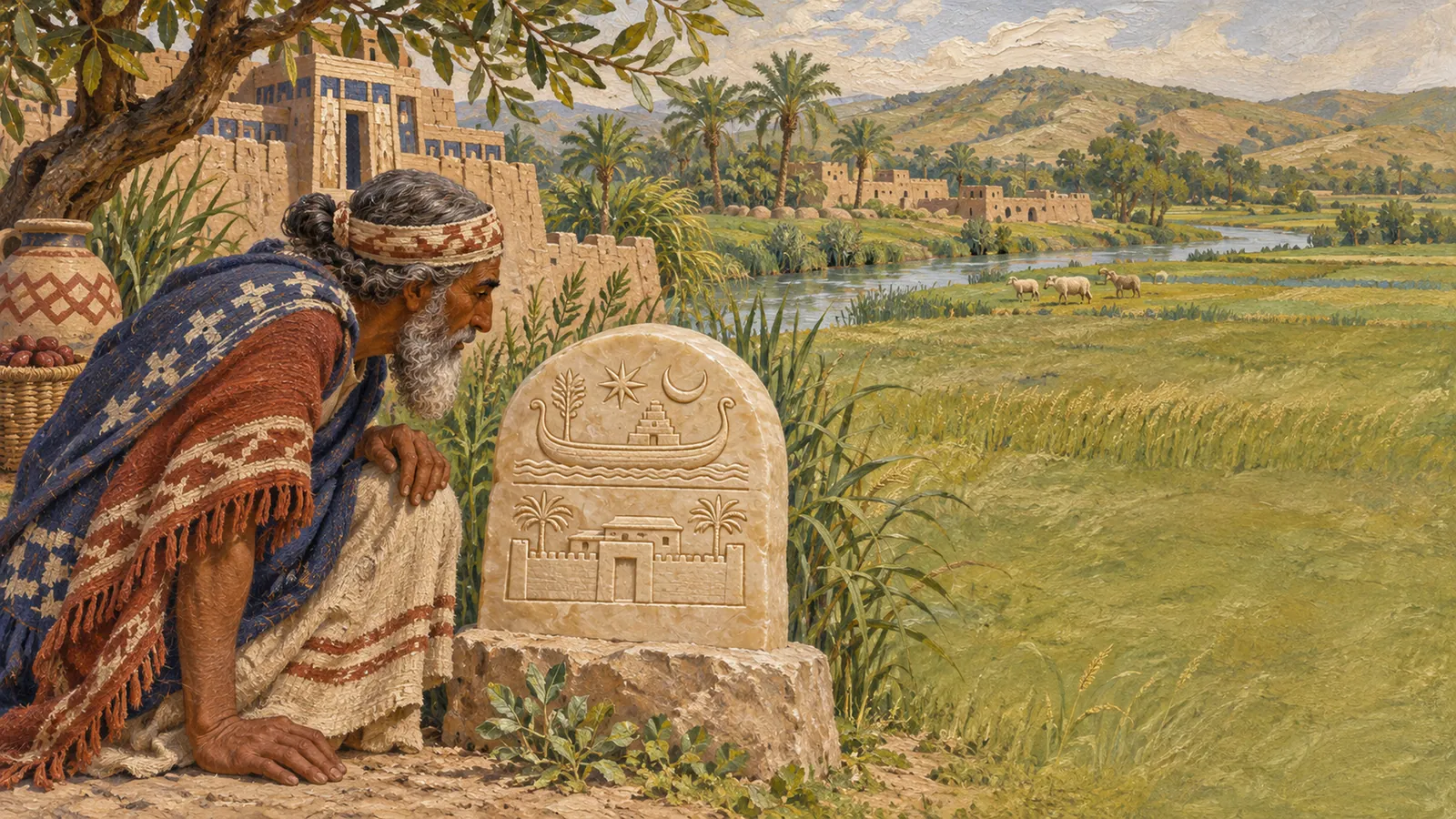
KARINTASH
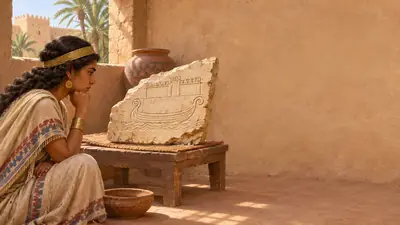
Another stone at Susa carries a relief of a boat and a walled enclosure. It was made for the Babylonian king Meli-Shipak. In an Elamite inscription, Shutruk-Nahhunte names Karintash as the place from which he took it.
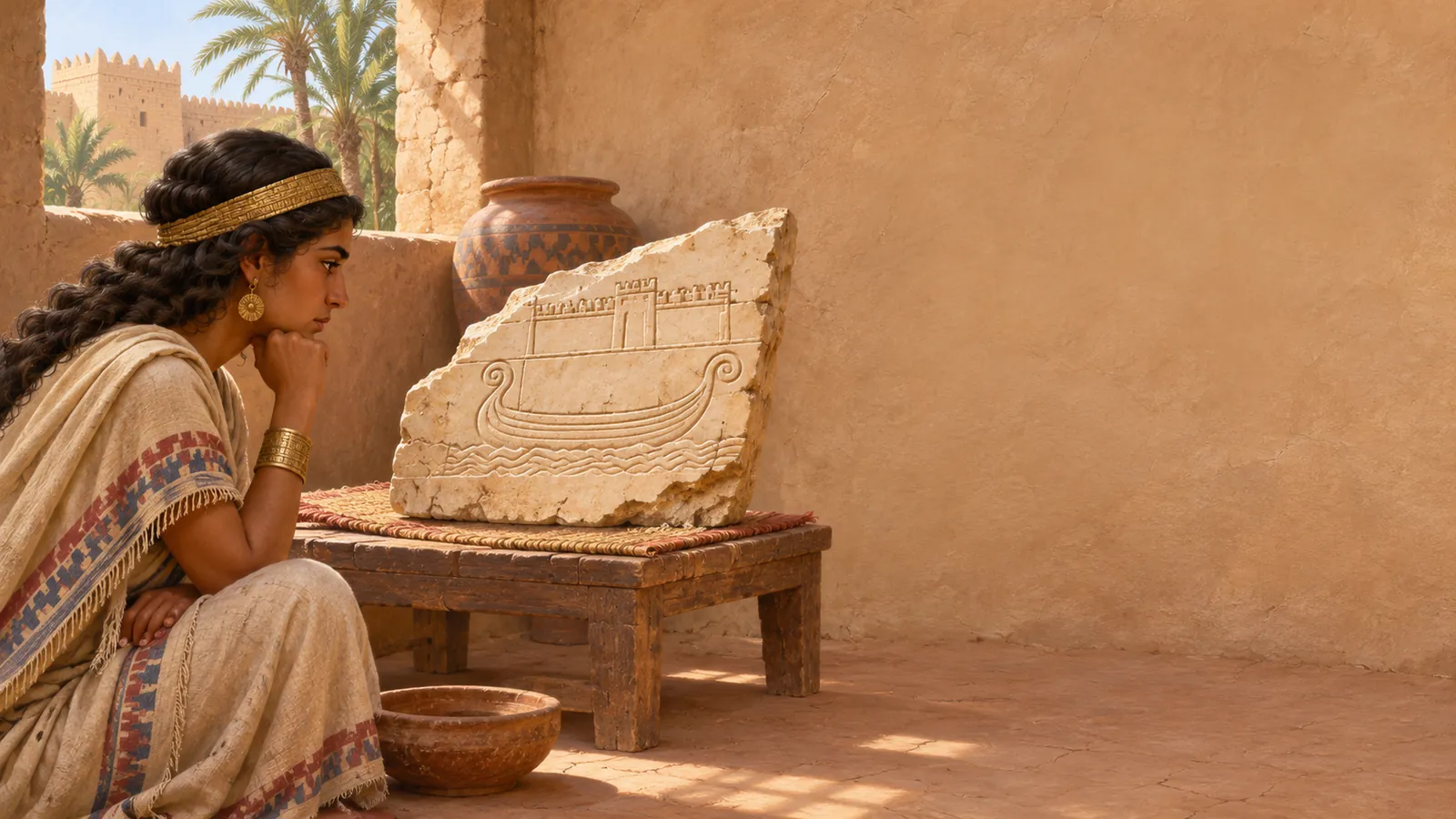
A Babylonian carving and an Elamite statement survive on the same alabaster stone. The boat belongs to the older carving. The Elamite words are our evidence for its removal.
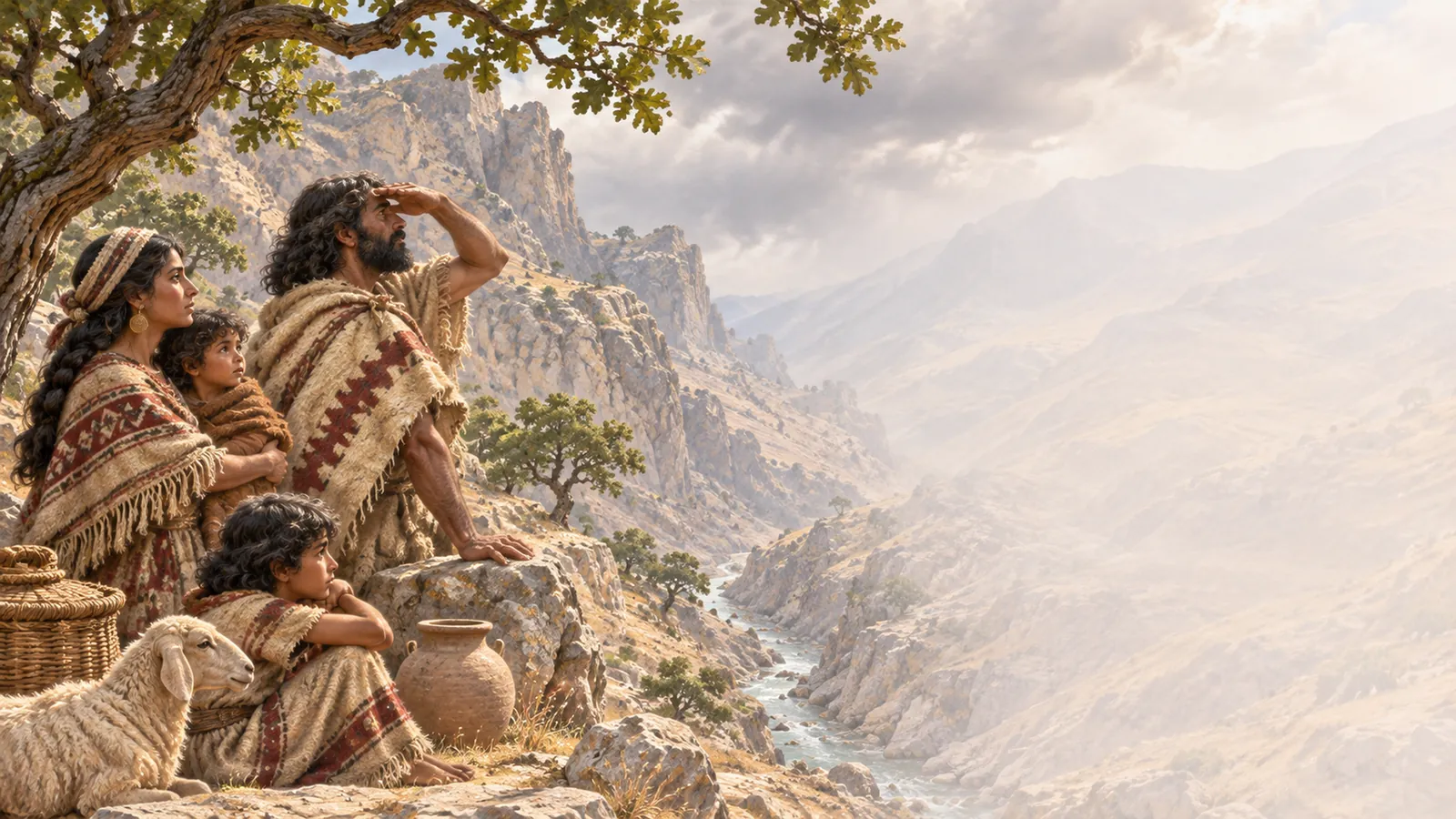
The name of the place survives. Ancient Karintash has been linked to modern Kerend in the Zagros. That proposed identification leaves the monument’s precise path to Susa open.
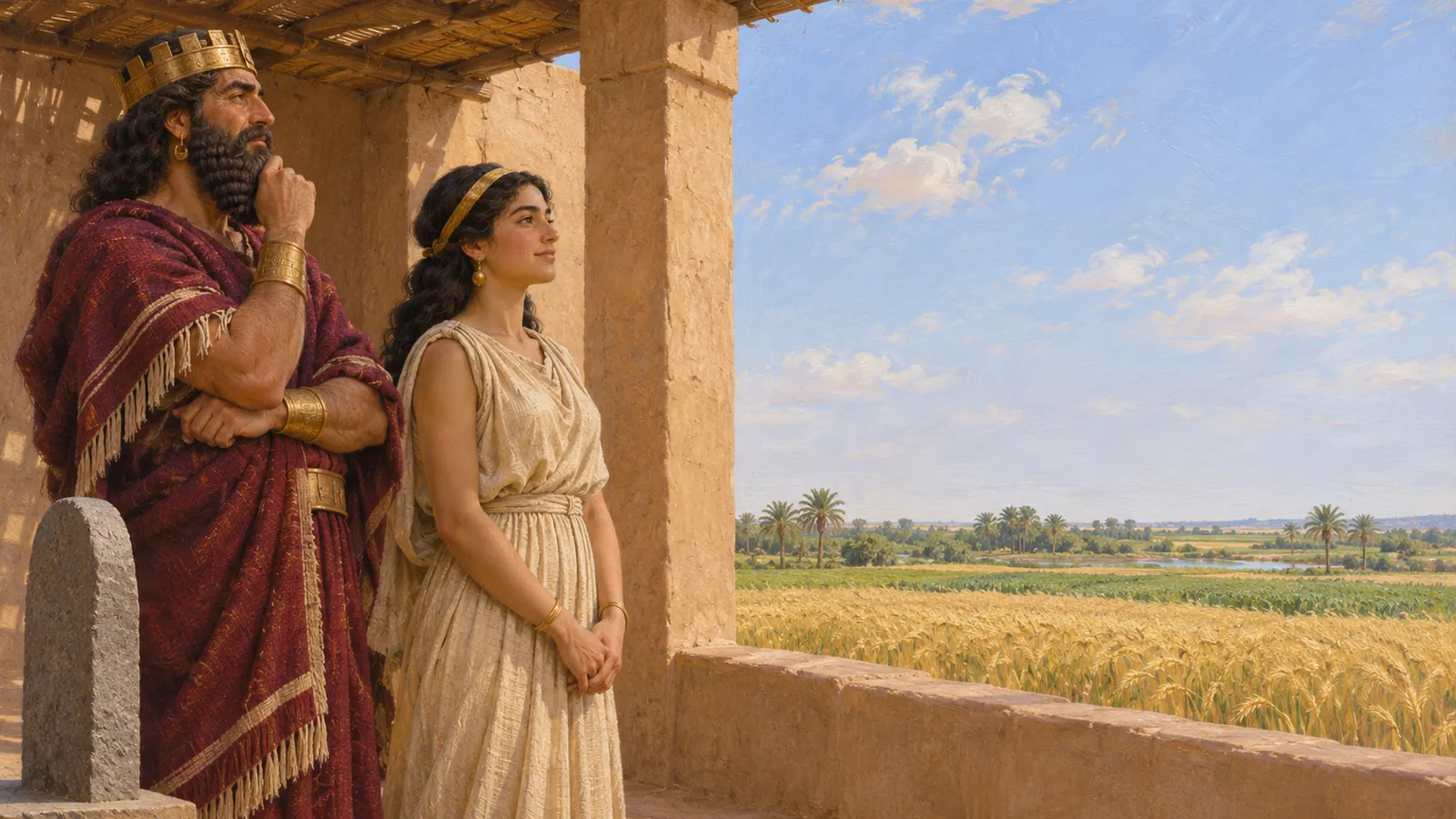
A separate stone of Meli-Shipak, also found at Susa, records a gift of land to his daughter Hunnubat-Nannaya. We can read what the gift was. The stone does not tell us who carried it away or where they found it.
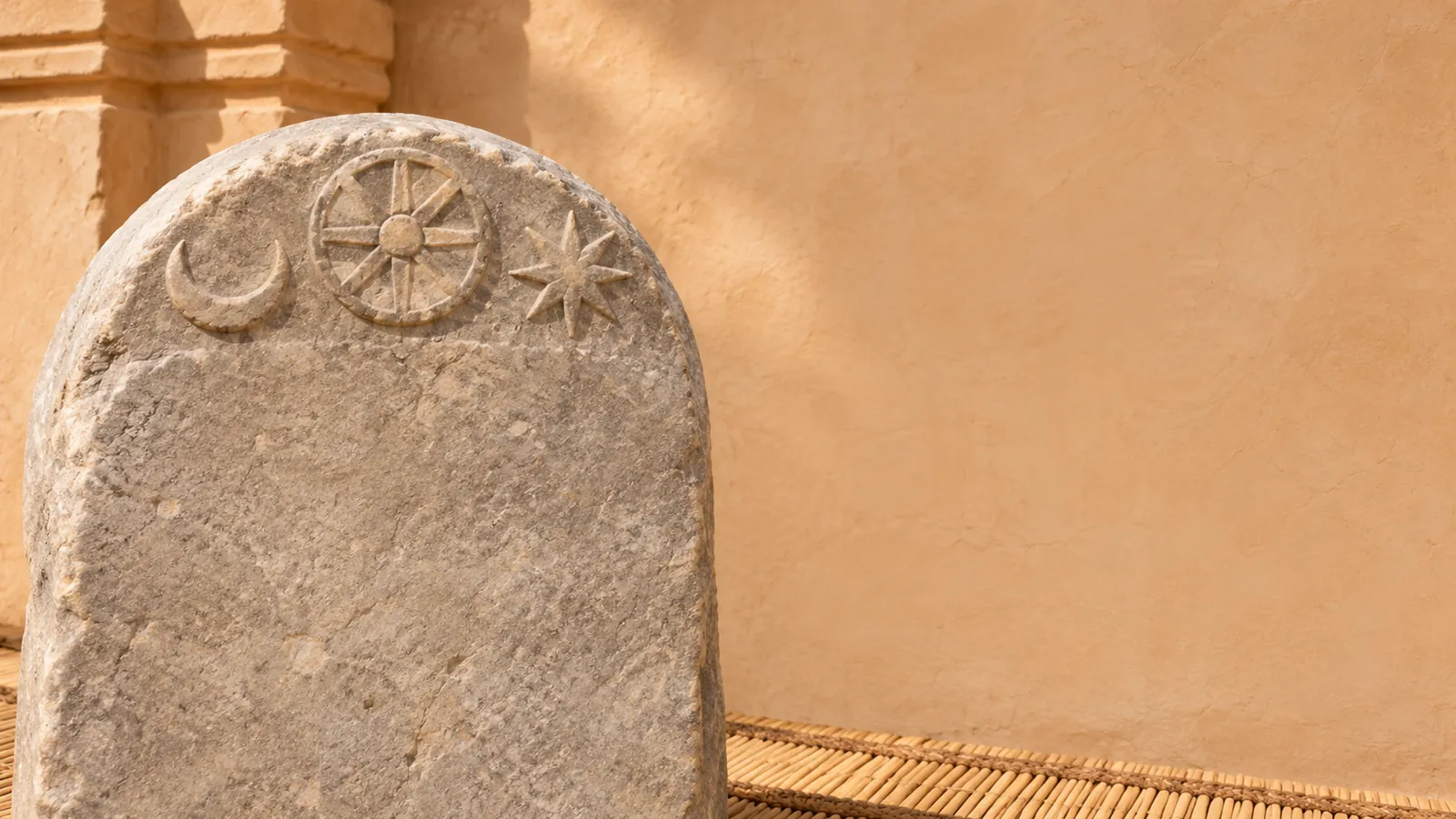
The gift stone also records repairs to irrigation canals. Above the presentation scene are a crescent, a star and a solar disk. The relief and the writing tell different parts of the gift.
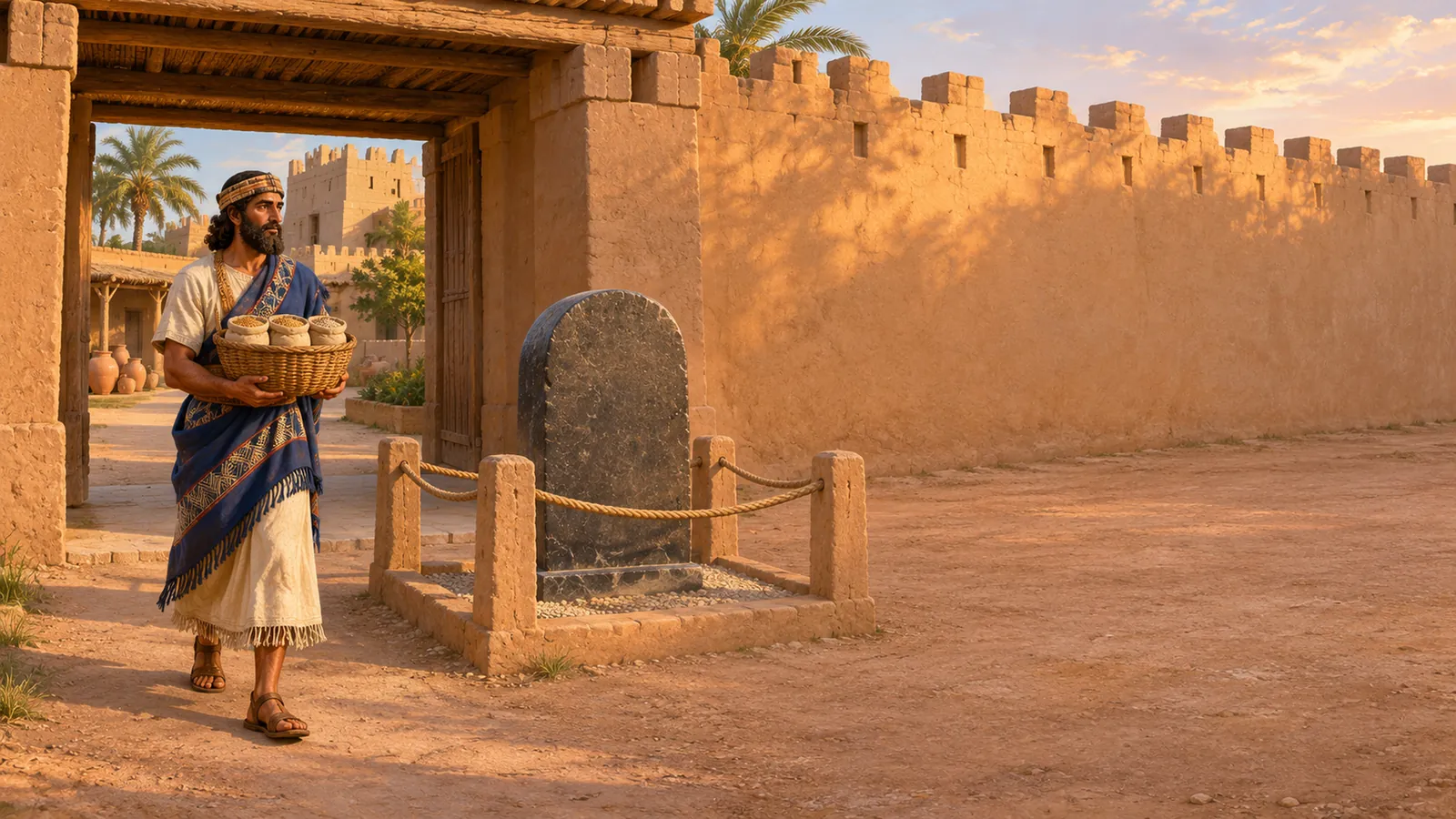
The stones found at Susa tell different stories. One land grant records a gift of fields from Meli-Shipak to his son Marduk-apla-iddin. The gift is written on the stone. Who moved it to Elam is still uncertain.
ANSHAN
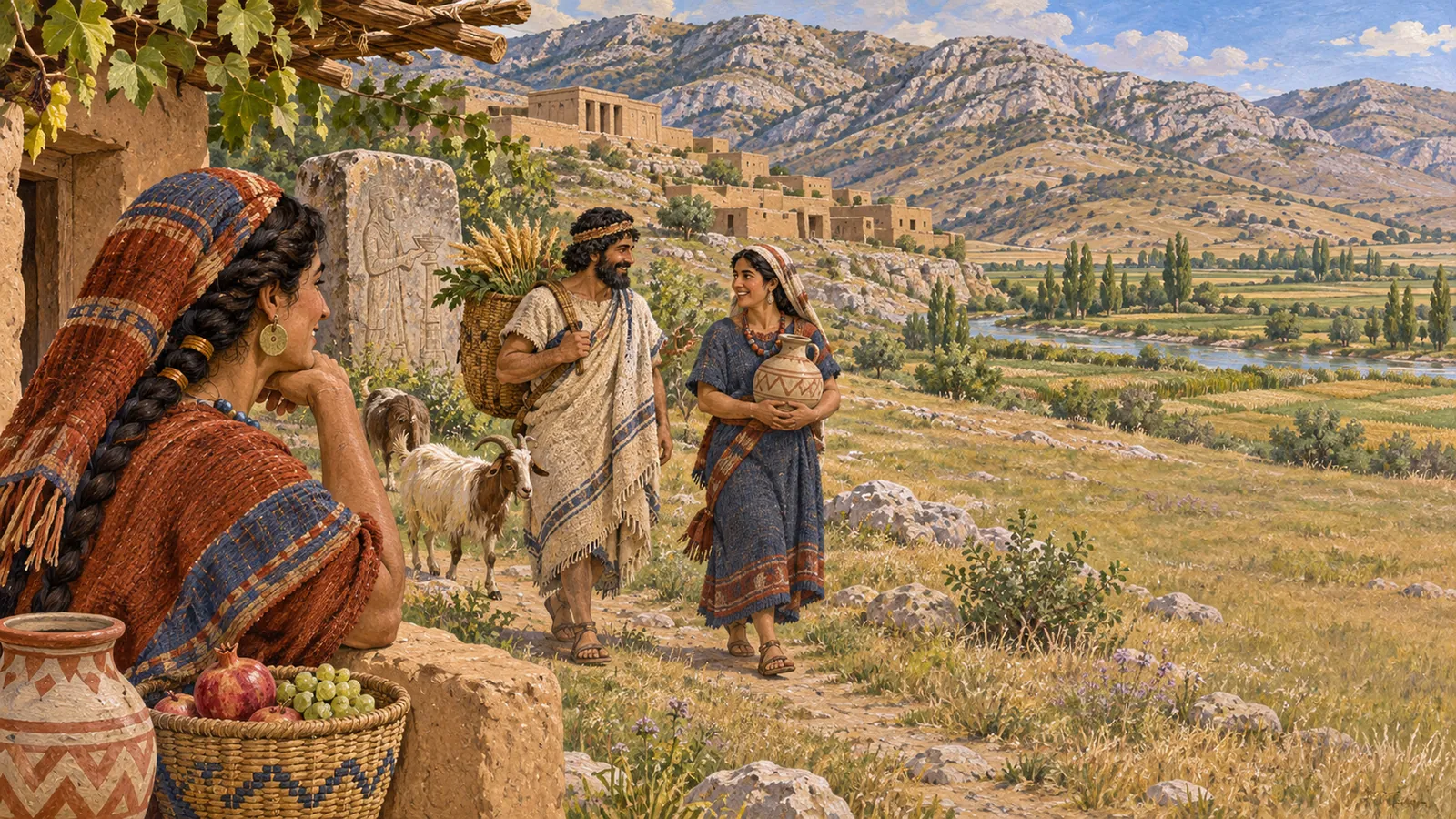
Shutruk-Nahhunte also shifted monuments within Elam. One surviving inscription describes an older stele he found in Anshan and brought to Susa. Here the king is describing a transfer between the two places in his own title.
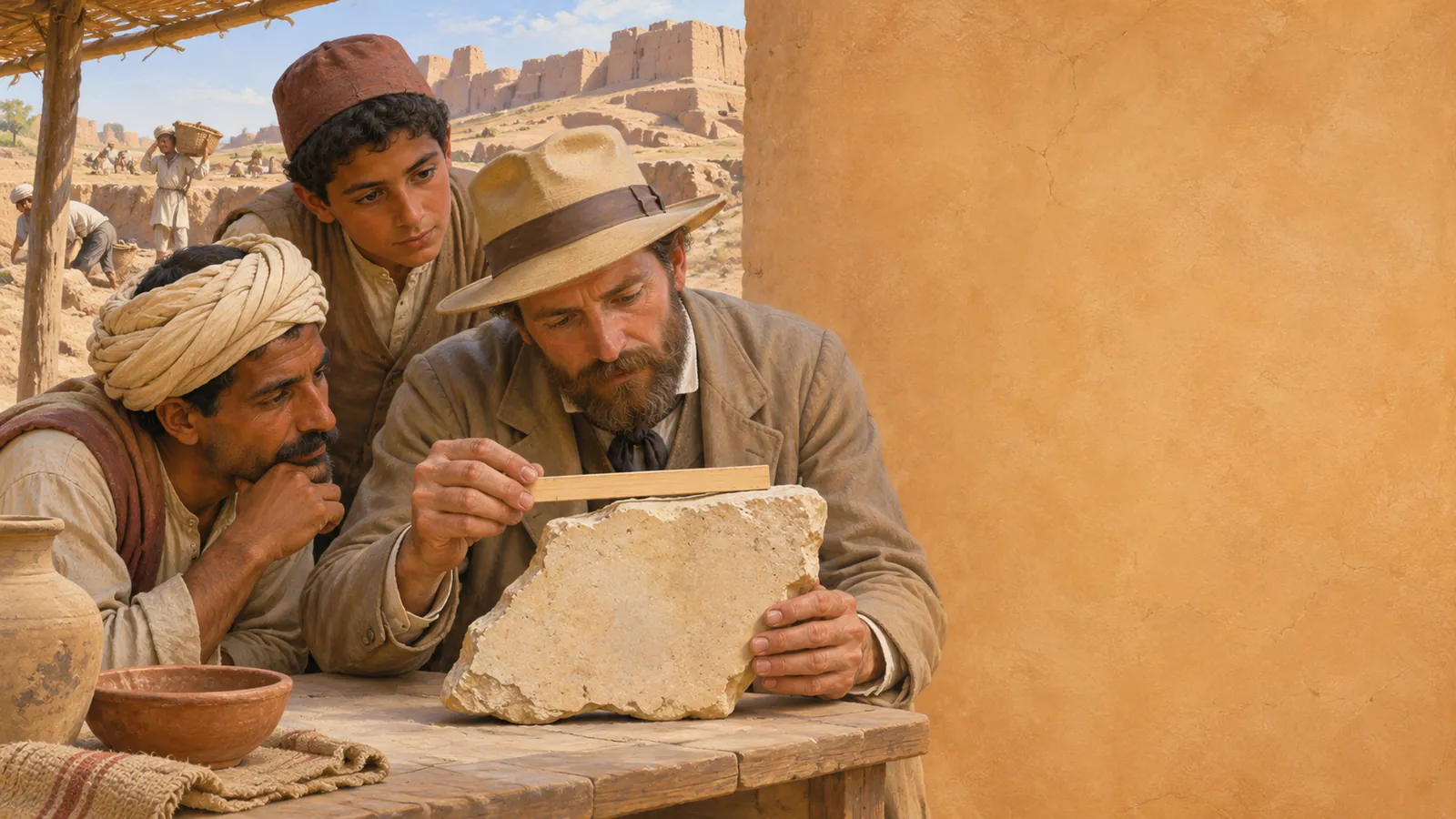
A limestone fragment from Susa carries that account. Shutruk-Nahhunte says he did not know which earlier king had set up the stele. His words preserve what he knew about the stone, and where his own knowledge stopped.
HAMMURABI
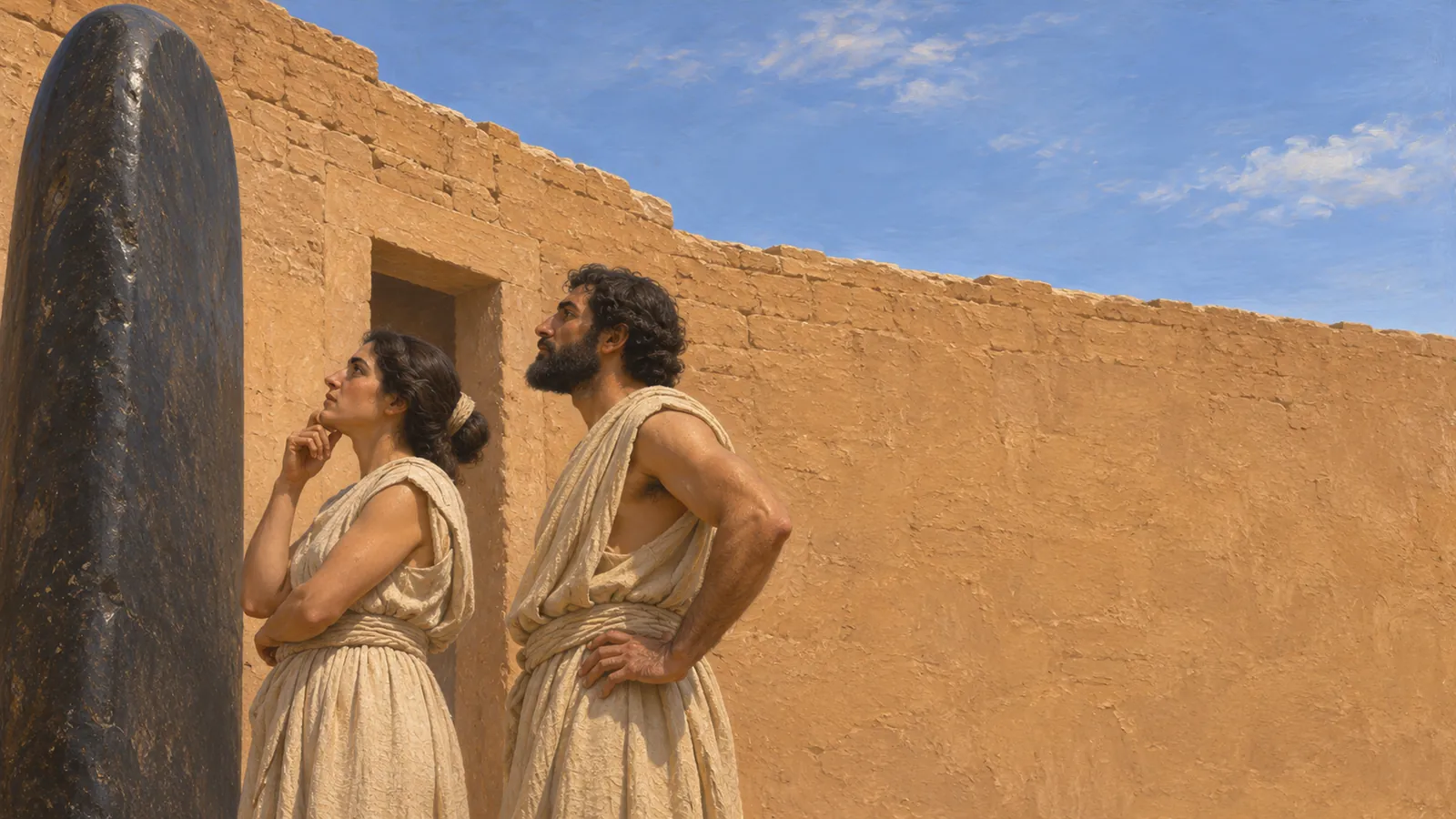
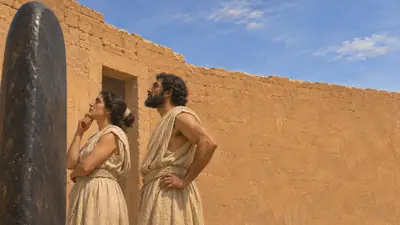
Another famous monument found at Susa was a tall black basalt stele made in Babylonia long before Shutruk-Nahhunte. Its many lines collect judgments under Hammurabi. At the top, a relief shows that ruler before the god Shamash.
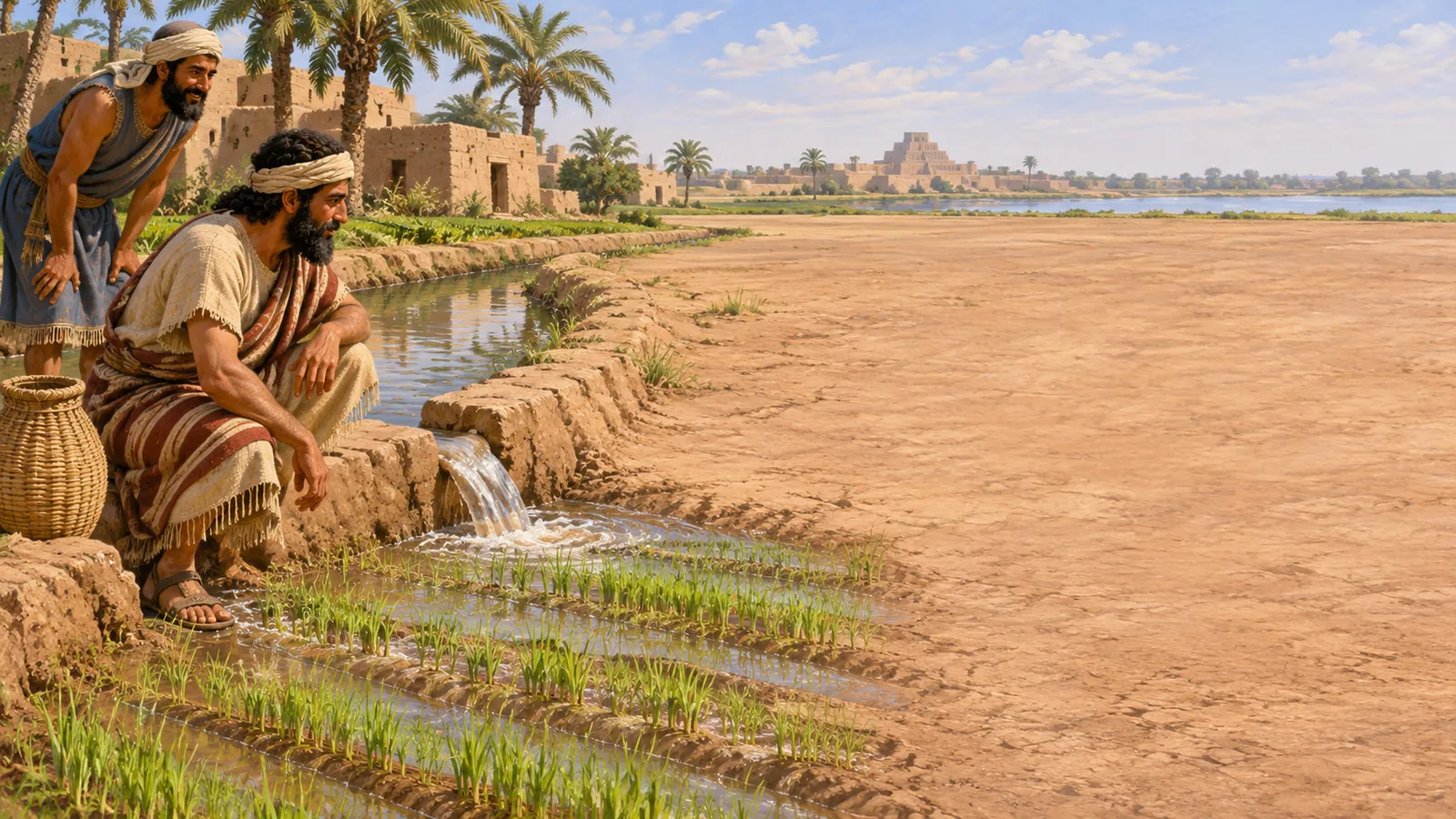
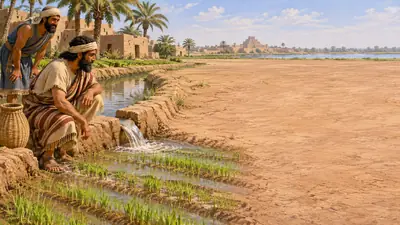
One provision imagines a farmer neglecting an embankment. If the breach washes away grain, the person who failed to maintain the bank must replace the lost crop.
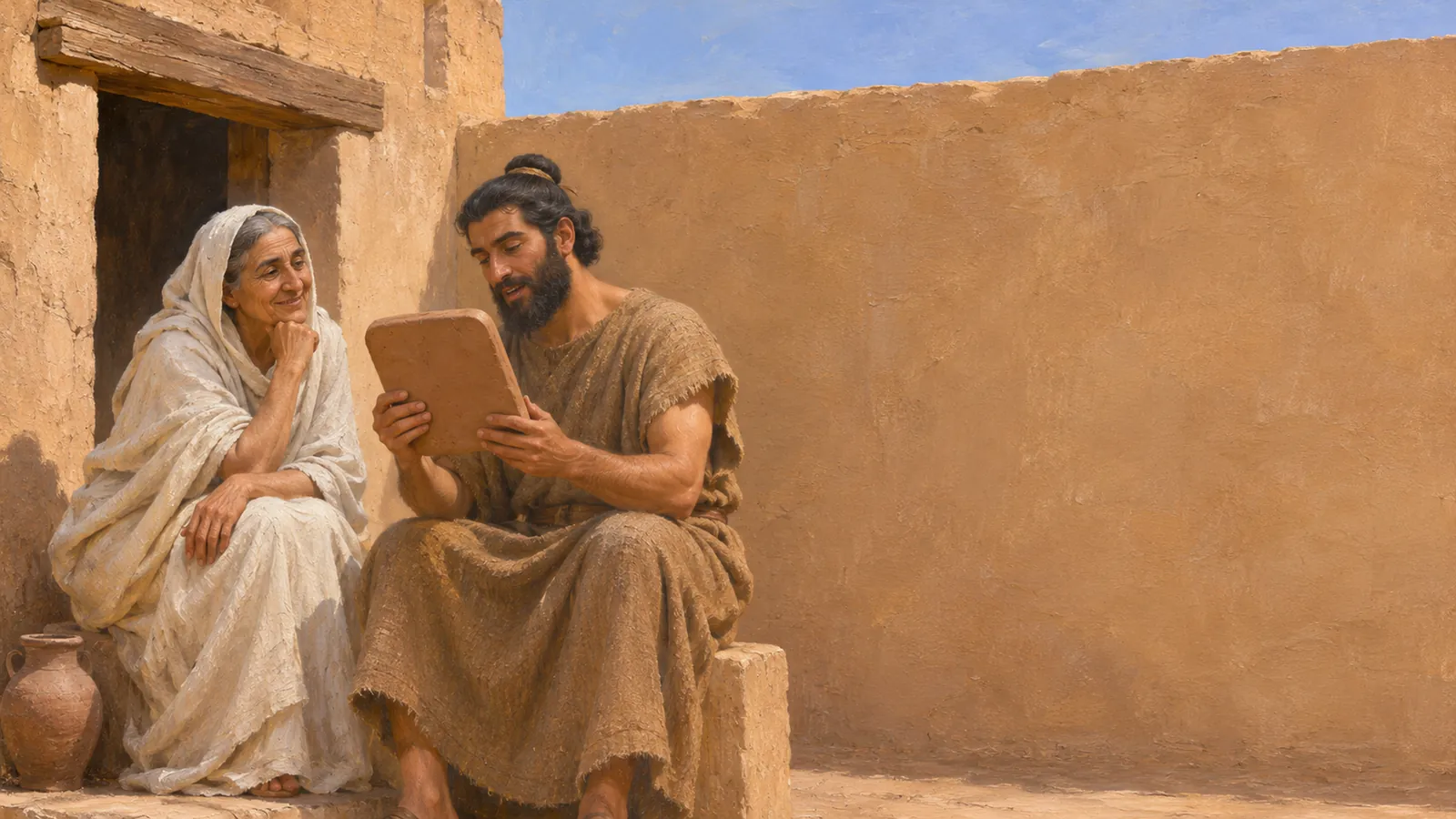
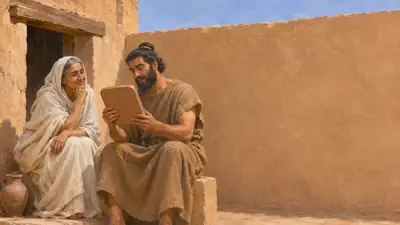
The closing lines invite a person with a grievance to come before the royal image and hear the words of the monument read. That is the audience Hammurabi imagined.
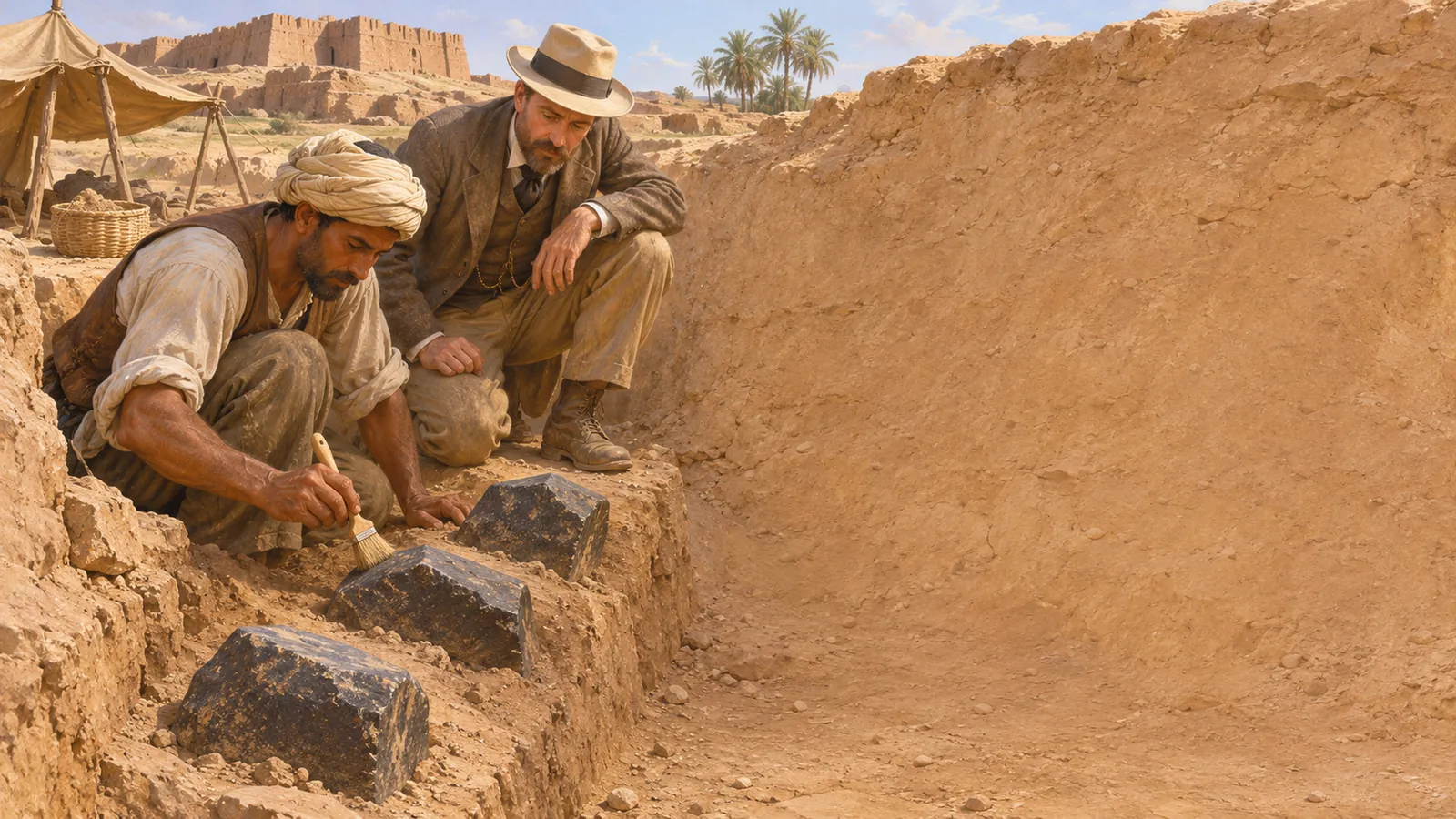
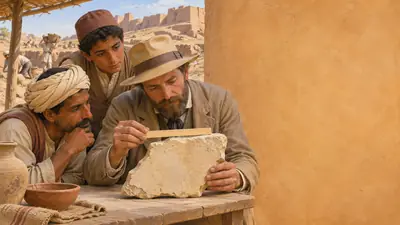
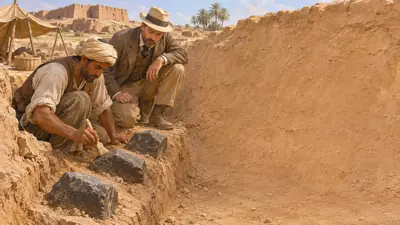
At Susa, excavators found the law stele in pieces. It likely came to Elam as booty. Shutruk-Nahhunte may have taken it, but this stone carries no surviving claim like the one on Naram-Sin’s stele.
A smooth patch near the base of the law stele shows where lines were erased. The surface preserves that change. It leaves open who ordered the work, who did it, and whether new words were planned.
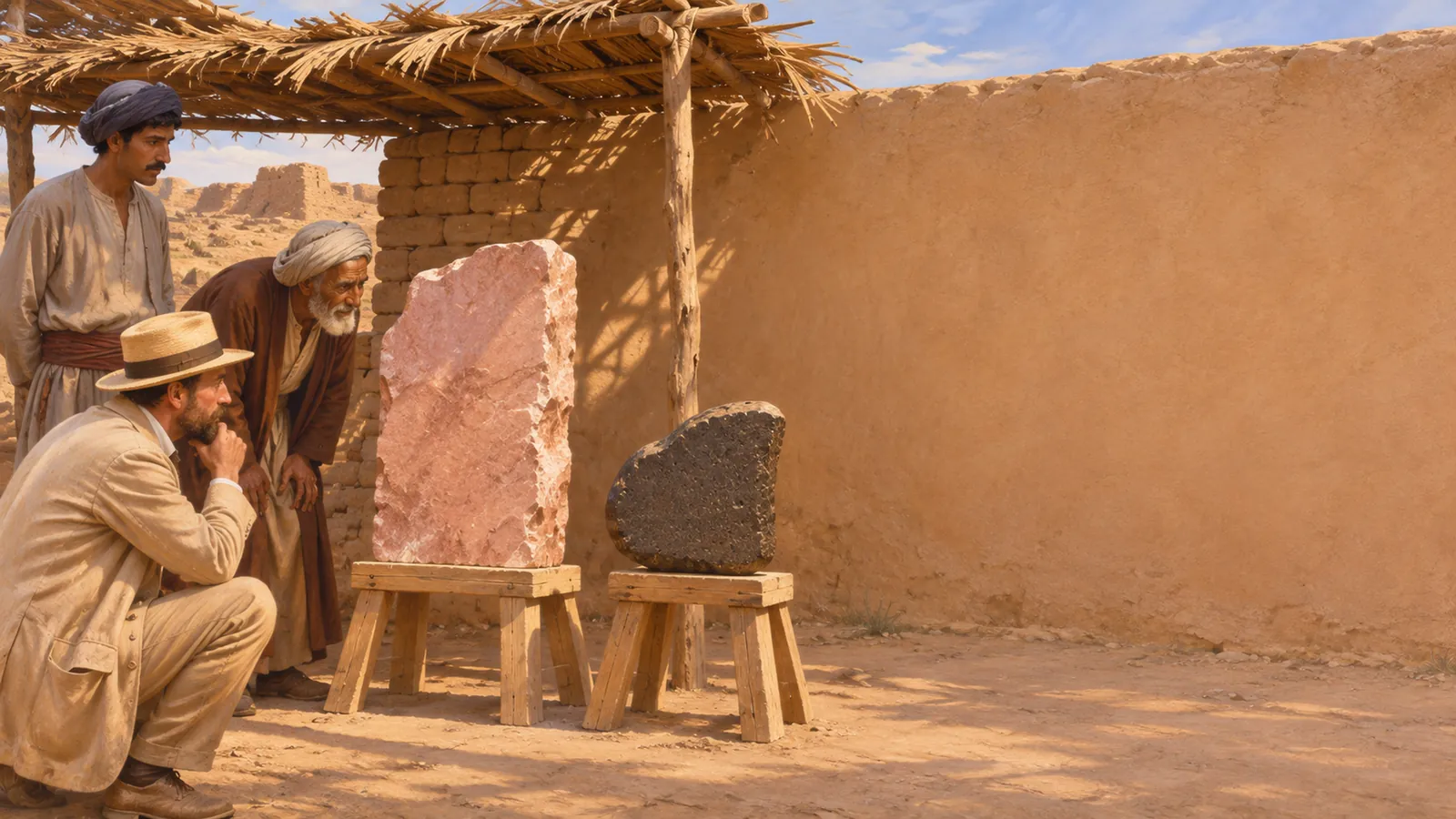
The pink limestone stele and Hammurabi’s black basalt stele both turned up at Susa. Only the first has an added account surviving on it that names who moved it.
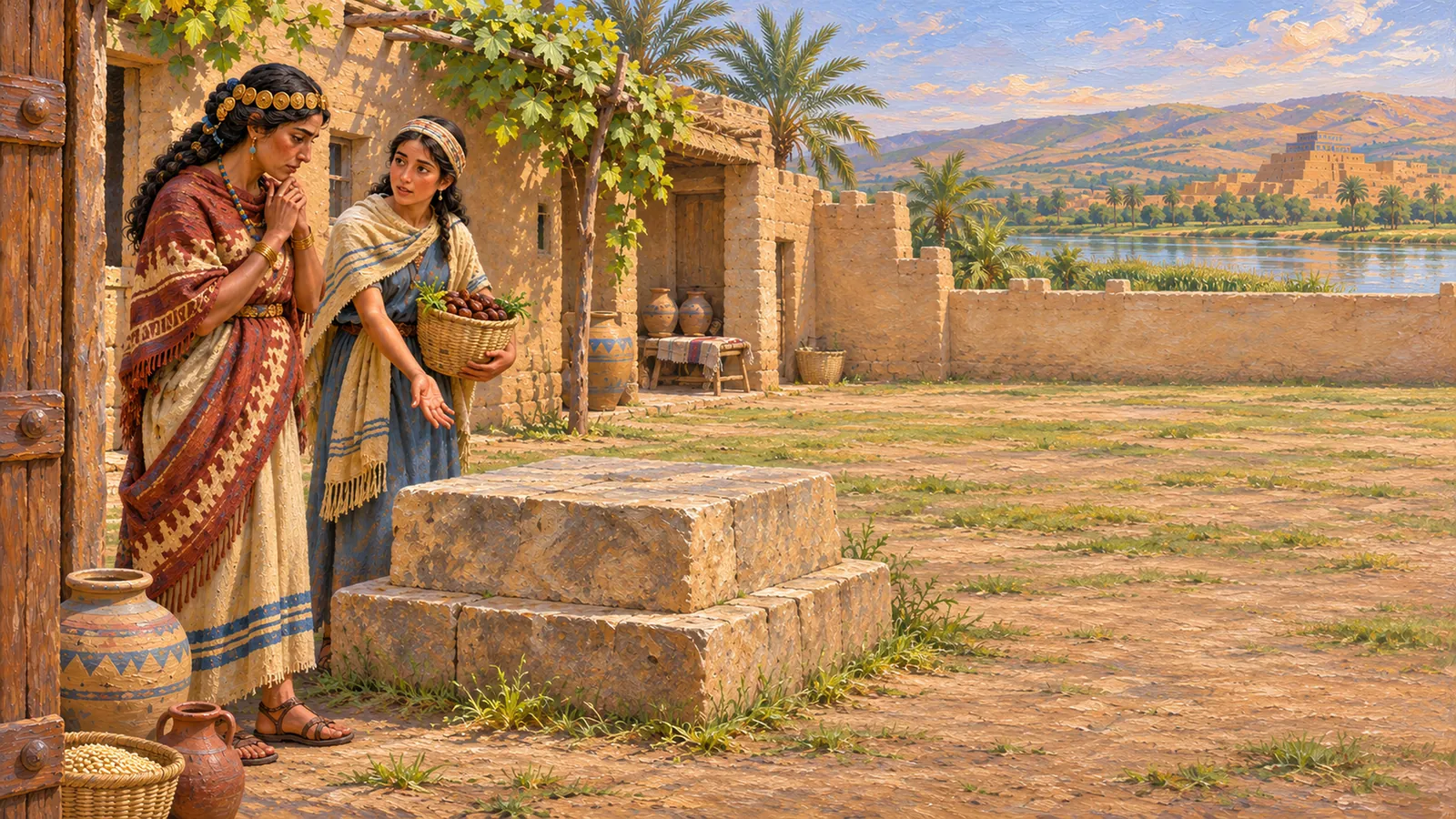
For the king, moving a monument could record a victory and honor his god. For the city that lost it, the same journey meant a stone that had stood there was gone. The inscriptions preserve the king’s words, and little of what the people who lost the monument thought.
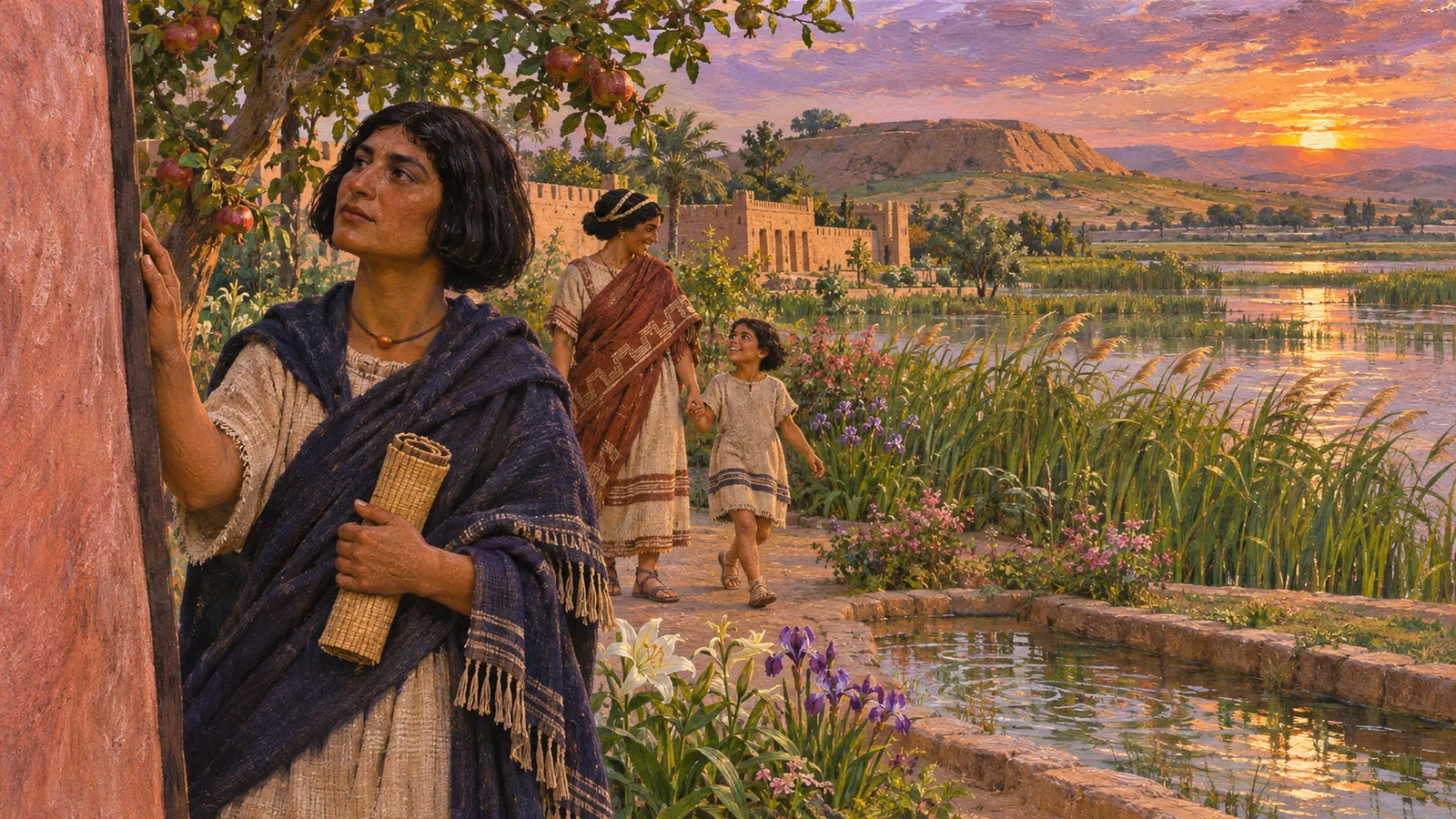
On the pink stele, two kings still have their names. The second king tells us where he found the stone and why he said he moved it. Even after so long, its older marks and its newer marks remain on the same surface.
End of chapter 1
All pages
Sources
Editions consulted
- D. T. Potts, The Archaeology of Elam, 1999, chapter 7, pp. 232–237, author’s copy
- D. T. Potts, The Archaeology of Elam, second edition, chapter 7, Cambridge extract
- D. T. Potts, Elamite Karintaš and Avestan Kvirinta, Iranian Studies 50.3
- CDLI, Narām-Sîn victory stele, Q005225 and physical witness P215544
- Louvre, Narām-Sîn’s stele, Sb 4
- Louvre, Anshan inscription, Sb 158, EKI 20
- Louvre, standing statue of Manishtushu, Sb 47 with Sb 9099
- Louvre, statue of a seated ruler from Eshnunna, Sb 61
- Imane Achouche, How Many Lives for a Mesopotamian Statue?, 2024
- Louvre, Meli-Shipak stone with boat and enclosure, Sb 14, EKI 23
- Louvre, Meli-Shipak’s land grant to his daughter, Sb 23
- Louvre, Meli-Shipak’s land grant to his son, Sb 22
- Louvre, Hammurabi law stele, Sb 8
- Martha T. Roth, Mesopotamian Legal Traditions and the Laws of Hammurabi, 1995
- Tallay Ornan, Unfinished Business: The Relief on the Hammurabi Louvre Stele Revisited, 2019
- Milad Jahangirfar, From Acknowledgment to Legitimization, 2024
- Louvre, seated Manishtushu fragment with the Elamite addition, Sb 49
- Melissa Eppihimer, Assembling King and State: The Statues of Manishtushu, 2010
- CDLI P215544, physical witness with the later seven-line Elamite account on surface b
- Metropolitan Museum of Art, cuneiform cylinder on the restoration of the temple of Shamash at Sippar, 86.11.52
- CDLI P249253, physical witness for the Hammurabi stele
- Robert Francis Harper 1904, The Code of Hammurabi, provision 53 and epilogue in his edition and translation
Ancient lines behind each page
- Page 1: Potts 1999, pp. 232–237; Louvre Sb 4, Sb 158
See source notes for which details are attested. - Page 2: Potts 1999, pp. 232–236; Potts second ed., ch. 7
See source notes for which details are attested. - Page 3: Potts 1999, chapter 7; Louvre Sb 4, Sb 158
See source notes for which details are attested. - Page 4: Potts second ed., ch. 7; Jahangirfar 2024, p. 35 n. 9
See source notes for which details are attested. - Page 5: EKI 22 lines 1–5; CDLI P215544
See source notes for which details are attested. - Page 6: EKI 22 lines 5–7; Louvre Sb 4
See source notes for which details are attested. - Page 7: Potts 1999, chapter 7; Louvre Sb 4; CDLI P215544
See source notes for which details are attested. - Page 8: CDLI Q005225 and P215544, older Akkadian text; Louvre Sb 4
See source notes for which details are attested. - Page 9: Louvre Sb 4; CDLI P215544
See source notes for which details are attested. - Page 10: Louvre Sb 4, relief and inscriptions
See source notes for which details are attested. - Page 11: Louvre Sb 4 condition and description; CDLI P215544, surface a
See source notes for which details are attested. - Page 12: EKI 22 lines 5–7; CDLI P215544
See source notes for which details are attested. - Page 13: EKI 22 lines 6–7; Louvre Sb 4 dimensions
See source notes for which details are attested. - Page 14: EKI 22 line 7; Louvre Sb 4 findspot; Potts 1999, pp. 232–236
See source notes for which details are attested. - Page 15: Louvre Sb 4 inscription placement; CDLI P215544, surface b
See source notes for which details are attested. - Page 16: Louvre Sb 4; CDLI P215544, surfaces a and b
See source notes for which details are attested. - Page 17: EKI 24a–b; Louvre Sb 47 and Sb 49; Eppihimer 2010, pp. 367–370
See source notes for which details are attested. - Page 18: Louvre Sb 47 and Sb 9099
See source notes for which details are attested. - Page 19: Louvre Sb 49; Potts 2017; Eppihimer 2010
See source notes for which details are attested. - Page 20: Louvre Sb 61; Achouche 2024, §2.2.1; Potts 1999, table 7.9
See source notes for which details are attested. - Page 21: Louvre Sb 61; Achouche 2024, §2.2.1 and table 1
See source notes for which details are attested. - Page 22: Louvre Sb 49 and Sb 61; Achouche 2024 §2.2.1
See source notes for which details are attested. - Page 23: Louvre Sb 14; EKI 23; Potts 2017, pp. 346–350
See source notes for which details are attested. - Page 24: Louvre Sb 14; Potts 2017, EKI 23
See source notes for which details are attested. - Page 25: Potts 2017, Karintaš and Kerend
See source notes for which details are attested. - Page 26: Louvre Sb 23; Potts 1999, table 7.9
See source notes for which details are attested. - Page 27: Louvre Sb 23 object and inscription
See source notes for which details are attested. - Page 28: Louvre Sb 22; Potts 1999, table 7.9
See source notes for which details are attested. - Page 29: Louvre Sb 158; EKI 20; Potts 1999, p. 236
See source notes for which details are attested. - Page 30: Louvre Sb 158; EKI 20; Potts 1999, p. 236
See source notes for which details are attested. - Page 31: Louvre Sb 8; Roth 1995
See source notes for which details are attested. - Page 32: Laws of Hammurabi §53; CDLI P249253; Harper 1904 §53
See source notes for which details are attested. - Page 33: Laws of Hammurabi, epilogue; Harper 1904; Roth 1995
See source notes for which details are attested. - Page 34: Louvre Sb 8; Potts 1999, pp. 233–235 and table 7.9; Roth 1995
See source notes for which details are attested. - Page 35: Louvre Sb 8; Jahangirfar 2024, p. 35 n. 7; Ornan 2019
See source notes for which details are attested. - Page 36: Louvre Sb 4 and Sb 8; Potts 1999 table 7.9
See source notes for which details are attested. - Page 37: EKI 22–24; Potts 1999, pp. 232–237
See source notes for which details are attested. - Page 38: Louvre Sb 4; CDLI P215544, surfaces a and b
See source notes for which details are attested.
Illustrations made with AI tools by IL Archive; the text is based on the ancient sources (see the sources at the end of each chapter).