The Story of Sinuhe Chapter 1
The Story of Sinuhe
After news of Amenemhat’s death, Sinuhe leaves Egypt and makes a life abroad. Years later, a letter from Senusret opens the way for his return to the Egyptian court.
SourcesTurn the pages with the arrows, the arrow keys or a swipe.
THE STORY OF SINUHE
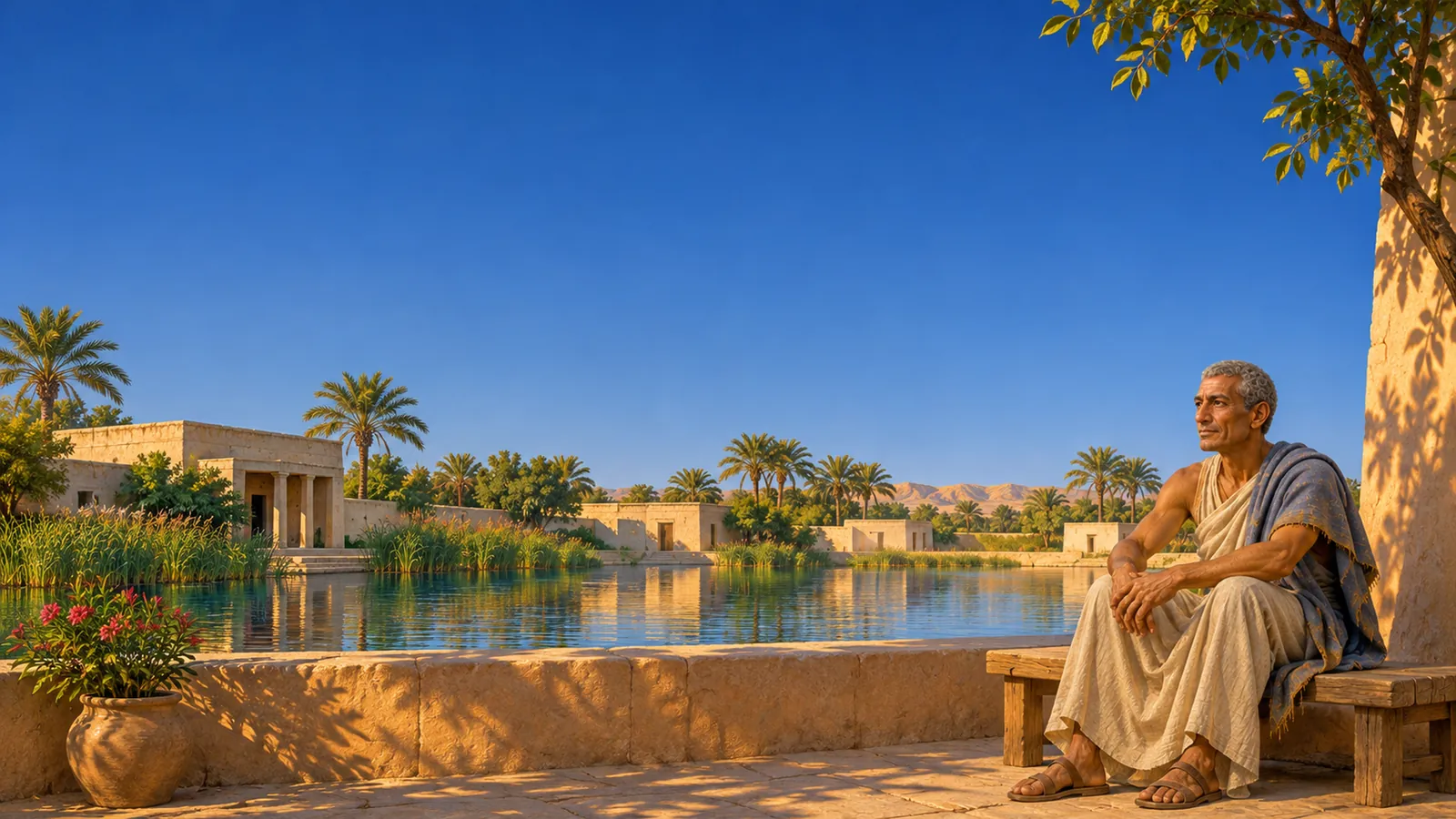
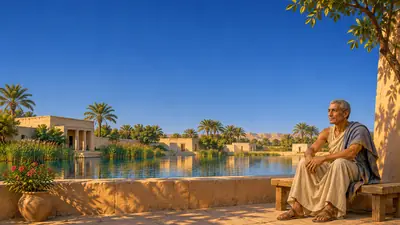
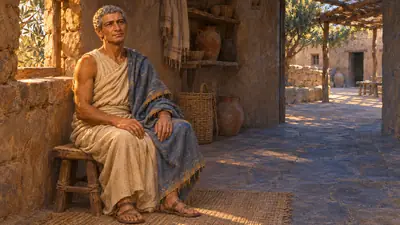
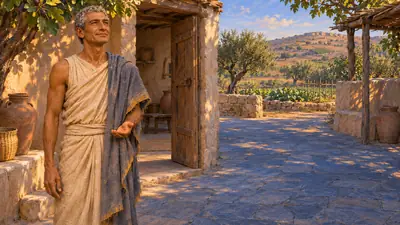
The speaker introduces himself as Sinuhe. Before he tells what happened to him, he names the offices and honors that tie him to the Egyptian court.
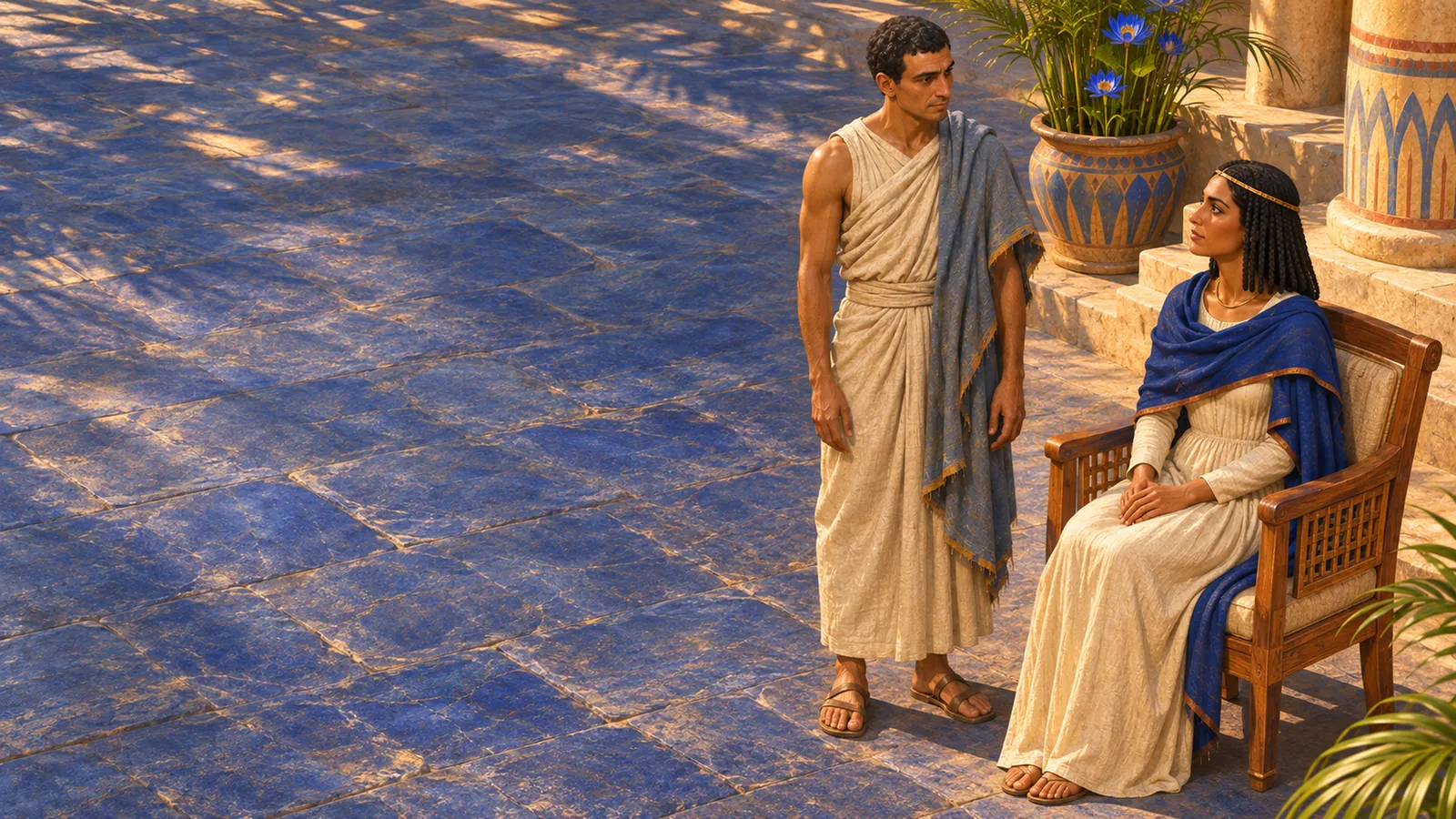
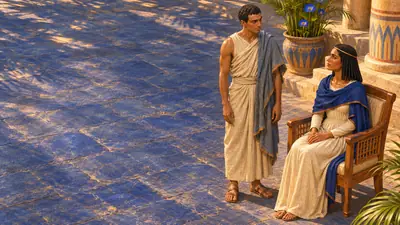
Sinuhe says that he served Neferu. She was the daughter of Amenemhat and the wife of Senusret, whose reign is soon to begin in the account.
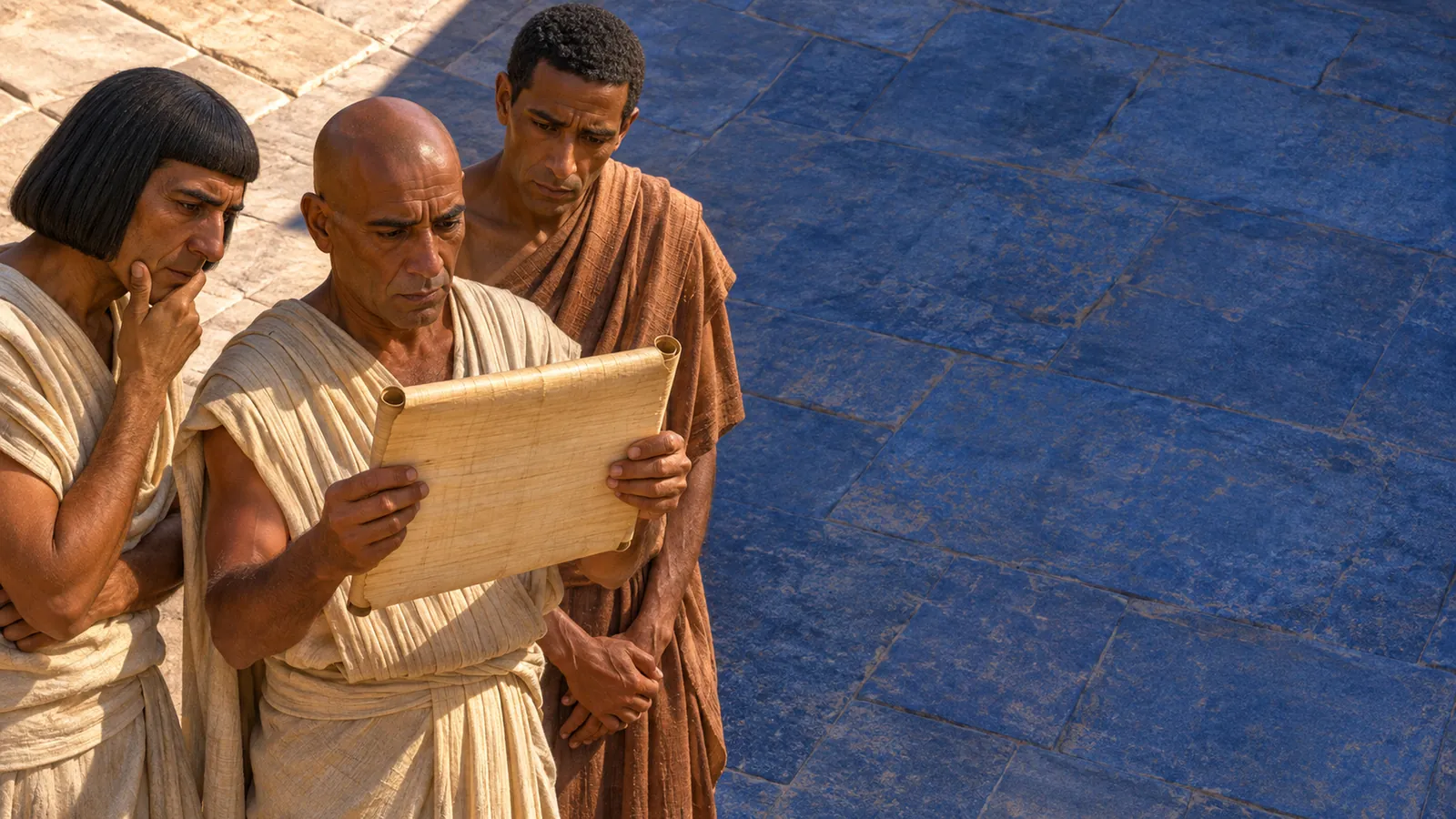
The story places Amenemhat’s death in year thirty of his reign, on the seventh day of the third month of Akhet. The announcement speaks of him in images of the sky.
THE CLOSED GATE
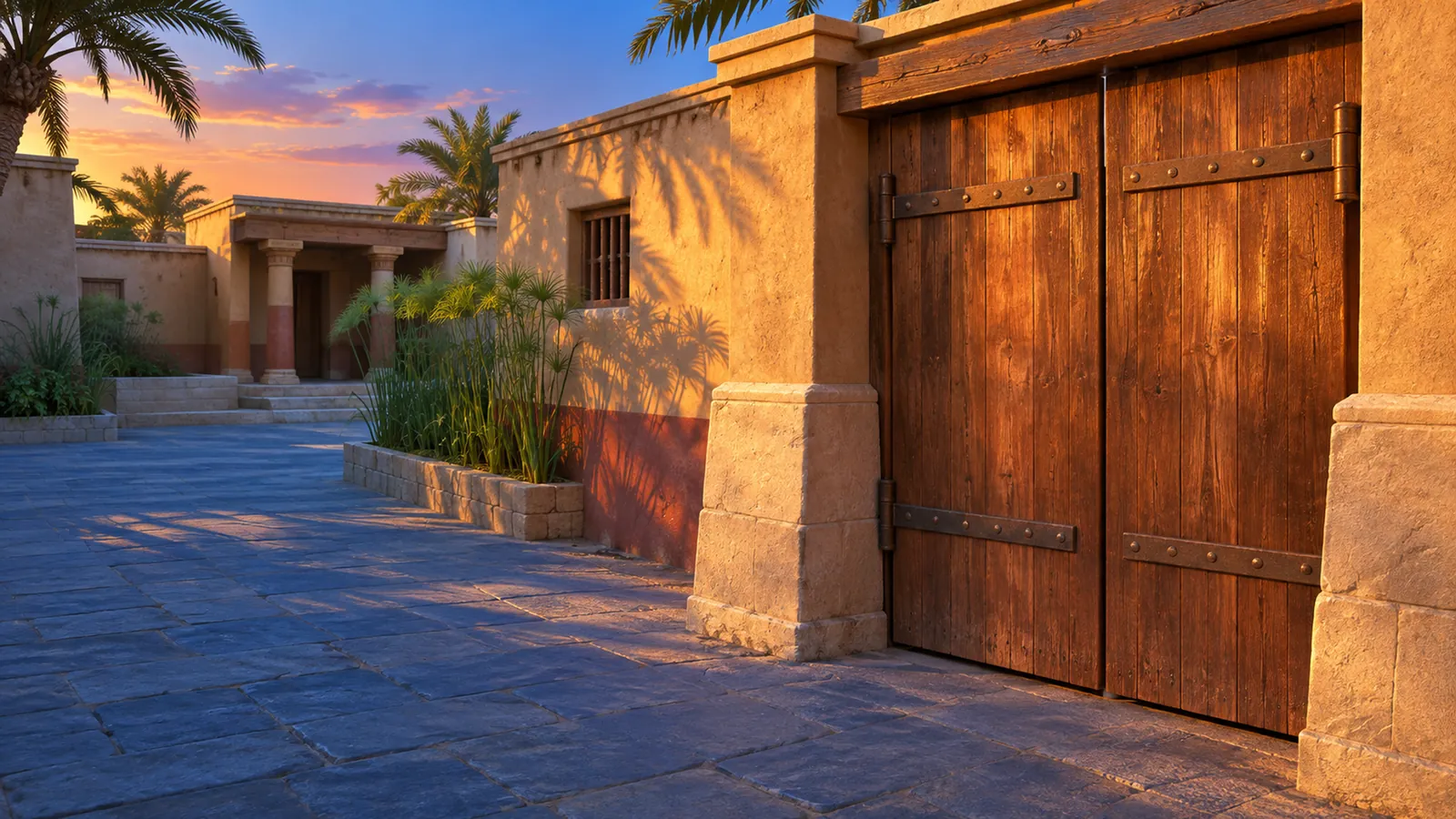
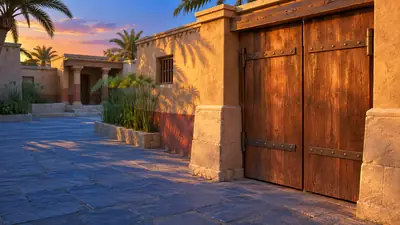
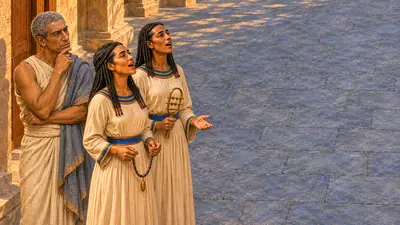
The gate of the Residence is closed. The royal household falls silent, and the court mourns the king.
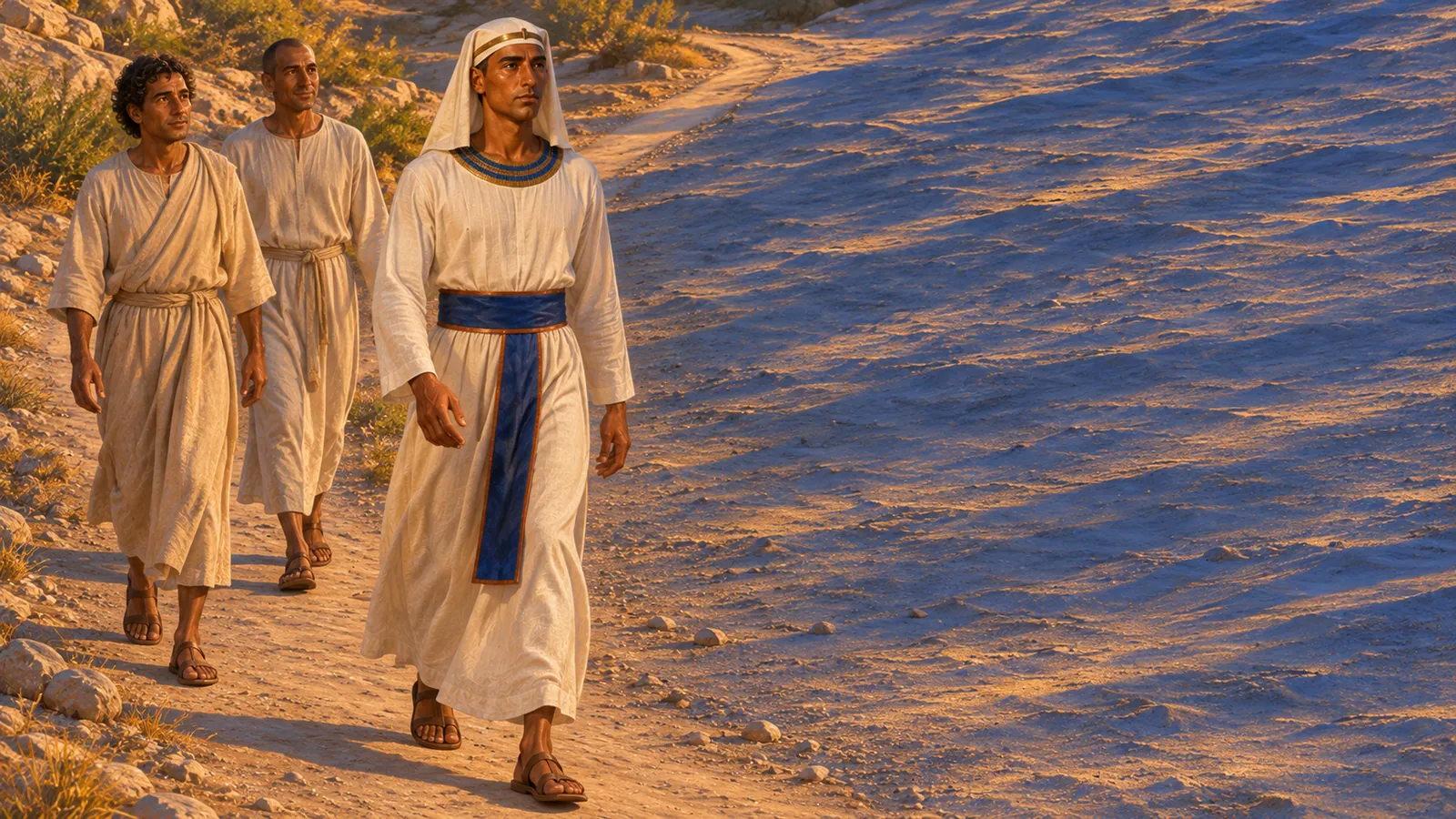
Senusret, the eldest son of Amenemhat, is away from the Residence. He is on his way back from an expedition in the west.
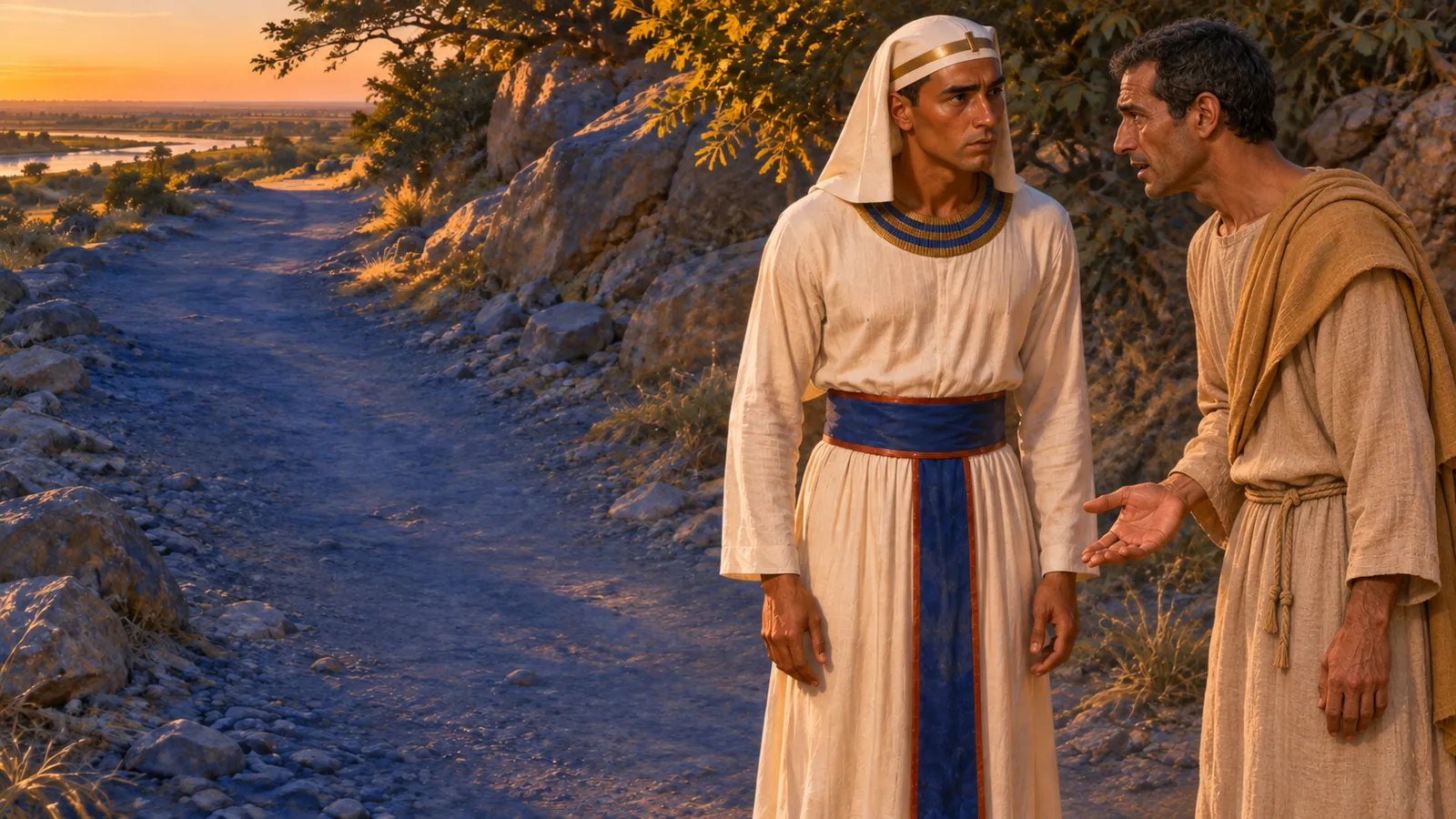
Courtiers send messengers to reach Senusret on the road. As the day ends, they find him and tell him the news.
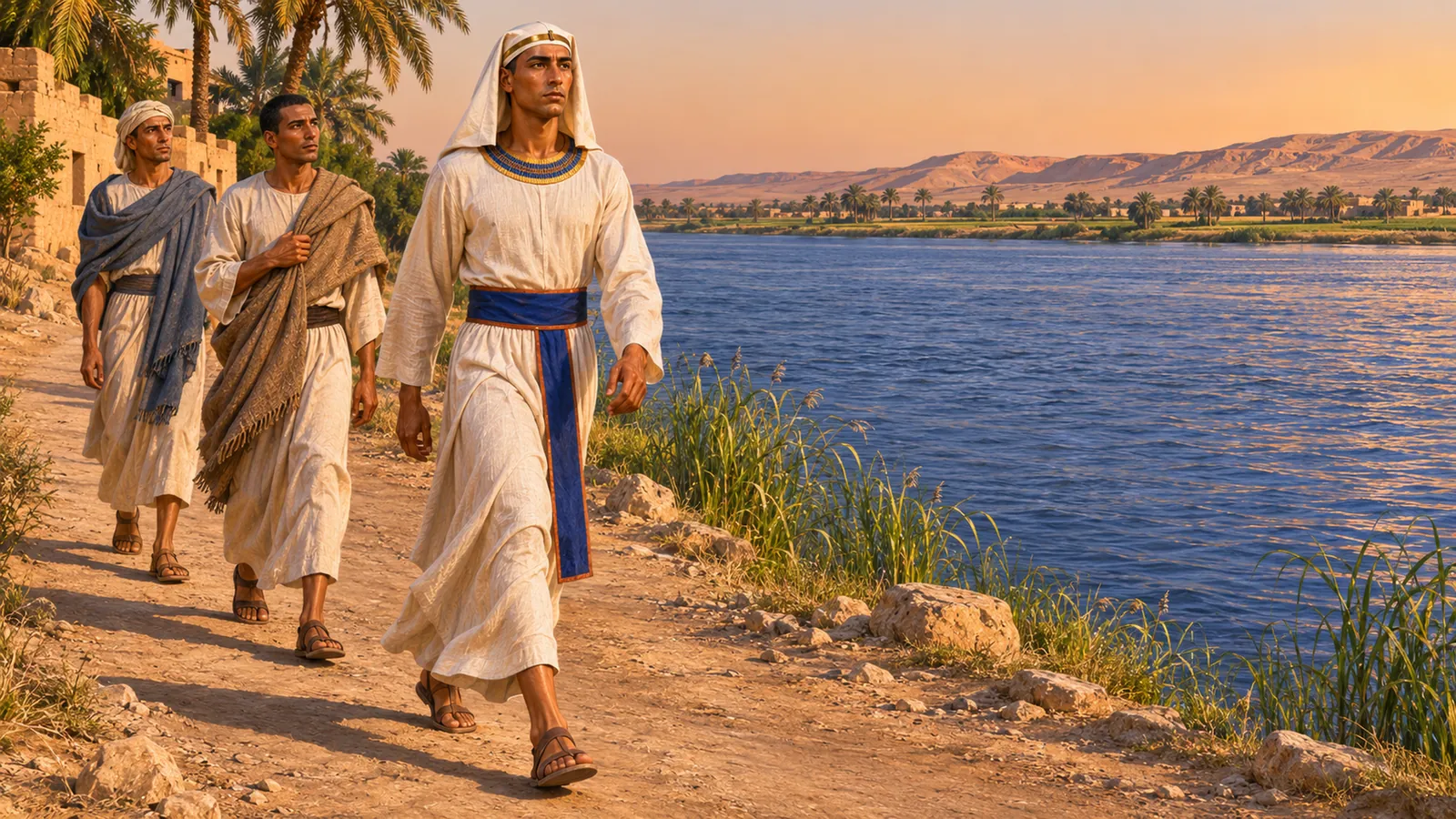
Senusret sets out without delay with his followers. The account likens him to a falcon as he leaves, using the bird as a royal image.
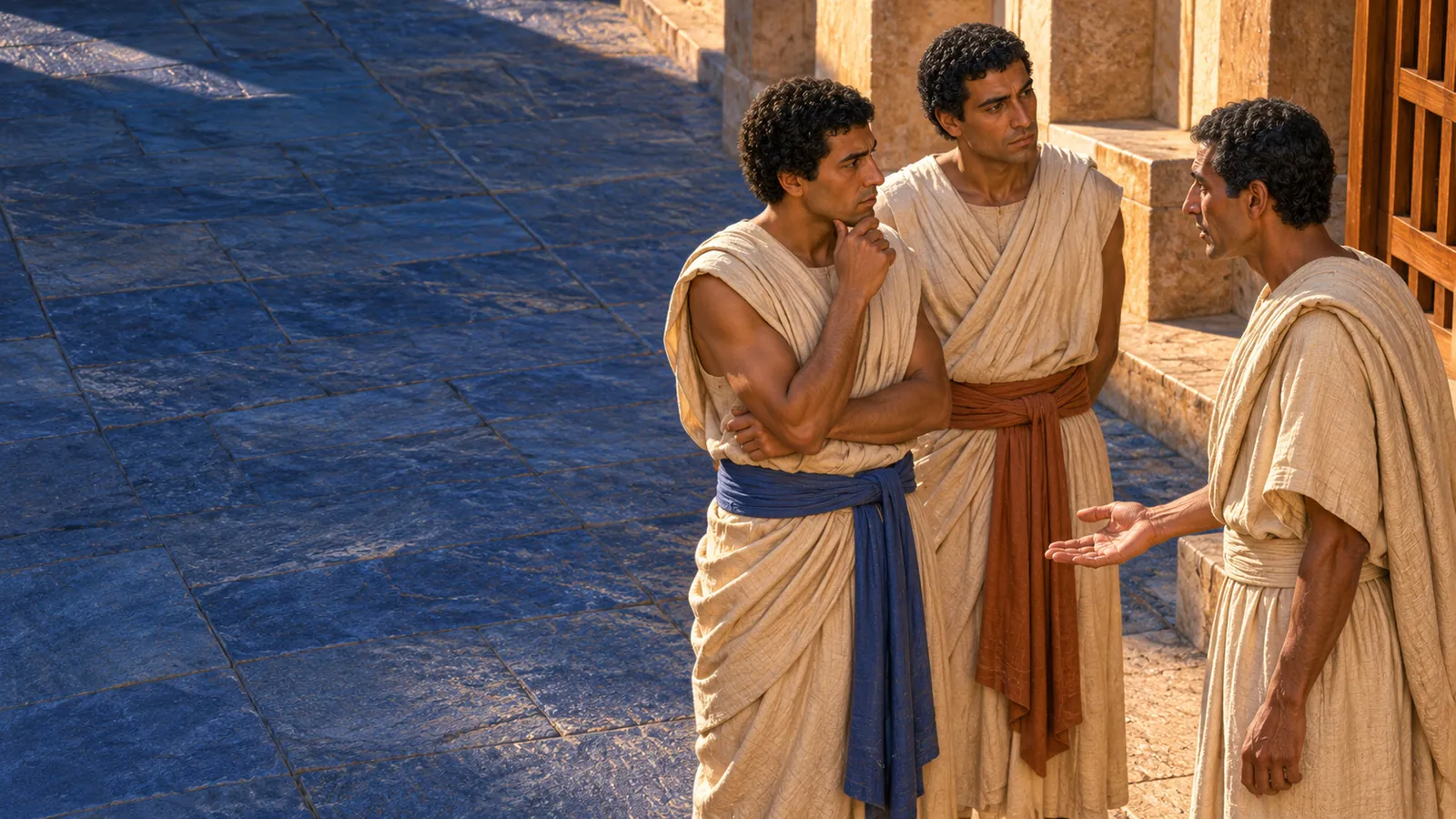
The king’s sons receive a separate summons. Here the surviving copies overlap in the same passage, as the story turns from Senusret to what Sinuhe heard.
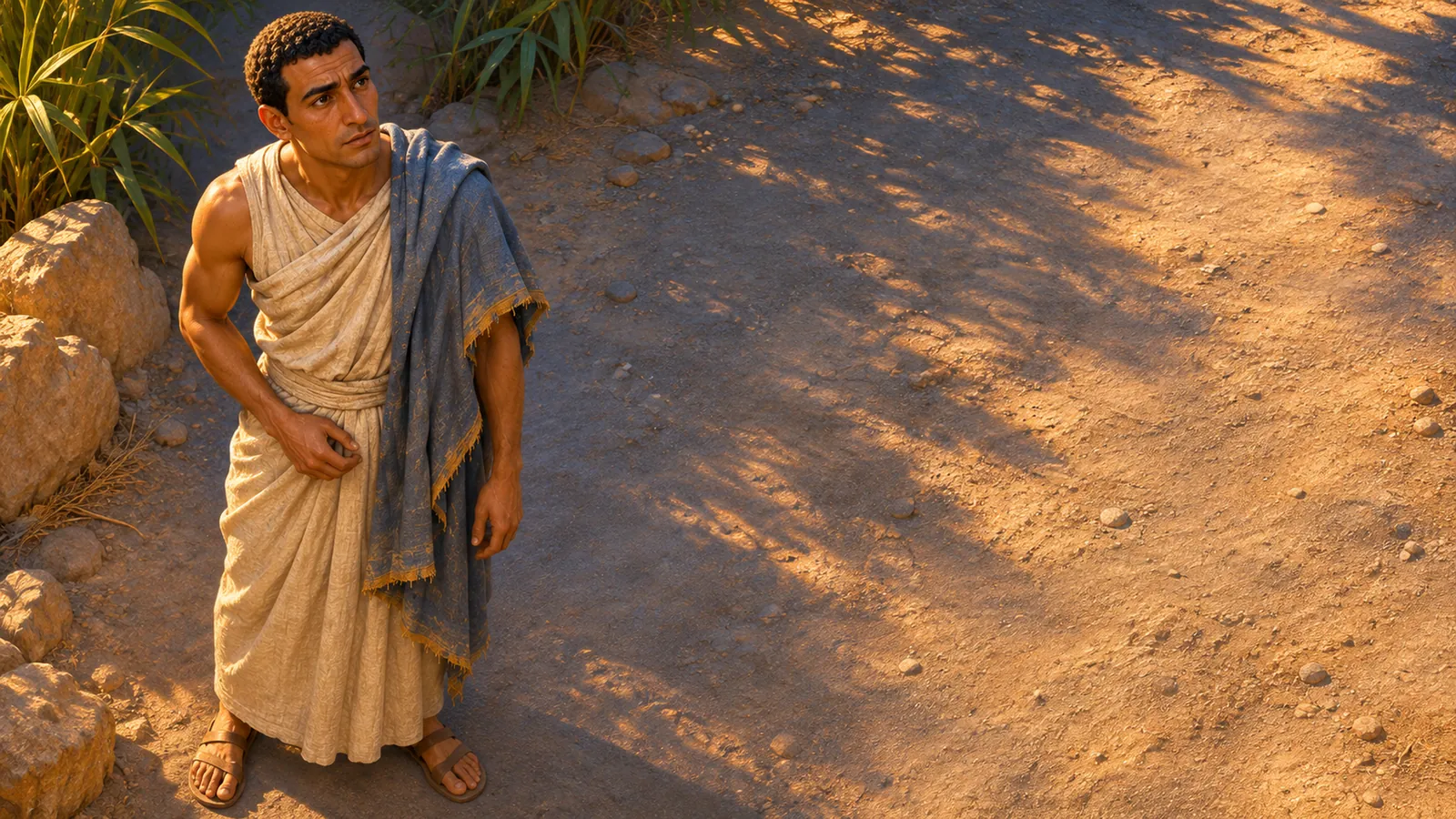
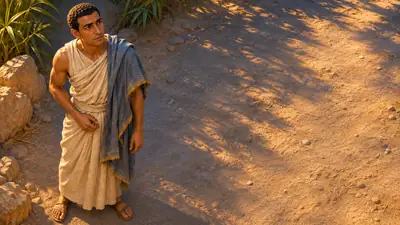
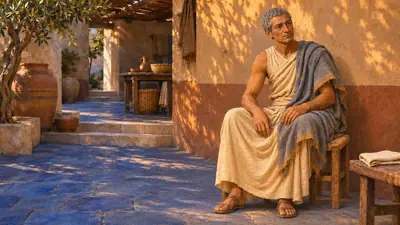
Sinuhe hears a voice close by. He says that the moment frightened him, but the surviving story gives no account of the words he heard.
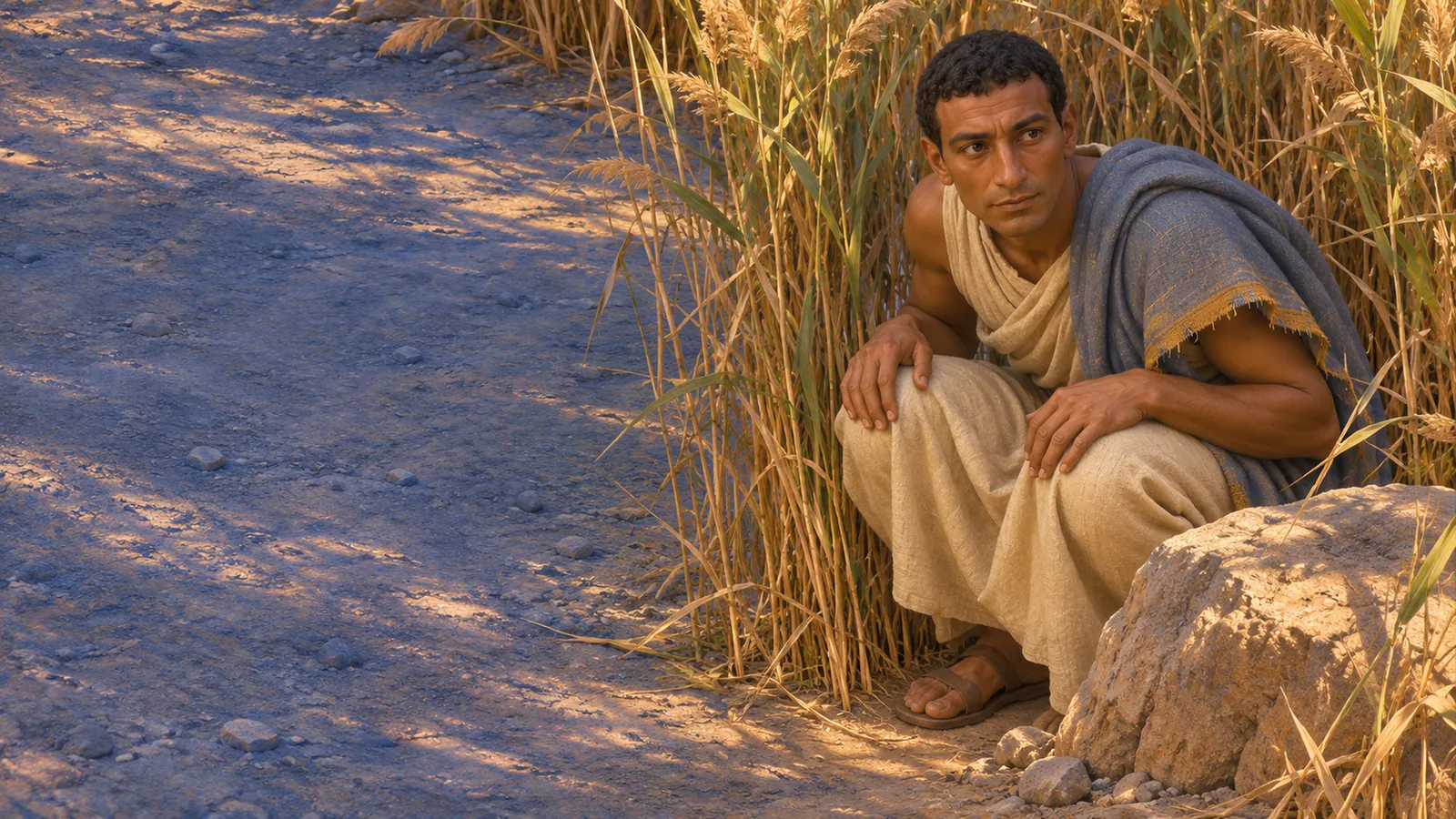
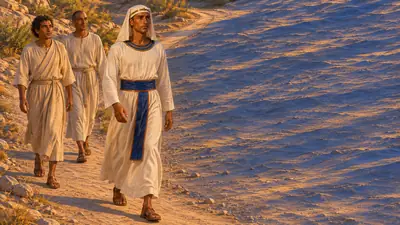
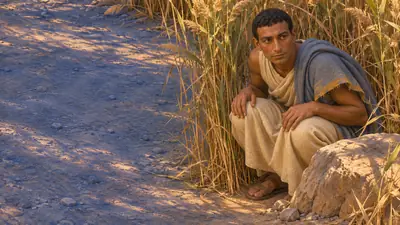
Frightened by what he has heard, Sinuhe moves away. He finds cover beside the road and keeps out of the way of people passing by.
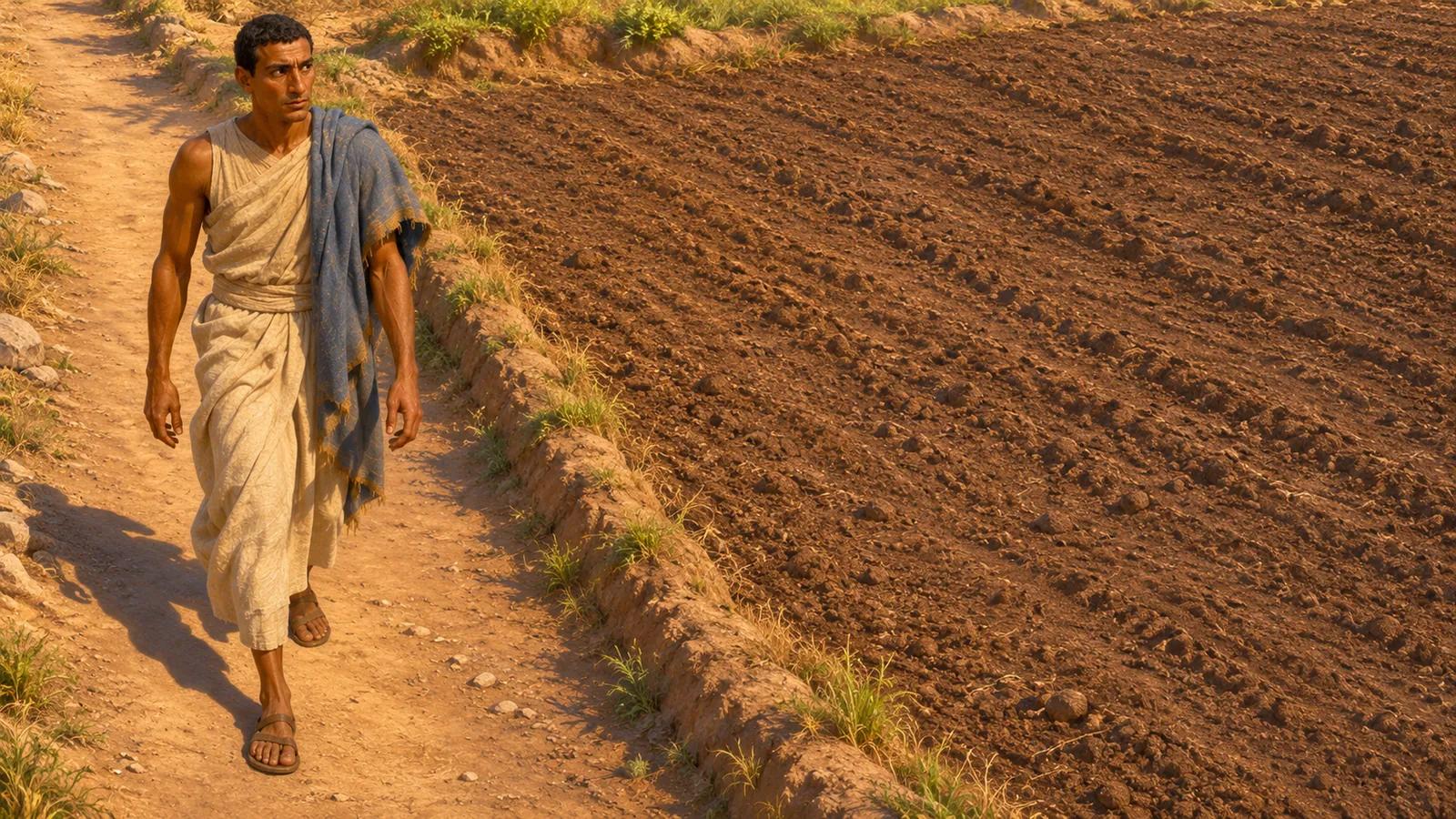
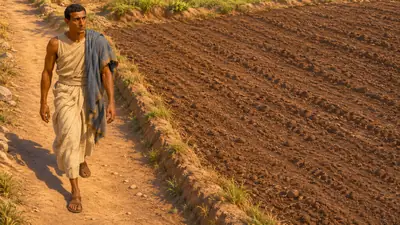
Sinuhe goes south. He keeps away from the Residence because he fears what may happen there after the news has spread.
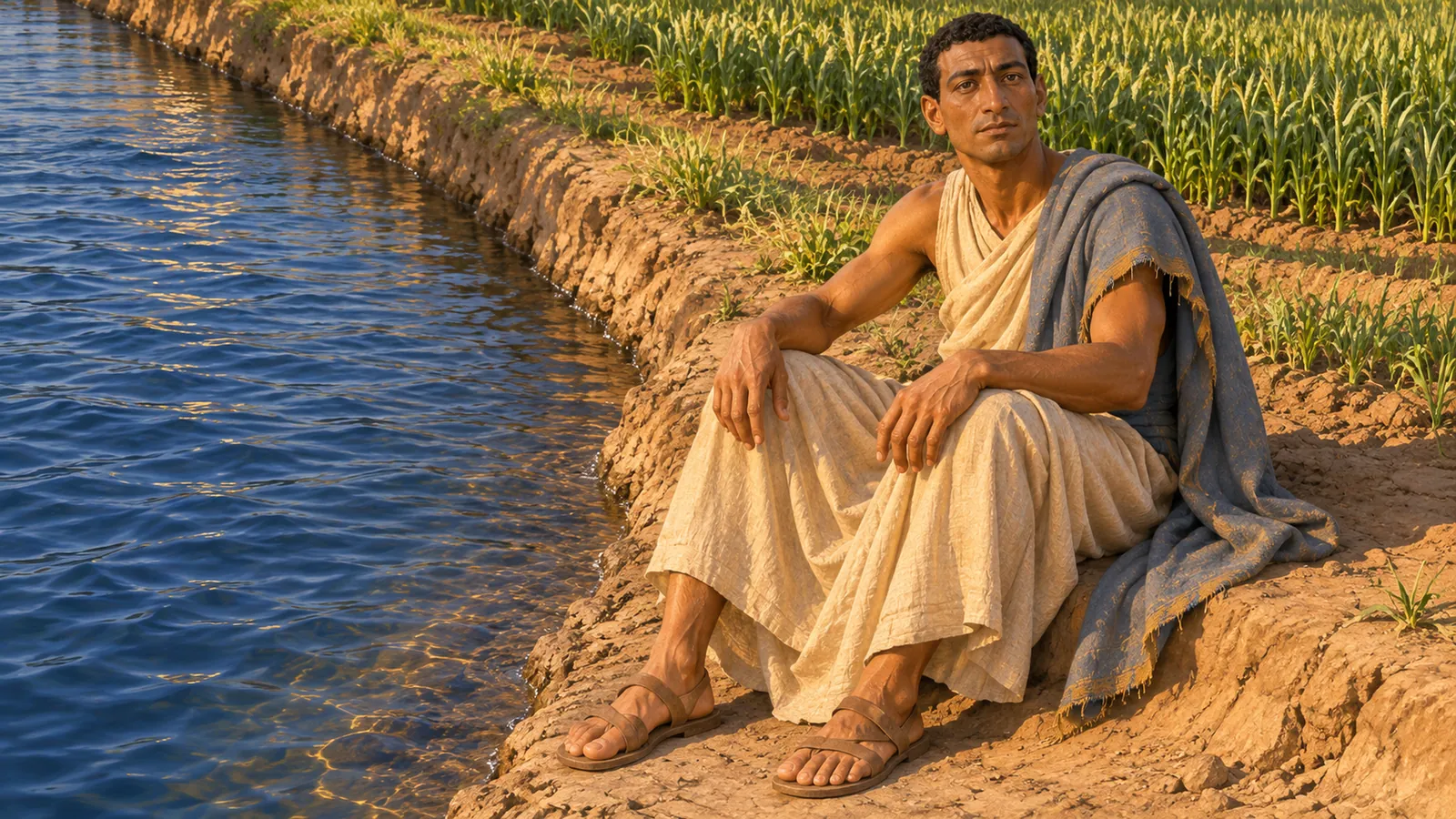
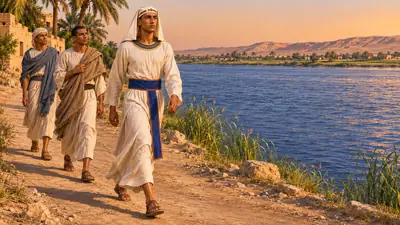
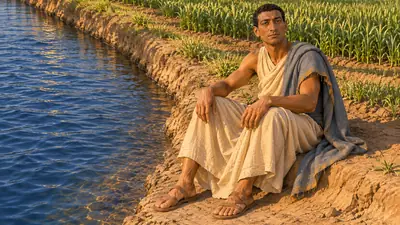
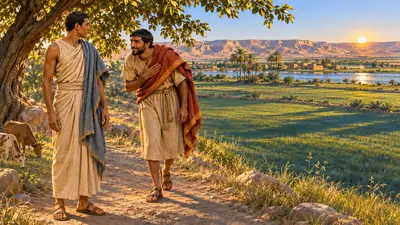
His route takes him through Maati and to the place he calls the Island of Sneferu. He stops to rest near cultivated land.
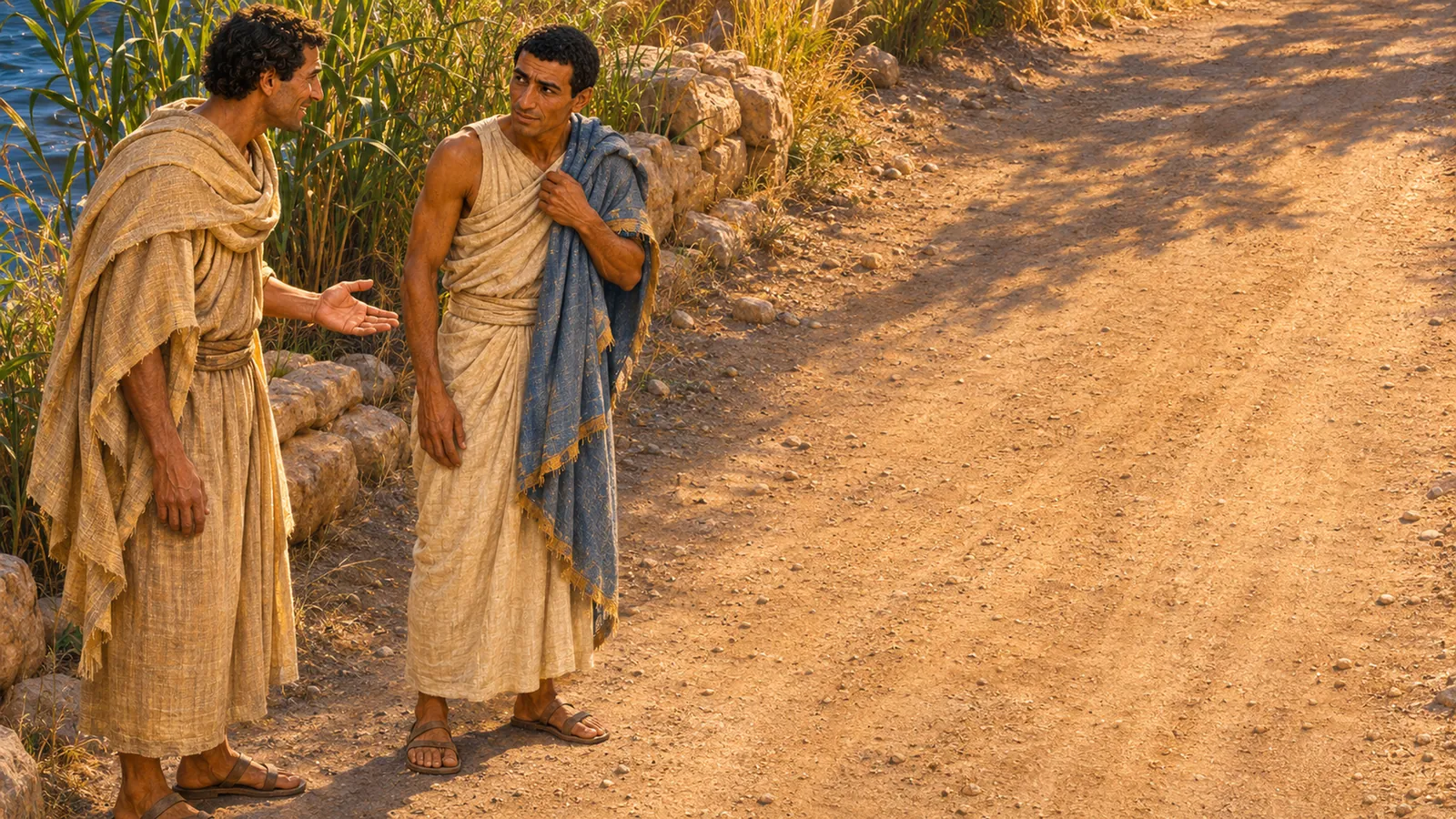
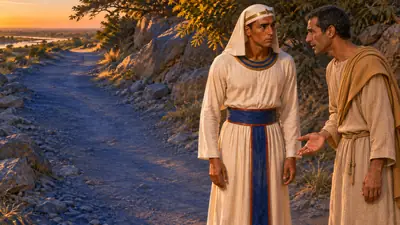
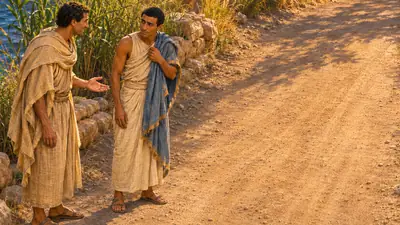
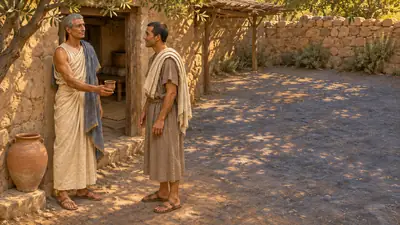
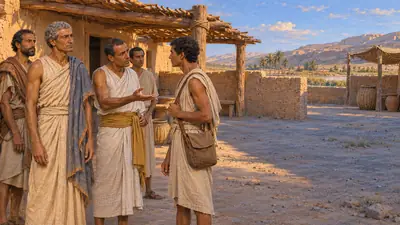
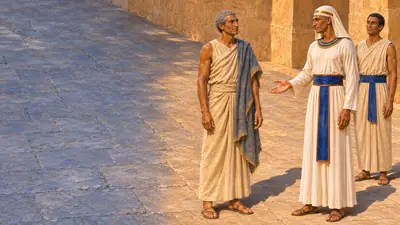
A man comes into sight and greets Sinuhe. Sinuhe is still afraid when the two meet.
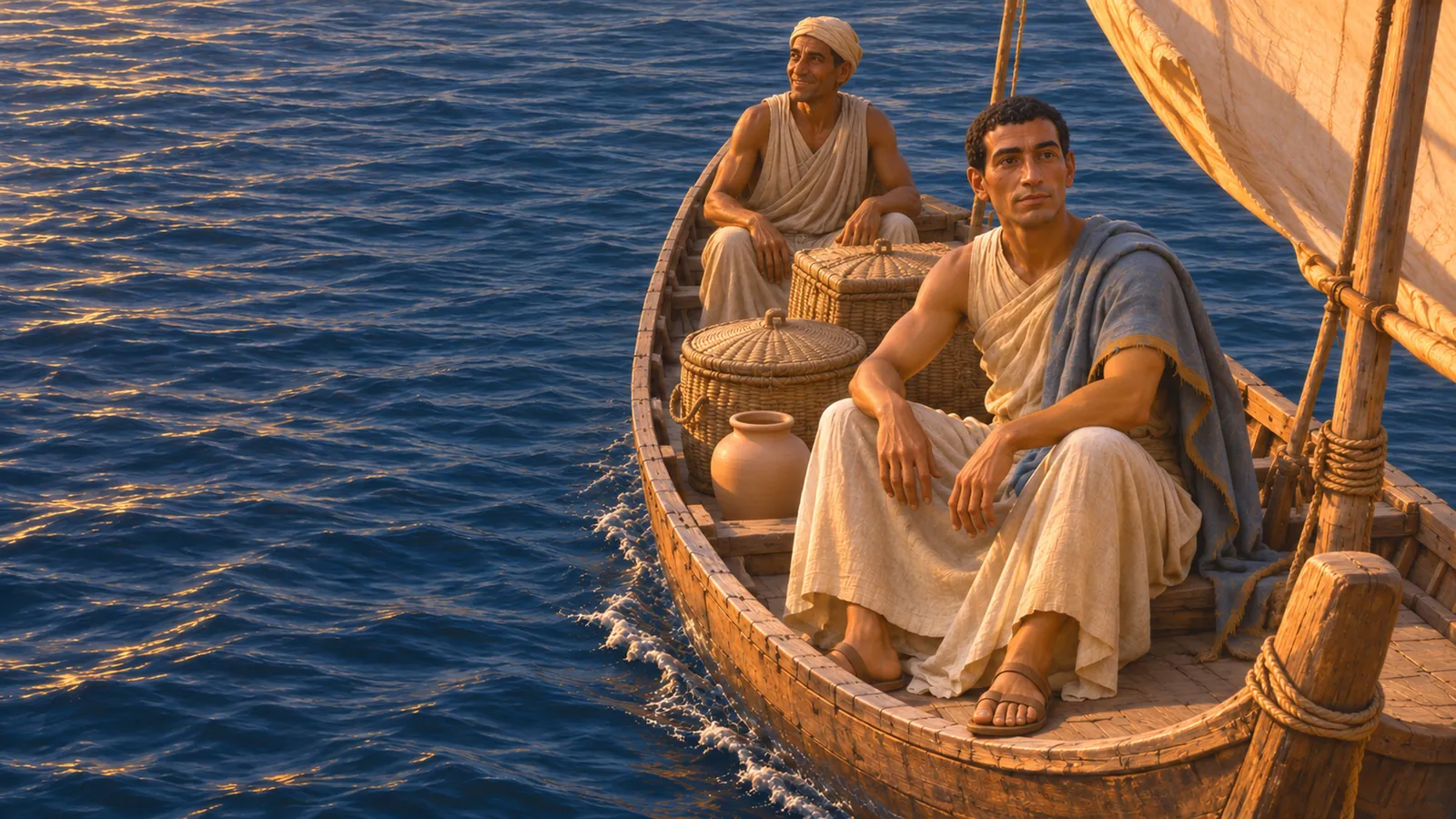
AN EVENING CROSSING
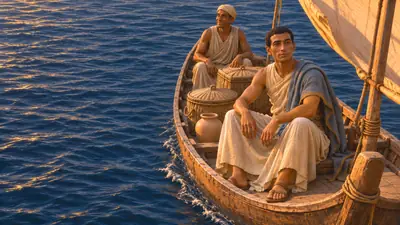
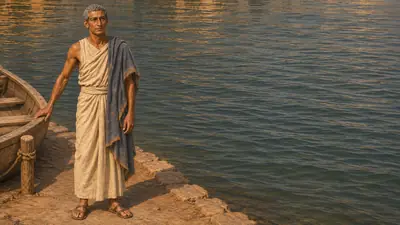
Around evening, Sinuhe reaches a mooring. He crosses in a cargo boat, carried along by the west wind.
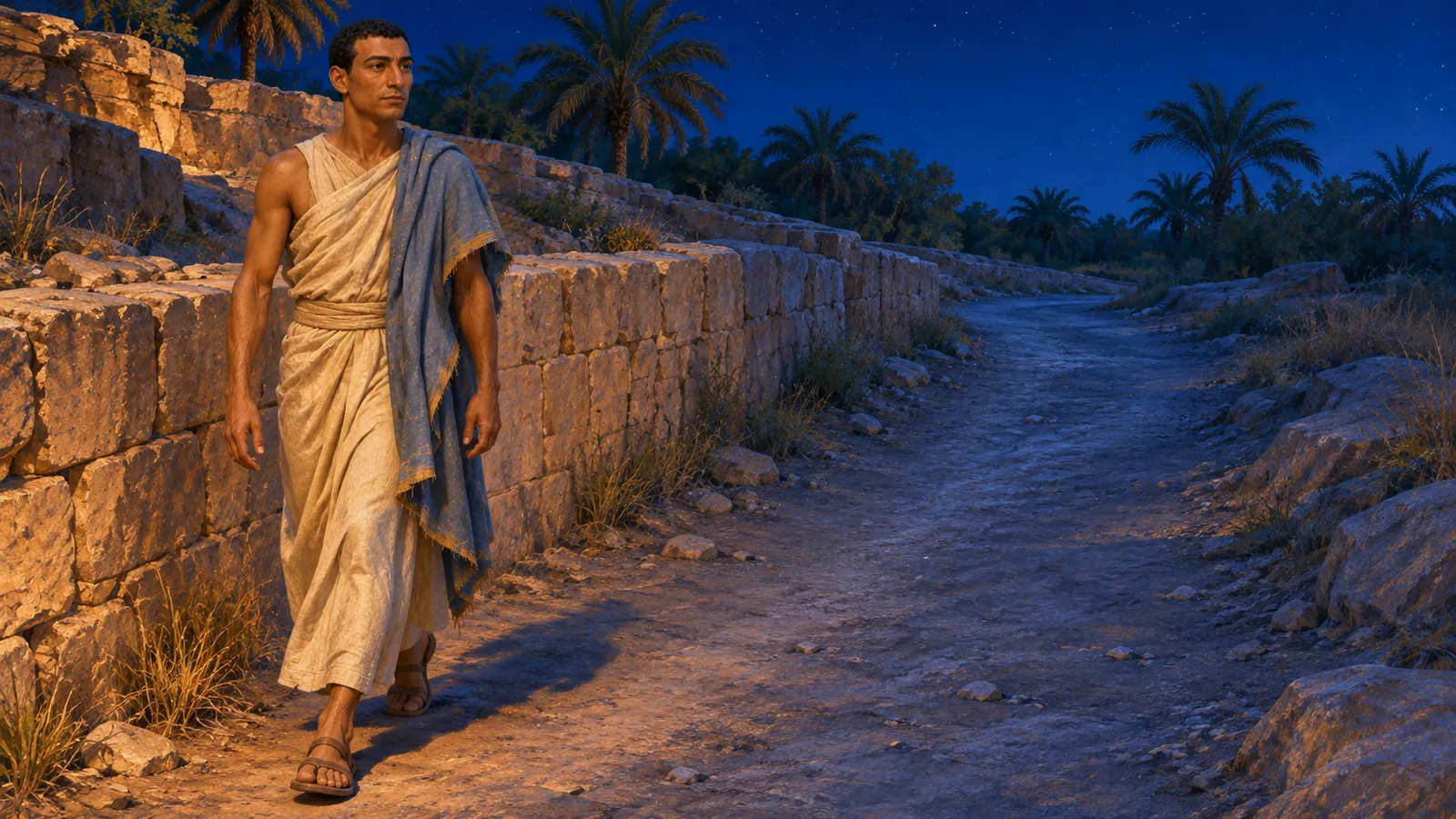
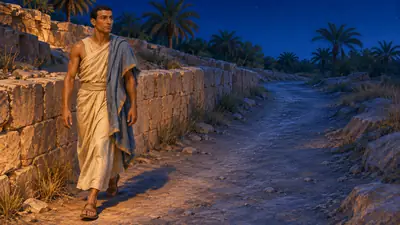
Sinuhe passes the quarry and reaches the Walls of the Ruler. He keeps out of sight and continues on his journey after dark.
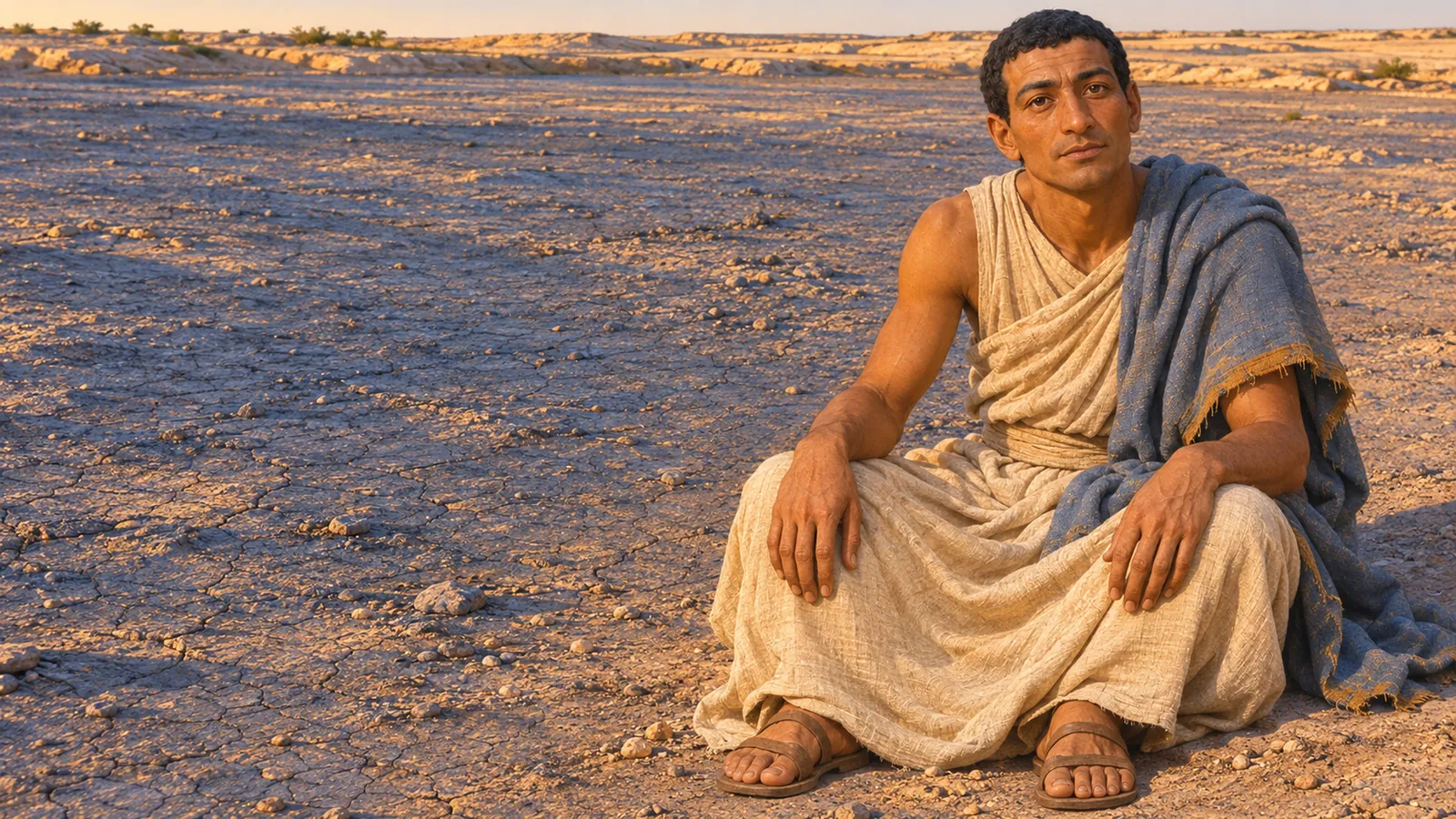
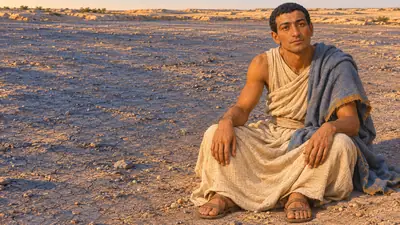
At daylight he reaches Peten and the country of the Great Black Water. Sinuhe remembers how desperately thirsty he had become.
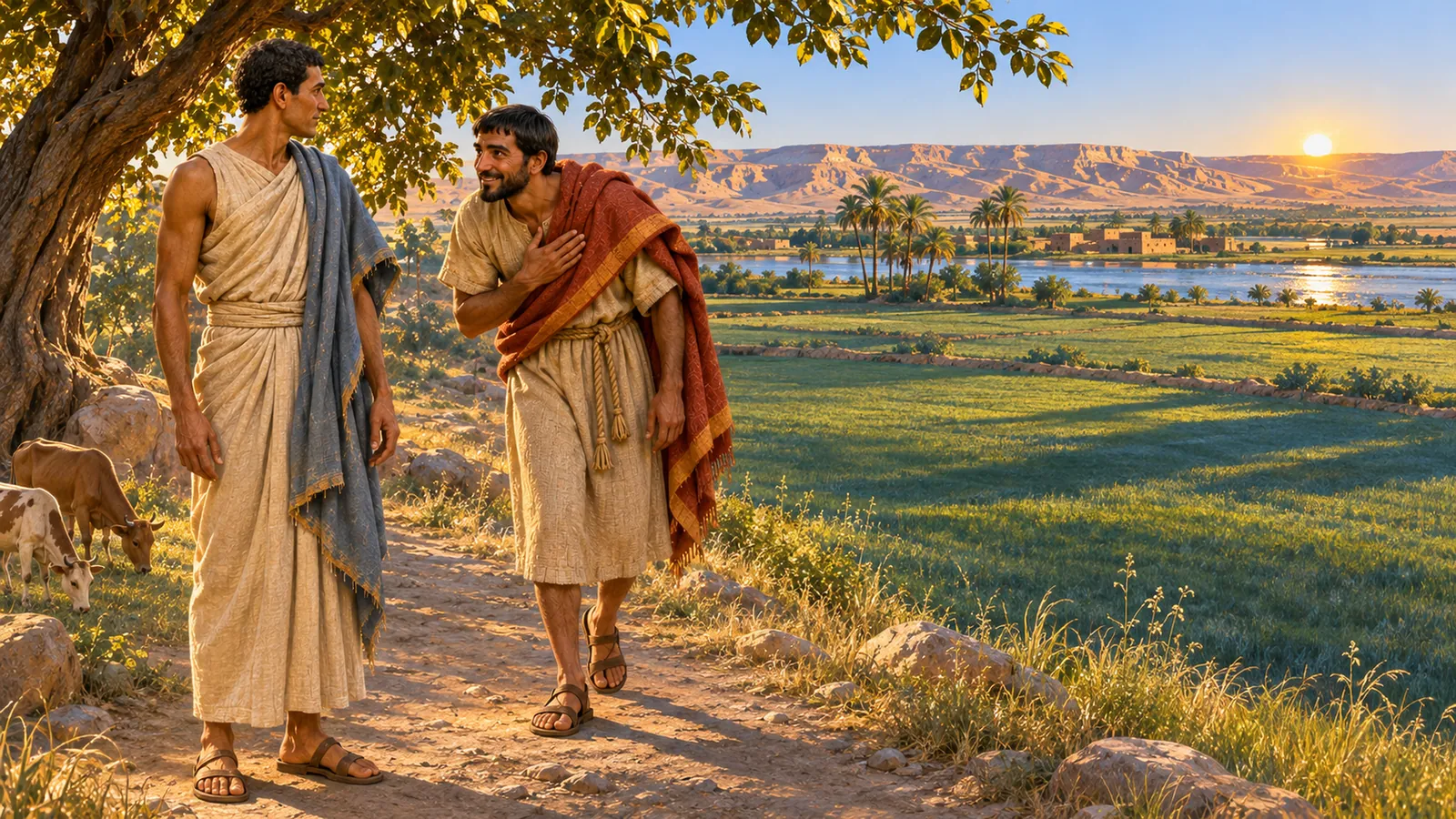
Sinuhe hears cattle and comes upon people. A scout who has been to Egypt recognizes him and comes over.
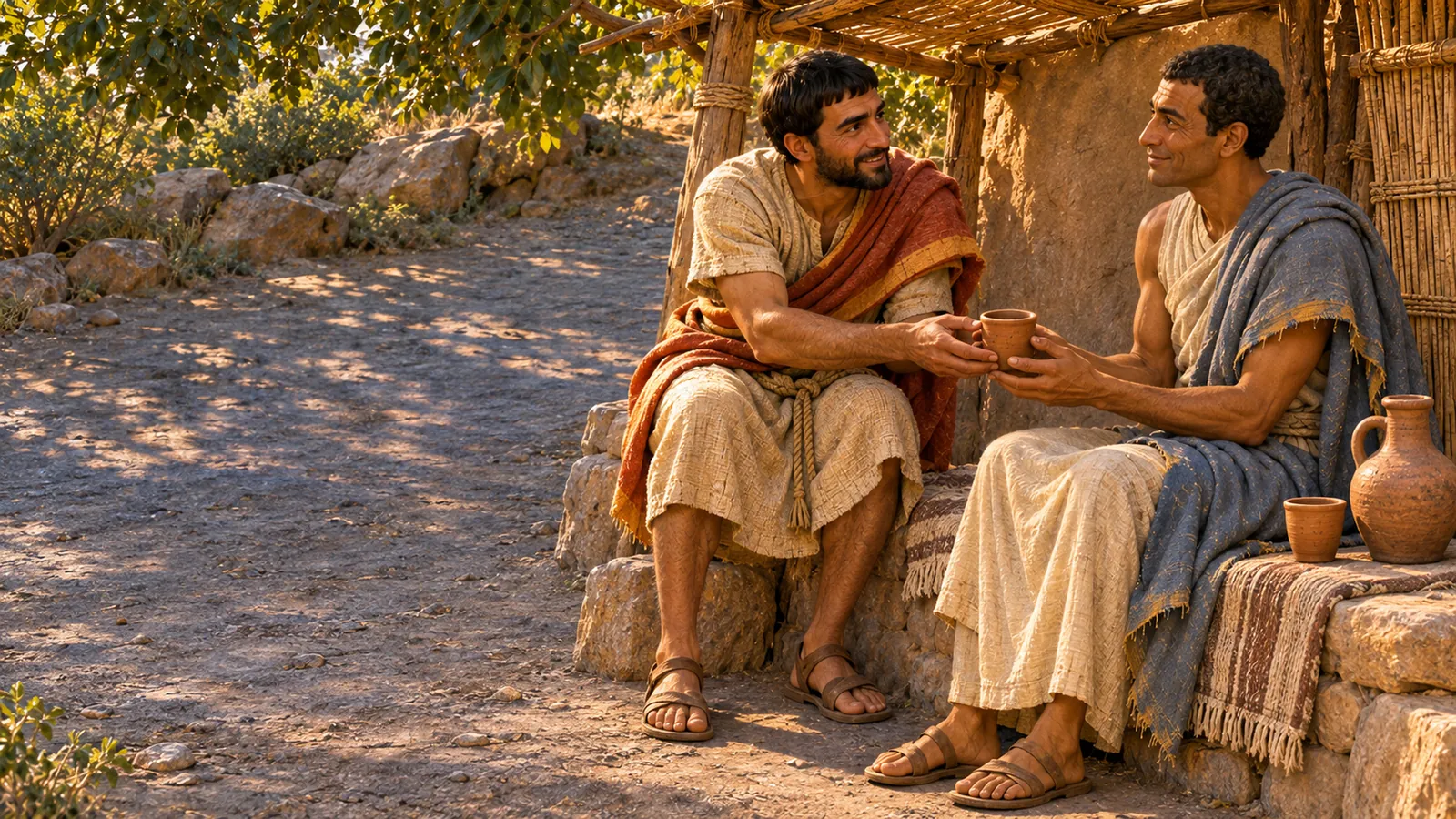
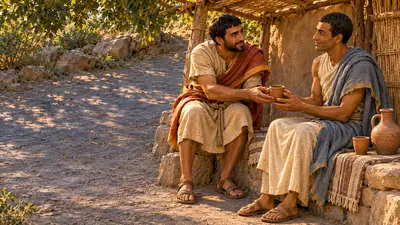
The scout gives Sinuhe water and milk. Sinuhe sets out with the scout’s people, leaving the place where he had gone thirsty.
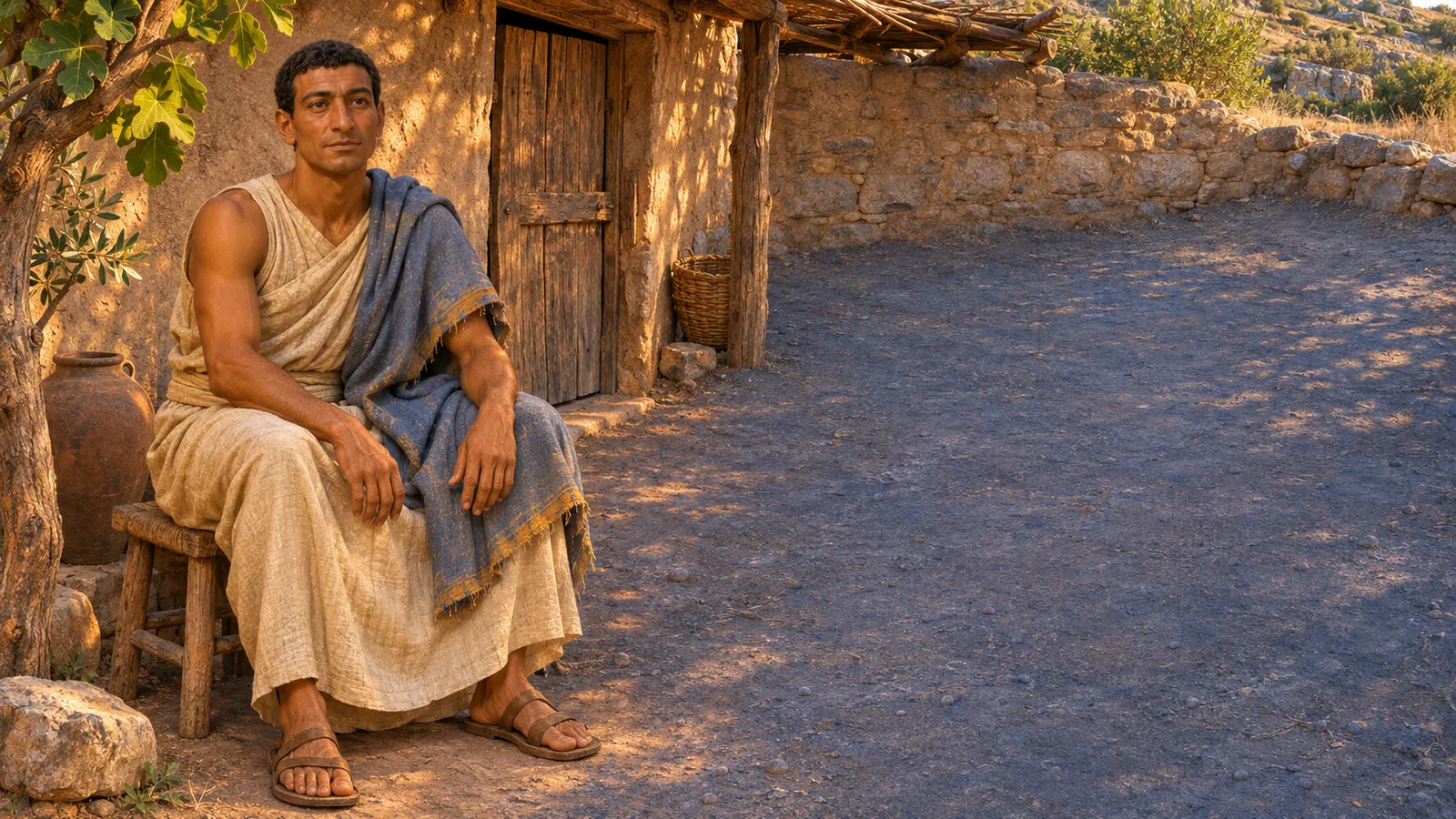
Sinuhe names Byblos and Qedem in his travels. He stays a year and a half in Qedem, until Amunenshi sends for him.
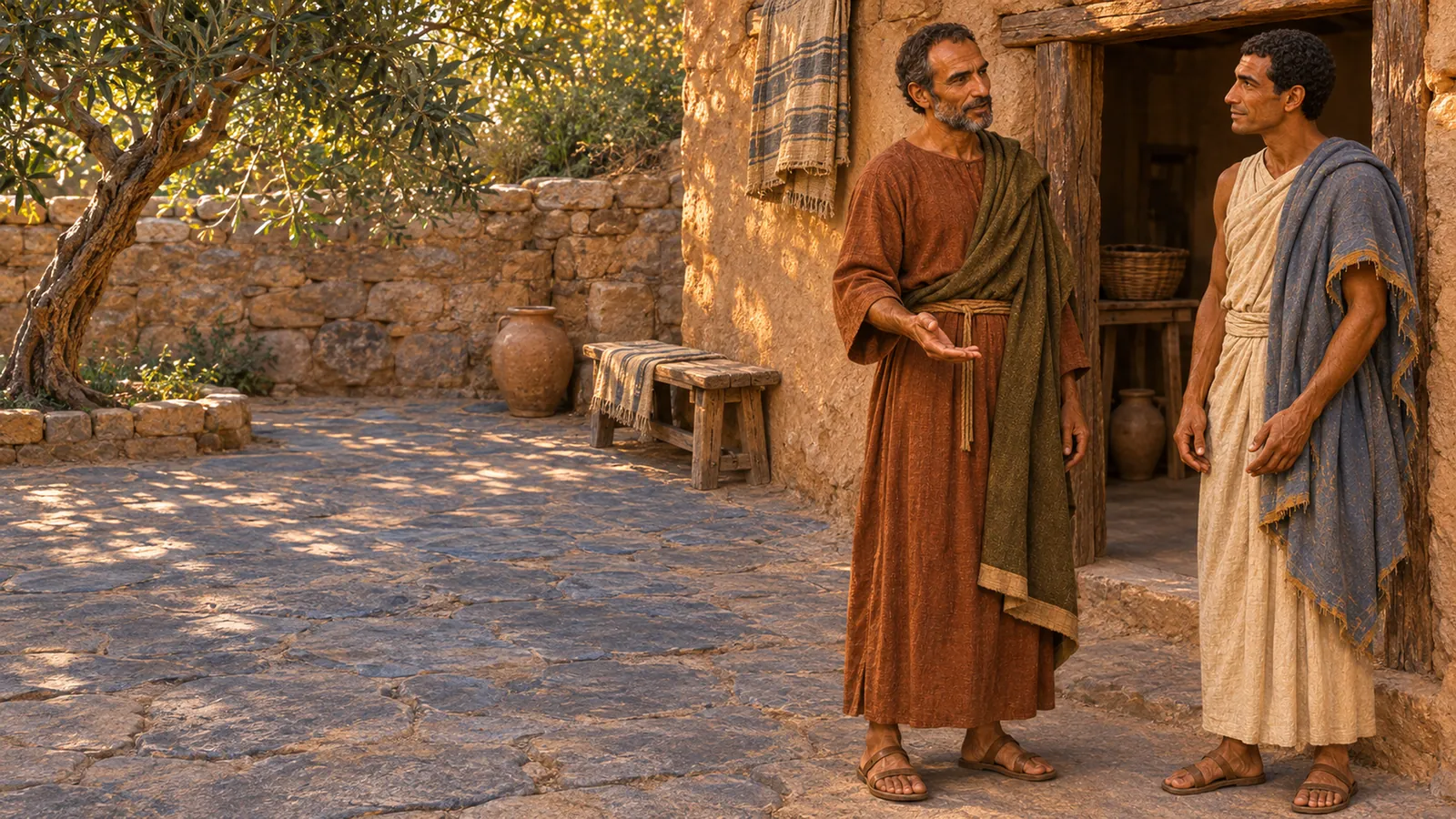
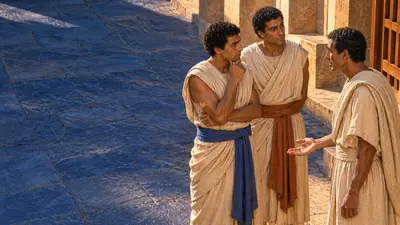
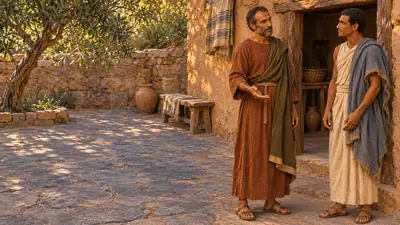
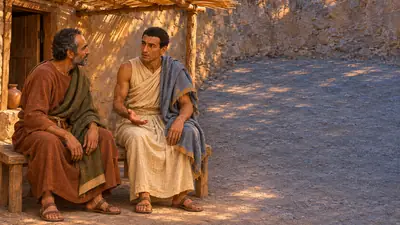
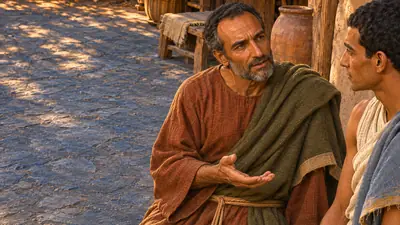
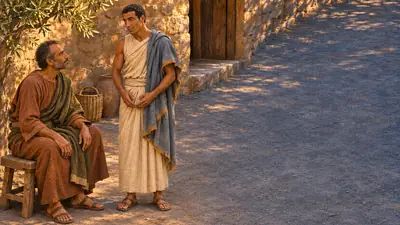
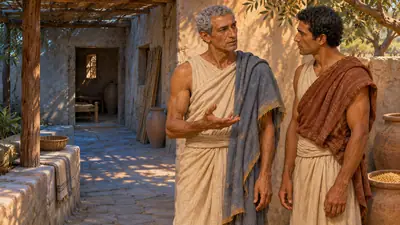
Amunenshi tells Sinuhe he can hear Egyptian spoken with his people. Egyptians there have spoken for him. Amunenshi asks what has happened at the Residence.
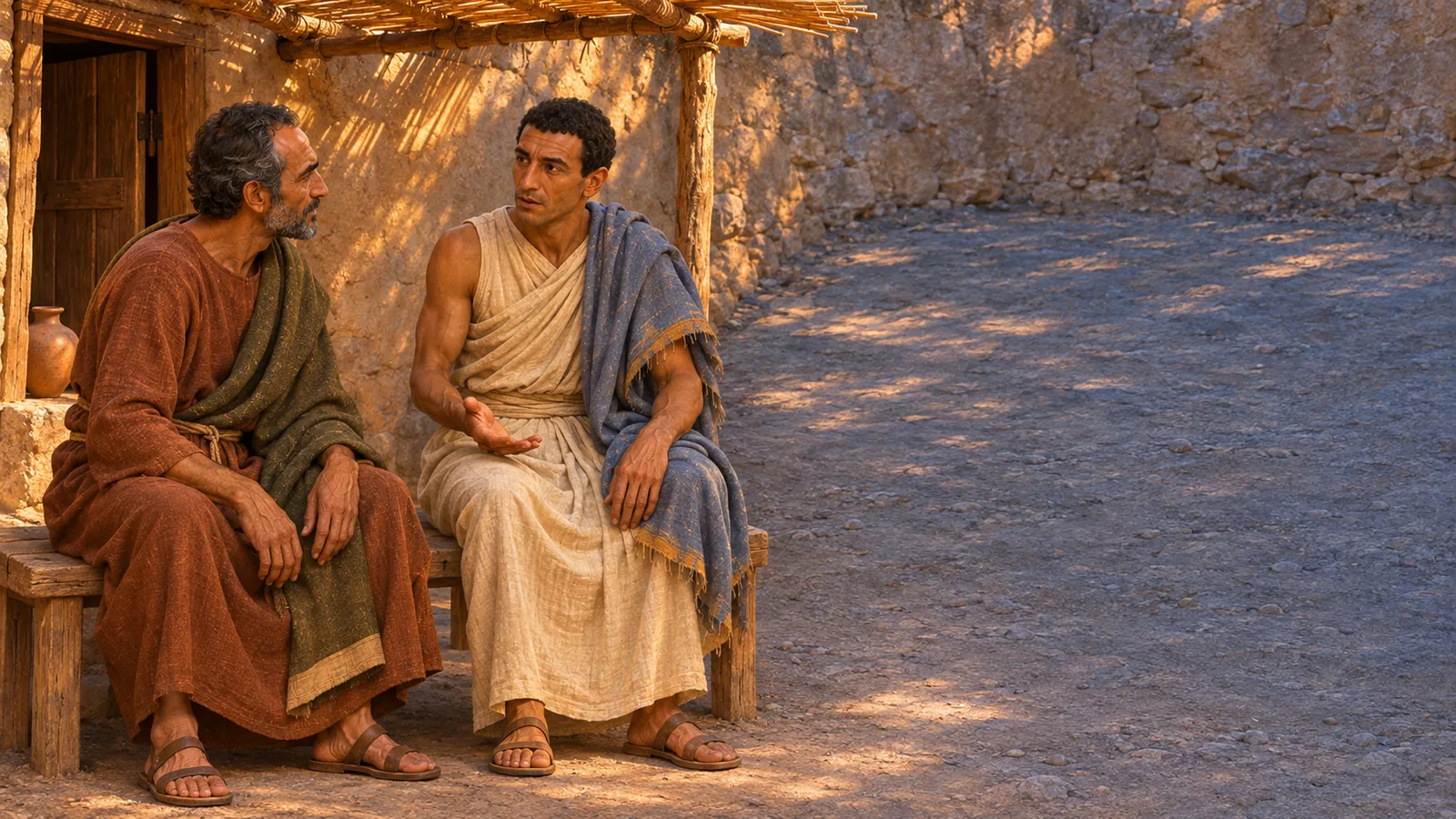
Sinuhe tells Amunenshi the king has died and says he does not know the circumstances. He then recalls hearing a voice and leaving in fear.
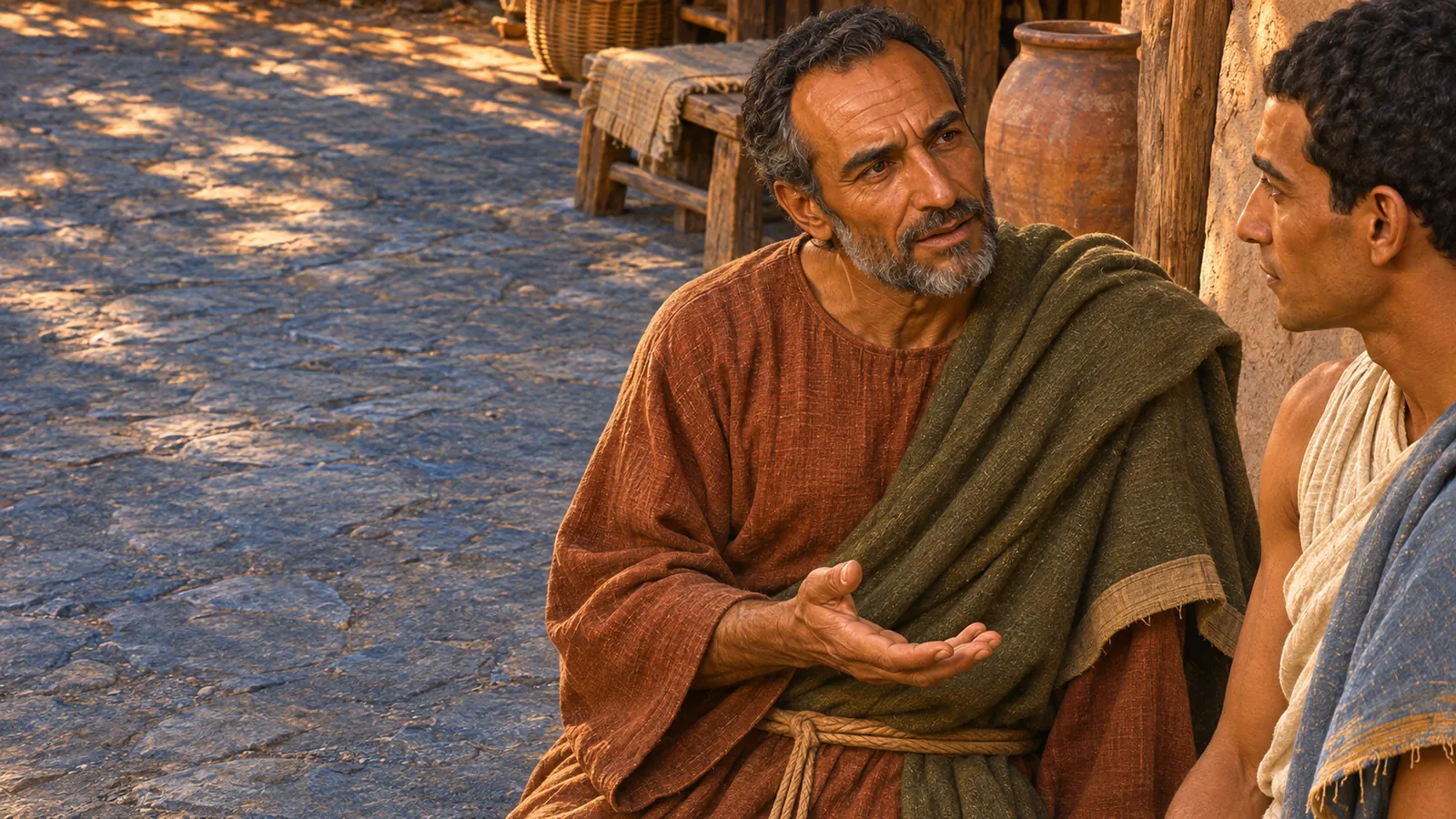
Amunenshi asks what will become of Egypt now. The question turns the conversation from the loss of the former king to the ruler who follows him.
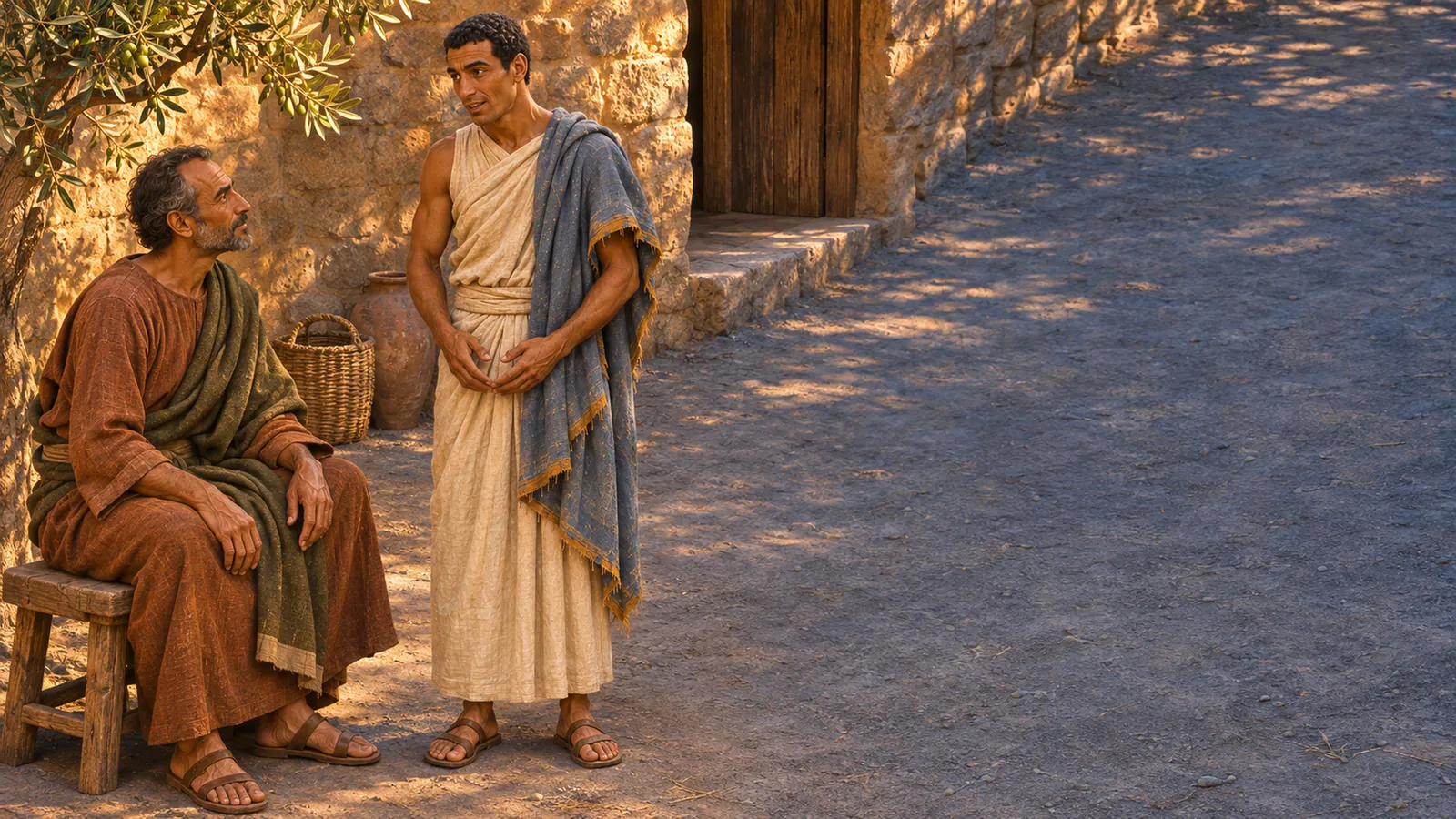
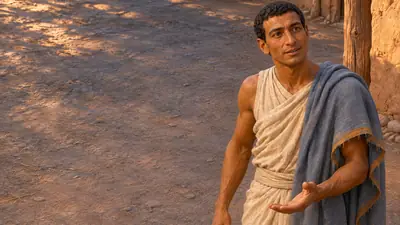
Sinuhe says that Senusret has taken his father’s place as king. His reply begins a long account of what he admires in the new ruler.
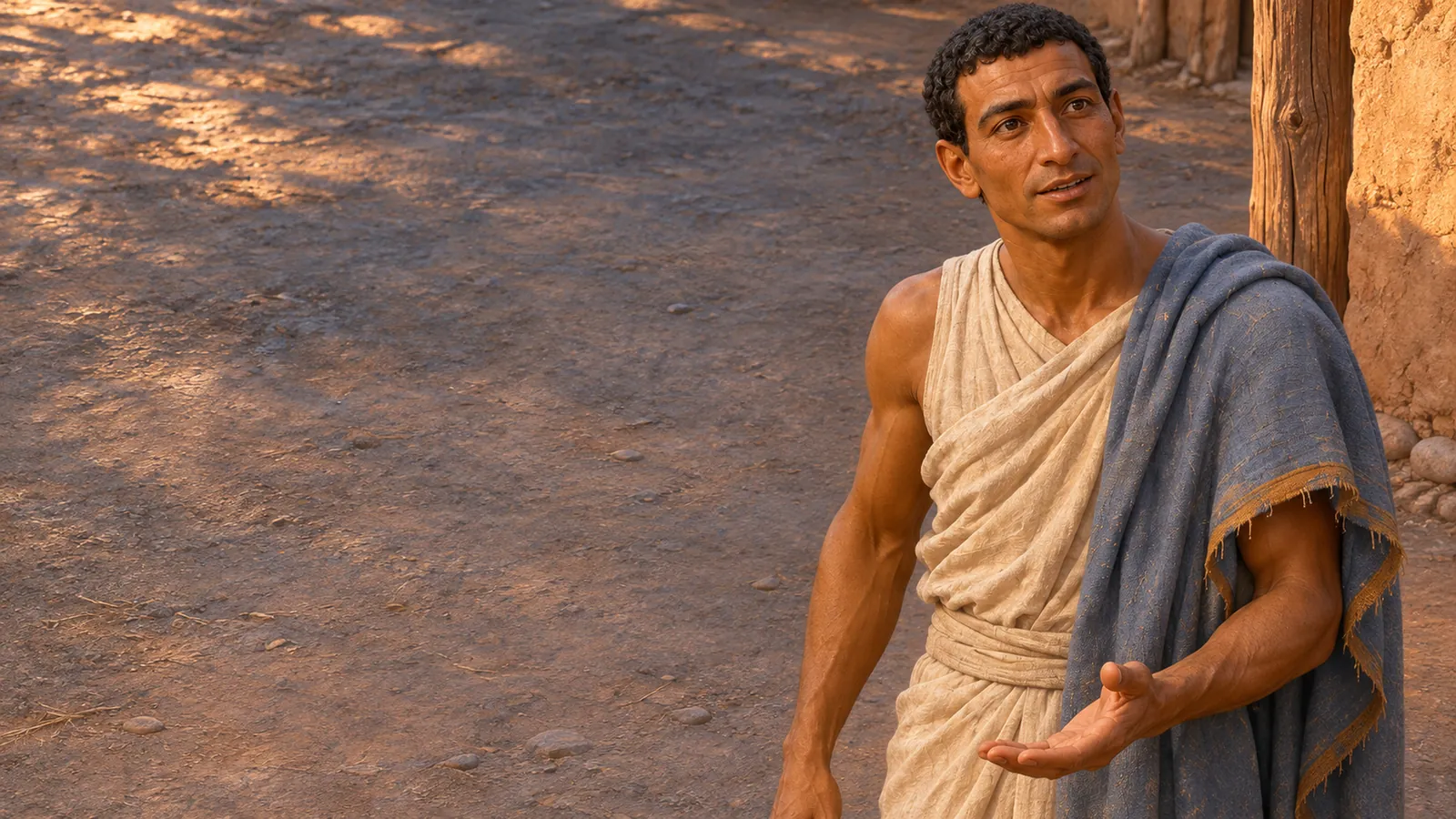
Sinuhe speaks of the affection people feel for Senusret. He describes the king’s kindness as he makes the case for approaching him.
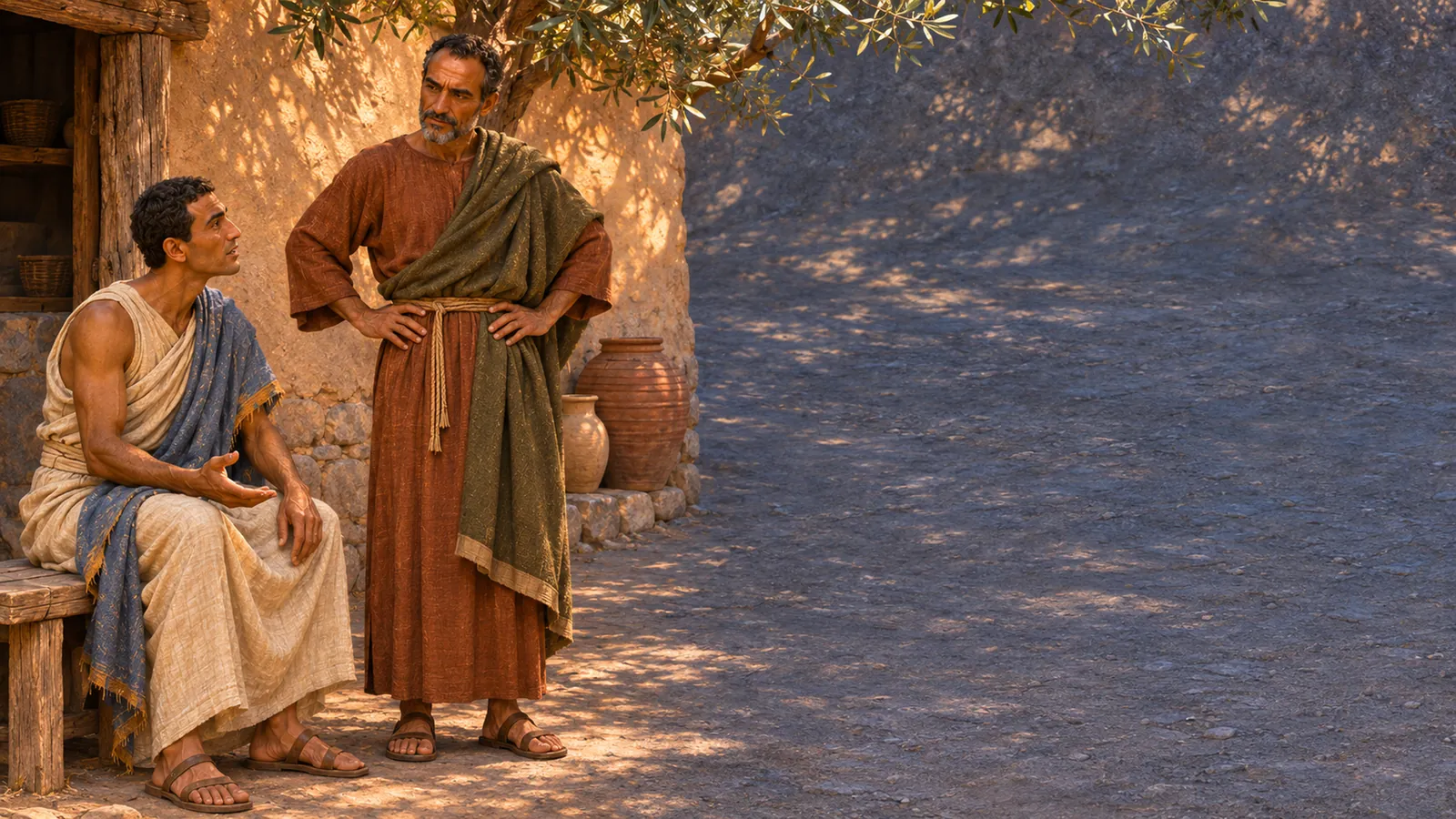
Sinuhe advises Amunenshi to make himself known to Senusret. He assures his host that the Egyptian king will meet that approach with goodwill.
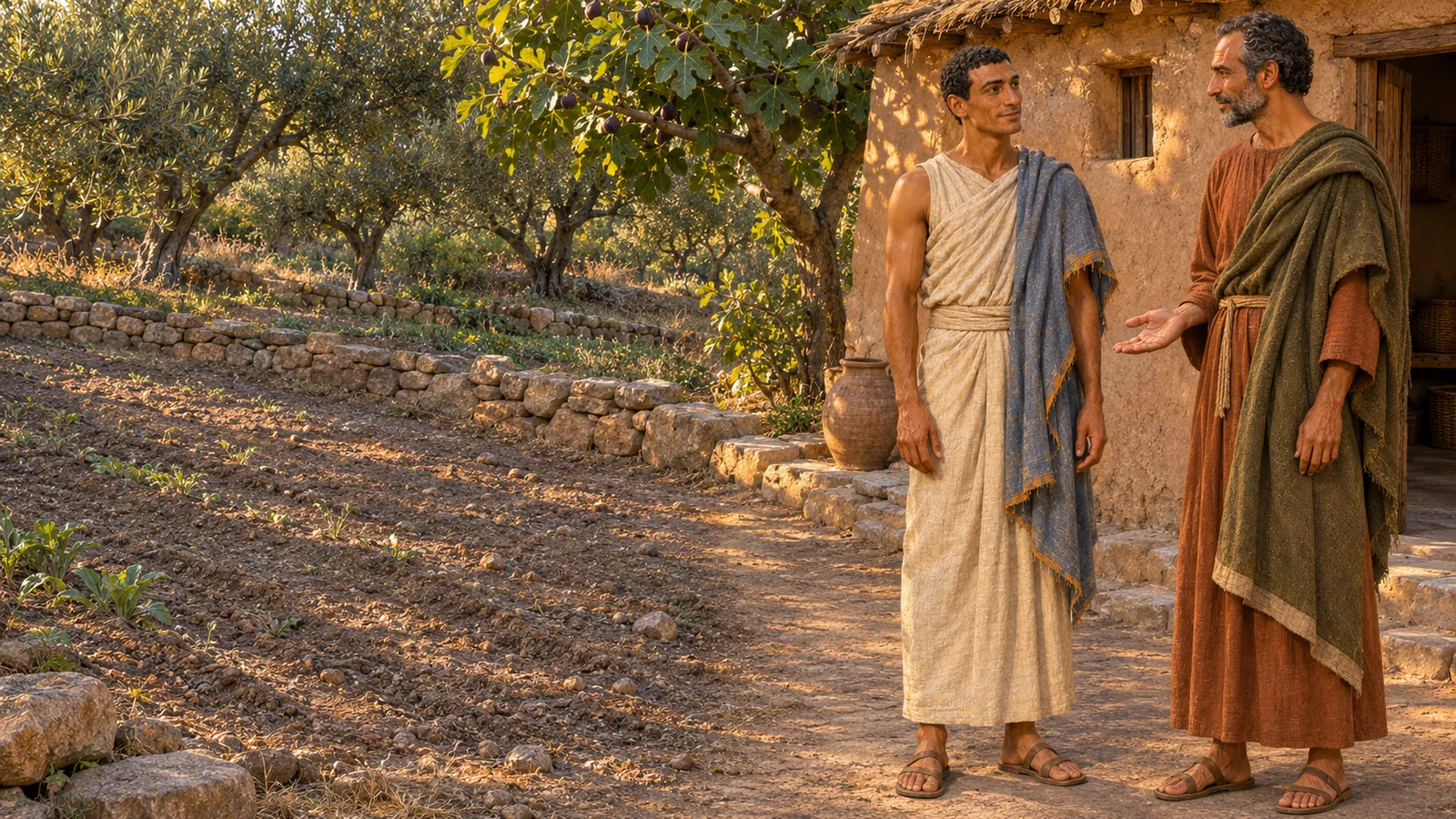
Amunenshi says he will keep Sinuhe with him. He gives him his eldest daughter as wife and lets him choose land for the household.
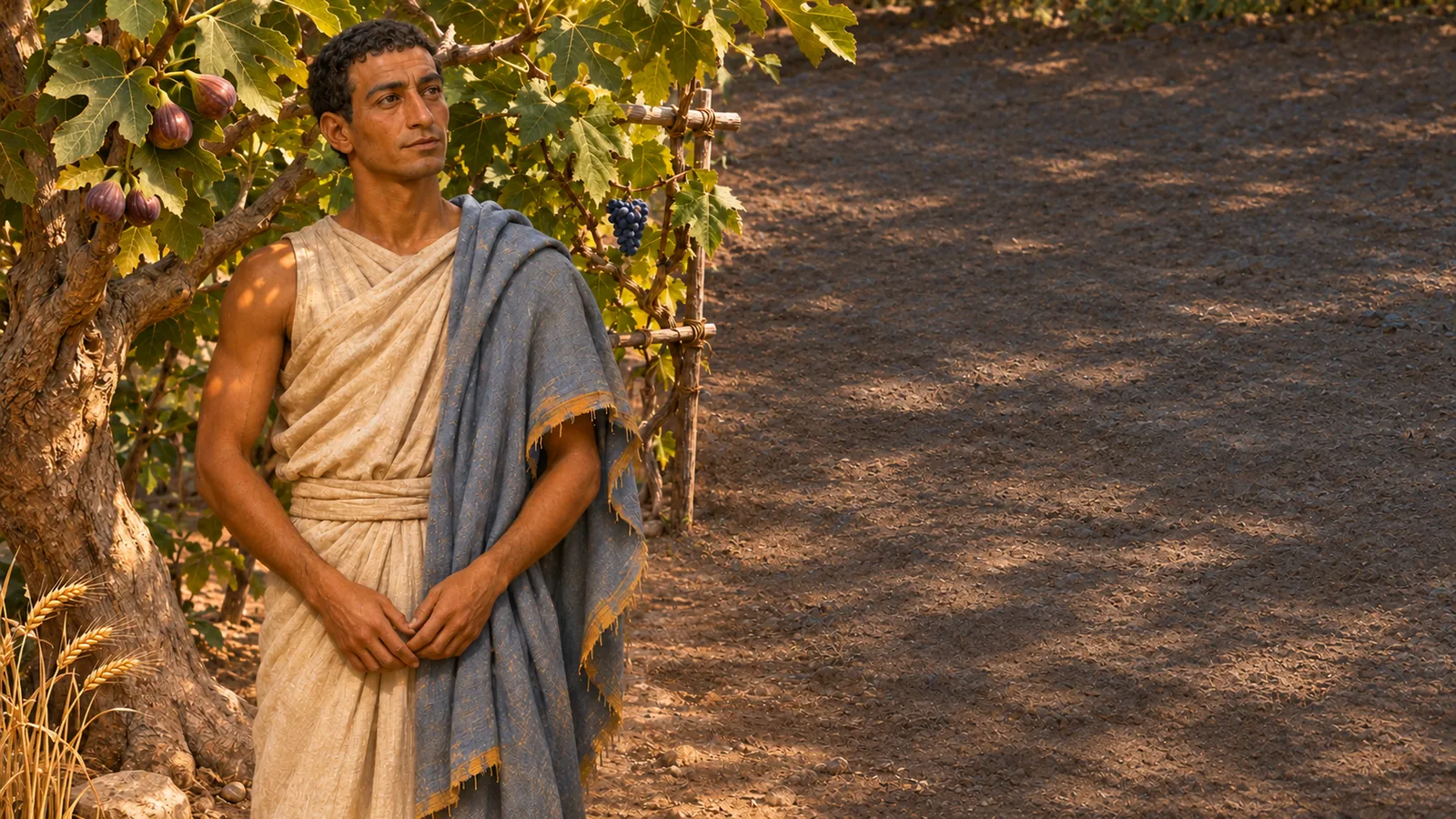
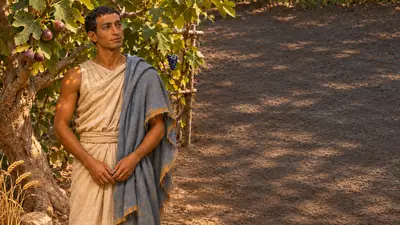
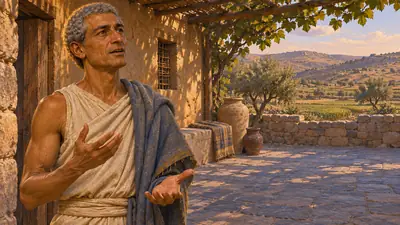
Sinuhe calls the place Iaa. He speaks of figs, vines, grain and herds when he describes the land where he and his household settle.
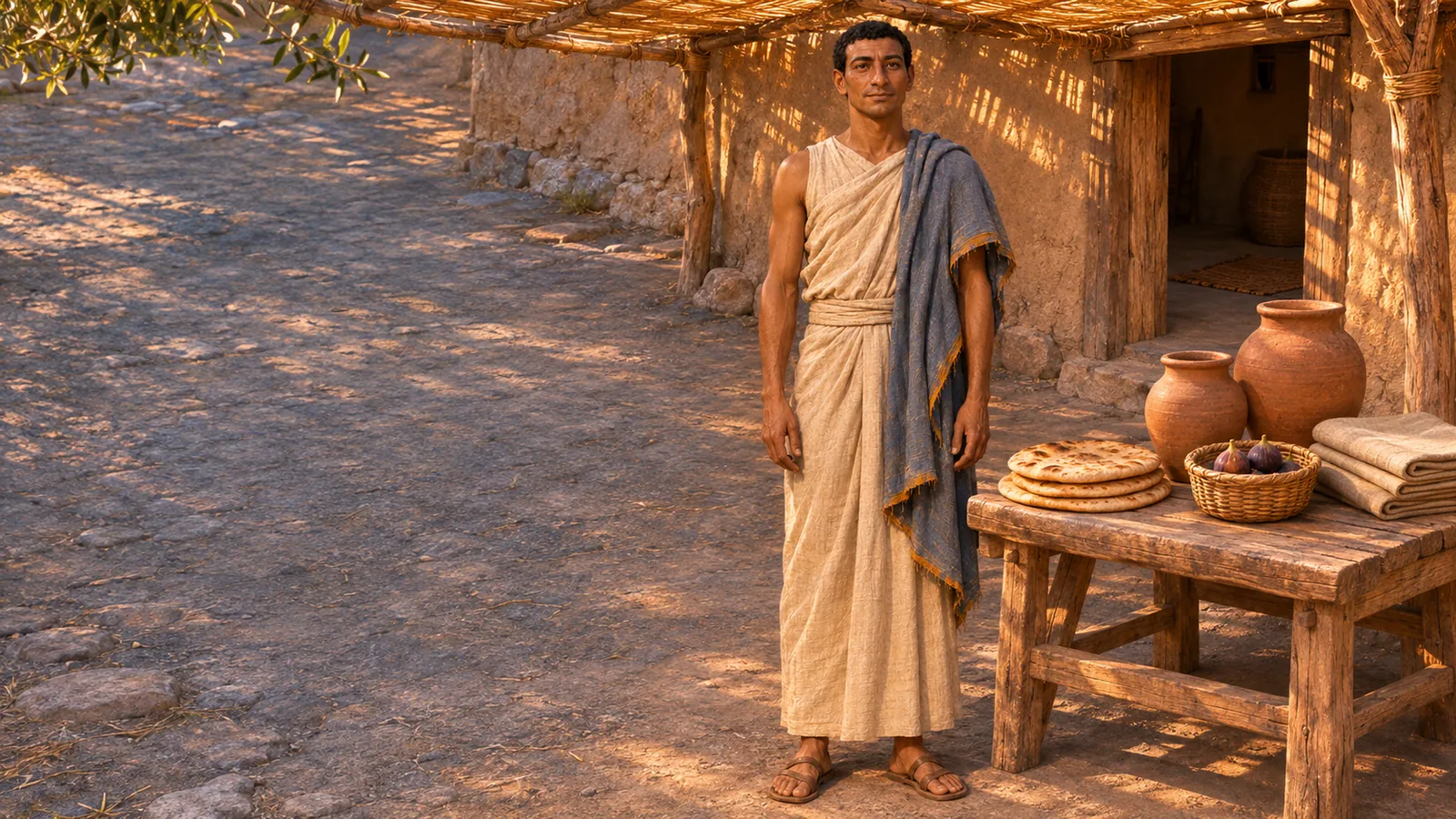
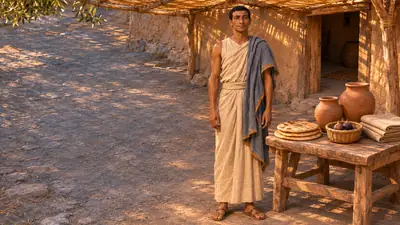
Amunenshi puts Sinuhe in charge of a community. Sinuhe describes a household with ample food and supplies brought to his table.
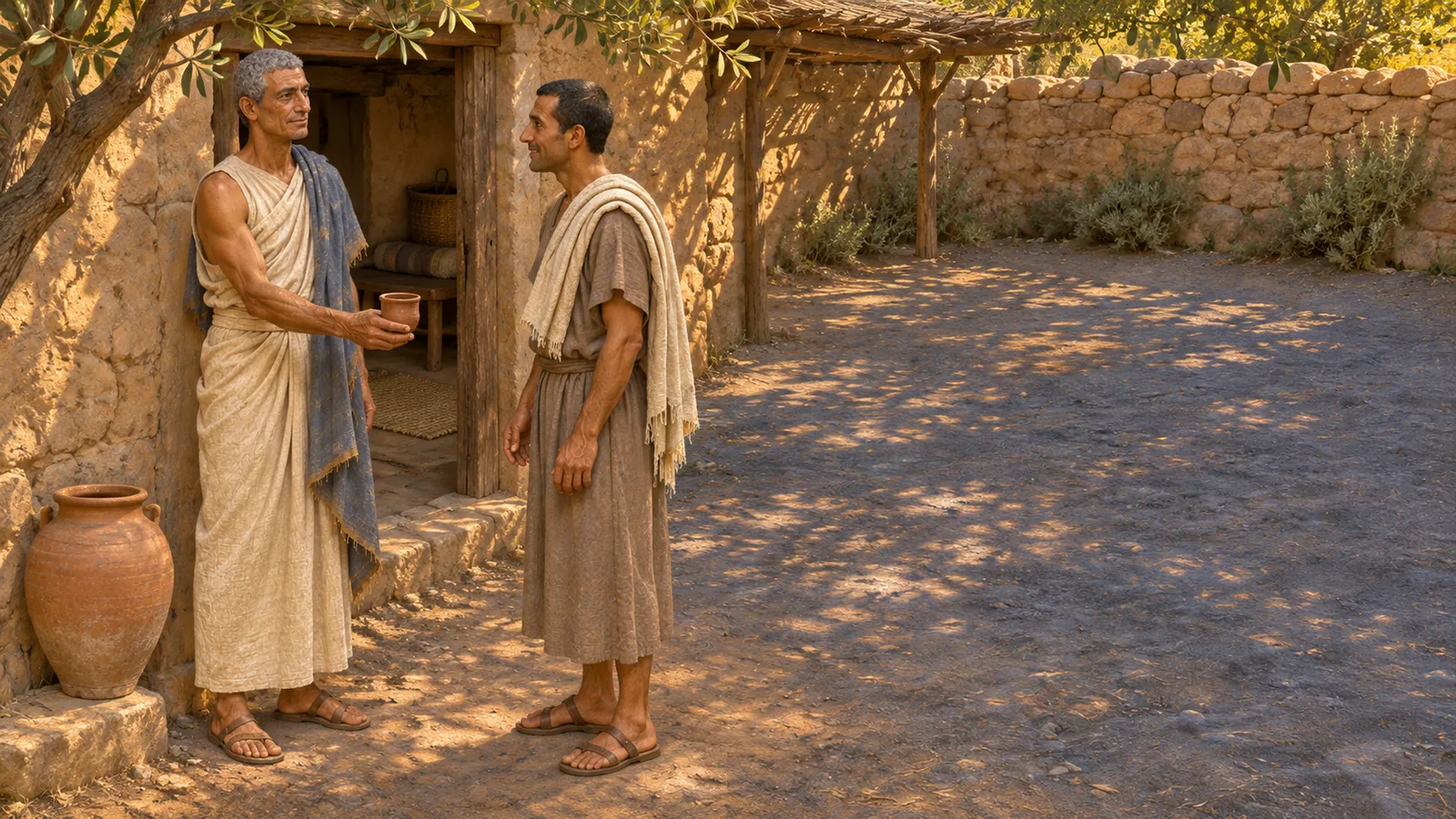
Years pass, and Sinuhe’s children grow up. He says he gave water and directions to travelers and welcomed envoys who passed through the land.
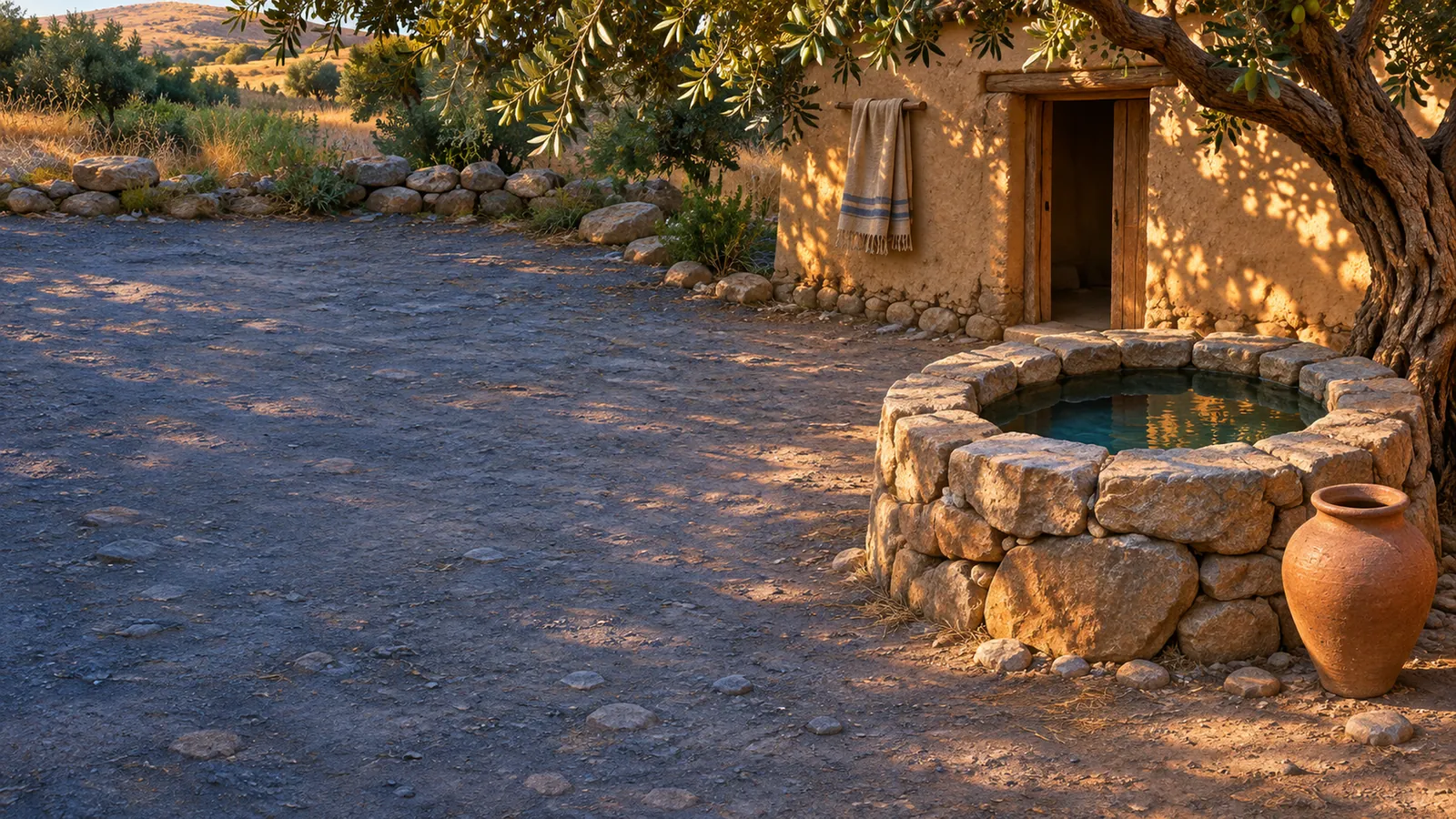
Amunenshi puts Sinuhe in command of his troops. Sinuhe says he led raids, drove people from their wells, killed people and took captives and cattle.
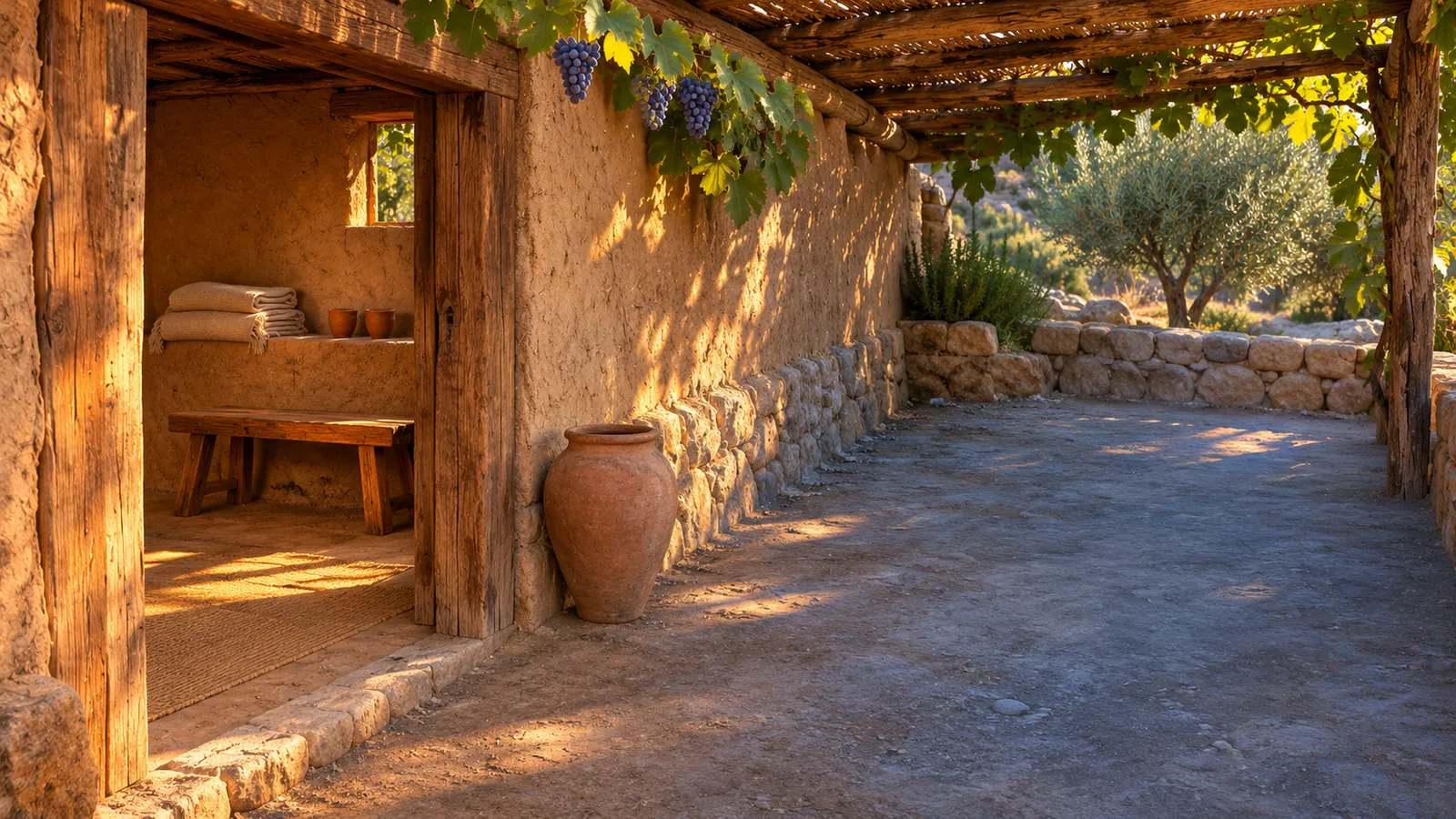
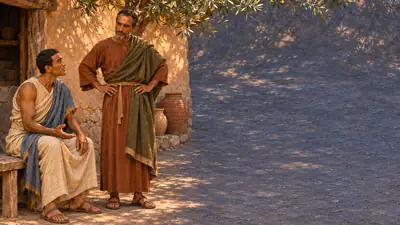
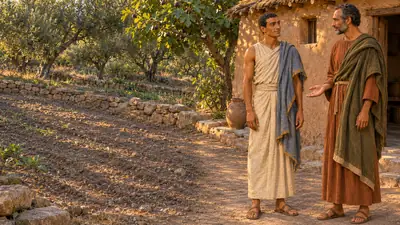
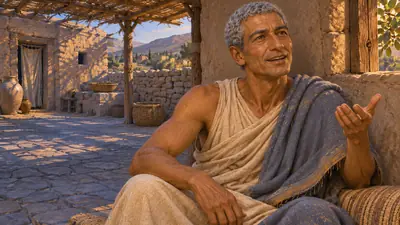
Amunenshi confers with Sinuhe. Sinuhe says he killed his challenger and took his goods. Amunenshi then comes to welcome him warmly.
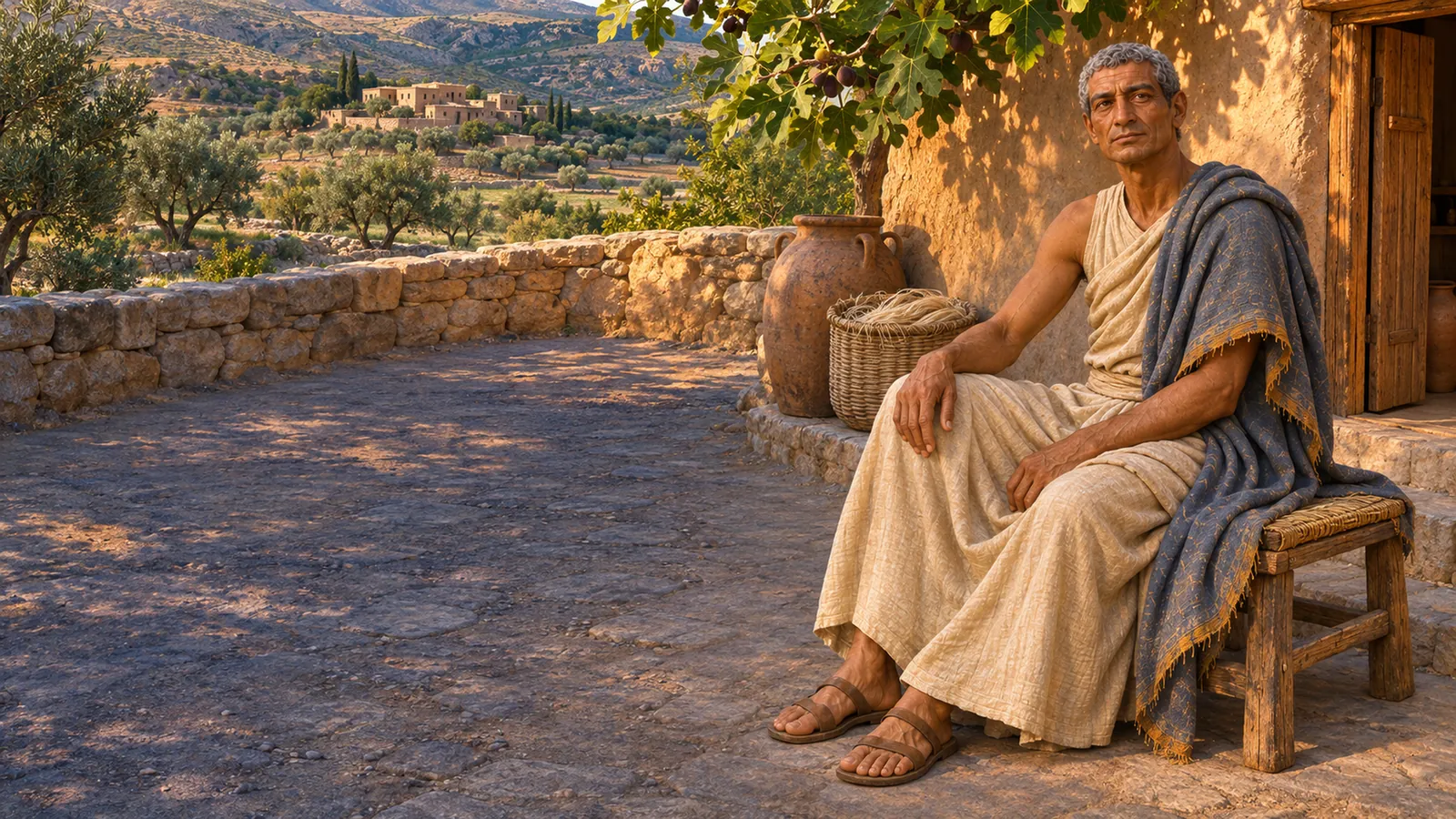
Sinuhe sees his changed fortunes as a sign that a divine power has made peace with him. Even in his new home, he thinks of the Residence.
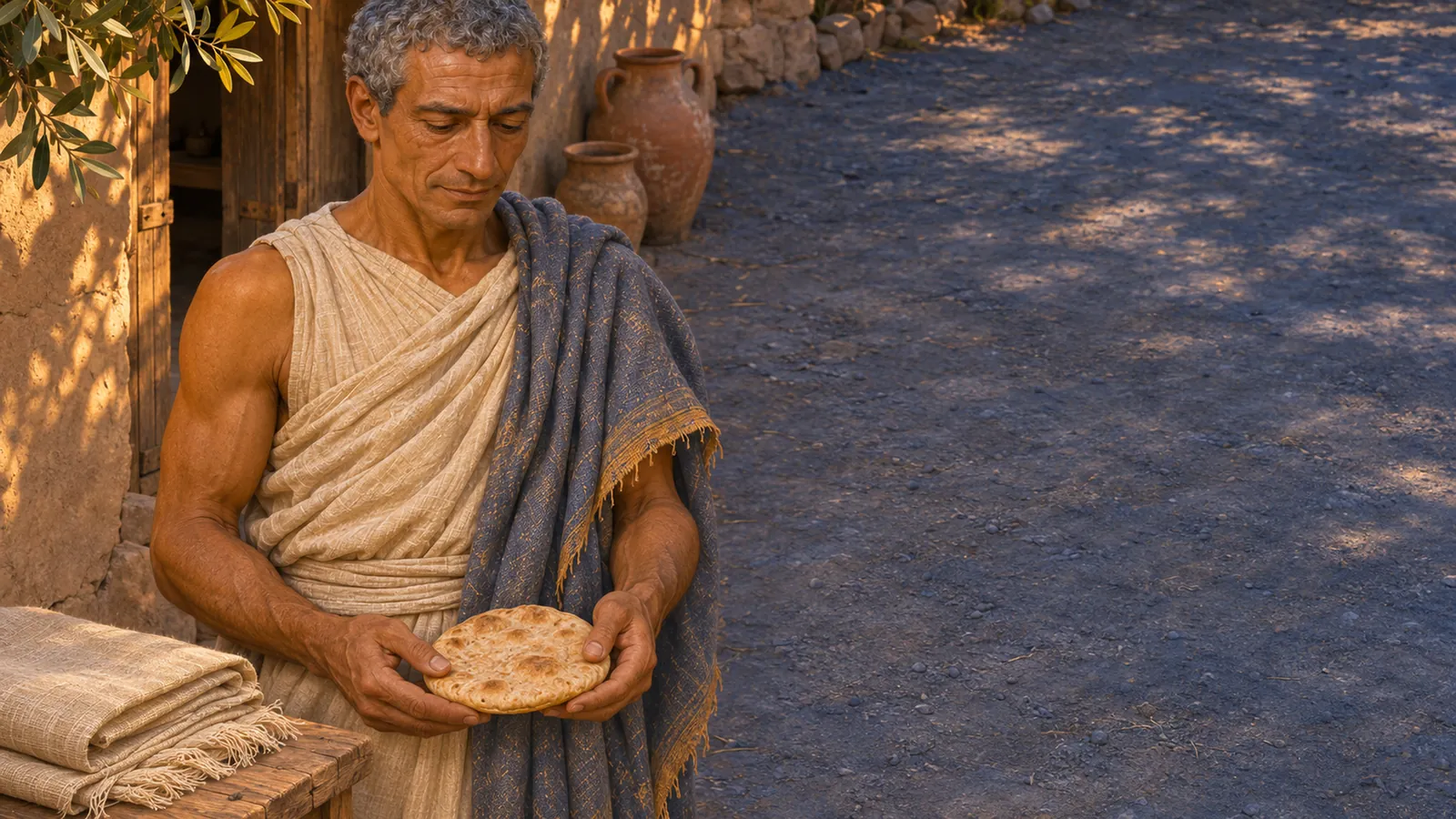
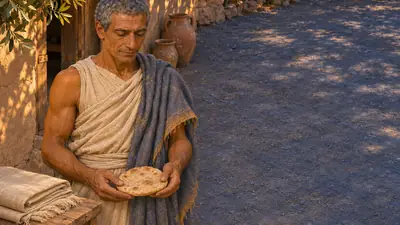
Sinuhe points to the bread he is able to share and the fine cloth he can wear. He speaks of the standing he has gained abroad.
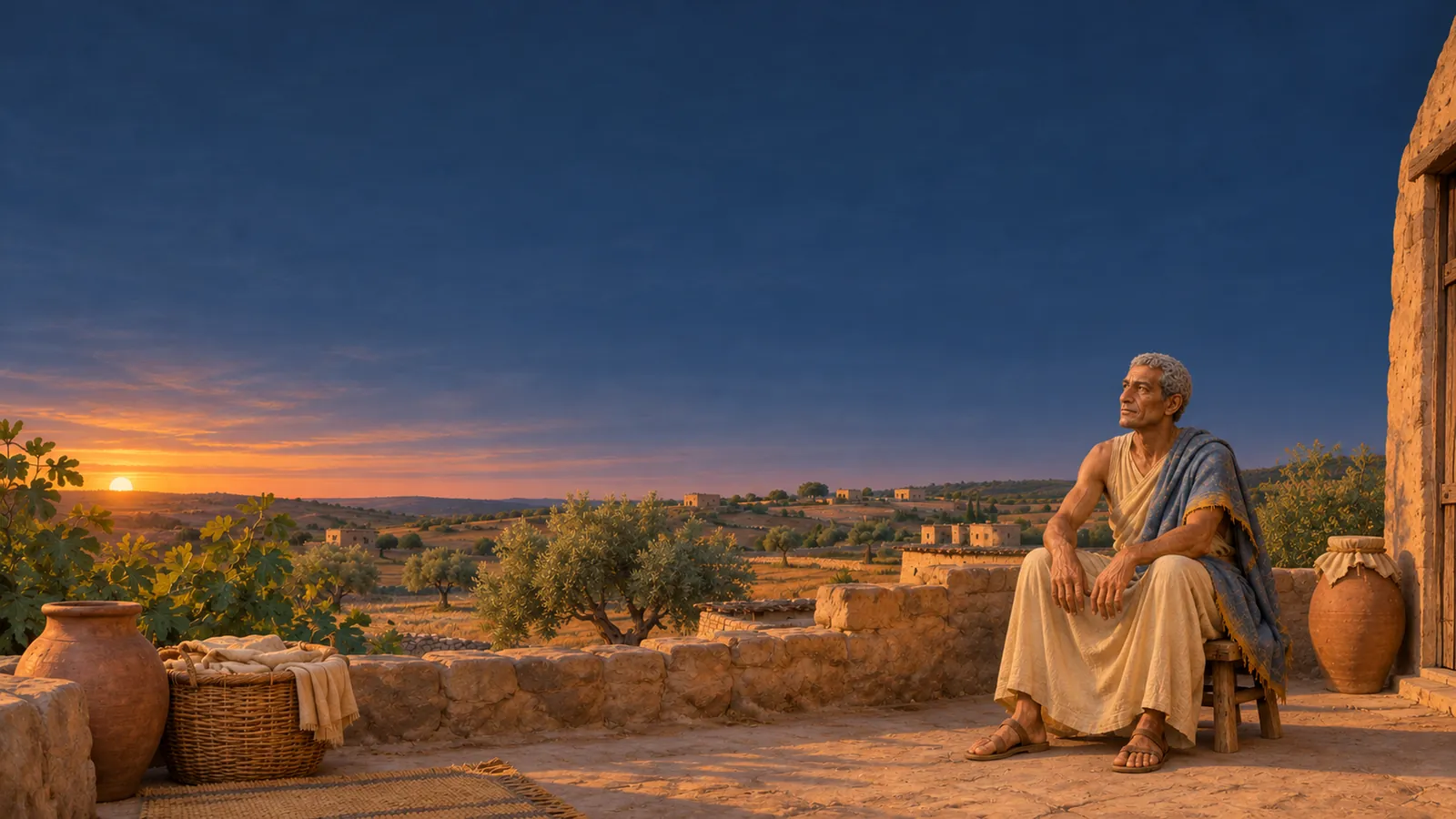
THE LAND HE LONGS FOR
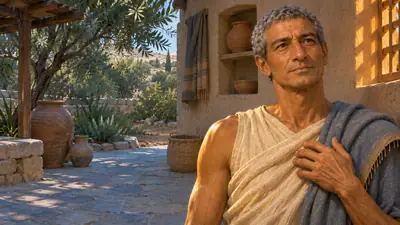
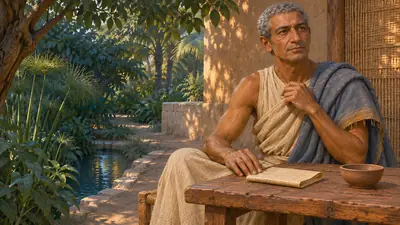
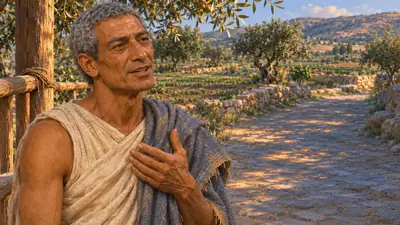
Sinuhe asks to see again the place for which he longs. When his life ends, he wishes to be buried in the land where he was born.
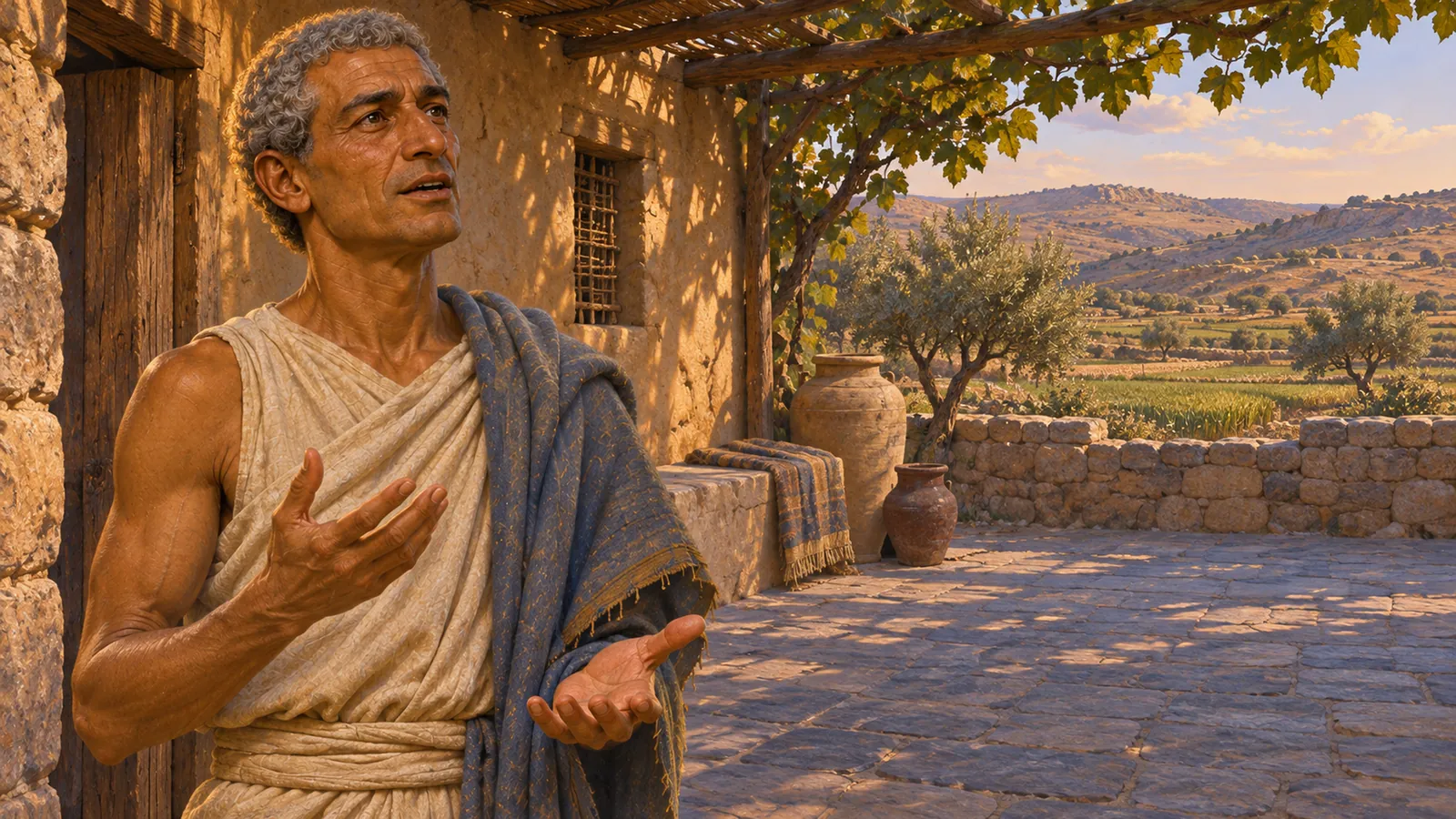
Sinuhe asks that the prayer of an exile be heard. He longs to be brought back to the place he left.
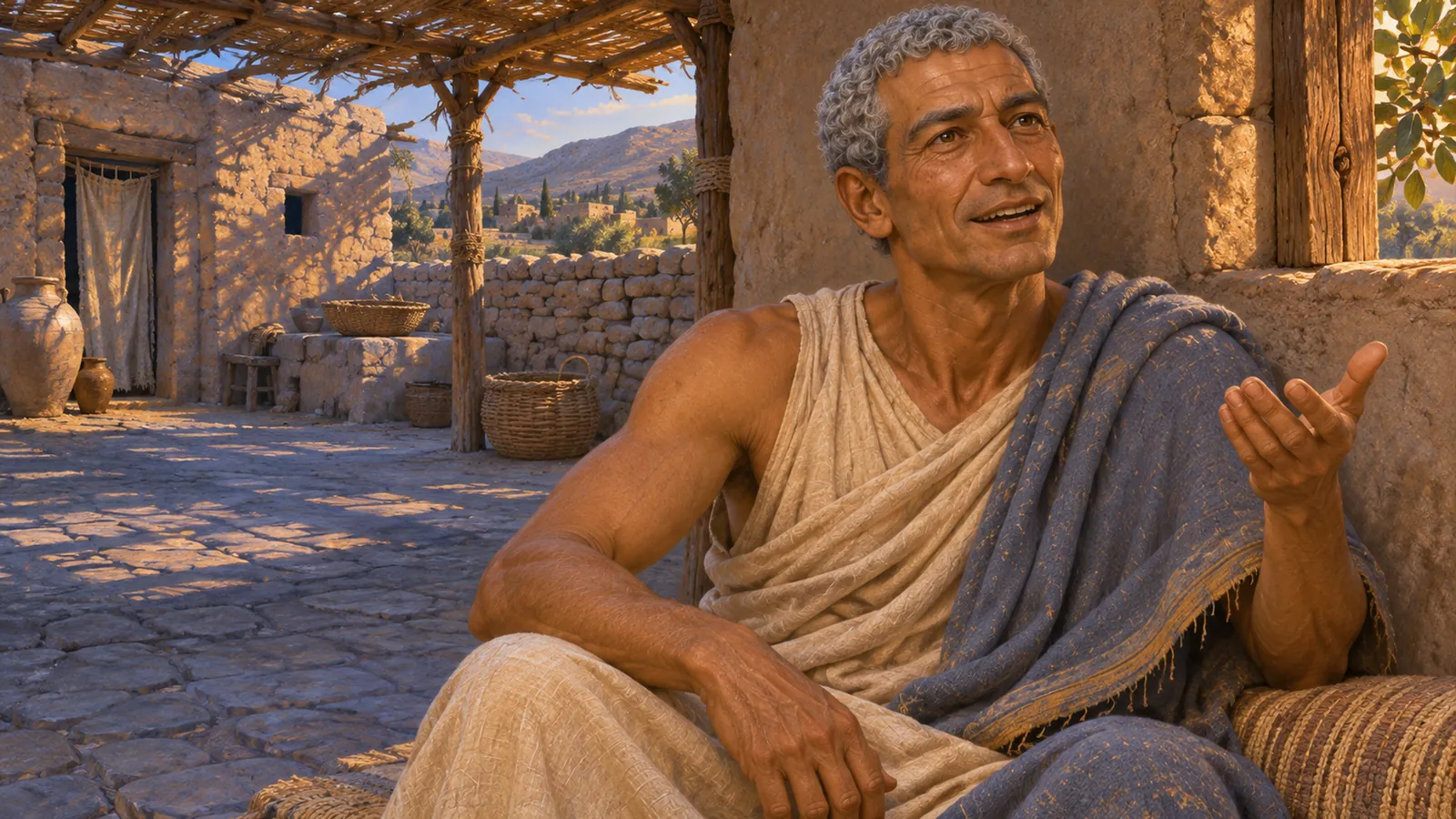
Sinuhe hopes to live in the king’s favor again. He wants to greet the lady of the palace and hear from her children.
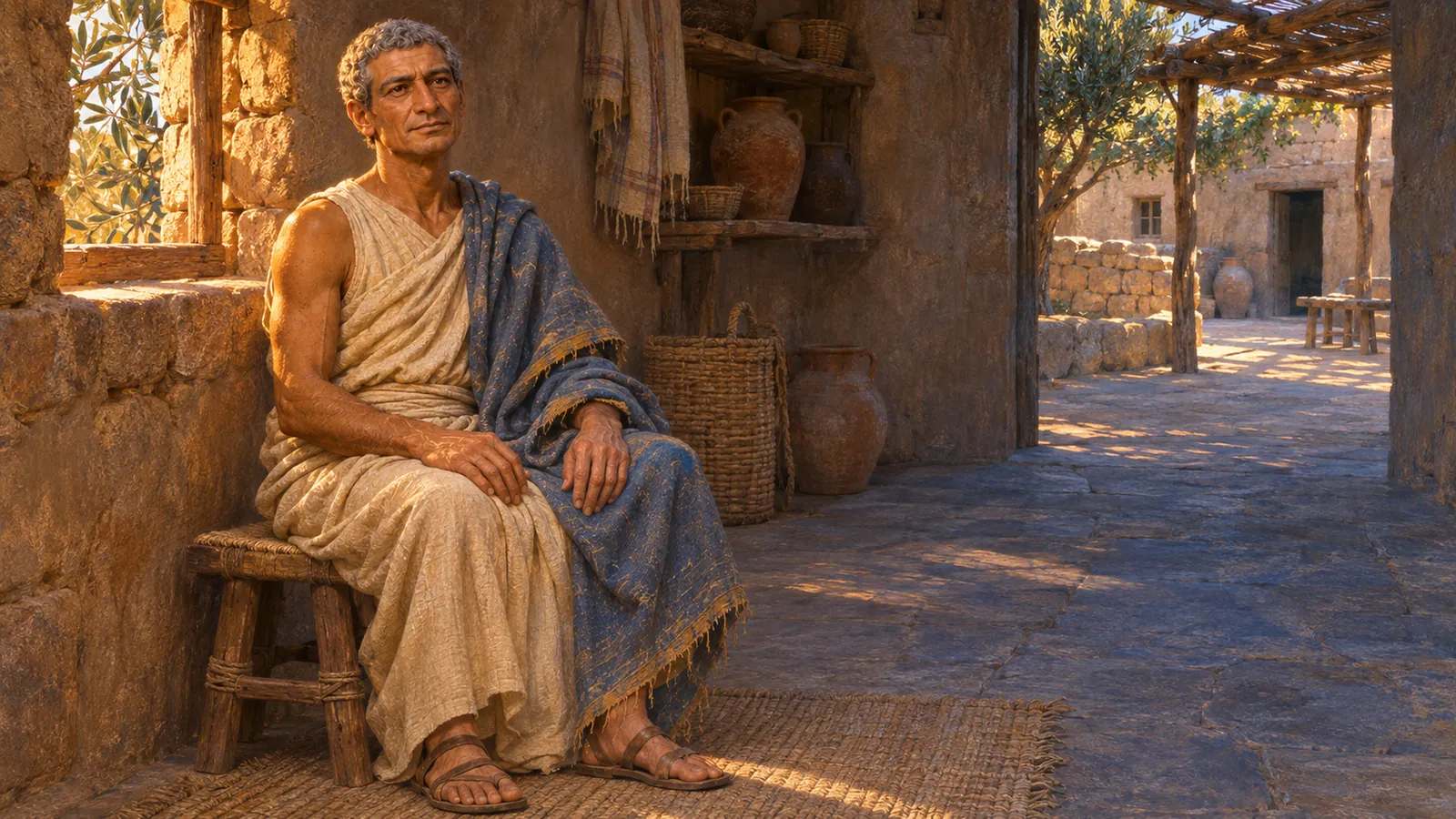
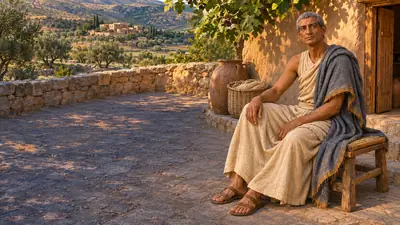
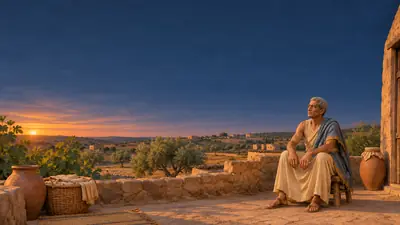
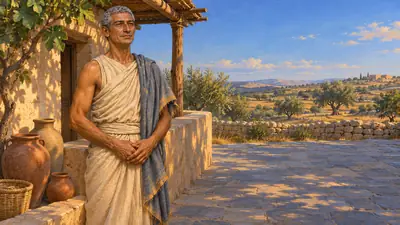
Sinuhe feels his age and longs for rest. He asks to spend the time that remains to him in the place he calls home.
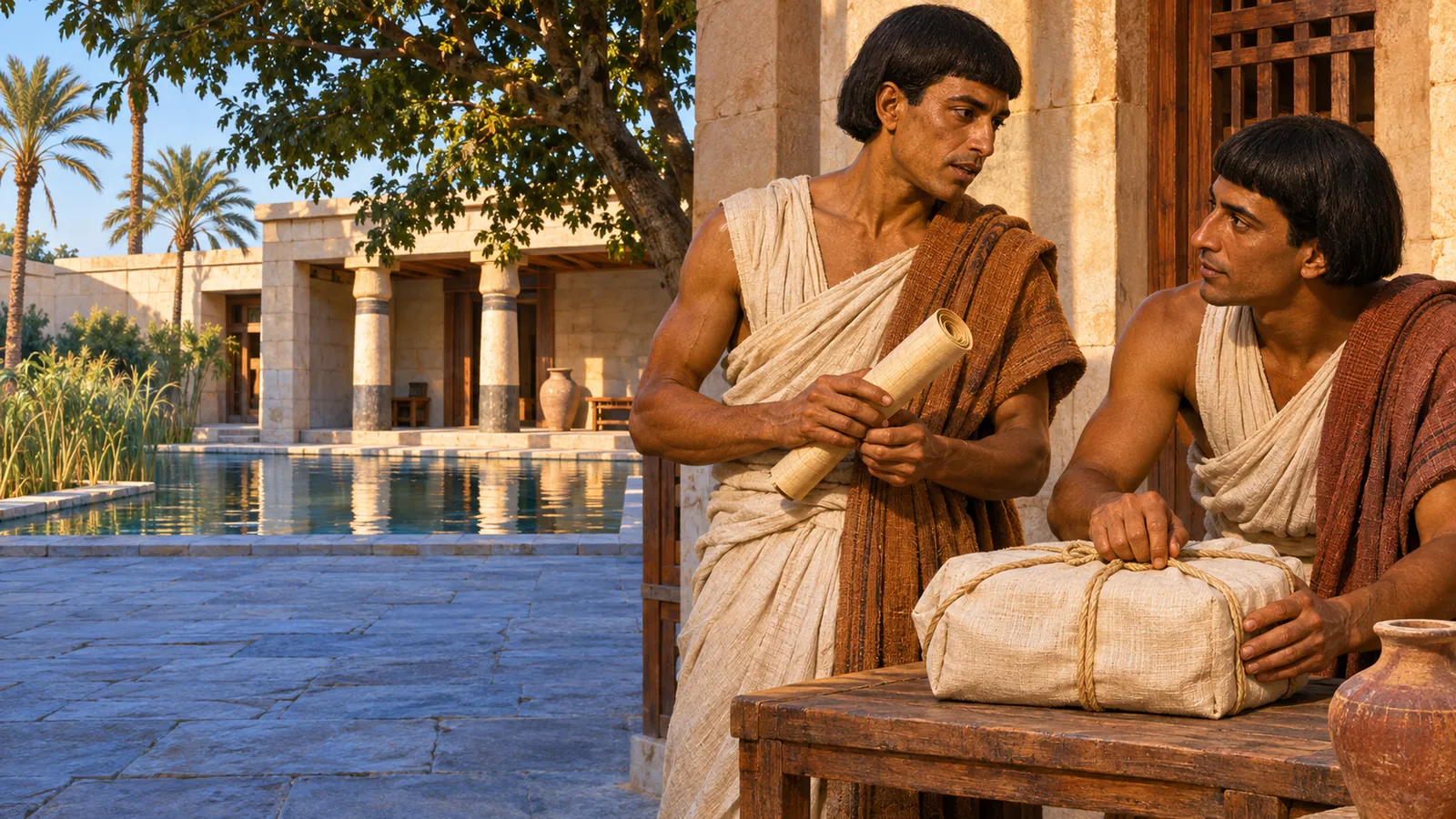
THE KING’S MESSAGE
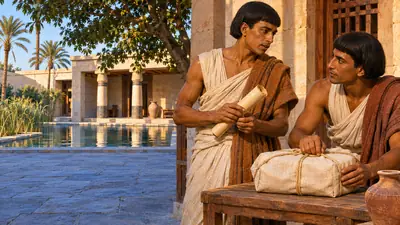
Word of Sinuhe reaches Kheperkare, the king we know as Senusret. The king sends gifts, and the royal household sends messages of its own.
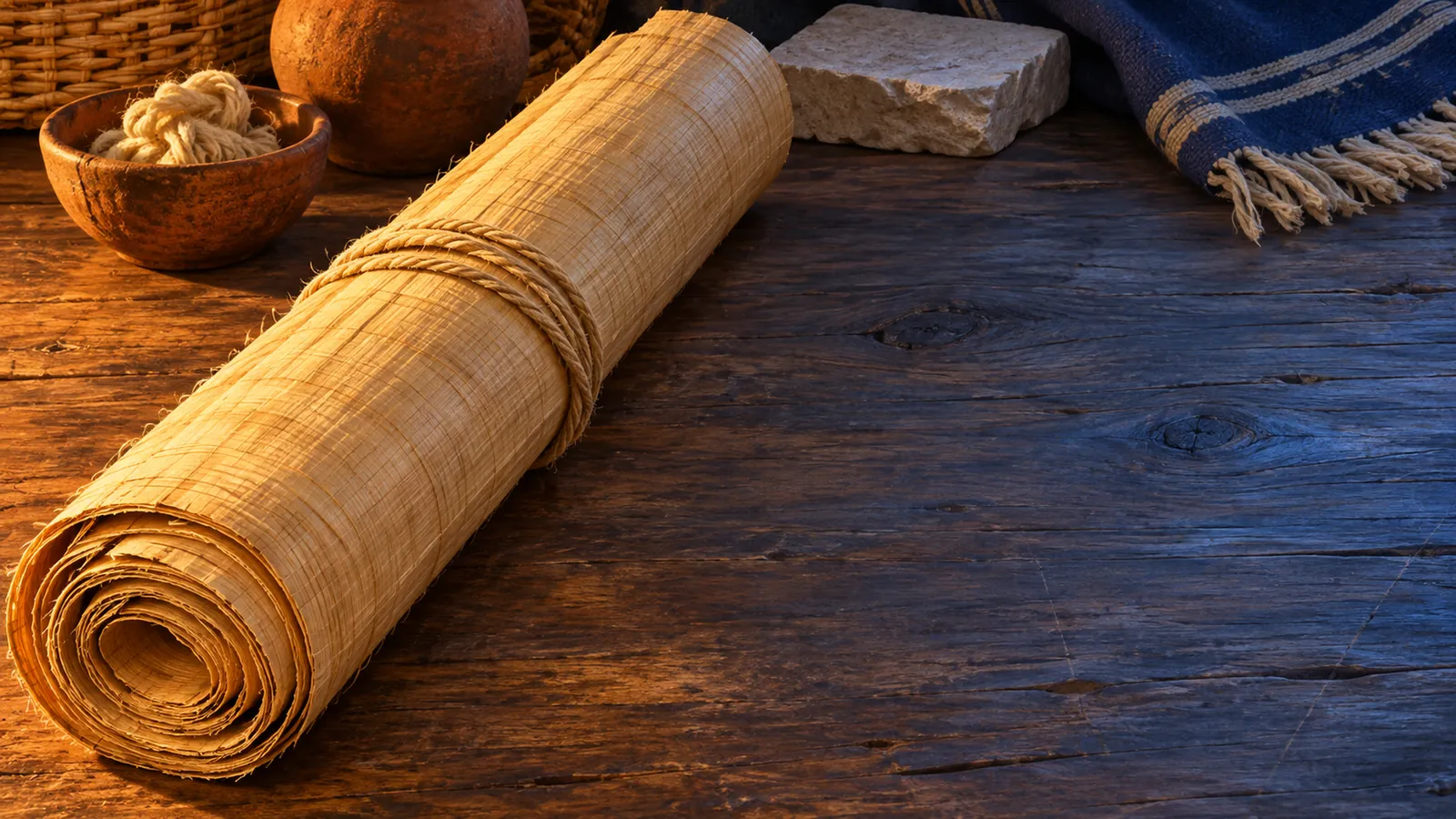
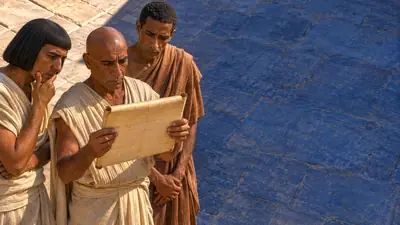
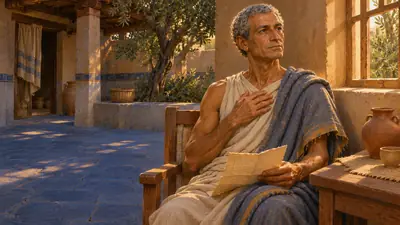
The story gives a copy of the decree sent to bring Sinuhe back to Egypt. It speaks in the king’s voice and addresses Sinuhe by name.
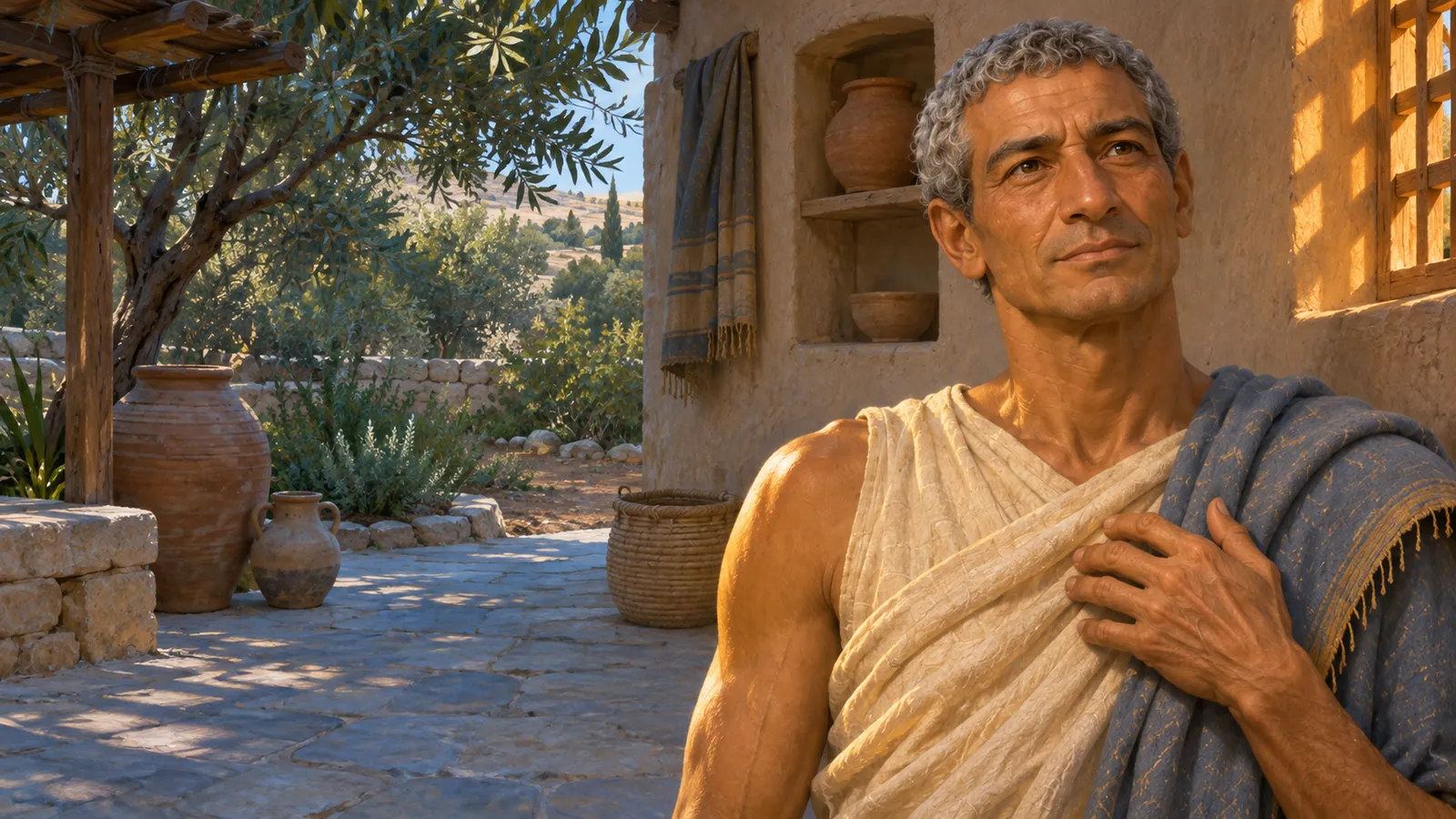
The king’s message recalls Sinuhe’s travels from country to country. It asks what he has done to deserve blame and says the king holds nothing against him.
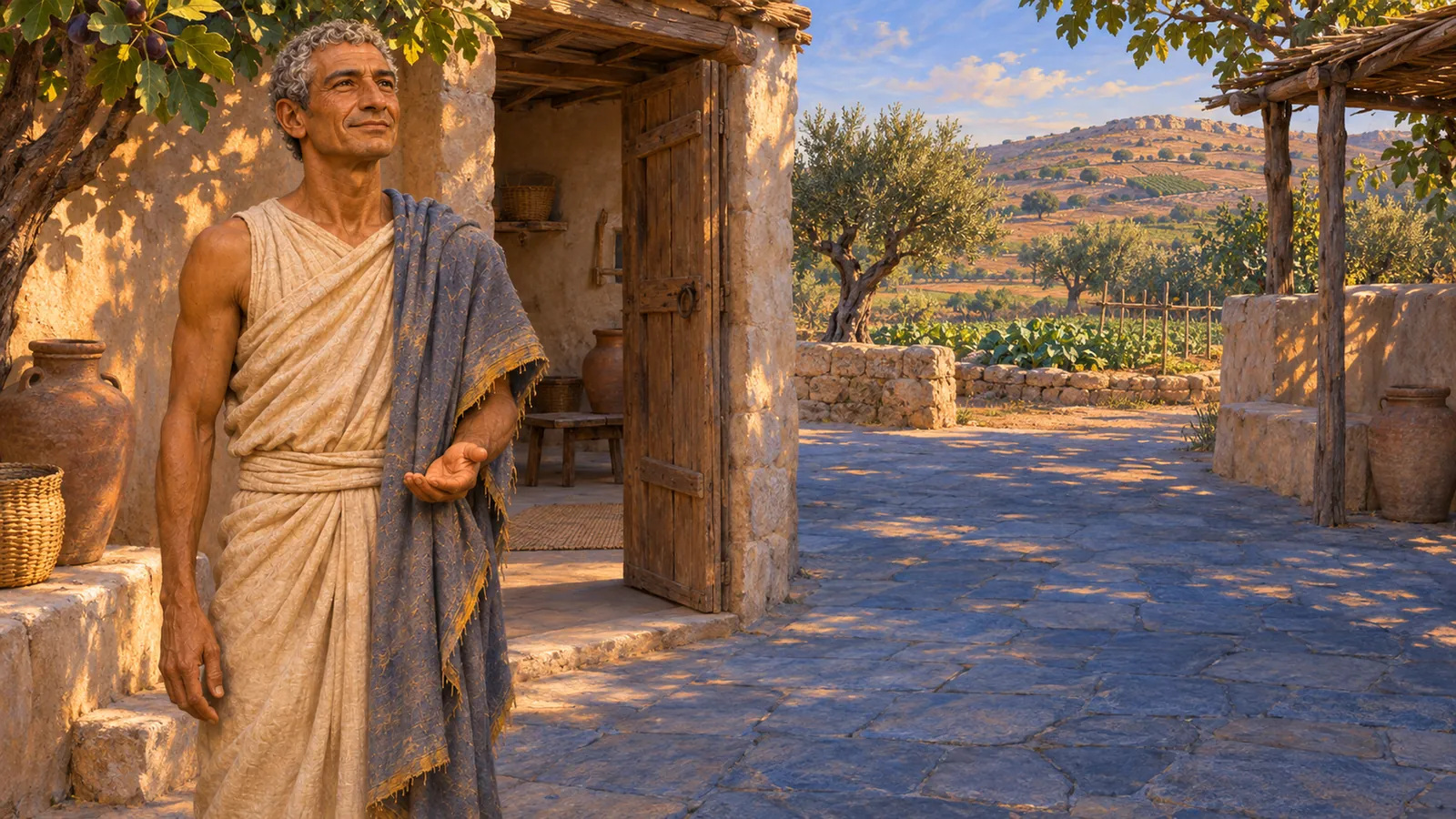
The king says that the lady of the palace and her children are well. He invites Sinuhe to come back to Egypt and enter the Residence at its great gate.
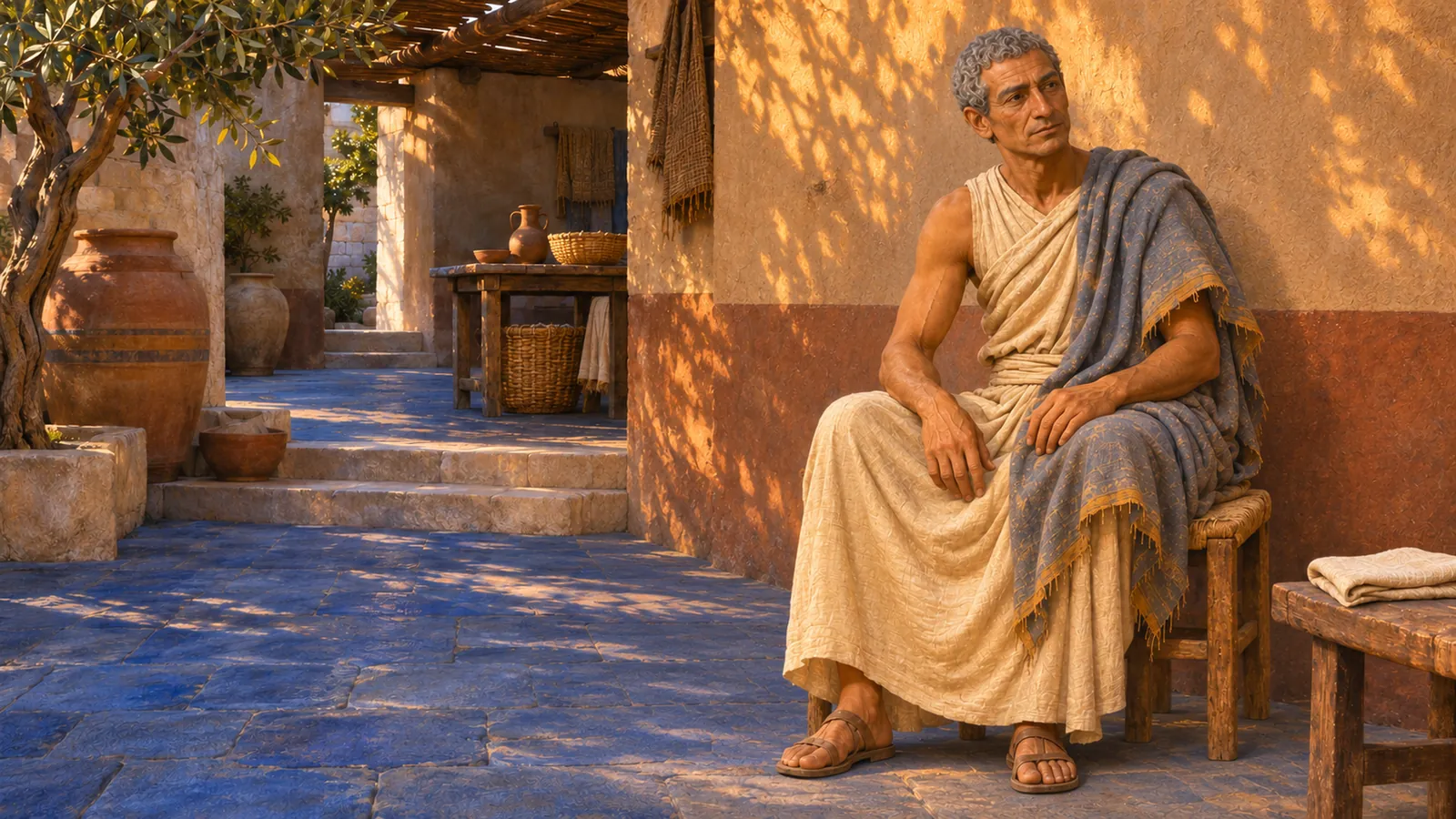
The decree speaks of the years ahead and promises that Sinuhe can be buried with honor in Egypt. These are arrangements the king offers in his letter.
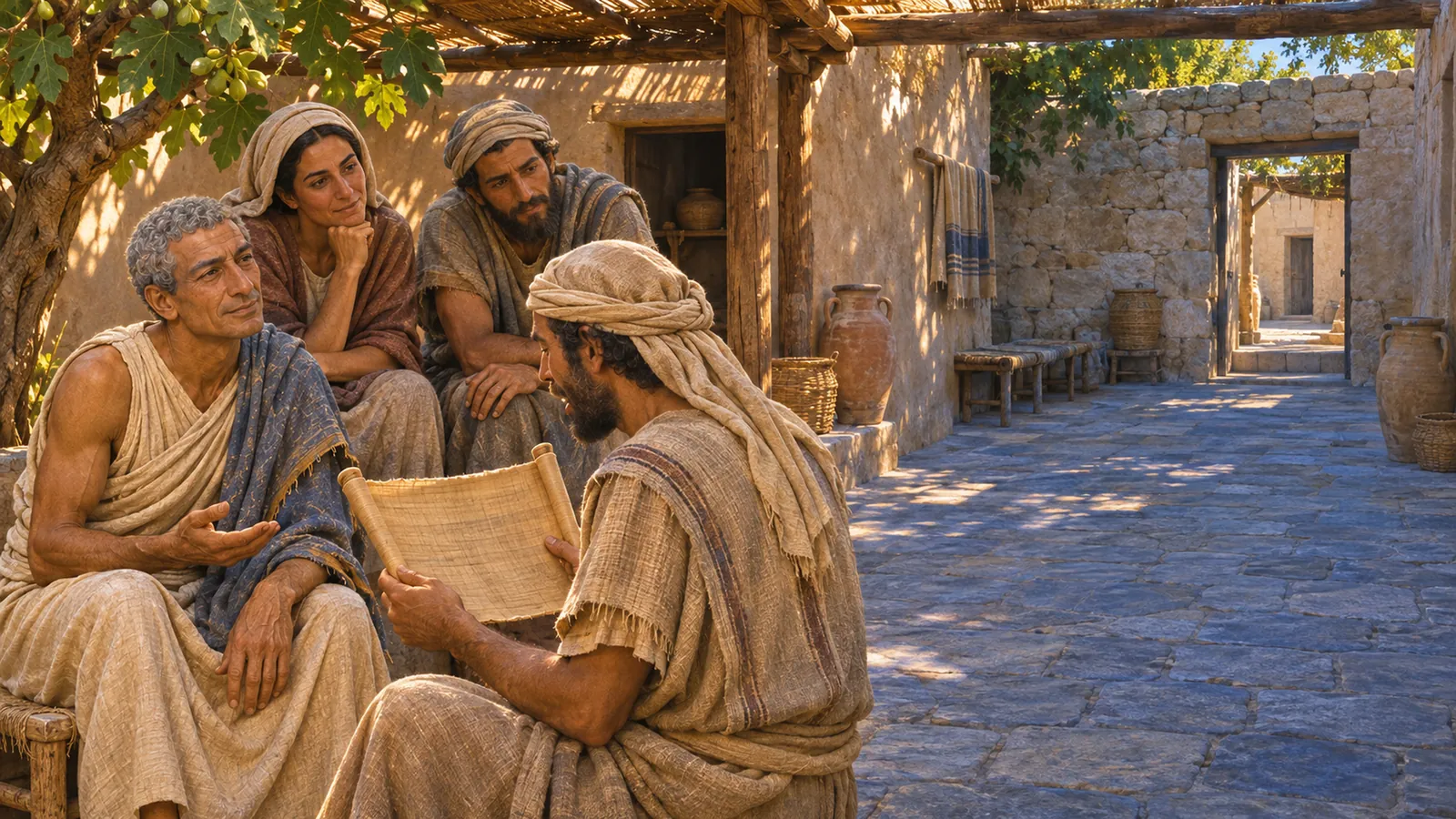
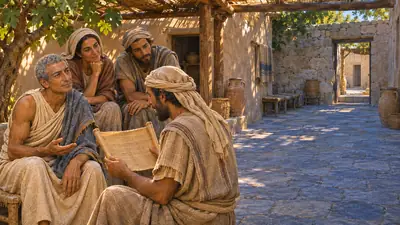
The decree reaches Sinuhe while he is among his people. He listens as it is read and speaks of the kindness that will let him return.
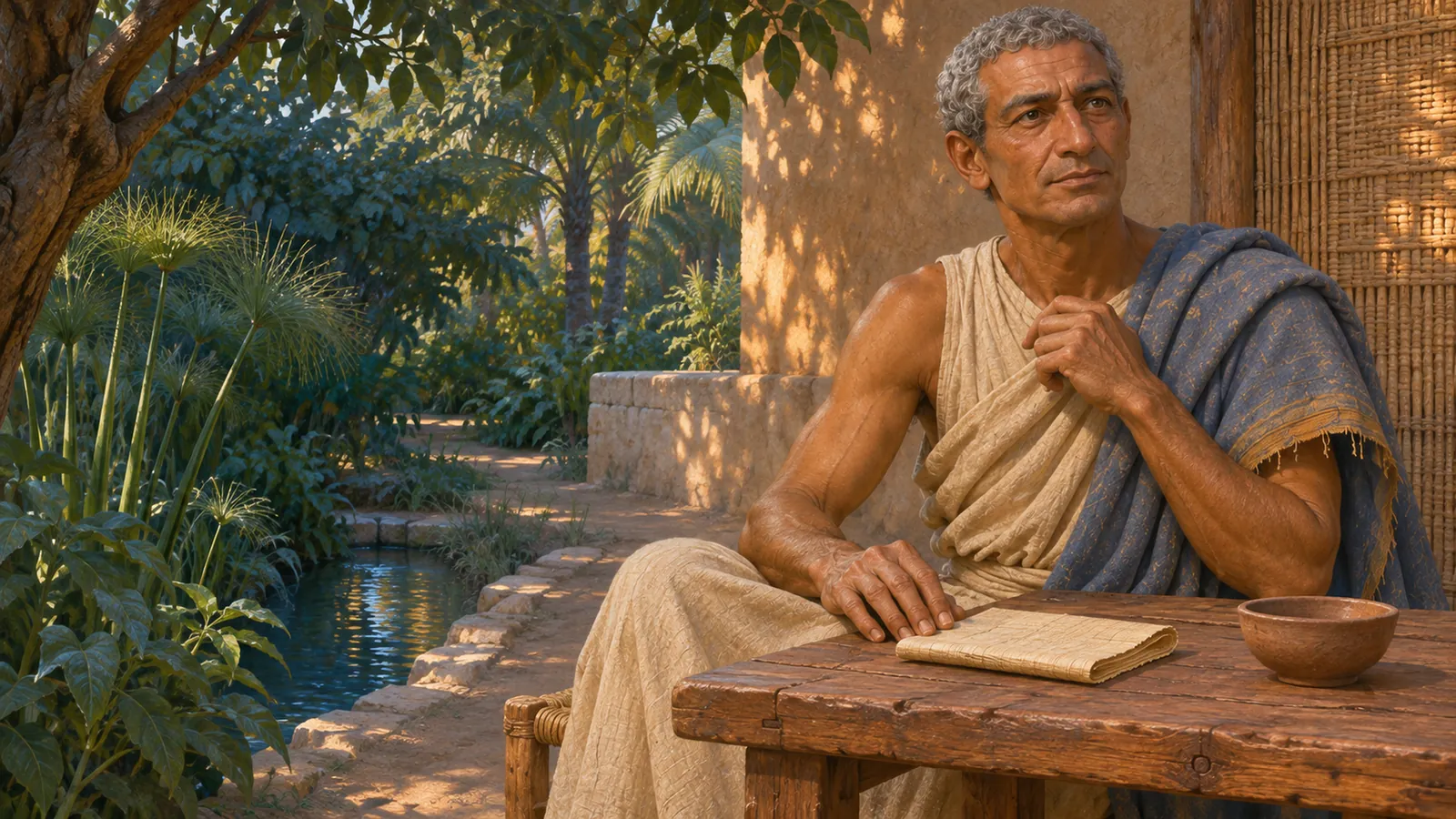
The story also gives Sinuhe’s reply. He opens with good wishes and asks the gods of Egypt and other lands to bless the king.
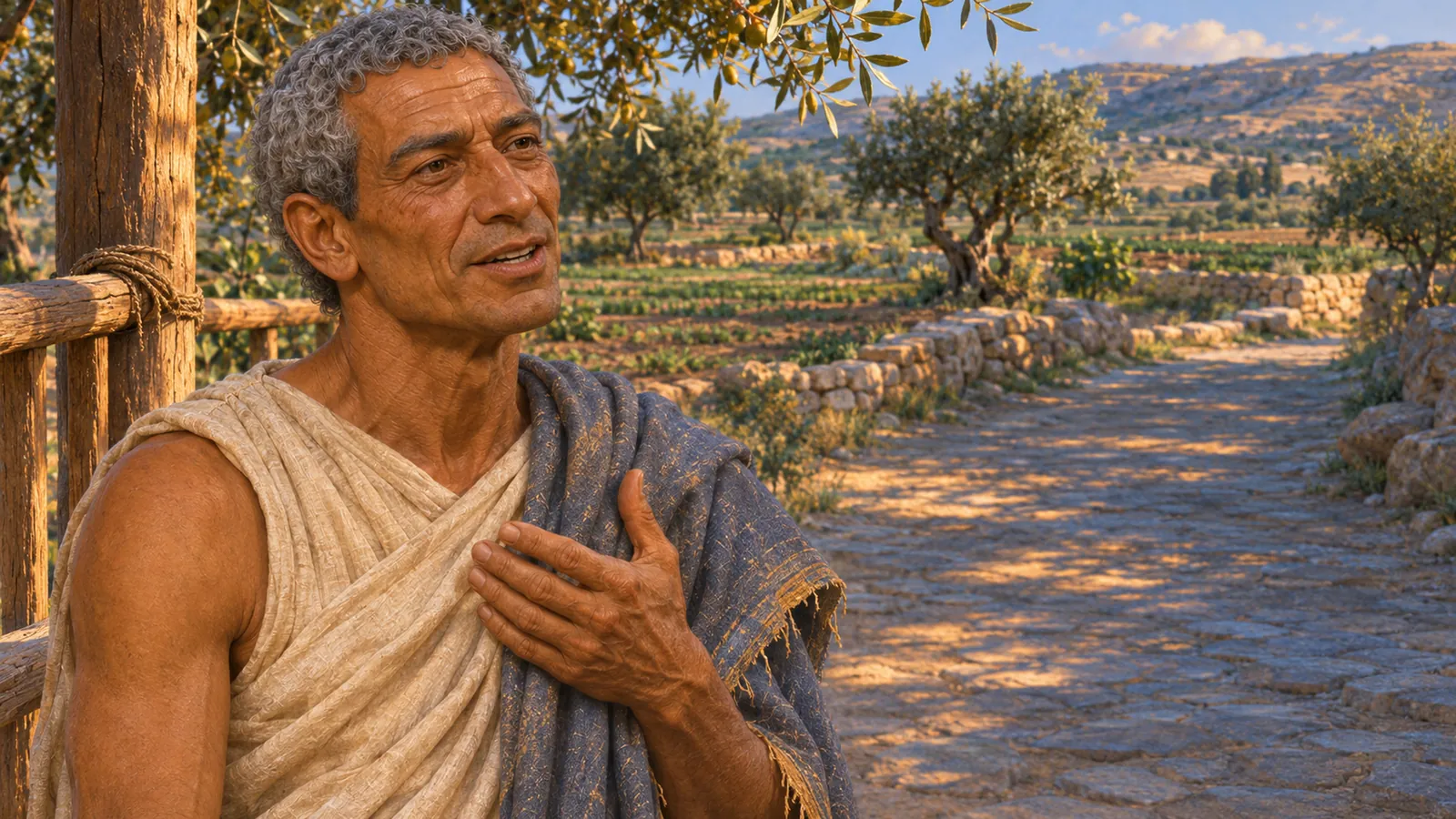
Sinuhe praises the king for understanding the people who come before him. His reply names rulers from several lands and speaks of their ties to Egypt.
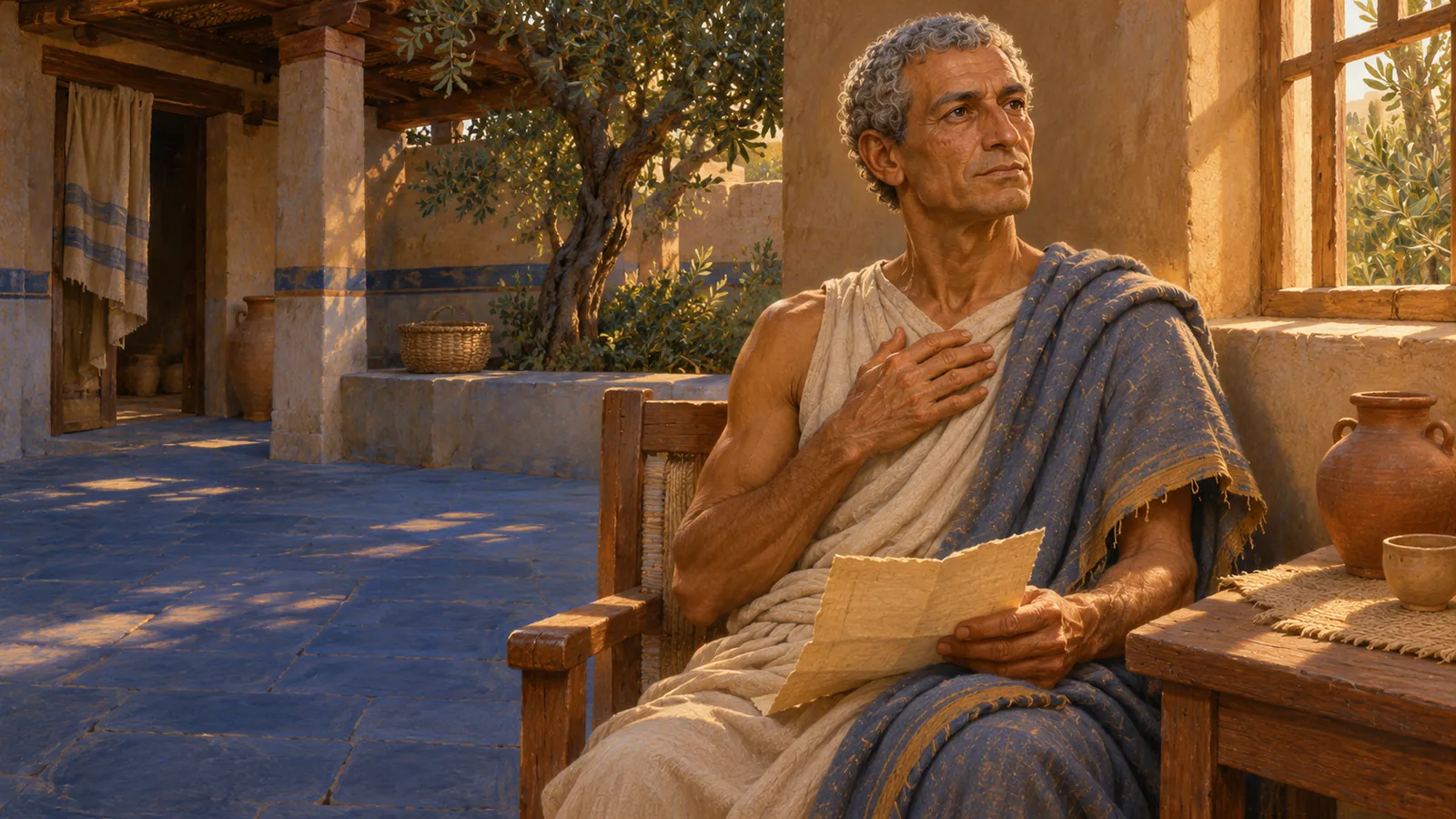
Sinuhe tells the king he did not plan to flee. He says he heard no accusation against himself, yet fear took hold of him.
Sinuhe says a god led him away, without naming one. In the same reply he praises the king in images of sunlight, river water and air.
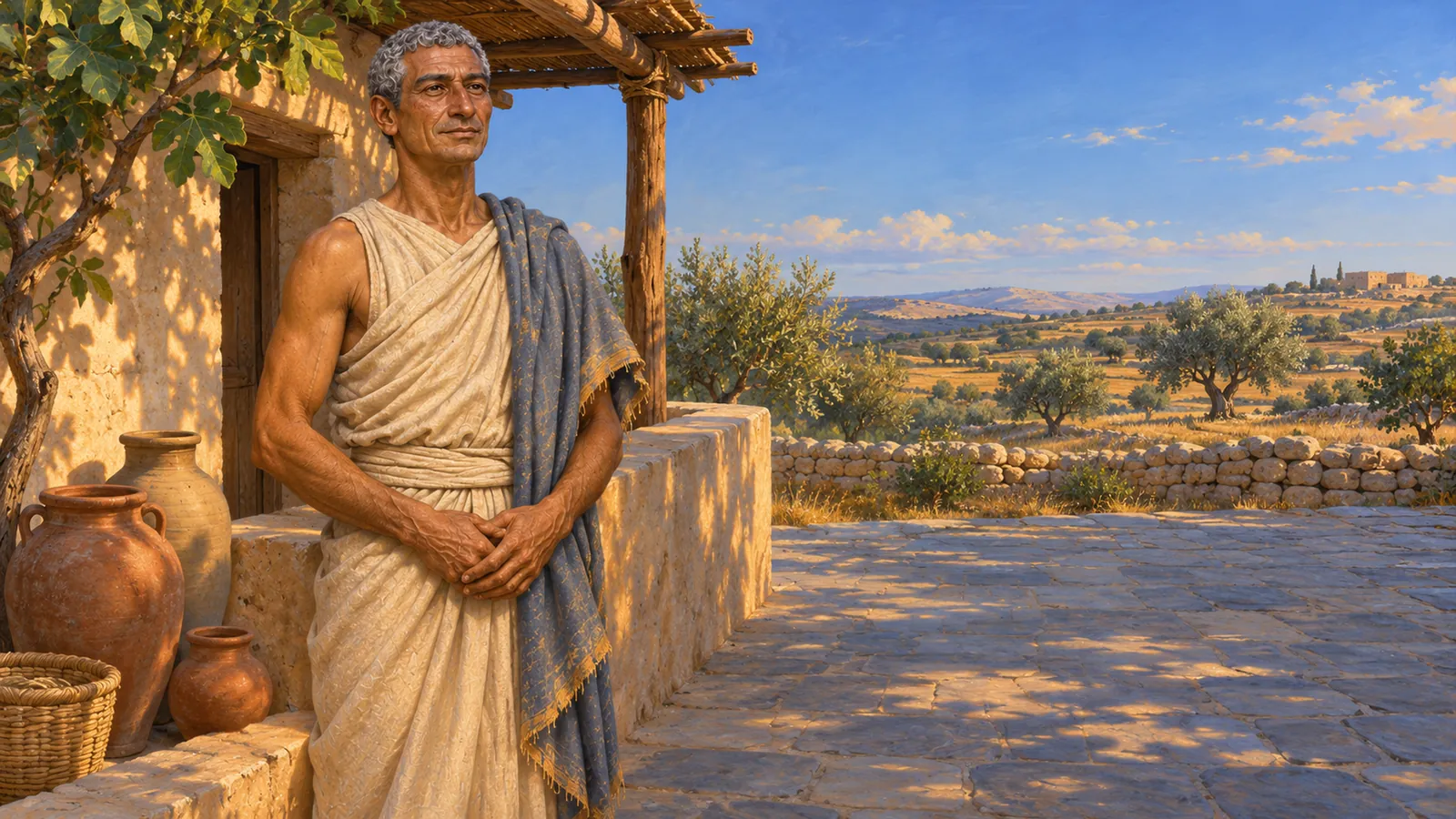
At the end of his reply, Sinuhe speaks of what he will leave behind. He puts his return in the king’s hands and closes with a blessing.
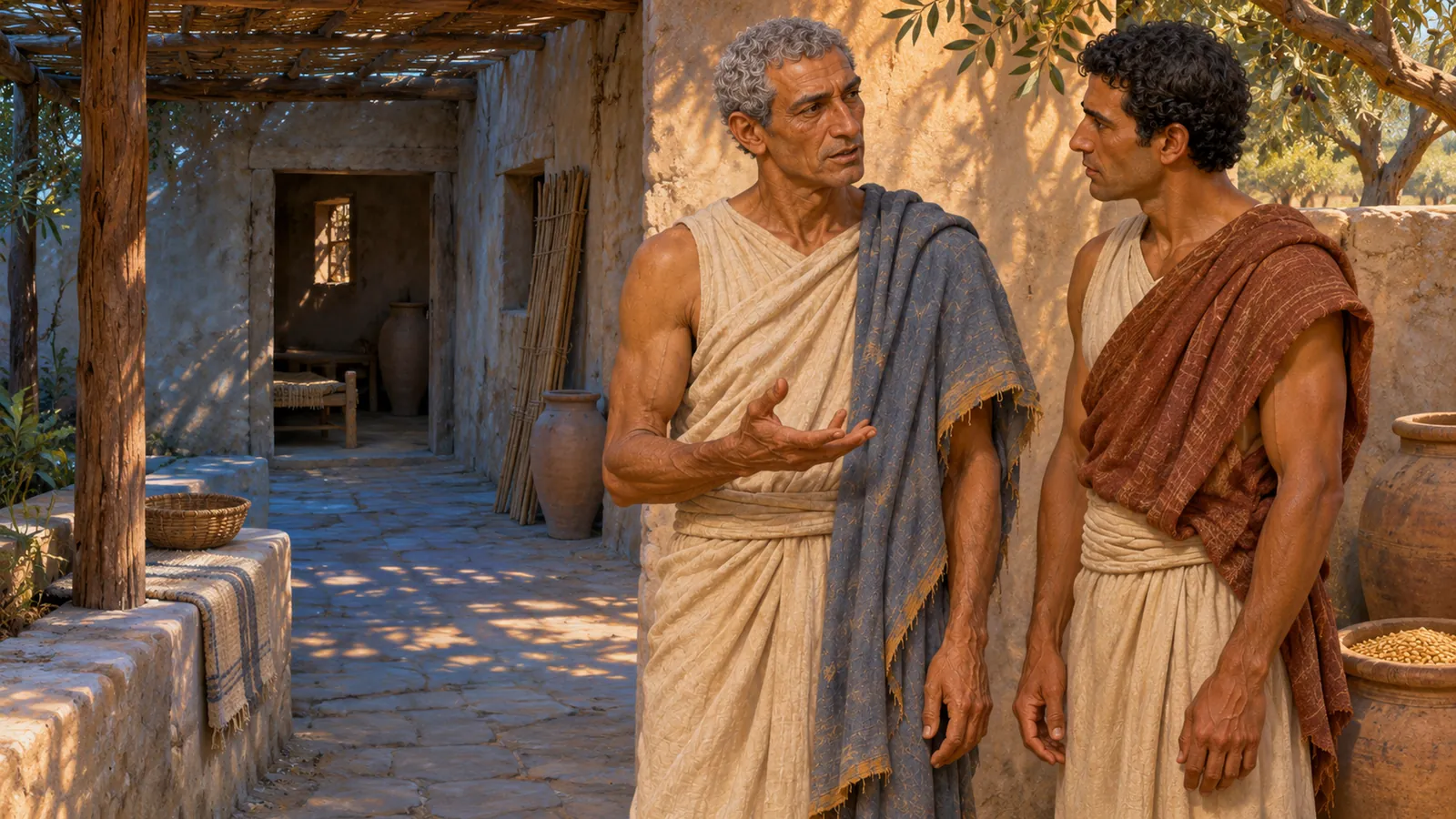
Sinuhe has a day in Iaa to pass his property to his children. His eldest son takes charge of the household, the herds and the community.
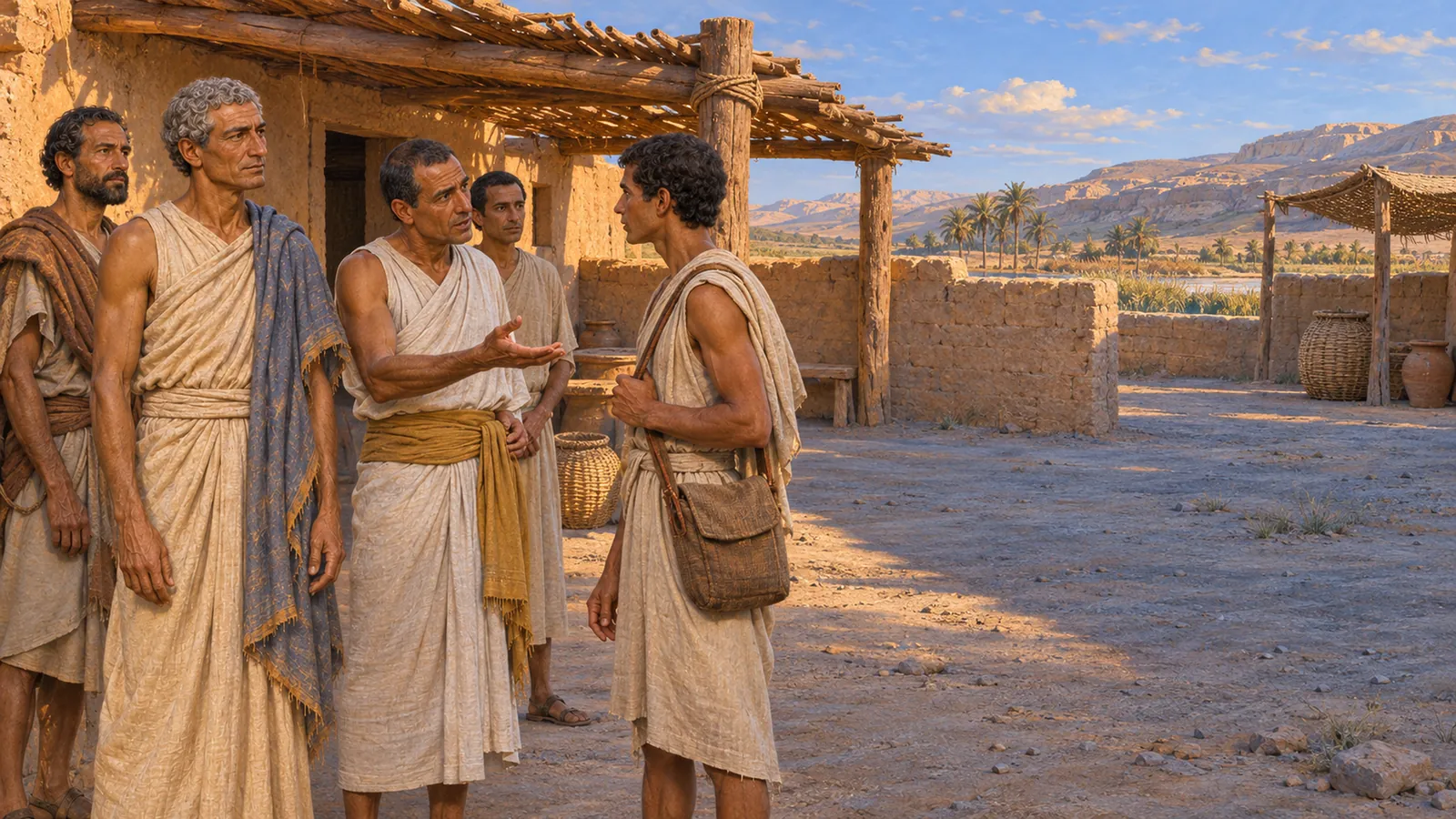
Sinuhe goes south to the Ways of Horus. The official at the frontier sends a message ahead to tell the Residence that he has arrived.
Senusret sends boats loaded with gifts for the people who have accompanied Sinuhe. Sinuhe says he names each person who came with him.
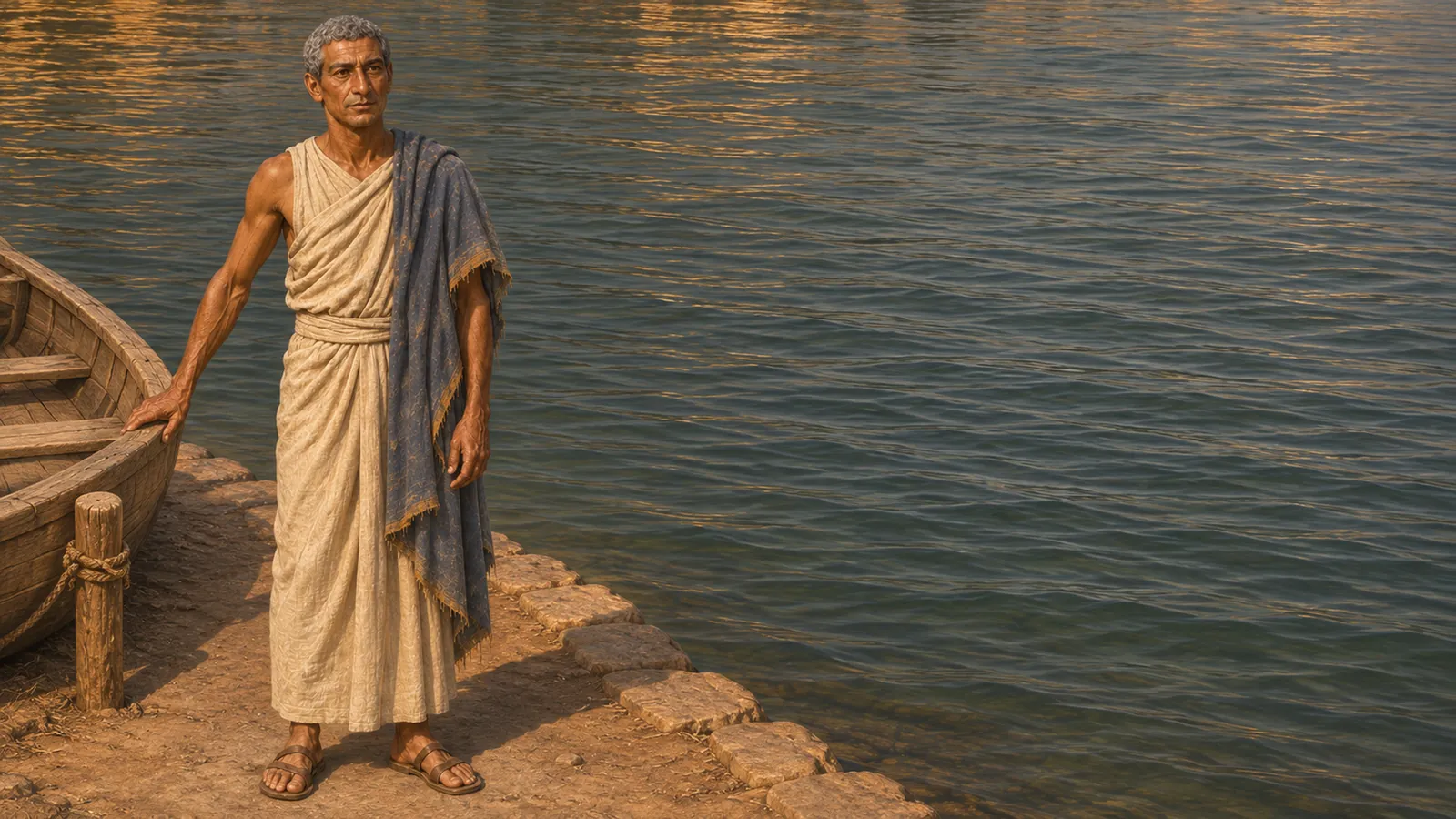
The river journey brings Sinuhe to the landing of Itjtawy. The story pauses at the arrival before dawn brings him a summons to the palace.
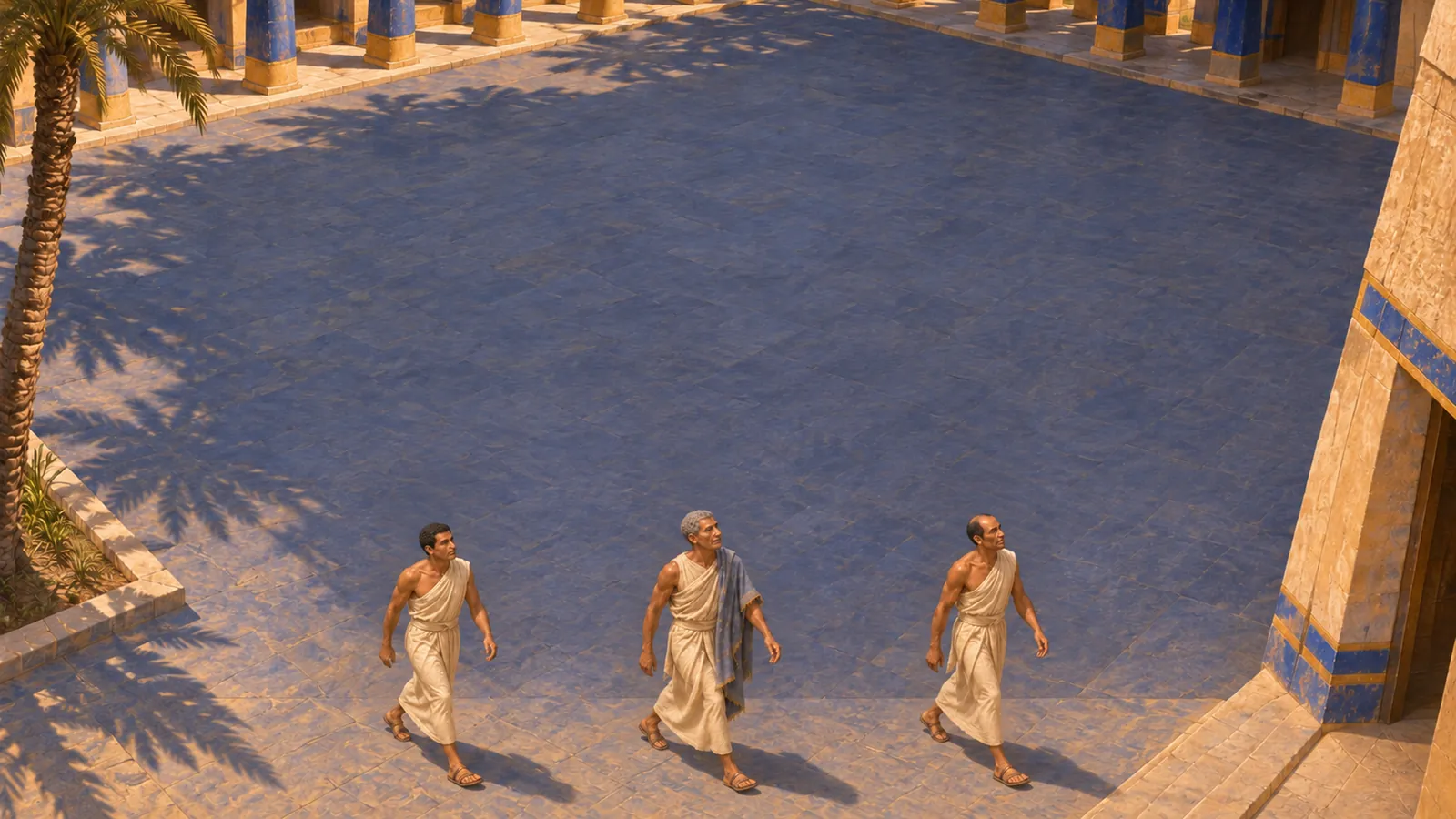
THE PALACE SUMMONS
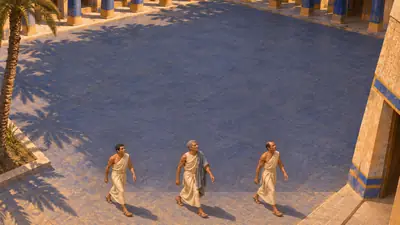
At first light an escort comes to take Sinuhe to the palace. Members of the royal household watch for him as he approaches.
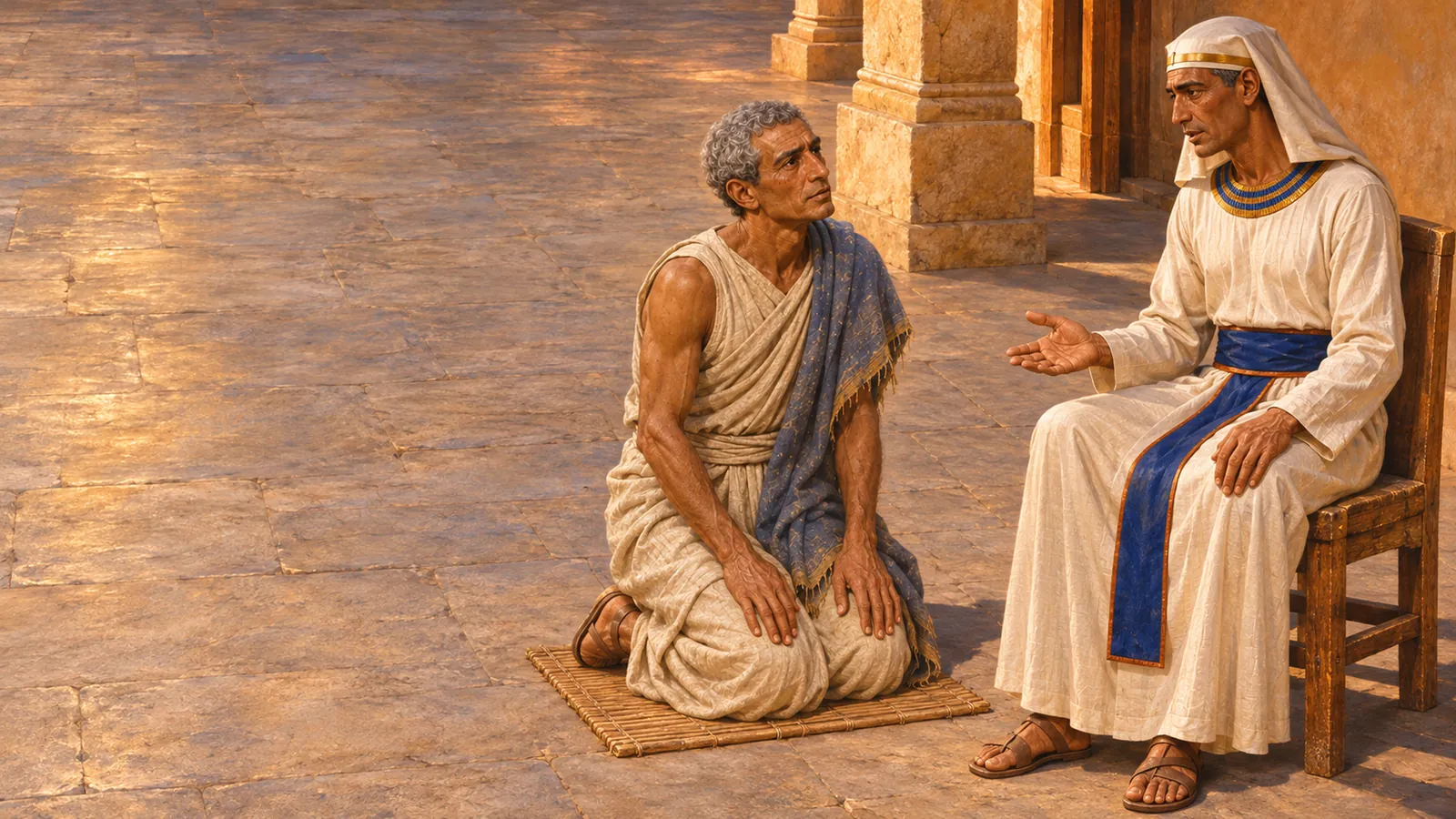
Sinuhe comes before Senusret and is overcome. The king speaks to him gently as he tries to find the words to answer.
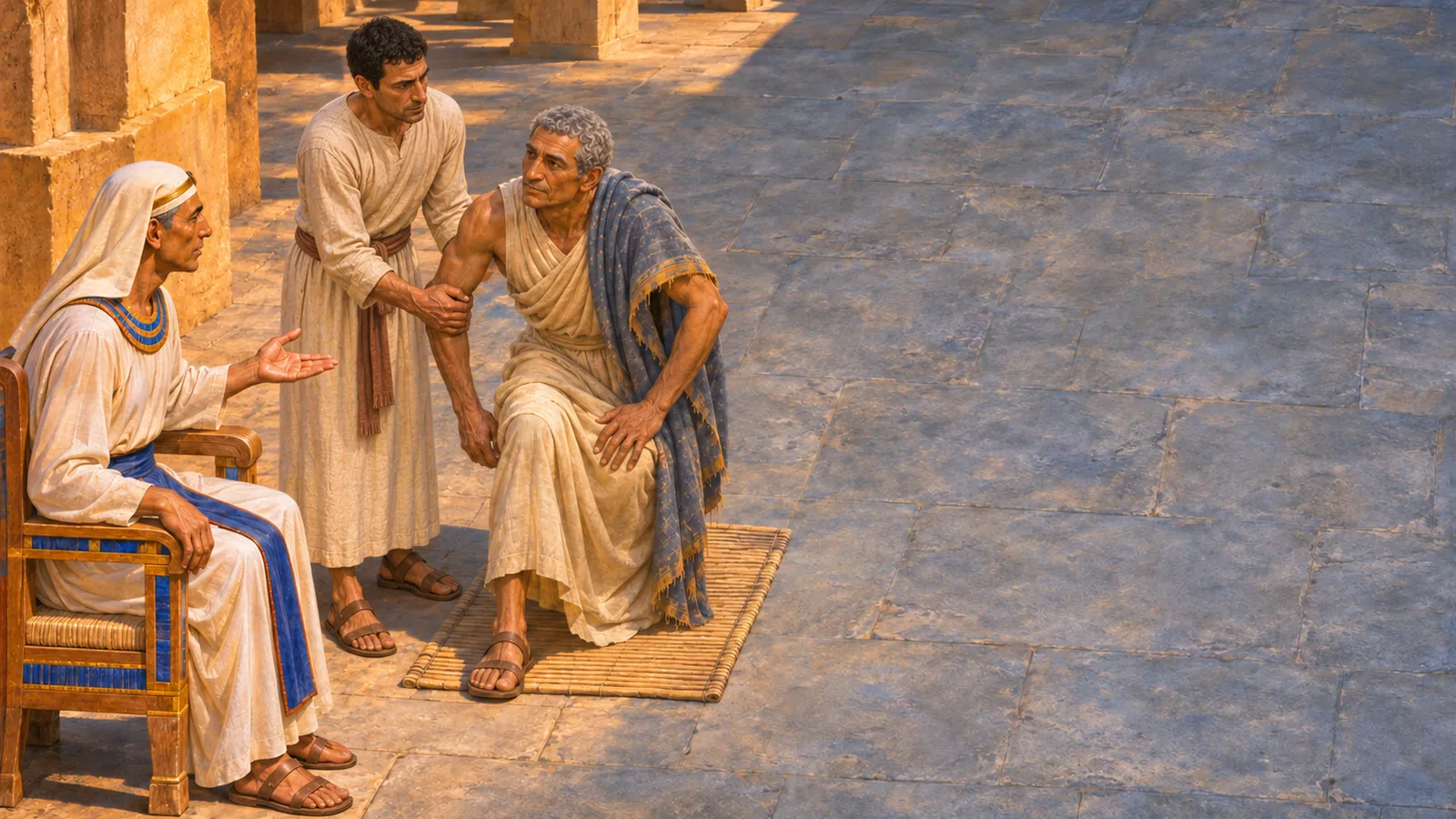
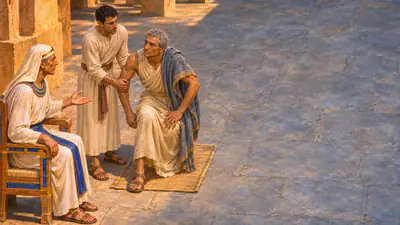
Senusret asks a courtier to help Sinuhe rise. He speaks of the years Sinuhe has been away and invites him to answer.
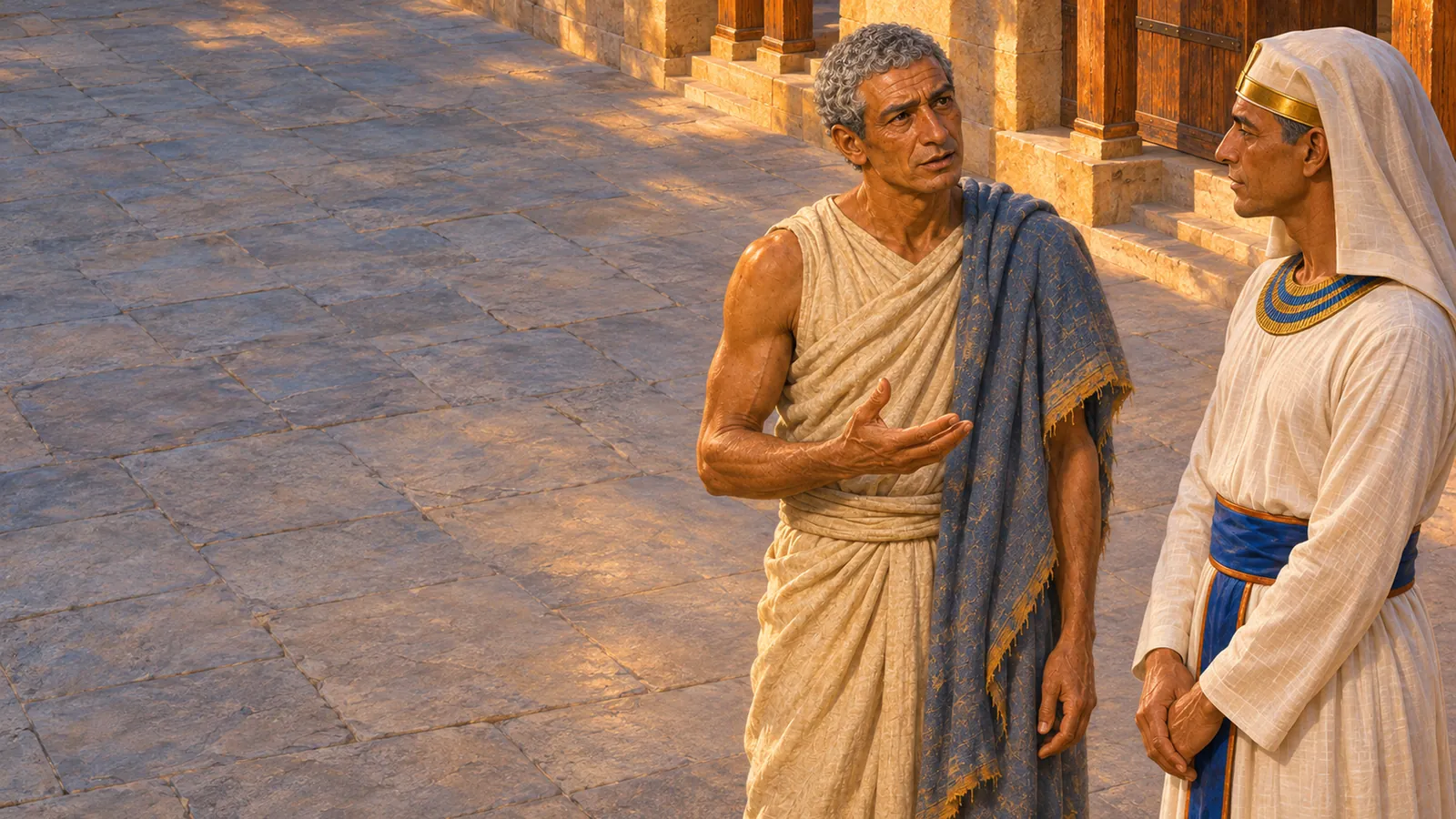
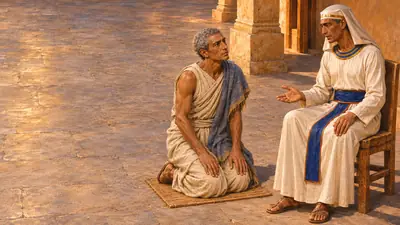
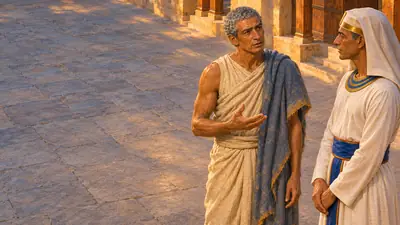
Sinuhe says he is still afraid as he answers the king. He places himself in Senusret’s hands and leaves the decision to him.
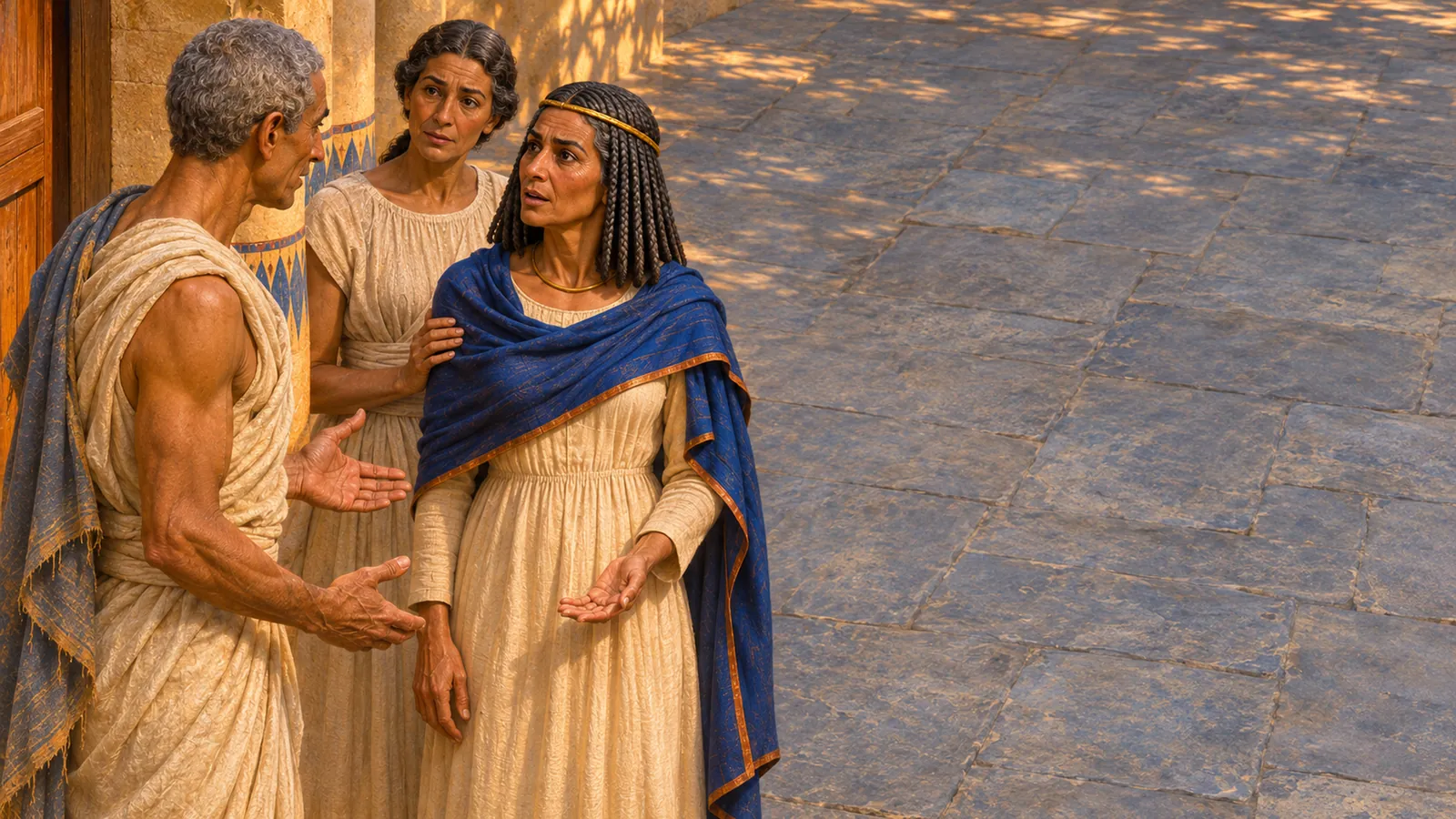
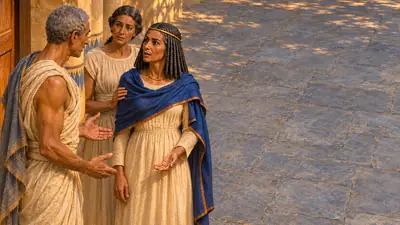
The king’s wife and the royal household are surprised at how much the traveler has changed. The king says that the man before them really is Sinuhe.
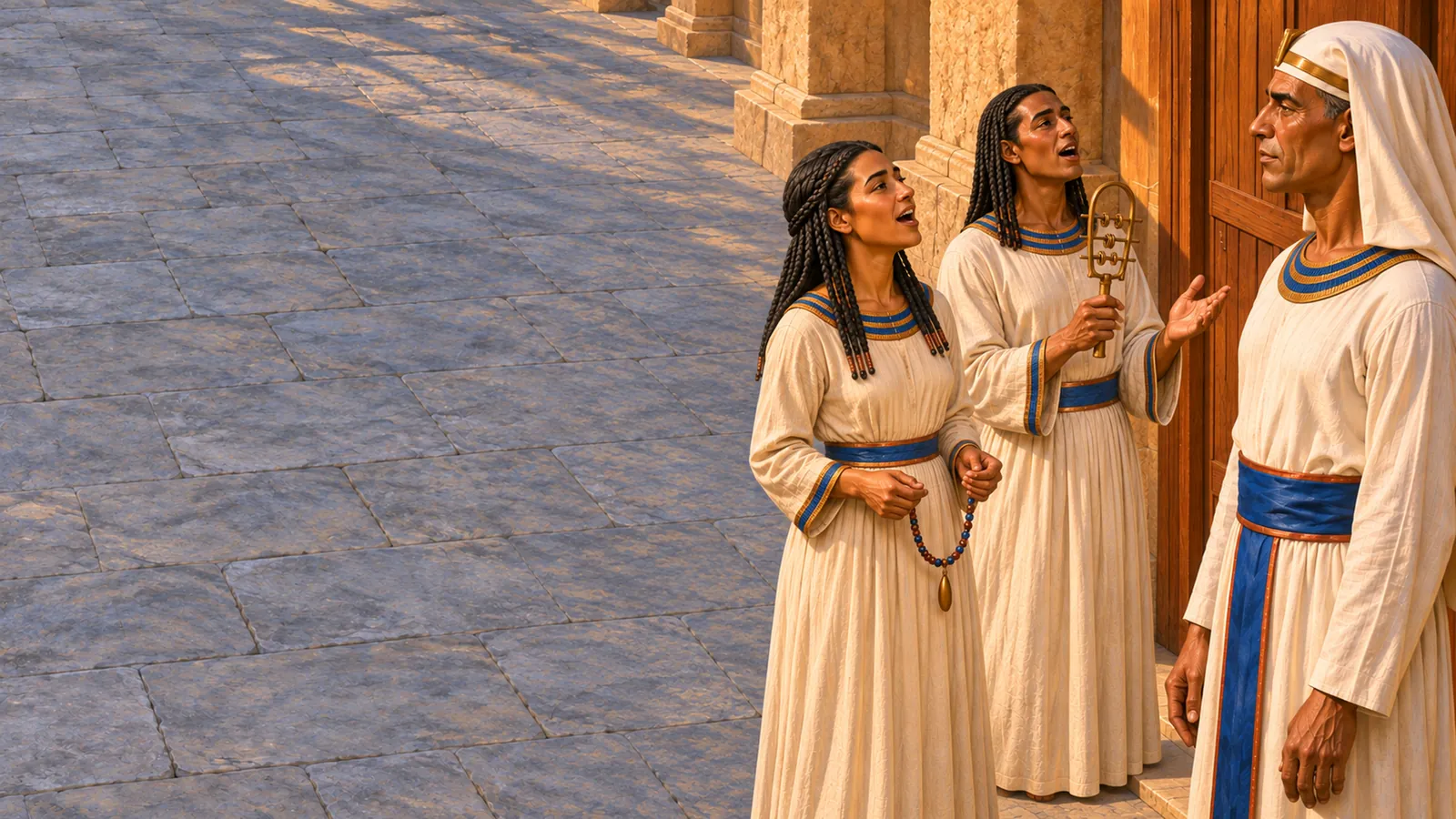
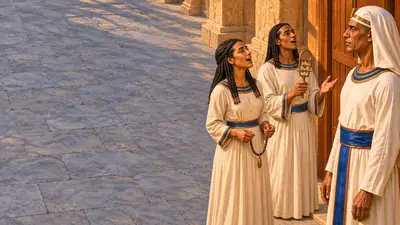
Members of the royal household bring their instruments before the king. Their song begins with words of praise for Senusret.
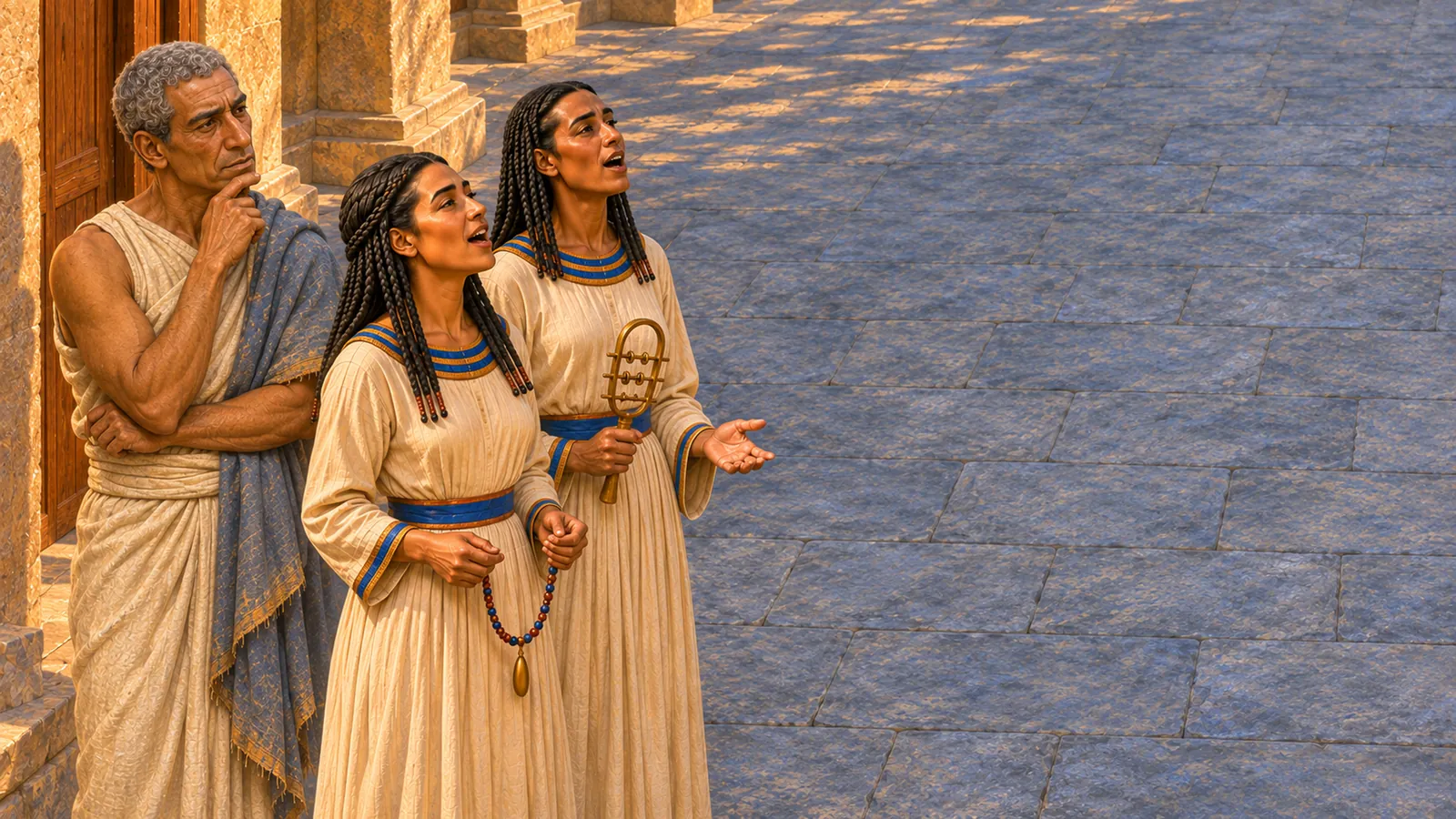
As the song continues, the royal household asks the king to receive the traveler kindly. They ask that Sinuhe no longer have reason to fear.
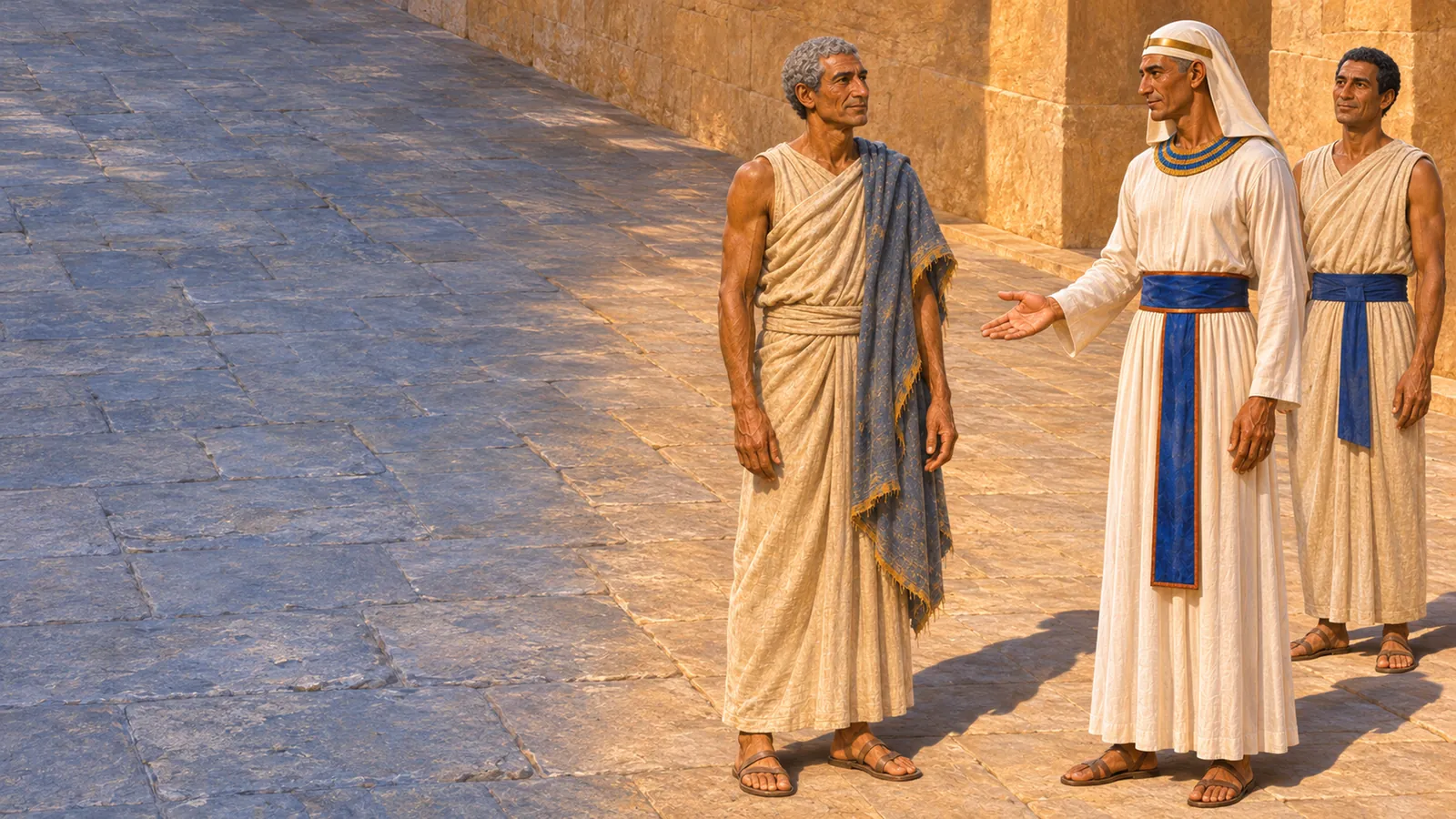
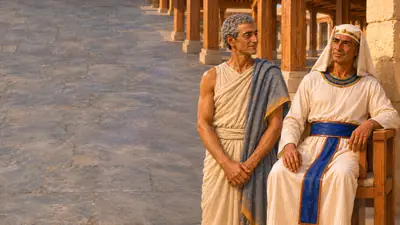
Senusret tells the court that Sinuhe has no reason to fear. He gives Sinuhe a place among his courtiers and has his position made known.
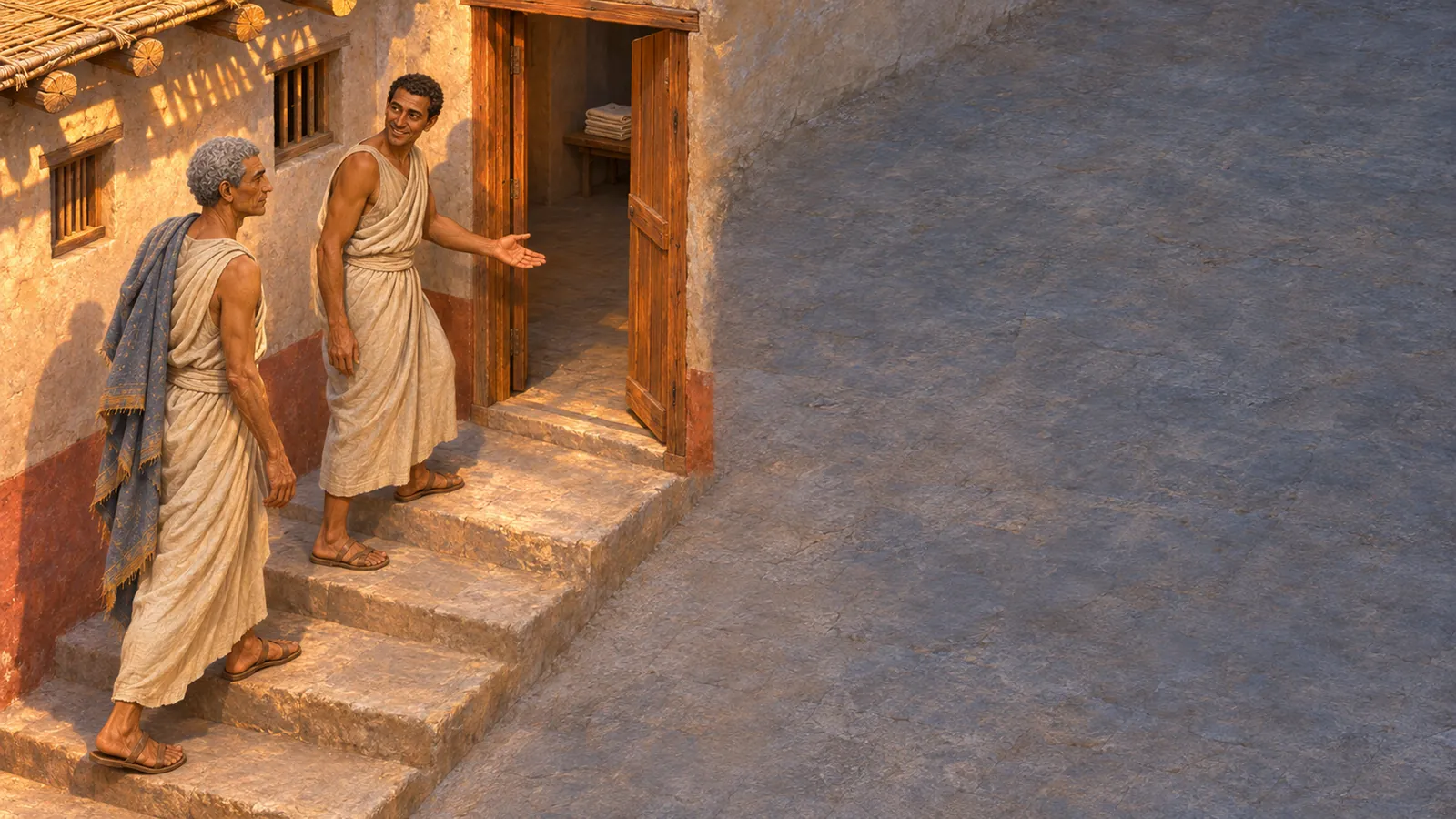
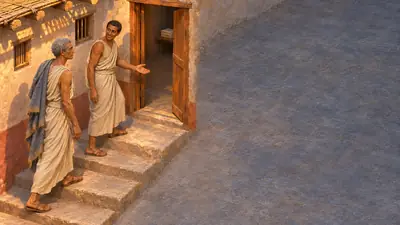
Members of the royal household lead Sinuhe out. He is given a place to stay in a royal son’s house, where fine linen and other supplies are ready for him.
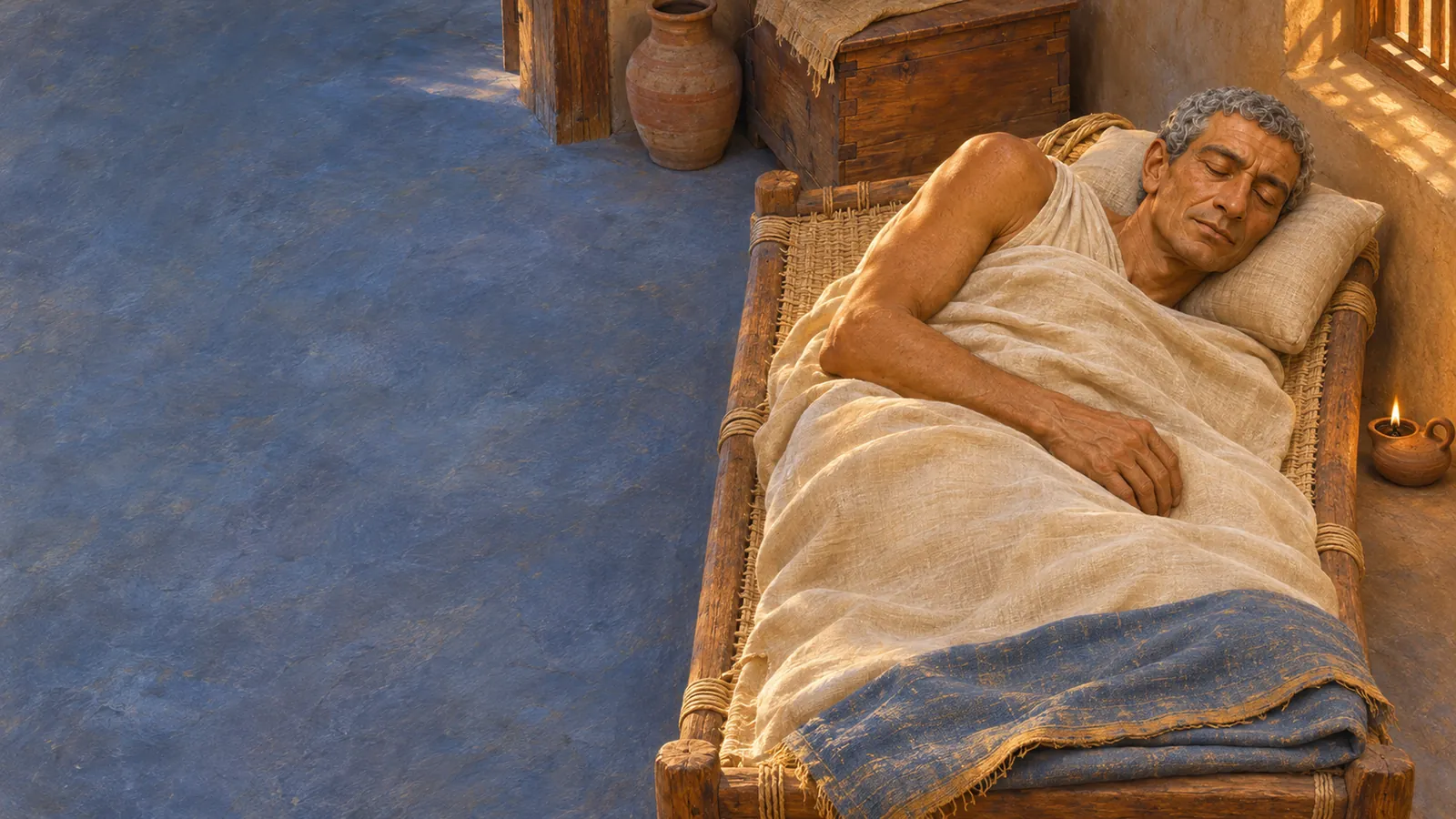
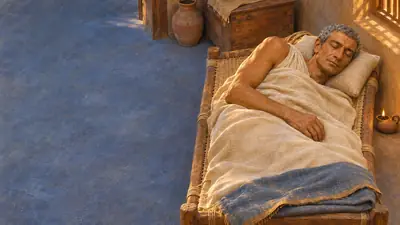
Sinuhe is given fine linen and oil, and he sleeps on a bed. In his account, the care he receives makes him feel young again.
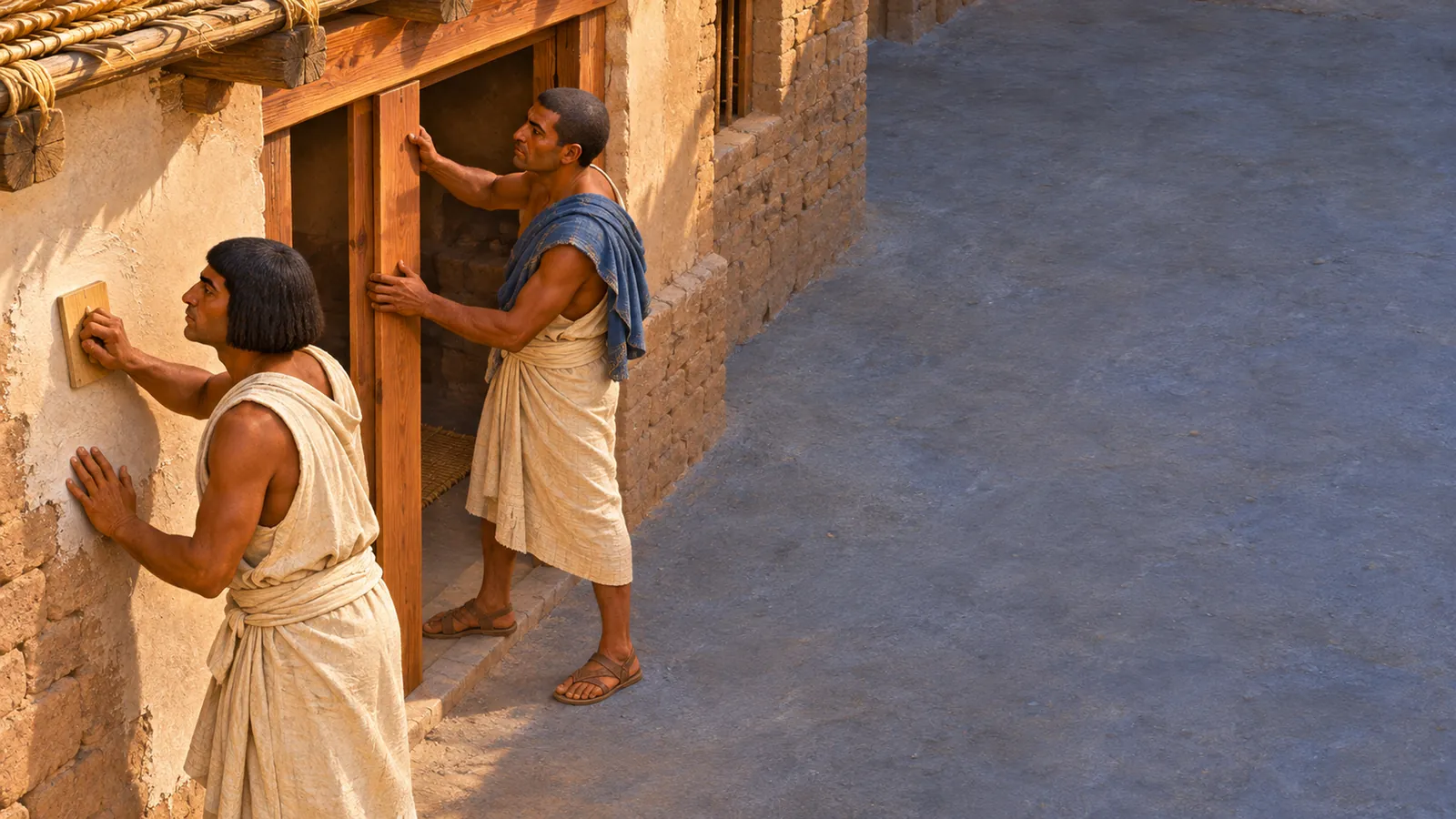
A house is made ready for Sinuhe. The line about who had the house before him is difficult to interpret. The poem says that craftspeople renew the place.
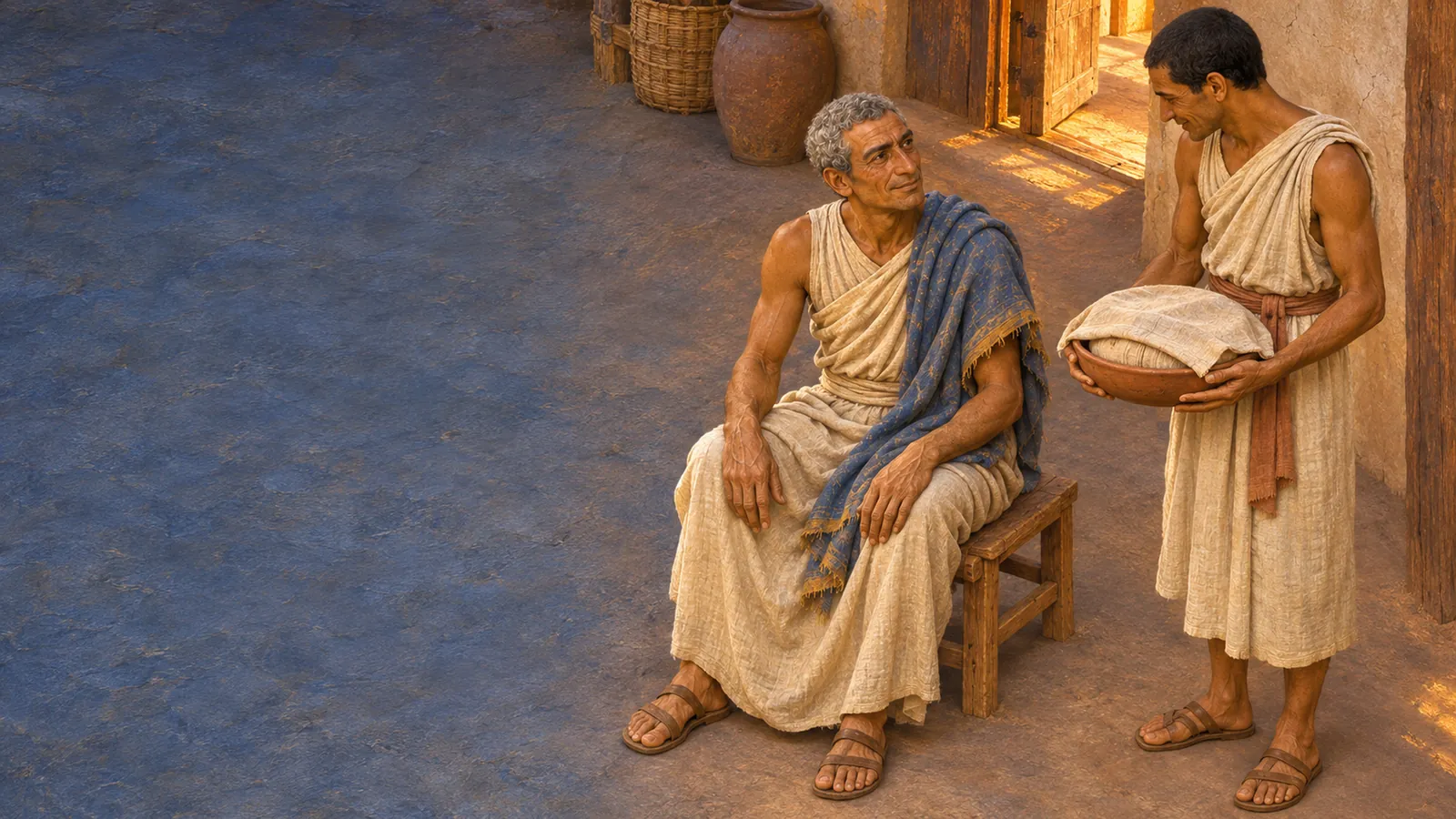
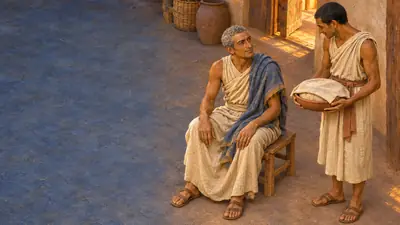
Meals come regularly from the palace. People of the royal household send gifts as well, and Sinuhe says that their care does not let up.
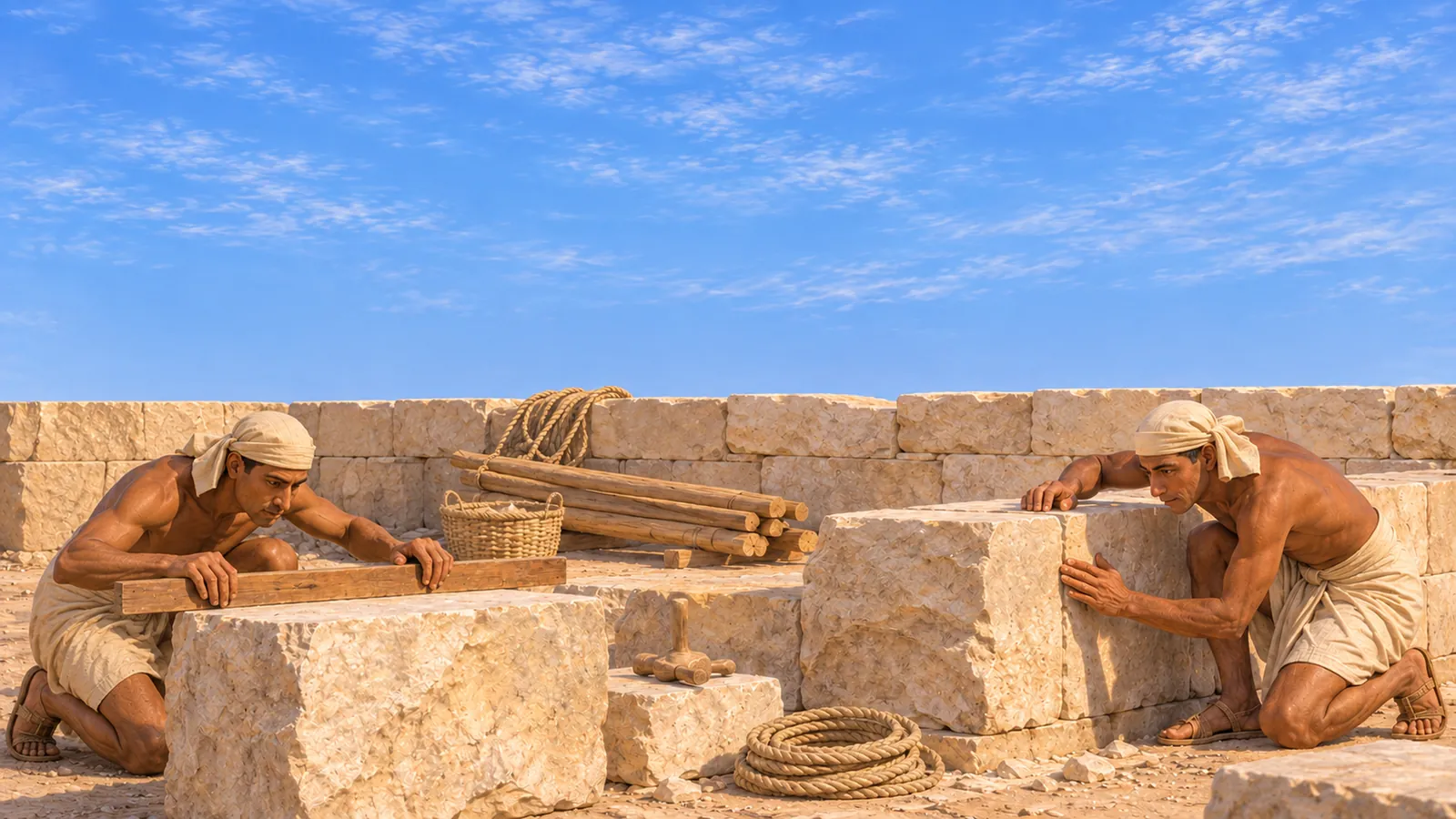
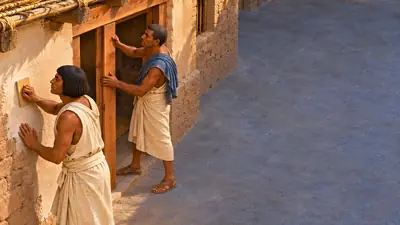
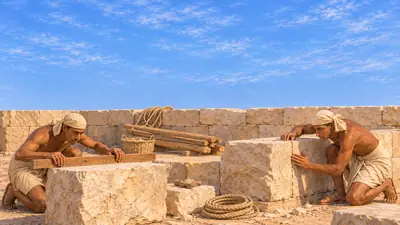
A stone funerary monument is built for Sinuhe in Egypt. The text names the different workers who prepare the ground, shape the stone and fit out the monument.
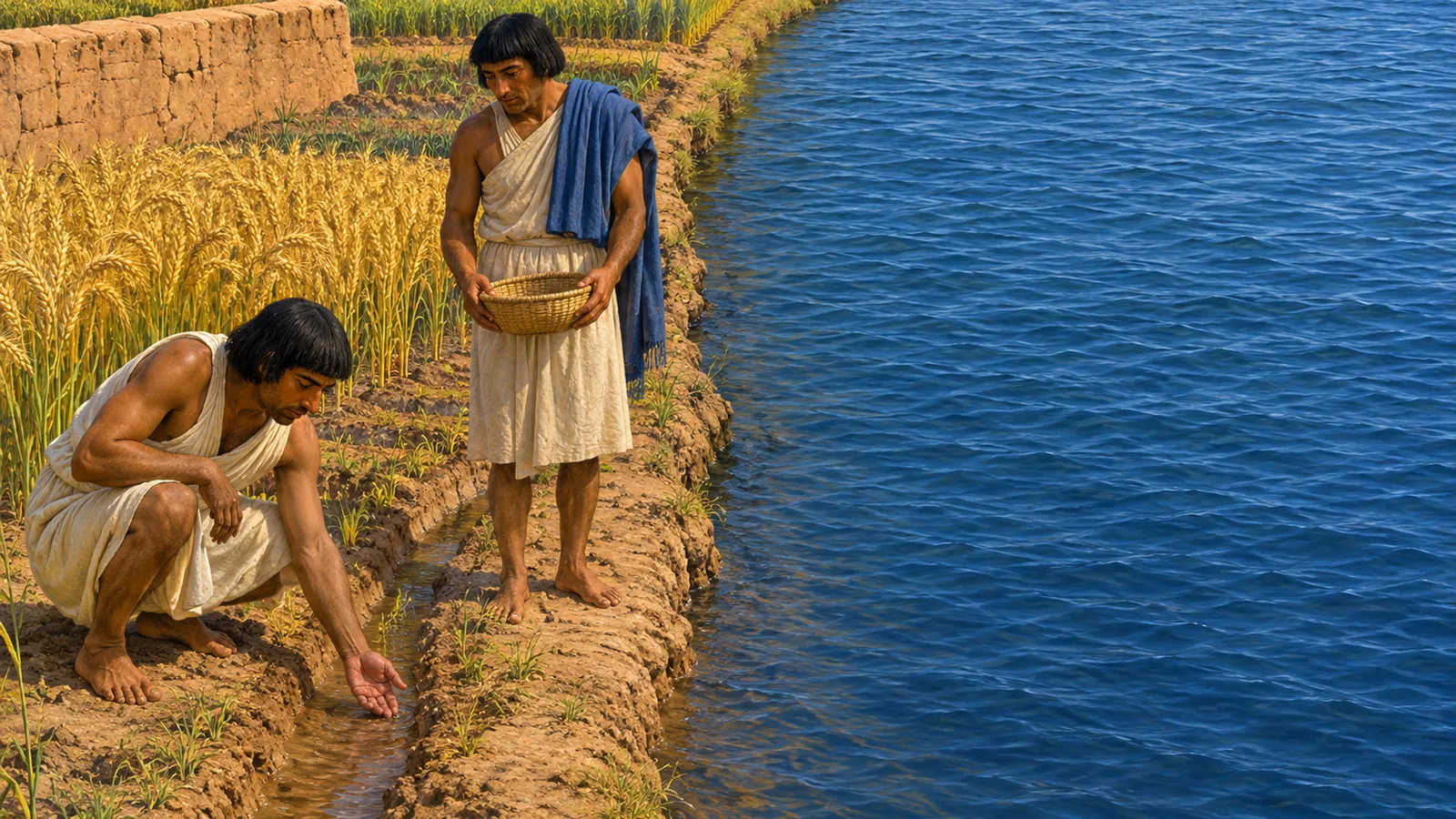
The story mentions people appointed to look after the monument. It also speaks of cultivated ground set aside for it, as for a leading court official.
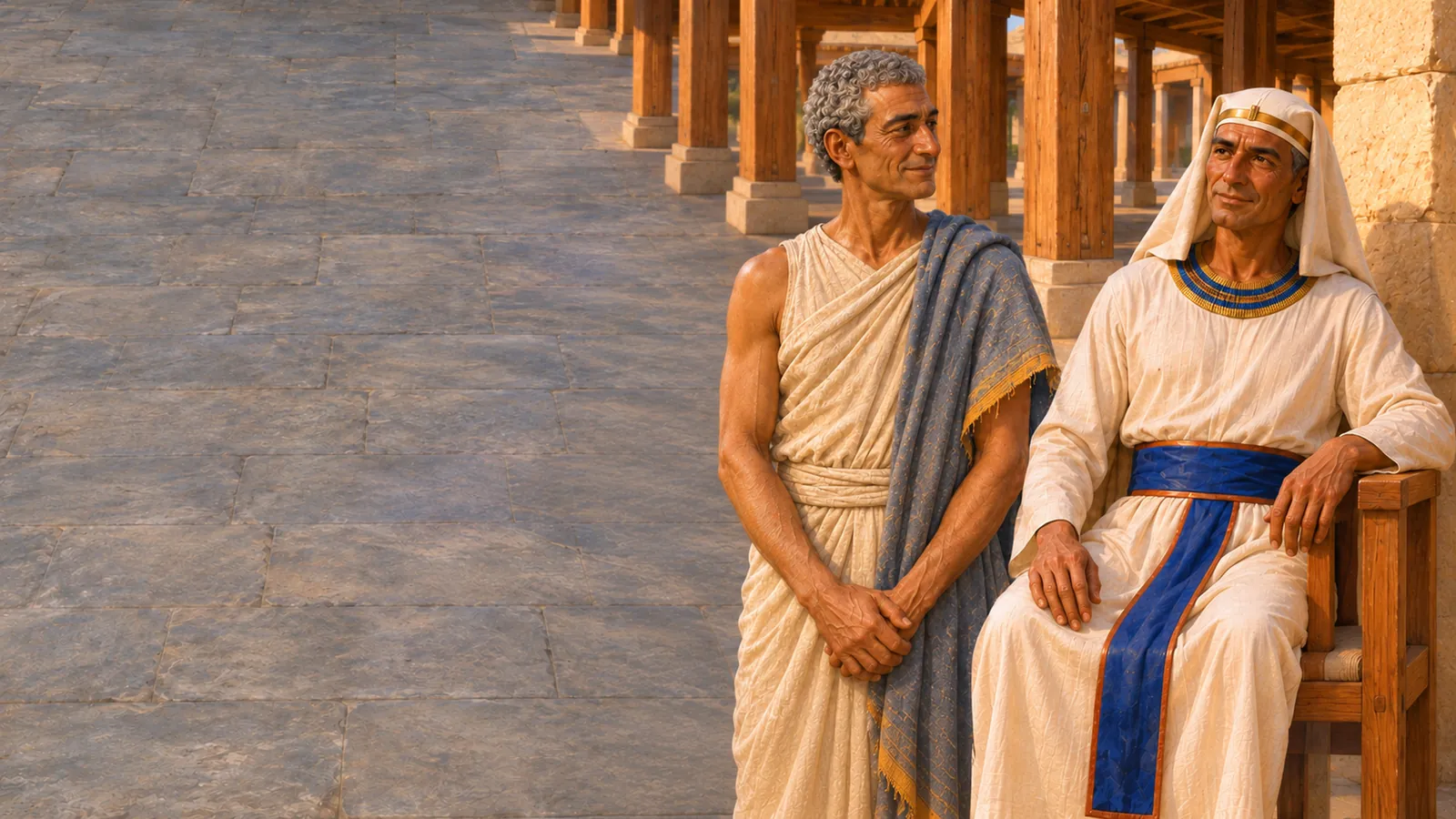
The king has a precious image of Sinuhe made. Sinuhe says he lives in royal favor until the end of his life.
THE END OF THE COPY
Sinuhe’s account ends. A separate note says the story has been copied from beginning to end, following the written text the copyist had.
End of chapter 1
All pages



Sources
Page 31: the man of Retjenu challenges Sinuhe. Sinuhe’s arrow strikes his neck, and Sinuhe kills him with the man’s own axe, then takes his goods (Berlin P 3022, B 109–147; Quirke §§26–30 and Nederhof).
Editions consulted
- Stephen Quirke, Sanehat, line-numbered text and translation, UCL Digital Egypt
- UCL Digital Egypt, sources for the Tale of Sanehat
- Mark-Jan Nederhof, Sinuhe, Koch-based readings of R, B and the parallel witnesses
- James P. Allen, The Story of Sinuhe, witness survey
- Claude Obsomer, Sinouhé l’Égyptien et les raisons de son exil
- University of Basel, Sinuhe bibliography
- Petrie Museum, Harageh papyrus UC 32773
- Ashmolean Museum, Sinuhe ostracon AN1945.40
- Egypt Exploration Society, The Tale of Sinuhe and Berlin P 3022
Notes on this retelling
Page 30: Sinuhe’s account includes driving people from their pastures and wells, taking people and cattle, and using his bow (Berlin P 3022, B 99–109; Quirke §25 and Nederhof).
Ancient lines behind each page
- Page 1: R 1–2 · §1
- Page 2: R 2–5 · §2
- Page 3: R 5–8 · §3
- Page 4: R 8–11 · §3
- Page 5: R 12–16 · §4
- Page 6: R 17–20 · §5
- Page 7: R 20–22 · §5
- Page 8: R 22–24, with overlap into B 1–2 · §6
- Page 9: B 1–2 · §6
- Page 10: B 2–5 · §7
- Page 11: B 5–7 · §7
- Page 12: B 8–10 · §8
- Page 13: B 10–11 · §8
- Page 14: B 11–14 · §9
- Page 15: B 14–20 · §9
- Page 16: B 20–24 · §10
- Page 17: B 24–26 · §11
- Page 18: B 26–28 · §11
- Page 19: B 28–31 · §12
- Page 20: B 31–36 · §13
- Page 21: B 36–43 · §14
- Page 22: B 43–45 · §15
- Page 23: B 45–51 · §16
- Page 24: B 51–70 · §§17–19
- Page 25: B 71–75 · §20
- Page 26: B 75–81 · §21
- Page 27: B 81–85 · §22
- Page 28: B 85–92 · §23
- Page 29: B 92–99 · §24
- Page 30: B 99–109 · §25
- Page 31: B 109–149 · §§26–30, especially B 113 and 142–149
- Page 32: B 147–152 · §§30–31
- Page 33: B 151–156 · §31
- Page 34: B 156–160 · §32
- Page 35: Berlin P 3022, B 160–164 · §32 (Quirke, UCL; Nederhof after Koch)
- Page 36: Berlin P 3022, B 165–169 · §33 (Quirke, UCL; Nederhof after Koch)
- Page 37: Berlin P 3022, B 169–173 · §33 (Quirke, UCL; Nederhof after Koch)
- Page 38: Berlin P 3022, B 173–177 · §34 (Quirke, UCL; Nederhof after Koch)
- Page 39: Berlin P 3022, B 178–181 · §35 (Quirke, UCL; Nederhof after Koch)
The royal titulary has a name variant at B 180. - Page 40: Berlin P 3022, B 181–185 · §35 (Quirke, UCL; Nederhof after Koch)
- Page 41: Berlin P 3022, B 185–189 · §§35–36 (Quirke, UCL; Nederhof after Koch)
- Page 42: Berlin P 3022, B 190–199 · §36 (Quirke, UCL; Nederhof after Koch)
- Page 43: Berlin P 3022, B 199–204 · §37 (Quirke, UCL; Nederhof after Koch)
- Page 44: Berlin P 3022, B 204–214 · §38 (Quirke, UCL; Nederhof after Koch)
- Page 45: Berlin P 3022, B 214–223 · §39 (Quirke, UCL; Nederhof after Koch)
- Page 46: Berlin P 3022, B 223–229 · §40 (Quirke, UCL; Nederhof after Koch)
- Page 47: Berlin P 3022, B 229–234 · §40 (Quirke, UCL; Nederhof after Koch)
- Page 48: Berlin P 3022, B 234–238 · §41 (Quirke, UCL; Nederhof after Koch)
Wording for the object being entrusted at the start of §41 varies by translation. - Page 49: Berlin P 3022, B 238–241 · §41 (Quirke, UCL; Nederhof after Koch)
- Page 50: Berlin P 3022, B 241–243 · §42 (Quirke, UCL; Nederhof after Koch)
- Page 51: Berlin P 3022, B 243–247 · §42 (Quirke, UCL; Nederhof after Koch)
- Page 52: Berlin P 3022, B 246–248 · §§42–43 (Quirke, UCL; Nederhof after Koch)
- Page 53: Berlin P 3022, B 248–252 · §43 (Quirke, UCL; Nederhof after Koch)
- Page 54: Berlin P 3022, B 252–256 · §43 (Quirke, UCL; Nederhof after Koch)
- Page 55: Berlin P 3022, B 256–260 · §44 (Quirke, UCL; Nederhof after Koch)
- Page 56: Berlin P 3022, B 260–263 · §45 (Quirke, UCL; Nederhof after Koch)
- Page 57: Berlin P 3022, B 263–268 · §46 (Quirke, UCL; Nederhof after Koch)
- Page 58: Berlin P 3022, B 268–274 · §47 (Quirke, UCL; Nederhof after Koch)
- Page 59: Berlin P 3022, B 274–279 · §47 (Quirke, UCL; Nederhof after Koch)
- Page 60: Berlin P 3022, B 279–284 · §48 (Quirke, UCL; Nederhof after Koch)
- Page 61: Berlin P 3022, B 284–290 · §48 (Quirke, UCL; Nederhof after Koch)
- Page 62: Berlin P 3022, B 290–295 · §49 (Quirke, UCL; Nederhof after Koch)
- Page 63: Berlin P 3022, B 296–298 · §49 (Quirke, UCL; Nederhof after Koch)
- Page 64: Berlin P 3022, B 298–300 · §49 (Quirke, UCL; Nederhof after Koch)
- Page 65: Berlin P 3022, B 300–305 · §50 (Quirke, UCL; Nederhof after Koch)
- Page 66: Berlin P 3022, B 306–307 · §50 (Quirke, UCL; Nederhof after Koch)
- Page 67: Berlin P 3022, B 308–310 · §50 (Quirke, UCL; Nederhof after Koch)
- Page 68: Berlin P 3022, B 311 · colophon (Quirke, UCL; Nederhof after Koch)
Illustrations made with AI tools by IL Archive; the text is based on the ancient sources (see the sources at the end of each chapter).