The Song of Kumarbi Chapter 1
The Unfinished Song of Heaven
Alalu, Anu and Kumarbi contend for the throne, and a violent overthrow brings unexpected divine births. The damaged first tablet ends with gifts to a messenger and an explicit unfinished notice, without a restored coronation.
SourcesTurn the pages with the arrows, the arrow keys or a swipe.
LISTEN
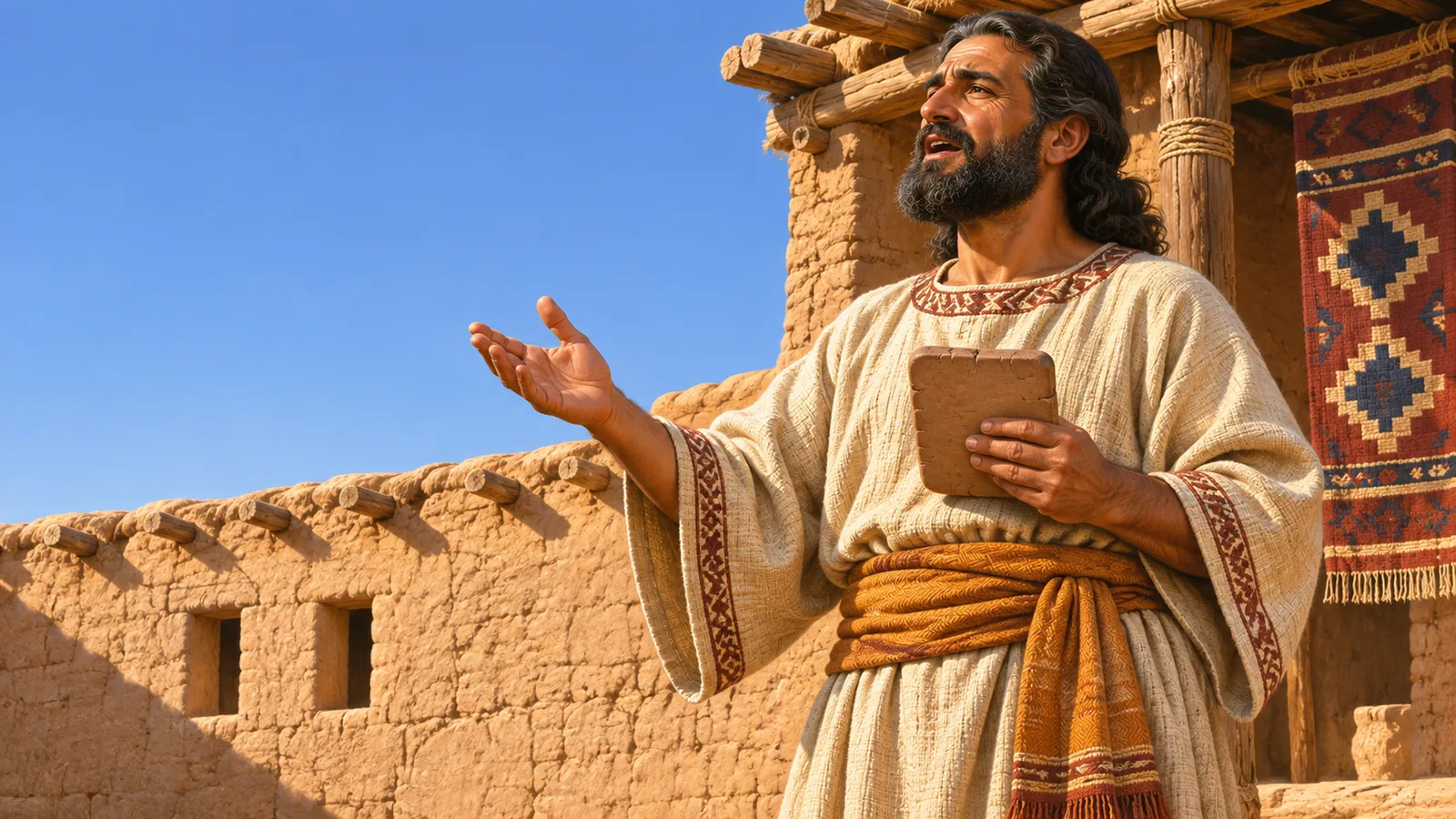
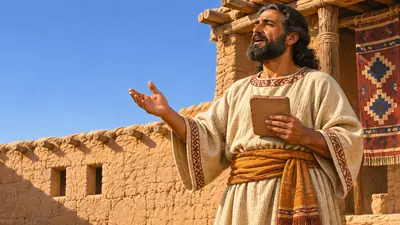
The singer calls the ancient gods to listen to Kumarbi’s song. Its surviving words lead us into a struggle over kingship in heaven.
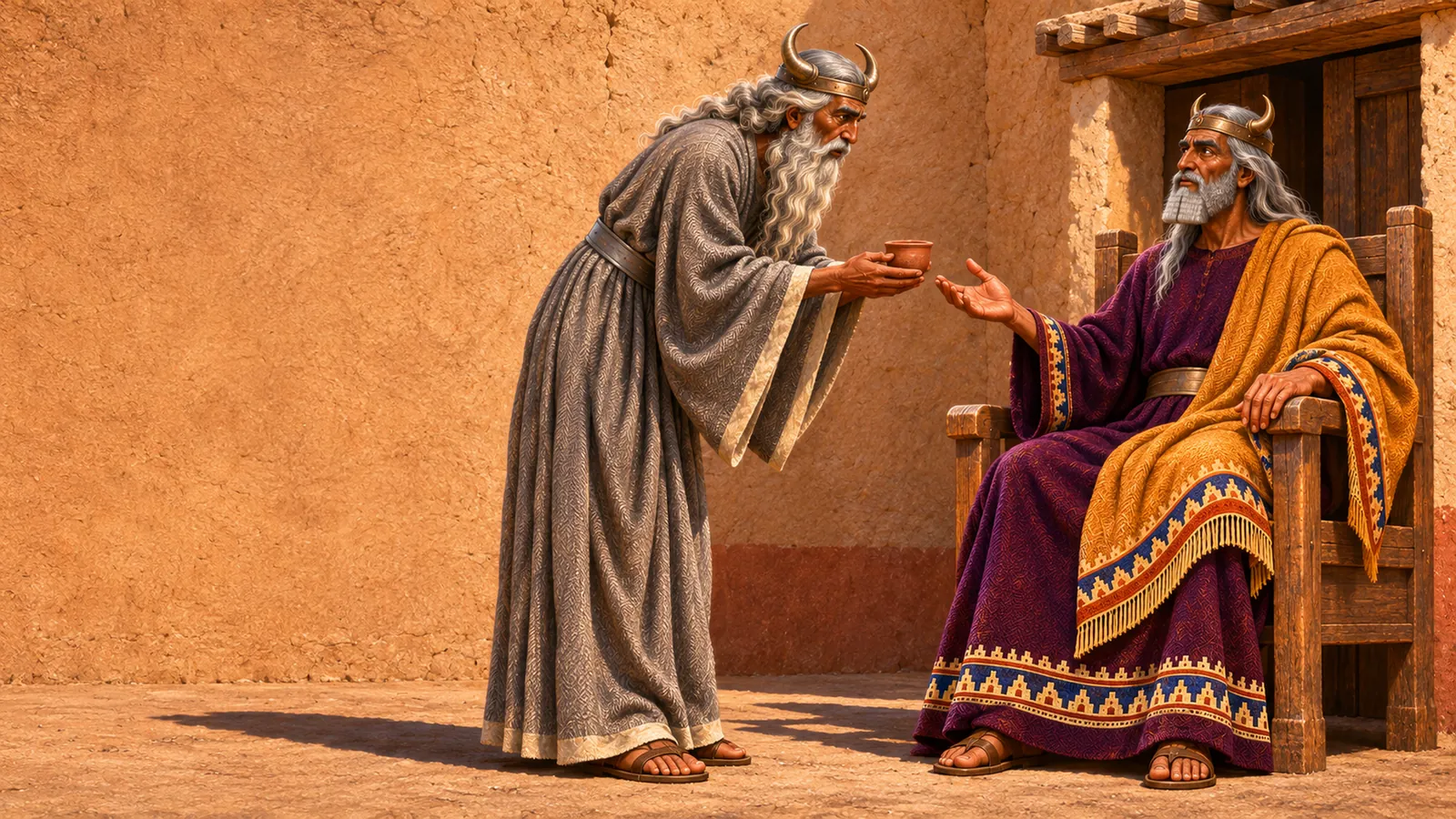
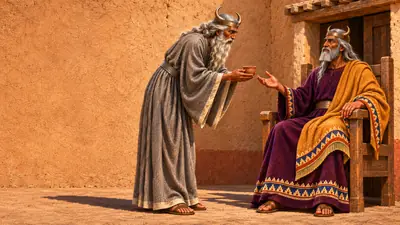
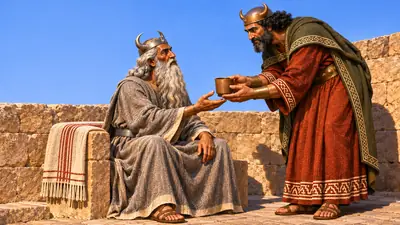
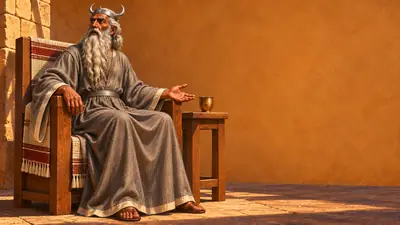
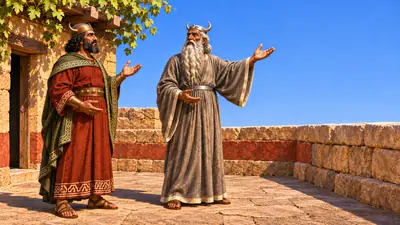
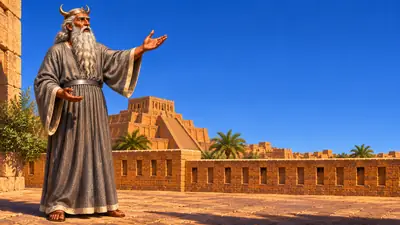
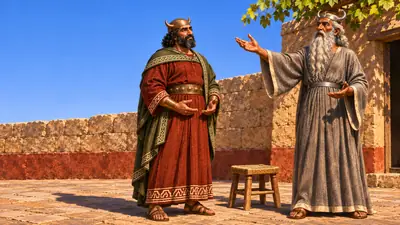
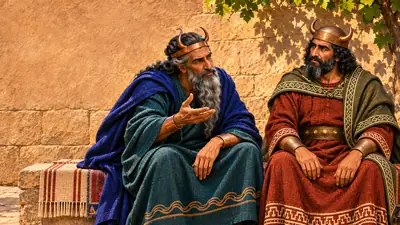
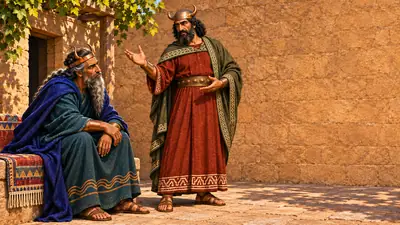
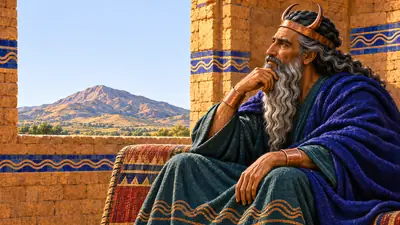
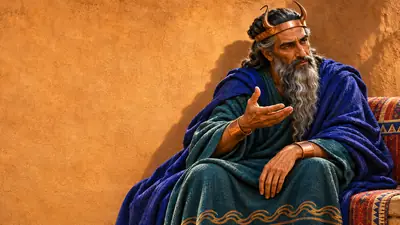
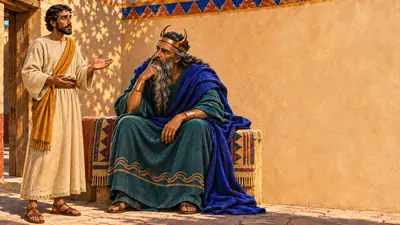
Long ago, Alalu occupied the heavenly throne. Mighty Anu stood before him, bowed at his feet and placed a drinking cup in his hand.
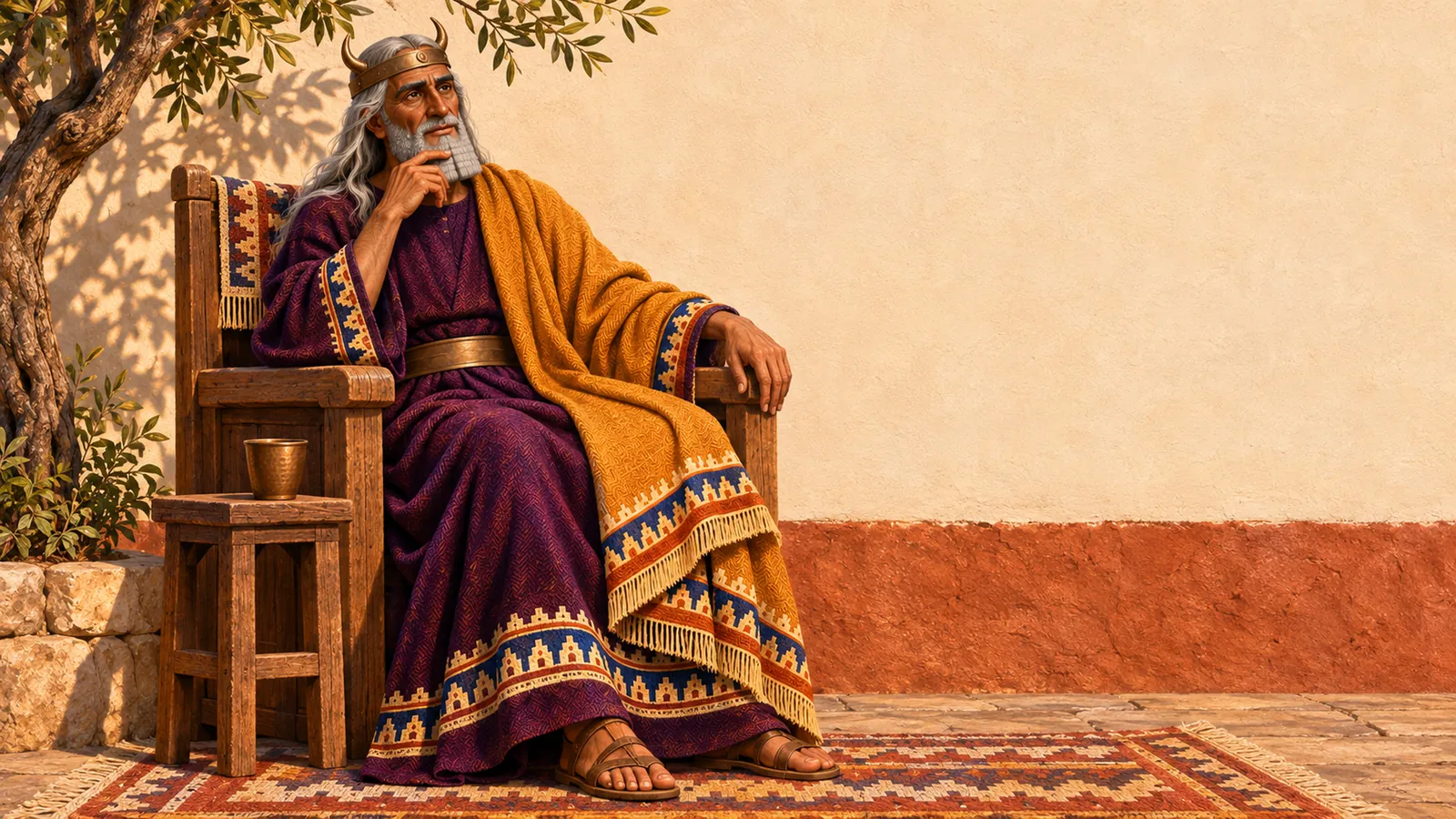
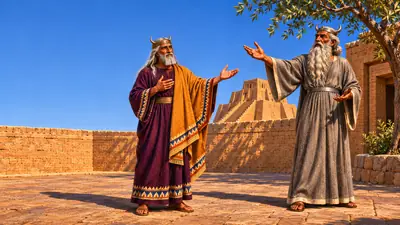
For nine counted years, Alalu ruled in heaven. But the song gives this reign a limit: in its ninth year, Anu challenged the king.
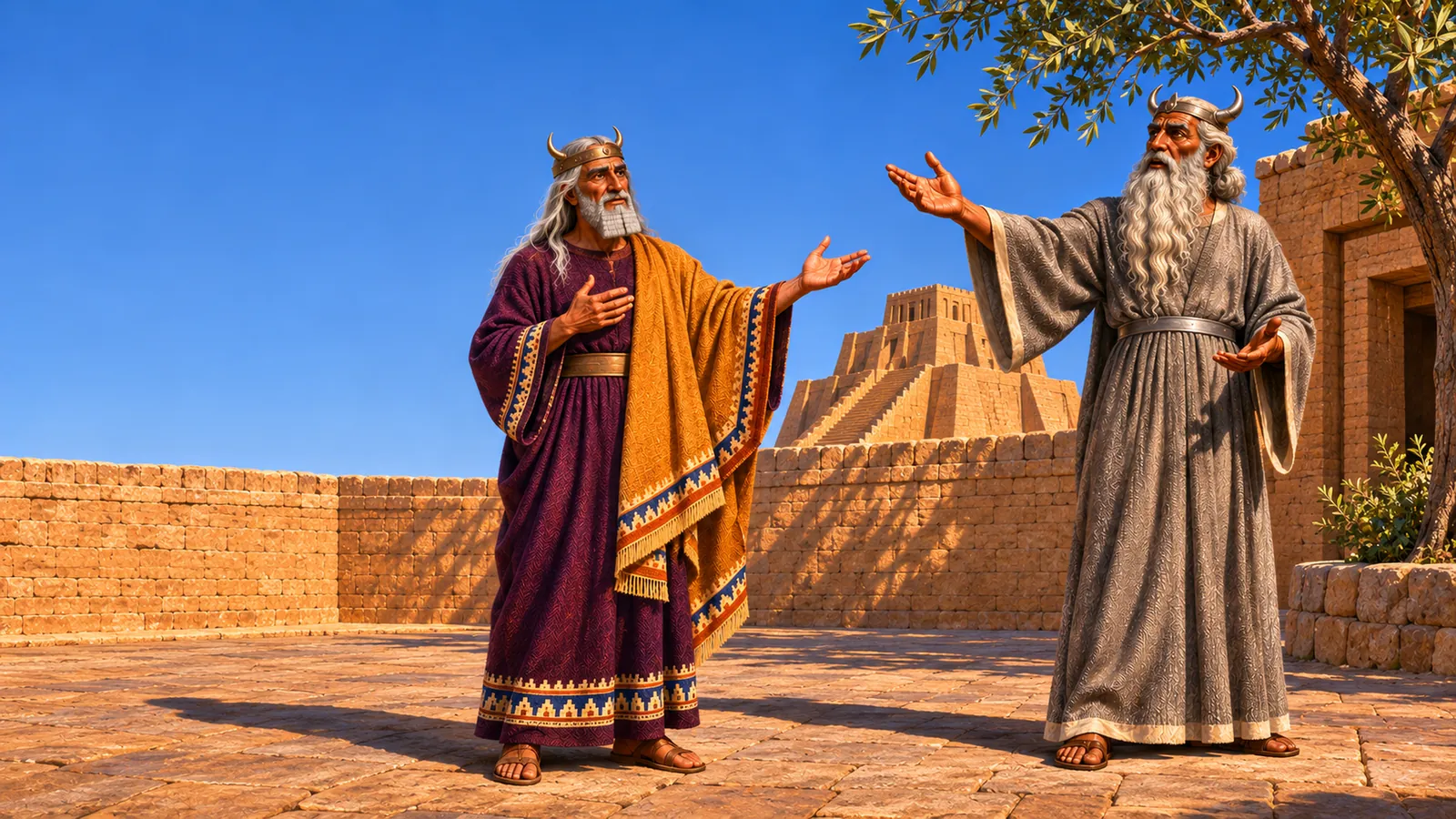
Anu fought Alalu and defeated him. The old king could no longer keep the seat before which Anu had once served.
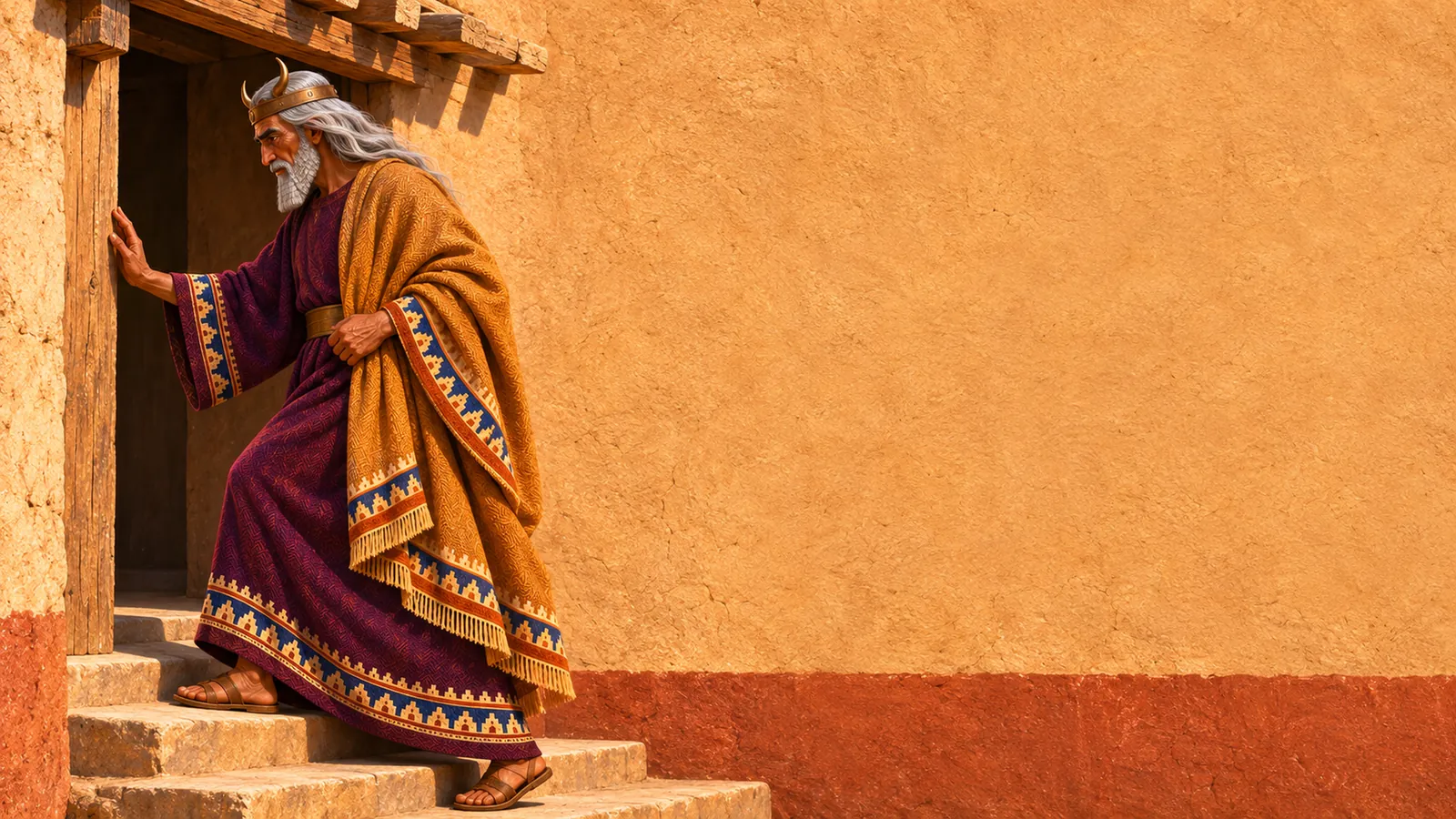
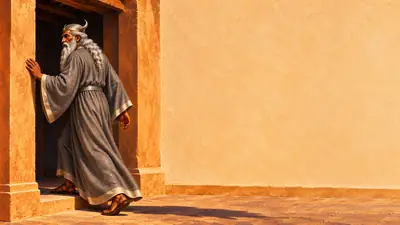
Defeated, Alalu fled down into the dark earth. The song follows his departure, then turns back toward the throne he has lost.
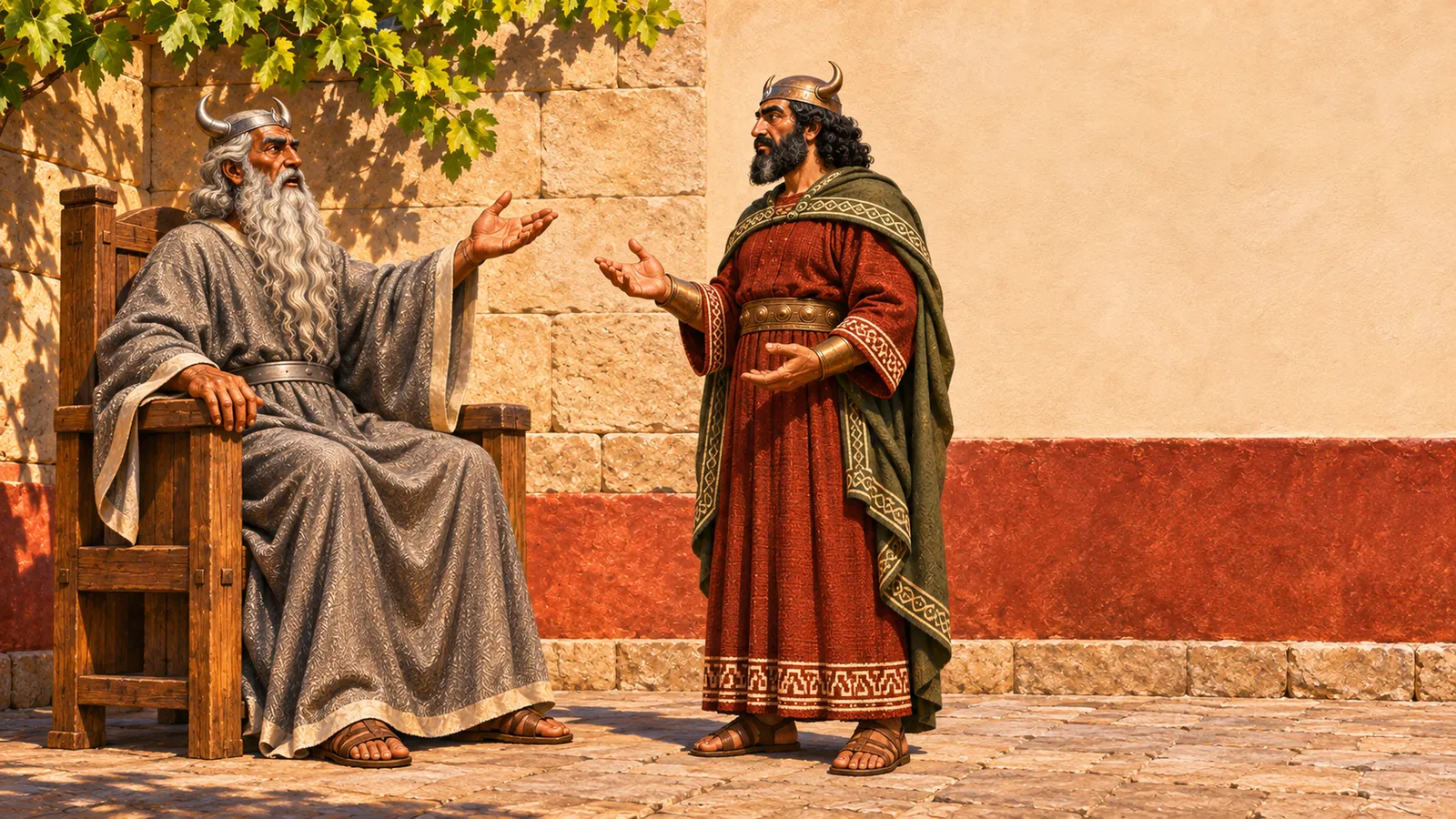
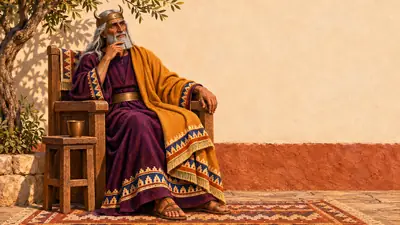
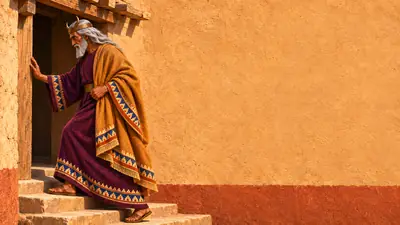
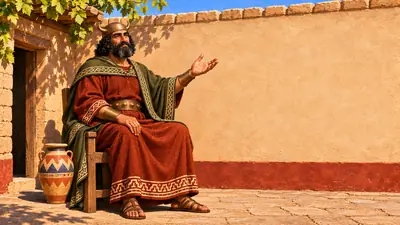
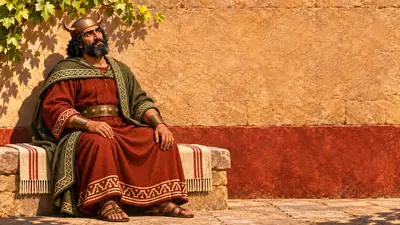
Anu sat upon the throne in heaven. Now the place of service belonged to Kumarbi, who stood before the newly ruling god.
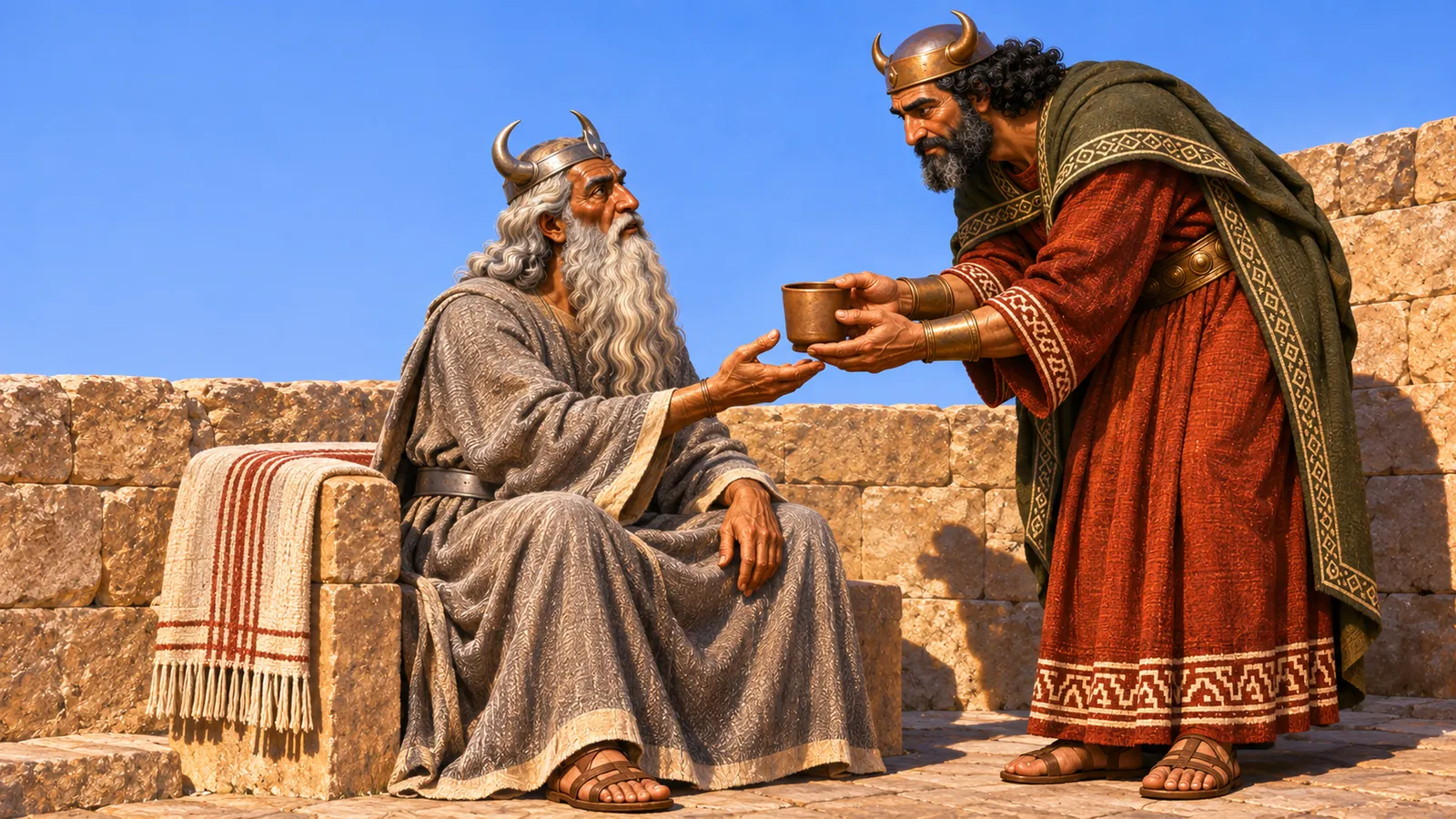
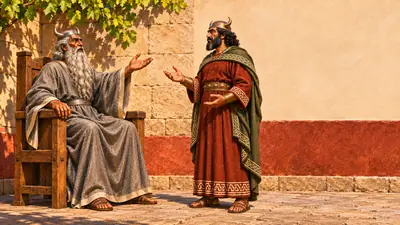
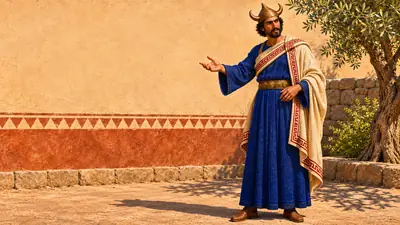
Kumarbi bowed before Anu and gave him drink. Once again, the heavenly ruler received a cup from the god who would challenge him.
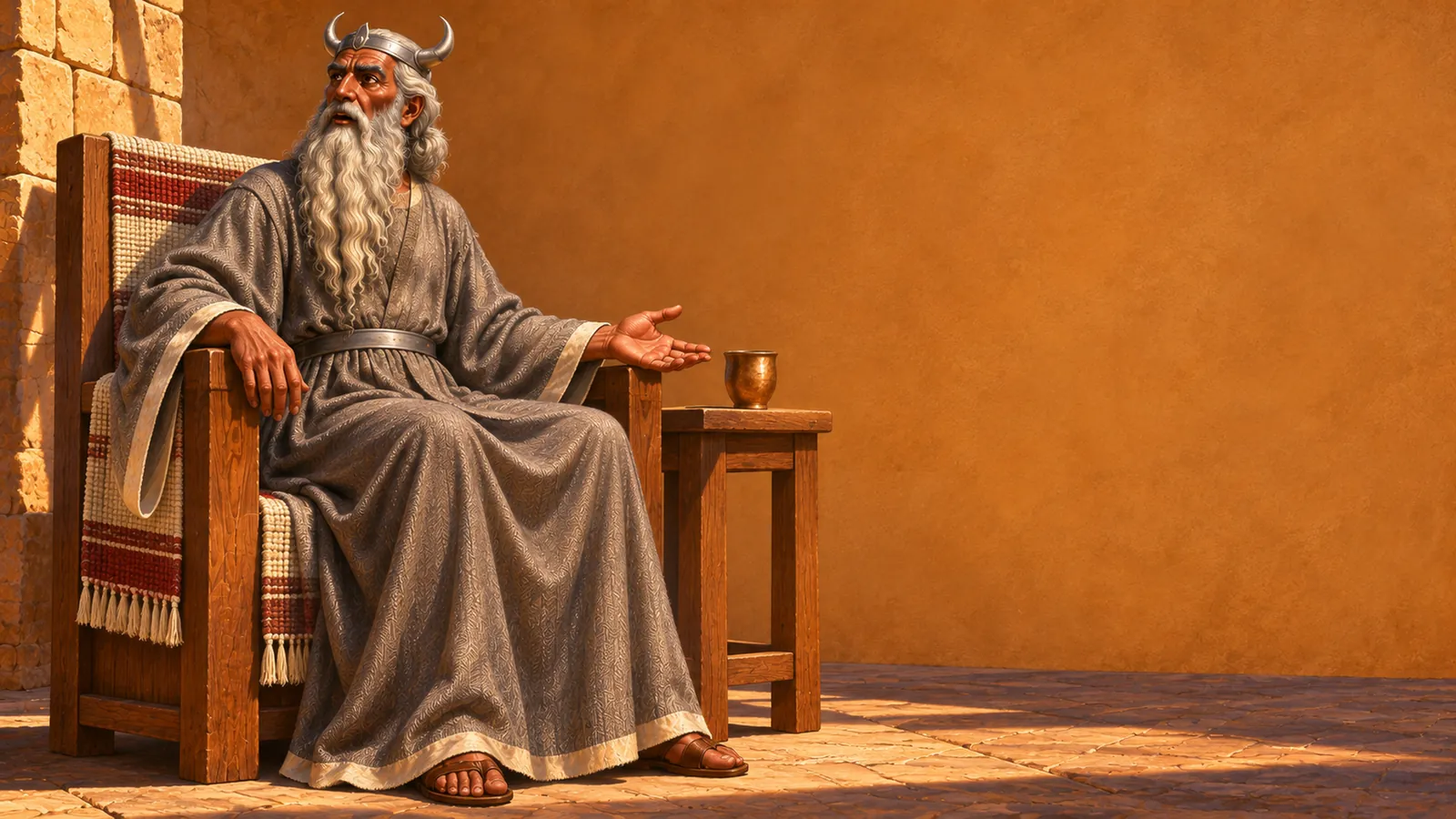
Anu too ruled for nine counted years. In the ninth, Kumarbi fought him; the repeated years lead to another contest for the throne.
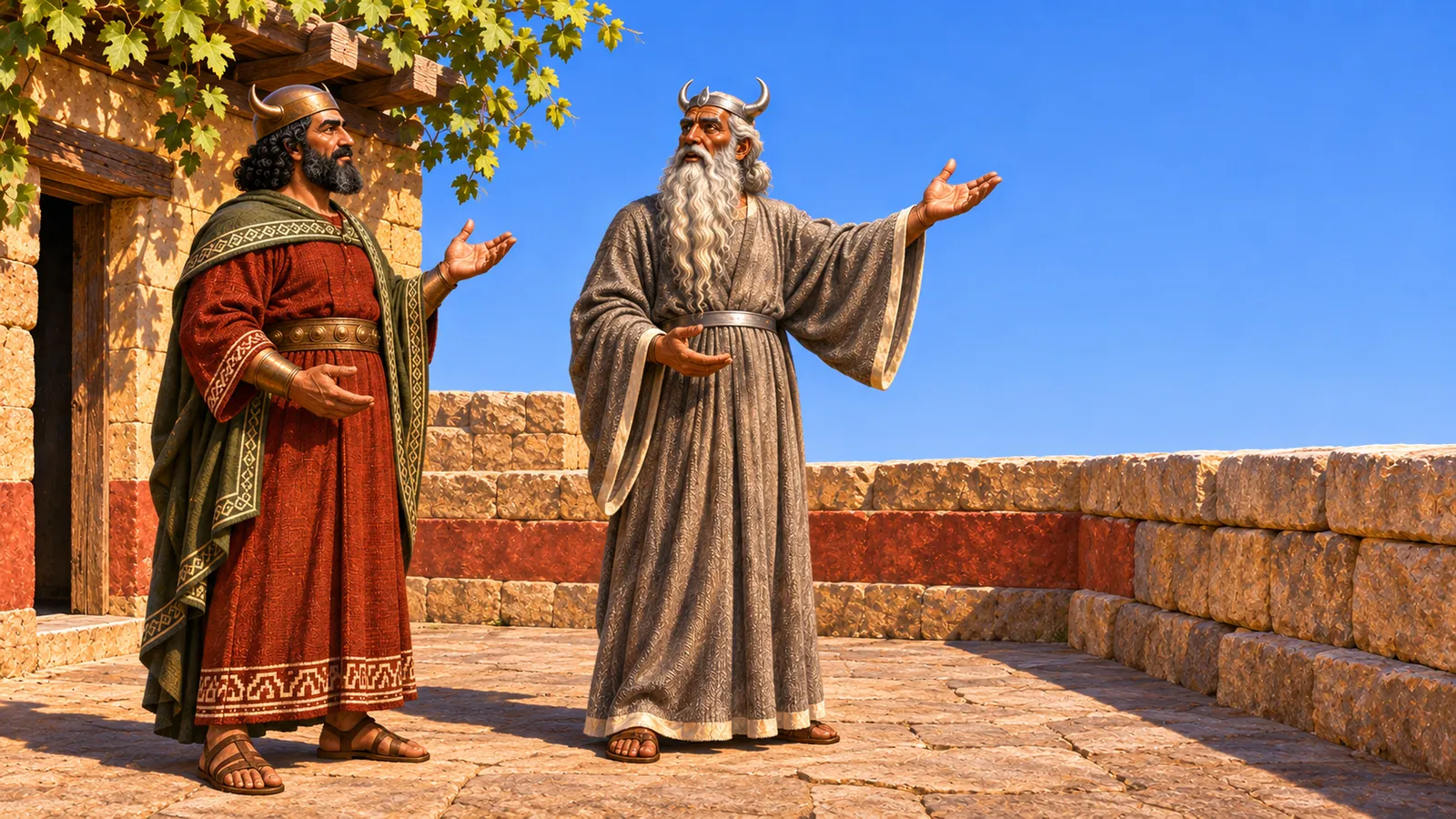
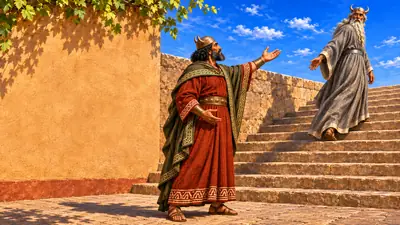
Kumarbi met Anu in combat. Anu could no longer endure his opponent’s gaze and escaped from Kumarbi’s grasp, seeking the sky above.
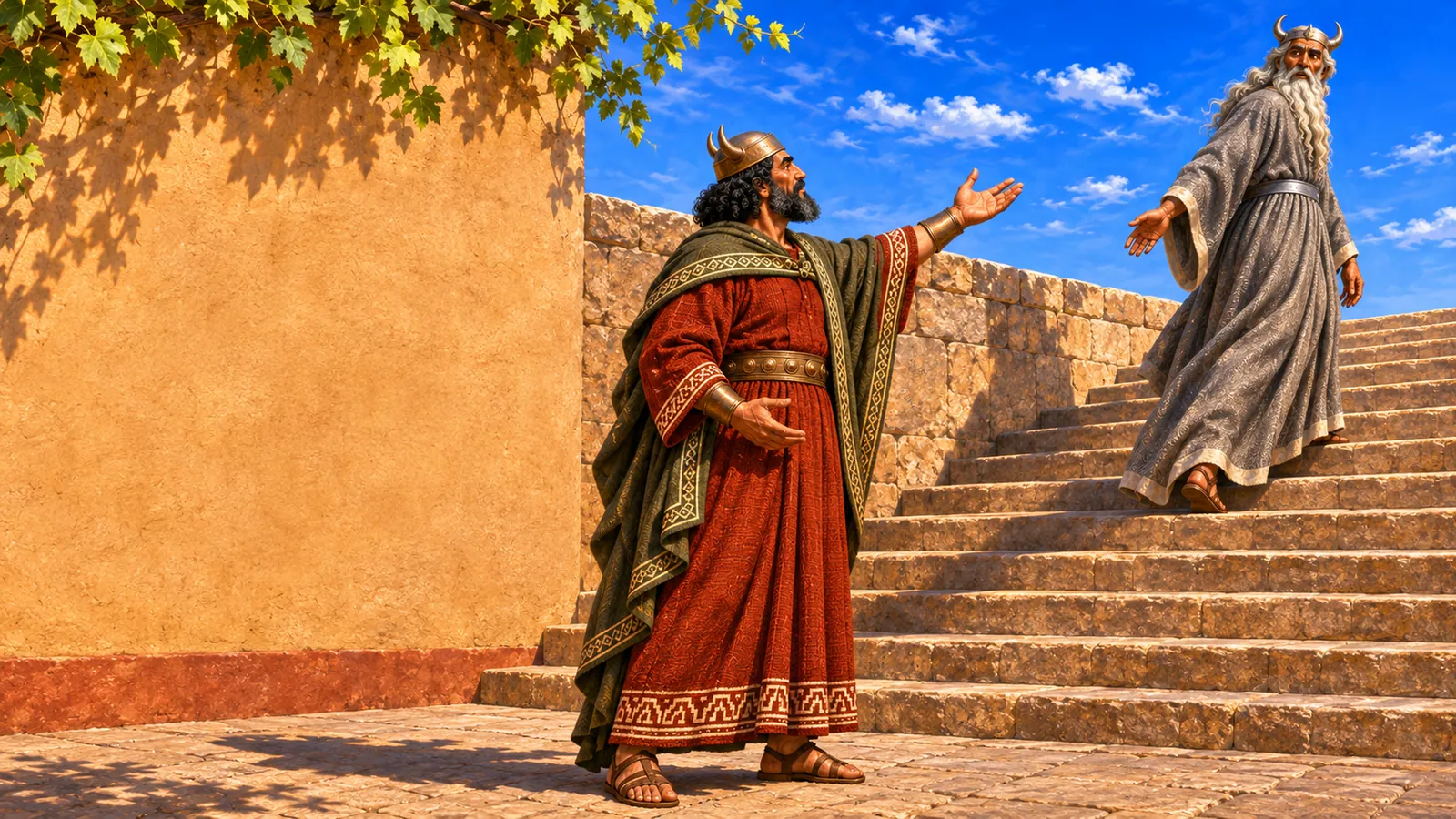
Anu fled toward heaven like a bird. Kumarbi reached after him; the escape was not enough to put the challenger behind him.

Kumarbi seized Anu by the feet and pulled him down from heaven. The fleeing god was caught before he could escape the struggle.

Kumarbi bit off Anu’s genitals and swallowed his manhood. Through that violent act, Kumarbi himself became pregnant with a new generation of gods.
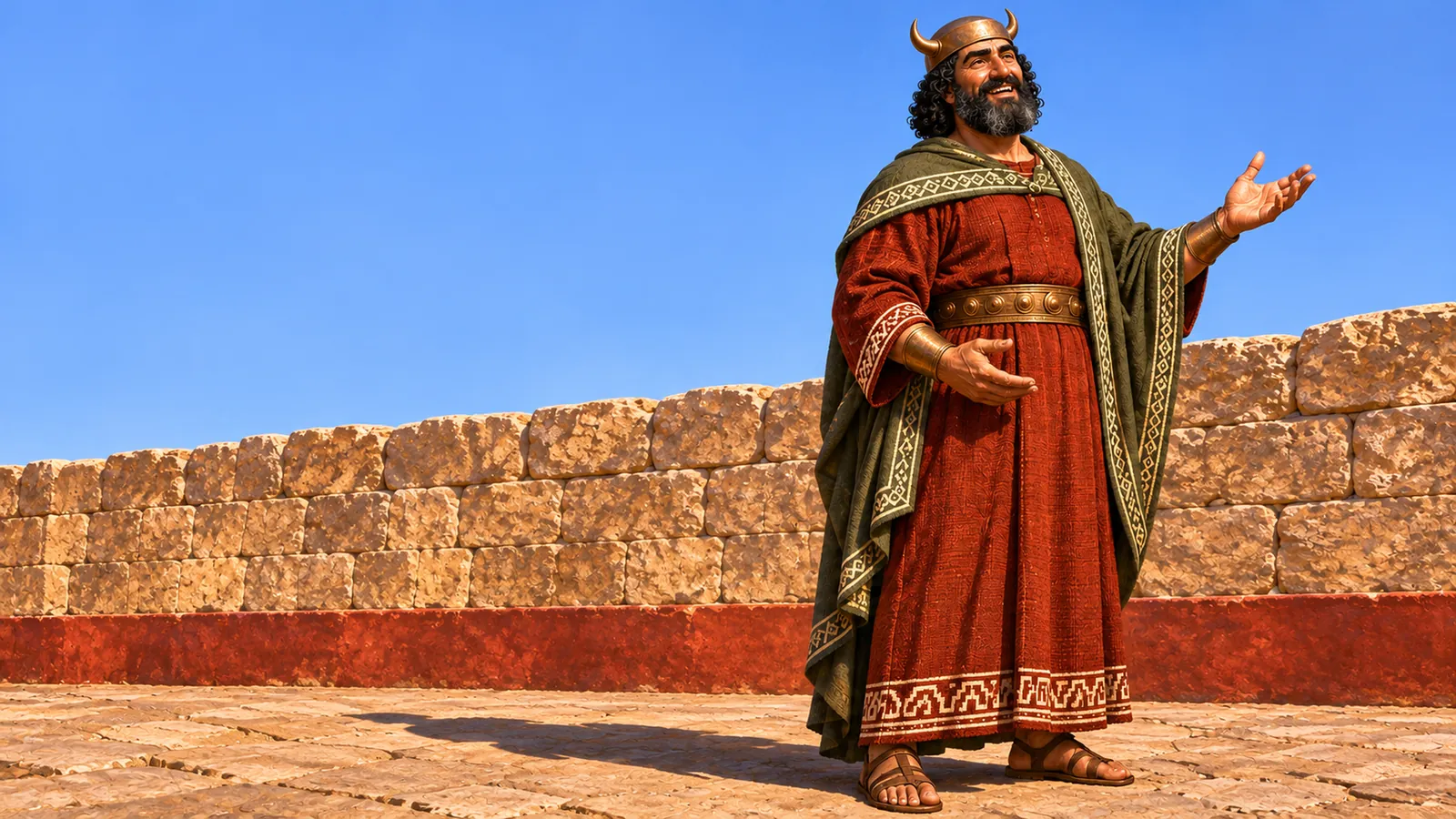
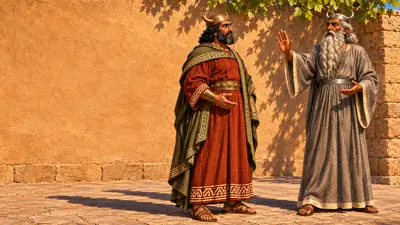
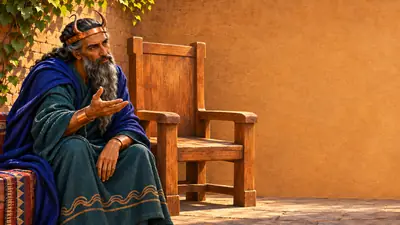
Kumarbi laughed at what he had done. But Anu answered his delight with a warning: the victory carried consequences Kumarbi had not understood.
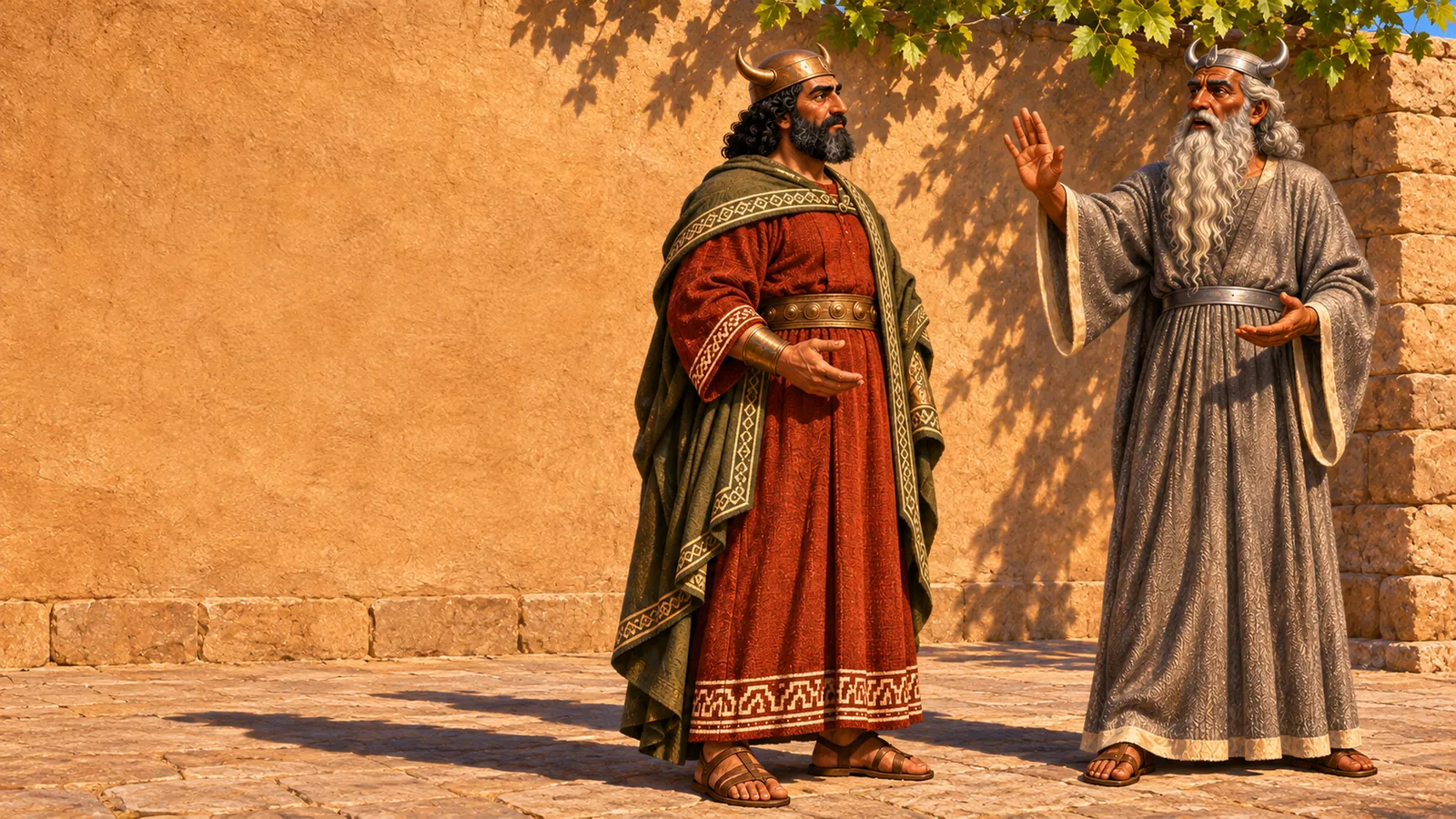
Do not rejoice, Anu told him. What Kumarbi had swallowed was now a burden within him, and the defeated god named what it would bring.
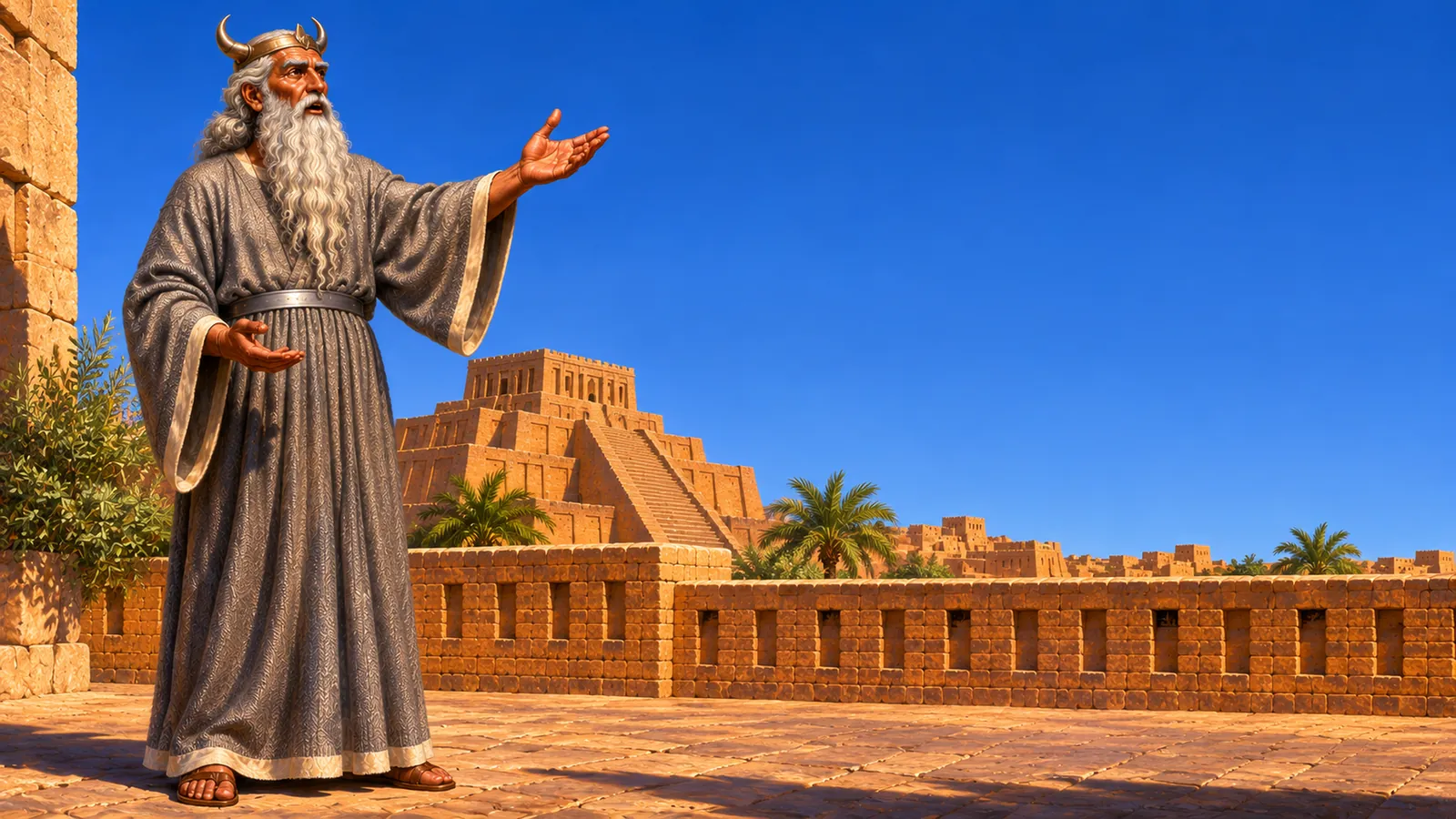
Anu named three beings Kumarbi now carried: the mighty Storm-god, the river Aranzah and Tashmishu. A struggle over rule had become a story of birth.
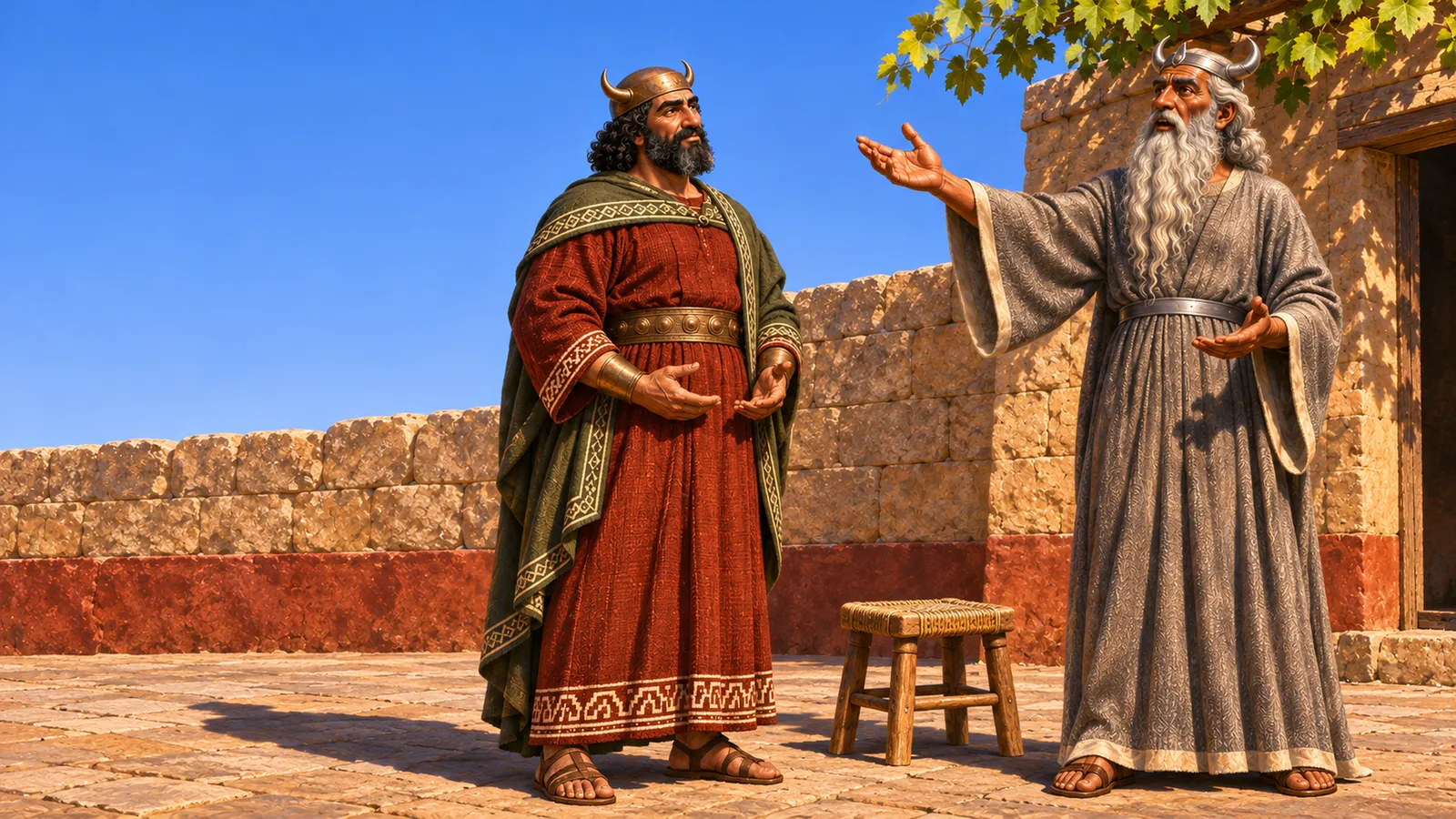
Anu foretold that Kumarbi would strike his head against the rocks of Mount Tassa. These are warning words, not a newly completed act.
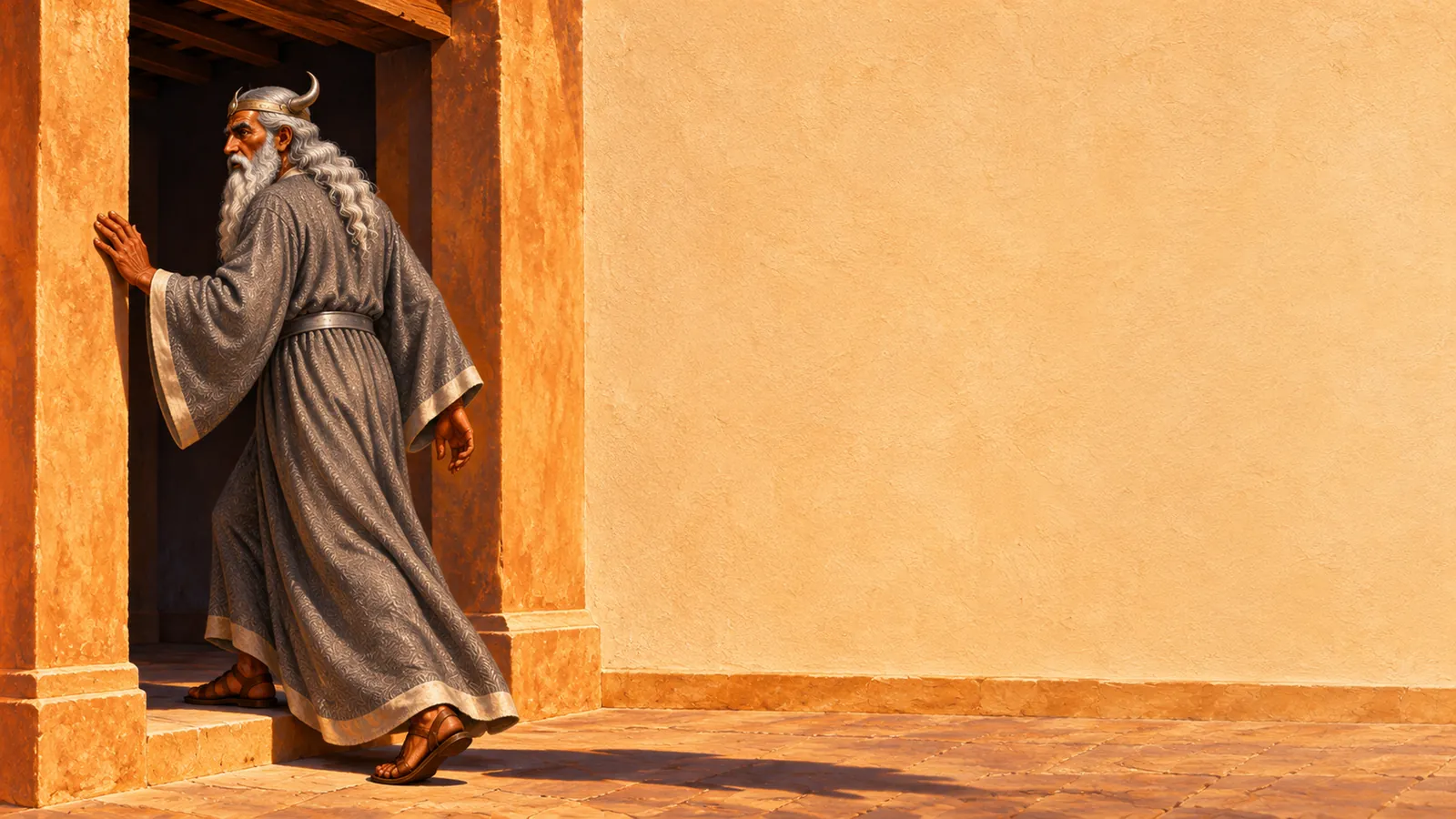
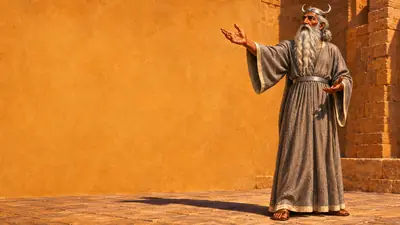
After speaking, Anu went up into heaven and hid. Kumarbi remained with the burden that the fallen ruler’s words had made clear.
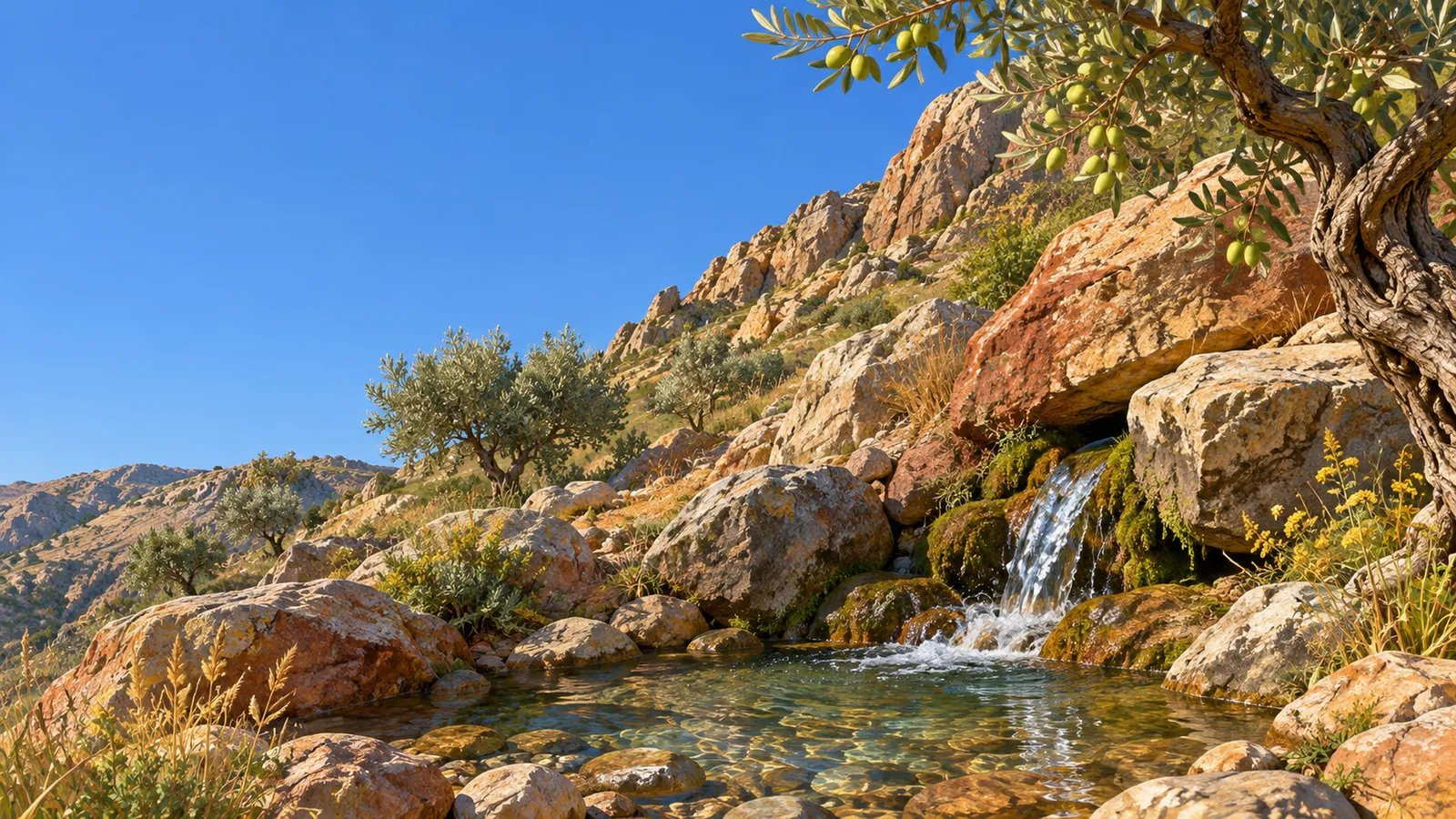
Kumarbi spat out what was in his mouth. The damaged lines connect this matter with Mount Kanzura’s pregnancy; Tashmishu’s name depends on restoration.
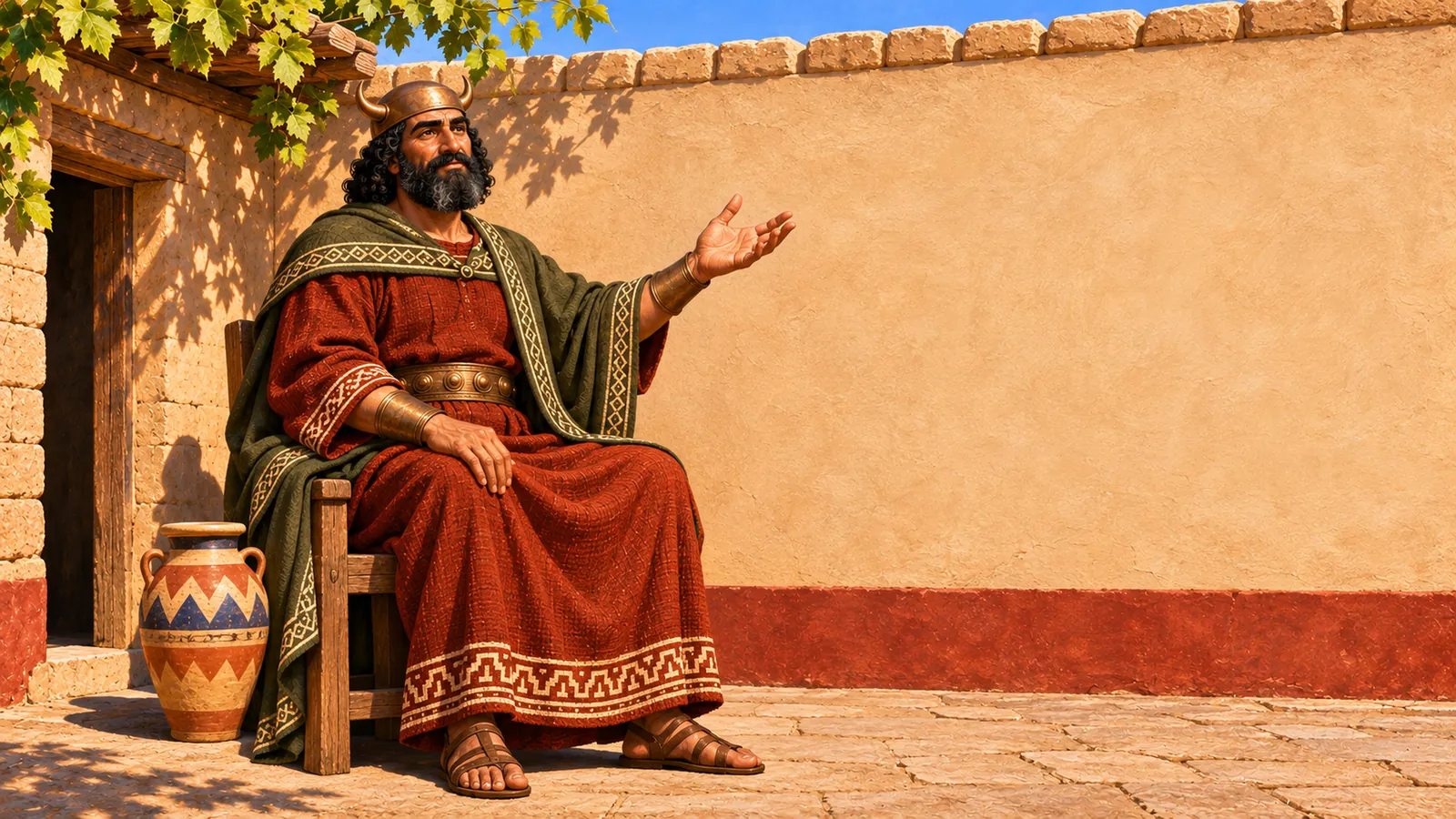
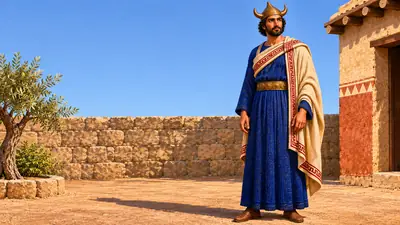
Kumarbi went to Nippur and took his seat. The broken account moves from the overthrow in heaven to the difficulty of bringing the gods forth.
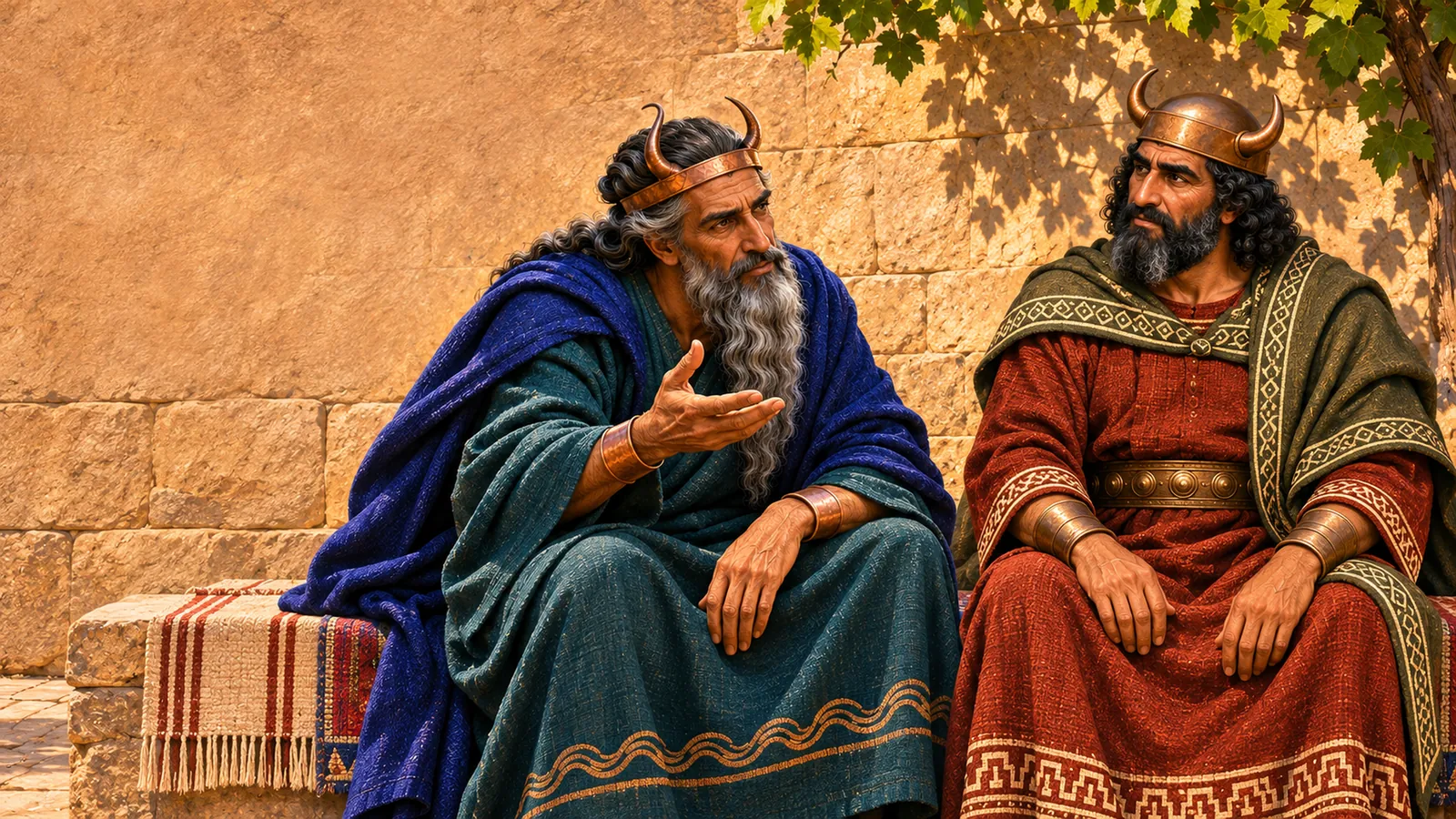
Months were counted while Kumarbi carried the gods. In the damaged discussion, Ea’s wisdom enters the problem of how they can emerge.
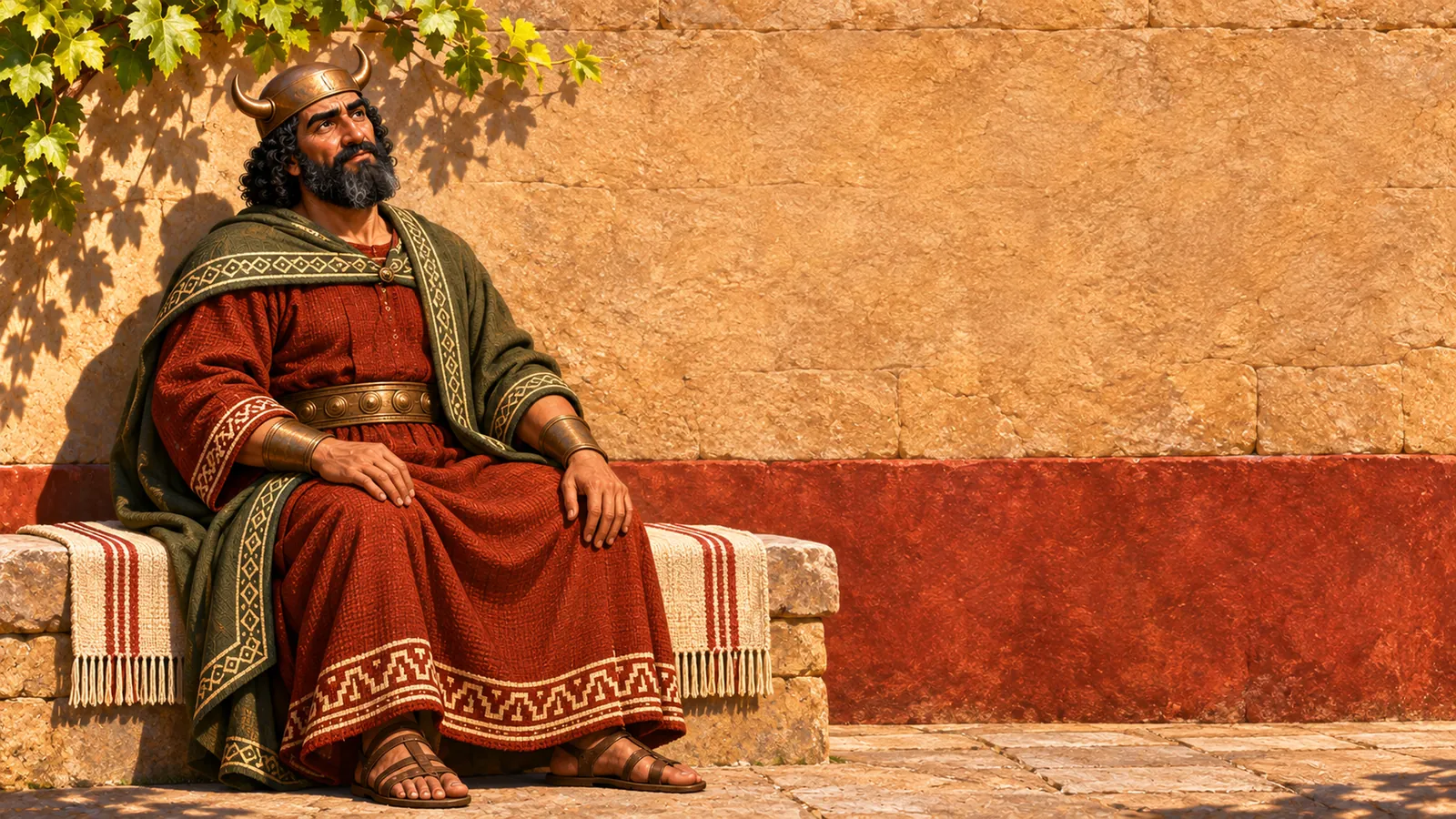
A voice within Kumarbi speaks of gifts: strength from Earth, heroism from Heaven and understanding from Kumarbi. The speaker’s damaged designation leaves its identity uncertain.

Anu calls for the Storm-god to come forth. A voice inside Kumarbi weighs possible exits, fearing harm or pollution; damaged words prevent a complete explanation.
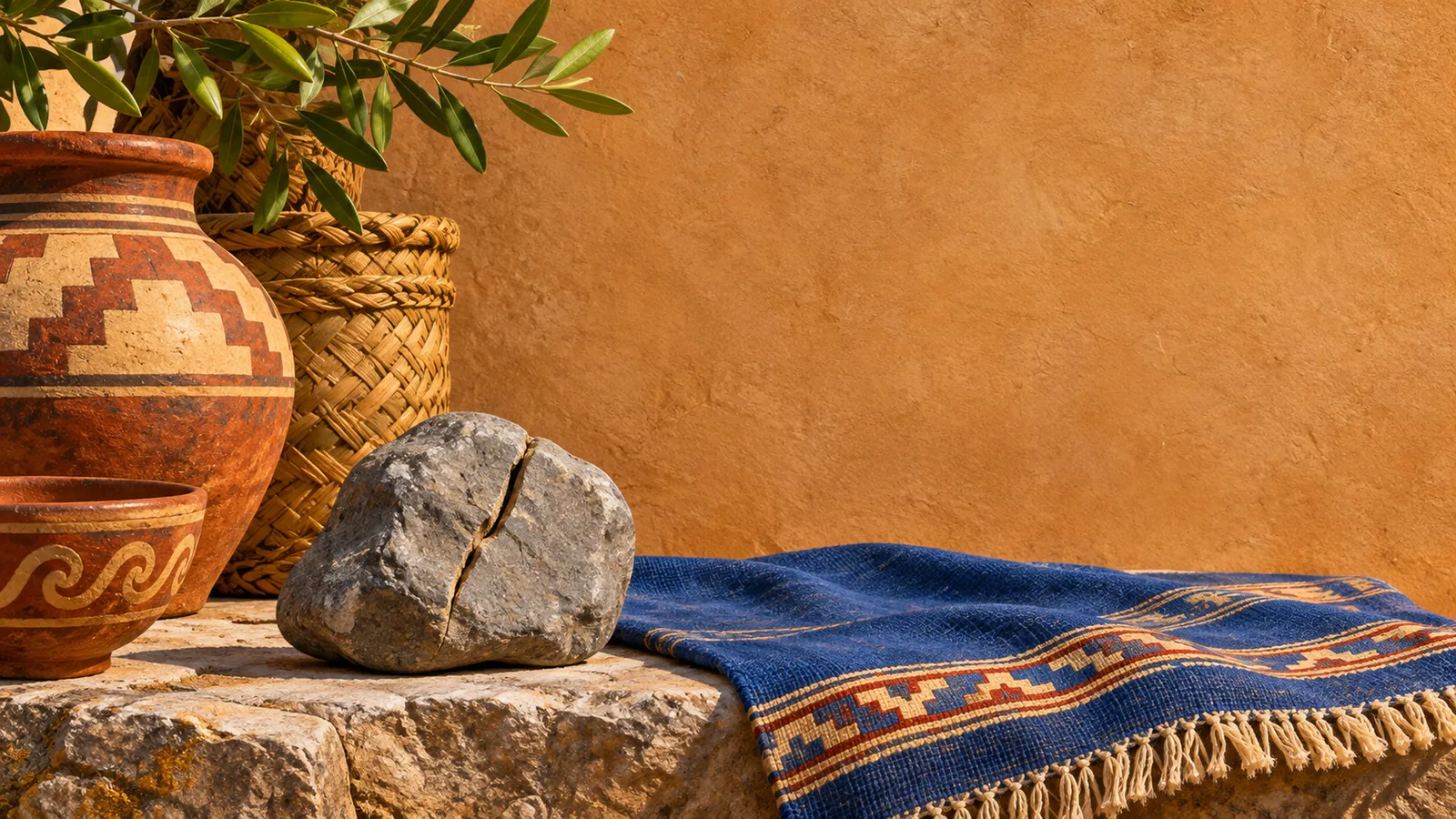
The text tells of Kumarbi’s head being split like a stone and a heroic god emerging from it. The precise agency remains unclear.
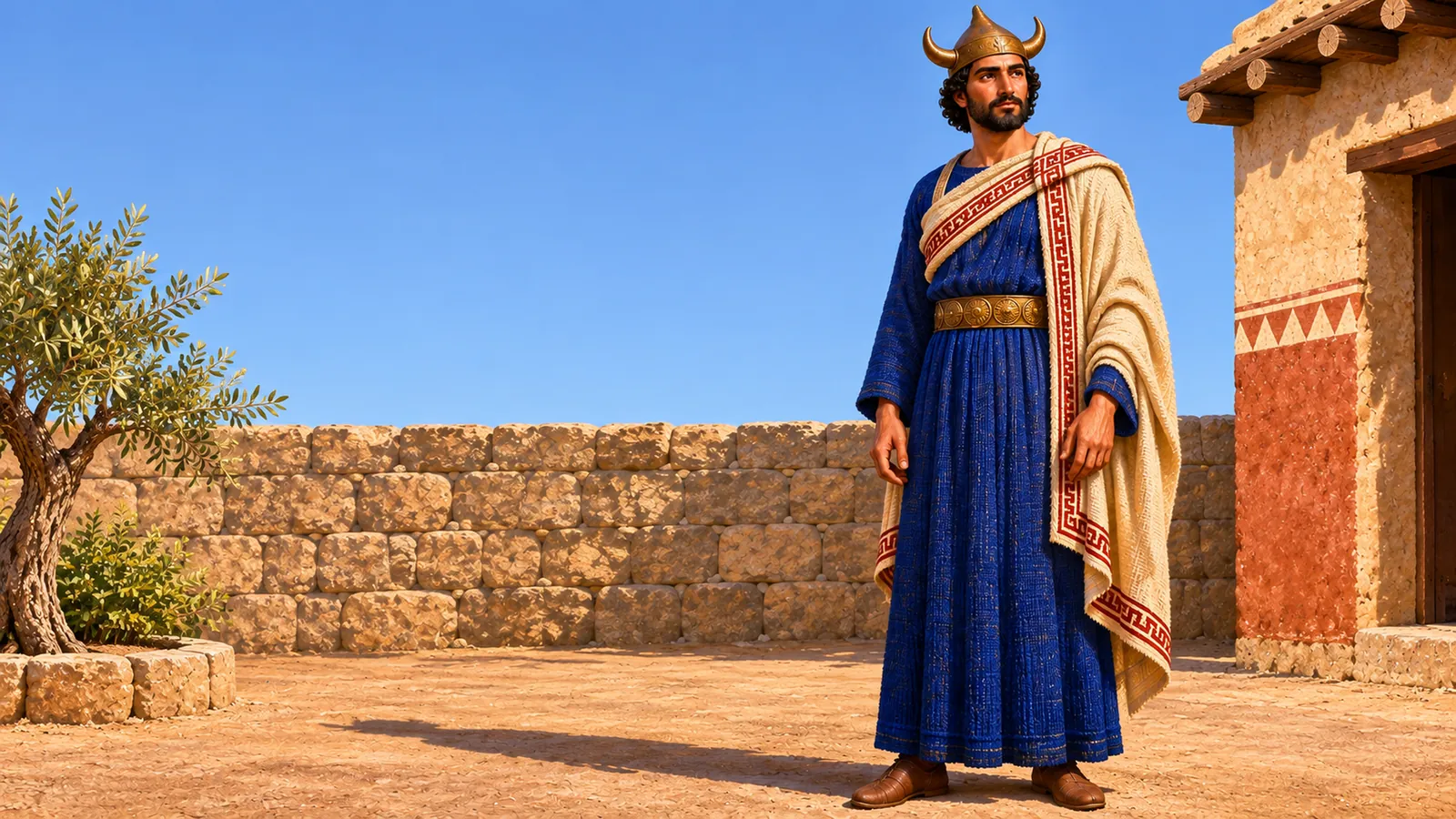
The emerging figure is called KA.ZAL, the heroic king. Beckman identifies this title with the Storm-god; the difficult passage does not preserve a coronation.
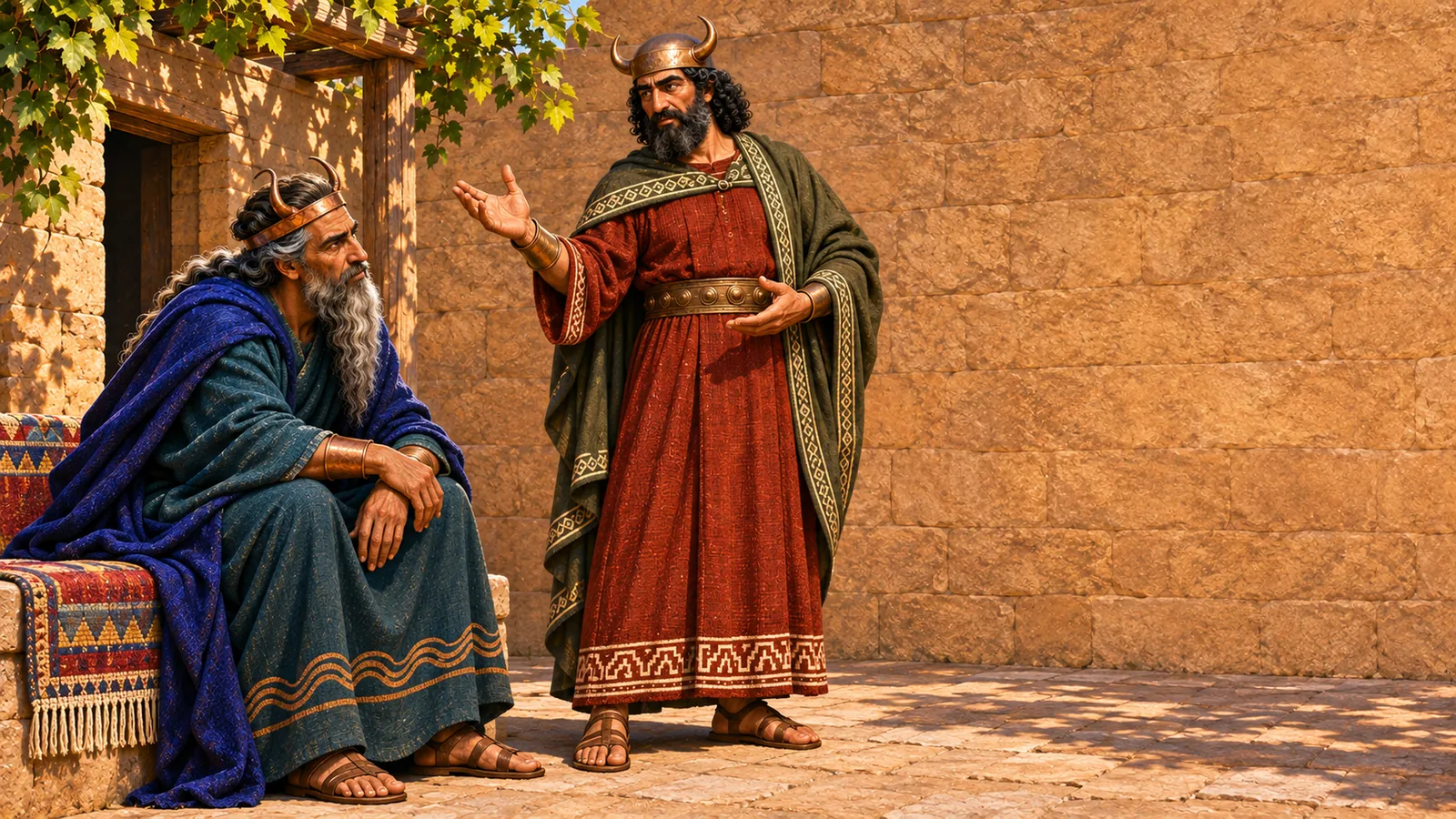
Kumarbi bowed before Ea, then demanded the son so that he could eat him. He threatened to crush the Storm-god like a reed.

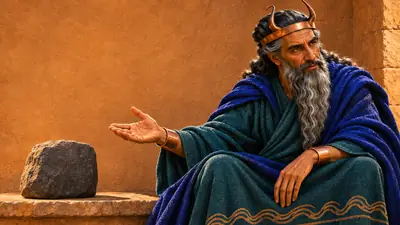
Kumarbi began to eat; a hard stone hurt his teeth, and he wailed. The damaged transition suggests substitution, but does not preserve the whole trick.
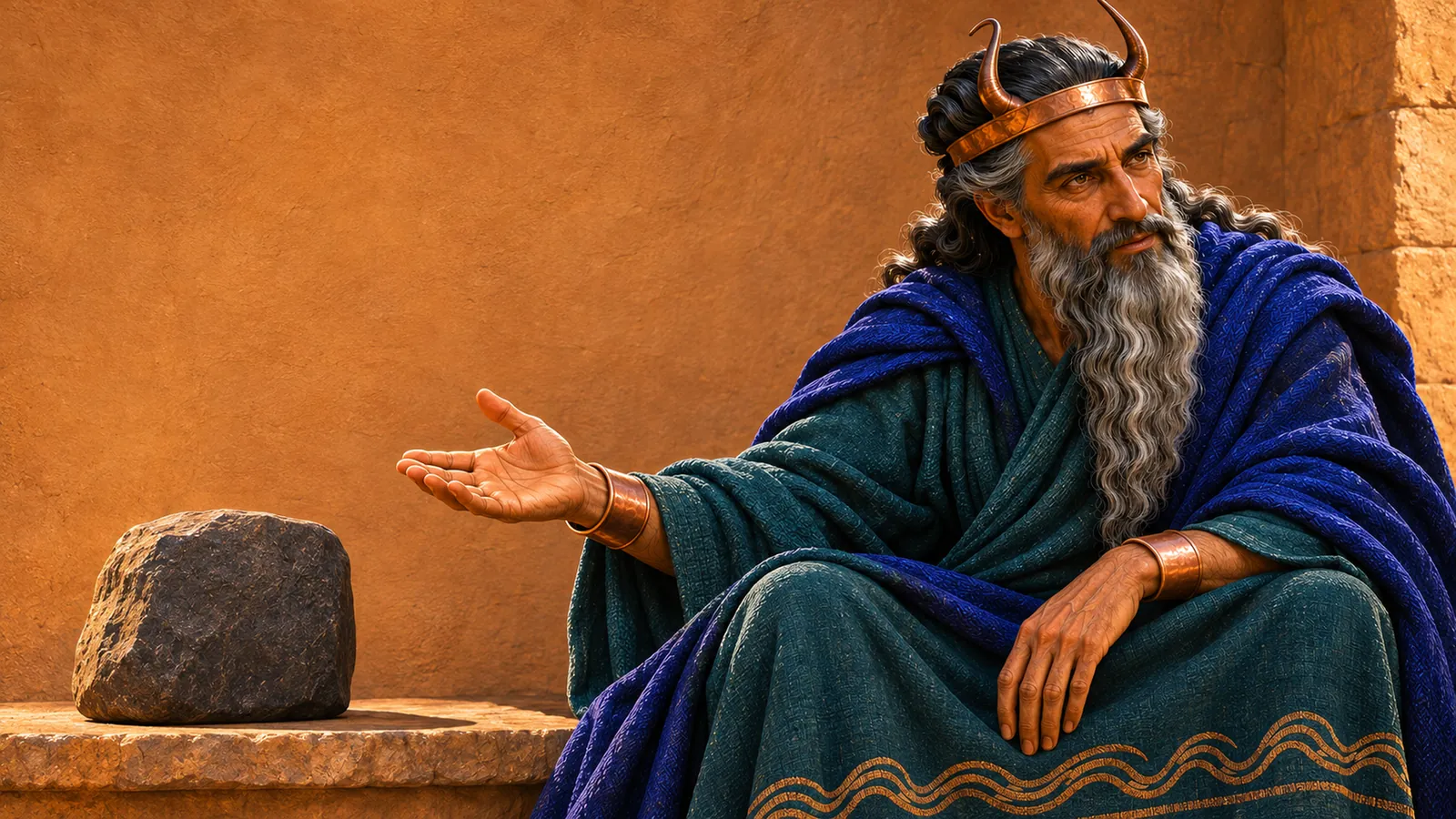
A broken speech gives the stone a name and a place now lost to us. Wealthy lords are to offer animals; poorer people, grain food.
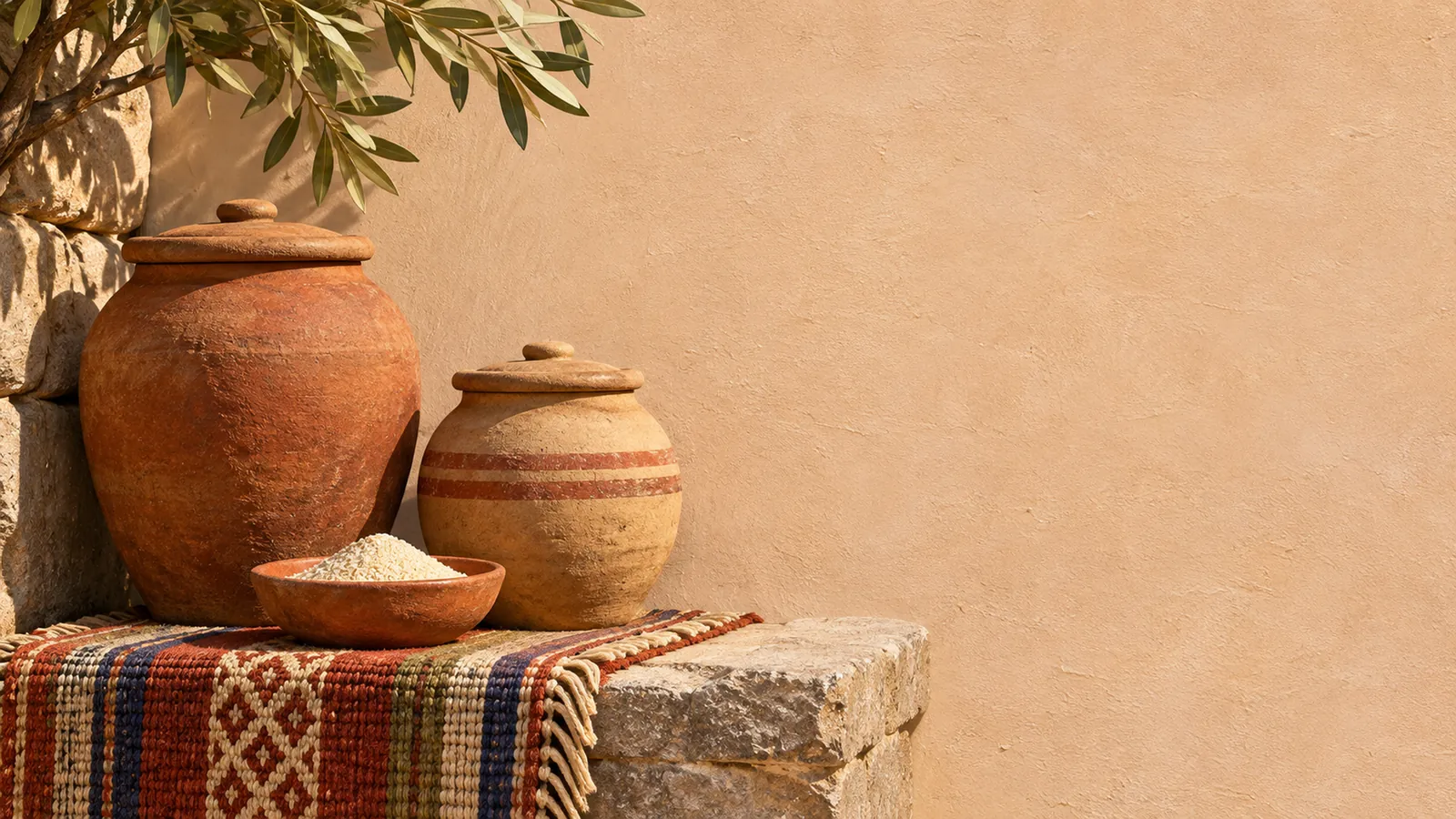
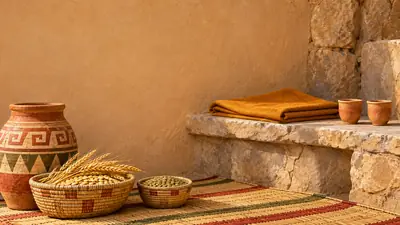
The rich began slaughtering cattle and rams as offerings, while the poor offered grain food. The surviving account distinguishes these gifts without restoring every missing instruction.
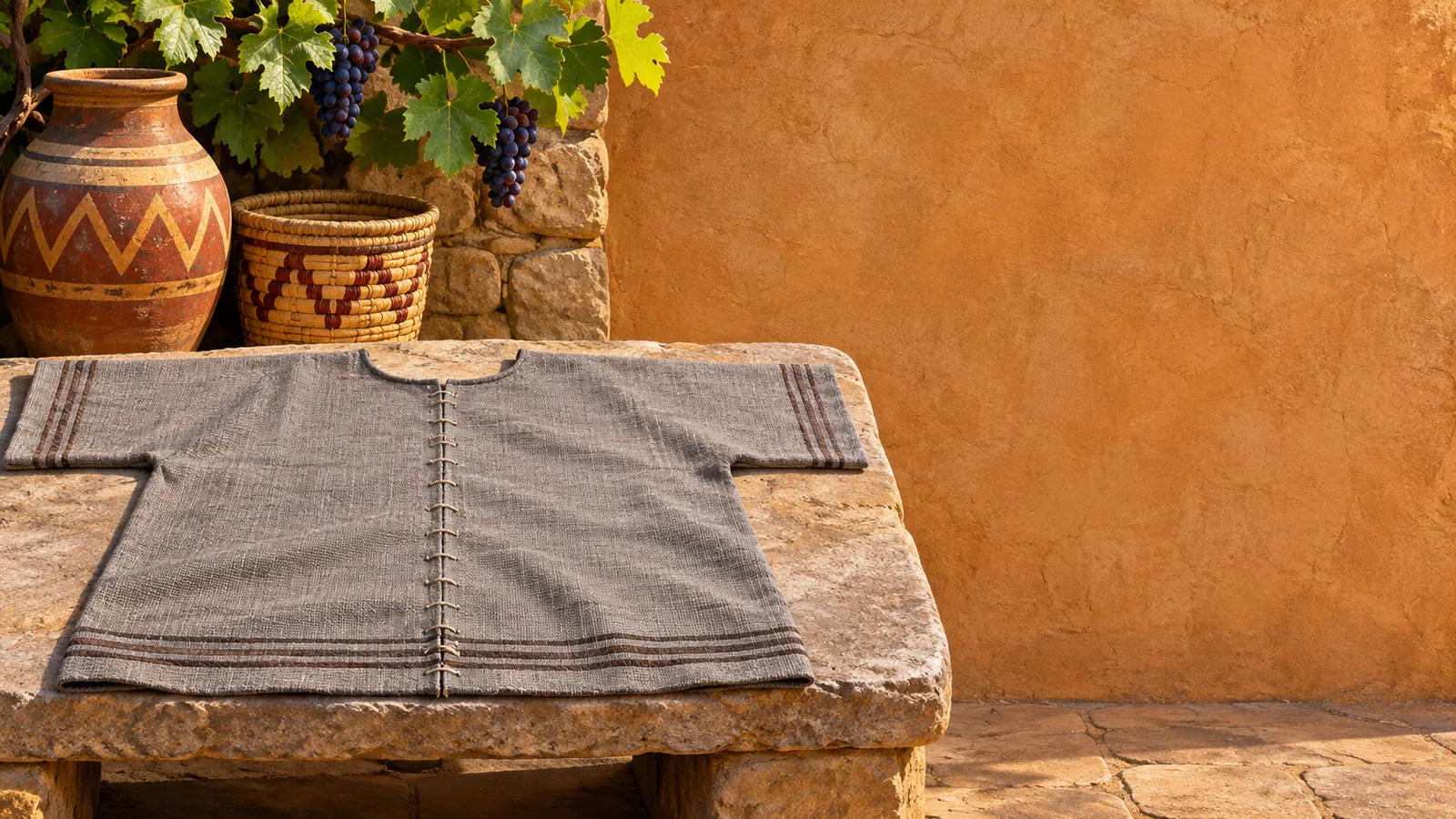
Kumarbi’s head, and the place of emergence, are described as mended like a garment. The damaged wording preserves the repair without explaining every step.
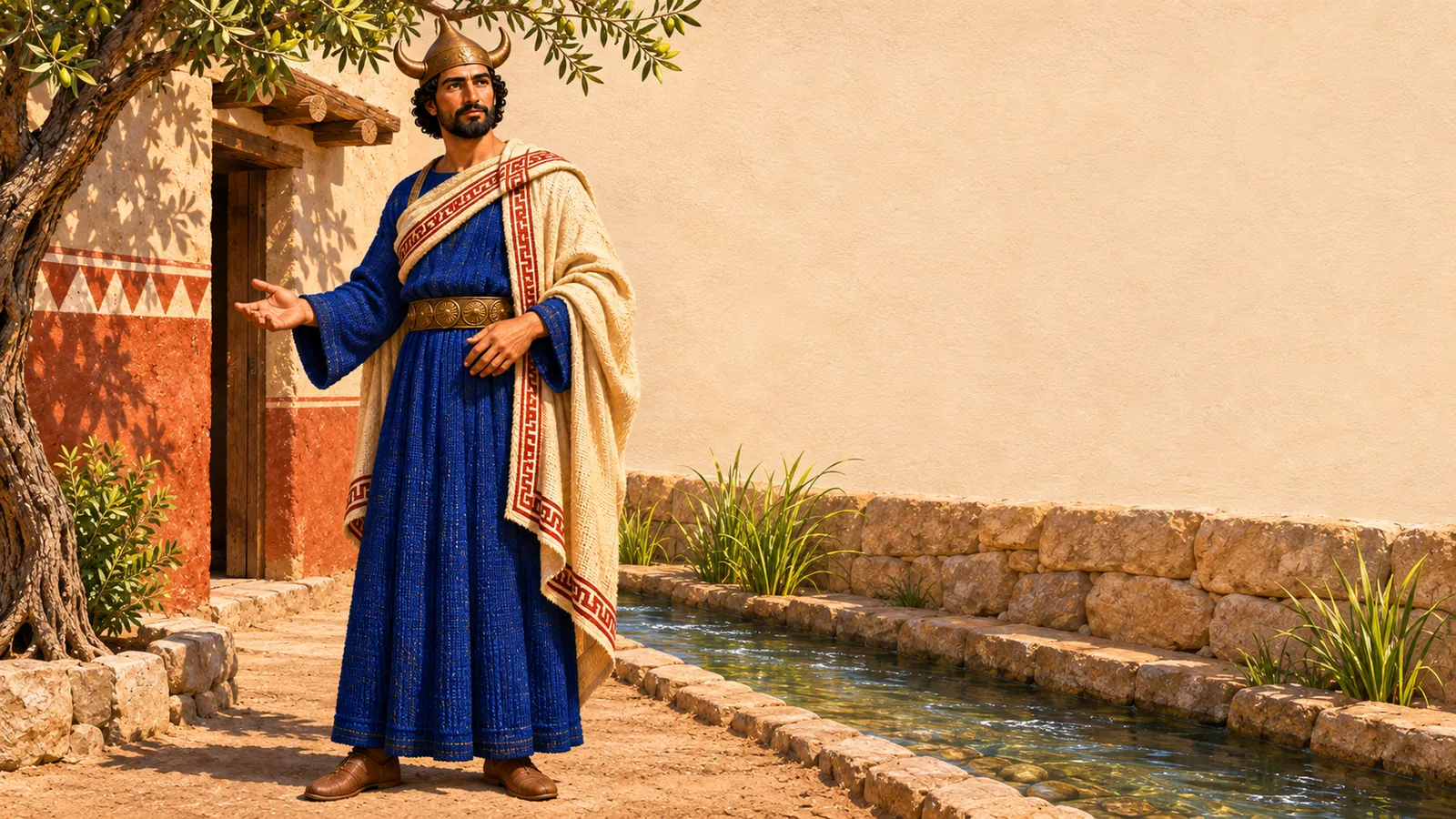
Another passage names the Storm-god’s emergence from the favorable place. Aranzah appears beside another damaged exit; the river’s precise birth cannot be fully recovered.
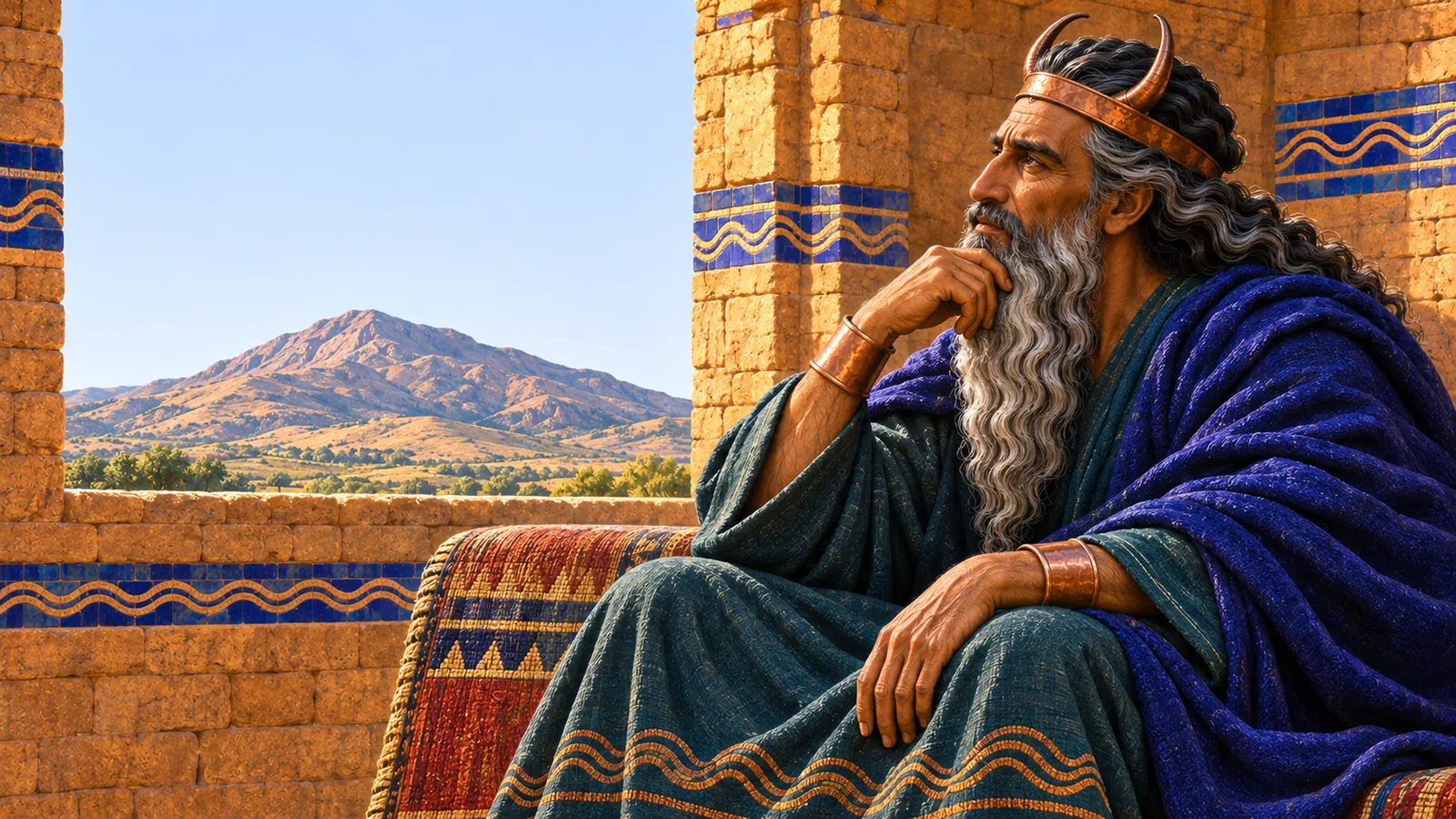
Mount Kanzura too is made to give birth, and a hero emerges. Beckman restores Shuwaliyat, another name of Tashmishu; several connecting words are missing.
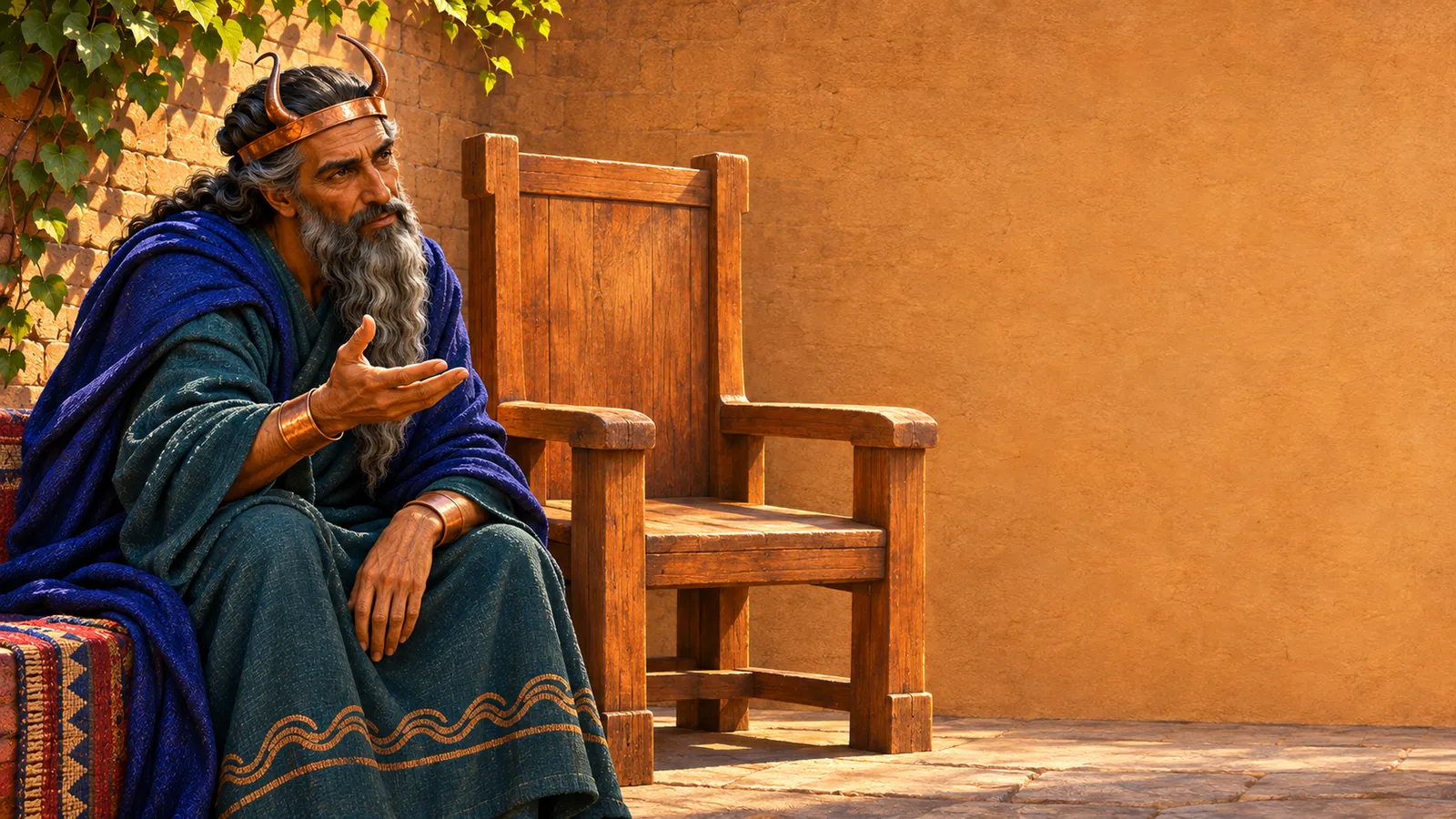
Broken speeches turn toward destruction, a throne and the choice of a king. They do not tell us enough to reconstruct a complete heavenly council or its decision.
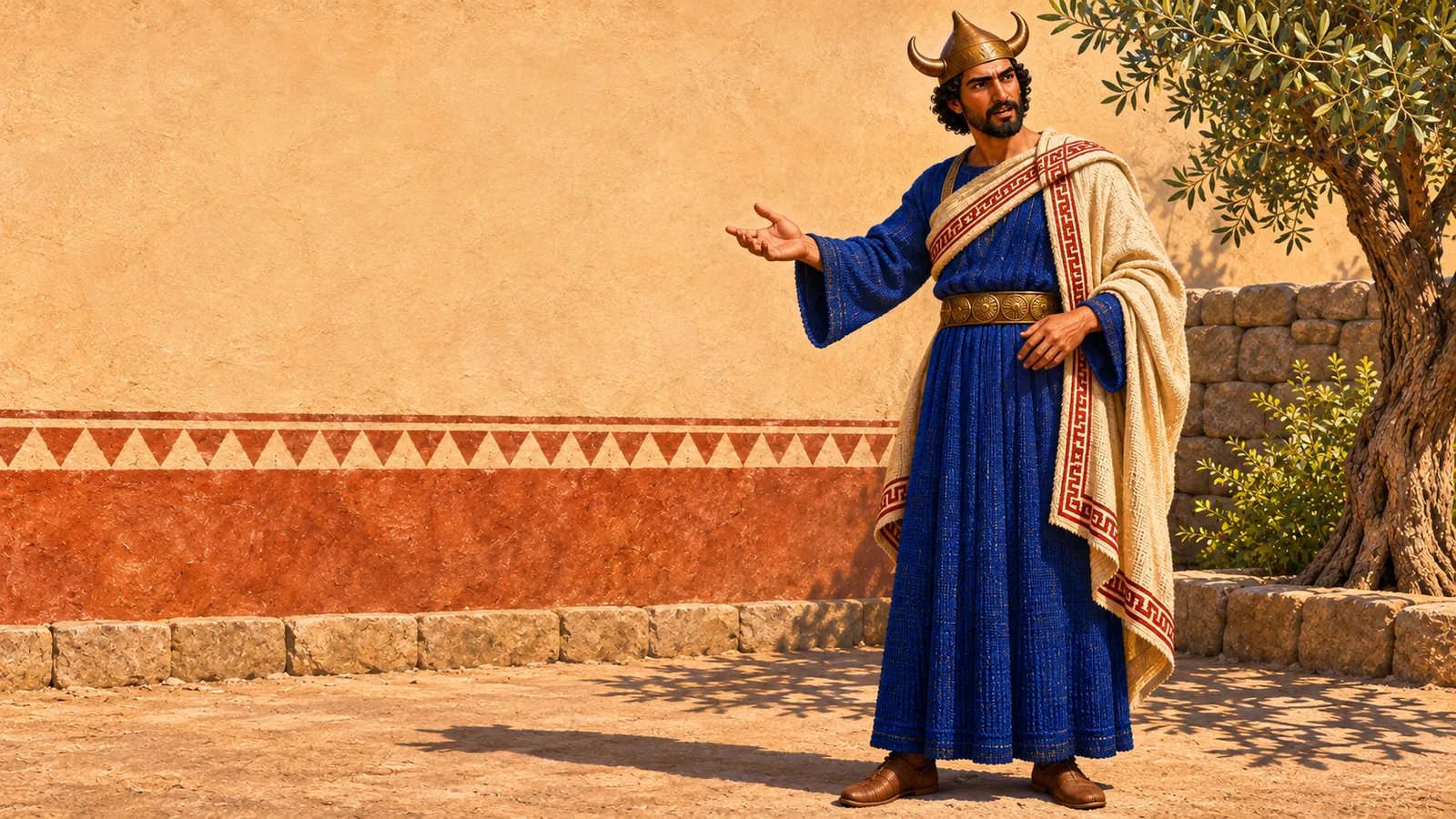
The Storm-god speaks angrily in the damaged exchange. Claims about conflict survive, but the missing words do not give us a complete final battle.
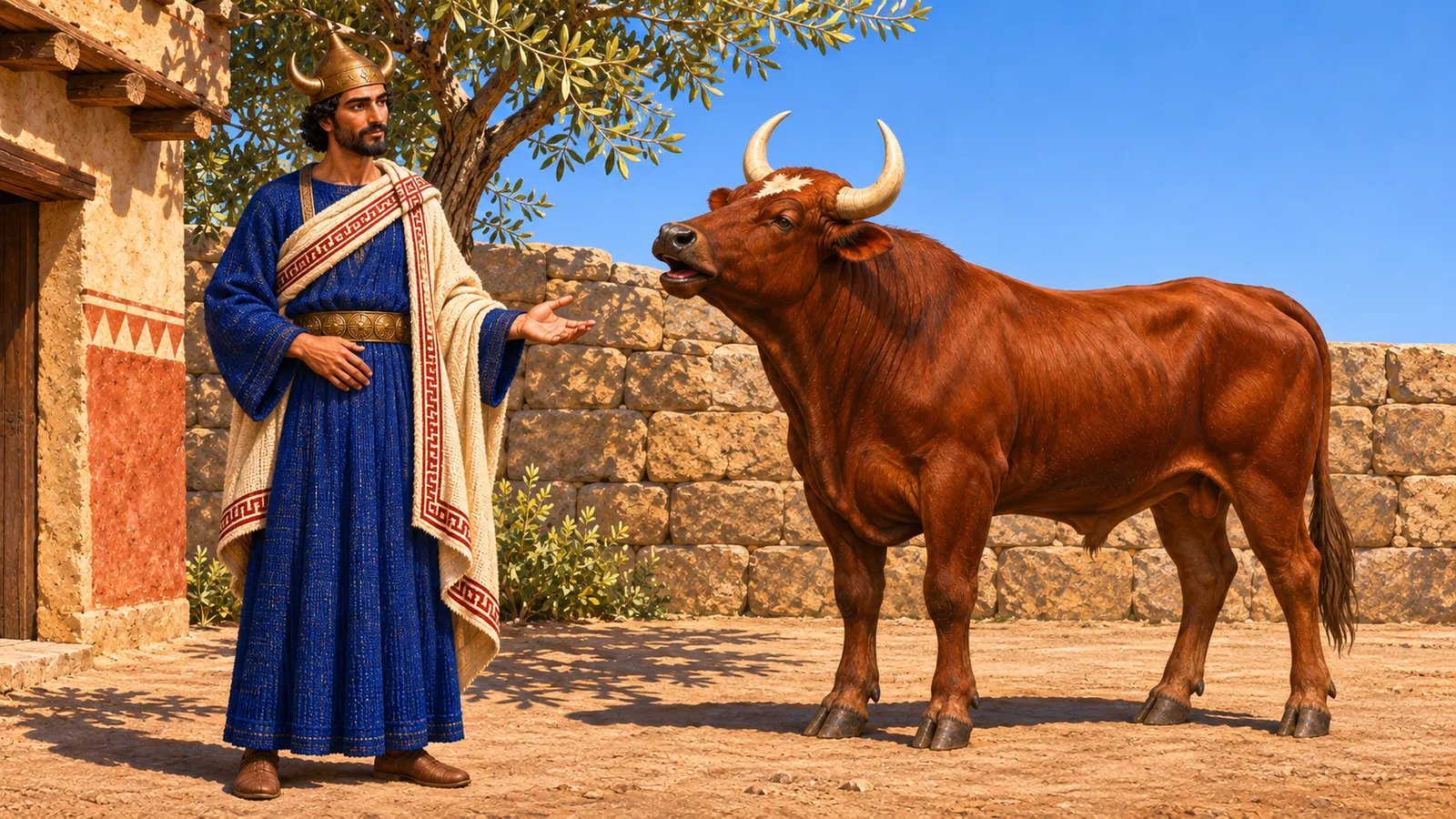
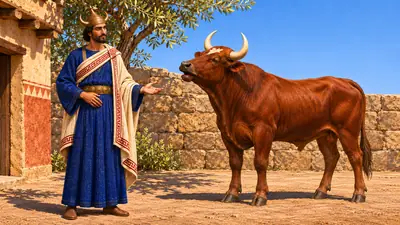
The bull Sherri asks why the Storm-god curses the gods, including Ea. He warns that the wise god may hear these angry words.
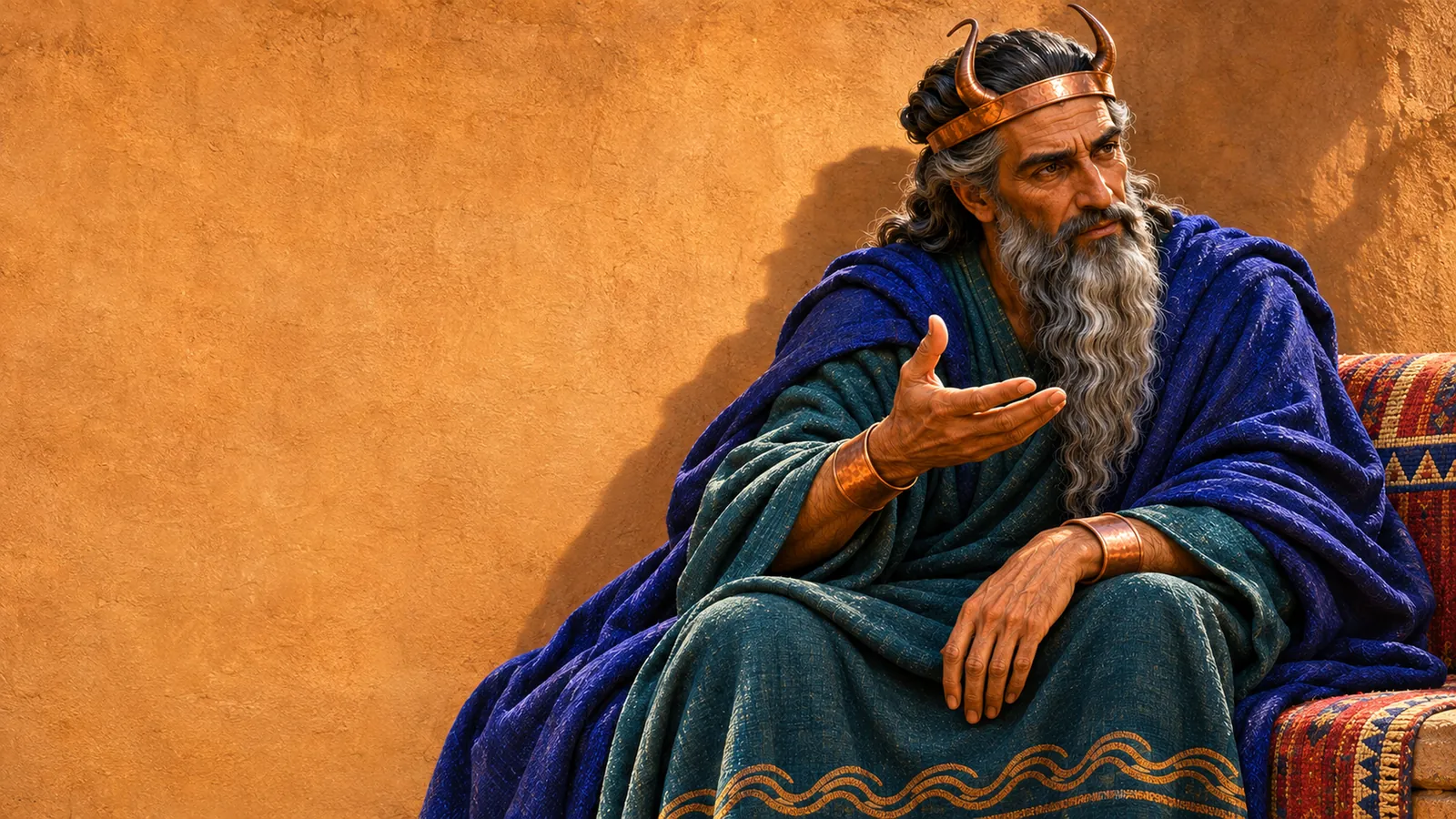
Ea’s anger and an answering speech survive among damaged lines. We cannot turn their uncertain images into a new divine punishment or an agreed reconciliation.
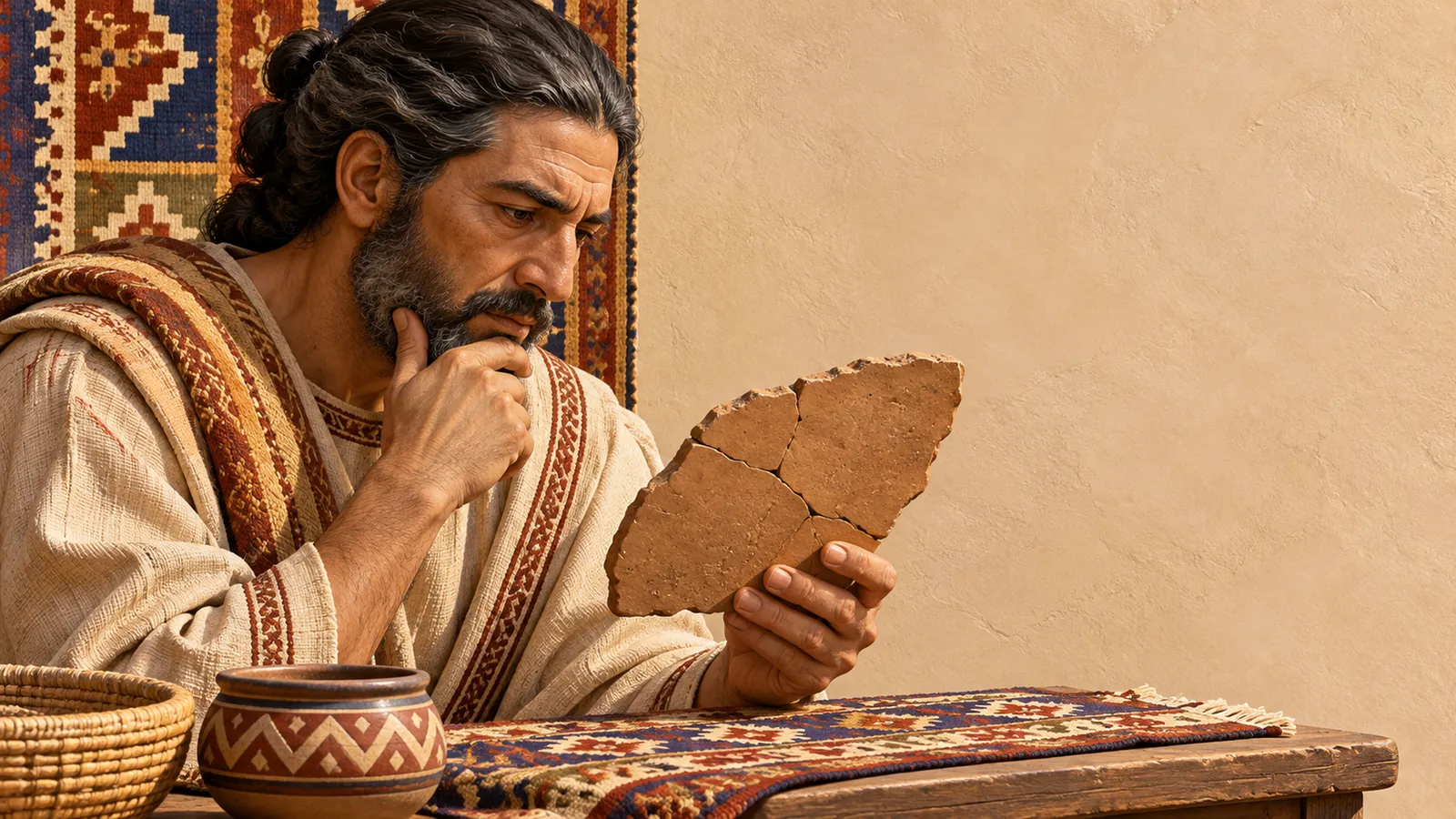
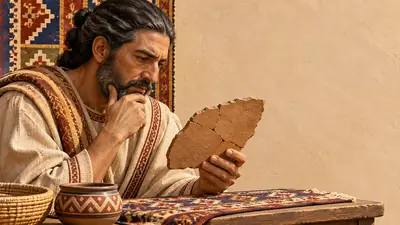
A long break interrupts the story. Fragments mention a wagon and passing months, but their lost connections cannot be supplied as certain events.
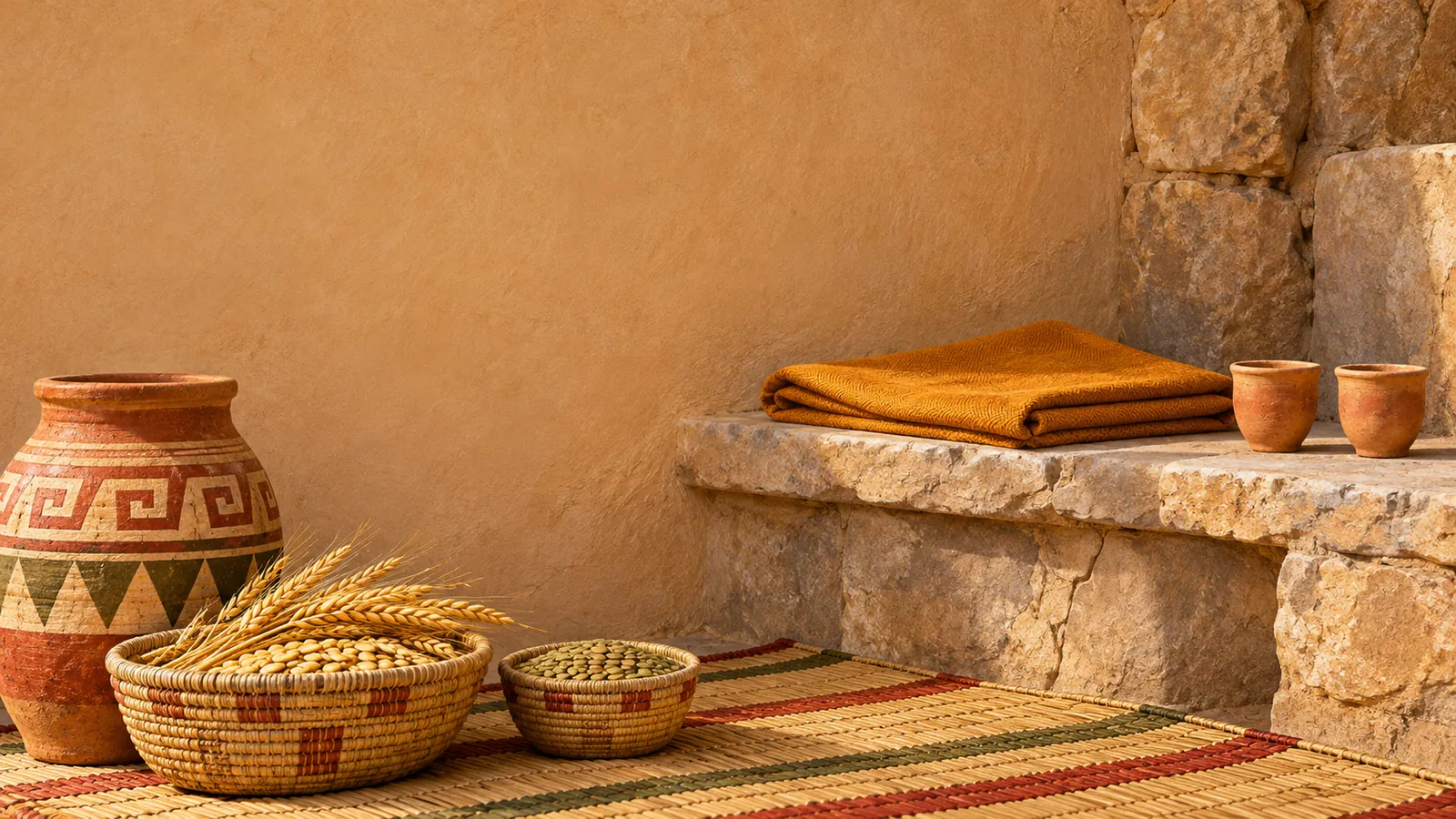
The surviving narrative reaches Earth’s labor in the tenth month and the birth of two children. Their names and their father’s identity are not preserved.
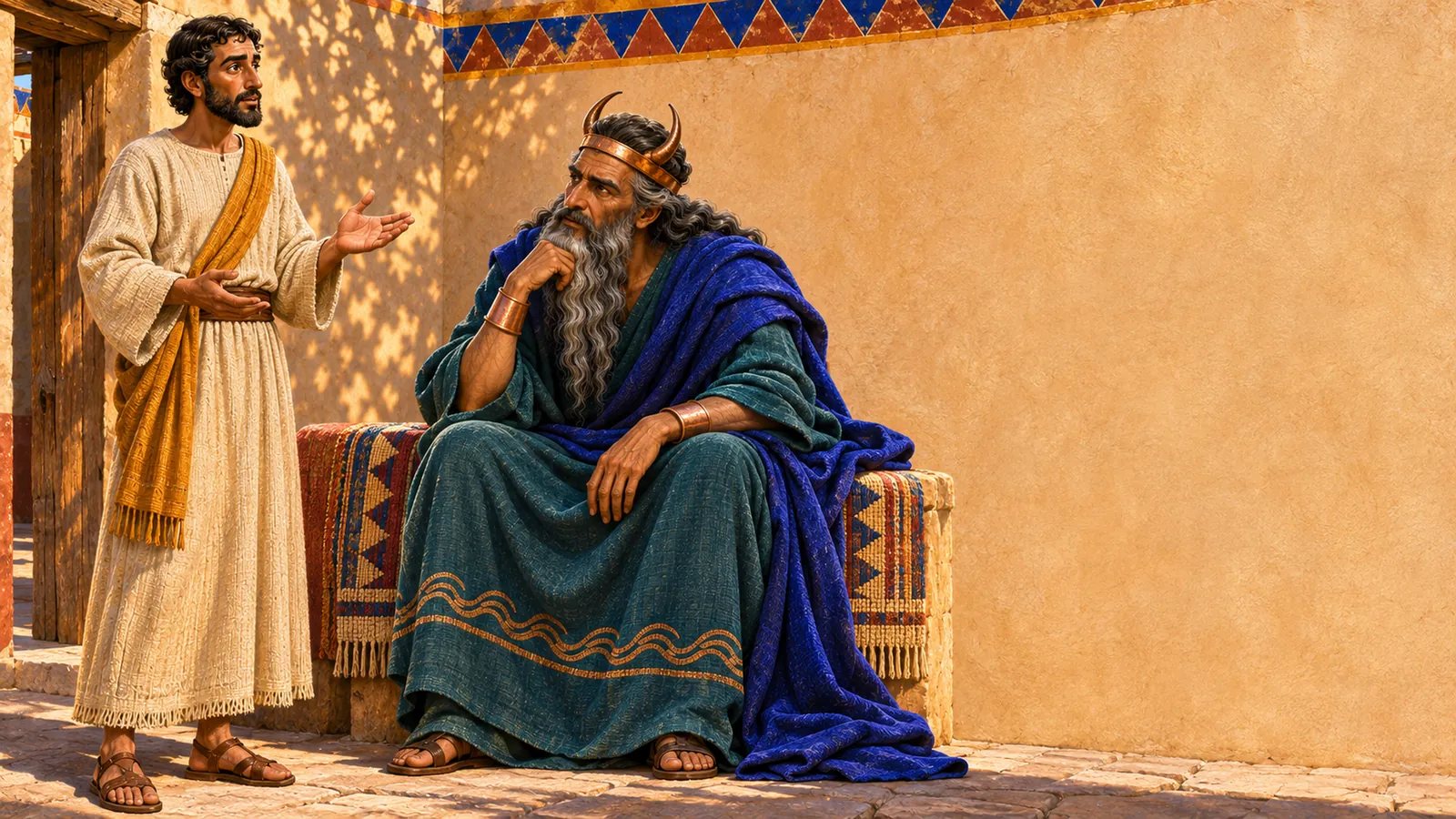
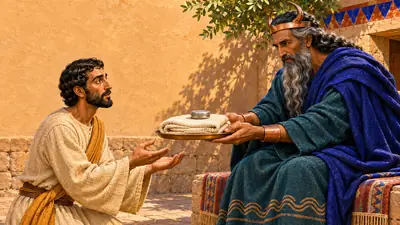
A messenger brought word of the birth. In Beckman’s reconstruction, Ea heard the news and rewarded its bearer; several details of this ending require restoration.
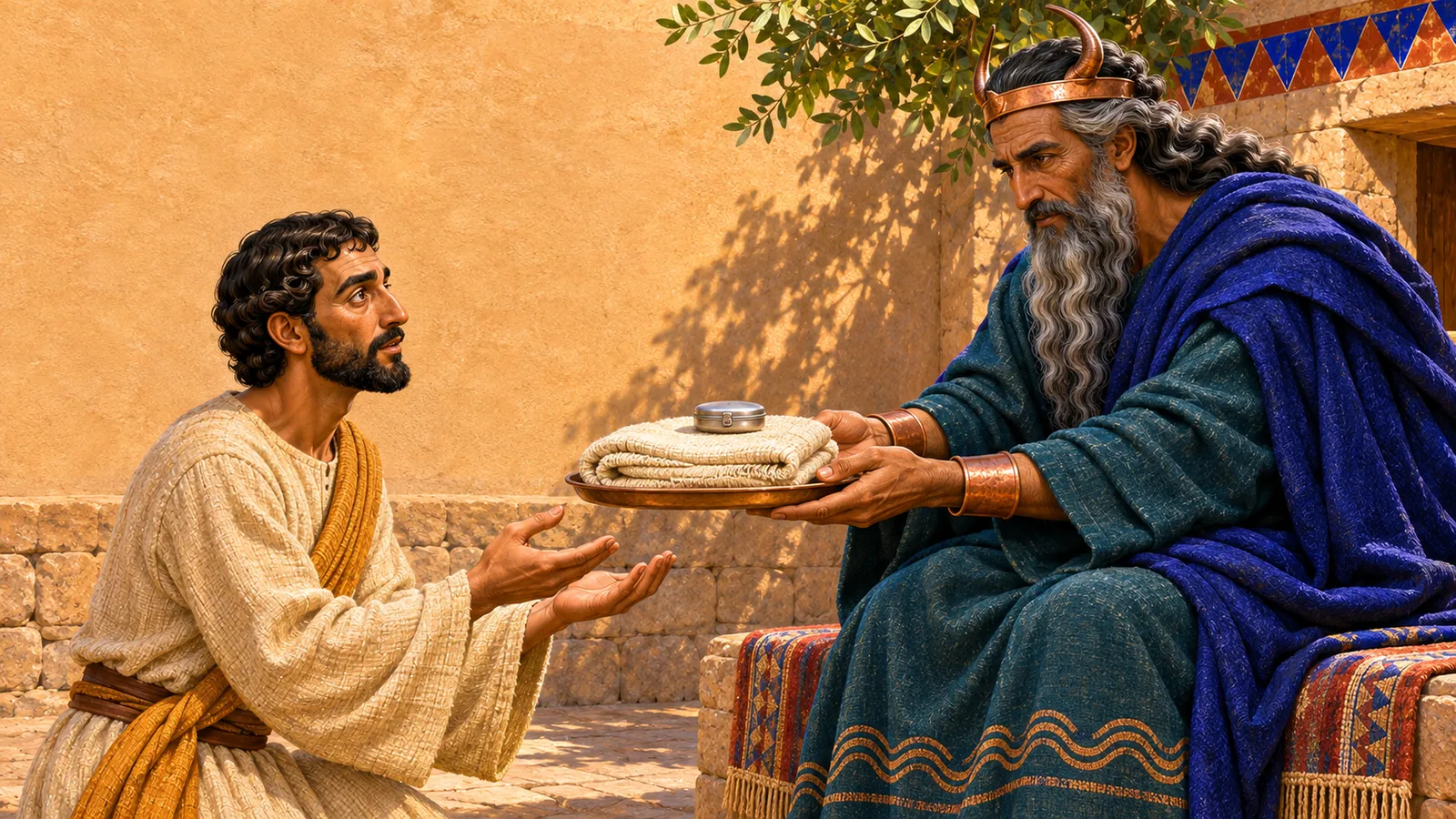
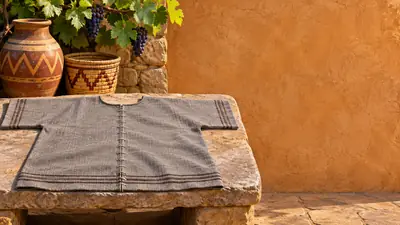
The messenger received clothing and a silver object whose exact form is uncertain. These gifts close the surviving narrative, without settling the struggle for heaven.
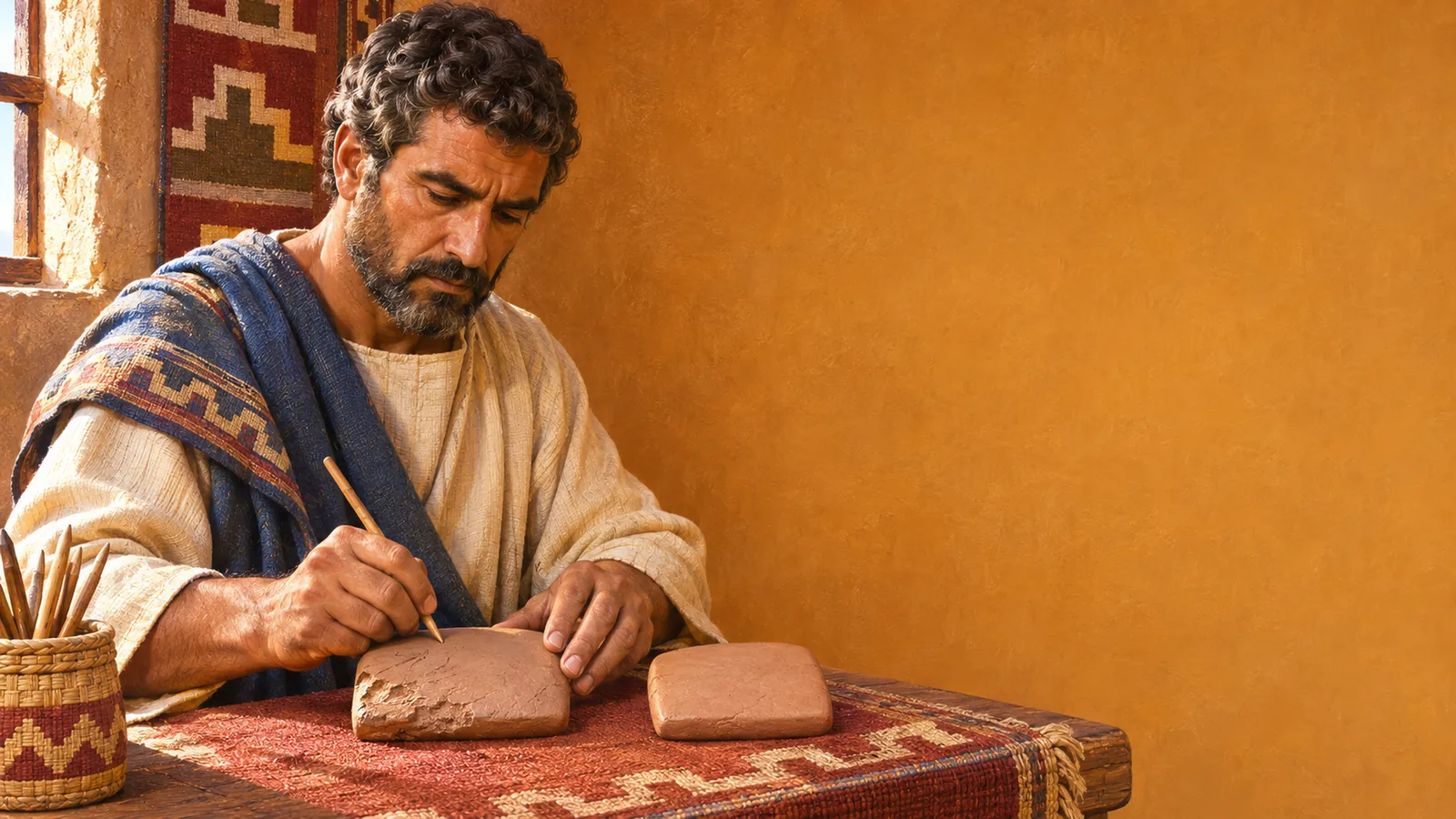
UNFINISHED
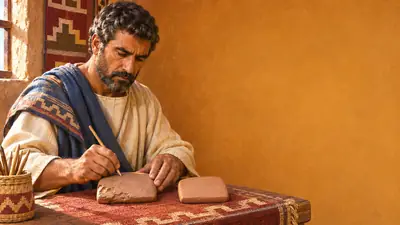
The colophon calls this the first tablet and says the song is not finished. Ashhapala copied a damaged original; its missing continuation remains beyond our page.
End of chapter 1
All pages





Sources
The TITUS composite A joins KUB33.120+33.119+48.97+36.31+KBo52.10, alongside witness B KUB36.1. Its continuous translation numbers cited per page are NOT physical tablet-column line numbers. Beckman is an independent philological comparison, not a substitute for every missing line; his fuller reconstructions are explicitly attributed. The damaged A.GILIM designation is not confidently identified; KA.ZAL as the Storm-god, Tashmishu/Shuwaliyat in Kanzura and Ea as final recipient are attributed to Beckman where needed. Hittite phonetic complements point to Tarhunna, adapting the Hurrian Teshub; the neutral Storm-god name keeps that distinction clear. The usual I19–20 apposition makes Kumarbi Alalu’s descendant; Zgoll’s alternative attaches it to Anu. Alalu and Anu each rule nine years in mythical time, not historical dates. The stone substitution is inferred across damage, not a wholly preserved exchange. Earth’s children and their father remain unnamed. CTH345 Ullikummi, other Kumarbi songs, Greek parallels and comparative god lists are not imported as missing action. Modern translations are not reproduced as a source appendix; all retelling prose is newly written.
Editions consulted
- TITUS / Rieken et al., CTH344 German translation and all notes
- Gary Beckman2011, Primordial Obstetrics, complete25–33; author public full text
- Christian Zgoll2021, The Hittite Theogony, complete208–227; DOI
- Zgoll2021, accessible author full text
- Hethitologie-Portal, CTH344 catalogue metadata
- IL Archive, Kumarbi; published records and textual context
- IL Archive, Enki / Ea
- IL Archive, cuneiform
- IL Archive, Hurrians; published story-record link verified
- IL Archive, Hittites; published record verified through French edition
Ancient lines behind each page
- Page 1: TITUS CTH344, continuous translation entries1–8; Beckman2011 comparison where noted
Invocation1–8 is fragmentary, including restored parent pairs. - Page 2: TITUS CTH344, continuous translation entries9–12; Beckman2011 comparison where noted
- Page 3: TITUS CTH344, continuous translation entries13–15; Beckman2011 comparison where noted
- Page 4: TITUS CTH344, continuous translation entries15–18; Beckman2011 comparison where noted
- Page 5: TITUS CTH344, continuous translation entries17–20; Beckman2011 comparison where noted
- Page 6: TITUS CTH344, continuous translation entries20–24; Beckman2011 comparison where noted
- Page 7: TITUS CTH344, continuous translation entries22–24; Beckman2011 comparison where noted
- Page 8: TITUS CTH344, continuous translation entries25–28; Beckman2011 comparison where noted
- Page 9: TITUS CTH344, continuous translation entries28–30; Beckman2011 comparison where noted
- Page 10: TITUS CTH344, continuous translation entries30–31; Beckman2011 comparison where noted
- Page 11: TITUS CTH344, continuous translation entries32–34; Beckman2011 comparison where noted
- Page 12: TITUS CTH344, continuous translation entries35–50; Beckman2011 comparison where noted
Fully concealed object still never shows anatomical fragments, semen, fetal form, harmed child or a body-shaped parcel. - Page 13: TITUS CTH344, continuous translation entries38–40; Beckman2011 comparison where noted
- Page 14: TITUS CTH344, continuous translation entries39–42; Beckman2011 comparison where noted
- Page 15: TITUS CTH344, continuous translation entries43–50; Beckman2011 comparison where noted
Three beings named, not three babies newly emerging. - Page 16: TITUS CTH344, continuous translation entries49–50; Beckman2011 comparison where noted
- Page 17: TITUS CTH344, continuous translation entries51–53; Beckman2011 comparison where noted
Note21 records an alternative subject Kumarbi; that is not silently fused into this reading. - Page 18: TITUS CTH344, continuous translation entries54–59; Beckman2011 comparison where noted
54–59: spit/mixed substance, with restored words and uncertain diety name. - Page 19: TITUS CTH344, continuous translation entries60–63; Beckman2011 comparison where noted
60–63: Nippur, damaged seating object and months. Normal/healthy versus lamenting/angry at arrival is uncertain. - Page 20: TITUS CTH344, continuous translation entries63–81;92–104; Beckman2011 comparison where noted
- Page 21: TITUS CTH344, continuous translation entries67–81; Beckman2011 comparison where noted
Earth’s strength/Heaven’s heroism/Anu’s manhood/Kumarbi’s understanding/Nara/Napshara/Ellil gifts remain in damaged speech. - Page 22: TITUS CTH344, continuous translation entries92–118; Beckman2011 comparison where noted
92–118: Anu’s speech partly restored, city name missing, thunder versus mouth disputed. Exit dangers/pollution/ear wording vary. - Page 23: TITUS CTH344, continuous translation entries117–118; Beckman2011 comparison where noted
- Page 24: TITUS CTH344, continuous translation entries118; Beckman2011 comparison where noted
- Page 25: TITUS CTH344, continuous translation entries119–132; Beckman2011 comparison where noted
119–132: Kumarbi bows/falls before Ea, changes appearance/emotion uncertain, asks NAM.HE and demands son to eat/crush like reed. Identity and agency cannot be restored. - Page 26: TITUS CTH344, continuous translation entries133–146; Beckman2011 comparison where noted
133–146: transition missing, eating begun, hard stone and teeth/wailing survive with restored pain verb. - Page 27: TITUS CTH344, continuous translation entries147–164; Beckman2011 comparison where noted
Ea as speaker is uncertain. - Page 28: TITUS CTH344, continuous translation entries165–166; Beckman2011 comparison where noted
- Page 29: TITUS CTH344, continuous translation entries168–171; Beckman2011 comparison where noted
168–171: head closed/mended like garment, Storm-god favorable exit and Birth/Fate-deities damaged repair. Flat cloth is metaphor only, no stitches in a body or hidden anatomical bundle. - Page 30: TITUS CTH344, continuous translation entries169–175; Beckman2011 comparison where noted
169–175: repeated Storm-god emergence and Aranzah/second place broken. - Page 31: TITUS CTH344, continuous translation entries175–183; Beckman2011 comparison where noted
Beckman i80–83 restores Birth-deities and Shuwaliyat/Tashmishu; TITUS notes several uncertain names and verbs. - Page 32: TITUS CTH344, continuous translation entries184–210; Beckman2011 comparison where noted
184–210: broken destruction/throne/make king language, requested king’s name missing. - Page 33: TITUS CTH344, continuous translation entries211–228; Beckman2011 comparison where noted
211–228: damaged battle boasts/curse passages, speakers partly uncertain. - Page 34: TITUS CTH344, continuous translation entries229–237; Beckman2011 comparison where noted
- Page 35: TITUS CTH344, continuous translation entries238–251; Beckman2011 comparison where noted
- Page 36: TITUS CTH344, continuous translation entries252–264; Beckman2011 comparison where noted
252–264 includes cart/months and another large lacuna. Beckman31 estimates roughly55 lost lines before Earth passage. A conceptual human tablet reader signals loss without inventing a narrated wagon ride, coupling, attacker or identity of Earth’s partner. - Page 37: TITUS CTH344, continuous translation entries265–275; Beckman2011 comparison where noted
265–275 Earth to Abzu/Ea and counted1–10months partly restored; tenth-month labor and two children survive with restorations. Names and father unknown. - Page 38: TITUS CTH344, continuous translation entries276–285; Beckman2011 comparison where noted
Attribution is explicit, not an independent complete preserved Ea sentence or a new historical letter. - Page 39: TITUS CTH344, continuous translation entries280–285; Beckman2011 comparison where noted
Beckman calls ephod; form uncertain, kept enclosed instead of inventing a specific ancient garment type. - Page 40: TITUS CTH344, continuous translation entries286–296; Beckman2011 comparison where noted
286–292 colophon: first tablet Song GÁ×È.A, not finished; scribe Ashhapala son Tarhuntassu, grandson LAMMA-SUM, great-grandson Warsiya, trained by Ziti. Damaged original copied before Ziti (grammatical person varies). Source293–296 another minute broken fragment, no continuation supplies an ending. Tablet remains blank, no reproduced forged cuneiform.
Illustrations made with AI tools by IL Archive; the text is based on the ancient sources (see the sources at the end of each chapter).