The Epic of Tukulti-Ninurta Chapter 1
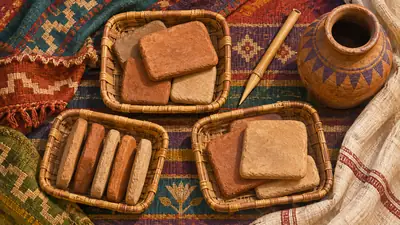
The tablet of the oath
The Assyrian poet follows two kings from the release of detained traders to a judgment sought before Shamash. The epic is broken where the fighting ends and resumes amid the captives, treasure and scholarly tablets taken from Babylonia.
SourcesTurn the pages with the arrows, the arrow keys or a swipe.
THE SONG
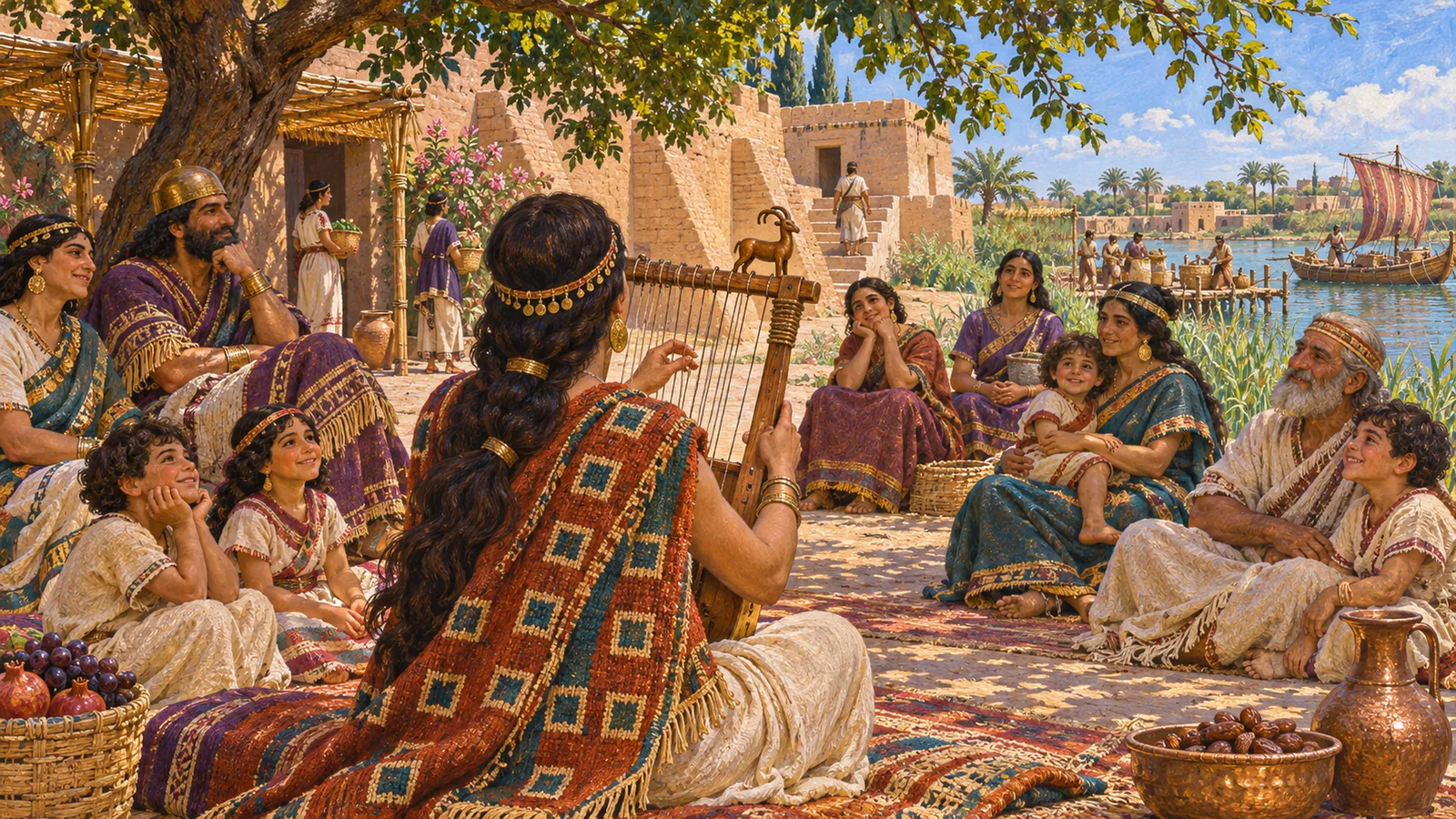
Hear the praise of Assur. The first surviving lines call for listeners before the two kings emerge. A singer from Assyria holds the story from the beginning.
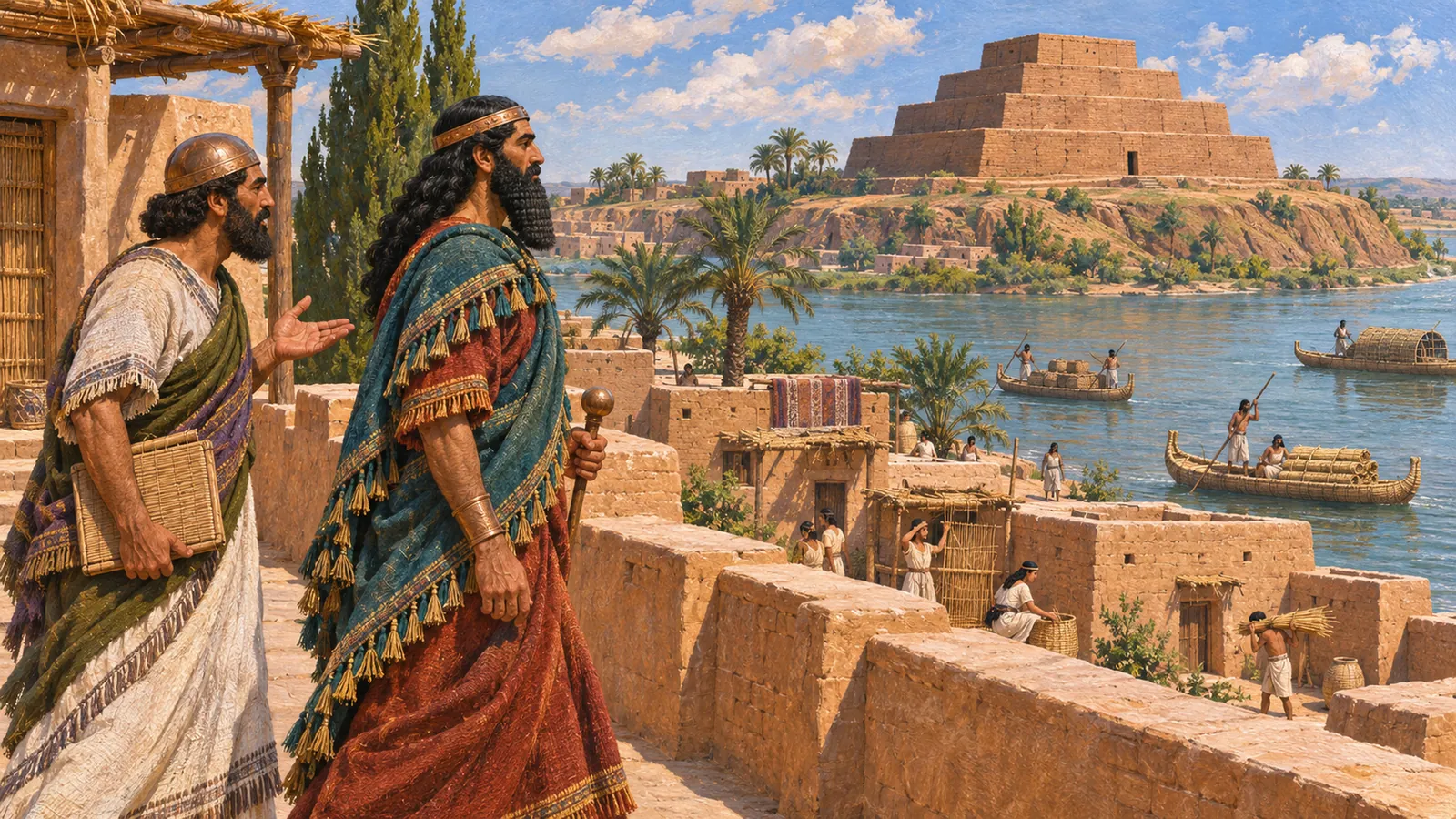
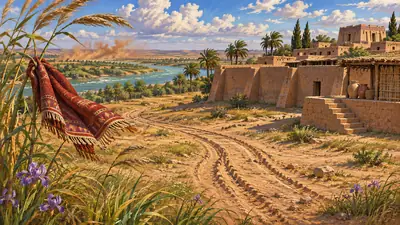
Tukulti-Ninurta rules in the north. The opening recalls Kadmuhi and forty kings of Nairi. Their names and numbers make a reputation before the singer turns south.
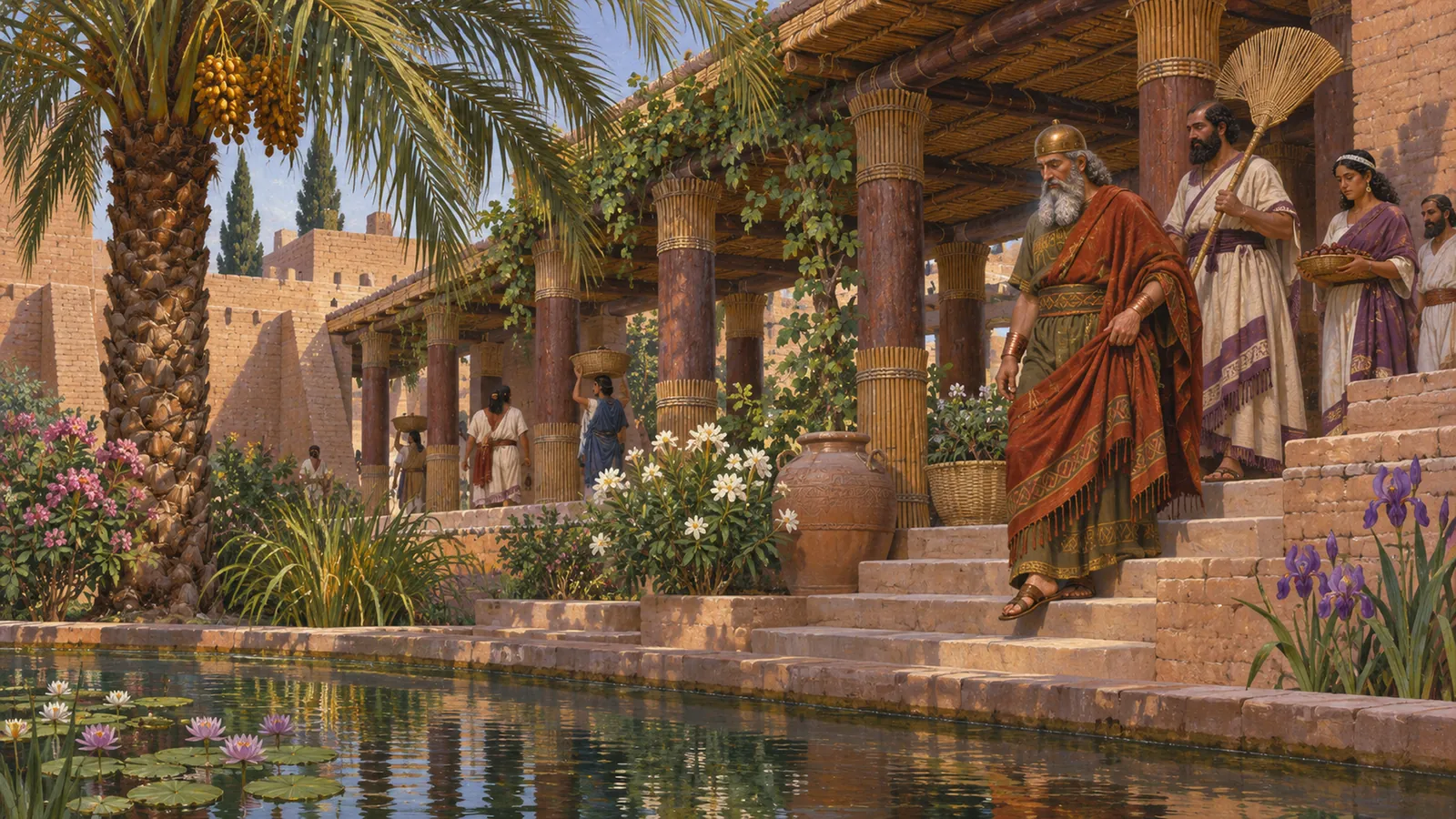
Kashtiliash rules Kassite Babylonia. His name emerges from a broken passage in the company of an accusation. The singer says he betrayed an agreement sworn under divine authority.
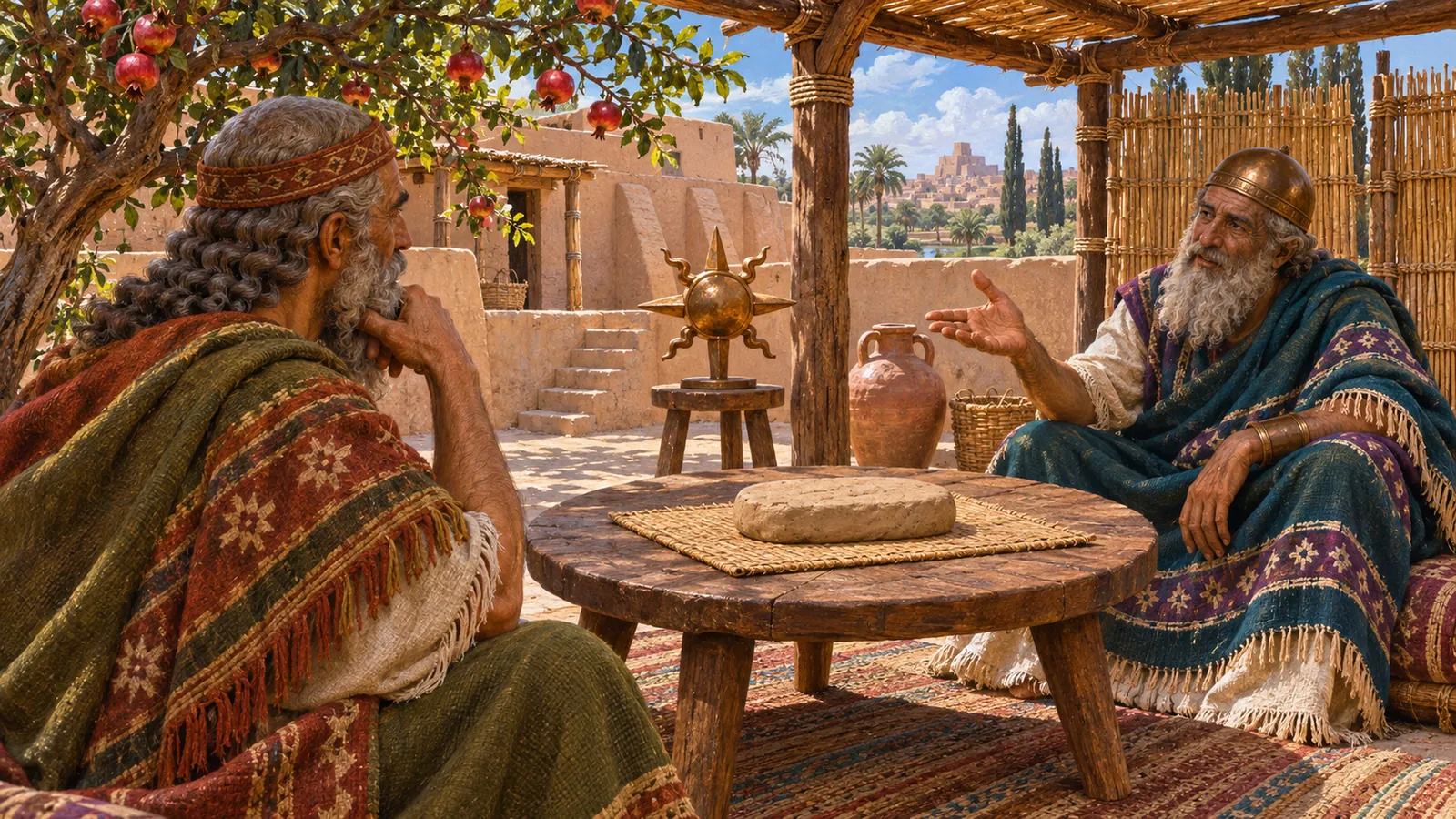
Earlier rulers of the two lands had made a pact. Tukulti-Ninurta will later remind Shamash that both sides called on him as witness and judge when they swore.
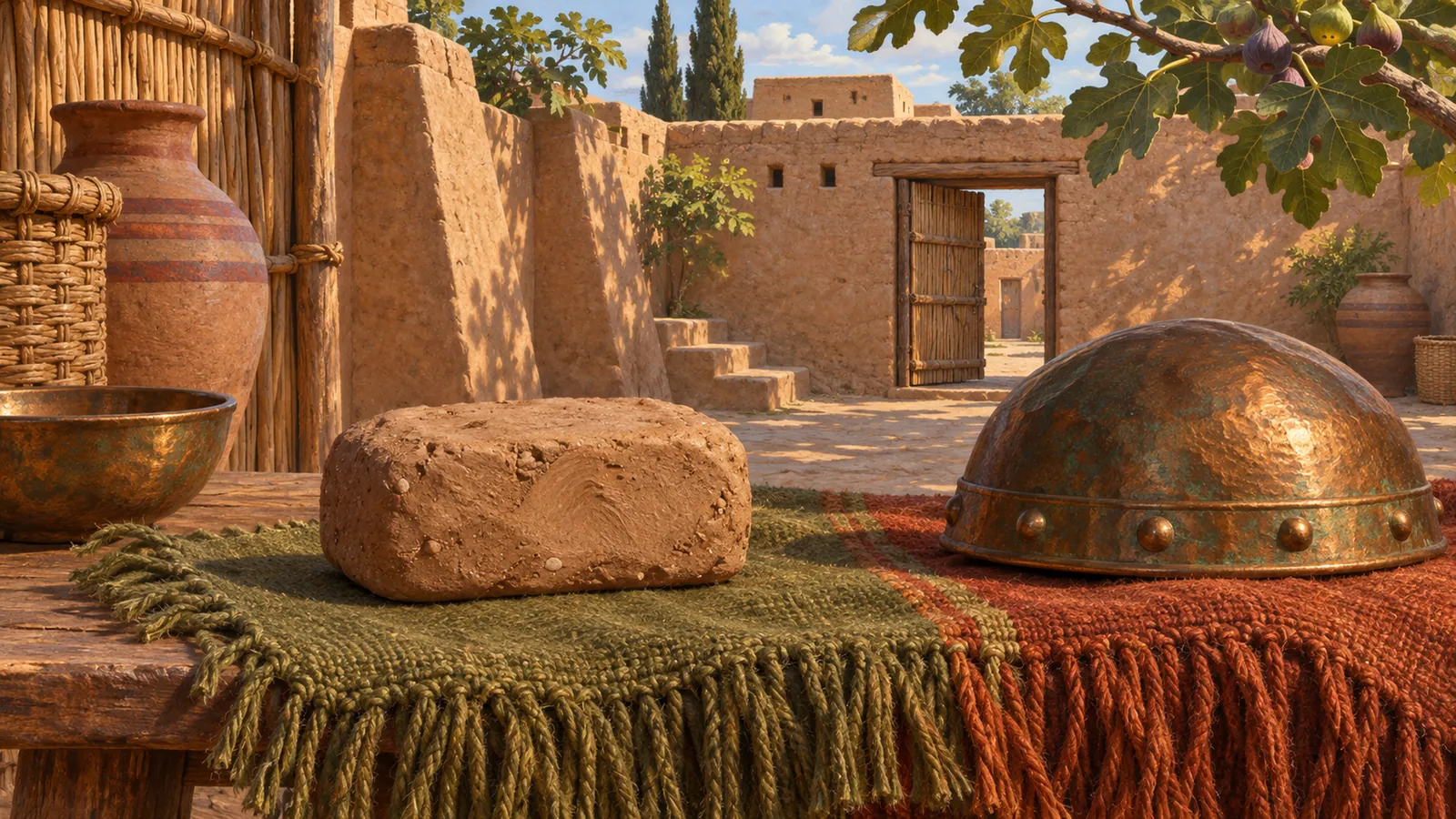
The Assyrian poem lays the blame on Kashtiliash and describes him longing for battle. The surviving opening gives us the charge. The full terms of the agreement are lost.
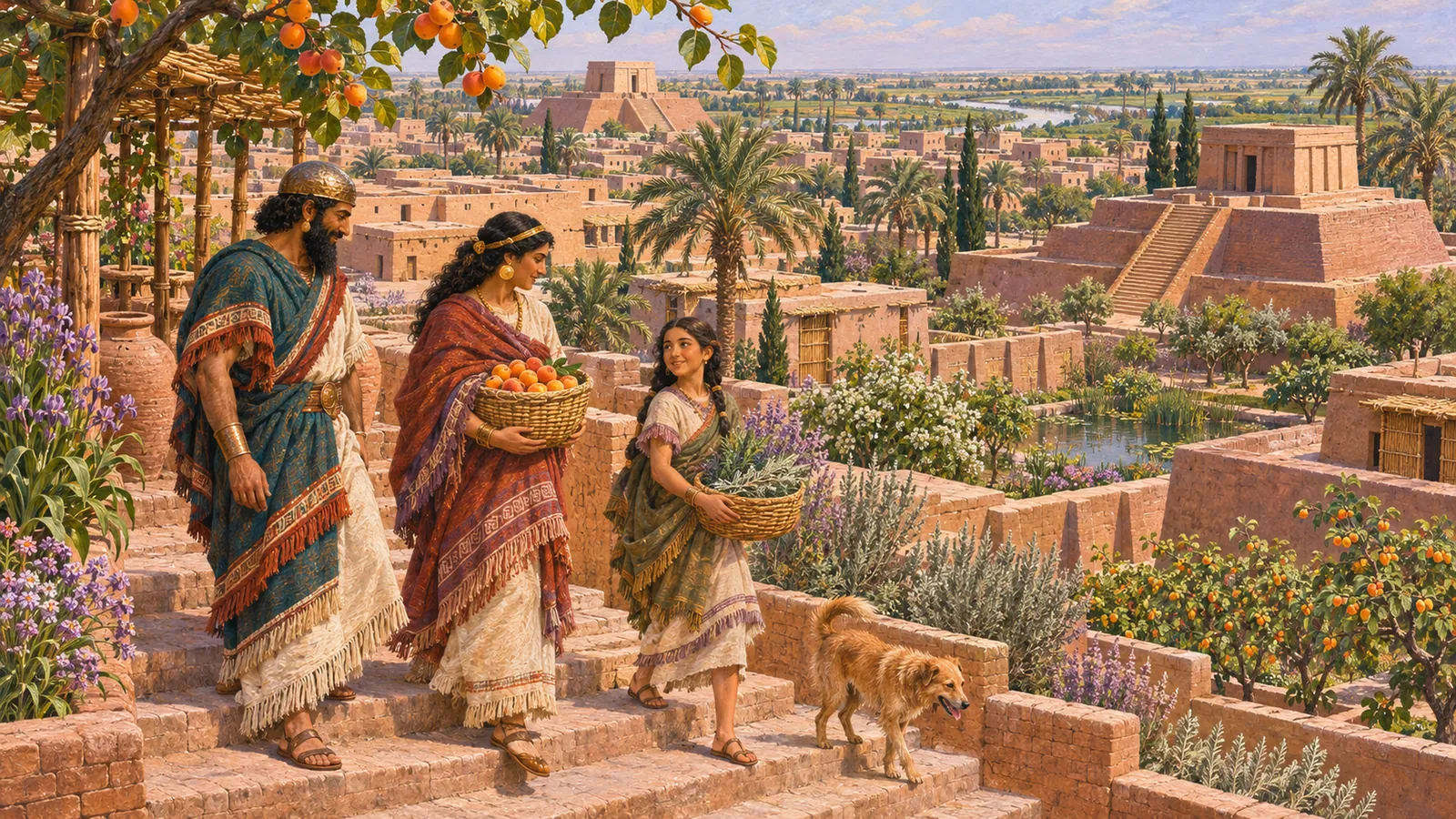
In the singer’s account, the gods are angry with king, people and land alike. Enlil abandons Nippur, and the next damaged line mentions his seat at Dur-Kurigalzu.
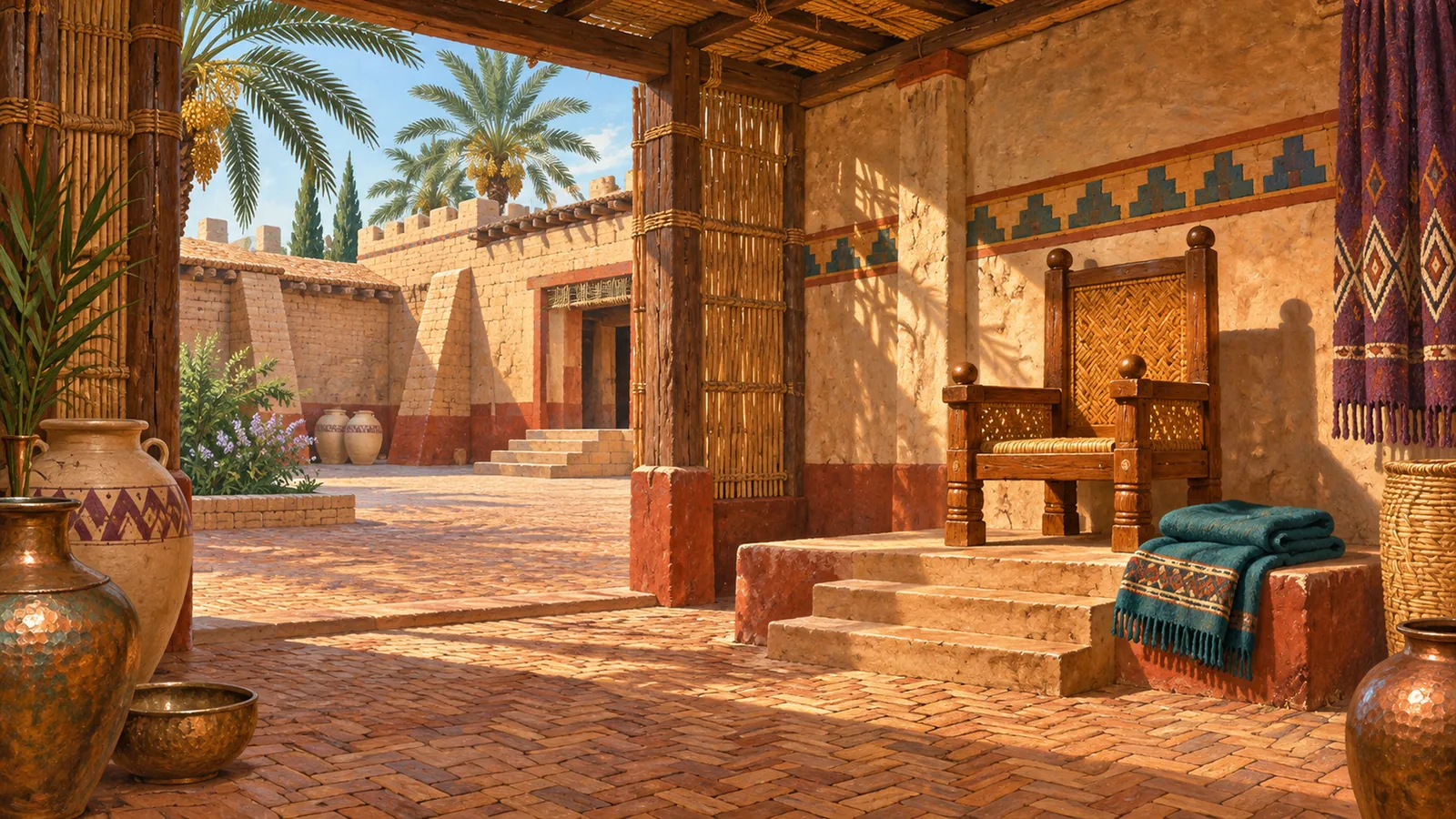
Marduk also abandons his sanctuary, identified with Babylon. Taken together, the departures tell the singer’s audience what a broken oath can cost the people who live under it.
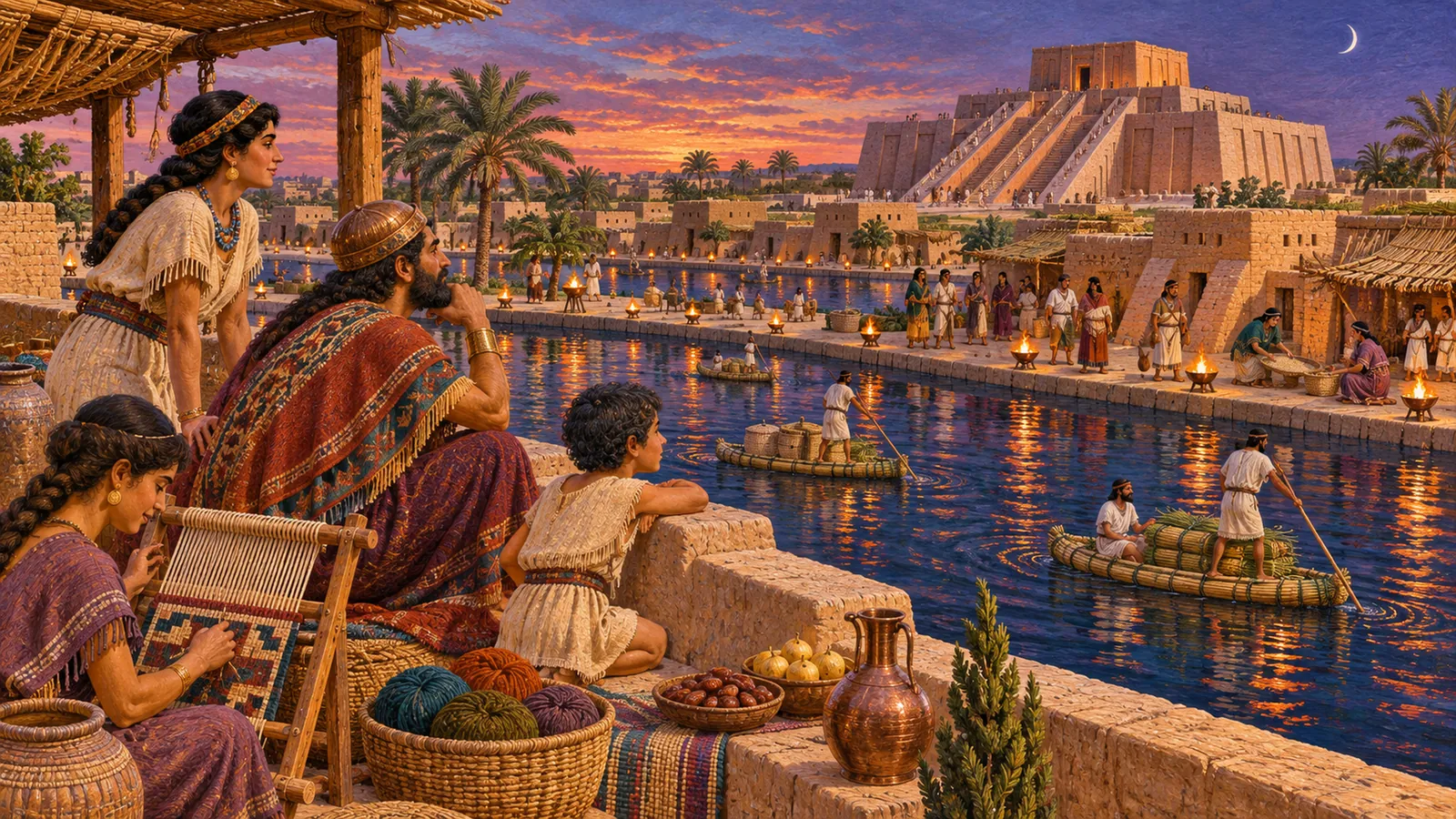
Sin leaves Ur. Shamash is angry with Sippar and Larsa. The list continues through Ea’s Eridu, Ishtaran’s Der, Anunnitu’s Agade and the city of Uruk before the clay breaks.
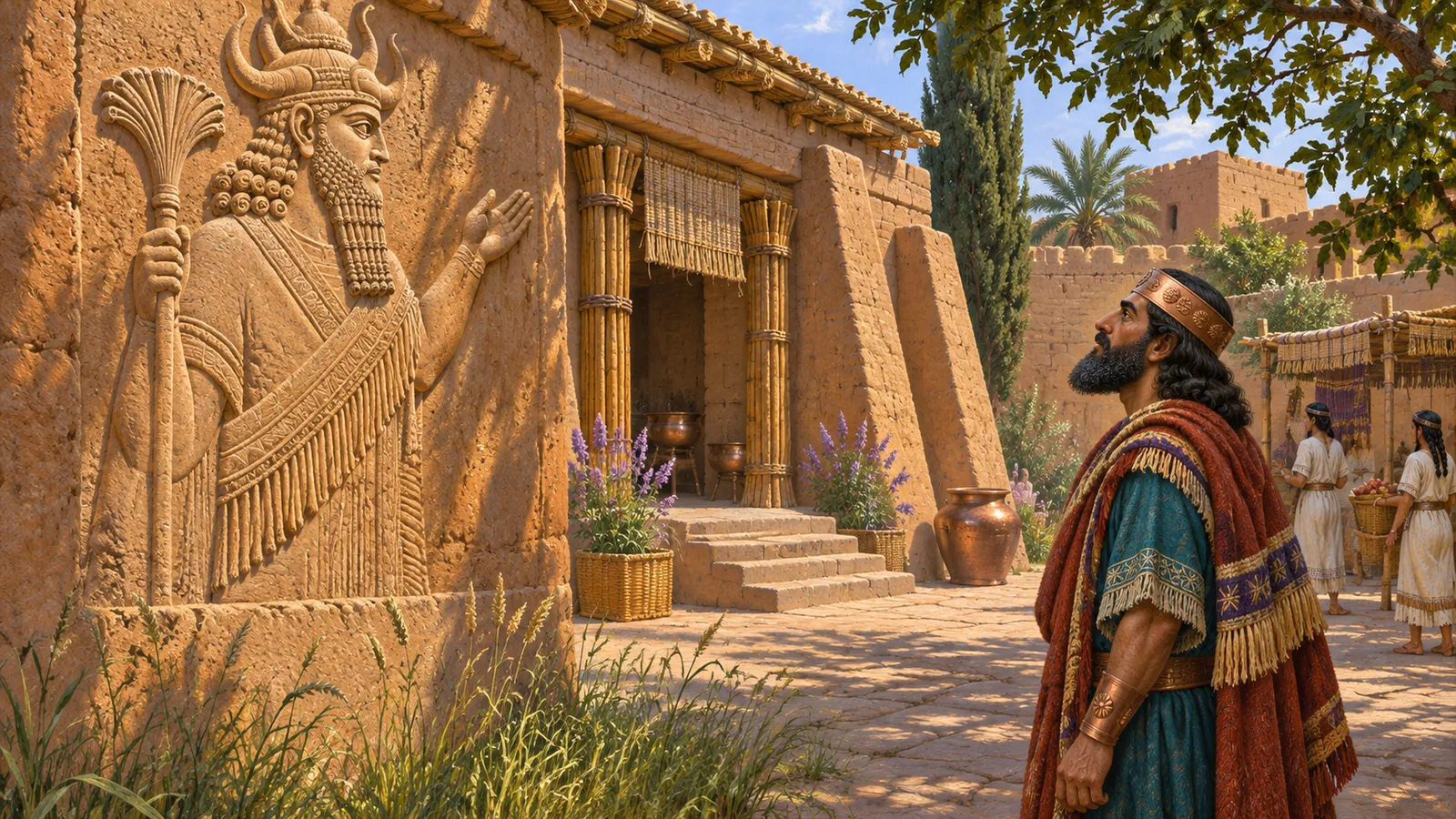
The next fragment praises Tukulti-Ninurta. Enlil gives him a place like a son in his family. The allusion brings the human king close to the god Ninurta.
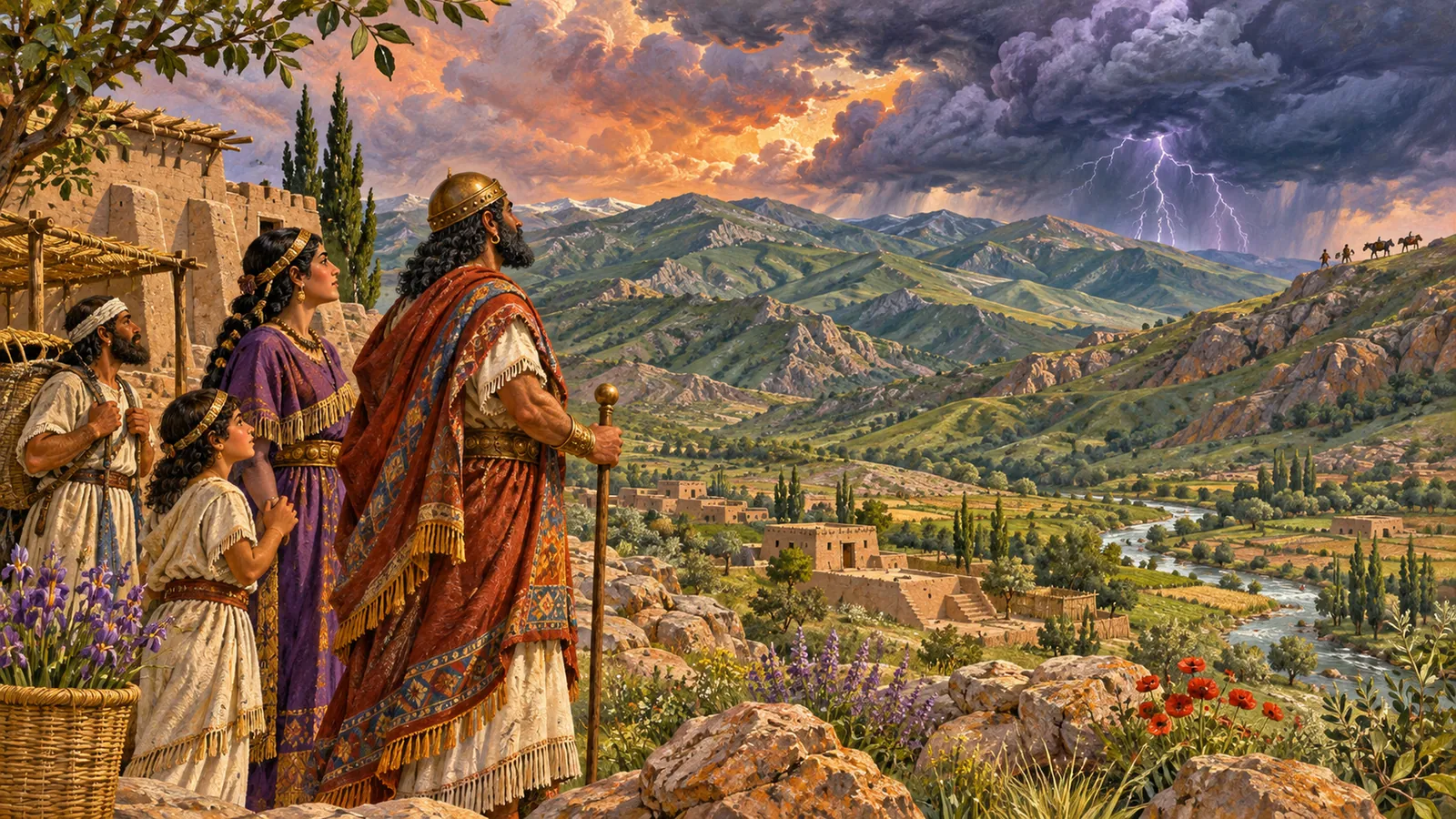
The poet makes the Assyrian king’s voice shake mountains. The blaze and thunder of this early praise will return in the contest between the kings and in the battle.
THE MERCHANTS
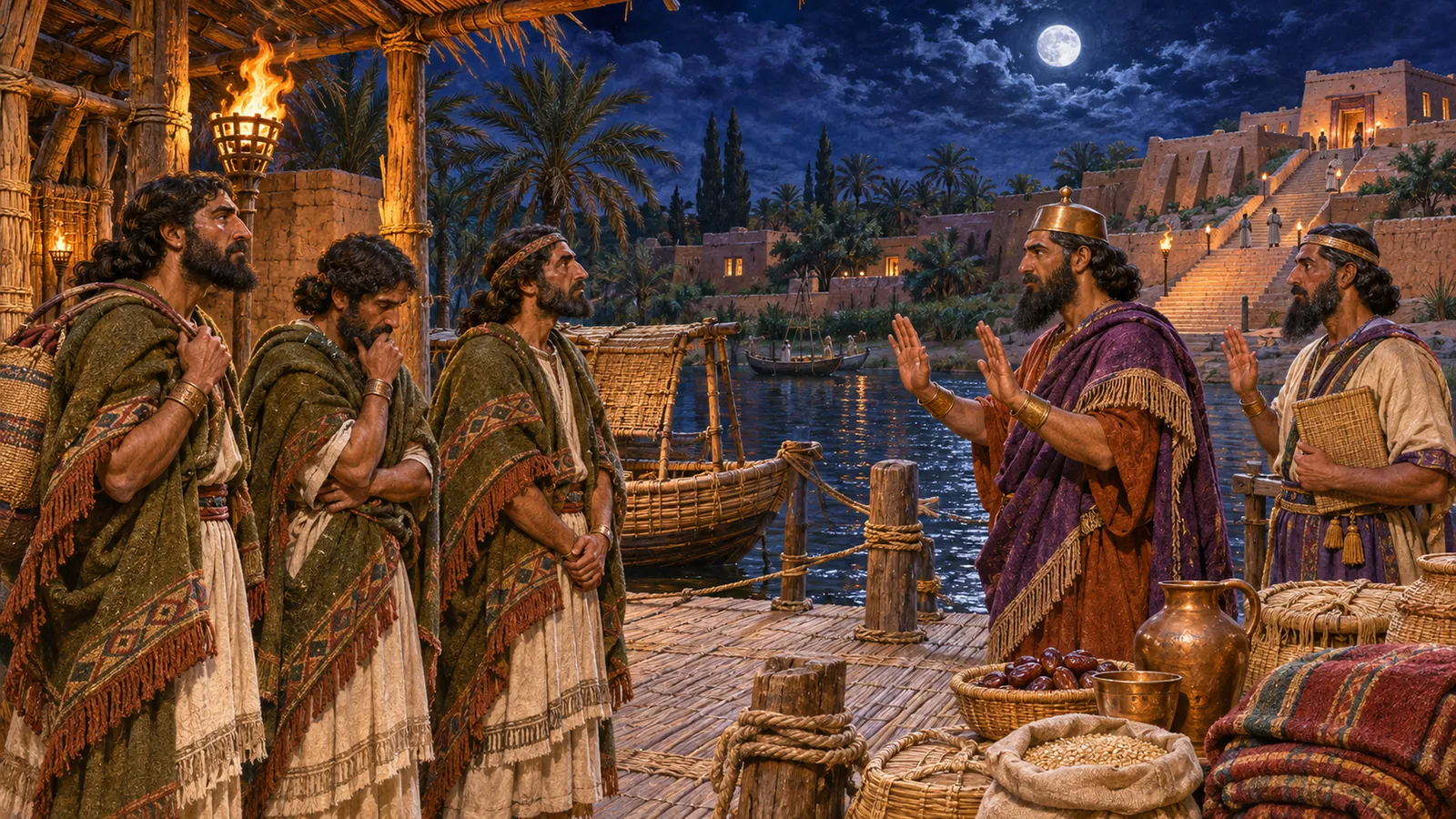
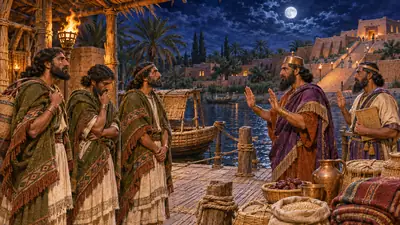
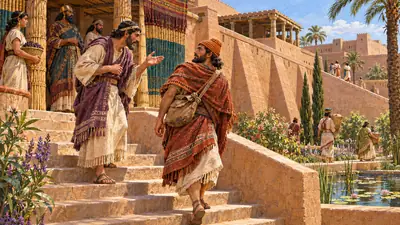
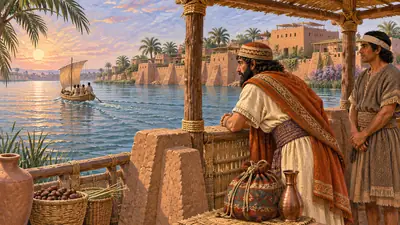
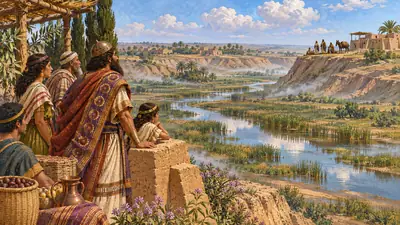
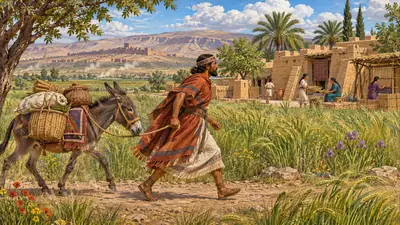
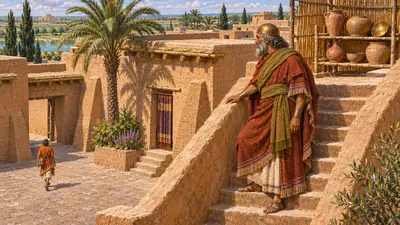
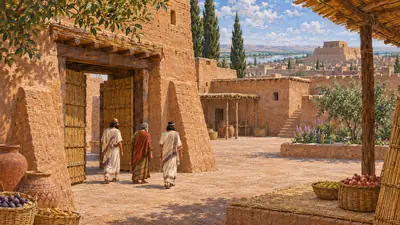
After a break, an Assyrian order speaks of keeping something secret. Merchants in the service of the Kassite king are seized and brought under guard before Tukulti-Ninurta.
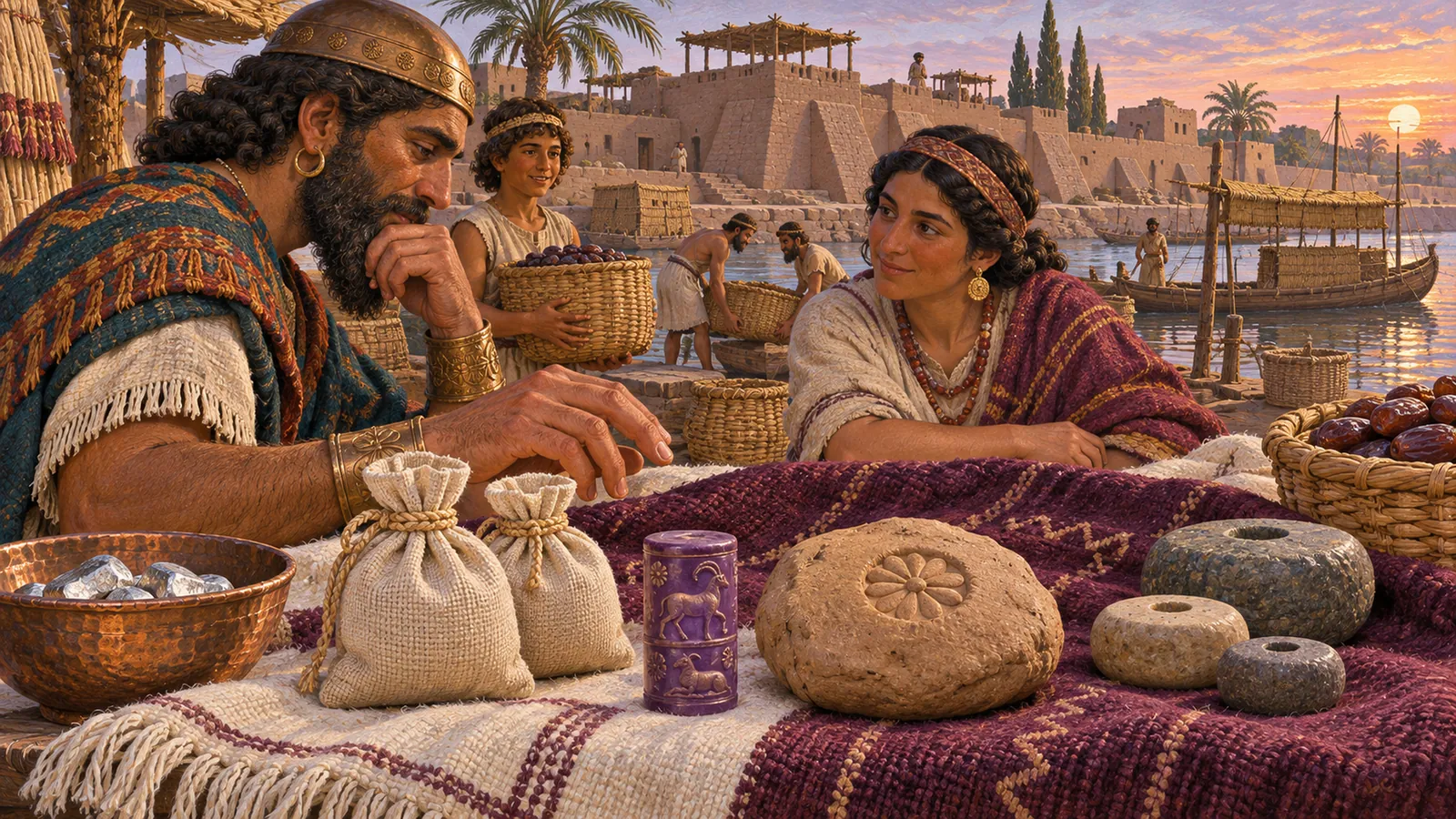
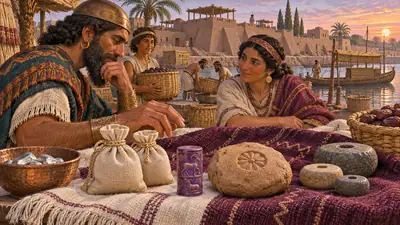
The damaged lines mention the merchants’ money bags and an impression made official by the Kassite king. Whatever raised suspicion, the poet presents them afterwards under the protection of Shamash.
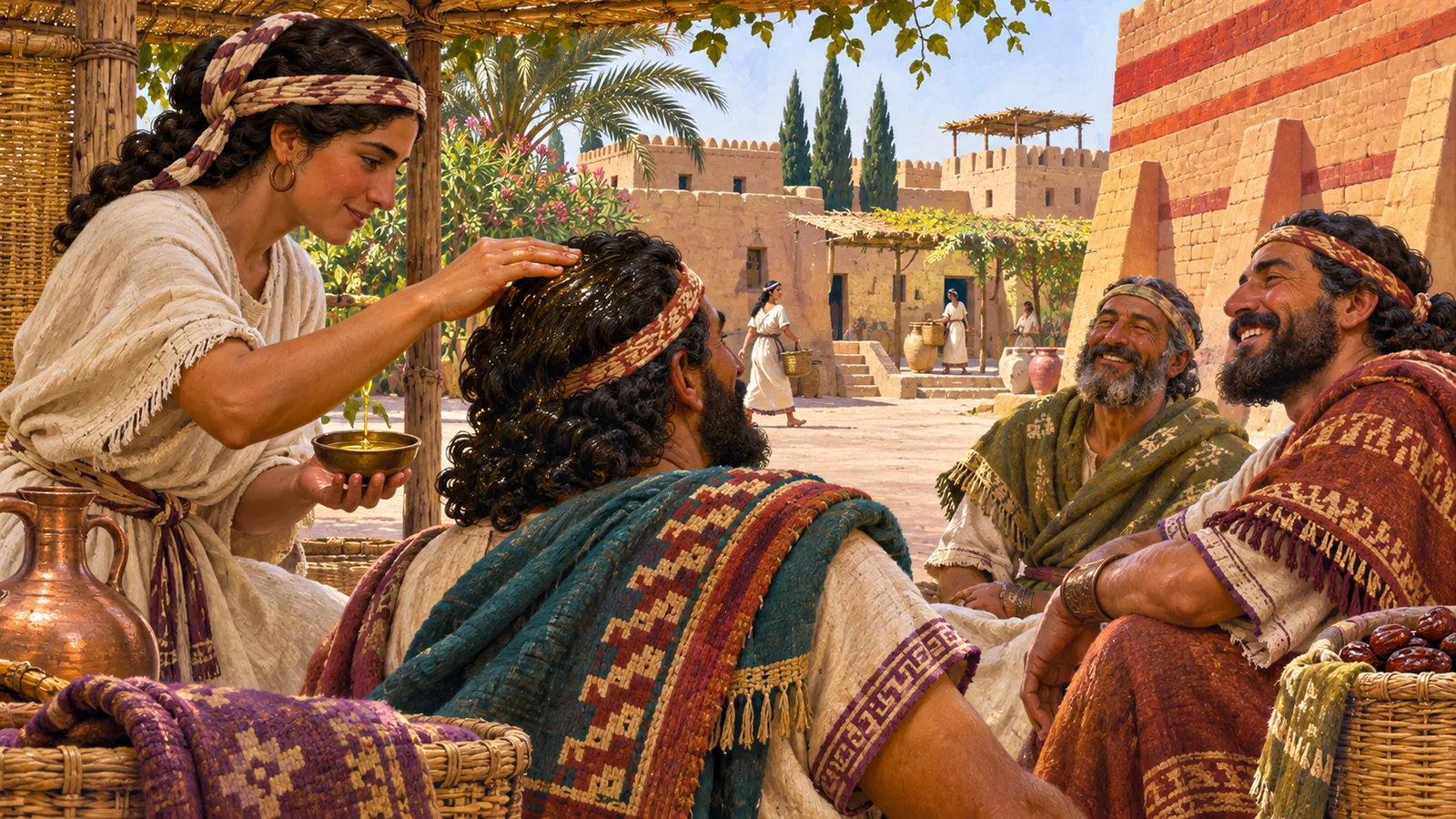
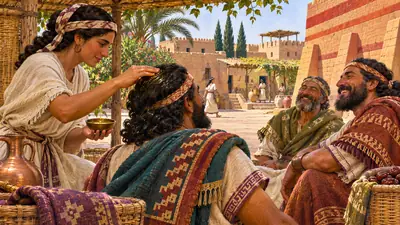
Tukulti-Ninurta releases the traders. The poem lingers on the oil placed on their heads before Shamash, and calls their treatment a good deed for the lord of Babylon.
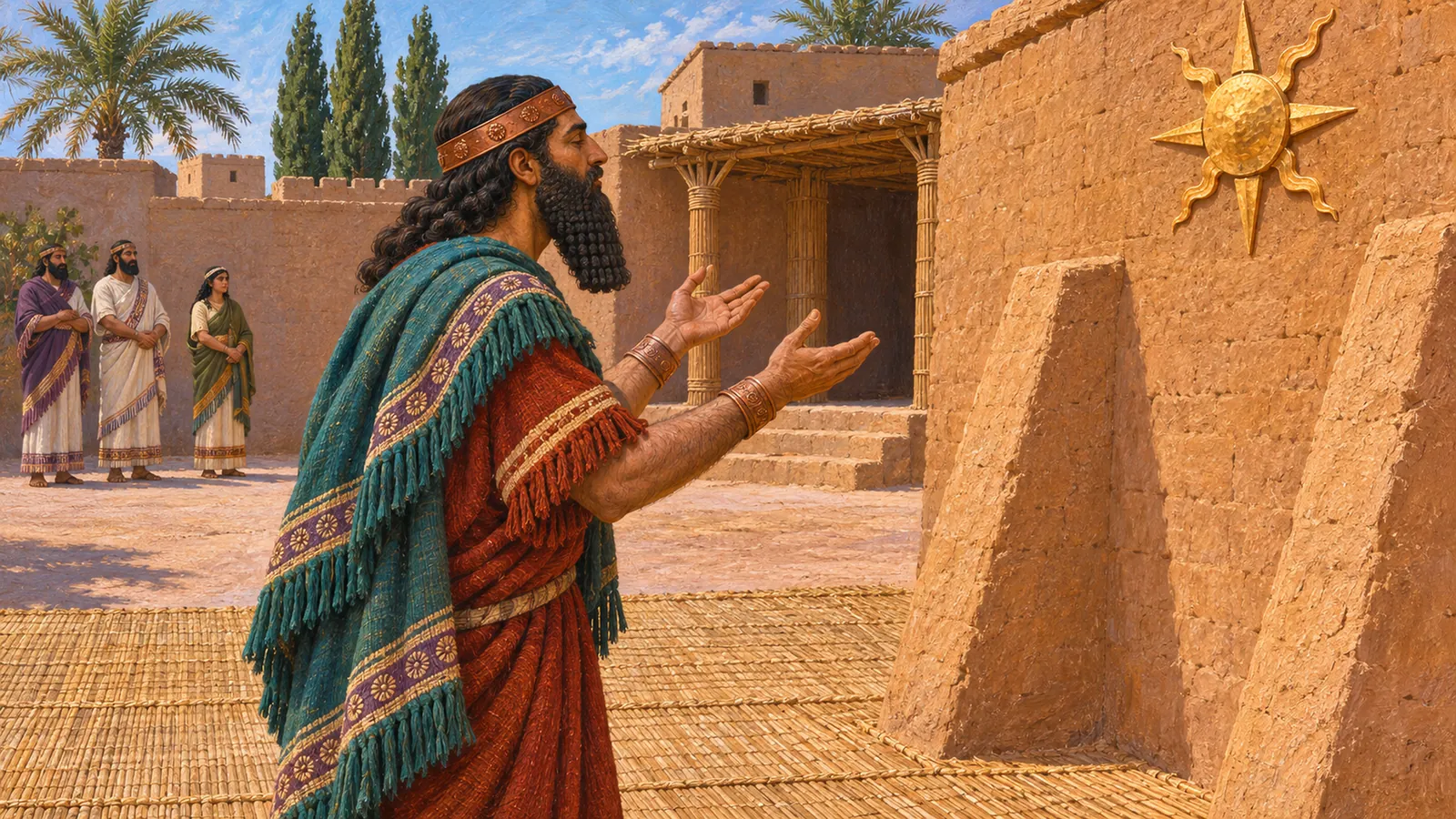
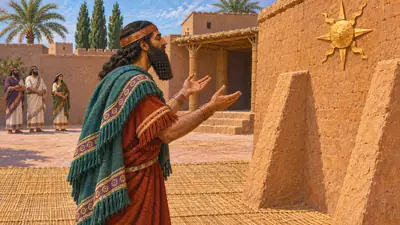
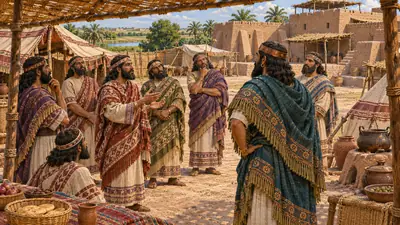
Then the Assyrian king addresses Shamash. He says he held the oath in awe, and reminds the god that the two countries’ forefathers had sworn in his presence.
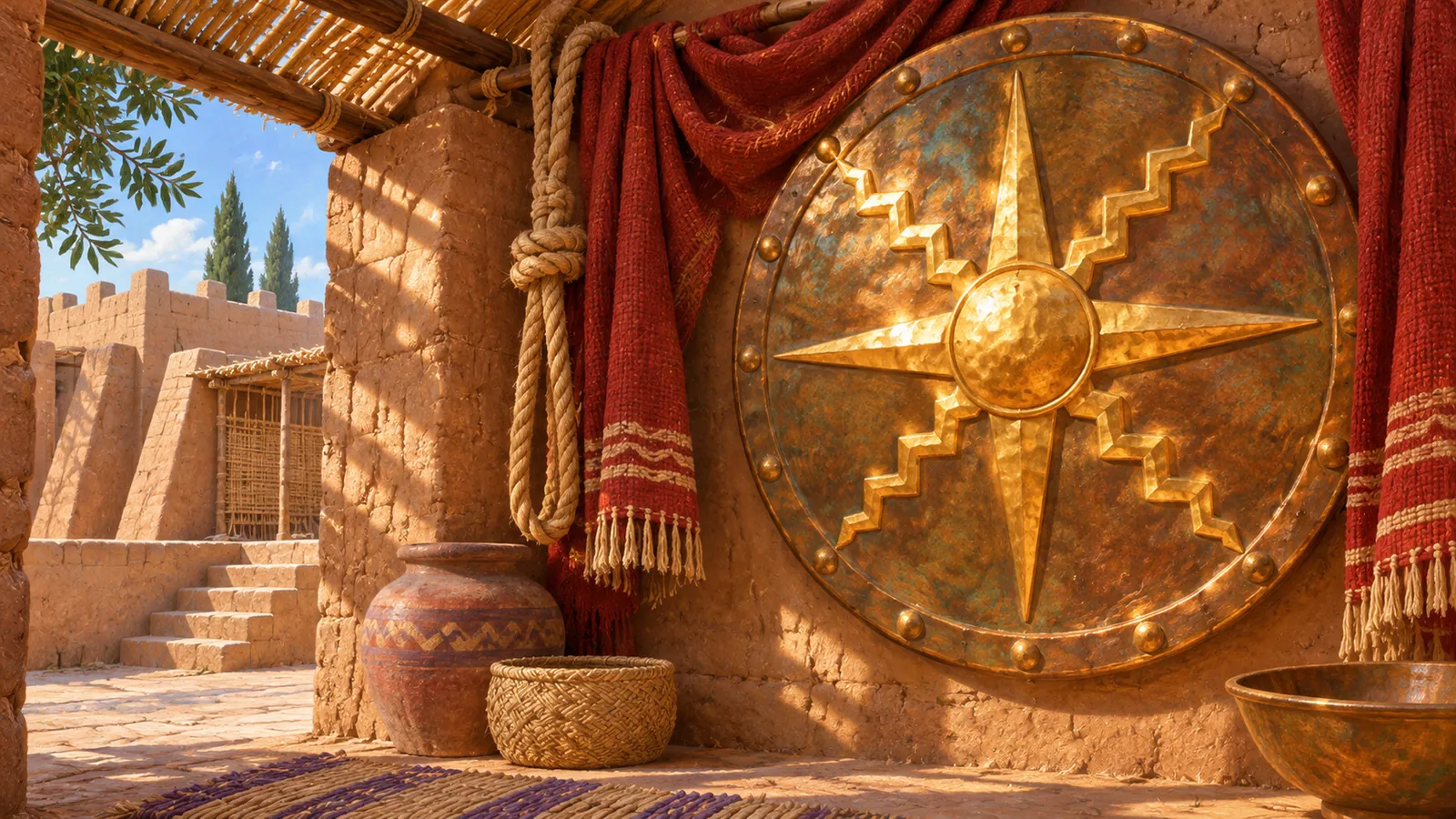
Shamash has judged their families across generations, the king says. He asks for a ruling in the present dispute and victory for whoever kept faith with the pact.
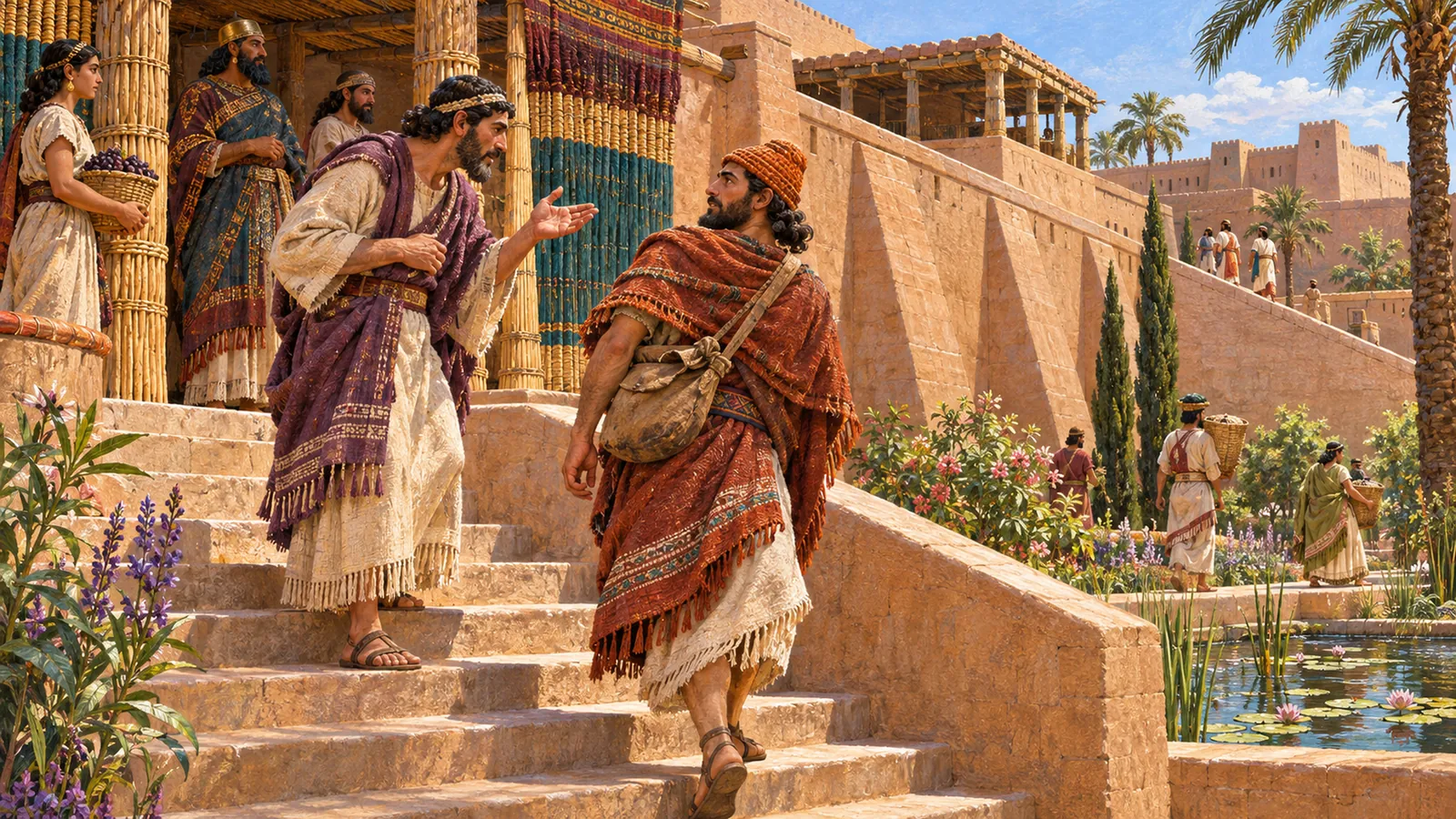
From prayer the king turns to correspondence. His letter accuses Kashtiliash of giving false testimony before Shamash, so that even the words of diplomacy become part of the case.
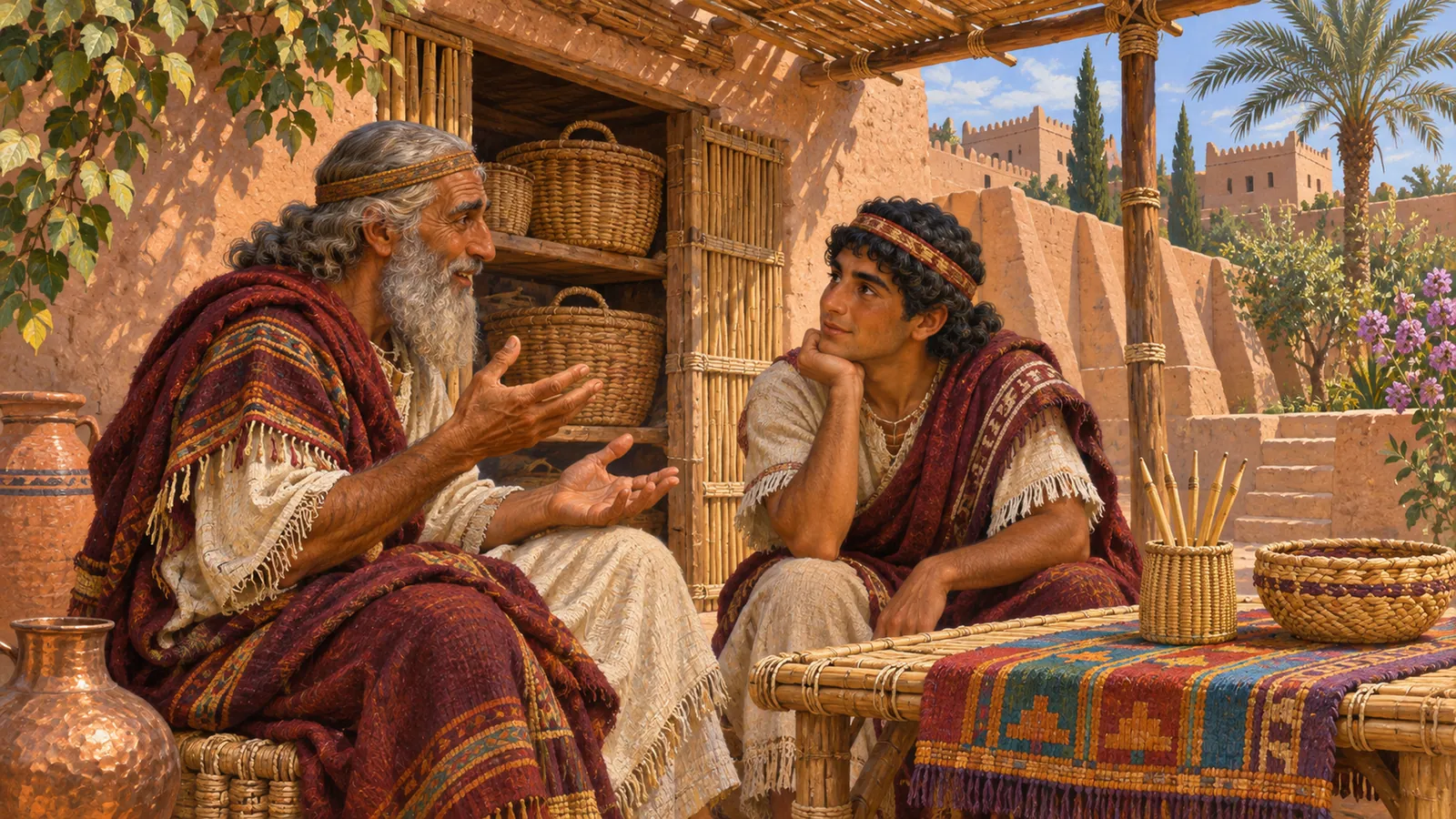
The letter recalls earlier confrontations. The names Enlil-nerari, Kurigalzu, Adad-nerari and Nazimaruttash surface in damaged lines. Their appearance gives the present quarrel a history extending over several reigns.
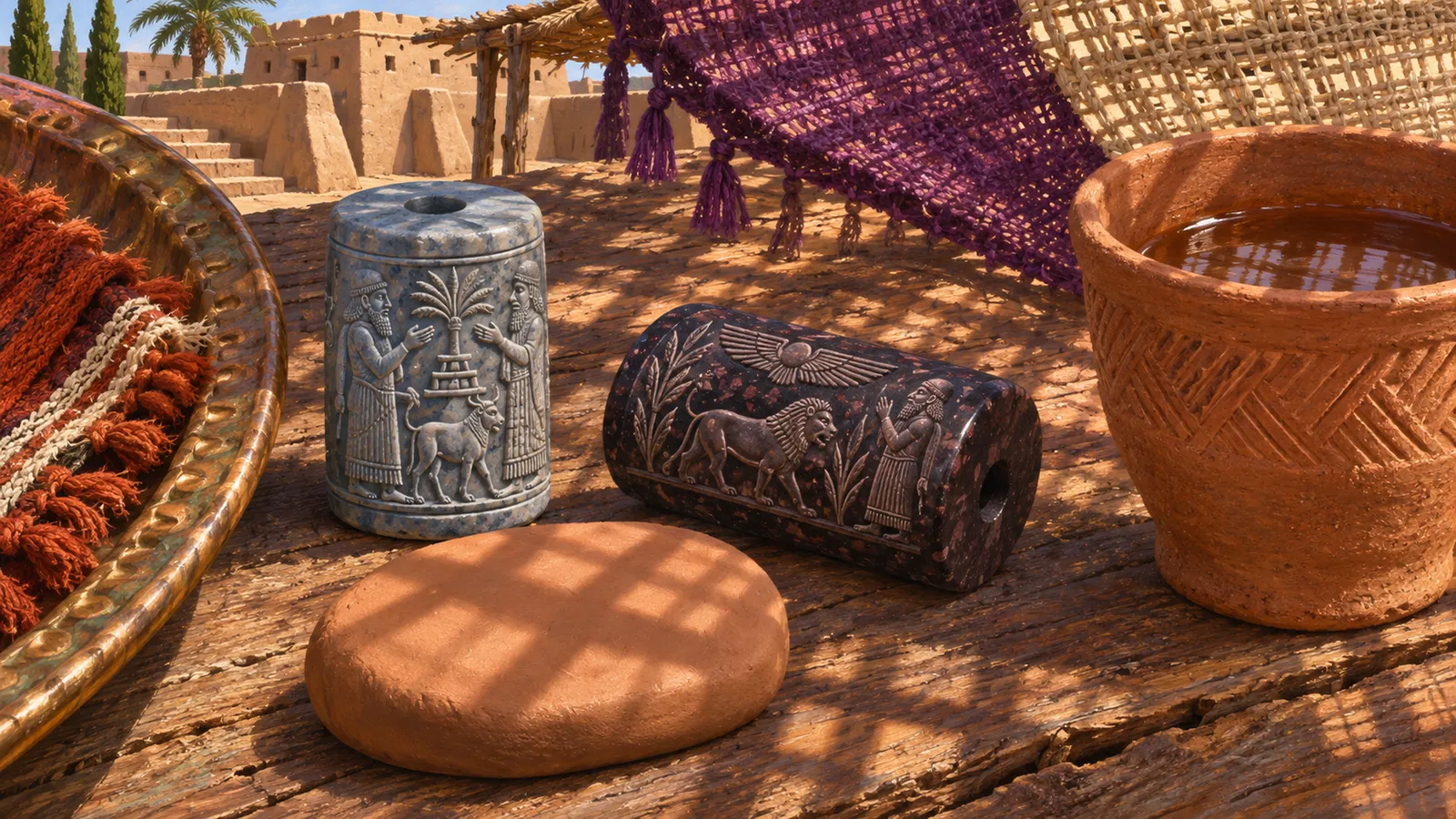
The end of that message is damaged. One reading allows for an offer to reaffirm the pact. An unclear later fragment also preserves language about confirming an agreement.
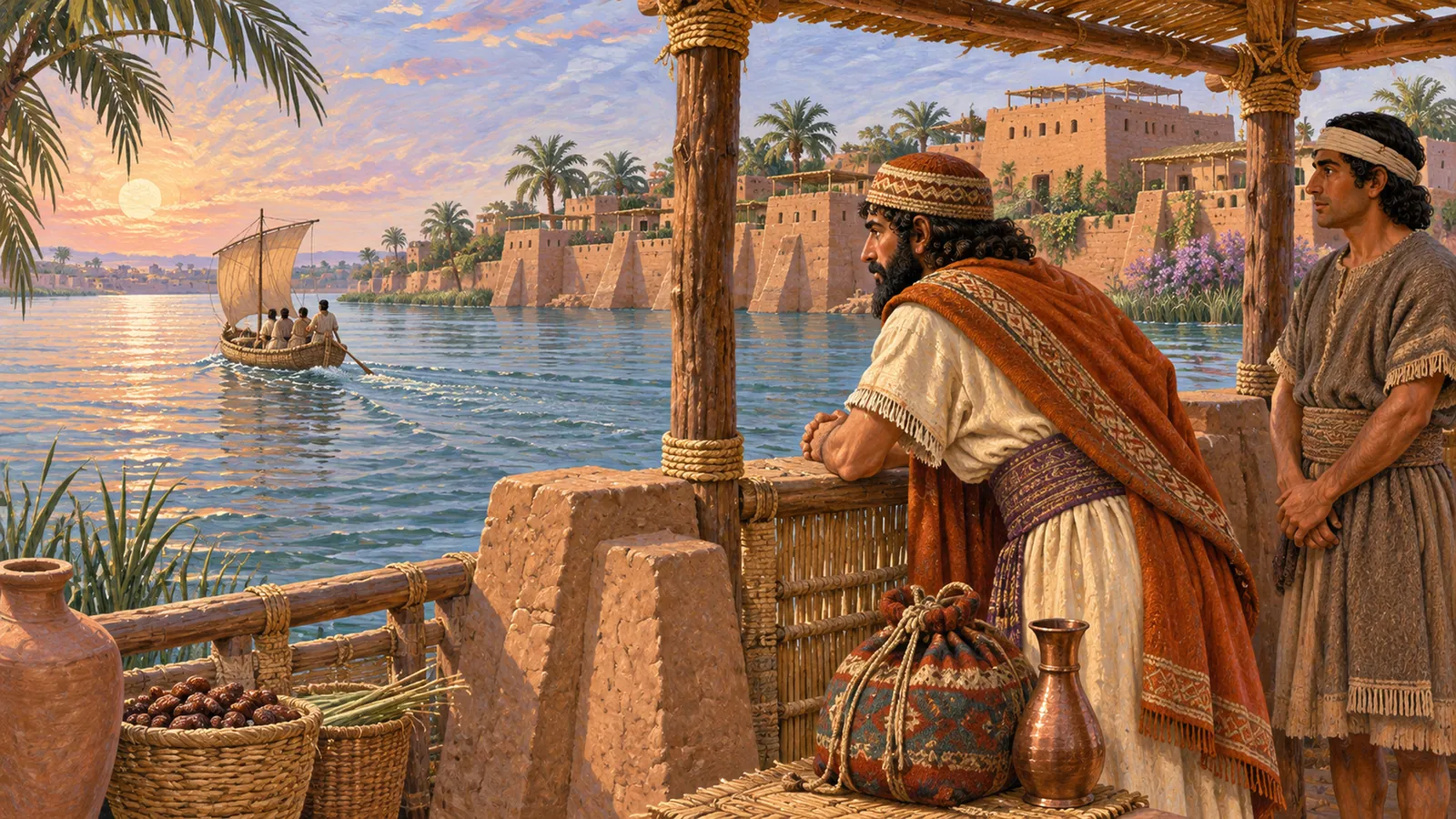
A fragment often placed here seems to give Kashtiliash’s answer. He orders the Assyrian envoy to remain. A damaged line may also bar merchants from crossing.
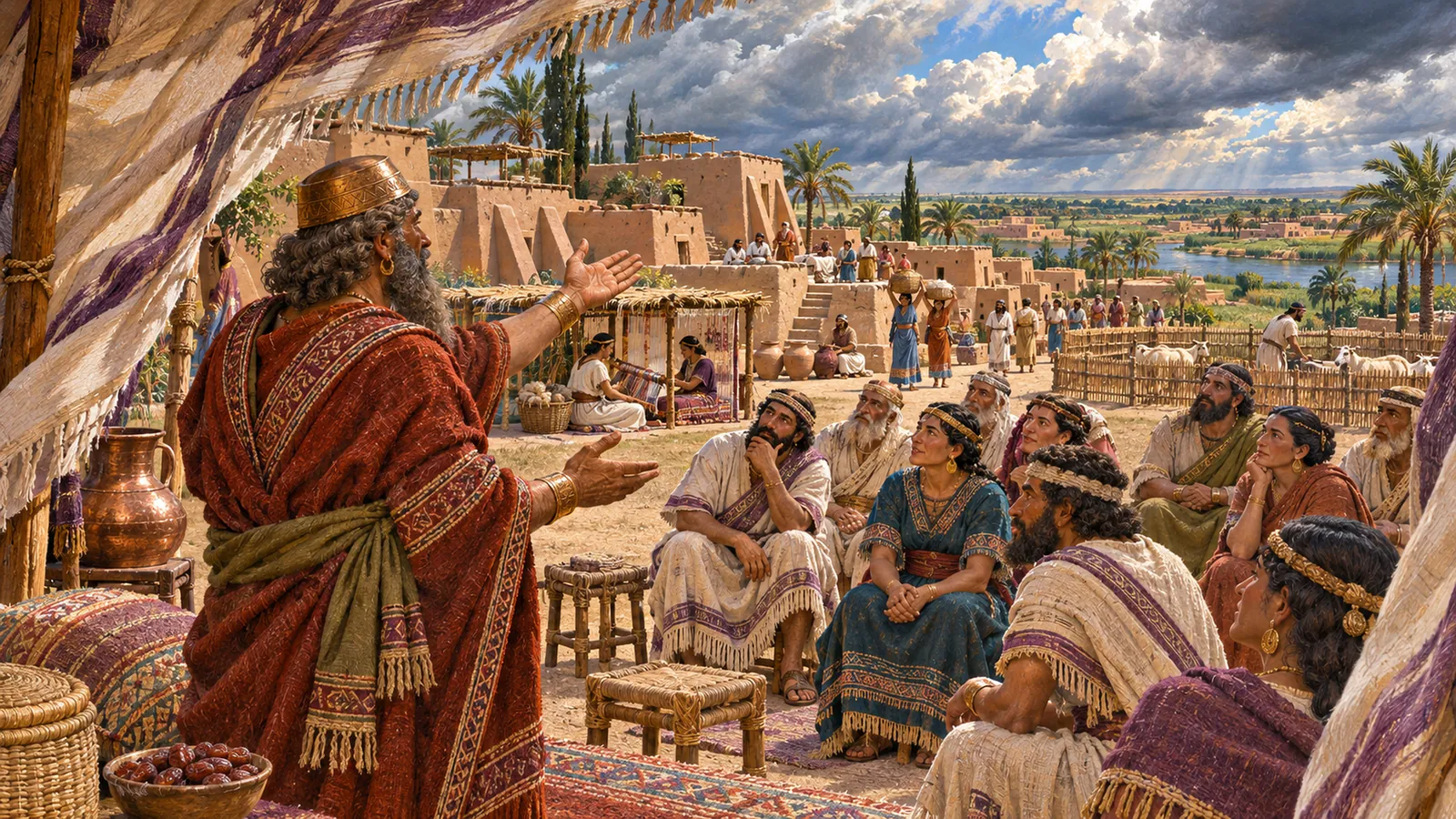
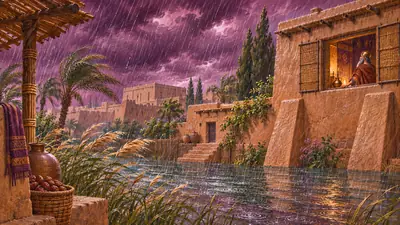
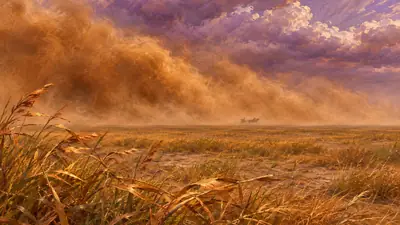
Another fragment opens on a threat attributed to Kashtiliash. Storm and flood are its images, a boast that he can sweep over the camp of the Assyrian king.
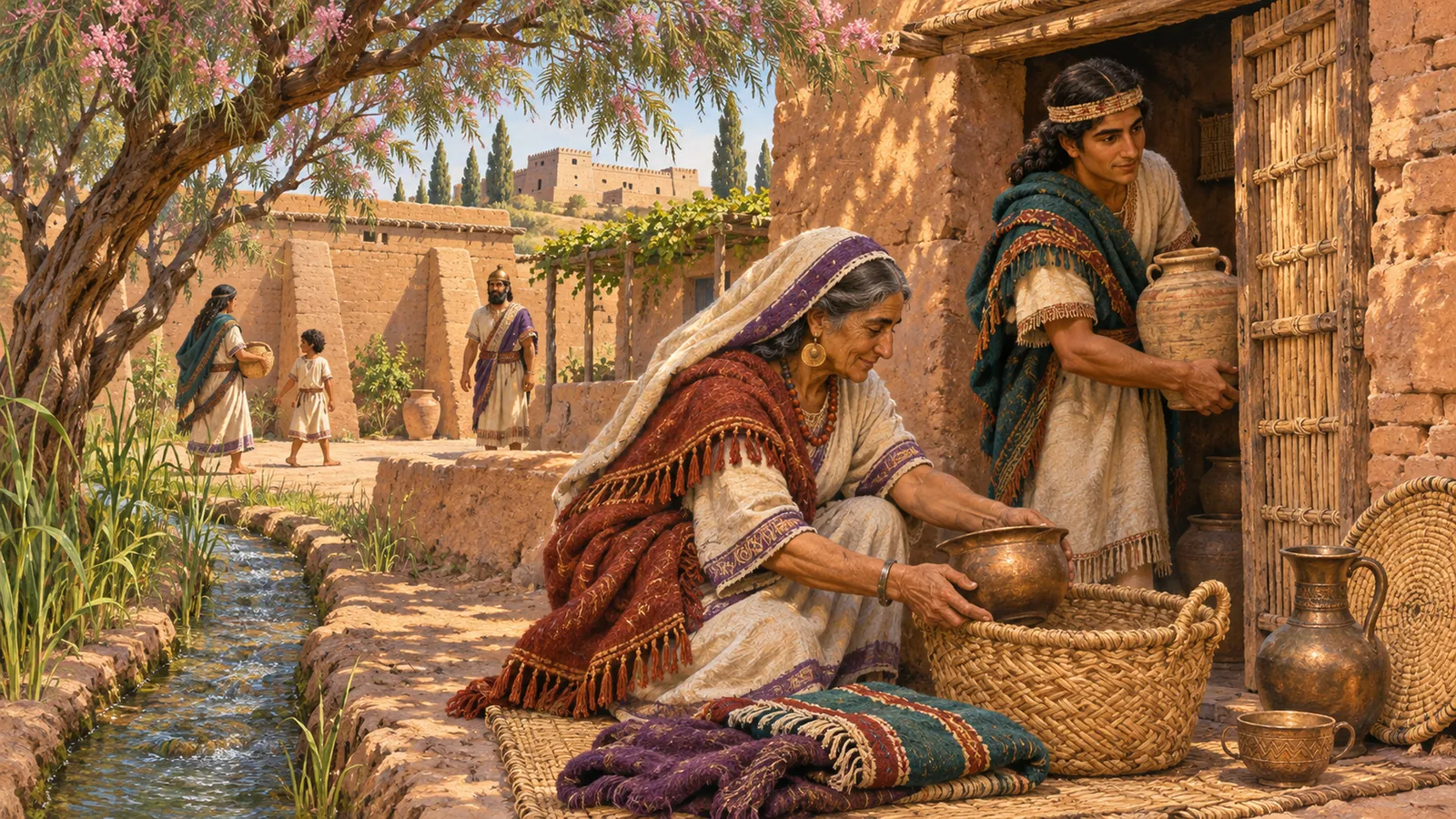
The reply lists grievances across broken lines. Tukulti-Ninurta accuses his rival of plundering Assyrian land and taking away troops. He brings the losses of families into his argument.
THE OATH
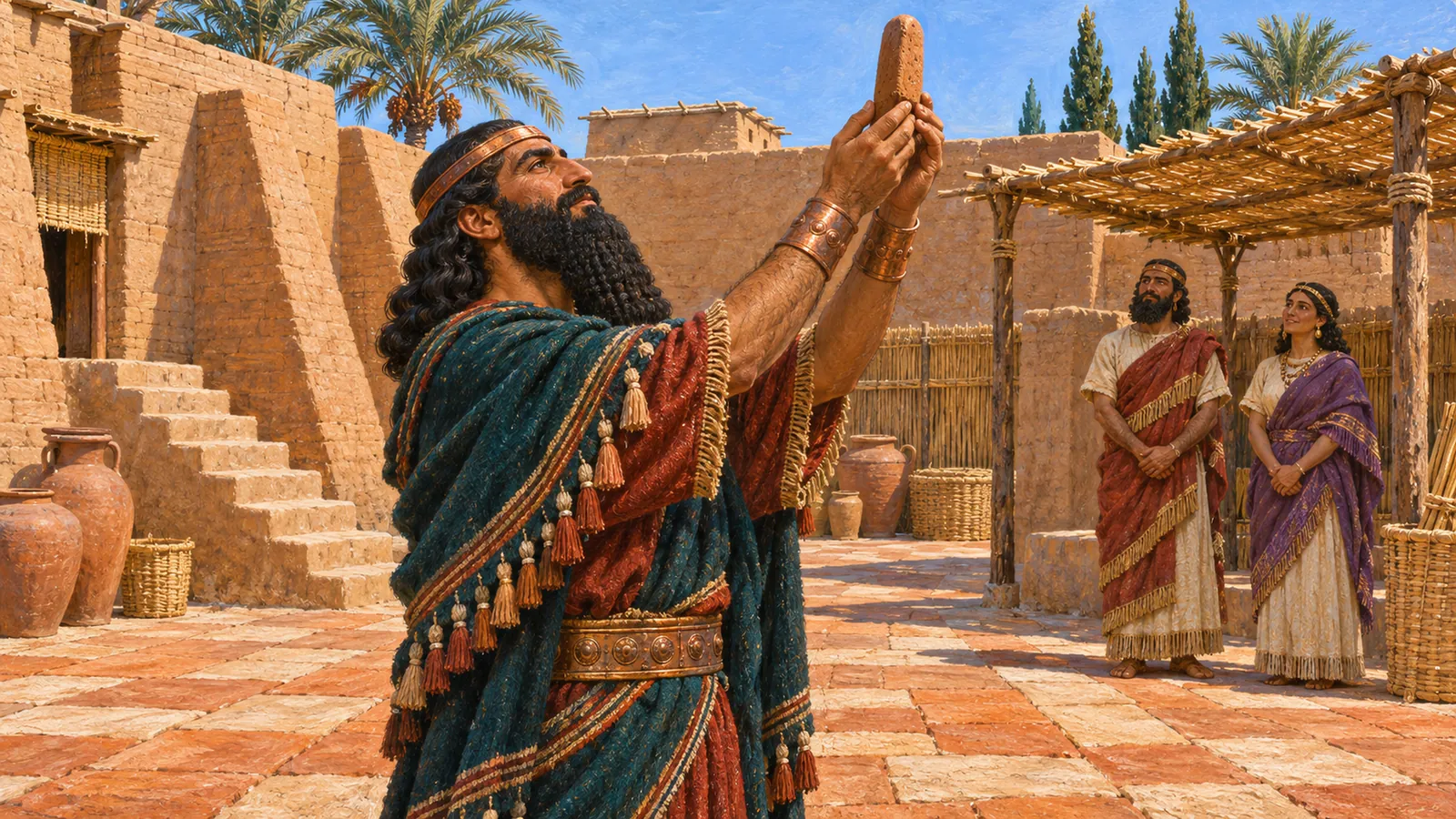
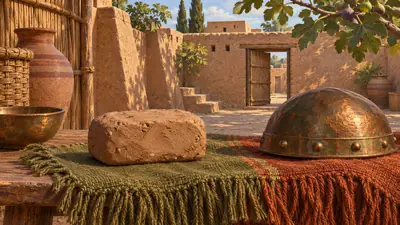
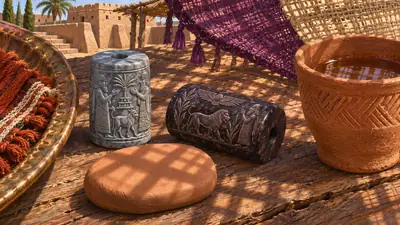
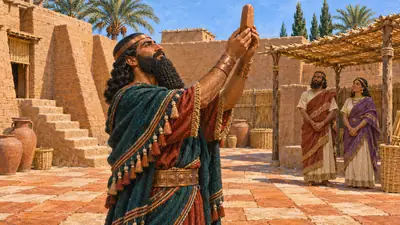
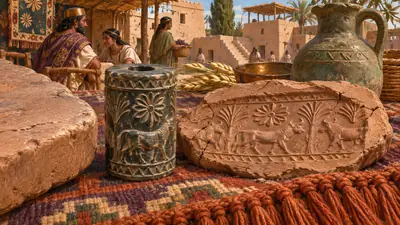
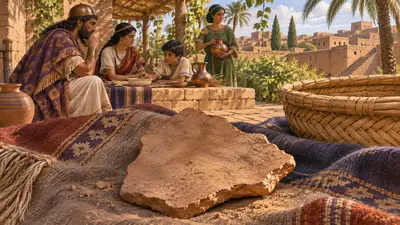
Now Tukulti-Ninurta raises the tablet that binds the two kings. He calls on heaven to hear the case. The singer gives a piece of clay the force of a witness.
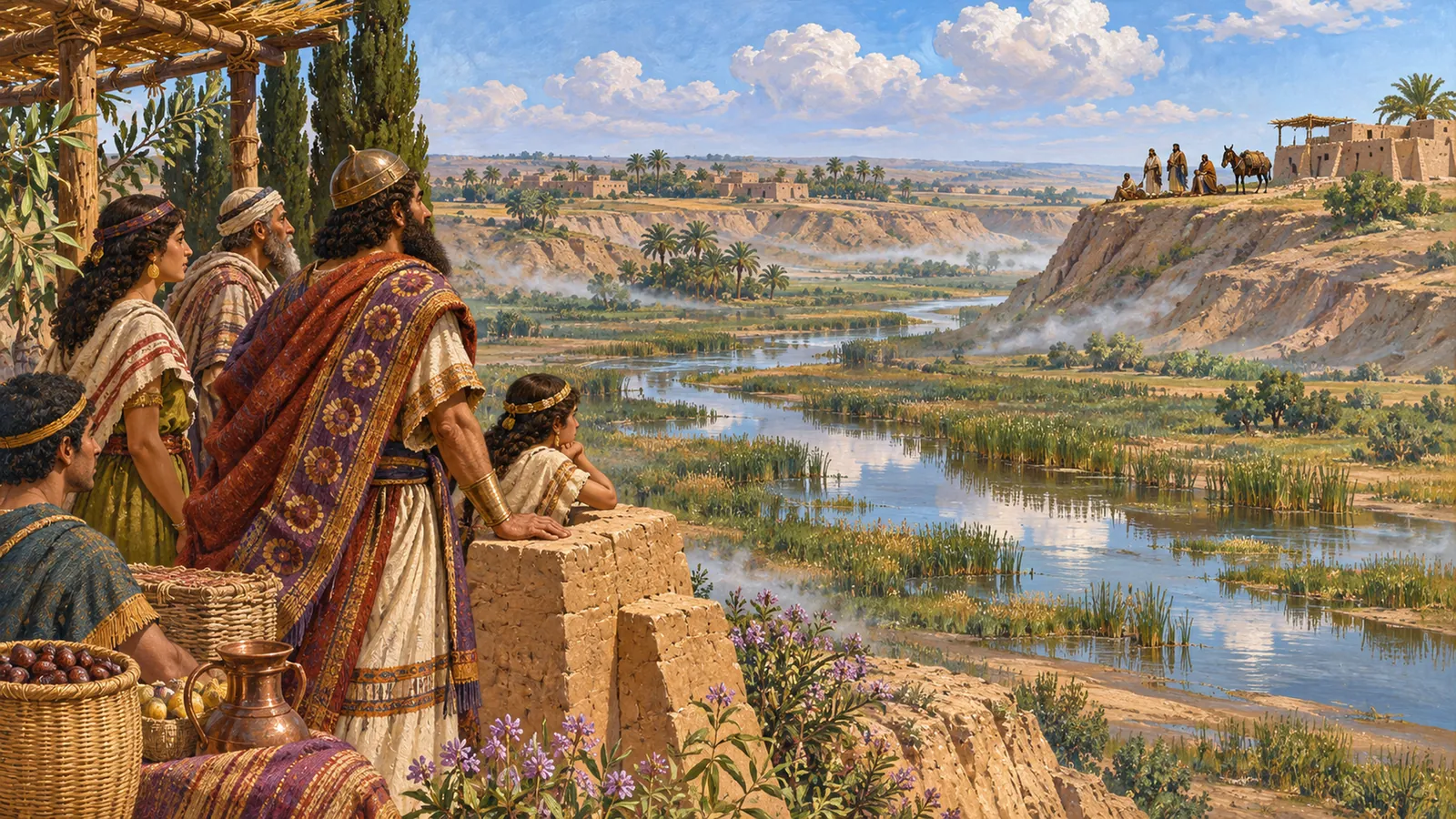
The Assyrian turns his appeal into a challenge. Let both kings come to the field, he says, and let the one who broke the oath answer for it there.
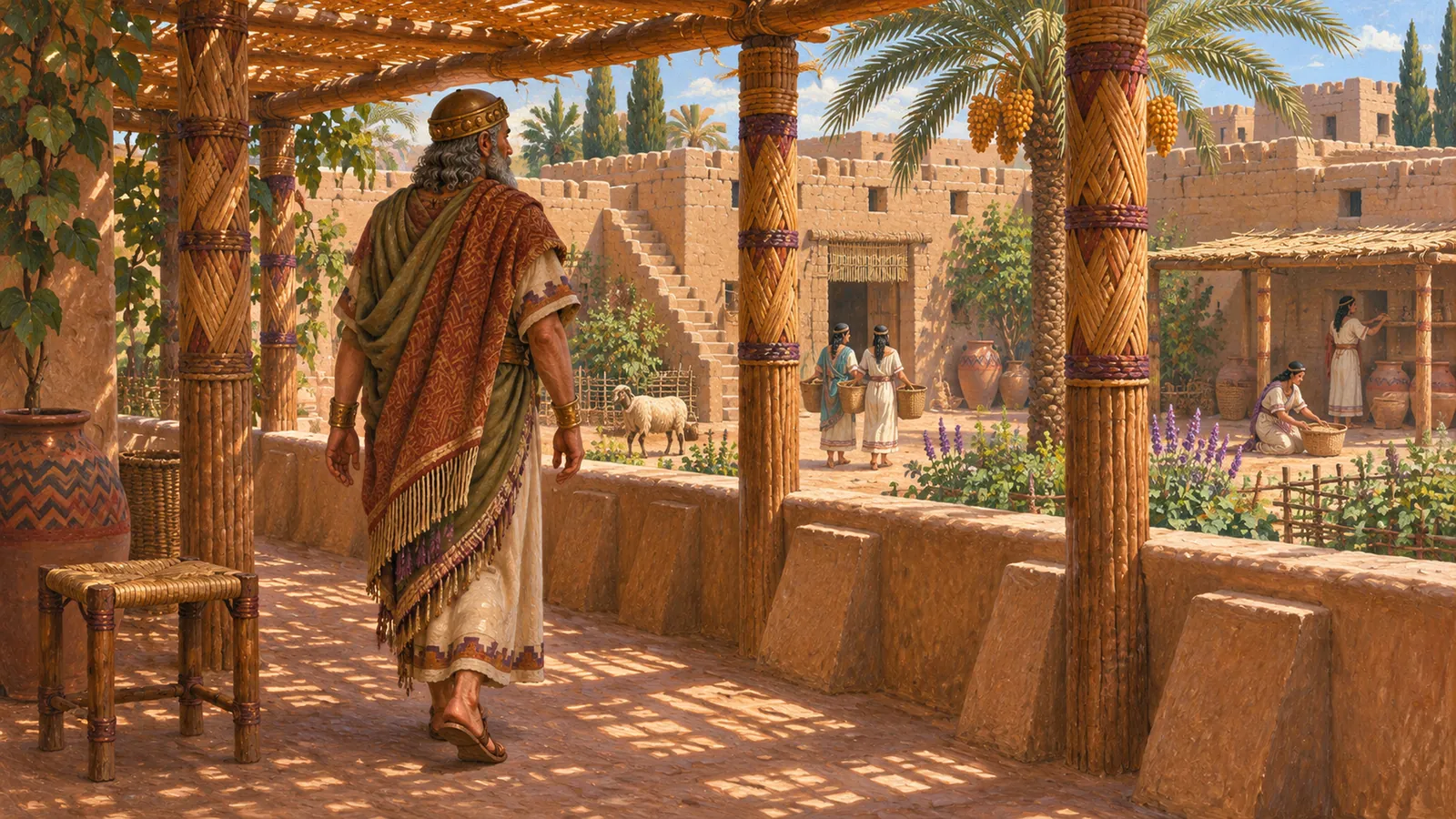
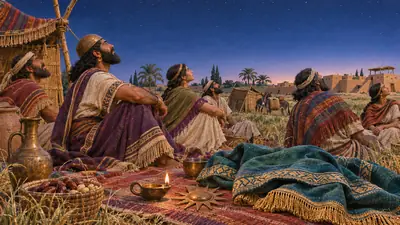
The singer now gives Kashtiliash words spoken to himself. He remembers how lightly he treated the messenger and how little he heeded the earlier approach from the Assyrian king.
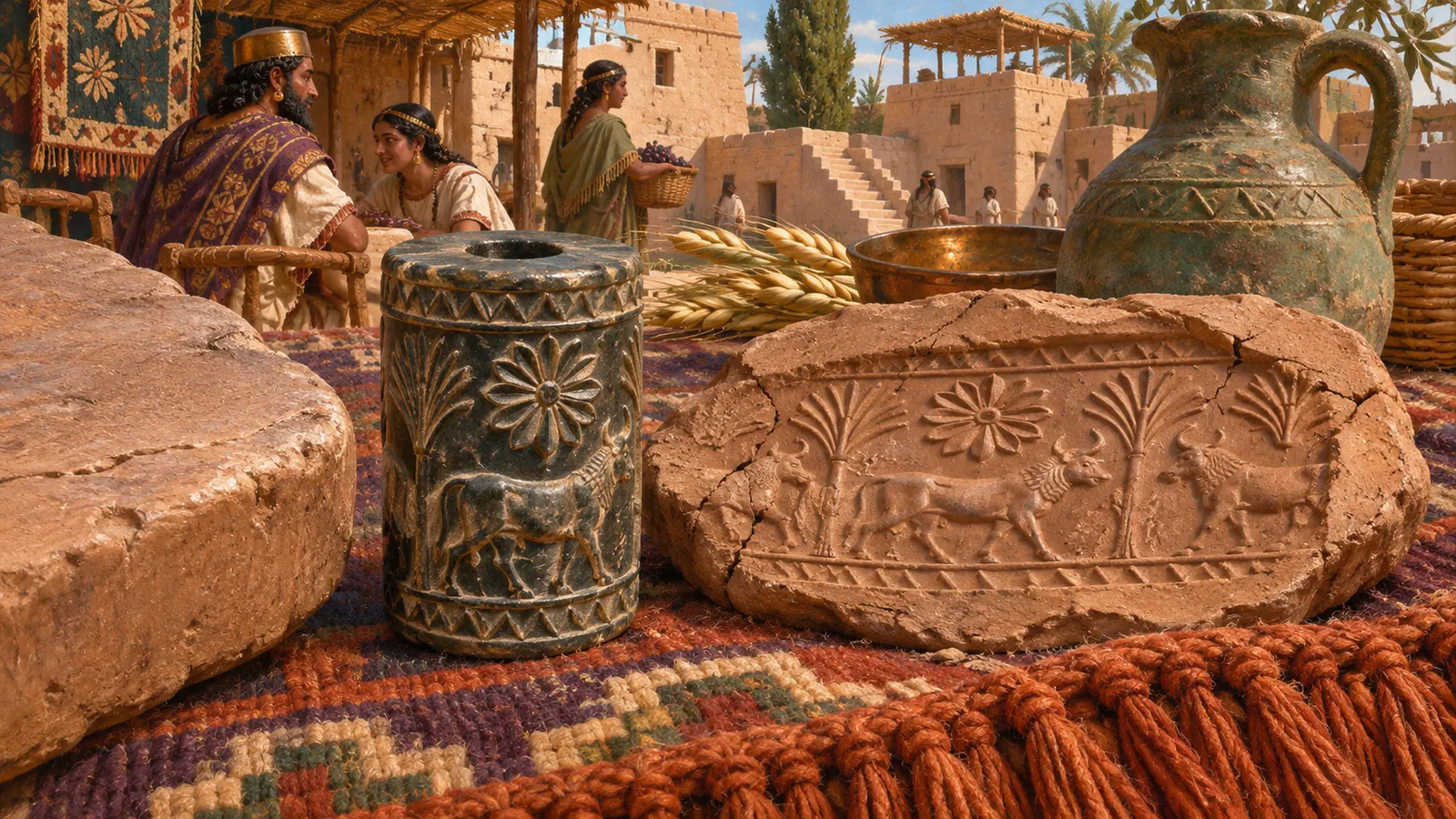
He imagines the oath catching at the hem of his garment. His forefathers’ seal is on the clay. The words stay fixed, and he pictures Shamash deciding against him.
Kashtiliash asks which god can spare his people. In the poet’s account he sees himself as the one who has led the land into a place with no way out.
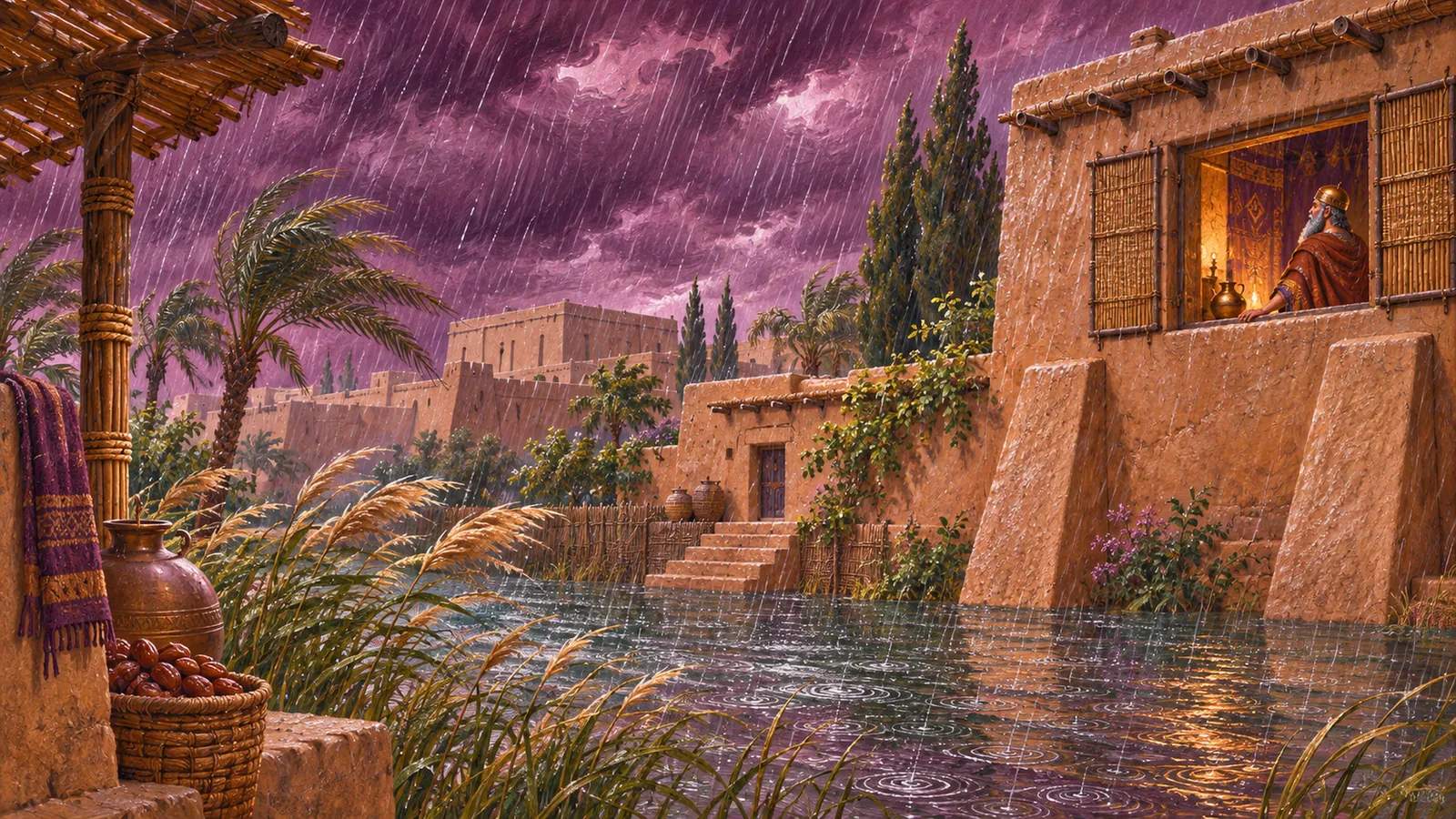
The signs promising the army’s safety seem to have vanished. His dreams frighten him. As the surviving words grow fewer, he asks if he will be overwhelmed like a man in a storm.
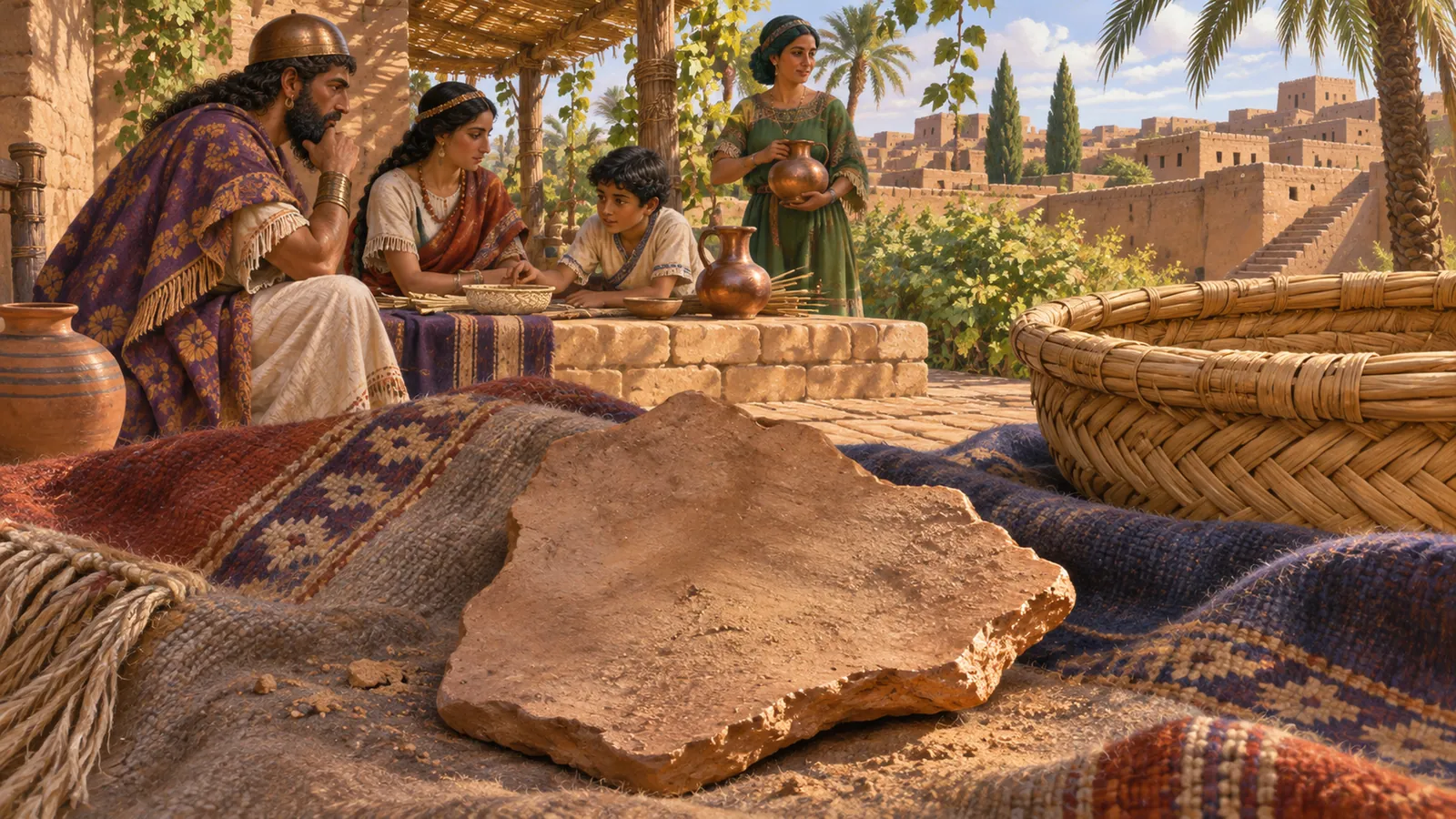
A gap separates that speech from the next surviving action. When the poem becomes readable again, it names the city of Akkad and compares the assailant to a thunderstorm.
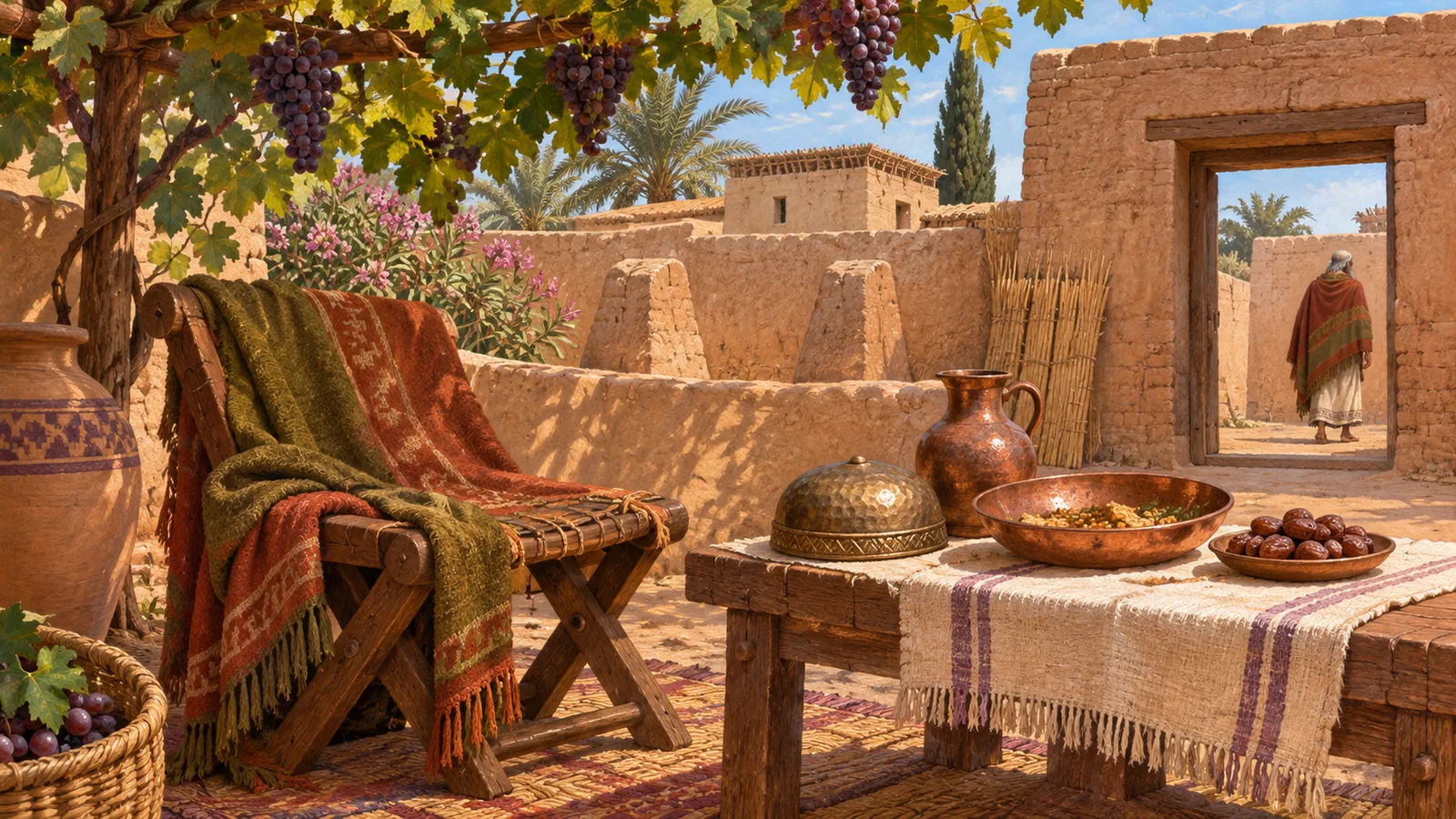
THE FLIGHT
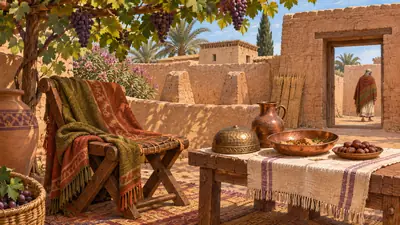
The next fragment gives fear a domestic shape. Kashtiliash jumps from his seat, casts aside his food and divests himself of royal adornment. He cannot swallow a bite.
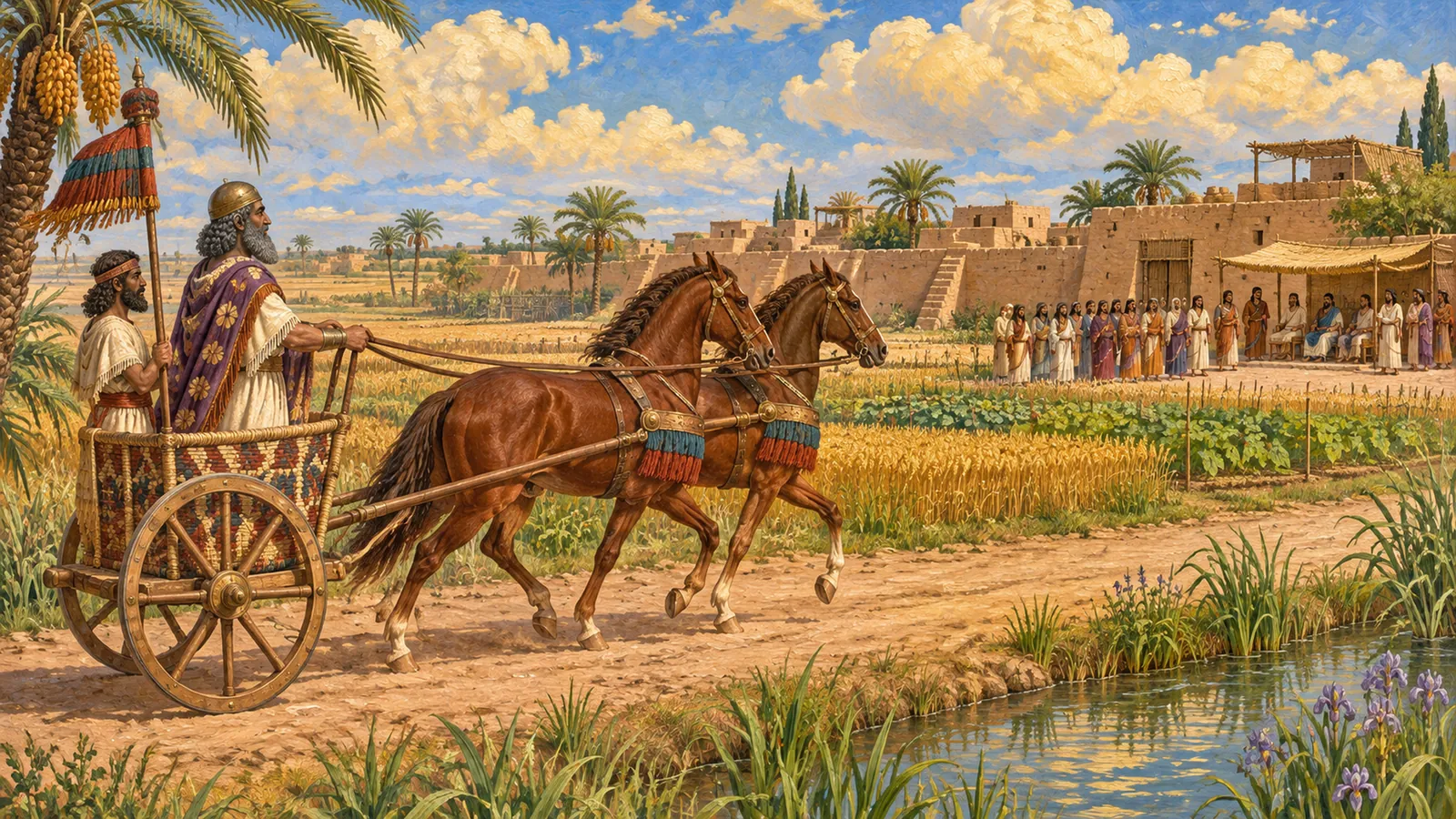
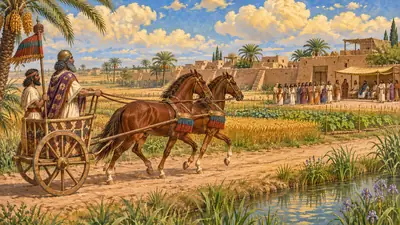
He climbs into his chariot and speaks to his army. A few words of his address survive before the clay breaks off and the next preserved lines send him rushing through groves.
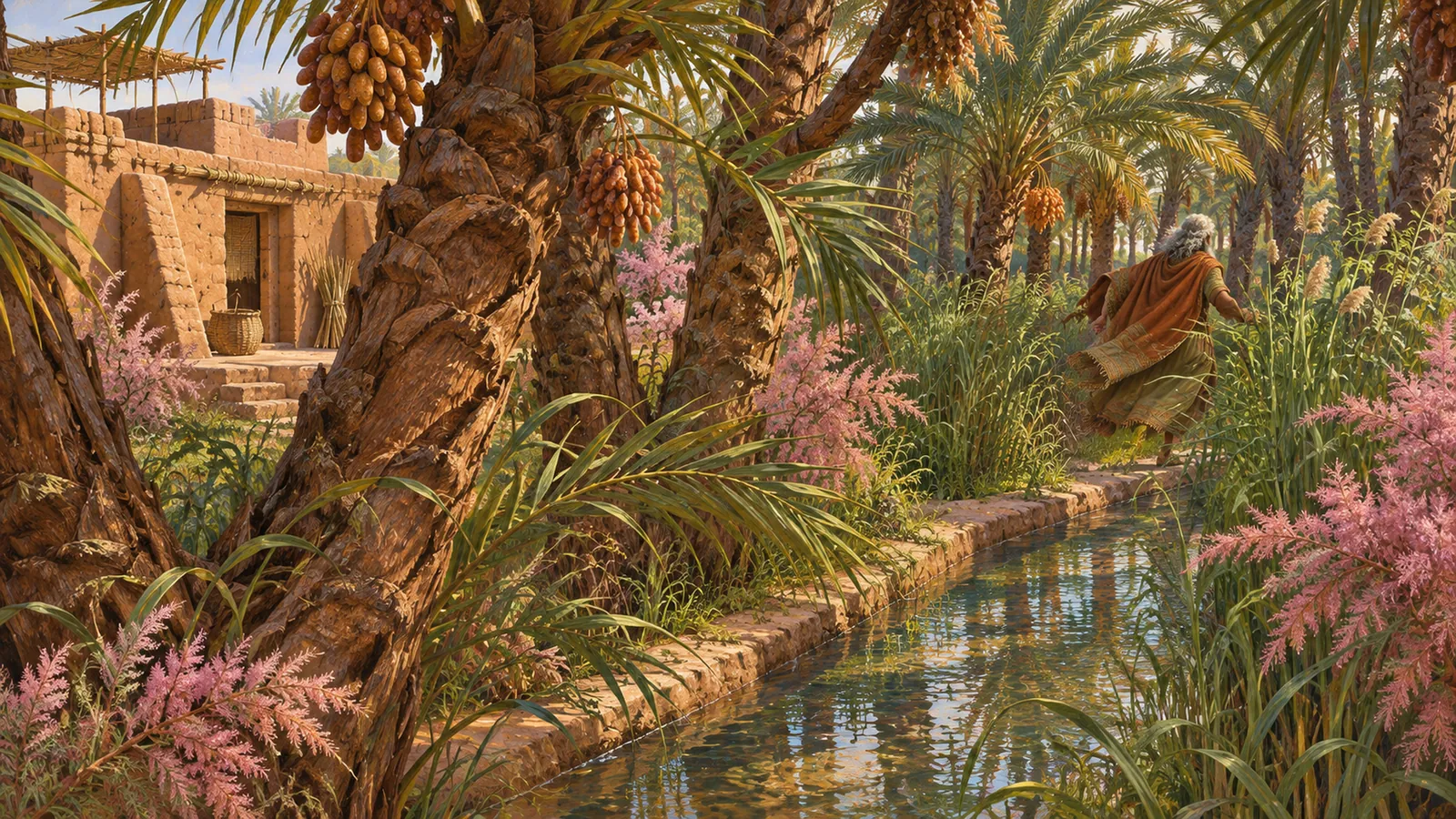
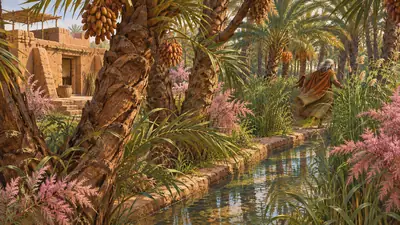
Kashtiliash darts among groves, turning and retracing his way. The poet compares him to hunted quarry and says he goes on without looking back at those he leaves behind.
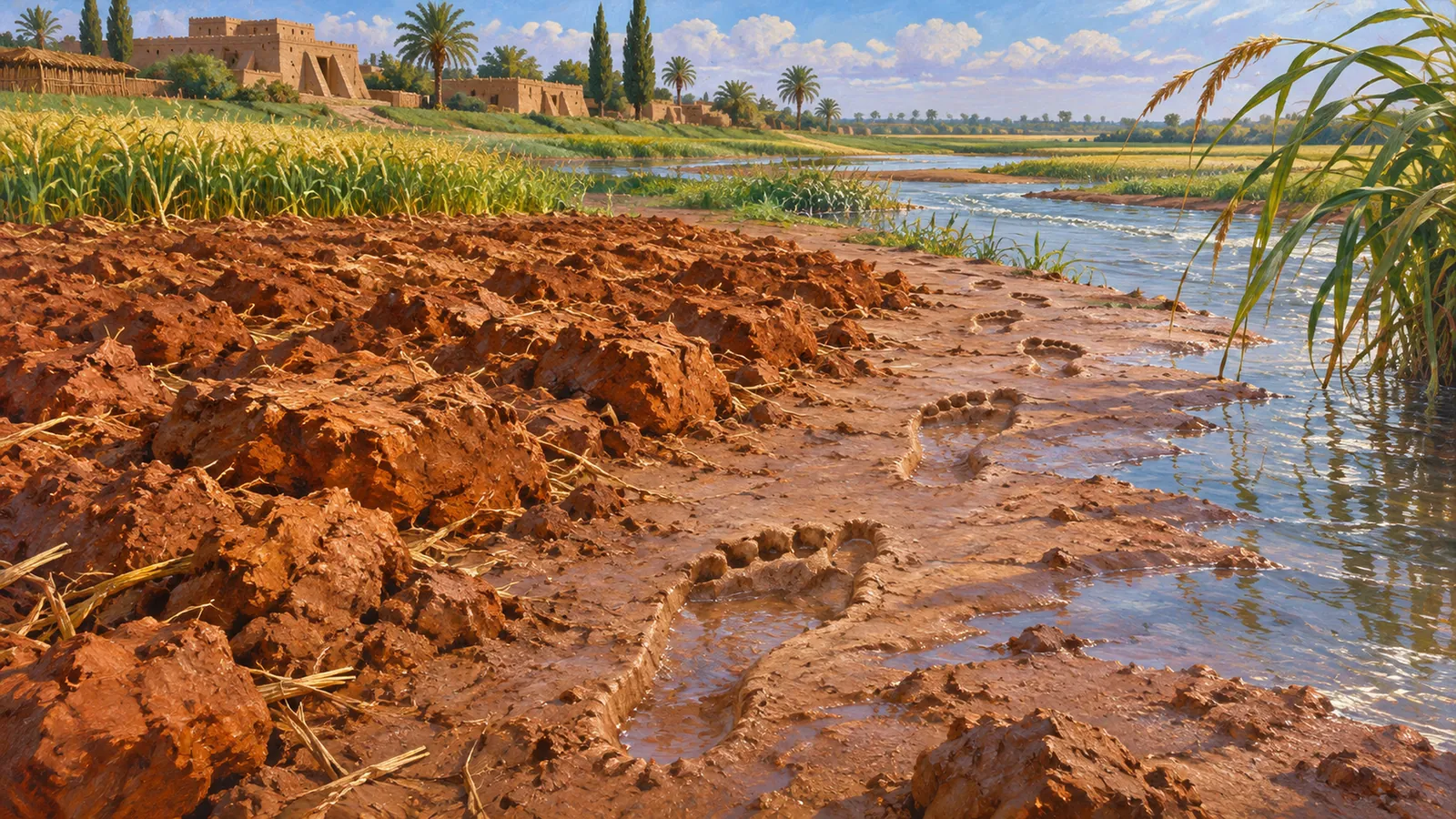
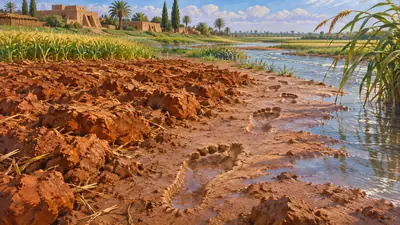
Column four moves through damaged descriptions of fighting and upheaval. Among its fragments are trampled riverbanks, mention of Anunnitu, and broken references to a confluence and repaired paths.
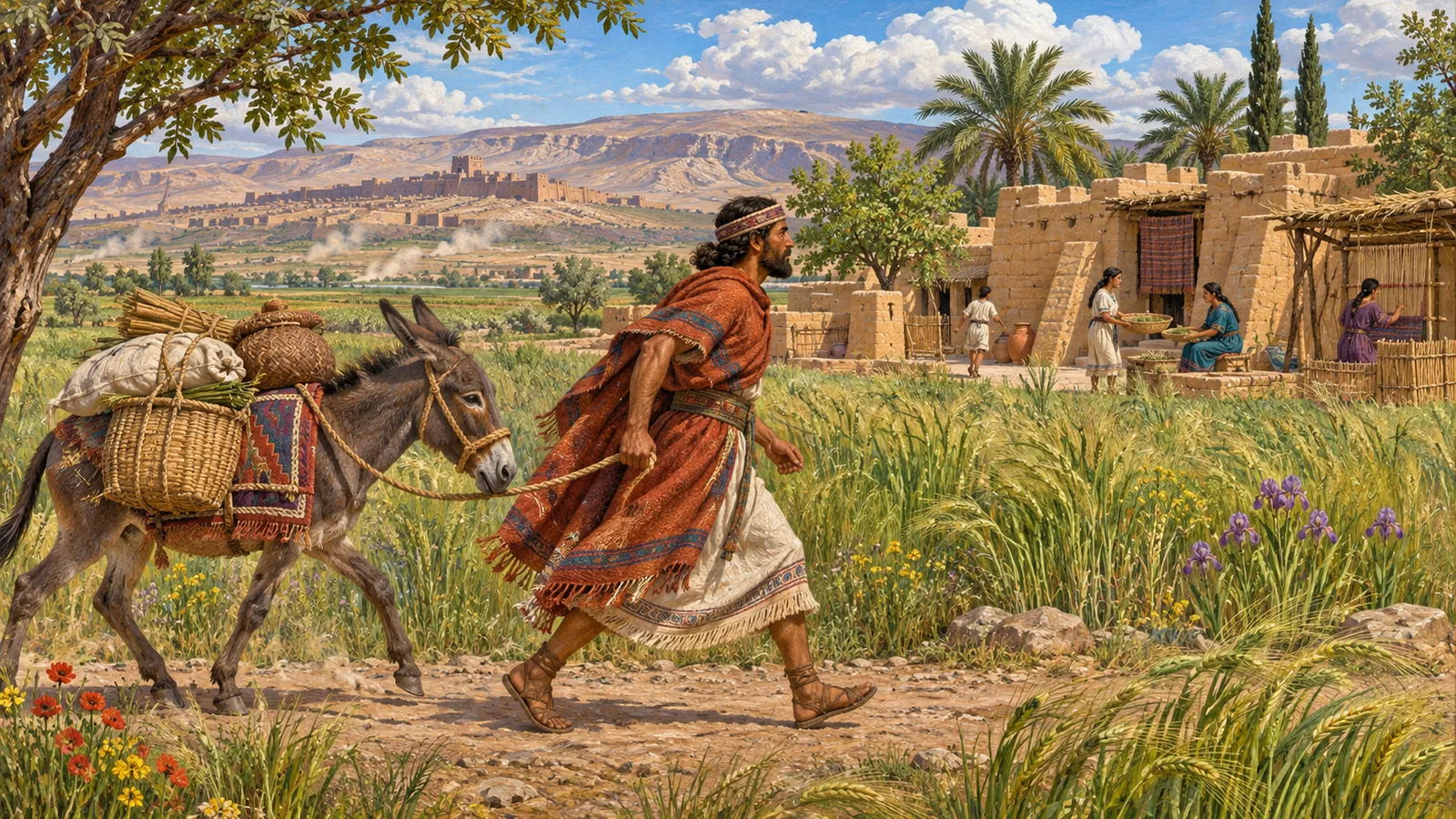
The Assyrian king sends another messenger. Tell me how much longer your army will keep moving away, he demands. He claims he has already ravaged cities in Kashtiliash’s land.
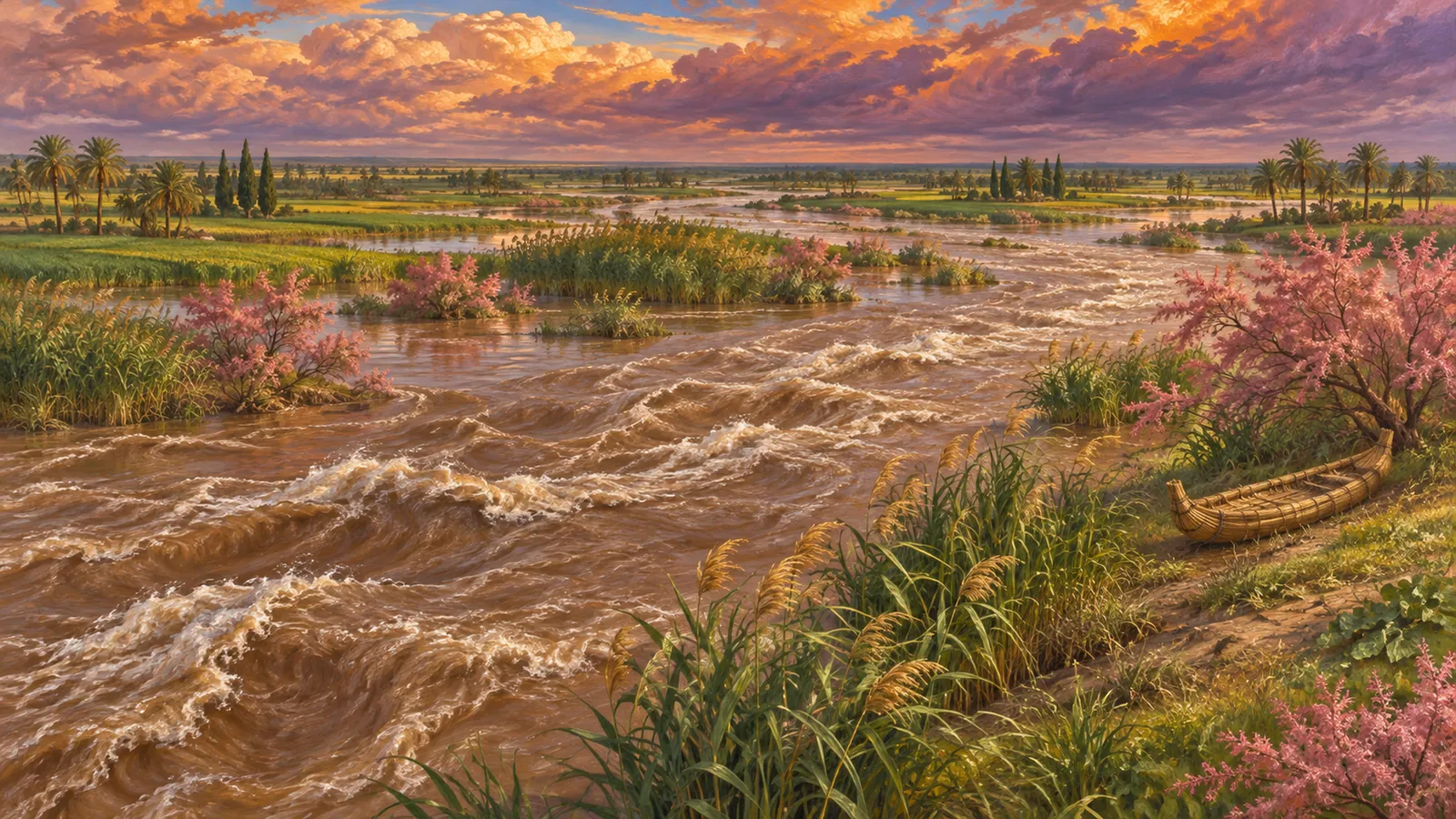
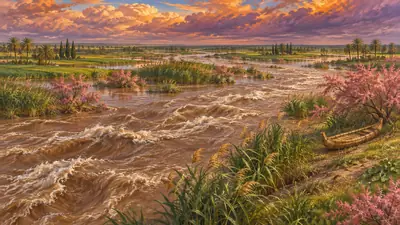
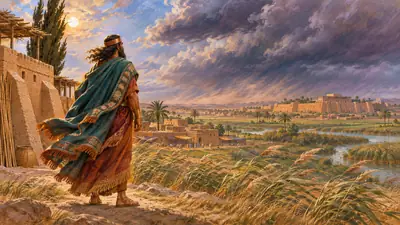
The Assyrian says the spring flood has given his rival courage. Water may seem his ally now. What refuge will he trust, the letter asks, when the season turns dry?
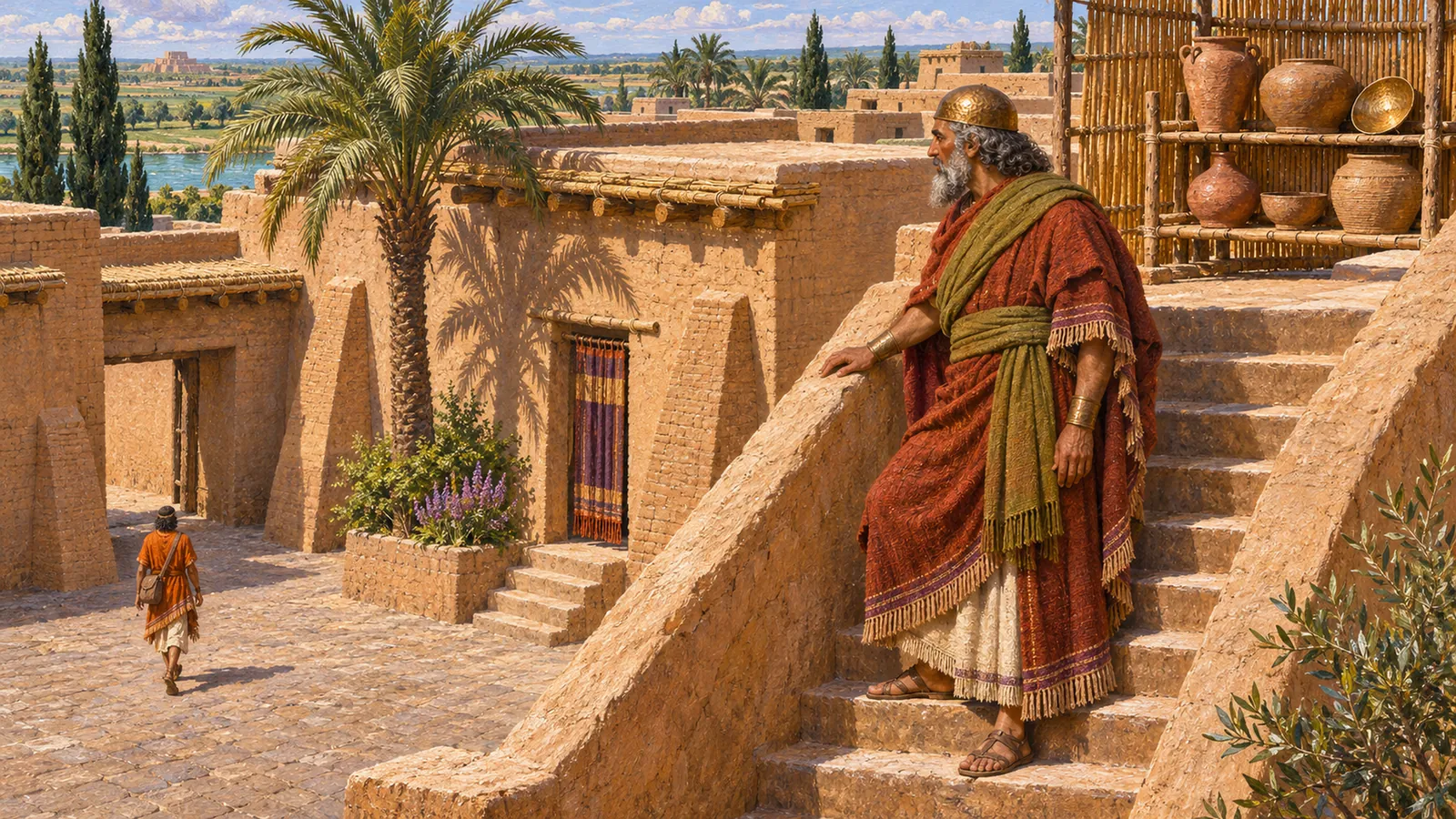
Kashtiliash tells him to wait for the time set by Shamash. He threatens a flood of his own. The singer says that trading messages gives the Kassite king time.
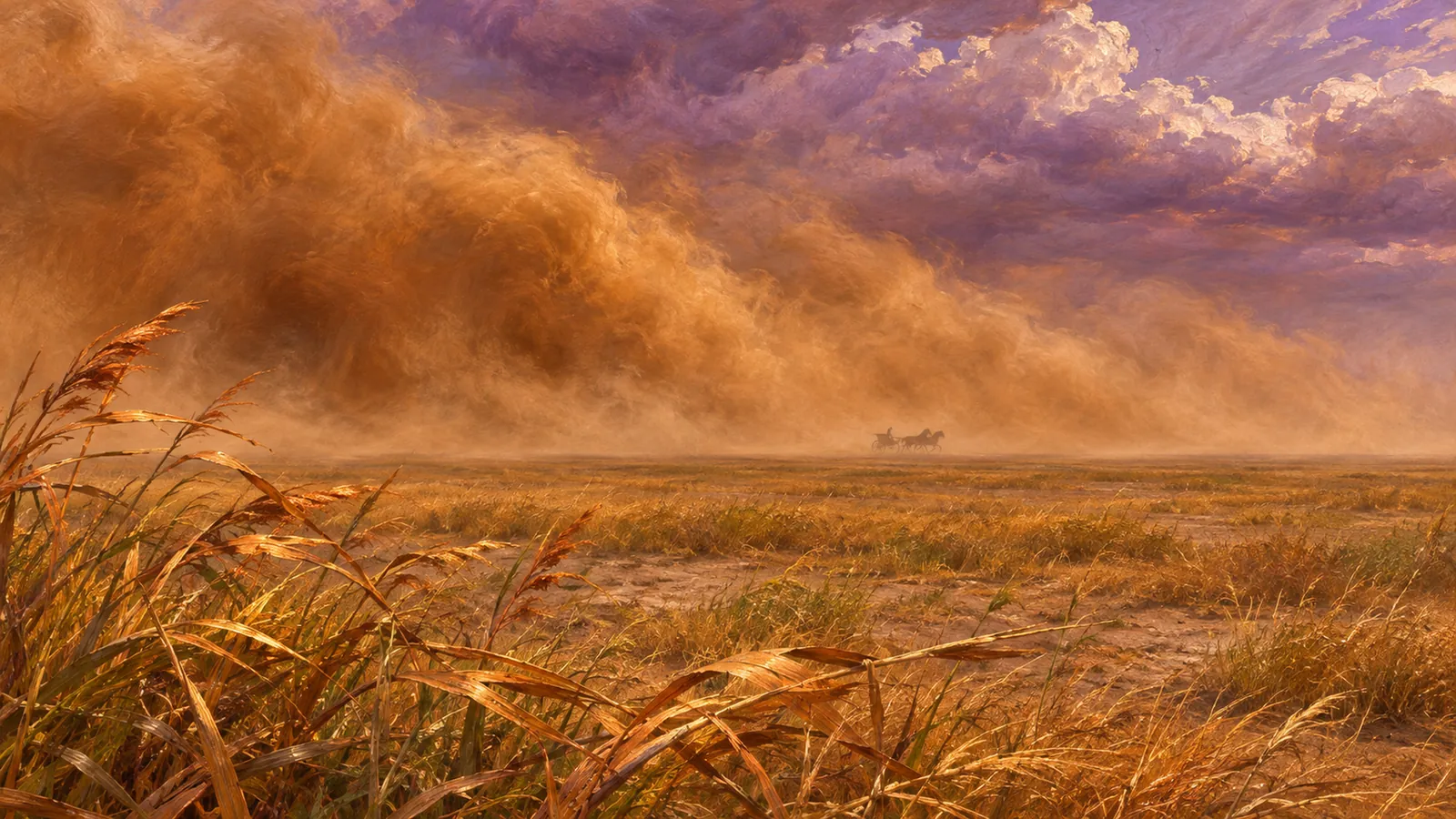
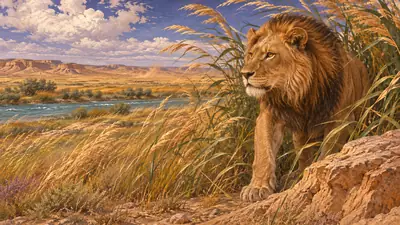
The two forces clash. The poem calls Tukulti-Ninurta a pitiless storm and likens his men to lions. Kashtiliash turns away to save himself before the account breaks again.
THE BATTLE
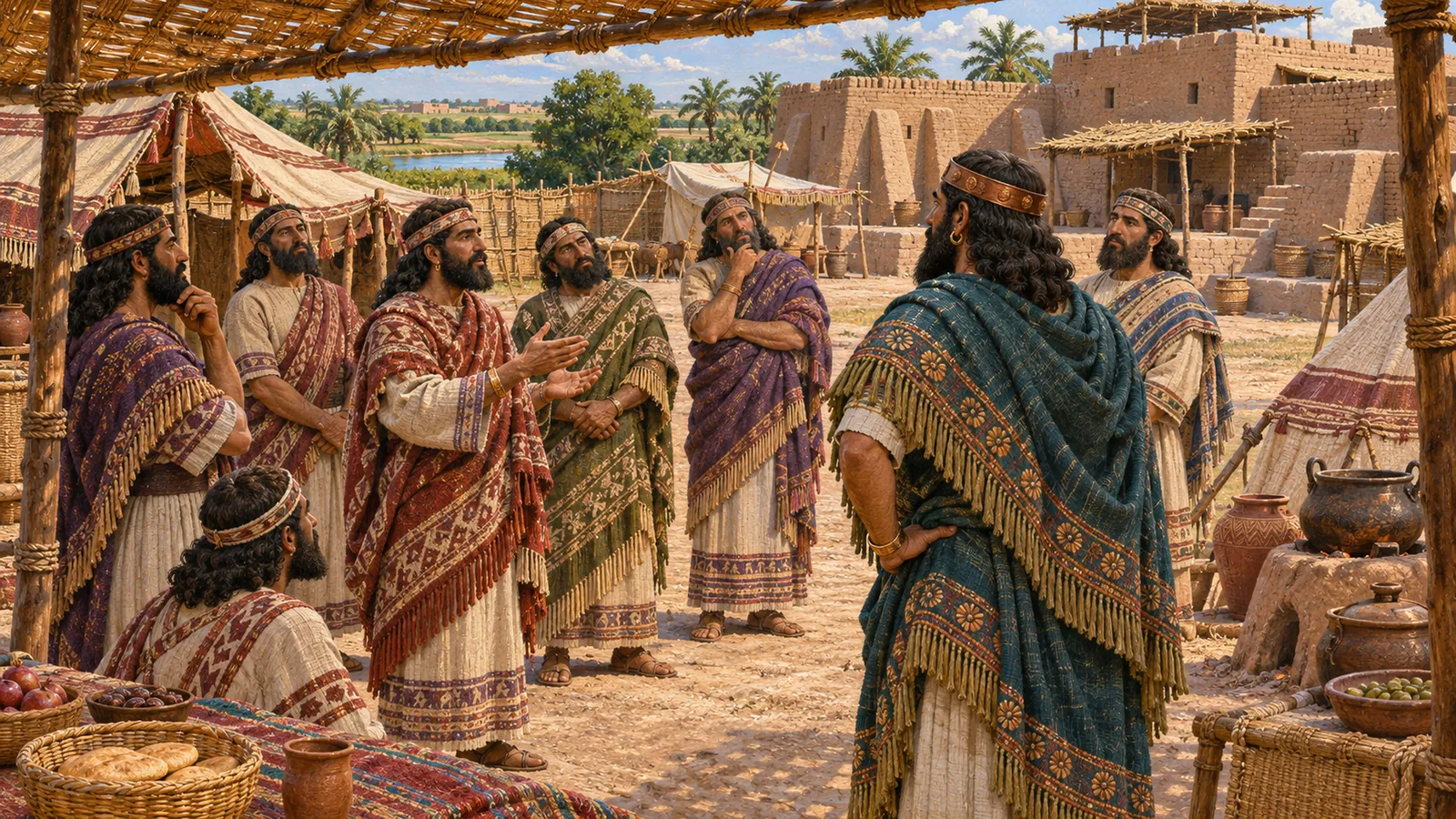
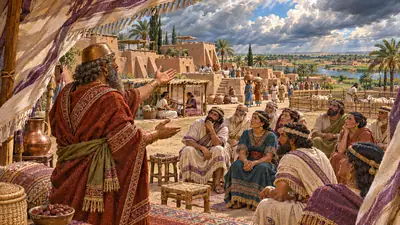
When their voices return, the Assyrian troops speak directly to the king. They remind him how far his rule has reached and ask how long they must endure his rival’s threats.
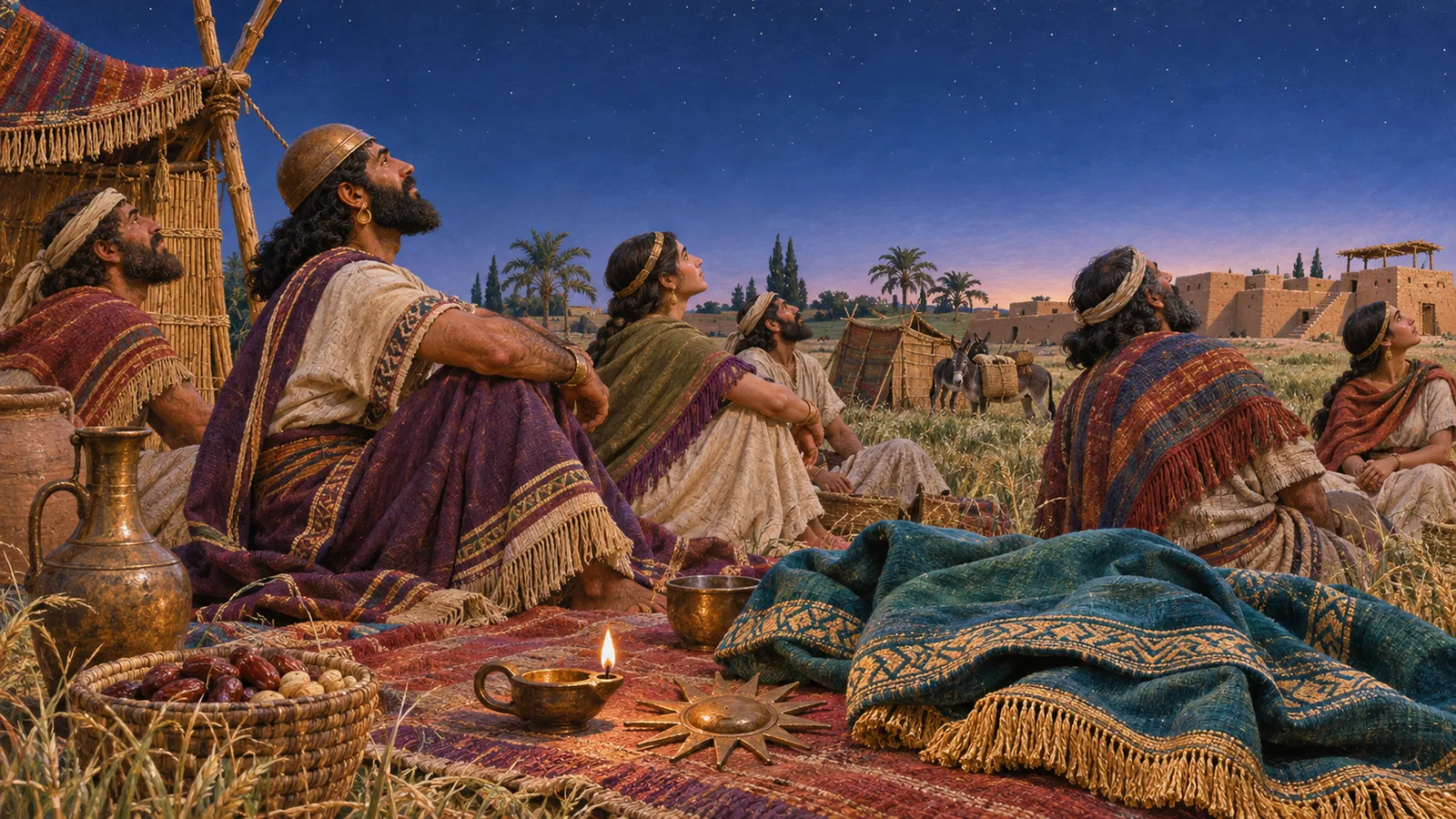
The troops say Kashtiliash wants control of the Assyrian kingship. They urge their lord to go forward and promise him lasting renown through the judgment of Shamash.
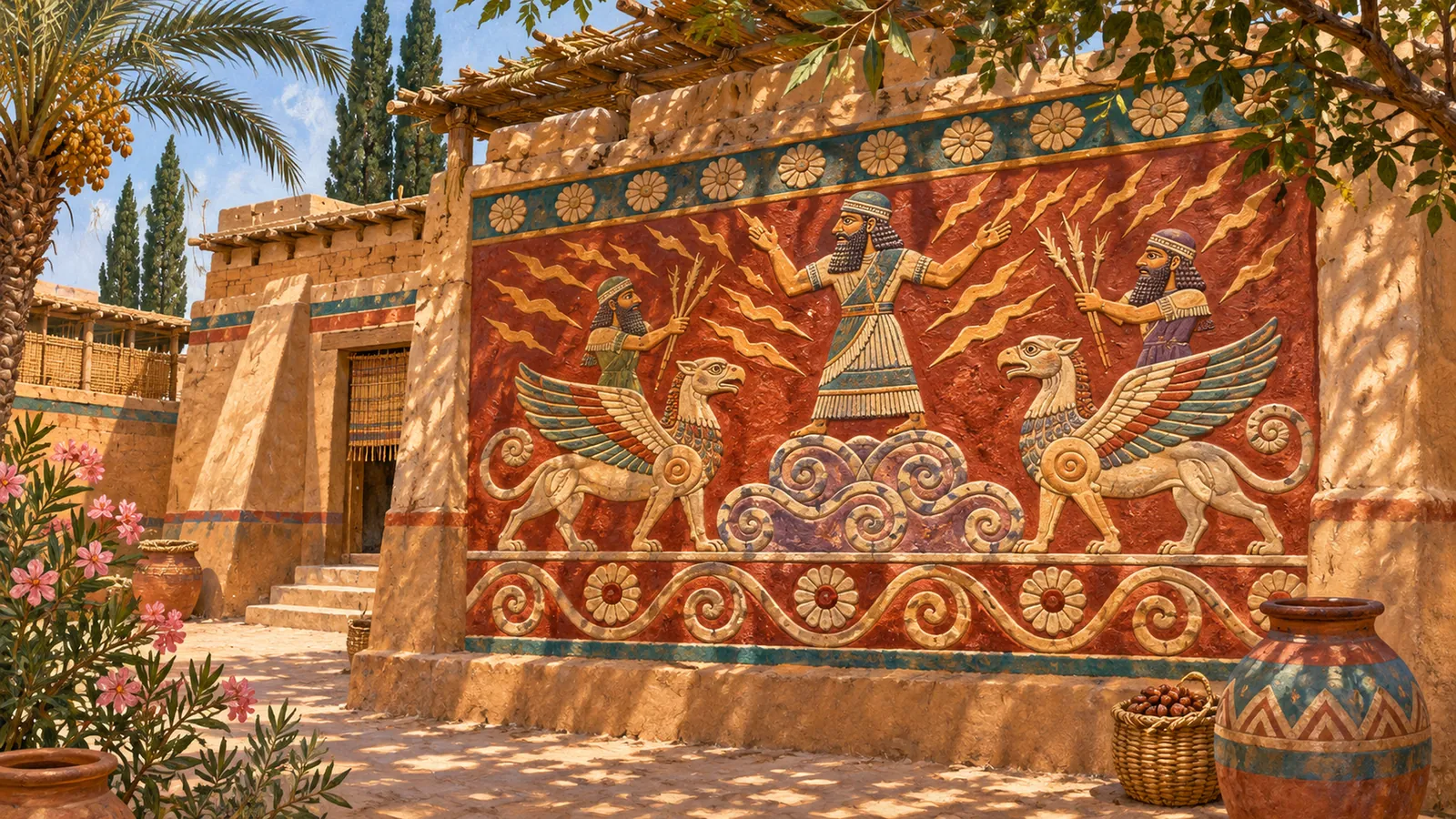
At the beginning of the decisive battle the poem sends Assur ahead of the men. Defeat spreads like flame. Enlil fans it, and Anu bears a mace.

Sin, the moon god, brings strain onto the field. Adad sends wind and flood over the fighting, while Shamash, who heard the king’s appeal, takes the opposing army’s sight.
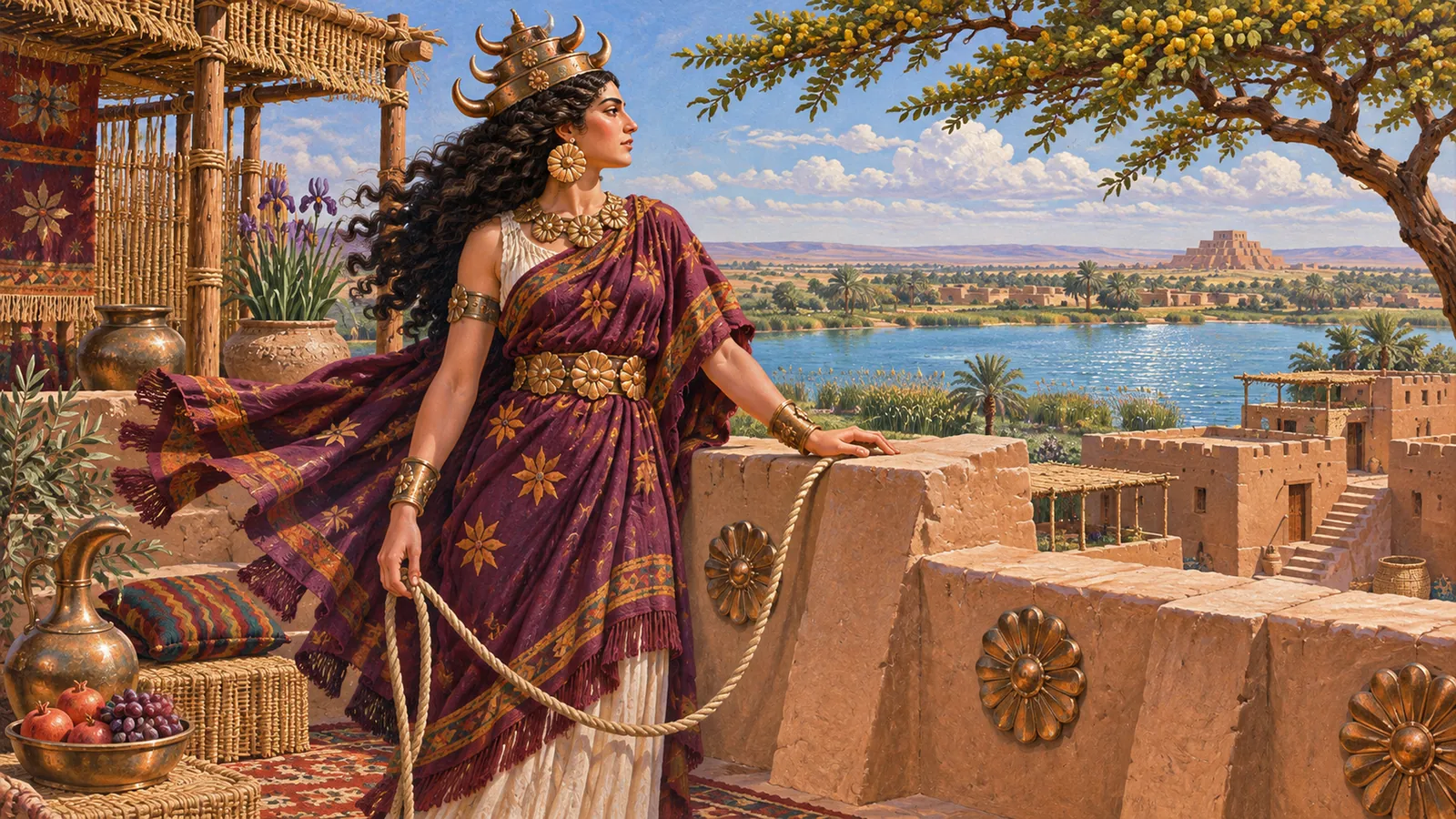
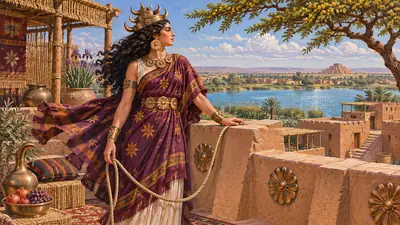
Ninurta breaks weapons and Ishtar swings a rope in the poem’s telling. The warriors of Assyria call on her to let them live as they go into battle.
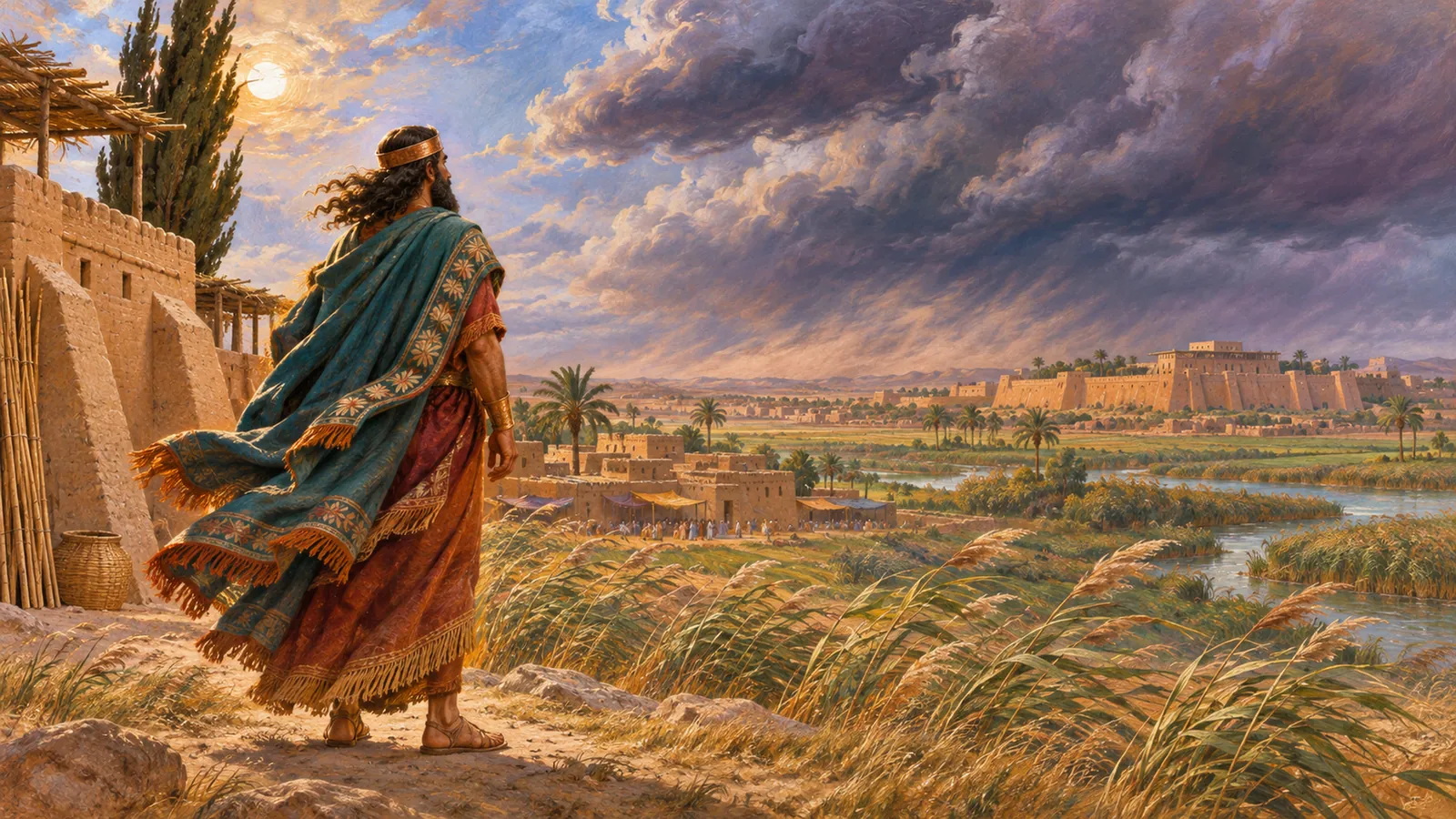
Tukulti-Ninurta follows behind the gods with his army. The poet makes the king’s first arrow part of Assur’s power. Then the voices of the soldiers rise around him.
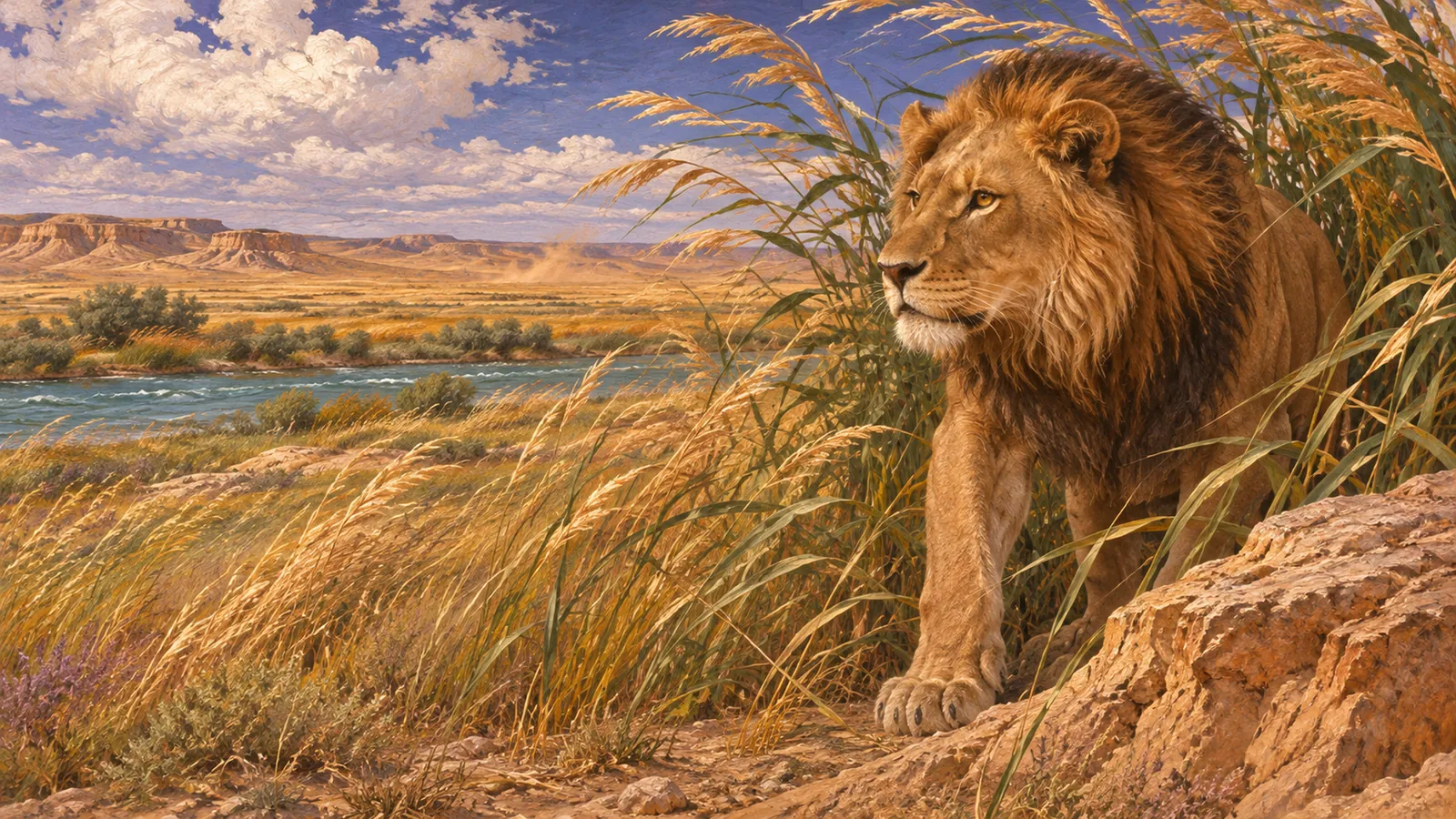
The fighters are compared to the wild Anzu, then to lions. They cast off their armour. In the poet’s last clear images the fray spins like dust in a whirlwind.
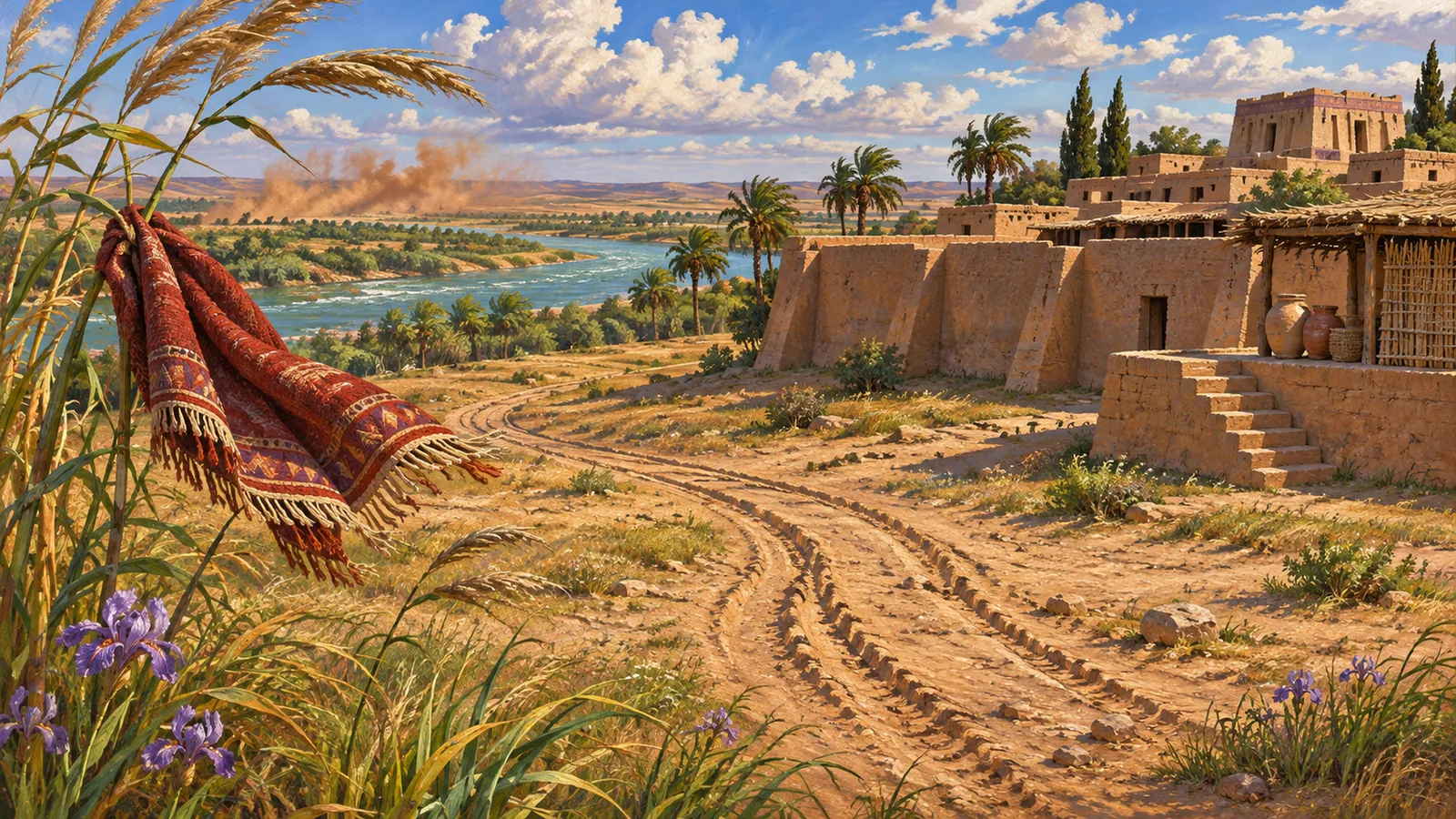
The poem’s victory is plain from what follows, but the end of the fight is missing. The damaged column leaves Kashtiliash’s fate untold before the narrative returns to the aftermath.
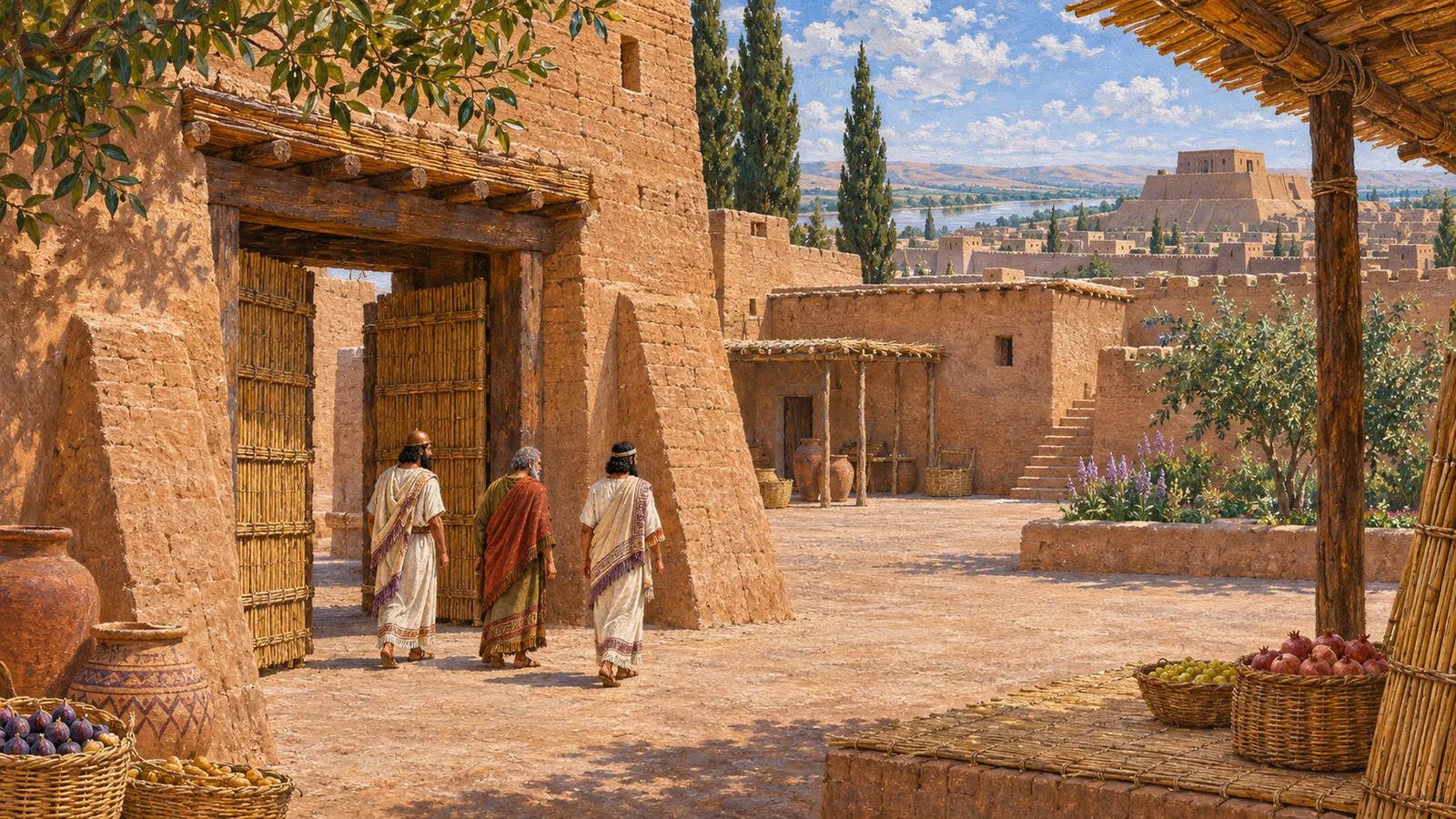
A separate royal inscription supplies the Assyrian king’s claim about Kashtiliash. Tukulti-Ninurta says he captured the Kassite ruler and brought him as a prisoner before the god Assur.
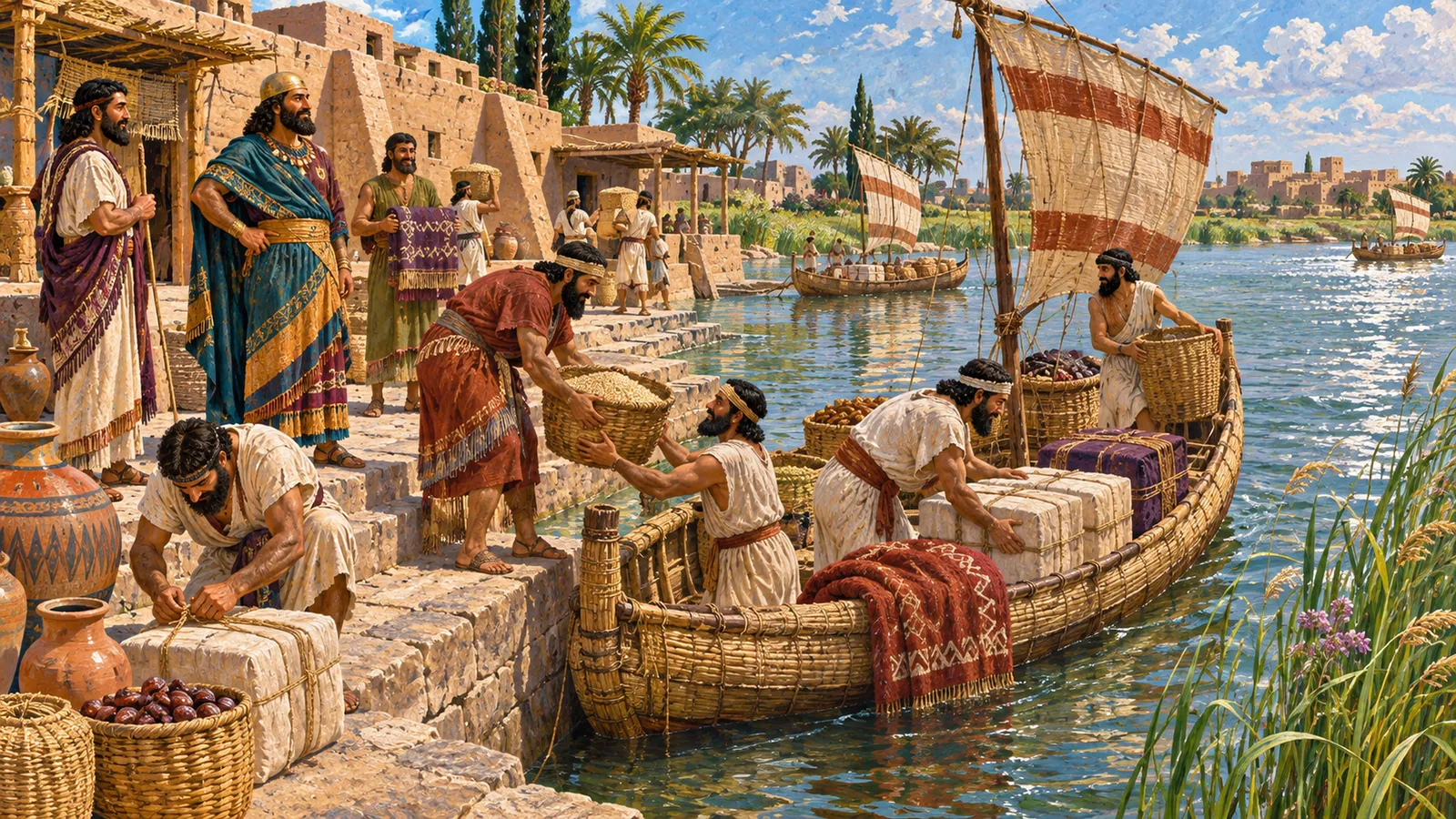
TAKEN NORTH
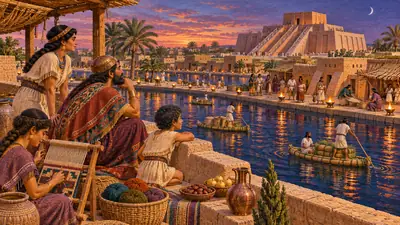
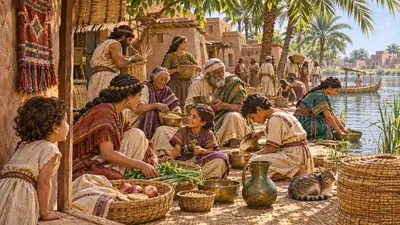
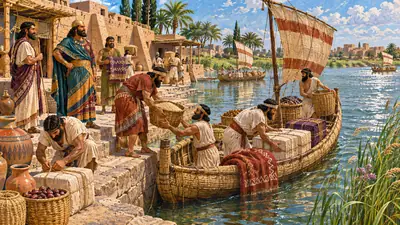
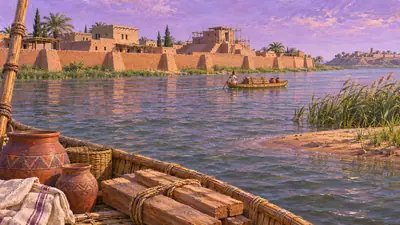
The epic’s last column preserves references to sons and daughters, soldiers, chariots and royal treasure. The Assyrian king fills boats with what is taken north for Assur.
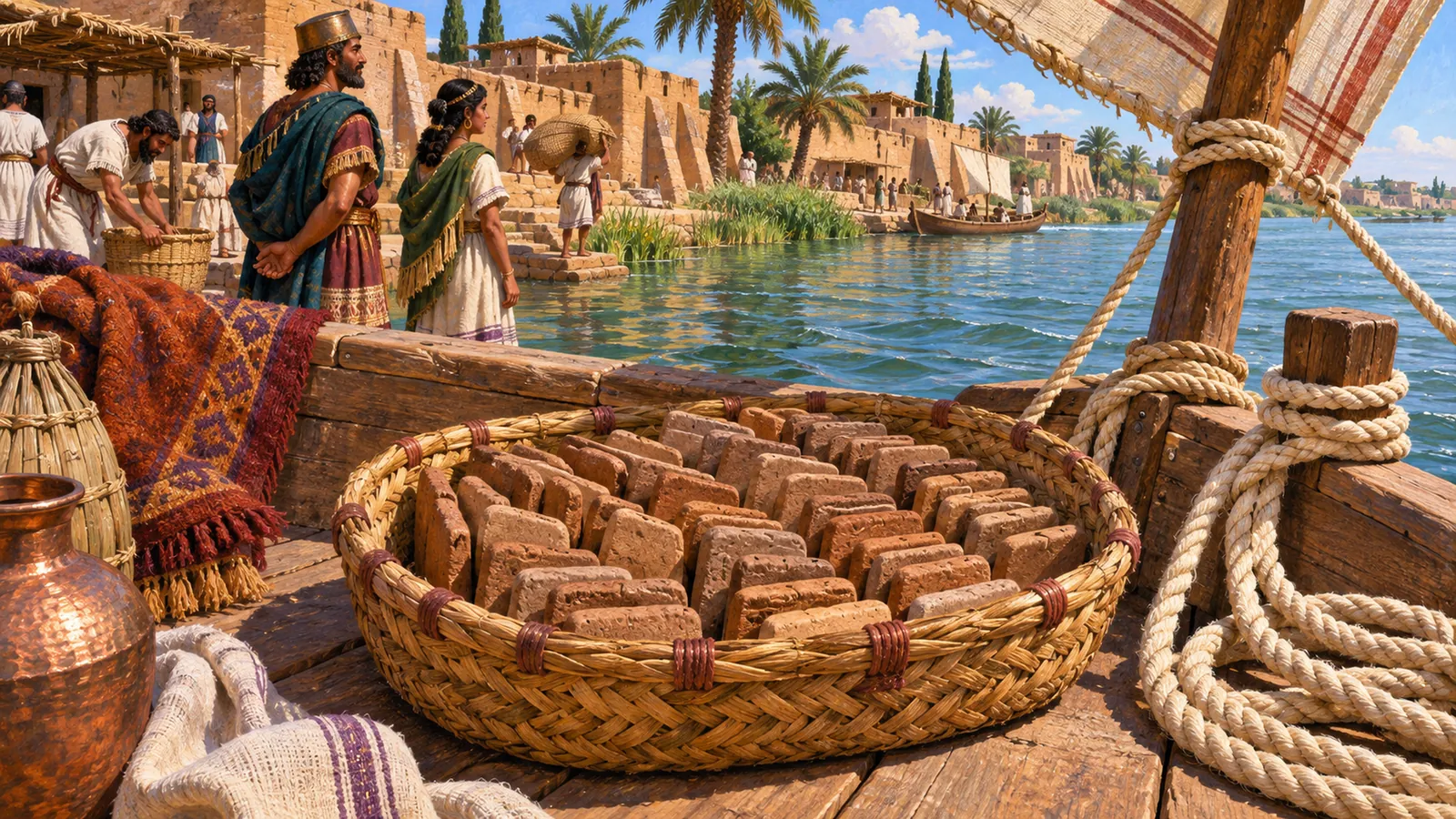
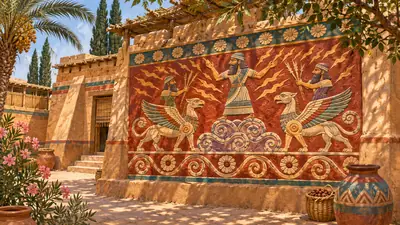
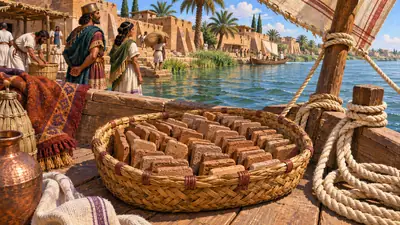
Among the spoils are clay tablets. The catalogue names prayers and learned works, signs of heaven and earth, and medical texts. The tablets bring the handwriting of Babylonia into the victory song.
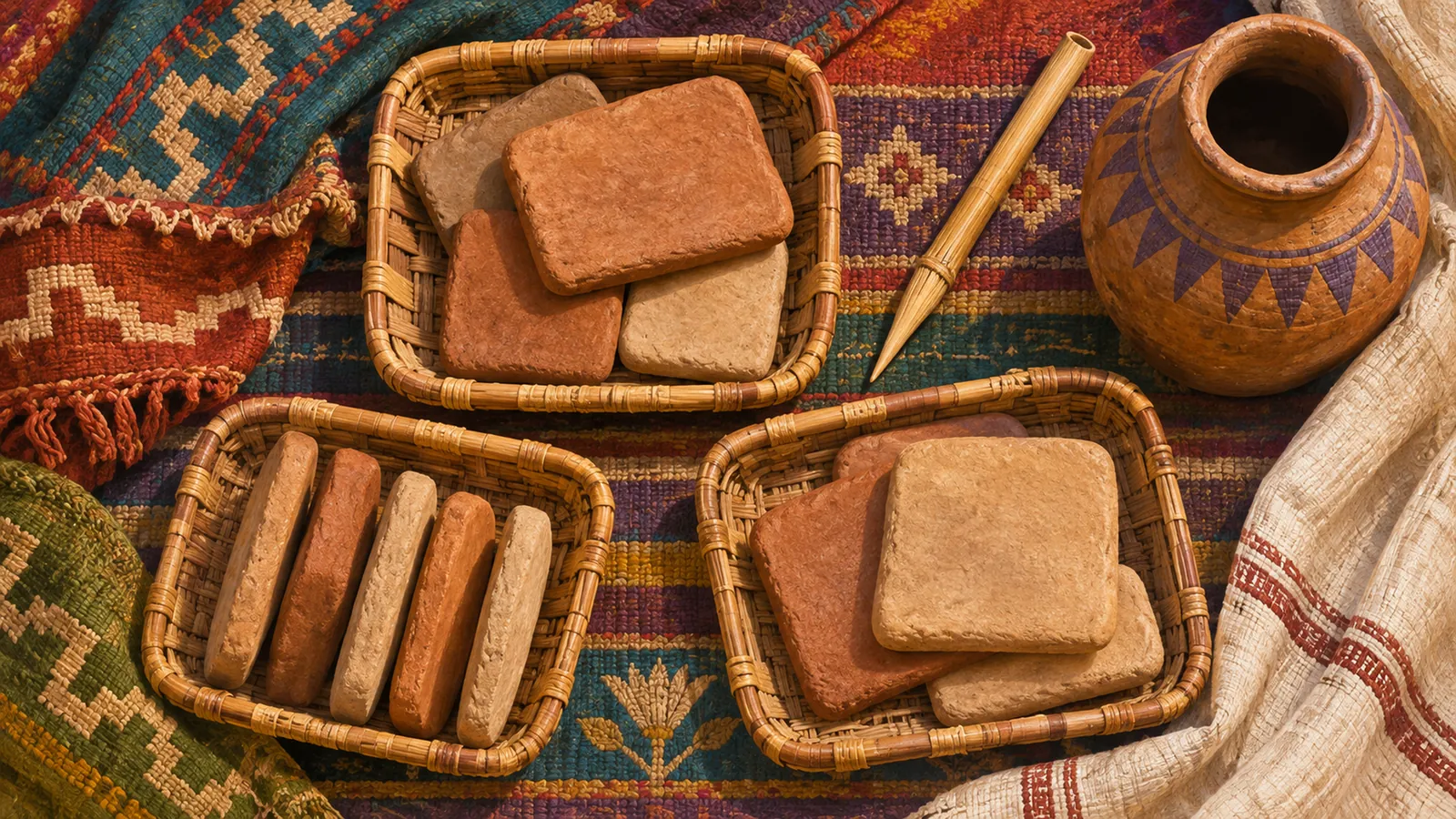
Alongside learned texts, the poet names the muster lists of earlier rulers and records of people who served them. He boasts that none of this haul remained in Sumer and Akkad.
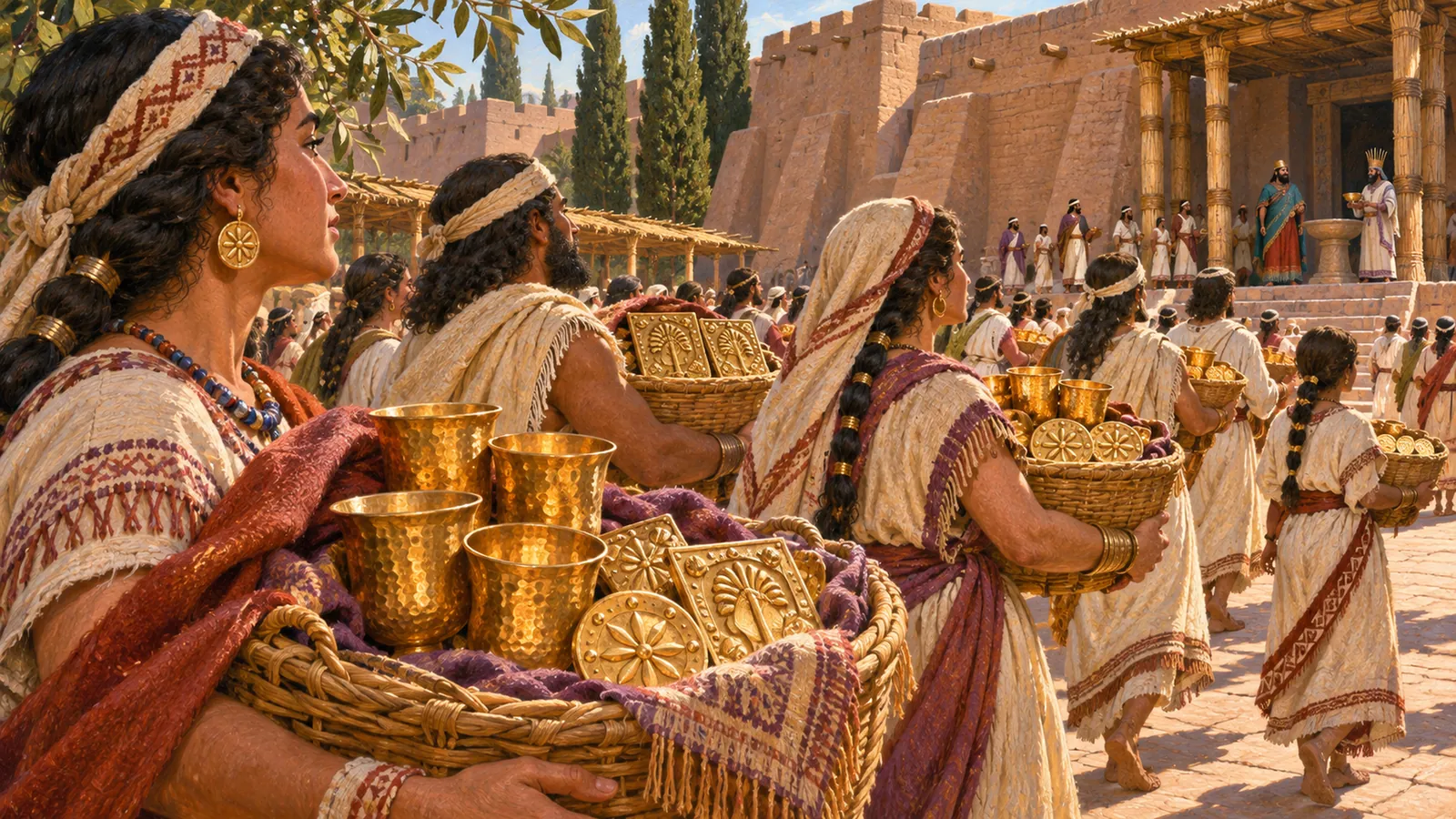
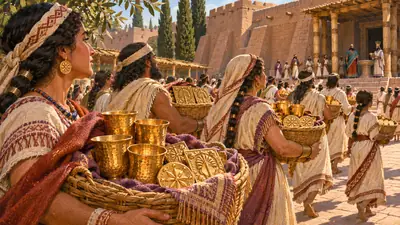
The king dedicates rich offerings to his gods. The surviving names include Ehursagkurkurra at Assur and Ekurmesharra at his own city across the Tigris. Fine gold catches the poet’s attention.
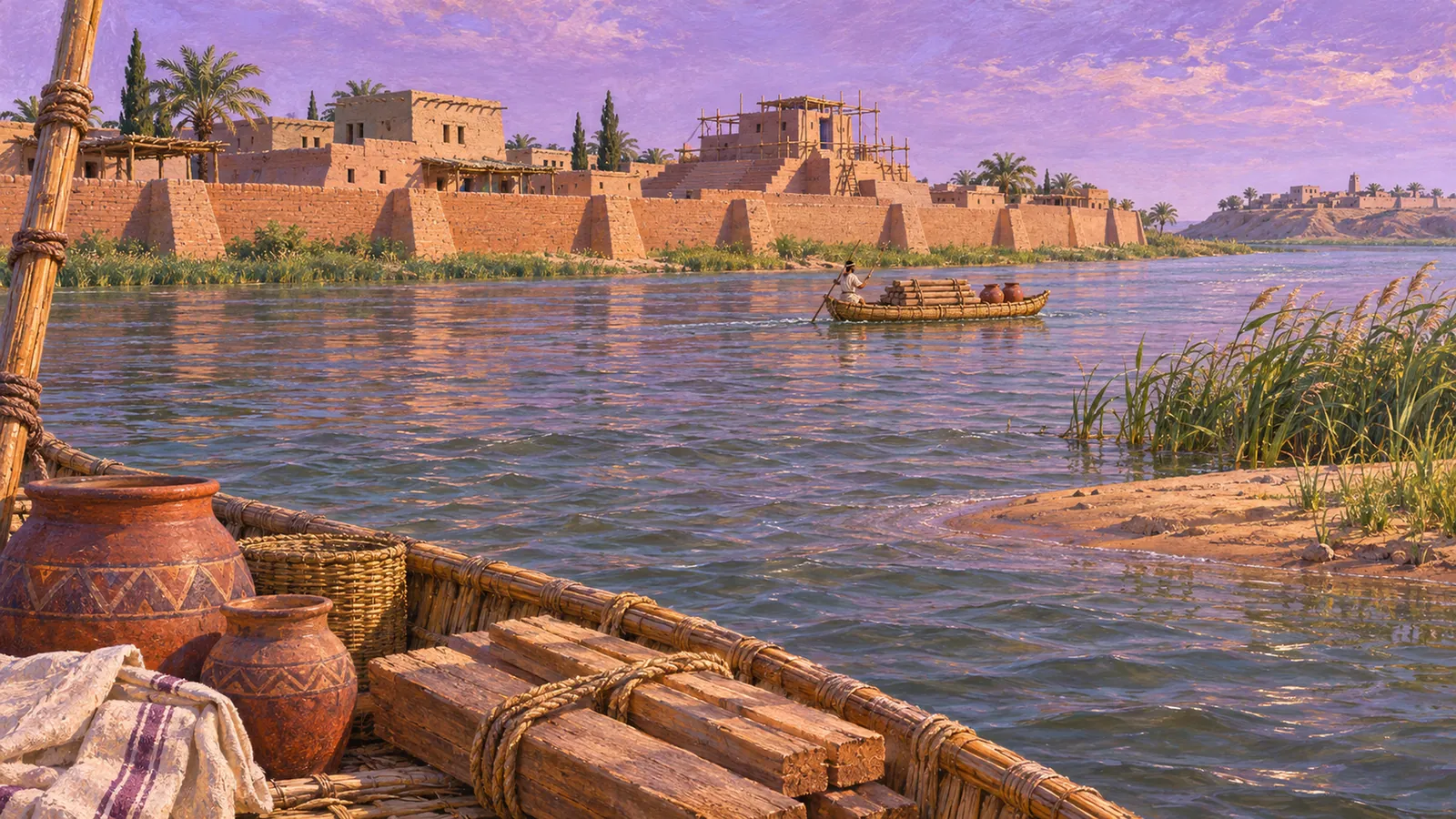
In his building inscription the king says he made a sanctuary for Assur at Kar-Tukulti-Ninurta. The named temple gives the epic’s closing account of offerings a place on the river.
THE LAST LINES
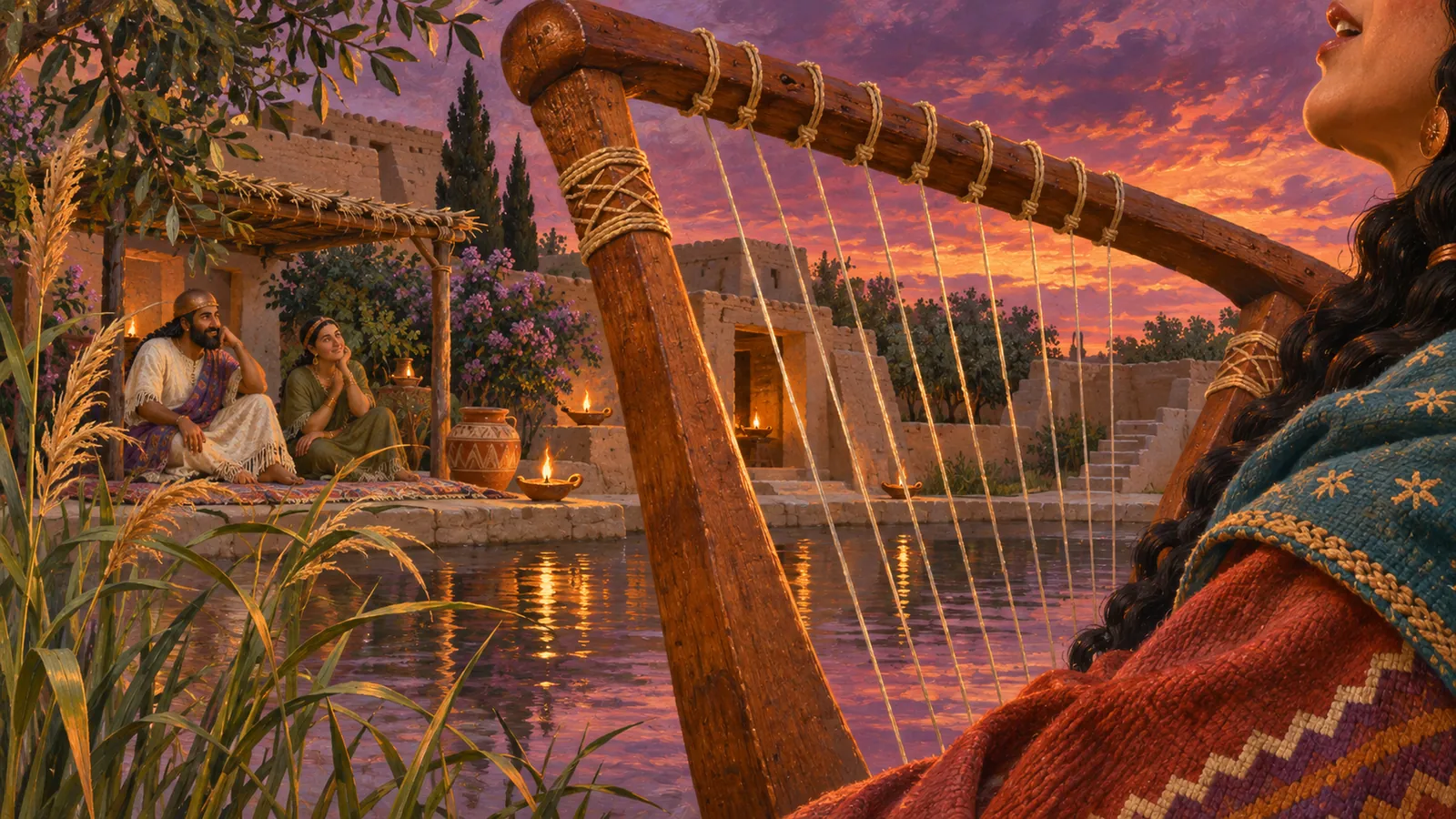
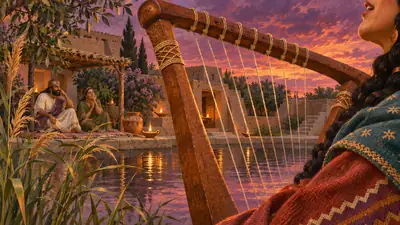
The last fragments turn back to praise and to the oath. The singer mentions the lyre bearer and words to be put in people’s mouths. The passage closes on broken lines.
End of chapter 1
All pages

Sources
Editions consulted
- Benjamin R. Foster, Before the Muses, III.1, Tukulti-Ninurta Epic
- SEAL 1592, witnesses and editions of the Tukulti-Ninurta Epic
- Peter Machinist, The Epic of Tukulti-Ninurta I
- RIAO Q005861, Tukulti-Ninurta I 25, reverse line 1
- RIAO Q005841, Tukulti-Ninurta I 05
- RIAO Q005860, capture of the Kassite ruler
Ancient lines behind each page
- Page 1: Foster III.1, I K6007 1–6
- Page 2: Foster III.1, I K6007 7–11
- Page 3: Foster III.1, I B 29′–35′
- Page 4: Foster III.1, II A 11′–18′
- Page 5: Foster III.1, I B 30′–35′; I A 24′–36′
- Page 6: Foster III.1, I B 36′–38′
- Page 7: Foster III.1, I B 38′–39′
- Page 8: Foster III.1, I B 40′–46′
- Page 9: Foster III.1, I A 15′–23′
- Page 10: Foster III.1, I A 8′–15′
- Page 11: Foster III.1, II A 1′–6′
- Page 12: Foster III.1, II A 4′–11′
- Page 13: Foster III.1, II A 5′–10′
- Page 14: Foster III.1, II A 9′–18′
- Page 15: Foster III.1, II A 13′–25′
- Page 16: Foster III.1, II A 26′–28′
- Page 17: Foster III.1, II A 29′–35′
- Page 18: Foster III.1, II A 31′–35′; F 5′–11′
- Page 19: Foster III.1, II F 5′–11′
- Page 20: Foster III.1, II D 1–6
- Page 21: Foster III.1, II D 7–15; III A 1′–10′
- Page 22: Foster III.1, III A 7′–14′
- Page 23: Foster III.1, III A 15′–20′
- Page 24: Foster III.1, III A 21′–32′
- Page 25: Foster III.1, III A 27′–35′
- Page 26: Foster III.1, III A 33′–40′
- Page 27: Foster III.1, III A 41′–56′
- Page 28: Foster III.1, III A end; III C opening
- Page 29: Foster III.1, III C 1′–10′
- Page 30: Foster III.1, III C 11′–13′
- Page 31: Foster III.1, III C 13′–24′
- Page 32: Foster III.1, IV C reverse
- Page 33: Foster III.1, IV A 4′–18′
- Page 34: Foster III.1, IV A 19′–29′
- Page 35: Foster III.1, IV A 29′–35′
- Page 36: Foster III.1, IV A 35′–end
- Page 37: Foster III.1, V A 10′–30′
- Page 38: Foster III.1, V A 20′–30′
- Page 39: Foster III.1, V A 31′–37′
- Page 40: Foster III.1, V A 36′–40′
- Page 41: Foster III.1, V A 39′–45′
- Page 42: Foster III.1, V A 40′–45′
- Page 43: Foster III.1, V A 45′–52′
- Page 44: Foster III.1, V A 49′–end; VI A
- Page 45: RIAO Q005861 r. 1; Q005841
- Page 46: Foster III.1, VI A 19′–30′; VI B 10′–14′
- Page 47: Foster III.1, VI B 4′–14′
- Page 48: Foster III.1, VI B 5′–14′
- Page 49: Foster III.1, VI B 15′–26′
- Page 50: RIAO Q005861 r. 25–30; VI B 19′–20′
- Page 51: Foster III.1, VI B 27′–45′
Illustrations made with AI tools by IL Archive; the text is based on the ancient sources (see the sources at the end of each chapter).